Direct manufacturer configurations matching clinical requirements of metropolitan New York orthopedic institutions.
Bridging raw metal precision and clinical biomechanics for New York’s high-volume level-1 trauma centers.
The state of New York, anchoring world-renowned health networks like Mount Sinai, New York-Presbyterian, and HSS (Hospital for Special Surgery), dictates some of the most rigorous orthopedic standards globally. With an aging demographic shifting healthcare burdens towards hip fracture fixations and a concurrently dense population requiring advanced extremity trauma care, the demand for high-strength, dependable cannulated compression bone screws is continuously rising.
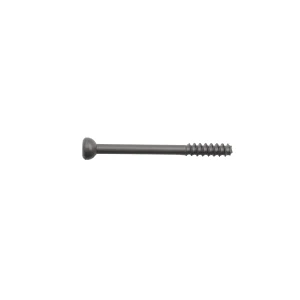
In clinical practice, titanium cannulated bone screws are essential for minimally invasive osteosynthesis. Key indications in the New York medical corridor include femoral neck fractures, scaphoid stabilization, calcaneal reconstruction, and distal tibia syndesmosis repair. Unlike traditional solid screws, the hollow core allows orthopedic surgeons to place a guide wire percutaneously under fluoroscopic imaging, verifying alignment prior to final insertion. This reduces surgical intervention time, limits regional soft tissue damage, and lowers post-operative infection risks—crucial metrics for modern value-based healthcare scoring in NY.
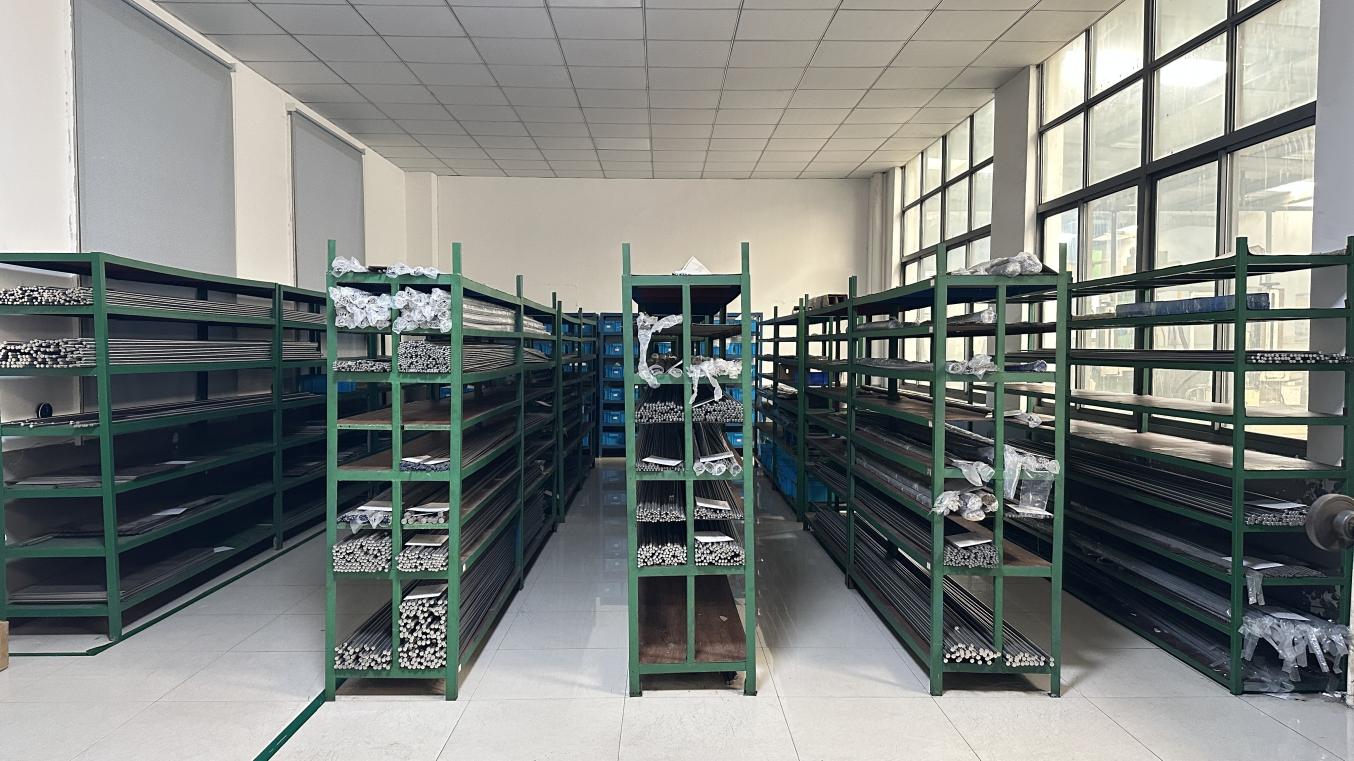
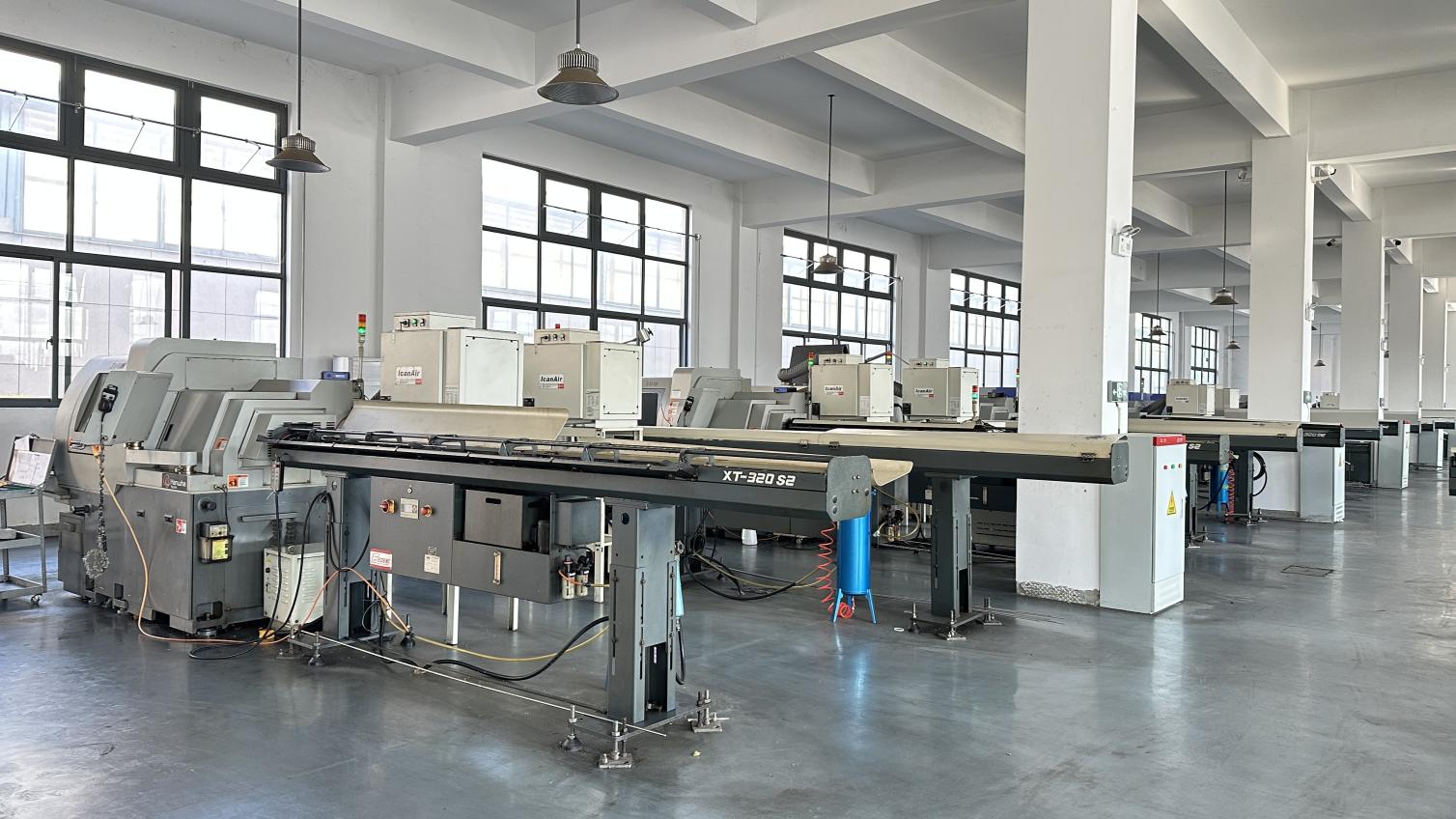
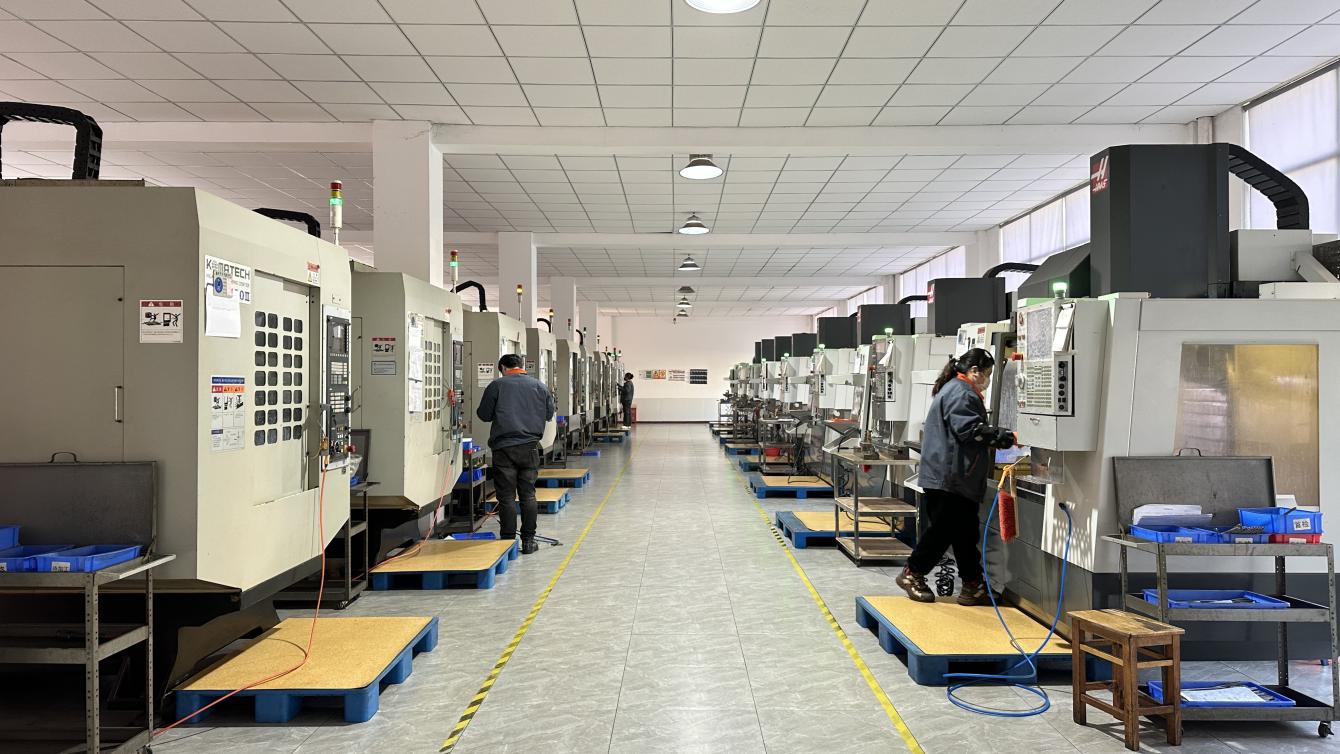
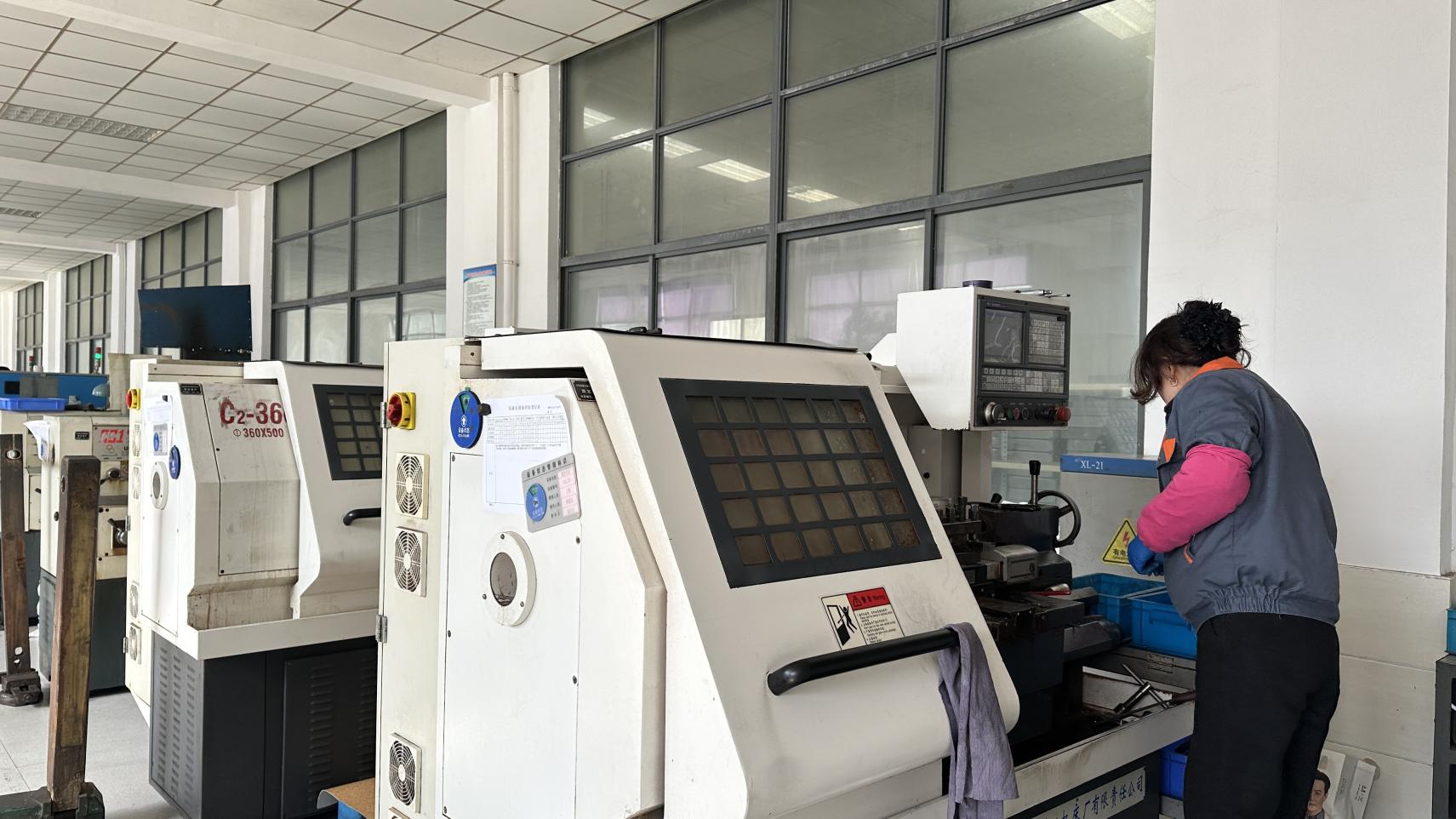
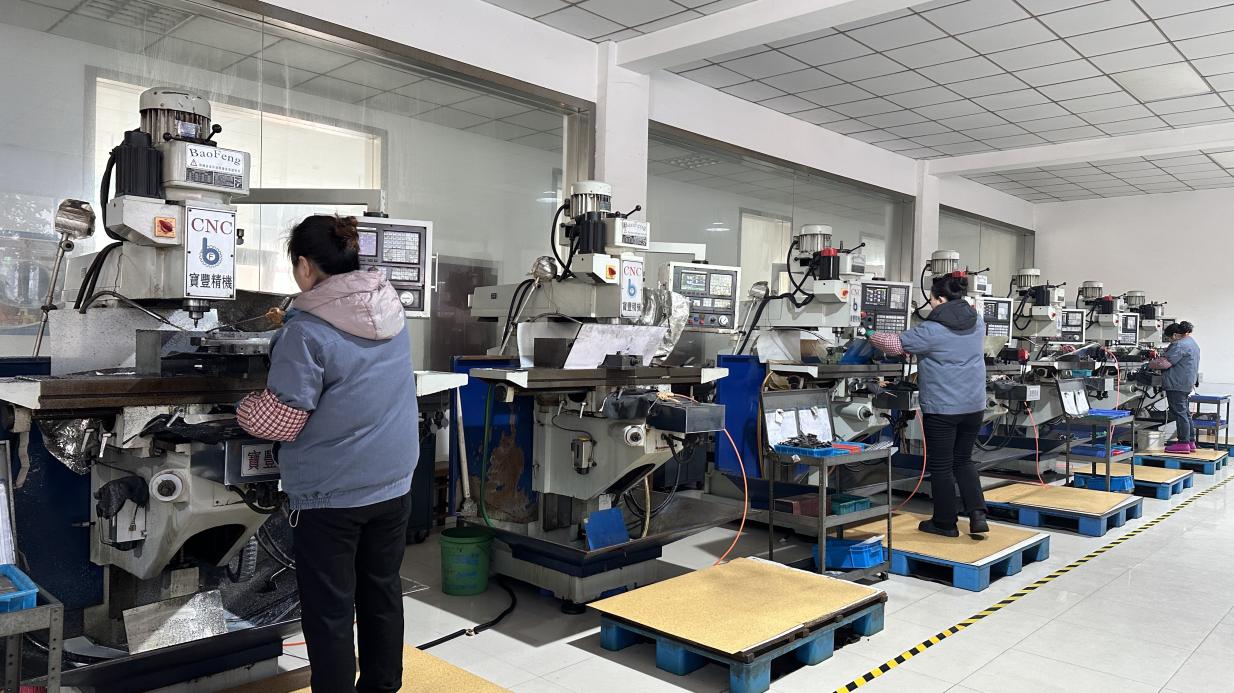
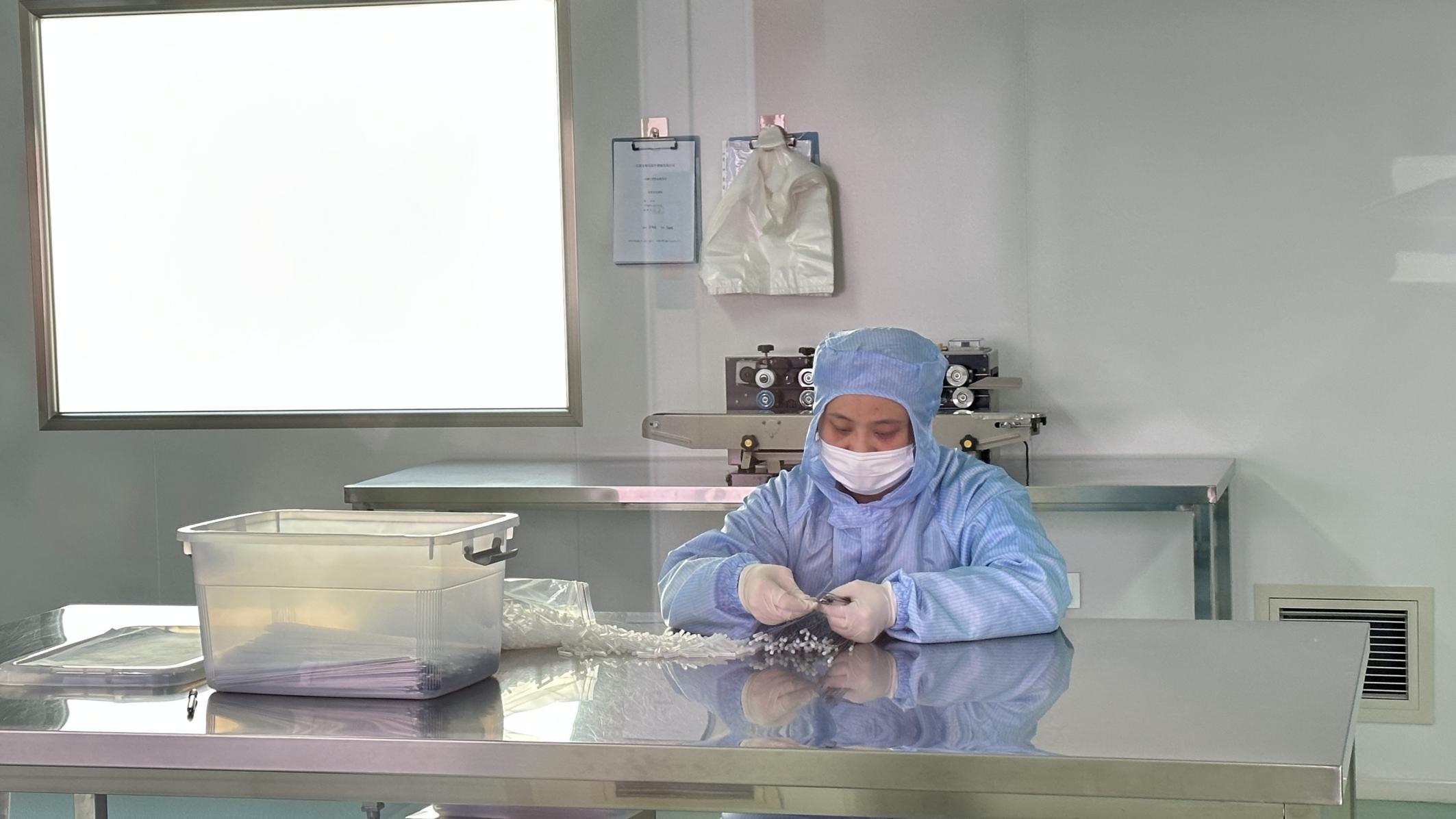
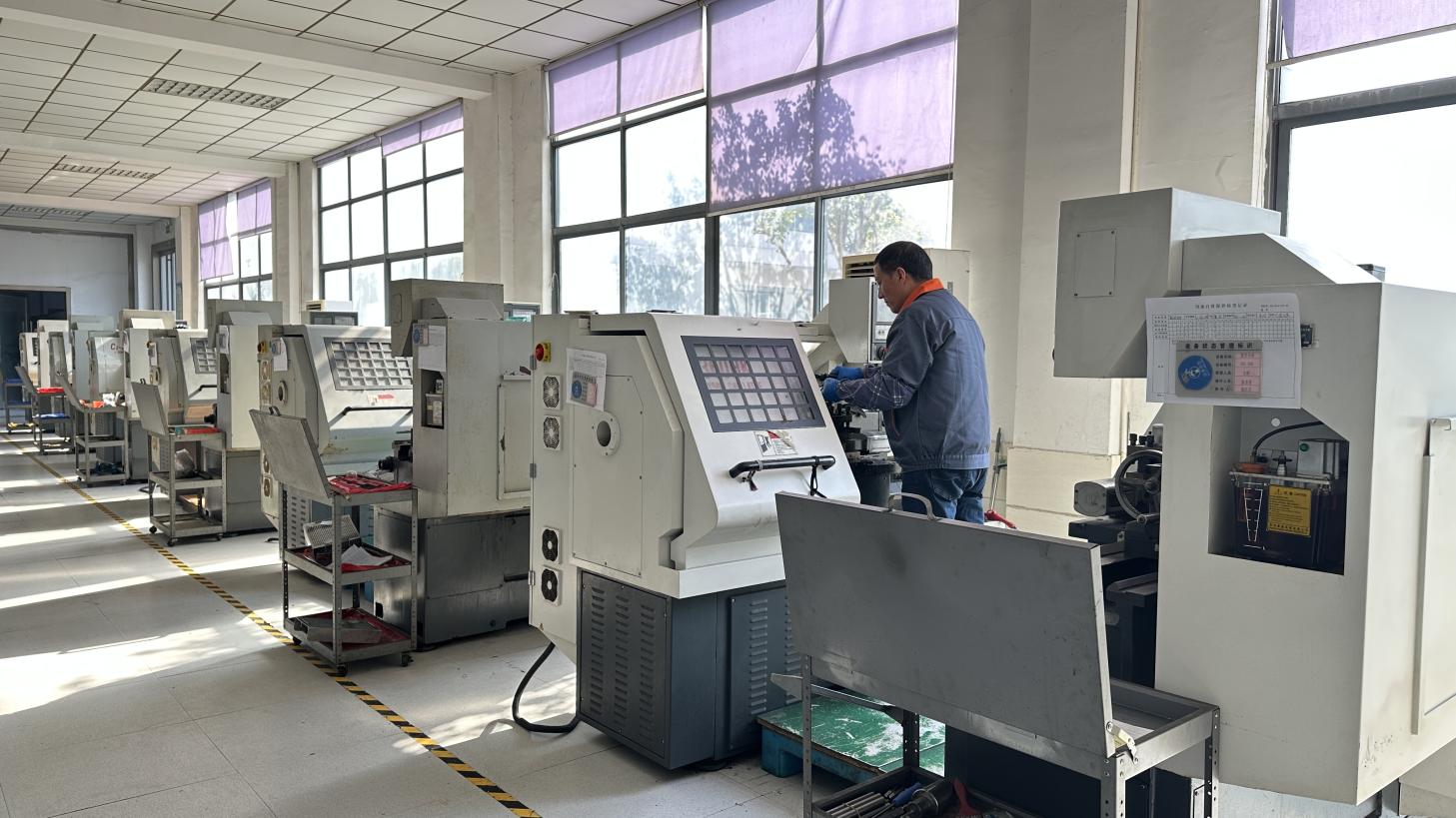
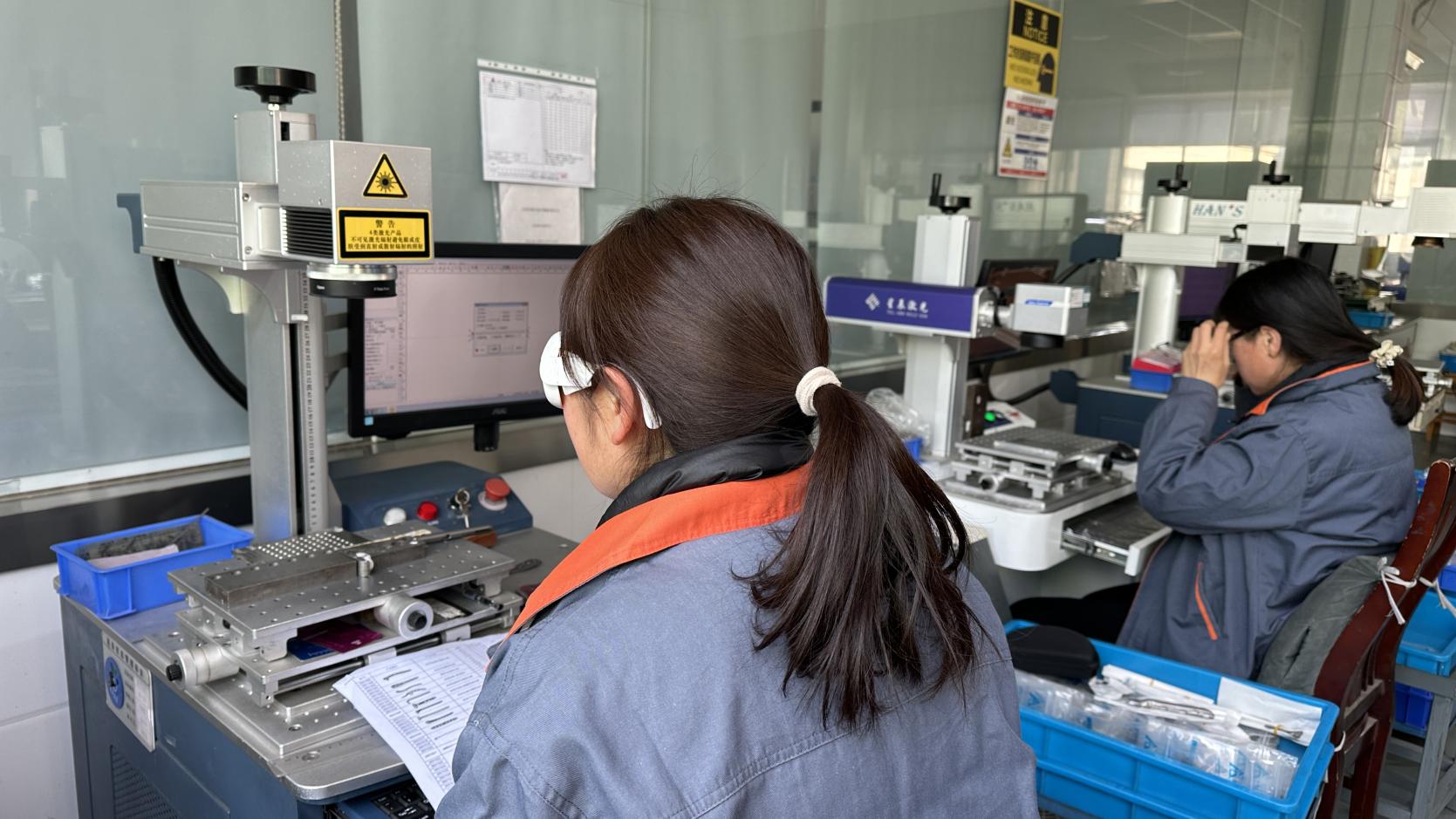
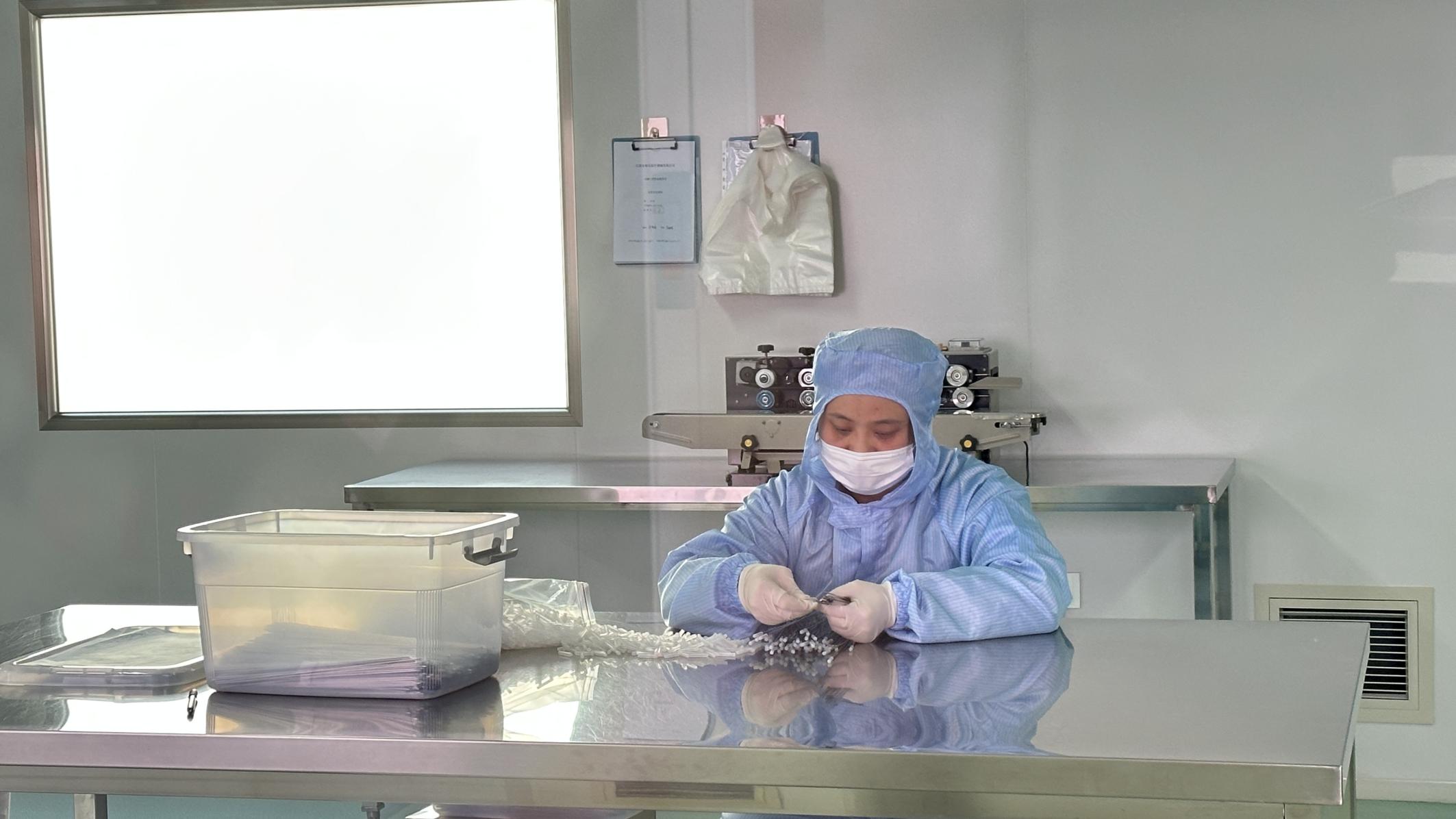
Virelox Medical Devices Co., Ltd. serves as a pivotal node in the global orthopedic manufacturing network, bridging precision raw materials and patient-centric designs. Operating from a highly optimized 12,000 m² facility, Virelox manages a comprehensive, ISO 13485-certified ecosystem designed to maintain absolute product stability, tracing materials from titanium ingots to sterile room packaging.
For international healthcare providers and hospital procurement directors in metropolitan regions, supply chain risk management is critical. Virelox addresses this by collaborating with 850 certified upstream and downstream partners. This ensures a constant, uninterrupted supply of medical-grade titanium alloy (Ti-6Al-4V ELI conforming to ASTM F136) and precision cutting tools. Whether delivering to large medical distributors in the European Union or responding to quick-turnaround tenders for trauma care networks in South America, Southeast Asia, or the United States, our system is engineered to absorb demand fluctuations while ensuring strict clinical compliance.
Fully certified under ISO 13485-based processes, ensuring every manufacturing batch matches the dimensional, mechanical, and trace requirements of domestic and export authorities.
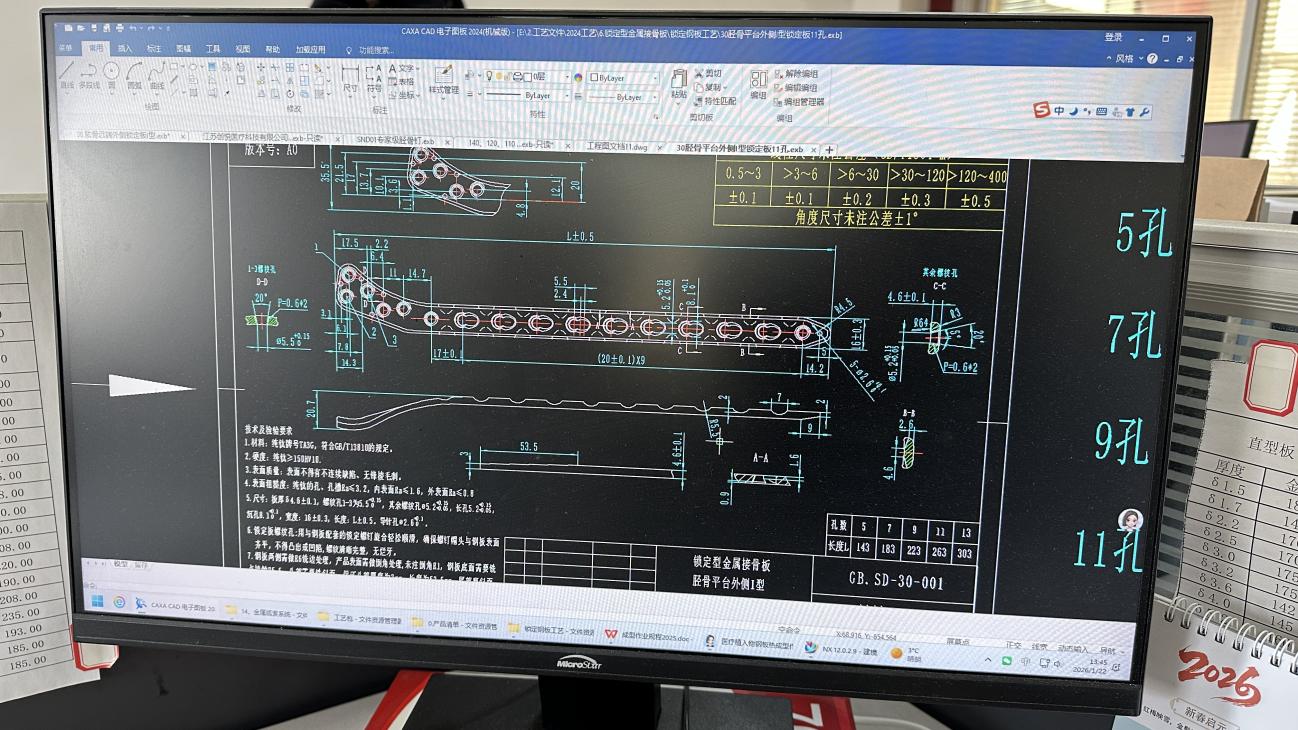
Biomechanical simulation and custom implant geometry production based on individual surgical requirements, developed by our 120 dedicated engineering specialists.
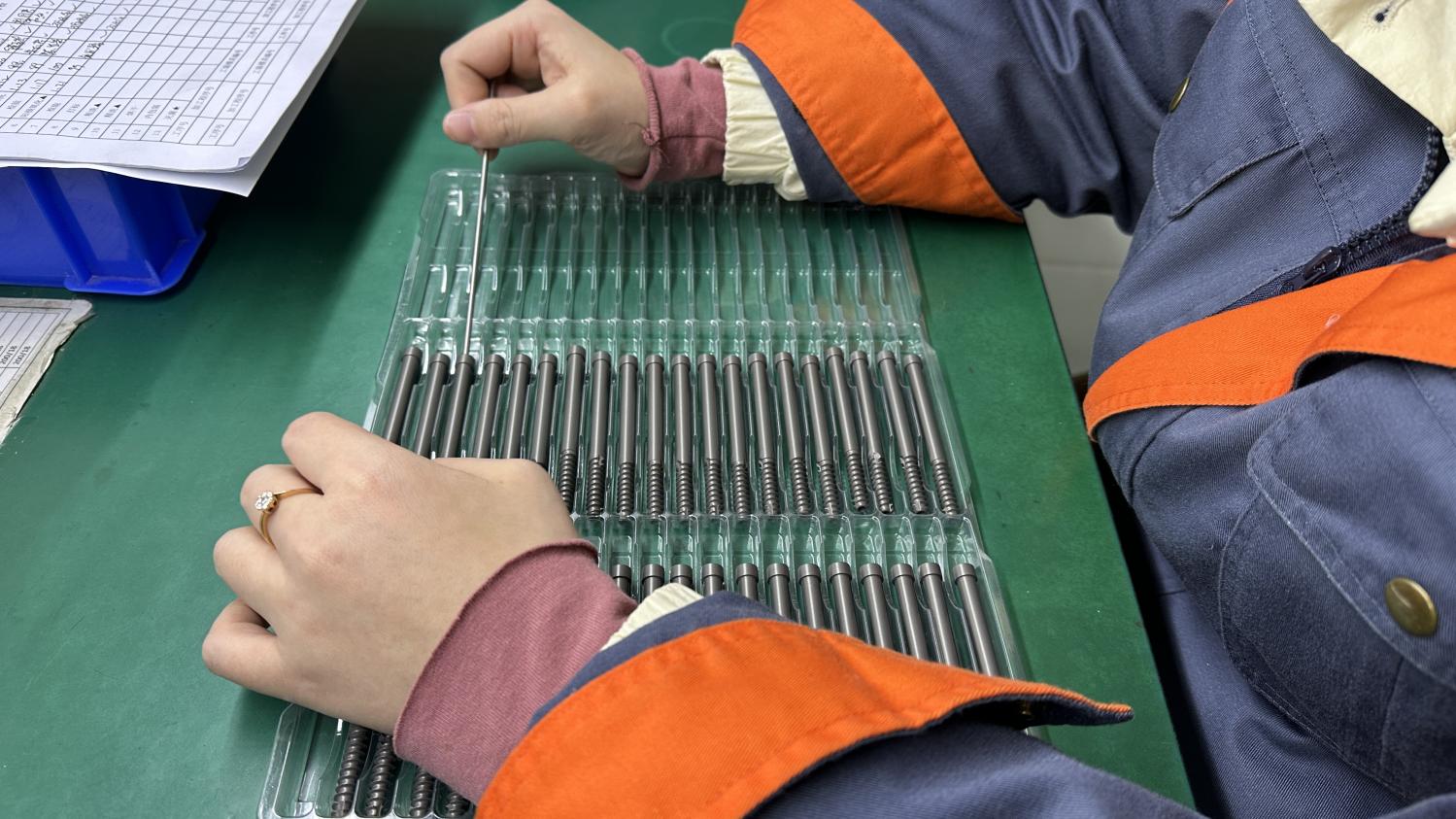
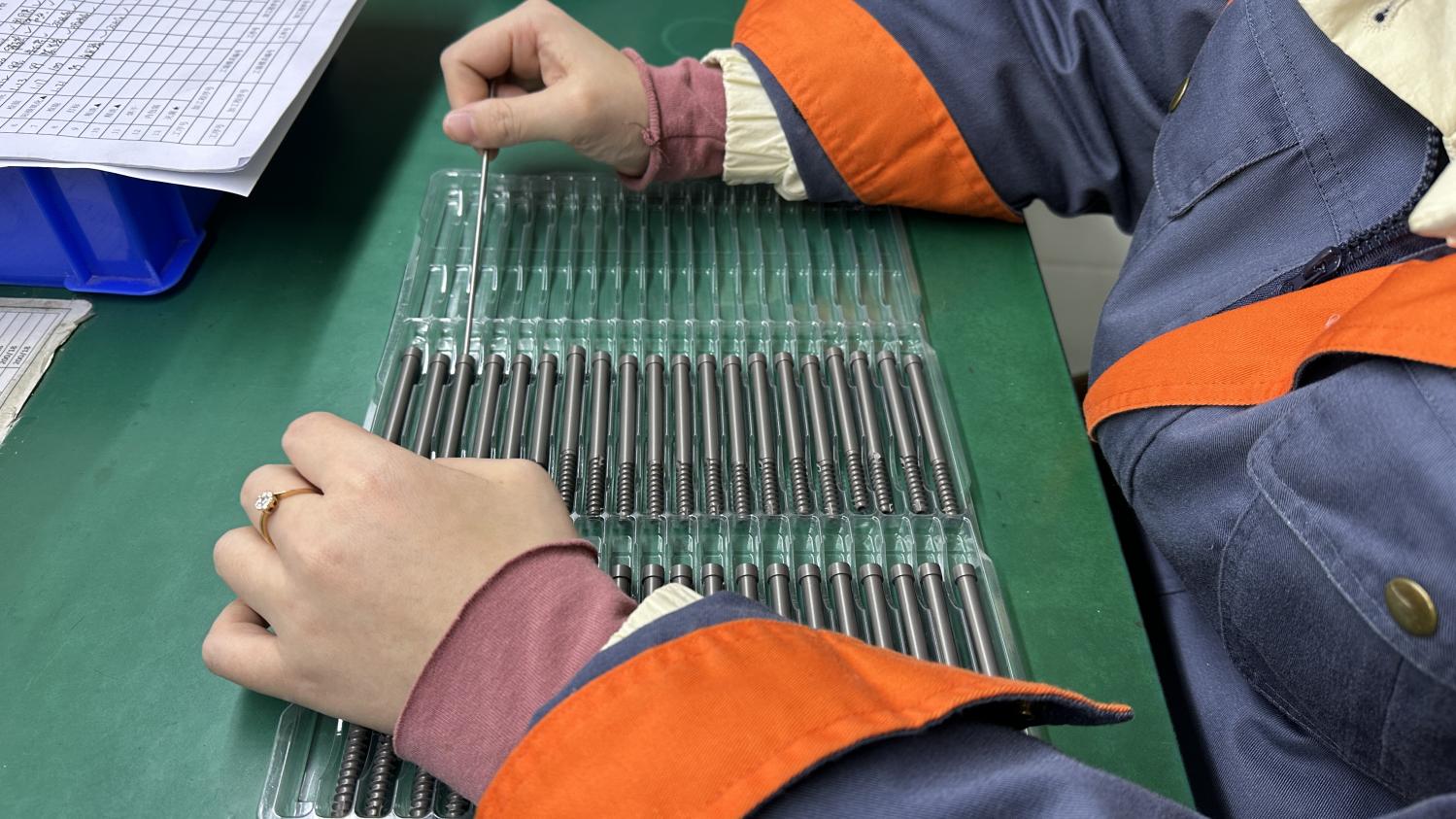
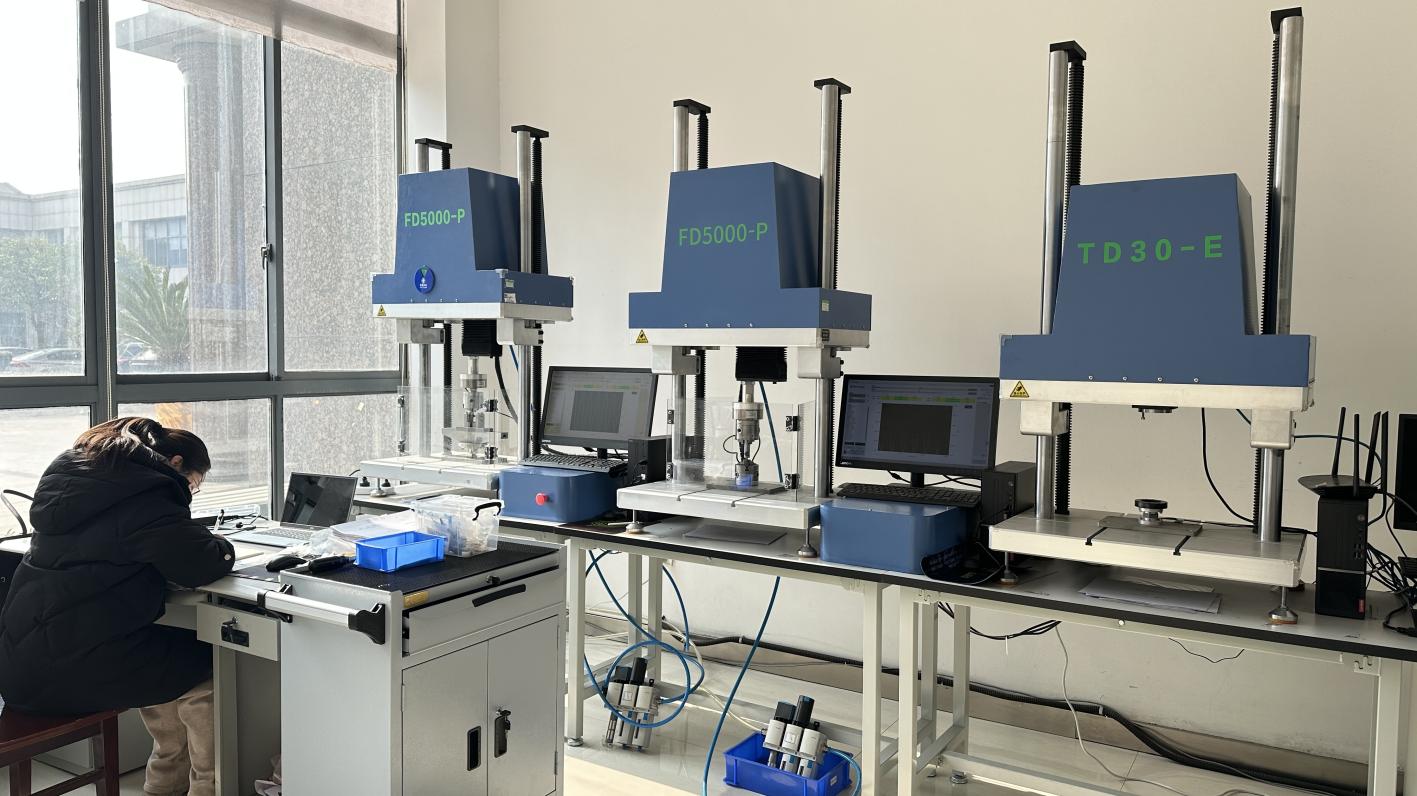
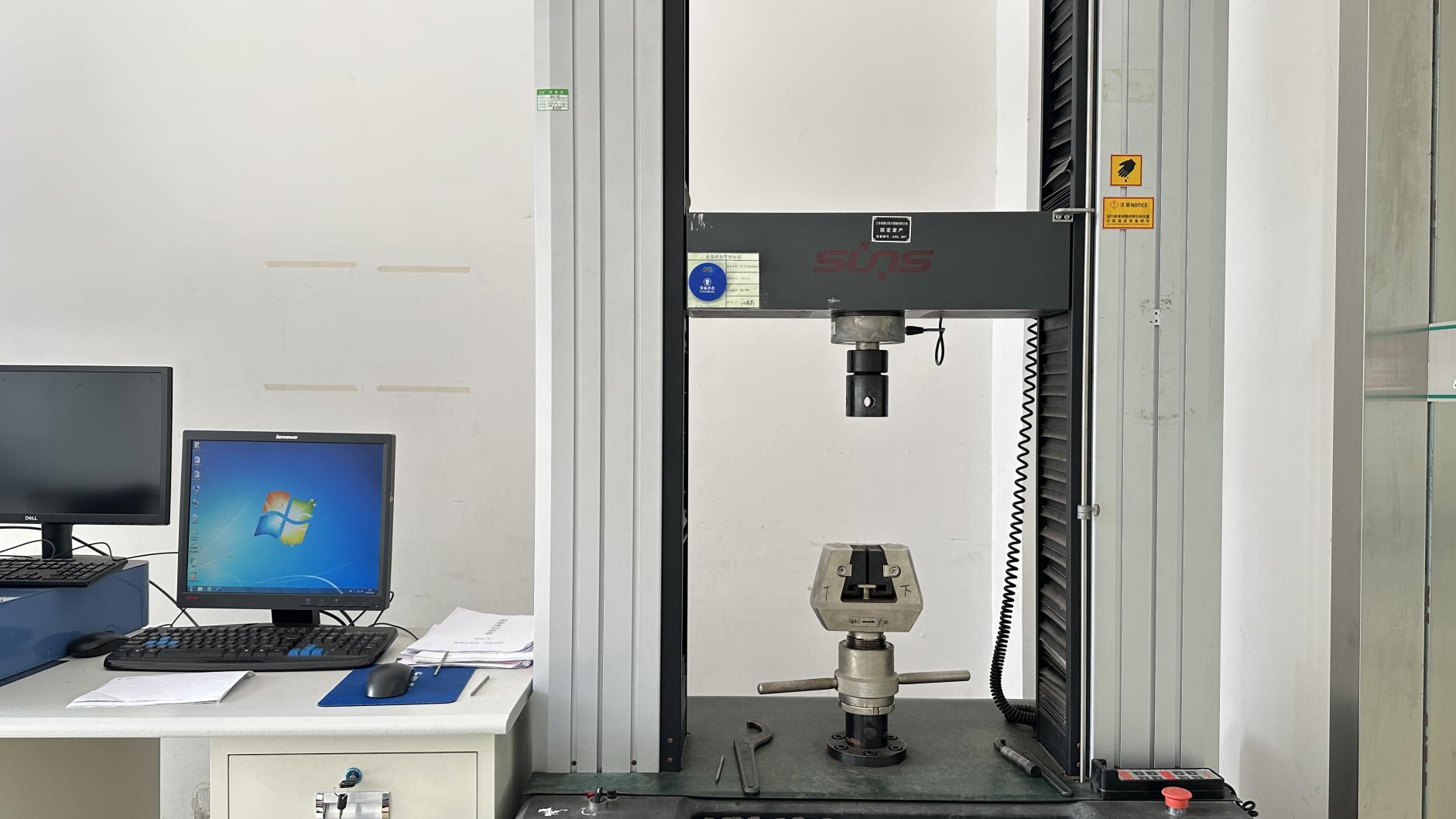
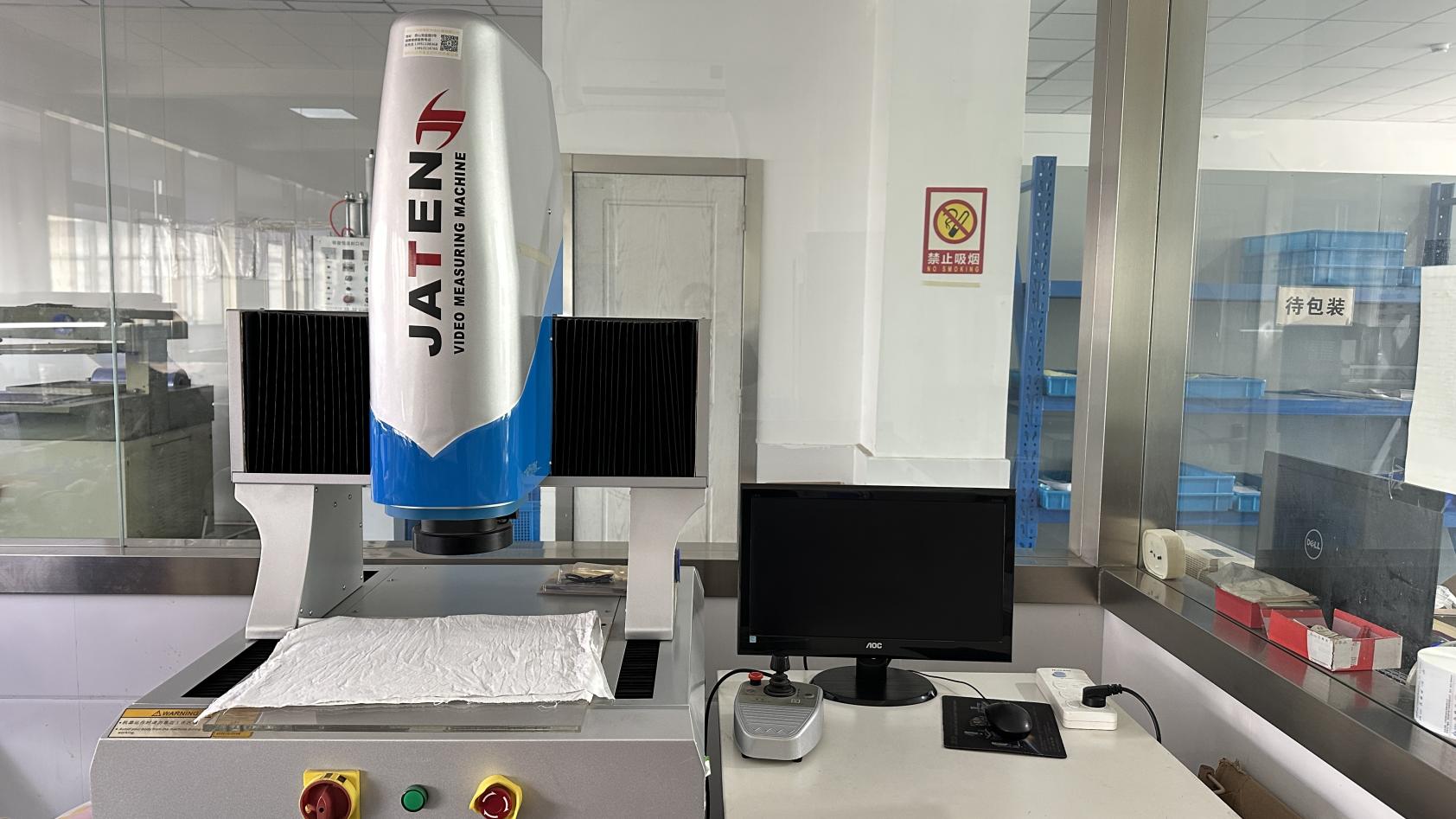
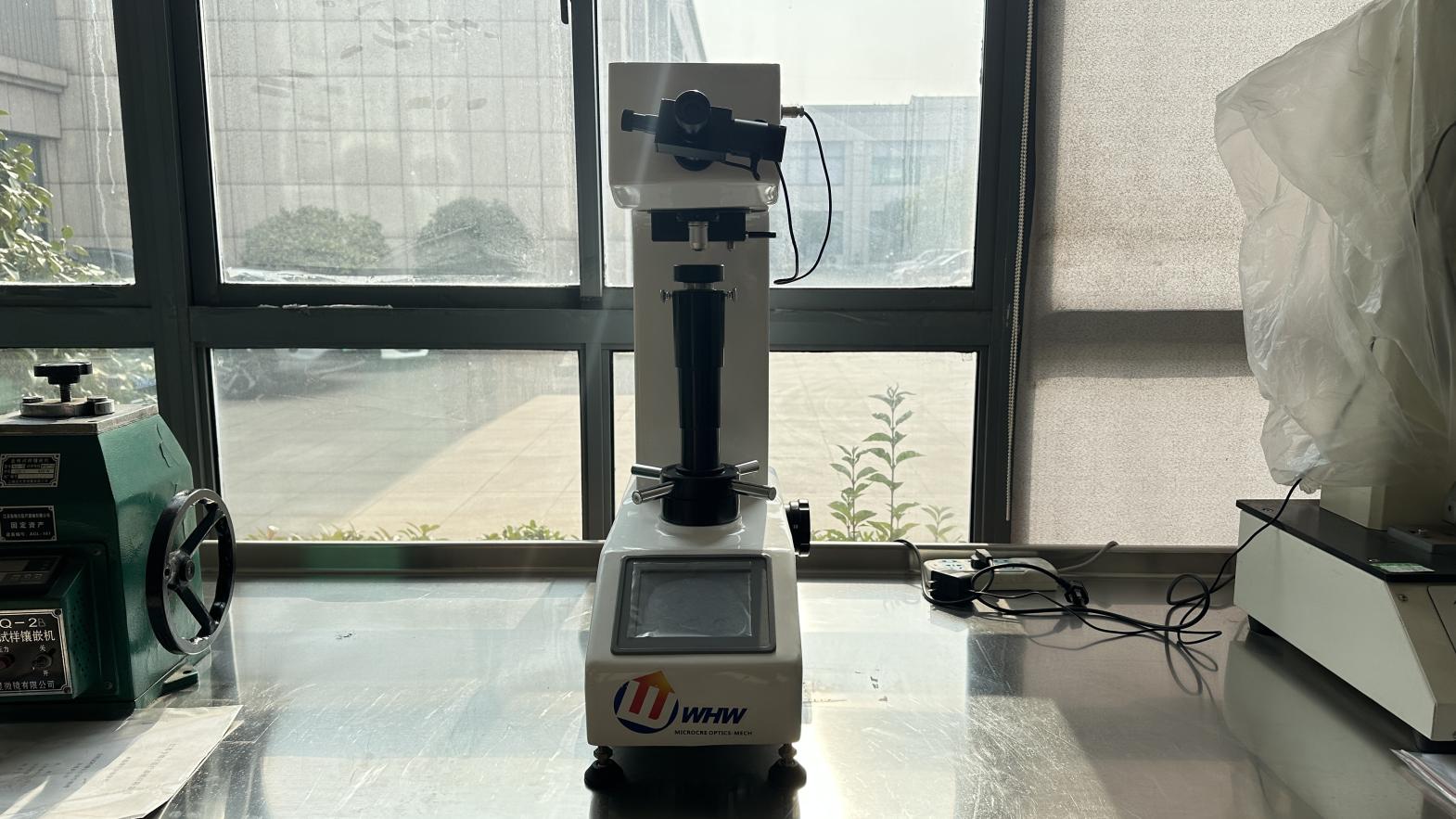
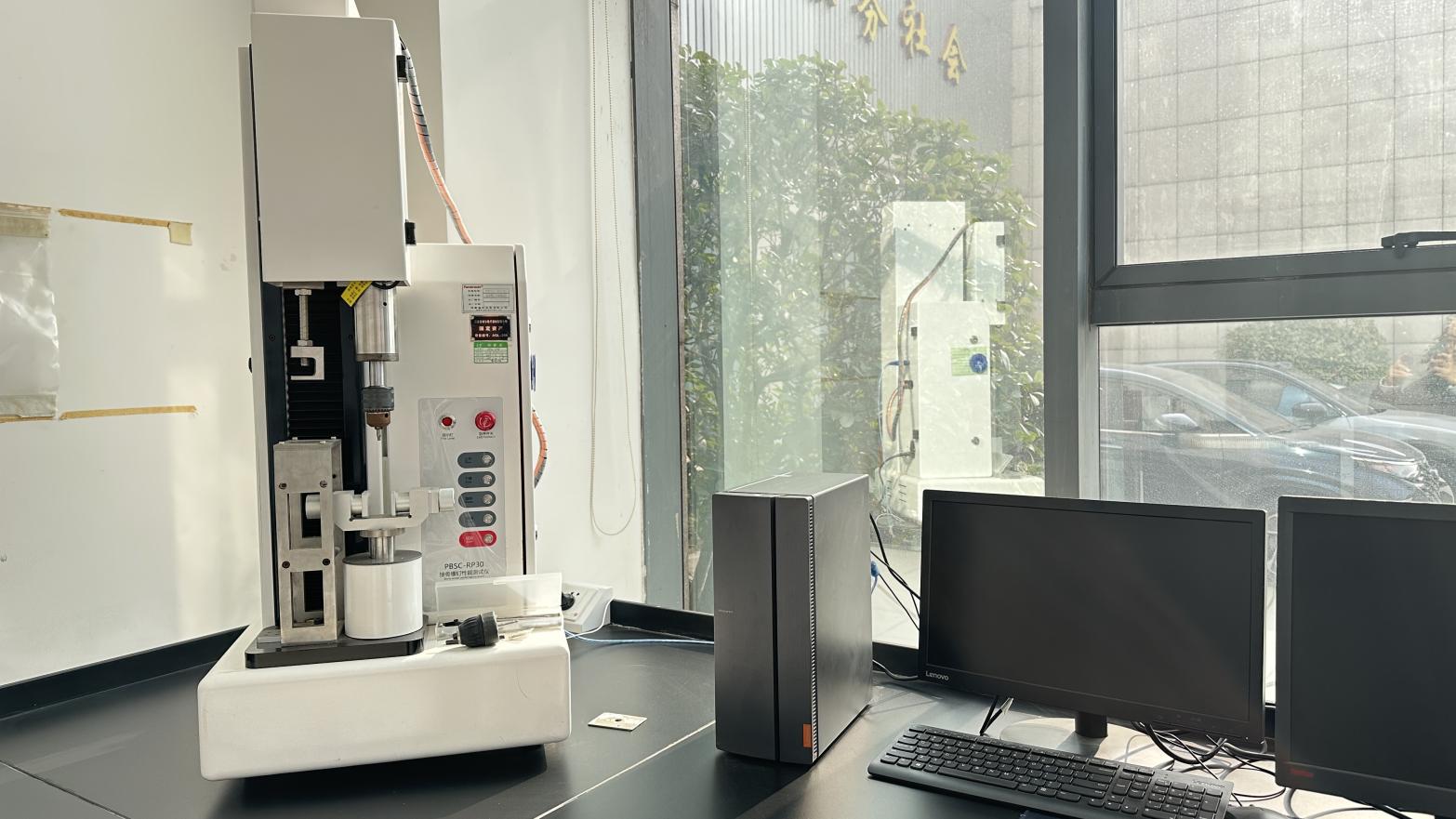
Full testing suite including X-ray verification, tensile strength analysis, 2D CMM dimensions, fatigue tests, and specialized performance validation for bone screws.
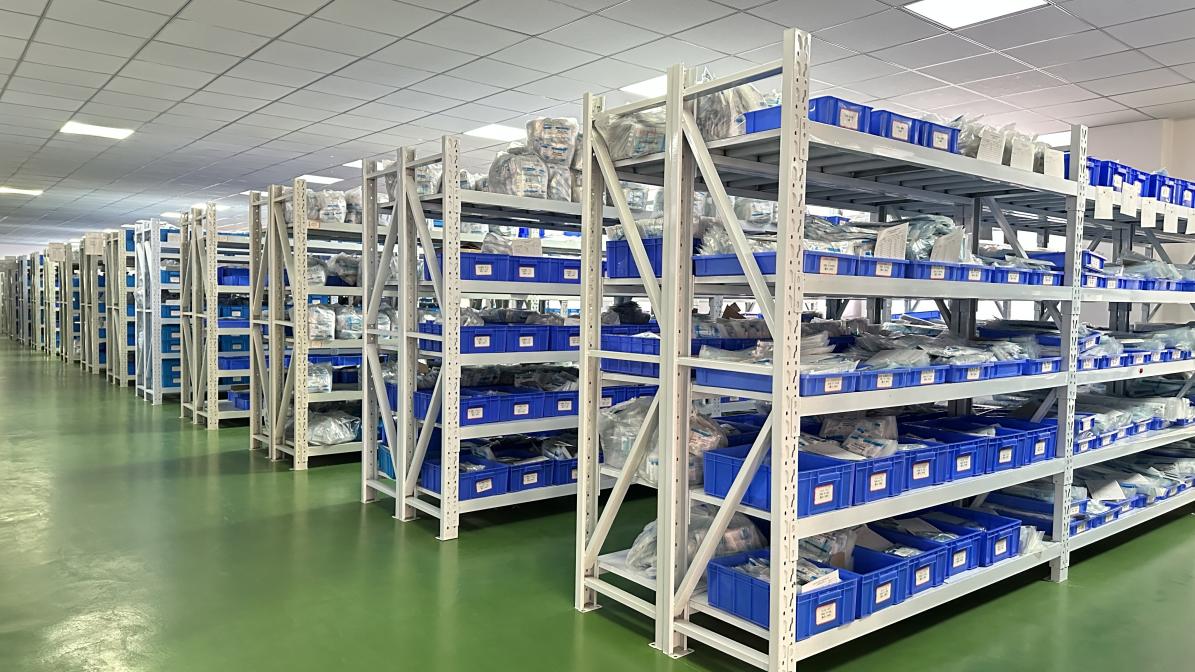
Full traceability from raw medical grade titanium to finished clinical implants.
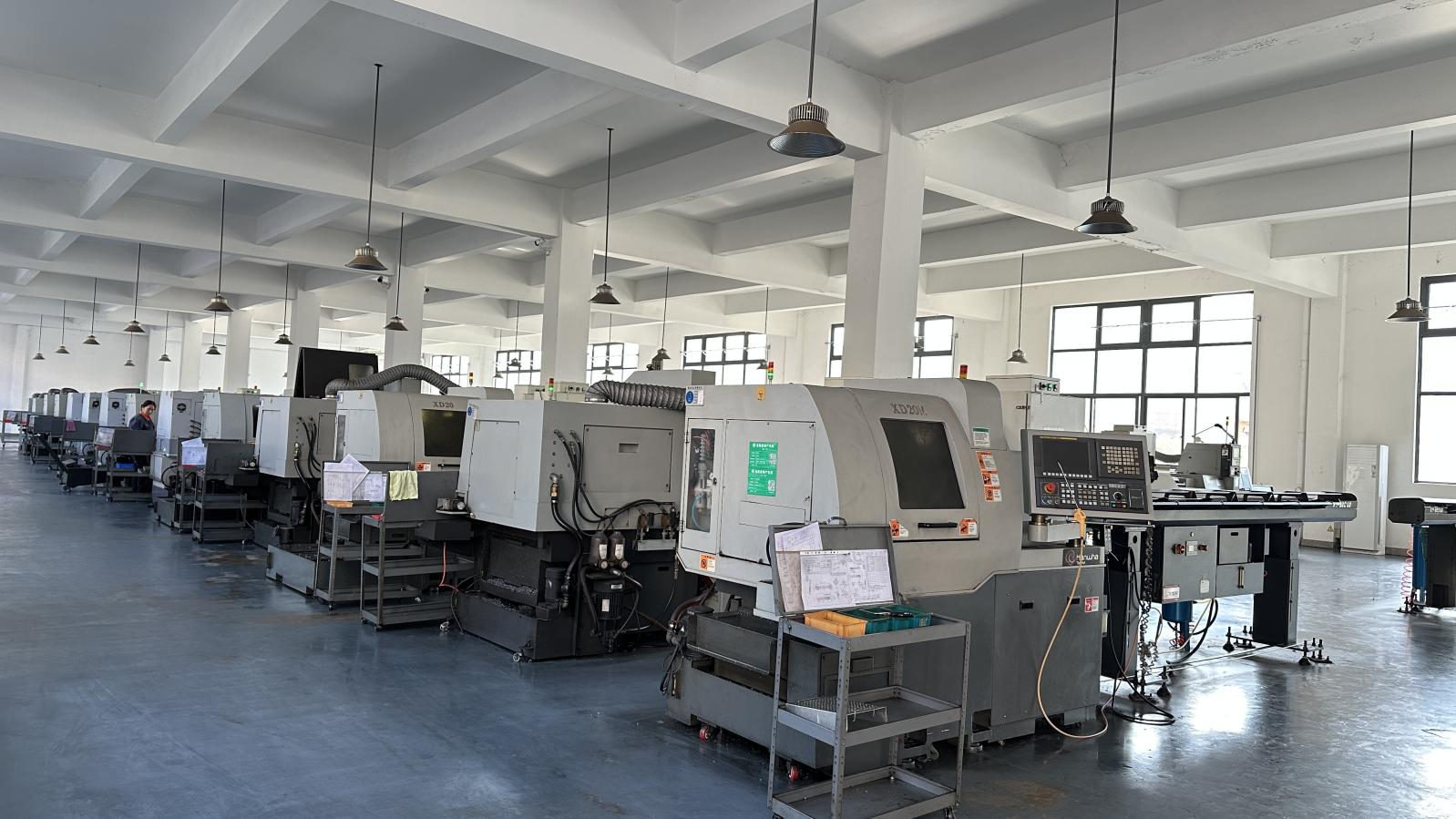
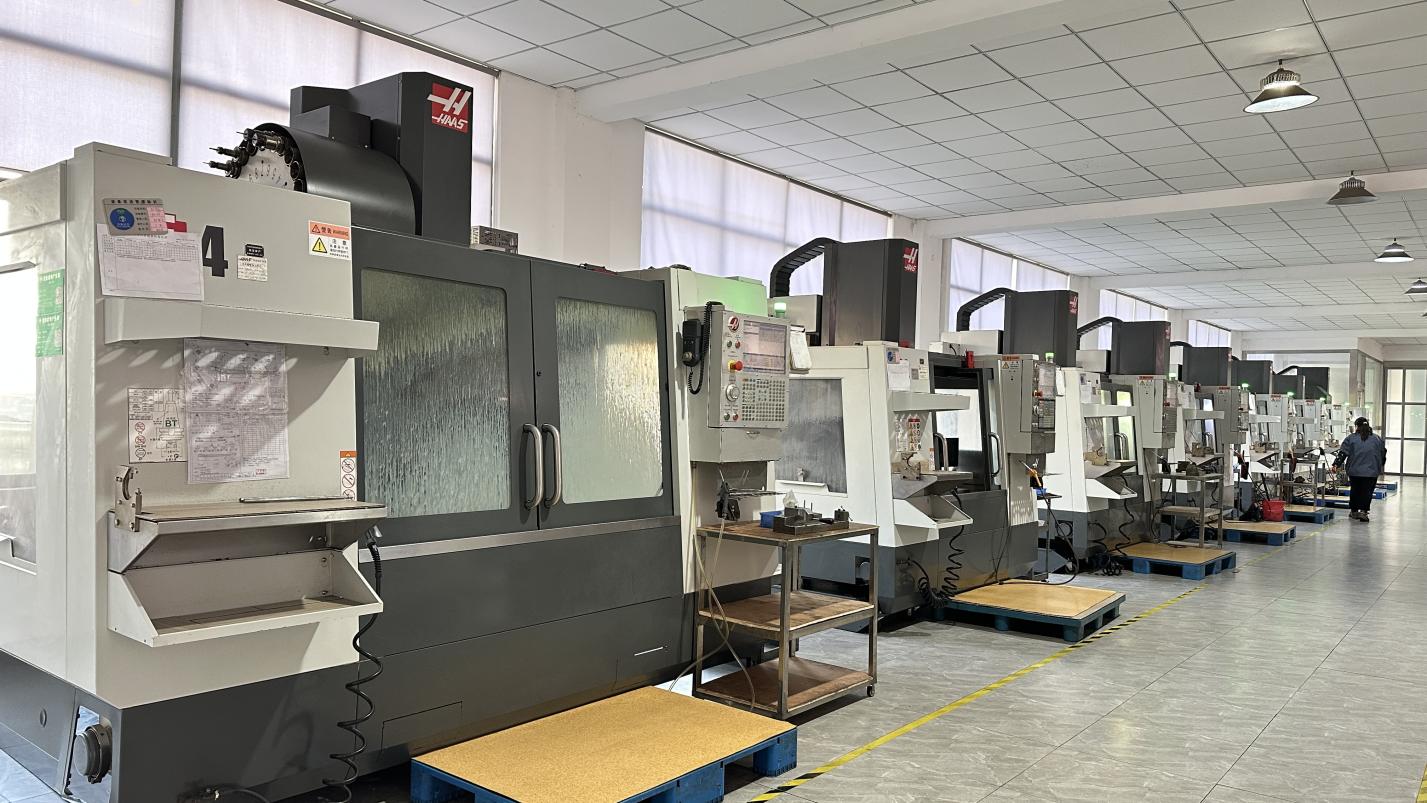
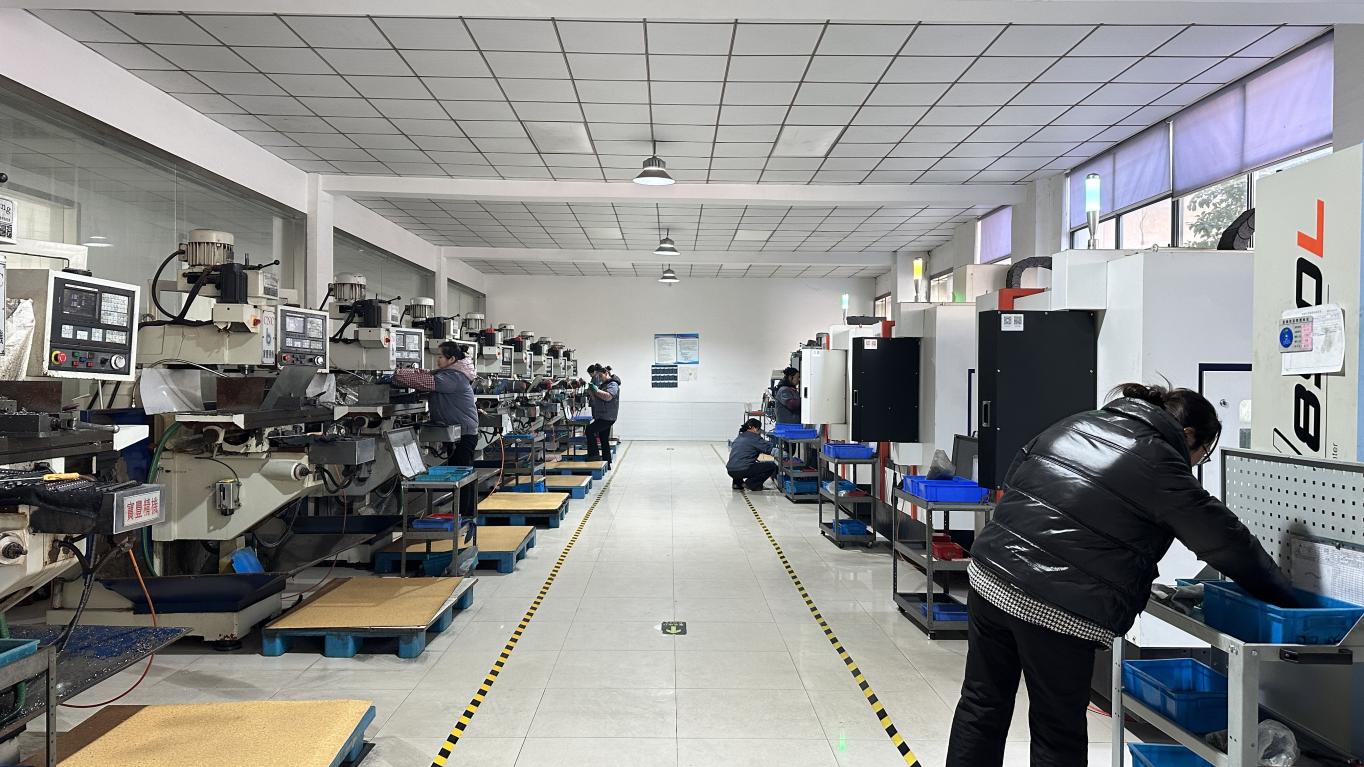
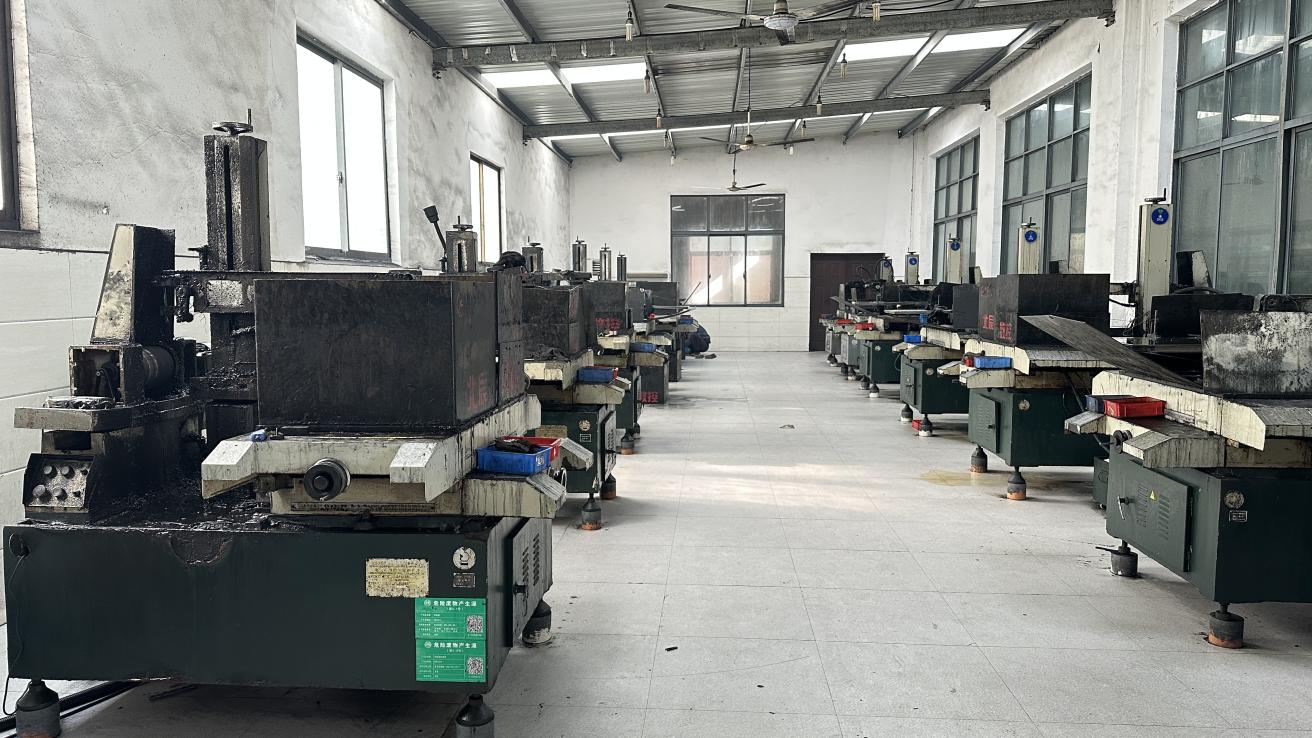

How physical dimensions and mechanical properties align to deliver surgical success.
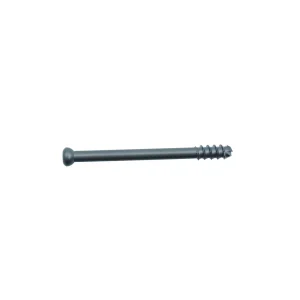
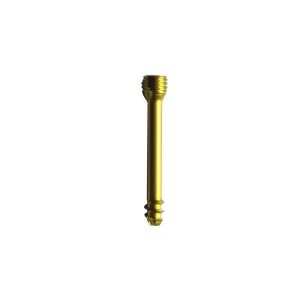
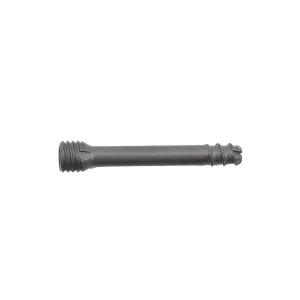
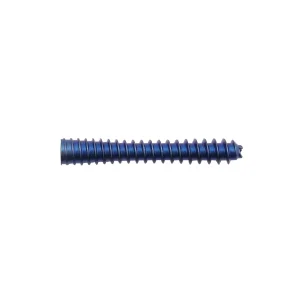
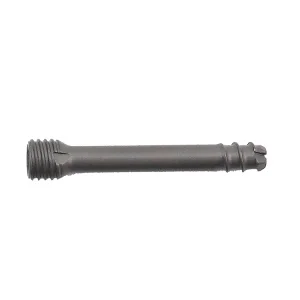
The mechanical efficiency of a cannulated titanium screw depends on its threads, pitch, and core. Our R&D team designs these devices using finite element analysis (FEA) to simulate human bone loading profiles. These screws have a variable pitch (such as Herbert-style double-threaded designs), where the lead thread moves faster than the trailing thread. This pulls the bone fragments together as the screw is driven in, creating strong compression without needing a traditional screw head. This makes them ideal for articular surfaces, like scaphoid or osteochondral fractures, where a protruding screw head would damage surrounding joint cartilage.
Material integrity is critical. We use medical-grade titanium alloy (Ti-6Al-4V ELI, ASTM F136), which is highly biocompatible and offers excellent fatigue strength. The guide-wire channel is bored using precise gun-drilling to ensure concentricity. This prevents drill deviation during surgery, helping to protect healthy bone tissue. The screw threads are then cold-rolled to increase fatigue limit and shear resistance, reducing the risk of screw failure under load.
The central canal allows precise placement of guide wires (typically 1.1mm to 3.2mm in diameter depending on screw sizing), ensuring high precision even in difficult anatomical regions.
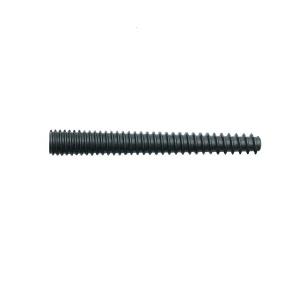
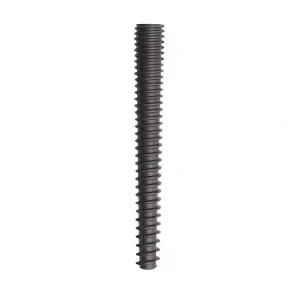
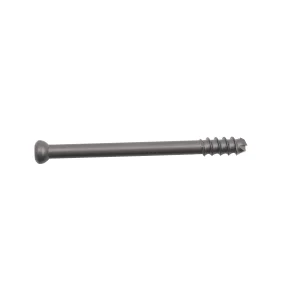
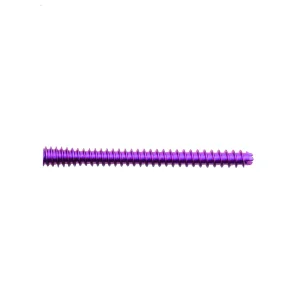
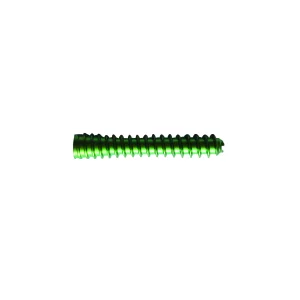
Available in fully threaded, partially threaded, and headless compression formats to allow customization based on clinical fracture compression requirements.
Standard electrochemical anodization creates an inert oxide layer. This improves corrosion resistance and reduces metal ion release, facilitating better bone integration.
Entering the New York medical device supply chain requires meeting strict regulations. Hospital purchasing departments must follow guidelines from both the Federal Food and Drug Administration (FDA) and the New York State Department of Health. This makes traceability, certificate documentation, and batch verification crucial. Virelox maintains a quality management system certified under ISO 13485:2016, providing complete traceability from raw material batch to the final sterilized implant.
Our quality verification processes are thorough and fully documented:
To support New York healthcare systems, we work with domestic logistics centers. This helps optimize transport times, simplify imports, and maintain emergency stock levels for urgent trauma needs in the tri-state area. We also provide sterilization validation data (covering gamma-irradiation or ethylene oxide processes) to make in-hospital autoclaving preparation fast and dependable.
Developing next-generation bio-integrative designs and smart trauma systems.
The field of internal bone fixation is shifting towards designs that better integrate with natural bone. Virelox is currently developing advanced surface treatments, including porous titanium coatings and bioactive materials like hydroxyapatite. These coatings encourage faster bone growth directly onto the implant, which is especially helpful for patients with osteoporotic or compromised bone tissue.
In addition, our research team is evaluating biodegradable metals, such as high-purity magnesium alloys, for specific non-load-bearing applications. These materials are designed to gradually dissolve as the bone heals, eliminating the need for a second surgery to remove the implant. By combining these advanced materials with digital design tools, we aim to continue delivering highly precise, patient-focused fixation systems to clinics across New York and worldwide.
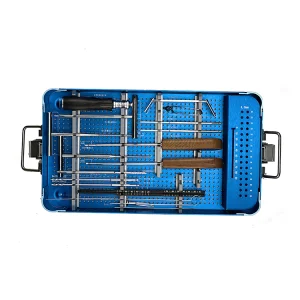
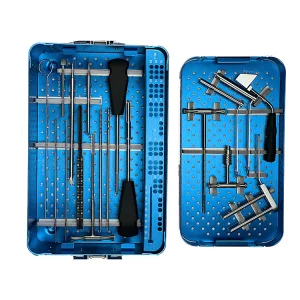
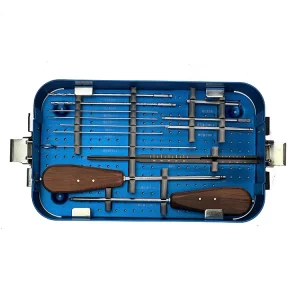
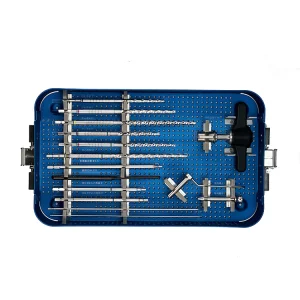
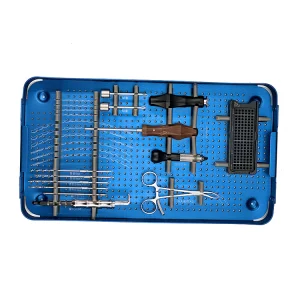
A complete selection of titanium compression systems, locking plates, and surgical instrument kits.
Addressing key technical and regulatory questions for healthcare directors and orthopedic surgeons.
We manufacture our implants using medical-grade Titanium Alloy (Ti-6Al-4V ELI) conforming to ASTM F136 specifications. This material provides high biocompatibility, high tensile strength, and excellent fatigue life under clinical weight-bearing loads.
Our manufacturing processes are fully compliant with ISO 13485 standards. We provide complete device history records (DHR), material certificates, and biocompatibility documentation to support hospitals and distributors during their regulatory review and verification processes.
Yes. With our team of 120 R&D engineers, we offer extensive OEM/ODM customization services. We can design and produce custom thread profiles, variable pitch headless configurations, and specific lengths to match custom surgical requirements or unique anatomical designs.
Every batch of screws undergoes a rigorous inspection protocol: coordinate measuring machine (CMM) dimensional verification, mechanical tensile and torsion tests, fatigue testing to simulate long-term physiological stress, and X-ray analysis to check for internal micro-defects.
Standard catalog configurations are typically shipped within 30 to 45 days. For custom OEM/ODM production runs, timeline details are determined after design review and testing validation phases are completed.
 Virelox