Orthopedic Instrument Factories & Exporter

Clinical-Grade OEM/ODM Solutions & Precision Surgical Implant Systems for Global Healthcare Markets

10+ Yrs

Industry Experience

12,000m²

Production Facility

$8.5M

Annual Export Value

120+

R&D Engineers

Pioneering Precision in Orthopedic Surgical Systems

Virelox Medical Devices Co., Ltd. is an industry-leading orthopedic medical device manufacturer and global exporter, specializing in high-performance joint replacement and surgical implant solutions. Operating under the globally recognized brand Virelox, we are committed to delivering engineering perfection, regulatory compliance, and biomechanical efficacy to international healthcare networks, hospital groups, and medical distributors. With an established footprint across Europe, Southeast Asia, the Middle East, and South America, our systems stand at the intersection of innovative clinical design and state-of-the-art material sciences.
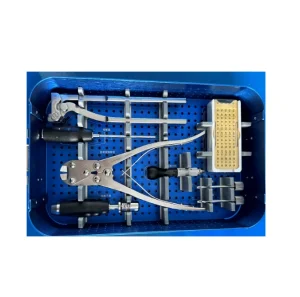
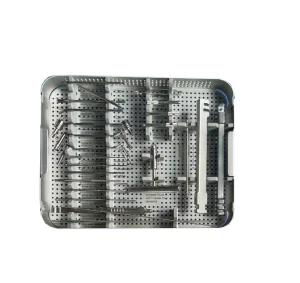
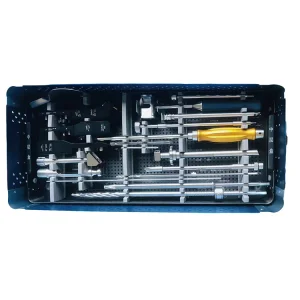
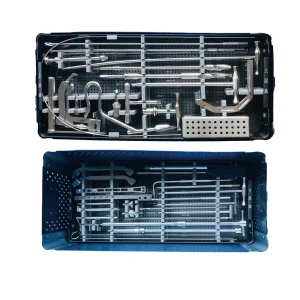
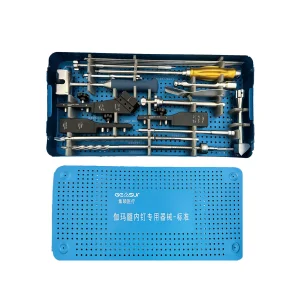
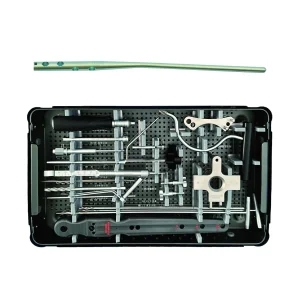
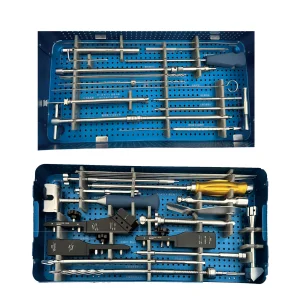
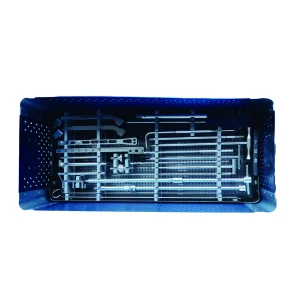
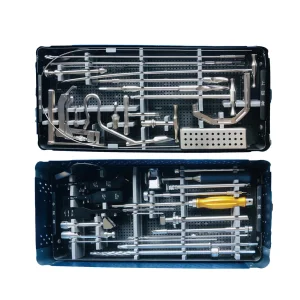
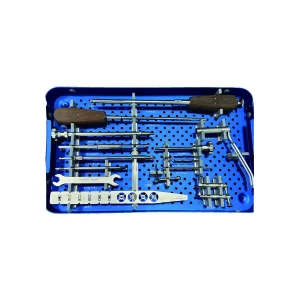
Featured Trauma & Fixation Systems

1. Macro Industry Trends in Orthopedic Implantology

The global orthopedic device market is undergoing a structural paradigm shift driven by demographic changes, rapid advancements in material science, and the demanding precision of modern surgical techniques. Key trends defining the current landscape include:

  • Bio-Compatible Alloy Innovations: The migration from commercial-grade metals to Grade 5 Titanium Alloy (Ti-6Al-4V ELI) and Cobalt-Chromium-Molybdenum (Co-Cr-Mo) has vastly improved bone-to-implant osseointegration and reduced risk of osteolysis.
  • Biomechanical Simulation and Modeling: Modern engineering relies heavily on Finite Element Analysis (FEA) to model load-bearing and wear patterns, allowing the pre-production refinement of intramedullary nails and reconstruction plates.
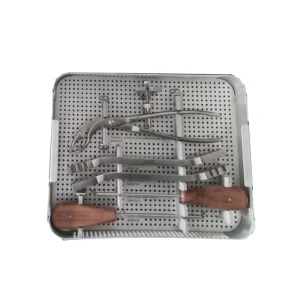
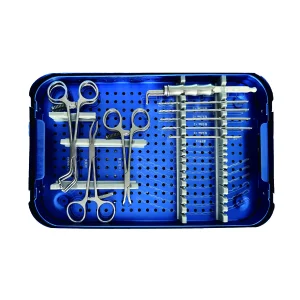
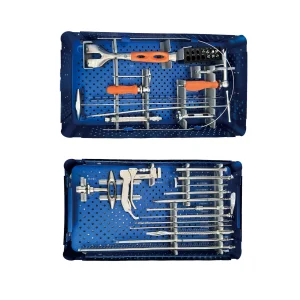
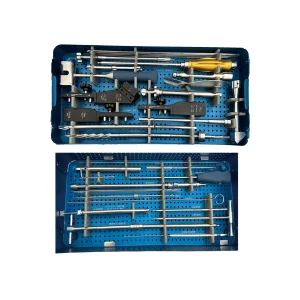
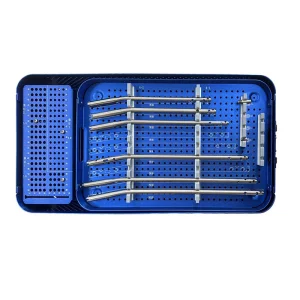
  • Surgical Efficiency via Dedicated Kits: Minimizing steps in the operating room (OR) is a priority. Designing ergonomic, color-coded surgical instrument kits reduces surgical duration, mitigates user error, and streamlines post-op sterilization loops.

Engineering the Future of Trauma Solutions

For fractures of the long bones, rib cage, and complex pelvis, orthopedic implants must balance torsional stability with structural flexibility. This prevents "stress shielding"—a phenomenon where overly rigid implants absorb all mechanical loads, causing surrounding bone density to deteriorate. Virelox designs internal and external fixation systems to share physiological loads, facilitating rapid bone union.

Our ISO 13485 Manufacturing Facility & Workflow

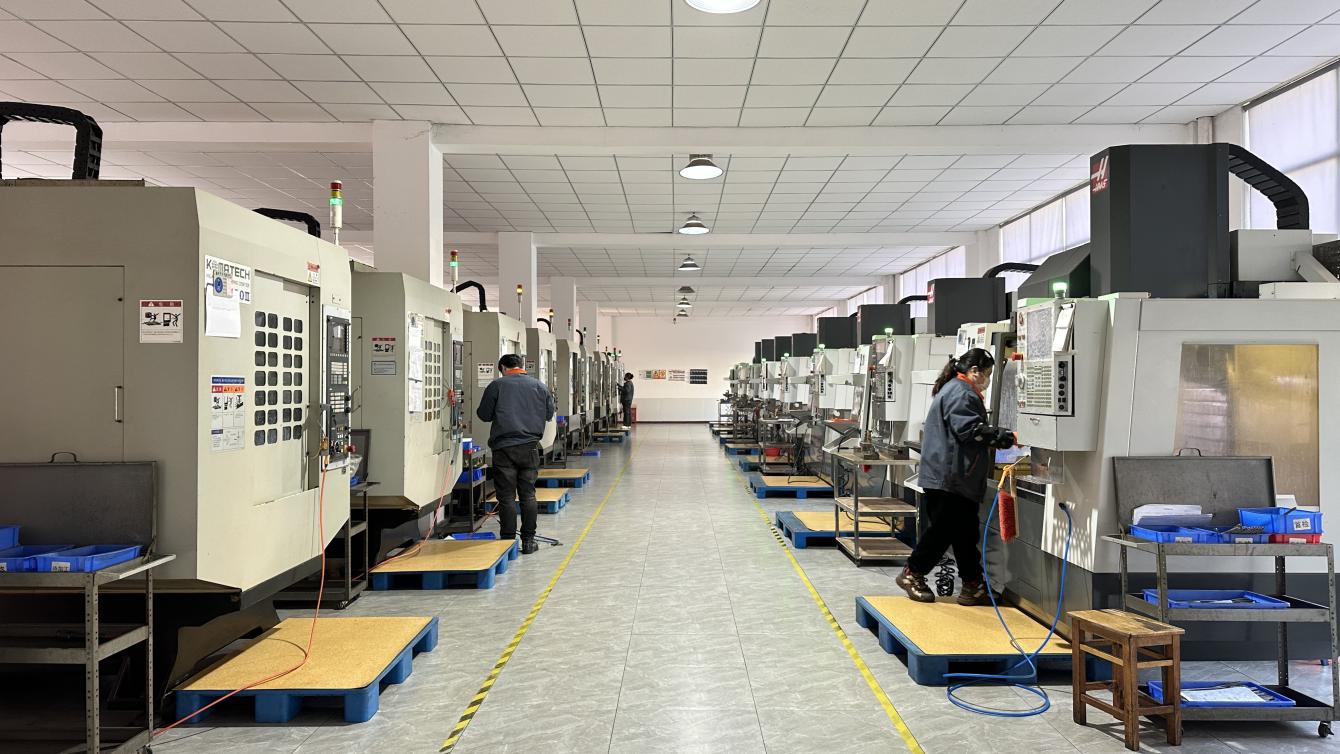
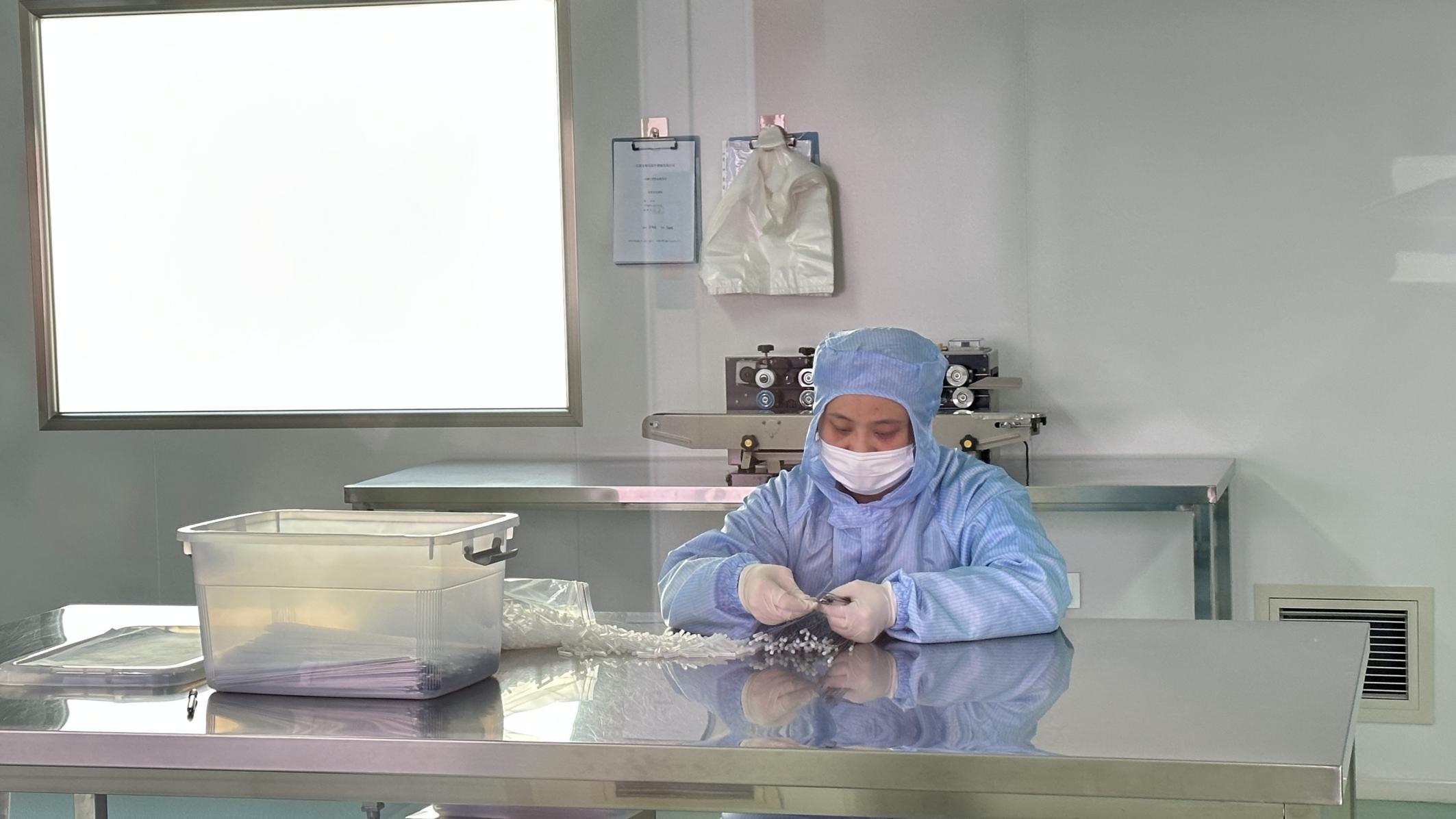
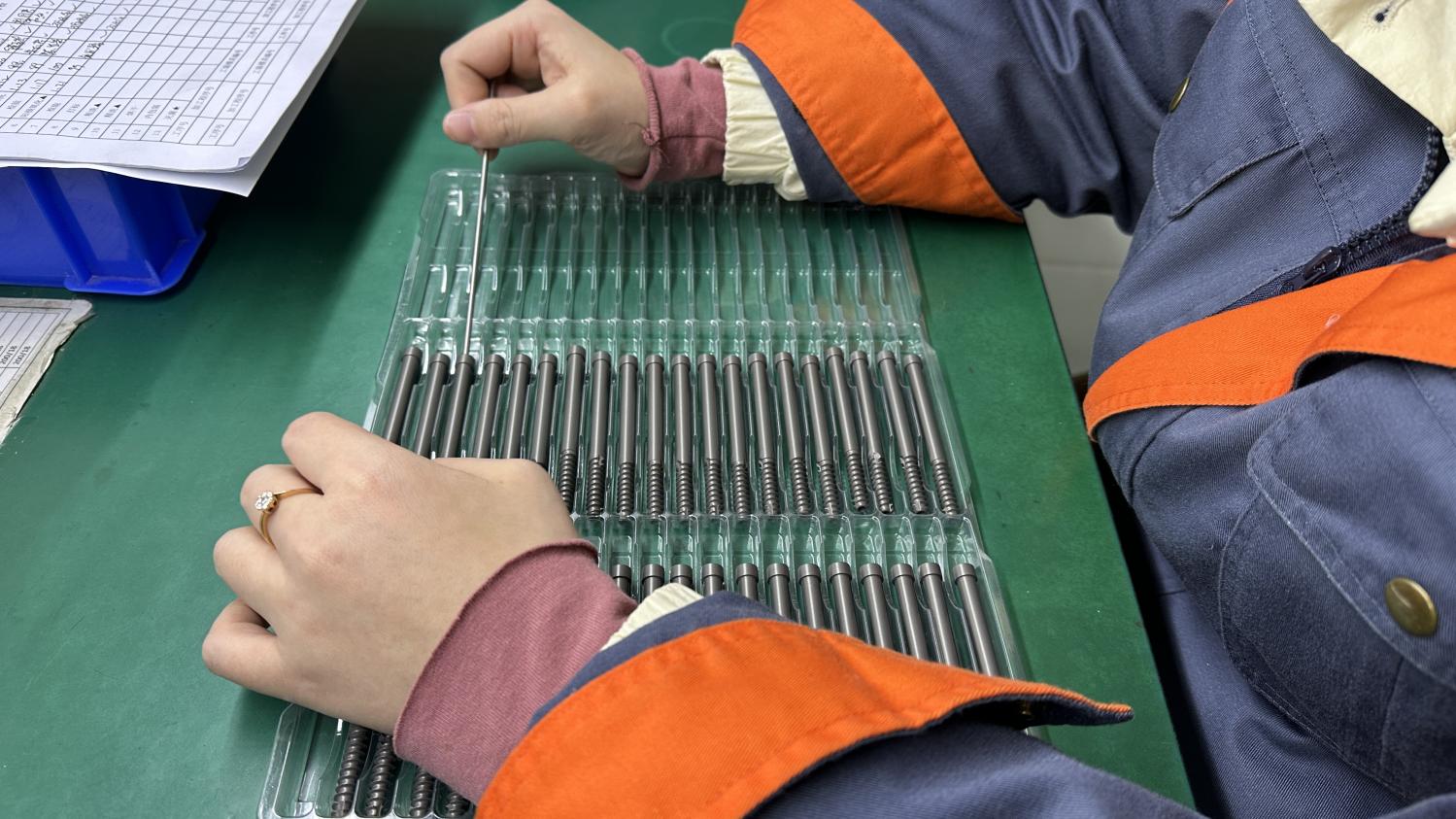
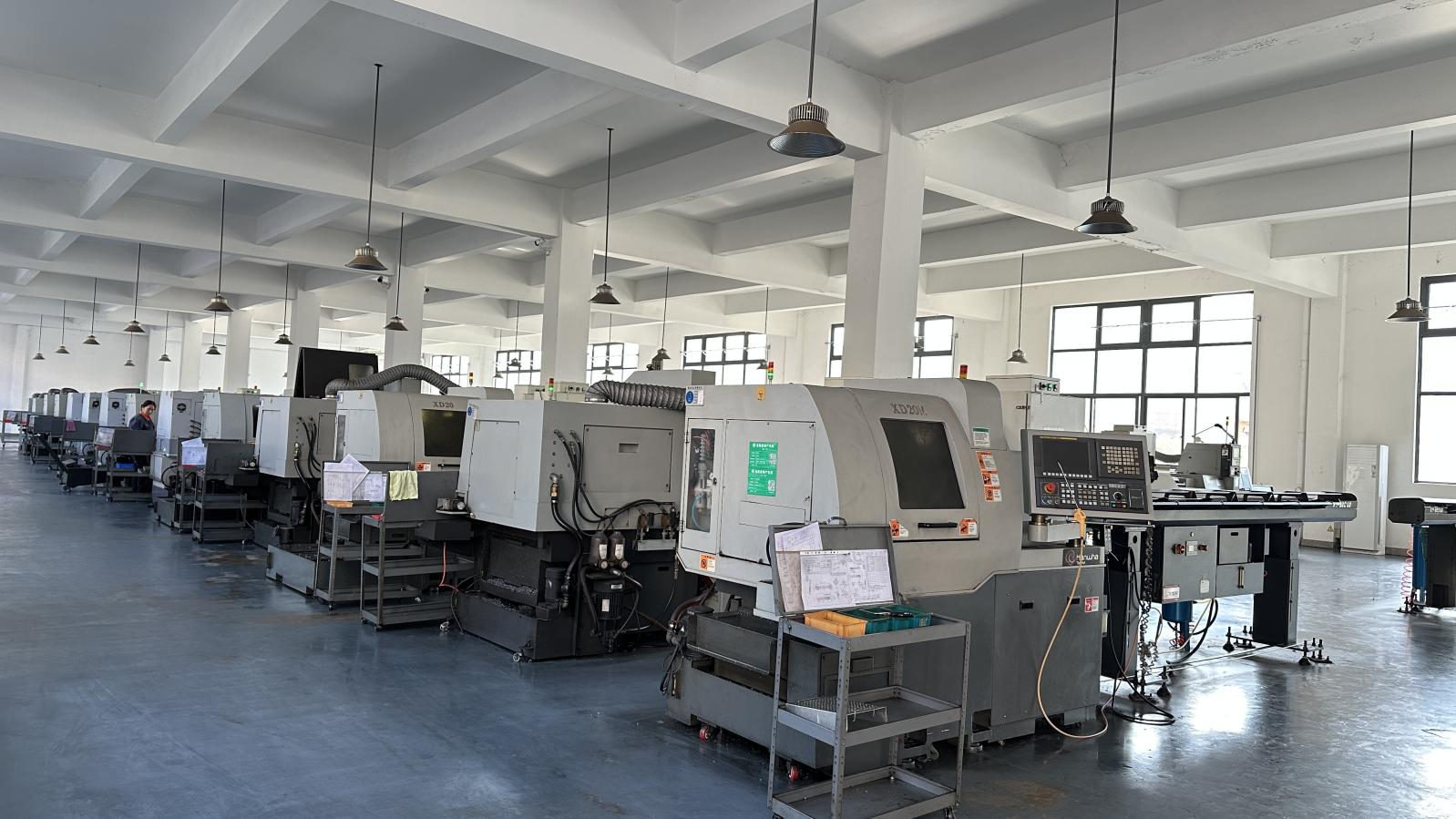
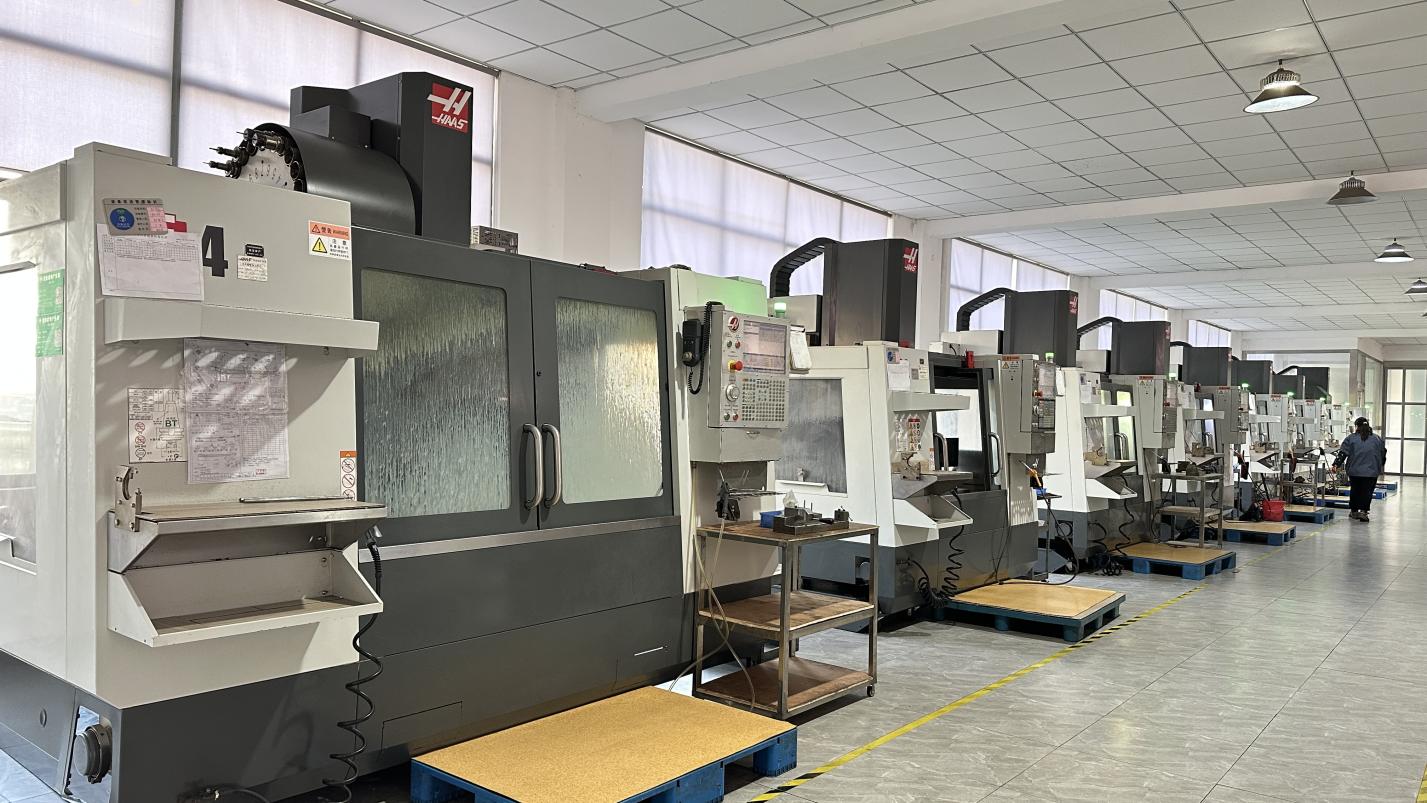
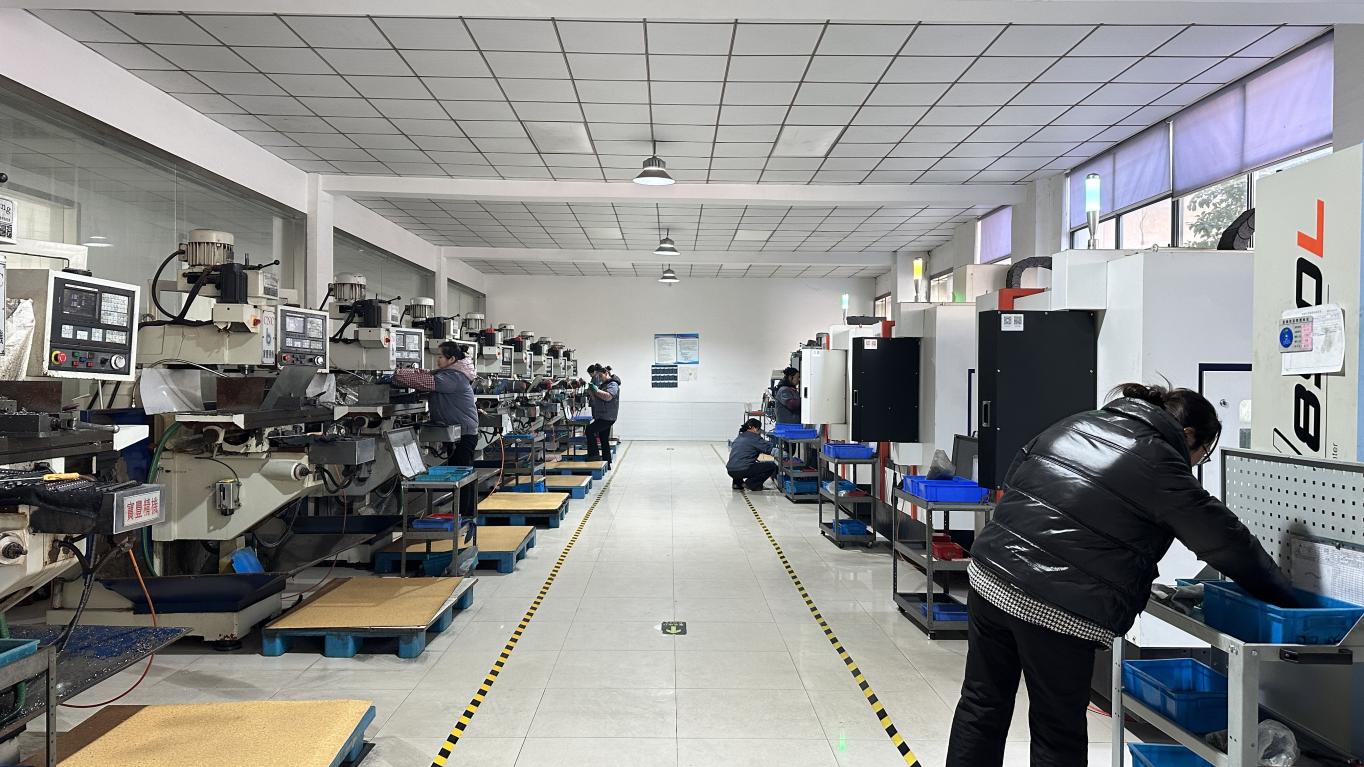
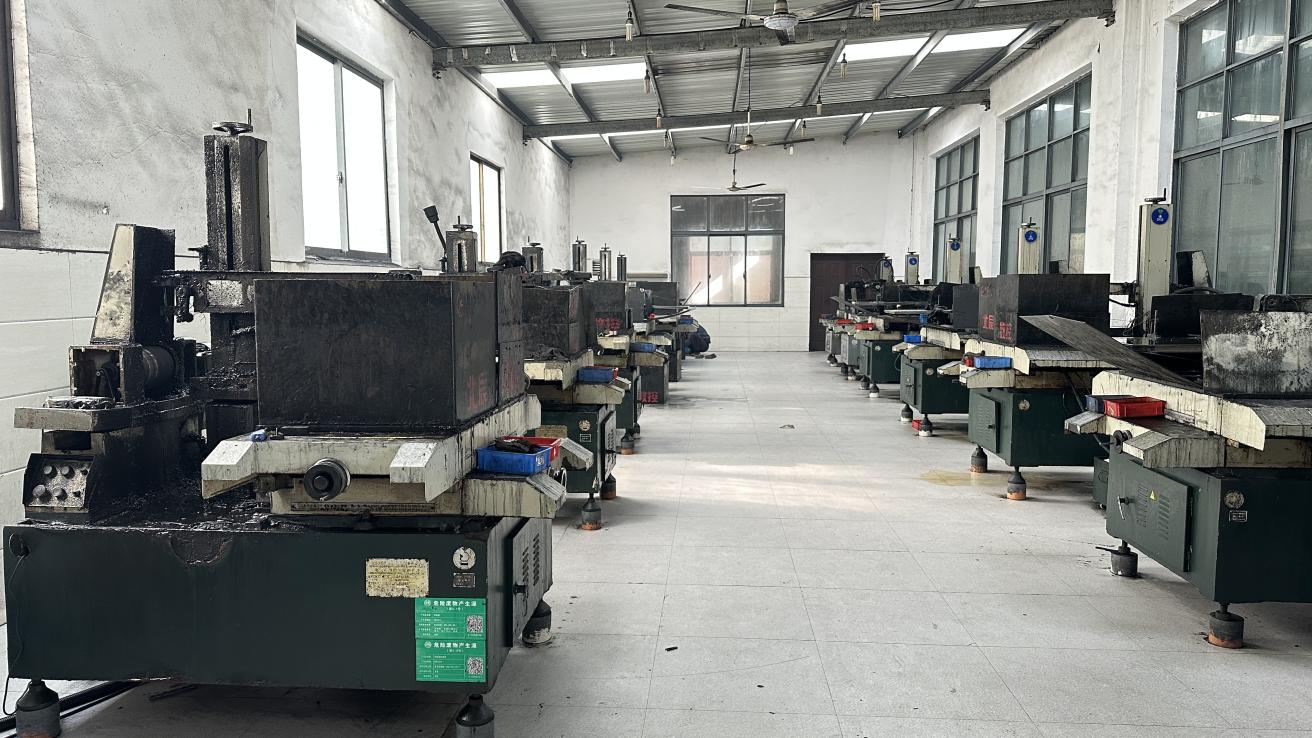
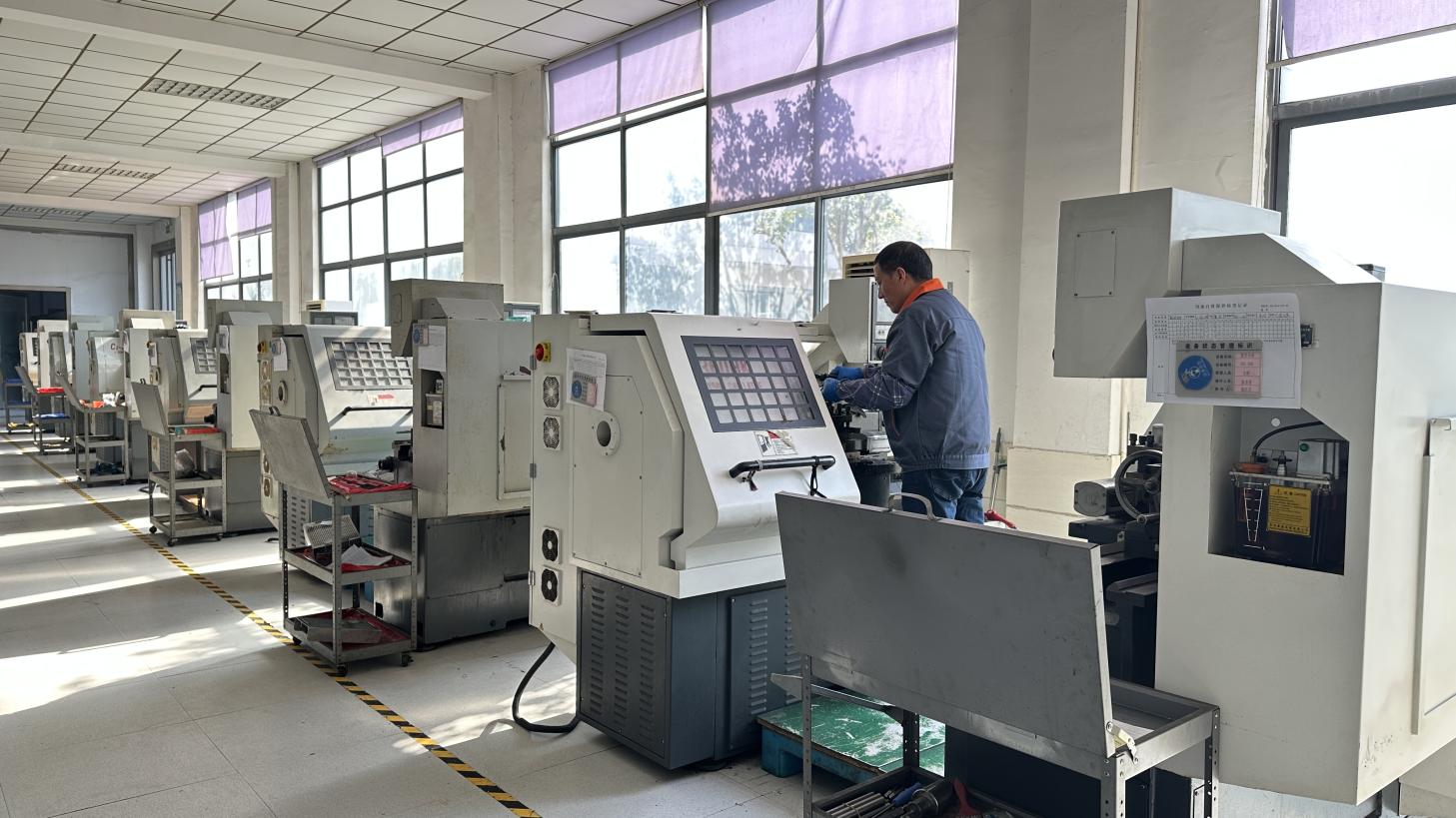
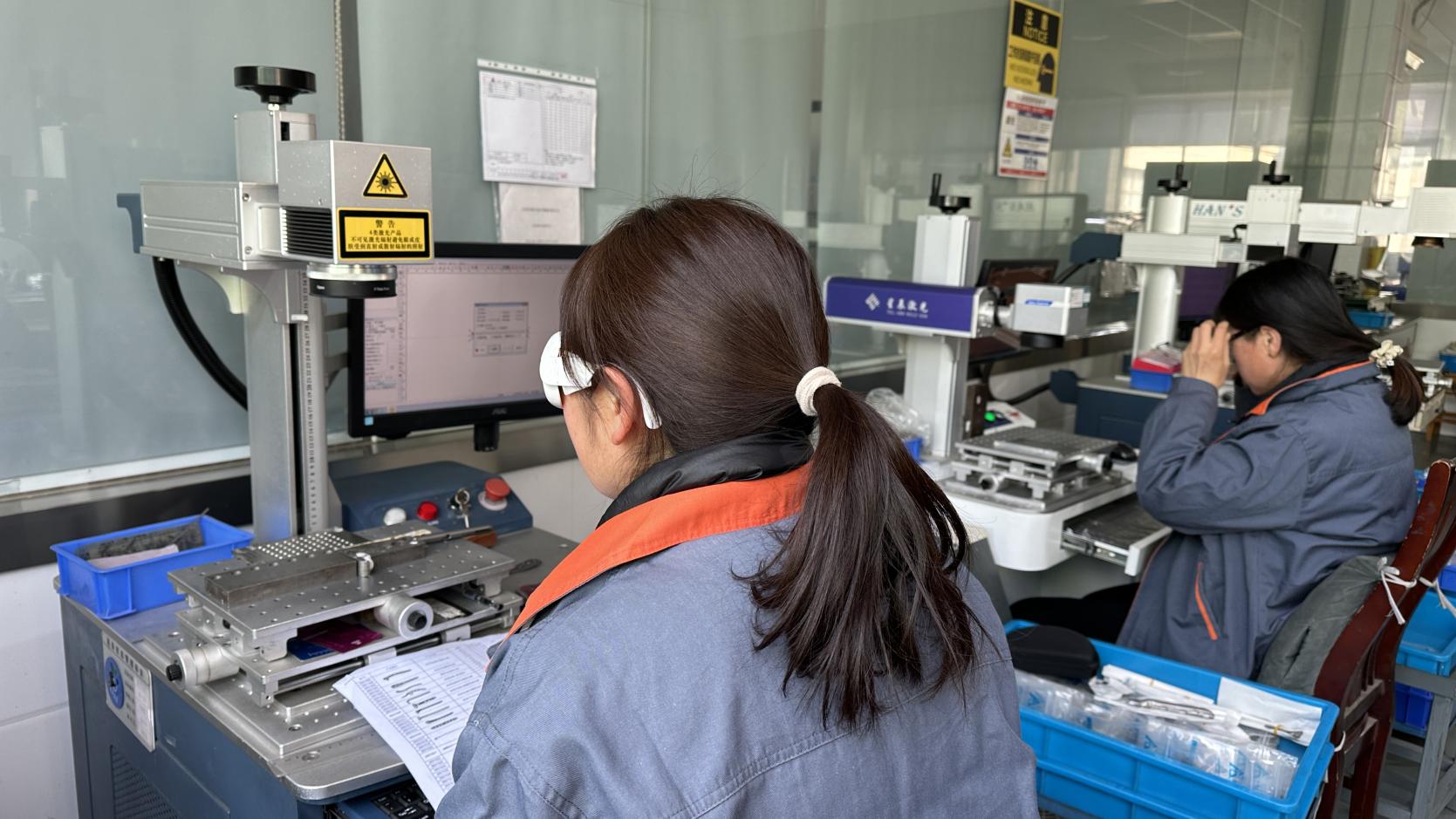
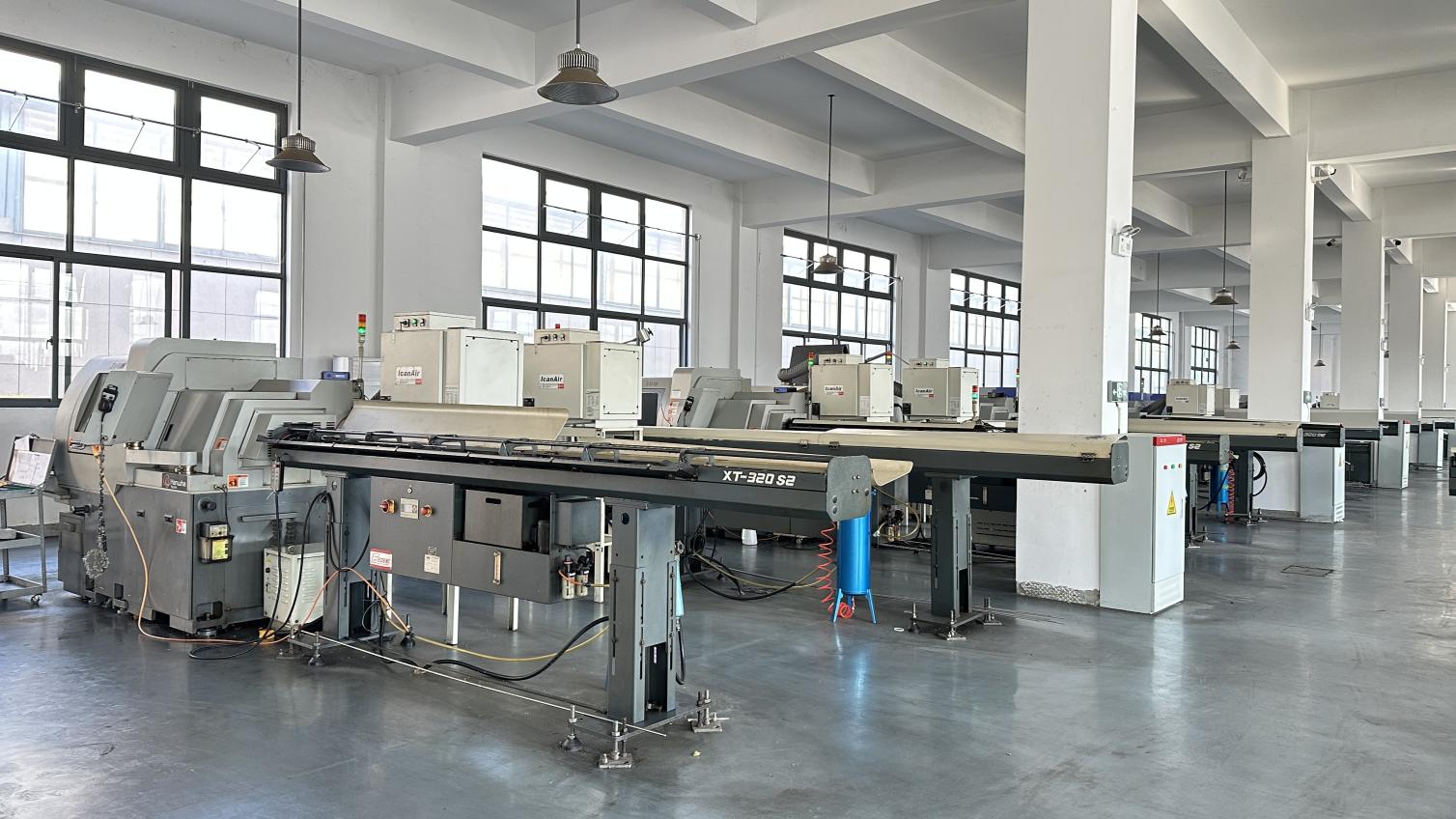
Operating across a modern 12,000 m² factory, Virelox maintains complete vertical control over the manufacturing lifecycle. Check our step-by-step industrial processing:
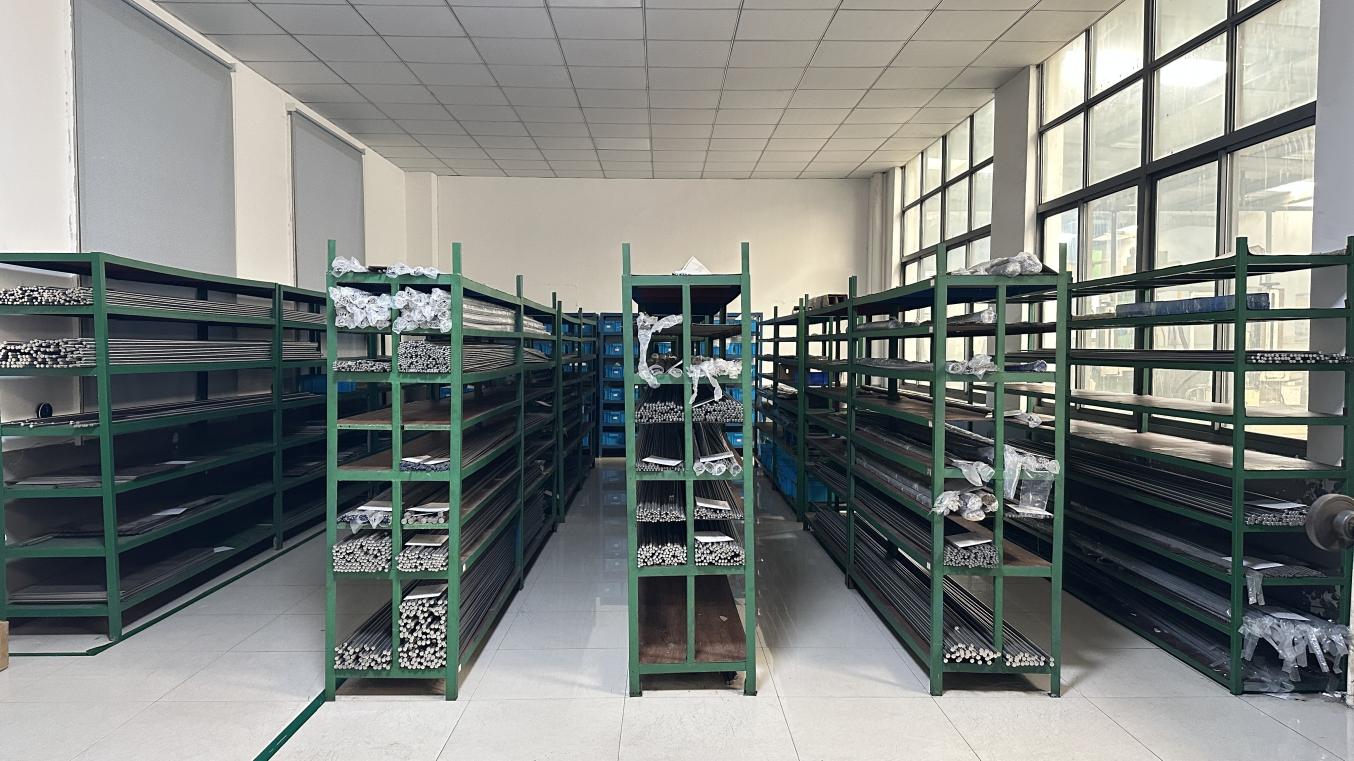
Raw Materials
Raw Materials Inspection
Slitting
Precision Slitting
CNC Machining
High-Speed CNC Machining
Machining
Secondary Machining
Milling
Dynamic Milling
Inspection and Packing 1
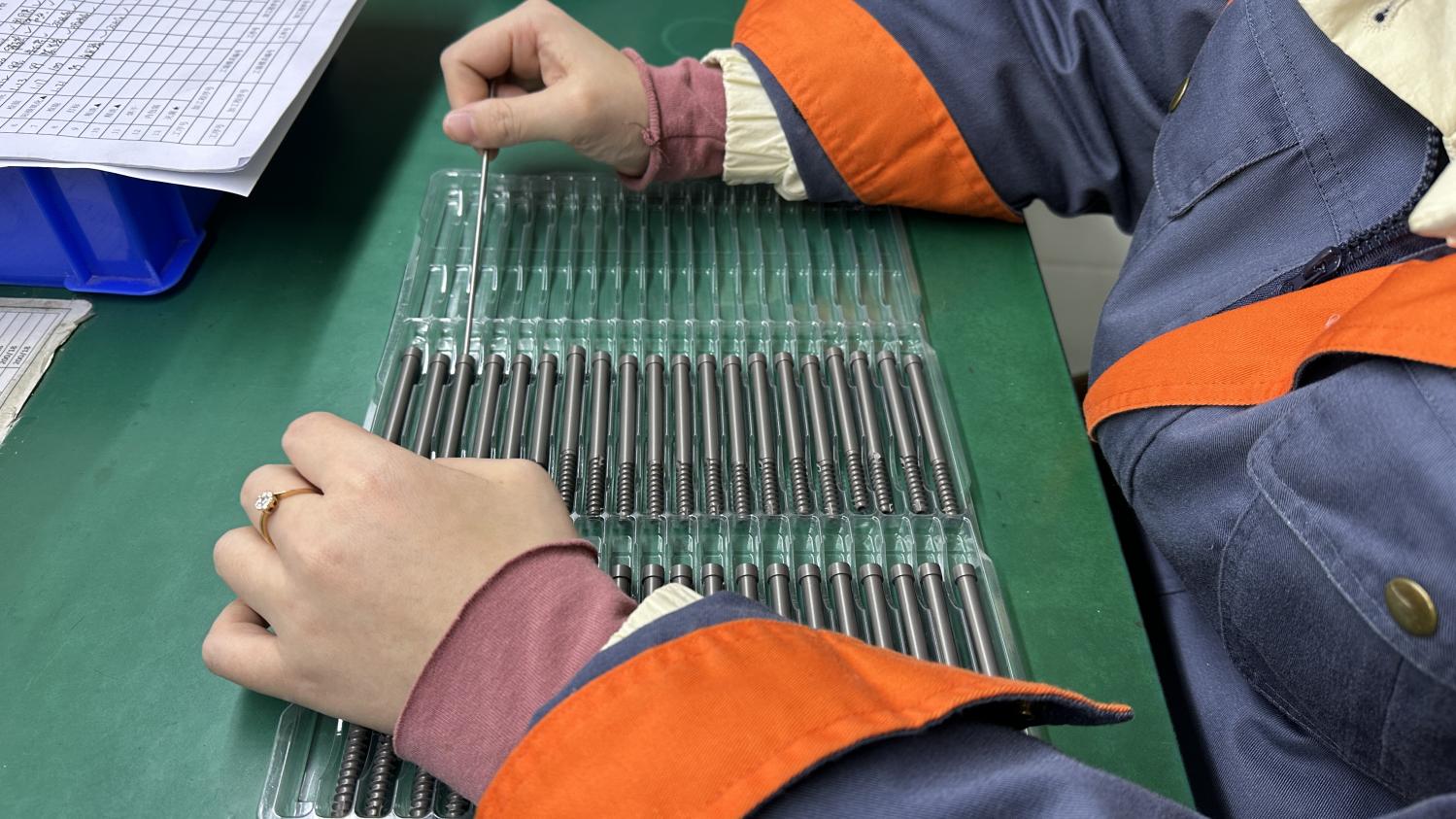
Quality Inspection & Cleaning
Inspection and Packing 2
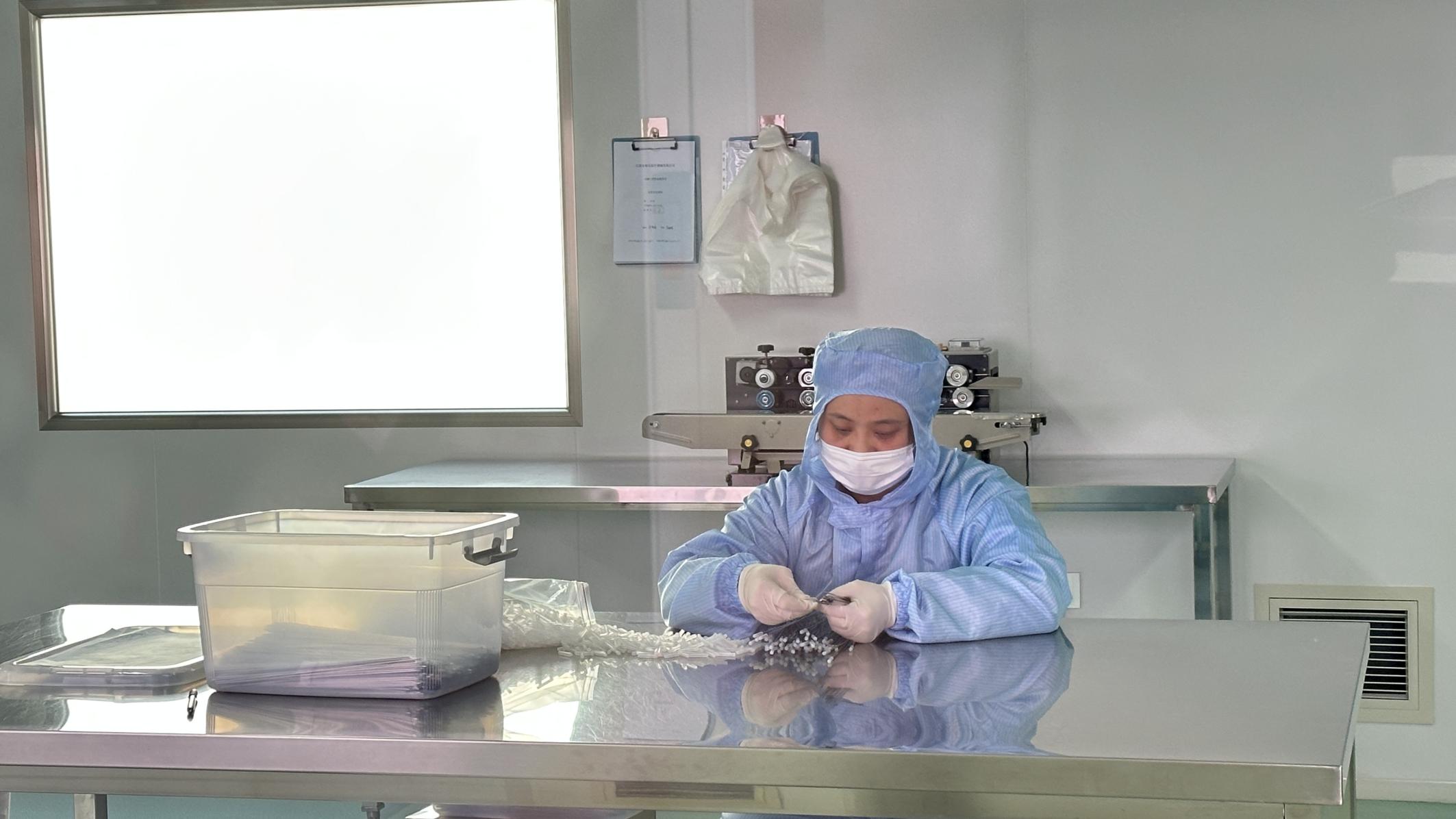
Cleanroom Packing & Seal
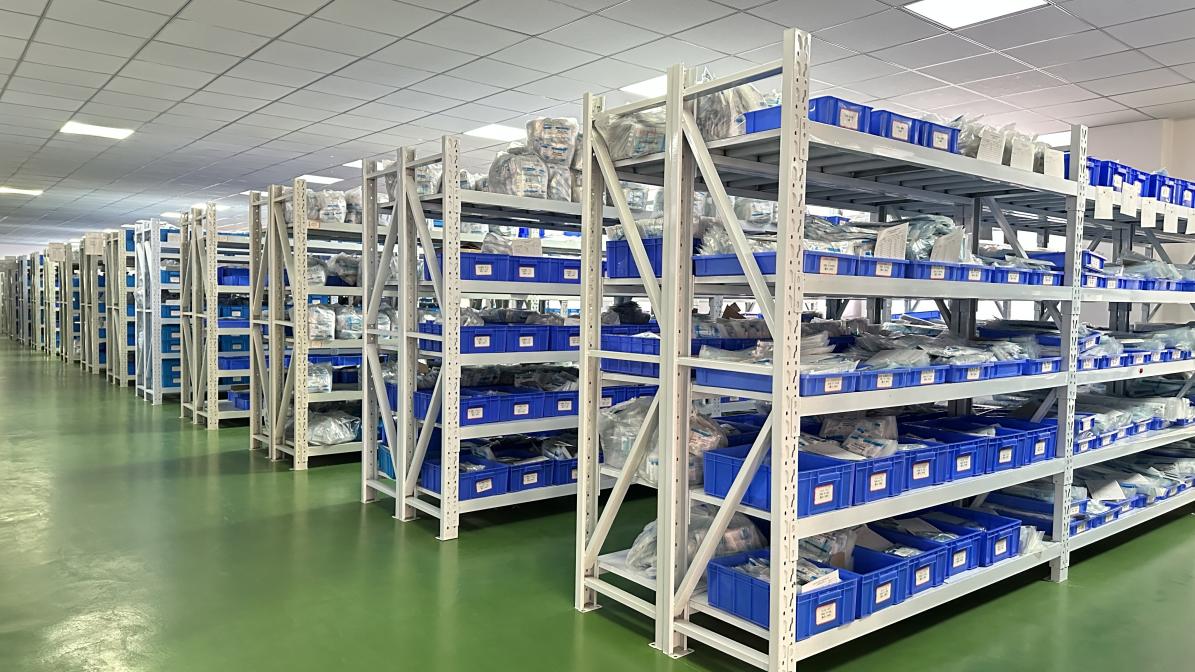
Warehouse
Traceable Warehouse Storage
Slitting Machine
Heavy-Duty Slitting Line
CNC Machining Center
CNC Center Calibration
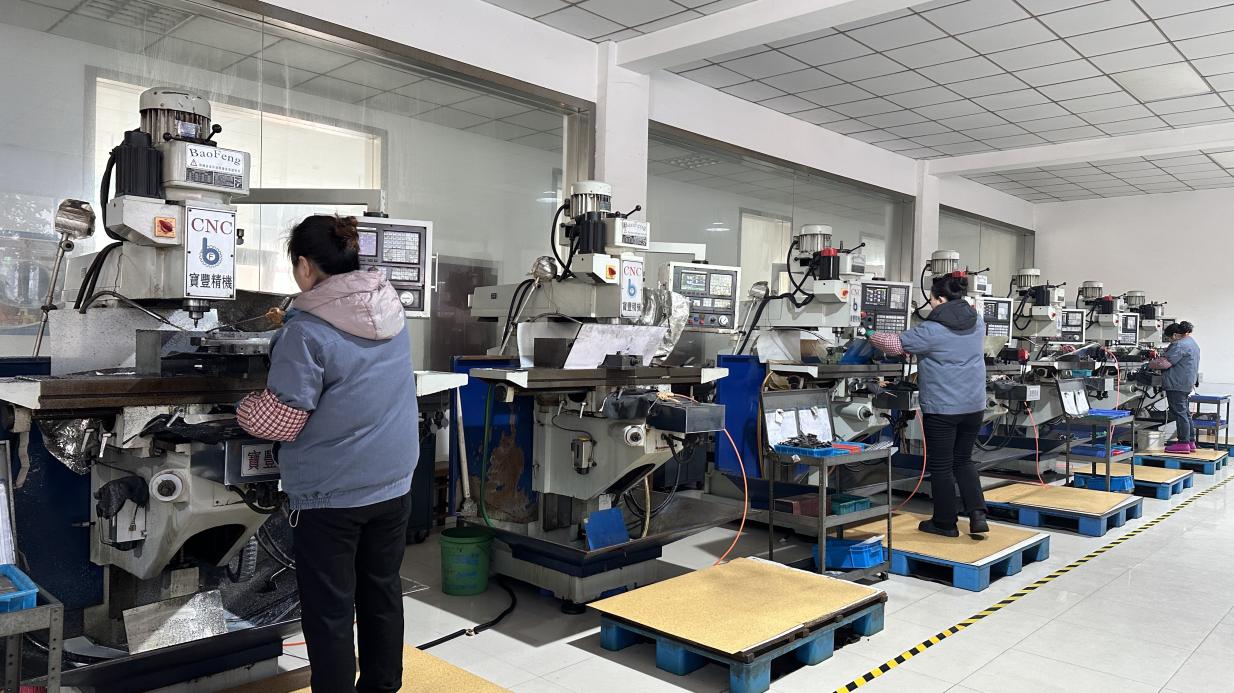
CNC Milling Machine
Multi-Axis Milling Unit
Wire Cutting Machine
Micro Wire-Cut EDM
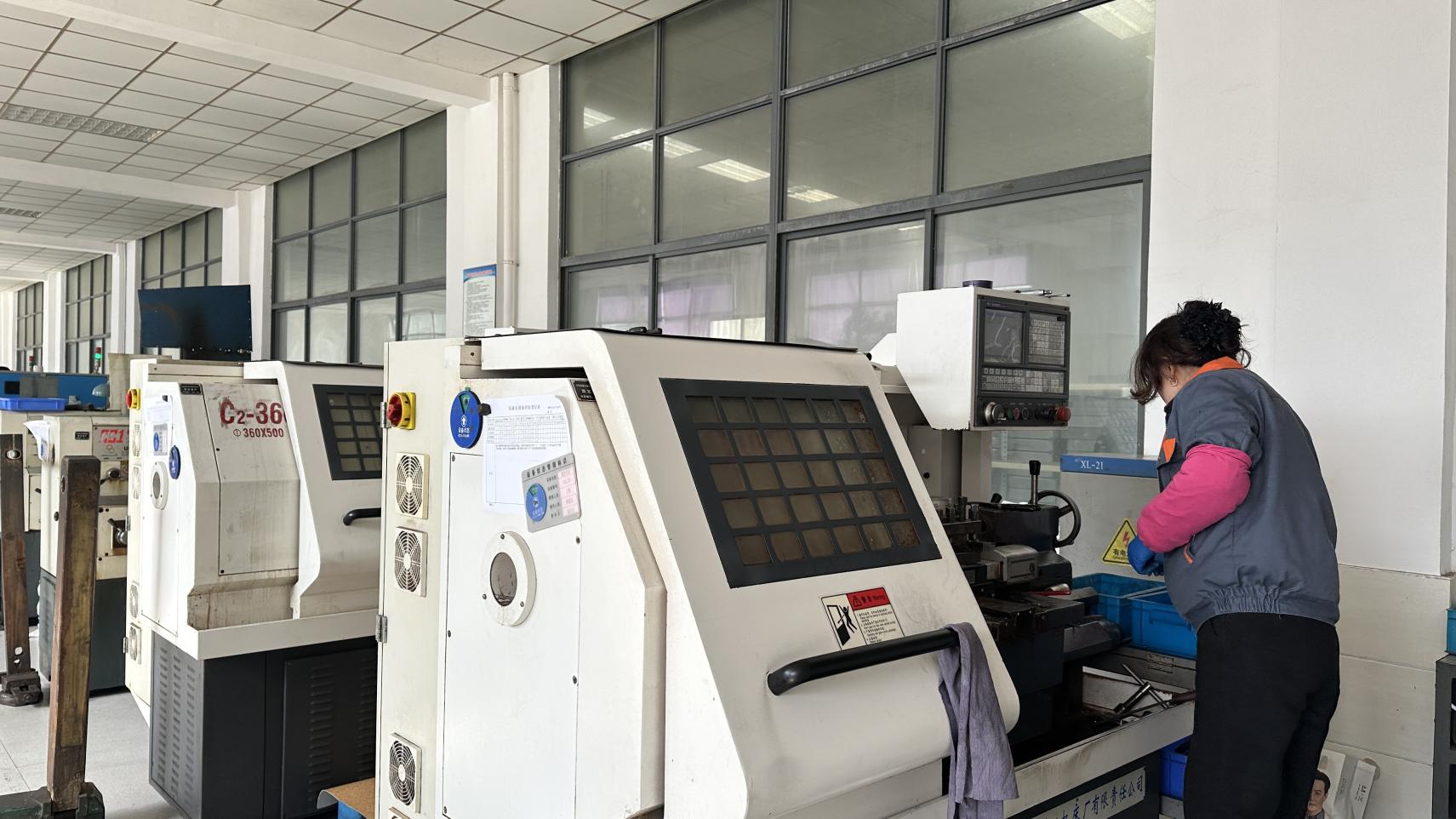
CNC Lathe
High-Precision CNC Lathe Turning
Laser Marking Machine
UDI Compliant Laser Marking Machine

2. Deep R&D Validation and Biomechanical Testing

The clinical survival rate of orthopedic implants relies heavily on extensive R&D validation. At Virelox, we have established an elite team of 120 specialized engineers specializing in materials science, biomechanical engineering, and clinical design. Operating with a world-class laboratory, our quality management system is supported by a dedicated group of 65 QC professionals ensuring that no device leaves the facility without physical verification.

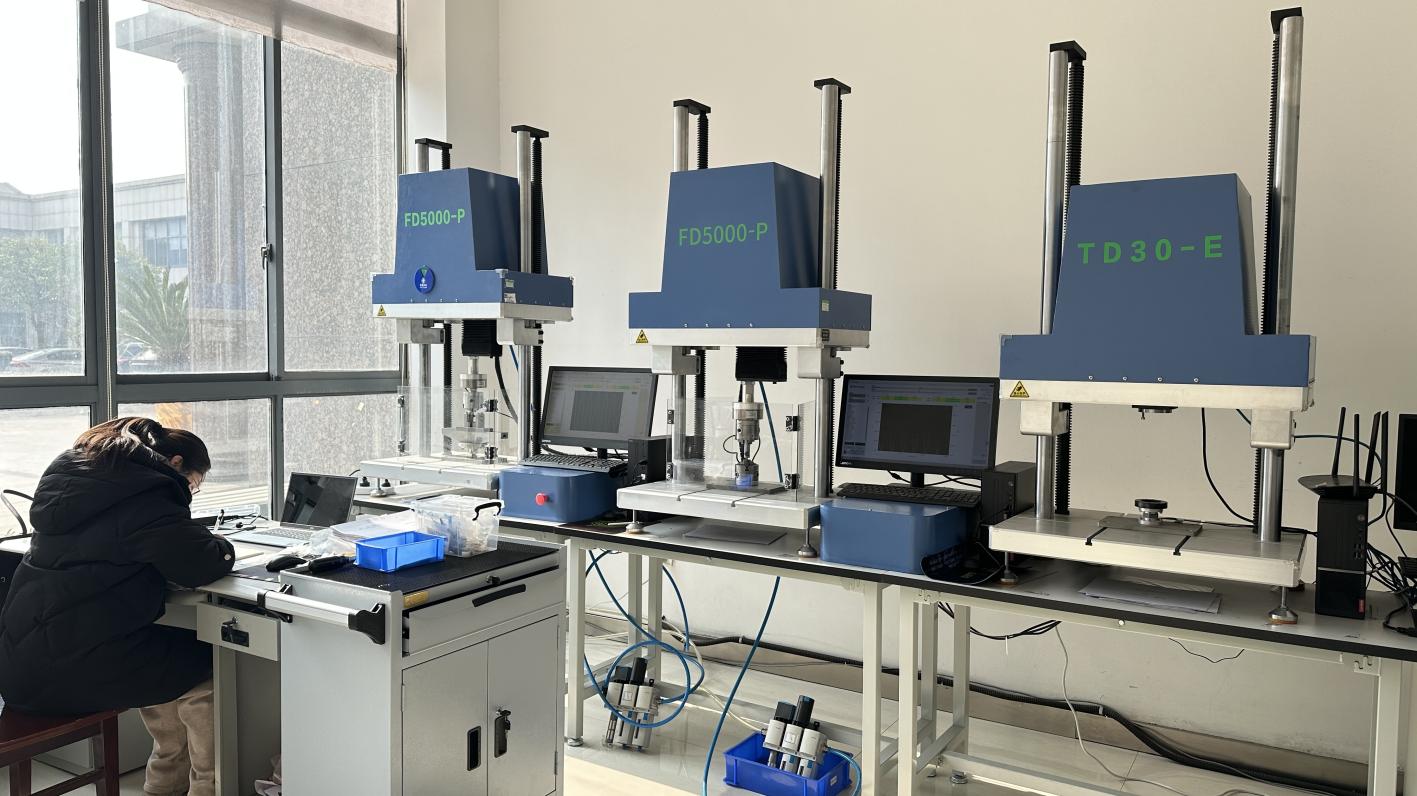
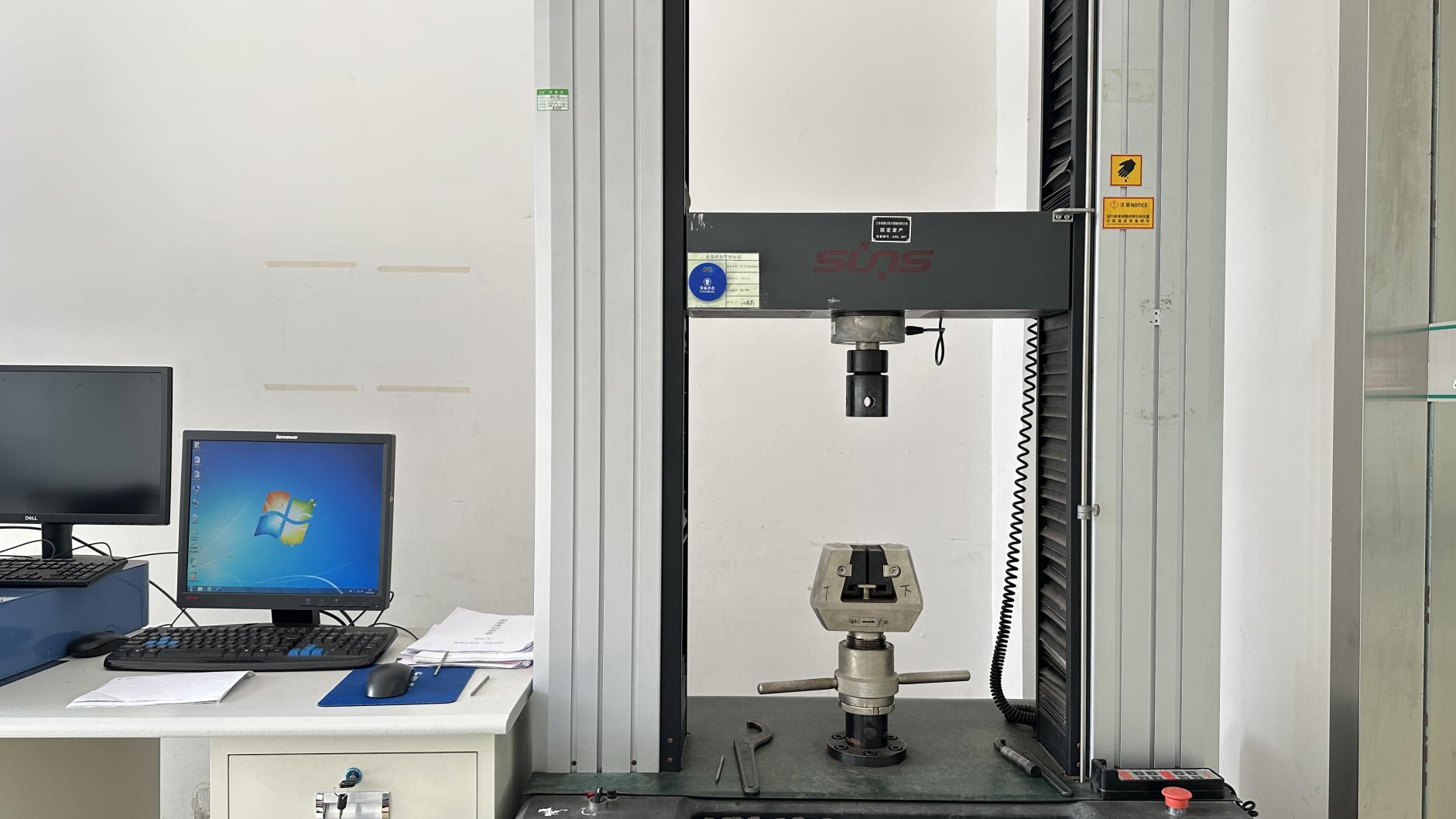
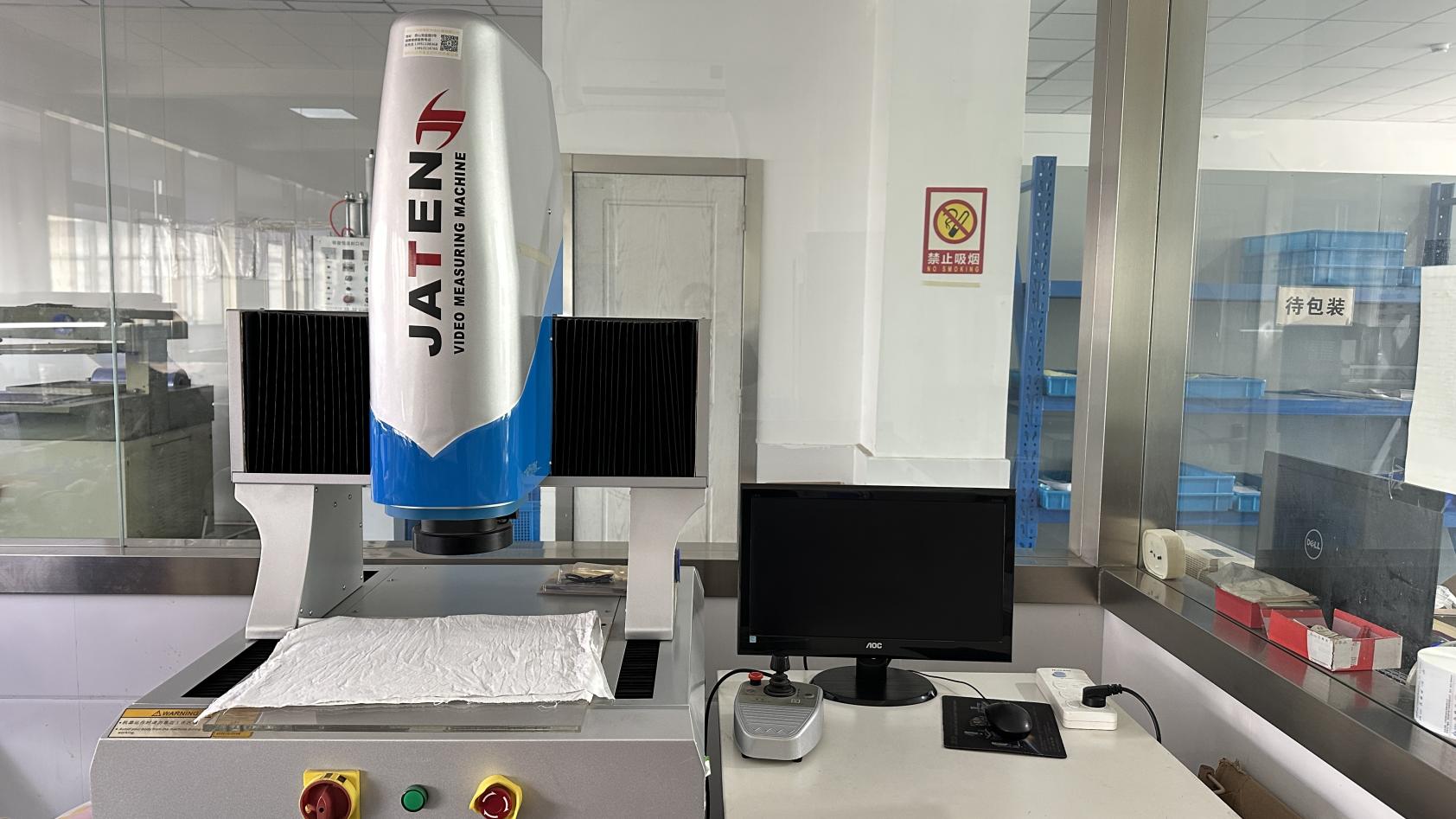
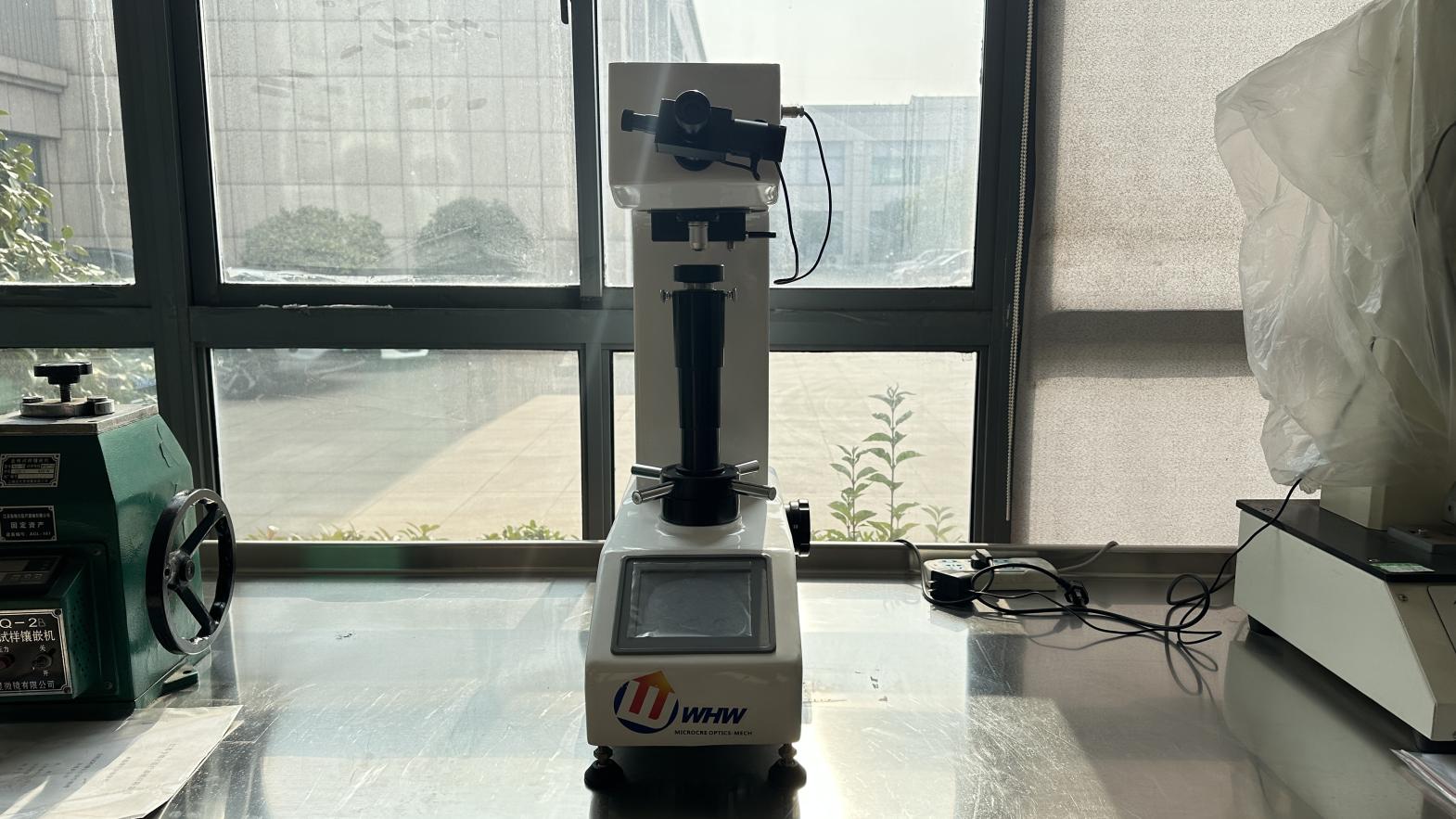
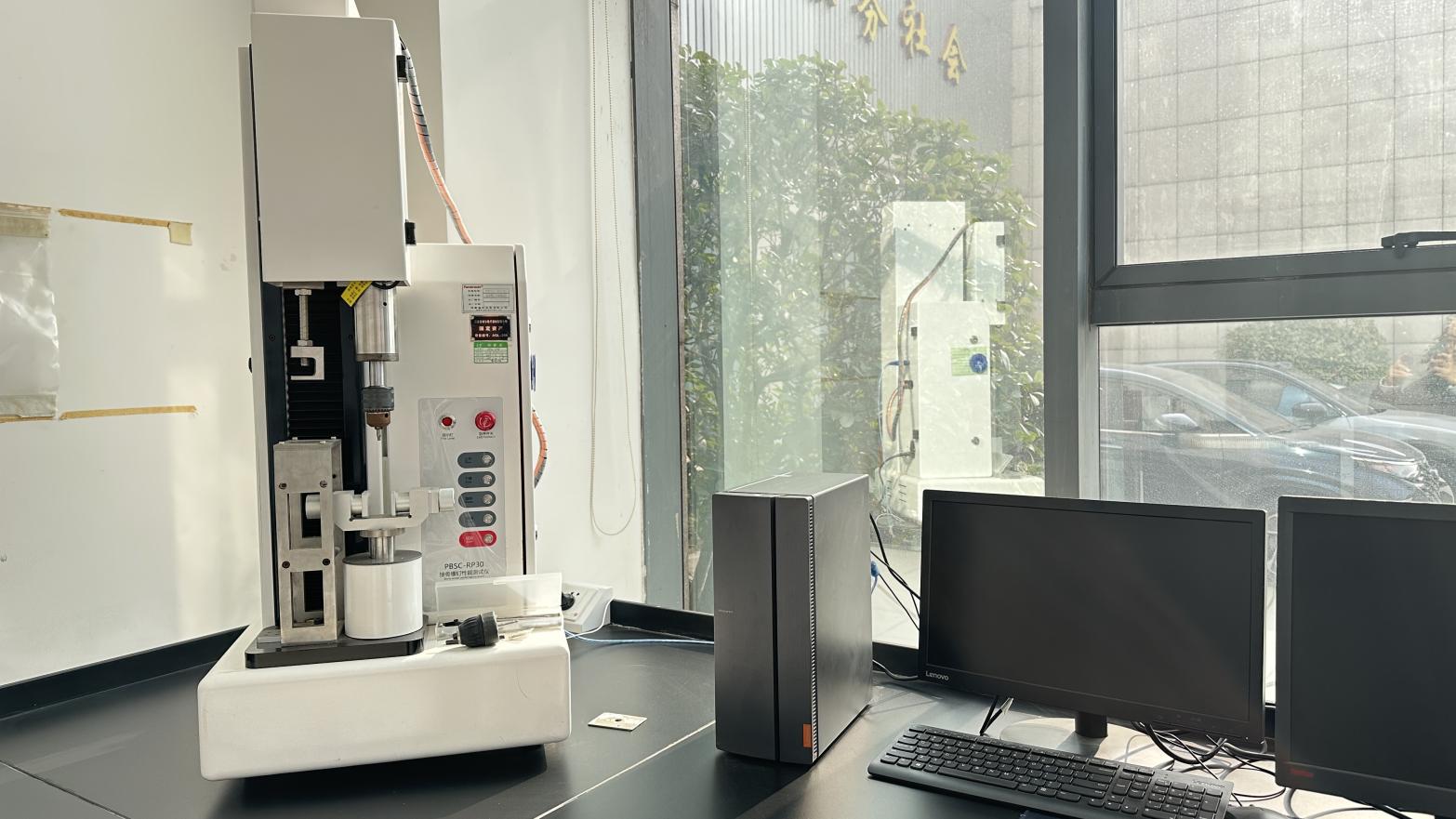
Our testing protocols conform to strict ASTM and ISO frameworks, verifying tensile performance, cyclic fatigue tolerances, and dimensional precision down to the sub-micron scale. Below is the workflow and machinery integrated within our R&D and testing centers:
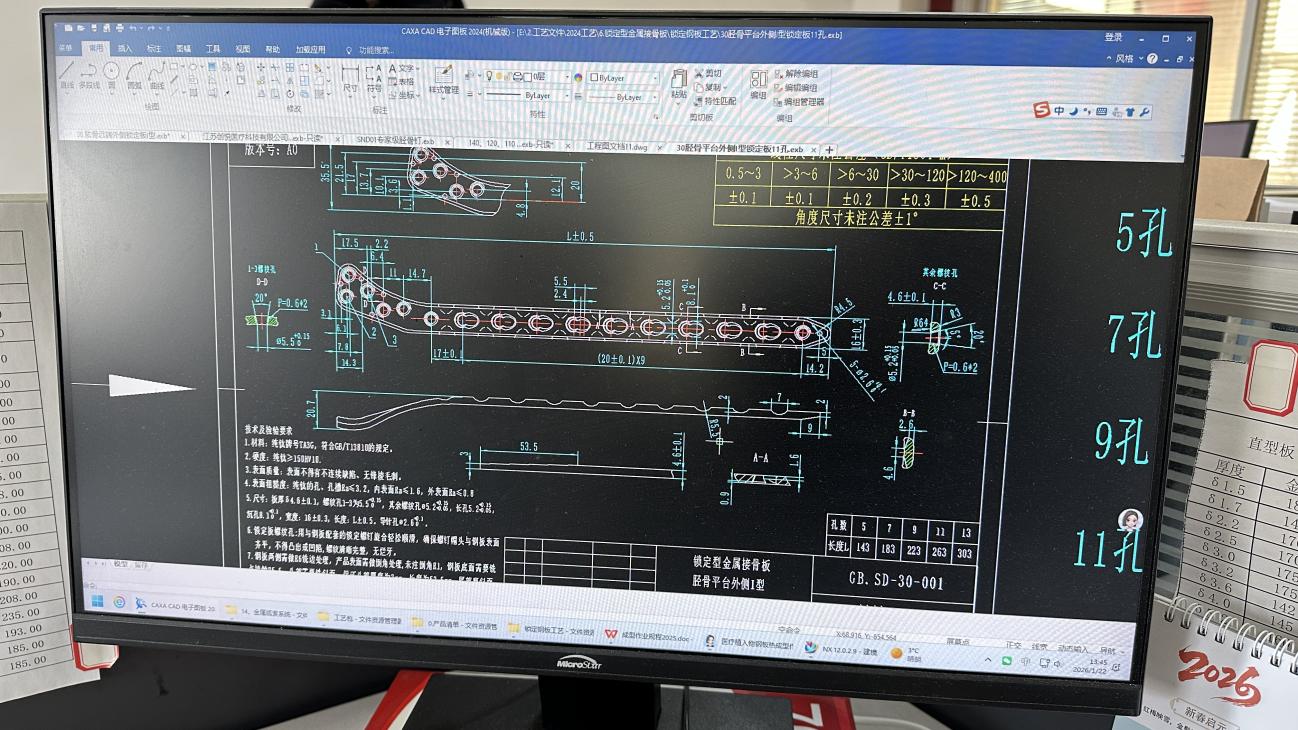
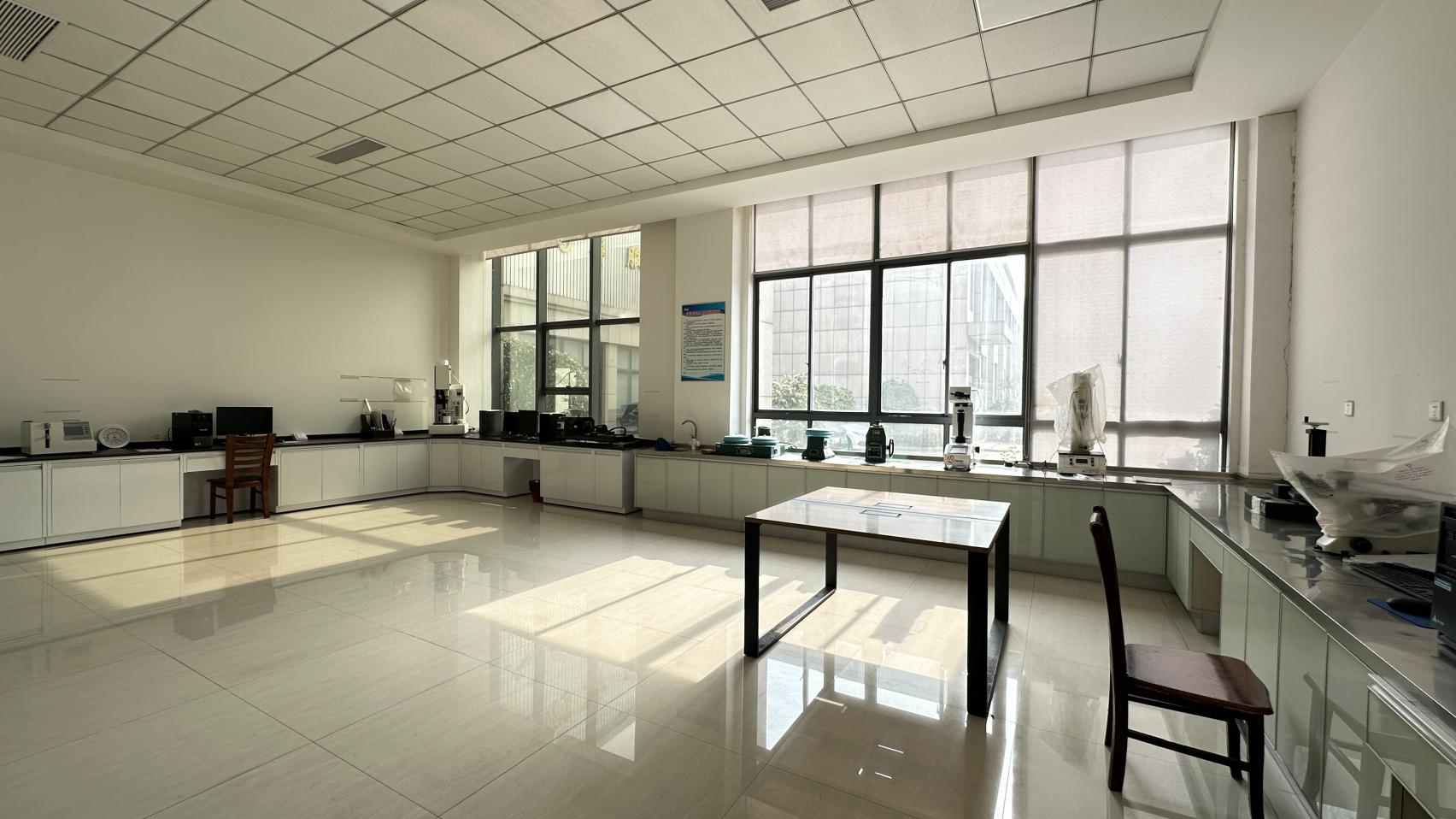
Design
3D Modeling & FEA Design
Lab
Materials Analysis Lab
Inspection
Microscopic Surface Control
Inspection
Dimensional Inspection
Fatigue Tester
Dynamic Fatigue Tester
Tensile Tester
Tensile & Shear Tester
Two Dimensional Measuring Instrument
2D Image Dimensional Analyzer
Hardness Tester
Micro-Vickers Hardness Tester
Bone Screw Performance Tester

3. Navigating Global Procurement & Compliance Demands

B2B medical device procurement demands compliance, clinical documentation, and supply chain consistency. International buyers must navigate regulatory landscapes to maintain product safety and prevent costly supply bottlenecks.

European MDR Compliance

Transitioning from MDD to MDR requires trace-level documentation. Upstream suppliers must provide complete chemical composition certificates, raw material melt reports, and biocompatibility analyses.

LATAM and APAC Approvals

Registering devices with ANVISA (Brazil), COFEPRIS (Mexico), or domestic regulators in Southeast Asia requires comprehensive technical files, ISO 13485 audit history, and proof of mechanical durability.

Material Grade Technical Comparison

To guide procurement teams, the table below highlights the mechanical differences and medical-grade standards of our implant materials:

Implant Base Material Standard Reference Yield Strength (MPa) Ultimate Tensile Strength Primary Clinical Target
Titanium Alloy (Ti-6Al-4V ELI) ASTM F136 / ISO 5832-3 ≥ 795 ≥ 860 MPa Intramedullary Nails, Rib Plates, Joint Implants
Pure Titanium (Grades 1-4) ASTM F67 / ISO 5832-2 170 - 480 240 - 550 MPa Low-Load Plates, Craniofacial Fixation
Stainless Steel (316LVM) ASTM F138 / ISO 5832-1 ≥ 690 ≥ 950 MPa Temporary Trauma Plates, External Fixator Rods

4. Technical Roadmap, Localized Integration, and Customization

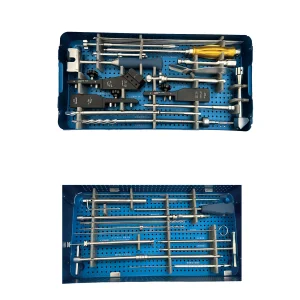
Recognizing that surgical workflows differ across hospital environments, Virelox provides extensive OEM/ODM and localization solutions. Rather than offering a static catalog, we customize implant geometry, modify locking thread configurations, and develop customized surgical instrumentation kits to match the surgeon's preferences.

The Technical Integration Pathway

  1. Biomechanical Ideation & Prototyping: Utilizing rapid prototyping systems, we convert clinician ideas or customized CT-scans into functional, tangible models within days.
  2. Validation via Simulation: All mechanical changes undergo simulated stress testing in virtual anatomical models, identifying load vulnerabilities before tool pathing.
  3. Precision CNC swiss-turning: Production runs utilize specialized CNC swiss-turning machines and multiaxis mills to execute complex screw thread patterns and anatomical curves.
  4. Regulatory Preparation: We supply a complete registration dossier, helping local importers fast-track clearances with minimal friction.

Additionally, our global logistics network is optimized for safety and security. Implants are packaged in ISO Class 7 cleanrooms, sealed in medical-grade Tyvek peeling pouches, and barcoded using Universal Device Identification (UDI) codes. This ensures traceability and inventory accuracy from our factory floor to the sterile core of the hospital.
Frequently Asked Questions (FAQ)

What quality management certifications do your manufacturing sites possess?
Virelox operations are certified under the ISO 13485:2016 international medical quality standard. Our production areas, cleanrooms, and testing facilities undergo yearly compliance audits to guarantee trace control and structural safety.
Do you support customized OEM / ODM designs for implants?
Yes, our R&D center is staffed by 120 biomechanical and design engineers. We customize anatomical profiles, plate configurations, screw threads, and design specialized surgical instrument kits for global private label contracts.
How is mechanical testing performed on your orthopedic implants?
Our facility houses an in-house biomechanical testing laboratory. We conduct raw material X-ray inspections, multi-million cycle fatigue trials, ultimate tensile load tests, 2D/3D coordinate measuring machine (CMM) dimensional checks, and dedicated bone screw pull-out and torsion performance reviews.
What raw materials are used in your implants and orthopedic instruments?
We source our raw materials from certified partners. Implants are primarily machined from Titanium Alloy (Ti-6Al-4V ELI conforming to ASTM F136 / ISO 5832-3) and premium 316LVM implant stainless steel. Associated surgical instruments are crafted from specialized medical-grade surgical steel alloys to ensure durability and stain resistance over multiple autoclave sterilization cycles.
What is the standard delivery timeframe and shipping documentation structure?
Delivery timelines vary depending on whether the order consists of standard catalog profiles or custom OEM builds. For standard production, typical export turnarounds are 30 to 45 days. We supply a full set of commercial invoices, packing lists, certificate of origin, raw material analysis sheets, and biological compliance data to ensure smooth customs processing.

Advanced Intramedullary & Reconstructive Systems

All Orthopedic Instrument Products