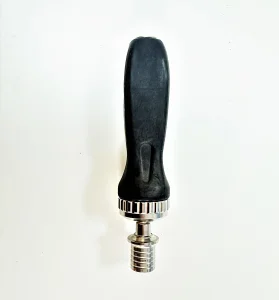
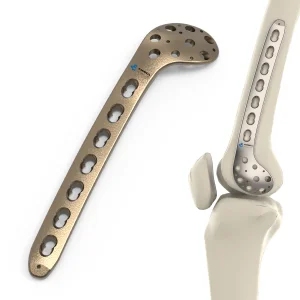
Engineered for structural accuracy, high corrosion resistance, and seamless compatibility in scoliosis and joint surgeries.
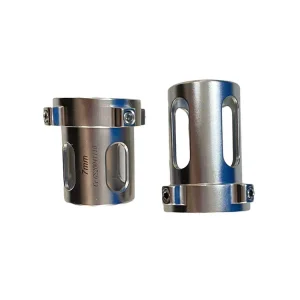
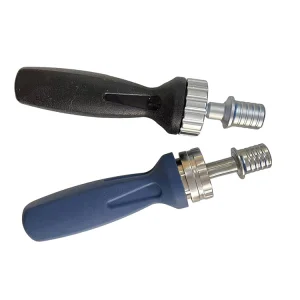
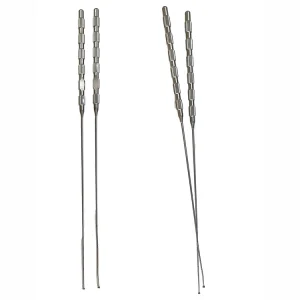
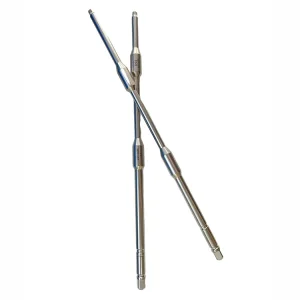
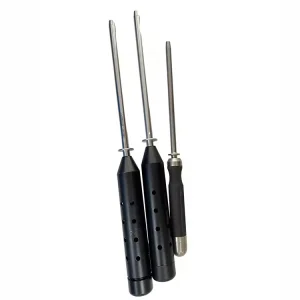
Virelox Medical Devices Co., Ltd. represents the absolute standard of manufacturing and technology in the global orthopedic device supply chain.
Virelox Medical Devices Co., Ltd. is a professional orthopedic medical device manufacturer specializing in joint replacement and surgical implant solutions. The company operates under the brand “Virelox” and is committed to delivering high-performance orthopedic systems for global healthcare providers. With an operational foundation starting in 2016, we bridge the gap between high-end biomechanical engineering and cost-effective clinical application.
In the orthopedic accessory ecosystem, manufacturing speed and precision must match the rigorous demands of regulatory frameworks like FDA 510(k) and European MDR. China's manufacturing clusters, especially in advanced medical technology zones, provide unparalleled efficiency.
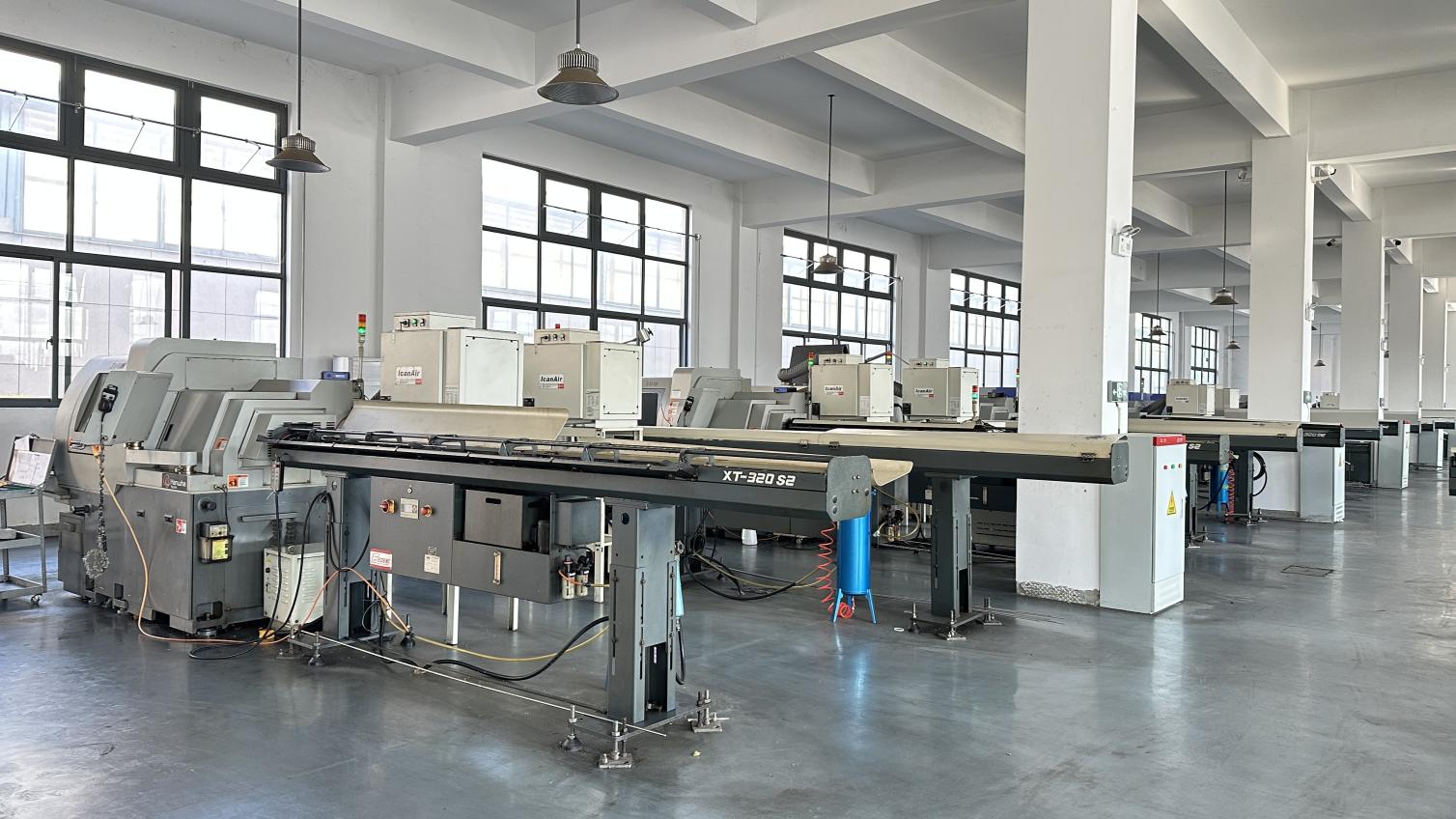
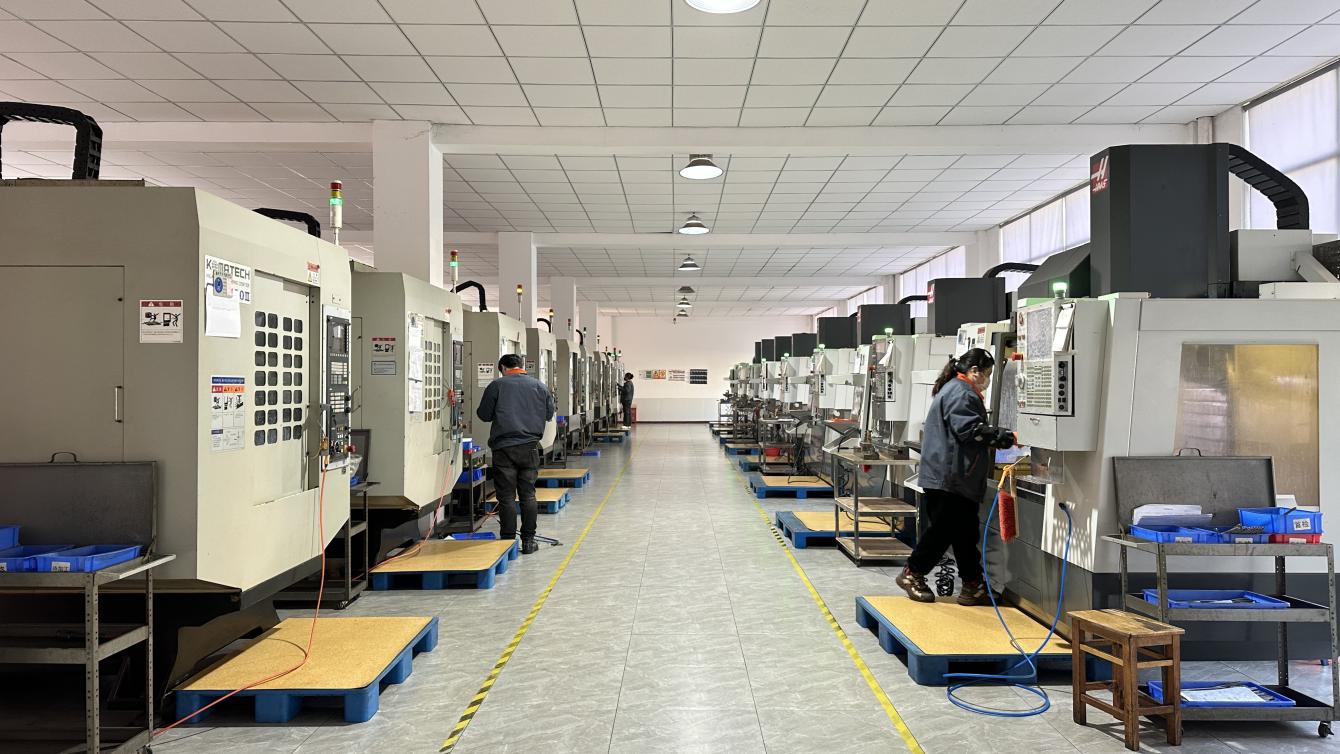
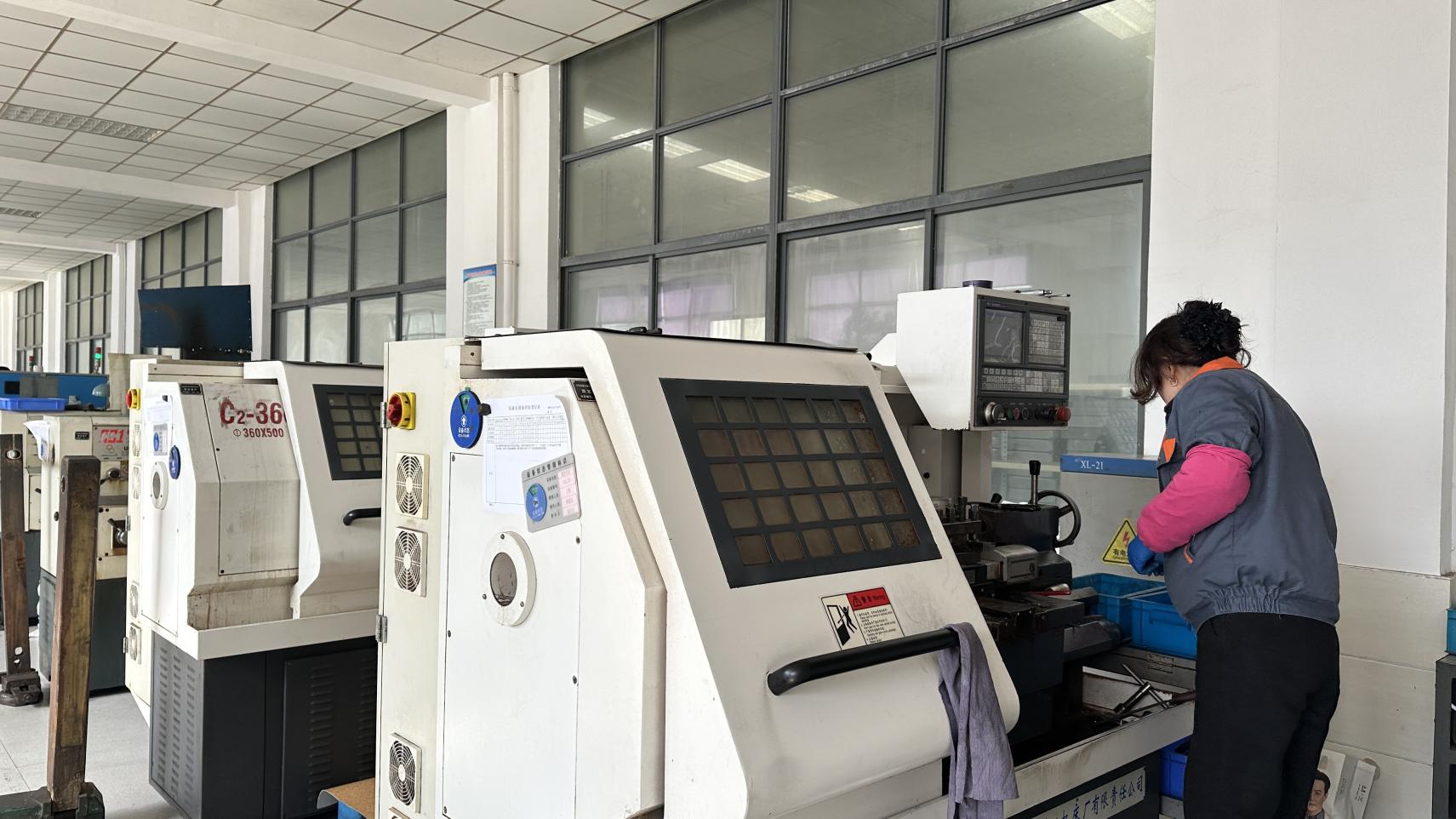
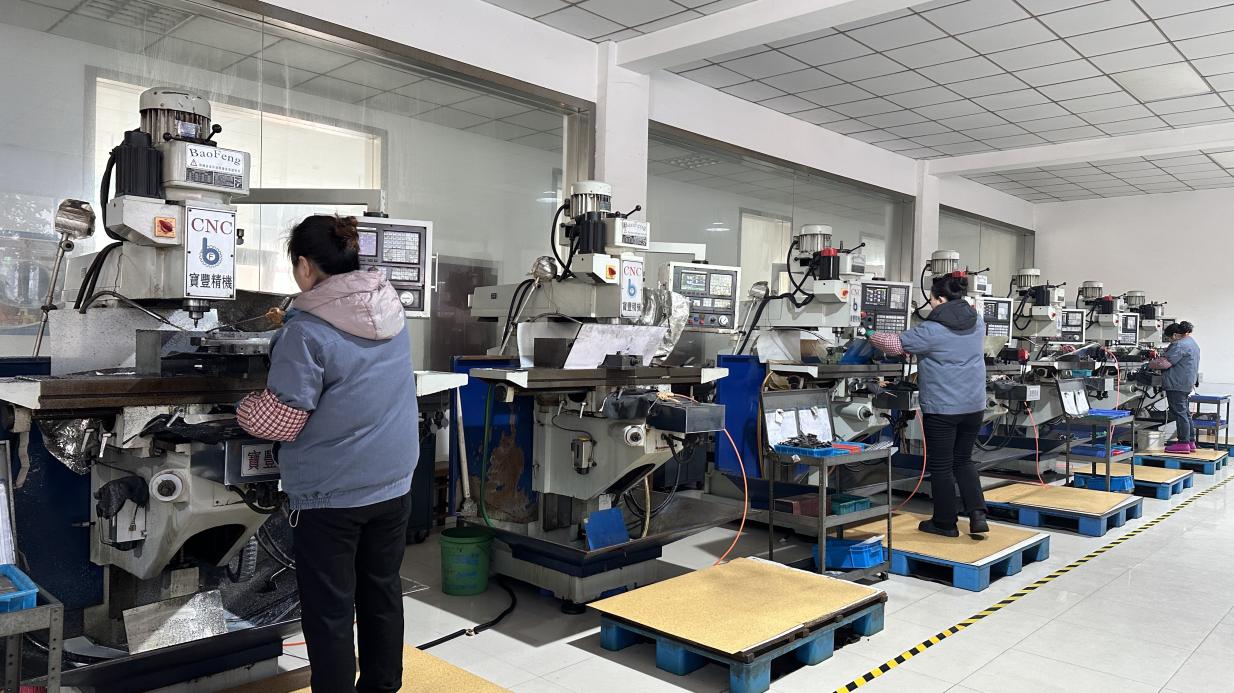
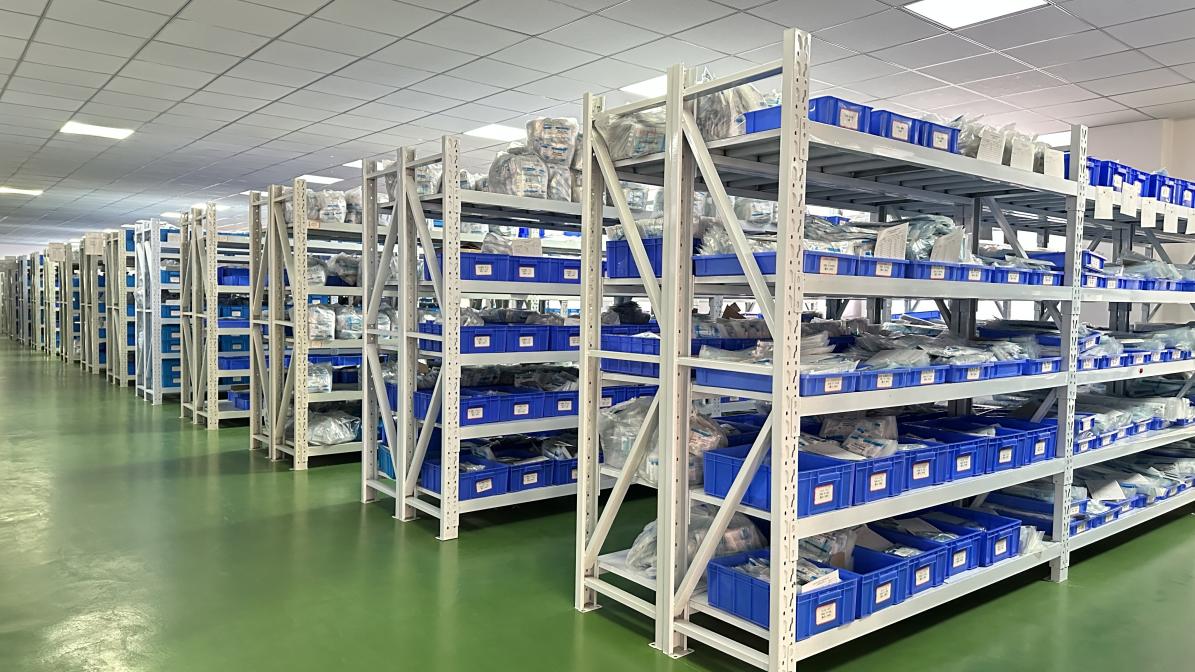
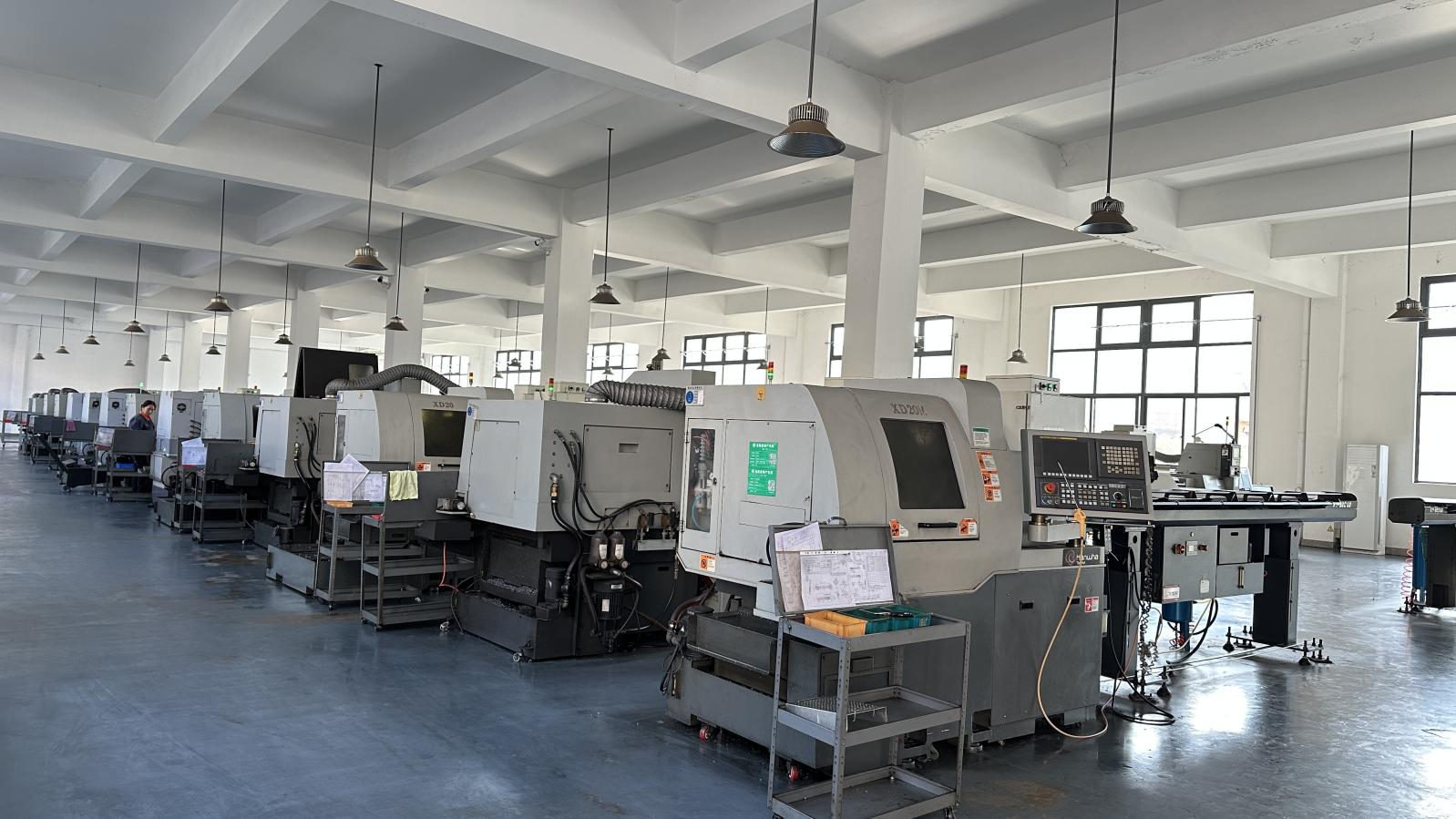
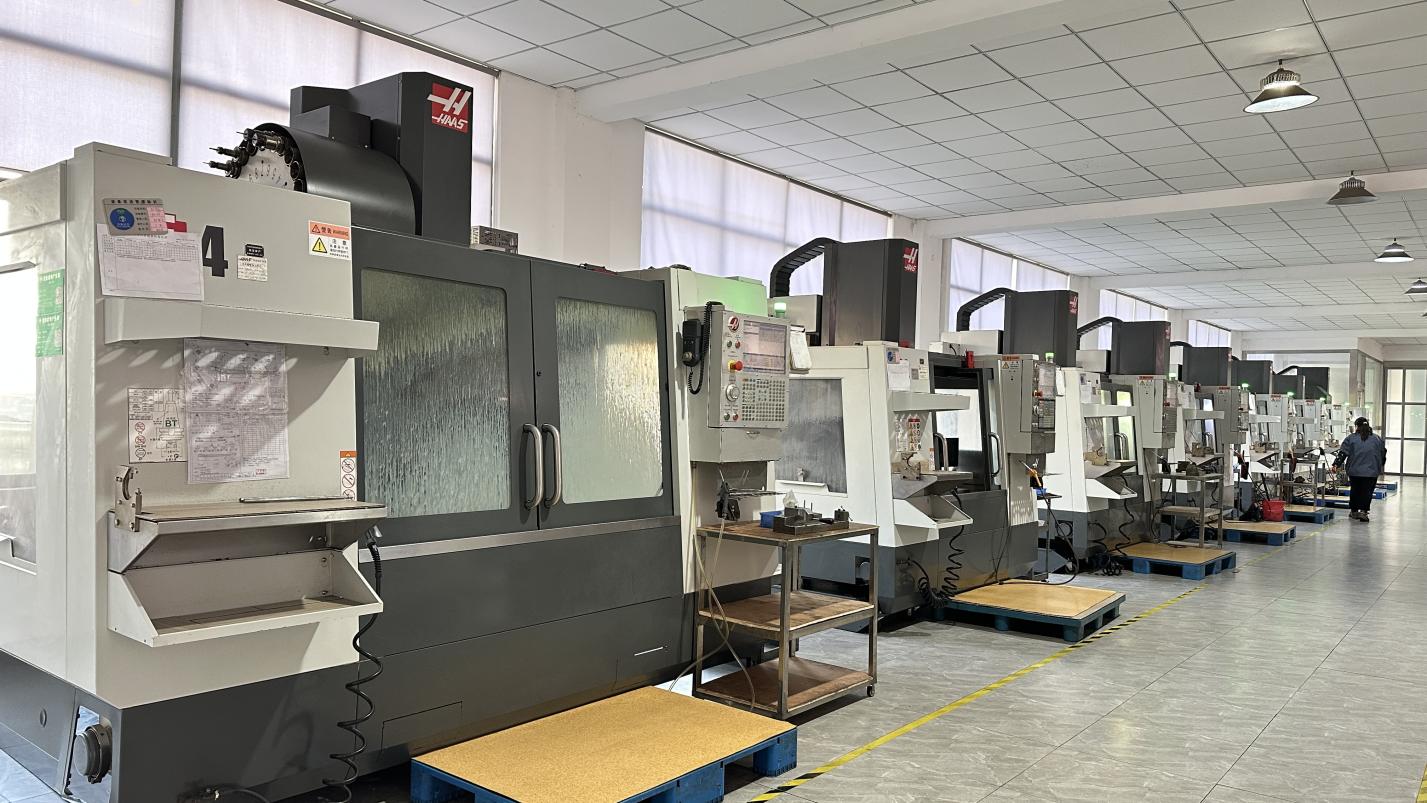
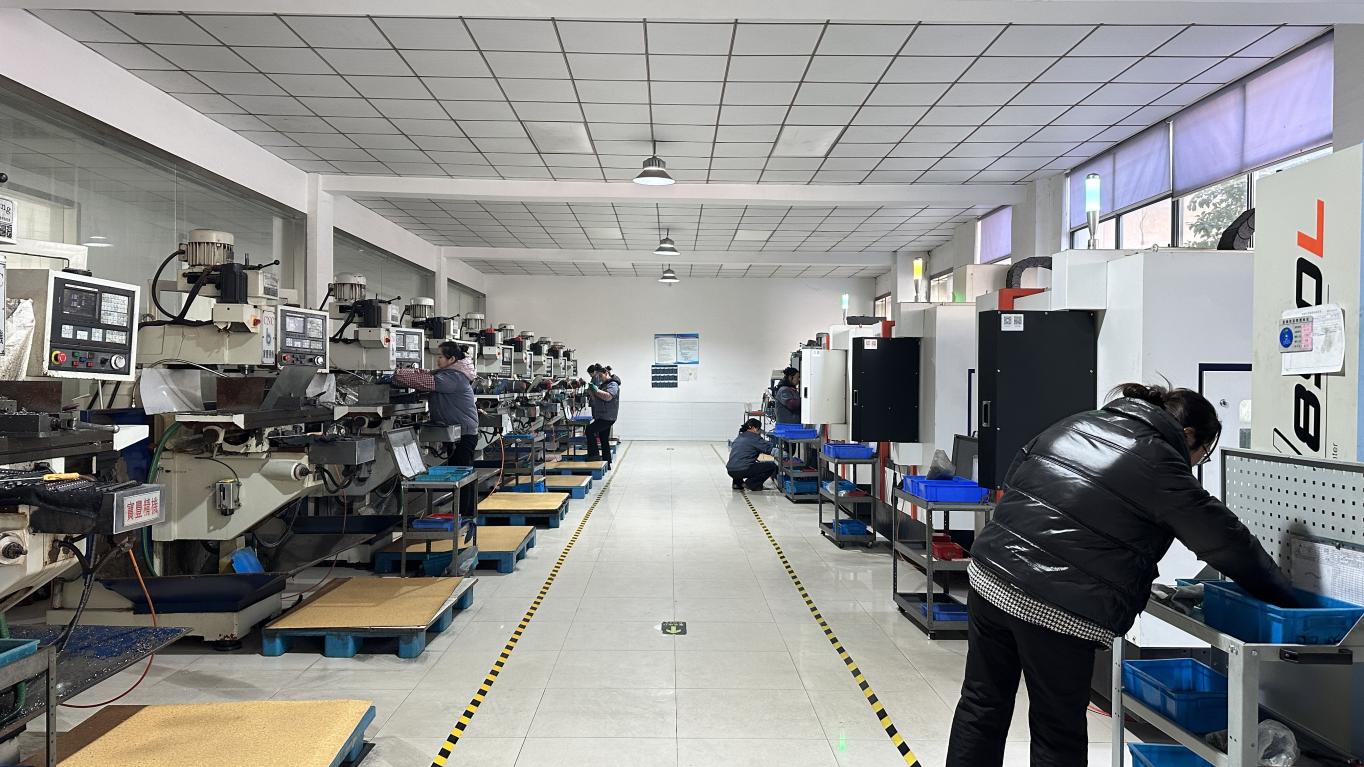
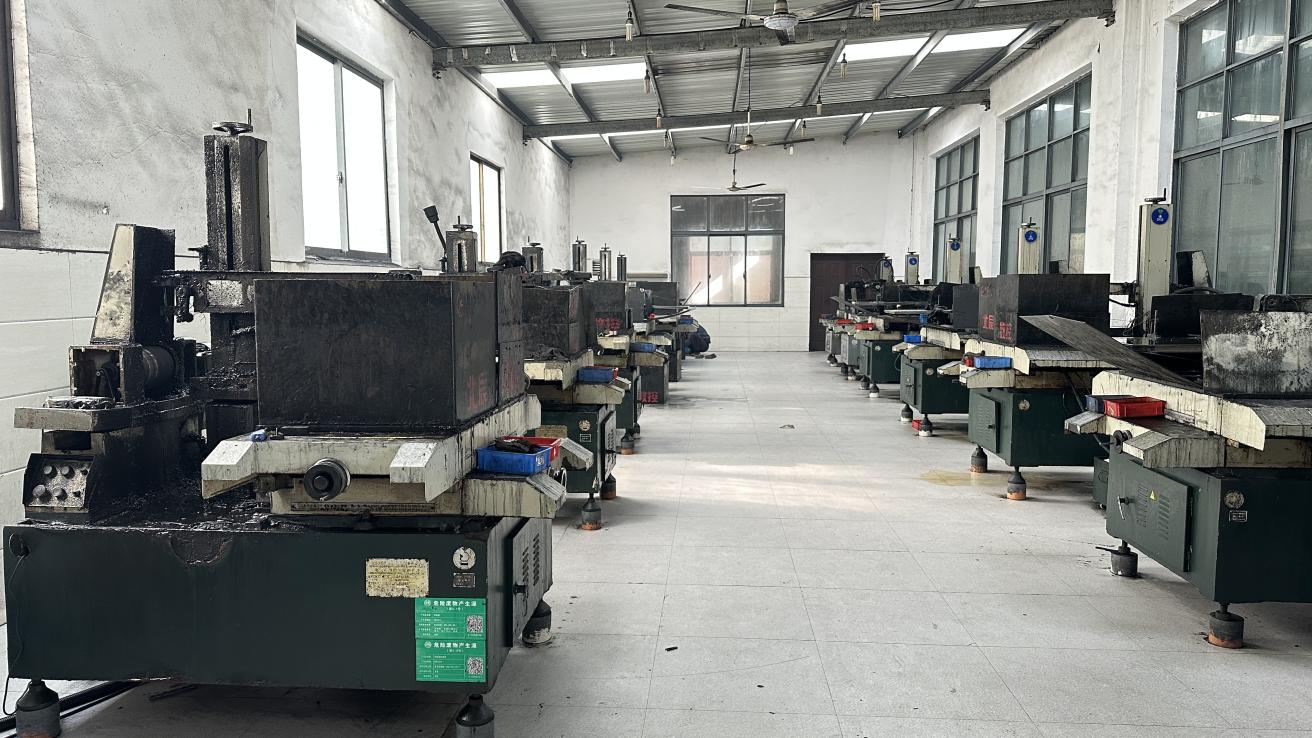
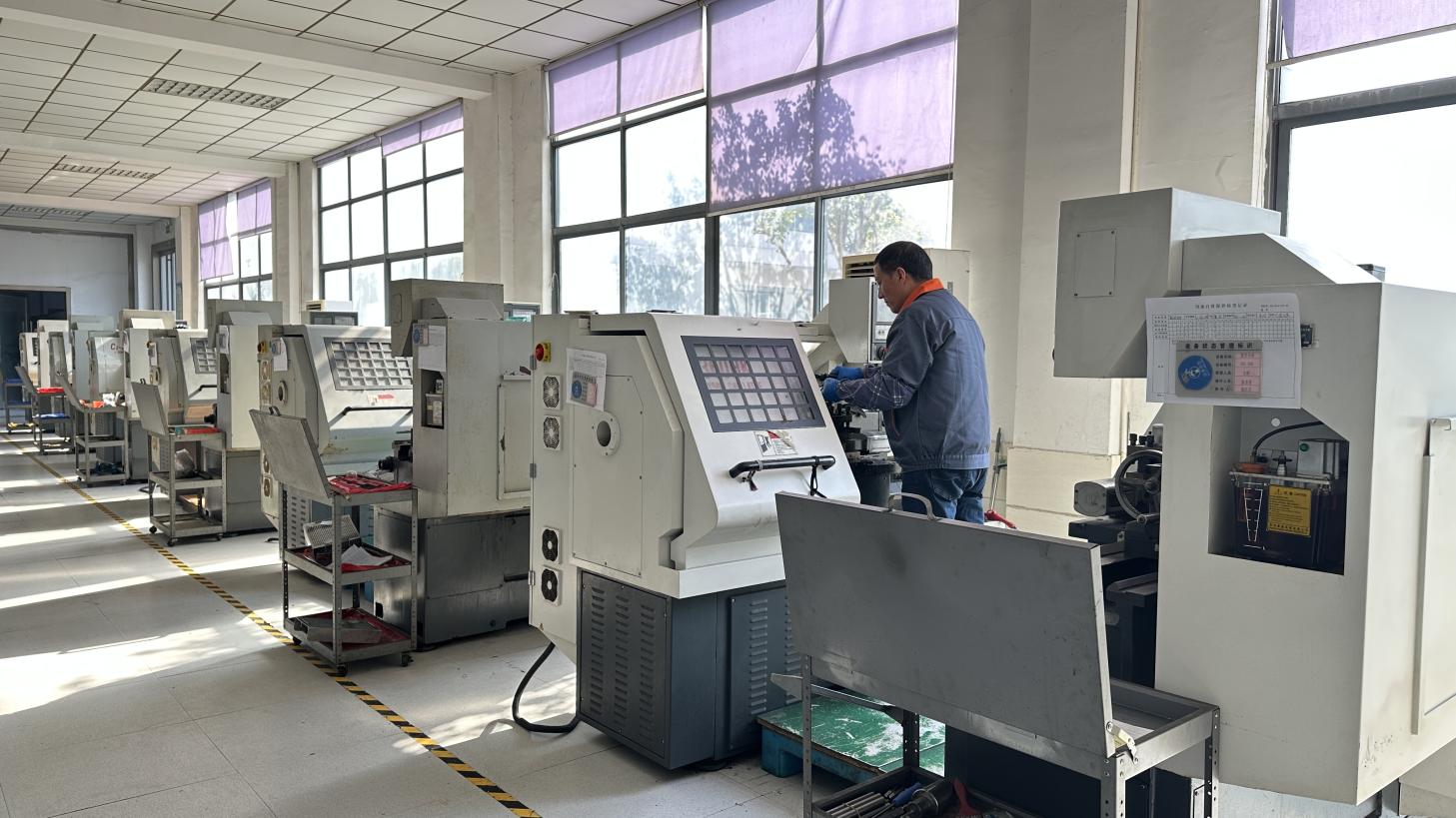
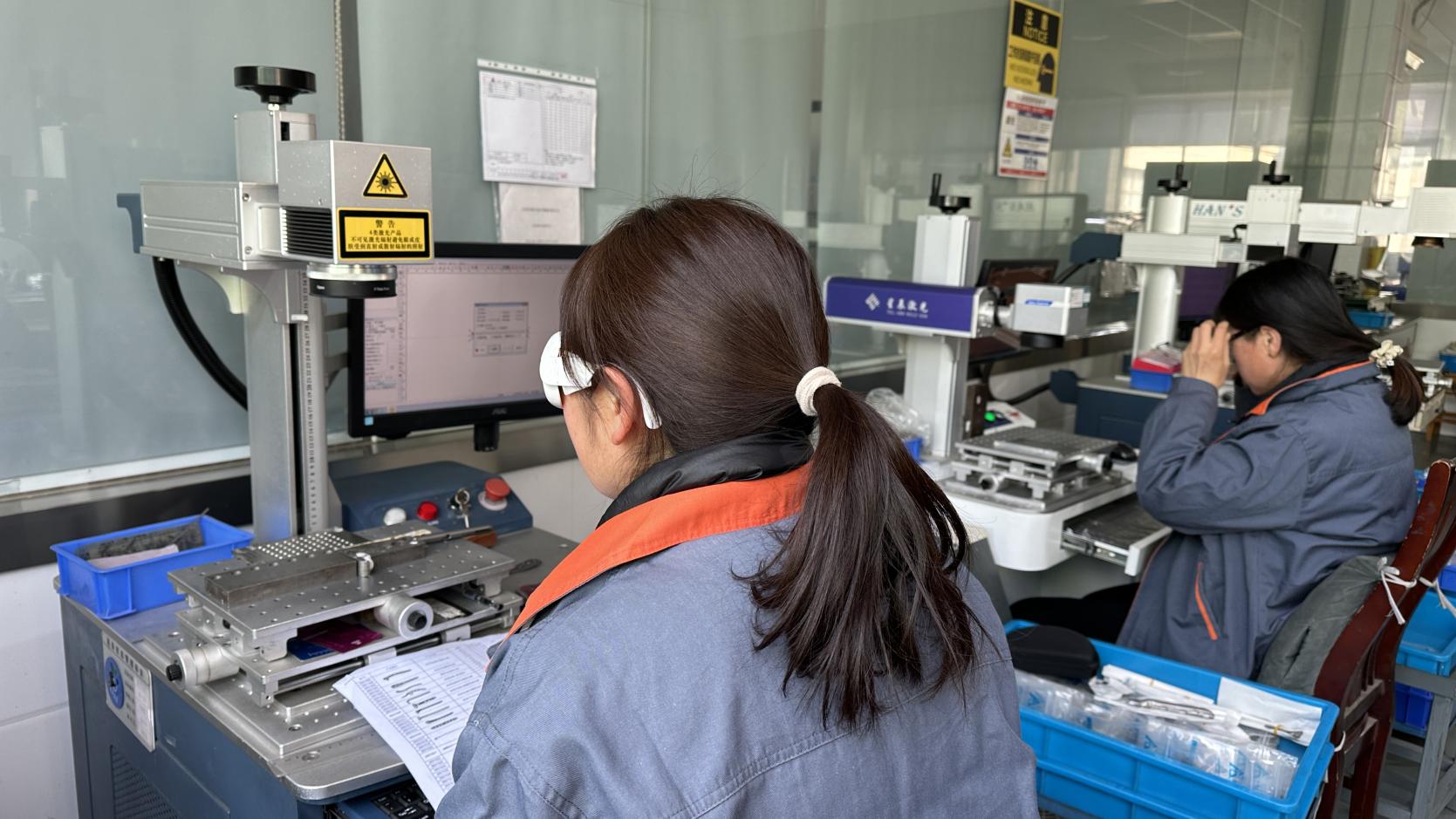
Through integrating raw material sourcing, automated CNC slitting and milling, and post-machining surface treatments, Virelox shortens the product development lifecycle. The concentration of high-grade raw materials (such as ISO 5832-3 compliant Titanium Alloy and Ultra-High-Molecular-Weight Polyethylene) near production clusters minimizes lead times, ensuring stable inventory even during global logistics bottlenecks.
"Integrating raw material sourcing, automated CNC slitting and milling, and post-machining surface treatments, Virelox shortens the product development lifecycle."
Procurement officers in the medical sector face unique challenges: they do not just buy accessories; they manage clinical risk. Our ISO 13485-based quality management system ensures that every implant component, guide pin, and ratchet handle maintains high structural integrity.
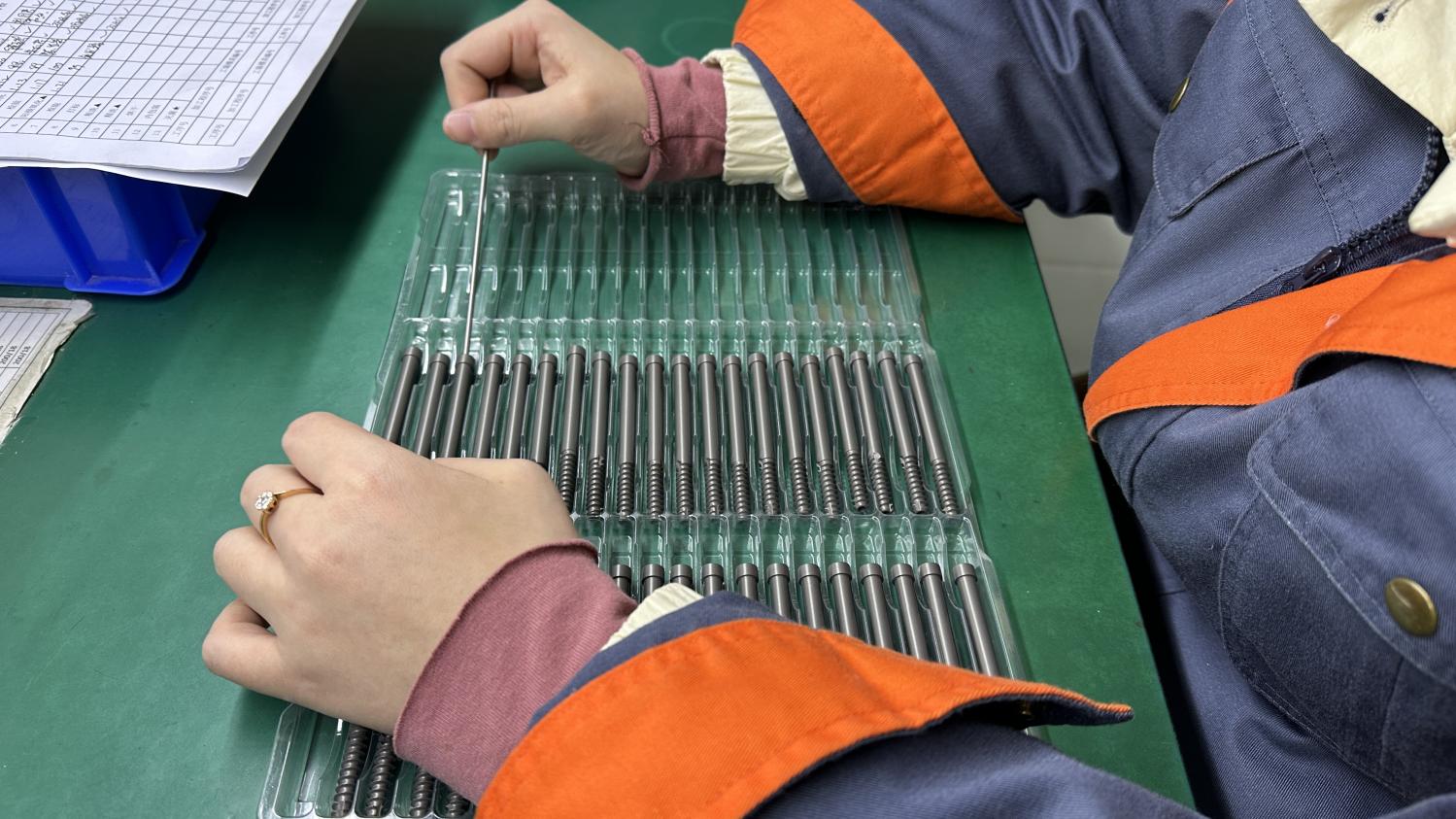
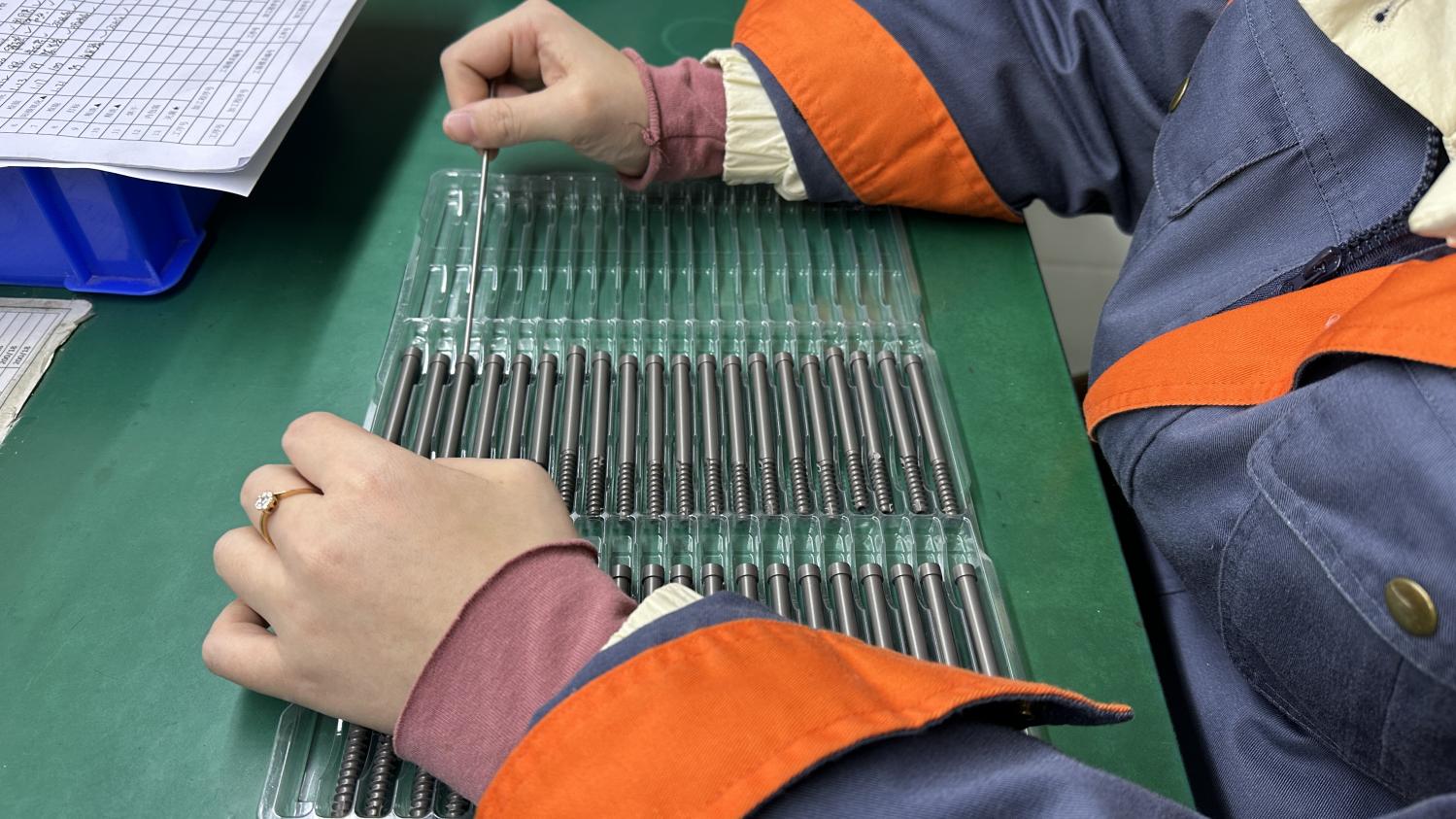
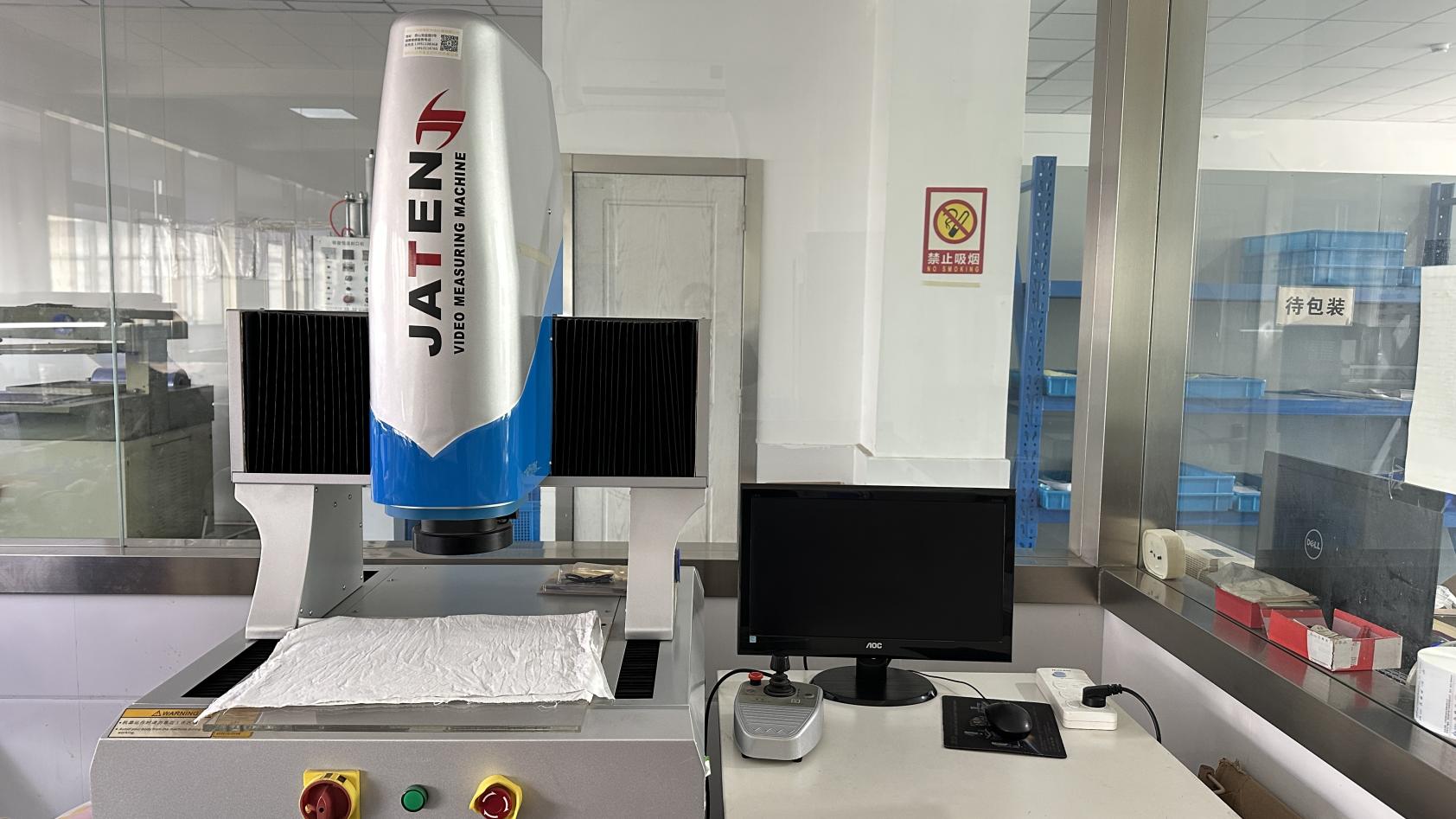
With 65 dedicated quality control professionals, Virelox monitors every production stage. Utilizing CMM dimension validation, X-ray non-destructive testing, and biomechanical fatigue testing, we provide buyers with clear trace data, reinforcing our role as a trusted partner for medical device distributors, hospitals, and orthopedic clinics worldwide.
Discover our capabilities in specialized orthopedic design, testing, and production compliance.
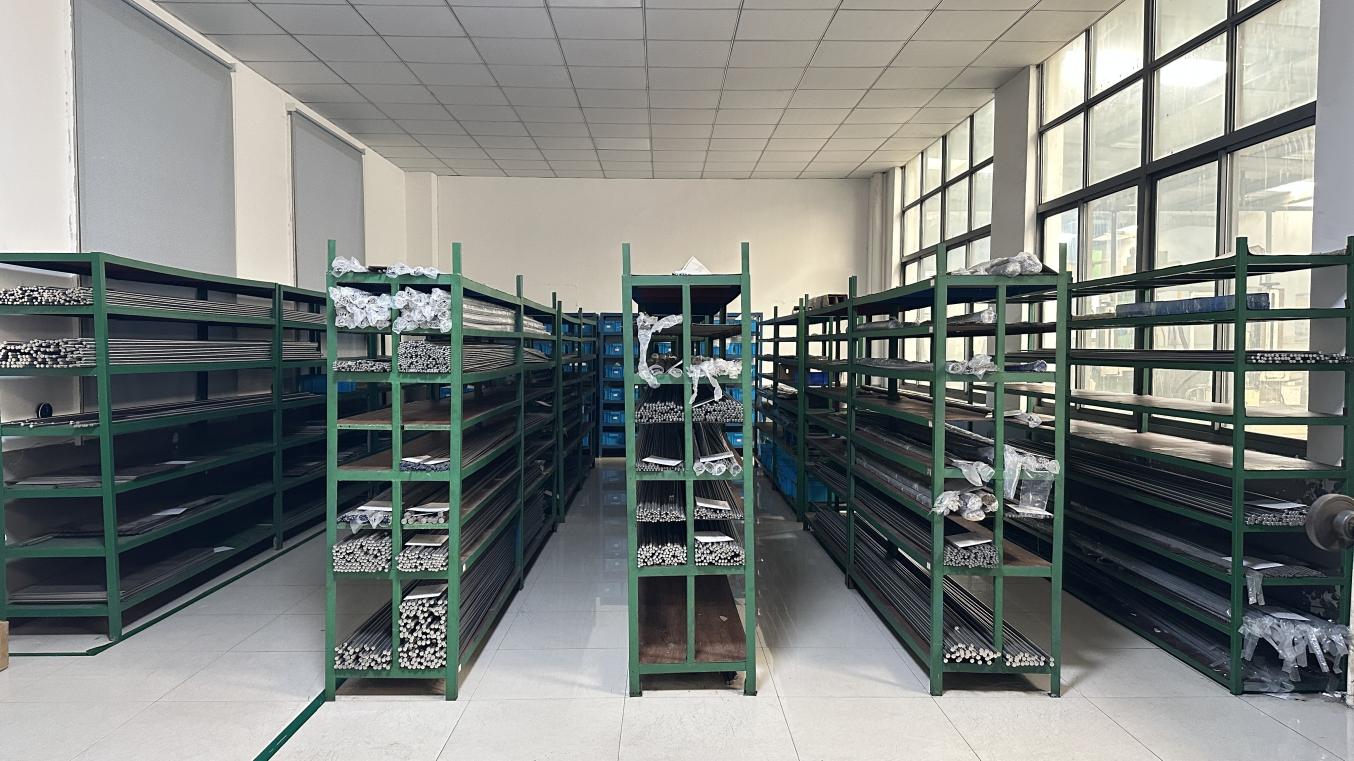
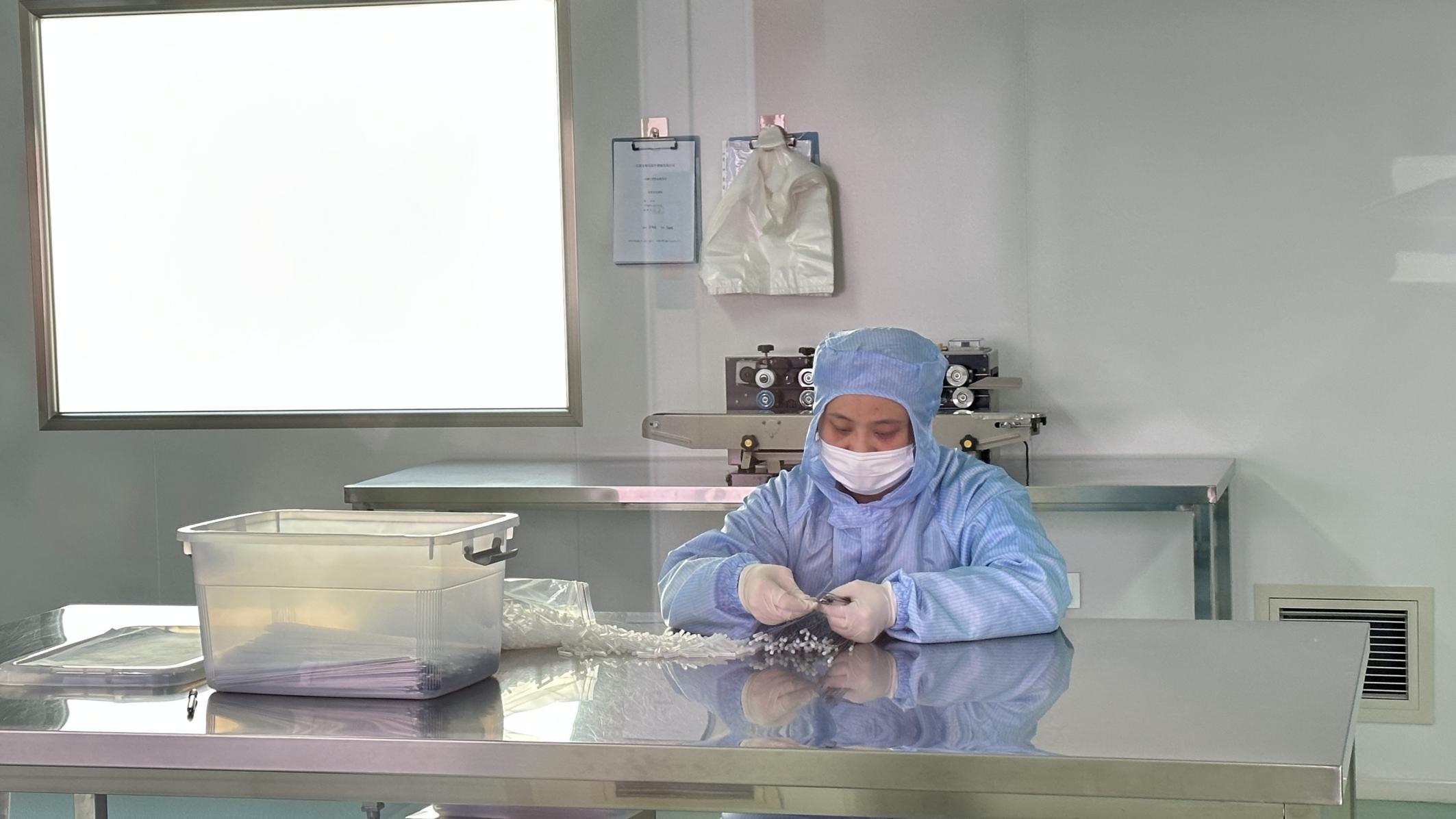
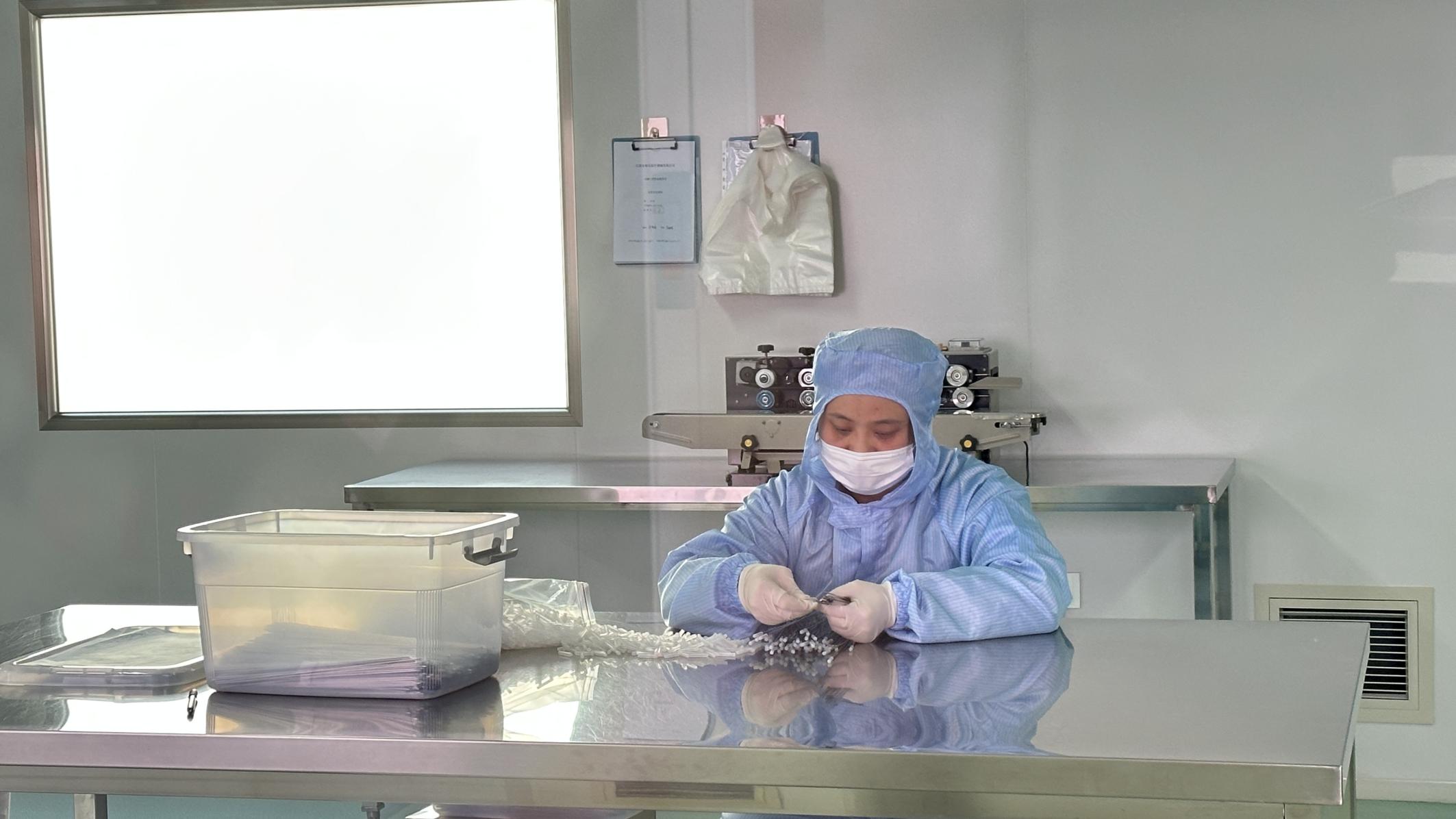
Our entire facility operates under ISO 13485-based processes, adhering to strict cleanroom parameters and material trace standards.
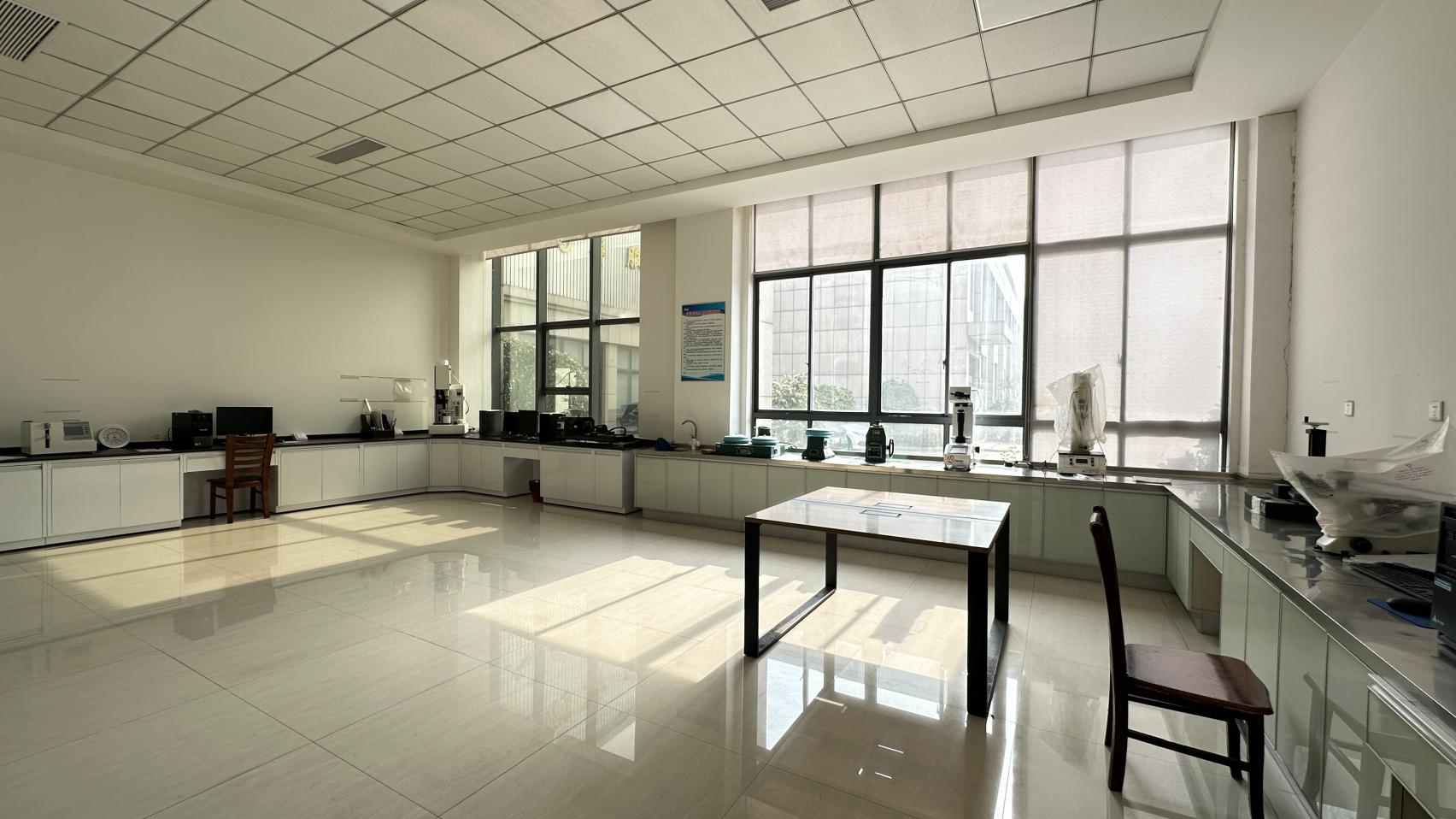
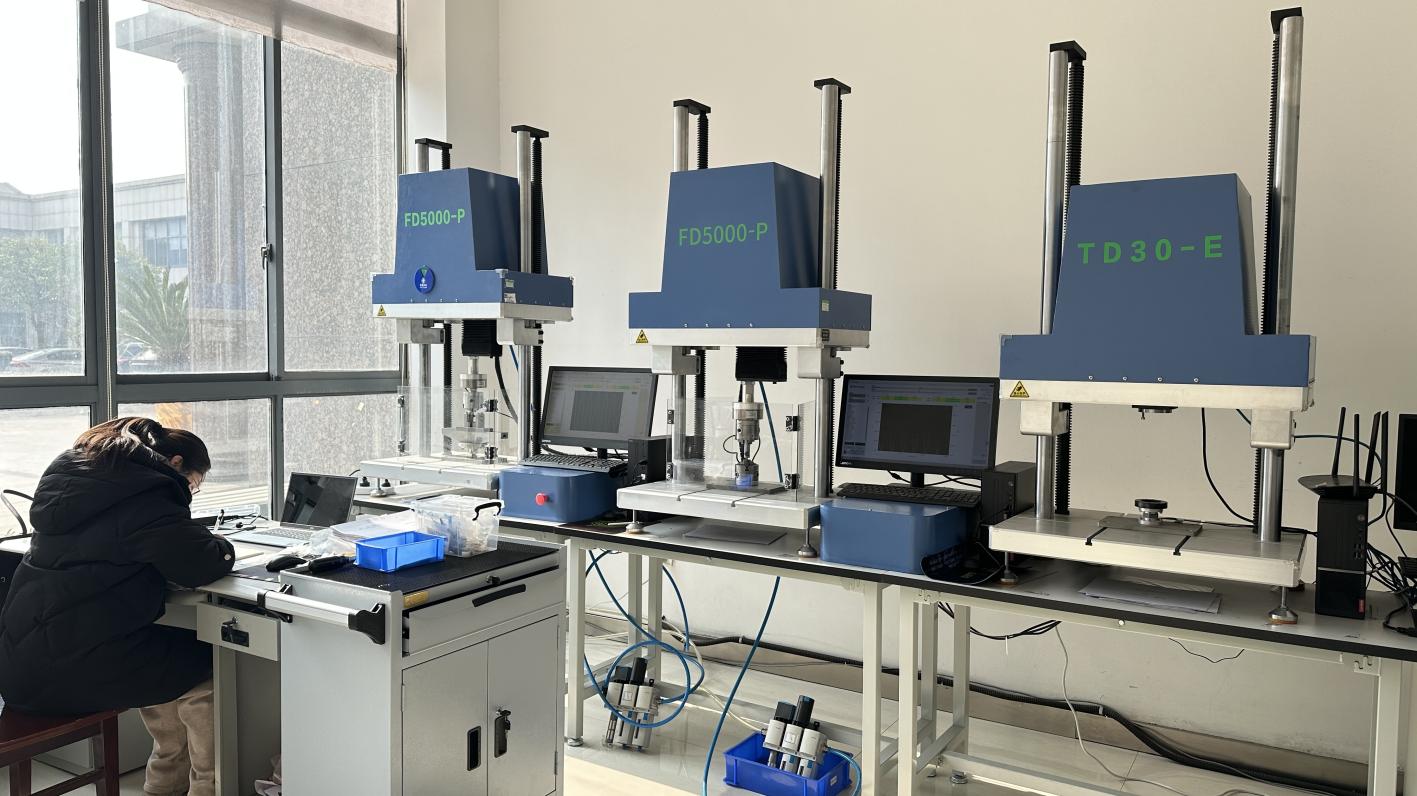
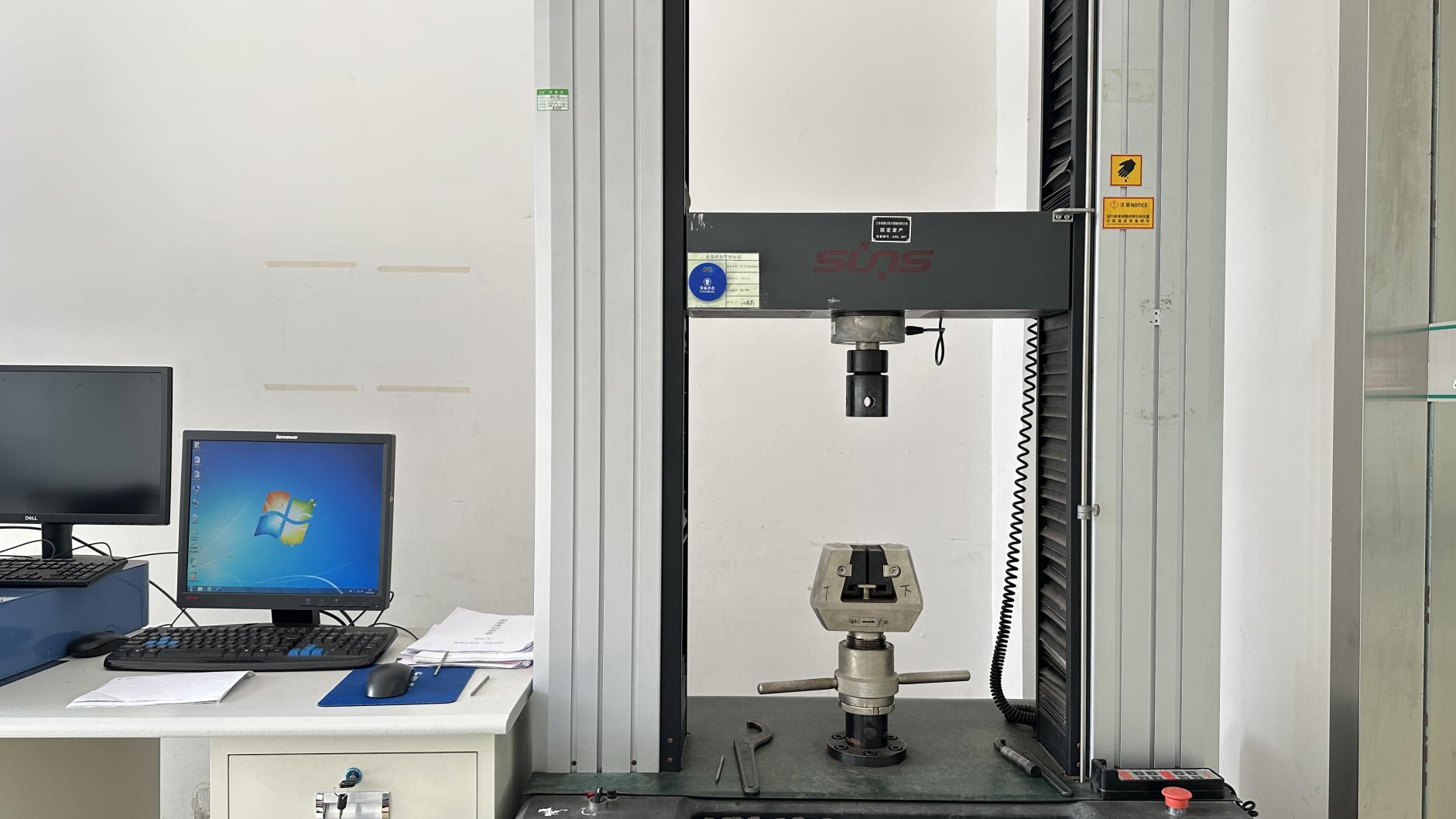
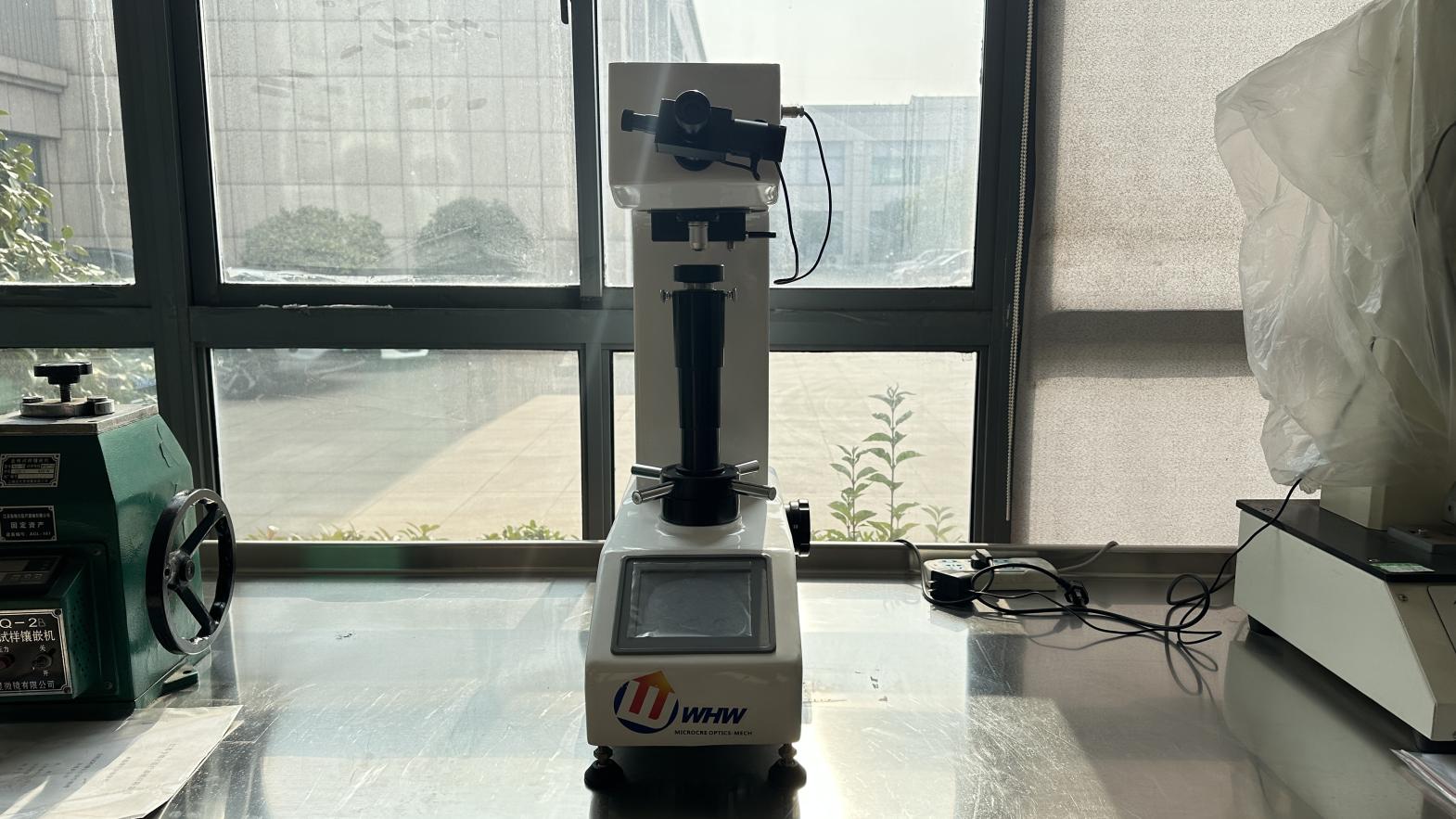
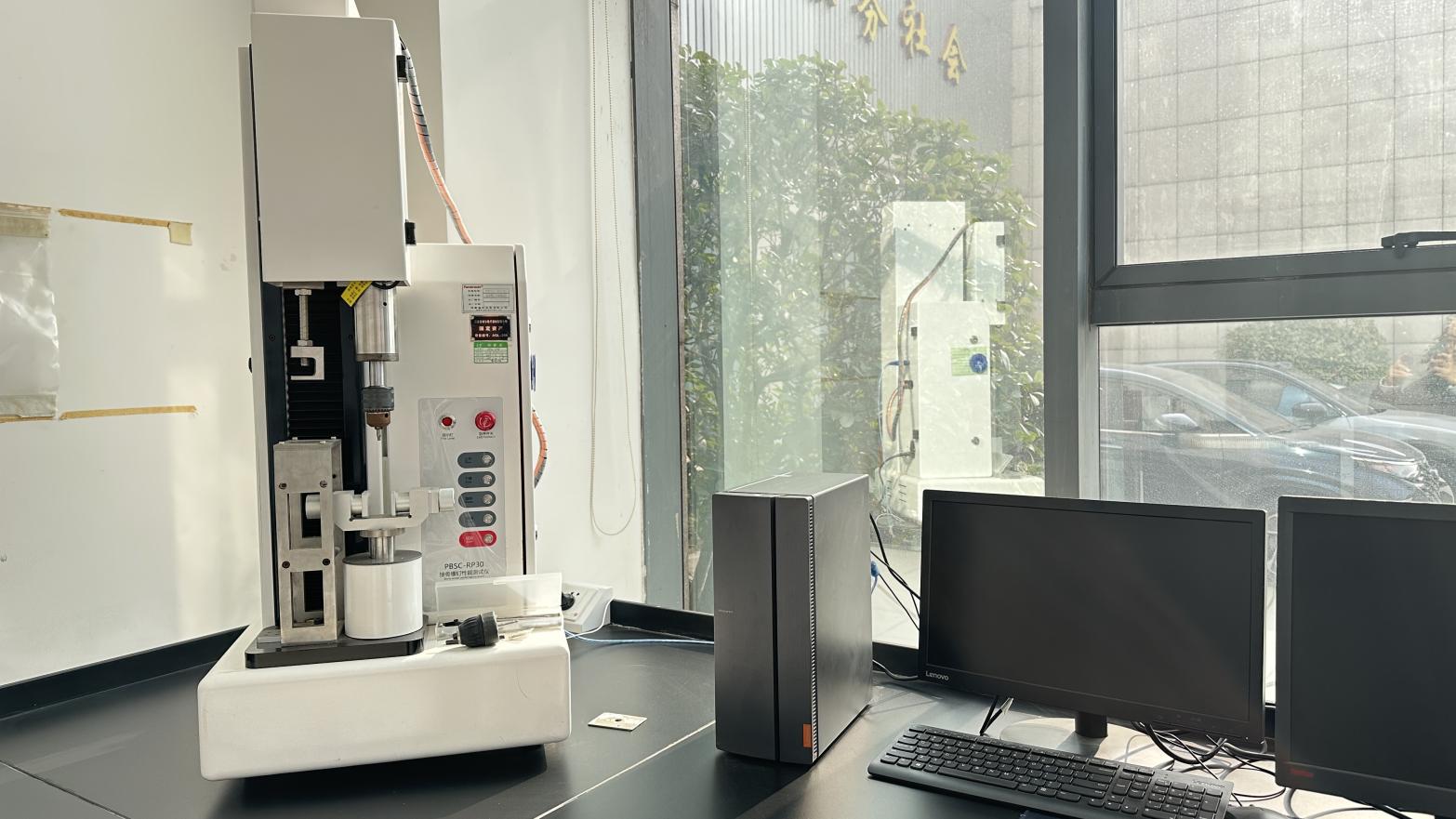
Equipped with in-house fatigue testing, tensile strength testing, and dimensional CMM measurement for zero-defect output.
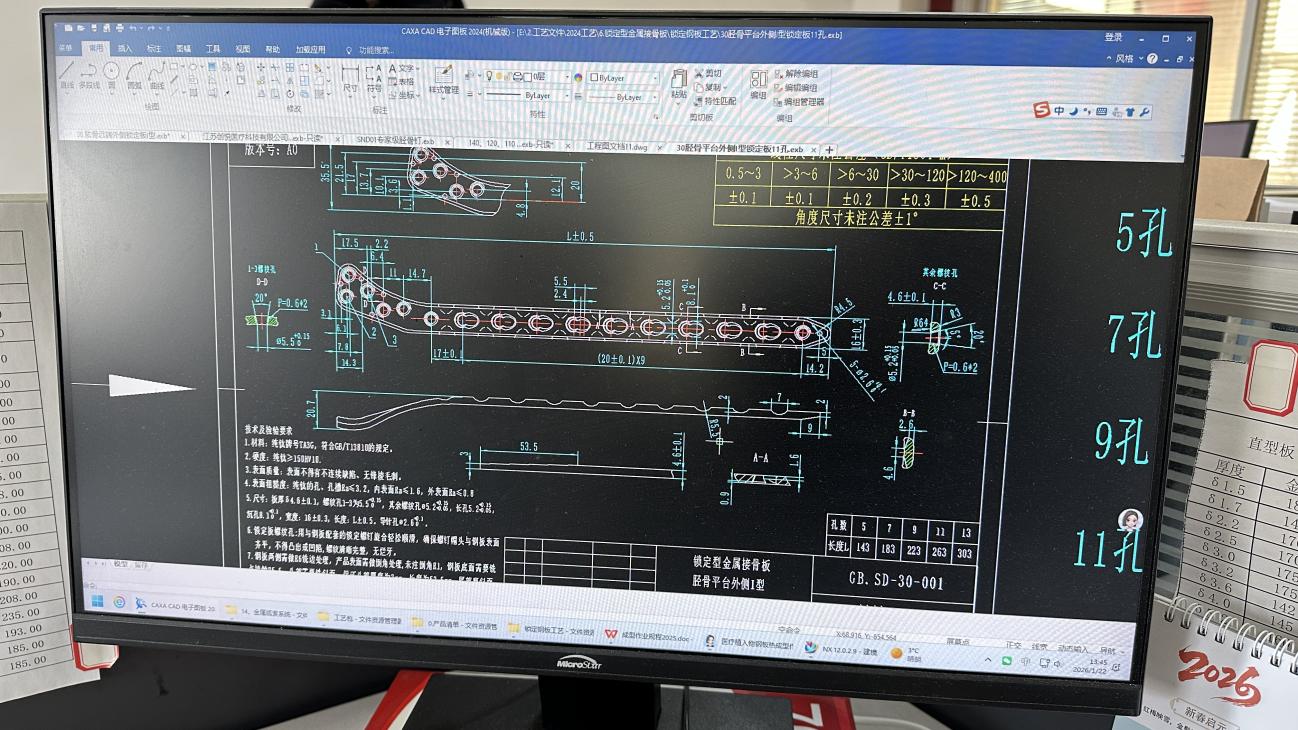
We provide tailormade implant geometry designs and private labeling, launching 120 new products annually.
Every step of our process—from raw materials to bio-mechanical inspection—follows strict procedures.
Understanding the strict regulatory frameworks and biomechanical shifts shaping orthopedic instrumentation.
Modern orthopedics requires materials with high osseointegration capabilities. While Medical Grade 5 Titanium (Ti-6Al-4V) remains the industry standard, physical vapor deposition (PVD) coatings and acid-etched micro-textures are increasingly used on implants. These techniques modify the surface morphology to support early-stage osteoblast attachment.
Virelox supports these clinical developments by offering custom surface options. Through electro-polishing, anodization, and micro-blasting, our engineering team ensures that every component meets international requirements for bio-inertness and corrosion resistance.
Spinal trauma instrumentation and joint replacement accessories undergo cyclical stress. Spinal rods, pedicle screws, and TLIF cage holders must withstand millions of cycles without micro-fissure propagation.
In our testing laboratory, we verify performance under load. Utilizing simulated physiological conditions, our fatigue testing simulates lifetime workloads on screws and stabilization devices. This verification process helps prevent in-vivo mechanical failures.
The transition from the Medical Device Directive (MDD) to the Medical Device Regulation (MDR) in Europe has introduced stricter compliance standards for technical files and clinical evaluations. High-risk Class IIb and Class III orthopedic products require thorough documentation, cleanroom validation records, and material safety data sheets (MSDS).
Virelox supports global distributors with technical dossiers that facilitate local registrations. Our manufacturing parameters are fully traceable, which helps streamline registration with national health authorities.
How Virelox instruments perform under demanding surgical environments across global markets.
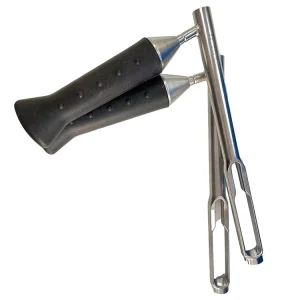
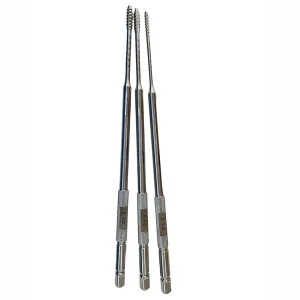
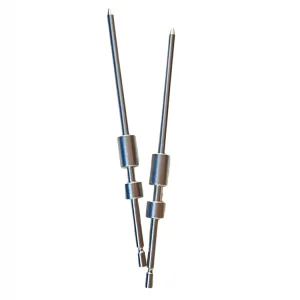
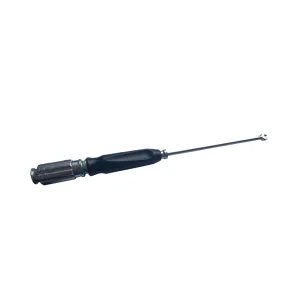
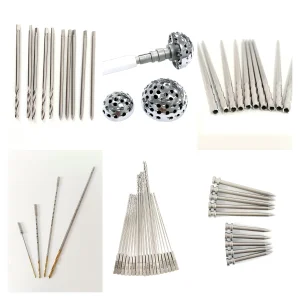
Our reset sleeves, single probes, and pedicle positioning measuring devices provide surgeons with precise tactile feedback, aiding control during corrective spinal surgeries.
The premium TLIF cage holder handles rotational forces during transforaminal lumbar interbody fusion, supporting secure implant placement.
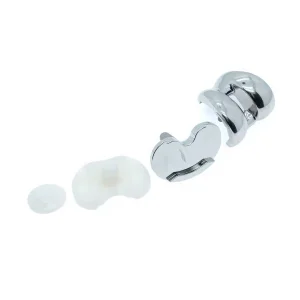
Designed for titanium prosthetic knee implants, these systems support accurate bone cuts, positioning, and joint alignment to achieve stable mobility.
Answers to common technical, material, and logistical questions from procurement managers.
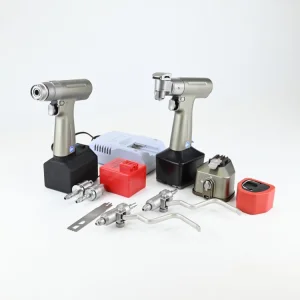
Engineered to support clinical workflows in joint reconstruction and trauma care.
 Virelox