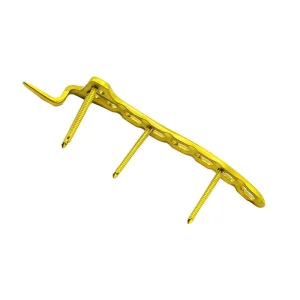
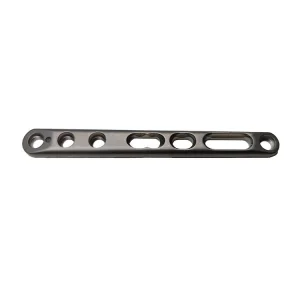
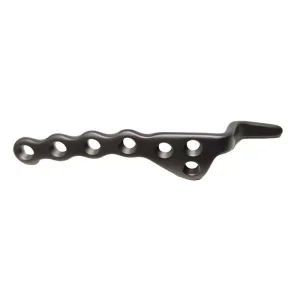
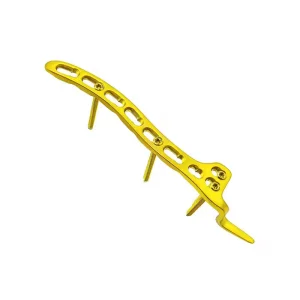
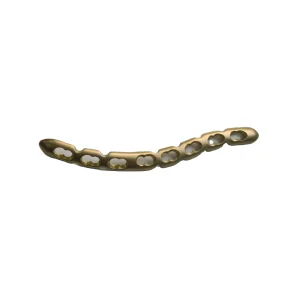
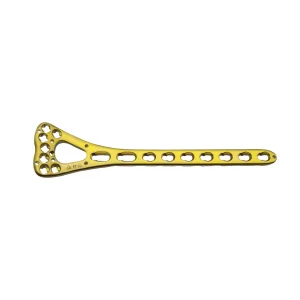
Anatomically pre-contoured locking plate and screw systems designed to optimize bone-to-implant load transfer and accelerate postoperative mobilization.
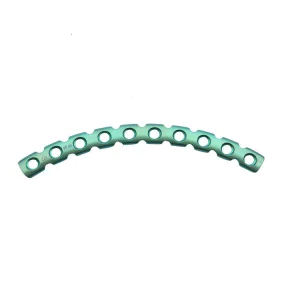
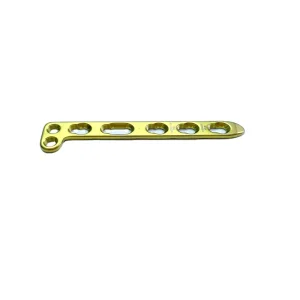
Analyzing key paradigm shifts driving surgical effectiveness, bio-compatibility requirements, and supply-chain expectations.
Rigid, mono-axial fixation is giving way to multi-axial, angle-stable configurations. Locking mechanisms allow angular flexibility while providing robust stability in osteoporotic bone. Surgeons can fine-tune fixation angles intraoperatively to adapt to complex fracture patterns, lowering the risk of hardware failure.
Medical-grade titanium alloys (such as Ti-6Al-4V ELI) remain the gold standard due to their high fatigue limit and biocompatibility. Present research centers on advanced surface treatments, including anodic oxidation. These surface alterations limit bacterial colonization and optimize soft-tissue integration and osseointegration.
Standardized plates often require intraoperative bending, which can compromise the structural integrity of the metal. Pre-contoured designs are developed based on extensive demographic data to minimize the need for manual shaping, preserve plate strength, and shorten operating times.
Medical procurement entities, group purchasing organizations (GPOs), and hospital administrators balance cost pressures against clinical outcomes. High-quality trauma implants must meet strict quality standards without incurring premium pricing.
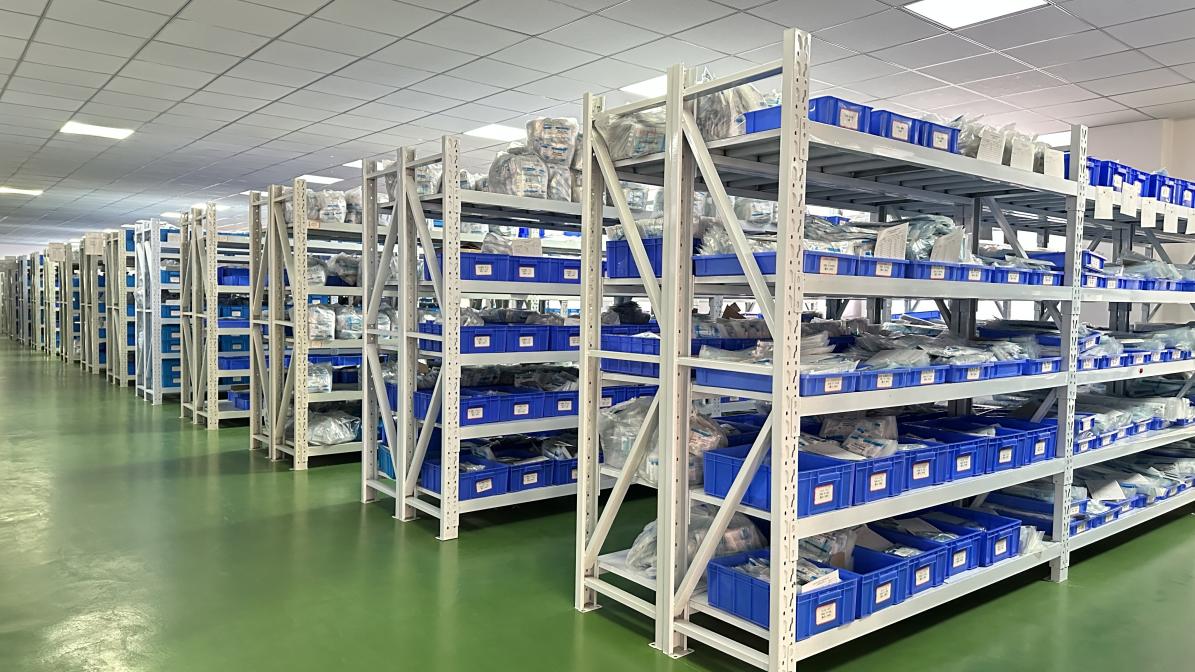
Virelox supports clinical supply chains by aligning high-grade raw material sourcing with scalable production. Our systems ensure traceability and reliable delivery, helping to prevent delays in critical trauma procedures.
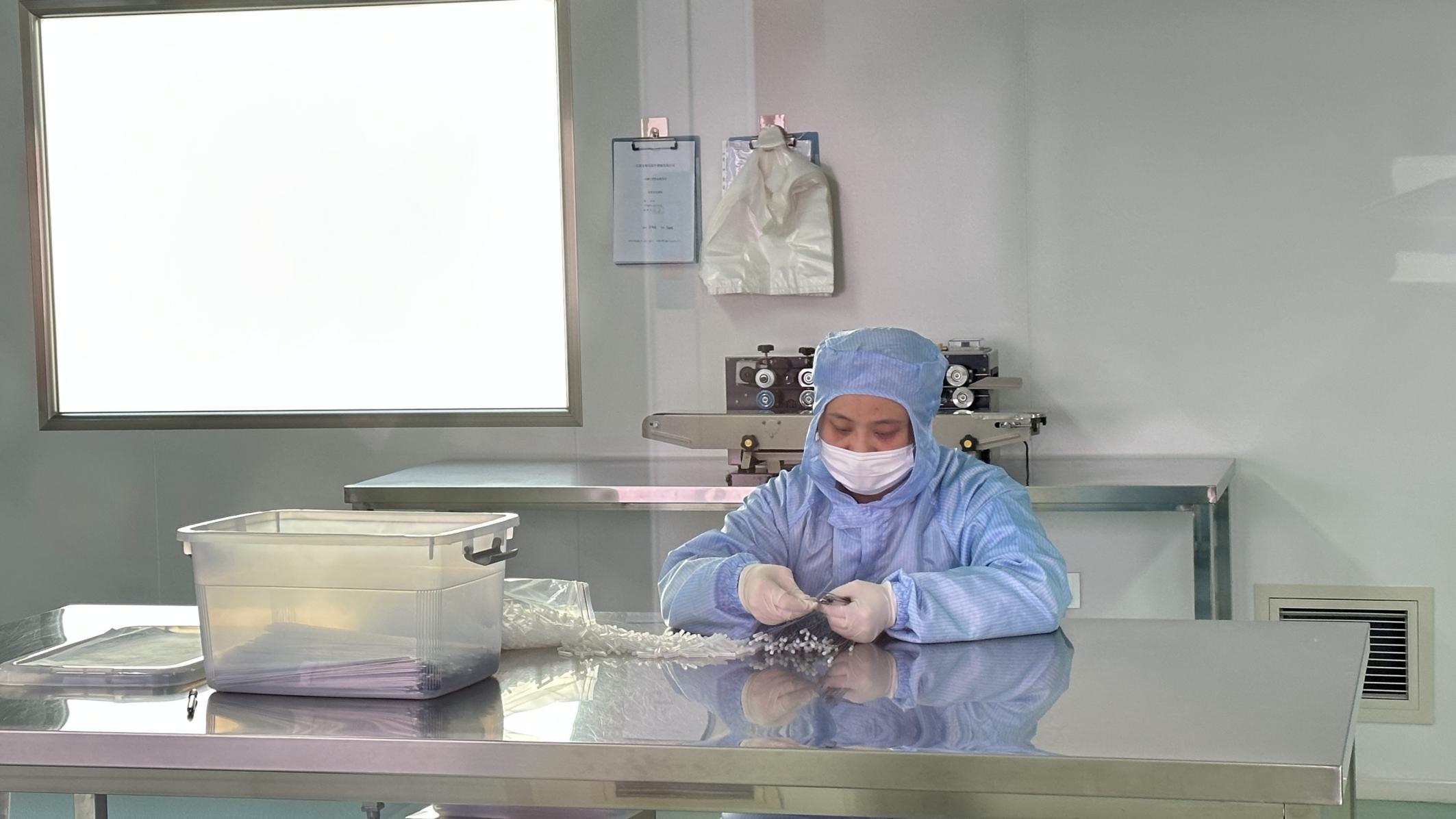
ISO 13485:2016 Certification: Our entire manufacturing flow, from raw materials to final packaging, is designed to meet strict international standards for medical devices.
Advanced Materials Traceability: Every batch of implantable titanium alloy is documented, ensuring chemical purity, tensile strength, and microstructure consistency.
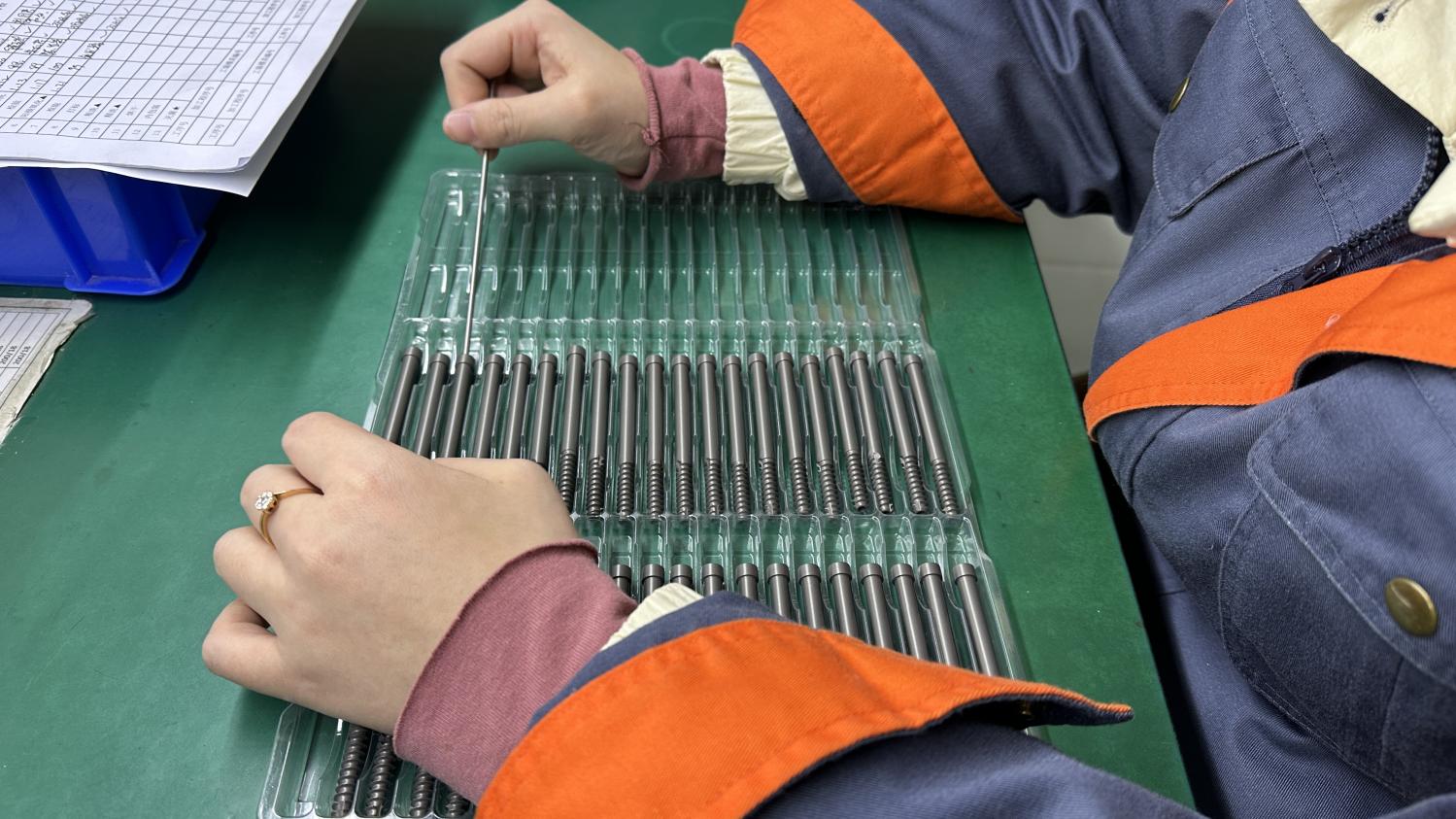
Full-Process Quality Inspection: In-process checks monitor dimensional tolerances and surface quality to maintain tight specifications.
R&D and Customization: Supported by 120 R&D engineers, we develop customized solutions to meet specialized surgical requirements.
Combining advanced machining centers with upstream integration to deliver reliable production capacity and cost efficiency.
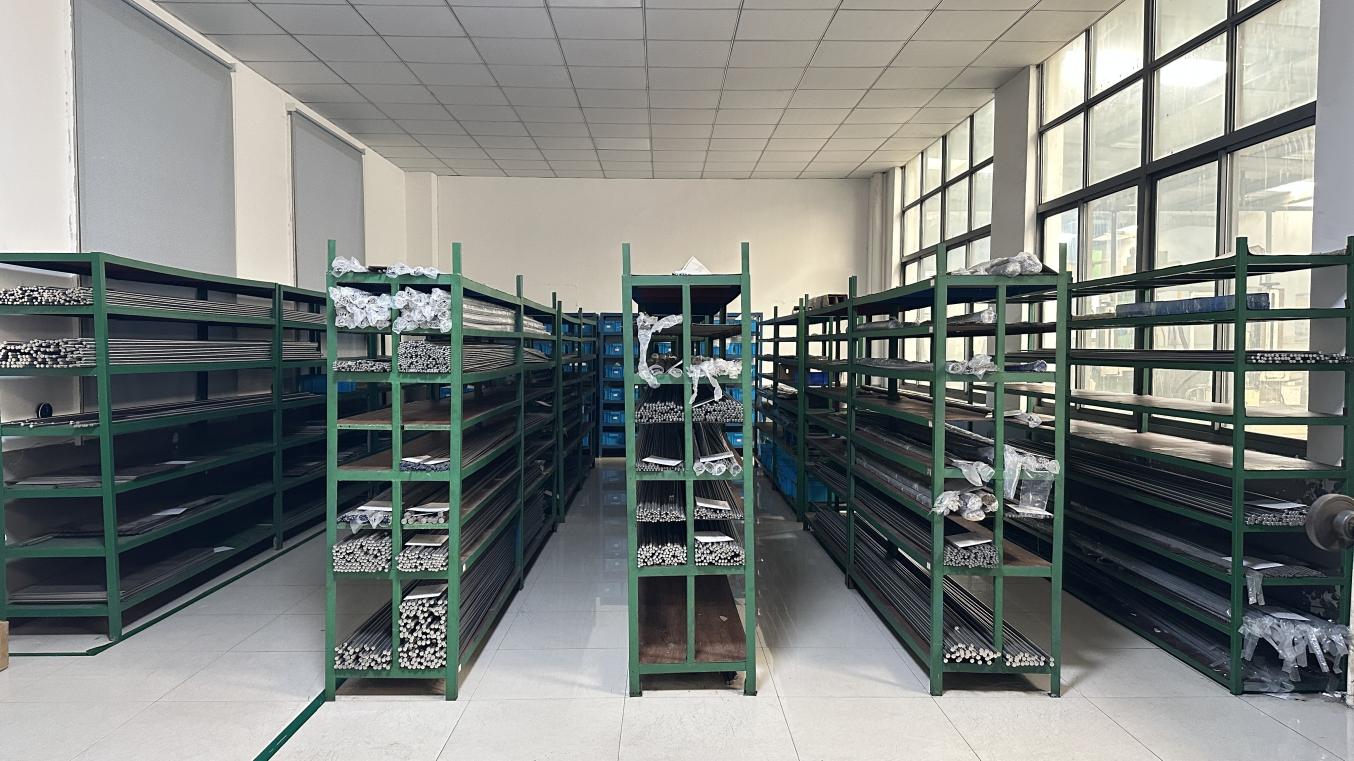
Supported by a network of 850 certified upstream partners, Virelox maintains consistent access to high-grade implantable titanium. This integration minimizes lead times and shields our production schedules from global material shortages.
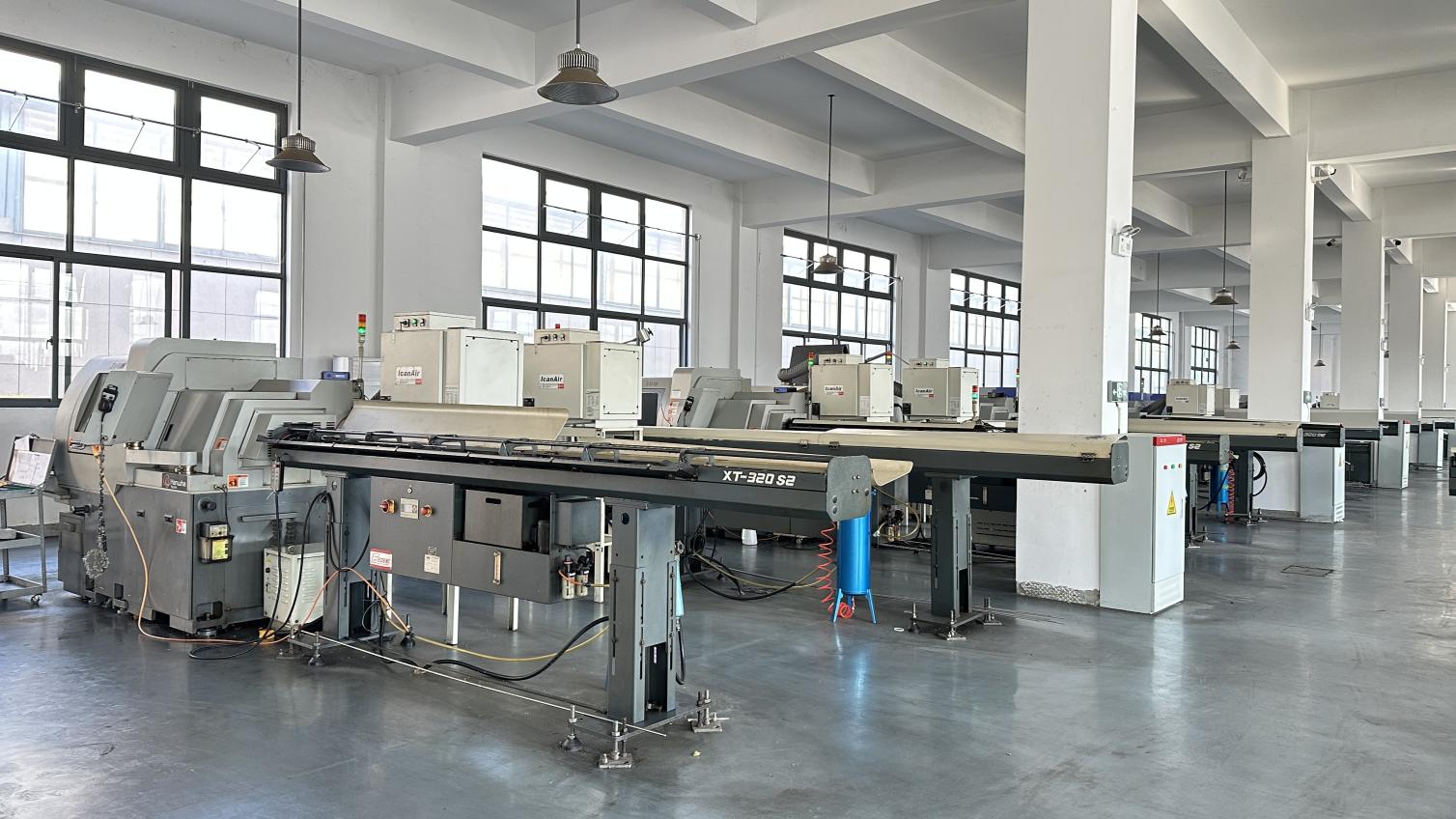
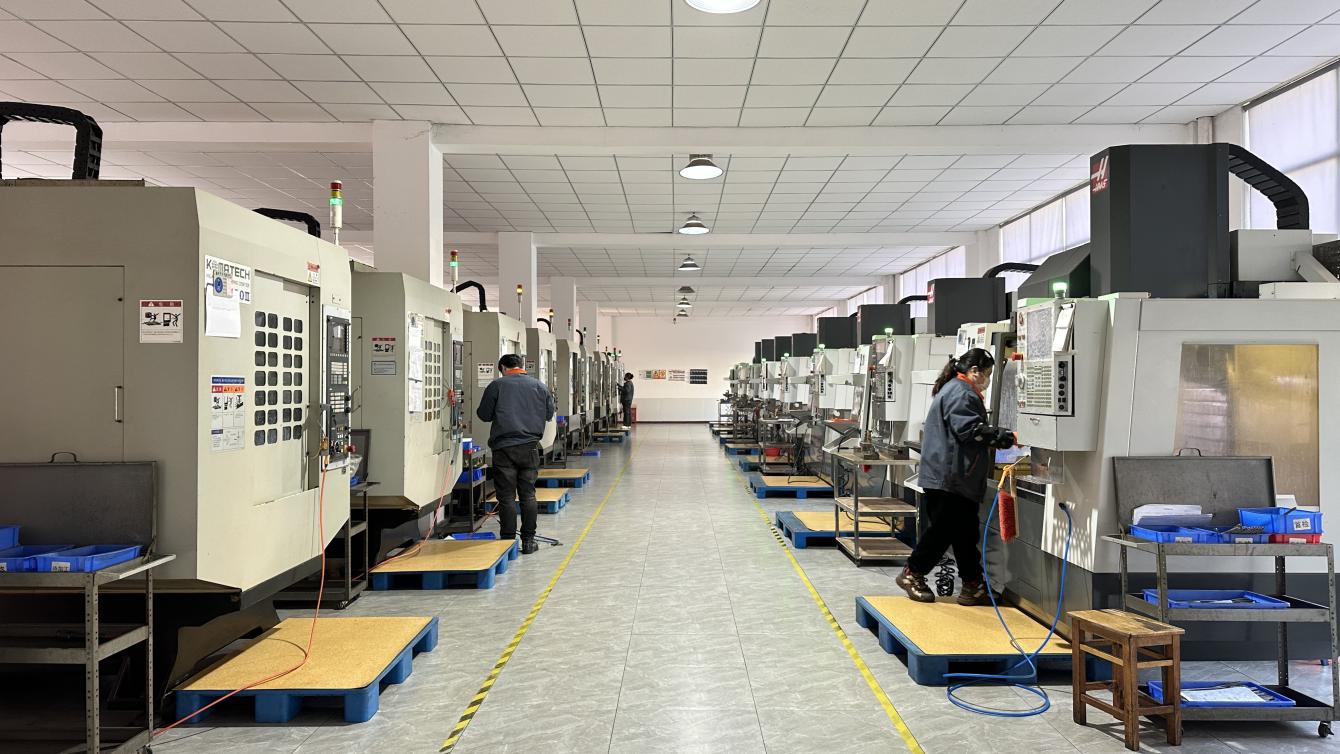
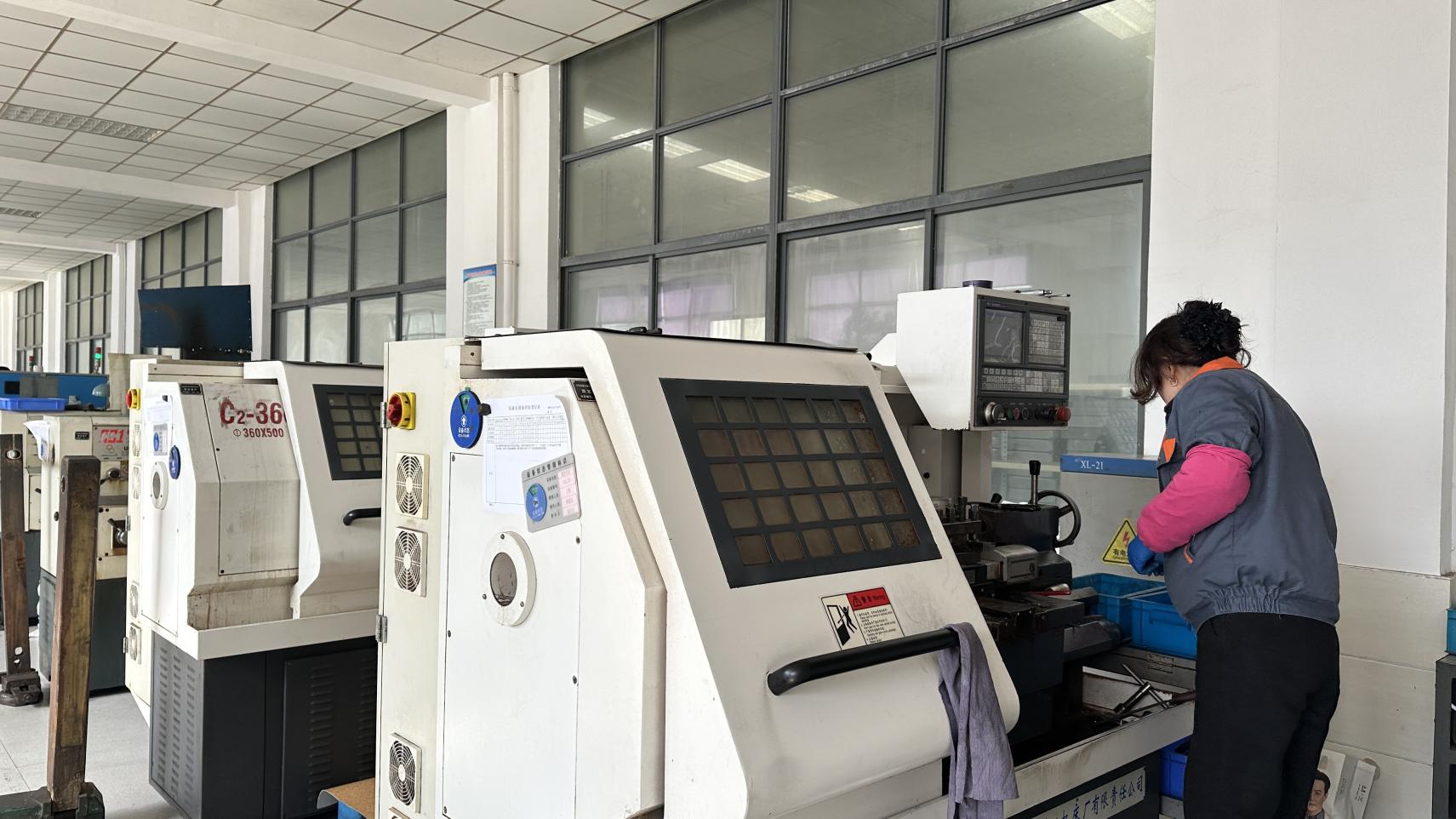
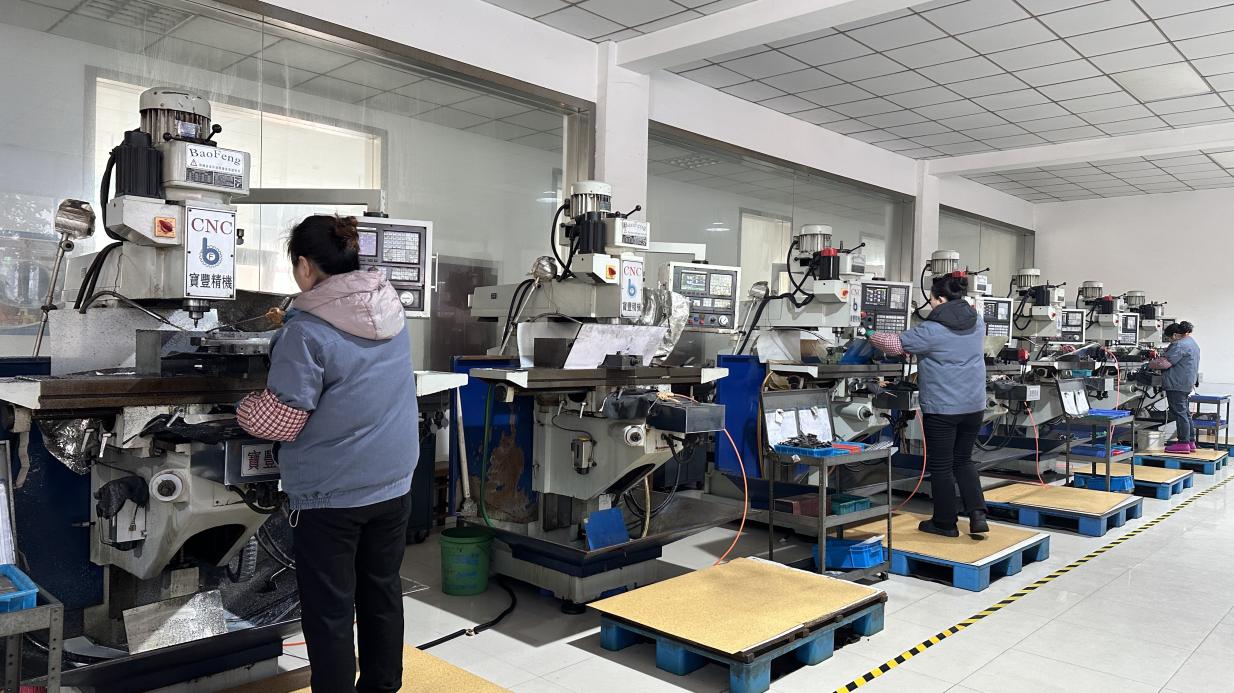
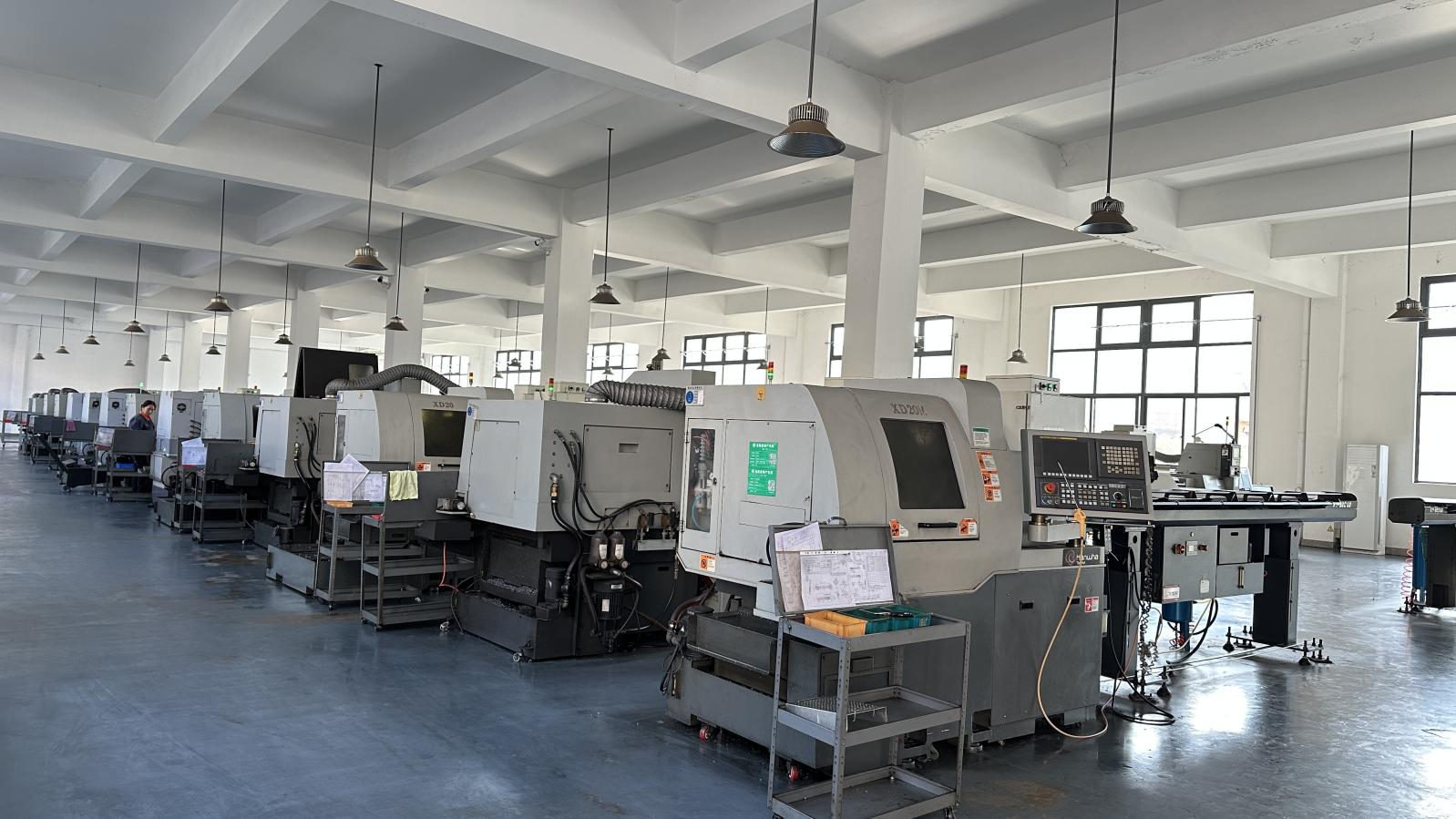
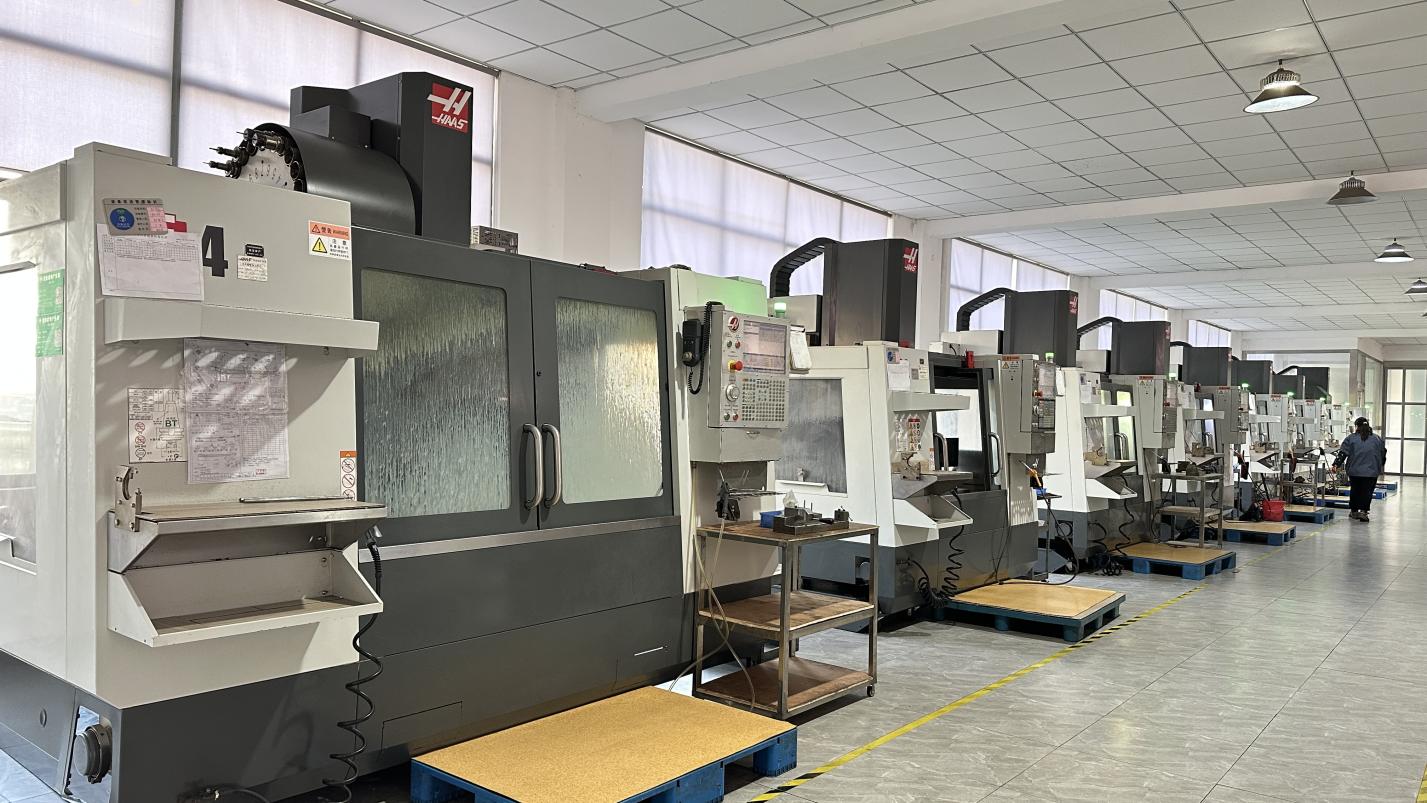
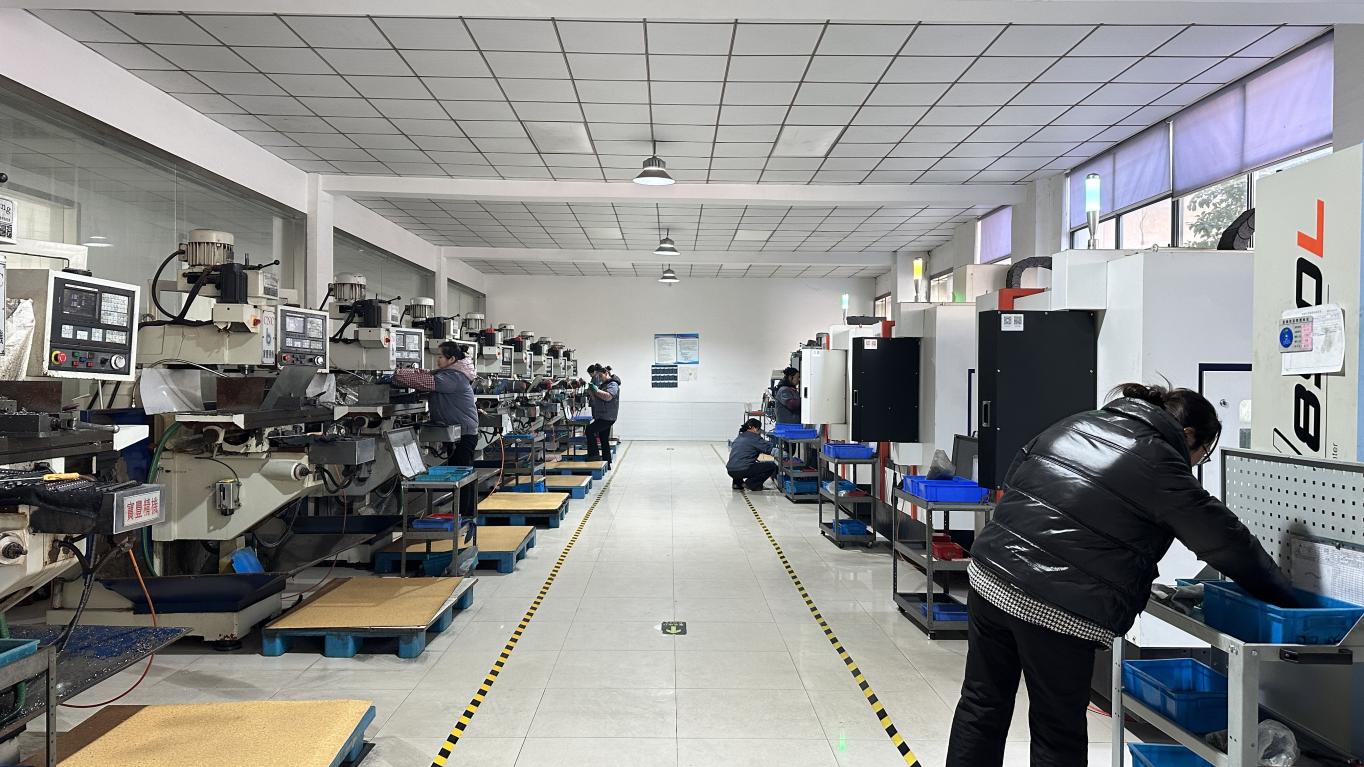
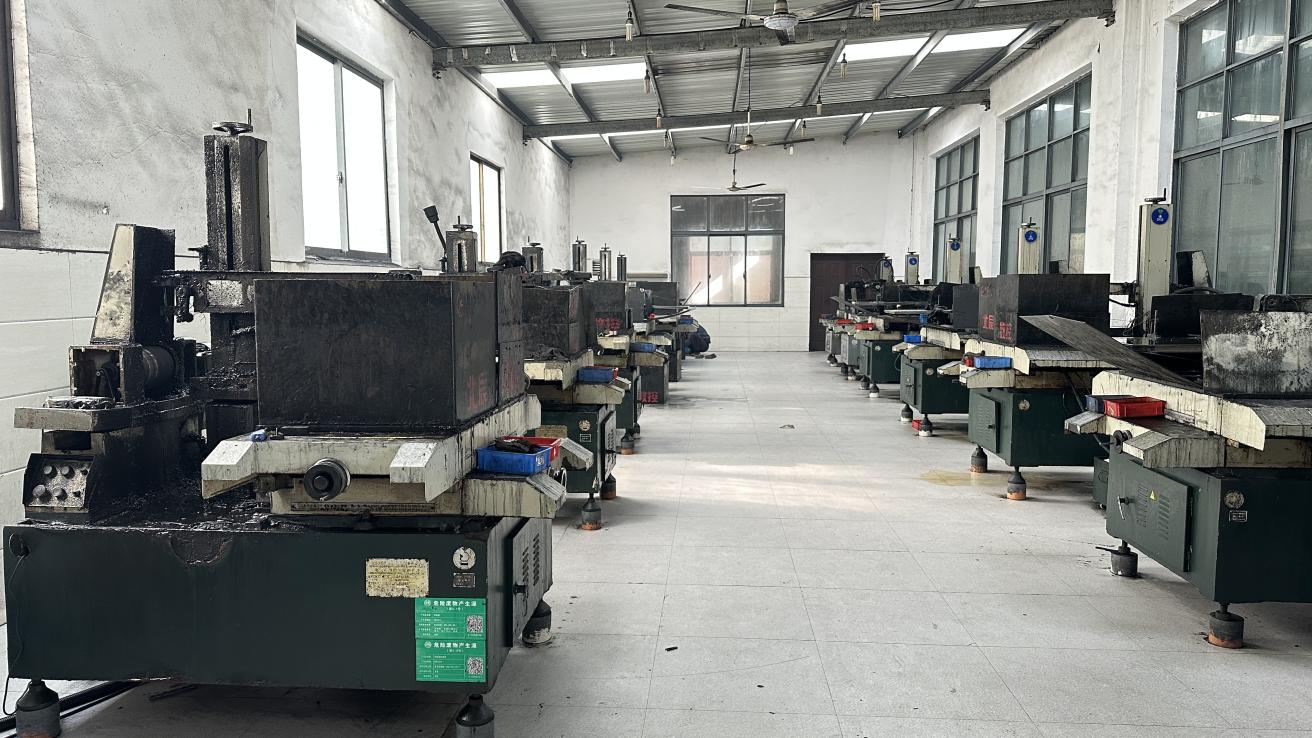
Our facility houses 5-axis CNC machining centers, wire-cut EDM, and milling equipment. This automation enables high repeatability and precise tolerances, reducing the need for manual secondary processing.
Our testing labs utilize coordinate measuring machines (CMM), fatigue testers, and tensile testers. This equipment verifies the mechanical limits of every implant design before it is approved for clinical applications.
A detailed view of our processing steps and testing systems, from raw material procurement to biomechanical validation.
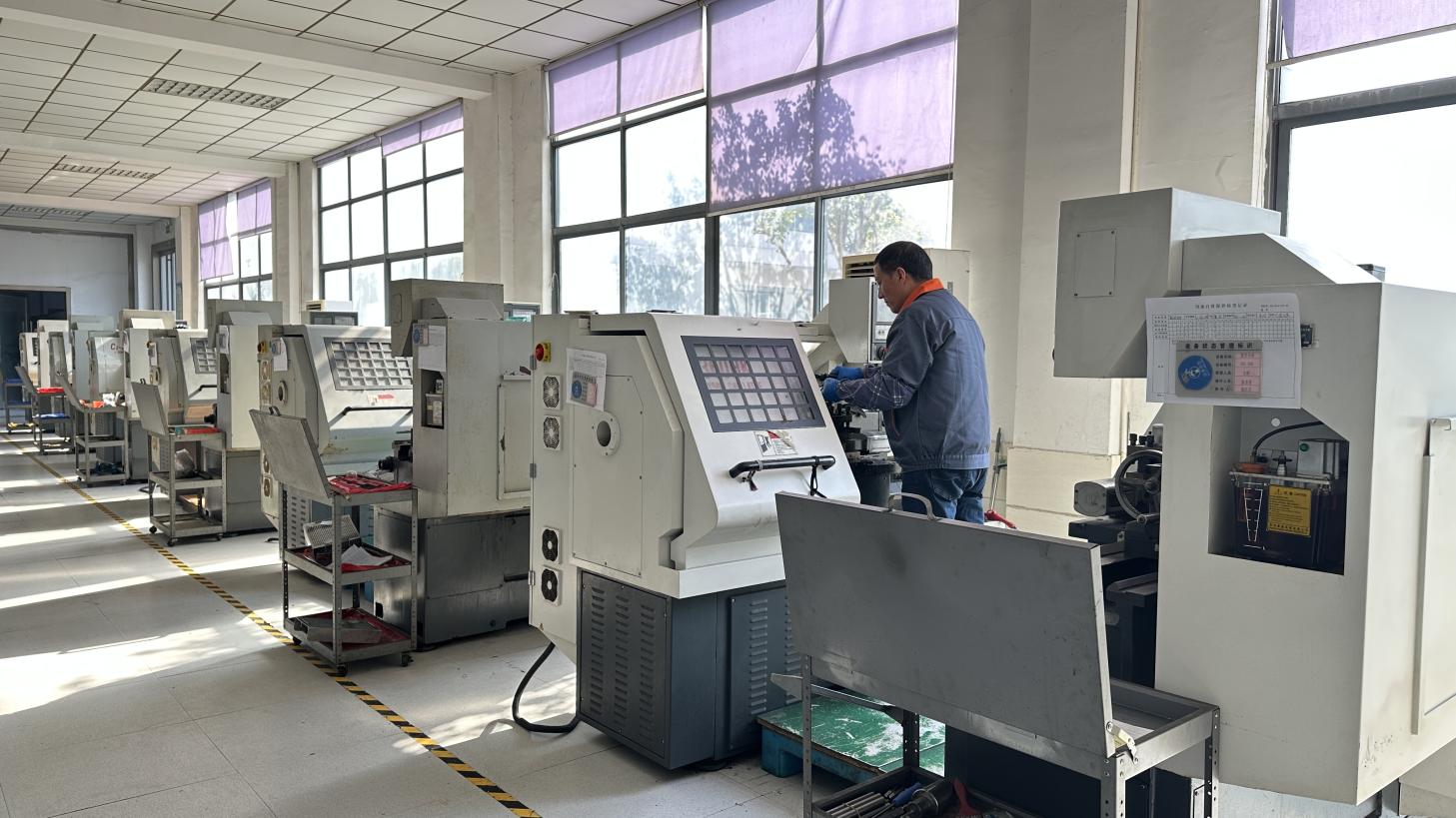
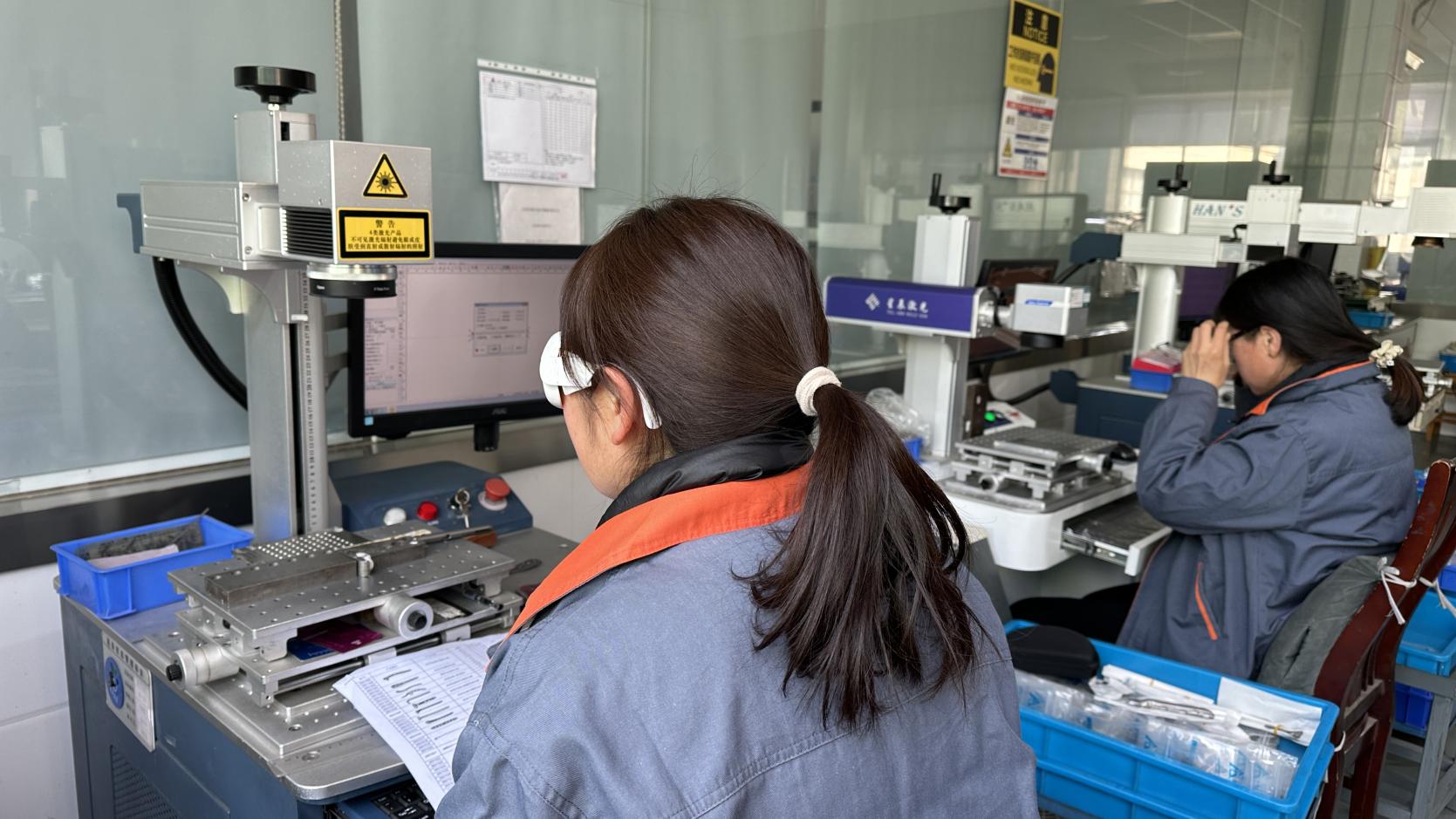
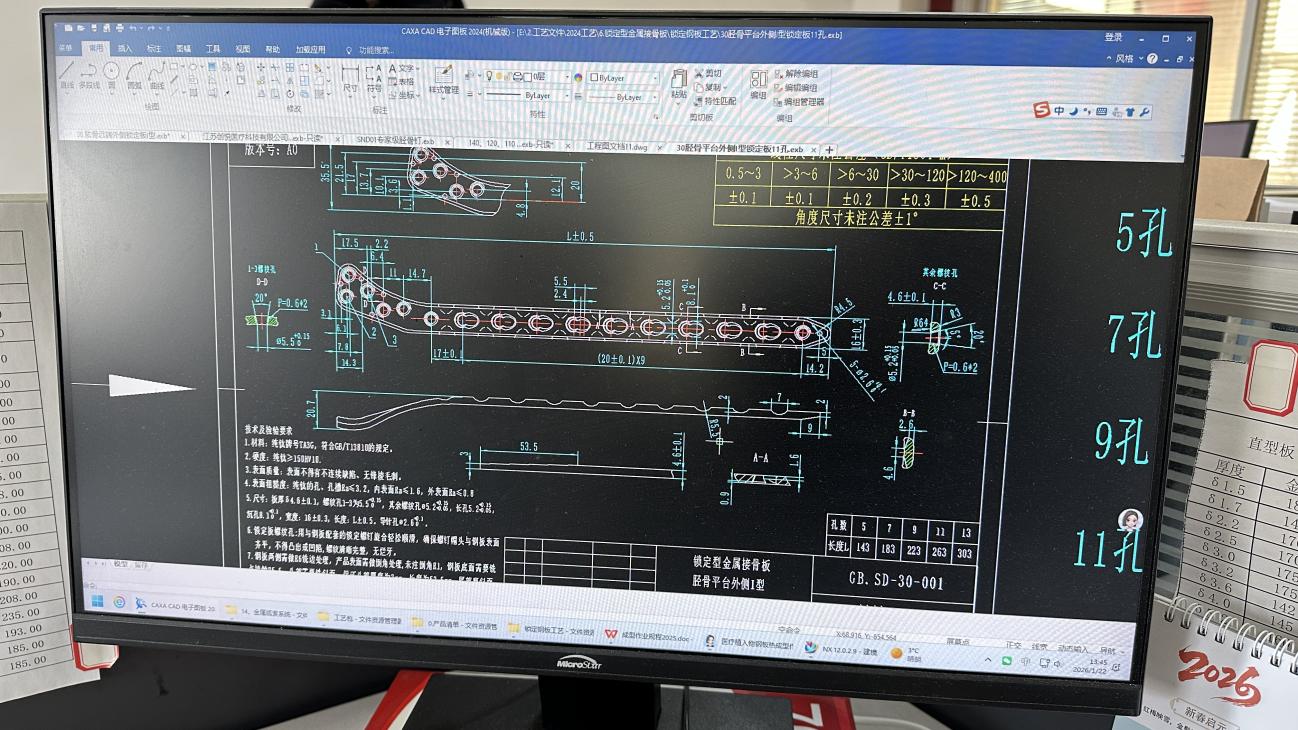
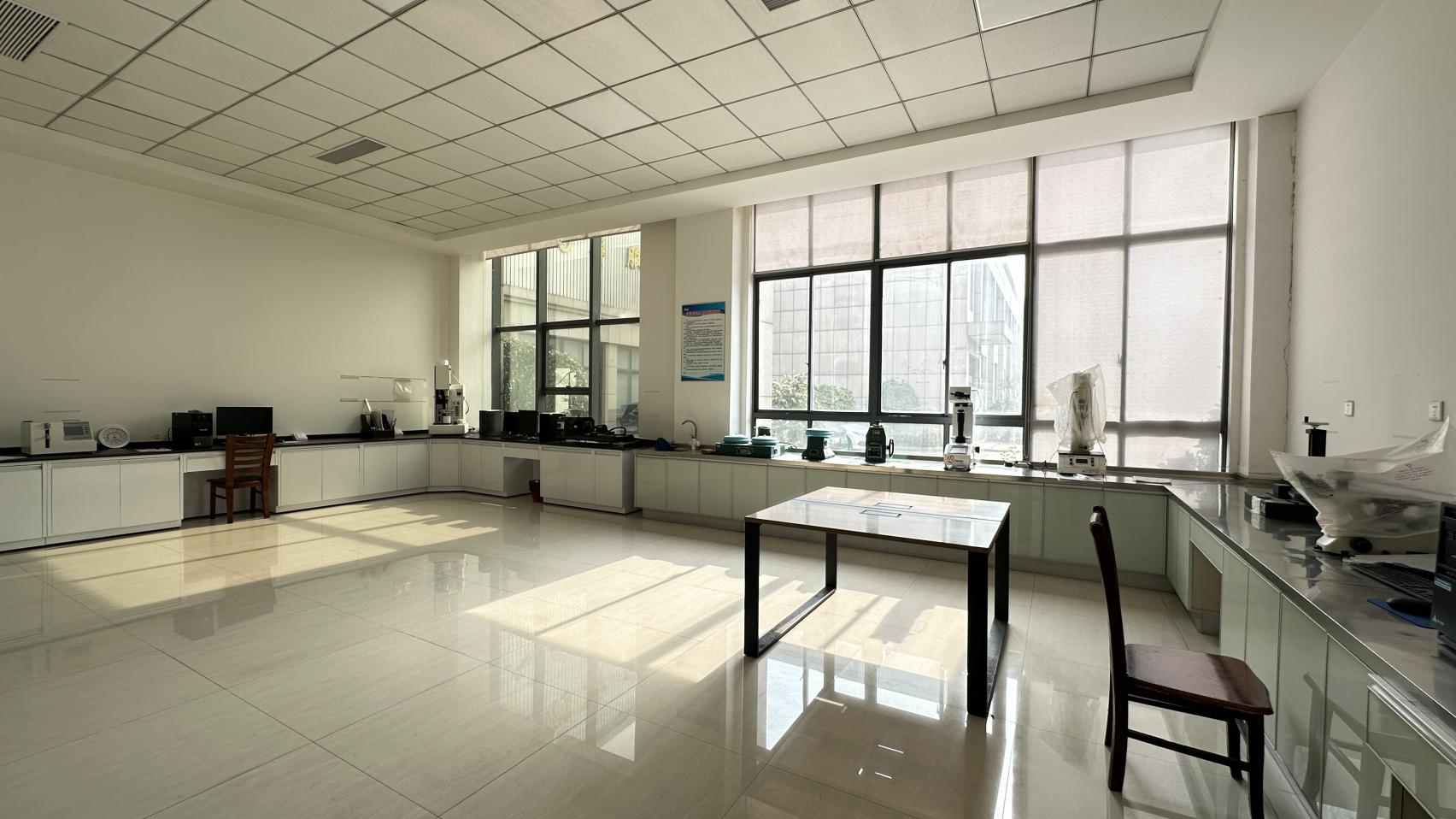
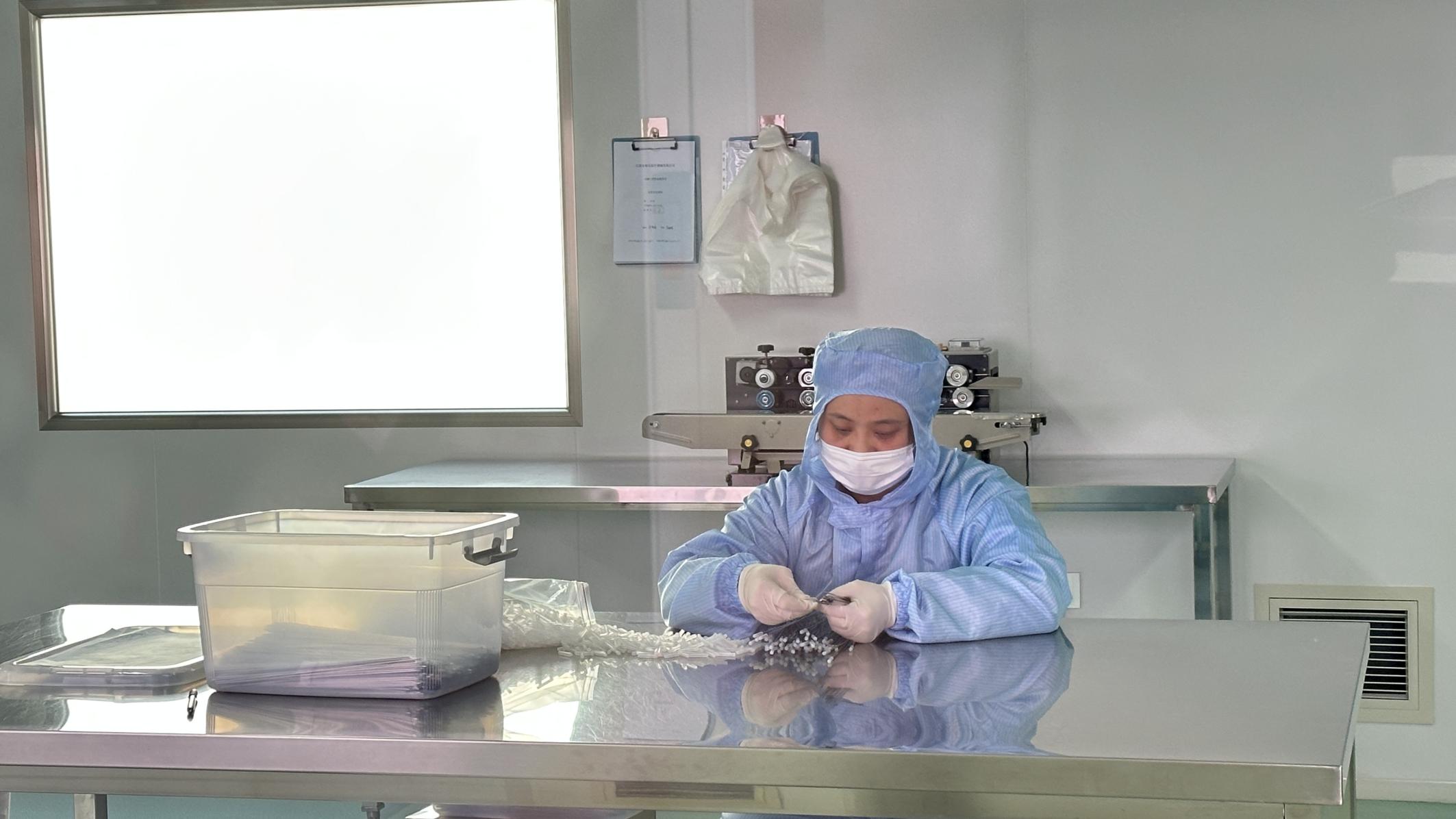
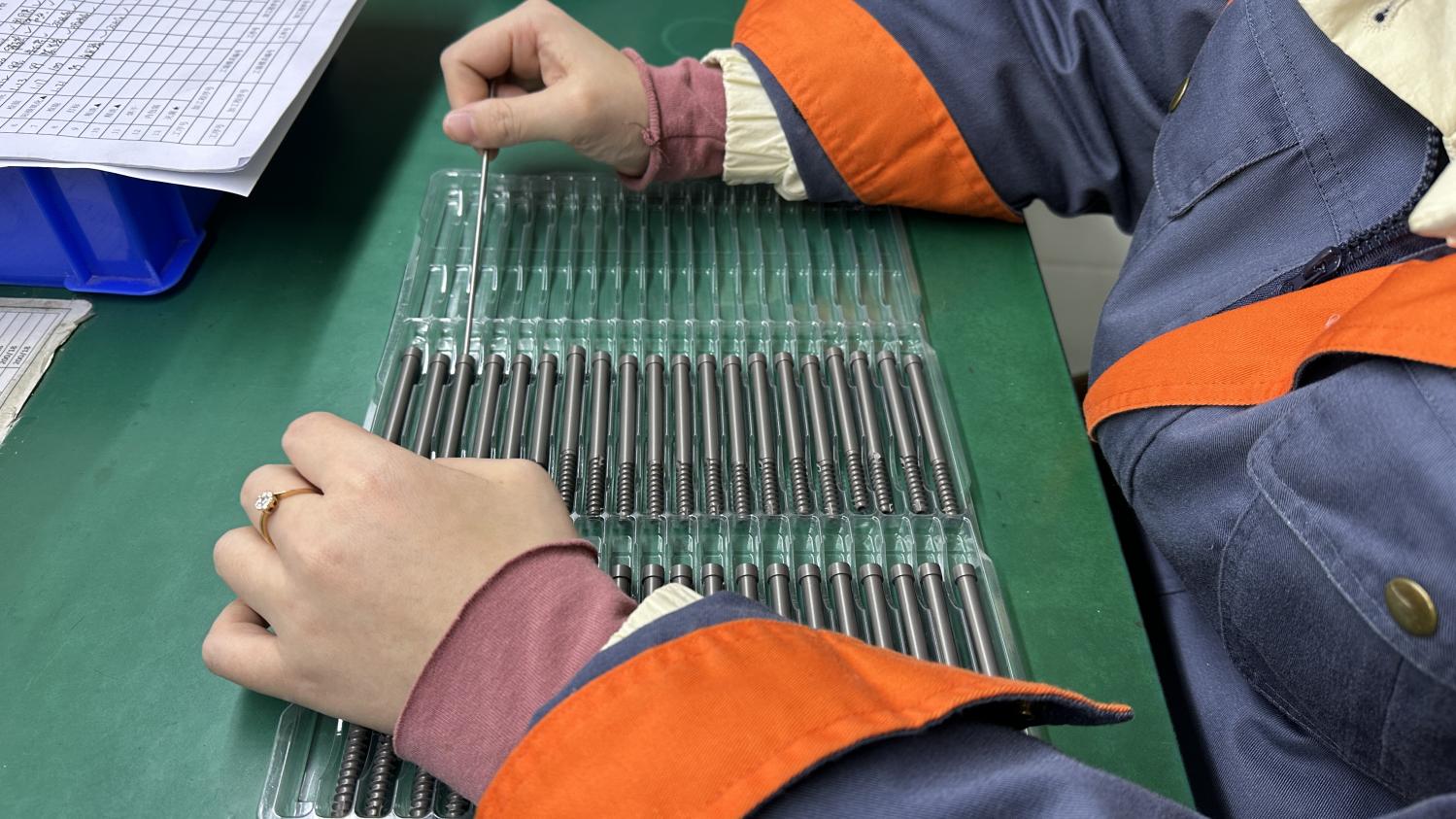
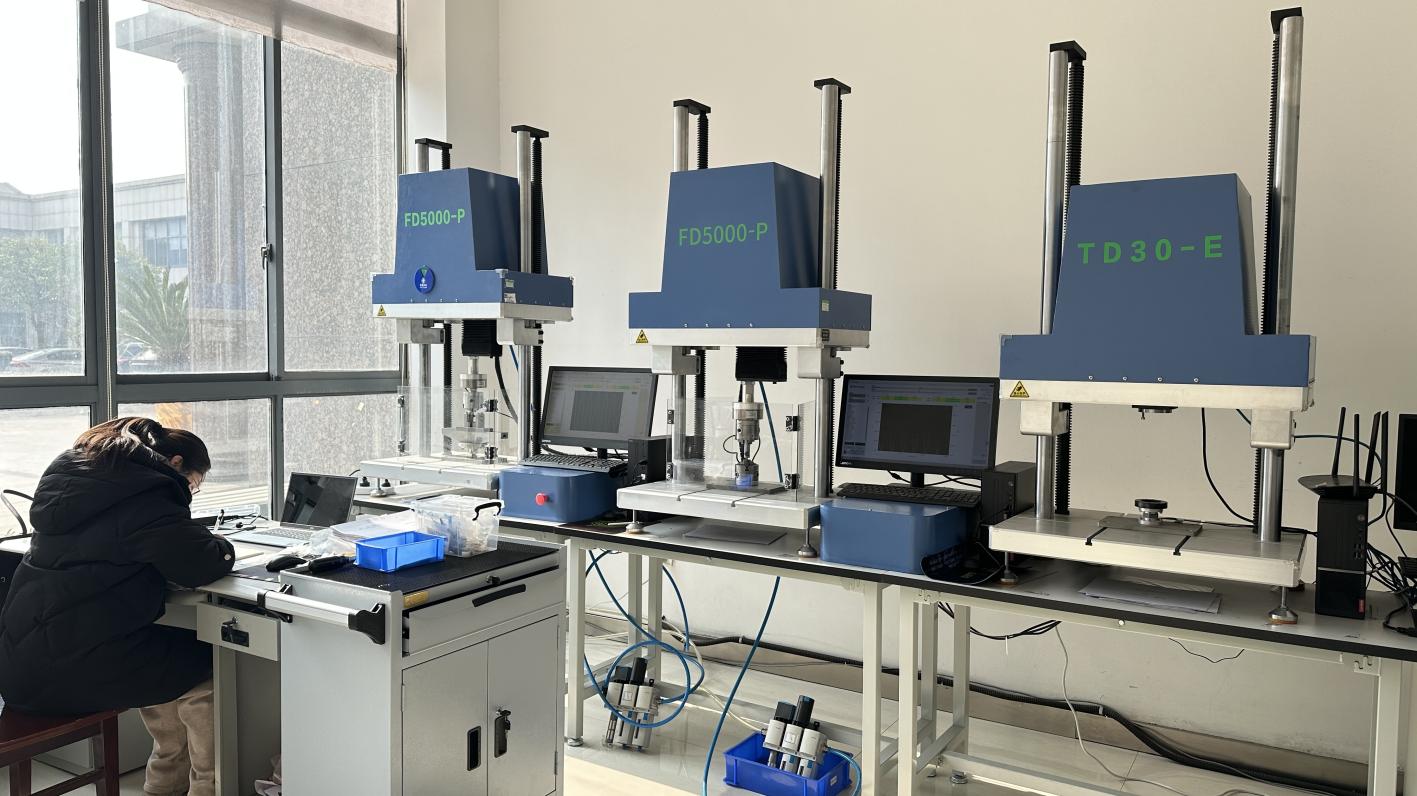
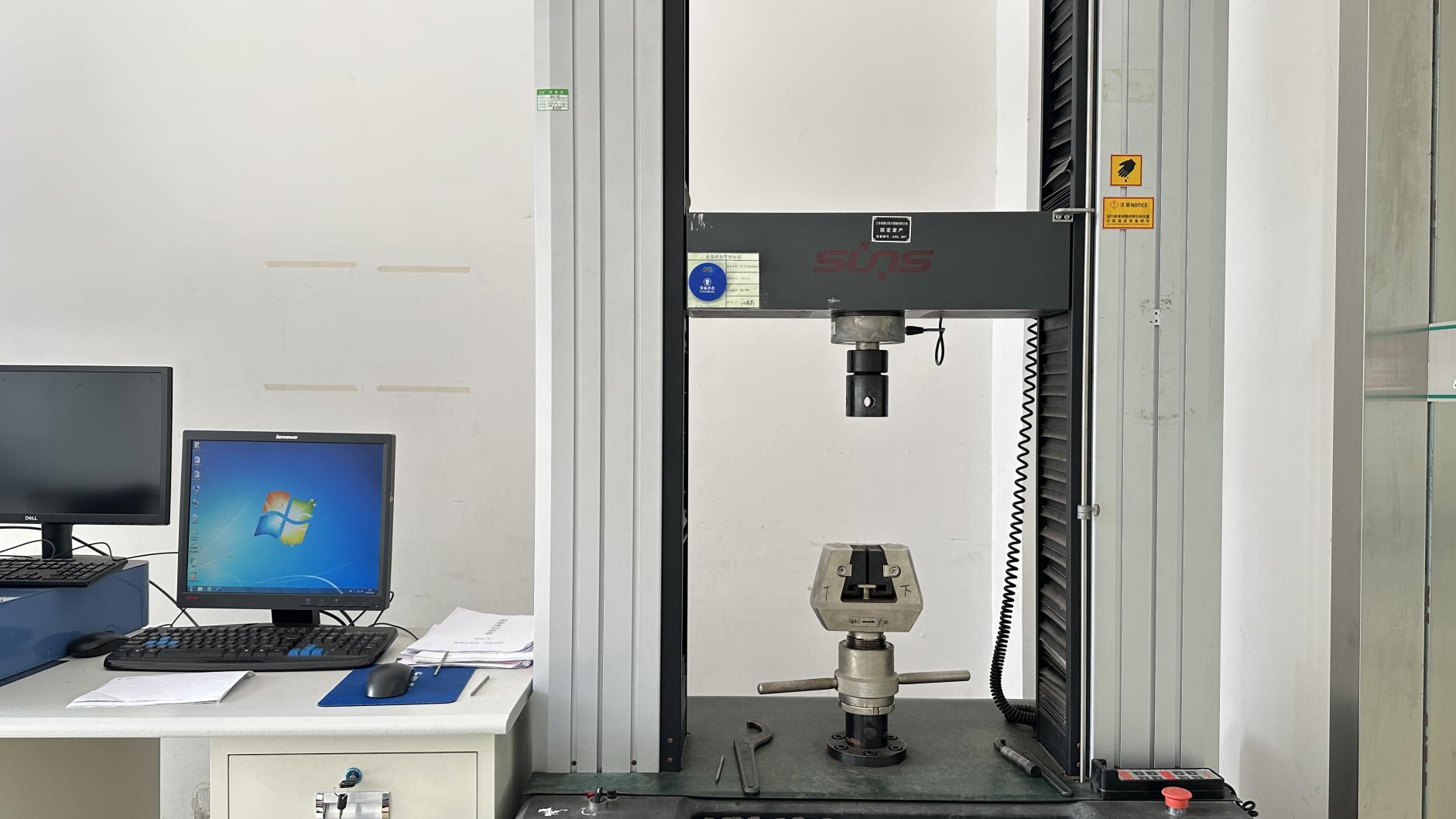
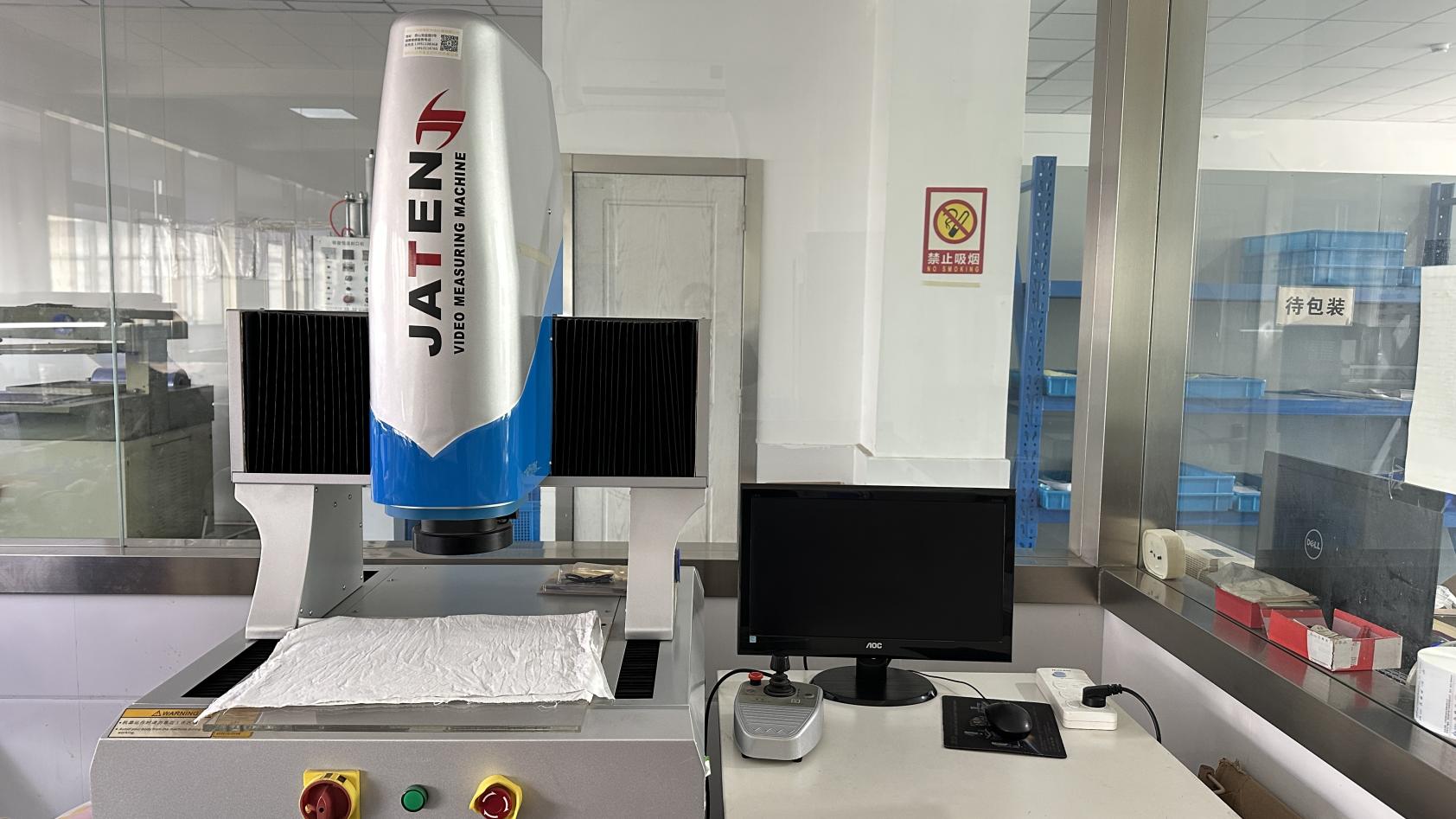
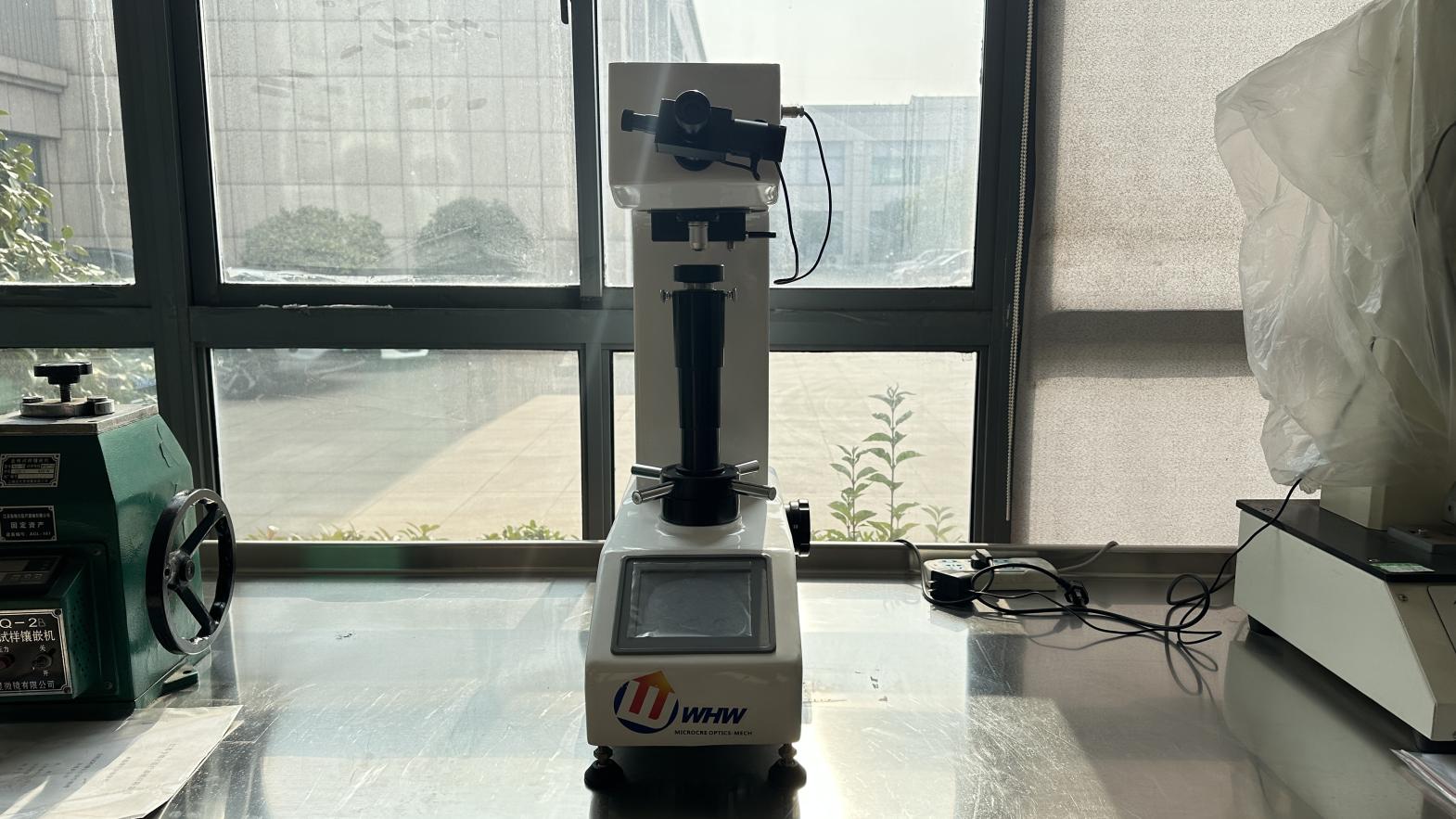
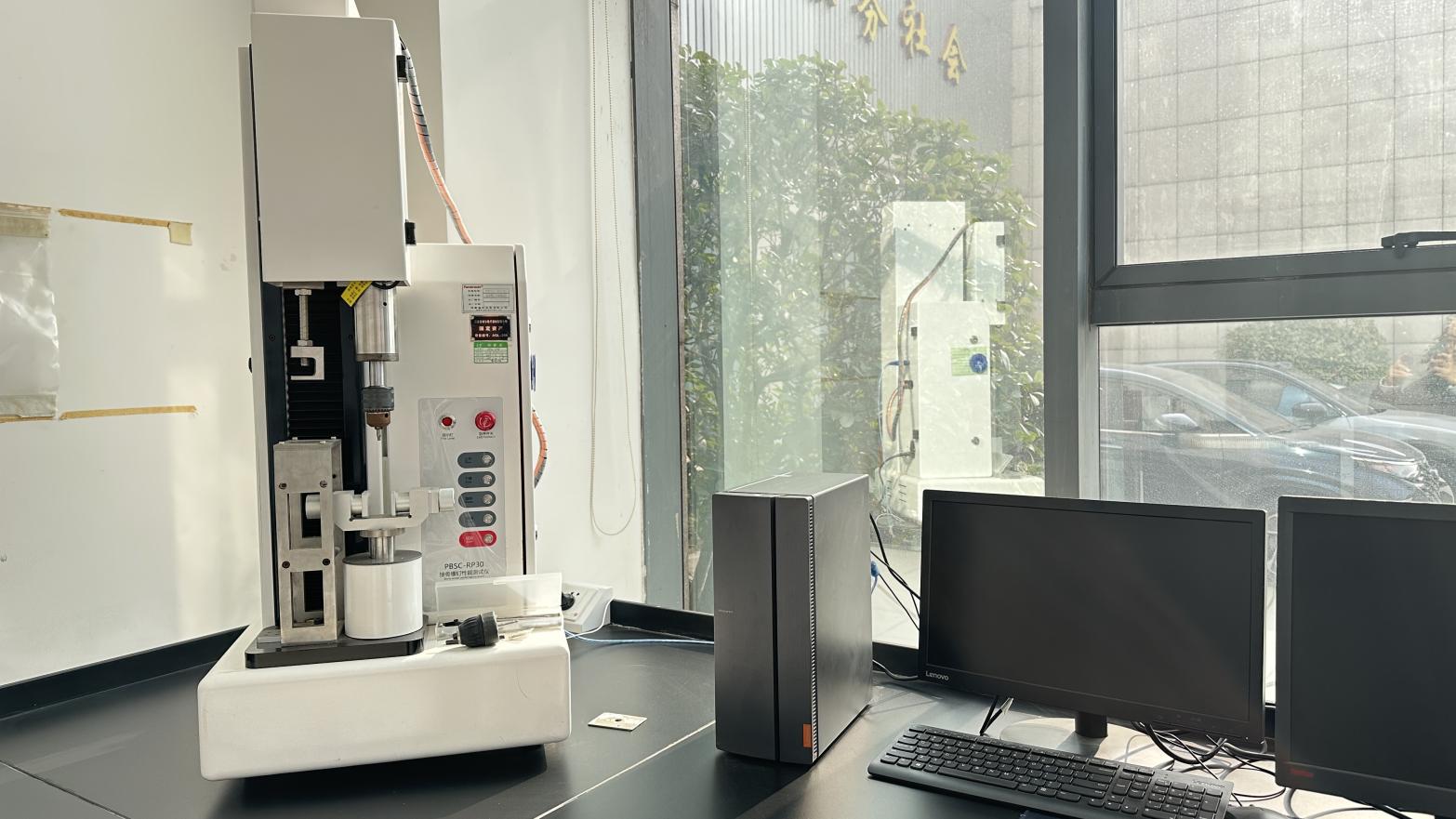
How our design team tailors internal fixation configurations to match regional surgical techniques and patient demographics.
These regions typically prioritize regulatory compliance, clean packaging, and extensive clinical documentation. Our implants are designed to integrate with standard surgical instrument trays used in Western healthcare facilities.
These markets seek cost-effective trauma solutions. We provide versatile, multi-purpose plate systems that simplify inventory management and support varied clinical budgets.
We work with international distributors to manufacture implants tailored to specific anatomical profiles and surgical trends, helping partners establish localized brands.
Addressing common queries from medical device distributors, regulatory bodies, and hospital procurement leads.
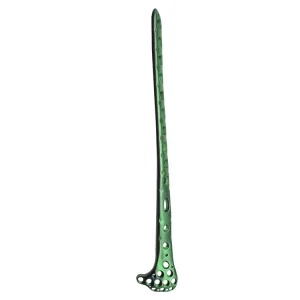
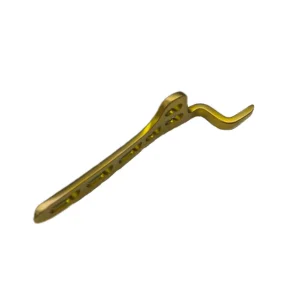
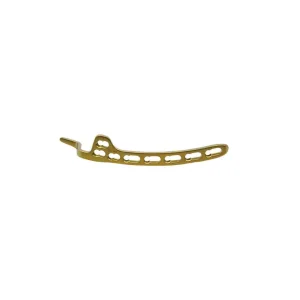
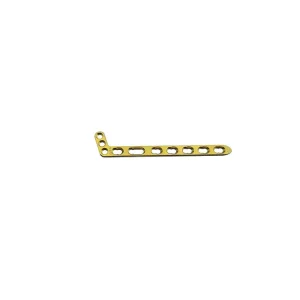
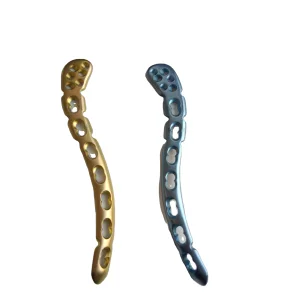
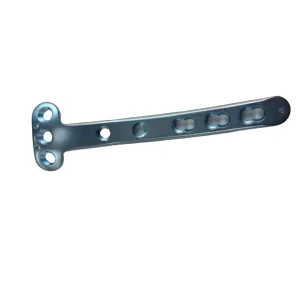
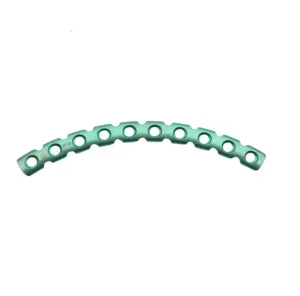
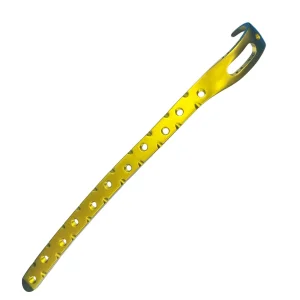
Specialized clinical configurations engineered to treat complex fractures of the clavicle, humerus, radius, tibia, and proximal femur.
 Virelox