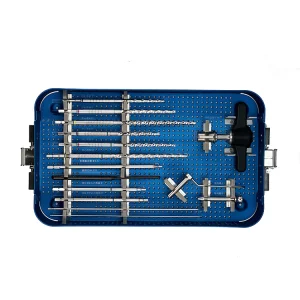
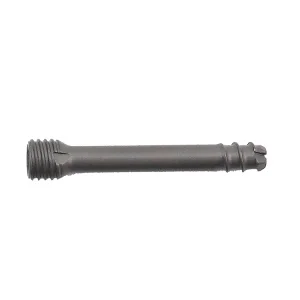
Cannulated Screws Manufacturer & Suppliers for Seattle

Precision-Engineered Orthopedic Implants & Specialized Instrumentation Systems Supporting Seattle's World-Class Level I Trauma Centers & Outpatient Surgery Clinics

Executive White Paper: Cannulated Fixation Technology in Modern Orthopedics

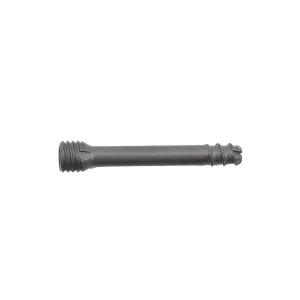
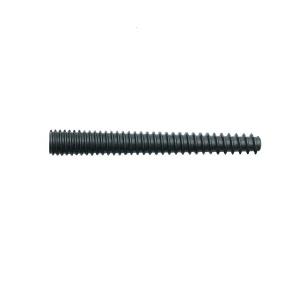
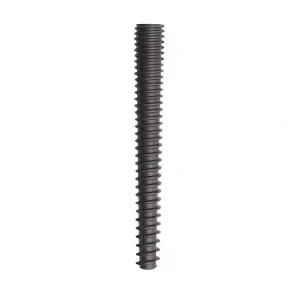
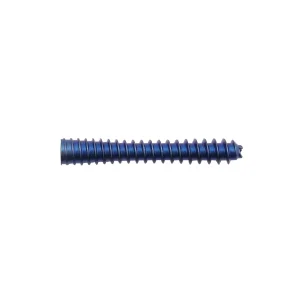
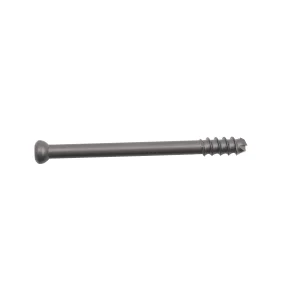
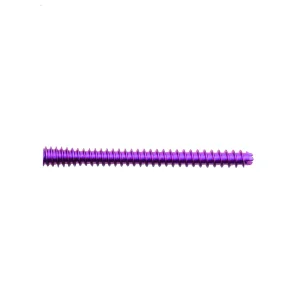
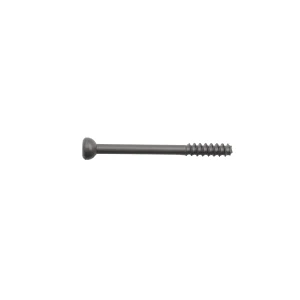
In the field of orthopedic trauma and reconstructive surgery, internal fixation requires high mechanical performance and biocompatibility. Cannulated screws represent a significant advancement in bone fixation. They feature a hollow central shaft that allows them to be inserted over a guide wire, ensuring precise placement in difficult anatomical areas. This white paper examines the technological advancements, quality assurance systems, and supply pathways that position Virelox Medical Devices Co., Ltd. as a key OEM/ODM manufacturing partner for healthcare networks in the Seattle-Tacoma-Bellevue metropolitan area and globally.

Seattle's Orthopedic Landscape: A Hub for Surgical Excellence

The Pacific Northwest, centered on Seattle, is home to prominent clinical institutions like Harborview Medical Center—the region's only Level I adult and pediatric trauma center—UW Medicine, Swedish Medical Center, and Virginia Mason. These centers treat high volumes of orthopedic trauma from active lifestyles (sports, mountain recreation, and maritime industries) as well as complex degenerative bone conditions.

This medical ecosystem requires surgical implants that meet strict standards:

  • Immediate Availability: Quick delivery of trauma components (2.5mm to 7.3mm screws) to support emergency operations.
  • High Biomechanical Fatigue Resistance: Reliable performance to withstand the early mobilization protocols favored by modern physical therapists.
  • Instrument Compatibility: Seamless integration with surgical guidance systems, orthopedic drills, and robotic-assisted surgical platforms.
  • Low Revision Rates: Reliable implants that minimize postoperative complications like screw back-out, driver stripping, or corrosion.

Global Commercial Trends & Regulatory Dynamics

The global orthopaedic implant market is changing due to regulatory shifts and material science advancements. The transition from the MDD to the Medical Device Regulation (MDR 2017/745) in Europe and the FDA's strict Class II / Class III 510(k) pathways highlight the importance of supply chain transparency. As a result, Seattle healthcare purchasing networks are shifting away from unverified suppliers toward manufacturers that maintain strict traceability, raw material verification (ASTM F136 Titanium Alloy), and ISO 13485 quality management systems.

2016
Established Year
12,000 m²
Modern Facility Area
120
R&D Engineers
65
QC Inspectors

Industrial Manufacturing & Quality Assurance Flow

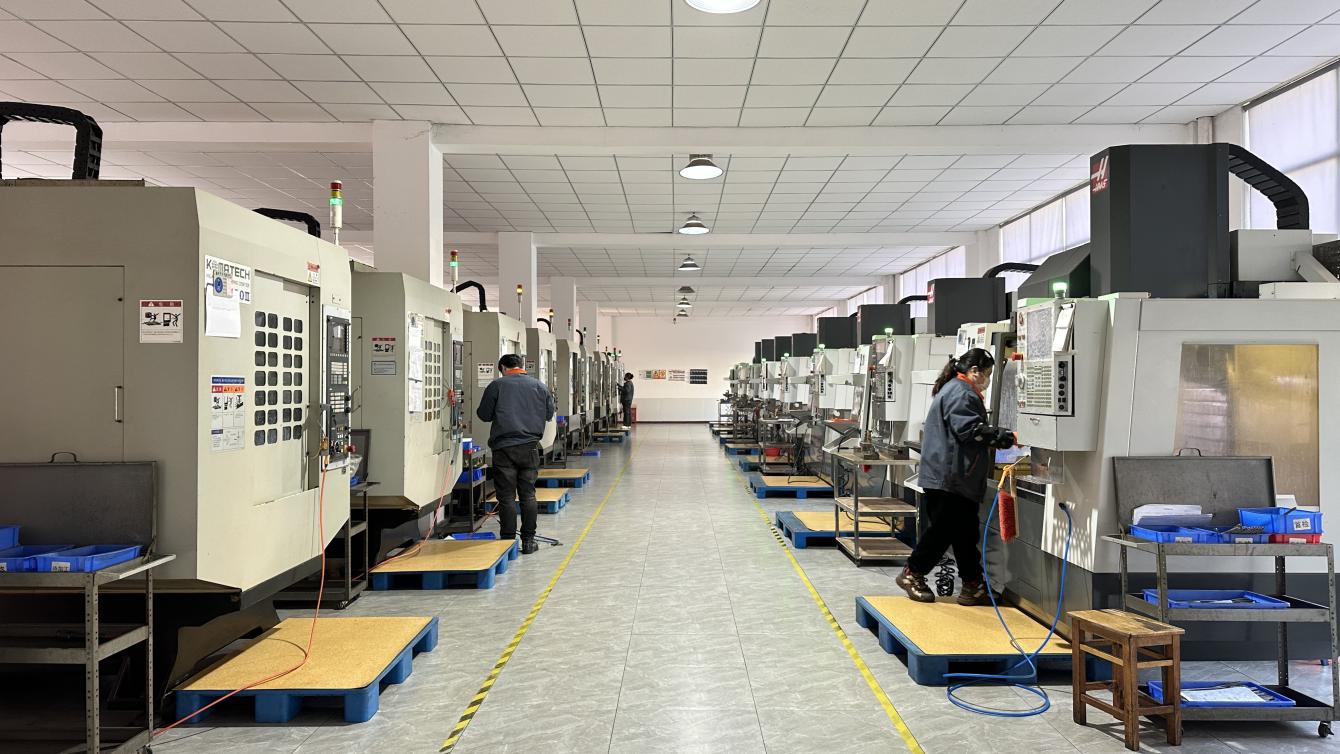
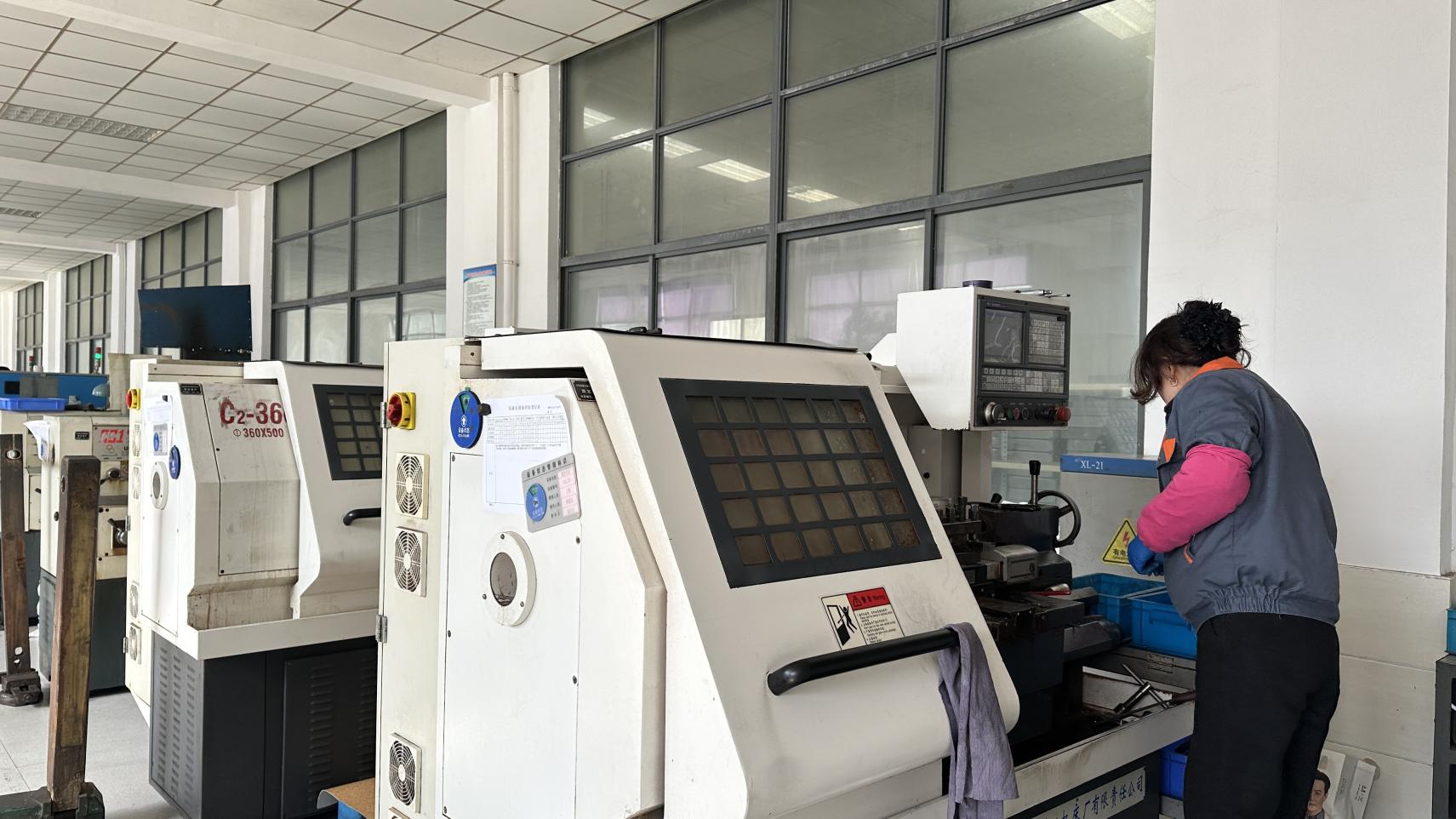
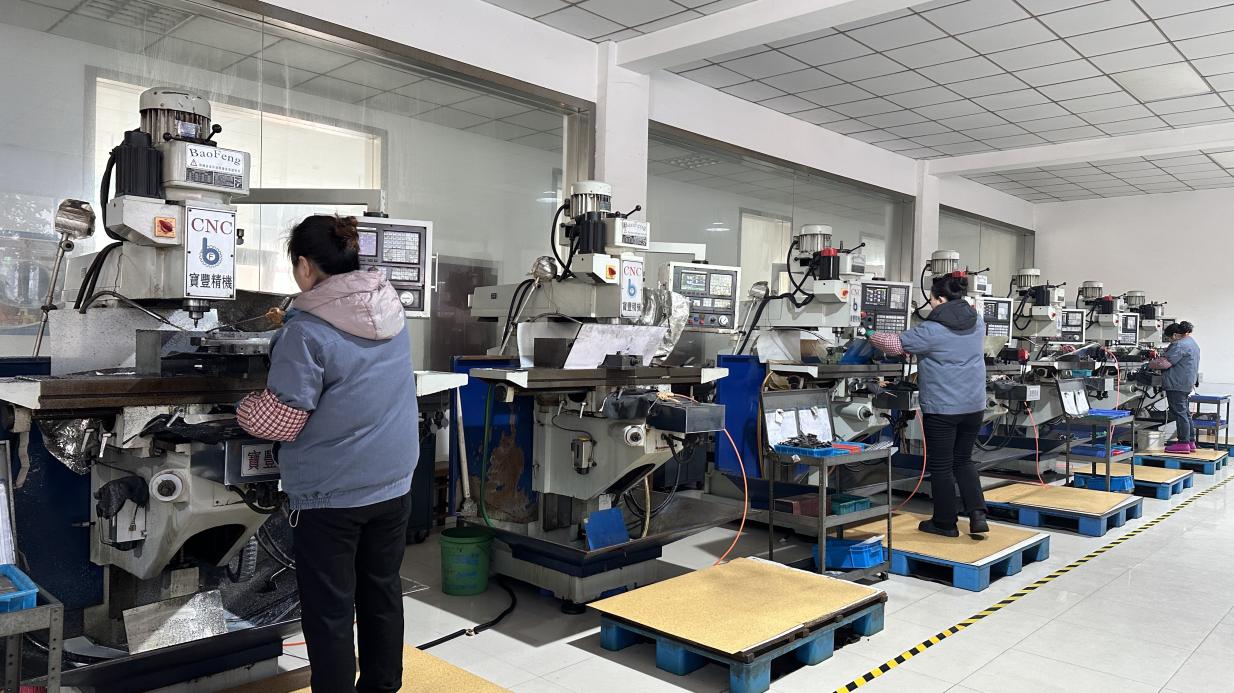
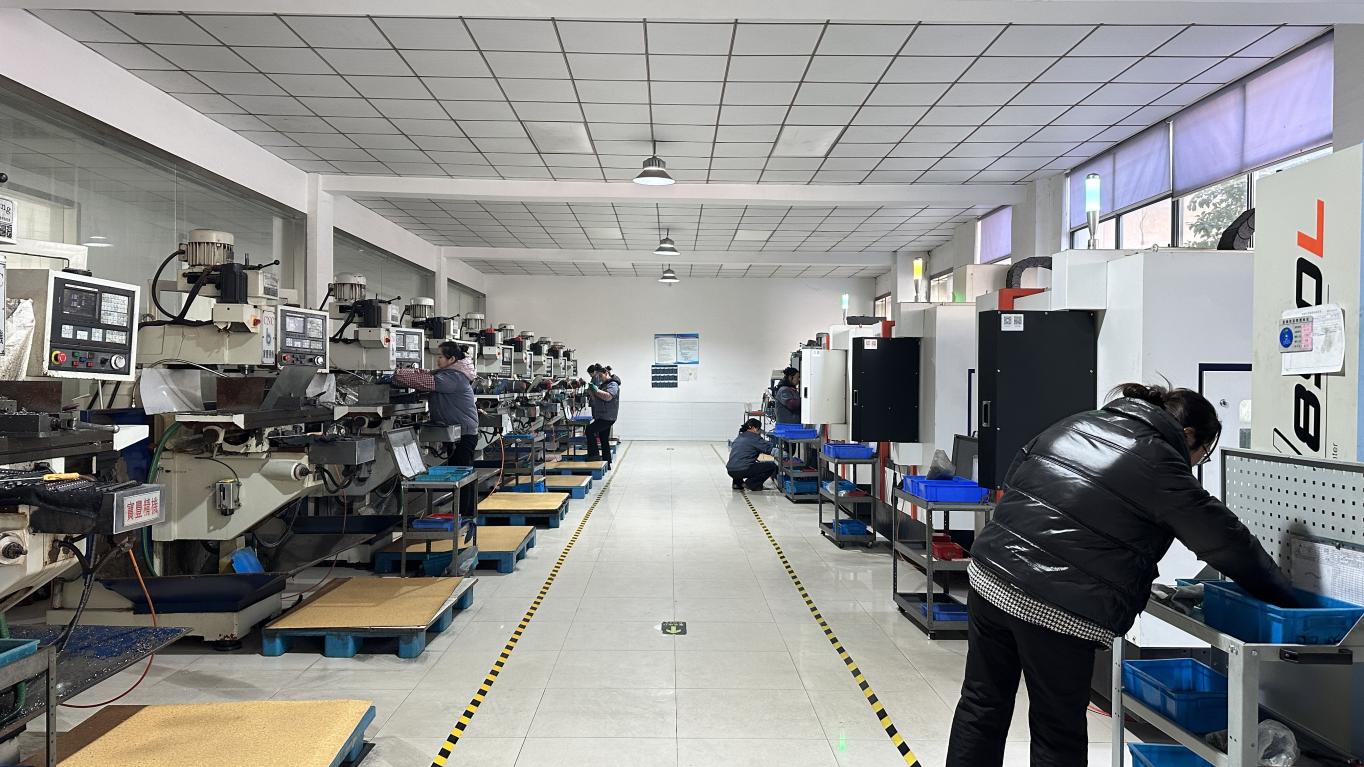
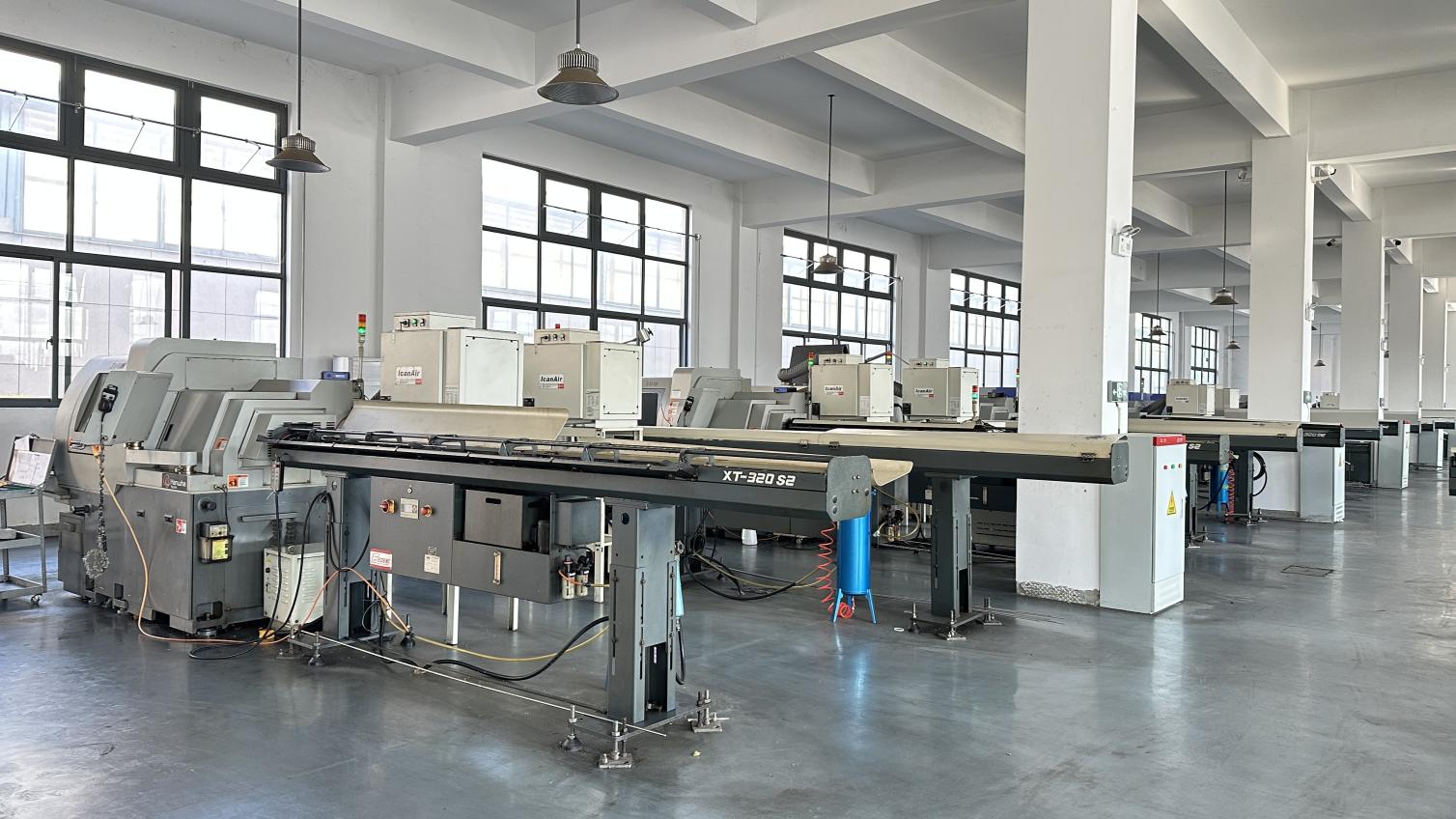
We implement a strict ISO 13485-based quality management system across our 12,000 m² manufacturing facility, utilizing advanced Swiss-type CNC lathes and mechanical testing equipment.
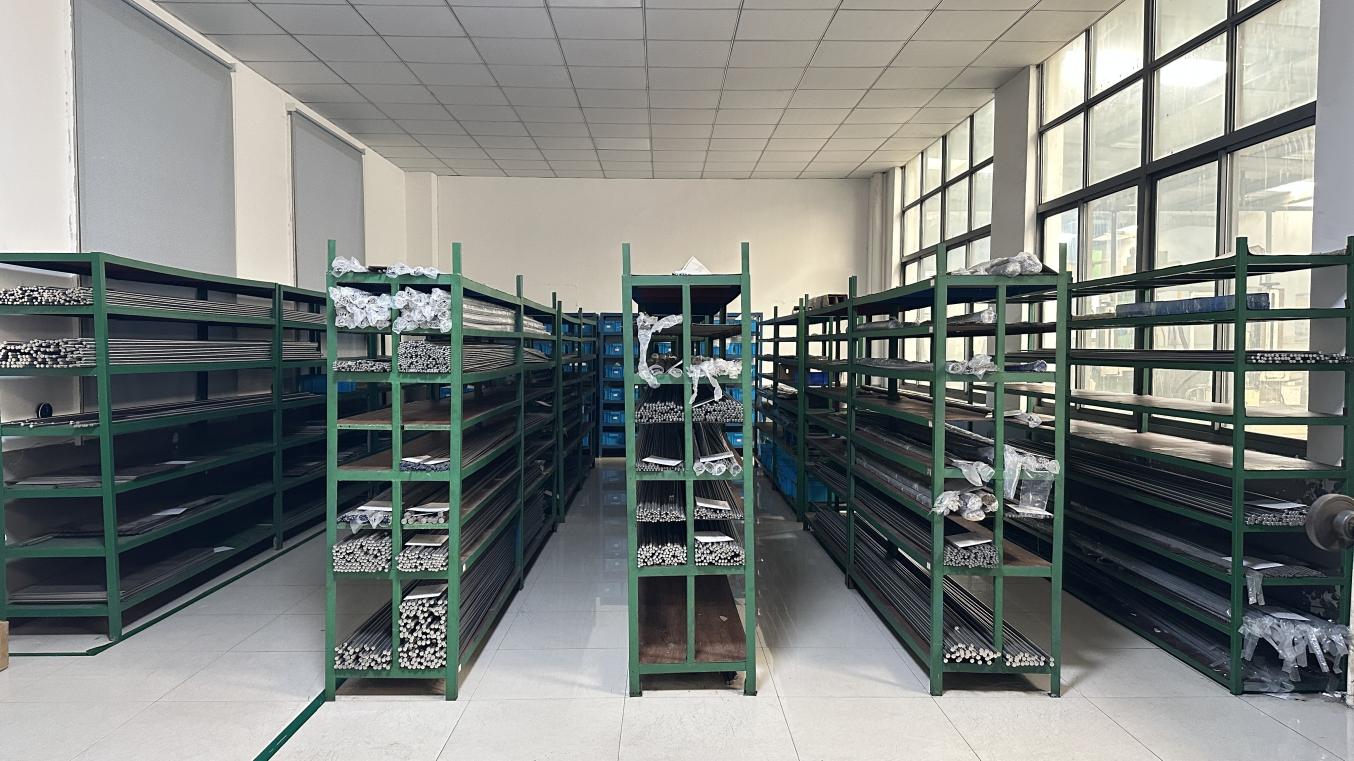
Raw Materials
Raw Materials Inspection
Slitting
Slitting Operations
CNC Machining
Precision CNC Machining
Machining
Thread & Hex Cutting
Milling
Precision Milling
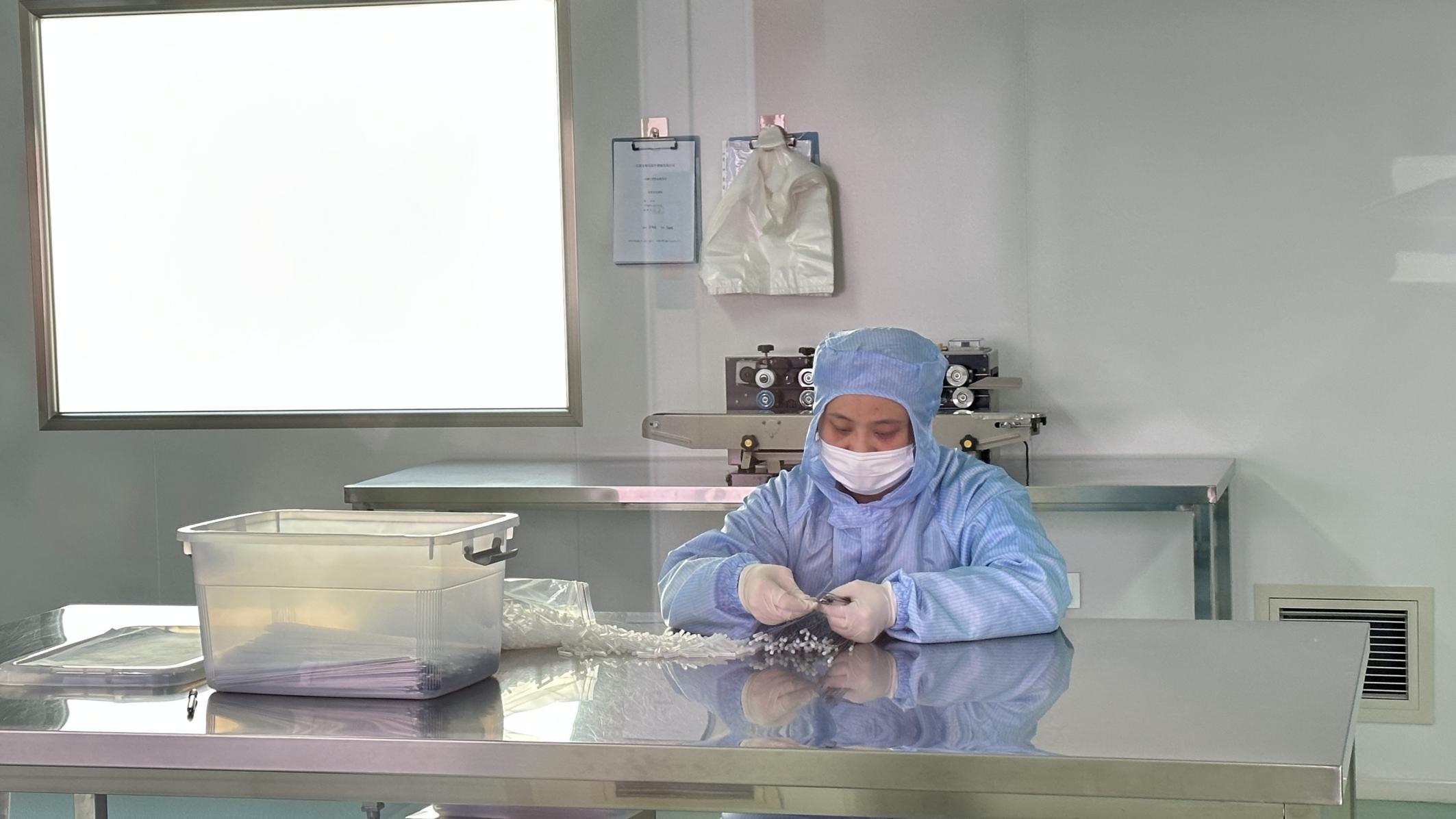
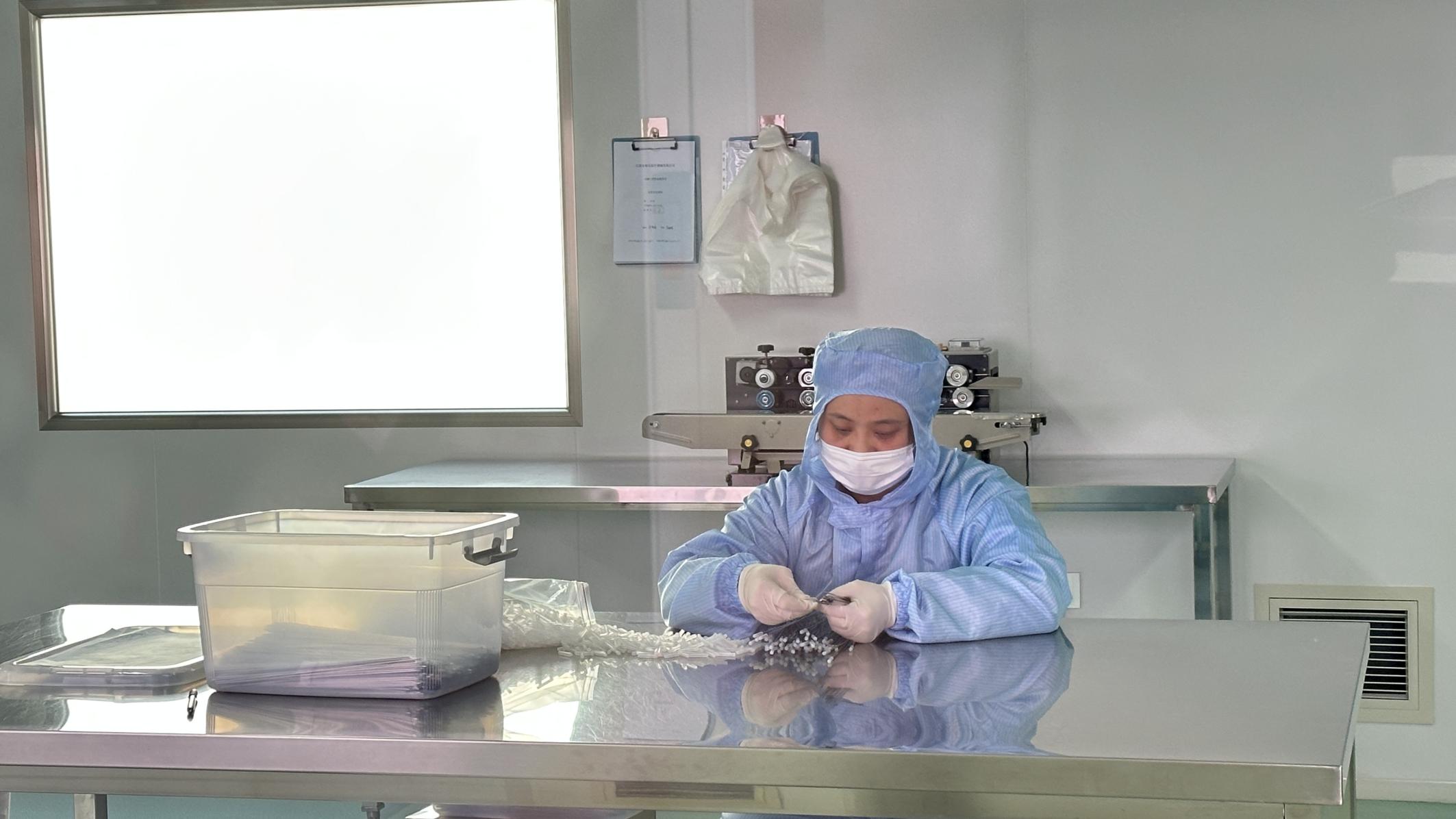
Inspection and Packing
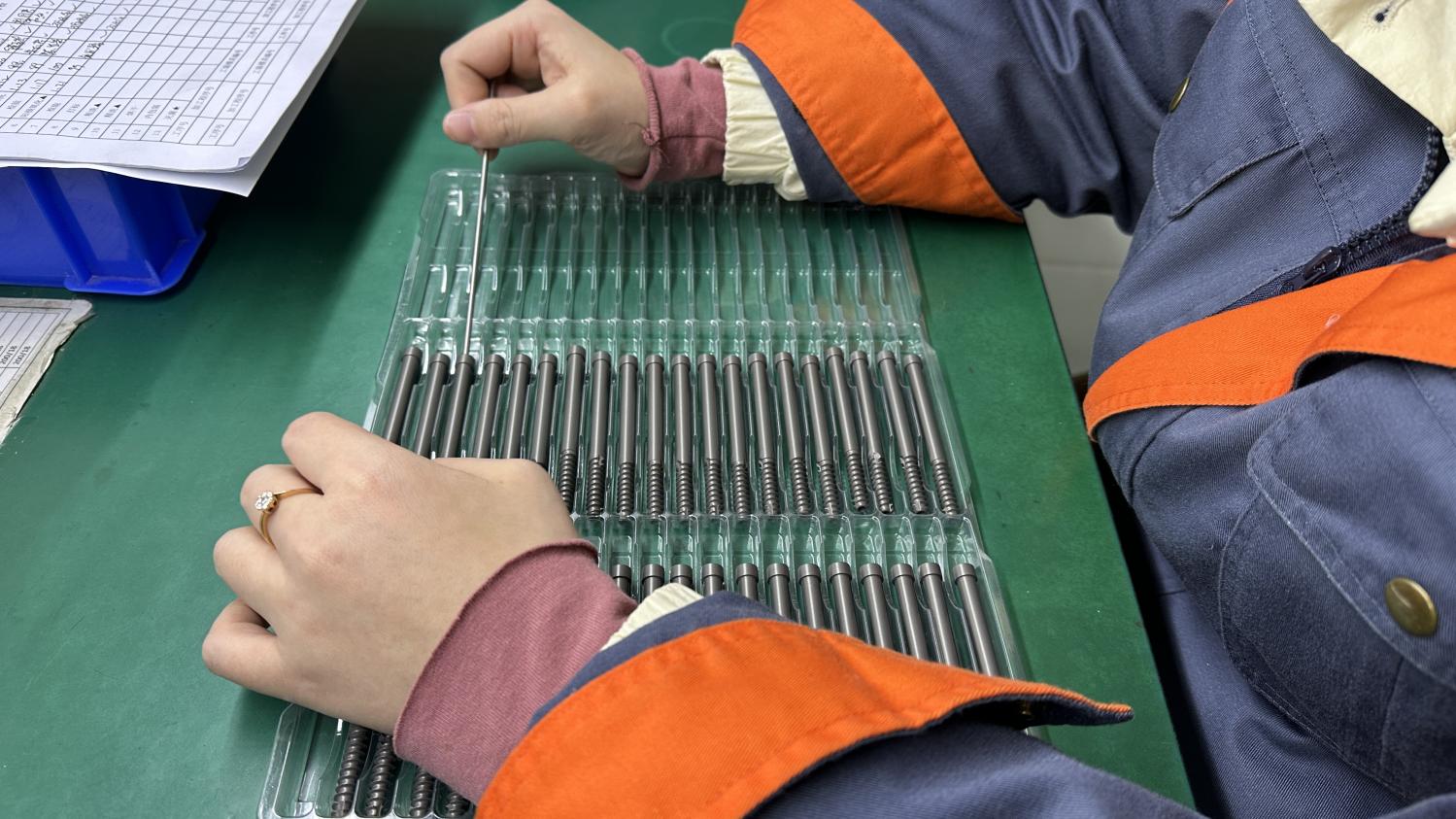
Initial Quality Control
Inspection and Packing
Final Cleanroom Packing
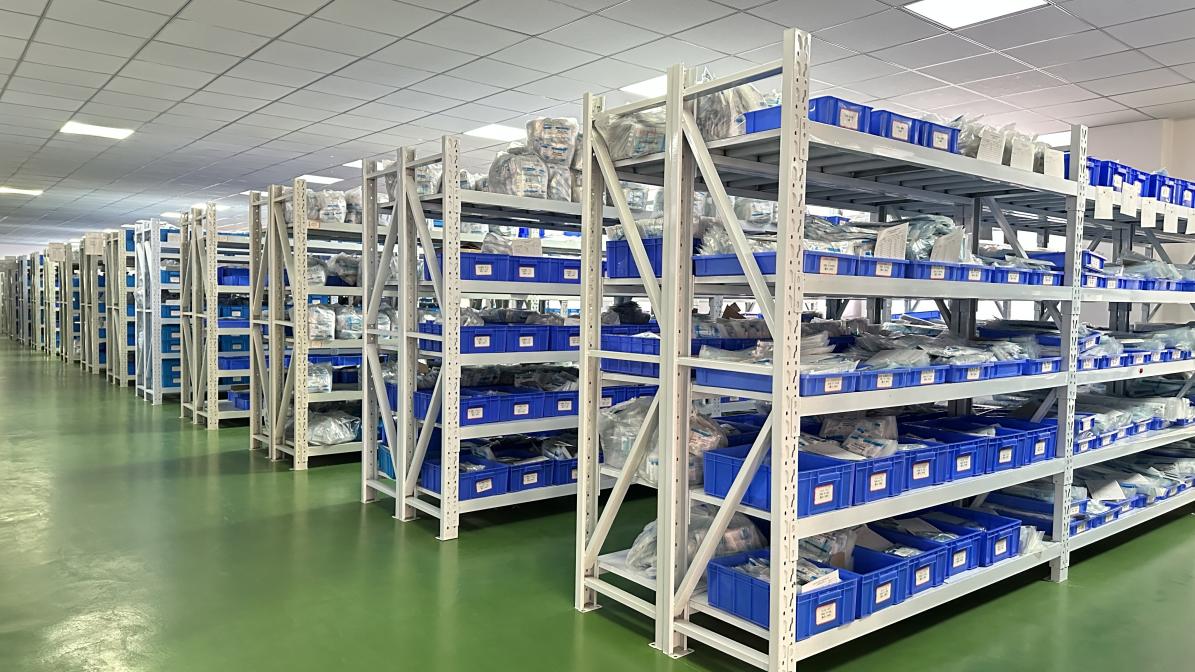
Warehouse
Secure Warehouse Storage

Technical Specifications & Material Integrity

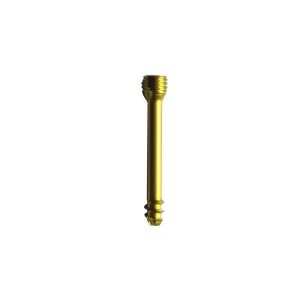
Virelox utilizes medical-grade titanium alloy (Ti-6Al-4V ELI) conforming to ASTM F136 standards. This material offers high biocompatibility, excellent corrosion resistance, and a low modulus of elasticity that minimizes stress shielding. Cannulated screw designs must maintain a balance between the diameter of the central cannula and the outer major diameter of the thread to ensure optimal torque transmission and pullout strength.
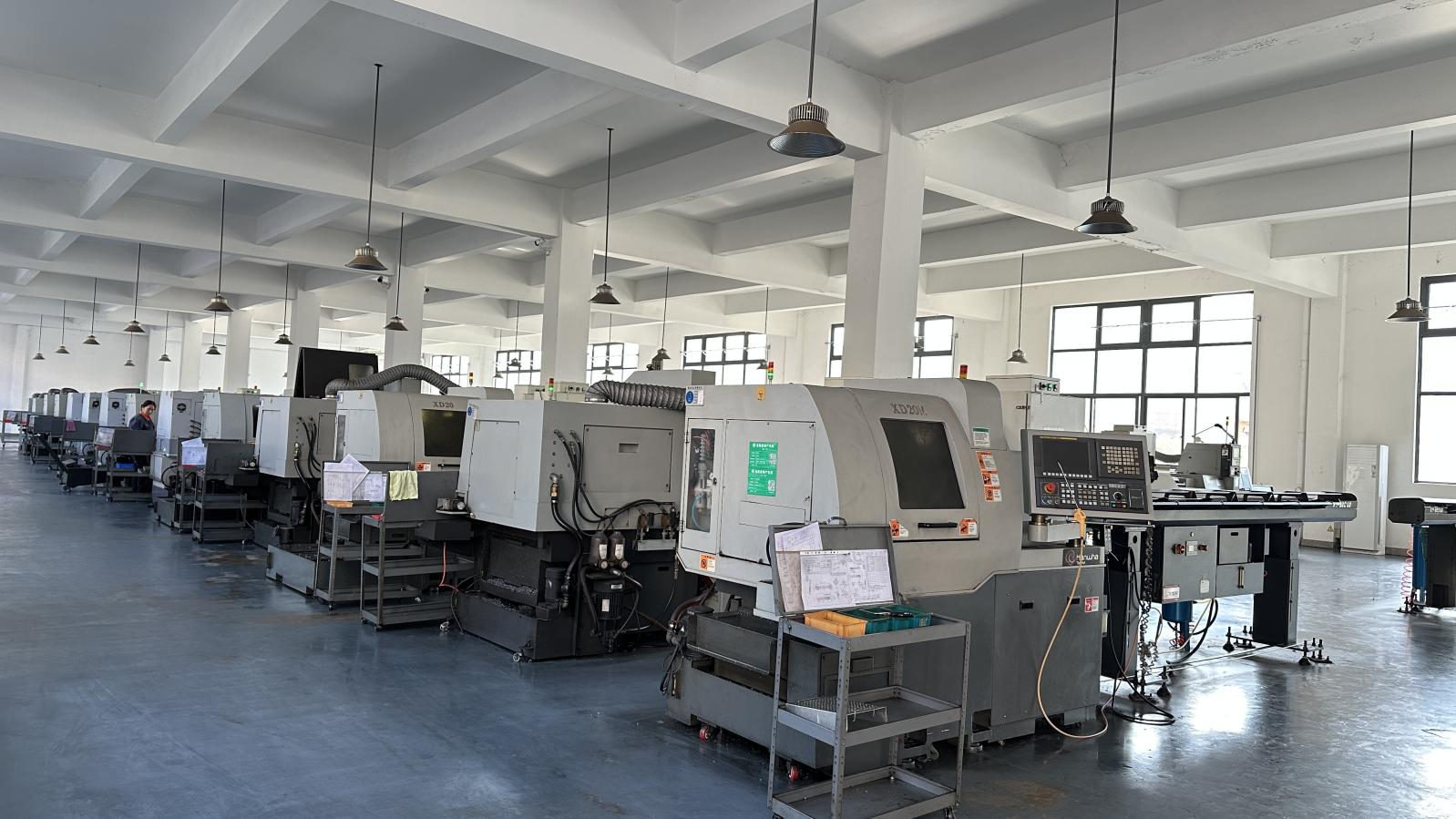
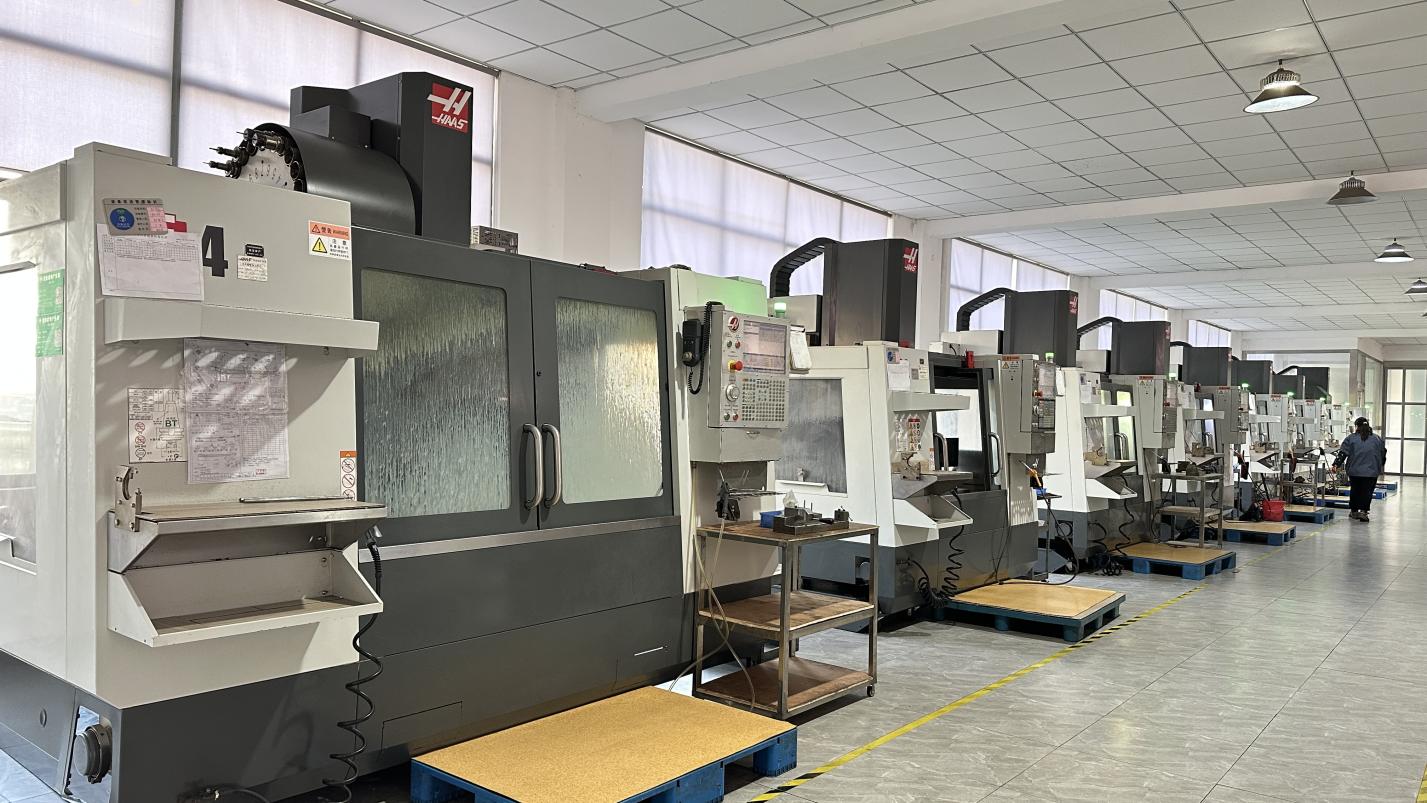
Advanced Plant Machinery & Laboratory Calibration

Slitting Machine
Automatic Slitting Machine
CNC Machining Center
CNC Milling Machine
CNC Milling Machine
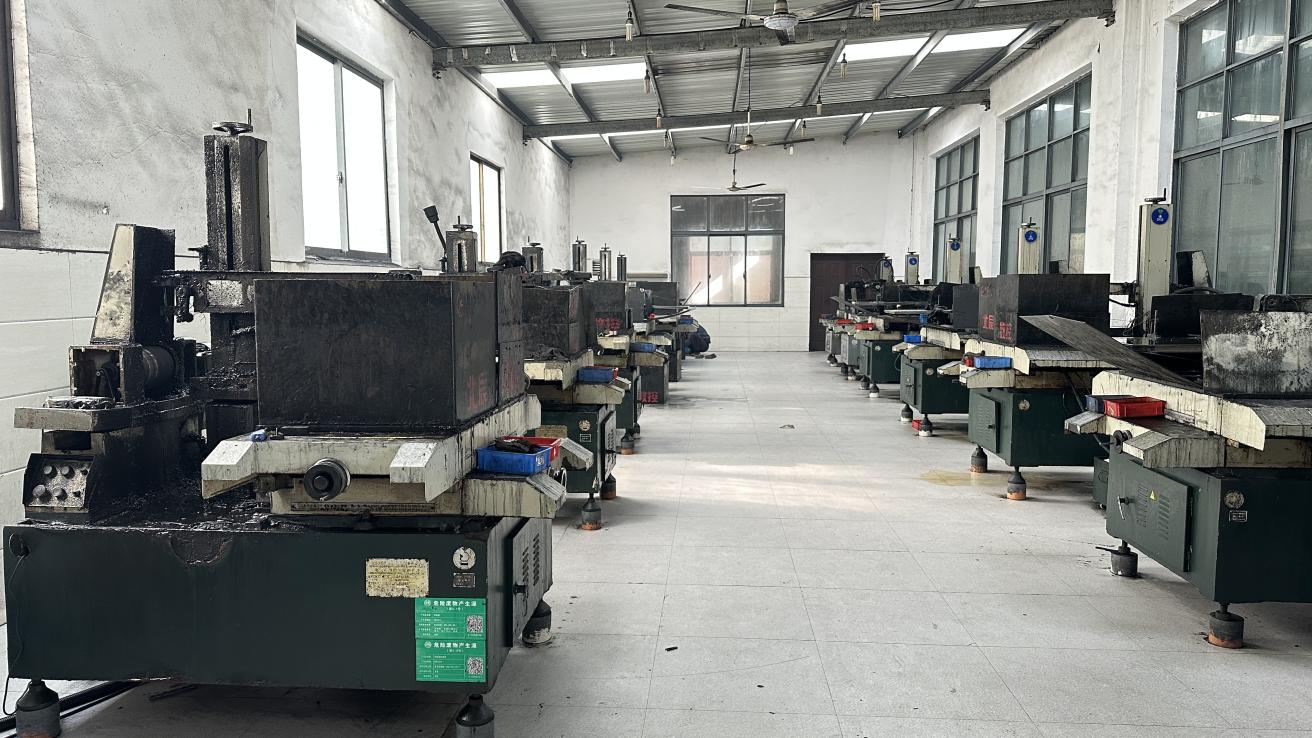
Wire Cutting Machine
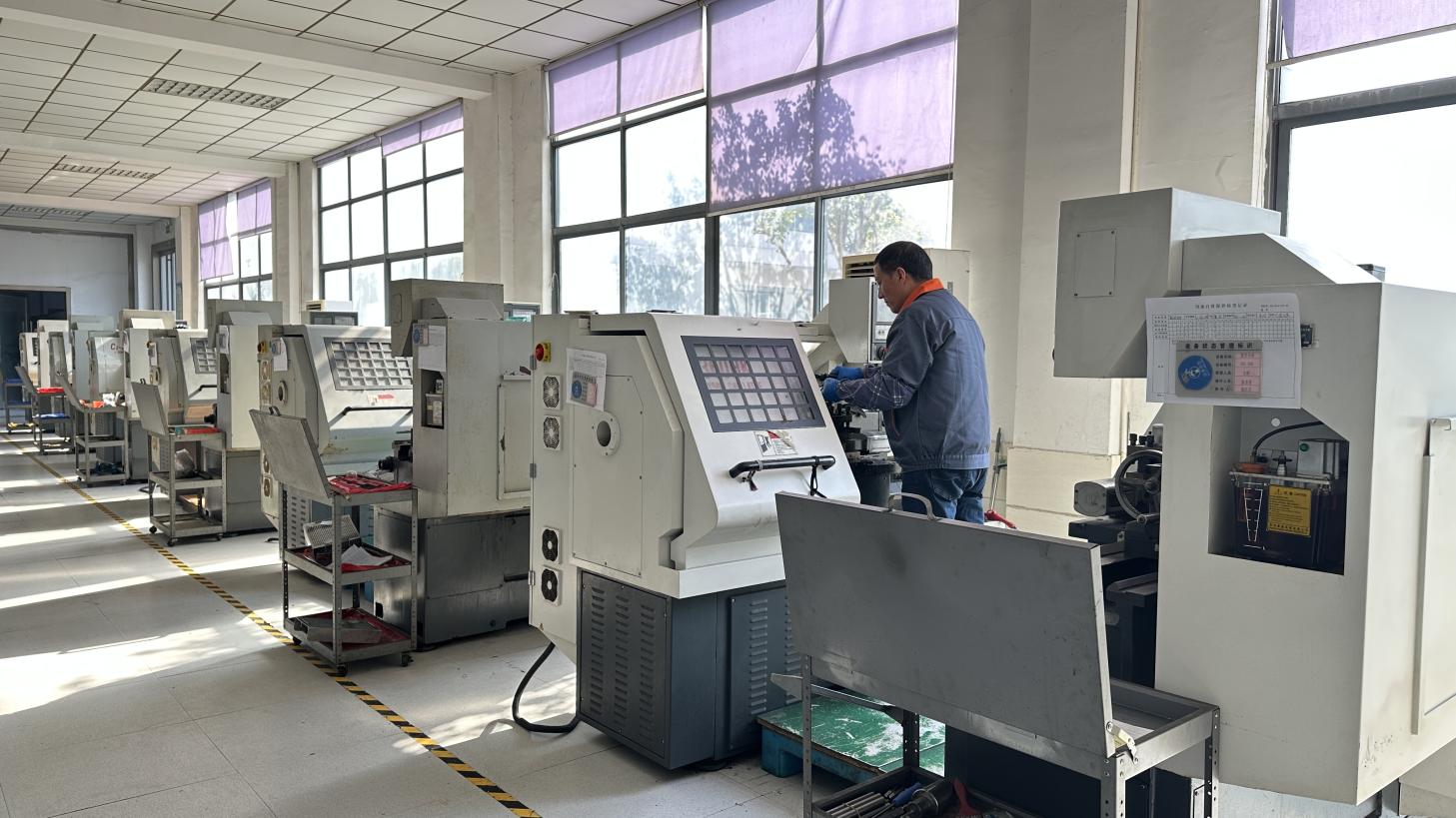
CNC Lathe
Precision CNC Lathe
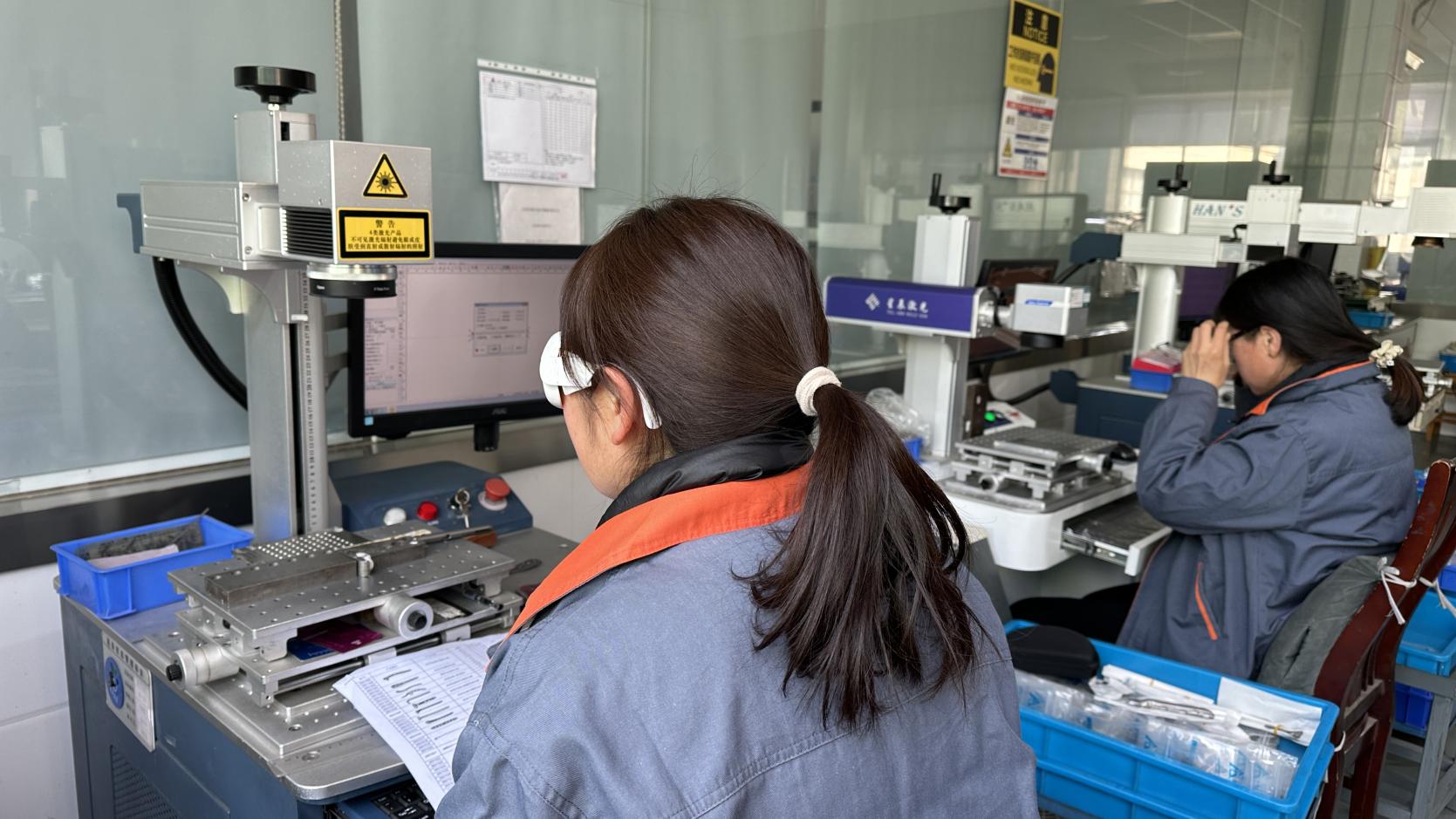
Laser Marking Machine
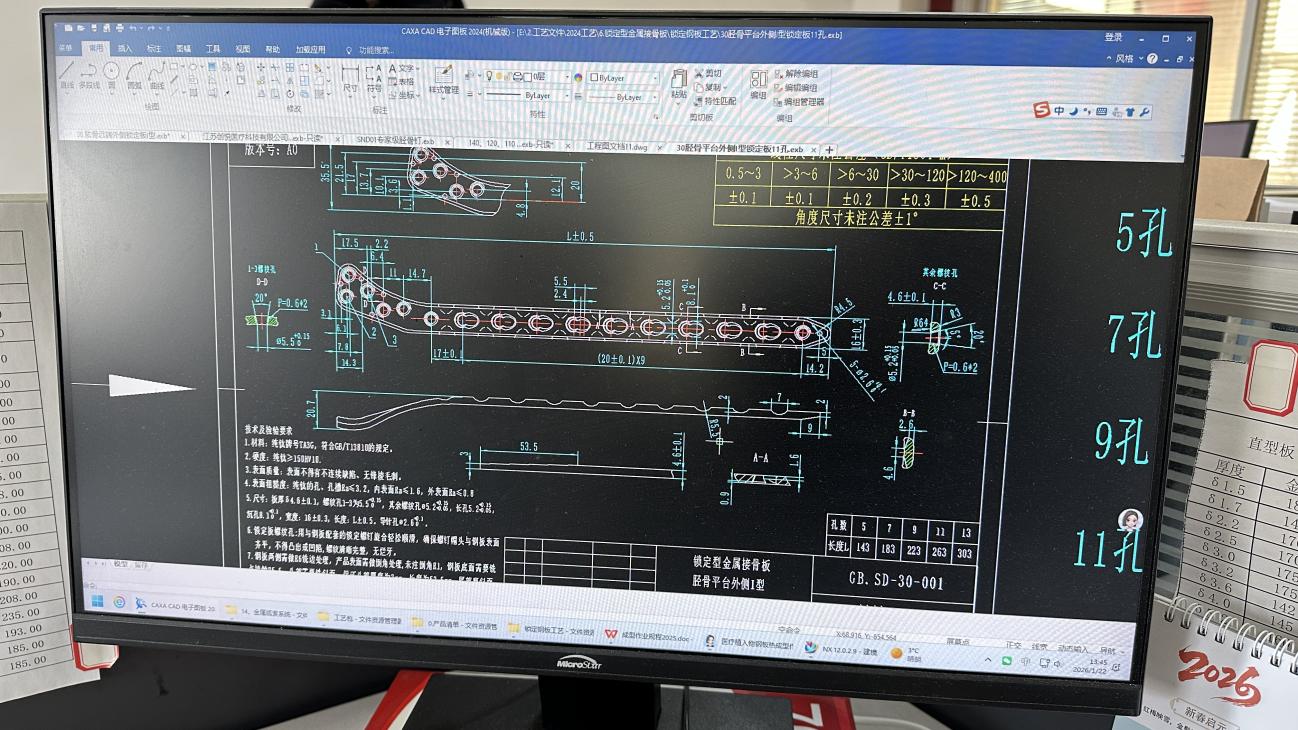
Design
Biomechanical CAD Design
Lab
Biochemical Testing Lab

Technological Roadmap: The Evolution of Cannulated Fixation

As orthopedic science advances, screw implants are shifting from passive stabilization structures to active biological interfaces. Our R&D center, staffed by 120 biomechanical and materials science engineers, is focusing on three key technology pathways:

1. Surface Modifications for Osseointegration

To improve structural integration between titanium screws and osteoporotic bone, we are developing anodized microporous surface structures. This mimics the trabecular architecture of human bone, accelerating cellular attachment and bone growth along the screw shaft, which helps reduce long-term implant loosening.

2. Degradable Metal Alloys (Magnesium & Zinc)

The future of pediatric and simple fracture fixation lies in bioabsorbable metallic implants. We are exploring high-purity magnesium alloy cannulated screws that degrade naturally over time, eliminating the need for a secondary implant removal surgery—a key benefit for patients and pediatric clinics in Seattle.

3. Specialized Instrumentation Compatibility

Modern surgical suites use robotic systems to guide drill bits and implant components. Our implants are designed with precise geometric tolerances and clear color coding to integrate seamlessly with navigation systems, helping to reduce intraoperative time and fluoroscopic exposure.
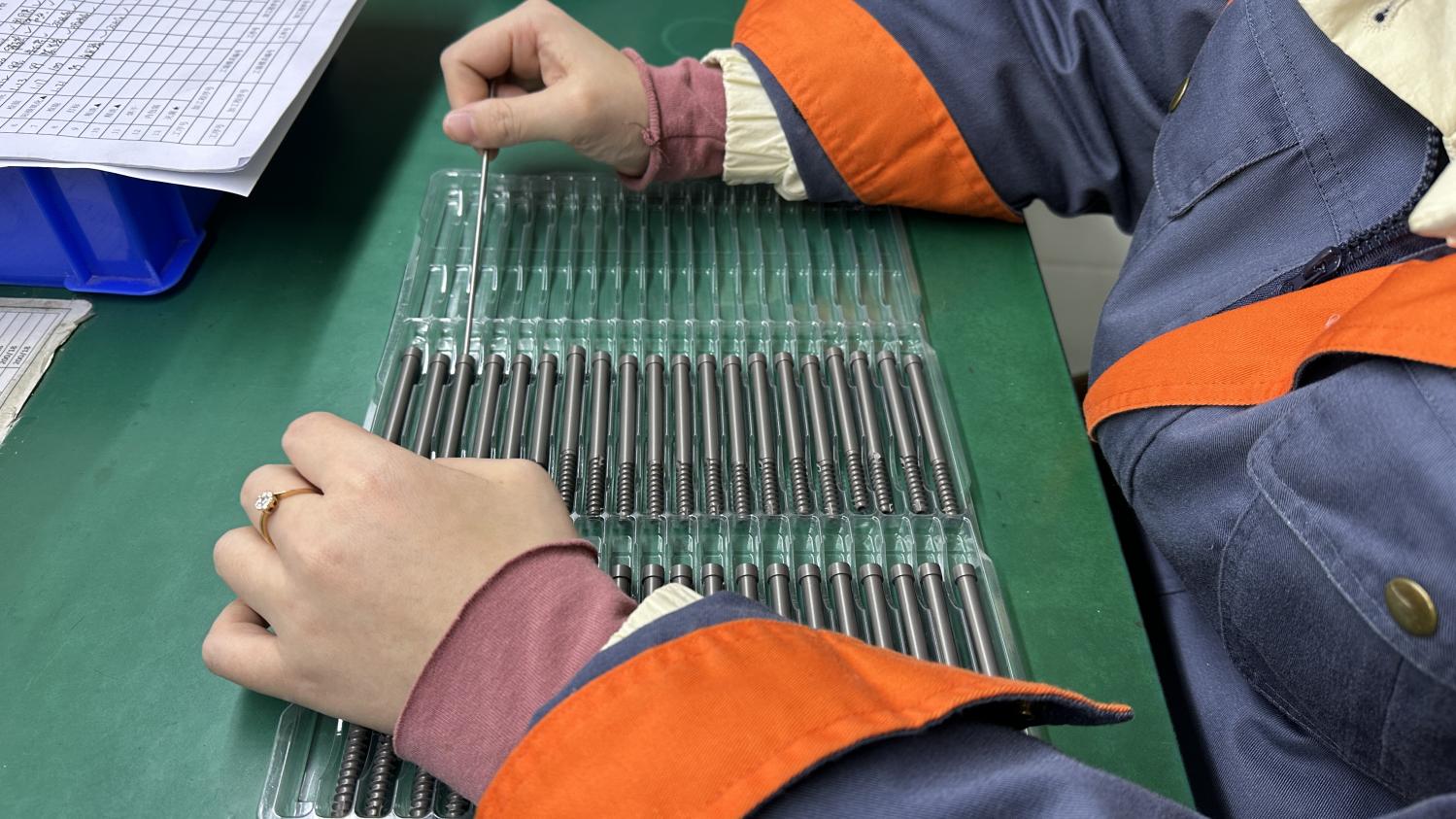
Quality Control & Dynamic Lab Verification

Inspection
Pre-Production Dimensional Inspection
Inspection
In-Process CMM Inspection
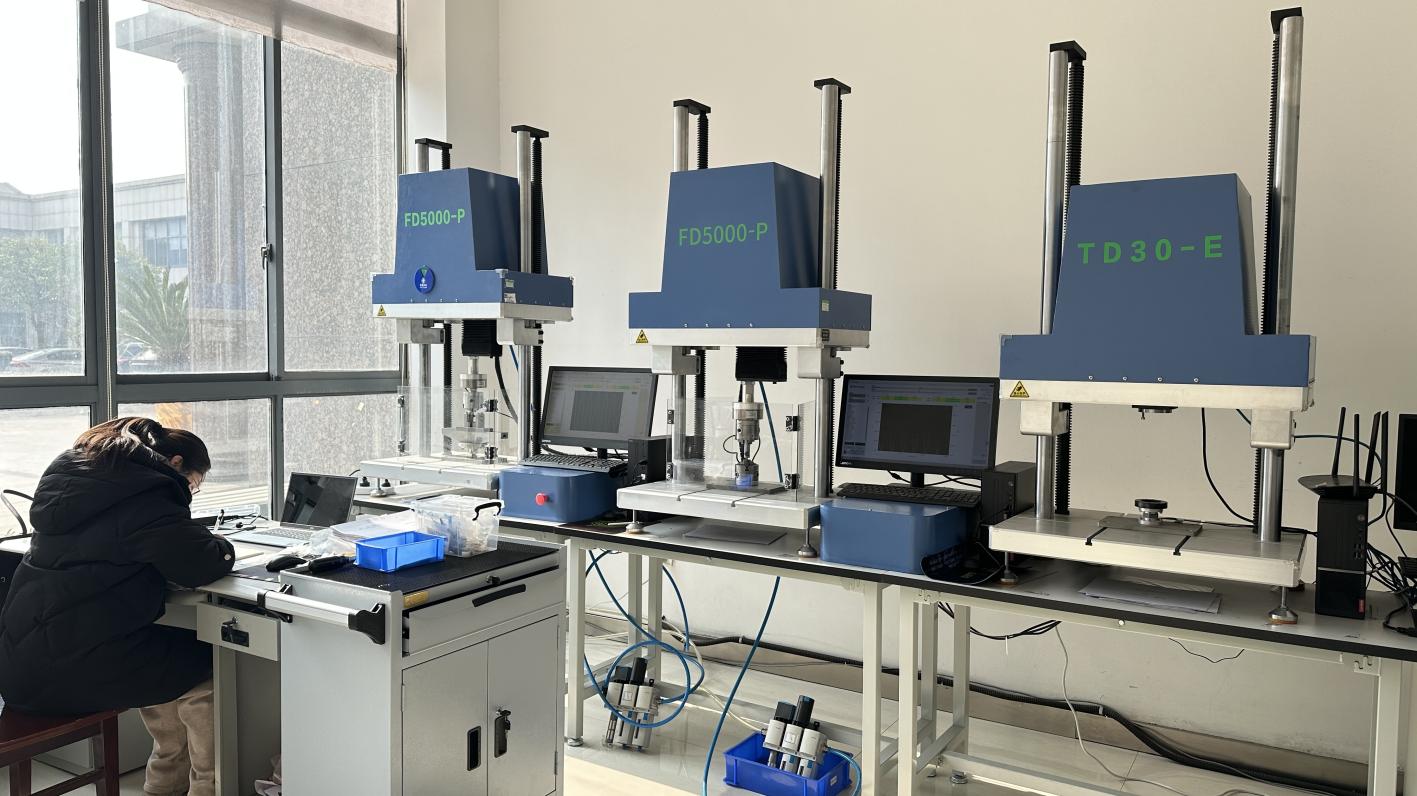
Fatigue Tester
Dynamic Fatigue Tester (ASTM F543)
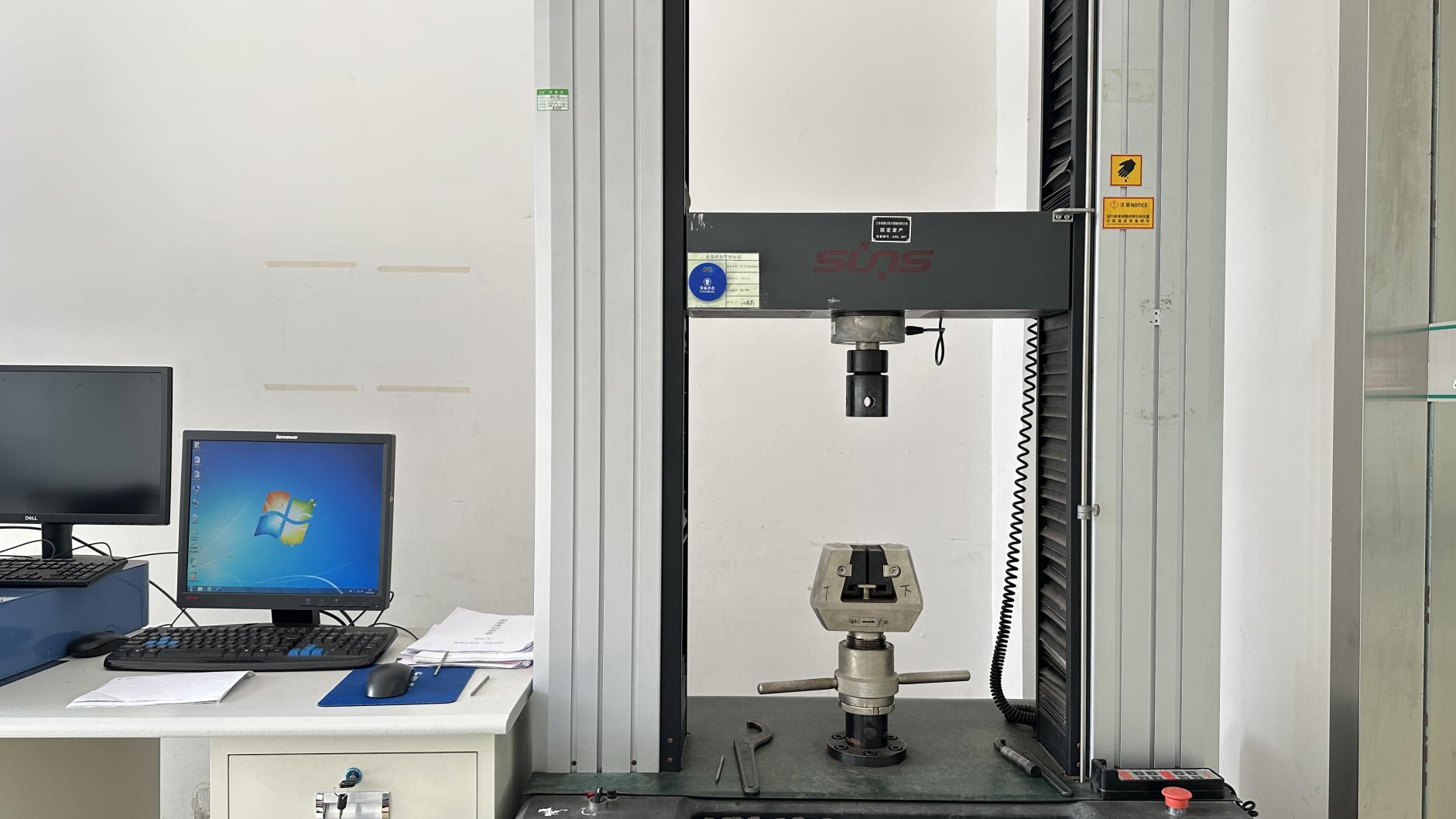
Tensile Tester
Tensile Strength Testing
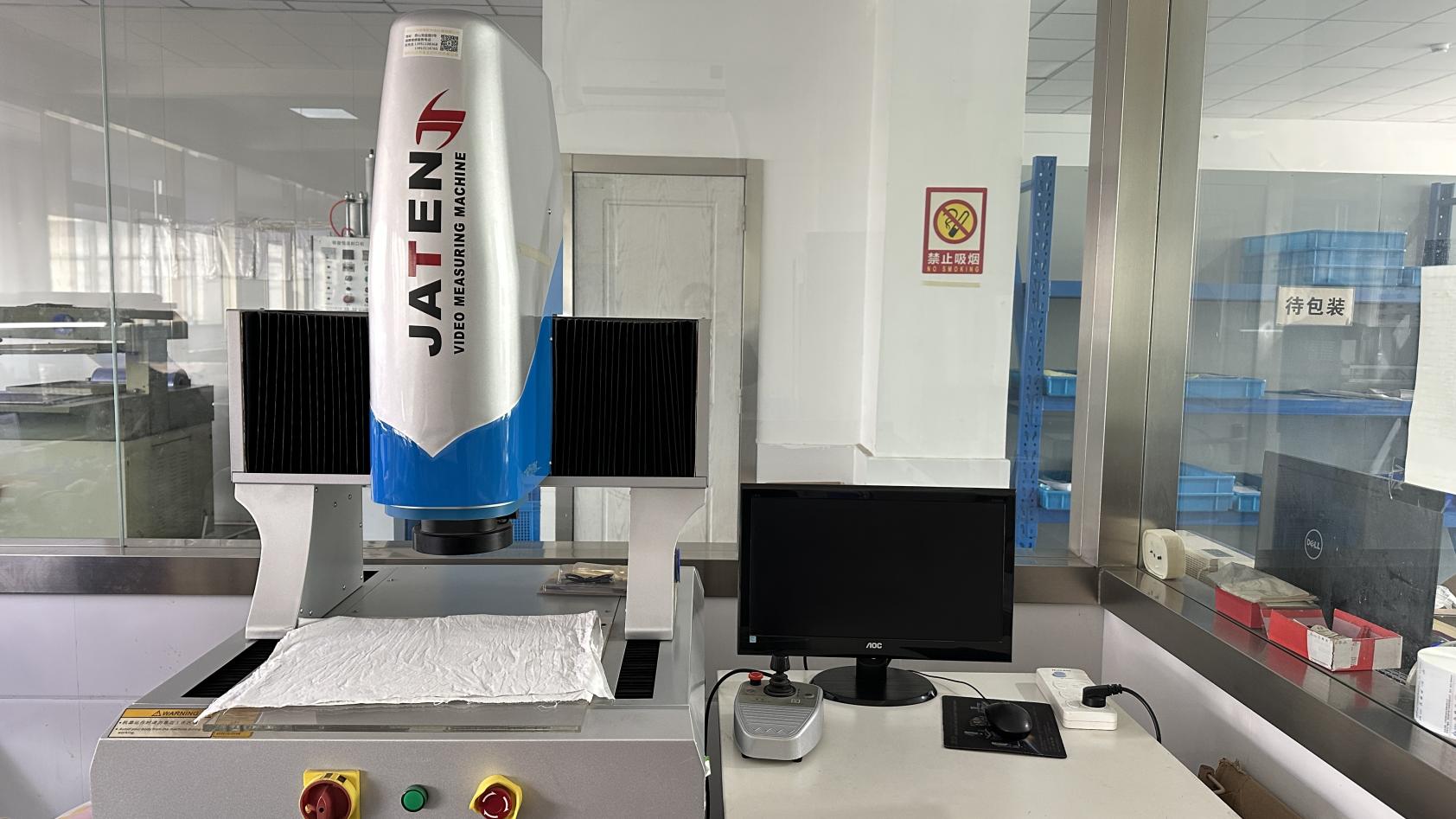
Two Dimensional Measuring Instrument
2D Optical Measurement
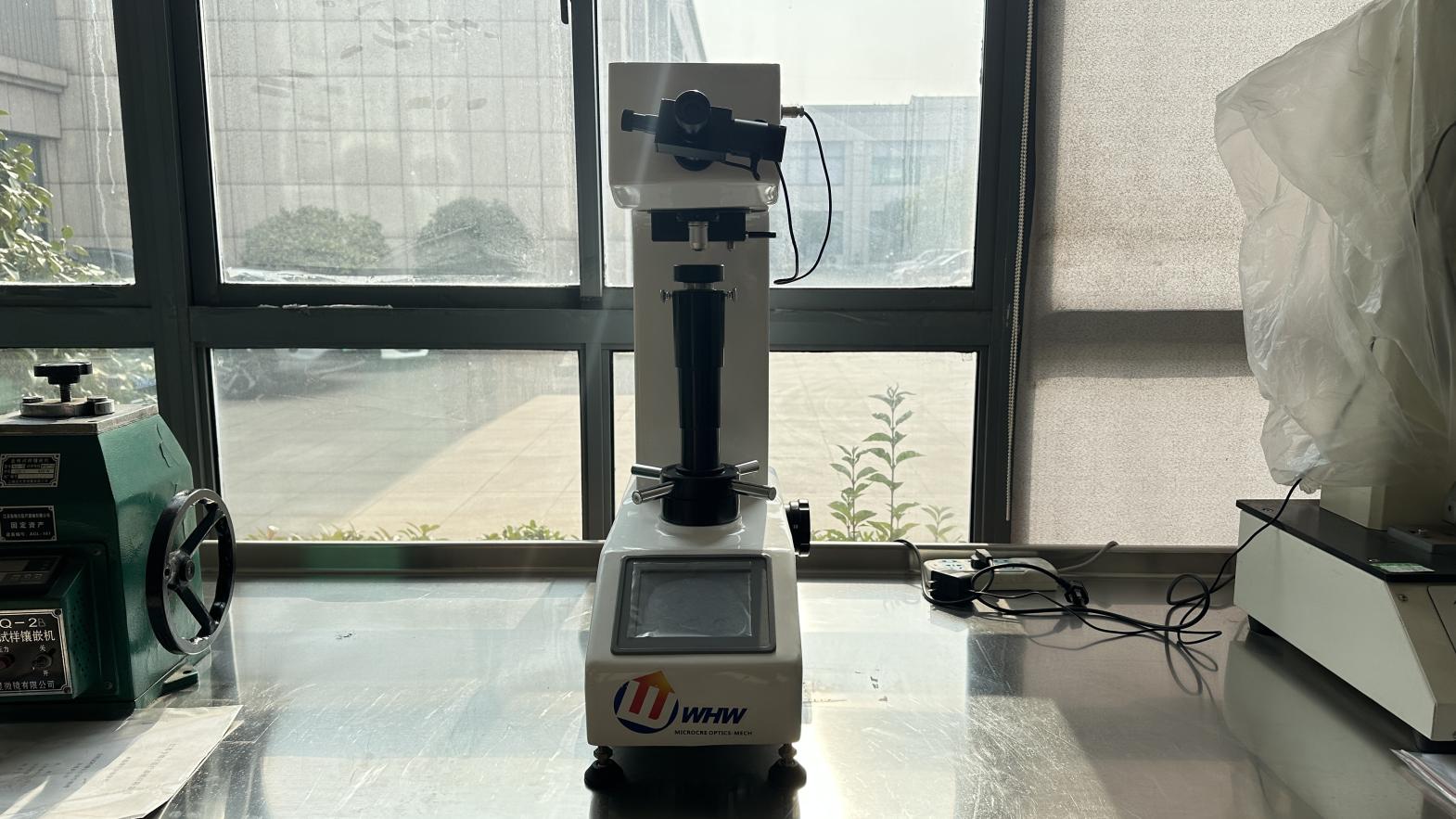
Hardness Tester
Vickers Hardness Tester
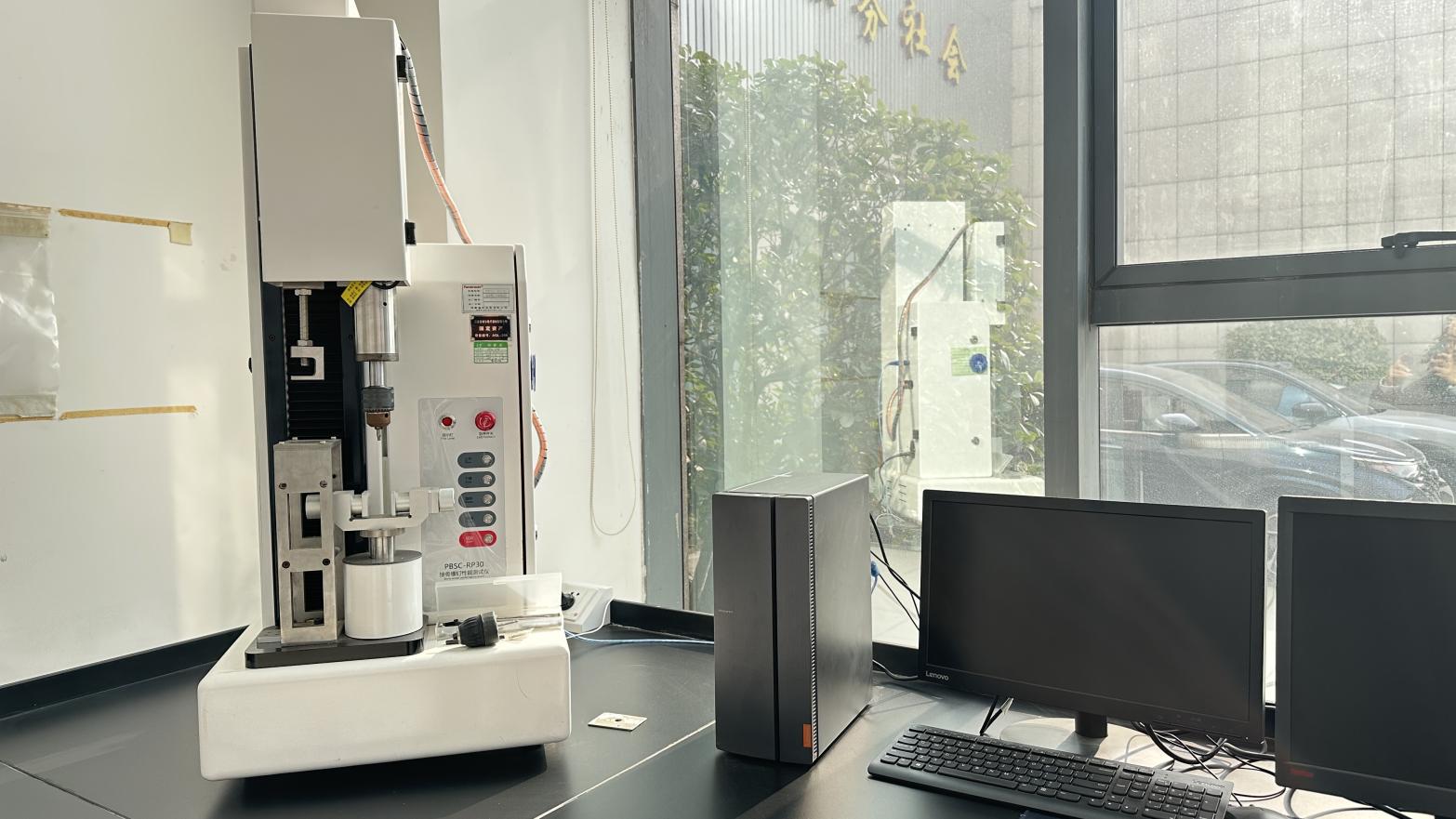
Bone Screw Performance Tester
850+ Certified Supply Chain Partners
Verified Supply Network

Comprehensive Cannulated Fixation & Instrumentation Portfolio

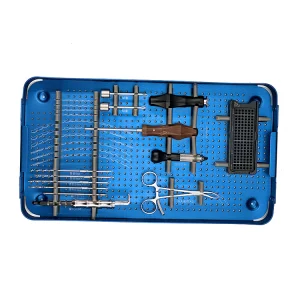
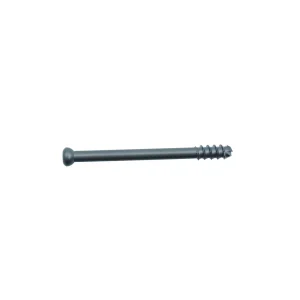
Explore our full range of CE-marked and ISO-compliant implants, designed for trauma fixation, reconstructive surgery, and spinal fusion procedures.
Clinical FAQ & Sourcing Guide

Detailed technical answers addressing common inquiries from hospital purchasing managers and orthopedic surgeons in the Seattle health district.

1. What material specifications are standard for Virelox cannulated screws?
Our cannulated screws are manufactured from medical-grade Ti-6Al-4V ELI (Extra Low Interstitial) Titanium Alloy, conforming strictly to ASTM F136 and ISO 5832-3 standards. This material is chosen for its strength-to-weight ratio, high fatigue life, and biocompatibility, minimizing long-term tissue reaction.
2. How does Virelox ensure guide wire compatibility and prevent run-out issues?
We use gun drilling processes on our Swiss-type CNC centers to ensure the concentricity of the central cannula. For example, our 4.0mm and 4.5mm screws maintain strict tolerances on inner diameter dimensions to ensure smooth sliding over standard 1.25mm and 1.6mm Kirschner wires without binding.
3. Can Seattle hospitals order custom geometries or specialized packaging (OEM/ODM)?
Yes. We offer OEM/ODM customization services. Our team of 120 R&D engineers can design implants based on custom biomechanical requirements, thread pitches, and driver interfaces (e.g., Star/Hexalobe drive systems). We also support private labeling and provide either non-sterile bulk packaging or sterile double-barrier blister packaging.
4. What quality control protocols are applied to each manufacturing batch?
Our quality control program is managed by 65 QC specialists. Testing protocols include material chemistry analysis, coordinate measuring machine (CMM) dimensional verification, micro-surface profiling, static and dynamic torsional fatigue testing according to ASTM F543, and non-destructive dye penetrant testing to verify surface integrity.
5. What is the standard lead time for shipping to surgical distribution networks in Washington State?
For standard inventory items, processing begins immediately, and air freight shipments typically reach Seattle-Tacoma International Airport (SEA) within 7 to 10 business days. Custom OEM orders require a validation phase, with typical production runs scheduled and delivered within 45 to 60 days.

Connect with Our Seattle Account Procurement Team

Whether you require direct container shipments, custom instrumentation development, or OEM supply contracts for orthopedic trauma platforms, our engineering team is here to assist.

Send Inquiry Now