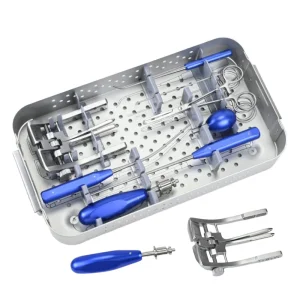
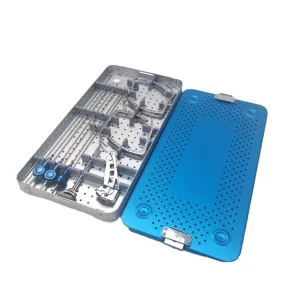
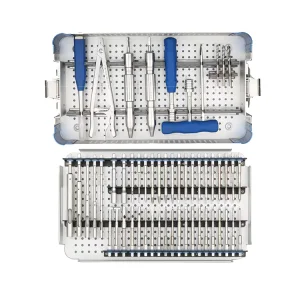
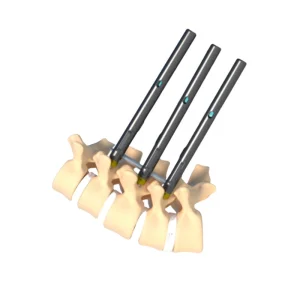
Precision-manufactured orthopedic and cardiothoracic instruments, optimized to meet EU MDR compliance standards and the stringent structural requirements of hospitals throughout Poland.
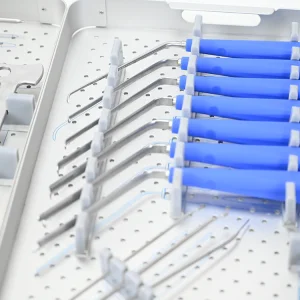
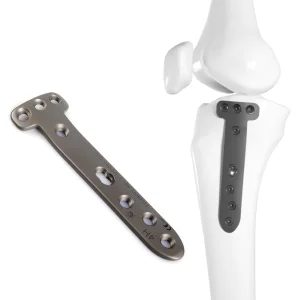
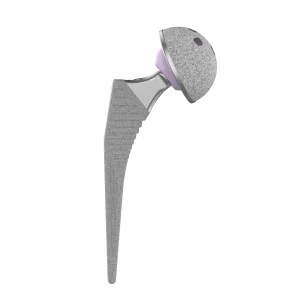
Poland's healthcare network, governed by the National Health Fund (NFZ), has witnessed a significant transformation in cardiovascular and thoracic clinical procedures. Leading cardiac surgery hubs in cities like Zabrze (Silesian Centre for Heart Diseases), Warsaw (Anin Institute of Cardiology), and Krakow are continually modernizing their operating suites. Sternal fixation systems have evolved from simple wire cerclages to highly stable, low-profile rigid plating architectures to accommodate the growing number of open-chest bypass surgeries and complex thoracic reconstructions.
Due to the demographic shifts of an aging European populace and the increasing incidence of post-operative sternal complications (such as mediastinitis and sternal dehiscence), Polish distributors and hospital groups seek resilient OEM manufacturers. The challenge lies in balancing stringent EU MDR (Medical Device Regulation) safety criteria with fiscal sustainability. Suppliers must offer biocompatible Grade 5 Titanium (Ti-6Al-4V ELI) sternal plates and locking screws that exhibit superior tensile strength and fatigue resistance, preventing micro-motion during the critical 6-to-8 week bone healing window.
Traditional wire loop configurations carry a risk of cutting through osteoporotic bone, causing instability. Modern rigid locking plates distribute dynamic load uniformly across the sternum, dropping post-operative complication rates significantly. This is especially vital for diabetic, obese, and chronic obstructive pulmonary disease (COPD) patient cohorts in modern Polish clinics.
| Implant Metric | Traditional Wire Cerclage | Rigid Plate Sternal Fixation |
|---|---|---|
| Mechanical Stability | Low (Prone to shearing forces) | High (Rigid multi-point lock) |
| Dehiscence Rate | Up to 5.4% in high-risk patients | Reduced to < 1.2% |
| Biocompatibility | Variable (Stainless Steel) | Excellent (ASTM F136 Titanium) |
| Re-entry Speed (Emergency) | Fast (Cut with wire cutters) | Fast with emergency release tools |
A perspective on how global demand dictates technological innovation, logistics, and material preferences.
The global sternal fixation market is projected to reach significant valuations by 2030, driven by the volume of coronary artery bypass grafting (CABG) procedures and heart transplantations. Geographically, North America and Europe lead in consumption, yet the production epicenter has transitioned toward highly optimized manufacturing hubs in East Asia. As hospitals enforce stricter cost-per-procedure limits, the demand for highly reliable, cost-effective OEM suppliers has escalated.
Advanced manufacturing centers utilizing Swiss-type CNC lathes and wire-cutting machinery are now able to supply standard and customized sternal locking plates that match or exceed Western-branded alternatives. Key parameters like low plate thickness (ranging from 1.0mm to 1.6mm) to minimize palpable discomfort in patients while retaining high yield strength are the primary targets of R&D engineering globally.
Advanced Manufacturing Space
Specialized R&D Engineers
Certified Supply Chain Partners
Annual Export Revenue

Virelox Medical Devices Co., Ltd. stands as a premier global OEM/ODM orthopedic medical device manufacturer. Established in 2016, Virelox operates a state-of-the-art 12,000 m² factory optimized for large-scale implant fabrication. Leveraging 10 years of intensive orthopedic industry experience and 8 years of dedicated export workflows, Virelox bridges the gap between affordable volume supply and top-tier clinical reliability.
Our quality management is founded on ISO 13485 guidelines, implementing complete tracking from incoming titanium bars to final cleanroom packing. With a dedicated QA unit of 65 professionals, every sternal fixation component, locking screw, and orthopedic instrument undergoes critical assessment: dimensional CMM measurement, fatigue testing, tensile strength evaluation, and high-resolution X-ray testing to guarantee zero micro-fractures in the field.
Explore our fully integrated production facility, from raw material inspection to high-precision machining and advanced biomechanical testing.
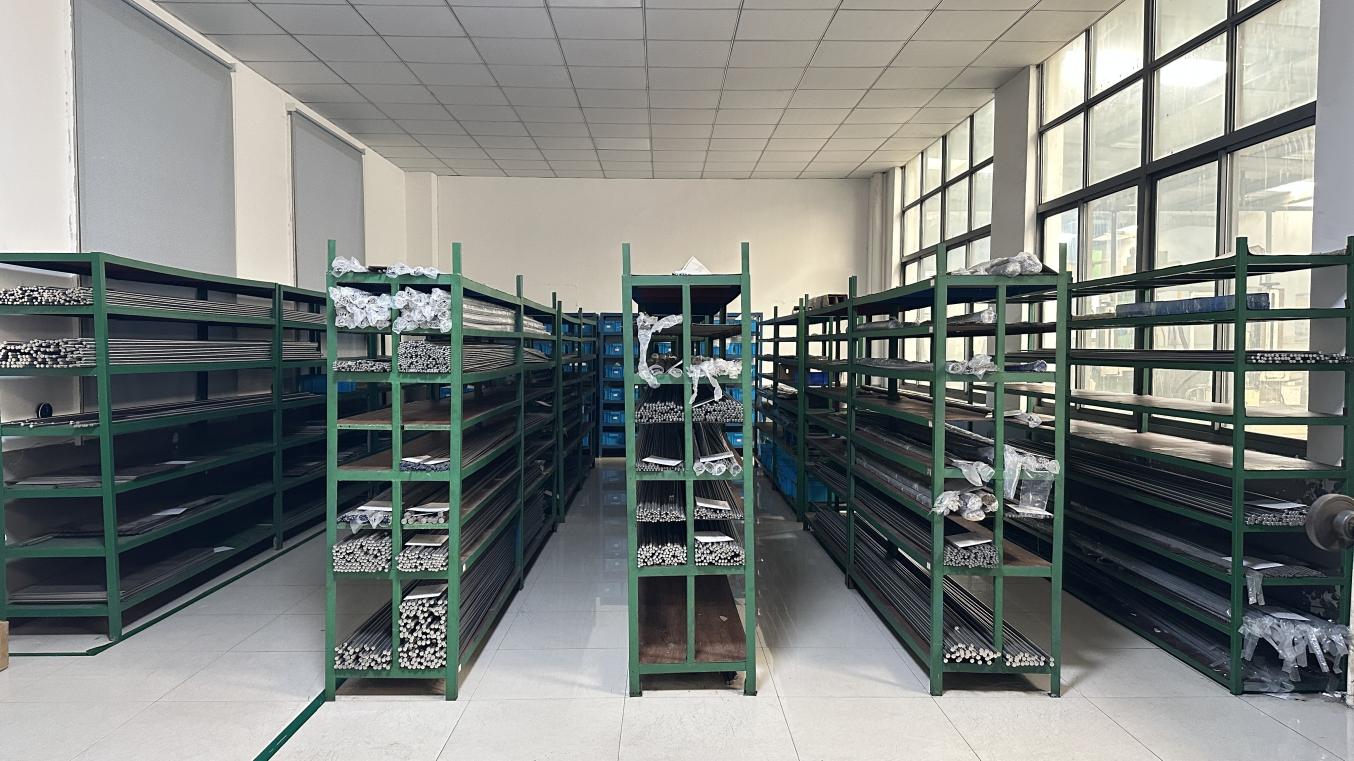
Raw Materials Inspection
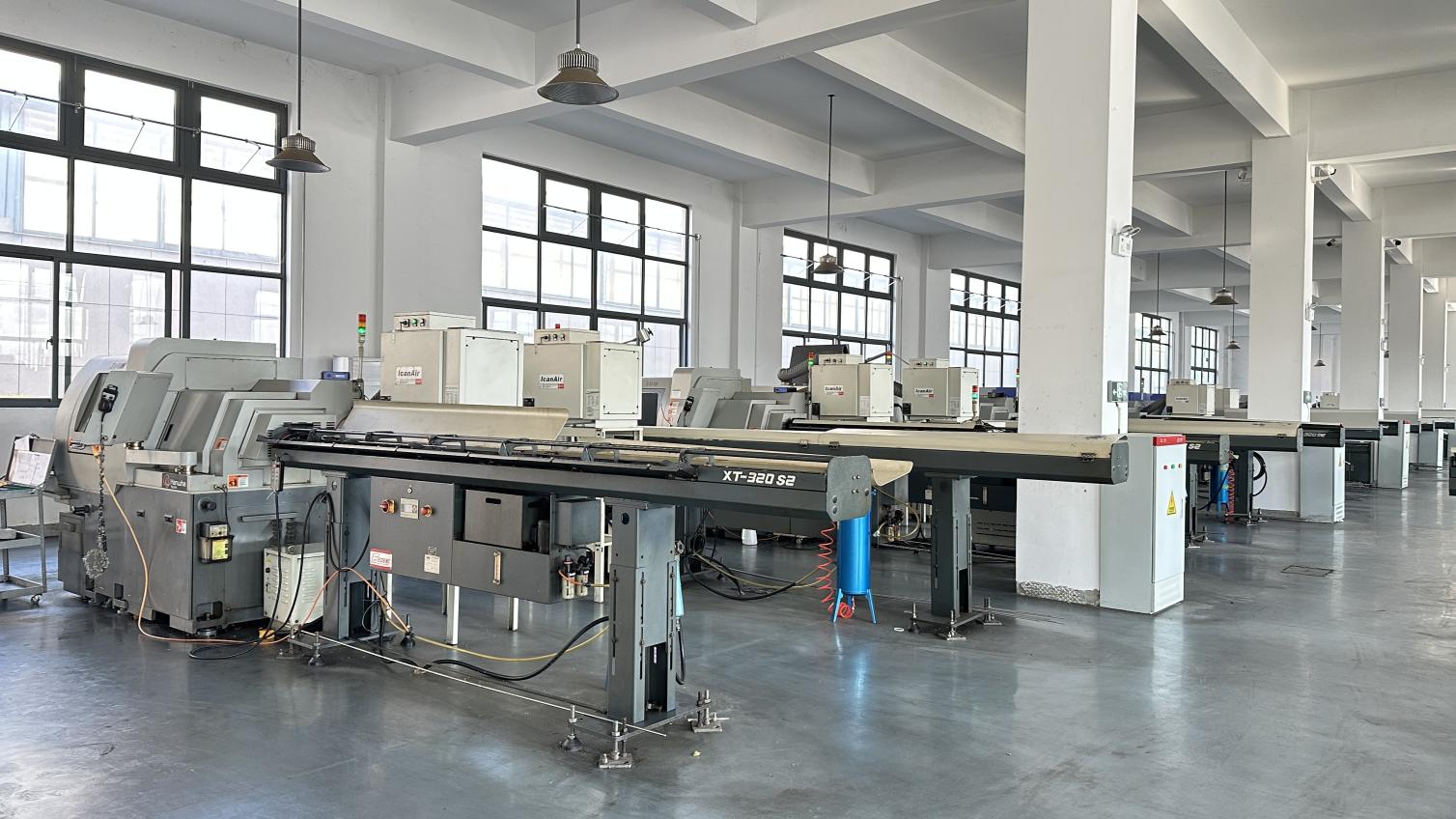
Precision Slitting
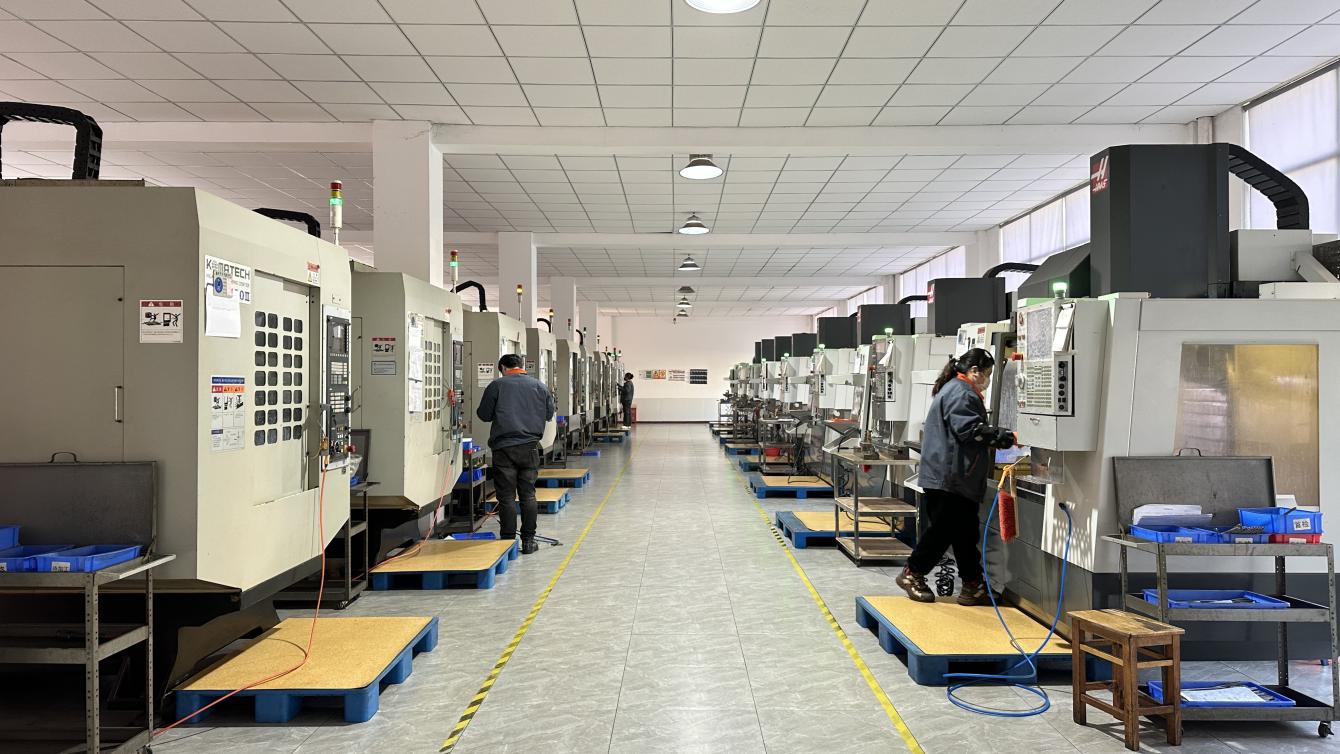
CNC Machining
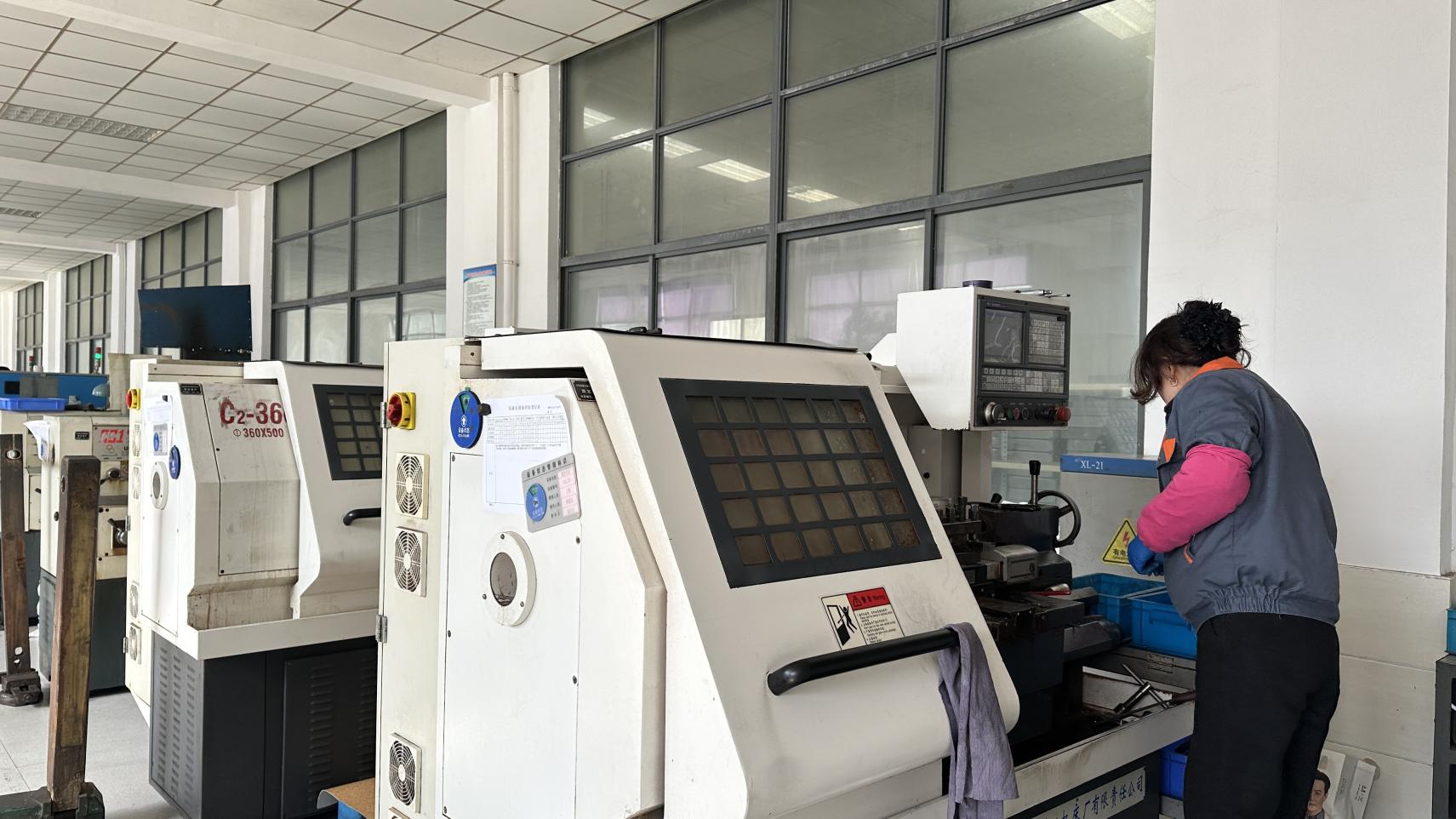
Finishing Machining
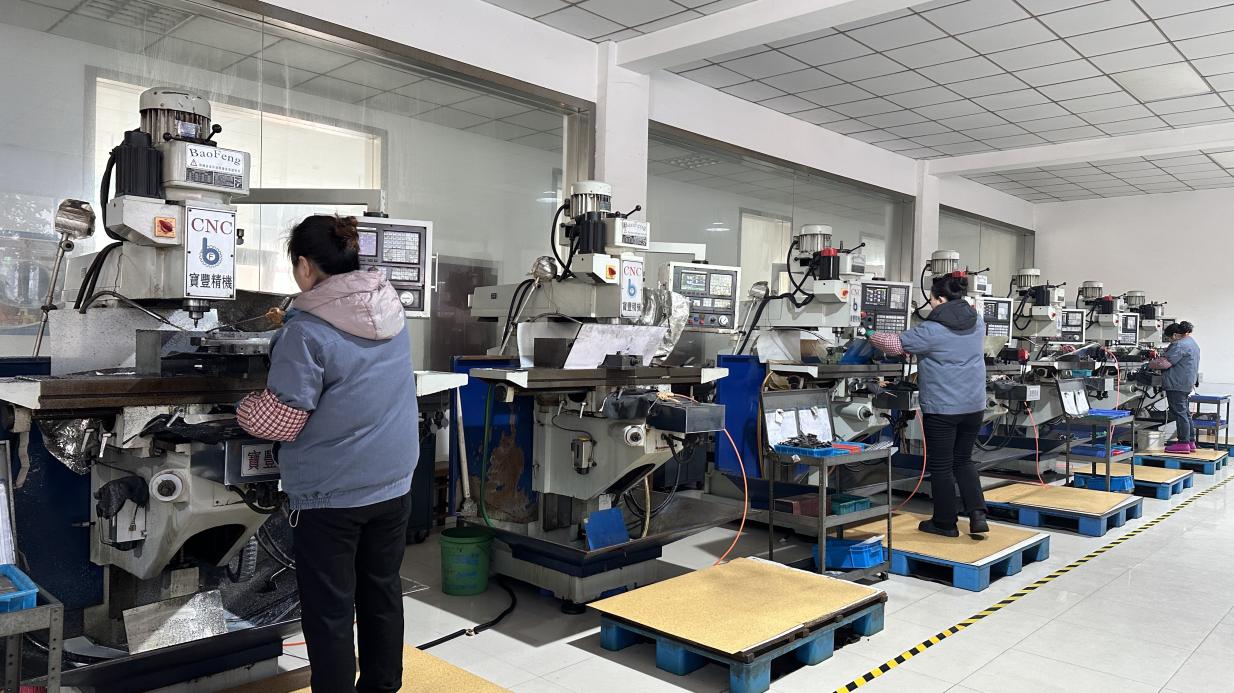
Sternal Plate Milling
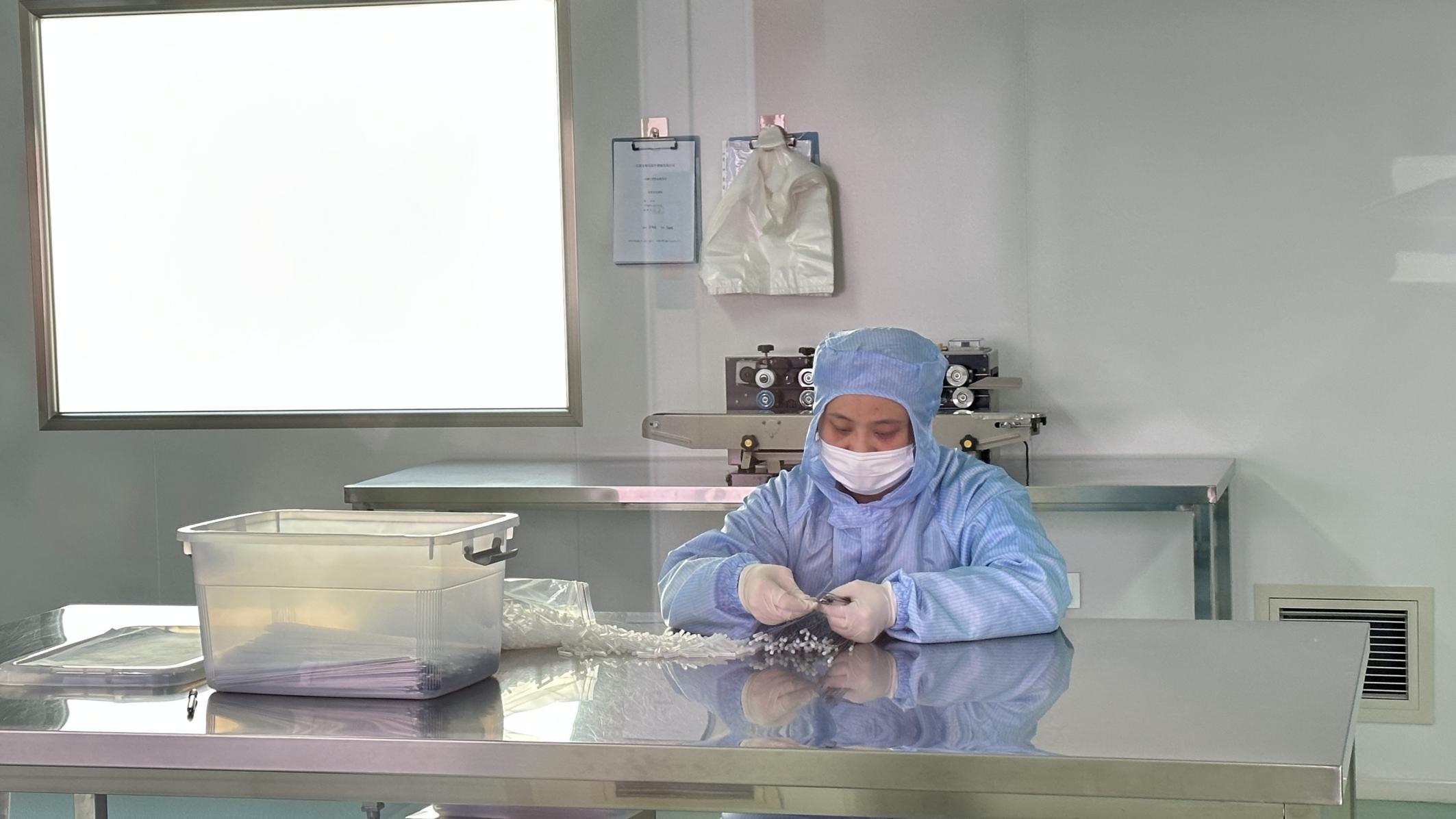
Inspection & Packing
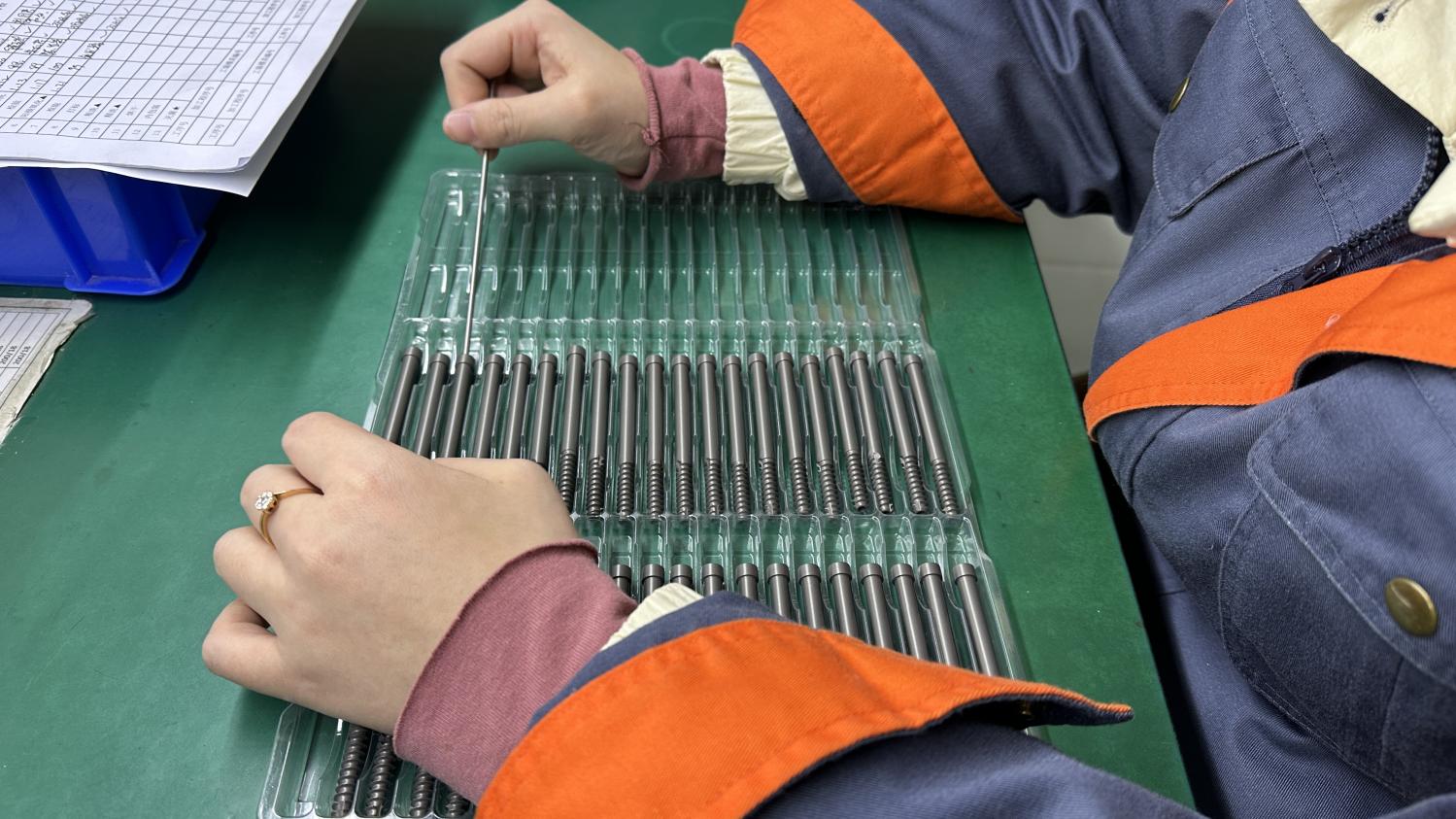
Sterilization Quality Check
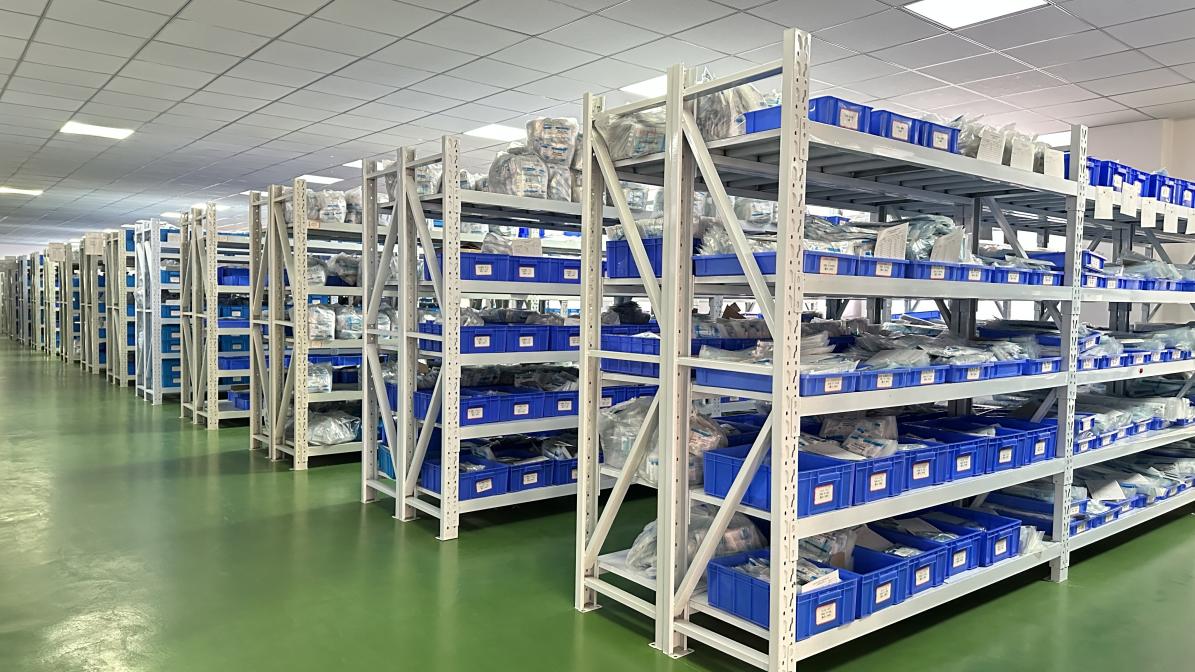
Intelligent Warehouse
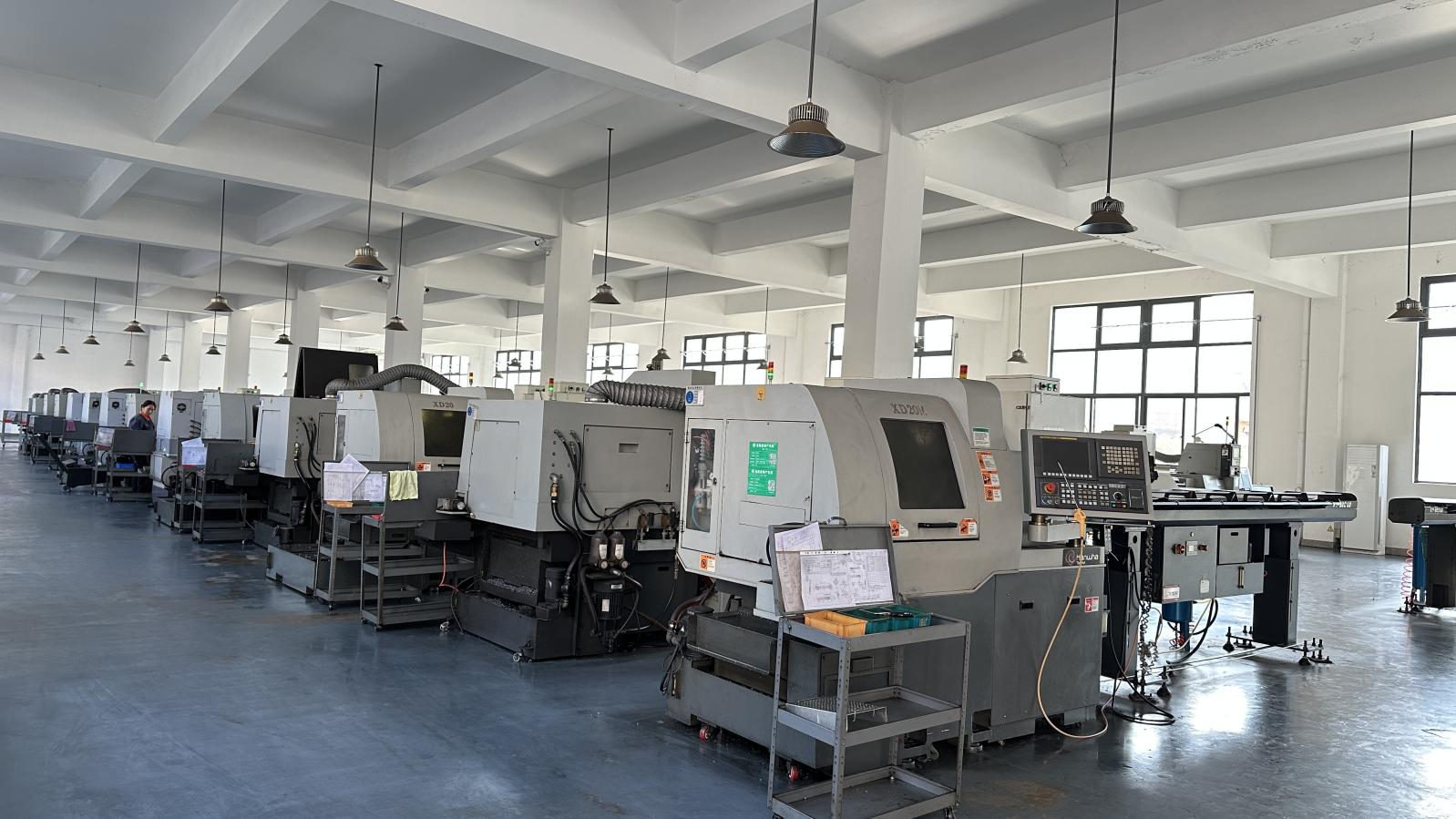
Heavy Duty Slitting Machine
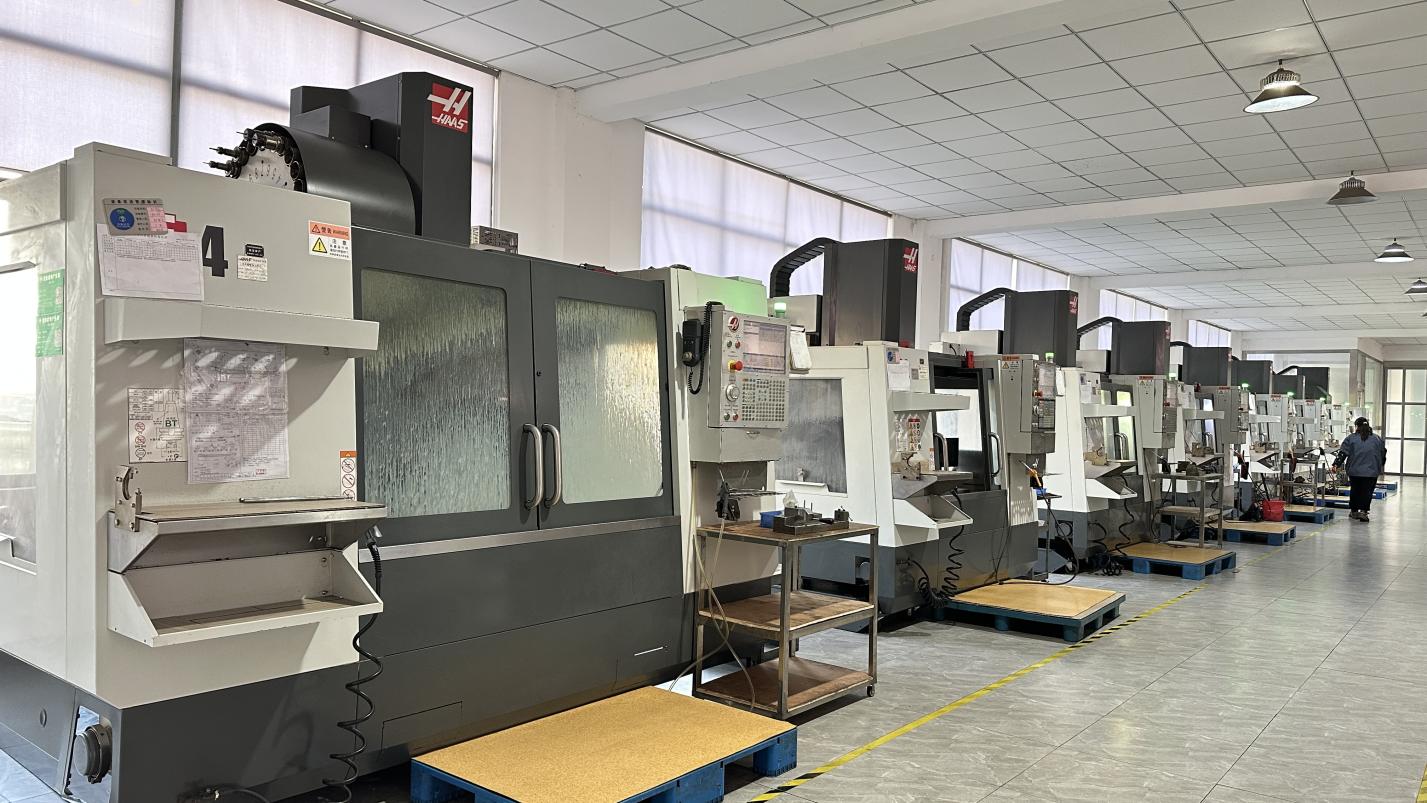
CNC Machining Center
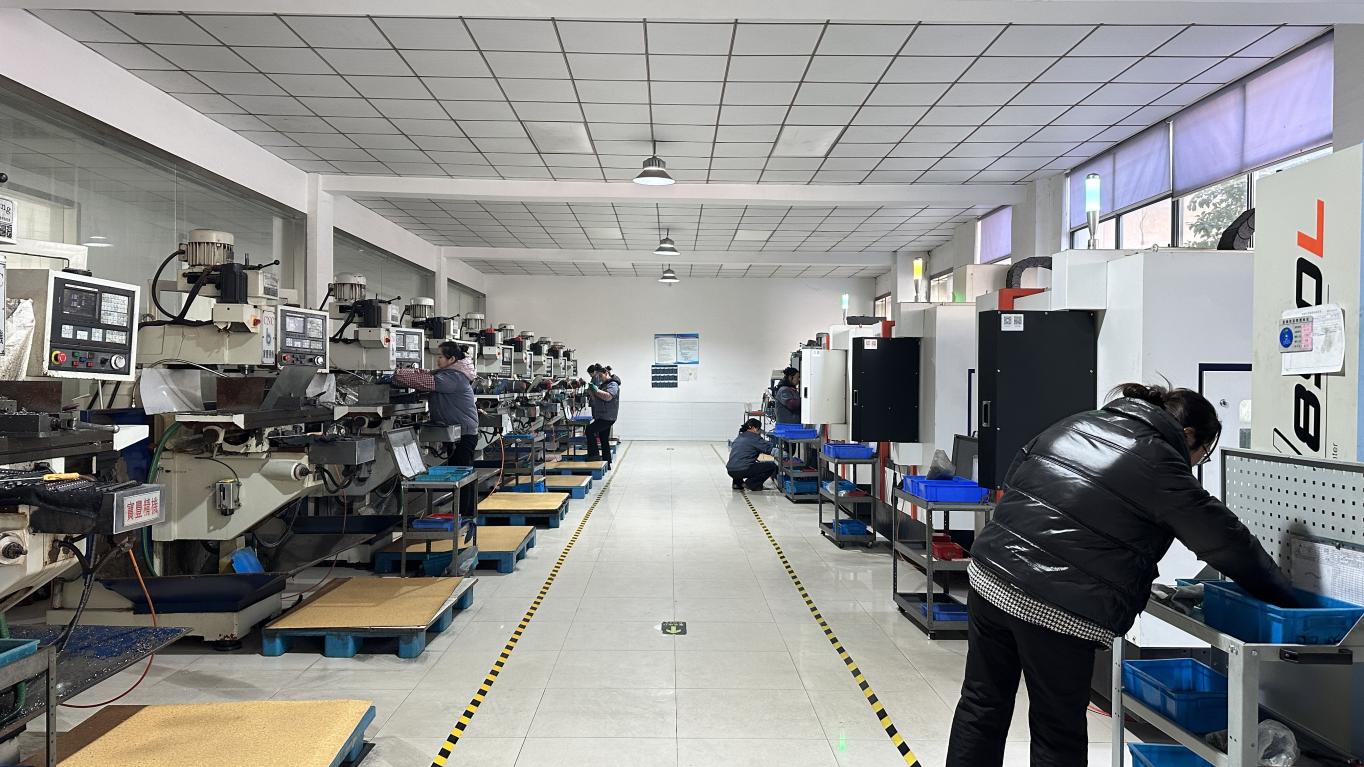
CNC Milling Machine
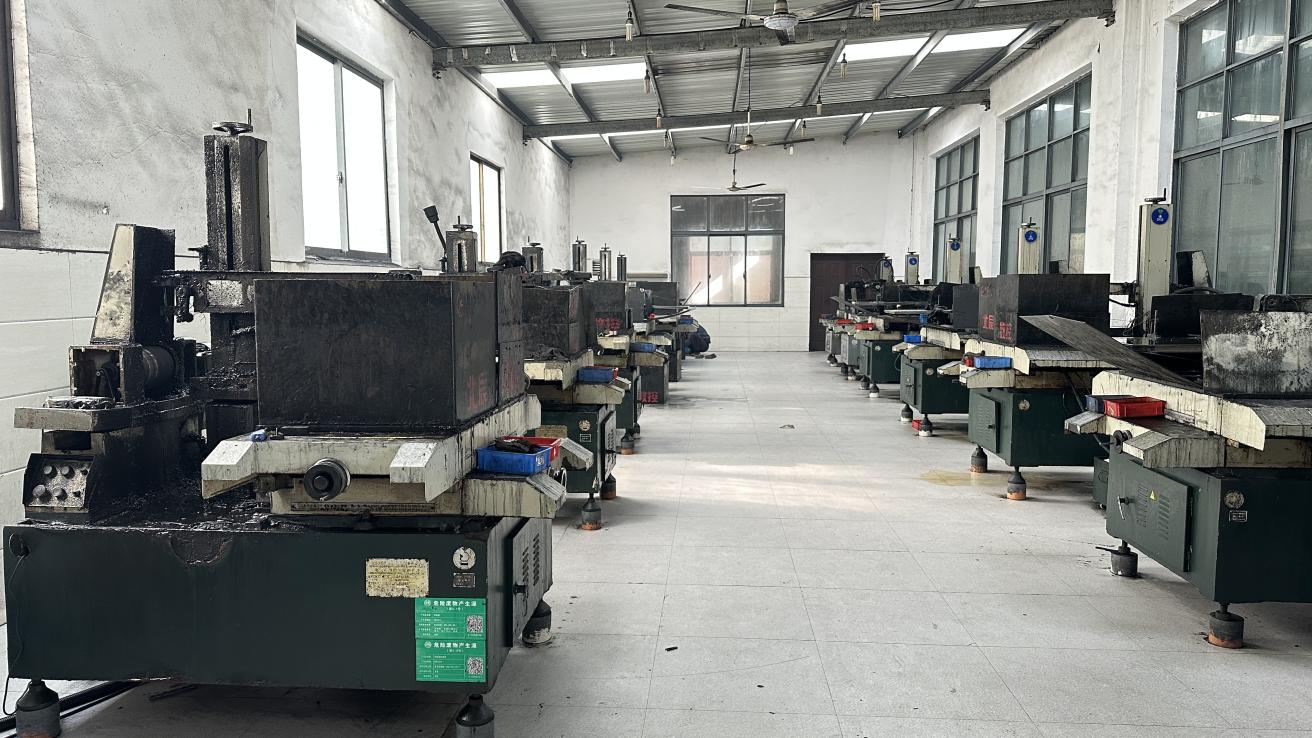
Wire Cutting Machine
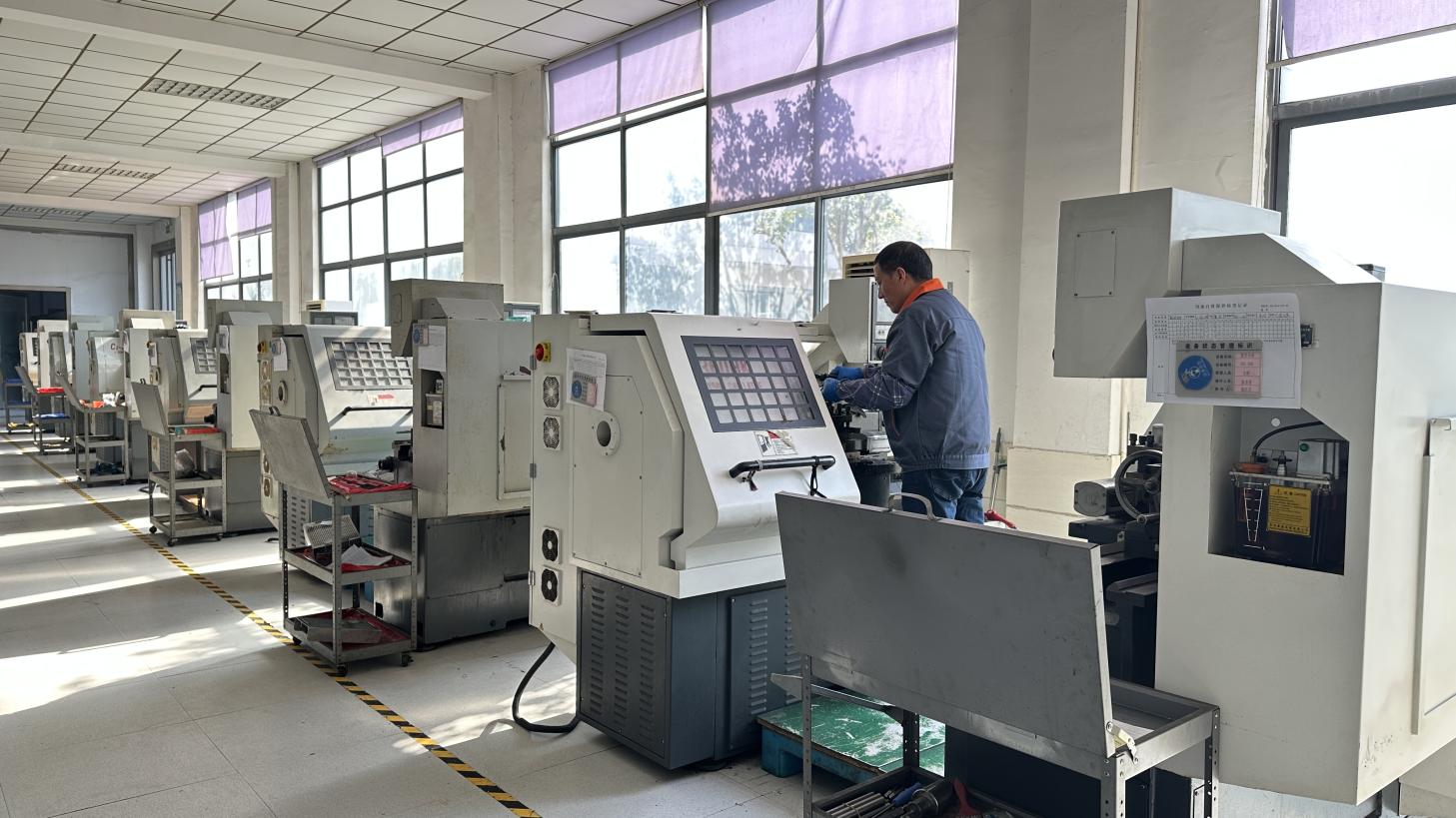
Automatic CNC Lathe
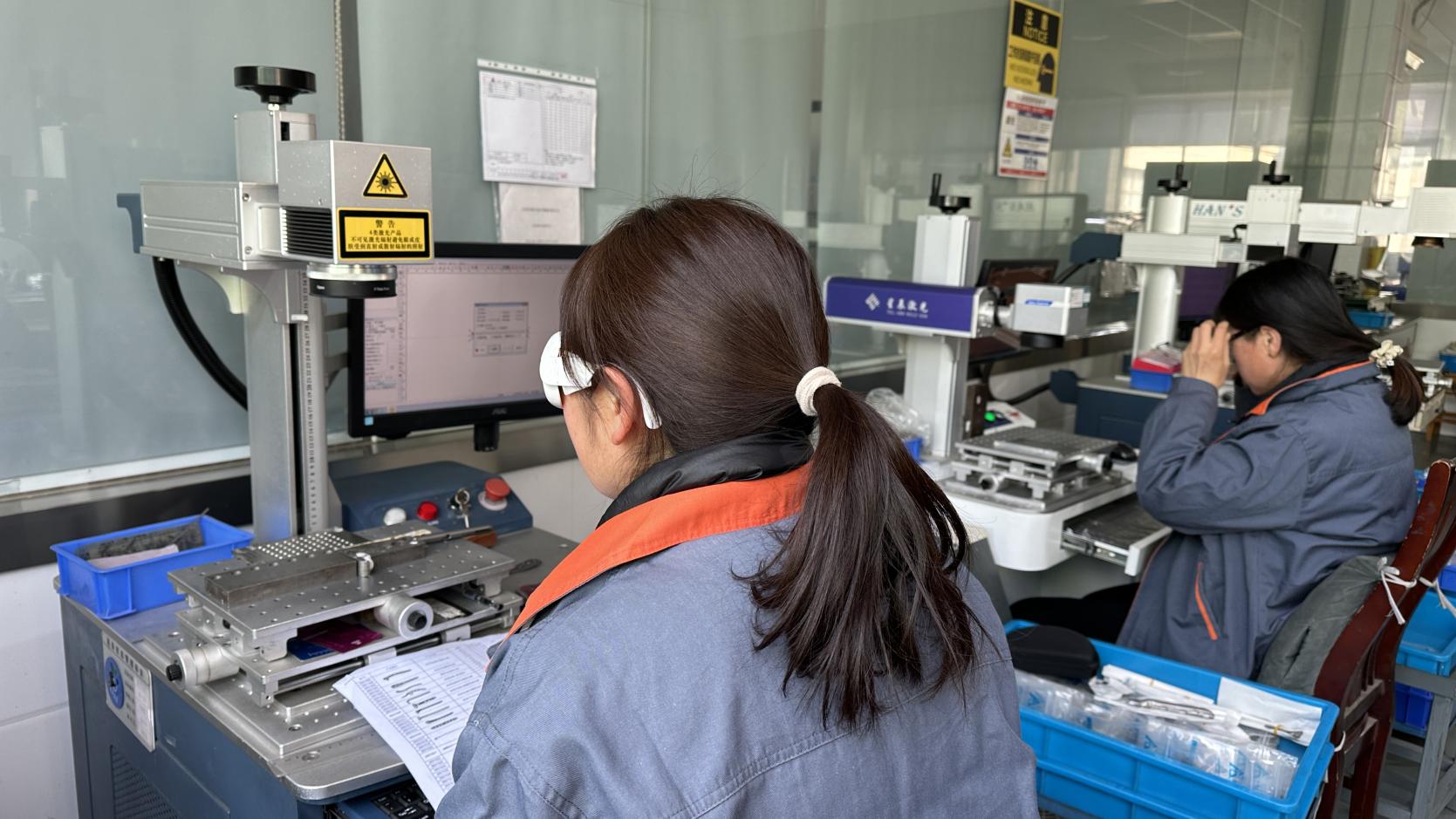
Laser Marking Machine
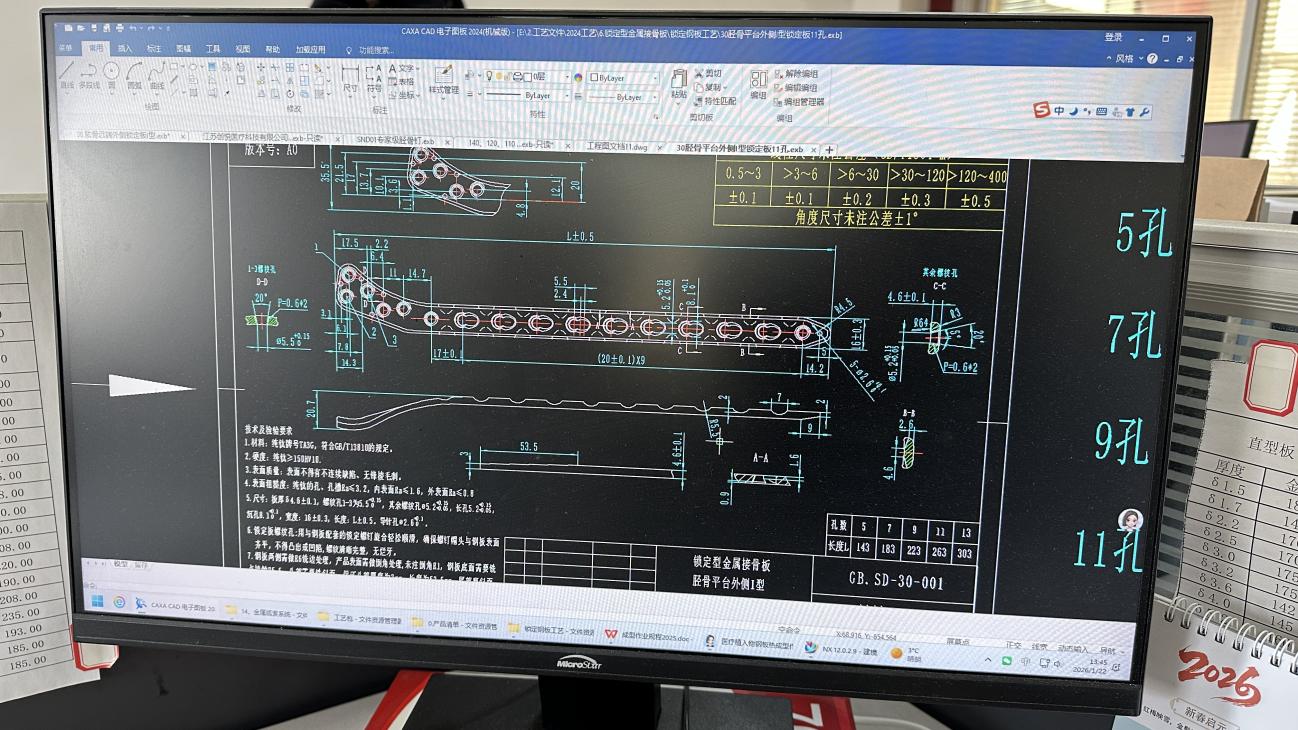
Sternal Plate CAD Design
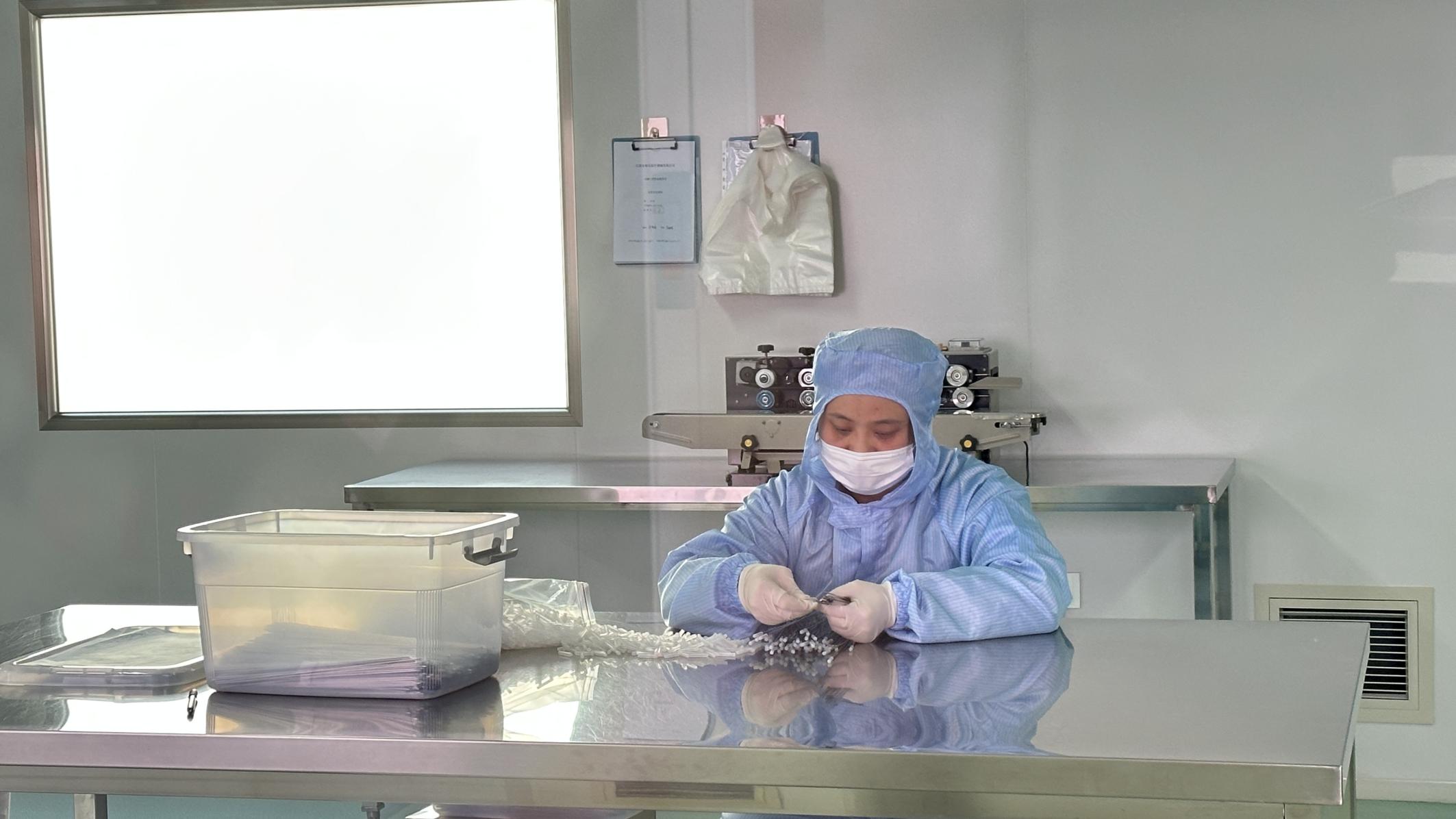
QC Quality Inspection
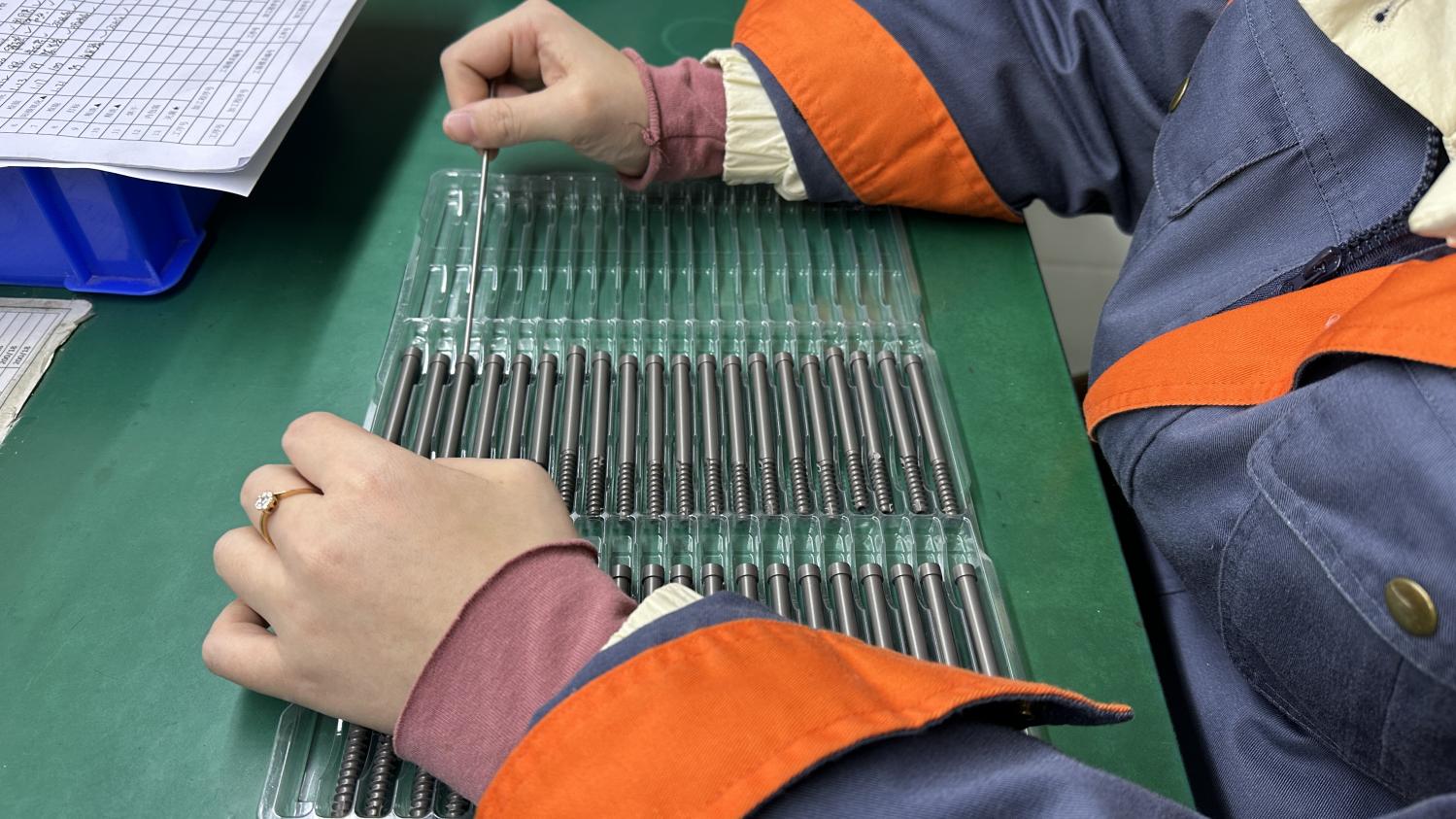
Microscopic Suture Anchor Check
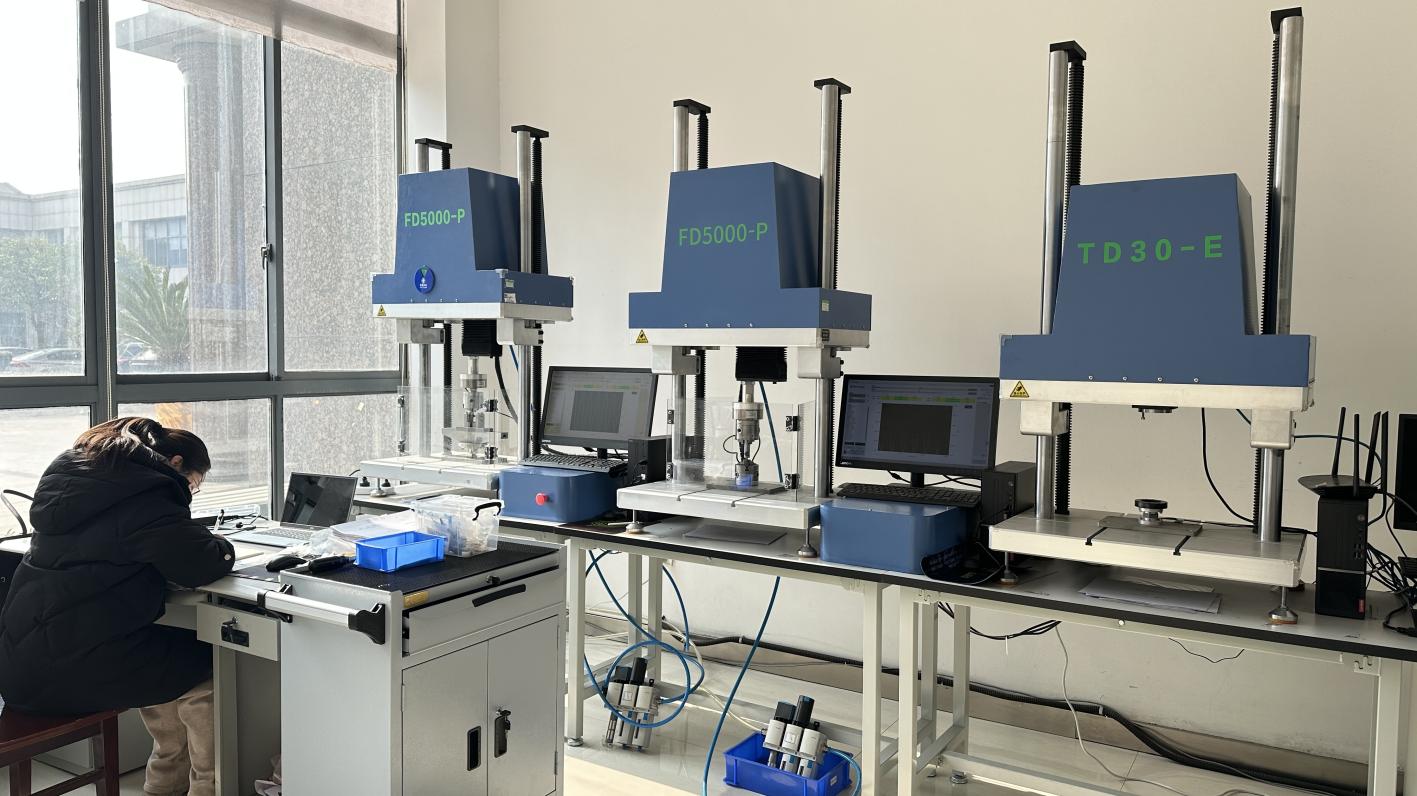
Biomechanical Fatigue Tester
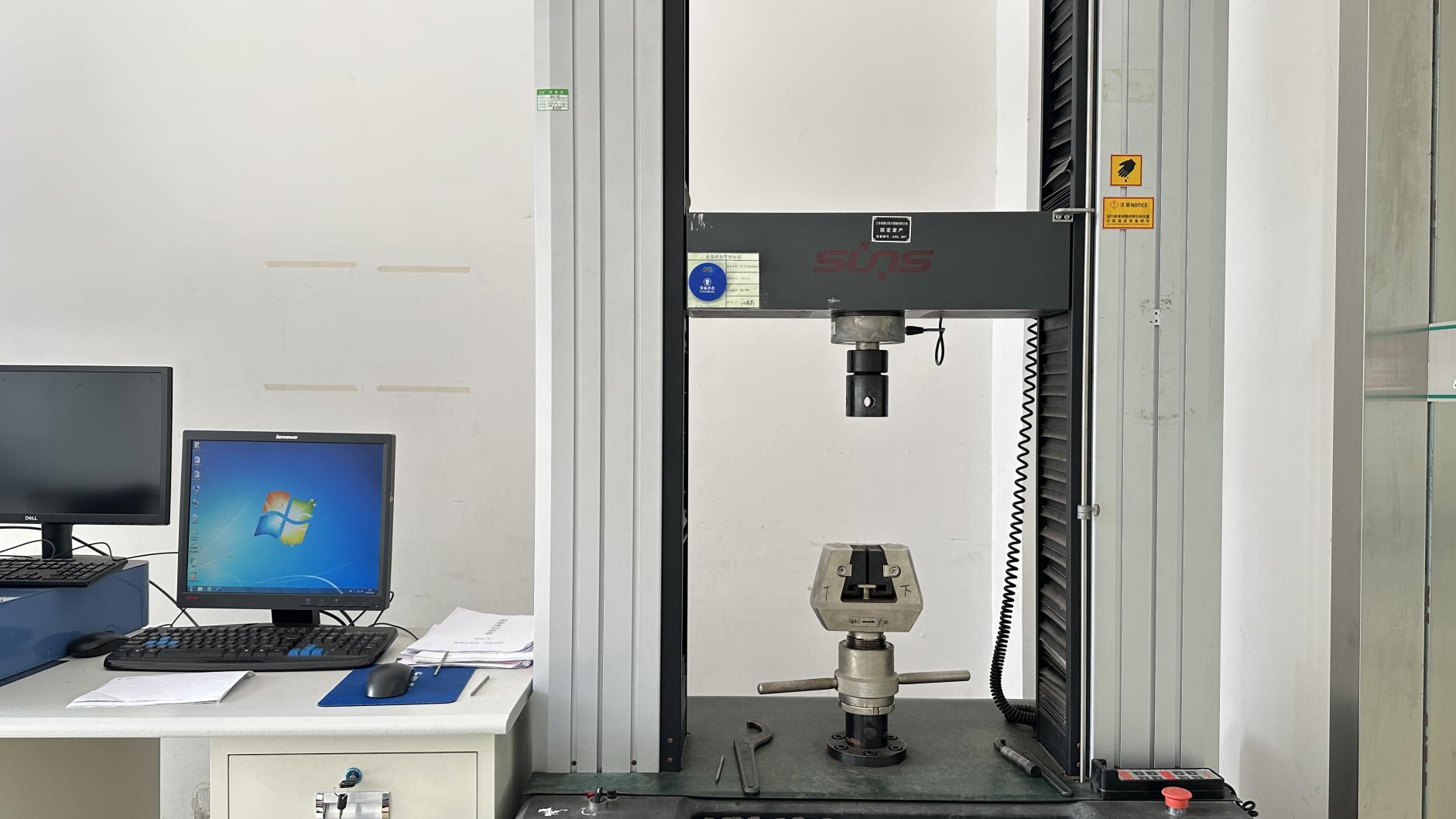
Plate Tensile Strength Tester
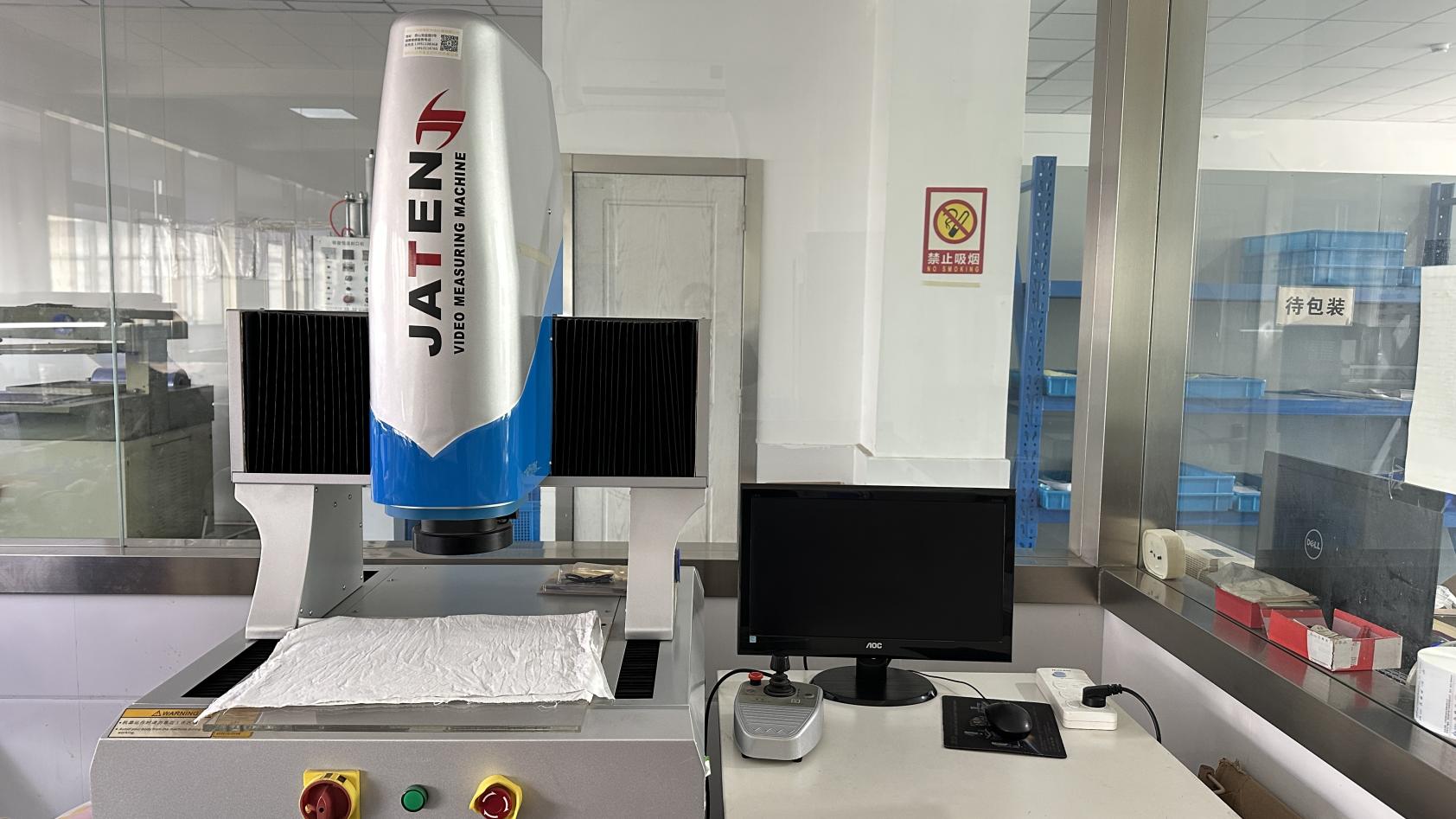
2D Optical Measurement
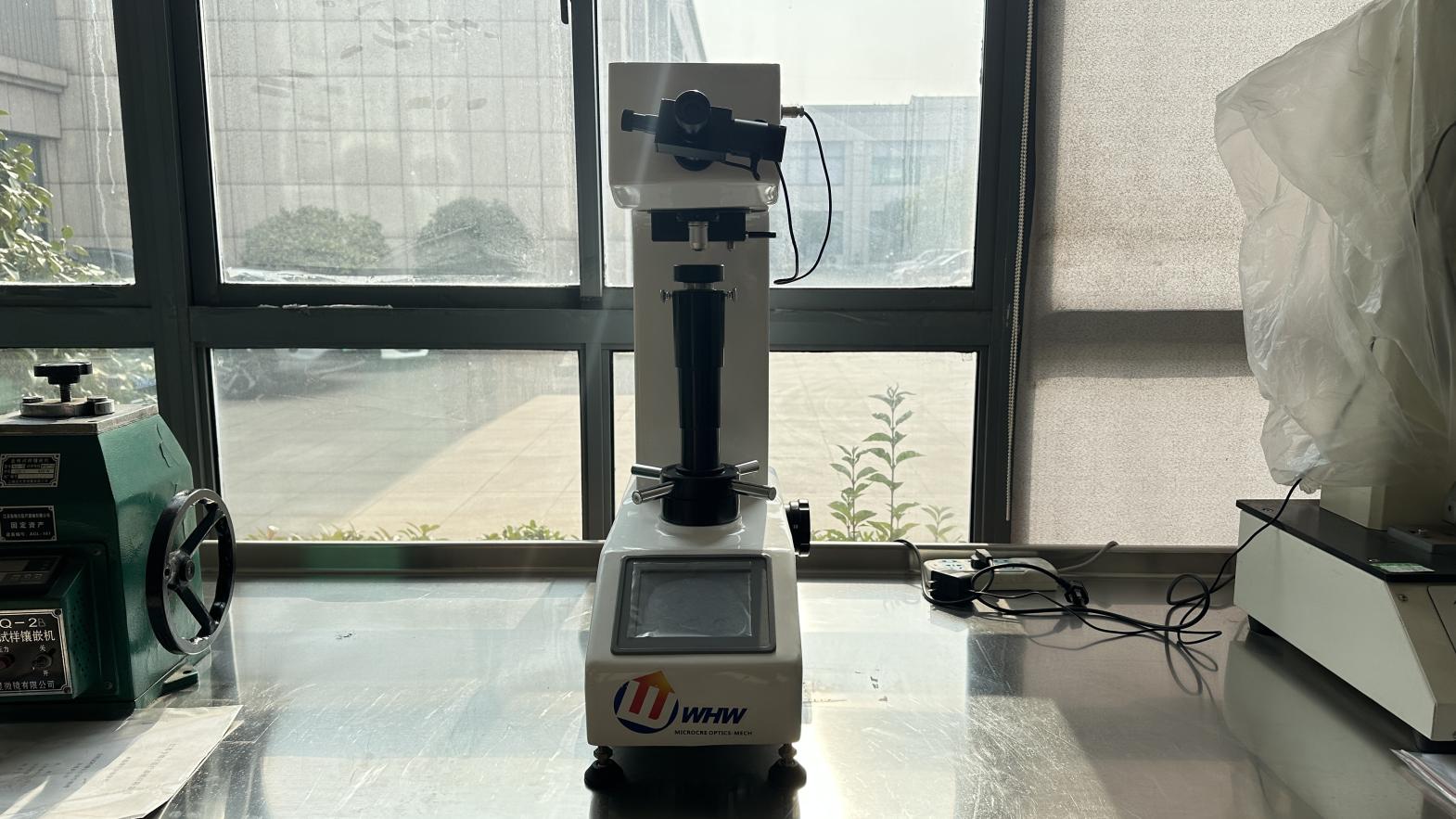
Material Hardness Tester
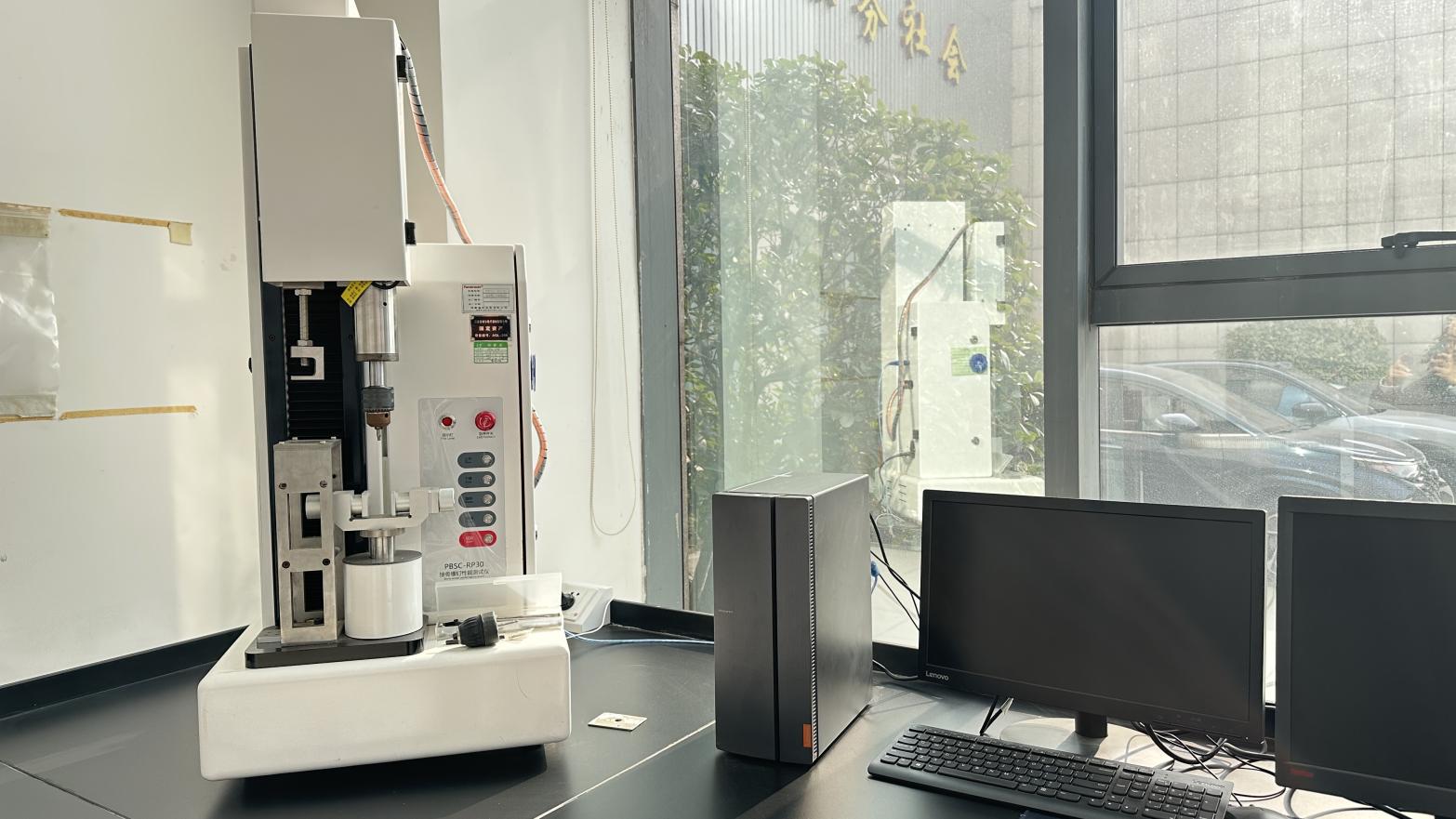
Bone Screw Performance Tester
How Virelox Sternal Fixation configurations match specific operational demands across Polish public and private hospital sectors.
Designed for typical sternotomy closures following CABG. Sternal plates are contoured directly to the sternal anatomy. Fixed via locking screws to achieve rapid primary bone union, shortening patient stay duration in Polish cardiac wards.
For cases where initial wire suture closure failed. Requires rigid bridge plates to span fragmented bone fragments, delivering lateral stability where direct bone contact is compromised.
Geriatric patients with low bone mineral density receive reinforced protection. Locking screw-plate constructs bypass rely-on bone density limits, locking mechanical stability directly into the plate system.
The transition from mechanical rigid splints to biologically active systems represents the next milestone in thoracic surgery. Modern materials research focuses on PEEK (Polyetheretherketone) implants, which offer a modulus of elasticity close to human cortical bone, reducing stress-shielding effects. In parallel, surface treatments such as titanium plasma spray (TPS) or hydroxyapatite (HA) coatings are being applied to plates to accelerate integration with the bone cortex.
Furthermore, minimally invasive cardiac surgeries (MICS) require specialized, low-profile instrumentation that allows precise screw insertion through smaller incisional windows. Virelox is actively researching flexible, contour-memory titanium formulations and modular rib-sternum bridging devices to address these clinical needs directly.
Ensuring full clinical options for joint reconstruction, trauma stabilization, and orthopedic revisions.
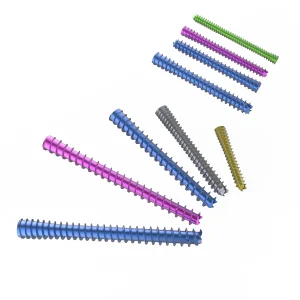
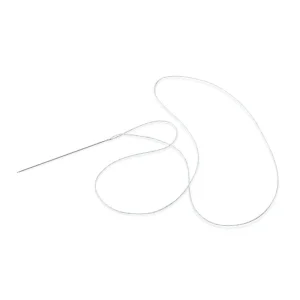
Guidance for distributors, surgical coordinators, and procurement directors in European and worldwide markets.
Procuring surgical implants requires strict adherence to international safety metrics. When auditing an orthopedic factory, procurement directors must evaluate the following pillars to ensure continuous supply chain operations and minimize liability:
Maintaining complete clinical options for reconstruction, trauma stabilization, and orthopedic revisions in Poland.
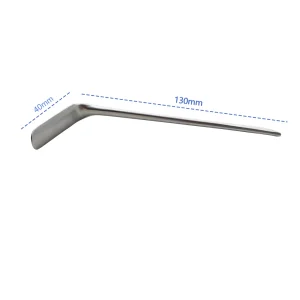
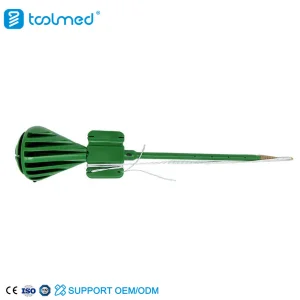
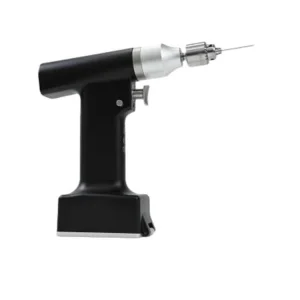
Key insights to address structural, regulatory, and mechanical questions about sternal fixation and orthopedic sourcing.
 Virelox