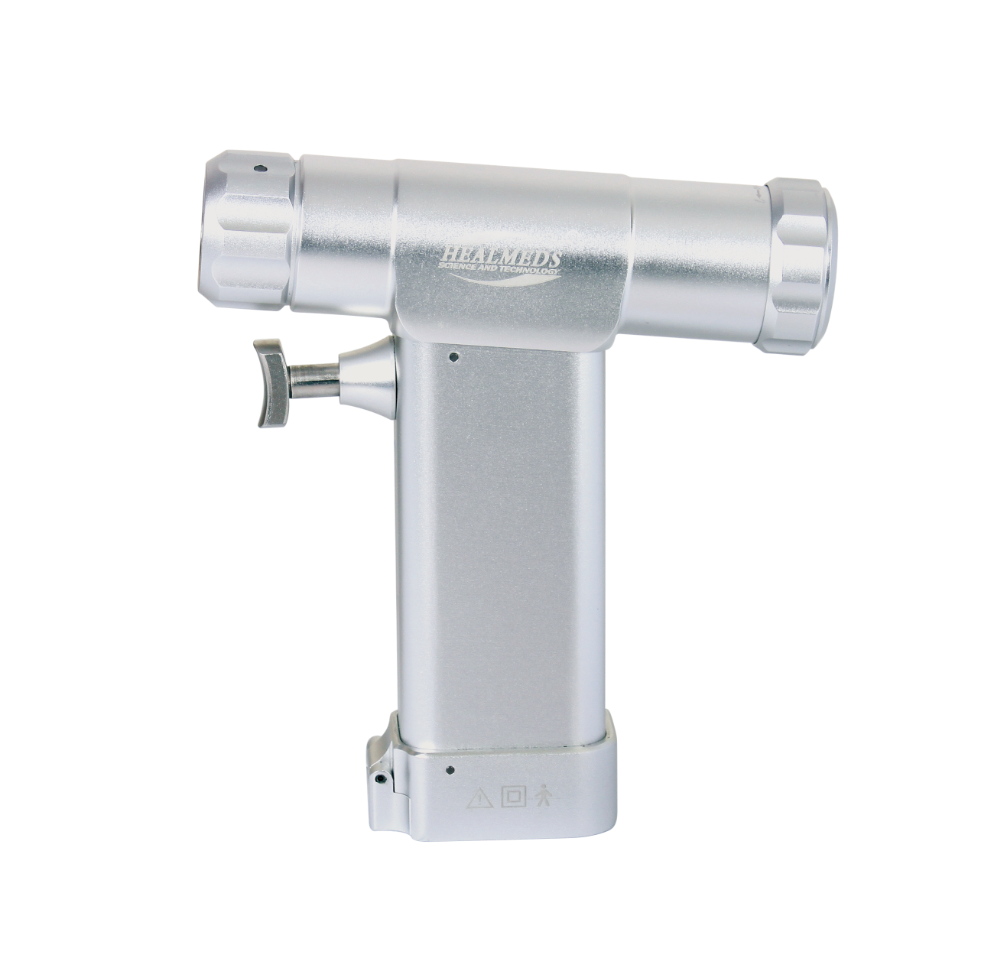
Mini Orthopedic Drill B100 Surgical Multifunctional Micro Bone Saw and Drill System with Stryker

Product Description

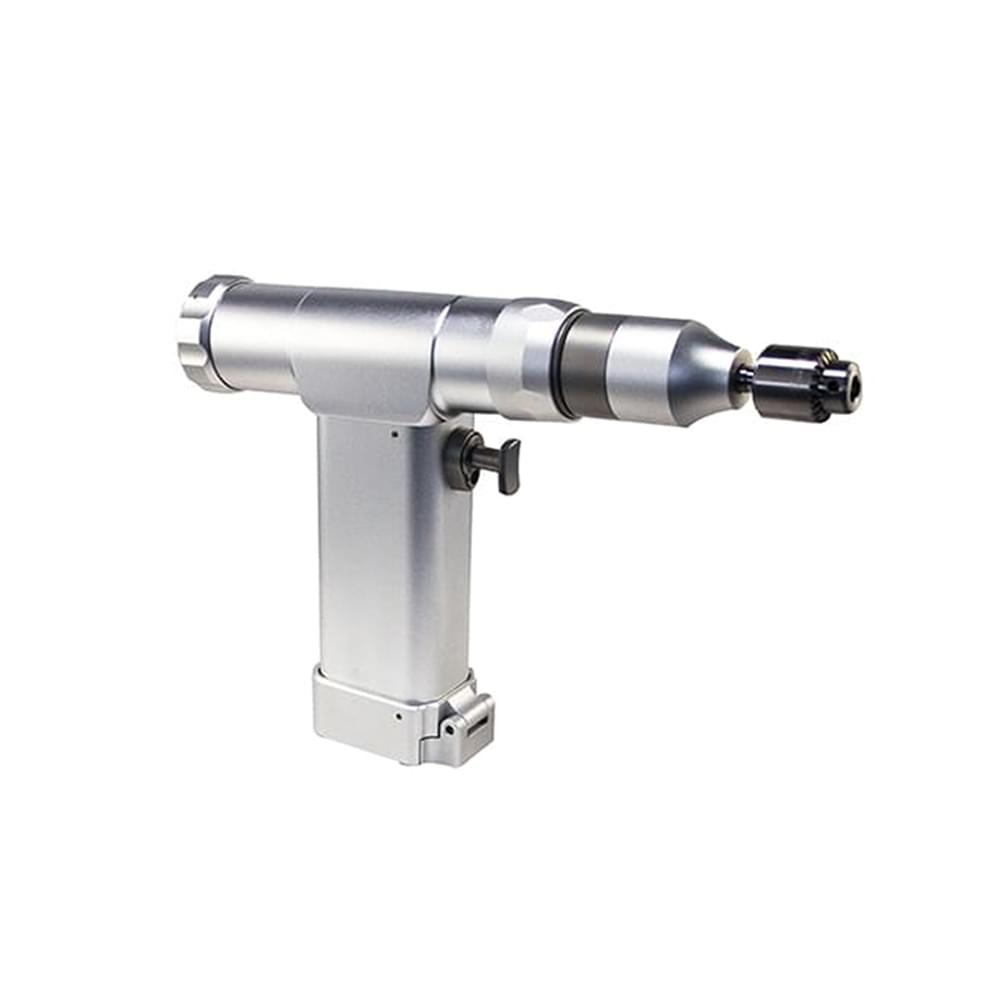
Multi Function Power Tools HAS-B100 for Veterinary
Parameter Data
Speed 0-1200rpm
Torque 2.9N.m
No-load Noise ≤45dB
Operation(V) voltage 7.2V
Sterilization temperature 155°
Radial circle run-out ≤0.1mm
Axial Movement ≤0.5mm
Chuck gripper diameter ≤4mm
Oscillations 0-16000cpm
Battery Capacity 1400mAh
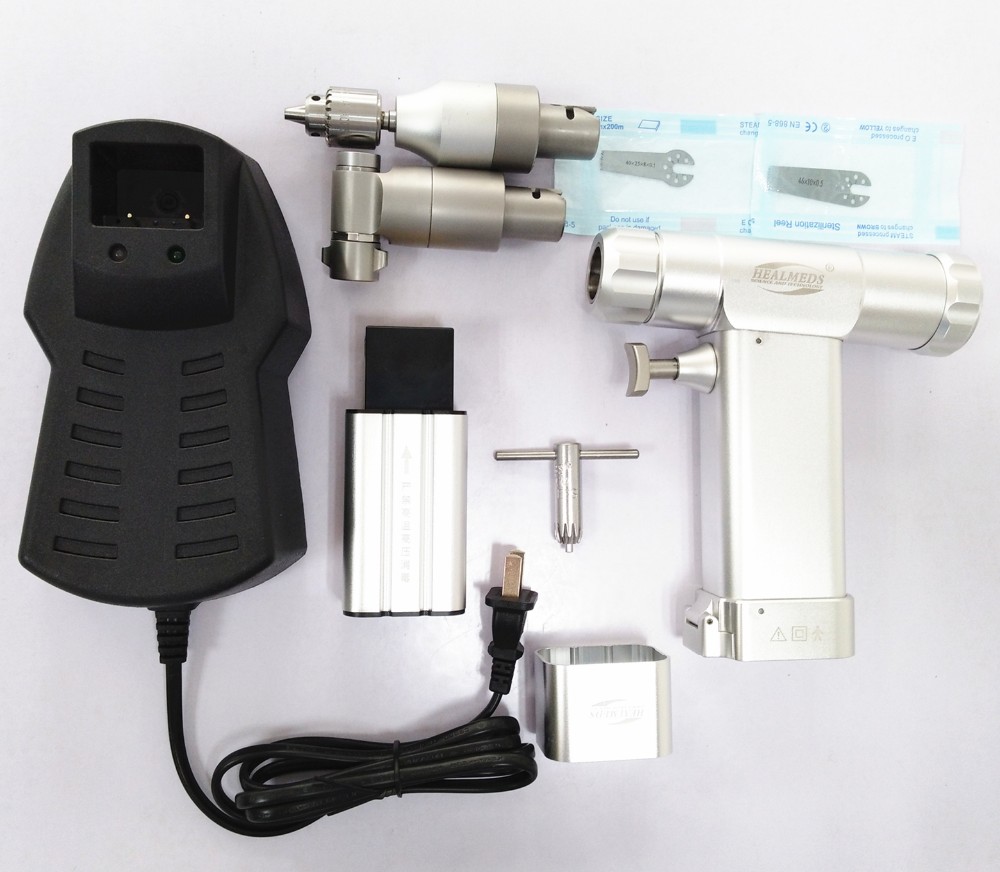
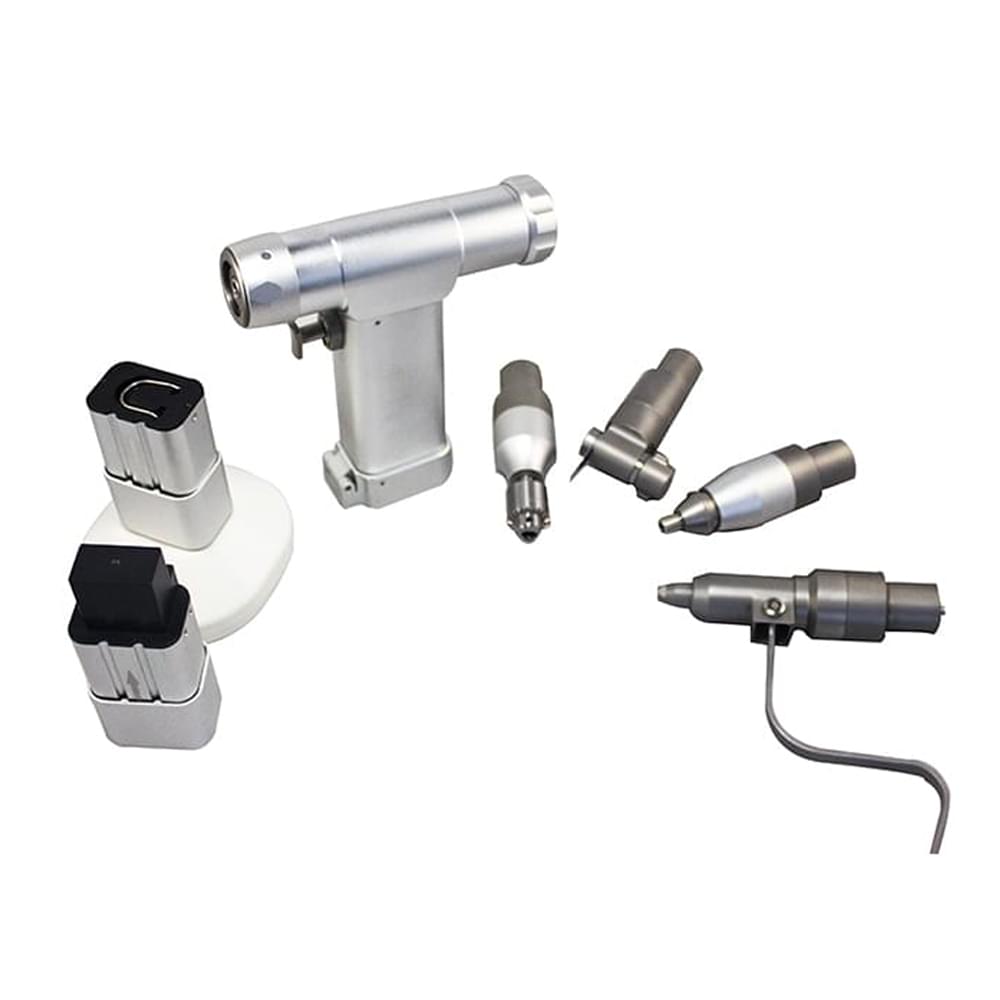
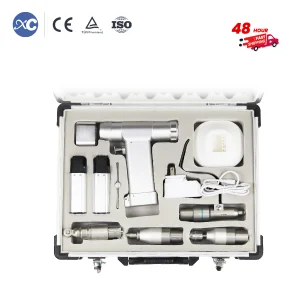
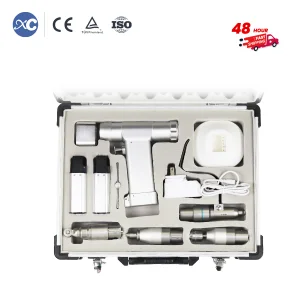
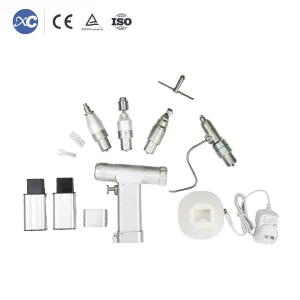
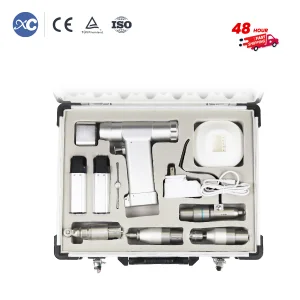
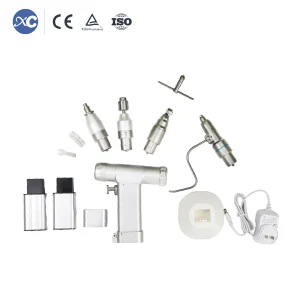
Standard Accessories Configuration
No. Accessory Qty. Note
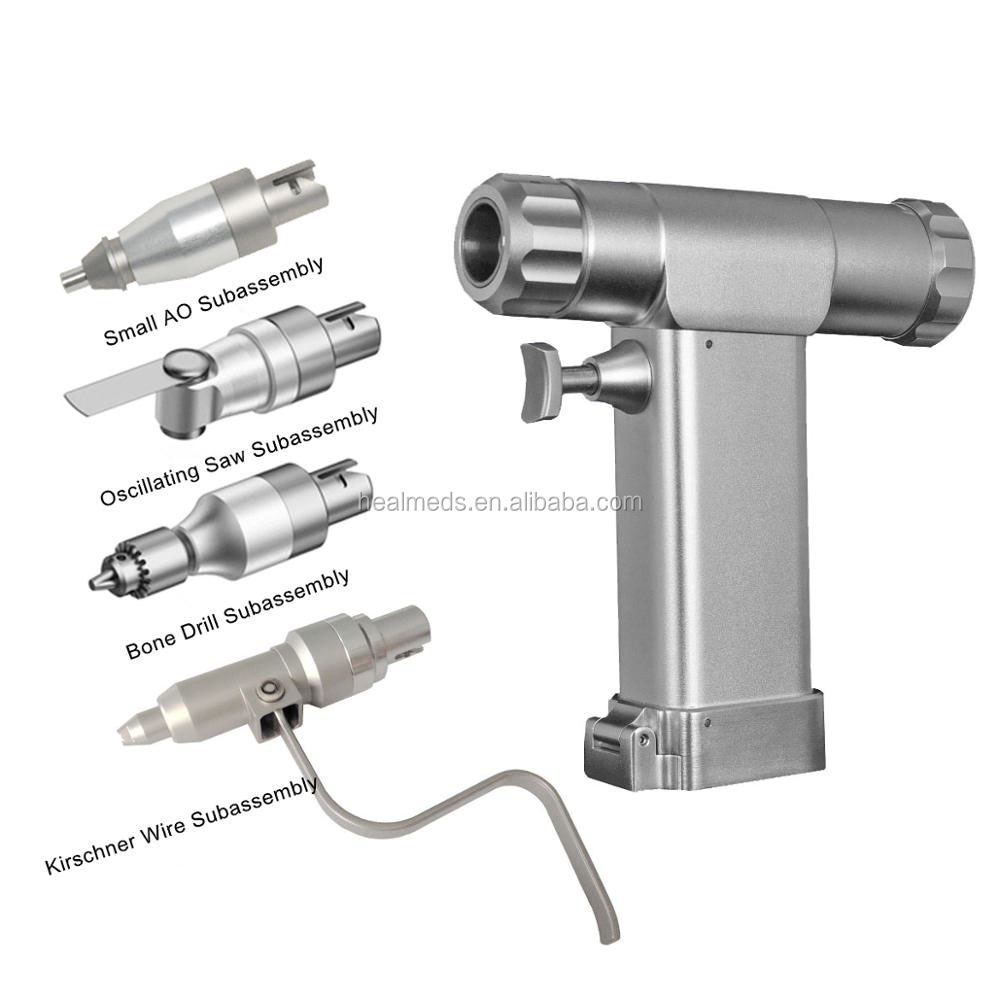
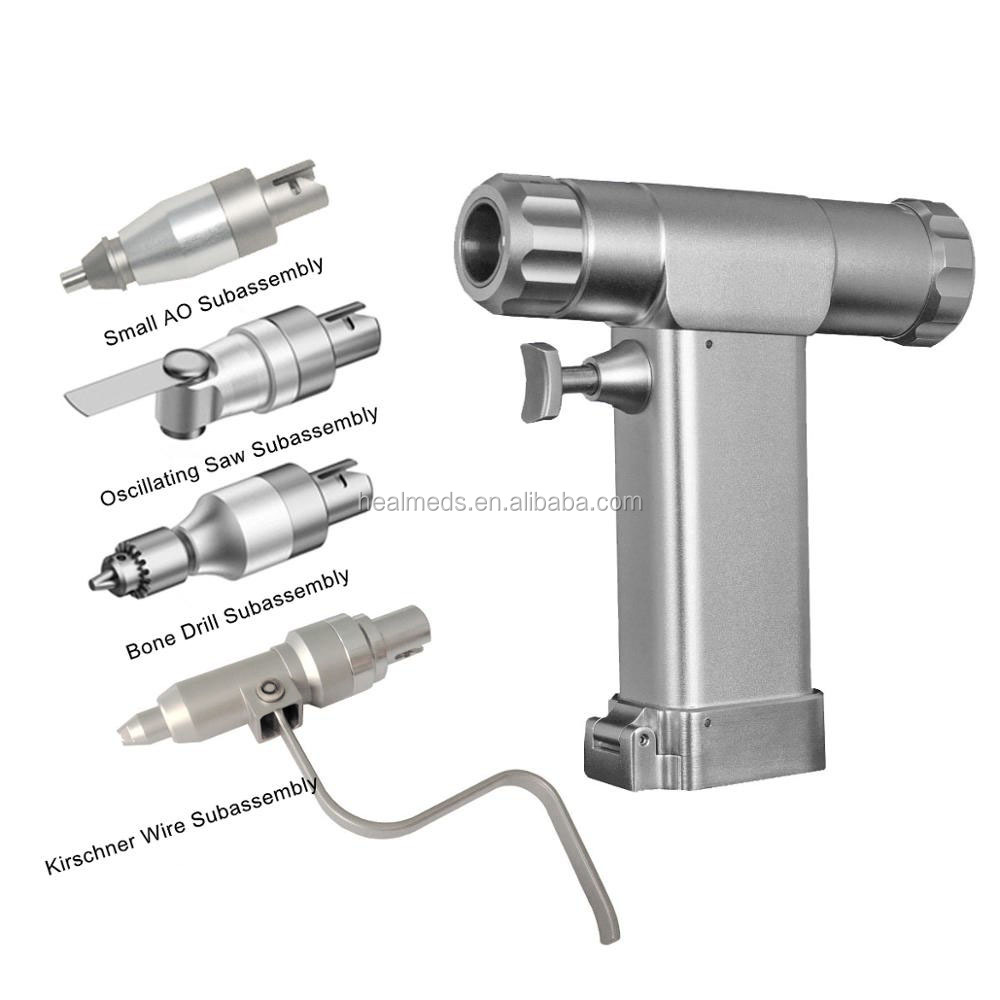
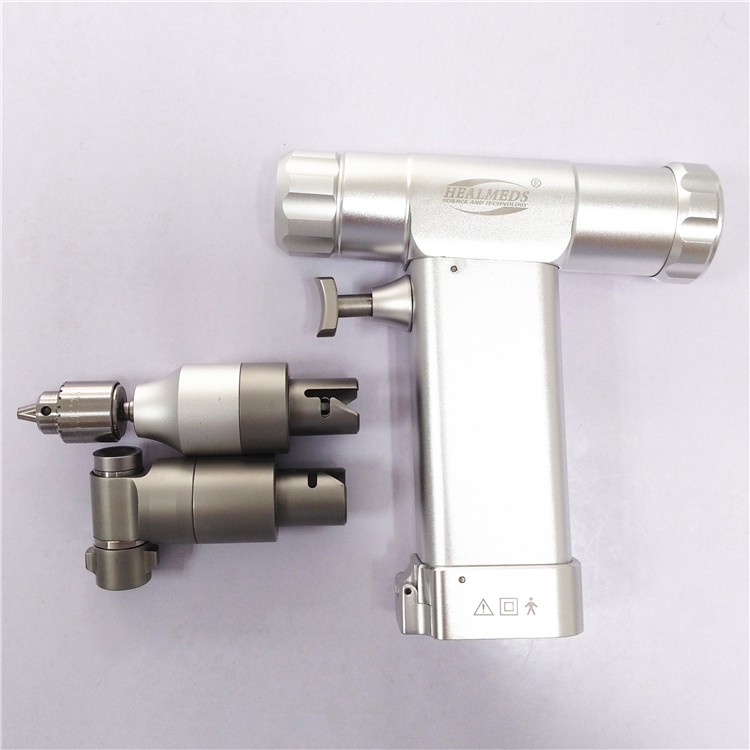
1 Handpiece 1 1.02kg, can be connected with several adapters, autoclavable up to 135°C
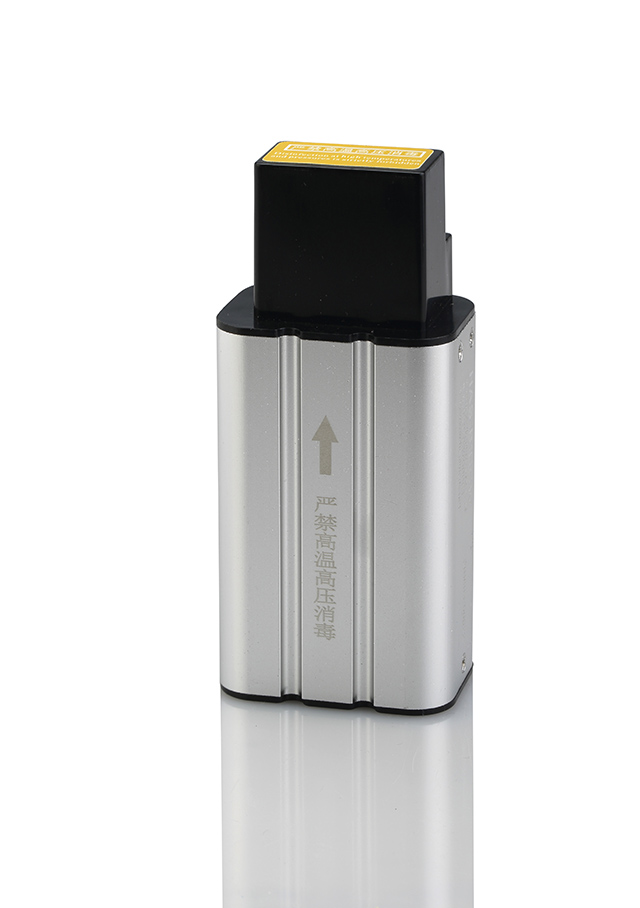
2 Battery 2 Could not be sterilized, could last for 30 minutes after fully charged
3 Charger 1 110-220V, match both European & American type
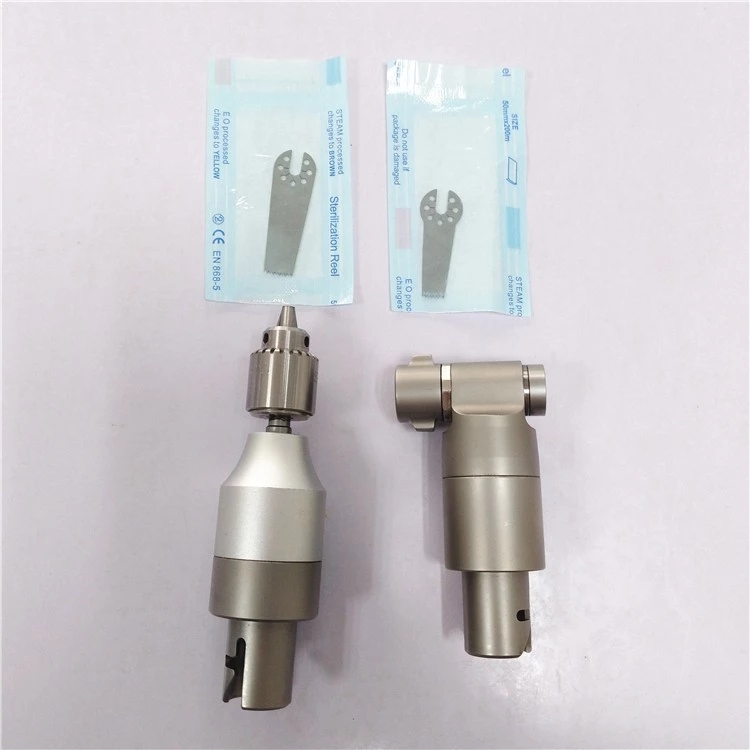
4 Drill chuck 1 Imported, high Coaxiality, suitable for trauma surgeries
5 Oscillating Saw 1 Used for joint surgeries
6 Blade 2 7 stars blades with optional sizes
7 Small AO 1 Trauma surgery for AO Type, it's for drilling holes and fixing the plates
8 K-Wire 1 Holding K-wire very conveniently
9 Sterilizing channel 1 Could be sterilized
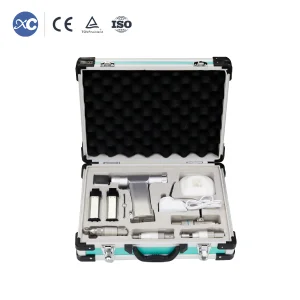
10 Aluminum case 1 445*270*150mm, Weight:6kg
*Please Note: Price range is just for reference. It depends on client's choices for attachments.
Product Display
Mini Orthopedic Drill B100 Surgical Multifunctional Micro Bone Saw and Drill System
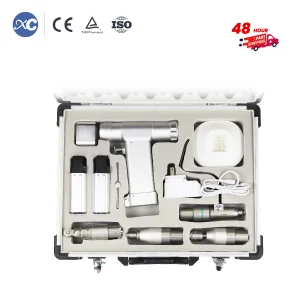
Mini Orthopedic Drill Accessories
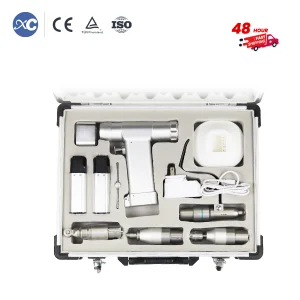
Veterinary Orthopedic Drill Kit
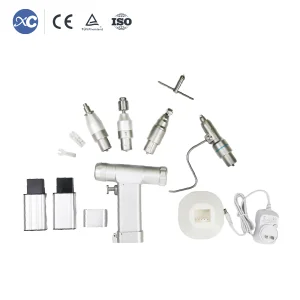
Multifunctional Orthopedic Drill System Components
Surgical Micro Bone Saw
Warranty & Service
Warranty for the whole machine is 1 year, for the motor is 2 years, and for the battery and other fast consumption items is 3 months.
IMPORTANT OPERATIONAL NOTES
  • Sterilize temperature ≤ 135 °C (Improved type ≤ 155 °C ). If the temperature exceeds 135 °C, the motor could be damaged.
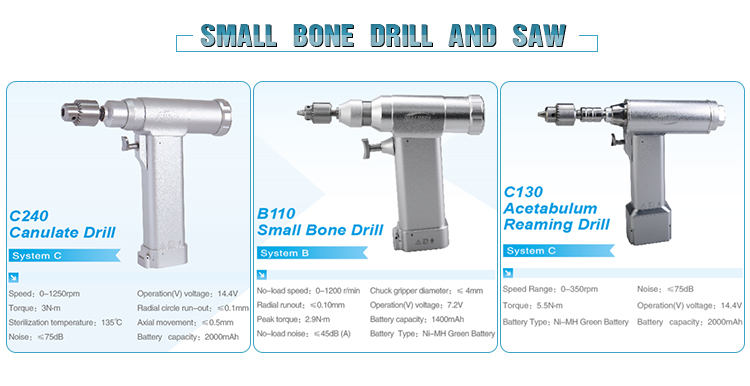
  • Normal bone drill can only hold drill bits less than 6mm. Acetabulum reaming drill with big torque operates at around 300 rpm, and canulate drill used with nail or K wire operates at around 600 rpm.
  • The battery needs to be removed from the power tool after surgery. Otherwise, the small automatic discharge will shorten the battery lifespan.
  • The battery cannot be sterilized and is not autoclavable.
  • The cranial bur must be washed immediately after the surgery by purger in order to avoid blood sticking in the bur. Make sure it stays dry.
  • The battery space in the handpiece of the tool should not contain any water after sterilization.
  • The cranial bur blade is made of medical stainless steel. To avoid breakage, it is flexible and not extremely hard. It is easy to wear down; we suggest using each blade for only 1 surgery.
Related Products
Related Orthopedic Products
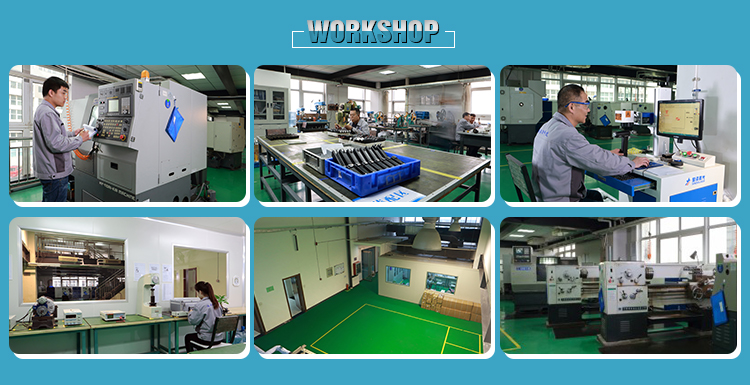
Manufacturing Facility
Production Workshop
Precision Machining
Quality Control Inspection
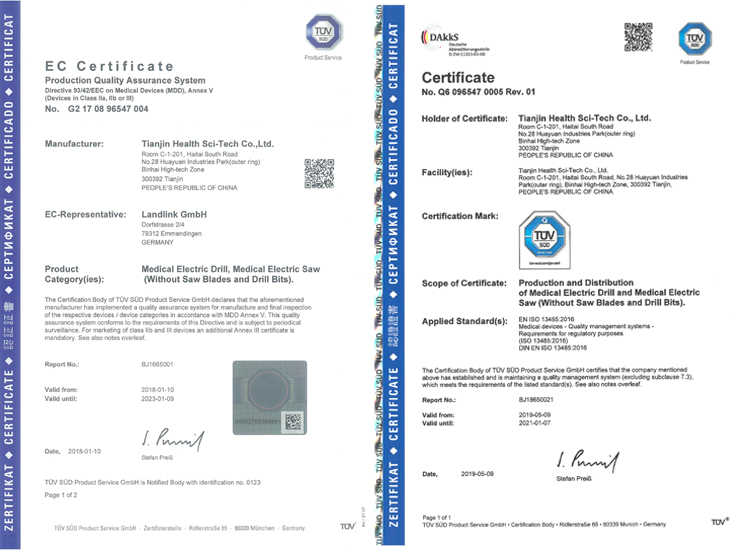
Certifications
Quality Standard Certificate
Product Registration Certificate
Compliance Certification
Patent Certification Document
Packaging & Shipping
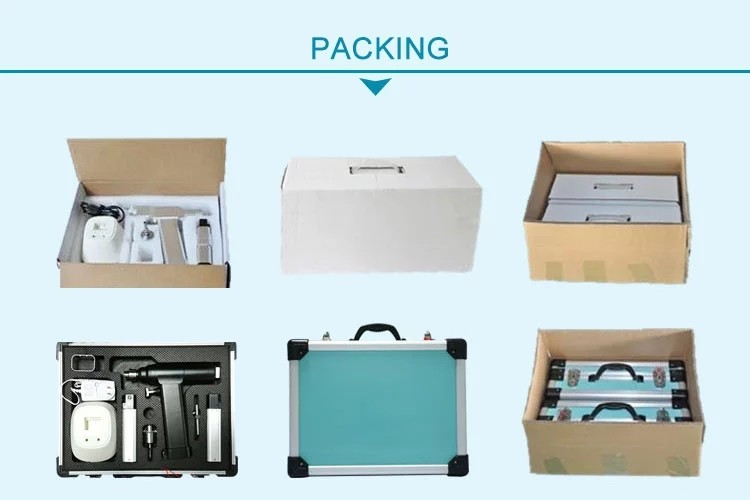
Safe Aluminum Packaging Case
Surgical Case Interior Structure
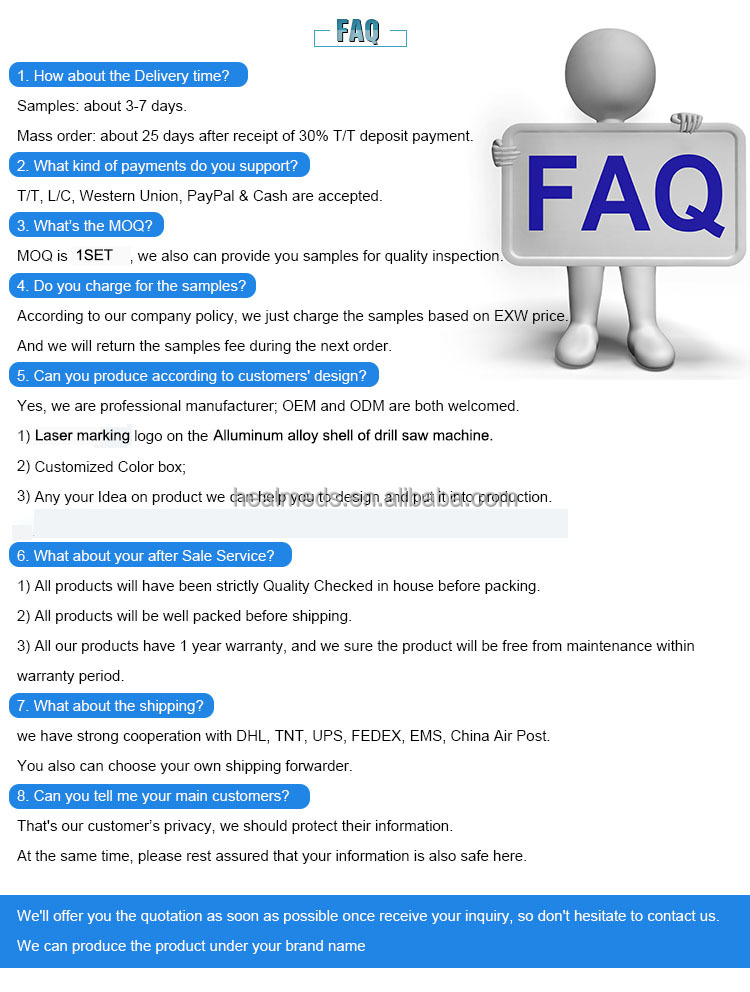
Frequently Asked Questions
FAQ Reference Information

What is the warranty period for the HAS-B100 veterinary power tools?

The warranty is 1 year for the whole machine, 2 years for the motor, and 3 months for the battery and other fast-consumption items.

Can the batteries be autoclaved or sterilized?

No, the batteries cannot be sterilized and are not autoclavable. Please ensure the battery is removed from the handpiece before sterilization.

What is the maximum sterilization temperature for the tool?

The standard sterilization temperature should be ≤ 135 °C. For the improved type, it can handle up to ≤ 155 °C. Exceeding these limits may damage the motor.

How long does a fully charged battery last during surgical procedures?

A fully charged battery can last up to 30 minutes of continuous operation. We suggest keeping the secondary battery charged for longer surgeries.

What types of drills and speed settings does this system support?

The normal bone drill holds bits ≤ 6mm (0-1200 rpm). The acetabulum reaming drill provides big torque at ~300 rpm, and the cannulated drill operates at ~600 rpm for nails and K-wires.

How should the cranial bur and blades be maintained post-operation?

The cranial bur must be washed immediately after surgery using a purger to avoid blood drying inside. Blades are flexible and recommended for single-use (1 surgery) to avoid breakage.
Related Products