An analysis of clinical demands, structural innovations, and regional supply networks in Massachusetts
Boston, Massachusetts stands globally recognized as a premier life sciences and biomedical epicenter. Powered by legendary academic foundations like Harvard Medical School, MIT, and world-class healthcare centers like Massachusetts General Hospital and Brigham and Women’s Hospital, the local market exhibits strict requirements for implants used in cardiothoracic surgery. Sternal closure technologies have shifted from traditional wire cerclages toward advanced sternal fixation systems designed to prevent complications, decrease post-operative pain, and accelerate bone healing.
For global exporters and medical device procurement teams, aligning with the Boston market means matching the strict evaluation protocols of the region’s key healthcare systems. The focus has moved past cost alone to embrace biocompatibility, mechanical stability under shear stress, and procedural ease-of-use. High-precision manufacturing partners are required to provide complete validation and documented traceablity across all stages of production.
Immediate access to clinical-grade systems engineered for high-performance surgical applications
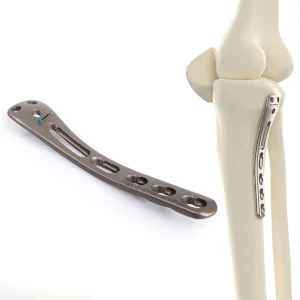
Virelox Medical Devices Co., Ltd. — Your trusted partner in high-performance orthopedic systems
Virelox Medical Devices Co., Ltd. is a professional orthopedic medical device manufacturer specializing in joint replacement and surgical implant solutions. The company operates under the brand “Virelox” and is committed to delivering high-performance orthopedic systems for global healthcare providers.
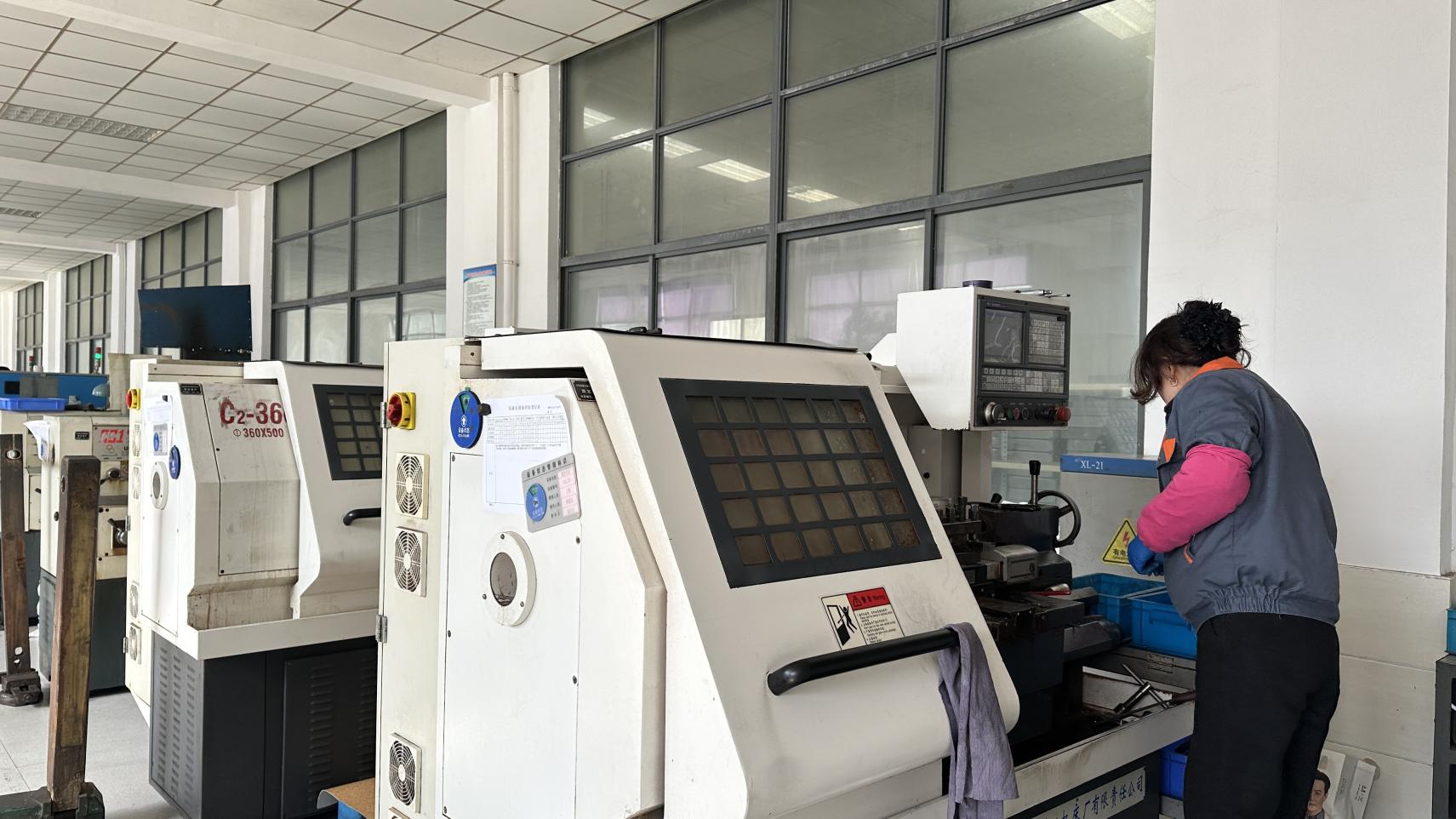
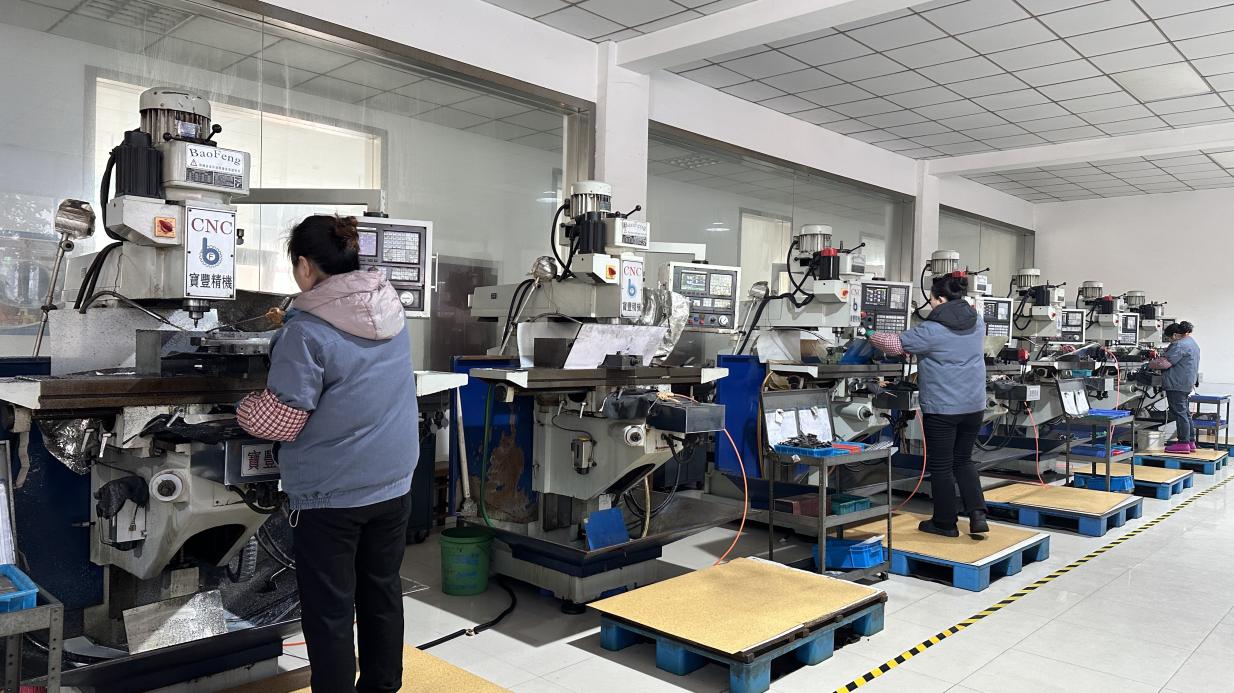
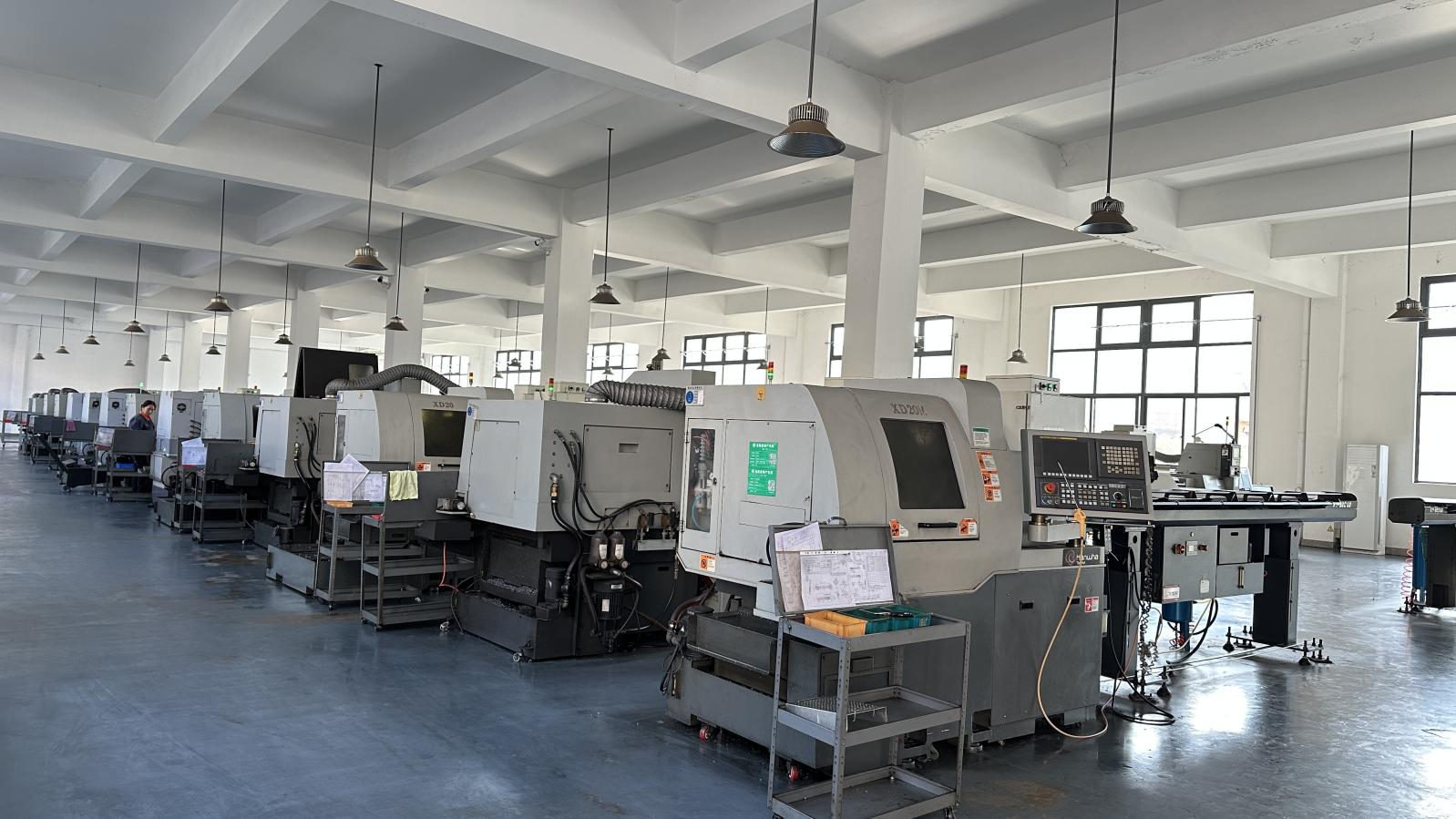
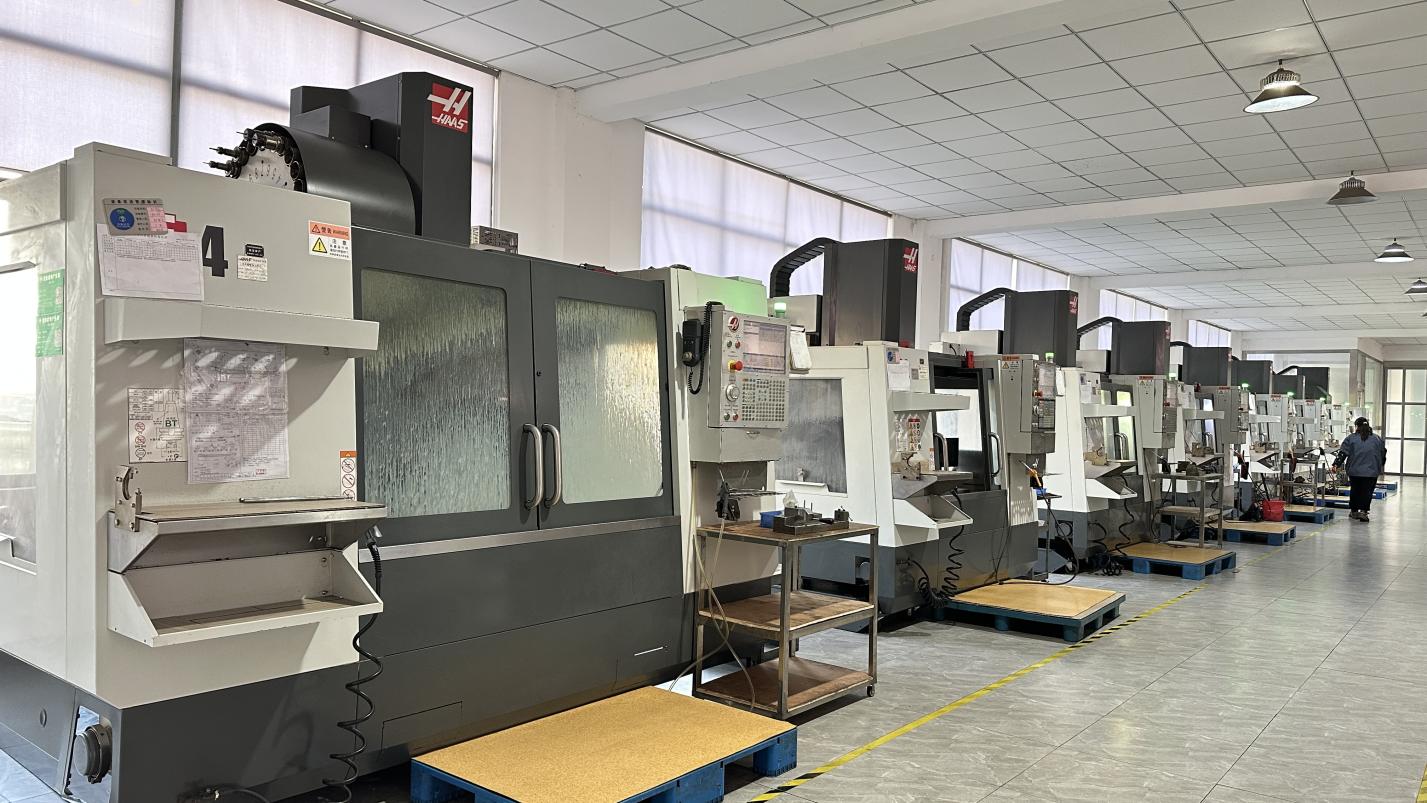
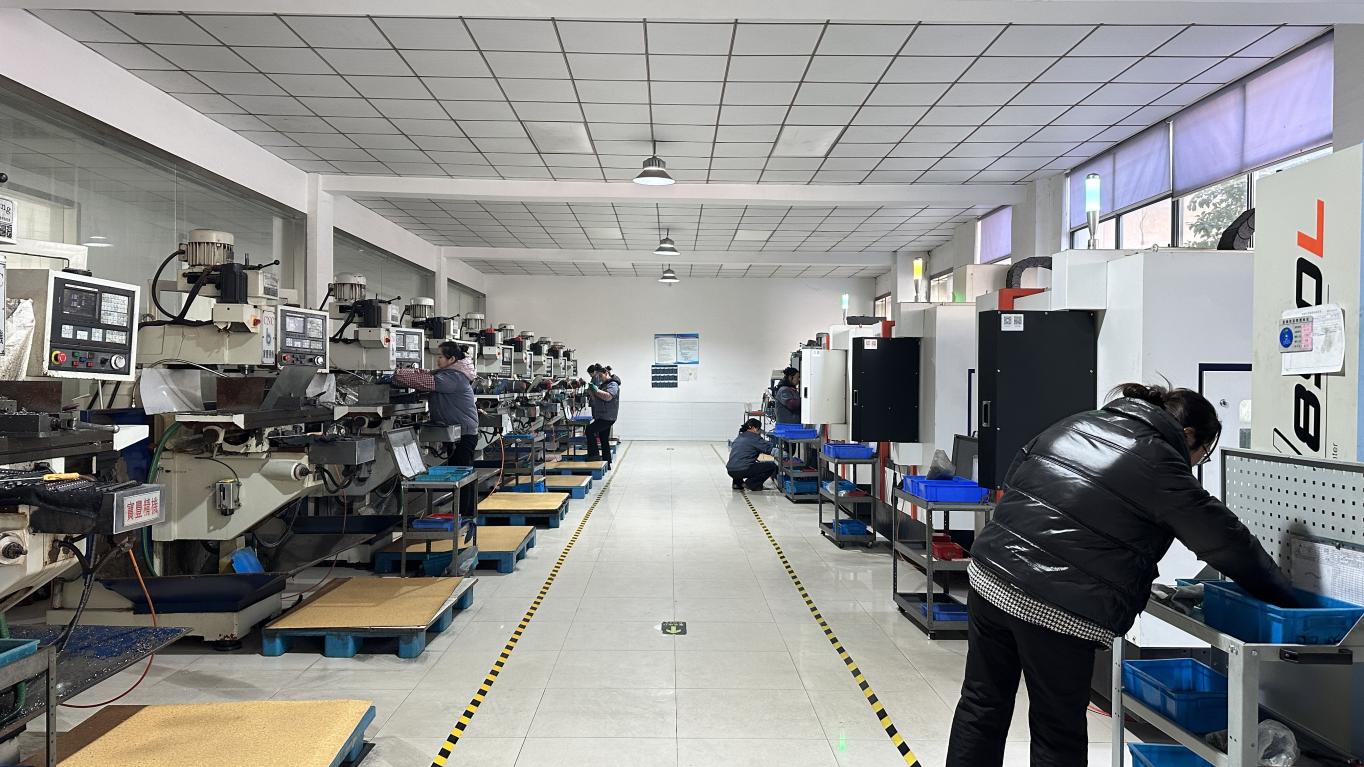
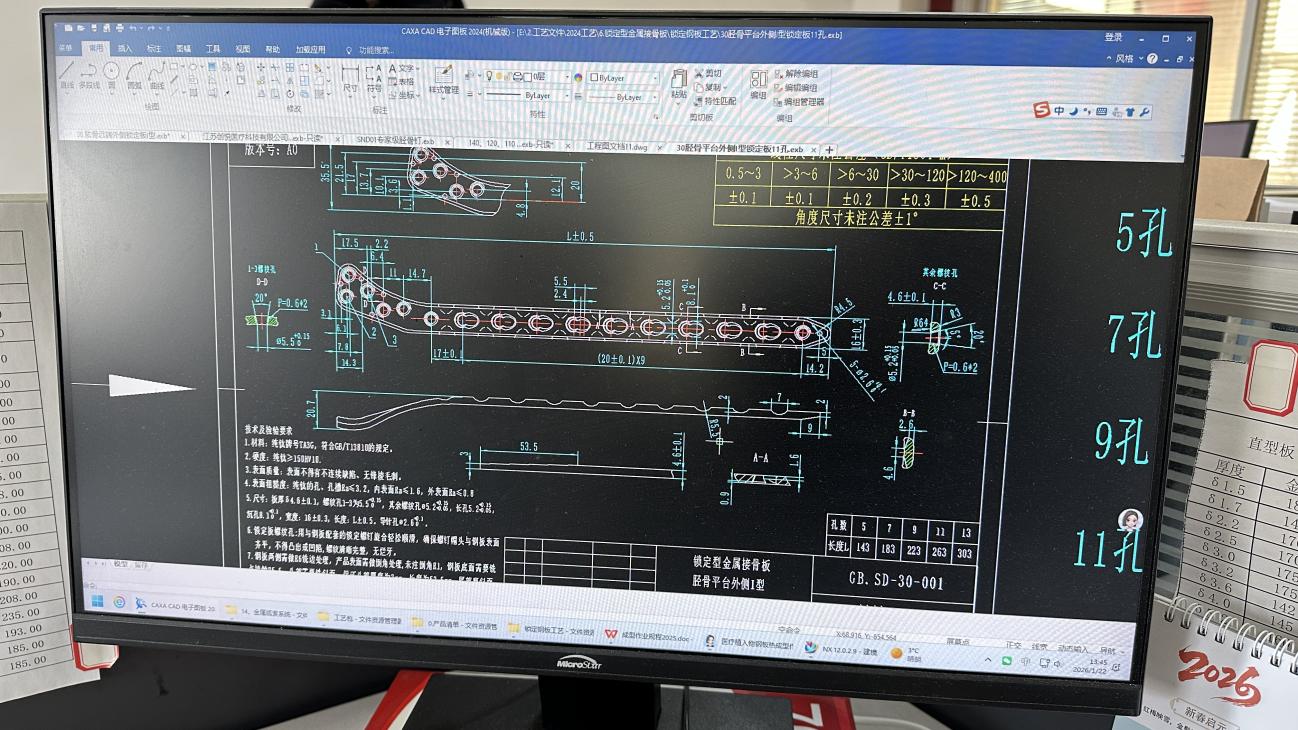
Equipped with a modern R&D center featuring advanced biomechanical simulation systems, rapid prototyping, and sophisticated implant design tools, we serve our clients through specialized OEM/ODM options. We can customize implant dimensions, geometry, and screw thread profiles to match the specific clinical needs of surgeons in regional hospitals. Last year alone, we developed and launched 120 new products across our orthopedic and spinal portfolios.
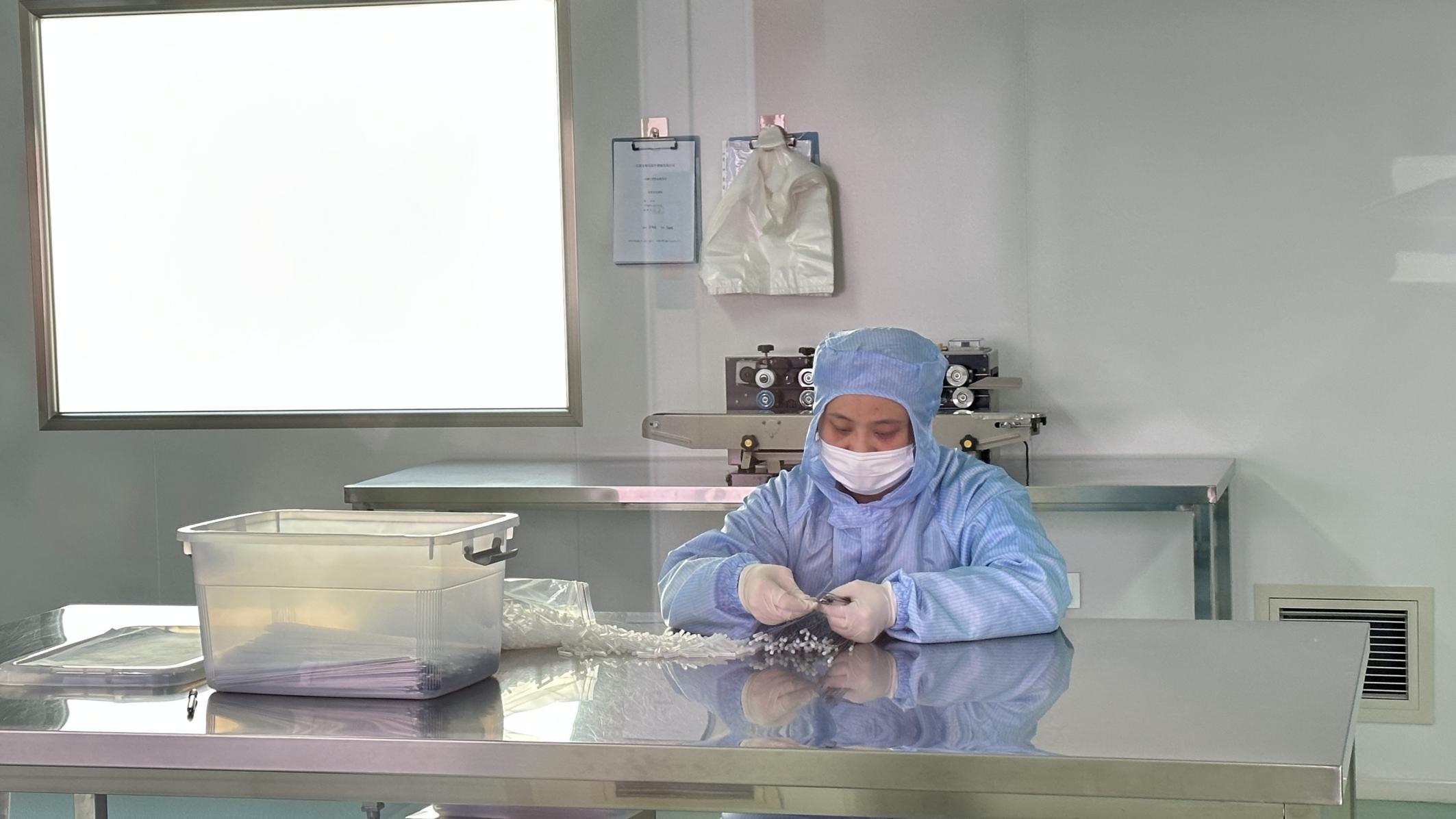
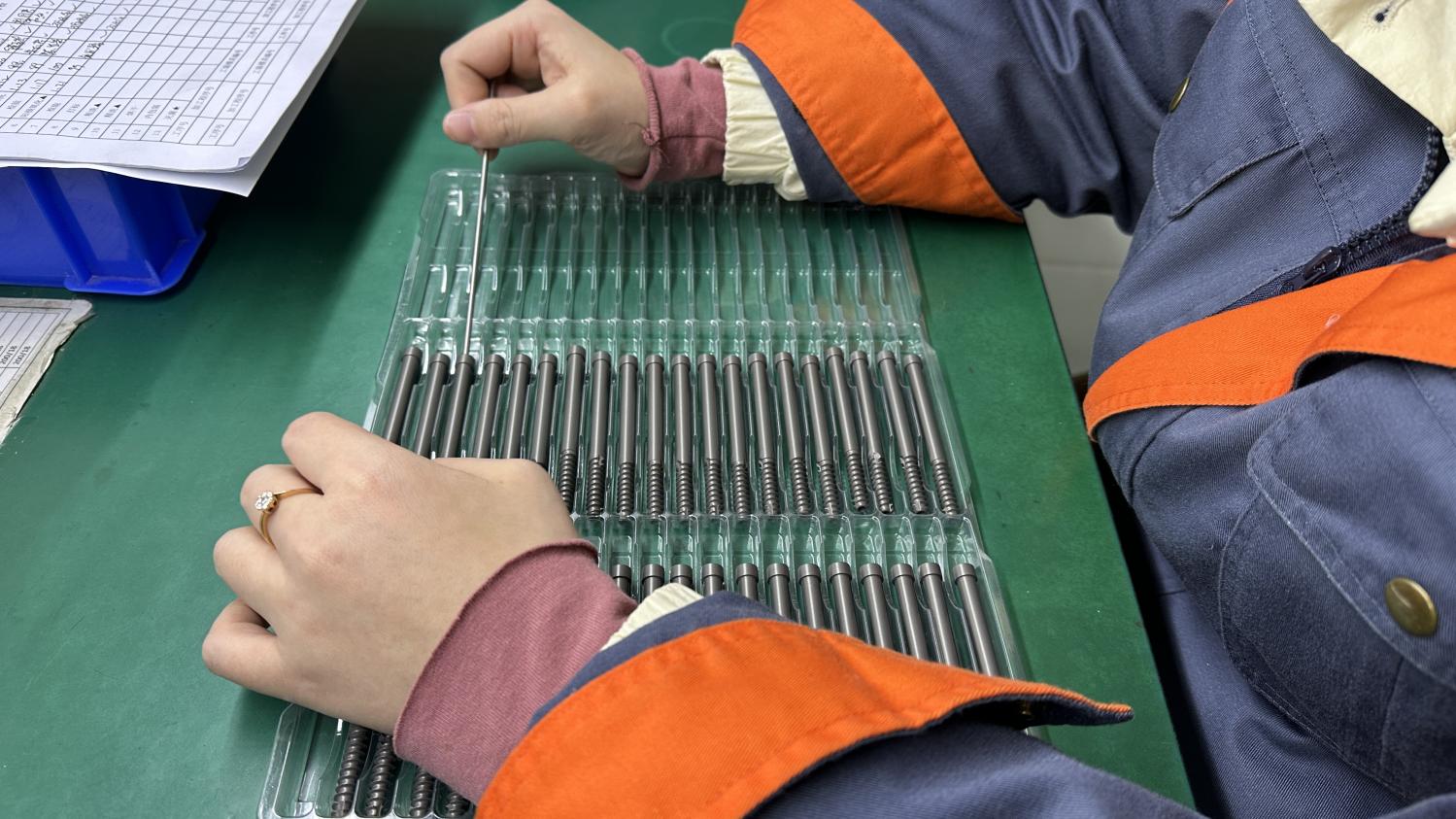
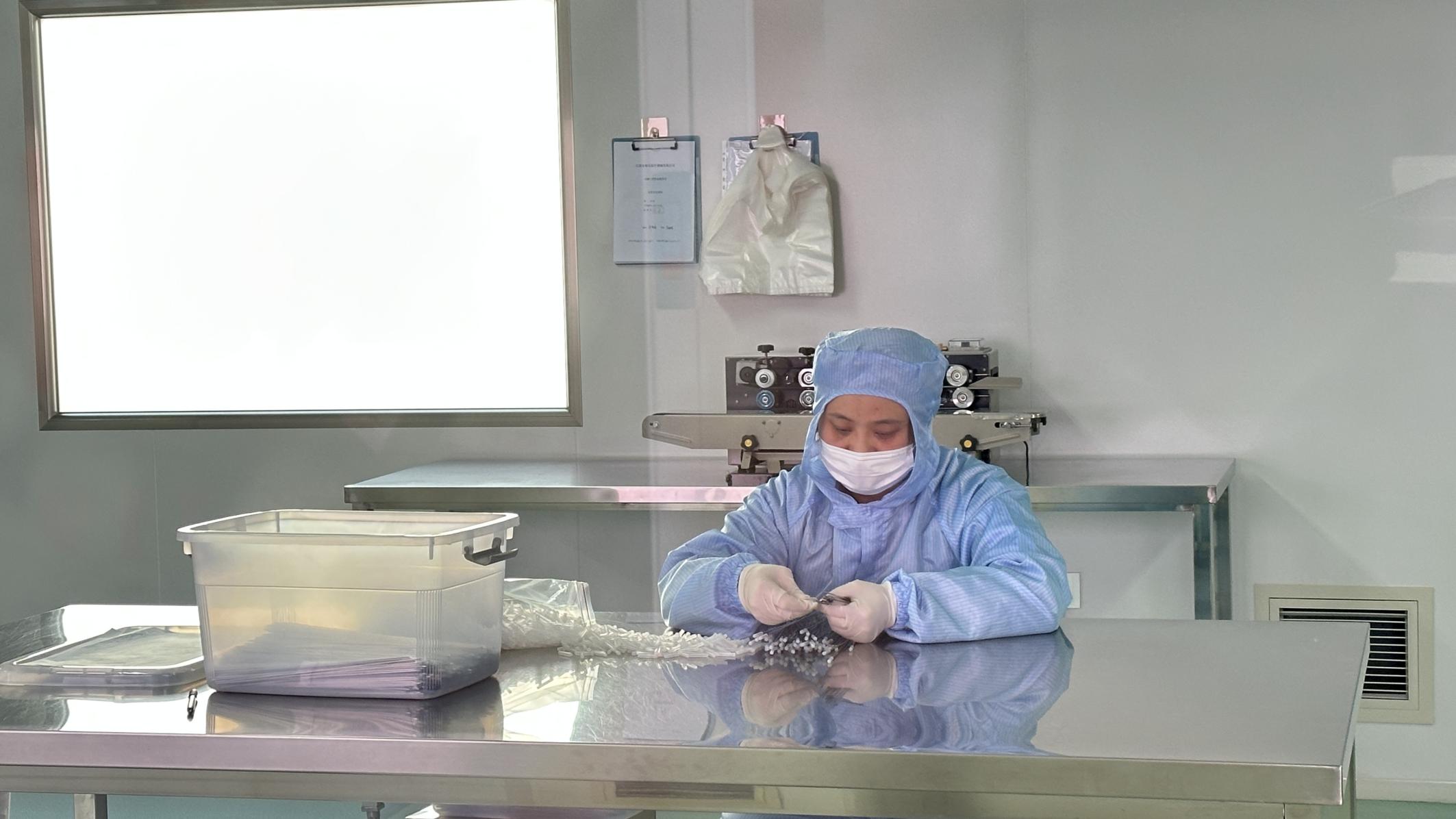
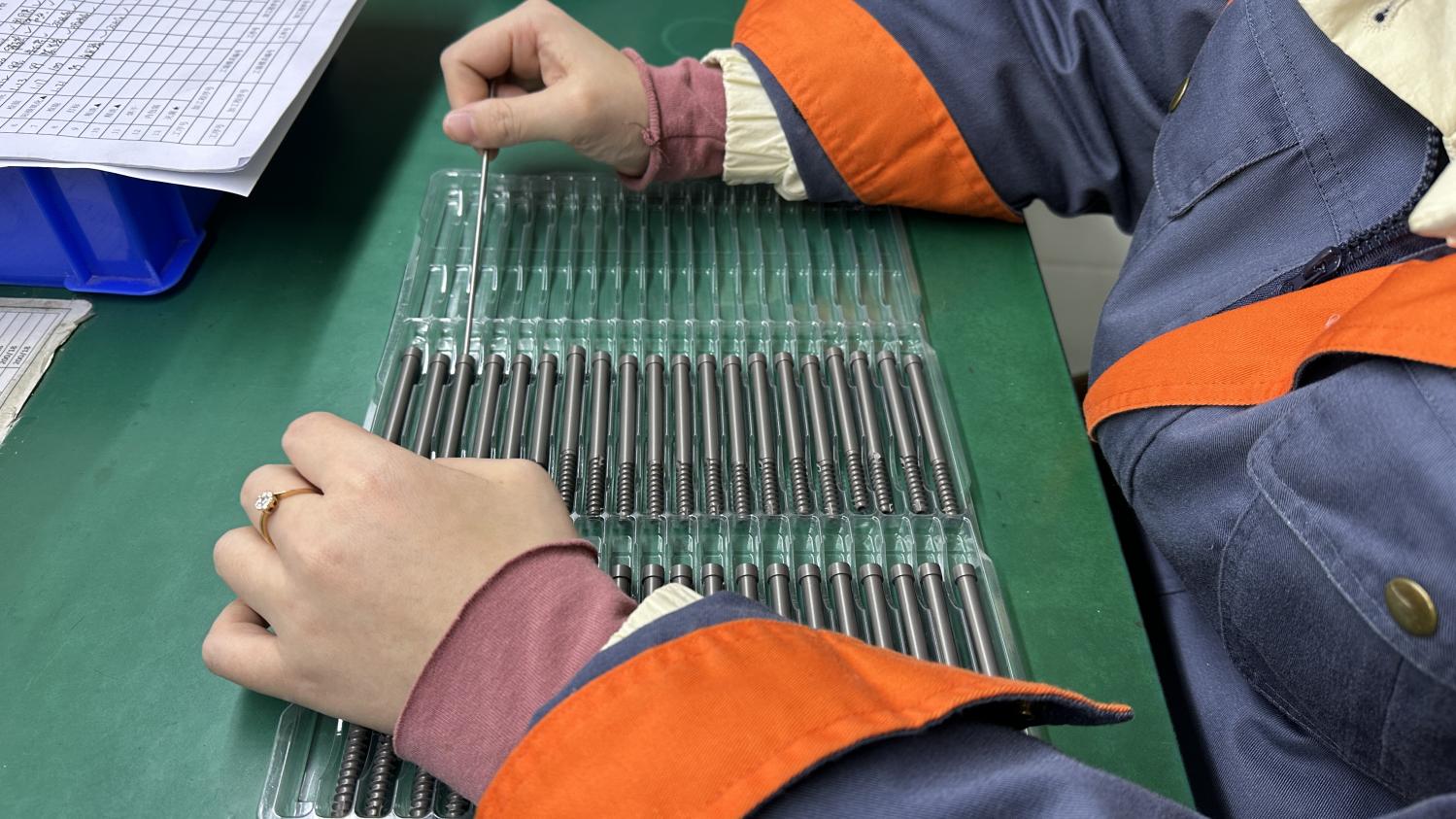
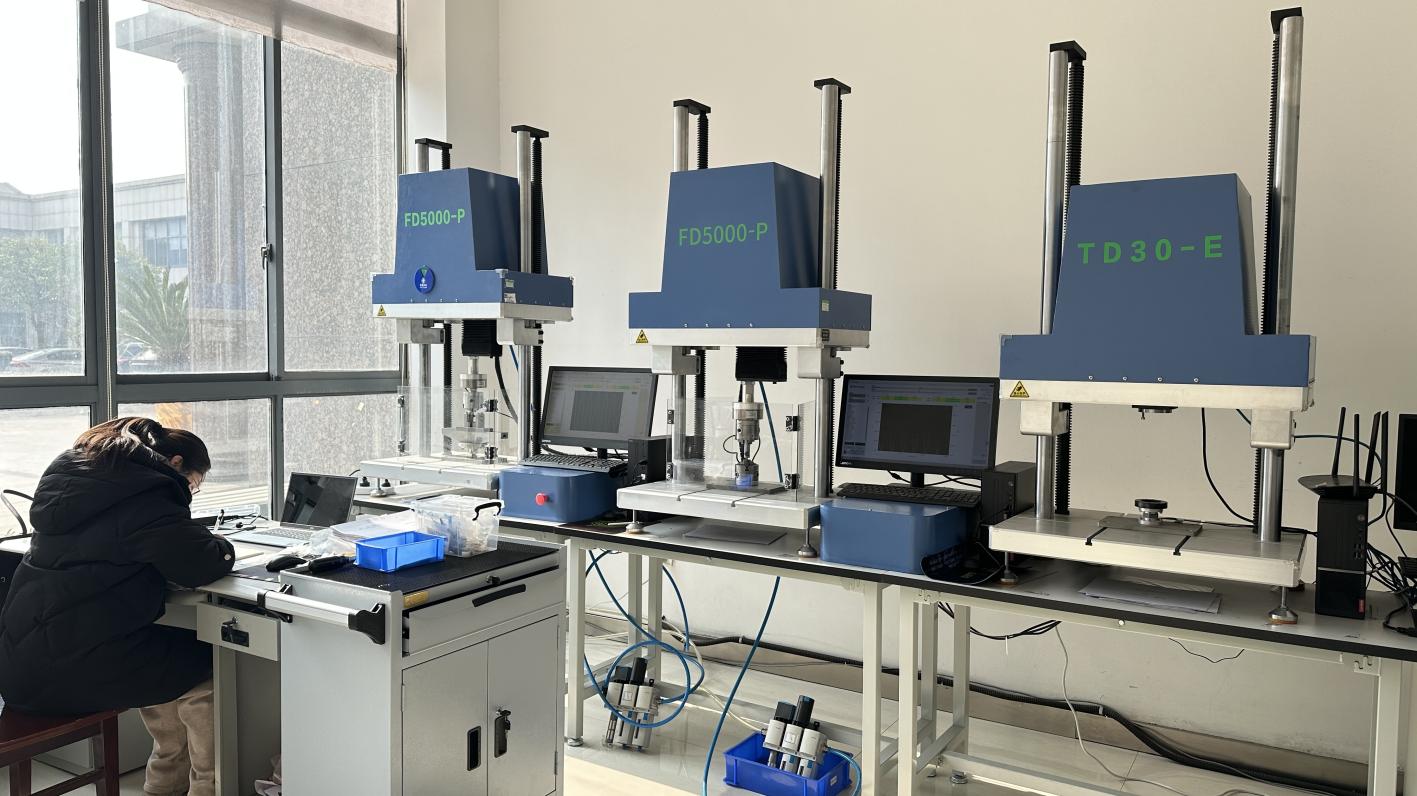
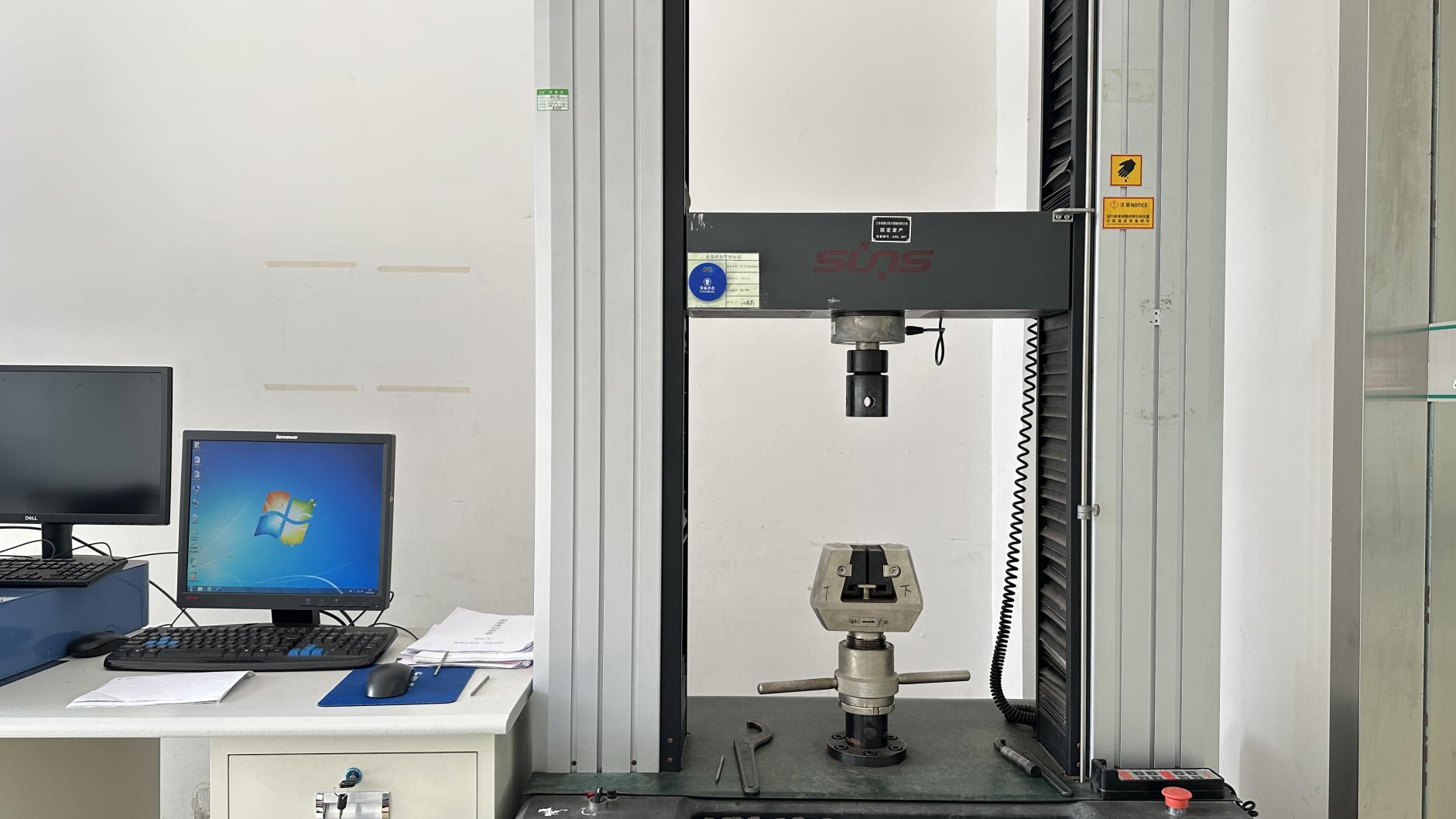
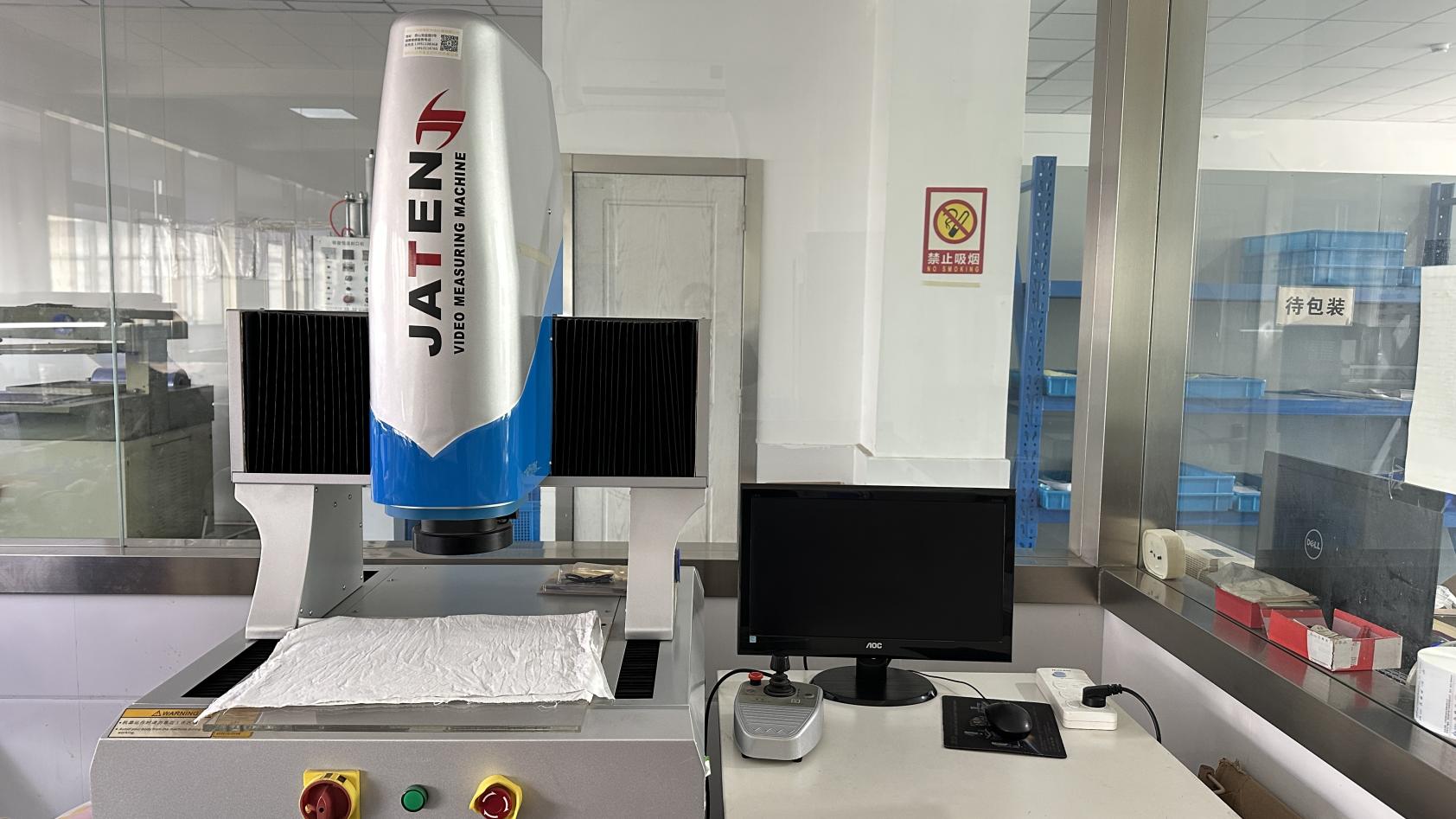
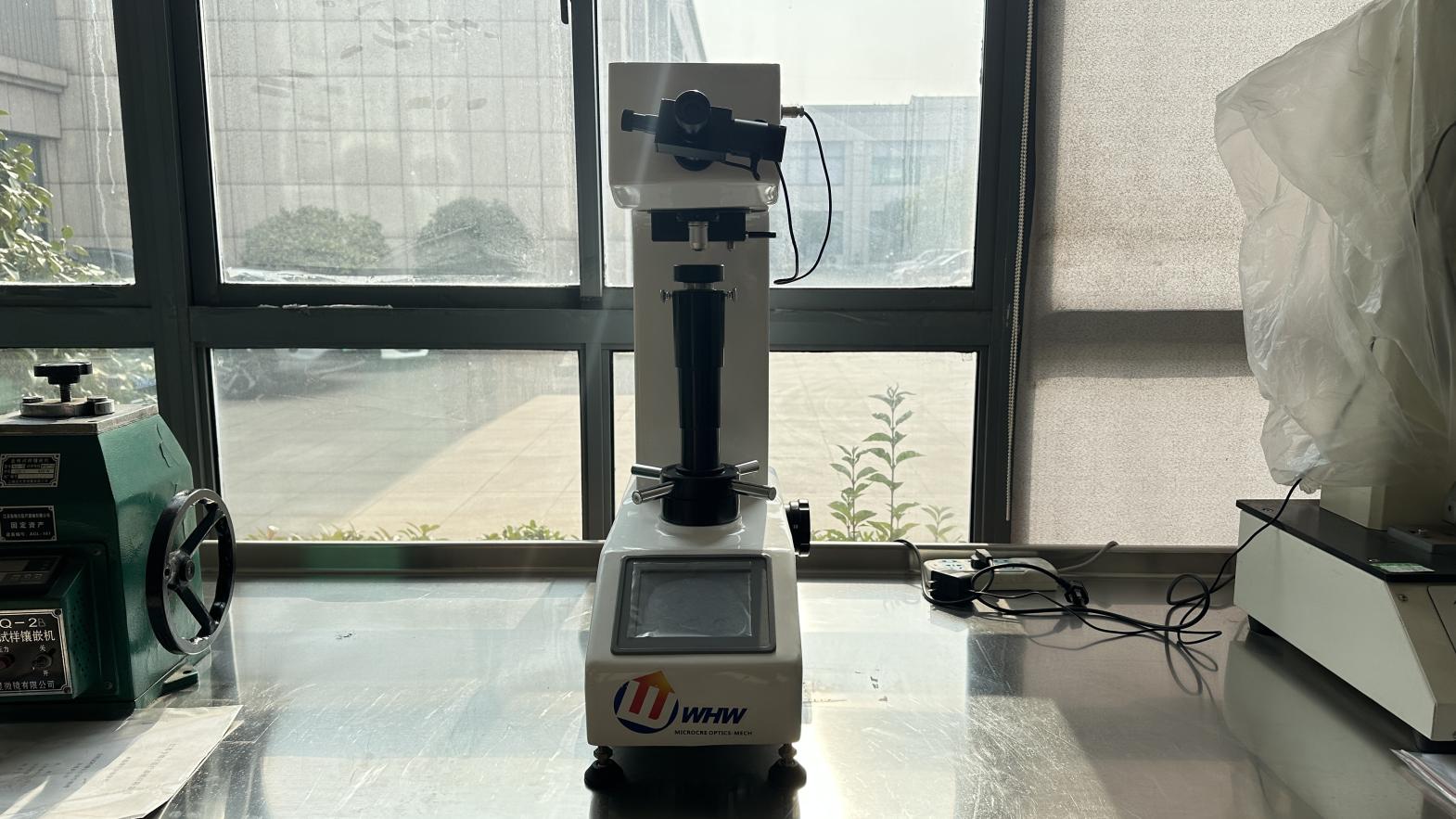
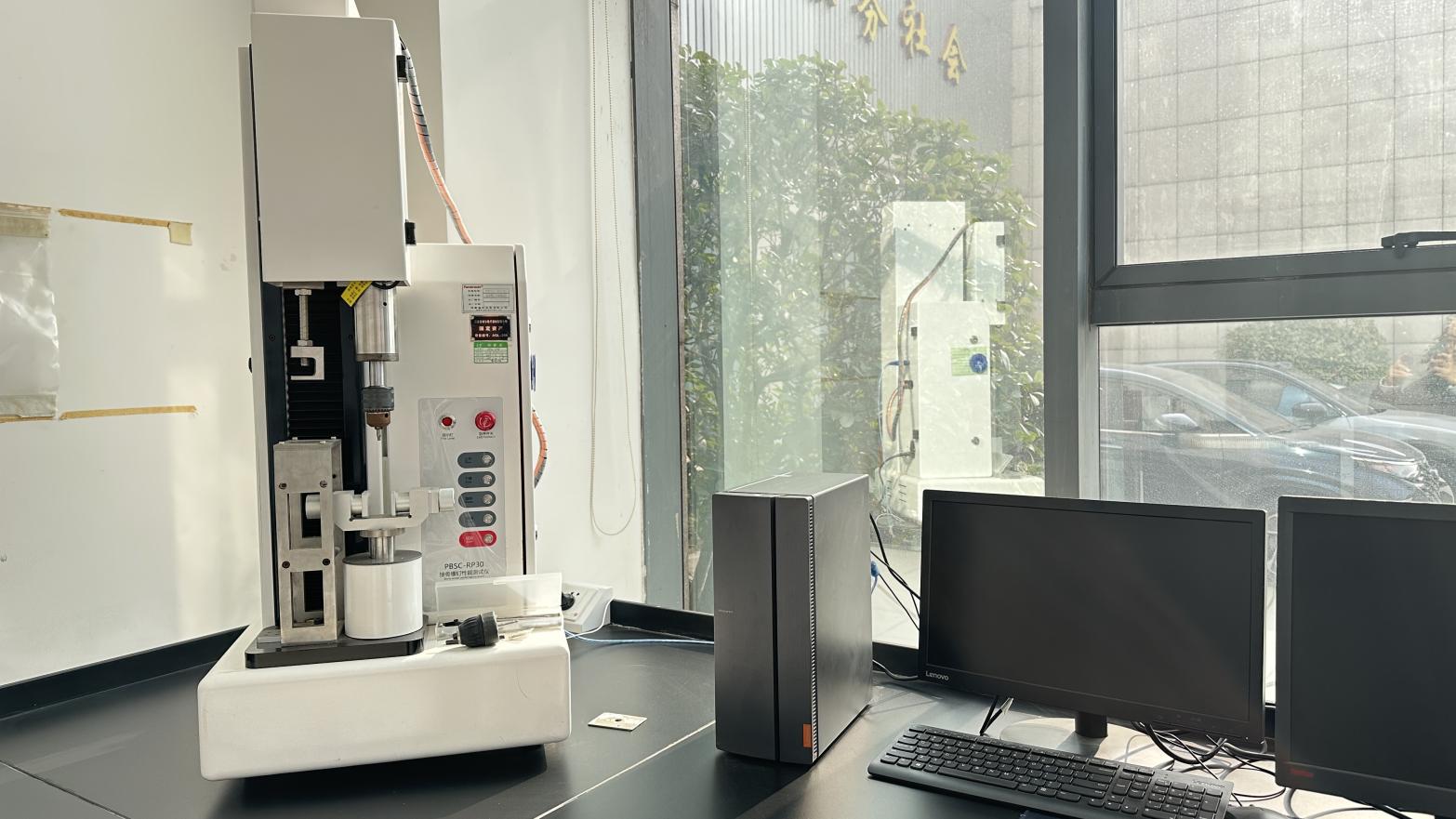
Our quality inspection infrastructure is built on an ISO 13485-compliant process. With 65 quality control specialists, we maintain total control over incoming, in-process, and final inspection stages. Our inspection methods include 3D CMM dimensional measurement, X-ray non-destructive testing, tensile strength testing, and biomechanical fatigue testing.
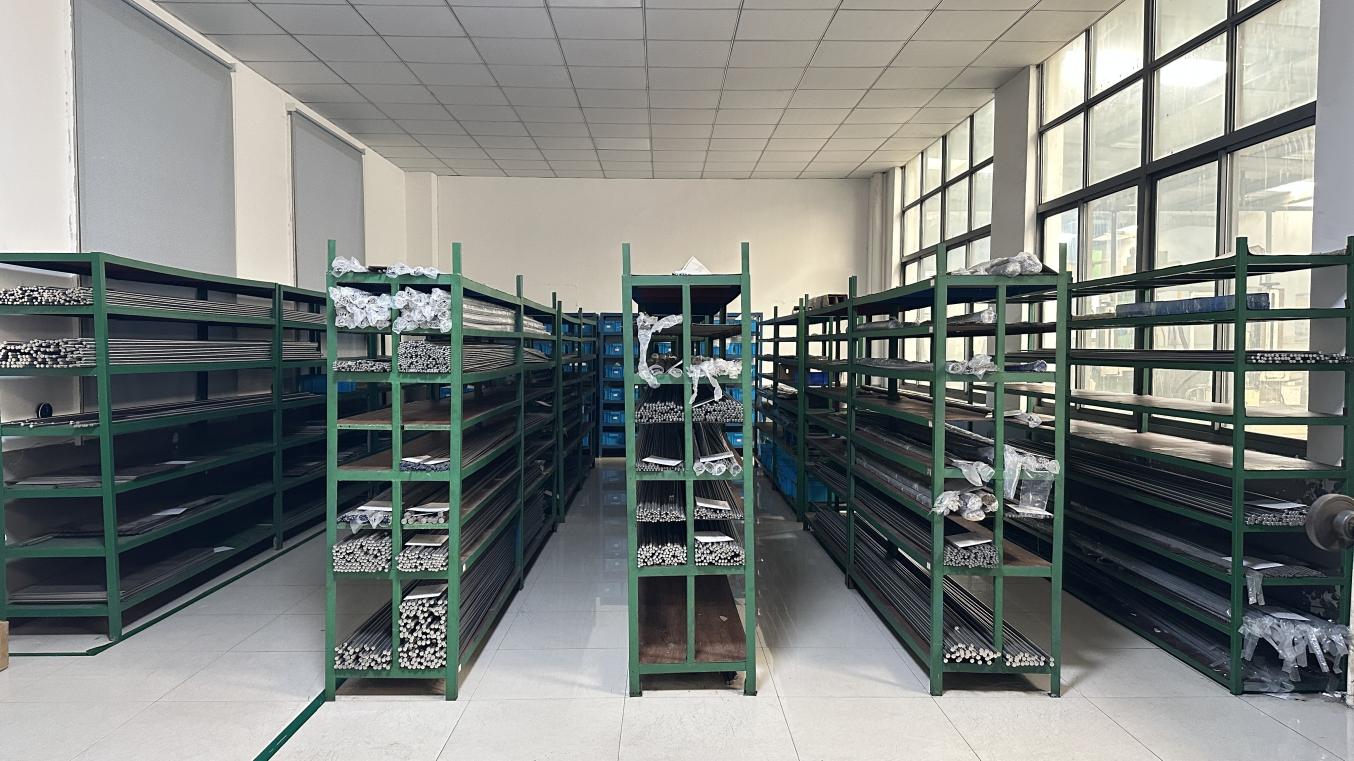
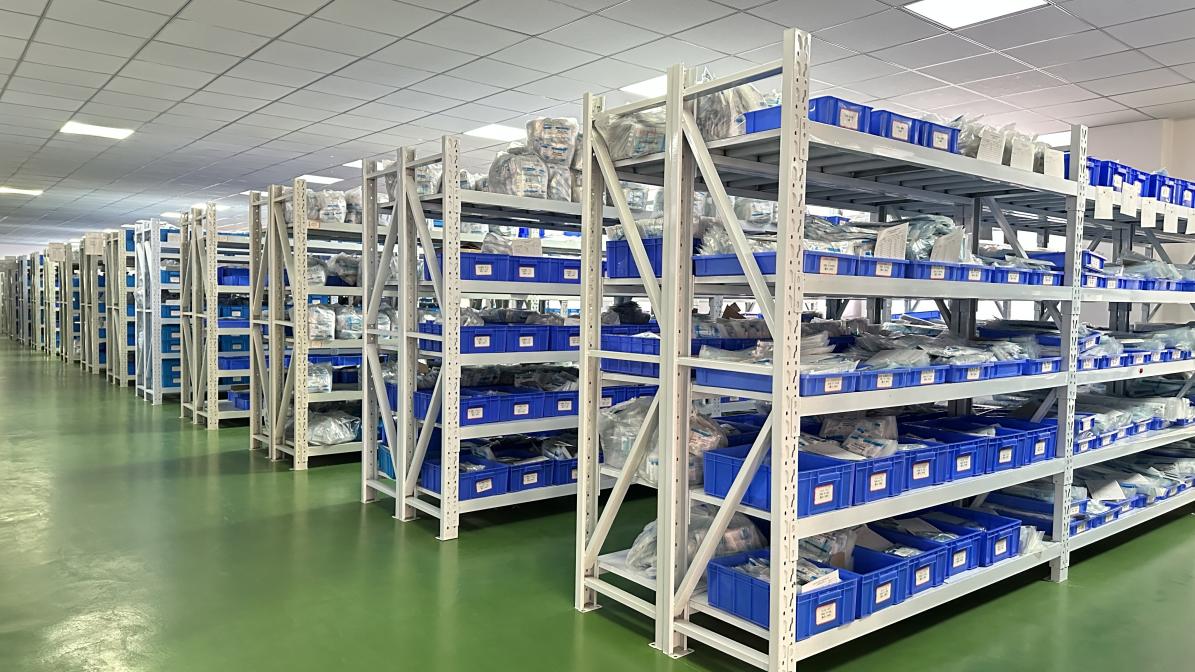
A resilient medical device supply chain requires dependable upstream partners. Virelox has built stable partnerships with over 850 certified raw material and precision component vendors. This network guarantees consistent material supplies, including implant-grade titanium alloy (Ti-6Al-4V ELI) and ultra-high-molecular-weight polyethylene (UHMWPE).
We supply medical device distributors, hospitals, trauma centers, and international healthcare procurement agencies across Europe, Southeast Asia, the Middle East, and South America, delivering reliable implants that meet strict international regulatory standards.
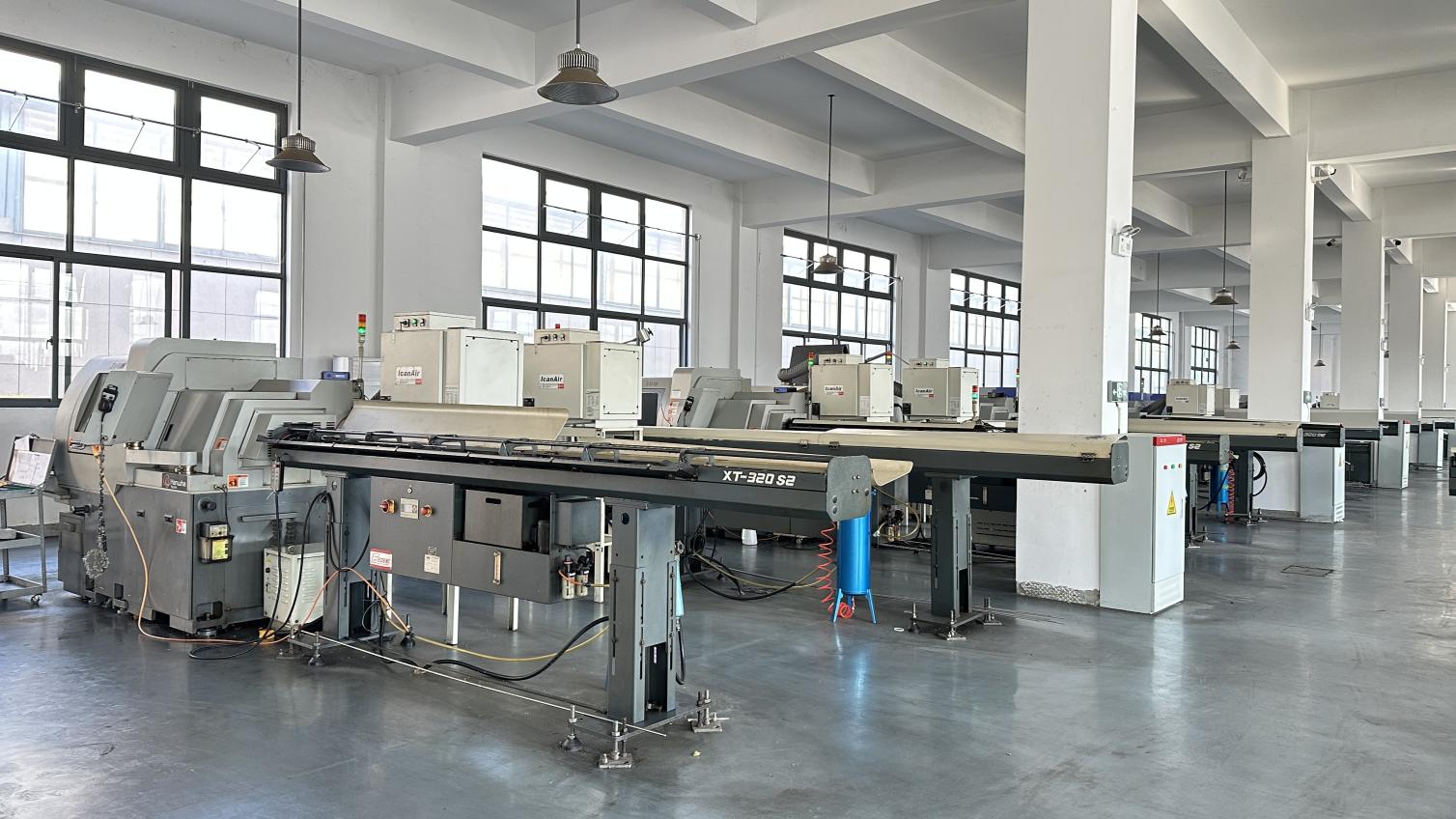
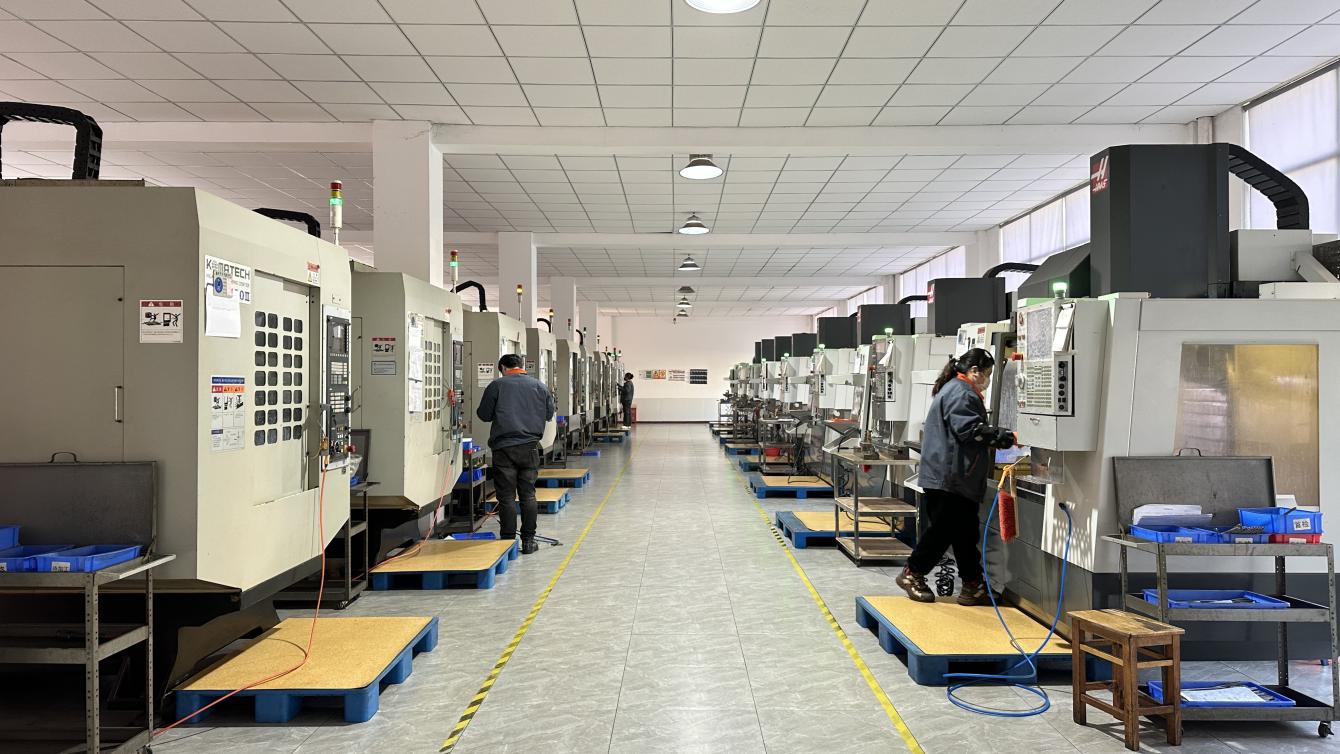
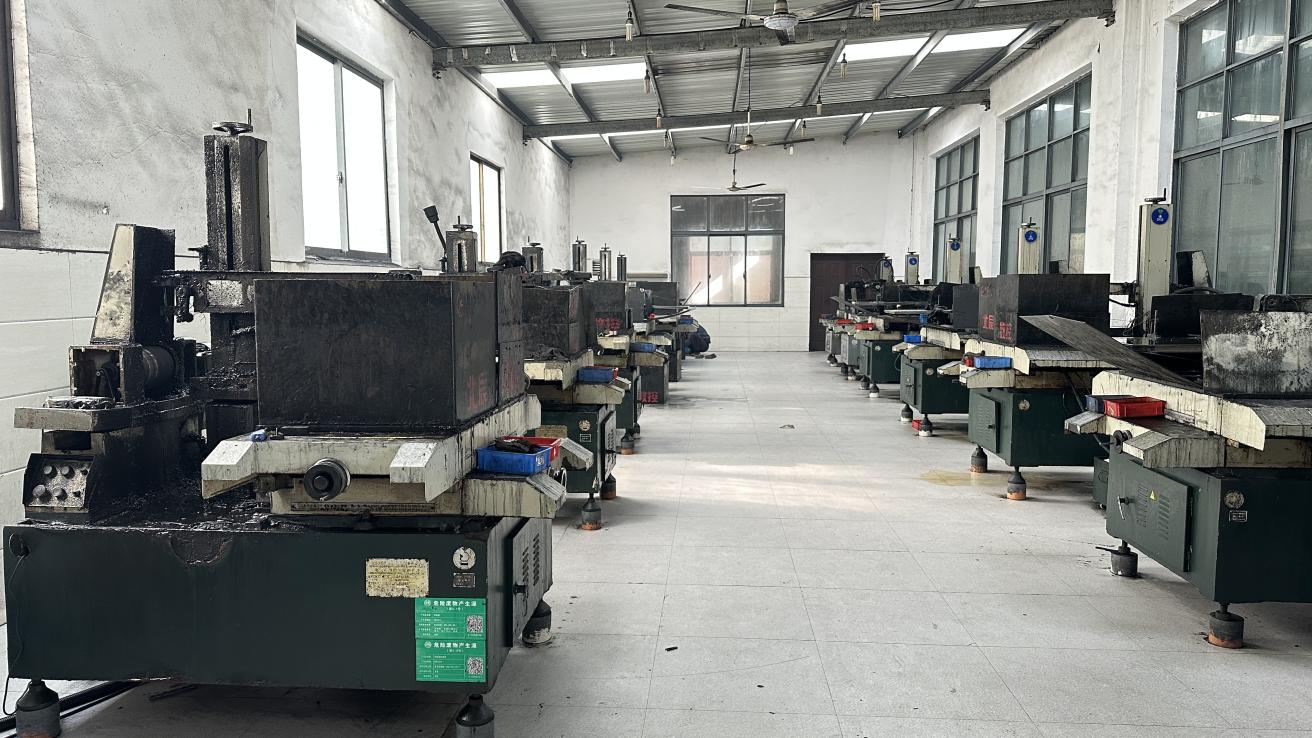
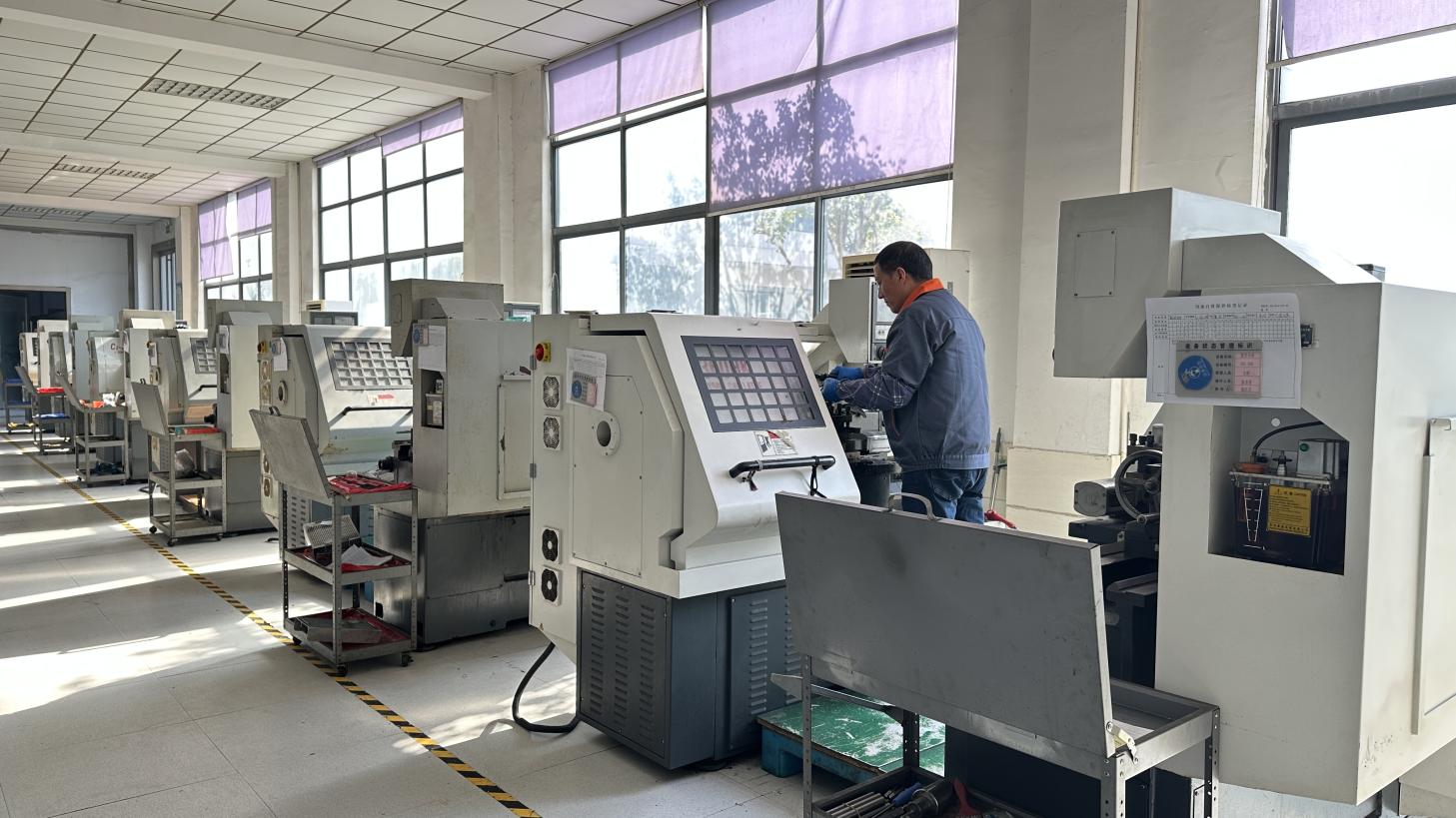
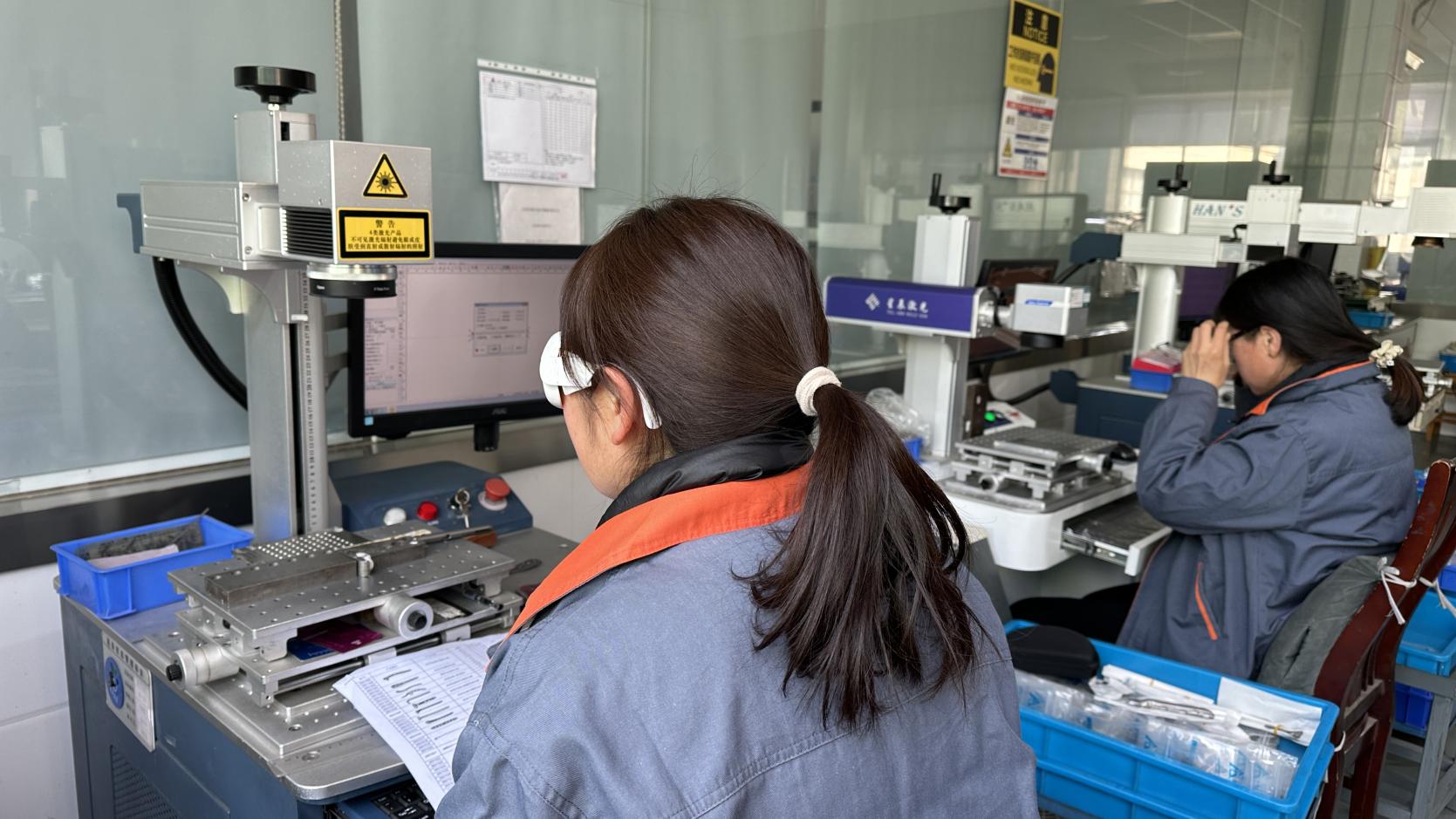
A visual tour of our ISO 13485-certified manufacturing processes and testing laboratory

Engineering principles for optimal sternal healing and post-operative stability
Modern sternal closure has evolved significantly beyond simple stainless steel wires. Complex median sternotomy procedures require stabilization solutions that handle multi-directional physiological loads, including transverse tension, longitudinal shear, and anterior-posterior vector shifts during coughing or breathing.
A reliable sternal fixation system uses low-profile plates constructed from pure titanium or titanium alloy (such as Ti-6Al-4V ELI). These materials offer the necessary strength-to-weight ratio and fatigue life while avoiding issues like excessive stiffness, which can lead to stress shielding. Low-profile plates limit patient discomfort under thin subcutaneous tissue layers and reduce the risk of late implant removal.
Locking screws provide stable engagement with the plate, converting the assembly into a rigid framework. This configuration distributes loads away from the bone-screw interface and across the entire plate length, lowering the risk of screws pulling out of osteoporotic sternal bone.
For medical device distributors and hospitals in regions like Boston, verifying mechanical performance is critical. Advanced suppliers perform extensive testing under ASTM standards (such as ASTM F382 for metallic bone plates and ASTM F543 for medical bone screws). These tests evaluate fatigue limit under cyclic loading, torsional resistance, and maximum pull-out force, ensuring safety in demanding clinical environments.
Clinical Insight: Research indicates that rigid sternal fixation can reduce the risk of sternal dehiscence by over 50% in high-risk patient cohorts (e.g., patients with obesity, diabetes, or COPD) compared to standard wire closures.
Mitigating global supply chain volatility through flexible manufacturing capabilities
Procurement directors in international hospitals and large distribution networks face persistent challenges with lead times, pricing stability, and regulatory certification changes. The introduction of the European Medical Devices Regulation (MDR) and strict FDA oversight require importers to partner with manufacturers capable of maintaining compliant technical documentation.
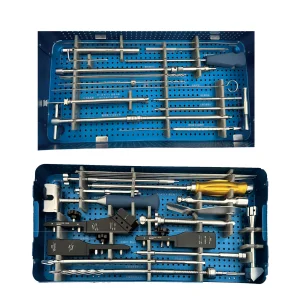
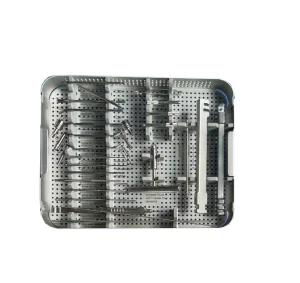
We offer custom development options, including modified screw pitches, personalized plate shapes, and custom instrument kits to meet specific clinical preferences.
Our production facilities operate under ISO 13485 guidelines, ensuring consistent documentation and traceablity from raw titanium billet to final sterilized packaging.
With a network of 850 upstream and downstream suppliers, we secure raw material availability and maintain consistent production schedules even during high-demand periods.
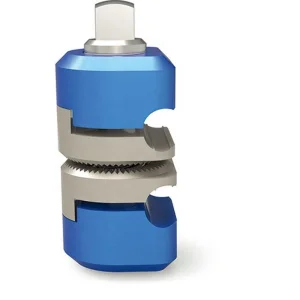
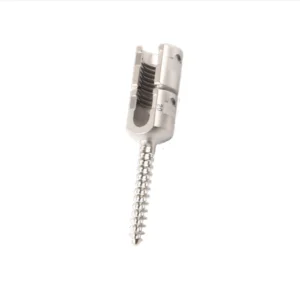
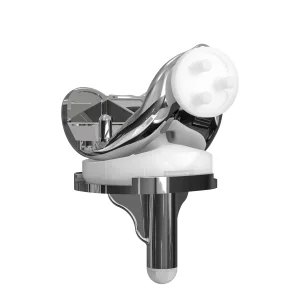
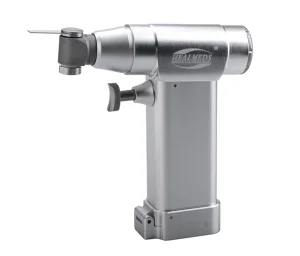
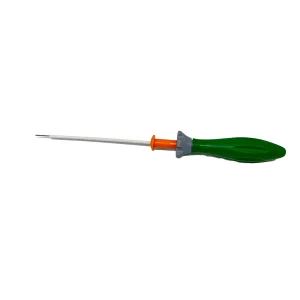
A comprehensive selection of CE and ISO-certified implants for orthopedic, trauma, and veterinary applications
Meeting the strict validation standards of regional and international healthcare boards
For medical device suppliers entering established markets like Boston, ensuring product consistency is paramount. Virelox integrates rigorous testing methodologies to confirm that every titanium plate and locking screw meets specified design tolerances.
We actively support our global partners during local registration and regulatory submissions. By providing complete technical files, biocompatibility reports (ISO 10993), and sterile validation records, we help streamline approval steps with local and national health authorities.
ISO 13485 Certified: Our quality management systems are regularly audited to ensure production stability and complete traceability from raw material processing to final product distribution.
Technical clarifications regarding sternal fixation biomechanics, materials, and clinical procurement
Connect with our technical sales division to request product catalogs, physical samples, or custom quotes for your orthopedic and sternal reconstruction requirements.
Send Inquiry Now Virelox