Explore our elite class of orthopedic instruments, implants, and specialized surgical systems designed for anatomical fixation.
Virelox Medical Devices Co., Ltd. is an industry-leading orthopedic medical device manufacturer specializing in joint replacement and surgical implant solutions. Operating under the renowned "Virelox" brand, we are committed to delivering high-performance orthopedic systems for global healthcare providers, setting benchmarks in biomechanics, custom engineering, and international distribution.
How engineering advancements have shifted clinical outcomes from rigid fixation to biological osteosynthesis.
The surgical treatment of femoral shaft fractures has been revolutionized over the past half-century by the development of intramedullary (IM) nailing. Originally popularized by Gerhard Küntscher, early nailing relied on massive, rigid stainless-steel structures designed for open insertion. While they provided stabilization, the lack of locking systems often led to telescoping, rotational instability, and non-union.
Modern femoral intramedullary nails are biomechanically designed load-sharing implants. Instead of shielding the bone completely from stress (as bone plates often do), IM nails transfer stress through the intramedullary canal, allowing controlled, microscopic movement at the fracture site. This micro-motion accelerates the formation of bridging calluses, driving biological bone healing rather than slow primary healing.
Key metallurgical shifts have replaced heavy stainless steel with biocompatible titanium alloys (like Ti-6Al-4V ELI) and cobalt-chrome options. Titanium alloys exhibit a lower modulus of elasticity, closer matching that of human cortical bone. This significantly limits the risk of "stress shielding," where the implant absorbs all mechanical loads, causing the surrounding bone to atrophy.
Furthermore, modern designs leverage anatomical contours. The standard femoral nail features an anatomically optimized antecurvature radius (ranging from 1.0m to 1.5m) to mitigate anterior cortex impingement during insertion, a common failure mode in earlier generations of straight intramedullary nails.
Designed for proximal femoral fractures. By utilizing integrated lag screws or helical blades directed into the femoral head, these systems successfully resolve complex trochanteric and subtrochanteric fractures.
Anterograde insertion points (piriformis fossa or greater trochanter) target proximal and shaft fractures. Retrograde insertion (distal femur, transcondylar) is crucial for distal third fractures, obese patients, or polytrauma cases.
Modern distal locking configurations use cross-planar options (AP and LM screws) to guarantee construct stability in highly comminuted or osteoporotic metaphyseal bone.
Understanding the clinical and commercial criteria evaluated by international healthcare buyers.
Procurement professionals operating within global Group Purchasing Organizations (GPOs), major medical distributors, and private hospital networks do not merely evaluate the cost of implant components. Rather, they assess the total cost of care, regulatory safety margins, and clinical versatility.
1. Regulatory & Compliance Clearance: In modern orthopedics, non-compliance is a non-starter. Implants must conform to strict standards such as the EU Medical Device Regulation (MDR 2017/745), US FDA 510(k) clearances, and ISO 13485. Sourcing departments demand detailed Technical Documentation files (including biocompatibility test records under ISO 10993) before initiating supply agreements.
2. Biomechanical Rigorous Verification: The supplier must present certified proof of mechanical durability. This includes dynamic fatigue testing protocols defined by ASTM F1264 standards (which establish performance expectations for intramedullary fixation devices) to prove the implants can withstand millions of loading cycles without failure.
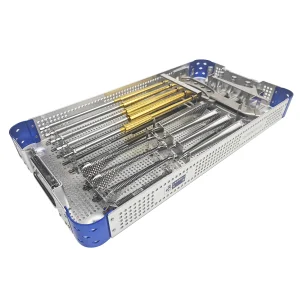
3. Tooling and Instrumentation Ergonomics: An intramedullary nail is only as good as its surgical instrumentation. Procurement evaluates the reliability of targeting guides, reamers, and insertion wrenches. Delays in operating rooms due to faulty targeting jigs directly impact hospital profitability and patient safety.
4. Production Scalability & Supply Elasticity: With orthopedic cases rising globally due to aging demographics and increasing traffic accidents, suppliers must display rapid capacity adjustments. Relying on companies with limited production footprints introduces severe supply chain vulnerabilities.
Inside Virelox's 12,000 m² state-of-the-art facility: Step-by-step trace of manufacturing, testing, and distribution.
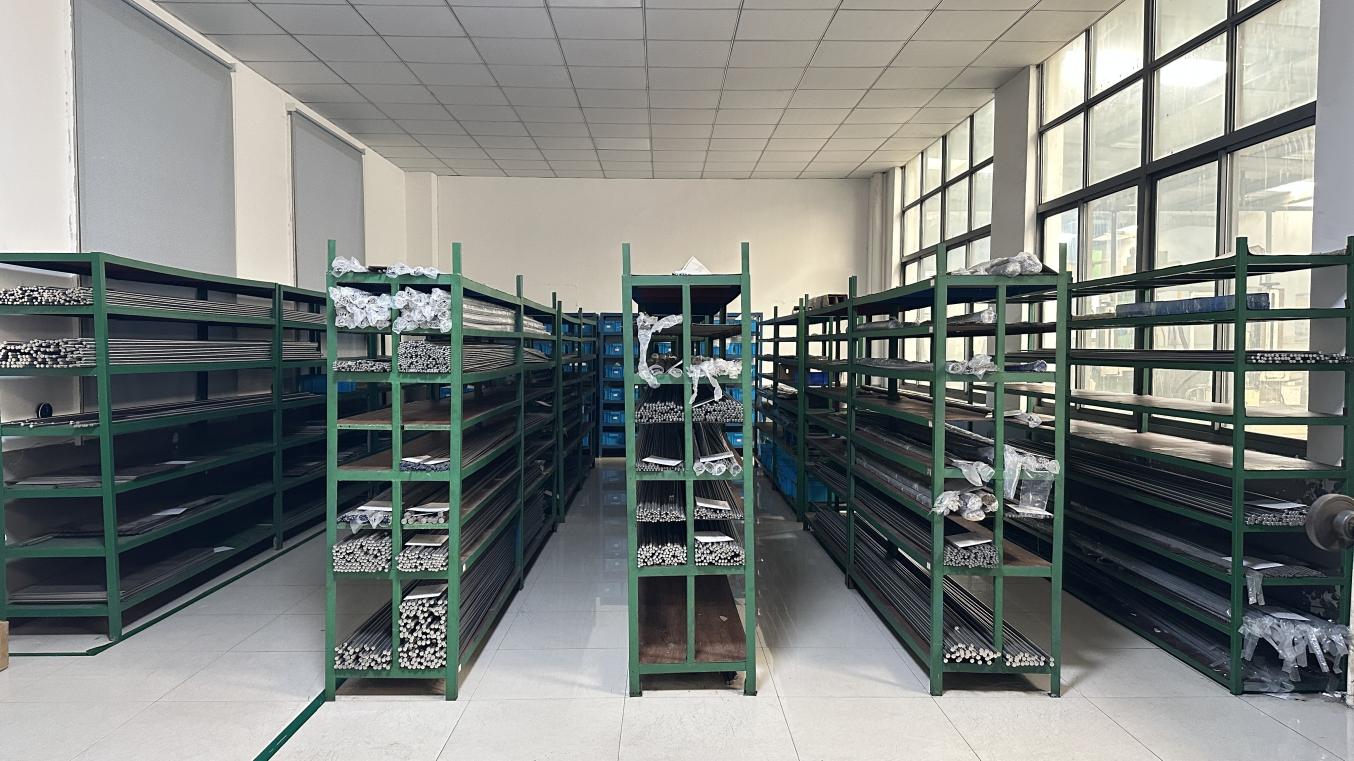
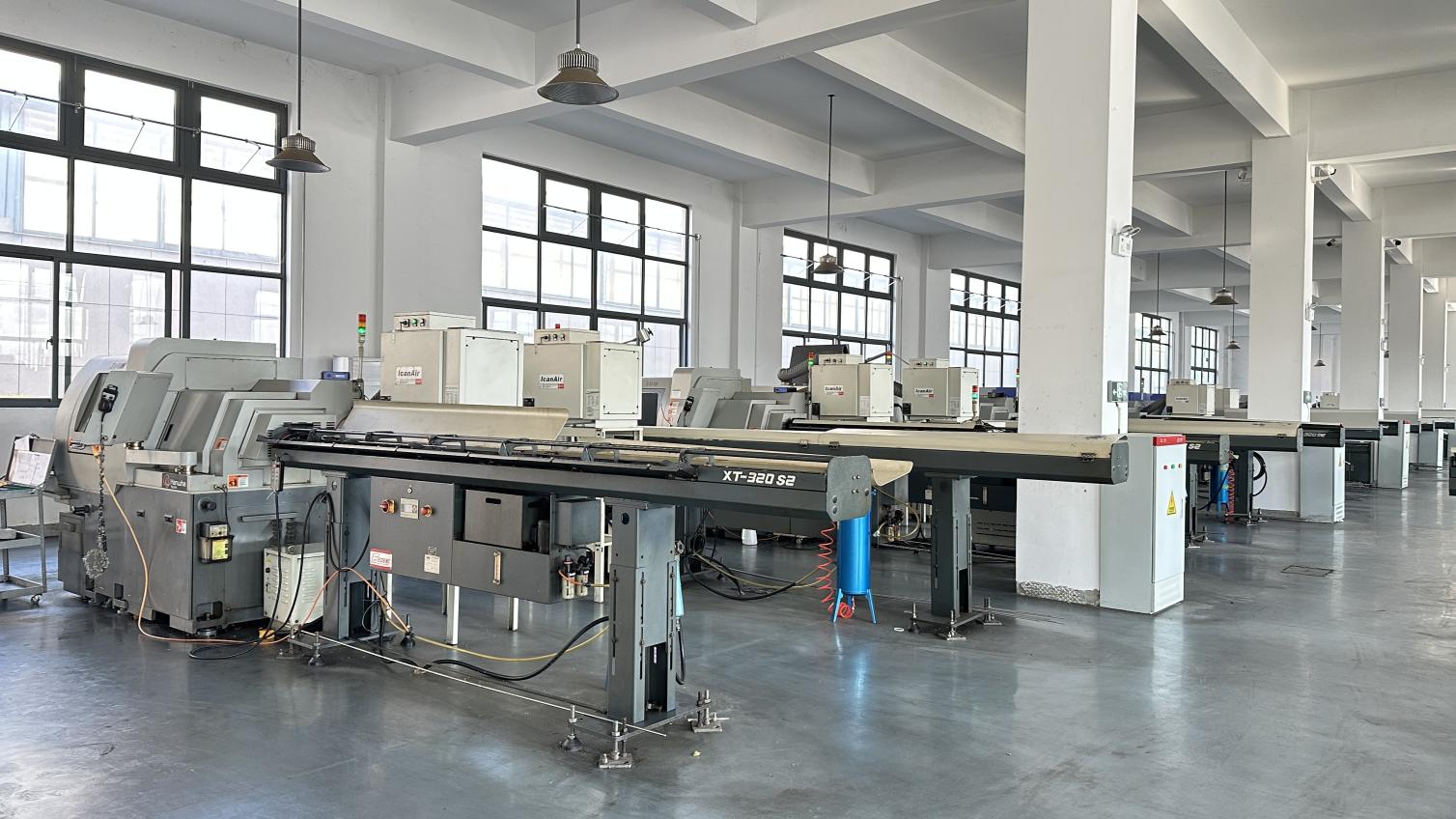
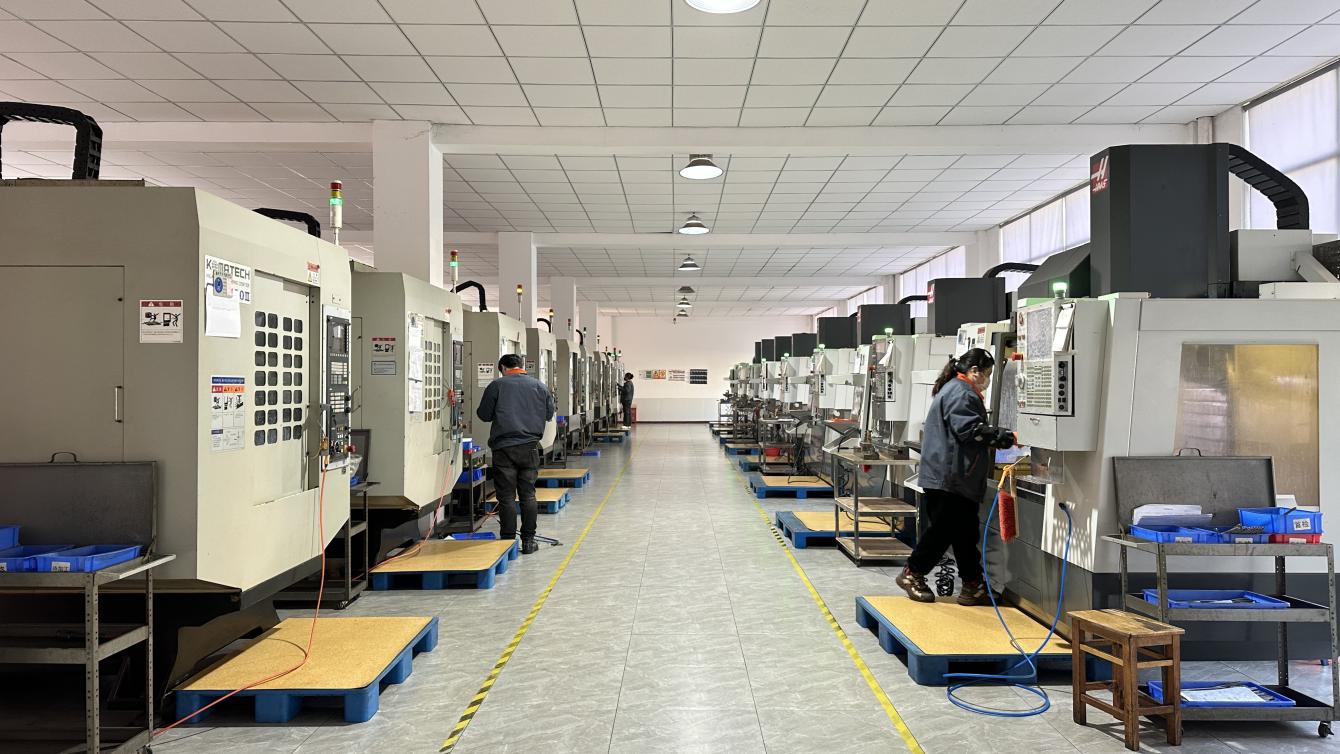
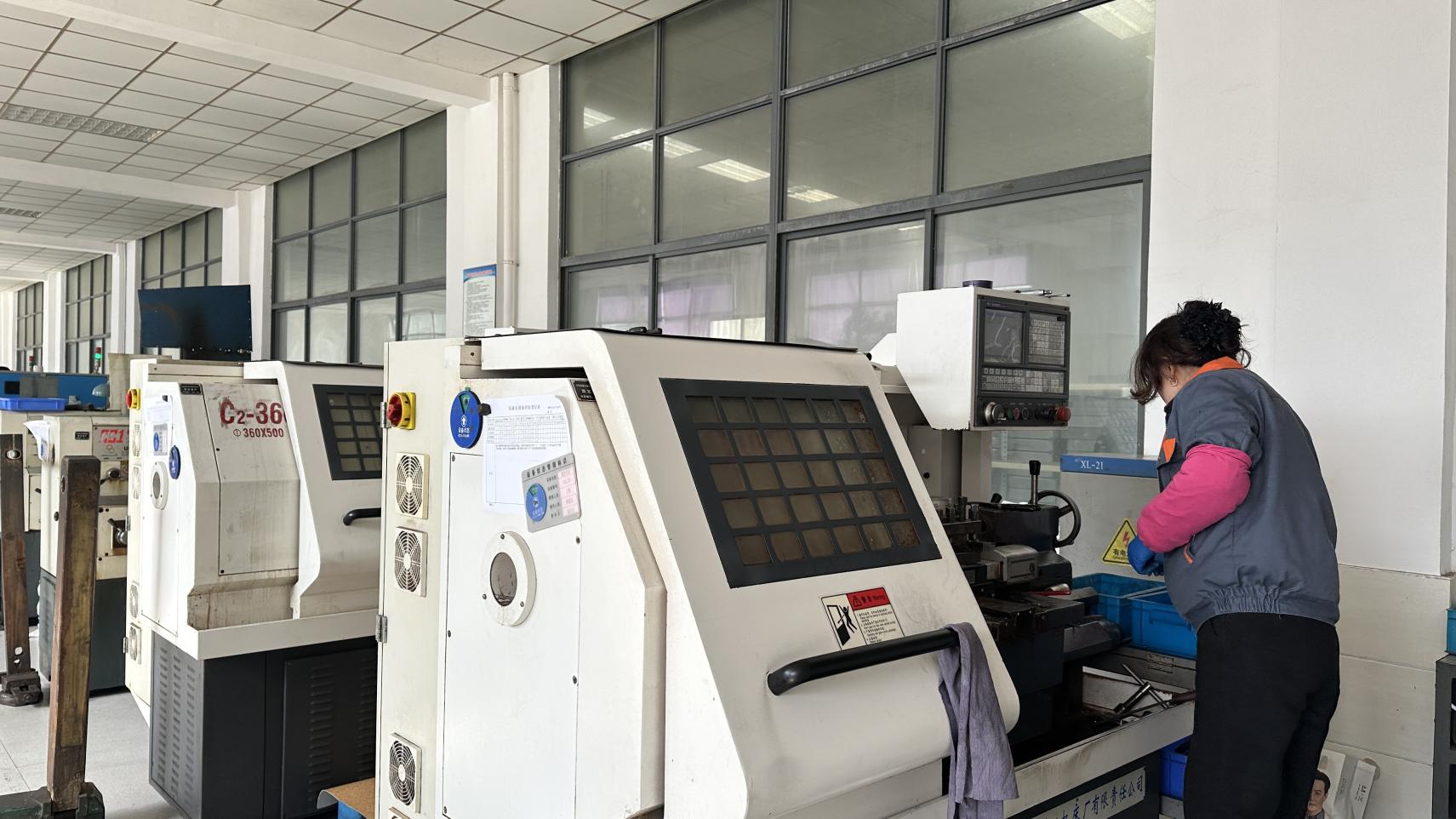
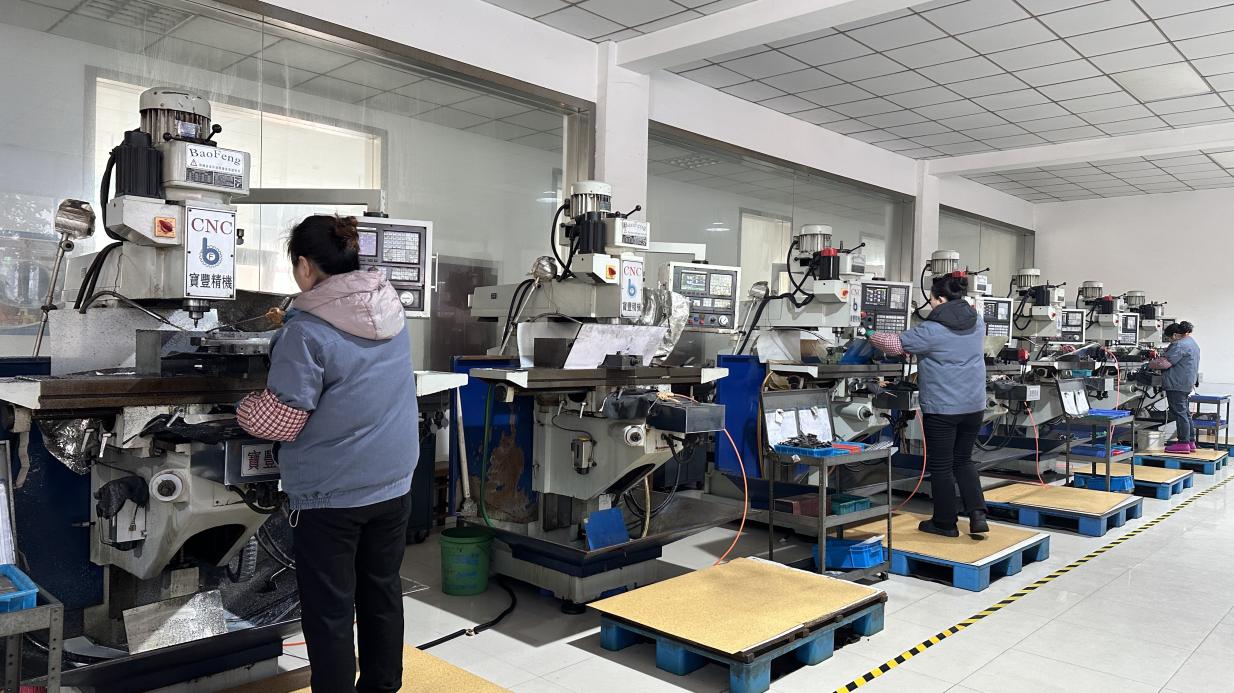
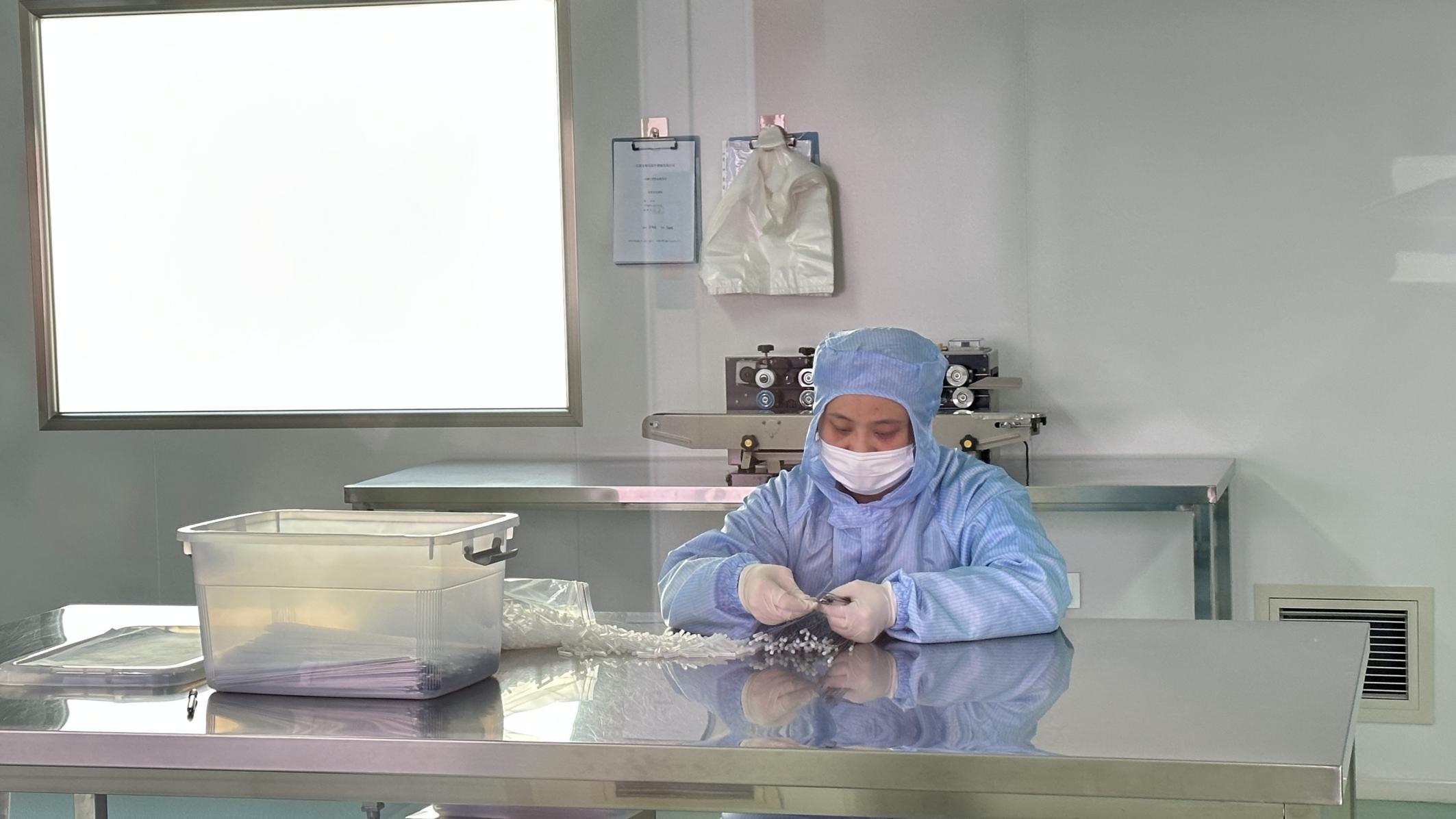
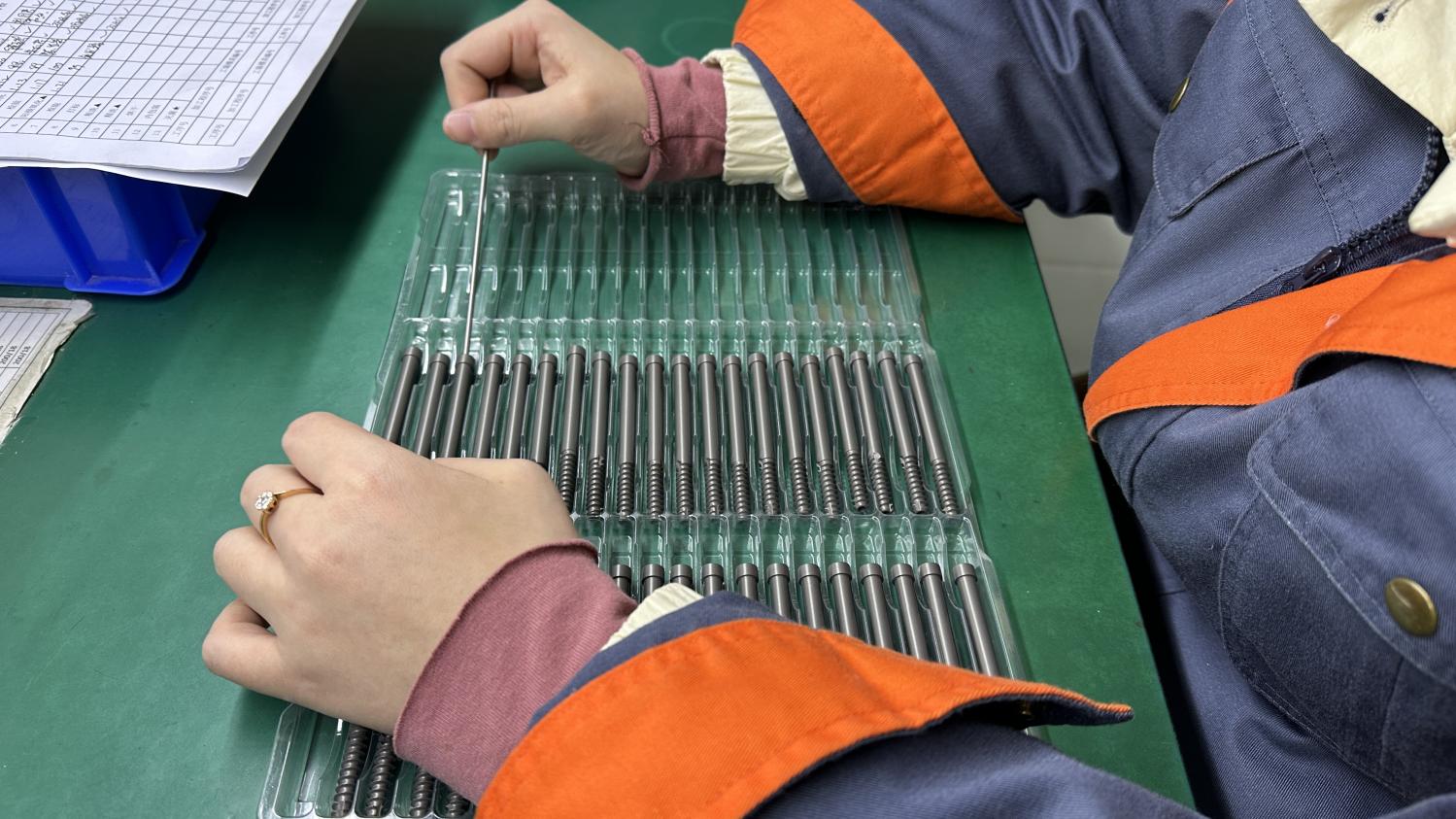
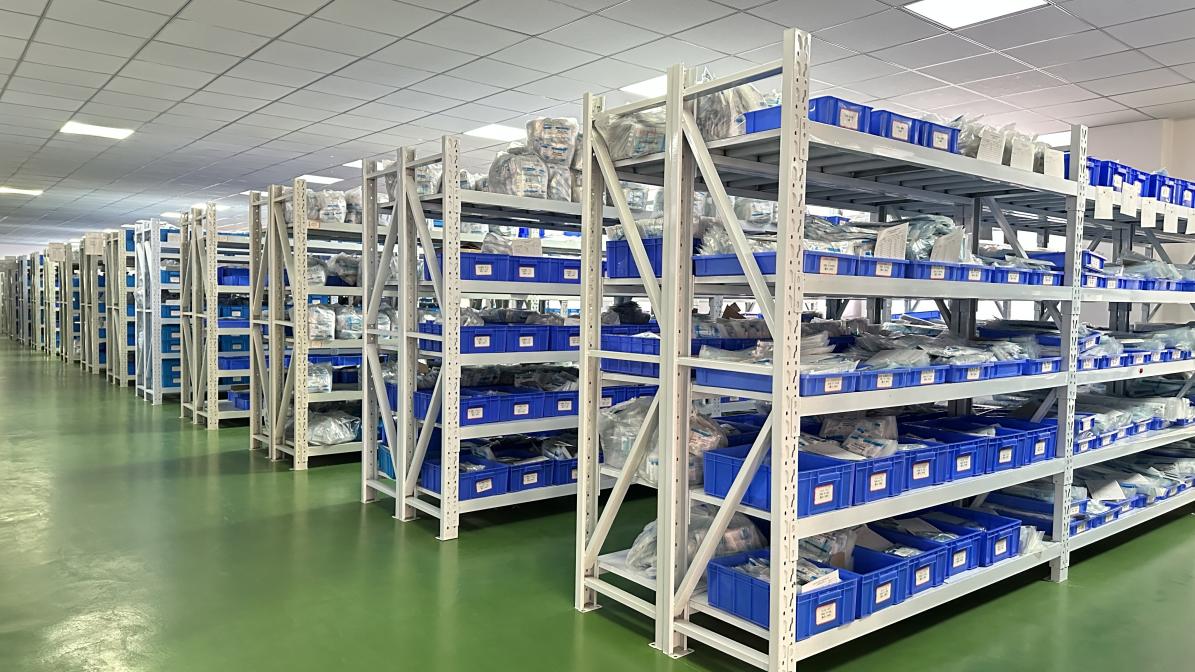
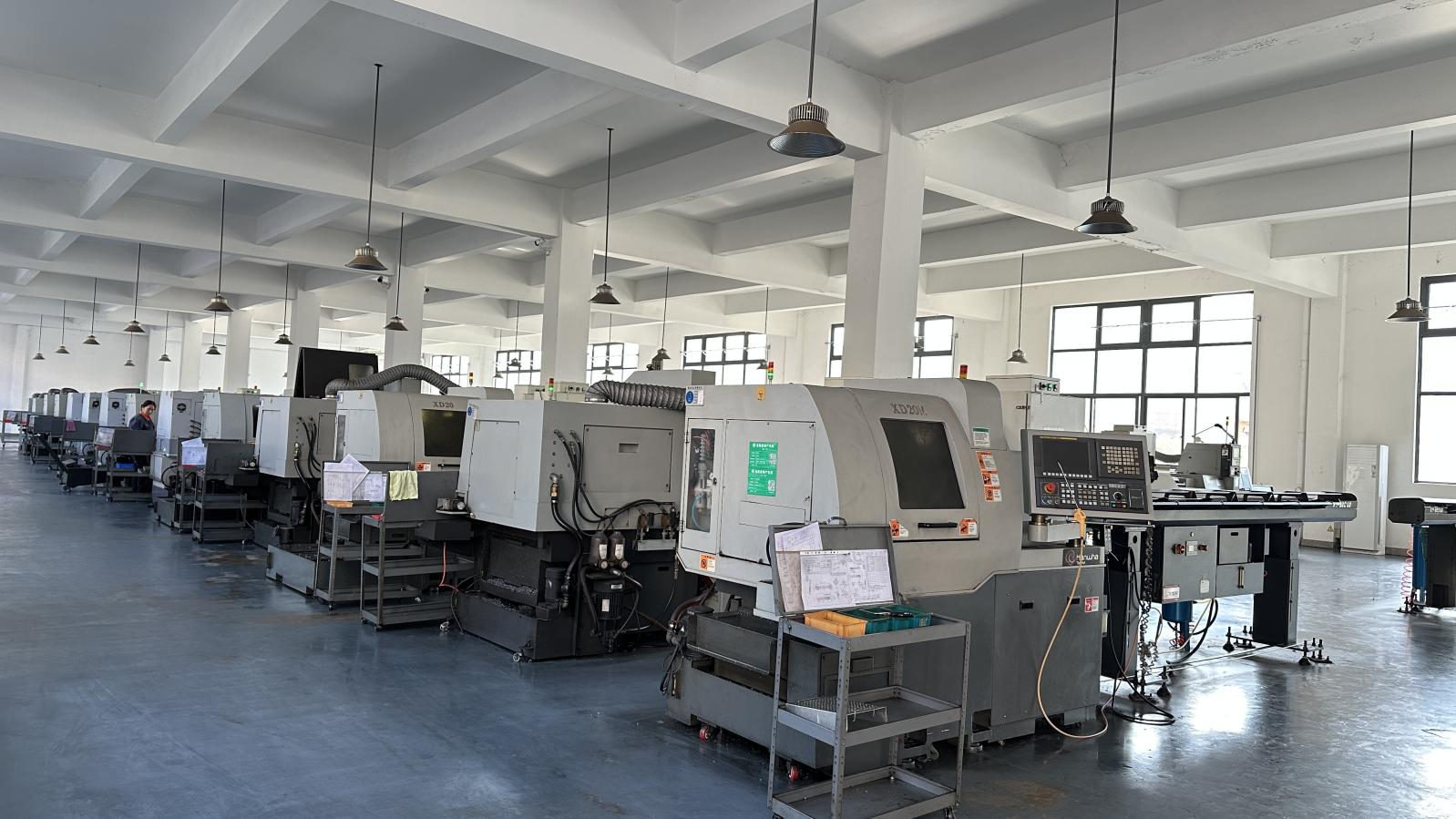
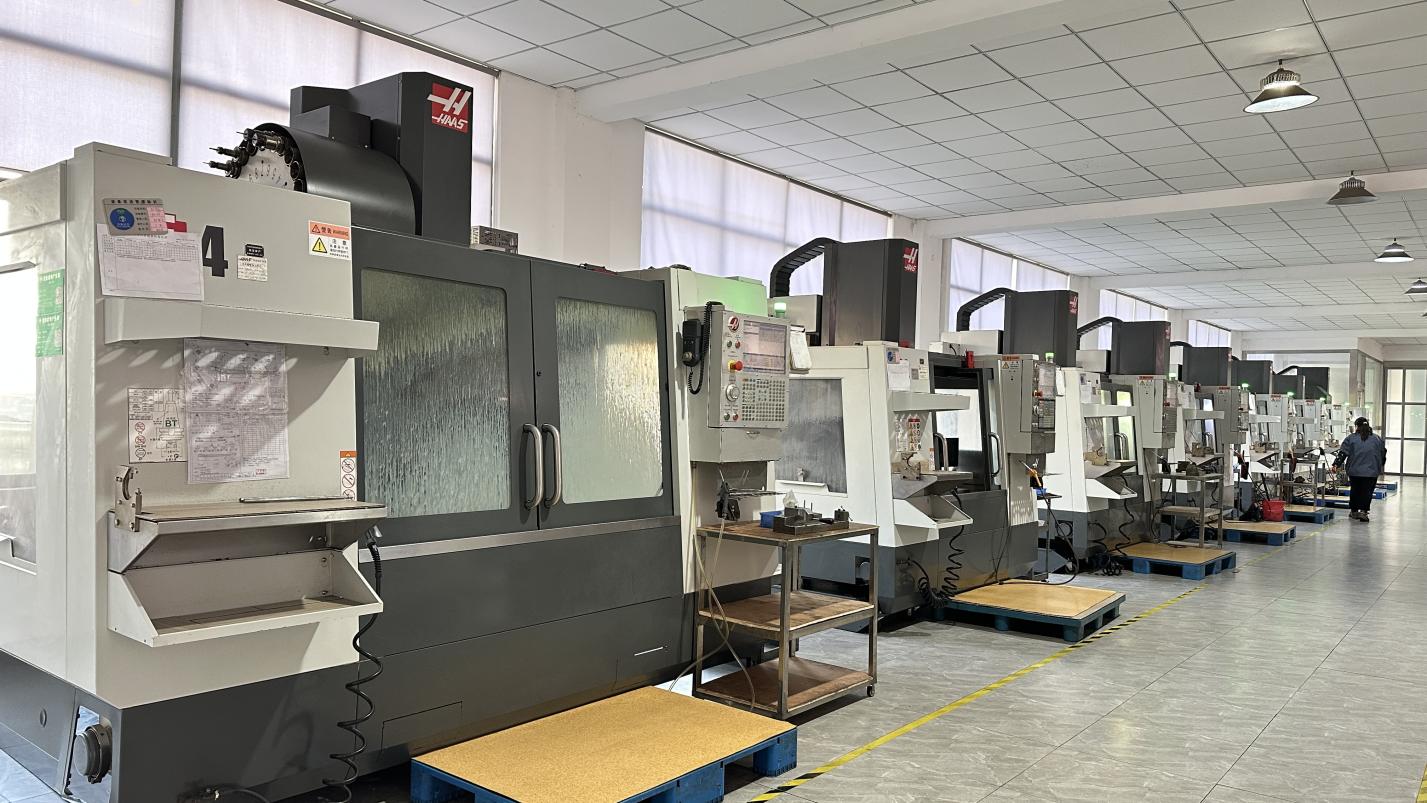
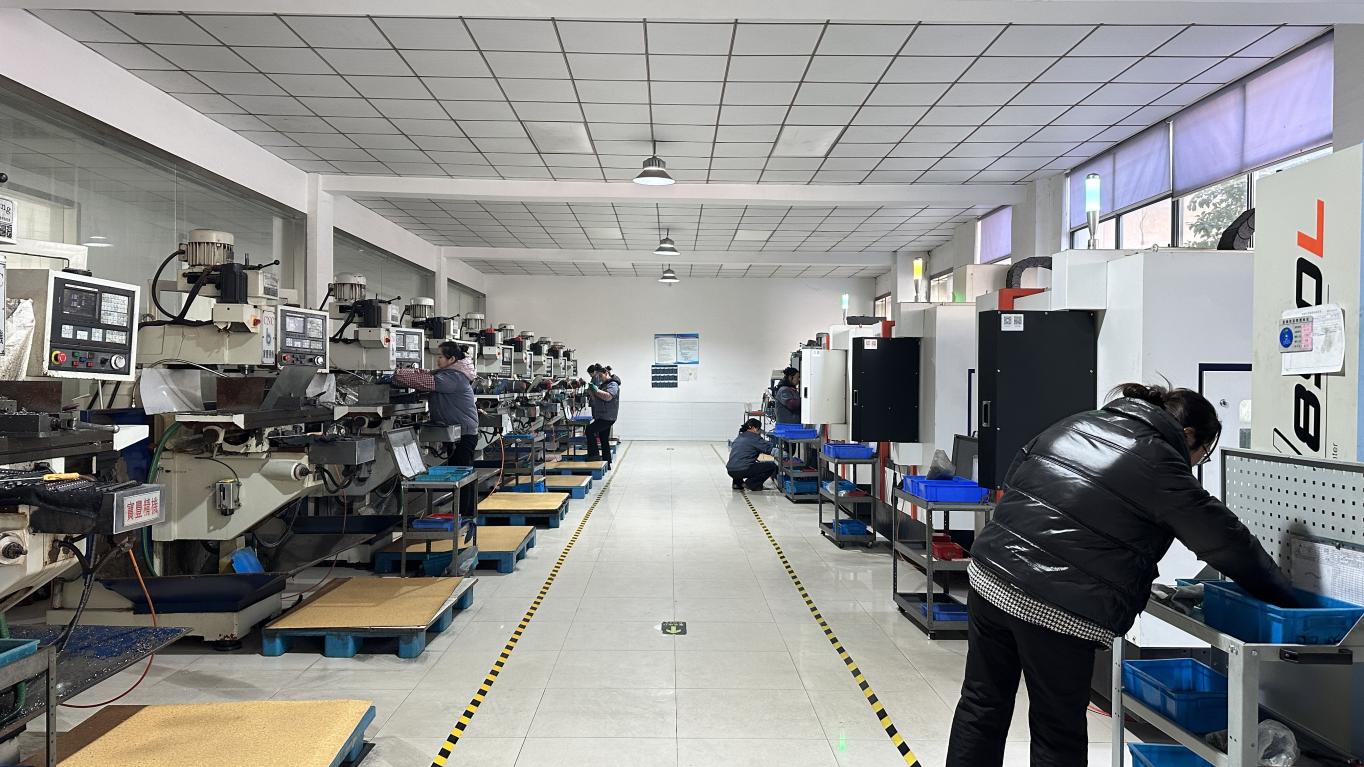
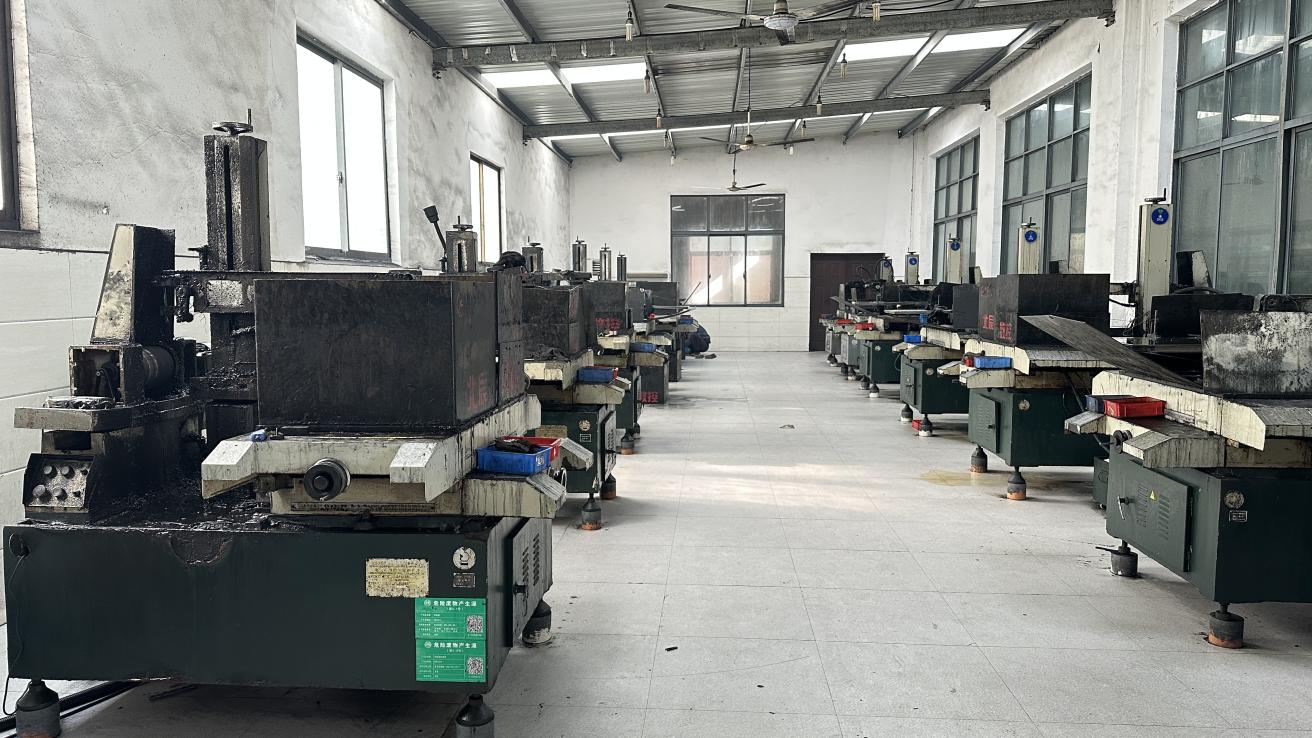
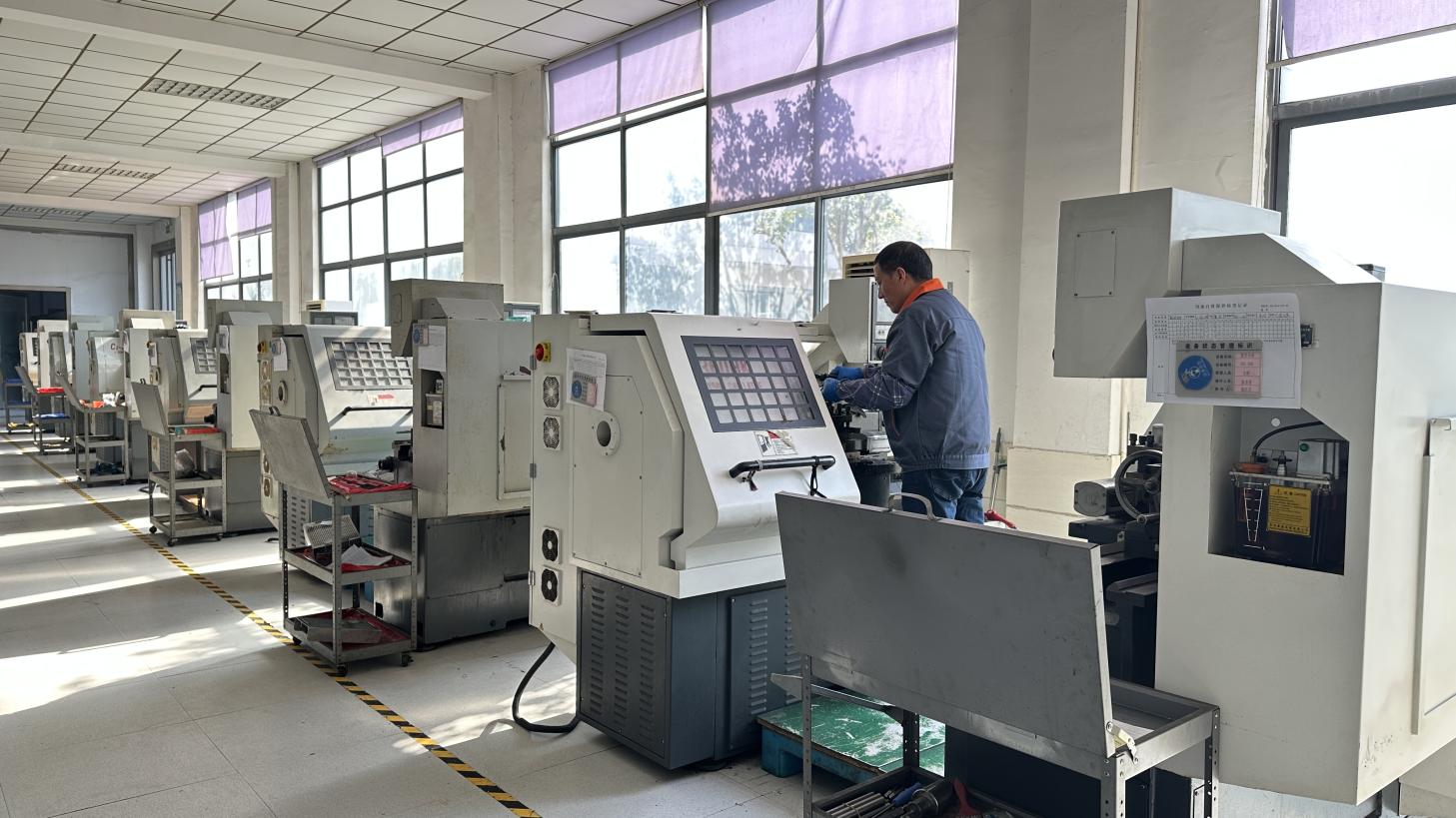
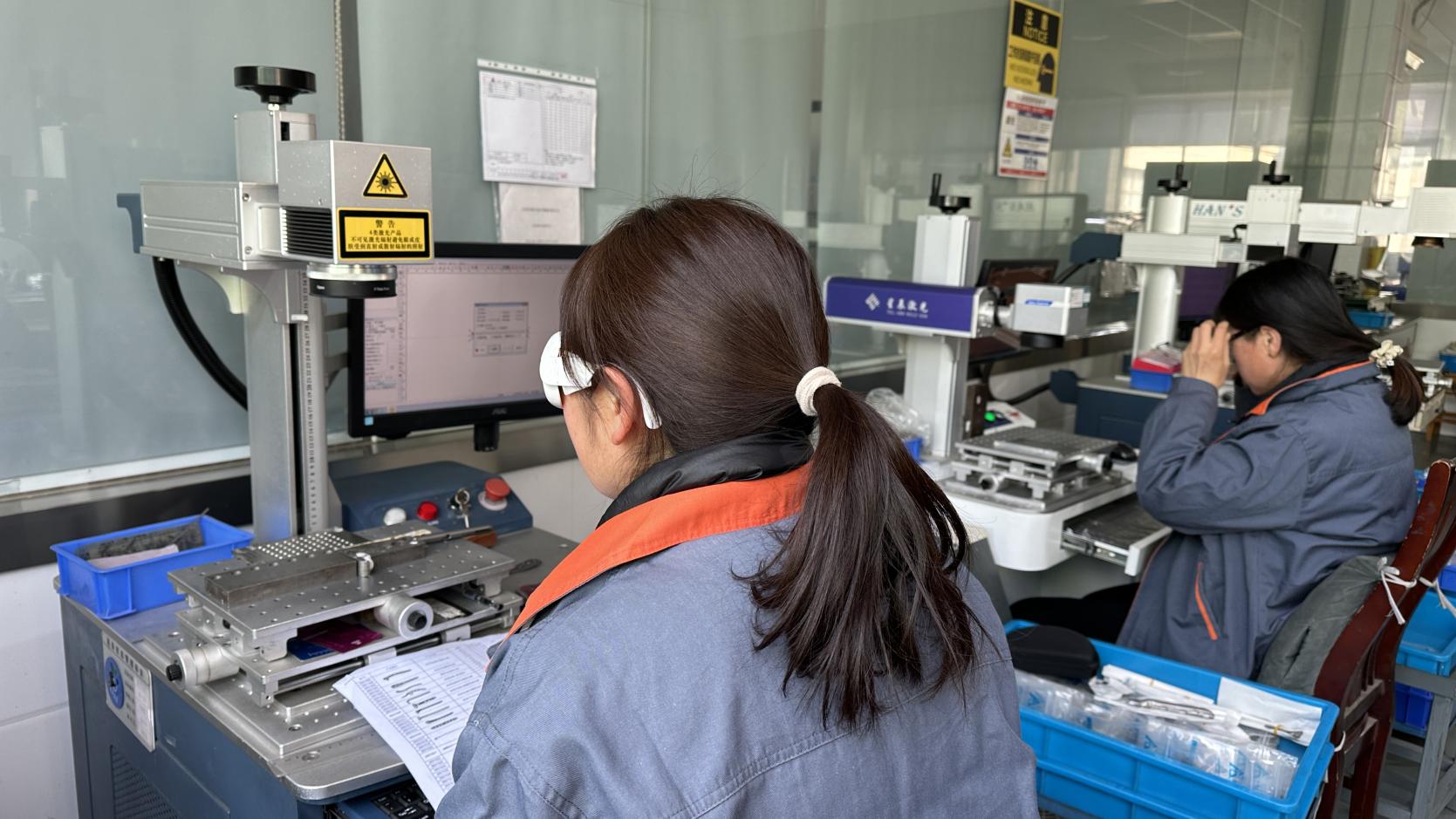
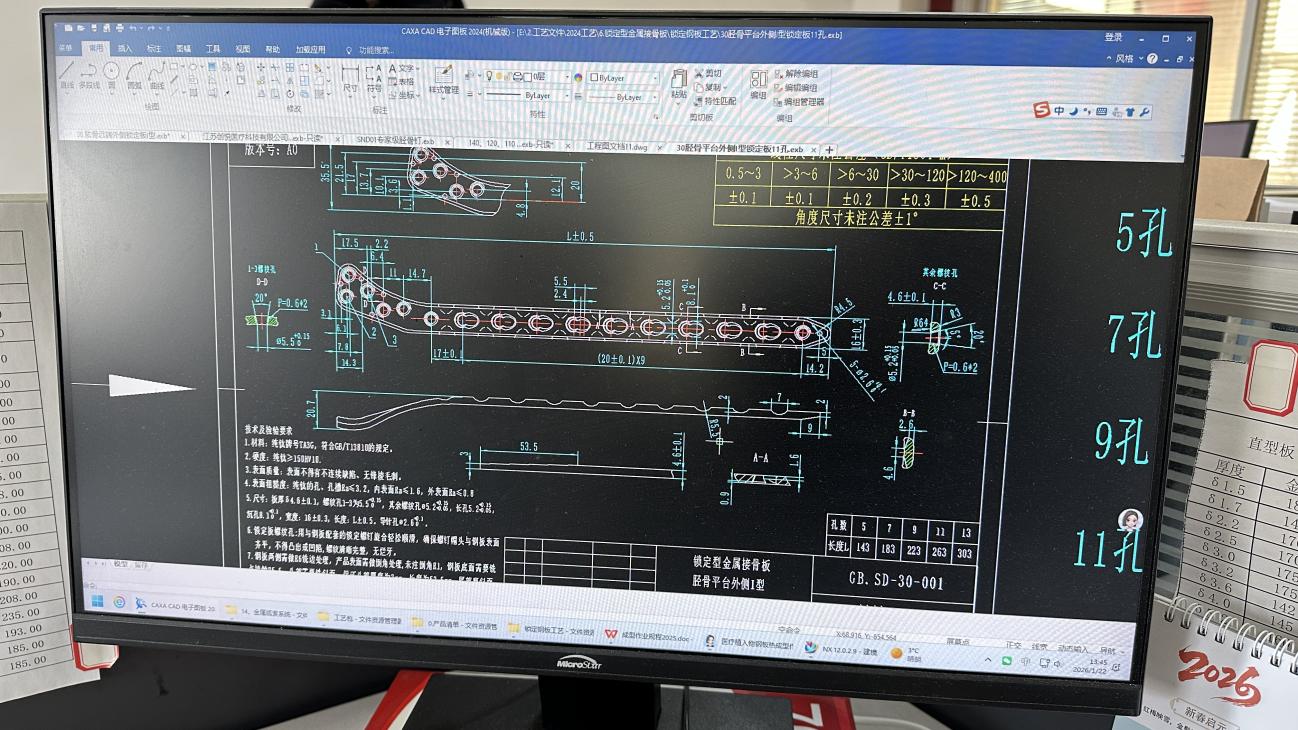

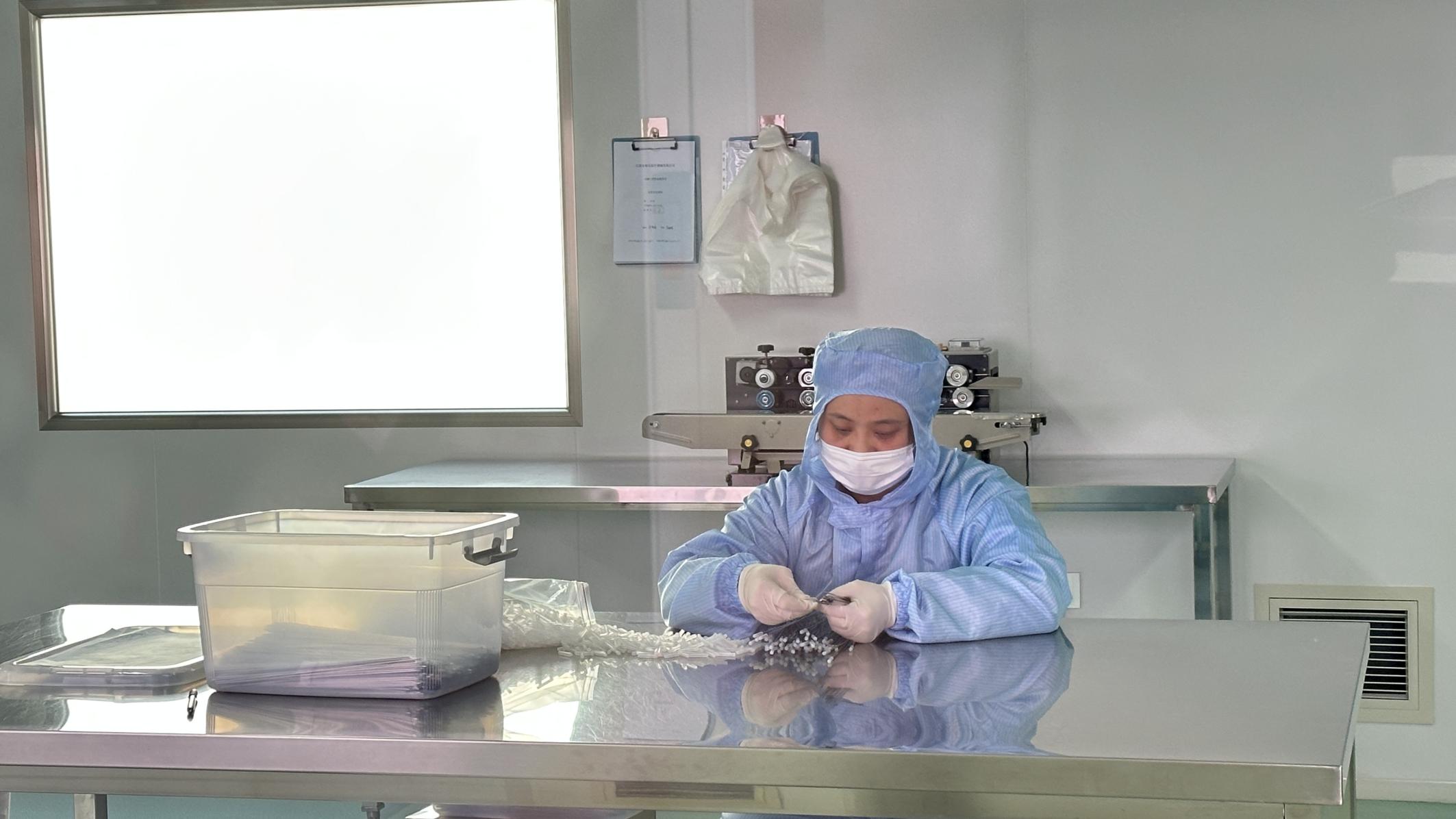
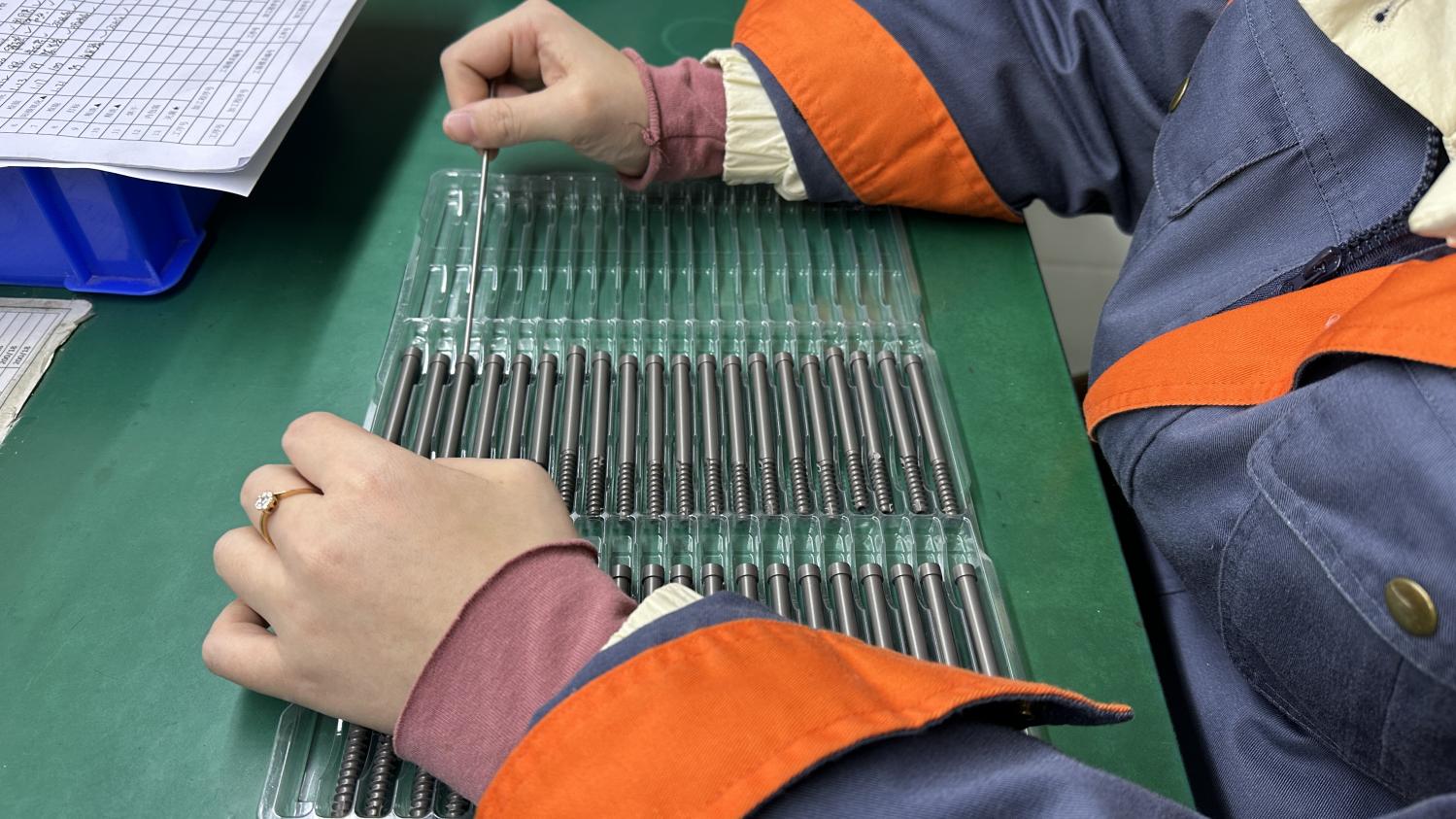
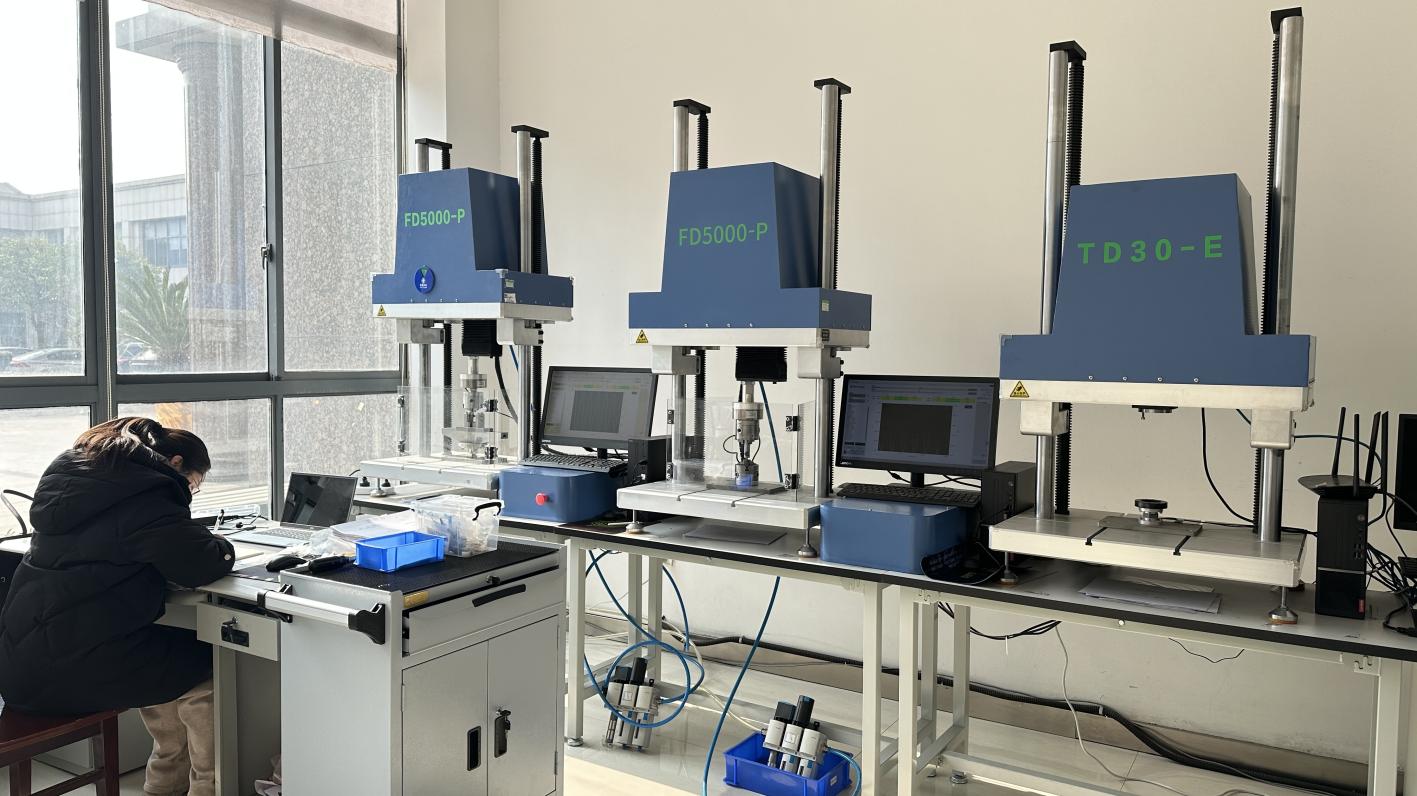
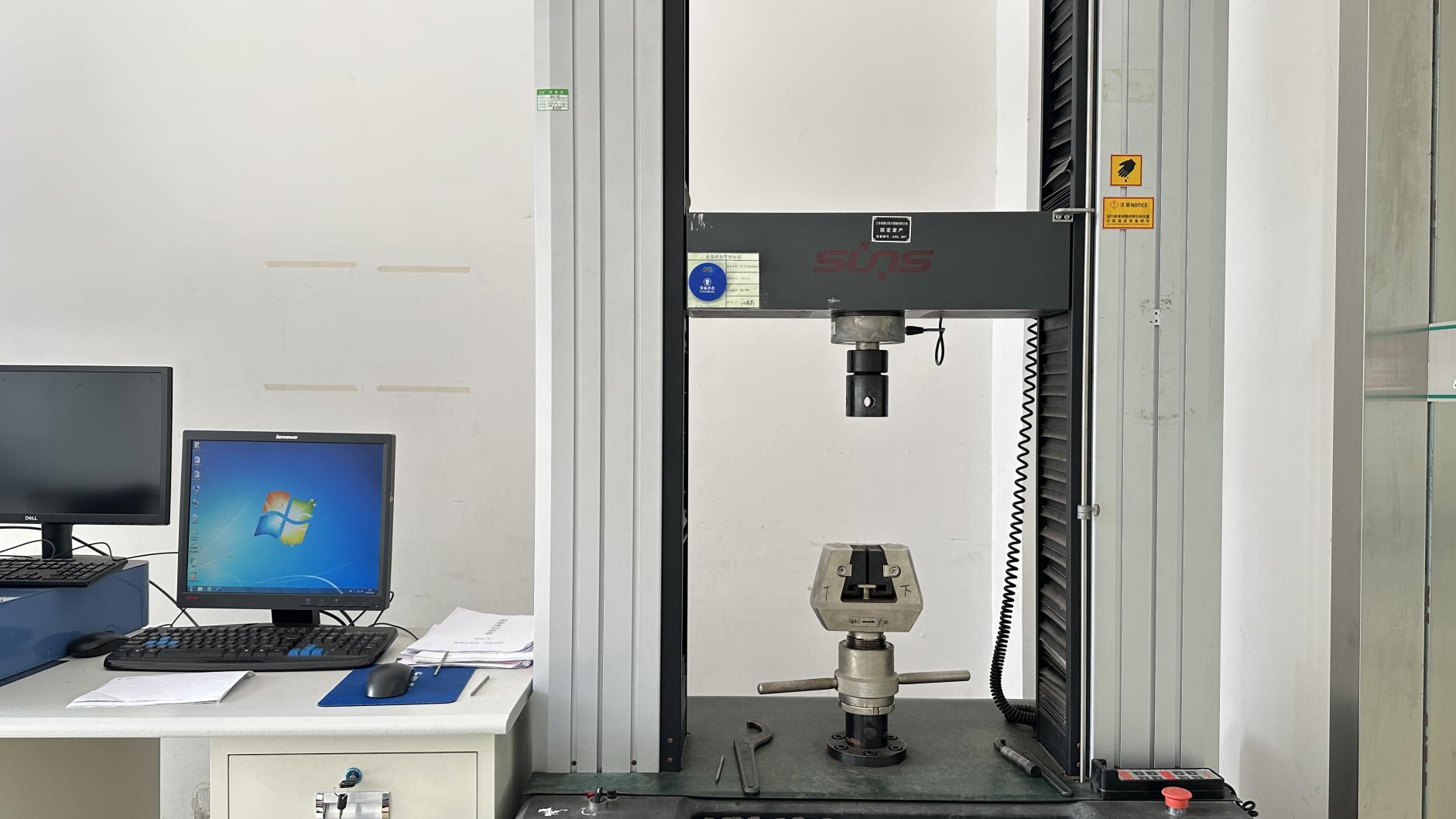
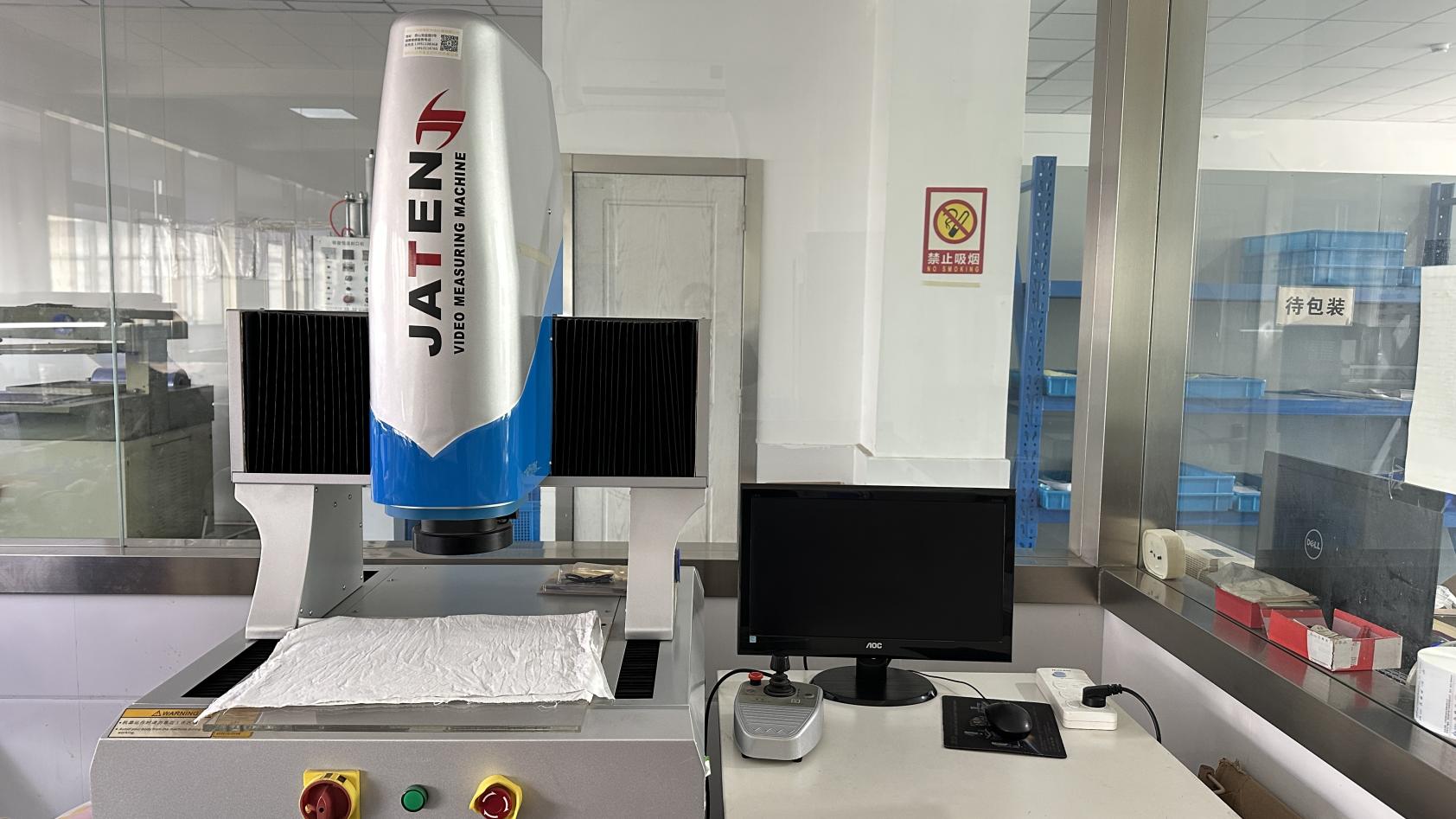
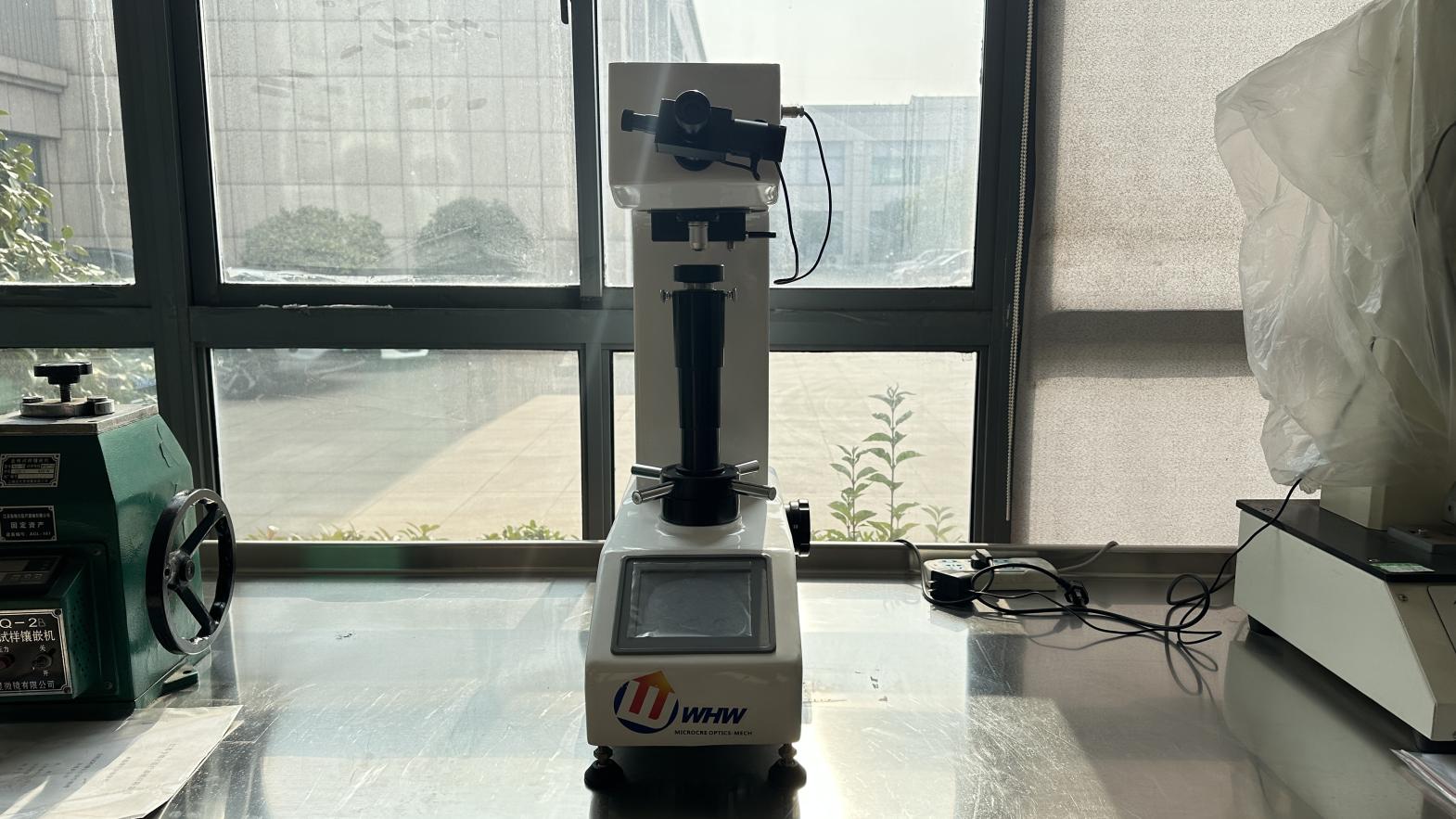
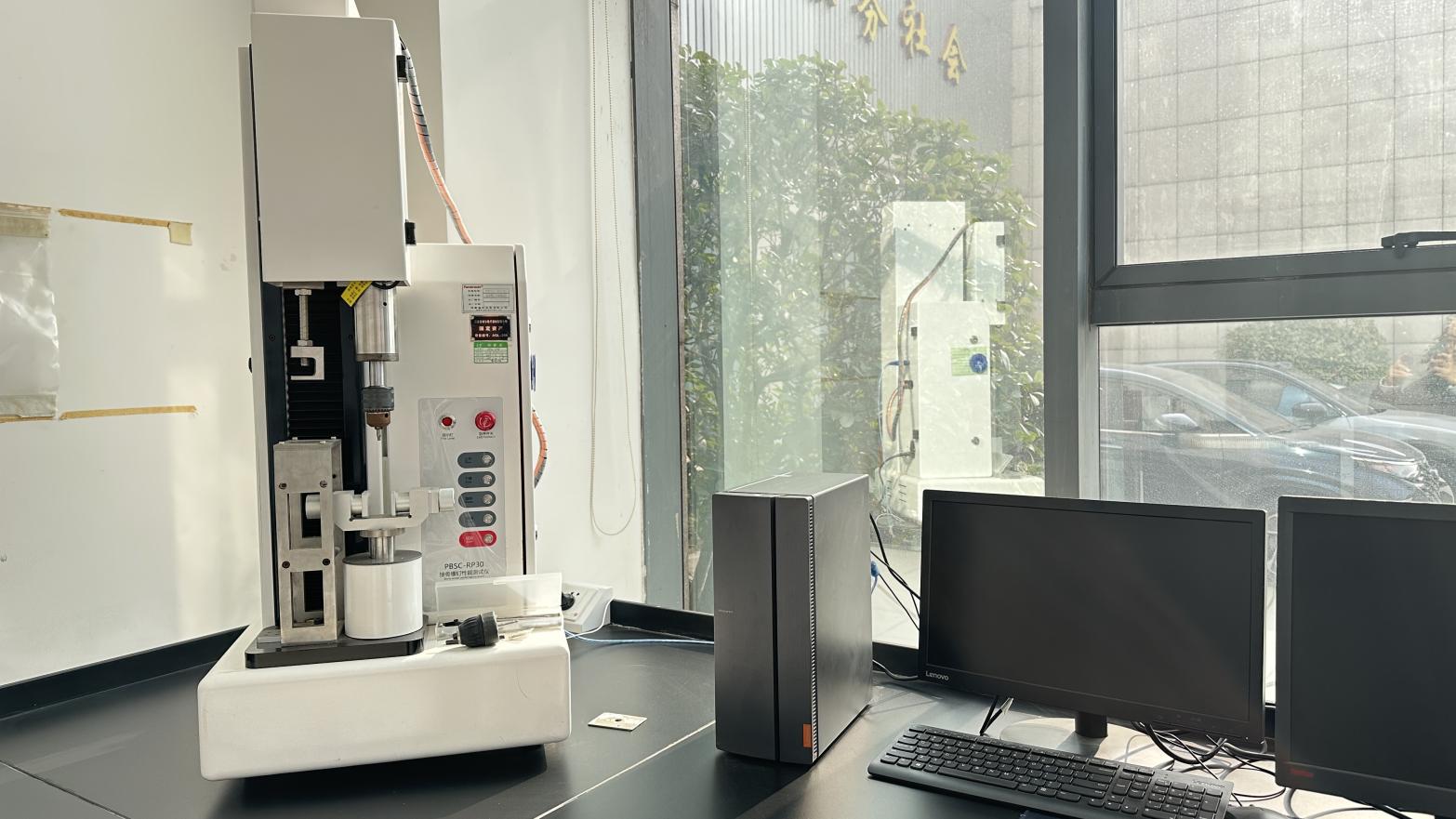
At Virelox, quality control is integrated into every step of production. Our raw materials (primarily medical-grade titanium alloys and ultra-high-molecular-weight polyethylene) undergo rigorous chemical composition verifications. Using advanced multi-axis CNC milling centers, wire-cutting machines, and precision lathes, we manufacture complex geometrical profiles with tight tolerances.
Following machining, components are processed through modern passivation and cleanroom packaging. Every single batch is verified in our testing laboratories, using fatigue testers, tensile testers, two-dimensional measuring units, and hardness testers to guarantee clinical reliability.
Ensuring cross-border medical standardizations and reliable logistics execution.
We assist global partners in navigating regulatory pathways, providing detailed dossiers, CE documentation under MDR, FDA submissions, and localized registration certificates to secure market access quickly and legally.
Offering tailored logistics structures, custom packaging solutions, private labeling (OEM/ODM), and just-in-time stocking models to optimize distributor inventory and lower overhead costs.
Investing in smart implants and surface technology modifications for clinical success.
One of the primary challenges in orthopedic trauma surgery is implant-associated infection. Once bacteria form a biofilm on the surface of a titanium implant, systemic antibiotics struggle to eradicate the infection, often requiring removal of the hardware.
Virelox's R&D department is actively exploring silver nanoparticle and polymer-based drug-eluting coatings. These coatings provide localized, controlled release of antimicrobial agents directly into the bone canal during the critical first 72 hours post-surgery, reducing infection rates without compromising osteointegration.
Freehand distal locking screw insertion remains a technically demanding, fluoroscopy-dependent step in intramedullary nailing. Sourcing trends show growing interest in radiation-reducing digital navigation tools.
Our upcoming product lines incorporate electromagnetic (EM) targeting systems integrated into the nailing instruments. These systems allow surgeons to locate distal locking holes precisely without repeated X-ray exposure, protecting patients and operating room staff from cumulative radiation.
Key technical and commercial answers for orthopedic distributors, buyers, and clinical professionals.
Explore our diverse inventory of spine plates, arthroscopy instruments, and revision tools.
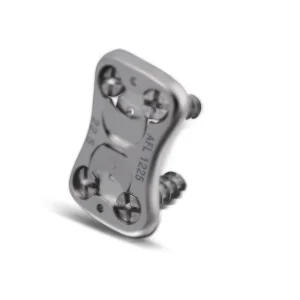
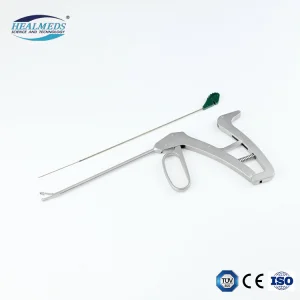
 Virelox