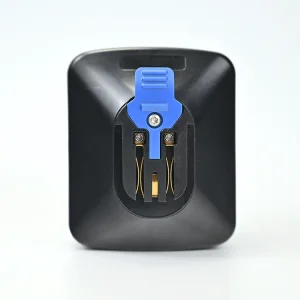
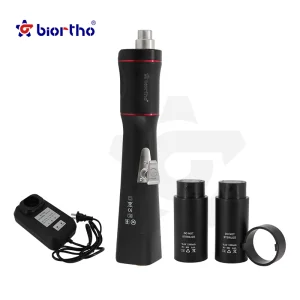
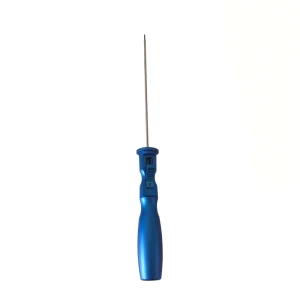
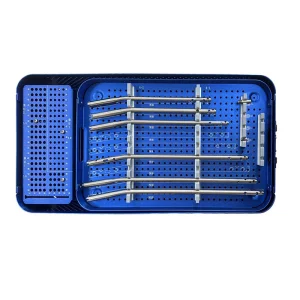
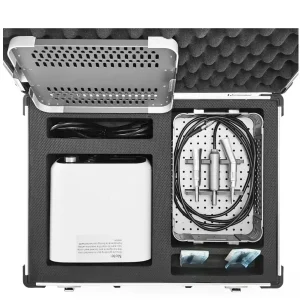
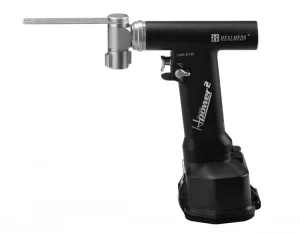
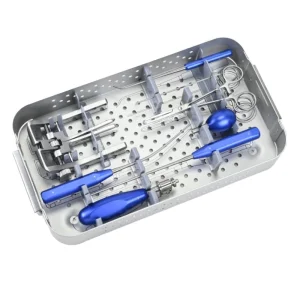
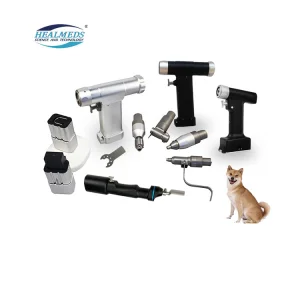
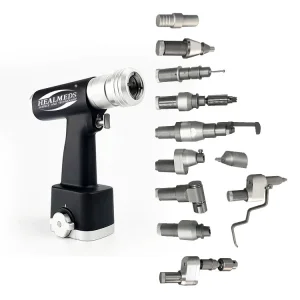
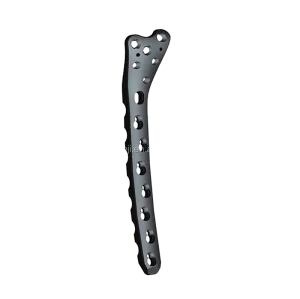
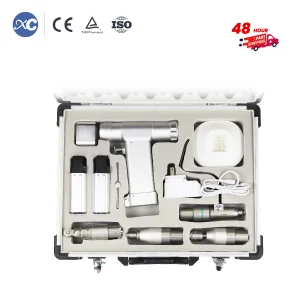
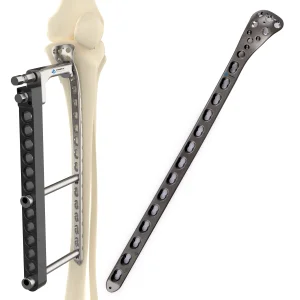
Explore our premium surgical system, designed to integrate with mandibular plate reconstruction assemblies.
A benchmark for orthopedic and cranio-maxillofacial implant manufacturing since 2016.
Full-process quality management matching absolute global requirements for osteosynthesis systems.
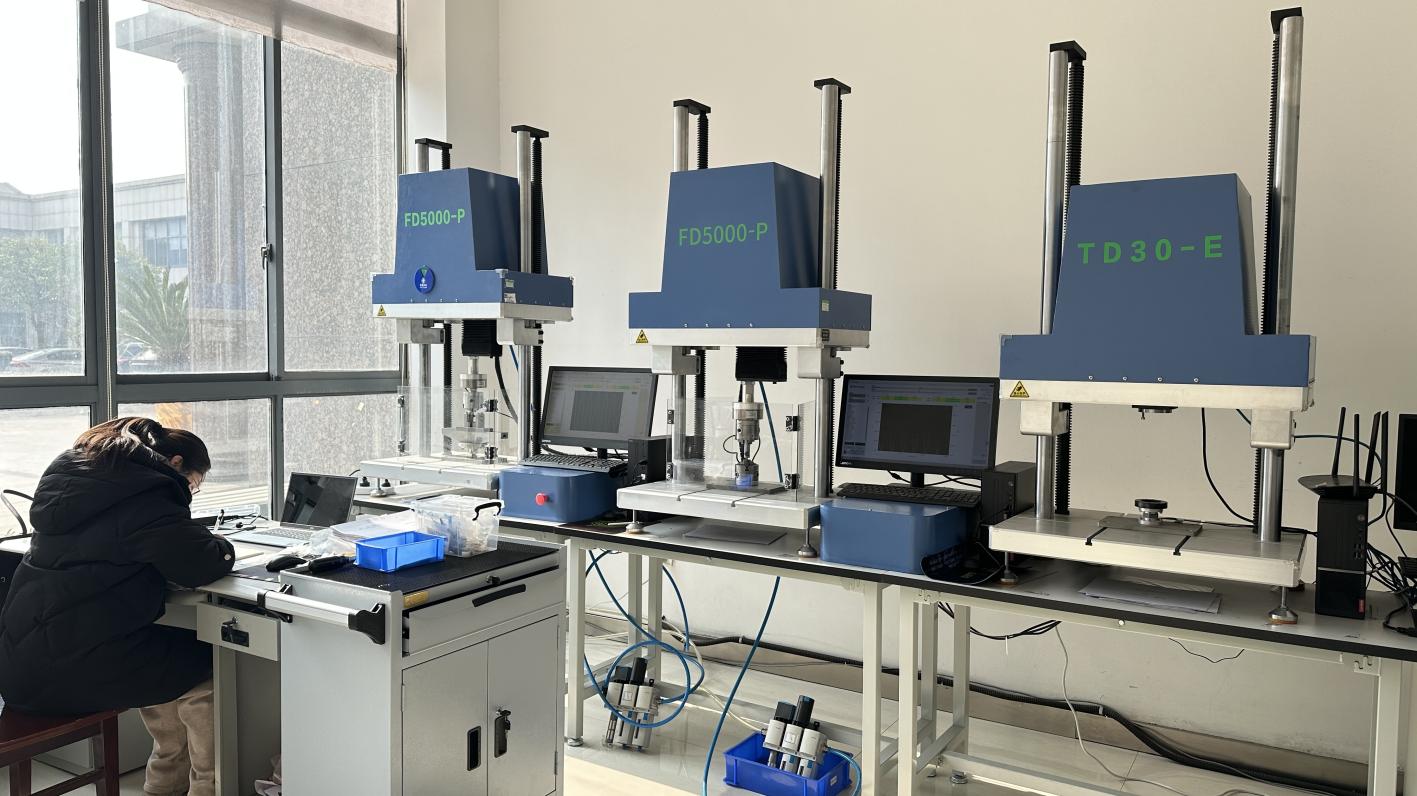
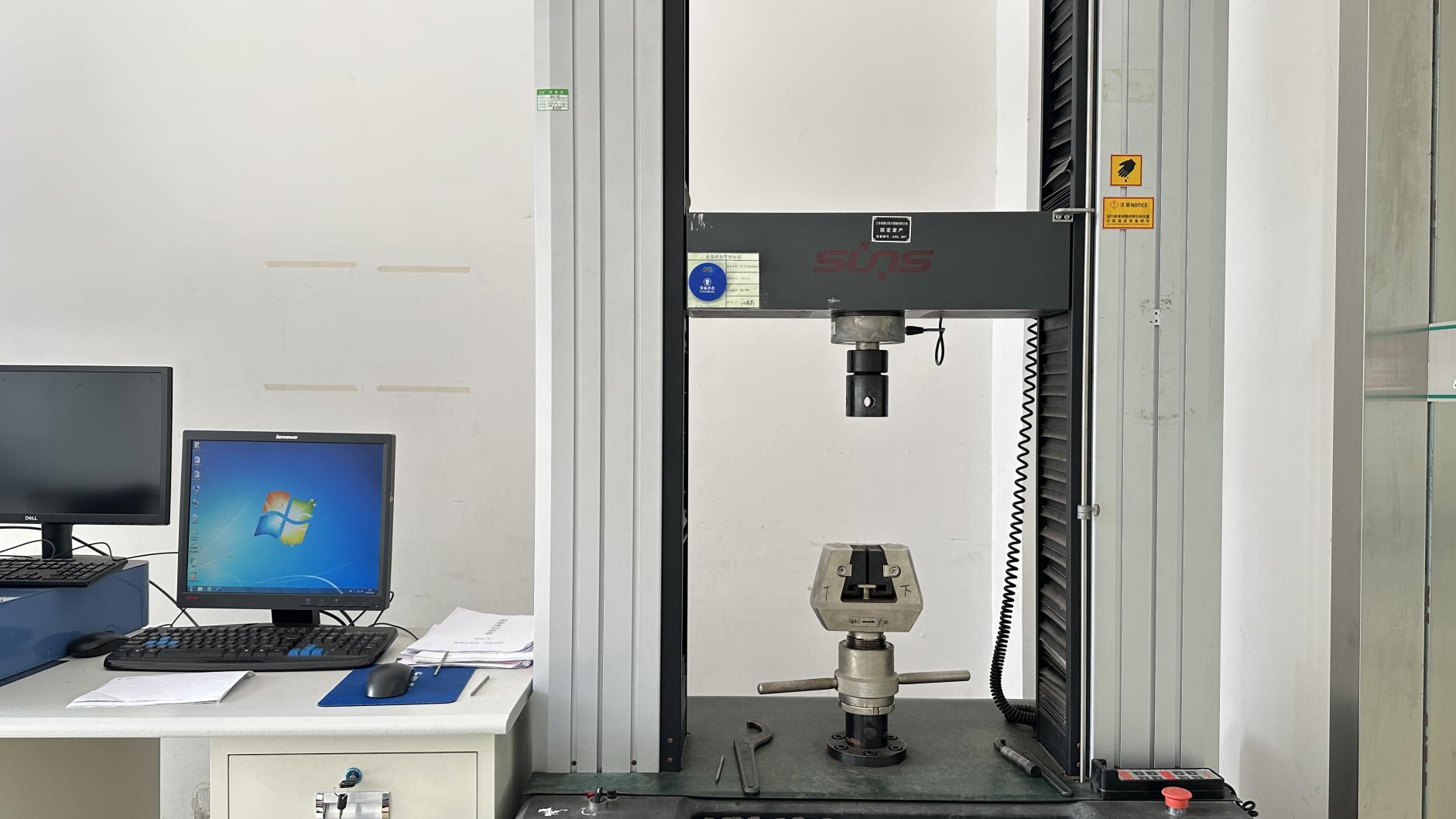
X-ray inspection, tensile strength verification, and fatigue testers ensure failure-free in vivo execution.
Tailored locking and non-locking plate designs with private label support to meet regional surgeon preferences.
Export footprints covering Europe, Southeast Asia, South America, and Middle East healthcare zones.
A comprehensive examination of biomechanical demands, clinical challenges, and manufacturing trends.
Mandibular reconstruction stands as one of the most challenging areas in maxillofacial surgery. The human mandible is a complex, load-bearing bone subject to multidirectional forces during mastication, speech, and swallowing. Functional restoration following segmental bone defects due to oncology resections, severe trauma, osteomyelitis, or congenital deformities requires anatomical matching and mechanical stability. As a premier Mandibular Reconstruction Plates Factory and Exporter, Virelox Medical Devices Co., Ltd. addresses these challenges by merging advanced metallurgy, precision manufacturing, and rigorous biomechanical validation to supply surgeons with reliable bone fixation platforms.
"Successful mandibular reconstruction depends on minimizing construct failure, preventing plate exposure, and avoiding screw loosening. Utilizing high-grade biocompatible titanium alloys coupled with refined locking profiles helps mitigate stress shielding while ensuring immediate load transmission across segmental gaps."
The selection of raw materials determines the fatigue life and tissue integration of mandibular reconstructive plates. Commercially Pure Titanium (Grades 2 and 4) and Titanium Alloy (Ti-6Al-4V ELI / Grade 5) remain the gold standard due to their outstanding strength-to-weight ratio, corrosion resistance, and osseointegration properties. At our advanced facility, we choose raw materials according to international surgical implant standards (ASTM F136 and ISO 5832-3).
Titanium Grade 5 offers superior tensile strength and yield stress compared to CP titanium, making it ideal for large segmental defects where the plate must withstand long-term functional loading. CP titanium, however, provides greater ductility, allowing intraoperative bending and shaping by surgeons to fit the patient's unique mandibular contour. Our product range accommodates both needs, featuring ductile plating systems alongside rigid locking plate solutions.
The introduction of locking plate technology revolutionized mandibular reconstruction. Unlike non-locking systems that rely on plate-to-bone friction for stability—often leading to cortical bone necrosis and screw loosening due to micro-motion—locking plates form a rigid, fixed-angle construct. In this design, the screw head threads directly into the plate, locking it in place. This prevents the plate from being pressed tightly against the periosteum, preserving the local vascular supply and reducing the risk of plate infection.
Our factory manufactures high-tolerance locking plates featuring variable angle (VA) technology. This allows surgeons to angle screws up to 15 degrees in any direction to avoid tooth roots, nerve bundles, or critical vascular structures without compromising the lock between screw and plate. Micro-machined screw threads are produced on high-precision CNC swiss-lathes to ensure seamless engagement and lower insertion torque.
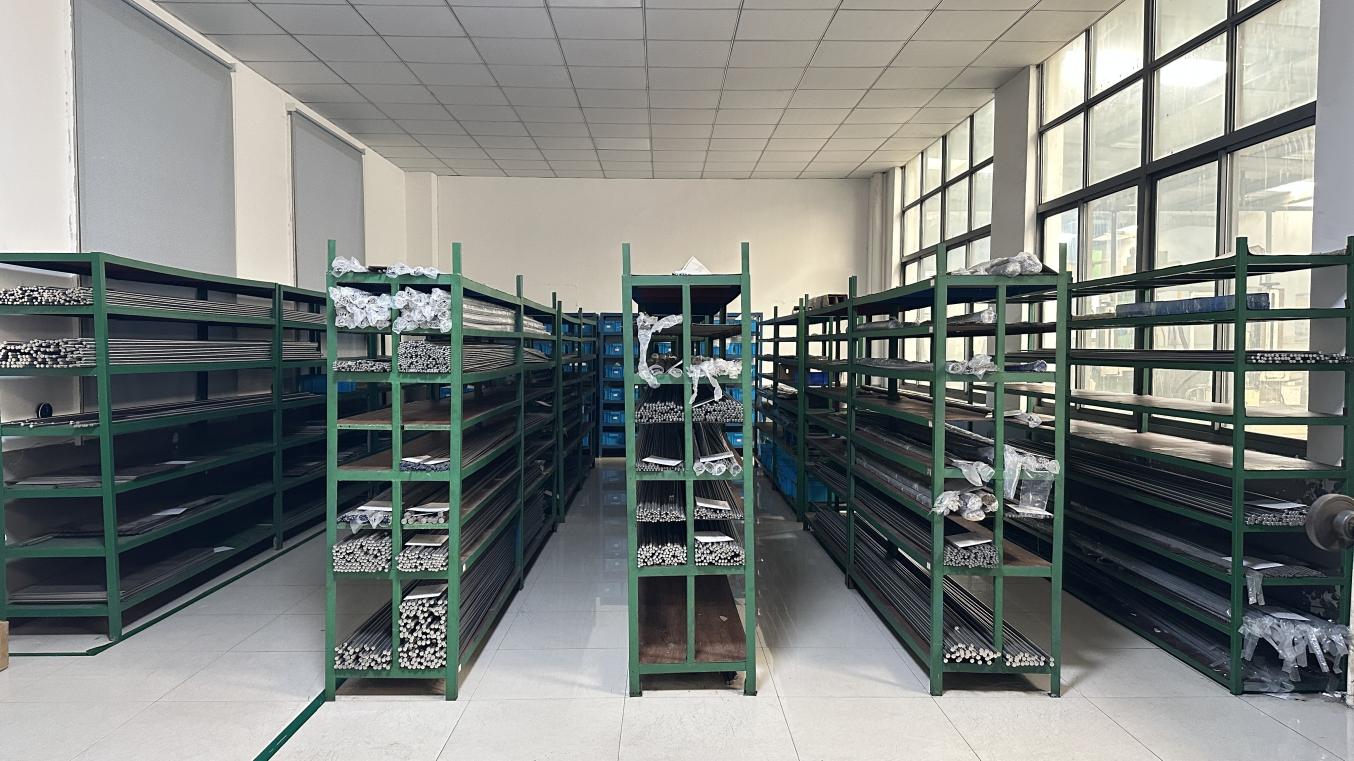
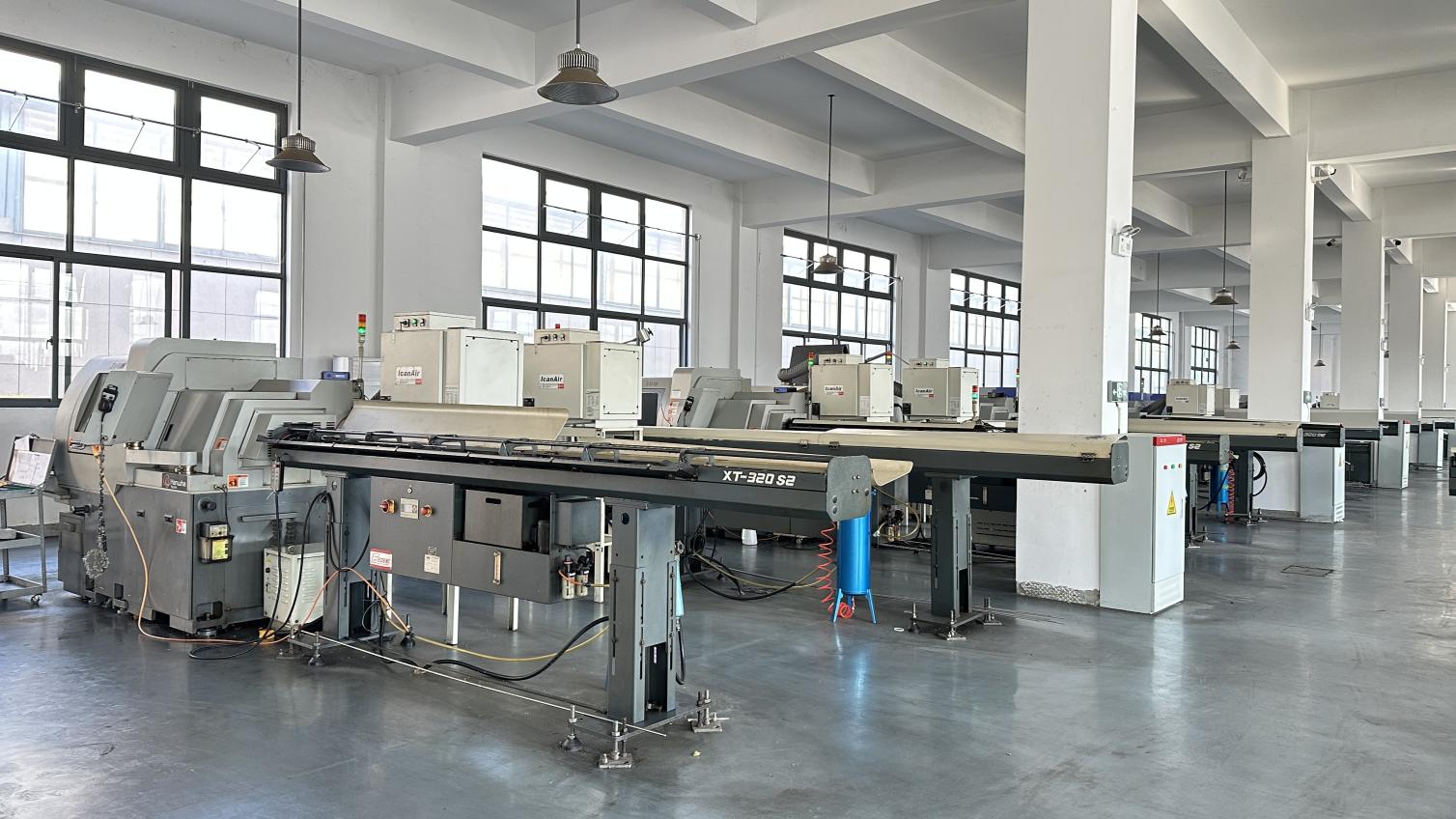
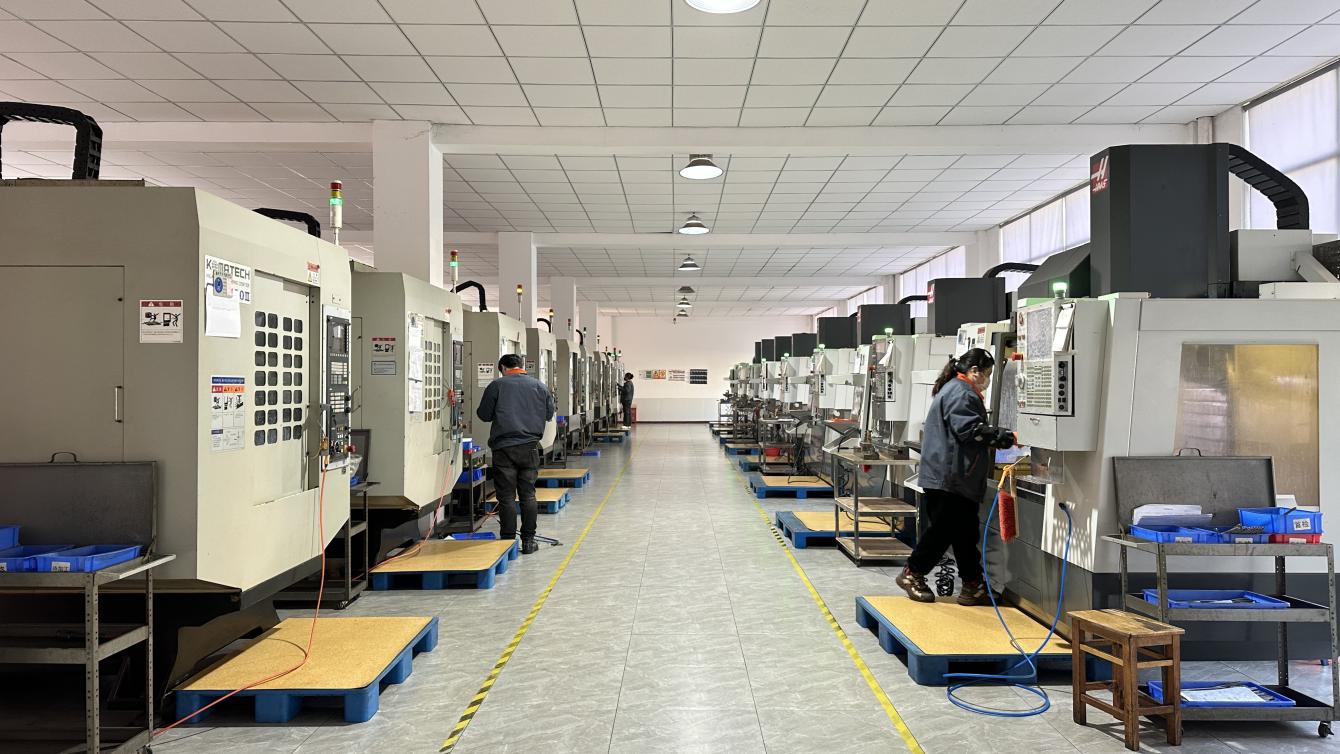
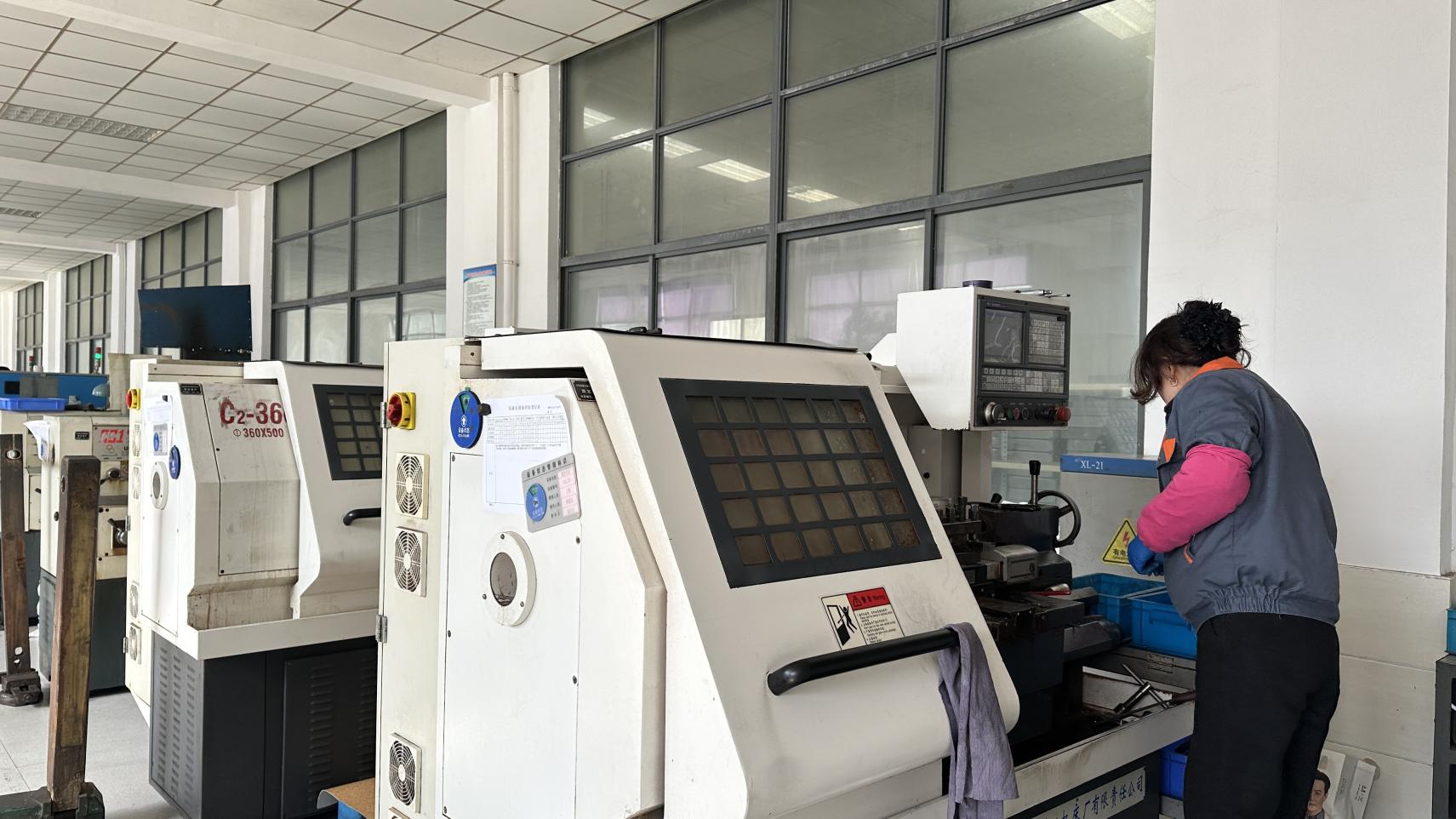
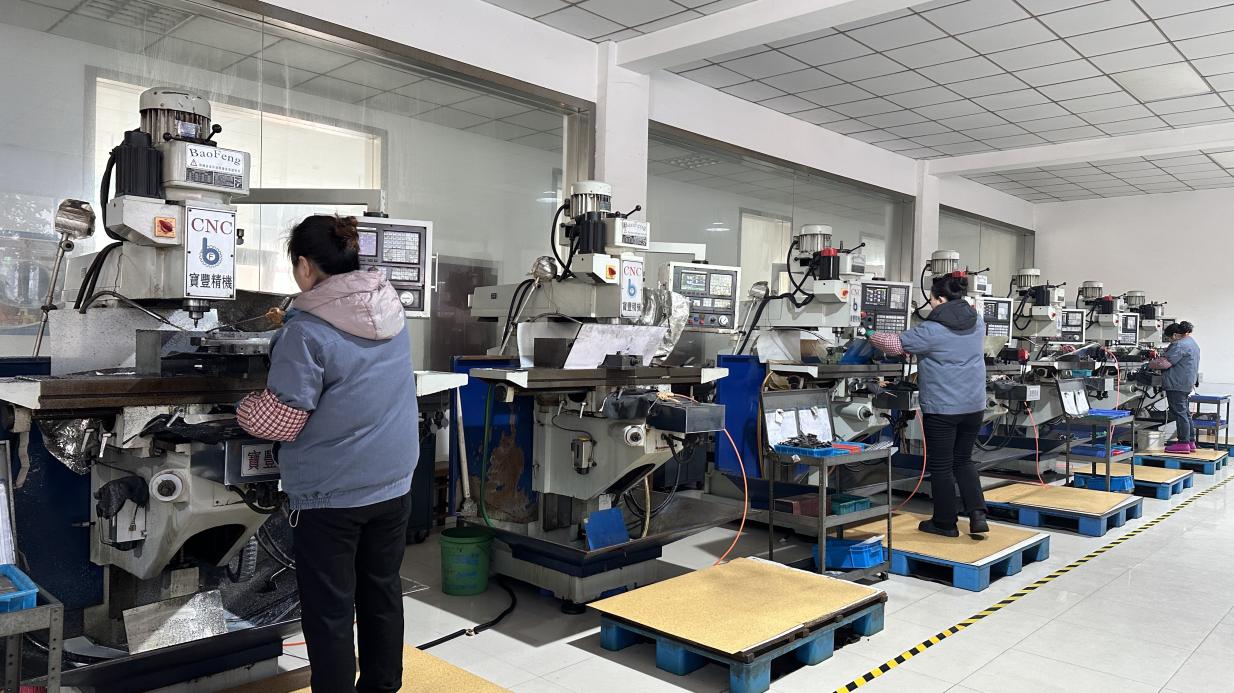
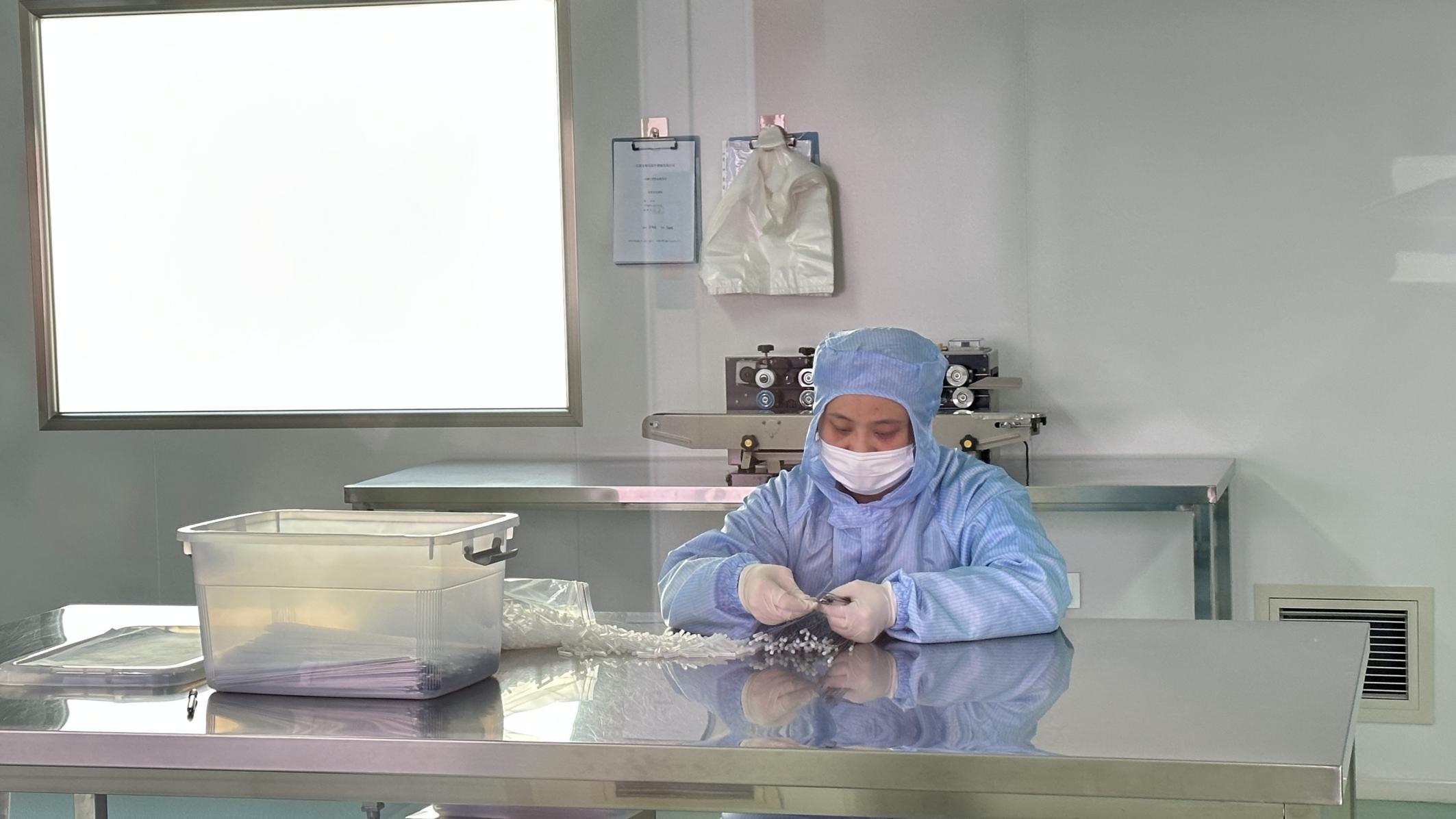
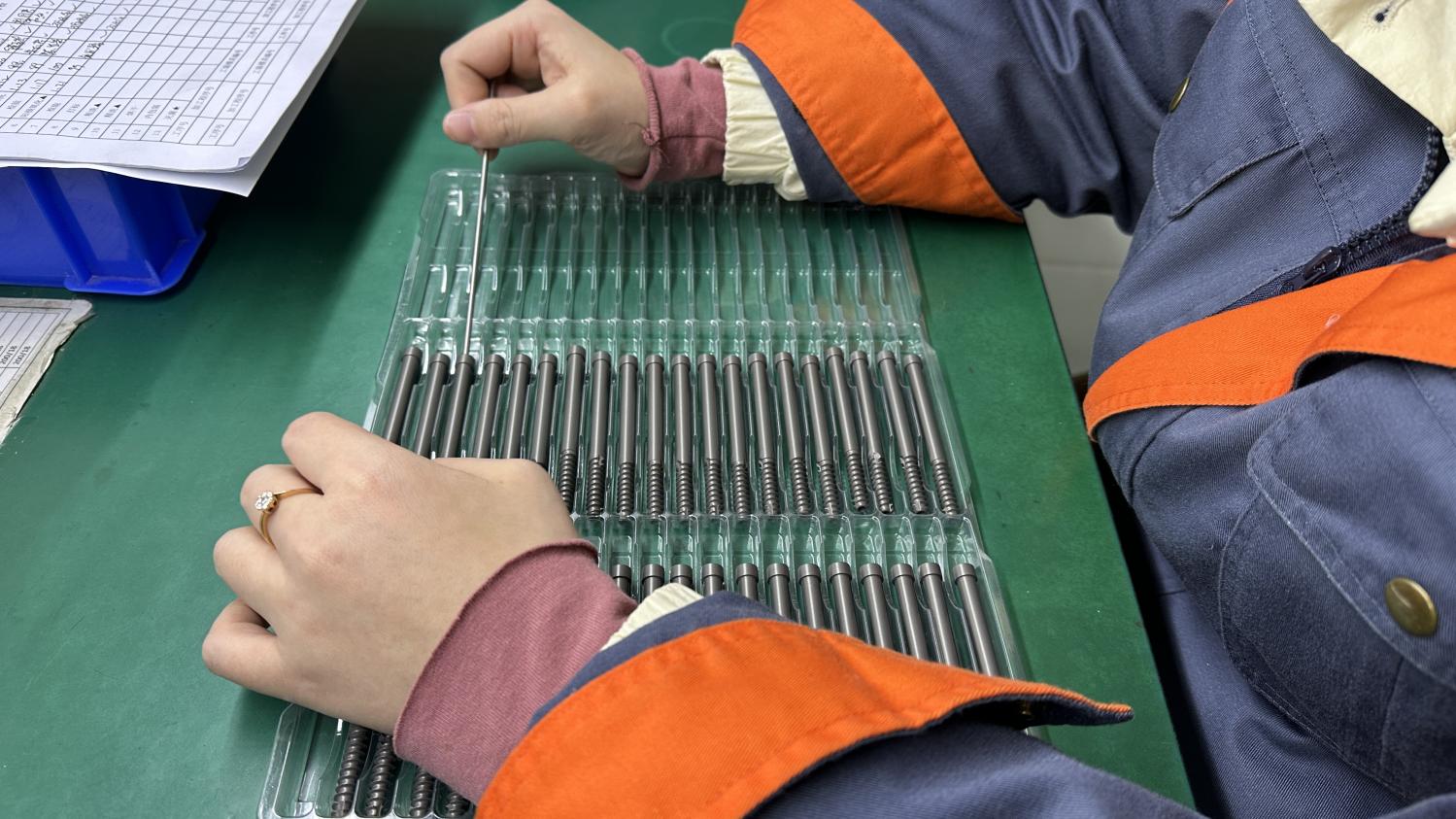
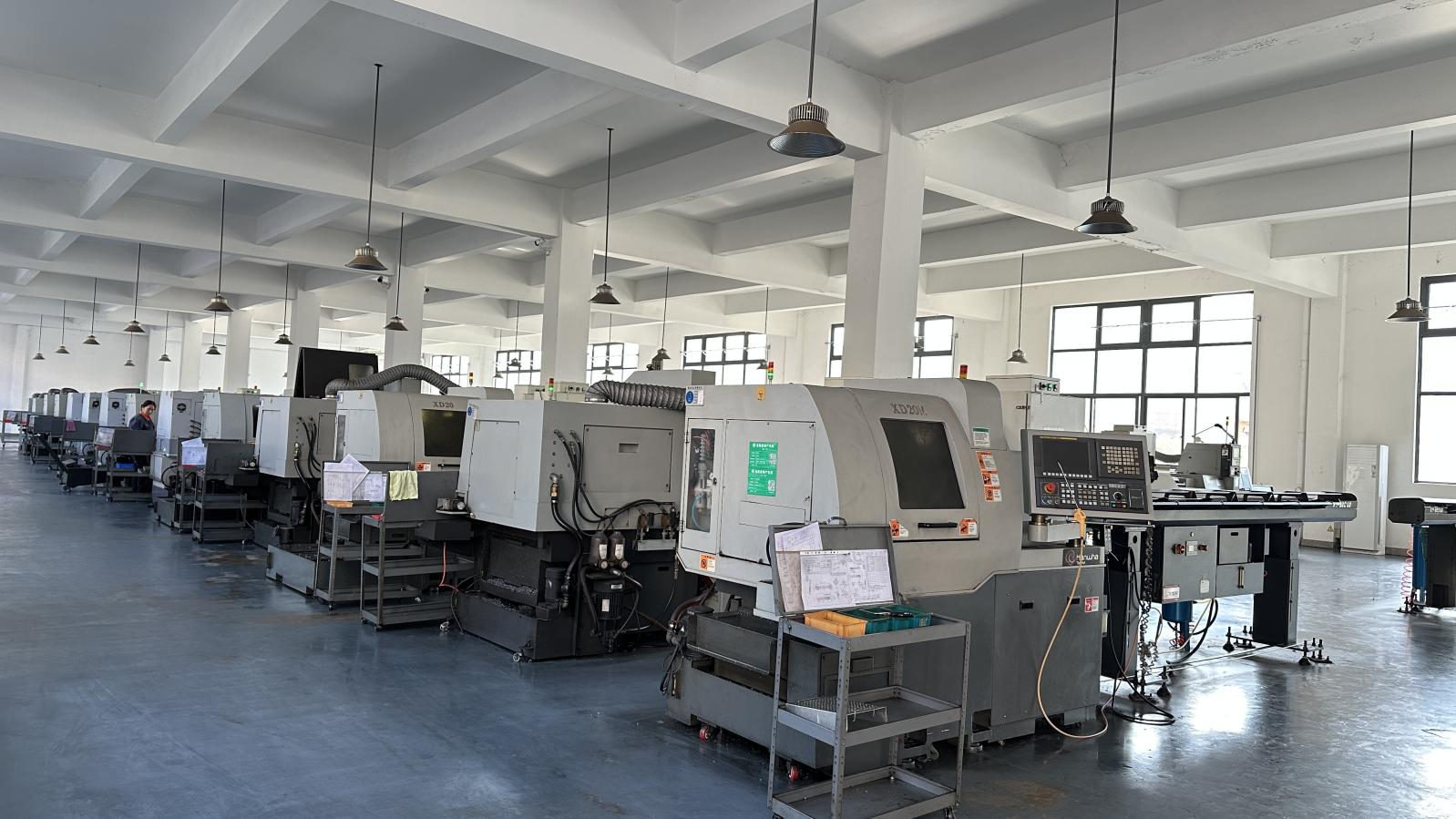
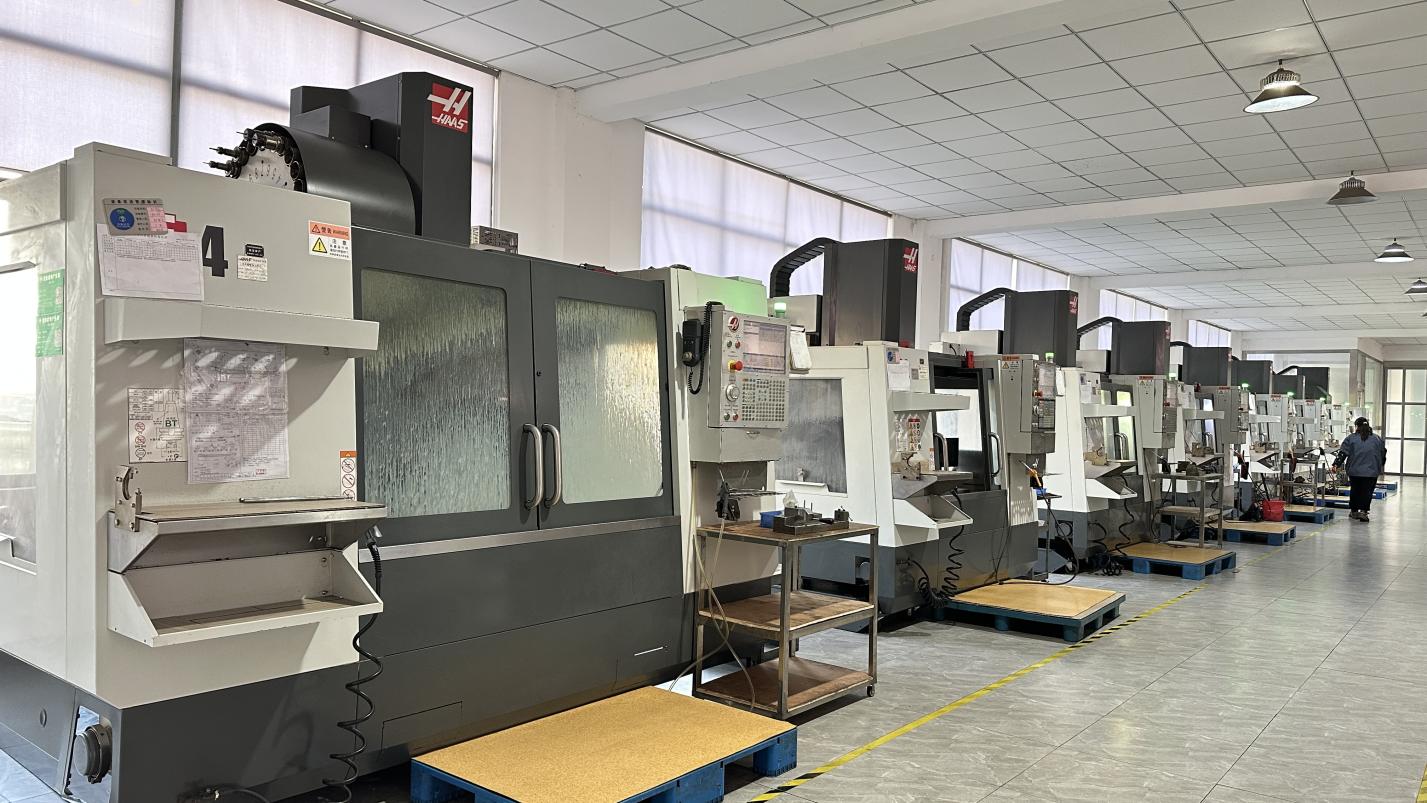
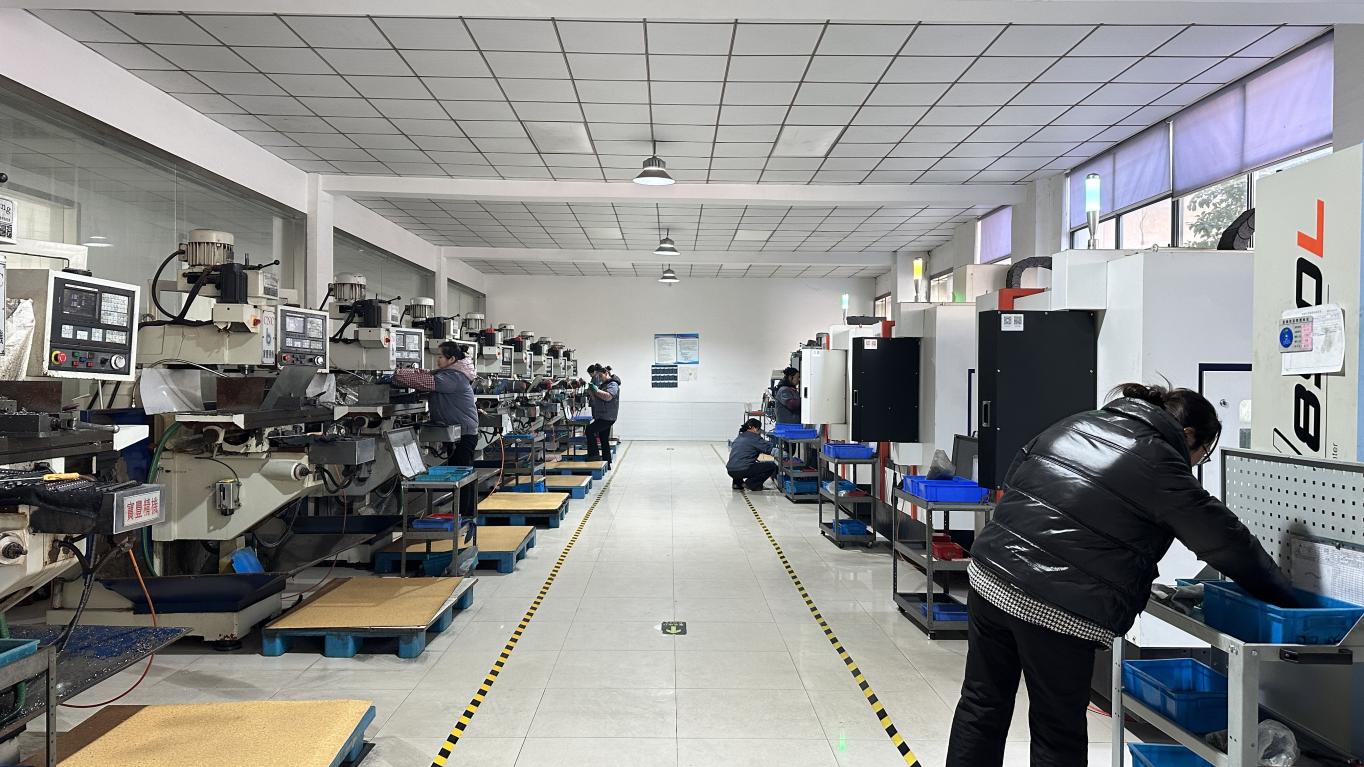
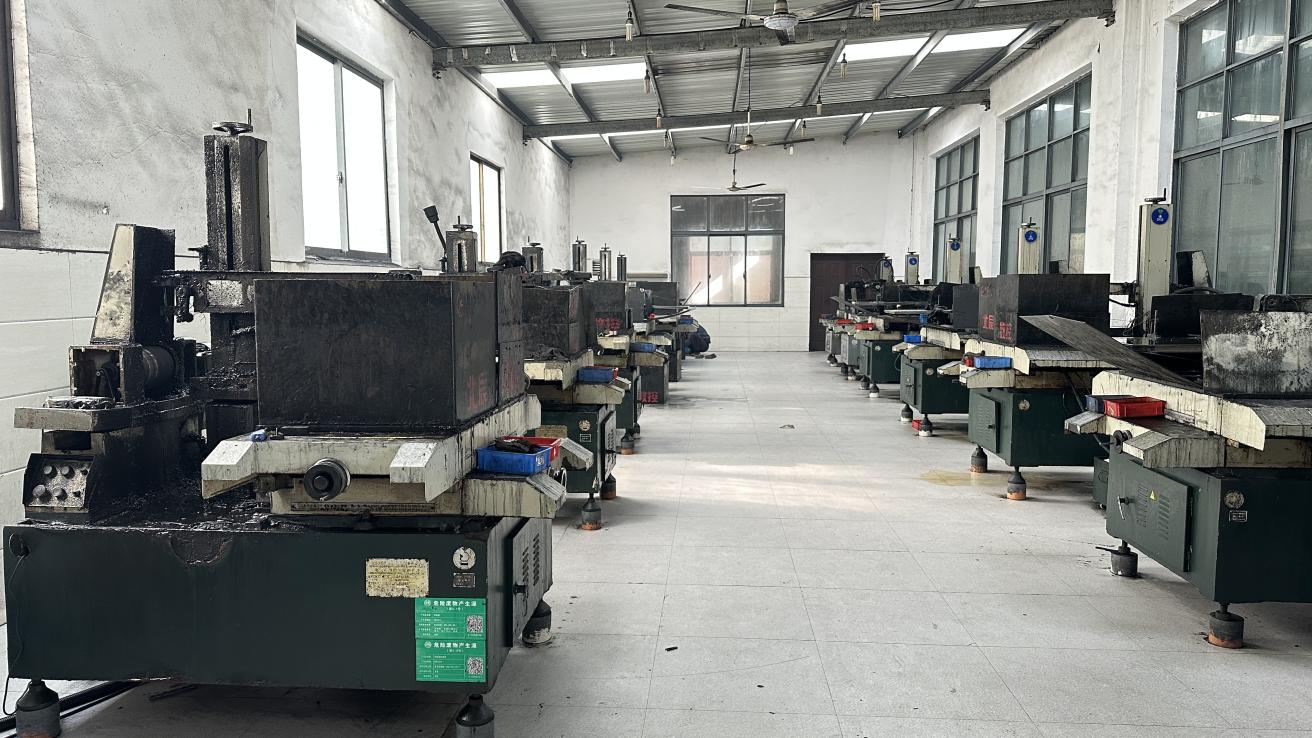
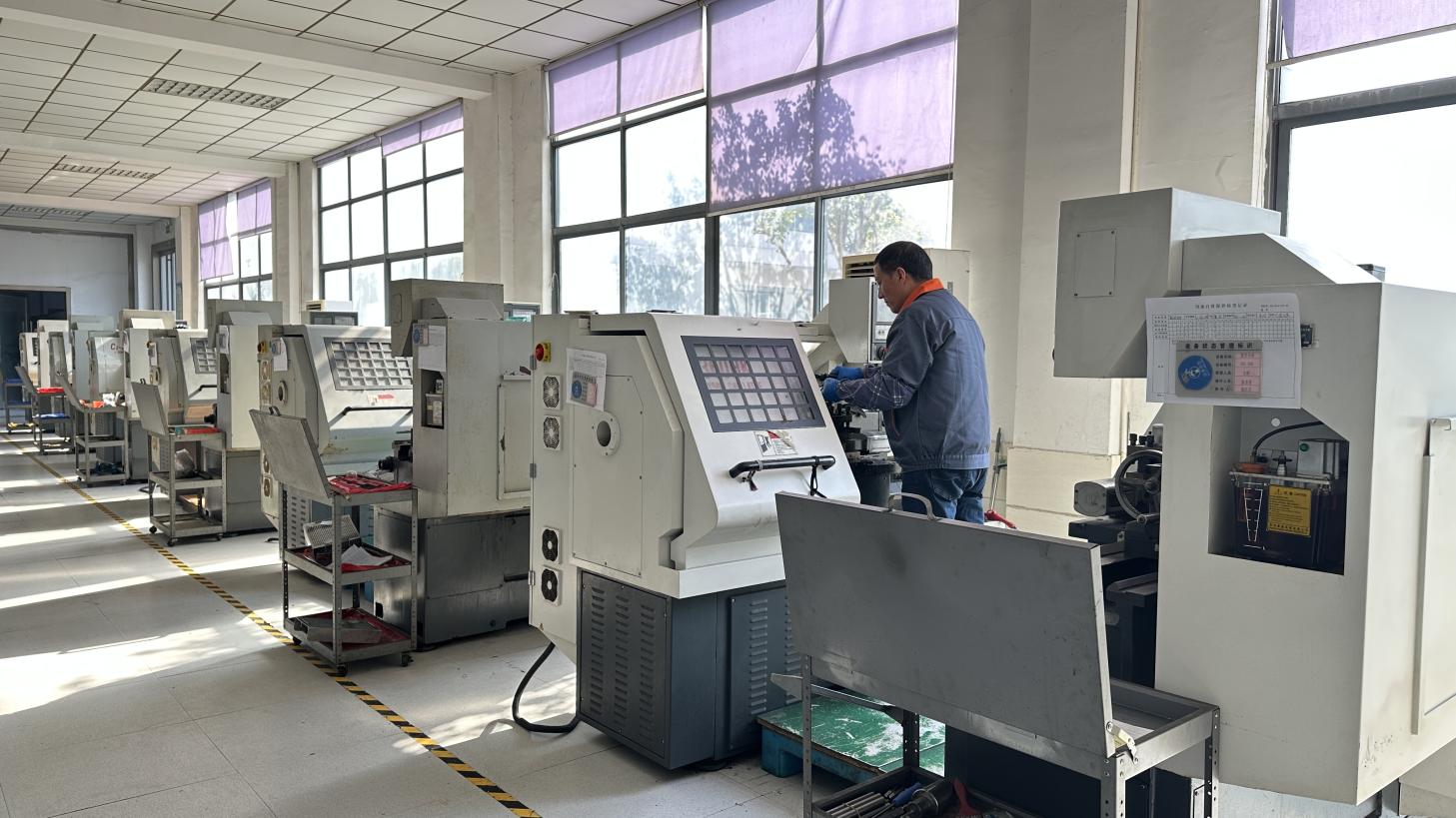
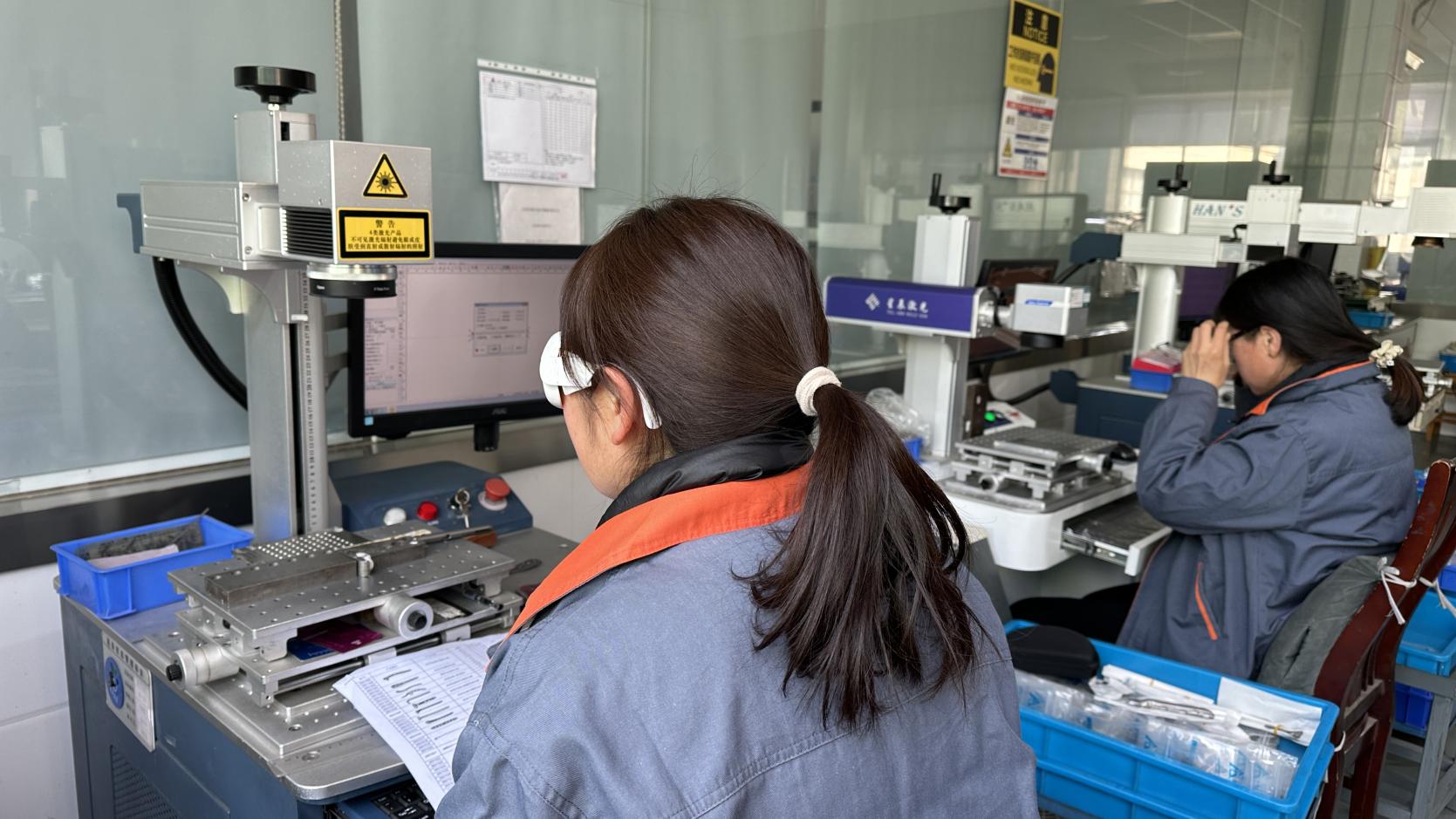
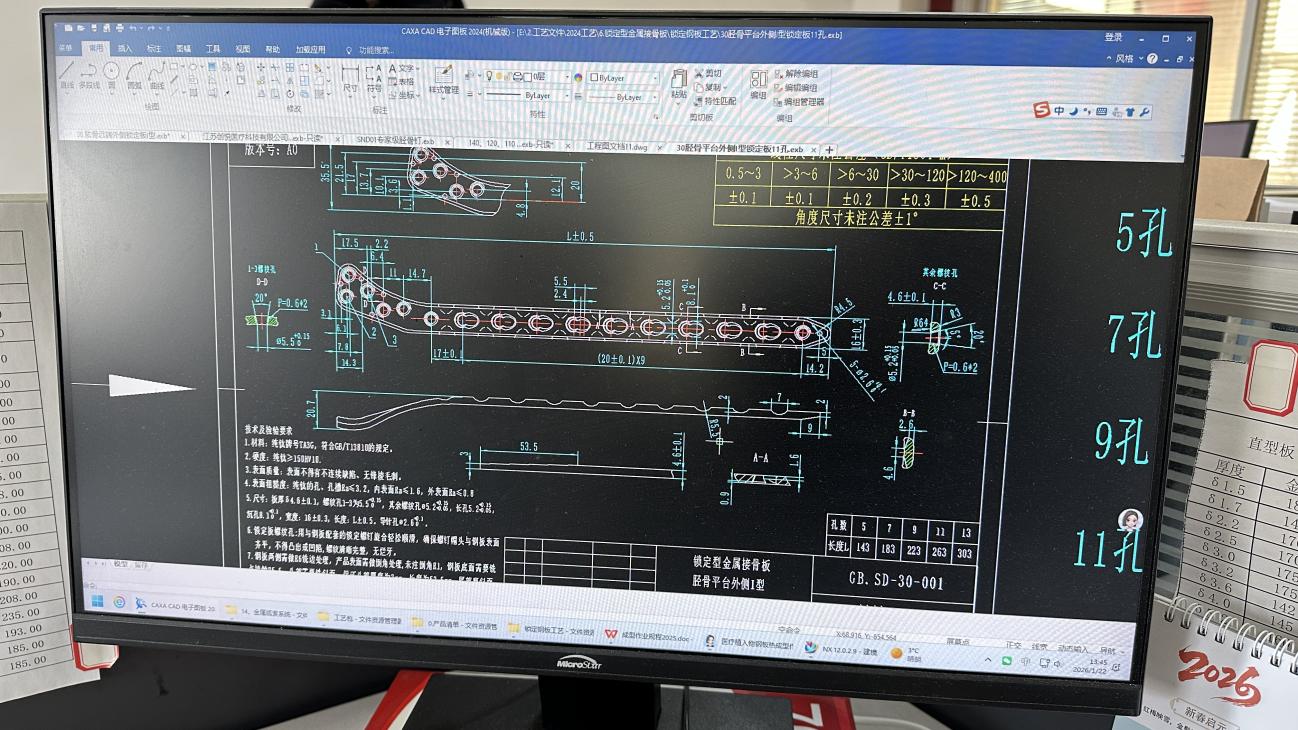
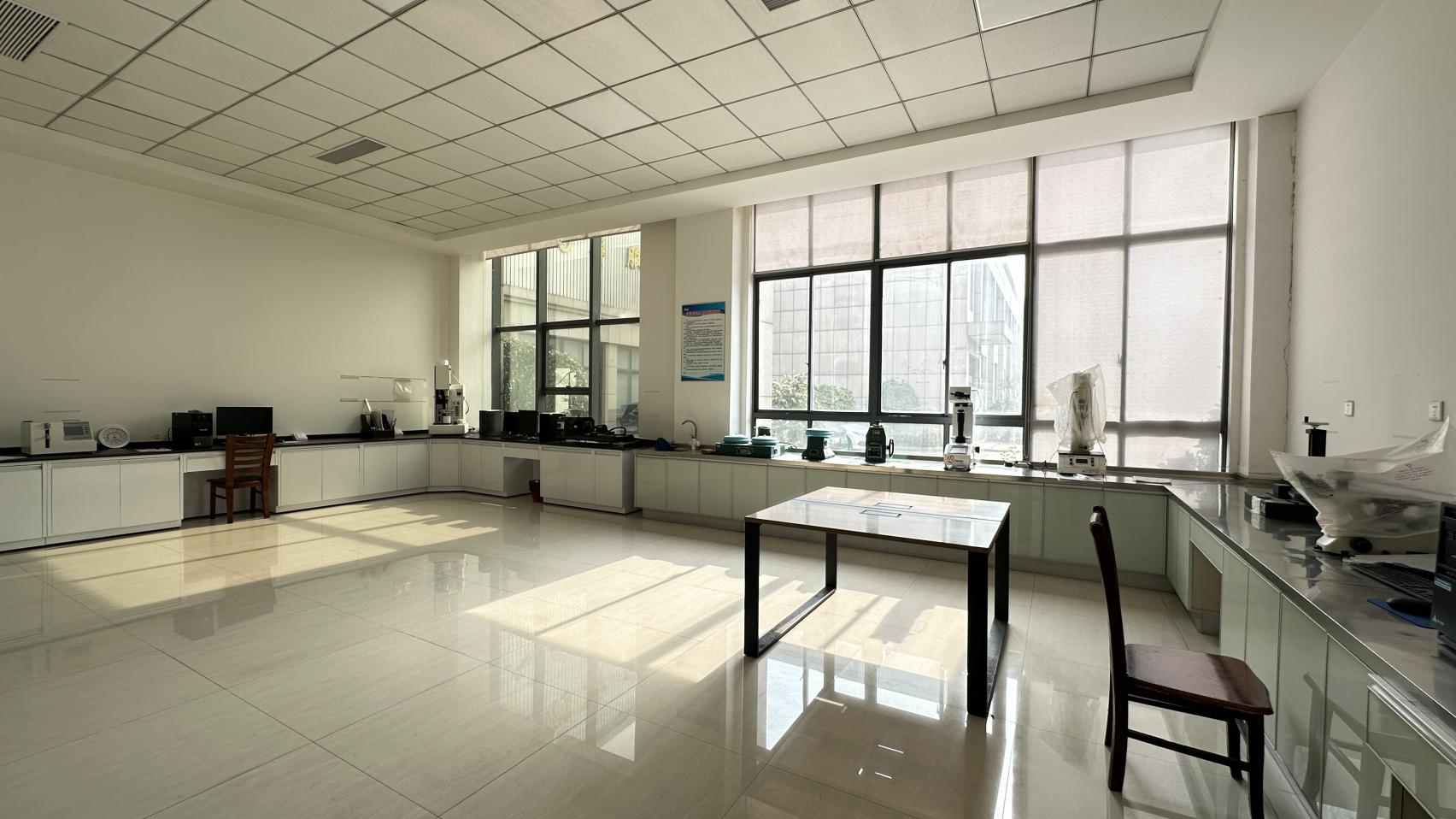
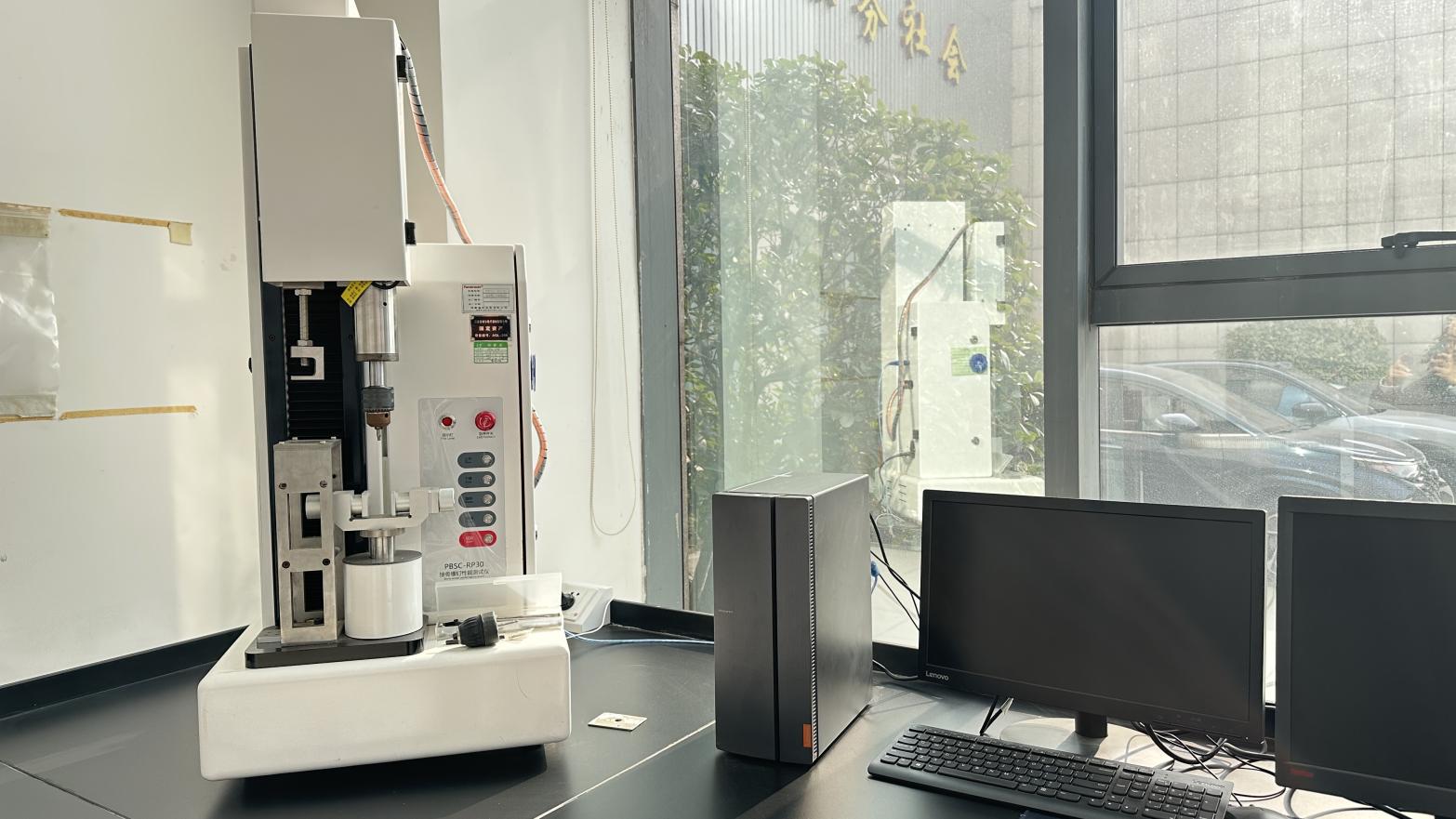
To guarantee the safety and structural integrity of load-bearing implants, Virelox operates a quality inspection program overseen by 65 QA professionals. Our ISO 13485-based processes trace raw titanium from material entry to post-anodization packing. Implants undergo multi-axial fatigue evaluation to confirm they can handle millions of cycles at physiological force levels without failure.
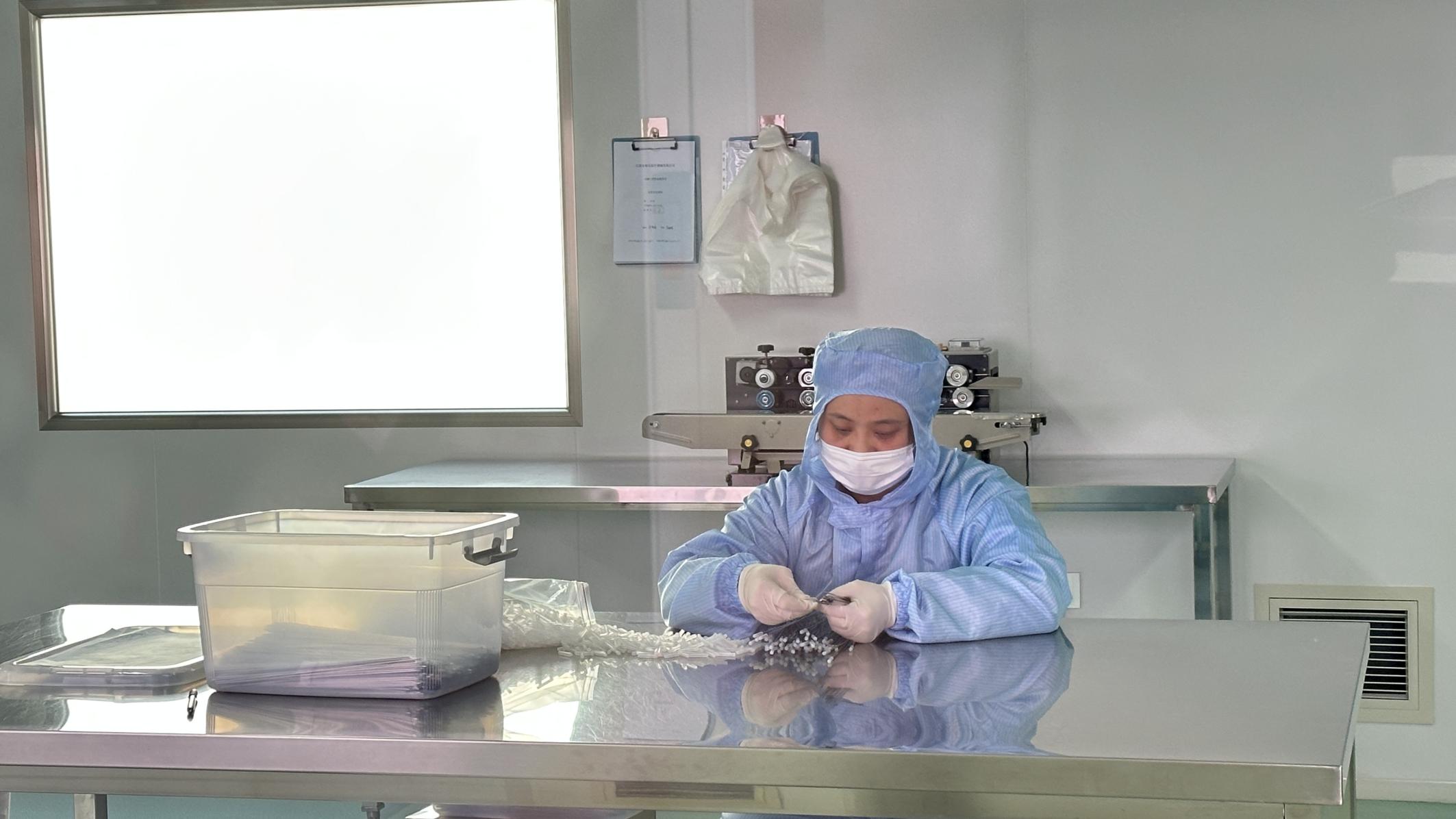
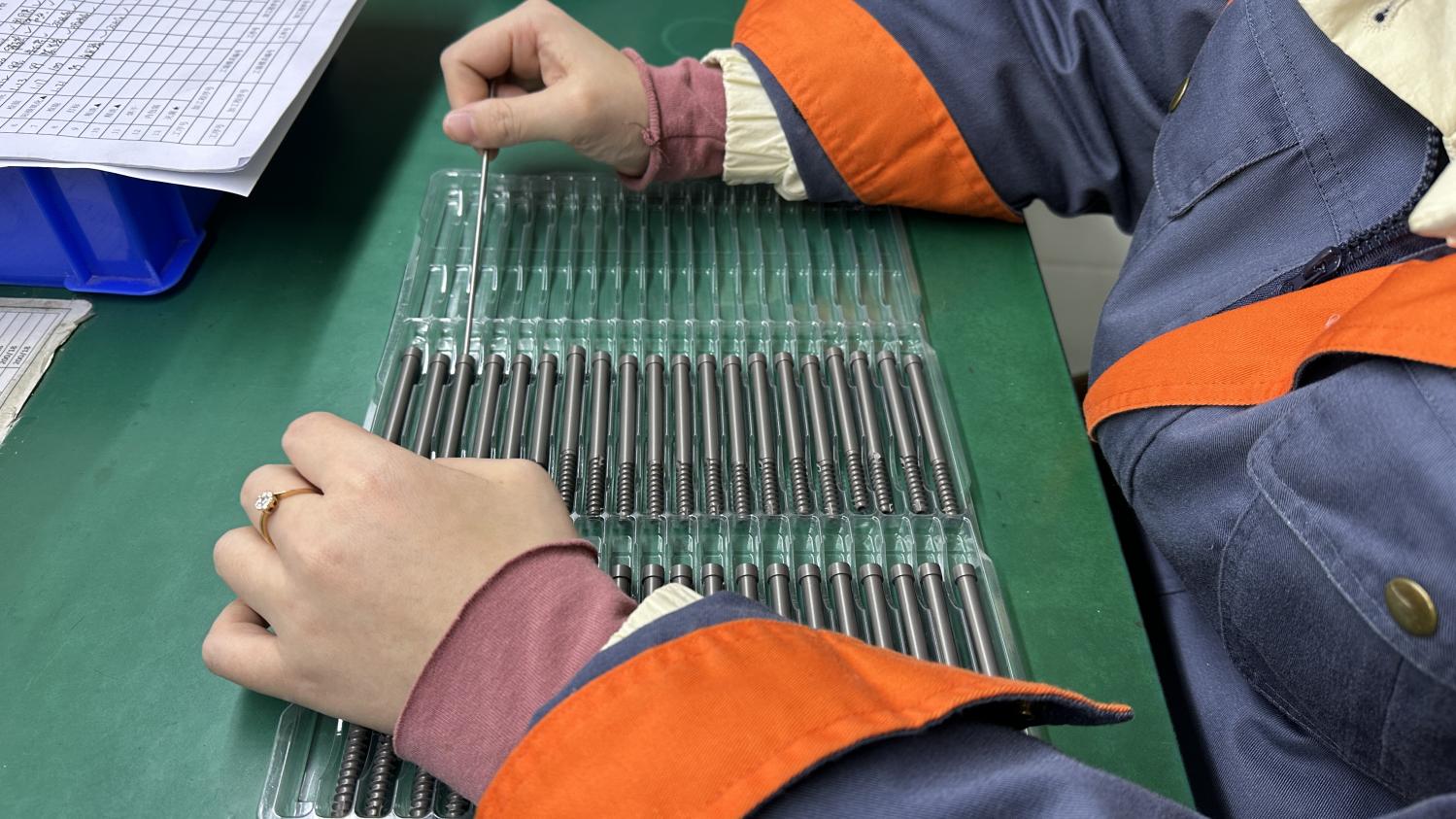
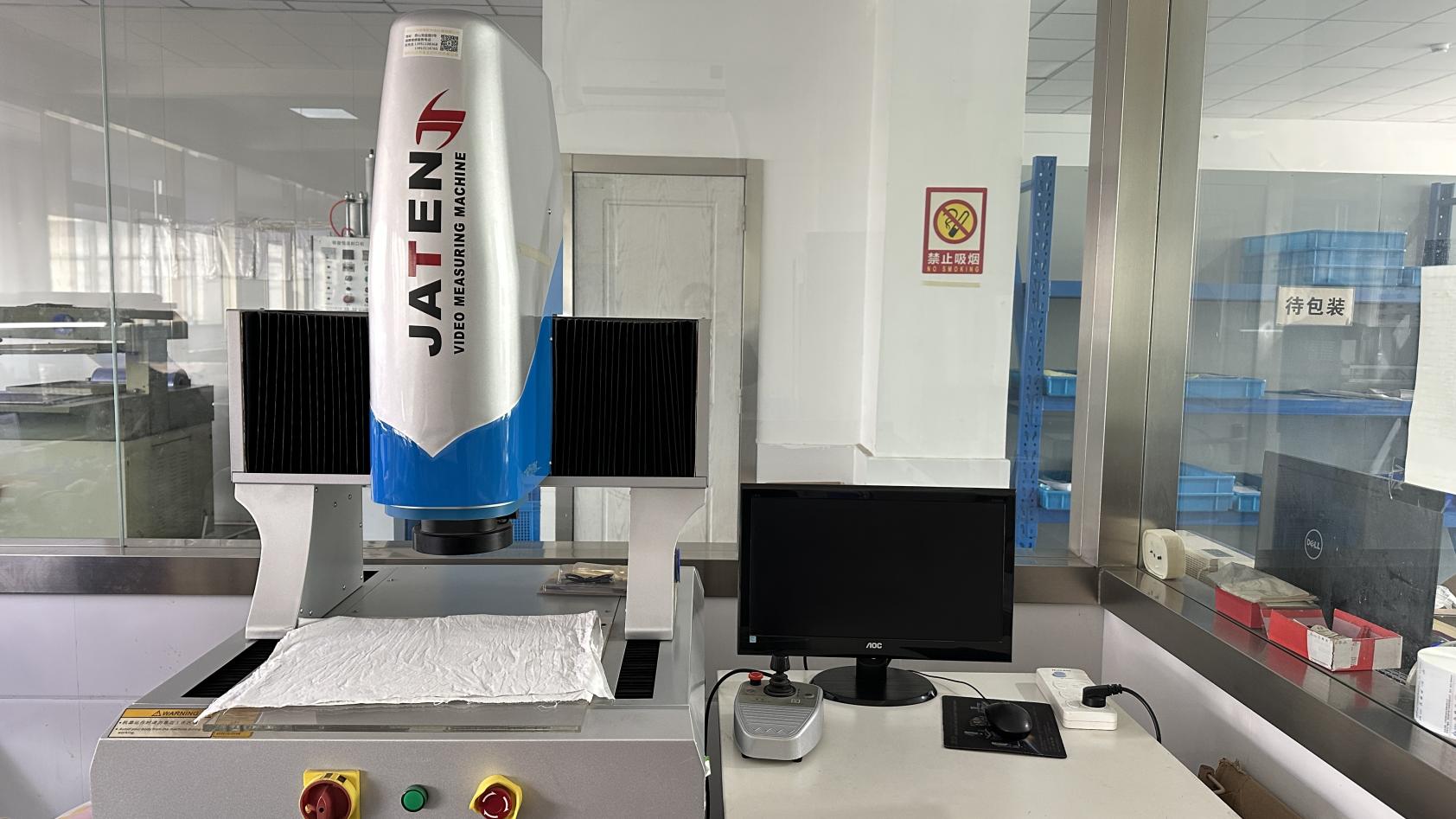
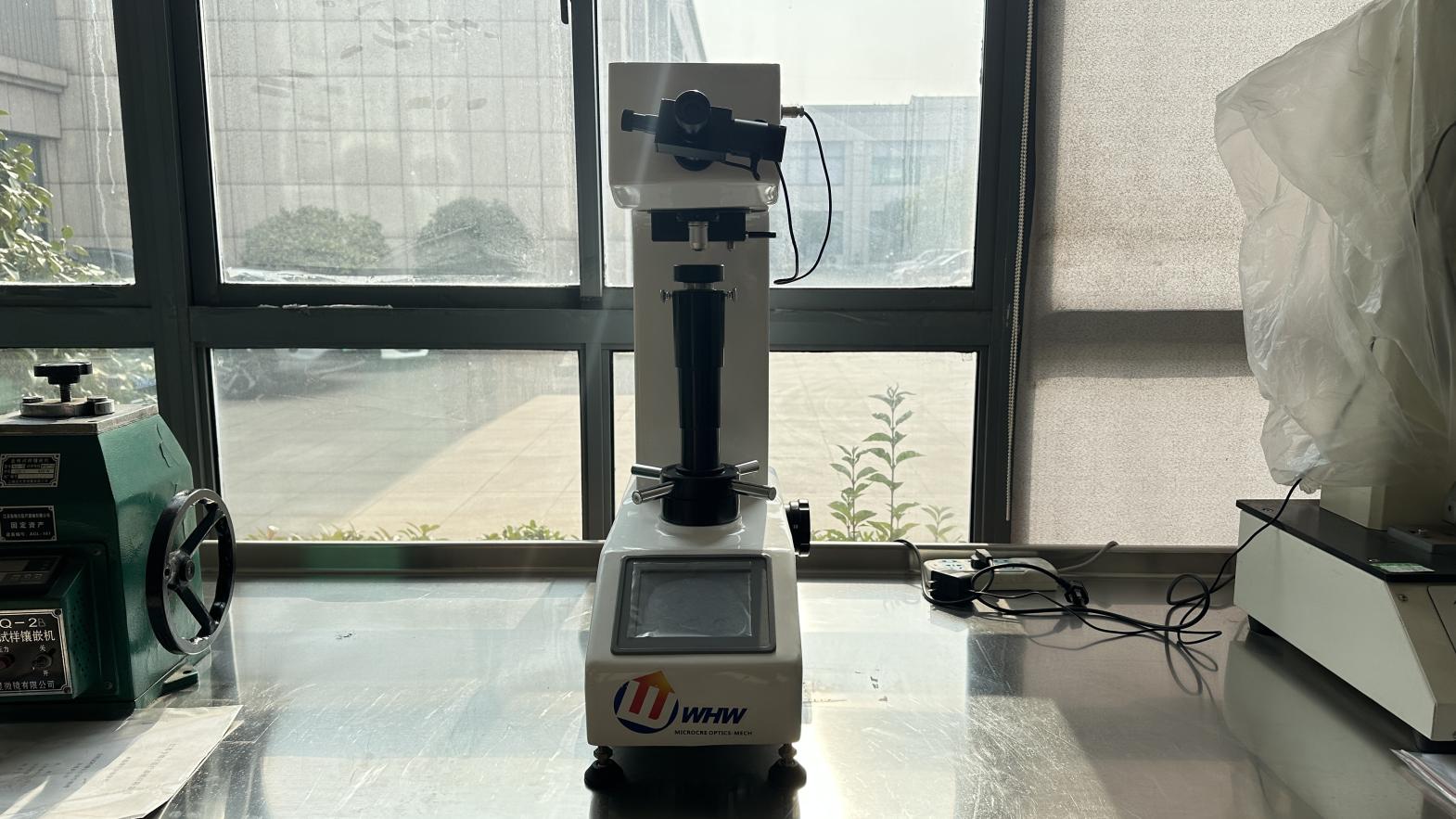
Precision-milled plates undergo coordinate measuring machine (CMM) analysis to verify geometric tolerances within microns. Post-machining treatments, including medical-grade electrochemical anodization, clean the titanium oxide layer, increase wear resistance, and offer color-coding to simplify plate and screw matching during surgery.
The industry is transitioning toward Patient-Specific Implants (PSI) and additive manufacturing (3D printing). While standard plates remain cost-effective and essential for emergency trauma care, cases involving oncology resections benefit from custom solutions designed from high-resolution patient CT scans.
Virelox's technical roadmap integrates traditional precision milling with advanced titanium 3D printing technologies. This hybrid approach enables us to manufacture anatomical reconstruction plates that match the contour of the mandible. Surgeons can also design cutting guides to match the implant, reducing surgery time, optimizing screw placement, and improving postoperative patient symmetry.
Navigating regulatory pathways, logistics, and production options for medical distributors.
Procuring surgical-grade implants requires navigating strict regulatory frameworks. Implants must satisfy international biocompatibility standards (such as ISO 10993) and meet specific target market import rules, including MDR CE in the EU and FDA 510(k) in the United States. Virelox offers reliable support to our international distributors and B2B buyers through detailed technical dossiers, traceability records, and material certificates.
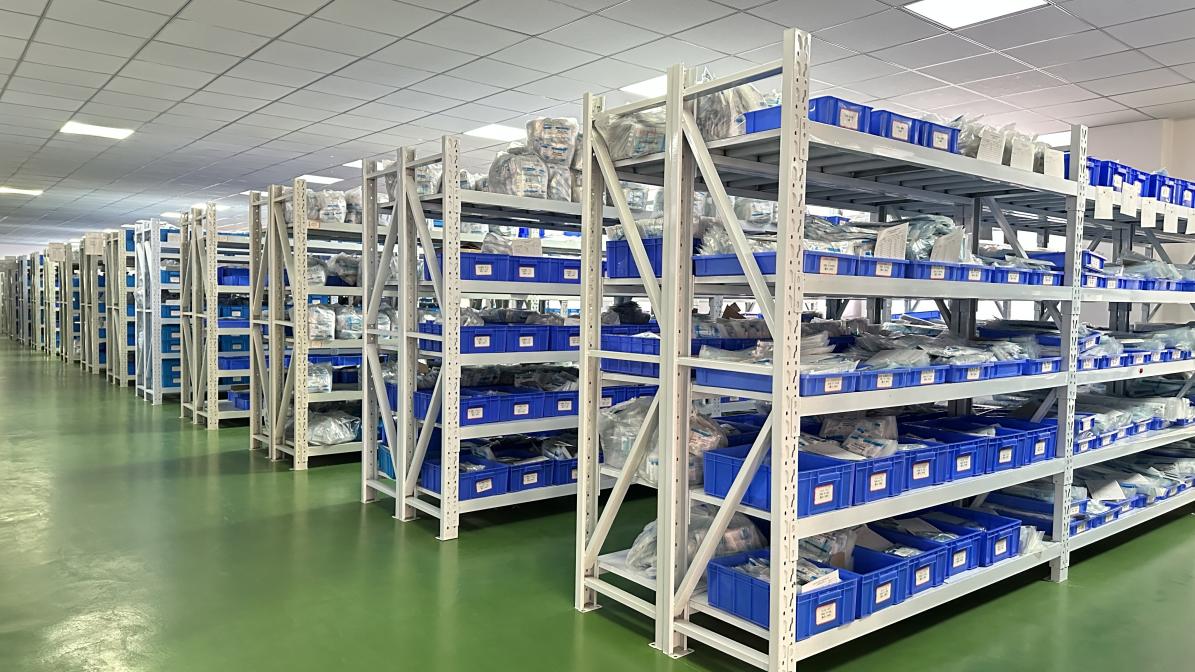
Operating out of a 12,000 square meter factory, Virelox maintains a supply network of over 850 certified upstream and downstream partners. This deep integration protects our supply chain from raw material shortages and helps us maintain consistent lead times on large volume wholesale orders. We provide complete OEM/ODM options, allowing distributors to customize plate profiles, screw head designs, custom instrument trays, and packaging to meet local market needs.
Answers to common questions from distributors, orthopedic clinicians, and purchasing managers.
We use Titanium Grade 5 (Ti-6Al-4V ELI) for high-strength, load-bearing reconstructive plates and Titanium Grade 2 or 4 for highly malleable, contourable osteosynthesis plates. All materials comply with ASTM F136 and ISO 5832-3 standards.
The locking screw locks directly into the plate, forming a fixed-angle construct. This eliminates the need to compress the plate against the bone, preserving the periosteal blood supply and preventing screw loosening due to micro-motion under load.
Yes. We provide comprehensive OEM/ODM services, including customized plate shapes, modified screw designs, customized instrument cases, and private-label packaging to suit regional clinical preferences.
Every production run undergoes dimensional validation on coordinate measuring machines (CMM), mechanical tensile strength testing, micro-hardness checking, and dynamic fatigue testing to ensure the plates withstand high-cycle physiological loading.
Lead times typically range from 30 to 45 days, depending on order size and customization requirements. Standard catalog items are often shipped sooner due to our inventory management and supply chain network.
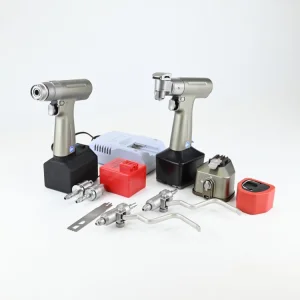
Explore our wider range of orthopedic trauma plates, sutures, and specialized veterinary power tools.
 Virelox