Engineered to rigorous clinical standards, supporting trauma, spinal reconstruction, and joint revision procedures globally.
Geriatric populations worldwide are facing an unprecedented rise in trochanteric and subtrochanteric fractures, necessitating highly optimized fixations that minimize surgical exposure, reduce operation times, and enable immediate post-operative load-bearing. The Proximal Femoral Nail Antirotation (PFNA) represents the gold standard in trauma biomechanics, deploying a specialized helical blade rather than traditional locking screws. This helical blade compacts the cancellous bone tissue instead of removing it, providing significantly superior cut-out resistance in osteoporotic bone.
Modern PFNA implants are calculated to resist multi-planar rotational and varus forces. The insertion of a single helical blade compresses the surrounding trabeculae, increasing the local bone density around the implant. This mechanical compaction yields a much larger contact area, shifting stress concentration away from vulnerable bone segments.
Founded in 2016, Virelox Medical Devices Co., Ltd. has established an elite 12,000 m² production facility featuring state-of-the-art metallurgy, precise CNC milling, and dynamic biomechanical validation labs. Backed by 10 years of orthopedic industry experience, Virelox delivers standard-setting trauma implants and instruments to clients in Europe, Southeast Asia, the Middle East, and South America.
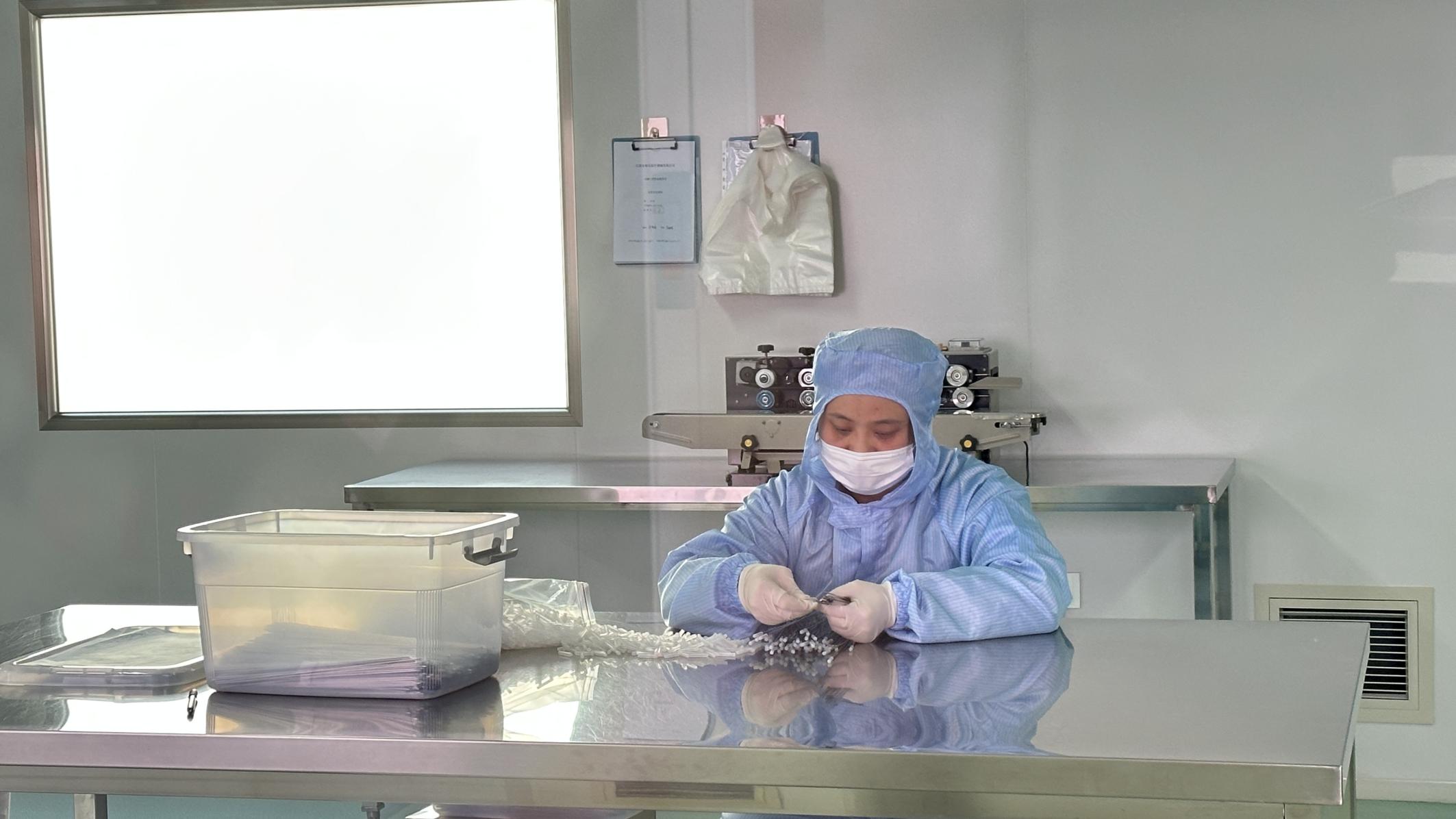
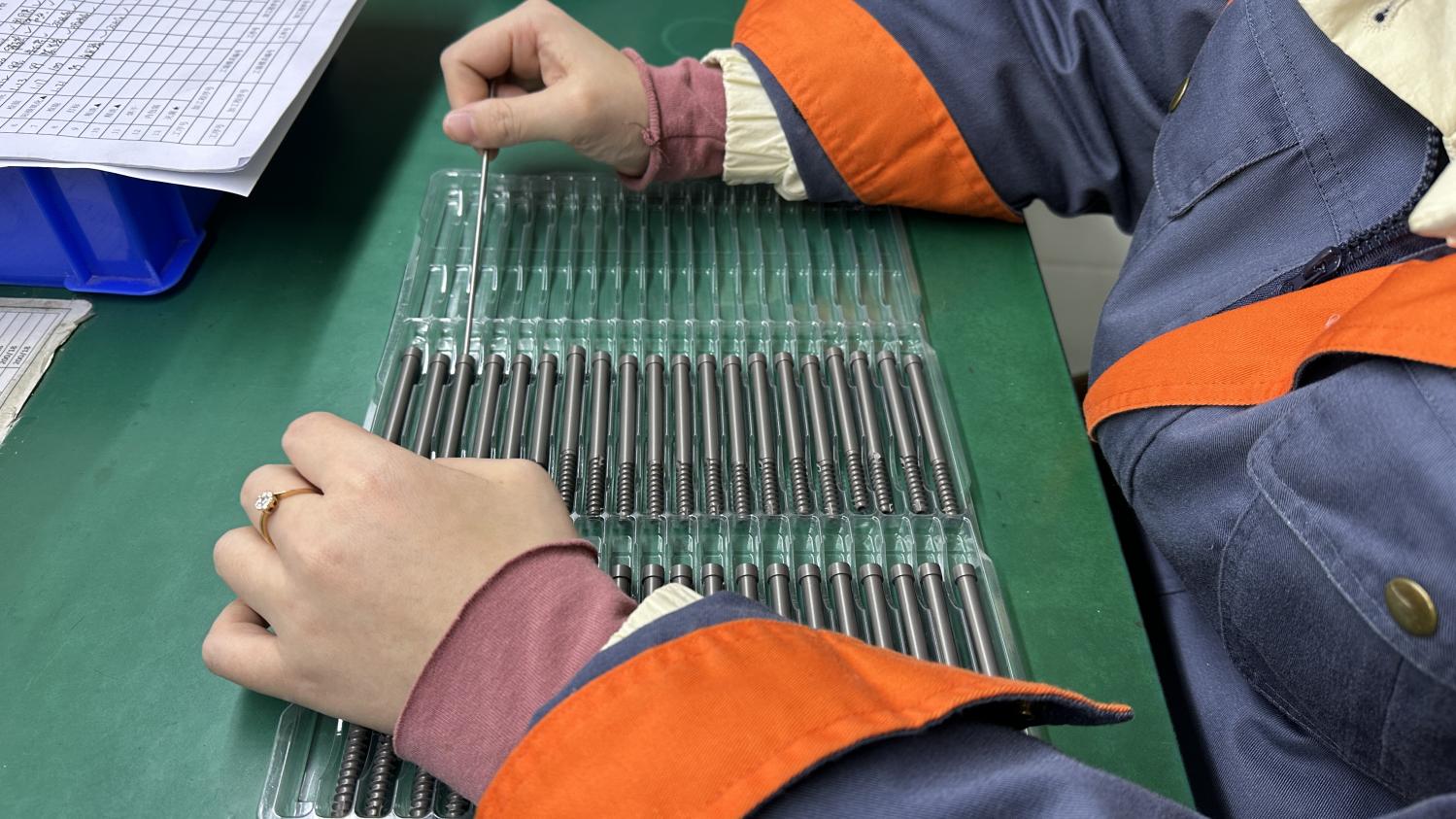
Take a step inside Virelox's manufacturing chain, from medical grade raw materials to specialized Swiss-type CNC centers and automated packaging.
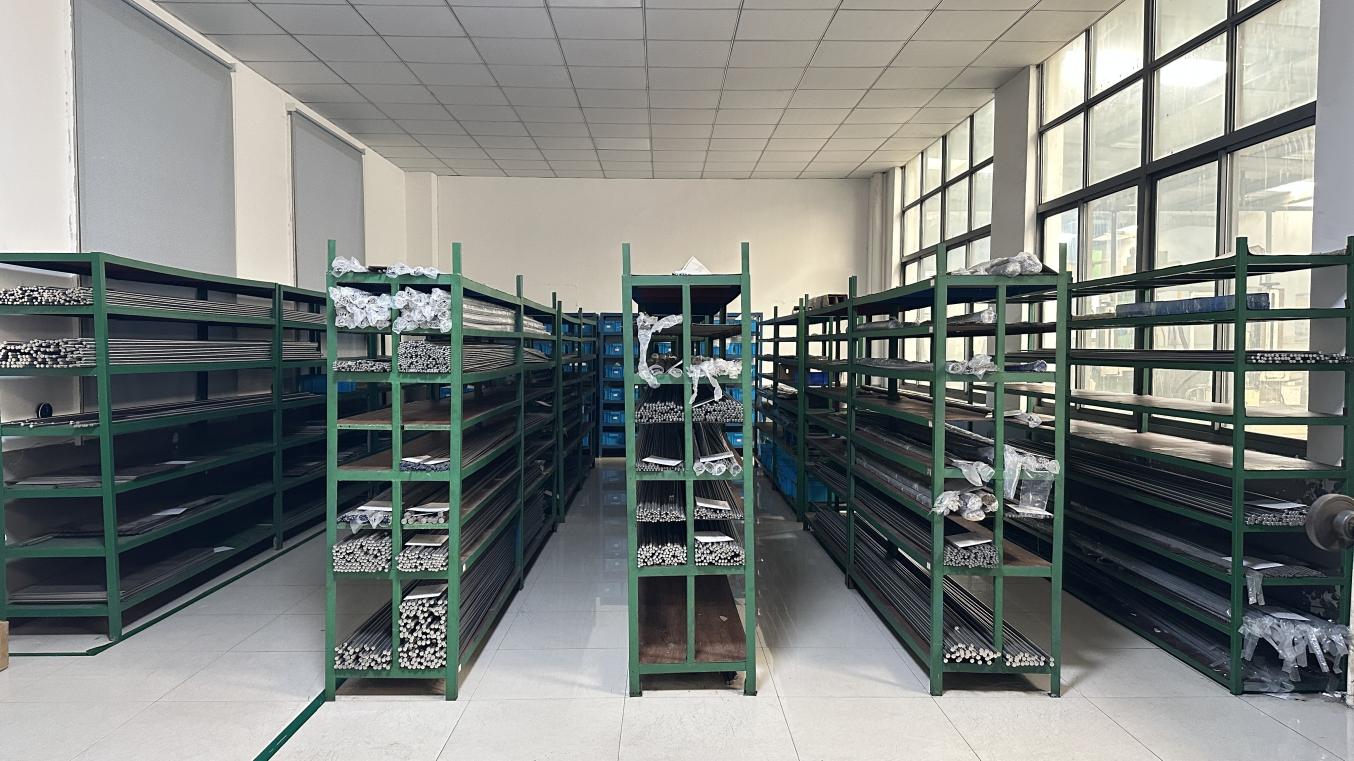
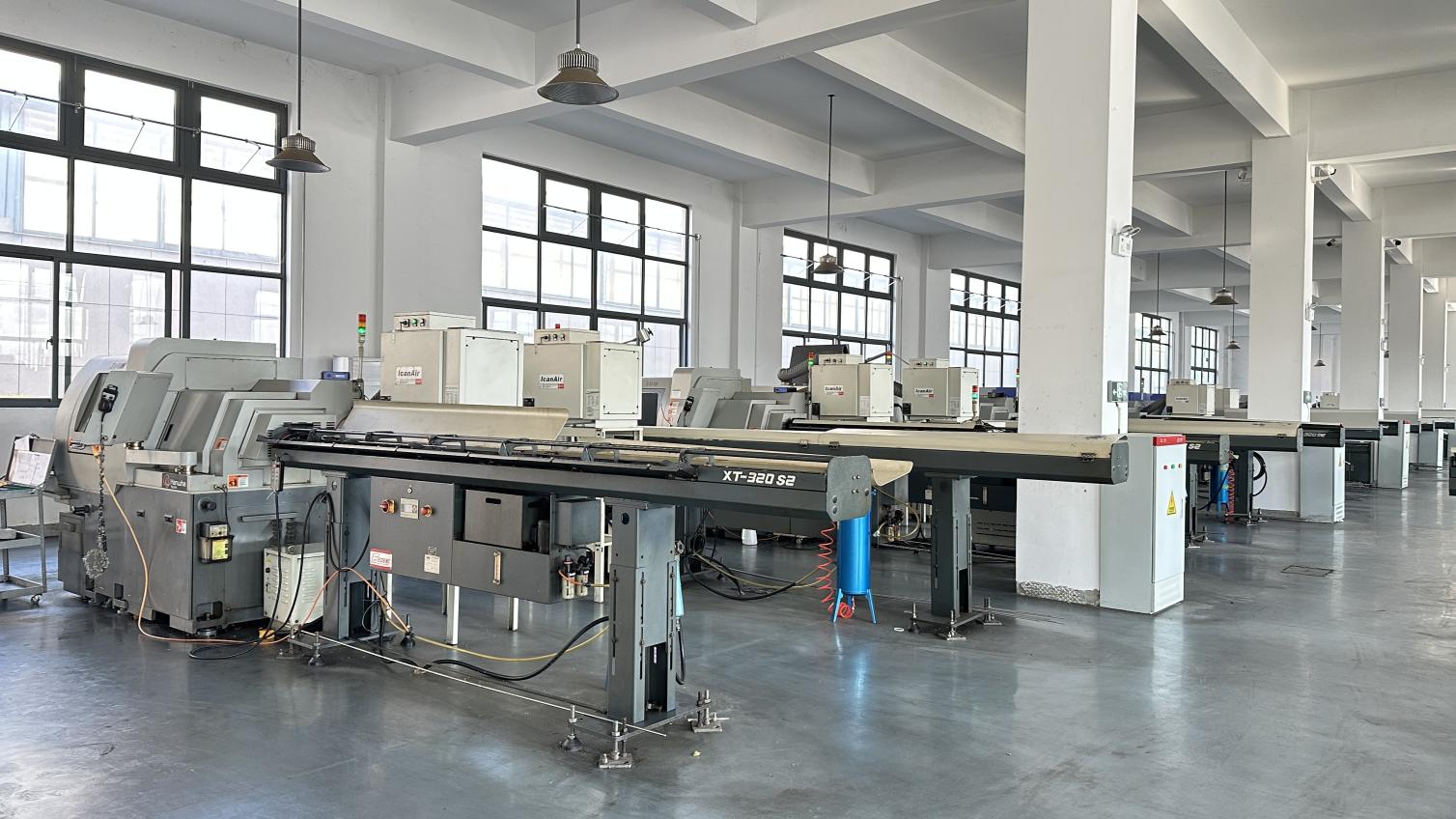
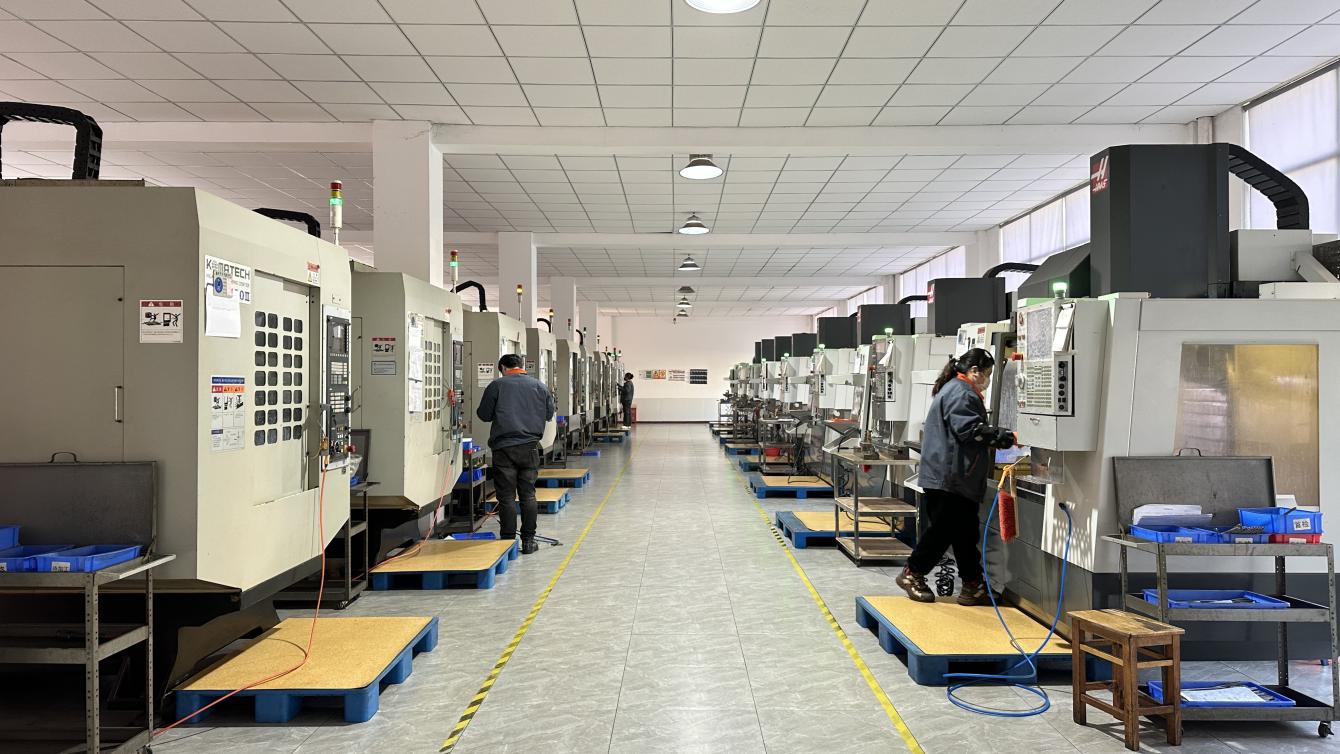
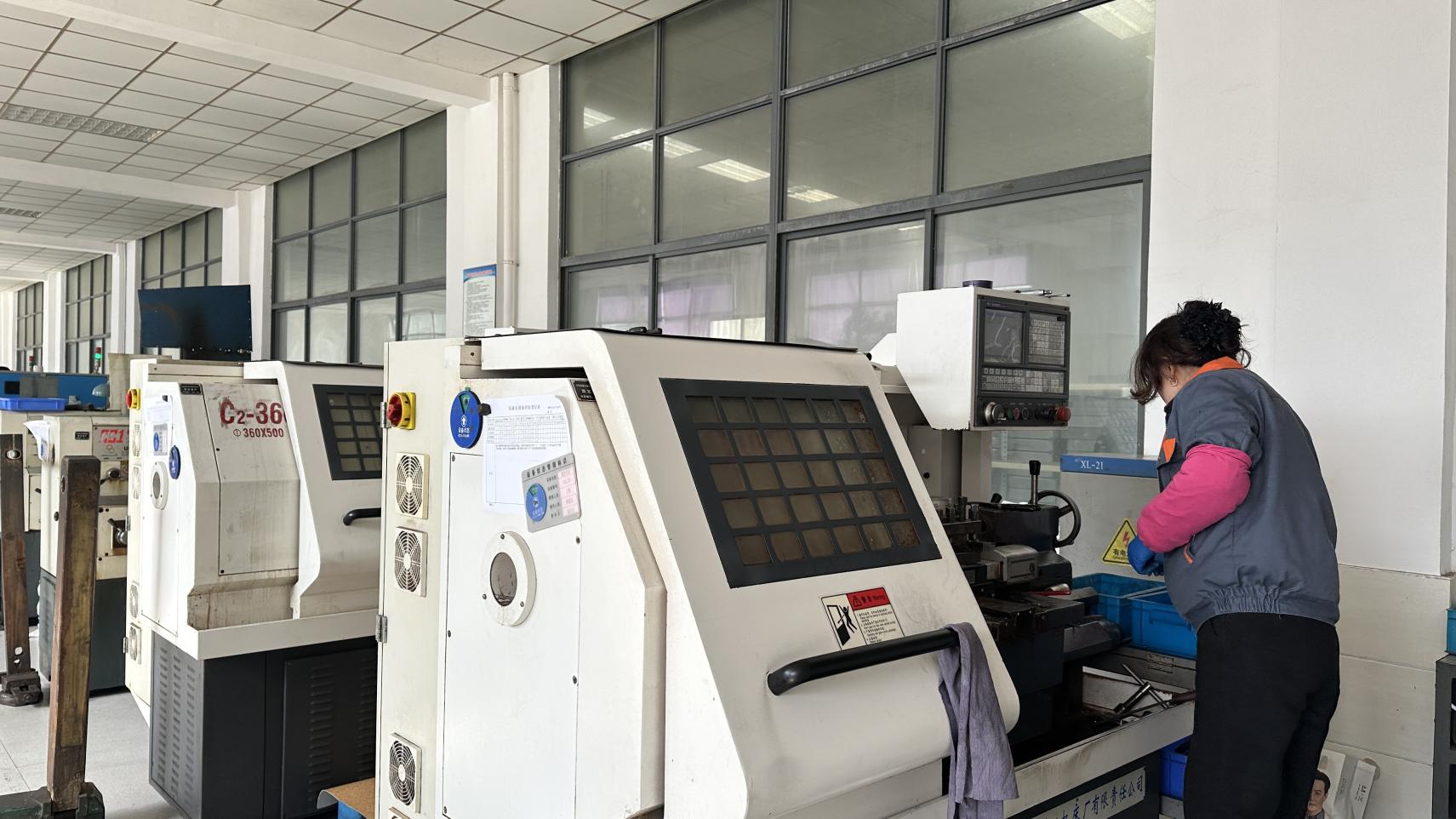
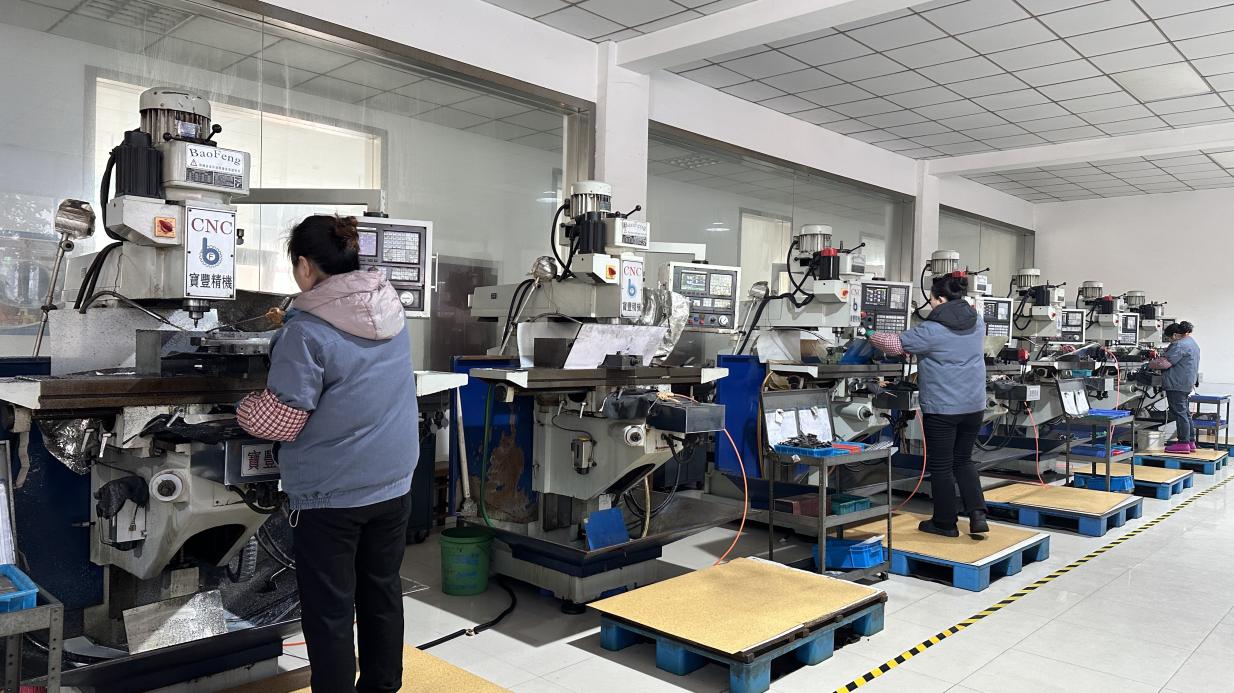
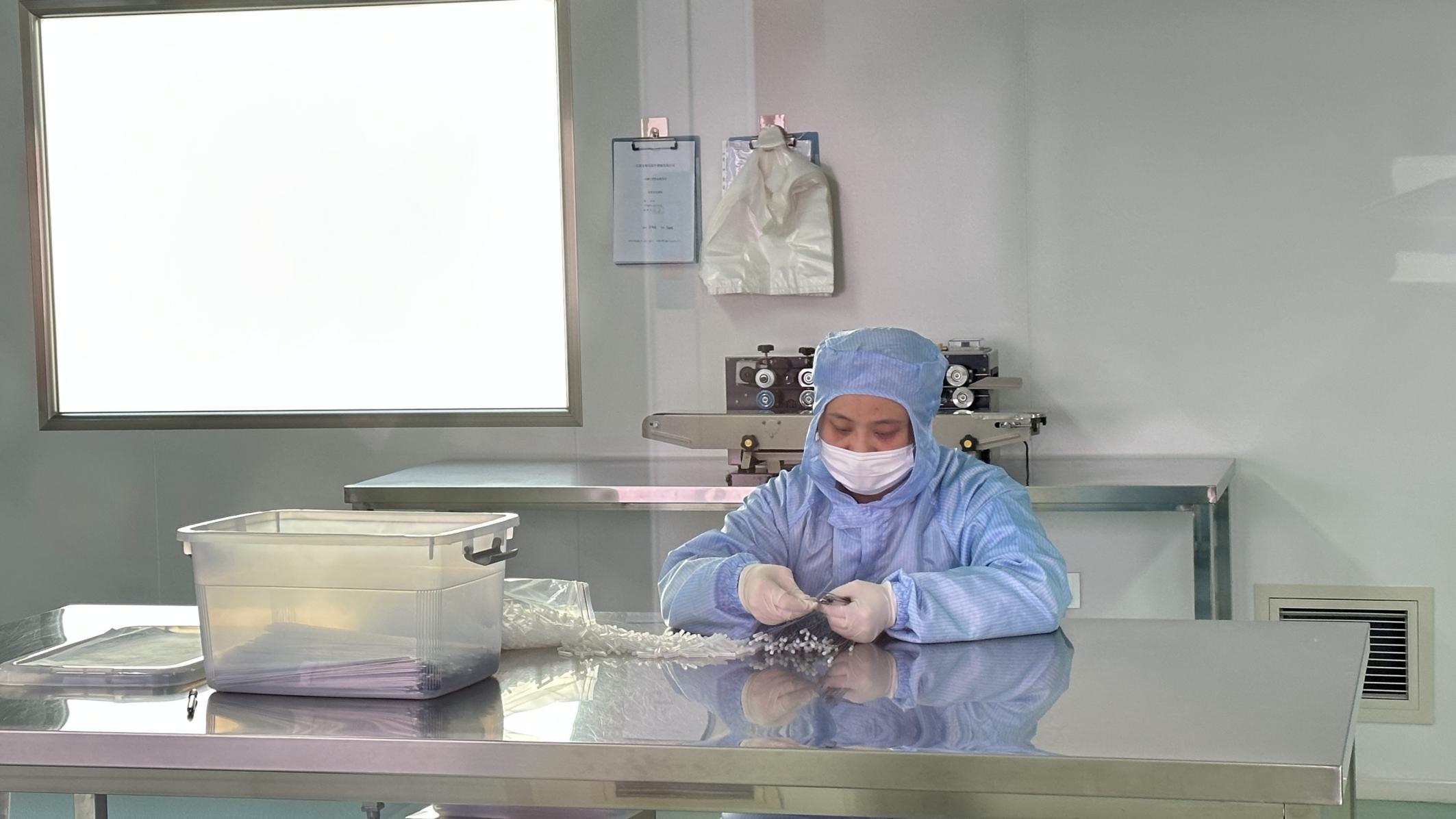
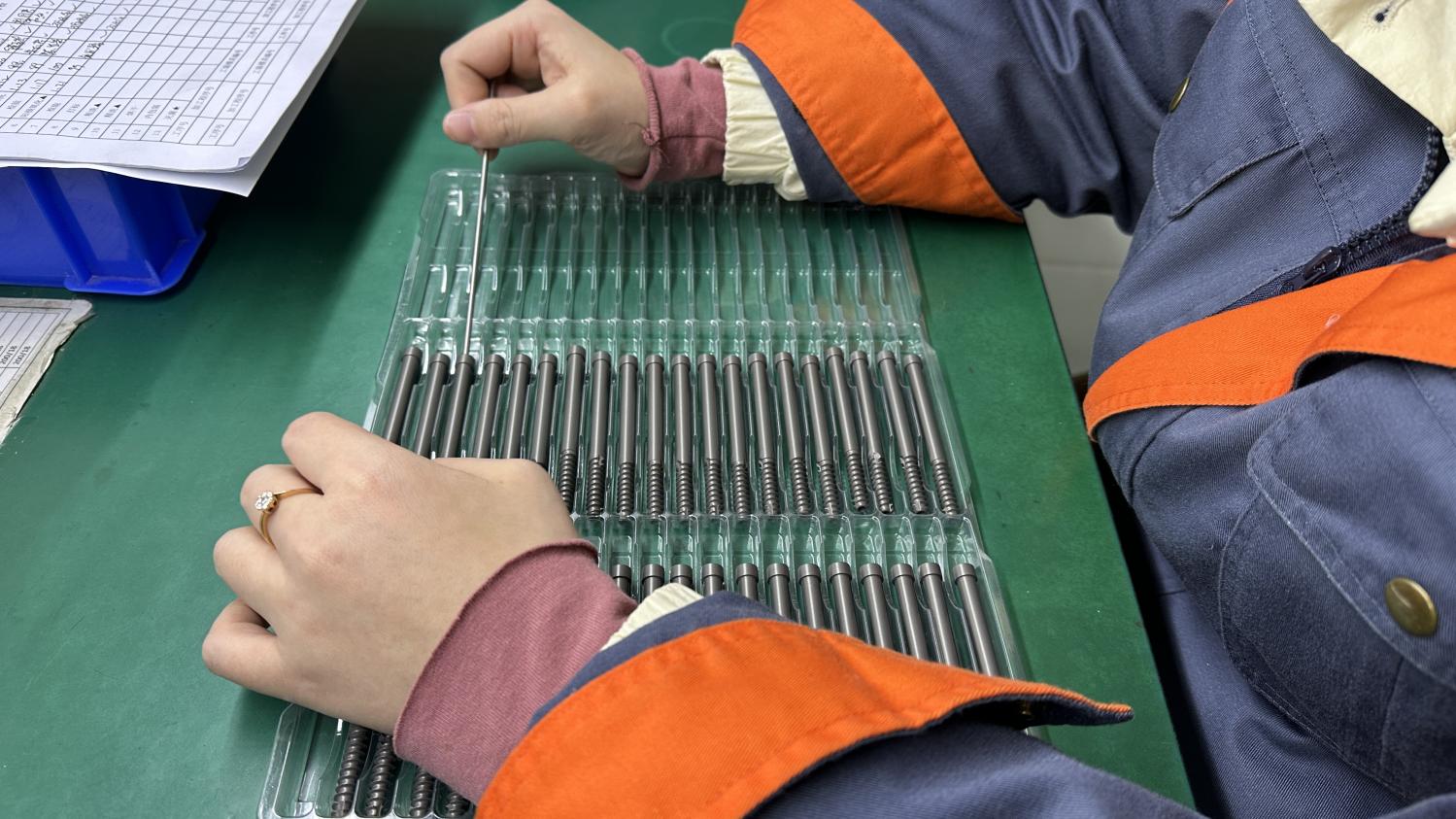
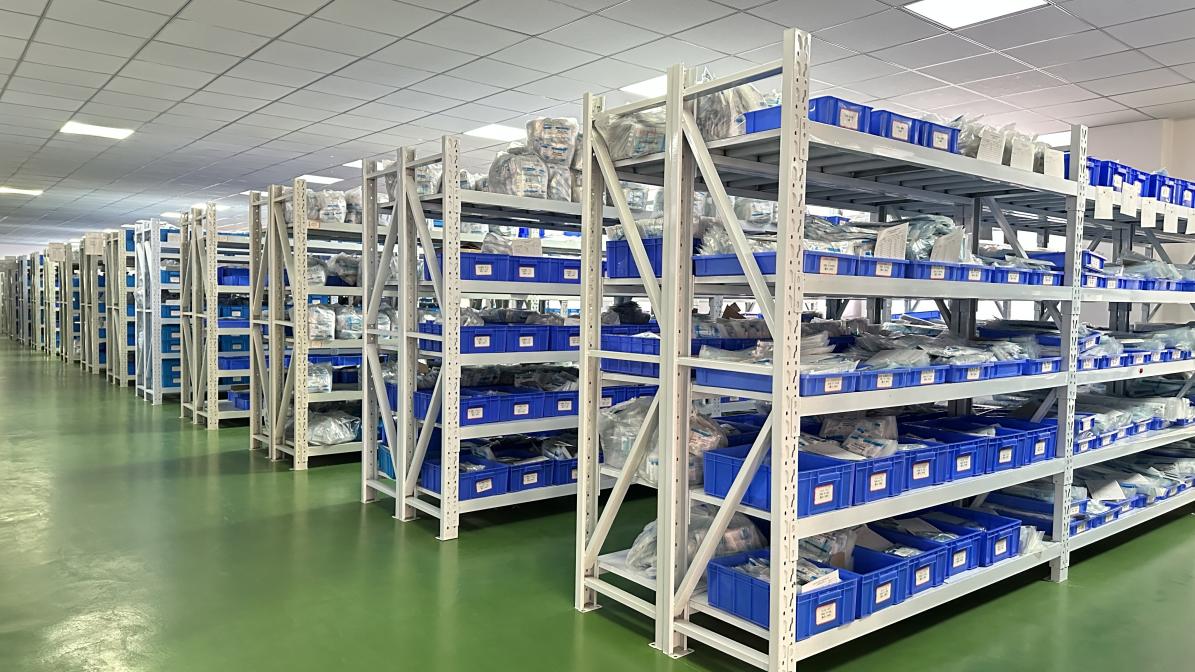
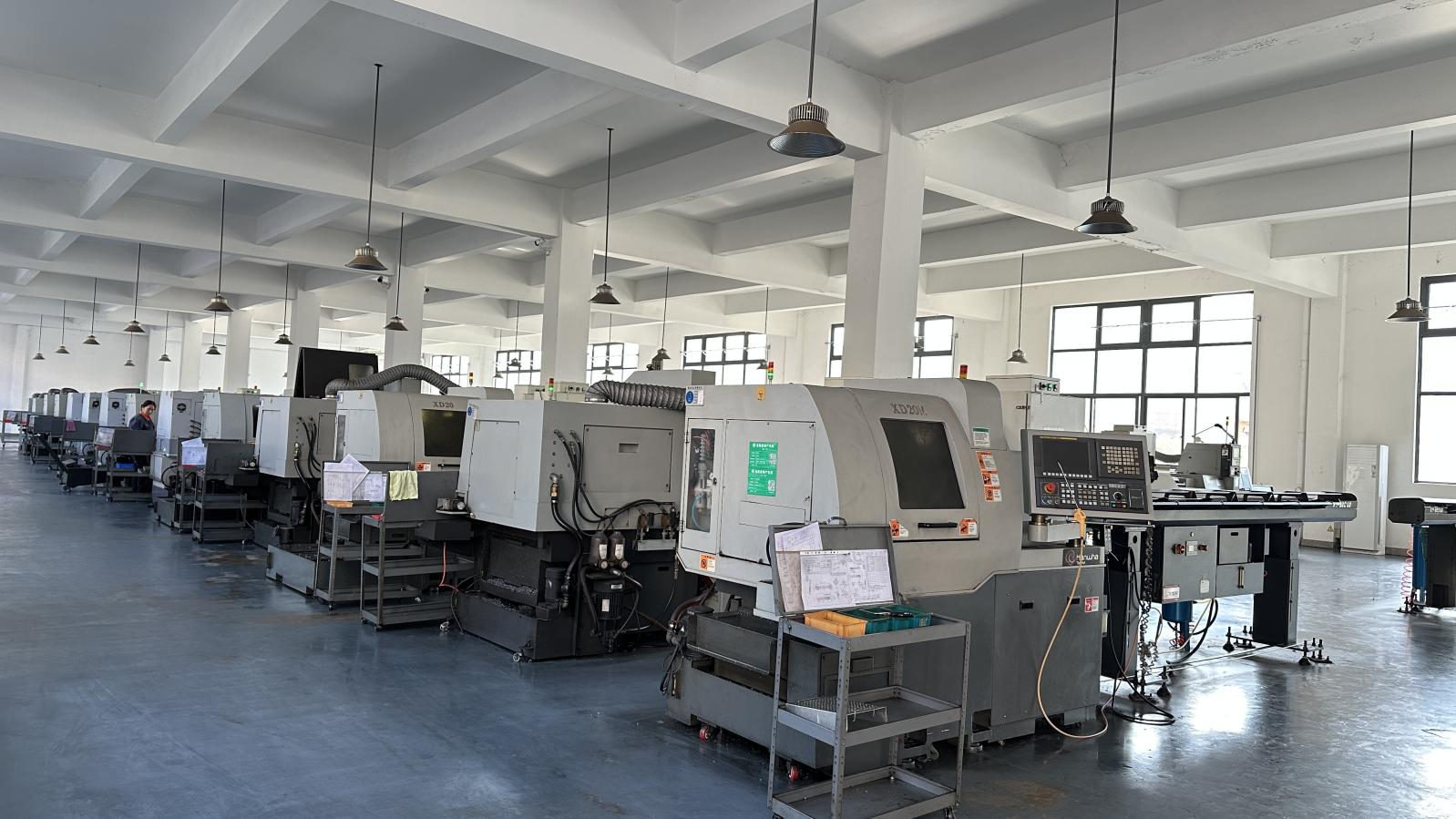
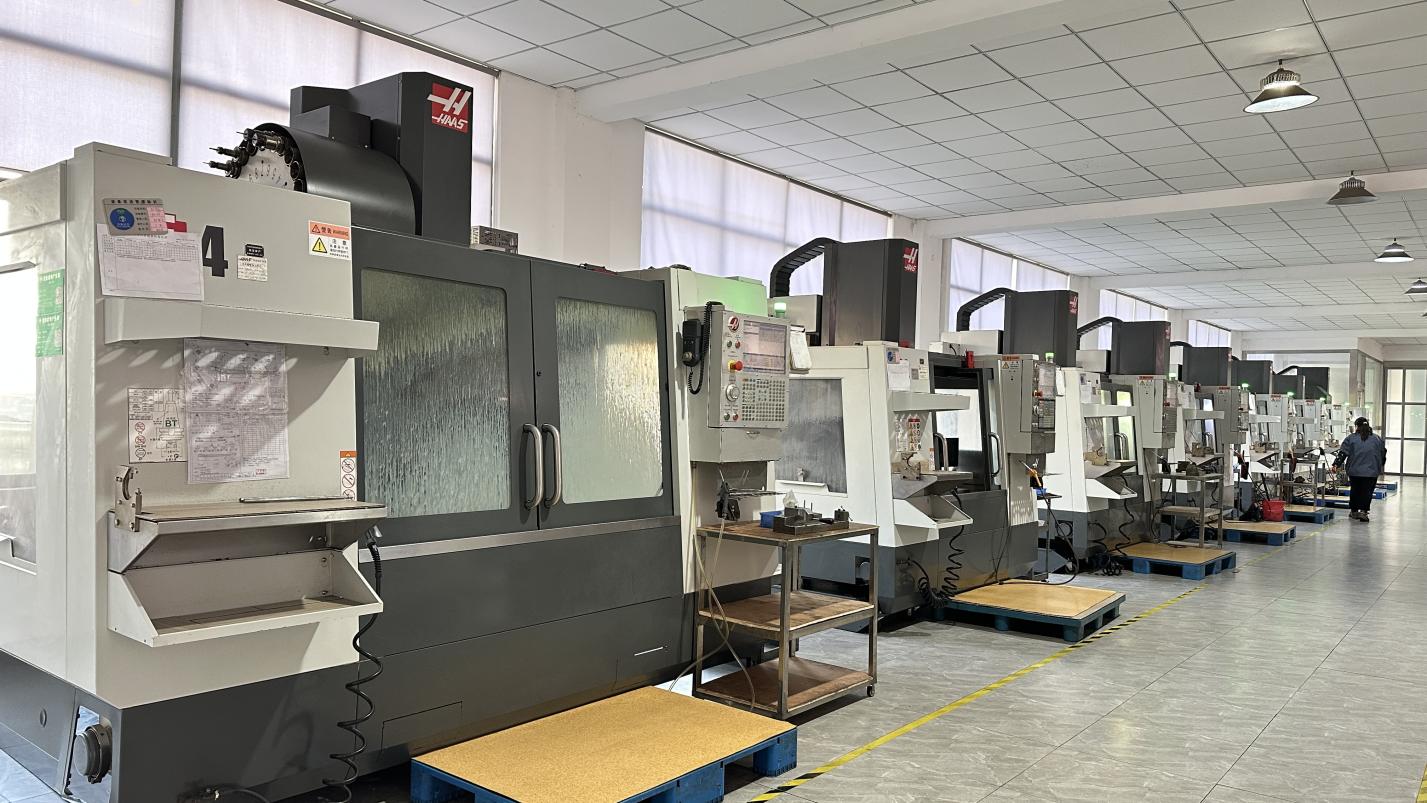
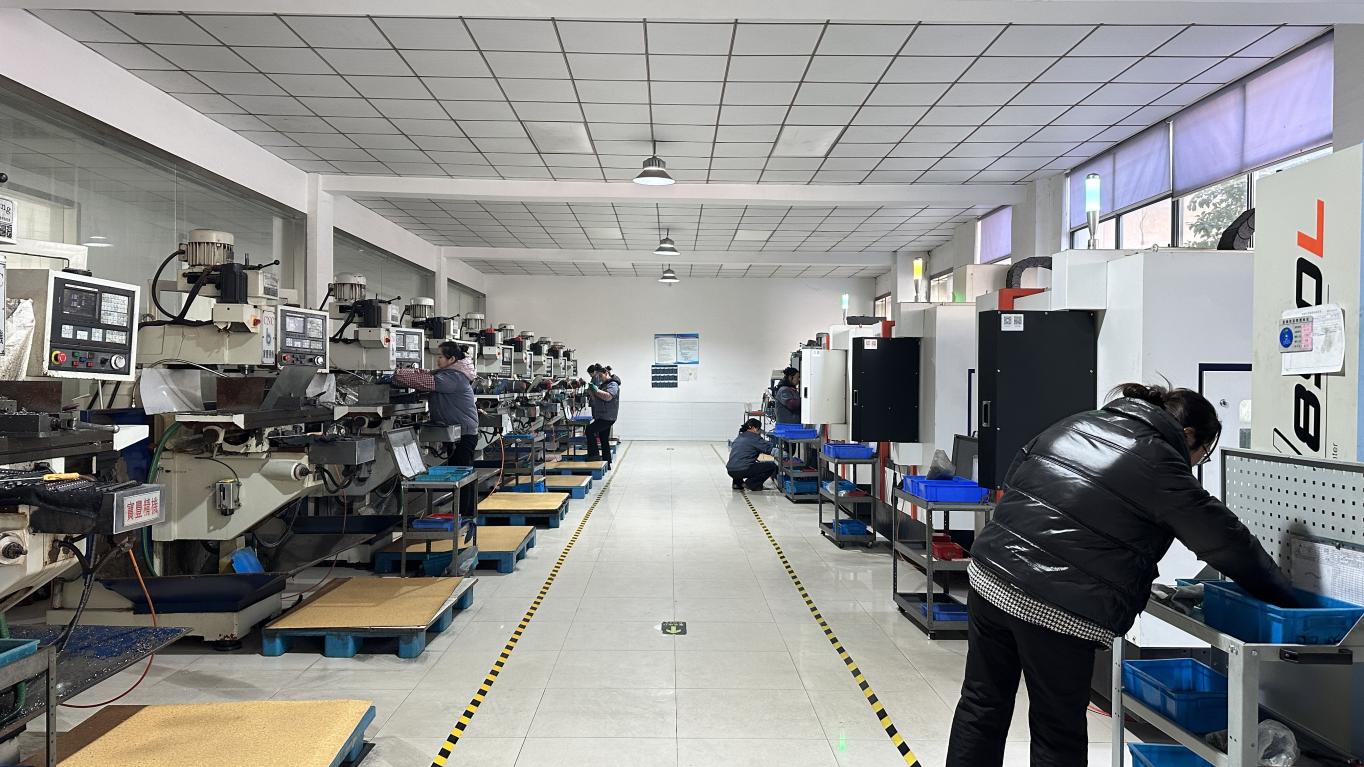
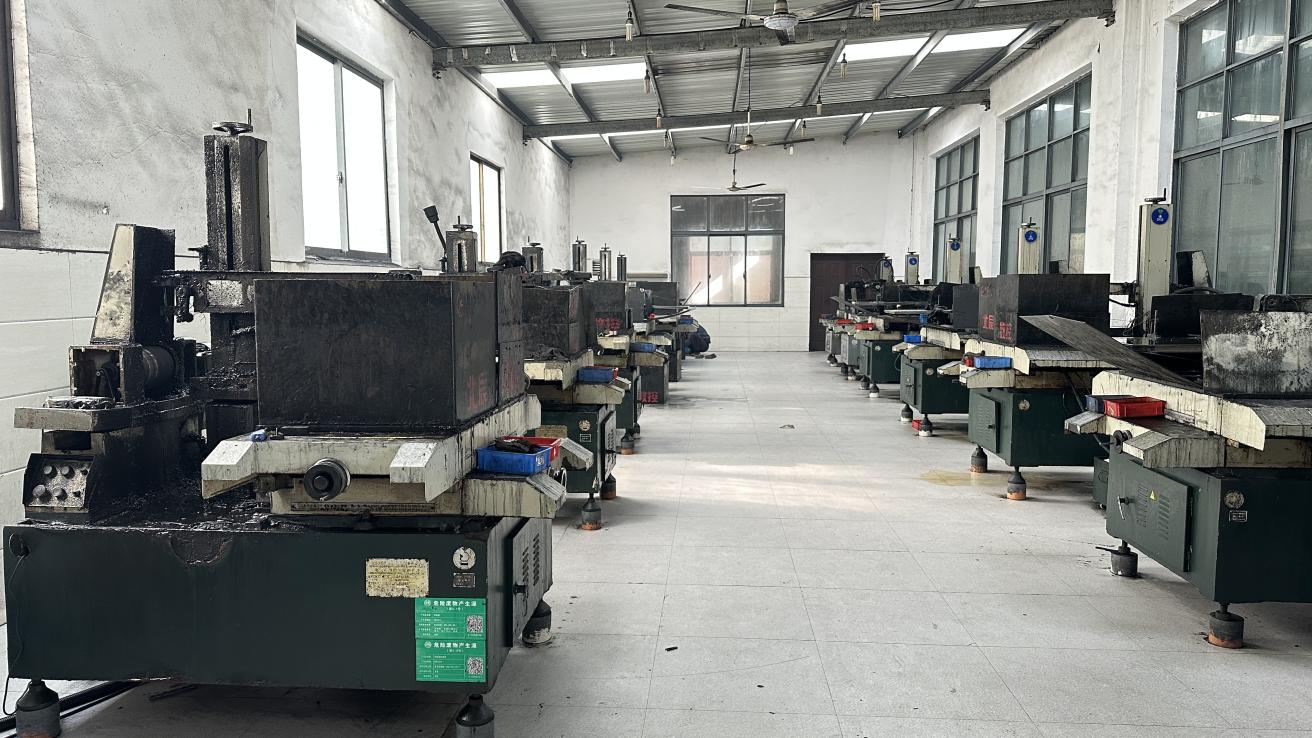
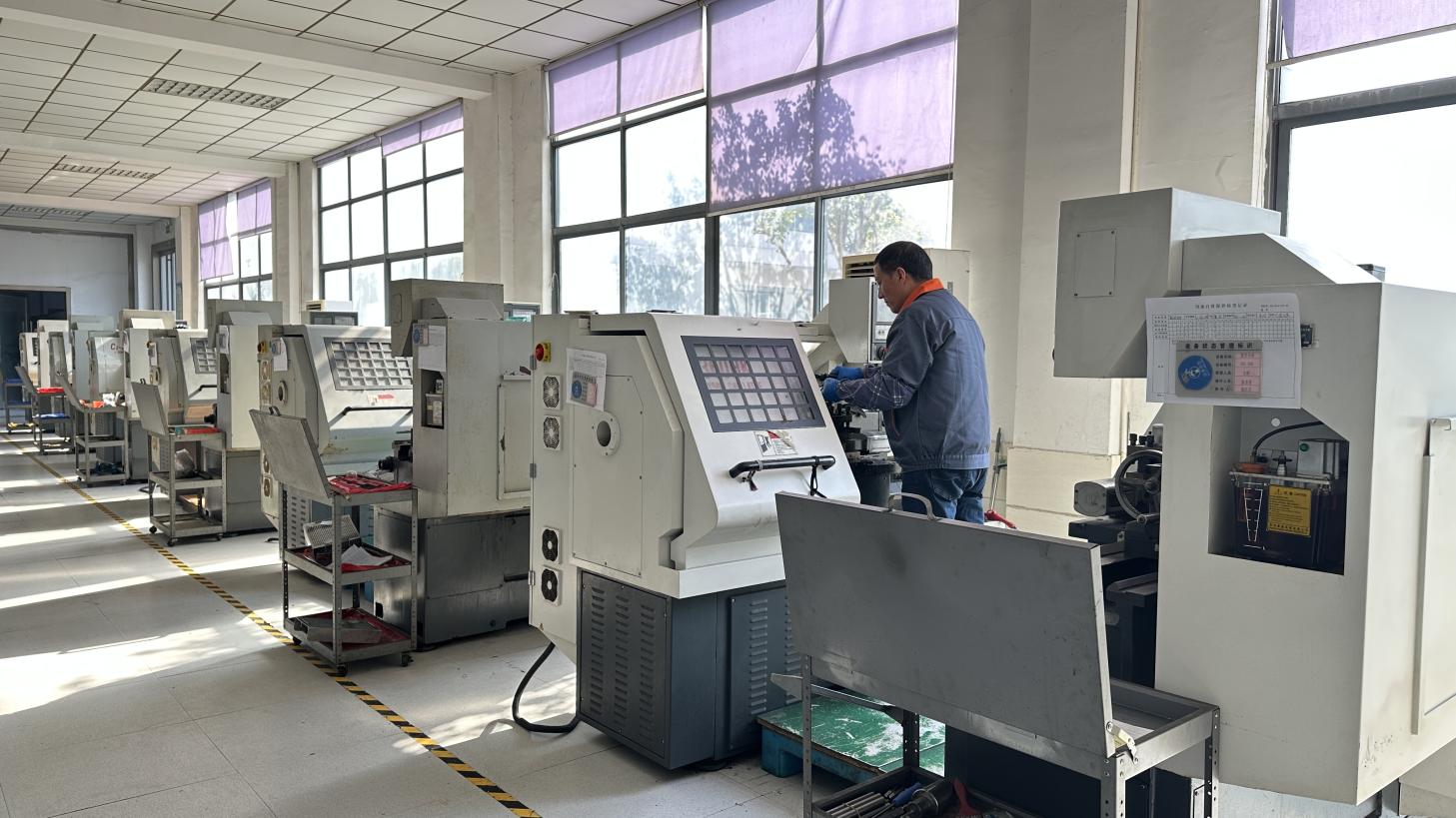
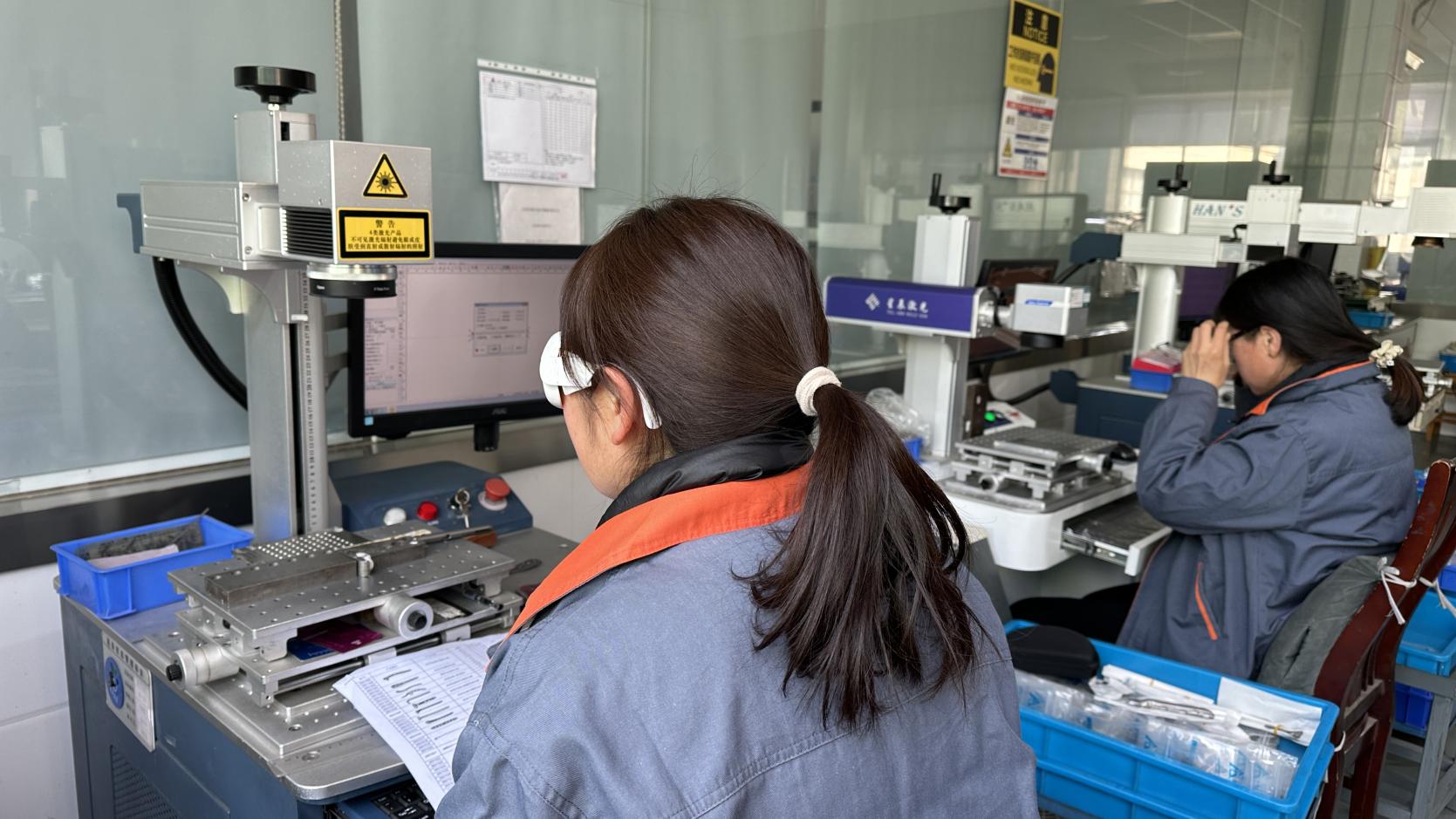
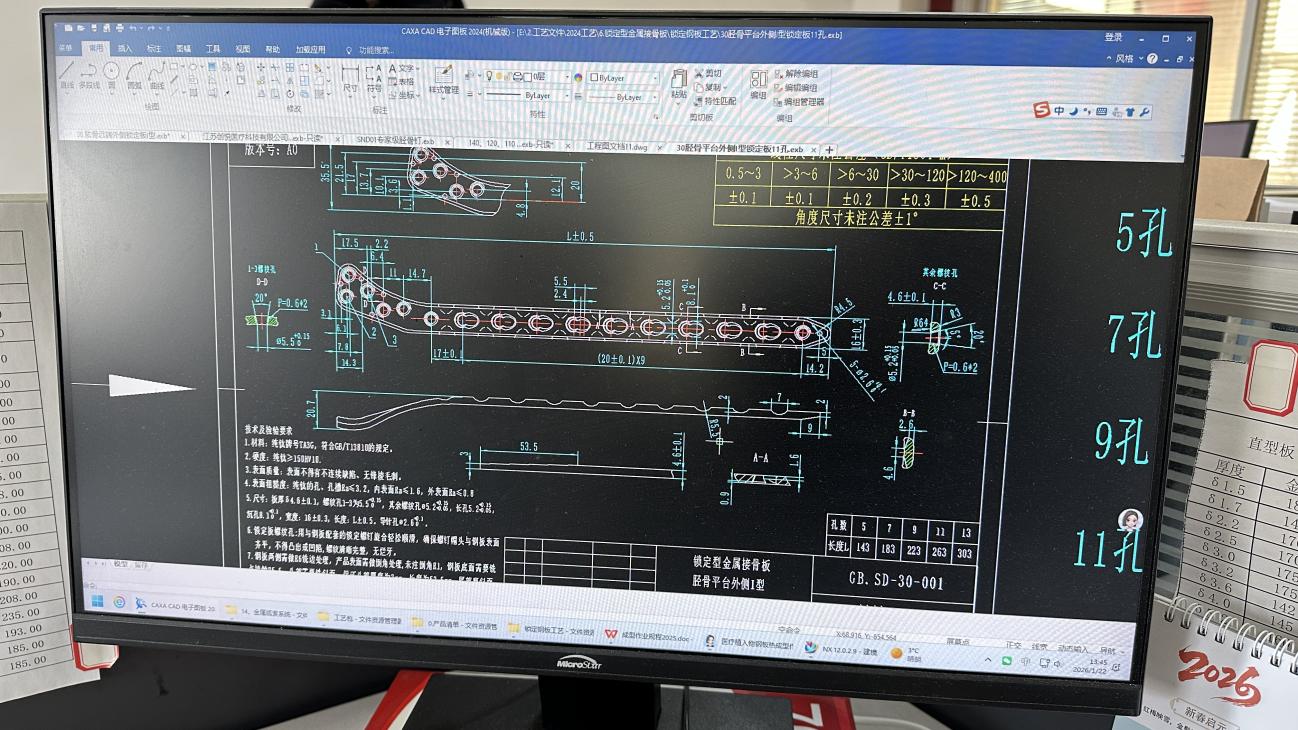

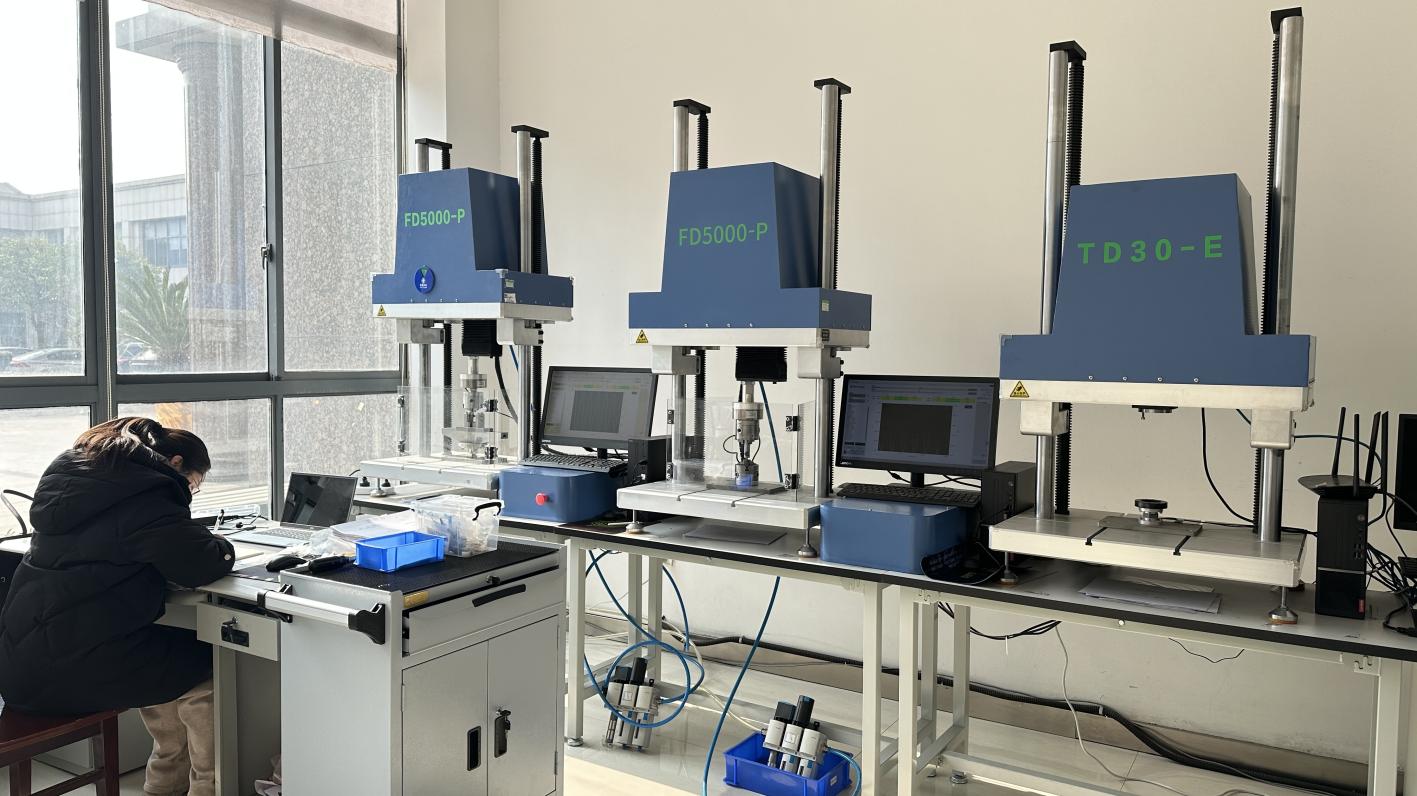
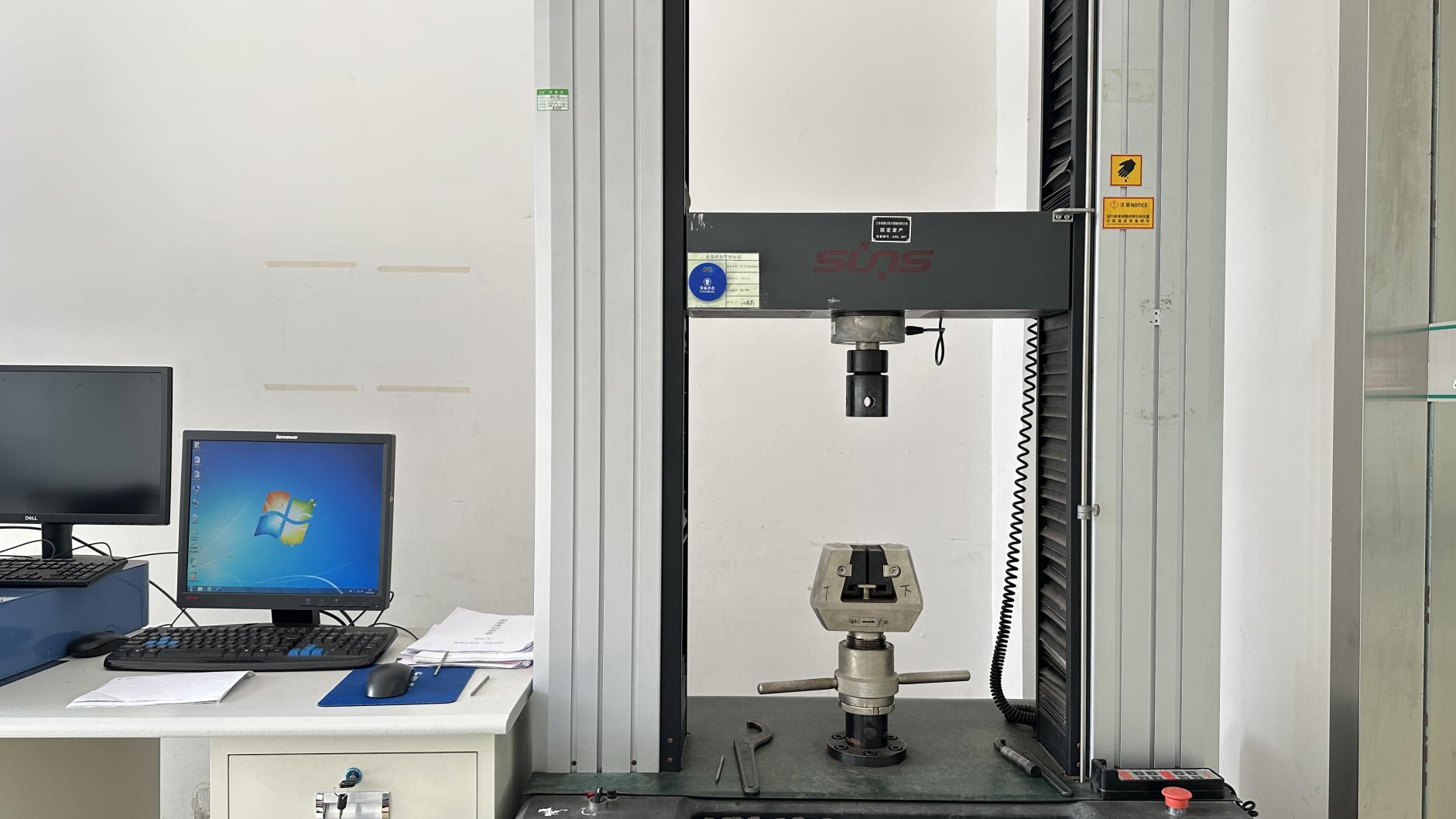
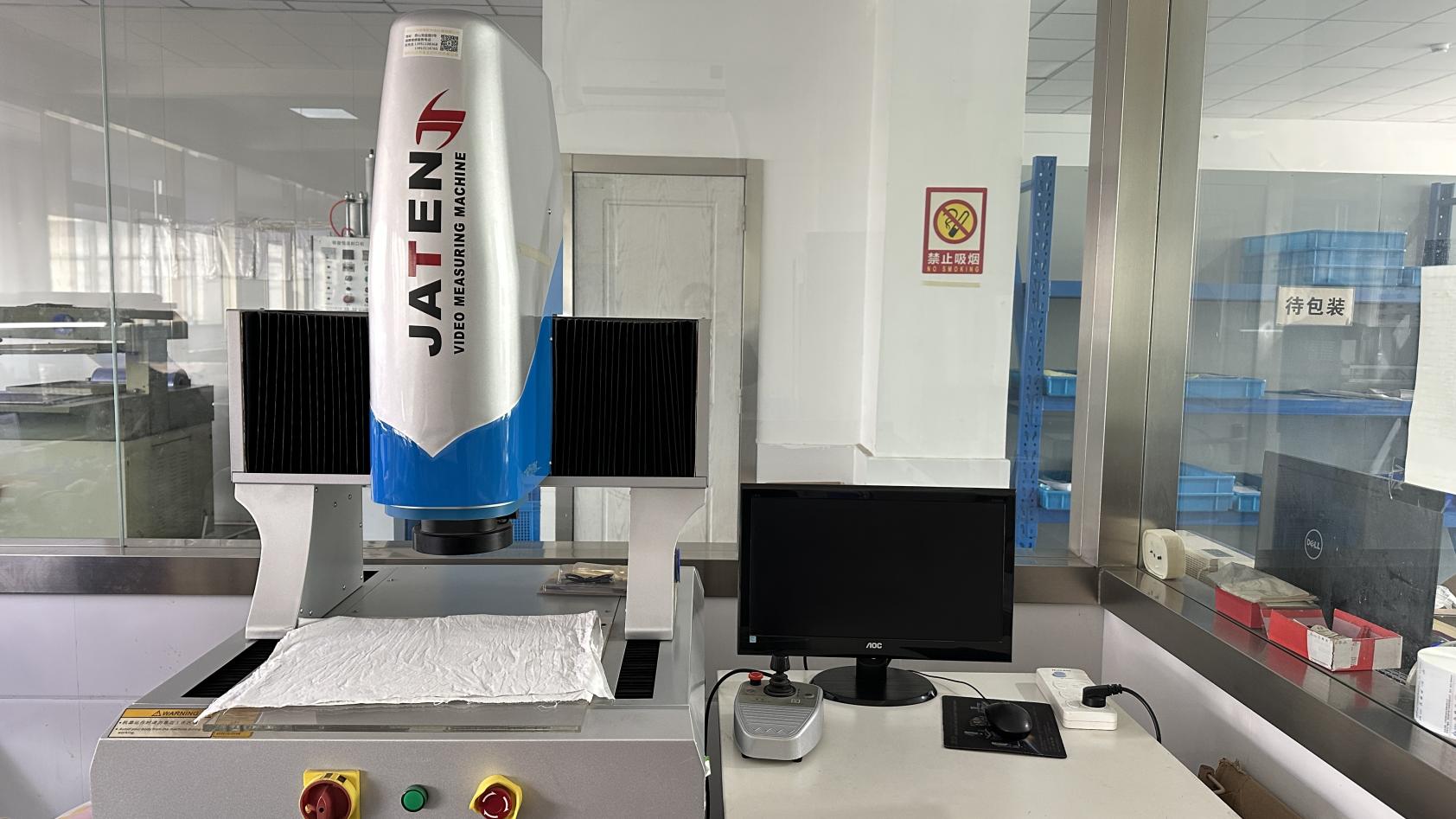
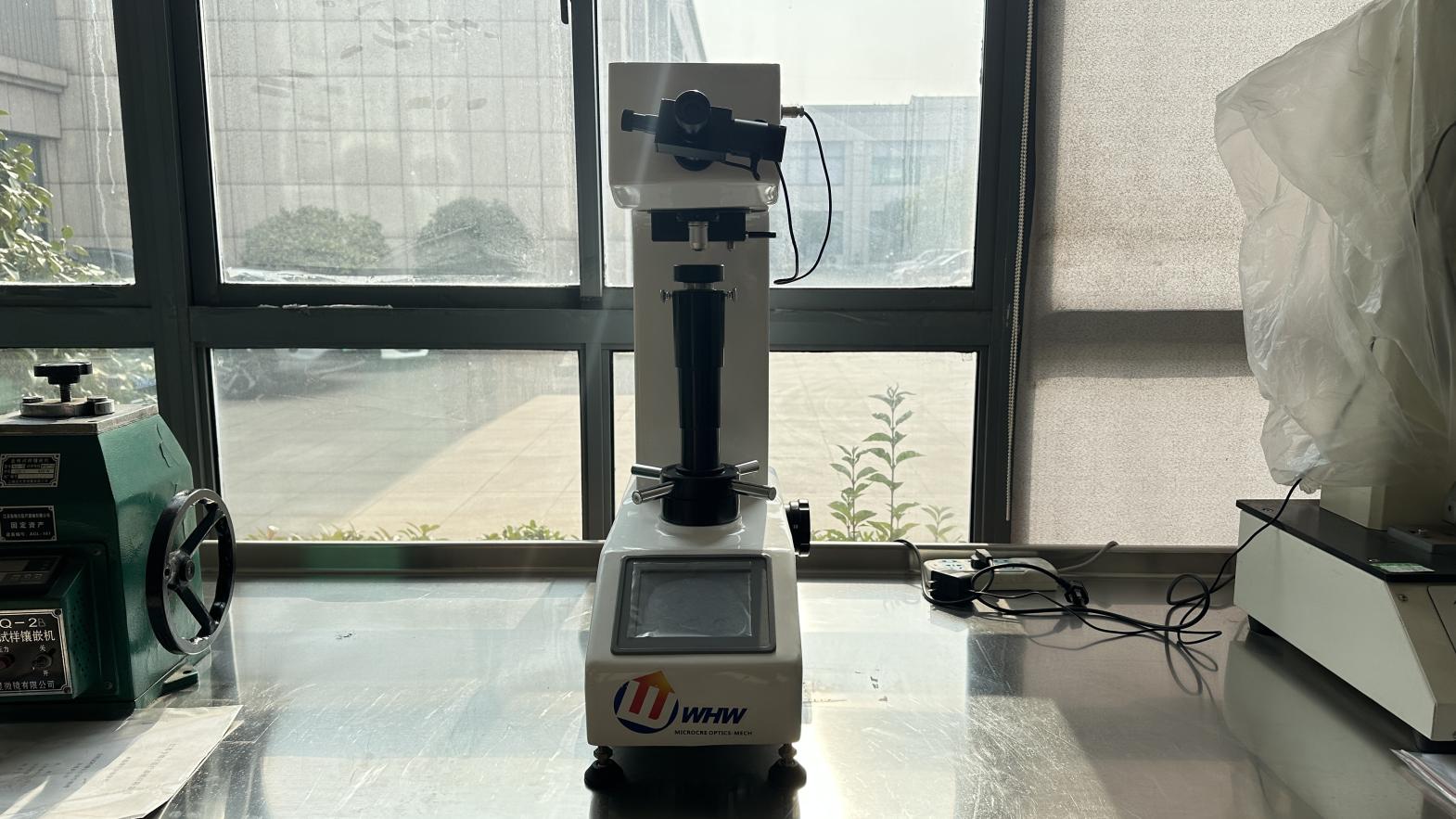
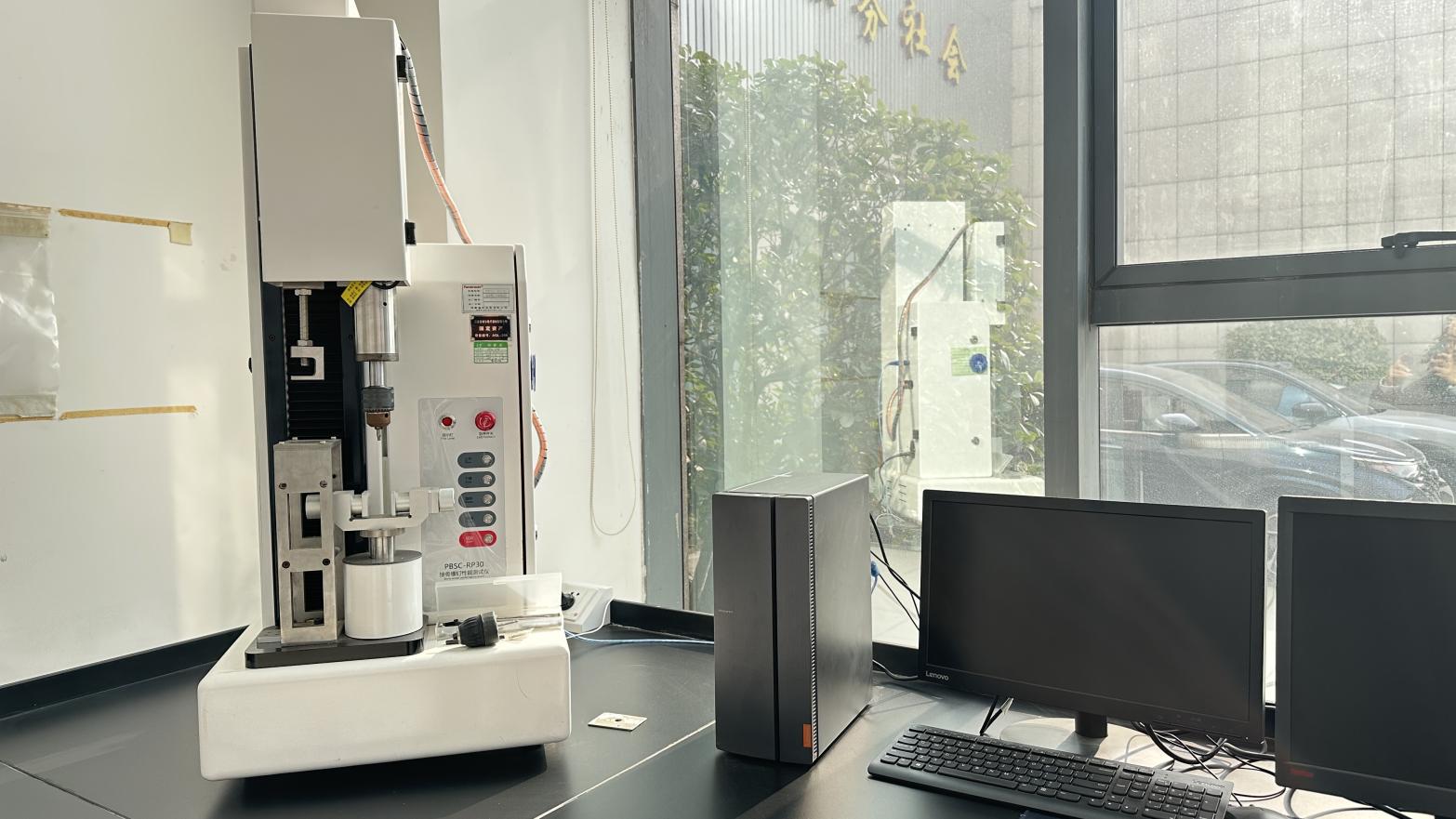
Virelox operates a strict ISO 13485-compliant quality management system, checking dimensions, tensile capacity, and fatigue profiles.
As hospitals and regional healthcare networks seek to optimize budgets without compromising patient care, the selection of an offshore manufacturing partner for orthopedic implants becomes critical. Procurement managers must balance compliance with manufacturing capacity, shipping reliability, and custom OEM opportunities.
Our PFNA systems utilize ELI (Extra Low Interstitial) Grade 5 Titanium Alloys (Ti-6Al-4V ELI) conforming to ASTM F136 specifications. This provides an exceptional strength-to-weight ratio, high fatigue limits, excellent biocompatibility, and low elastic modulus, minimizing the stress shielding effect. The surface undergoes a specialized anodizing process that yields a highly stable, corrosion-resistant passivated oxide layer.
Every nail is configured with a 6-degree mediolateral angle, facilitating an anatomical insertion through the tip of the greater trochanter. Multiple distal locking options allow surgeons to opt for dynamic or static configuration depending on the fracture stability. Distal locking slots are designed with safety profiles to safeguard neural and vascular pathways during screw insertion.
Virelox specializes in assisting global medical device distributors, hospitals, and national tenders. With a dedicated network of 850 certified upstream and downstream partners, we ensure consistent raw material access, precision machining capability, and fast delivery timelines. Our internal R&D department comprises 120 biomechanics, materials science, and medical device design engineers who successfully introduced 120 new products over the last year alone.
The roadmap of intramedullary fixation points toward smarter, minimally invasive, and bioactive systems. Virelox's engineering lab is actively prototyping next-generation improvements to osteosynthesis structures:
Virelox maintains strict adherence to quality assurance standards. Our QA division consisting of 65 certified professionals is focused on keeping our production lines fully aligned with international medical regulations. The factory runs an ISO 13485 quality control program that traces materials from the mill certificate up to cleanroom blister sealing. Every batch is certified for clinical safety, offering global distributors peace of mind when bidding on hospital contracts.
Expert answers to common queries regarding material selection, biomechanical behavior, and purchasing procedures.
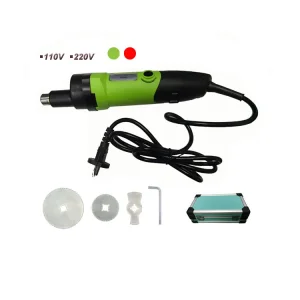
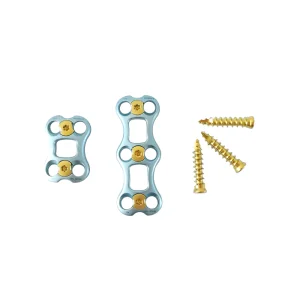
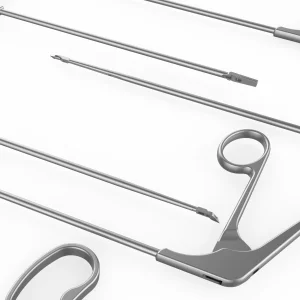
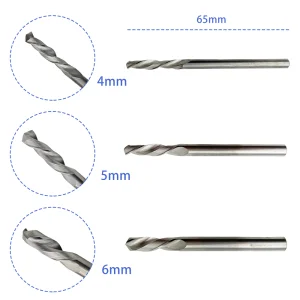
Explore our expanded range of titanium locking systems, micro-saw assemblies, and specialized orthopedic revision sets.
 Virelox