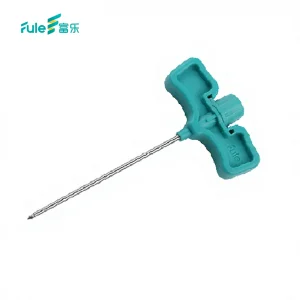
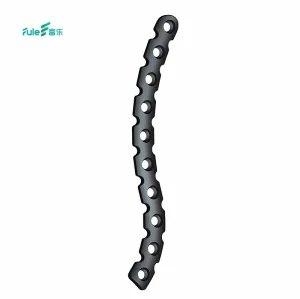
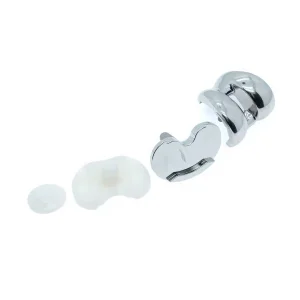
Discover our highly verified and CE/ISO approved surgical implant systems and orthopedic power tools constructed for optimal mechanical integrity.
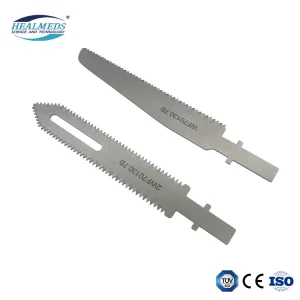
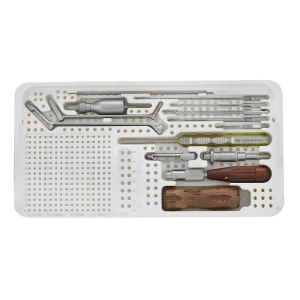
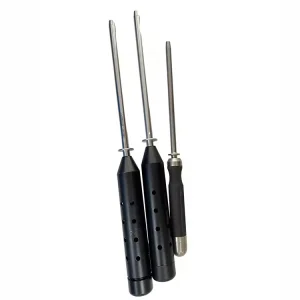
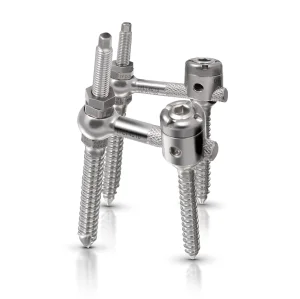
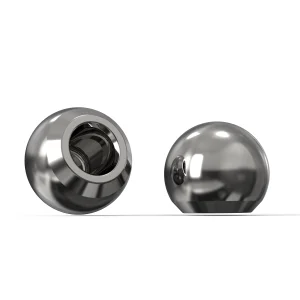

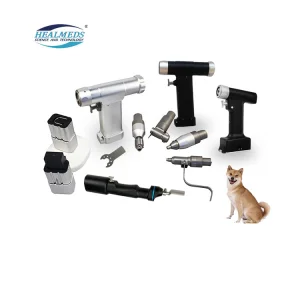
The global orthopedic market has experienced robust technological transformation. Orthopedic bone drills and primary power tools represent a foundational segment within operating rooms worldwide. Driven by a surge in trauma incidences, joint reconstructions, spinal surgeries, and the expanding field of veterinary clinical orthopedics, the demand for highly efficient, ergonomically sound, and biocompatible instruments is at an all-time high.
Modern clinics require power tool configurations that provide exceptional torque-to-weight ratios, minimizing fatigue for surgeons while eliminating the risk of thermal necrosis in patient bone tissue. Device durability under harsh autoclaving environments (typically 134°C at high pressure) dictates the material selection—favoring medical-grade stainless steels, titanium alloys, and advanced plastics.
Regulatory pathways, including the transition to EU MDR and stringent FDA guidelines, demand rigorous verification of bio-compatibility, raw material origin tracking, and biomechanical endurance. This establishes a high barrier to entry, separating primary manufacturers from secondary assembly plants.
"Precision is not just a metric; it is the boundary between rapid patient rehabilitation and prolonged post-operative complications. Modern orthopedic operations mandate tools that act as a natural extension of the surgeon's hands."
A global leader in joint replacement, orthopedic implants, and precision surgical systems, backed by decades of industrial expertise.
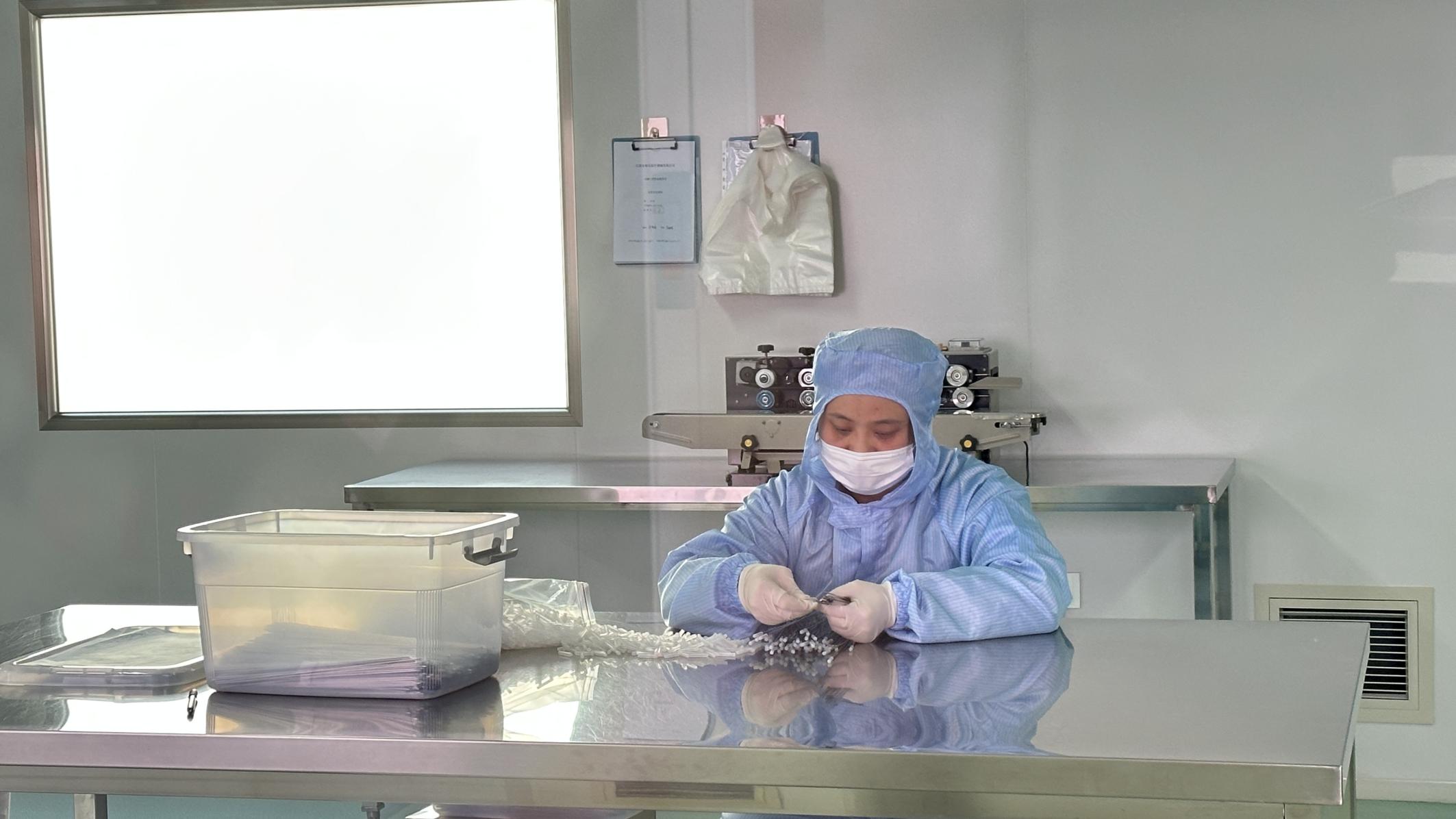
Operating under the premier brand "Virelox", we manage an ISO 13485-certified 12,000 square meter factory designed for full-process quality assurance. From incoming titanium alloys to the final packaging and sterile validation, our infrastructure caters directly to international healthcare distributors, medical institutions, and private label partners.
How raw medical alloys are transformed into high-accuracy orthopedic devices within our specialized facility.
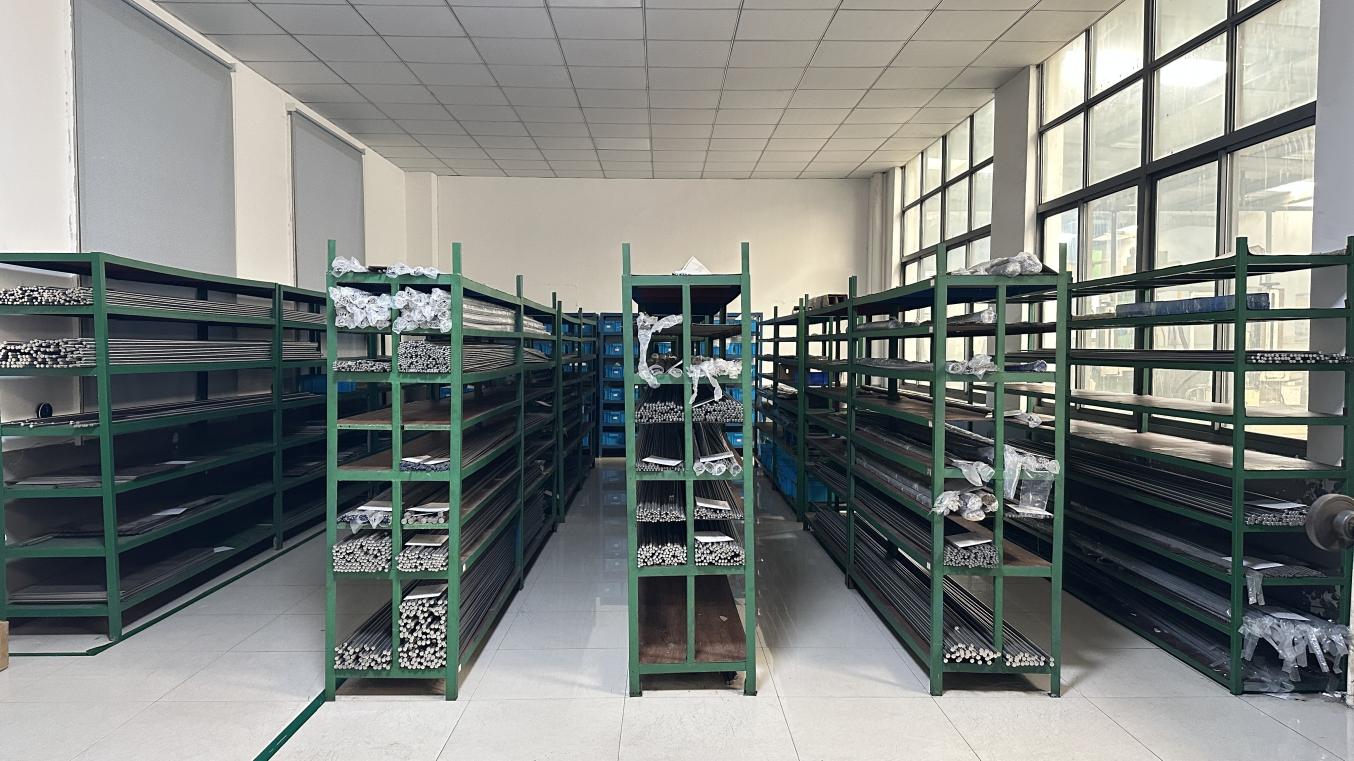
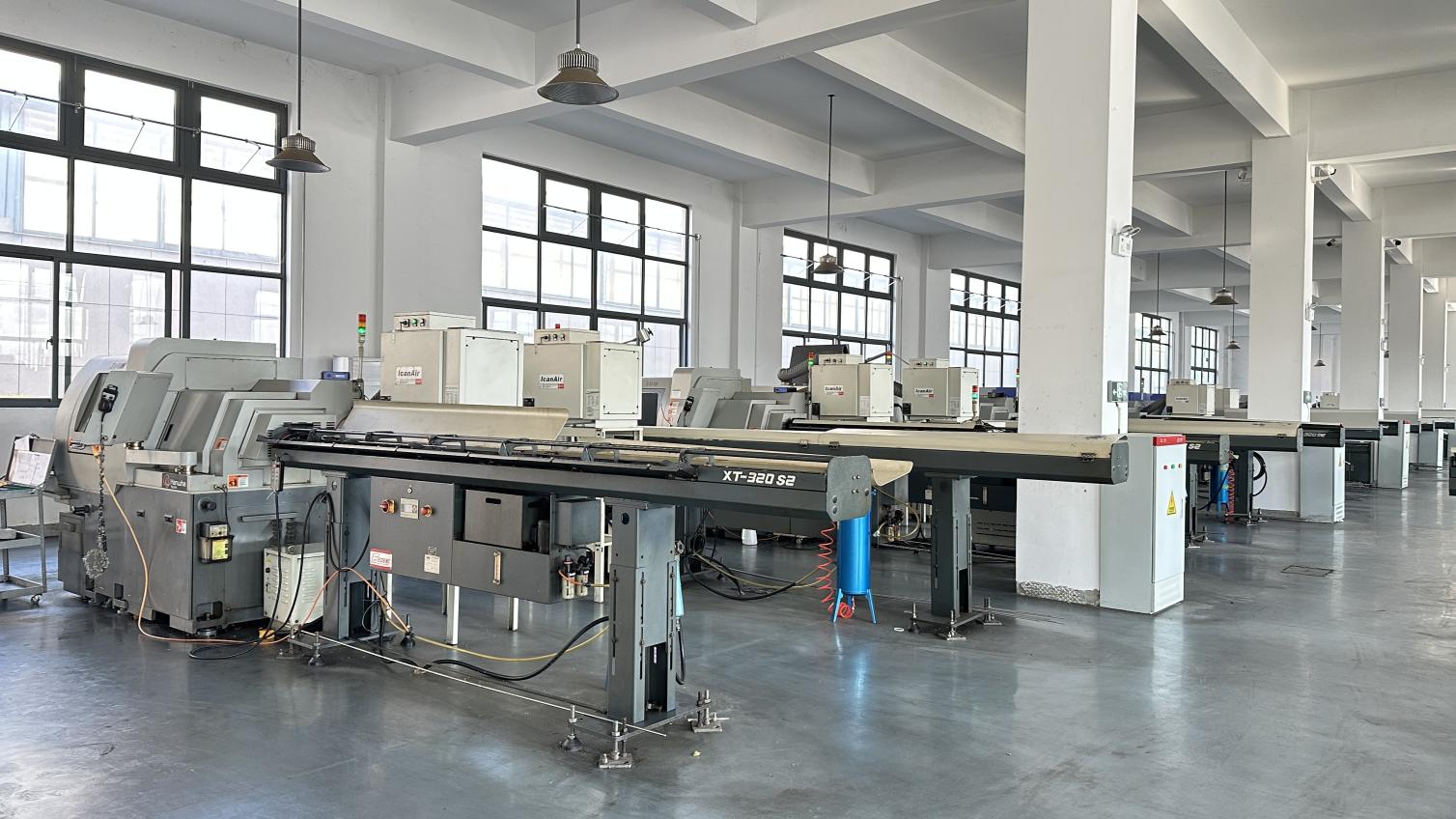
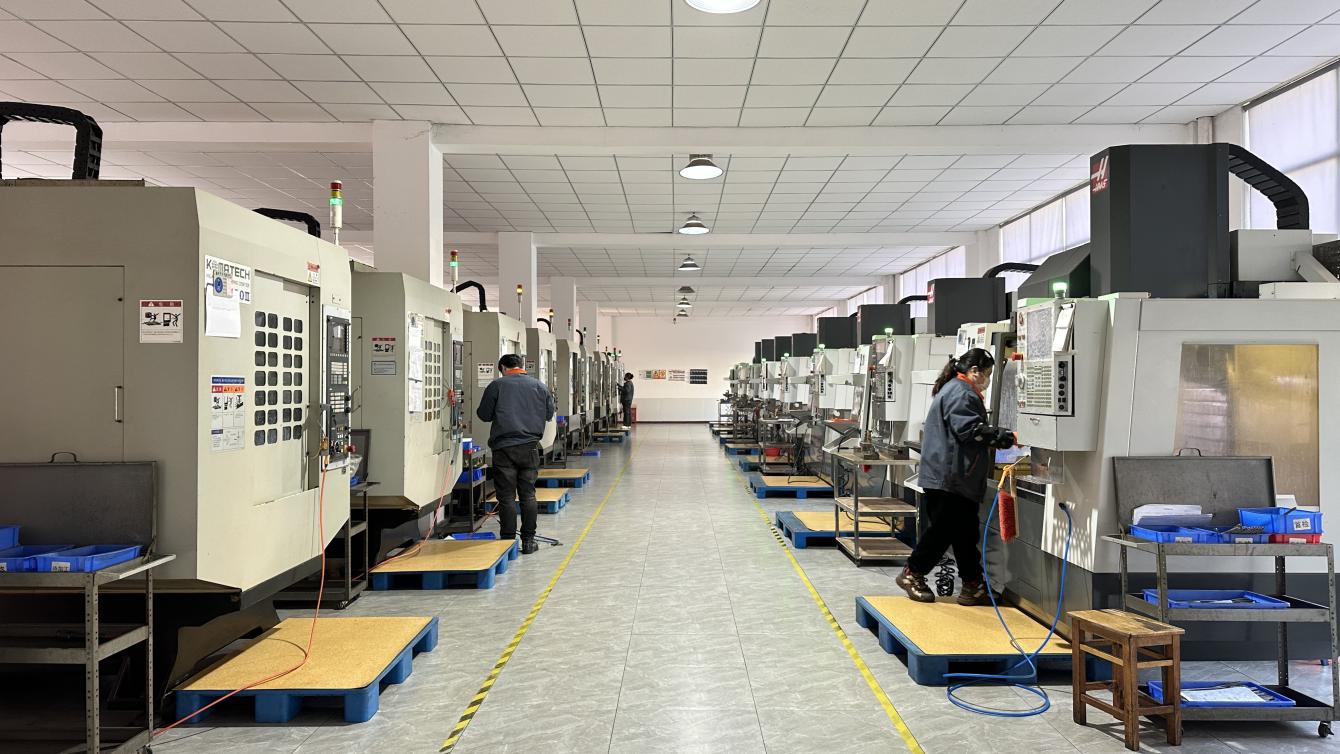
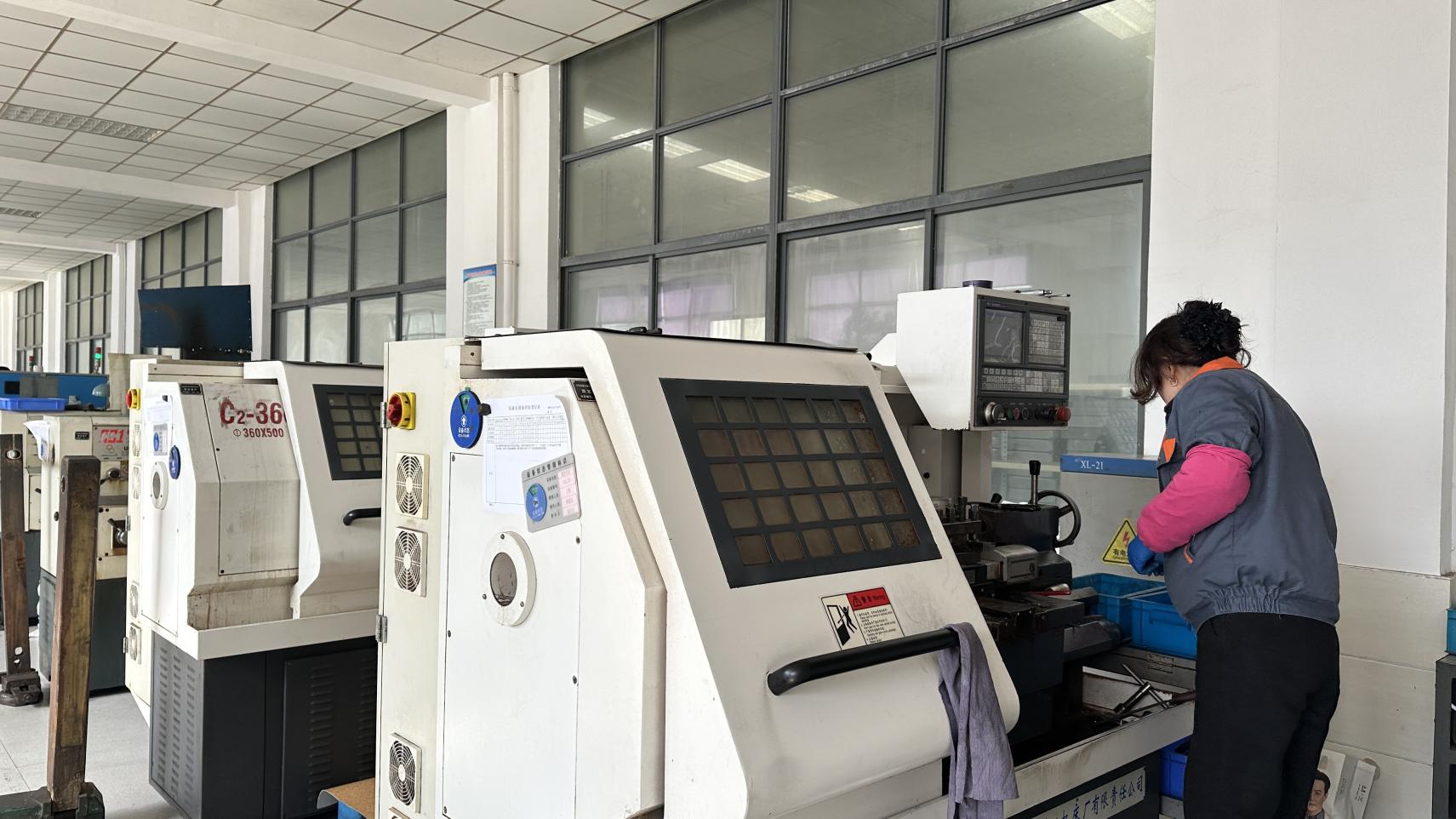
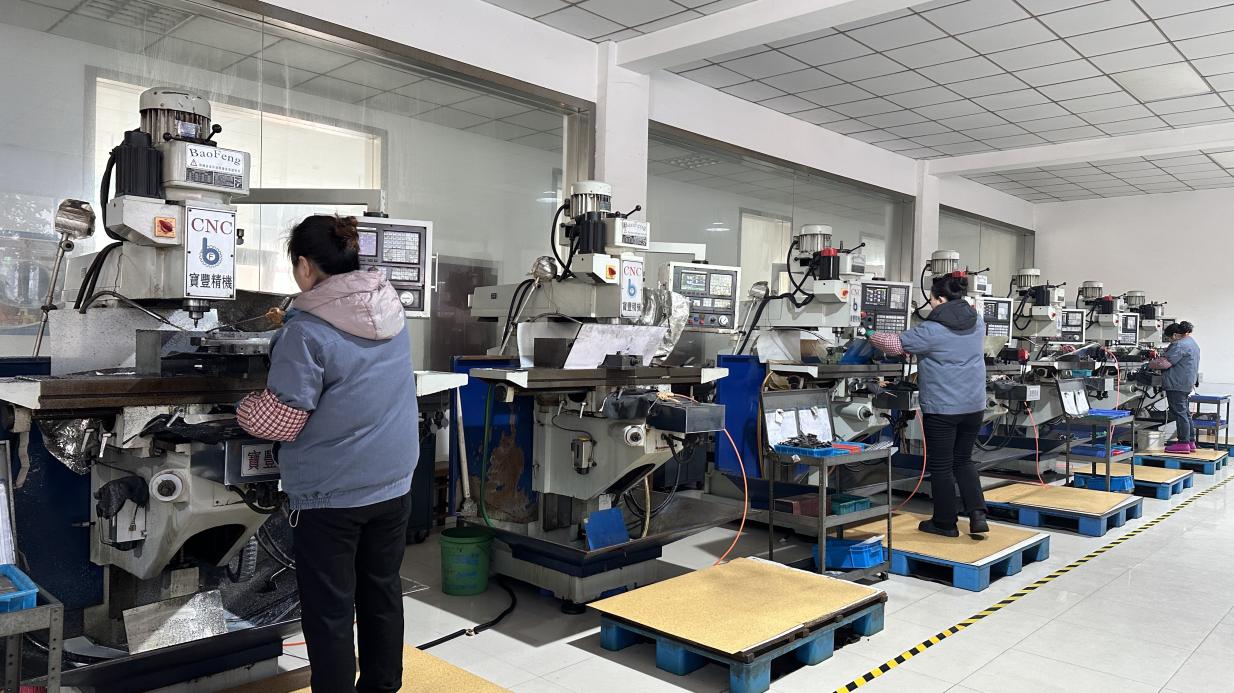
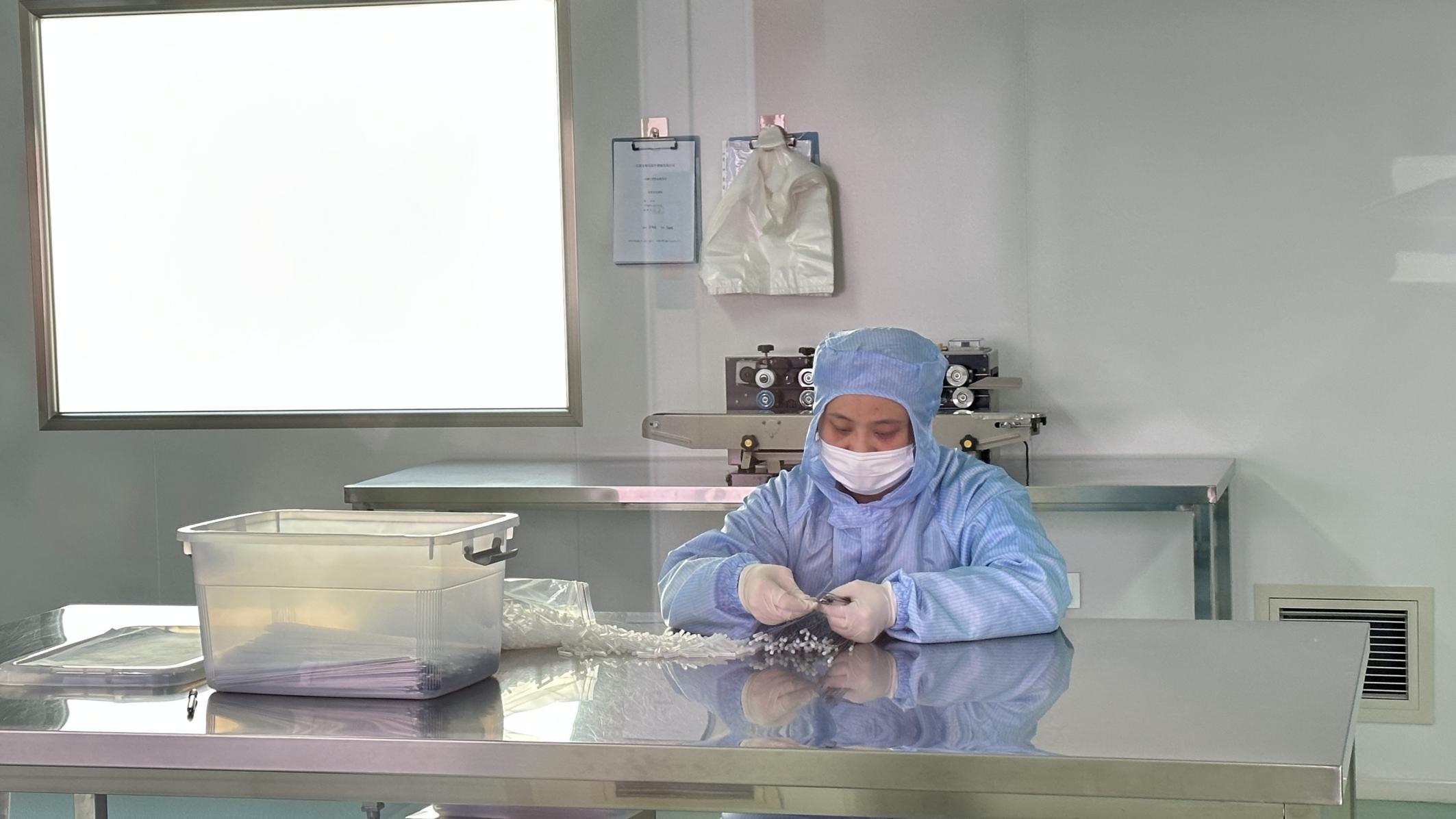
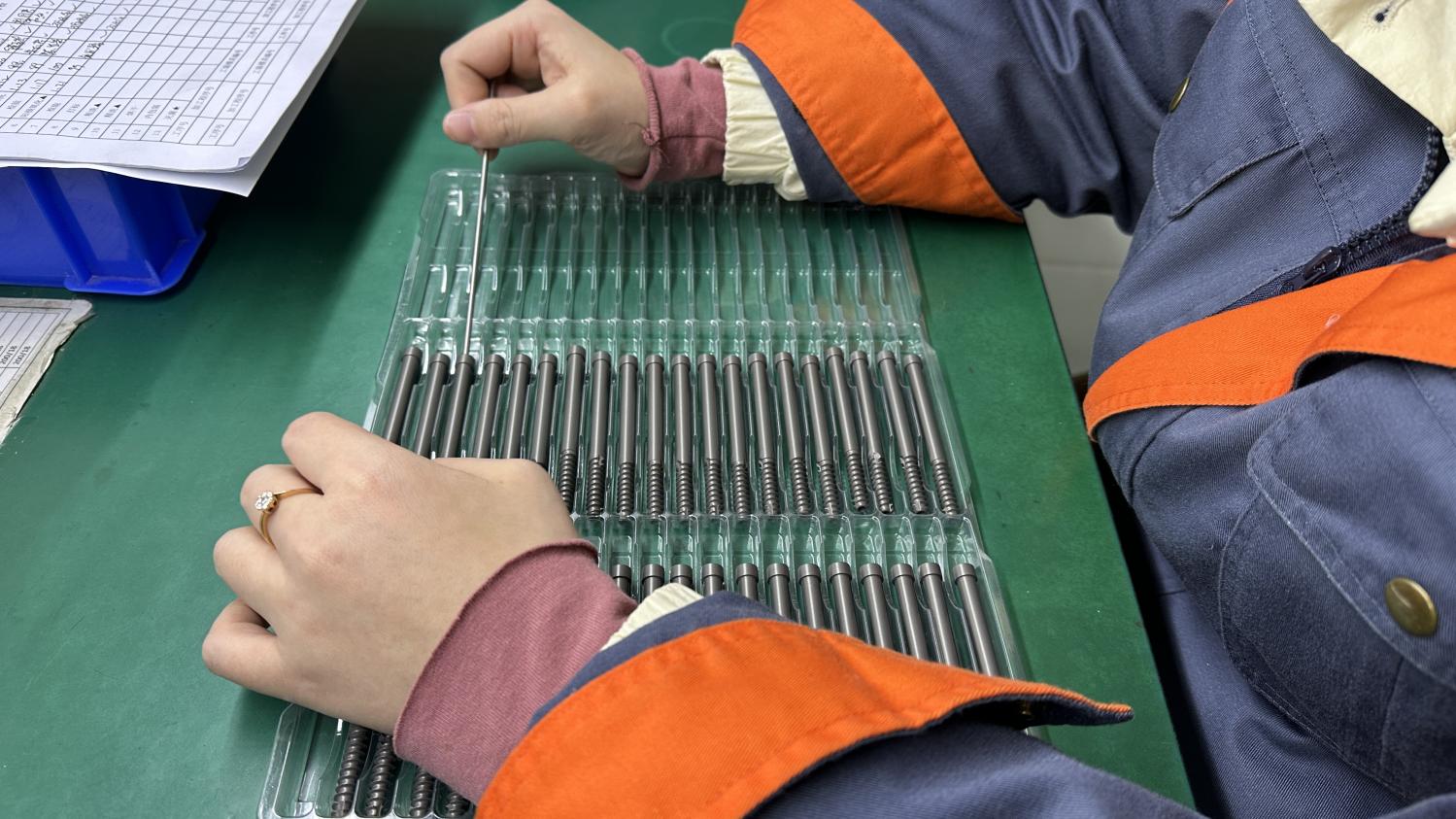
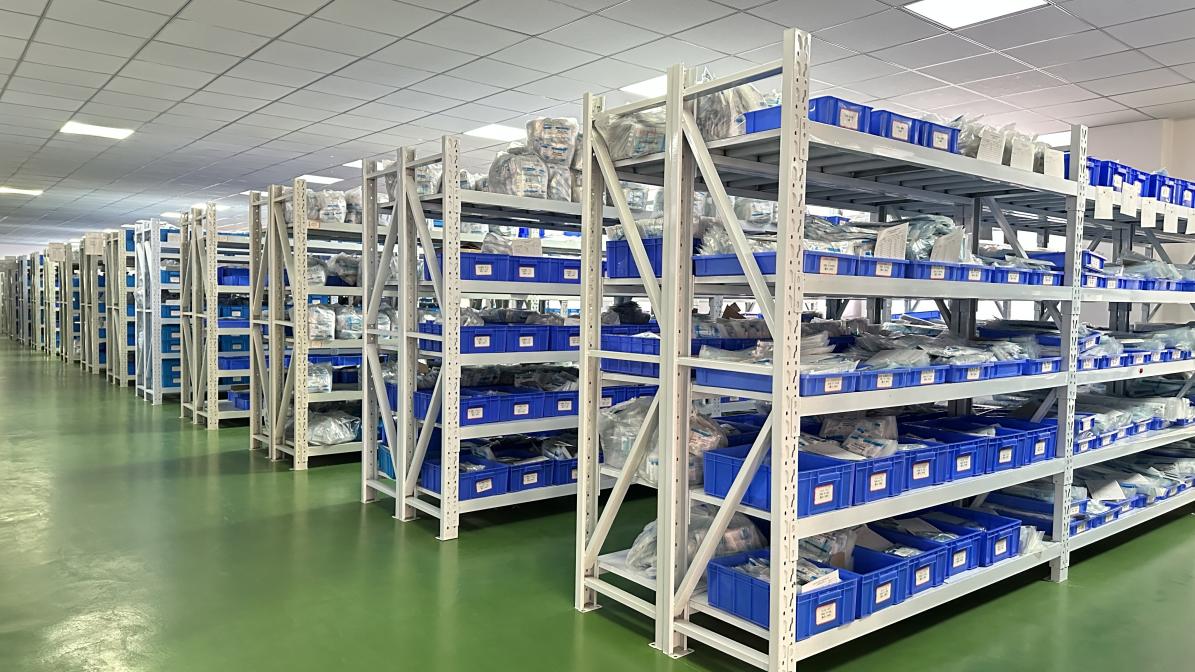
China's medical instrument manufacturing sector has evolved from simple contract assembly into a world-class technology hub. By building unified clusters of material science research, automated CNC technology, and specialized packaging systems, manufacturers can optimize production cycles without sacrificing quality.
Our 12,000 square meter factory utilizes this ecosystem to secure premium raw materials (such as surgical-grade titanium and high-purity medical steels) at steady price points. With 850+ certified supply chain partners, we eliminate resource bottlenecks, ensuring consistent deliveries even during high global demand periods. Our OEM/ODM setup accelerates turnaround times, turning design concepts into verified surgical prototypes faster than Western competitors.
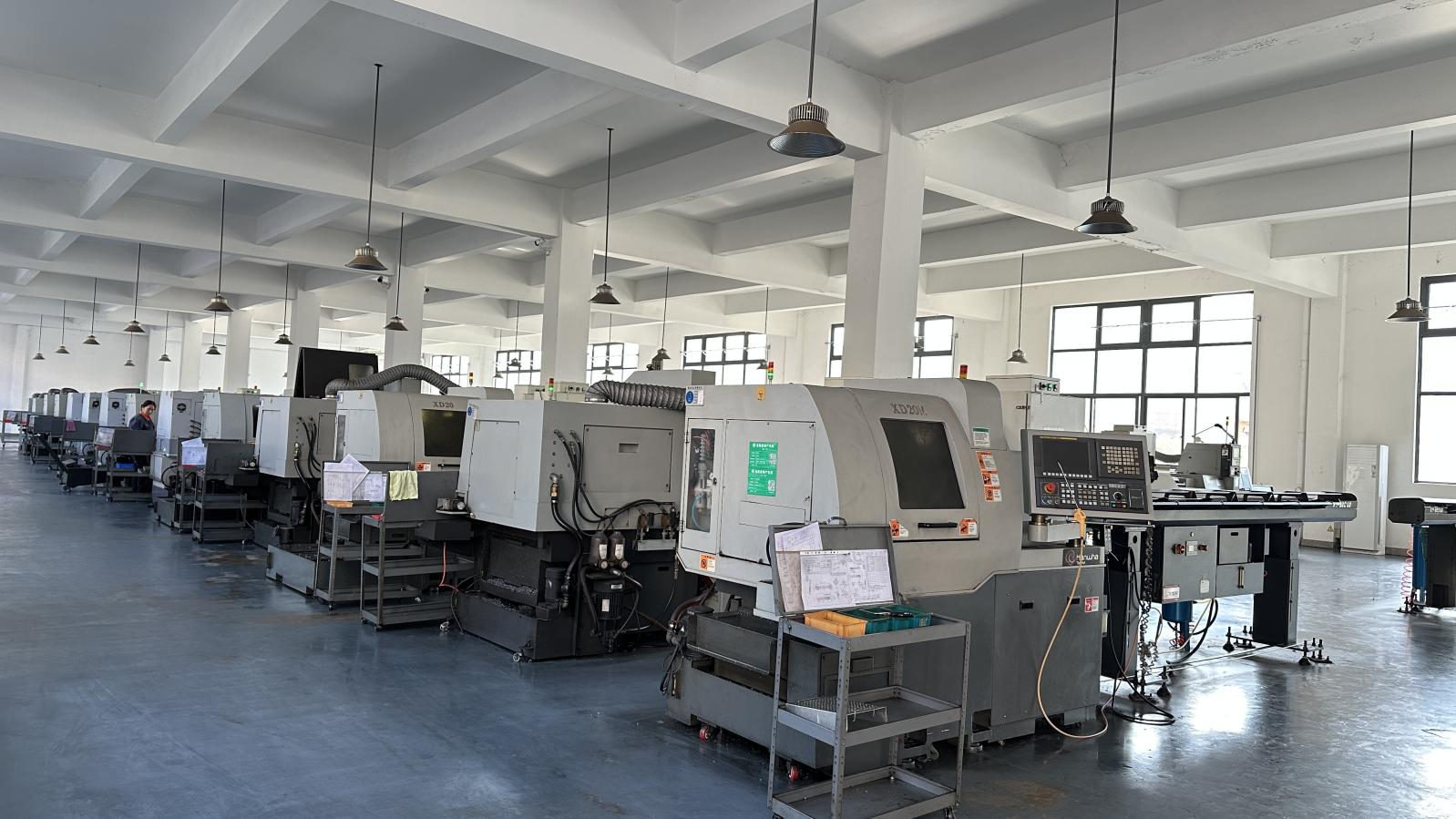
High-Accuracy Raw Slitting Technology
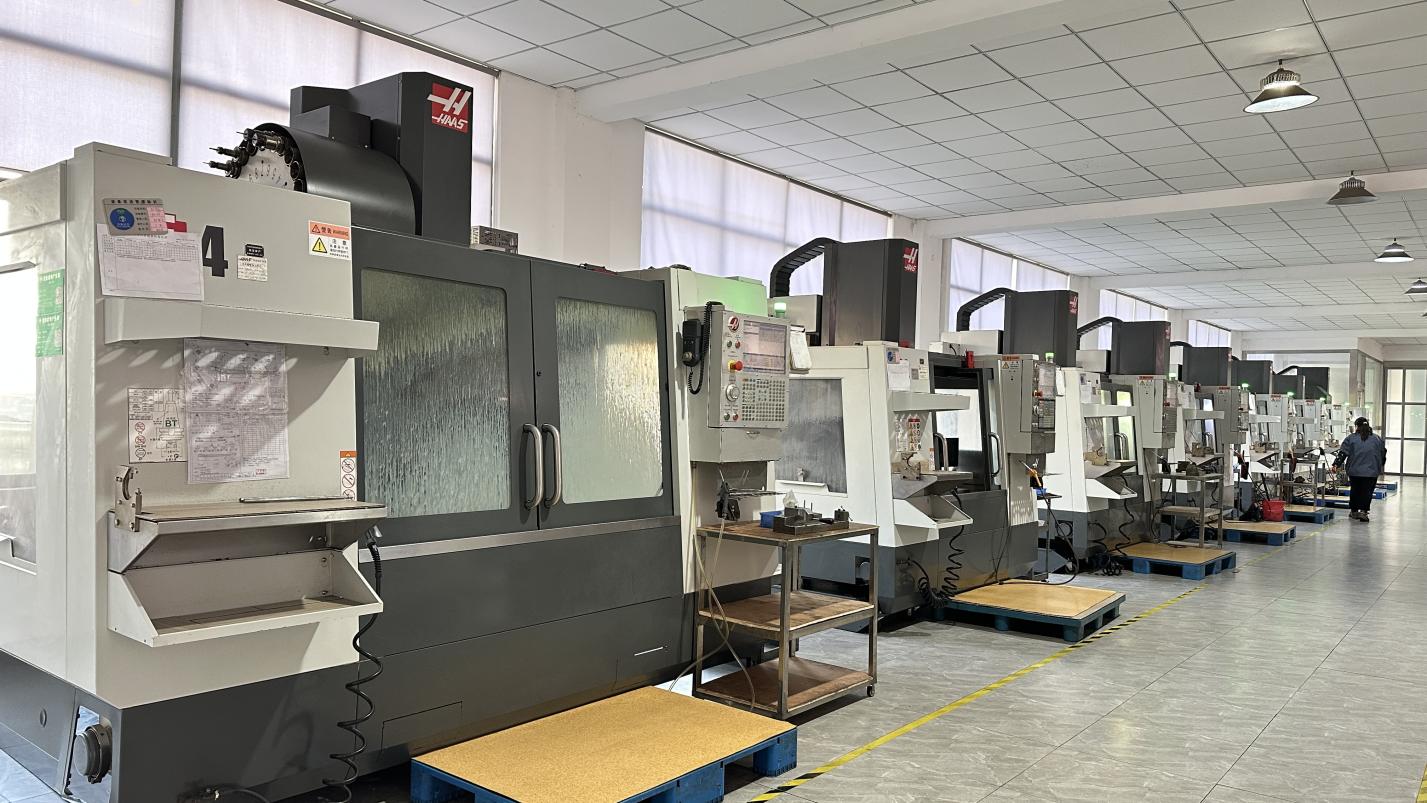
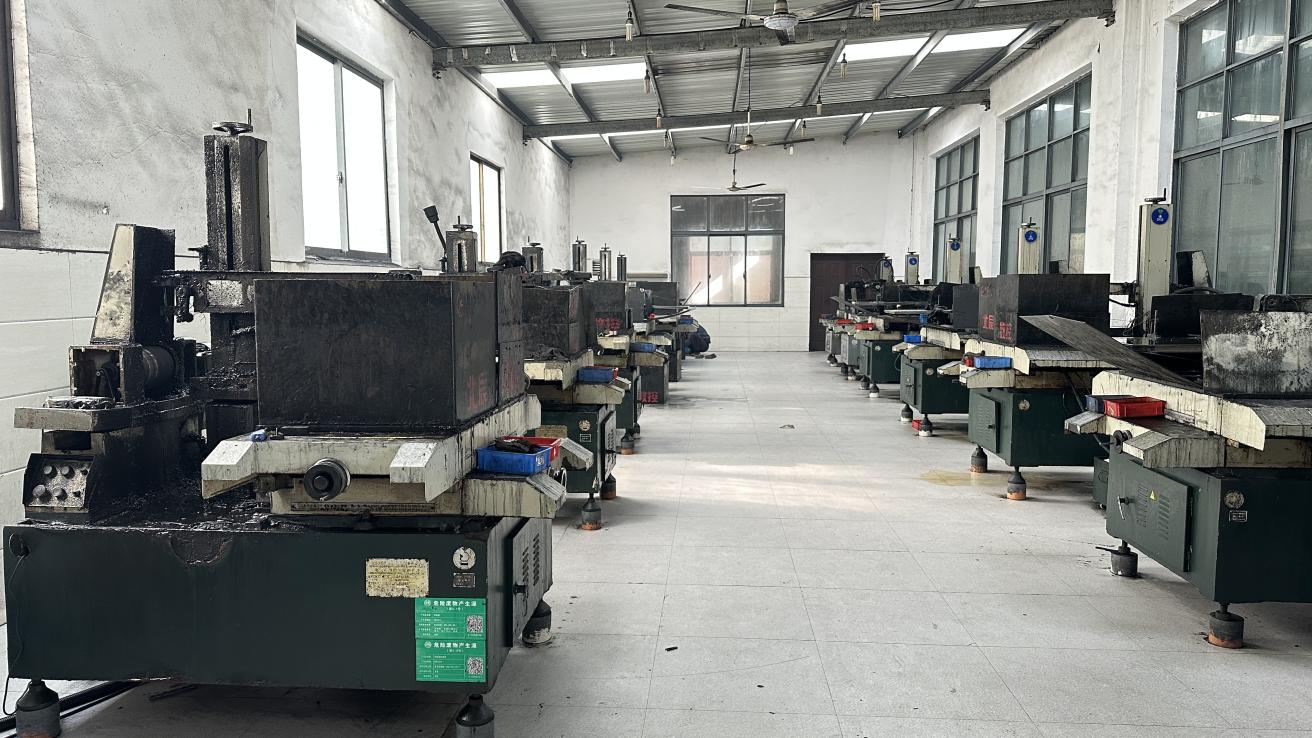
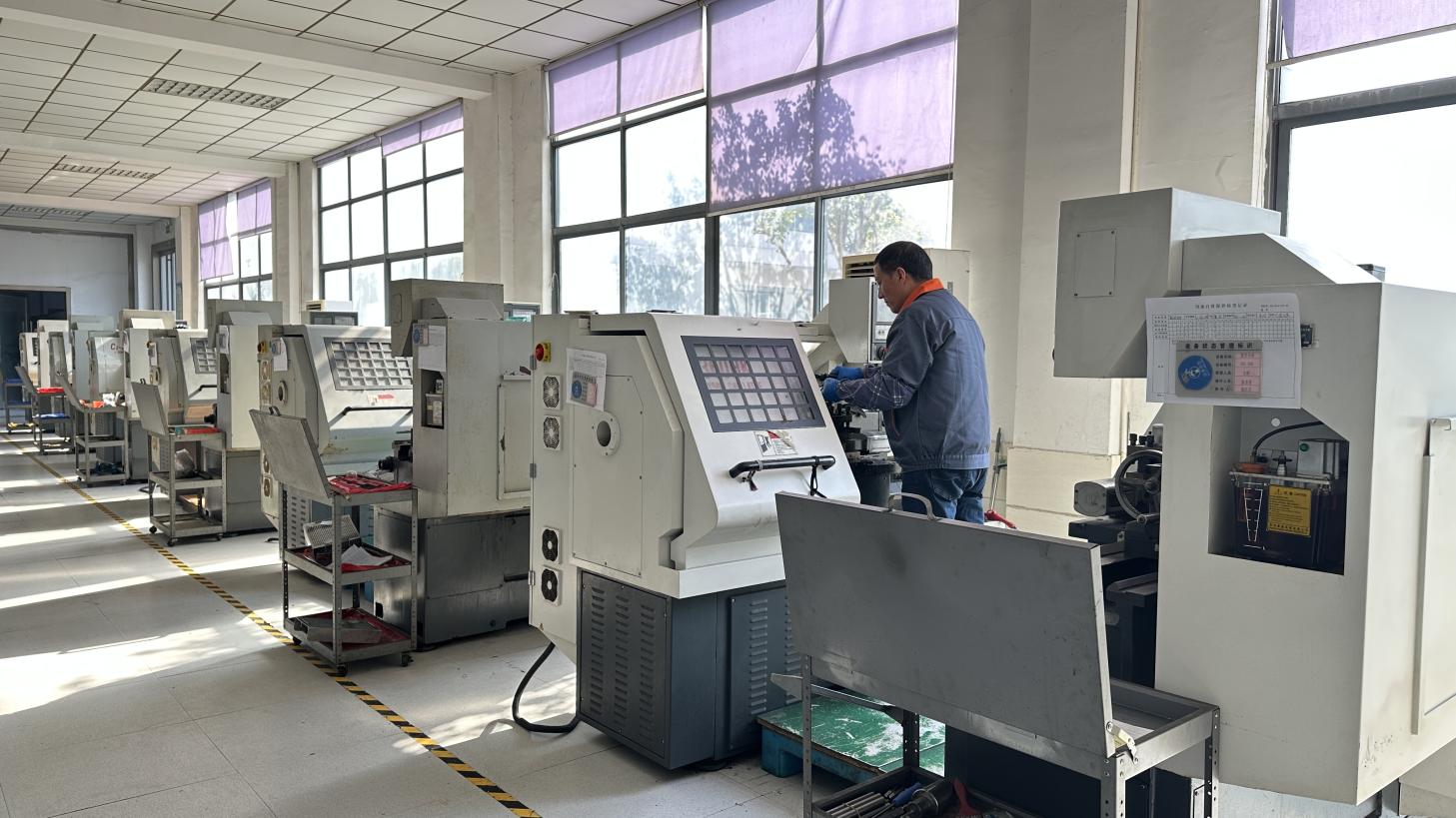
Advanced Multi-Axis CNC Machining Center
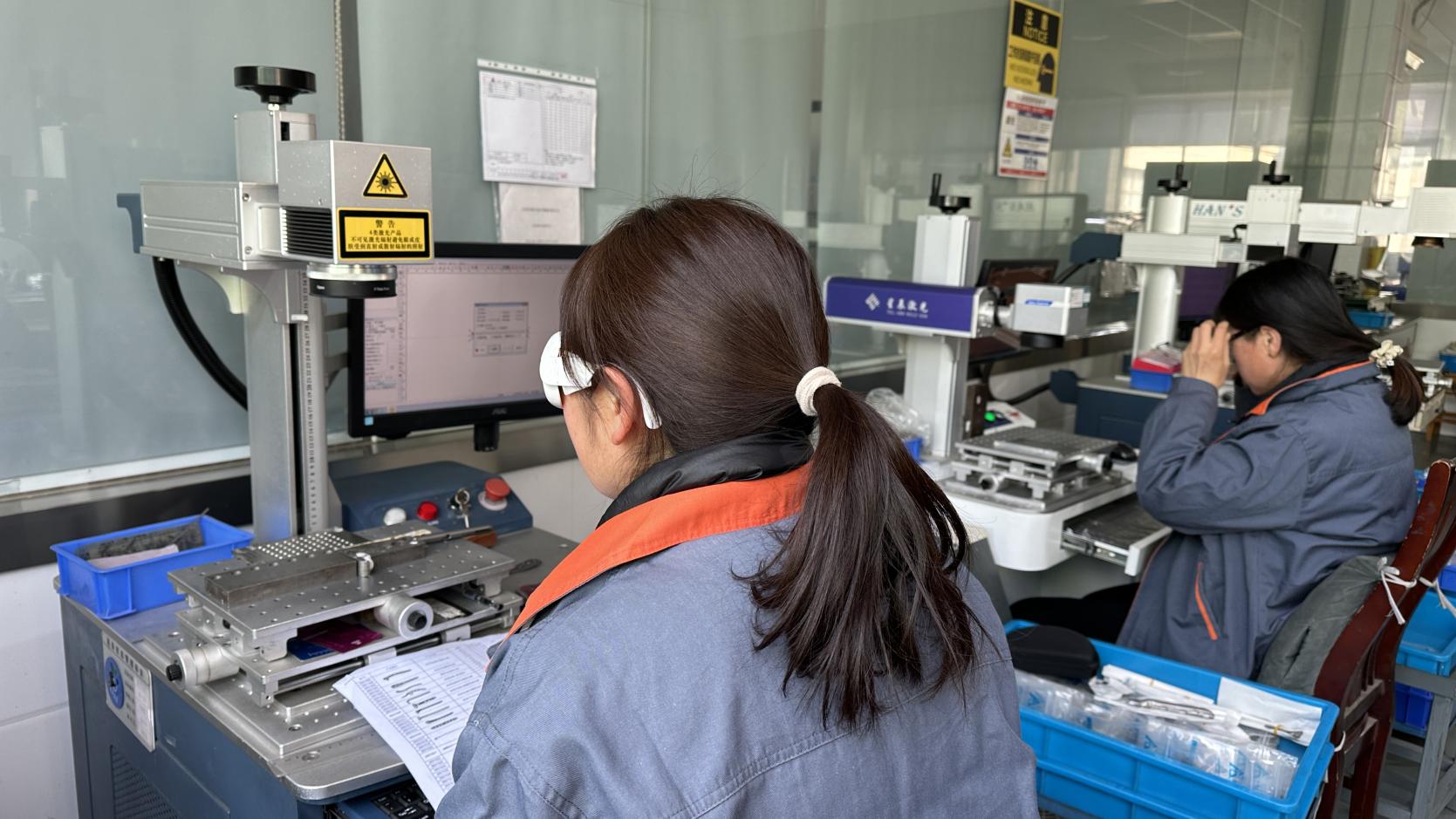
Our machine shop is equipped with modern manufacturing technology. Multi-axis CNC milling, precision wire cutting, automated lathe systems, and high-performance laser marking ensure that each orthopedic bone drill, plate, and spinal component complies with exact design tolerances.
Through automated tooling pathways, we minimize manual errors. This allows us to scale production efficiently and run small, customized batches (for specialized clinical needs or specific local regulations) alongside high-volume OEM orders.
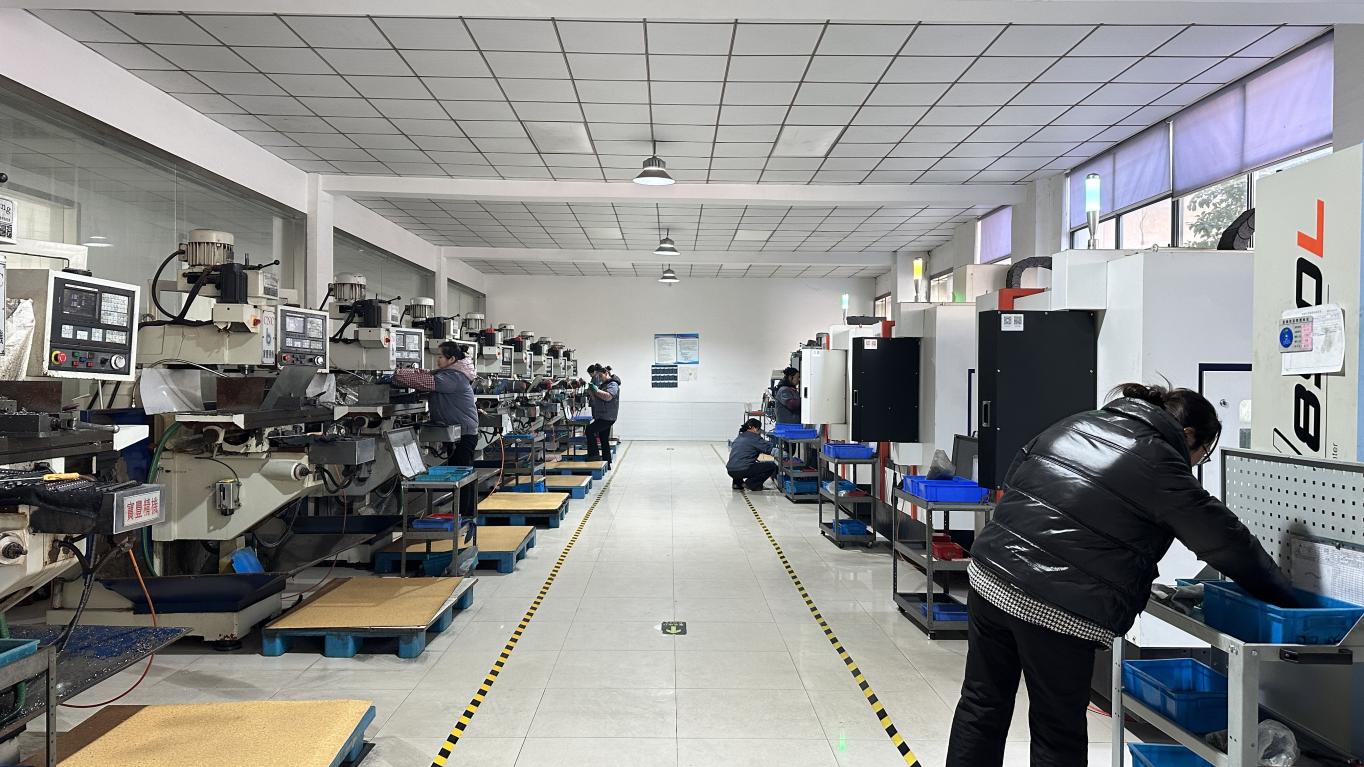
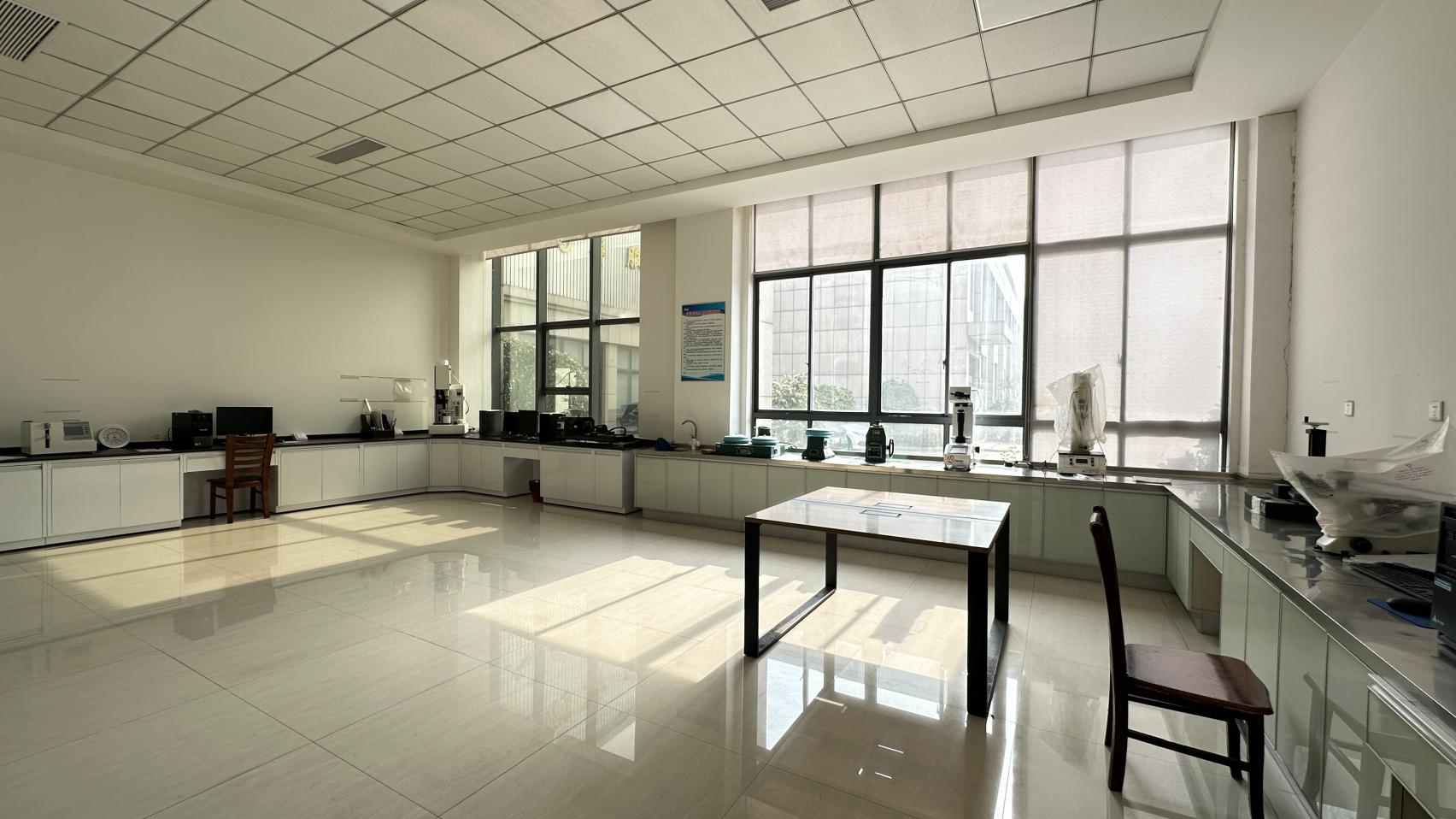
A dedicated quality management framework powered by 65 QC experts and state-of-the-art testing laboratories.
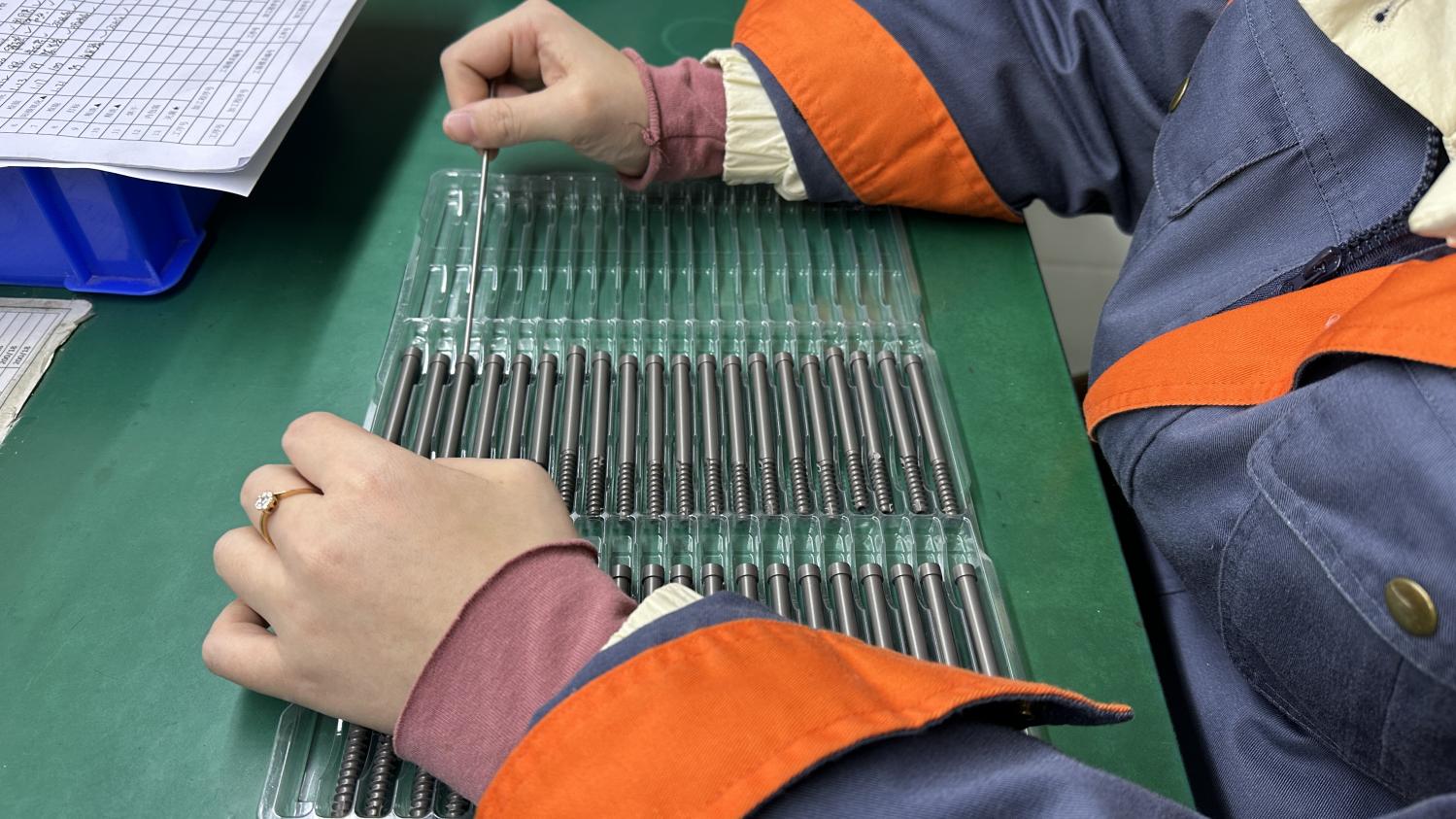
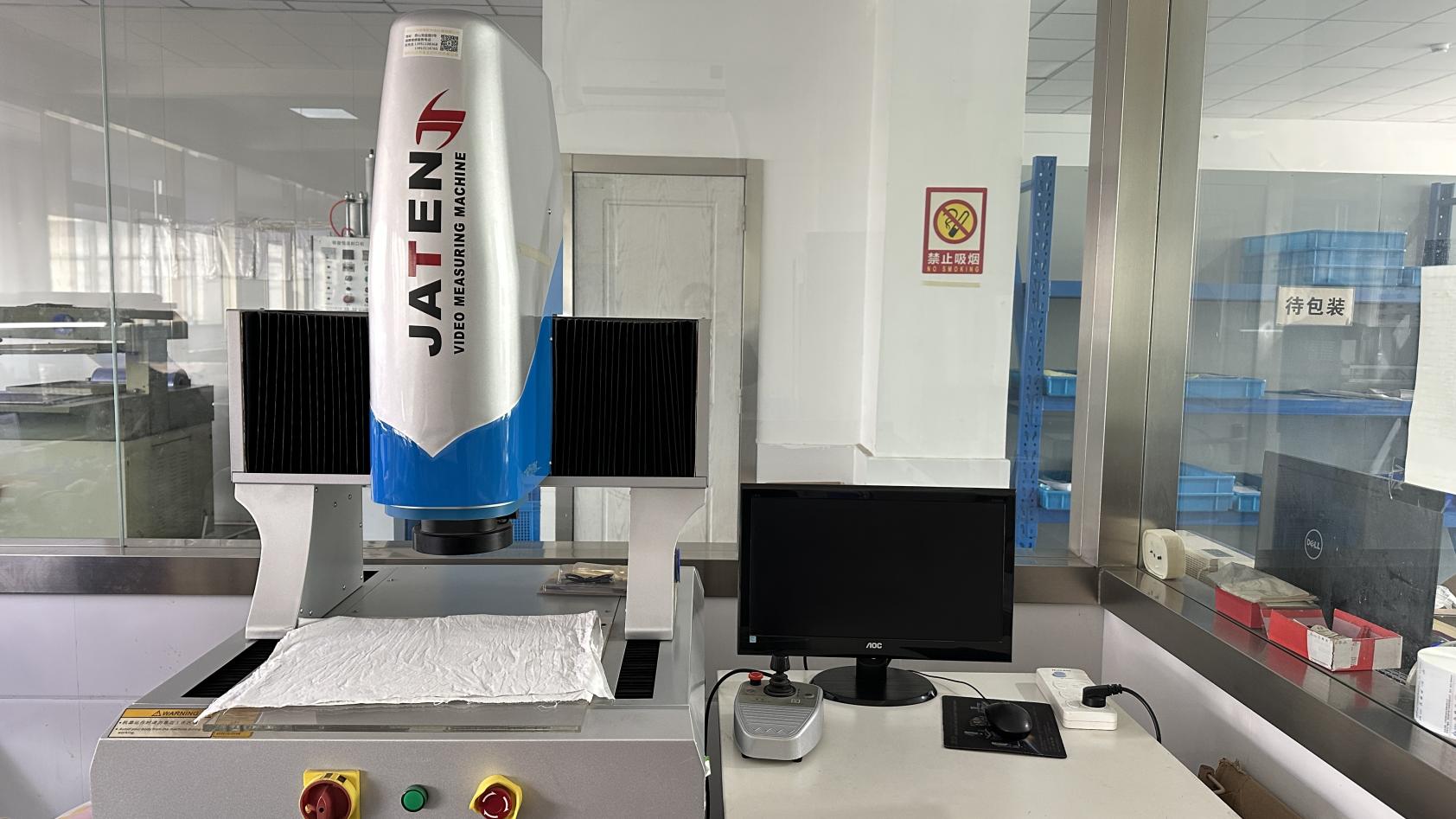
Every batch of orthopedic implants and surgical instruments undergoes comprehensive inspection protocols to verify structural performance and biocompatibility. We utilize advanced Coordinate Measuring Machines (CMM) for 3D micro-dimensional checks, ensuring implant threads and locking mechanisms align with target design tolerances.
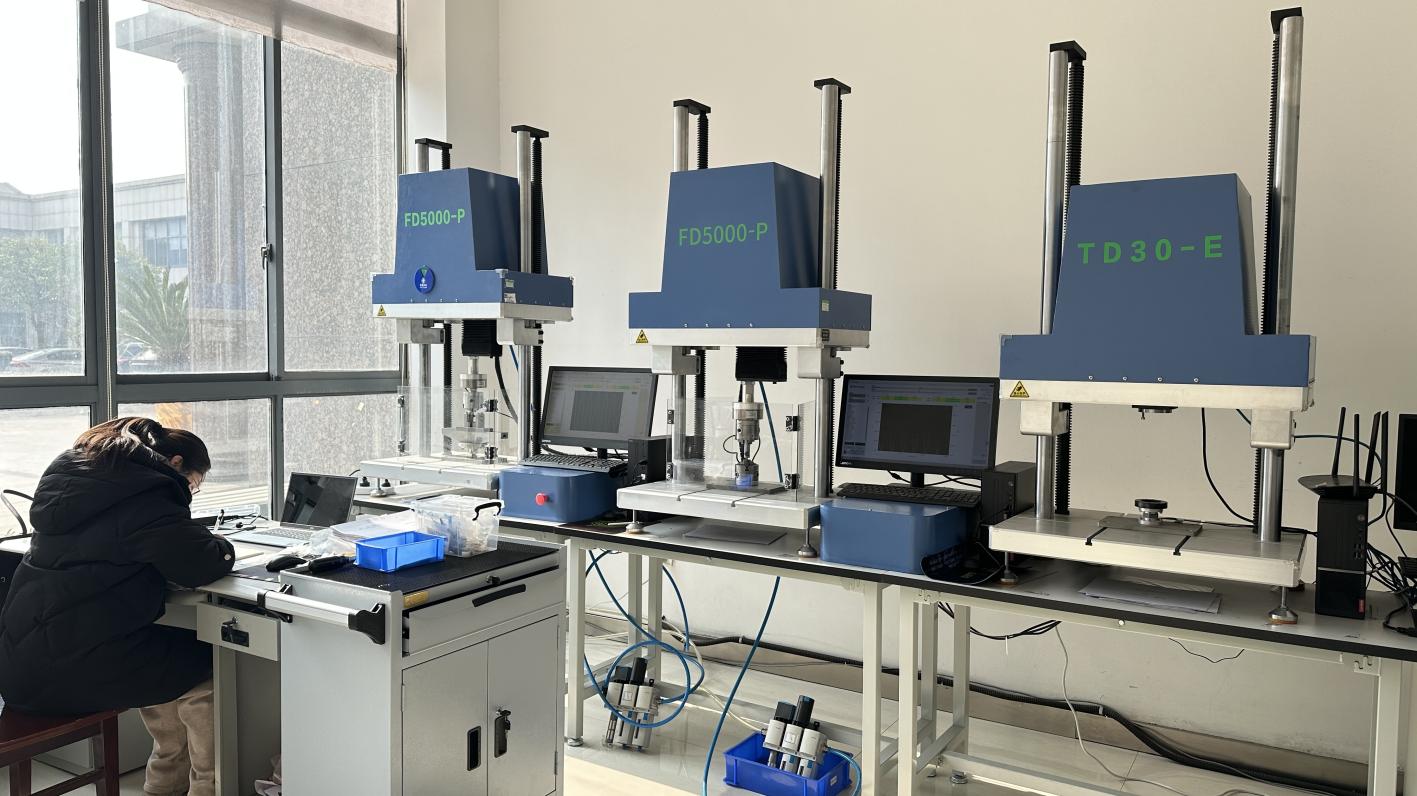
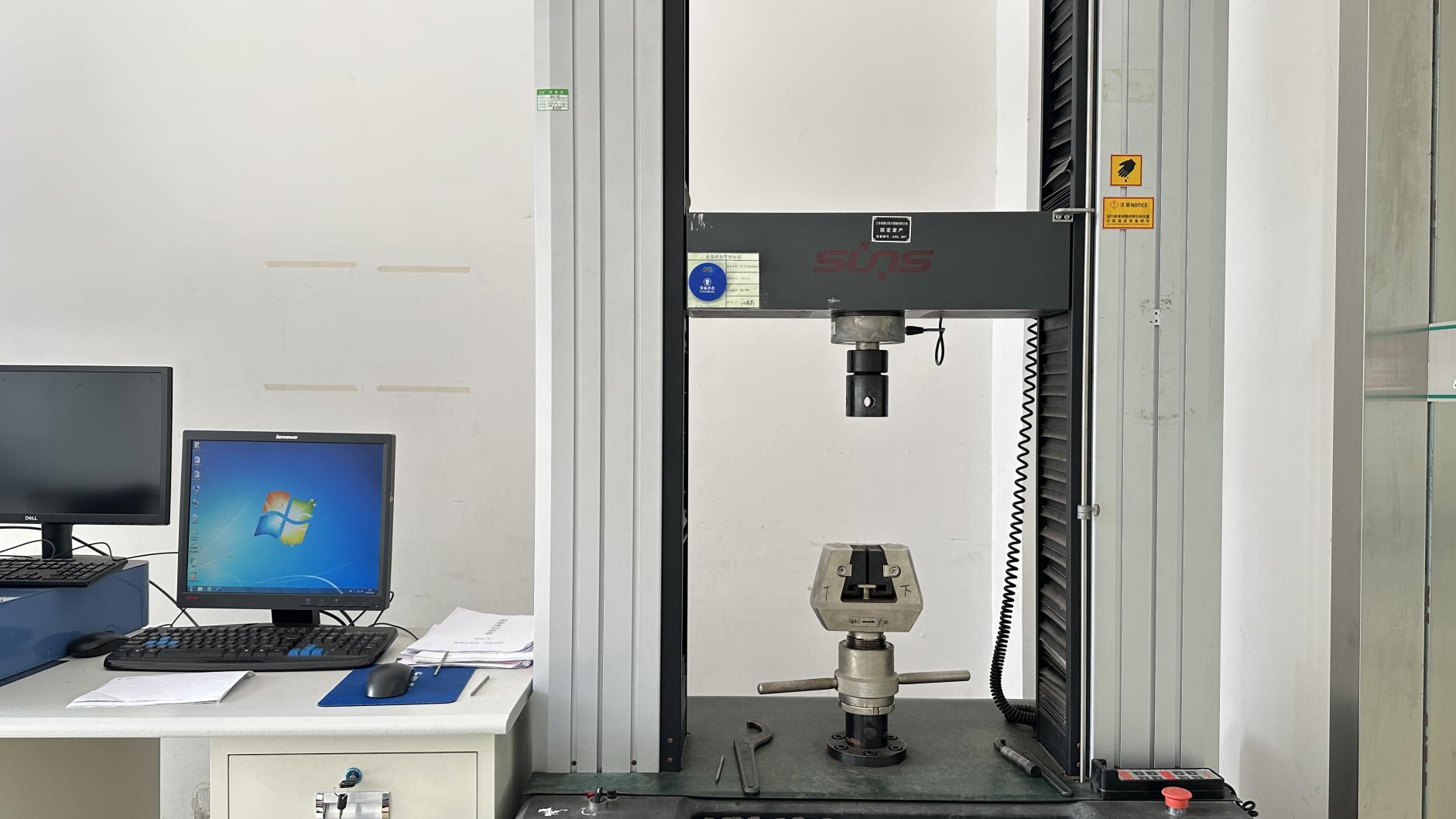
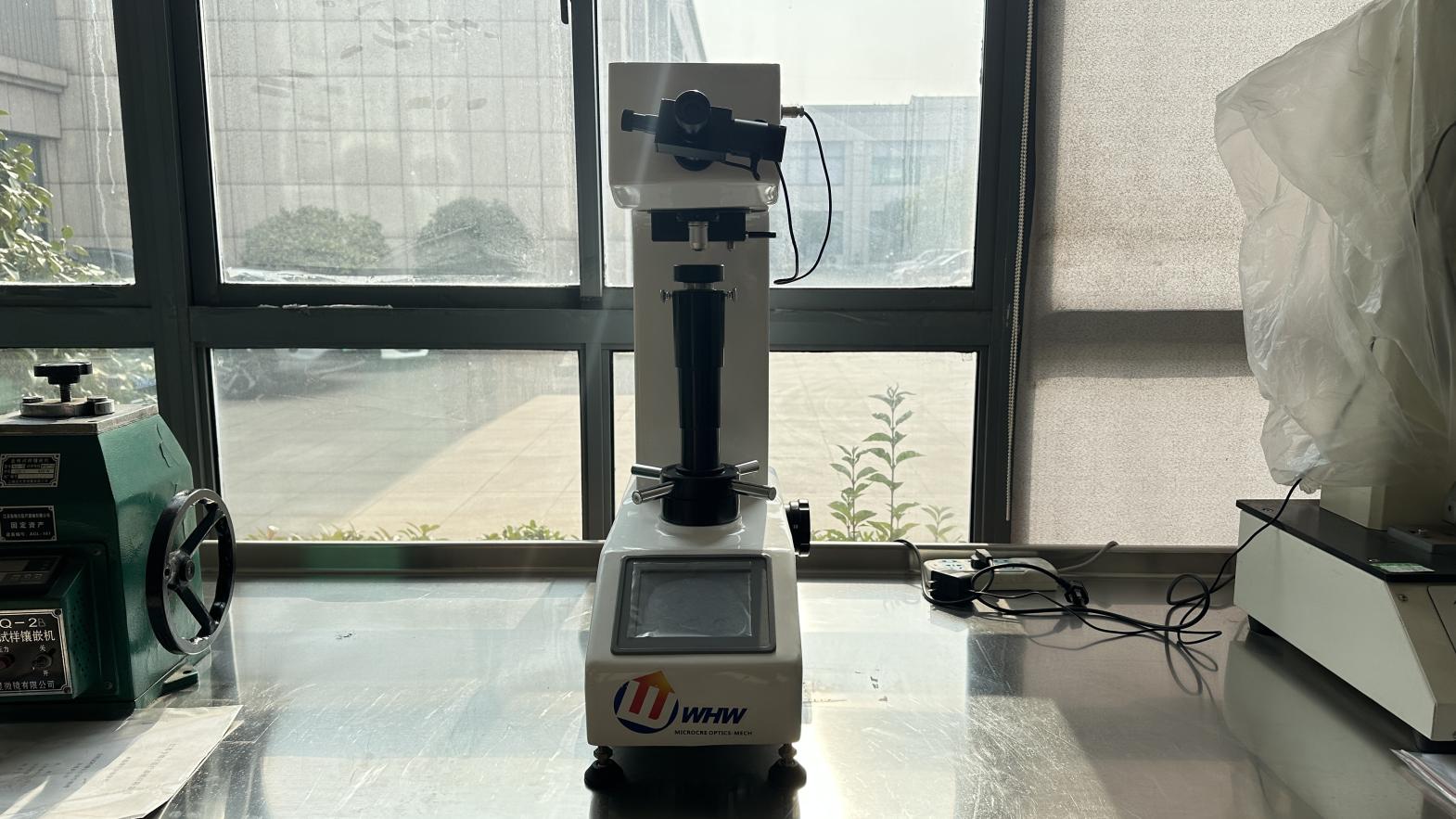
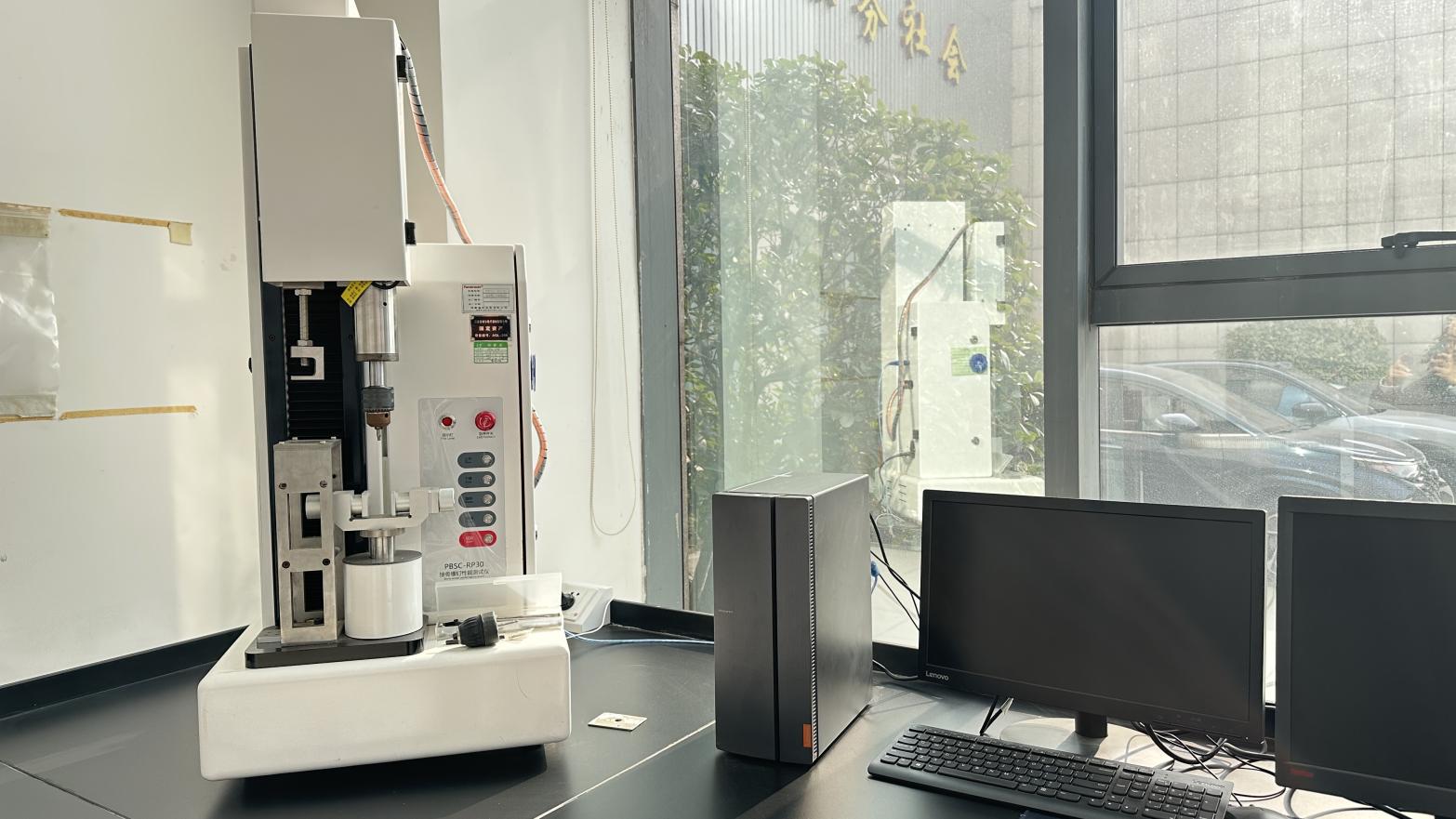
Our in-house validation testing includes fatigue testing (subjecting implants and components to millions of cycles to model real-world loads), tensile strength testing (to confirm material yield points), and hardness testing. Furthermore, dedicated bone screw performance systems evaluate torque-to-failure parameters, ensuring implants remain intact under surgical stress.
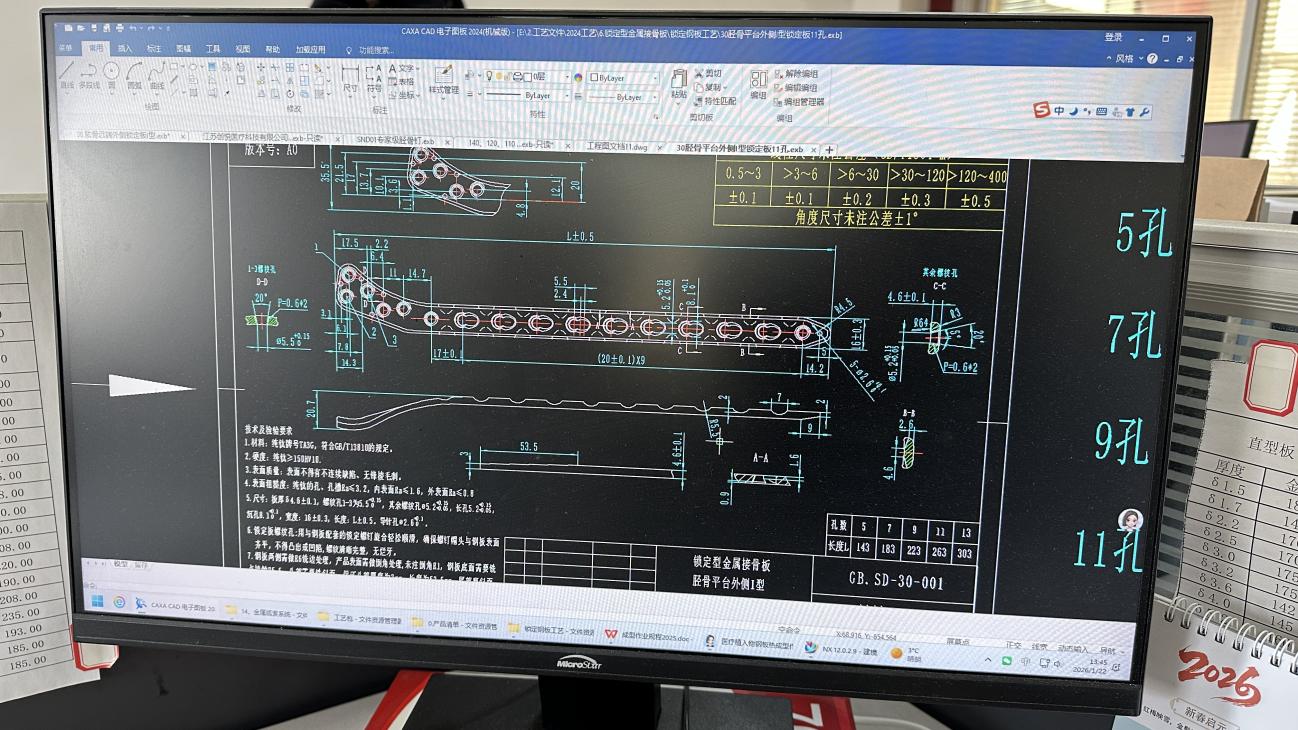
CAD/CAM Orthopedic Design Center
Delivering specialized performance to address distinct clinical requirements across trauma, spinal, and veterinary fields.
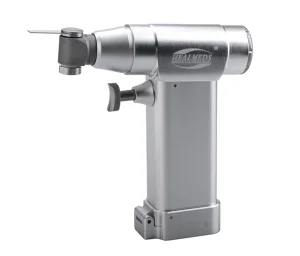
Requires high rotational speed and fine control to handle cortical bone. Our bone drill configurations provide excellent torque control, enabling smooth pilot hole creation for locking plates, minimizing thermal buildup, and supporting fast stabilization of fractures.
Demands extreme precision near critical neural anatomy. Devices such as our pedicle positioning tools and variable speed drills enable exact placement, reducing risks during lumbar fusion or scoliosis corrections.
A growing clinical field requiring adaptable power tool designs. We supply veterinary hospitals with multi-functional systems that quickly swap attachment configurations, allowing them to treat a wide range of patient sizes.
The orthopedic device industry is shifting toward smart, integrated surgical solutions. The integration of digital feedback sensors in bone drills represents the next major technical milestone. These sensors detect bone density variations in real time, automatically reducing speed or stopping rotation as the drill exits the far cortex, preventing soft tissue injury.
Concurrently, there is rising demand for brushless, highly efficient DC motors that run cooler and extend battery lifetimes. Manufacturers are also refining seal and casing designs to withstand more sterilization cycles, lowering the total cost of ownership for hospitals. In terms of materials, high-density PEEK and advanced carbon-fiber composites are increasingly used alongside traditional titanium and stainless steel implants to improve biocompatibility and load sharing.
"Smart power tools that actively communicate with surgical planning software will define the future of theater orthopedics. By integrating microprocessors and sensor arrays directly into the handpieces, we can help surgeons work with greater precision."
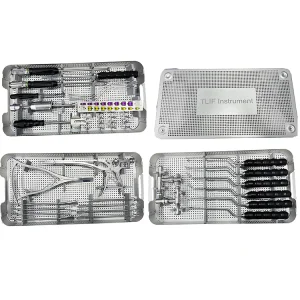
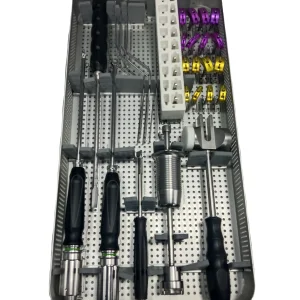
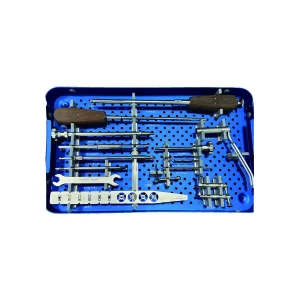
Browse our advanced surgical plates, spine cages, and specialized bone cutters designed to perform under demanding operating conditions.
Detailed answers to key queries from procurement managers, surgical distributors, and clinical technical directors.
 Virelox