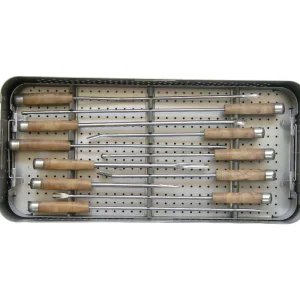
Premium medical hardware engineered for surgical precision, biomechanical durability, and optimal post-operative patient outcomes in Moscow hospitals.
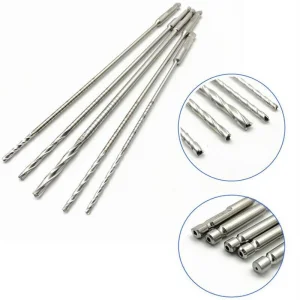
The metropolitan area of Moscow constitutes the largest healthcare market in Eastern Europe. With major medical clusters such as the Bakulev National Medical Research Center for Cardiovascular Surgery, the Vishnevsky Institute of Surgery, and regional clinical hospitals, the demand for high-performance sternal fixation systems has reached unprecedented volumes. Median sternotomy remains the golden standard for cardiac surgeries, yet the risk of sternal dehiscence and deep wound infections (mediastinitis) represents a serious, high-cost clinical challenge.
Historically reliant on traditional monofilament steel wire cerclages, Moscow's leading thoracic surgeons are aggressively transitioning to Rigid Plate Fixation Systems. Biomechanical studies demonstrate that locking plate technology provides significantly higher stability under mechanical loads (such as heavy coughing or physical rehabilitation), reducing bone shear stress and shortening patient ICU recovery times.
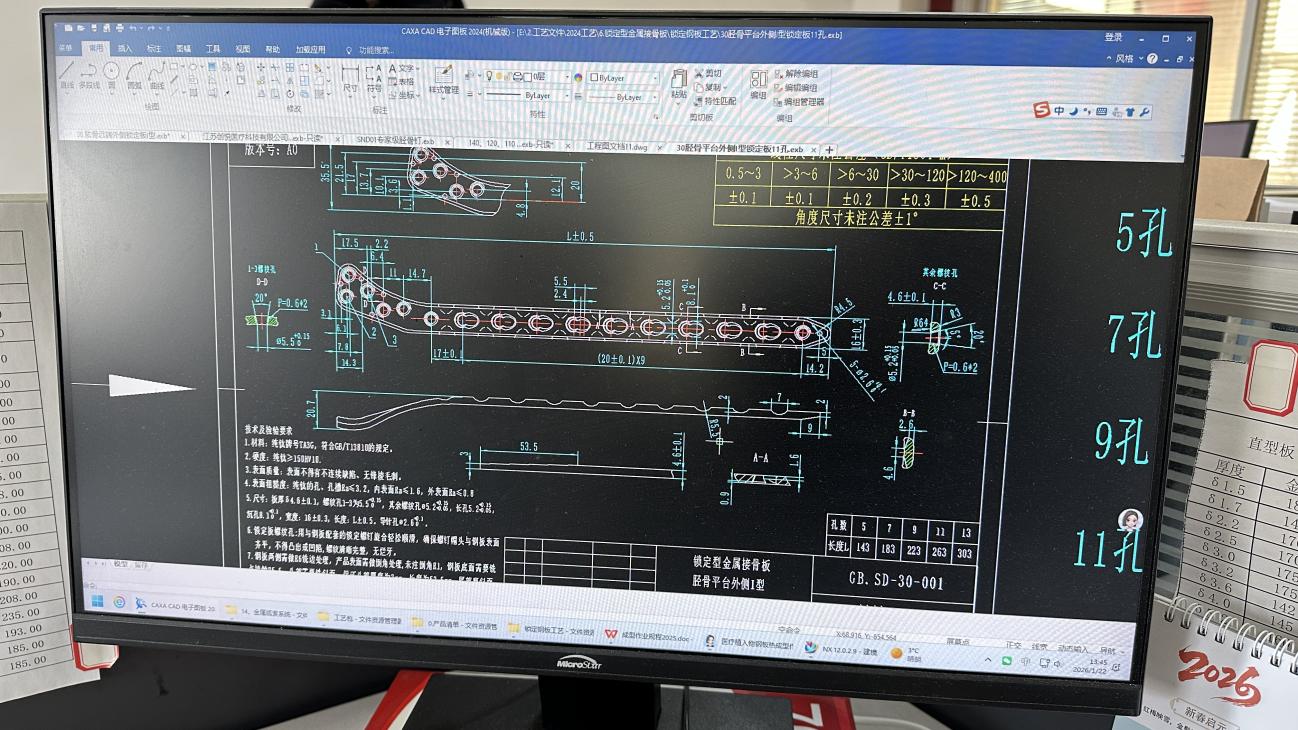
Adapting to the future of rigid osteosynthesis through advanced manufacturing and metallurgical integrity.
Navigating the complex Russian medical device landscape requires strict documentation. Our export processes comply with local technical, toxicological, and clinical trial regulations, ensuring smooth custom pathways and long-term procurement partnerships with Moscow distributors.
Dynamic loads on the thoracic cage are constant. Our titanium plate alloys undergo high-cycle fatigue testing up to 5 million cycles, ensuring they handle respiratory movements without material degradation or failure.
Minimizing soft-tissue irritation post-operation is critical. The low-profile structure of our plates preserves patient comfort, particularly in lean individuals, preventing the subsequent need for implant removal surgeries.
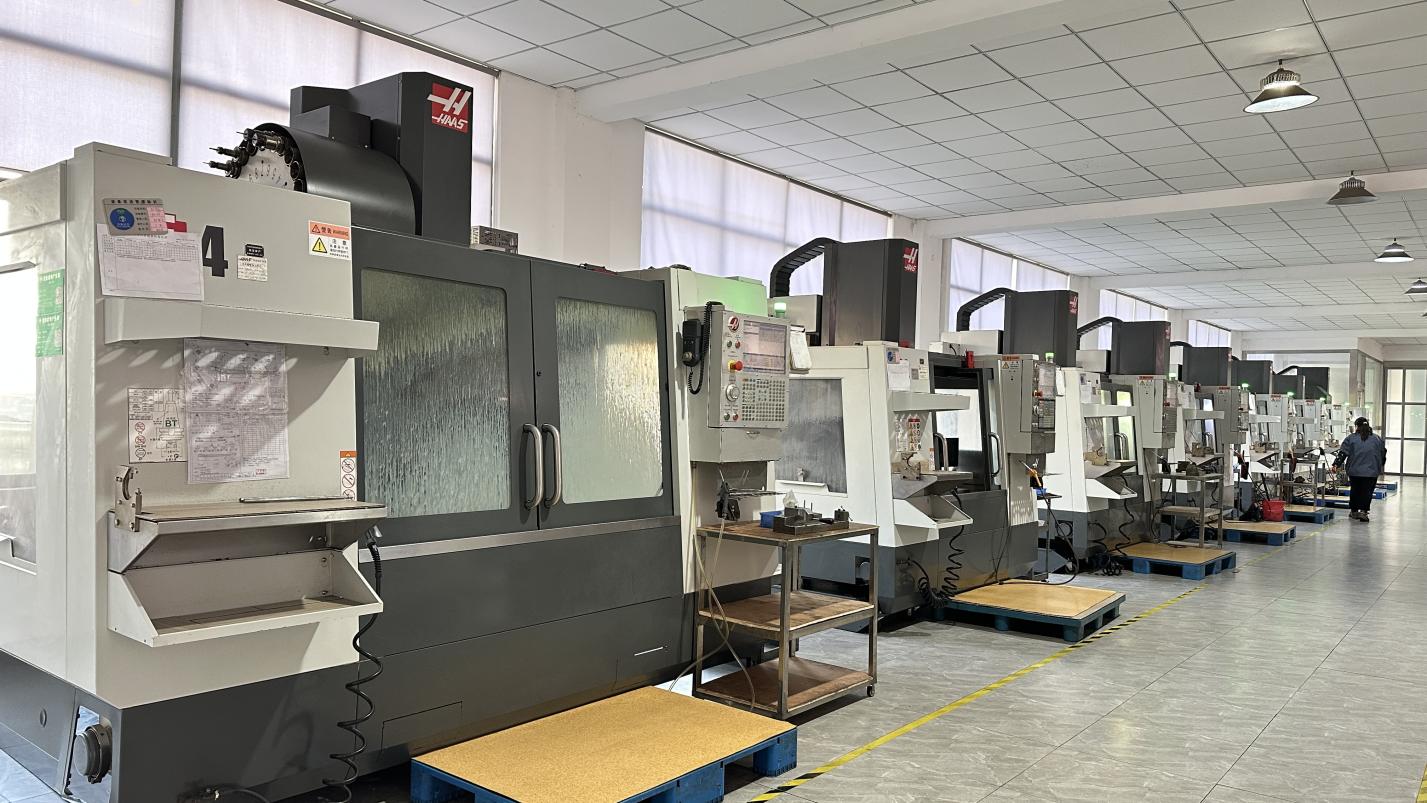
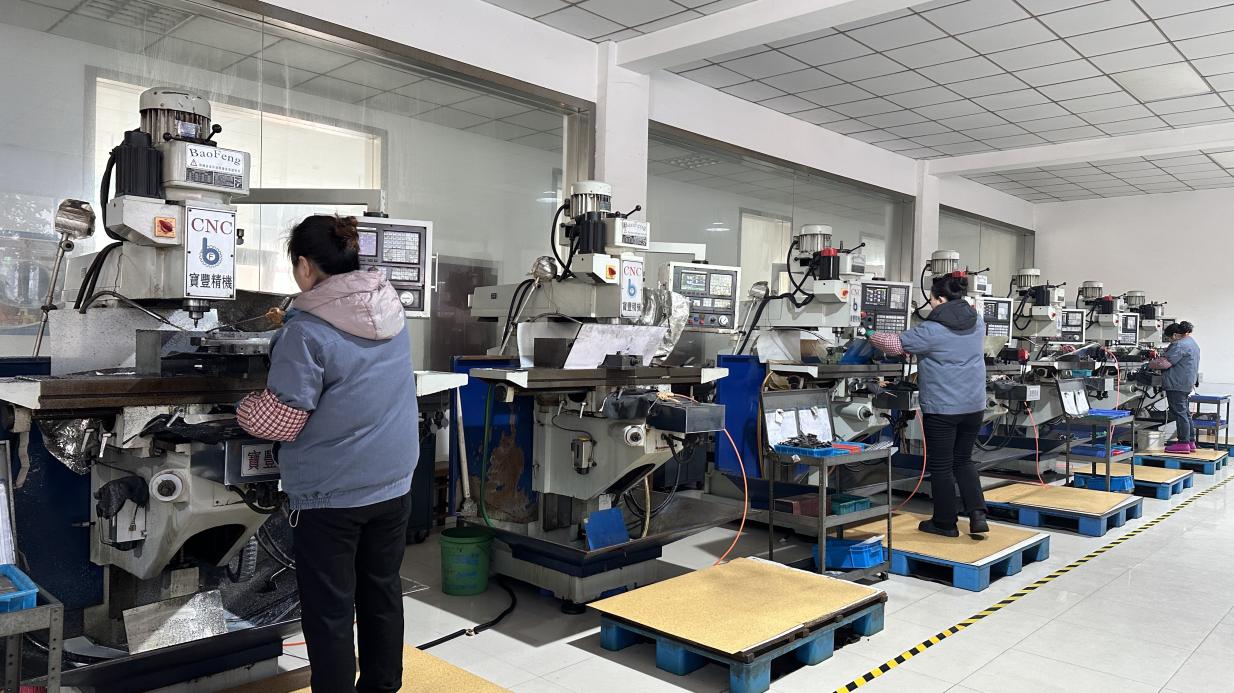
At Virelox Medical Devices Co., Ltd. (operating under the "Virelox" brand), we run an advanced 12,000 m² smart manufacturing facility designed to serve demanding global medical markets. Established in 2016, our facility employs advanced 5-axis CNC machining, high-capacity wire cutting, and fully automated laser marking lines to guarantee dimensional accuracy and traceability across all surgical implants.
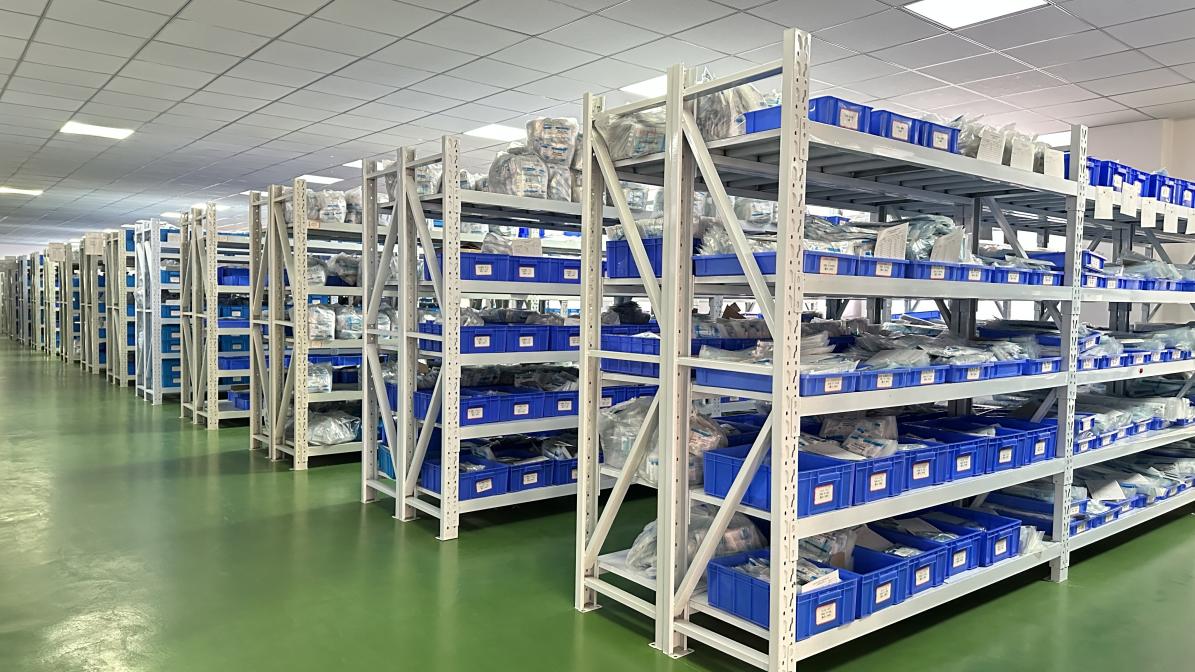
With an annual export revenue exceeding USD 8,500,000 and 10 years of orthopedic industry experience, Virelox operates a robust, ISO 13485-certified manufacturing process. By leveraging 850 certified upstream and downstream partners, we secure uninterrupted supplies of medical-grade titanium bars, PEEK polymer, and high-strength stainless steels. This resilience ensures our Moscow clients receive stable, scheduled shipments even amid global supply chain disruptions.
How Virelox guarantees surgeon confidence and structural integrity in every implant and surgical instrument produced.
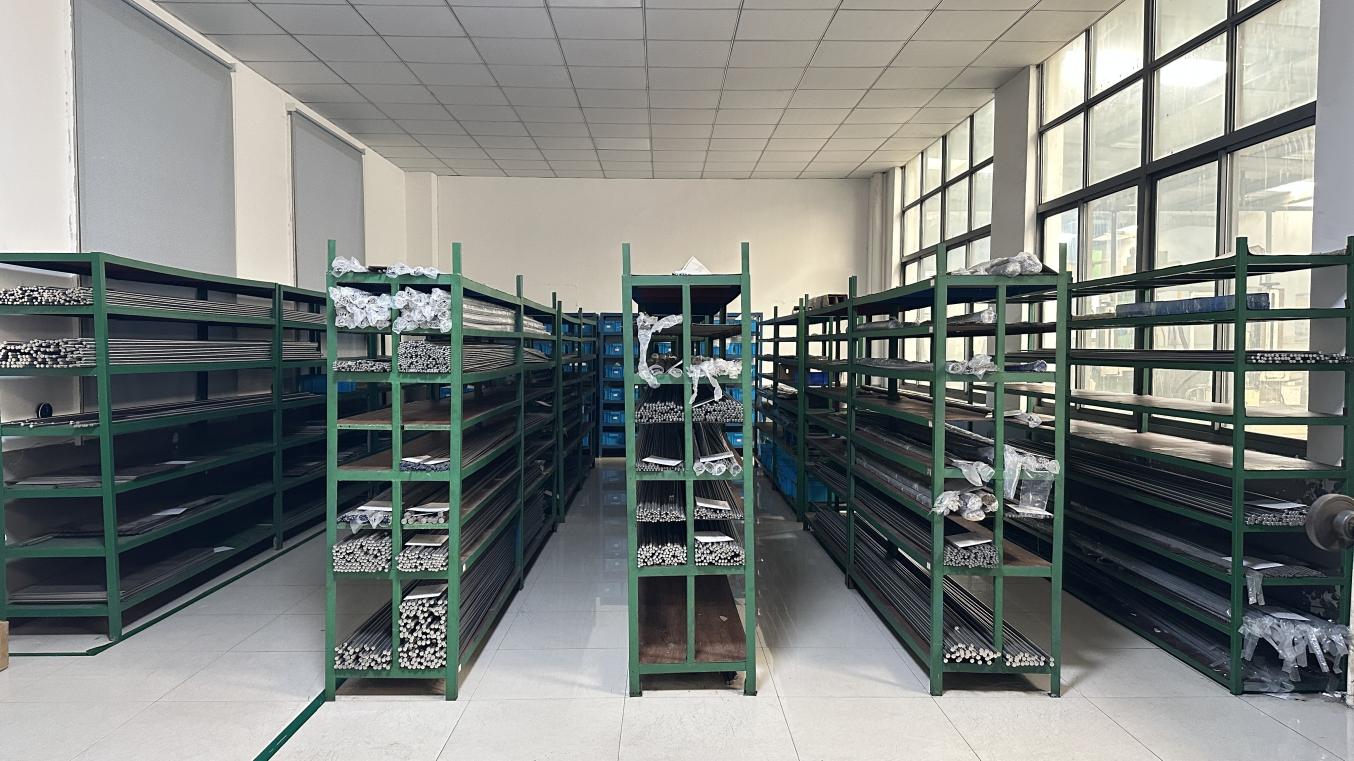
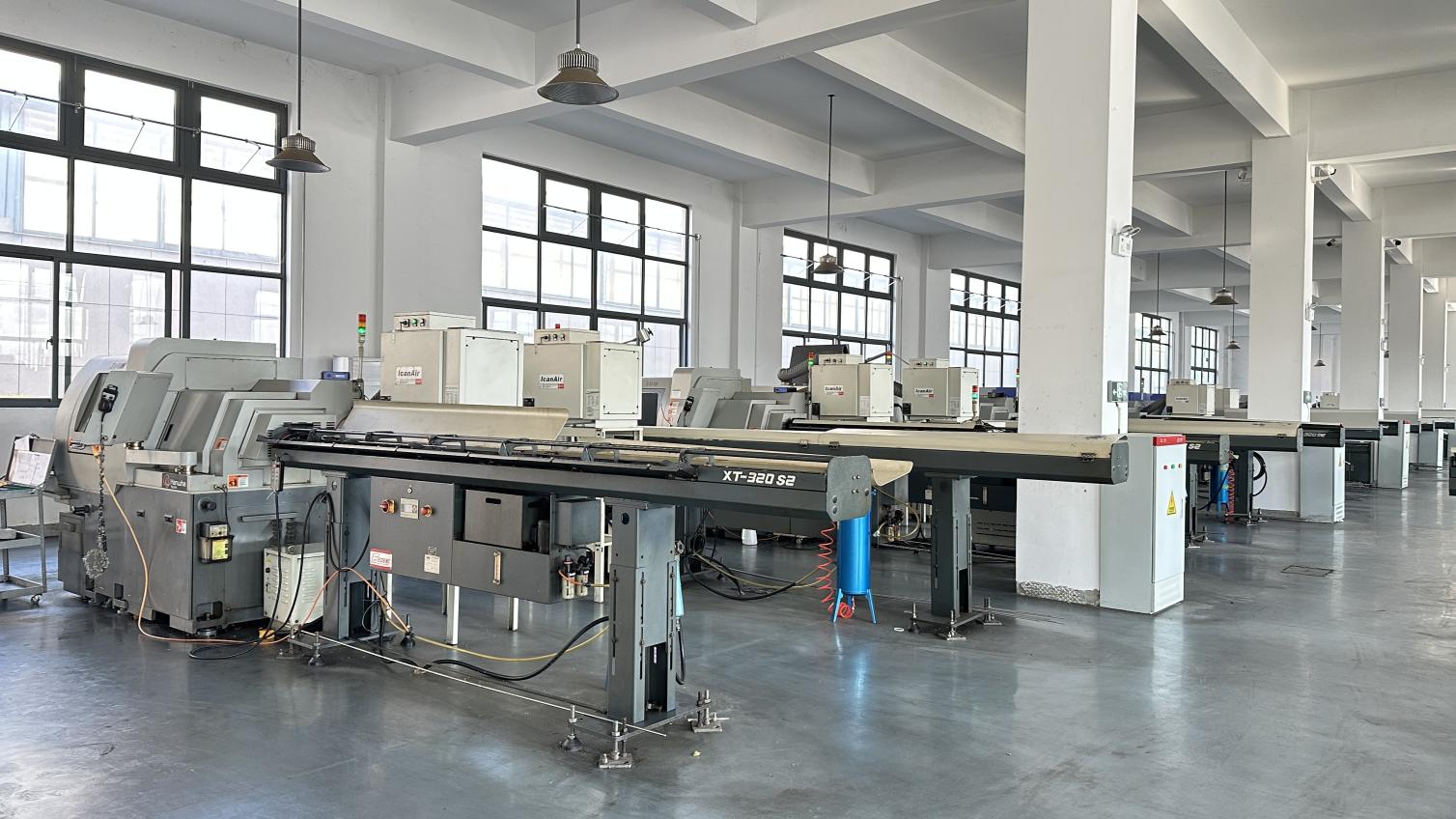
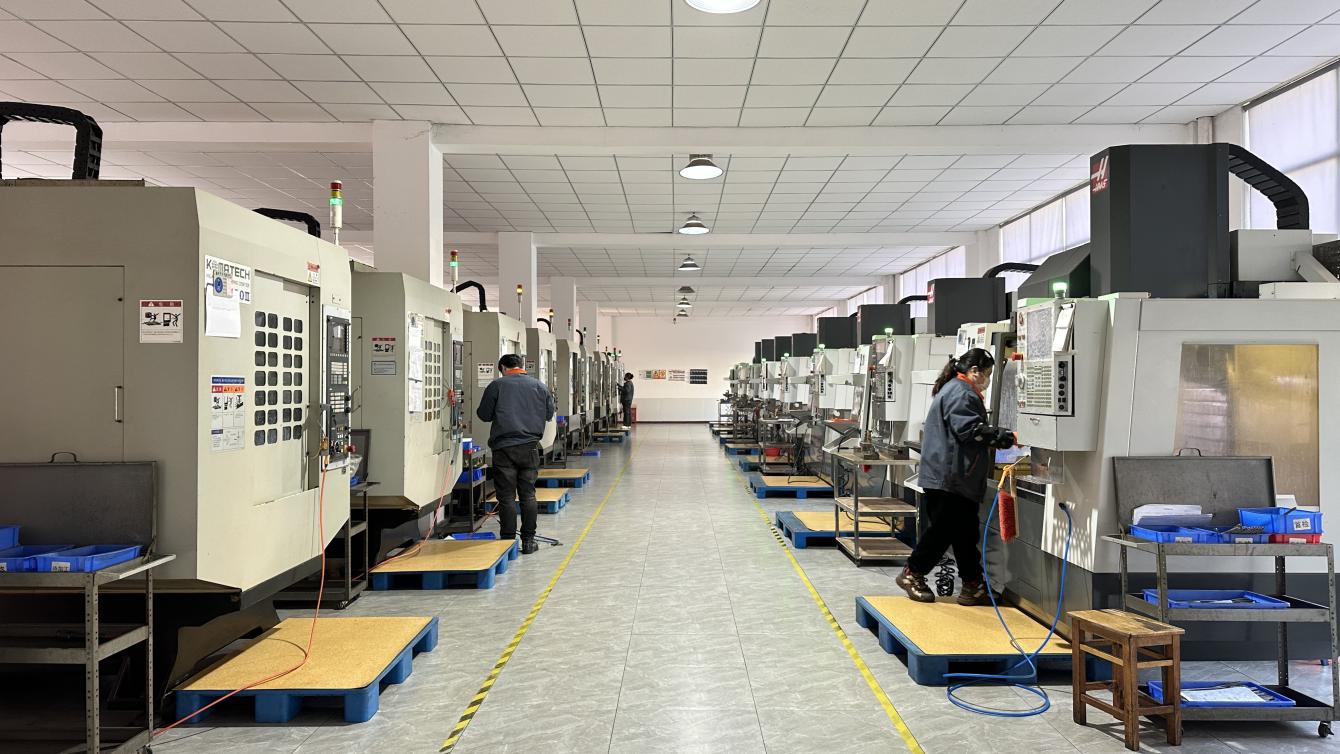
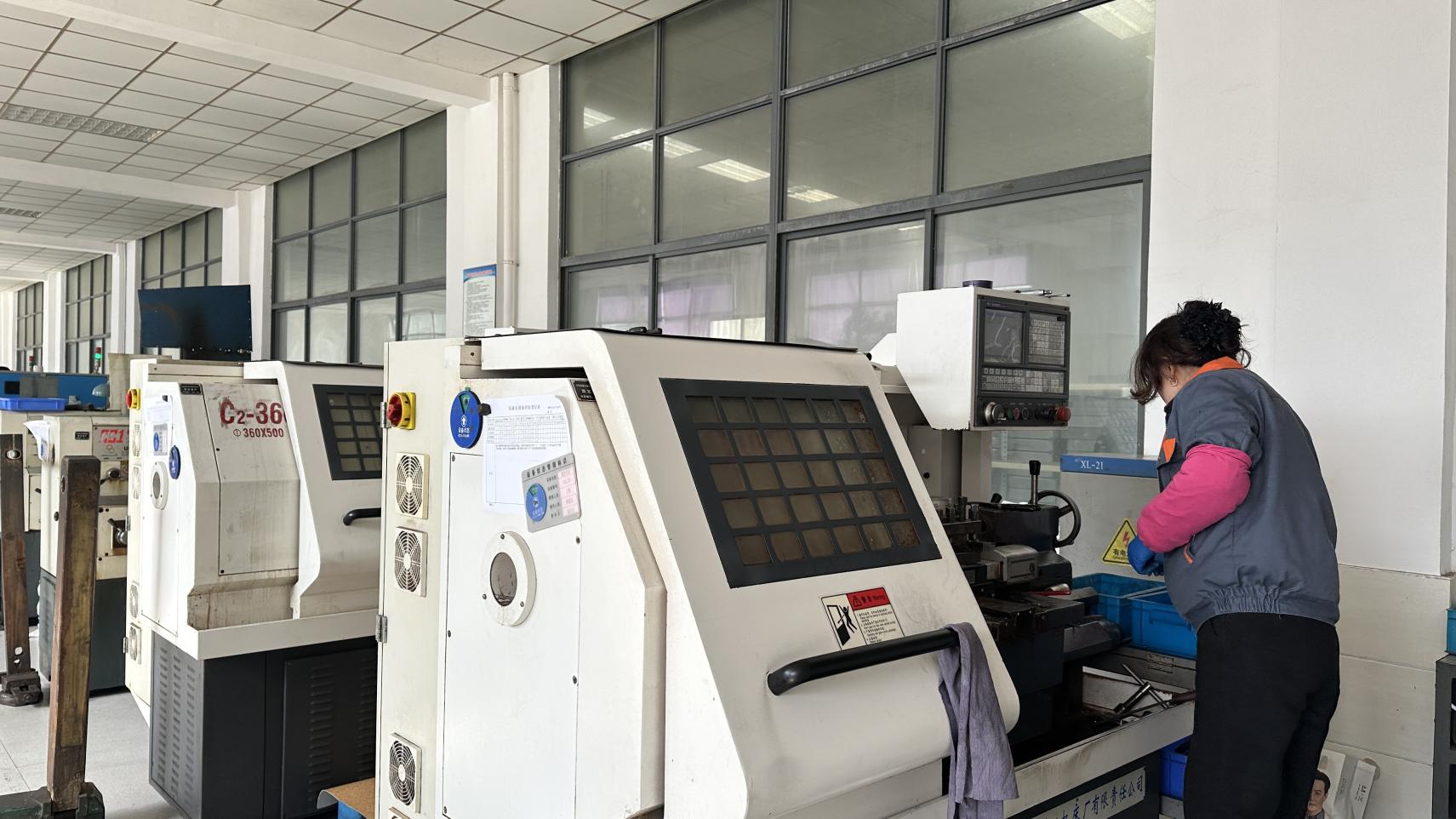
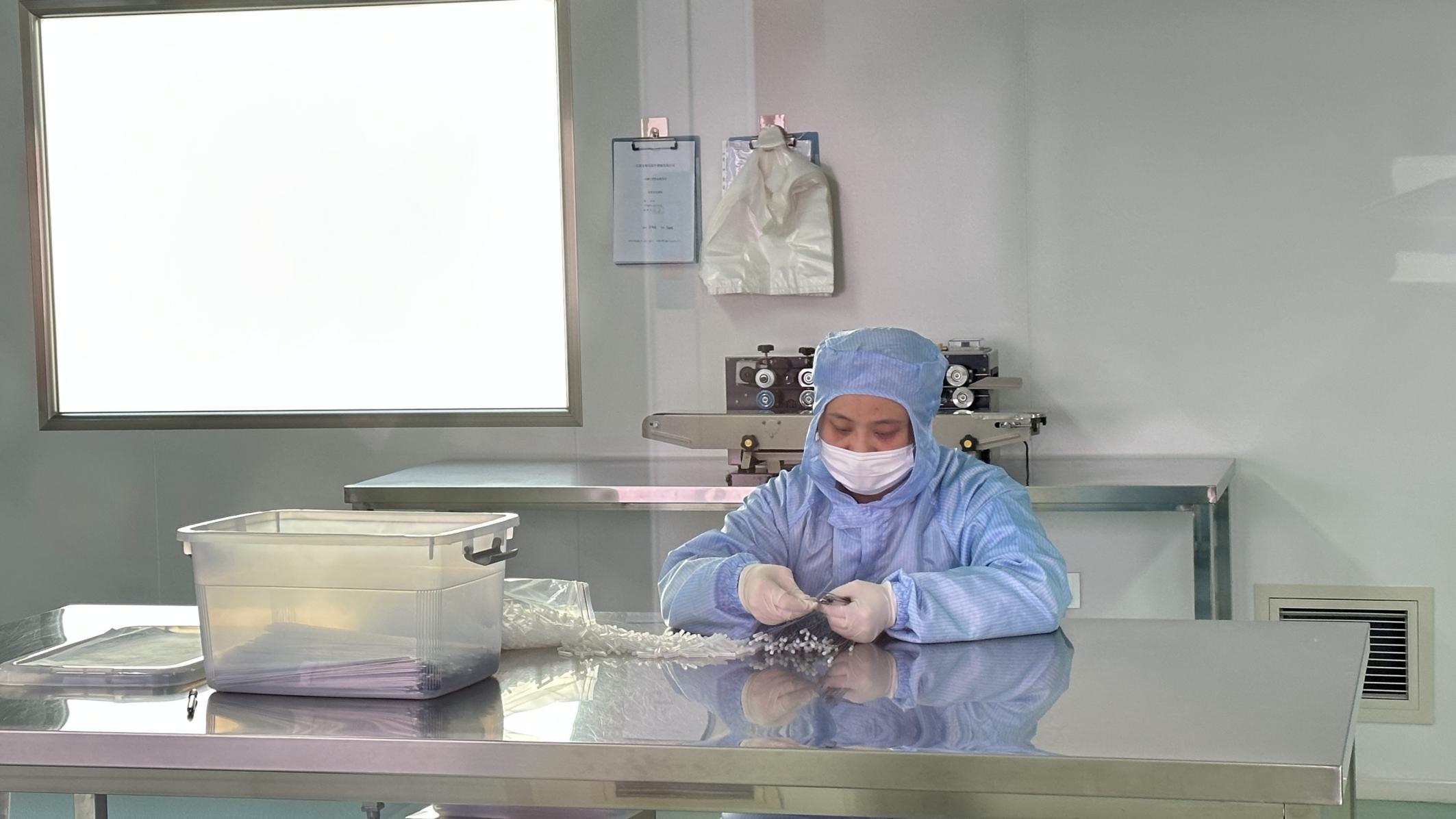
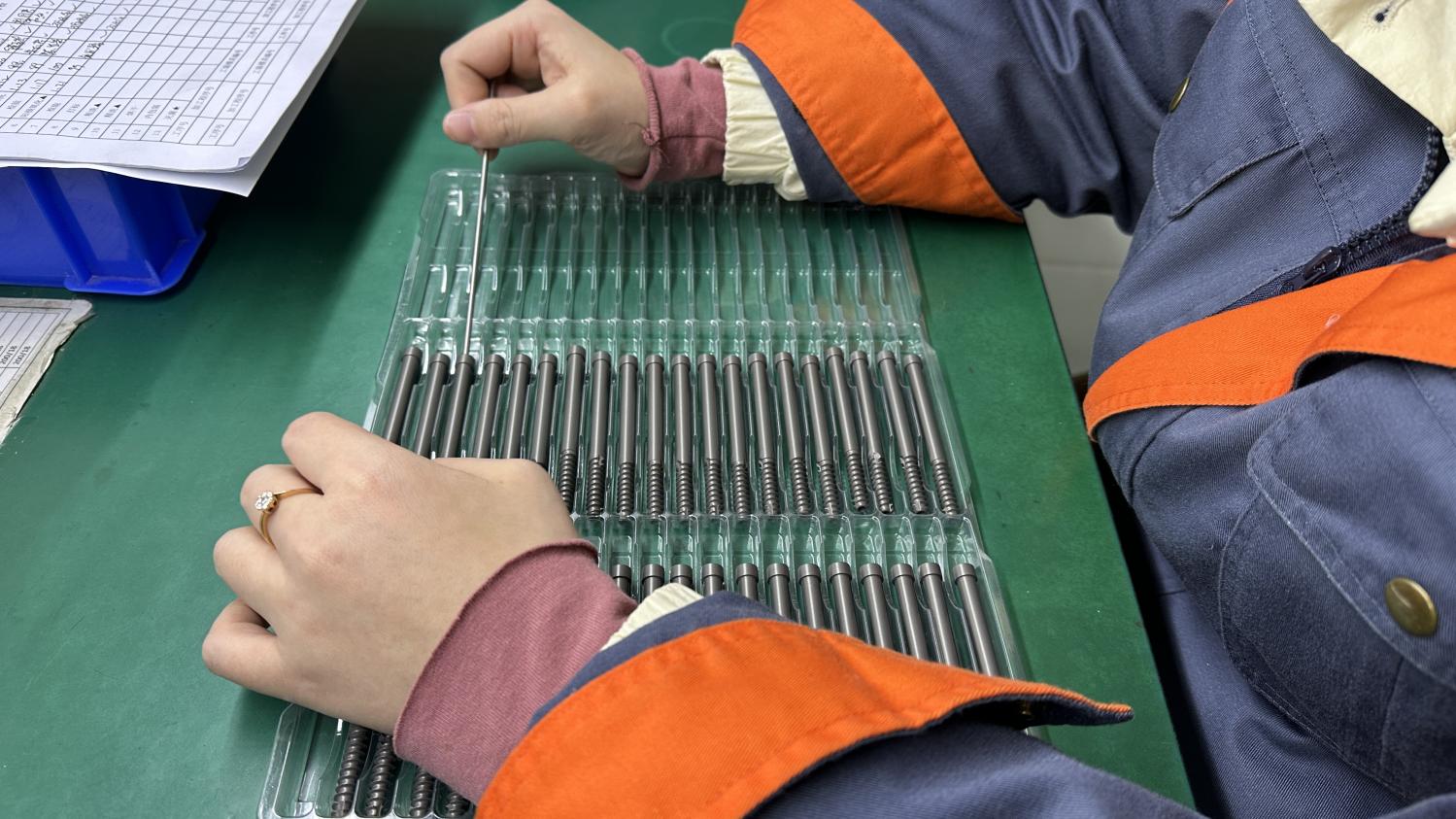
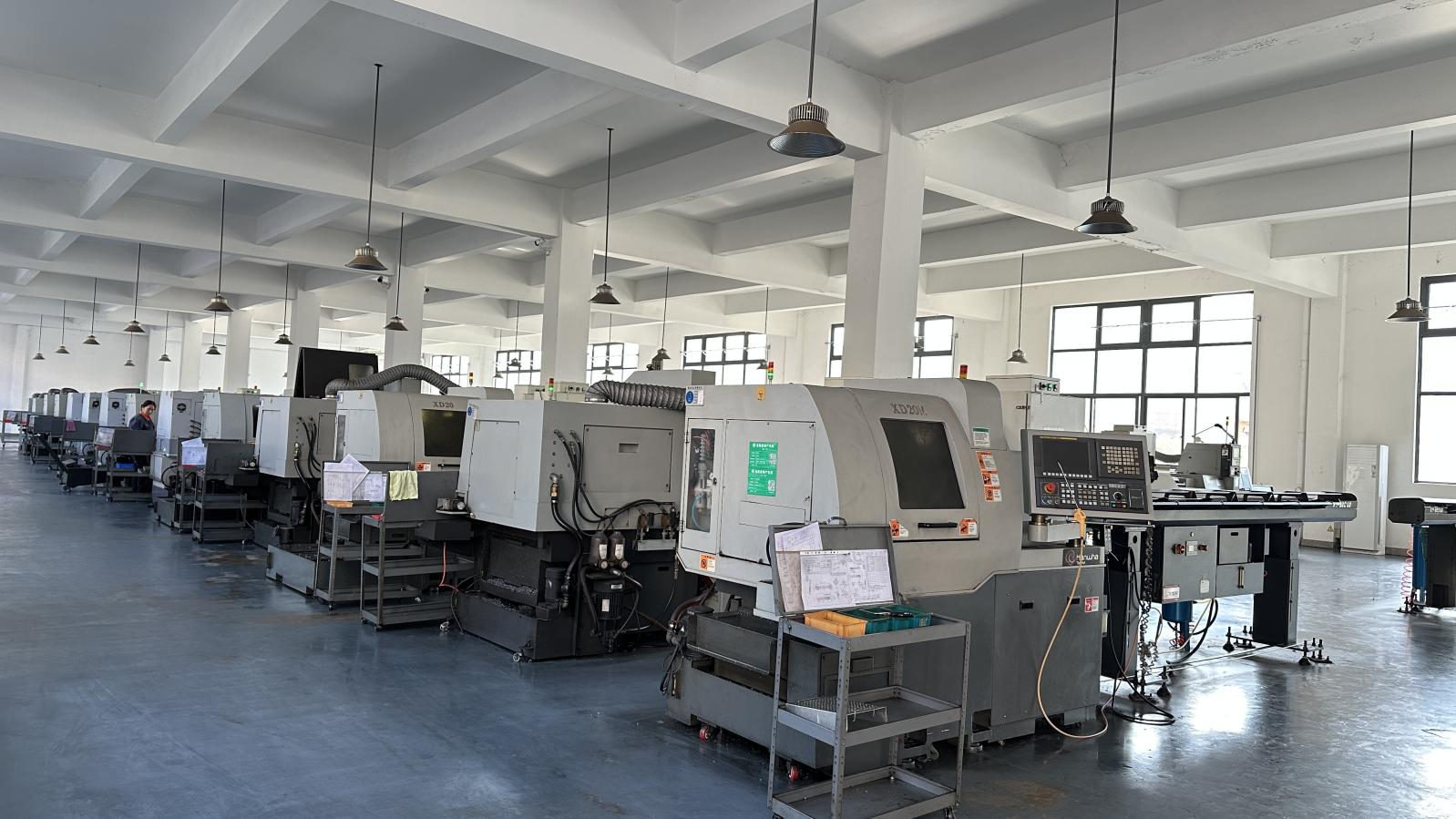
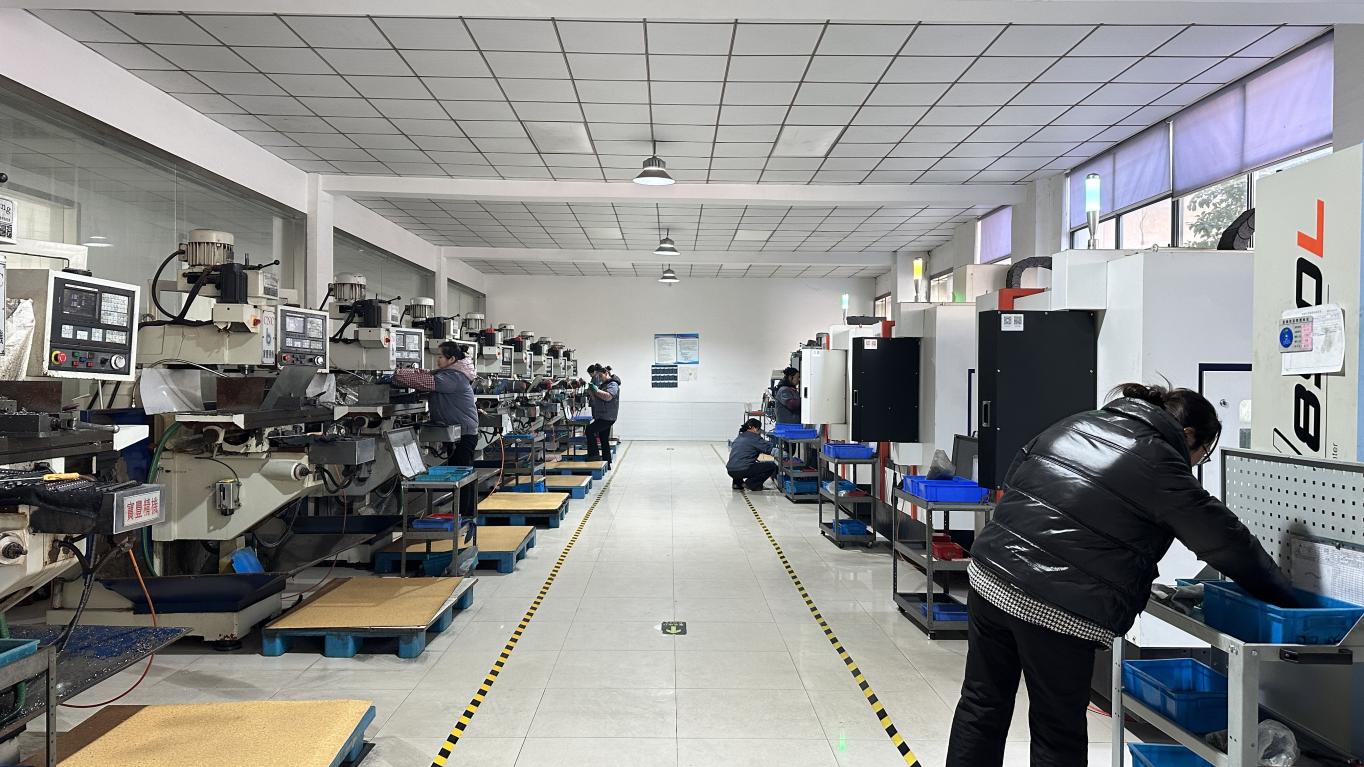
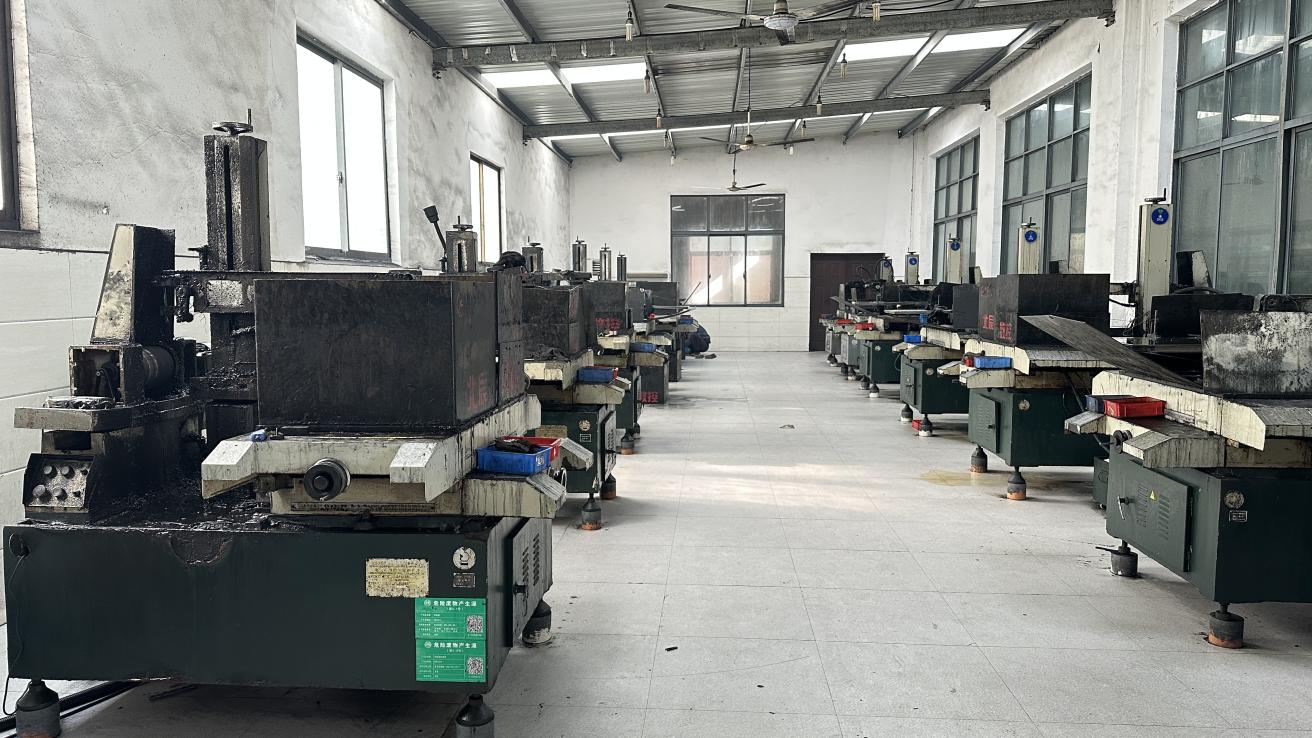
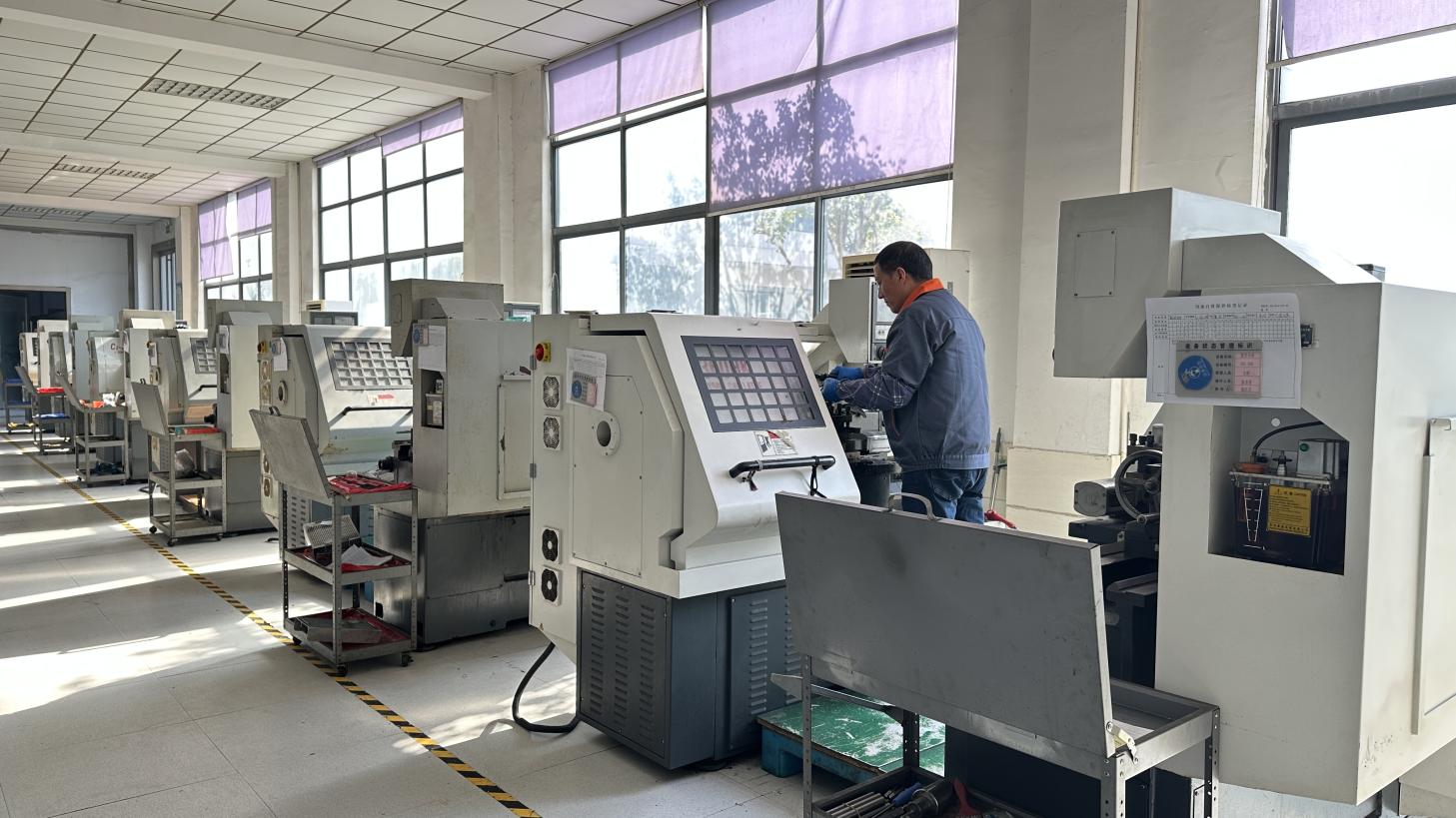
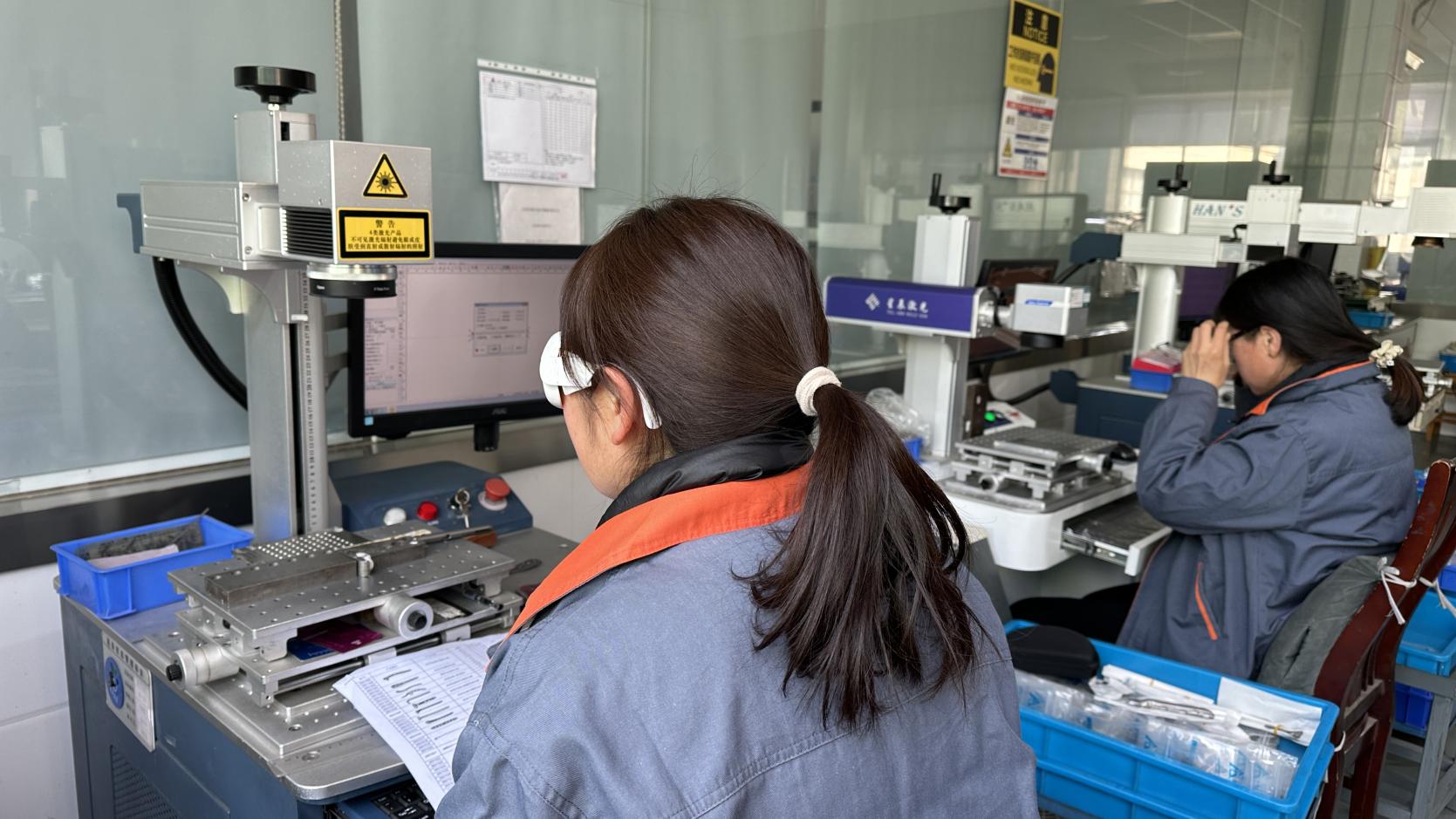
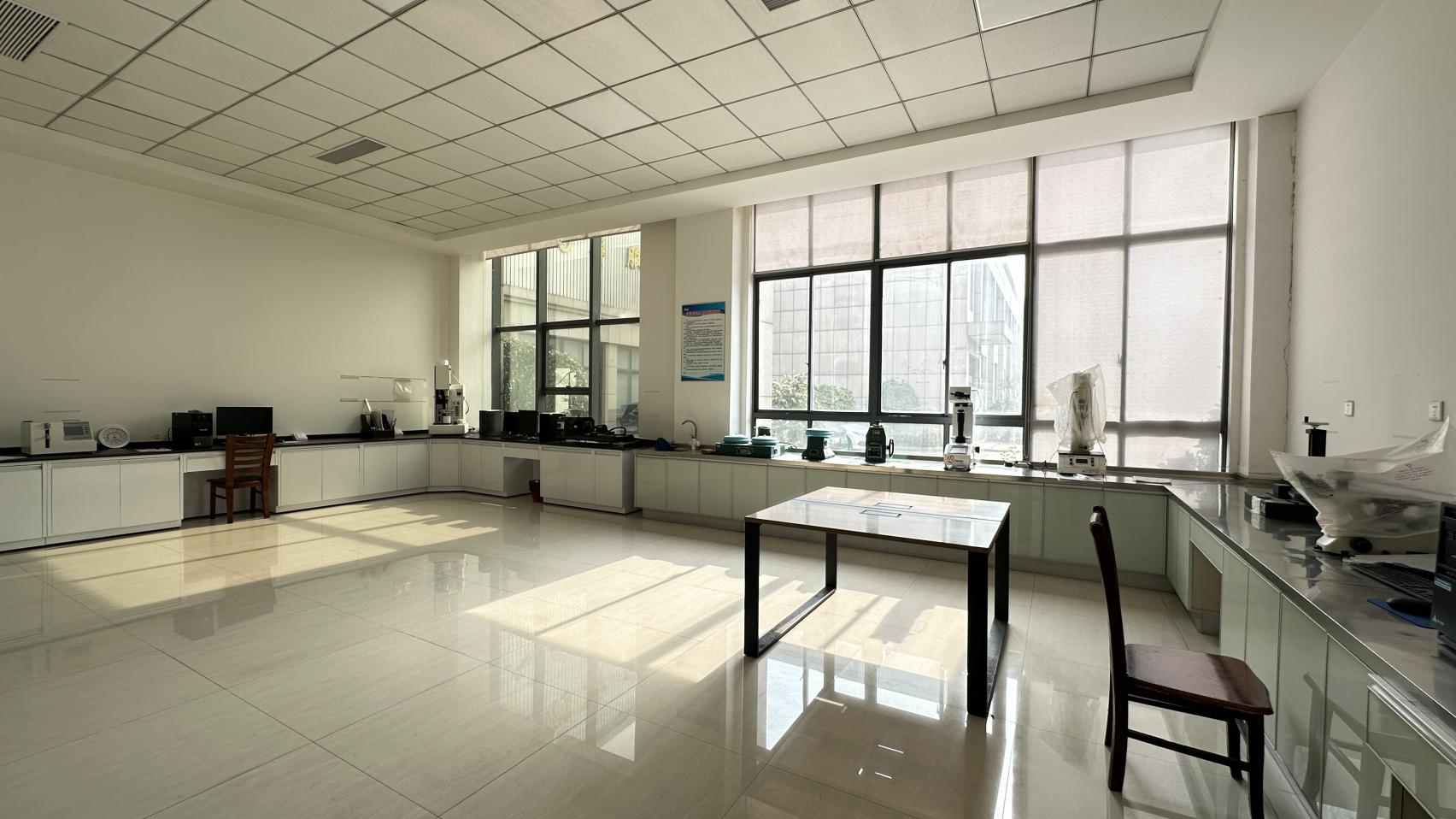
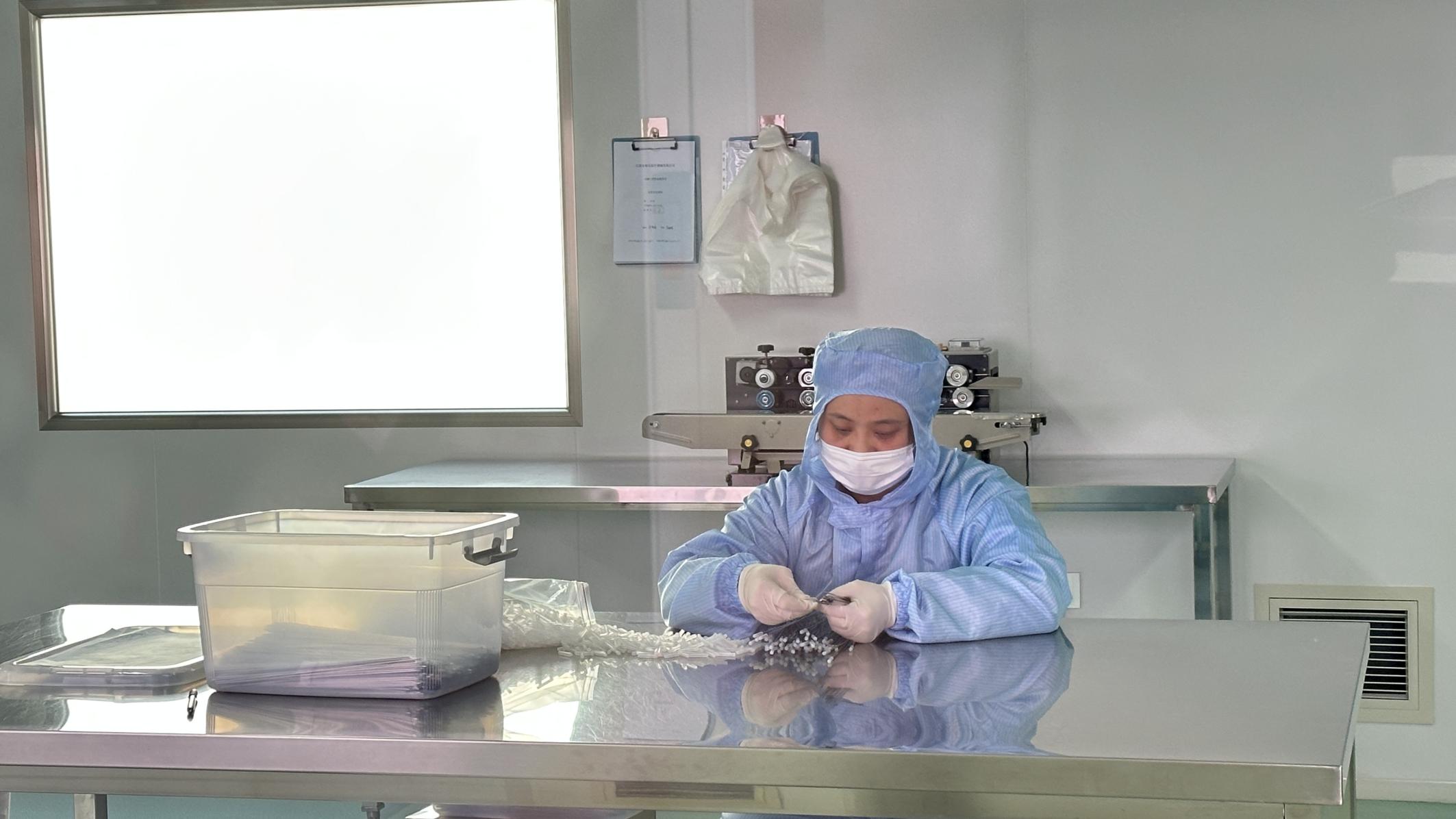
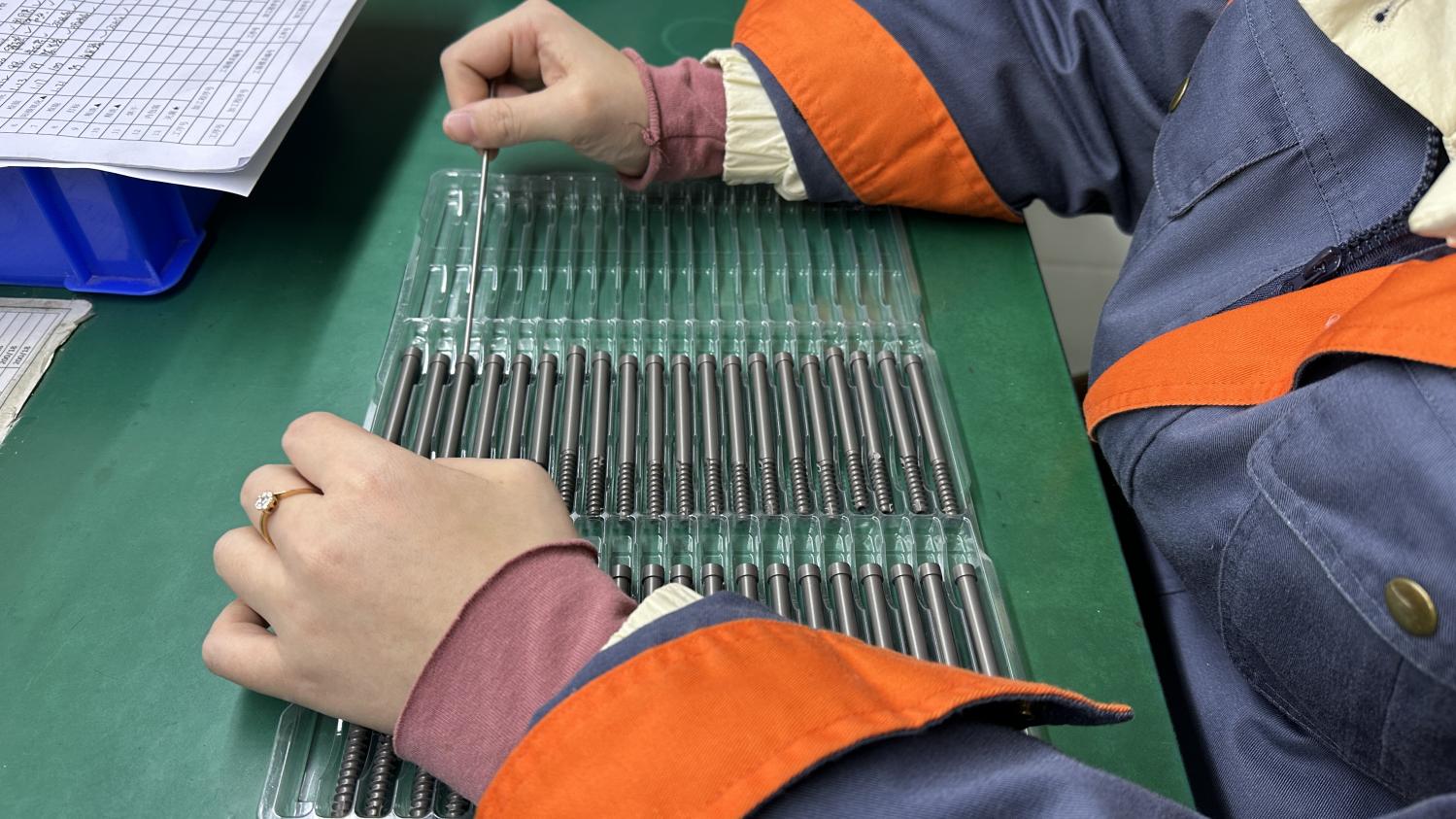
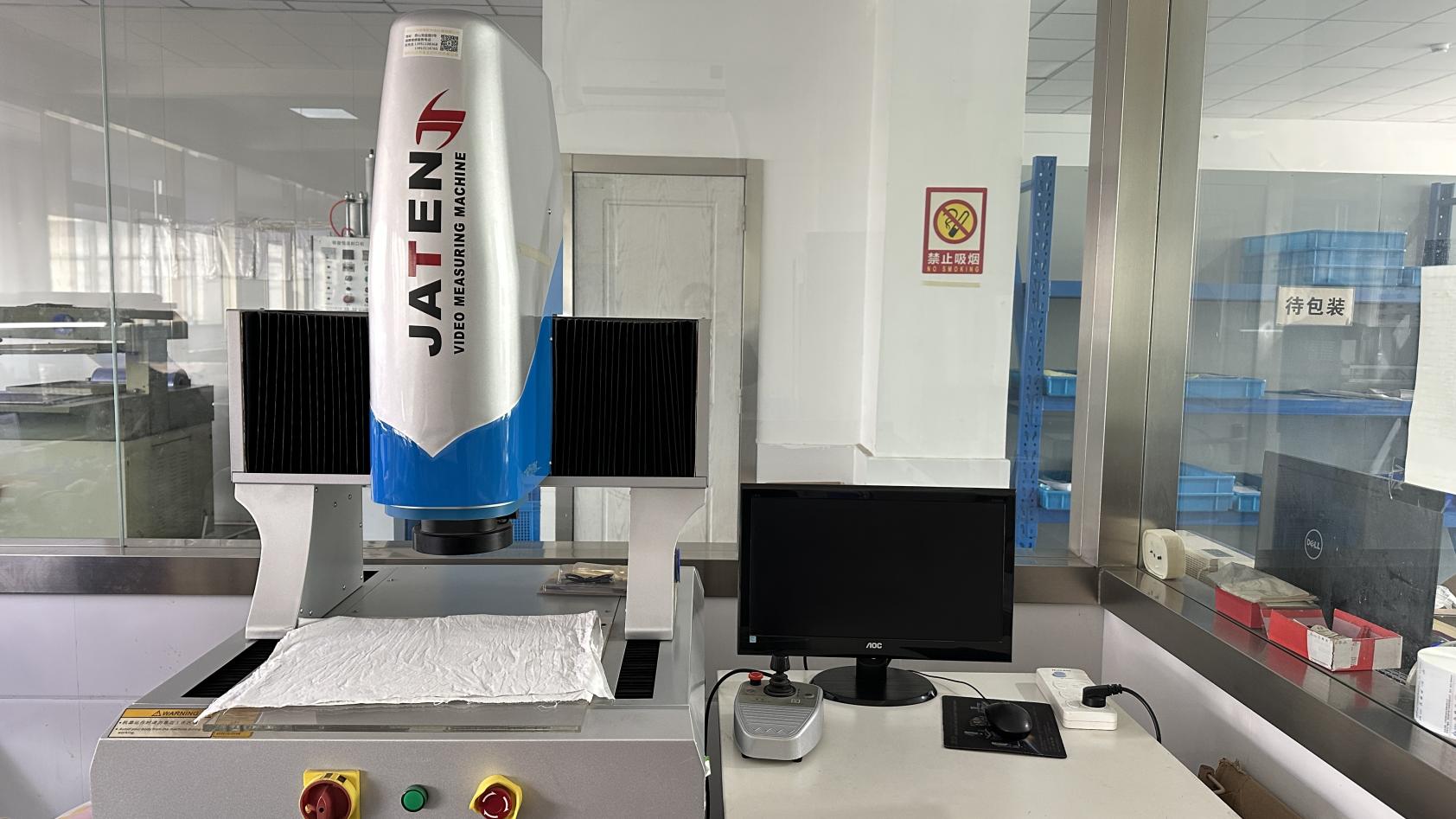
We believe that when implants are placed in the human body, there is no margin for error. Virelox employs 65 dedicated quality control professionals who enforce a strict ISO 13485-compliant quality management system. Implants undergo 100% optical inspection and dimensional verification before being released to sterilizing processes.
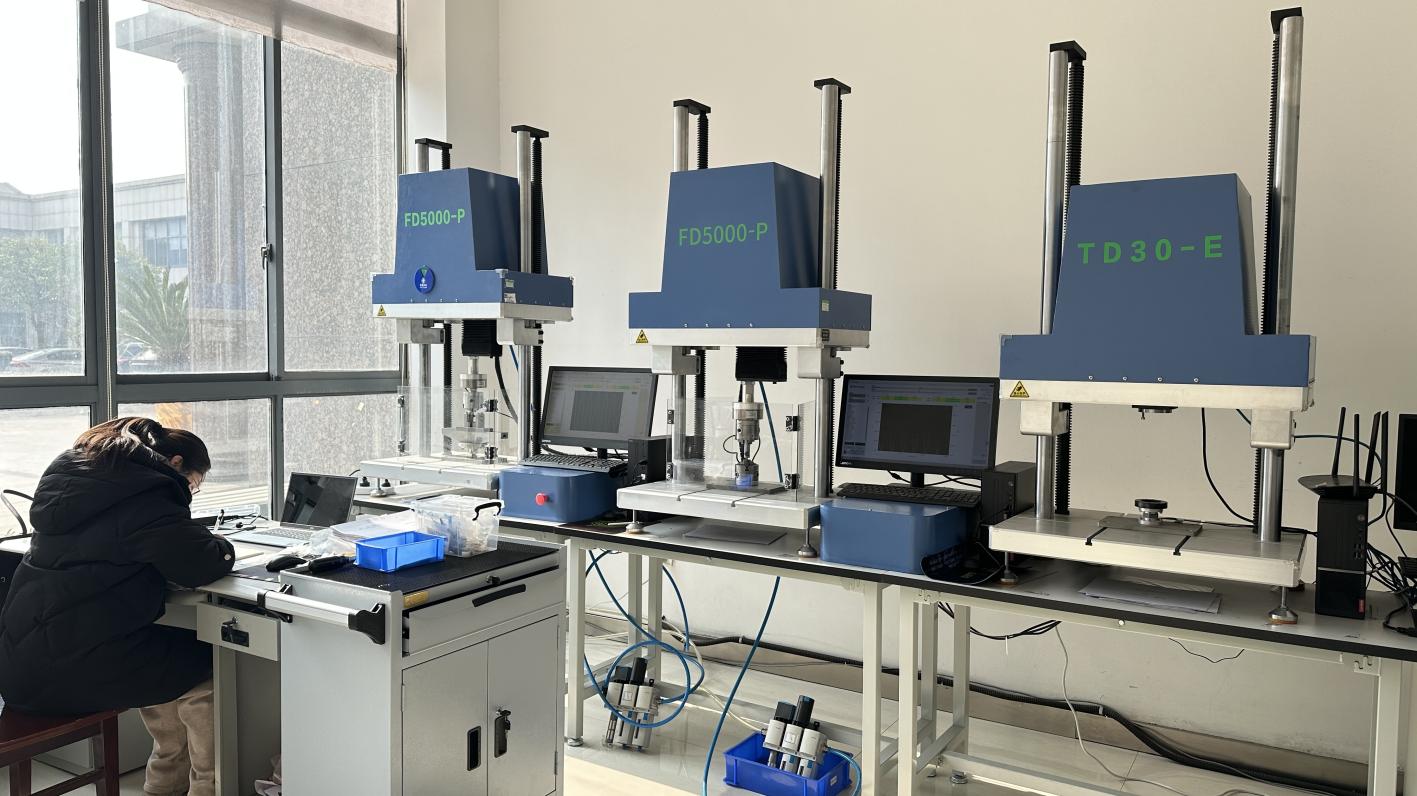
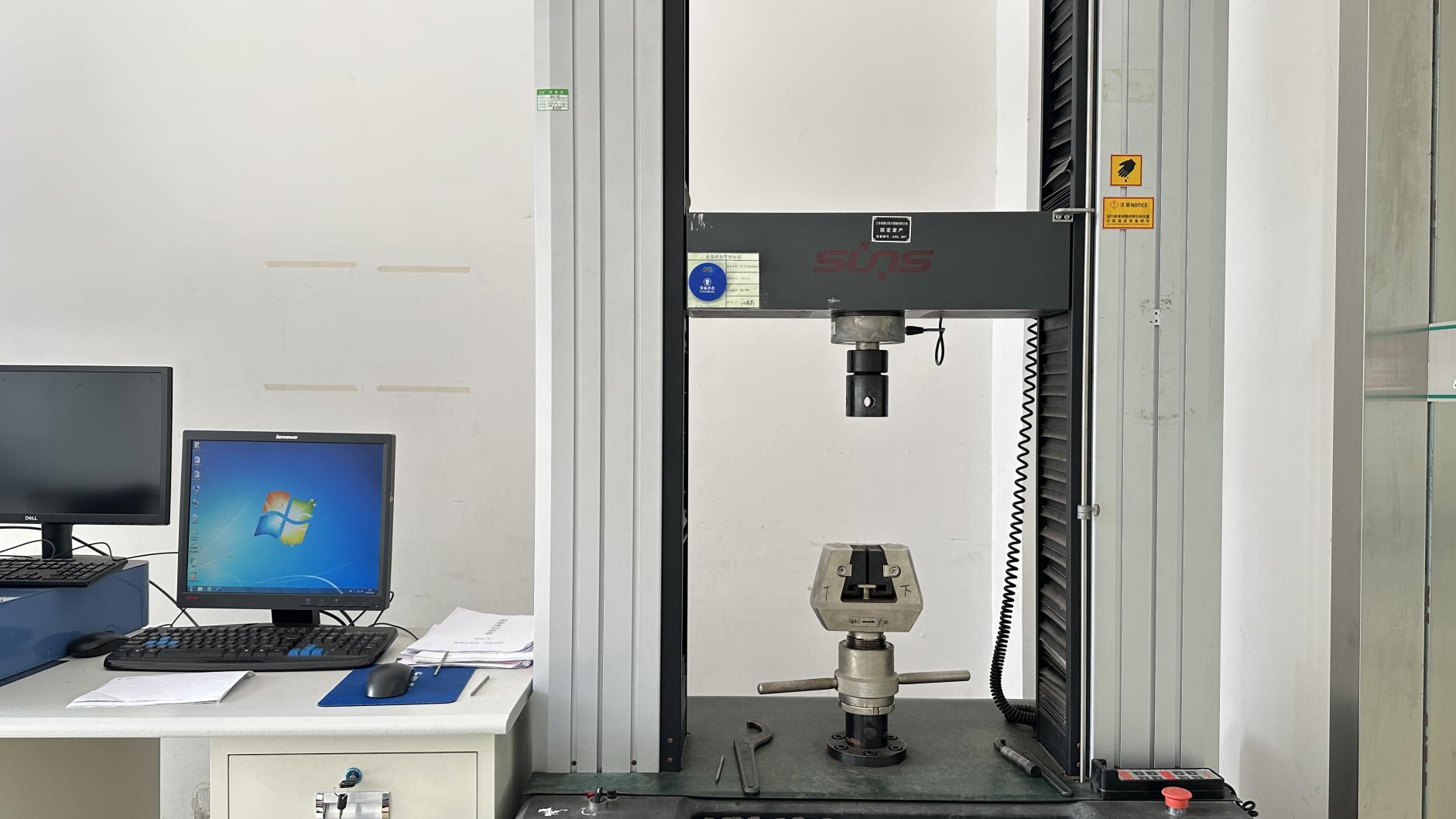
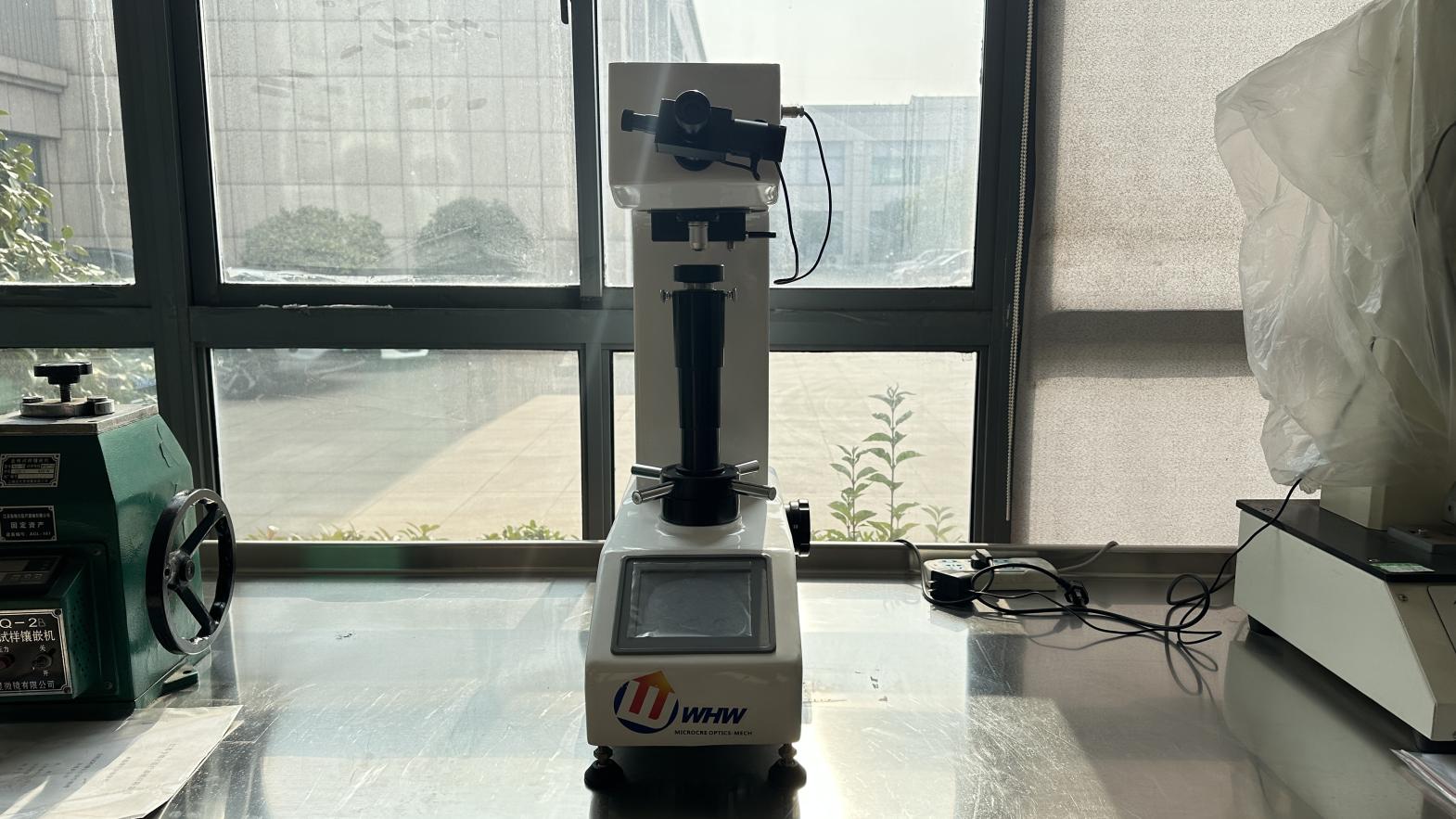
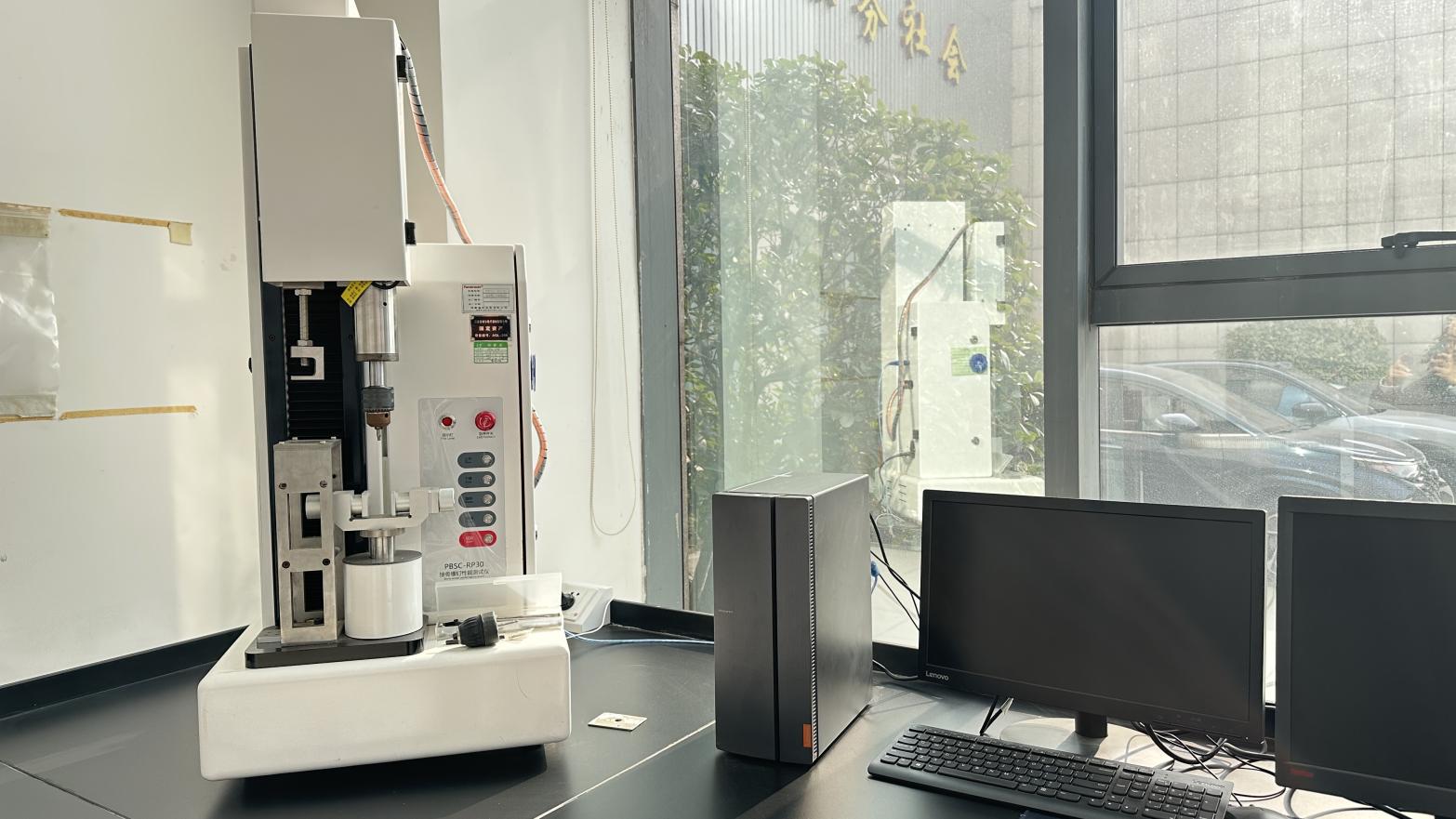
Our testing labs are equipped to perform state-of-the-art testing. By utilizing multi-directional fatigue systems and coordinate measuring machines, we ensure every batch matches the physical properties required by international cardiothoracic protocols.
Dynamic fatigue and pull-out tests establish stable plate and screw performance.
Coordinate Measuring Machines (CMM) ensure micro-level precision on thread pitches and plate profiles.
Custom solutions adapted for complex post-sternotomy care and trauma reconstruction.
For patients with diabetes, chronic obstructive pulmonary disease (COPD), or advanced age undergoing Coronary Artery Bypass Grafting. Rigid plating prevents bone cutting associated with traditional wires.
When primary closures fail, our locking systems provide robust secondary stabilization, securing split bone fragments and promoting faster healing.
Provides emergency fixation for crushed chest injuries and flail segment cases, restoring dynamic pulmonary function in critical situations.
Addressing primary inquiries from procurement departments and clinical professionals regarding our medical manufacturing processes.
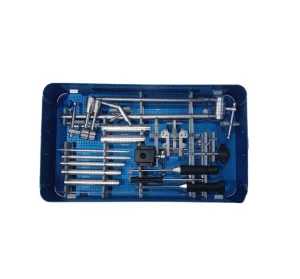
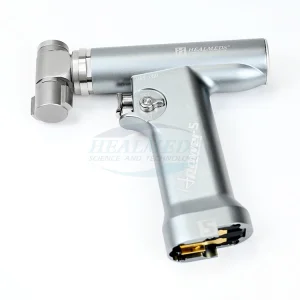
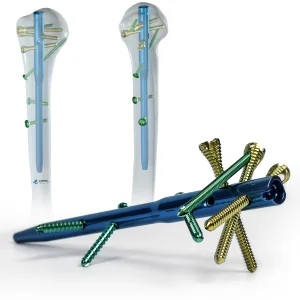
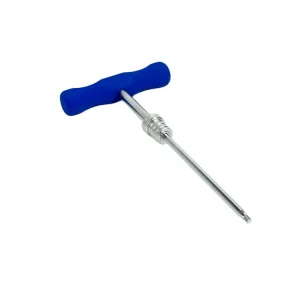
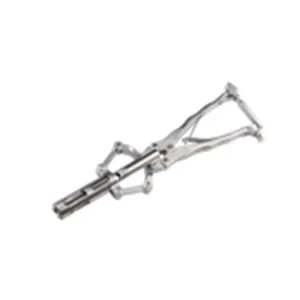
High-grade implants and specialized surgical instrumentation designed to meet demanding clinical requirements.
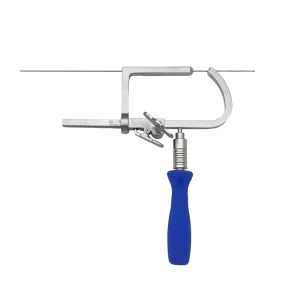
Partner with Virelox to secure high-quality, ISO 13485-certified trauma and sternal fixation components. Get in touch with our export team today for technical catalogs and pricing information for the Moscow market.
Send Inquiry Now Virelox