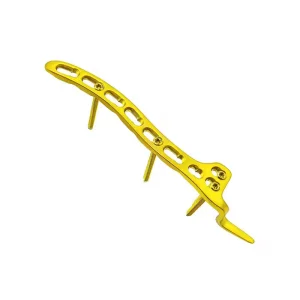
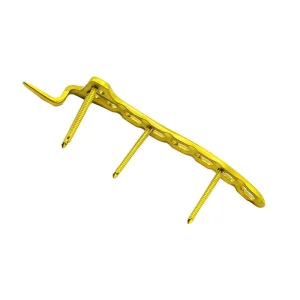
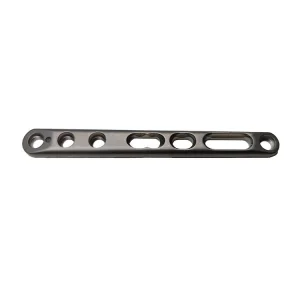
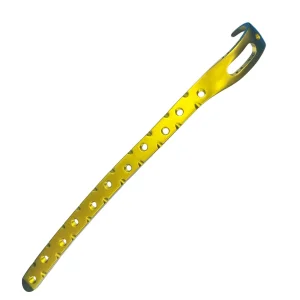
High-performance anatomical trauma implants designed to match the clinical requirements of Toronto's leading academic health networks.
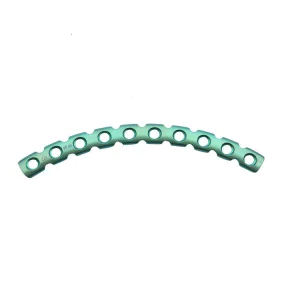
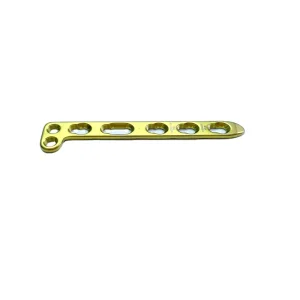
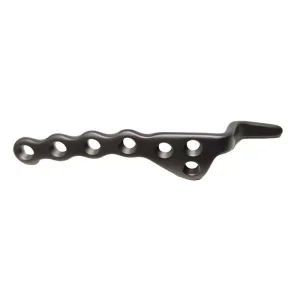
The Greater Toronto Area (GTA) represents the densest healthcare and clinical research cluster in Canada. Serving a growing, aging, and highly active population of over 6.5 million residents, regional trauma programs—including Sunnybrook Health Sciences Centre (Canada's largest Level-1 trauma unit), St. Michael's Hospital, and the University Health Network (UHN)—encounter an exceptionally high volume of complex orthopedic trauma cases annually.
For procurement managers and surgical teams across Ontario, selecting orthopedic trauma implants involves navigating a multifaceted clinical decision-making matrix. Severe fractures resulting from motor vehicle collisions, industrial activities, sports injuries, and seasonal slips demand stabilization systems that optimize patient recovery times, minimize post-operative complications (such as non-union, mal-union, and infection), and limit the overall burden on the public healthcare budget.
Furthermore, local surgical methodologies increasingly favor low-profile, pre-contoured anatomical plates that reduce soft-tissue irritation. Because the Toronto healthcare system operates under the publicly funded Ontario Health Insurance Plan (OHIP), there is a parallel administrative pressure to balance premium biomechanical performance with rigorous cost-containment strategies. Sourcing directly from high-capacity, ISO 13485-certified manufacturers allows Canadian healthcare groups and medical device distributors to procure surgical-grade titanium locking systems without paying the premium markups historically associated with legacy medical monopolies.
Designed to conform closely to skeletal structures, minimizing the need for intraoperative plate bending by surgeons.
Full manufacturing alignment with Health Canada Class III device rules, ISO 13485 standards, and MDSAP principles.
Enabling direct-to-manufacturer procurement, yielding significant savings for provincial healthcare budgets.
Biomechanically verified plate and screw configurations engineered for dynamic bone reconstruction and stable internal fixation.
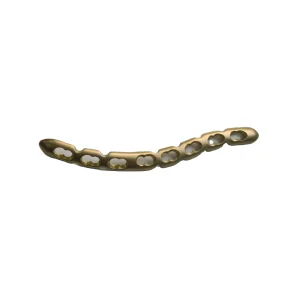
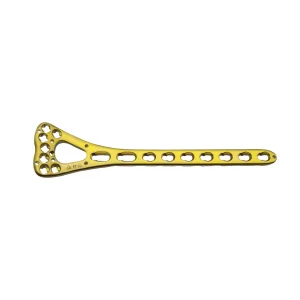
Sourcing high-quality orthopedic implants globally involves navigating regulatory hurdles, consistency of material supply, and quality control. Hospital supply chains must secure reliable lead times and high quality. With 10 years of industry experience and 8 years of export history, Virelox Medical Devices Co., Ltd. stands as a key partner for orthopedic medical device distributors and healthcare providers globally.
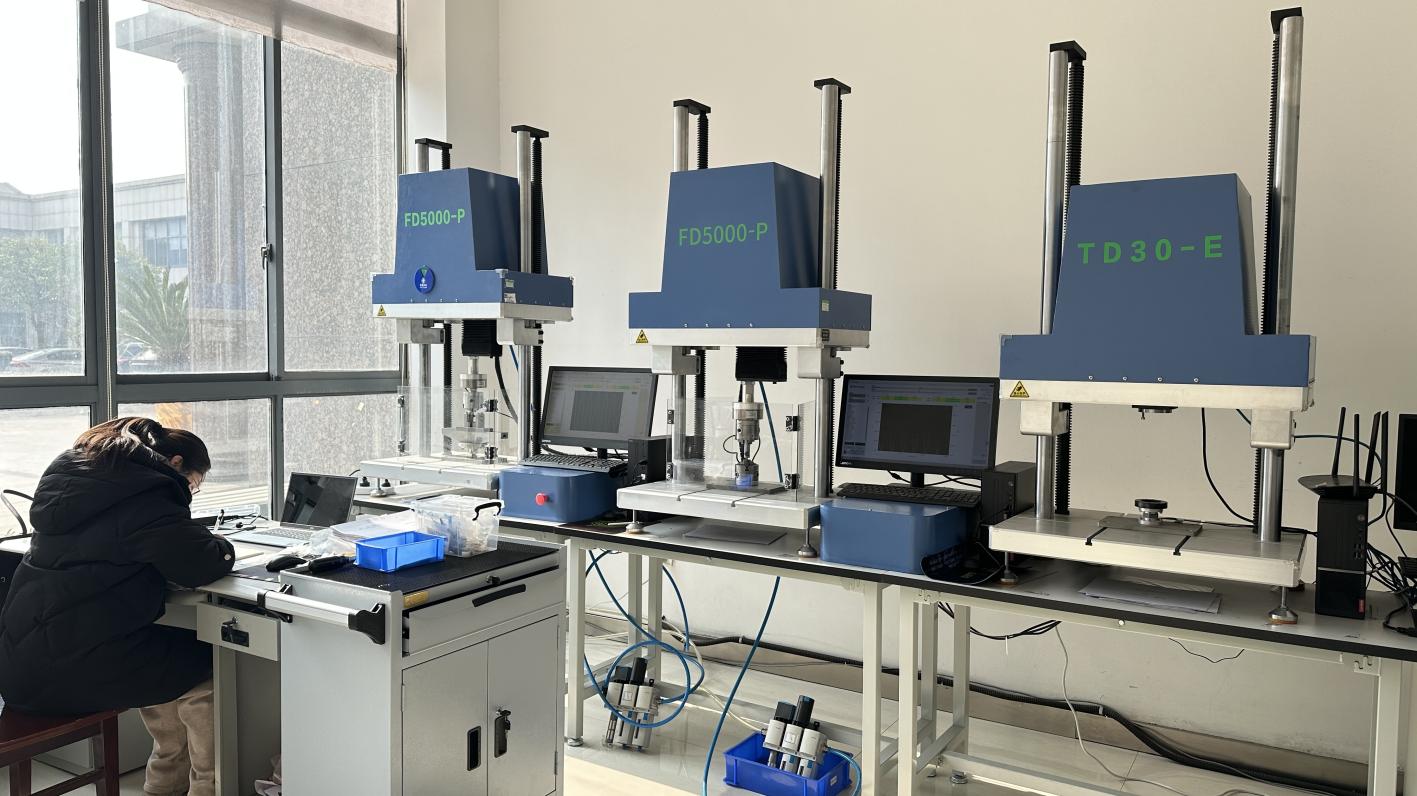
Operating out of a modern 12,000 m² production facility, Virelox manages a comprehensive quality inspection process. Grounded in ISO 13485 standards, our QC system covers incoming raw materials, in-process production stages, and final clinical inspection steps. Our 65 quality control specialists utilize advanced testing methods, including:
Supported by 850 certified upstream and downstream partners, Virelox ensures material tracing and a reliable supply chain. Our in-house R&D center, staffed by 120 biomechanical, materials science, and medical device design engineers, introduced 120 new products last year, demonstrating our engineering capacity and commitment to advancing trauma care.
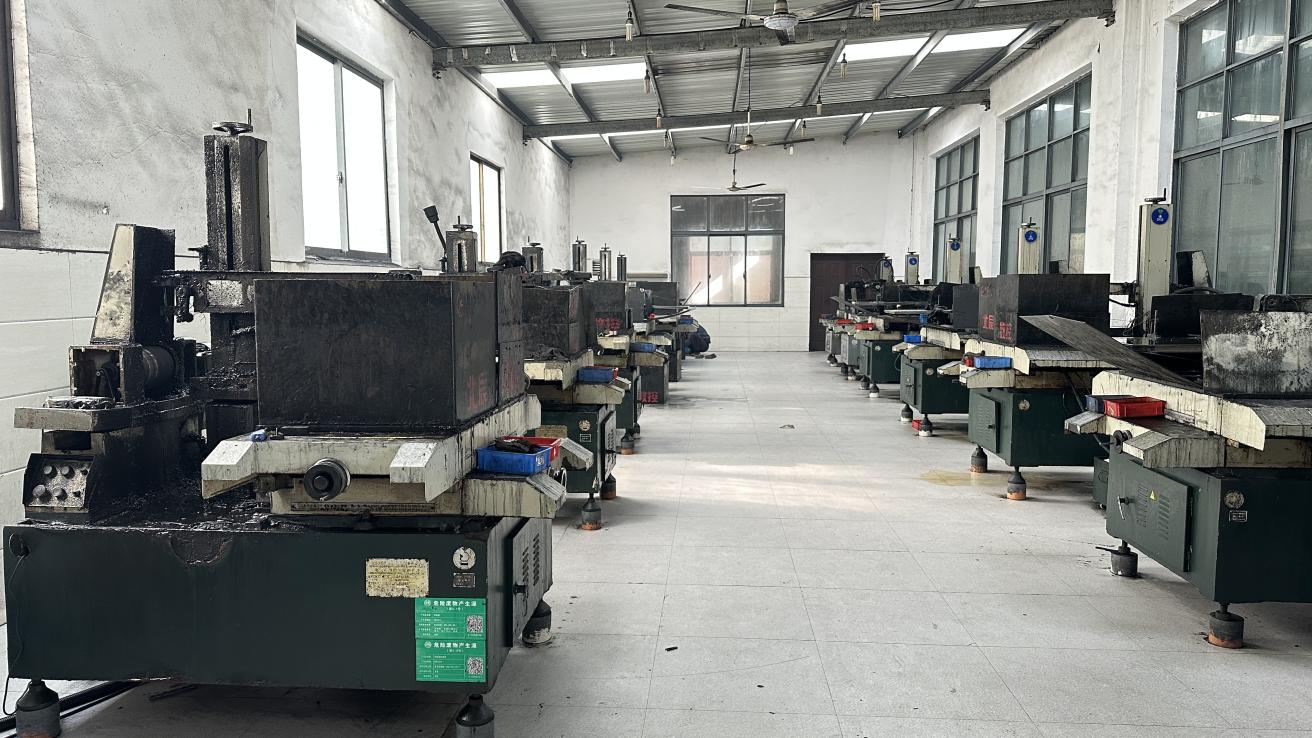
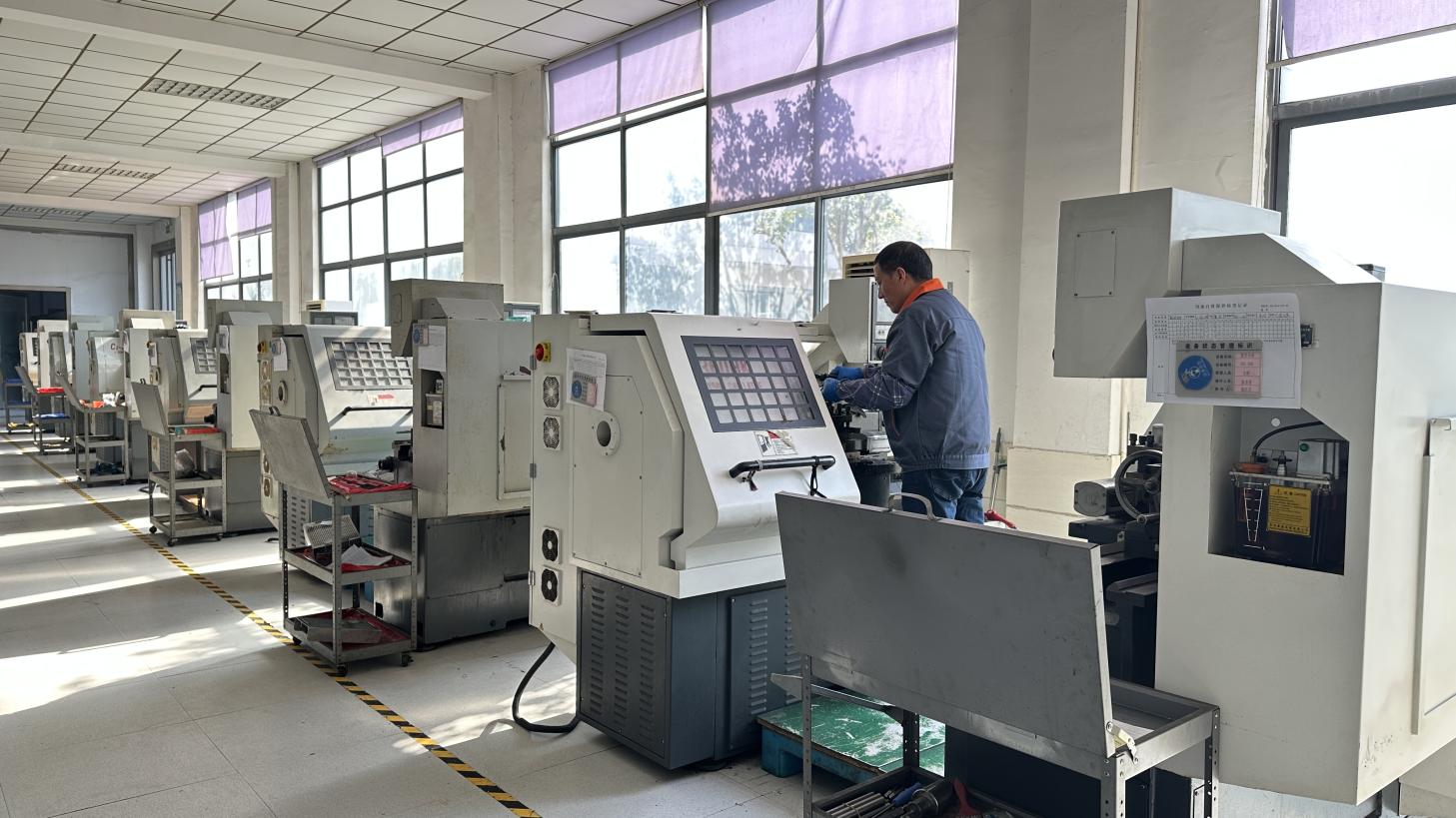
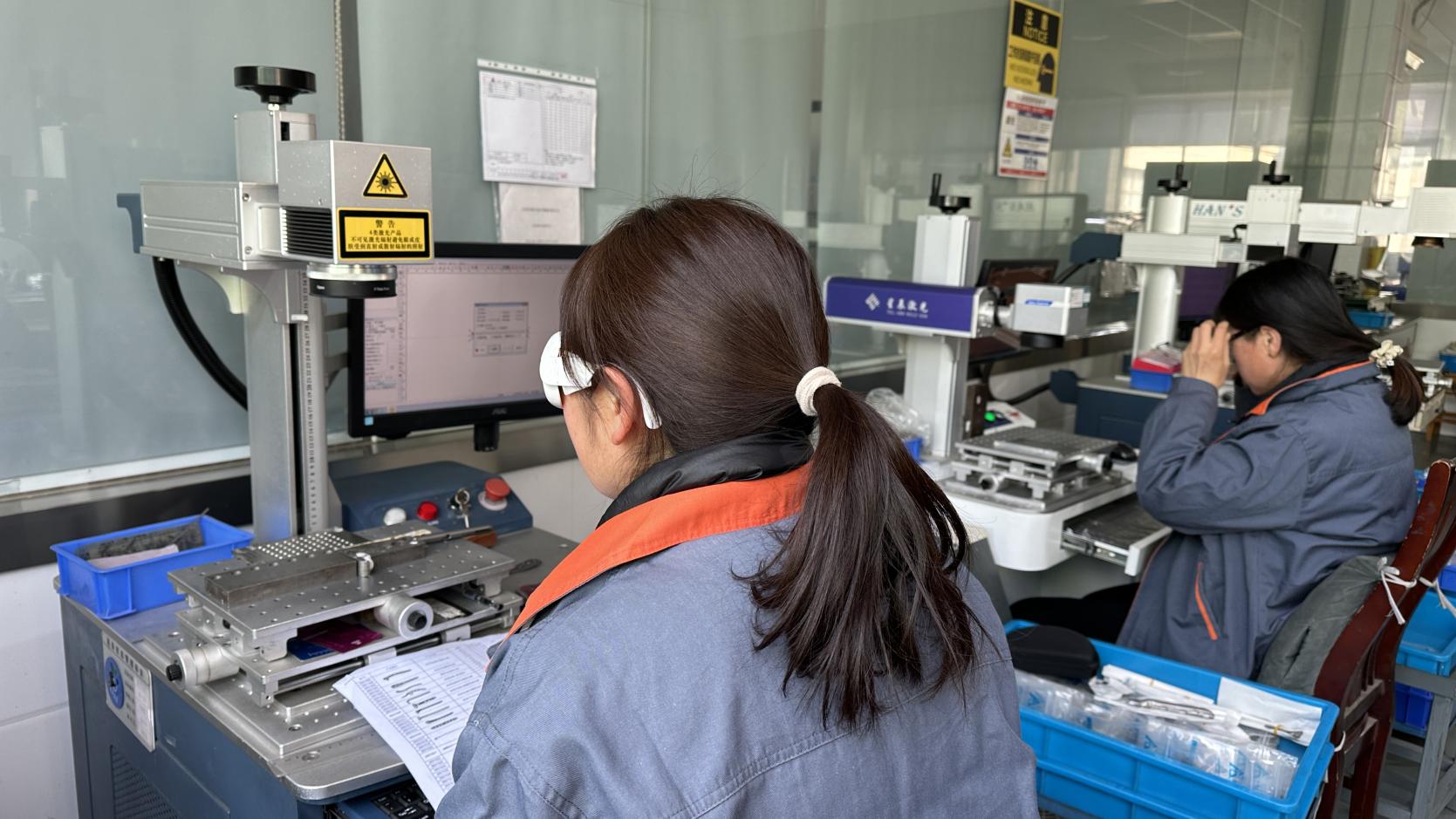
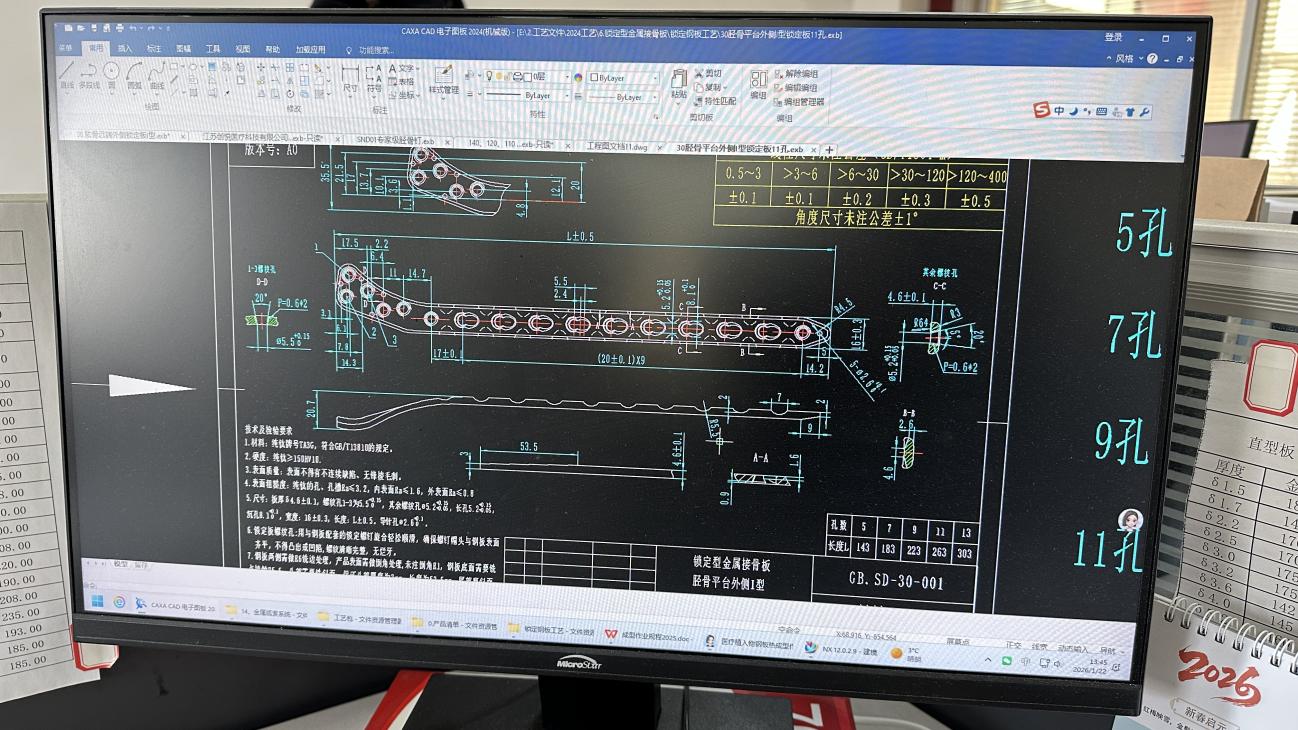
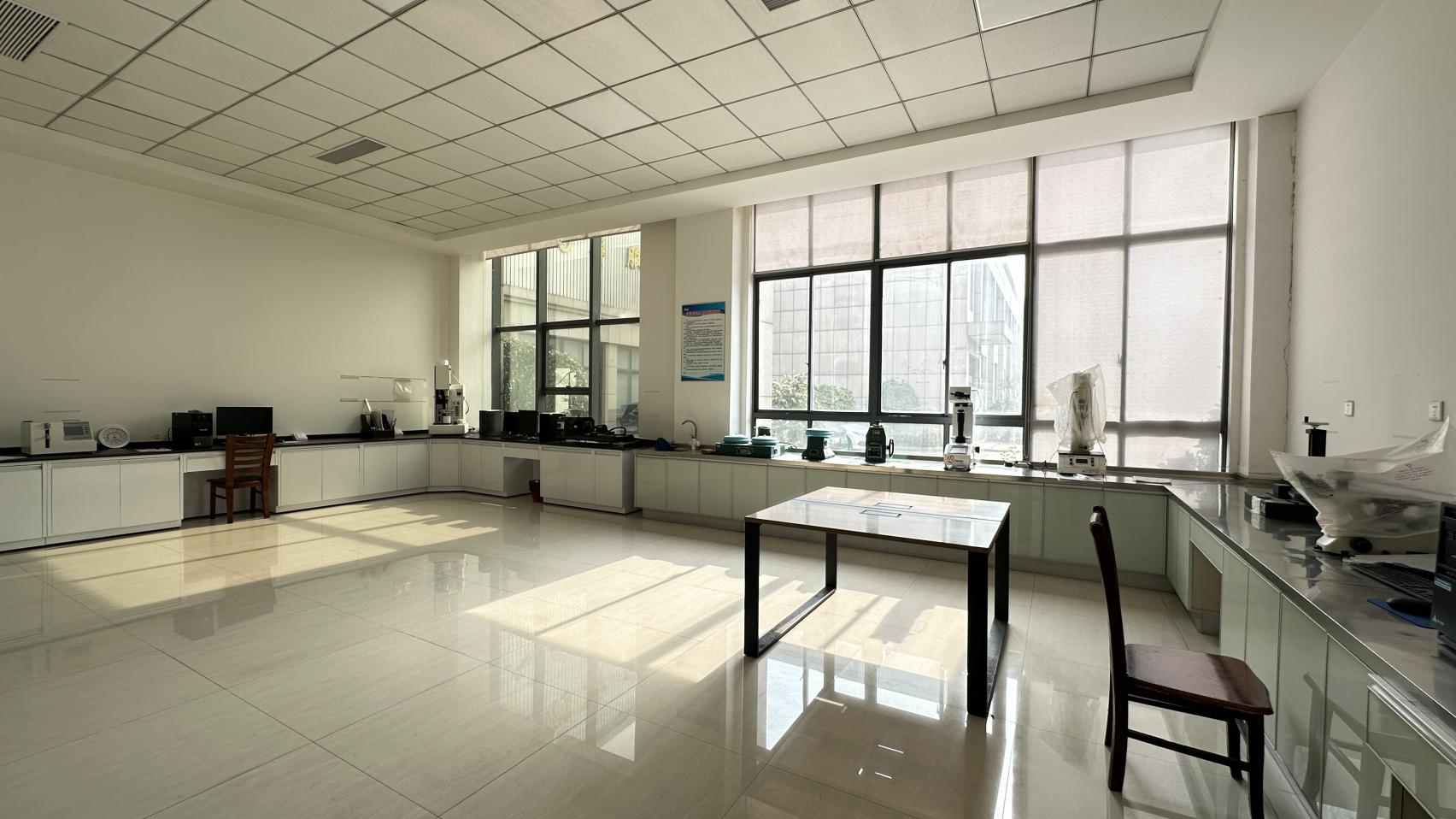
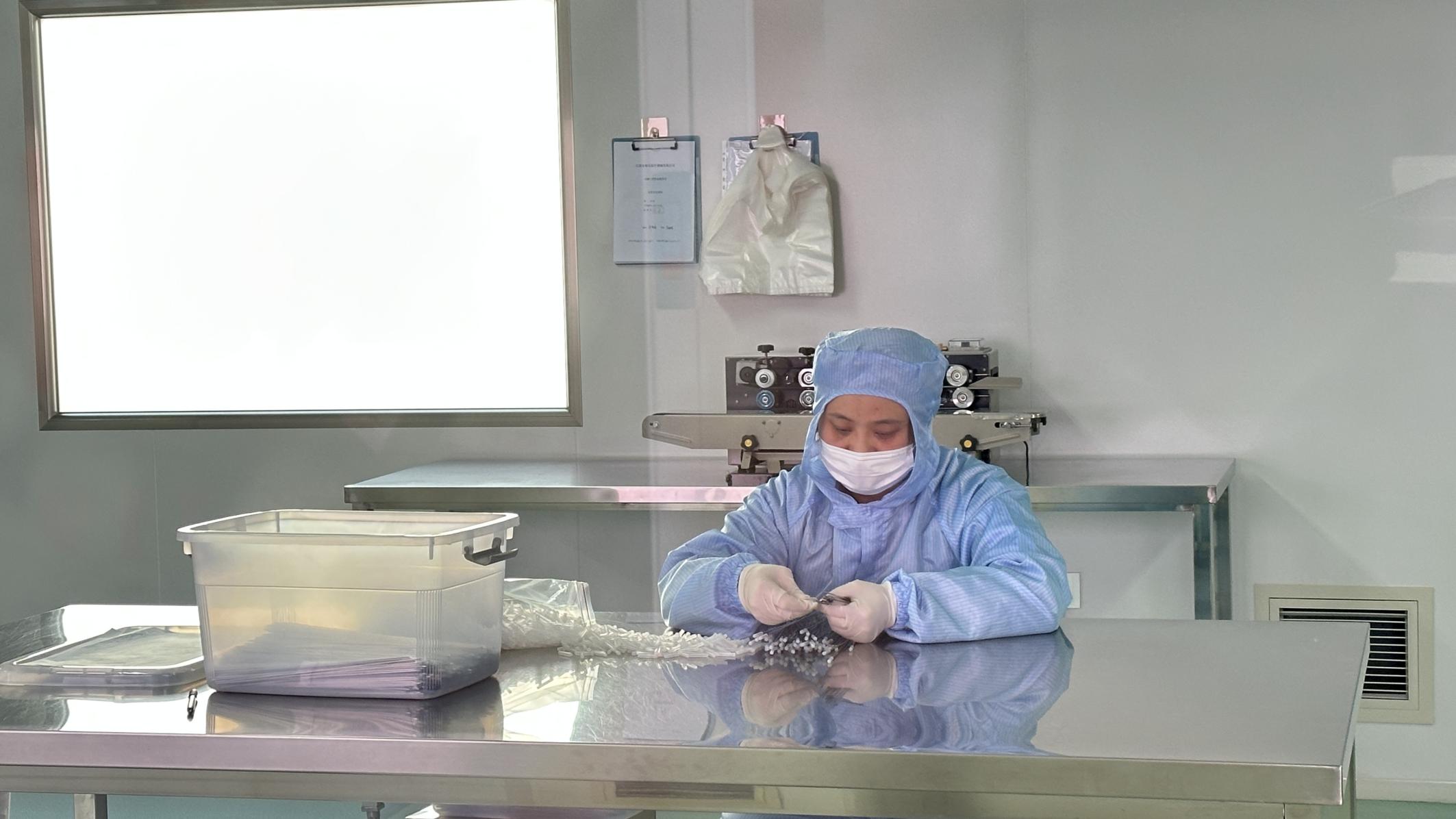
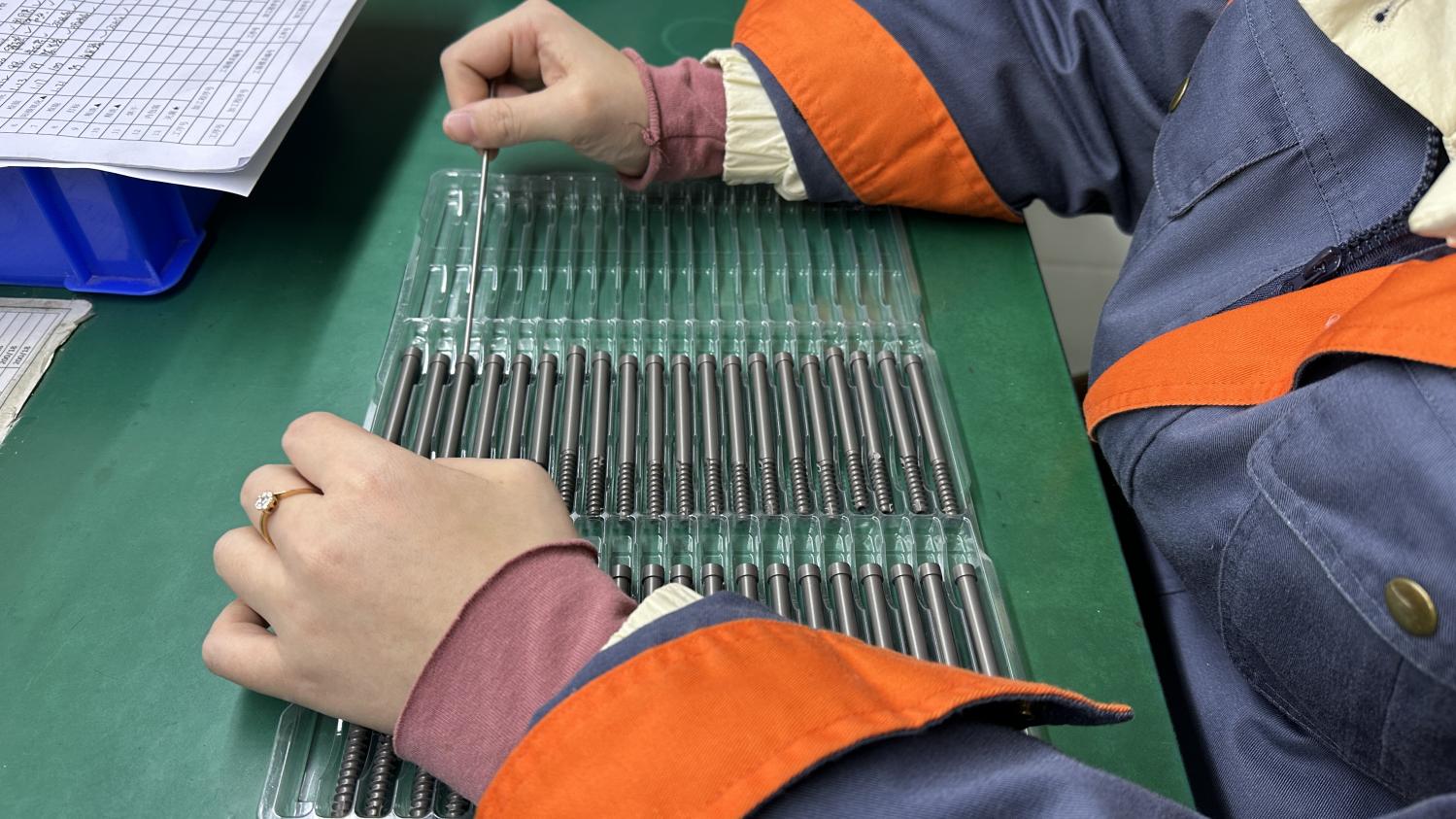
Inside Virelox's 12,000 m² state-of-the-art production facility, showcasing raw material verification, precision CNC machining, and rigorous quality laboratory checks.
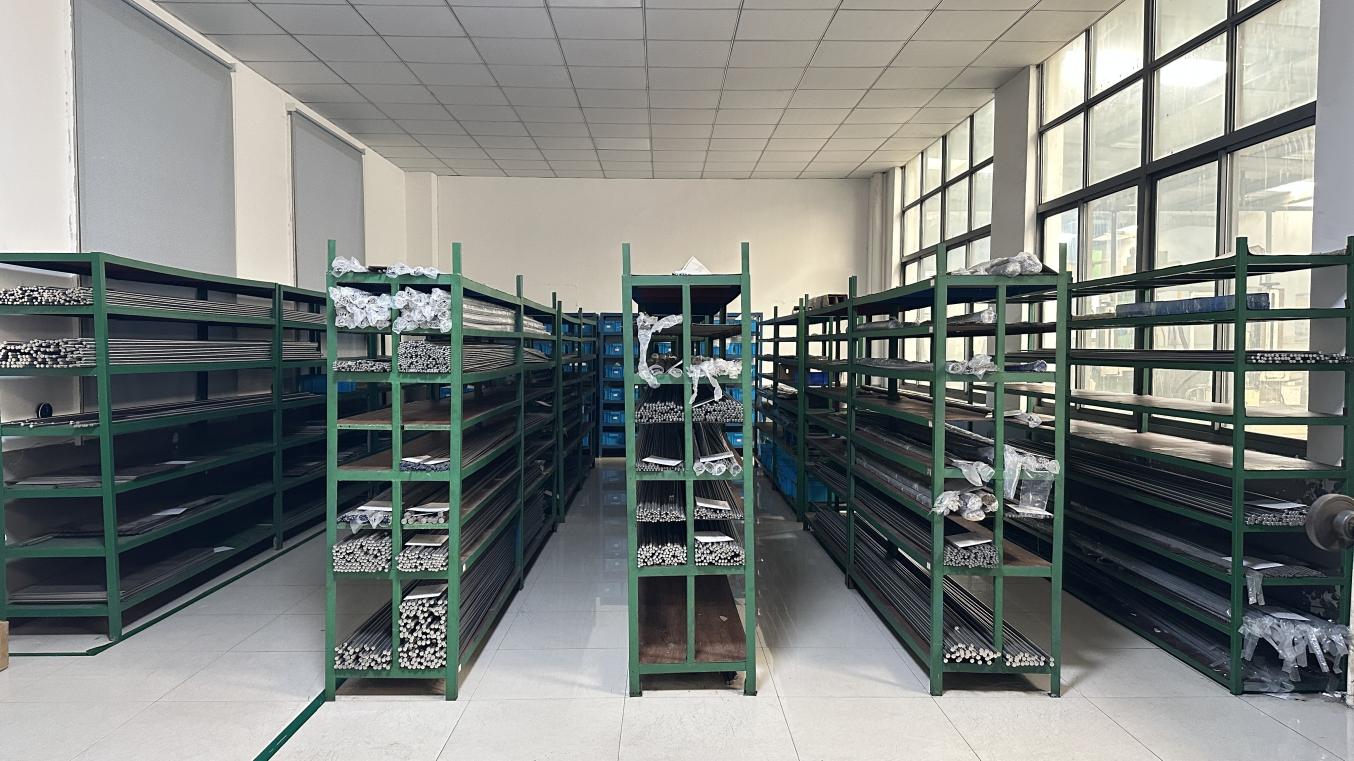
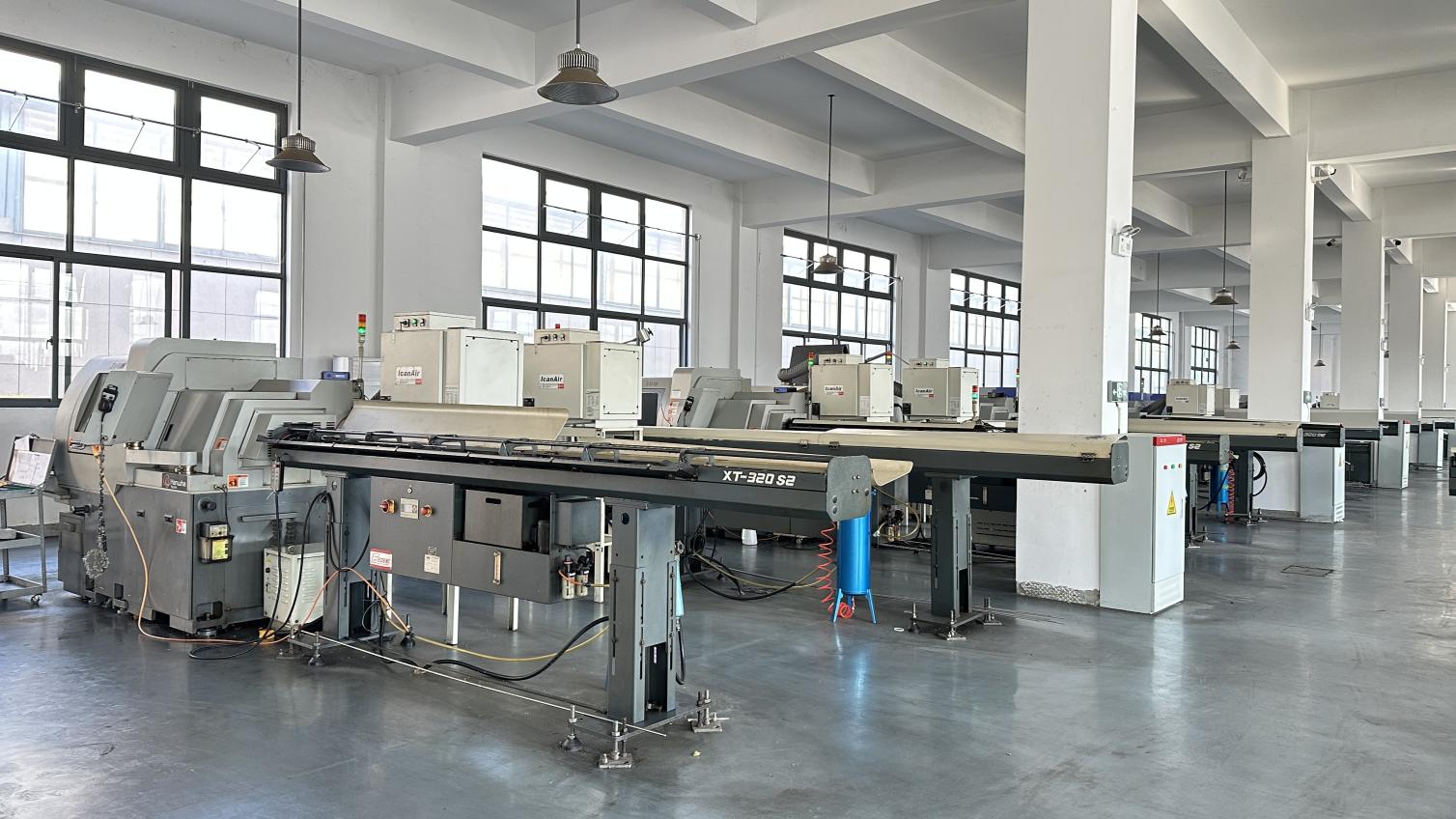
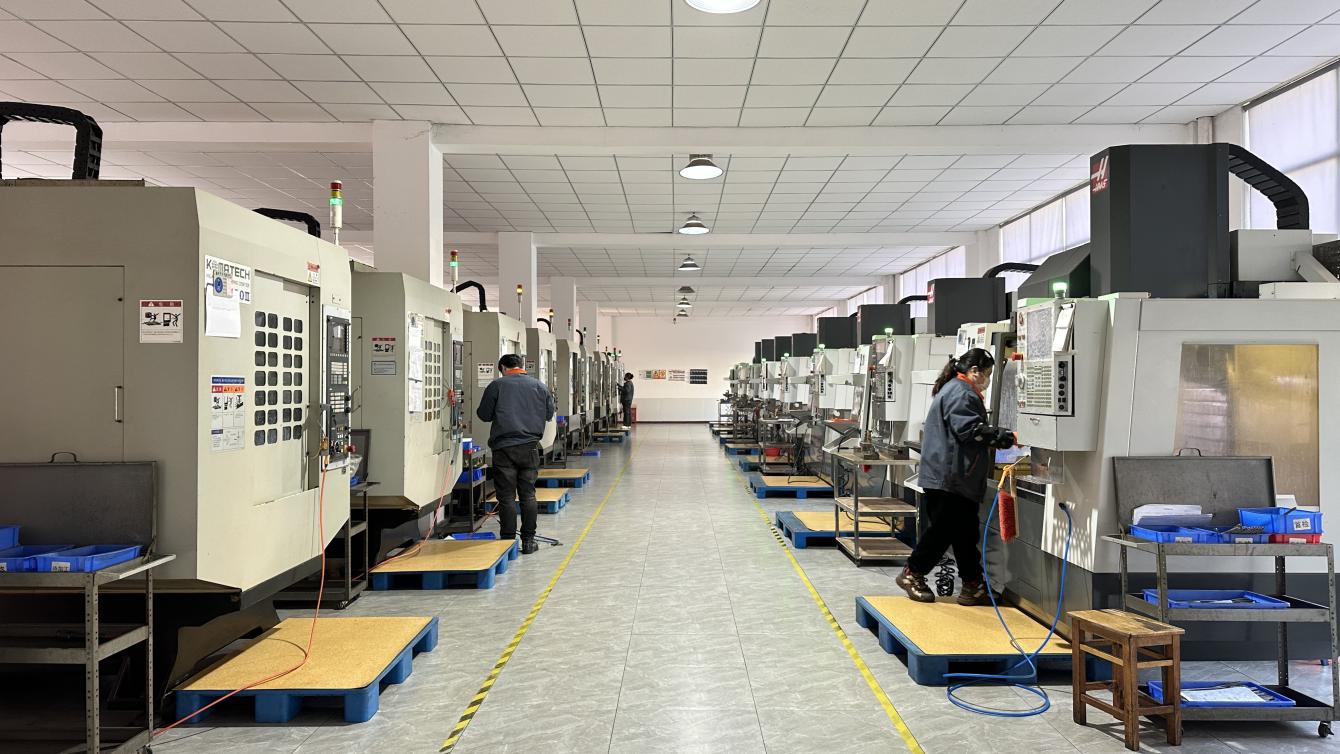
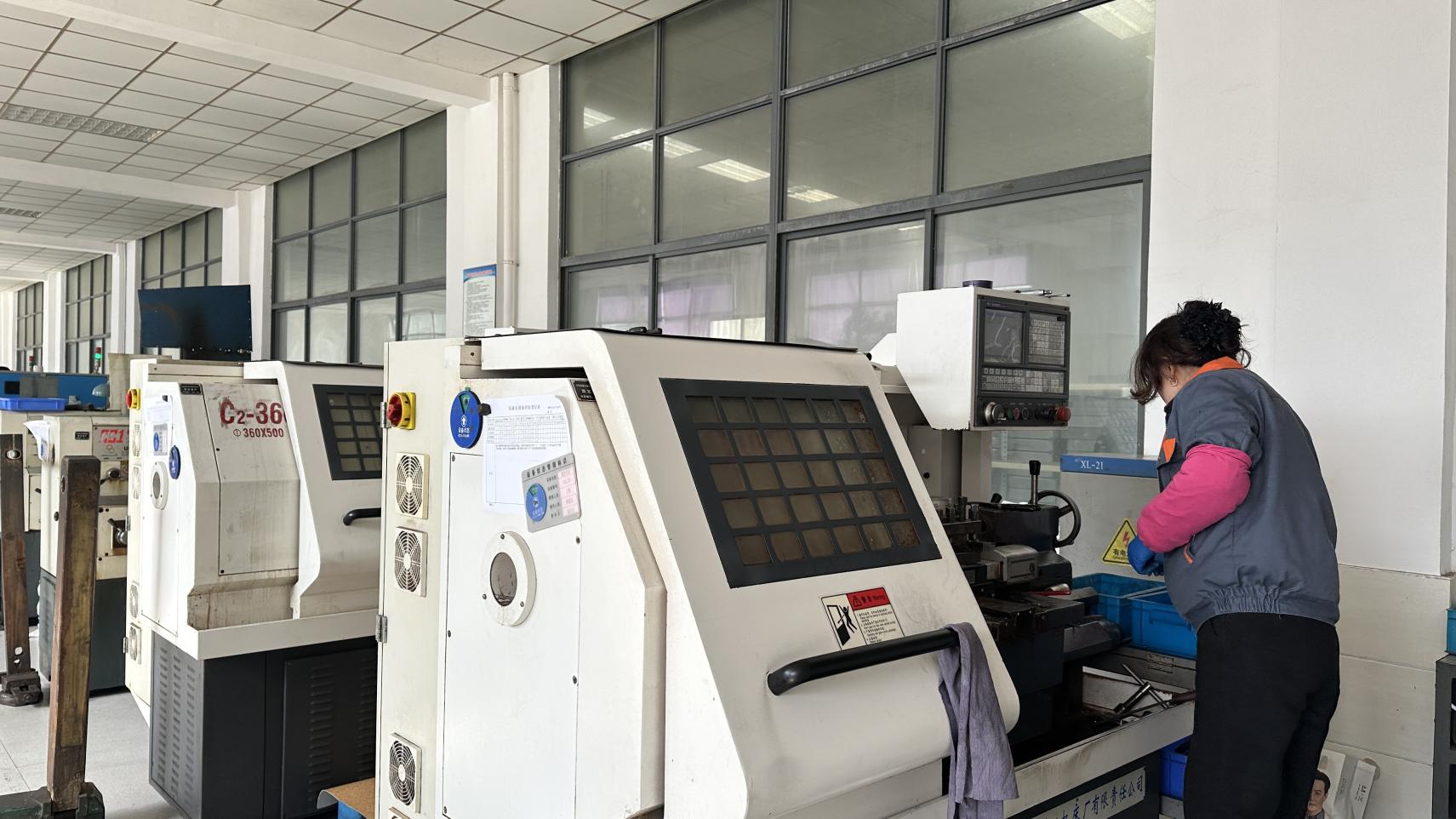
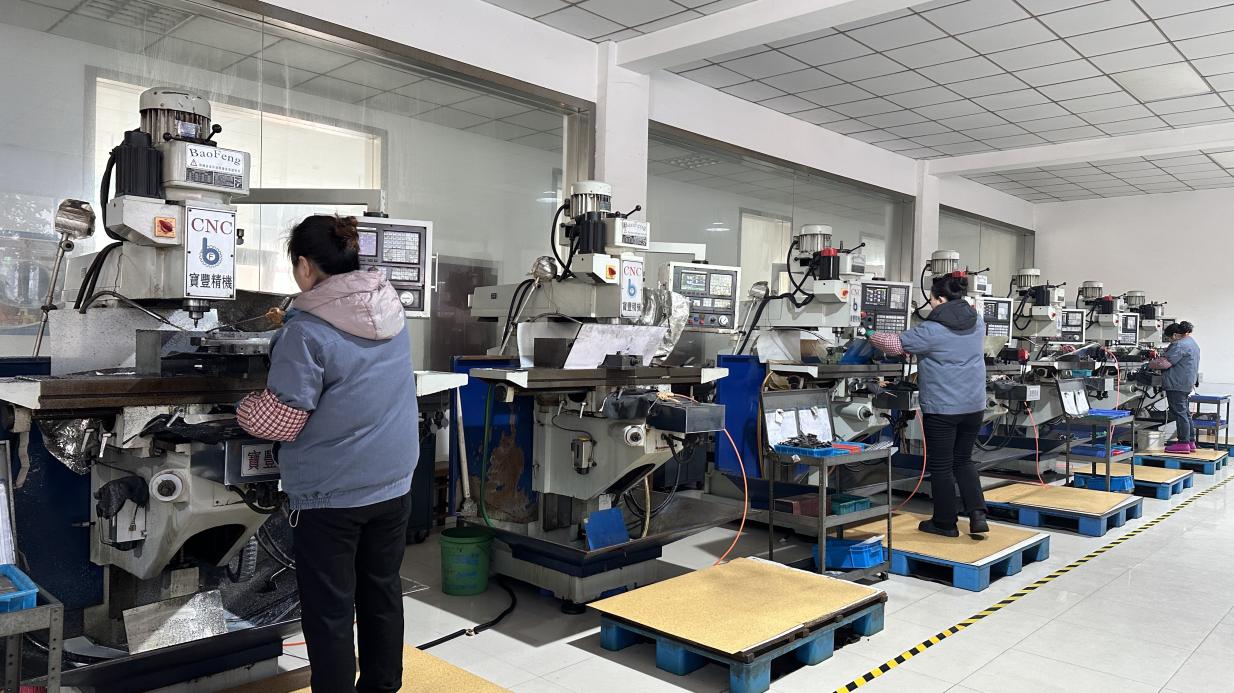
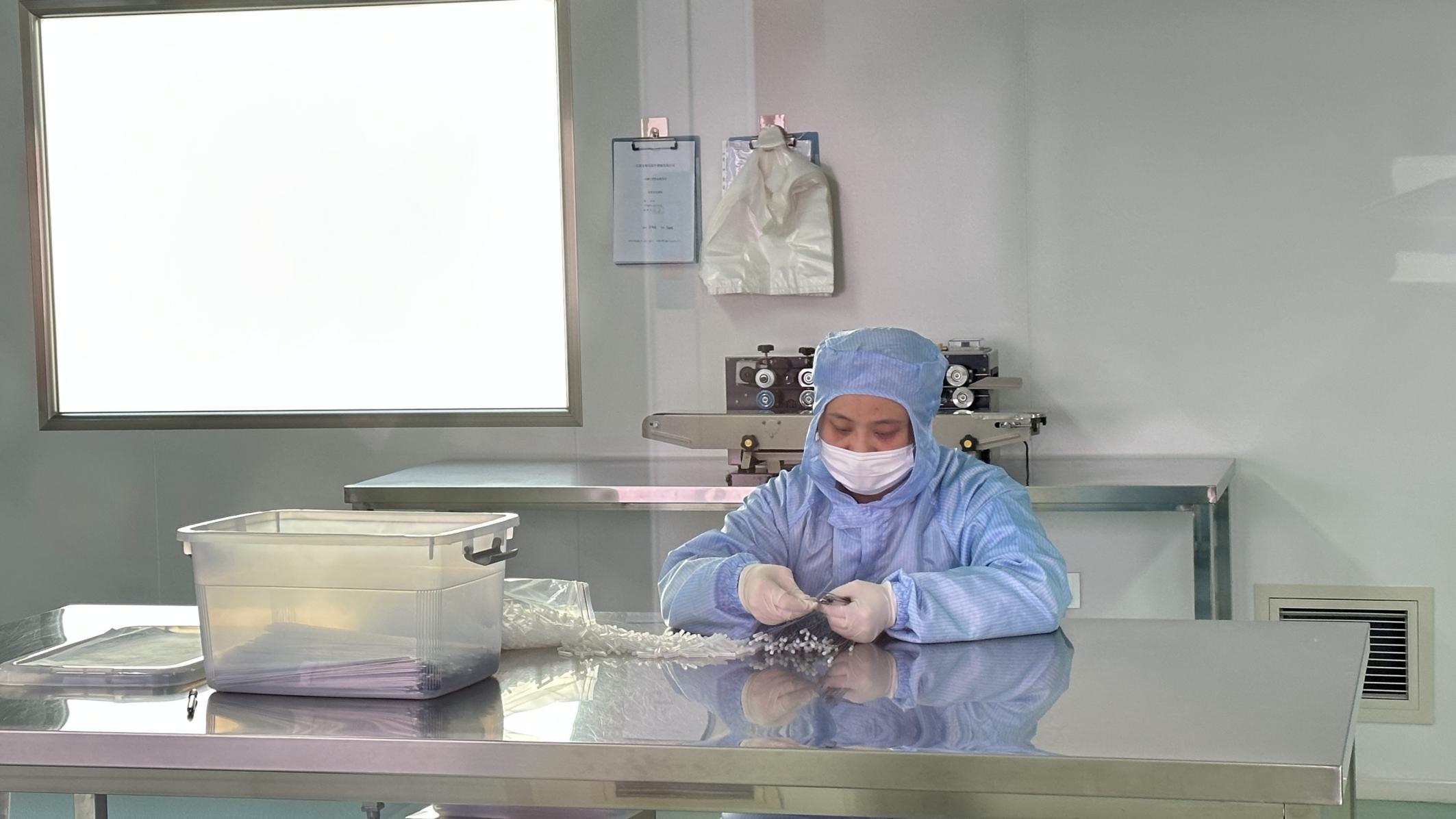
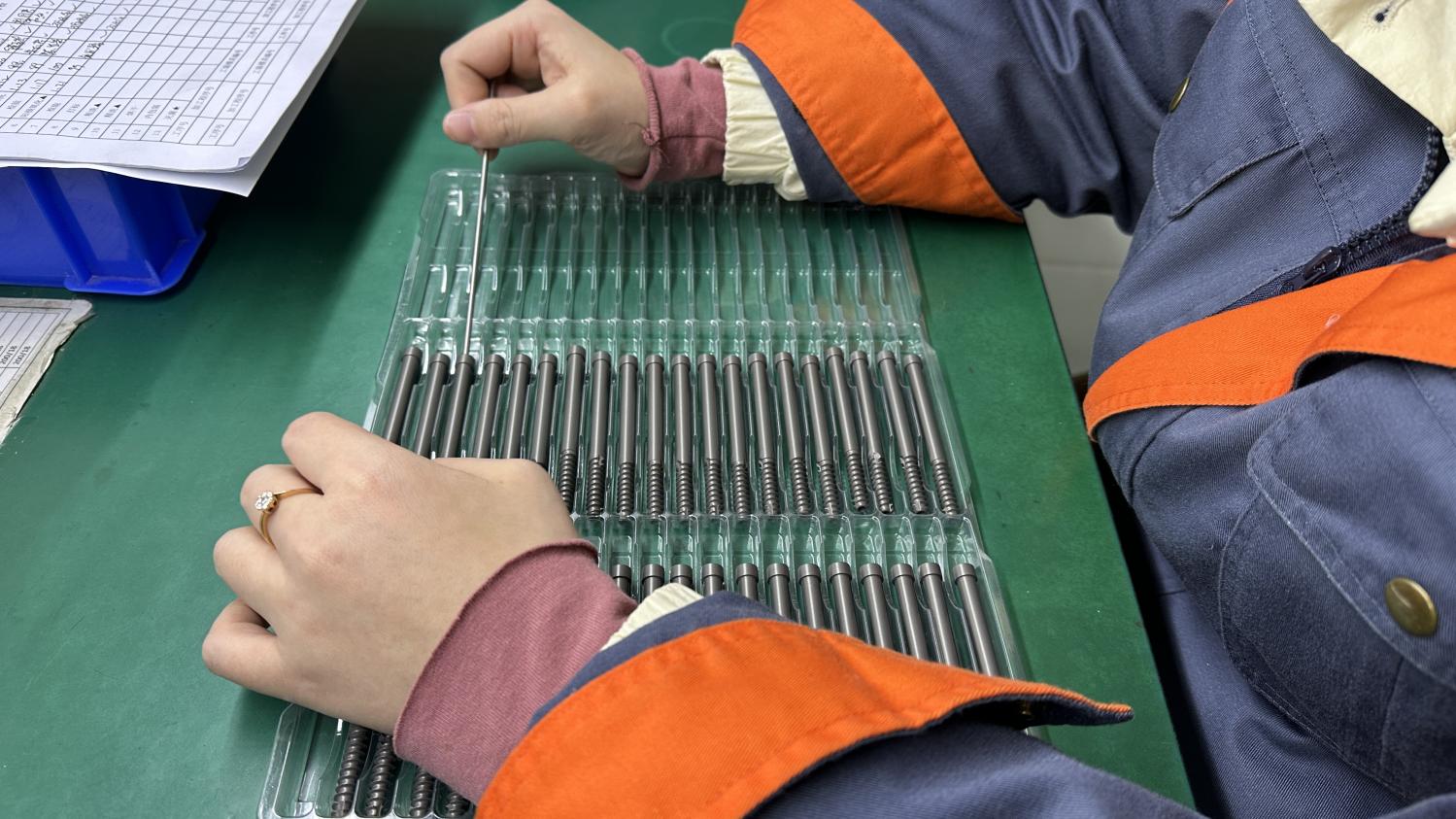
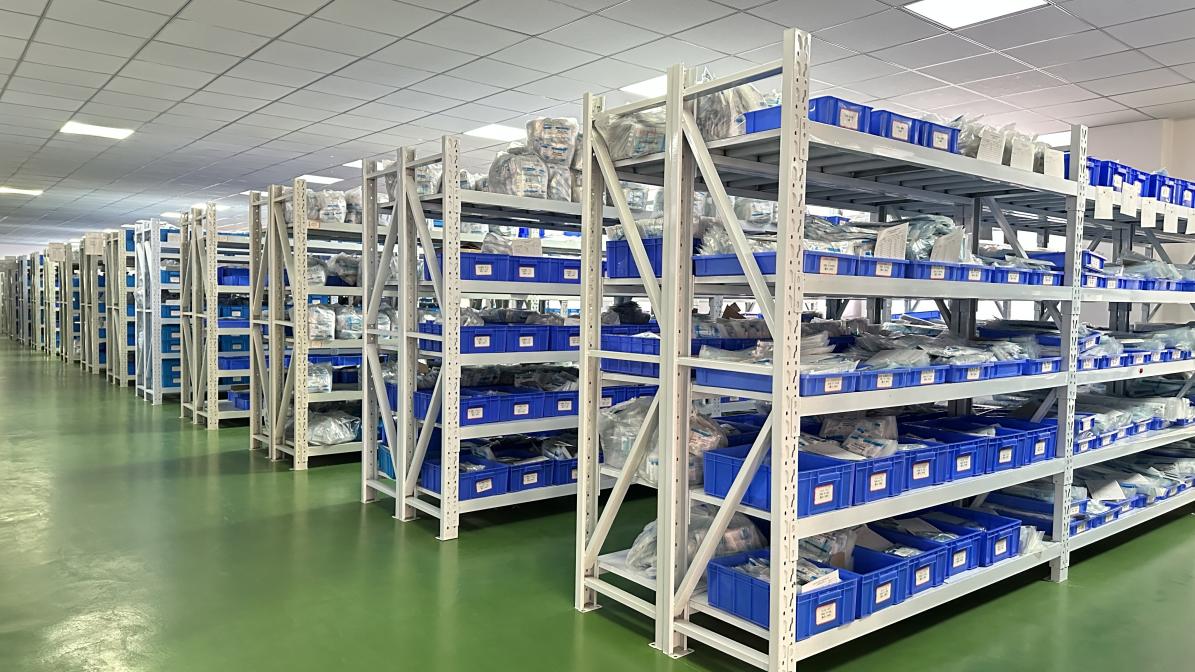
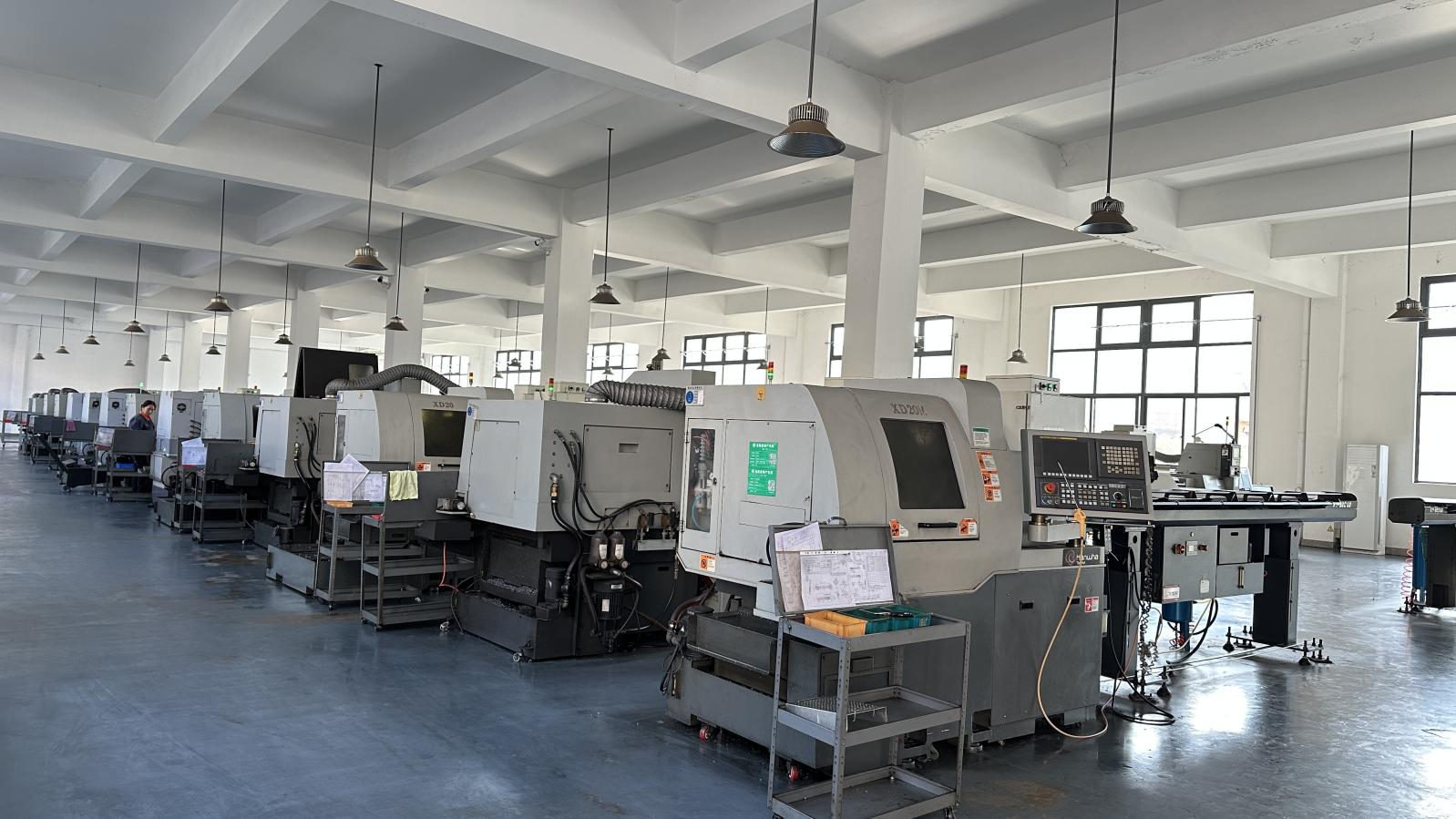
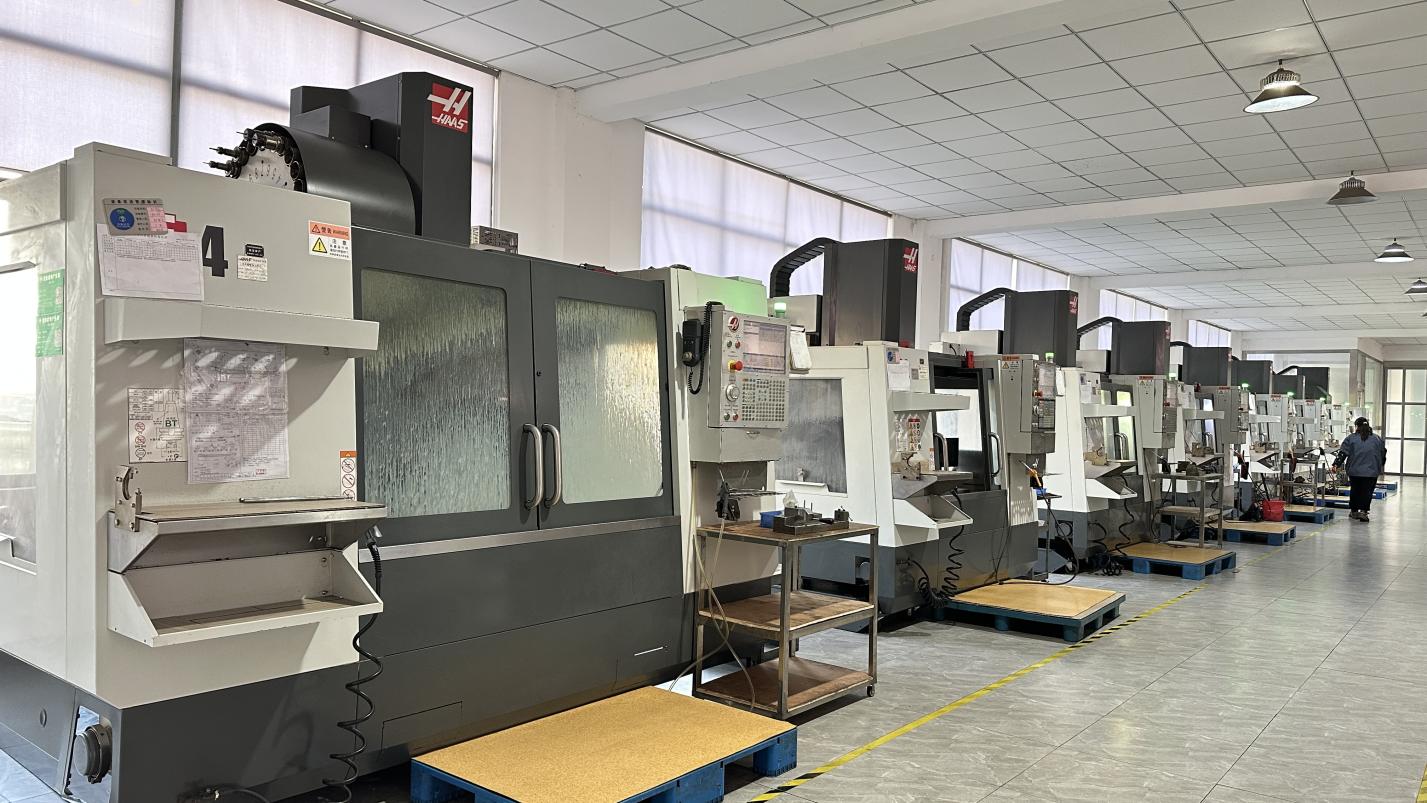
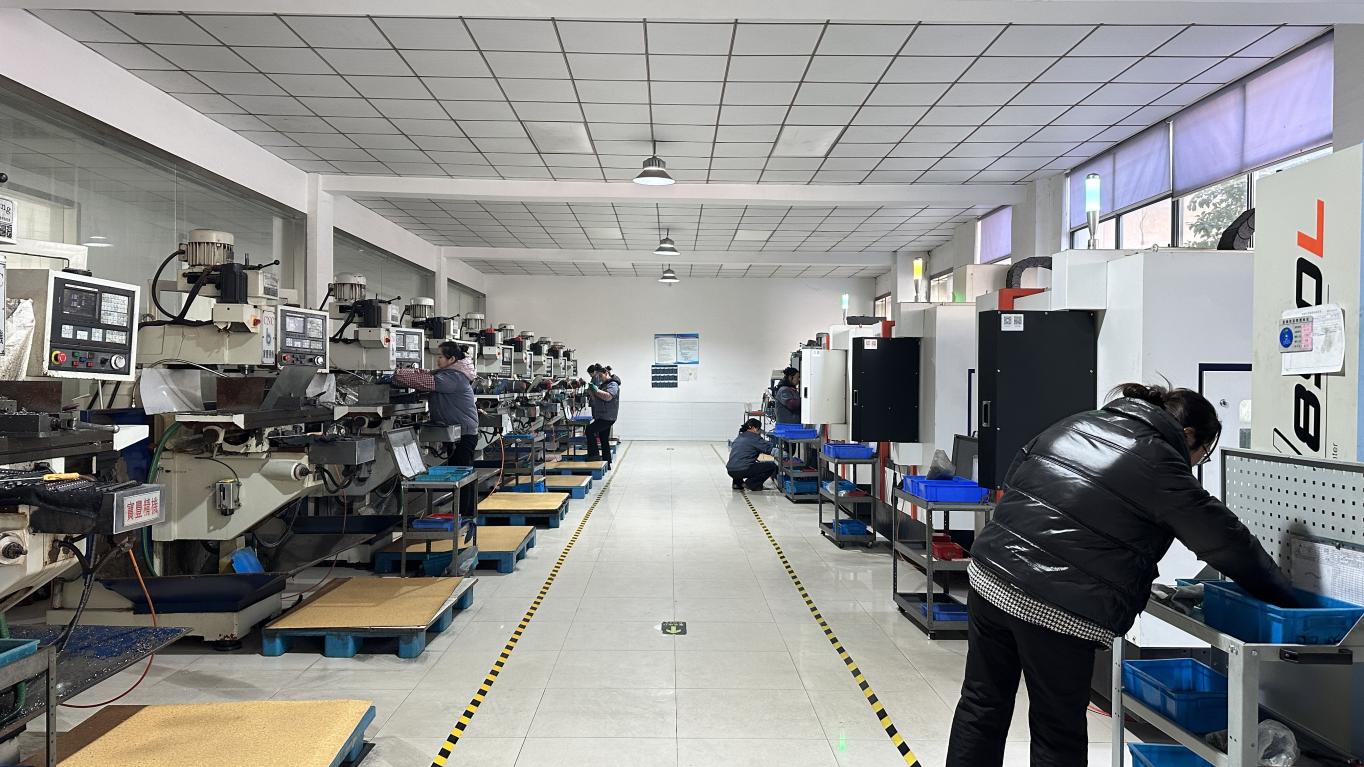
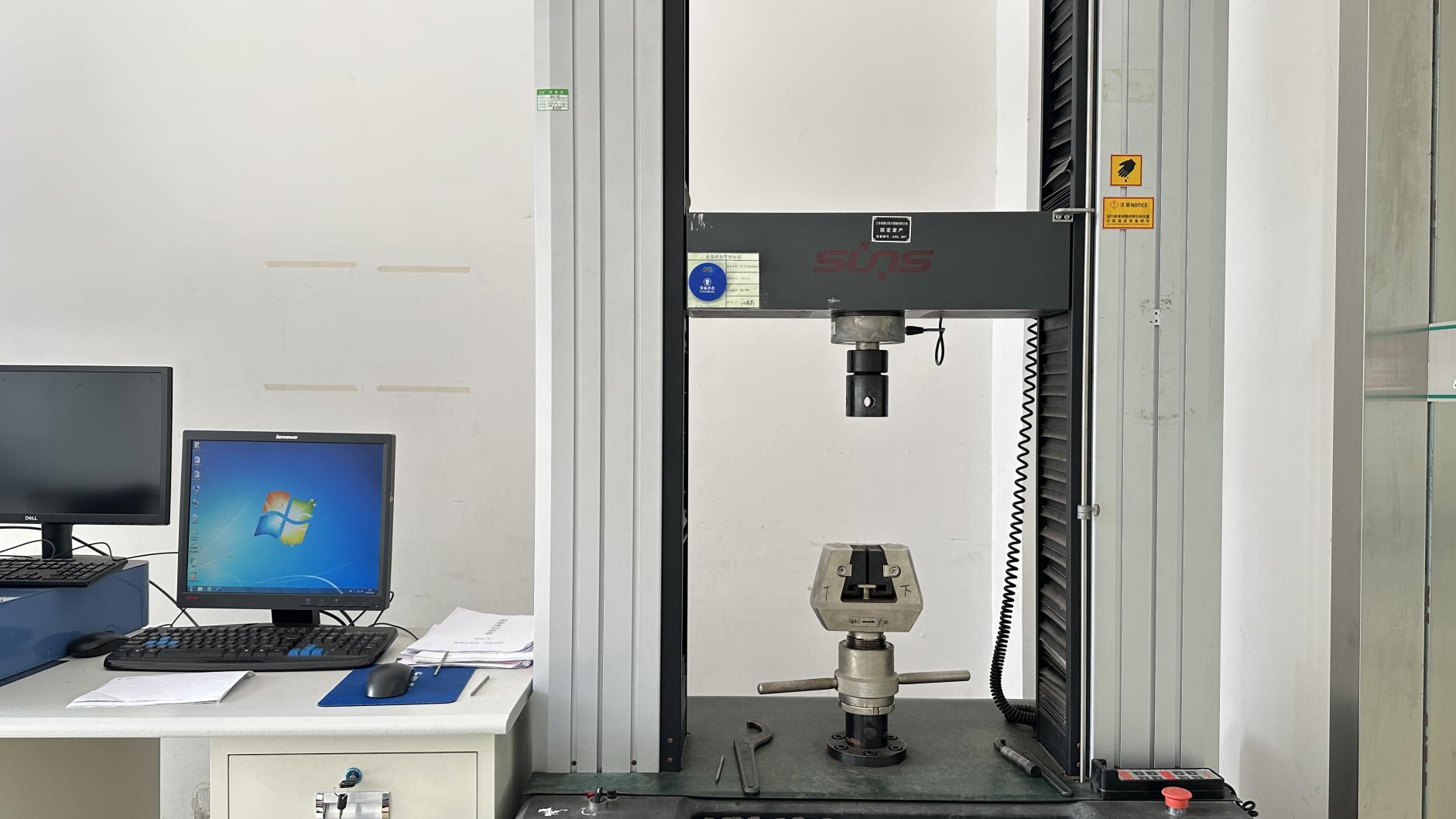
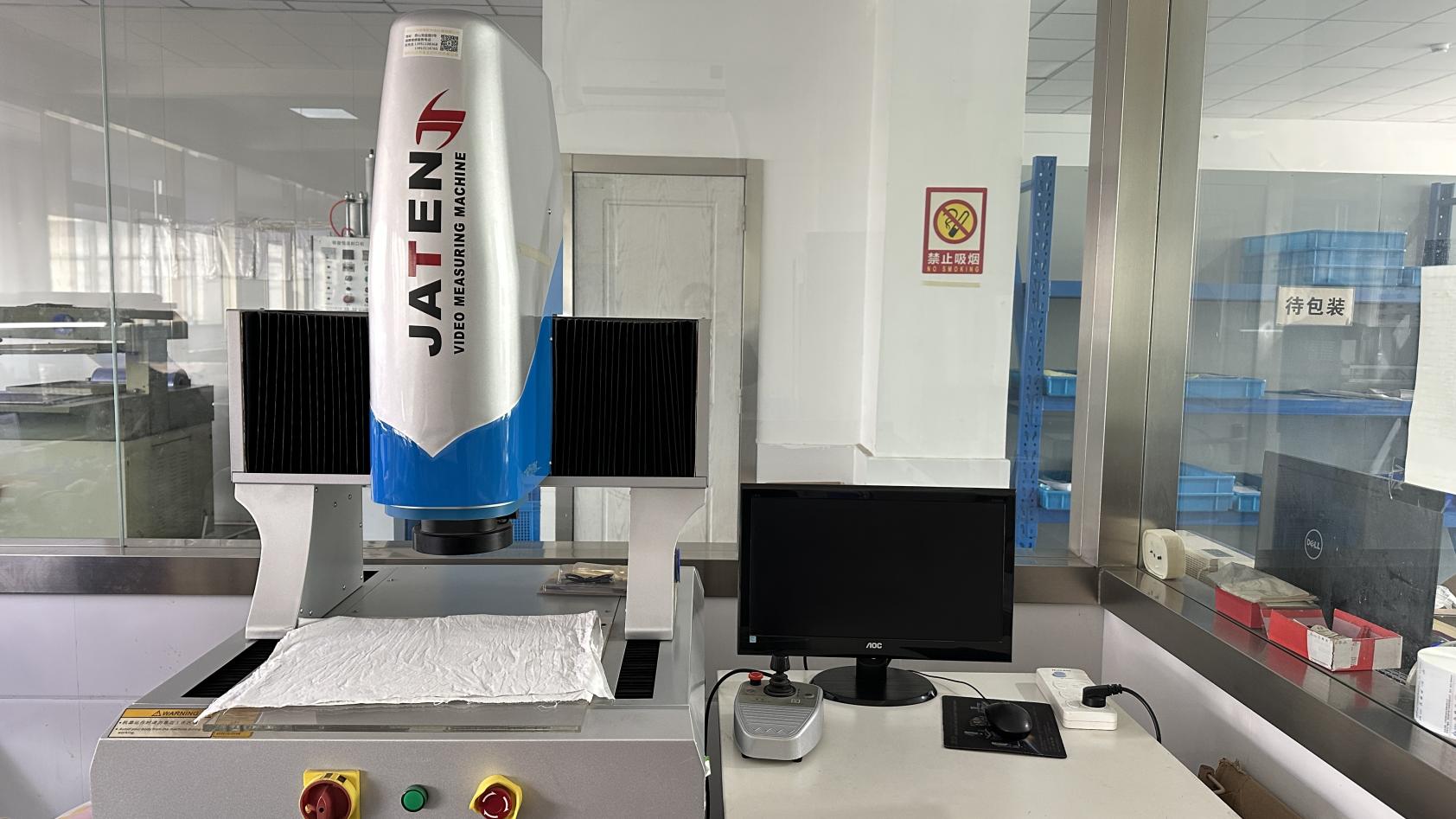
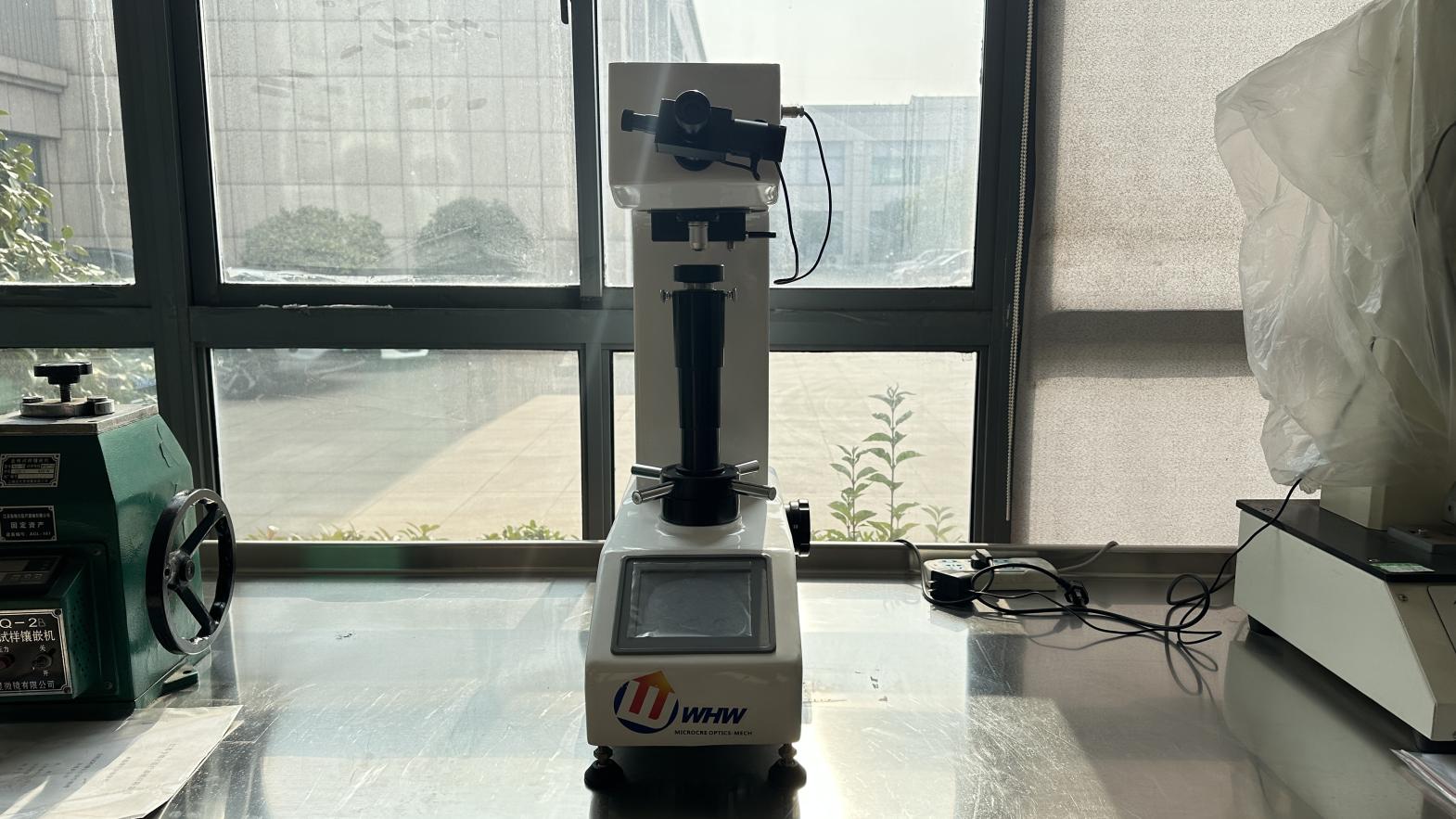
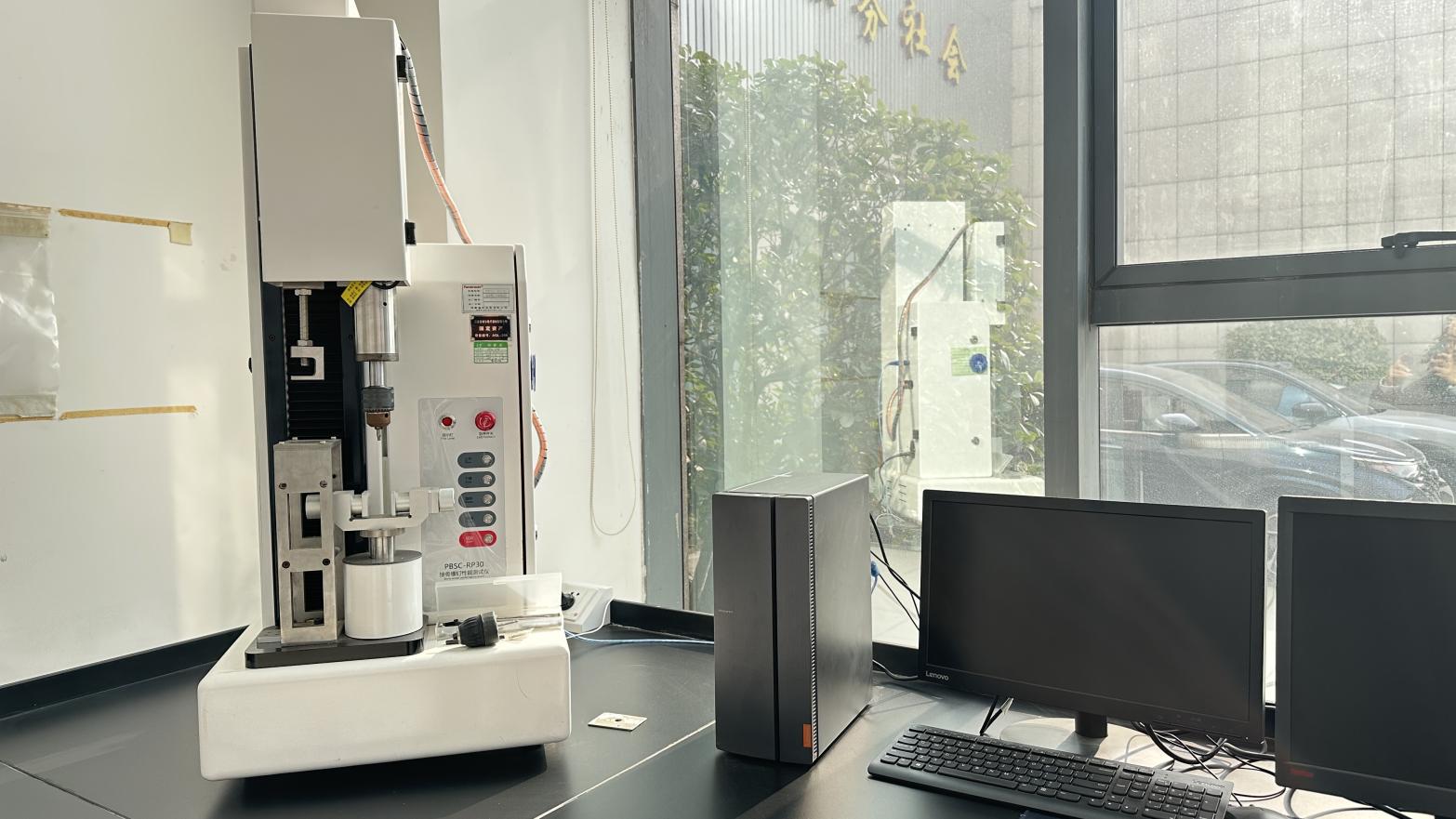
In modern trauma osteosynthesis, metallurgical composition and screw-plate dynamics dictate clinical outcomes. The majority of implants manufactured by Virelox are composed of Titanium Grade 5 ELI (Extra Low Interstitial), conforming strictly to ASTM F136 and ISO 5832-3 specifications. This specific alloy reduces levels of oxygen, nitrogen, carbon, and hydrogen, yielding superior ductility, fracture toughness, and fatigue resistance compared to standard titanium formulations.
From a mechanical standpoint, our locking plate systems function as "internal fixators," offering distinct mechanical advantages:
Sourcing managers in the Greater Toronto Area operate within complex procurement frameworks. Virelox offers structured partnership models to optimize these acquisition pipelines:
Our primary implant selection engineered for upper limb, lower limb, and complex joint reconstruction procedures.
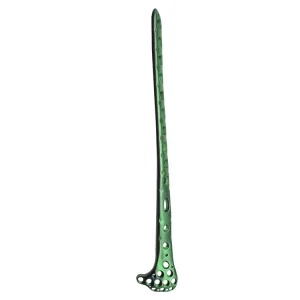
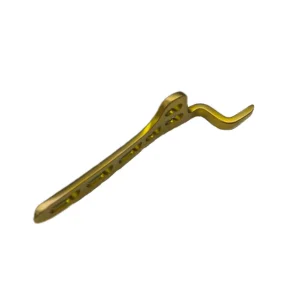
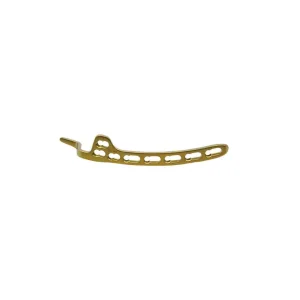
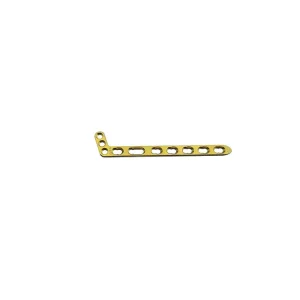
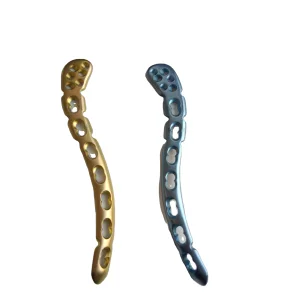
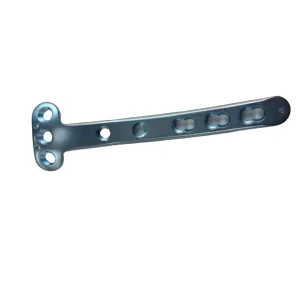
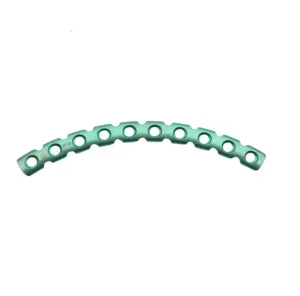
The field of orthopedic trauma fixation is evolving toward smart, bio-interactive implant solutions. Our R&D engineering division is actively working on several key initiatives designed to enhance integration and clinical success:
Frequently asked technical, regulatory, and supply chain questions from clinical coordinators, healthcare administrators, and global distributors.
Our trauma implants are fabricated from medical-grade Titanium Grade 5 ELI (Extra Low Interstitial), meeting ASTM F136 and ISO 5832-3 standards. This material provides high biocompatibility, corrosion resistance, and fatigue life, matching the requirements for long-term internal fixation in load-bearing environments.
Virelox maintains an ISO 13485:2016-certified quality system. We provide comprehensive technical files, including material traceability documentation, biomechanical testing data (such as fatigue and tensile tests), and validation records to support Class III medical device registrations with Health Canada and other regulatory bodies.
We provide comprehensive design and production customization services. Our 120 R&D engineers assist with custom anatomical shapes, surface finishing options (such as color anodization), laser marking, and sterile packaging designs to meet specific distributor branding and surgical requirements.
Every batch of screws undergoes a rigorous inspection protocol. This includes thread profile verification via CMM metrology, mechanical torque-to-failure analysis, and pull-out testing. Optical sorting is used to confirm dimensional consistency across all product runs.
Standard lead times range from 4 to 6 weeks, depending on order size and customization requirements. Through our network of 850 supply chain partners, we maintain a raw material safety buffer to ensure reliable delivery timelines for our global customers.
Locking plates act as fixed-angle construct systems. Because they do not rely on friction against the cortex for stability, they protect the bone's periosteal microcirculation. This reduces the risk of non-union, screw loosening, and bone necrosis, especially in complex fractures or poor-quality bone.
Connect with our technical sales division to receive engineering specifications, regulatory files, or to schedule a consultation regarding OEM/ODM manufacturing partnerships.
 Virelox