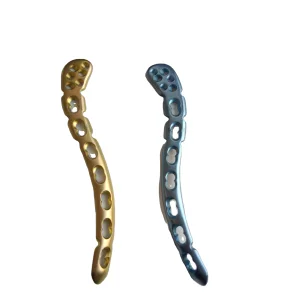
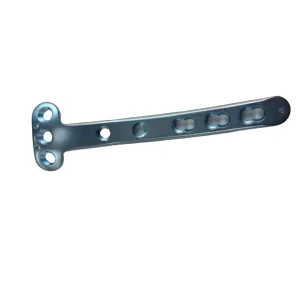
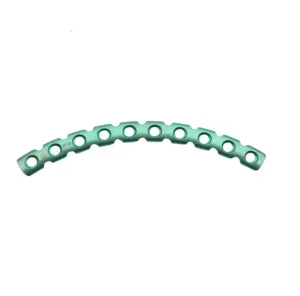
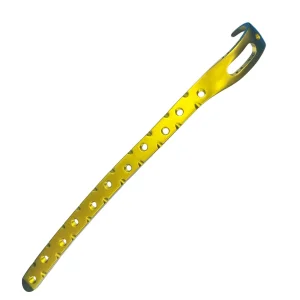
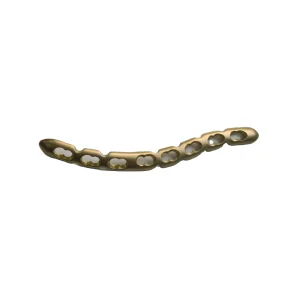
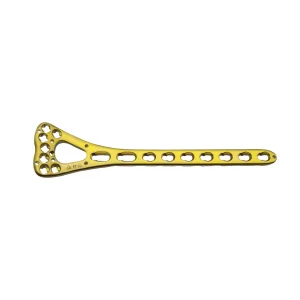
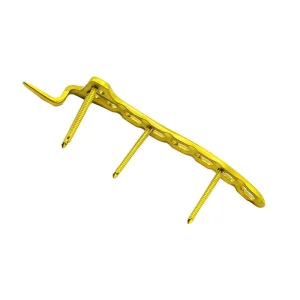
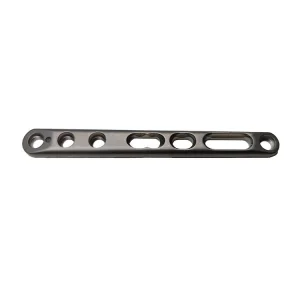
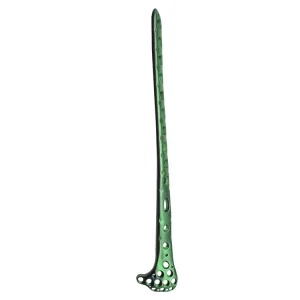
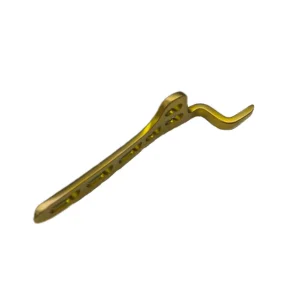
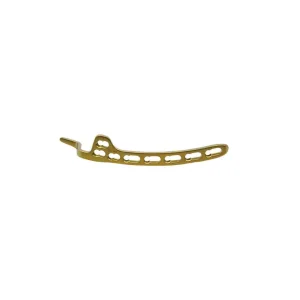
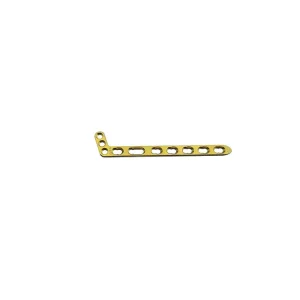
Anatomical configurations engineered to support trauma surgery workflows across private healthcare clinics and tertiary hospitals in Mumbai.
Leveraging industrial-scale automation and deep clinical expertise to deliver certified trauma products to international distributors.
As one of the most populous urban agglomerations in the world, Mumbai and the wider Maharashtra state pose unique, high-volume demands on orthopedic trauma infrastructure. Leading public healthcare institutions like King Edward Memorial (KEM) Hospital, Lokmanya Tilak Municipal General Hospital (Sion Hospital), and BYL Nair Charitable Hospital serve thousands of trauma patients daily, primarily coping with road traffic accidents (RTAs), industrial injuries, and complex fall-related musculoskeletal disruptions. Concurrently, premier private facilities such as Kokilaben Dhirubhai Ambani Hospital, Hinduja Hospital, and Nanavati Max Super Speciality Hospital are continuously upgrading their operating theaters to execute minimally invasive osteosynthesis procedures.
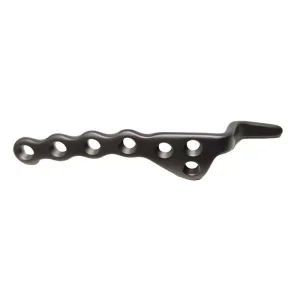
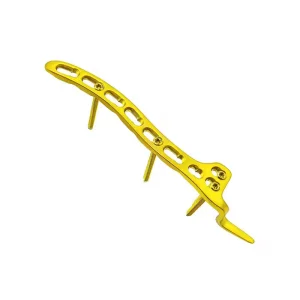
For medical device distributors and surgical exporters sourcing products for the Mumbai market, the priorities are clear: absolute mechanical reliability, biocompatibility, and anatomical fit. The region exhibits high variations in bone density and morphometrics within its diverse patient demographic. Consequently, there is an escalating demand for anatomically pre-contoured locking plate systems, distal radius reconstruction plates, and specialized locking hook plates that reduce intra-operative adaptation time and lower the incidence of post-operative failure or second surgeries.
The global orthopedic trauma fixation market is undergoing a structural transition. Regulatory bodies worldwide are tightening frameworks—highlighted by the European Union’s Medical Device Regulation (MDR) and the Indian Central Drugs Standard Control Organization’s (CDSCO) transition to licensing regimes for implantable medical devices. These regulatory mandates require manufacturers to verify structural homogeneity, biocompatibility, and production reproducibility through stringent testing protocols.
Material specifications have moved decisively from standard Stainless Steel (316L) to Medical-Grade Titanium Alloys (such as Ti-6Al-4V ELI / ISO 5832-3) and Pure Titanium (CP-Ti / ISO 5832-2). Titanium offers superior biocompatibility, a lower modulus of elasticity closer to that of human cortical bone, and high fatigue resistance. The demand for sub-millimeter precision in multi-axial locking systems and angle-stable constructs is now a global baseline expectation for clinical effectiveness.
The global supply chain for orthopedic implants relies heavily on China’s advanced medical manufacturing clusters. Choosing an established Chinese manufacturer like Virelox Medical provides distinct competitive advantages for distributors in Mumbai:
Surgical requirements in Mumbai vary significantly depending on the clinical environment. In crowded public municipal hospitals, surgical volume is high, and operating room time is limited. Here, surgeons prefer self-tapping locking screws and implants designed for simple insertion, reducing operating room duration and anesthesia exposure. The high prevalence of bone fractures in older populations suffering from osteoporosis also requires locking compression plates (LCP) that combine dynamic compression with locking stability.
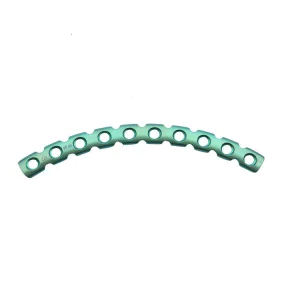
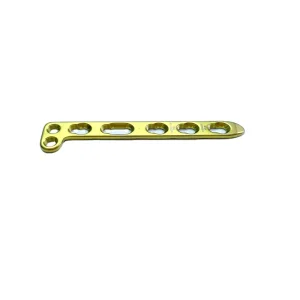
In contrast, private superspecialty healthcare units in South Mumbai and the suburbs focus on joint preservation and aesthetic outcomes. This trend is increasing the demand for low-profile titanium plates, such as maxillofacial arc locking systems and distal radius oblique L-shaped plates. These implants must have a minimal physical profile to prevent soft-tissue irritation, particularly in anatomically tight locations like the hands, wrist, and clavicle.
How our production capabilities translate into clinic-ready performance for international orthopedic suppliers.
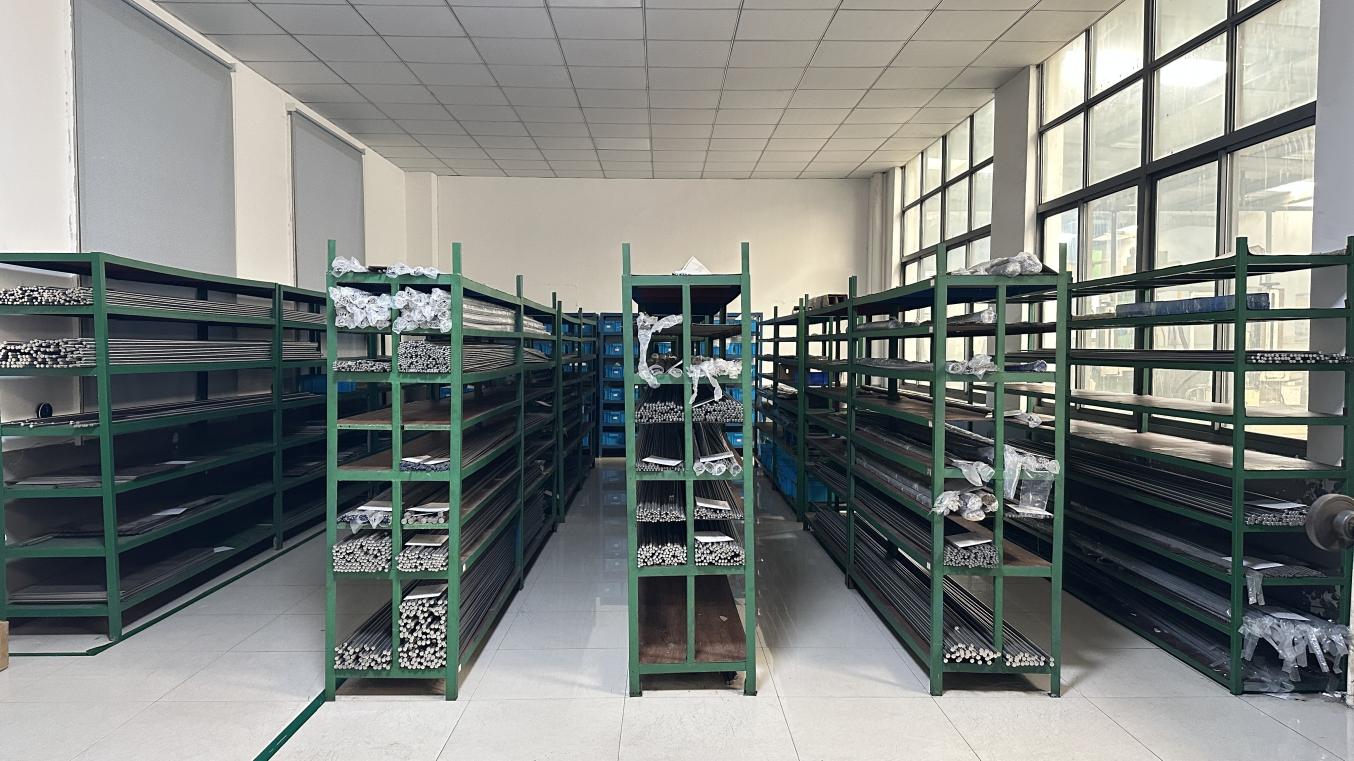
We source only high-purity Titanium Alloy (Ti-6Al-4V ELI) and CP-Ti meeting ISO 5832 specifications, assuring low trace elements, superb corrosion resistance, and high structural integrity.
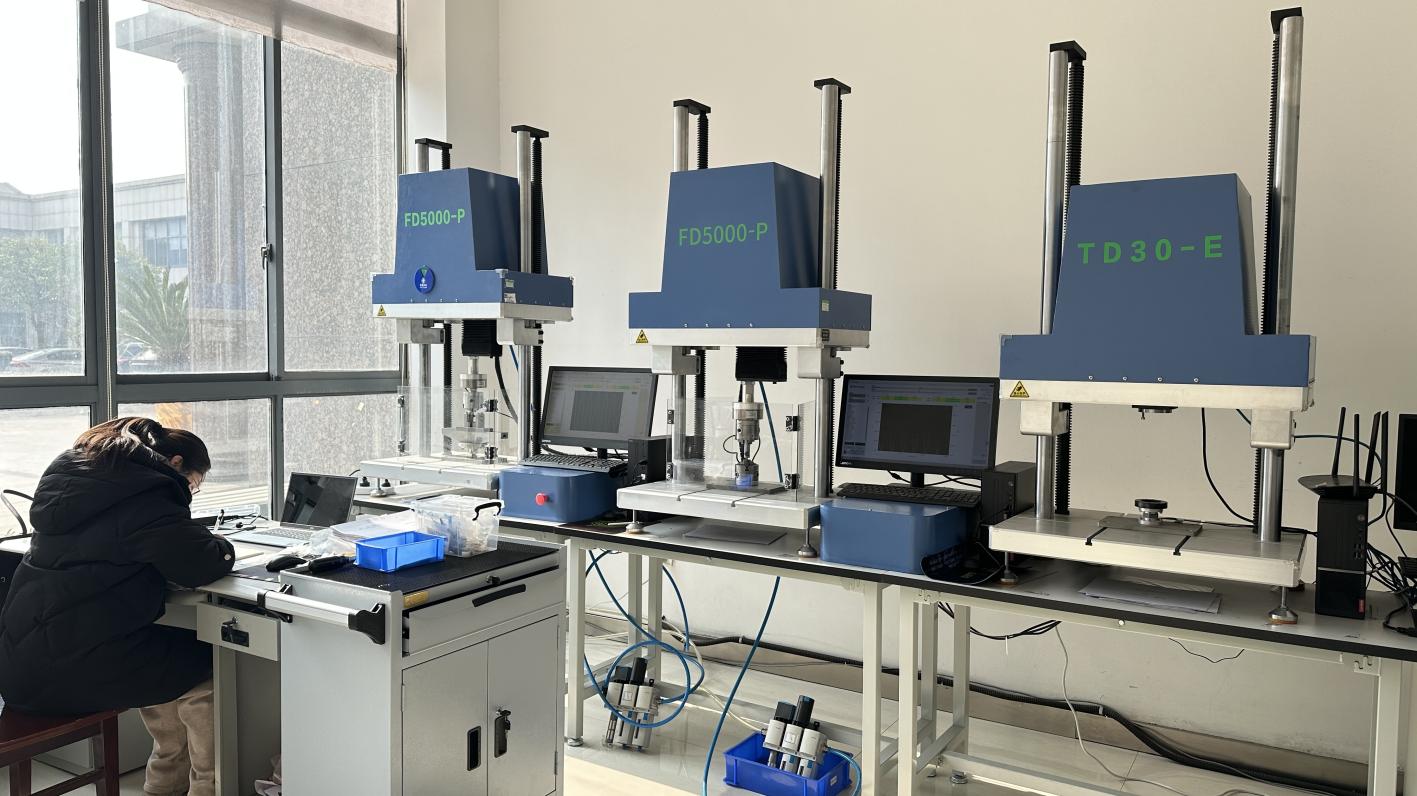
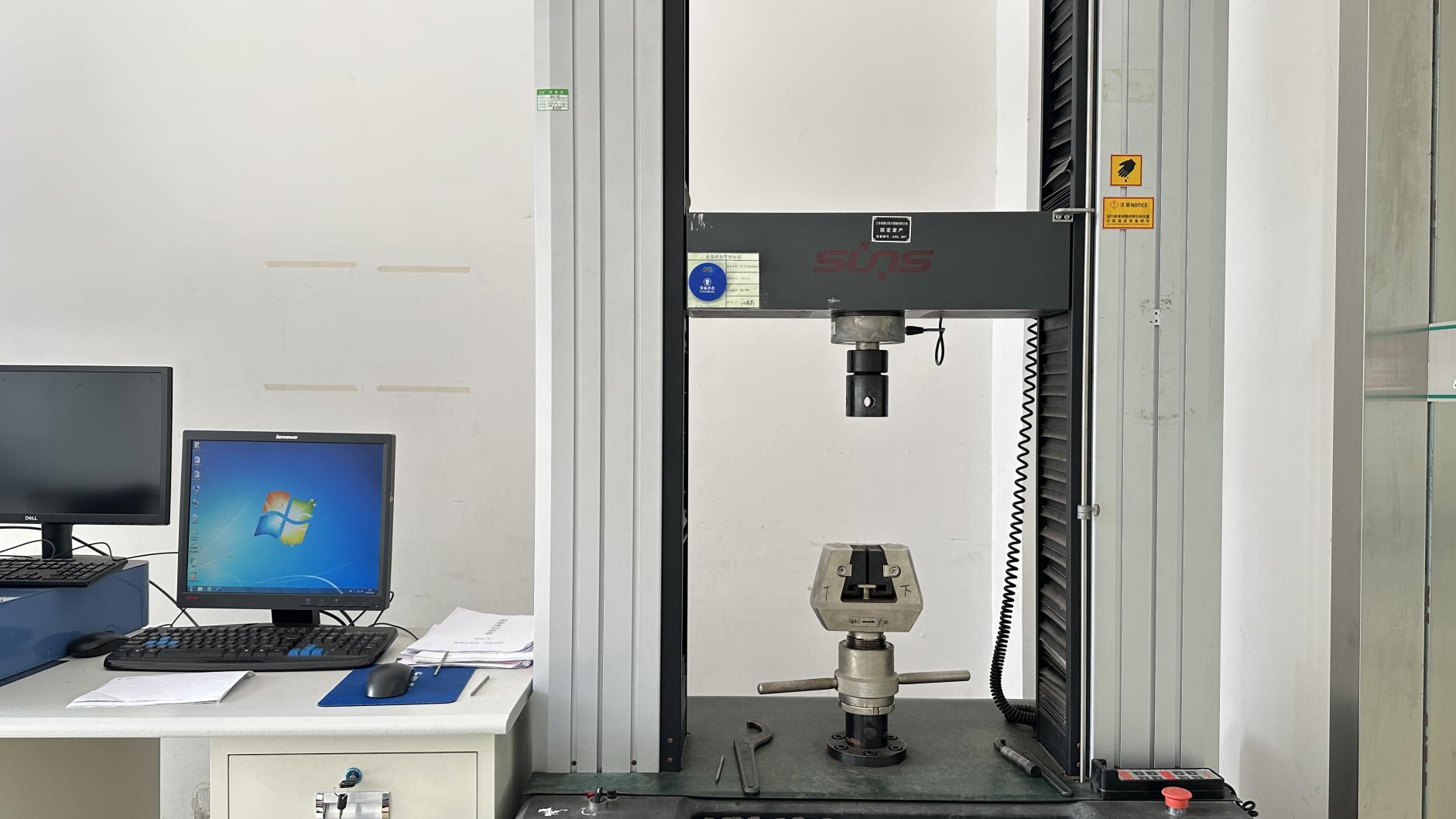
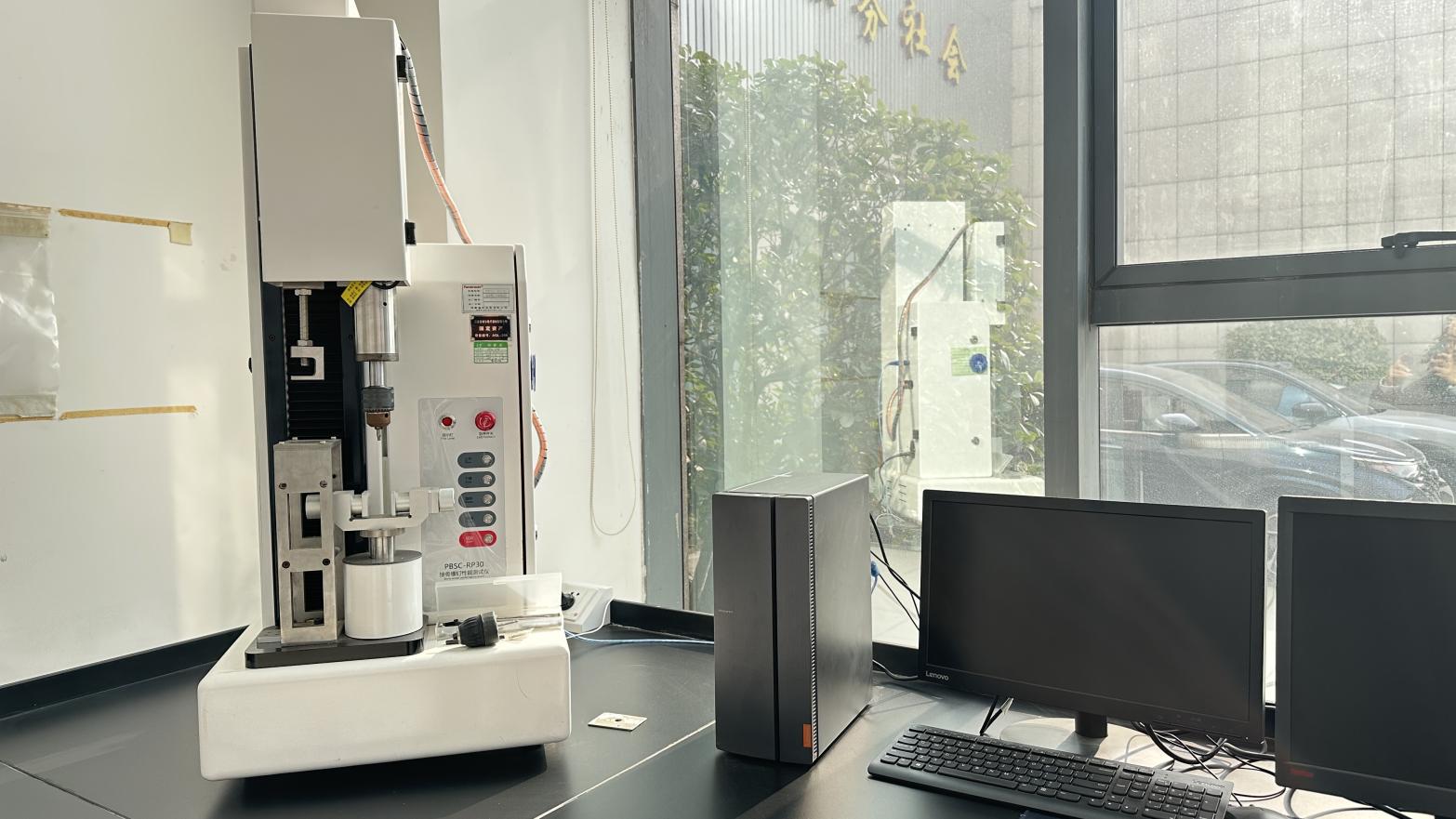
Every product line undergoes mechanical testing, including dynamic fatigue and tensile strength tests, to ensure that no structural failures occur under physiological loads.
Our quality management system is structured to comply with medical standards. We maintain traceability from the raw material melt-source down to the final product shipment.
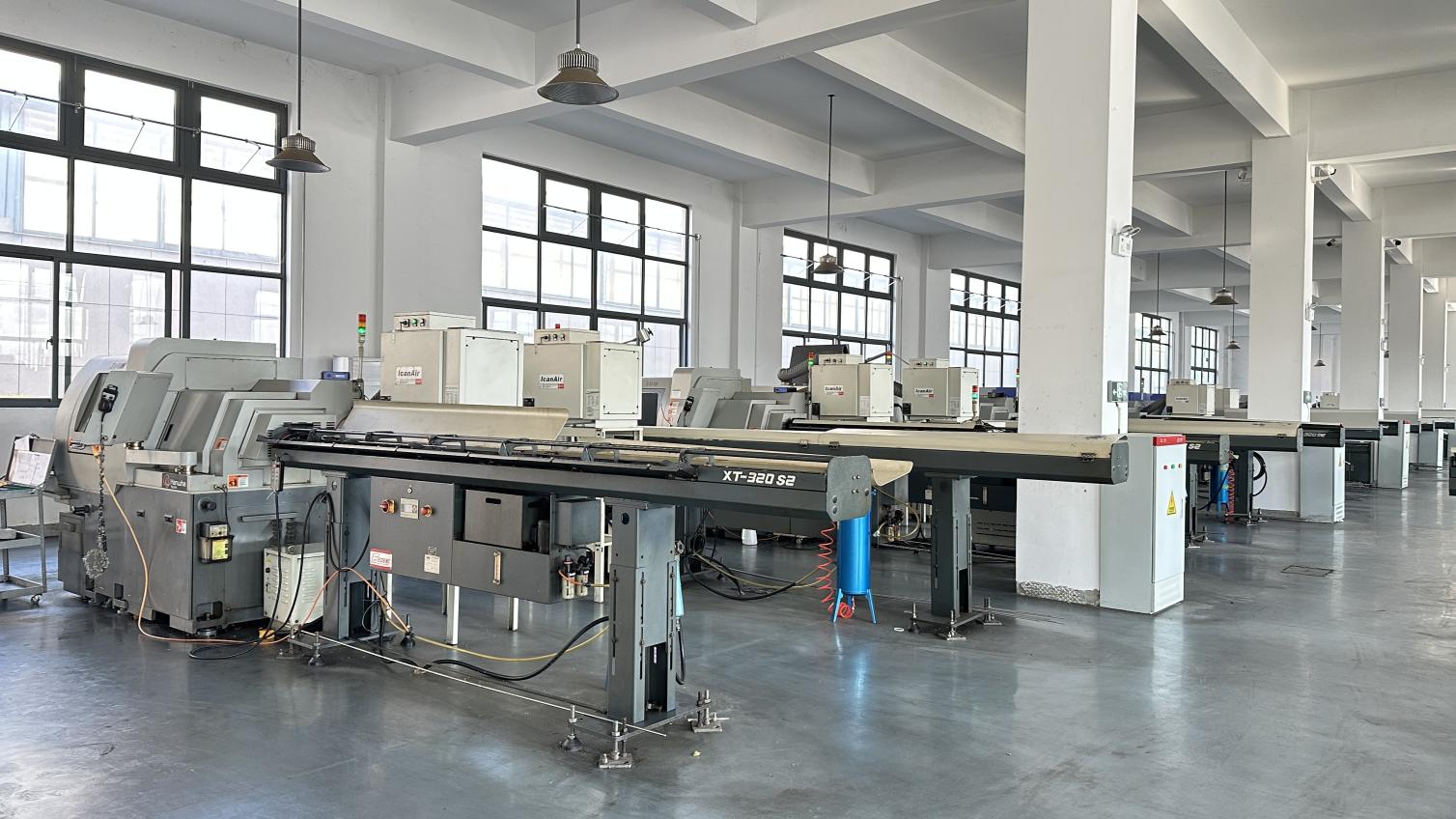
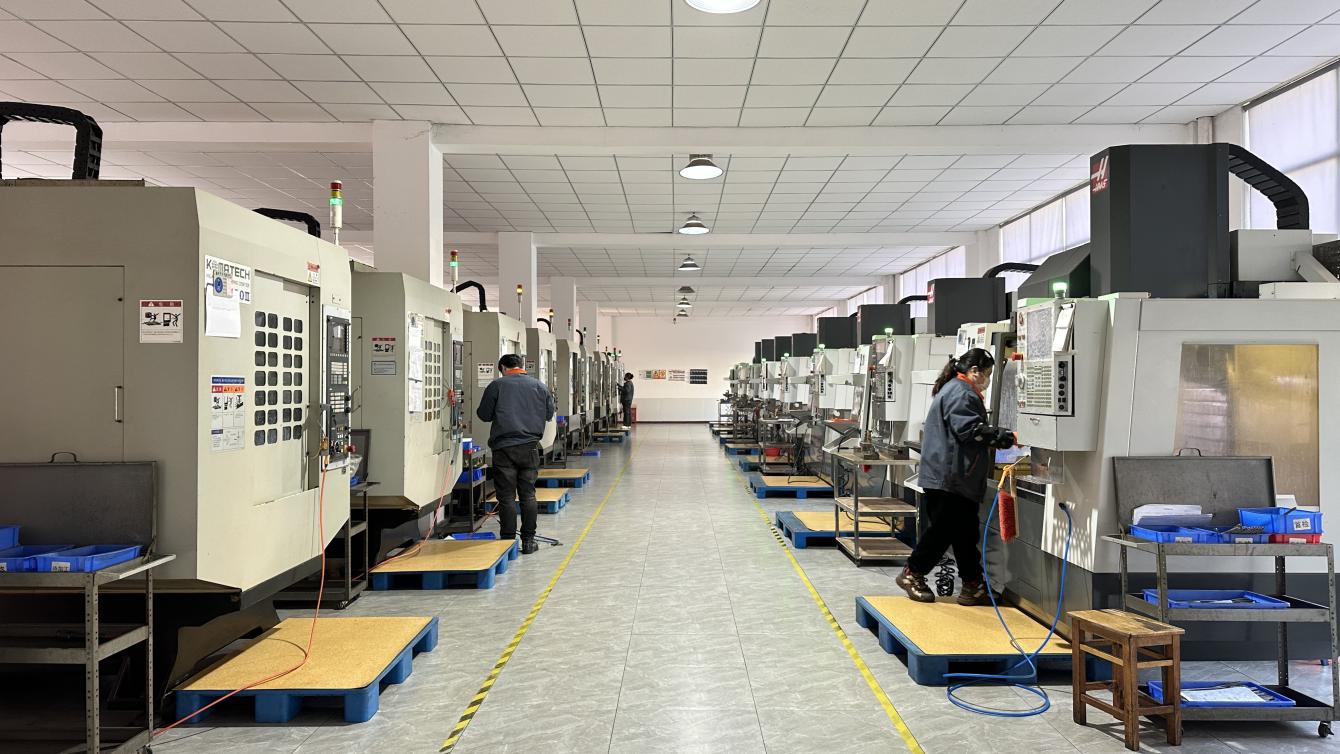
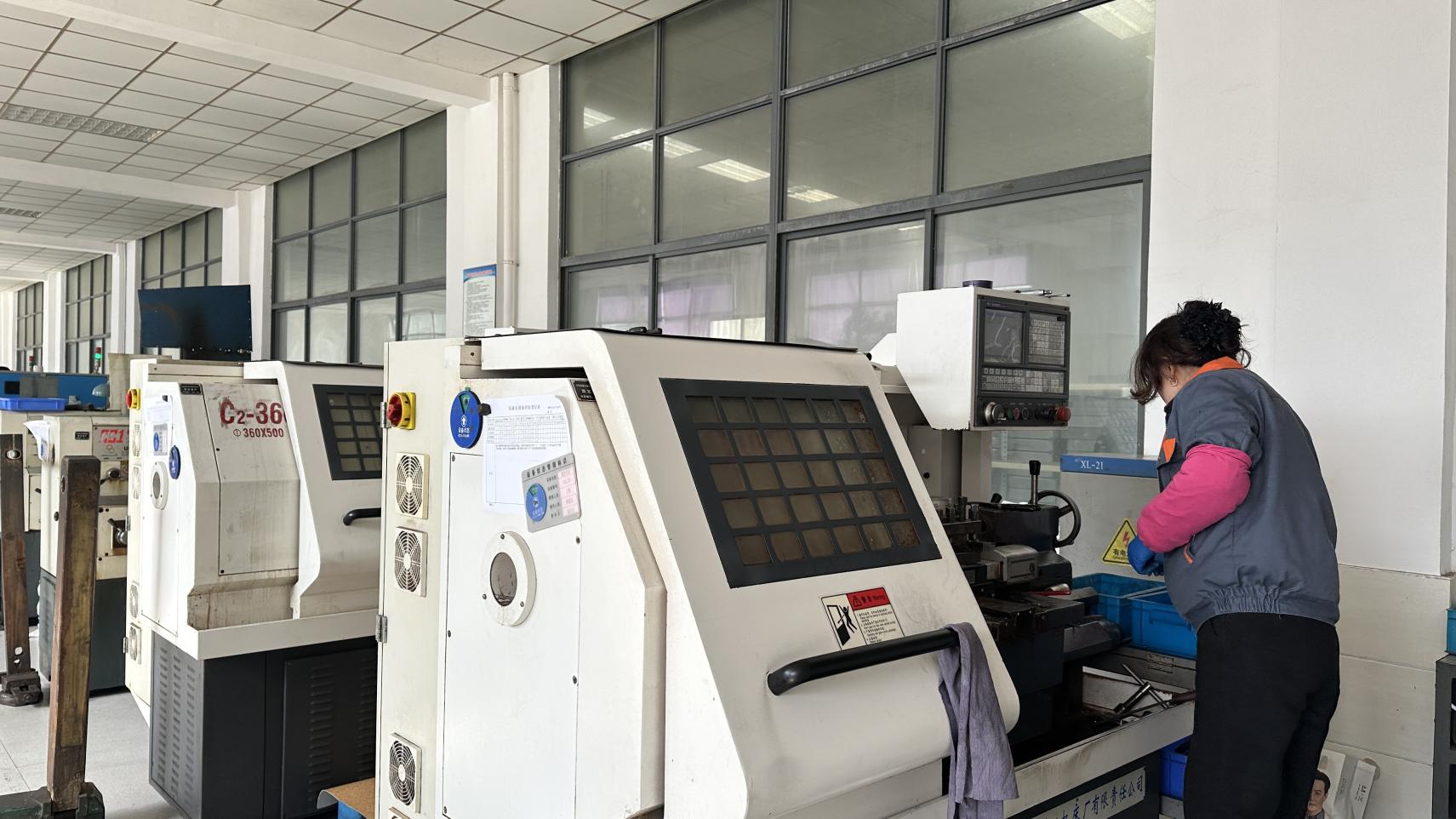
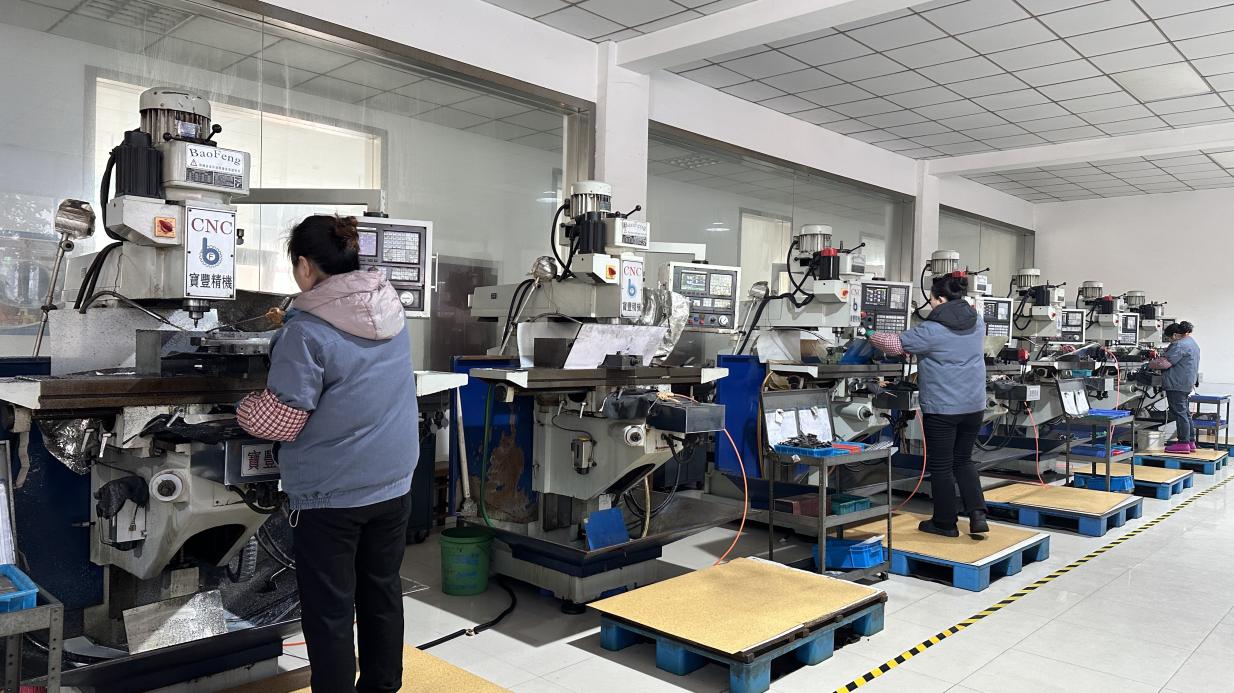
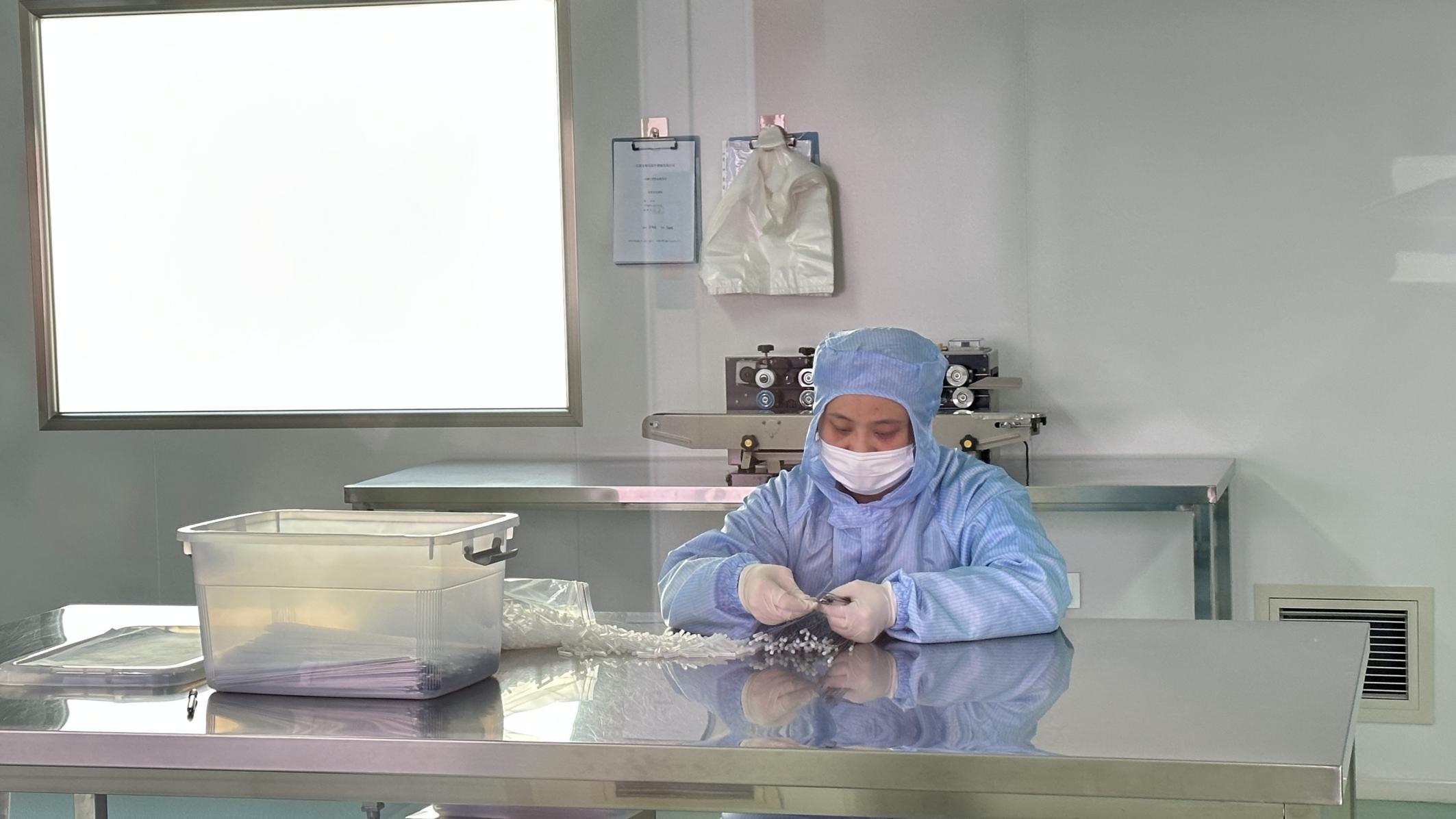
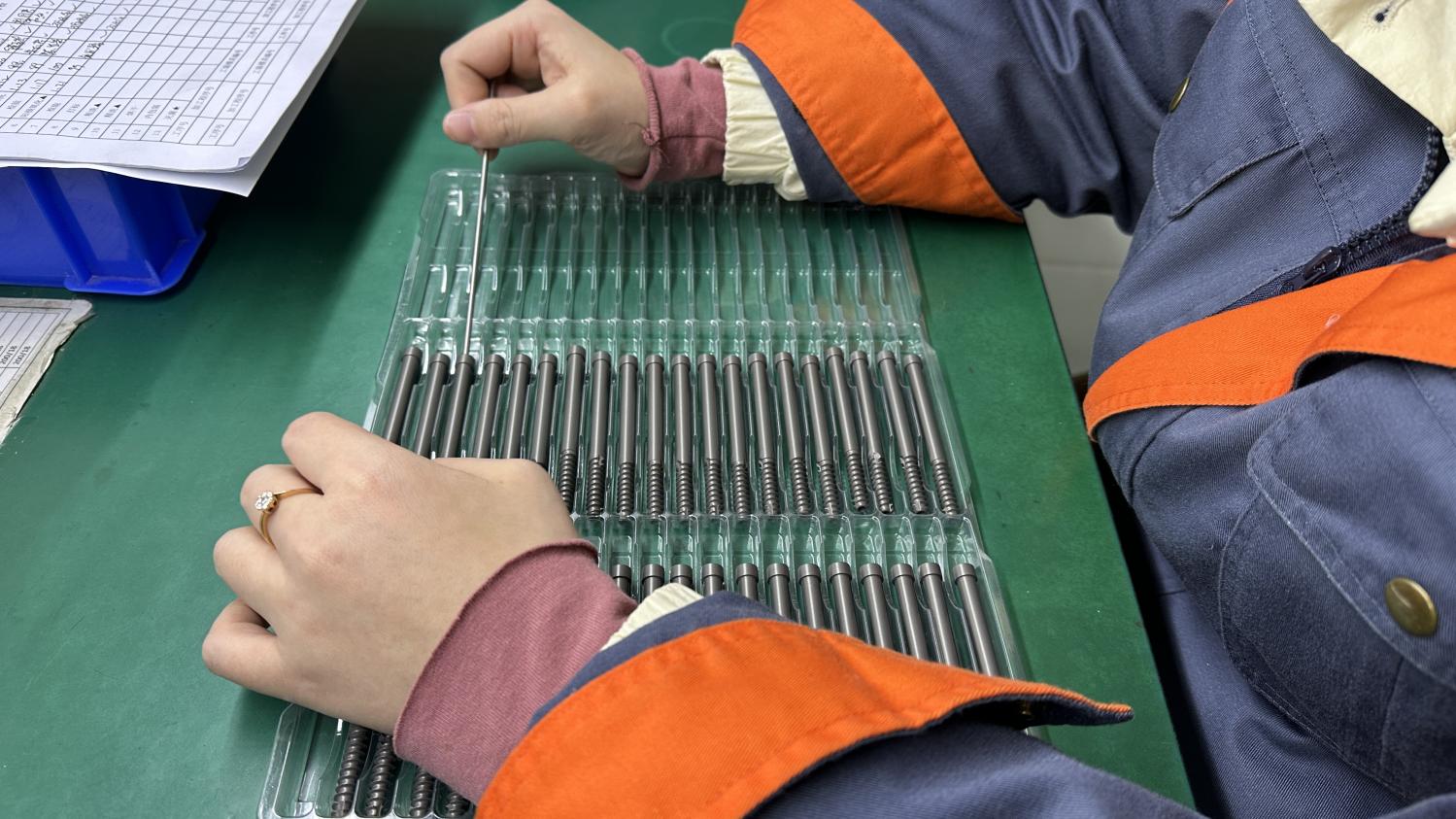
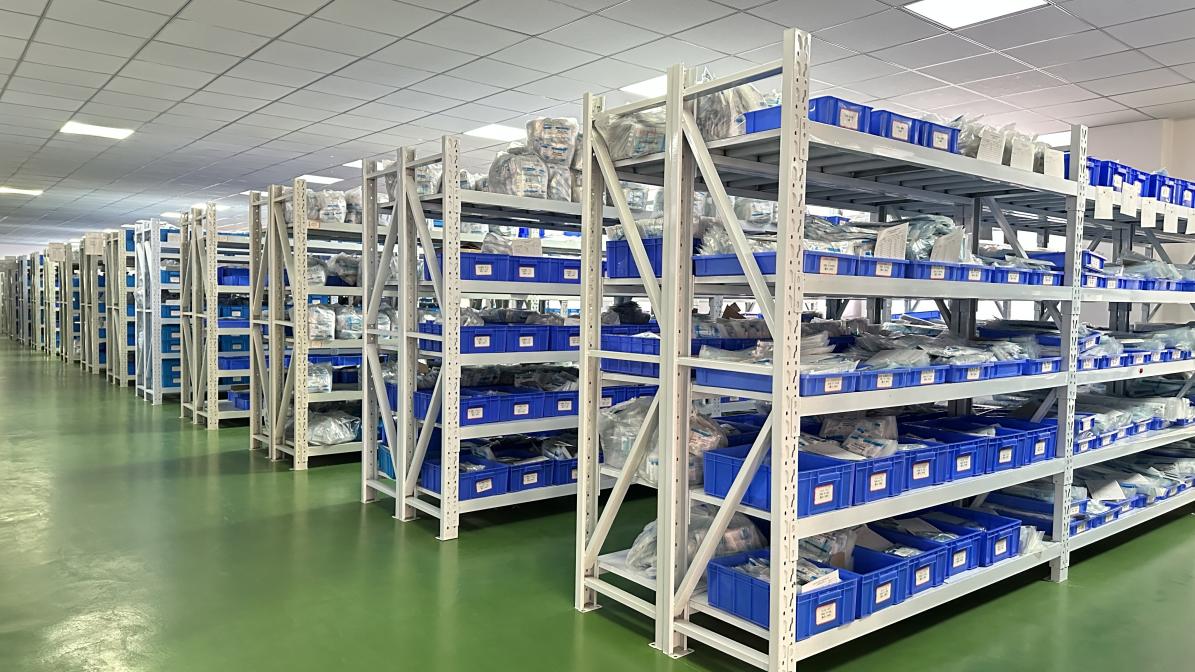
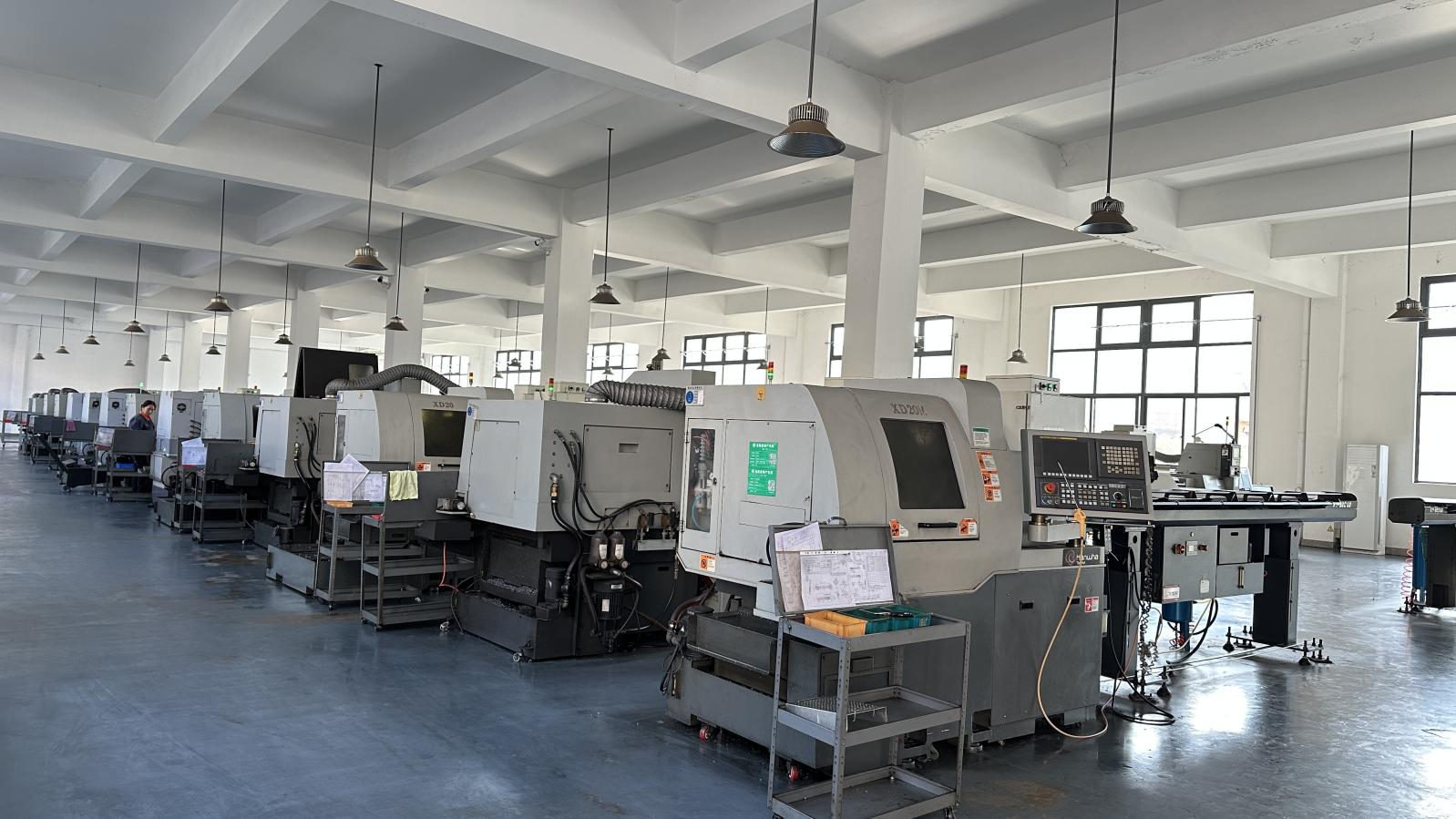
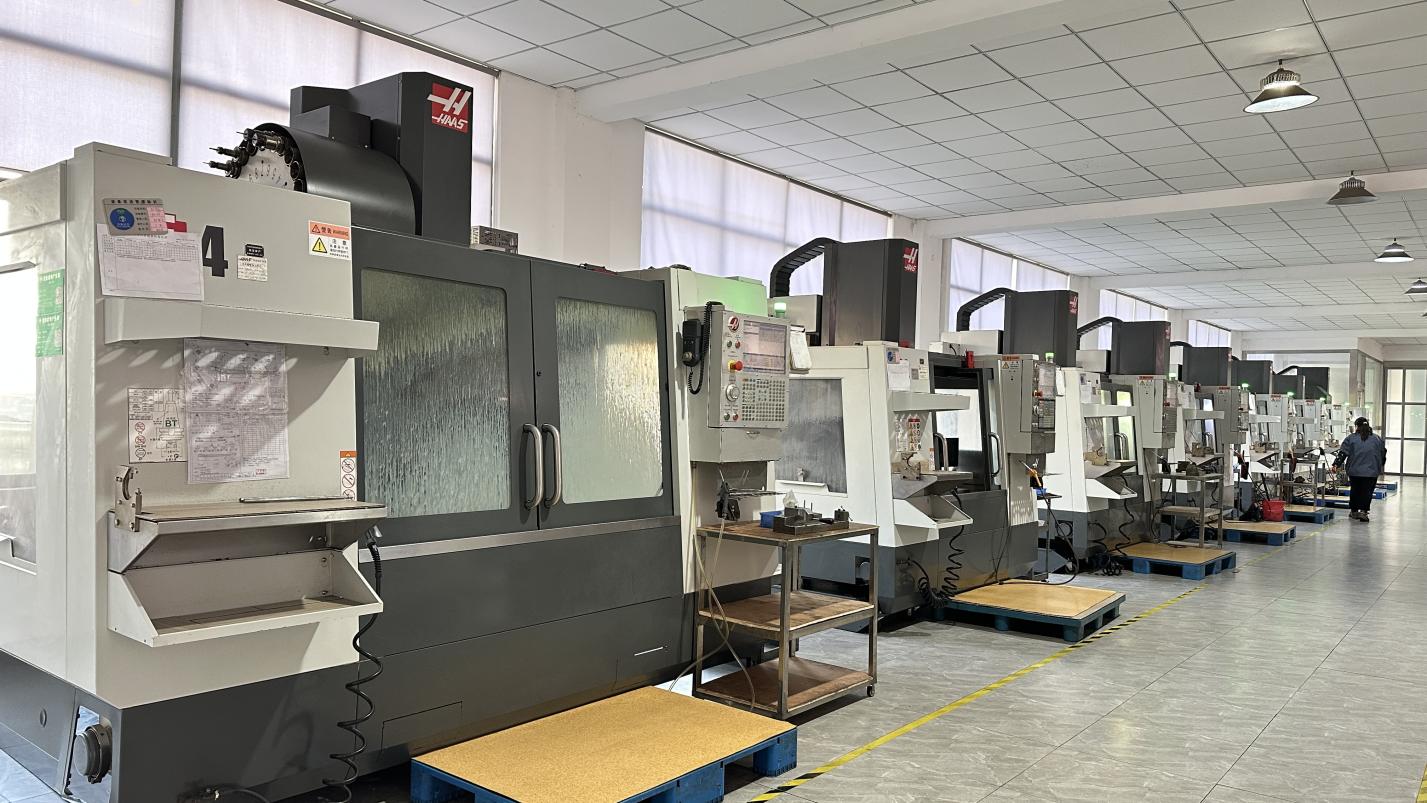
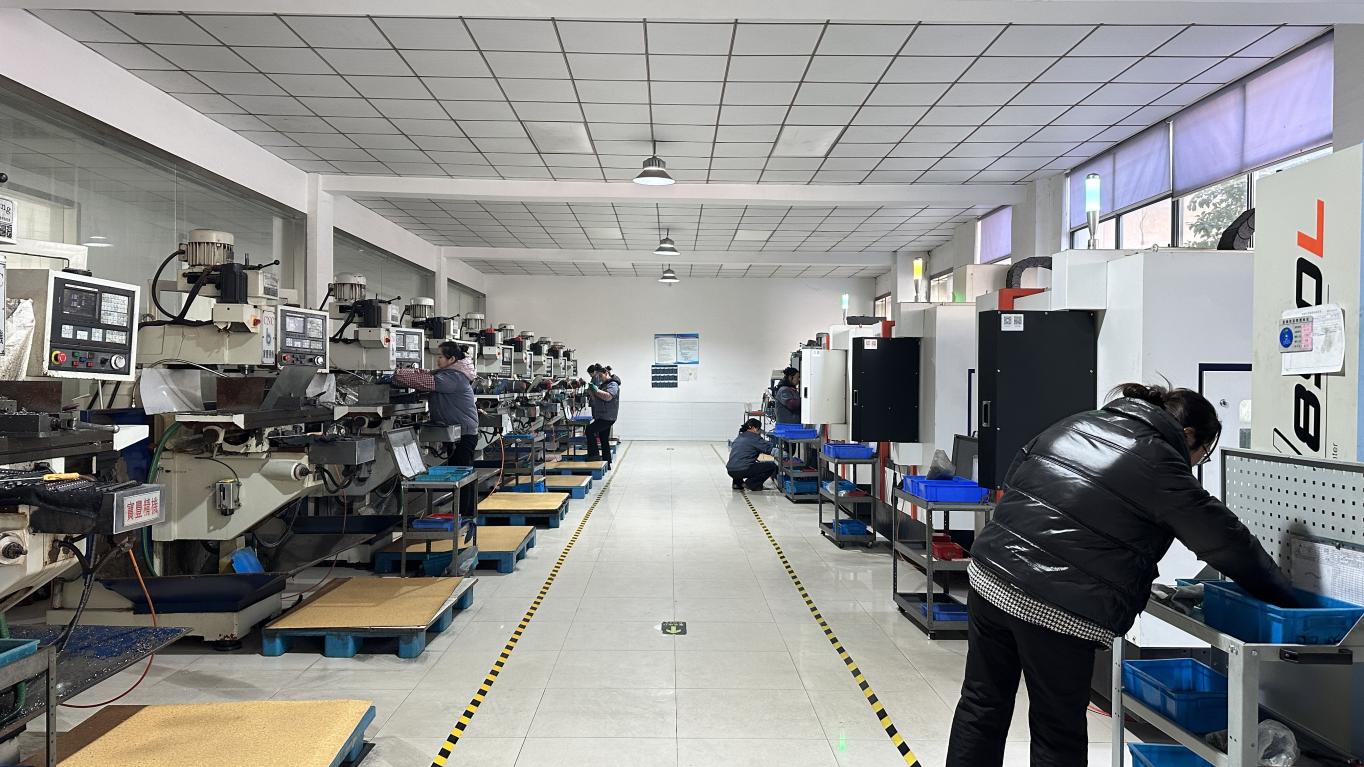
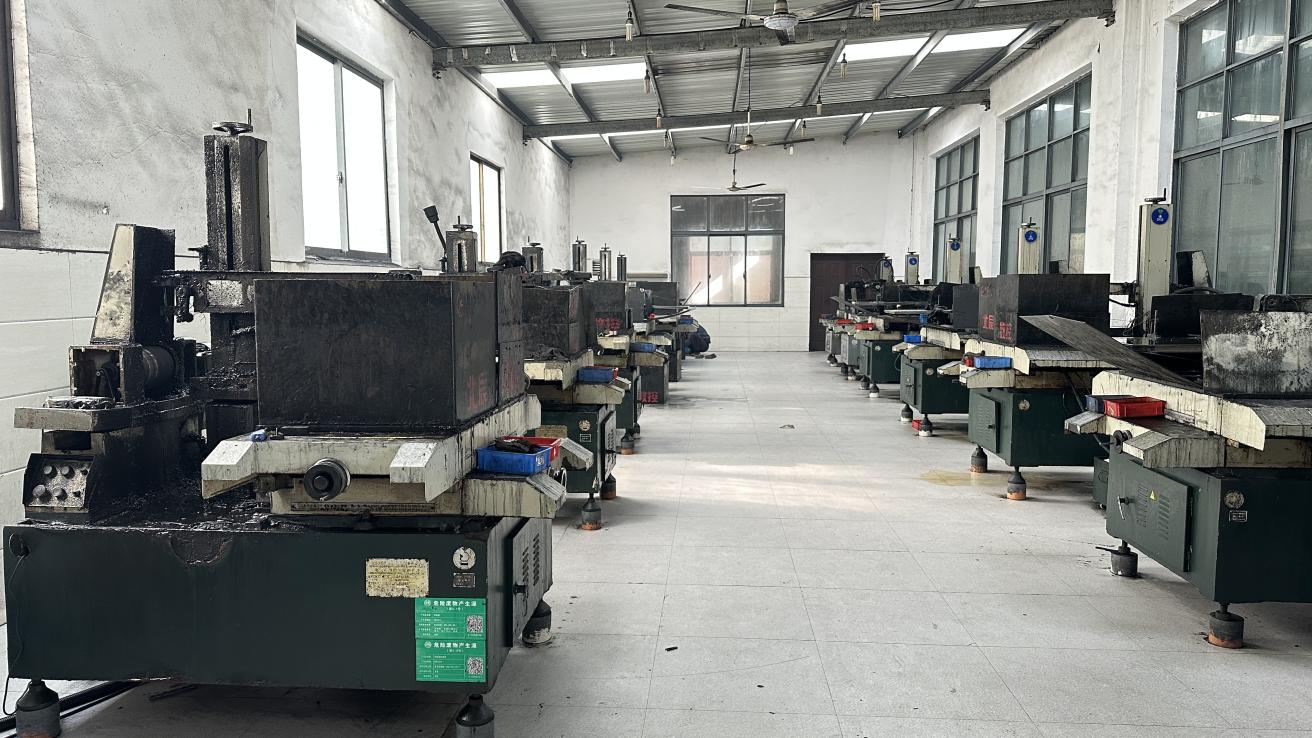
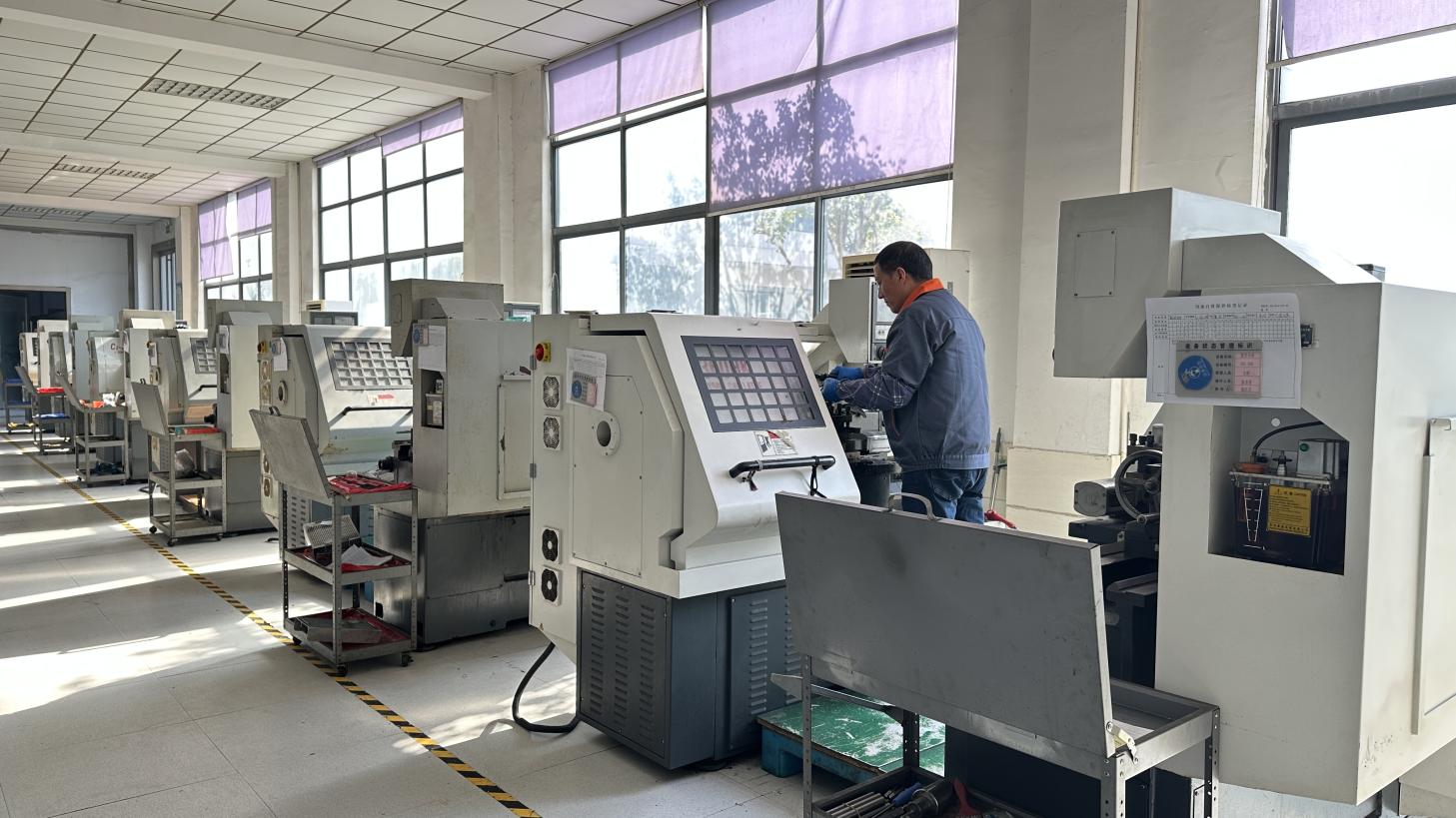
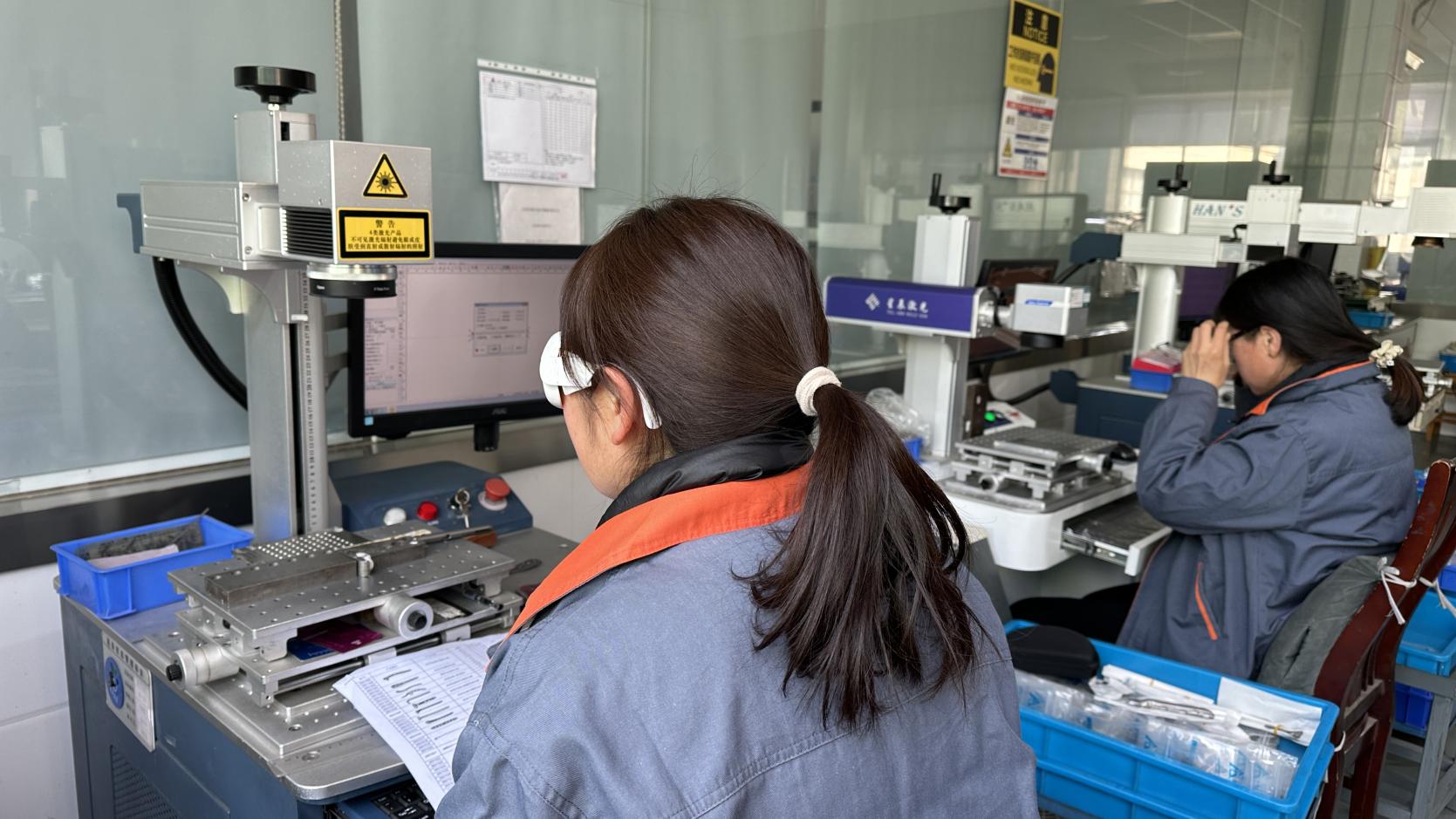
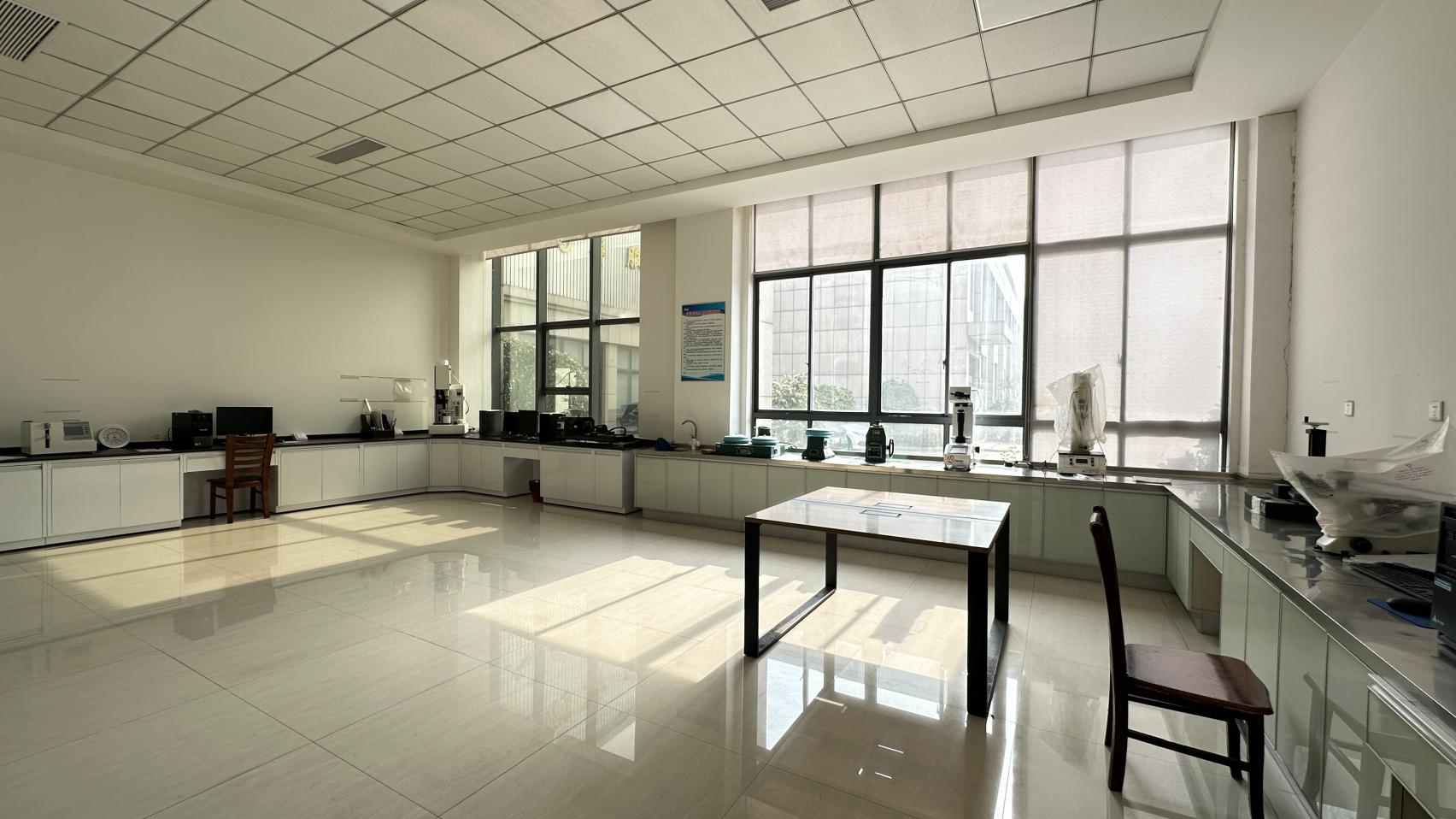
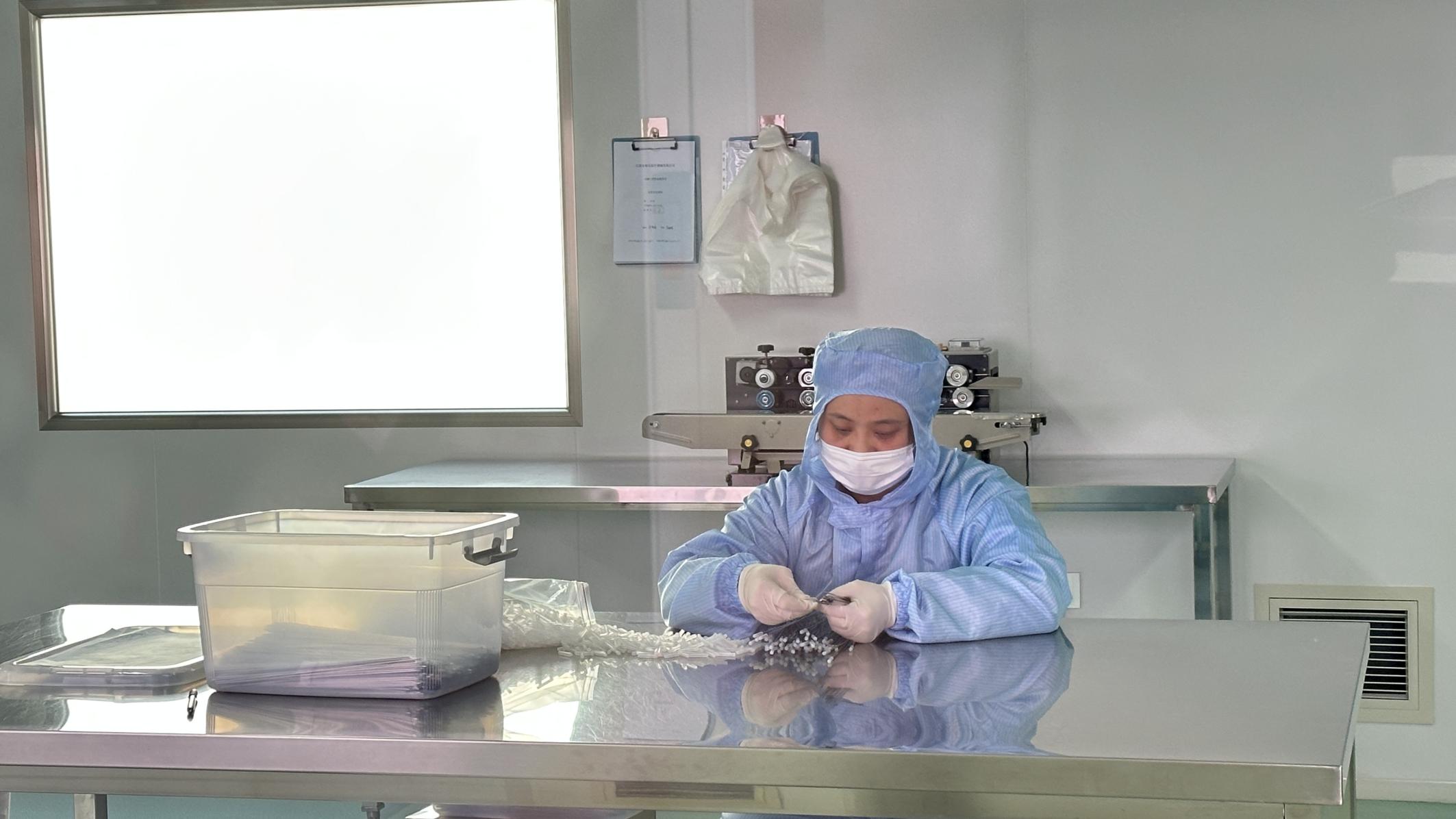
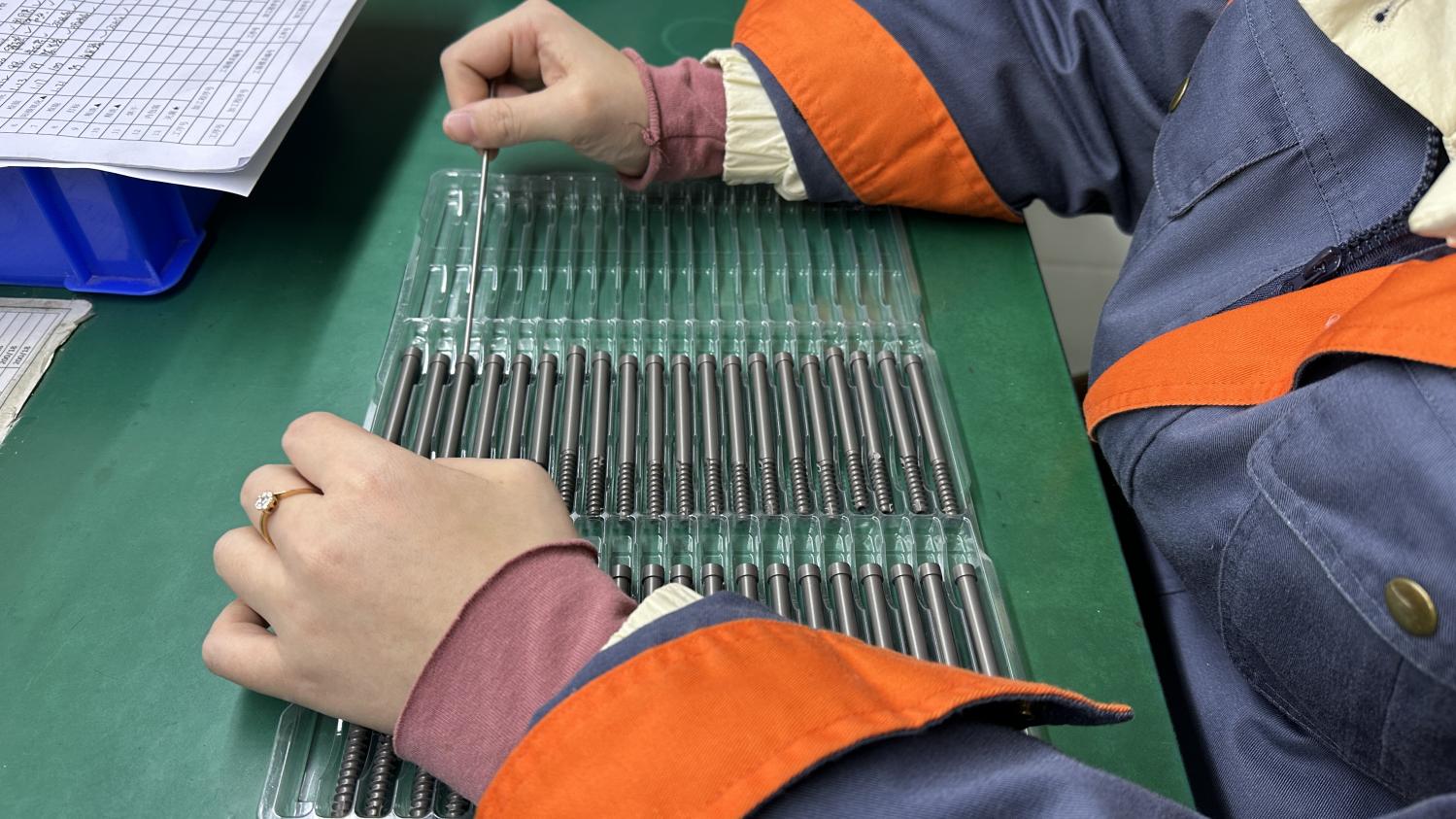
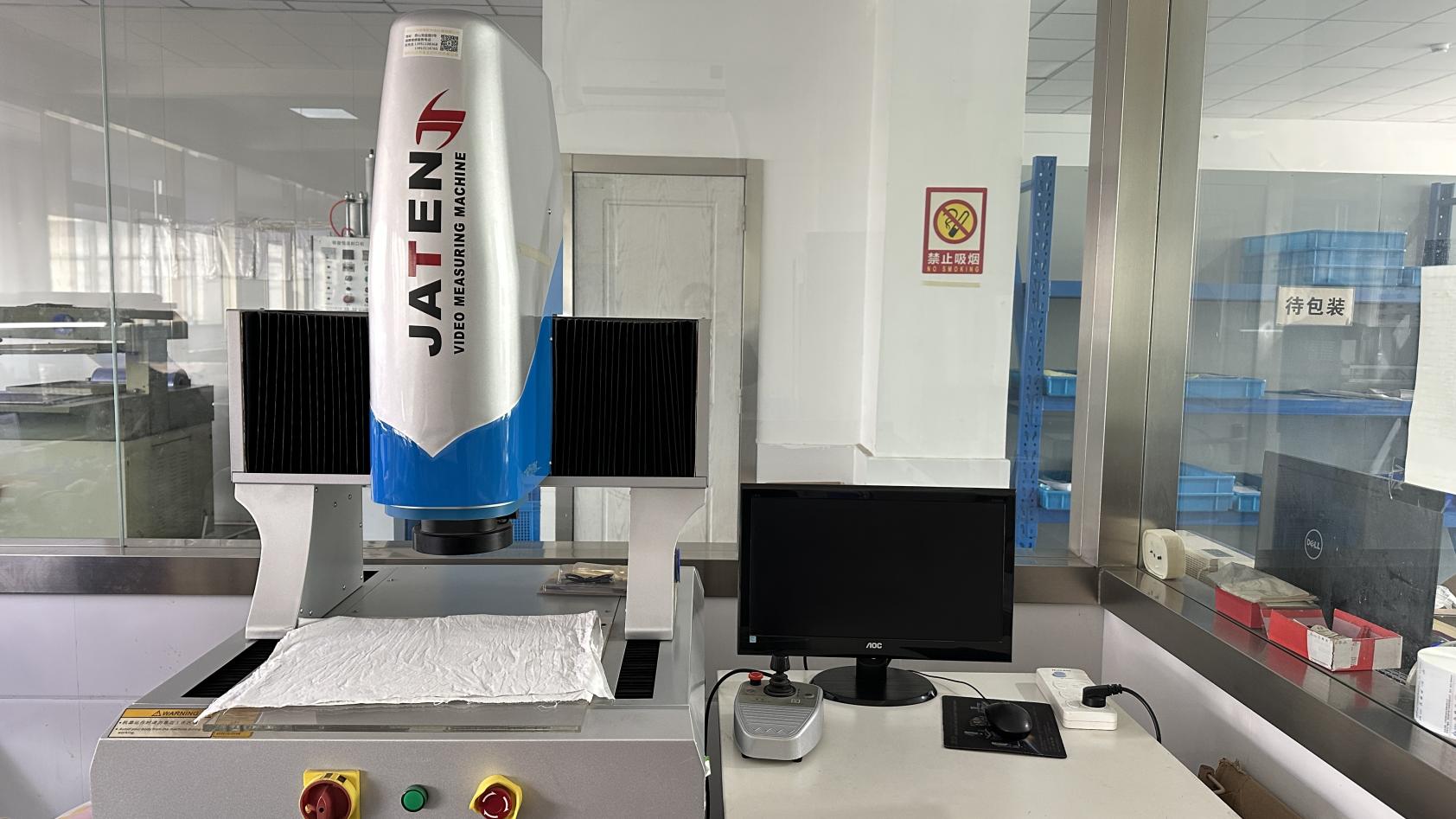
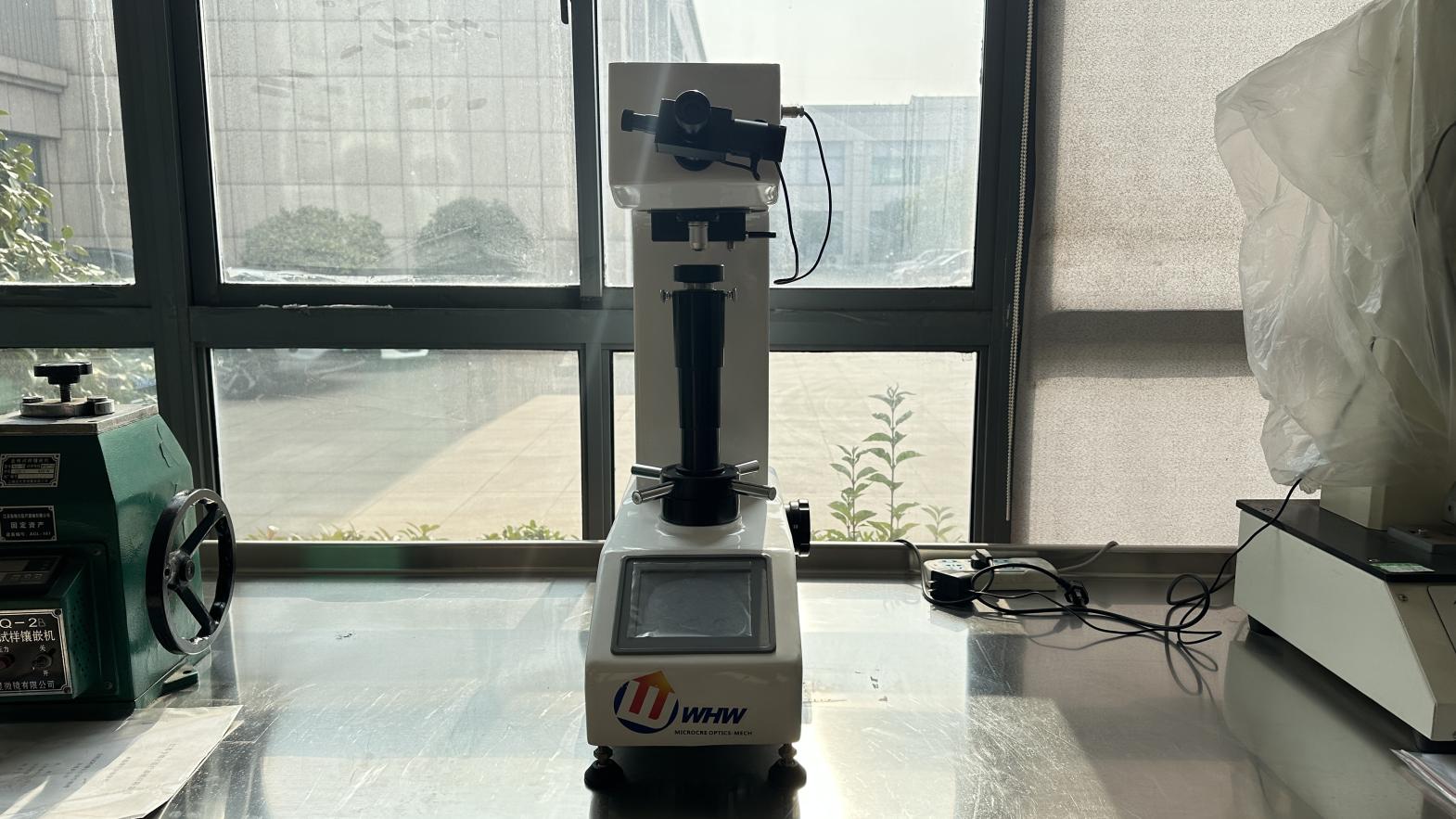
Explore our production machinery, testing laboratories, and clean packaging zones.
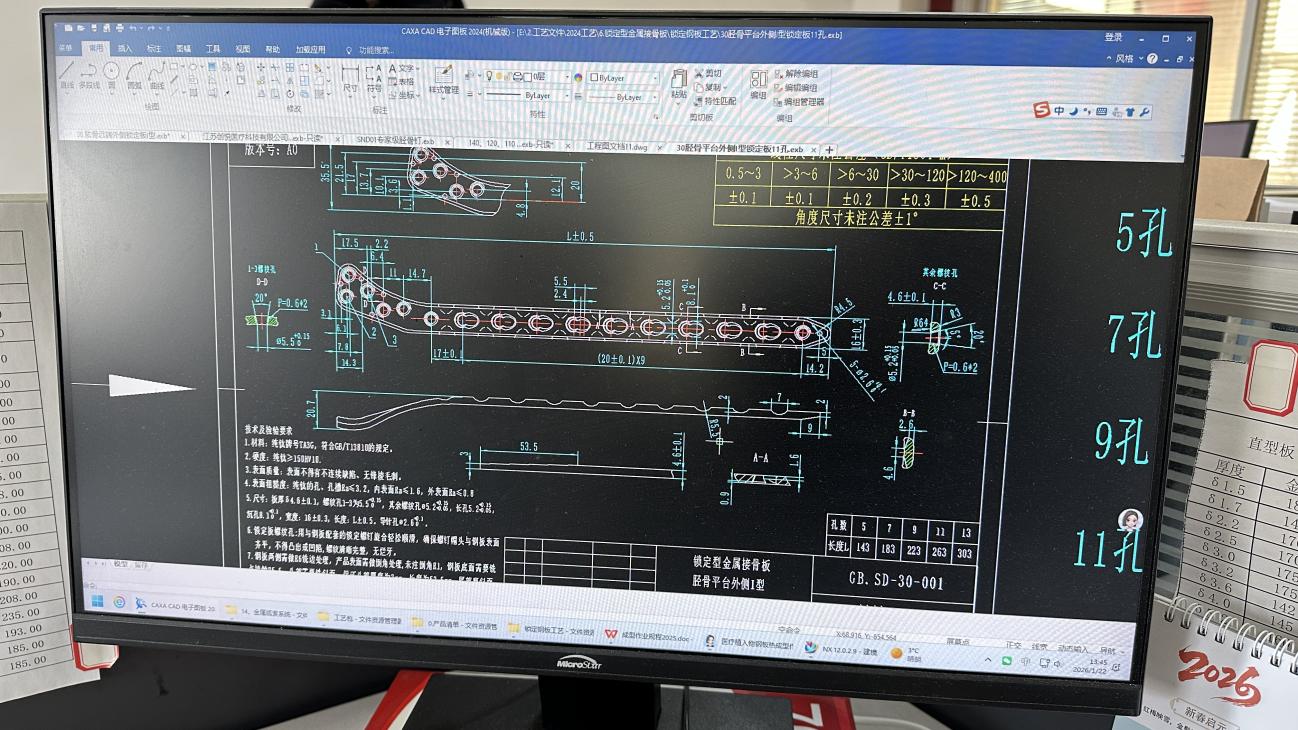
Engineered to conform to anatomical surfaces, reducing the need for extensive manual pre-bending in complex cases.
Detailed responses to common regulatory, logistical, and technical questions from Indian distributors and procurement managers.
A complete portfolio of locking and compression plates designed to cover proximal and distal long-bone fractures.
 Virelox