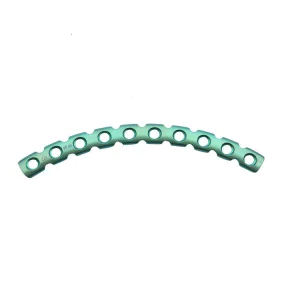
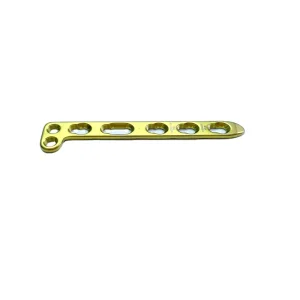
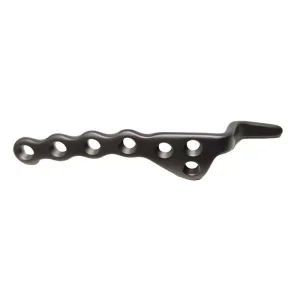
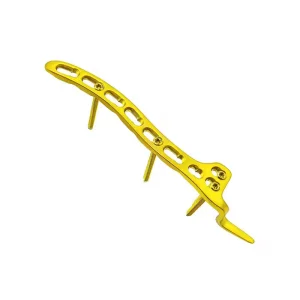
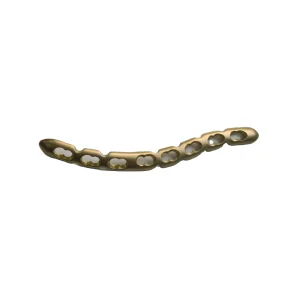
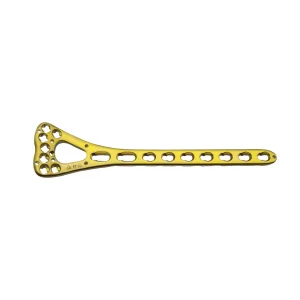
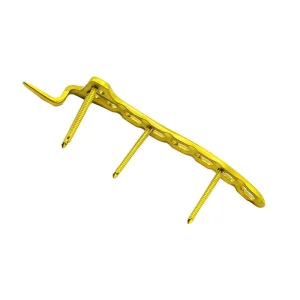
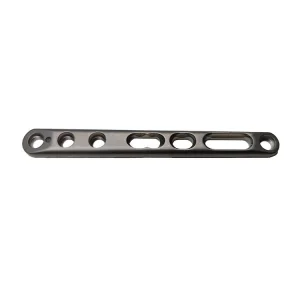
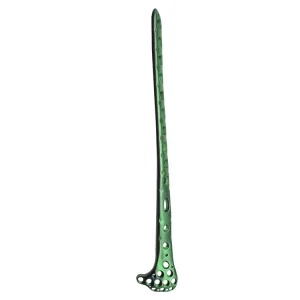
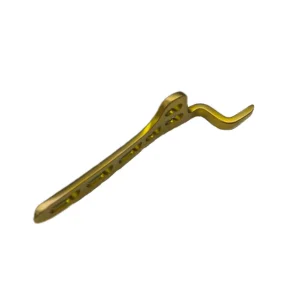
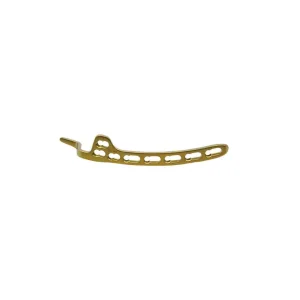
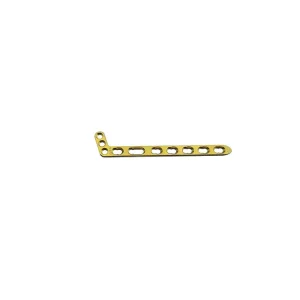
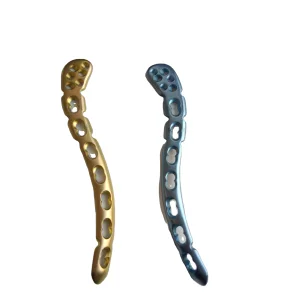
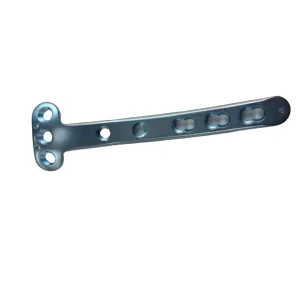
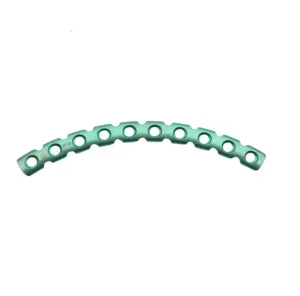
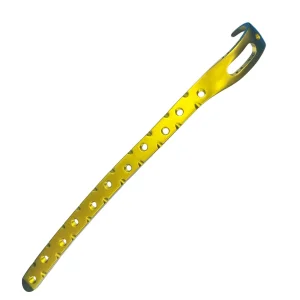
Engineered with medical-grade titanium and anatomically pre-contoured profiles to achieve biomechanical stability and accelerate patient healing in Omani clinical setups.
Analyzing the surgical requirements, procurement challenges, and infrastructure expansion across the Sultanate.
The Sultanate of Oman is experiencing a transformative shift in its healthcare infrastructure, driven by the government's Health Vision 2050. As urbanization accelerates and network infrastructure expands across governorates like Muscat, Dhofar, and Al Batinah, the demand for specialized orthopedic trauma care has scaled exponentially. Road traffic accidents (RTAs) and industrial injuries remain key drivers for emergency osteosynthesis treatments. Major medical institutions—such as Khoula Hospital (the national reference center for trauma and neurosurgery), Sultan Qaboos University Hospital (SQUH), and regional hubs like Nizwa and Sohar Hospitals—require immediate access to highly reliable, anatomically precise internal fixation devices.
For healthcare procurement directors and orthopedic distributors in Muscat, securing implants that minimize operating room time is a priority. Implants must feature anatomically pre-contoured shapes, reducing the need for intraoperative bending. Furthermore, Omani healthcare networks operate under strict procurement cycles governed by the Ministry of Health (MoH) and the Joint Procurement Scheme of the GCC. Manufacturers who wish to serve this region must demonstrate not only product compliance but also robust supply chain resilience.
Virelox Medical Devices Co., Ltd. stands as a premier manufacturer of high-performance joint replacement and surgical trauma implant solutions. Established in 2016, Virelox operates a state-of-the-art 12,000 m² production facility with a dedicated focus on global orthopedic requirements. Leveraging over a decade of industry expertise and eight years of export experience, we deliver precision internal fixation solutions to hospitals and distributors worldwide, generating an annual export revenue of USD 8,500,000.
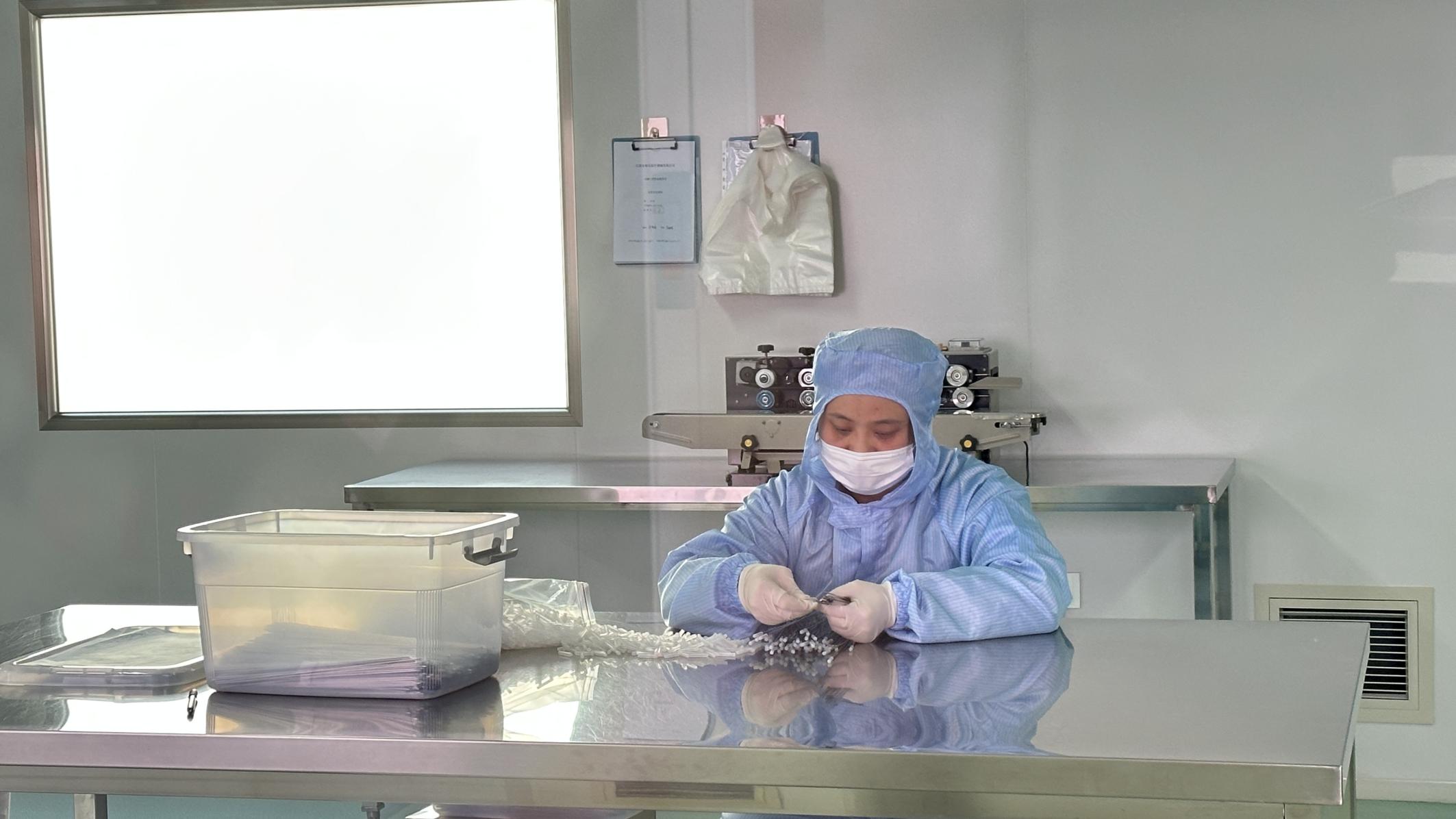
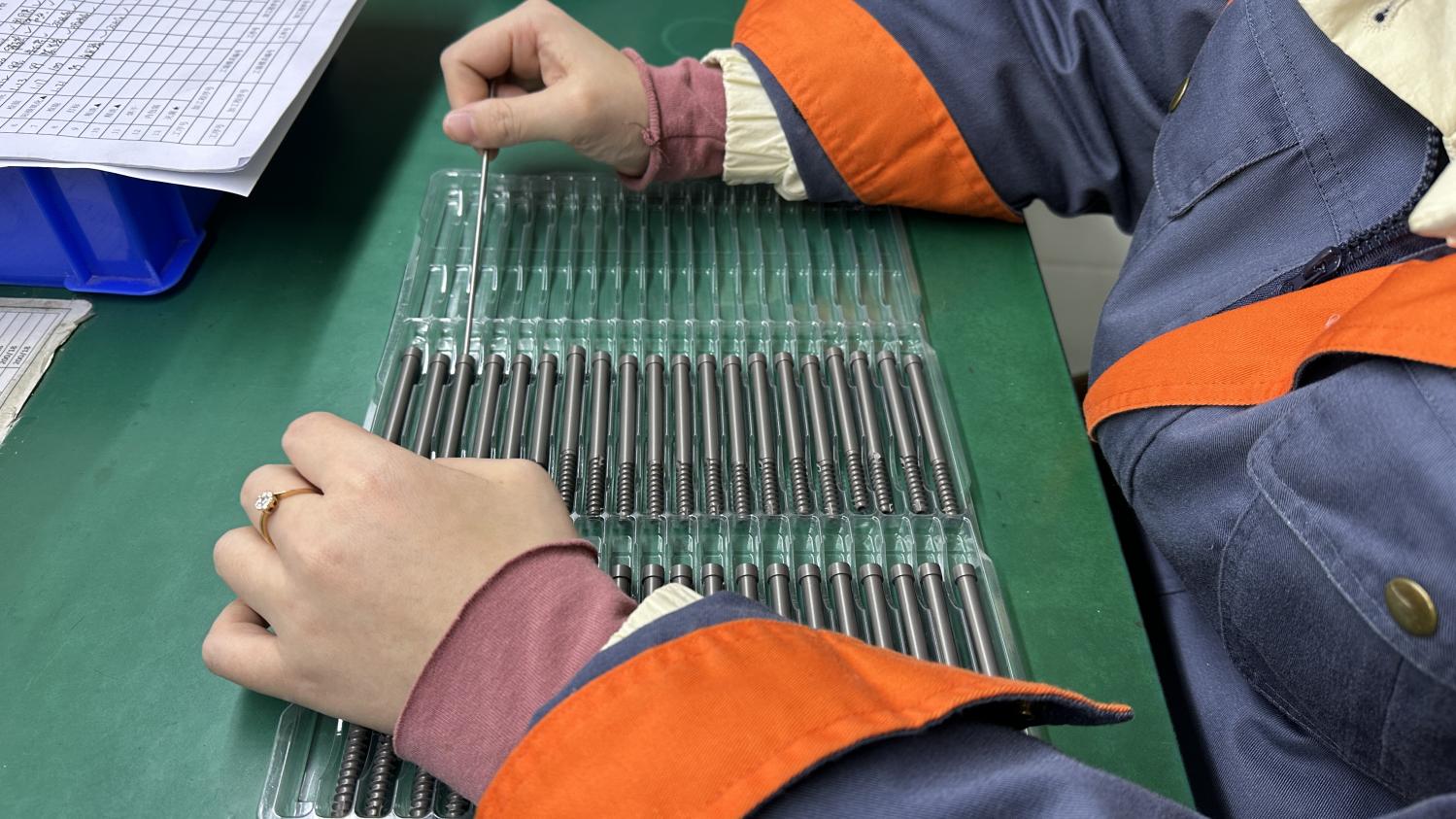
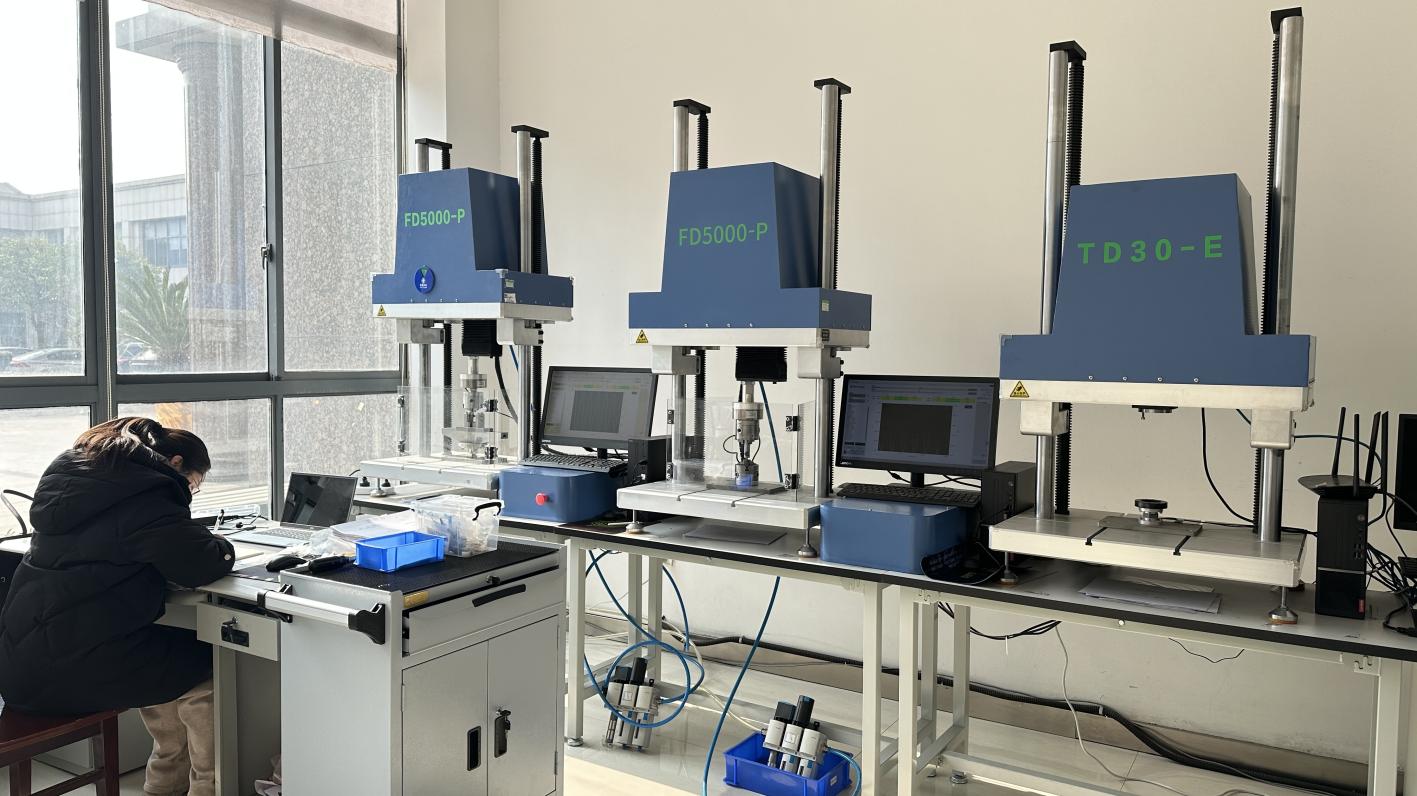
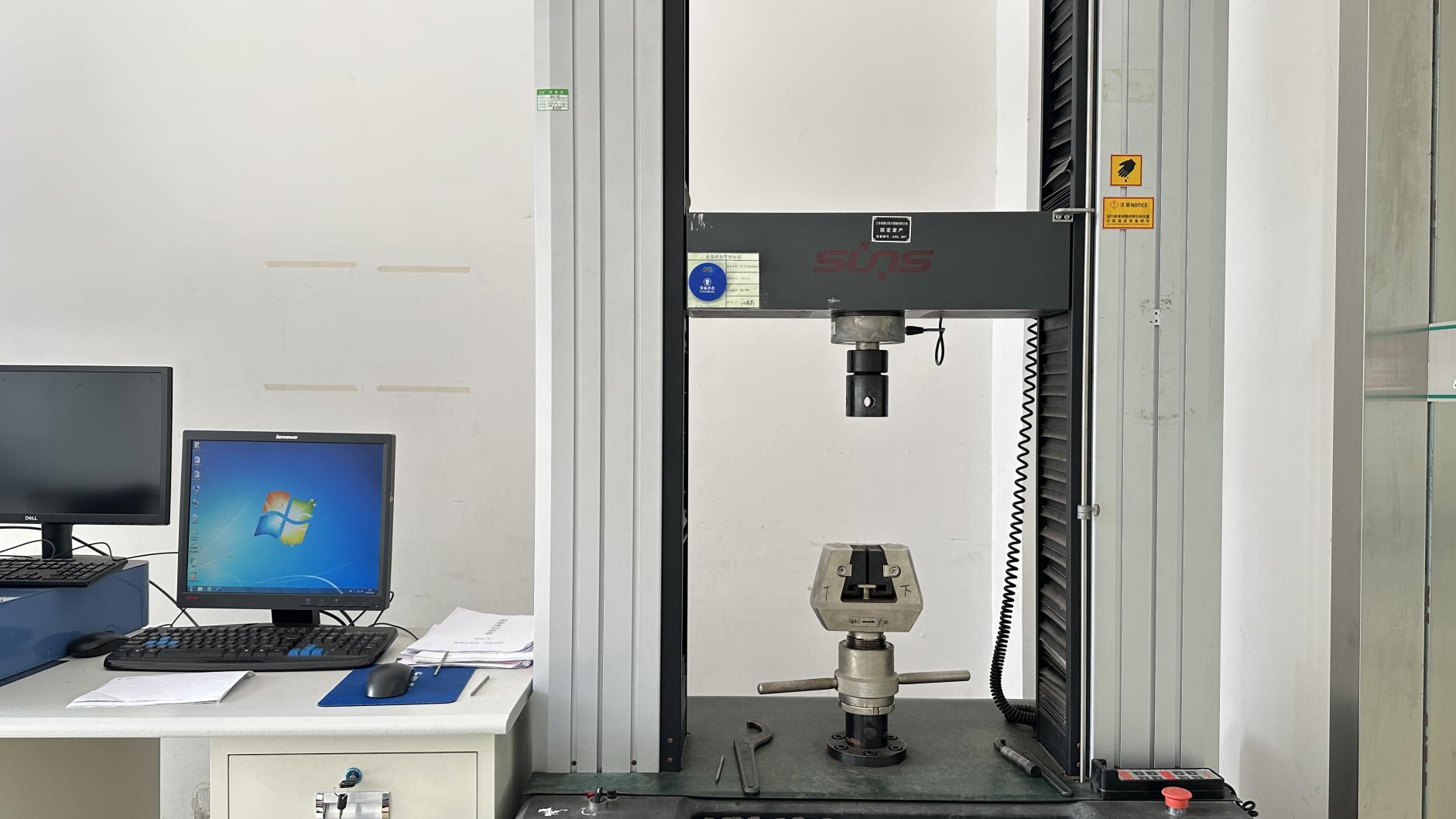
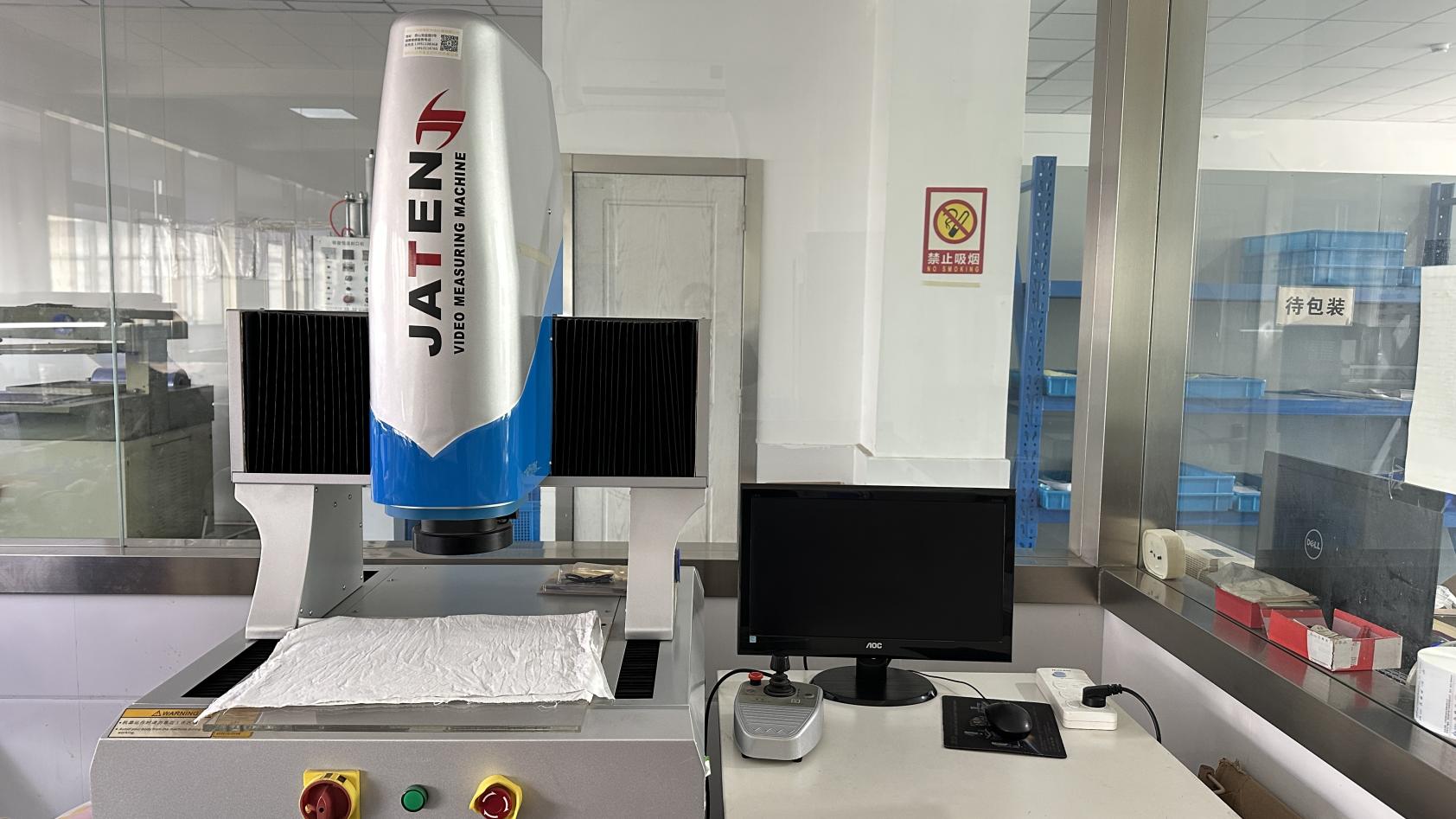
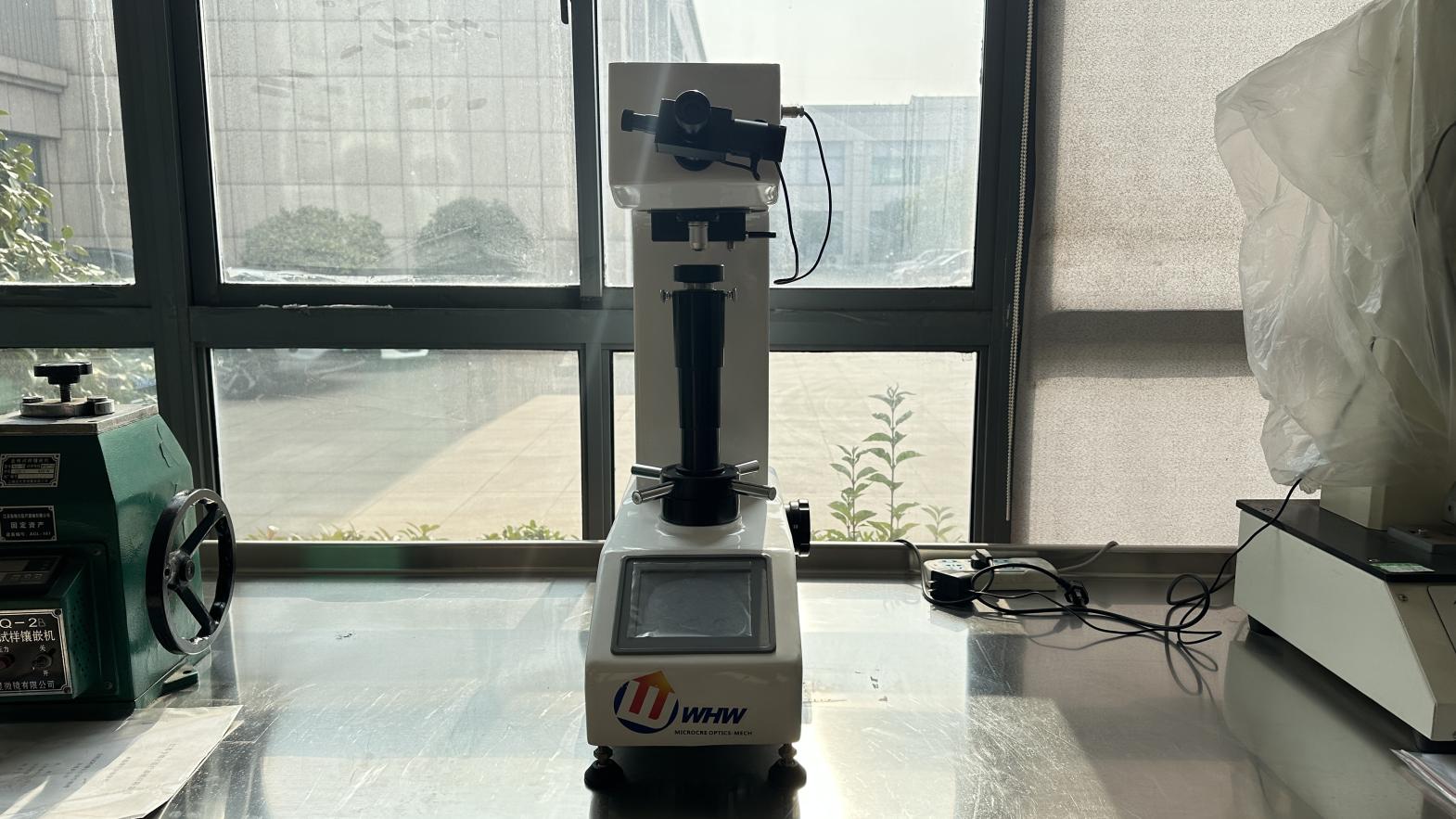
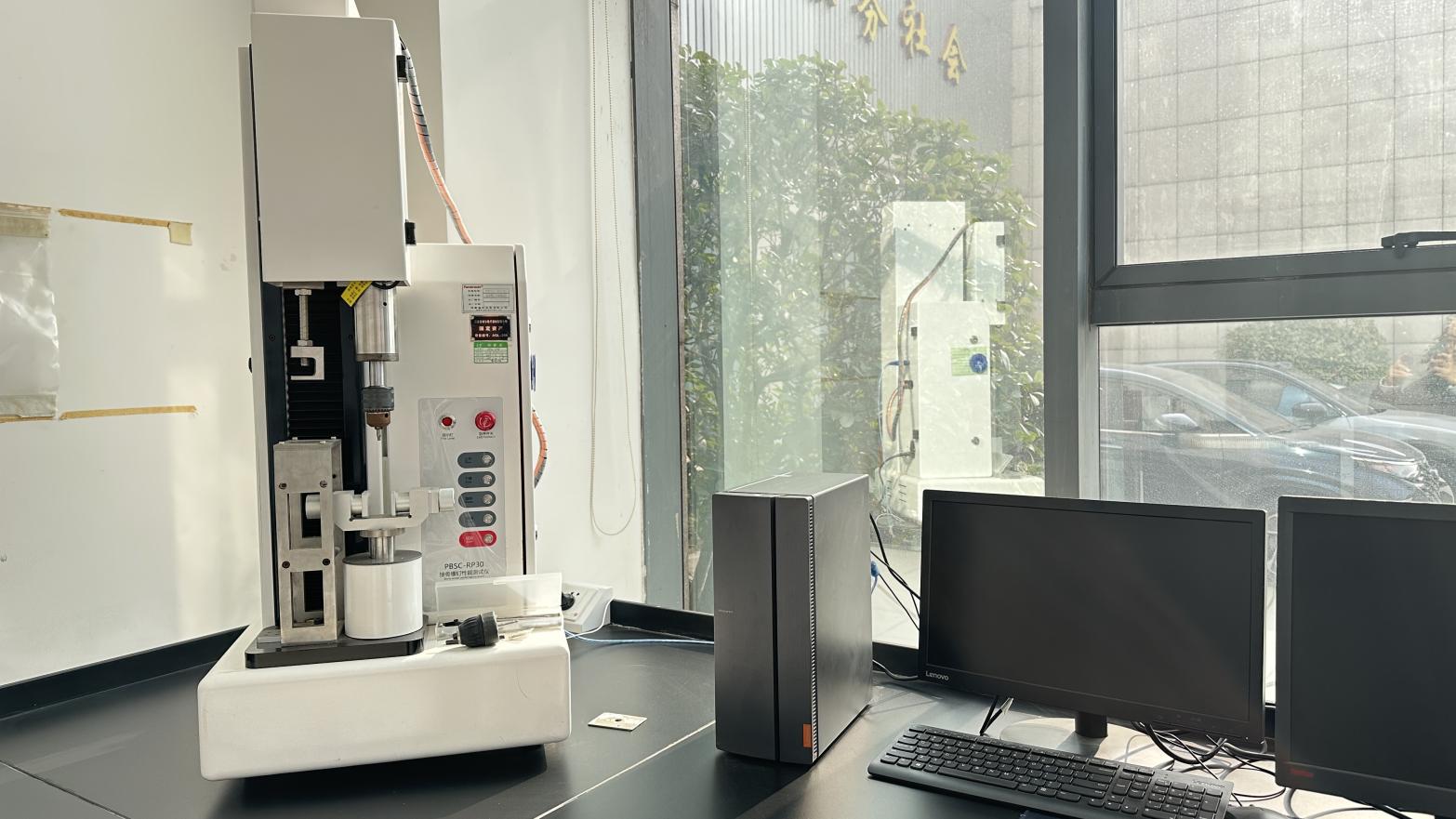
Under our unified quality control protocol, our facility houses 65 dedicated quality assurance engineers. Every single plate and screw undergoes rigorous validation, using X-ray inspection, fatigue testing, tensile strength testing, and CMM (Coordinate Measuring Machine) dimensional checks. This ensures that every implant delivered to Oman meets or exceeds the biomechanical fatigue thresholds required for clinical success.
How Virelox's integrated production facility optimizes costs, material purity, and lead times for Omani distributors.
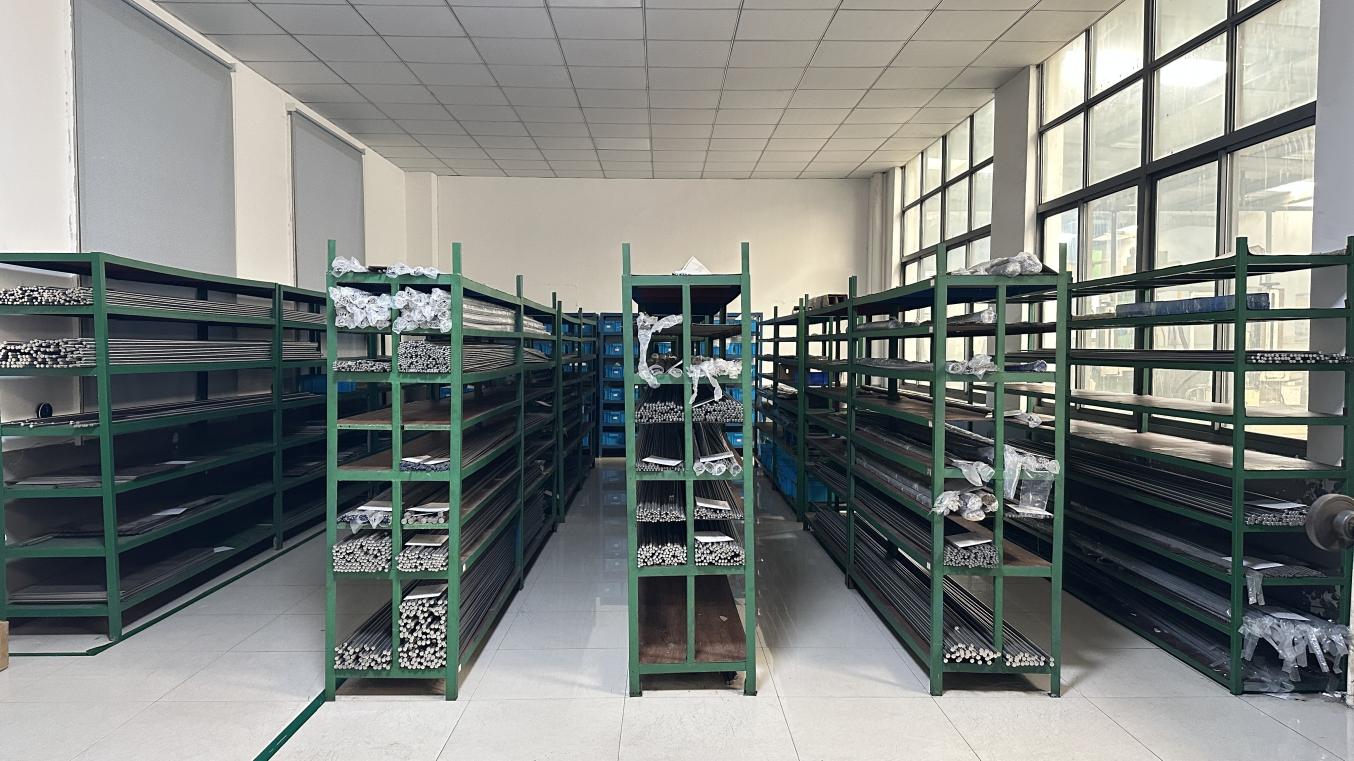
The performance of a trauma implant relies heavily on its raw materials. Virelox utilizes premium, medical-grade titanium alloys (Ti-6Al-4V ELI, conforming to ASTM F136 / ISO 5832-3) and pure titanium (conforming to ISO 5832-2). These materials are sourced from certified partners within our network of 850 upstream and downstream suppliers.
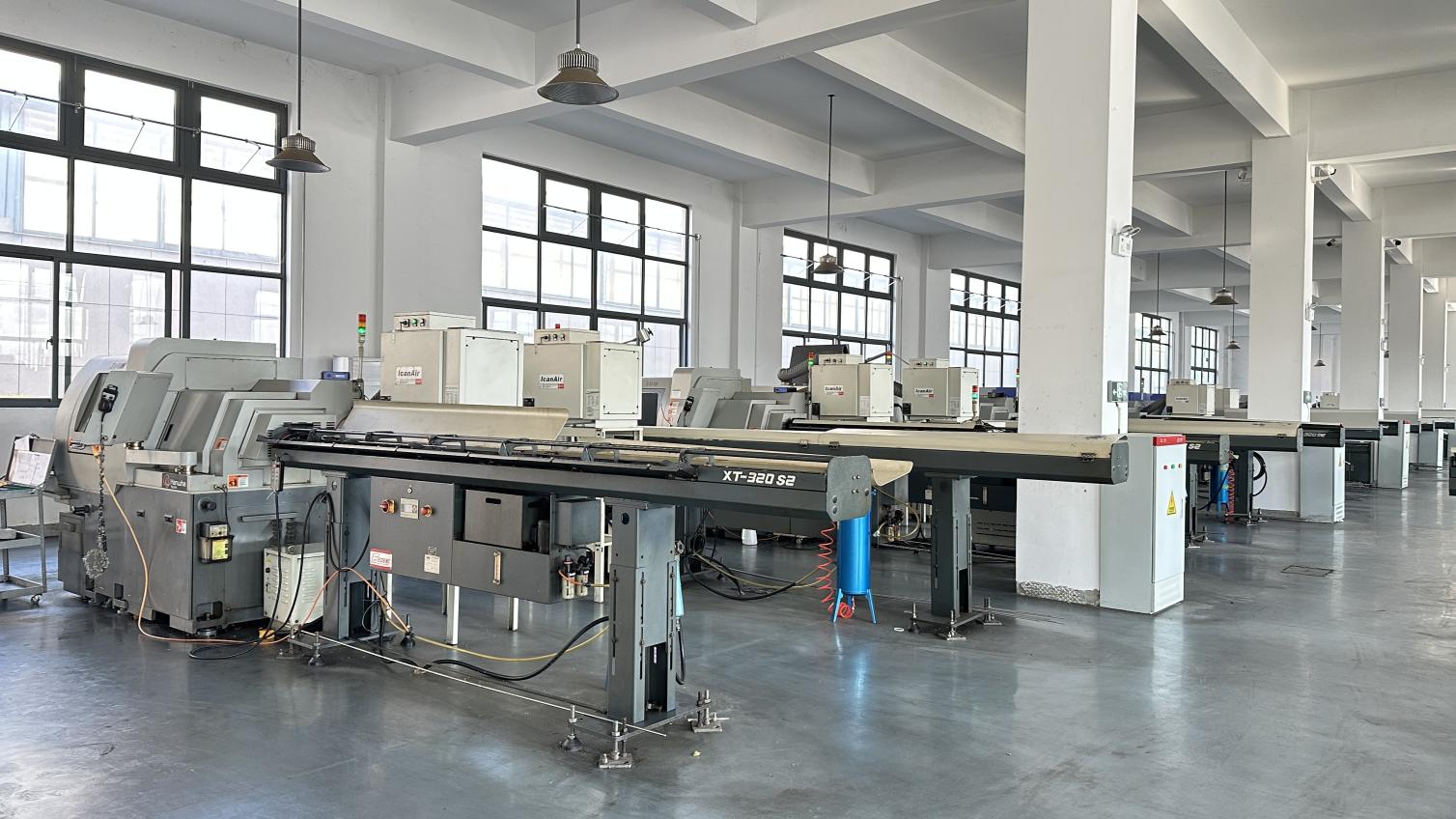
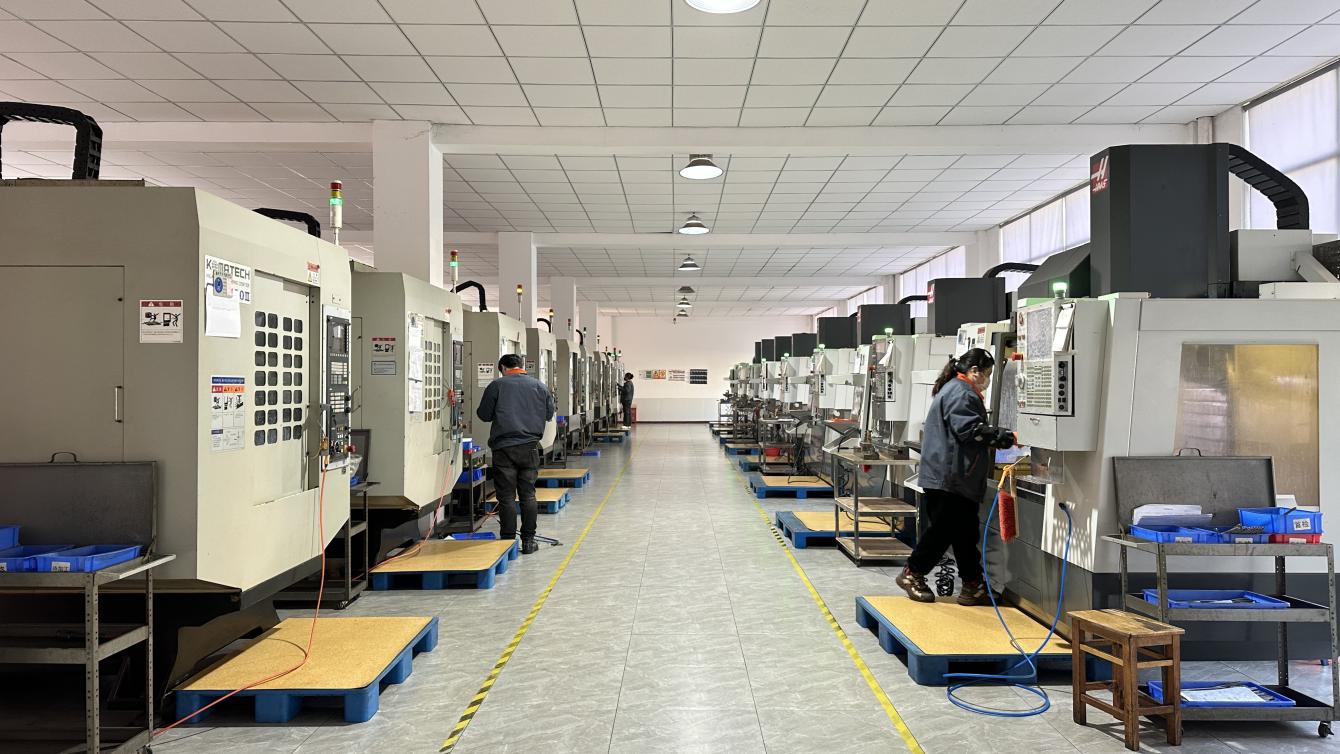
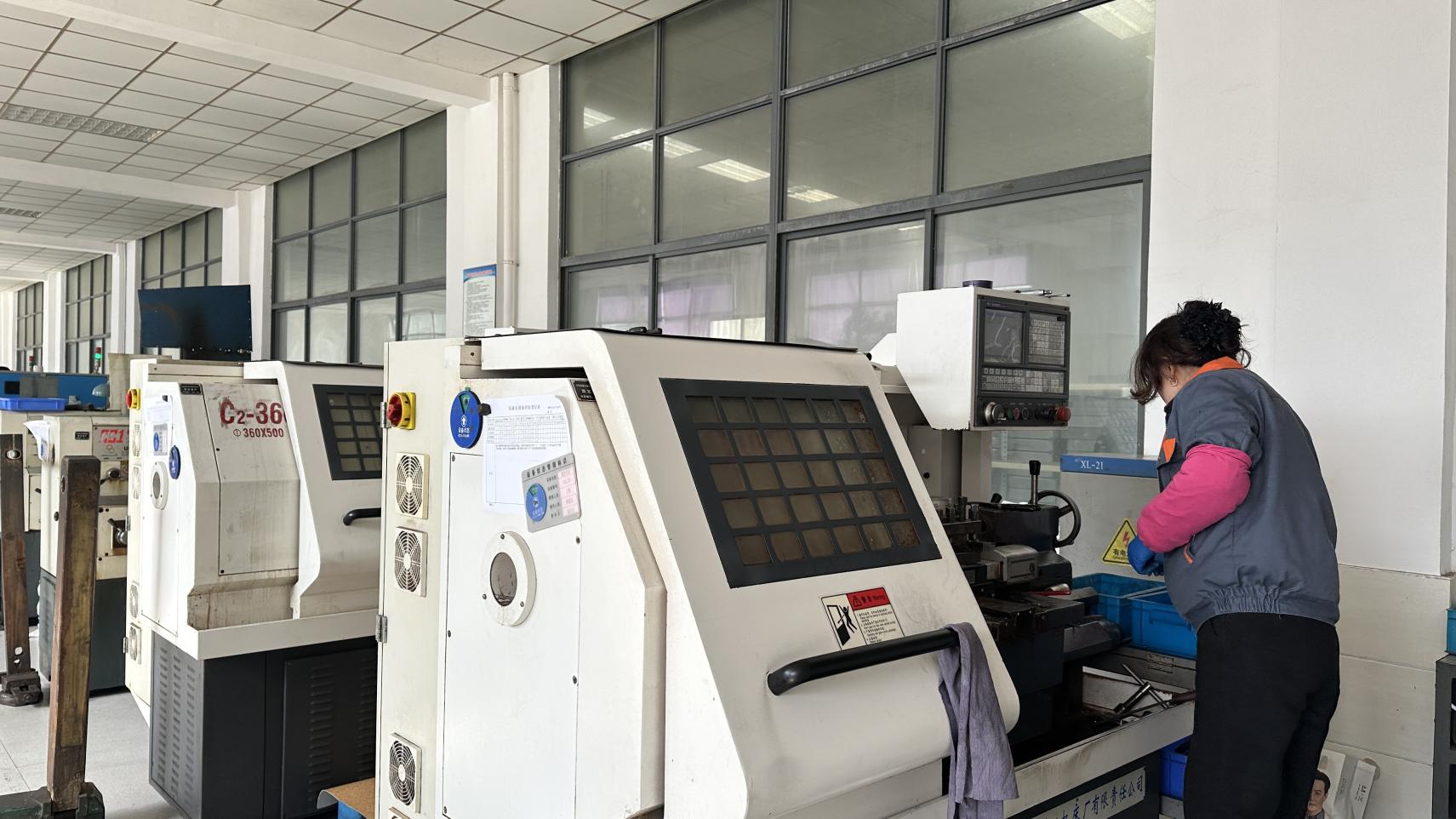
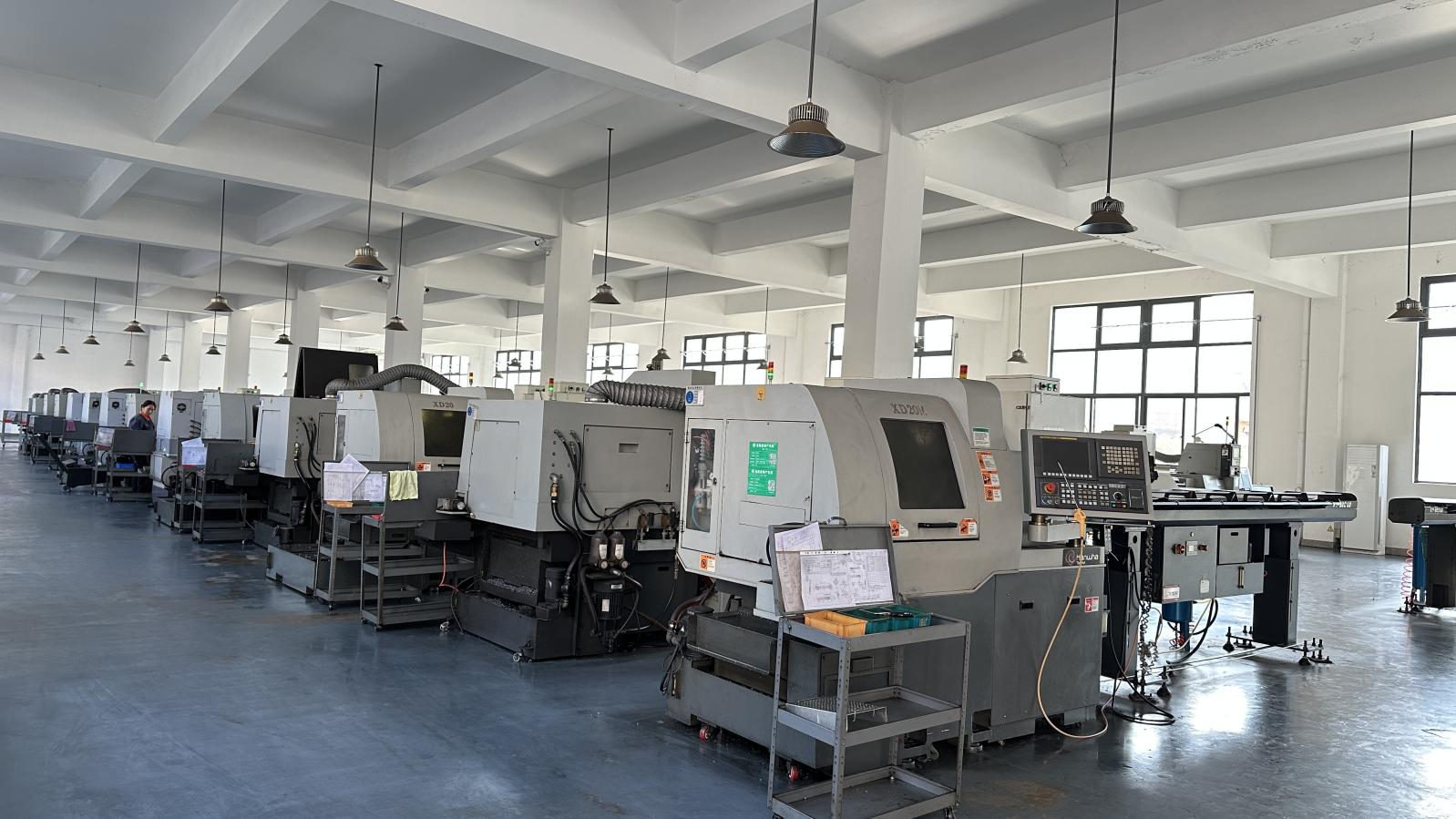
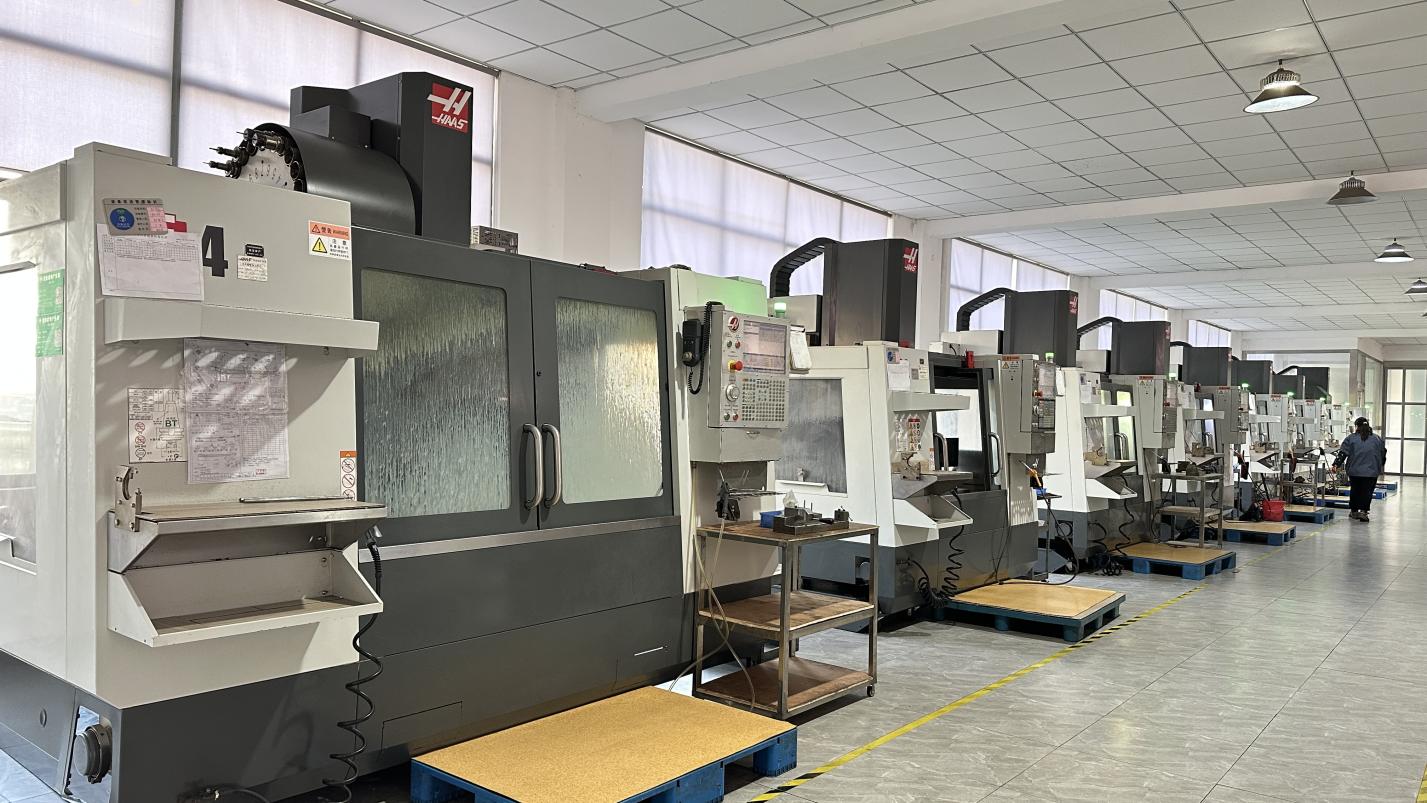
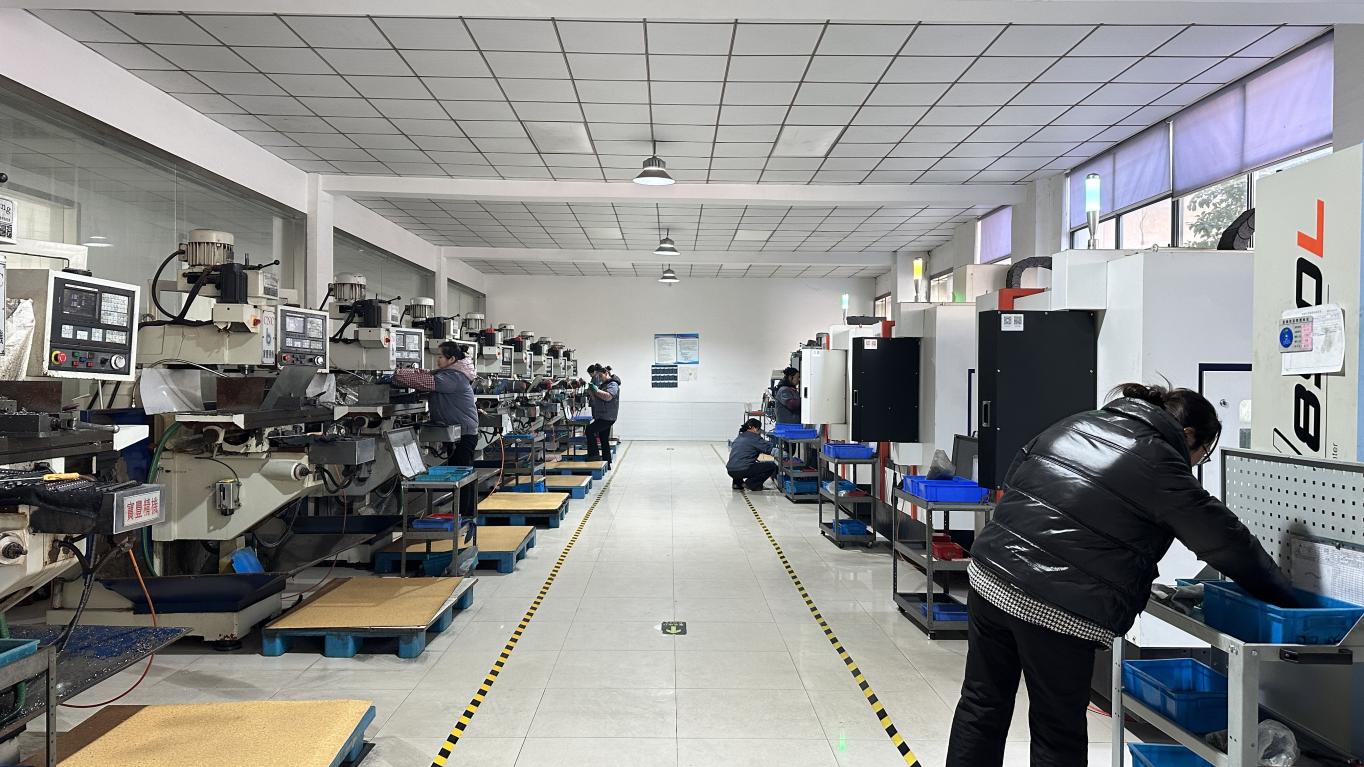
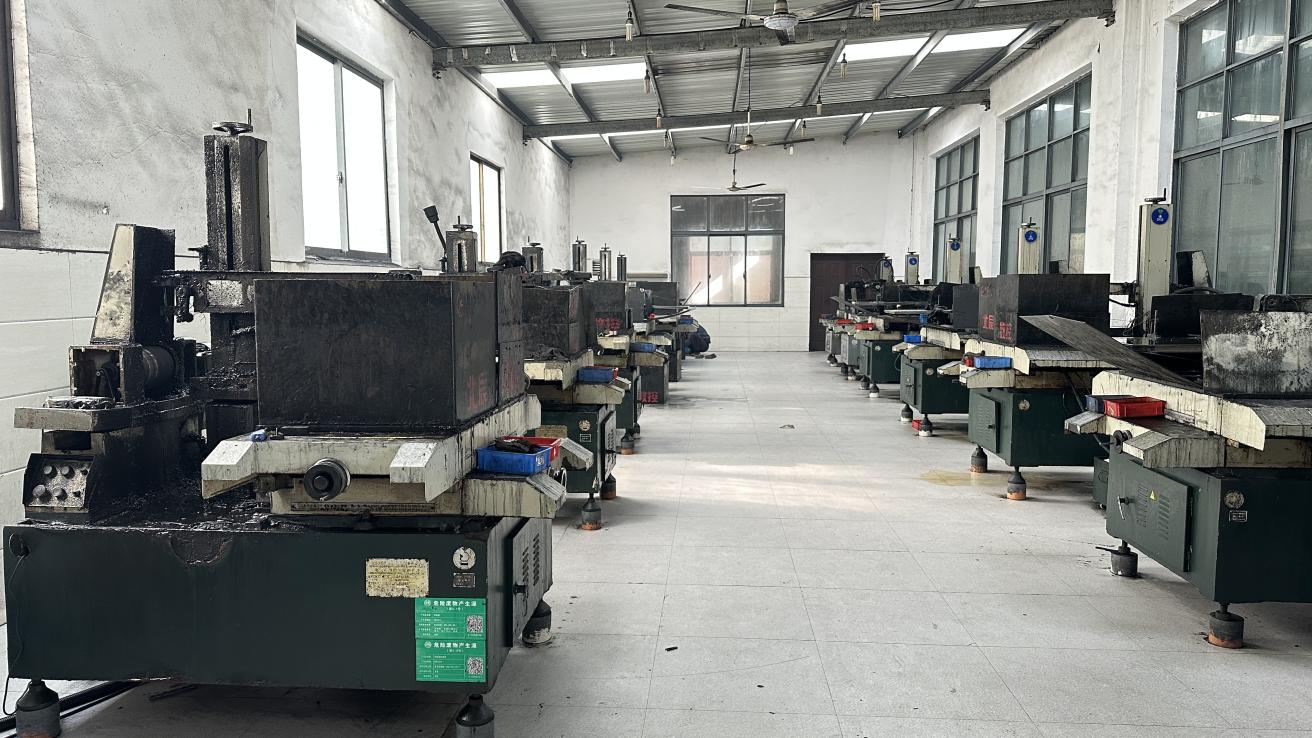
By integrating raw material slitting, Swiss-type CNC lathe turning, and multi-axis milling under one roof, we eliminate intermediate supply chain margins. This consolidation allows us to offer cost-competitive pricing while maintaining material pedigree verification. This practice ensures that Omani clinicians receive implants with optimal biocompatibility, high fatigue strength, and low elastic modulus to mitigate stress-shielding effects.
To ensure total reliability, our manufacturing cycle integrates advanced mechanical machining with biological and physical testing:
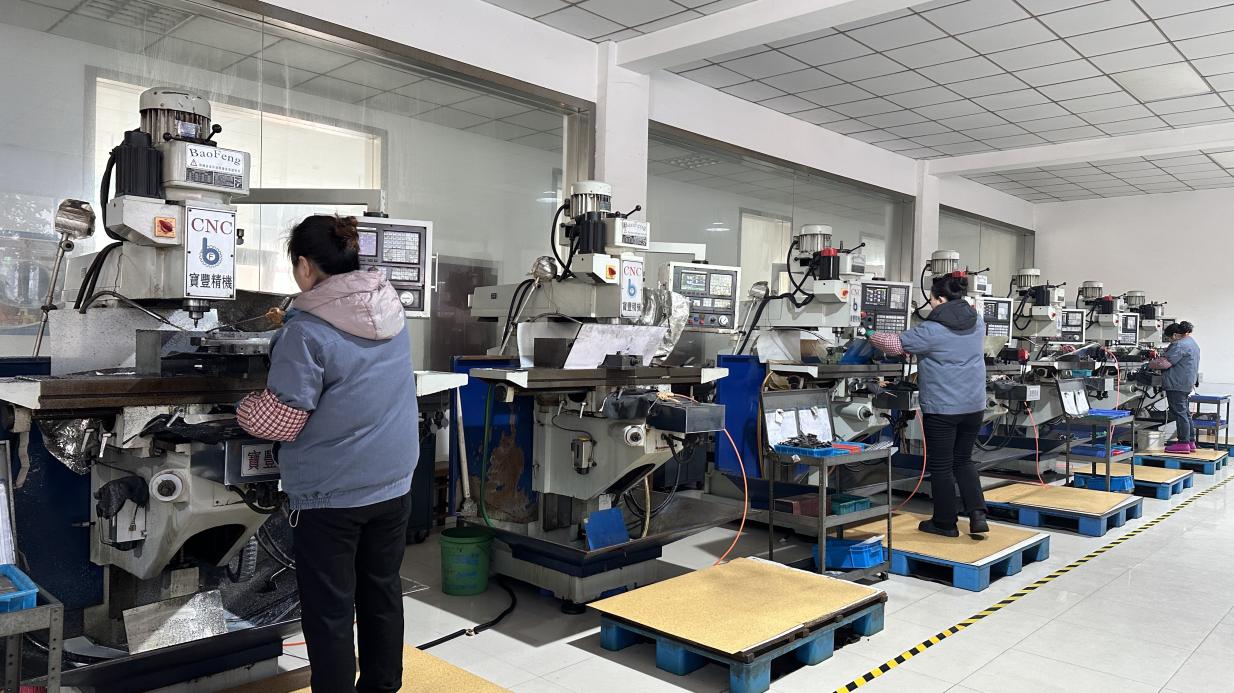
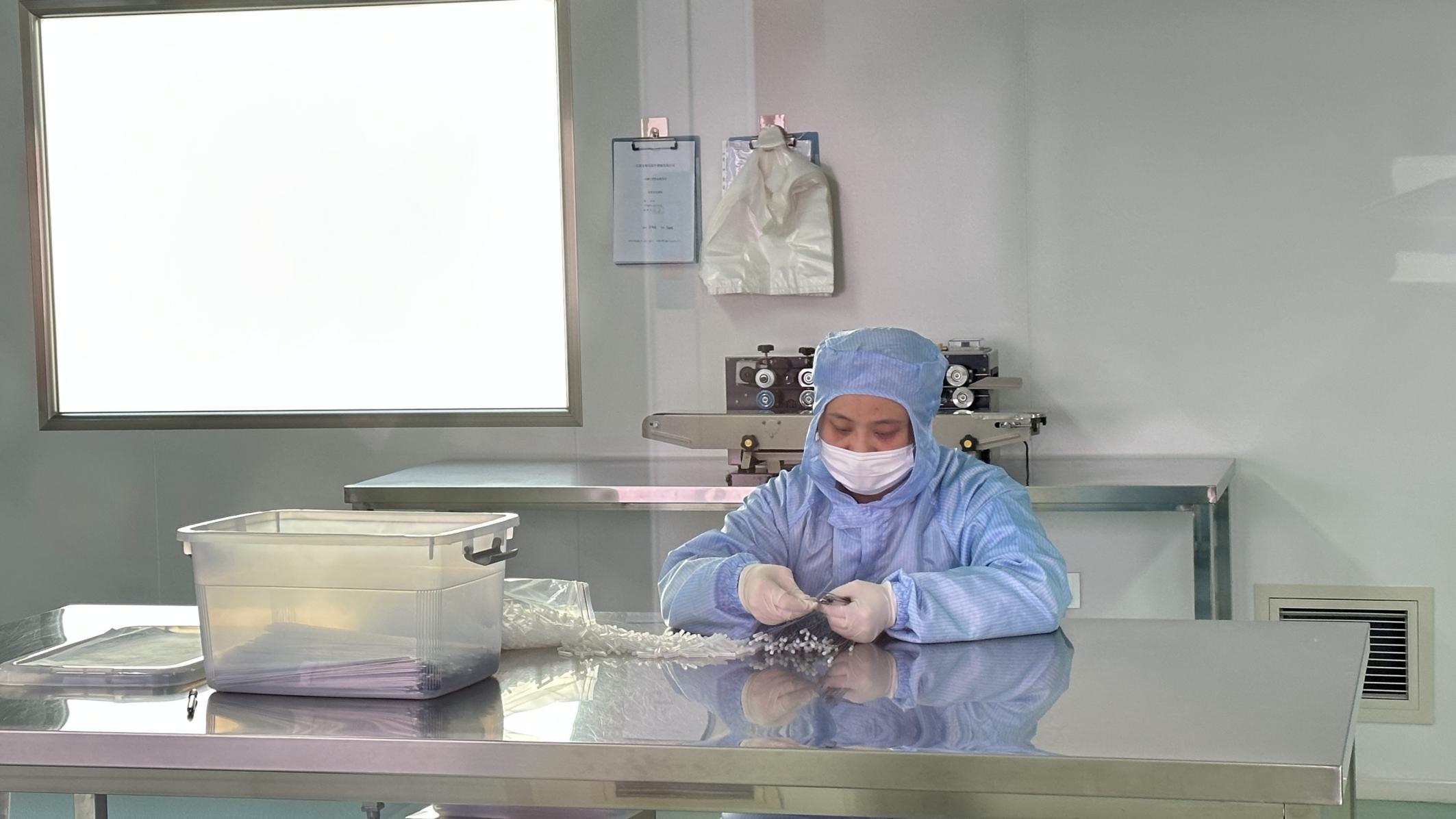
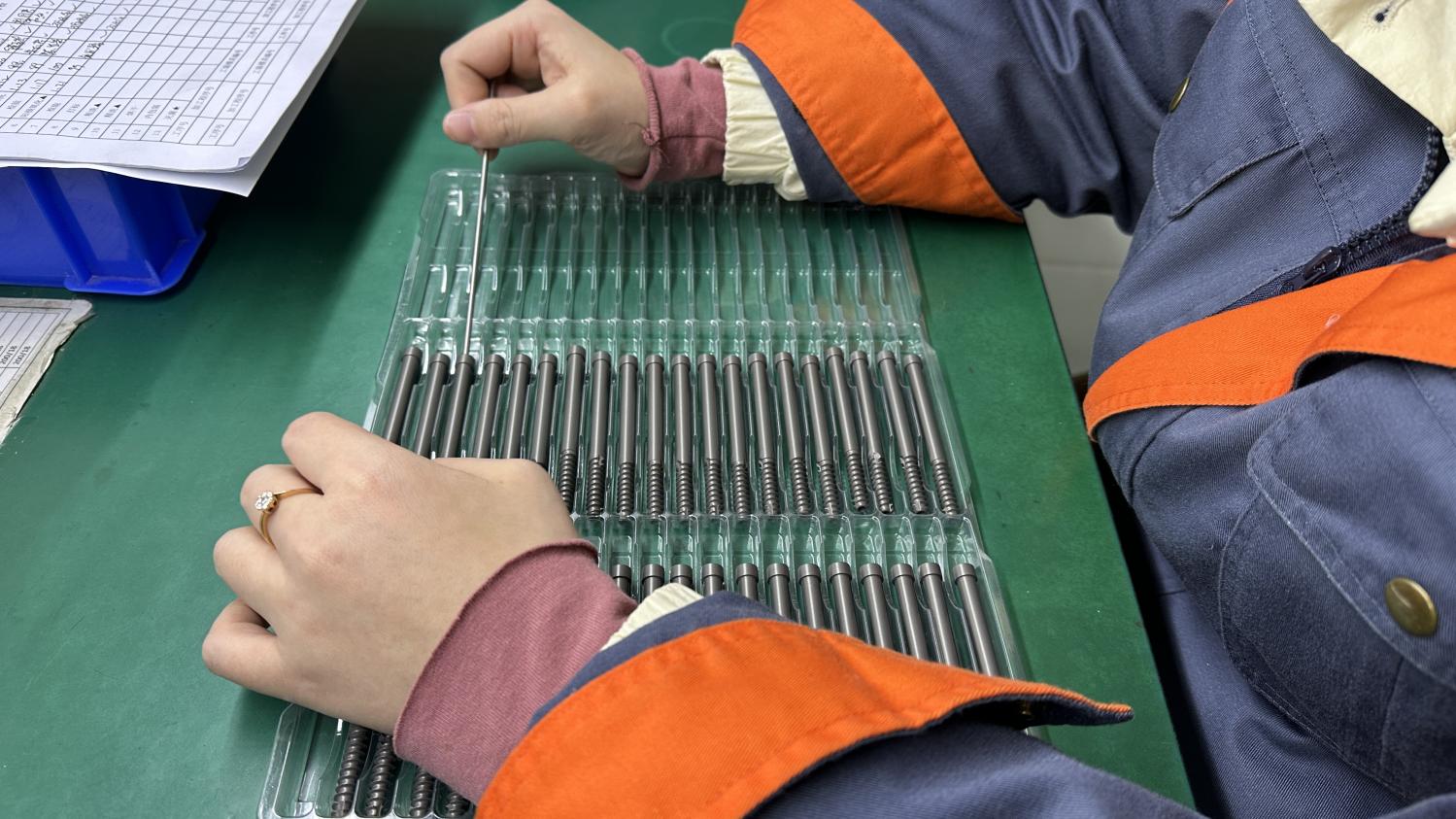
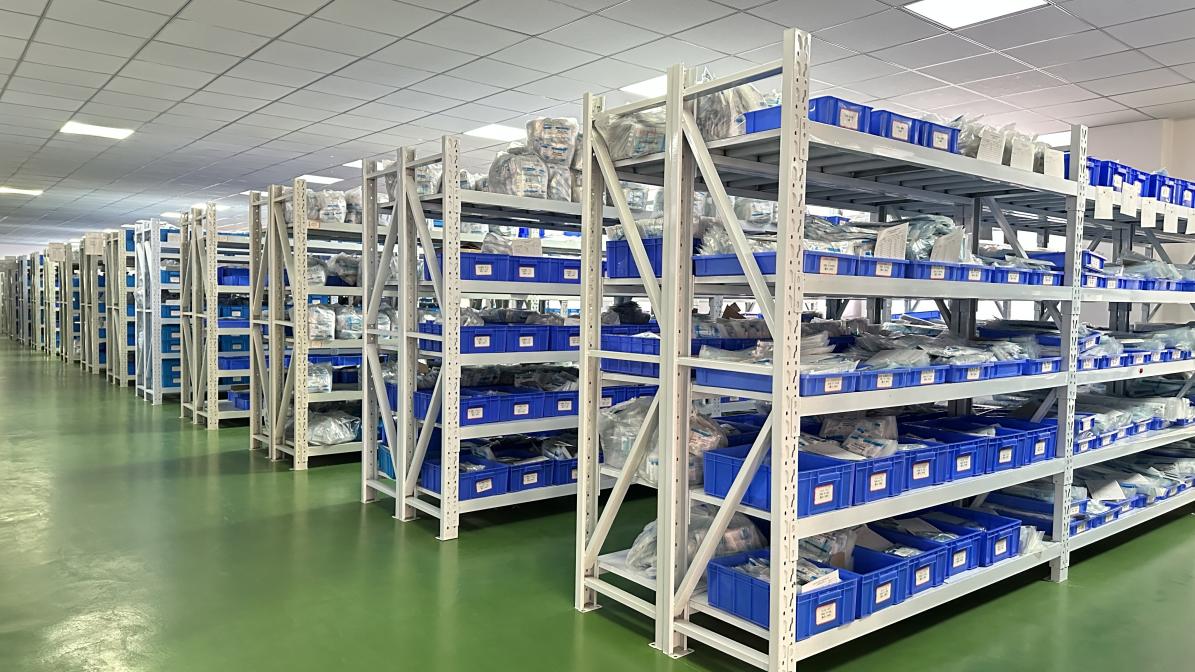
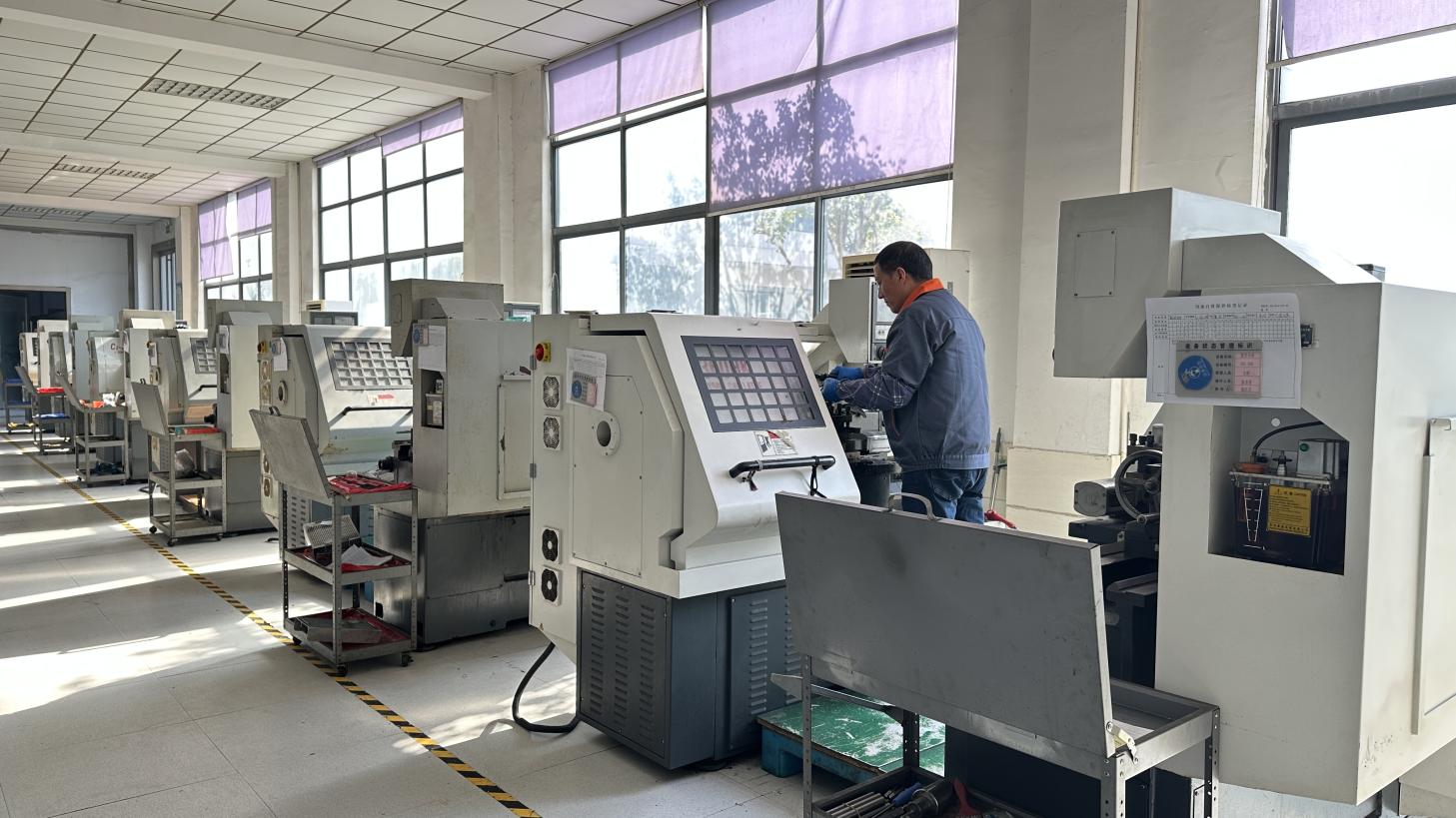
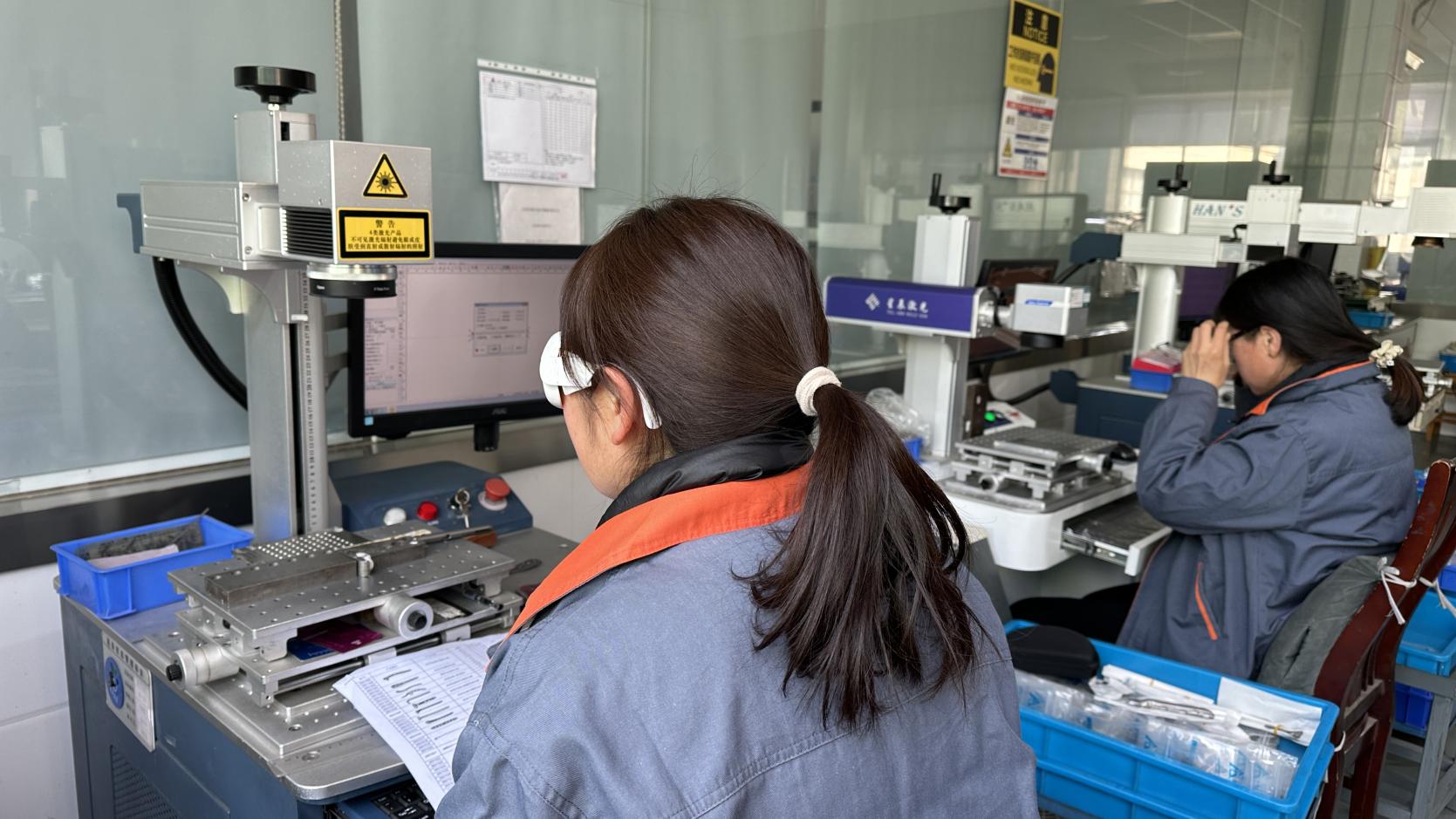
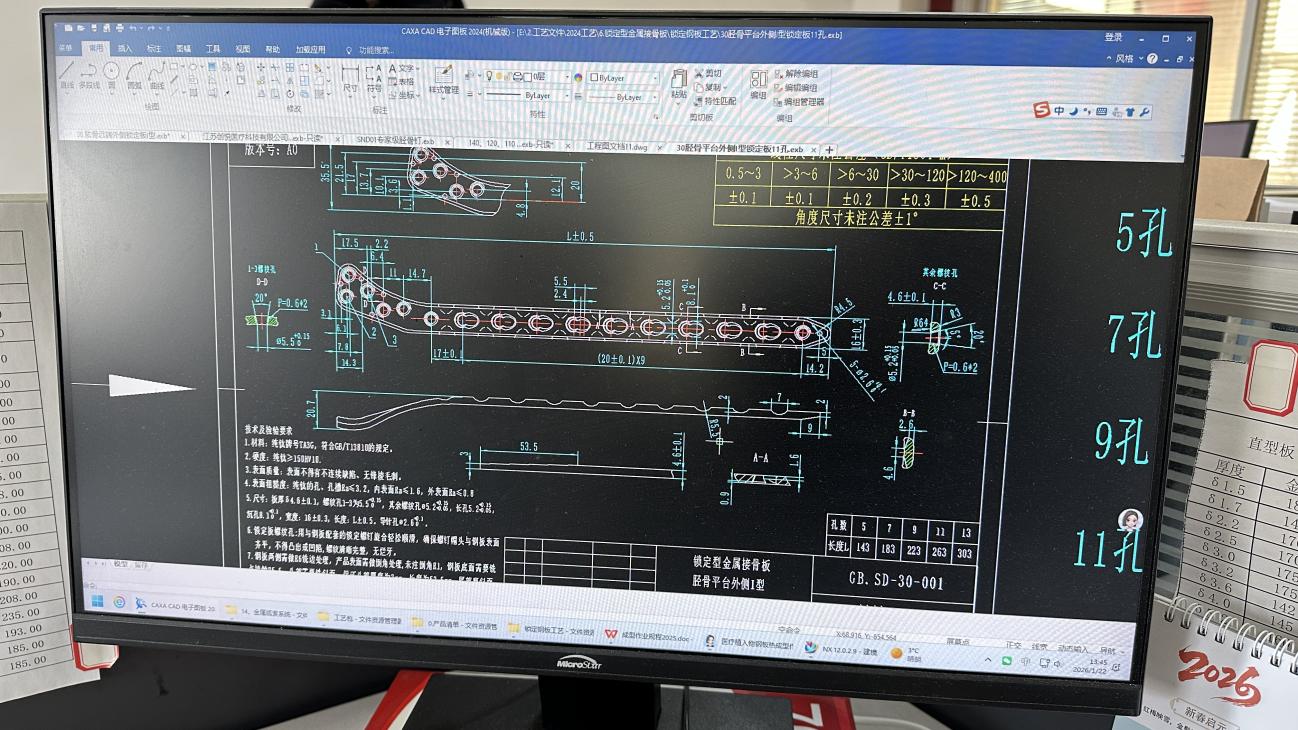
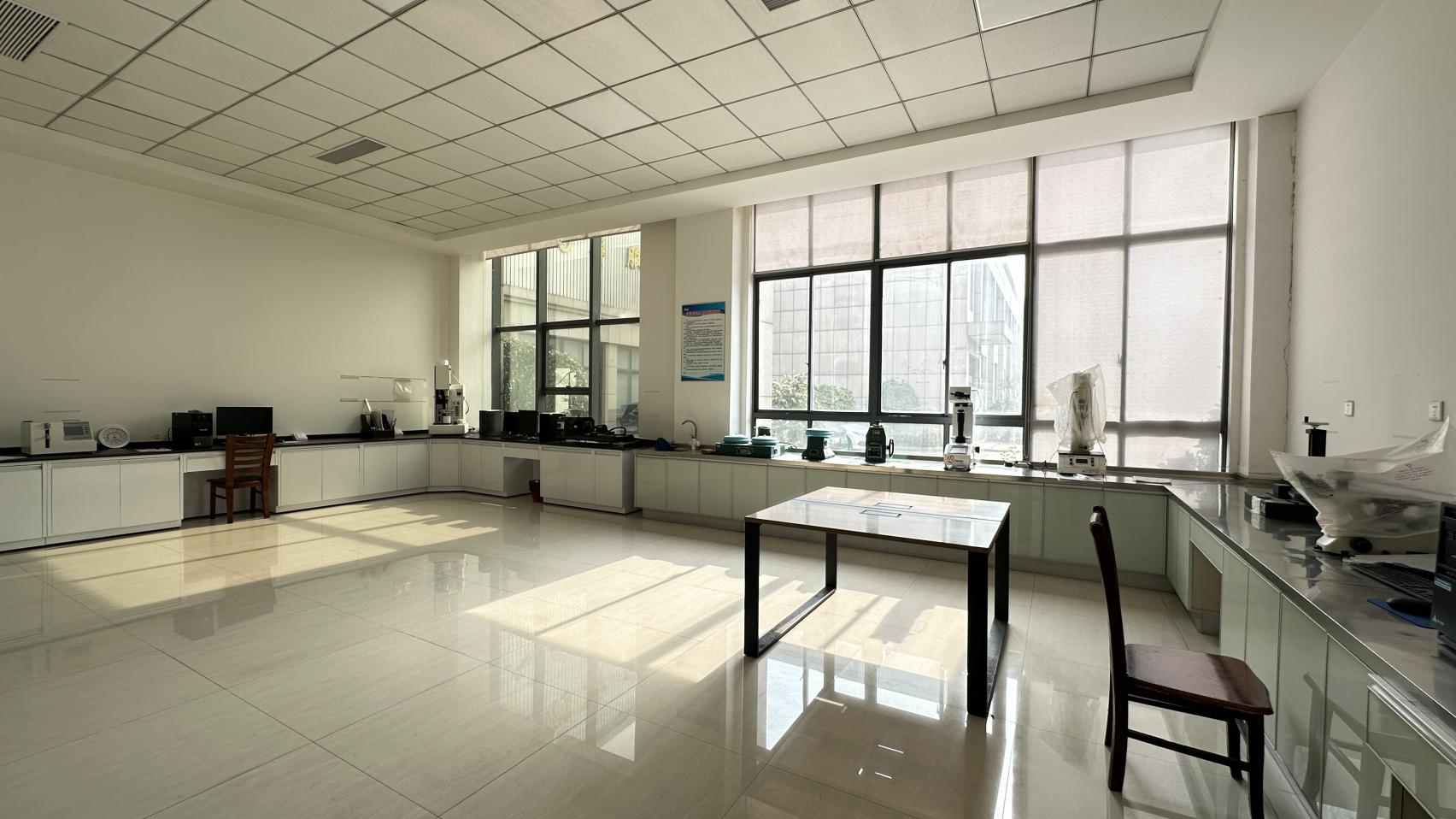
Ensuring regulatory compliance for Class III medical devices within the Omani healthcare infrastructure.
In Oman, orthopedic trauma implants are regulated as Class III high-risk medical devices. Registration requires comprehensive technical documentation, including biocompatibility data (ISO 10993), clinical evaluation reports, and certificates of analysis for all raw materials.
Virelox provides full registration dossiers to support local Omani agents. Our quality management system complies with ISO 13485, and we furnish detailed reports for:
Omani anatomical parameters can vary. Our R&D center, staffed by 120 biomechanical and materials science engineers, offers customization services. We adapt screw pitches, plate thicknesses, and contour radii to match patient populations. Last year, our team launched 120 new products, proving our ability to transition prototype designs to mass production. We support local distributors in offering customized solutions to institutions like Khoula Hospital and the Royal Hospital.
Embracing polyaxial screw configurations, optimized surface treatments, and anatomical plating systems.
Modern trauma surgery emphasizes anatomically pre-contoured plates. These plates match the bone's shape, reducing stress concentrations and protecting the periosteal blood supply. Additionally, polyaxial locking screw designs allow surgeons to direct screws up to 15 degrees from the plate's perpendicular axis. This feature is particularly useful for securing complex peri-articular fractures.
Electrochemical anodization (Type II and Type III) is applied to our orthopedic titanium plates to create a stable, bio-inert titanium dioxide layer. This treatment increases wear resistance, minimizes cold-welding between screws and plates, and reduces ion release into surrounding tissue. Omani clinical feedback indicates this leads to fewer instances of plate removal due to local soft-tissue irritation.
Complete selection of anatomical locking plates, reconstruction compression systems, and specialized trauma implants.
Addressing core procurement, engineering, and regulatory queries for Omani medical distributors and health systems.
We use premium Titanium Alloy (Ti-6Al-4V ELI) conforming to ASTM F136 / ISO 5832-3 and Pure Titanium (CP-Ti) conforming to ISO 5832-2. Each batch comes with chemical composition and tensile test certificates from accredited laboratories, ensuring strict compliance with Oman MoH guidelines.
We supply a comprehensive technical documentation package. This includes ISO 13485 quality system certificates, CE declarations of conformity, biocompatibility reports (ISO 10993), sterilization validation data, and detailed clinical evaluation records required by the Oman Ministry of Health's medical device department.
Standard manufacturing for bulk orders takes 30 to 45 days. For custom implants requiring anatomical modifications, our R&D team completes 3D design files within 7 days. Production begins immediately following approval from the purchasing hospital or surgeon.
Yes. Our in-house research laboratory performs fatigue testing to verify dynamic fatigue limits, tensile testing to confirm ultimate tensile strength, and torsion testing for locking screws. These tests are conducted on specialized bone screw performance testers to prevent failure in clinical scenarios.
Yes. Our implants are designed with standard hexagonal, star-drive, and cross screw heads. They are compatible with global standard trauma instrument sets. Additionally, Virelox manufactures matched, custom surgical instrumentation sets to simplify surgical workflows.
We offer implants in both non-sterile and sterile packaging. Sterile options undergo validated Ethylene Oxide (EO) sterilization and are sealed in double-barrier Tyvek packaging. This packaging preserves sterility for up to five years, complying with hospital supply requirements in Oman.
For standard trauma plates and locking screws, we offer flexible MOQ levels to help new distributors manage registration costs. Please contact our Middle East sales team to discuss trial orders and regional distribution agreements.
Strengthen your clinical inventory with reliable, high-performance trauma locking plates and screws. Request our product catalog, certificate packages, and pricing details today.
 Virelox