Explore our top clinical-grade osteosynthesis implants, engineered to withstand load-bearing stress profiles and complex fracture configurations common in urban orthopedic trauma treatments.
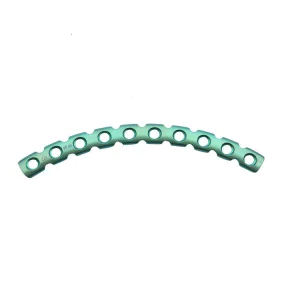
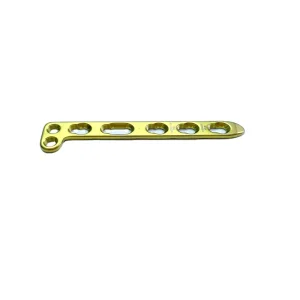
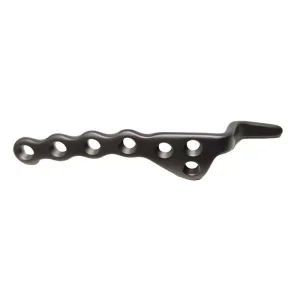
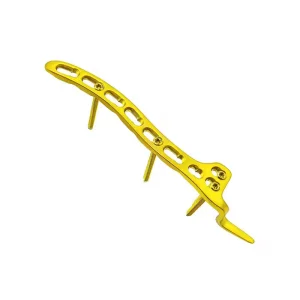
Ho Chi Minh City, as Vietnam’s primary economic engine and most populous metropolitan area, is experiencing an unprecedented expansion in its healthcare infrastructure. With a population exceeding 9 million, HCMC serves as the regional medical hub for the entire southern region of Vietnam. Traffic accidents—largely stemming from heavy motorcycle congestion—and a rapidly aging demographic have created a critical demand for advanced orthopedic trauma solutions. Public hospitals such as Cho Ray Hospital, the HCMC Hospital for Traumatology & Orthopedics, and People's Hospital 115 manage hundreds of acute trauma cases daily, requiring immediate access to stable, sterile, and biomechanically superior implants.
Historically dependent on costly imports from Western Europe and North America, healthcare procurement units in HCMC are actively transitioning towards direct partnerships with ISO 13485 certified manufacturers. This strategic pivot ensures an optimized cost-to-benefit ratio, allowing clinical institutions to provide cutting-edge titanium alloy compression systems without placing extreme financial burdens on patients or the national insurance system. Direct factory partnerships reduce procurement lead times, ensuring that emergency rooms maintain an uninterrupted inventory of variable-angle locking plates and anatomical fixations.
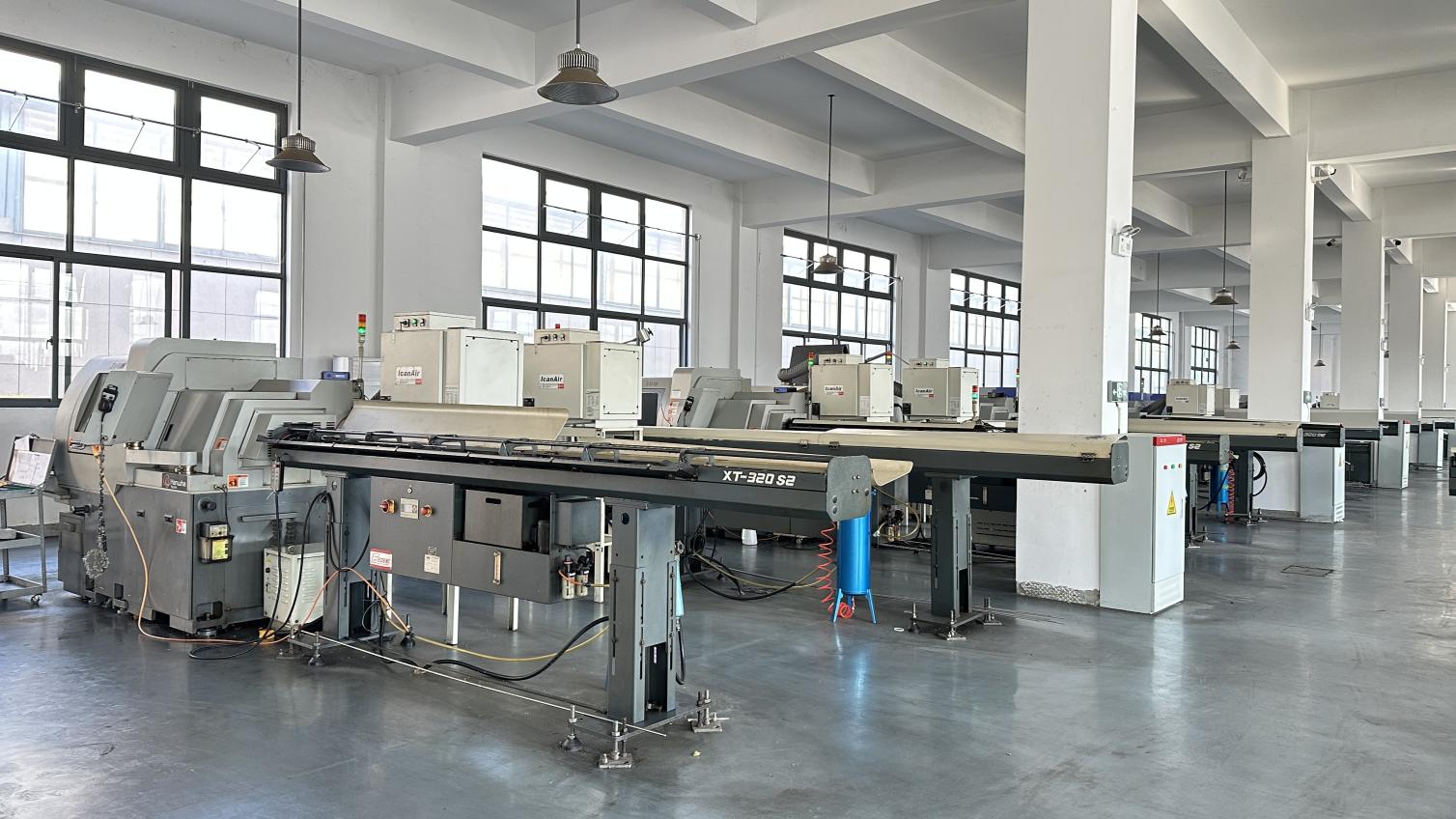
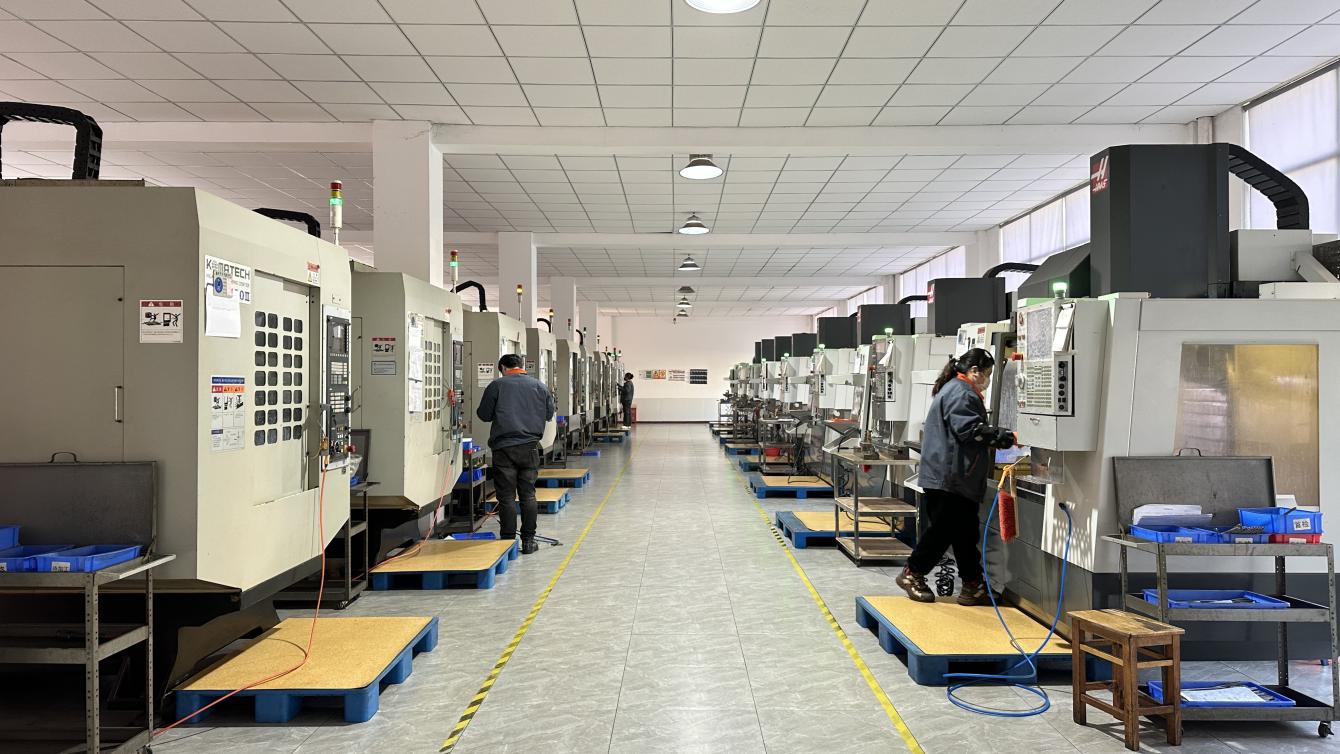
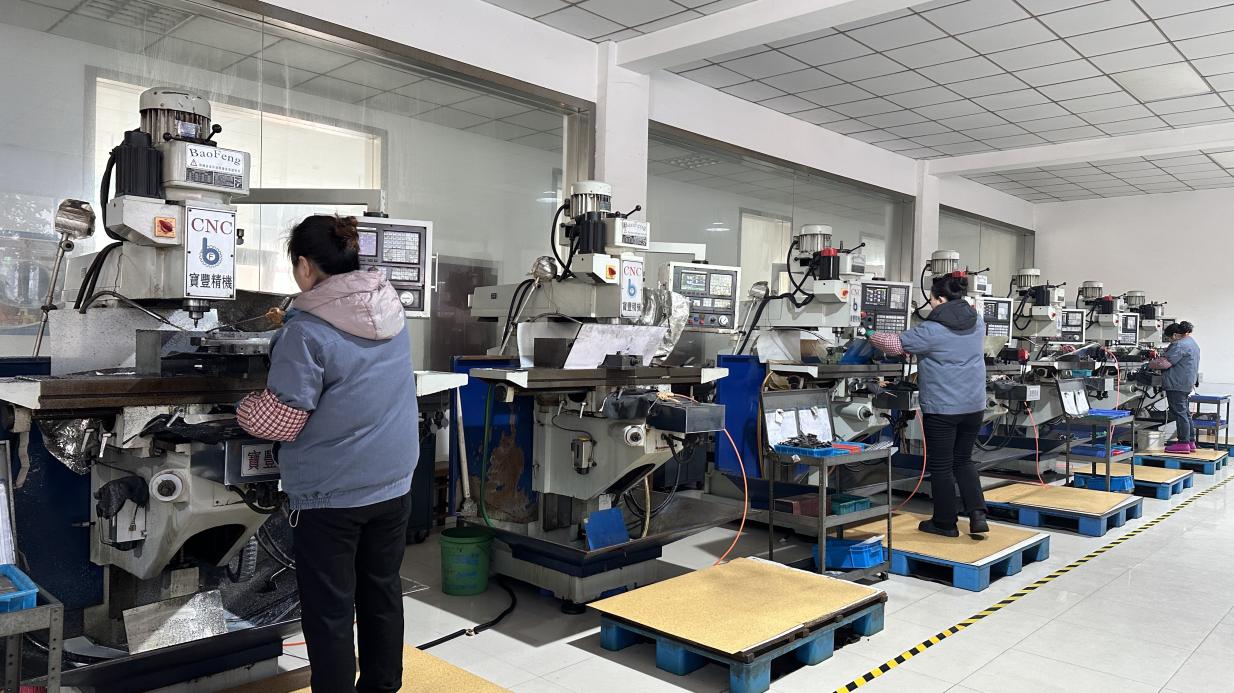
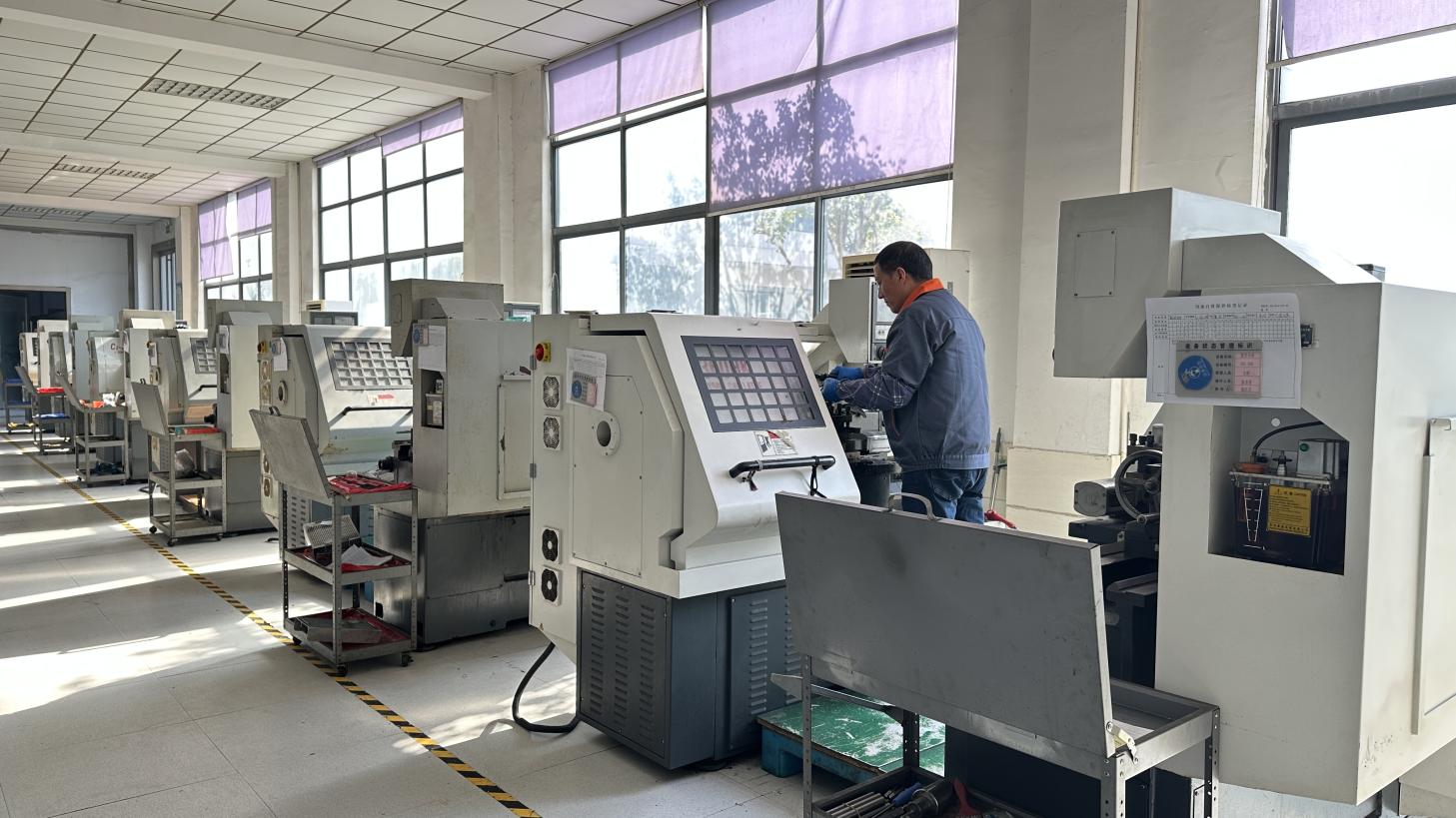
Global medical device distributors and regional sourcing entities face complex supply chain dynamics. In the orthopedic sector, procurement goes beyond simple unit costs; it encompasses regulatory compliance, raw material traceability, manufacturing precision, and delivery reliability. Leading orthopedic trauma implant factories are response-ready, leveraging advanced CNC machining technology and pure titanium grade 4 or alloyed titanium (Ti-6Al-4V ELI) to guarantee structural integrity.
For distributors targeting the HCMC market, raw material verification is critical. Factories supplying the region must comply with international standards such as ASTM F136 and ISO 5832-3 for surgical implants. To support rapid clinical deployments, we maintain robust OEM/ODM production lines. These enable customization of plate profiles and screw threads according to the anatomical specificities of Asian populations, improving osseointegration and lowering surgical revision rates.
Leveraging 10 years of orthopedic development and 8 years of export expertise, Virelox supplies precision joint replacement and trauma implant systems worldwide.
Our design phase incorporates finite element analysis (FEA) to simulate dynamic loading stresses in high-fracture anatomical sites, guaranteeing safety and structural durability before mass manufacture.
We provide OEM and ODM private label capabilities for orthopedic trauma clinics in Ho Chi Minh City, offering custom plate geometries, customized surgical kits, and anodized color coding.
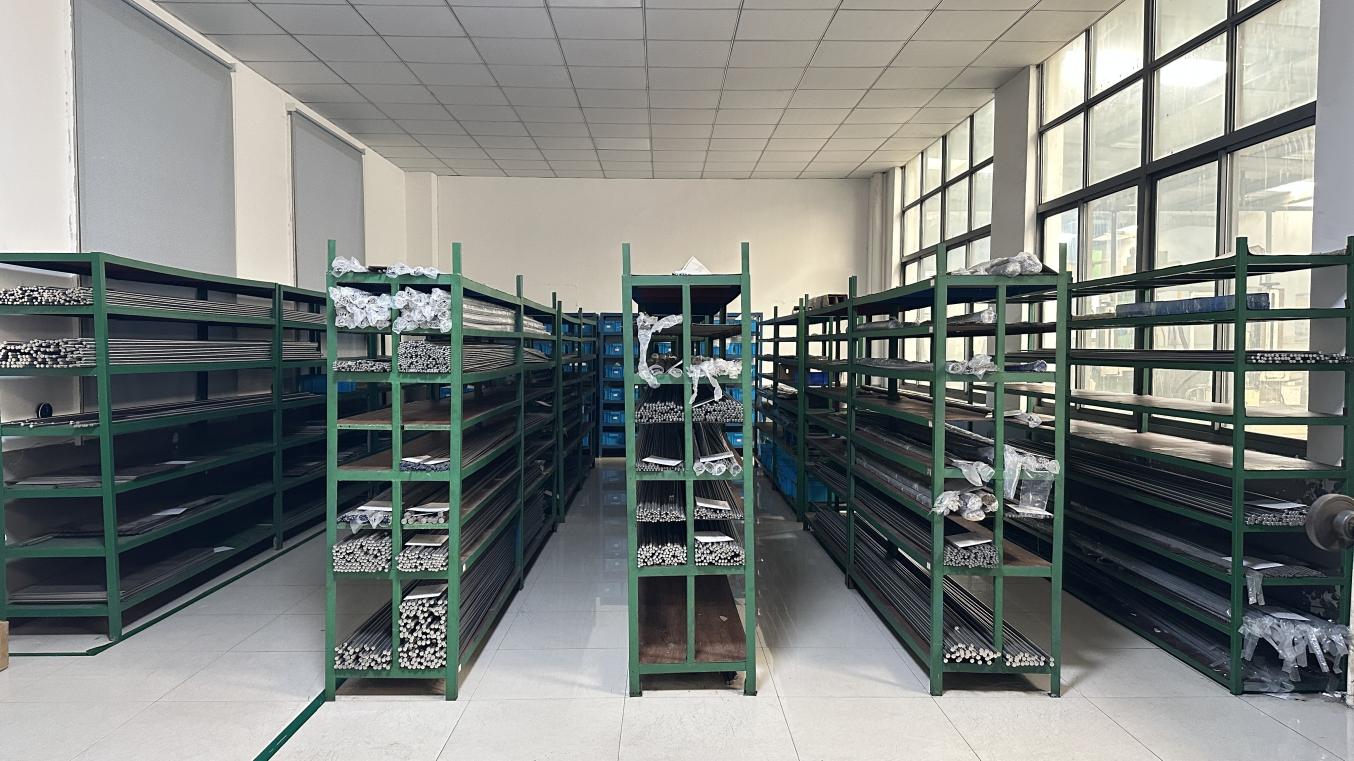
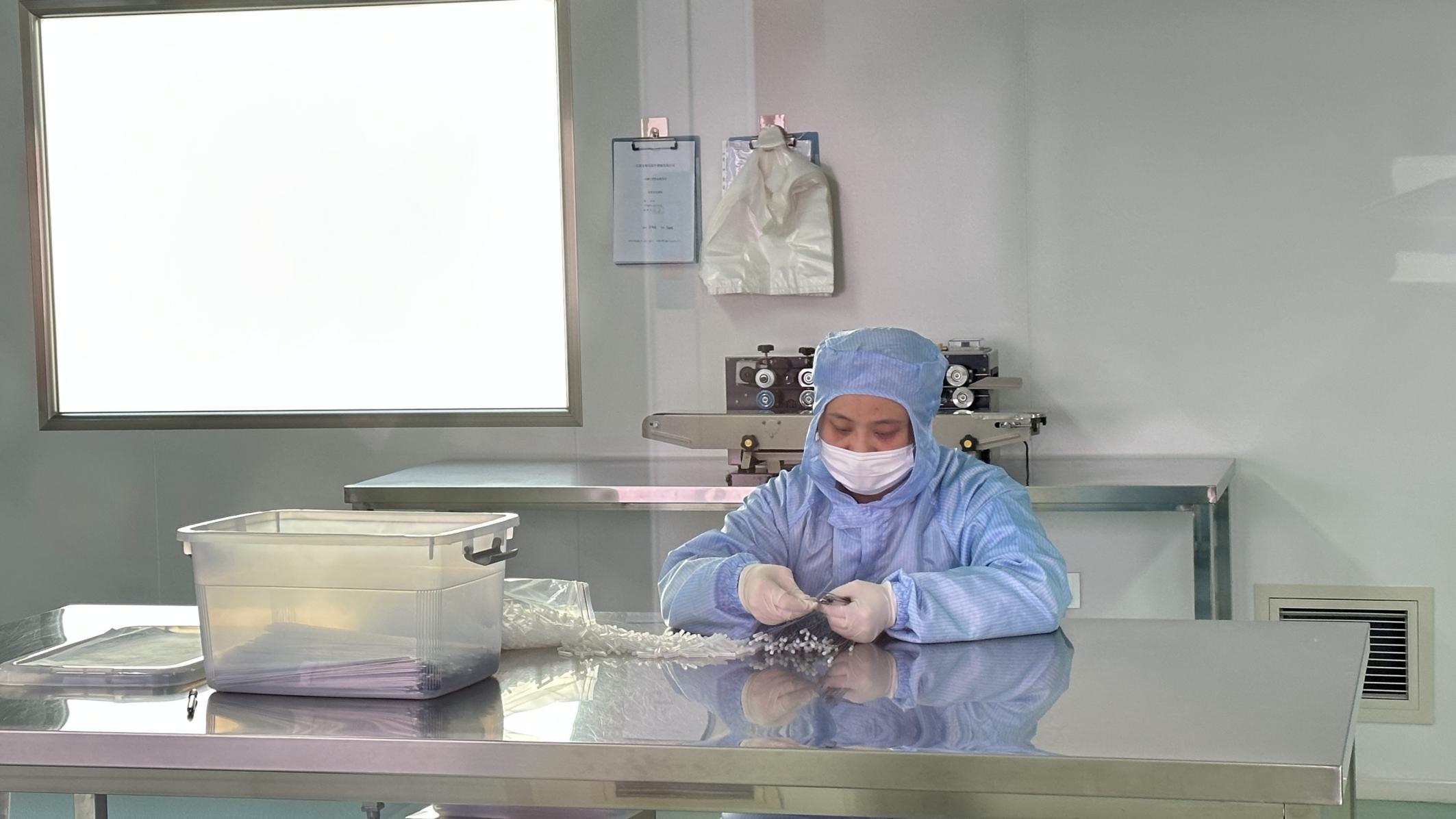
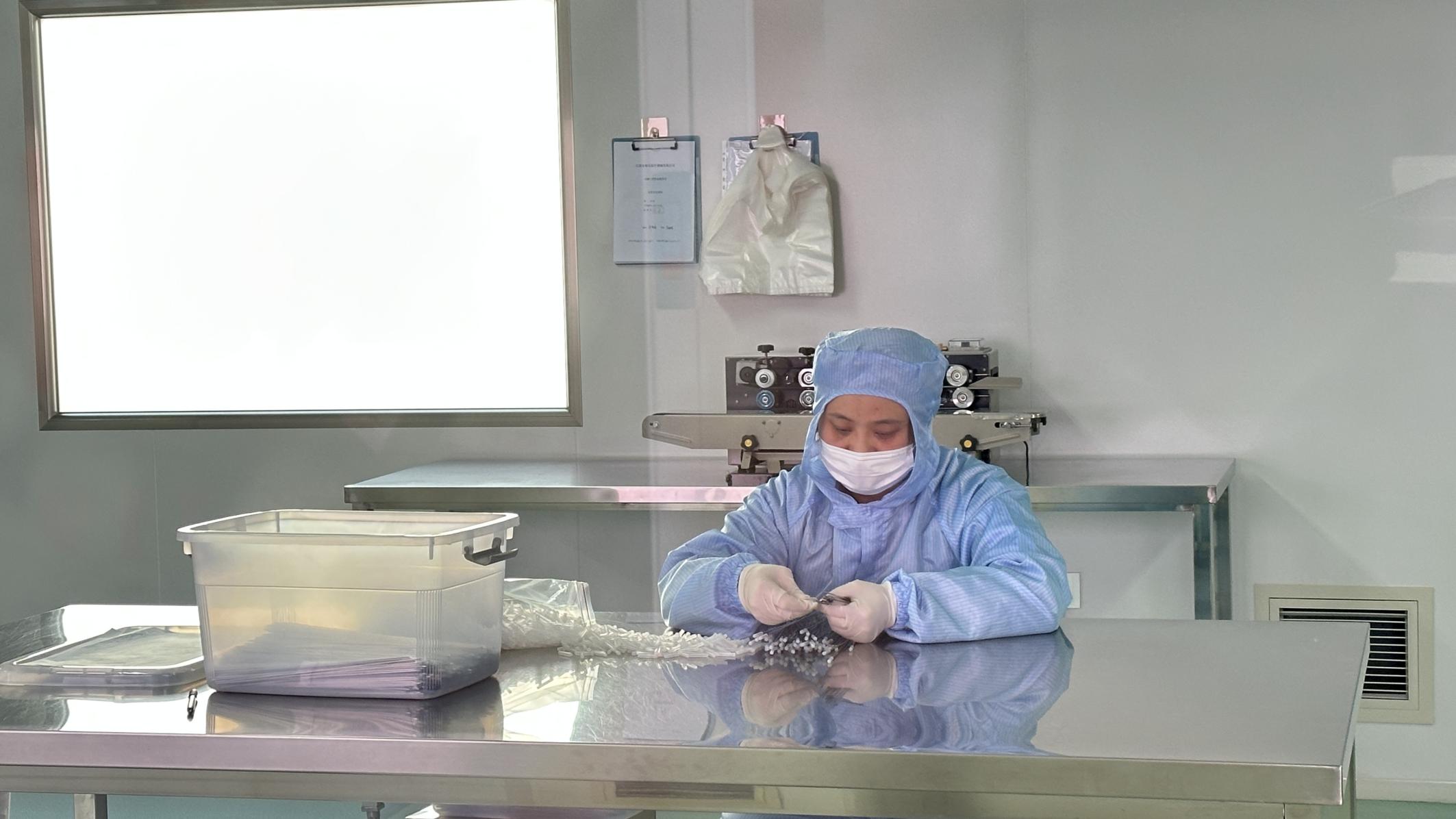
Our quality assurance framework controls every step from raw titanium bar inspection to final product sterilization, aligning with Class III medical device standards worldwide.
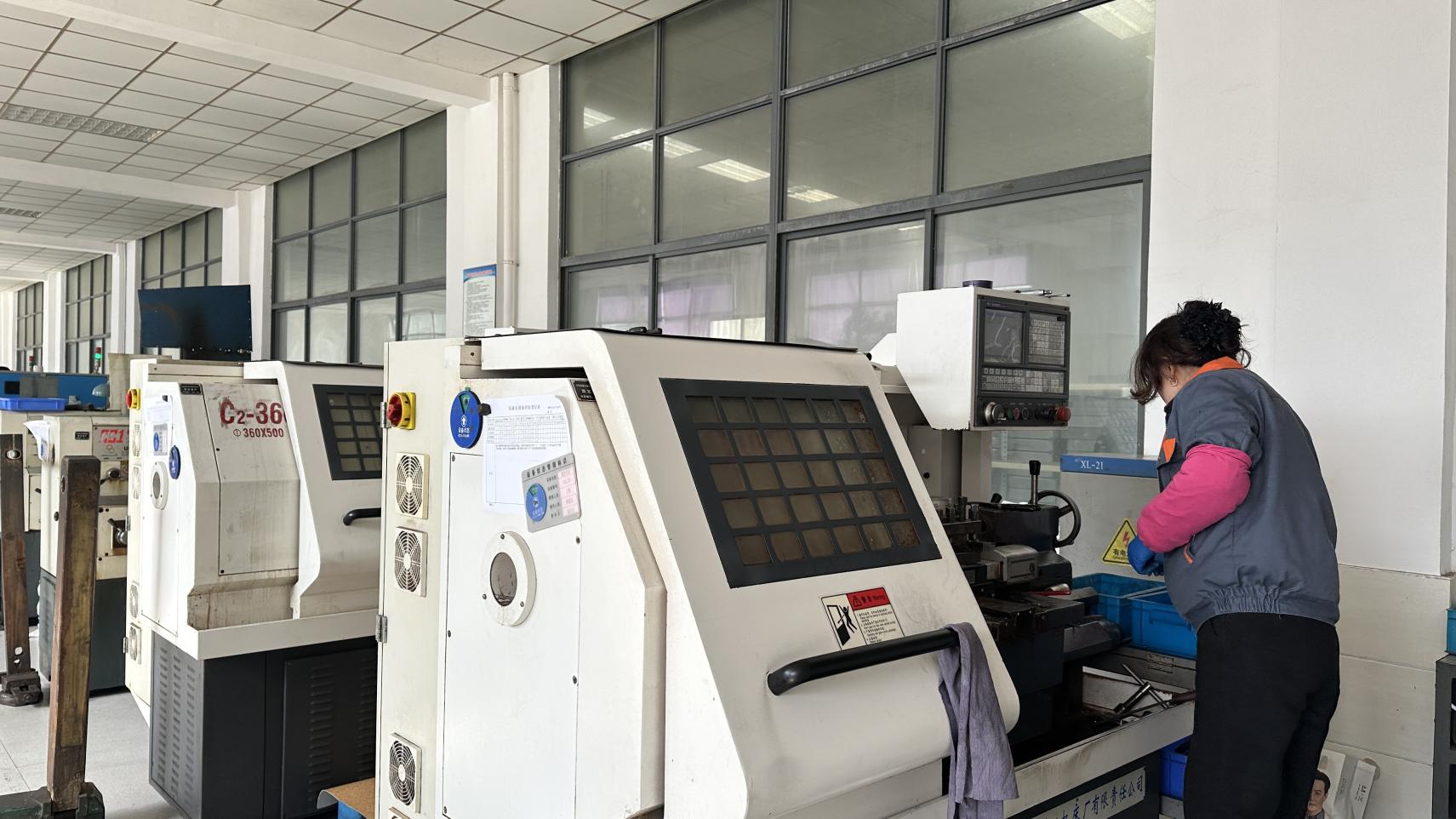
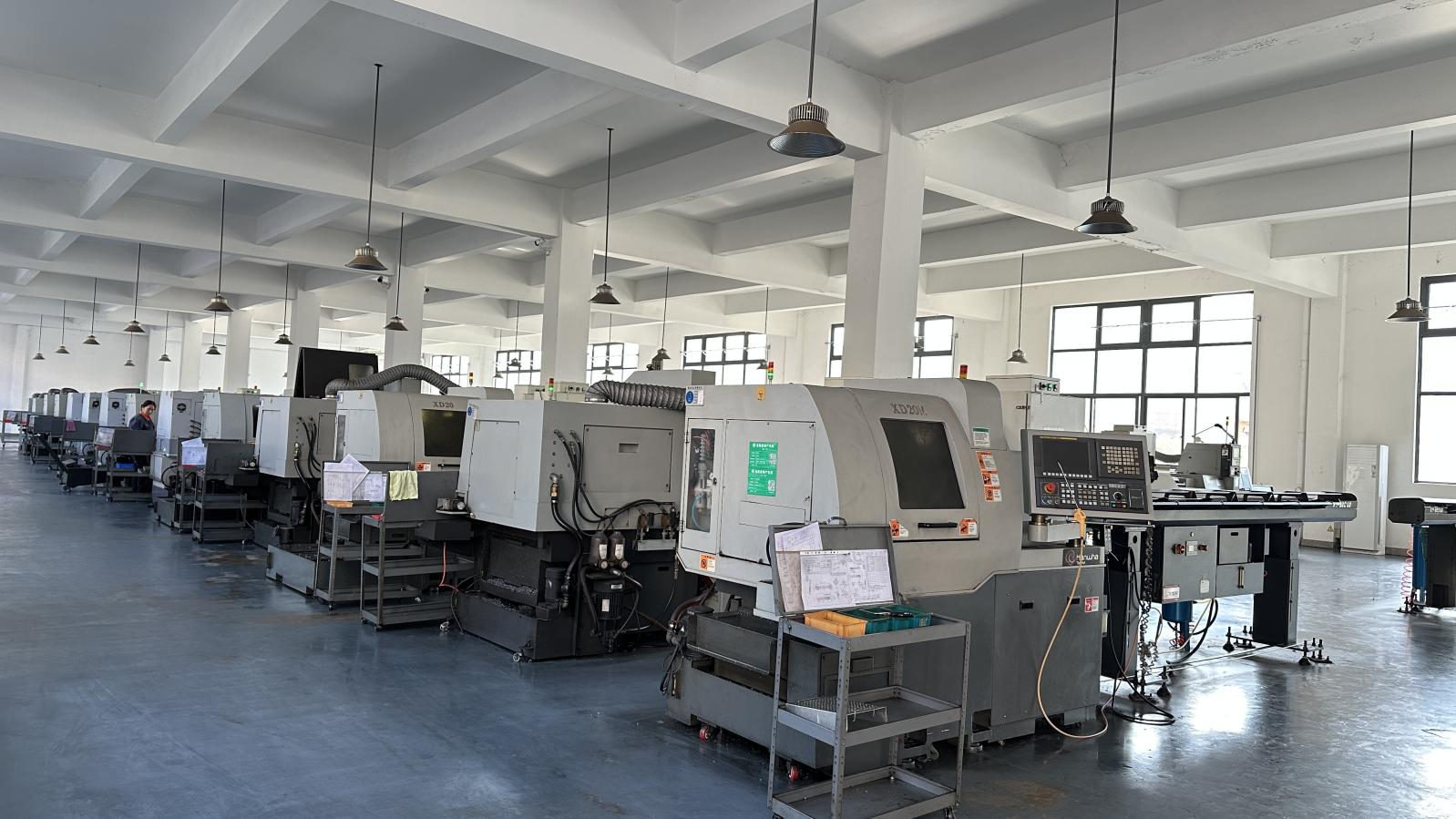
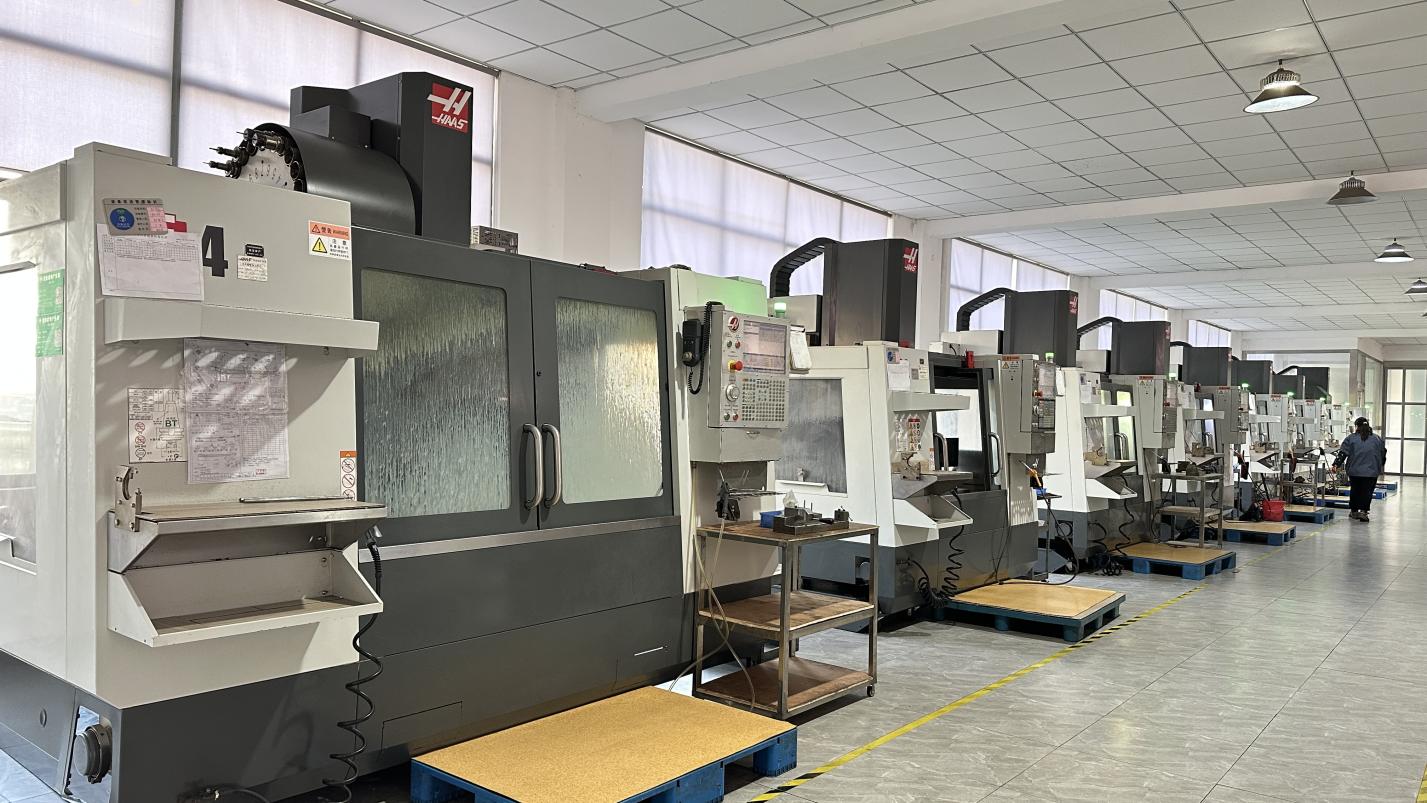
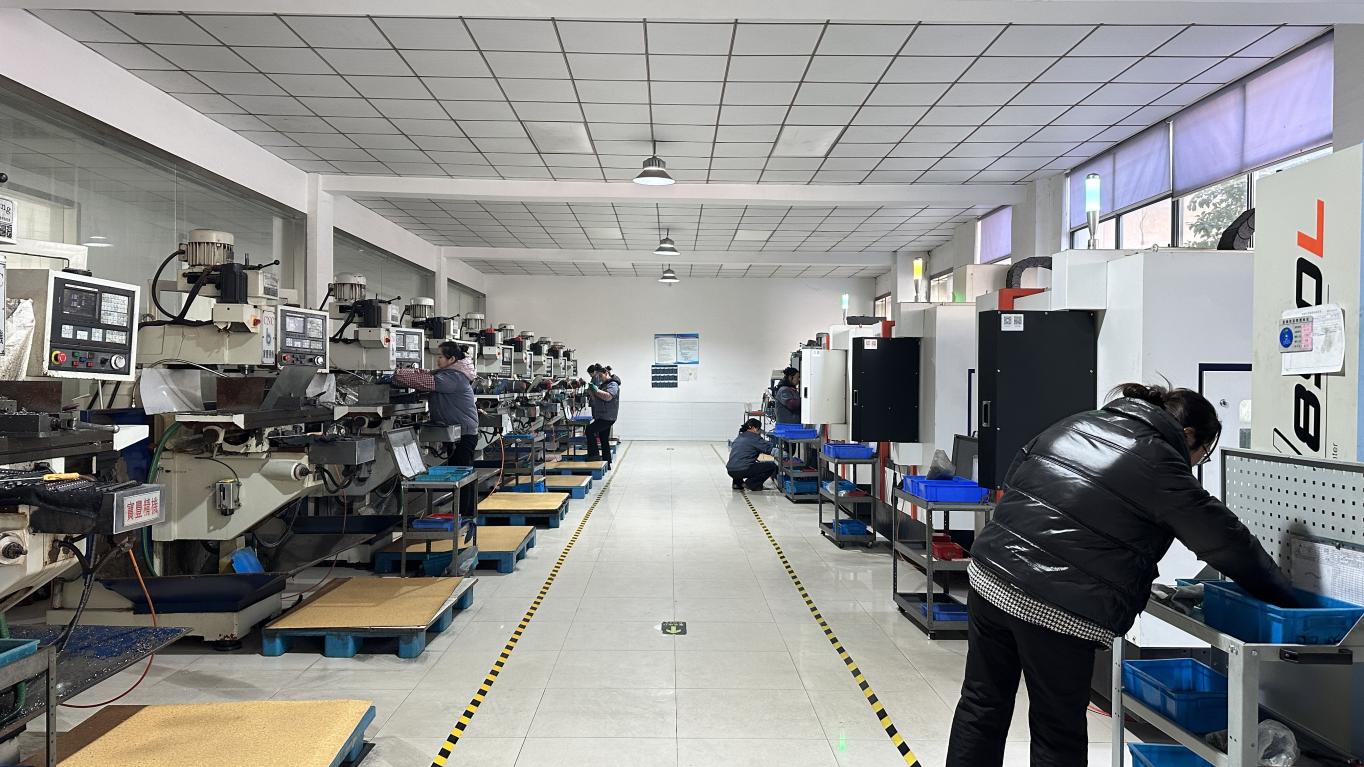
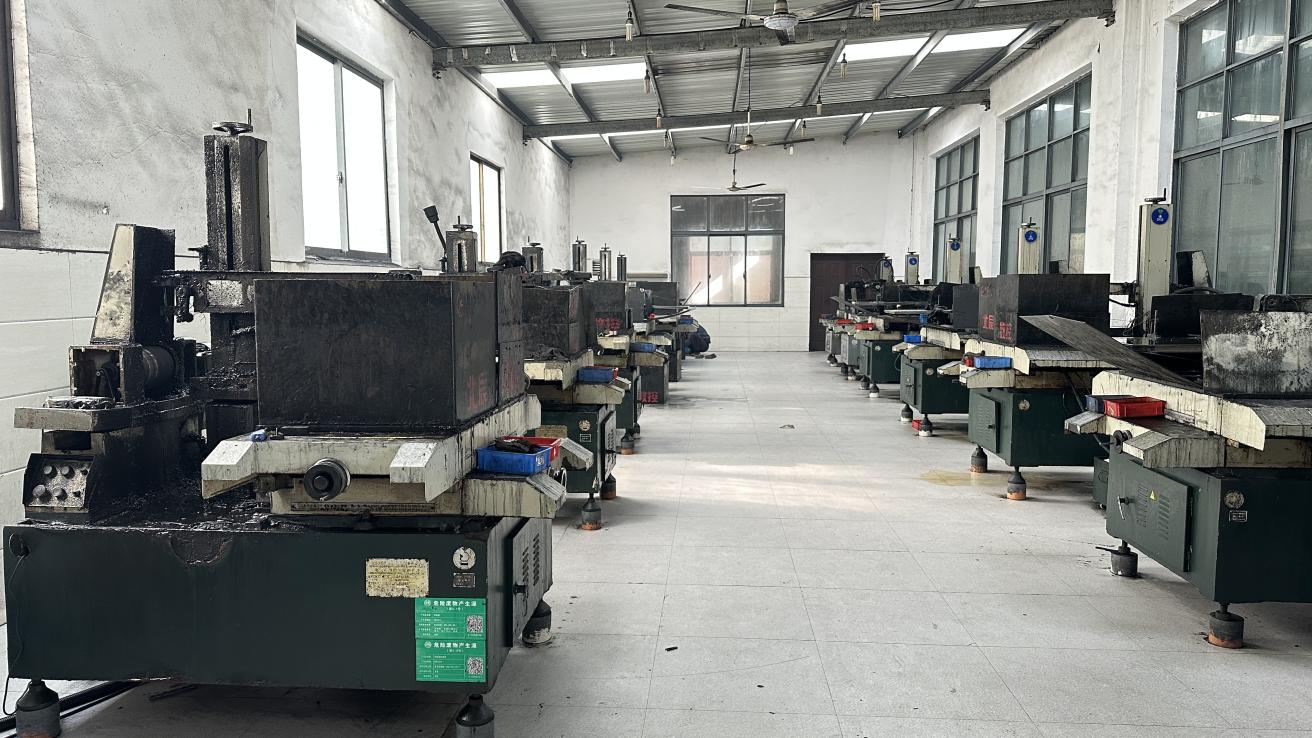
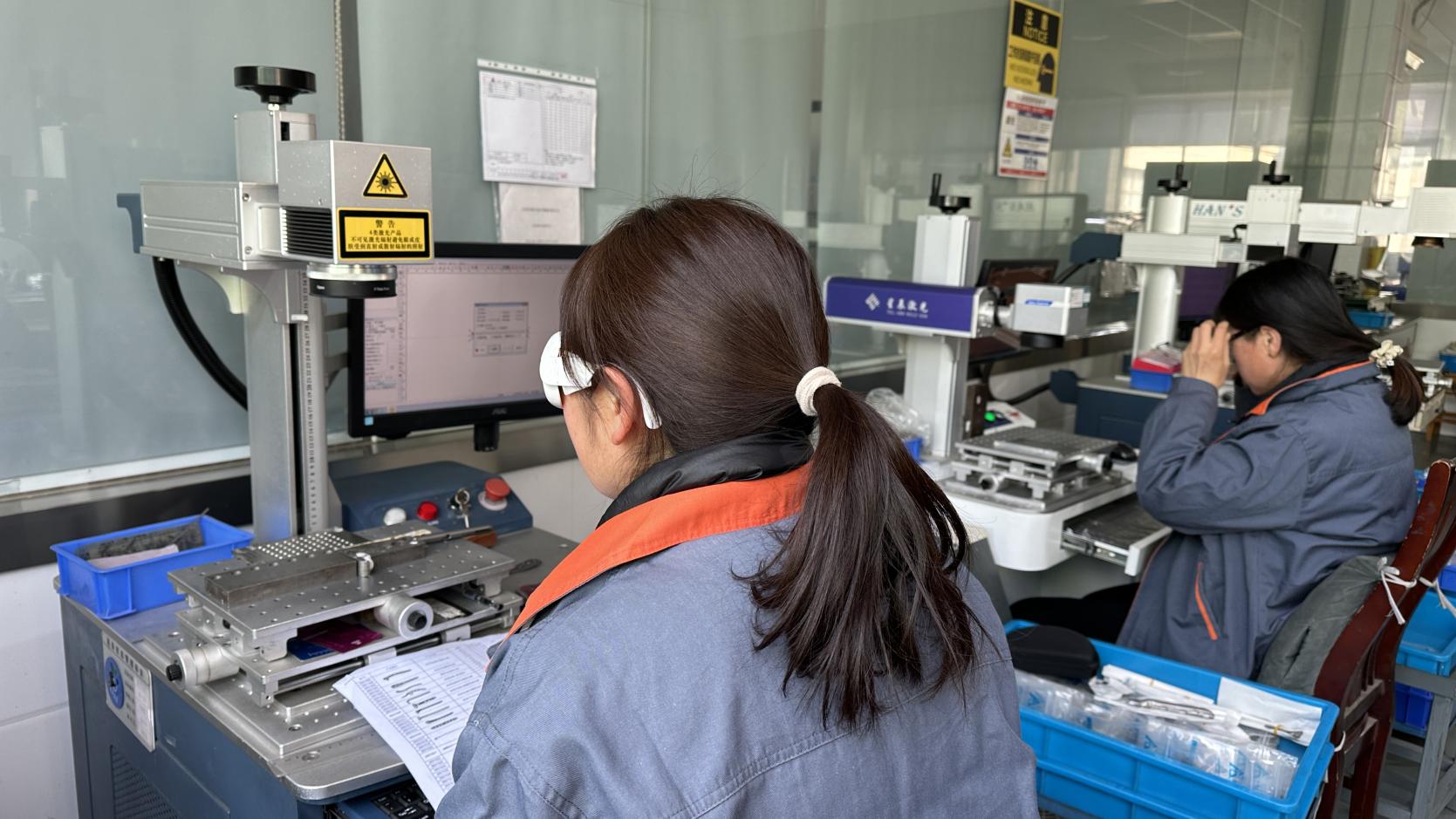
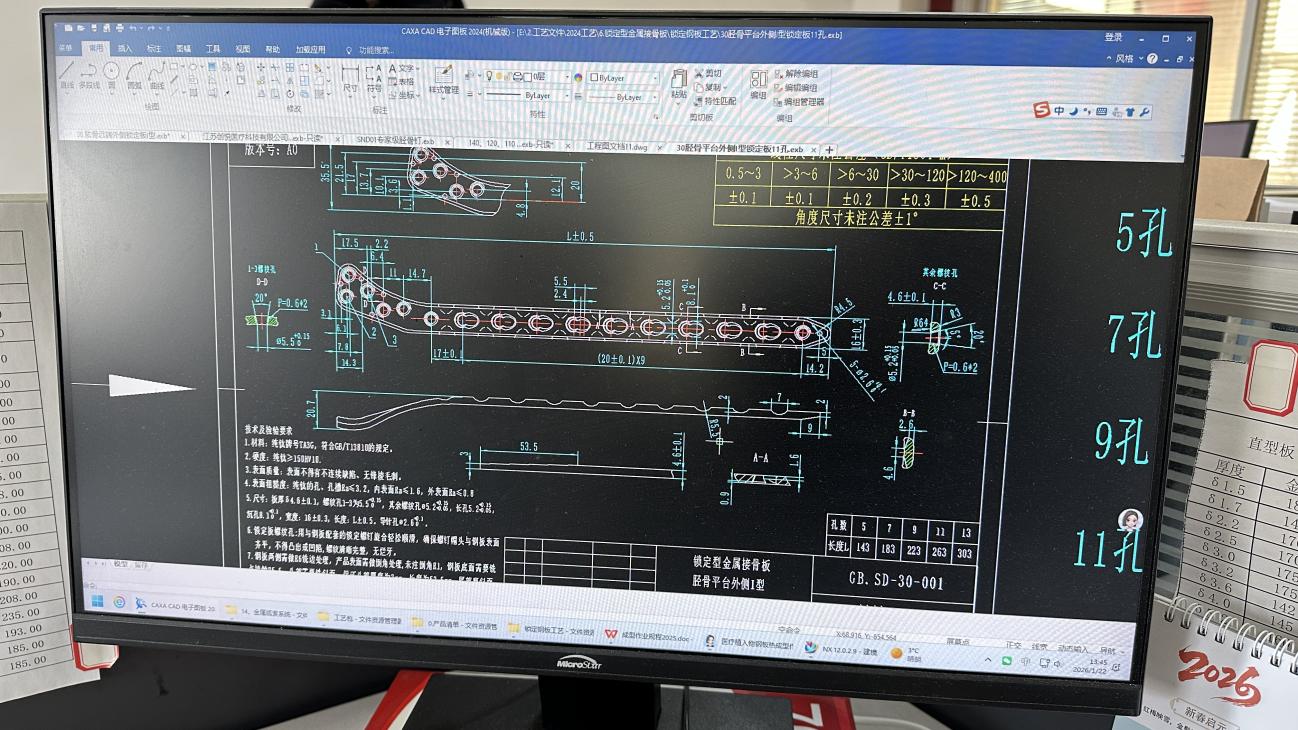
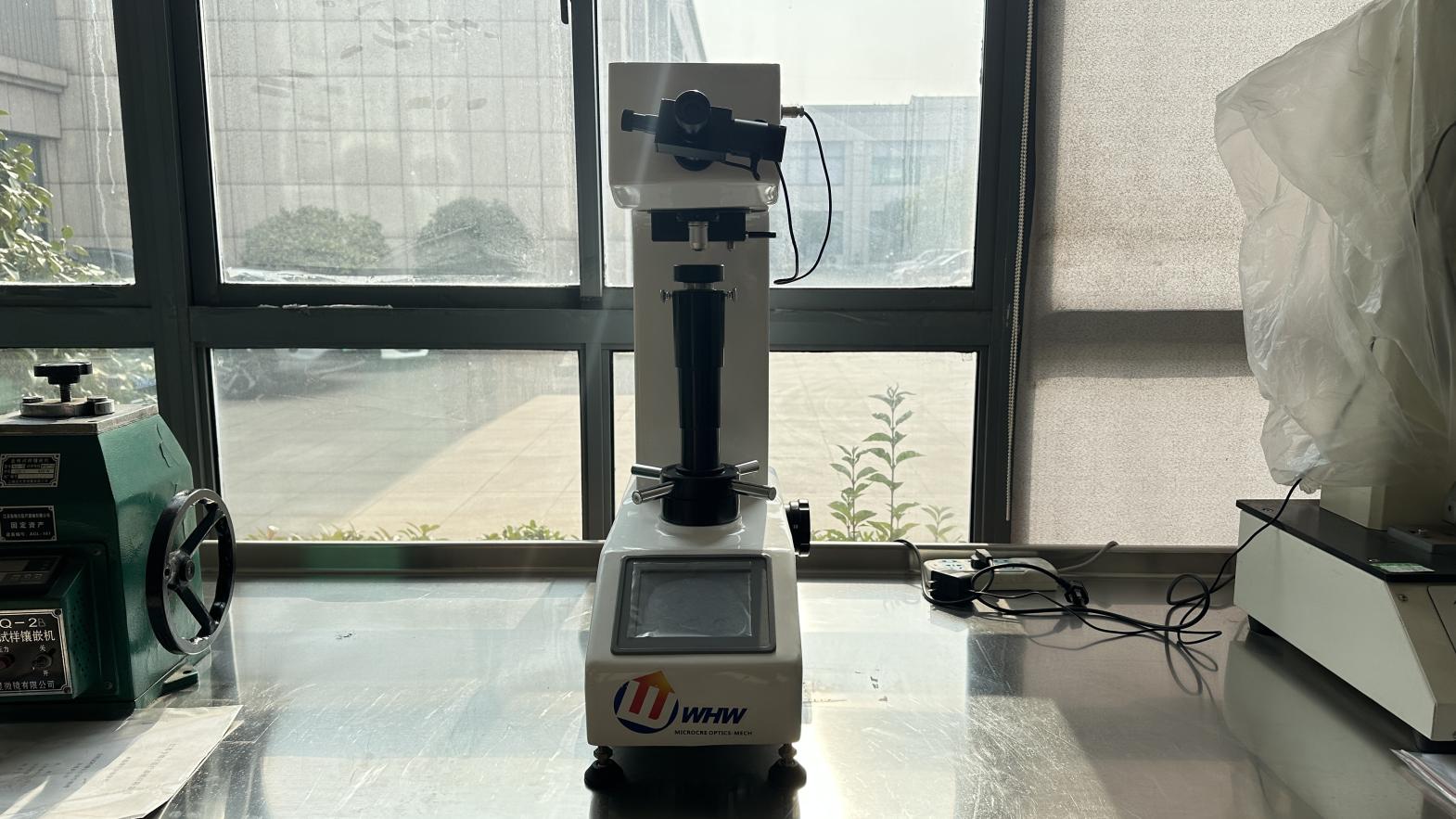
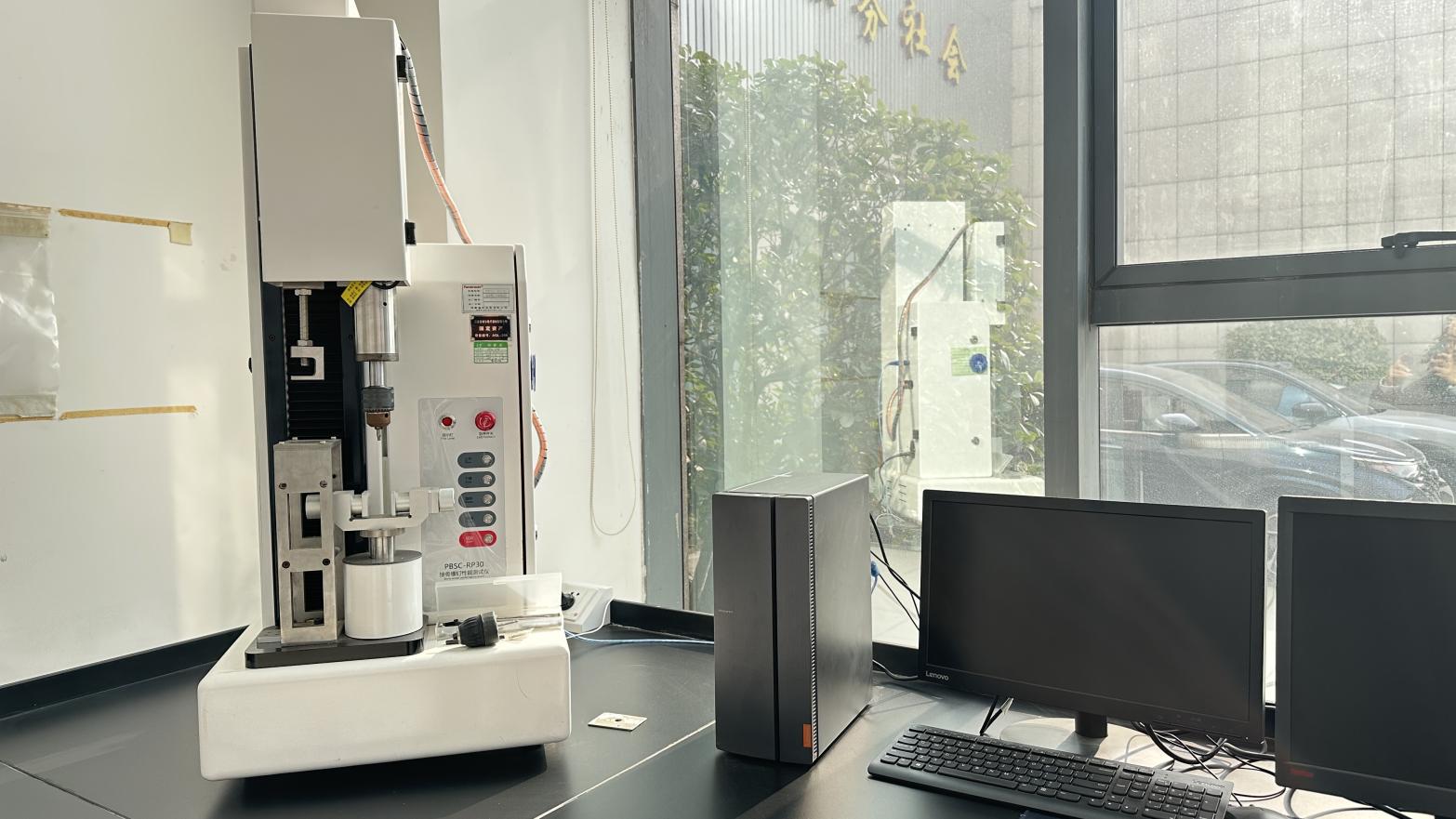
From raw titanium processing to dynamic stress testing, our facilities utilize state-of-the-art machinery to fabricate highly reliable orthopedic trauma plates.

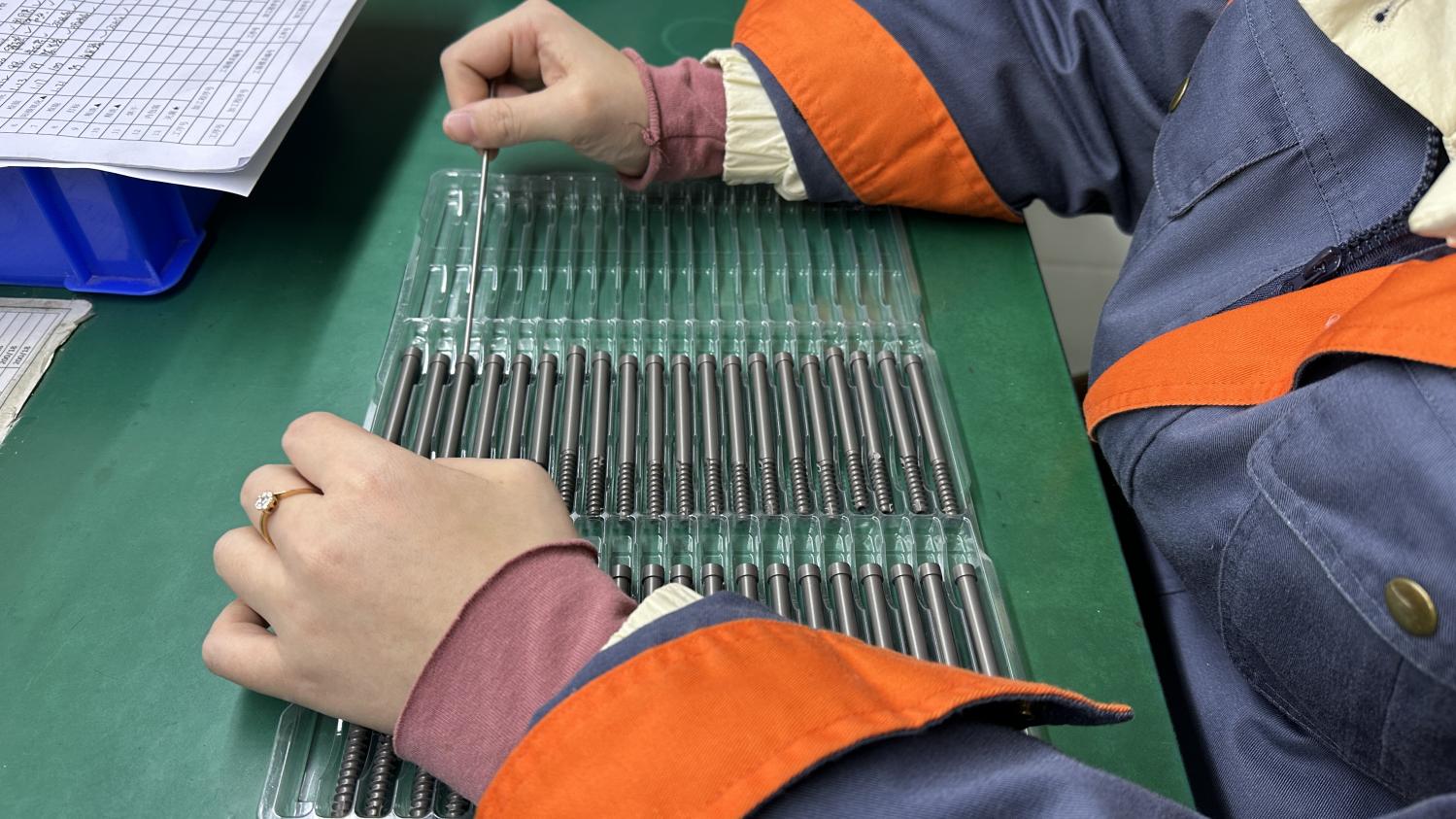
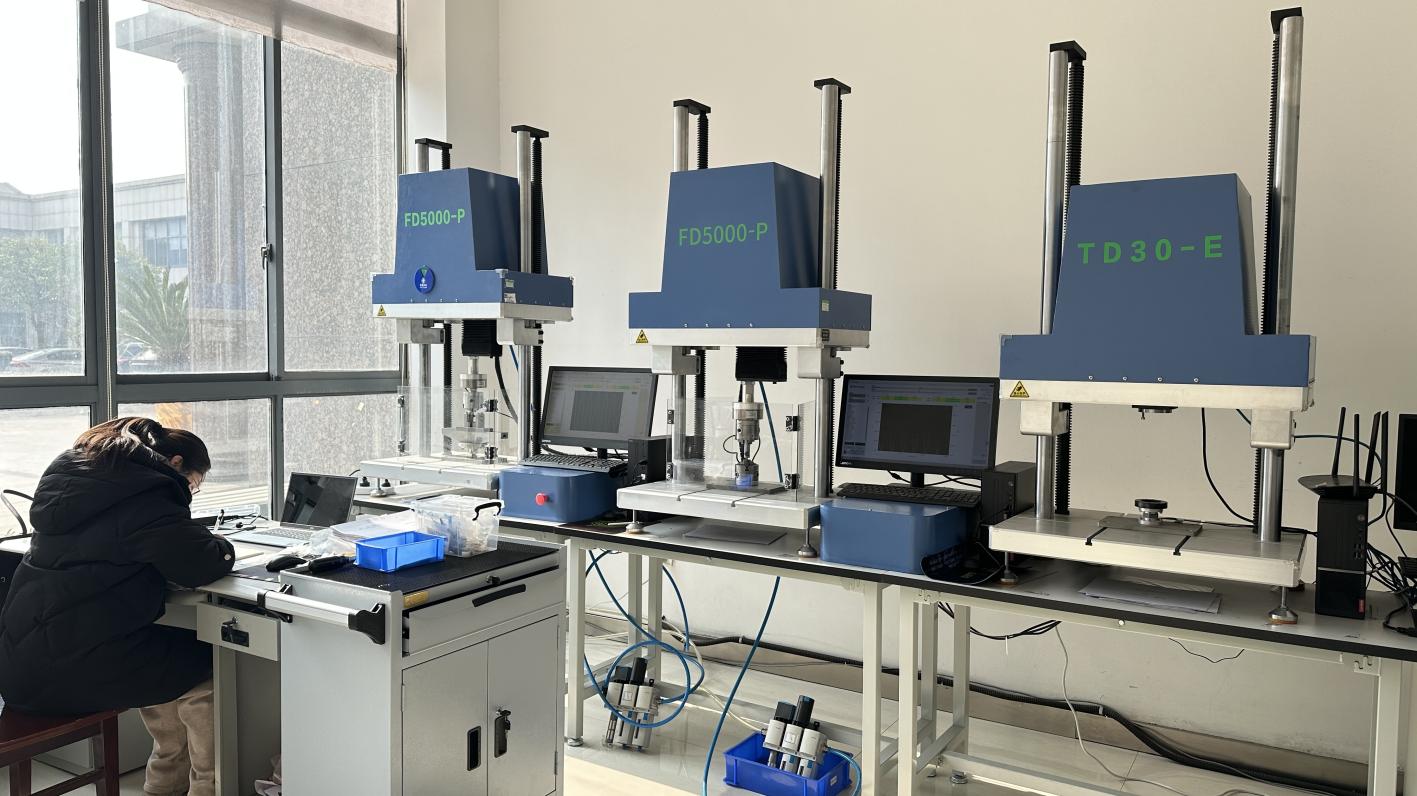
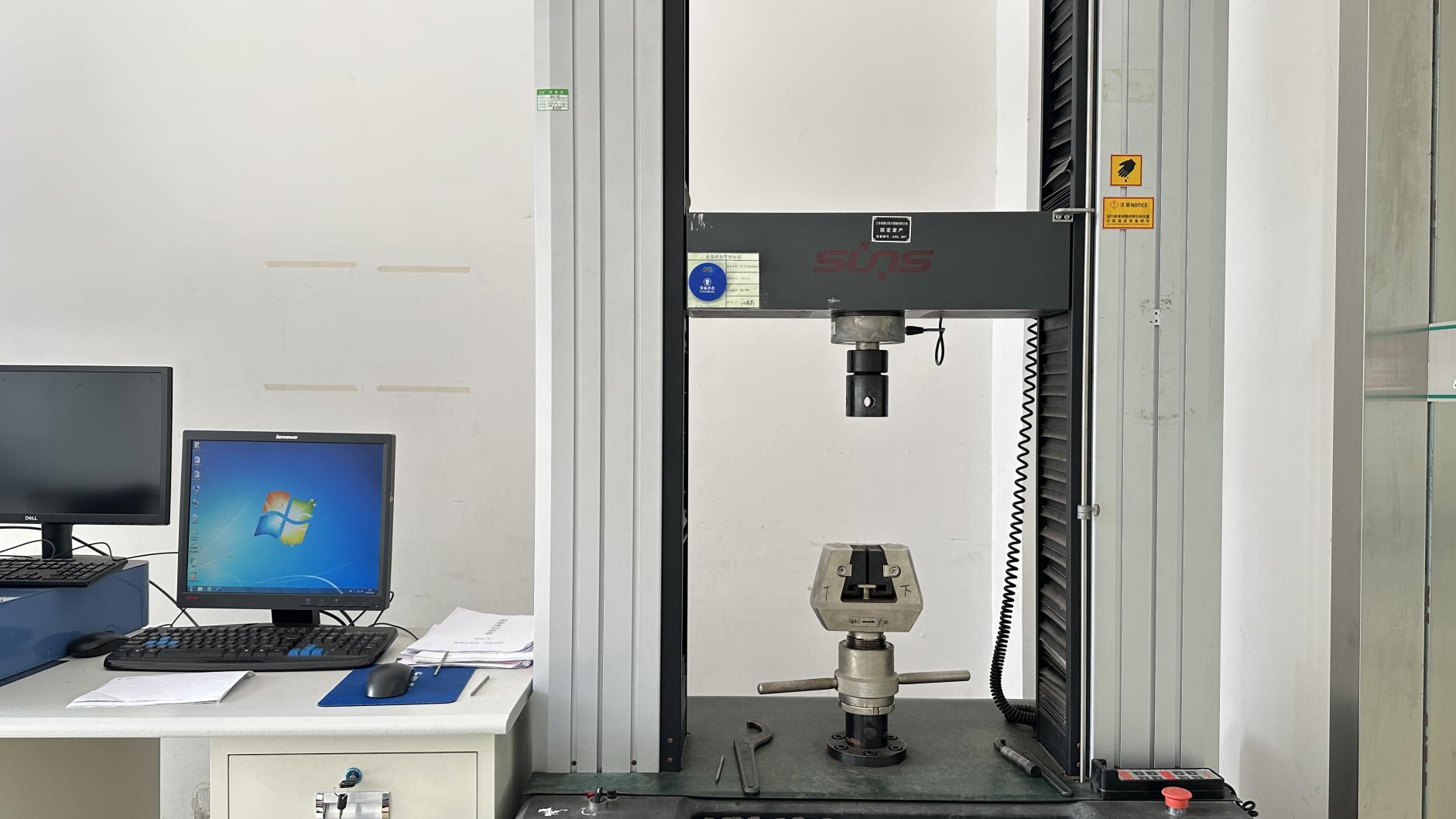
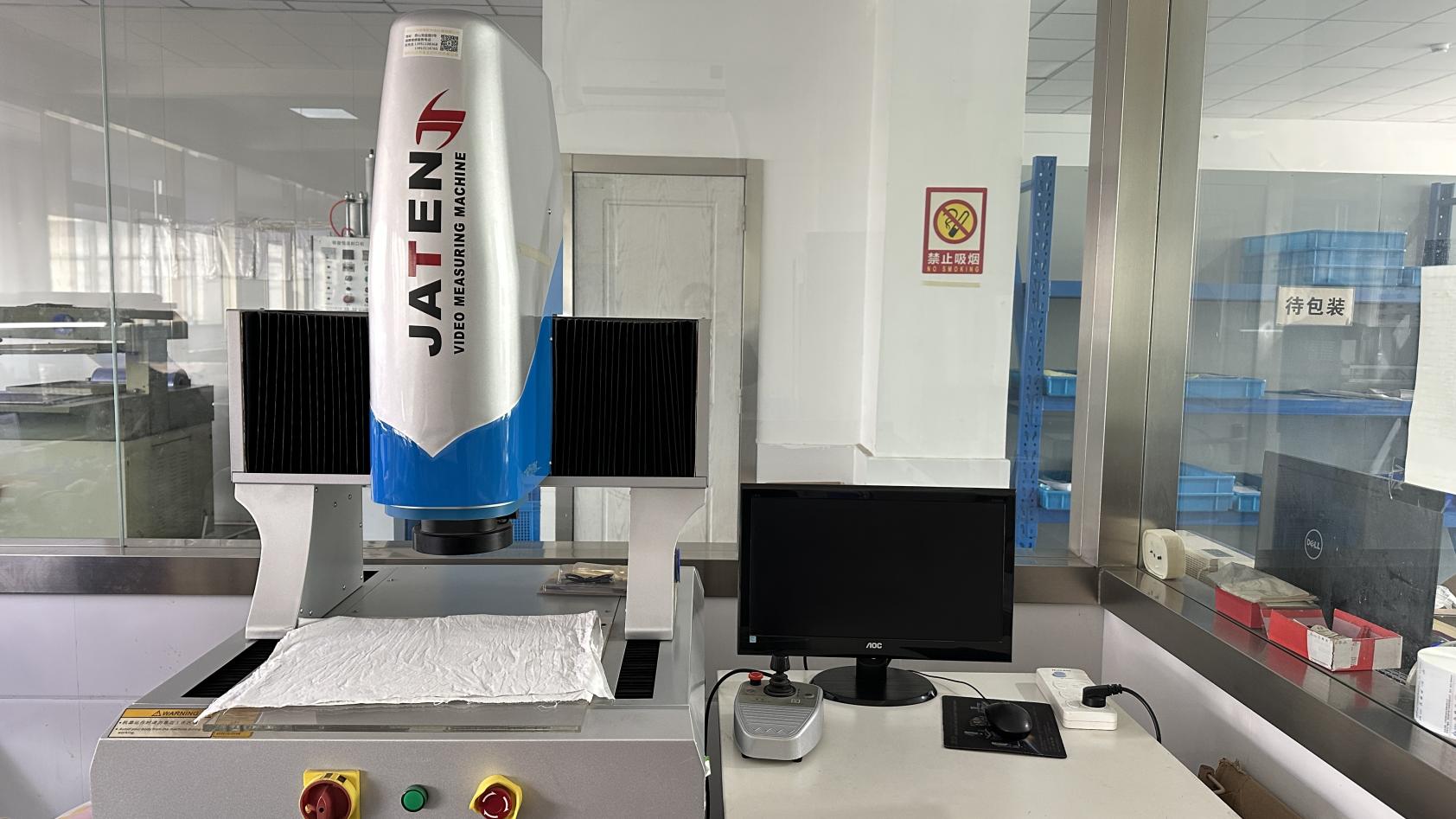
In modern trauma surgery, the mechanical behavior of locking plates must align with the natural elastic properties of human bone. Traditional rigid fixation solutions often led to stress shielding, causing localized bone resorption and delaying cortical remodeling. Our engineering roadmap targets the elimination of stress shielding through the design of low-profile, anatomical locking plates that permit micro-motion. This micro-motion stimulates callus formation, leading to faster biological healing.
Advanced surfaces undergo Type II anodization, creating an oxide layer that enhances corrosion resistance and prevents metal-ion release into surrounding tissue. For compound fractures near joints (such as the distal radius or distal tibia), our design integrates multi-axial polyaxial locking holes. This feature allows surgeons to angle locking screws up to 15 degrees in any direction, providing maximum stability in osteoporotic bone structures.
Distributing medical devices in Vietnam requires compliance with the Ministry of Health (MOH) regulations. According to Decree 98/2021/ND-CP, orthopedic implants are classified as Class C or Class D medical devices, requiring strict technical registration dossiers, ISO 13485 certification, and a validated Certificate of Free Sale (CFS). Our regulatory affairs department supports our local partners in HCMC through this process by preparing comprehensive documentation, including biocompatibility reports (ISO 10993), sterilization validation data, and mechanical fatigue test protocols.
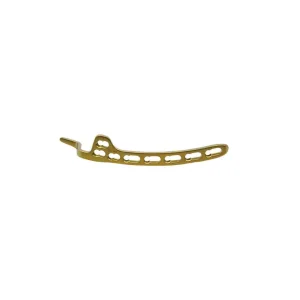
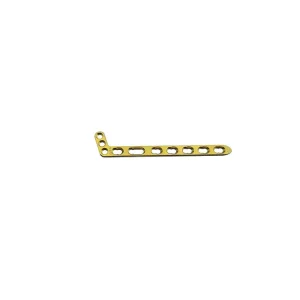
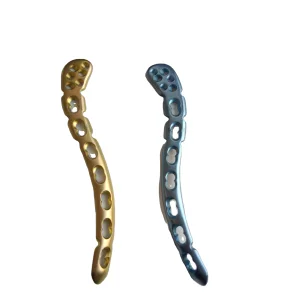
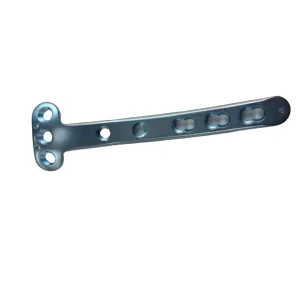
Examine our complete selection of surgical-grade plates and fixation systems, optimized for upper and lower limb reconstructive surgeries.
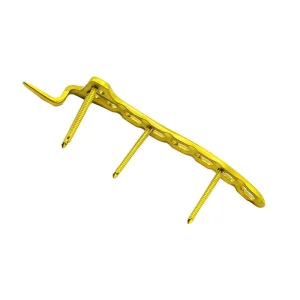
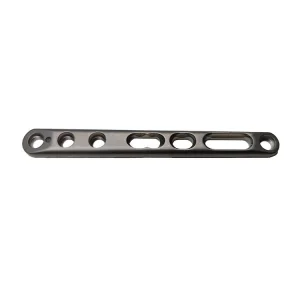
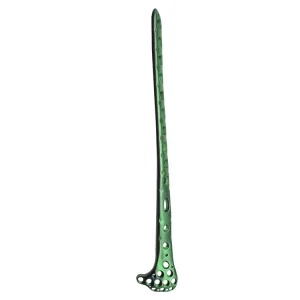
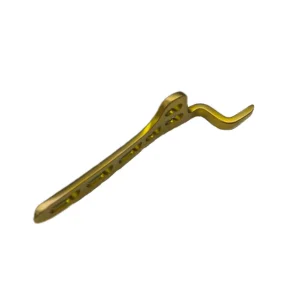
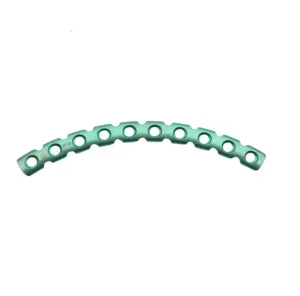
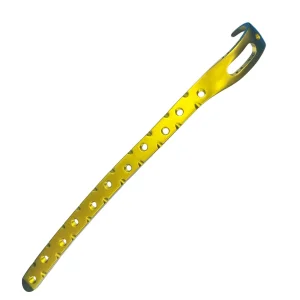
Understand the technical, clinical, and regulatory factors involved in purchasing medical-grade titanium implants for southern Vietnam.
We use Grade 23 Titanium Alloy (Ti-6Al-4V ELI - Extra Low Interstitials) and Grade 4 Pure Titanium. These materials meet the rigorous standards of ASTM F136 and ISO 5832-3. This chemical composition provides high tensile strength, fatigue life, and corrosion resistance, minimizing the risk of adverse tissue reactions in trauma patients.
We provide comprehensive documentation packages required by Vietnam's Ministry of Health (MOH) under Decree 98/2021/ND-CP. This includes ISO 13485 certificates, Certificate of Free Sale (CFS), raw material mill test certificates, validation files for ethylene oxide (EO) sterilization, and mechanical fatigue test results.
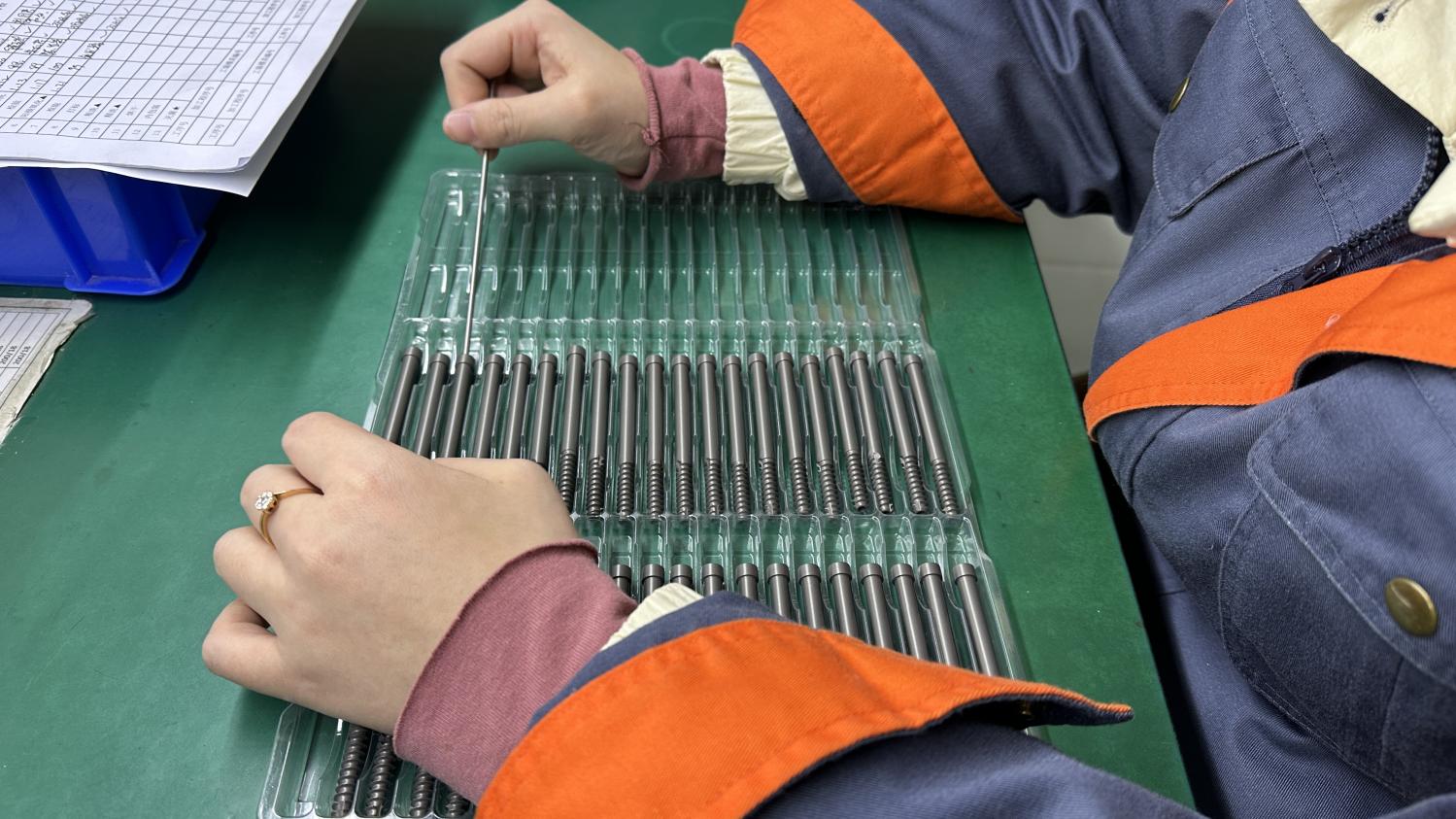
Our quality assurance team of over 65 professionals manages a multi-phase inspection workflow. This includes CMM dimensional inspection, fatigue testing, tensile testing, X-ray inspection for structural integrity, and torsion testing for bone screws. These tests verify mechanical stability before final sterile packaging.
Yes, our 120-member biomechanical engineering team provides full OEM/ODM services. We can customize bone plate geometries, design dedicated instrument kits, and create private labeling systems to support specific surgical techniques and anatomical needs.
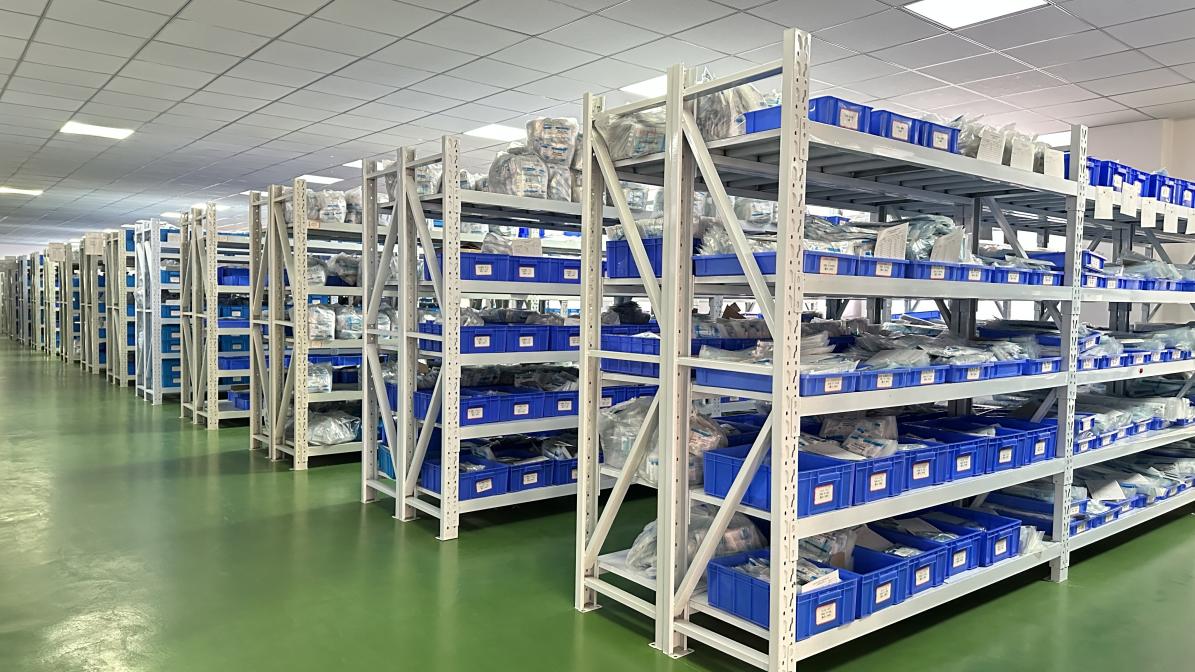
For standard catalog configurations, our inventory allows us to ship within 15 to 30 days. For custom OEM designs, the production timeline typically spans 45 to 60 days, depending on the complexity of the geometry and the required registration approvals.
Partner with a certified medical manufacturer to secure high-quality titanium trauma implants, reliable lead times, and comprehensive regulatory support for the Vietnam market.
Send Inquiry Now Virelox