Engineered to international standards and optimized for trauma clinics and hospitals across the Indian subcontinent.
India is experiencing an unprecedented surge in demand for high-quality orthopedic implants. The combination of industrial expansions, infrastructure works, and healthcare modernization requires durable and affordable internal fixation devices.
The Central Drugs Standard Control Organisation (CDSCO) classifies orthopedic trauma implants under Class C and Class D risk categories. Importers and local manufacturers must ensure ISO 13485 certification, biocompatibility data, and strict clinical registry records.
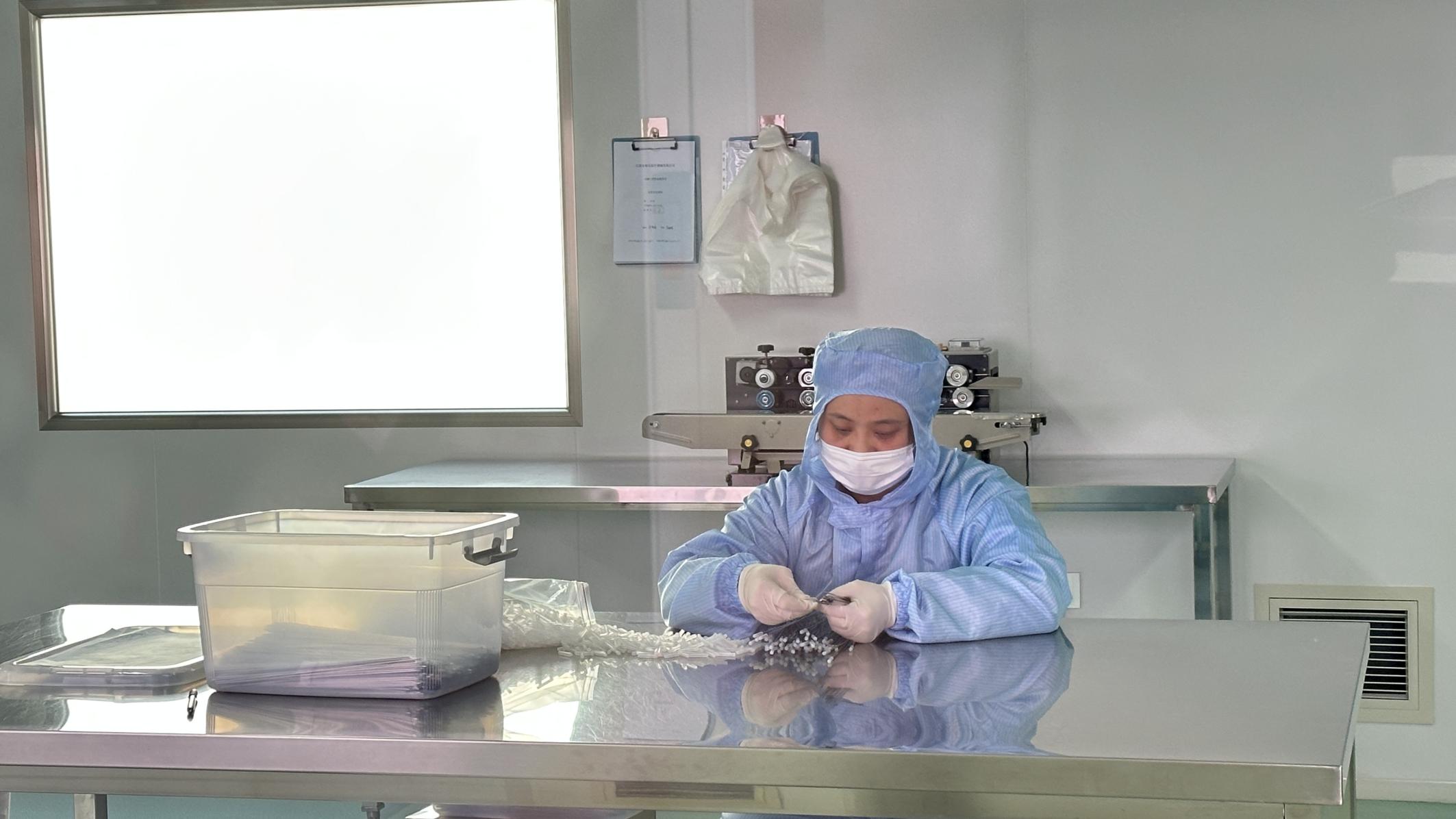
Sourcing from reliable international networks ensures raw materials like ASTM F136 compliant Titanium Alloys and implant-grade 316L Stainless Steel are processed under cleanroom environments to mitigate post-surgical infection risks.
India is a key hub for orthopedic device utilization and manufacturing in South Asia. Healthcare schemes such as *Ayushman Bharat (PM-JAY)* have significantly boosted reconstructive and trauma surgery volumes, highlighting the need for cost-efficient osteosynthesis products. Major distribution centers in Gujarat, Maharashtra, Delhi NCR, and Tamil Nadu rely on stable factory supplies to meet hospital requirements.
While local factories cater to the base market, Indian distributors, orthopedic clinics, and healthcare networks increasingly partner with advanced international factories. This hybrid sourcing strategy ensures access to high-precision multiaxial locking plates and complex anatomical reconstruction plates, bridging the gap between clinical demands and local production limits.
For international buyers and local importers targeting the Indian subcontinent, ensuring regulatory compliance is essential. Companies sourcing orthopedic devices must provide comprehensive validation documents:
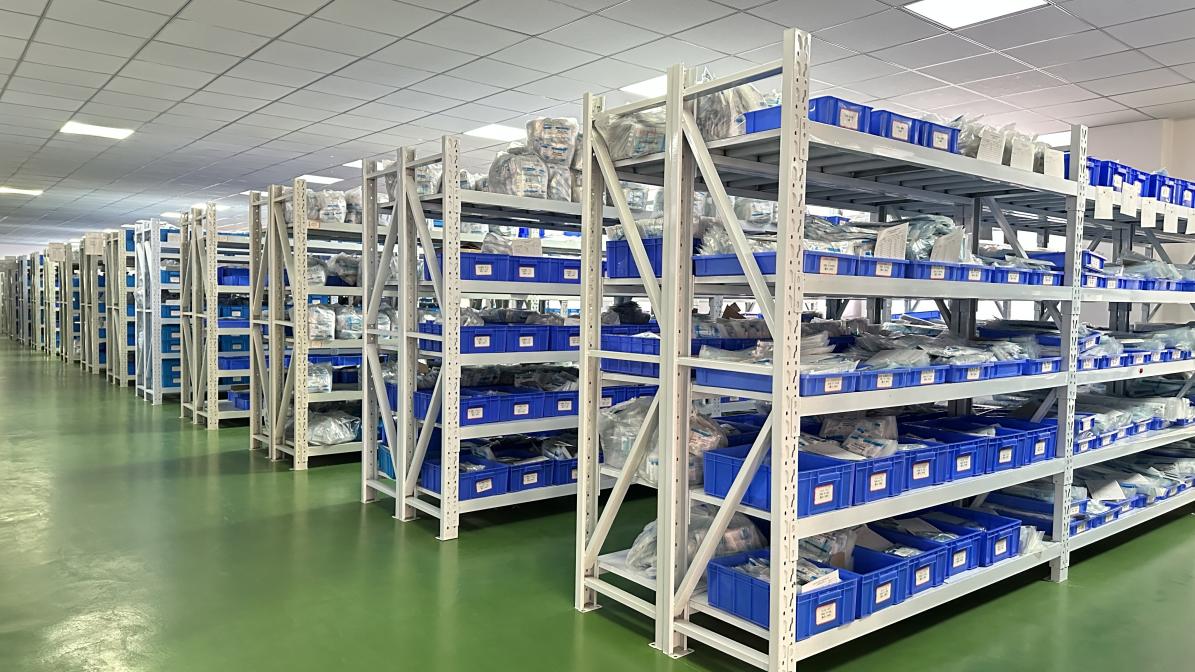
Leveraging state-of-the-art facilities and extensive R&D to supply premium orthopedic systems to global partners.
Virelox Medical Devices Co., Ltd. is a professional orthopedic medical device manufacturer specializing in joint replacement and surgical implant solutions. Operating under the "Virelox" brand, the company is committed to delivering high-performance orthopedic systems for global healthcare providers, offering robust OEM/ODM capabilities and custom implant geometries based on surgeon requirements.
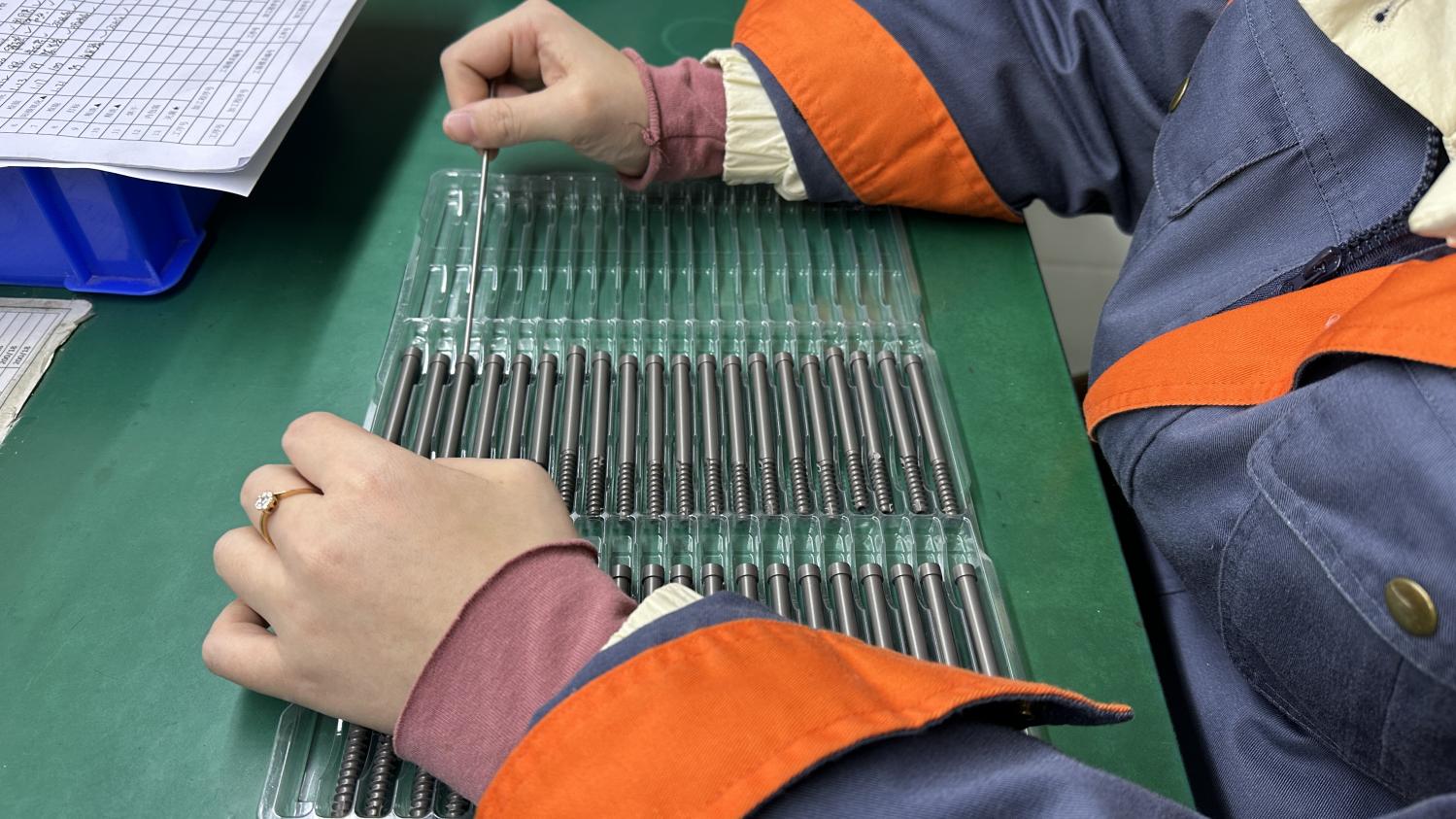
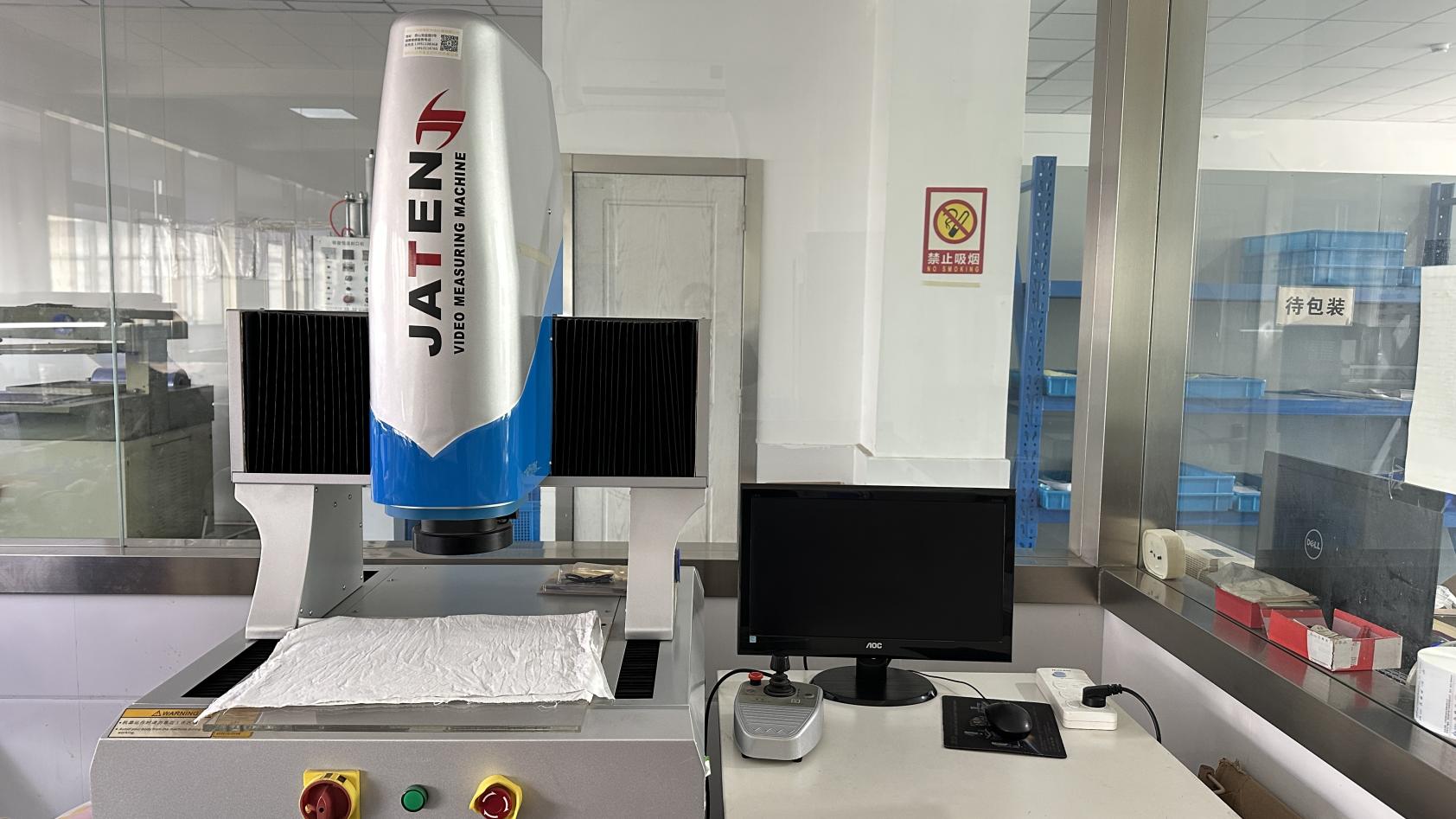
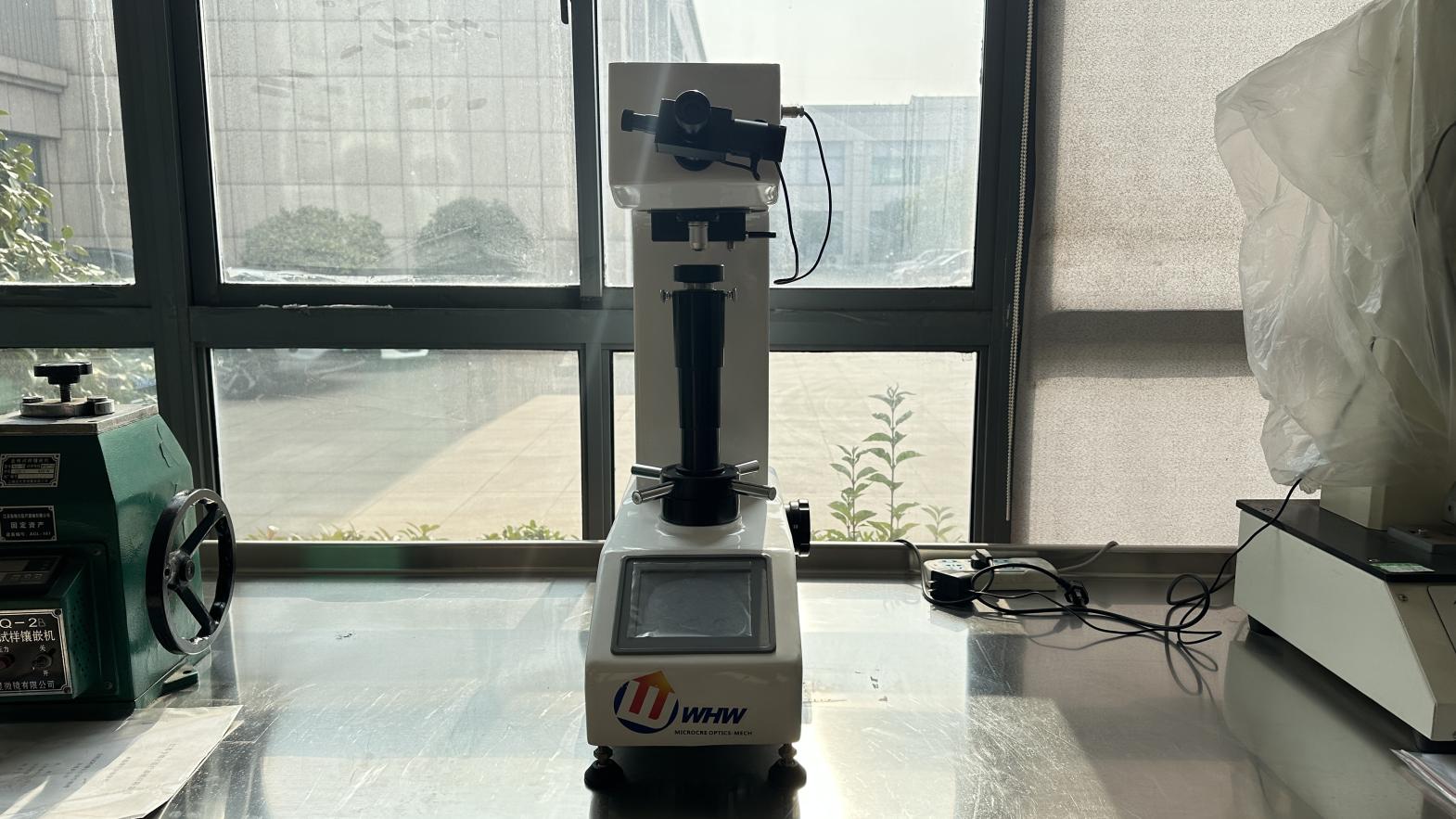
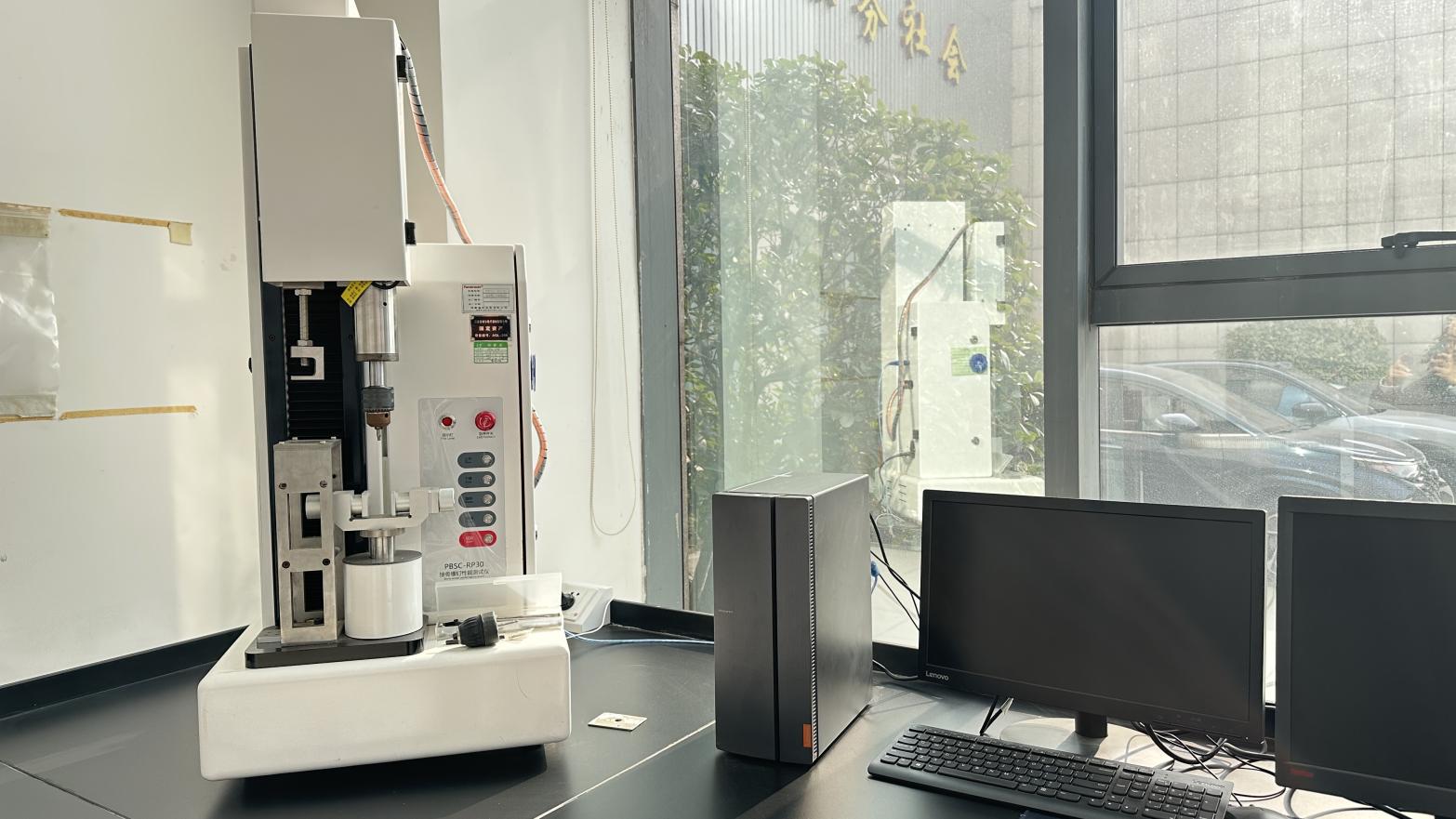
Our manufacturing and quality assurance workflows strictly align with ISO 13485 standards, featuring precision raw materials and cleanroom processes.
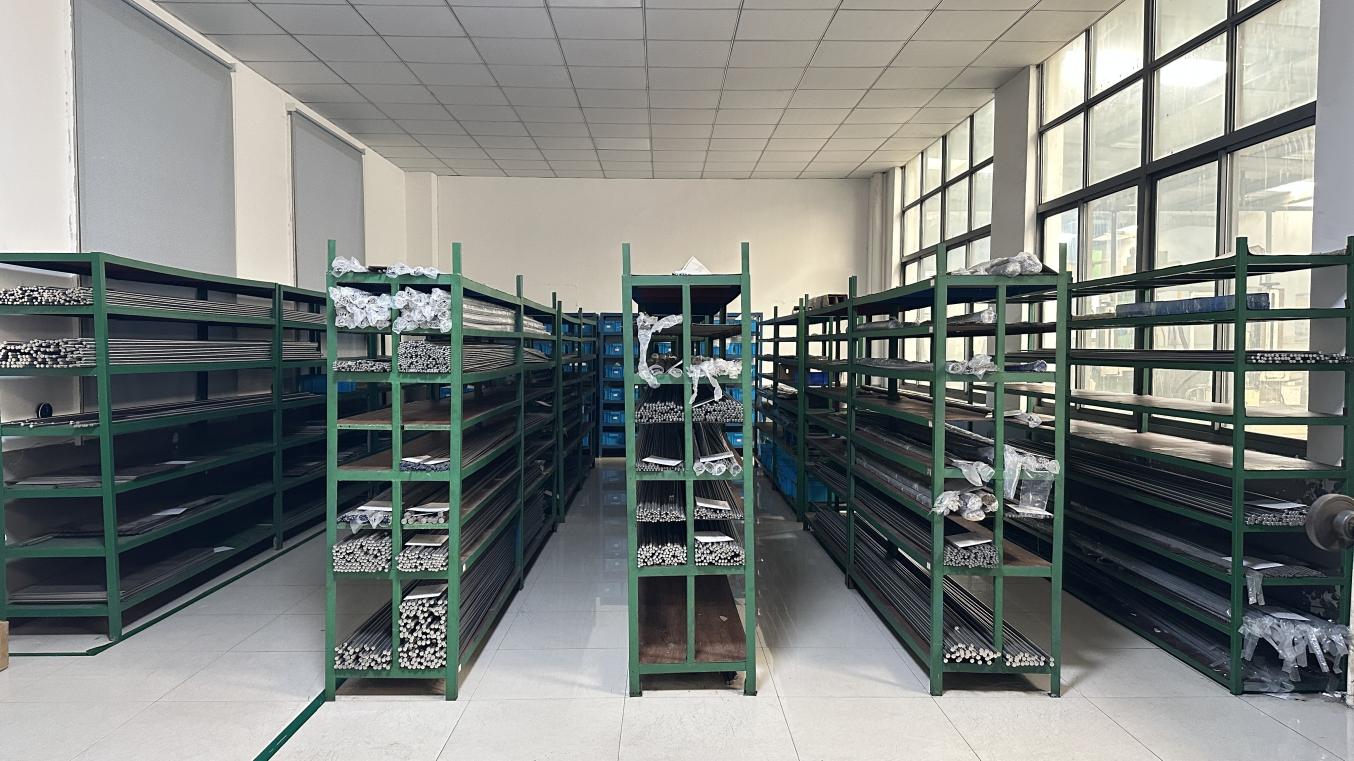
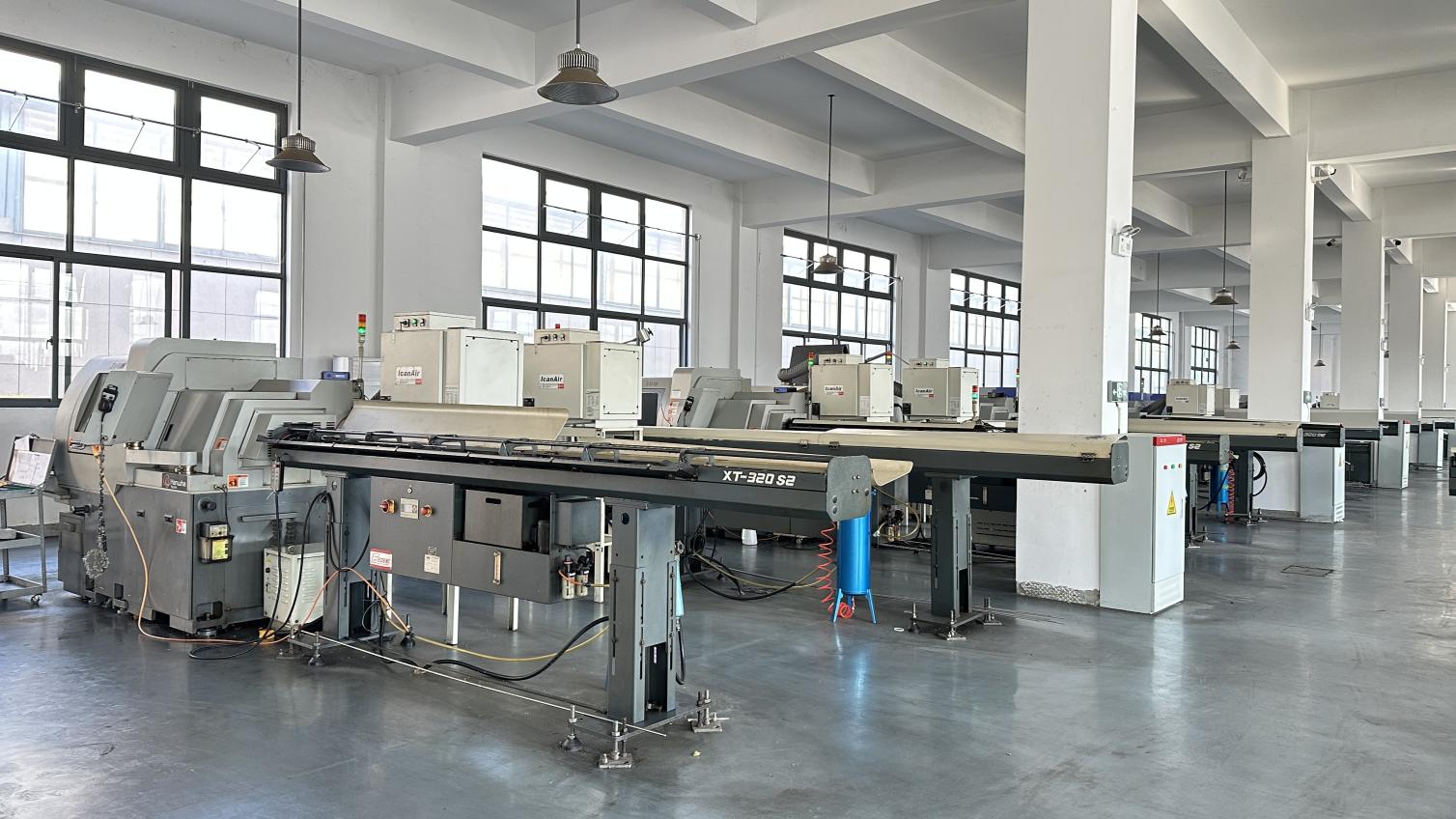
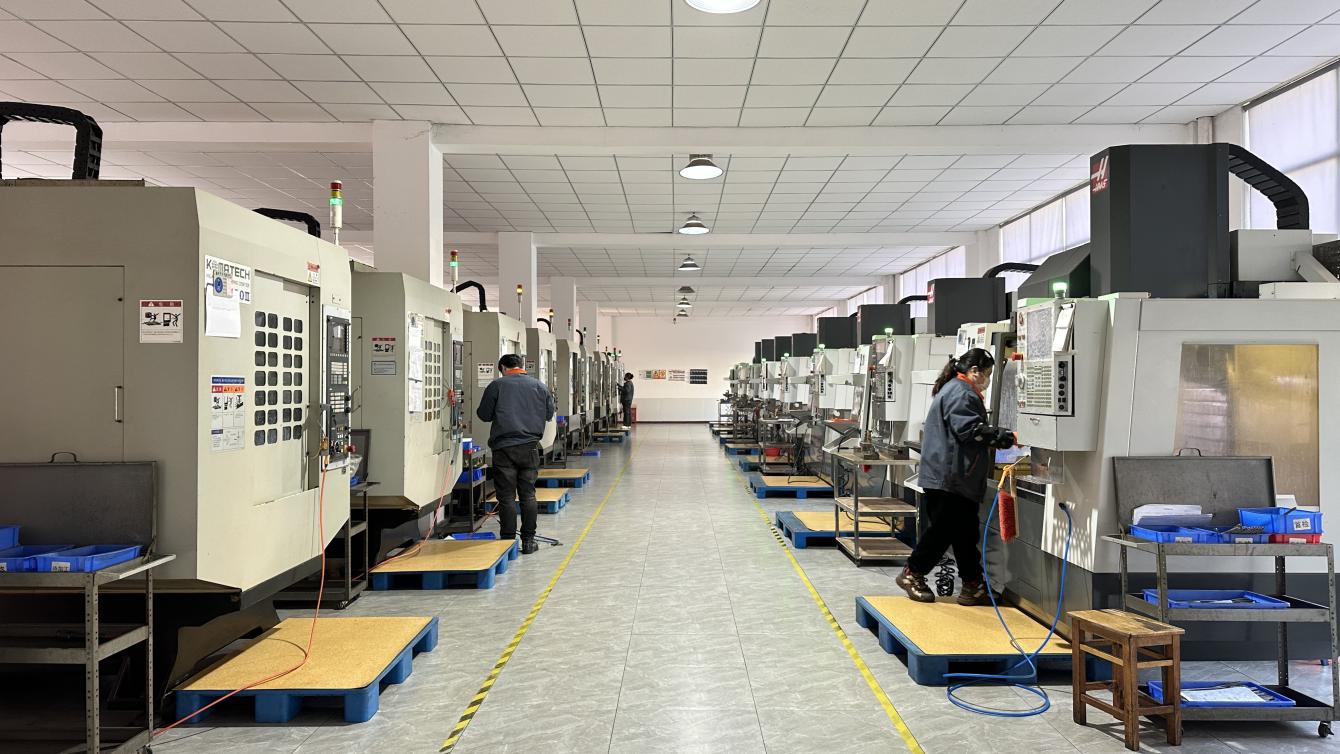
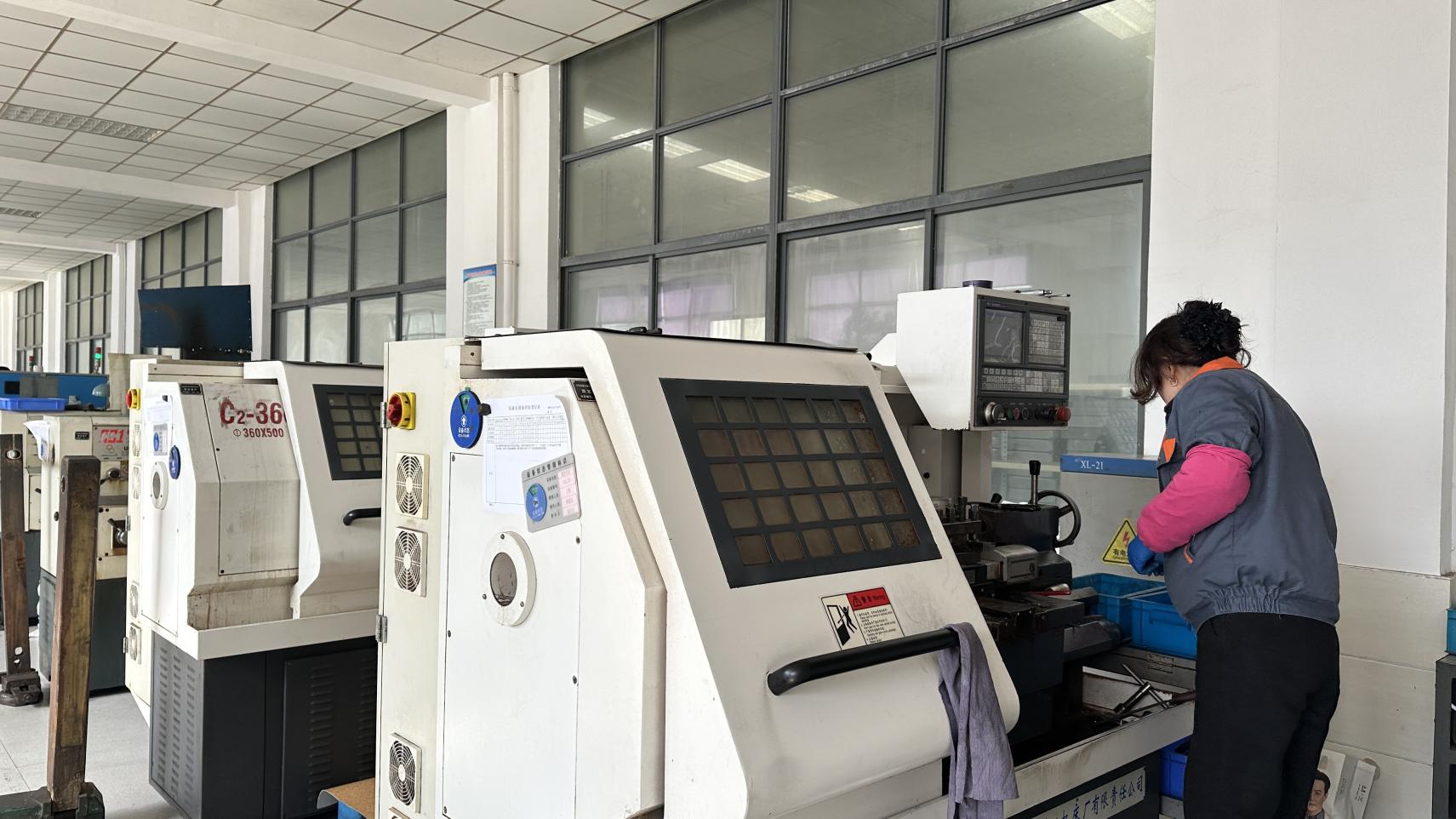
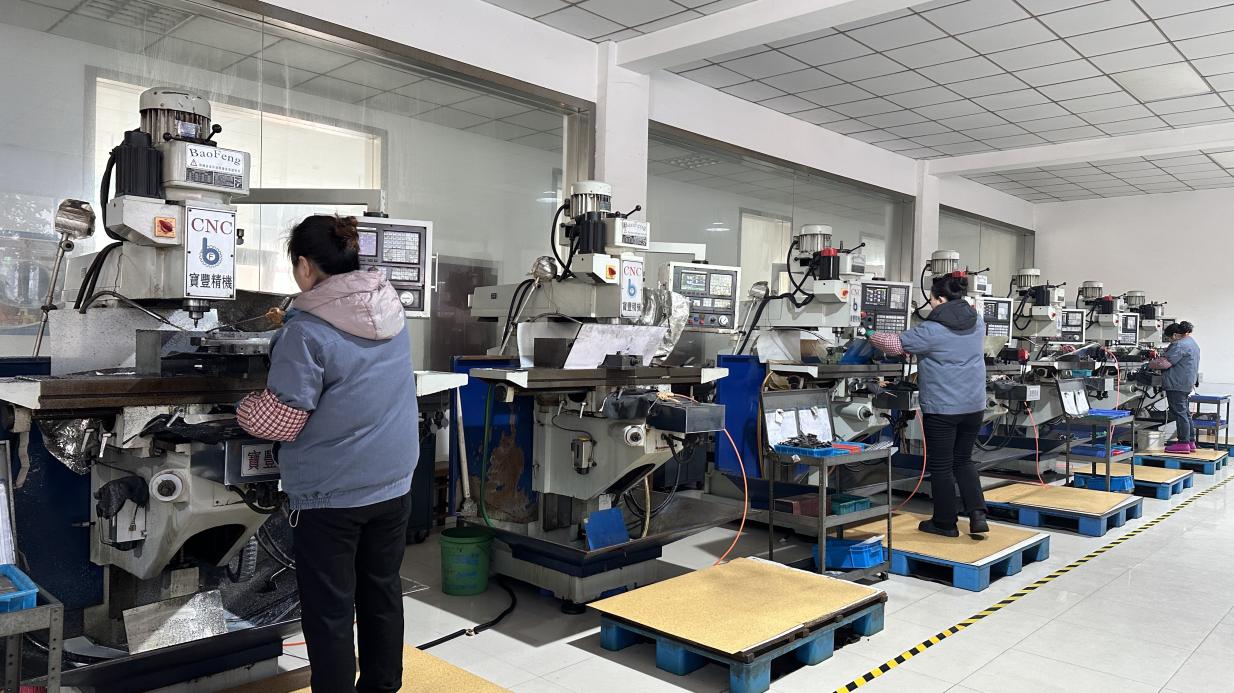
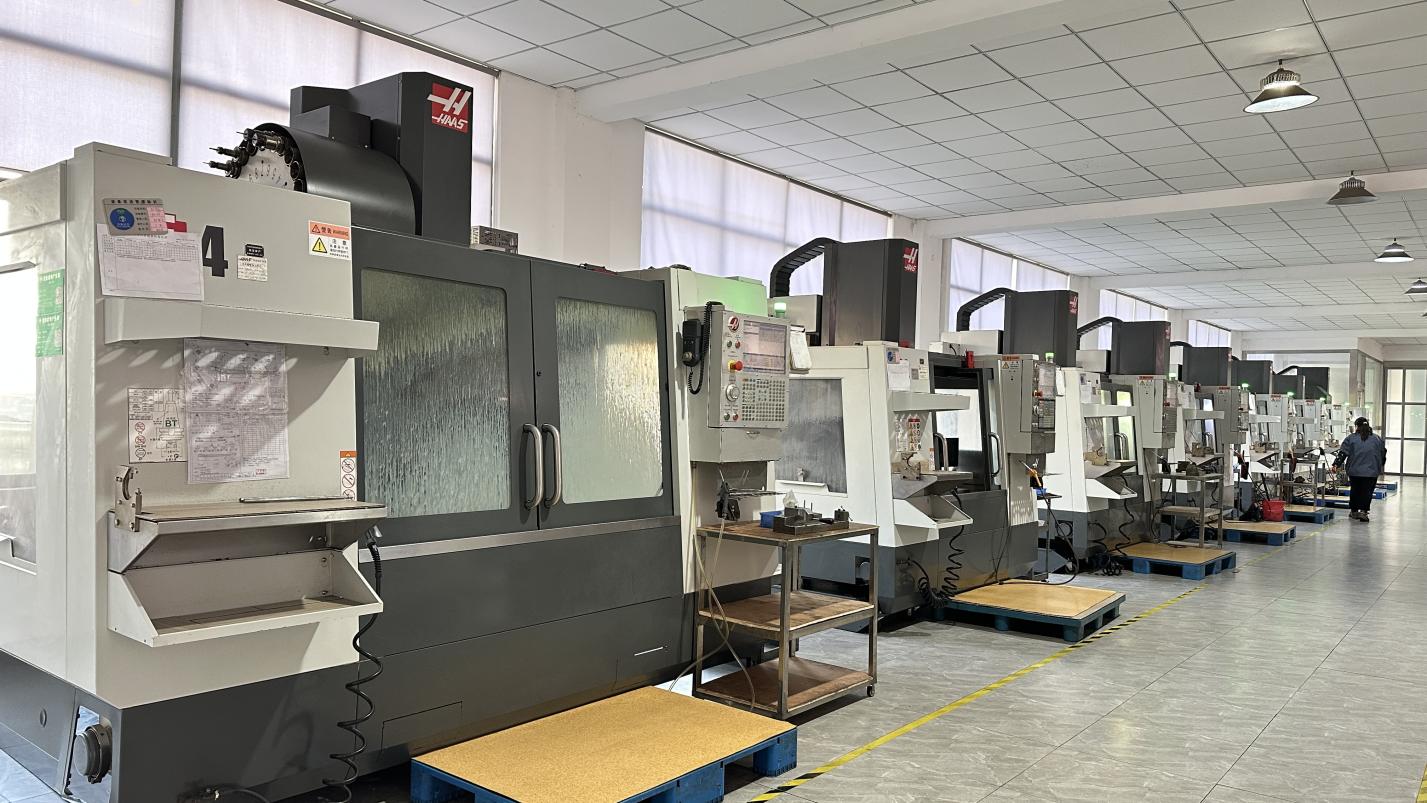
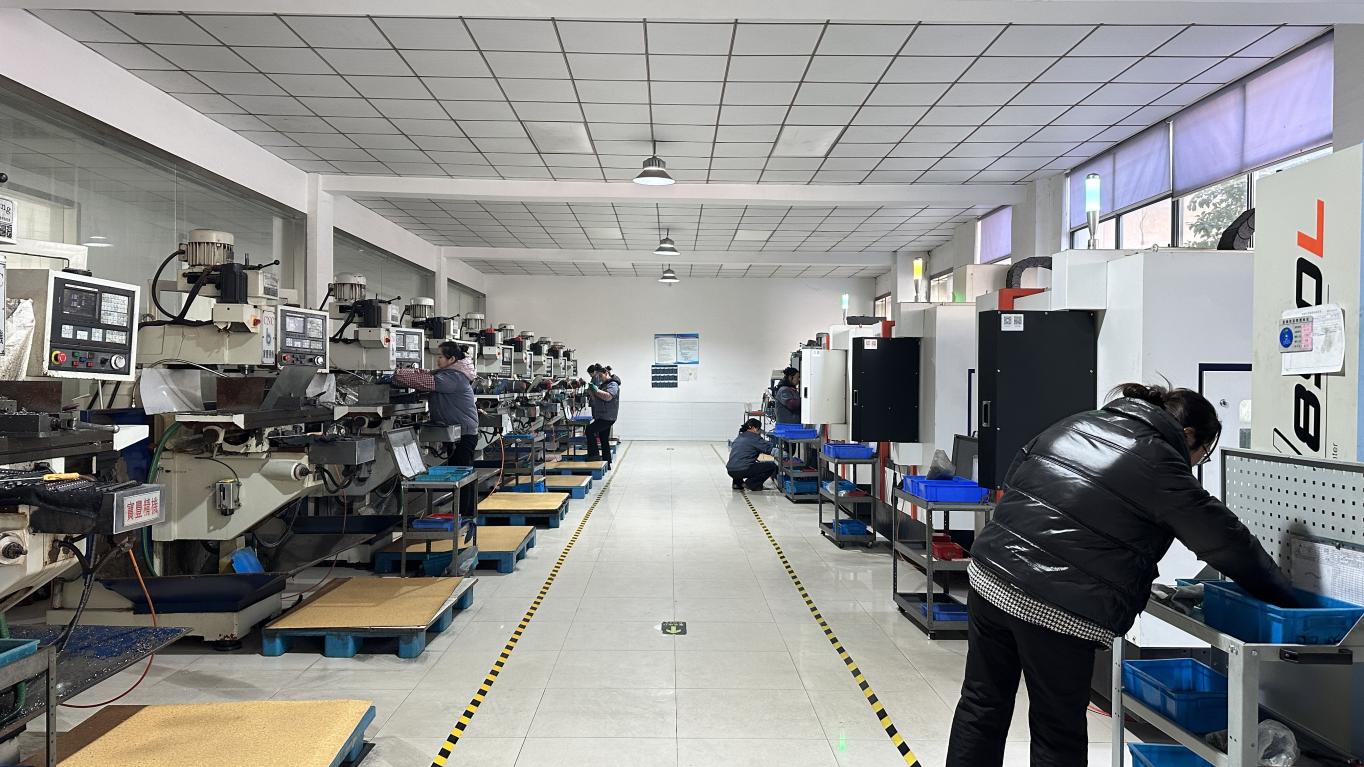
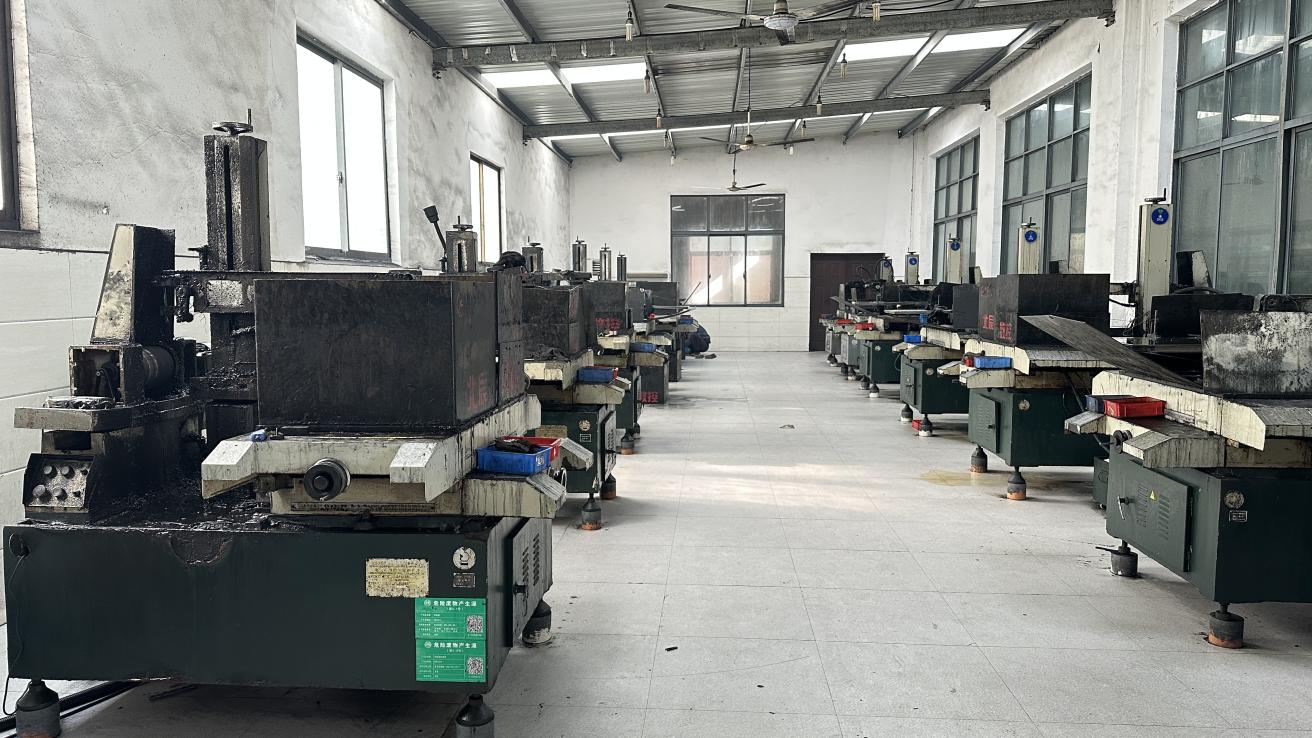
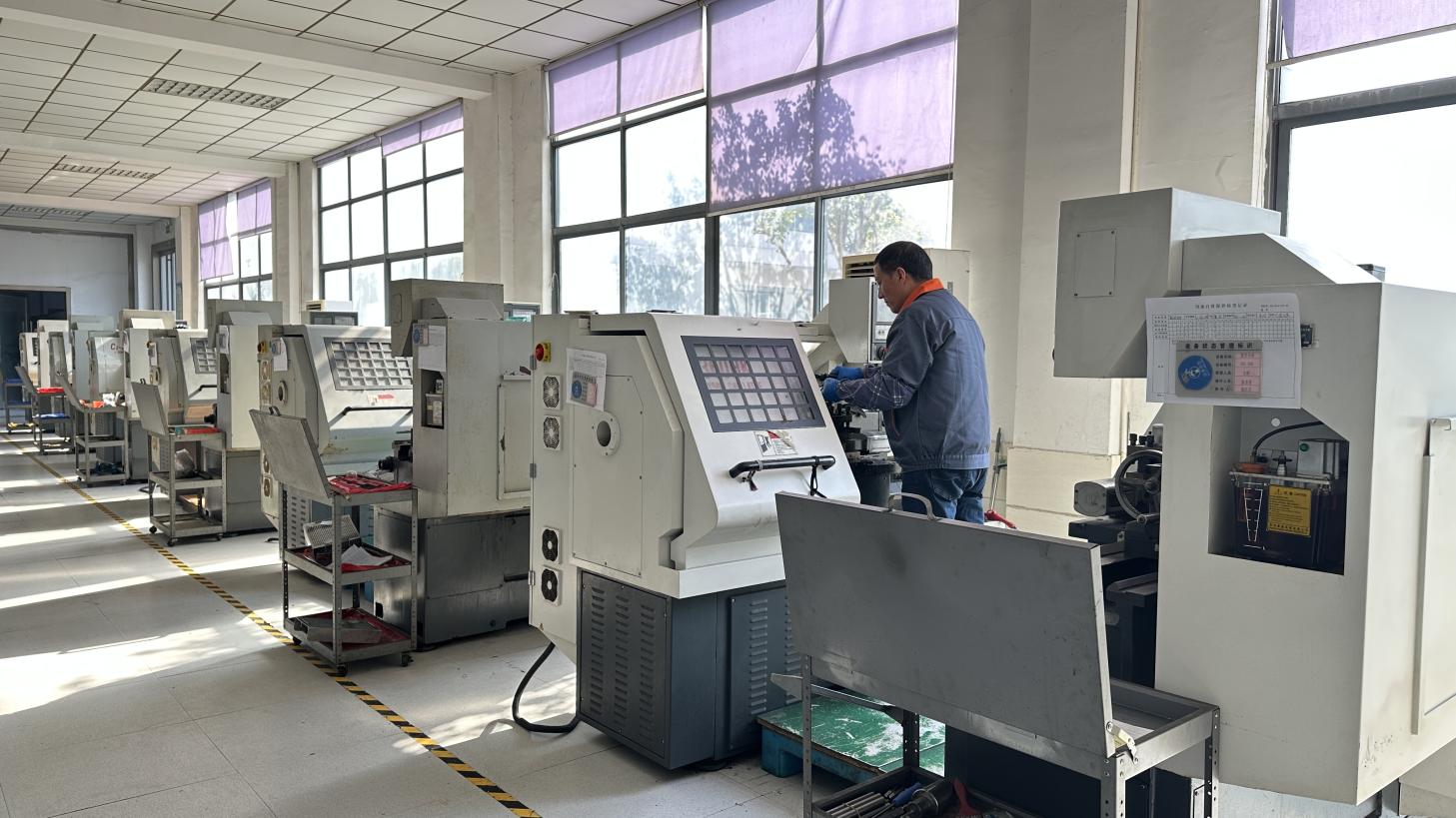
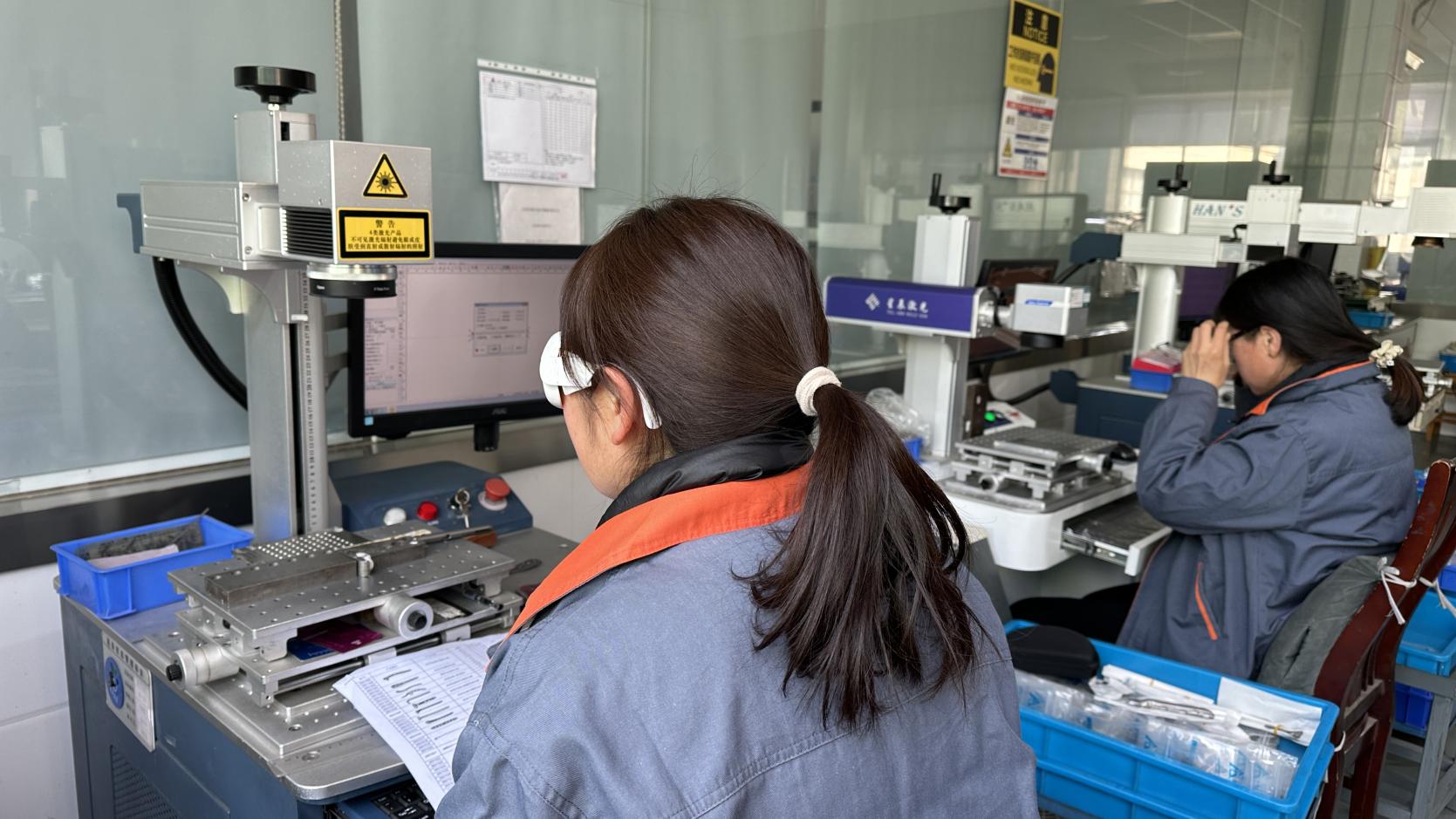
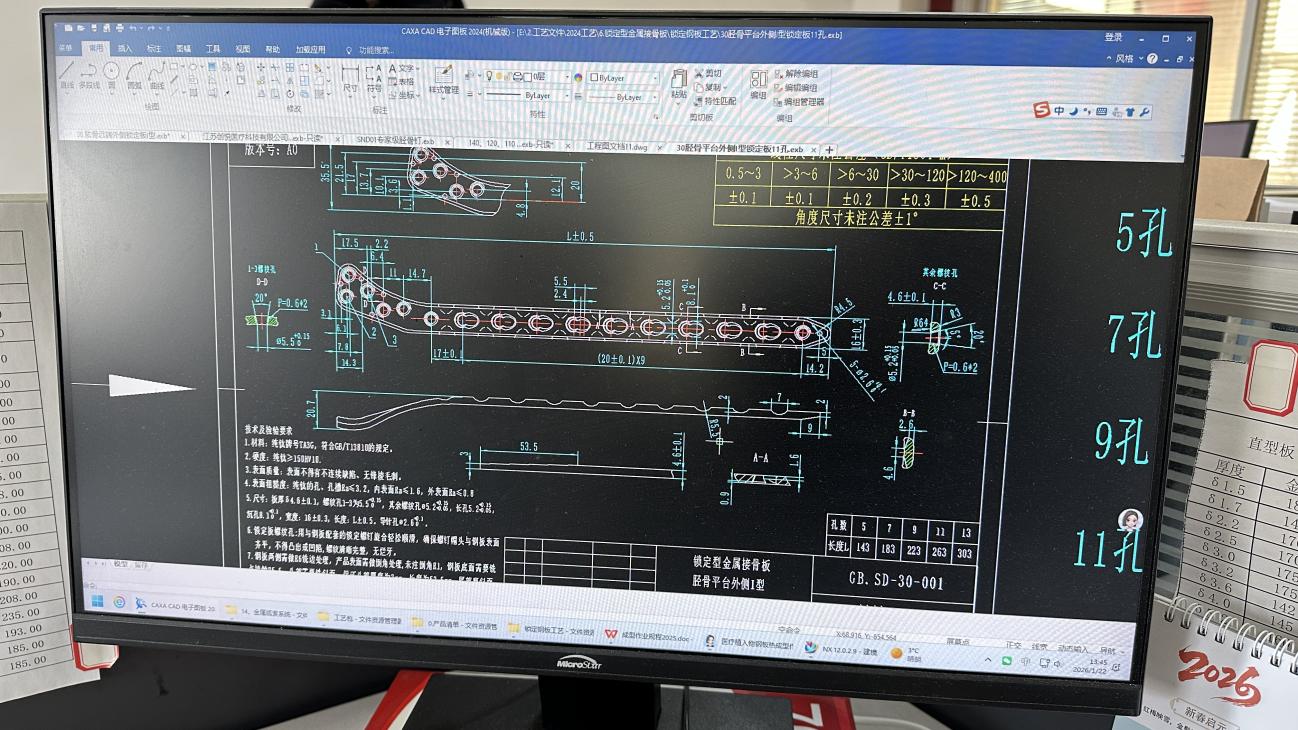
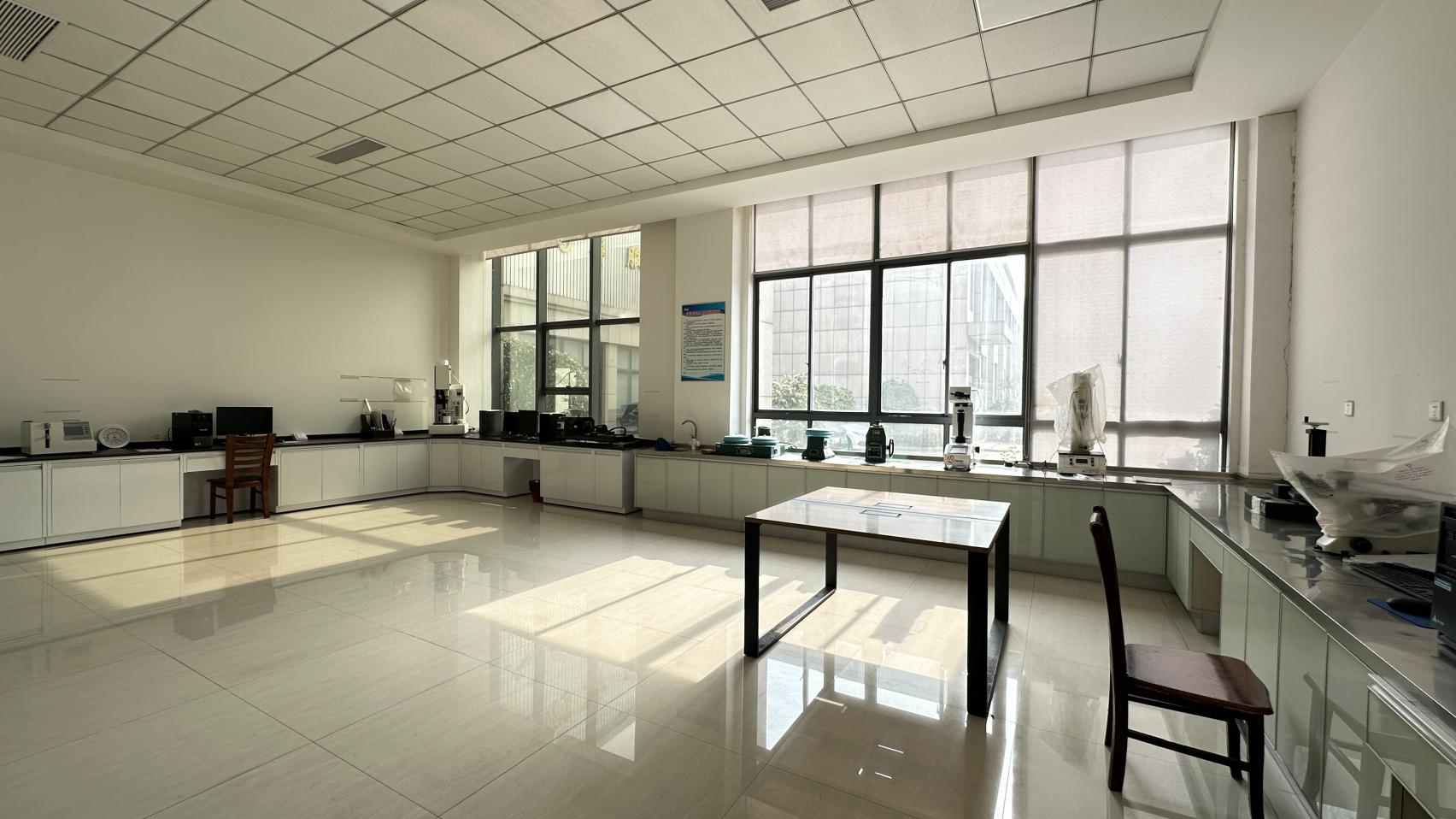
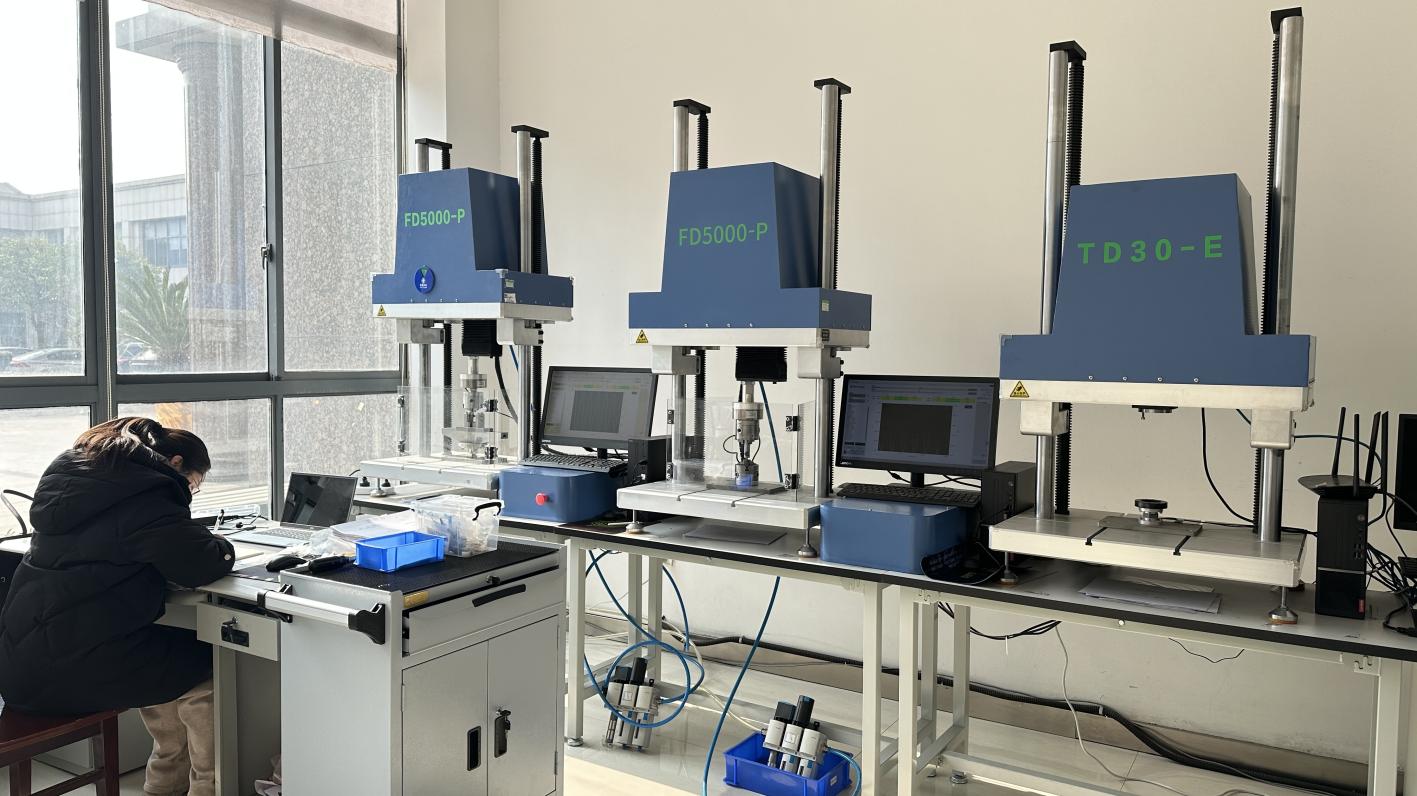
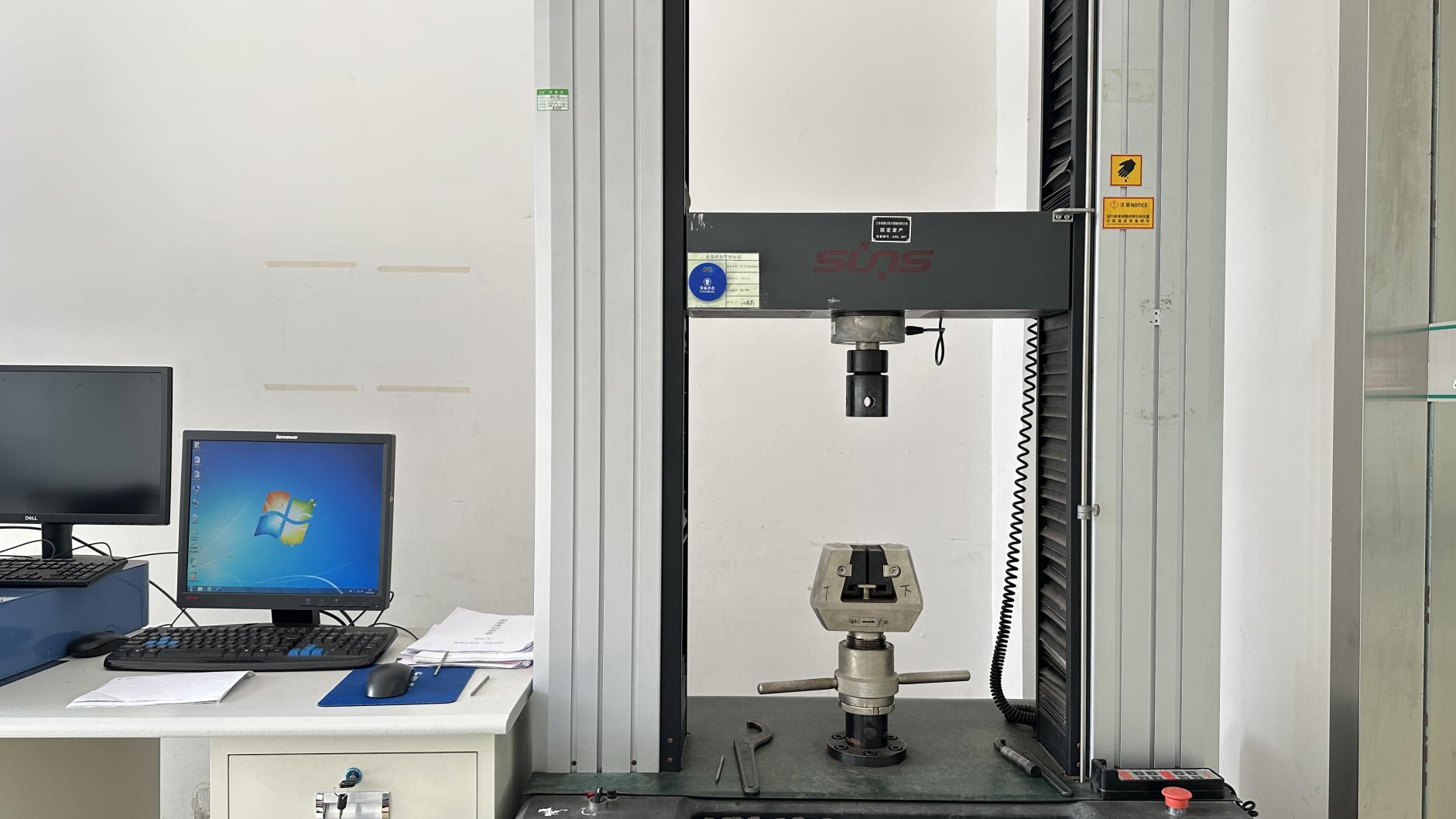
No implant is dispatched without rigorous testing, utilizing state-of-the-art instruments for biomechanical and dimensional compliance.
Next-generation clinical implants aim to minimize secondary removal surgeries. Development in bioabsorbable materials—especially magnesium alloys and polylactic acids (PLA)—allows the device to degrade safely as the bone heals, offering a major clinical advantage in pediatric trauma cases.
Utilizing CT scanning data, manufacturers can now 3D print customized locking plates in titanium. This technology addresses complex articular fractures and oncology reconstructions where standard plates fall short. Our design lab is constantly developing biomechanical structures to match this demand.
Integrating micro-sensors into bone plates allows real-time monitoring of bone union. By analyzing stress variations, surgeons can monitor healing progress and adjust recovery plans. Innovation is key to sustaining competitive advantages in both the Indian and global markets.
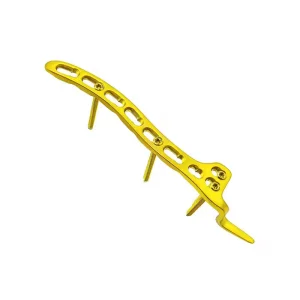
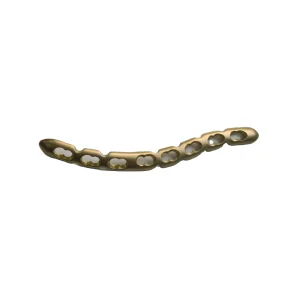
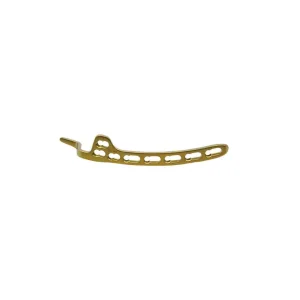
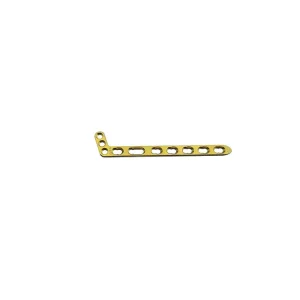
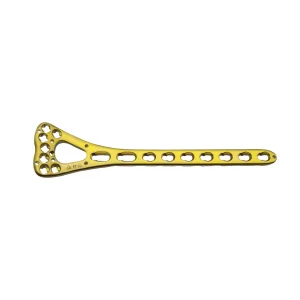
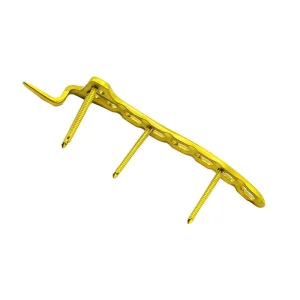
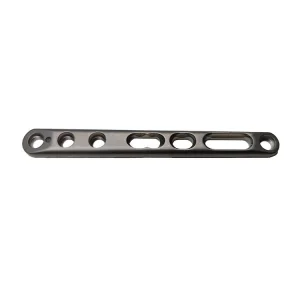
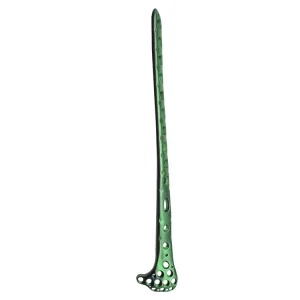
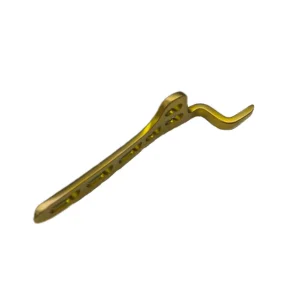
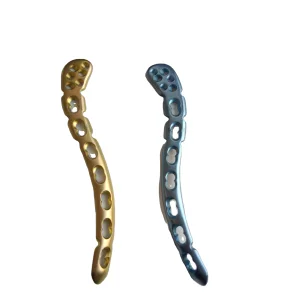
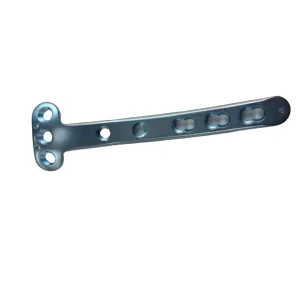
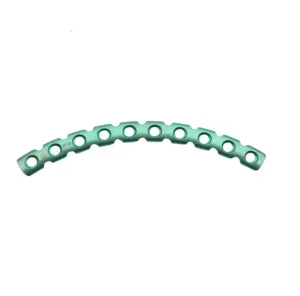
Explore our extensive range of locking plates and compression systems engineered for optimal orthopedic trauma outcomes.
Key regulatory, material, and logistical considerations for international buyers and distributors.
Whether you require high-volume OEM manufacturing or customized locking systems for the Indian market, our engineers and compliance experts are ready to assist.
Send Inquiry Now Virelox