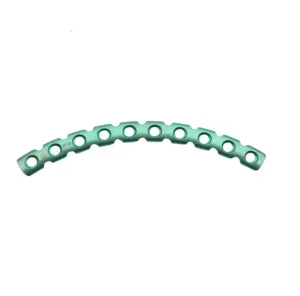
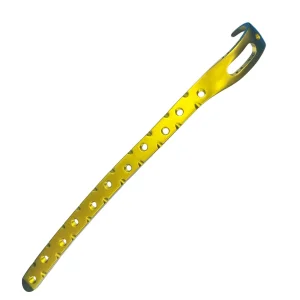
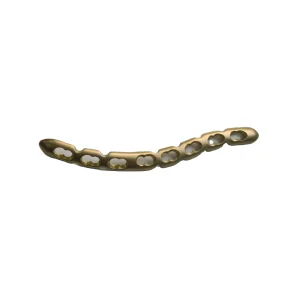
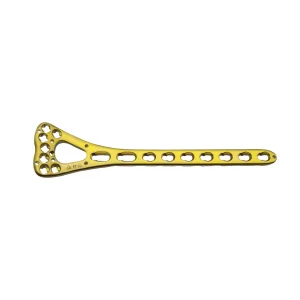
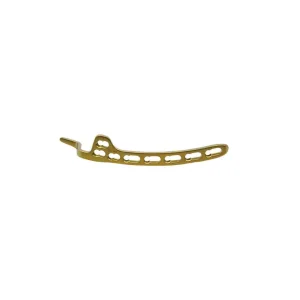
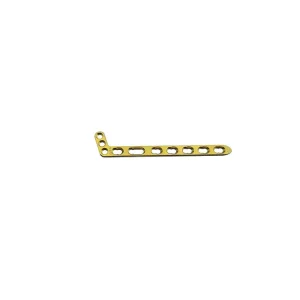
Biomedical titanium fixation systems engineered to withstand mechanical loads and facilitate rapid bone healing in complex fracture configurations.
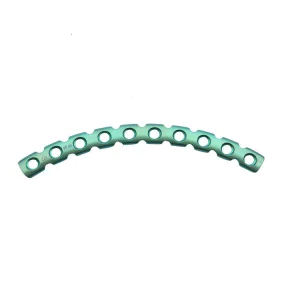
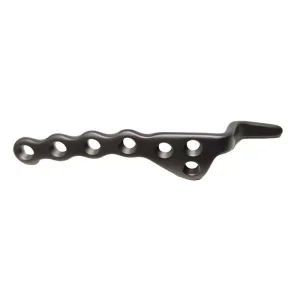
The Kingdom of Lesotho, characterized by its unique high-altitude geography and mountainous terrains, faces distinct logistical and healthcare-related challenges. The incidence of musculoskeletal trauma—stemming from mine work injuries, road traffic accidents on steep regional passes, and agricultural accidents—requires a robust, highly responsive supply chain for orthopedic implants. Unlike larger, industrialized nations, Lesotho's public and private health networks, including facilities in Maseru, Leribe, and Mafeteng, rely heavily on importing certified surgical implants that provide uncompromising reliability and ease of implementation for general and specialized orthopedic surgeons.
Providing orthopedic trauma implants to Lesotho is not merely a trading activity; it is a clinical responsibility. Devices must align with international standards such as ISO 5832-3 (for wrought titanium 6-aluminum 4-vanadium alloy) and ISO 5832-1 (for stainless steel implants). Local trauma clinics require ready-to-use, pre-contoured plates that accommodate anatomical variations, thereby reducing intraoperative contouring time and lowering the risk of hardware failure in environments where post-operative revisions are logistically complex and costly.
Because secondary corrective surgeries present extensive travel burdens on Basotho patients, primary fixation must achieve definitive stability. Locking plates with combi-holes allow surgeons the flexibility to apply both compression and locking mechanisms depending on the bone quality and fracture comminution, ensuring better clinical outcomes from the first intervention.
The global shift toward high-value, cost-effective orthopedic trauma systems has placed Chinese medical device manufacturers at the forefront of the export market. Facilities operating under stringent international regulatory supervision, such as Virelox Medical Devices Co., Ltd. (founded in 2016), have established high-precision production lines designed to support health systems globally, including the Southern African Development Community (SADC) region.
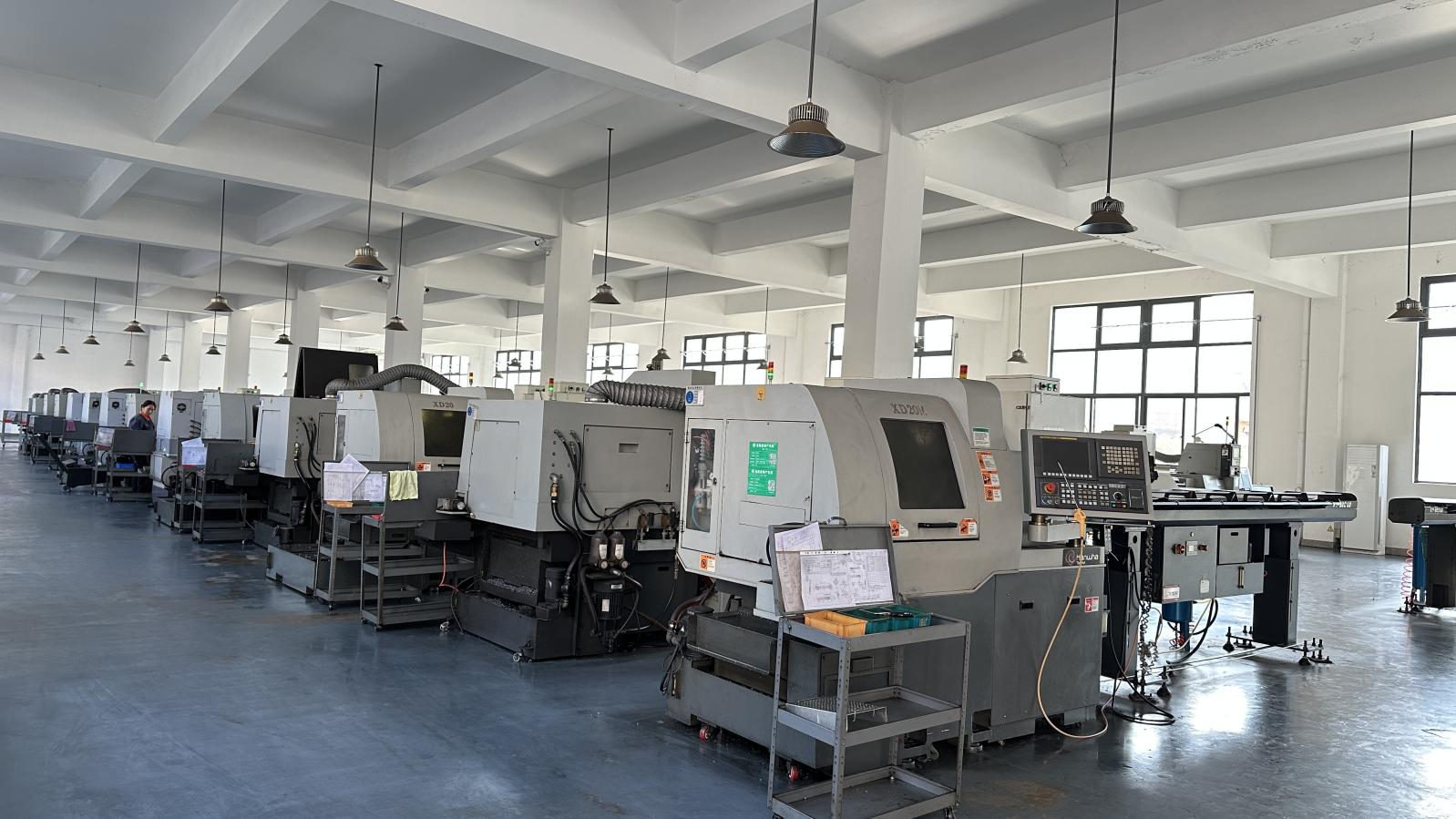
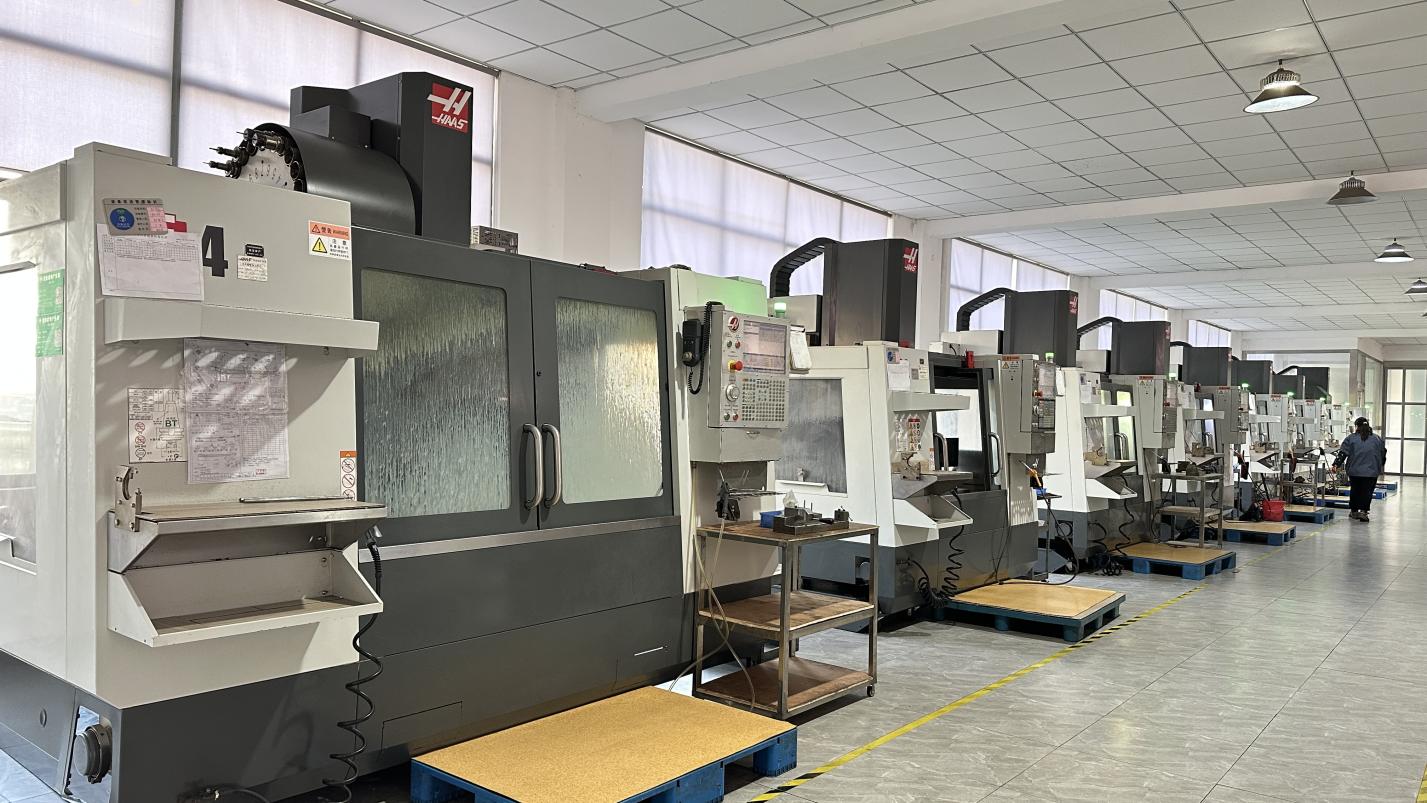
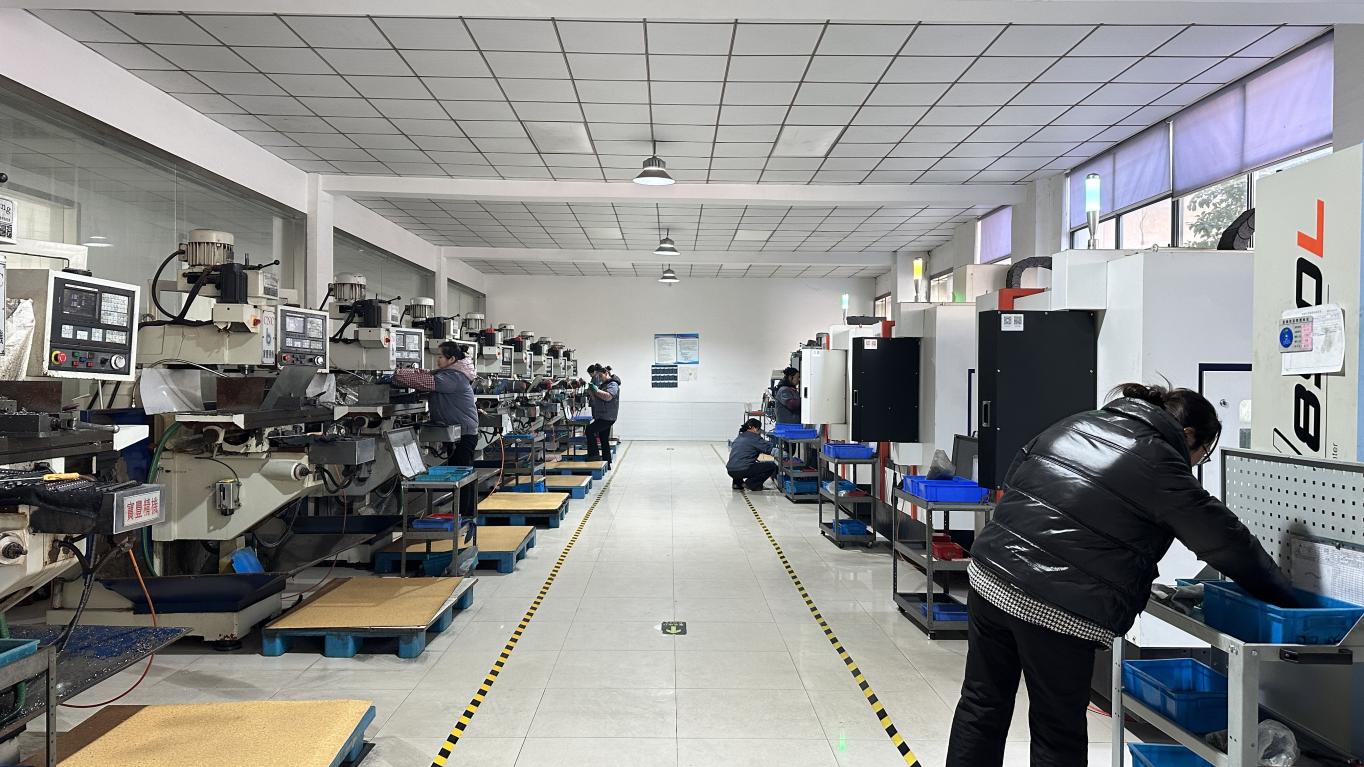
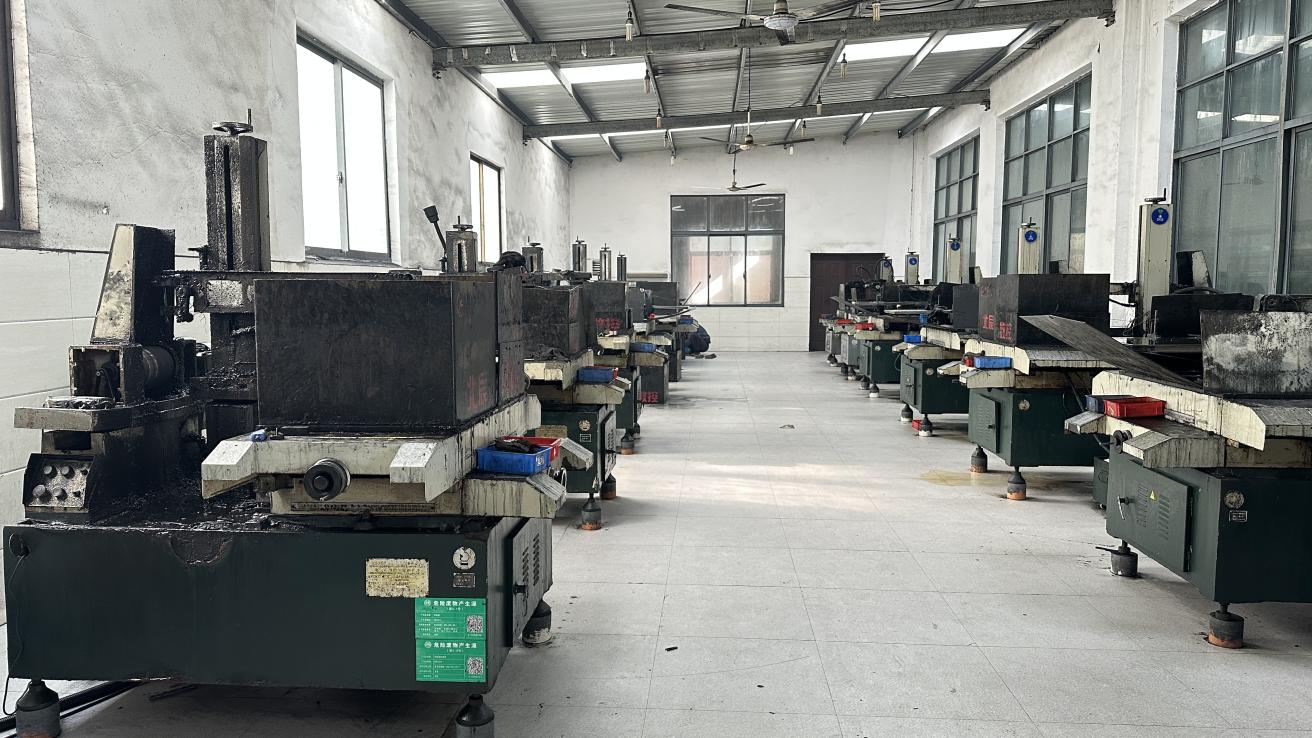
Virelox represents the peak of Chinese medical engineering, utilizing 12,000 square meters of highly automated production space to deliver advanced joint replacement and trauma solutions. Driven by a dedicated team of 120 R&D engineers, Virelox guarantees that every plate and screw is designed using finite element analysis (FEA) to mimic the physiological modulus of elasticity of bone tissue, reducing stress shielding and encouraging callogenesis. With an annual export revenue of USD 8,500,000, our focus is tailored toward building direct supply corridors to distributors and health ministries in Lesotho, bridging the gap between high-end biomechanics and clinical affordability.
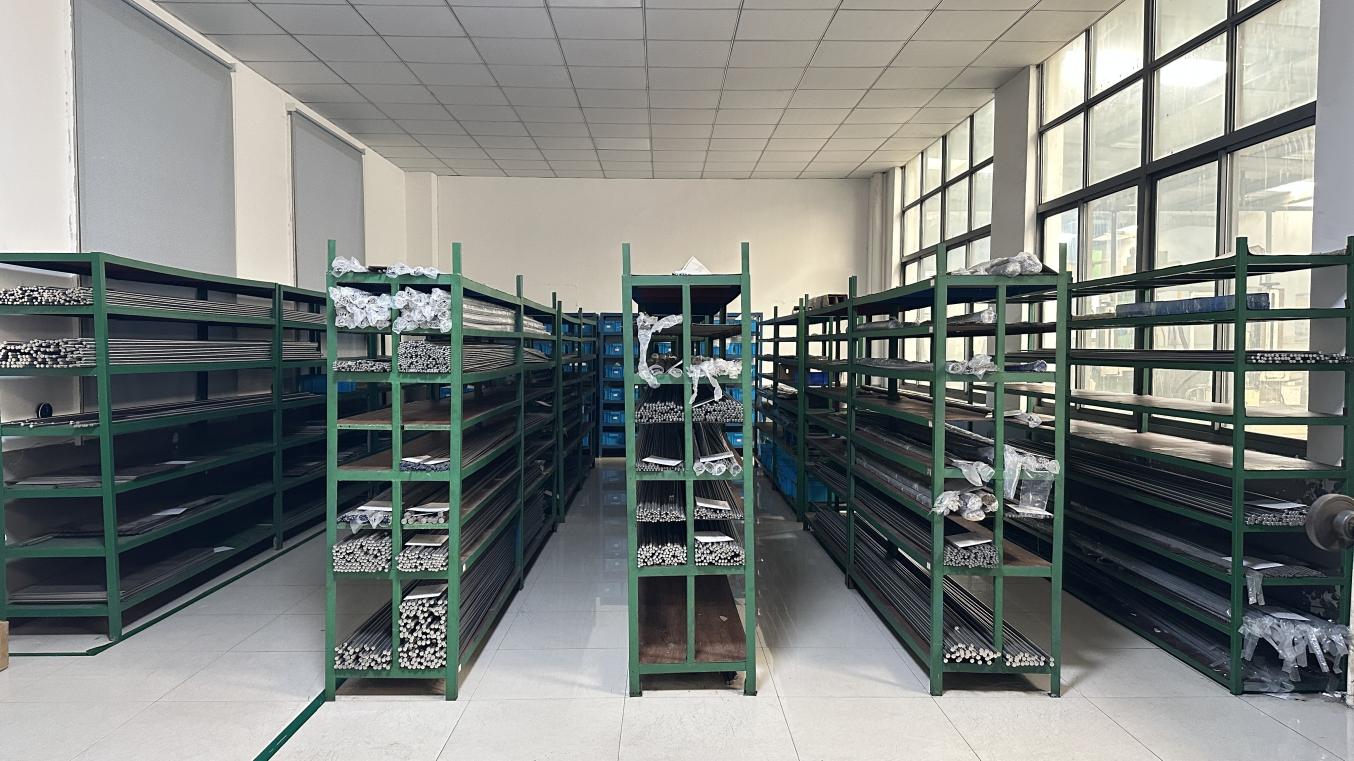
Sourced exclusively from certified suppliers matching ASTM F136 medical grade titanium and titanium alloy standards.
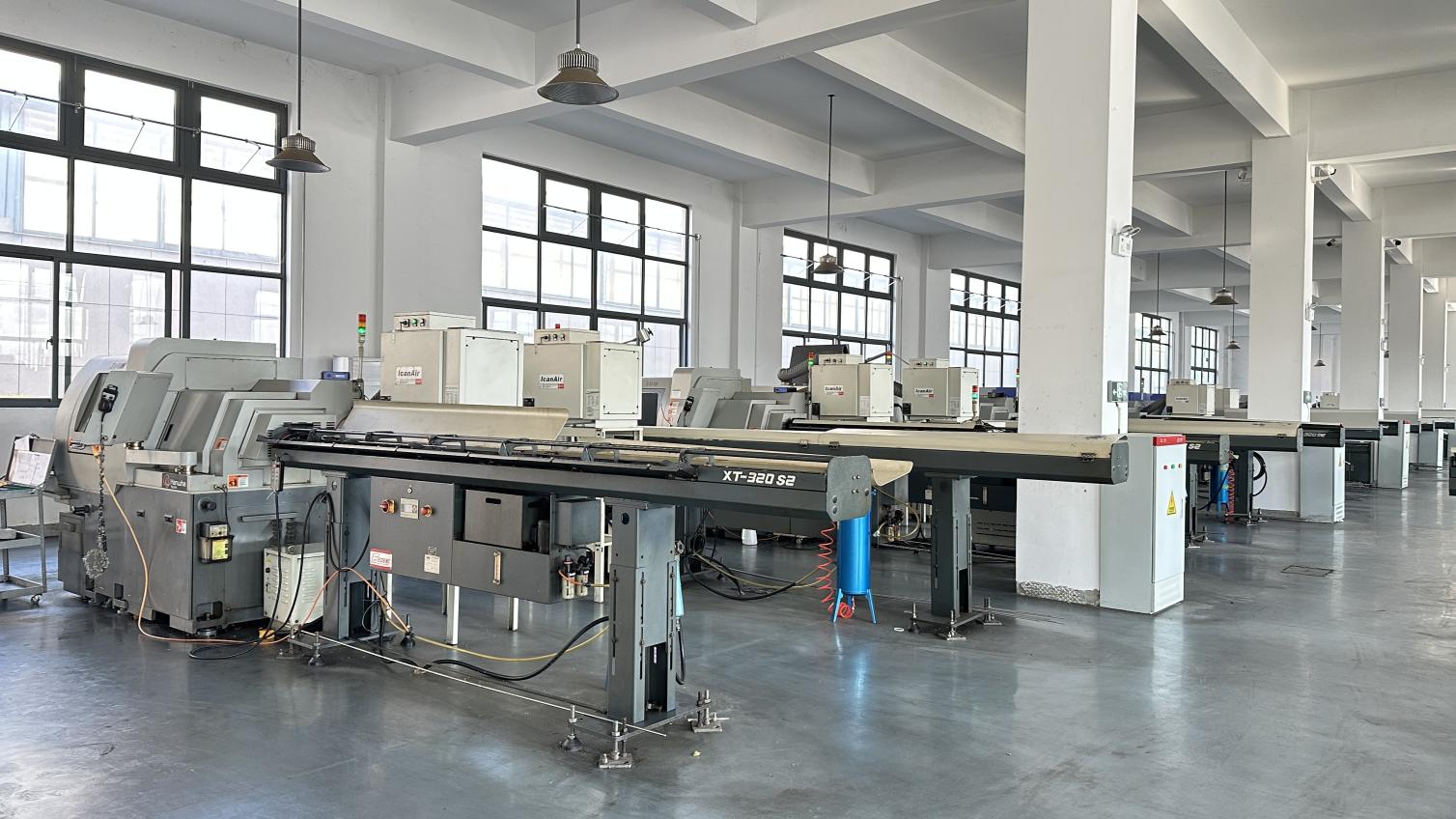
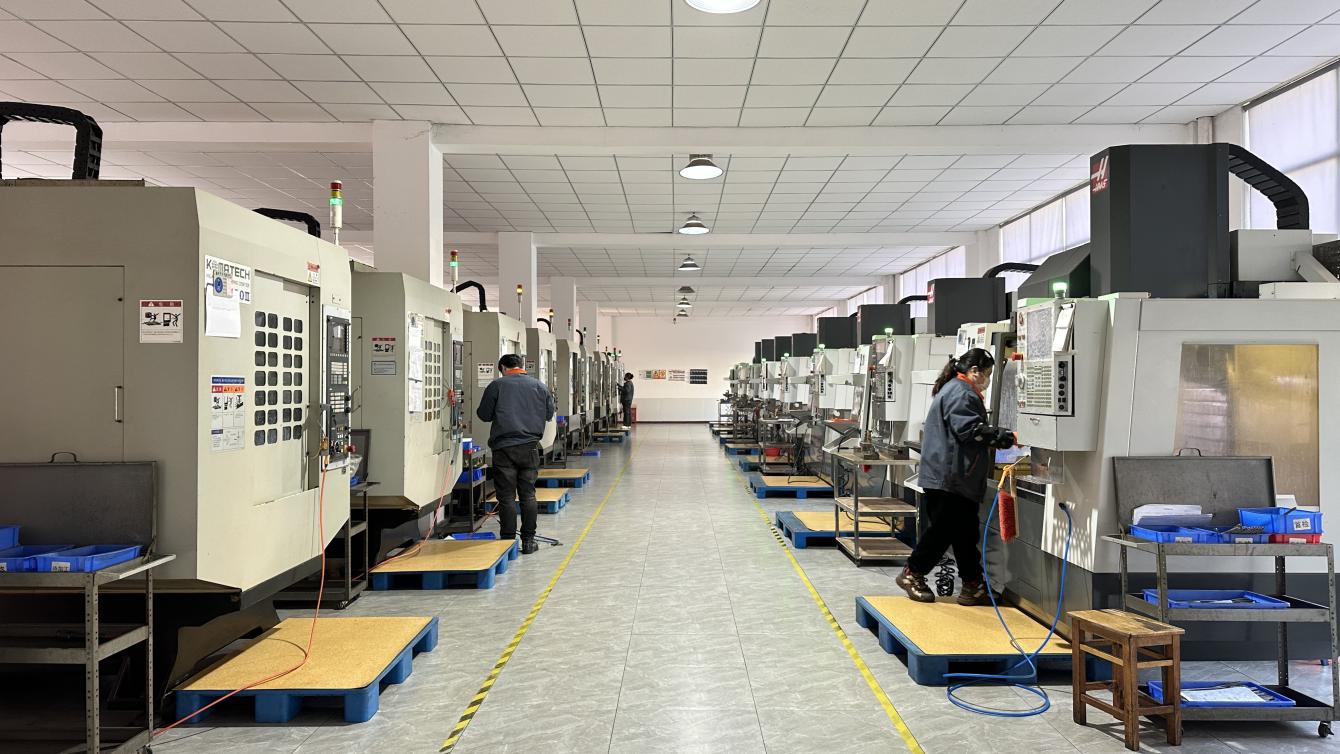
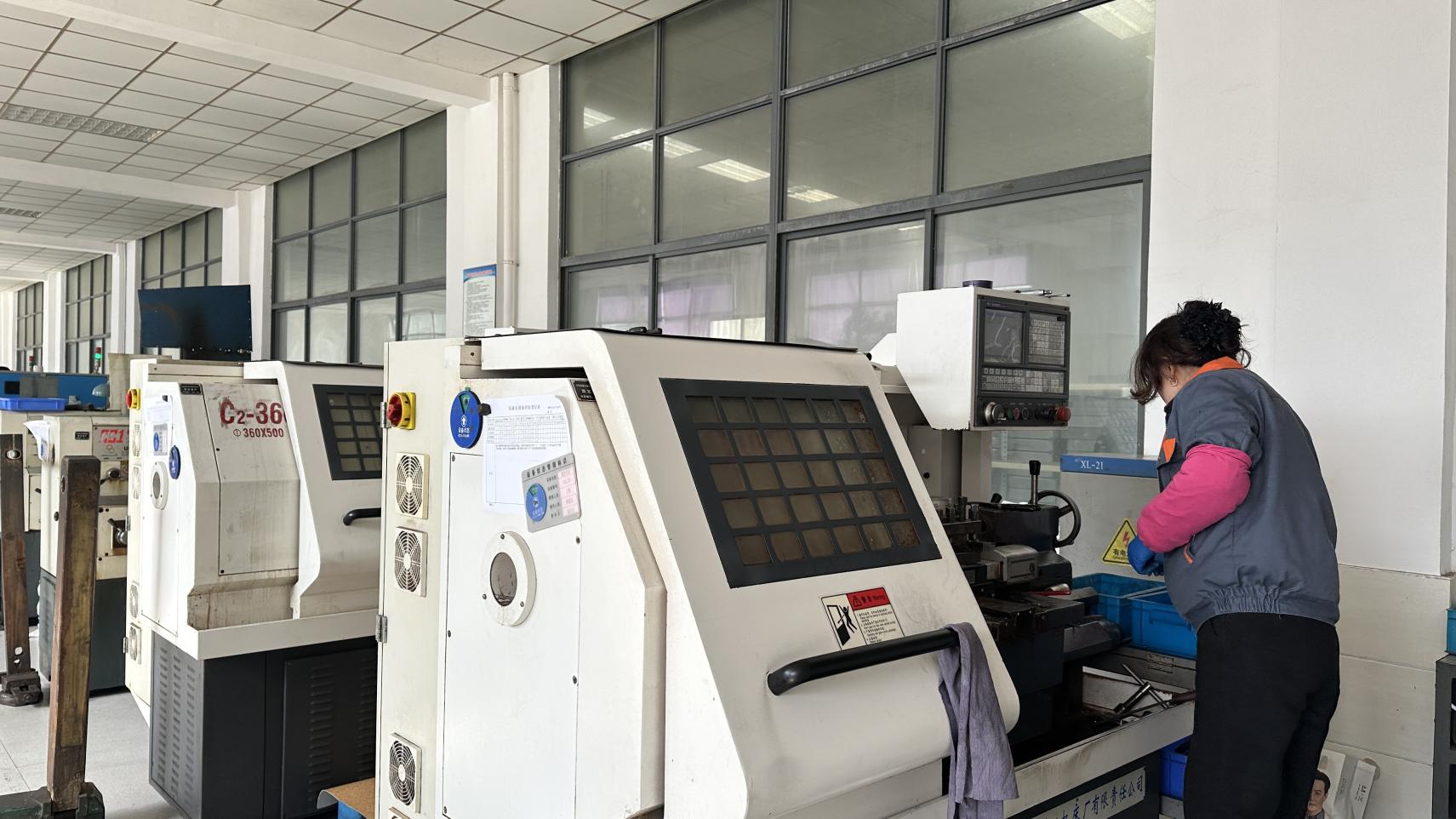
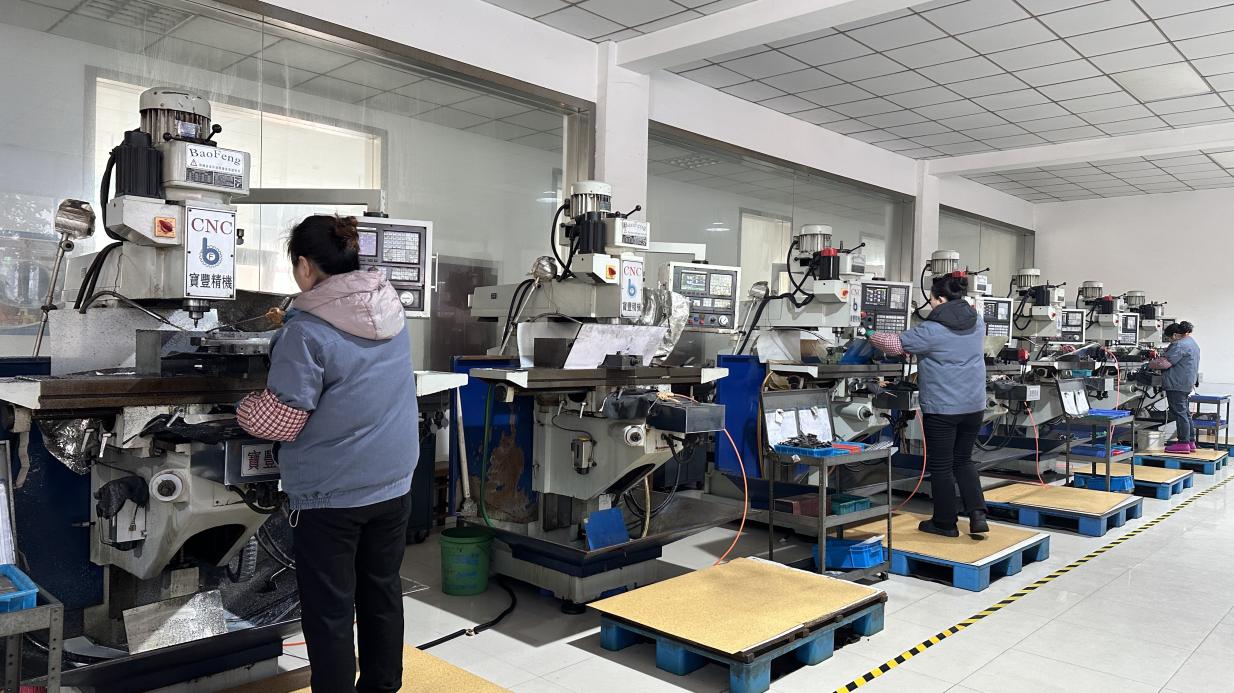
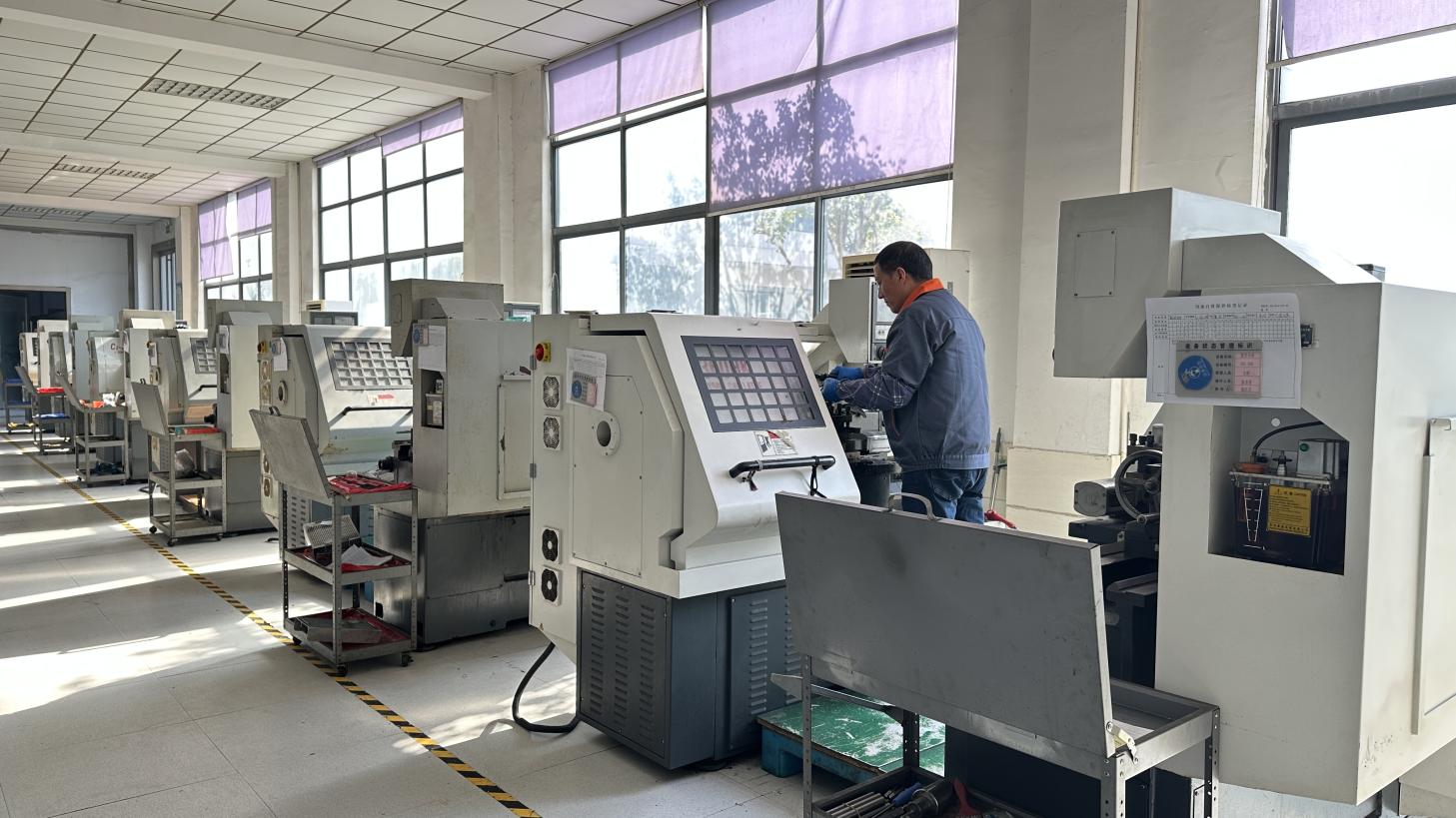
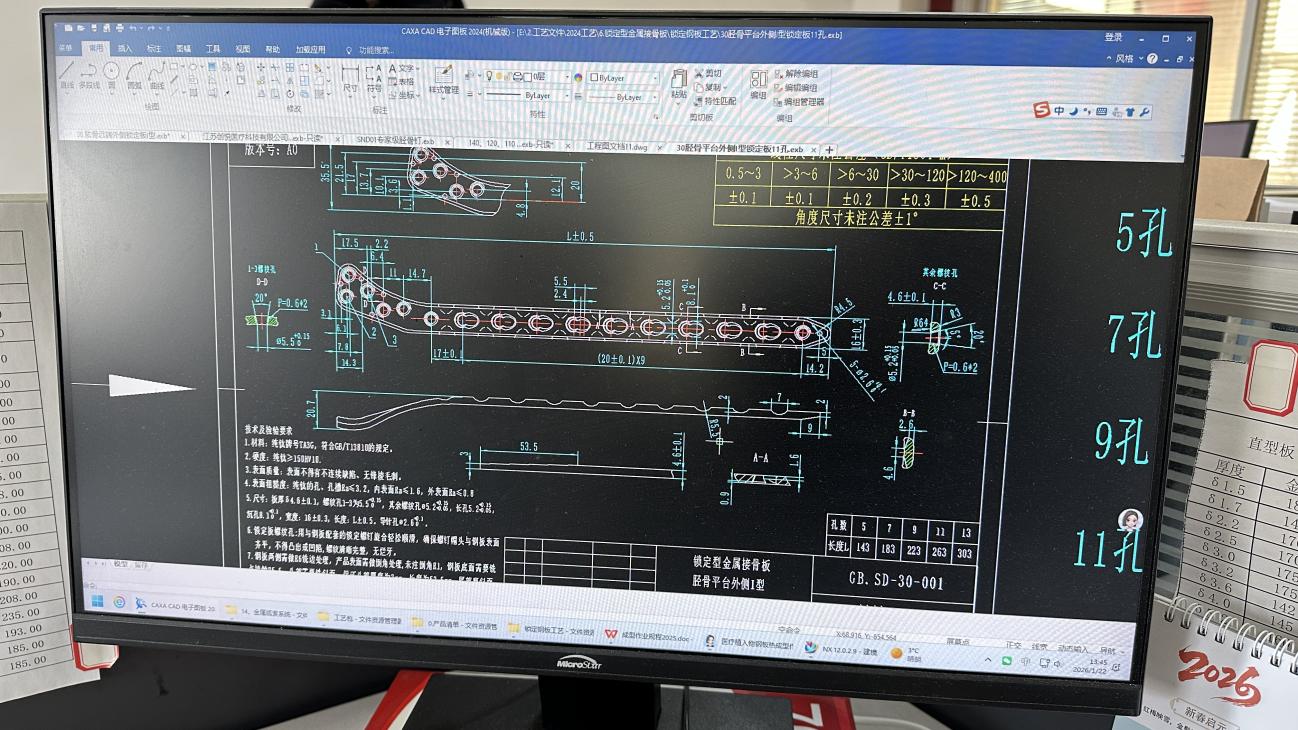
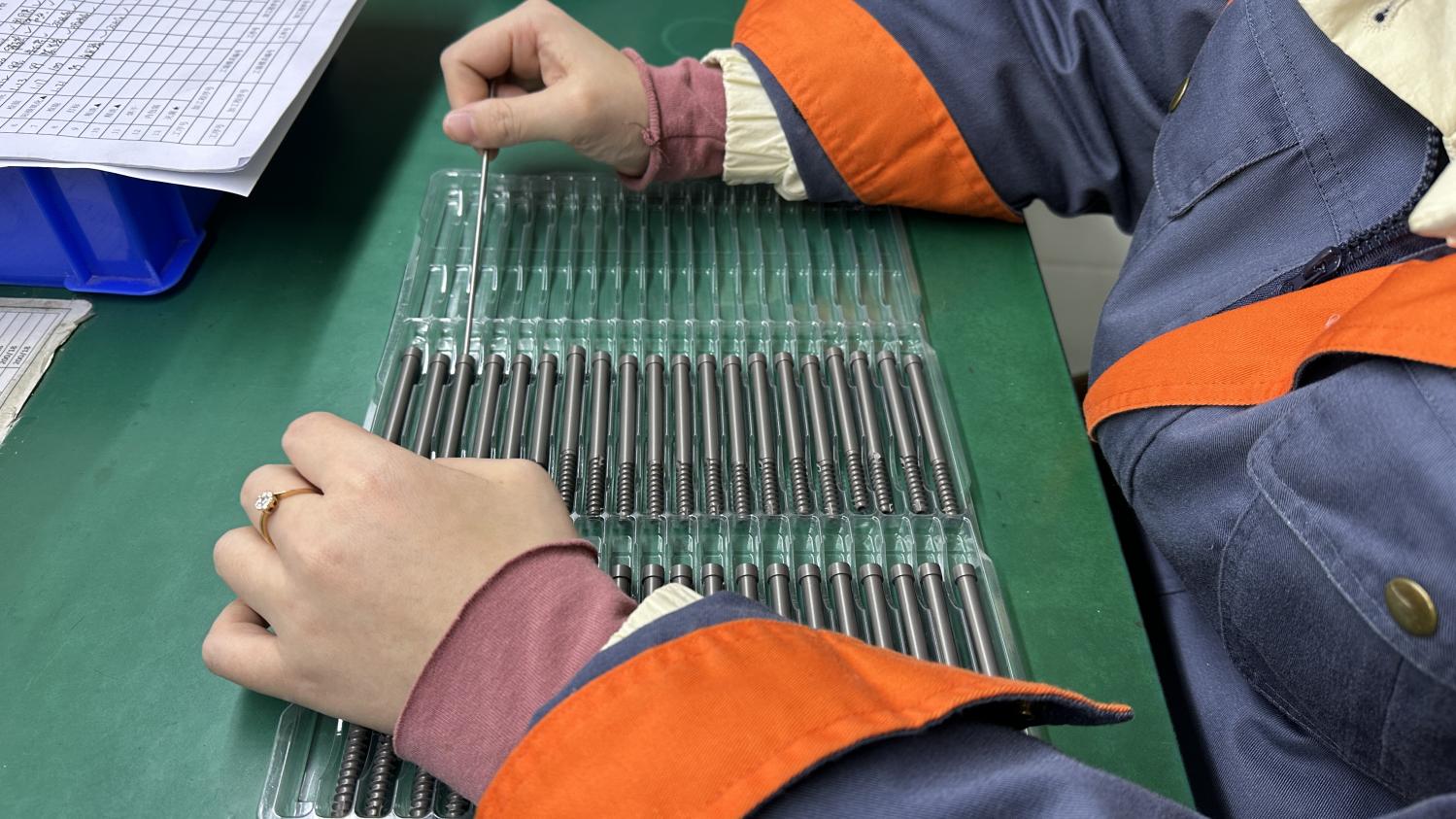
Multi-axis milling technology ensures complex anatomical curvatures and tolerance margins within micrometers.
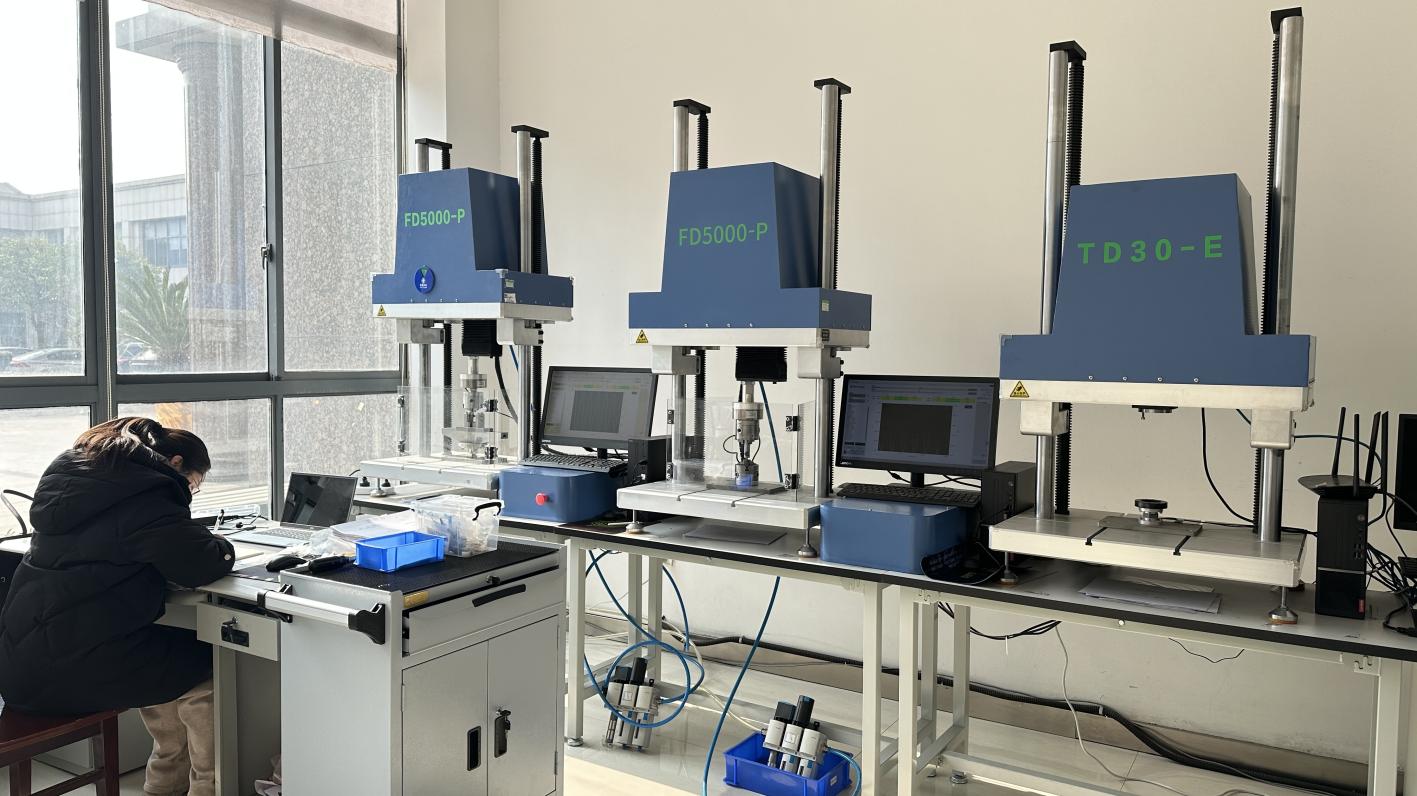
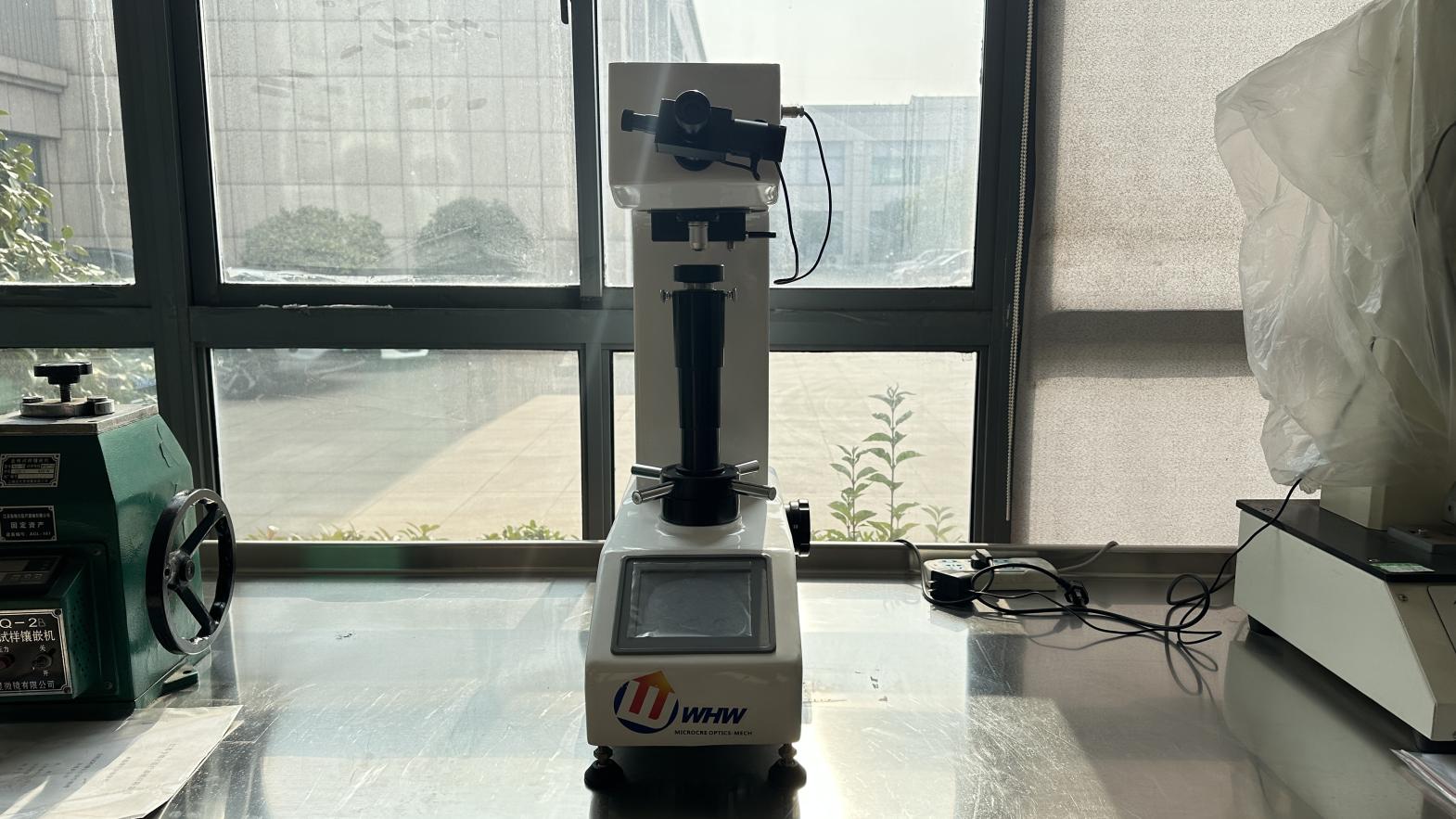
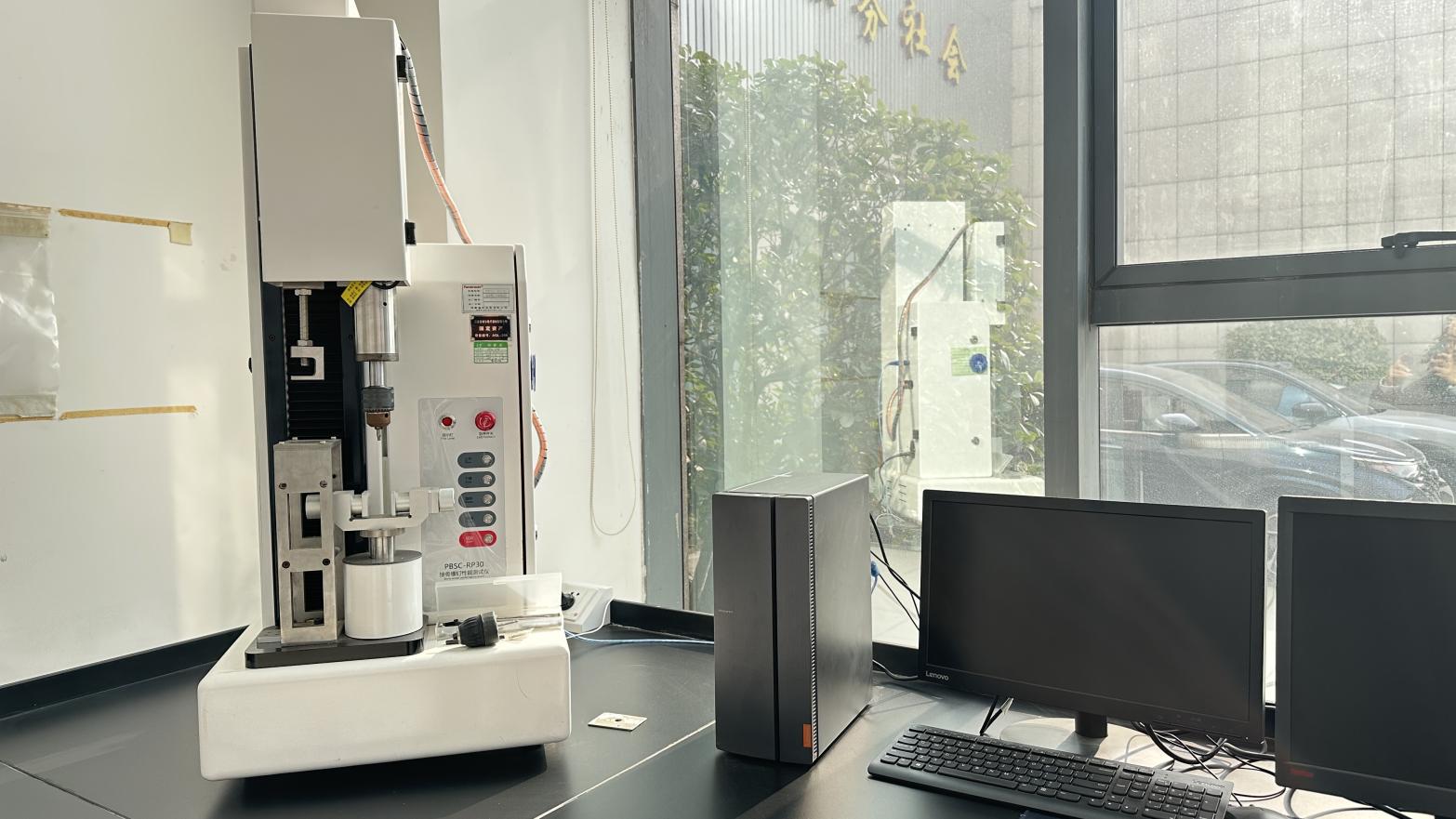
In-house fatigue testing simulating up to 1 million stress cycles to prevent in-vivo fatigue fracture.
Type II anodization increases corrosion resistance, biocompatibility, and decreases cold-welding risks.
High-strength construct designs specifically configured for load-bearing and compound metaphyseal/diaphyseal fractures.
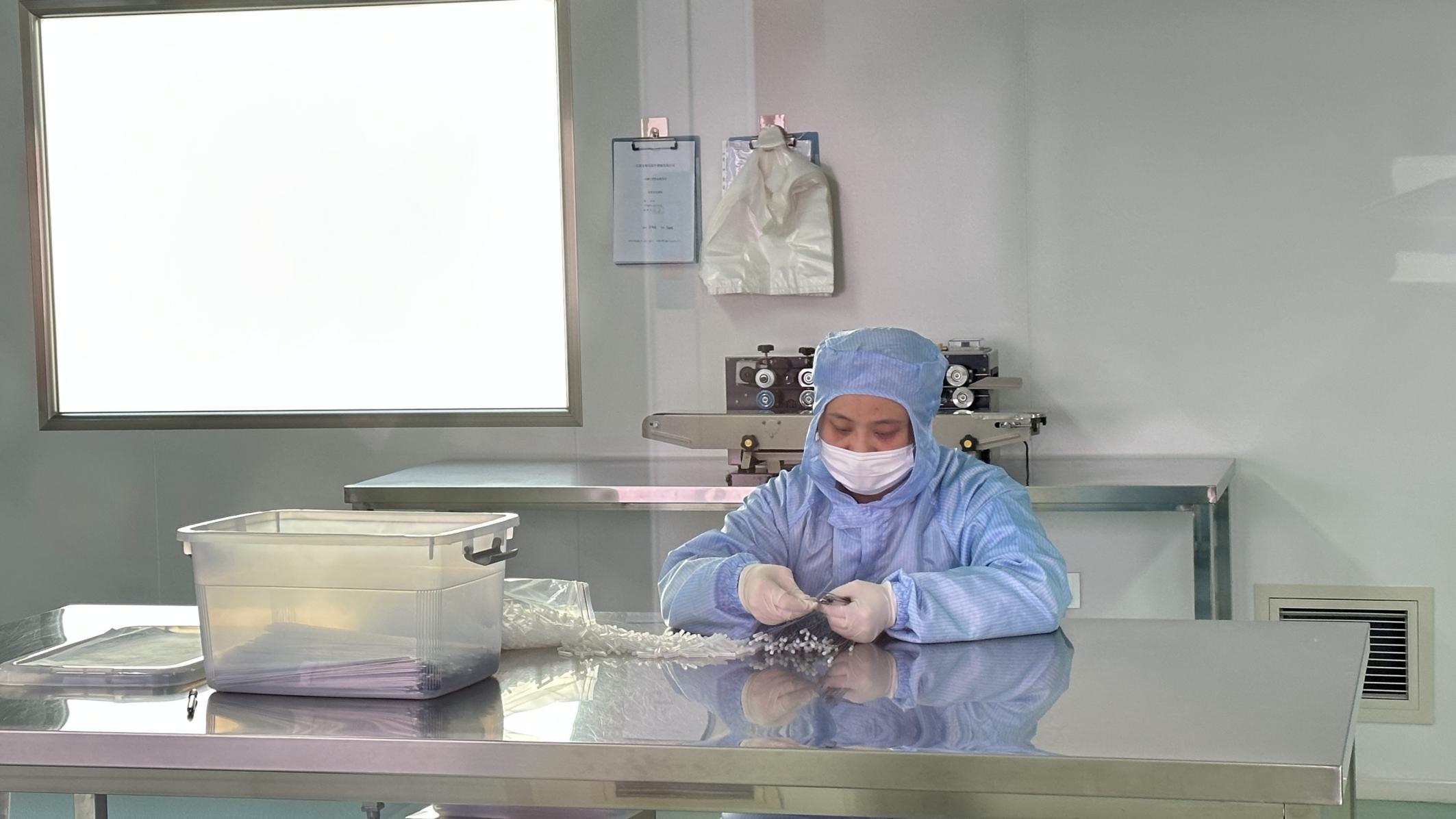
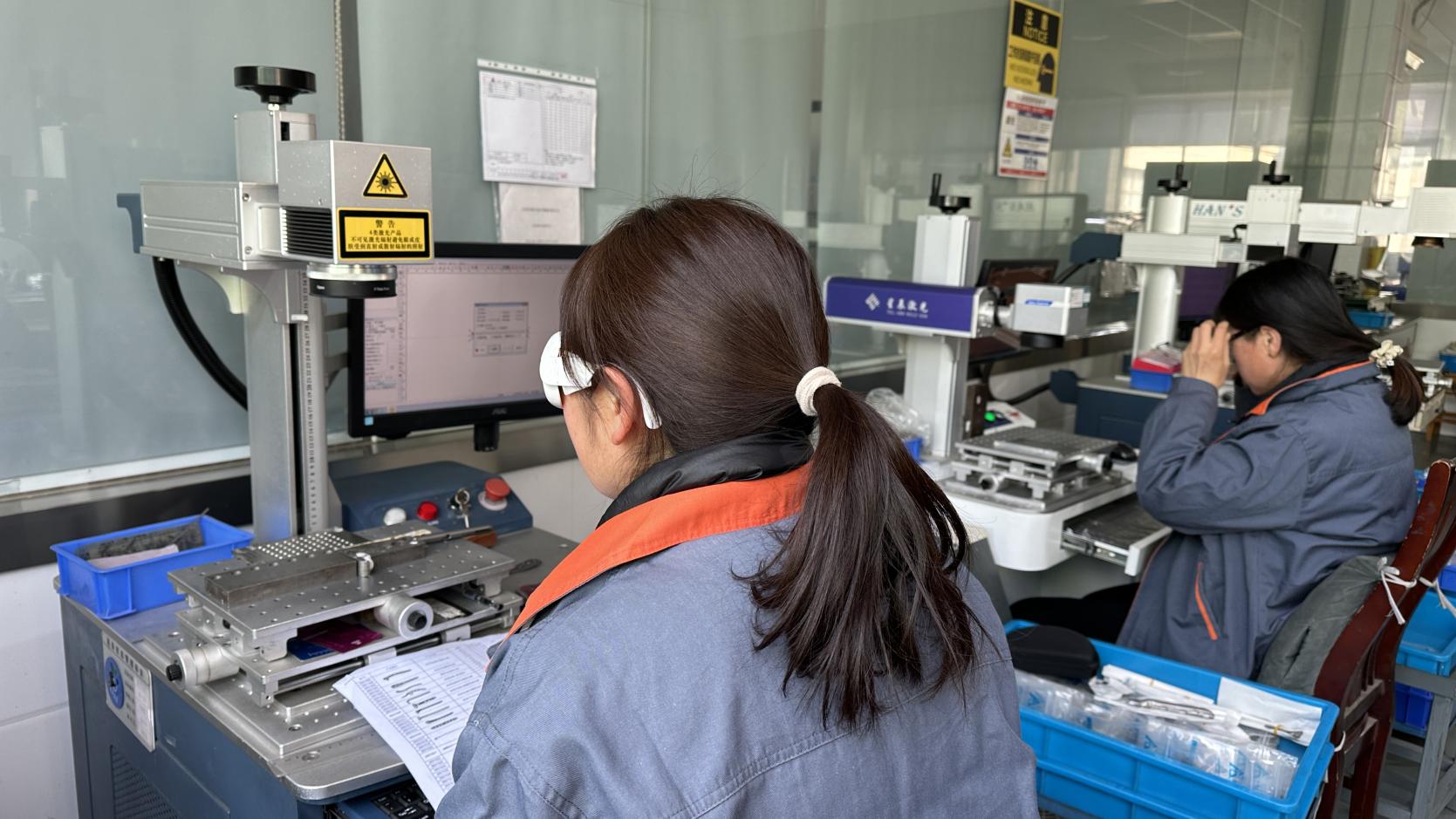
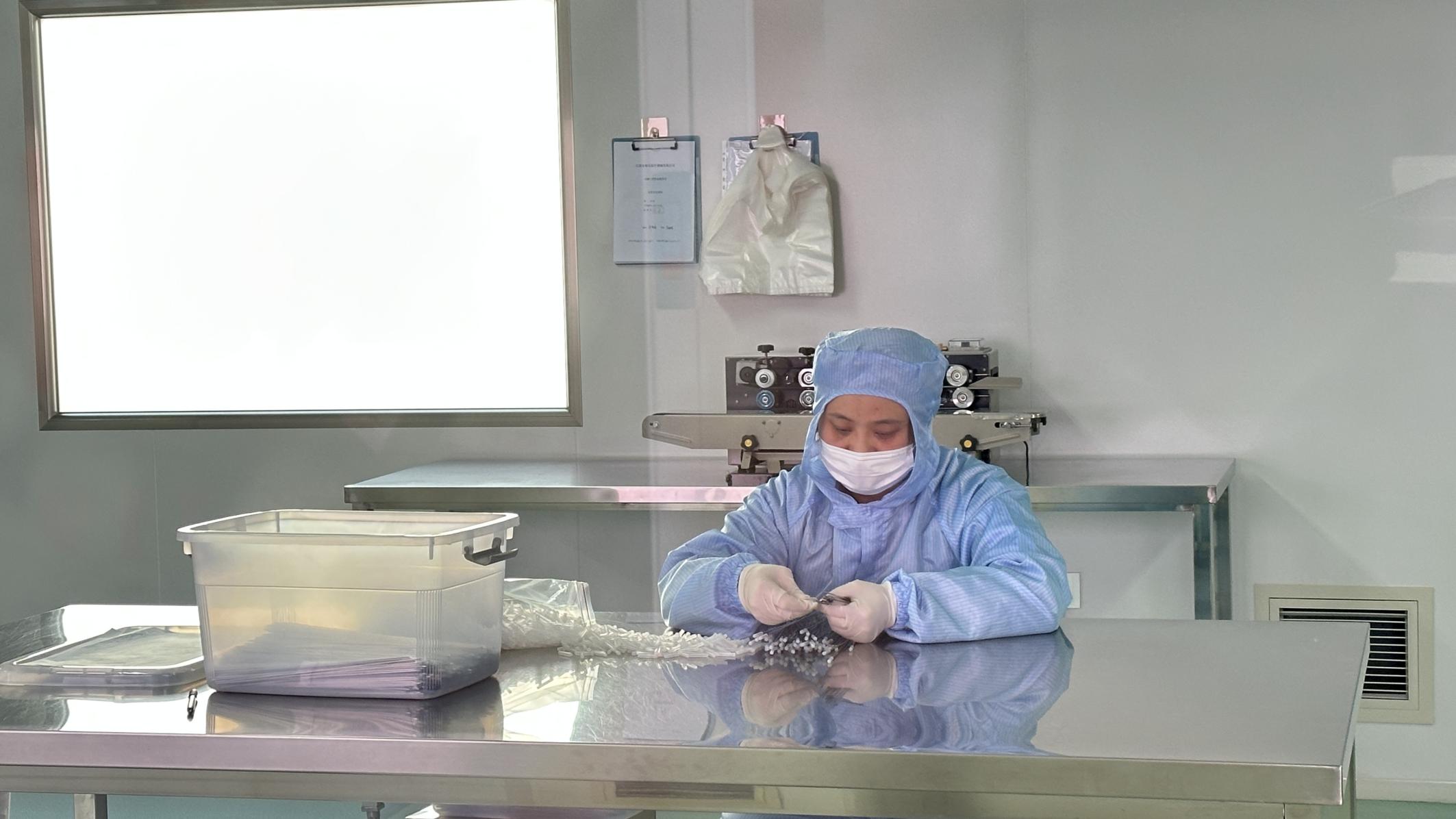
From raw medical-grade titanium stock to sterile physical packaging, our 12,000 square meter plant incorporates strict ISO 13485 protocols at every checkpoint.
Healthcare procurement agencies, distributors, and Ministry of Health delegates in Lesotho must navigate complicated regulatory compliance protocols. To establish partnerships with international manufacturers, the following parameters represent the baseline requirement for quality verification:
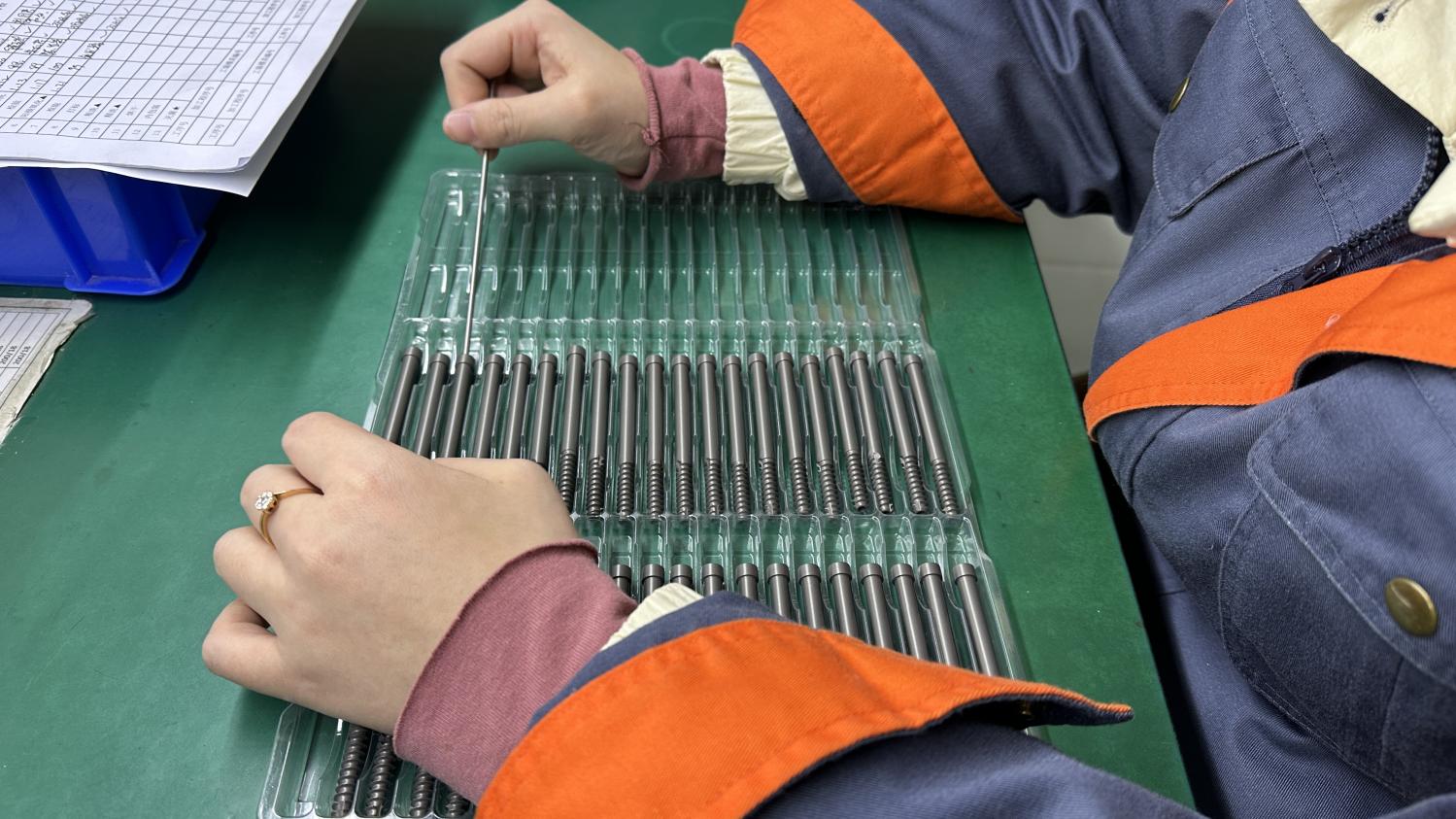
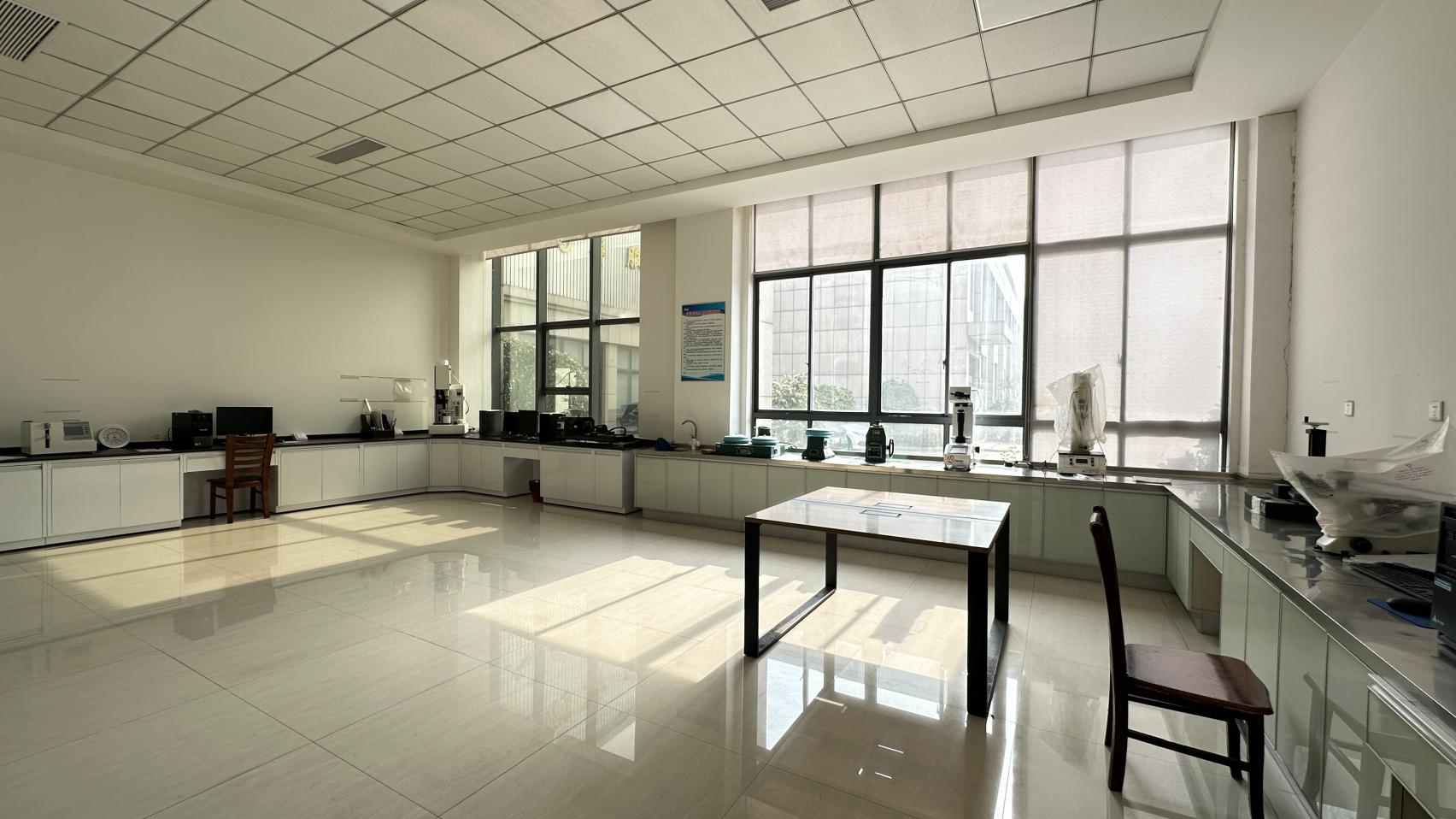
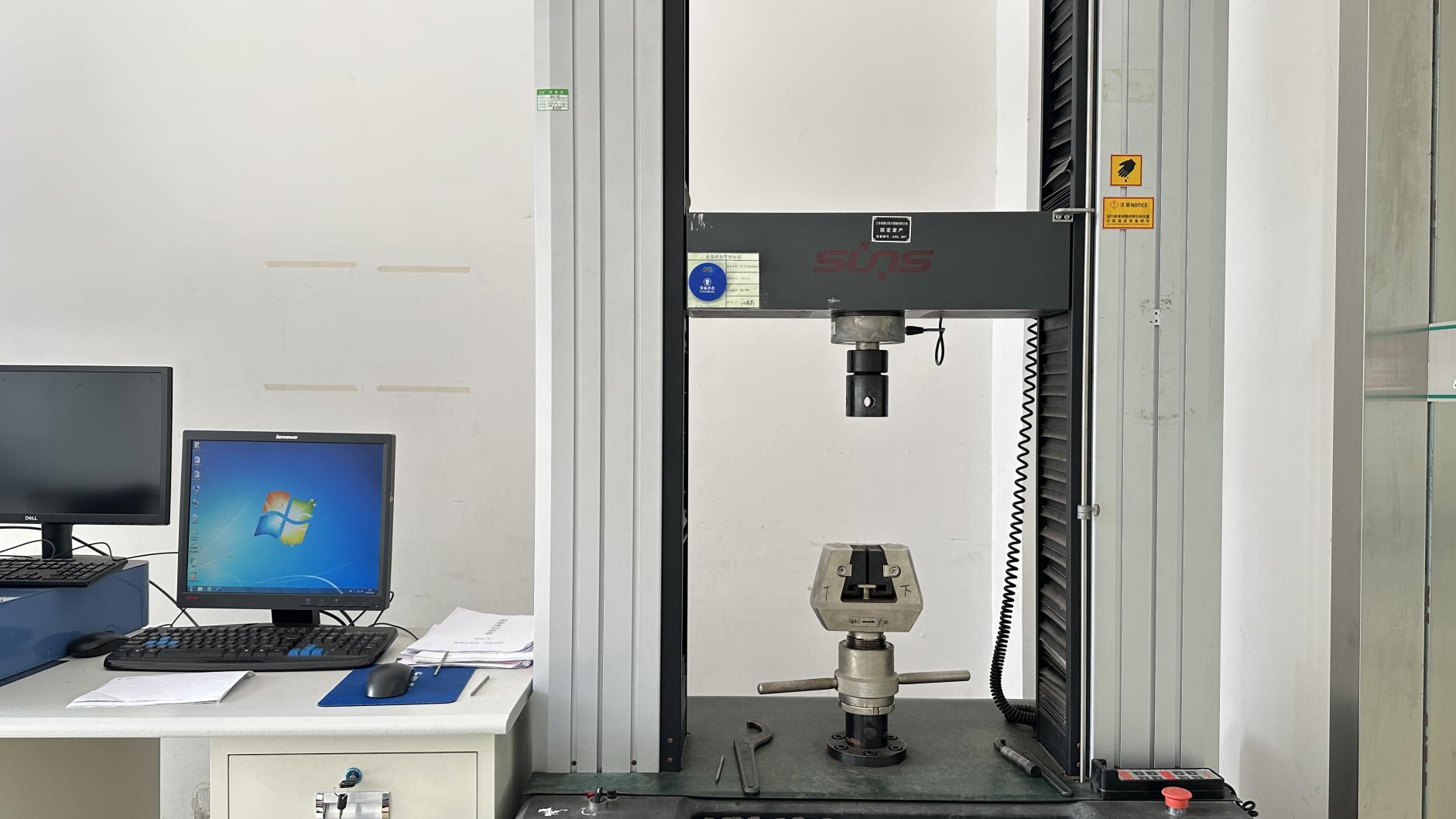
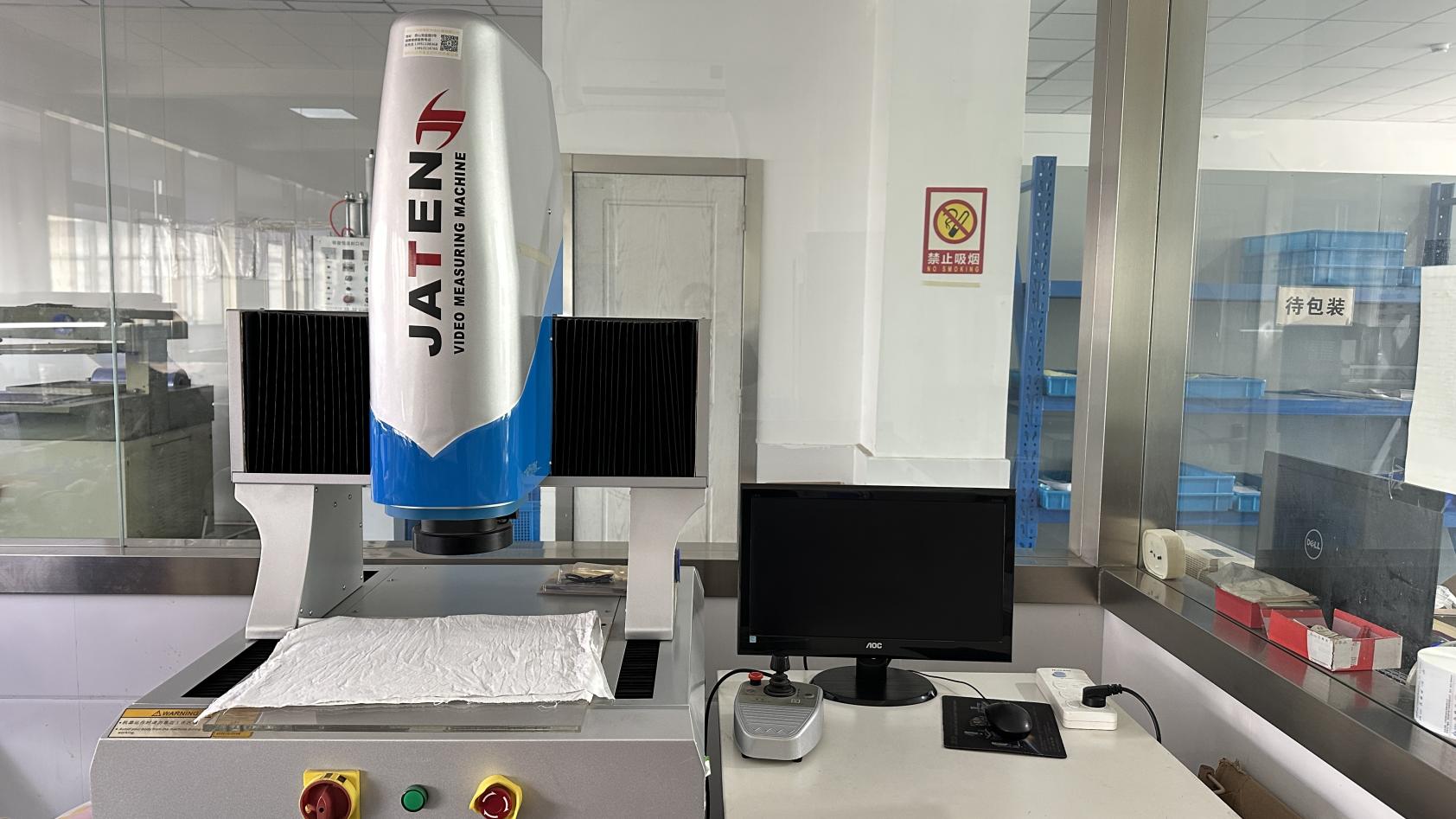
Virelox Medical Devices utilizes a 65-member Quality Control team that monitors compliance across all manufacturing divisions. Equipped with coordinate measuring machines (CMM), fatigue testers, and tensile strength devices, we ensure that every locking plate dispatched is free from surface micro-cracks and maintains precise dimensional tolerances. This rigor translates directly to surgical success in emergency rooms and orthopedic trauma suites throughout Maseru and regional hubs.
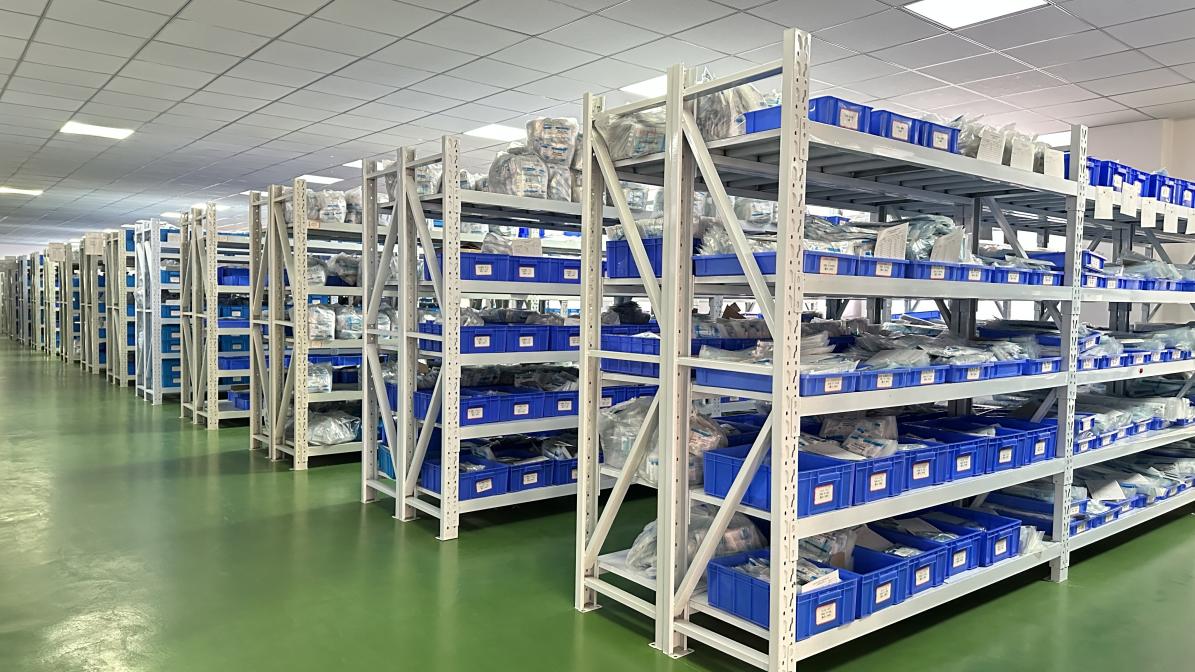
Given that Lesotho is landlocked by South Africa, reliable shipping routes and customs clearing procedures are vital to preventing stock-outs of emergency trauma systems. By utilizing sea routes through the Port of Durban and rapid land logistics via the Maseru Bridge or Maputsoe border crossings, Virelox guarantees predictable delivery schedules. We provide specialized containerization, double-sterile barrier Tyvek packaging, and clear regulatory documentation to reduce custom clearance delays, facilitating quick hospital inventory integration.
The orthopedic field is progressing rapidly from generic plates toward anatomically pre-contoured, minimally invasive plates. The modern surgical approach targets preservation of the periosteal blood supply using Locking Compression Plates (LCP). These plates act as internal fixators, retaining stability without compressing the periosteum against the bone, which helps accelerate fracture consolidation. Additionally, the development of variable-angle (polyaxial) locking technology allows screws to be angled up to 15 degrees in any direction, providing tailored screw placement for complex fractures around joints, such as distal radius or proximal humerus fractures.
Crucial information regarding compliance, design specifications, and procurement channels for Lesotho's health market.
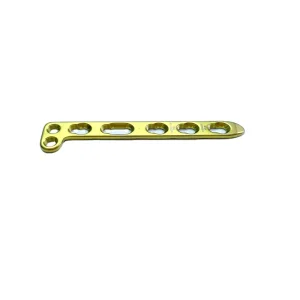
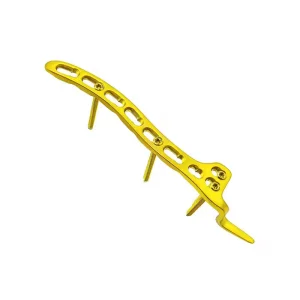
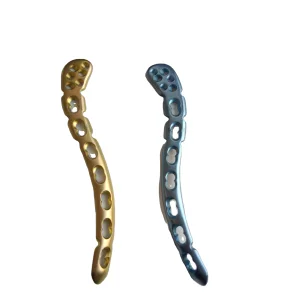
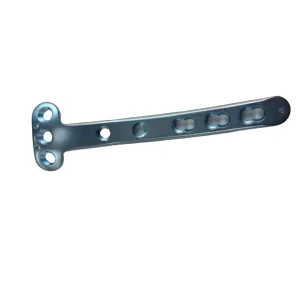
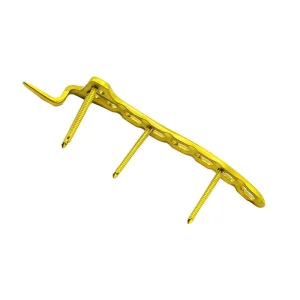
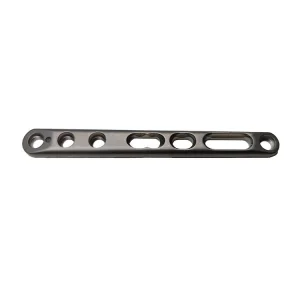
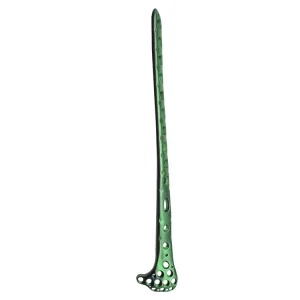
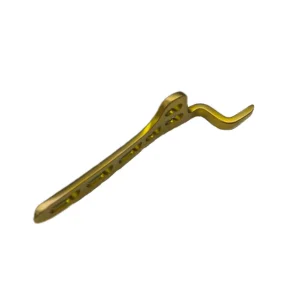
Our core selection of orthopedic bone plates and screws designed for diverse clinical trauma applications.
Looking to optimize your inventory with certified titanium implants? Contact our technical sales division today for specifications, customized logistics arrangements, and competitive wholesale quotes.
Send Inquiry Now Virelox