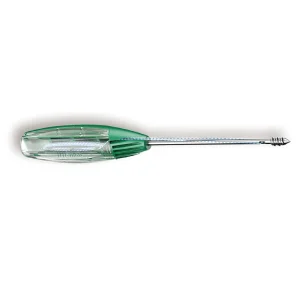
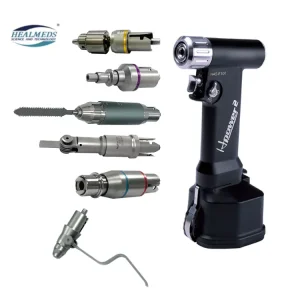
Engineered for Spanish orthopedic hospitals, clinics, and surgical teams requiring immediate load-bearing capabilities and structural integrity.
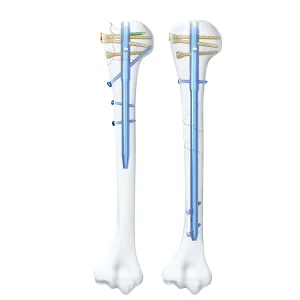
The demand for titanium intramedullary nails in Spain has risen substantially, driven by an aging demographic prone to osteoporotic fractures and a highly developed public healthcare system (Sistema Nacional de Salud - SNS). Major surgical hubs in Madrid, Barcelona, and Valencia demand strict regulatory compliance and biomechanical reliability.
Under the EU Medical Device Regulation (EU MDR 2017/745), Spanish healthcare institutions and distributors have raised the bar for import criteria. Quality verification, precise material documentation (typically Grade 5/Grade 23 Titanium Alloys), and mechanical fatigue certifications are no longer optional. They are mandatory entry points for any serious medical device vendor.
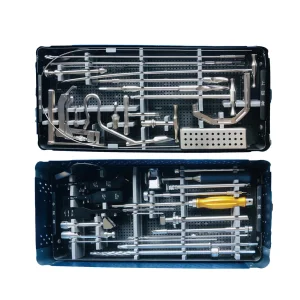
Furthermore, the Spanish market is shifting towards ready-to-use trauma packages, combining high-yield implants like PFNA (Proximal Femoral Nail Antirotation) with specialized surgical instrument kits to minimize operating room preparation time.
Founded in 2016, Virelox operates under rigorous ISO 13485 structures to supply global trauma clinics with highly reliable surgical implants.
Combining structural safety regulations of Europe with the localized economic clusters of China's advanced medical machining sectors.
Equipped with state-of-the-art CMM measurements, X-ray inspection, biomechanical simulation, and mechanical fatigue test units to maintain exact conformity for EU surgical markets.
By coordinating with over 850 certified upstream raw material suppliers, Chinese production hubs mitigate raw material price fluctuations, securing competitive pricing for titanium implants.
With an experienced R&D team of 120 biomechanics experts, we deliver specialized custom geometries, private-label branding, and orthopedic adaptations within accelerated lead times.
A transparent view into our modern factory Floor, executing meticulous material processing, automated milling, and rigorous verification steps.
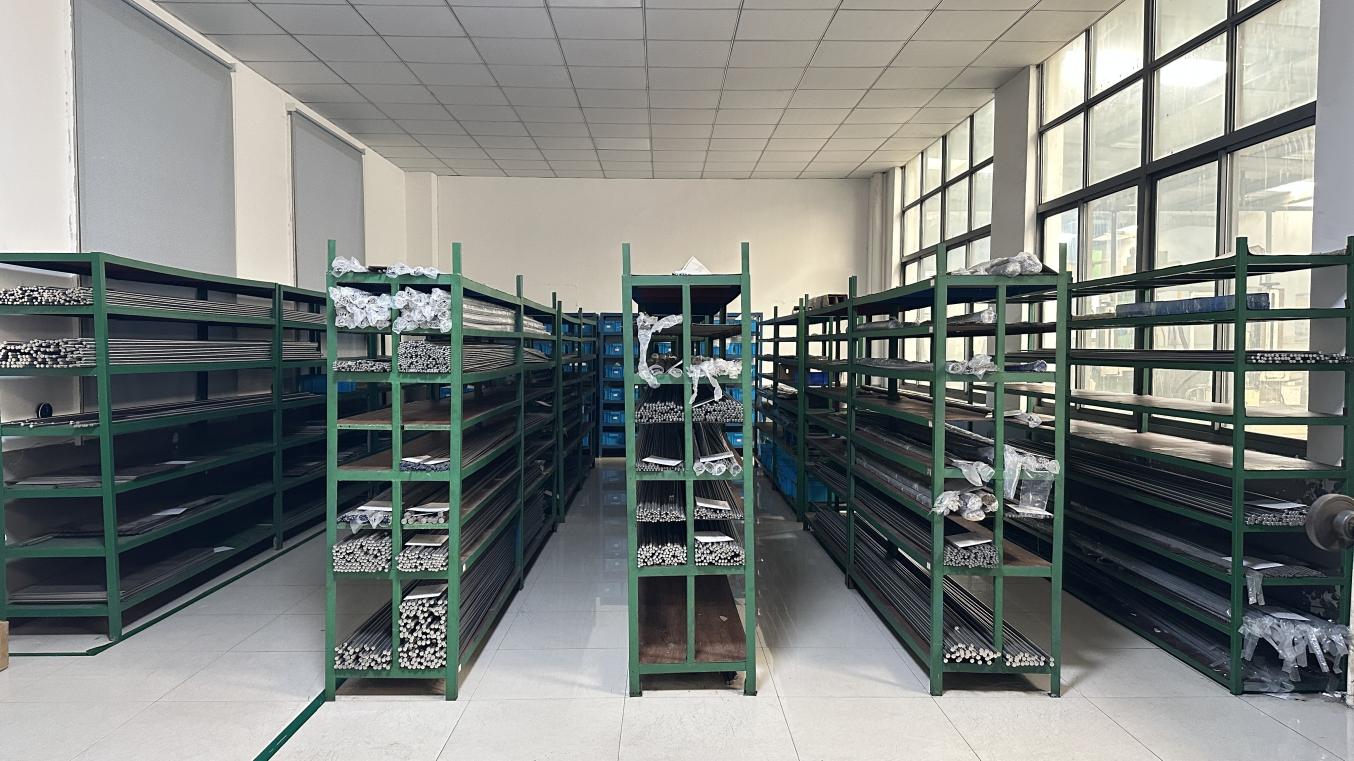
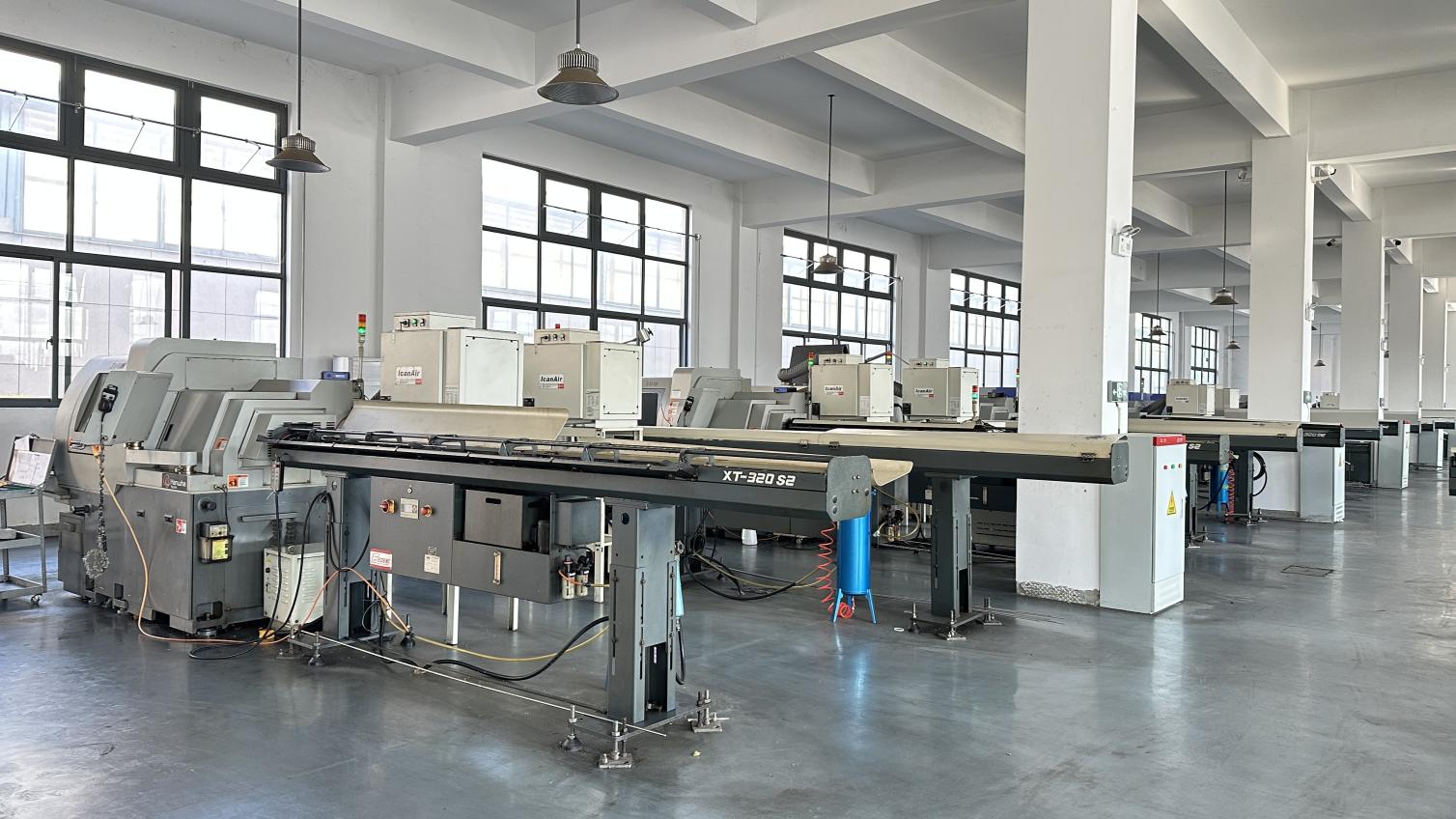
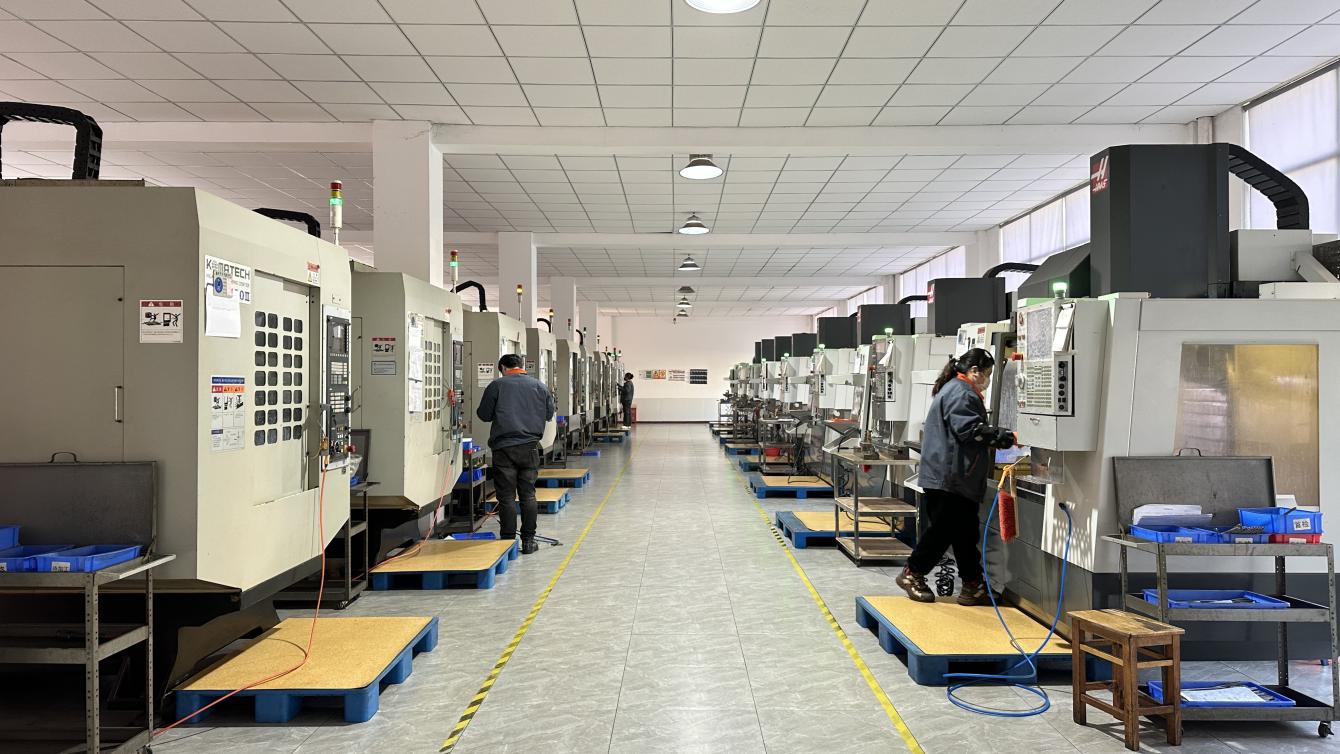
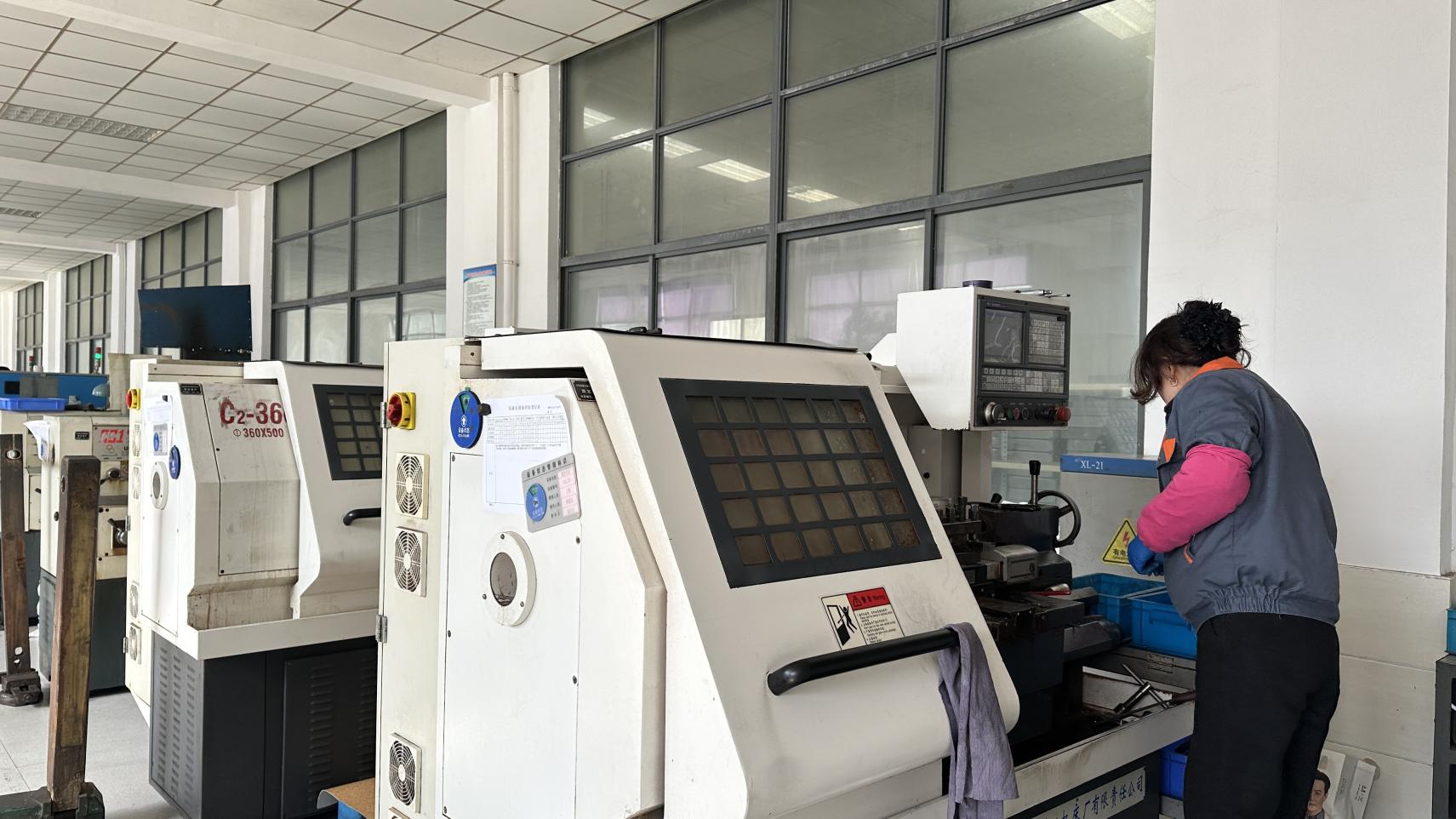
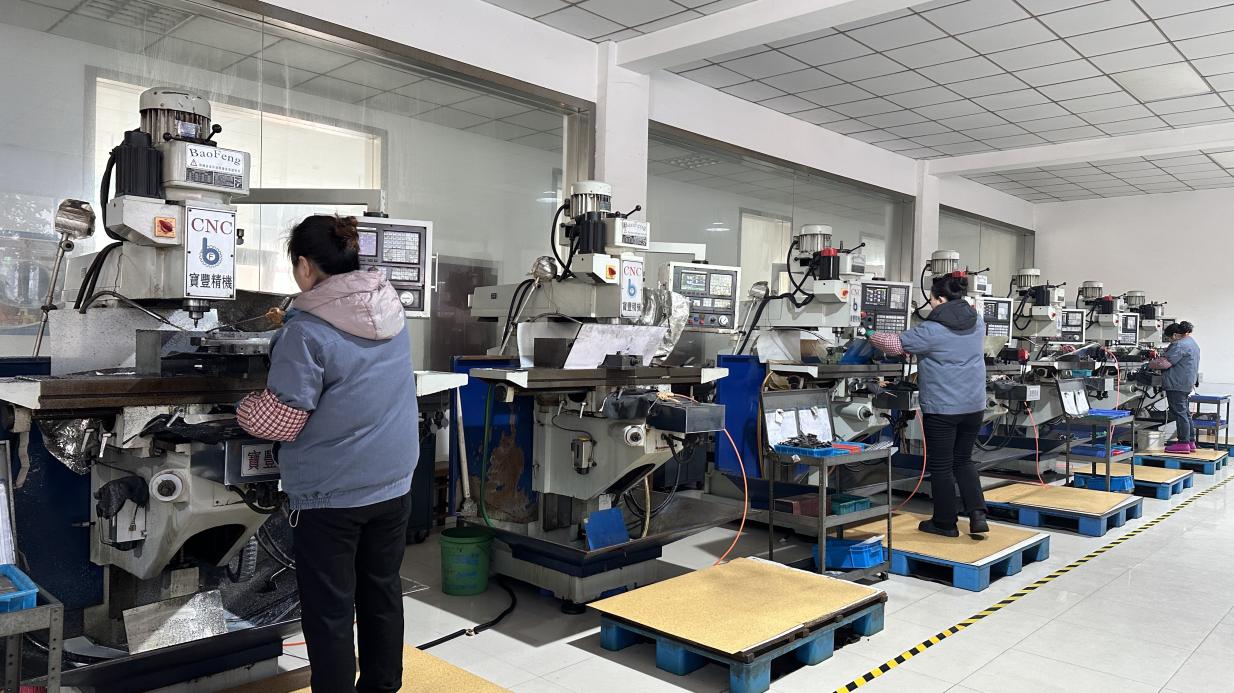
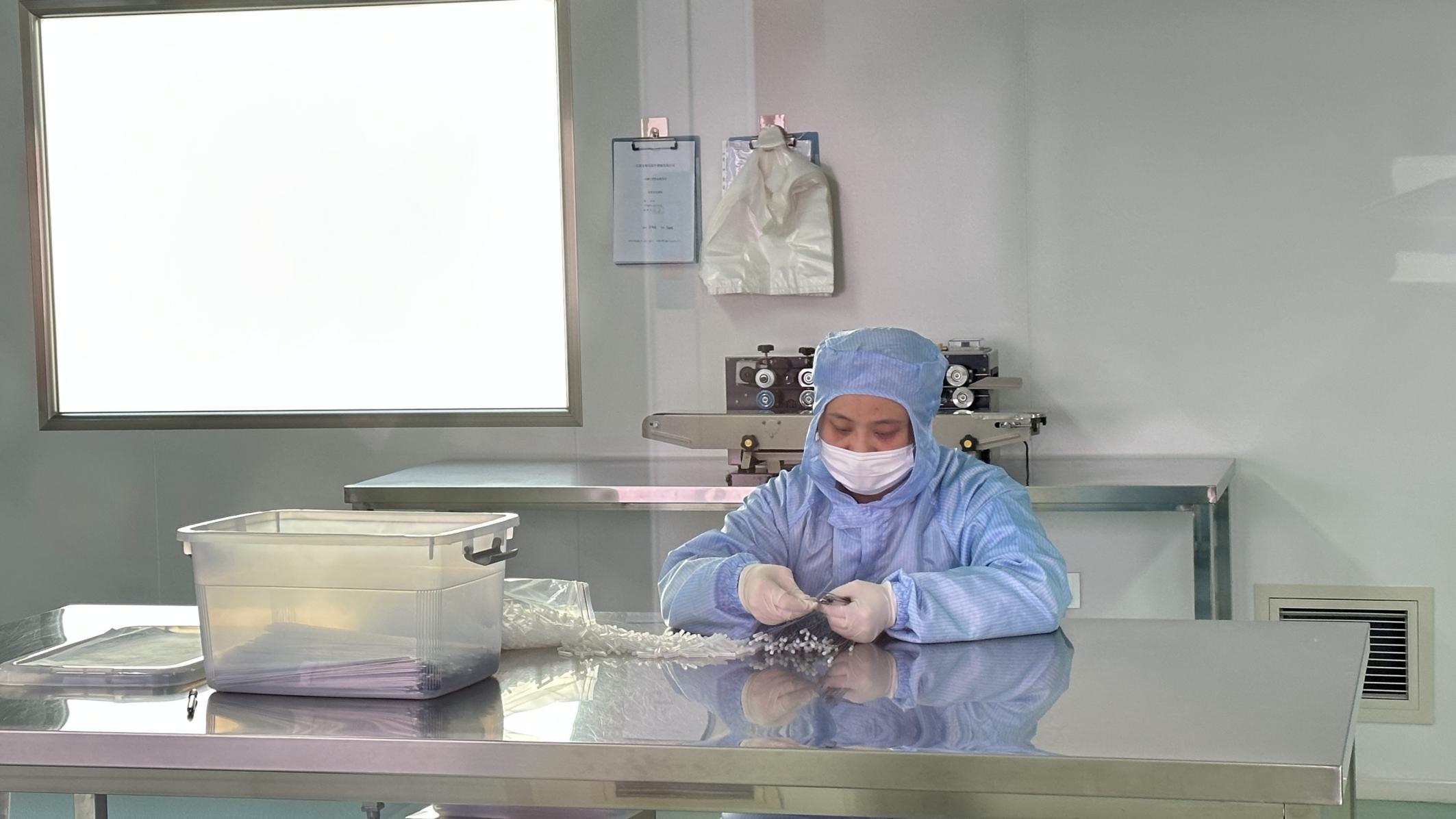
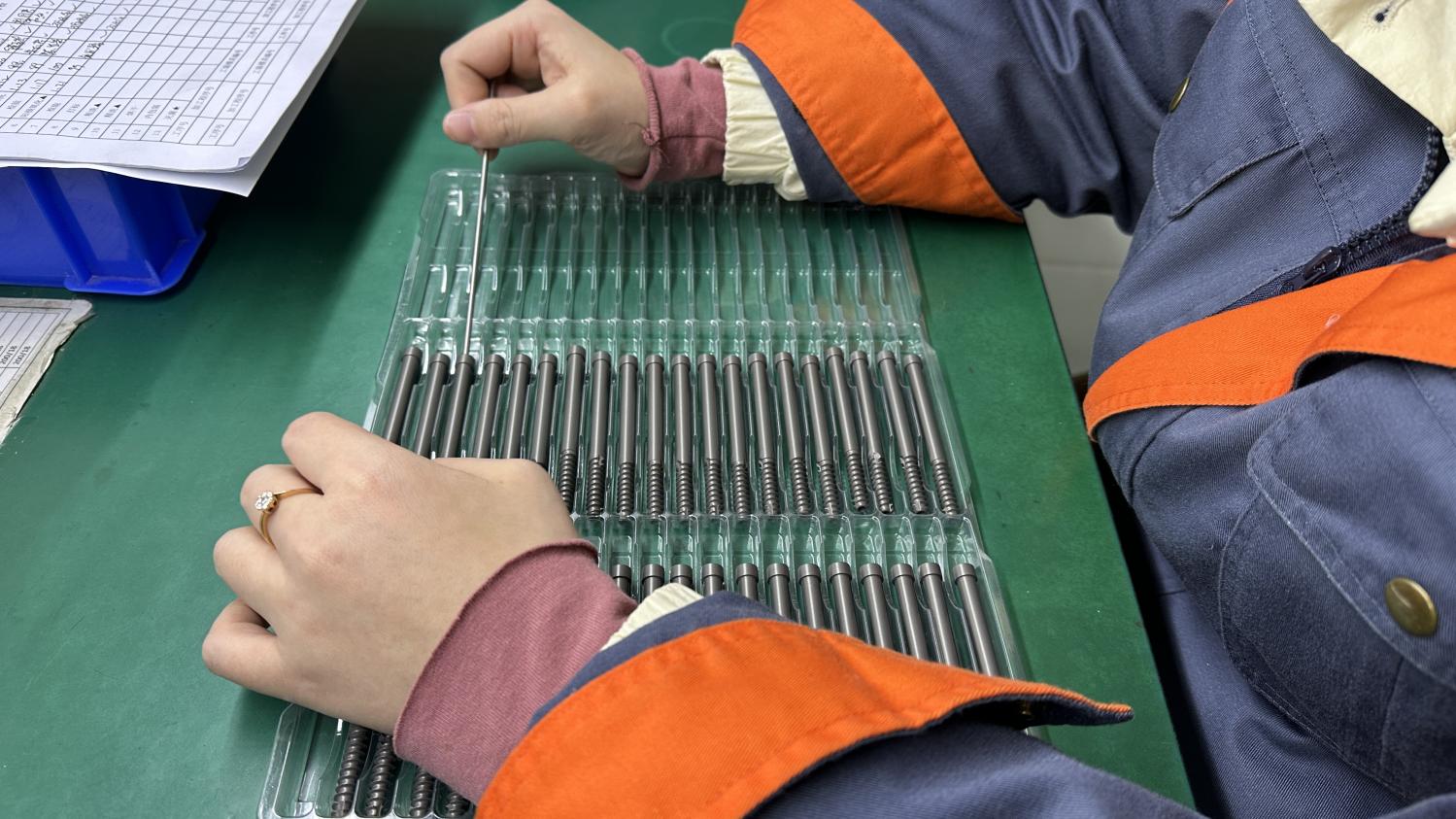
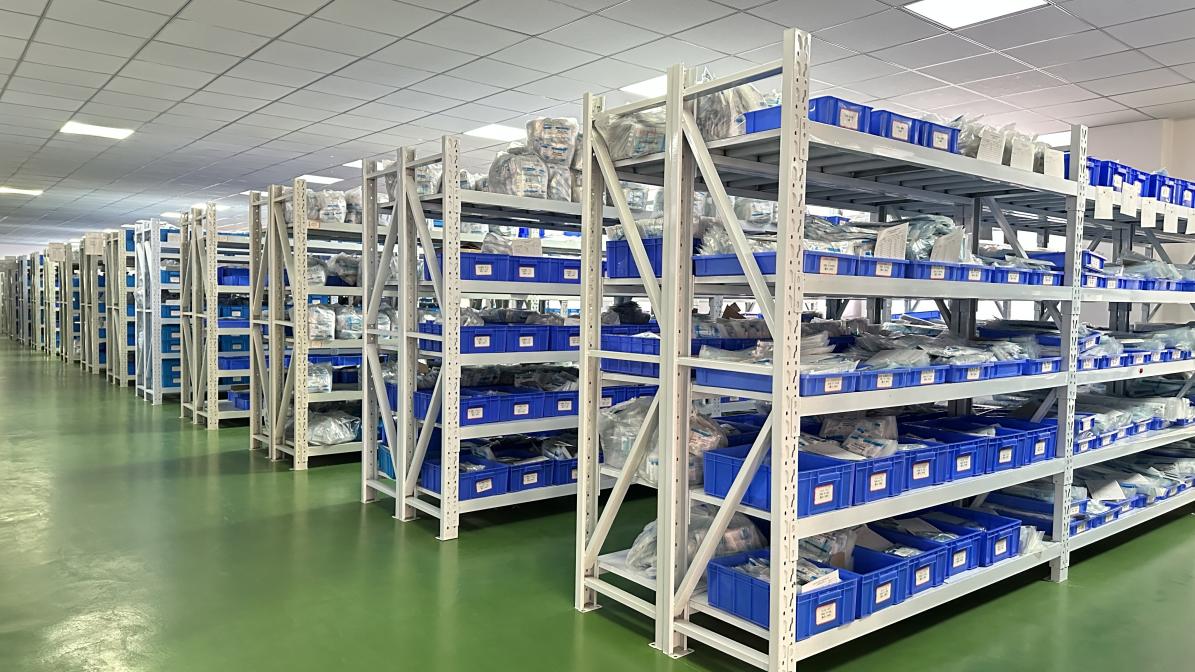
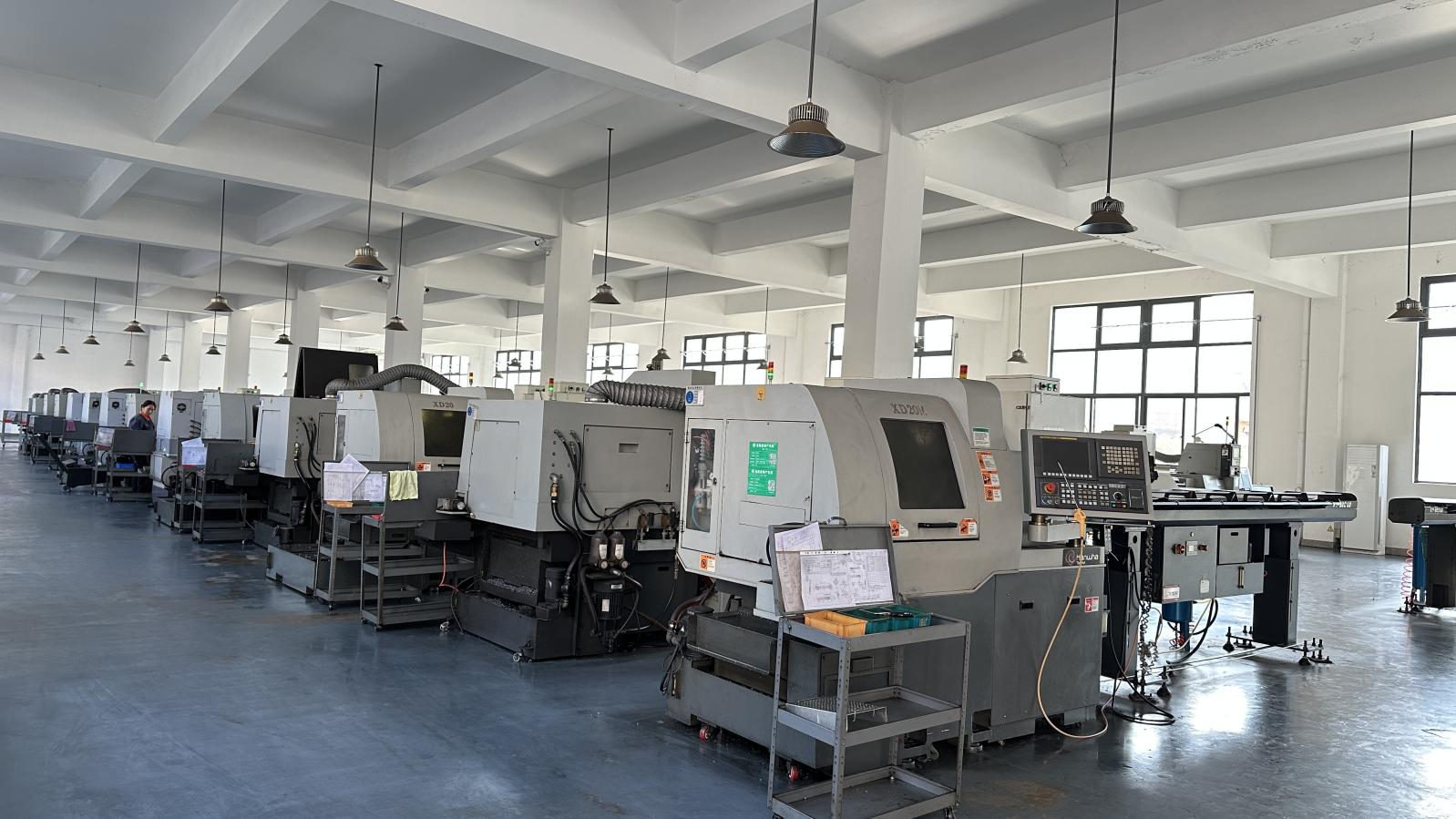
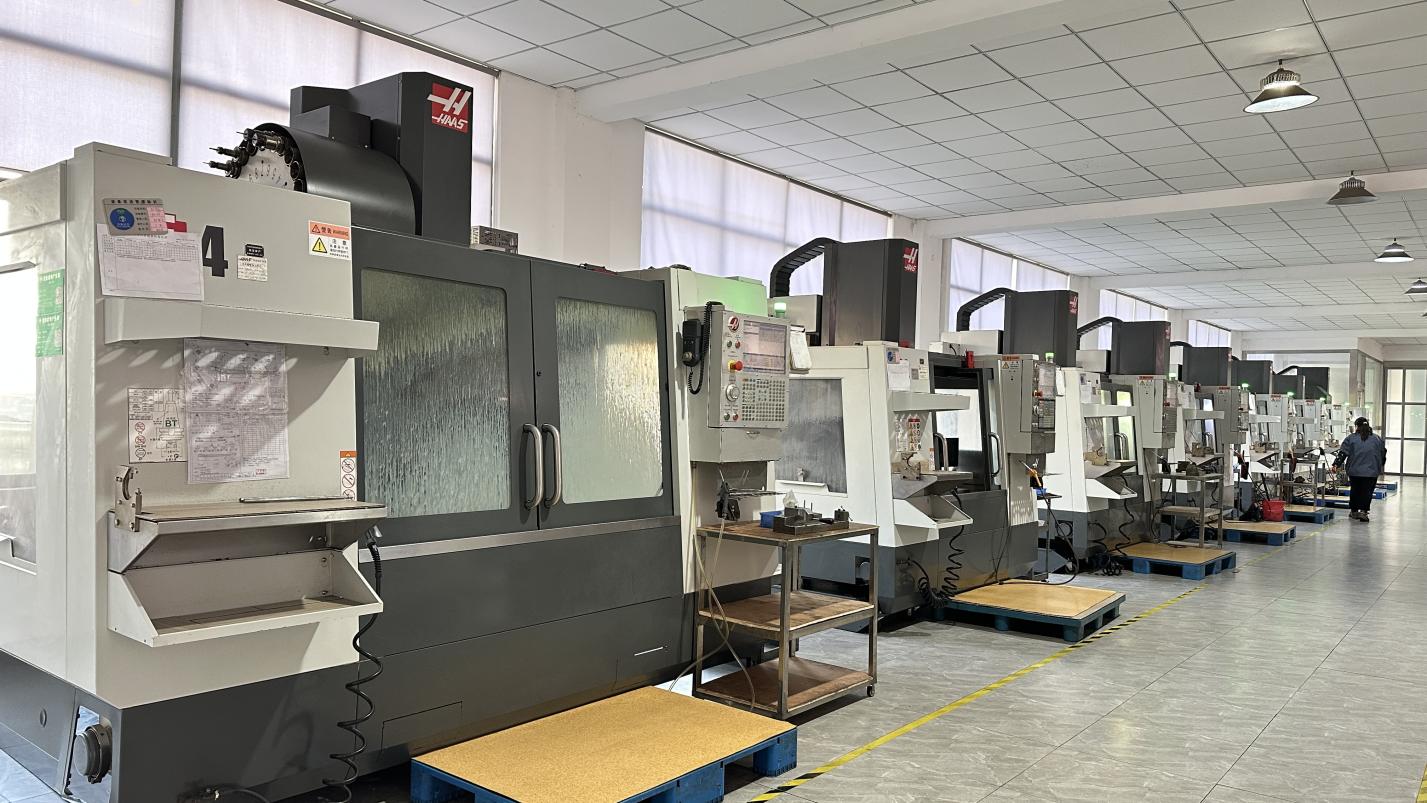
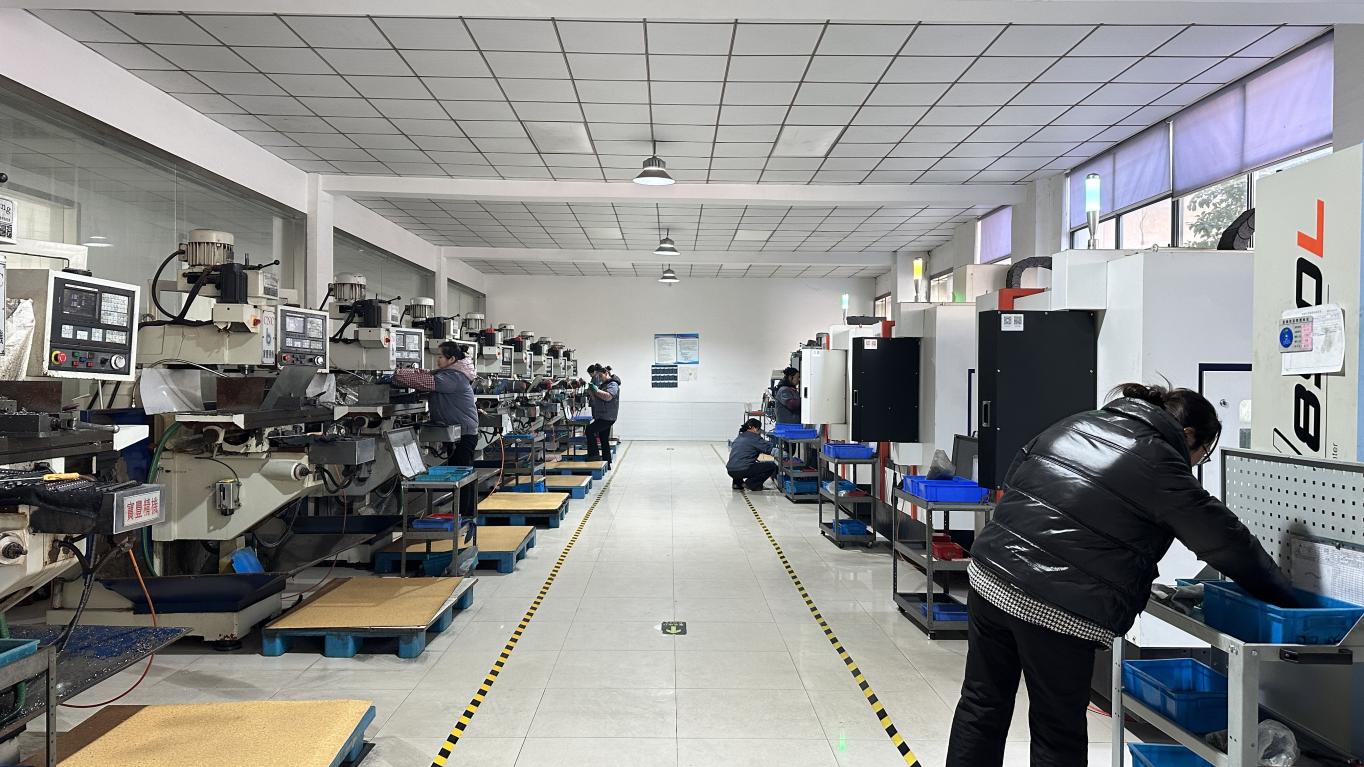
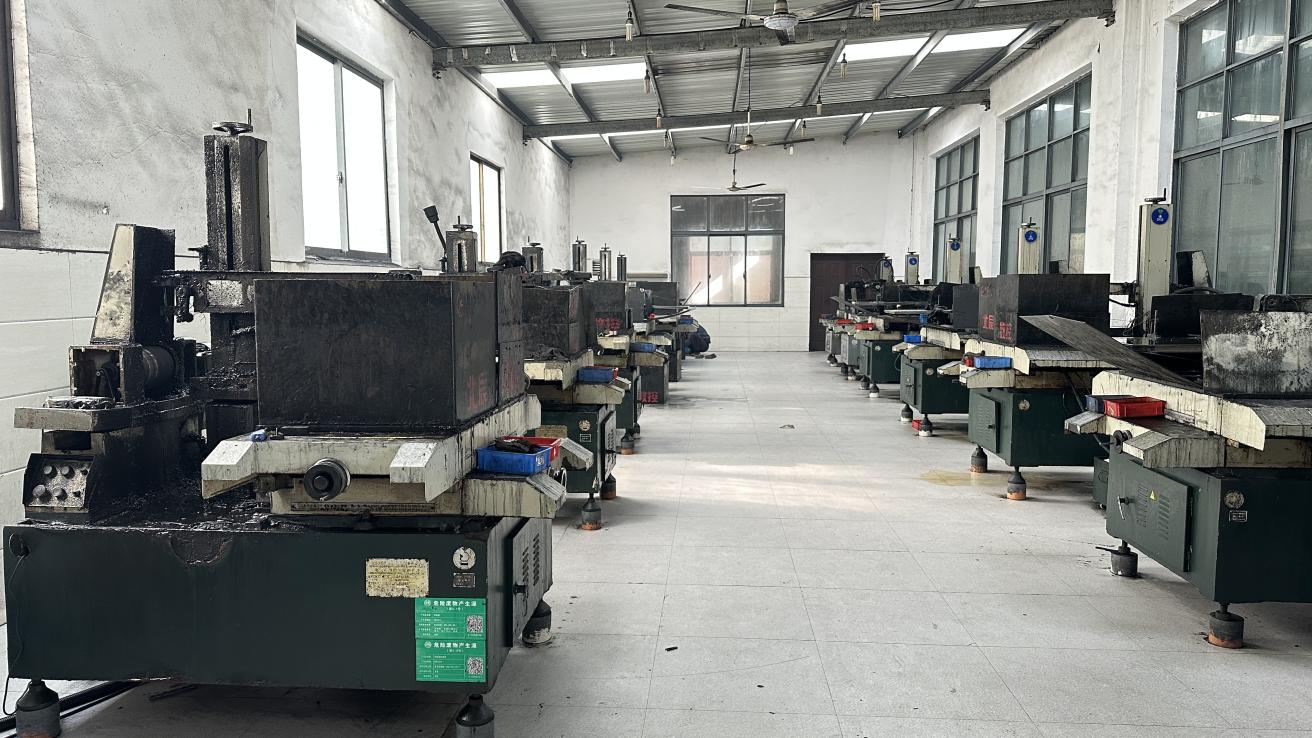
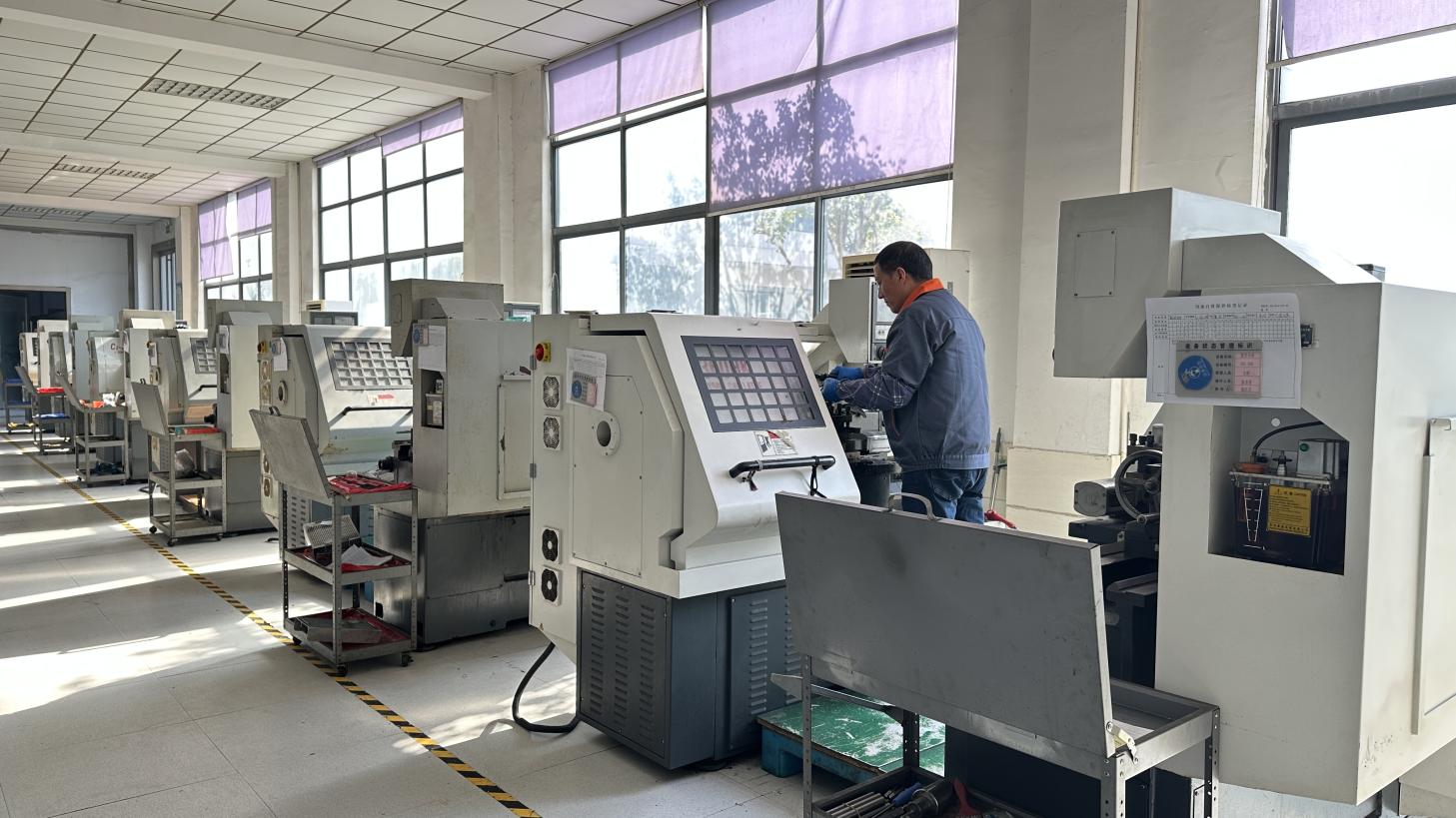
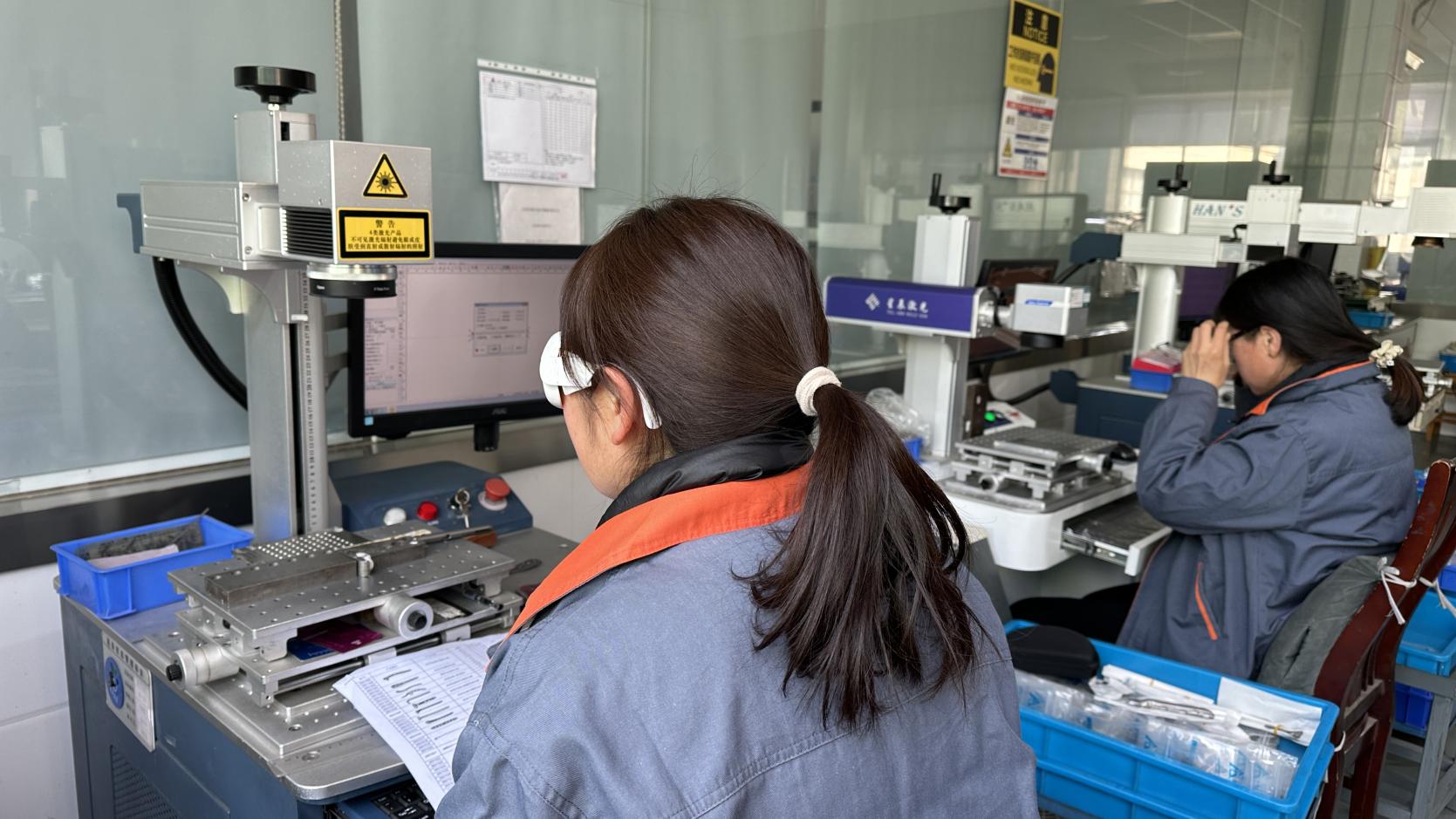
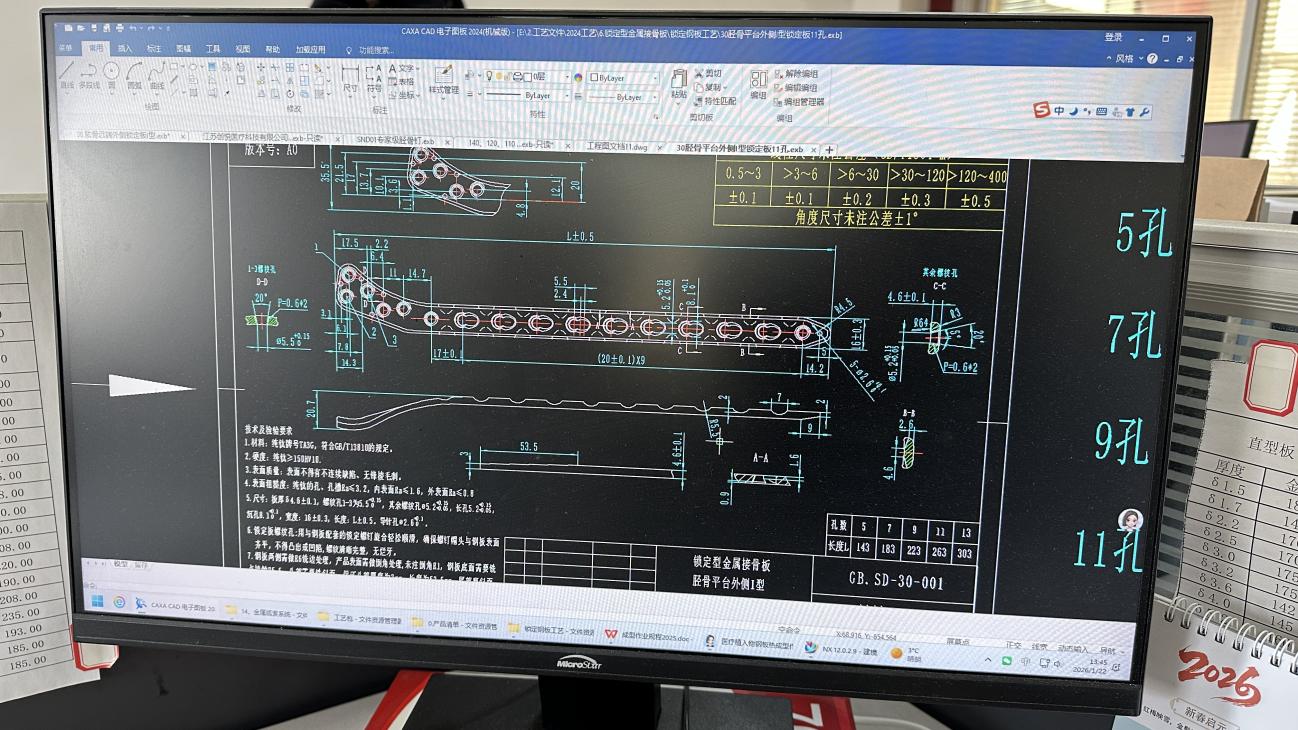

In-house fatigue, tension, and structural stress validation protocols following ISO 13485 standards.
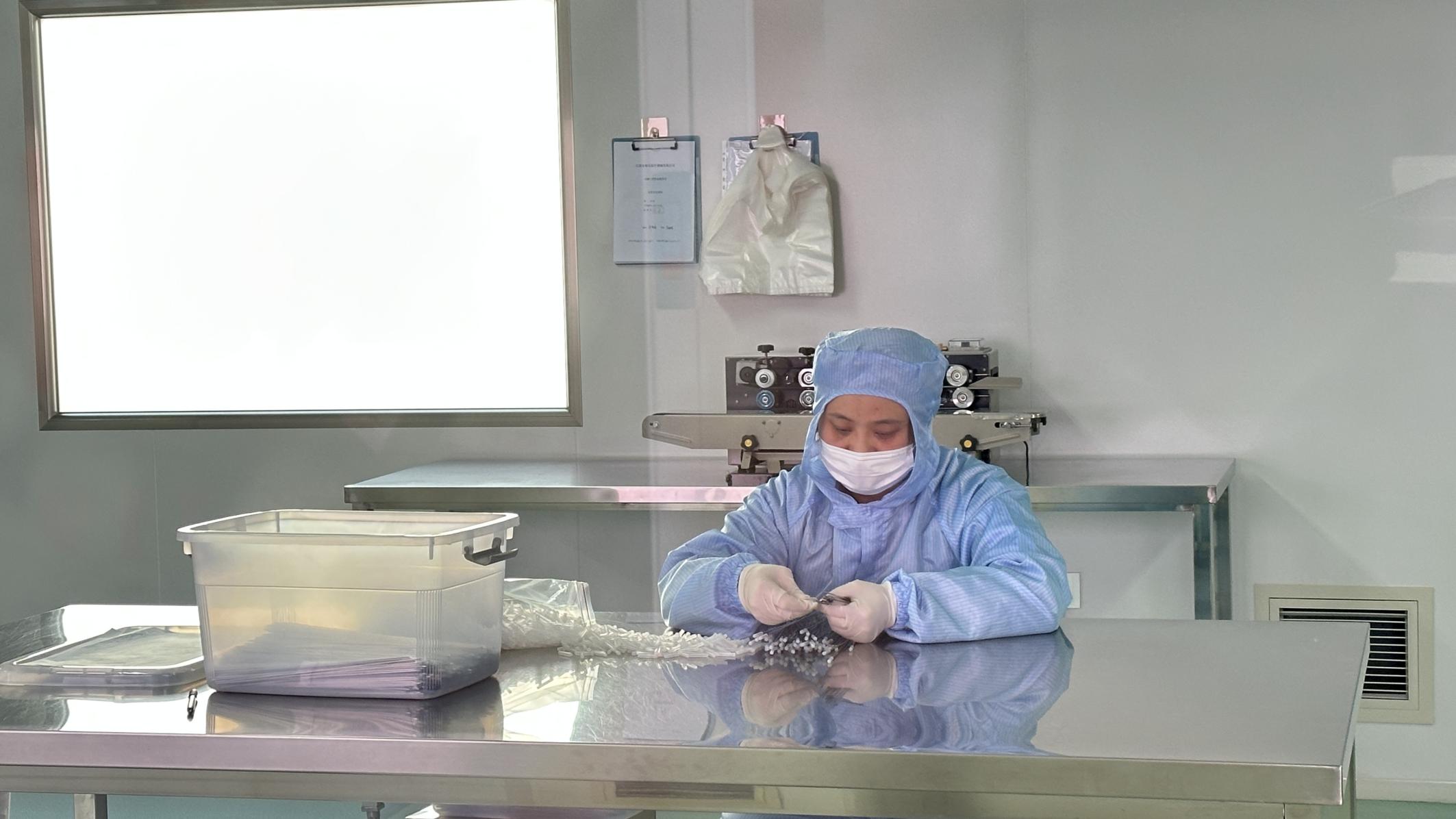
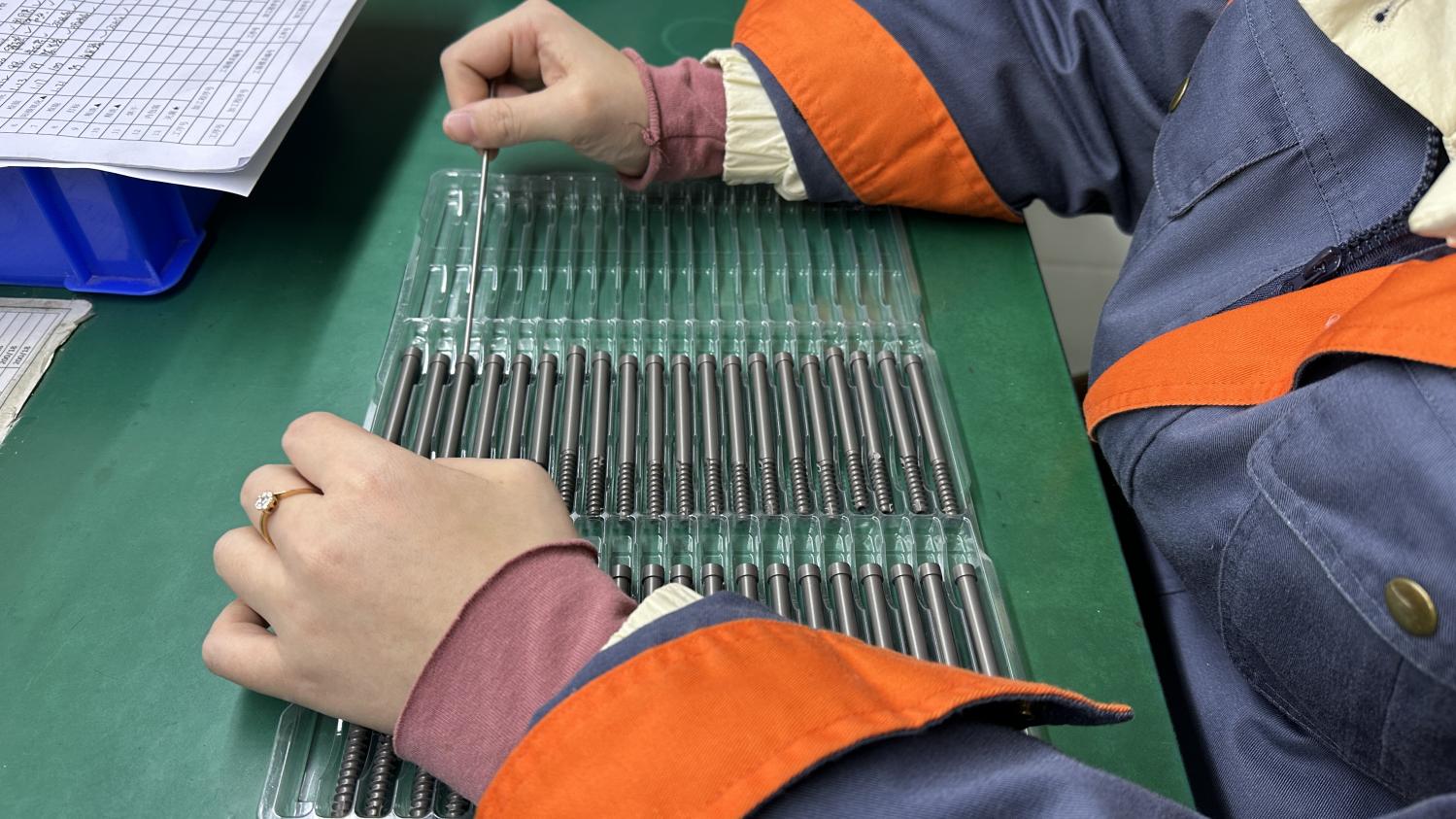
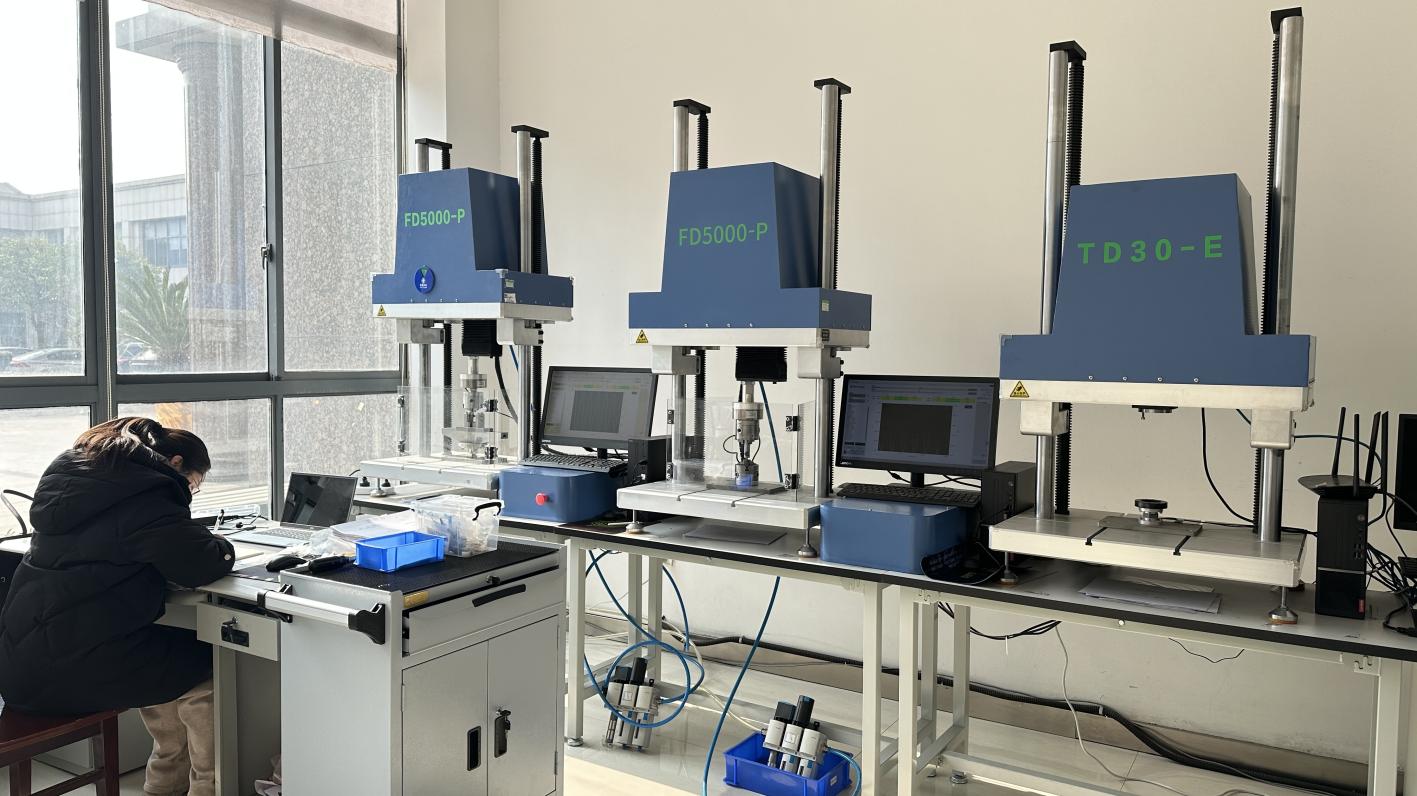
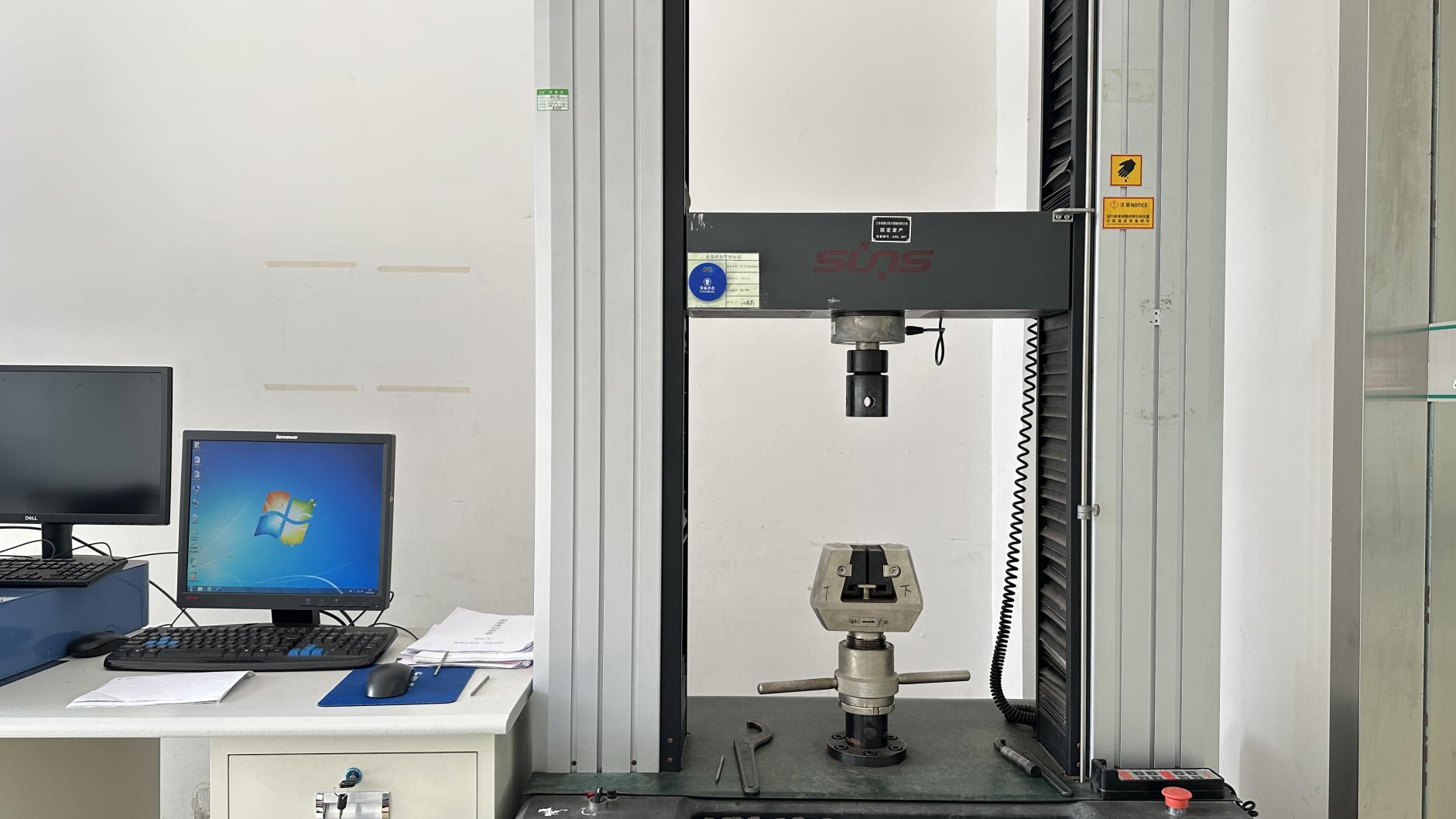
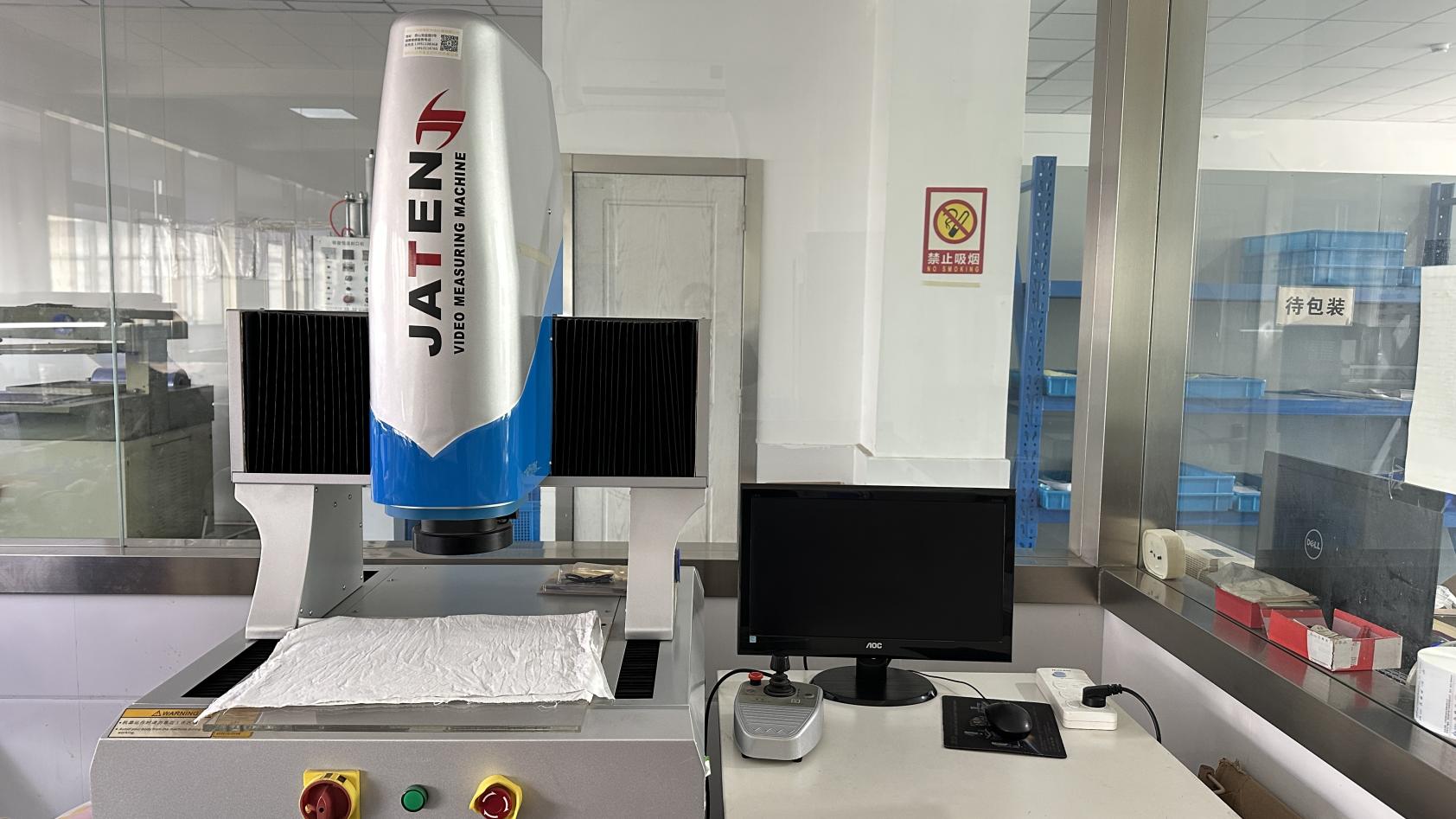
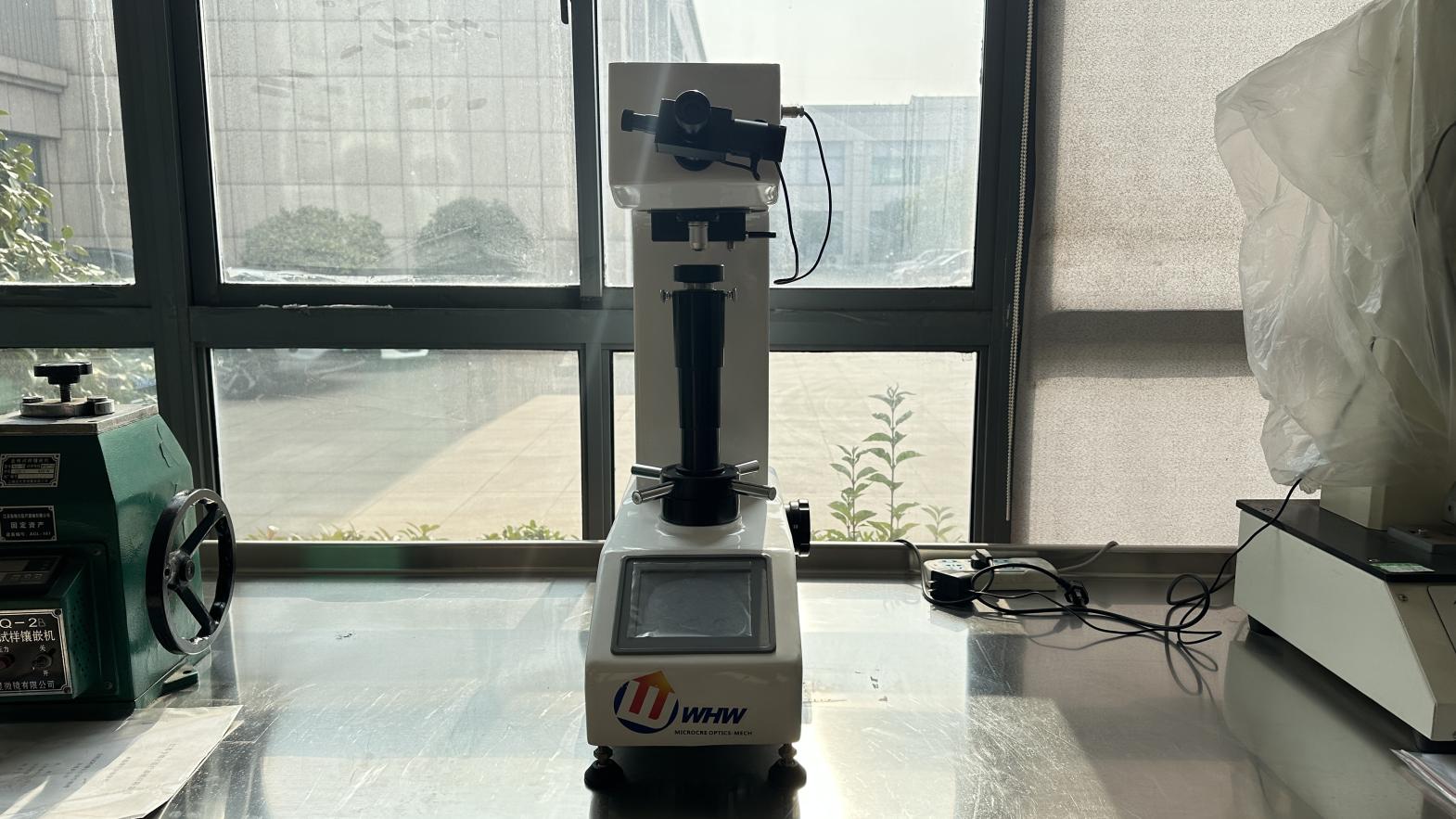
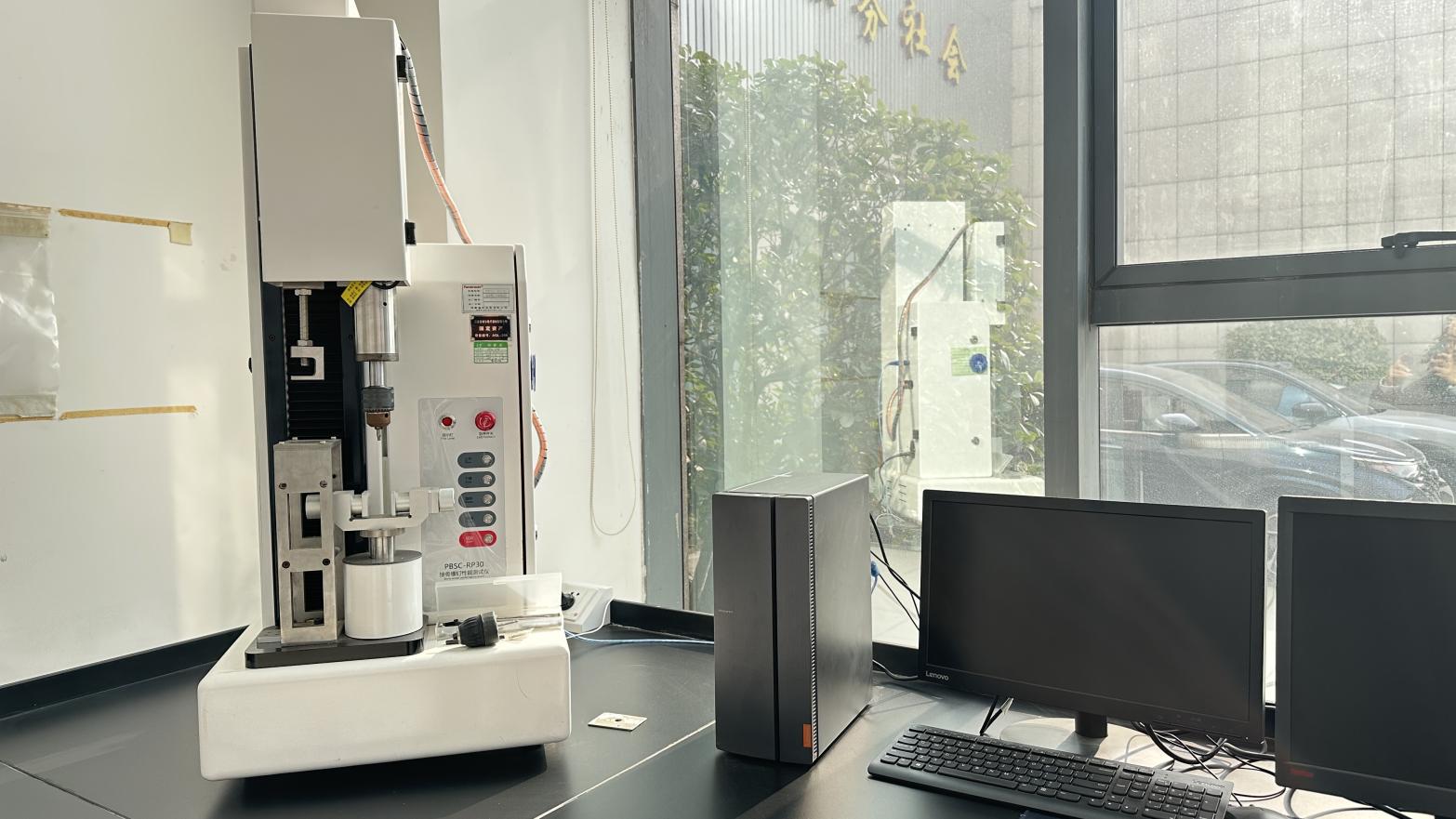
Fully Compliant Quality Control Setup
Complete regulatory-conforming implant solutions, including trauma stabilization plates, arthroscopic anchors, and spinal fixation assemblies.
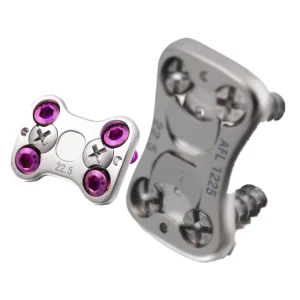
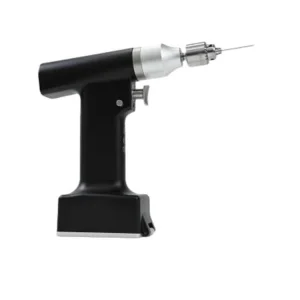
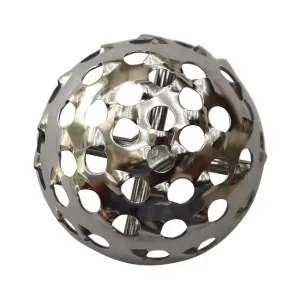
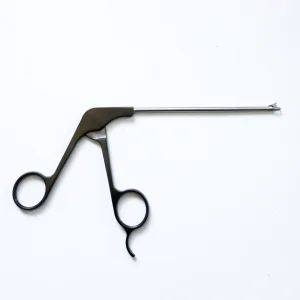
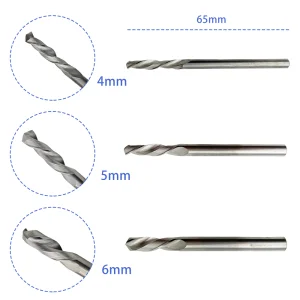
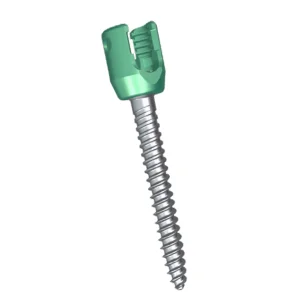
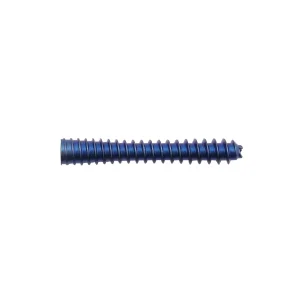
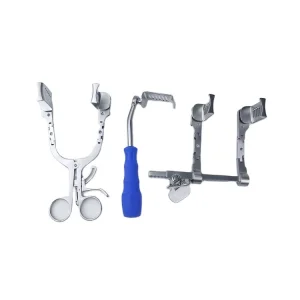
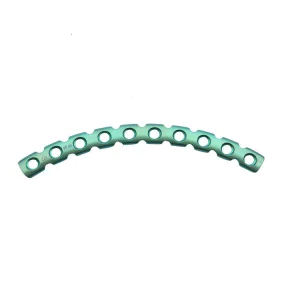
Intramedullary nails serve as internal splints, optimizing stress distribution along the longitudinal axis of long bones. Unlike conventional bone plates, they preserve the periosteal blood supply, accelerating fracture callus formation.
Our PFNA (Proximal Femoral Nail Antirotation) features a helical blade system instead of standard locking screws. The design compresses the cancellous bone surrounding the blade, yielding substantial cut-out resistance, which is highly beneficial for osteoporotic patients in Spain.
Using CAD modeling and finite element analysis (FEA), our R&D teams have modified the distal locking configuration of our nails. By incorporating dynamic locking holes, surgeons can achieve controlled axial loading, enhancing secondary bone healing.
The performance of an implant is fundamentally linked to its raw material selection. We process medical-grade Titanium Alloys (Ti-6Al-4V ELI) compliant with ASTM F136 specifications. This alloy balances a low elastic modulus (close to human cortical bone) with high tensile strength.
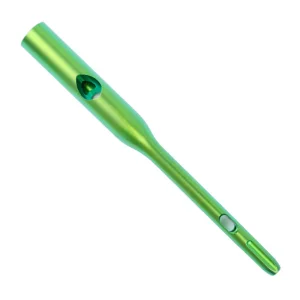
To improve biocompatibility, our implants undergo automated anodization treatments. This process forms a stable titanium oxide passivation layer, preventing metallic ion release and offering custom color configurations for easy sizing differentiation.
Every batch is matched with corresponding material certifications, tracking chemical composition heat numbers, microscopic structure tests, and mechanical tensile behavior curves, providing clear compliance documentation for Spanish regulatory bodies.
Importing class IIb and class III orthopedic devices into the European Union demands exhaustive coordination. With the enforcement of the EU Medical Device Regulation (EU MDR), Spanish importers and health authorities require comprehensive technical documentation.
As an established exporter with 8 years of international operations, Virelox works closely with EU-authorized representatives (EAR) to facilitate registration within the EUDAMED database. We provide comprehensive documentation packages, including clinical evaluation reports (CER), biological safety profiles (ISO 10993 compliance), and detailed risk assessment protocols (ISO 14971).
Furthermore, our logistics framework is optimized for Spanish shipping routes, delivering direct DDP or CIF shipments to major logistical hubs like Valencia, Barcelona, and Madrid. We offer structured labeling, featuring unique device identification (UDI) barcodes, ensuring smooth integration with Spanish hospital inventory tracking systems.
Expert answers addressing the logistical, technical, and regulatory requirements of Spanish orthopedic device procurers.
 Virelox