Engineered to comply with strict Japanese PMDA standards, offering localized surgical options for general and veterinary orthopedic applications.
Understanding the clinical, industrial, and demographic realities of Aichi Prefecture.
Nagoya, as the heart of Japan's Chubu region, represents a dense cluster of world-class medical institutions. Facilities such as Nagoya University Hospital, Fujita Health University Hospital, and Nagoya City University Hospital deal with a high volume of trauma cases, reconstructive surgeries, and complex musculoskeletal pathologies. The demographic reality of Aichi Prefecture reflects Japan's super-aging population, which drives an increasing volume of osteoporotic fractures and degenerative joint issues. At the same time, Nagoya's standing as a global industrial hub increases the exposure to high-energy trauma incidents, requiring highly stable, biomechanically advanced external fixators.
For clinical professionals in Nagoya, external fixation systems must provide absolute mechanical stiffness to prevent micro-movements at the fracture site while remaining lightweight enough to allow early mobilization. Pediatric patients requiring bone transport or deformity correction demand modular systems that can adapt dynamically to growth, while geriatric patients require delicate pin insertion systems designed to preserve fragile bone stock.
The industrial backdrop of Aichi Prefecture—dominated by automotive giants like Toyota and precision aerospace component suppliers—defines the quality expectations of the local clinical purchasing departments. Japanese orthopedic surgeons and procurement committees possess a deep understanding of metallurgy, tolerancing, and surface finish. They evaluate implants not merely as medical consumables, but as high-performance mechanical systems.
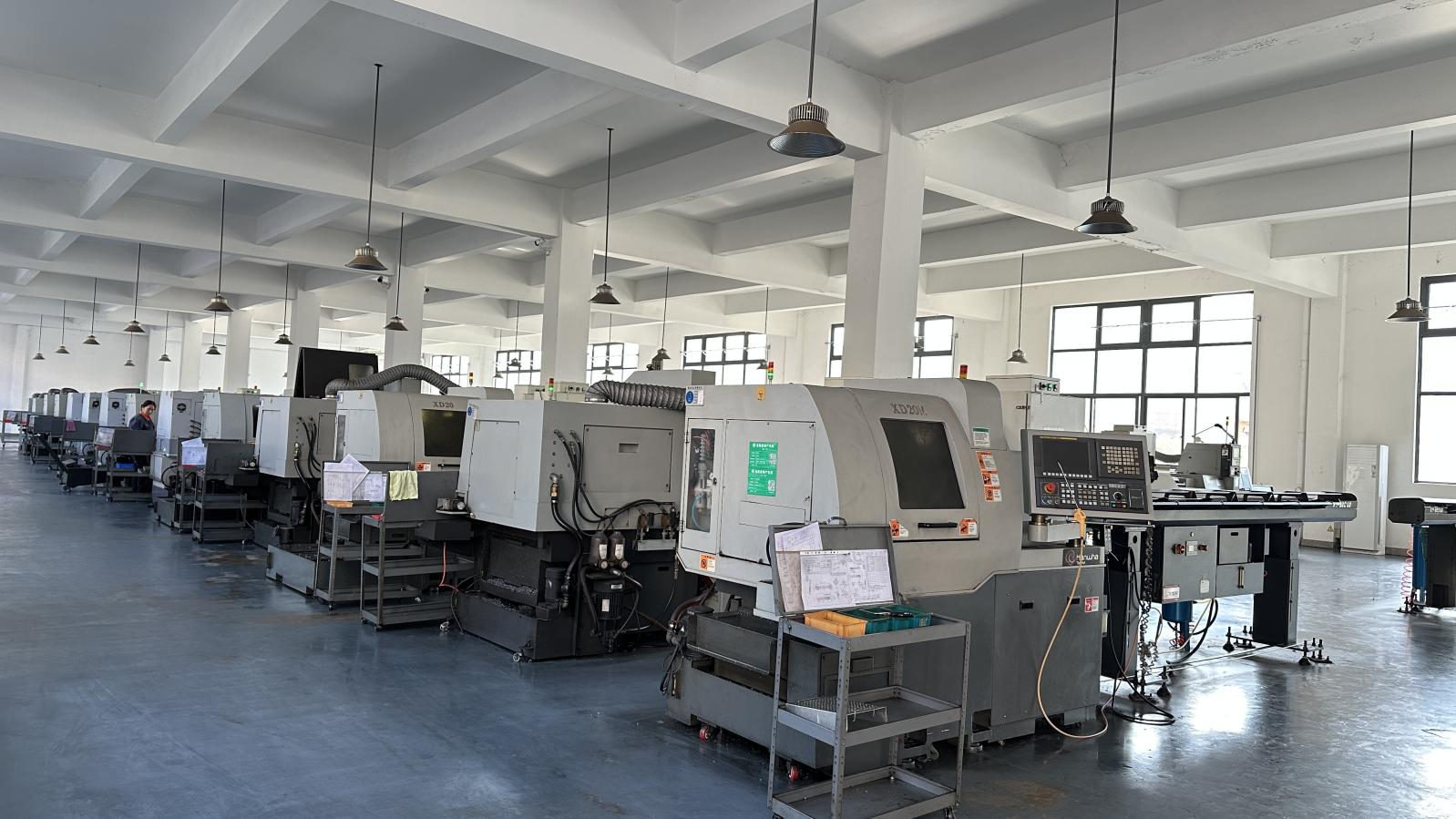
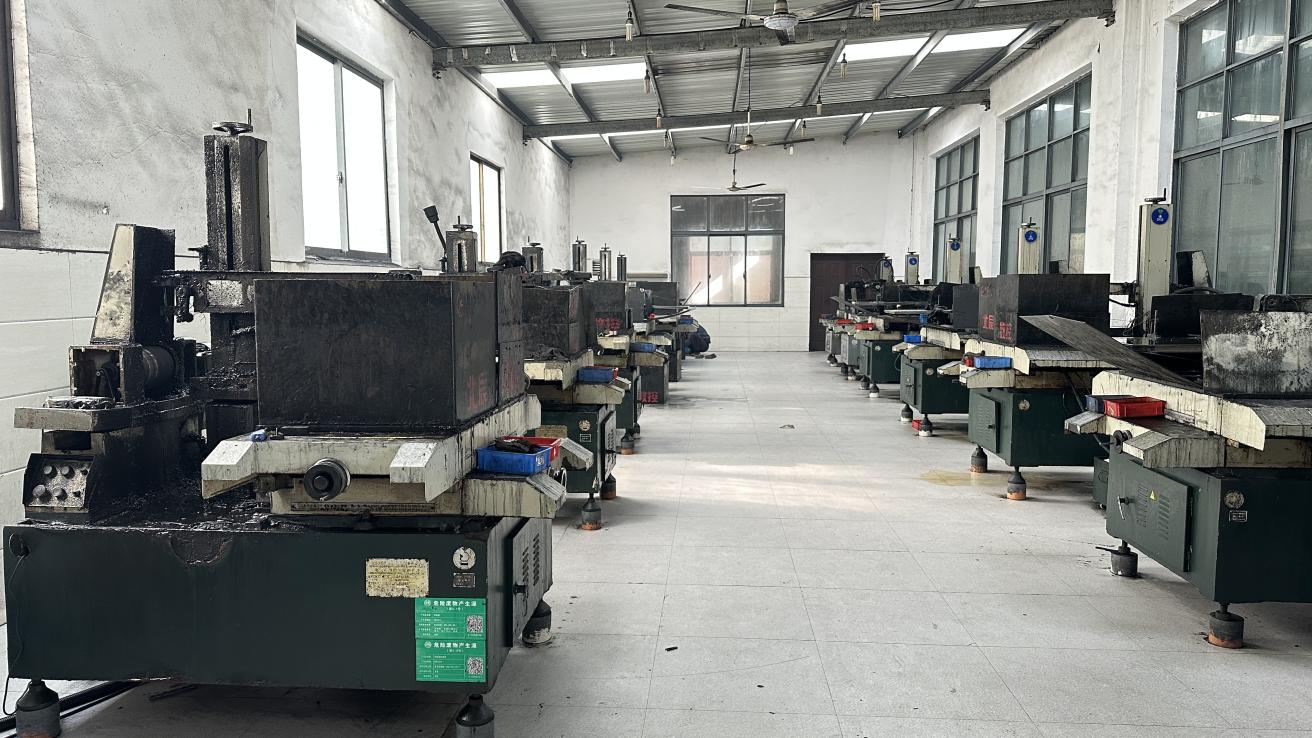
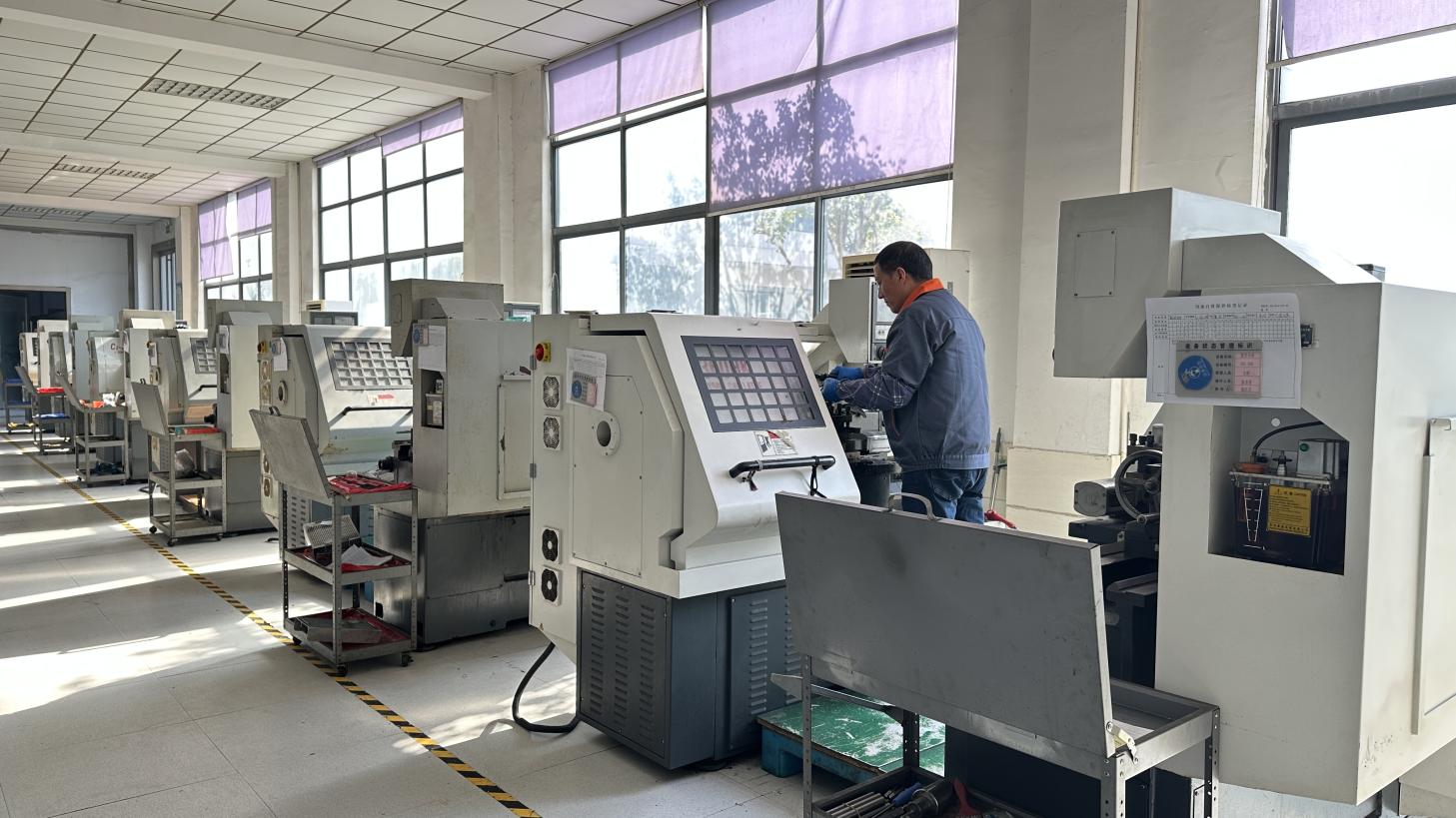
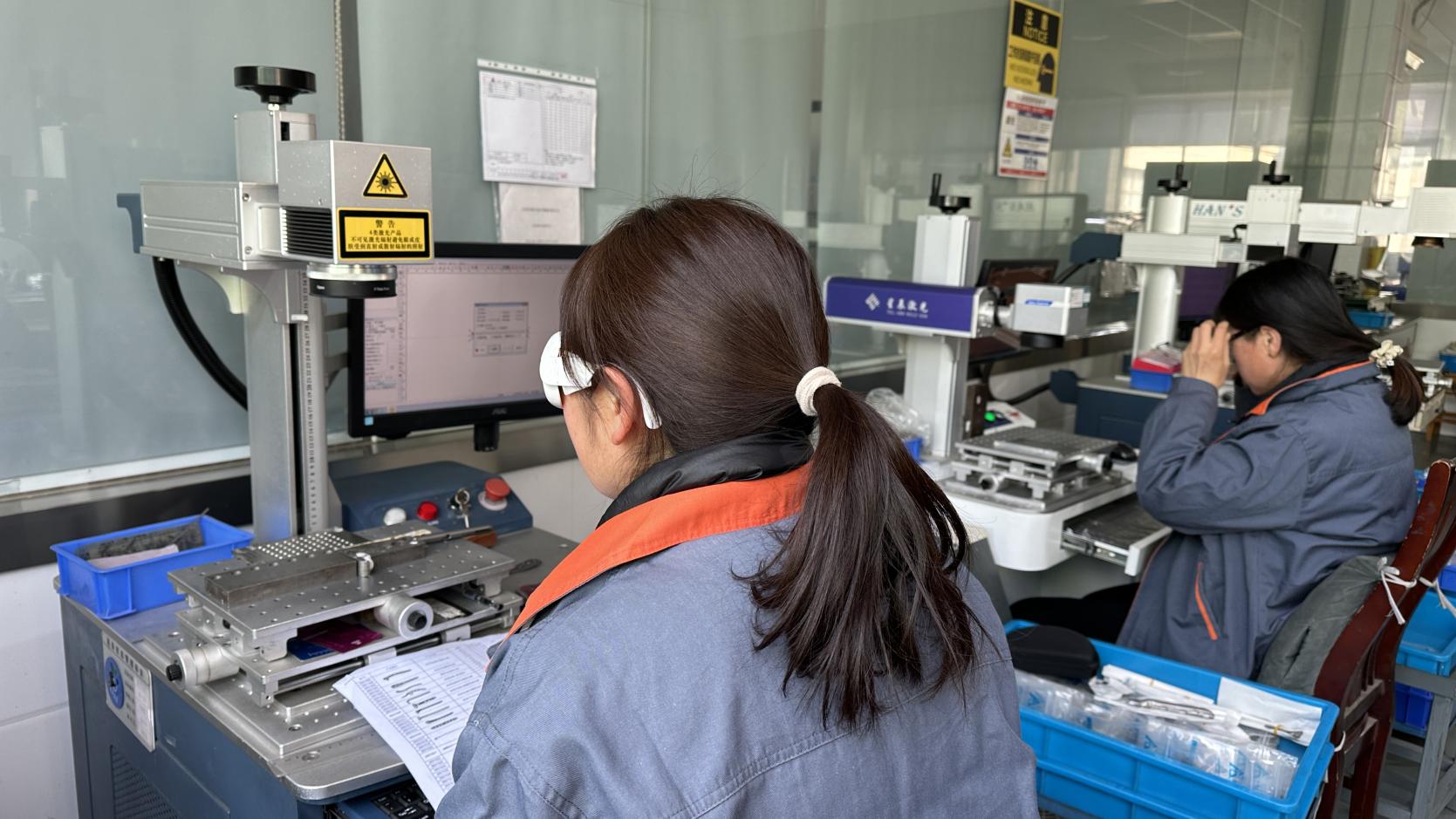
Virelox Medical Devices meets these high expectations by utilizing high-precision Swiss-type CNC machines, advanced wire-cutting technology, and specialized laser marking systems. Our external fixation components, from pins to clamps, feature precise micro-tolerances that eliminate play within the frame structure, ensuring that Nagoya clinicians receive instrumentation matching the local standard of engineering excellence.
The technical roadmap guiding the design of high-performance trauma implants.
Transitioning from traditional stainless steel to Grade 5 Titanium (Ti-6Al-4V ELI) and carbon fiber composites. This combination offers a high strength-to-weight ratio, excellent fatigue resistance, and radiolucency to simplify intraoperative imaging in complex trauma reconstruction.
Micro-motion of the fracture interface is essential for prompt callus formation. Our external fixators incorporate adjustable axial dynamic systems, allowing controlled compression along the anatomical axis while maintaining bending and torsional stability.
Designed with multi-pin clamps that offer variable angular freedom. This allows surgeons to place pins out of the zone of injury or soft tissue compromise without sacrificing the overall construct rigidity, reducing infection risks near critical joints.
Every design iteration undergoes extensive finite element analysis (FEA) to map stress distribution under load conditions. We simulate physiological gait cycles to evaluate cyclic fatigue limits. Our test criteria follow ASTM F1541 standards for external skeletal fixation devices, ensuring that our frames withstand early weight-bearing cycles in lower-limb applications without loosening or deformation.
Looking forward, the integration of digital health and smart materials is transforming trauma care. We are exploring the inclusion of strain sensors within the external fixator rod to measure load distribution and trace bone healing patterns in real time. Additionally, using additive manufacturing (3D printing) technologies, we can develop patient-specific pin placement guides and custom components tailored to severe orthopedic trauma and complex bone transport cases.
Virelox's integrated manufacturing processes support stable global logistics and fast local delivery.
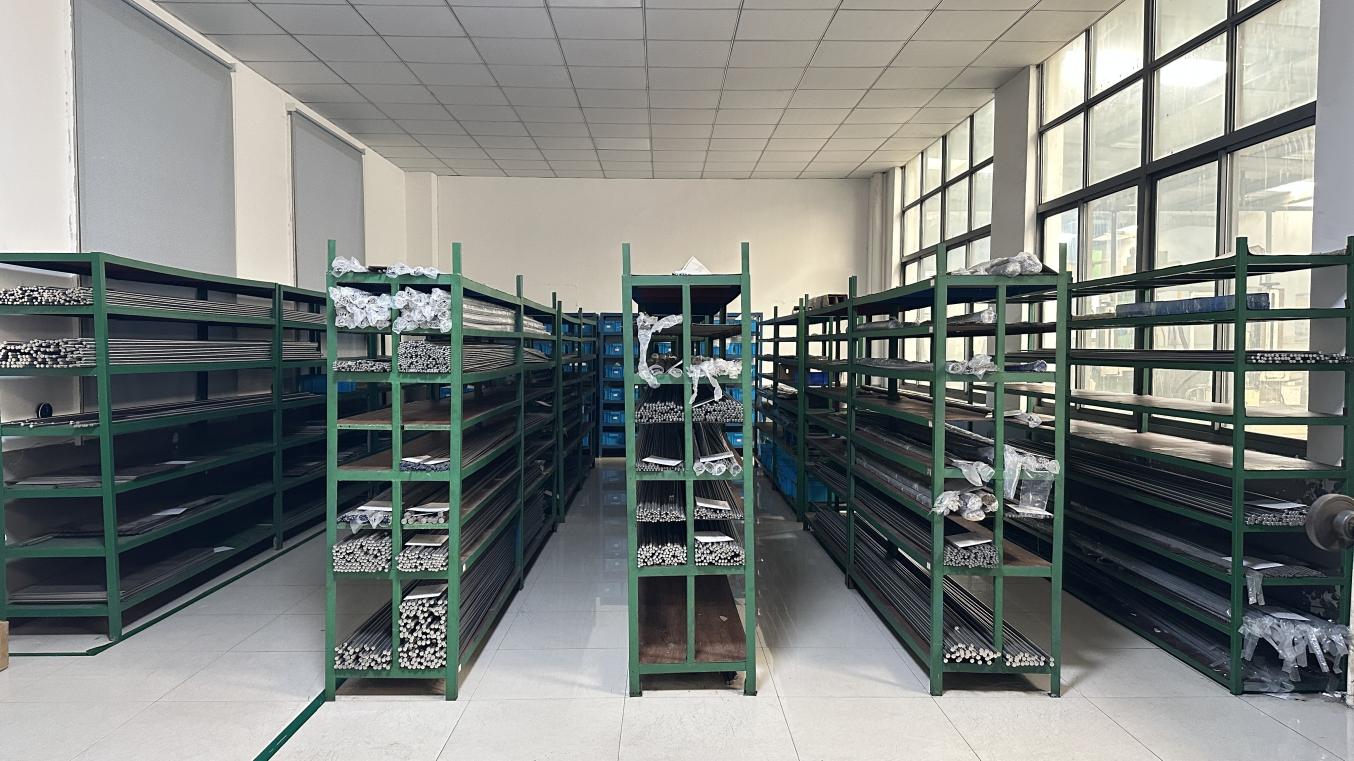
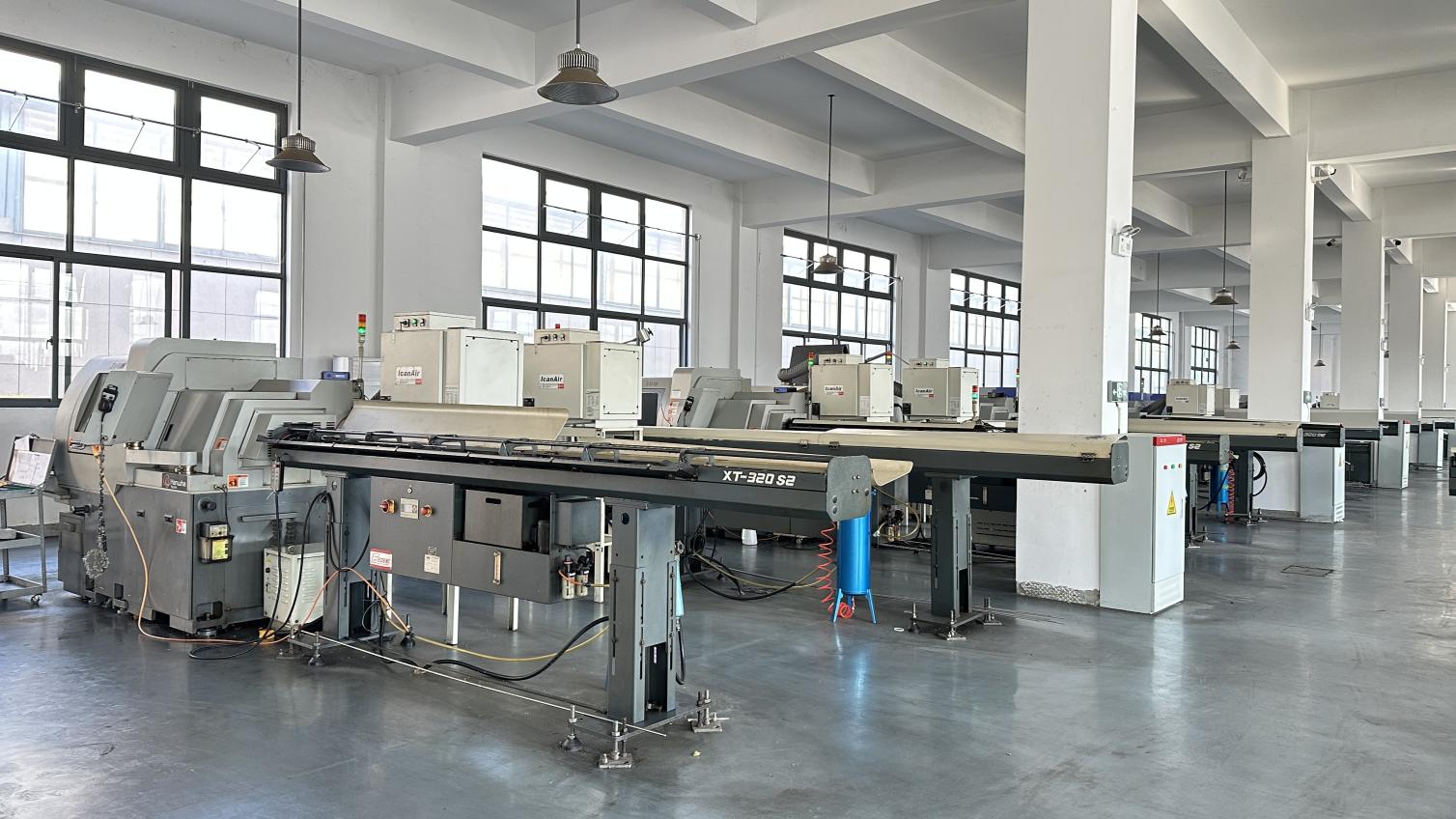
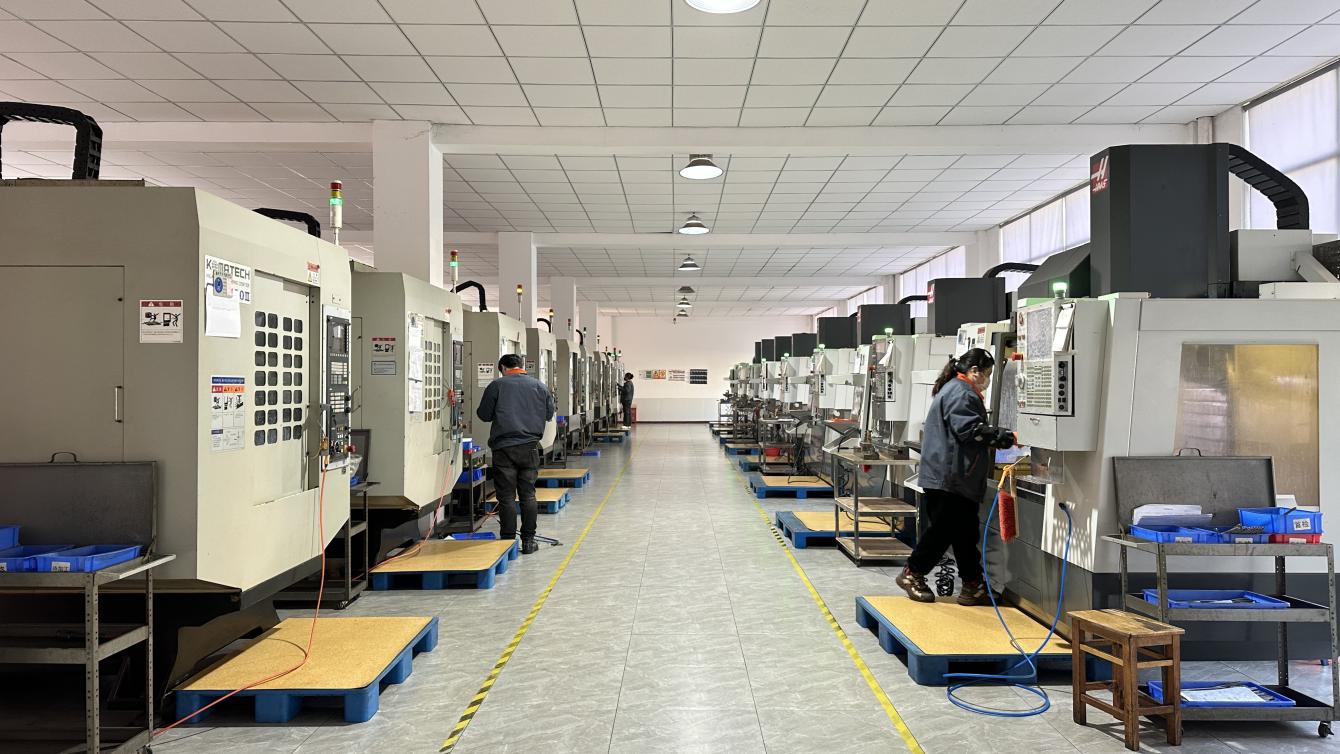
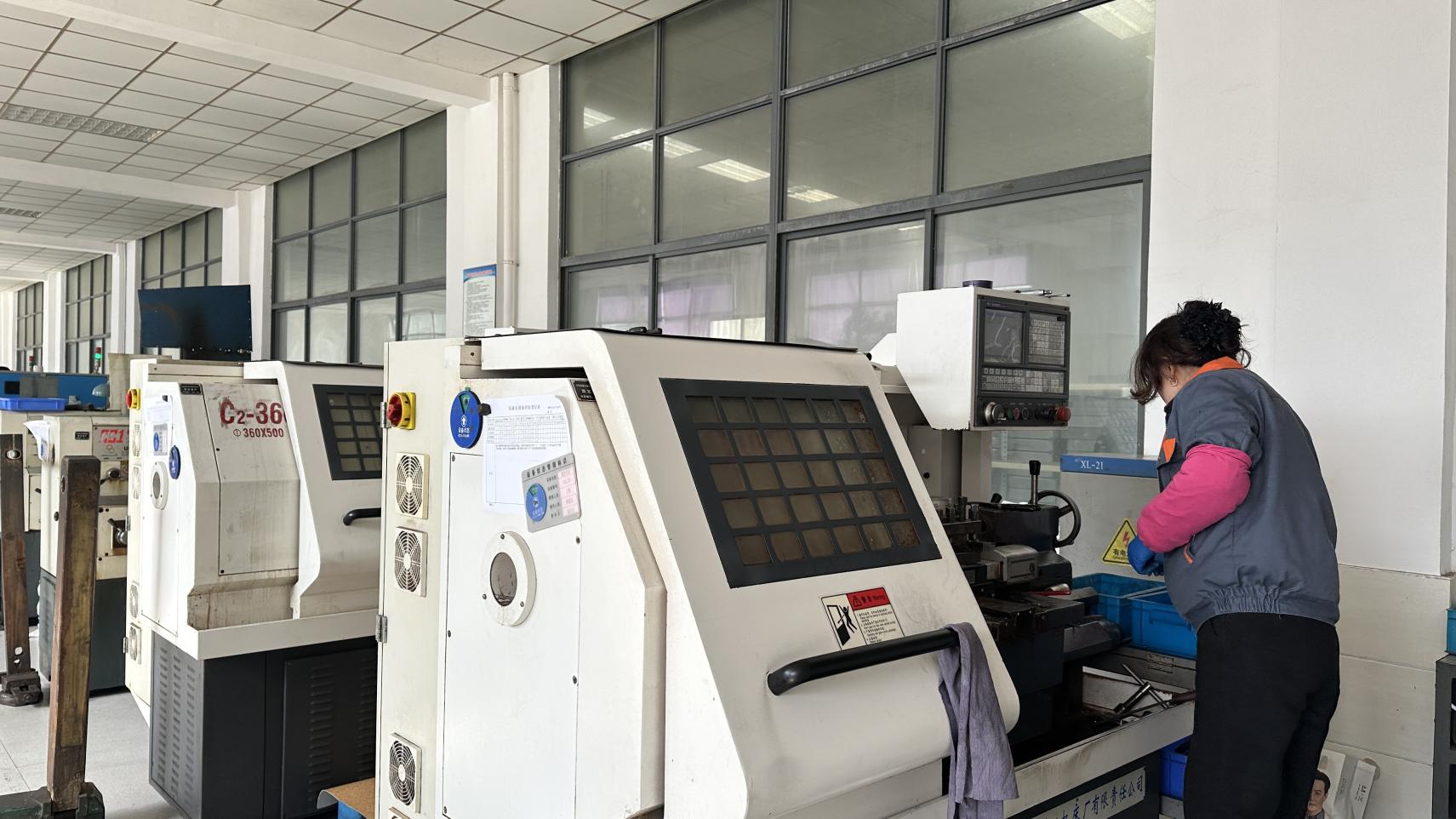
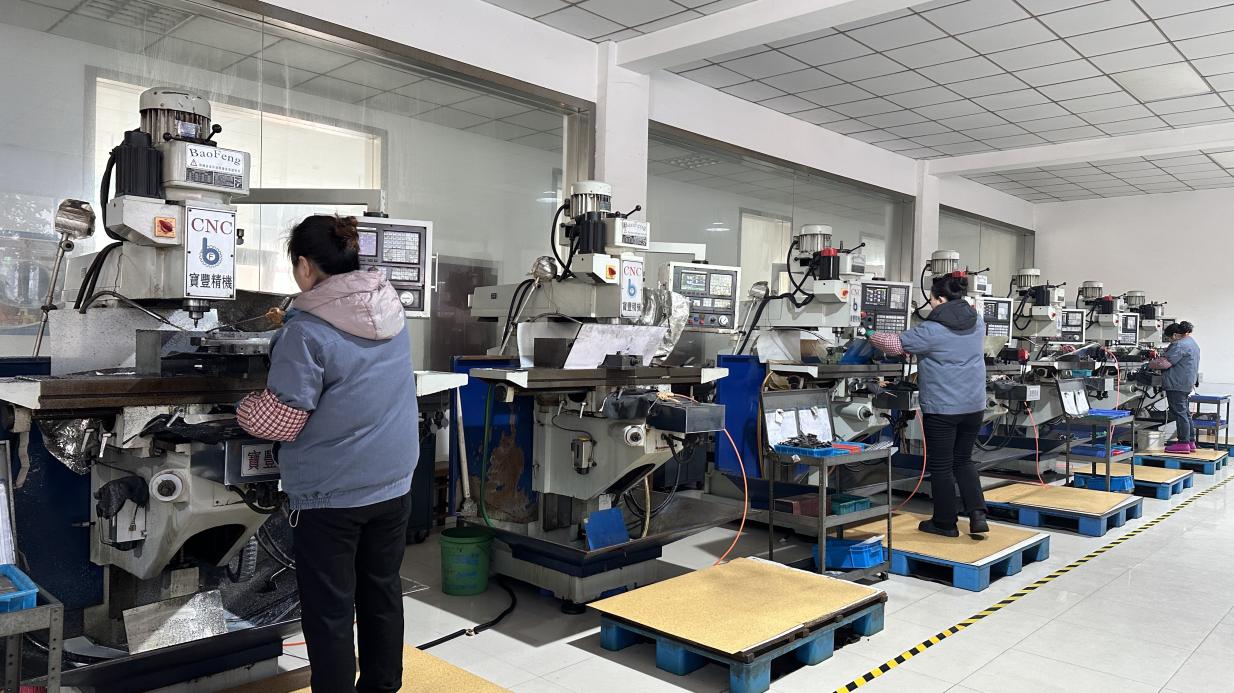
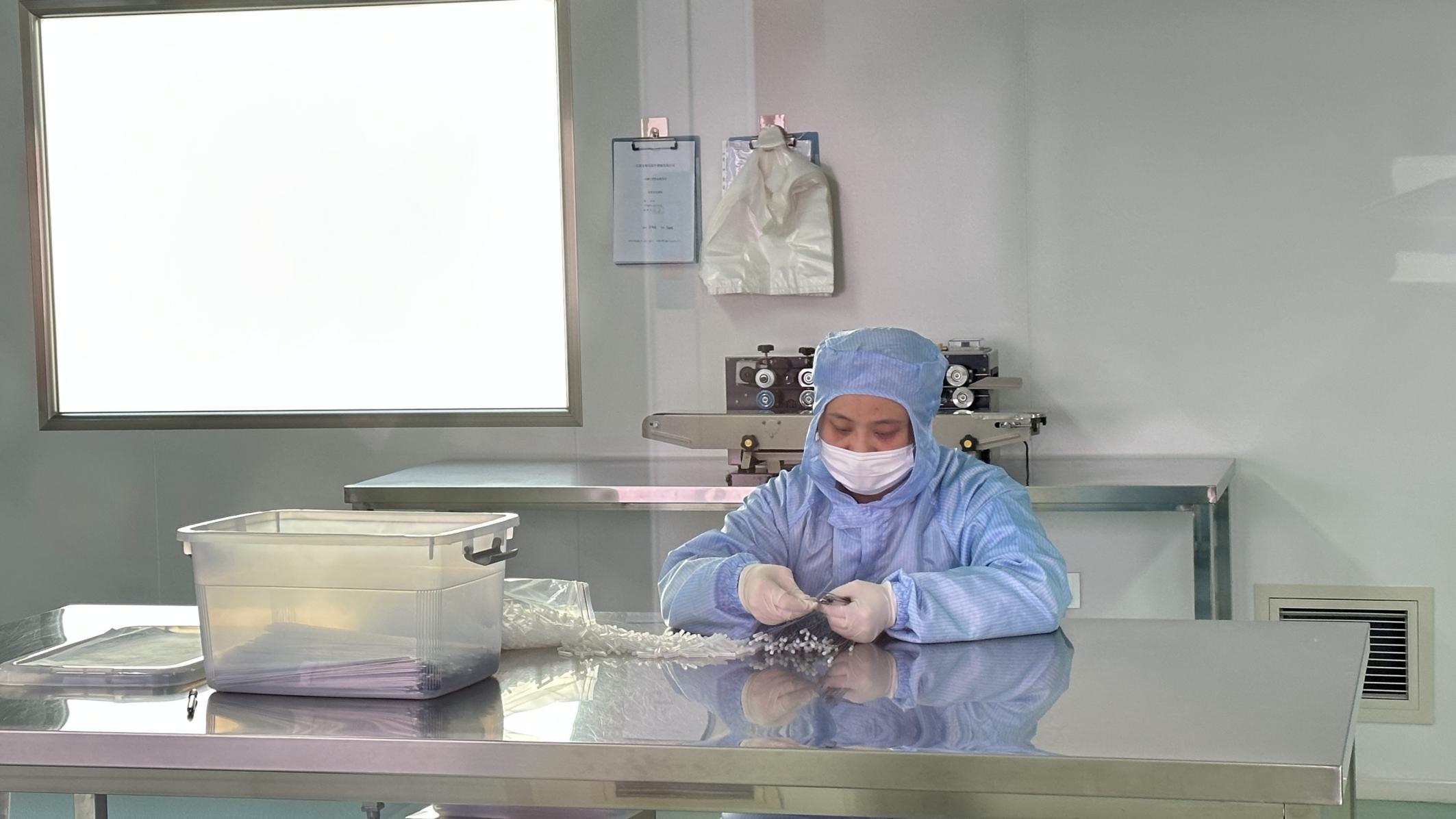
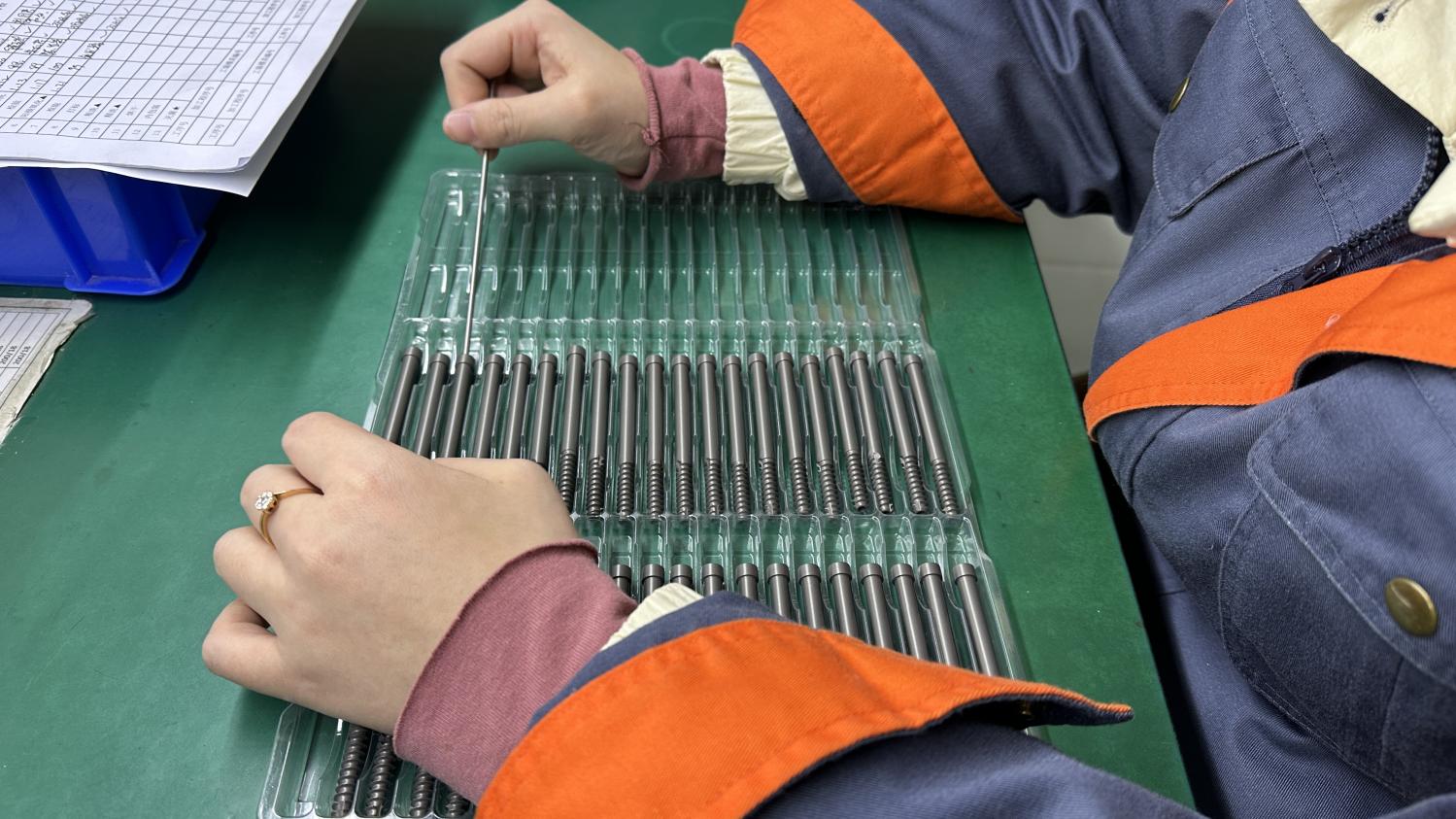
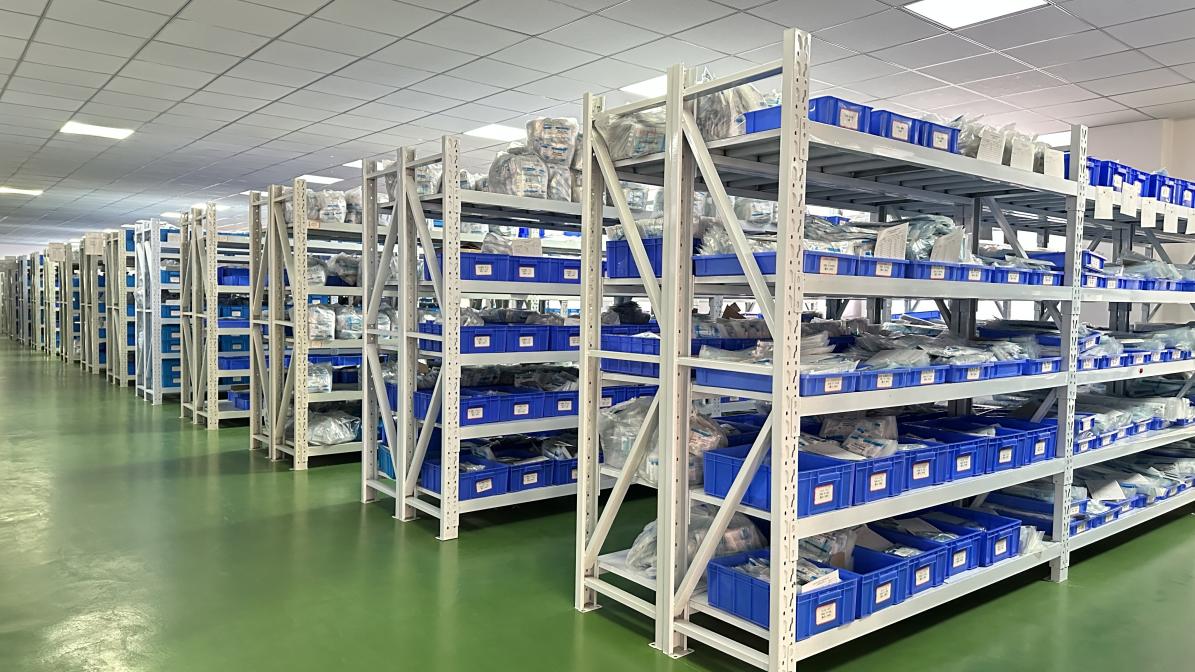
Our 12,000 square meter manufacturing center utilizes advanced orthopedic production technologies. Backed by 850 certified upstream and downstream partners, Virelox ensures uninterrupted access to medical-grade raw materials (such as titanium rods and medical-grade PEEK) even during global logistics disruptions. This vertical integration allows us to keep lead times stable and absorb raw material price variations, protecting local distributors in Nagoya from sudden market fluctuations.
Operating under ISO 13485-certified frameworks, our production processes balance mass-production capabilities with high customization options. With 120 dedicated R&D engineers and 65 quality control professionals, we can rapidly scale up production volumes for trauma programs or deliver customized OEM runs for localized clinical trials.
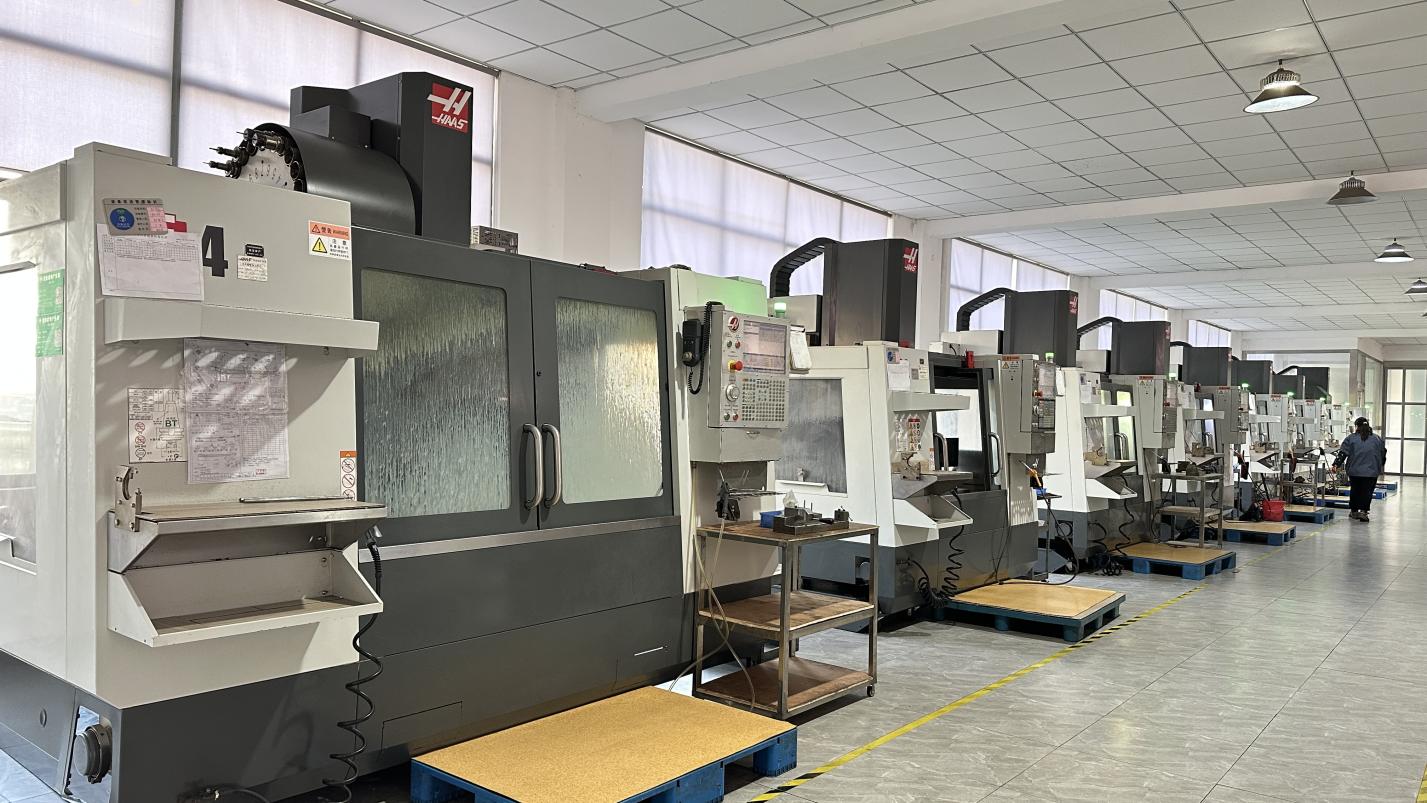
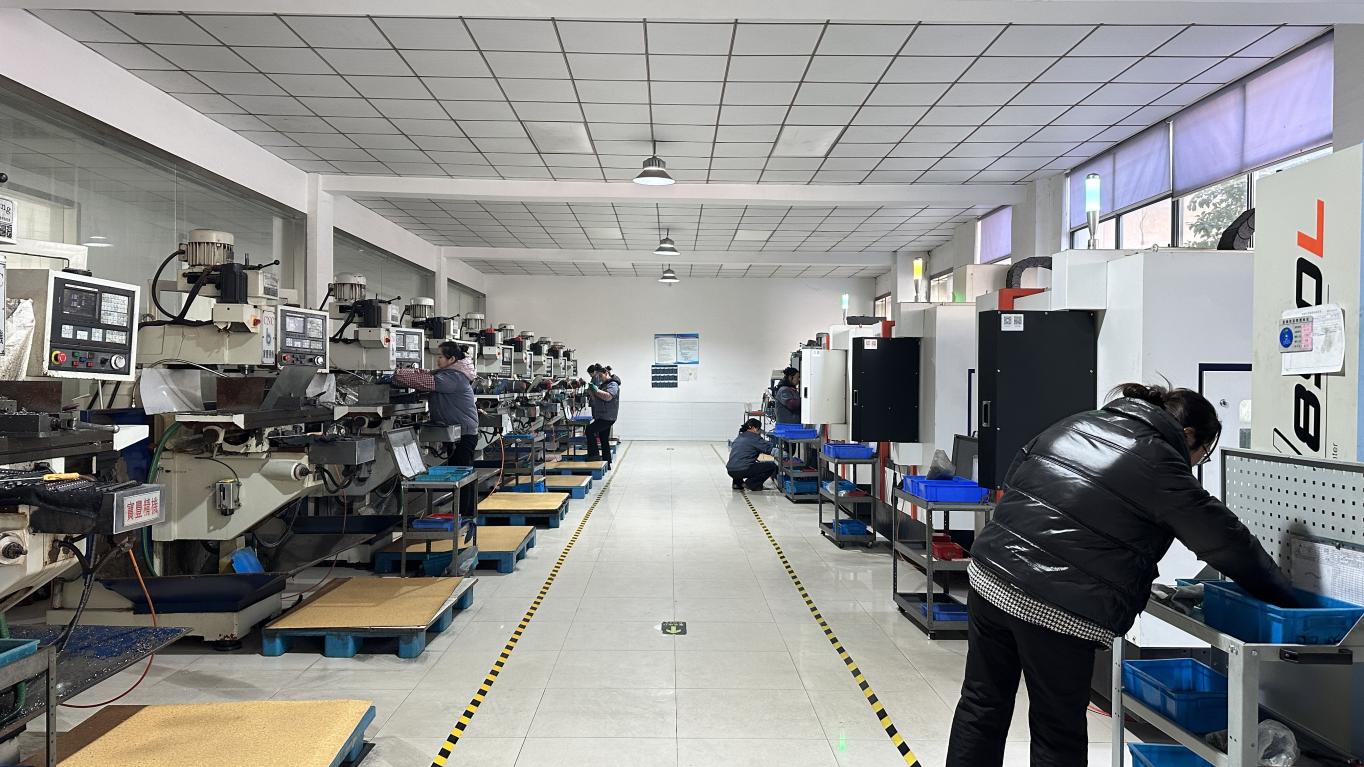
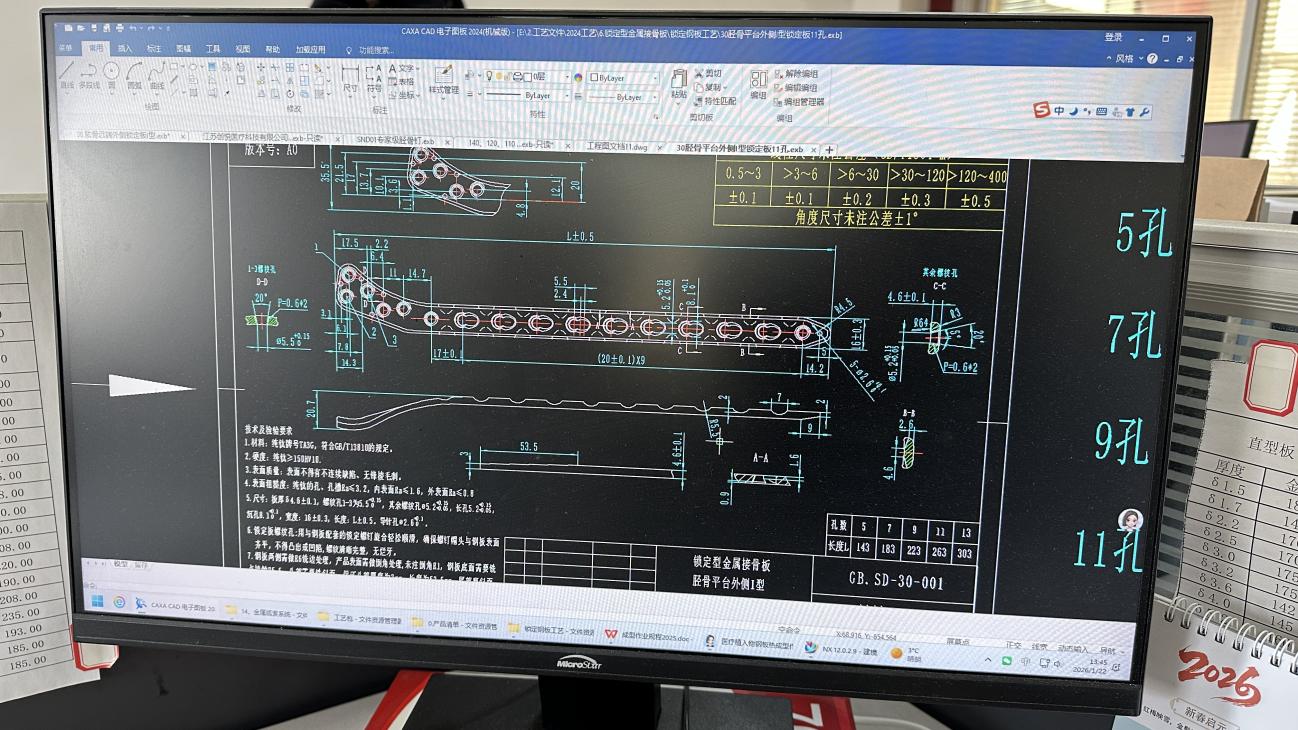
Our workshop floor features advanced production equipment designed for surgical implants and mechanical systems. From raw material slitting machines to Swiss-type high-precision CNC lathes, multi-axis milling stations, and computer-controlled wire-cutting rigs, our setup is optimized to handle complex configurations. Laser markings are applied to components to ensure traceabilty from our factory floor to the operating theater in Nagoya.
By using the same equipment platform across R&D prototyping and large-scale manufacturing, we ensure that pilot batches and mass production units have identical material integrity and micro-tolerances.
Rigorous laboratory evaluations matching PMDA frameworks and international standards.
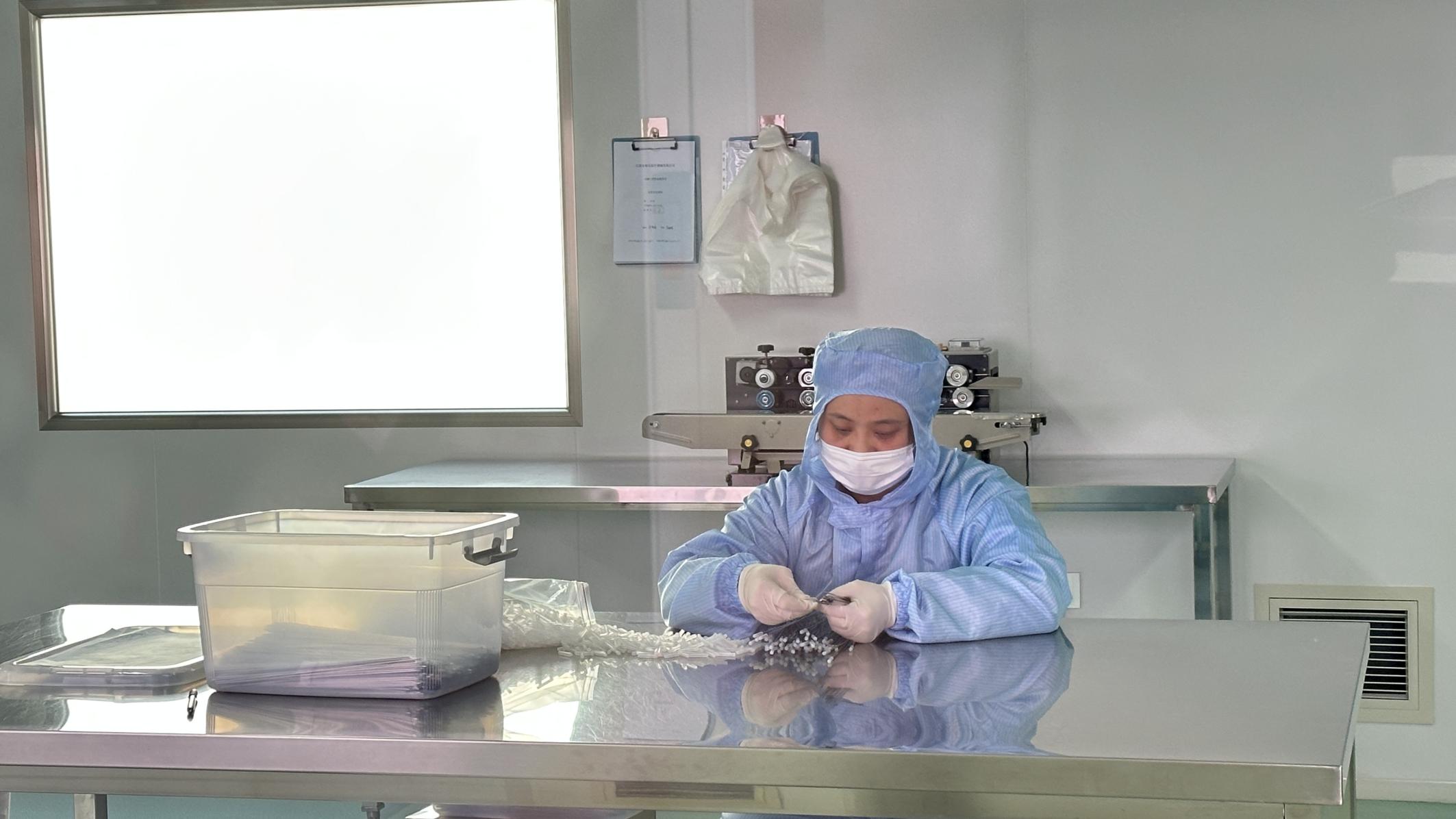
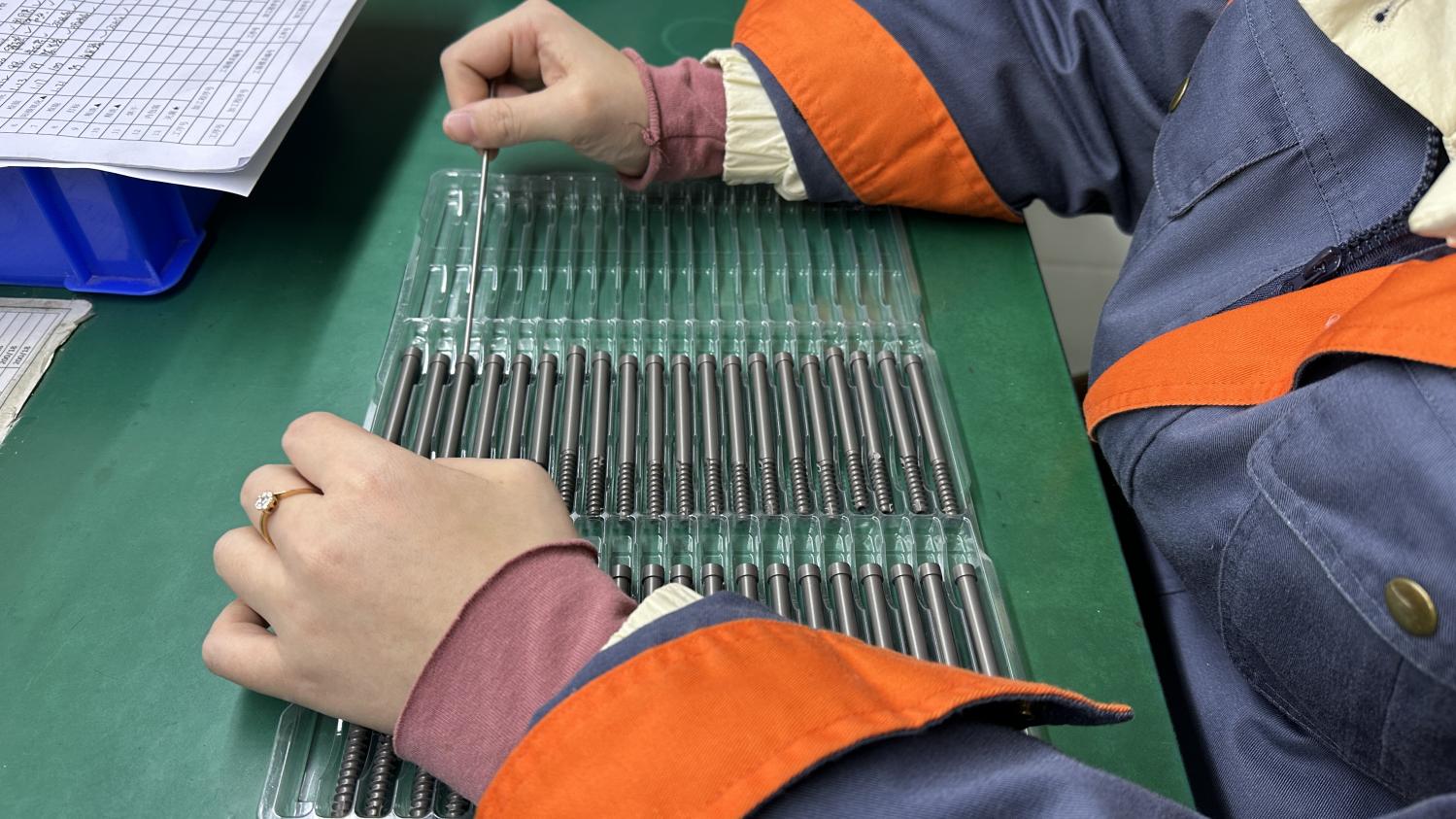
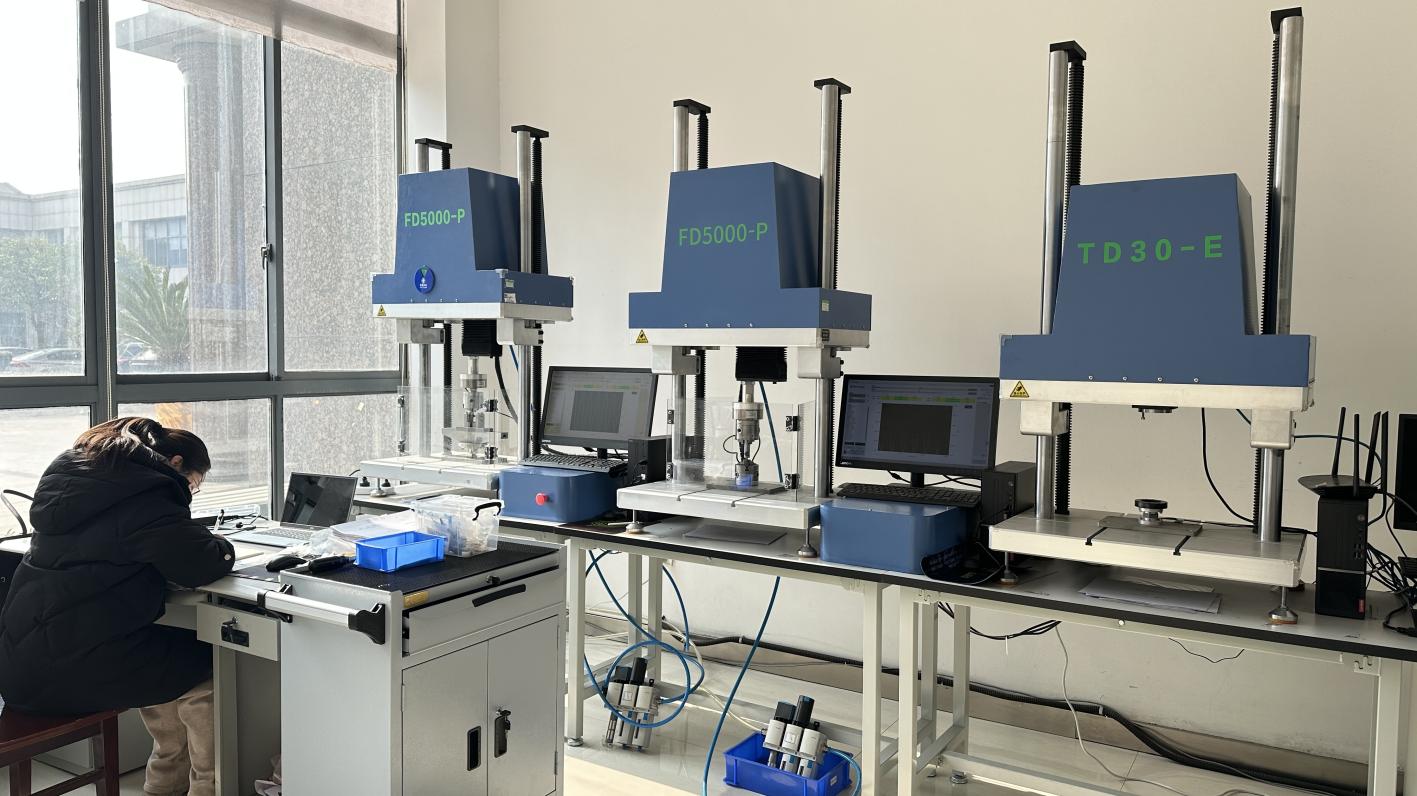
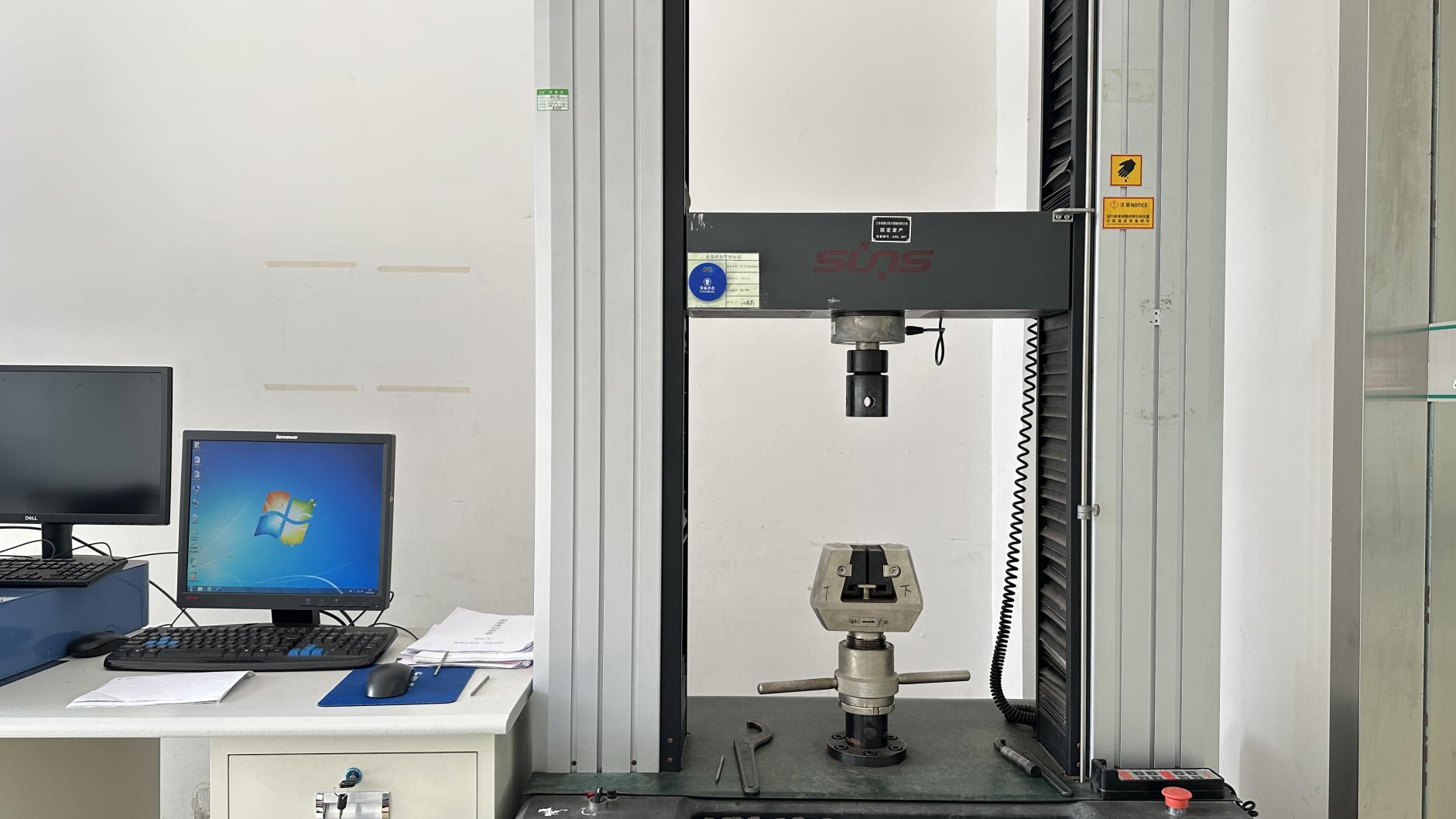
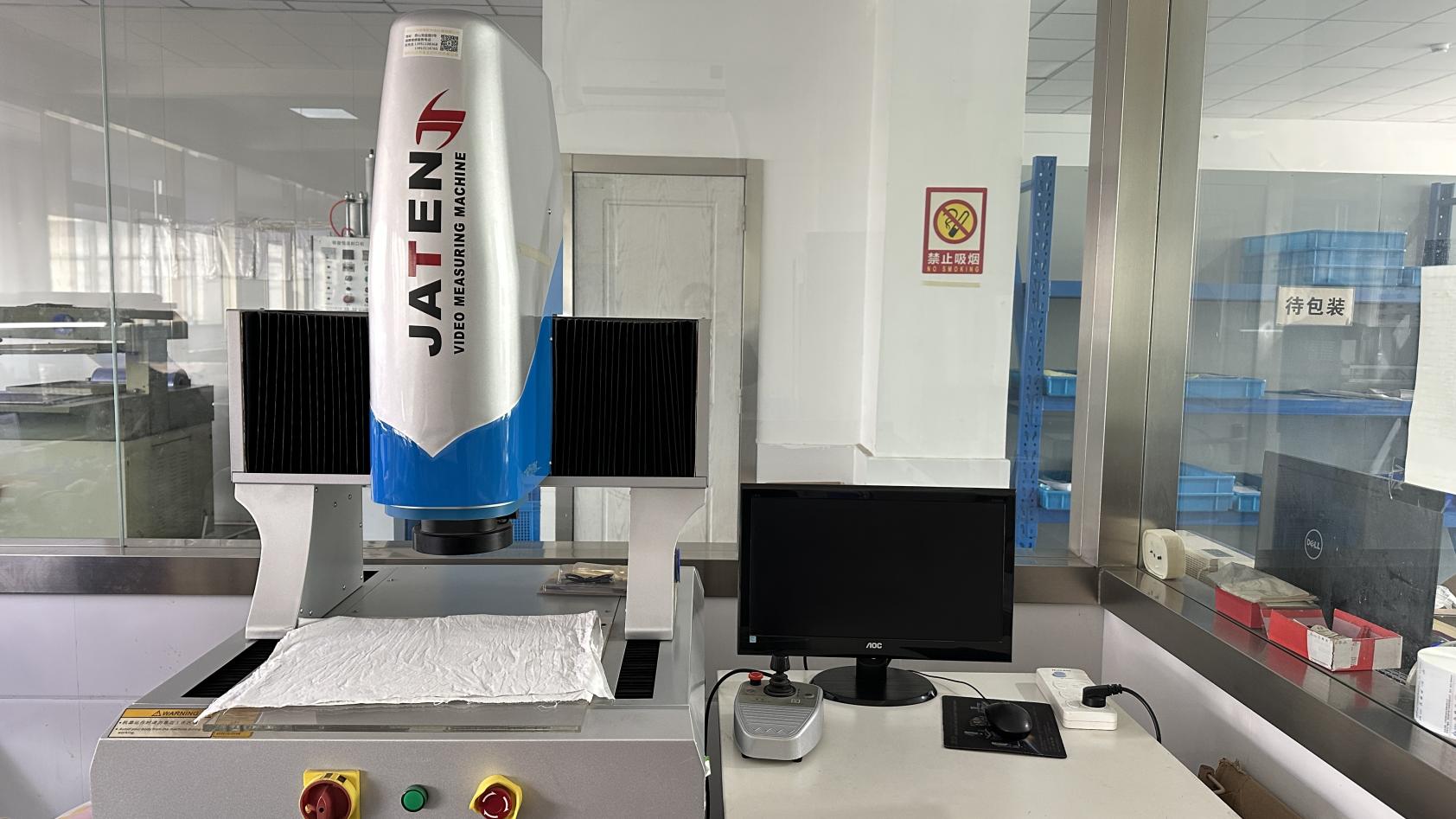
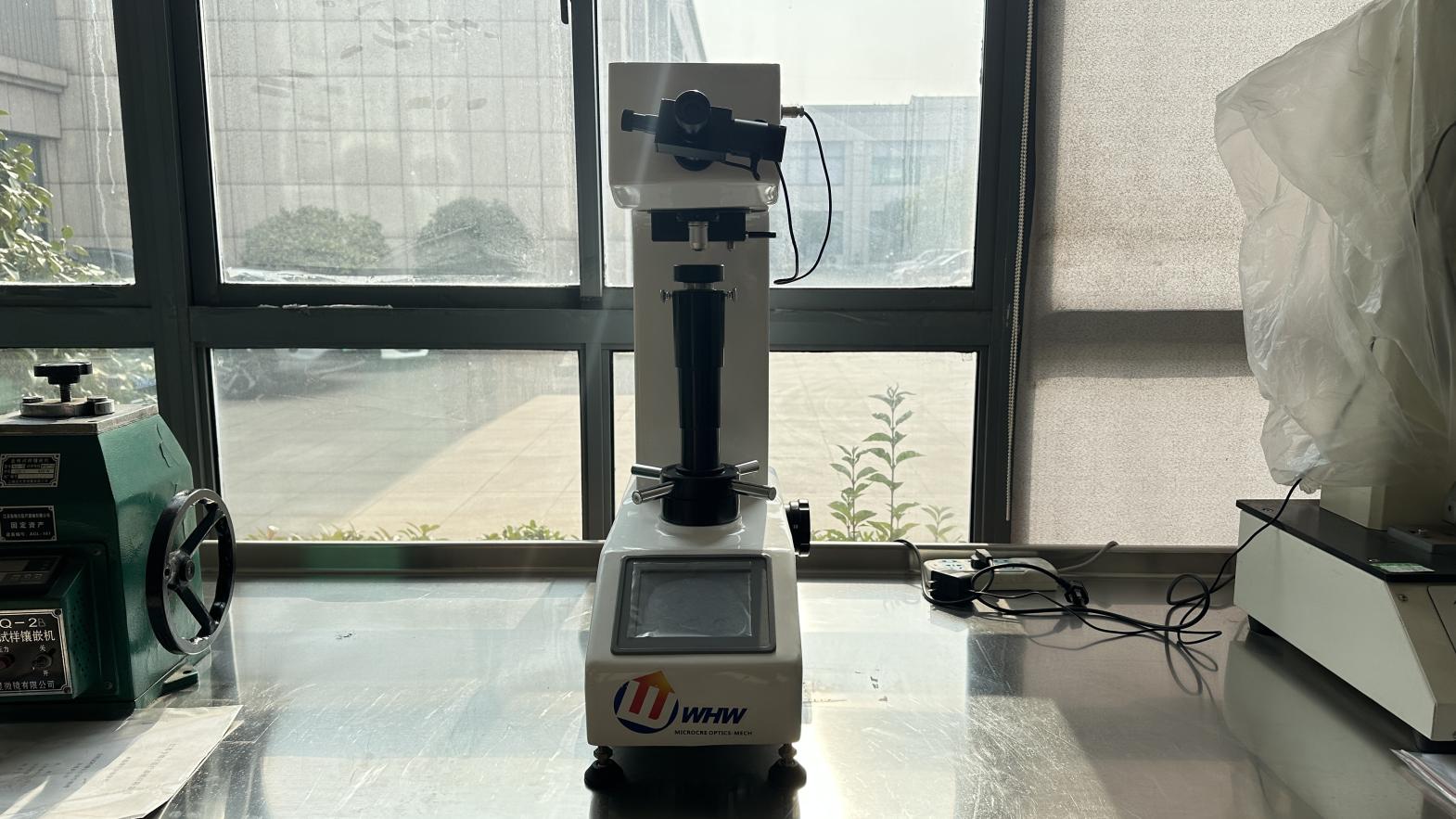
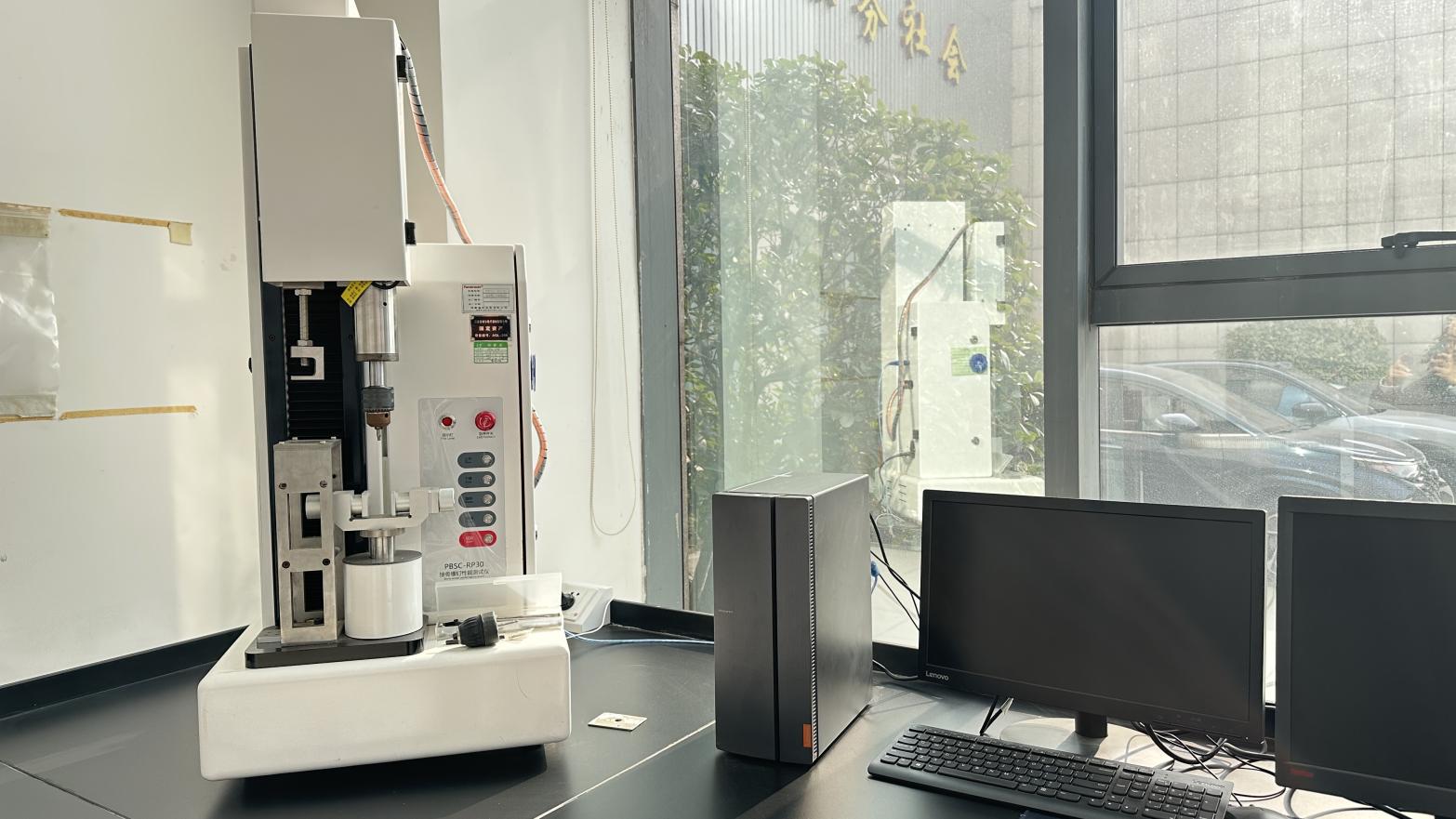
Navigating the Japanese Pharmaceutical and Medical Devices Act (PMDA) is a central priority for our international distribution operations. PMDA registration requires robust technical documentation, including biological safety reviews (ISO 10993 series), process validation studies, and cleanroom environmental records. Virelox cooperates with specialized regulatory partners to assist local Japanese distributors in compile the necessary Master File (MF) registrations, helping to streamline clinical review procedures.
Our quality management system is based on ISO 13485 guidelines, ensuring complete raw material traceability, controlled manufacturing environments, and consistent testing. This systematic approach is designed to meet the expectations of Japanese medical device assessors.
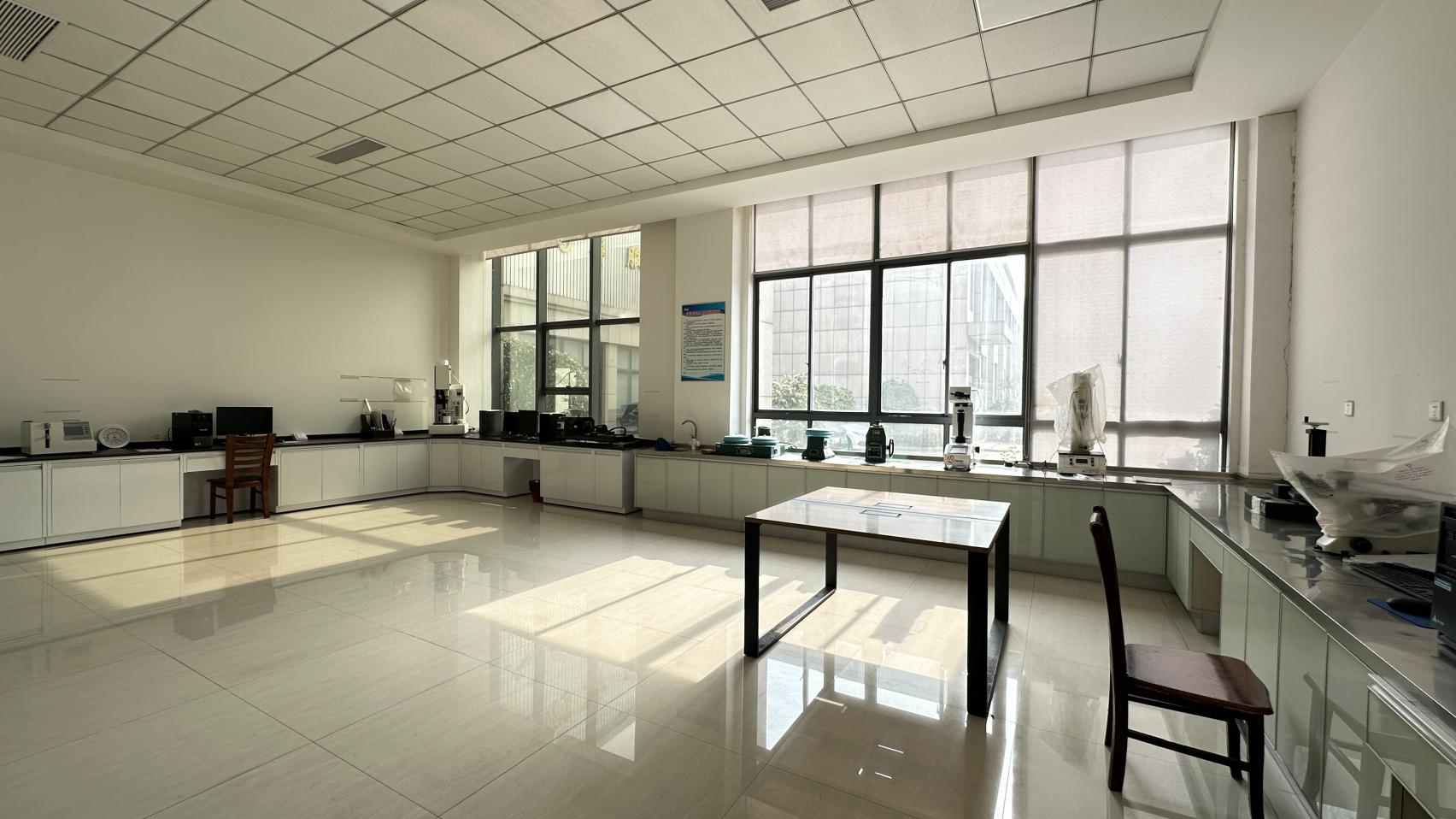
Our dedicated quality assurance laboratory utilizes advanced testing instrumentation to assess every production lot. We evaluate mechanical performance using dynamic axial fatigue testers, verification of mechanical yield strength through tensile testing machines, and precision dimensional controls using three-dimensional coordinate measuring machines (CMM) and optical profile projectors.
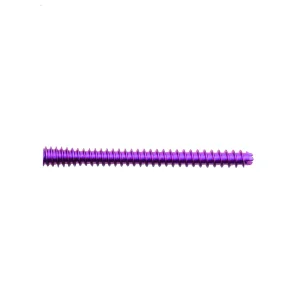
Additionally, bone screws undergo holding power and self-tapping torque evaluation to prevent strip-out issues in low-density osteoporotic bone structures. By maintaining cleanroom processing zones, we limit bioburden and particulate levels, supporting post-sterilization safety.
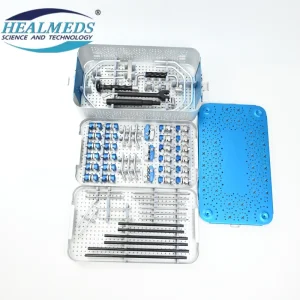
Explore our CE & ISO certified orthopedic implants, instrument sets, and hardware systems configured for clinical distributors.
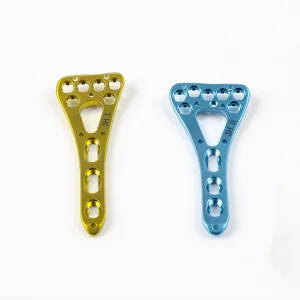
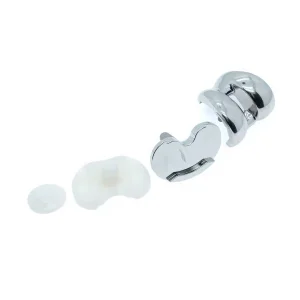
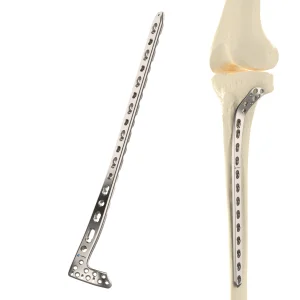
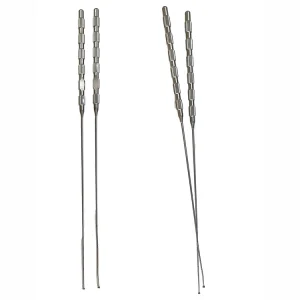
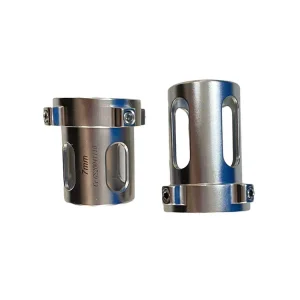
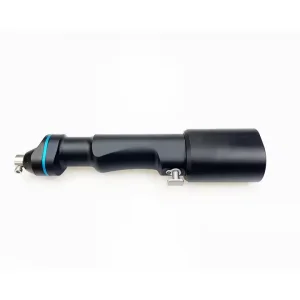
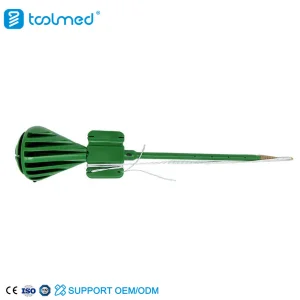
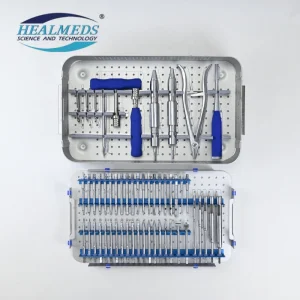
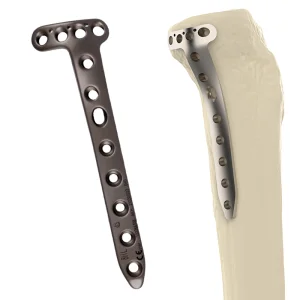
Stabilization components engineered for anatomical adaptation and optimal primary stability.
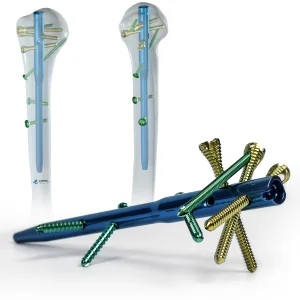
Our operational stats demonstrate manufacturing capabilities tailored to OEM and ODM demands.
Virelox Medical Devices Co., Ltd. is a specialized orthopedic medical device manufacturer focusing on joint replacement and surgical implant solutions. Operating under the "Virelox" brand, we are committed to delivering high-performance orthopedic systems for healthcare providers worldwide.
Our trade network spans Europe, Southeast Asia, the Middle East, and South America, supported by robust OEM/ODM services, private label options, and customized implant geometry development. Last year alone, our engineering team launched 120 new orthopedic and spinal implants, reflecting our ongoing commitment to product development.
Technical and regulatory information for clinical distributors and medical procurement teams in Japan.
Request a technical consultation, structural test reports, or bulk pricing information for the Japanese market.
Send Inquiry Now Virelox