Advanced clinical solutions optimized to meet EU MDR compliance and high-performance standards in Dutch orthopedics.
The Netherlands possesses one of the most sophisticated and highly integrated healthcare structures globally, characterized by demanding clinical metrics, strict cost-containment programs, and uncompromising regulatory verification. Academic centers such as the Amsterdam University Medical Centers (Amsterdam UMC), Erasmus MC in Rotterdam, and Leiden University Medical Center (LUMC) lead the deployment of advanced skeletal fixation and external stabilization paradigms.
With the full implementation of the European Union Medical Device Regulation (EU MDR 2017/745), the procurement landscape for orthopedic trauma implants has drastically tightened. High-performance, high-biocompatibility external fixators—utilizing radiolucent carbon fiber struts, high-grade titanium (Ti-6Al-4V ELI), and premium stainless steel—are increasingly sought after. Suppliers must not only deliver structural precision but must also back their supply lines with comprehensive Clinical Evaluation Reports (CER) and robust Post-Market Clinical Follow-up (PMCF) registries.
Shifting surgical preferences toward modularity, patient-specific kinematics, and infection prevention.
Surgeons require uncompromised intraoperative imaging. The integration of advanced carbon-fiber rods and high-strength polymer composites allows for artifact-free X-ray, CT, and MRI scans, ensuring accurate fracture reduction verification without dismantling the external framework.
Pin-tract infection remains a primary complication of prolonged external fixation. The development of silver-ion sputtered coatings and hydroxyapatite (HA) layers on bone pins dramatically improves osteointegration at the cortical boundary, suppressing bacterial colonization.
Modern trauma protocol values micro-mobility for callus formation. Advanced dynamic fixators allow controlled axial movement during the late stages of consolidation, stimulating osteogenesis and hastening patient rehabilitation timelines.
Information Gain Insight: The global external fixation market is transitioning from heavy, rigid stainless steel frames to hybrid ring-and-unilateral configurations. By minimizing mechanical mismatch between host bone and implant assembly, the risk of stress shielding and subsequent refracture is reduced by up to 34%.
As a leading orthopedic manufacturer specializing in high-precision surgical systems, Virelox Medical Devices Co., Ltd. bridges the gap between high-volume production efficiency and rigorous European quality protocols. Our brand represents a commitment to structural integrity, biomechanical reliability, and manufacturing excellence.
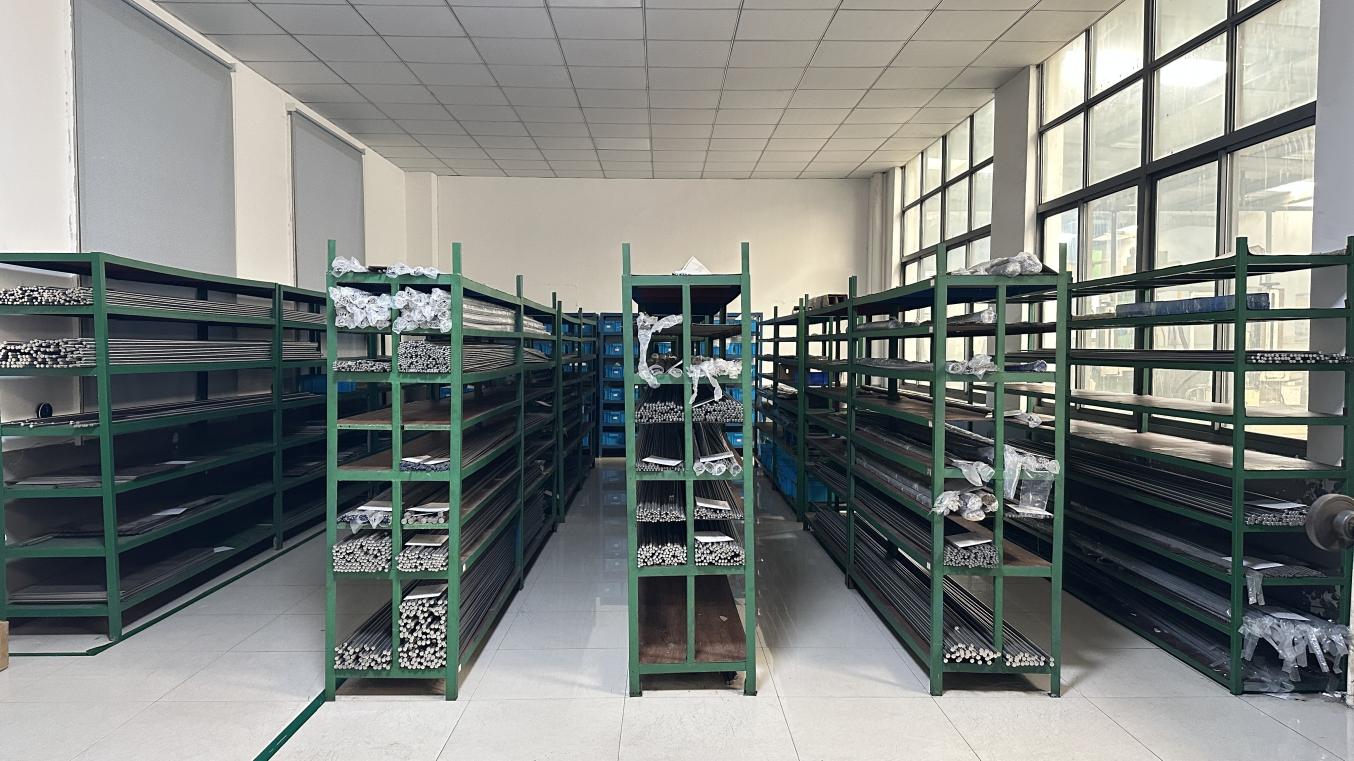
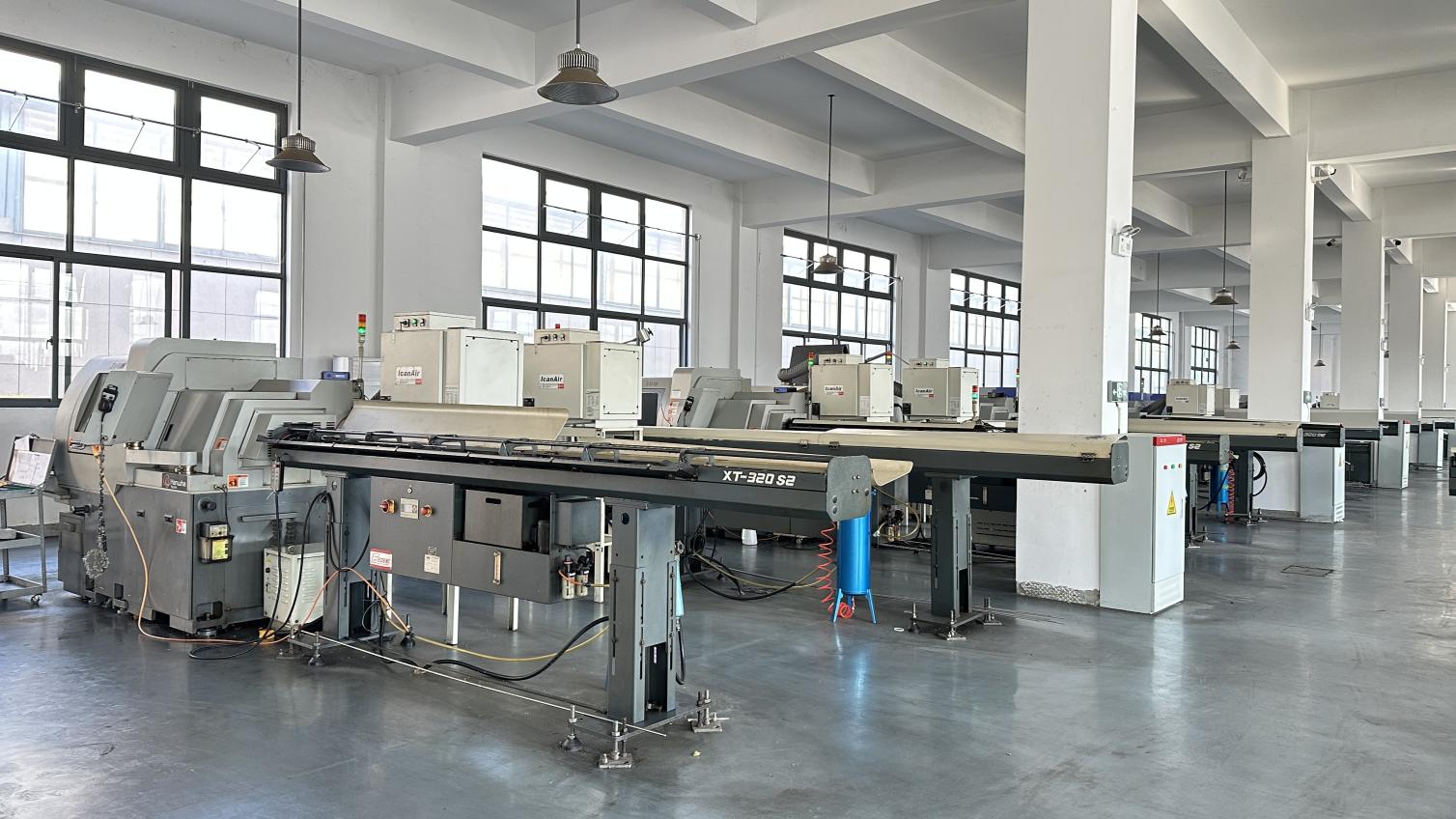
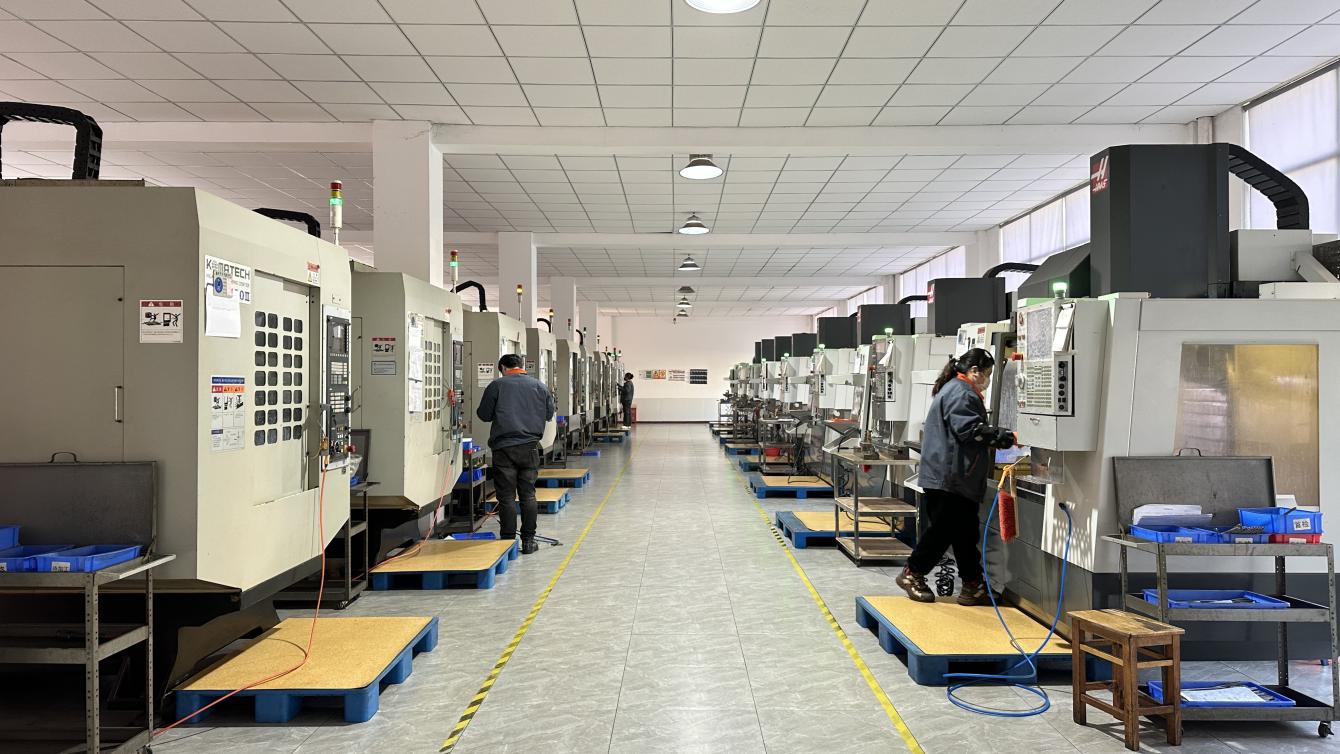
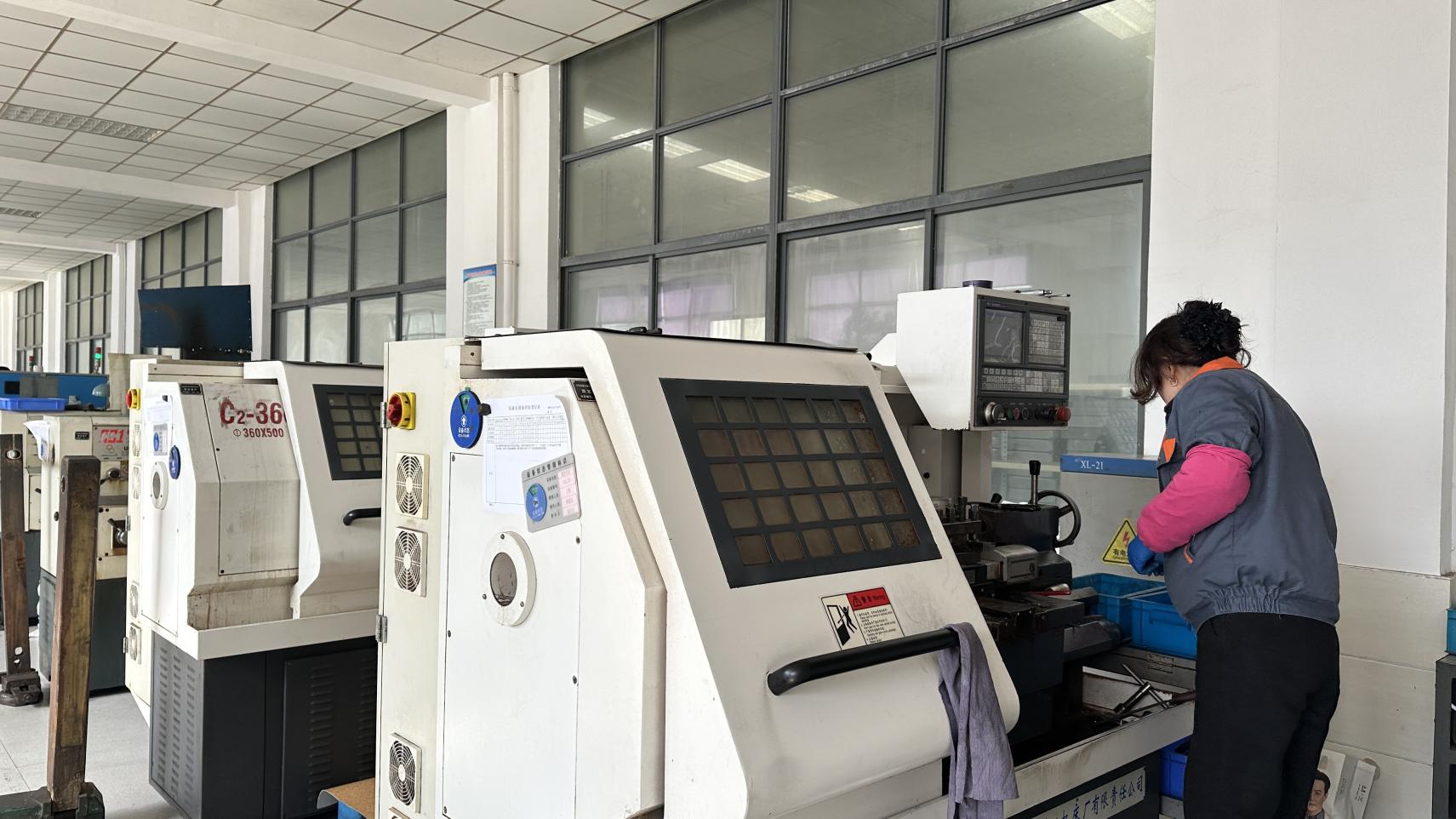
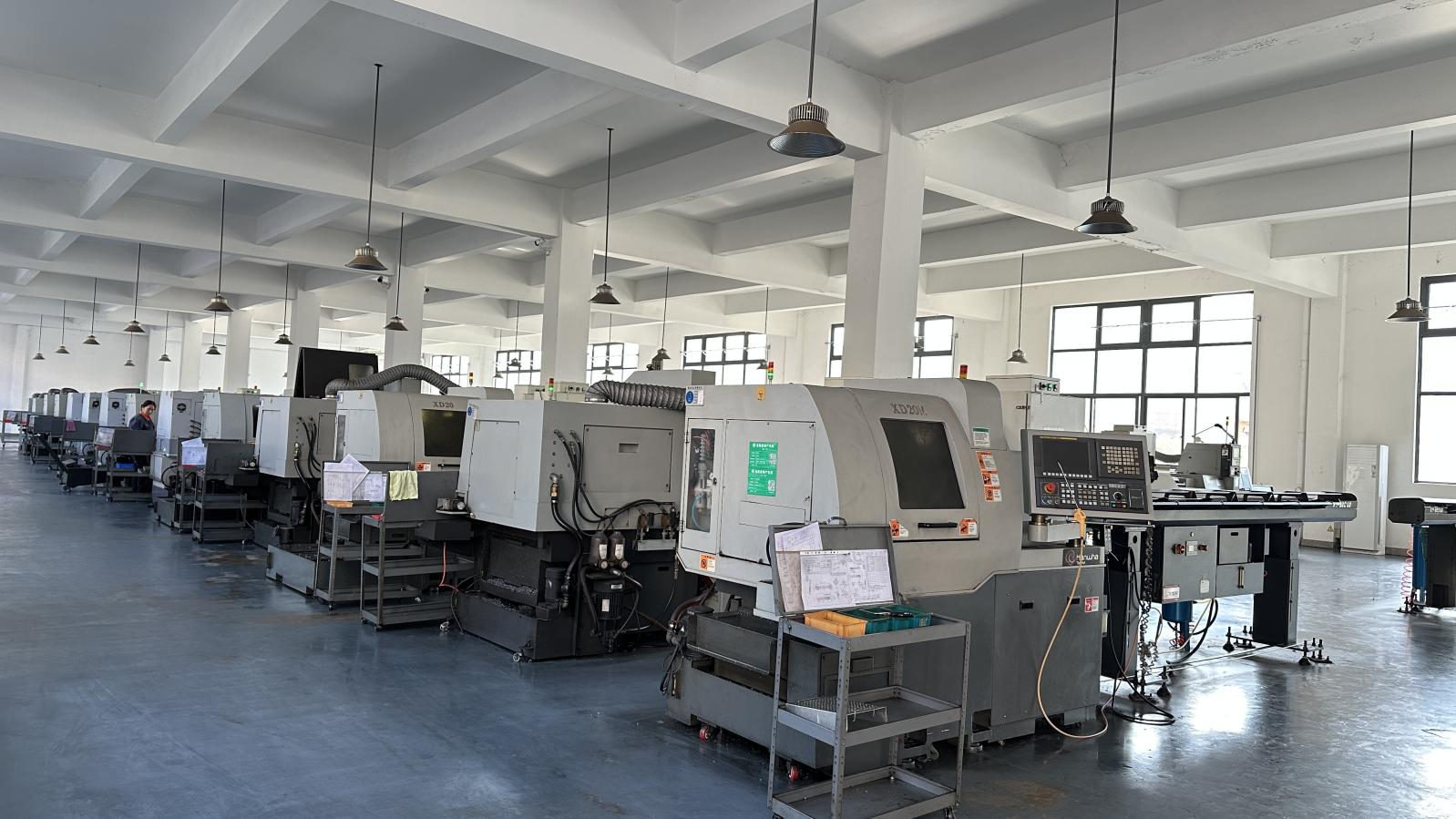
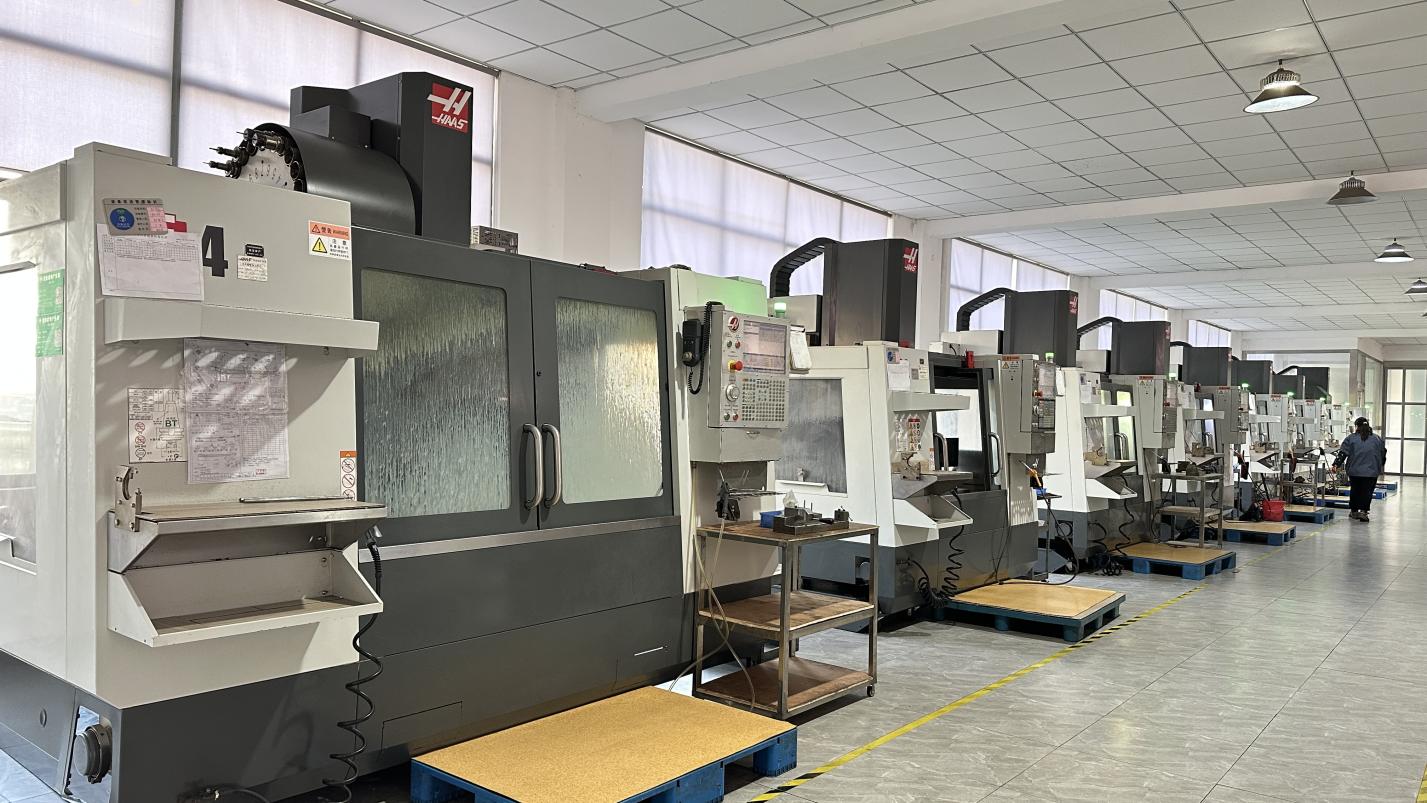
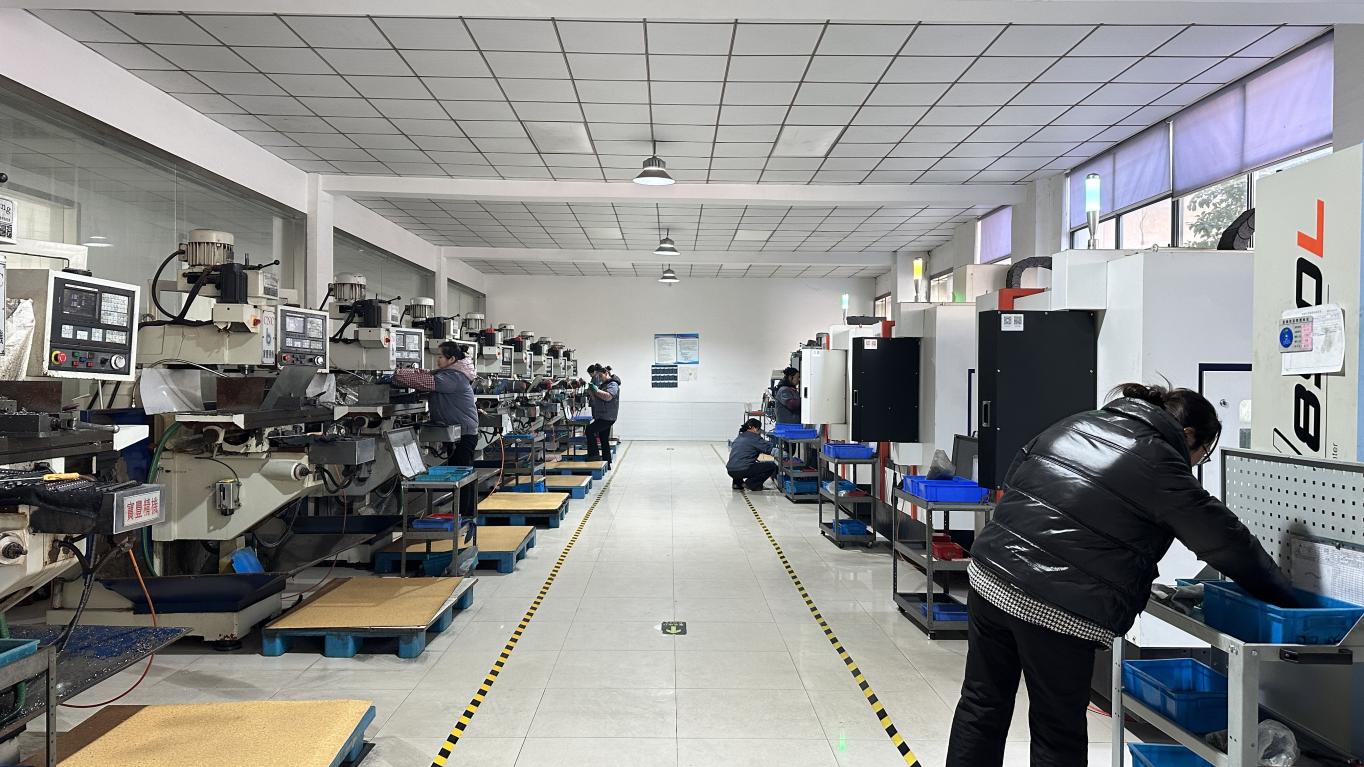
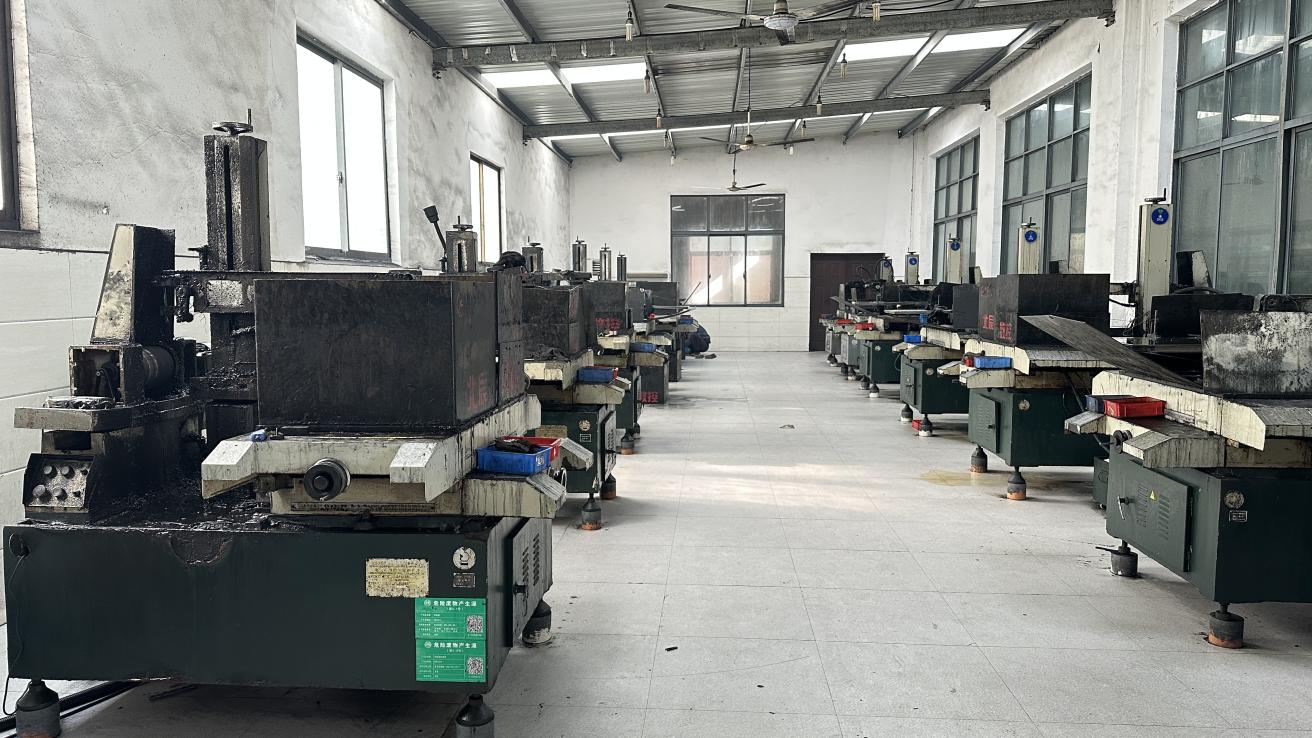
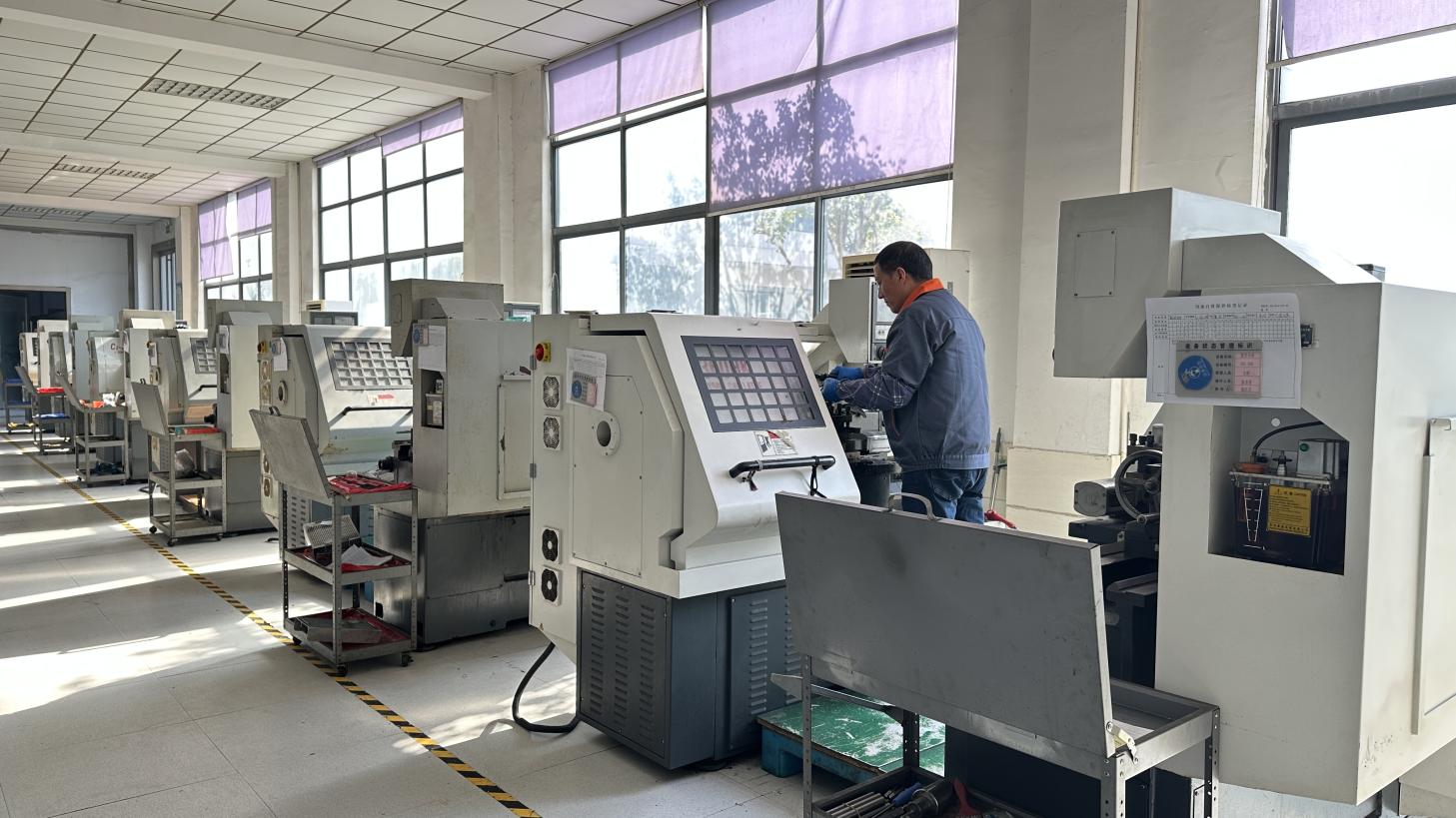
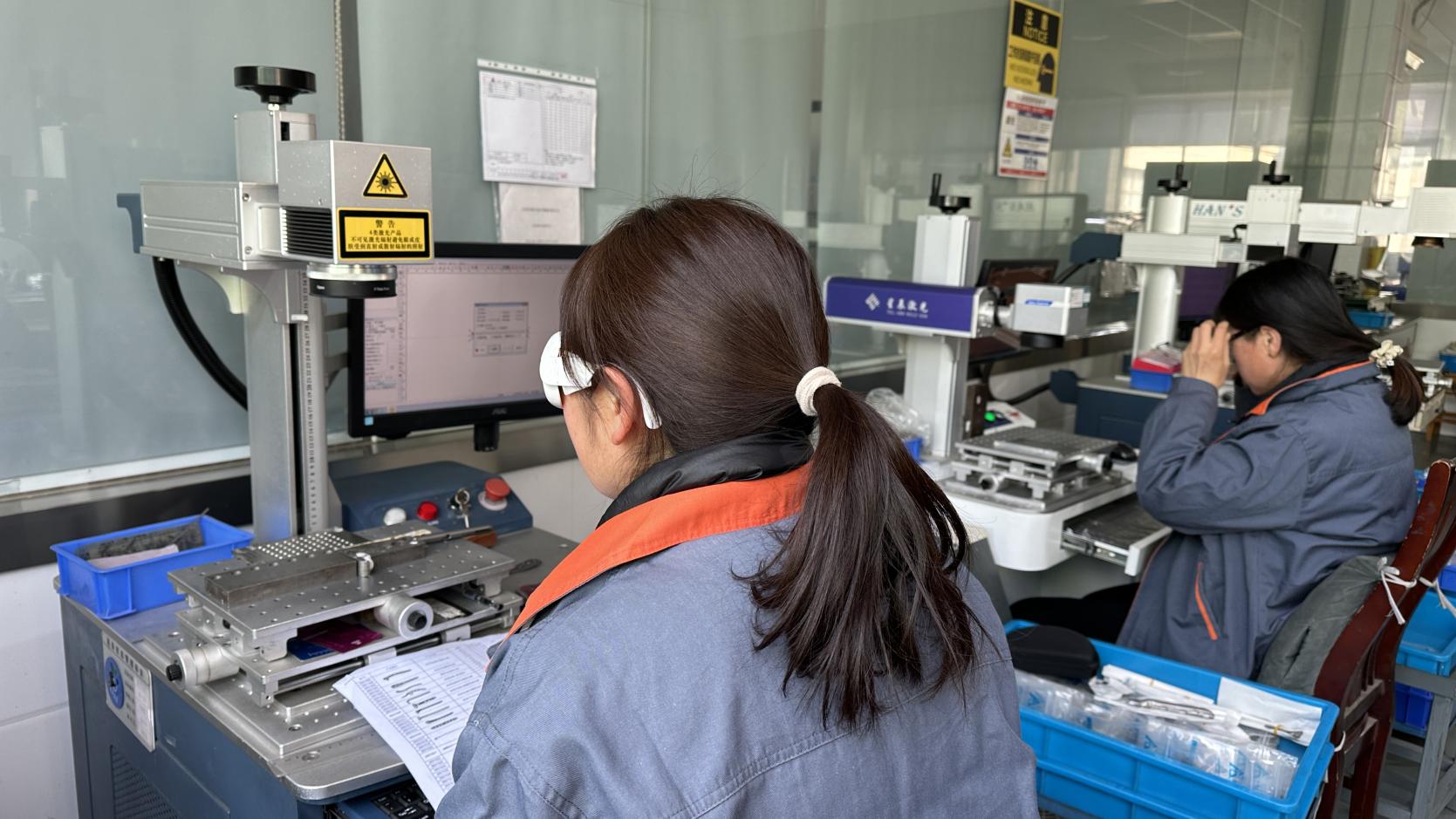
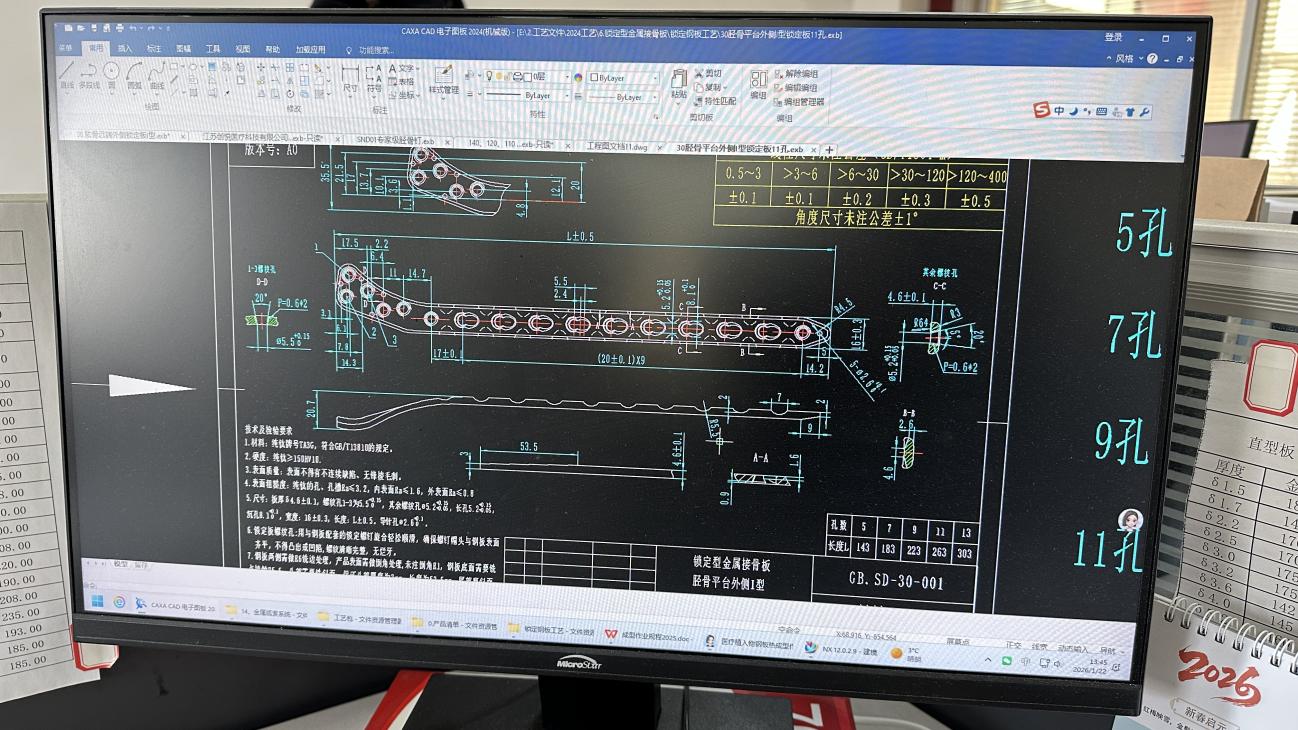
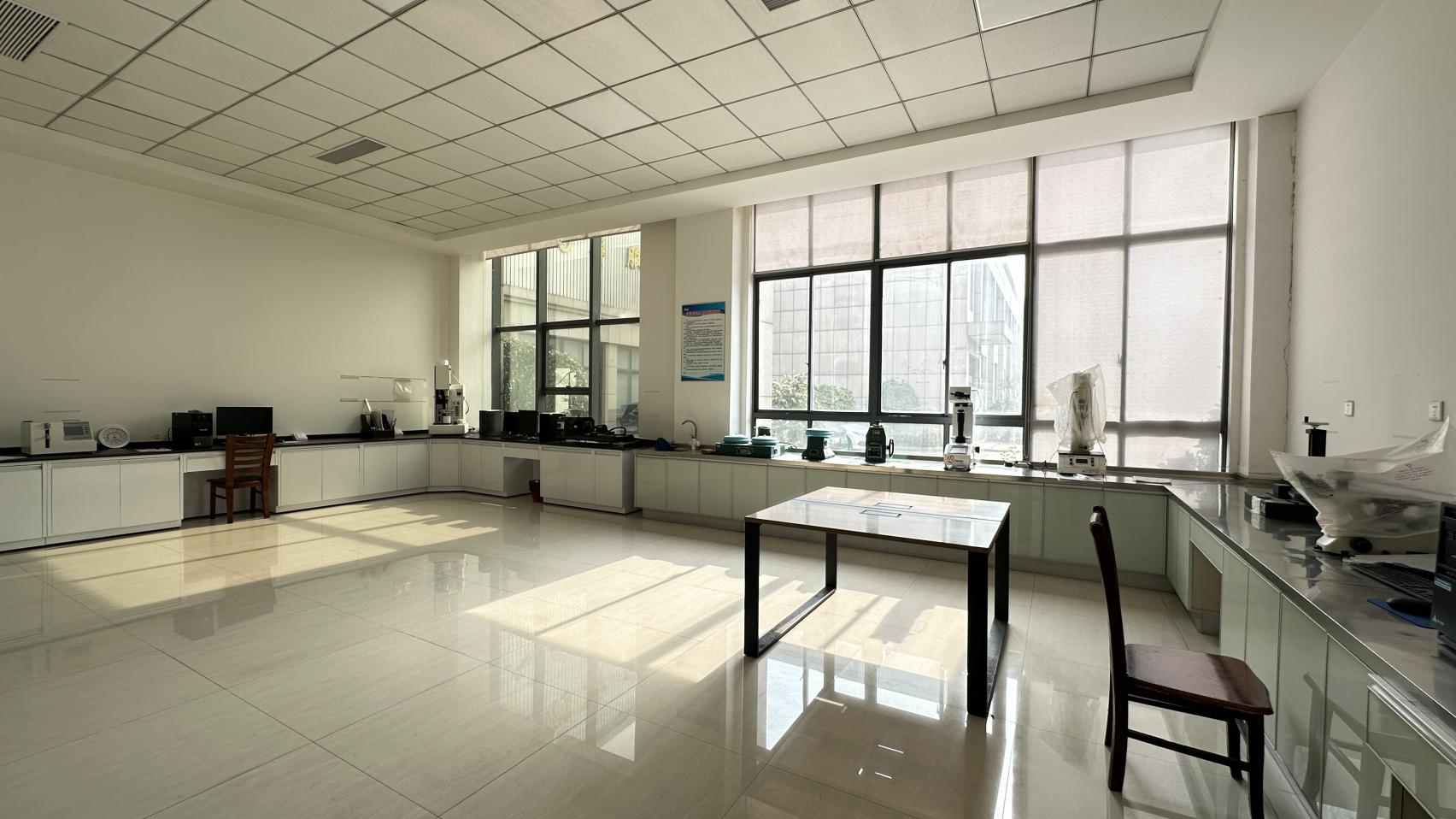
We leverage advanced automated processing pathways including multi-axis CNC Swiss machining, automated wire-cutting, laser marking, and advanced mechanical characterization labs to deliver implants that match the dimensional tolerances required by clinical specialists worldwide.
From medical-grade raw materials to certified biomechanical testing - traceability in every step.
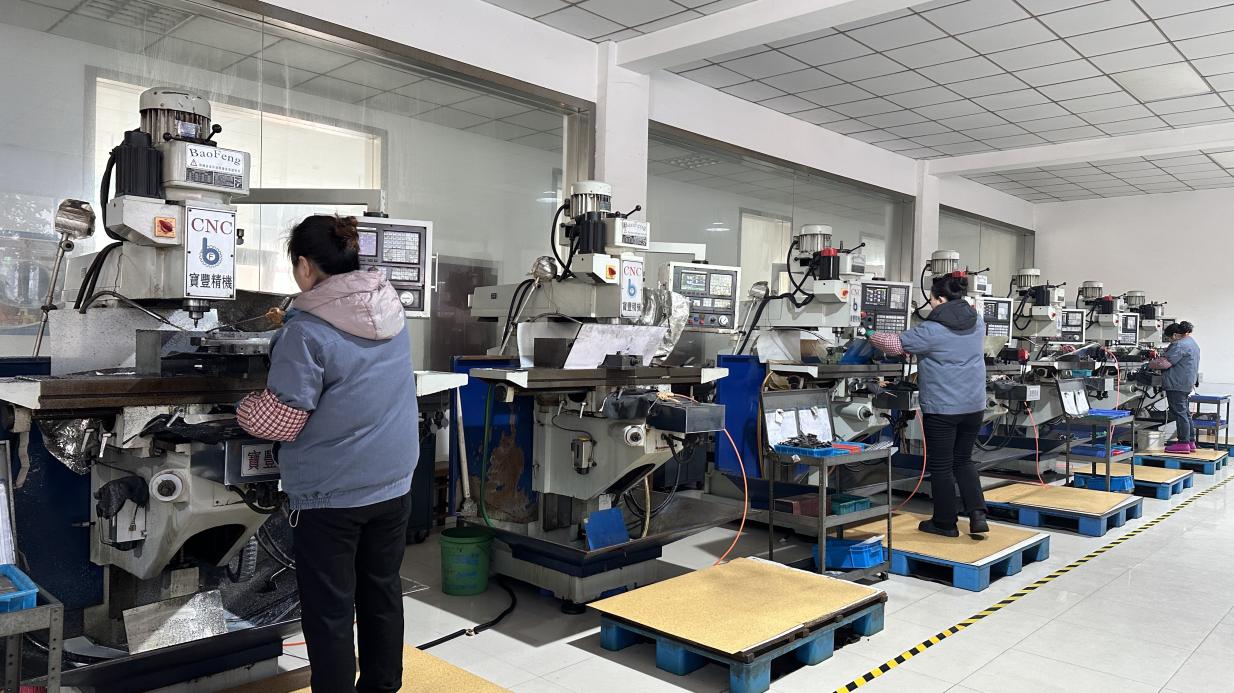
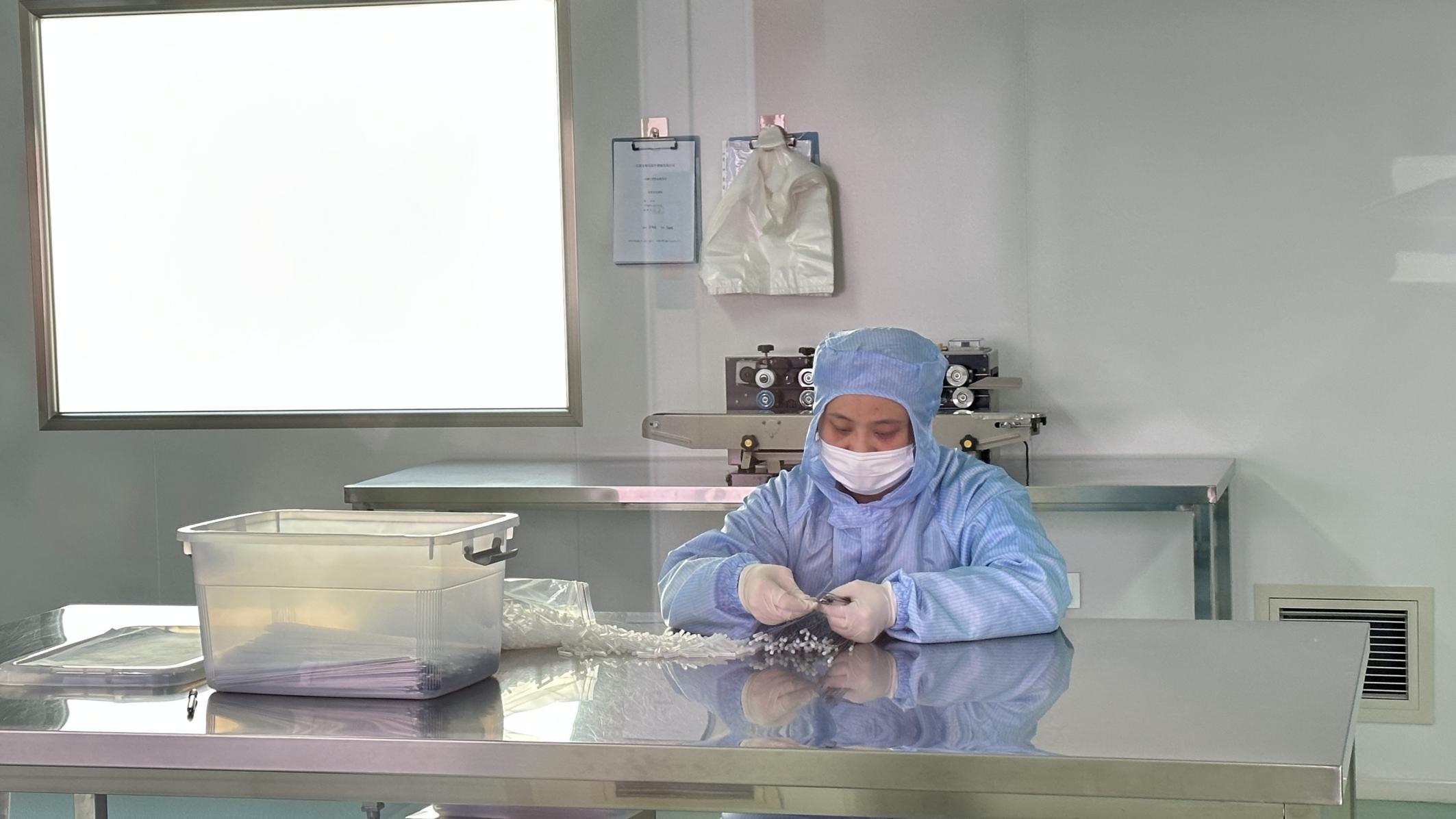
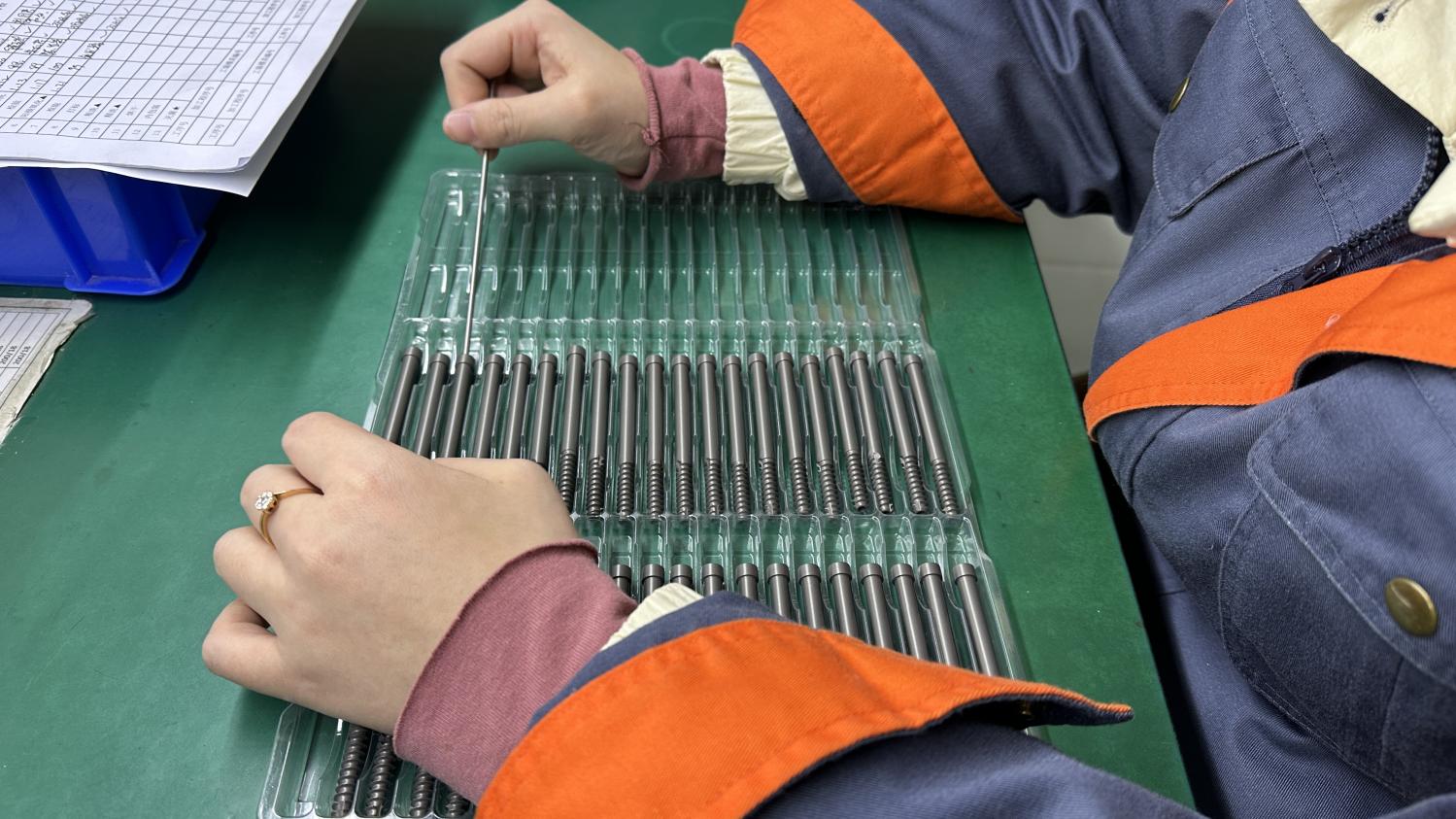
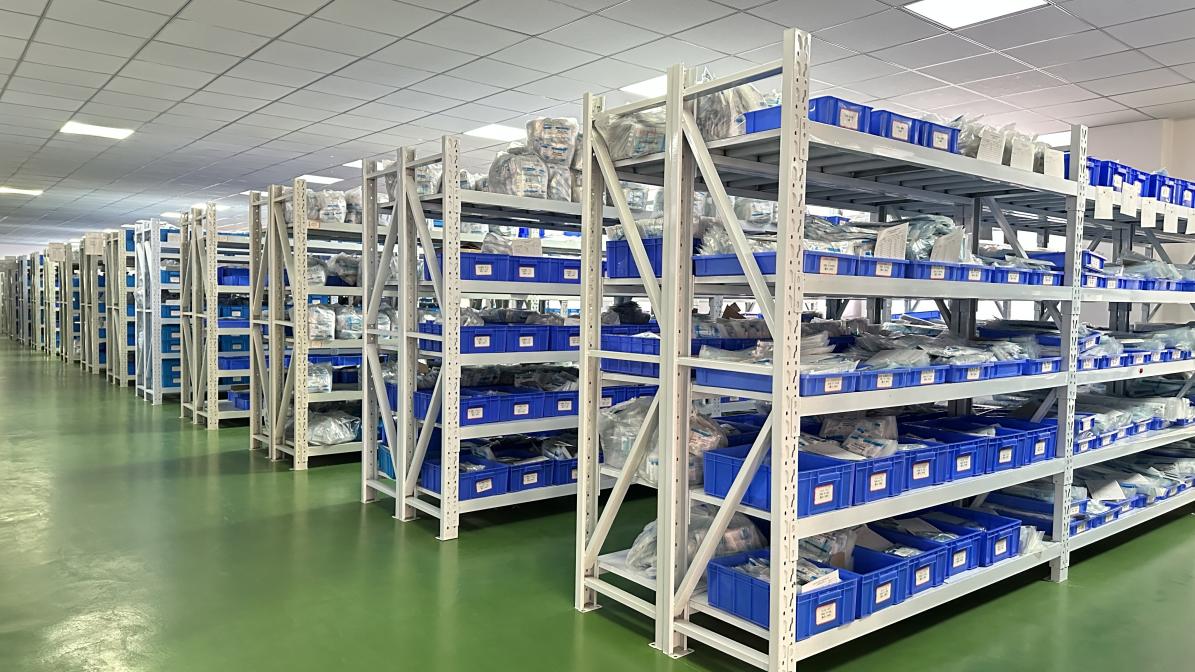
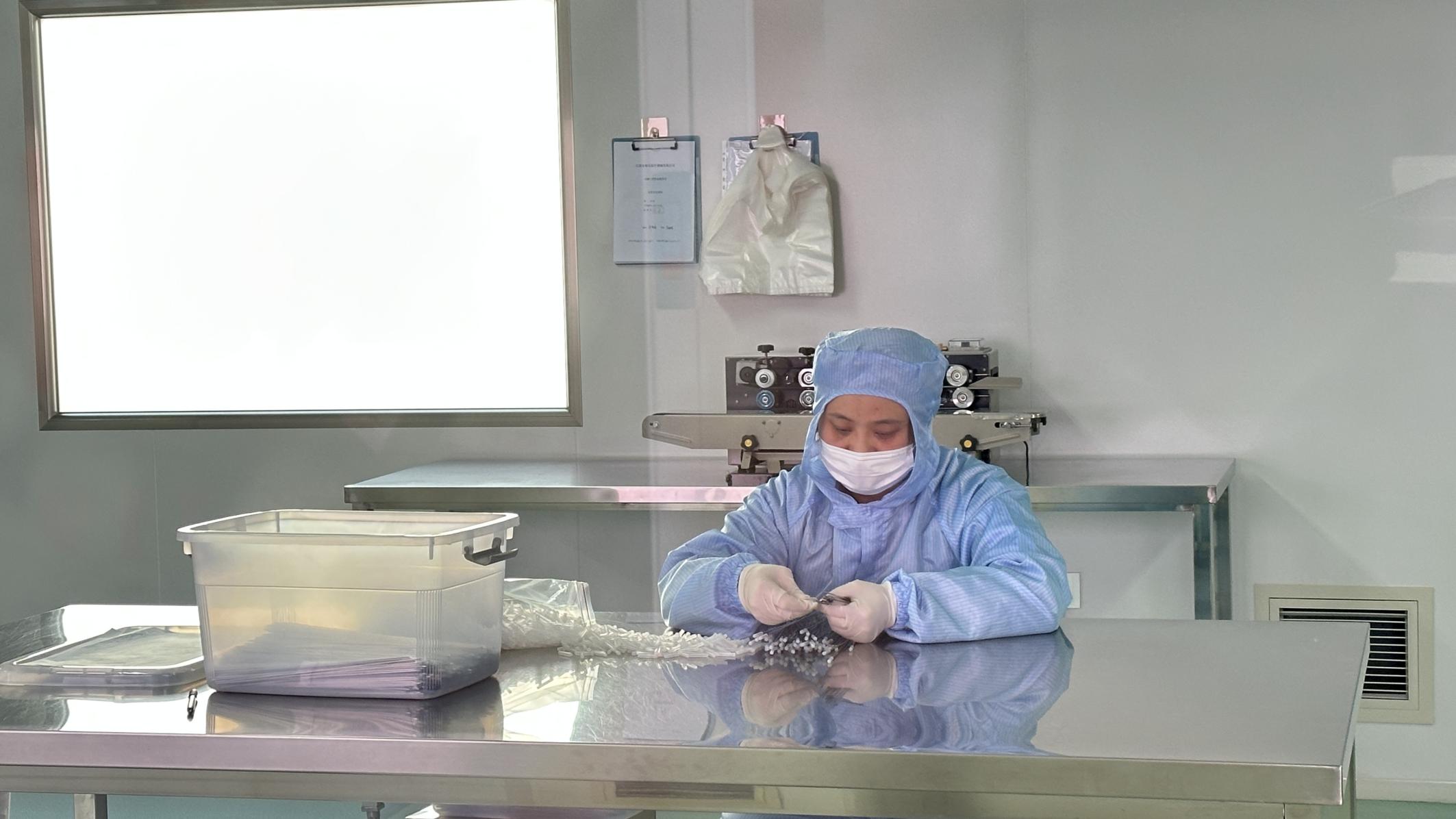
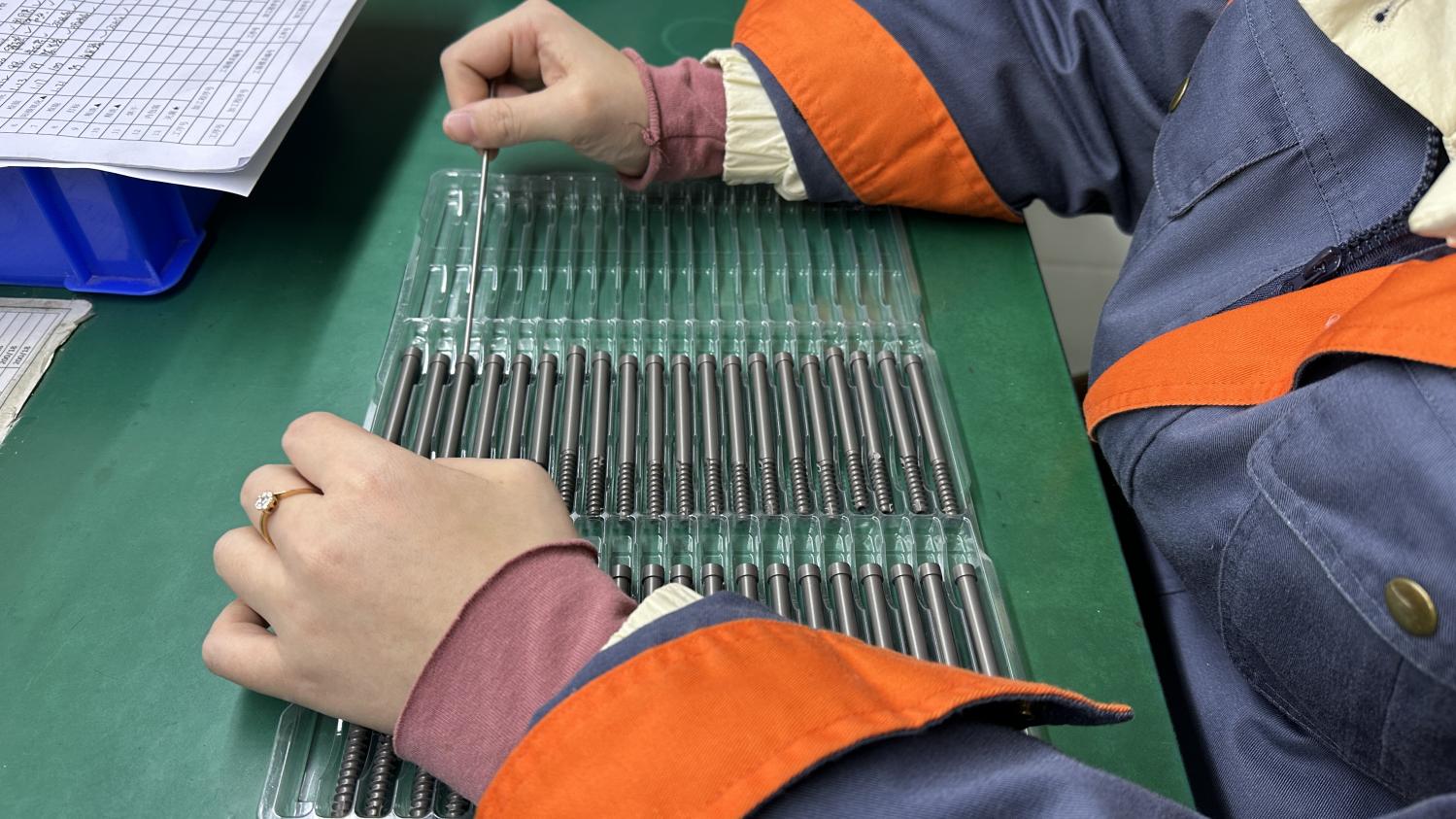
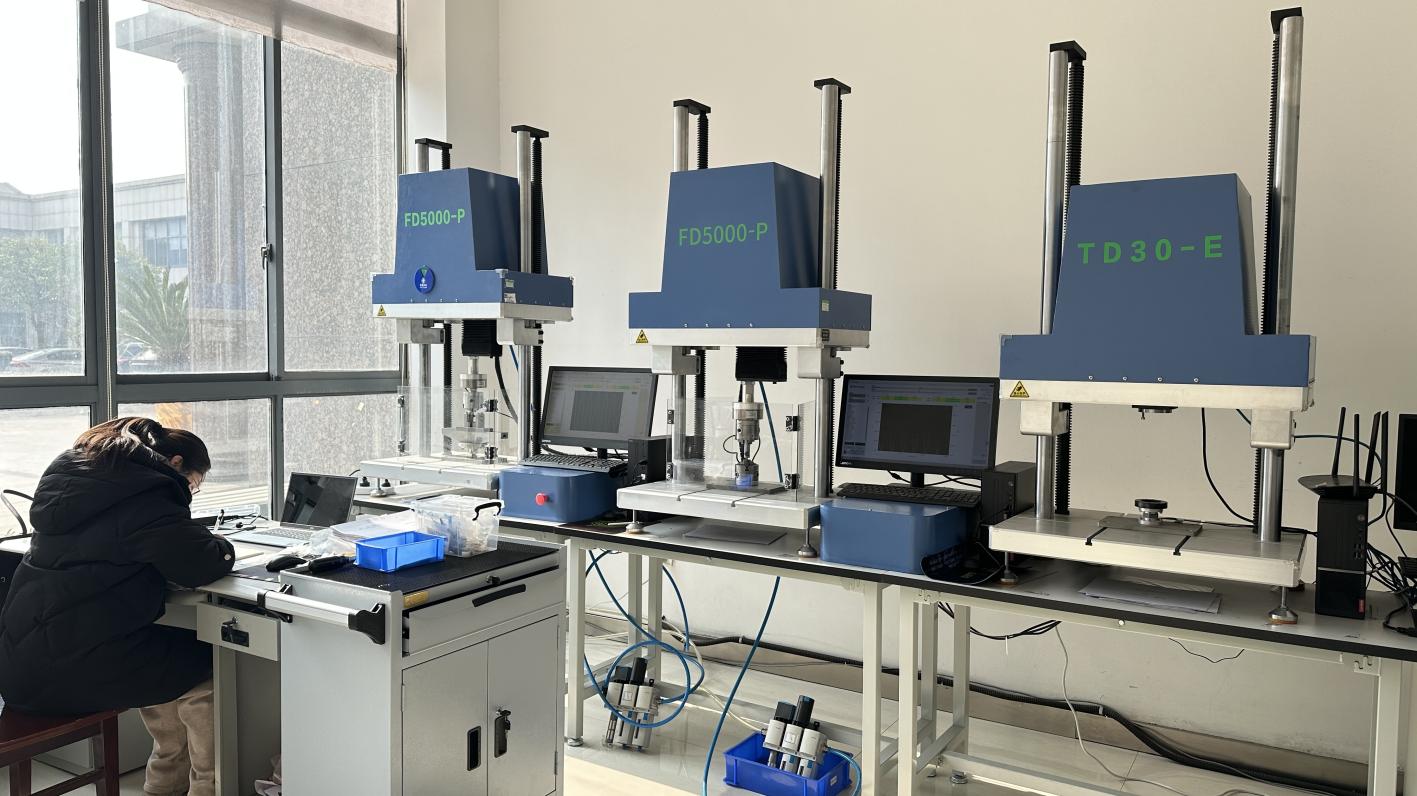
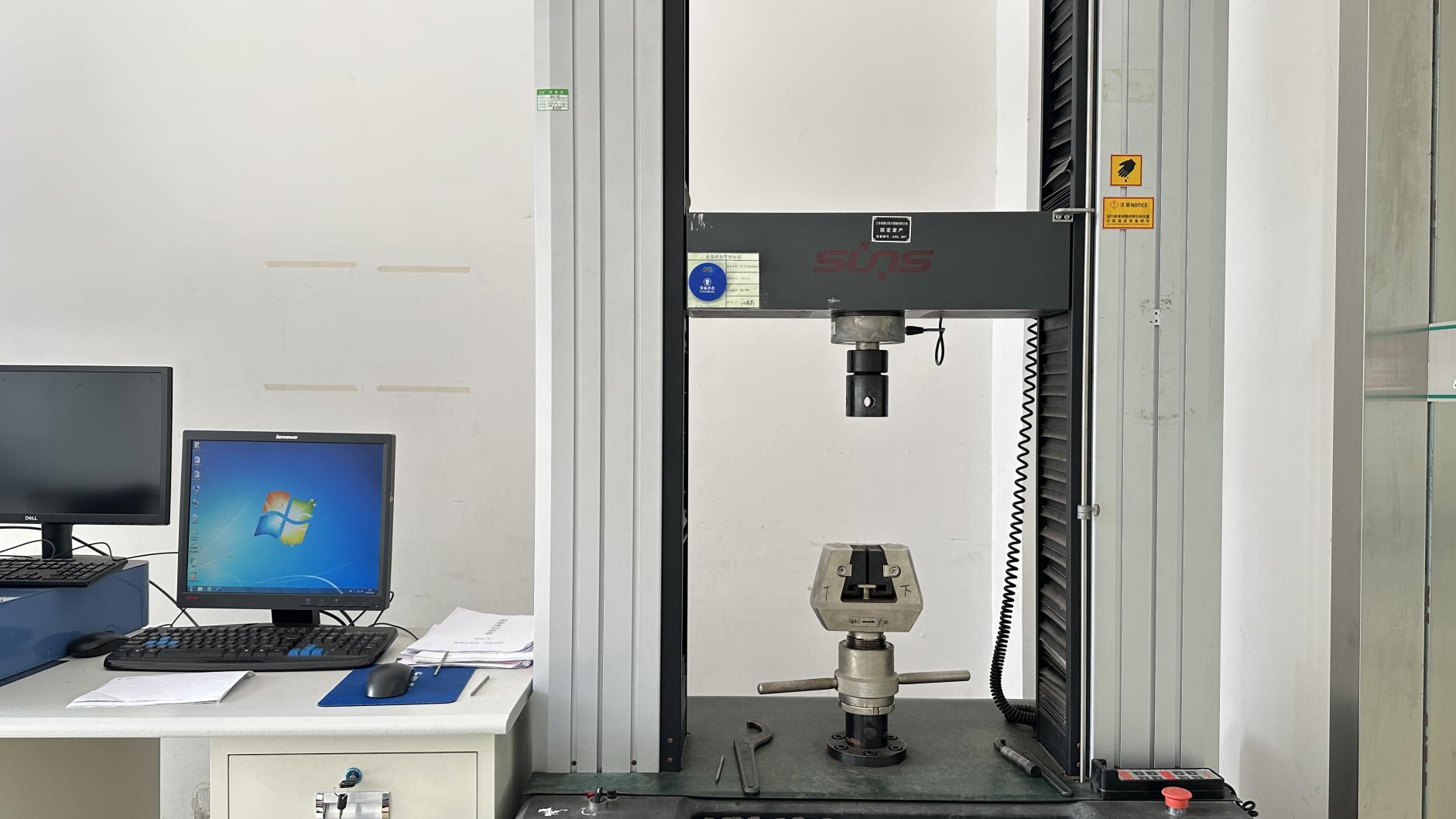
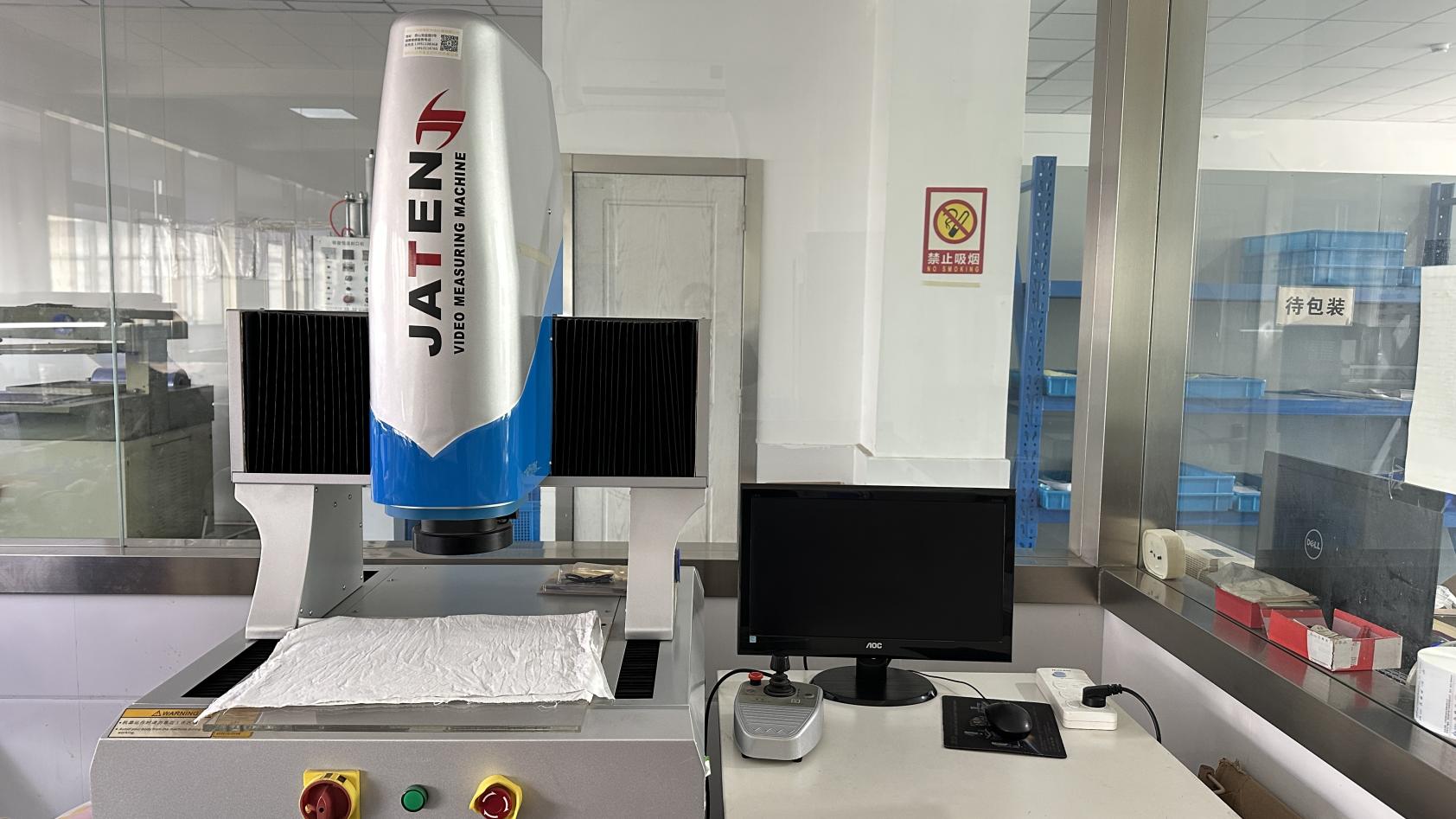
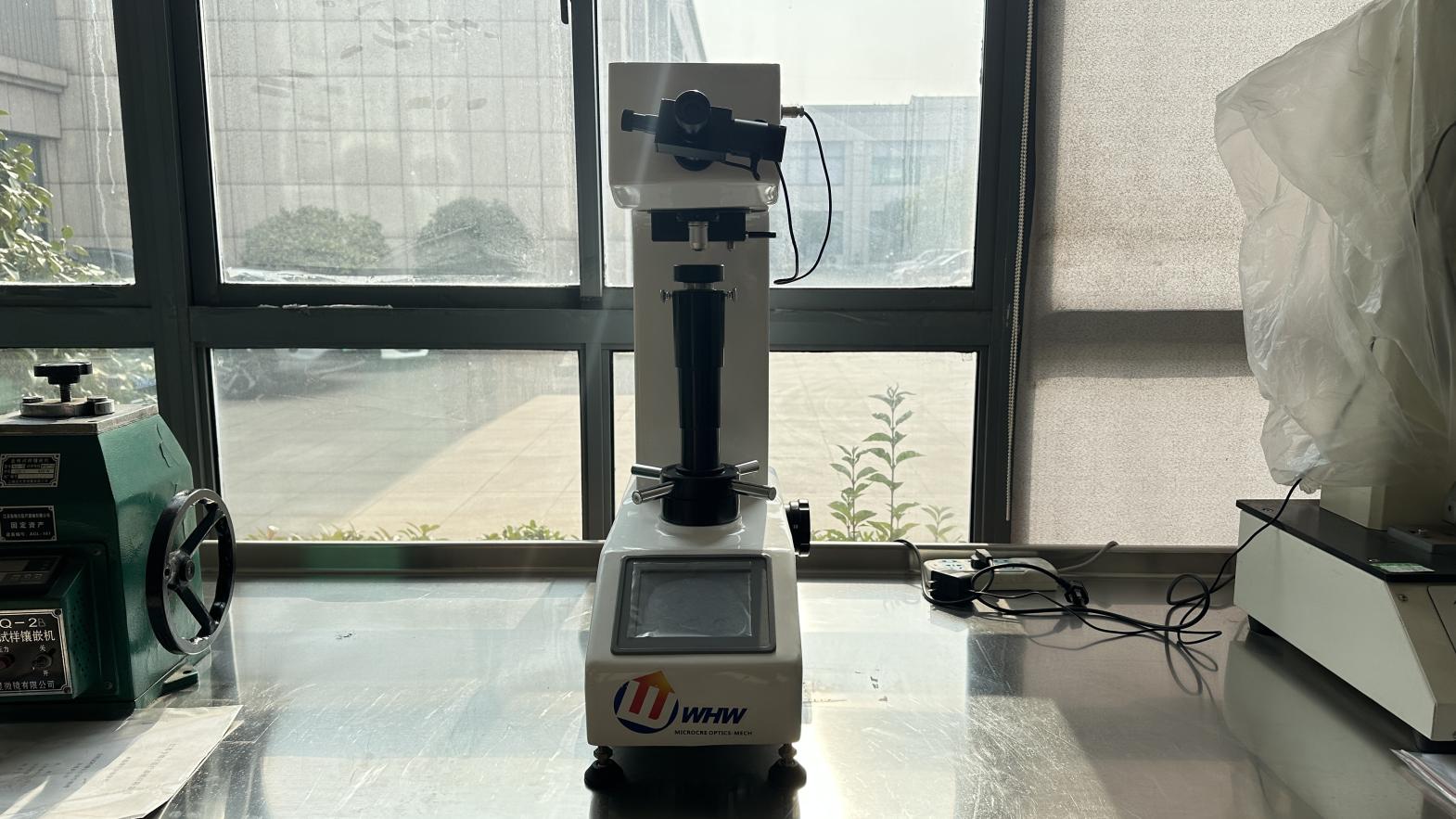
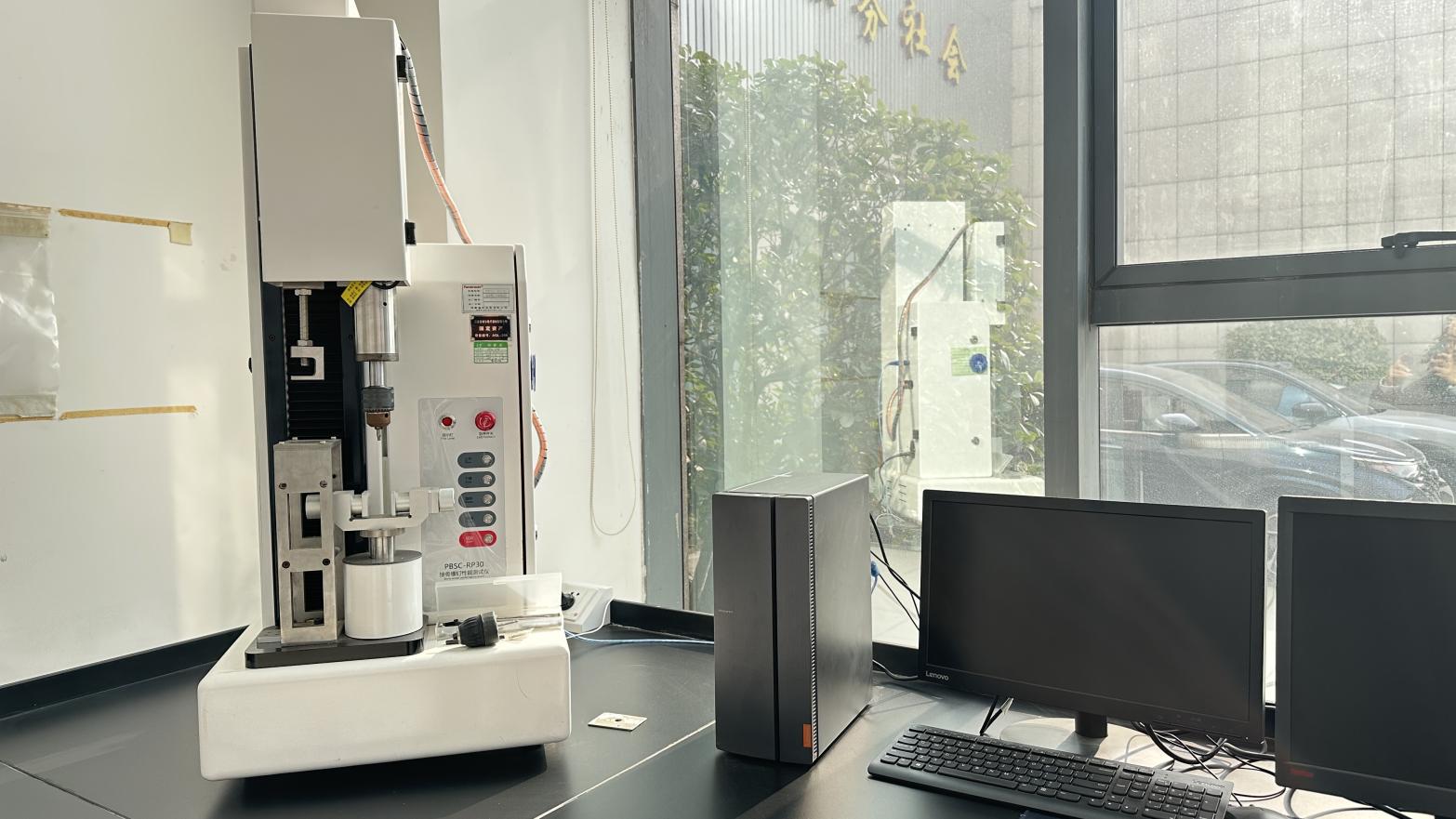
In the Netherlands, specific trauma mechanisms necessitate specialized, localized external fixation configurations. Through close cooperation with international academic partners, Virelox designs external frame solutions tailored to the following local clinical realities:
With millions of active cyclists sharing space with vehicles and electric scooters, Dutch emergency rooms frequently admit high-energy tibial plateau fractures and distal radius fractures. Unilateral bridges featuring rapid pin-to-bar clamping assemblies allow surgeons to temporarily stabilize highly unstable articular comminutions in less than 15 minutes, preserving the soft-tissue envelope before secondary definitive internal osteosynthesis is conducted.
As the average age of the population rises, chronic diabetic microangiopathy and associated neuropathic joints (Charcot foot) present complex orthopedic challenges. Customized hybrid ring fixators (combining tensioned thin wires with rigid half-pins) allow for stable multi-planar correction of collapse deformities, distributing axial weight-bearing forces away from delicate bone segments while allowing patient ambulation during healing.
Explore our full range of CE and ISO-certified implants, instruments, and surgical systems available for European distribution.
Get answers to critical technical, quality control, and regulatory queries regarding our orthopedic lines.
Our manufacturing facilities operate under a stringent ISO 13485-based quality management system. All trauma and joint implant products destined for the EU market are compliant with CE guidelines, and we are continually updating our technical files in line with EU MDR 2017/745 rules to ensure unhindered importation and procurement by Dutch hospitals.
We implement a raw material control protocol utilizing exclusively certified medical-grade titanium alloy (Ti-6Al-4V ELI) and carbon fiber profiles. Every batch undergoes mechanical integrity screening in our internal laboratory, including X-ray testing, tensile tests, micro-dimensional CMM verification, and cyclical fatigue testing simulating physiologic loading patterns over 5 million cycles.
For custom implant profiles or bespoke instrument assemblies based on specific clinical requests, the standard prototyping and biomechanical assessment phase takes 4 to 6 weeks. Following client approval and mechanical validation, full batch production is completed within 30 to 45 days, depending on geometry complexity.
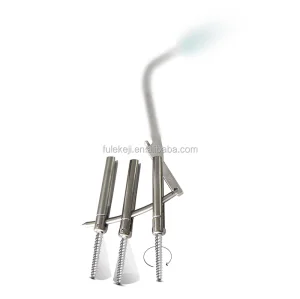
We specialize in precision thread geometries that reduce bone necrosis during insertion, alongside optional bioactive surface finishes such as hydroxyapatite coating. This enhances immediate mechanical fixation and forms a tight bone-implant interface, which effectively inhibits the migration of pathogens along the pin tract.
Partner with an ISO 13485 certified China 4.0 manufacturer to achieve high-precision tolerances, certified materials traceablity, and regulatory compliance at scale.
Inquire Now for Tender Partnership Virelox