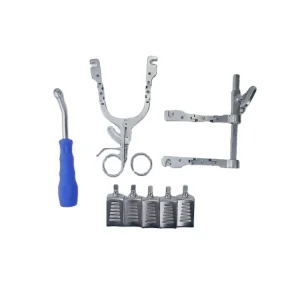
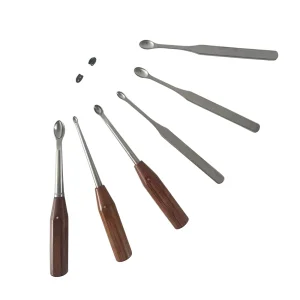
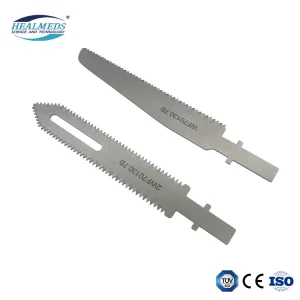
Explore our elite selection of CE and ISO-certified internal spinal fixation components, specialized surgical instruments, and trauma reconstruction sets engineered for optimal clinical outcomes.
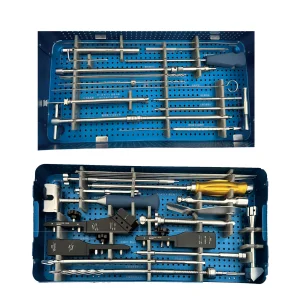
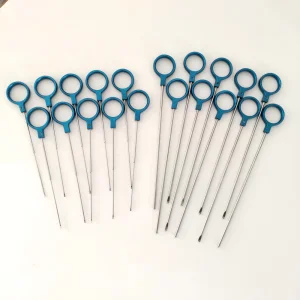
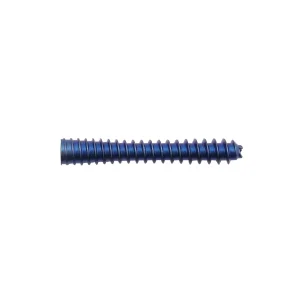
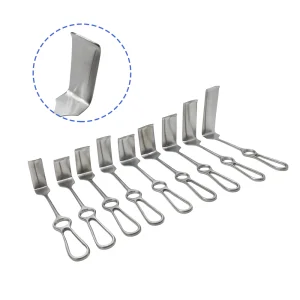
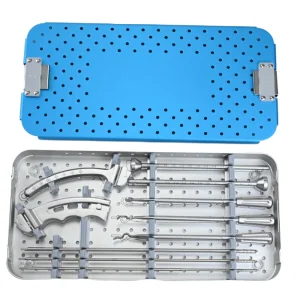
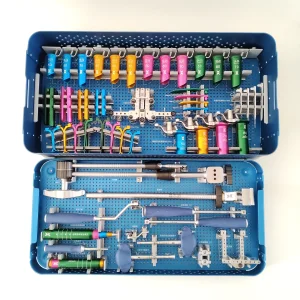
Virelox Medical Devices Co., Ltd. is a premium, professional orthopedic medical device manufacturer specializing in biomechanically optimized spinal fixation, joint replacement, and trauma internal fixation systems. Under our global brand "Virelox", we deliver unmatched clinical efficacy and precision manufacturing to surgeons and medical institutions worldwide.
Operating out of a modern, state-of-the-art facility spanning 12,000 square meters, we have accumulated over 10 years of deep orthopedic industry expertise alongside 8 years of seamless global export services. Our core capability lies in translating clinical demands into high-performing, biocompatible implant systems that optimize patient recovery curves. Supported by an international marketing presence in Europe, Southeast Asia, the Middle East, and South America, we provide customized OEM/ODM design engineering and comprehensive private label manufacturing solutions according to global Class III medical standards.
Addressing complex anatomical demands with comprehensive spinal reconstruction ecosystems.
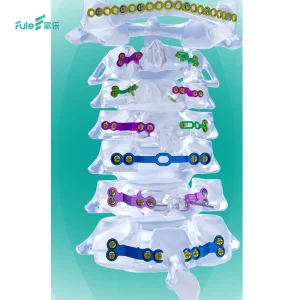
Our pedicle screw systems and posterior cervical plates provide robust mechanical stability to treat spinal instability, stenosis, and advanced DDD. Engineered with low-profile configurations, they minimize soft-tissue irritation and accelerate natural arthrodesis.
High-energy spinal trauma requires quick, reliable internal fixation. Virelox designs self-tapping, cannulated, and fenestrated screw systems paired with high-tensile titanium alloy rods to guarantee rigid structural containment of unstable vertebrae.
Spinal deformities such as idiopathic scoliosis require multi-level alignment correction. Our solutions utilize premium titanium components featuring optimized thread pitch geometries that maximize pullout resistance while maintaining spinal sagittal balance.
| System Type | Common Indications | Material Engineering | Clinical Advantages |
|---|---|---|---|
| Posterior Pedicle Screw System | Degenerative Disc Disease, Scoliosis, Trauma | Ti-6Al-4V ELI (ASTM F136) | Double-lead thread design for fast insertion; high pull-out resistance; polyaxial angles up to 60°. |
| Anterior Cervical Plate System | Cervical Spondylosis, Spinal Stenosis | Commercially Pure Titanium (CP Ti) / Ti Alloy | Ultra-low profile (under 2.0mm) to mitigate dysphagia risks; smart locking mechanisms prevent backing out. |
| Posterior Cervical Laminoplasty System | Multi-segmental Cervical Spondylotic Myelopathy | Titanium Grade 5 (CE Class III Certified) | Maintains spinal canal expansion; preserves range of motion compared to rigid fusion alternatives. |
| Minimally Invasive Spine (MIS) Systems | Microdiscectomy, minimally invasive lumbar fusion | Medical Stainless Steel / Titanium | Reduced muscle dissection, less intraoperative blood loss, accelerated patient rehabilitation. |
Positioned at the intersection of medical engineering, cost efficiency, and global supply chain resilience.
The global demand for spinal internal fixation systems continues to expand rapidly due to aging populations, increased clinical acceptance of minimally invasive spinal surgeries, and rising standard of living in emerging economies. However, medical device distributors and healthcare procurement groups struggle with two primary industry pain points: regulatory non-compliance and supply chain disruptions.
Virelox addresses these global hurdles systematically. By maintaining an ISO 13485:2016-certified quality inspection platform, we provide complete technical documentation that helps our international clients fast-track local registrations. From CE compliance files to biocompatibility reports, we supply all necessary clinical data. Our integrated upstream and downstream supply network of 850 partners ensures we bypass raw material bottlenecks and keep lead times consistent—even during high-volume contract manufacturing cycles.
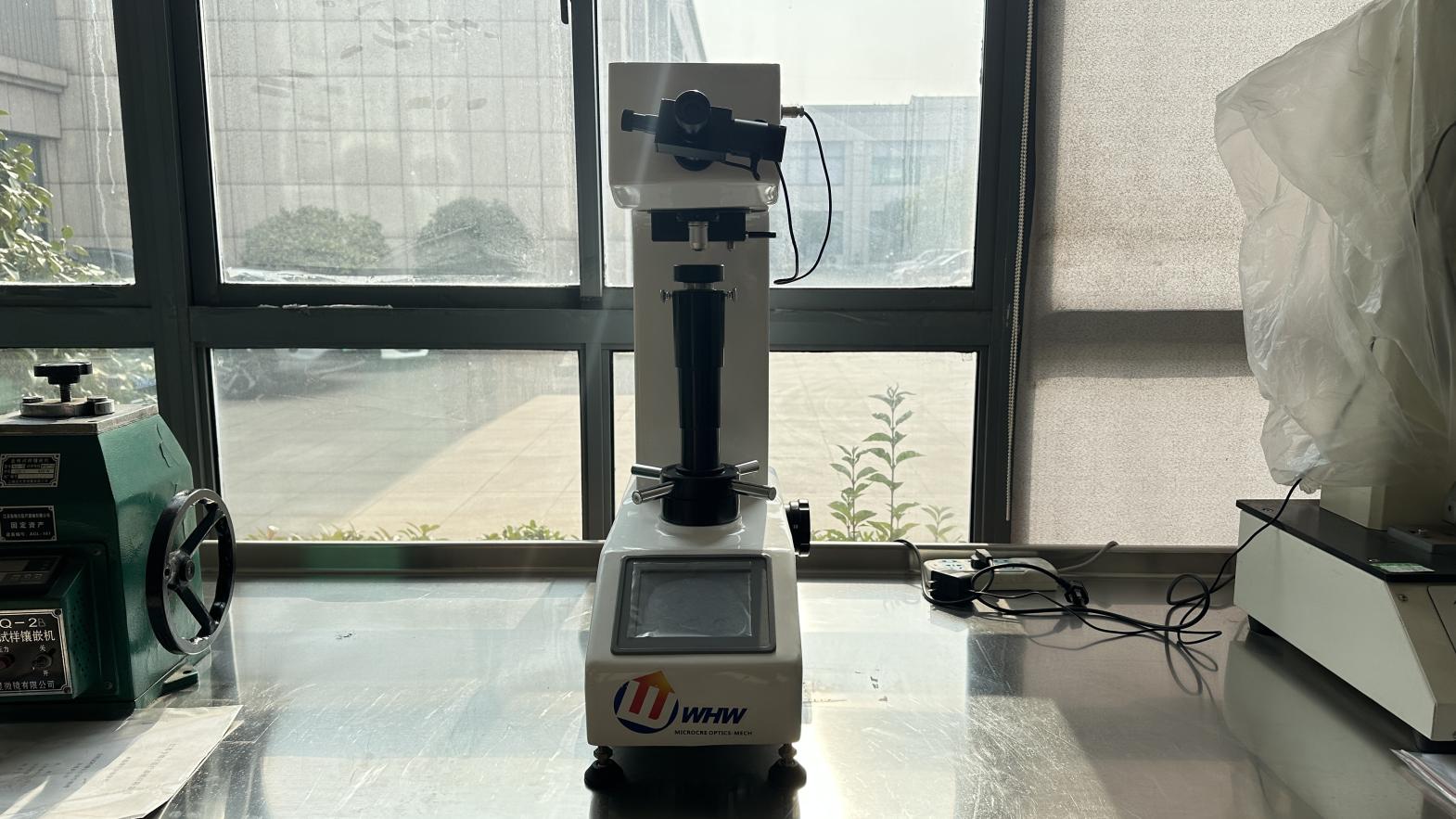
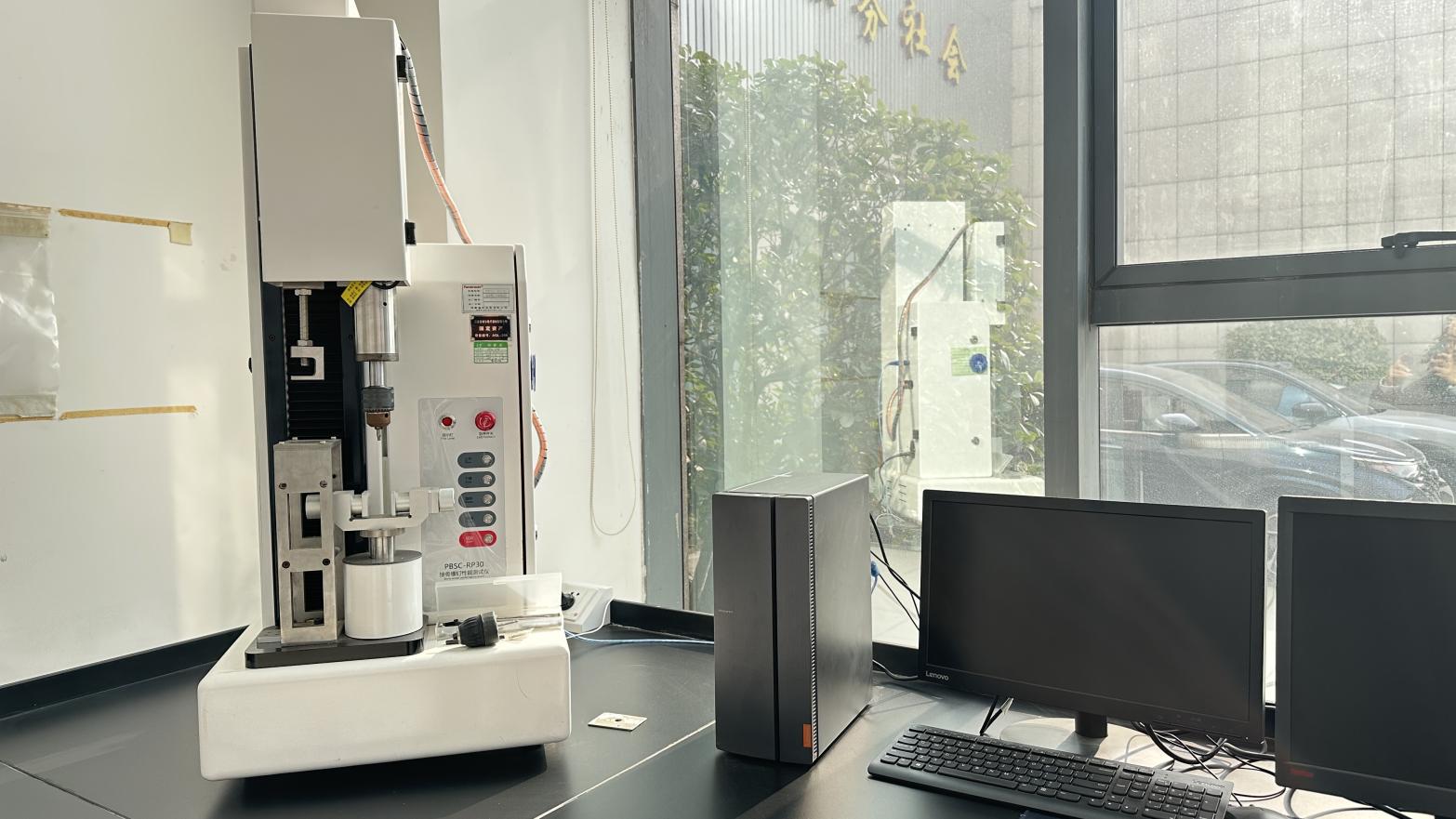
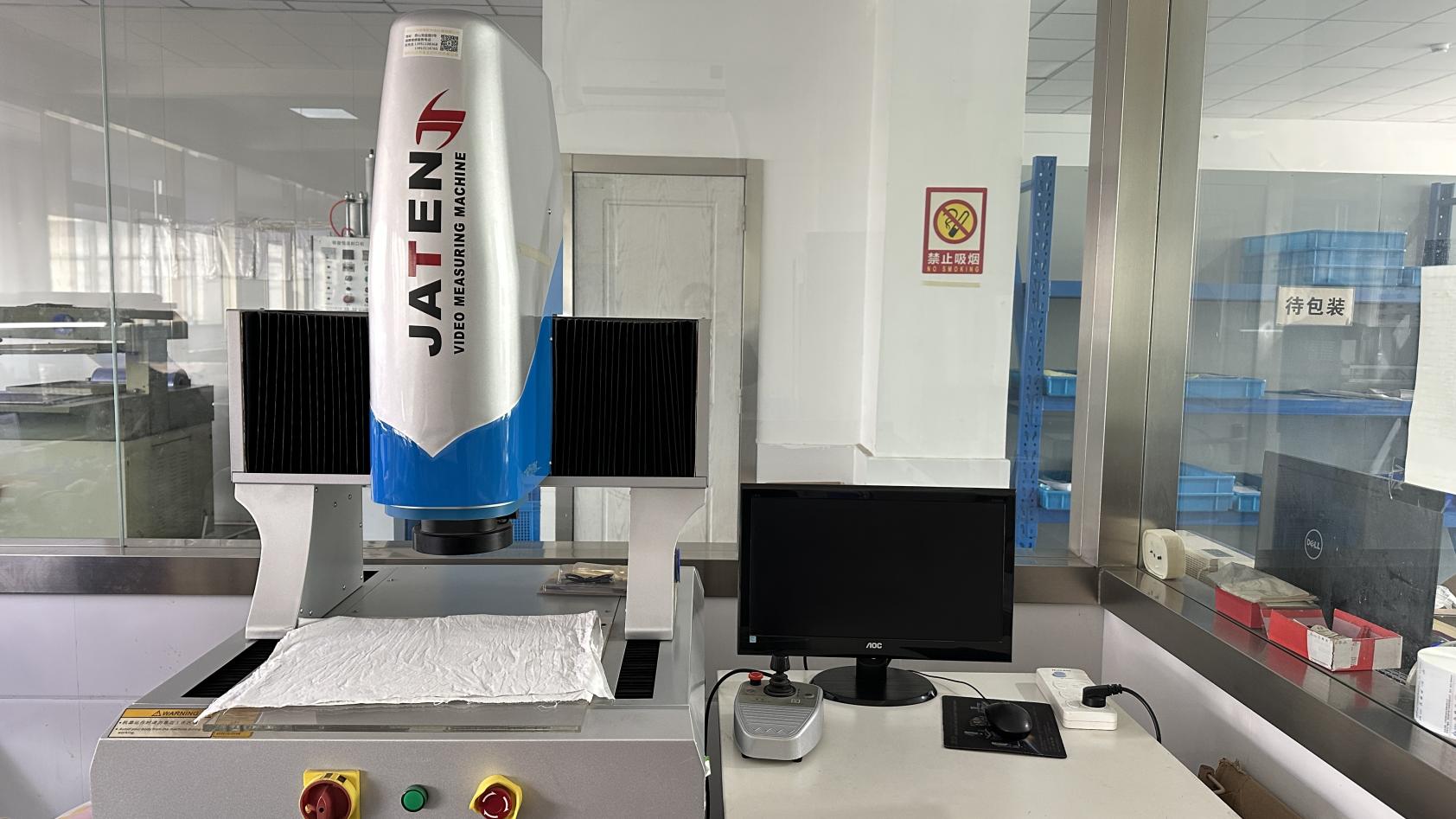
Take a virtual tour of the production floor and testing labs inside Virelox Medical Devices. We maintain strict control over every stage of the manufacturing cycle, from raw bar stock to sterile packaging.
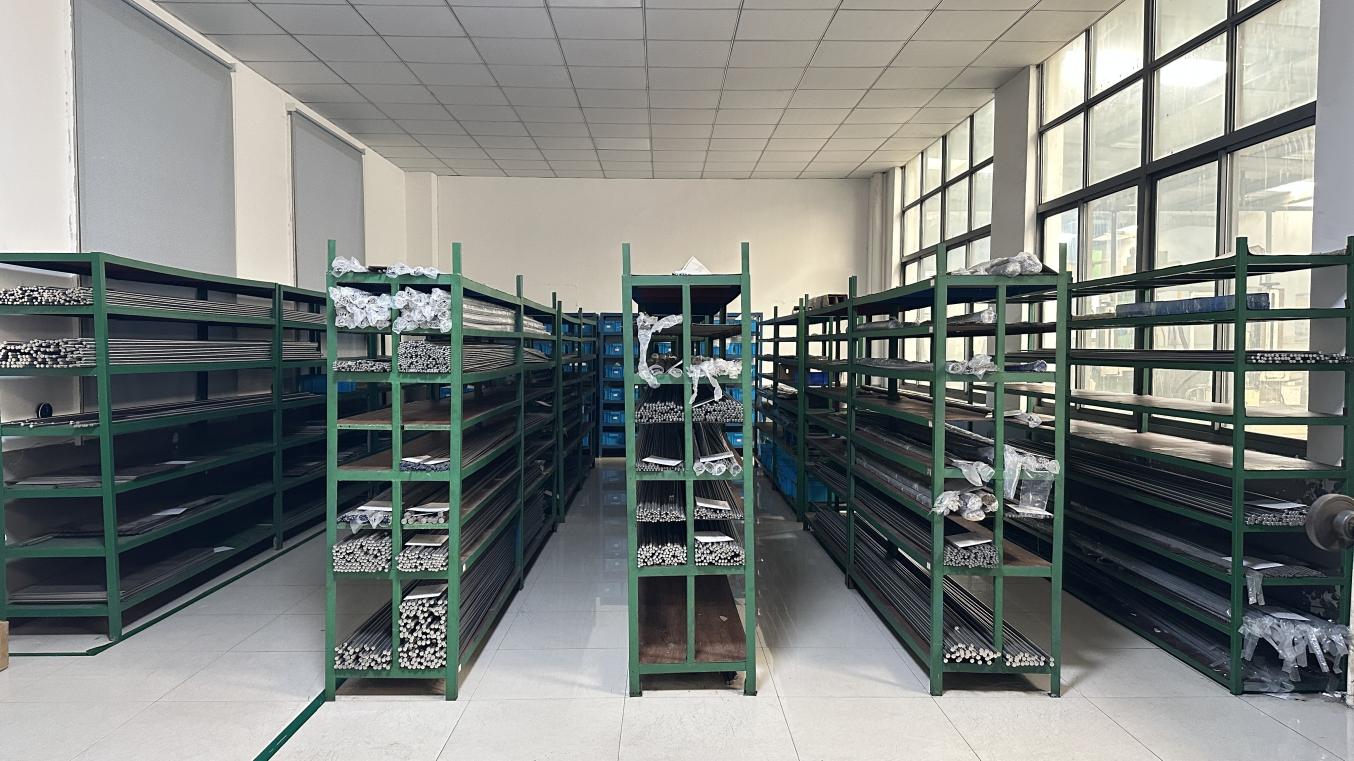
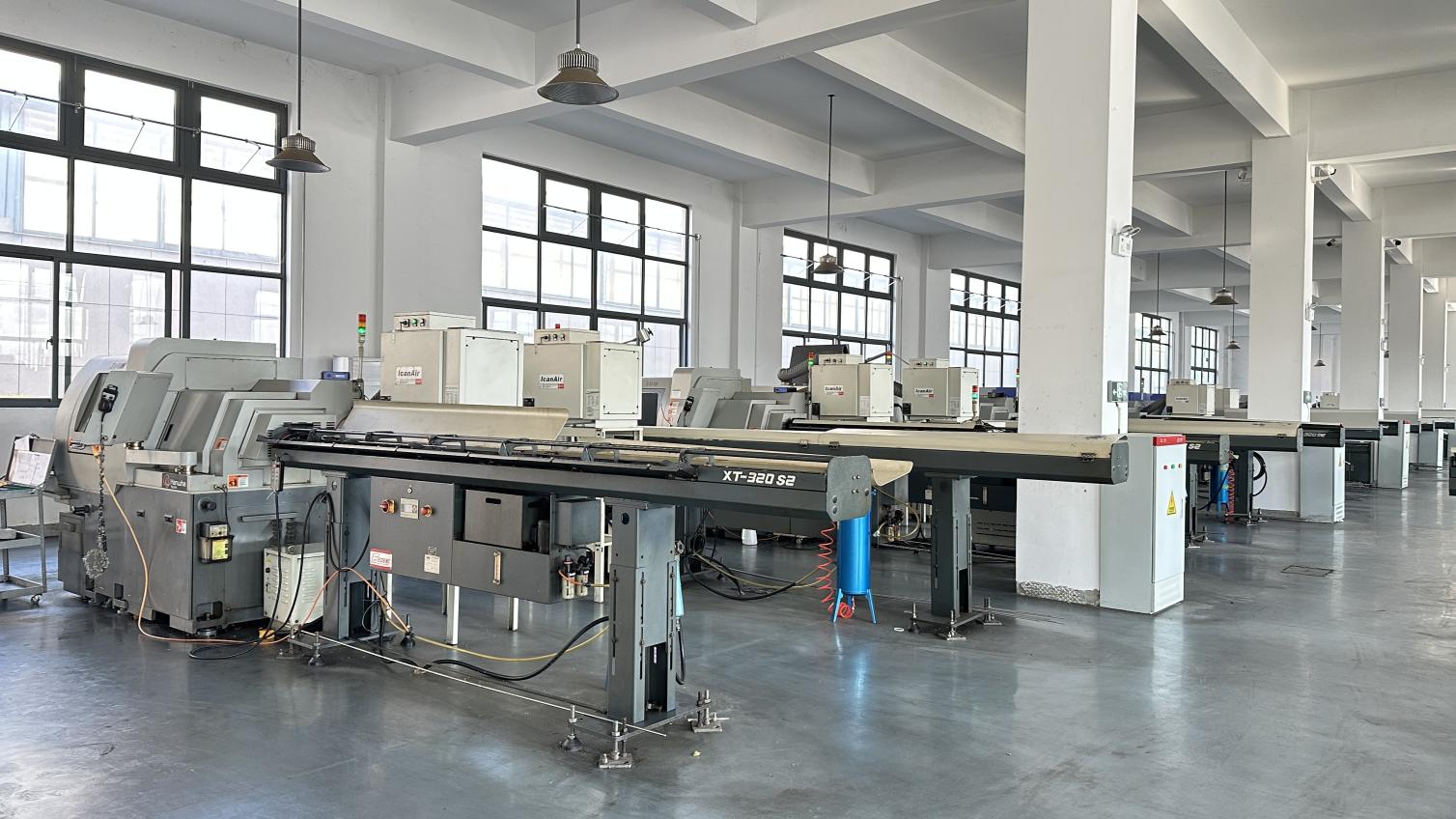
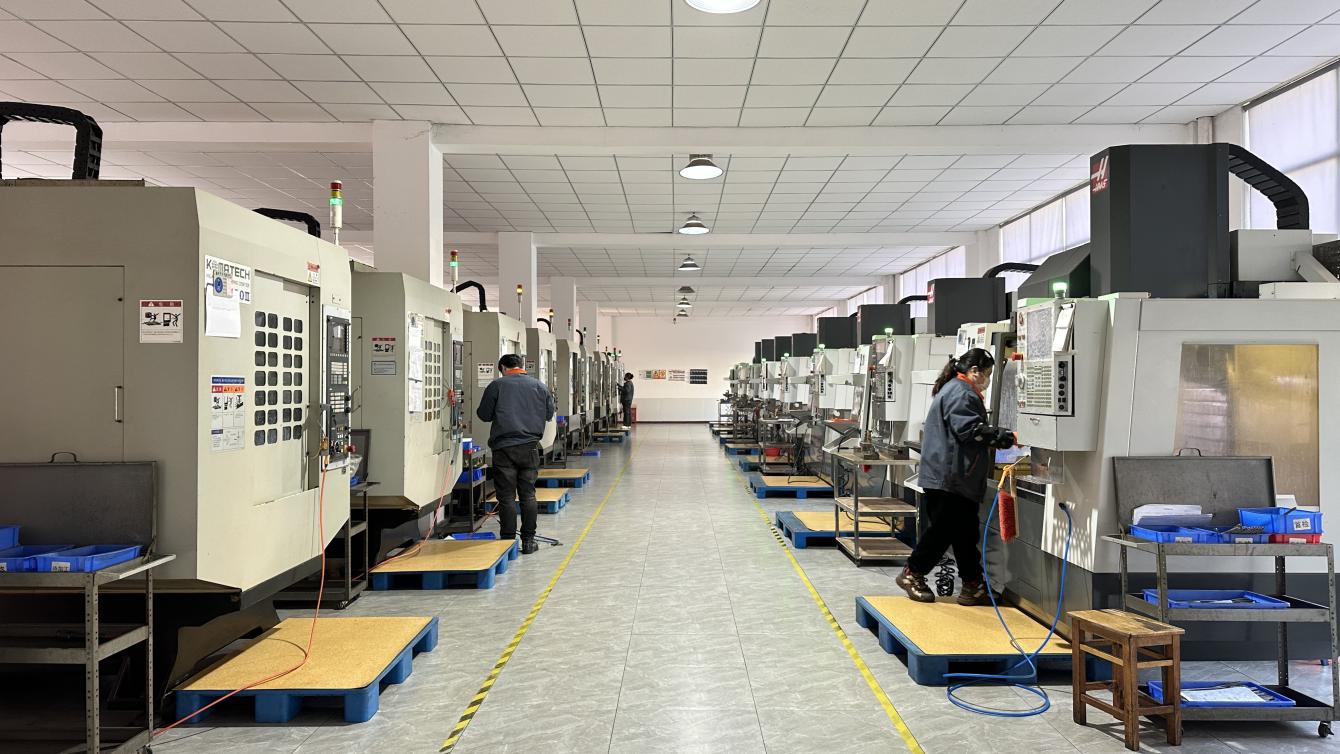
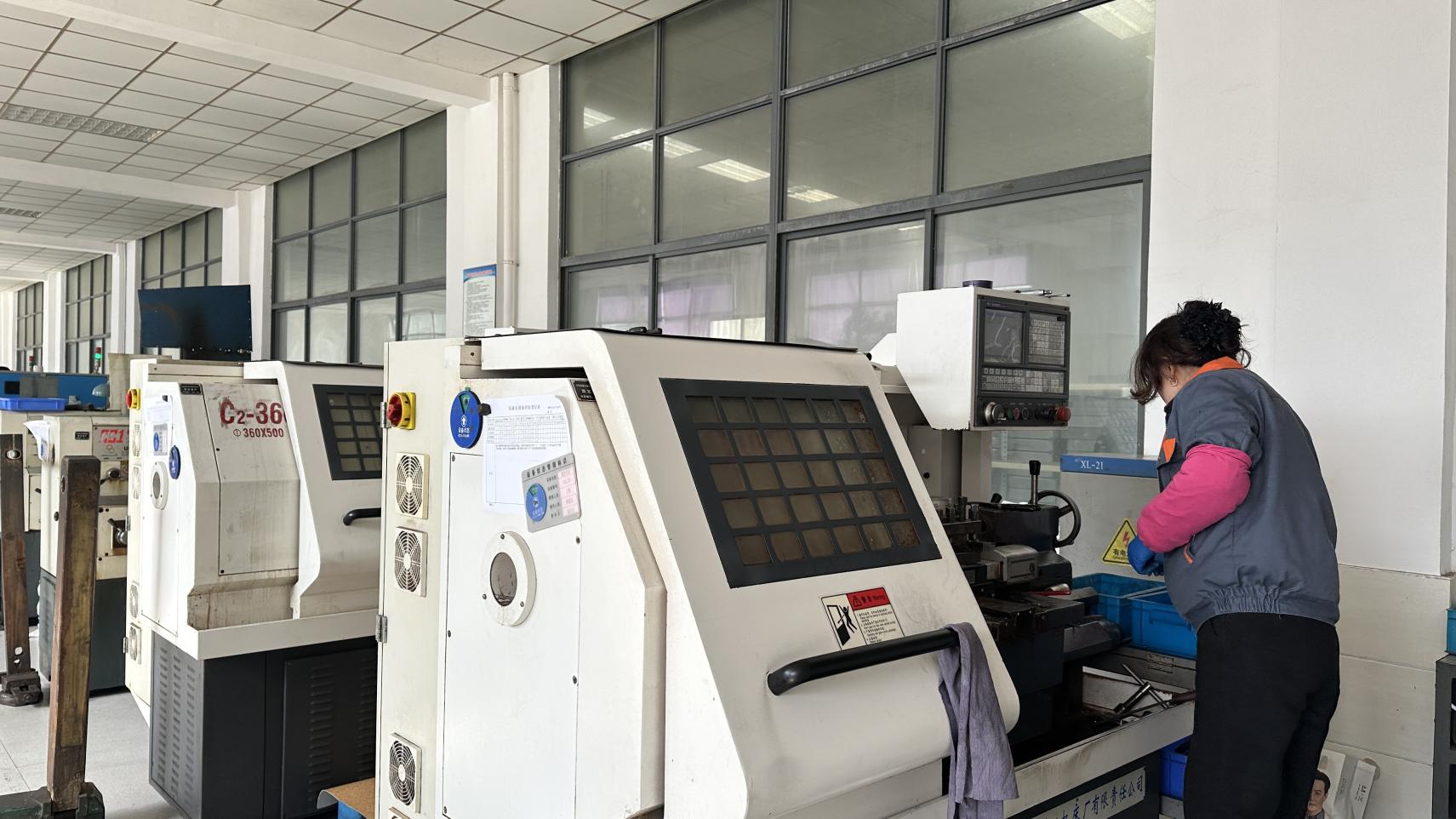
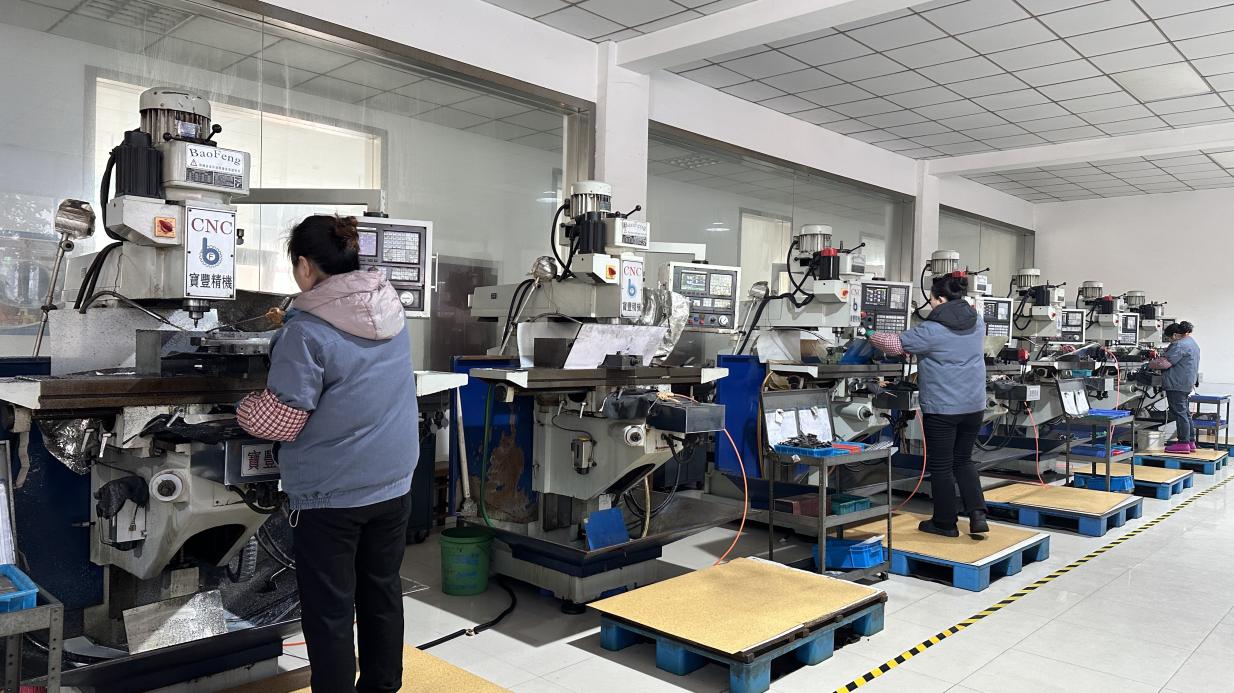
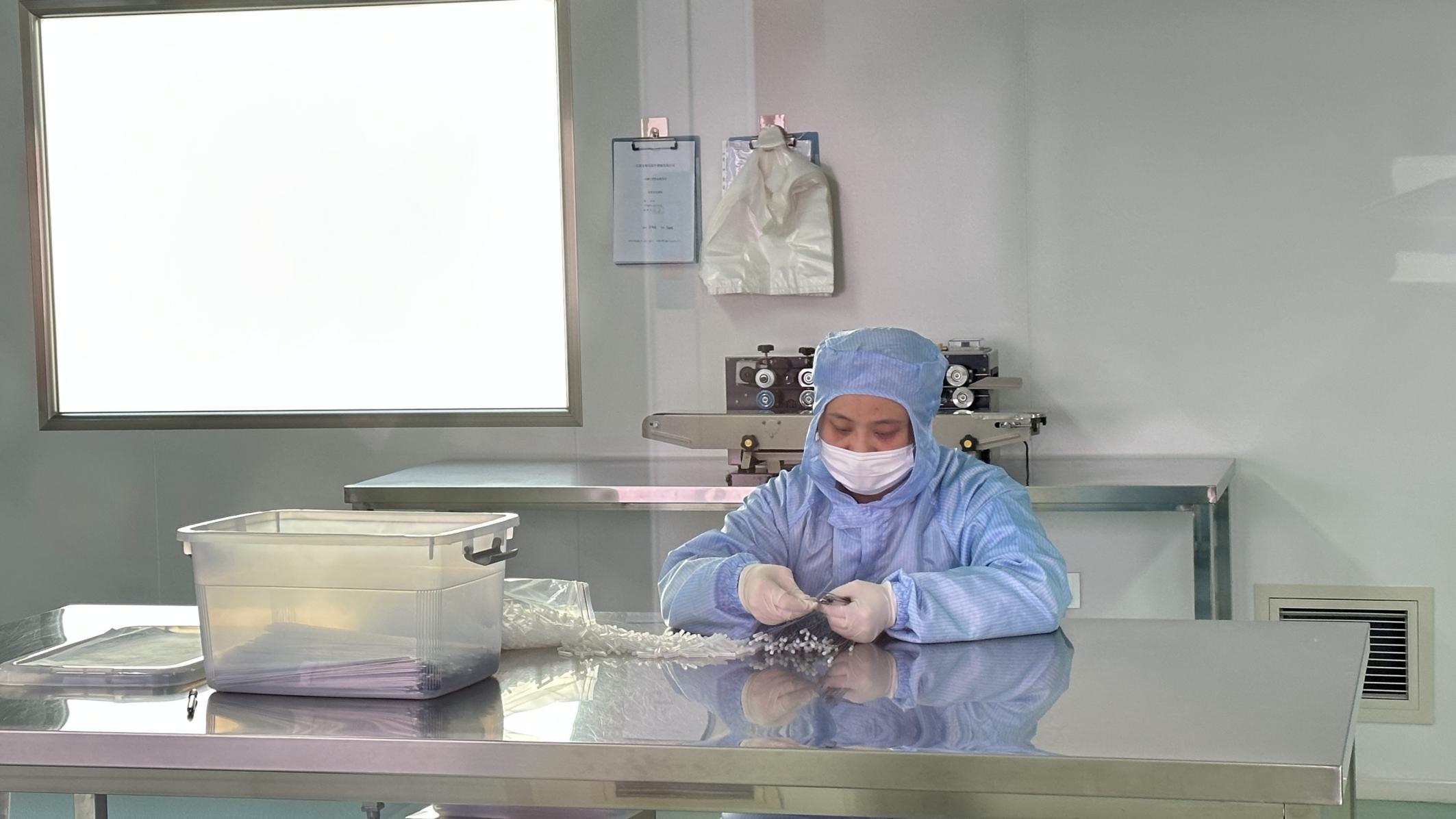
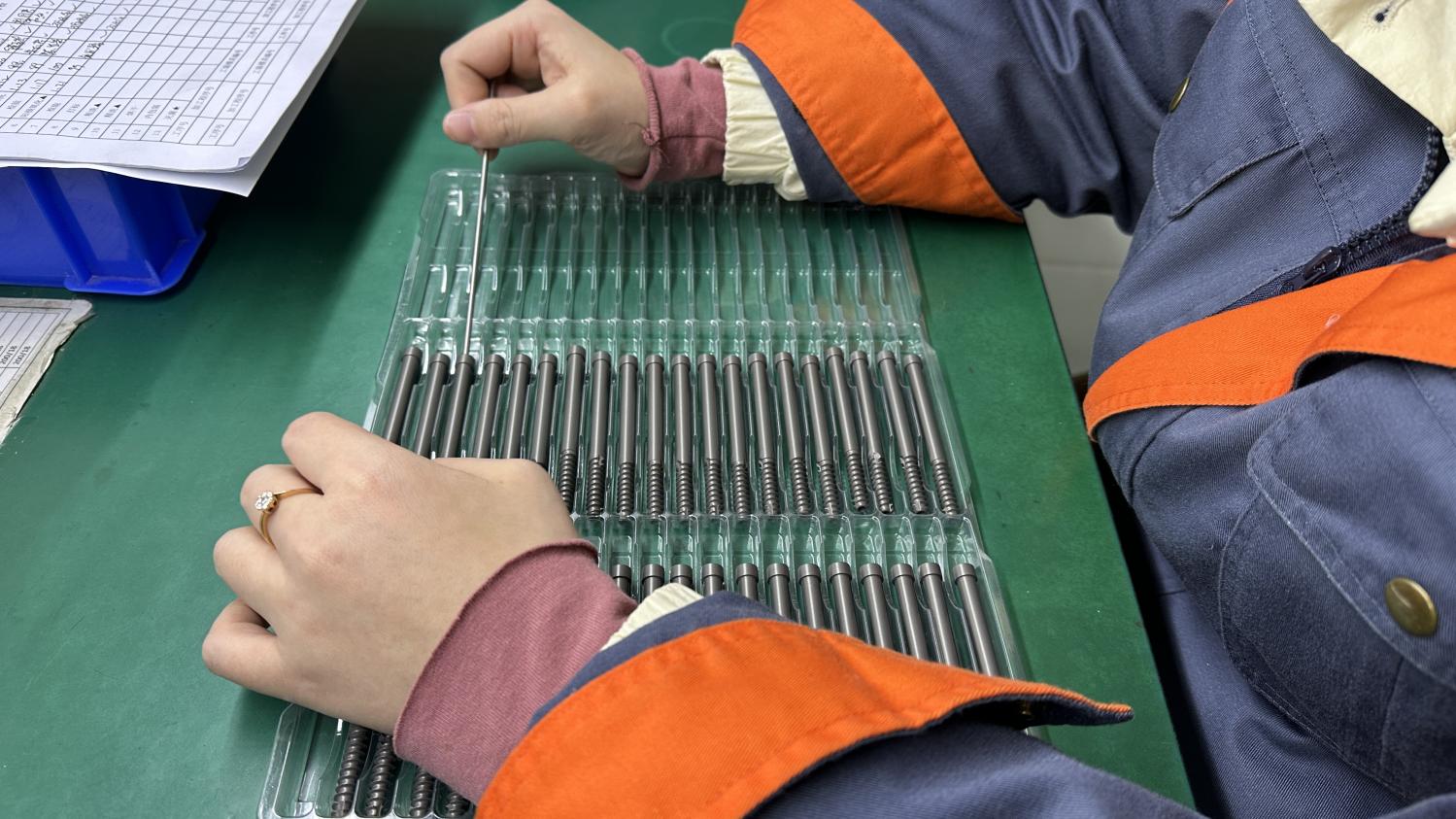
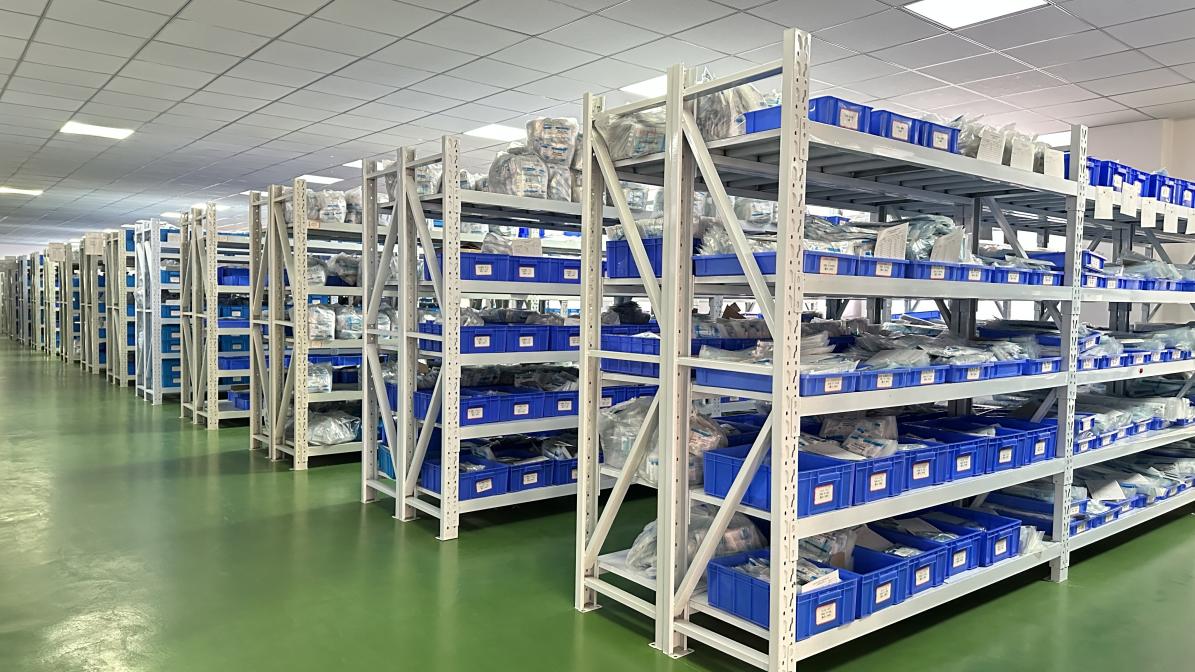
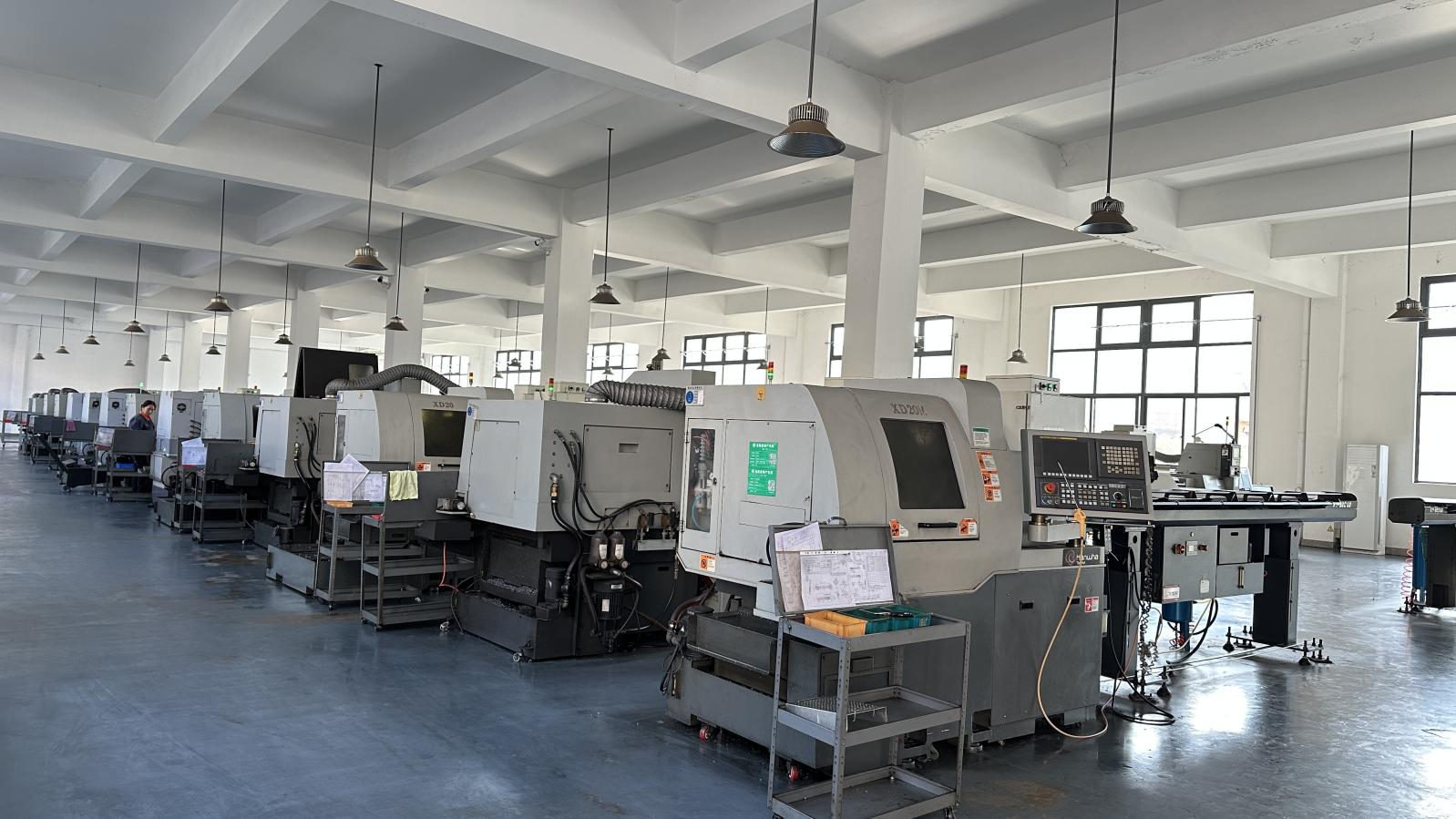
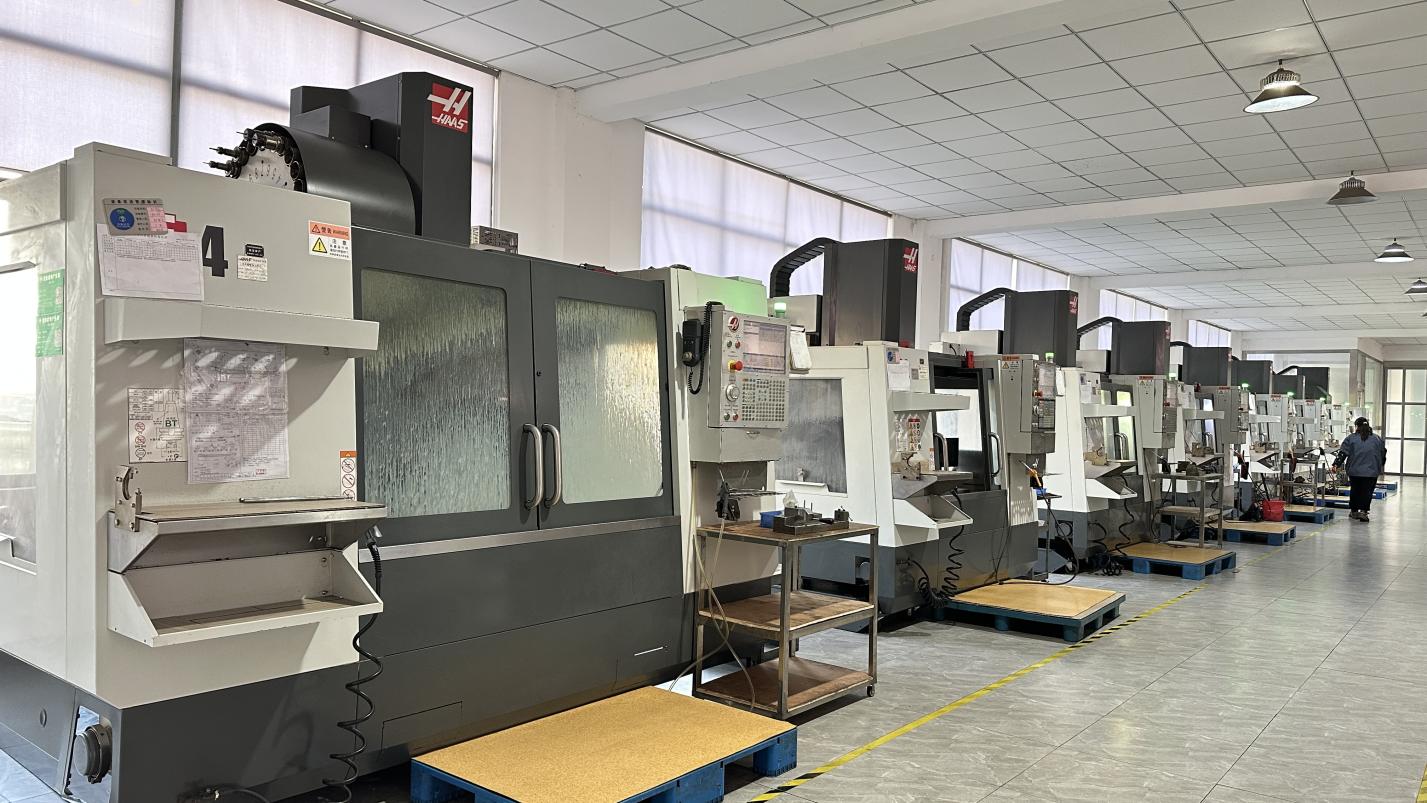
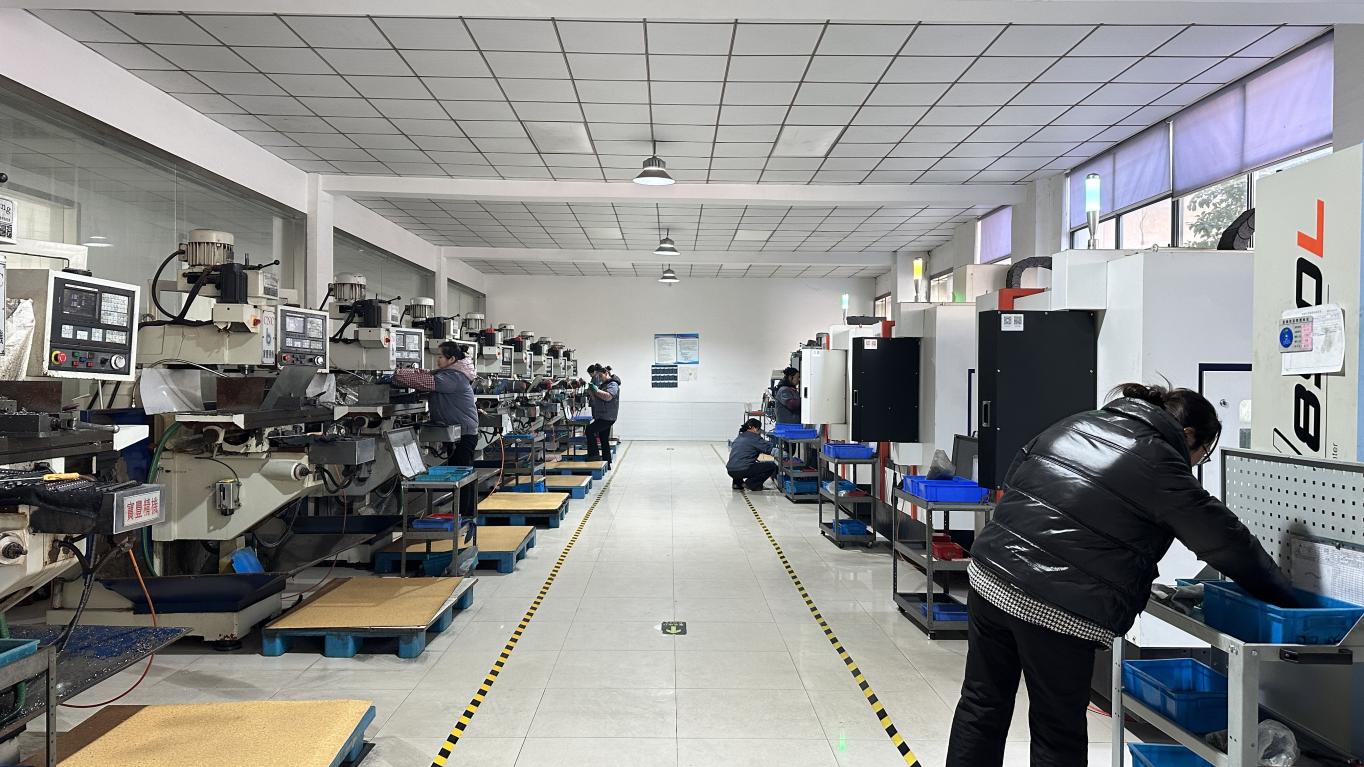
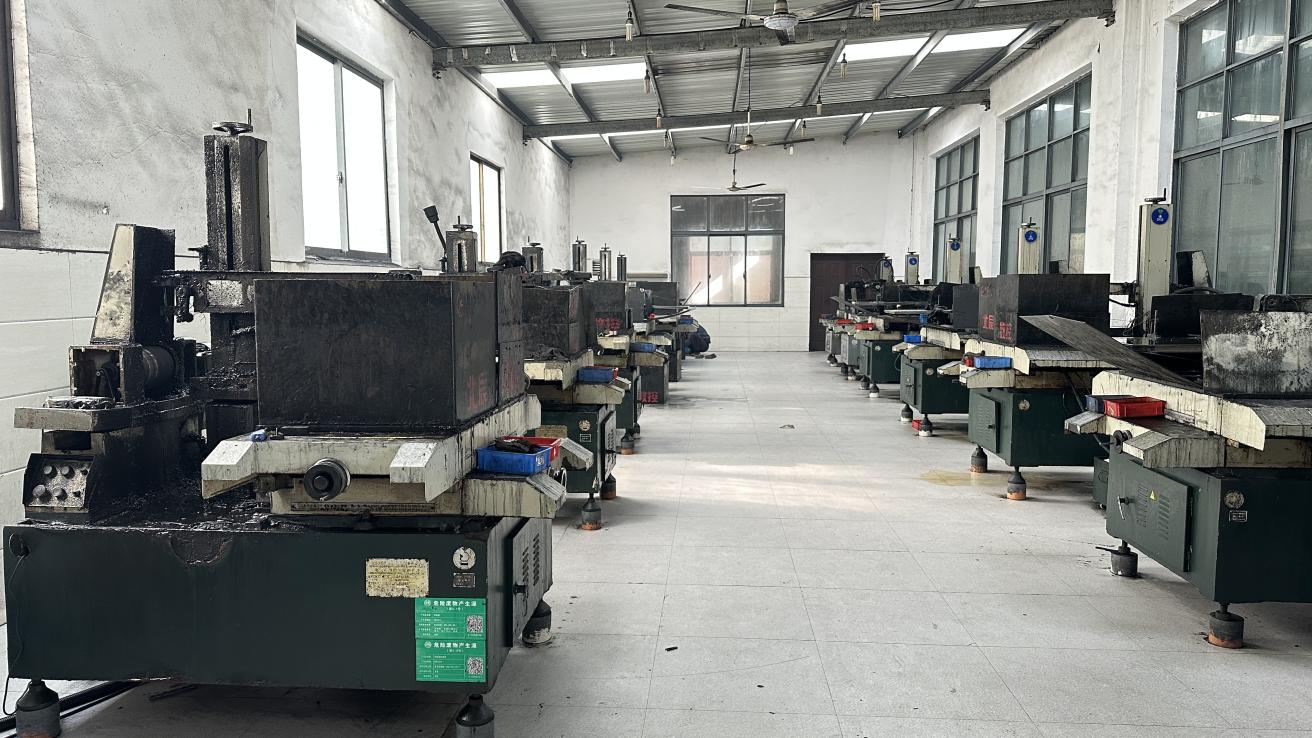
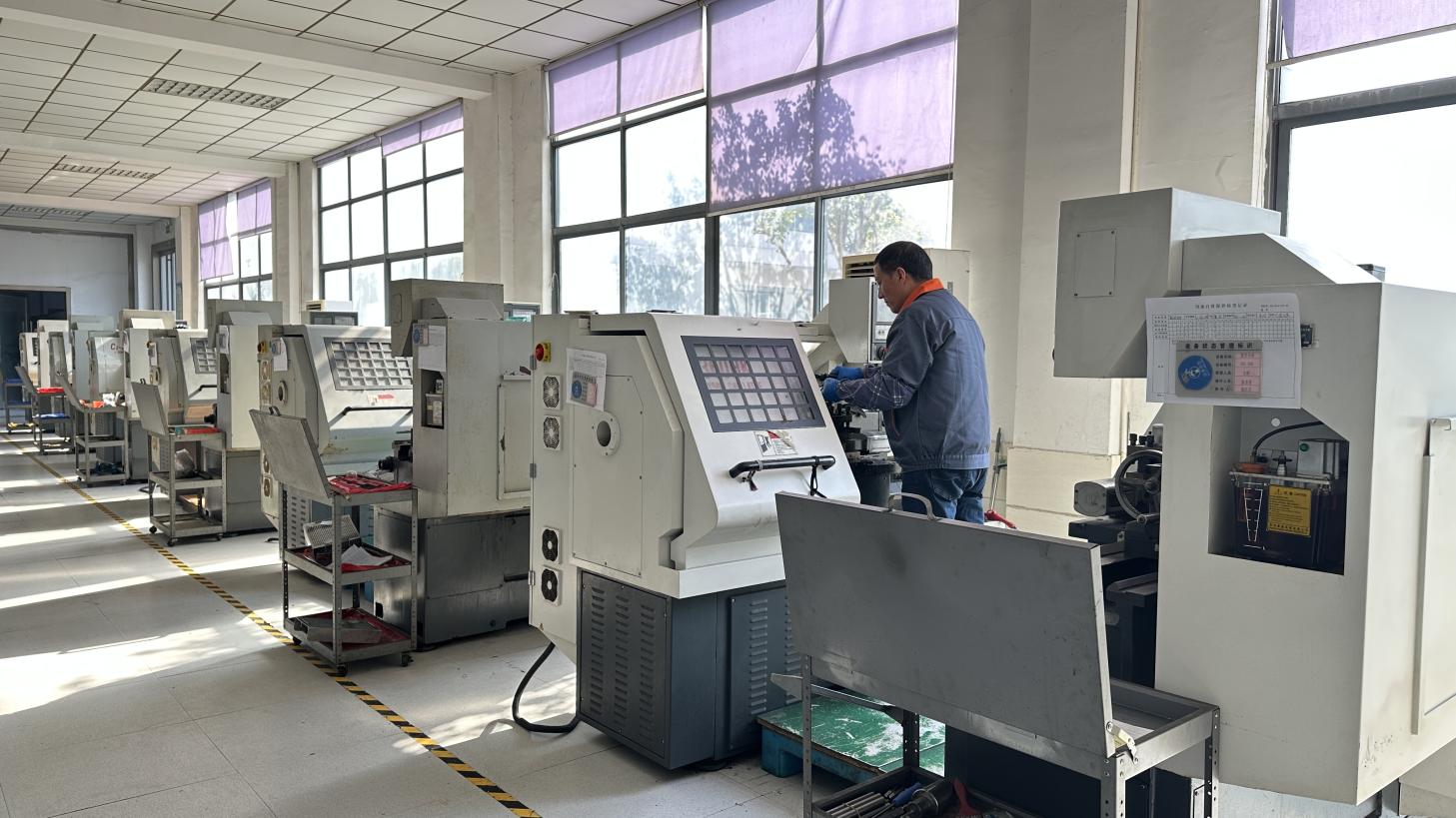
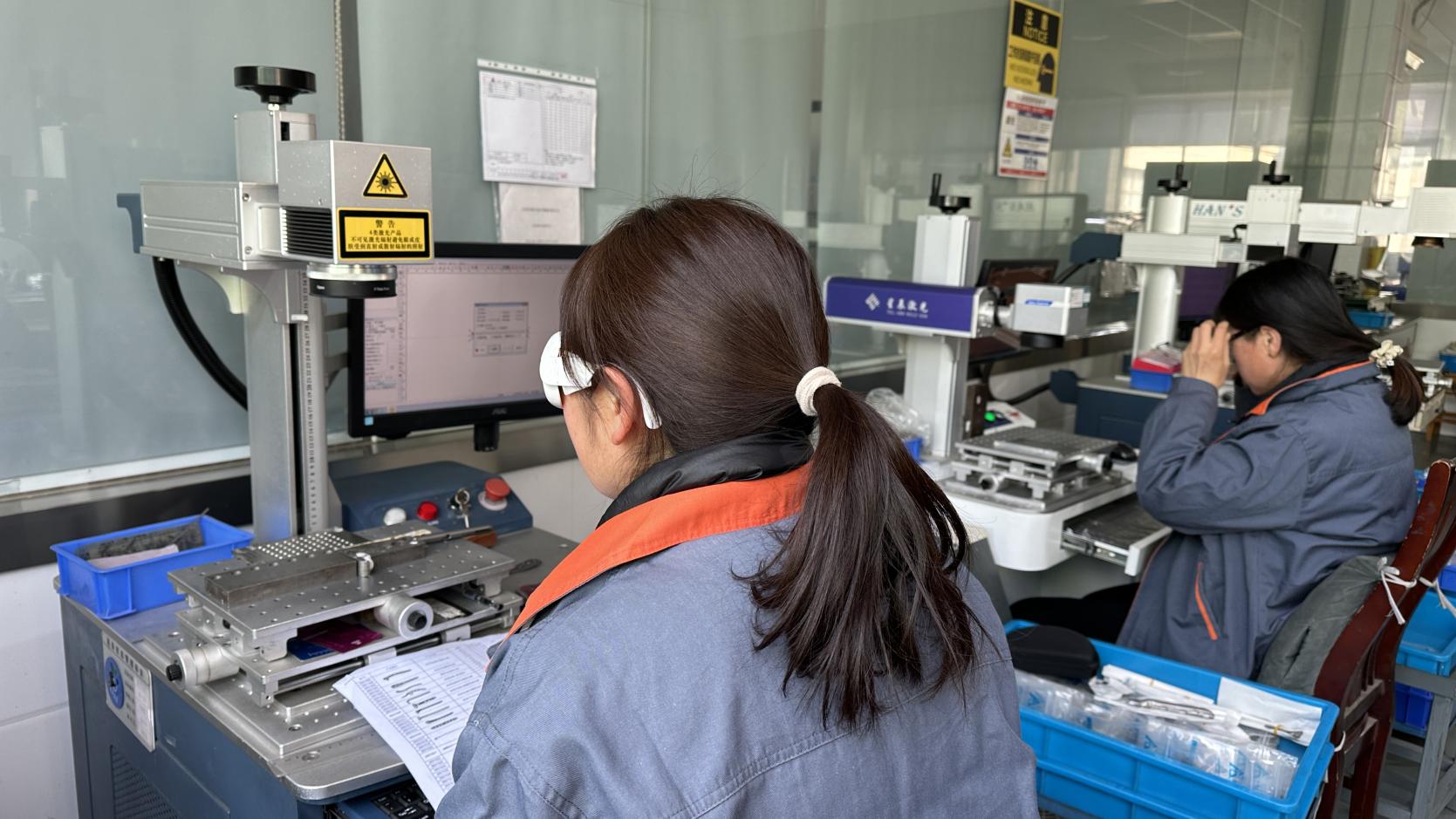
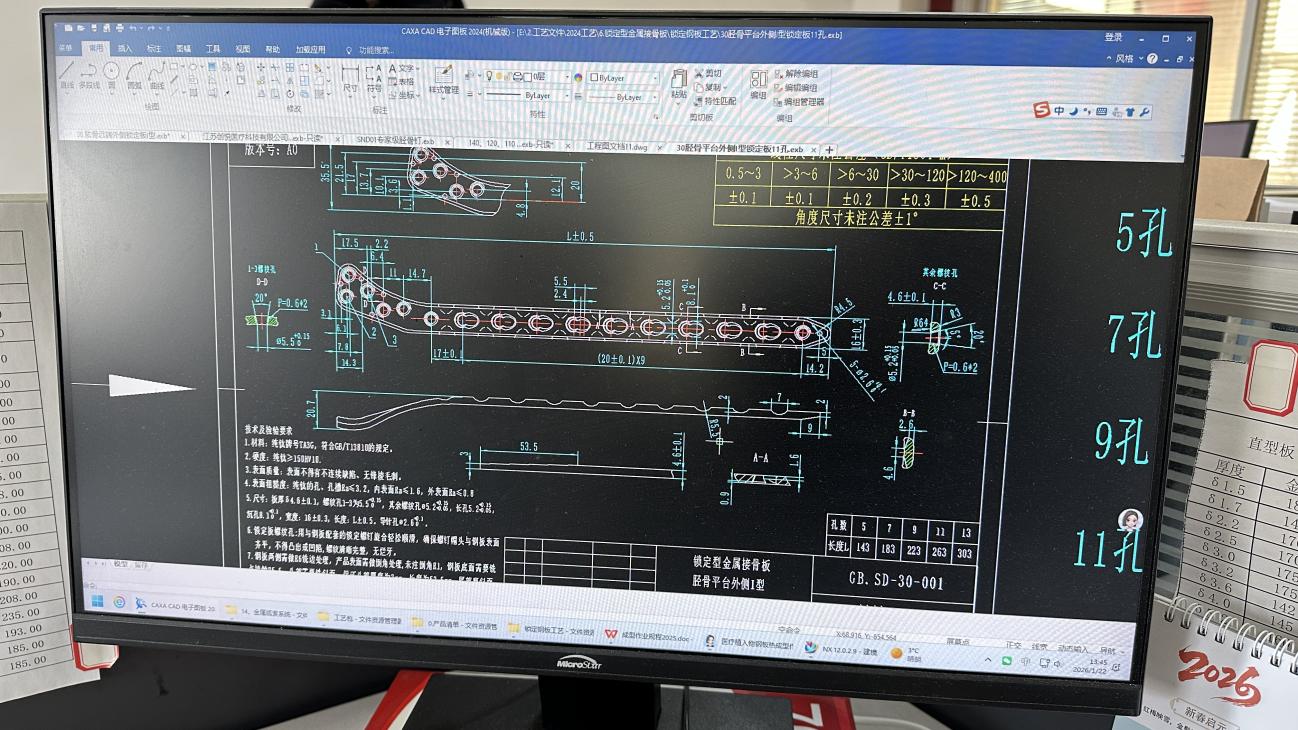

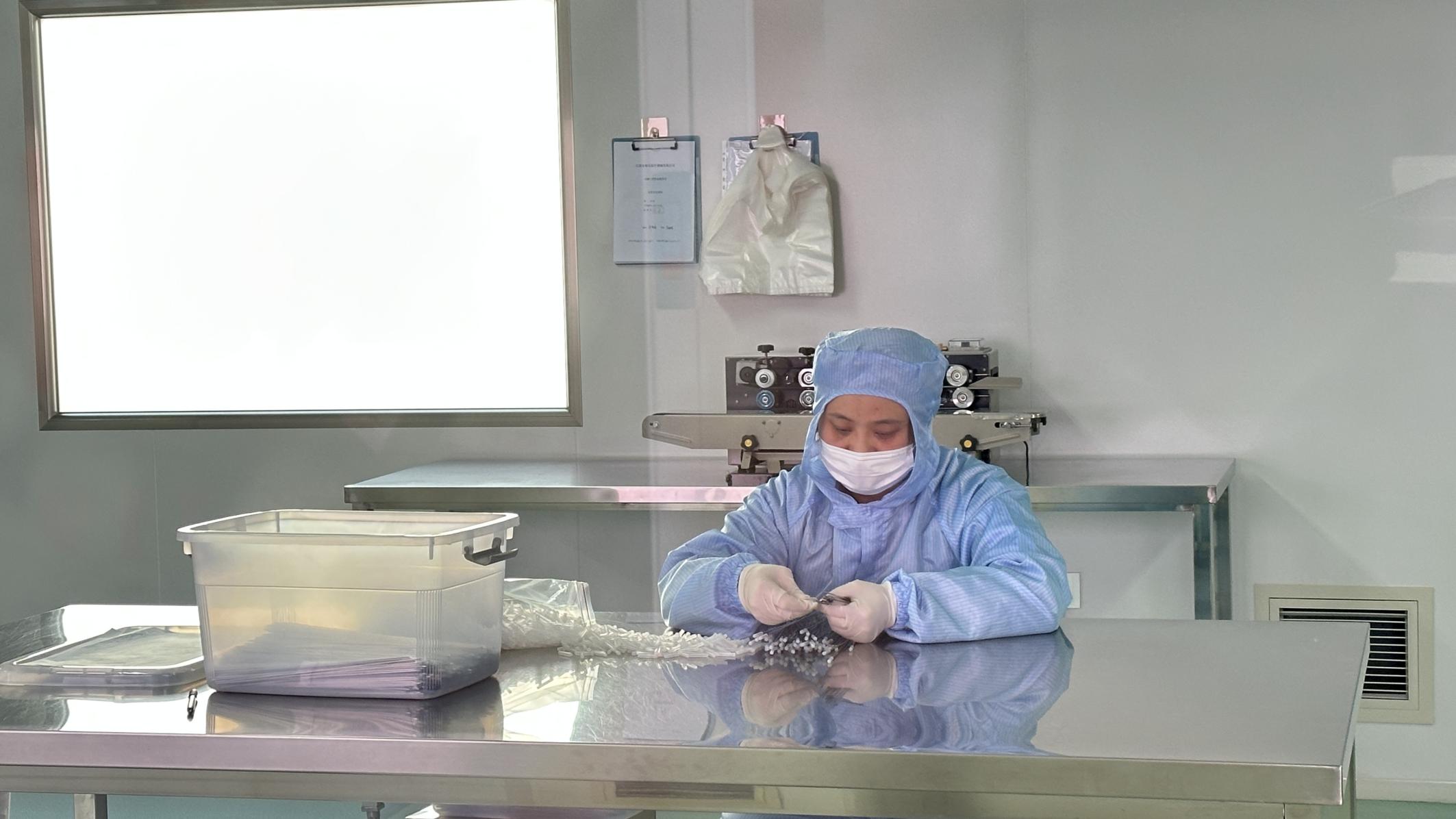
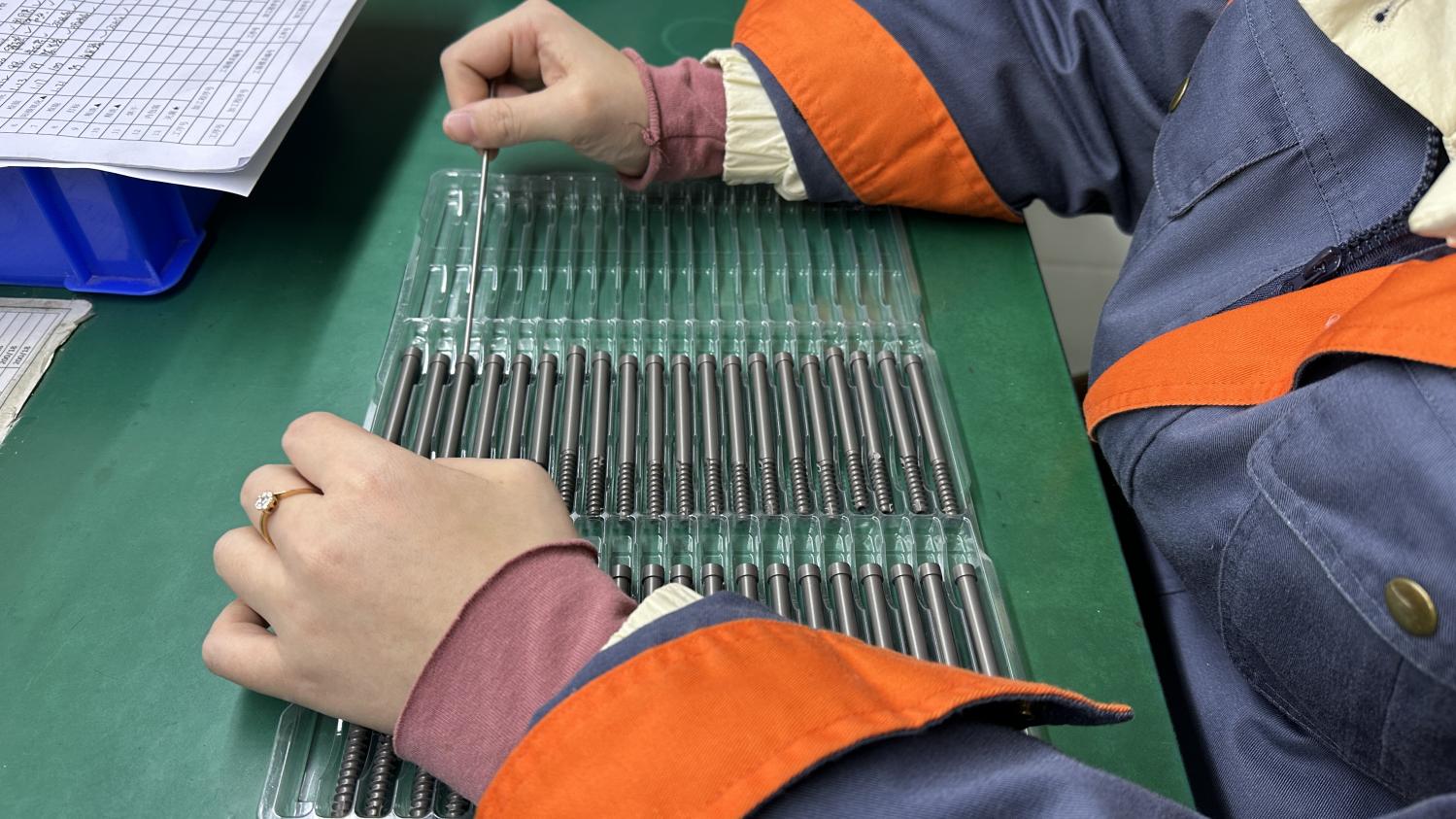
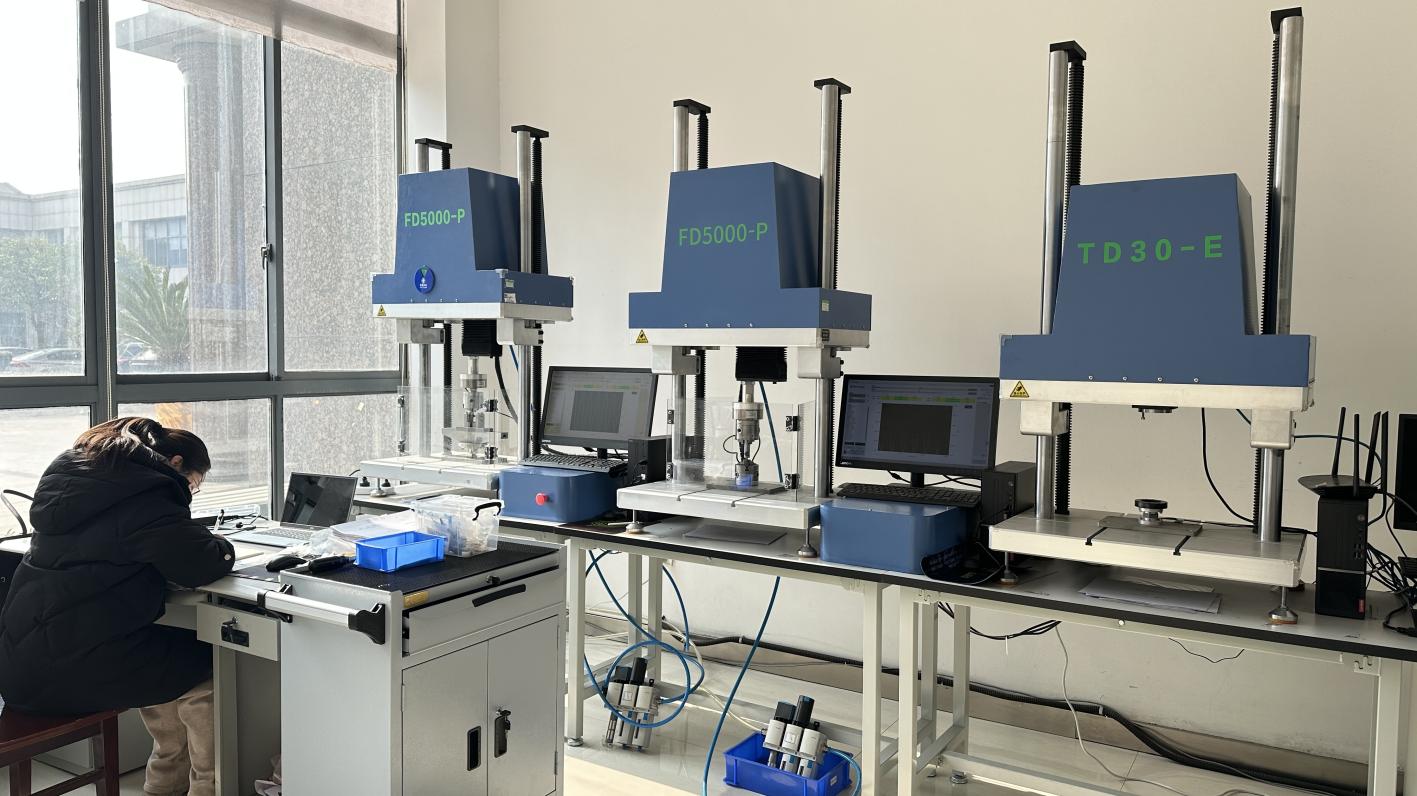
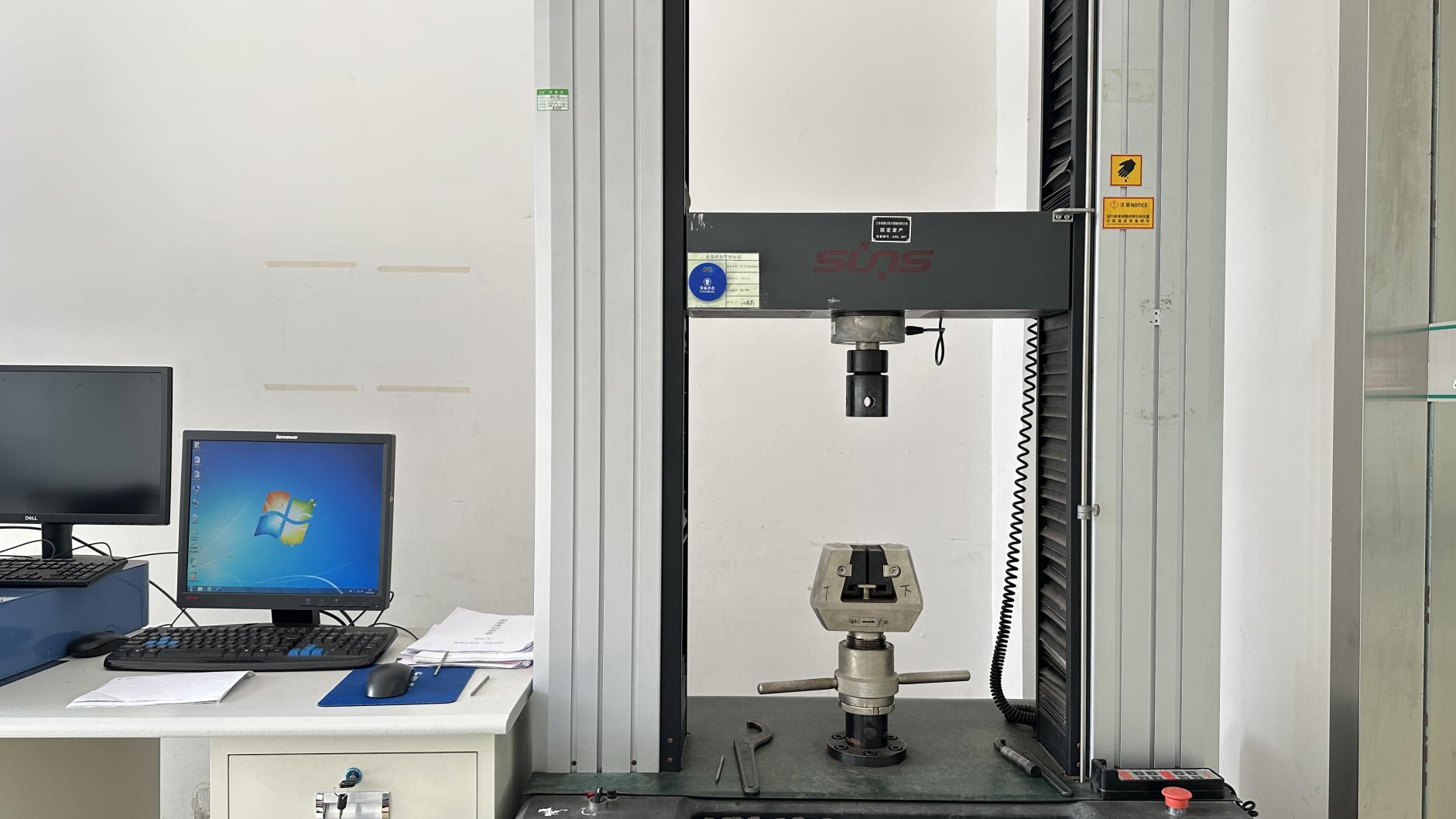
Meeting the strict demands of healthcare systems globally through rigorous regulatory adaptation.
Medical implant requirements vary significantly by region. For instance, European markets under the Medical Device Regulation (EU MDR 2017/745) demand detailed clinical follow-up data and biocompatibility profiling. Meanwhile, markets in Southeast Asia and South America often prioritize cost-efficiency paired with proven mechanical durability.
Virelox handles this regional complexity by offering customized implant geometry options and direct support for local regulatory registrations. By validating our designs through physical fatigue testing (ASTM F1717 / ASTM F543 standards) and CMM dimensional controls, we ensure every batch meets target local biomechanical benchmarks. This proactive verification shortens regional registration timelines and provides local surgeons with reliable tools they can trust.
The next frontier of spinal fusion: bio-active coatings, patient-specific implants, and smart instrumentation.
We are advancing our surface modification techniques, including acid-etching and 3D-printed titanium lattices. These methods create micro-textured surfaces that match the elasticity of trabecular bone, encouraging faster bone growth and establishing stronger biological fixation.
By integrating clinical CT scan data with our R&D design pipeline, we are developing customizable spinal reconstructive cages. This customized design approach accommodates challenging patient anatomy and helps reduce complex revision procedures.
Future implant designs will feature navigation-ready connection interfaces. These features are designed to integrate with stereotactic robotic arms, helping surgical teams place pedicle screws with high anatomical accuracy.
Technical answers addressing materials, mechanics, quality validation, and supply chain logistics for orthopedic implant distributors.
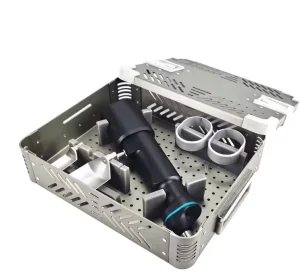
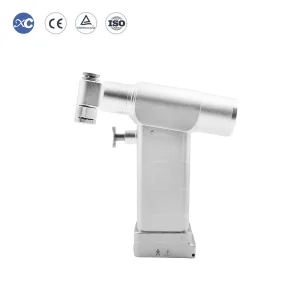
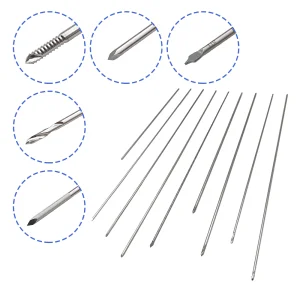
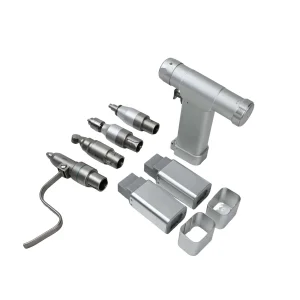
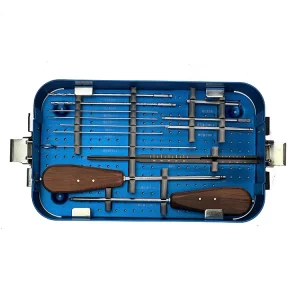
Surgical instruments, specialized drill attachments, and advanced titanium systems engineered for precise orthopedic procedures.
 Virelox