Select premium trauma implants and instruments designed for global medical standards.
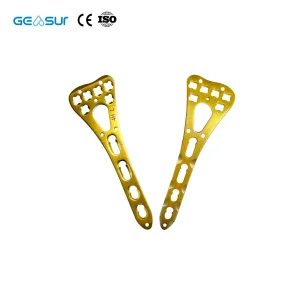
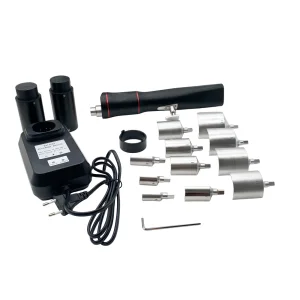
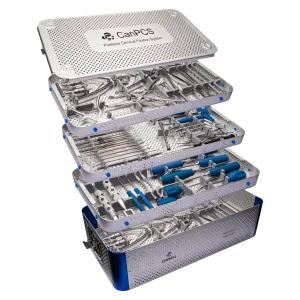
Exploring the stress distribution and biological advantages of Proximal Femoral Nail Antirotation (PFNA).
Proximal femoral fractures, especially intertrochanteric fractures, present a significant clinical challenge due to the high biomechanical loads concentrated in the hip region. In geriatric populations suffering from severe osteoporosis, traditional fixation methods frequently suffer from mechanical failures, such as screw cut-out, implant migration, and instability.
The Proximal Femoral Nail Antirotation (PFNA) represents a significant evolutionary step in intramedullary load-sharing design. By introducing a helical blade instead of a traditional lag screw, the system compresses bone marrow rather than removing it. This design increases the contact area between the implant and the bone, optimizing stress distribution and delivering exceptional rotational stability. Clinical research shows this approach dramatically reduces the risk of cut-out, especially in osteoporotic bone structures.
Designed to compact soft cancellous bone during insertion, achieving high pull-out resistance without compromising vascularity.
Aligns directly with the anatomical load-bearing axis of the femur, reducing lateral bending moments compared to extramedullary plates.
Advanced instruments enable rapid percutaneous insertion, reducing blood loss and improving rehabilitation timelines.
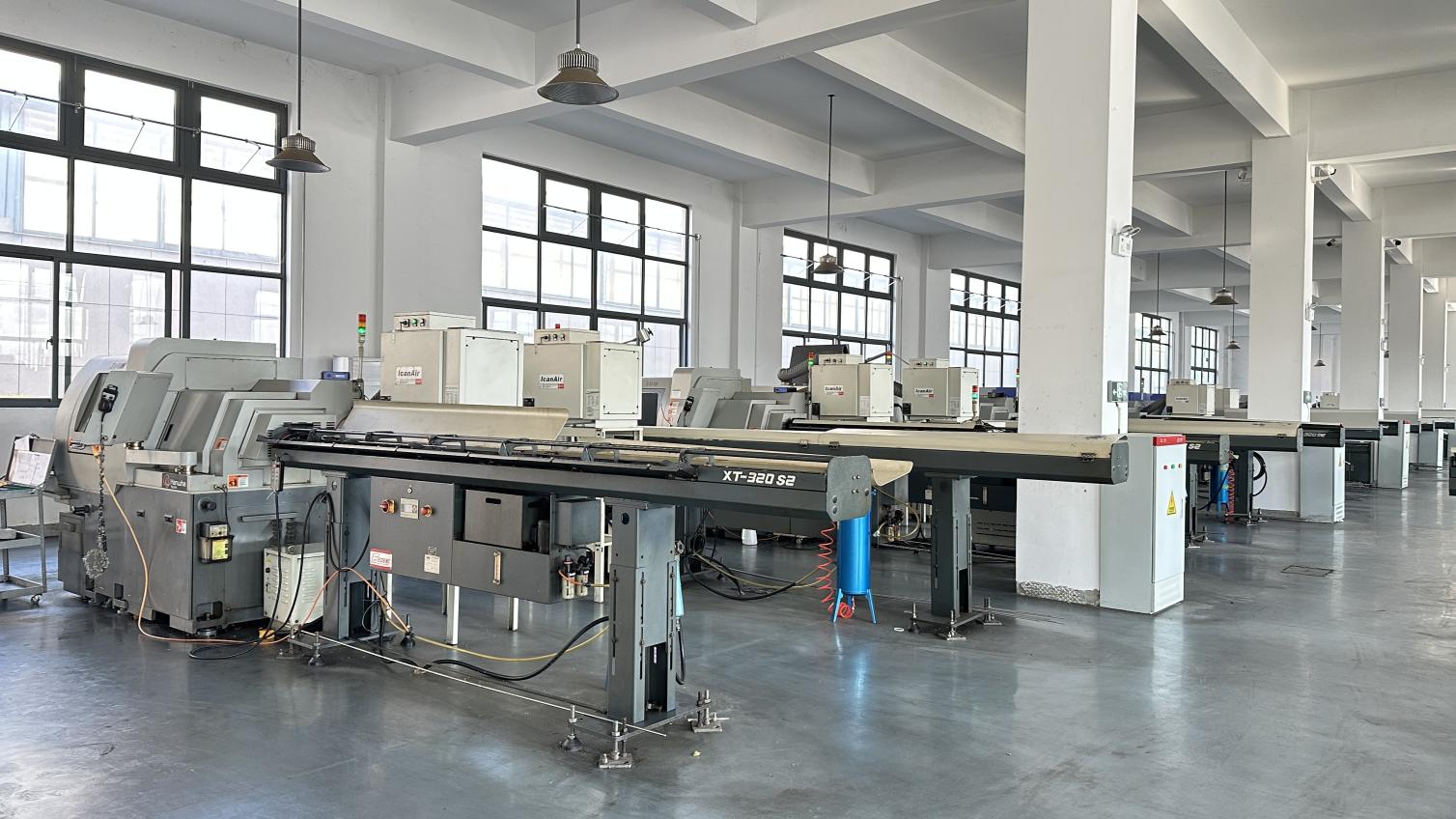
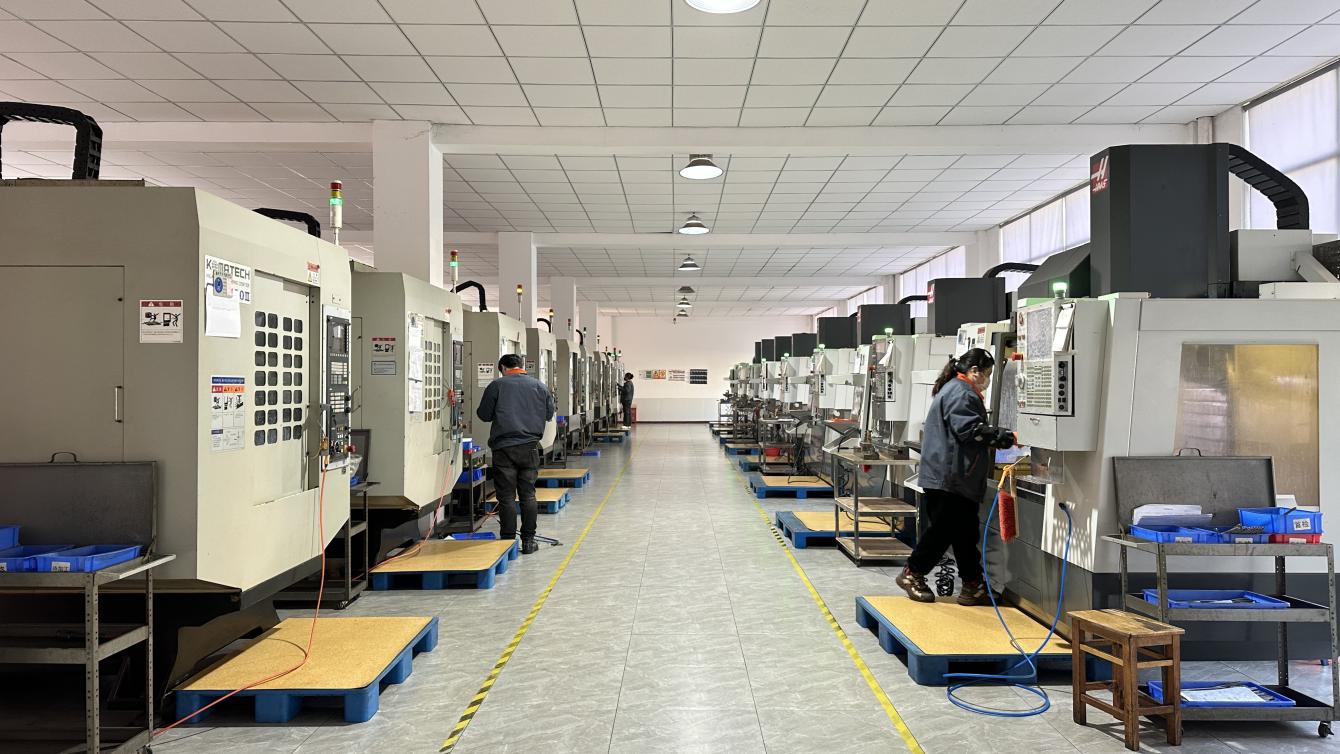
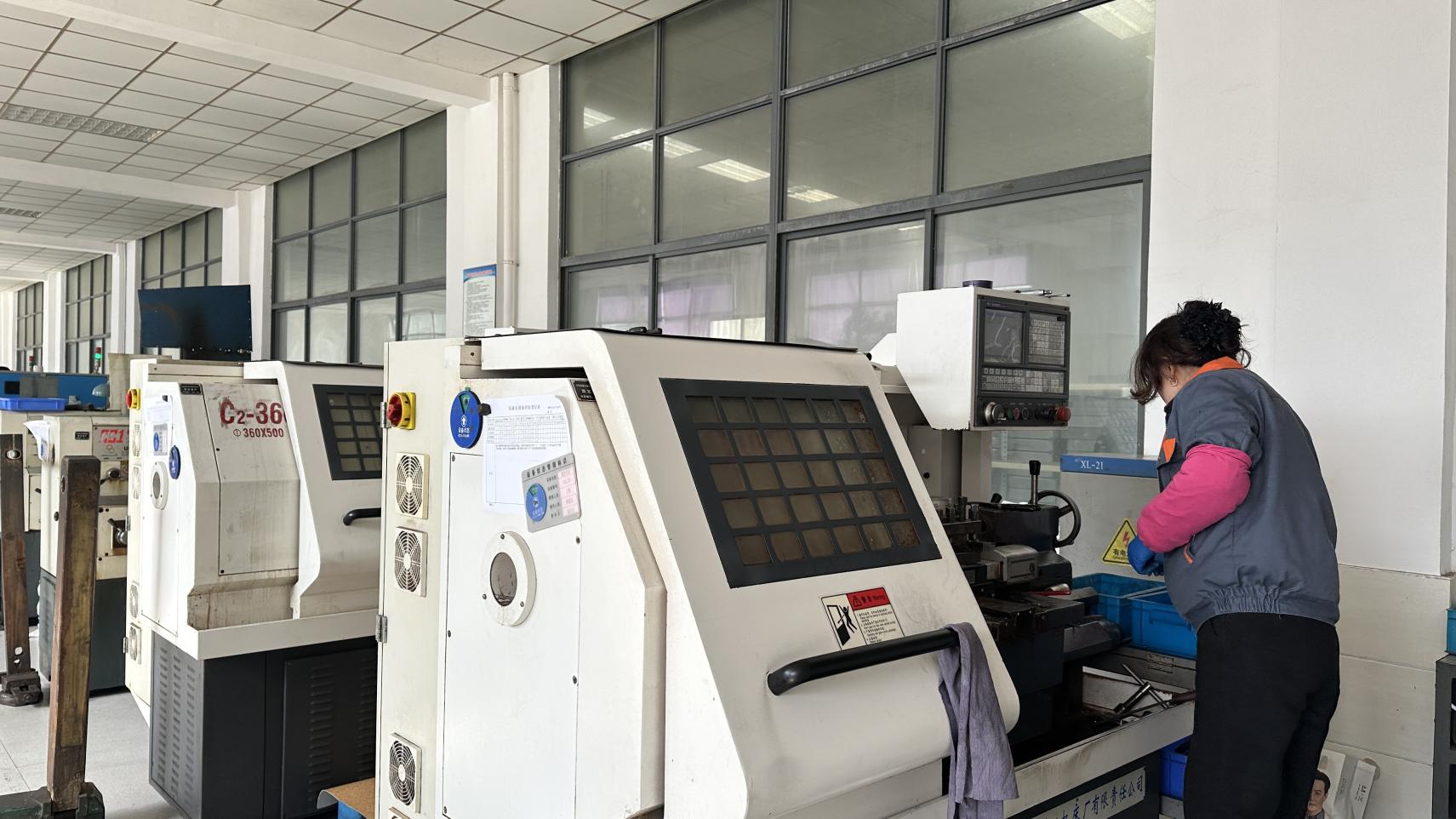
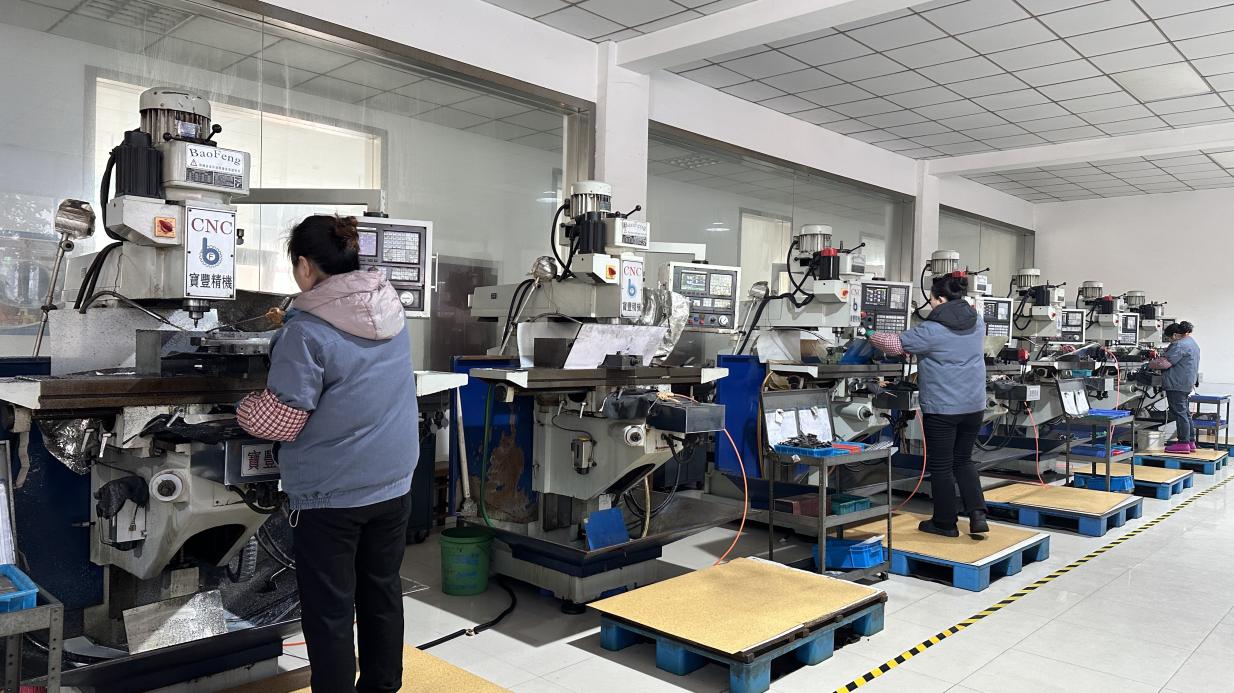
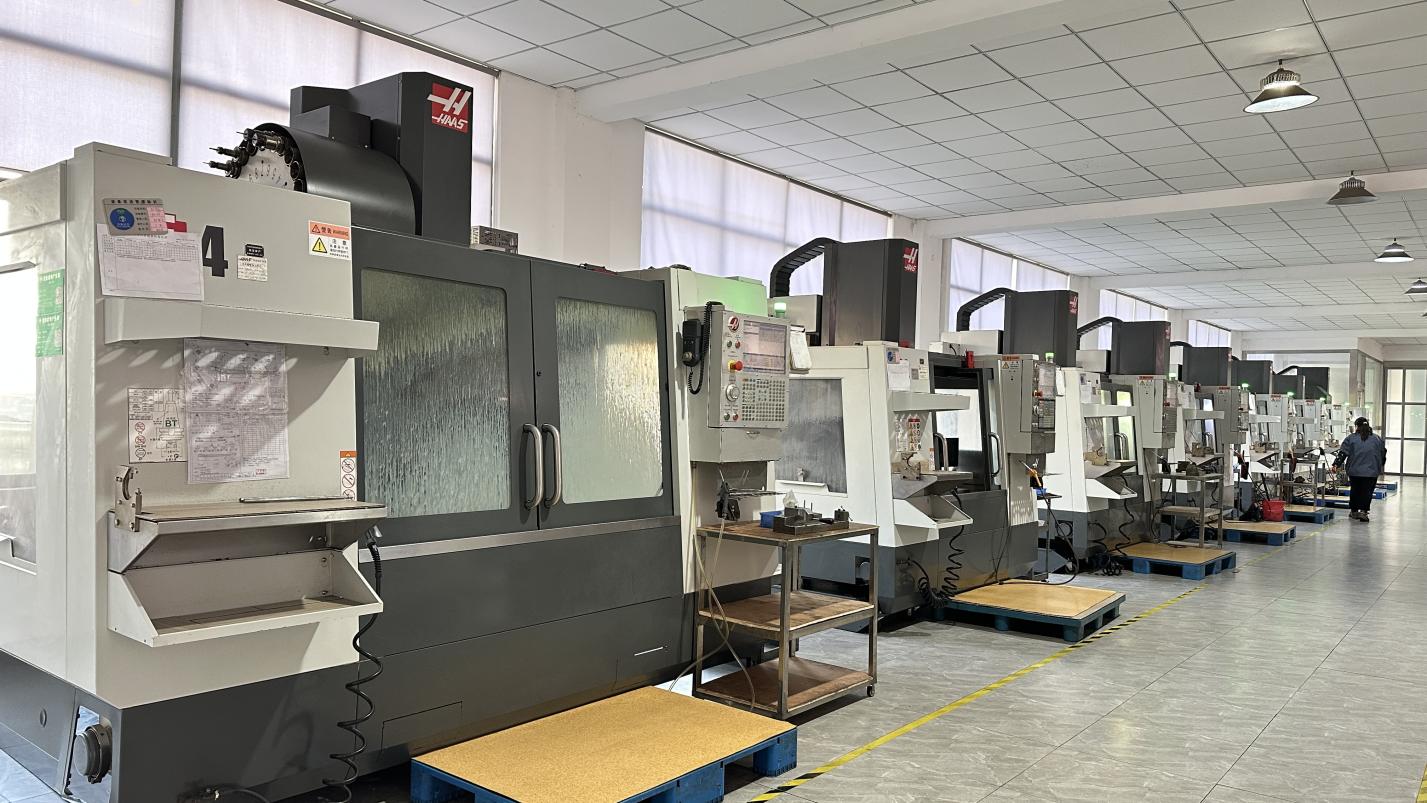
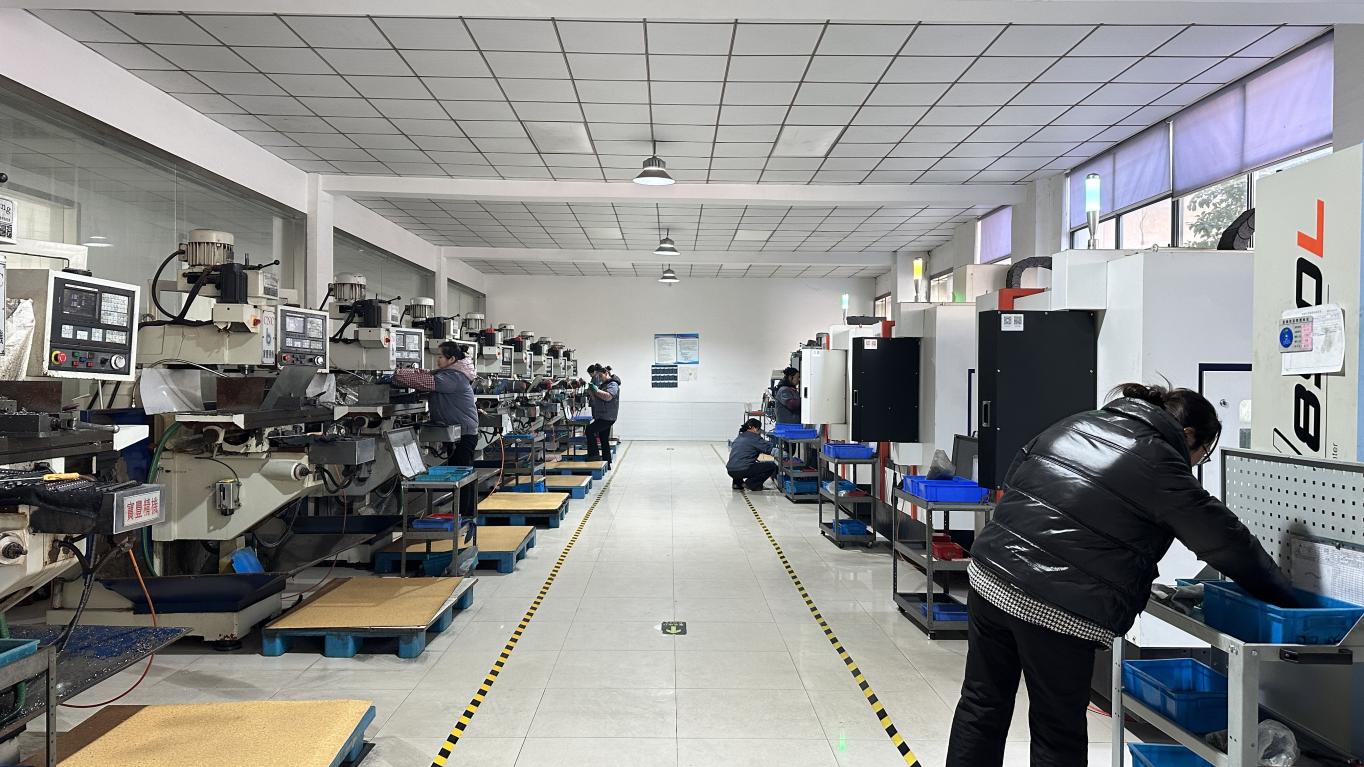
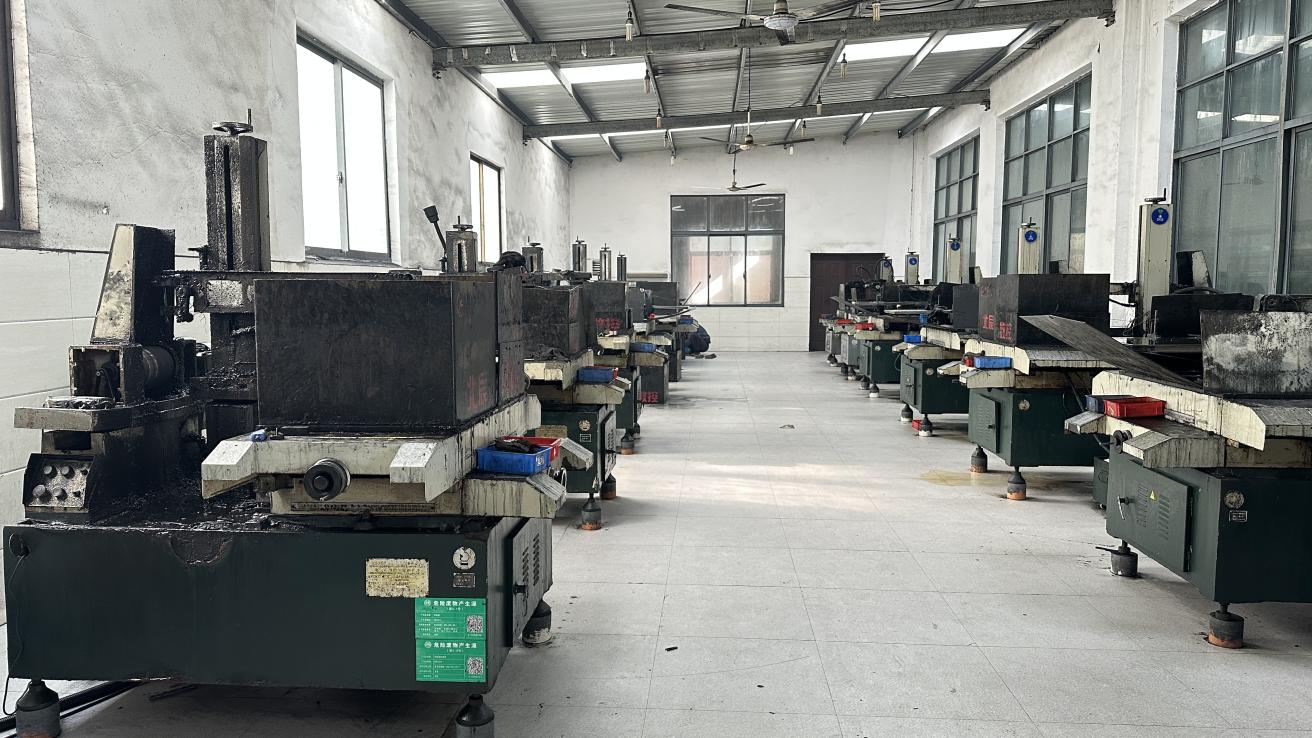
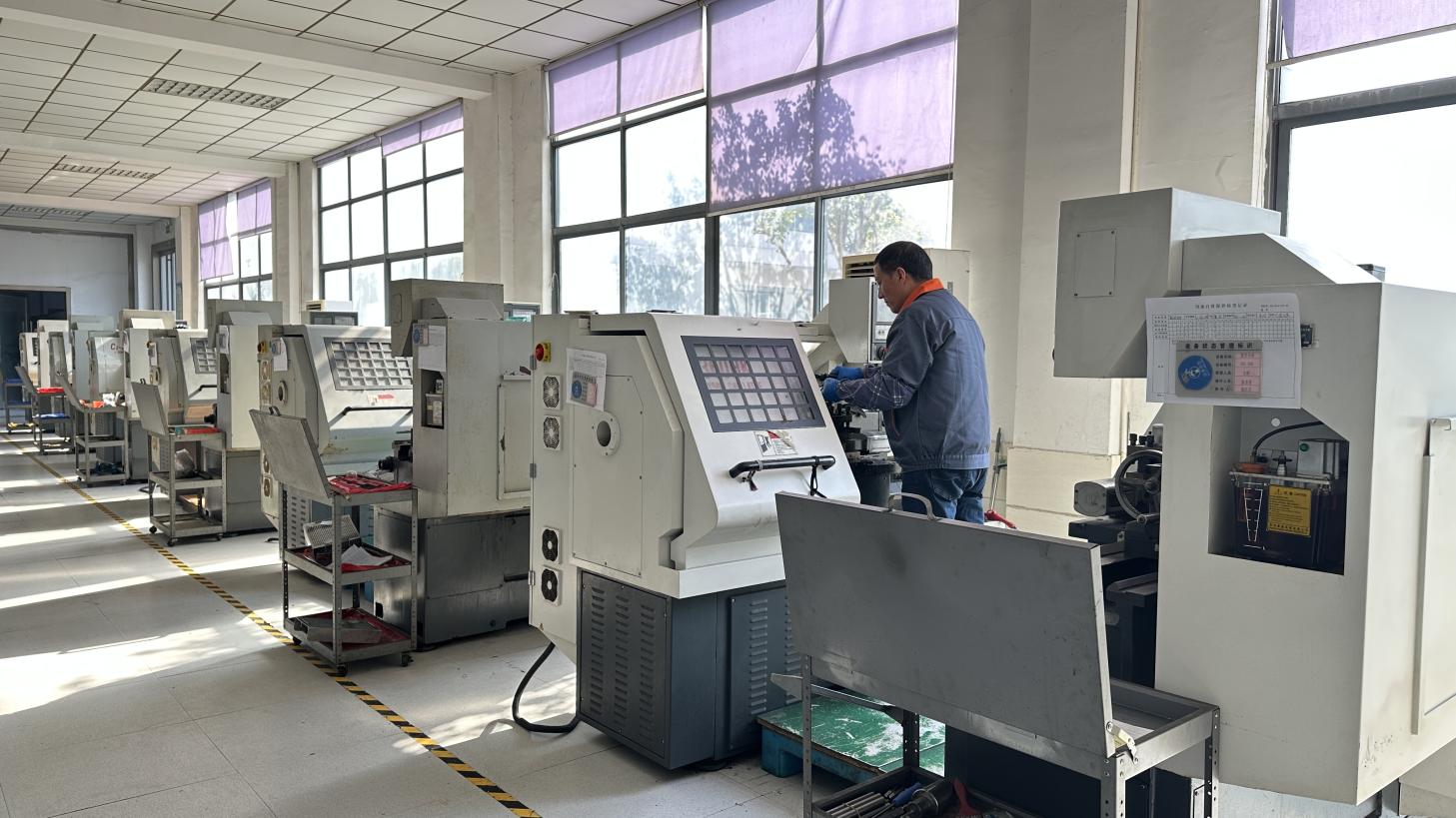
Insight into Virelox Medical Devices Co., Ltd. (Virelox) infrastructure and full-cycle fabrication standards.
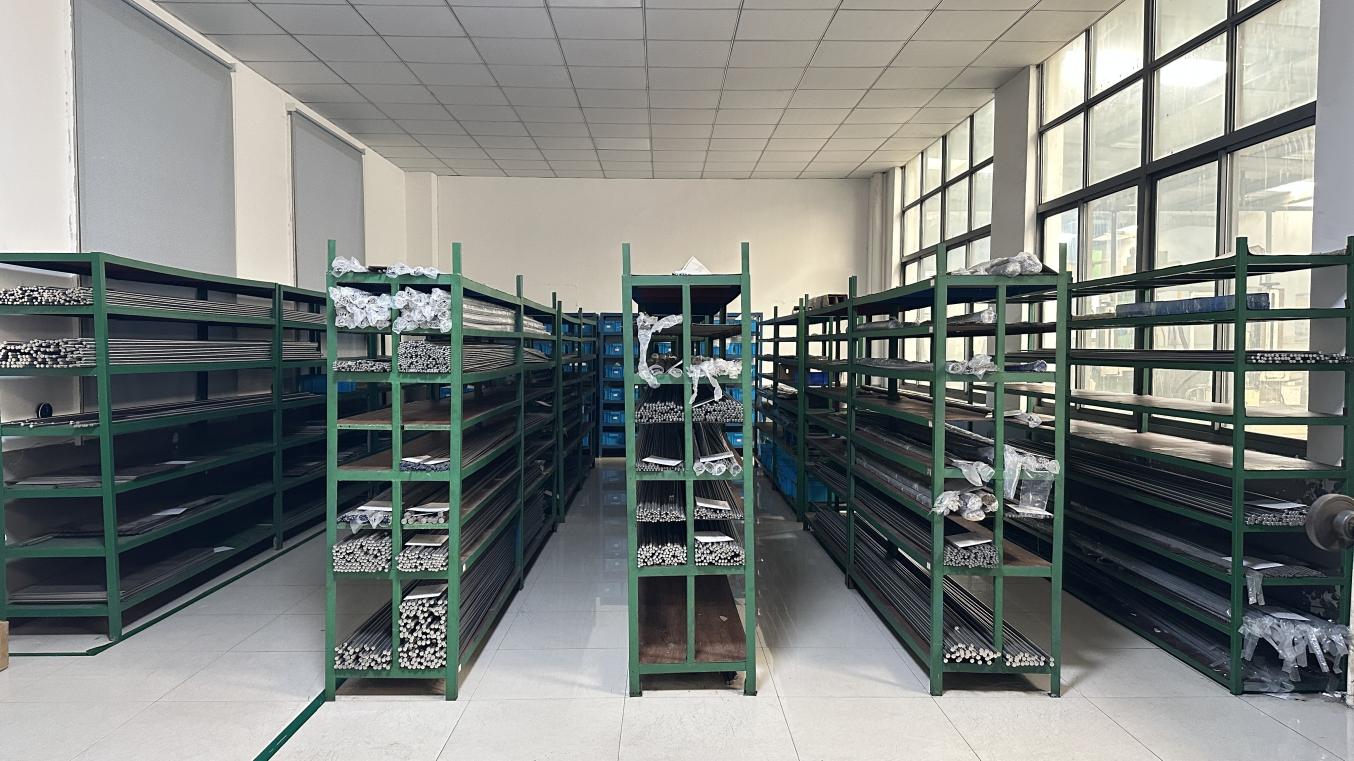
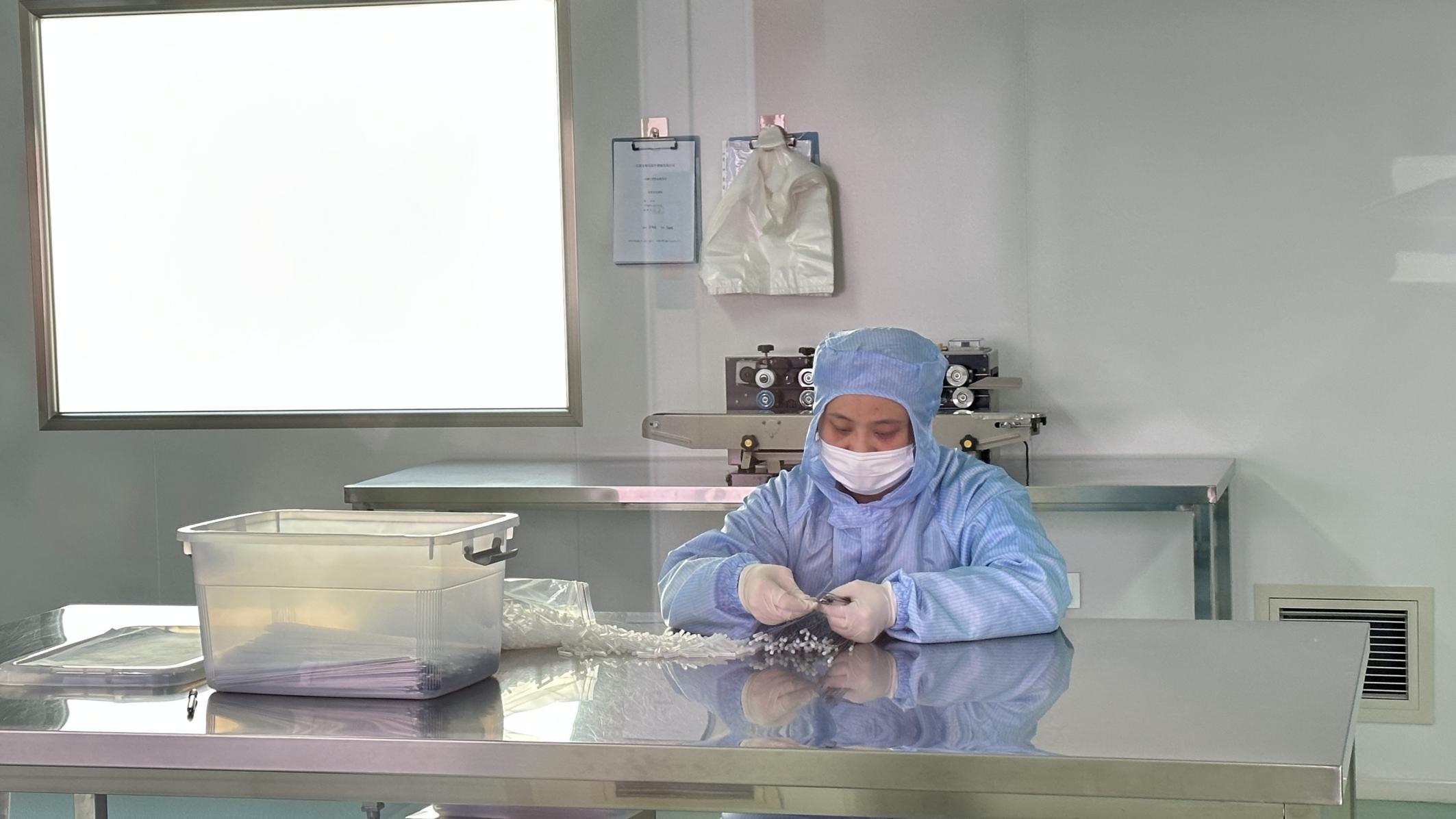
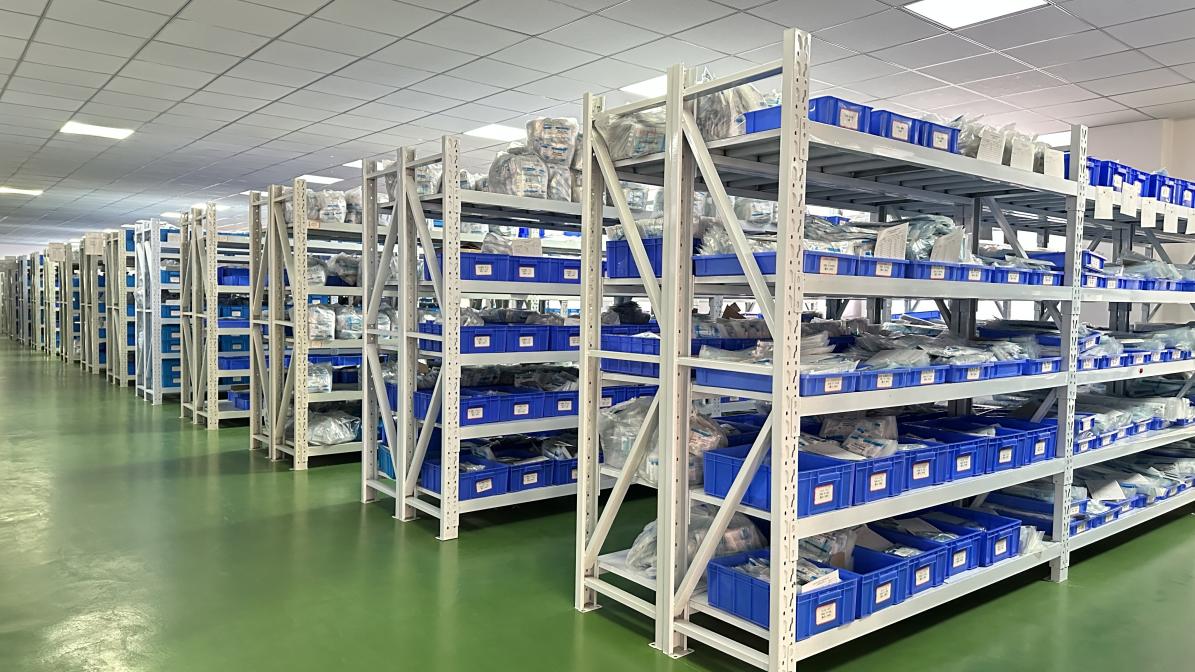
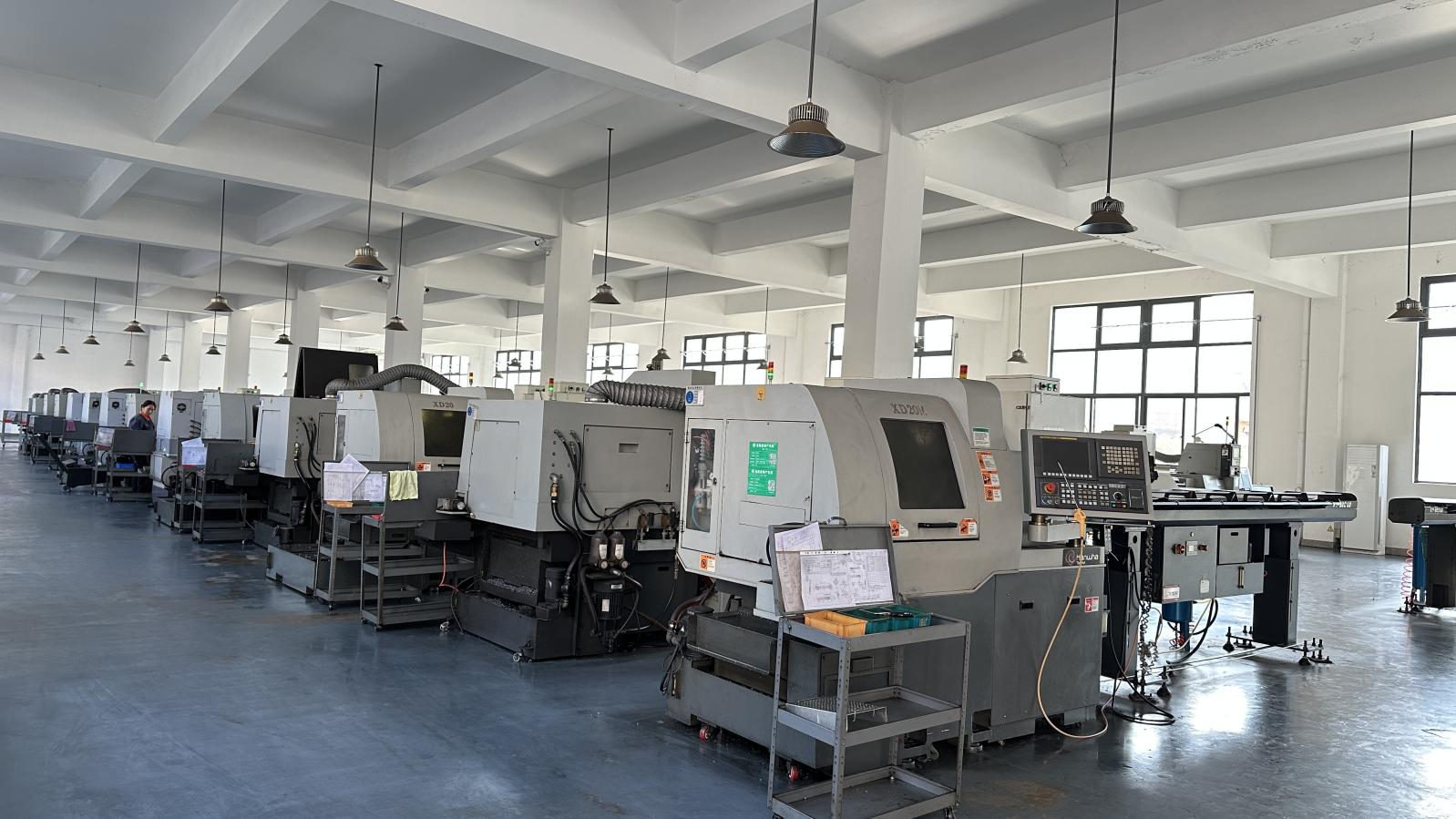
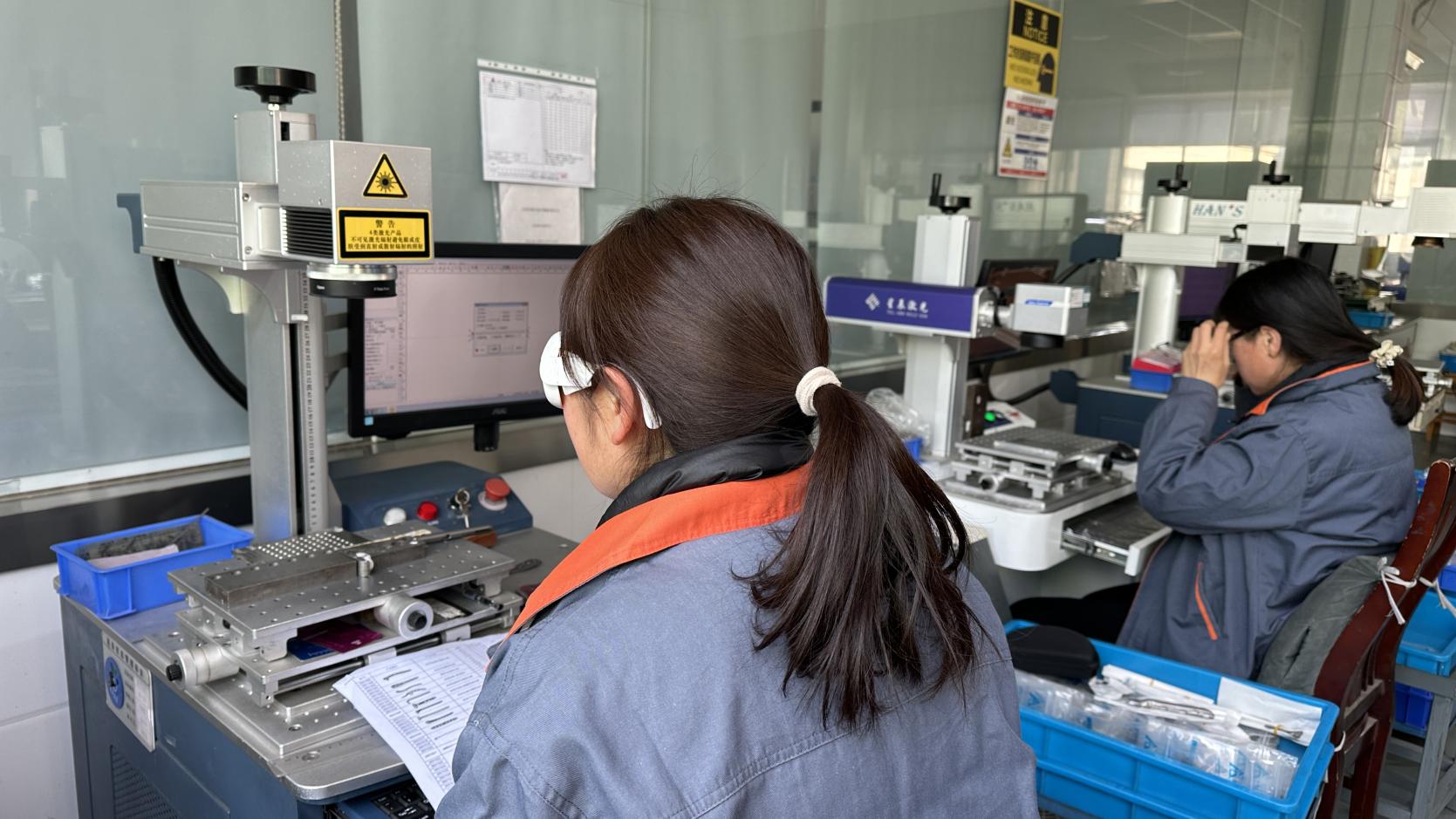
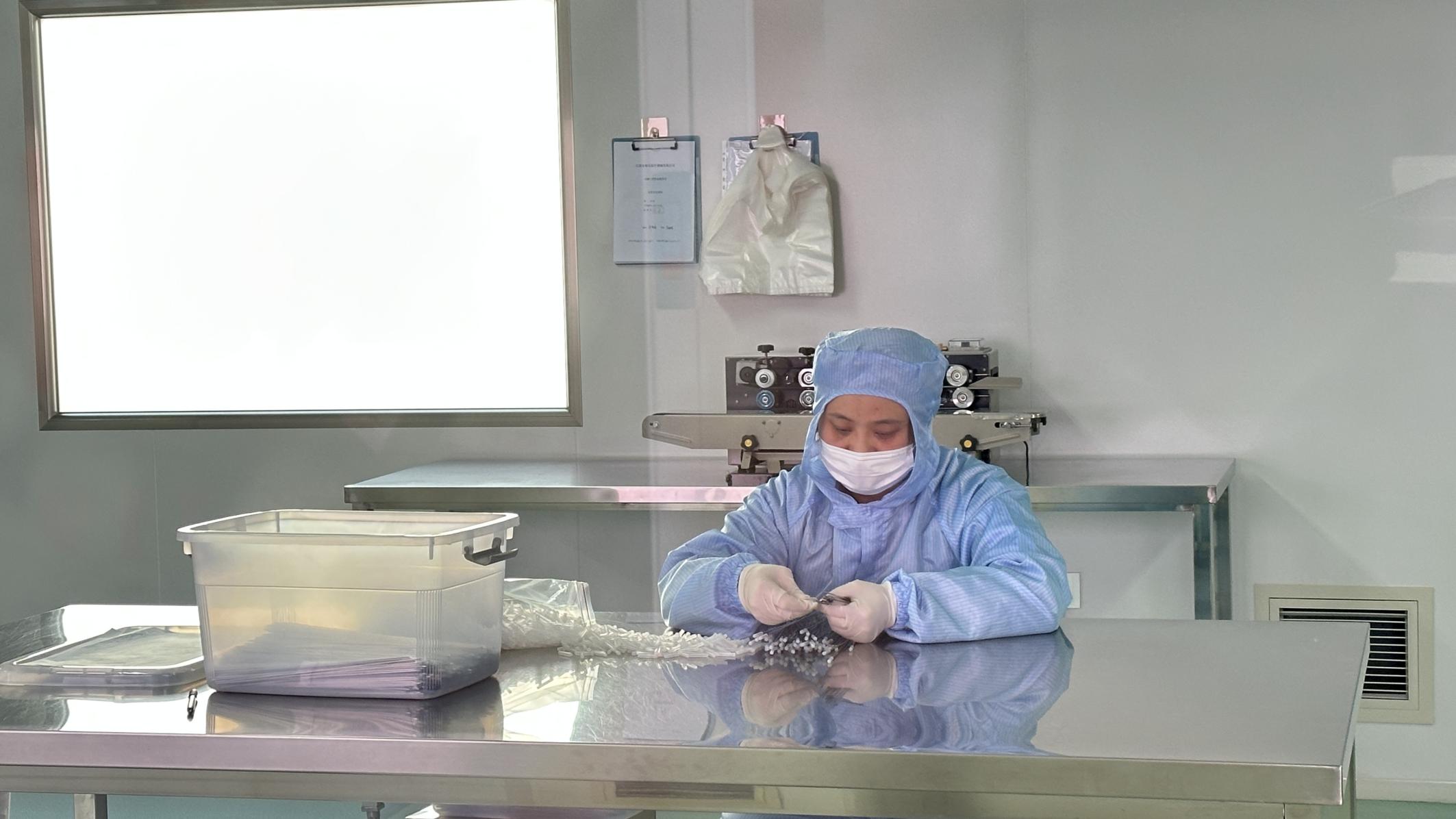
Established in 2016, Virelox Medical Devices Co., Ltd. has grown into an international developer of joint replacement and trauma implant systems. Operating from a modern 12,000 m² cleanroom and manufacturing facility, we manage production from raw material reception to final sterile packaging. Our annual export revenue of USD 8,500,000 highlights our strong role in global supply chains, serving clients across Europe, Southeast Asia, the Middle East, and South America.
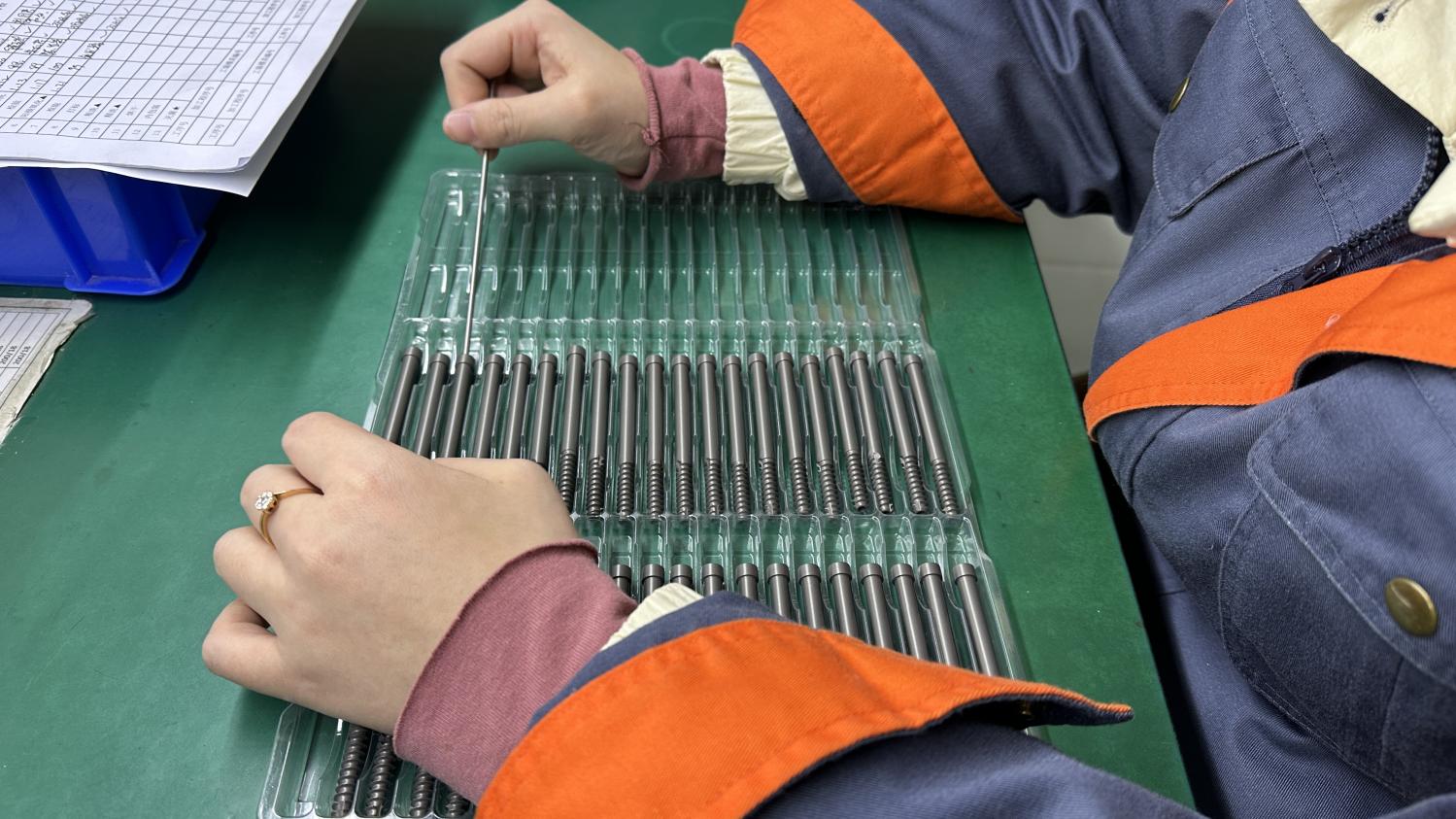
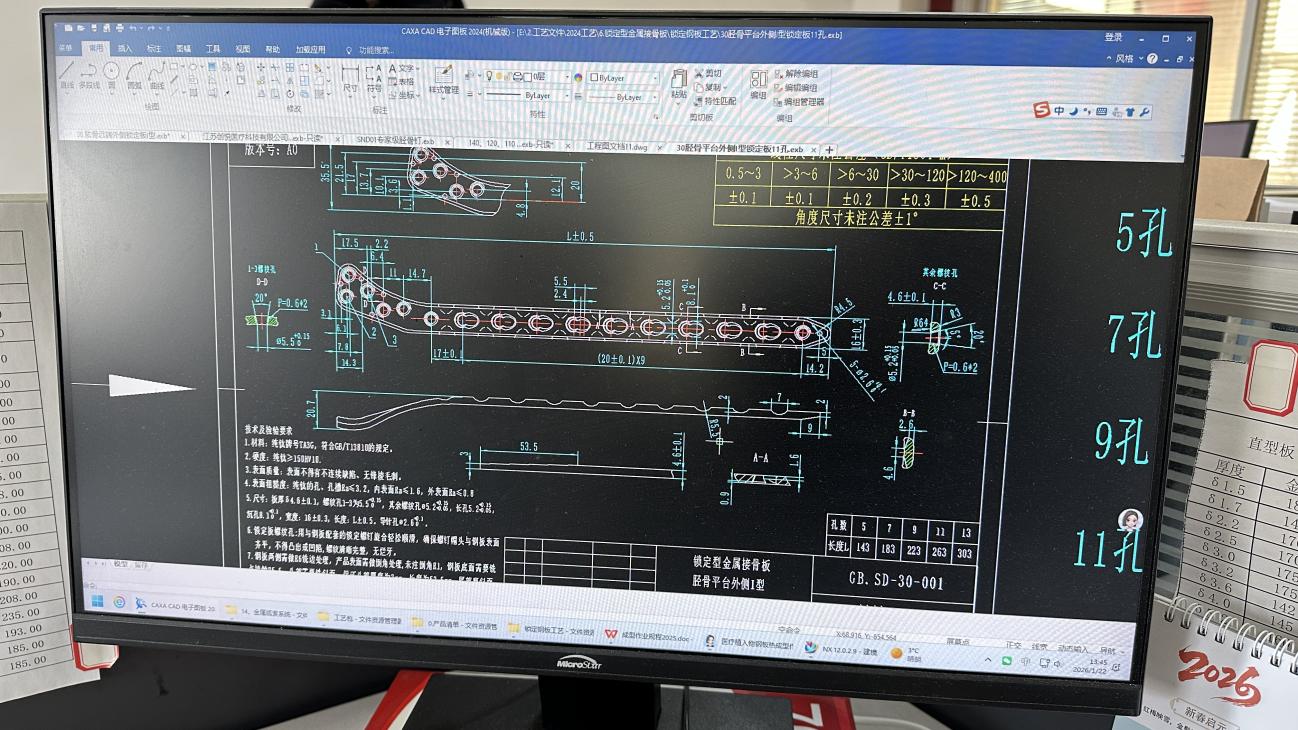
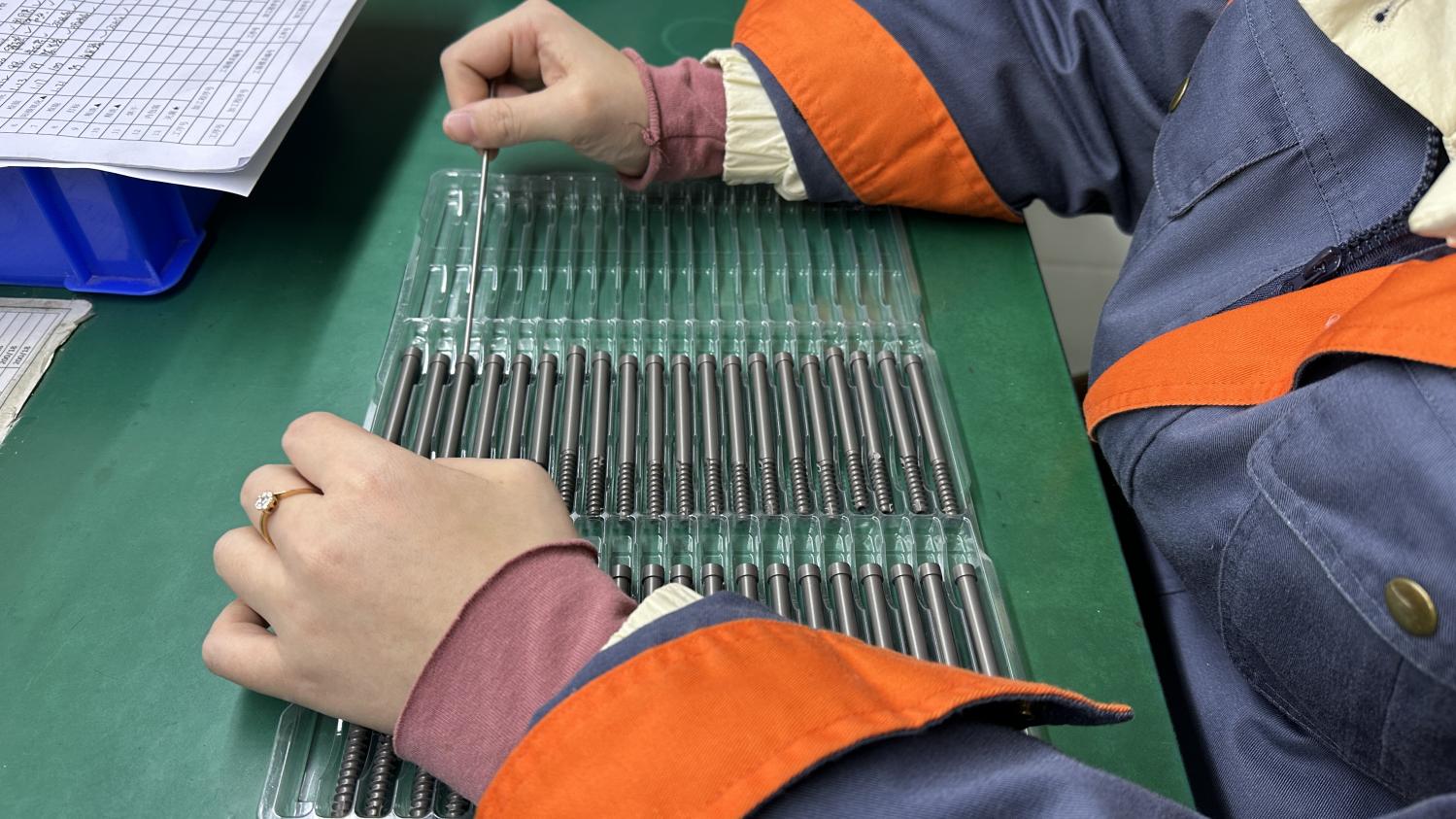
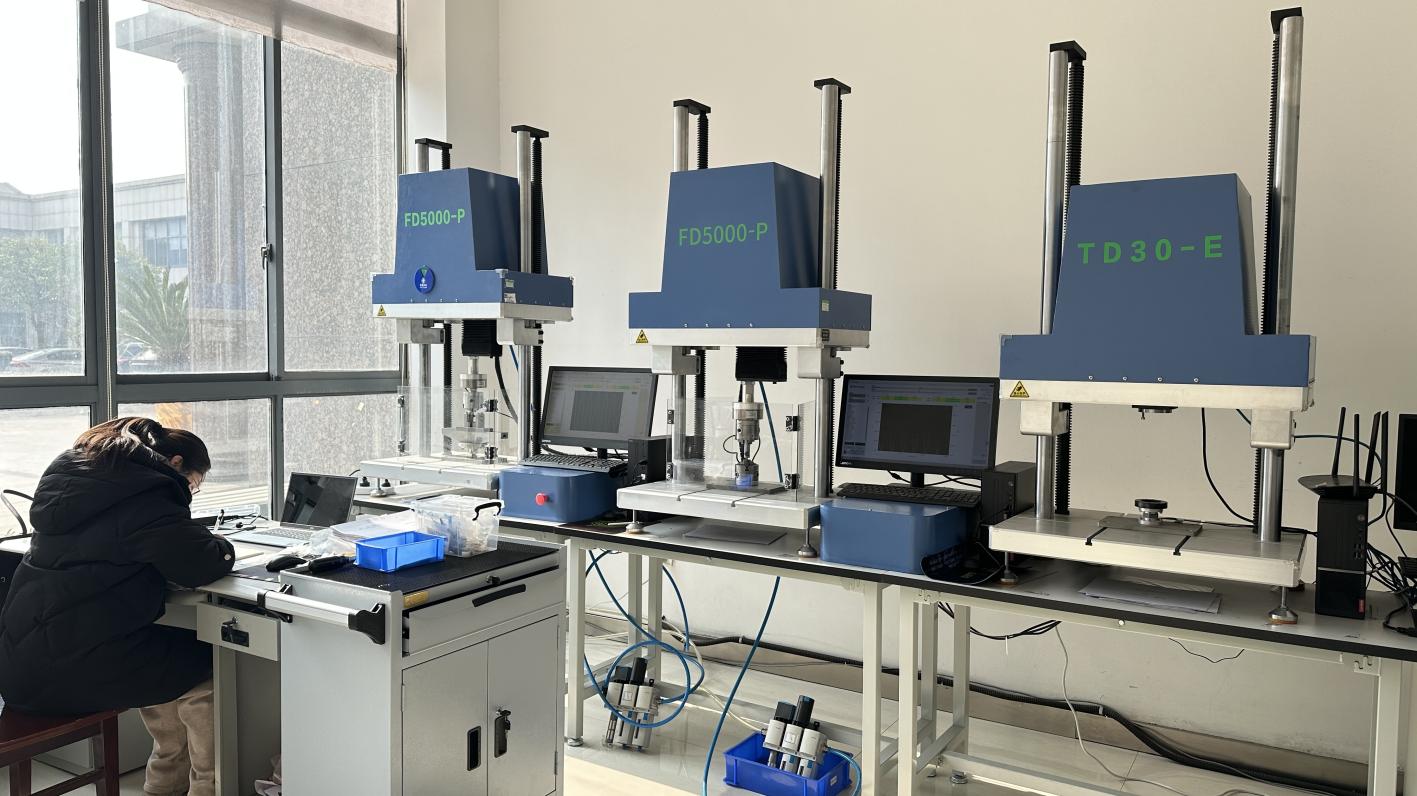
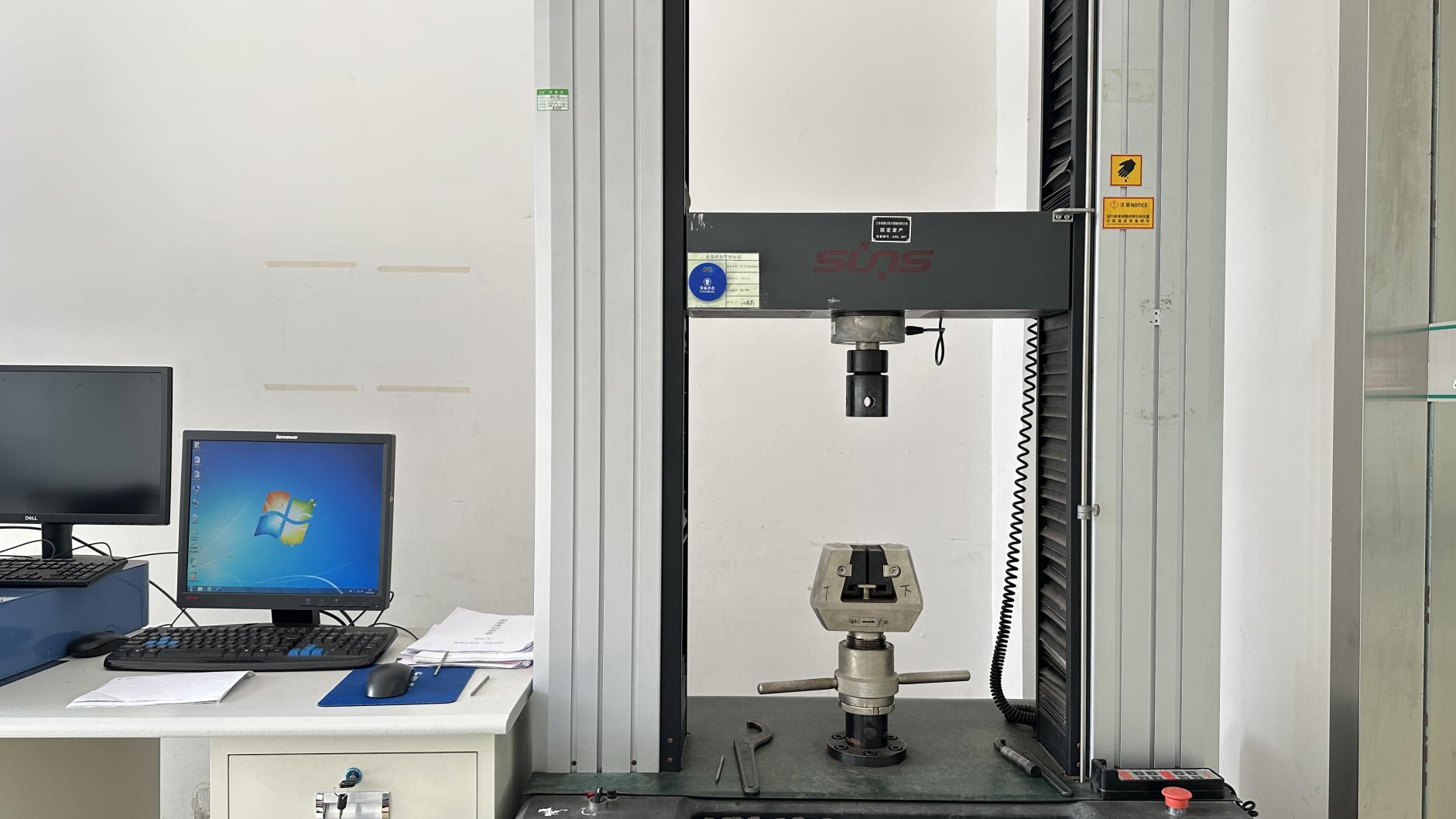
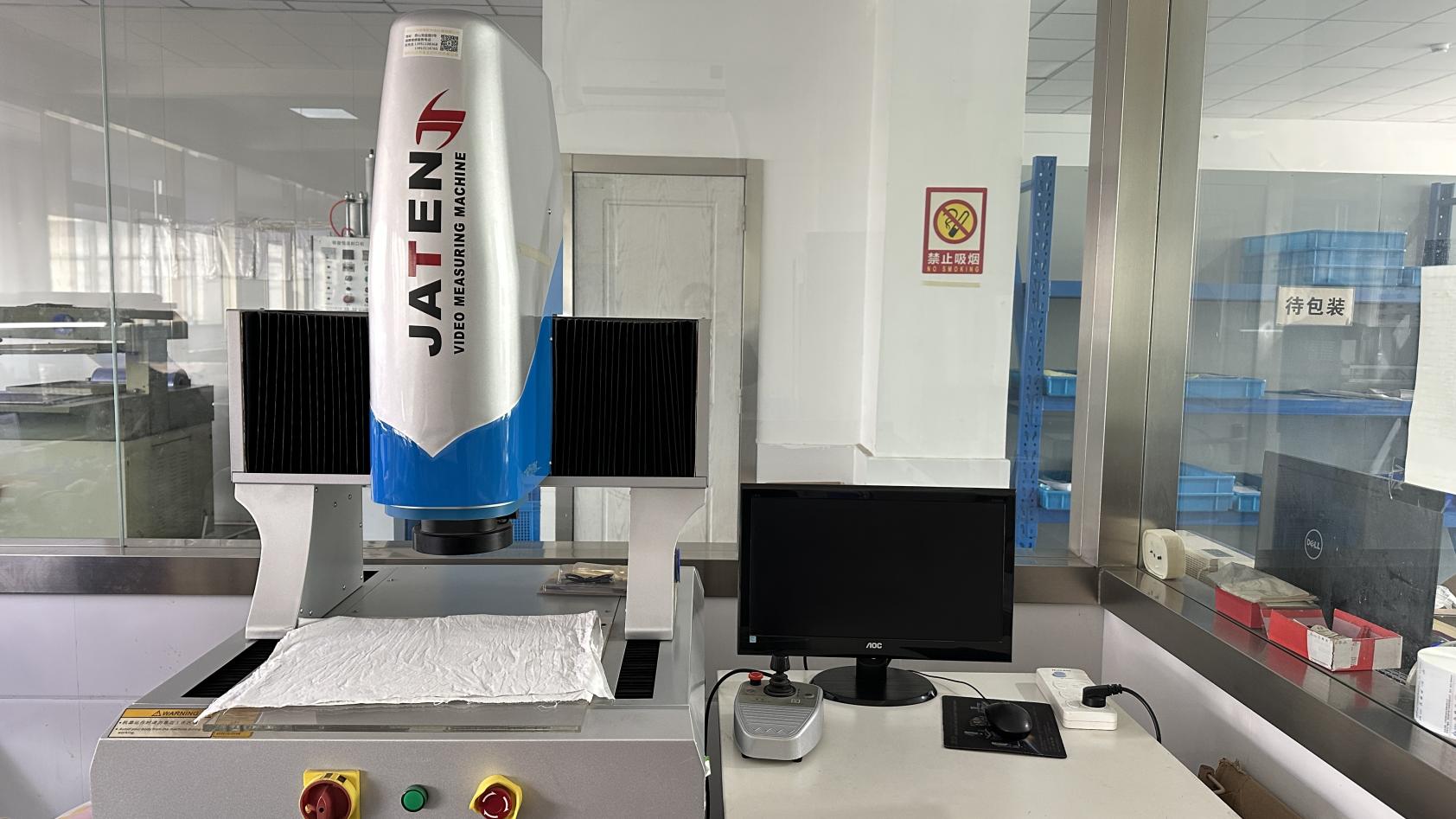
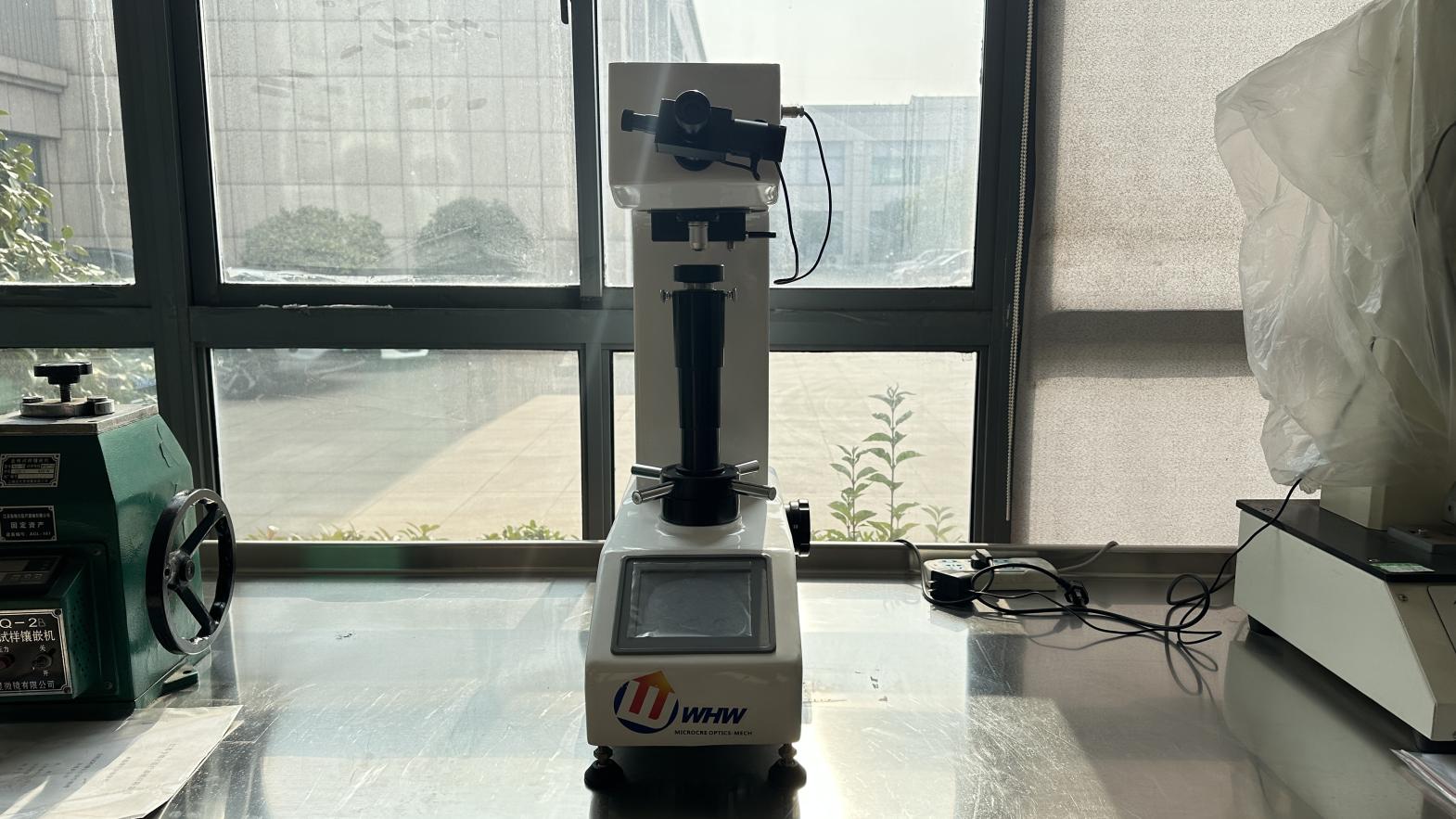
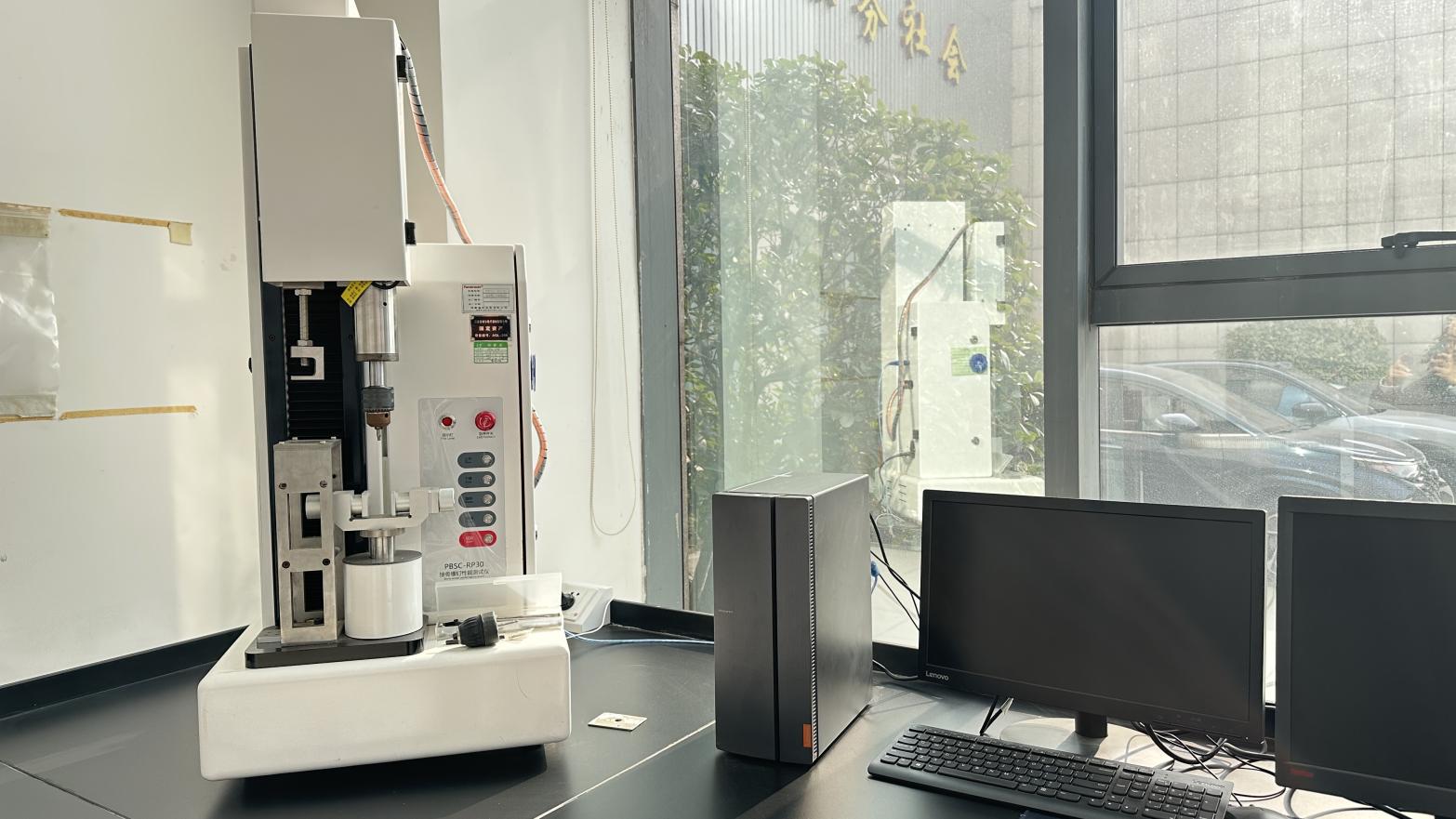
Quality assurance is backed by our ISO 13485-compliant quality management system. The factory employs a dedicated team of 65 QC inspectors who conduct physical, mechanical, and dimensional inspections. Advanced testing methods—including CMM inspection, fatigue testers, bone screw performance testing, tensile strength testing, and X-ray analysis—ensure each implant meets strict dimensional and structural tolerances.

Critical considerations for hospital administrators, international distributors, and medical procurement boards.
Procuring orthopedic implants requires evaluating raw materials, mechanical performance, and regulatory compliance. Hospitals and distributors looking to partner with PFNA manufacturers should focus on three main pillars:
High-grade medical implants require biocompatible titanium alloys (typically Ti-6Al-4V ELI conforming to ASTM F136). Partners must provide heat trace records linking raw material batches directly to the finished implants.
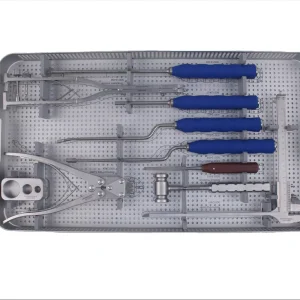
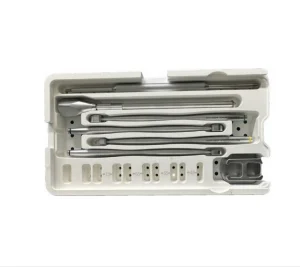
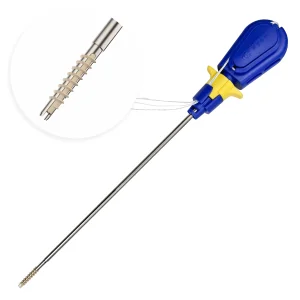
The success of a PFNA procedure depends heavily on the accuracy of its targeting instrumentation. Manufacturers must run continuous tolerance testing (CMM) on dynamic distal jigs and soft tissue protection sleeves to prevent intraoperative misalignment.
Leading buyers require custom packaging, laser marking, and anatomical modifications for local populations. The ability to prototype custom implant geometries is key for entering regional healthcare networks.
Our OEM/ODM services enable hospitals and distributors to source custom implant designs. Through our 850 certified upstream and downstream partners, Virelox guarantees a stable supply chain, minimizing lead times and maintaining product quality.
The future of proximal femoral fixation: surface modification, smart implants, and automated surgical navigation.
As orthopedic surgery moves toward digital integration and personalized medicine, PFNA platforms are evolving from simple mechanical splints into biological systems. Future innovations focus on enhancing bone-implant integration and integrating digital tracking tools.
Standard titanium offers good biocompatibility, but surface modifications like anodic oxidation and micro-arc oxidation (MAO) improve osseointegration. Hydroxyapatite (HA) coatings and acid-etched surfaces promote faster osteoblast cell attachment, which is especially beneficial for elderly patients with weak bone structure.
R&D divisions are developing "smart" nails with embedded micro-strain sensors. These sensors track bone healing in real-time, helping clinicians detect non-union or construct failure early and safely personalize the patient's load-bearing rehab timeline.
Targeting dynamic and static locking options allows surgeons to customize construct stiffness to the fracture pattern. Next-generation systems feature self-retaining distal locking screws and carbon fiber target indicators to reduce X-ray exposure during positioning.
For complex post-traumatic deformities, 3D metal printing (Selective Laser Melting) allows factories to fabricate patient-specific intramedullary implants. This custom approach ensures optimal canal fill and precise alignment with the patient's unique anatomy.
Navigating global regulatory frameworks including FDA 510(k), CE MDR, and ISO 13485:2016.
Orthopedic implants must meet high safety standards because they are load-bearing, long-term devices. At Virelox, we maintain strict adherence to international regulatory standards to ensure our products are suitable for global distribution and patient use.
Under our ISO 13485-certified quality management system, every step of production is documented. This level of traceability is essential for complying with European Medical Device Regulation (EU MDR 2017/745), US FDA requirements, and regional health regulations in Southeast Asia and South America.
Implants undergo mechanical testing simulating millions of load cycles to ensure long-term durability and prevent structural failure in patients.
Cleanroom packaging (Class 10,000 / ISO 7) and strict sterilization validation keep endotoxin and particulate levels well below regulatory limits.
All materials are tested for cytotoxicity, systemic toxicity, and sensitization, guaranteeing safety over years of implantation.
Expert answers to common questions about material selection, design variations, and ordering processes.
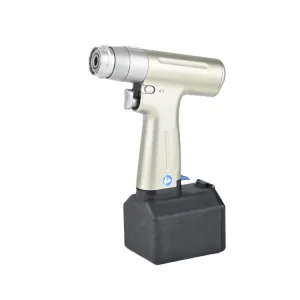
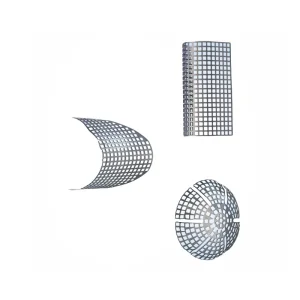
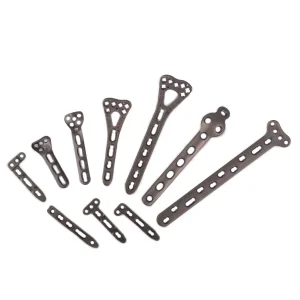
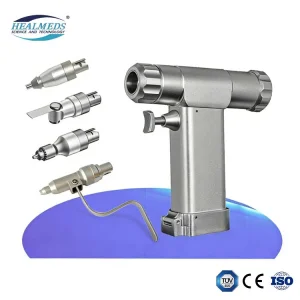
Explore our wider portfolio of surgical plates, power tools, and joint replacement solutions.
 Virelox