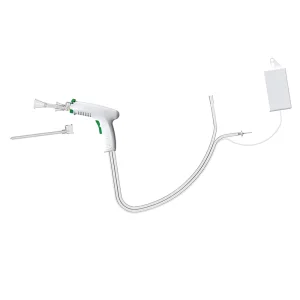
High-precision orthopedic systems engineered for clinical success, dynamic stability, and long-term vertebral fusion.
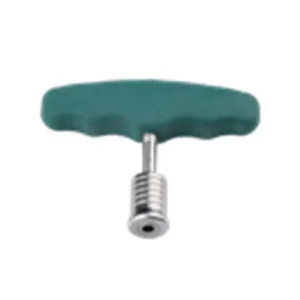
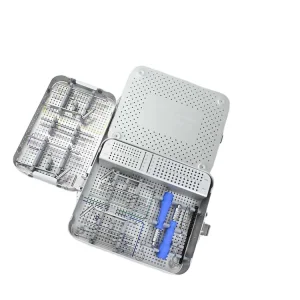
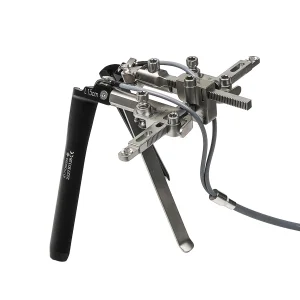
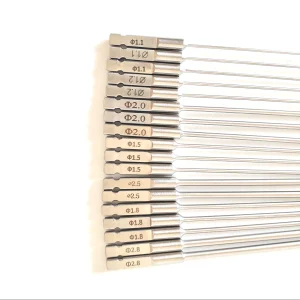
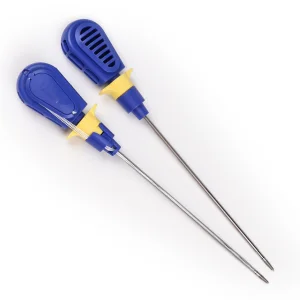
Virelox Medical Devices Co., Ltd. is a premier developer and manufacturer of high-performance joint replacement and spinal fixation systems, delivering OEM/ODM medical engineering globally.
Founded on a bedrock of uncompromising quality and biomechanical research, Virelox Medical Devices Co., Ltd. serves as a reliable tier-1 partner for international healthcare distributors, trauma hospitals, and spine specialty clinics. Under our flagship brand "Virelox", we deploy comprehensive in-house design, rapid prototyping, and extensive biomechanical labs to manufacture top-tier pedicle screws, arthroscopy tools, and osteotomy devices. With an annual export volume reaching USD 8,500,000, we supply major markets across Europe, Southeast Asia, South America, and the Middle East, adhering strict operations to ISO 13485 guidelines.
Exploring the mechanical architecture, design tolerances, and clinical advantages of advanced polyaxial spinal fixation.
In modern spinal reconstructive surgery, the Polyaxial Pedicle Screw stands as a triumph of orthopedic biomechanics. Unlike rigid monoaxial predecessors, polyaxial pedicle screws allow a spherical segment to rotate relative to the longitudinal axis of the screw shank. This design offers a multi-directional cone of angulation (typically 30° to 40°), granting spinal surgeons the flexibility to adjust the rod alignment without placing high corrective forces on the pedicle wall or bone interface.
Empowers surgeons to manage anatomical anomalies and spinal deformities (e.g., severe scoliosis or degenerative disc disease) with seamless multi-axial rod seating.
Engineered thread configurations, including dual-lead threads and cortical-cancellous thread transitions, optimize bony purchase and decrease the risk of post-operative screw loosening.
Medical device distributors and hospital procurement units face stringent compliance criteria. Sourcing polyaxial pedicle screws requires validation of biocompatibility, mechanical durability, and supply chain transparency. With global regulatory landscapes (such as EU MDR and FDA clearance pathways) tightening oversight, choosing an established factory that offers a integrated quality file alongside structural verification is no longer optional—it is a critical commercial buffer.
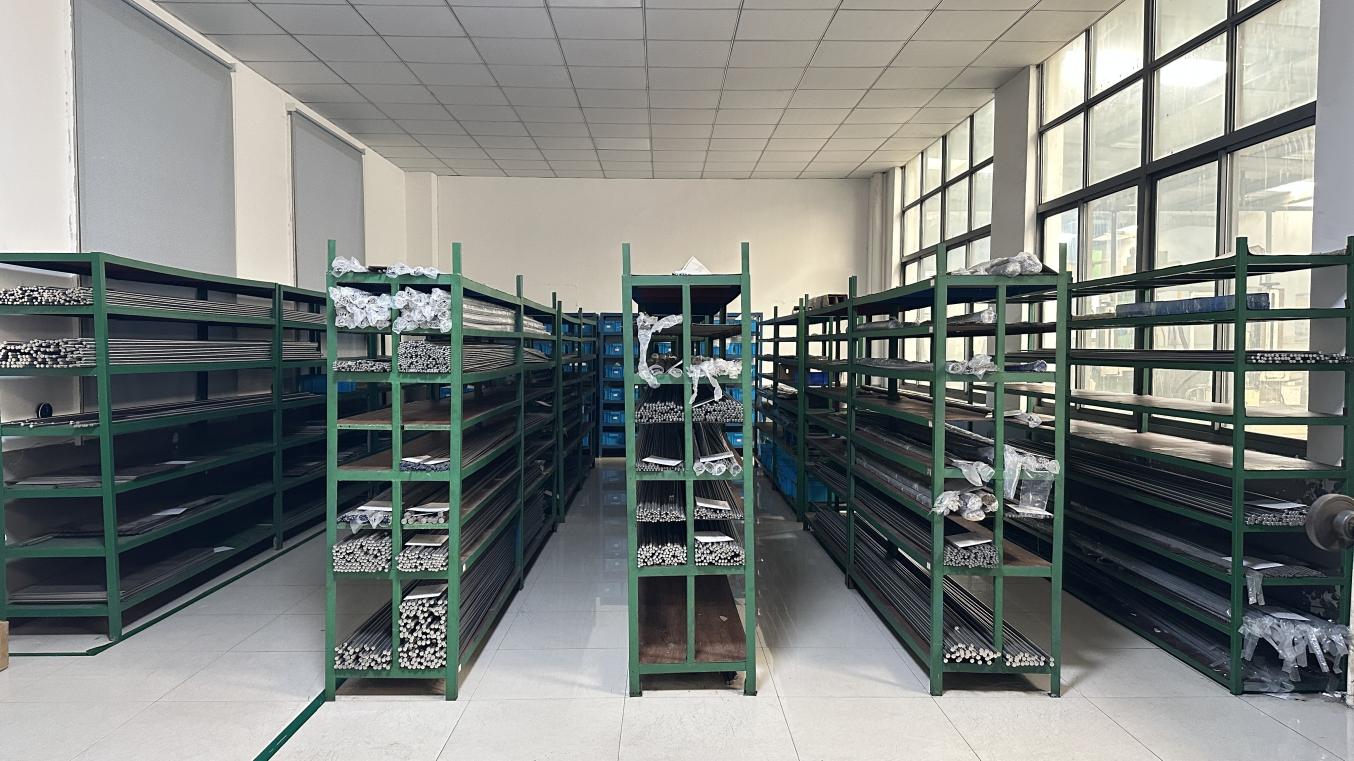
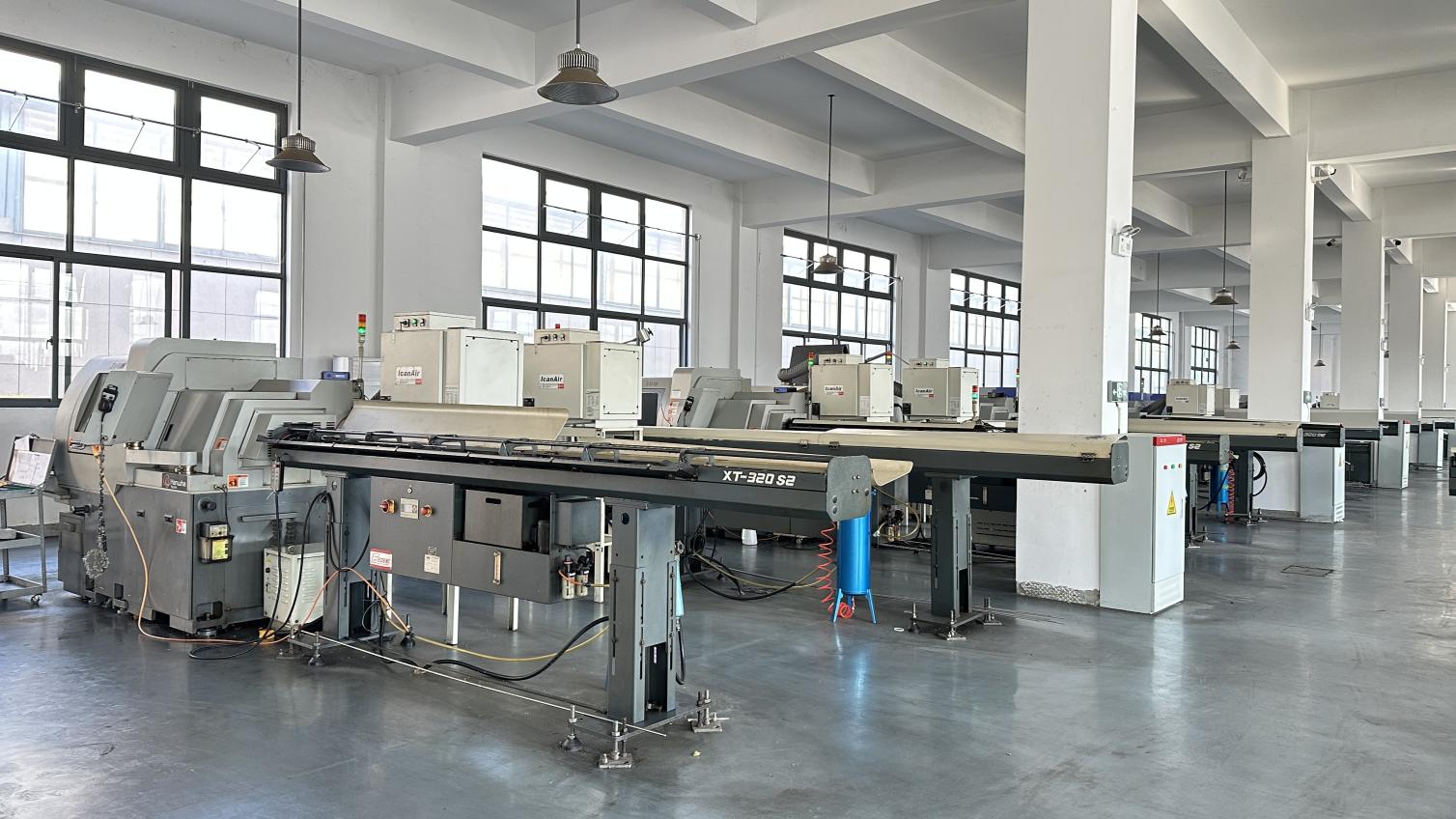
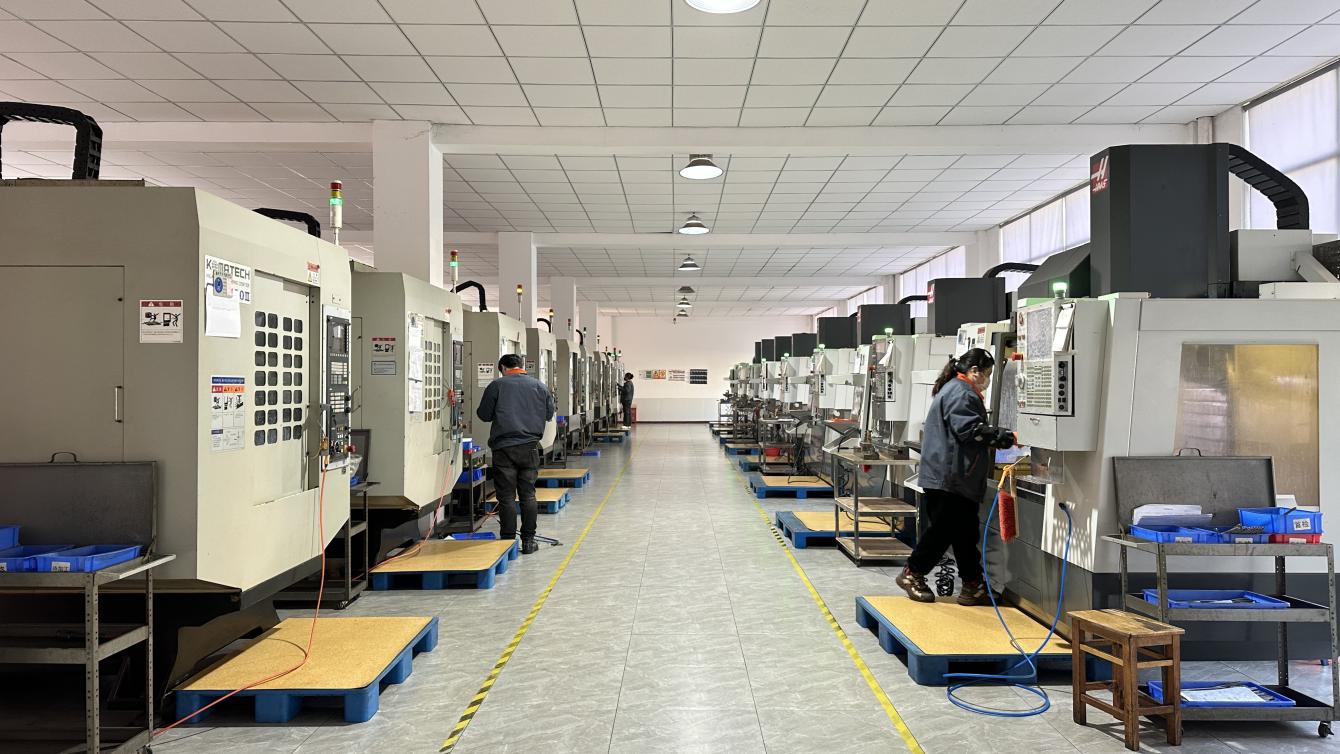
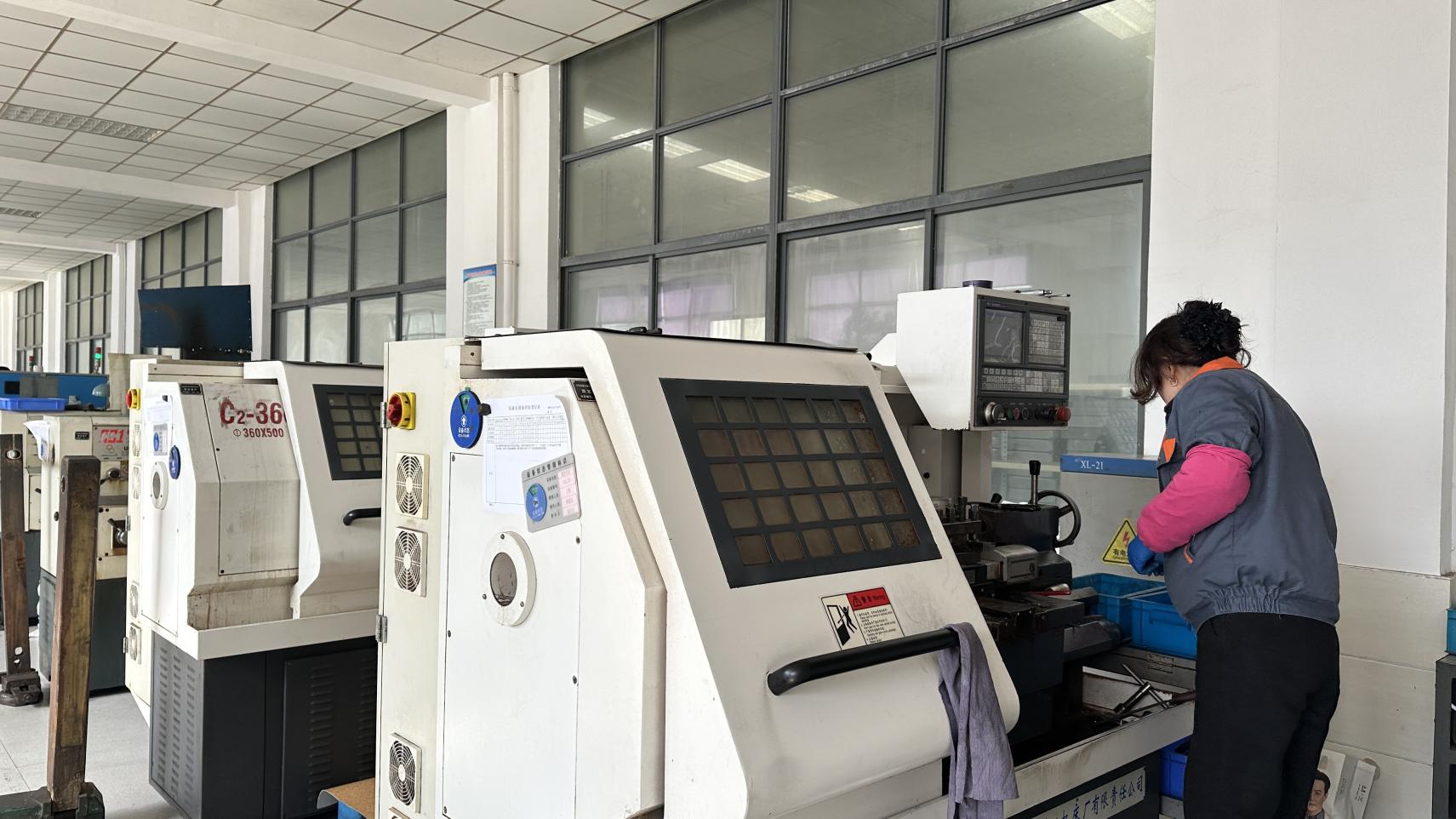
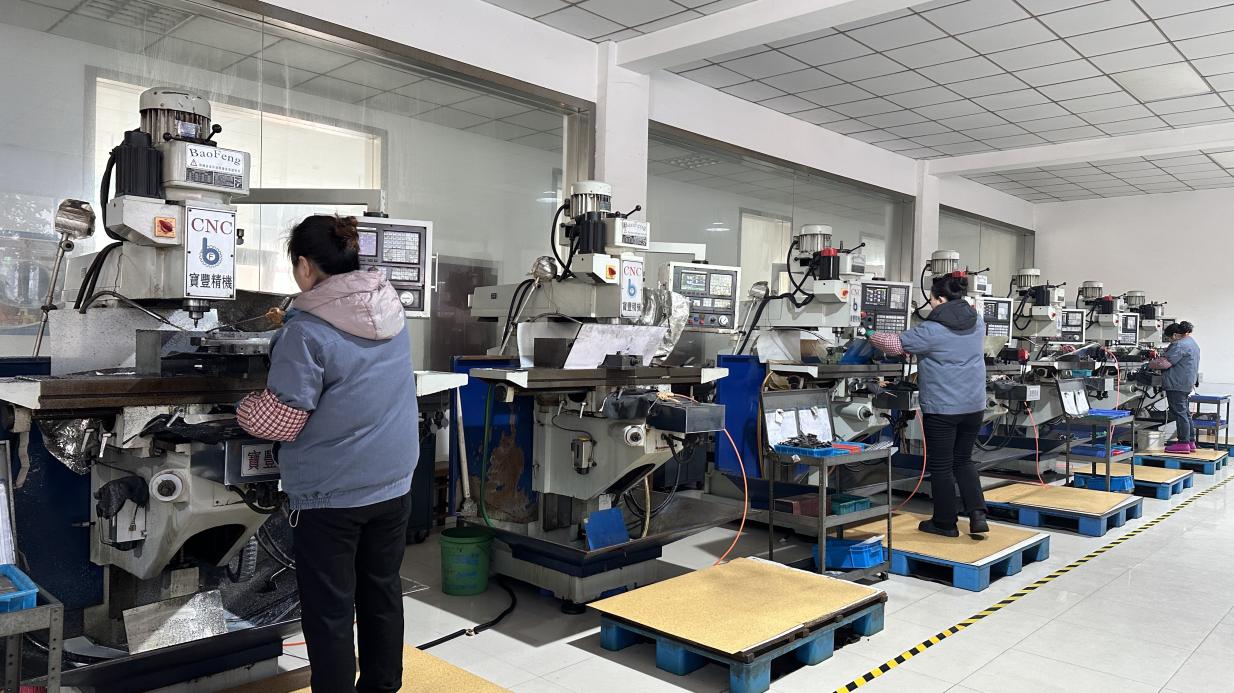
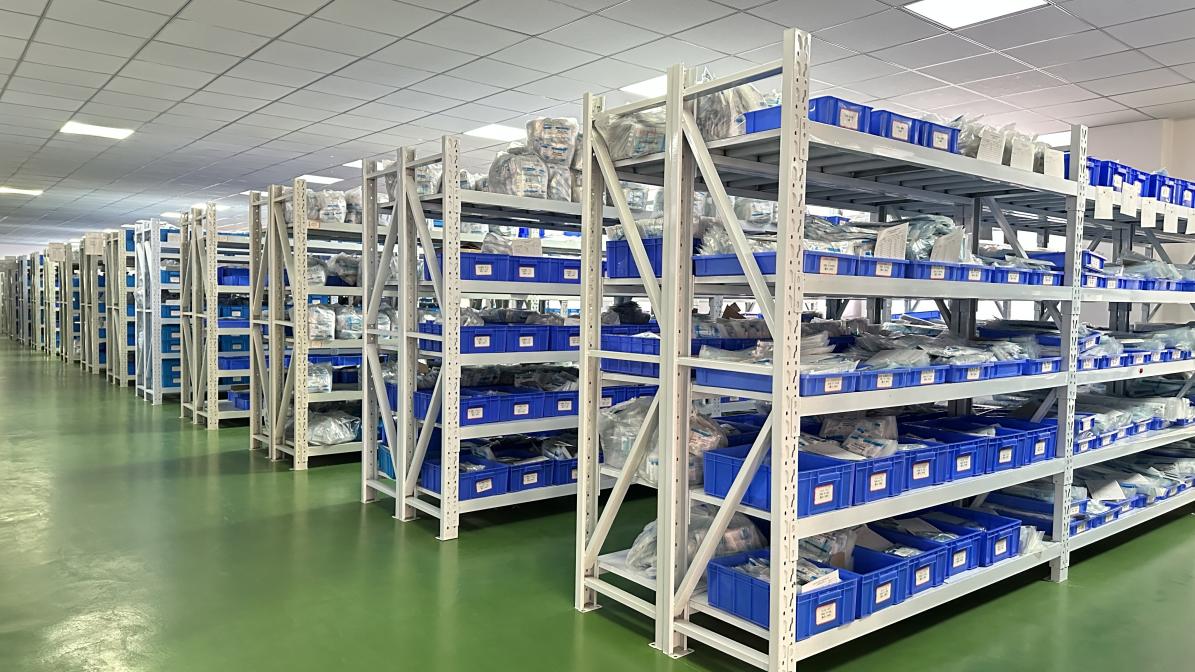
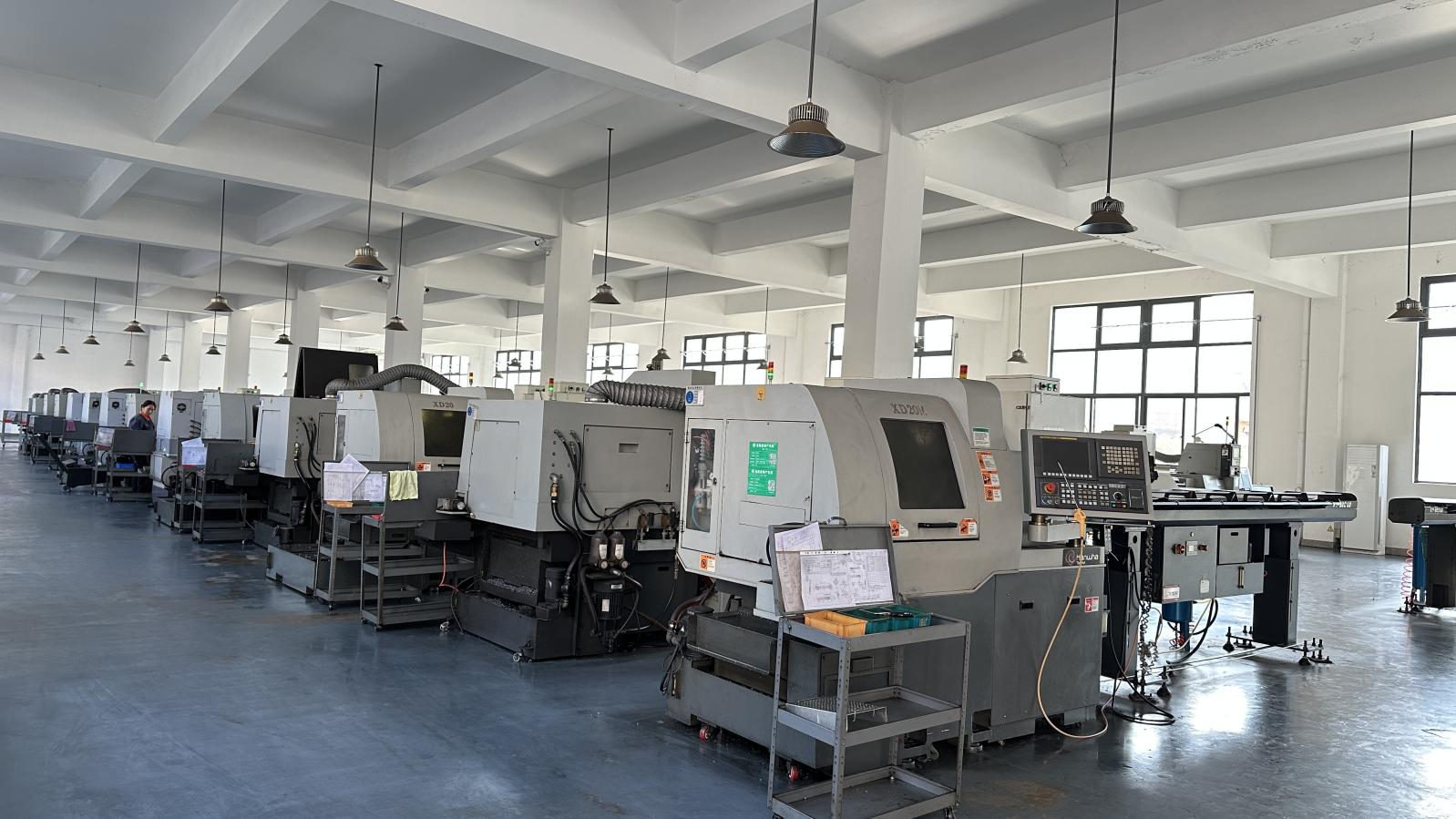
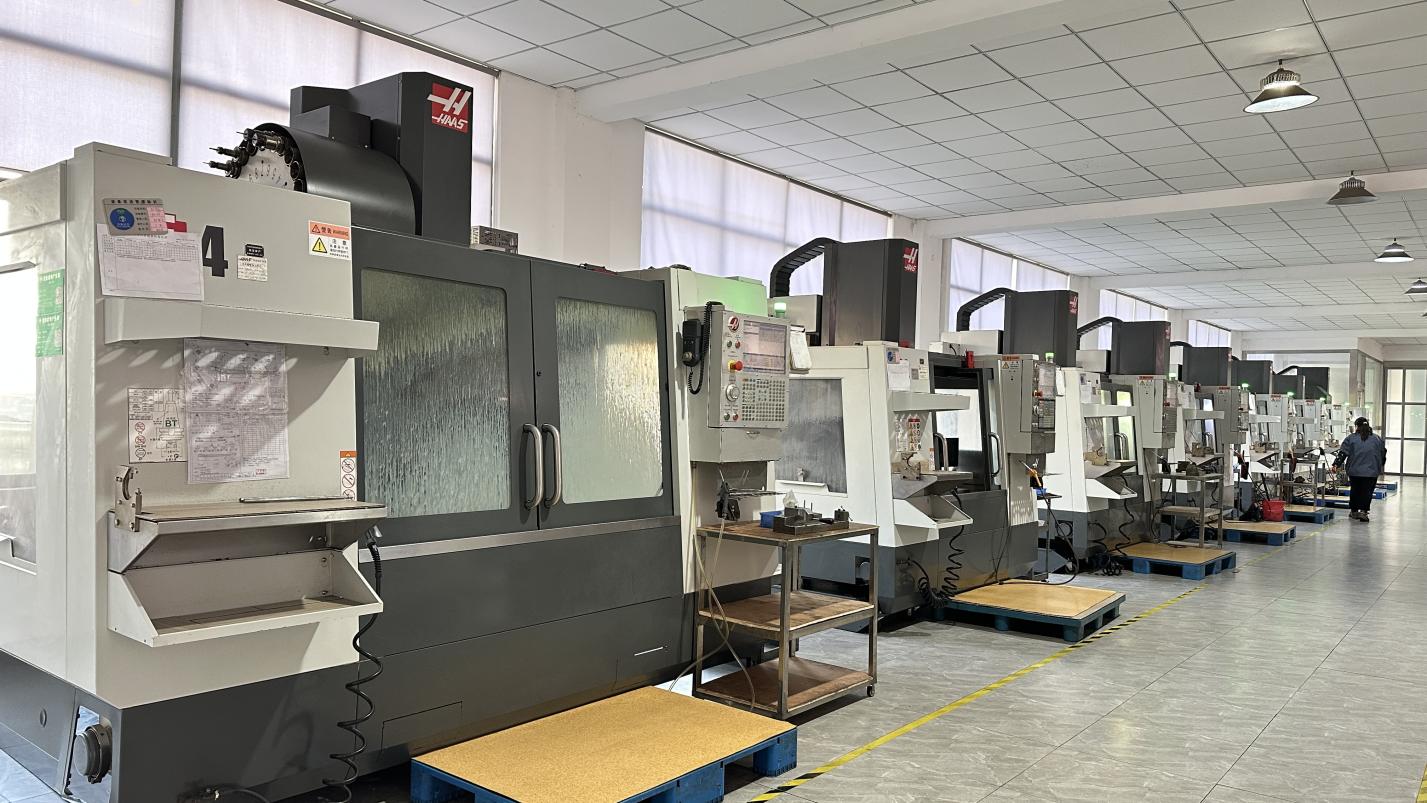
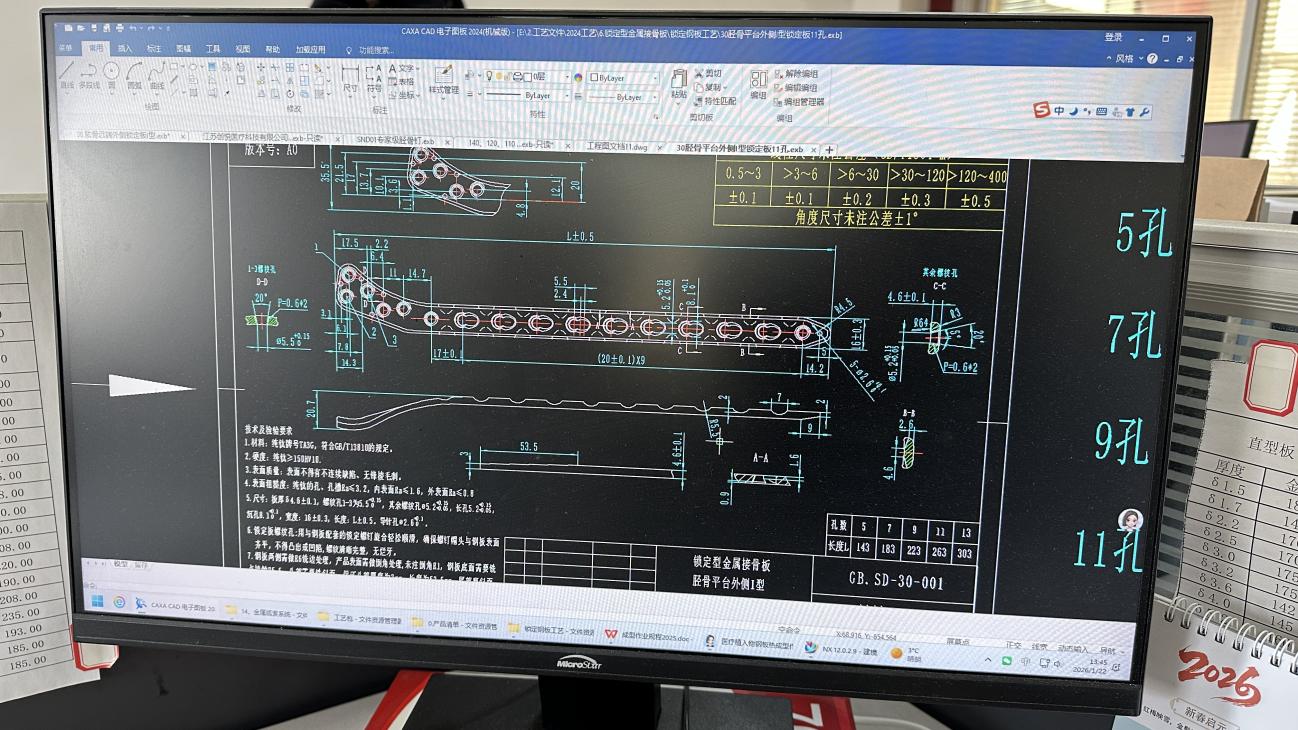
At Virelox, we bridge the gap between heavy clinical requirements and cost-effectiveness. By utilizing local metallurgical clusters and advanced CAD/CAM processes, we manage a lean manufacturing ecosystem that guarantees prompt deliveries. Our Factory 4.0 model leverages automated CNC machining centers, coordinate measuring machines (CMM), and digital laser marking to ensure tracking control at every processing milestone, ensuring our supply remains unaffected by macroeconomic disruptions.
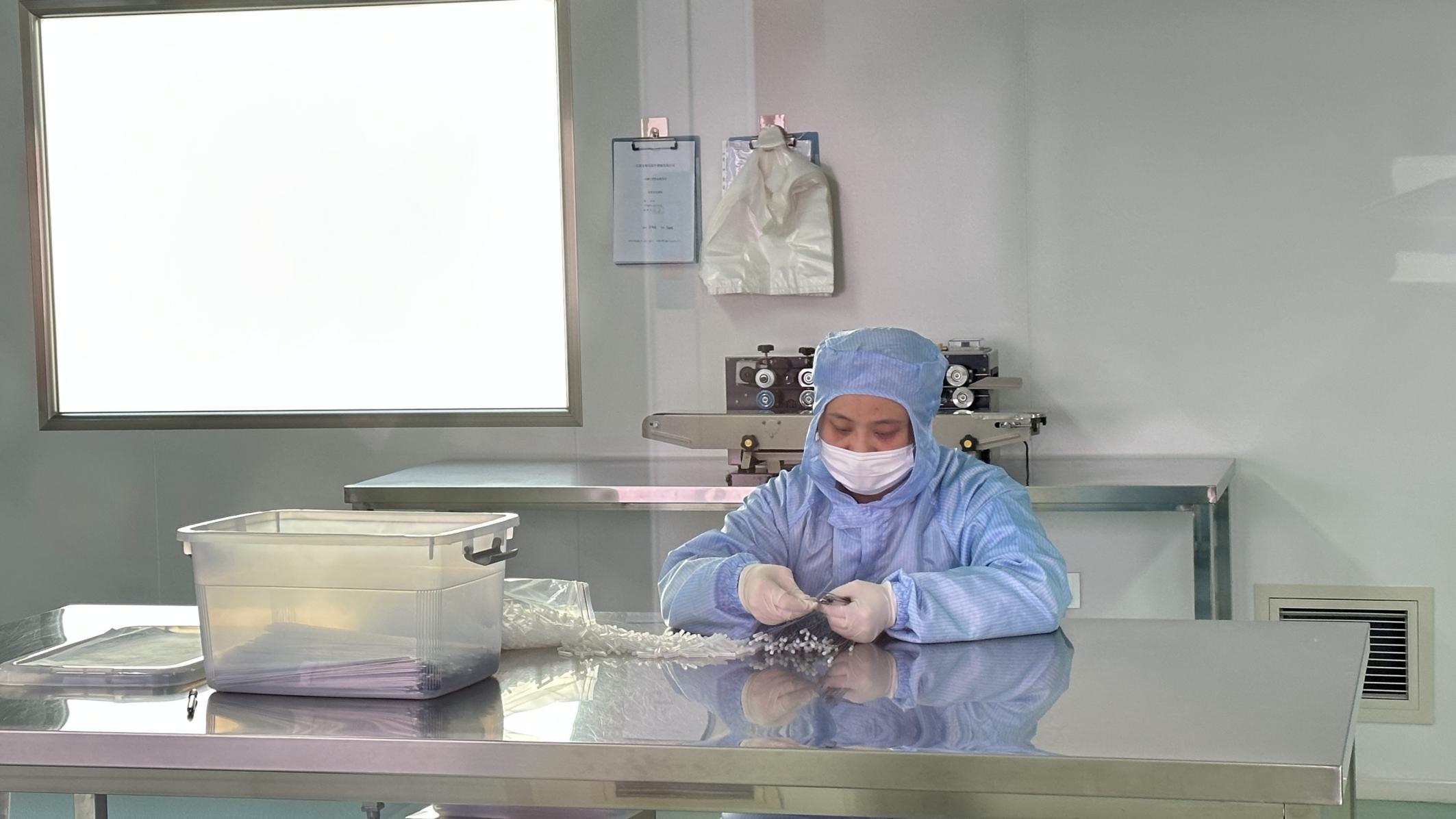
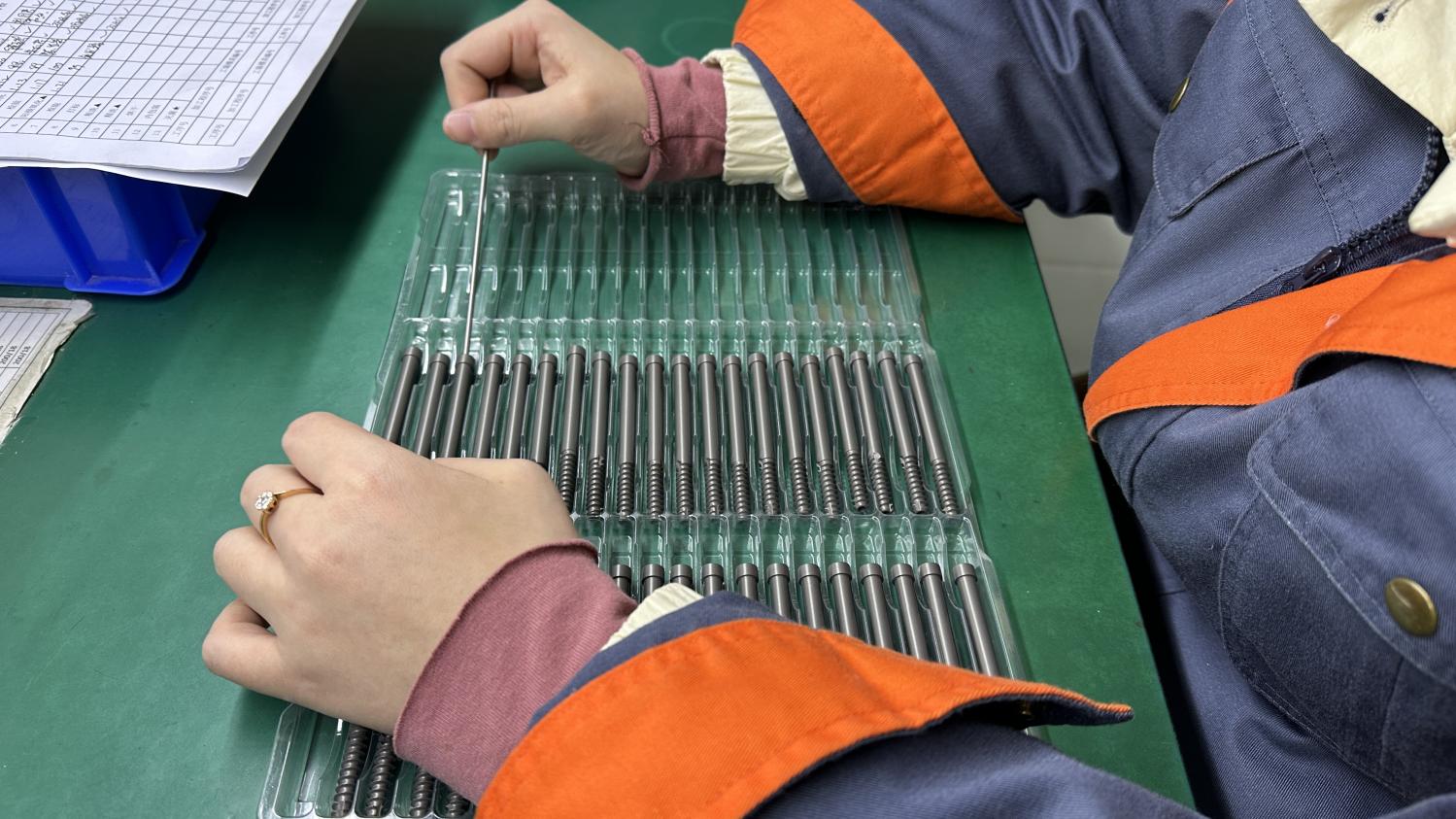
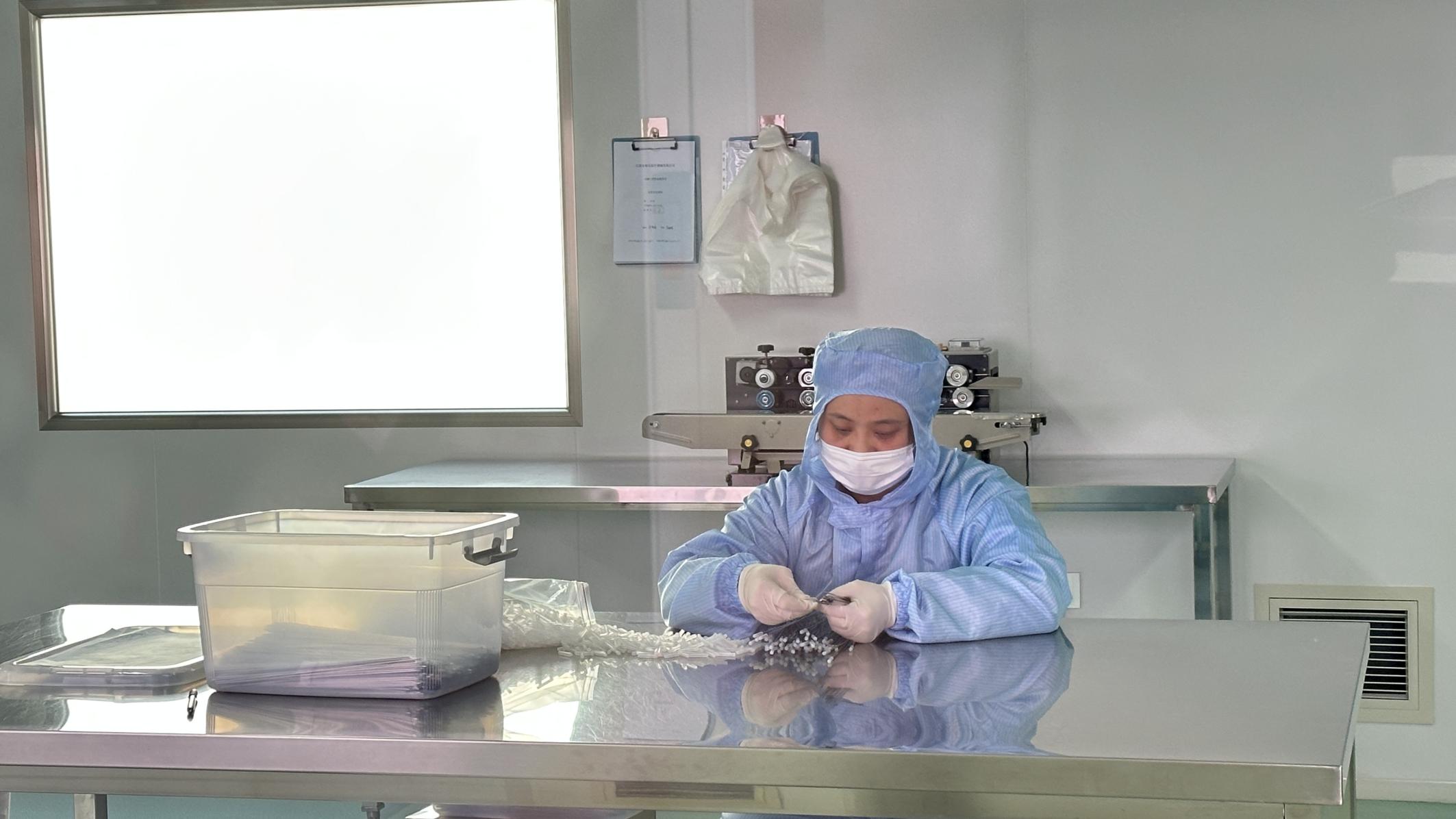
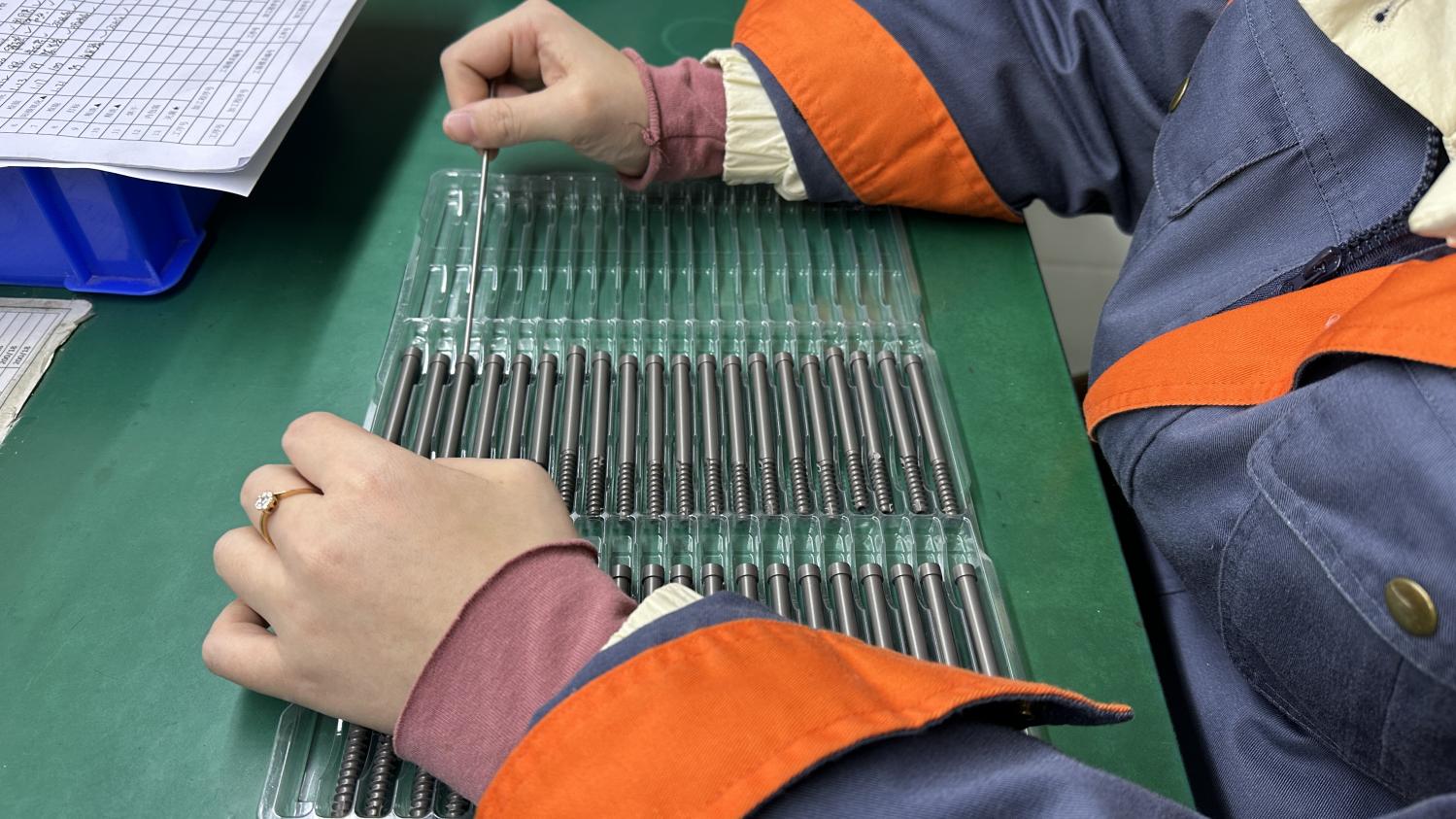
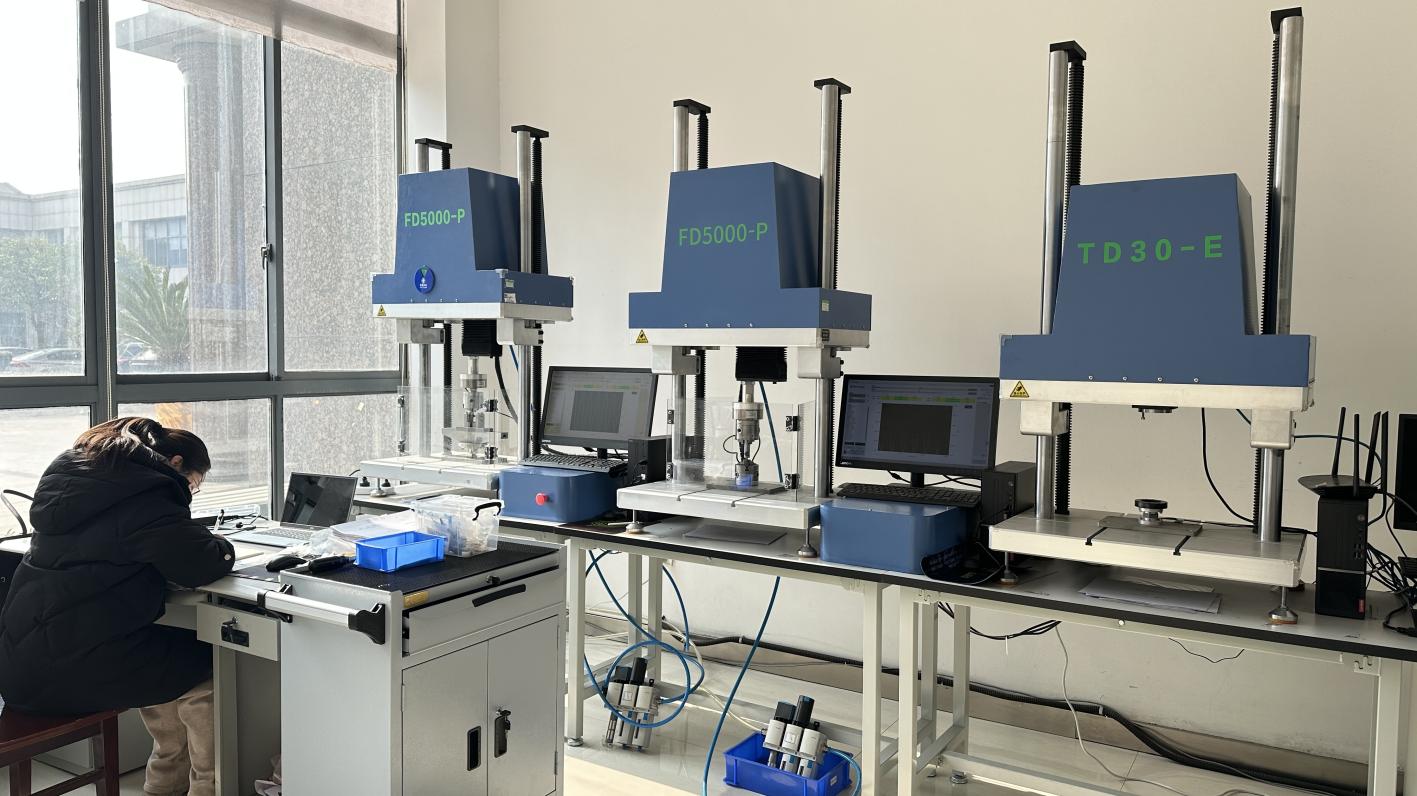
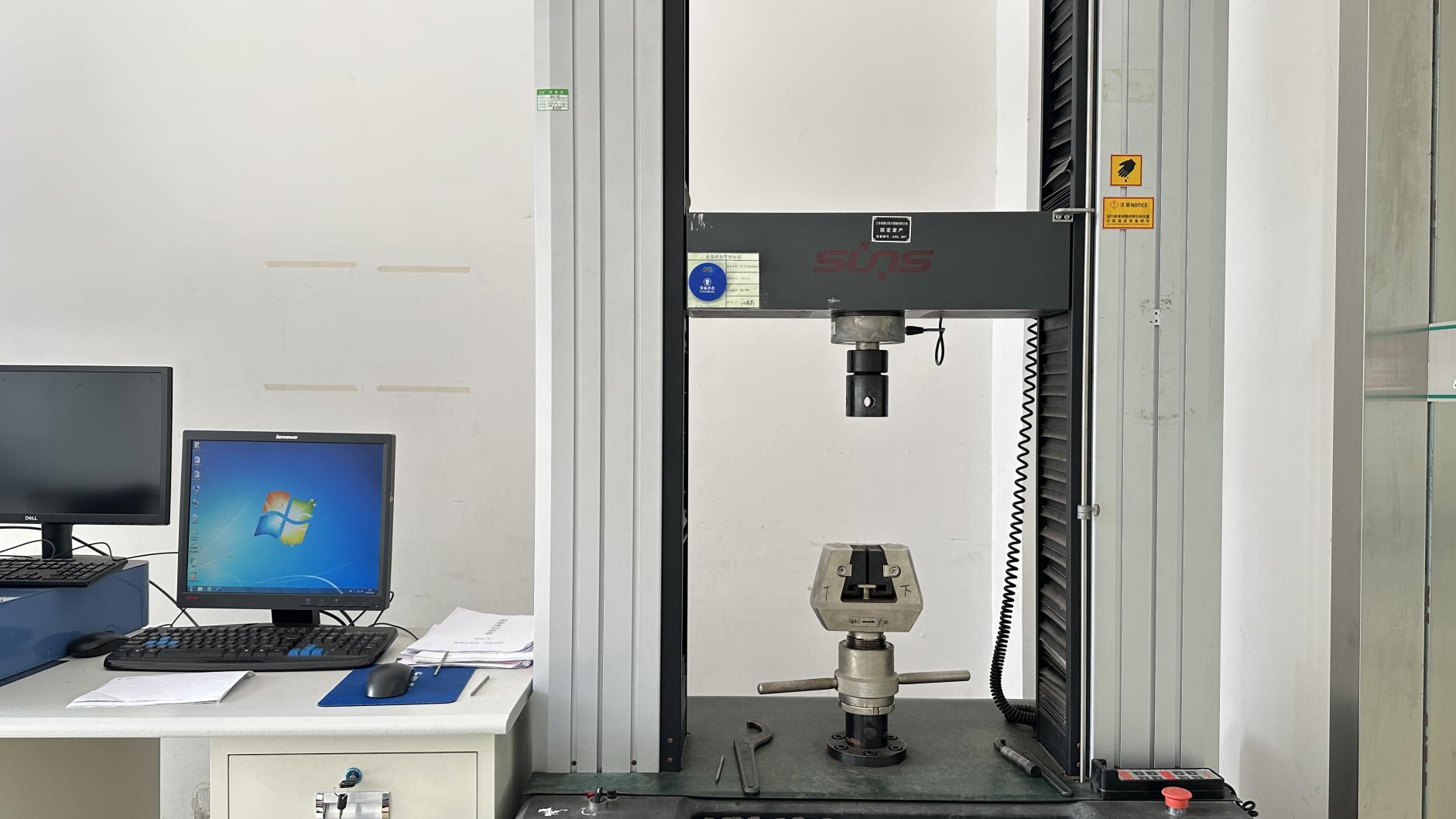
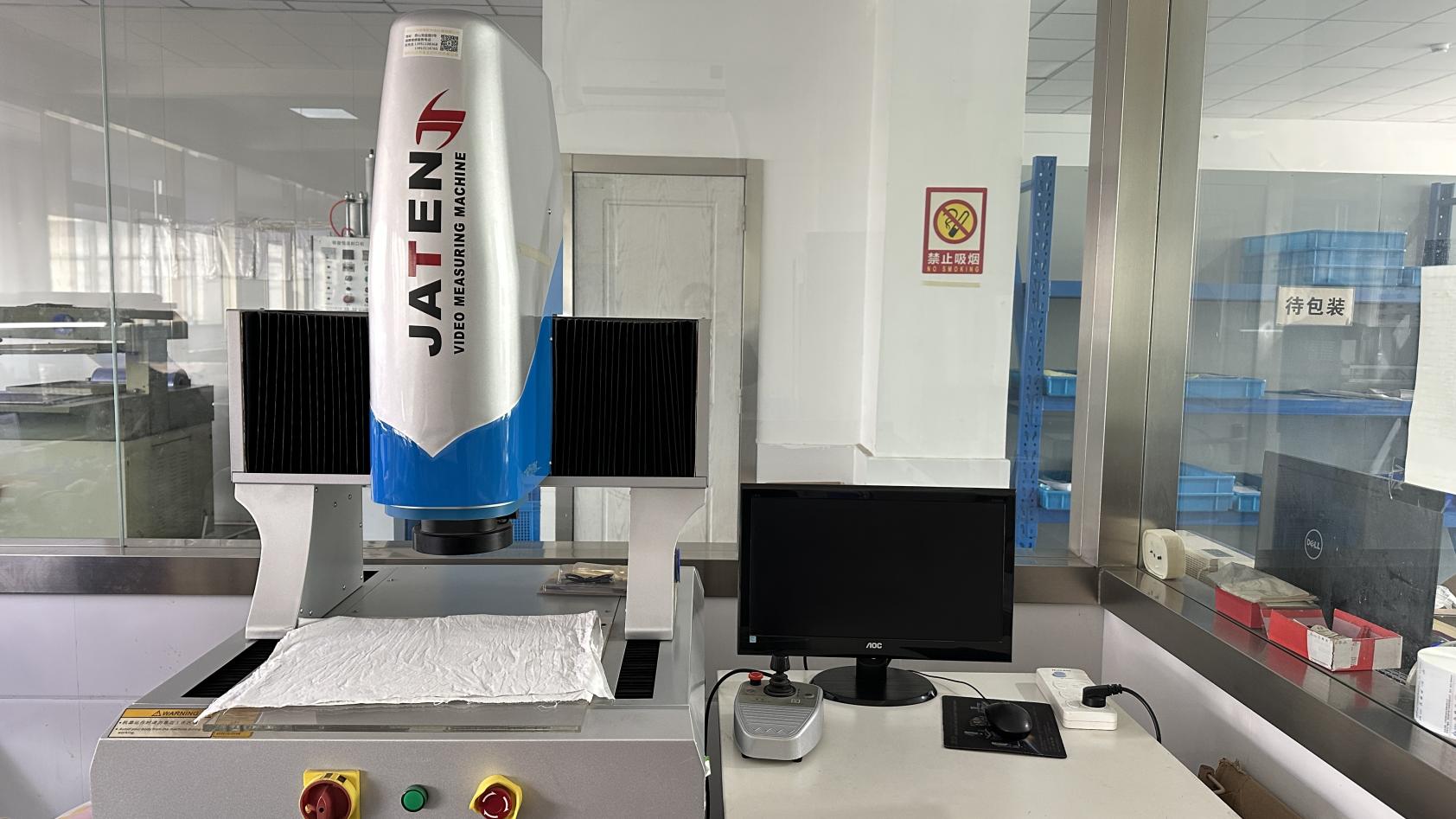
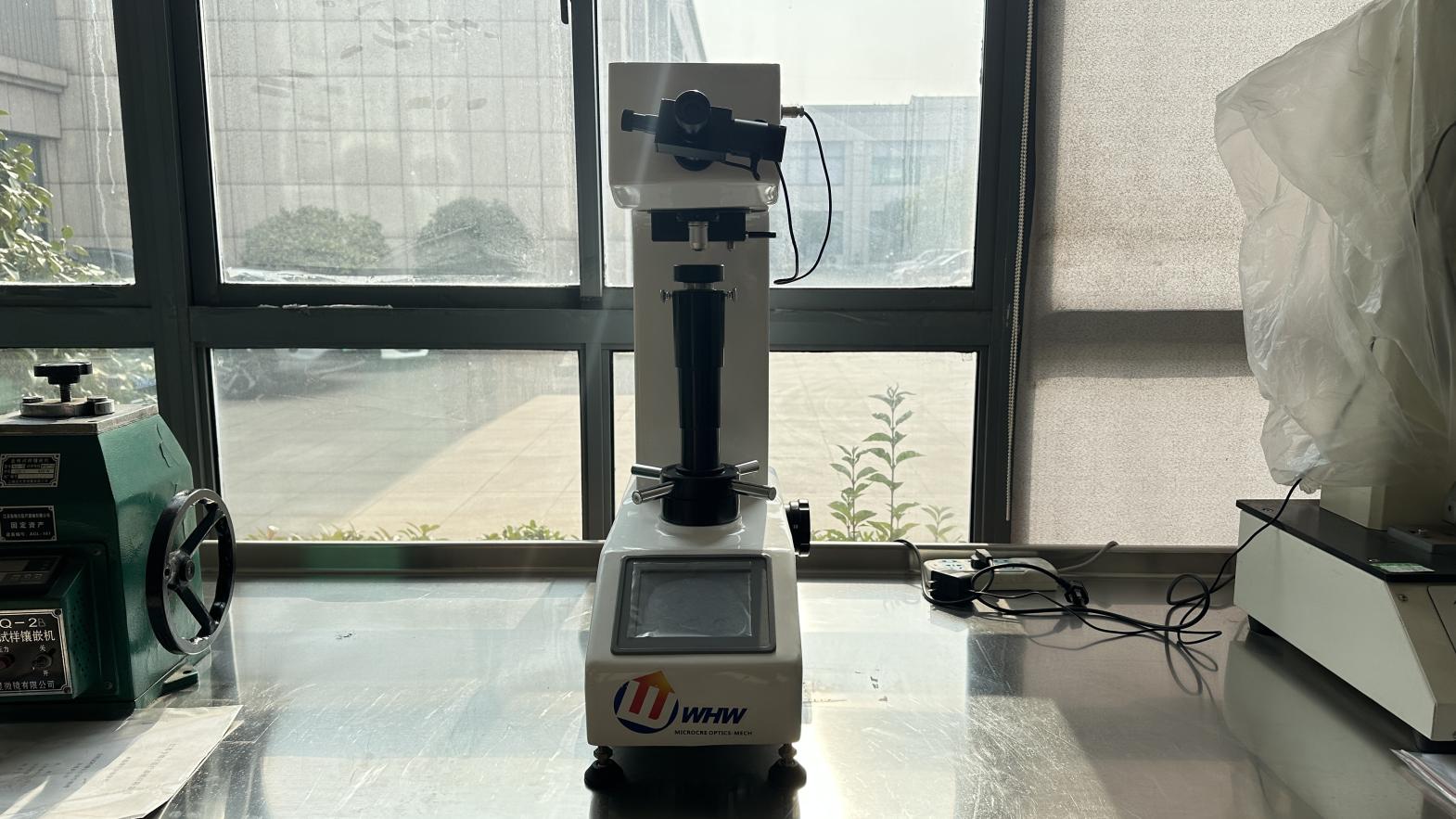
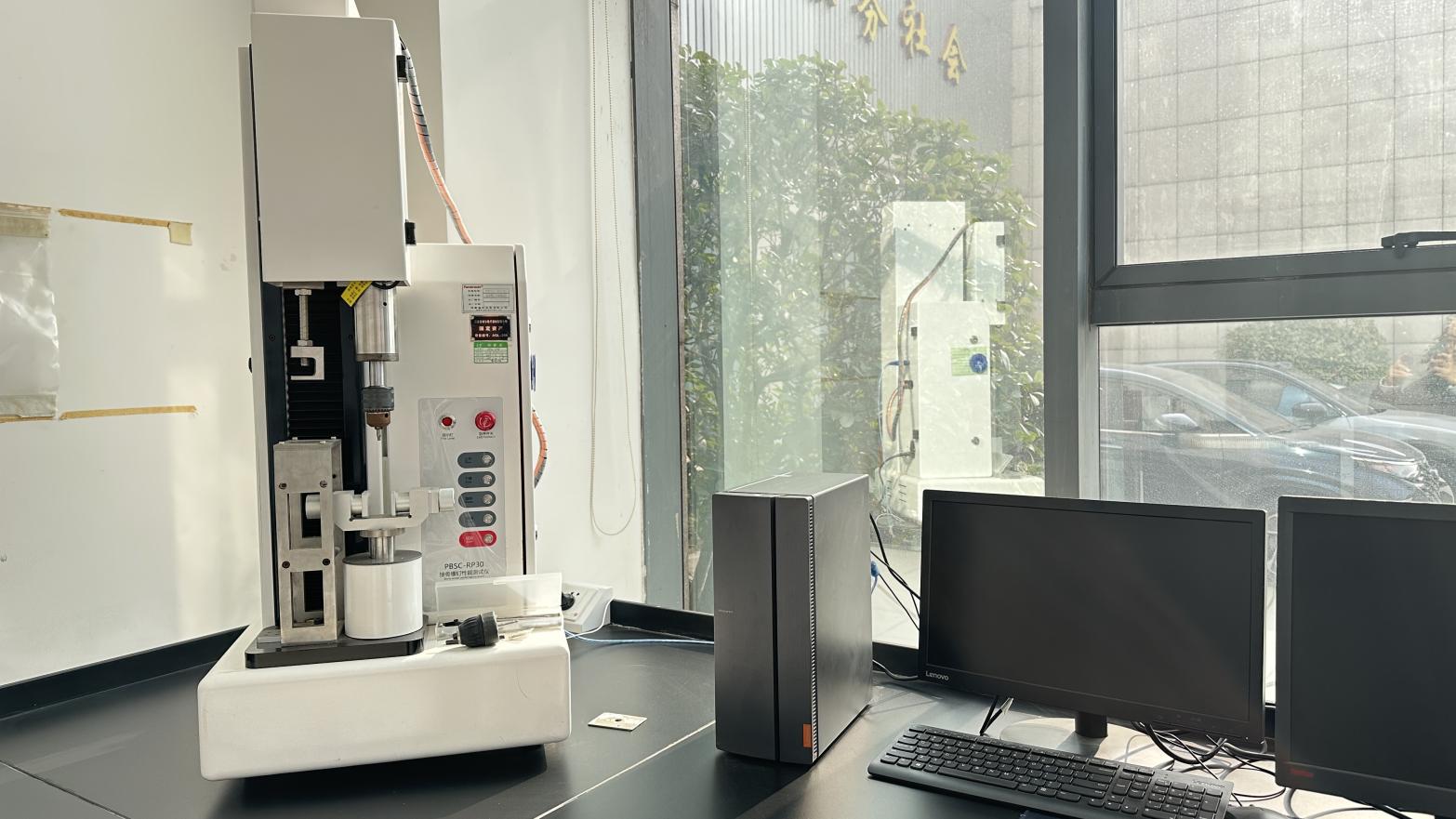
Transparent display of our ISO 13485 compliant workflow, advanced machining capabilities, and specialized orthopedic testing lab.
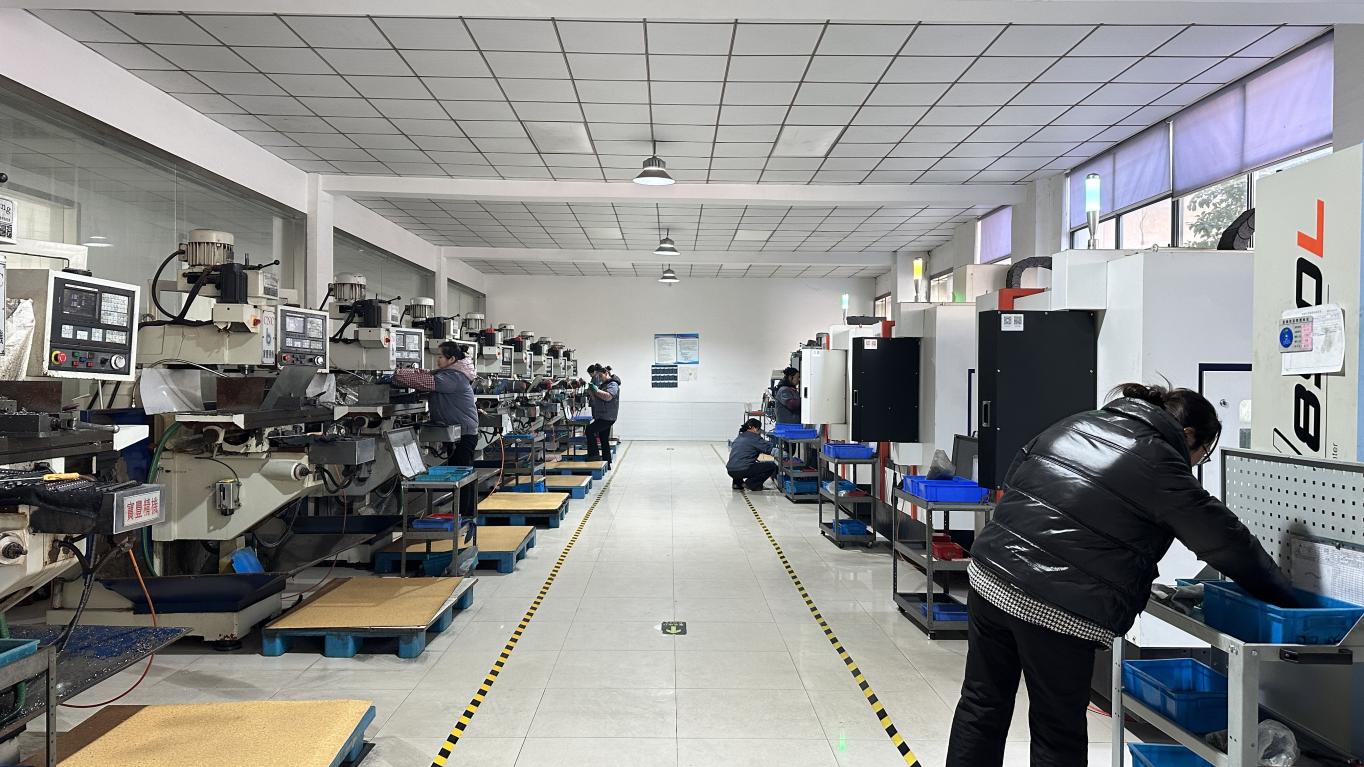
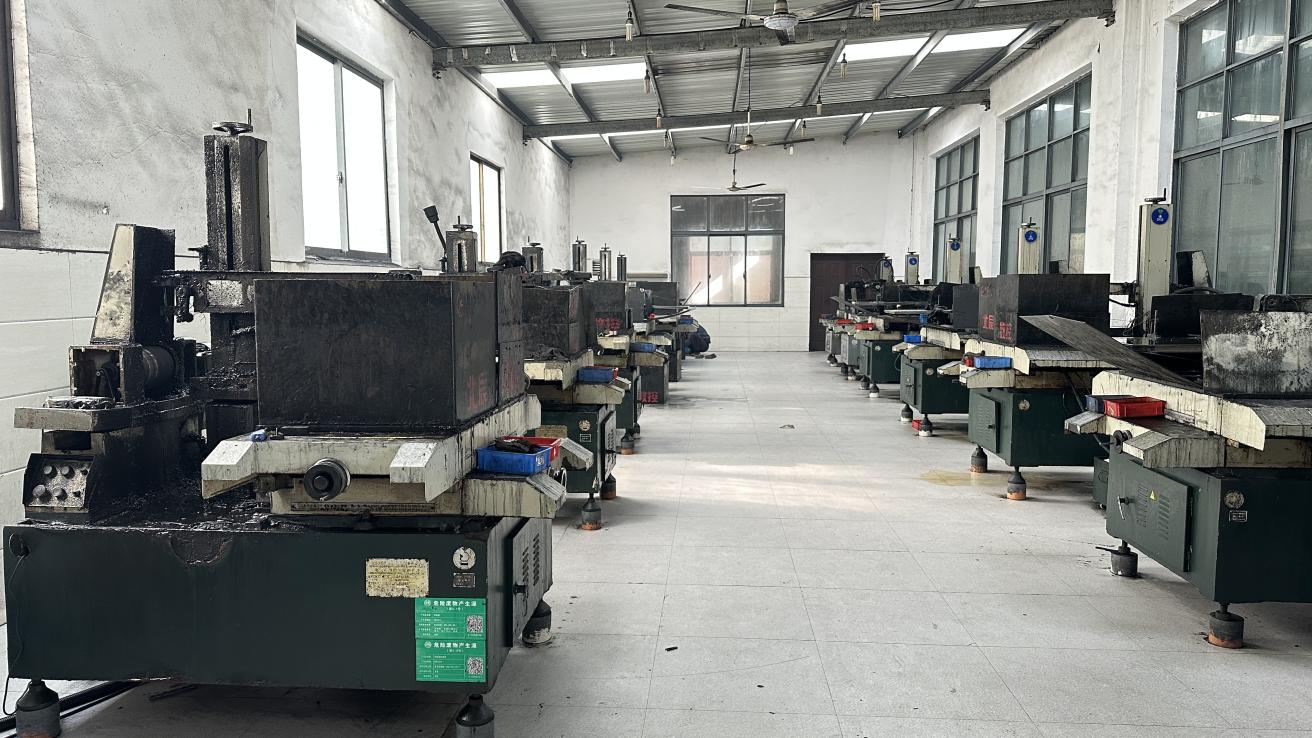
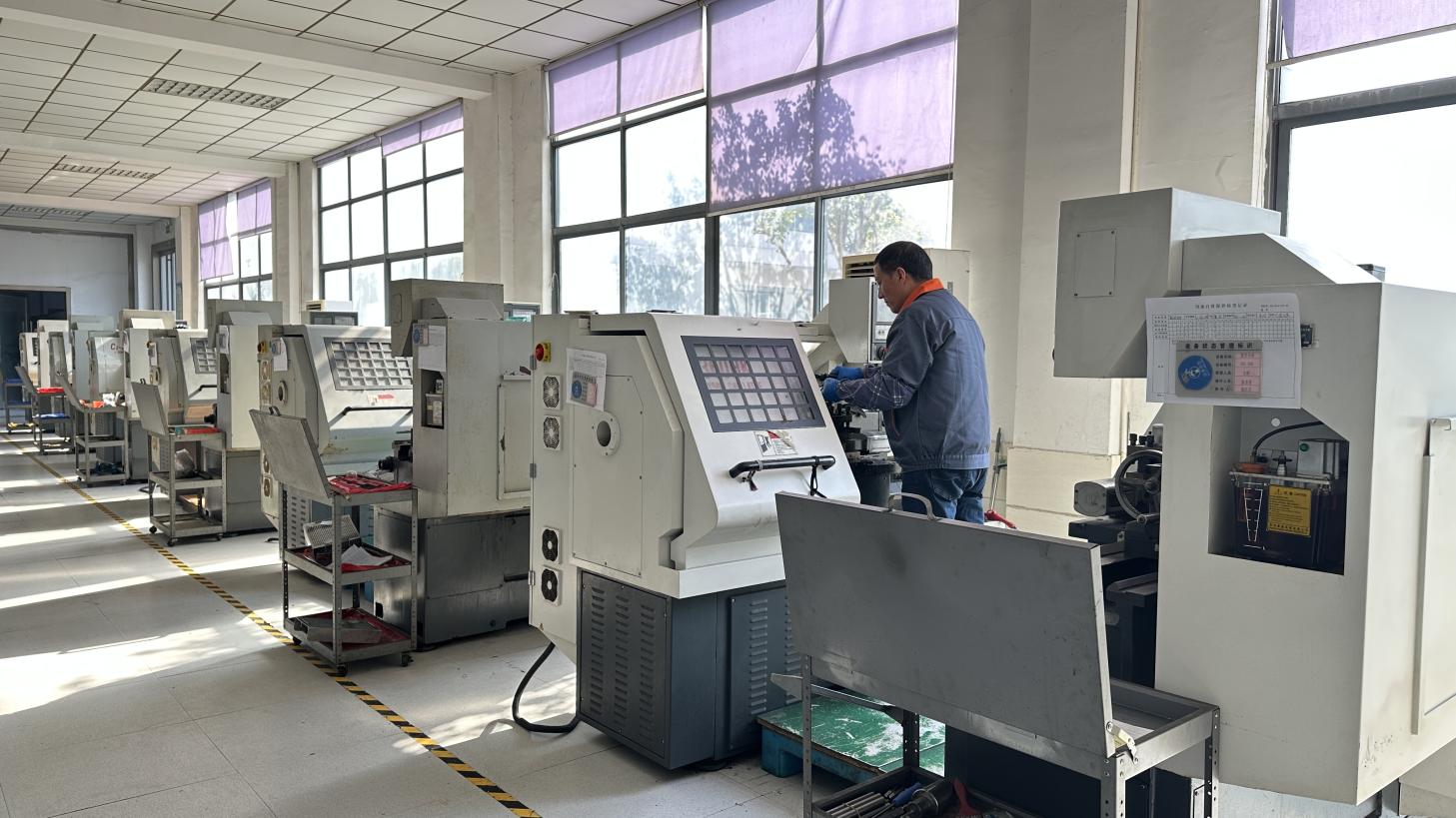
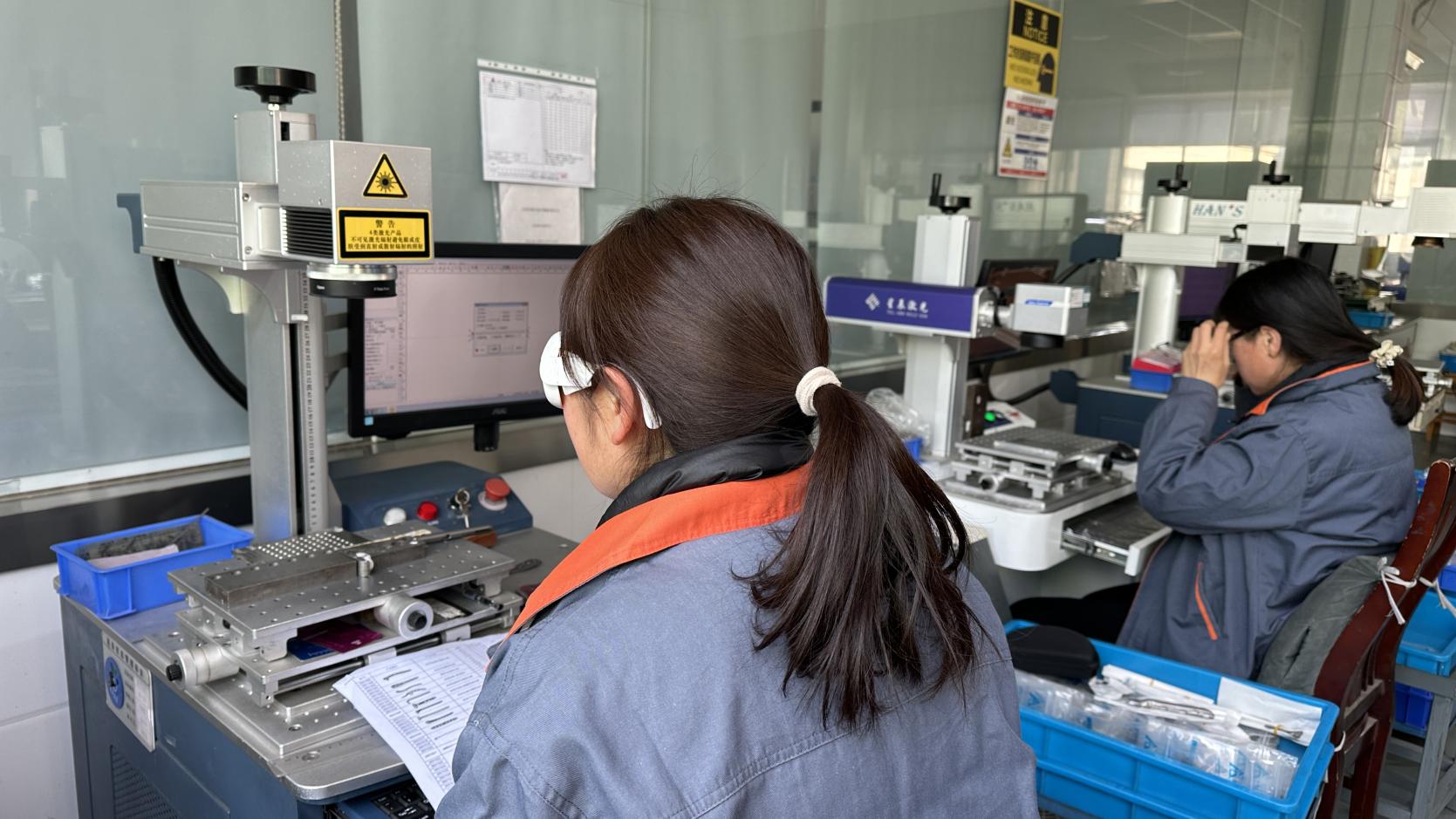

Crucial checklists and industrial parameters for healthcare entities establishing high-volume spinal implant supply lines.
The manufacturing of spinal fixation systems leaves no room for error. When evaluating a pedicle screws factory, engineers and procurement executives must look beyond standard pricing. The structural integrity of implant hardware rests on manufacturing process precision and extensive raw material testing.
Top-tier polyaxial pedicle screws must be crafted from high-strength medical-grade alloys, primarily Titanium Grade 5 (Ti-6Al-4V ELI) conforming to ASTM F136 or ISO 5832-3 standards. Some advanced designs incorporate ultra-high molecular weight materials such as PEEK (Polyetheretherketone). Buyers must request material mill certificates and verify that incoming raw metals undergo rigorous slitting, ultrasonic detection, and spectrographic verification to prevent trace elemental contamination.
How does a pedicle screw behave under physiological loading inside the human lumbar spine? To answer this, factories must run dynamic fatigue tests, axial pullout verification, and torsion studies. Under ASTM F1717 guidelines, spinal construct assemblies undergo millions of cycles of compression and bending. Virelox houses dedicated fatigue and tensile testers to simulate lifetime stress levels, verifying that the dynamic screw head remains securely locked to the rod under severe shear loads.
The thread profile of a polyaxial pedicle screw is critical. Minor deviations in thread pitch or head sphericity can prevent the lock screw from seating correctly, leading to cross-threading in the OR. Using coordinate measuring machines (CMM) and two-dimensional optical measuring instruments, our quality assurance team keeps tolerances within micrometric levels, guaranteeing compatibility with surgical drivers and inserters.
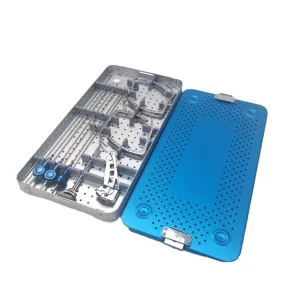
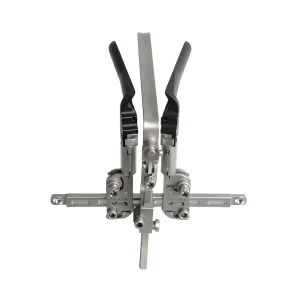
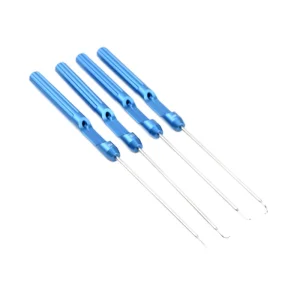
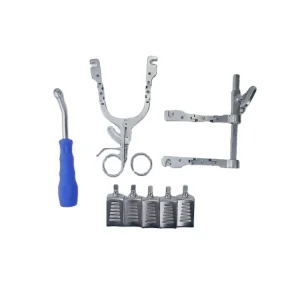
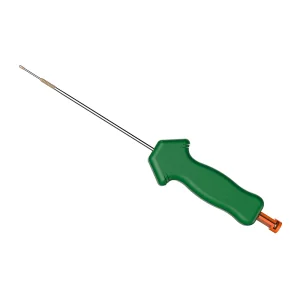
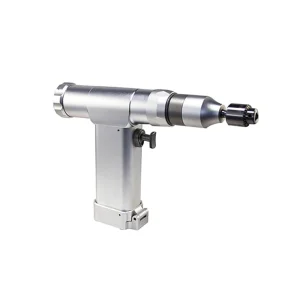
A premium screw is only as effective as the surgical set that inserts it. Virelox excels in designing and manufacturing integrated instrument kits—such as minimal invasive spine tubular retractors, surgical drill bits, and specialized screwdriver shafts. By sourcing both implants and custom instruments from a single factory, distributors eliminate mismatch risks and simplify their logistical processes.
Direct answers from our engineering team regarding design features, global regulations, and production lead times.
Monoaxial screws feature a fixed head angle relative to the shank, providing great mechanical rigidity but requiring perfect anatomical alignment during rod insertion. Polyaxial screws allow a full 360-degree cone of rotation around the head axis, simplifying rod adaptation across multiple vertebrae. Uniplanar screws restrict rotation to a single plane (usually cranial-caudal), offering a hybrid solution for specific scoliosis correction protocols.
Our ISO 13485-certified system spans the entire manufacturing flow. This includes incoming raw material inspection (spectrometer verification), in-process dimensional audits at our CNC milling and turning centers, final surface processing validation, and post-cleanliness checkouts. Each batch is logged with a trace number linking the final implant to the original titanium lot.
Virelox provides extensive OEM/ODM support, including private labeling, customized thread pitches (e.g., double-lead threads, cortical-cancellous integration), screw heads tailored for proprietary instruments, and sterile barrier packaging. Our team of 120 engineers utilizes biomechanical simulation and rapid prototyping to turn designs into clinical-ready implants.
Our internal laboratory conducts ASTM F1717 mechanical tests, static axial pullout assays, torsion resilience evaluations, and material hardness checks. We also perform non-destructive testing (such as X-ray radiography) on critical components to confirm that no microscopic cracks exist inside the metal matrix.
Lead times vary depending on custom specifications and order volumes. Standard titanium spinal implants are typically dispatched within 30 to 45 days. By coordinating with 850 supply chain partners and maintaining stock of raw materials, we can fast-track high-priority orders for medical device distributors facing sudden inventory shortages.
Discover our wider range of orthopedic implants, specialized retractors, and micro-bone surgical equipment.
 Virelox