Explore our primary surgical components, specialized joint replacement revision devices, and precision implant systems certified to international quality standards.
Patellar resurfacing remains one of the most critical and debated aspects of Total Knee Arthroplasty (TKA). The patellar component, acting as the interface between the quadriceps mechanism and the femoral trochlea, is subjected to extreme biomechanical stress, which can exceed several times the patient's body weight during deep knee flexion. Consequently, selecting trusted patellar components factories is paramount for orthopedic OEMs, medical device distributors, and healthcare providers globally.
Modern patellar implants are categorized into dome (symmetric) and anatomical (asymmetric) profiles. Symmetric dome shapes simplify surgical placement and accommodate diverse tracking alignments, whereas anatomical variants offer optimal contact pressure distribution but demand high-precision alignment and rotation. High-performance manufacturing facilities must possess the technological versatility to engineer both geometries with exact dimensional stability.
Ultra-High-Molecular-Weight Polyethylene (UHMWPE) remains the gold standard material for patellar articulation due to its superior wear resistance, low friction coefficient, and high impact strength. Premium medical implant factories utilize highly cross-linked polyethylene (XLPE) or Vitamin E-infused UHMWPE to mitigate long-term oxidation, preventing wear debris-induced osteolysis and subsequent component loosening.
Fixation integrity relies heavily on the design of implant anchors—specifically, 3-peg, inset dome, or keeled structures. In cemented applications, micro-texture engineering on the implant's cement interface optimizes PMMA mechanical interlock, decreasing catastrophic shear failure at the bone-cement-prosthesis boundary.
Virelox Medical Devices Co., Ltd. (brand "Virelox") operates as a specialized developer and manufacturer of advanced joint replacement components and orthopedic surgical tools.
The global orthopedic market demands strict quality, fast lead times, and competitive cost structures. As a prominent manufacturing hub, China's medical supply chain provides key competitive advantages for distributors and OEMs worldwide:
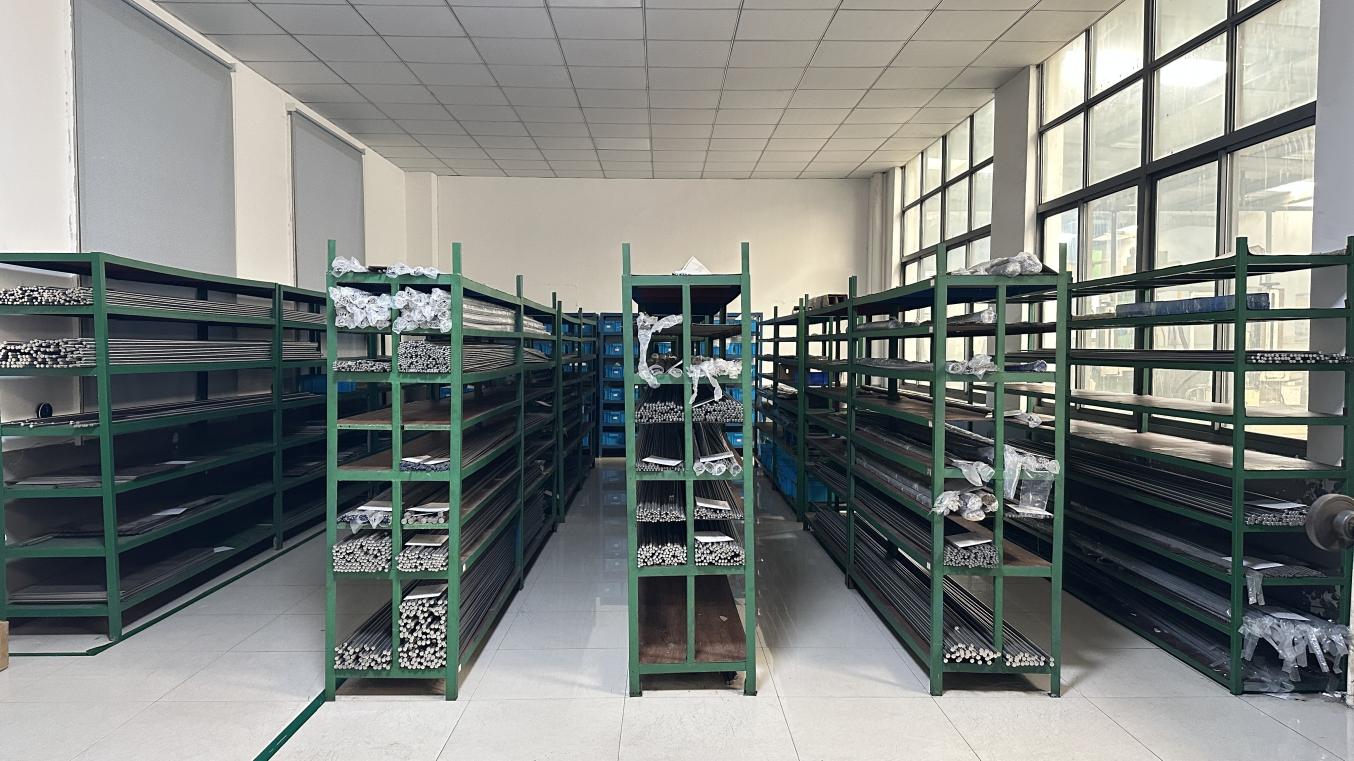
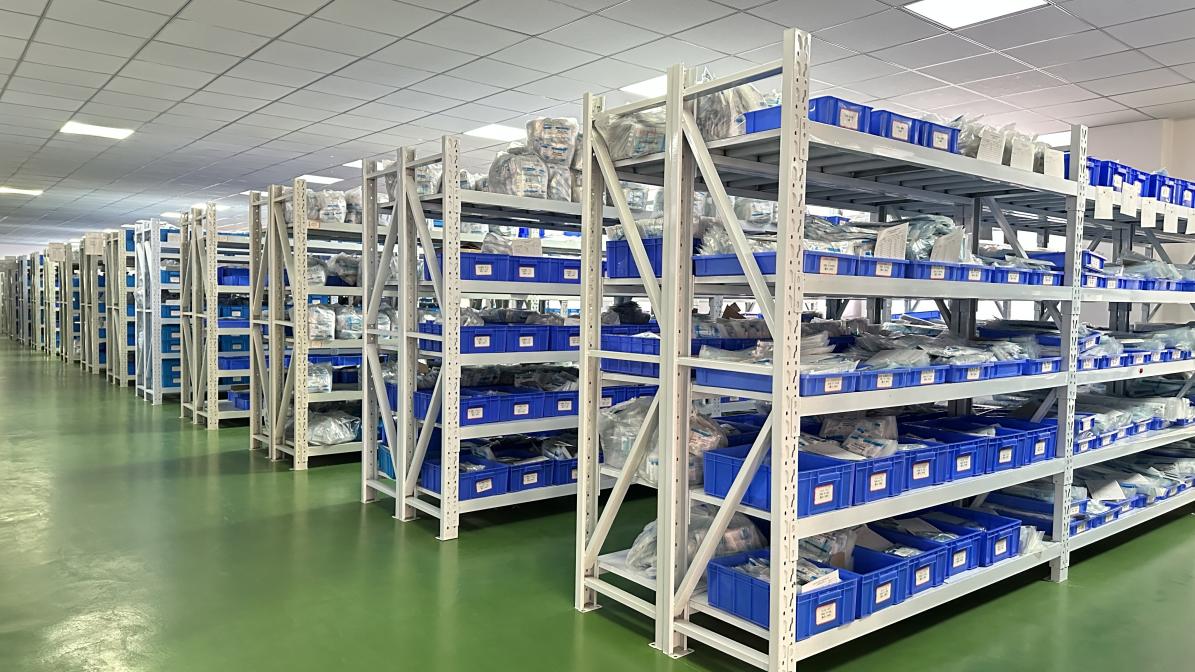
With more than 850 certified upstream and downstream partners, Virelox ensures an uninterrupted supply of raw materials—including medical-grade titanium (Ti6Al4V ELI) and UHMWPE (ASTM F648)—minimizing geopolitical risks and lead-time delays.
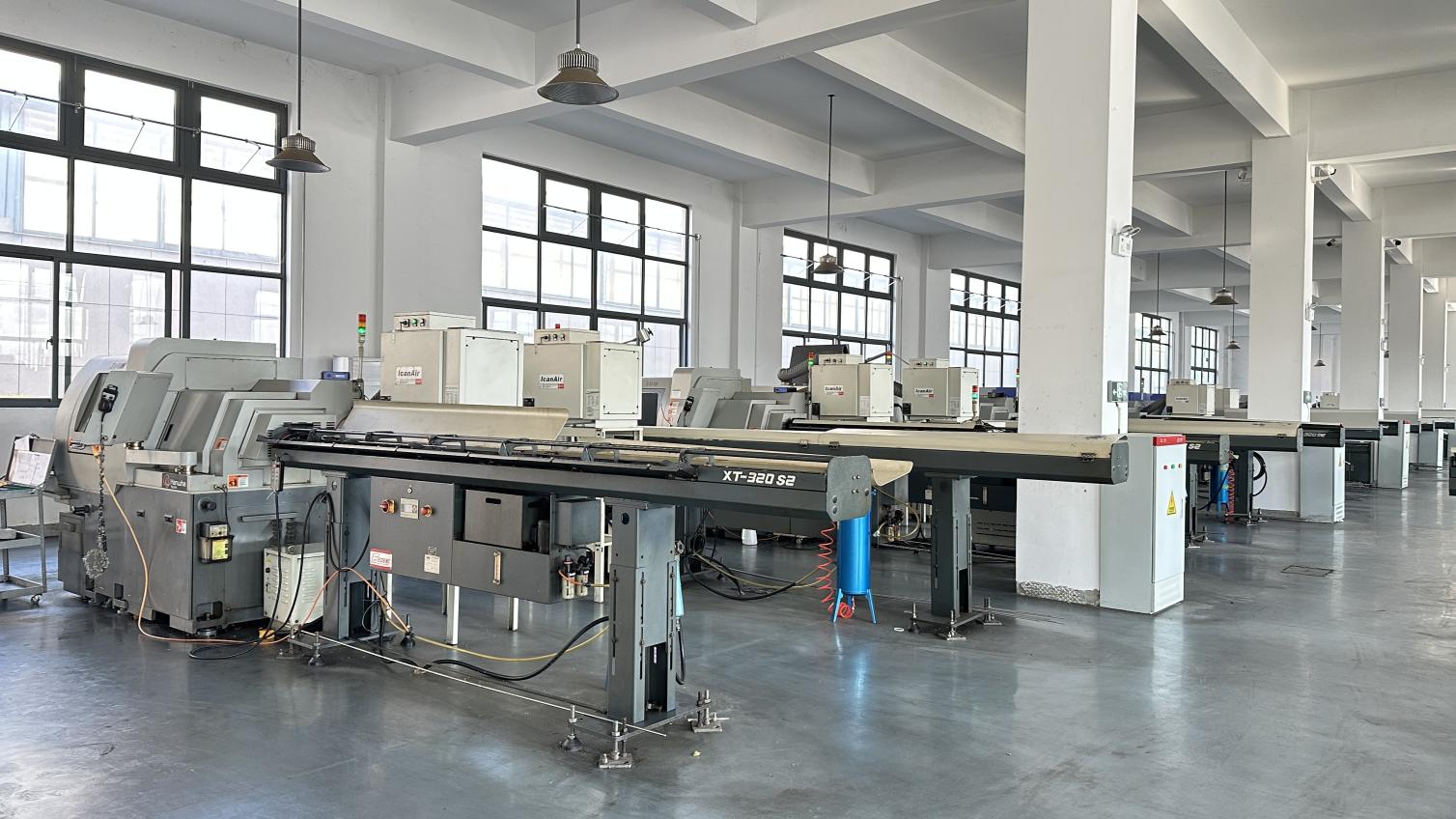
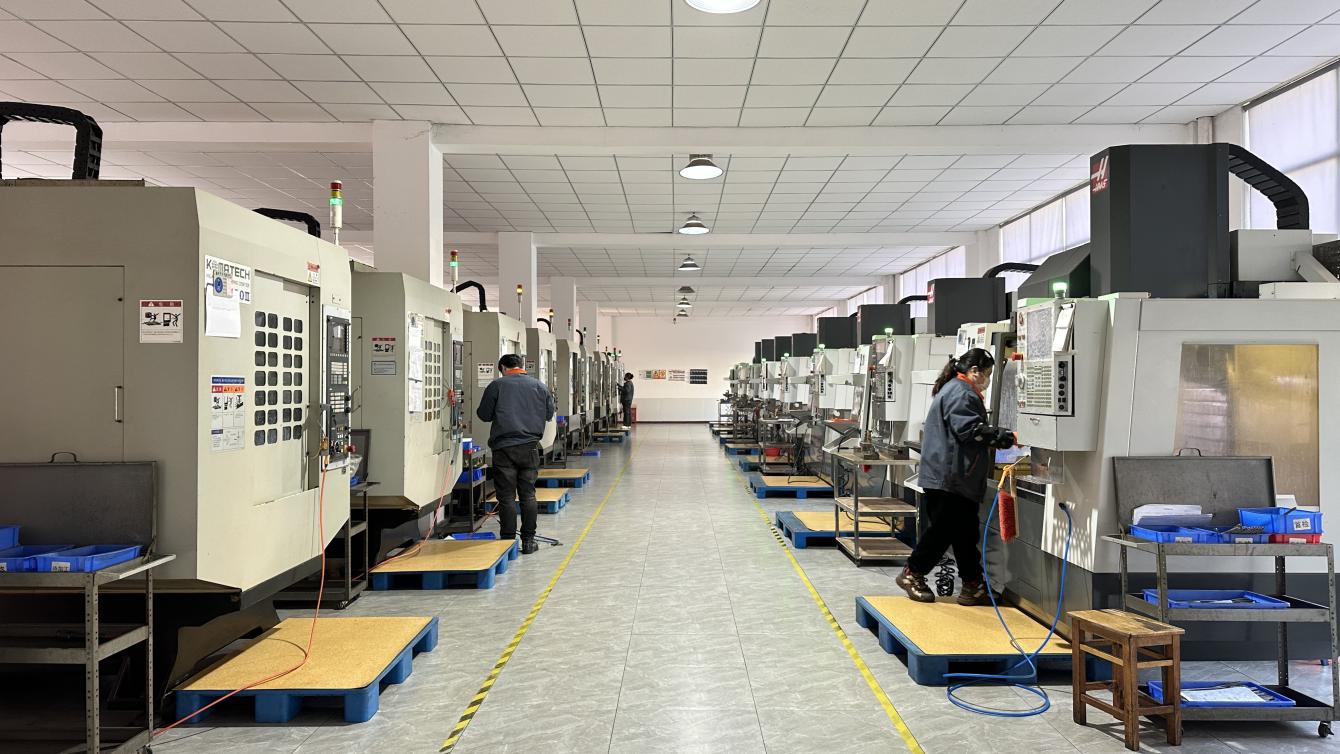
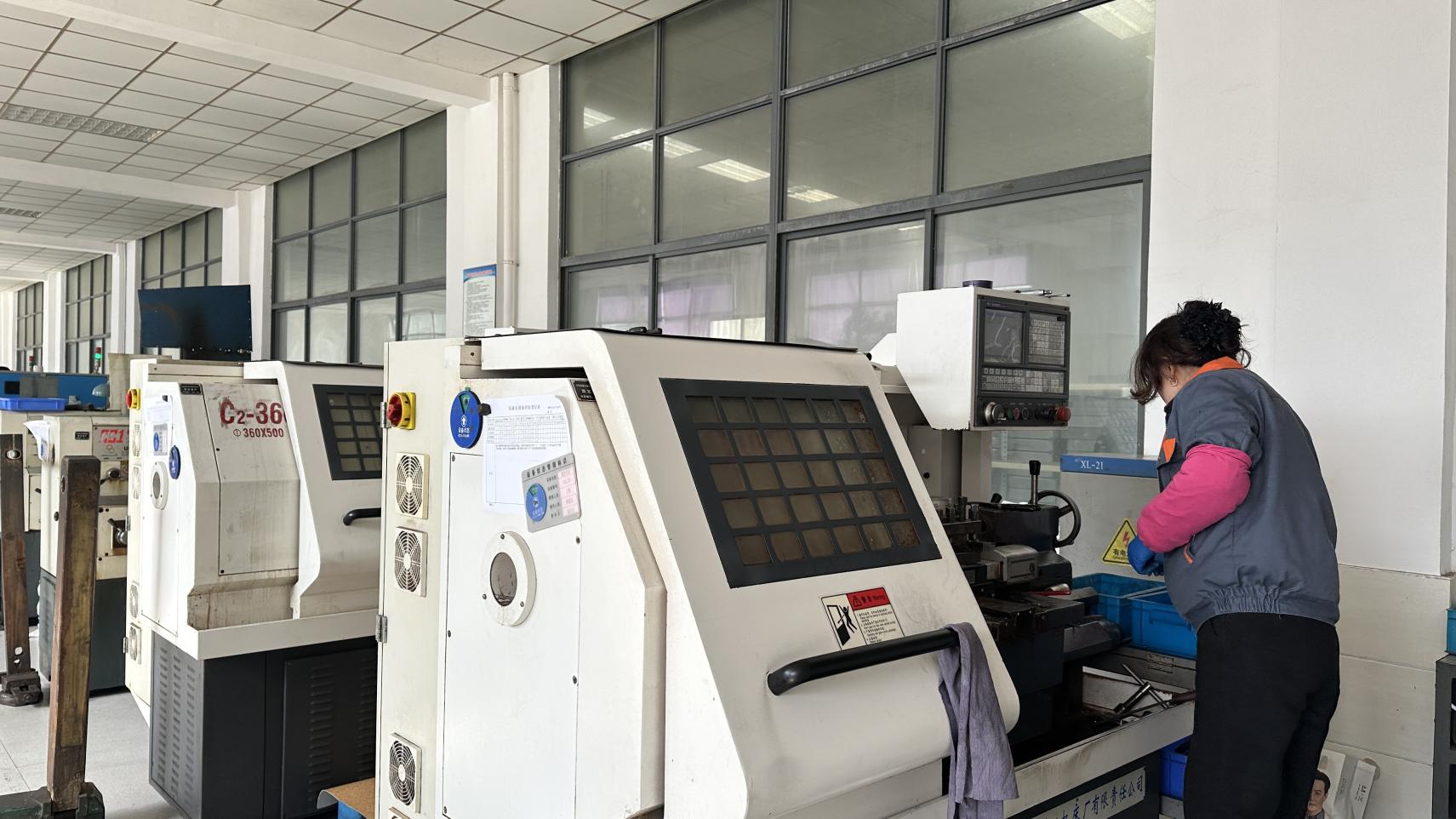
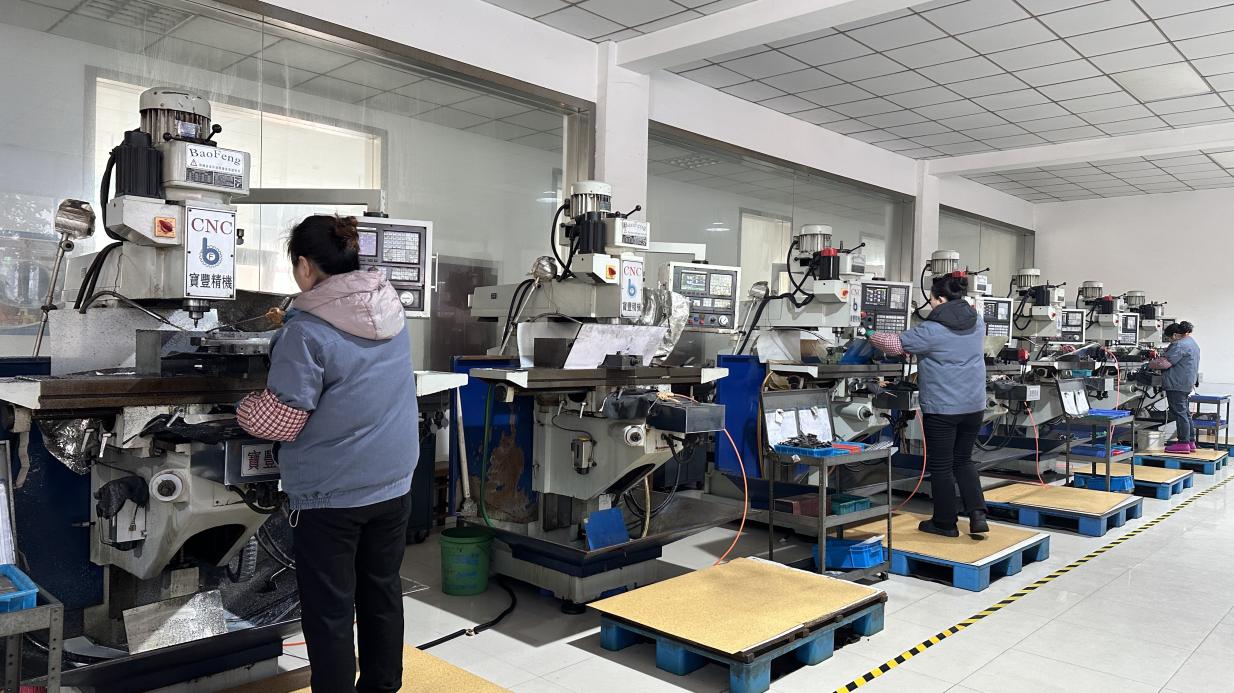
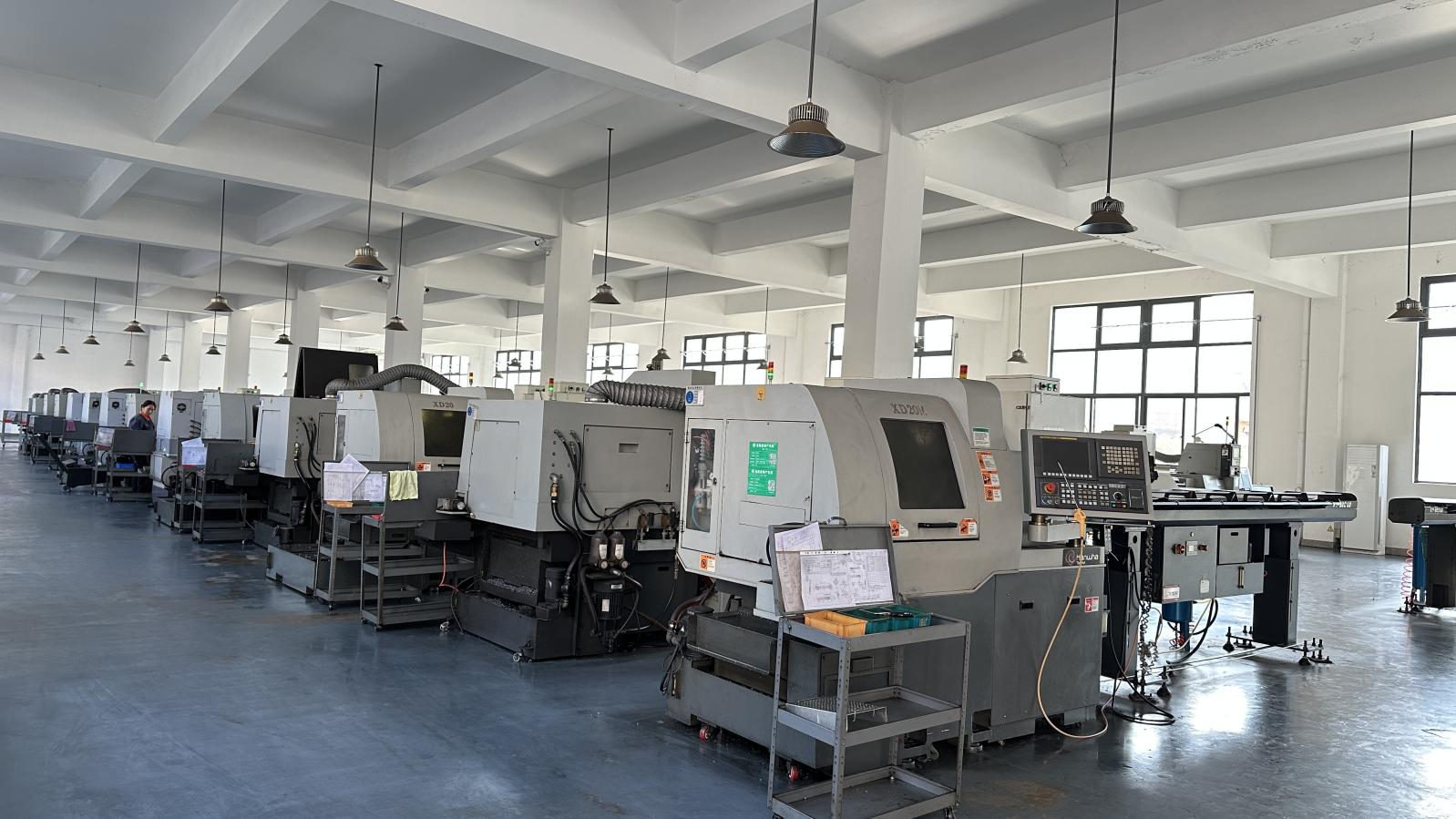
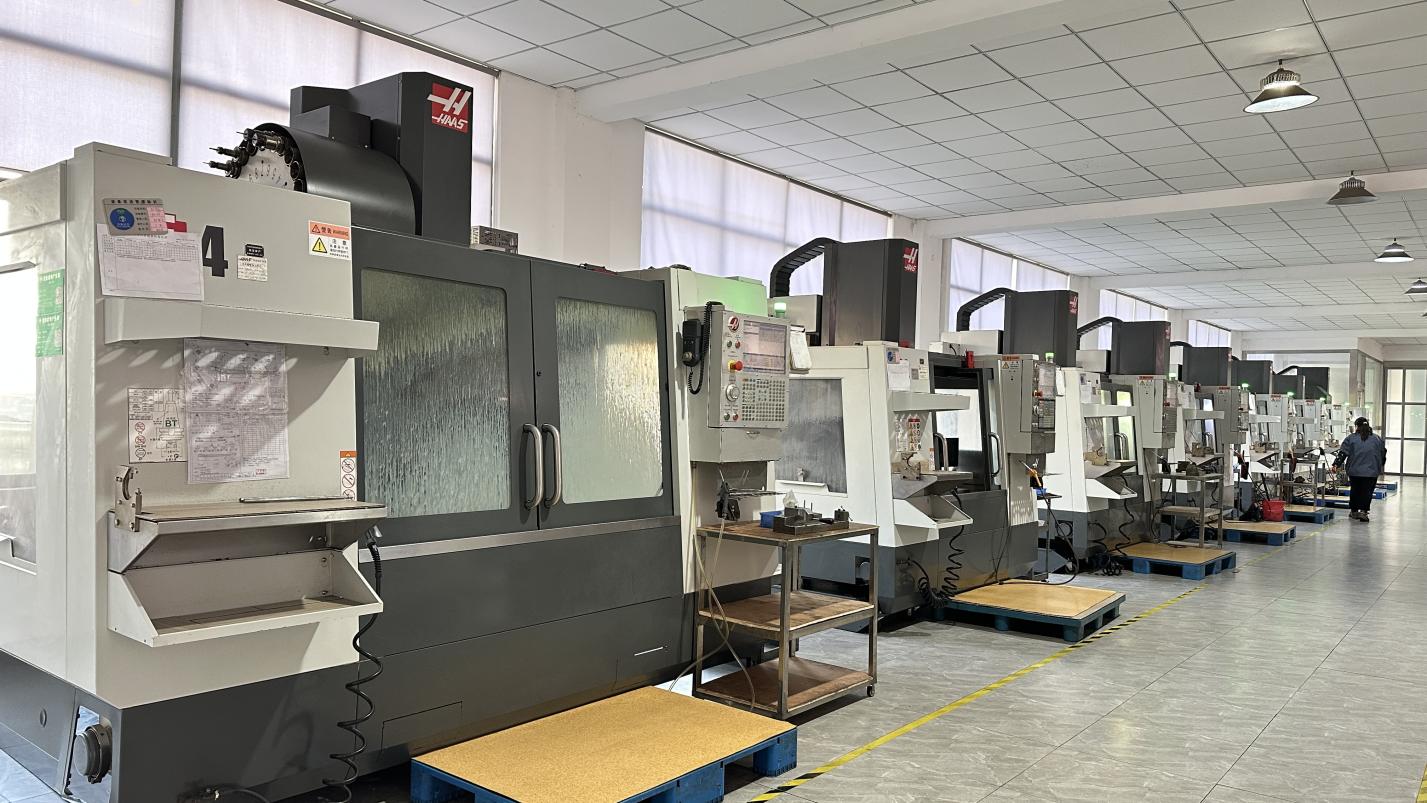
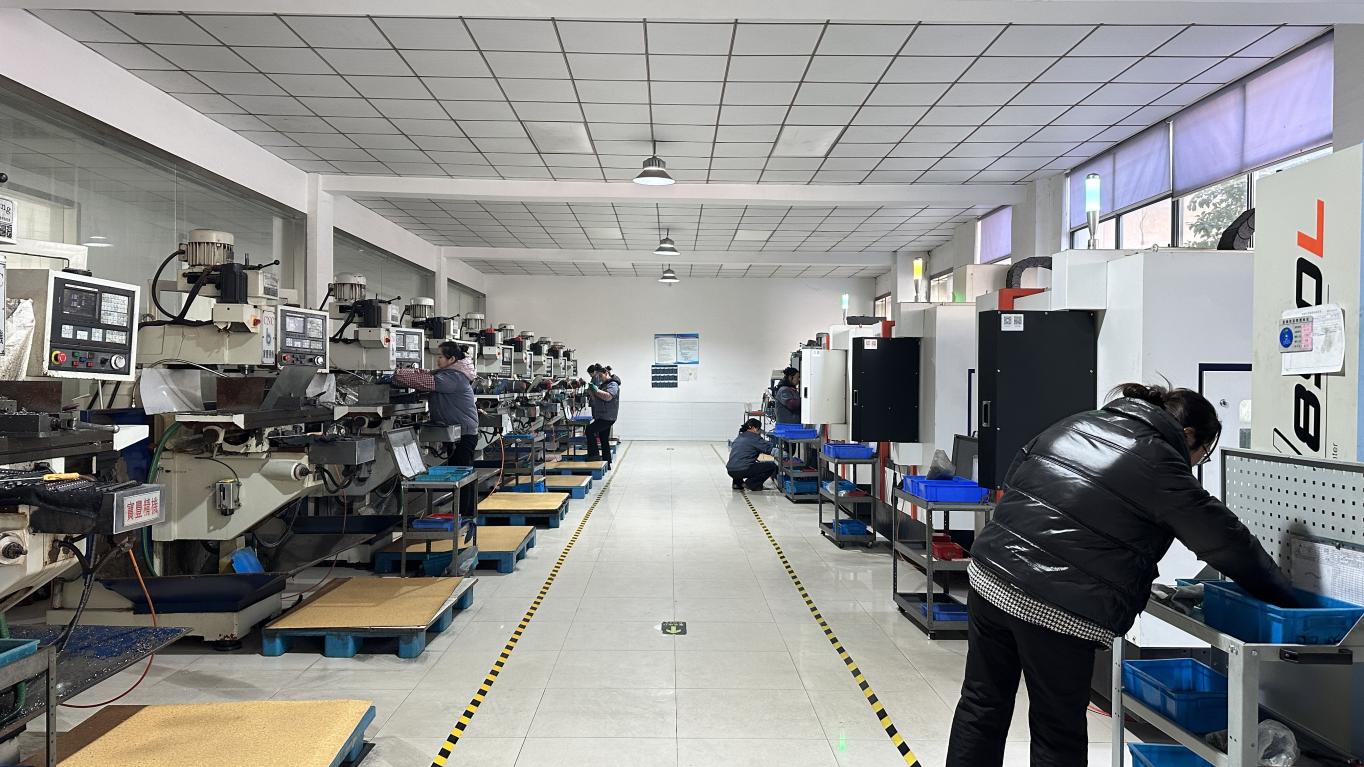
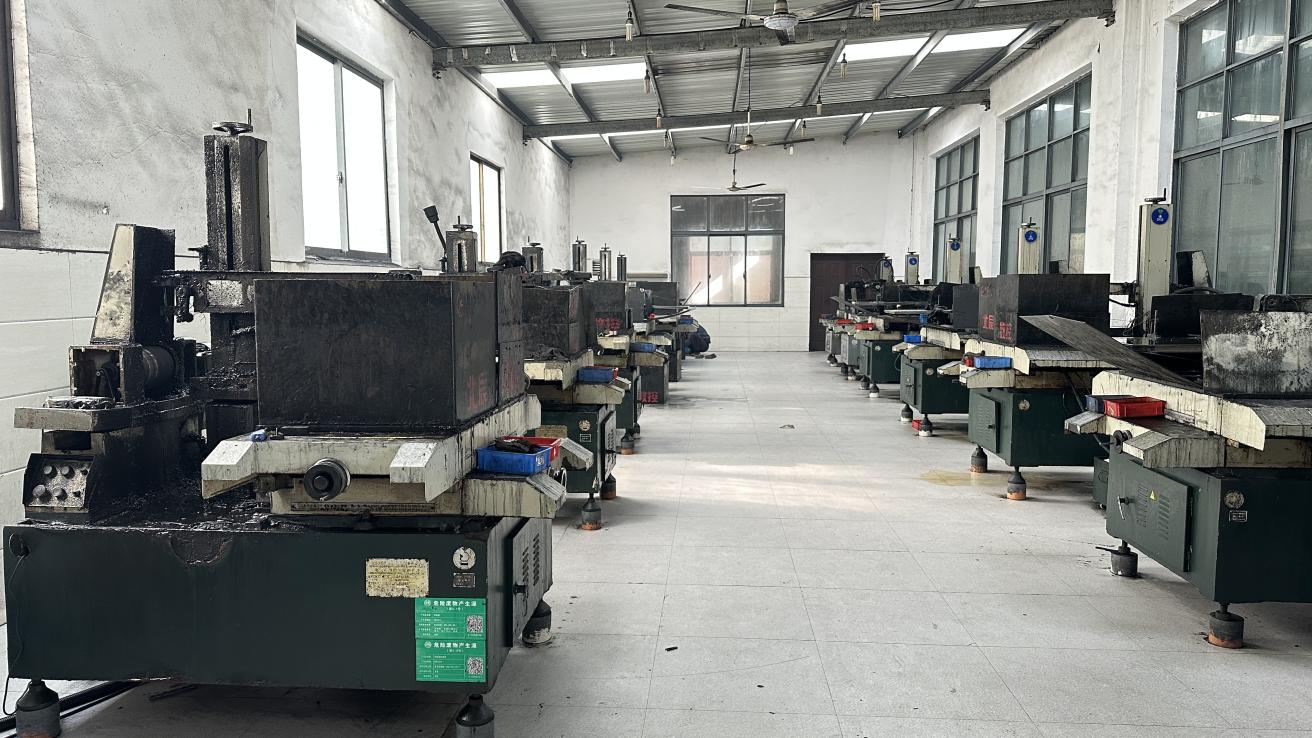
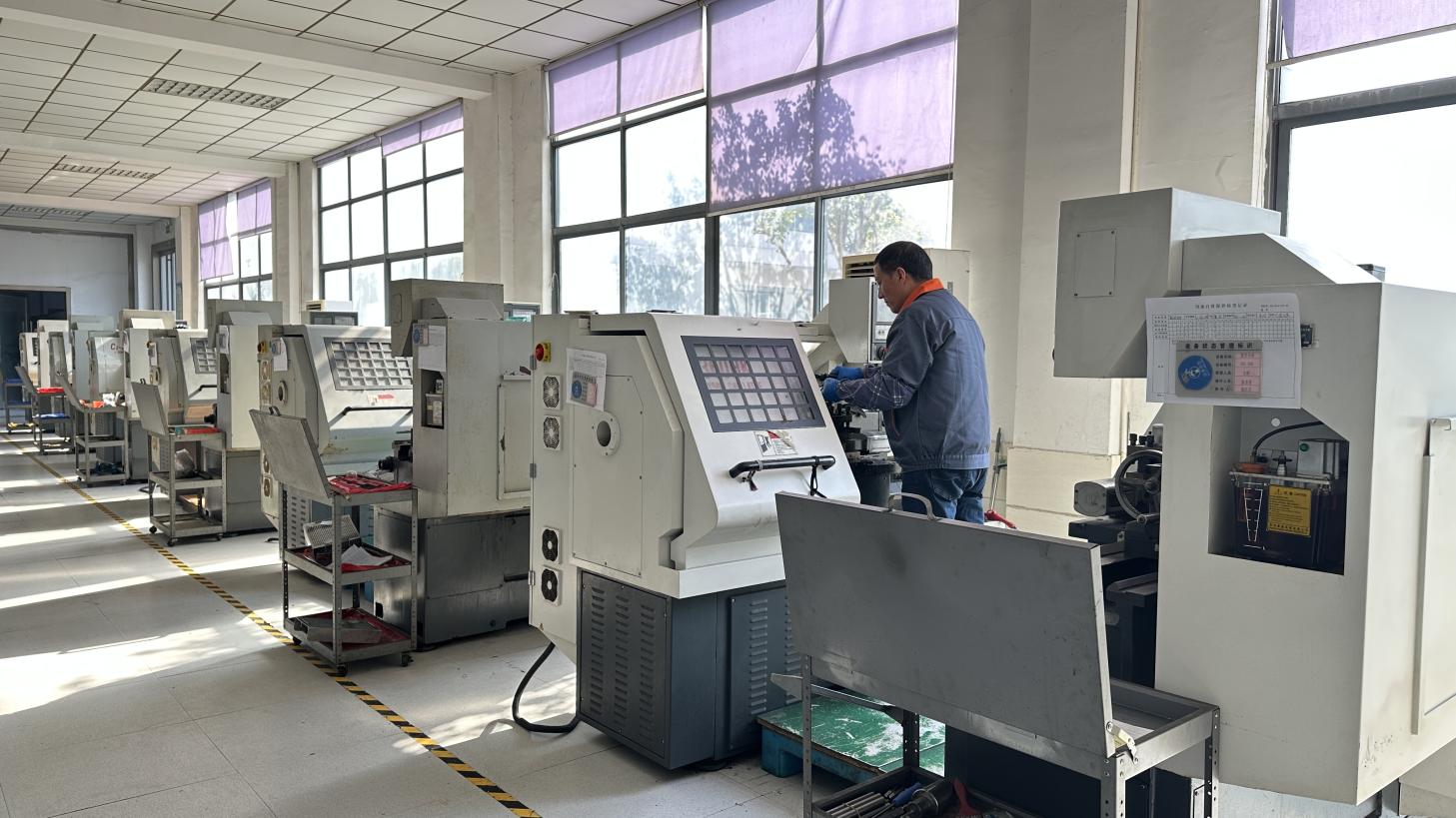
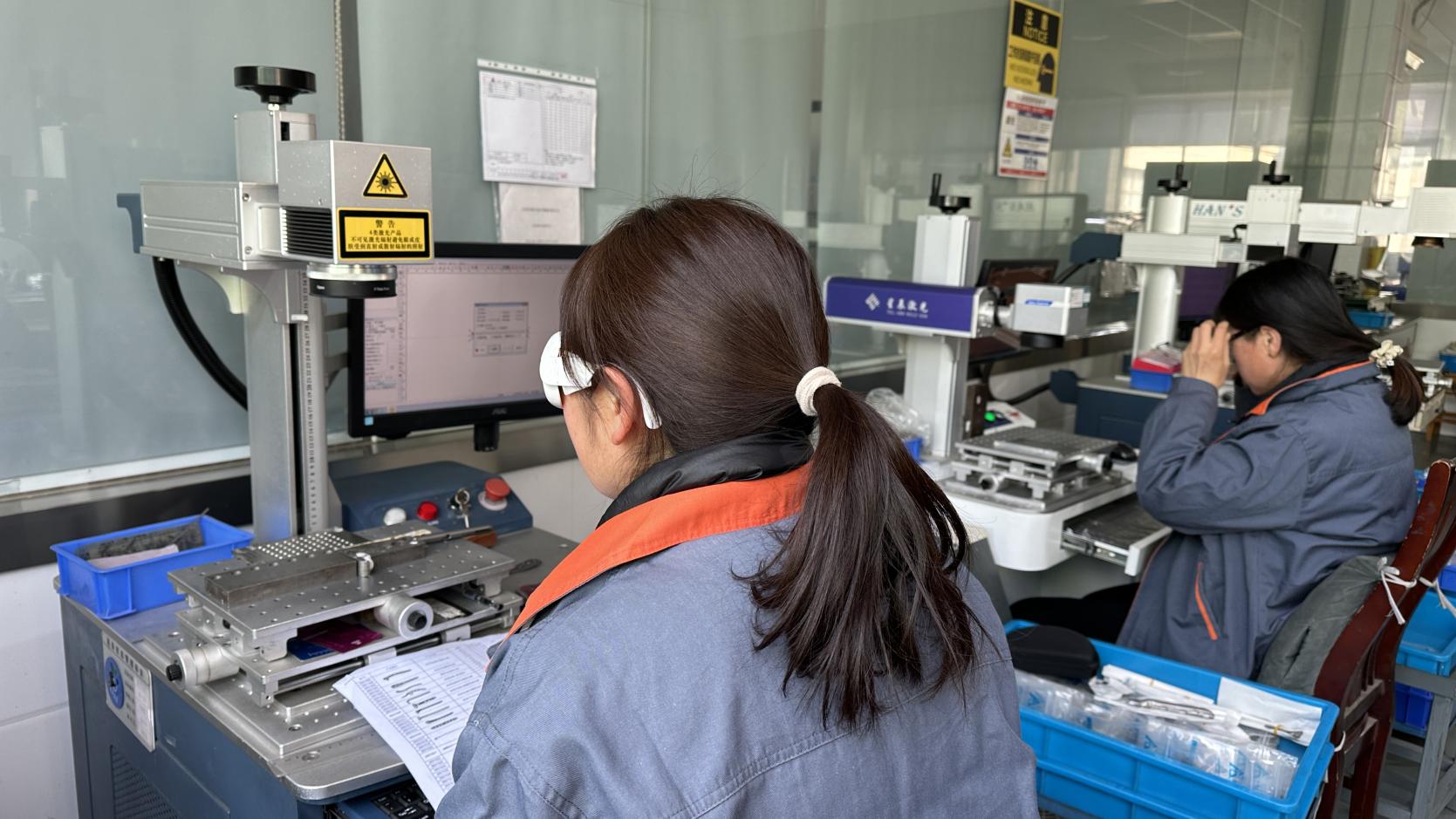
Equipped with 5-axis CNC milling machines, precision slitting lines, and wire-cutting machinery, the manufacturing system ensures components achieve sub-micron tolerances, replicating the natural movement of the patellofemoral joint.
Utilizing local technical talent and advanced simulation software (such as biomechanical FEA), Virelox introduced 120 new products last year alone, compressing product development timelines from years to months.
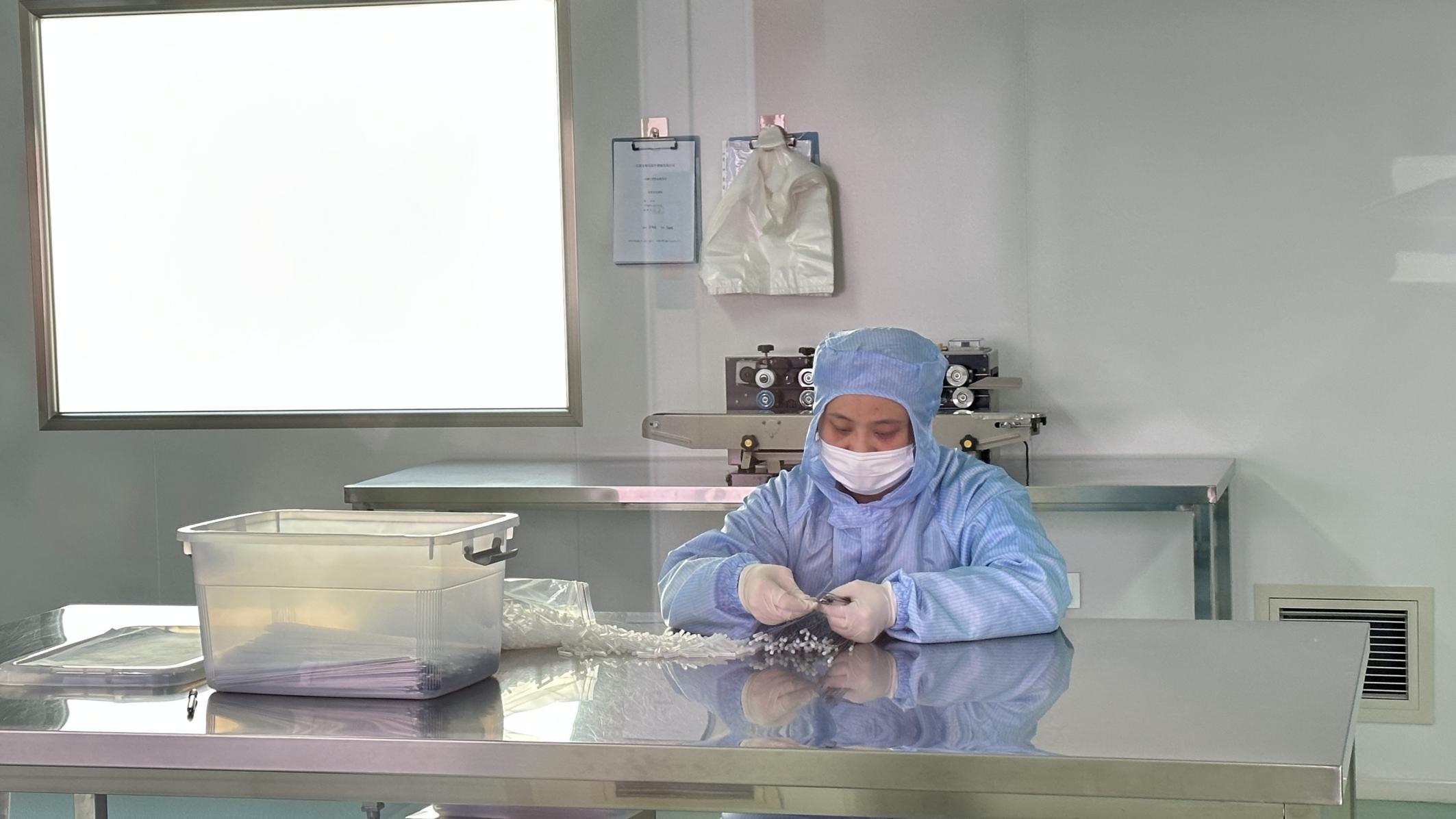
Virelox maintains strict quality oversight from incoming raw stock to final packaging. Utilizing an ISO 13485-certified management system, every step is traceably documented for regulatory compliance.
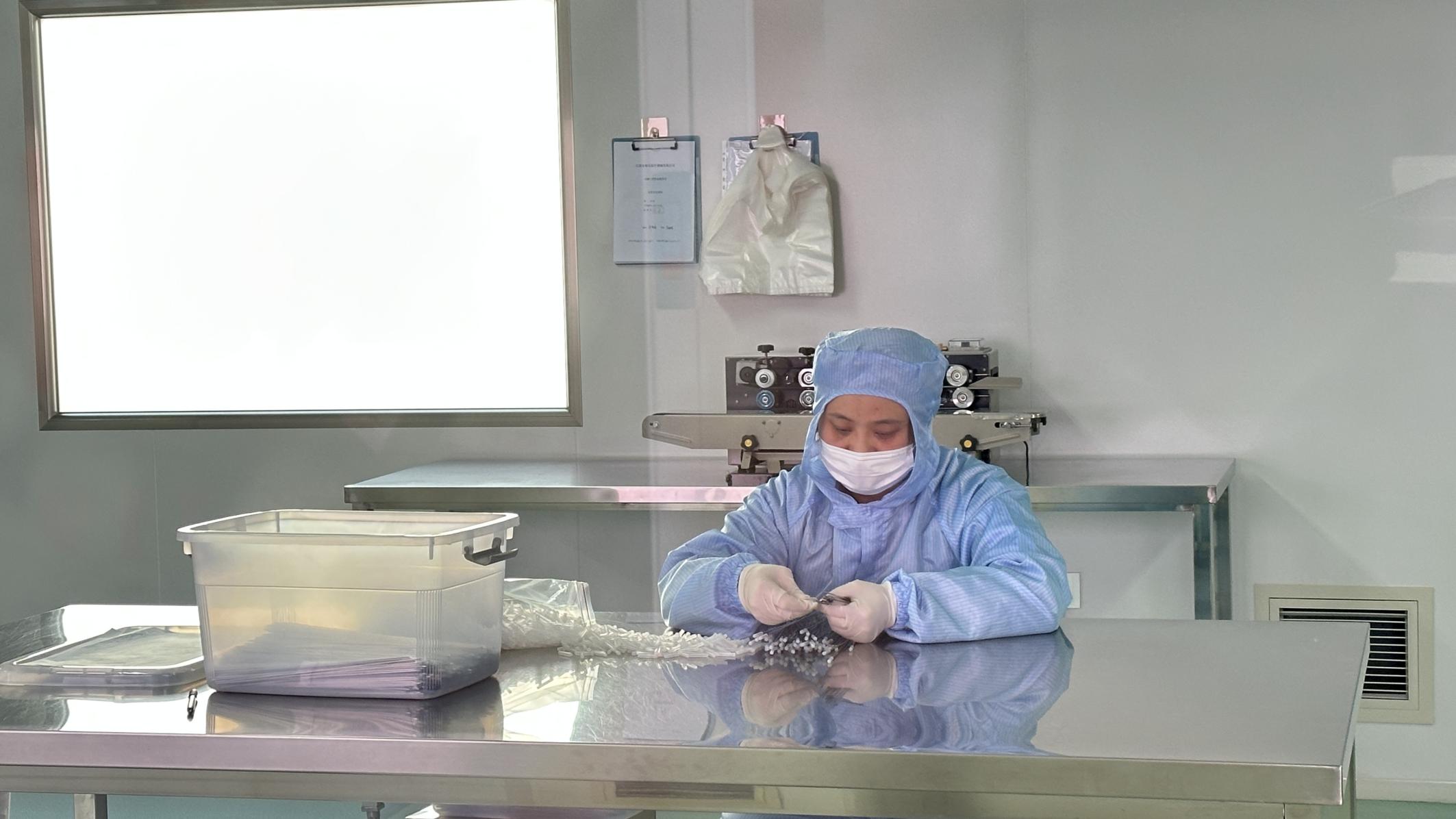
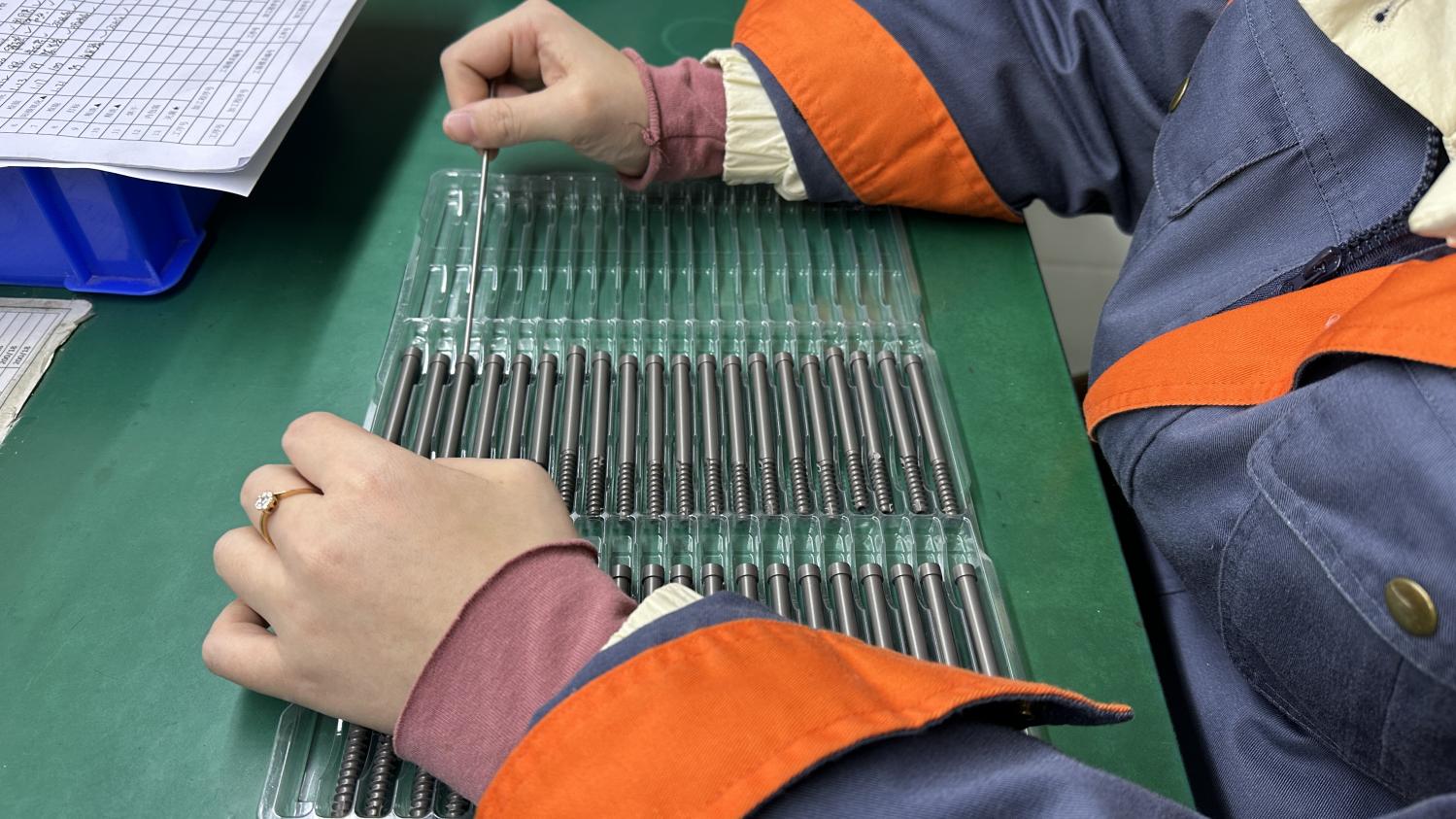
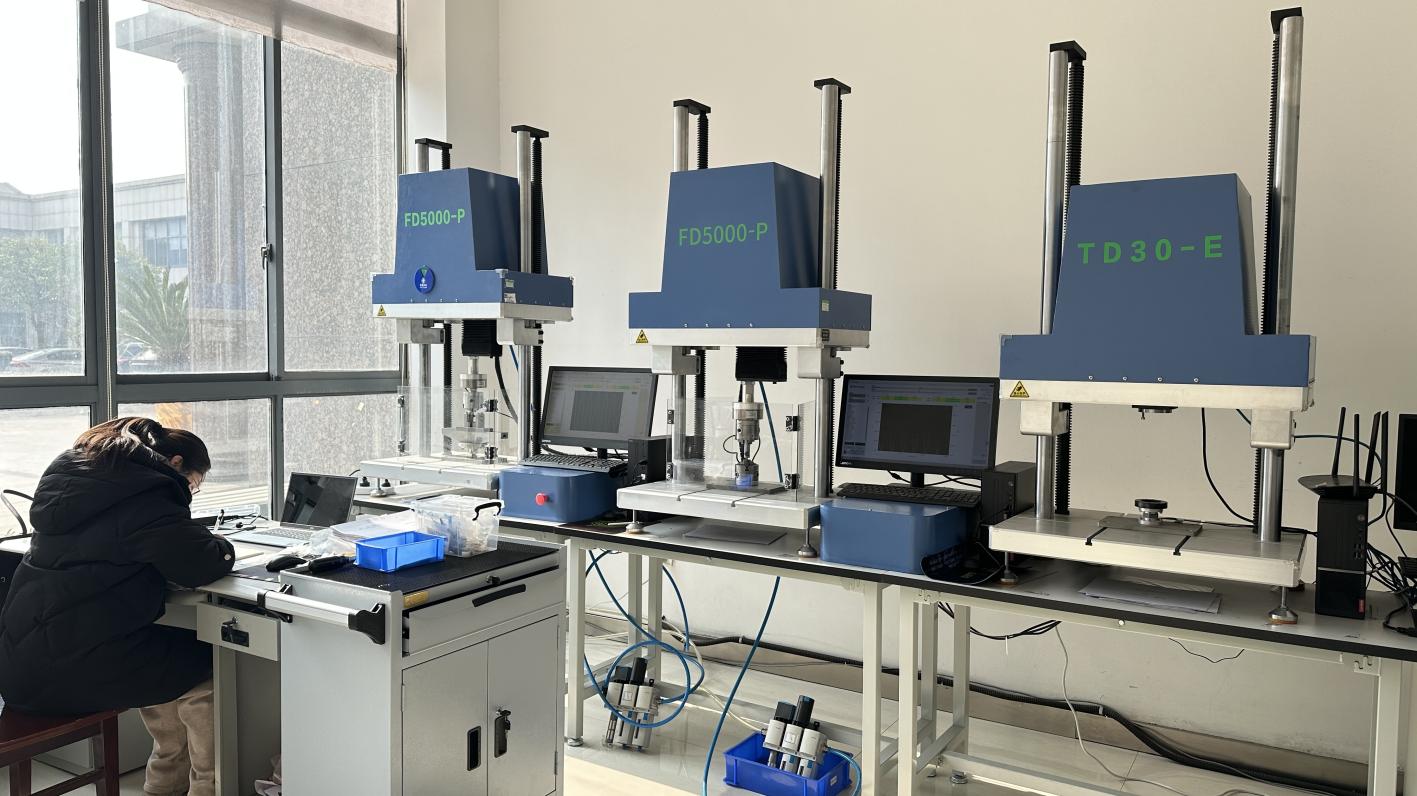
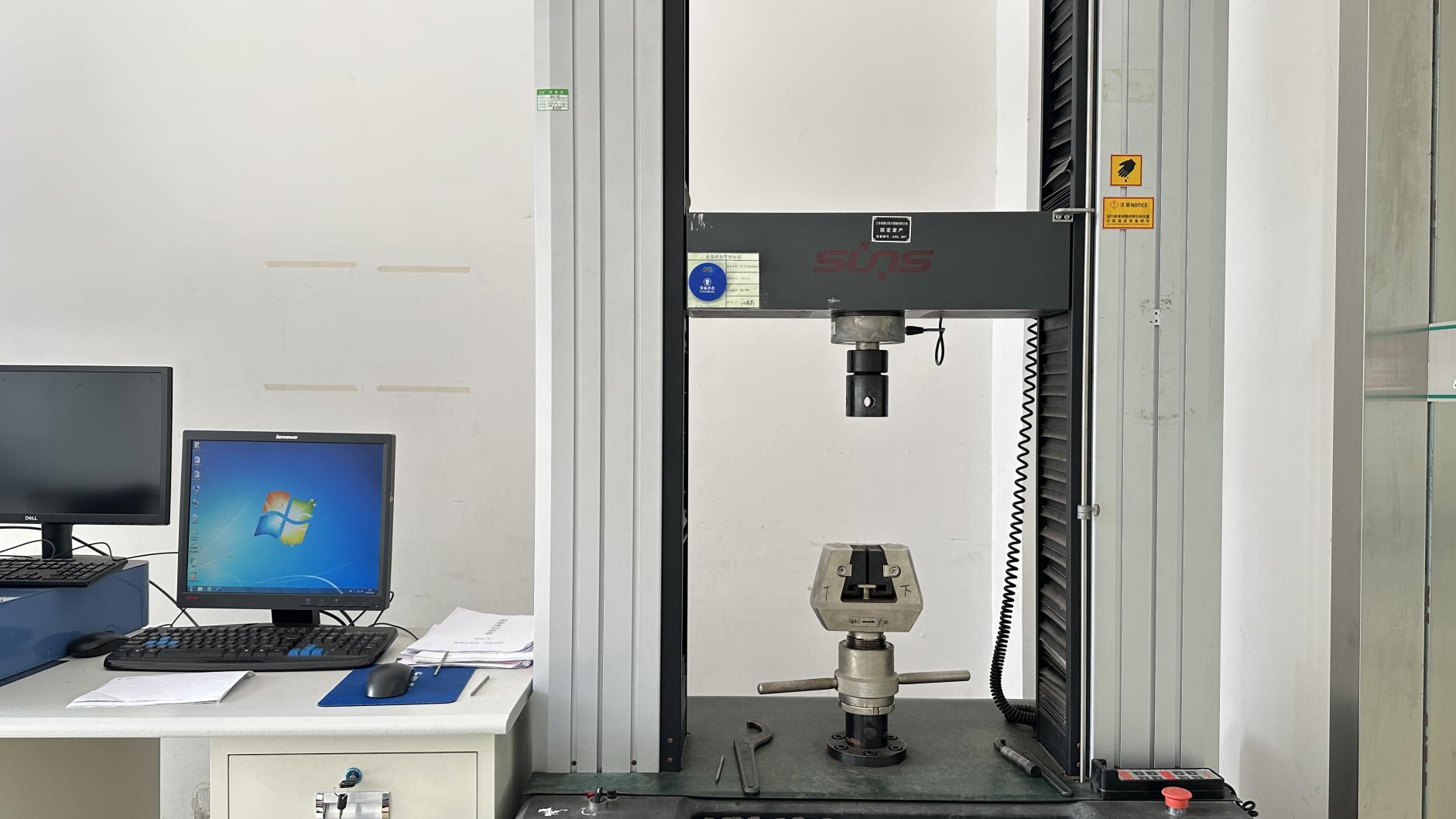
Distributing medical devices across regions requires compliance with local healthcare regulations. Operating in international markets like Europe, Southeast Asia, the Middle East, and South America, Virelox maintains the required quality management standards:
Implant products are manufactured in compliance with ISO 13485 standards. Standardized production lines and high-quality testing protocols support registration requirements for the FDA (US), CE MDR (Europe), and other regional regulatory agencies.
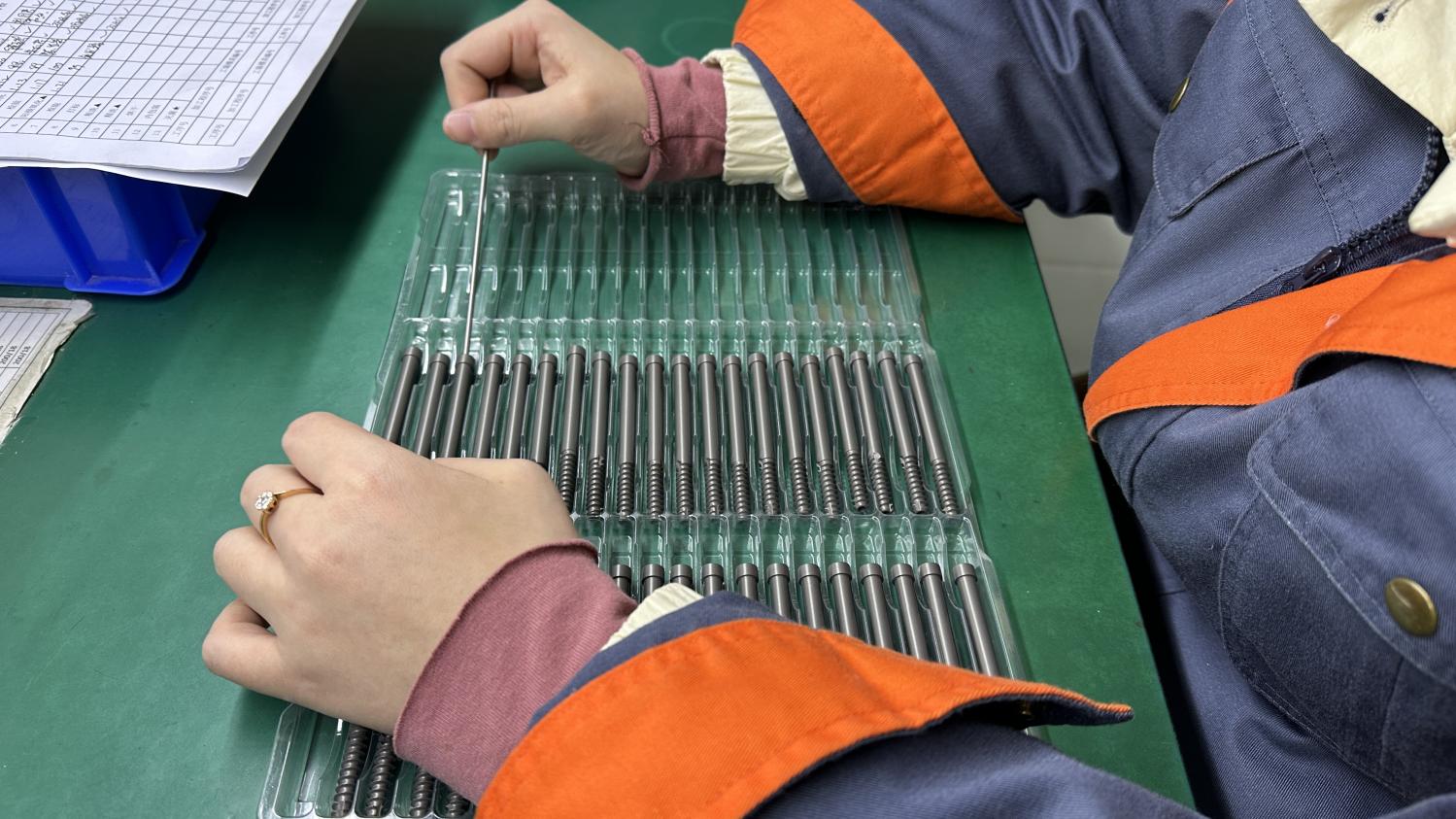
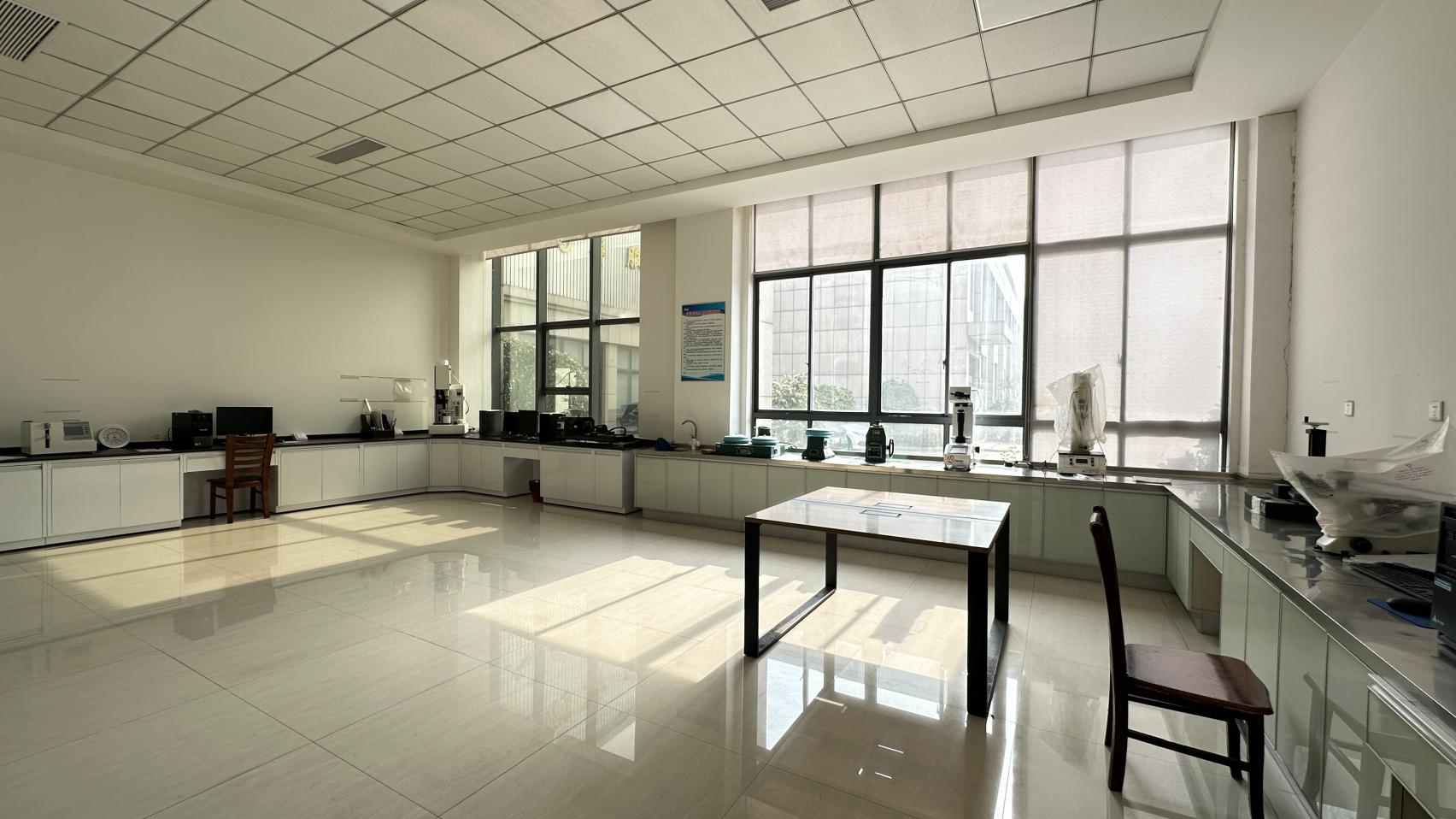
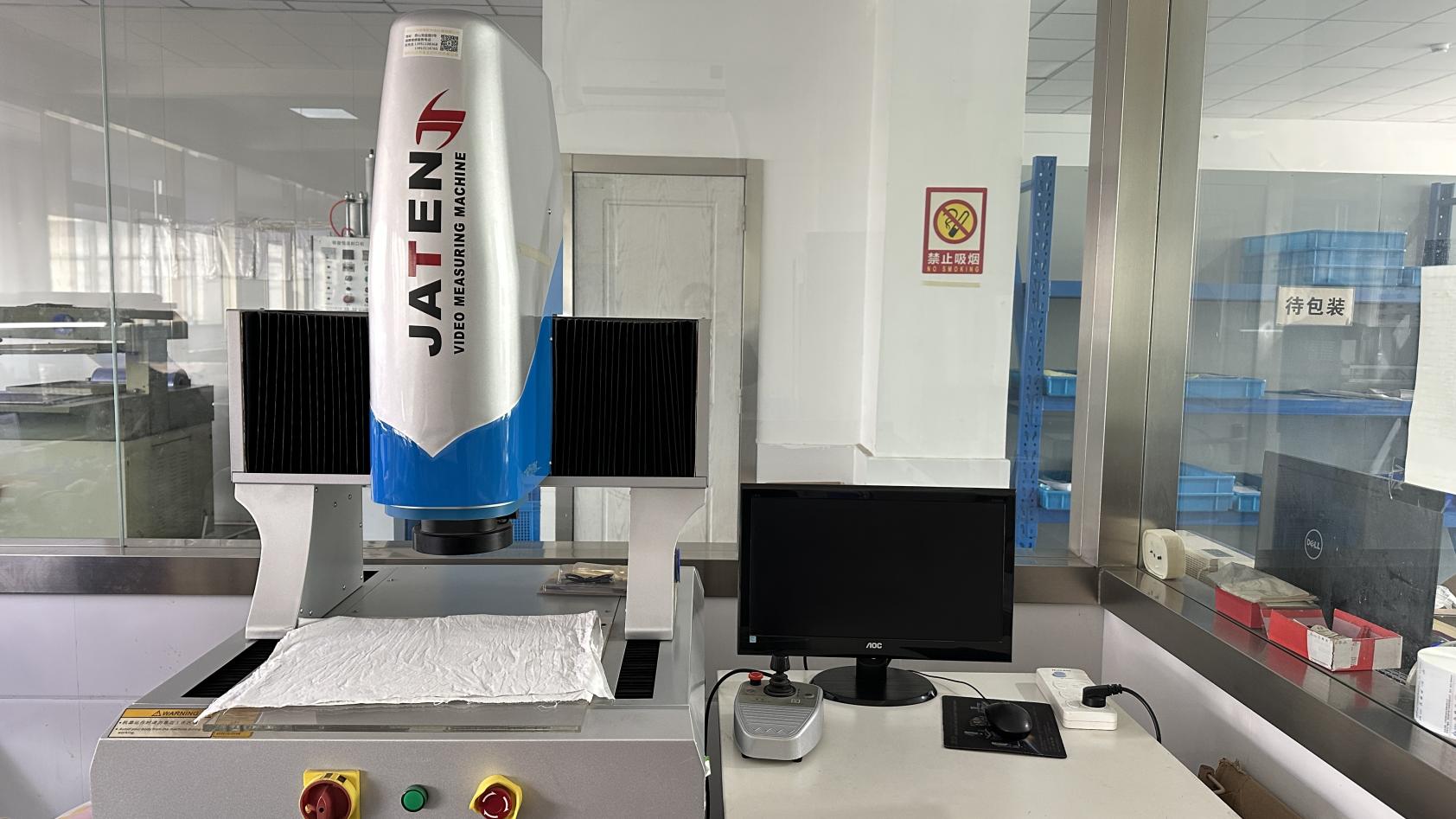
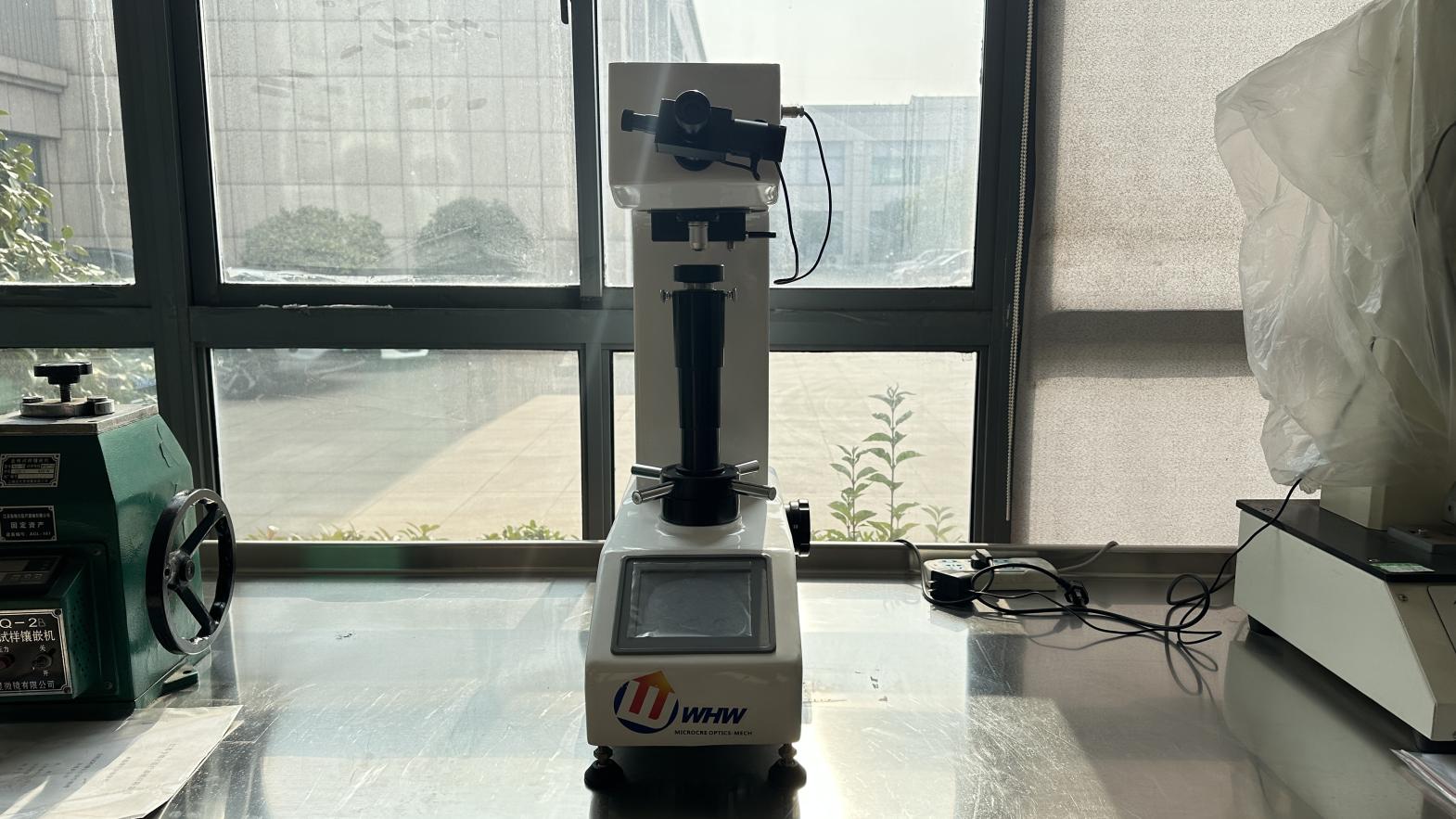
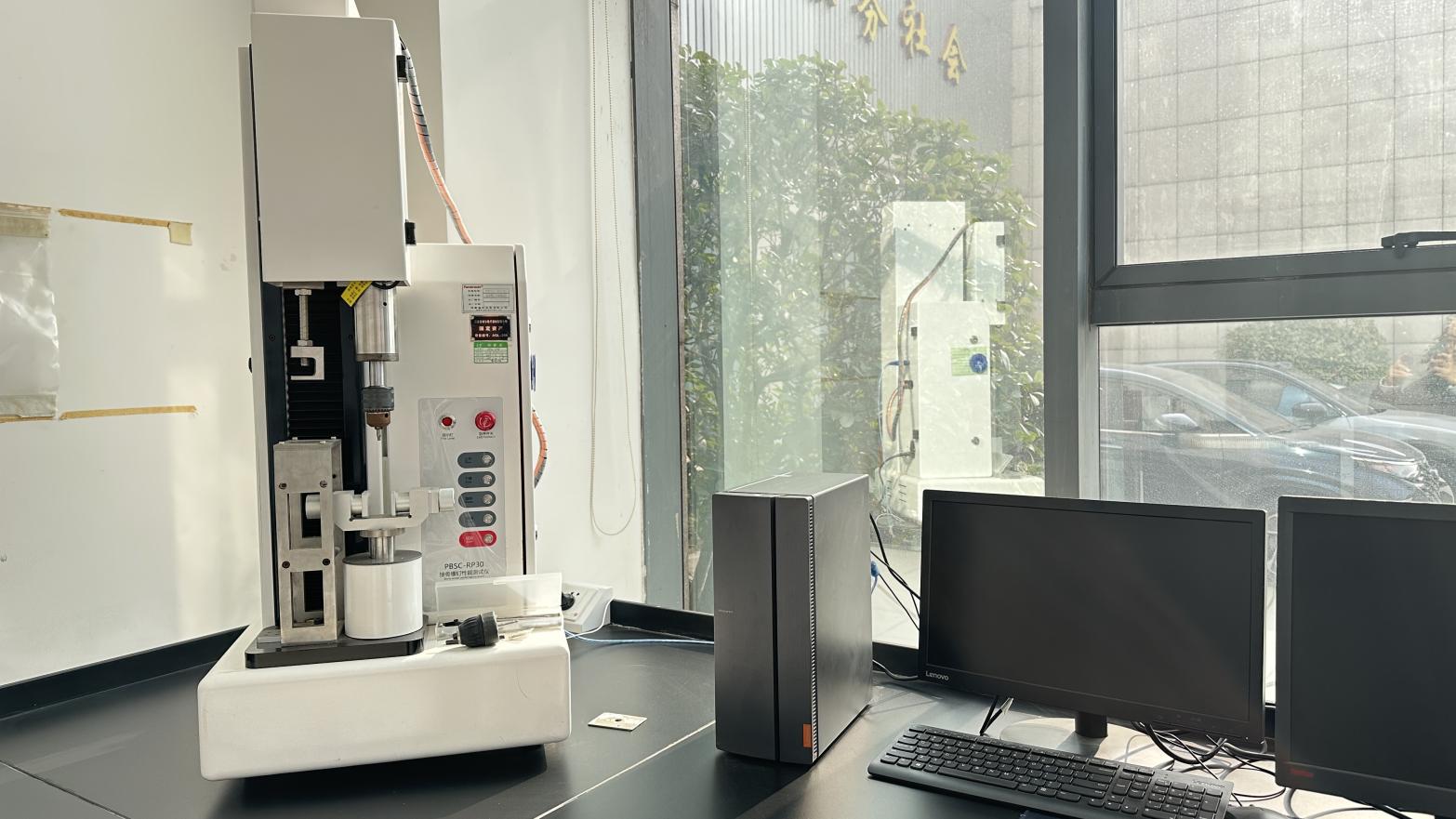
Using coordinate measuring machines (CMM), fatigue testers, tensile strength equipment, and X-ray scanners, every implant batch is verified for structural integrity, dimensional stability, and wear performance.
Equipped with 8 years of export operations, the logistics team handles international clearance, cold-chain-compatible shipping preparation, sterile barriers, and custom labeling according to country-specific standards.
As life expectancy increases and global populations age, total knee arthroplasty volume is rising. Understanding these clinical needs helps shape production and design processes:
Modern lifestyles, particularly in Asian markets, require deeper flexion angles (e.g., for kneeling and squatting). Advanced patellar implants utilize custom geometry designs to maintain stability and contact area during high flexion, reducing edge loading and subluxation risk.
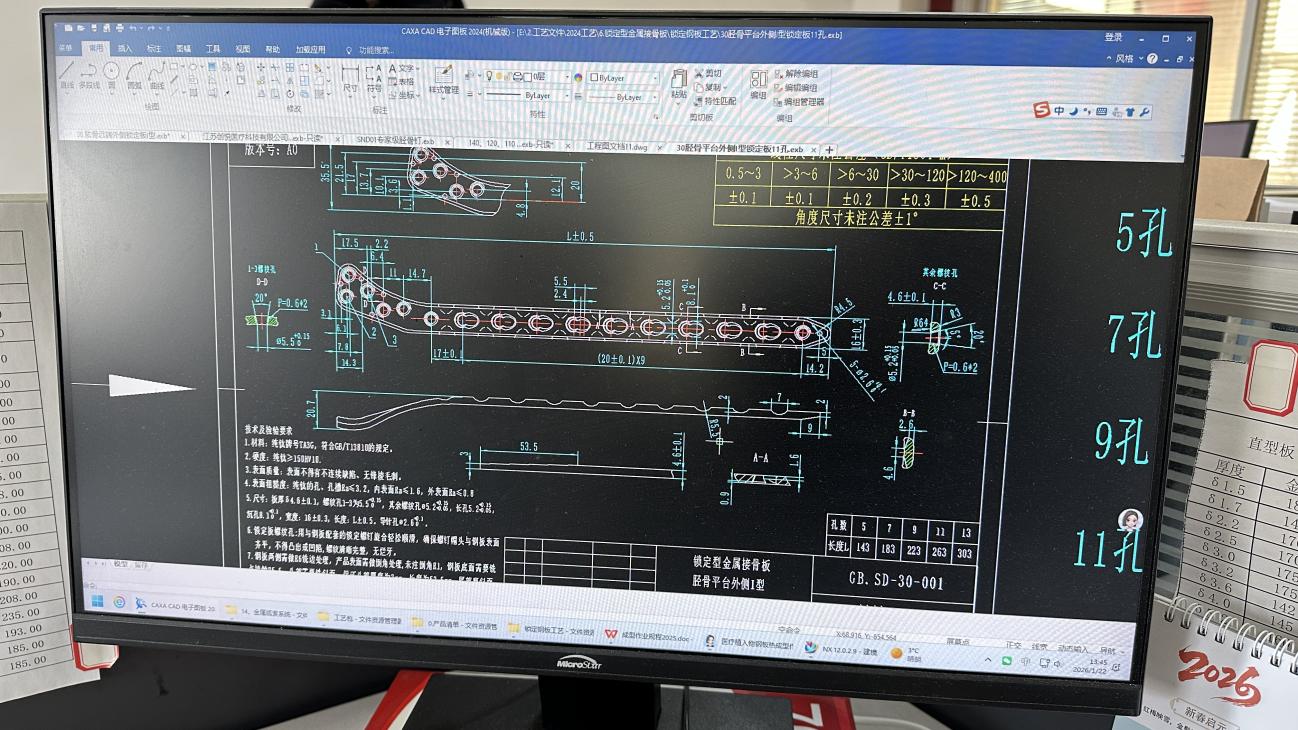
With revision surgeries rising, bone-loss scenarios call for specialized inset patellar options or custom thick-dome designs. Our CAD/CAM systems support the customization of specific component dimensions for complex reconstructive procedures.
Pet joint health has seen significant demand. Veterinary surgical clinics use modified joint systems, such as veterinary-specific TPLO attachments and smaller joint components, to treat companion animals.
Comprehensive clinical and surgical solutions, designed for human and veterinary orthopedics.
 Virelox