Premium orthopaedic trauma, spine, joint systems, and instruments engineered for strict clinical tolerances.
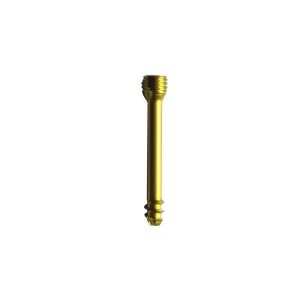
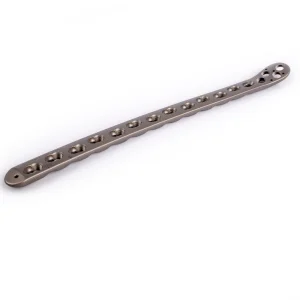
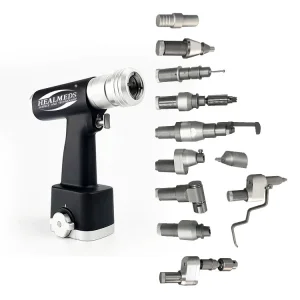
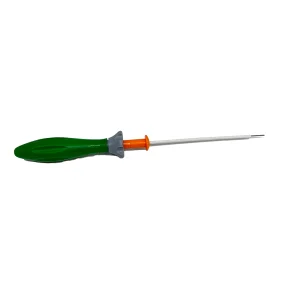
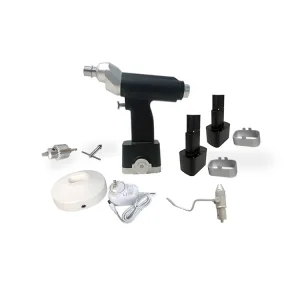
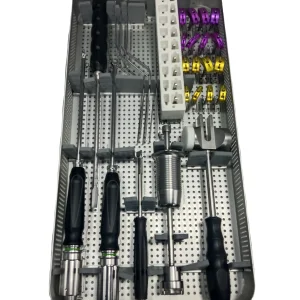
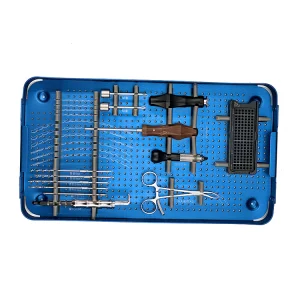
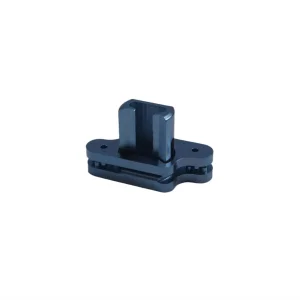
The global market for joint reconstruction continues to experience sustained growth, driven by an aging demographic, the rising incidence of osteoarthritis, and structural requirements for post-fracture stabilization. While cementless hip reconstruction systems have seen high adoption rates in active patient segments, cemented hip prostheses remain the clinical gold standard for specific demographics. This includes patients with poor bone quality, advanced osteoporosis, and compromised femoral geometry where biological osseointegration is highly unpredictable.
International clinical registries consistently demonstrate that cemented femoral stems offer excellent long-term survivorship (exceeding 90% over 15 to 20 years) when combined with advanced third-generation cementing techniques. Modern cemented prostheses mitigate the risk of early intraoperative periprosthetic fractures and deliver immediate primary mechanical stability, enabling early patient mobilization and shortening hospital stays.
"The integration of modern taper slip geometry and polished surfaces in cemented stems minimizes structural stress concentrations at the bone-cement interface, effectively reducing the risk of aseptic loosening."
For medical device distributors and hospital procurement panels, choosing a reliable orthopedic manufacturer with specialized metallurgical processing capabilities, advanced surface engineering, and strict ISO certification is paramount to managing clinical risk and ensuring commercial success.
A trace-by-trace journey of high-grade surgical titanium and cobalt-chromium alloys through advanced machining, surface processing, and cleanroom packaging.
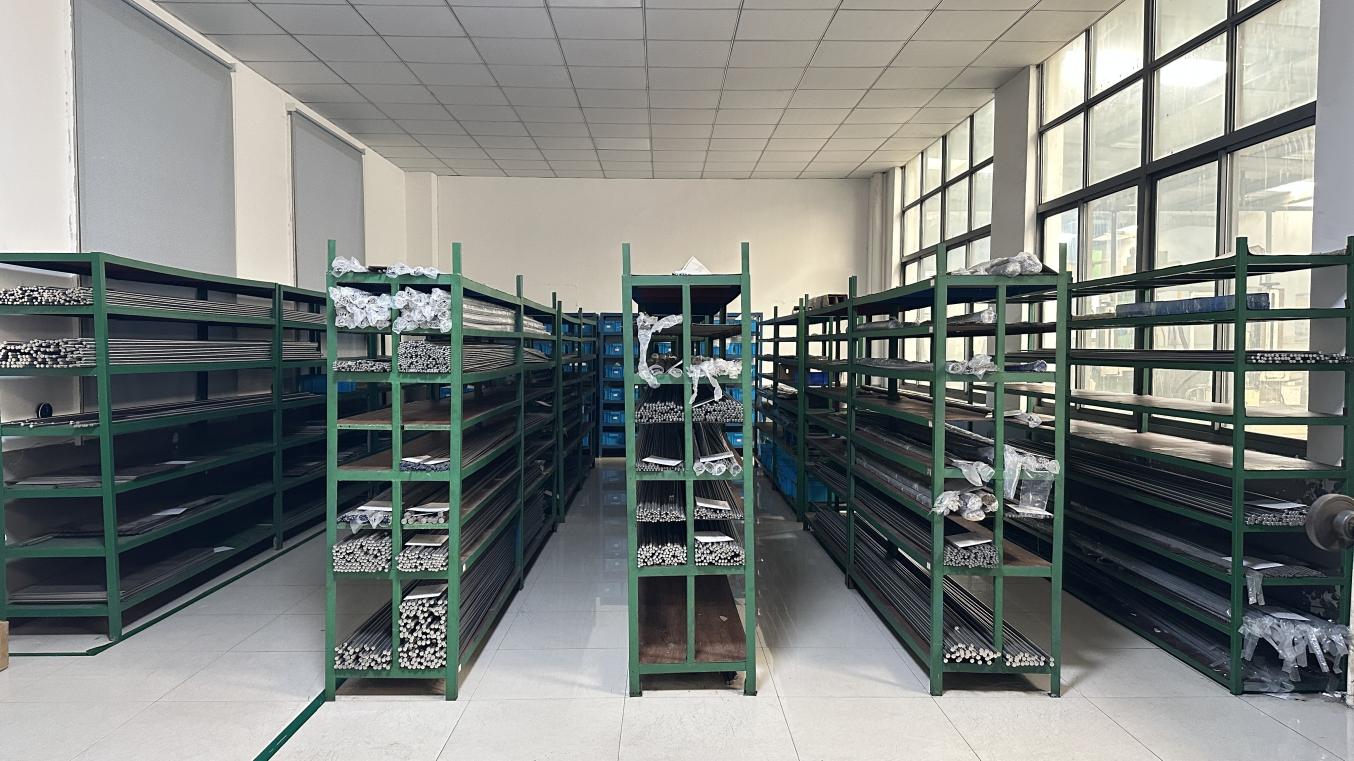
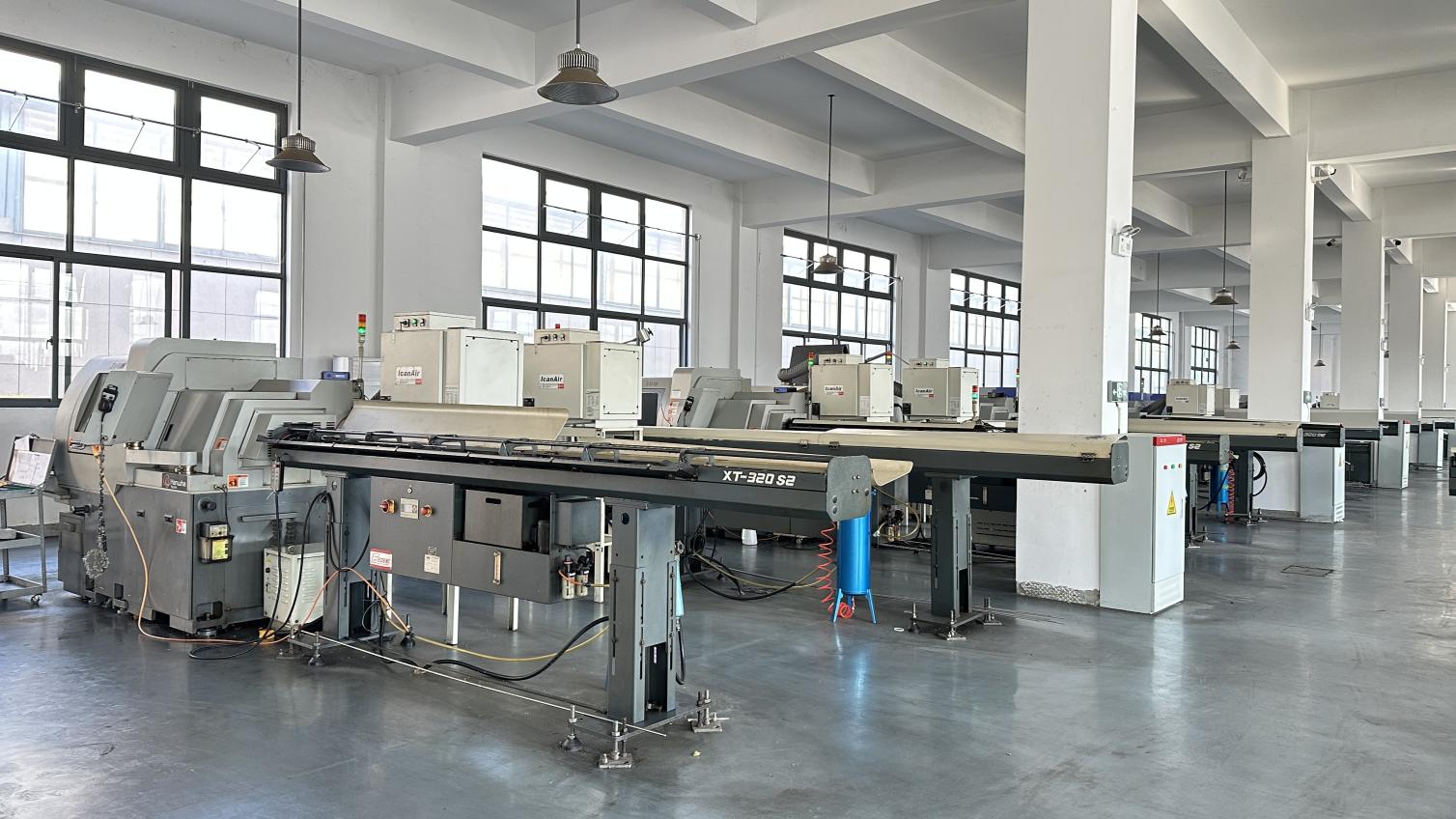
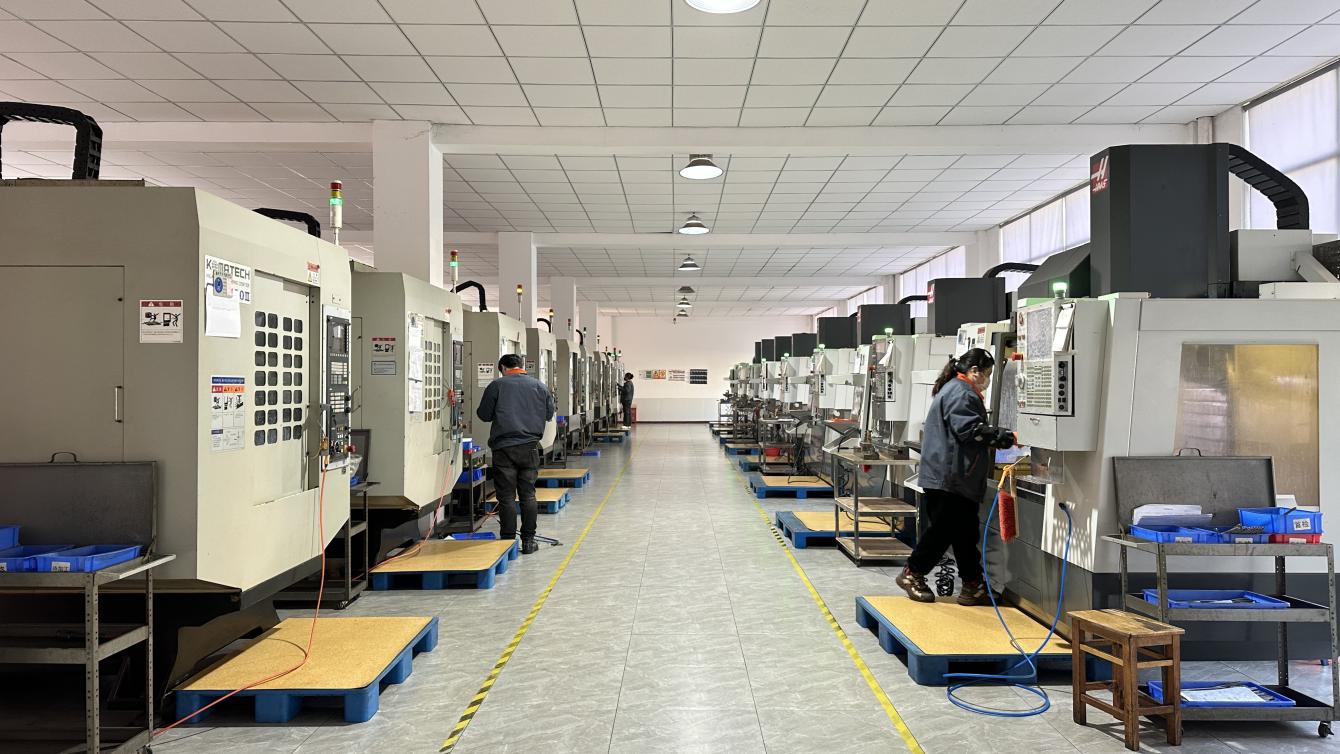
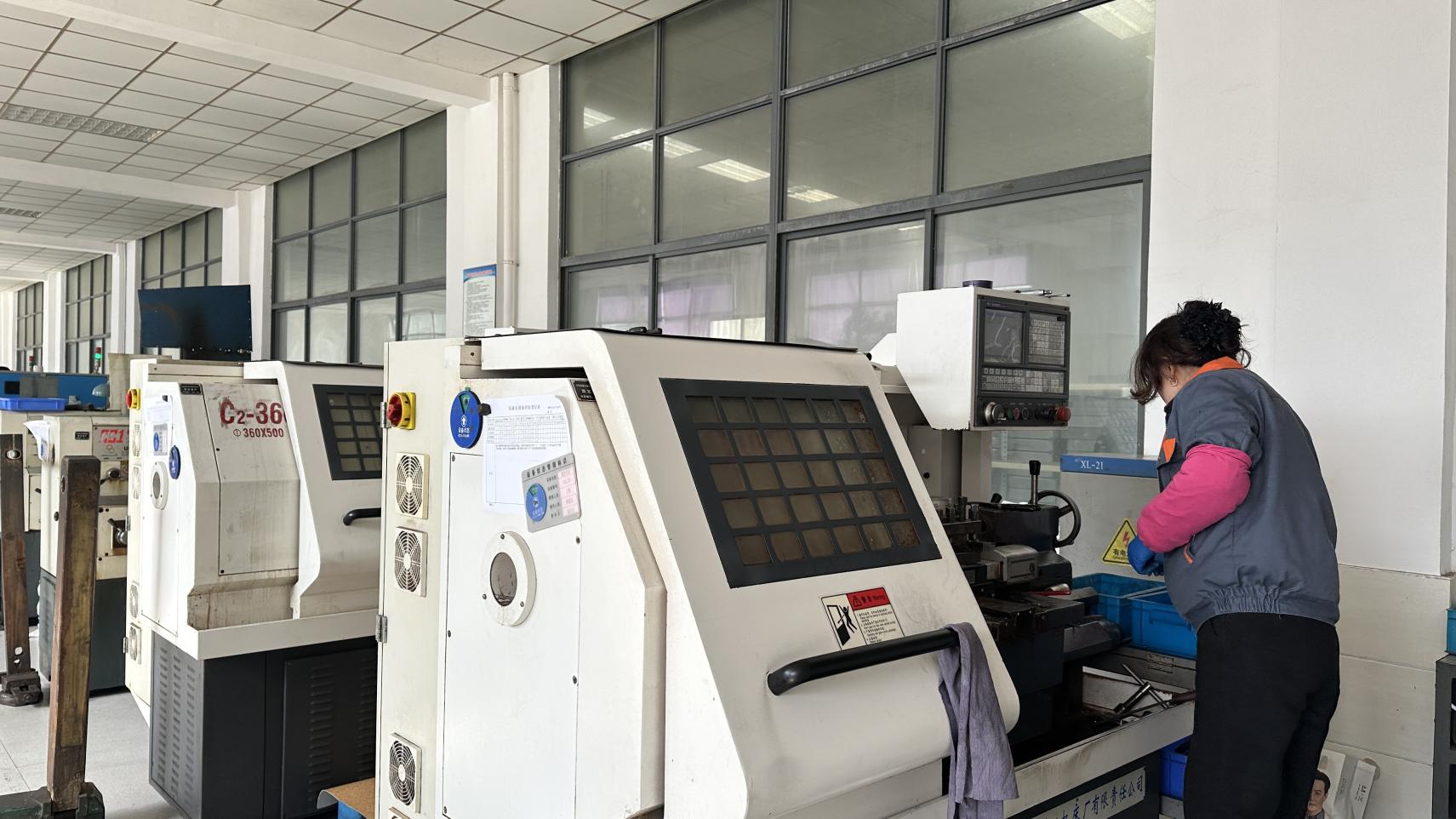
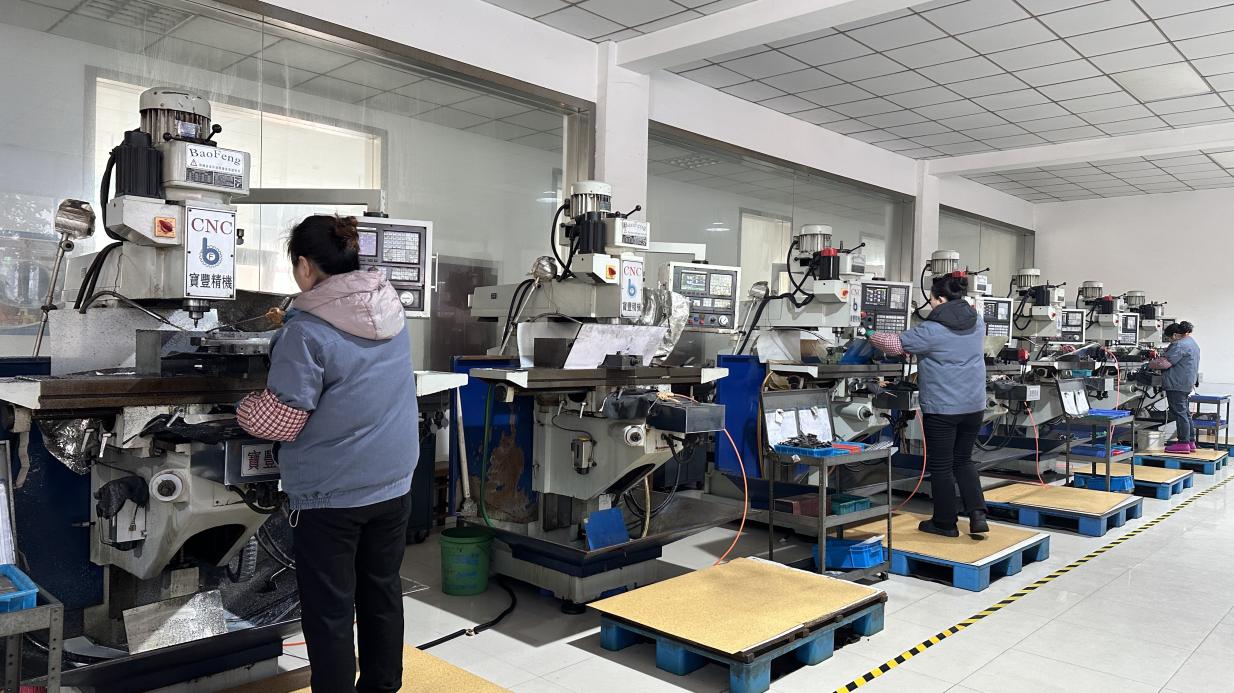
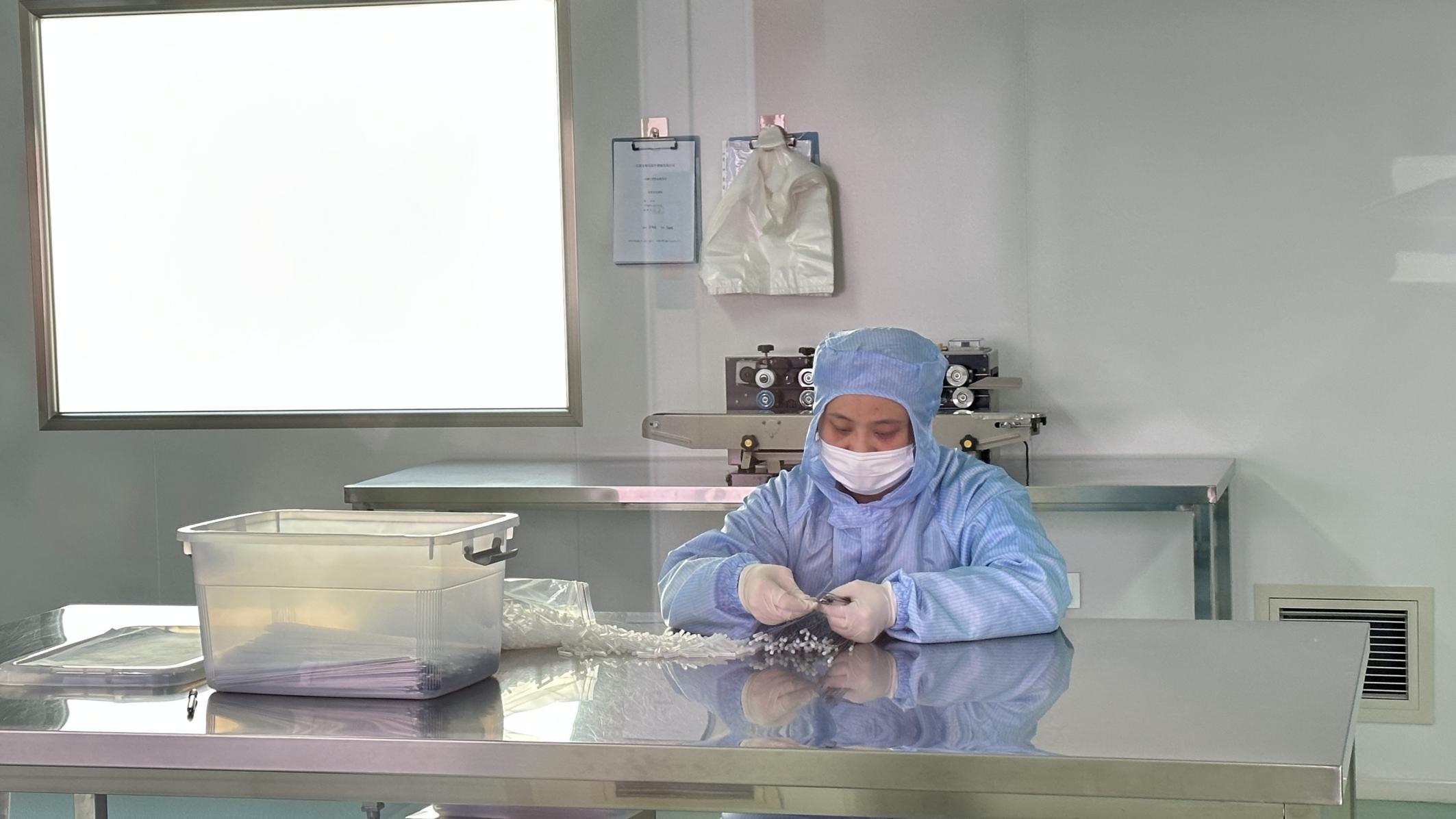
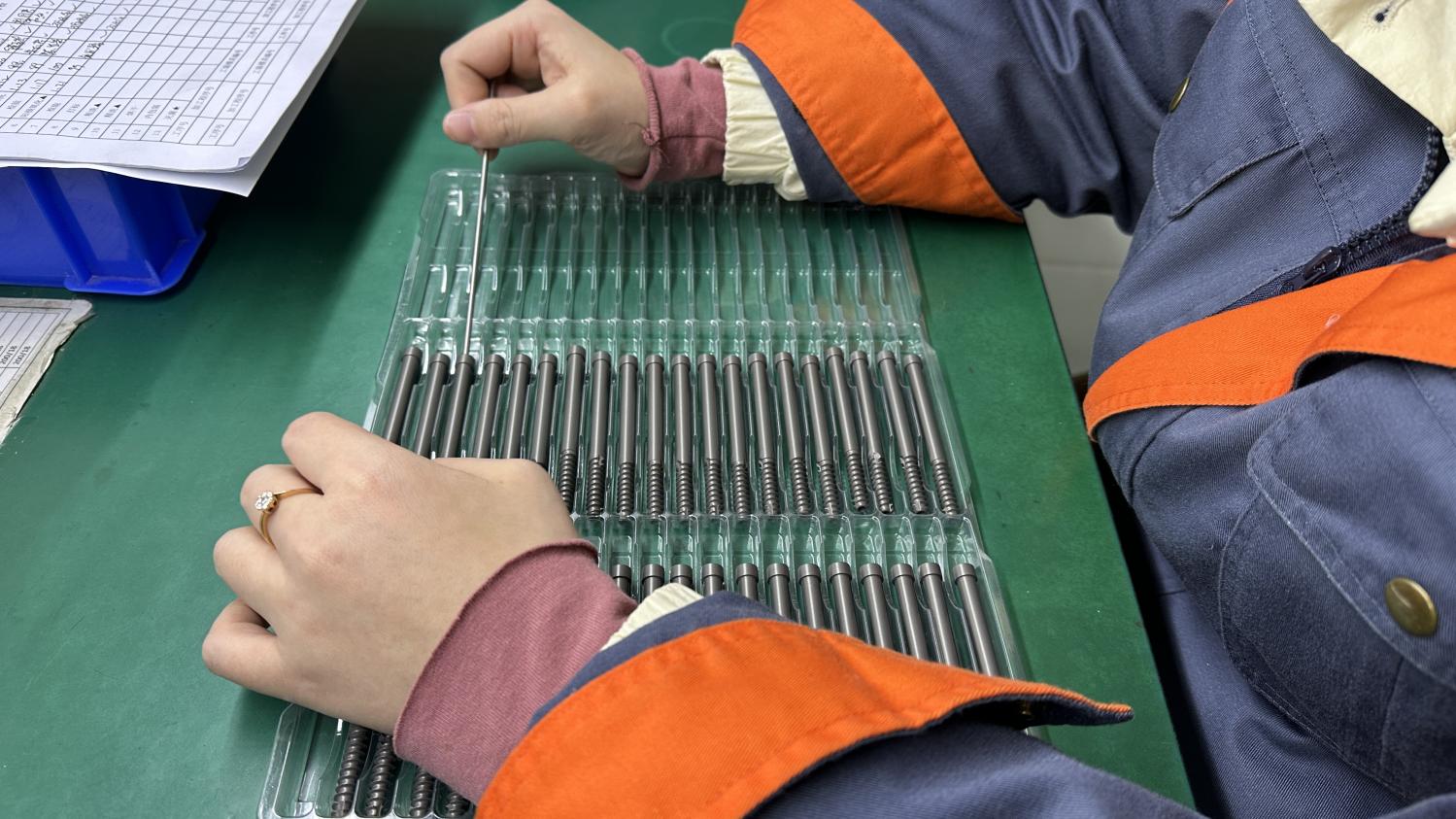
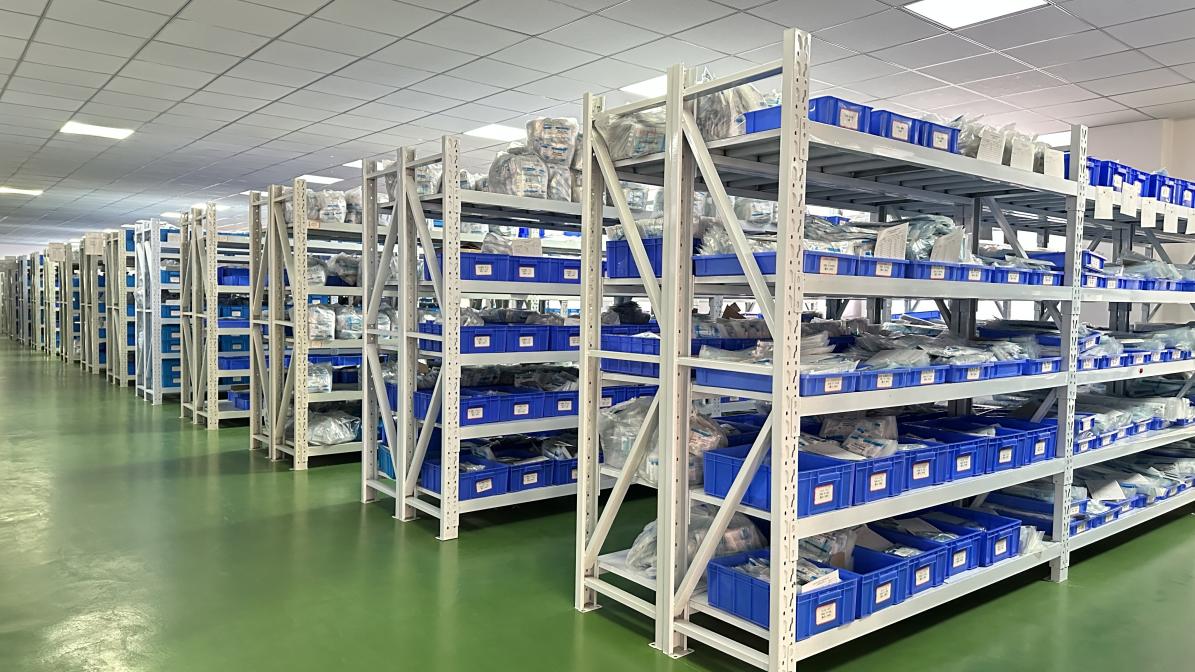
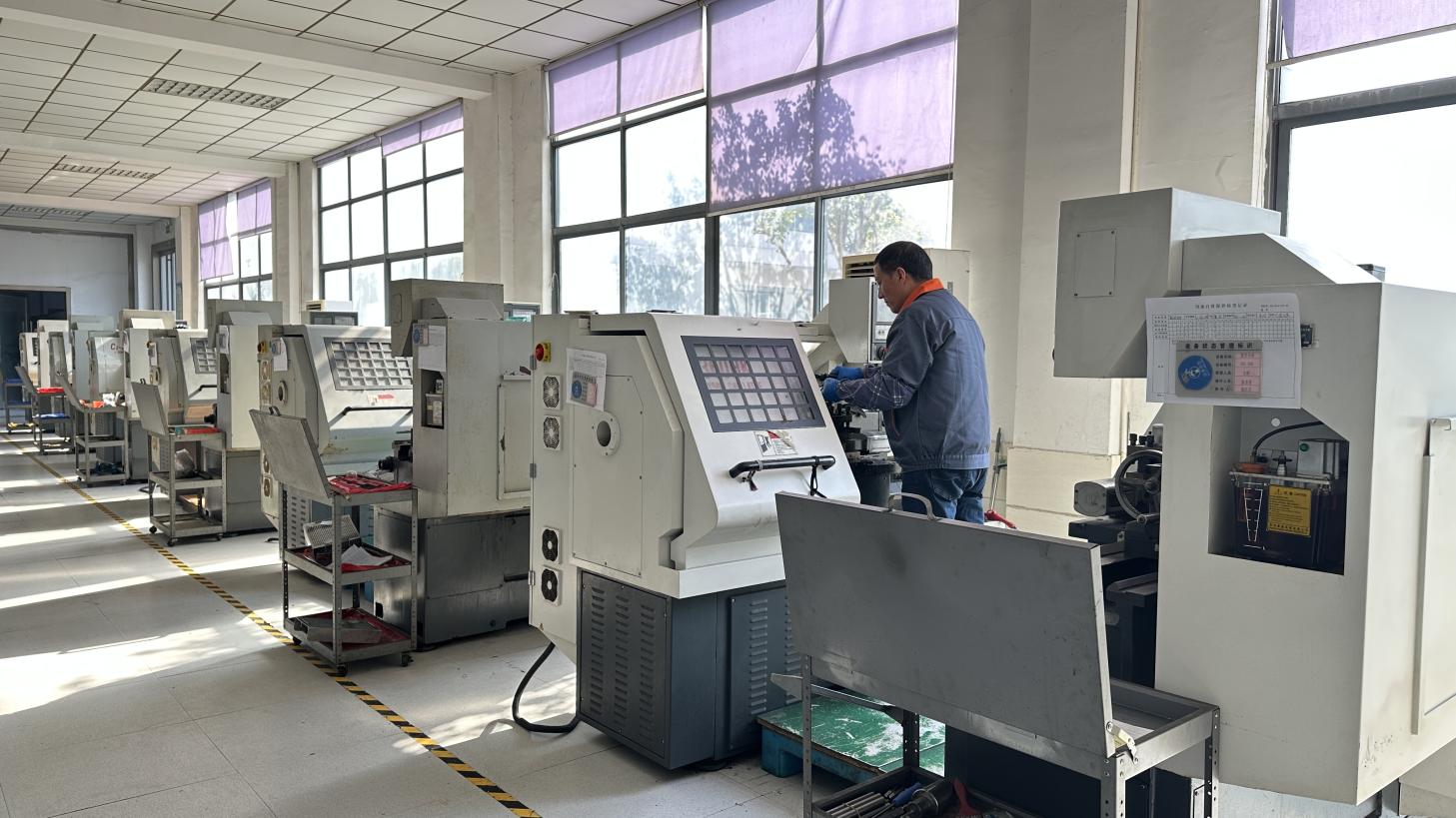
Virelox Medical Devices Co., Ltd. operates a vertically integrated, state-of-the-art manufacturing facility spanning 12,000 square meters. The production cycle begins with verified medical-grade titanium and cobalt-chromium-molybdenum alloy bar stocks. These undergo automated high-speed slitting and cutting processing, moving directly into high-precision, multi-axis CNC machining centers. This minimizes physical human interaction and keeps dimensional tolerances within micron-level variance.
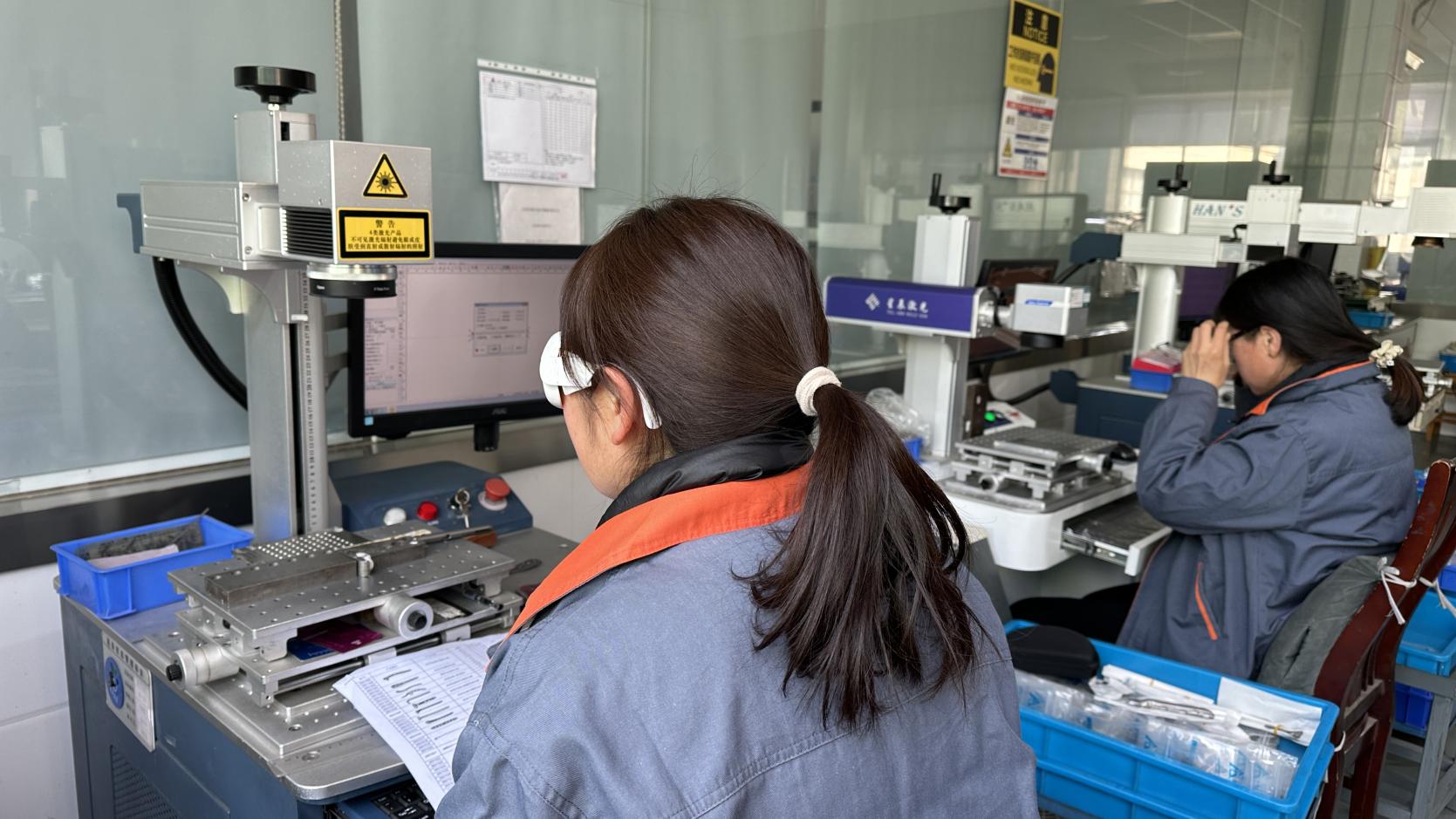
Advanced five-axis milling units carve the complex anatomic configurations required for joint stems and femoral components. Following machining, each implant undergoes surface finishing processes, such as glass-bead blasting or high-mirror polishing, to optimize interfaces for bone-cement adhesion or sliding articulation. Laser marking systems then etch unique traceability codes directly onto the implants. All cleaning, passivation, and primary packaging are conducted in ISO Class 7 cleanrooms to ensure compliance with strict bioburden and sterility standards.
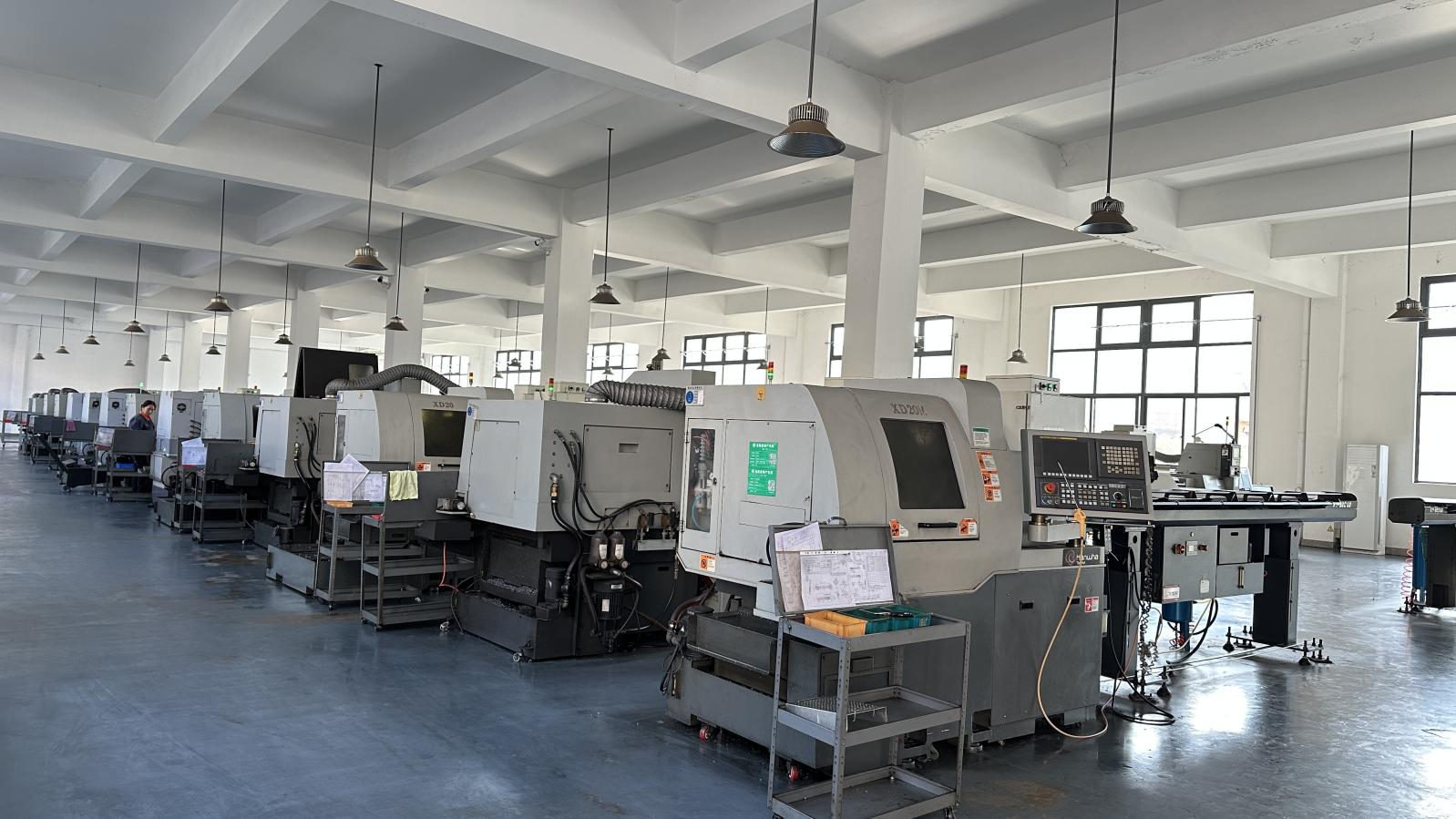
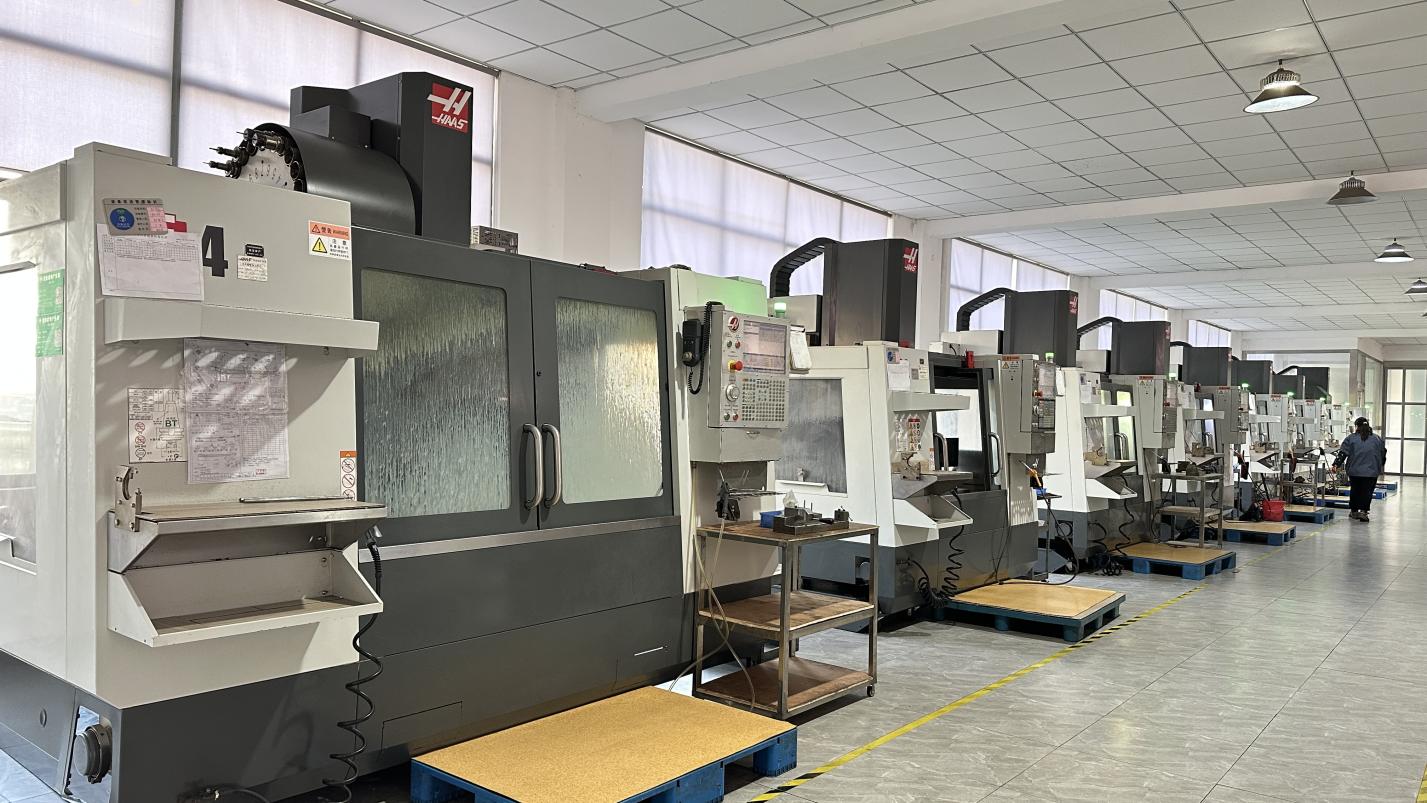
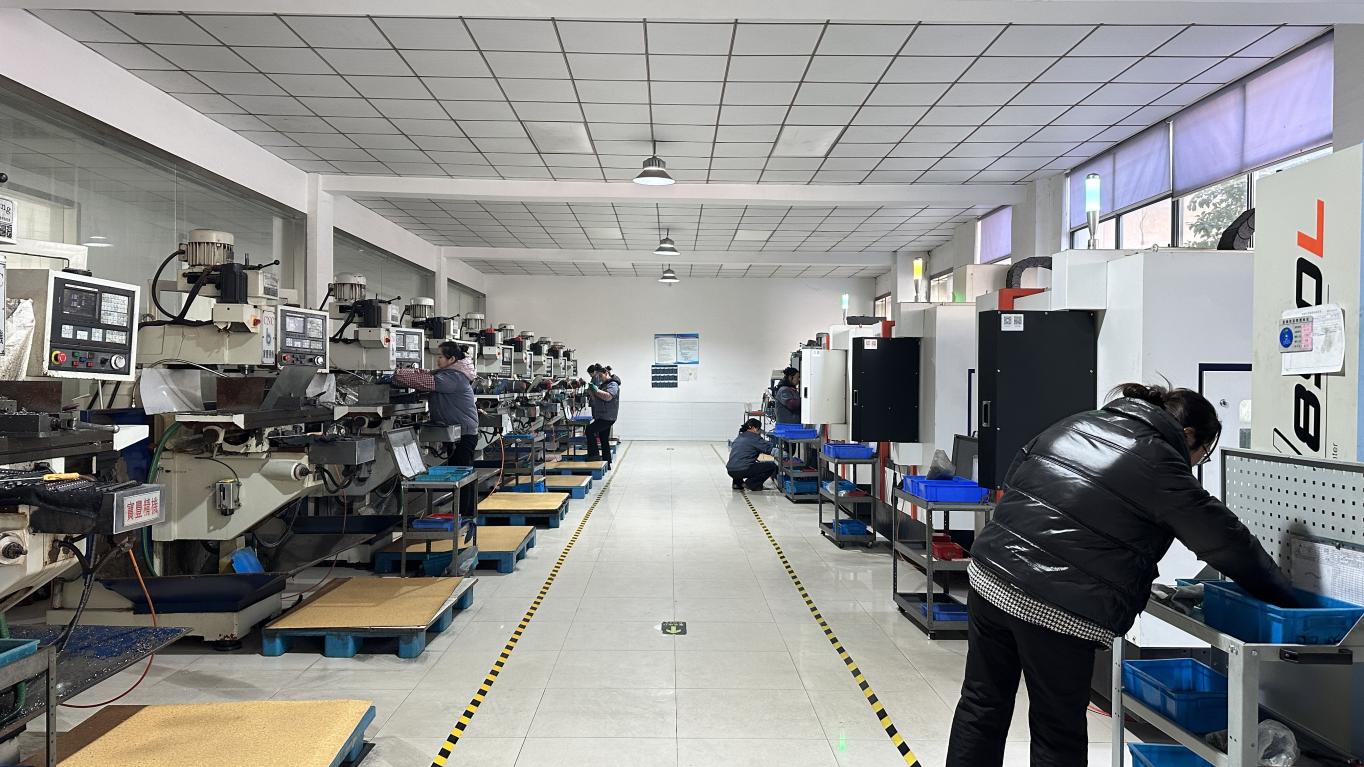
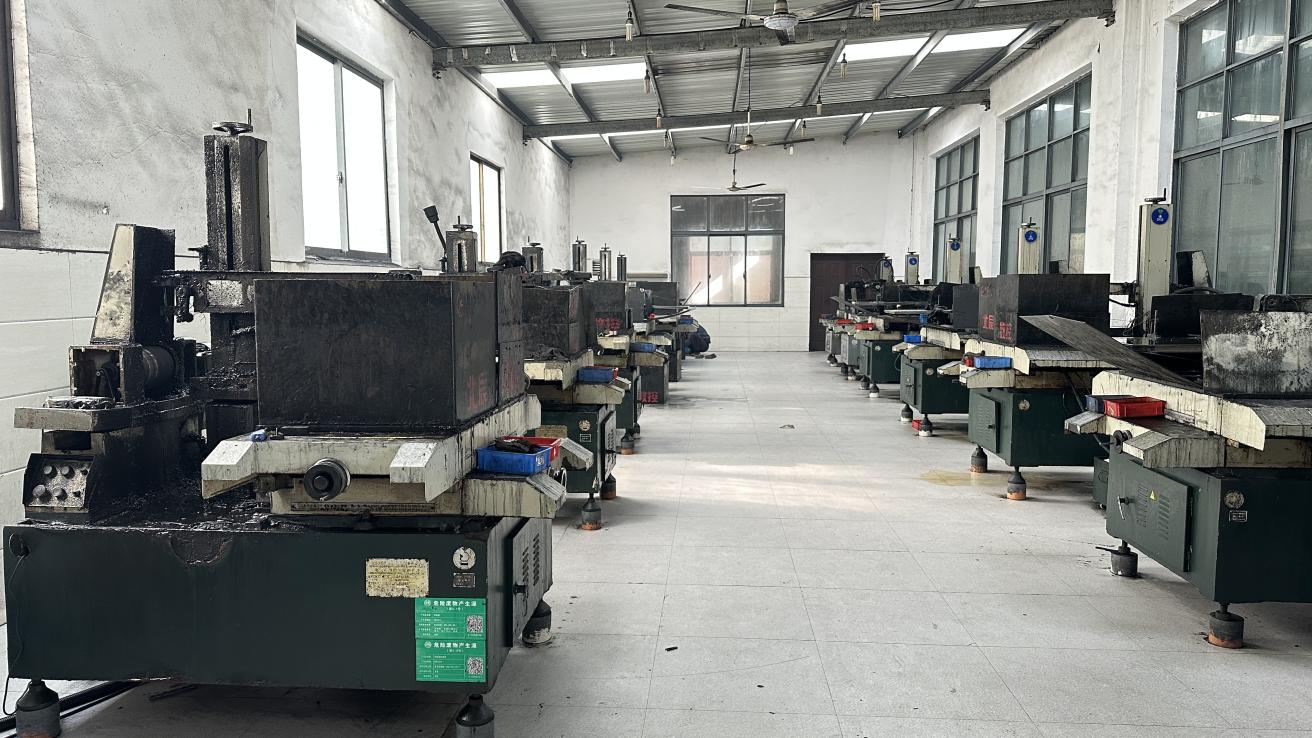
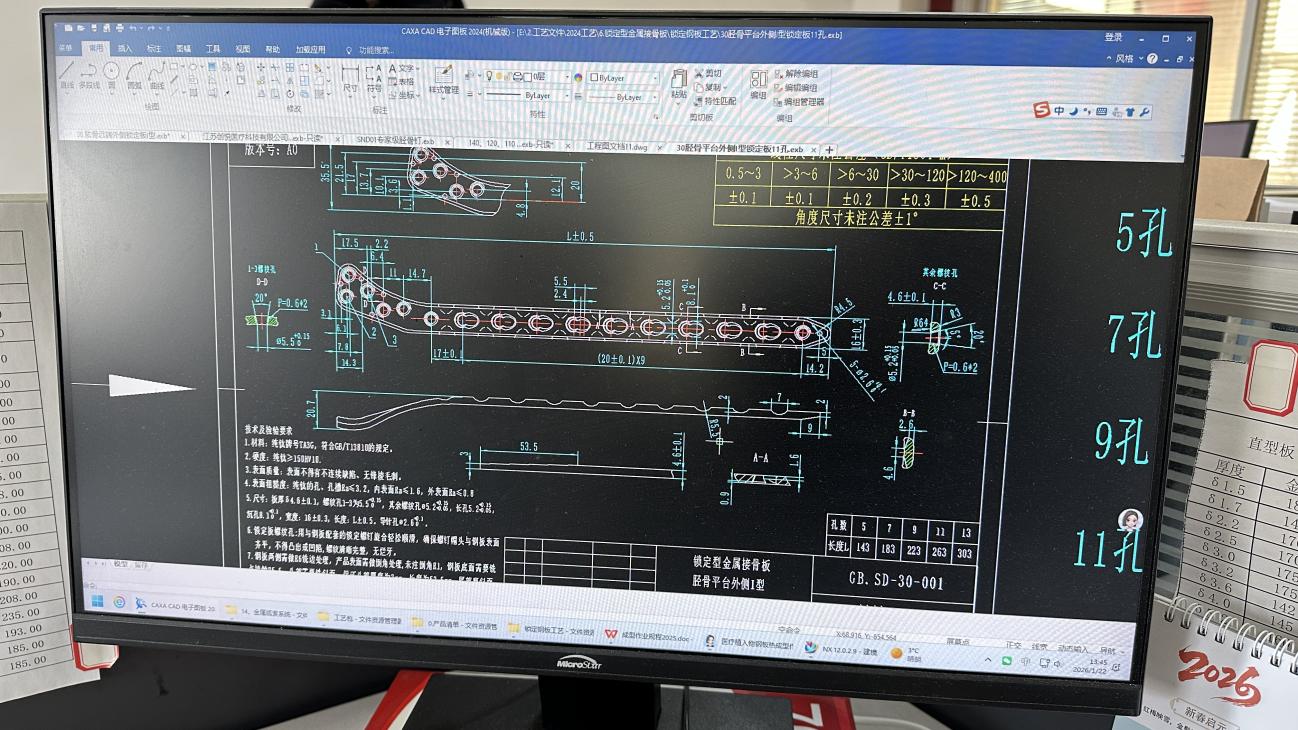
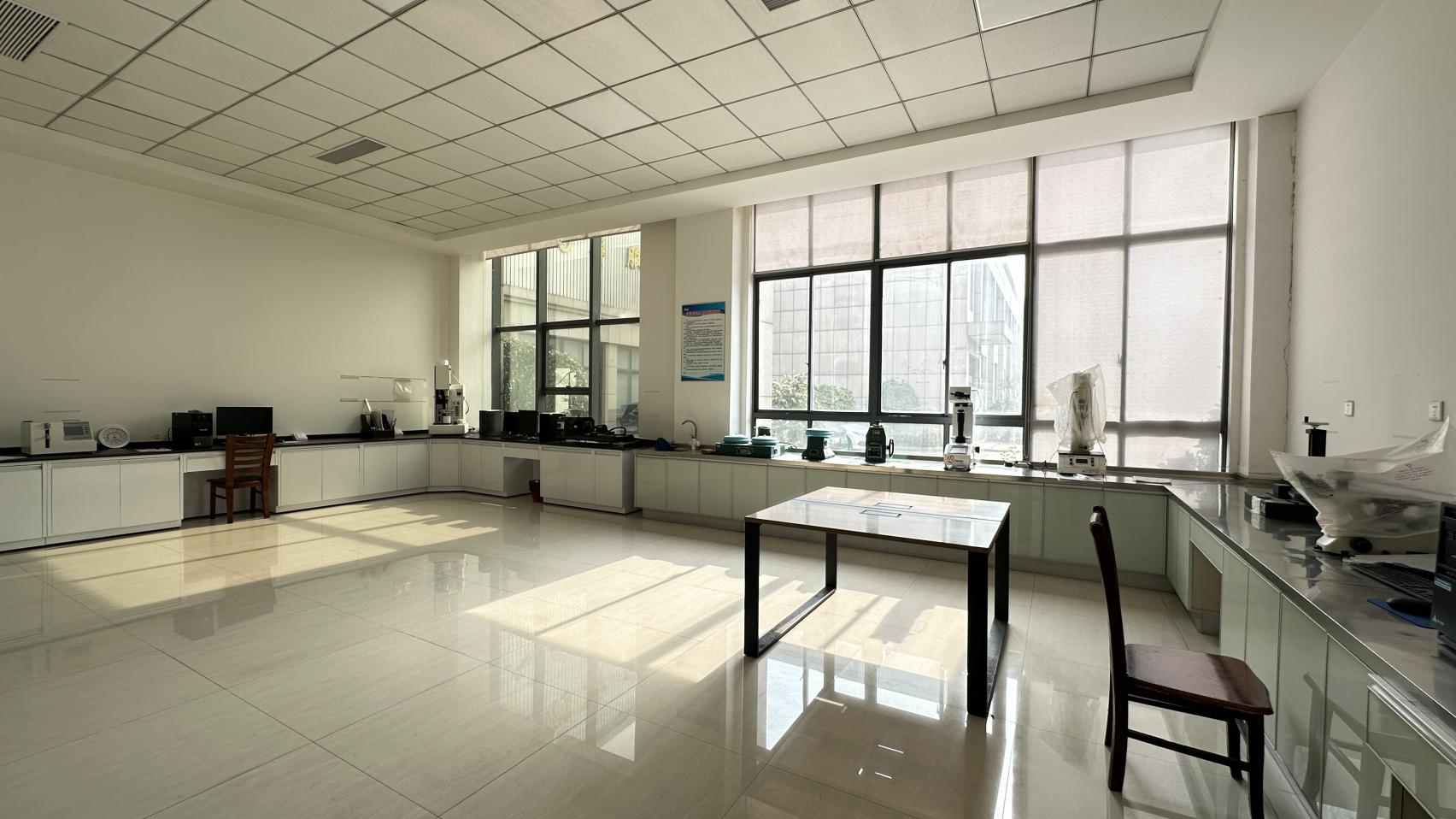
Virelox operates a strict ISO 13485-compliant quality management system backed by a professional team of 65 QC experts and validation technologies.
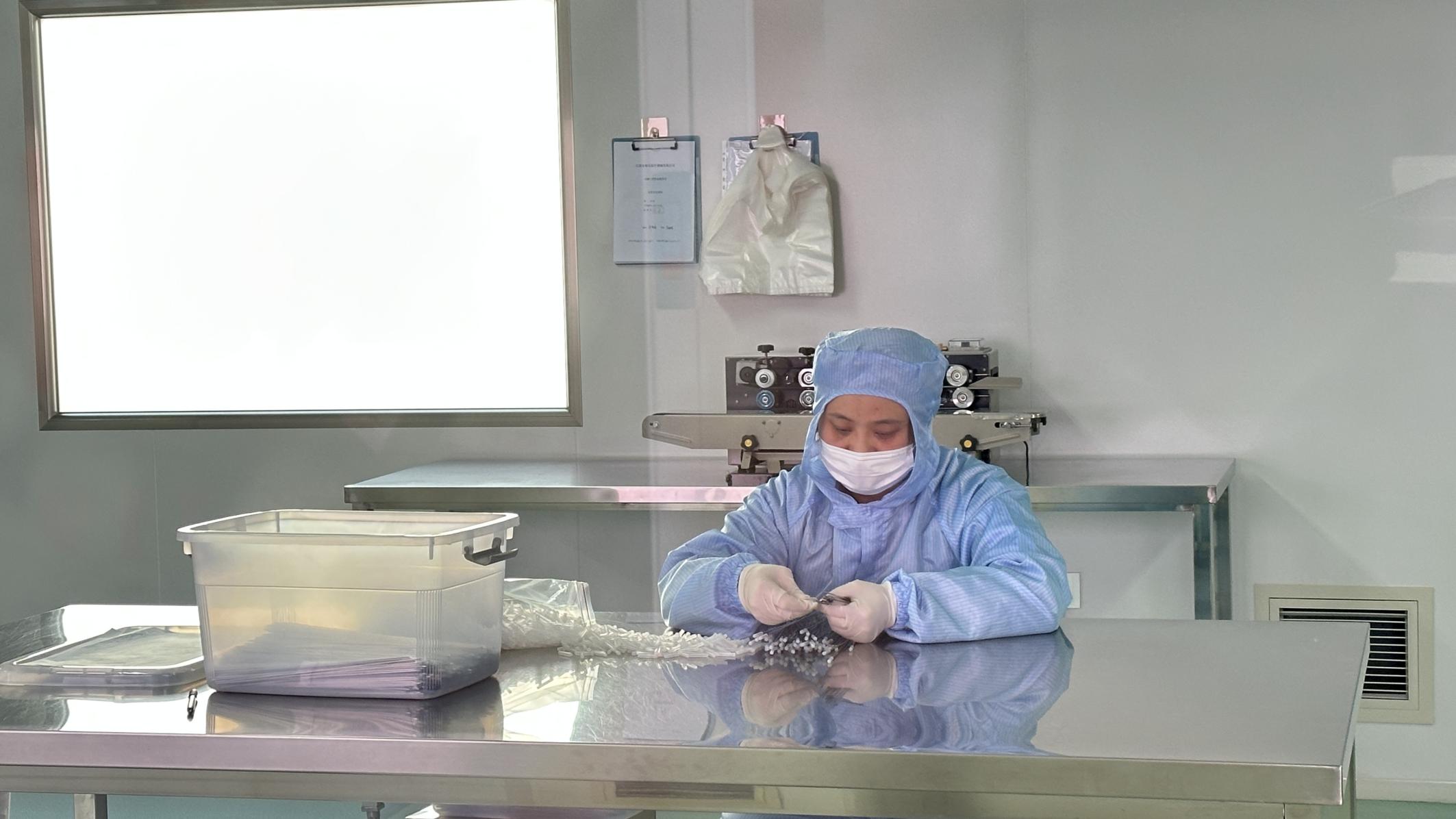
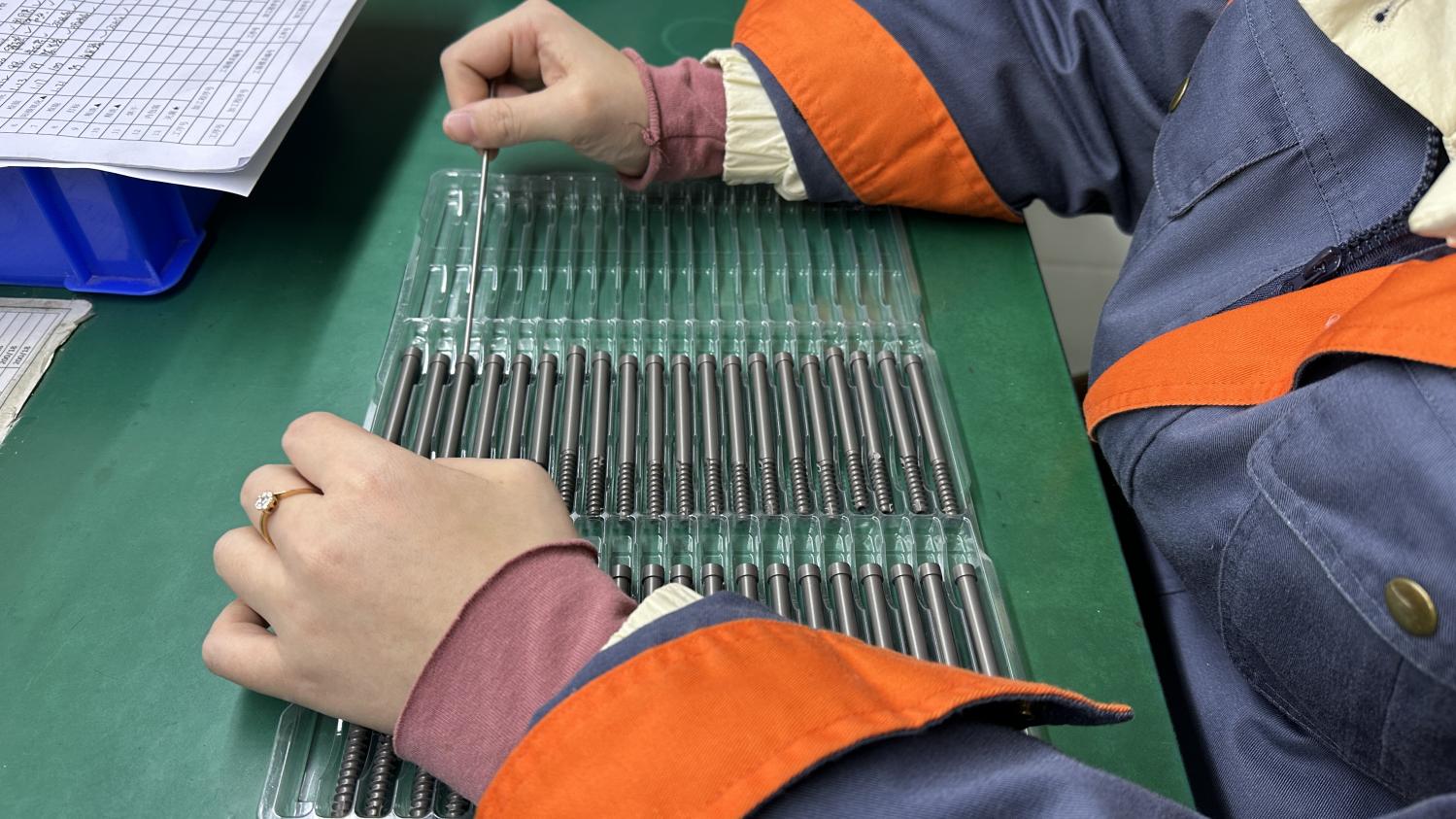
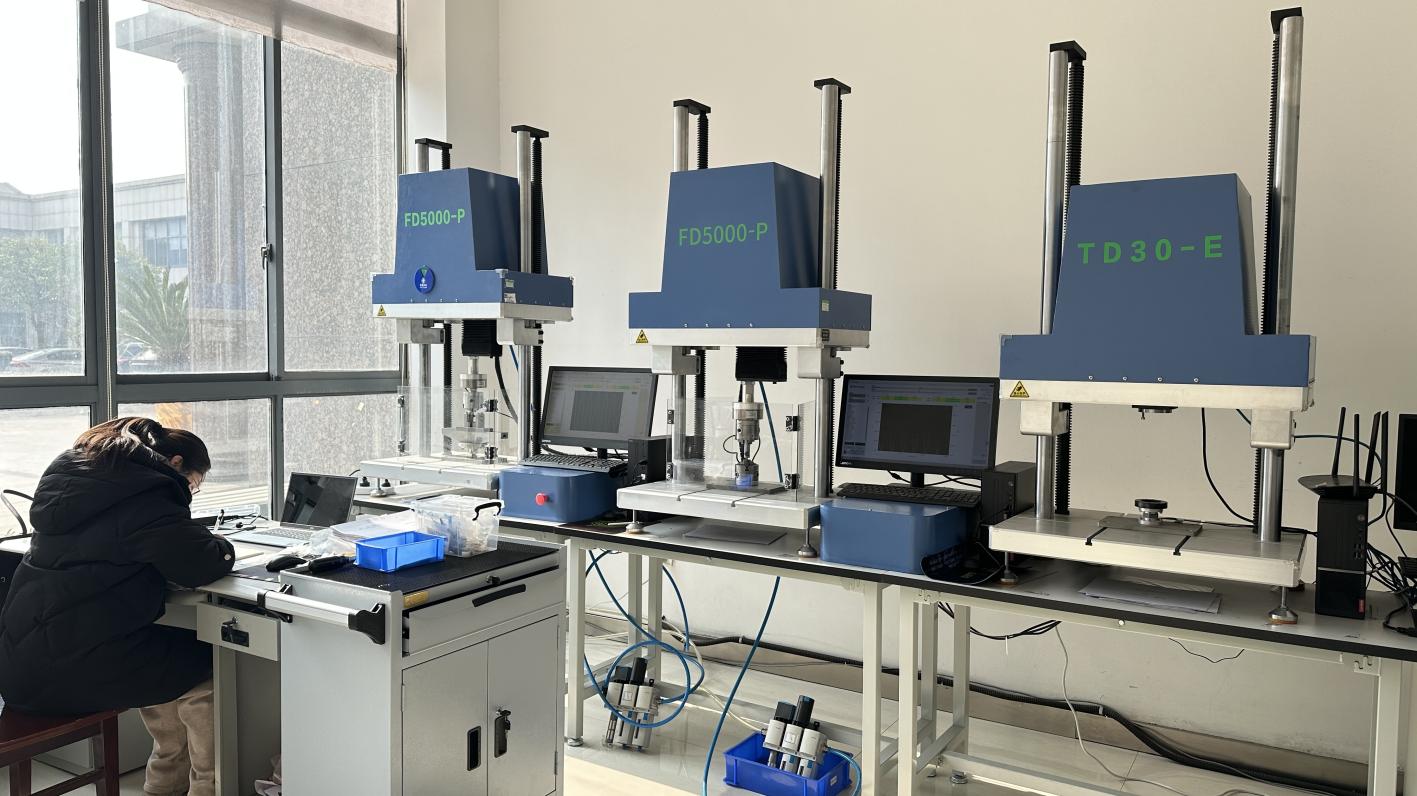
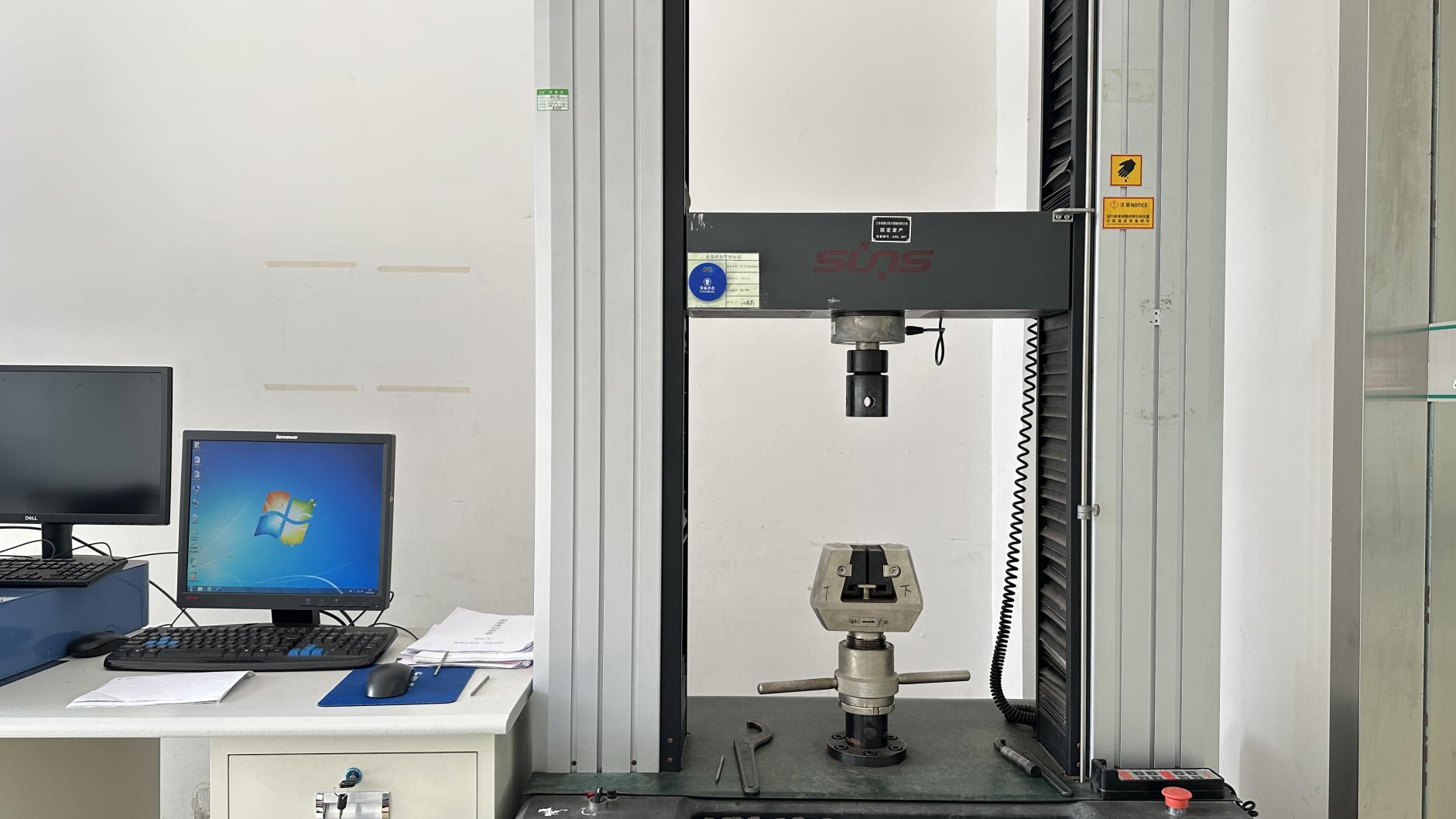
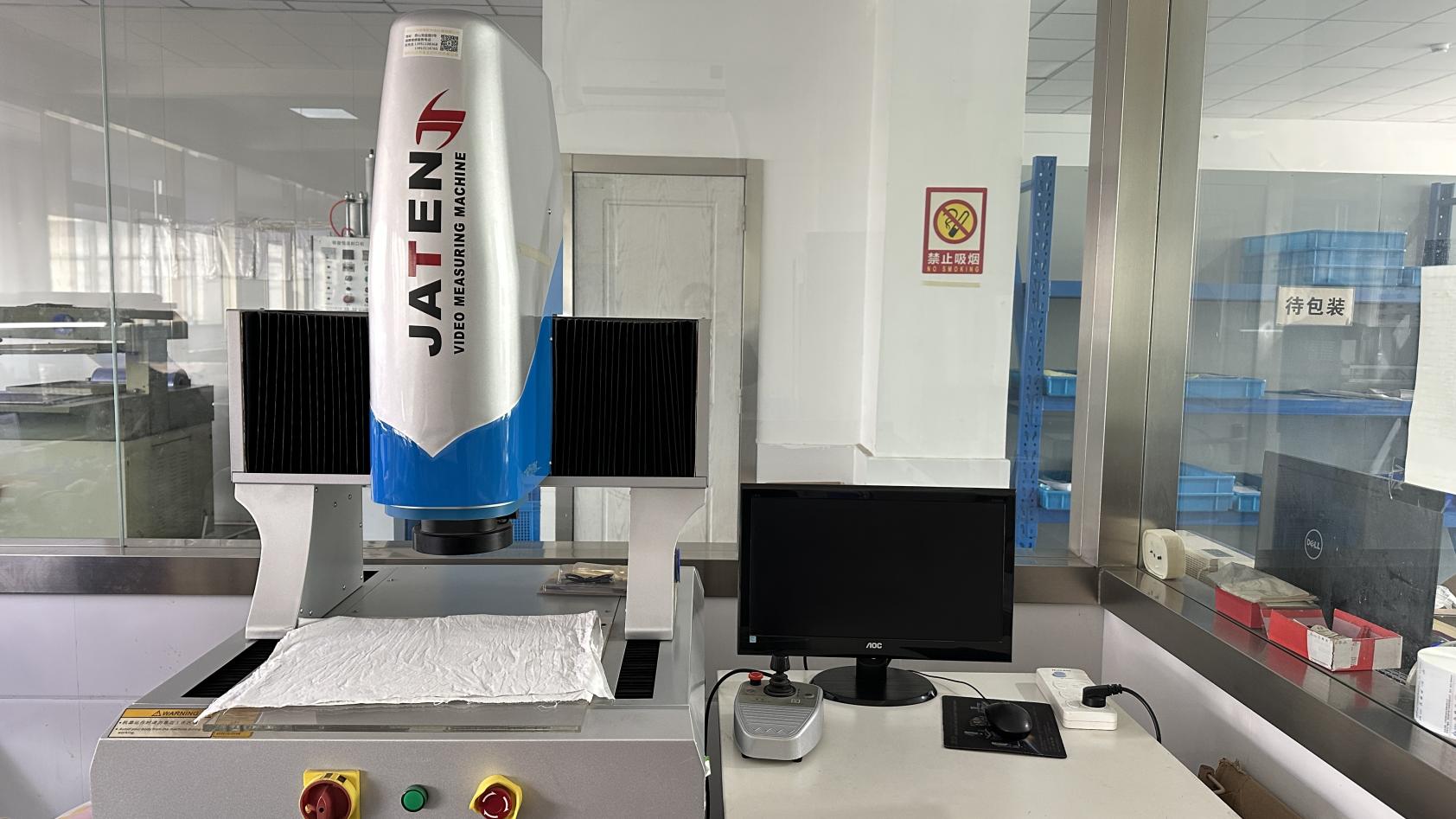
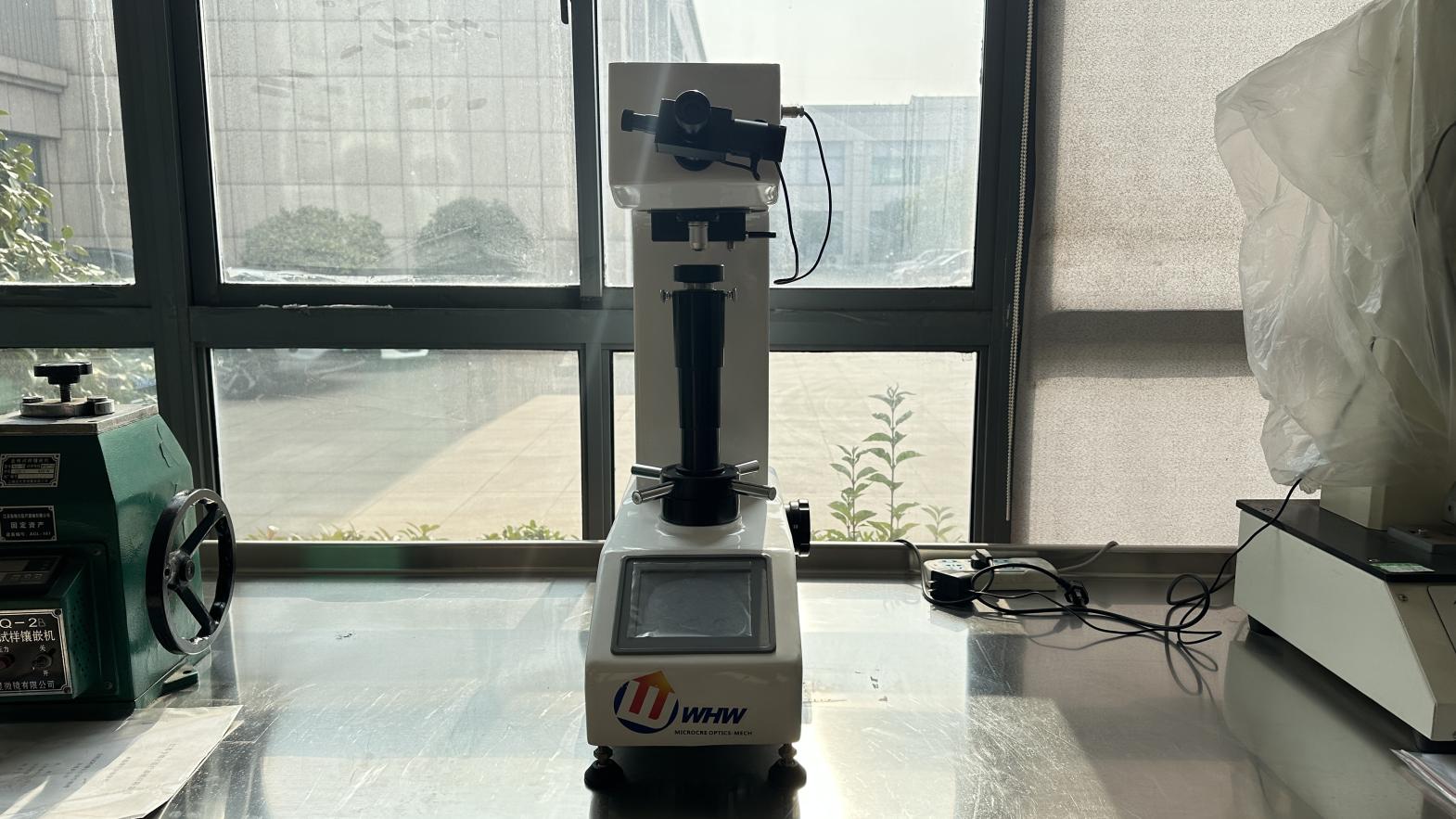
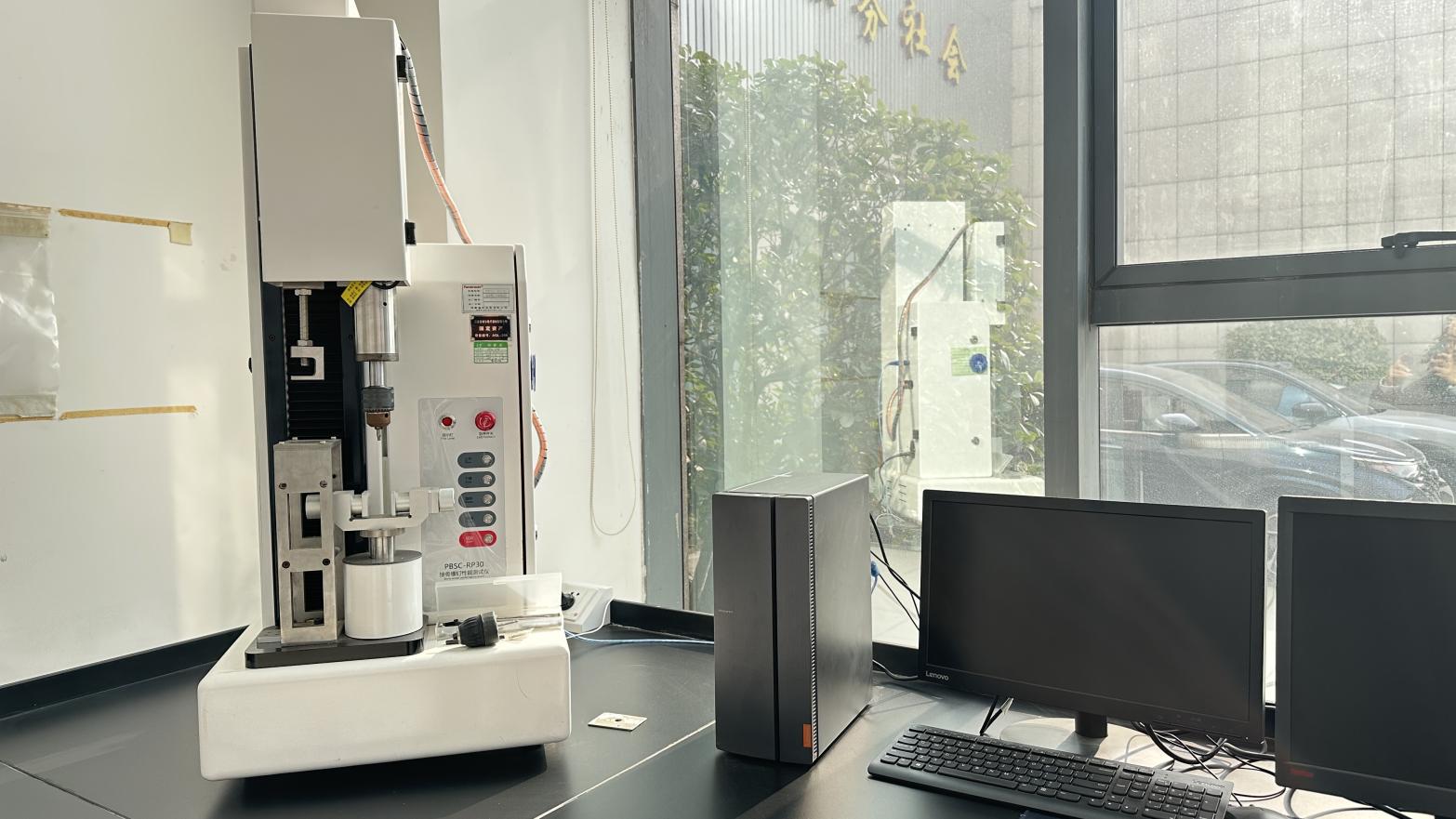
Customizing cemented joint reconstruction solutions for regional clinical practices, demographics, and healthcare systems.
In highly developed healthcare markets like Western Europe and North America, cemented hip prostheses are widely used to treat low-energy neck fractures in older adults. Compromised bone quality makes cementless press-fit components riskier due to higher rates of revision. A cemented approach distributes force evenly, reducing the risk of periprosthetic fractures.
For hospitals in Latin America and Southeast Asia, cost-efficiency and clinical predictability are key purchasing drivers. Cemented implants provide reliable long-term primary fixation without requiring expensive porous coatings or high-precision robot-assisted bone carving. This helps keep surgical costs manageable for regional insurance systems.
When revising failed cementless implants, bone stock loss is common. Cemented stems allow surgeons to fill anatomical voids with PMMA bone cement, providing immediate stability. This is particularly helpful in complex revisions, allowing customized stem positioning for improved offset reconstruction.
Orthopedic implant development is rapidly shifting toward functionalized interfaces and patient-specific implant geometry. Virelox is actively researching next-generation surface modifications for cemented hip components. This includes the application of micro-textured finishes designed to improve the mechanical interlocking strength between polished alloys and PMMA bone cement, reducing micromotion and wear particle generation.
Additionally, we are focusing on anti-microbial coatings. By incorporating slow-release silver ions or antibiotic-doped layers onto non-articulating areas, these surfaces aim to reduce the incidence of periprosthetic joint infections (PJI), one of the most severe complications in hip arthroplasty.
Our long-term developmental roadmap incorporates additive manufacturing (3D printing) technologies to produce custom femoral stems for complex anatomical deformities. These designs are simulated using advanced finite element analysis (FEA) to achieve optimal stress transfer and reduce stress shielding.
How Virelox leverages a network of 850 certified upstream and downstream partners to ensure supply security and cost-efficiency.
Located in China's advanced manufacturing corridor, Virelox leverages a complete regional orthopedic supply ecosystem. This geographic position provides direct access to high-grade titanium bar stock, precision forge shops, packaging materials, and sterilized logistics services.
Our network of 850 certified supply partners allows us to scale production up or down in response to shifting global demands, protecting our clients from supply chain disruptions.
We provide full-service manufacturing, covering design blueprinting, biomechanical simulation testing, prototype manufacturing, clinical trial support, and private label packaging.
Our automated production processes reduce waste and lower per-unit costs, allowing us to offer competitive pricing without compromising on quality or mechanical performance.
We use only medical-grade titanium and cobalt-chromium alloys that meet ASTM and ISO standards, ensuring biocompatibility and mechanical strength.
Navigating global regulatory landscapes requires extensive documentation, product testing, and validation. Virelox supports international medical distributors by providing comprehensive regulatory documentation. Our manufacturing systems comply with ISO 13485, and our key orthopedic implant product lines are CE marked.
To support product registration with local health ministries, we provide access to device master files (DMF), biocompatibility test logs, sterilization validation records, and raw material mill certificates. This comprehensive support helps simplify the local registration process and accelerate product launch timelines.
We offer customized laser marking, private labeling, and localized packaging designs to help clients meet regional regulatory requirements.
Fully verified quality system credentials and product certifications.
Multi-million cycle structural test data confirming implant fatigue life.
Cytotoxicity, sensitization, systemic toxicity, and irritation testing reports.
Expert technical insights regarding clinical applications, mechanical performance, and partnership details for cemented hip prostheses.
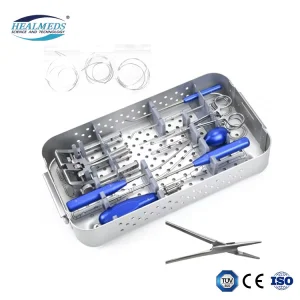
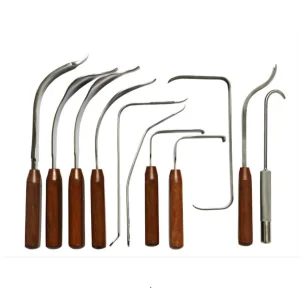
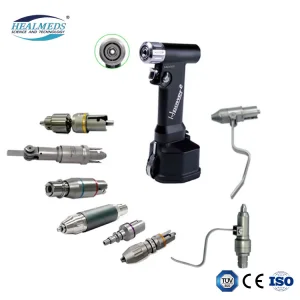
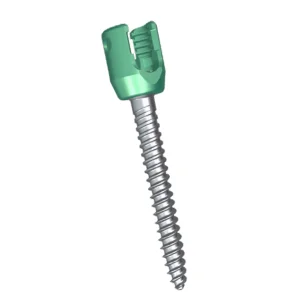
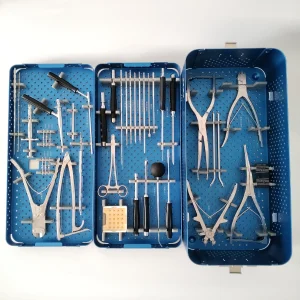
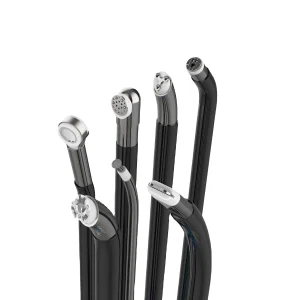
Examine our complete selection of medical devices, surgical instruments, and trauma systems designed for operating room requirements.
 Virelox