Direct access to our clinically validated systems, regulatory-certified instruments, and precision surgical assemblies manufactured for global distribution.
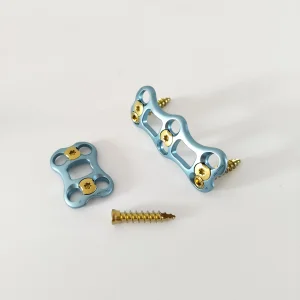
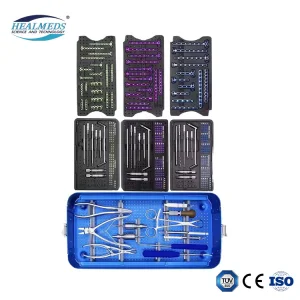
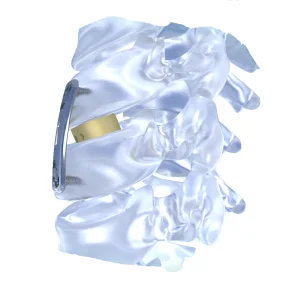
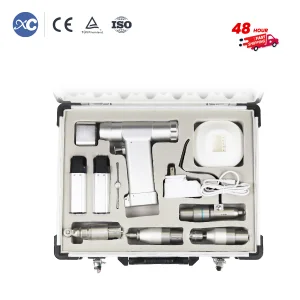
Analyzing the surgical engineering of modern tibia fixation systems, material integration, and international supplier competencies.
In global orthopedic trauma care, the management of tibial fractures (both proximal and distal tibial metaphysic regions) presents distinct biological and structural hurdles. Due to the limited anteromedial soft tissue coverage of the tibia, fractures in this anatomical area are highly susceptible to healing complications, localized ischemia, infection, and skin necrosis. Traditional dynamic compression plates rely heavily on plate-to-bone friction, which frequently damages the periosteal blood supply and compromises the biological environment needed for osteogenesis.
The clinical shift toward Tibial Locking Plates (Locking Compression Plates, or LCP) has revolutionized internal fixation. By transforming the implant construct into a stable internal fixator, the threaded locking head screws lock directly into the plate holes. This mechanism prevents the plate from being pressed tightly against the periosteum, preserving the local microvasculature. As a result, global procurement managers, hospital networks, and orthopedic distributors must source from medical device exporters who understand both metallurgical performance and biological requirements.
"The primary goal of biological osteosynthesis is not absolute anatomical rigidity at the cost of vascular integrity, but rather relative stability that promotes callus formation via Minimally Invasive Plate Osteosynthesis (MIPO) protocols."
A benchmark for global orthopedic manufacturing and supply chain resilience.
Virelox Medical Devices Co., Ltd. (under the brand "Virelox") has established itself as a leading orthopedic medical device manufacturer specializing in joint replacement and surgical implant systems since its founding in 2016. Drawing on over a decade of industry expertise and eight years of global export experience, the company meets the complex needs of international healthcare agencies, ministries of health, and medical device distributors.
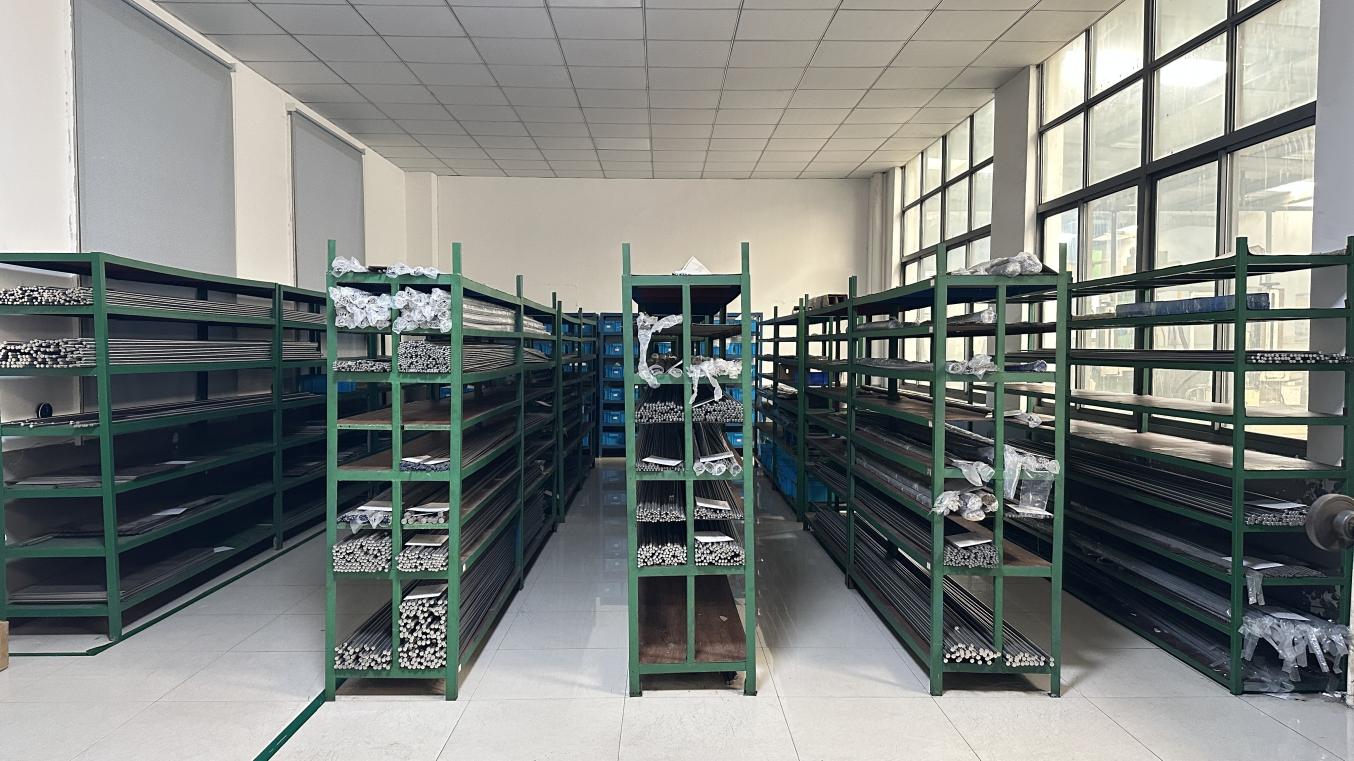
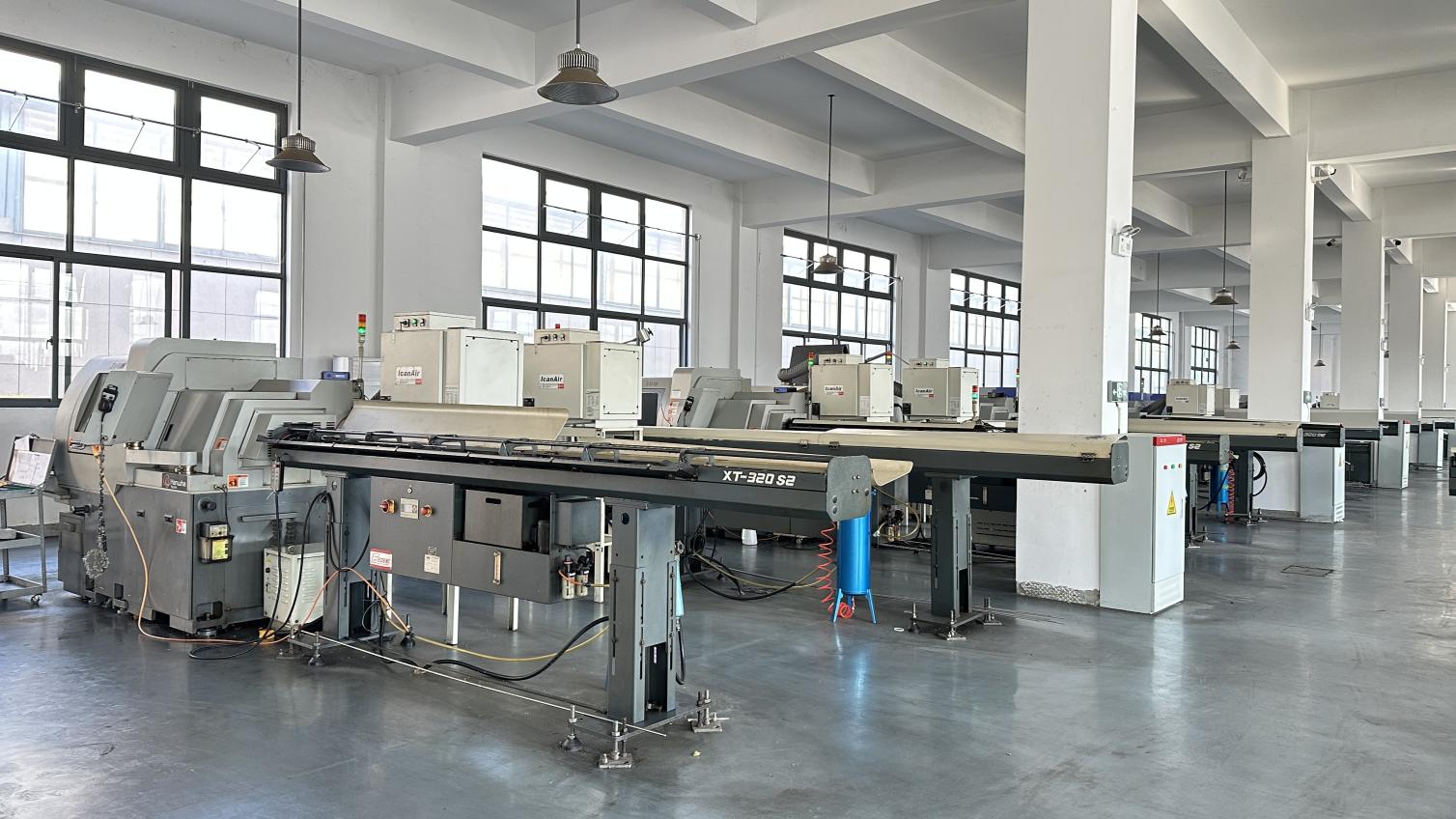
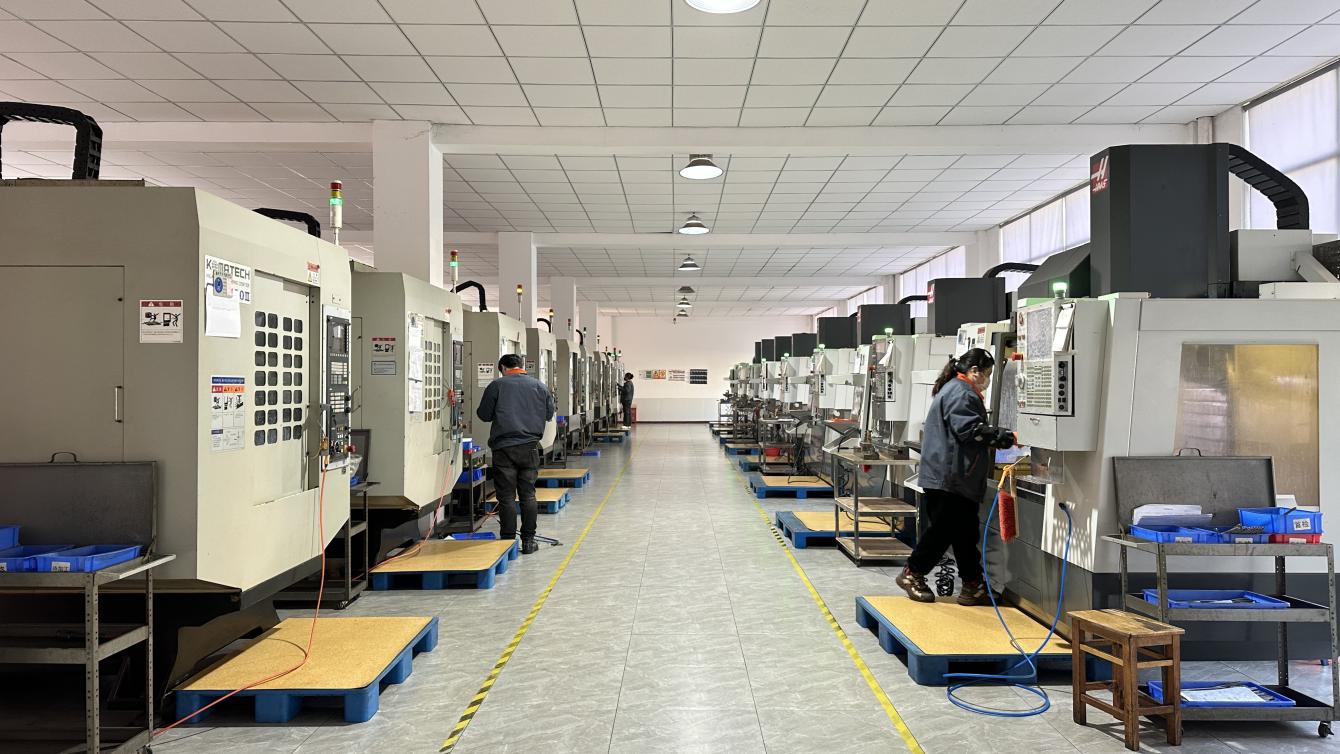
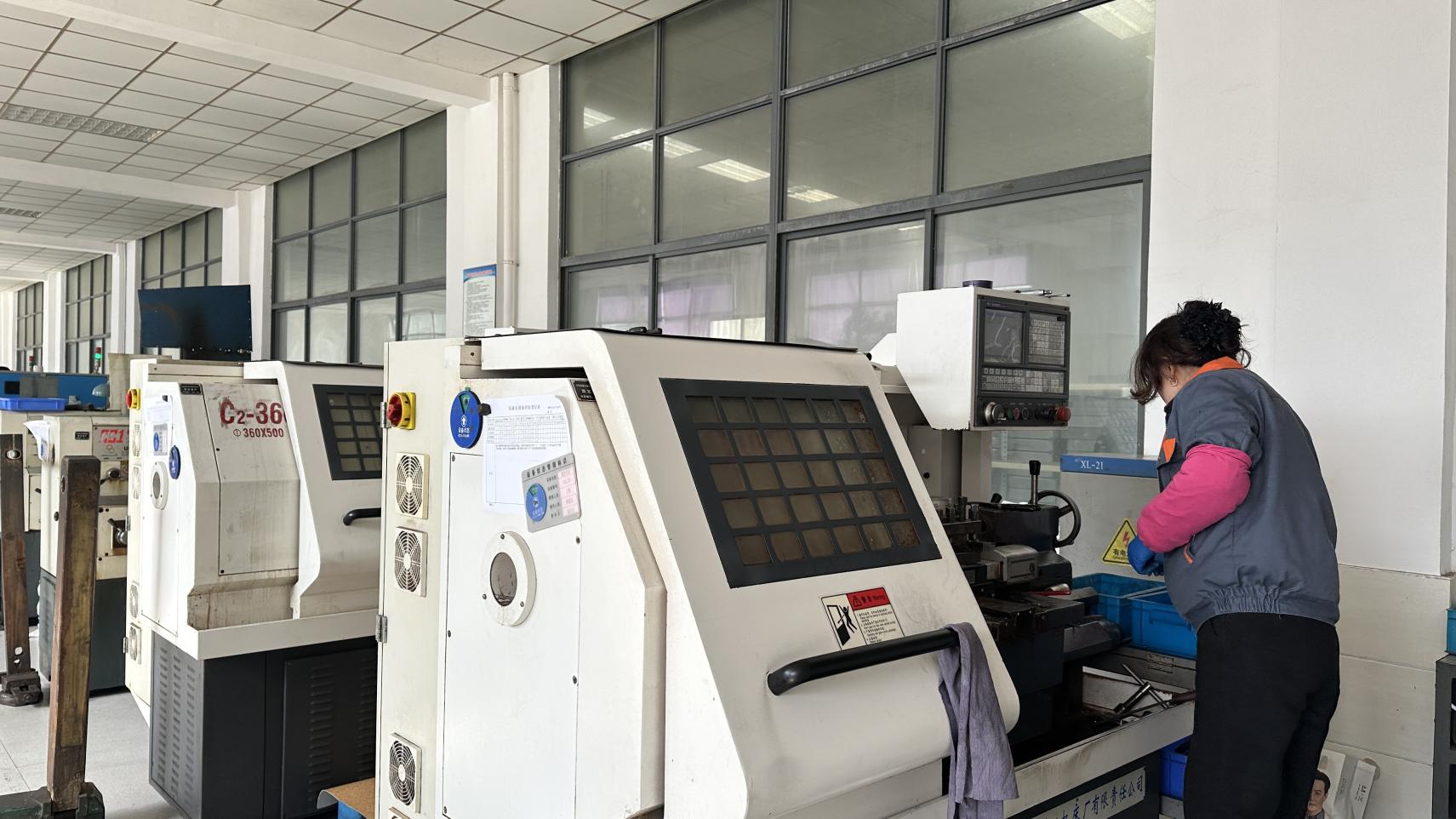
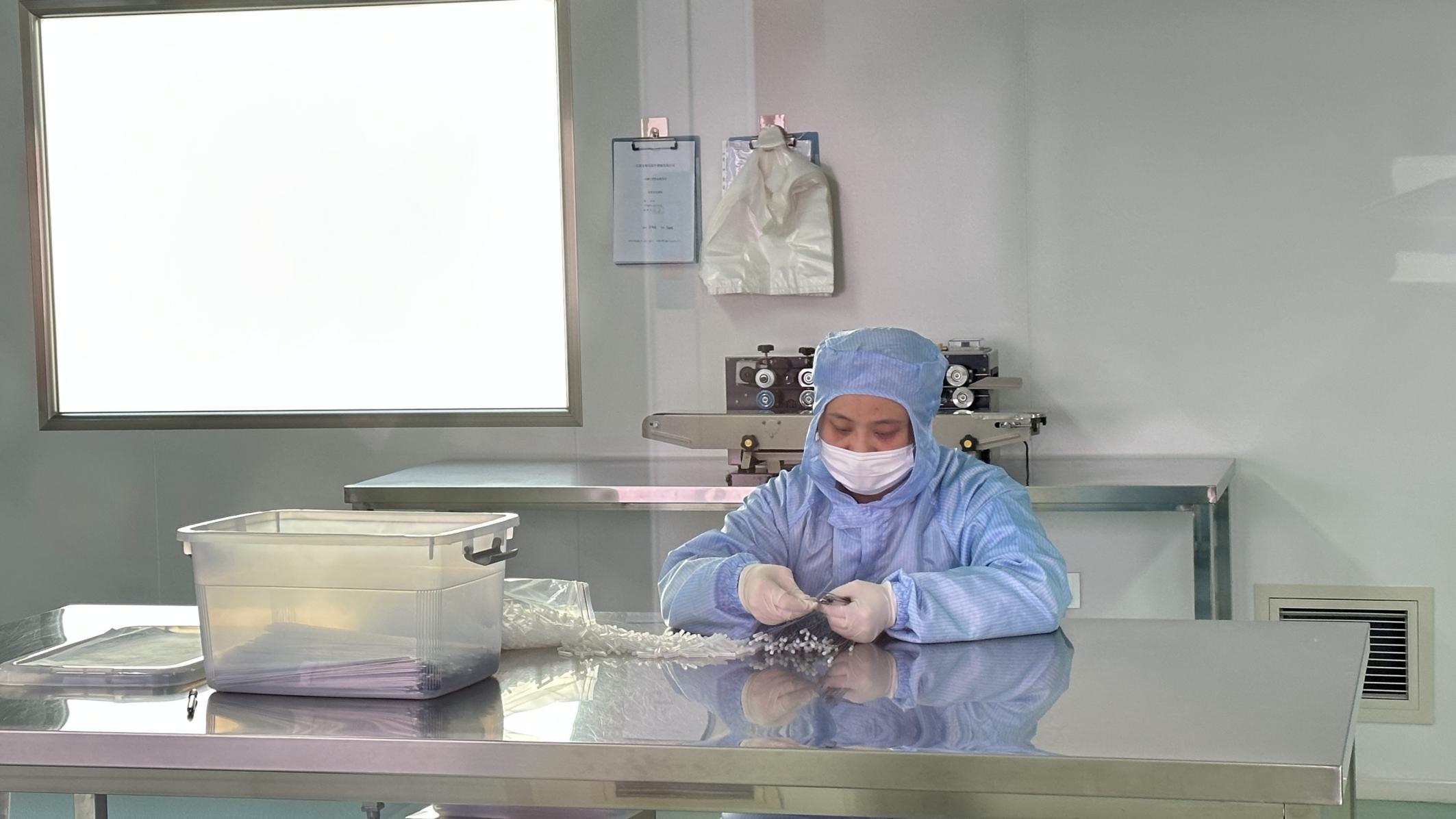
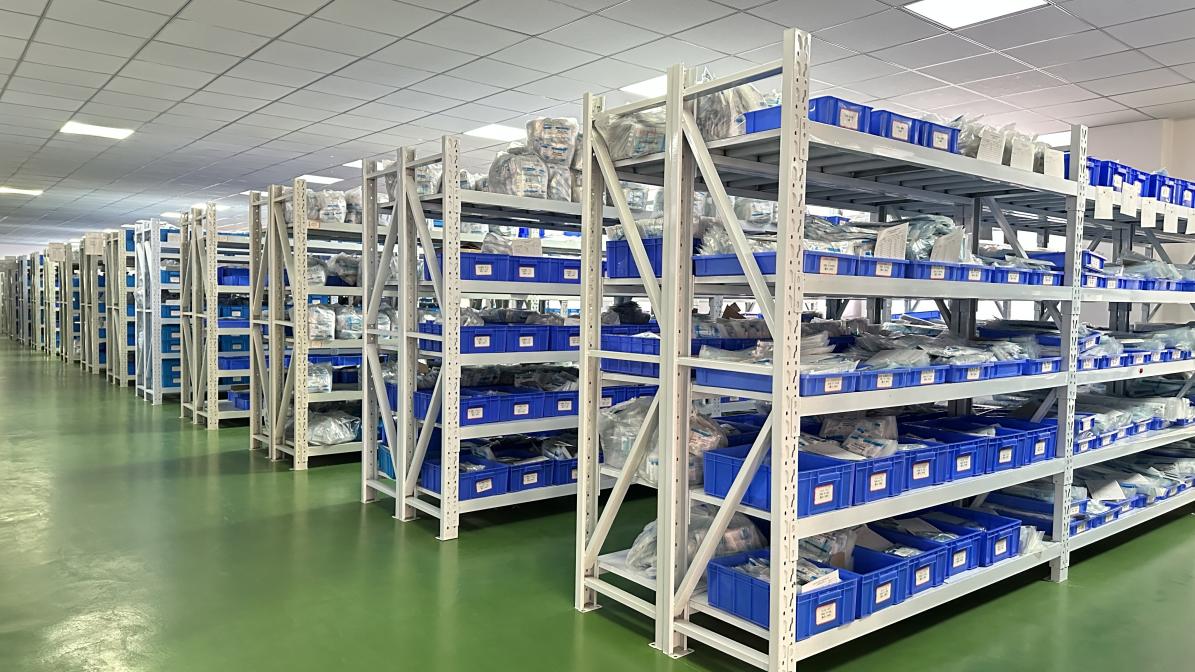
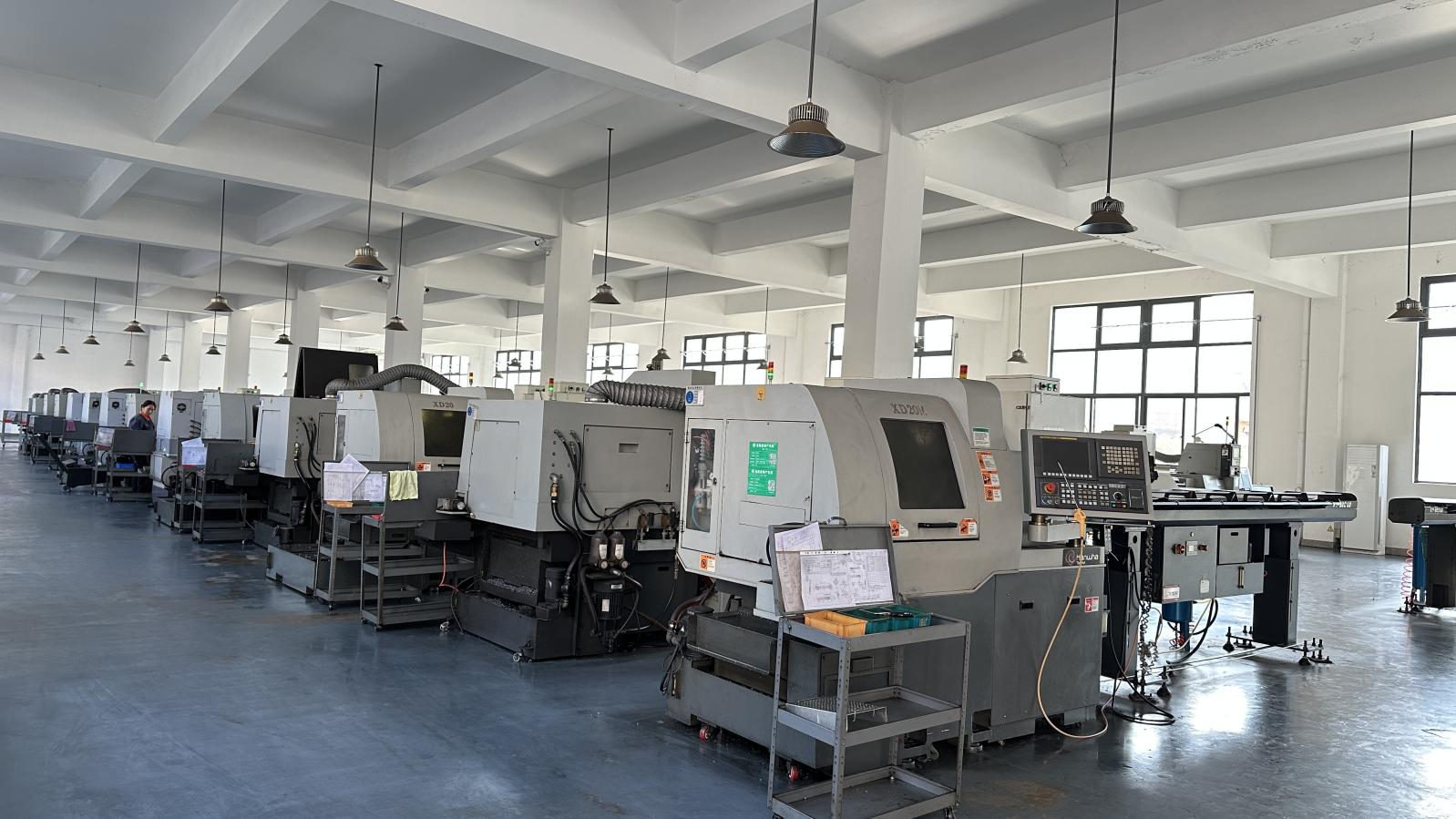
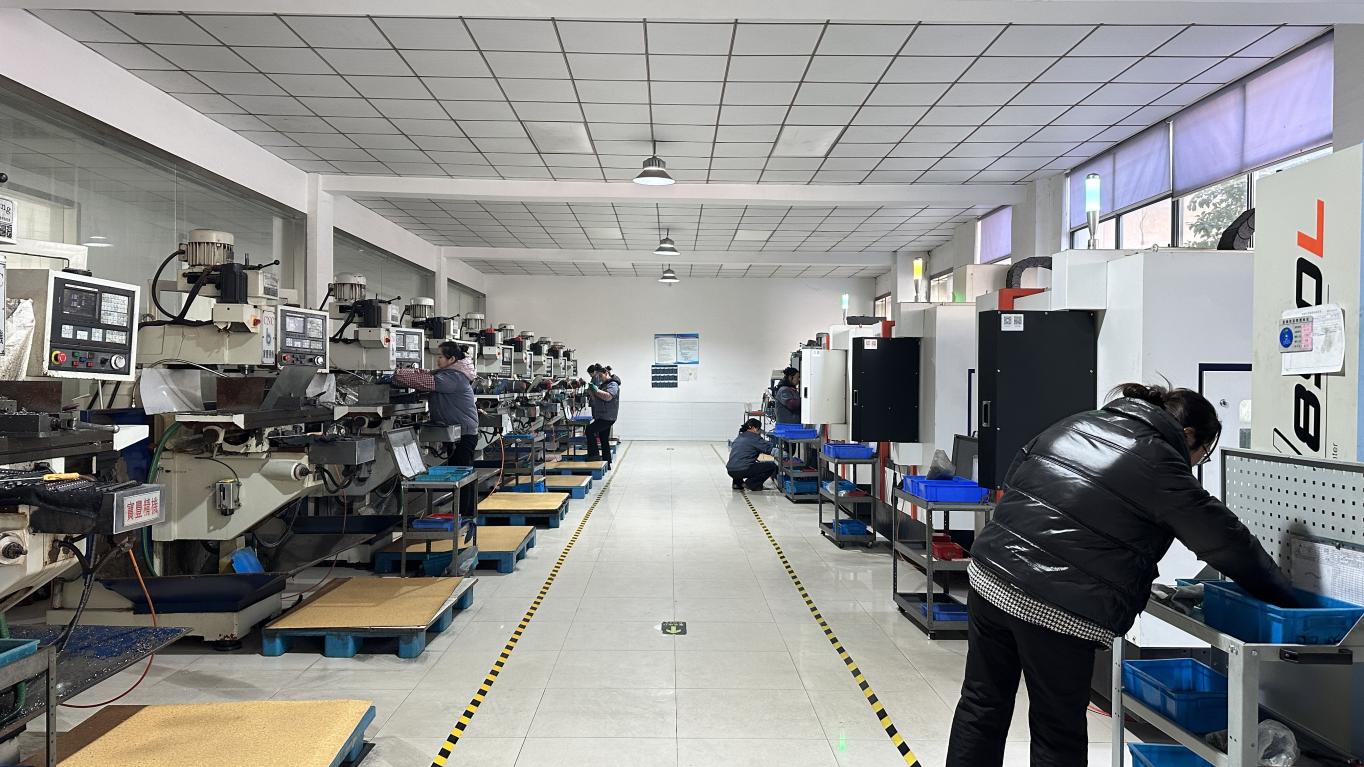
Operating a vertical production ecosystem in our modern 12,000 m² facility, Virelox ensures complete traceability across all manufacturing stages—from raw biocompatible materials to sterile, ready-to-use implants. Our ISO 13485-compliant quality management system is supported by a dedicated team of 65 quality control professionals, ensuring that every batch of tibial locking plates meets strict mechanical tolerances and biological standards.
Key indicators of quality when evaluating top global tibial locking plate exporters.
Top exporters use premium alloys, including Titanium Alloy (Ti-6Al-4V ELI) conforming to ASTM F136/ISO 5832-3, and ultra-clean implant-grade Stainless Steel (316LVM) conforming to ASTM F138/ISO 5832-1. This ensures high fatigue strength and resistance to stress corrosion cracking.
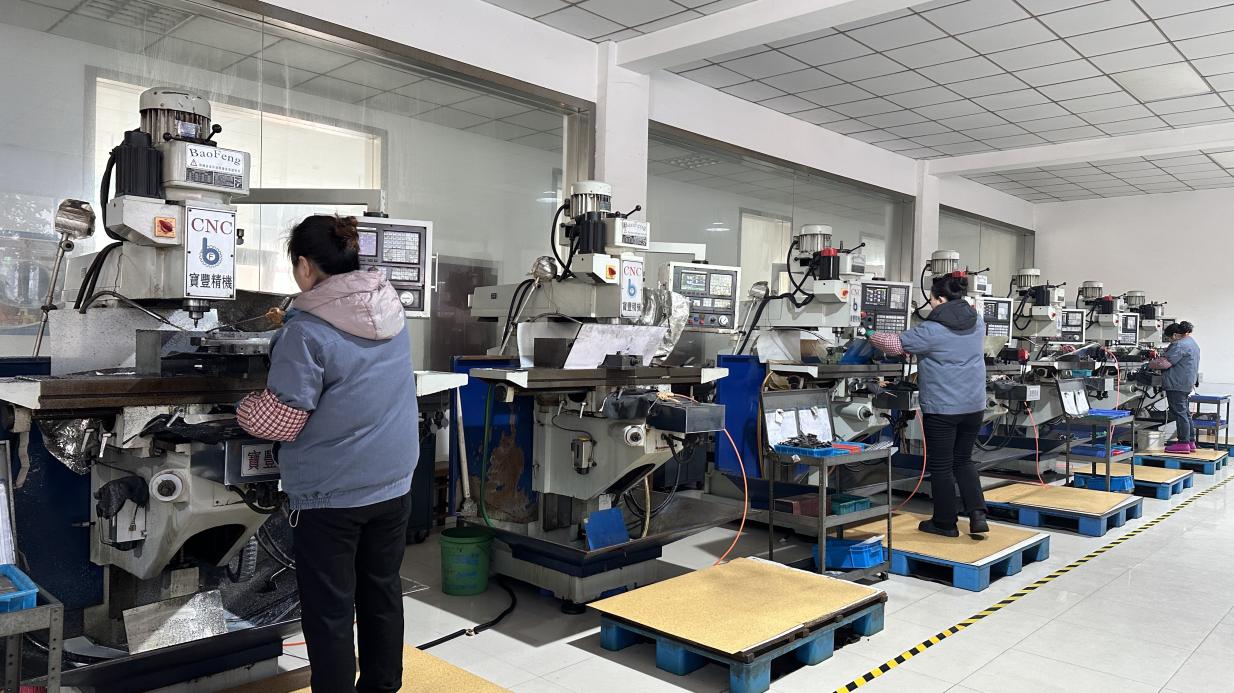
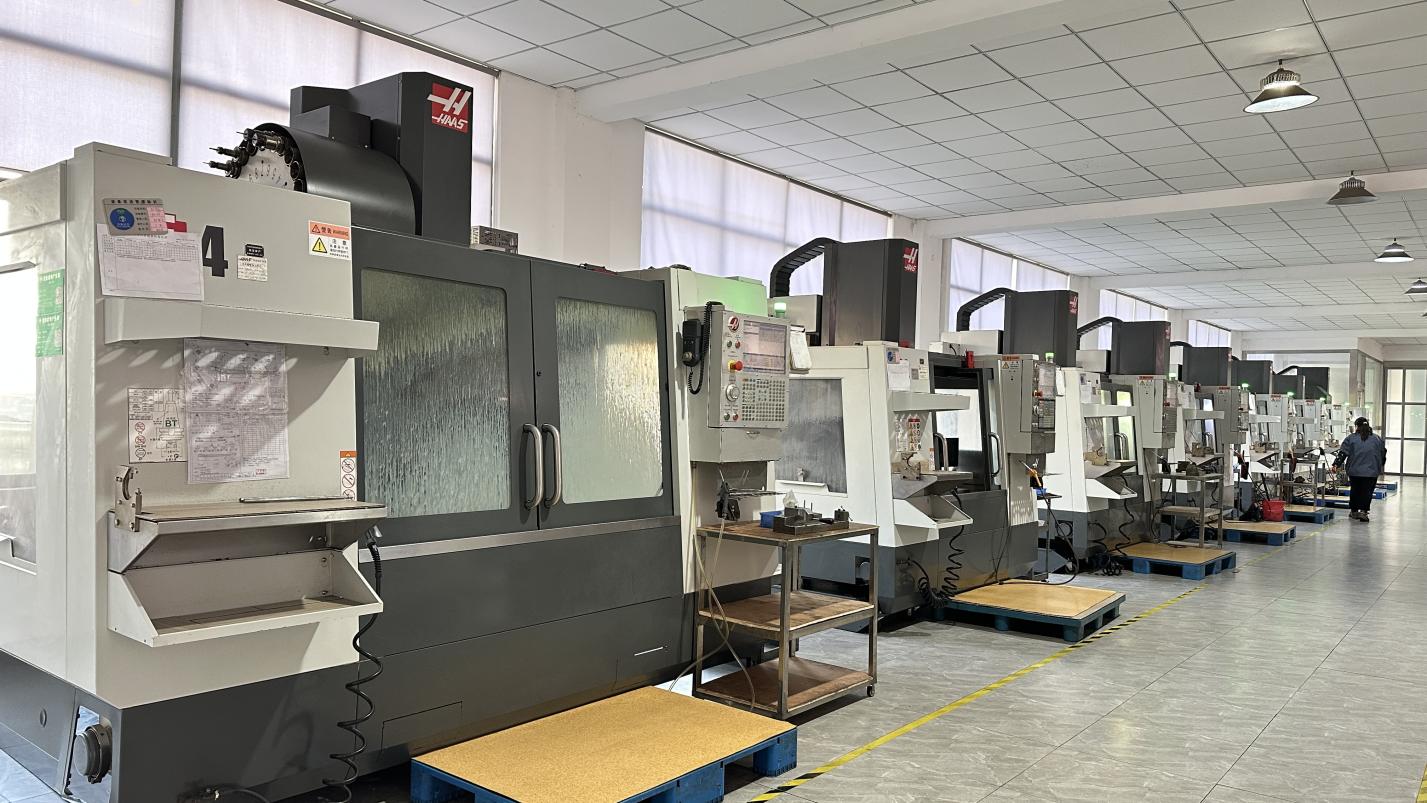
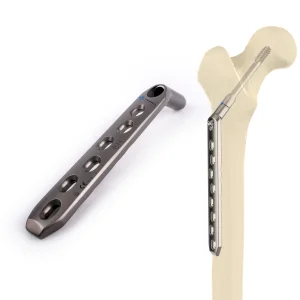
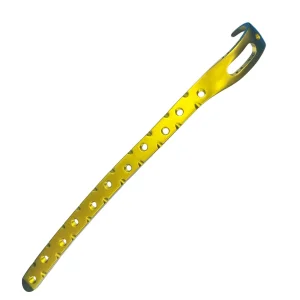
Modern tibial plates must be anatomically pre-shaped to match the typical contours of the medial/lateral proximal tibia and distal tibia. Precision multi-axis CNC milling minimizes the need for intraoperative plate bending, preserving the integrity of the screw holes.
By using variable-angle locking technology in combi-holes, surgeons can angle screws up to 15 degrees off-axis. This flexibility is essential for avoiding existing joint prostheses, targeting specific bone fragments, and optimizing screw placement in poor bone stock.
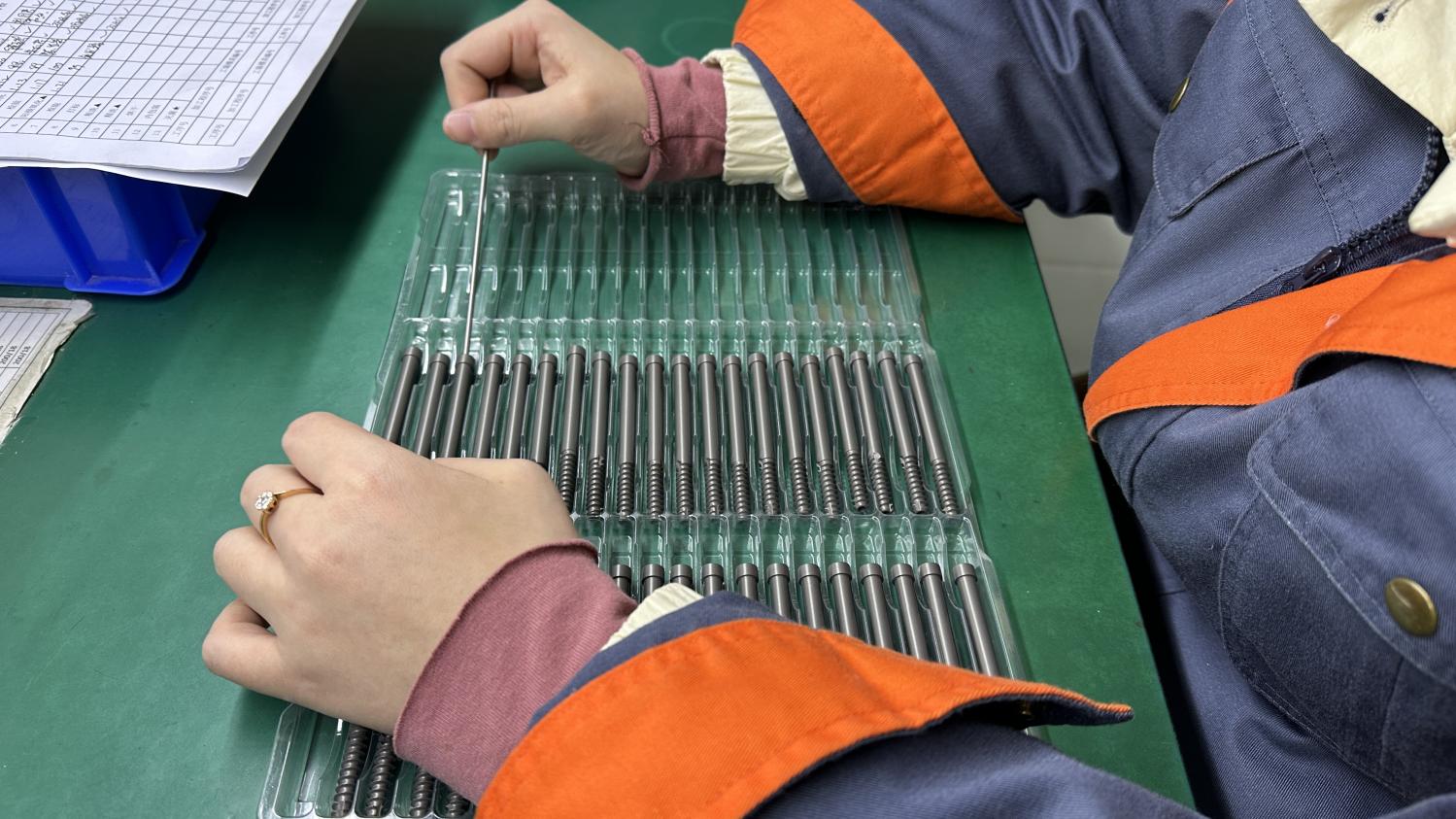
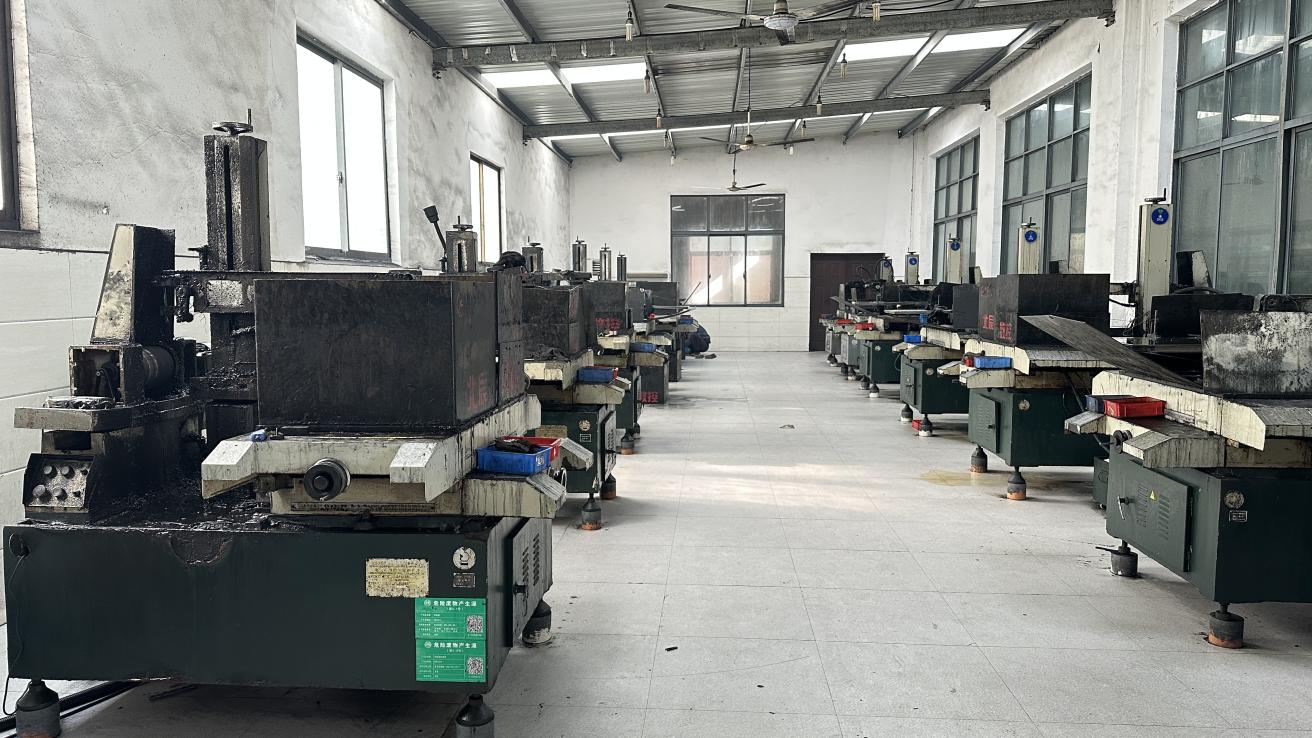
A step-by-step look at our cleanroom operations, high-speed CNC machining, and mechanical stress-testing labs.
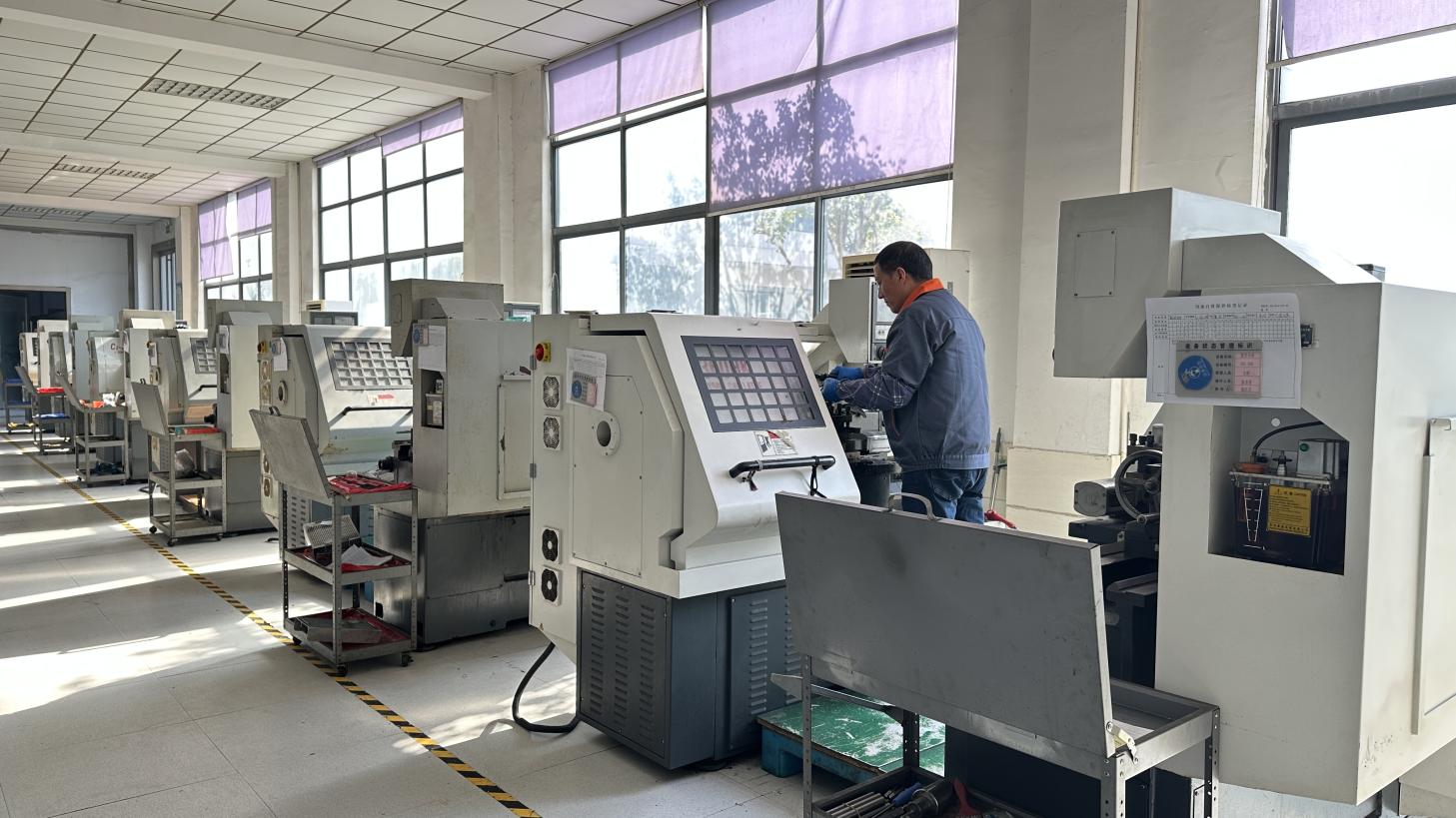
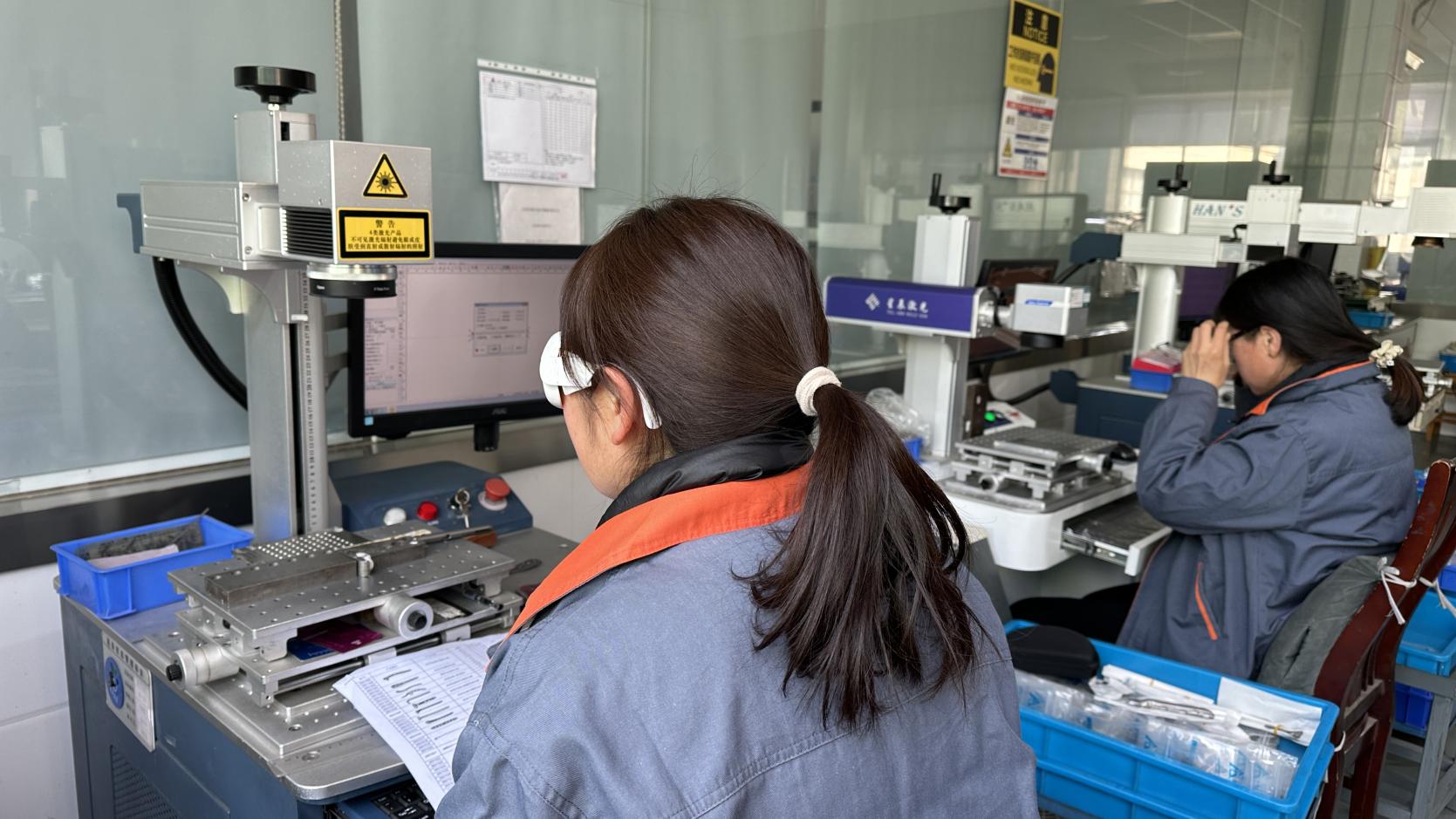
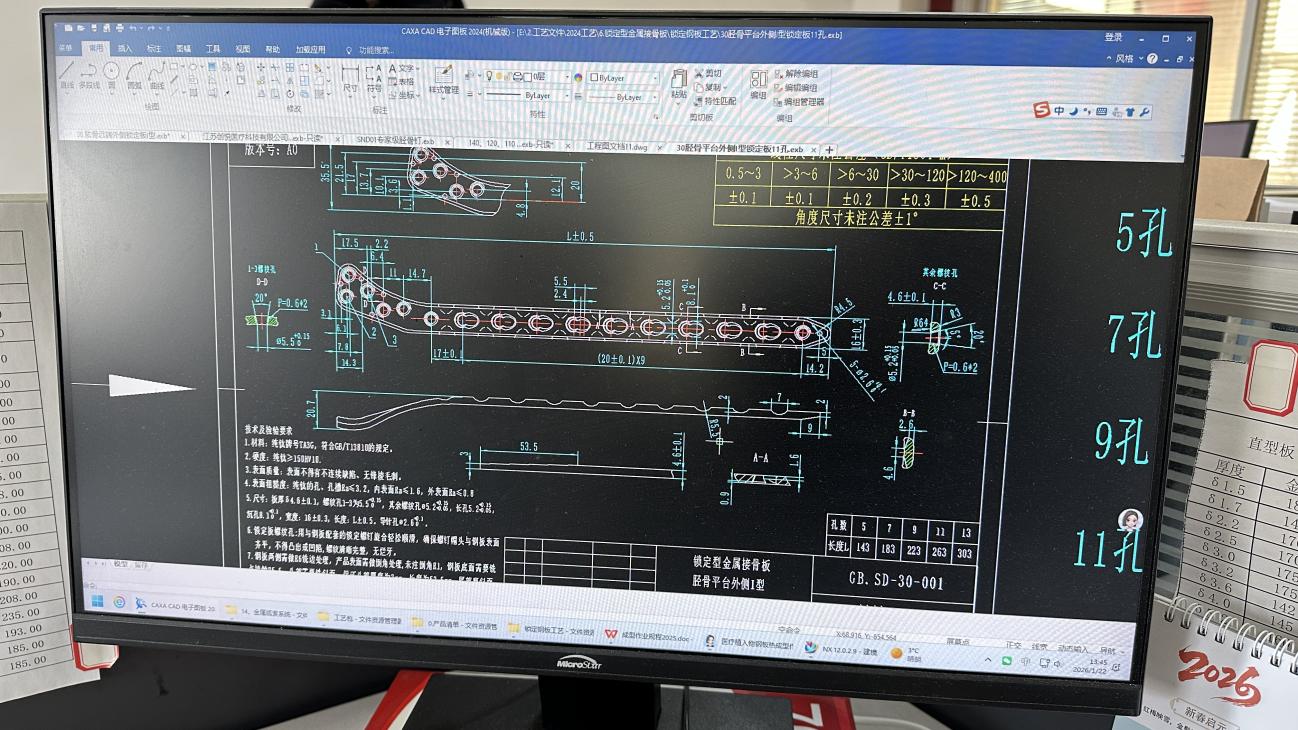

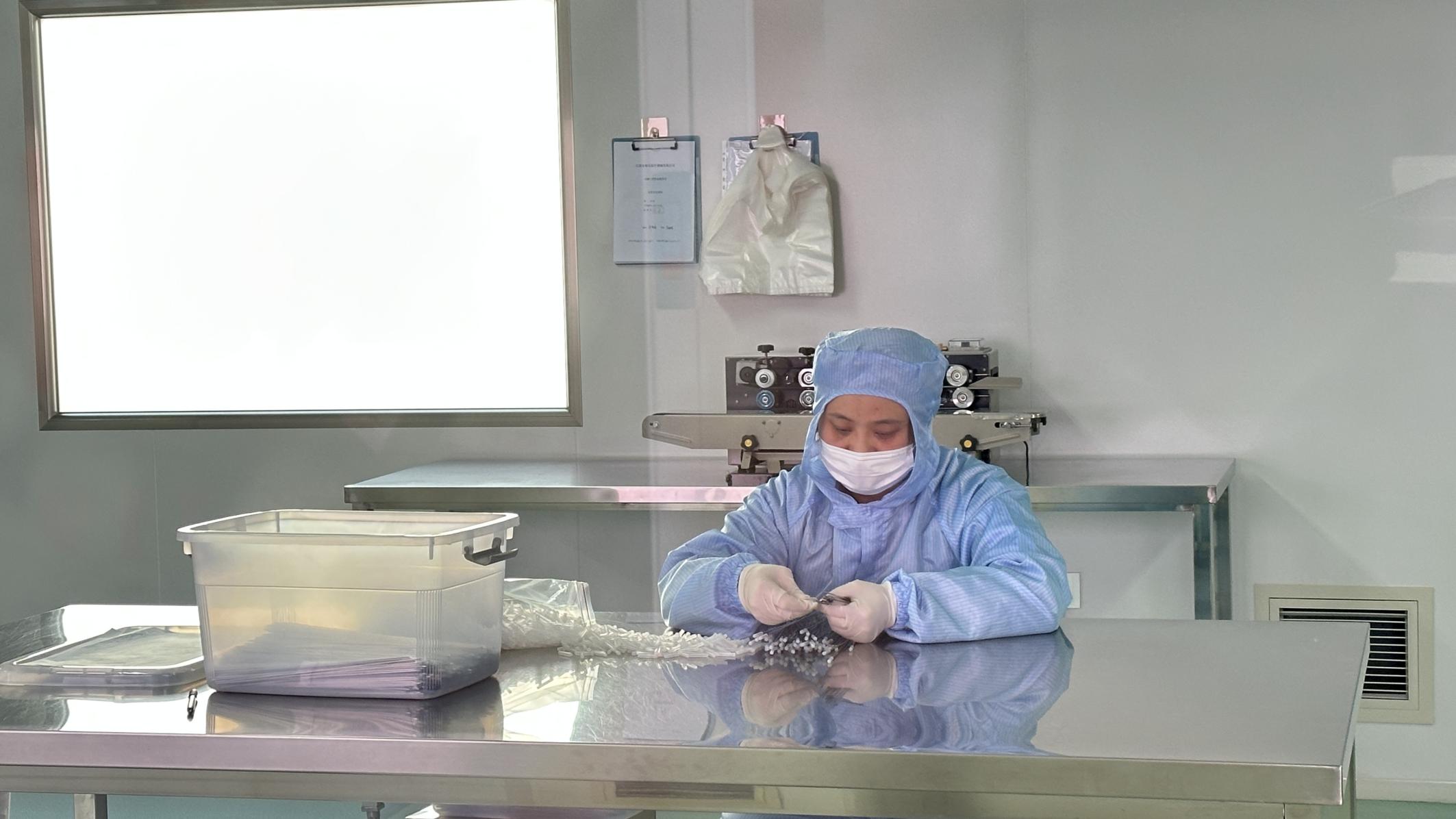
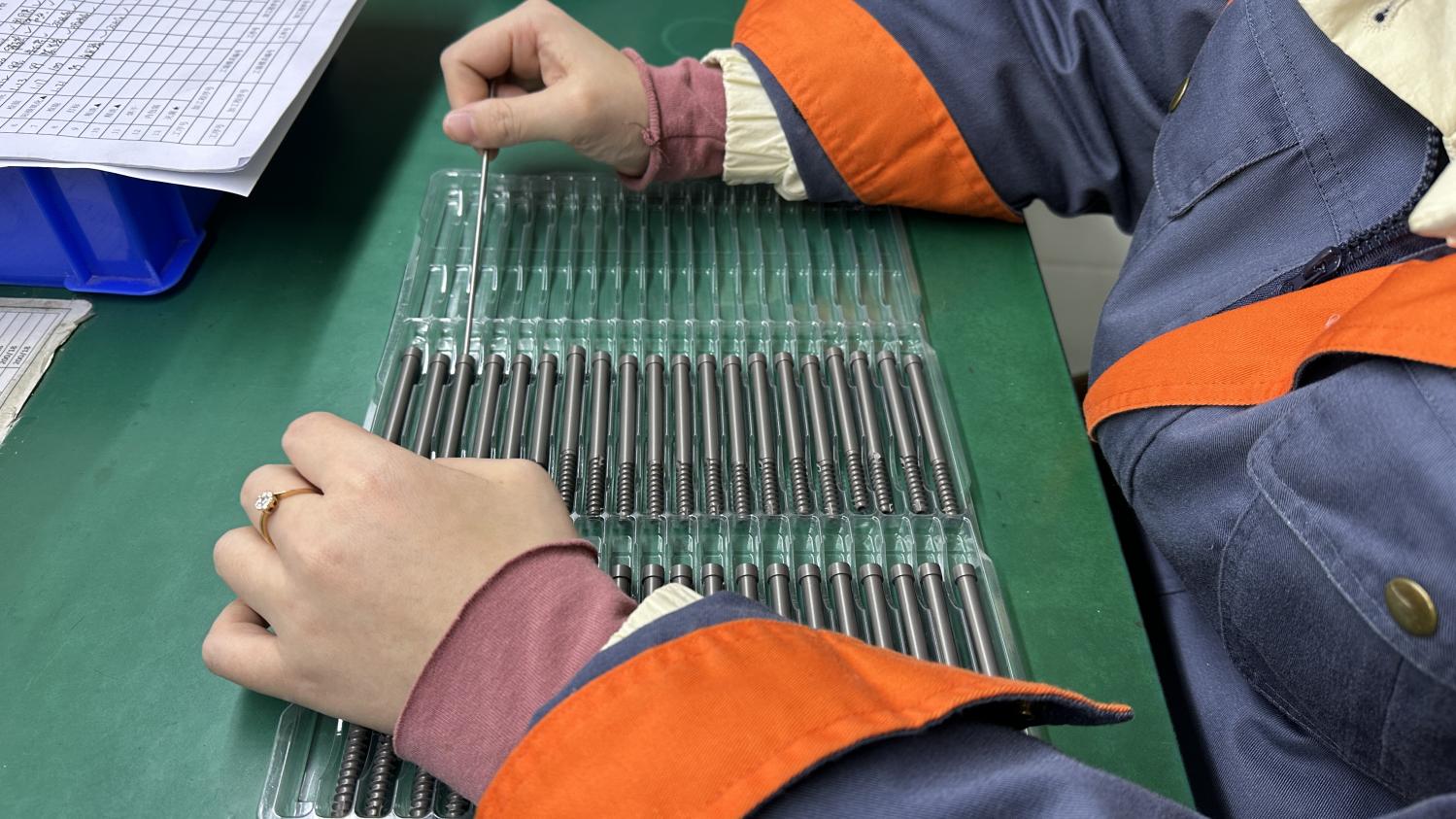
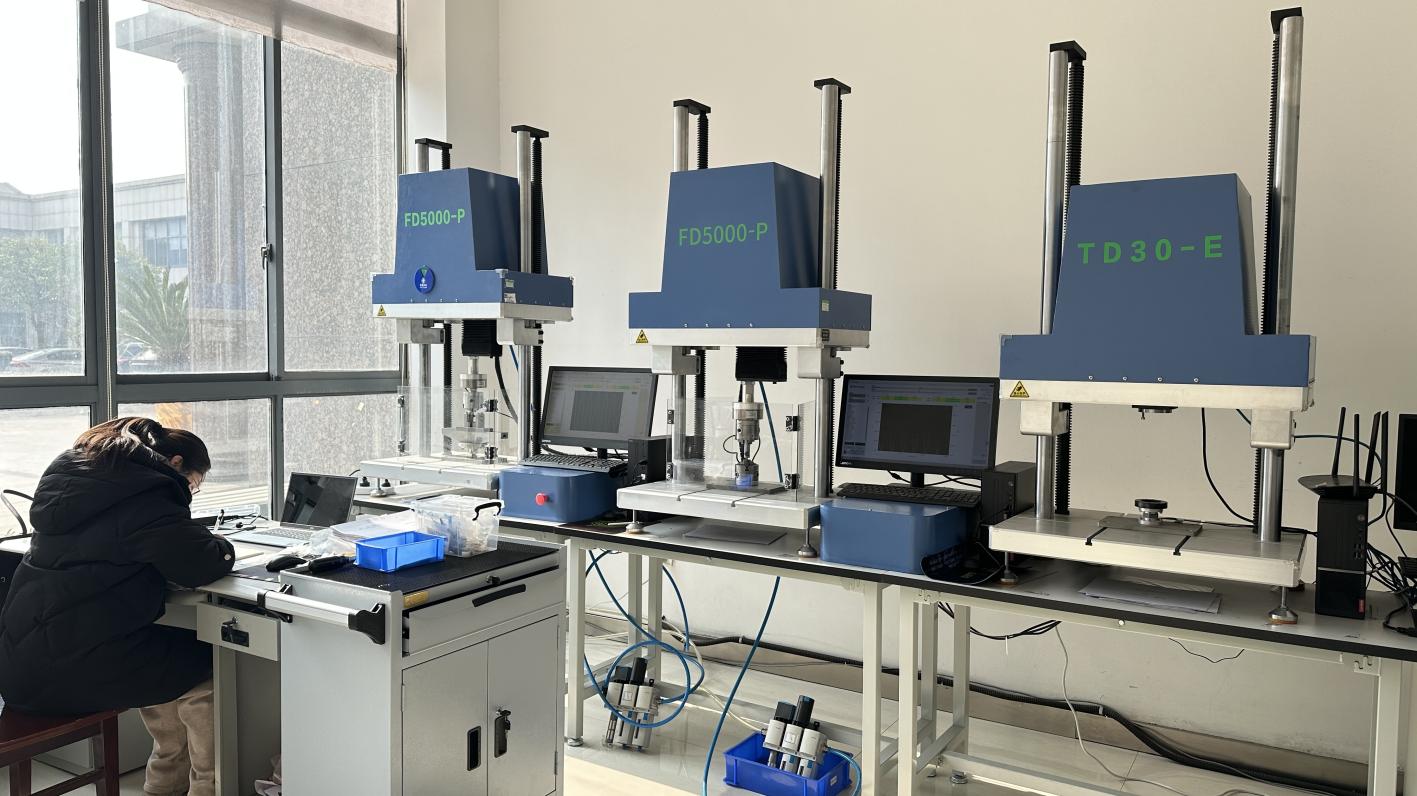
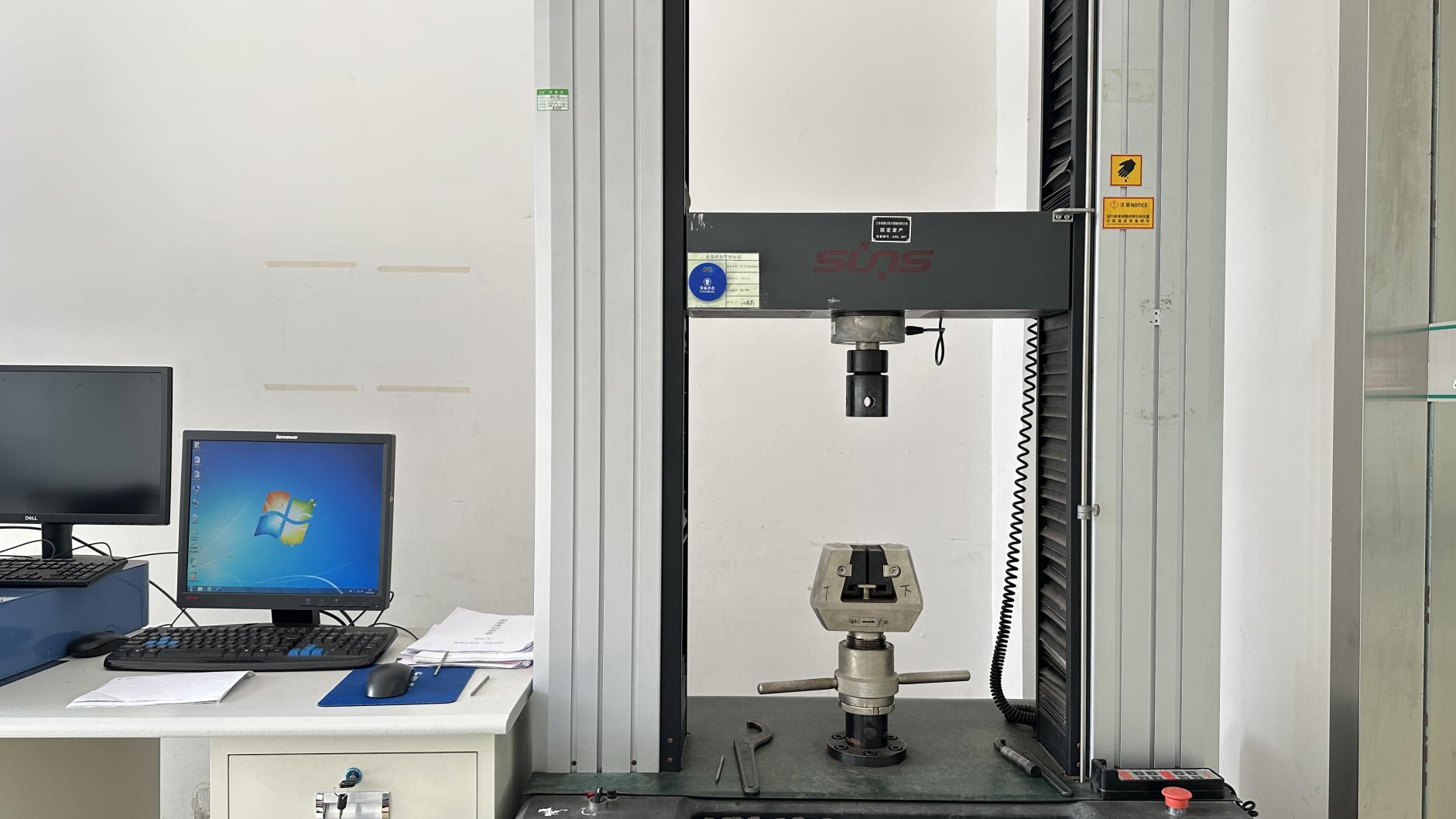
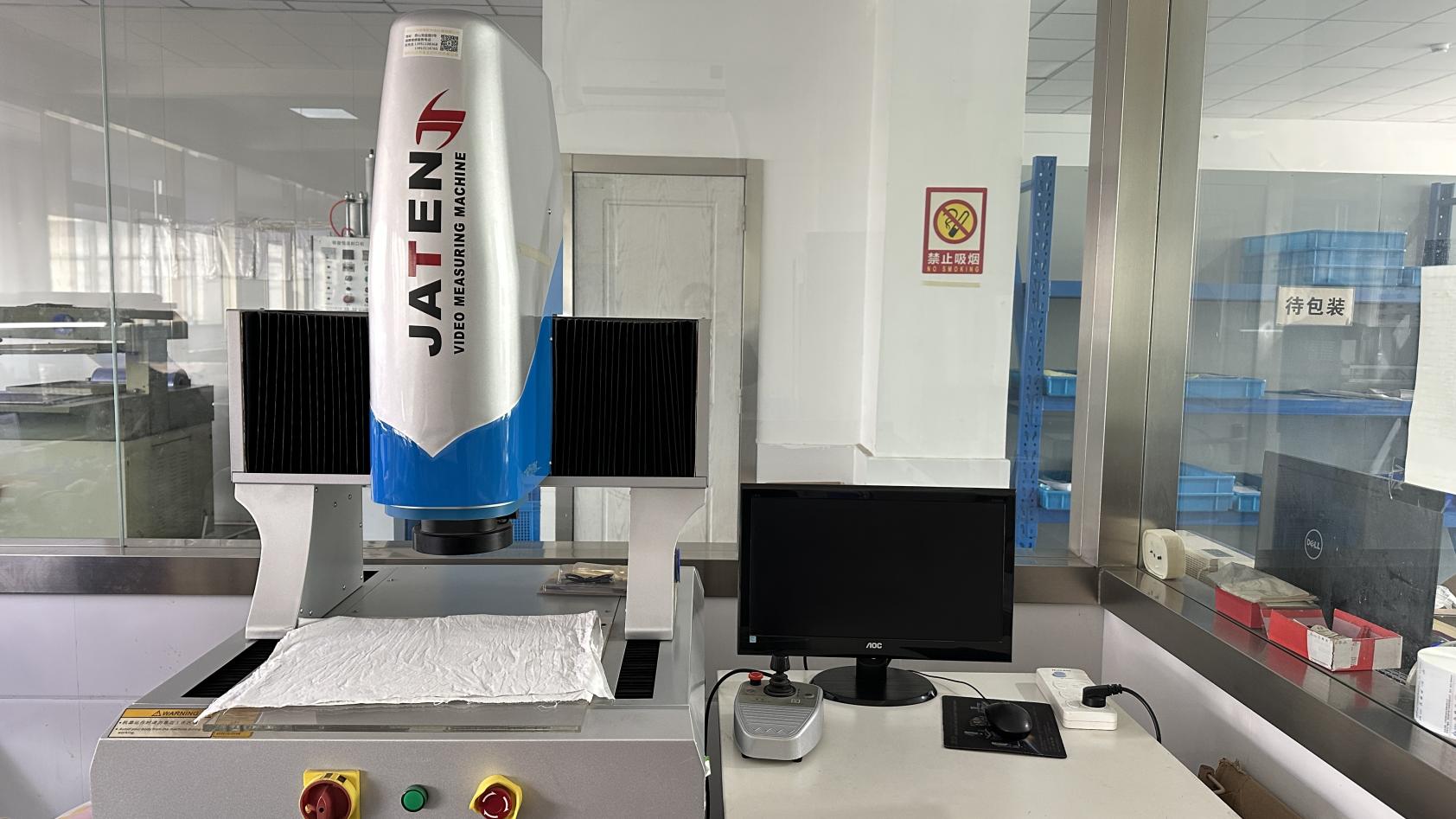
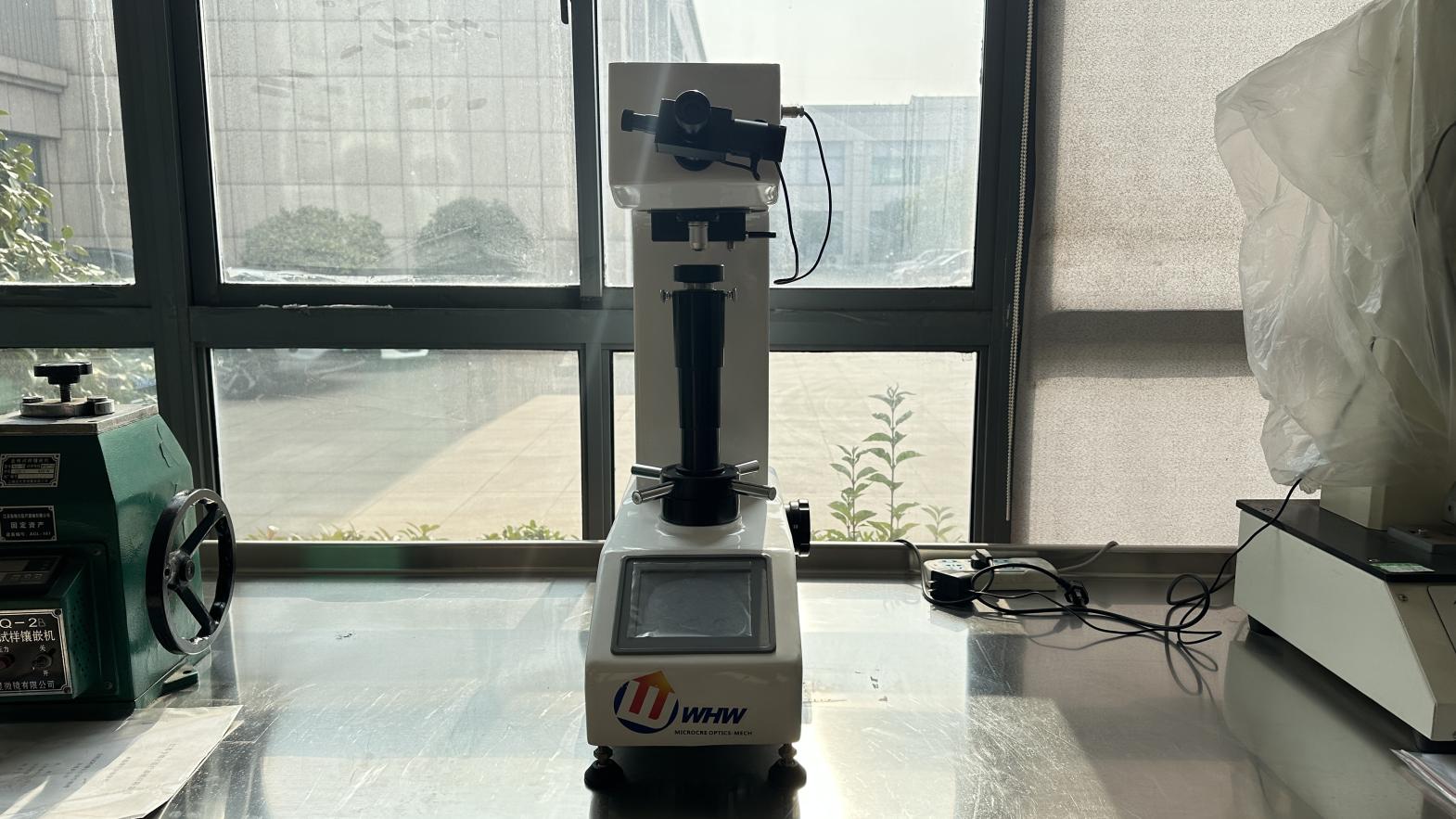
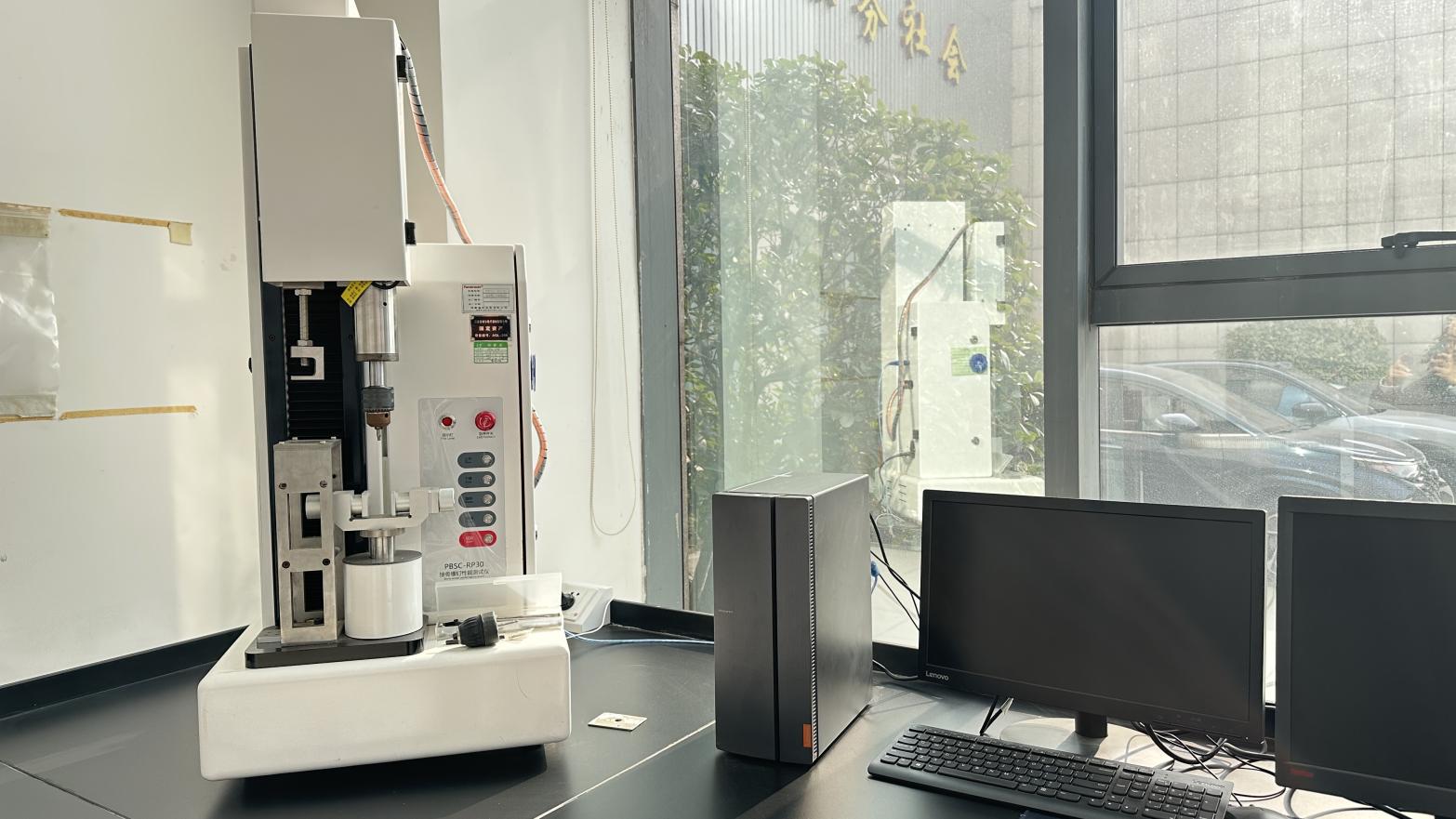
An objective evaluation framework for purchasing managers sourcing implants for hospital networks and ministries of health.
Sourcing orthopedic implants requires a rigorous quality verification workflow. Procurement agents must evaluate more than just the unit cost of tibial locking plates. A complete evaluation matrix includes the following steps:
By implementing these quality gates, Virelox maintains a zero-recall track record across Europe, Southeast Asia, South America, and the Middle East. This performance is supported by our 65 QC inspectors and 850 upstream and downstream supply chain partners.
How engineering innovations are reshaping the next generation of tibial internal fixation.
We are researching sub-micron osteoconductive coatings, such as synthetic hydroxyapatite (HA) and silver-doped antimicrobial layers. These coatings aim to accelerate early osseointegration while reducing the risk of implant-associated infections.
Integrating Electron Beam Melting (EBM) and Direct Metal Laser Sintering (DMLS) allows for the production of customized tibial locking plates. These 3D-printed titanium implants can match patient-specific anatomy in complex revision surgeries.
We are exploring the integration of micro-strain sensors into locking plates. These sensors transmit real-time biomechanical loading data wirelessly, allowing surgeons to monitor bone healing progress and identify early hardware failure or non-union.
Key clinical, metallurgical, and supply chain questions answered by our engineering and logistics teams.
International regulatory bodies approve Titanium Alloy (Ti-6Al-4V ELI) conforming to ASTM F136/ISO 5832-3 and surgical Stainless Steel (316LVM) conforming to ASTM F138/ISO 5832-1. Titanium offers a lower modulus of elasticity closer to cortical bone, which reduces stress shielding, while stainless steel provides higher structural stiffness, which can be useful in complex comminuted reconstructions.
In standard plate systems, stability relies on compressing the plate against the bone, which can restrict local capillary blood flow. In contrast, locking screw heads thread directly into the locking plate's combi-holes, creating a fixed-angle construct. This mechanical link maintains a small clearance gap between the plate and the periosteum, protecting the biological blood supply.
ISO 13485 is a dedicated quality management standard for medical devices. It requires strict documentation, risk management (ISO 14971), raw material traceability, cleanroom validation, and post-market surveillance. This certification is essential for registering implants with health authorities like CE MDR in Europe and the FDA in the United States.
Our 65 QC specialists follow a strict quality gate process. Every design undergoes finite element analysis (FEA) and biomechanical simulation before production. Physical production batches are checked using coordinate measuring machines (CMM), dynamic fatigue testers, and tensile testers. This ensures that every new implant meets international performance requirements.
Standard OEM design modifications and packaging changes take 4 to 6 weeks. Completely custom implant geometries requiring custom tooling, biomechanical testing, and regulatory documentation typically take 12 to 16 weeks. Our team of 120 R&D engineers manages this process to ensure clinical safety and efficiency.
Browse our complete catalog of specialized joint reconstruction, trauma fixation, and arthroscopic instruments.
 Virelox