Featured Precision Engineering Surgical Tools and Implant Systems
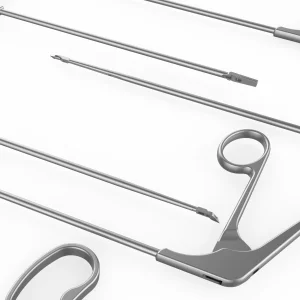
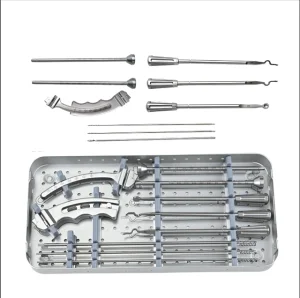
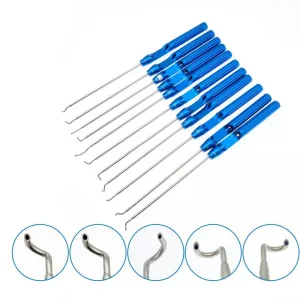
Expert Analysis on Top Global Brands and OEM Competencies
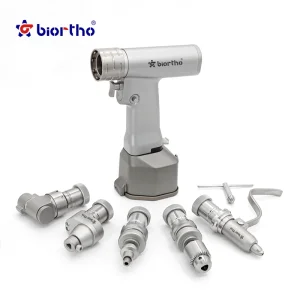
Surgical power tools, specifically medical bone drills and sagittal saws, are the workhorses of the orthopedic operating theater. These medical devices demand uncompromising precision, reliability, biocompatibility, and sterilization survival rates. A purchasing director or medical distributor evaluating suppliers is not just buying a motor and a chuck; they are sourcing a system that directly impacts patient outcomes and clinical efficiency.
When looking globally for the top surgical drill manufacturers, the industry divides into two primary clusters: Western high-margin innovators (such as Stryker, Medtronic, DePuy Synthes, and ConMed) and high-efficiency manufacturing centers in East Asia, particularly China. The latter has developed profound technological competence over the past decade, bridging the gap between cost-efficiency and premium engineering.
According to the Google Search Quality Rater Guidelines, high-quality B2B content must address user search intent with concrete industry experience. Below are the key engineering metrics procurement departments prioritize:
A Premium Orthopedic Manufacturer Specializing in Joint Replacement & Implant Solutions
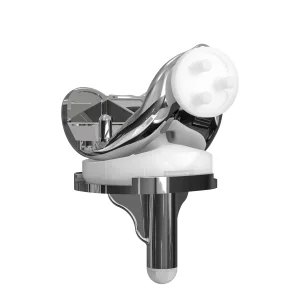
Virelox Medical Devices Co., Ltd. is a professional orthopedic medical device manufacturer specializing in joint replacement and surgical implant solutions. The company operates under the brand “Virelox” and is committed to delivering high-performance orthopedic systems for global healthcare providers. By positioning itself at the intersection of clinical utility and precision manufacturing, Virelox addresses the strategic supply chain requirements of international hospitals and medical device distributors.
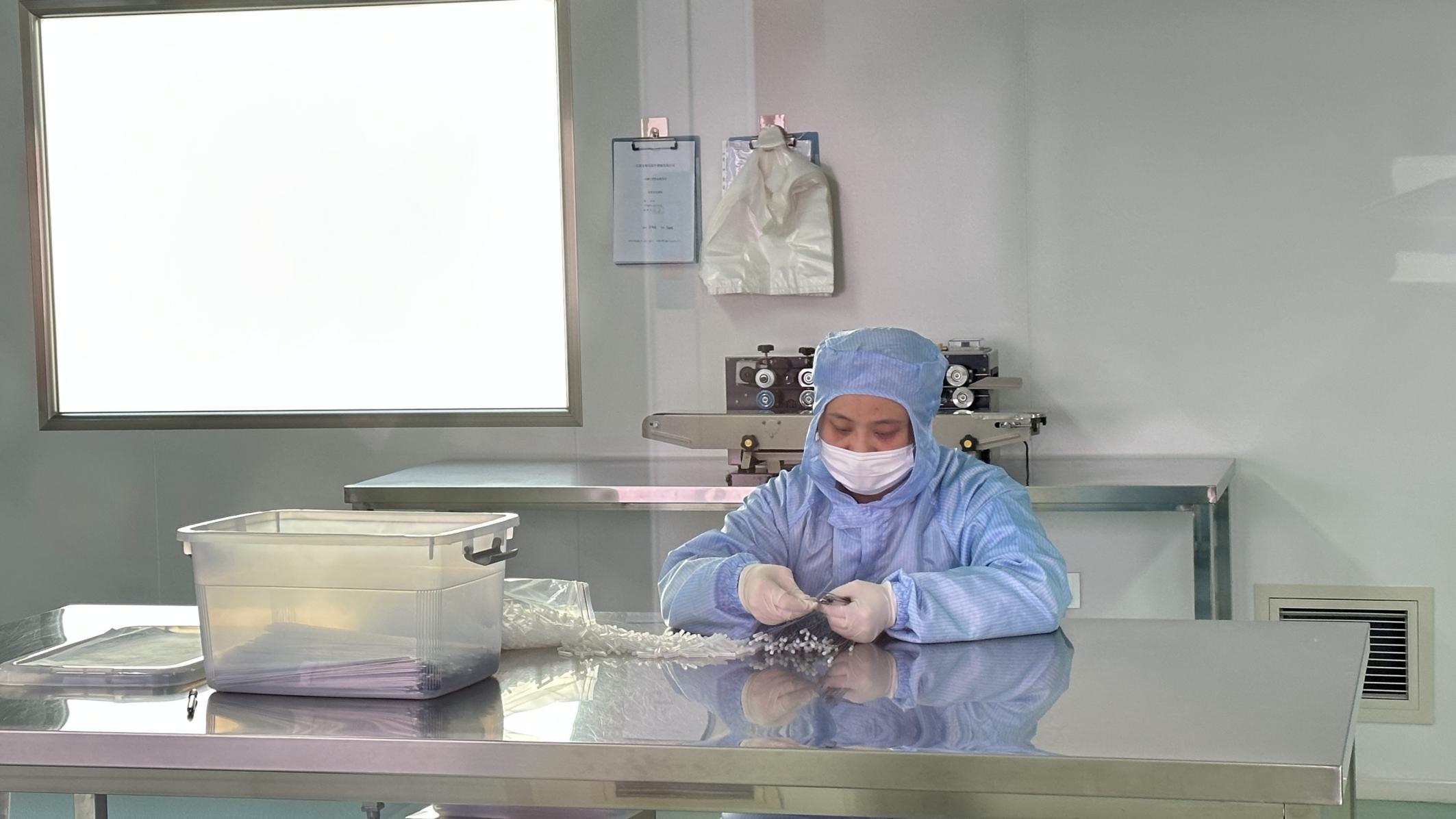
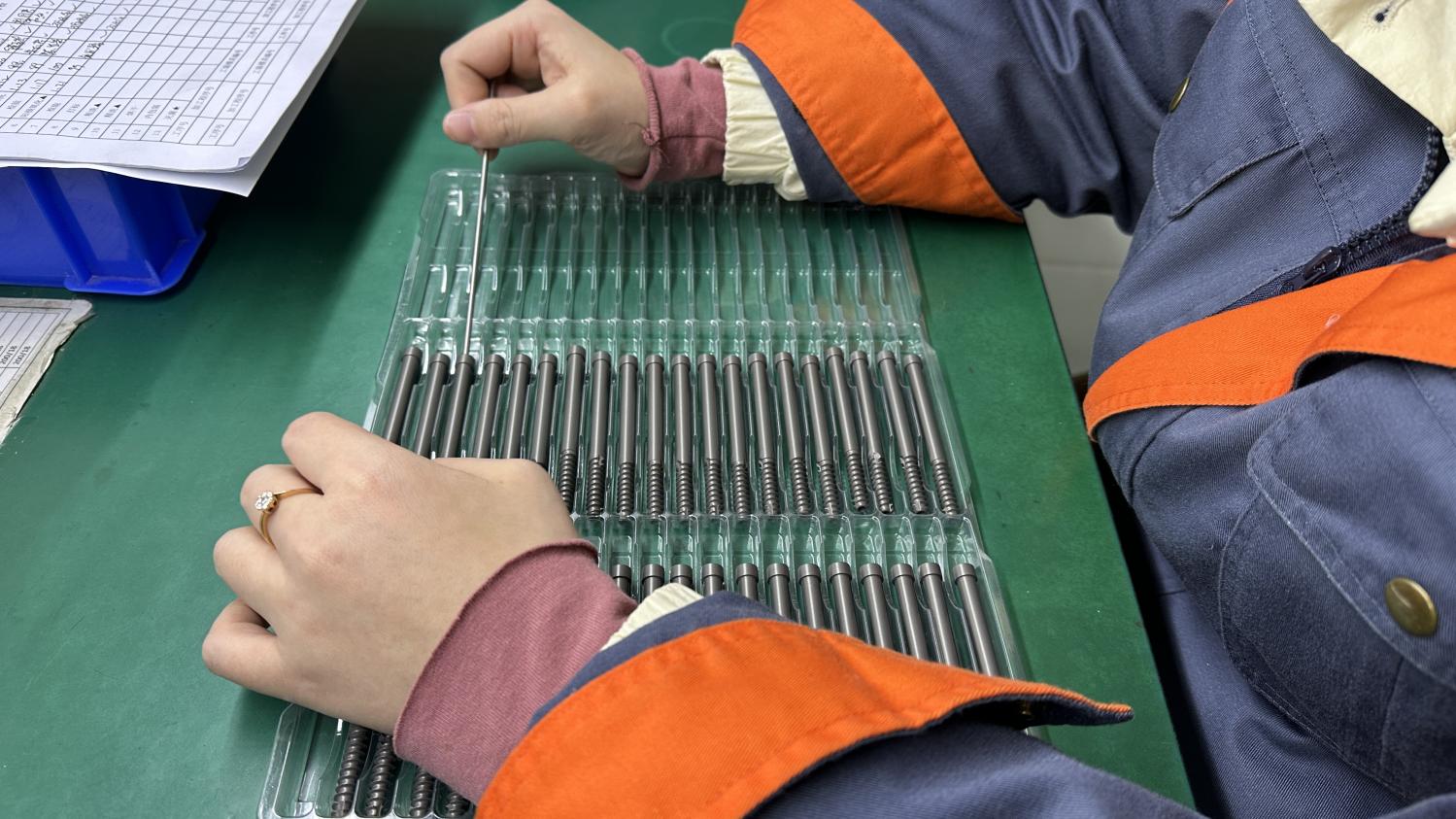
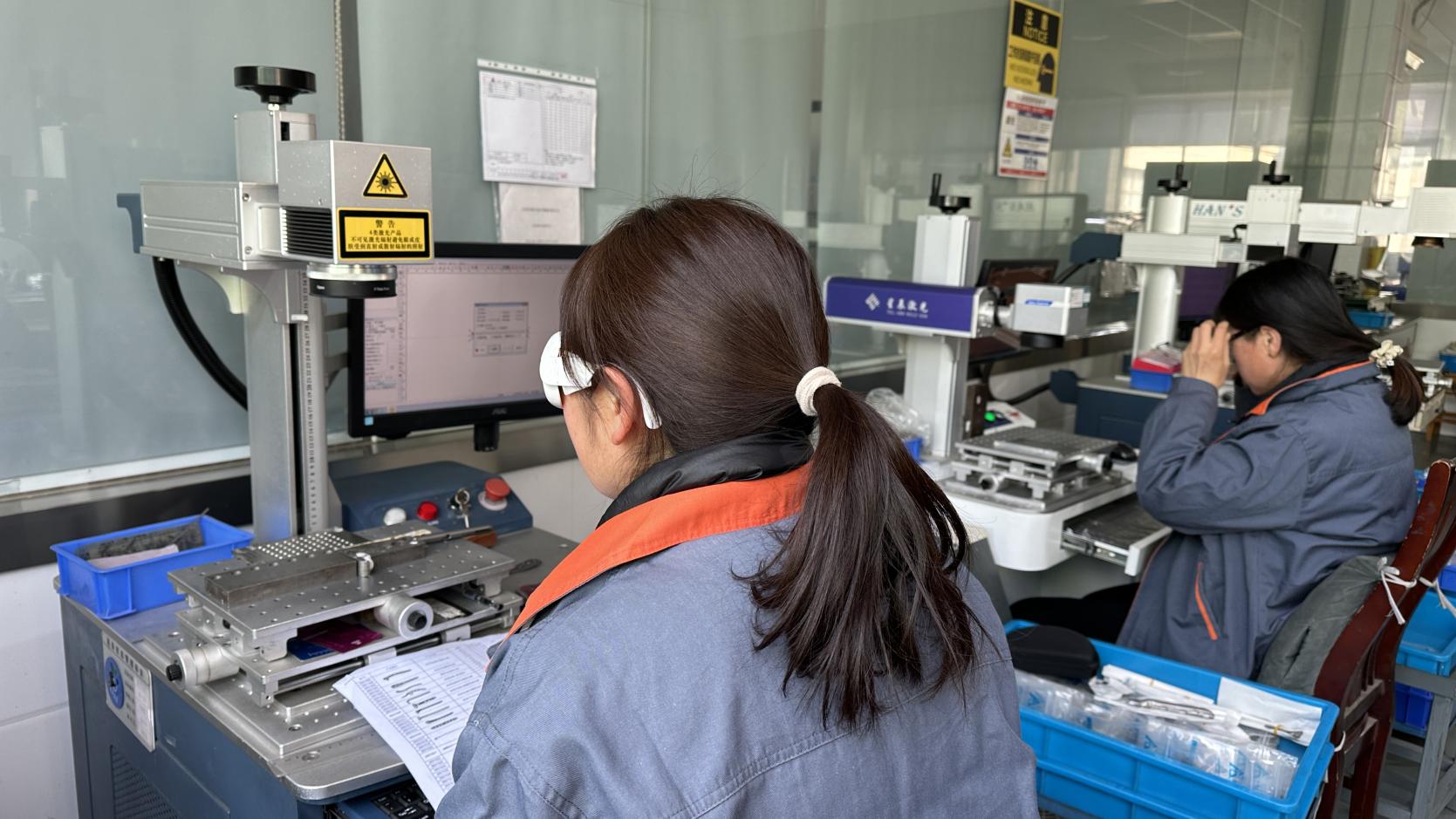
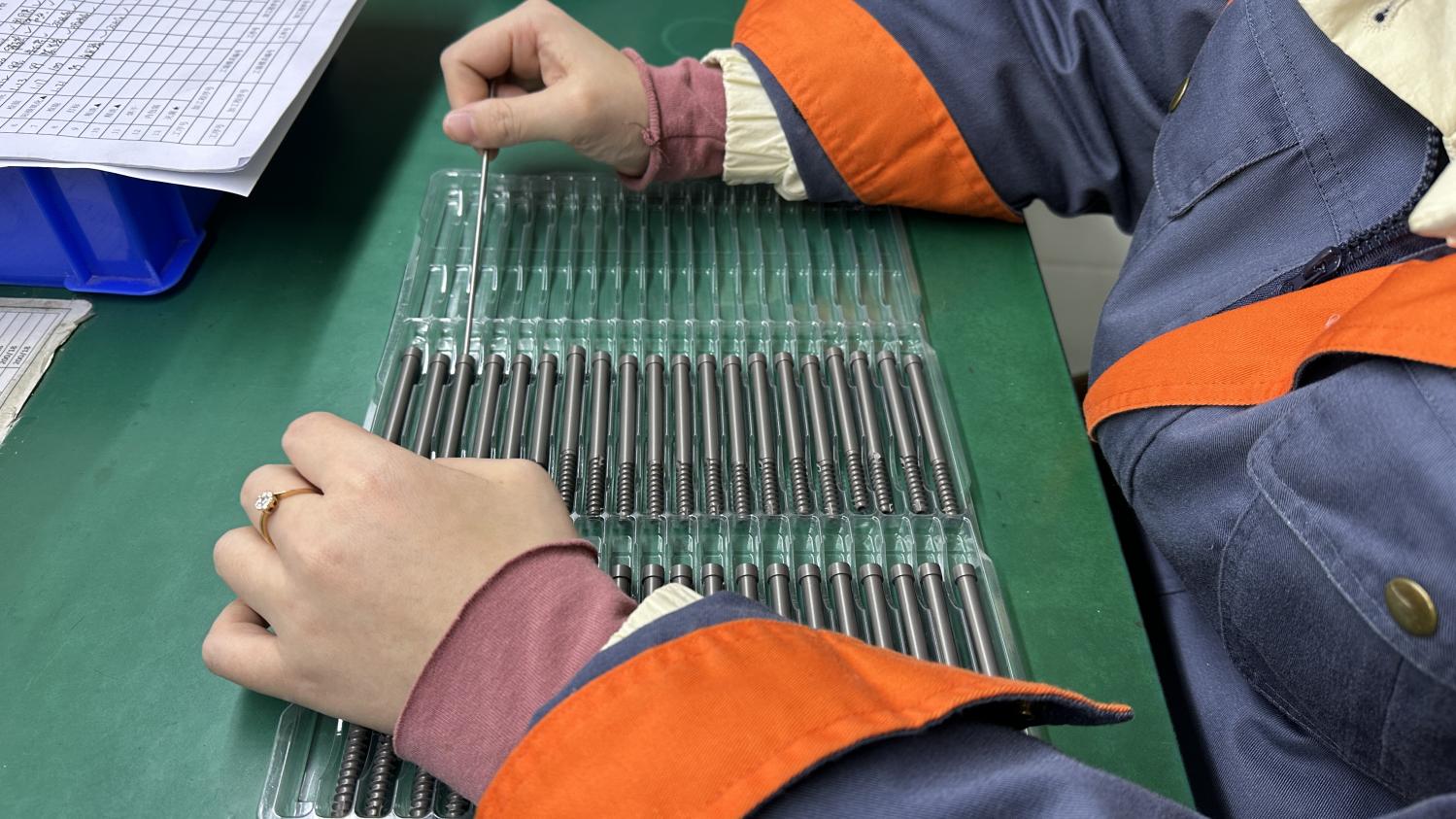
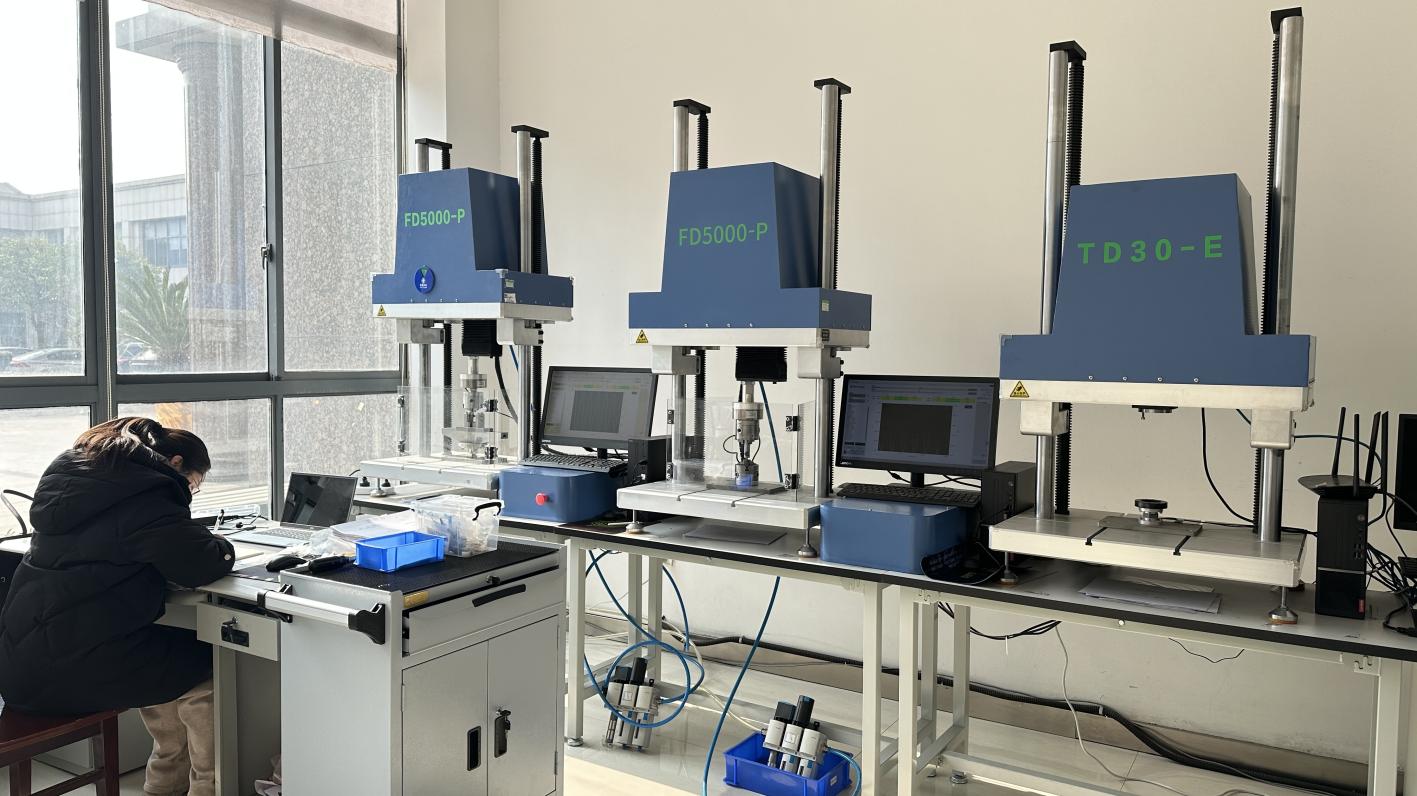
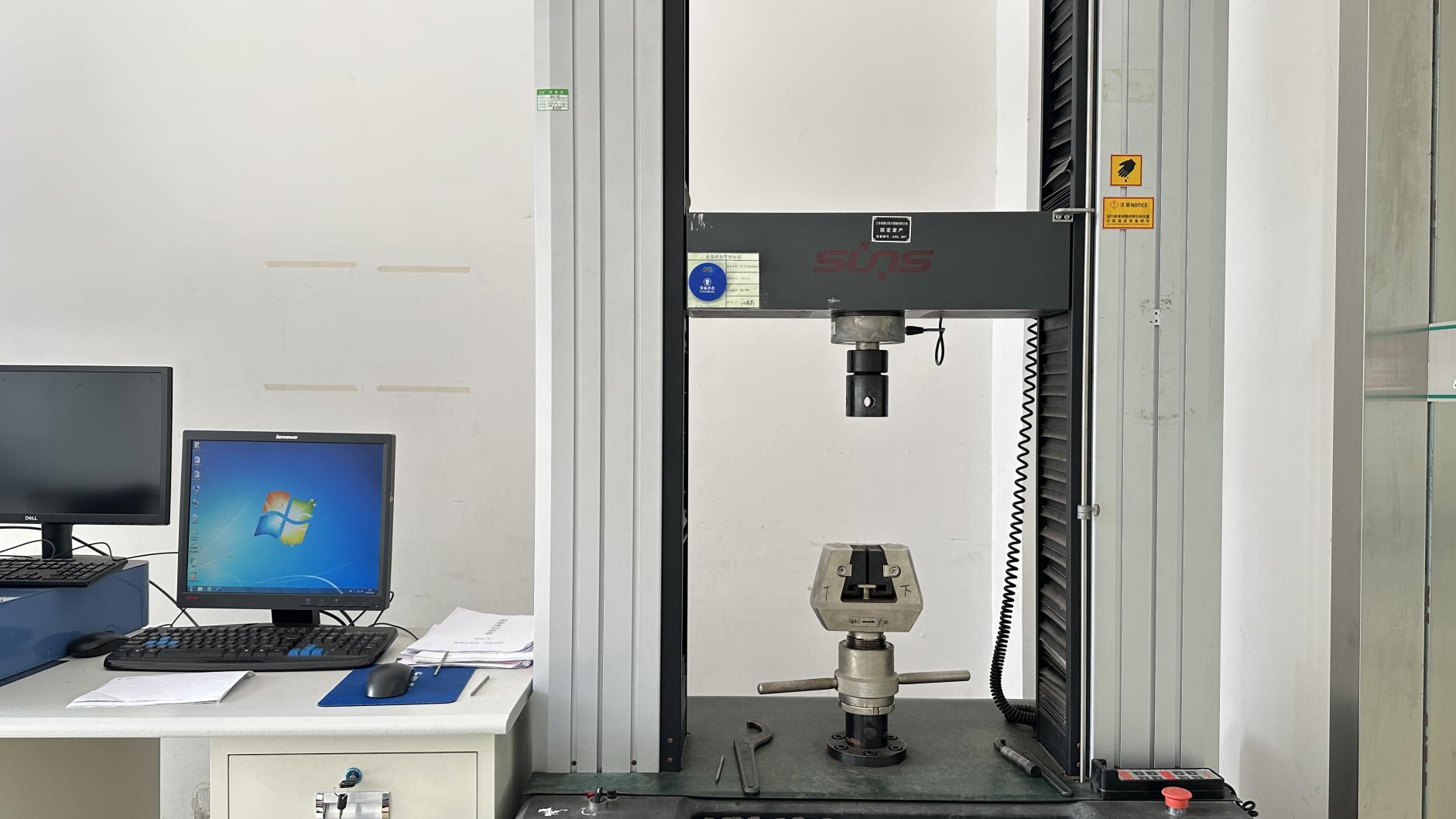
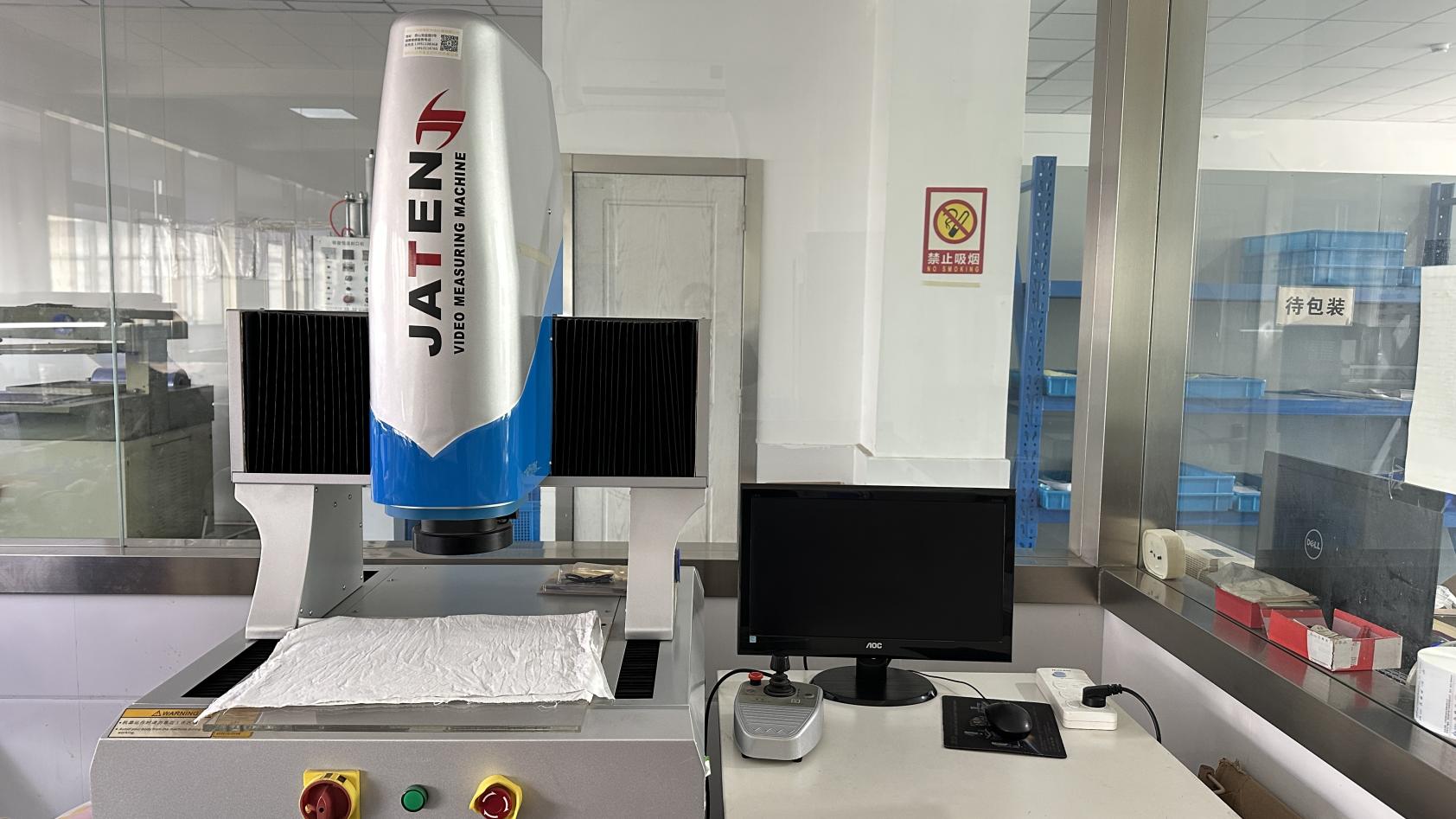
Virelox deploys an ISO 13485-based full-process quality management system with strict incoming, in-process, and final inspection standards. Rather than relying on simple end-of-line checking, the organization leverages advanced material testing and spatial validation protocols to ensure implant integrity and instrument precision.
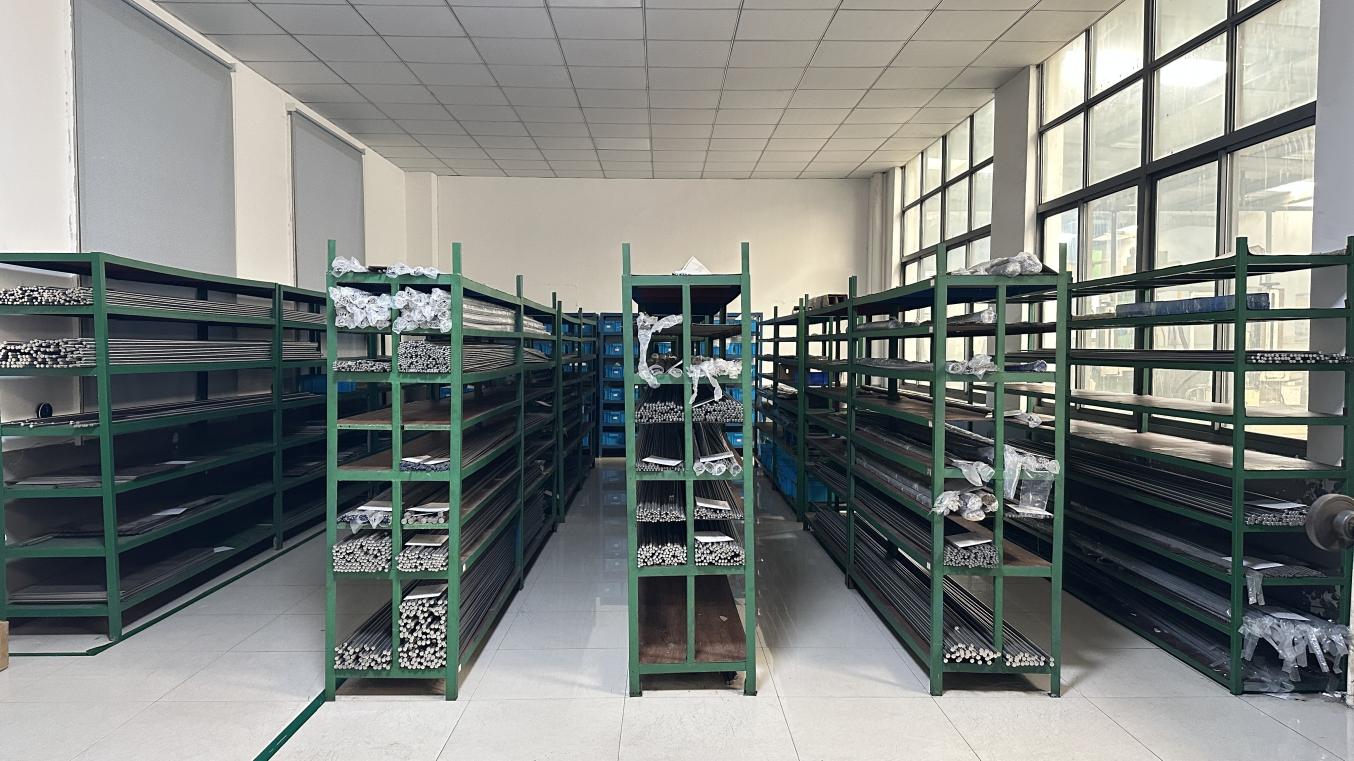
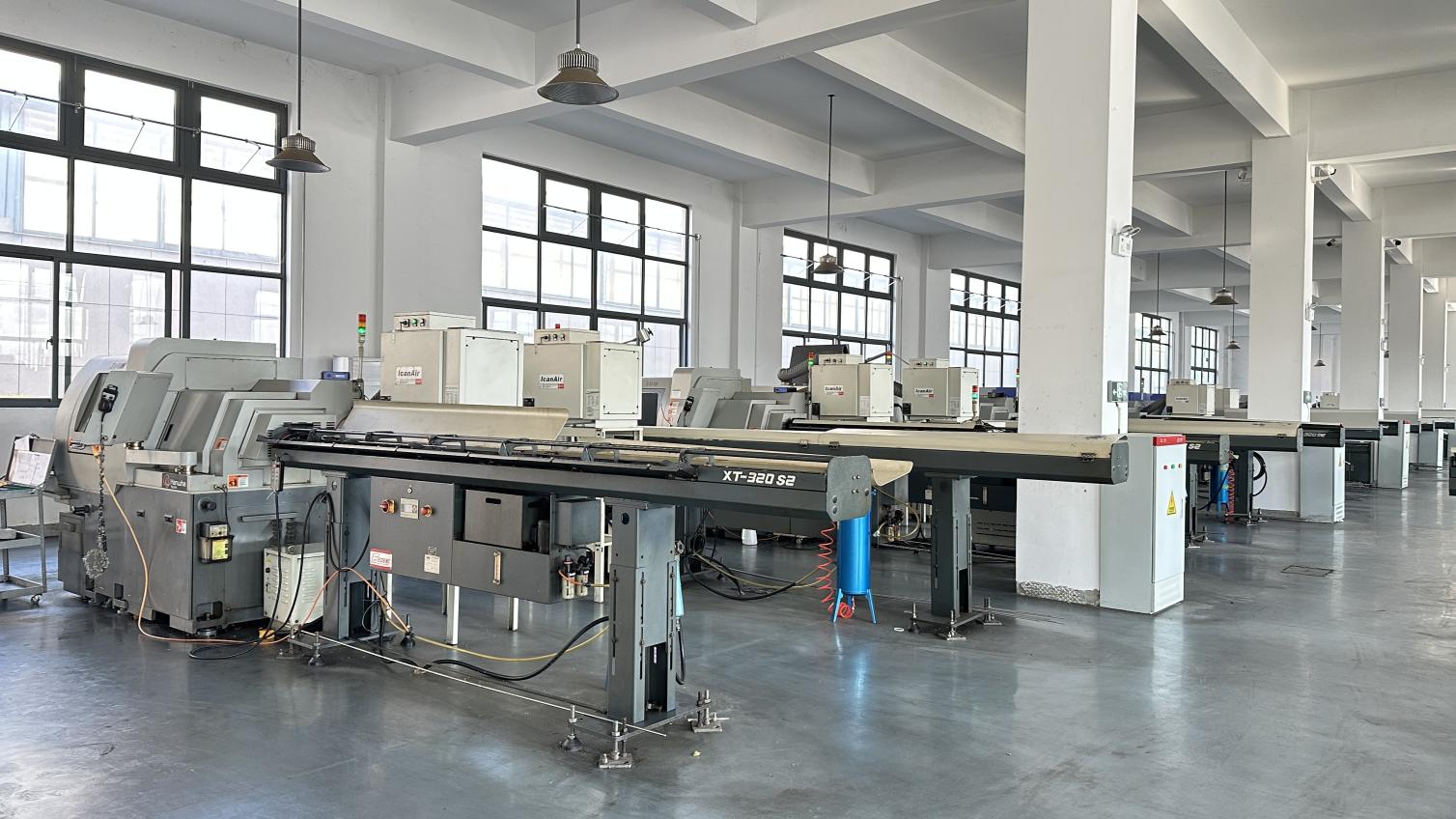
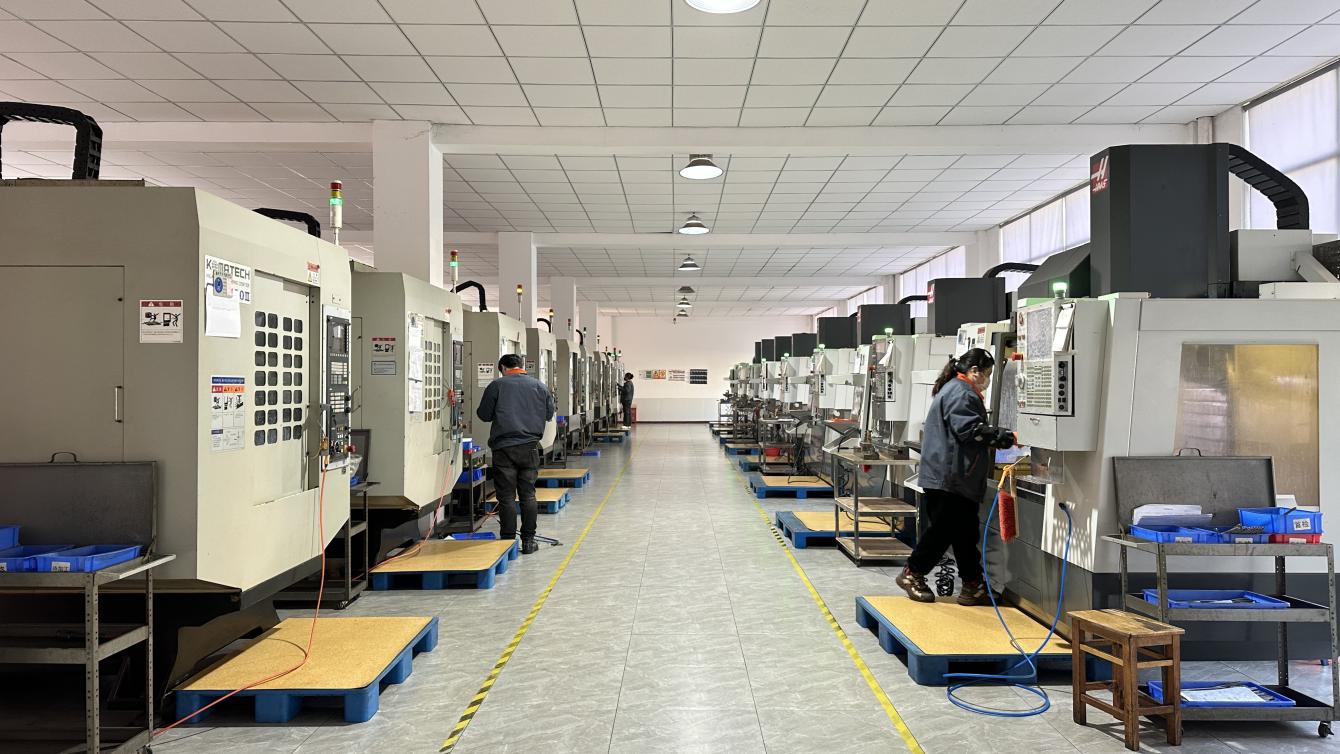
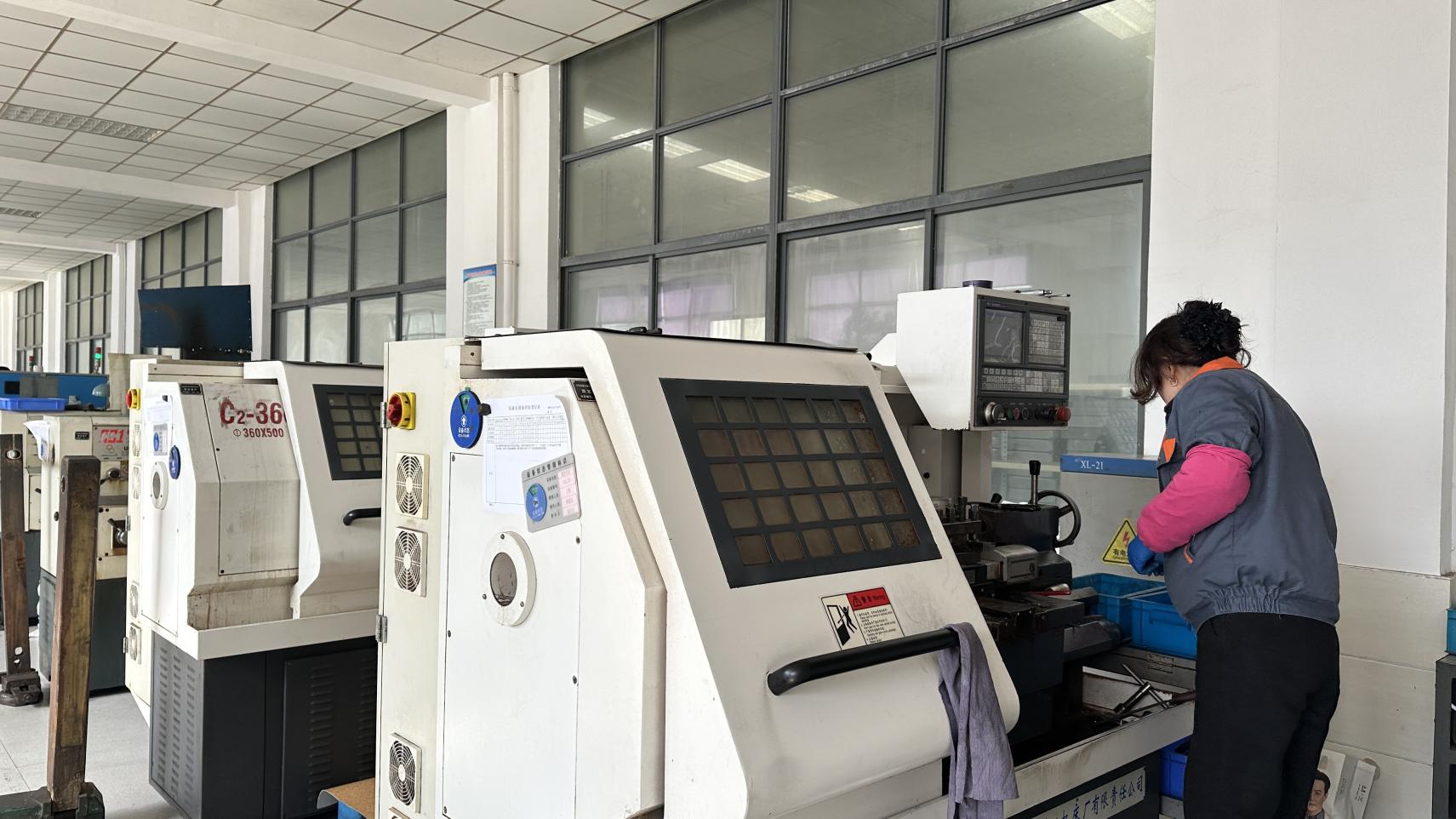
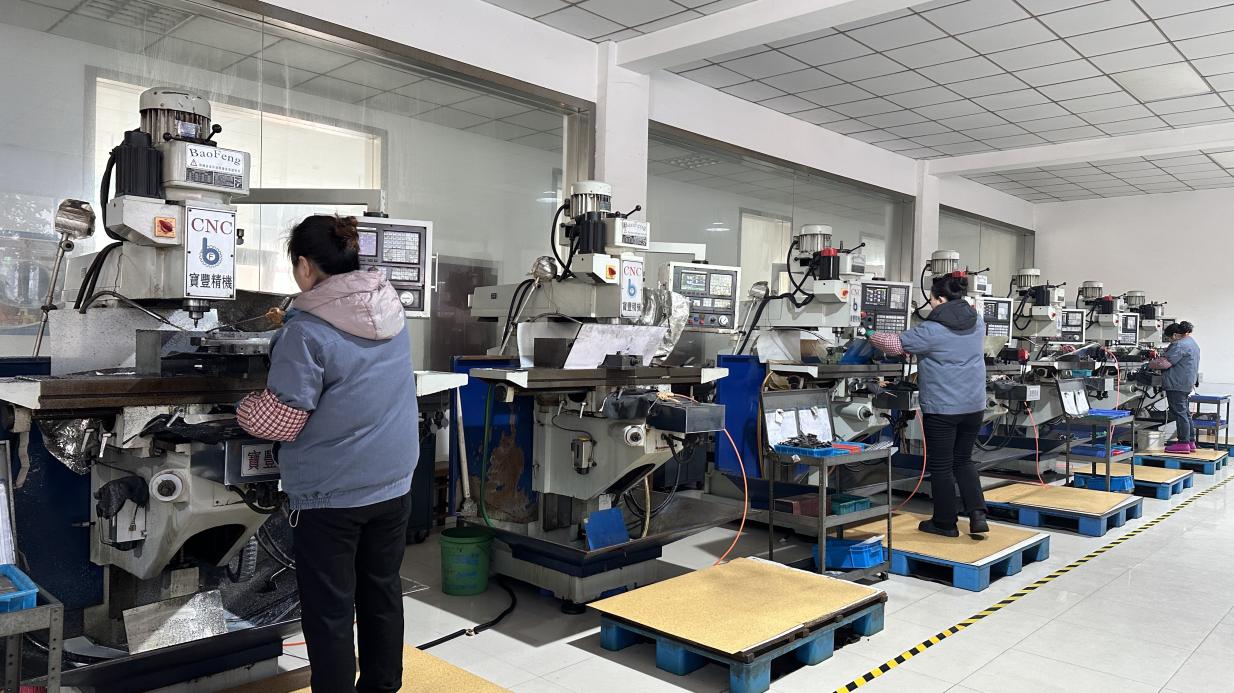
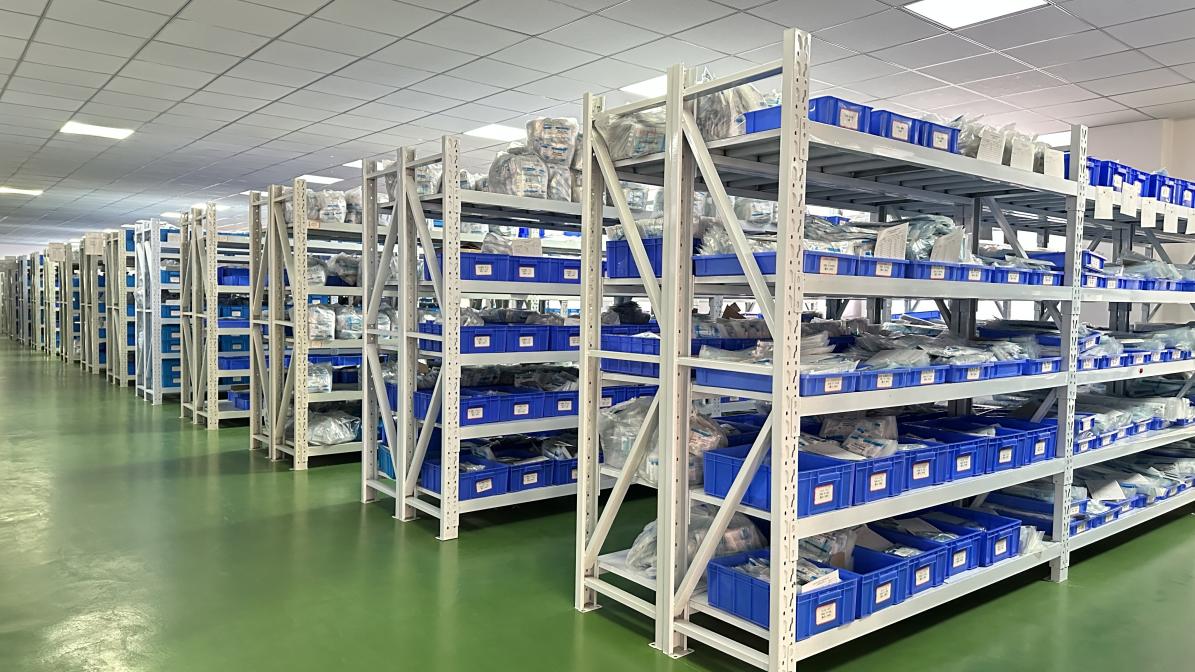
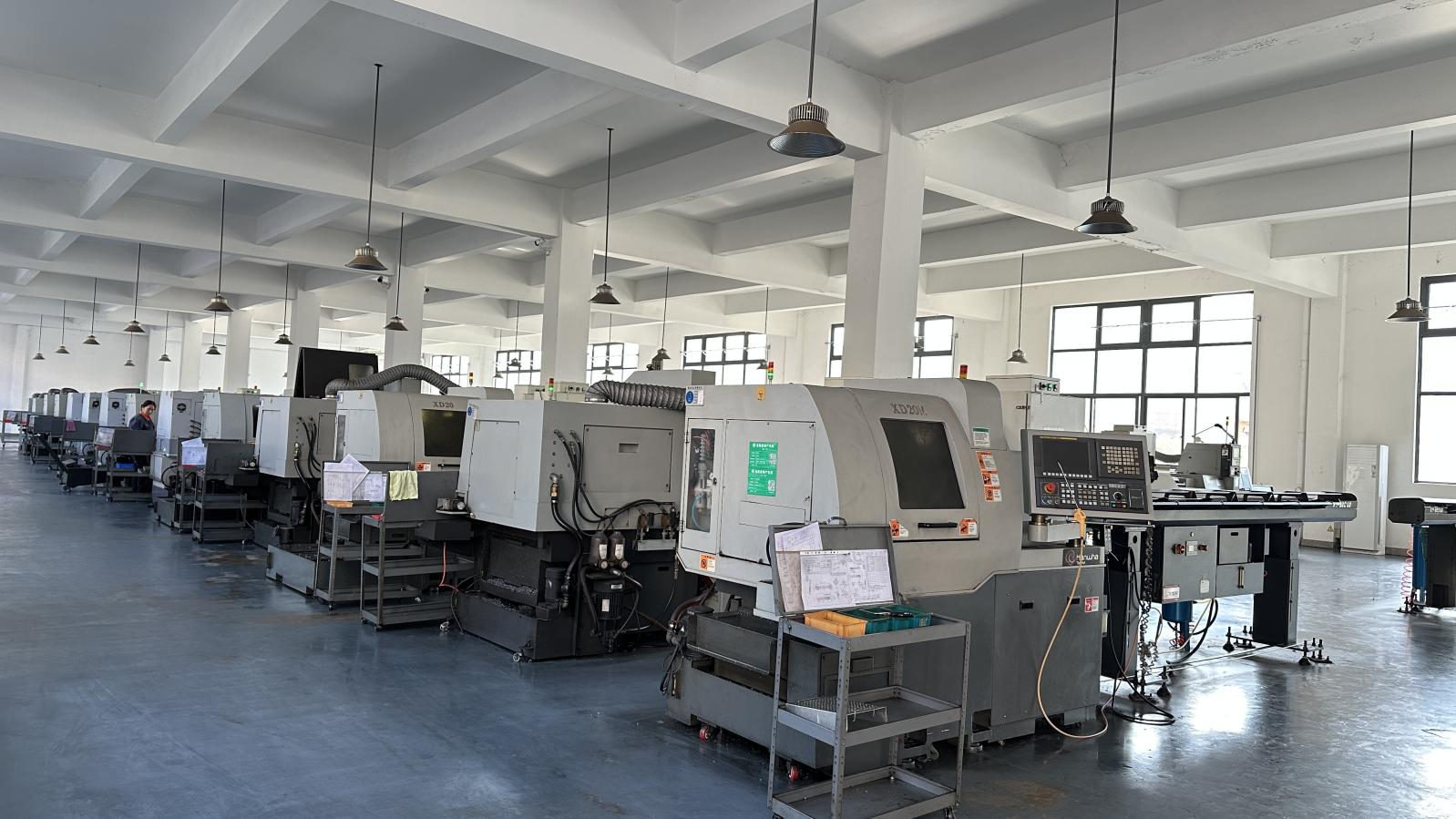
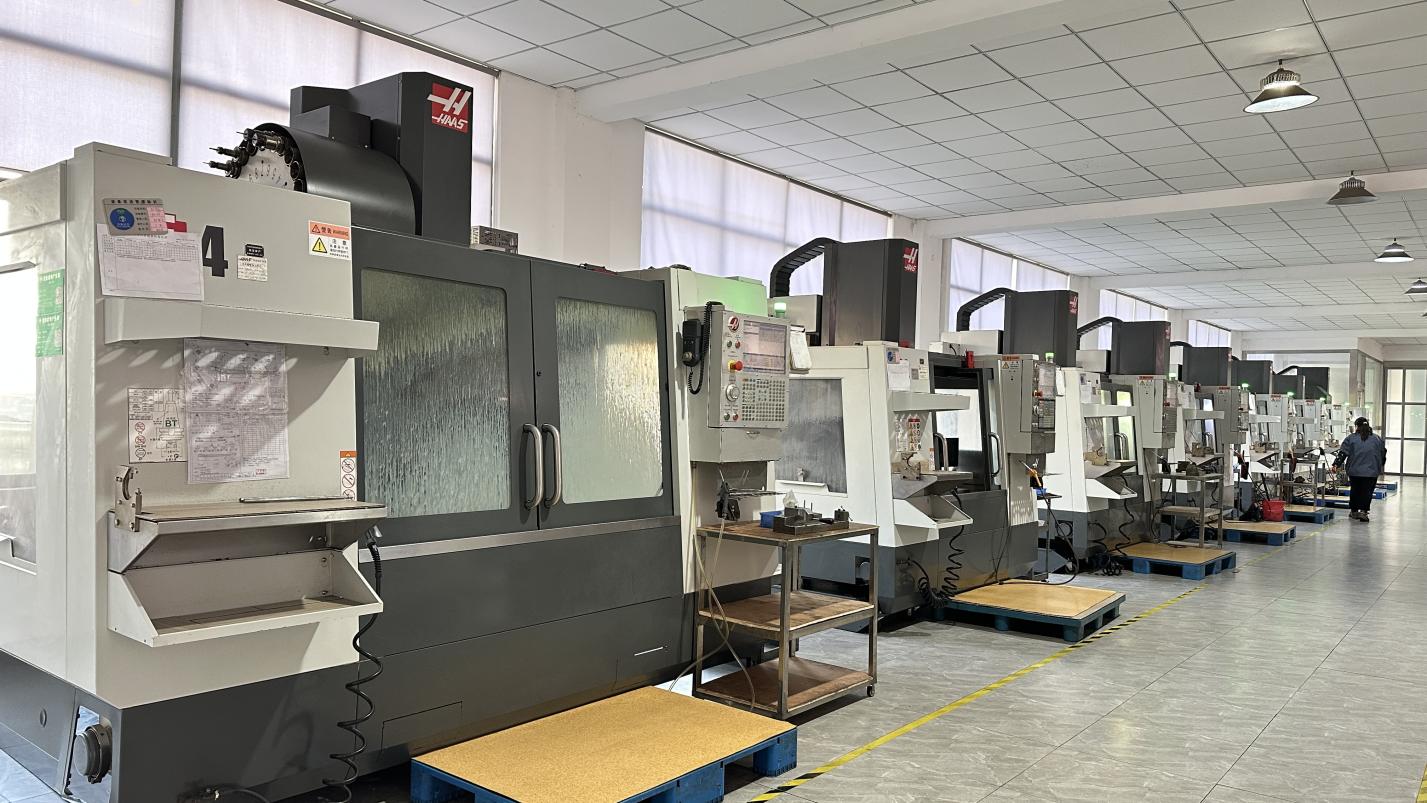
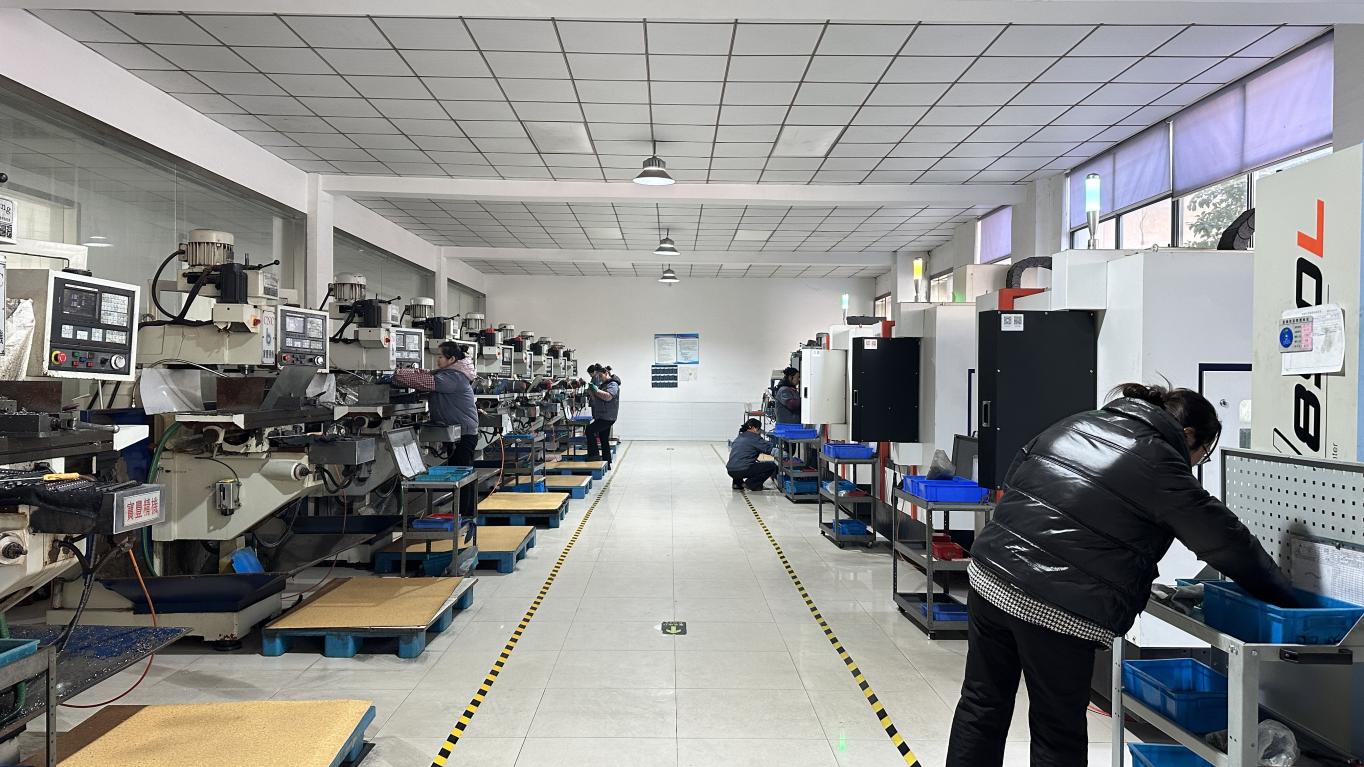
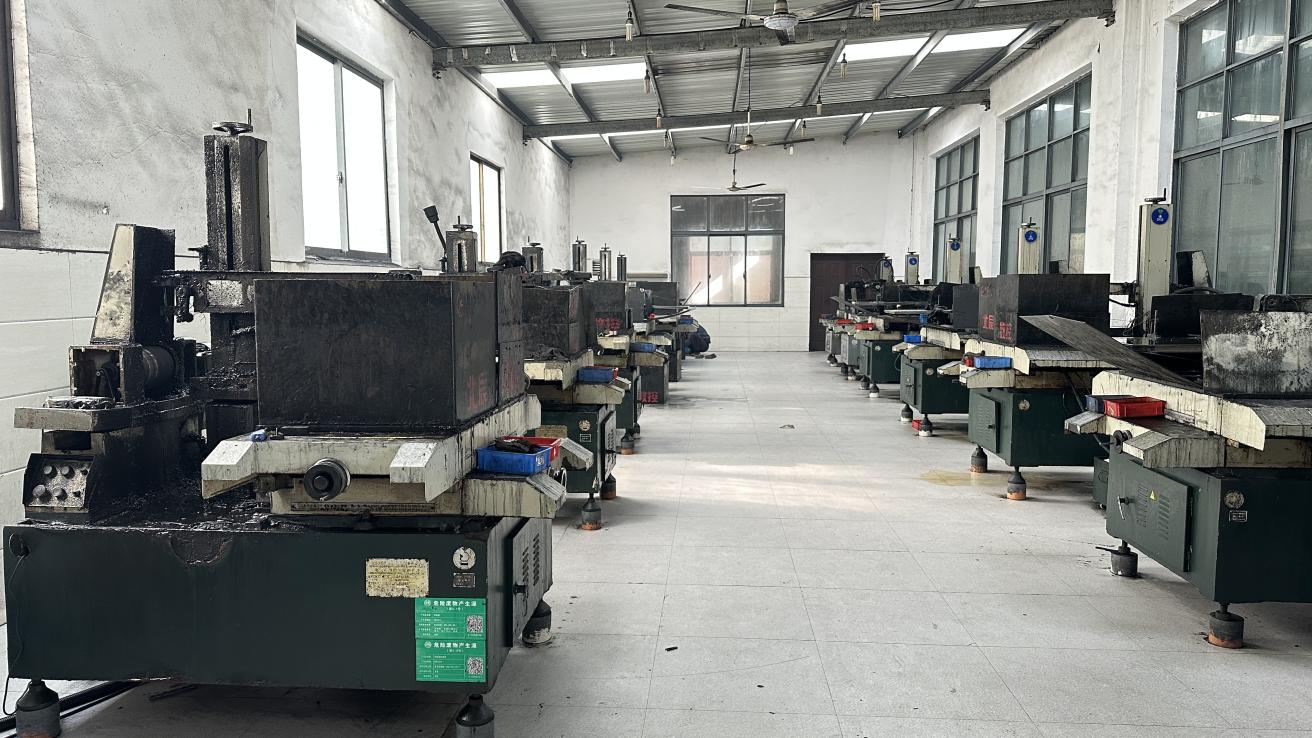
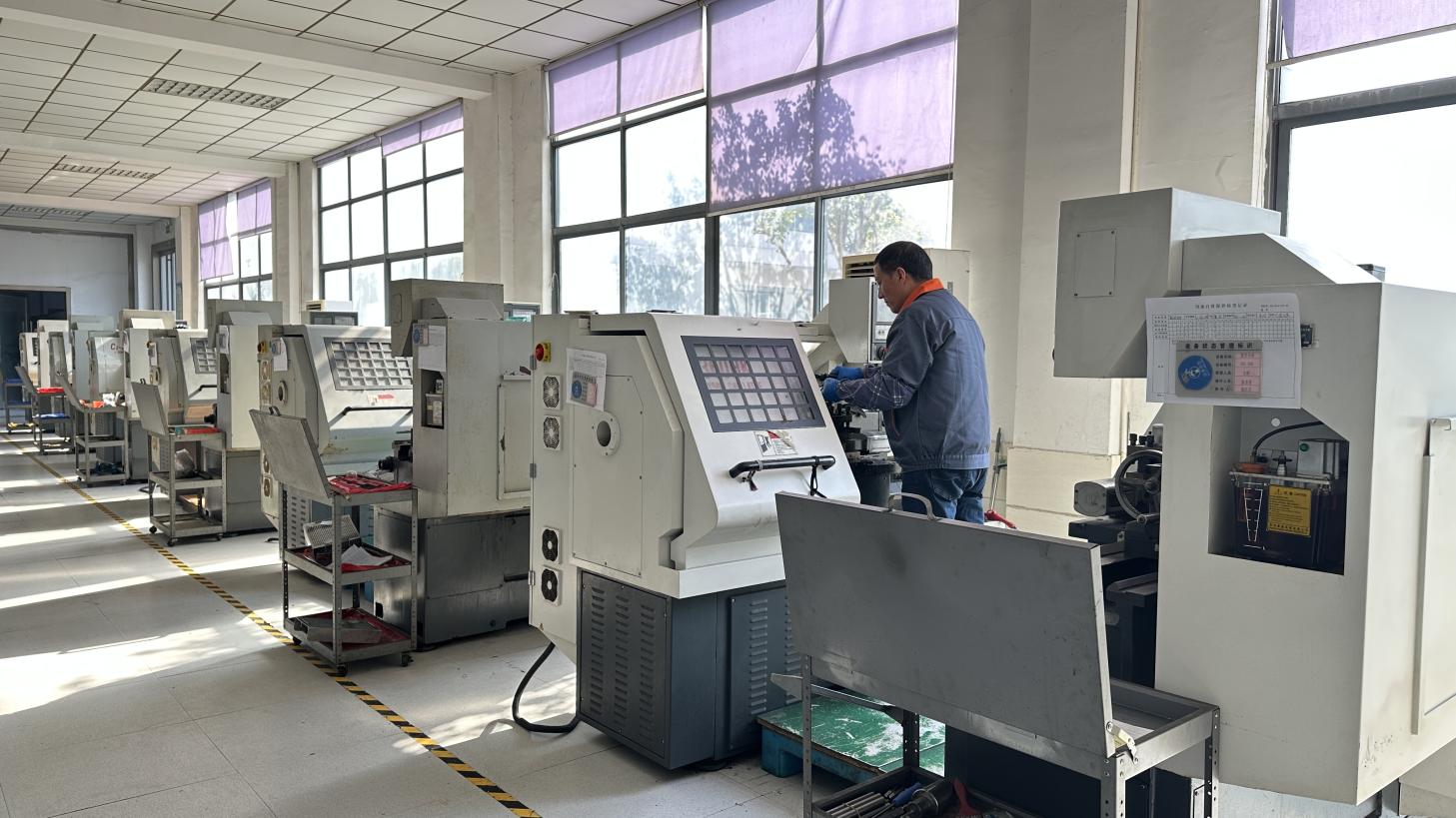
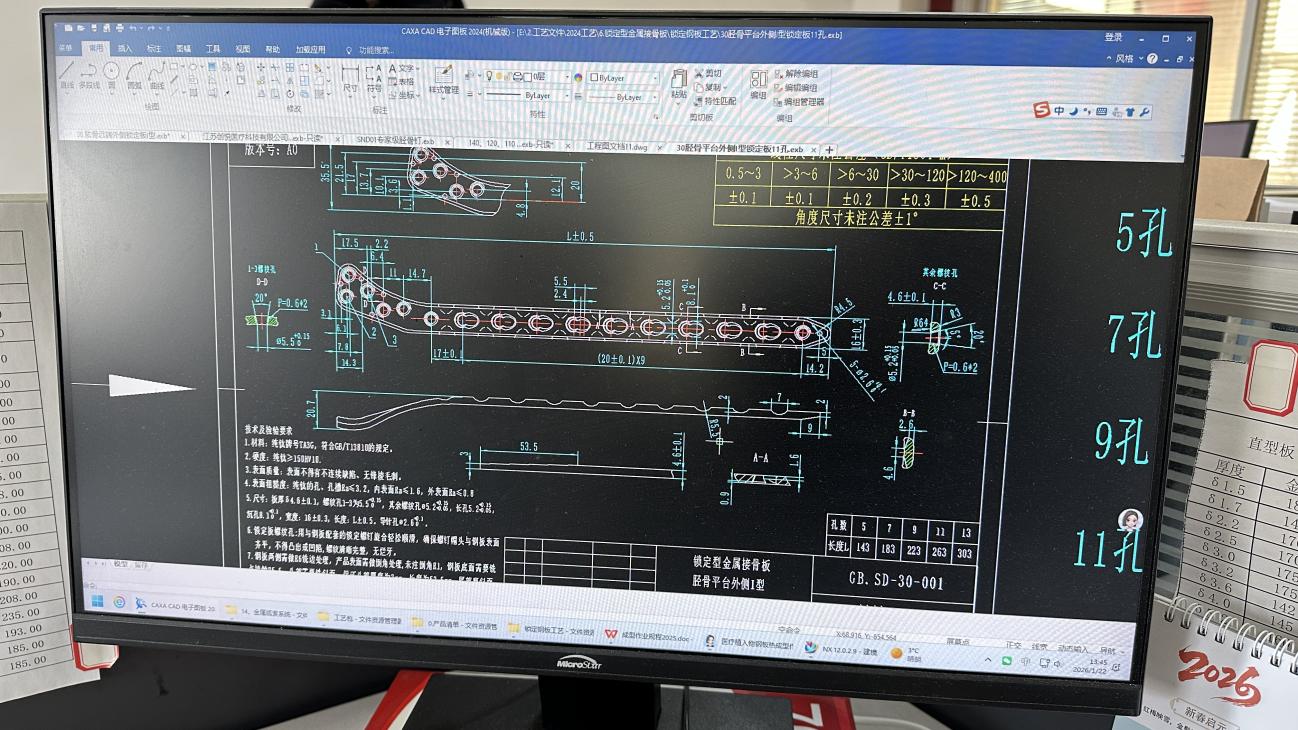
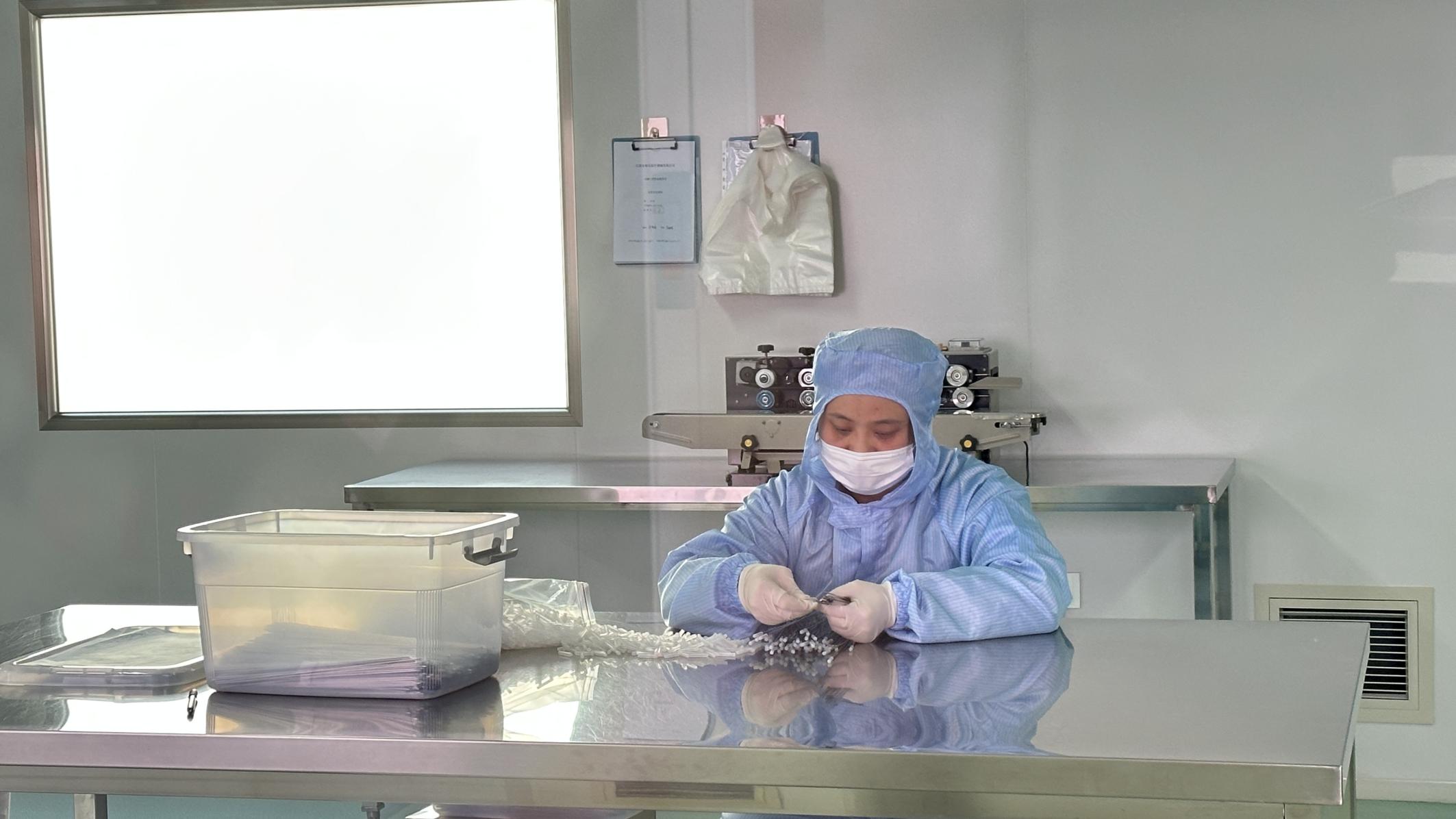
A Visual Inspection of the Virelox Precision Manufacturing Facility and Quality Labs

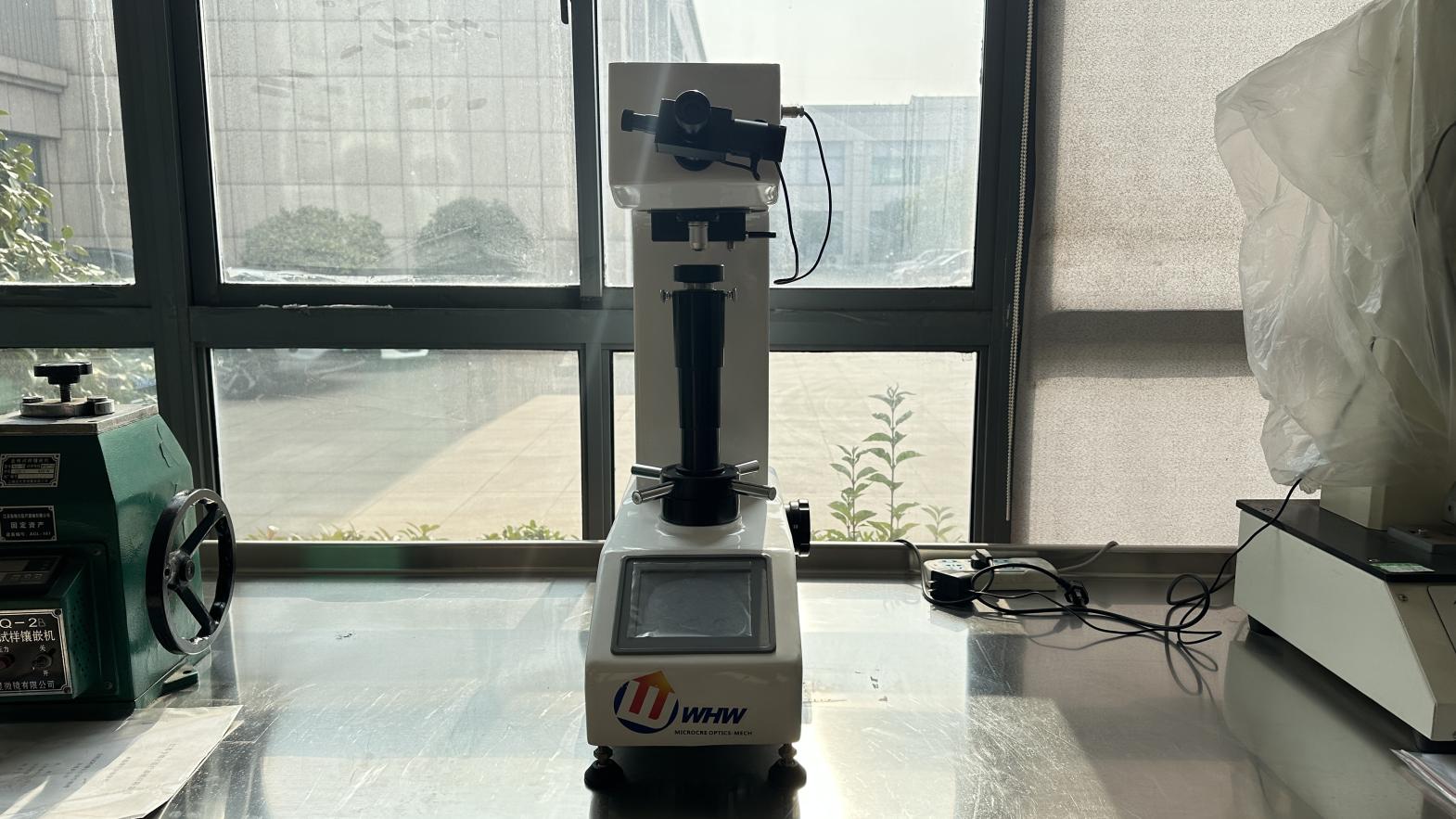
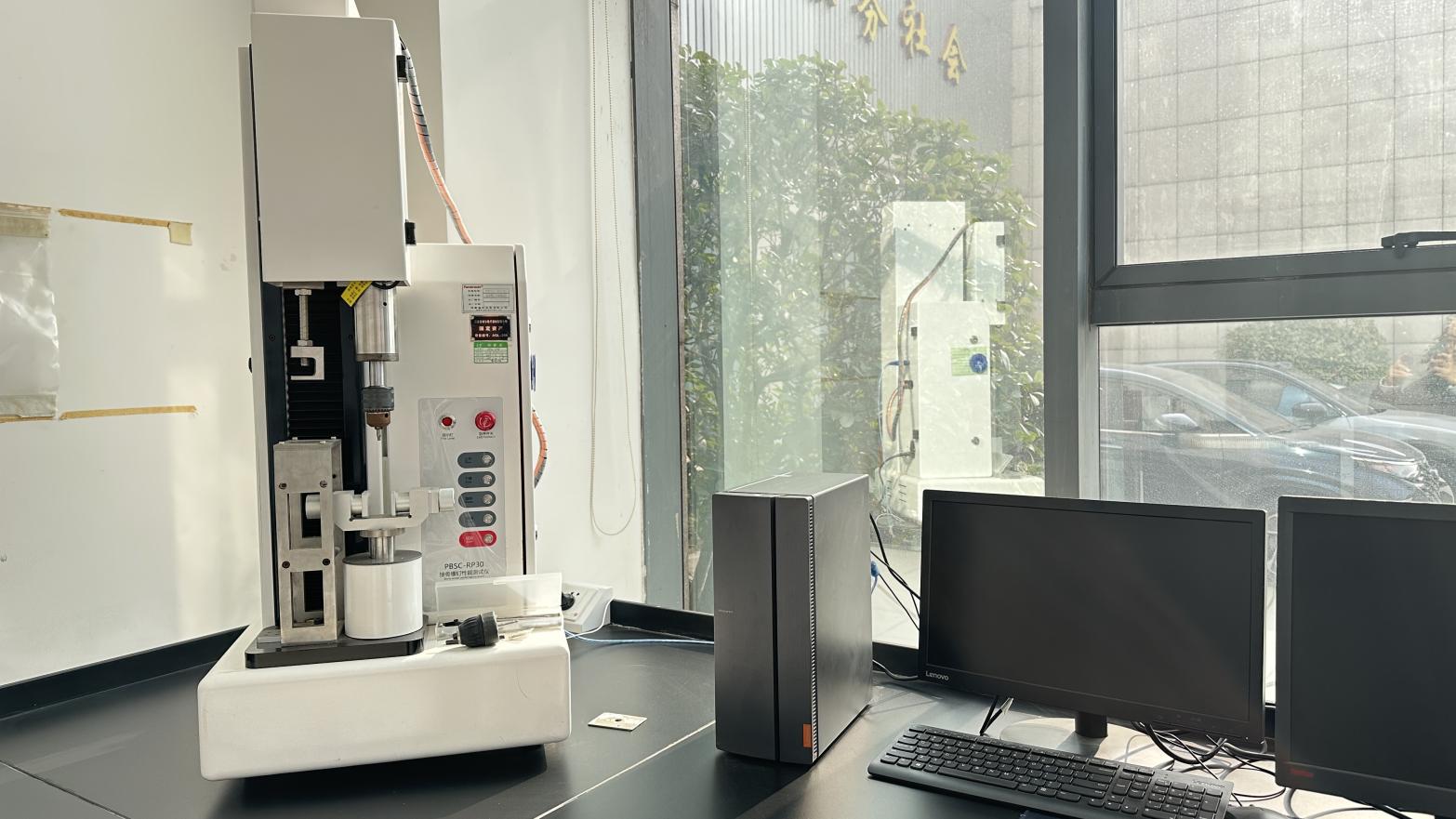
How Modern Infrastructure Combines Precision, Compliance, and Cost-Competitiveness
The manufacturing landscape for surgical bone drills and implants has migrated toward highly integrated regional hubs. In China, industrial clusters in Jiangsu and Zhejiang provinces have cultivated an ecosystem of 850+ certified upstream and downstream partners. This structure drives dramatic cost and time efficiencies without compromising biological or mechanical standards.
1. Raw Material Sourcing Stability: China is a leading refiner and processor of medical-grade Titanium alloys (Ti-6Al-4V ELI) and Cobalt-Chromium-Molybdenum (CoCrMo) alloys. By establishing direct pipeline access to certified raw metal processors, manufacturers like Virelox ensure raw material tracing remains consistent from the billet stage up to the finished product.
2. Highly Sophisticated Tooling Ecosystem: The integration of wire-cutting machines, CNC lathe centers, and high-frequency milling stations in close proximity reduces typical manufacturing iteration cycles by up to 60%. Custom templates, drill jigs, and sterile packaging designs can move from CAD mockups to laboratory mechanical stress validation within days instead of months.
| Evaluation Parameter | Western OEM Brands | Optimized Chinese Clusters (e.g. Virelox) |
|---|---|---|
| Lead Times | 12–16 weeks average due to fragmented global components | 4–6 weeks due to centralized local supply chains |
| Customization Costs | Prohibitively high tooling fees; high minimum order quantities | Flexible OEM setups; rapid prototype tooling capability |
| Documentation & Traceability | Comprehensive MDR & FDA files | Full CE / ISO 13485 tracing from ingot to finished tool |
| Cost to Value Ratio | High premium for brand equity and legacy marketing | Direct factory pricing with comparable biomechanical testing |
Navigating MDR, FDA, and Local Regulatory Barriers for Hospital Sourcing
Purchasing surgical power systems requires stringent regulatory clearance. A manufacturer must offer complete documentation to satisfy national ministries of health. In Europe, the transition from MDD to Medical Device Regulation (MDR 2017/745) has elevated technical file demands. High-quality manufacturers overcome these hurdles by providing exhaustive compliance documentation packages.
Furthermore, local technical support is essential. Hospitals cannot afford downtime on surgical instruments. The top-tier manufacturers address this by establishing localized maintenance networks, providing spare parts kits (autoclavable seals, brushless motors, control panels), and offering extended warranties (up to 3 years) with hot-swap unit replacement plans. This minimizes operational disruptions in the operating room.
Technological Innovations Shaping the Future of Orthotomy and Bone Reconstruction
Clinical Application Scenarios: In high-turnover environments like veterinary clinics performing TPLO (Tibial Plateau Leveling Osteotomy) or human trauma centers executing emergent distal radius fixations, power tools must operate reliably. An failure during a live orthopedic procedure can lead to infection or thermal necrosis in the bone. This underlines why fatigue testing, raw material analysis, and robust sealing protocols are non-negotiable procurement requirements.
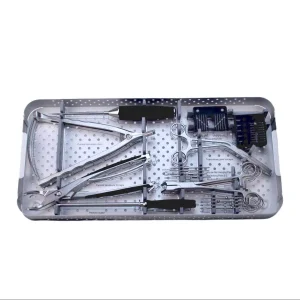
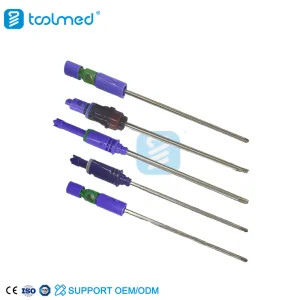
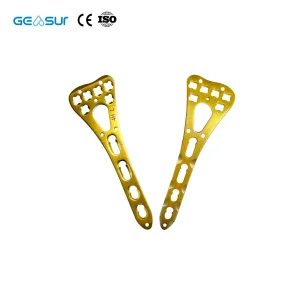
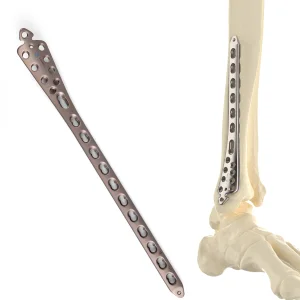
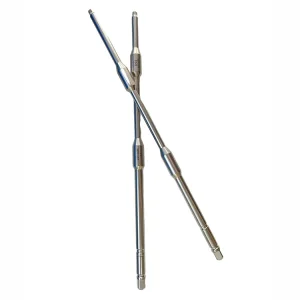
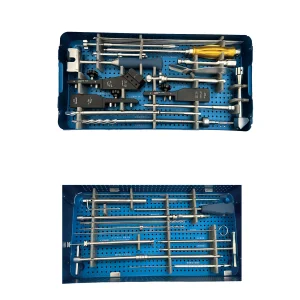
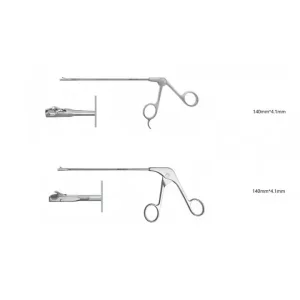
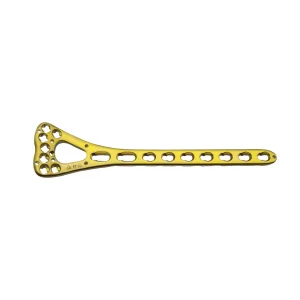
Explore Trauma Plates, Locking Screws, and Specialist Orthopedic Tool Sets
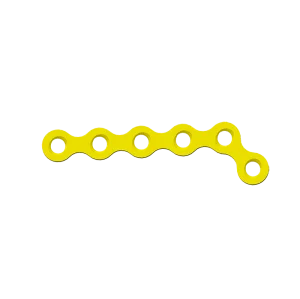
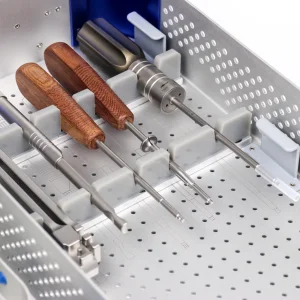
Essential Technical Insights for Medical Device Procurement Officers
 Virelox