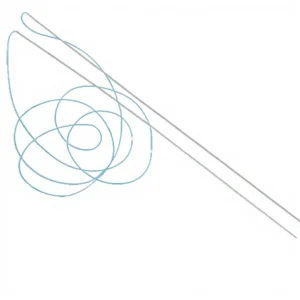
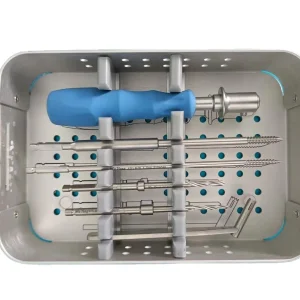
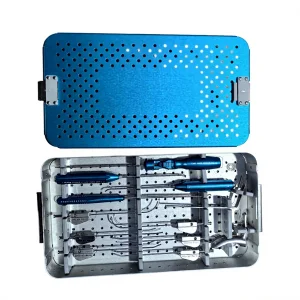
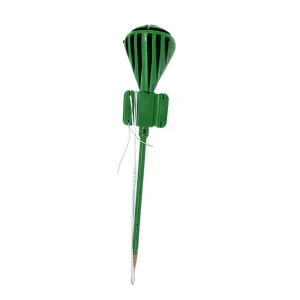
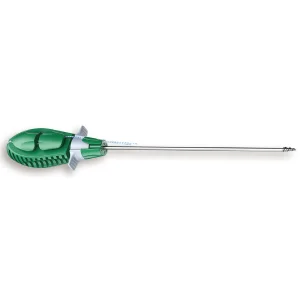
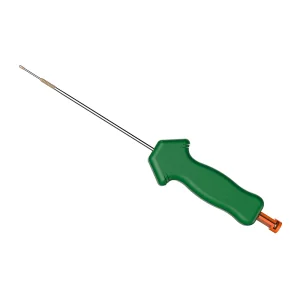
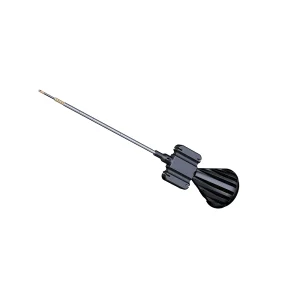
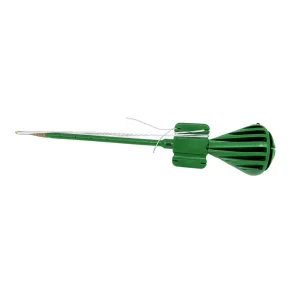
Acromioclavicular Dislocation Apparatus Shoulder Instruments Sport Medicine Orthopedic Instruments
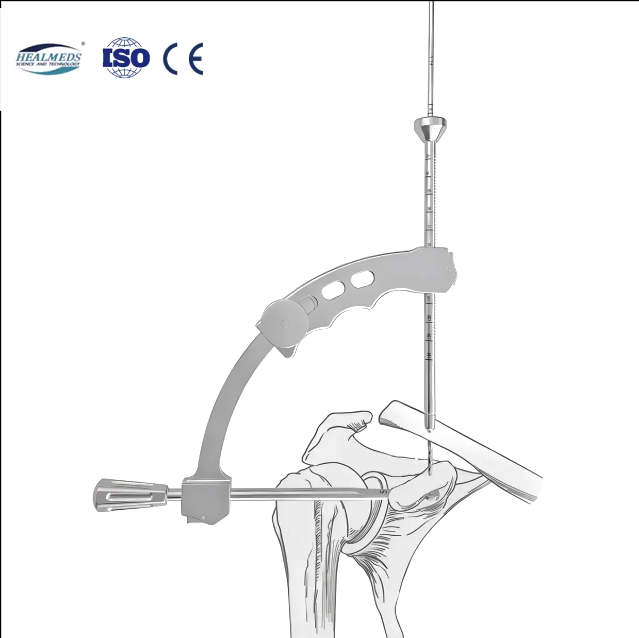
AC joint surgery is reserved for severe injuries that have major bone displacement or complete ligament tear, or injuries that aren't healing well with conservative approaches. AC joint separations are graded on what's called the Rockwood classification system, which considers the severity of the damage to the joint and surrounding muscle system. In this system, type III through VI separations are those most likely to need surgical repair. Many type III AC joint separations can also be managed without surgery. If you do need AC joint surgery, the focus involves repairing the ligaments and realigning your bones, securing them into position with surgical hardware.
Specification
Name
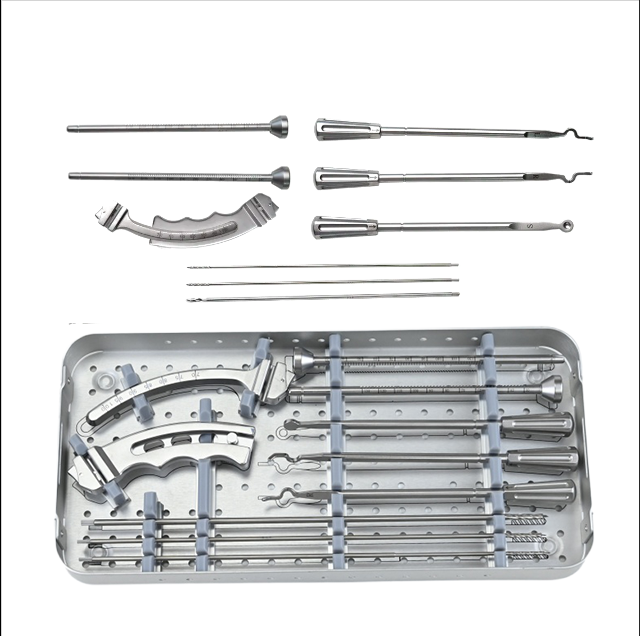
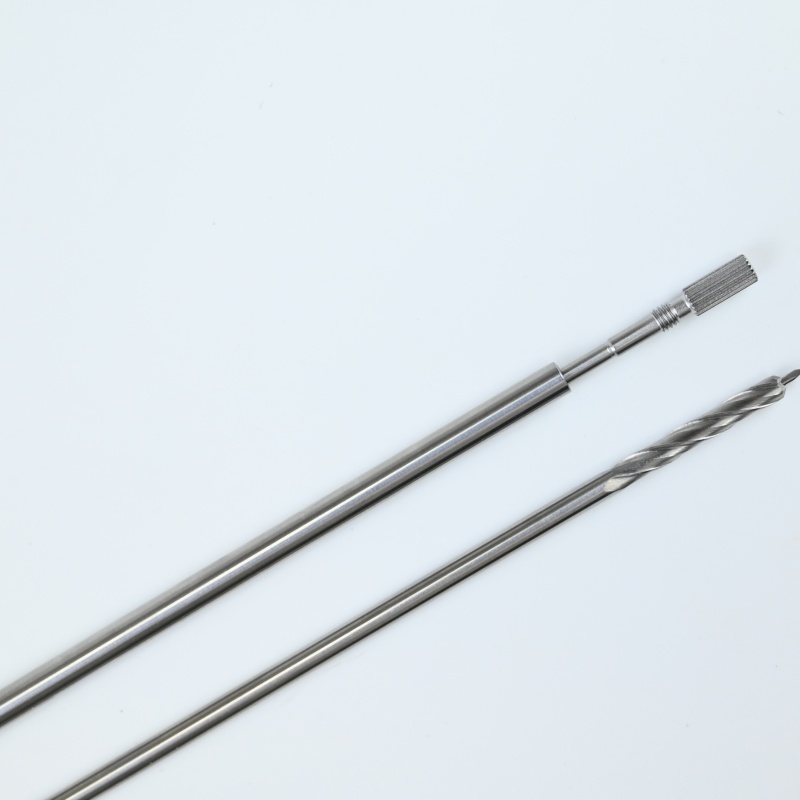
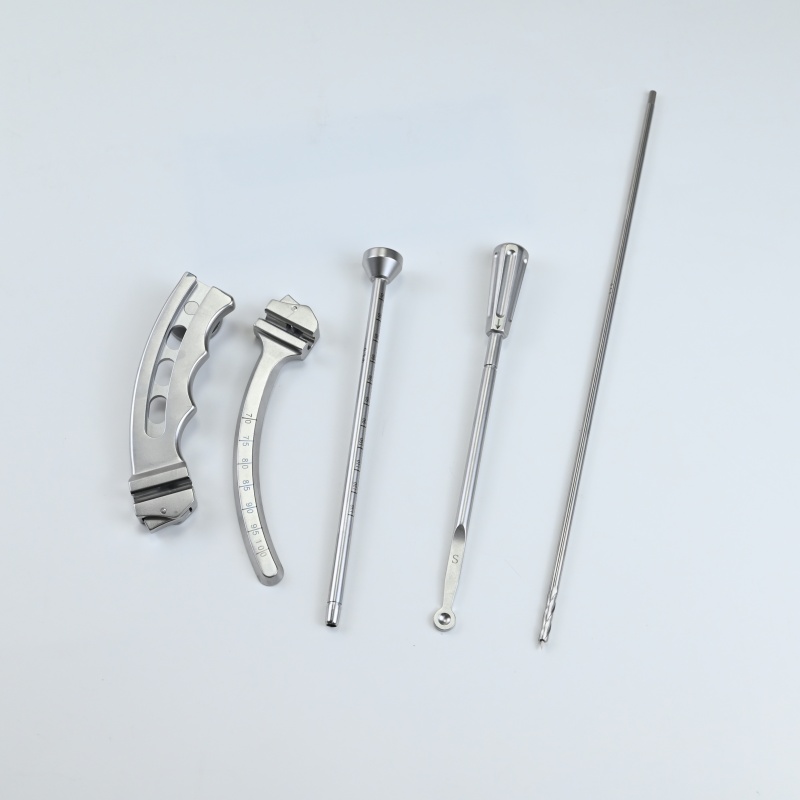
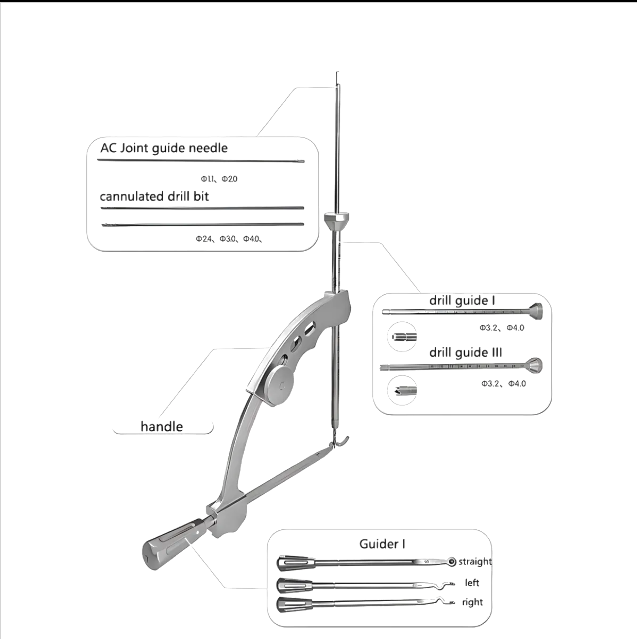
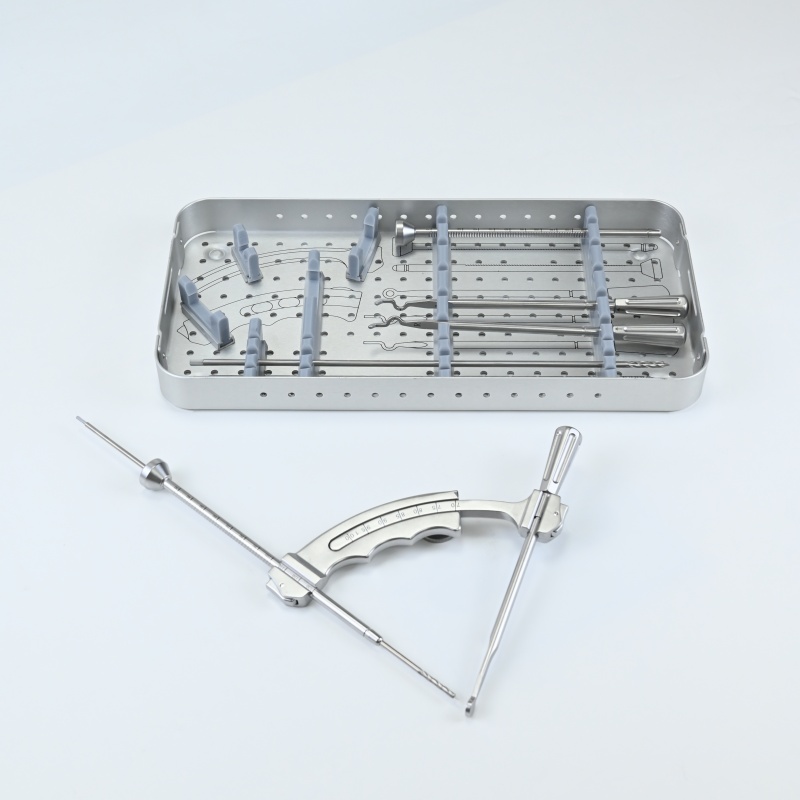
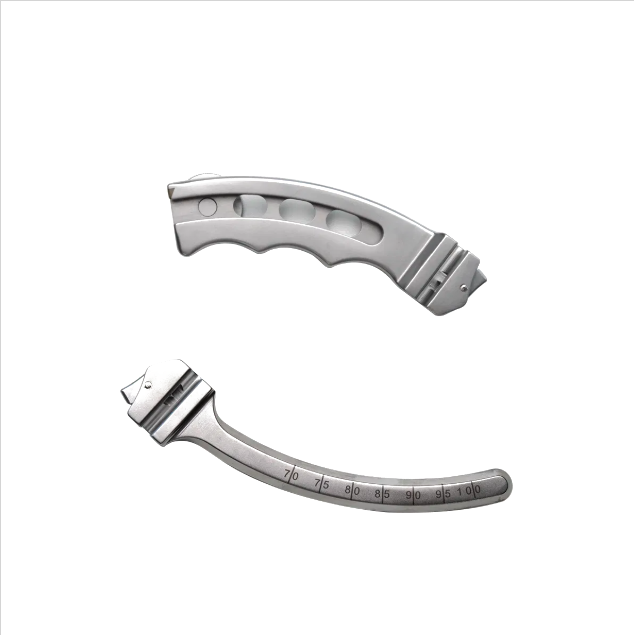
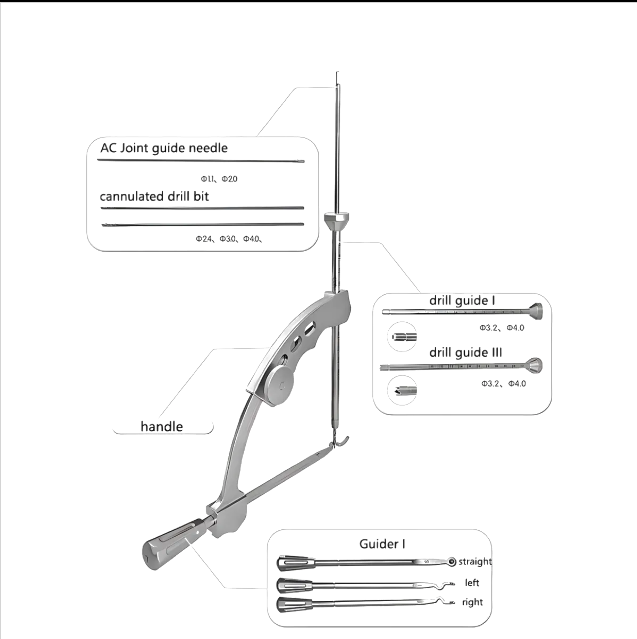
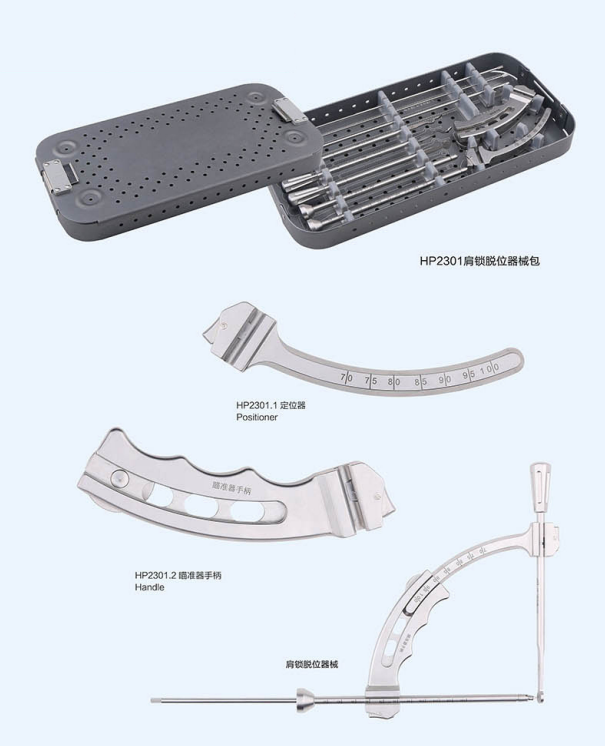
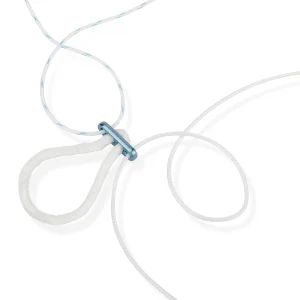
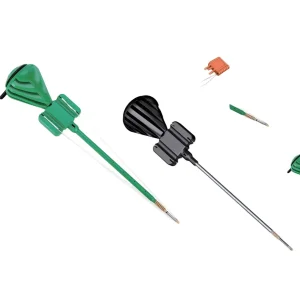
Acromioclavicular dislocation instrument set sports medicine for shoulder
Delivery
within 7 days
Logo
customized
Quality
High standard
Payment & Delivery
Our Advantages
Frequently Asked Questions
Q1: What are the main clinical indications for using the Acromioclavicular Dislocation Apparatus?
A1: The apparatus is primarily indicated for severe AC joint dislocations (Rockwood classification Type III through VI), complete ligament tears, and cases where conservative non-surgical treatments have failed to restore shoulder stability.
Q2: How does the Rockwood classification system determine if surgery is necessary?
A2: The Rockwood classification system grades AC joint separations from Type I to VI based on the degree of clavicle displacement and the extent of damage to the surrounding coracoclavicular and acromioclavicular ligaments. High-grade dislocations (Types IV, V, and VI) almost always require surgical realignment, whereas Type III cases may be treated surgically or conservatively depending on the patient's activity level and symptoms.
Q3: What material standards do these orthopedic instruments meet?
A3: The instruments are manufactured to high-standard surgical grade quality requirements, ensuring biocompatibility, structural integrity, and durability for sports medicine and reconstructive procedures.
Q4: Can these instruments be customized with specific logos?
A4: Yes, we provide customization options including logo placement to meet the regulatory and branding requirements of global hospitals, surgical centers, and distributors.
Q5: What is the typical delivery schedule for bulk surgical orders?
A5: Standard orders are processed quickly and generally dispatched for delivery within 7 days, supported by efficient logistics options to minimize downtime for clinical facilities.
Q6: Is postoperative immobilization required when using this instrument set?
A6: Yes, following surgical realignment and fixation with our instruments, patients typically undergo a structured period of immobilization followed by targeted rehabilitation to ensure optimal healing of the repaired ligaments.
 Virelox