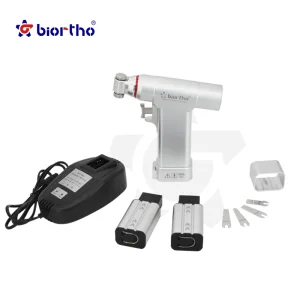
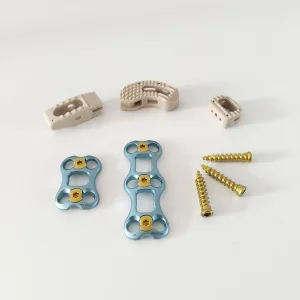
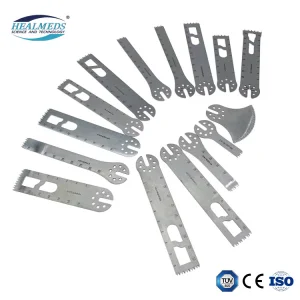
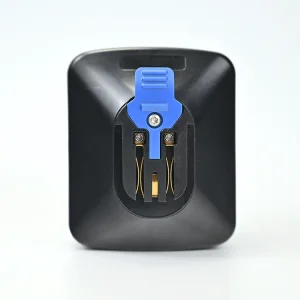
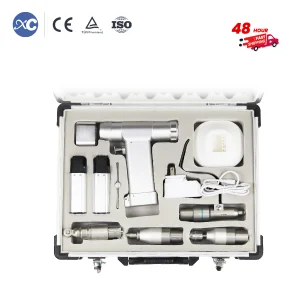
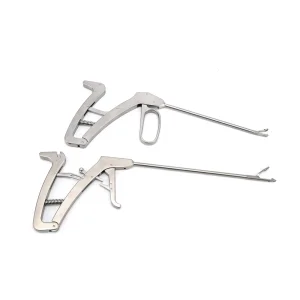
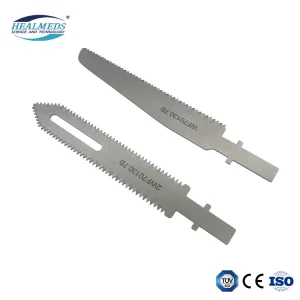
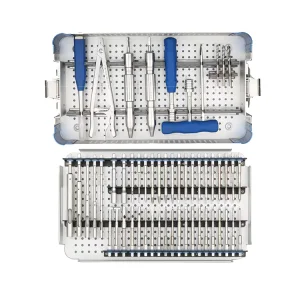
In modern reconstructive surgery, joint arthroplasty, and trauma care, the precision of bone osteotomy is paramount. The interface between bone and implant dictates long-term mechanical stability and integration. Surgical bone saws, as primary resection power tools, directly influence bone viability. Minimizing thermal necrosis during high-frequency oscillations requires optimized micro-blade geometries and consistent torque output.
For hospital systems, clinical procurement networks, and global orthopedic distributors, evaluating the capabilities of manufacturing plants is not merely a matter of unit economics. It is a critical risk-management exercise. This whitepaper analyzes the capabilities, technological processes, and rigorous regulatory requirements that define the world's leading surgical bone saw manufacturers.
The global demand for orthopedic power systems is growing, driven by aging populations, a rise in joint revision surgeries, and expanding veterinary orthopedic applications. Procurement professionals face a complex global supply chain where regulatory compliance, manufacturing consistency, and material purity vary significantly.
Surgical bone saws and related accessories (such as reciprocating and sagittal blades) must conform to stringent international frameworks. Sourcing teams must verify certifications such as CE Mark (MDR), FDA 510(k), and ISO 13485 quality management credentials.
Blades must utilize surgical-grade martensitic or austenitic stainless steel (e.g., SUS 420J2, 440C) to prevent micro-shearing and galvanic corrosion. Implants must feature medical-grade PEEK or biocompatible Grade 5 Titanium Alloy (Ti-6Al-4V ELI) to assure long-term mechanical reliability.
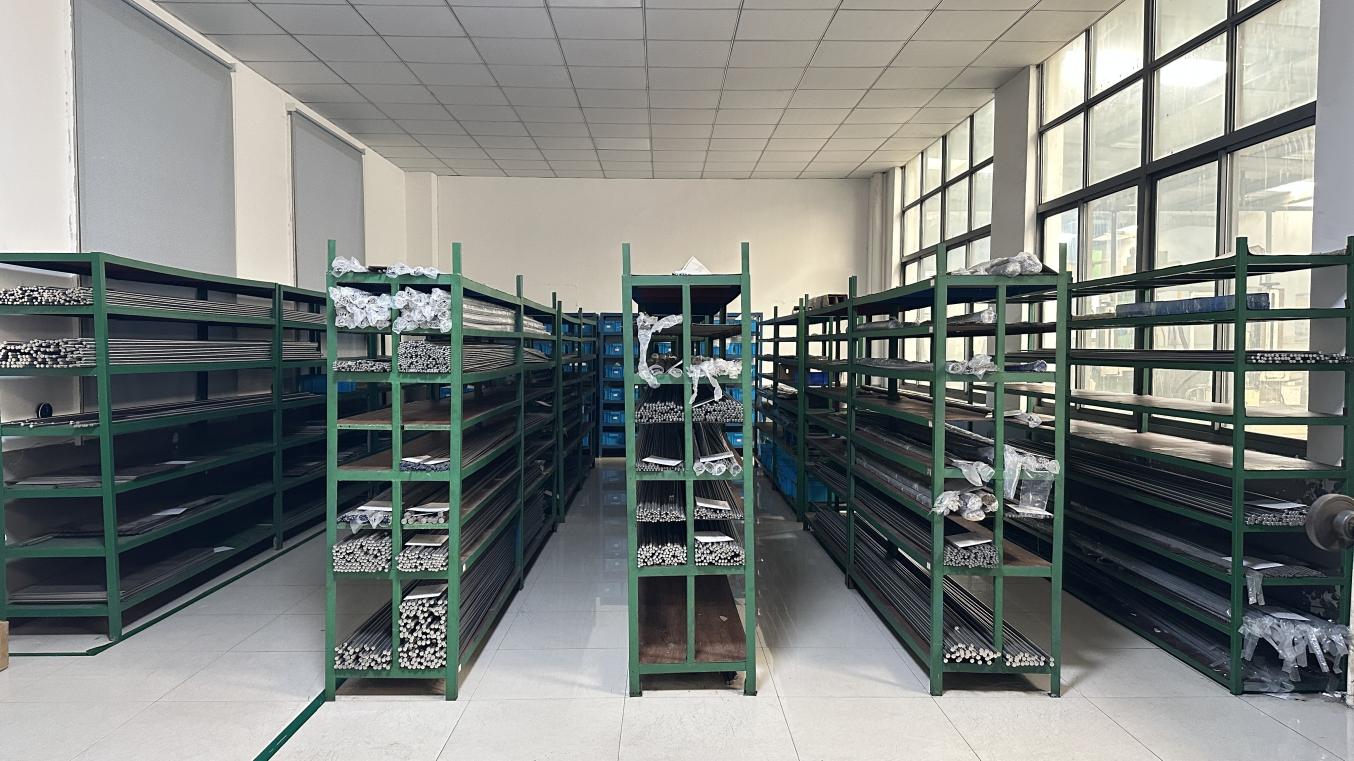
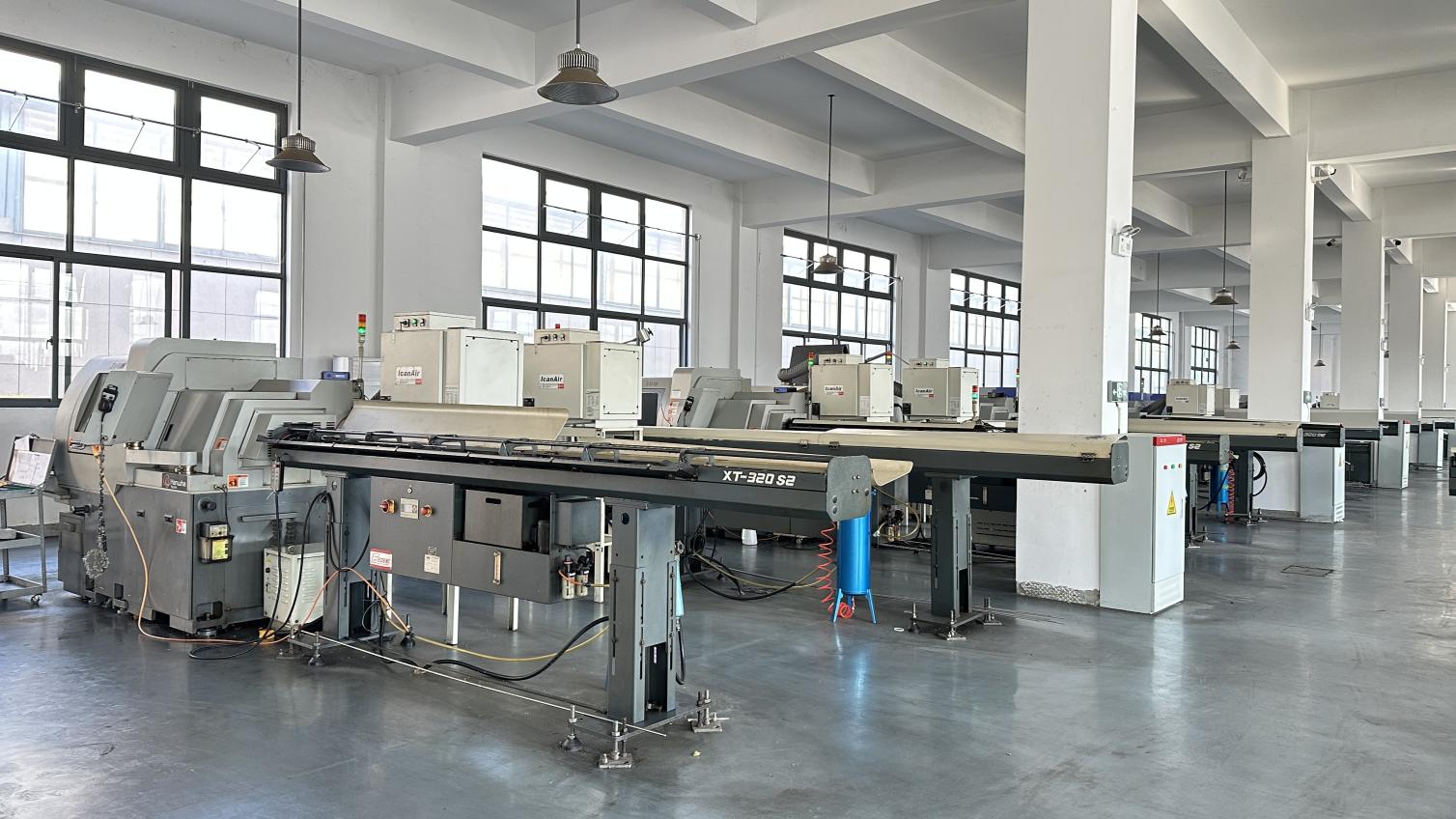
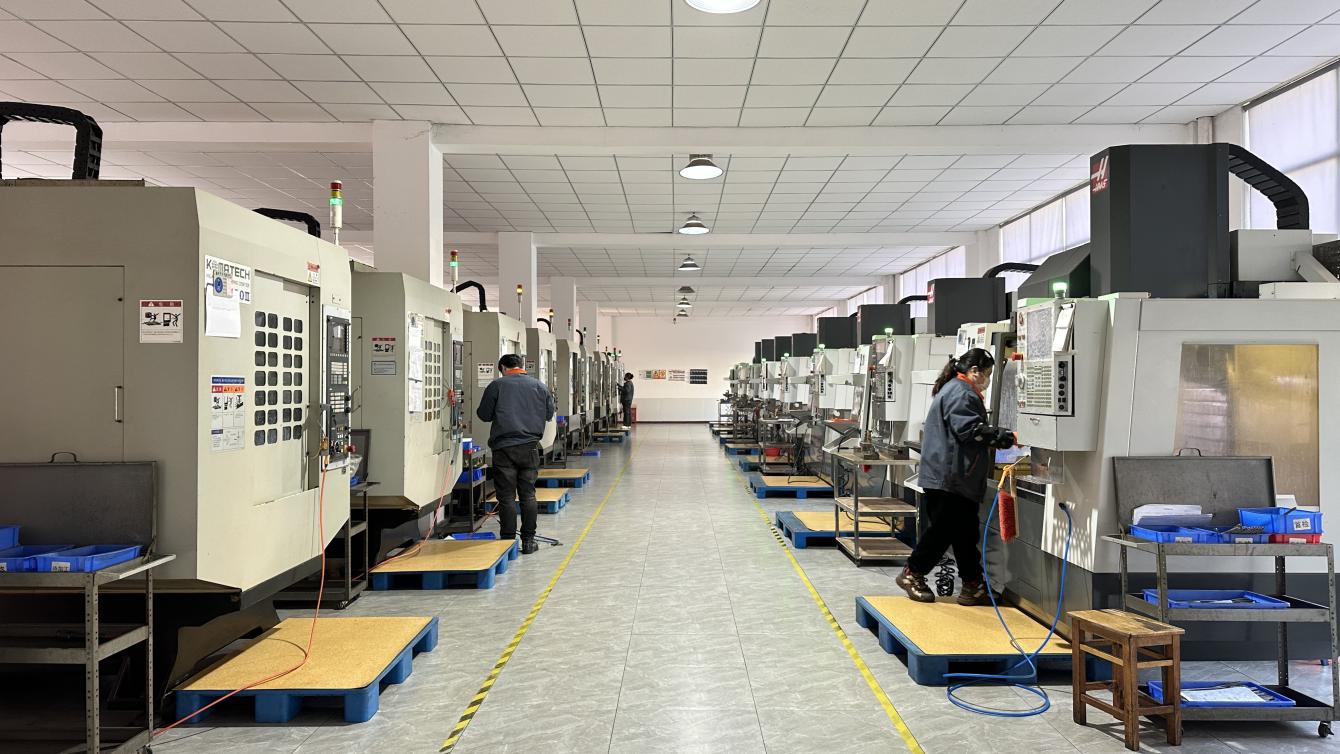
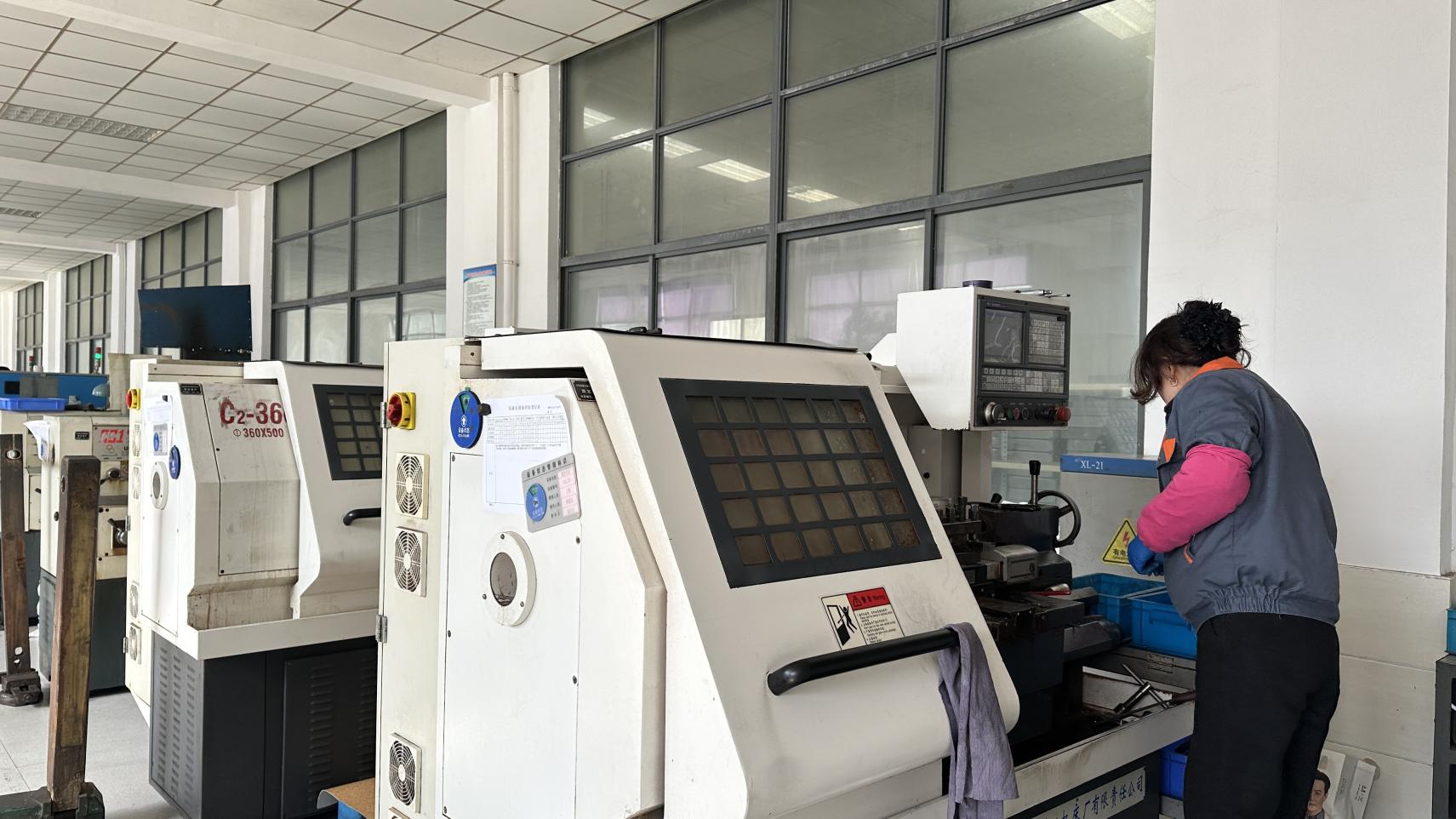
From raw material heat batches through multi-axis CNC machining, electropolishing, and cleanroom sterile packaging, every manufacturing phase requires unique device identification (UDI) to minimize recall and clinical liability risks.
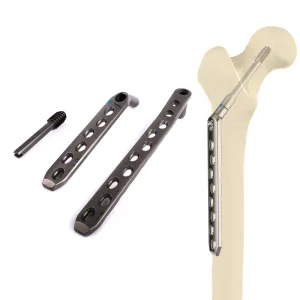
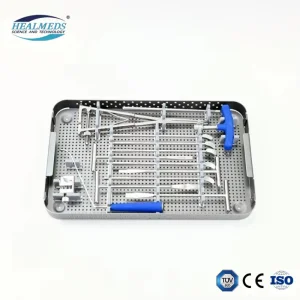
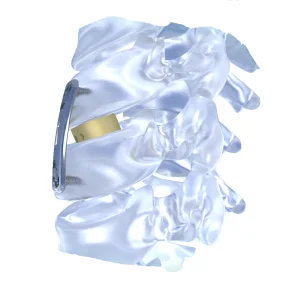
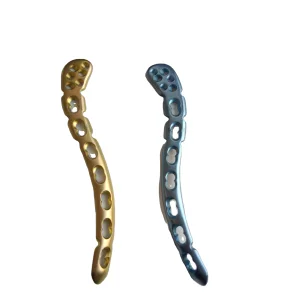
Virelox Medical Devices Co., Ltd. is a professional orthopedic medical device manufacturer specializing in joint replacement and surgical implant solutions. Operating under the globally recognized brand "Virelox", the company delivers high-performance orthopedic systems for healthcare providers, clinical institutions, and B2B distributors worldwide.
Virelox’s manufacturing process relies on an ISO 13485-based full-process quality management system. This framework enforces strict inspections from incoming raw materials to final packaging. Our inspection methodologies feature coordinate measuring machines (CMM) for sub-micron dimensional verification, tensile strength testers, biomechanical fatigue testers, and non-destructive X-ray inspection for internal void detection.
Backed by 120 specialized R&D engineers in biomechanics, material sciences, and clinical design, Virelox designed and launched 120 new orthopedic and spinal implant products last year. Sourcing partners can utilize our mature OEM/ODM services, private label options, and custom implant CAD modifications to meet the local requirements of surgeons.
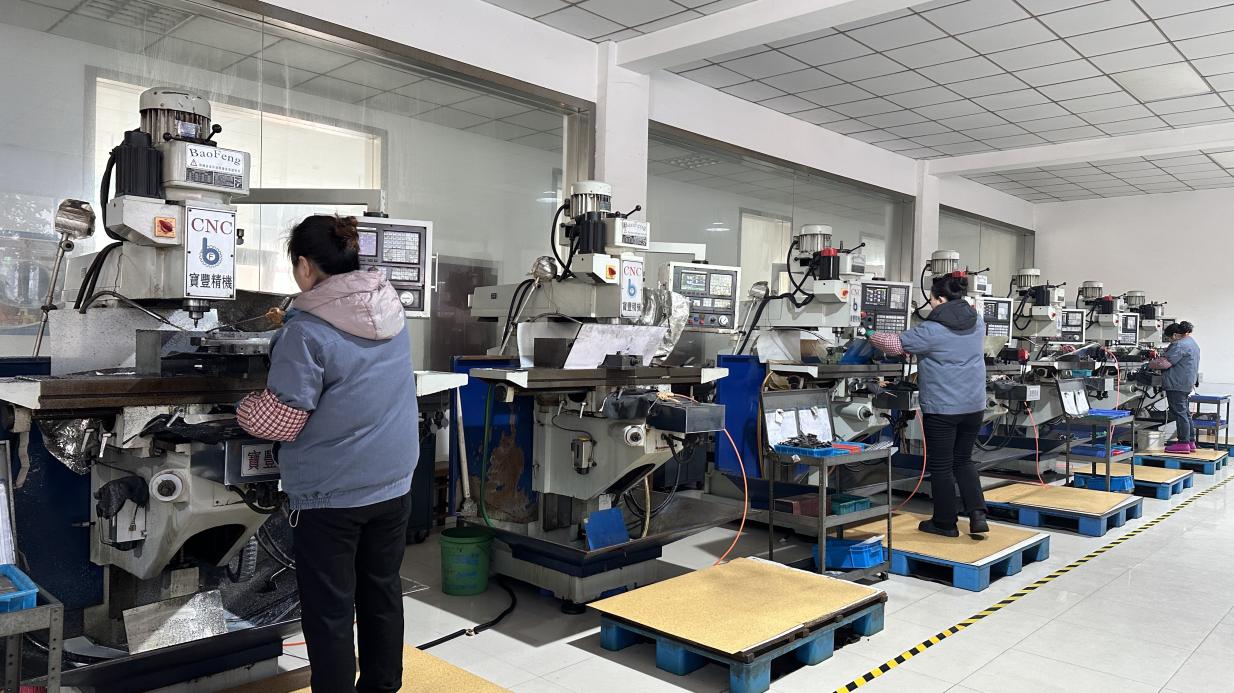
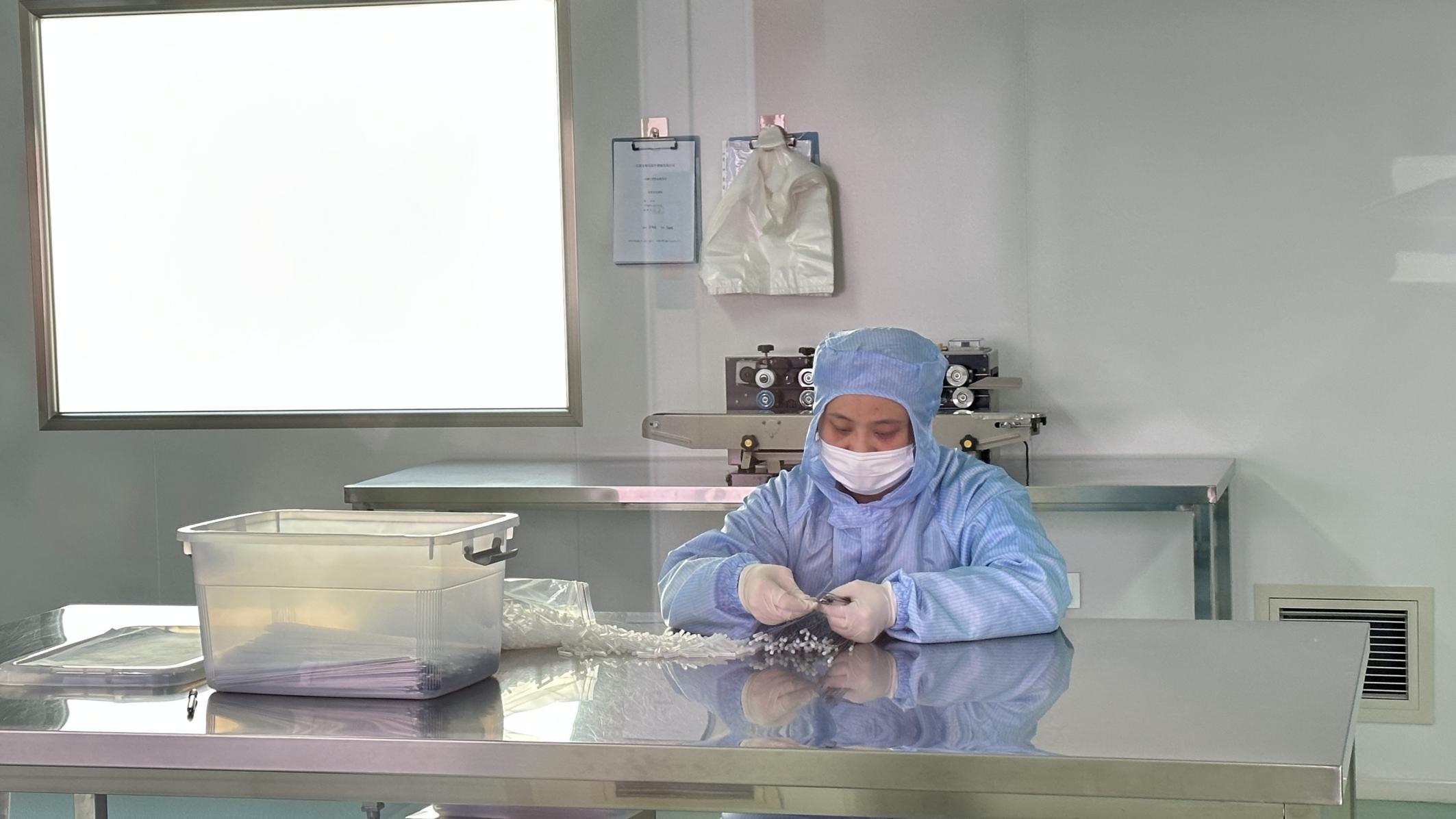
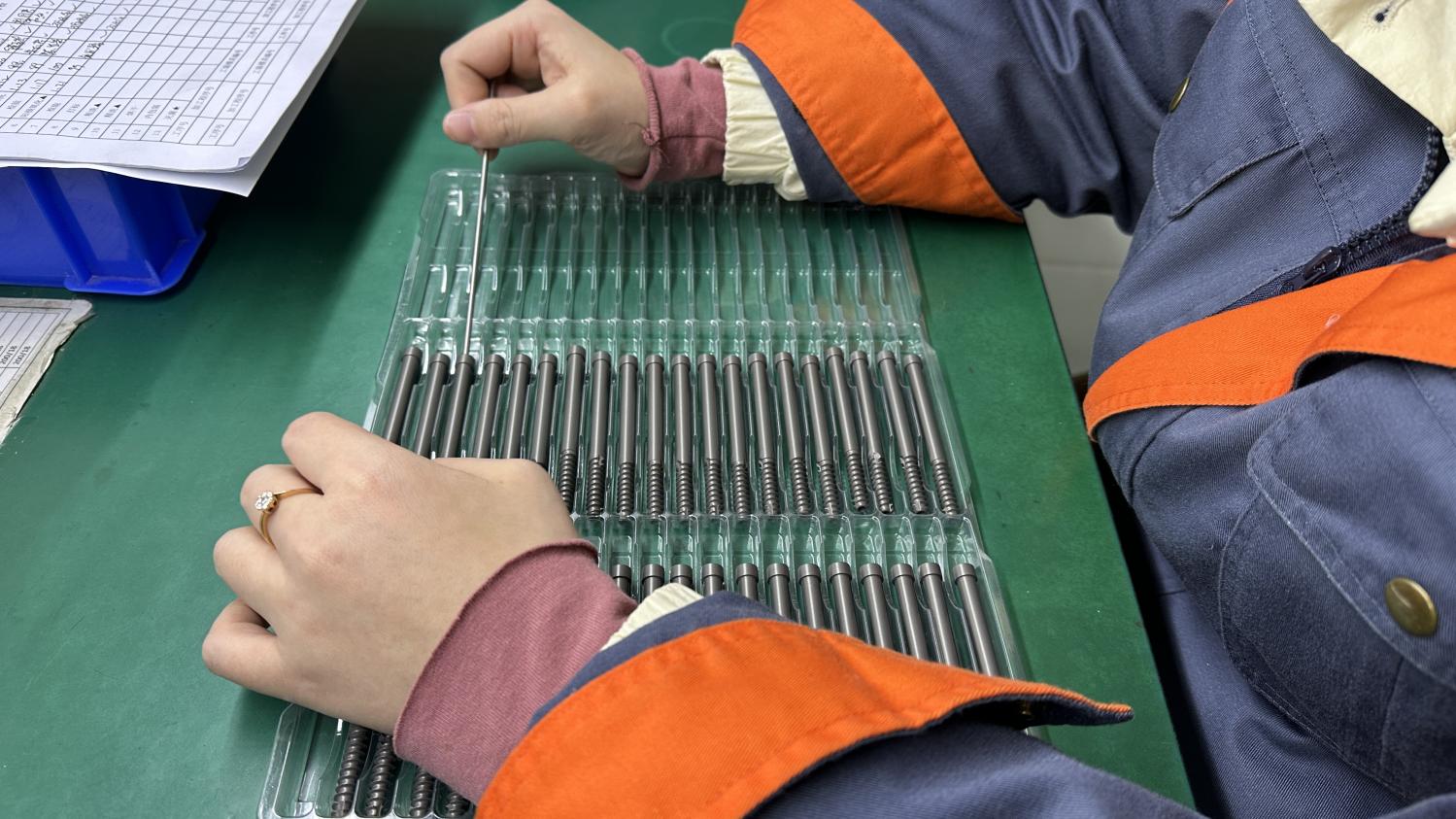
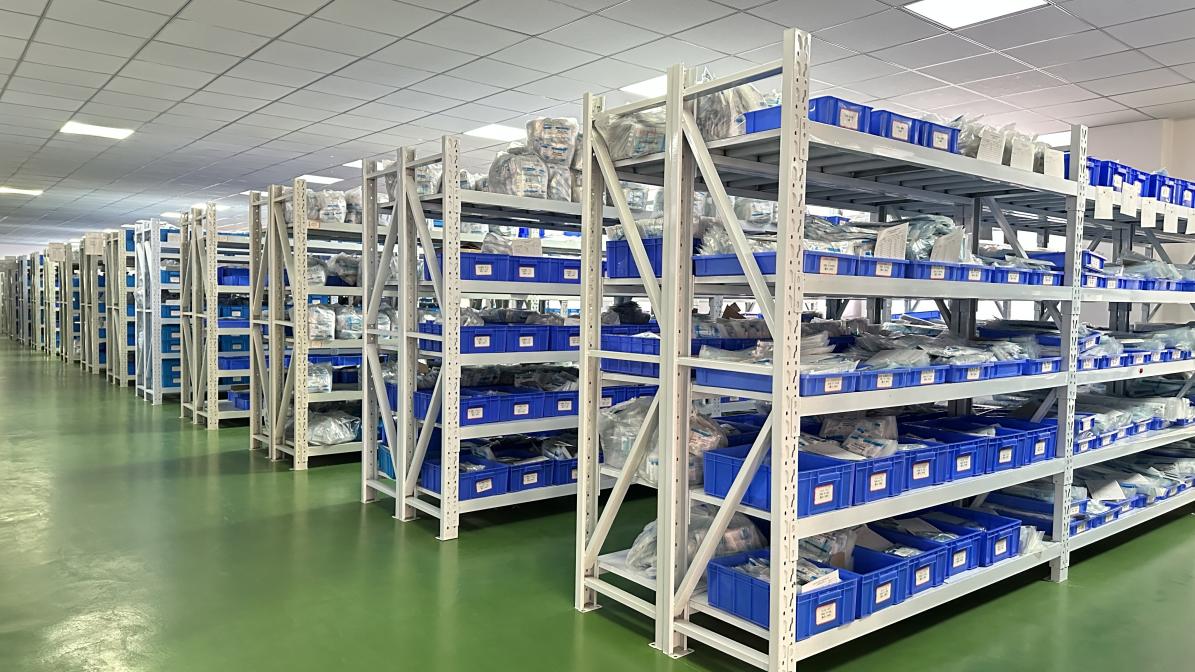
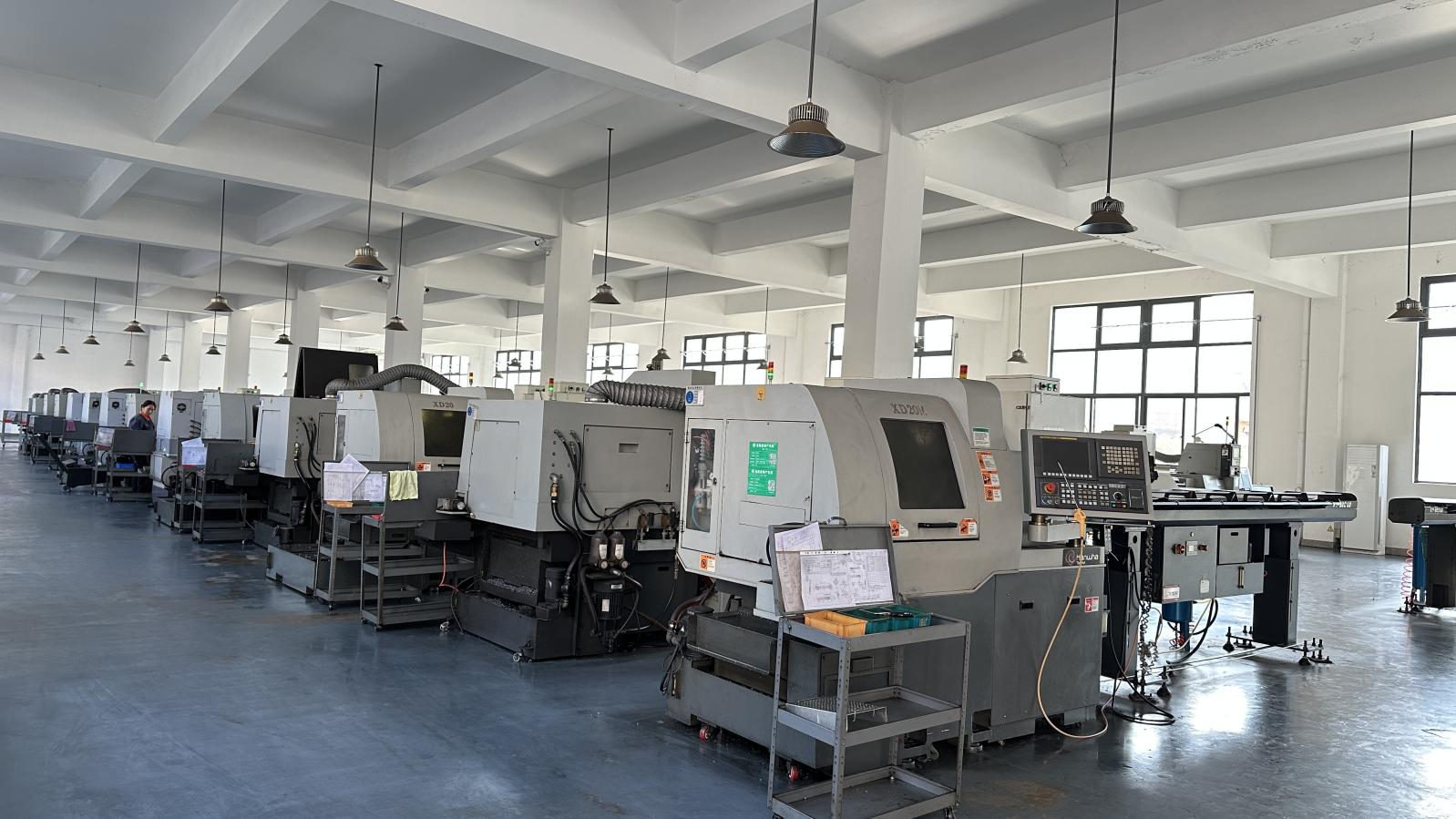
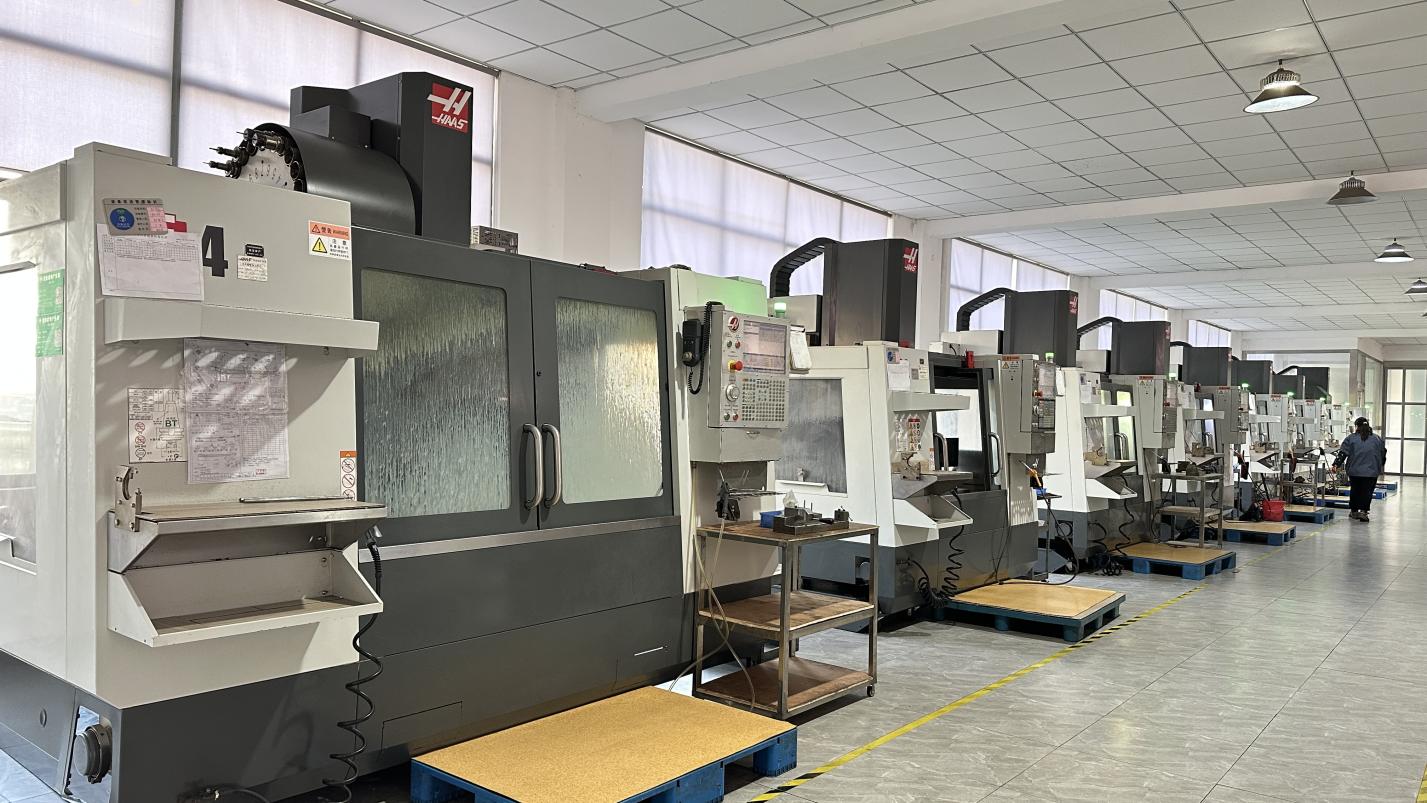
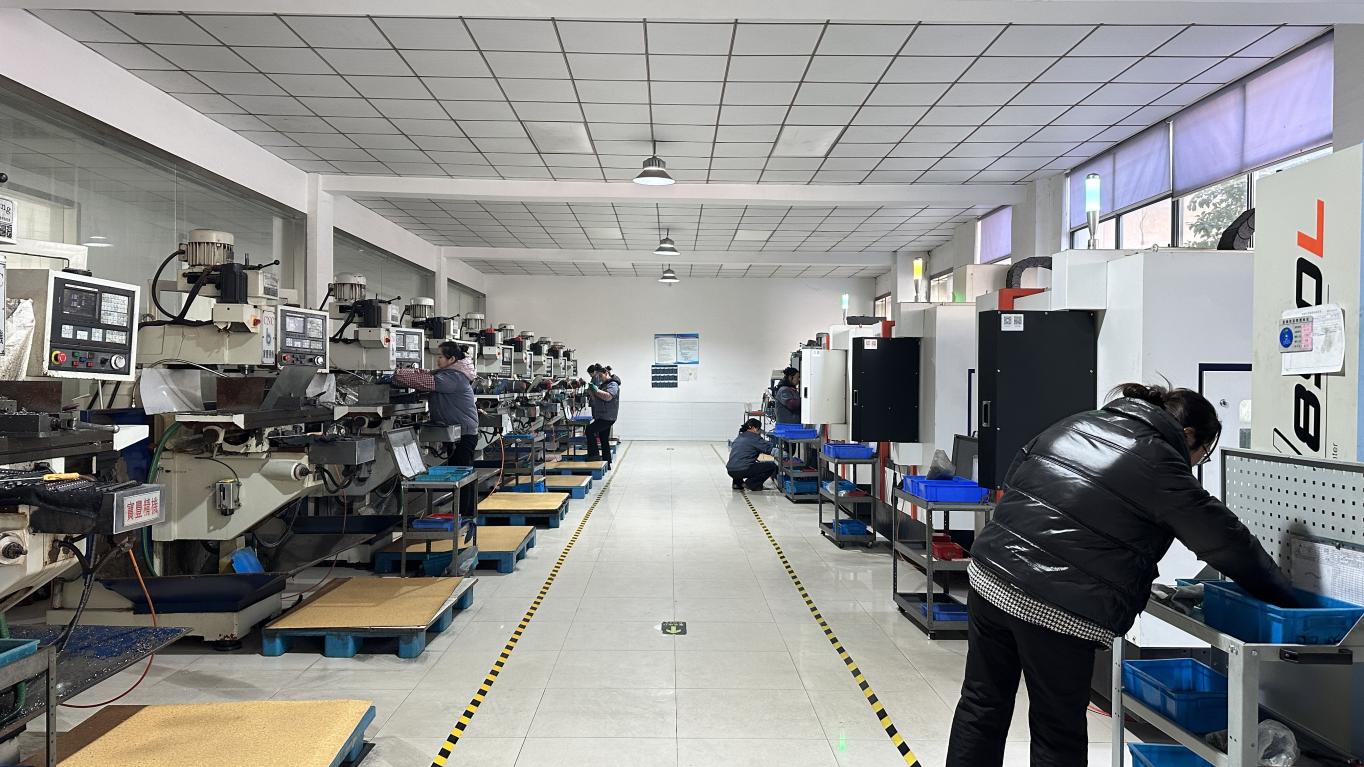
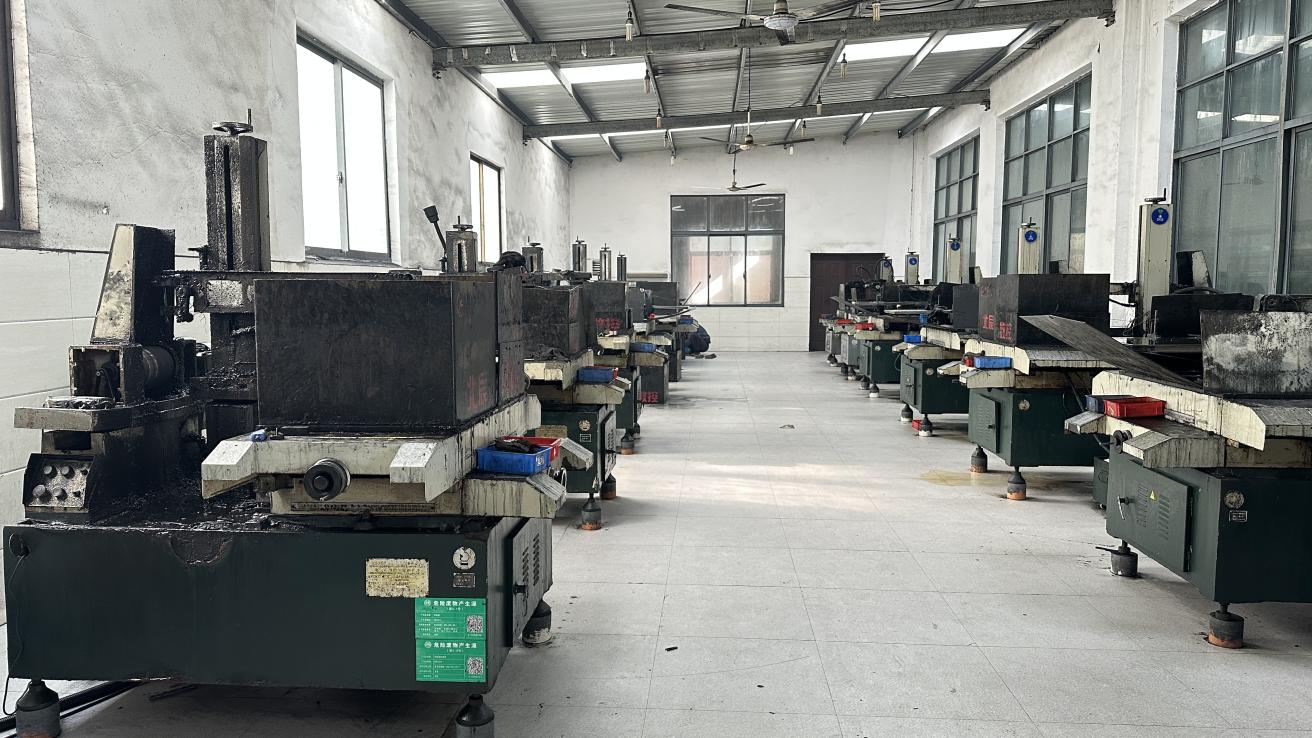
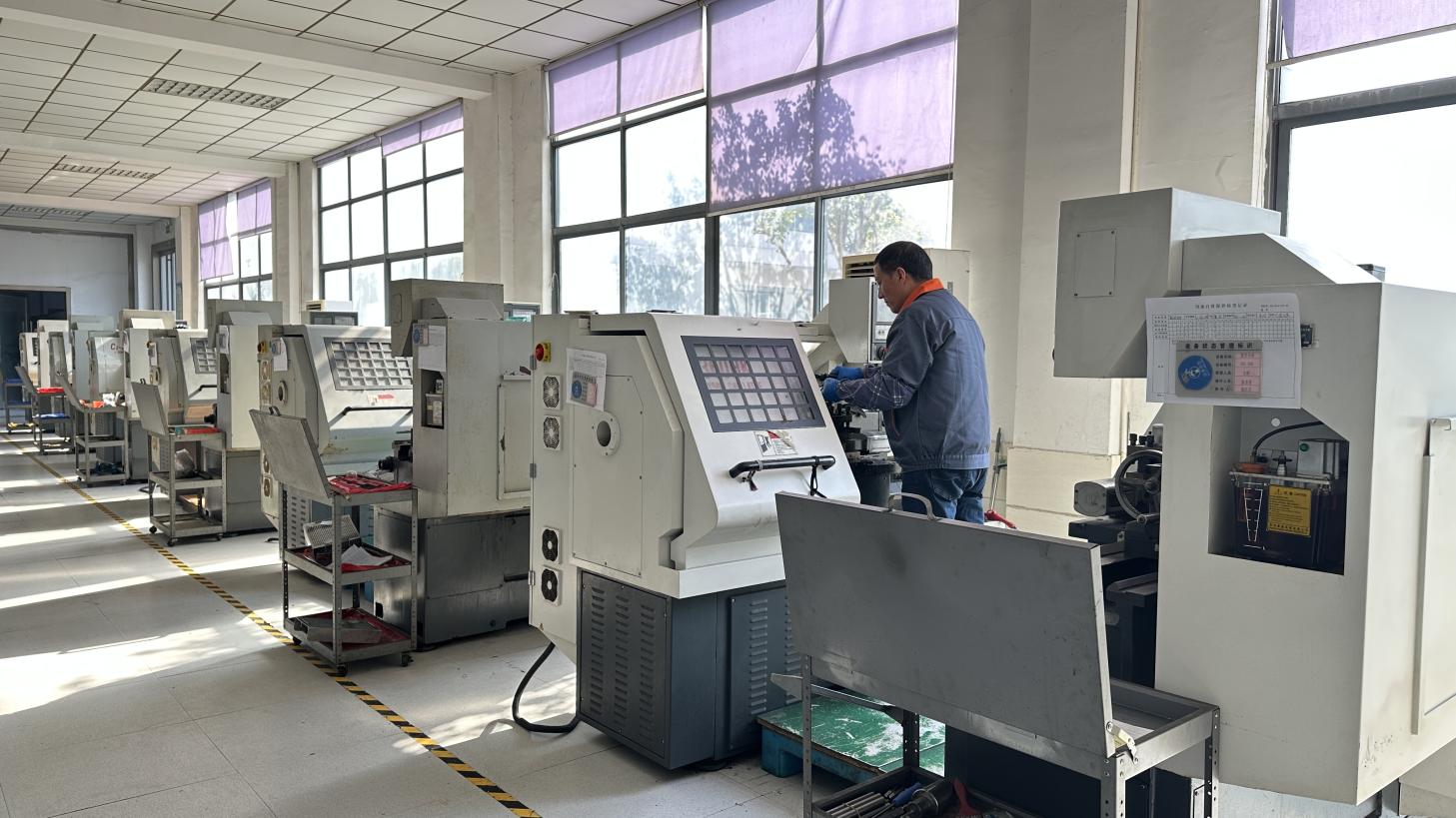
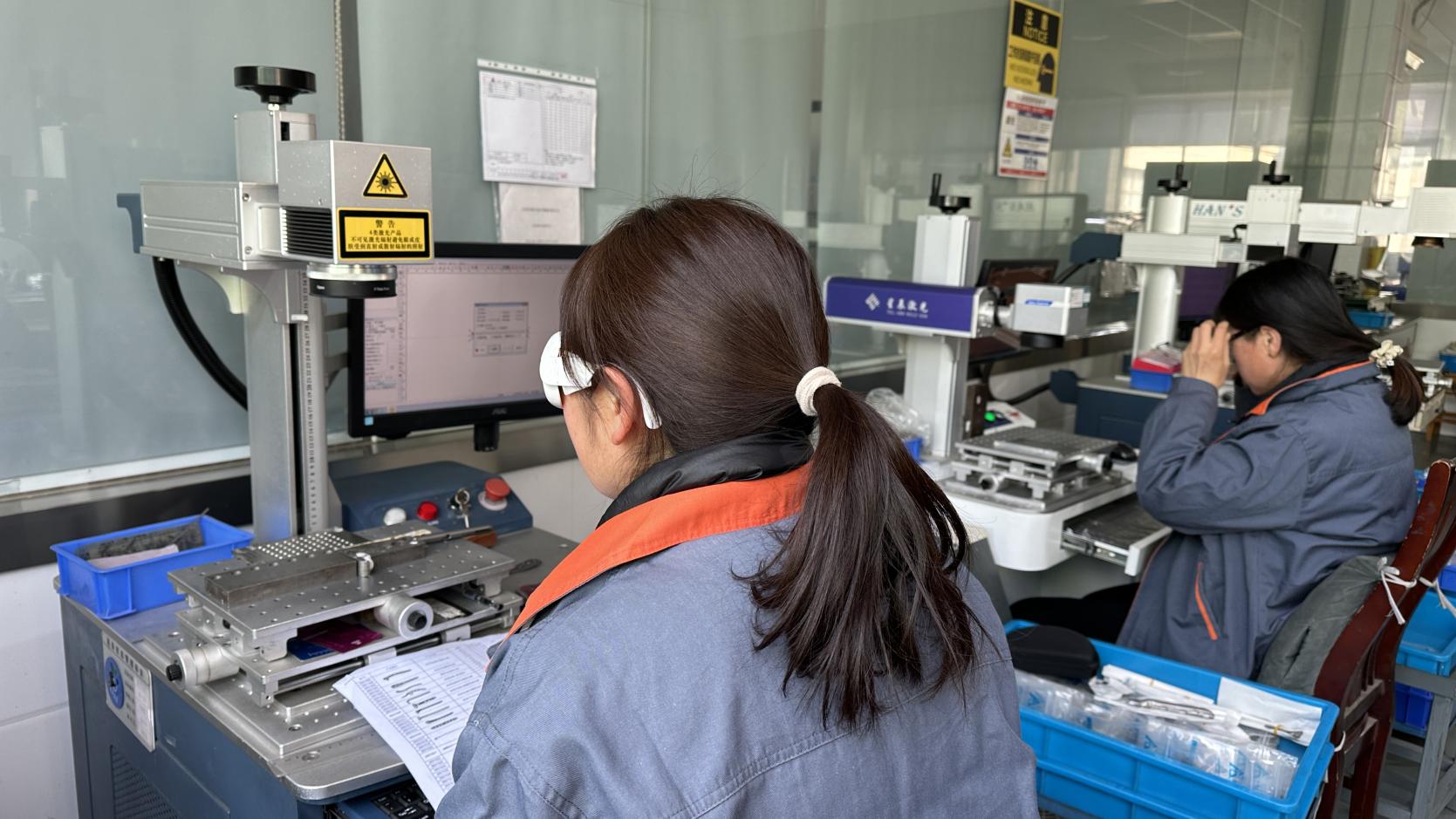
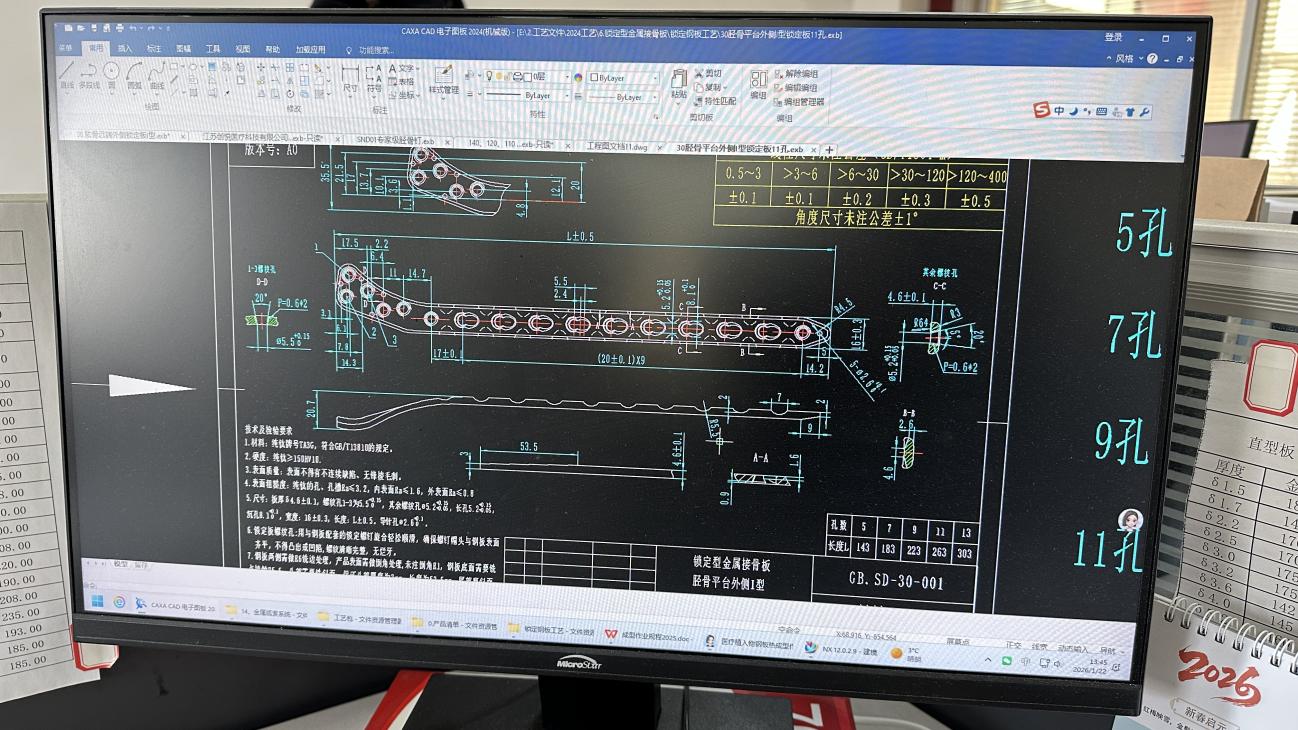
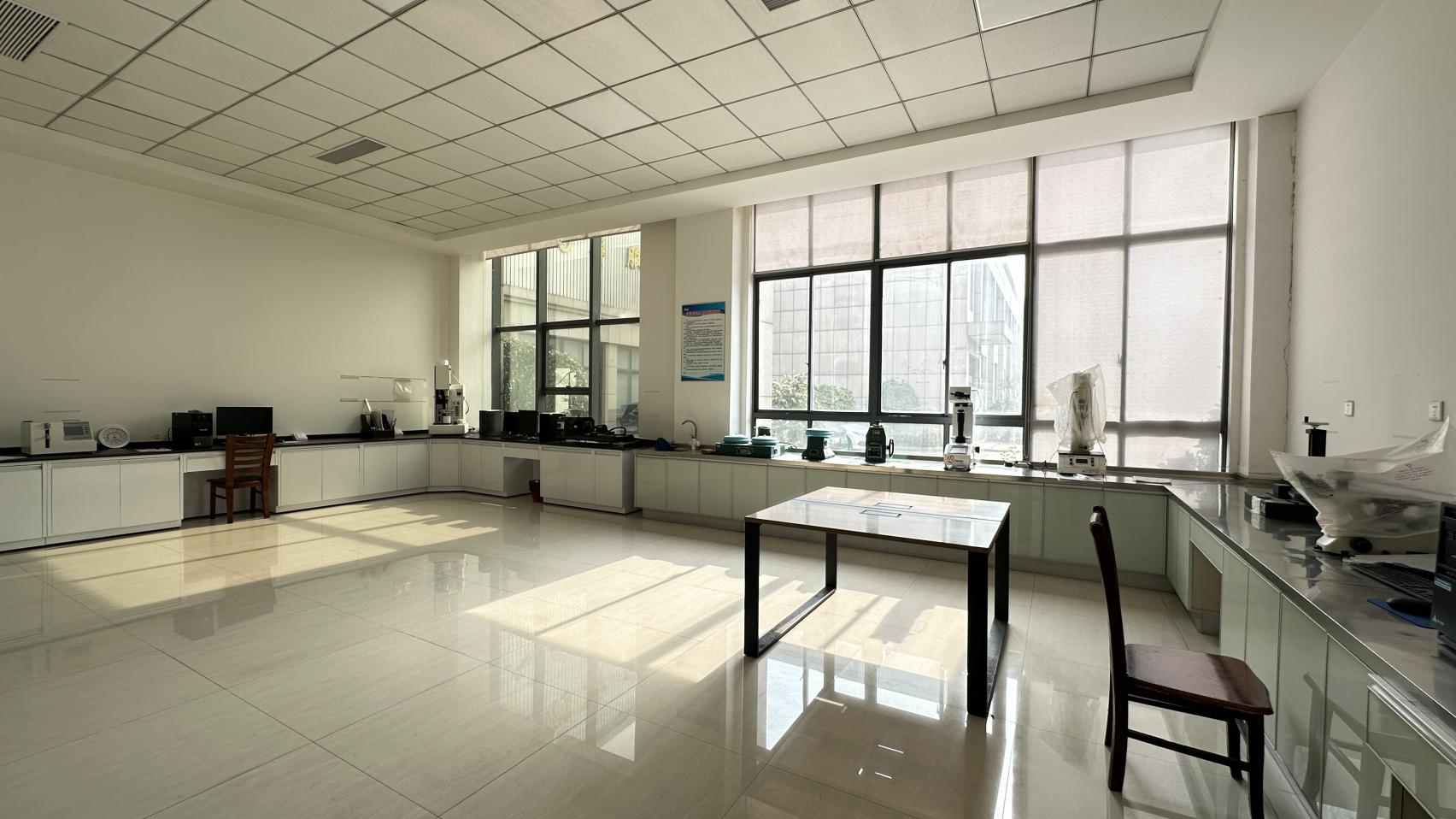
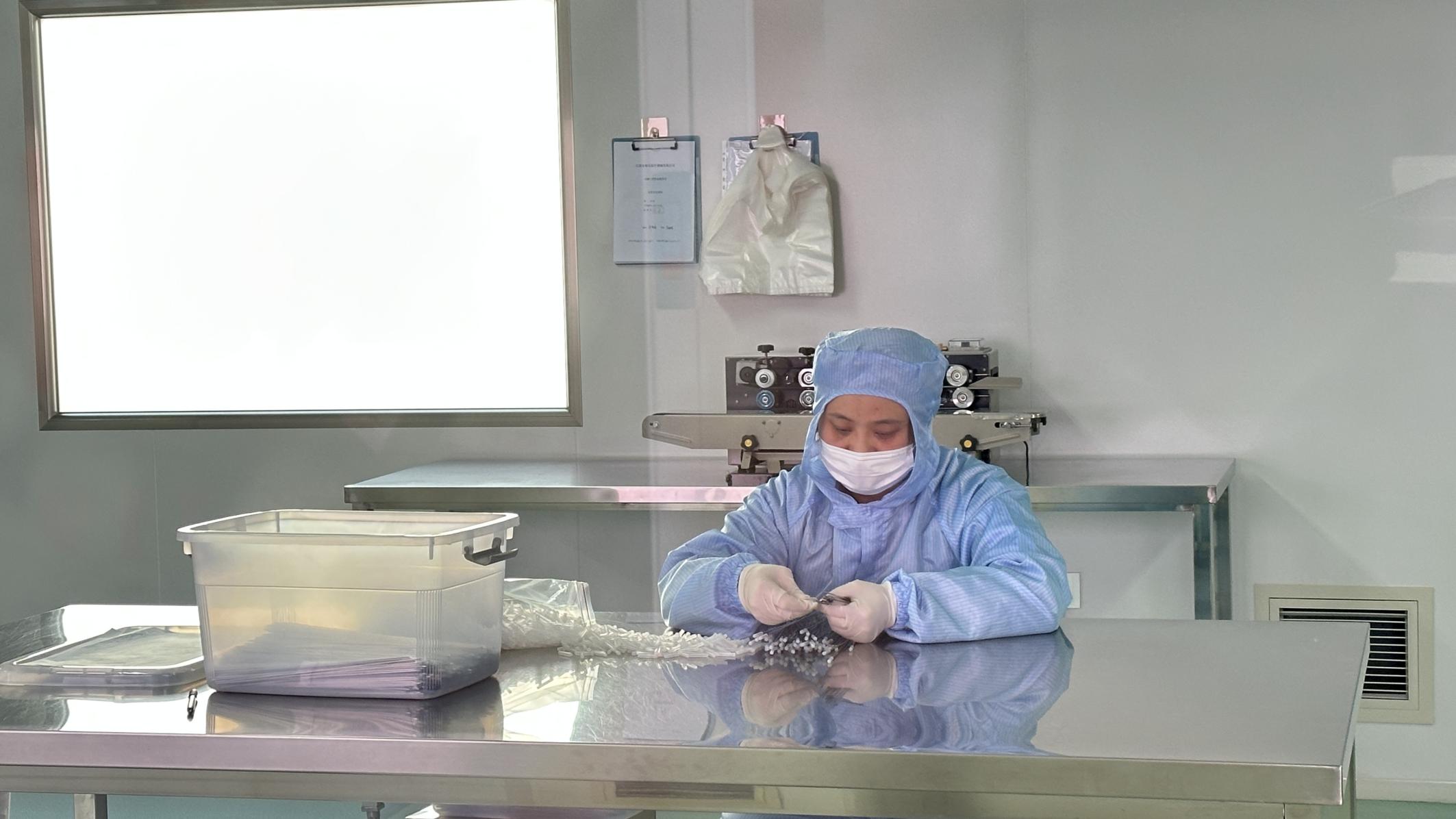
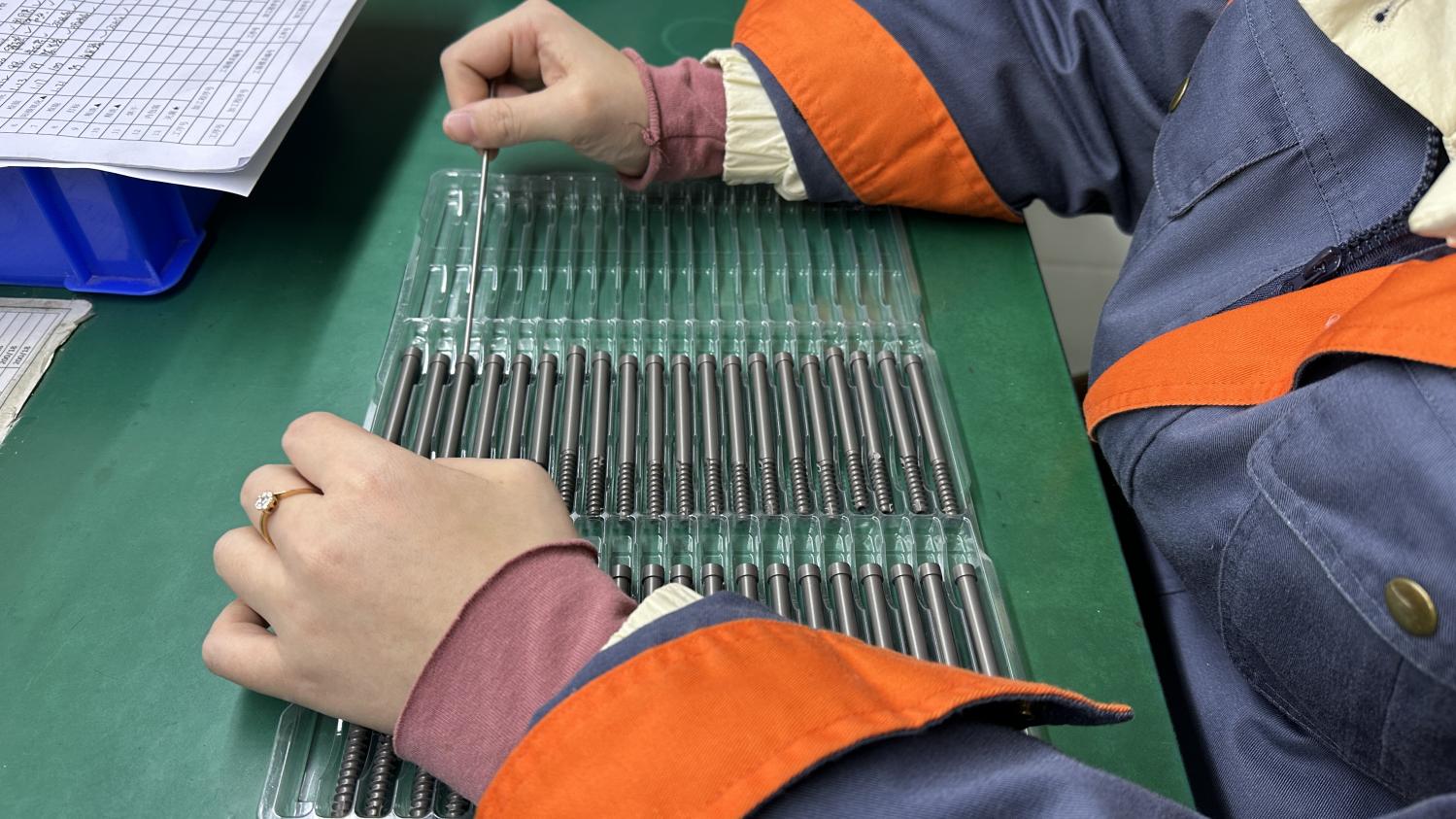
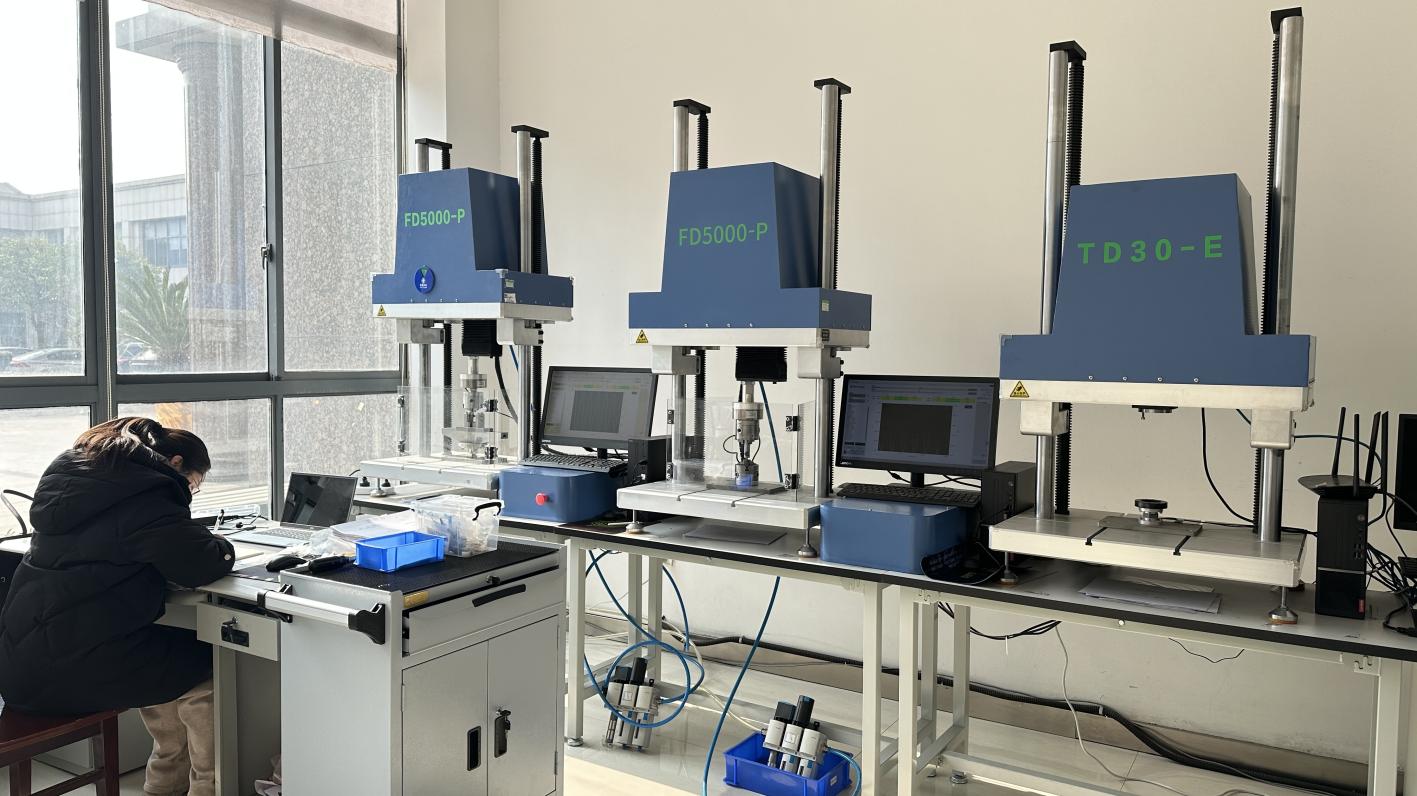
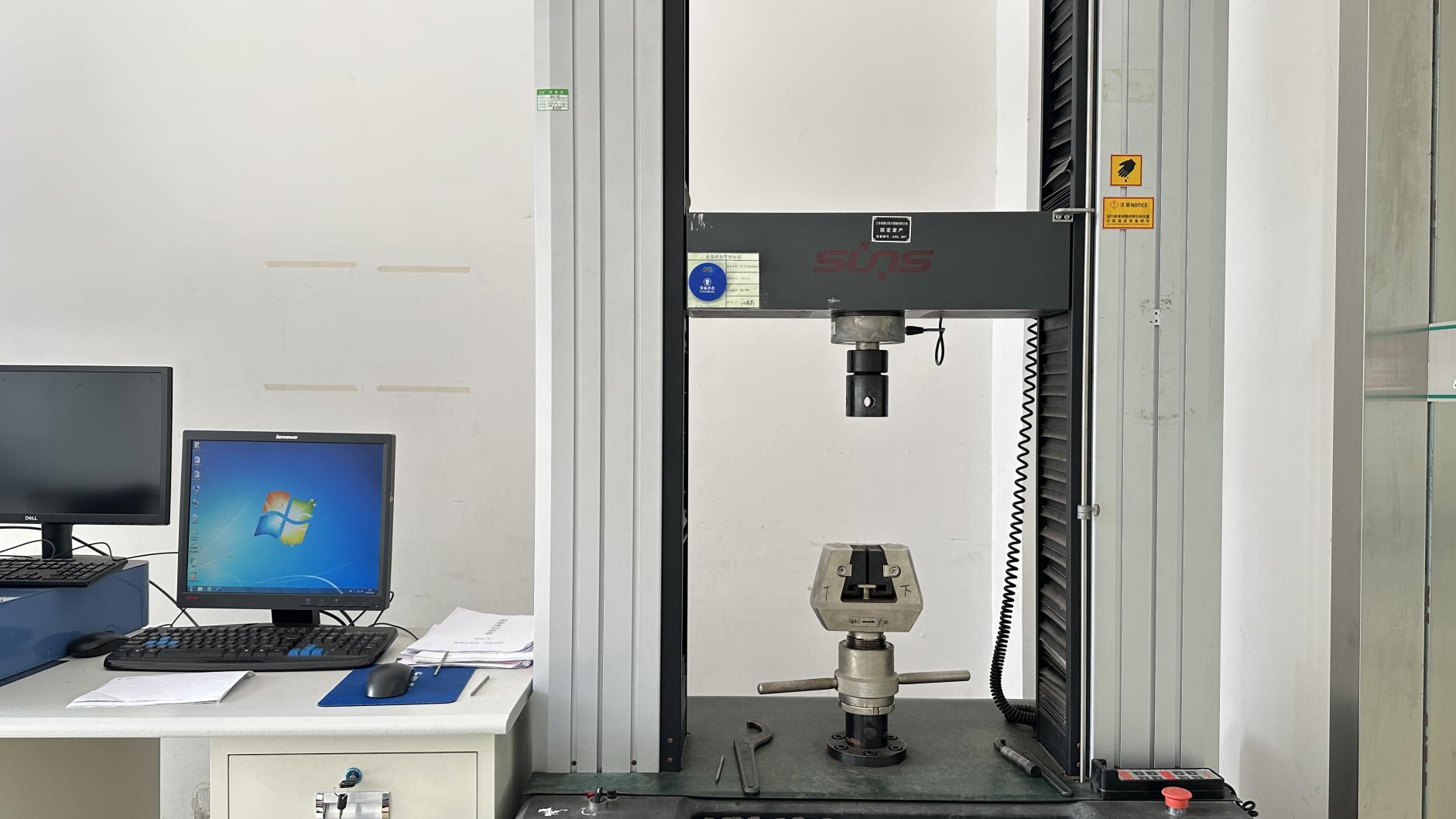
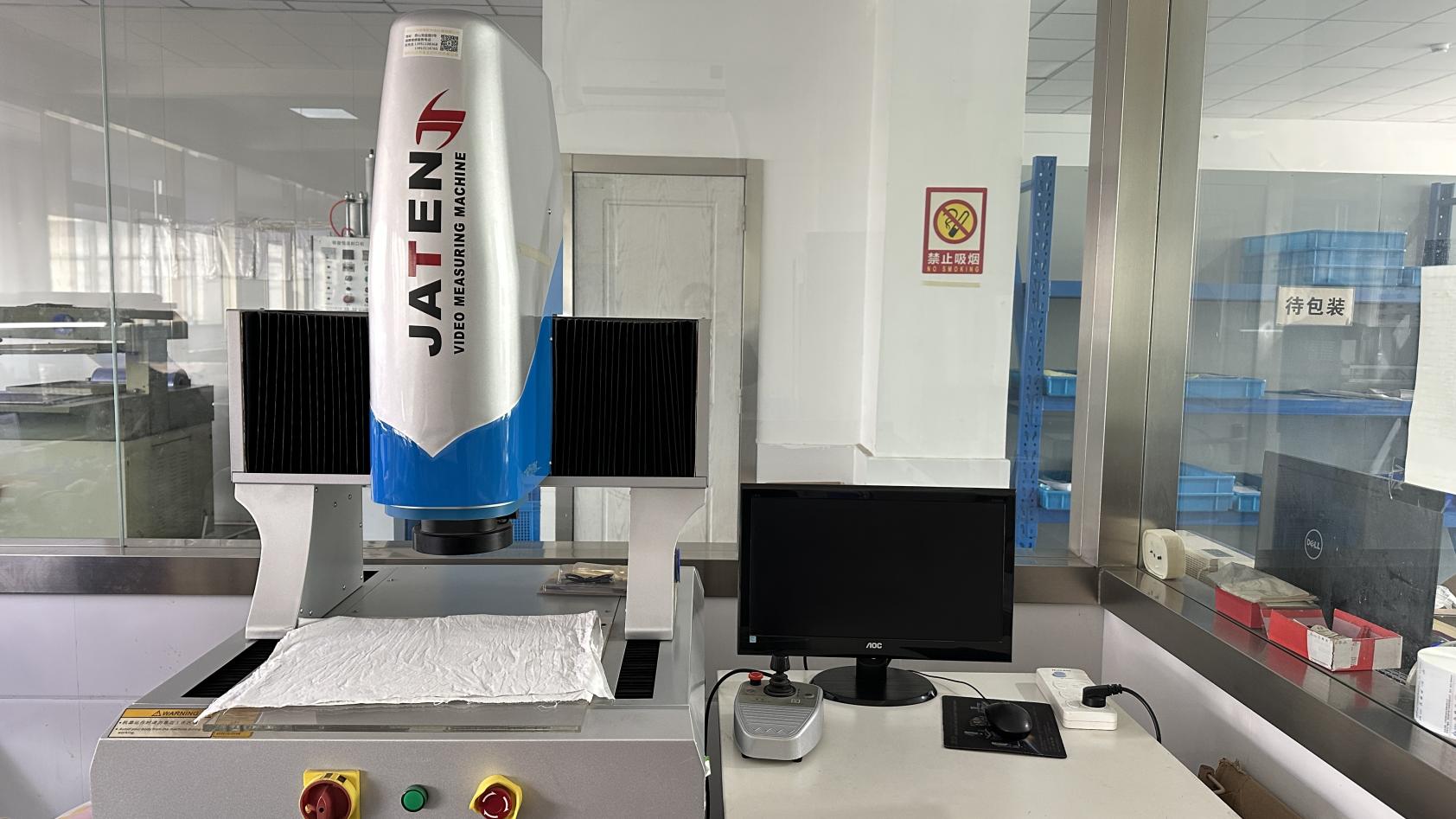
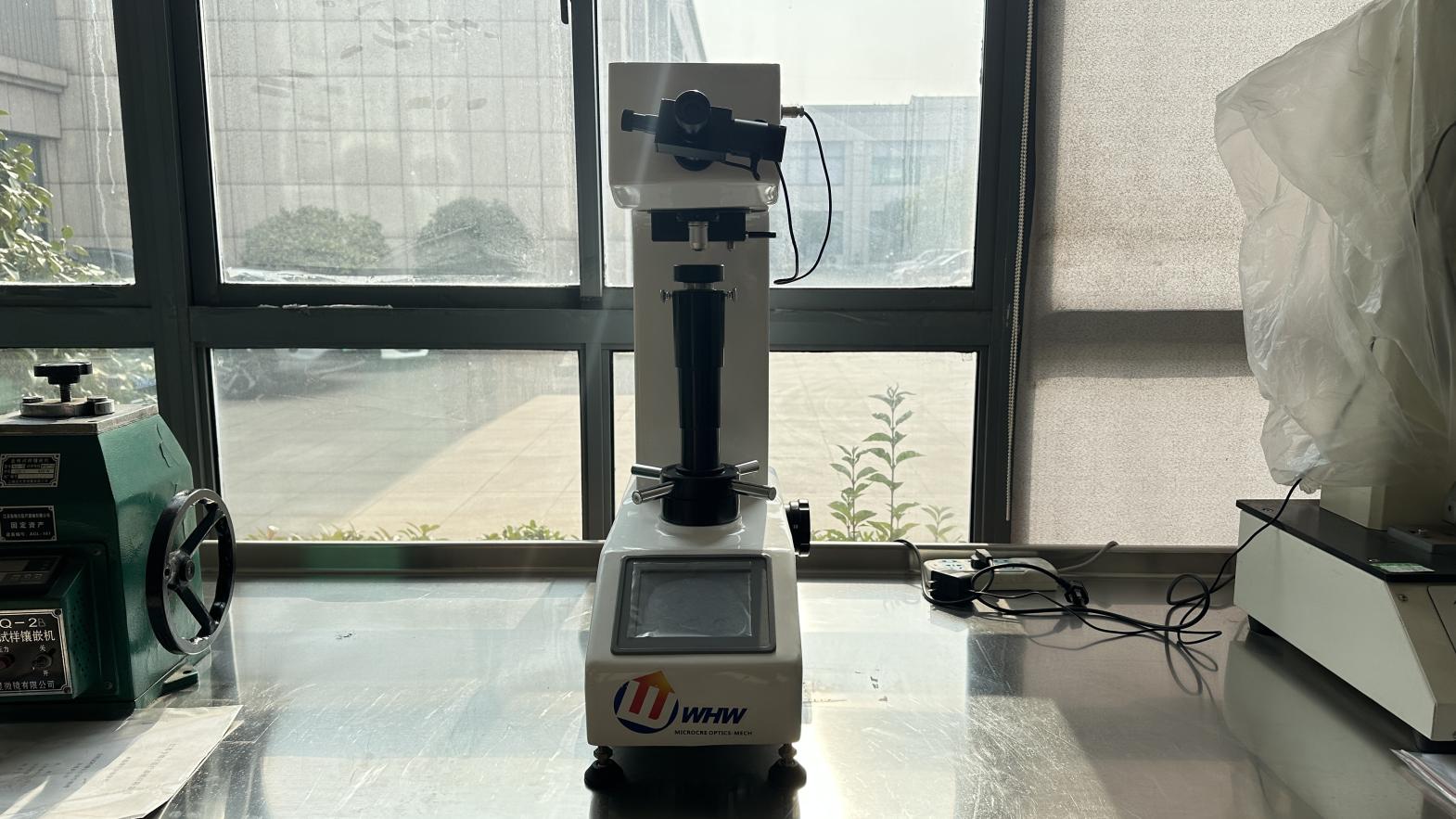
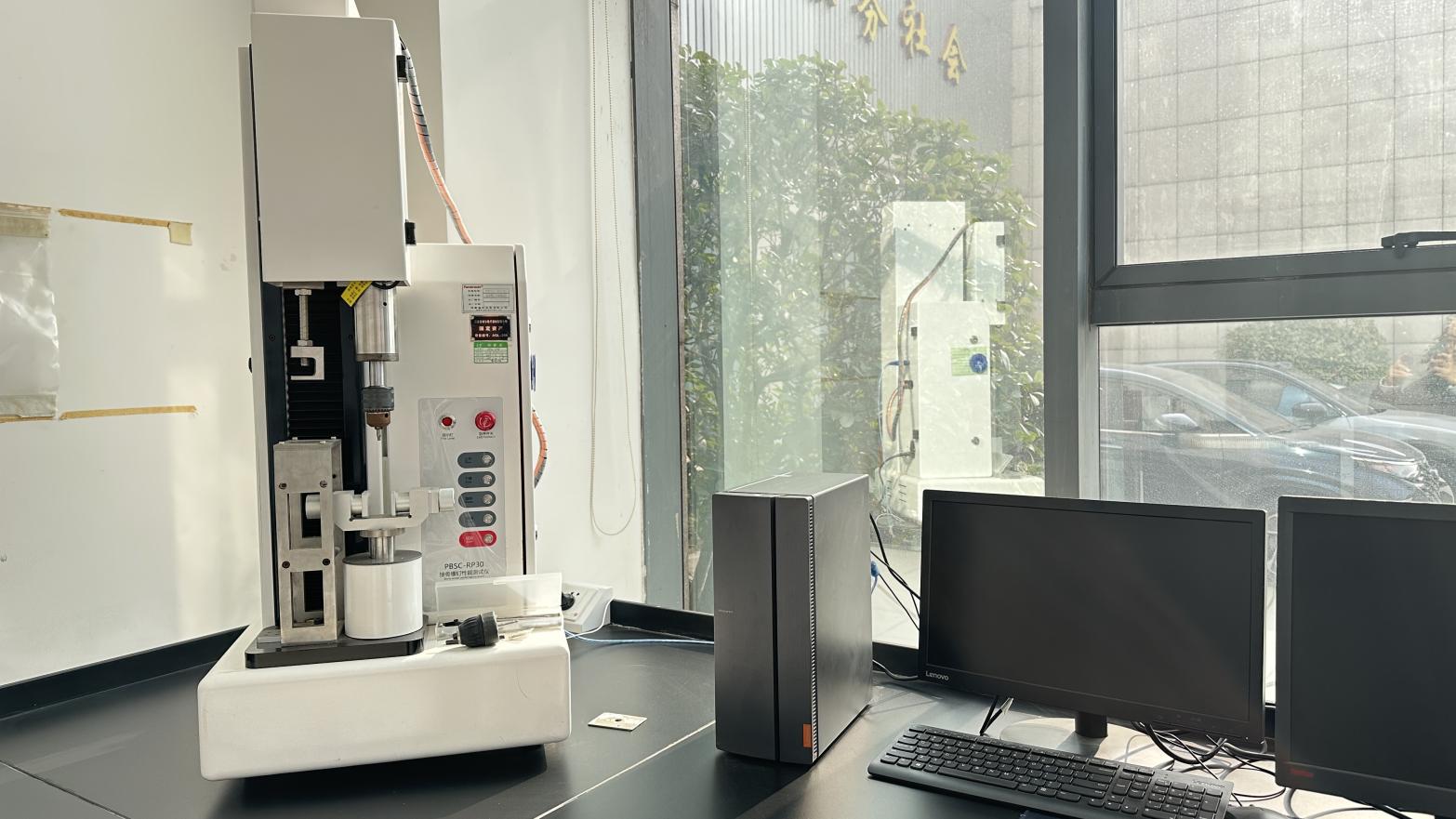
B2B buyers evaluate global OEMs on more than just raw component costs. Factors like engineering support, custom prototyping turnaround times, and logistics risks are key. Below is an analytical comparison of manufacturing hubs in Eastern Asia, Western Europe, and North America.
| Evaluation Parameter | East Asian Tier-1 Hubs (e.g., China - Virelox) | Western European OEMs | North American Factories |
|---|---|---|---|
| Direct Production Costs | Highly competitive due to integrated regional supply chains and scaled raw materials. | Premium pricing reflecting high domestic operating overheads. | High cost structure with premium domestic rates. |
| ODM / OEM Customization | Highly agile; rapid prototyping via high-capacity toolings and quick engineering feedback. | Slower turnaround cycles due to rigid R&D schedules. | Strong prototyping capacity but carries premium development costs. |
| Quality Standards | ISO 13485, CE Marked, CMM Inspection, Class 100,000 Cleanroom packaging. | MDR-compliant, premium finishes. | FDA-centric, high standards. |
| Supply Chain Integrity | Integrated supply chains with over 850 certified upstream/downstream partners. | Fragmented subcontracting across multiple European borders. | Reliable regional networks, but faces rising component import challenges. |
For volume distributors, partners like Virelox Medical Devices provide balanced risk mitigation. We combine competitive manufacturing costs with high compliance standards, backed by an established network of 850 certified raw material suppliers.
Deploying orthopedic implants and surgical instruments requires navigation of localized healthcare regulations. Virelox coordinates with registered distribution partners to verify that all shipping documentation, autoclave guidelines, and chemical passivation reports match local requirements:
 Virelox