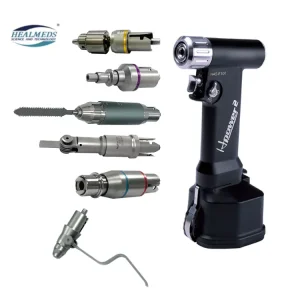
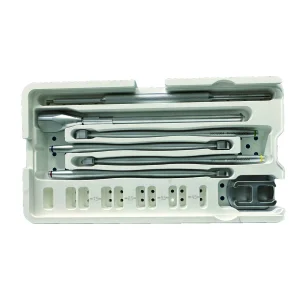
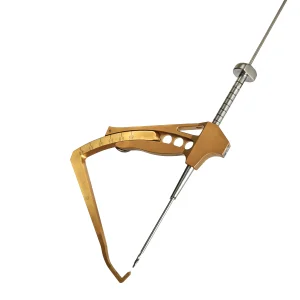
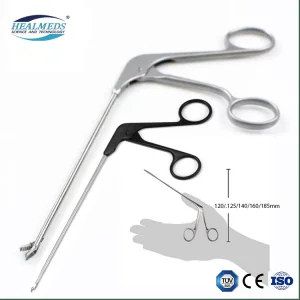
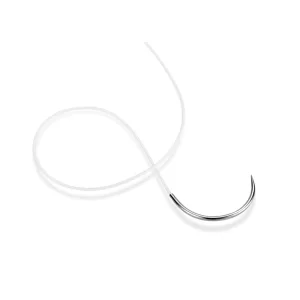
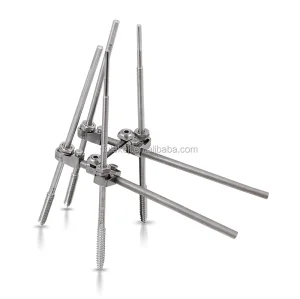
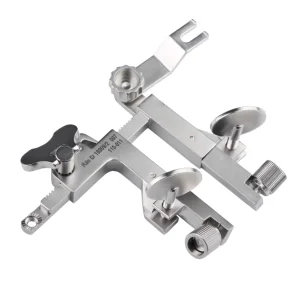
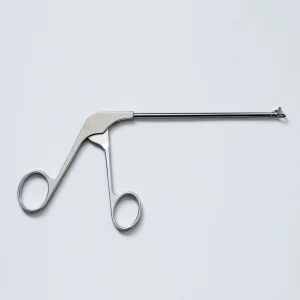
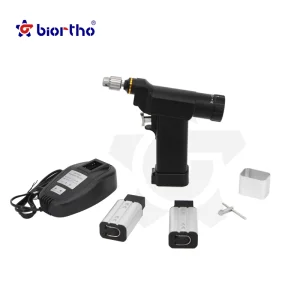
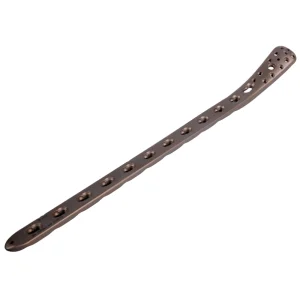
Premium medical grade equipment engineered for precise clinical operations and spine surgeries
Posterior Lumbar Interbody Fusion (PLIF) is a gold standard procedure designed to treat degenerative disc disease, spondylolisthesis, and spinal instability. Among the key instruments that guarantee clinical success, the PLIF Cage plays a fundamental role. Modern orthopedics has largely transitioned from titanium options to Polyetheretherketone (PEEK), an organic thermoplastic polymer that offers distinct physiological benefits.
Unlike metal counterparts, PEEK is radiolucent, enabling surgeons to easily track postoperative bone graft fusion progress and integration using X-rays or CT scans without visual artifacts.
By mimicking cortical bone flexibility, a PEEK implant reduces the mechanical interface stress at the vertebral endplate, mitigating the risk of structural subsidence over long-term recovery.
Modern PLIF PEEK designs offer spacious interior hollow chambers, leaving extensive area for bone graft material to foster rapid and solid spinal fusion (osteogenesis).
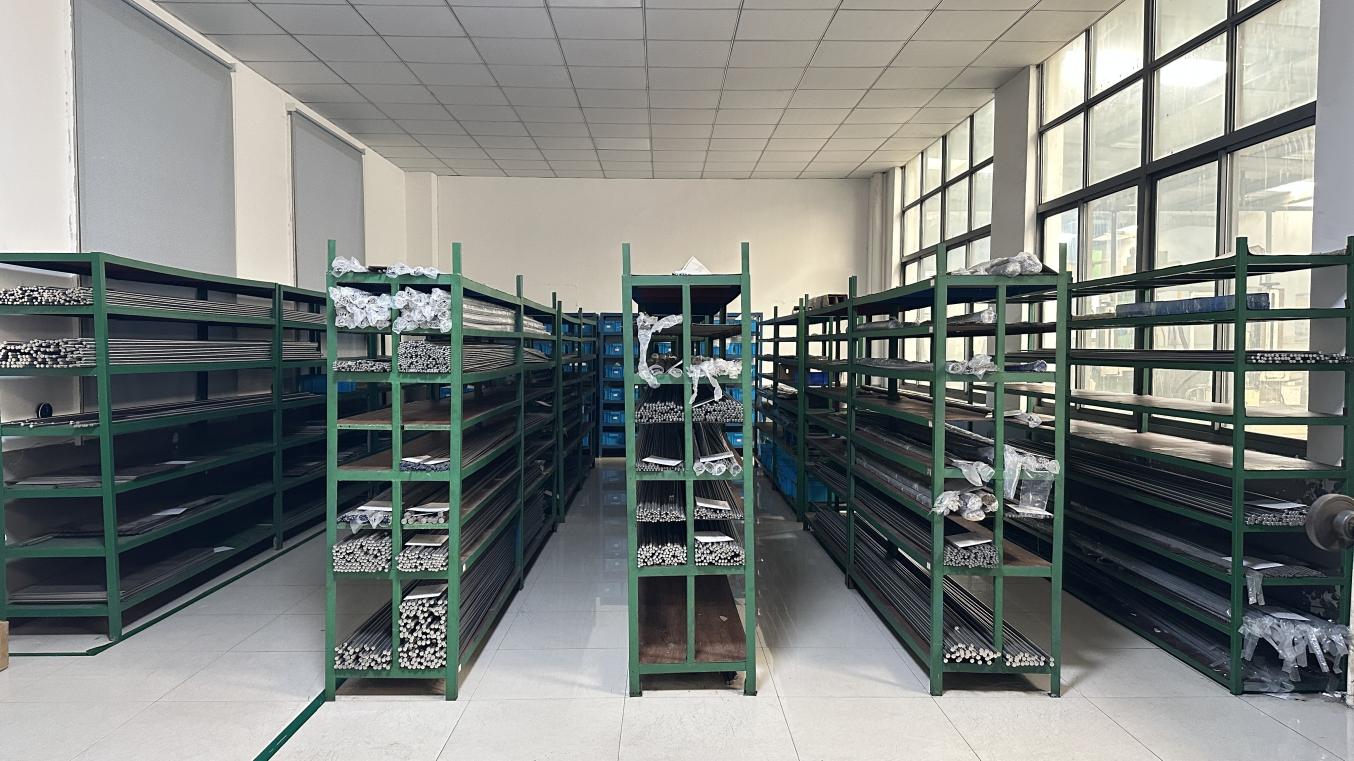
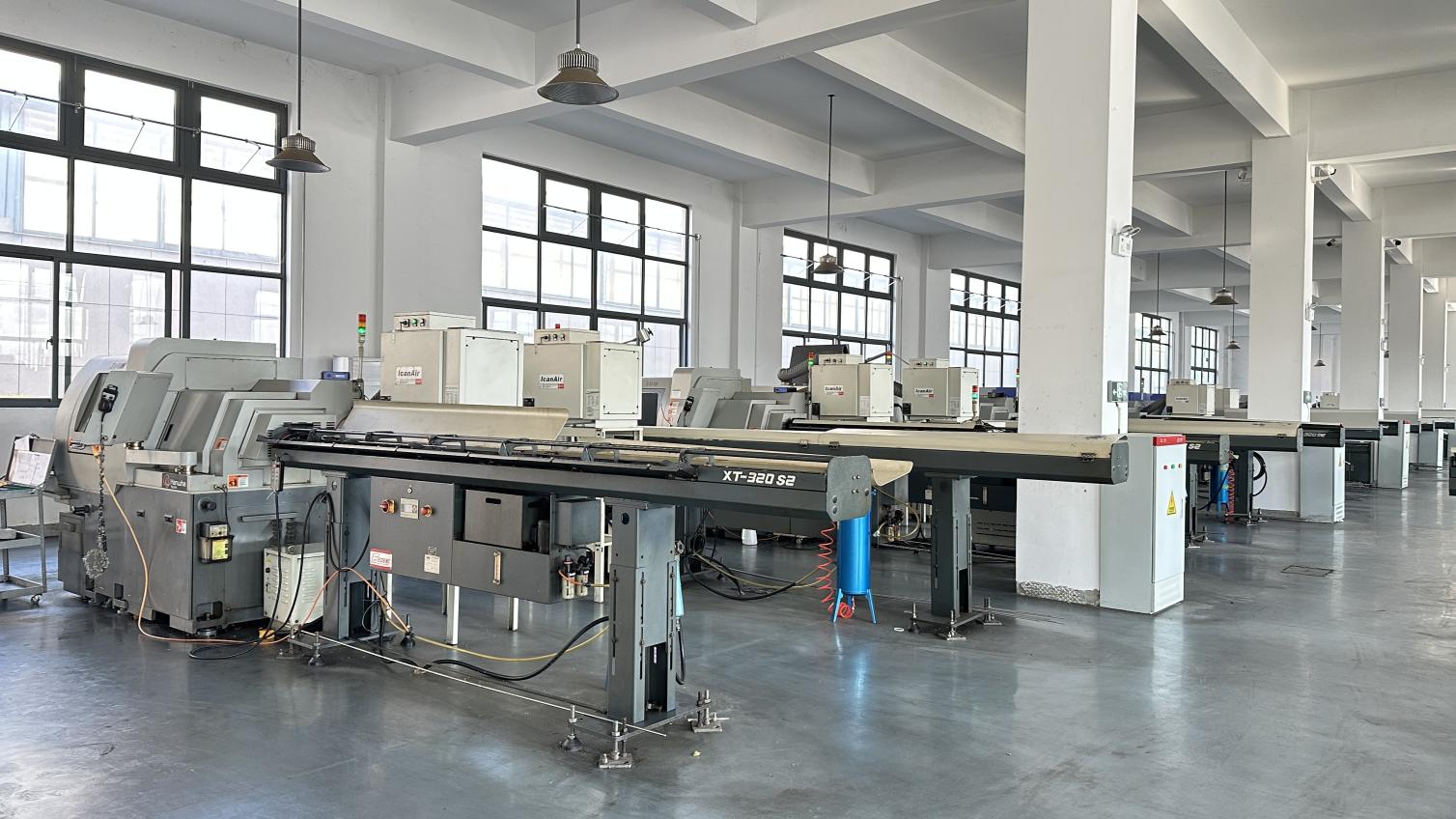
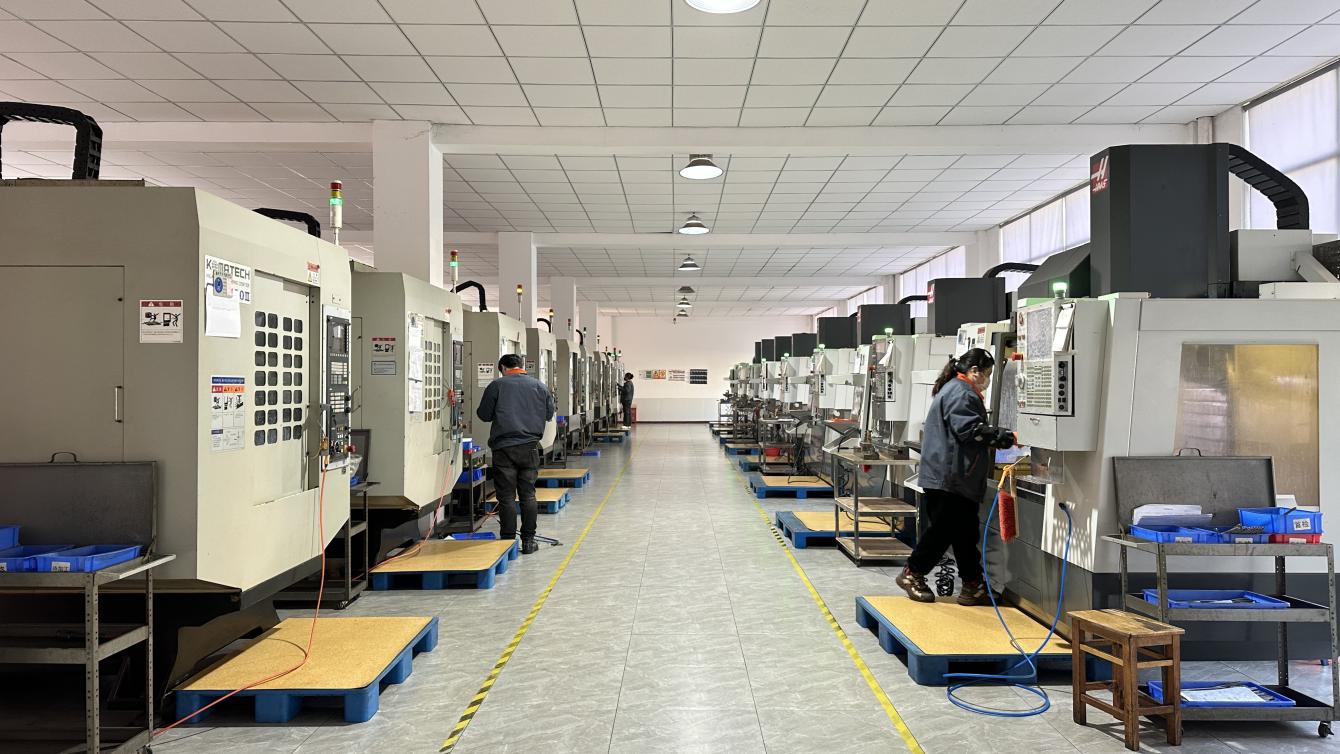
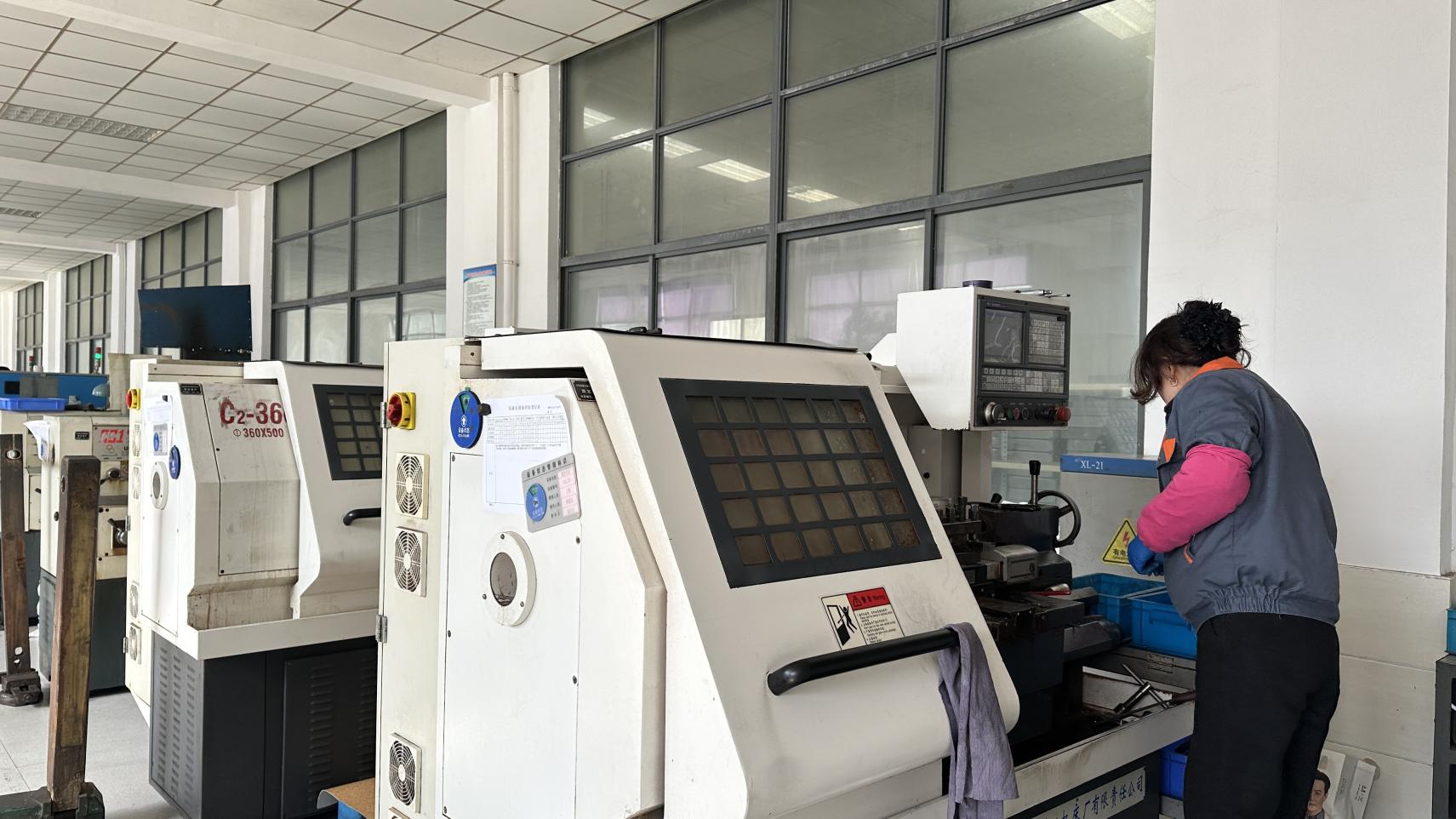
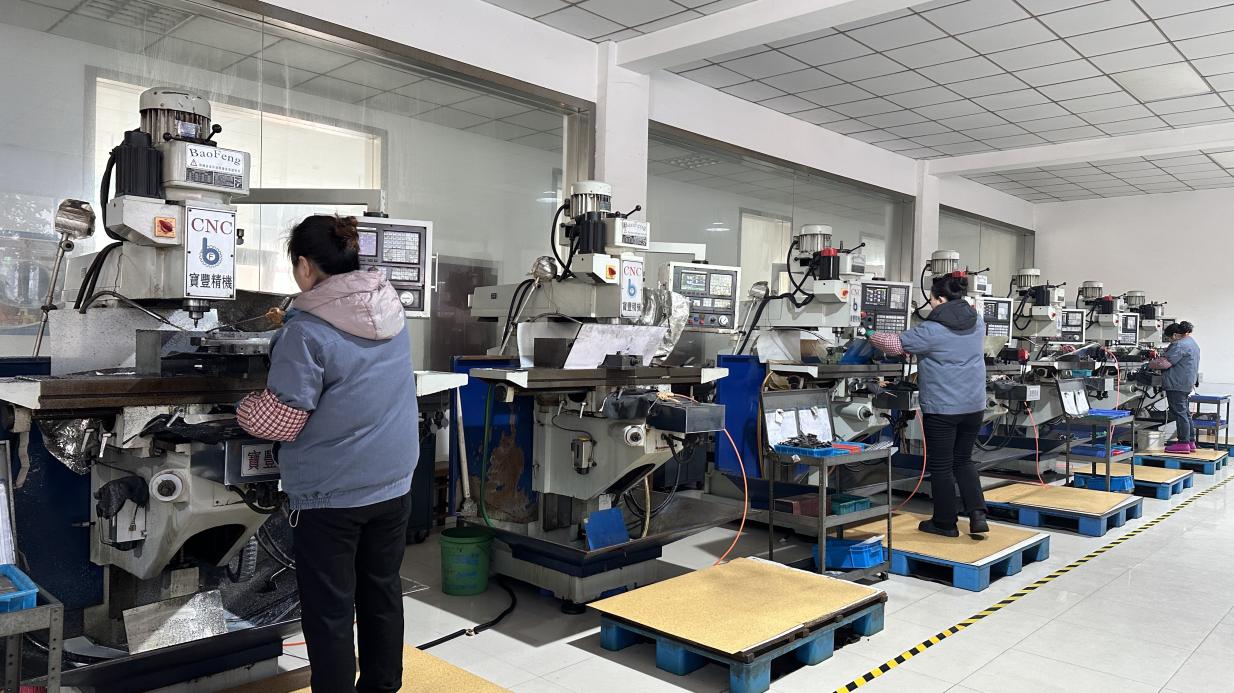
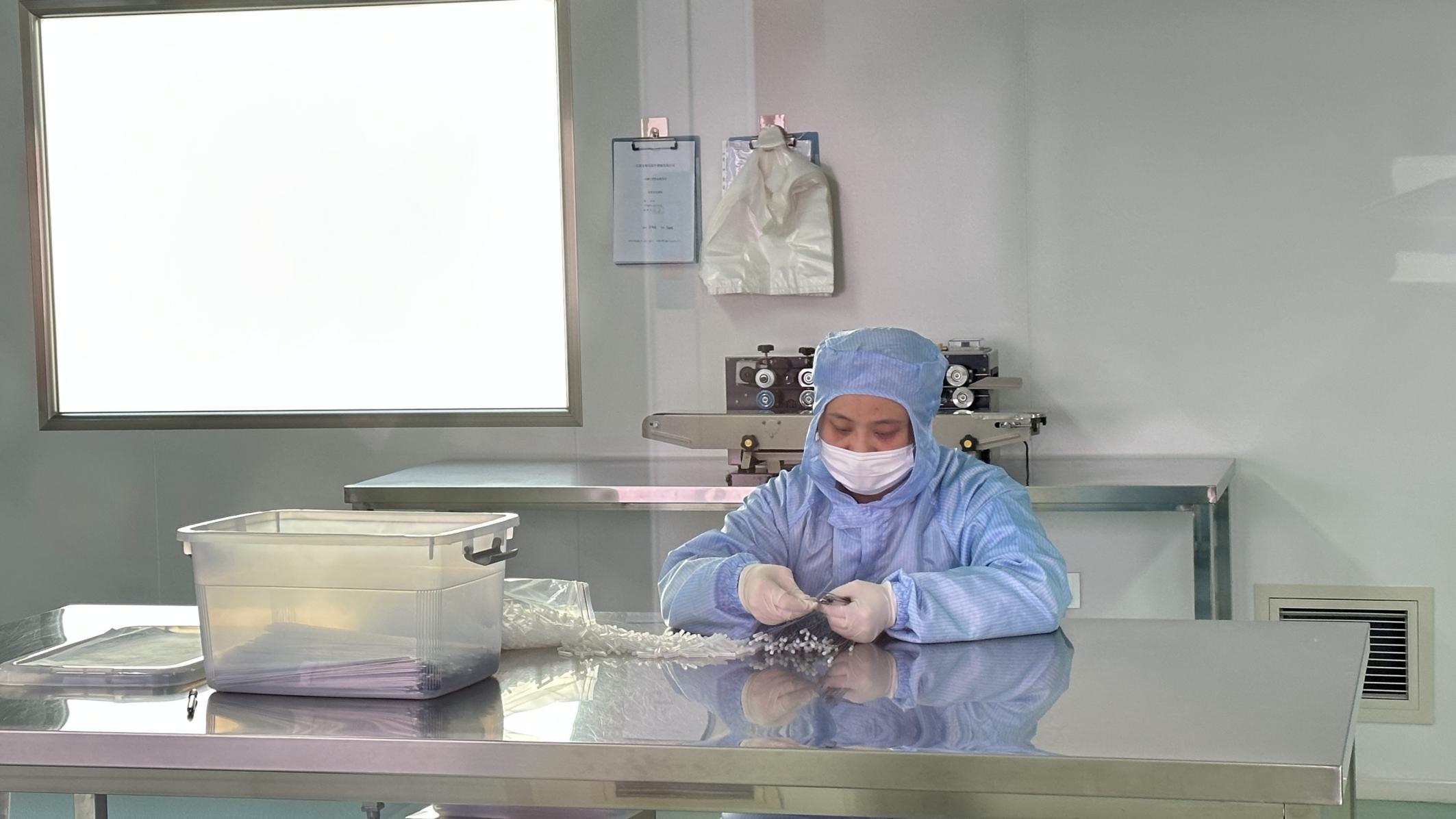
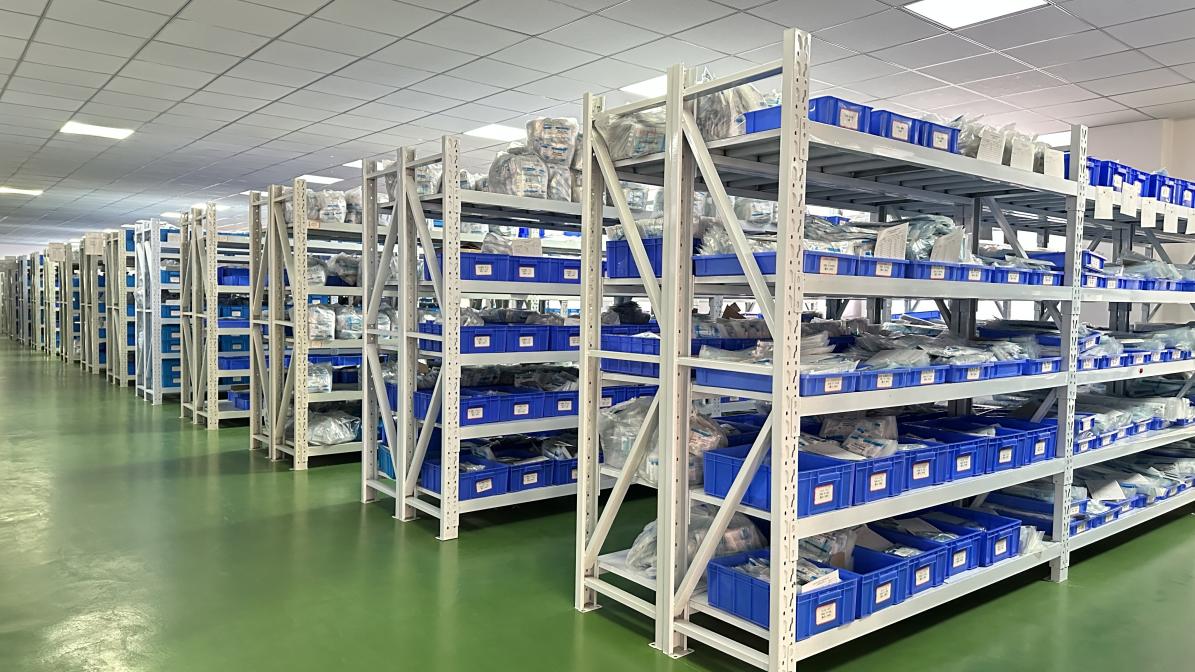
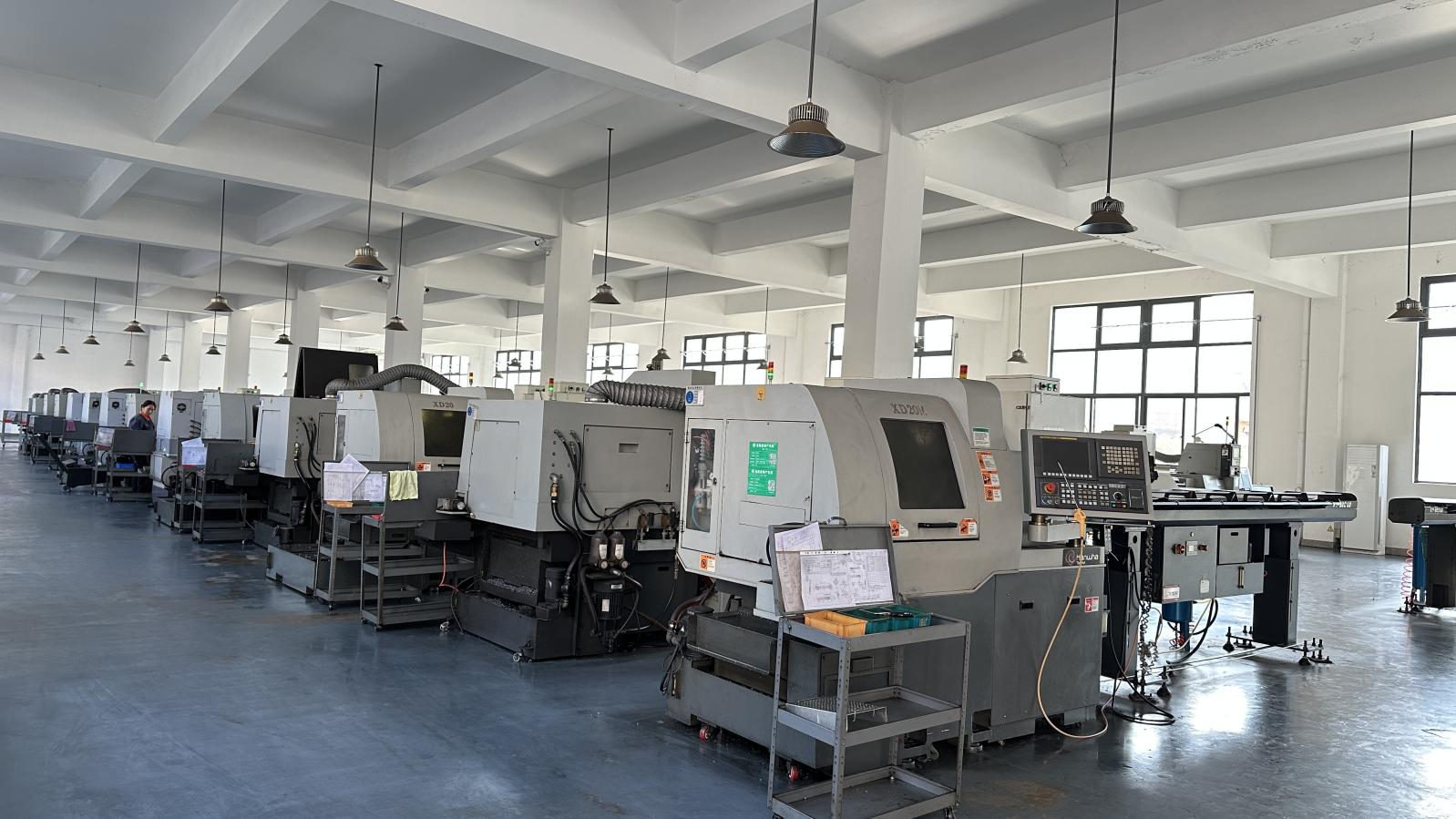
Established in 2016, Virelox Medical Devices Co., Ltd. has grown to become a dominant force in orthopedic manufacturing. Operating from a state-of-the-art 12,000 square meter facility, Virelox is a specialized manufacturer dedicated to high-performance joint replacement and spinal implant solutions. As an export-oriented company with 8 years of dedicated global trade experience, Virelox blends precision engineering with robust raw material sourcing to deliver industry-compliant orthopedic systems.
Virelox's technical advantage relies heavily on its structural biomechanical R&D center, staffed by 120 engineers specialized in orthopedic materials science and clinical stress simulation. Over the past year, their rapid prototyping laboratory designed and successfully launched 120 new orthopedic and spinal implants, serving distributors and hospitals across Europe, Southeast Asia, South America, and the Middle East.
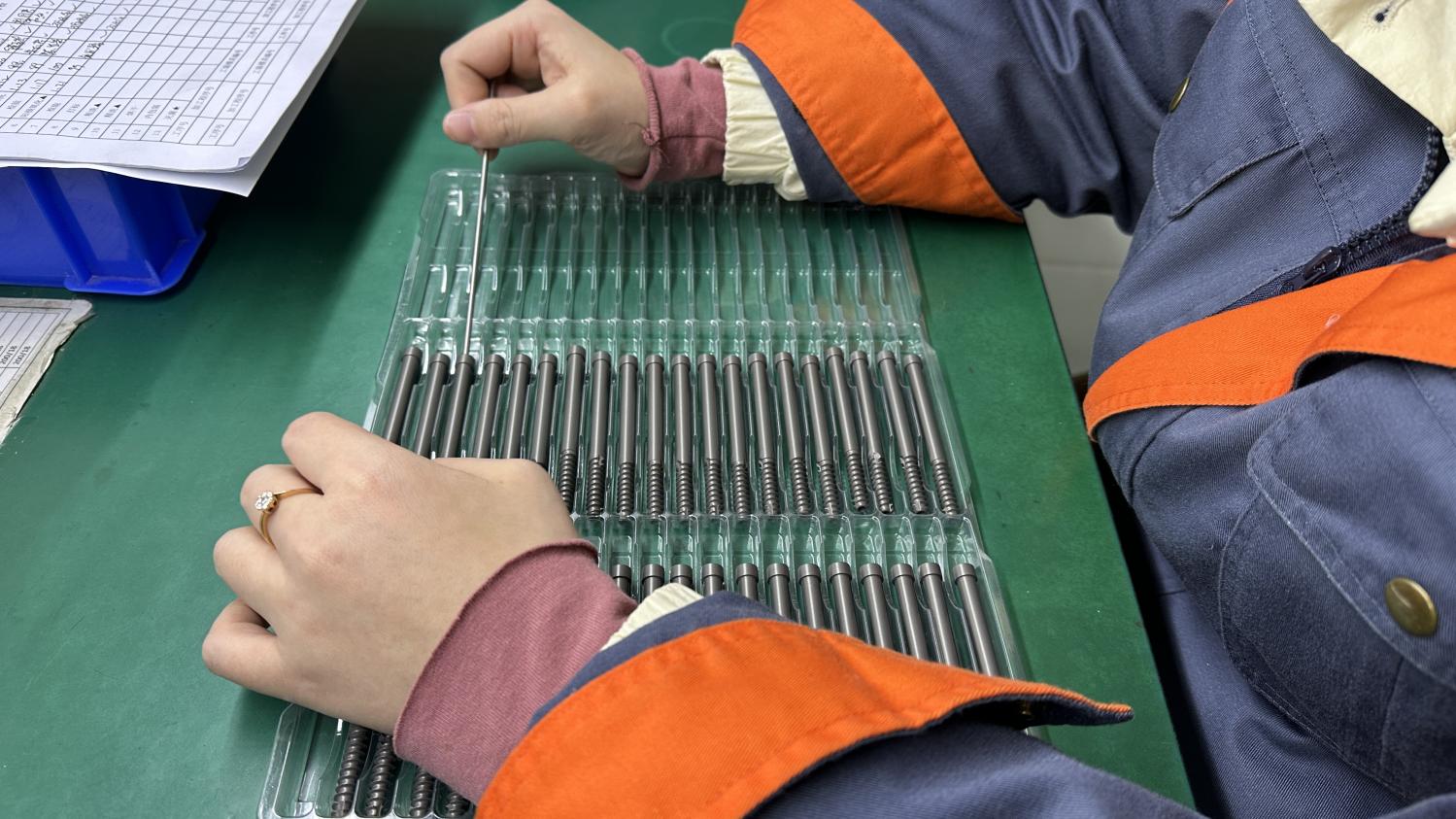
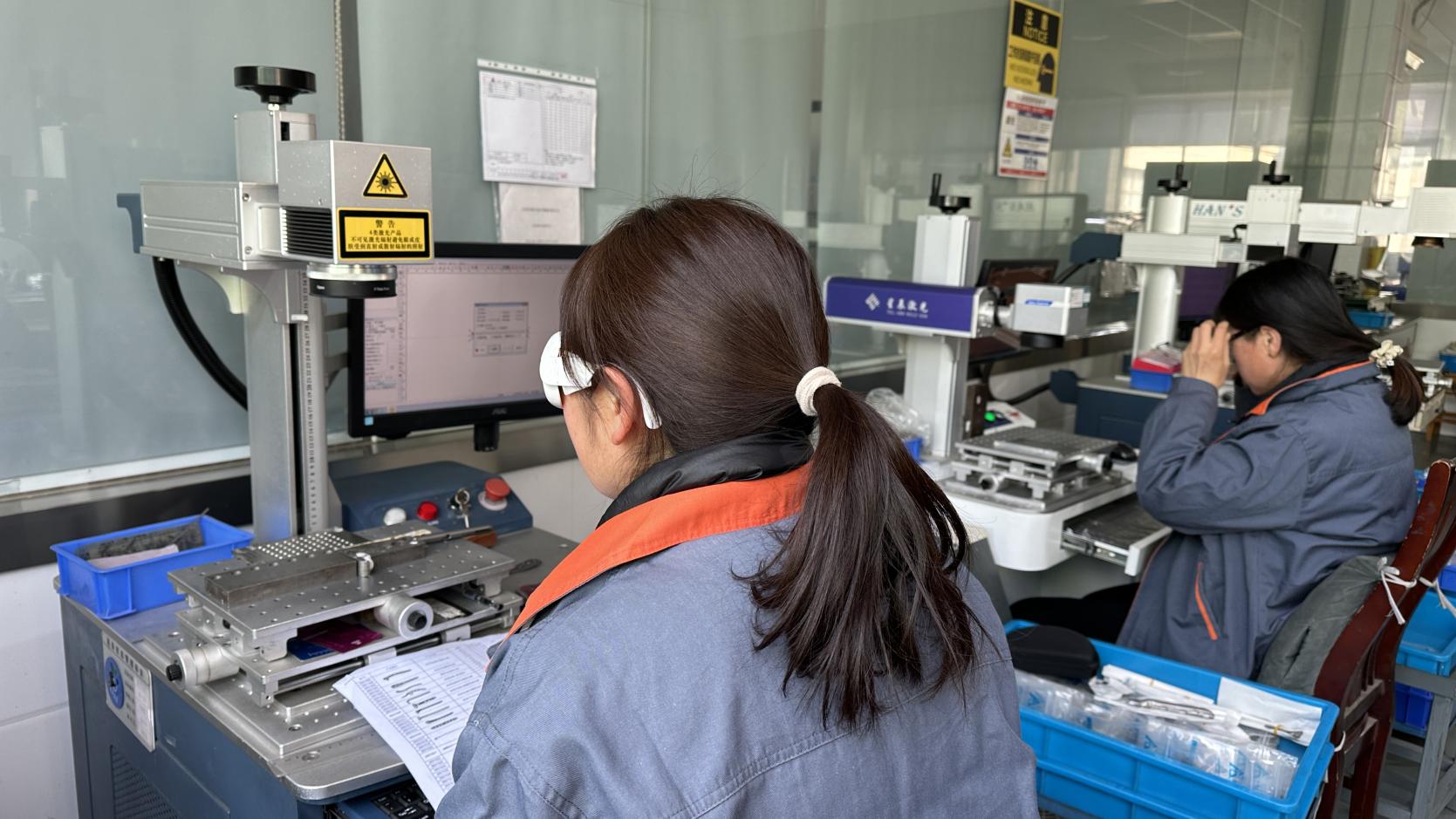
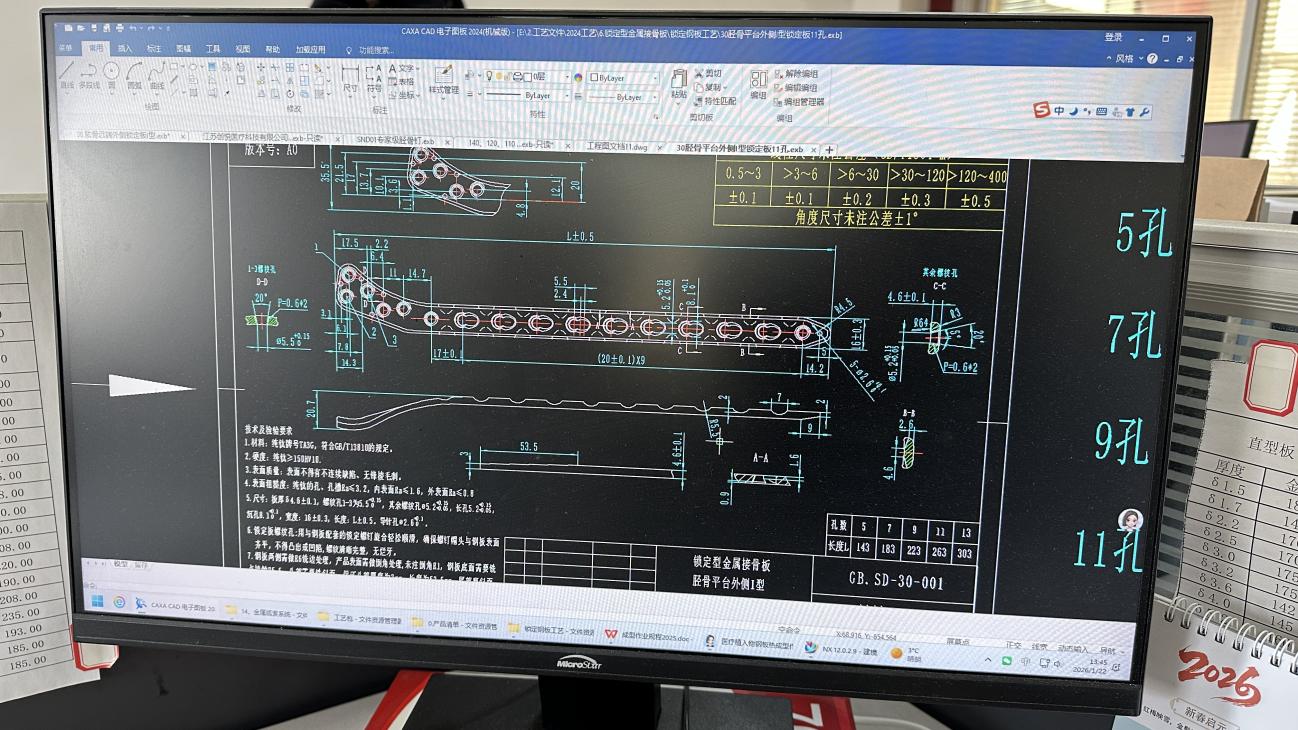
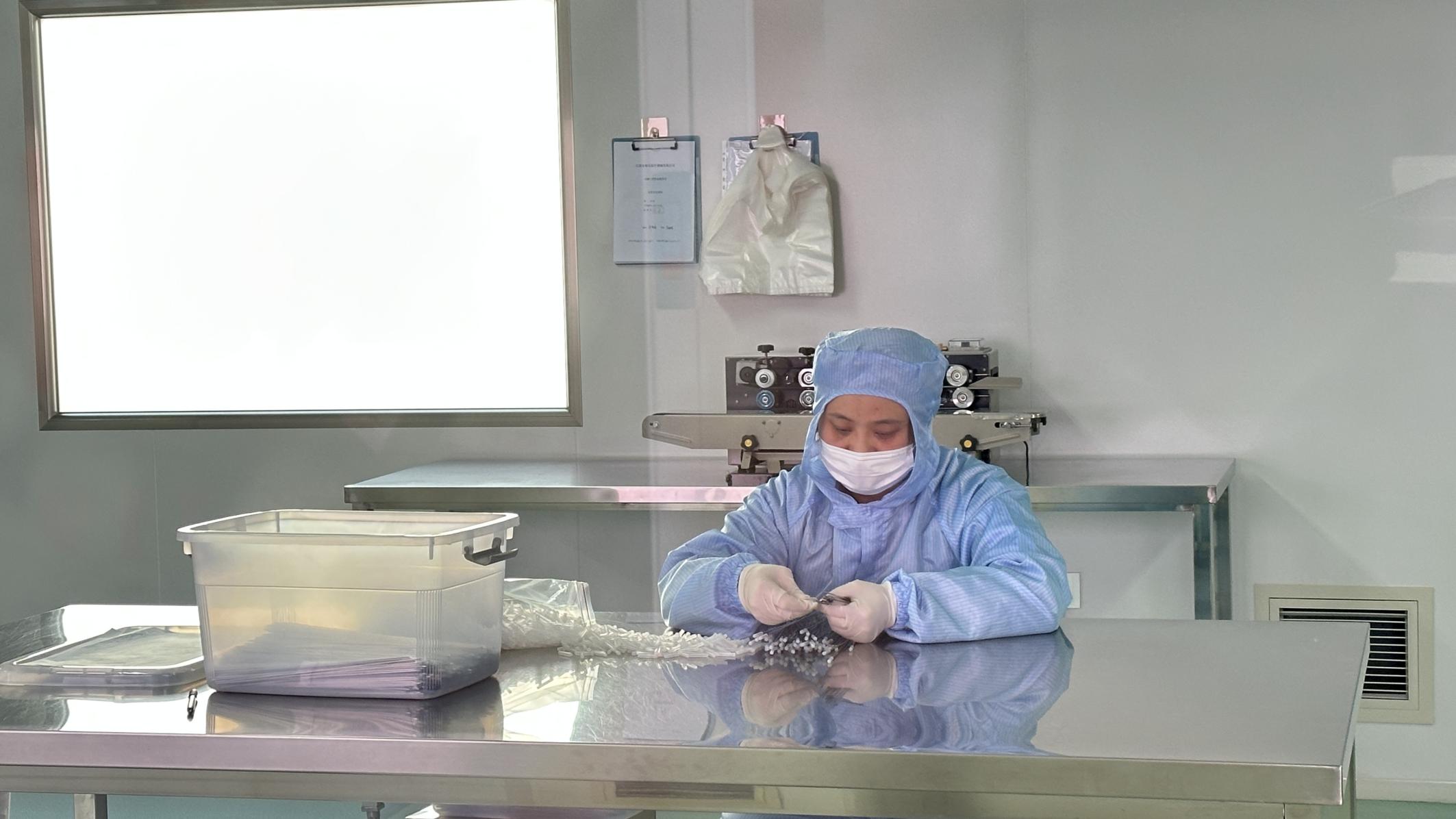
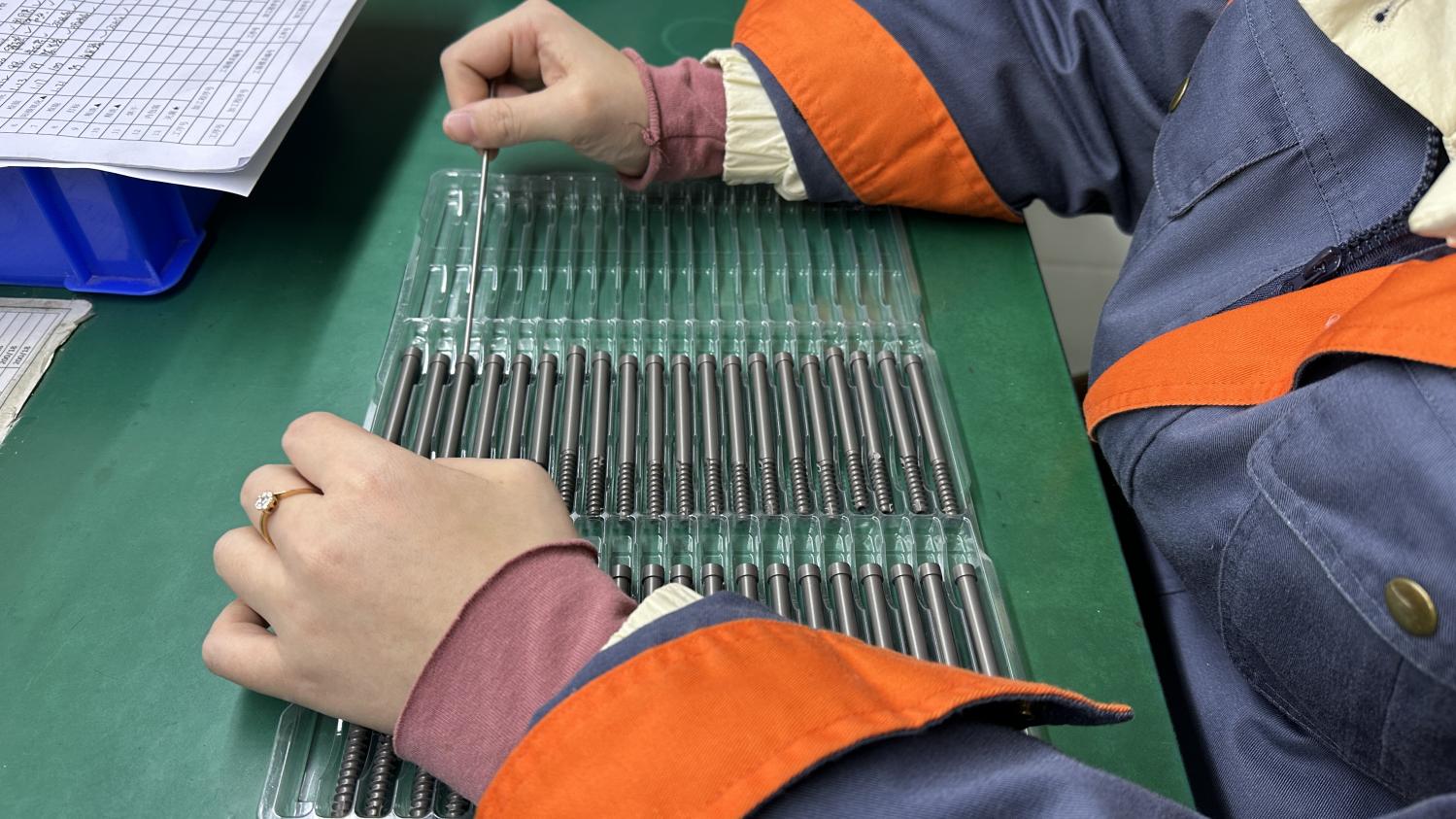
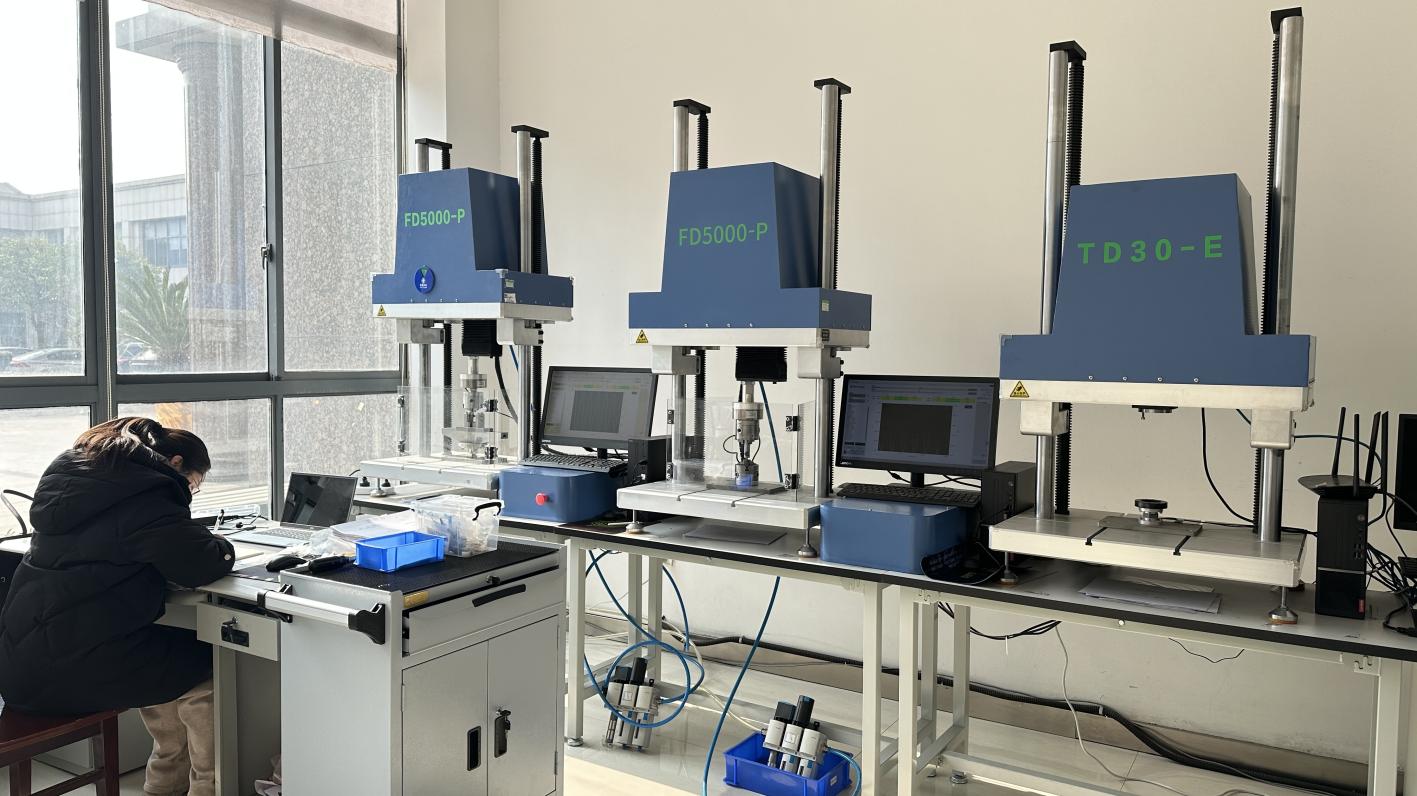
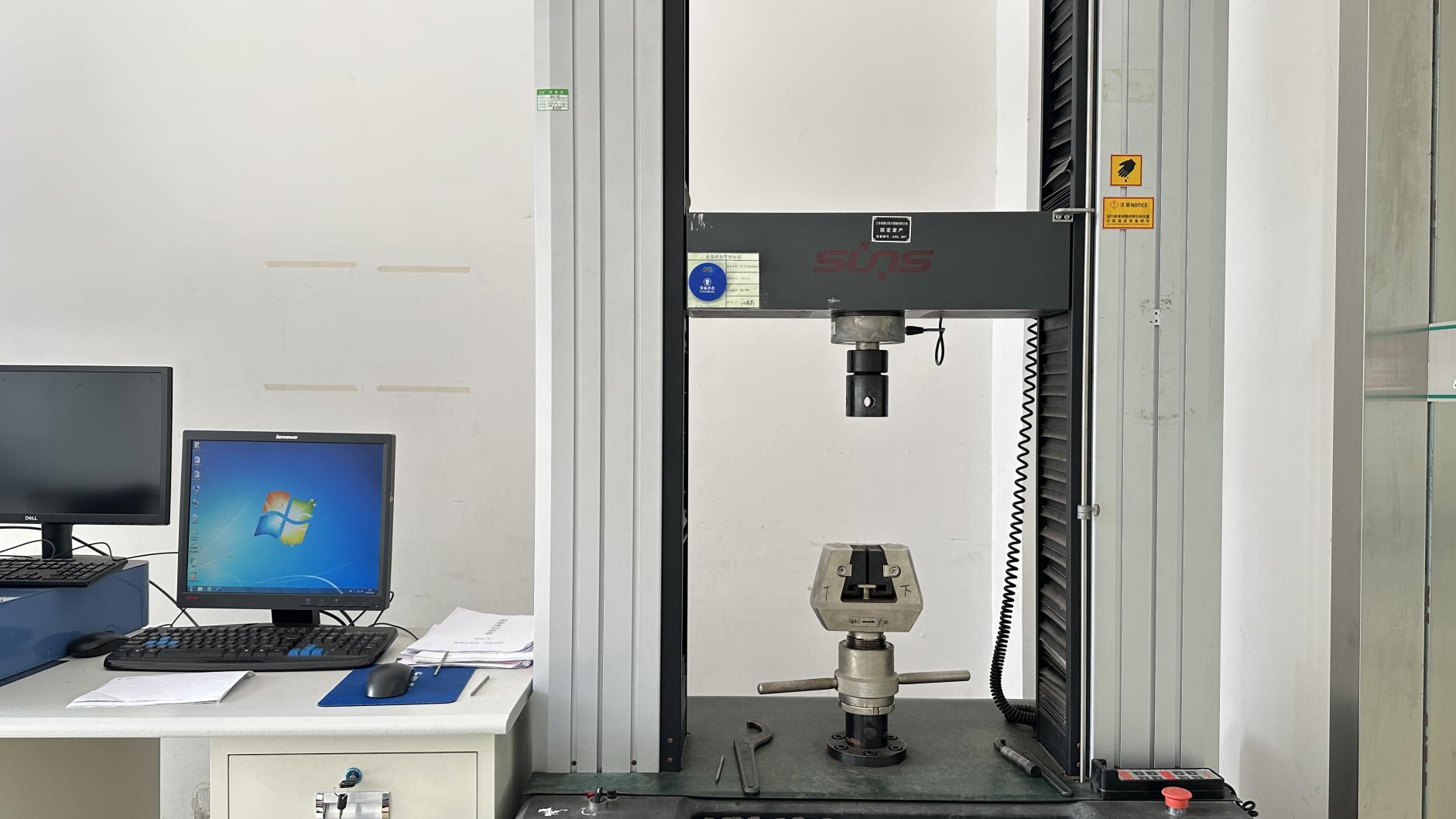
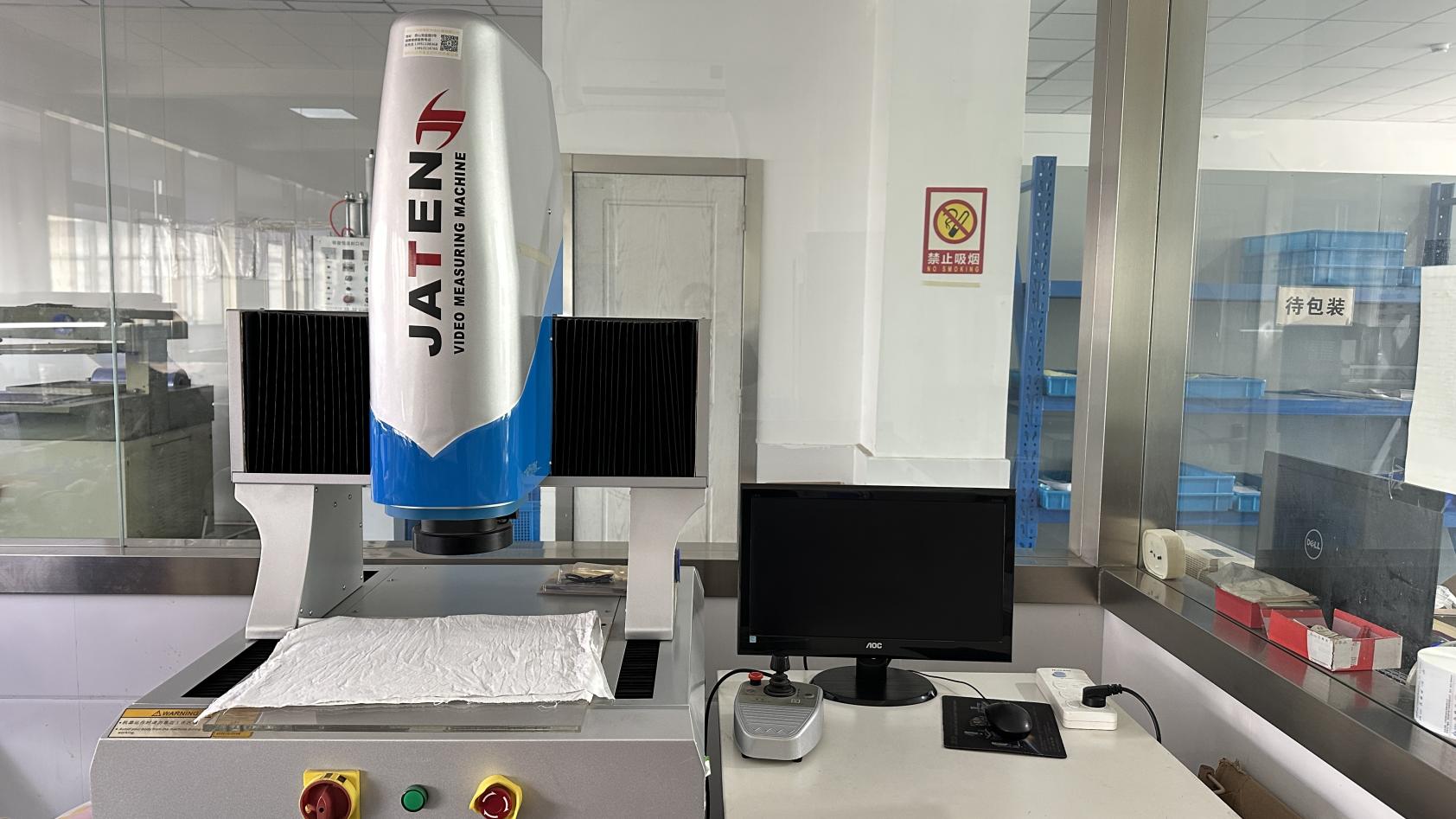
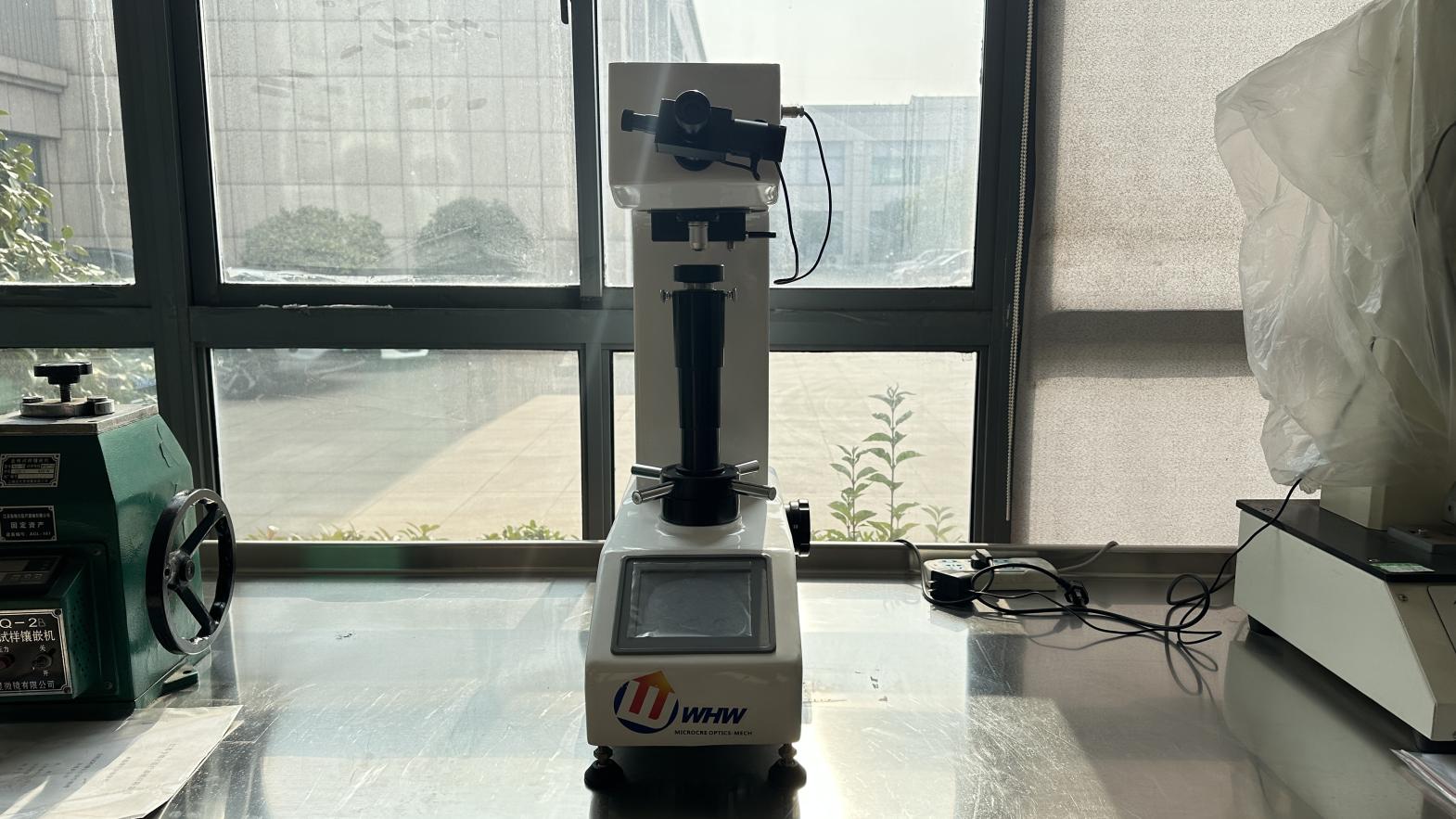
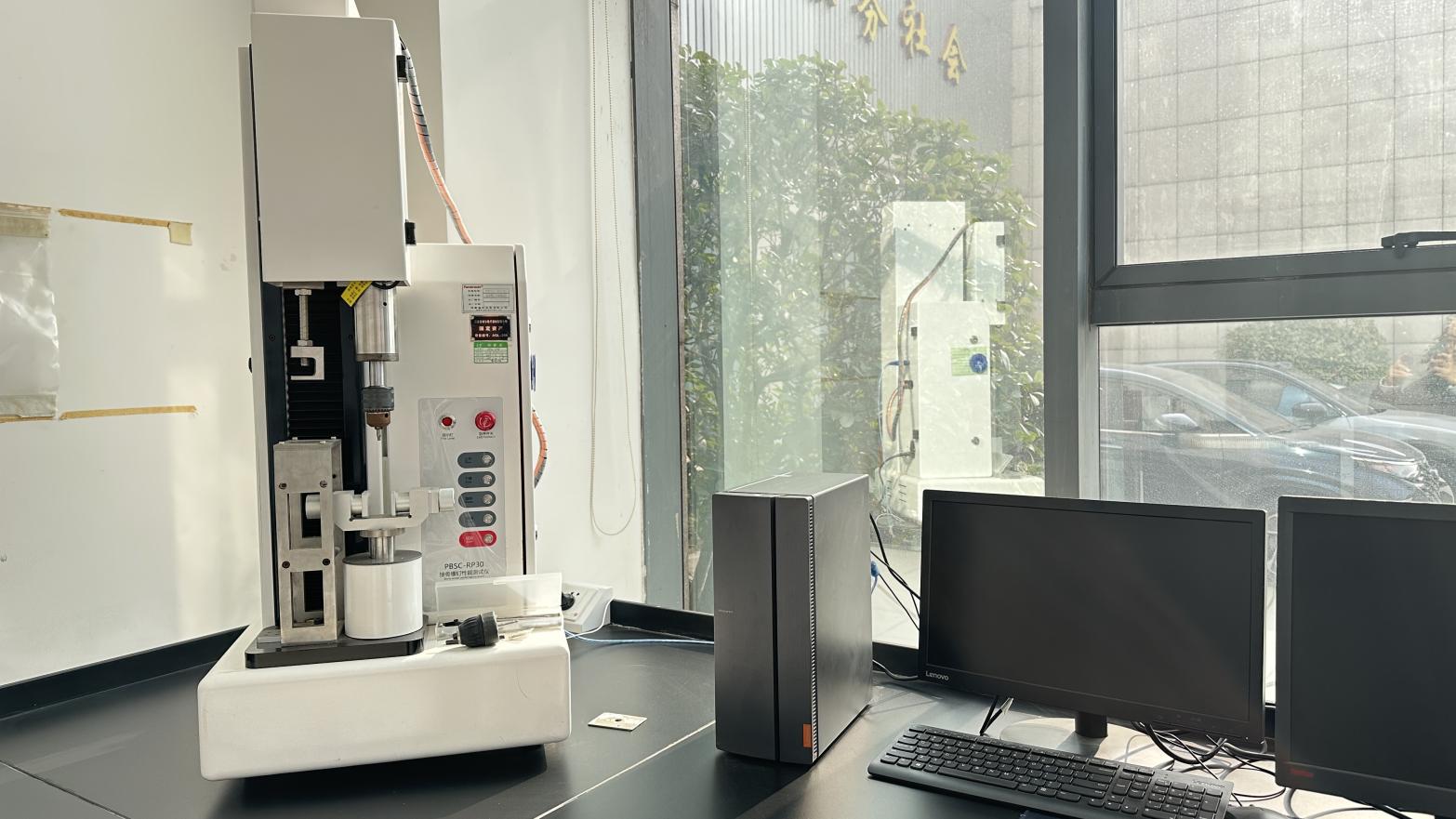
Manufacturing medical implants demands absolute consistency. Virelox follows a meticulous production line monitored by a dedicated quality control team of 65 certified professionals. Every batch undergoes extensive testing, including tensile strength, biomechanical fatigue, X-ray scanning, and dimensional verification using high-precision coordinate measuring machines (CMM).
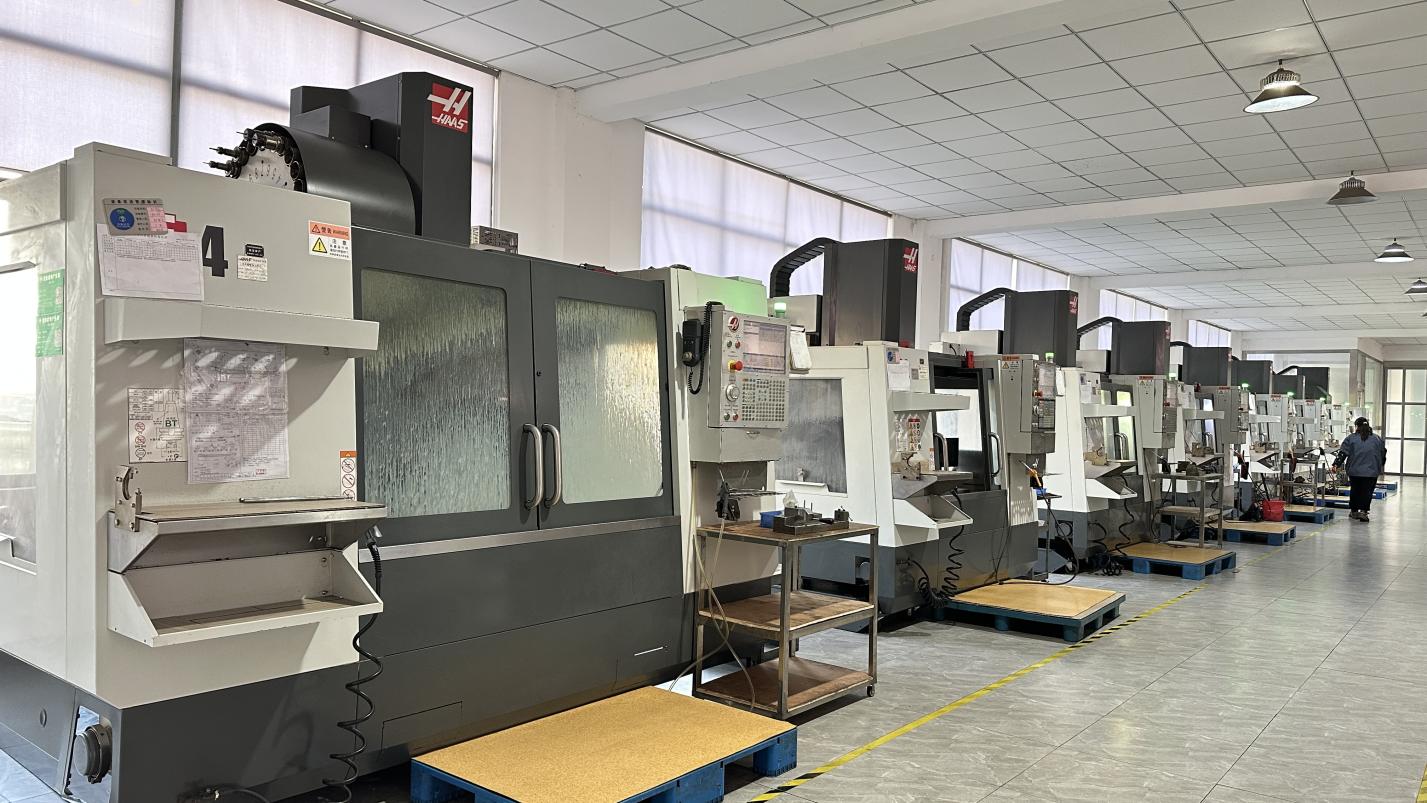
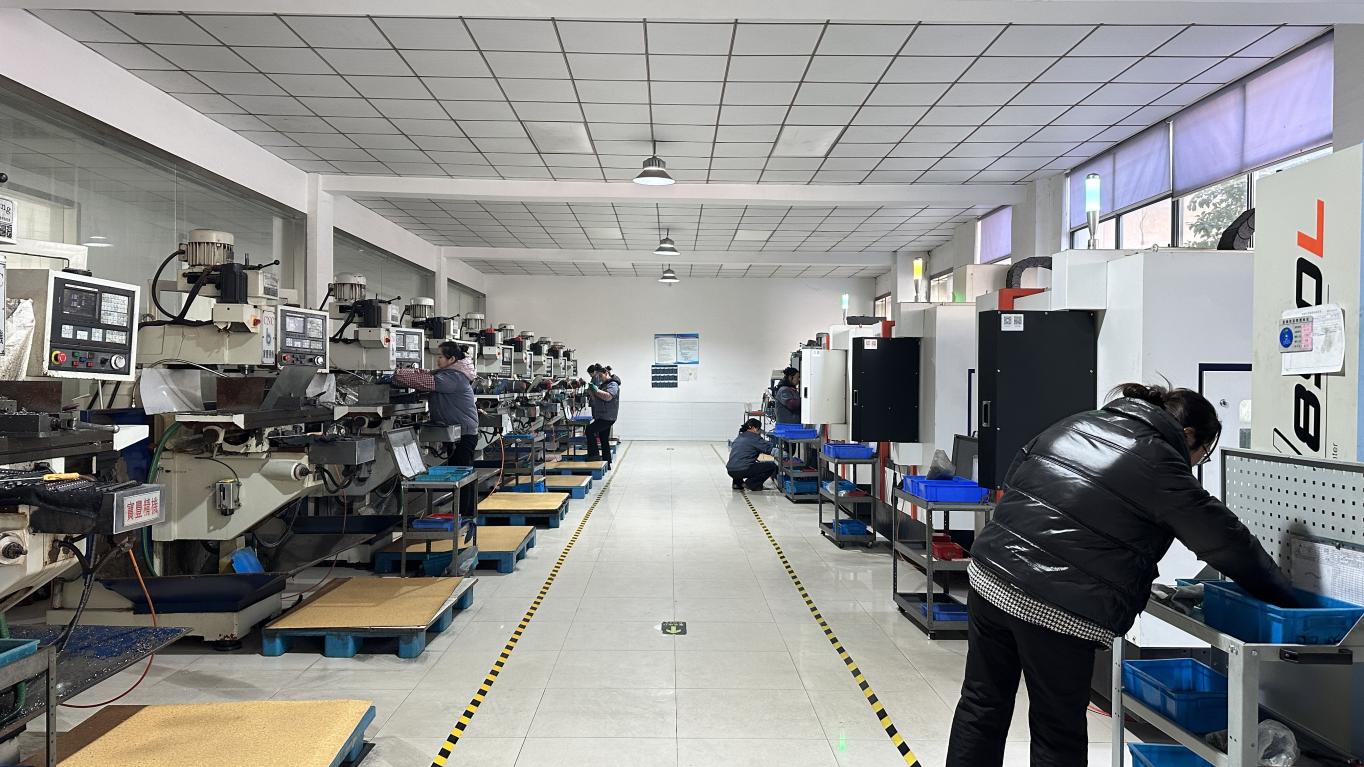
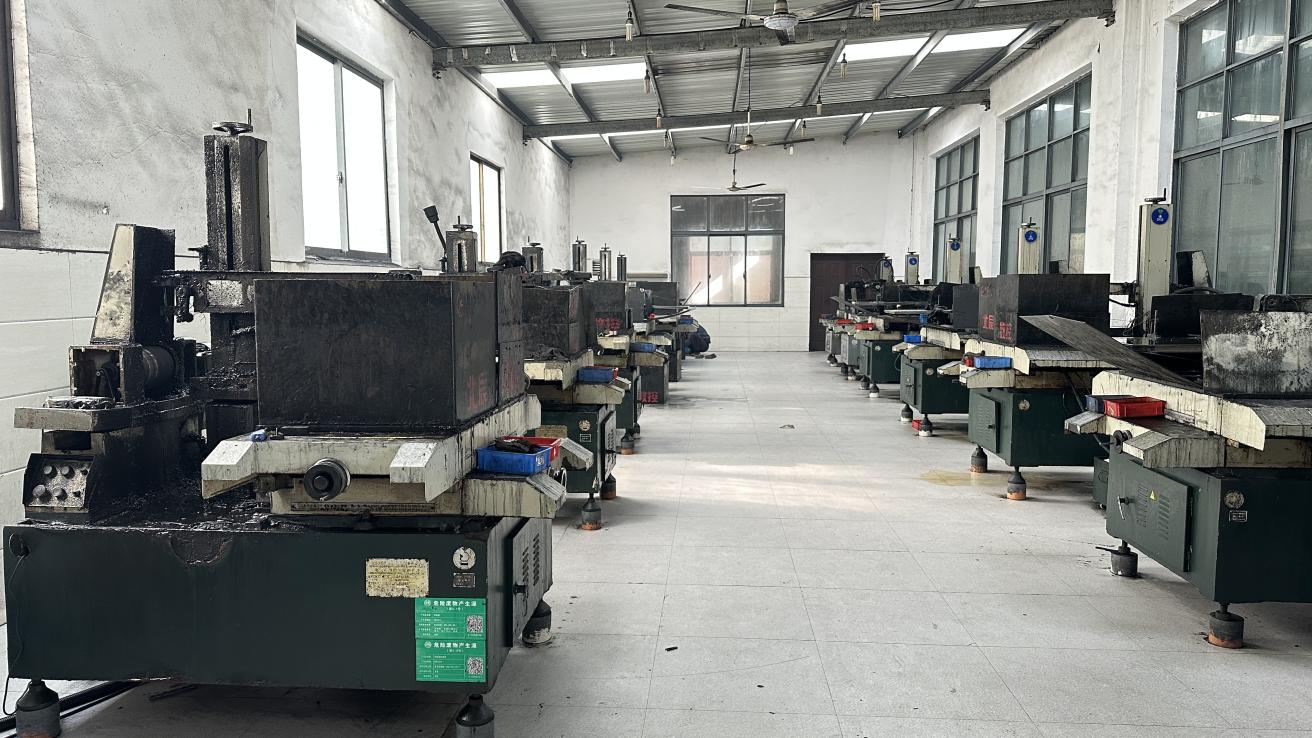
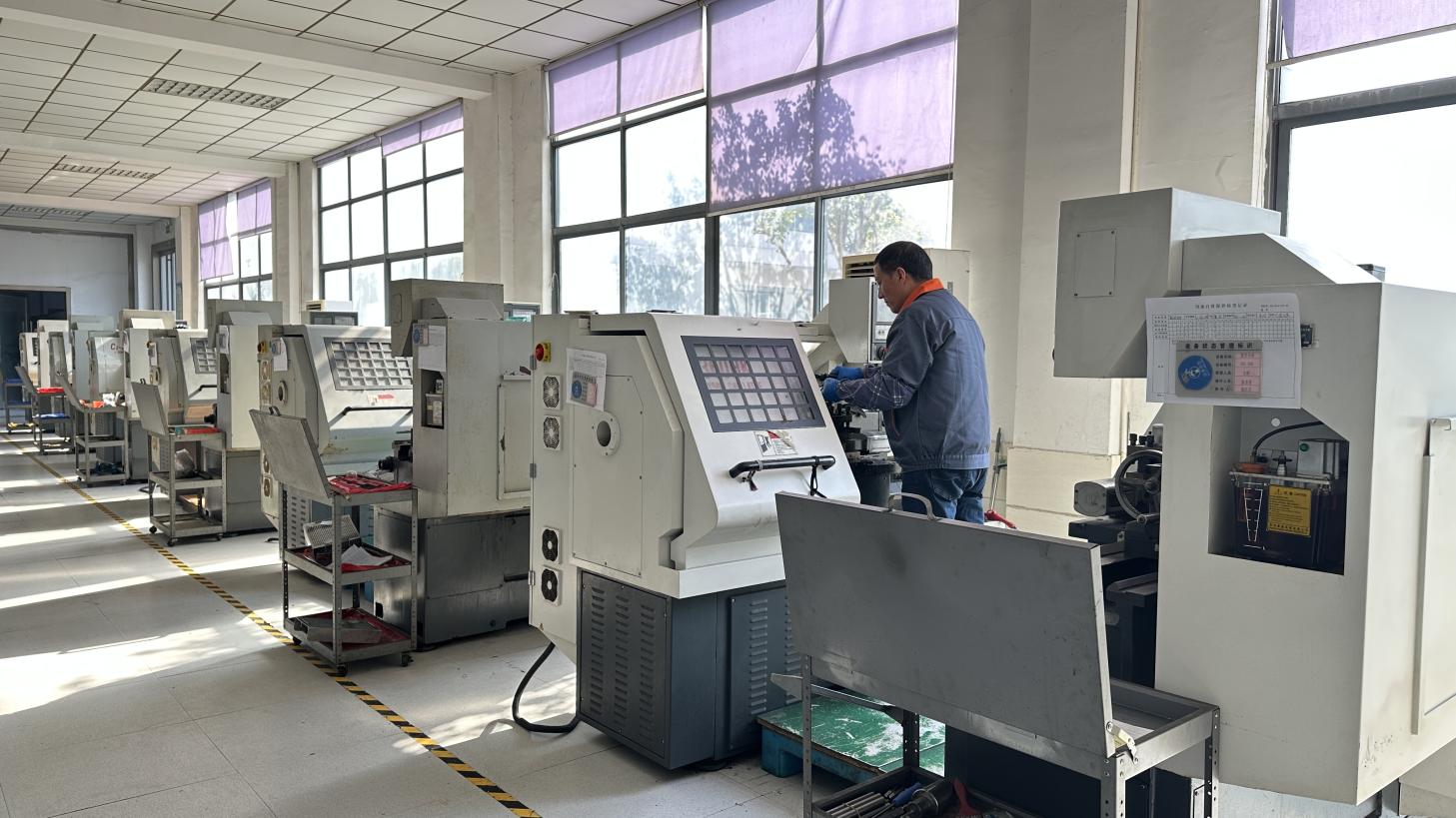

For international medical device brand owners, sourcing PLIF PEEK Cages from top-tier Chinese manufacturers is not merely a cost-reduction strategy. It is a decision that delivers extensive logistical benefits and speed-to-market advantages:
Leading manufacturers like Virelox maintain networks of over 850 certified upstream raw material (medical grade PEEK ASTM F2026, Ti-6Al-4V ELI) and downstream component vendors, eliminating lead time dependencies.
Using 5-axis CNC machining, wire cutting, and advanced milling, factories can rapidly execute CAD modifications, supplying functional prototypes to target orthopedic centers for surgical trials in days.
Reputable Chinese factories comply with strict FDA 510(k), MDD/MDR CE requirements, and maintain ISO 13485 certified quality management systems to ease international customs clearing.
A key challenge for global healthcare purchasers is aligning imported implants with local surgical standards. Leading PLIF Cage suppliers navigate this through structured local registration support. Whether submitting technical dossiers to the EU (MDR compliance) or registering with localized health authorities (FDA in North America, ANVISA in South America, TFDA in Southeast Asia), reliable manufacturers provide complete raw material trace certificates, biomechanical test data sheets, and sterilization validation documents.
Comprehensive localized compliance services include:
The field of spinal orthopedics is transitioning toward smart surface modifications and custom anatomies. Developers are prioritizing two primary trends:
Standard PEEK is bio-inert. Manufacturers are introducing Titanium plasma spray coatings or Silicon Nitride deposition to combine the elasticity of PEEK with the osteoconductive properties of titanium.
Utilizing additive manufacturing to print porous matrices directly within the PLIF cage structure. This replicates the structural framework of cancellous bone, encouraging direct tissue ingrowth.
Optimizing the geometry of the PLIF cages (e.g., bulleted leading edge, expandable mechanisms) to fit smaller surgical incisions, reducing paraspinal muscle damage and patient recovery times.
Essential guidance for hospital buyers, orthopedic distributors, and clinical sourcing teams.
ASTM F2026 is the standard specification for surgical implant applications of Polyetheretherketone (PEEK) polymers. It guarantees the polymer meets strict biocompatibility, chemical purity, and physical property benchmarks, making it safe for long-term implantation in the human body.
Titanium has a modulus of elasticity of roughly 110 GPa, whereas PEEK has around 3.6 GPa (much closer to human bone's 18 GPa). Metal implants bear disproportionate stress, which starves the bone of normal weight-bearing signals, leading to bone loss. PEEK promotes natural load distribution, supporting healthy bone fusion.
Yes. Tier-1 manufacturers like Virelox operate with robust OEM/ODM divisions. They supply laser-marking branding, custom geometry modifications (height, lordosis angle, surface texture), custom surgical instrument set configurations, and localized medical labeling.
You should check for ISO 13485 (Medical Devices Quality Management System), CE Certification (MDR compliant for European distribution), and FDA 510(k) clearances if supplying the US market. A reputable factory must also supply raw material traceability certifications for their PEEK and Titanium supplies.
PEEK's radiolucent property means it does not block X-rays. In postoperative medical imaging, the implant appears clear, allowing the radiologist to inspect the bone bridge inside and around the cage without the bright artifacts (scattering) associated with metallic titanium implants.
Explore our premium titanium mesh, trauma plates, and specialized surgical equipment
 Virelox