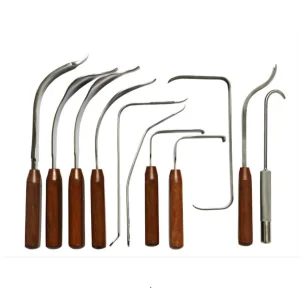
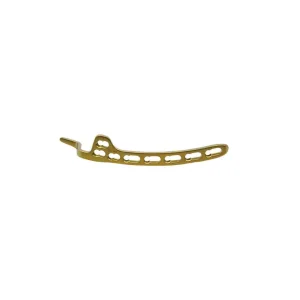
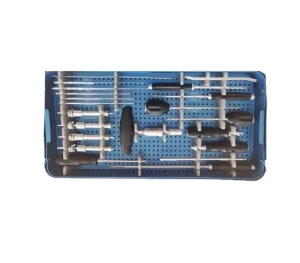
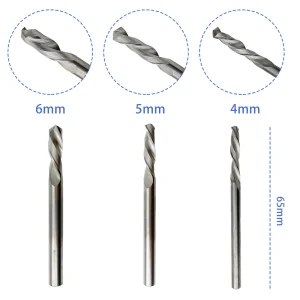
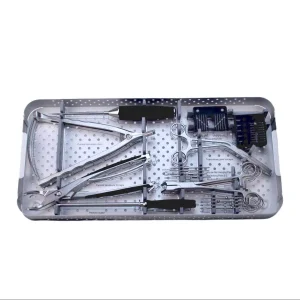
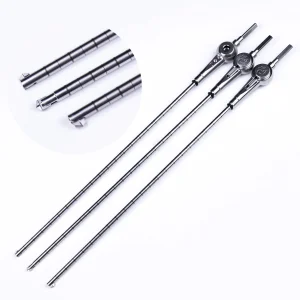
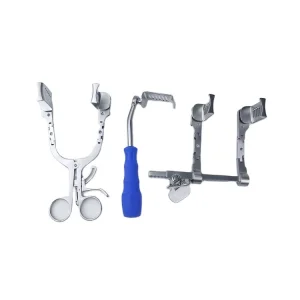
Explore our top-tier surgical implants engineered for high precision, biomechanical reliability, and optimal clinical outcomes.
Understanding the mechanical challenges, biological requirements, and critical design features of craniovertebral junction (CVJ) reconstruction.
Occipito-cervical (OC) fixation is a complex surgical procedure indicated for patients presenting with severe instability of the craniovertebral junction. Instability commonly stems from congenital anomalies, severe rheumatoid arthritis resulting in atlanto-axial subluxation, high-energy trauma (such as occipital condyle fractures), osteolytic oncological lesions, and post-infectious osteomyelitis. The biomechanics of this region are unique: the occipito-cervical junction handles over 50% of the rotational and flexion-extension movement of the head. Consequently, posterior fixation systems must endure multidirectional mechanical stresses.
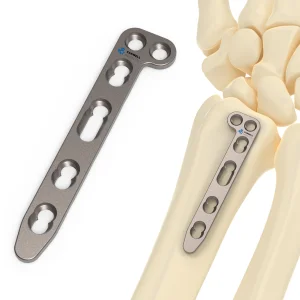
Stabilizing this junction requires implants that balance structural rigidity with biological compatibility. Mechanical failure, screw pullout, and plate deformation are serious clinical risks. Advanced medical engineering focuses on mapping occipital bone density to allow safer screw purchase and creating anatomically pre-contoured plates to minimize intraoperative bending and reduce muscle stripping.
Historically, OC stabilization relied on suboptimal methods such as wires and structural bone grafts, which carried high rates of non-union, implant failure, and prolonged postoperative halo immobilization. The paradigm shifted with the introduction of metal plates and screw-rod constructs. Today's modern systems utilize polyaxial screw configurations, modular occipital plates, and transition rods that connect thicker occipital sections (usually 4.5mm or 5.0mm) to thinner cervical rods (usually 3.0mm to 3.5mm).
Biomaterial science has evolved from stainless steel to medical-grade Titanium Alloys (Ti-6Al-4V ELI) and Cobalt-Chromium (CoCr) configurations, providing excellent fatigue strength, reduced artifact distortion under postoperative MRI/CT scans, and superior osteointegration. Current R&D centers focus heavily on additive manufacturing (3D printing) to customize occipital plate geometries for complex, patient-specific anatomy.
A comparative evaluation of leading medical device suppliers based on regulatory compliance, product innovation, material choice, and market capability.
| Manufacturer Name | Headquarters | Core System Features | Biomaterials Used | Certifications |
|---|---|---|---|---|
| Medtronic Plc | United States / Ireland | VERTEX® Reconstruction System, modular polyaxial screw mechanics | Titanium Alloy, Cobalt-Chrome | FDA, CE, PMDA, NMPA |
| DePuy Synthes (Johnson & Johnson) | United States / Switzerland | Synapse System, low profile plates, variable-angle screw options | Ti-6Al-4V, Ti-Pure CP | FDA, CE, MDSAP |
| Stryker Corporation | United States | Oasis® Occipito-Cervicothoracic System, flexible rod connections | Titanium, Cobalt-Chrome | FDA, CE, TGA |
| Globus Medical Inc. | United States | QUARTZ® System, highly versatile occipital plates with integrated links | Titanium Alloy | FDA, CE, Health Canada |
| ZimVie (Formerly Zimmer Biomet) | United States | Virage® OCT Spinal System, omni-directional screw housing design | Titanium, PEEK Options | FDA, CE, MDSAP |
| B. Braun (Aesculap) | Germany | Ennovate® platform, highly modular posterior stabilization components | CoCrMo, Titanium Alloy | CE, FDA, ISO 13485 |
| Orthofix Medical Inc. | United States | Firebird® Spinal System, customizable rod offsets, bone growth therapy match | Titanium, CoCr | FDA, CE, ISO 13485 |
| NuVasive Inc. | United States | Reline® Cervical System, streamlined instrumentation, navigation ready | Titanium Alloy | FDA, CE, NMPA |
| Medyssey Co., Ltd. | South Korea | Novel posterior neck systems with simple, secure locking mechanisms | Titanium Alloy | CE, FDA, KFDA |
| Virelox Medical Devices Co., Ltd. | China (Global OEM/ODM) | Highly customizable OEM/ODM spine kits, custom geometries, ISO 13485 | Titanium (Ti-6Al-4V ELI) | ISO 13485, CE Compliant |
Leveraging intelligent automation, advanced material testing, and robust capacity planning to secure global medical device sourcing.
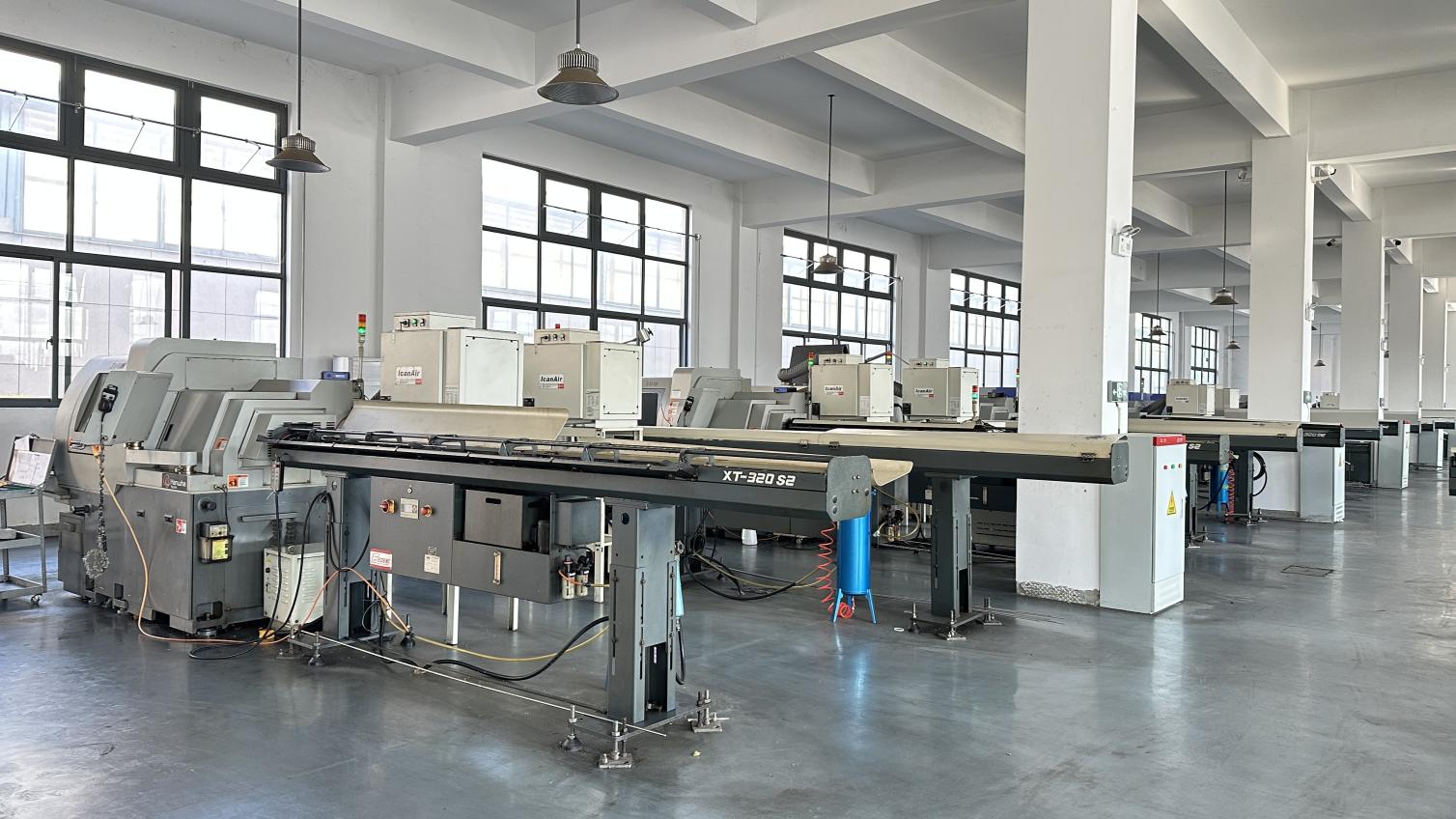
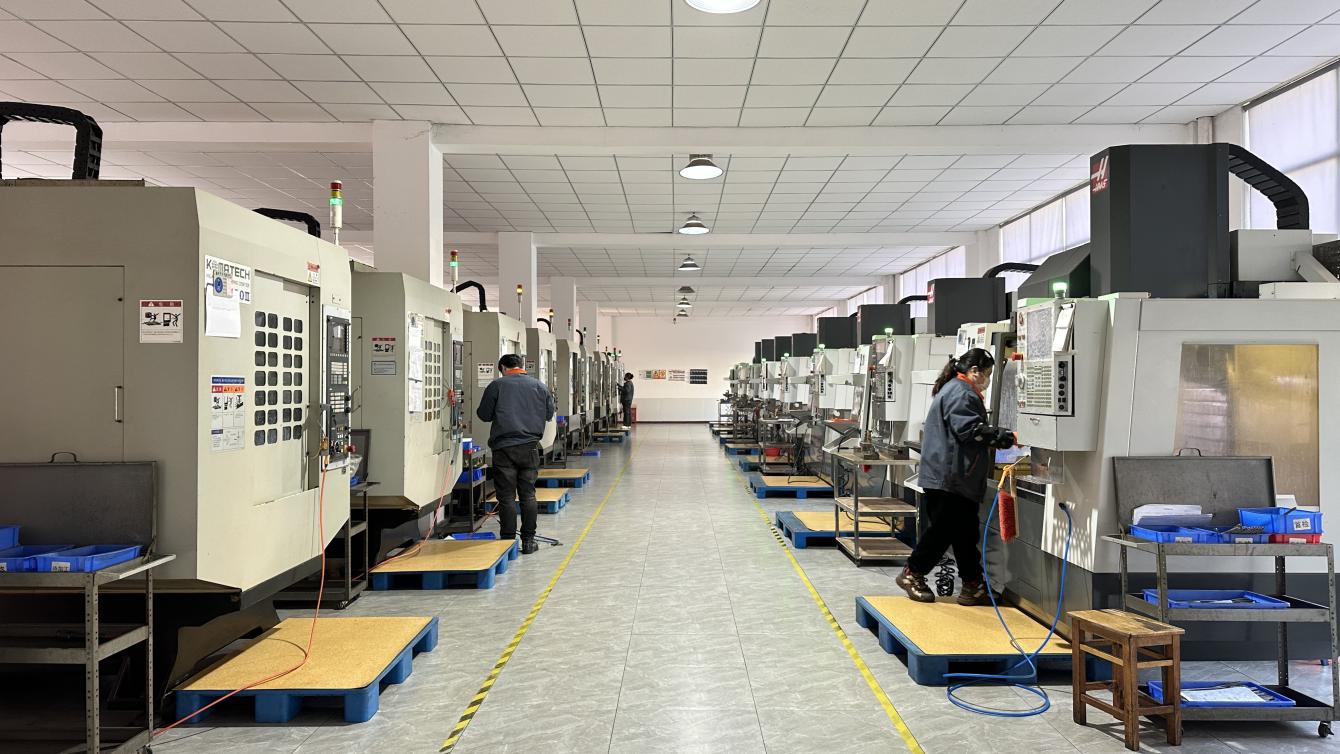
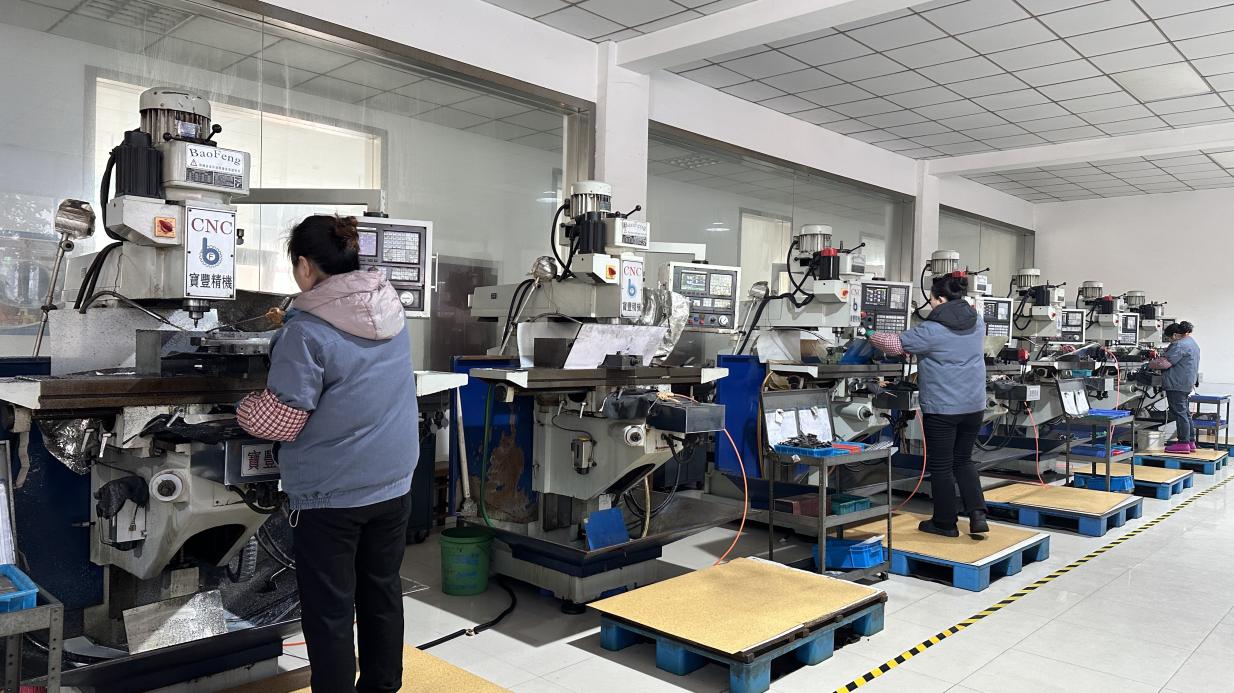
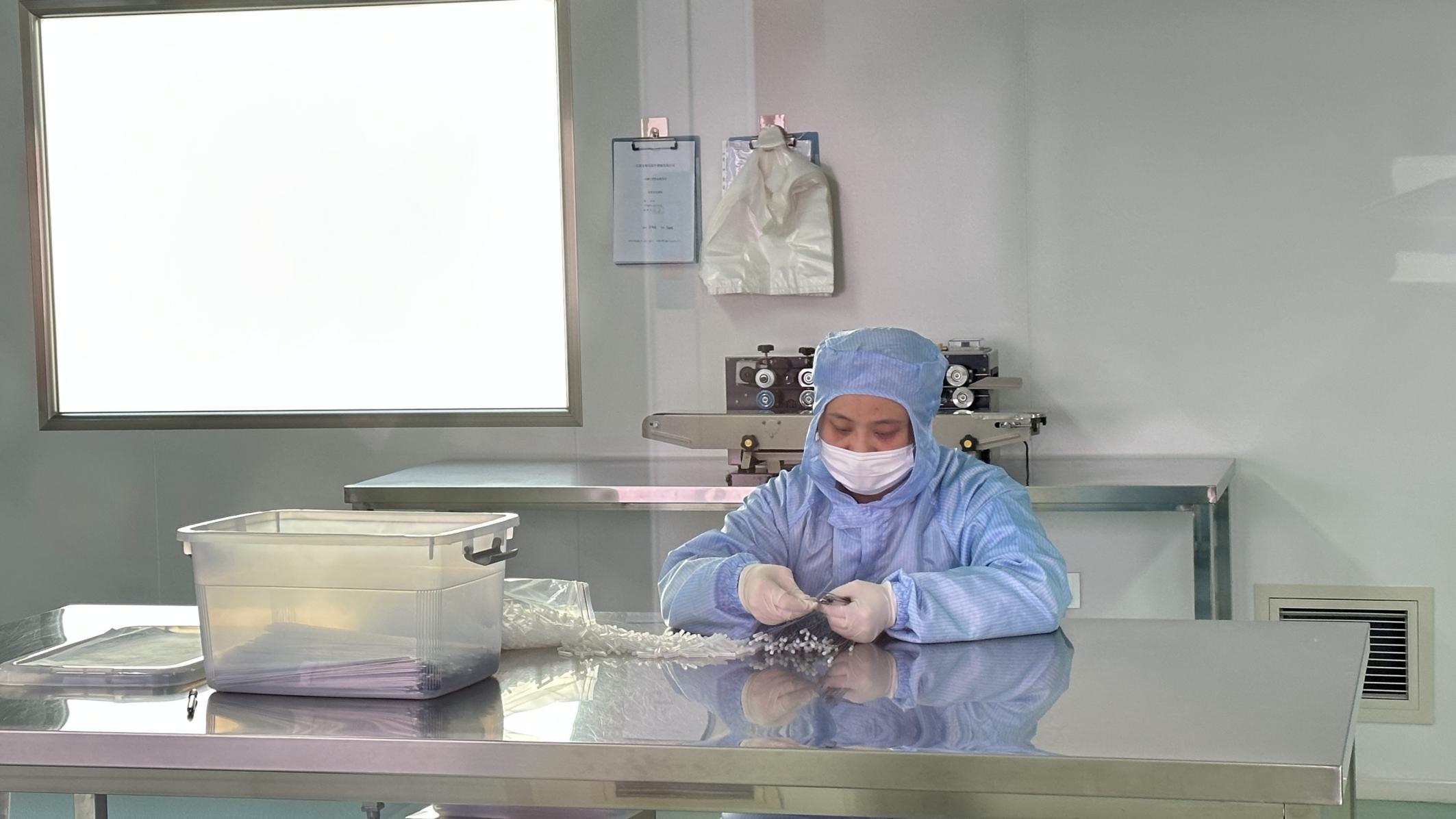
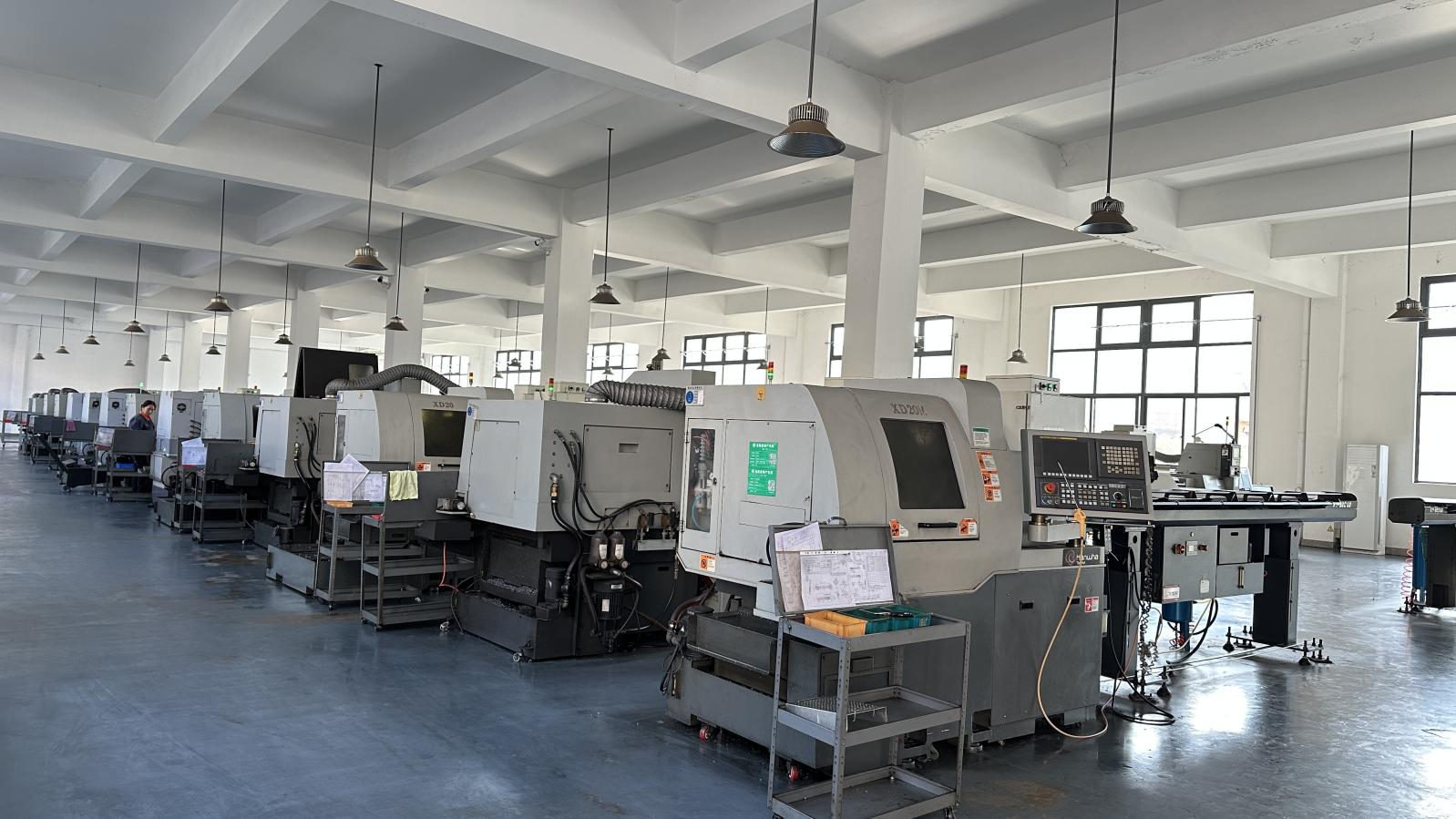
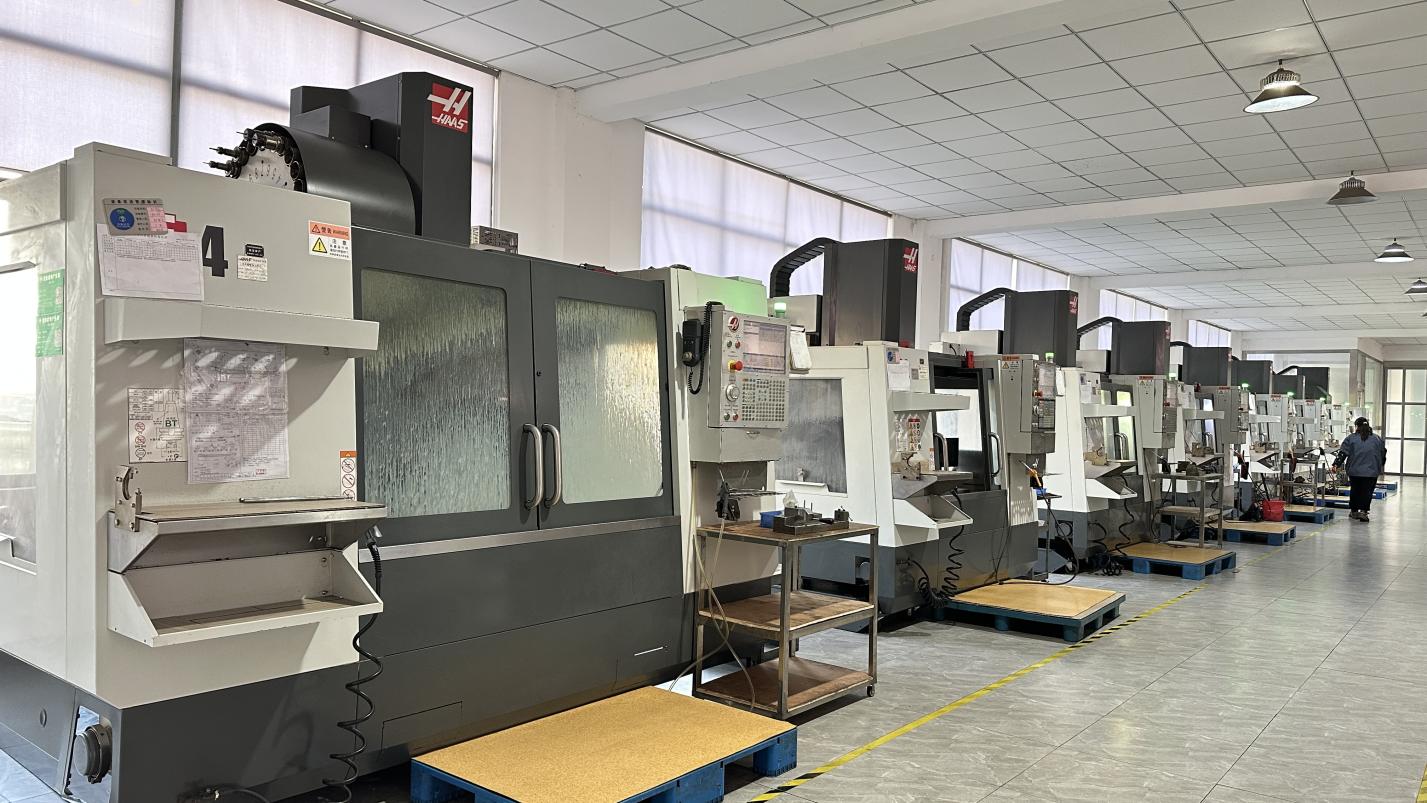
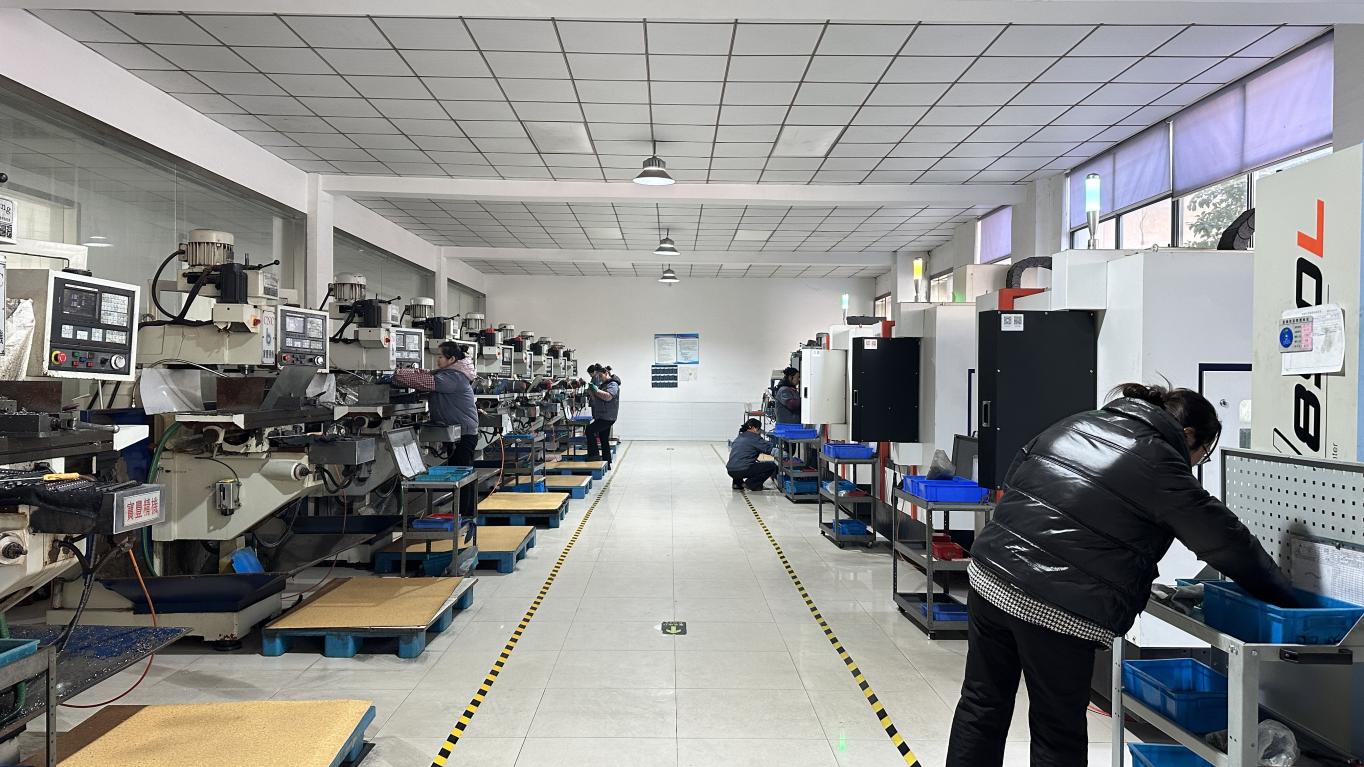
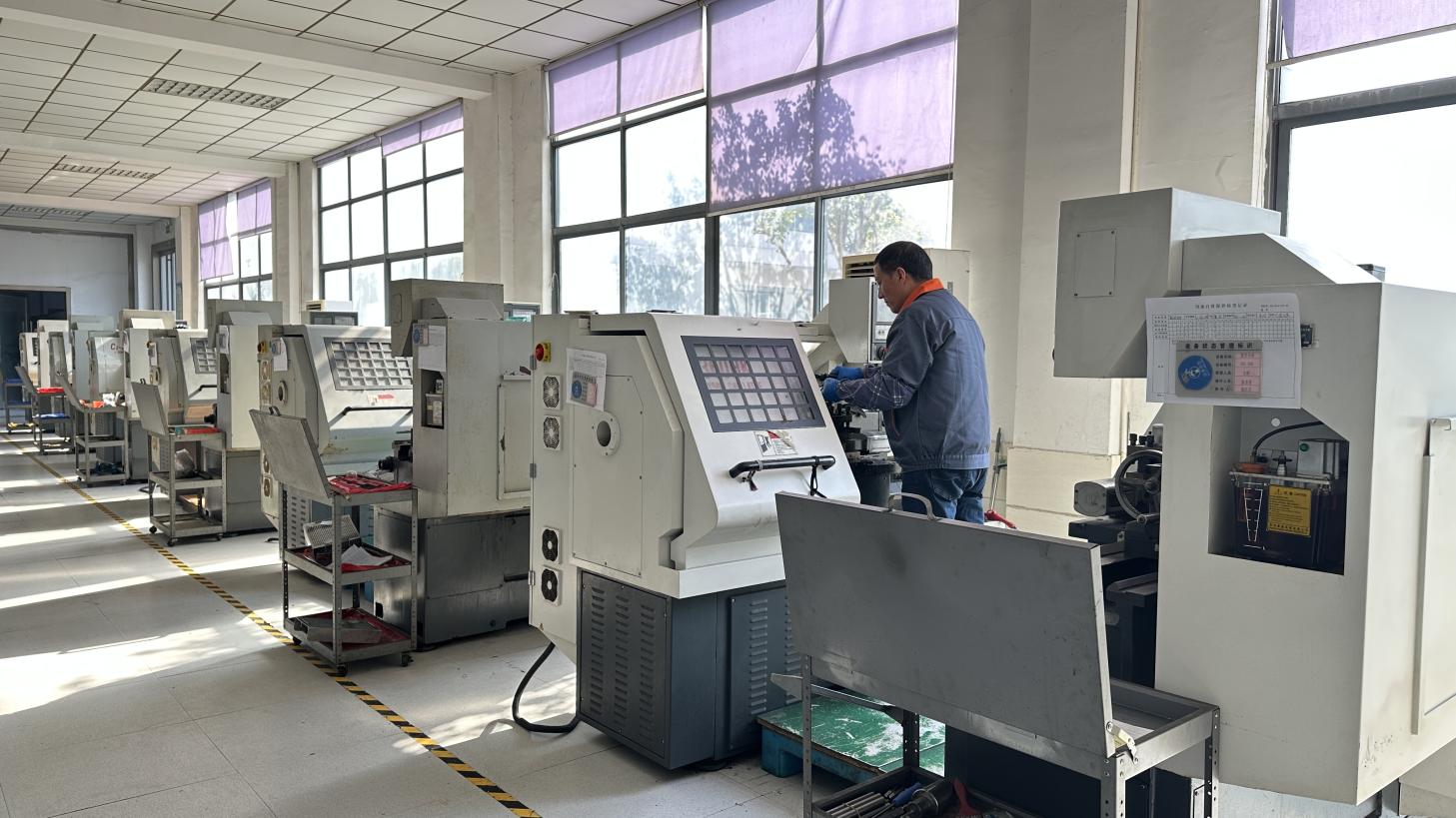
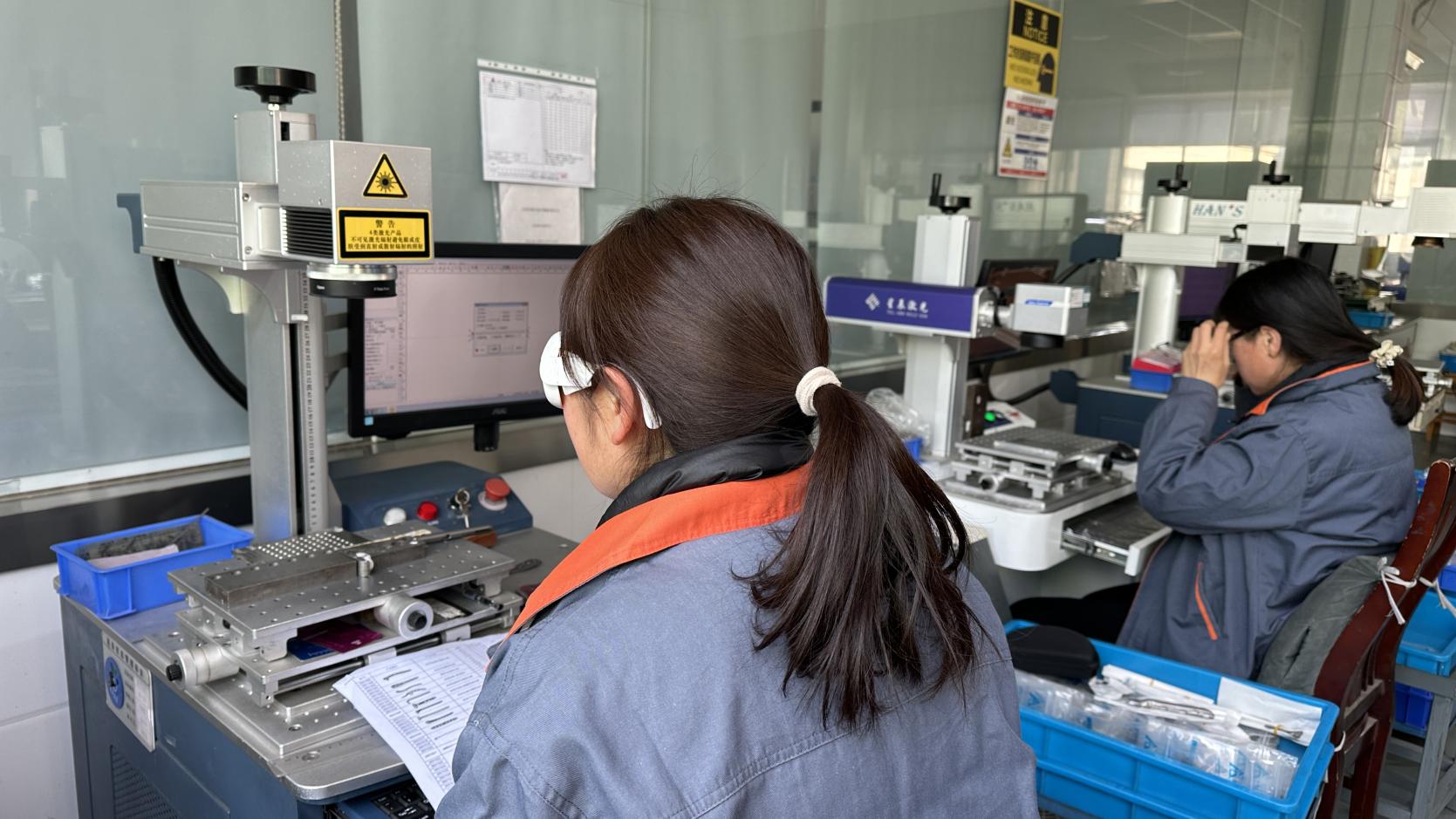
Virelox Medical Devices Co., Ltd. is a professional orthopedic medical device manufacturer specializing in joint replacement and surgical implant solutions. Operating under the brand "Virelox," the company is committed to delivering high-performance orthopedic systems for global healthcare providers. Through continuous technological investment, Virelox has integrated Industry 4.0 principles into its 12,000 m² modern production facility, ensuring precision manufacturing, full raw material traceability, and reliable production capacity.
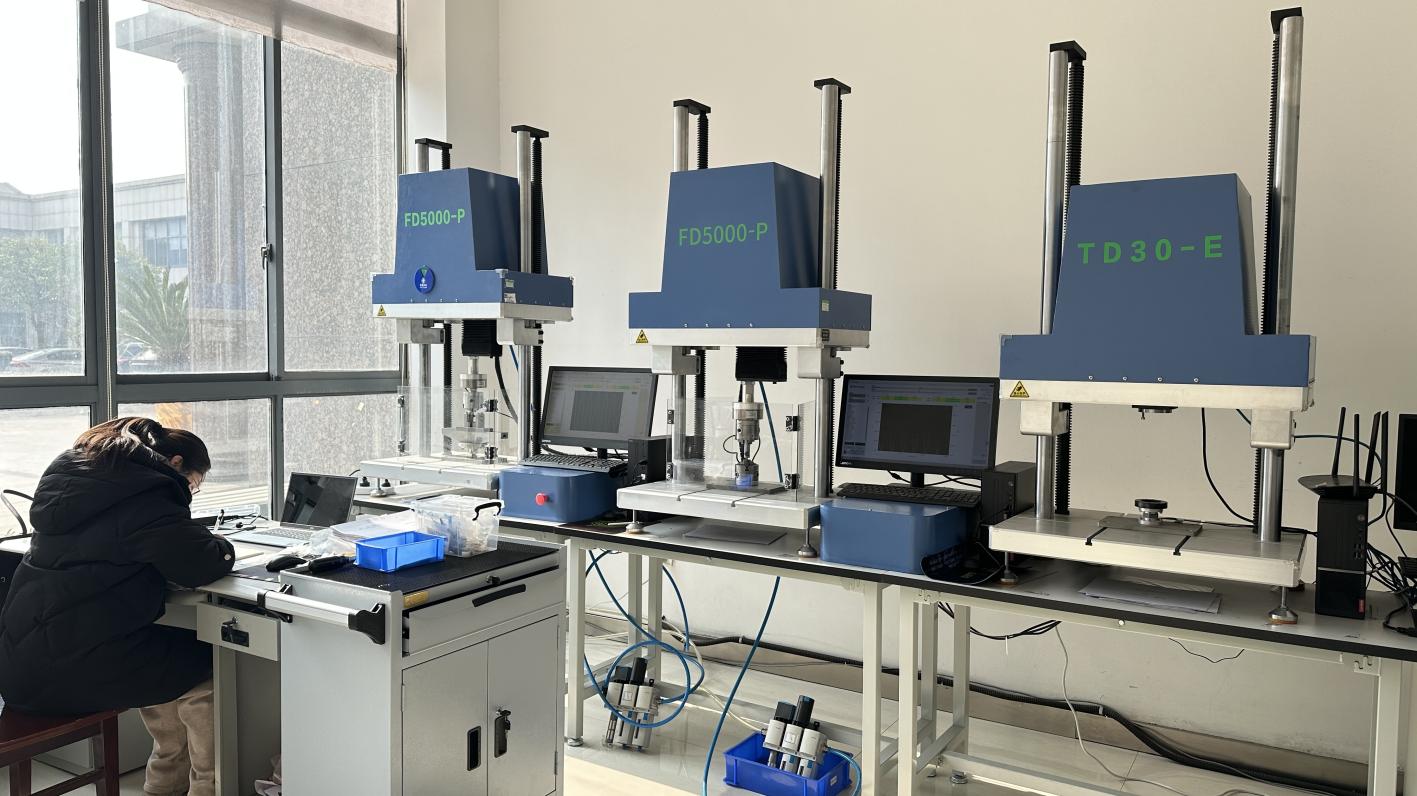
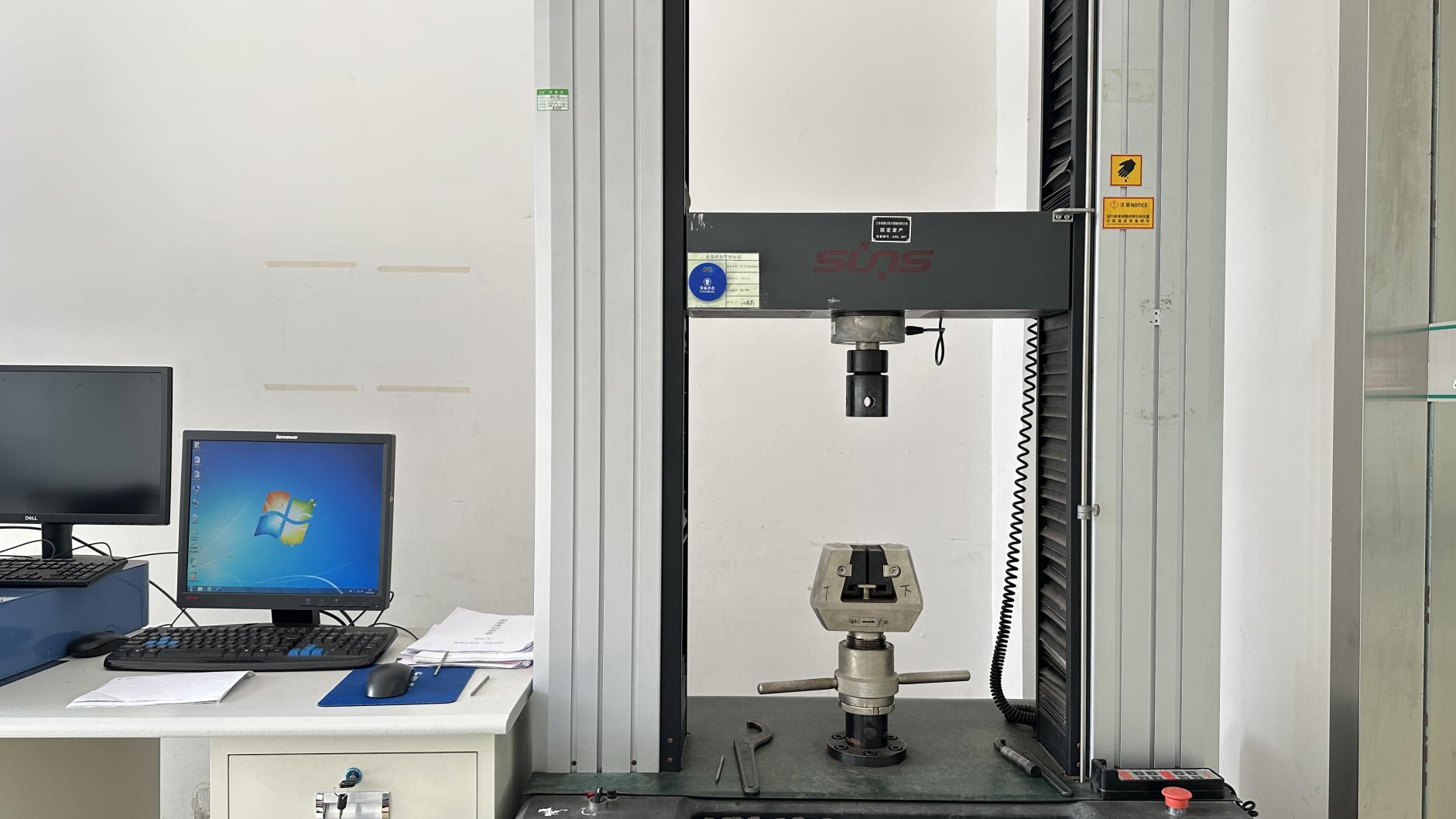
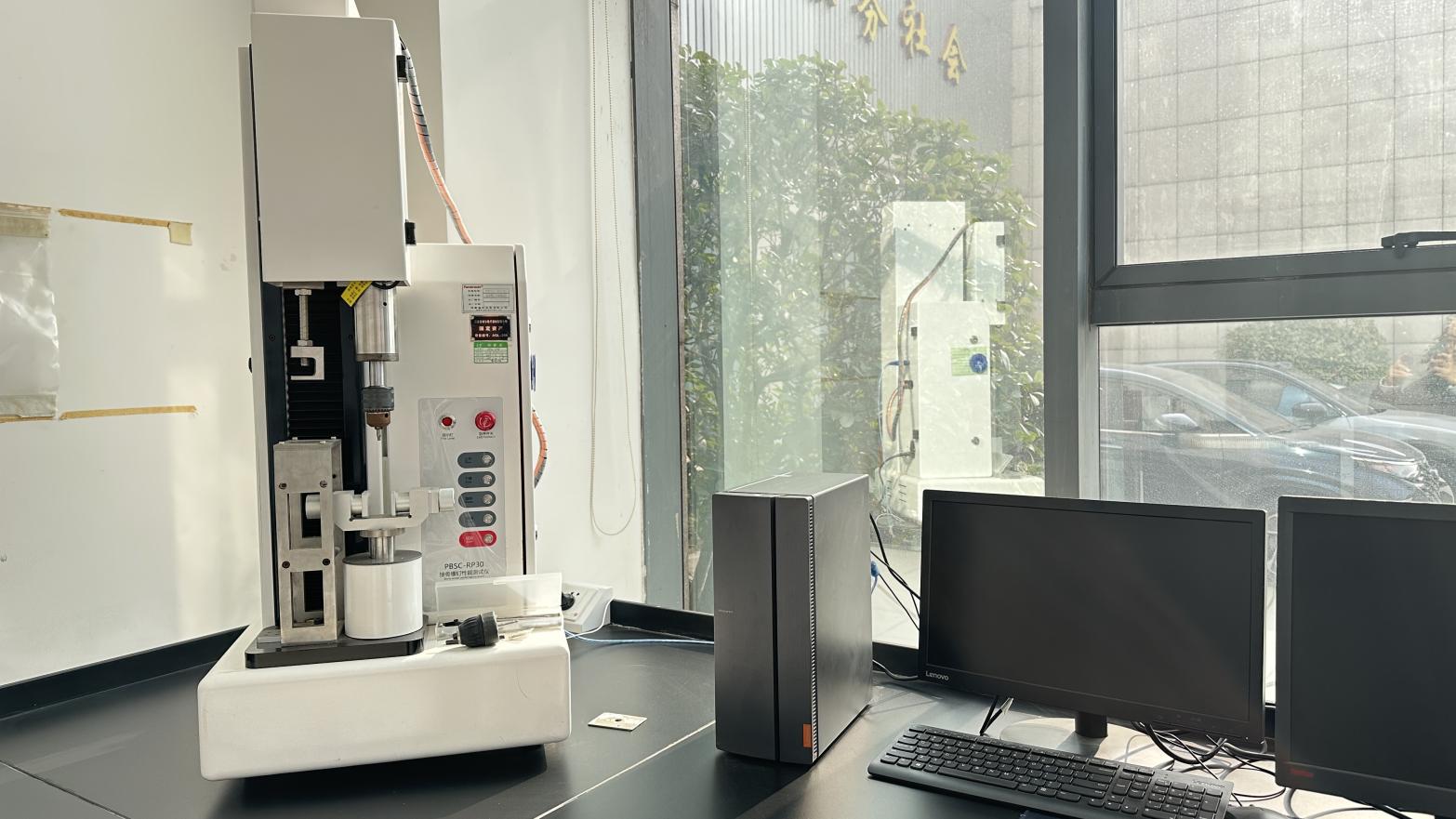
Virelox operates under an ISO 13485-based full-process quality management system with strict incoming, in-process, and final inspection standards. Orthopedic implants must endure millions of load cycles post-implantation, requiring rigorous fatigue life confirmation. Virelox utilizes comprehensive biomechanical simulation tools, fatigue testing rigs, and tensile testers to verify physical properties before batch release.
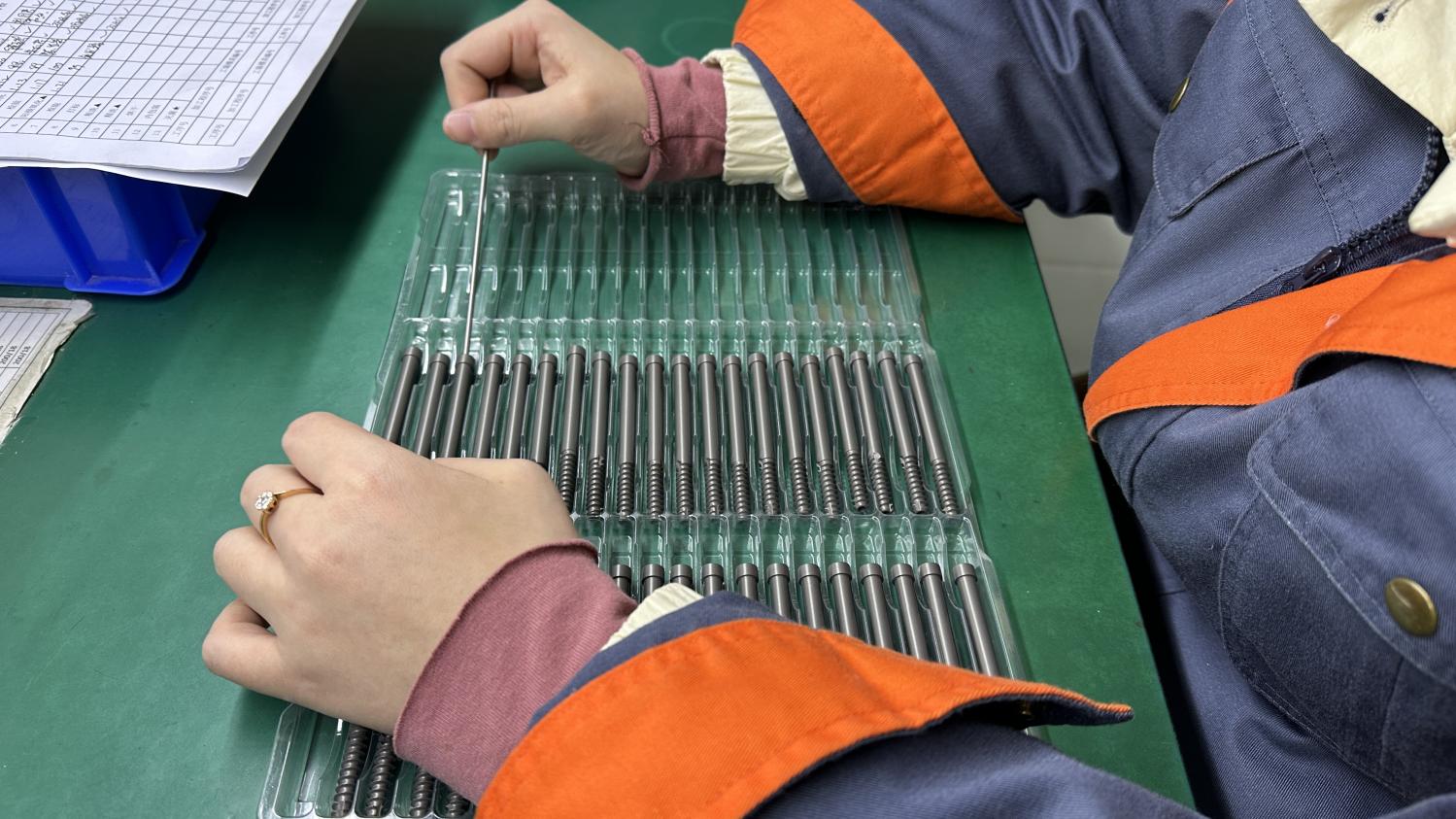
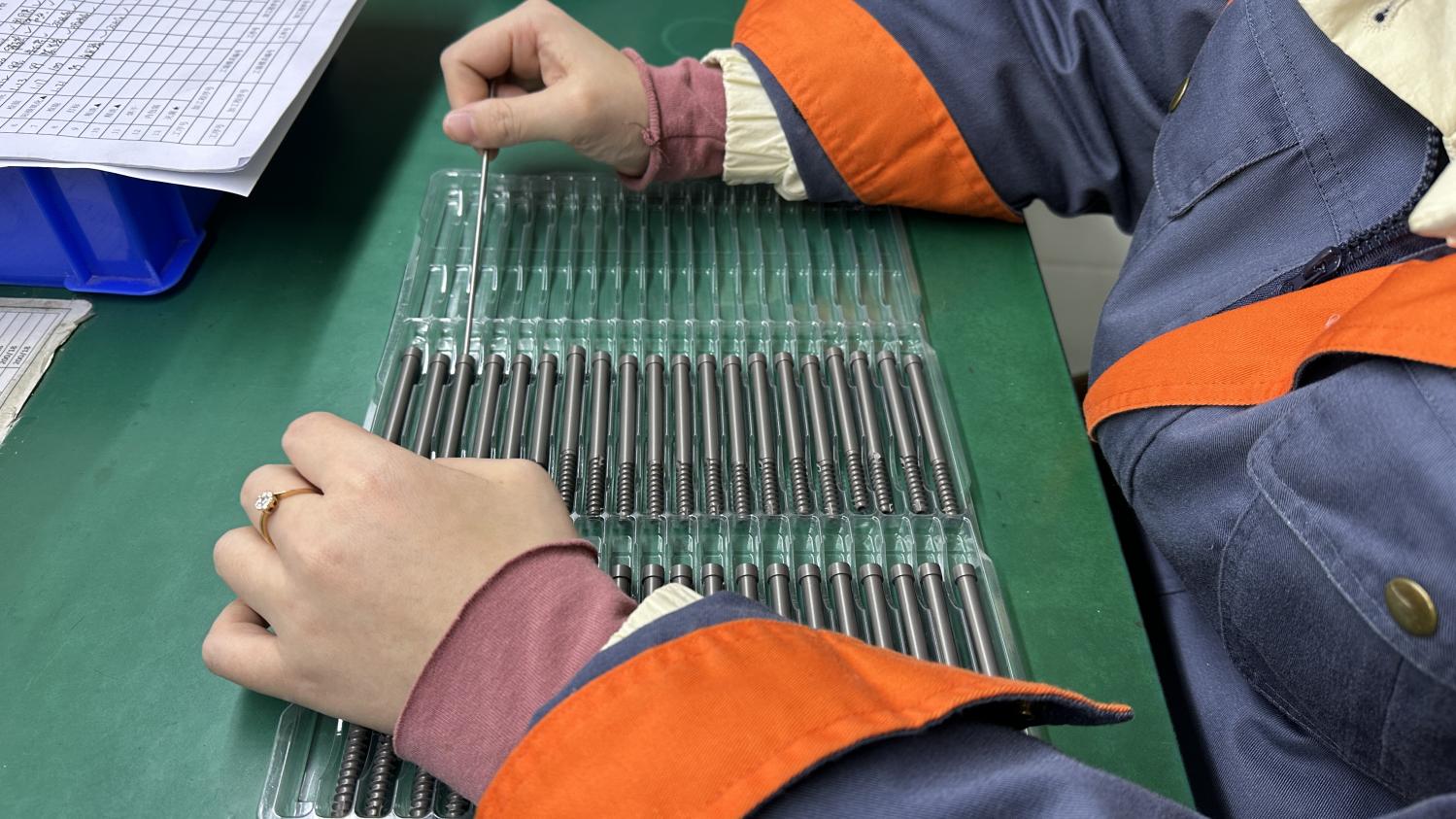
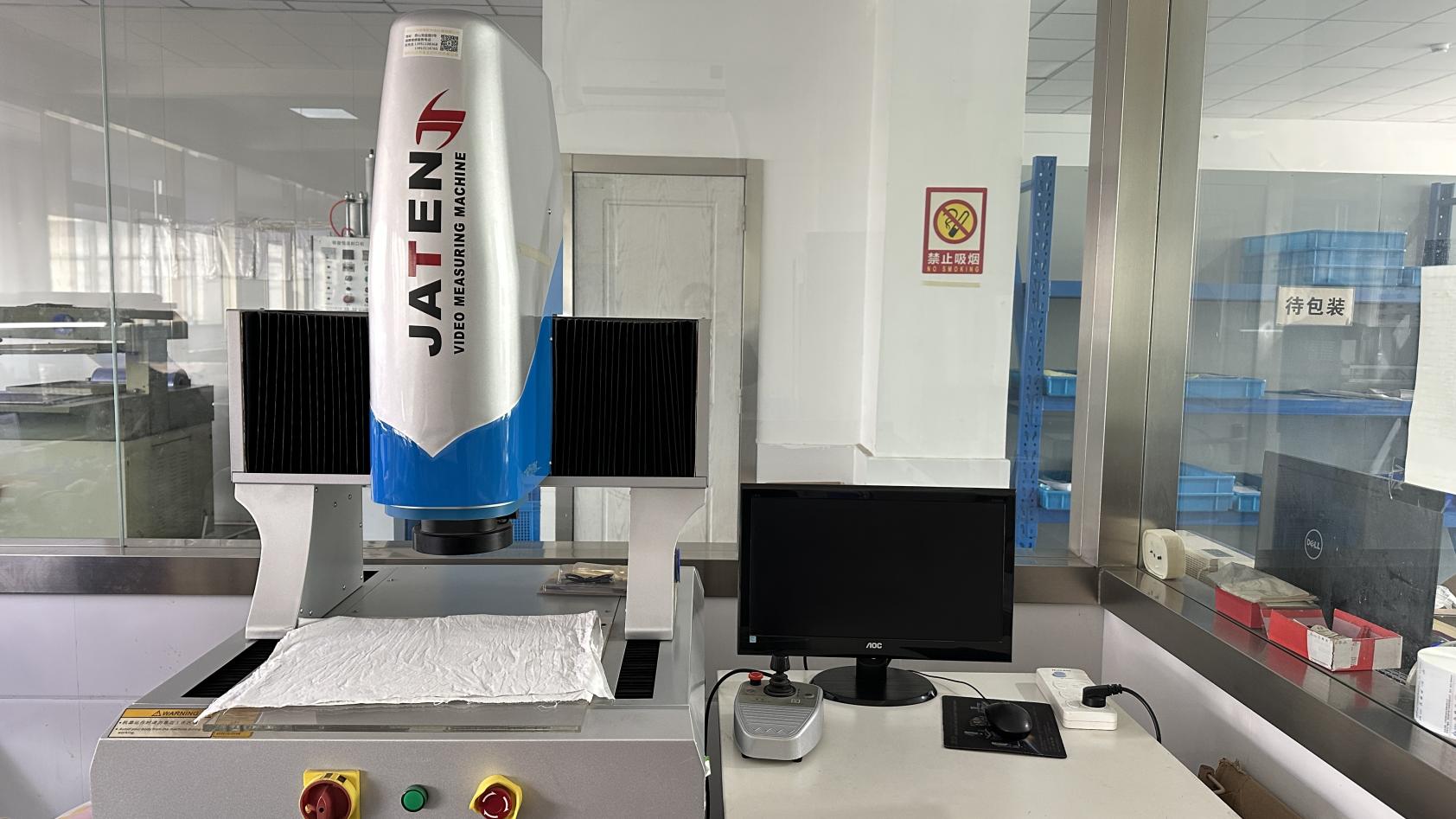
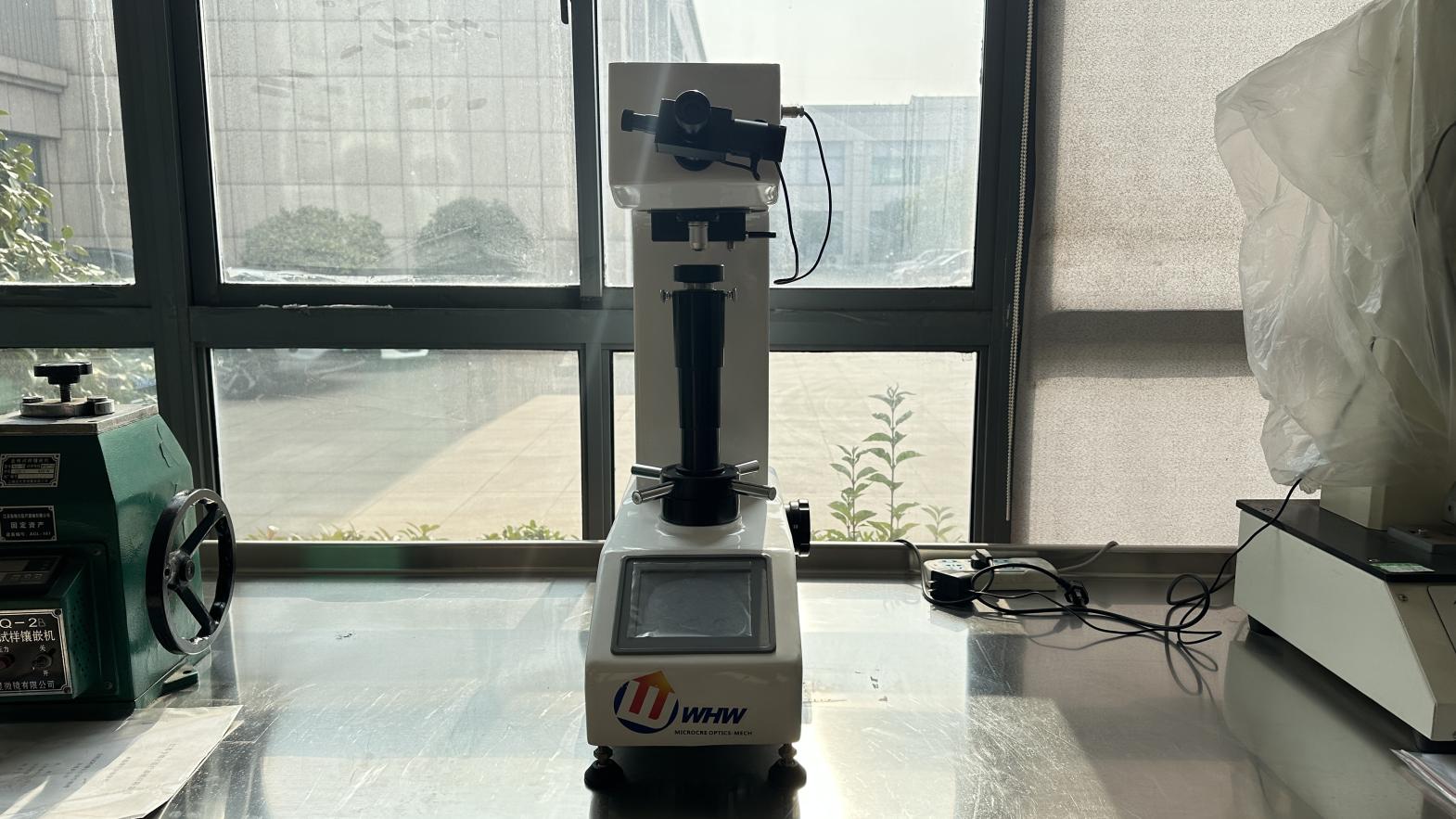
Product inspection methods include: X-ray inspection for sub-surface structural integrity, mechanical fatigue testing, tensile strength testing, and high-accuracy dimensional coordinate measuring machine (CMM) measurements to ensure micro-level component matching.
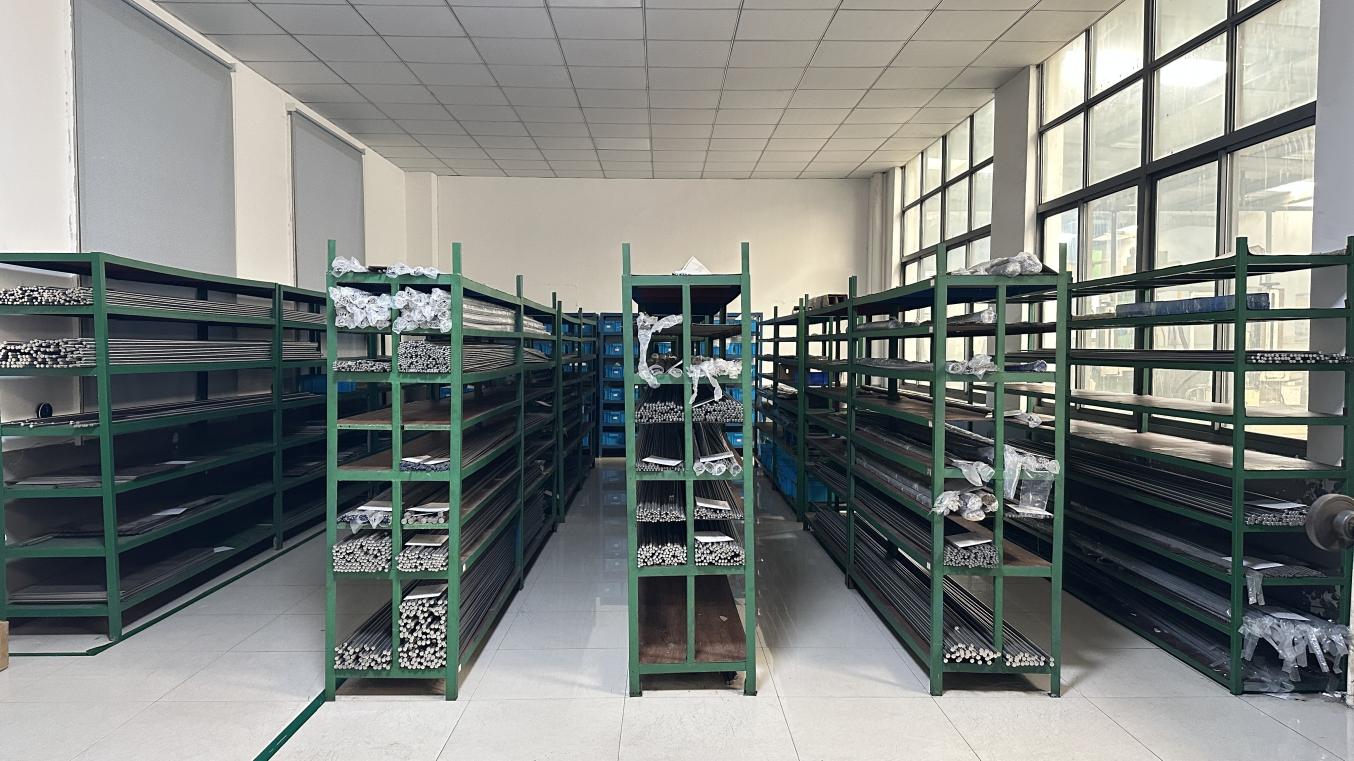
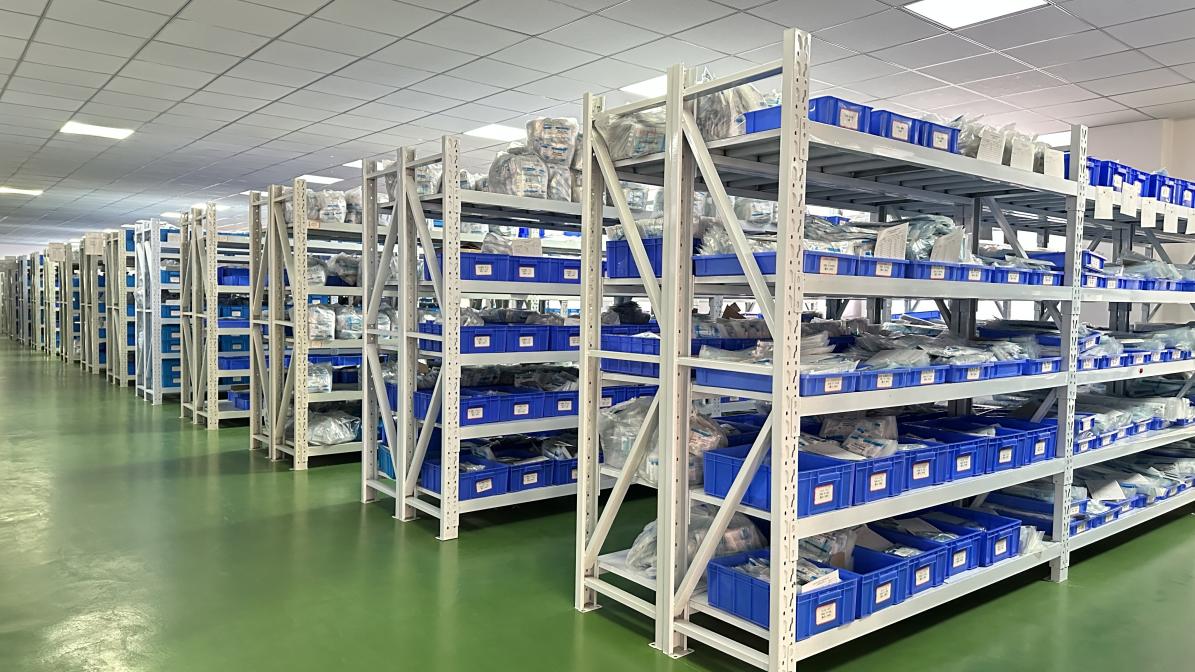
By cultivating a network of 850 certified upstream and downstream partners, Virelox secures a stable supply of high-grade raw materials (including medical-grade titanium bars, CoCr alloys, and high-performance plastics like PEEK) and precision components. This collaborative ecosystem minimizes manufacturing lead times and shields global clients from supply chain volatility.
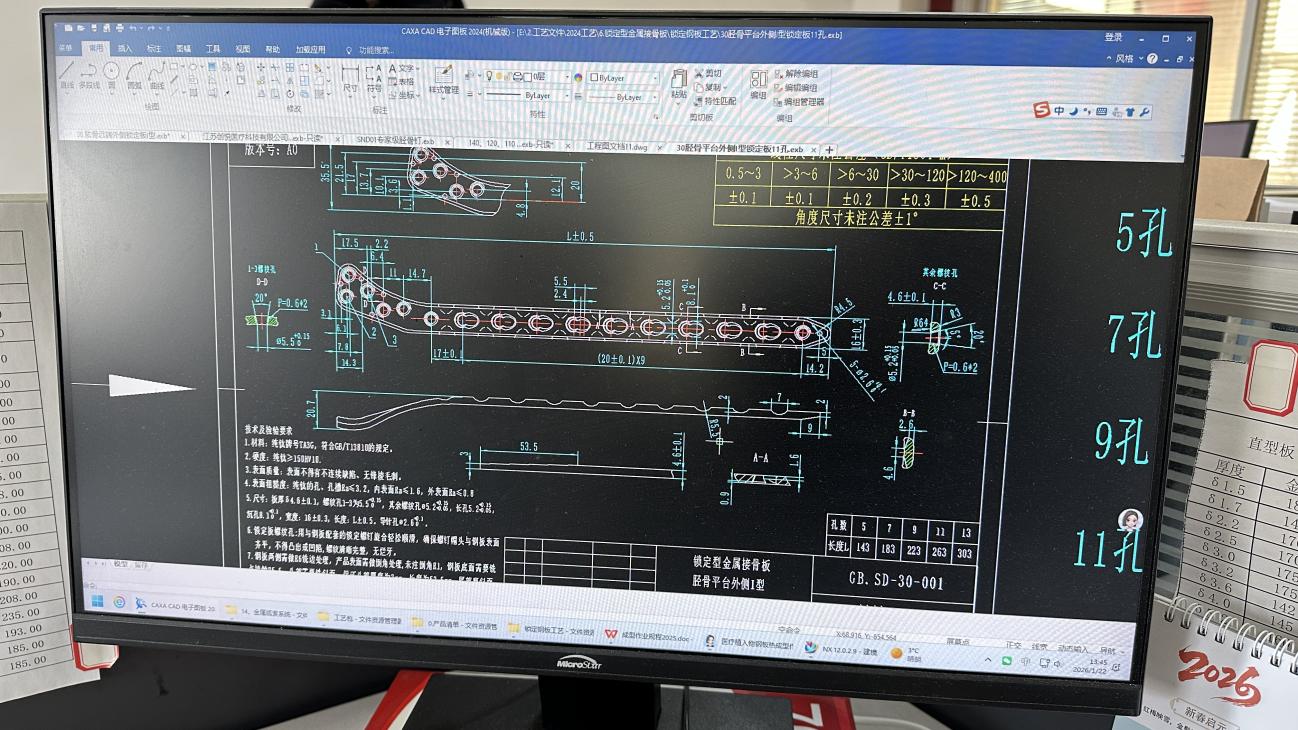
Virelox provides extensive OEM/ODM services, private label manufacturing, and custom implant geometry adjustments to meet distinct surgical preferences. In the past year alone, Virelox launched 120 new spinal and orthopedic implant products, showcasing its robust R&D engine.
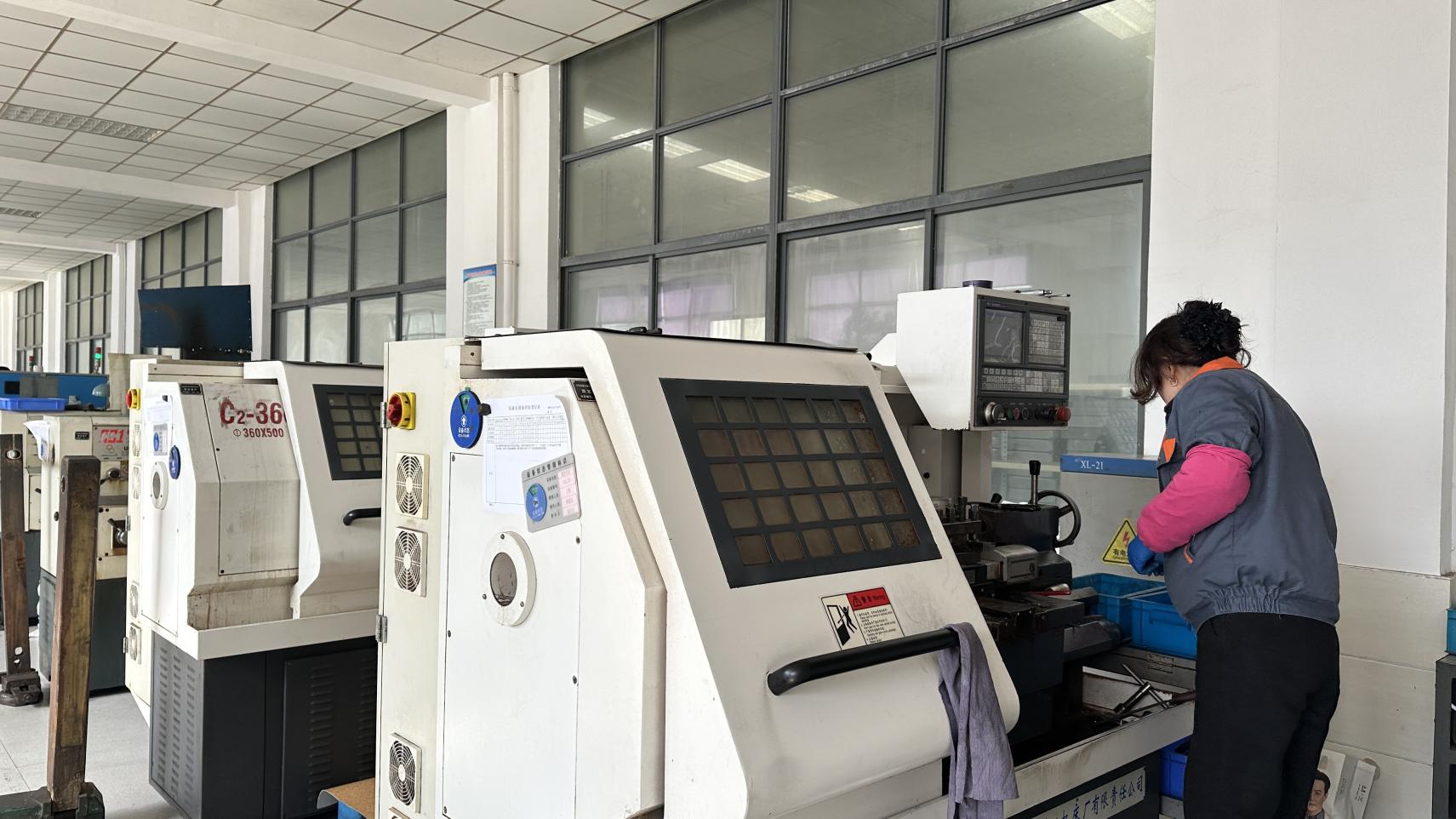
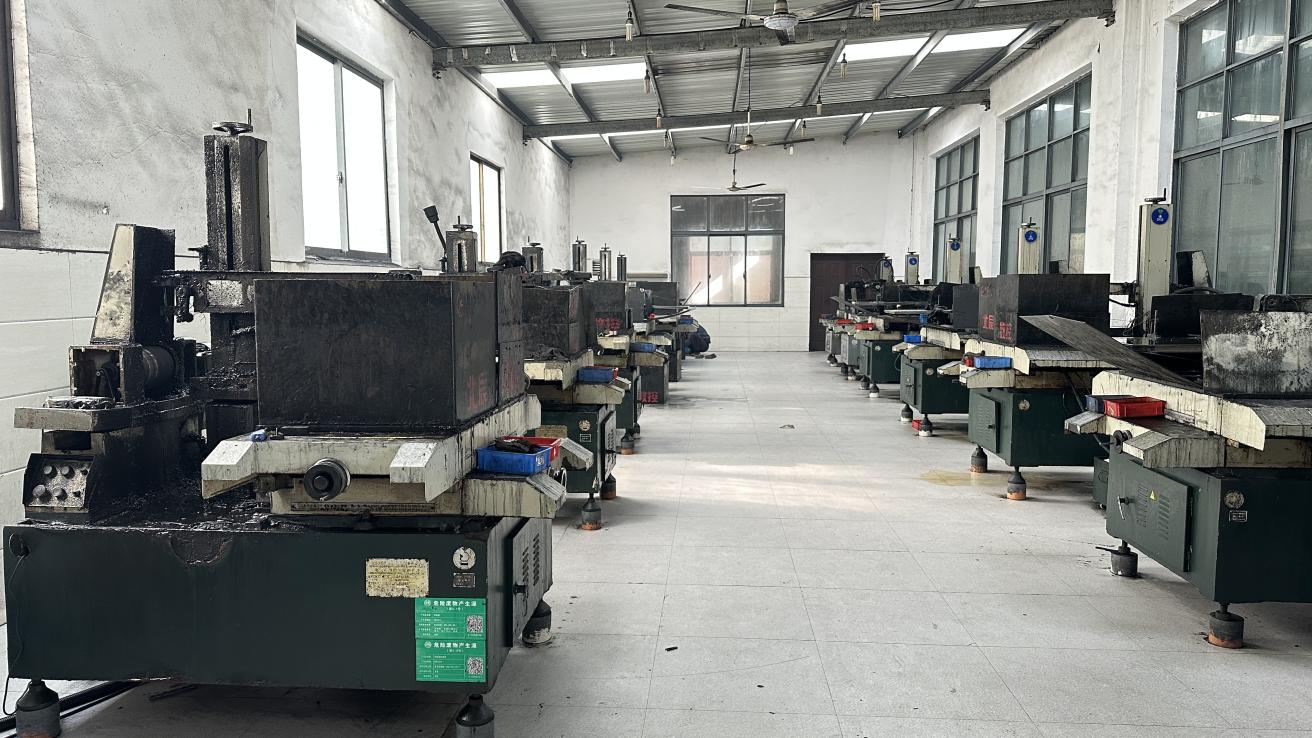
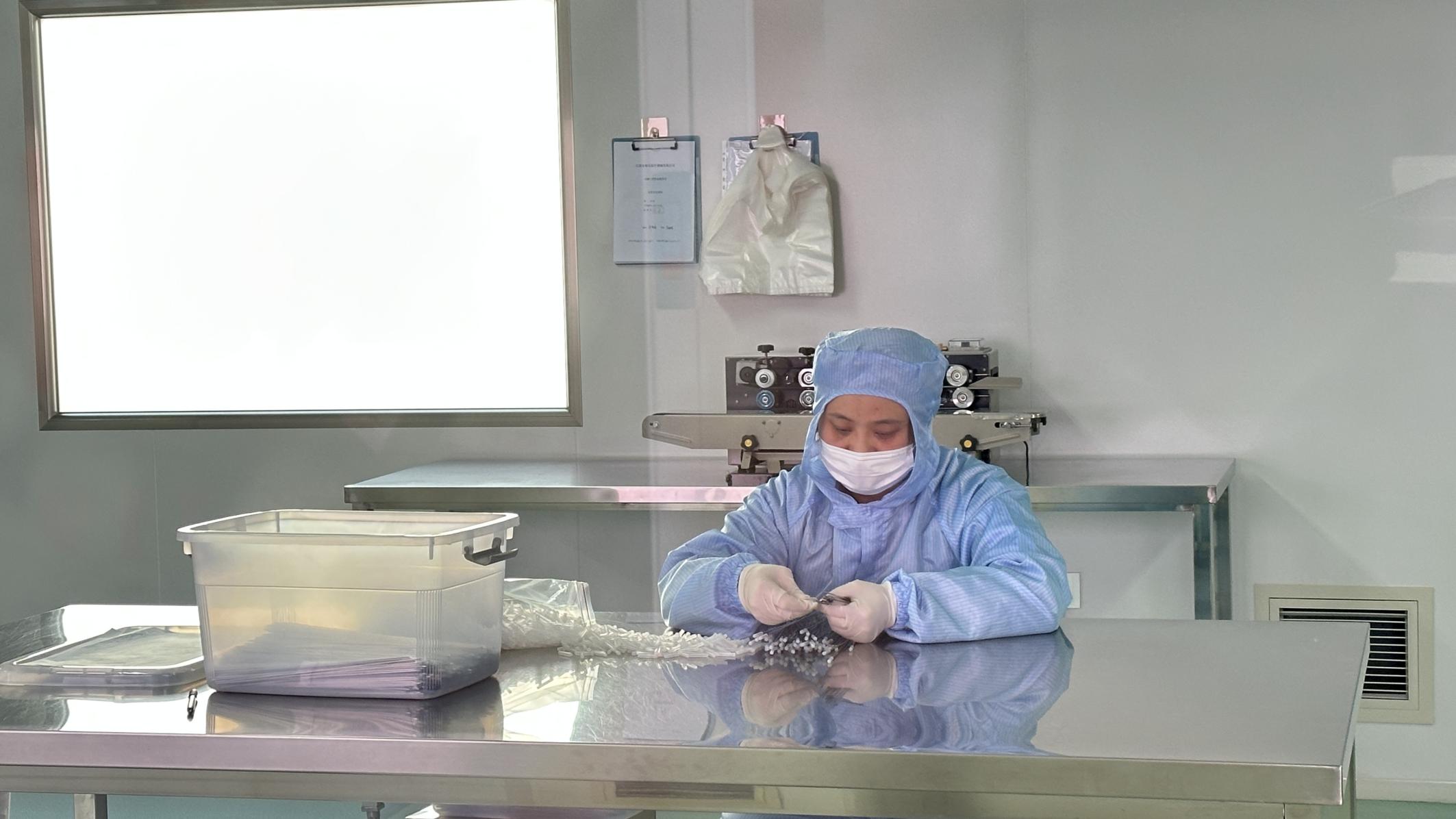
Visualizing our end-to-end orthopedic production sequence from raw titanium to verified surgical kits.

Key innovation frontiers shaping the design and implementation of posterior craniocervical stabilization systems.
To accelerate bone healing and reduce the time to achieve solid arthrodesis, researchers are developing micro-textured and nano-textured titanium surfaces. Techniques such as acid-etching, anodic oxidation, and plasma spraying apply thin coatings of hydroxyapatite (HA) or calcium phosphate onto the bone-facing side of the occipital plate. These bio-active interfaces encourage osteoblast attachment and proliferation, transforming the metal surface from a passive mechanical support into an active scaffold that promotes bony fusion.
By utilizing high-resolution slice CT scans, engineers can generate precise 3D reconstructions of a patient’s occipito-cervical junction. Additive manufacturing (3D printing) can then fabricate a customized occipital plate. This personalized approach matches unique bony contours, accommodates asymmetrical anatomical structures, and maps optimal screw placement zones. Using PSIs reduces surgical complexity, minimizes the need for intraoperative plate adjustments, and lowers the risk of screw penetration into vital vascular structures.
Modern craniocervical systems are designed to integrate seamlessly with intraoperative navigation systems and robotic arms. Occipital plates and cervical screw instrumentation feature calibrated tracking markers. By combining real-time imaging with rigid mechanical tracking, surgeons can navigate complex anatomical areas near the vertebral artery and brainstem with high accuracy, ensuring reliable screw placement and safety.
Analyzing risk mitigation, clinical compliance, and strategic vendor selection criteria for hospital networks and global distributors.
For international medical device distributors and large purchasing organizations, single-source procurement carries significant operational risk. Geopolitical challenges, shipping bottlenecks, and shifting regional regulations can disrupt shipping timelines. Partnering with agile OEMs like Virelox allows procurers to build a resilient supply chain.
By establishing safety stock agreements, maintaining multi-site material validation, and utilizing standardized manufacturing files, suppliers can prevent shortages. This ensures a consistent supply of critical surgical implants and prevents delays in scheduled surgeries.
When evaluating potential manufacturing partners, procurement teams should focus on four key performance indicators:
Navigating complex international regulatory frameworks and establishing local support channels.
Class IIb and Class III orthopedic implants are subject to rigorous regulatory oversight. Registration under the EU Medical Device Regulation (MDR 2017/745) requires extensive clinical evaluations, detailed Post-Market Clinical Follow-up (PMCF) plans, and clear traceablity via Unique Device Identification (UDI) marking. Similarly, obtaining FDA 510(k) clearance requires demonstrating substantial equivalence to recognized predicates through thorough mechanical and biocompatibility testing (ISO 10993).
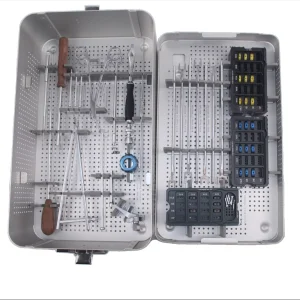
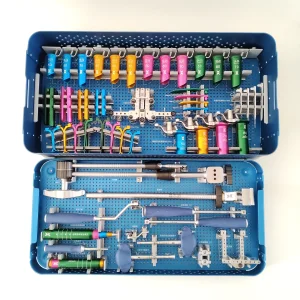
Providing reliable regional support requires close coordination between manufacturing facilities and local logistical hubs. Maintaining localized inventories of fast-moving implant sizes and modular surgical instrumentation trays allows for rapid fulfillment, helping meet urgent surgical demands. In addition, established regional hubs facilitate the returns processing, sterilizing, and servicing of reusable instrument sets.
To support safe and effective use, manufacturers must offer comprehensive training resources for surgical teams, clinical technicians, and field sales representatives. Providing detailed surgical guides, hands-on workshops with sawbone models, and virtual training suites helps clinical teams master the specific entry angles, screw trajectories, and locking mechanisms unique to the implant system.
Answers to common engineering, clinical, and logistical questions regarding occipito-cervical fixation systems.
A comprehensive range of high-performance orthopedic instrumentation and implants designed for clinical success.
 Virelox