Top 10 Knee Arthroplasty Instruments Suppliers & Exporter

Sourcing Excellence: Global Standards, Advanced Biomechanics, and Precision Engineering for Joint Replacement Surgery

Executive Overview: Sourcing Orthopedic Knee Reconstruction Instrumentation

Total Knee Arthroplasty (TKA) is a precision-dependent surgical discipline where clinical outcomes are tied directly to the biomechanical integrity of the joint implants and the dimensional accuracy of the surgical instruments. Sourcing agents, orthopedic distributors, and hospital procurement directors face a complex global supply chain. Evaluating the top knee arthroplasty instruments suppliers and exporters requires looking beyond unit pricing to examine structural manufacturing capabilities, metallurgical certification, biocompatibility compliance, and full-process quality control.

As global demographic shifts increase the demand for joint replacements, manufacturers must continuously deliver innovations in biocompatibility and surgical convenience. This whitepaper analyzes critical supply chain metrics, production technologies, regulatory compliance systems, and emerging market dynamics. It provides strategic insights for selecting global partners capable of supplying high-performance surgical instrumentation and implants.

Enterprise Highlight: Virelox Medical Devices Co., Ltd.

Virelox Medical Devices Co., Ltd. is a professional orthopedic medical device manufacturer specializing in joint replacement and surgical implant solutions. Operating under the brand "Virelox," the company is committed to delivering high-performance orthopedic systems for global healthcare providers, combining clinical feedback with industrial engineering to construct reliable, patient-centric instruments.

2016
Established Date
12k m²
Building Area
$8.5M
Annual Export
65
QC Specialists
120
R&D Engineers

Understanding Search Quality, Semantic Intent, & Sourcing Priorities

In modern search engines, query intent for phrases like "Knee Arthroplasty Instruments Suppliers" shifts away from generic directories toward verifiable, authoritative data. Google's Search Quality Rater Guidelines prioritize E-E-A-T (Experience, Expertise, Authoritativeness, and Trustworthiness). Sourcing directors require technical details: fatigue testing cycles, raw material origin certificates, cleanroom environment classifications, and precision tolerance limits. This document provides clear, expert-level technical details to satisfy these specific search and procurement requirements.

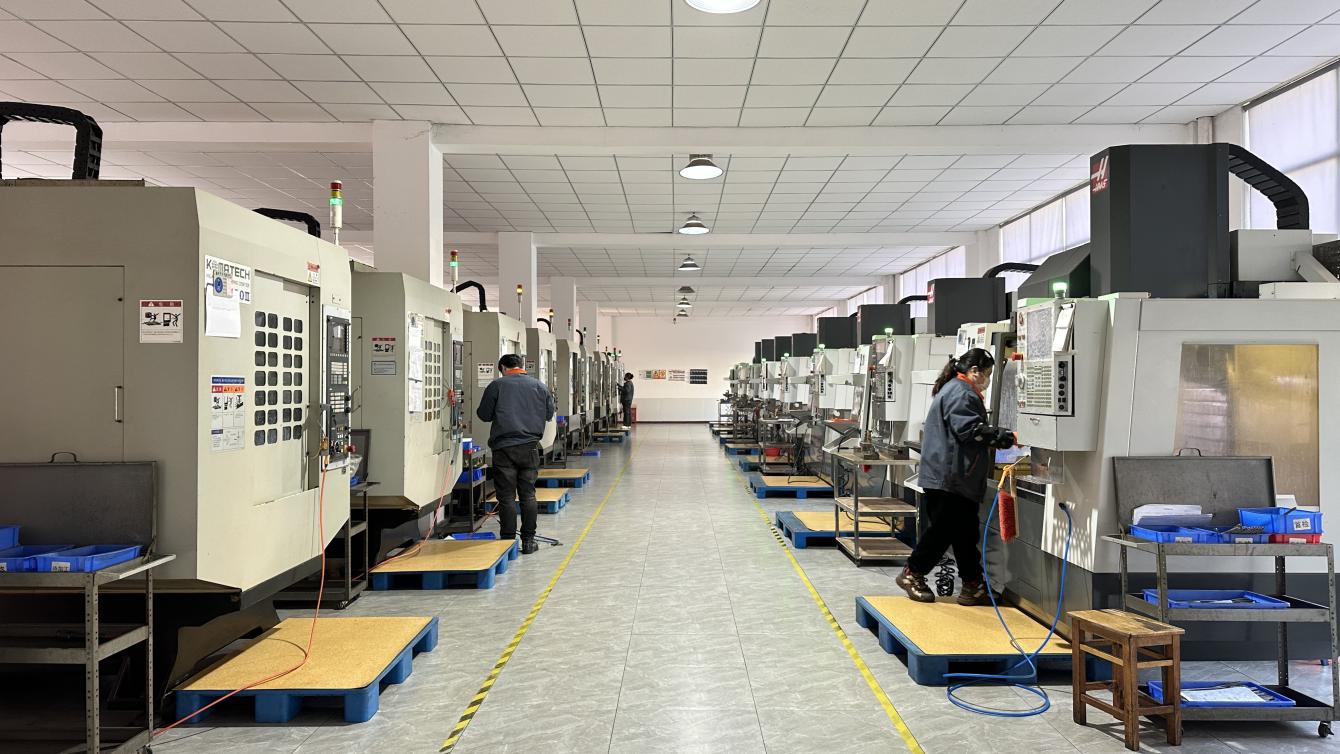
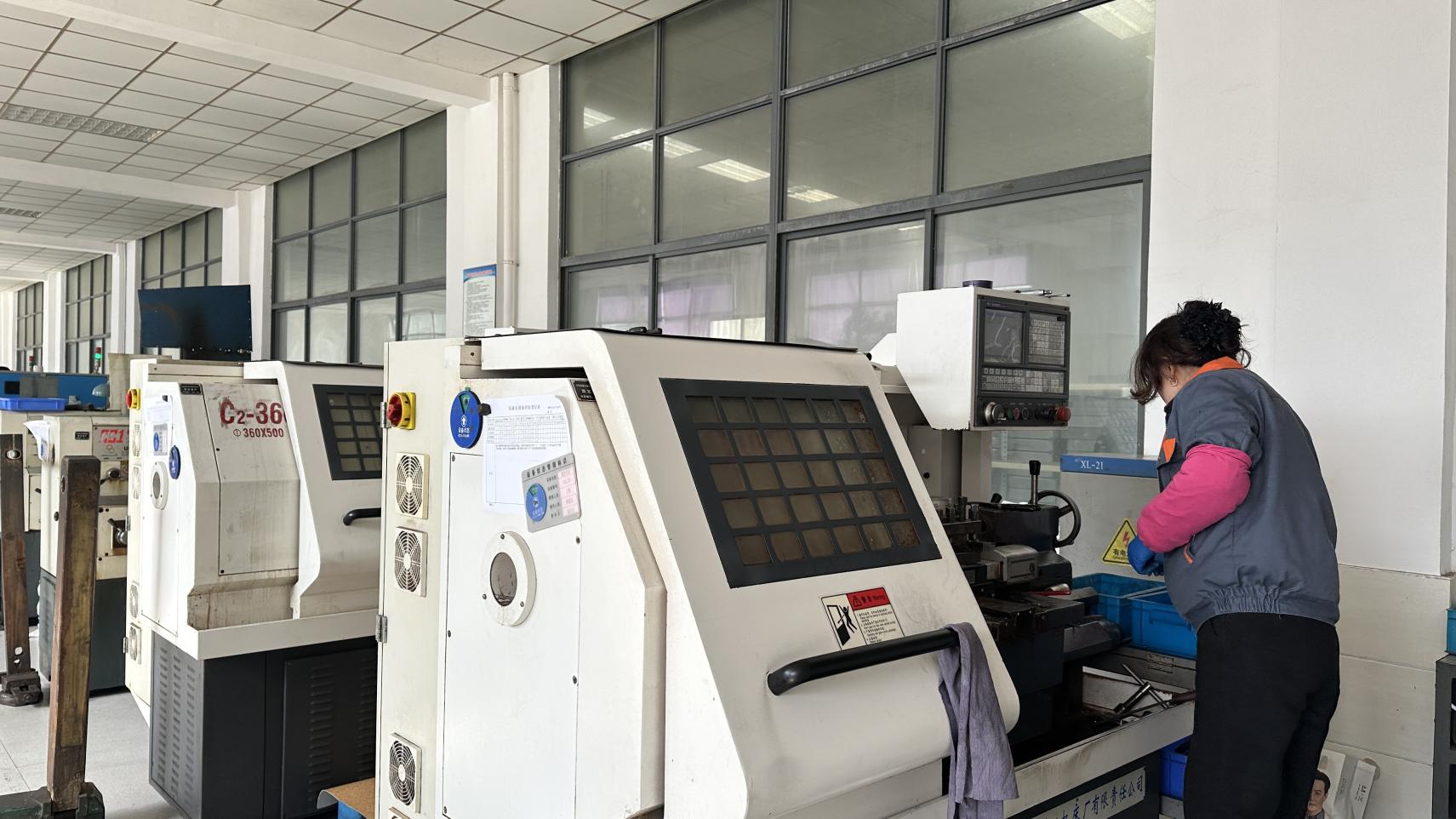
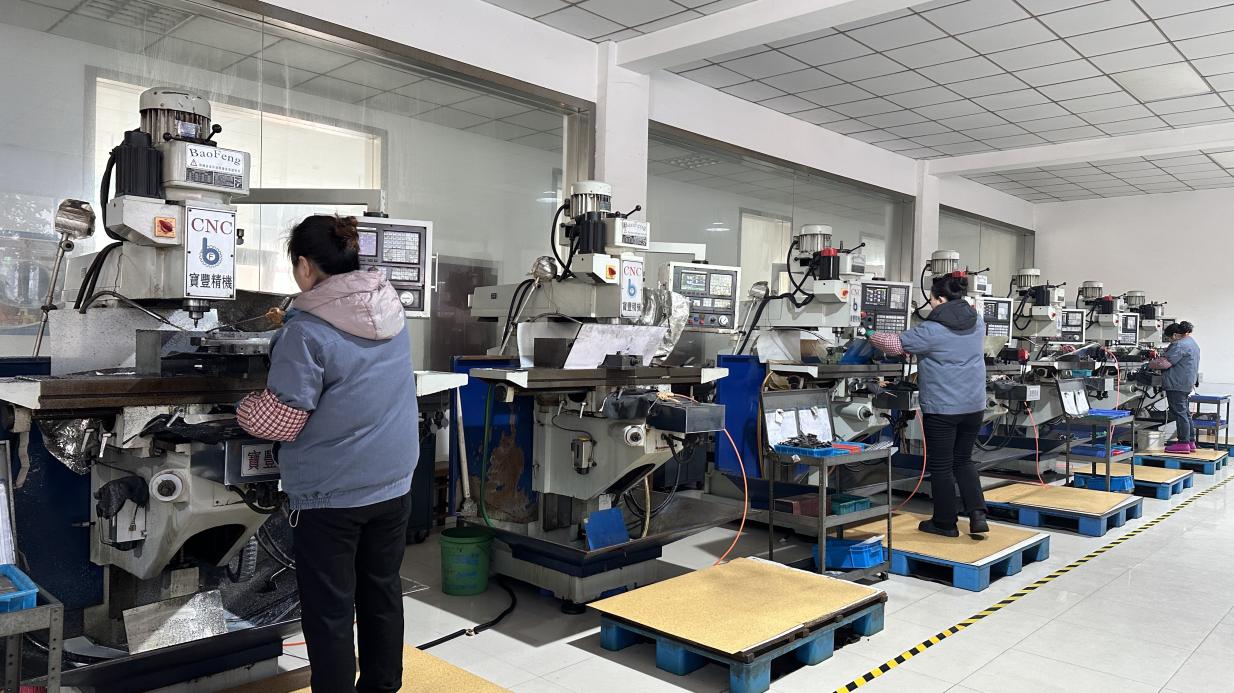
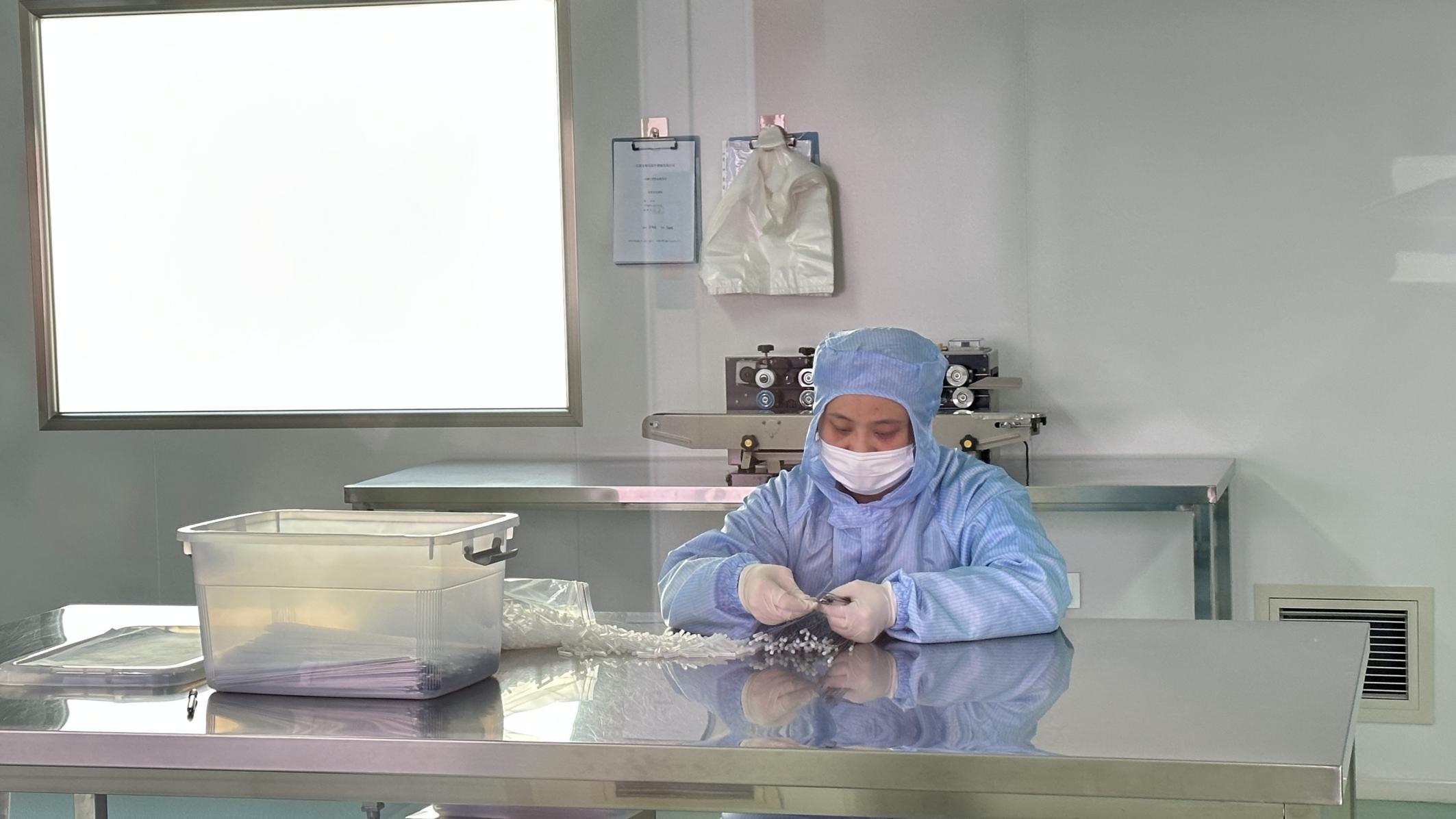
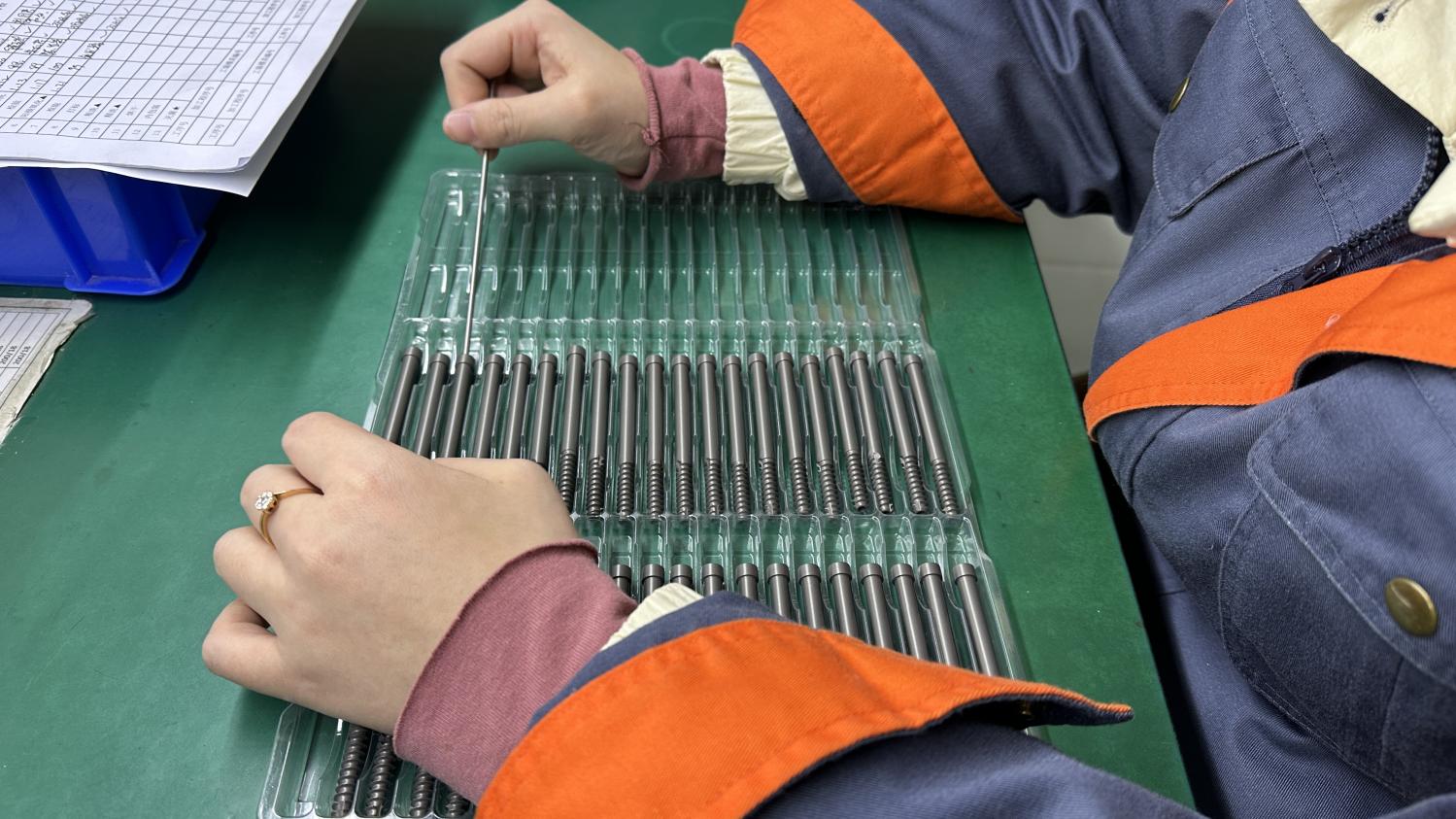
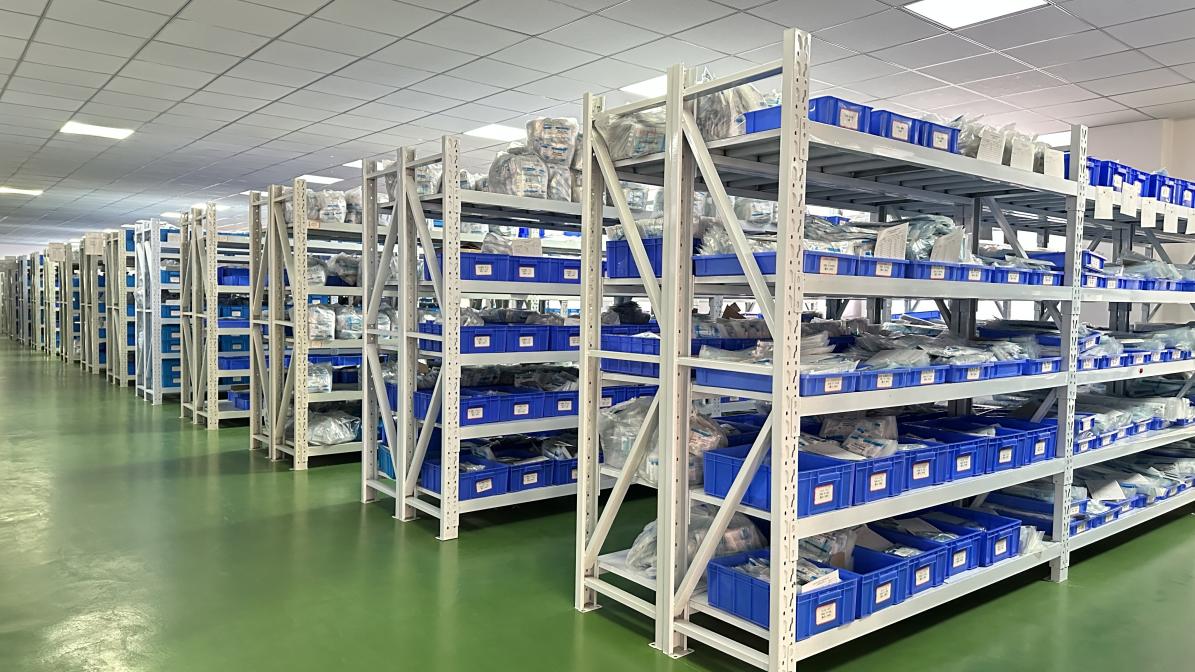
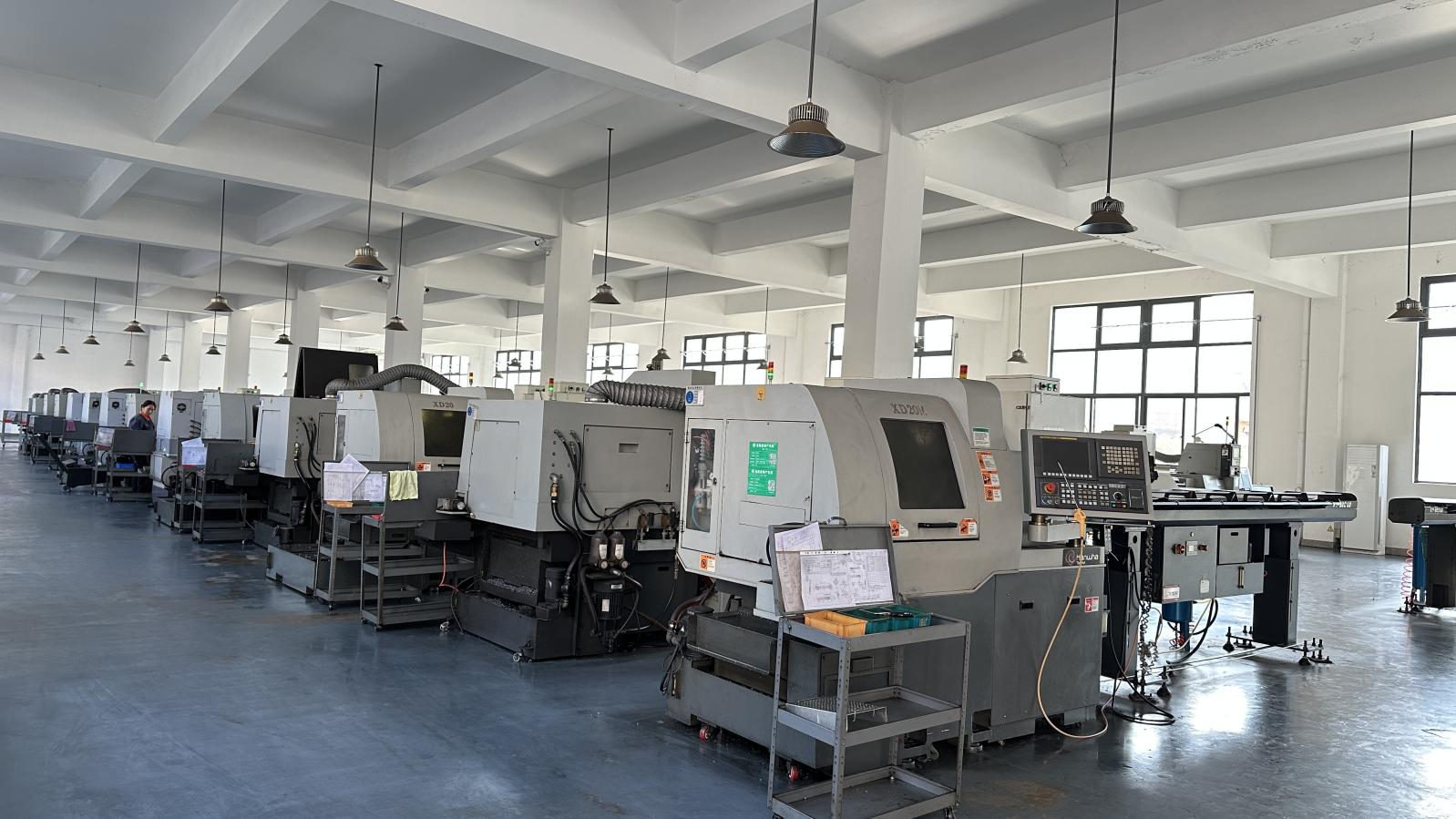
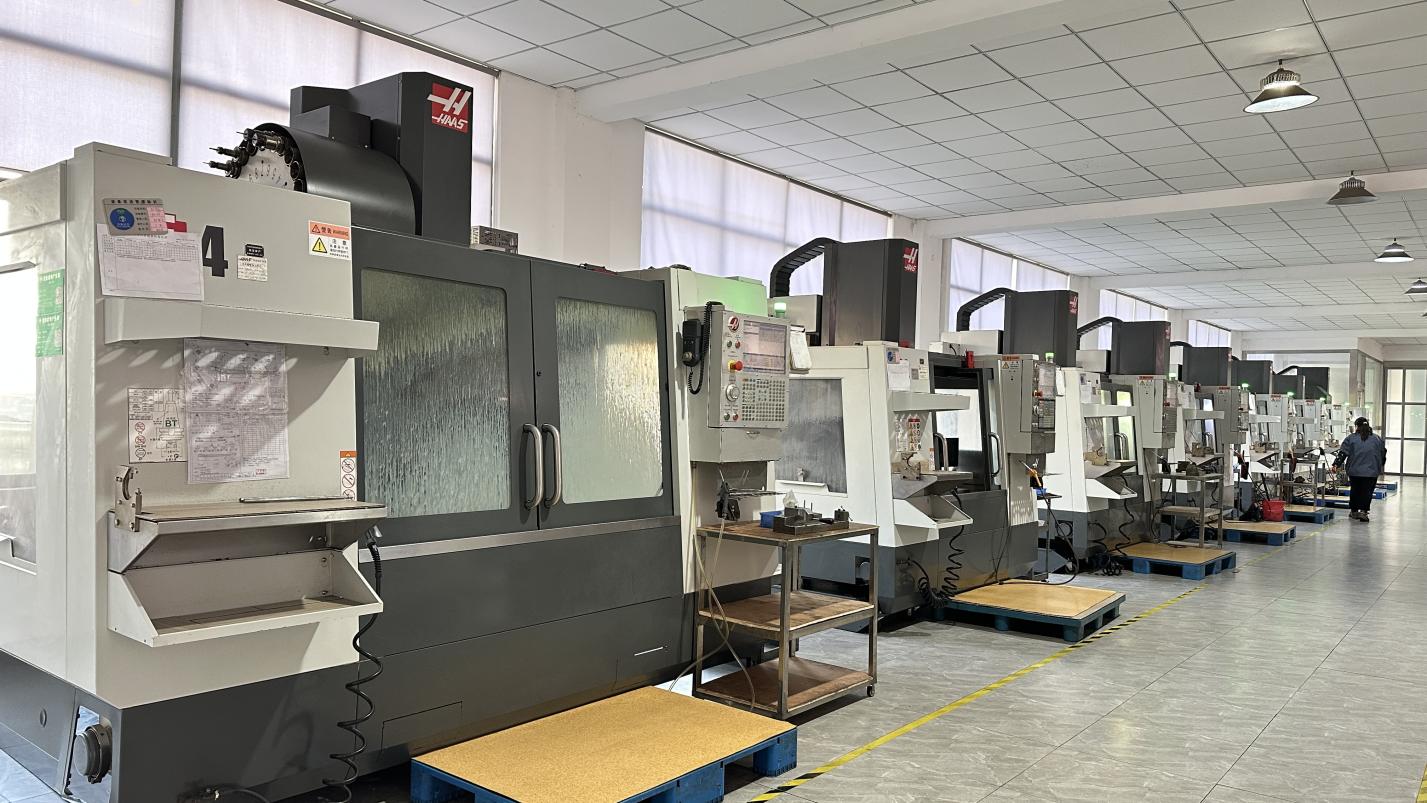
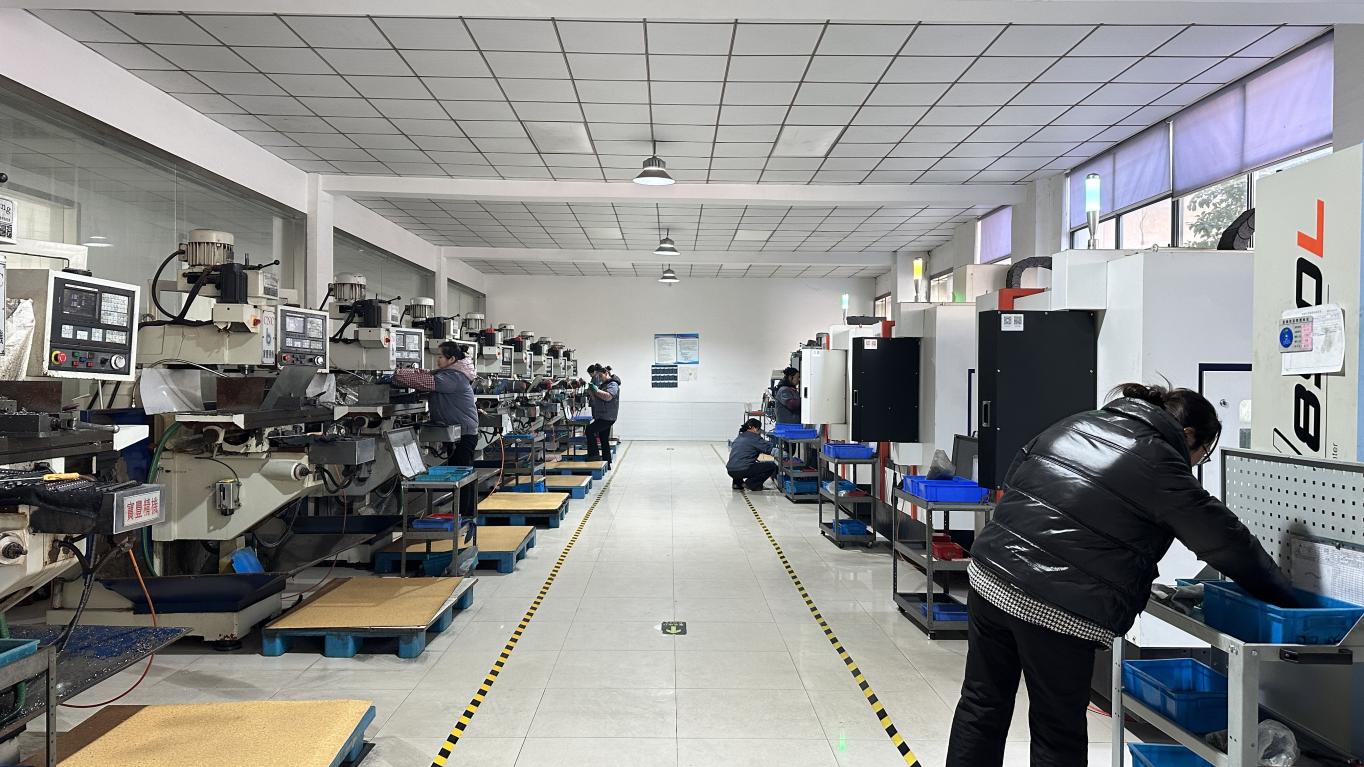
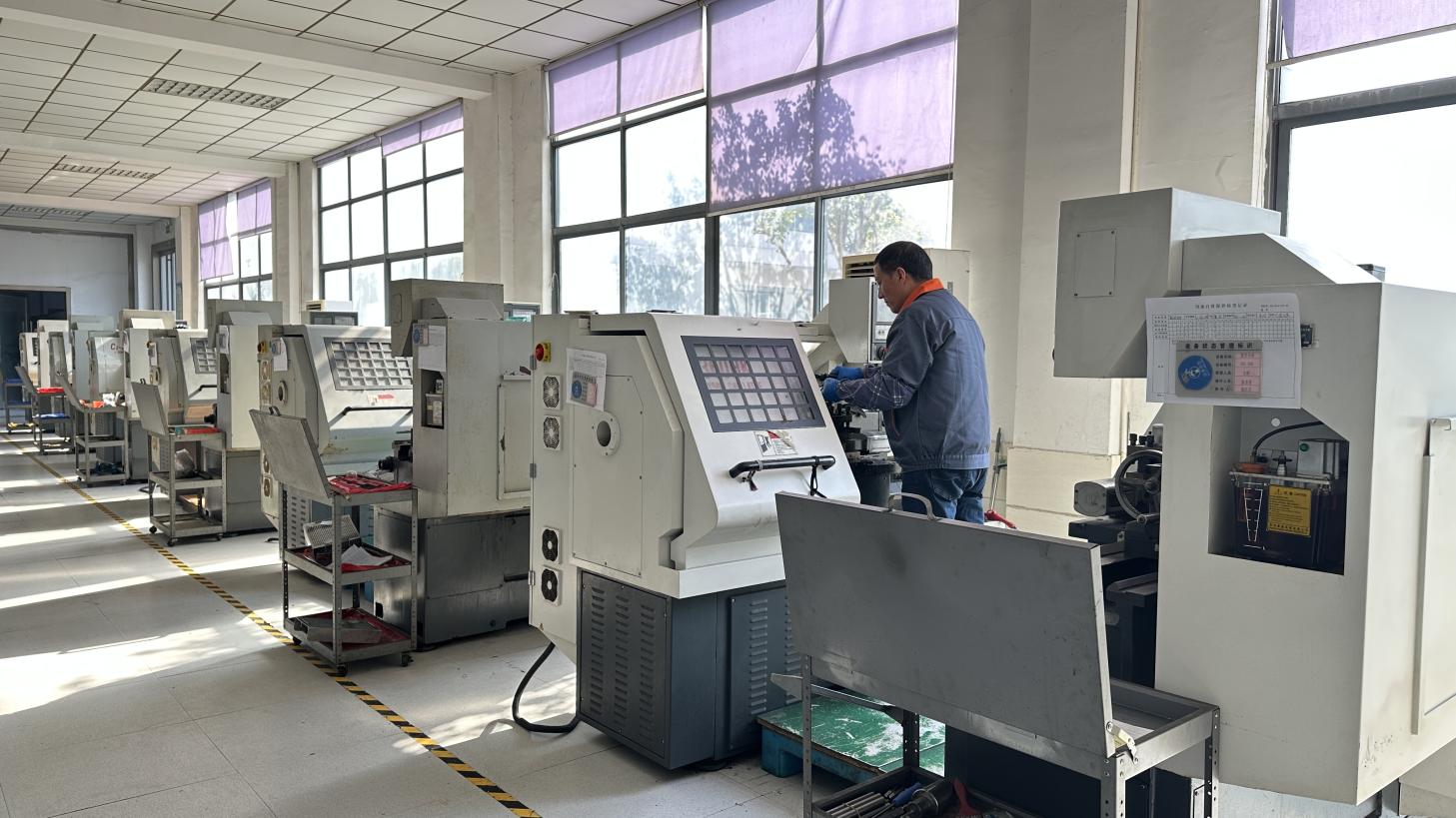
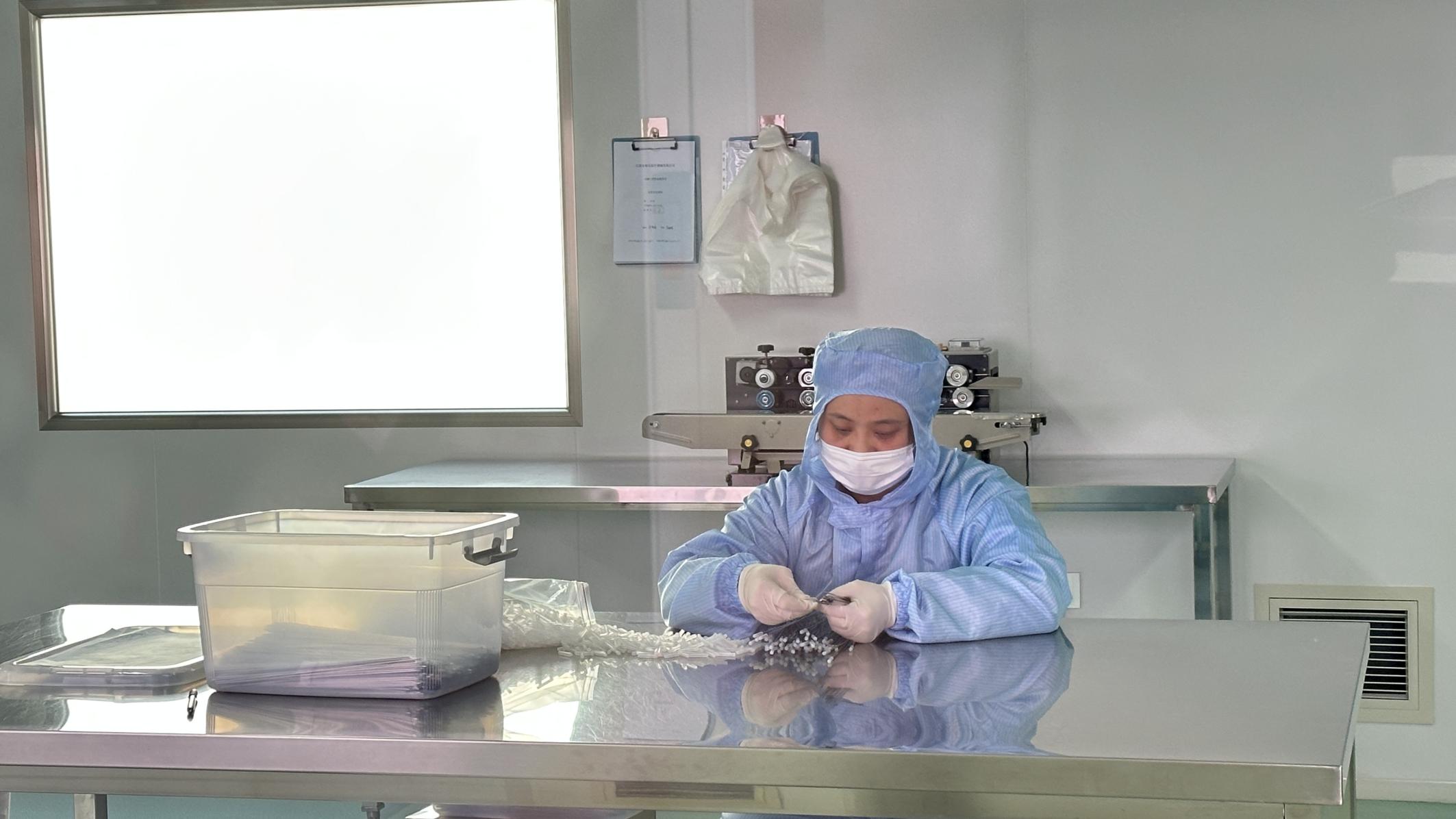
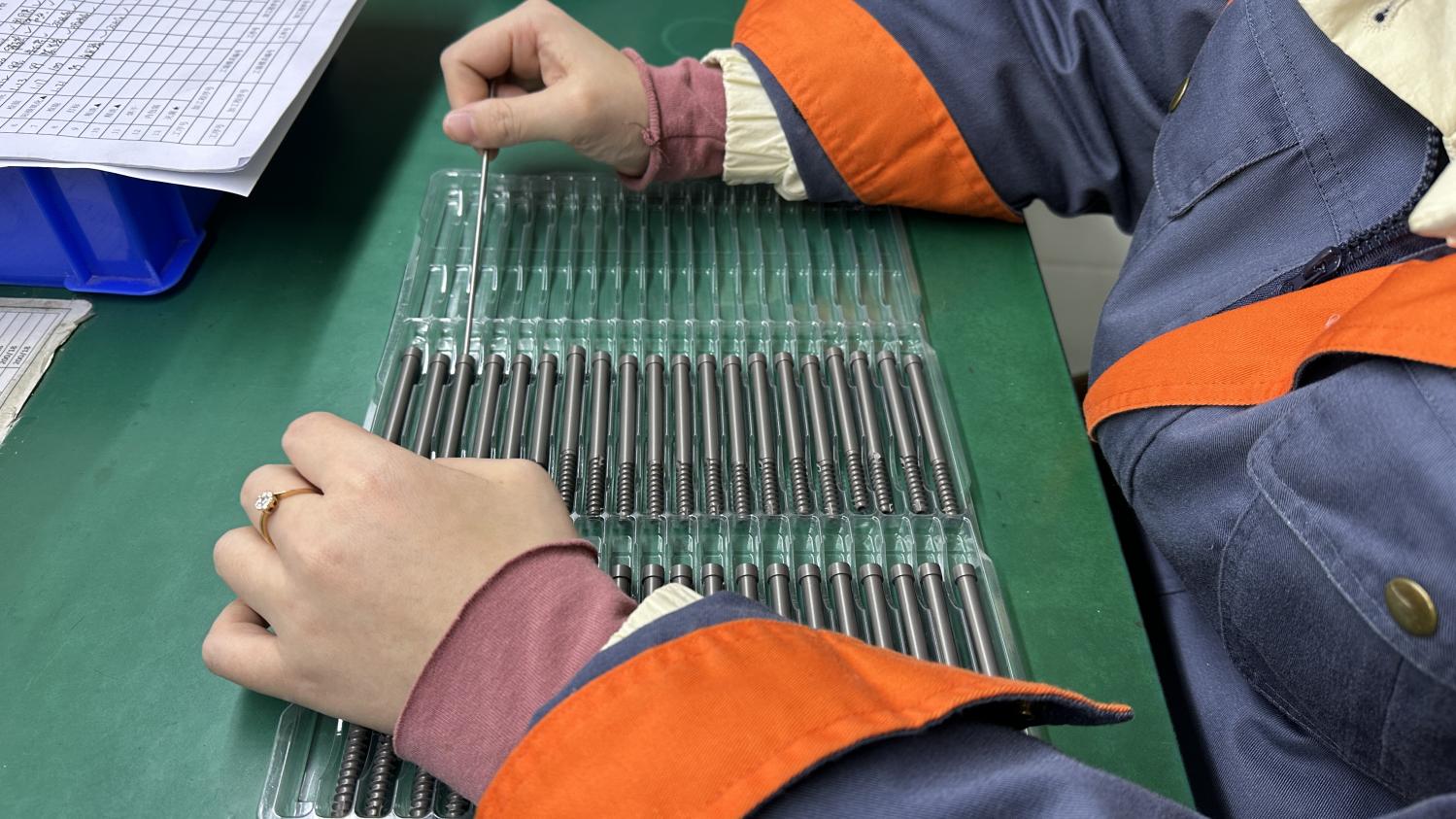
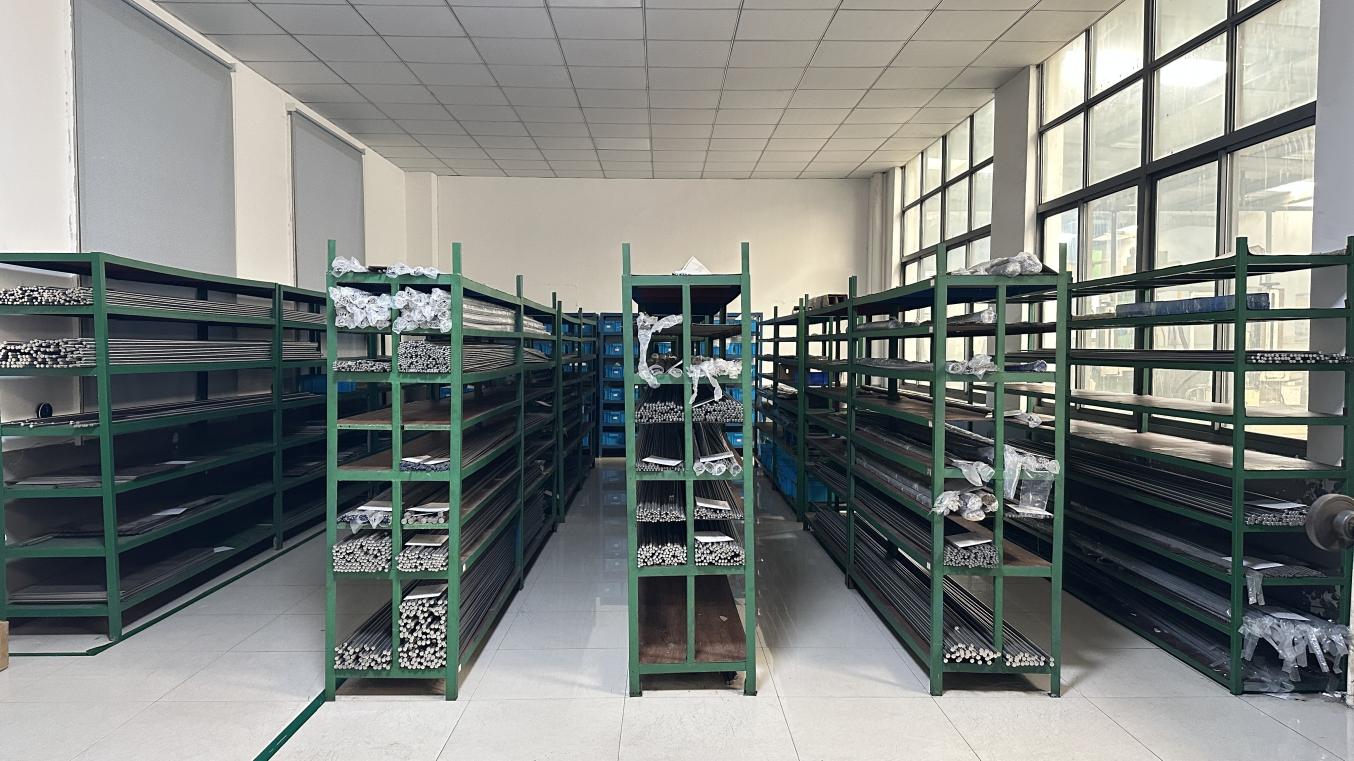
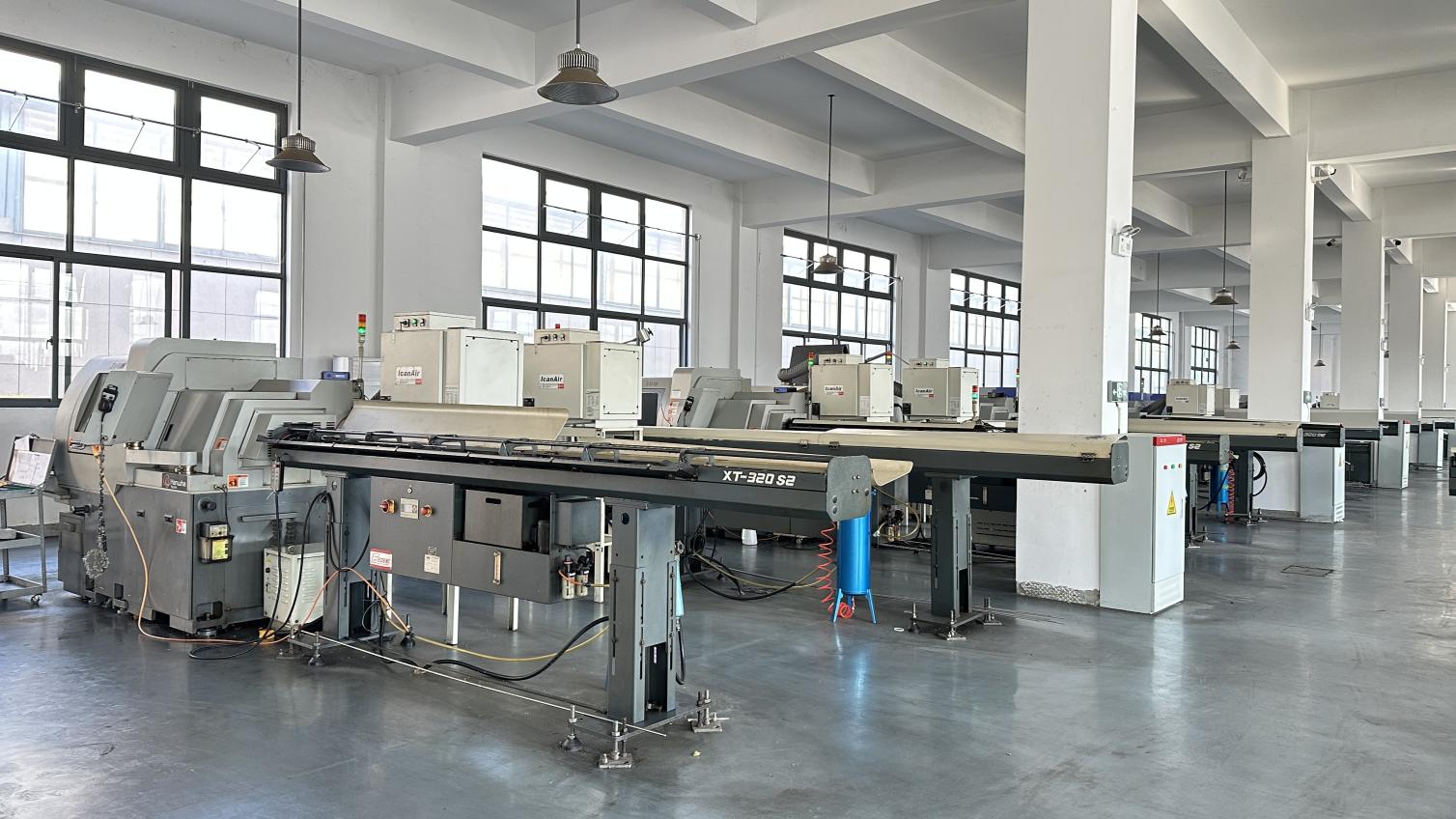
Our vertically integrated manufacturing facility ensures that every surgical device is tracked from raw material inspection through precise CNC milling, dimensional testing, and cleanroom packaging.
Structural Strengths of Chinese Orthopedic Manufacturing Ecosystems

China's medical device industry has transitioned from high-volume assembly to advanced precision engineering. Leading Chinese orthopedic factories utilize advanced technology to produce joint reconstruction systems and orthopedic trauma implants. The key advantages of these facilities include:

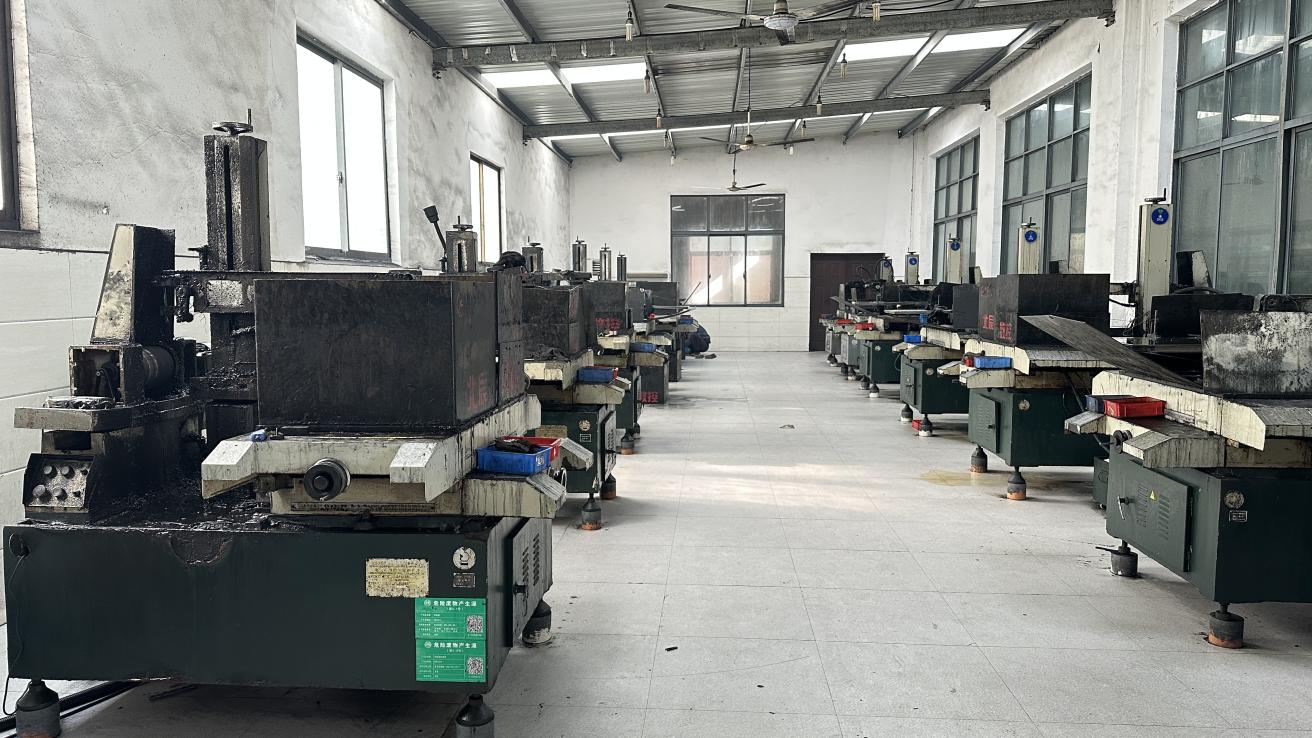
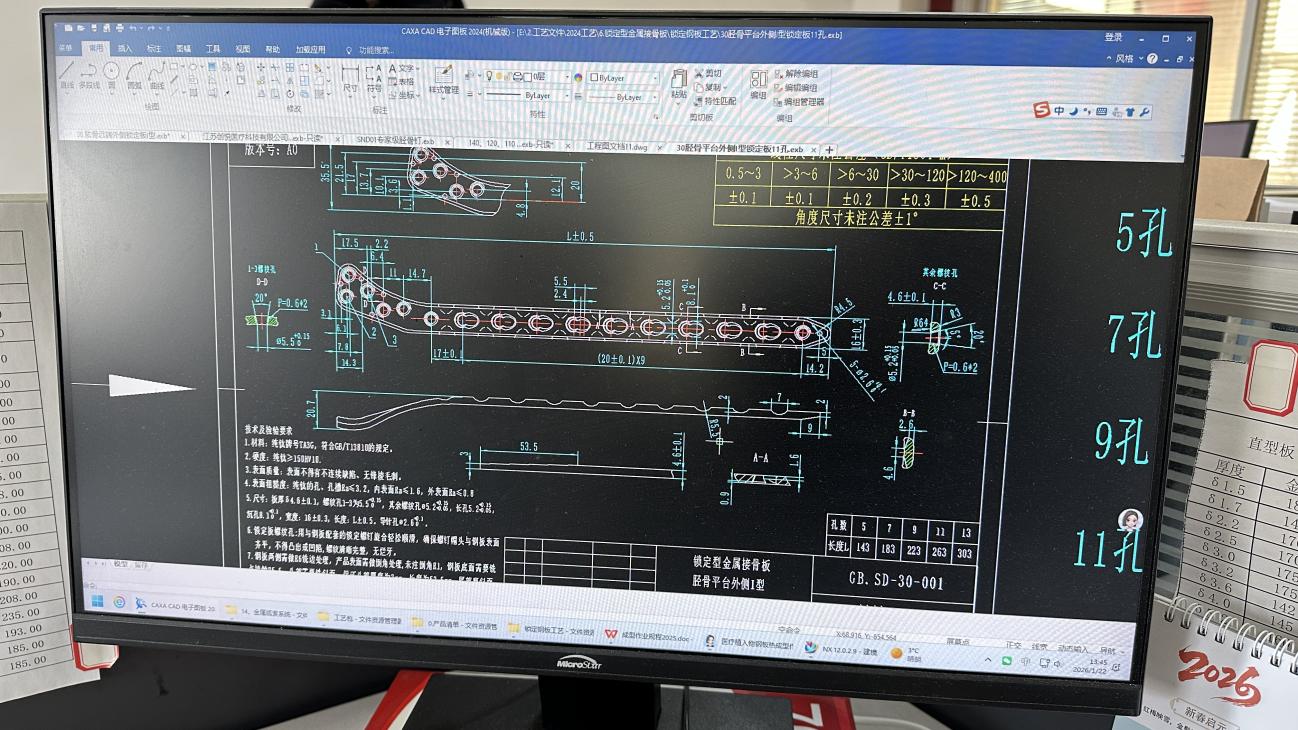
  • Precision CNC Infrastructure: Top factories use multi-axis CNC machining systems, Swiss-style longitudinal lathes, and wire-cutting machinery. These systems allow production lines to work within sub-micron tolerances, which is essential for components like femoral heads, tibial trays, and locking screw systems.
  • Metallurgical and Materials Expertise: China maintains a reliable domestic and imported raw material supply chain. Manufacturers work with high-purity medical titanium alloys (Ti-6Al-4V ELI conforming to ASTM F136), Cobalt-Chromium-Molybdenum alloys (Co-Cr-Mo conforming to ASTM F75), and medical-grade Ultra-High-Molecular-Weight Polyethylene (UHMWPE) to ensure high wear resistance and biocompatibility.
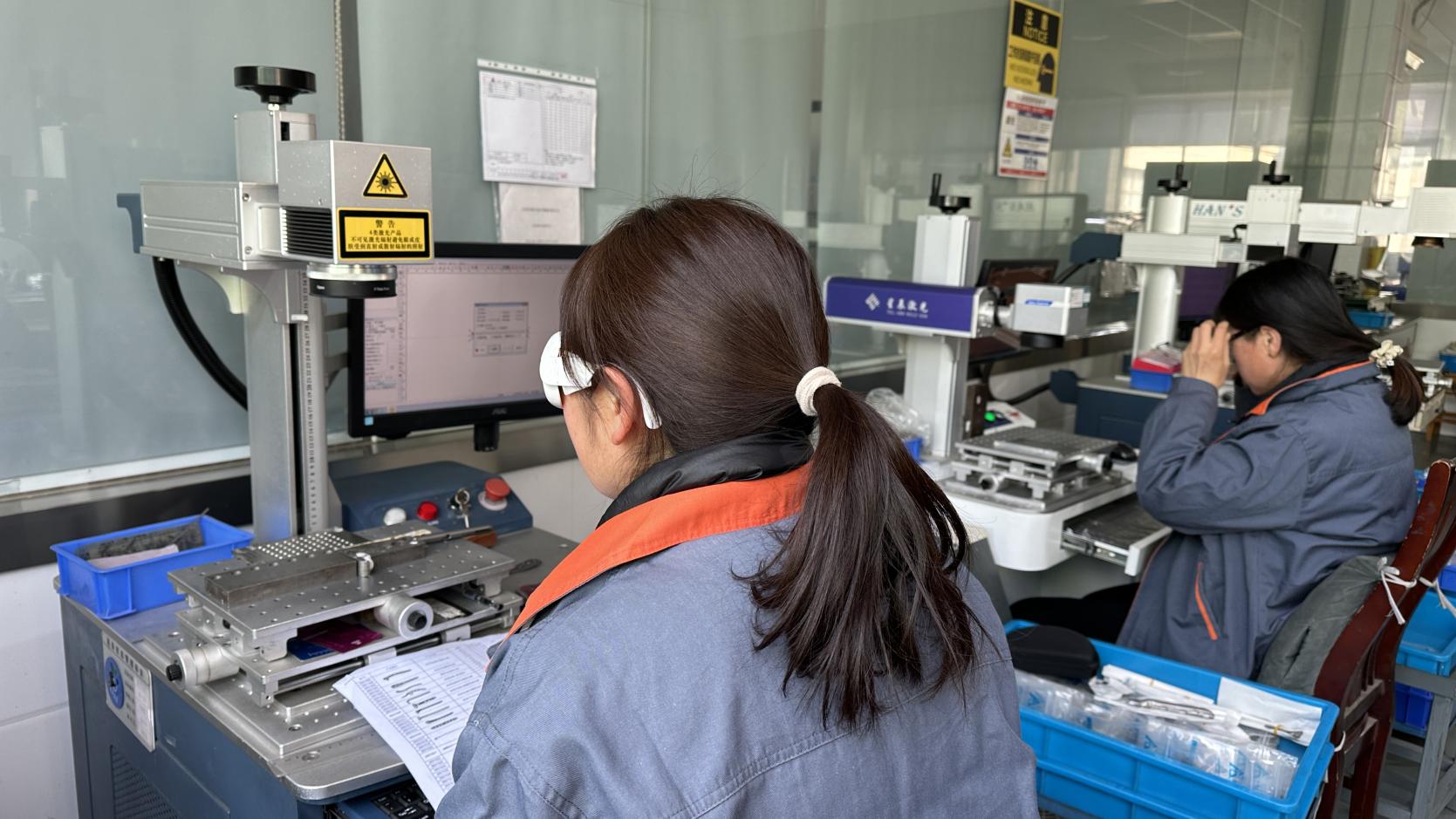
  • Complete Cluster Integration: Integrating raw material suppliers, forging centers, CNC milling mills, laser etching stations, and Class 100,000 cleanrooms in regions like Jiangsu, Zhejiang, and Beijing reduces logistics overhead and production lead times.
  • Cost-Effective R&D Customization: In-house CAD/CAM simulation systems and rapid prototyping capabilities allow Chinese manufacturers to offer customized OEM/ODM services at a lower development cost than Western competitors.

Global Procurement Dynamics and Supply Chain Strategy

Hospital procurement and supply chain managers require stable logistics, consistent quality, and regulatory compliance. Evaluating overseas suppliers involves several critical factors:

Verification Checklist for Joint Replacement Sourcing
  1. Quality Management Certifications: Compliance with ISO 13485 is required for medical device manufacturing, and CE marking or FDA clearance is necessary for target markets.
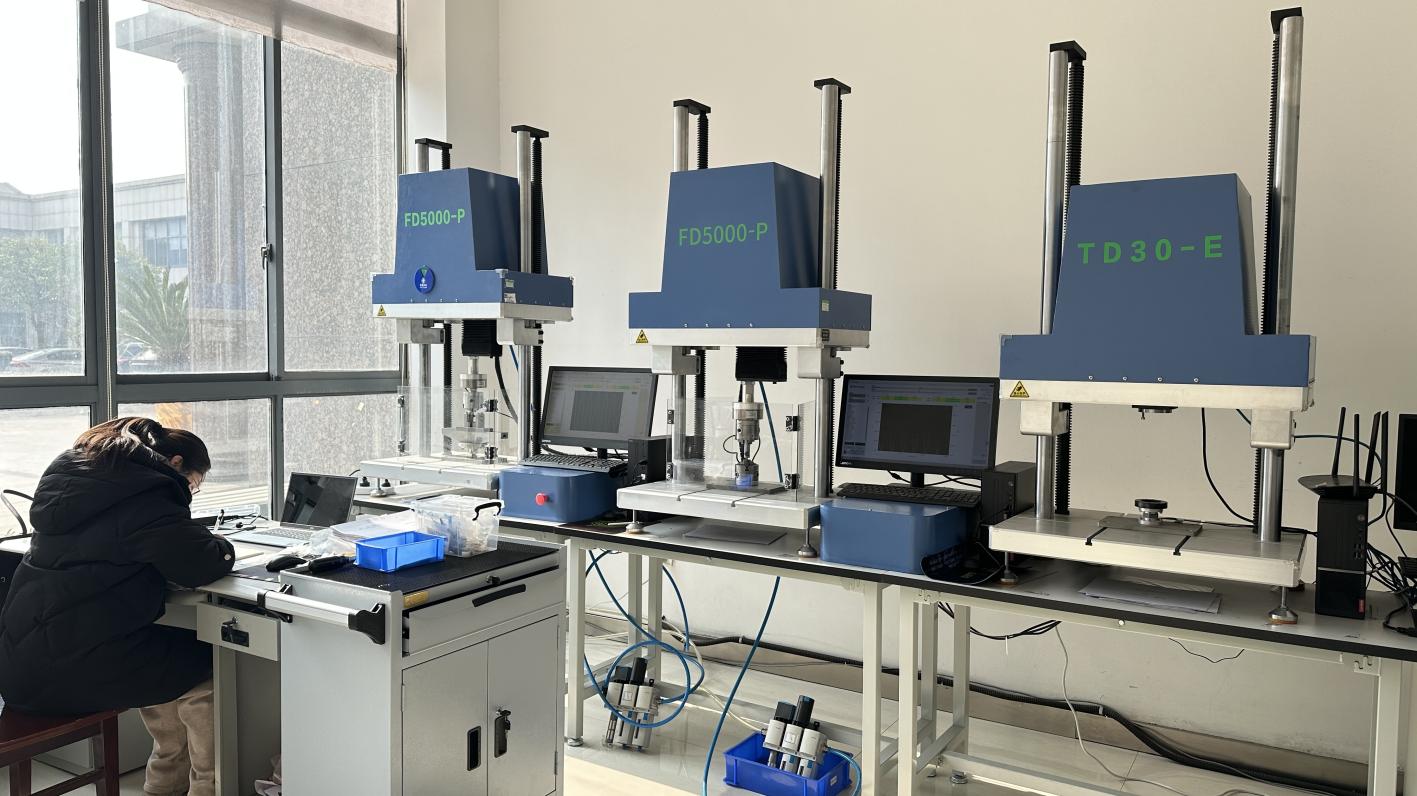
  2. Fatigue Testing Systems: Request documentation for axial fatigue tests (ASTM F1800 for tibial trays) and torsional resistance profiles for locking screws.
  3. Material Traceability: Verify that raw materials can be traced back to the original heat lot with chemical composition analysis certificates.
  4. Packaging and Sterility: Verify that Class I/II sterile instruments are sealed in validated Tyvek packaging and sterilized using validated Ethylene Oxide (EO) or Gamma irradiation processes.

Technology Trends in Knee Arthroplasty and Traumatology

The orthopedic field is moving toward procedures designed to improve patient recovery times and long-term implant survival. Key industry trends include:

  • Robot-Assisted and Navigated Instrumentation: Digital surgery requires alignment guides, calibration frames, and tracker arrays compatible with robotic systems.
  • Minimally Invasive Surgery (MIS): Smaller incisions require lower-profile, angled instruments, flexible reamers, and tissue protectors to access the joint without damaging surrounding structures.
  • Additive 3D Printing: Integrating 3D-printed porous titanium surfaces directly onto tibial components helps improve bone ingrowth, reducing reliance on bone cement.
  • Single-Use Instruments: Sterile, pre-packaged disposable instrumentation kits help hospitals reduce processing and sterilization costs.

Macro-Industry Solutions and Clinical Applications

Orthopedic patient care relies on matching surgical instruments with the correct implant type. System solutions must cover multiple clinical indications:

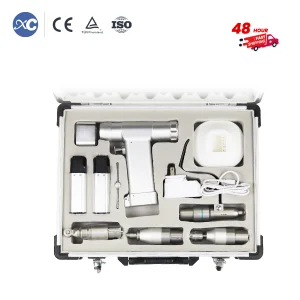
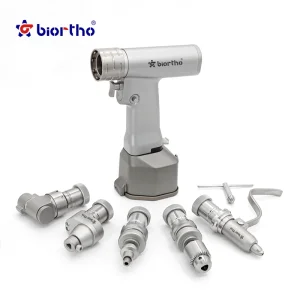
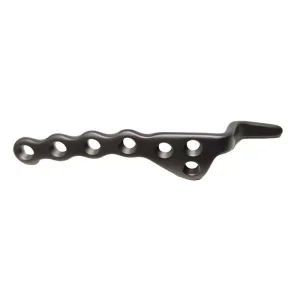
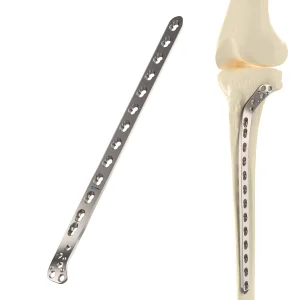
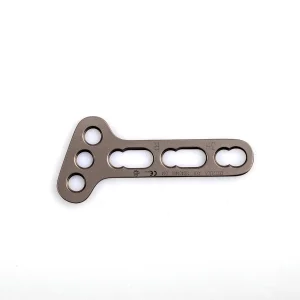
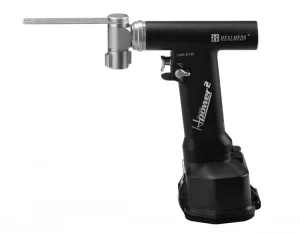
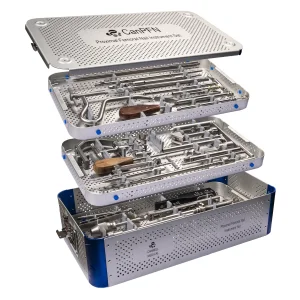
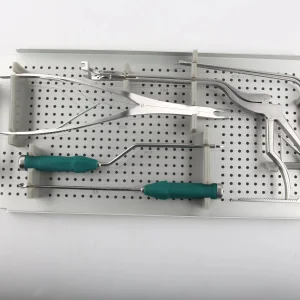
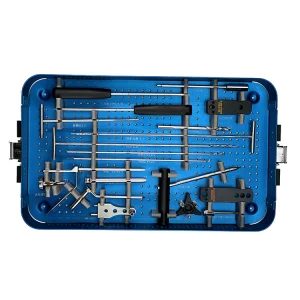
For Primary Total Knee Arthroplasty, the system must include precise femoral cut guides, spacer blocks, and tensioners to balance joint ligaments. In Trauma Surgery, instruments like locking plates, intramedullary nails, and removal tools must handle complex bone fractures under stress. For Veterinary Orthopedics, compact power drills, TPLO saws, and mini plating systems are required to perform precise osteotomies in small animals.

Industry Technical Q&A: Sourcing & Engineering

Q1: What raw materials are used in knee arthroplasty instruments and implants? +
Joint components are made from high-strength, biocompatible alloys. The femoral component is typically cast or milled from Cobalt-Chromium-Molybdenum (Co-Cr-Mo, ASTM F75) to provide high wear resistance. The tibial tray and patellar structures are made from titanium alloy (Ti-6Al-4V ELI, ASTM F136) for strength and bone integration. The articulating bearing uses Ultra-High-Molecular-Weight Polyethylene (UHMWPE, ISO 5834-2), often infused with Vitamin E to resist oxidation and wear.
Q2: Why is ISO 13485 certification essential for international manufacturers? +
ISO 13485 is the quality management system standard for medical devices. It ensures that every step of the design, manufacturing, sterile packaging, and distribution process is documented and controlled. This certification is required to obtain regulatory approvals like CE marking under the MDR or FDA 510(k) clearances.
Q3: How do manufacturers verify the biomechanical durability of knee implants? +
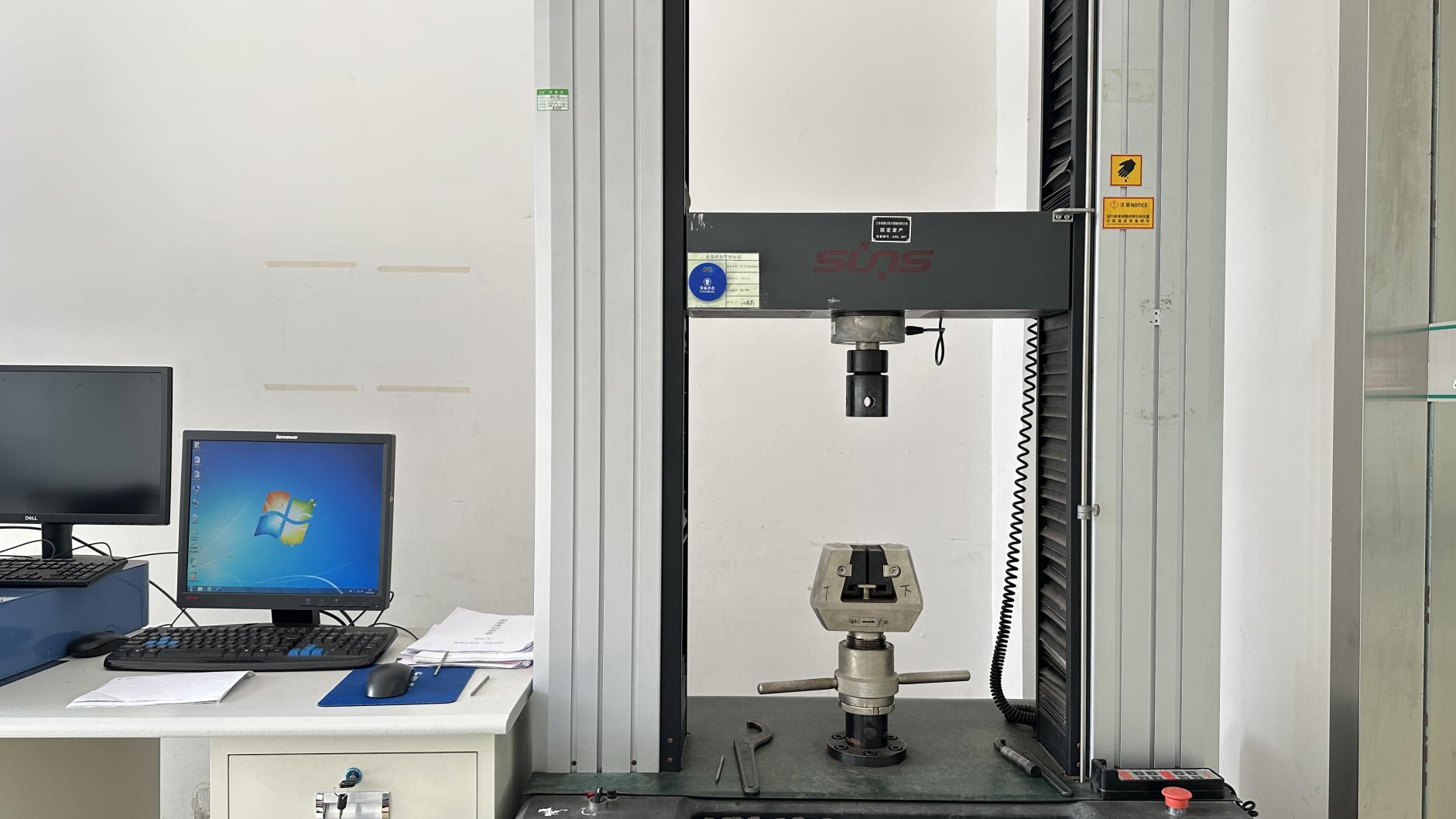
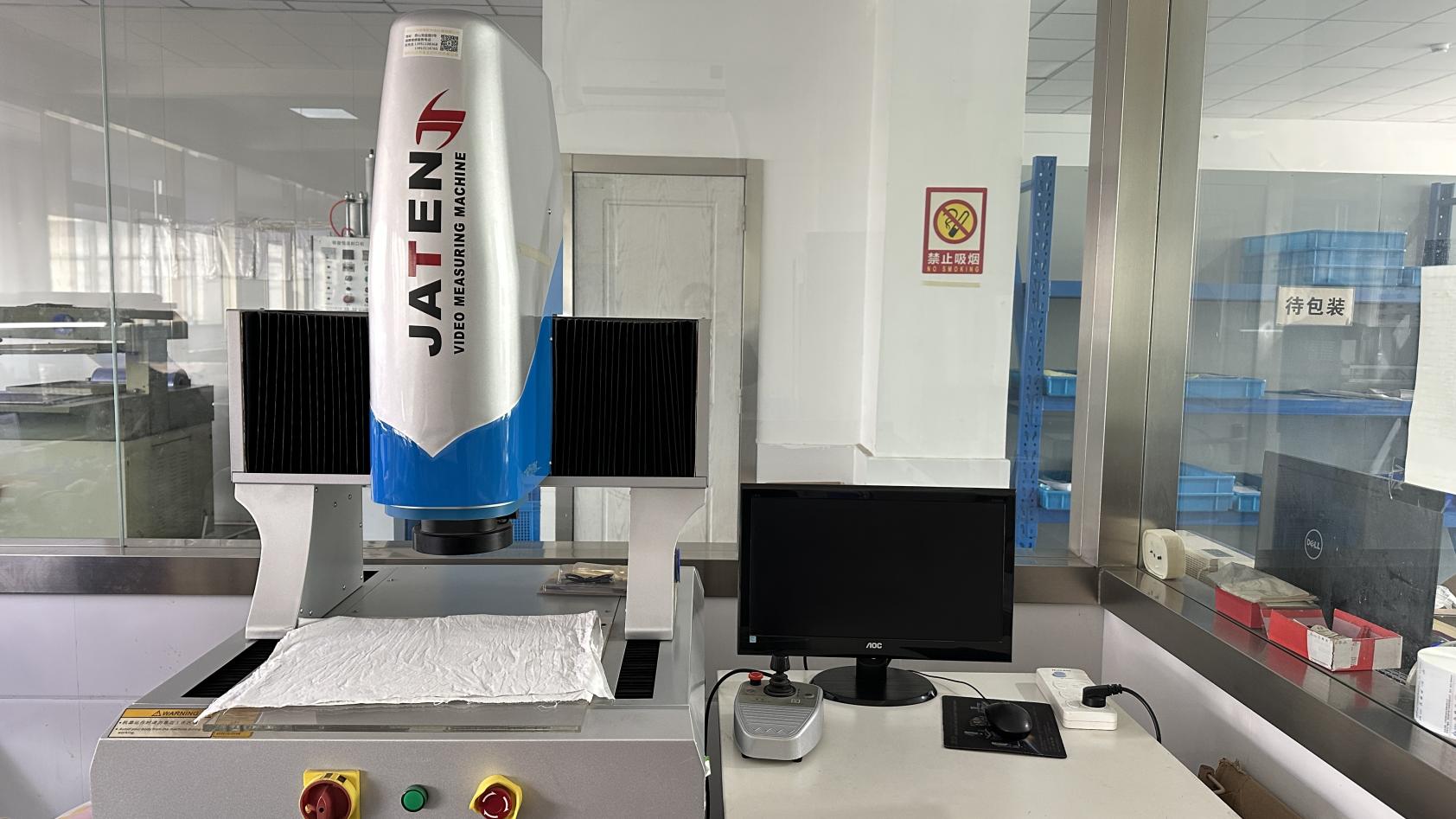
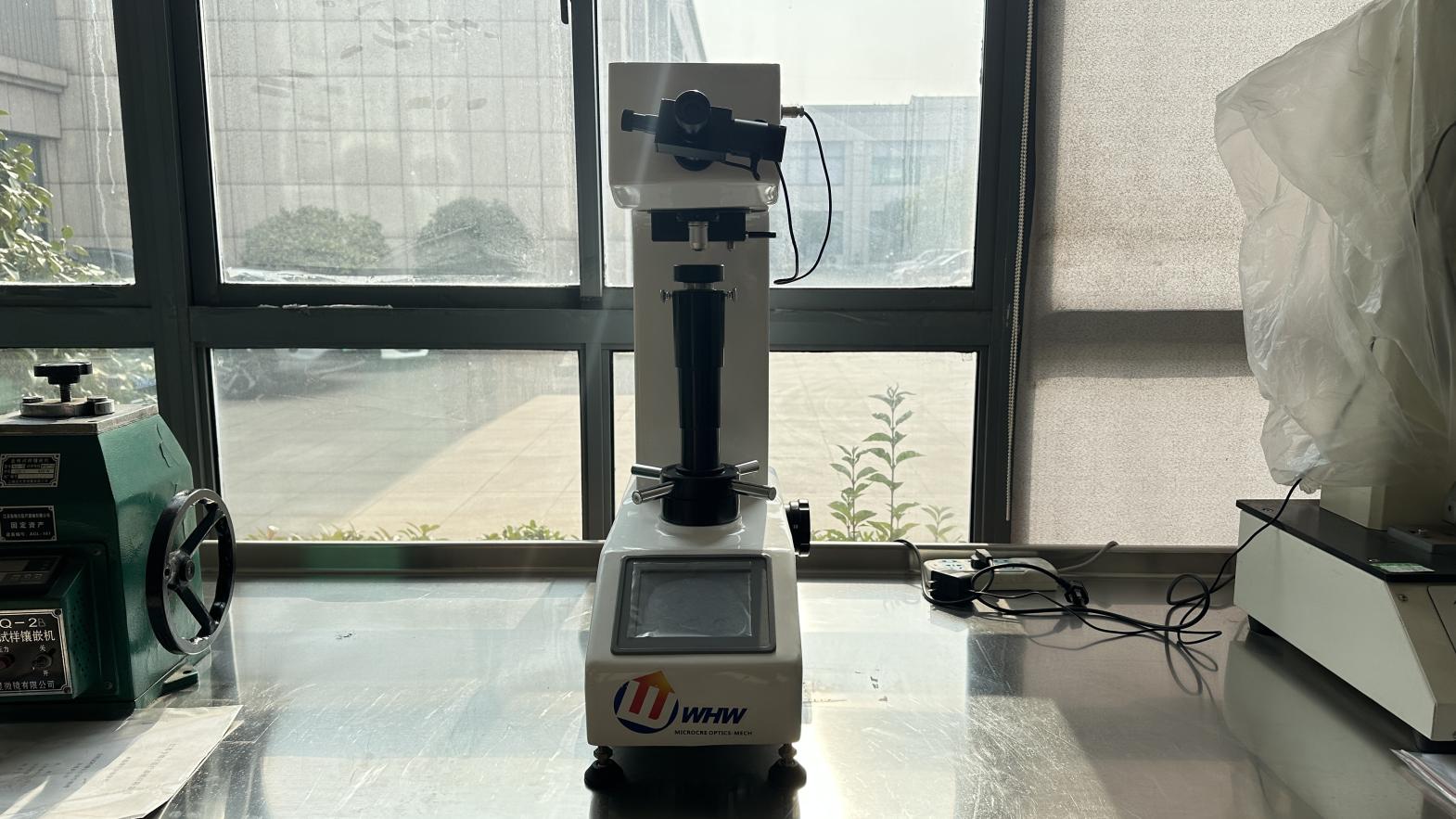
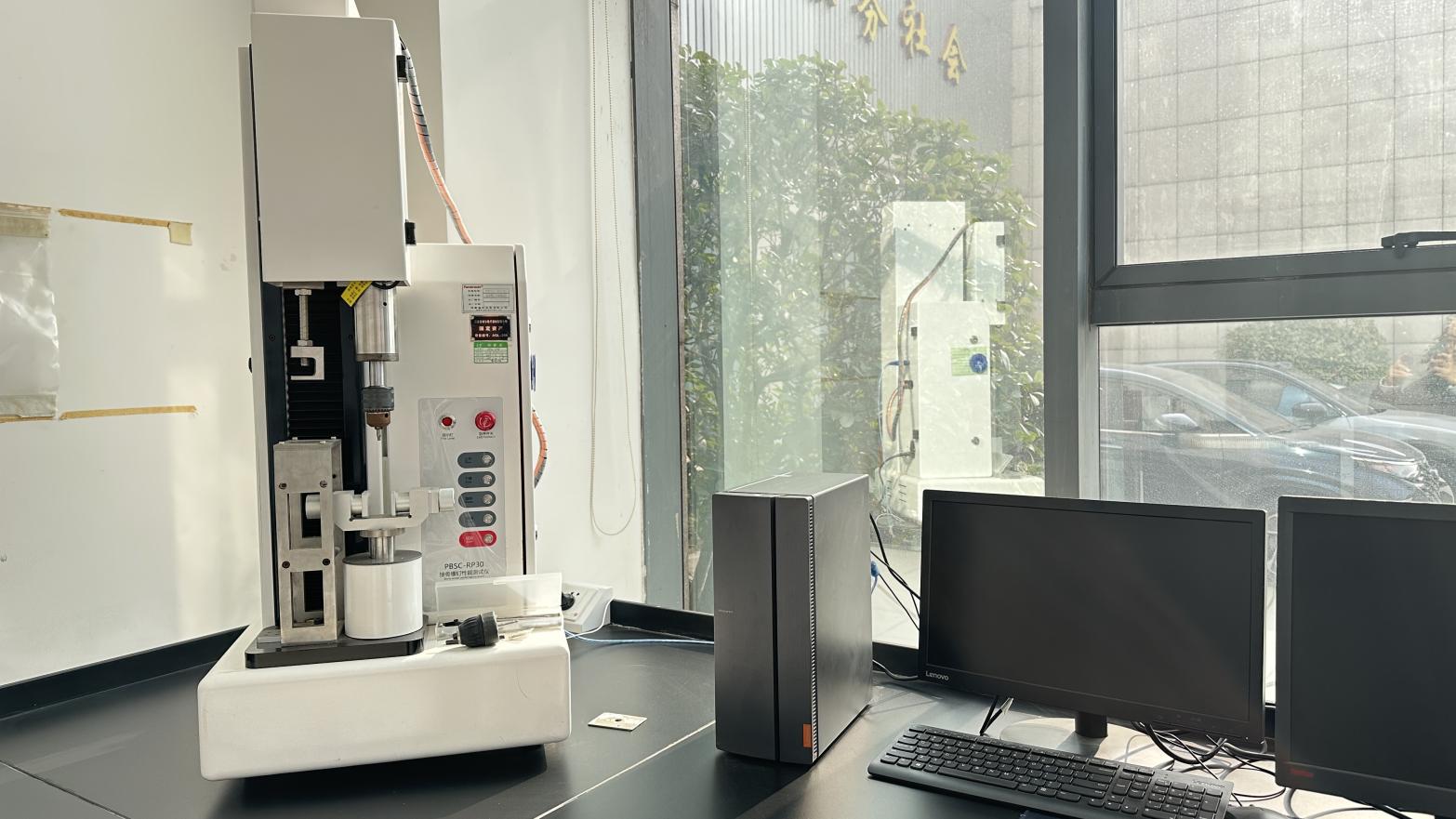
Manufacturers use dynamic fatigue testing systems to simulate joint movement. Tibial trays undergo cyclic fatigue testing (ASTM F1800) for at least 10 million cycles under loads simulating physiological stress to prevent structural failure. Tensile testing, hardness testers, and 3D coordinate measuring machines (CMM) are used to confirm dimensional tolerance and mechanical performance.
Q4: What customization options (OEM/ODM) are available from Chinese manufacturers? +
Chinese orthopedic manufacturers offer customization options, including private labeling, modified tool layouts, and patient-specific implant geometries. These are designed using digital CT data and biomechanical simulation, and manufactured using high-precision 5-axis CNC milling machines.
Q5: How are veterinary orthopedic instruments different from human surgical instruments? +
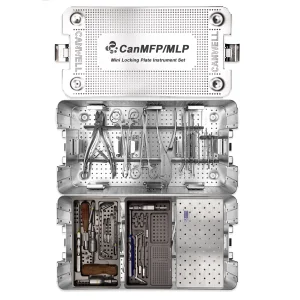
Veterinary instruments, such as TPLO saws and mini fragment locking plates, are sized for small animals. They must fit smaller anatomical structures while providing the same mechanical strength, durability, and corrosion resistance as instruments used in human surgery.