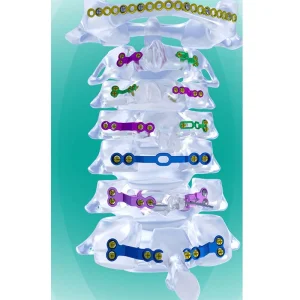
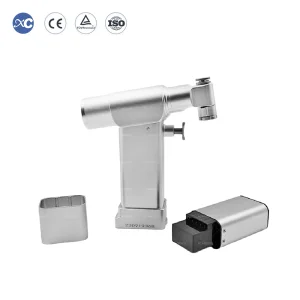
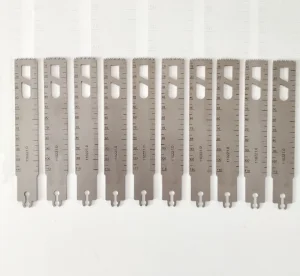
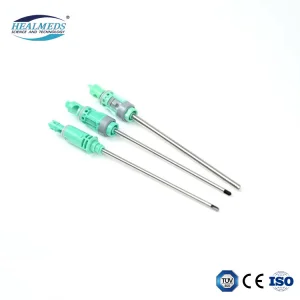
Premium instruments engineered for high mechanical endurance, bio-compatibility, and operational reliability in complex spinal procedures.
Cervical Interbody Cages stand as a cornerstone in orthopedic and spinal neurosurgery, specifically in Anterior Cervical Discectomy and Fusion (ACDF) procedures. These implantable structures are vital in addressing degenerative disc diseases, herniations, trauma, and spinal instability. By maintaining intervertebral height, restoring physiological lordosis, and optimizing the fusion environment, interbody cages mitigate neural compression and alleviate severe radiculopathy.
The progression of cervical cage design reflects an persistent pursuit of the optimal balance between mechanical support and biological compatibility:
For medical device distributors, public tender authorities, and regional healthcare institutions, choosing a cervical cage partner involves rigorous quality gates. Price is no longer the sole determinant; instead, value is calculated based on clinical evidence, supply stability, and design versatility.
Key procurement vectors include: compliance with regional regulatory standards (such as CE MDR in Europe, FDA 510(k) clearances in the US, and NMPA class III registrations in China), availability of comprehensive anatomical instrumentation sets, and scalable supply chain agreements.
Managing standard spinal surgical costs requires suppliers to utilize highly efficient manufacturing frameworks. By integrating state-of-the-art multi-axis CNC machines and automated optical inspections, modern manufacturers minimize raw material waste and guarantee structural uniformity, translating directly to cost benefits for global purchasing organizations without sacrificing implant safety.
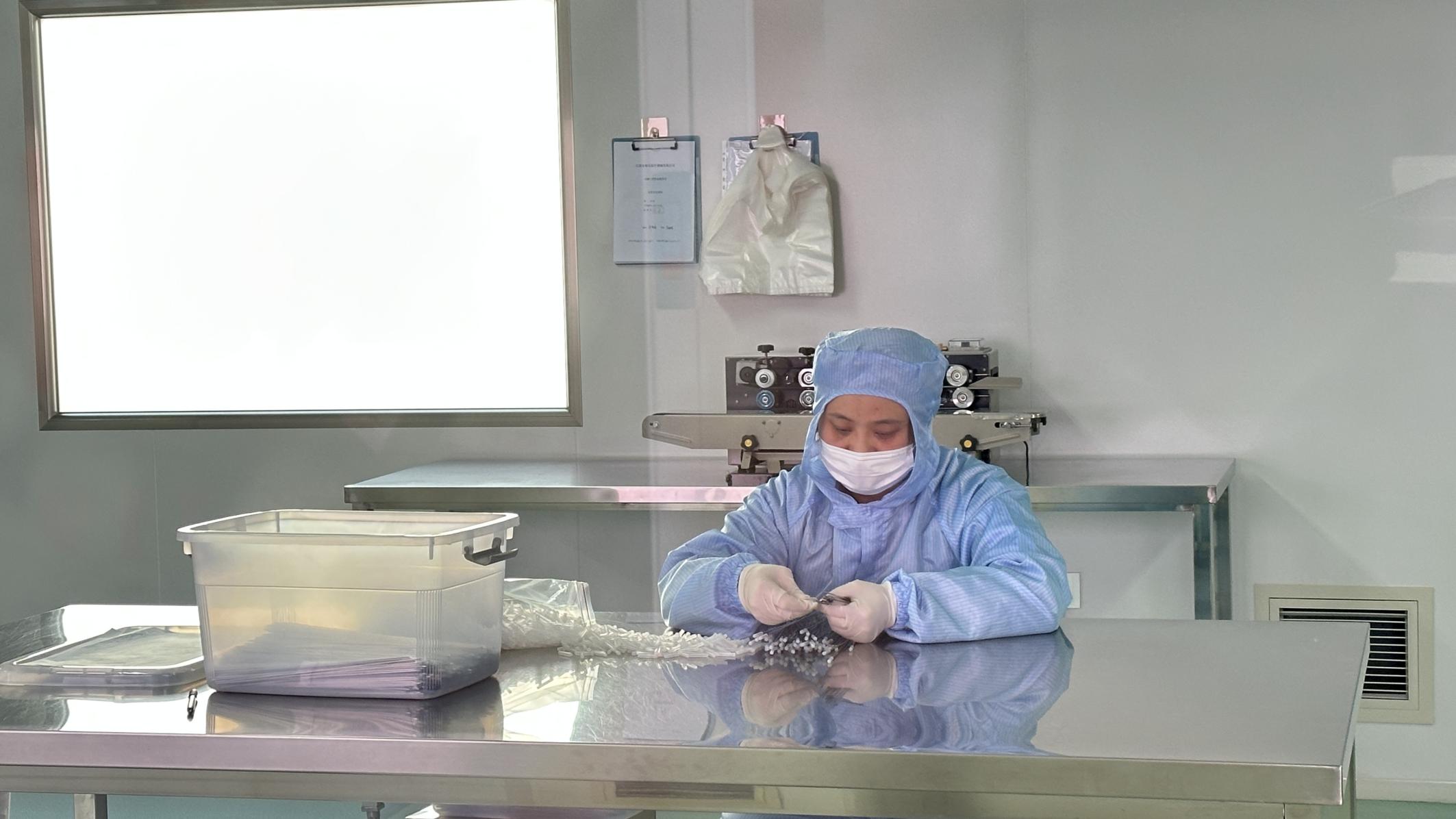
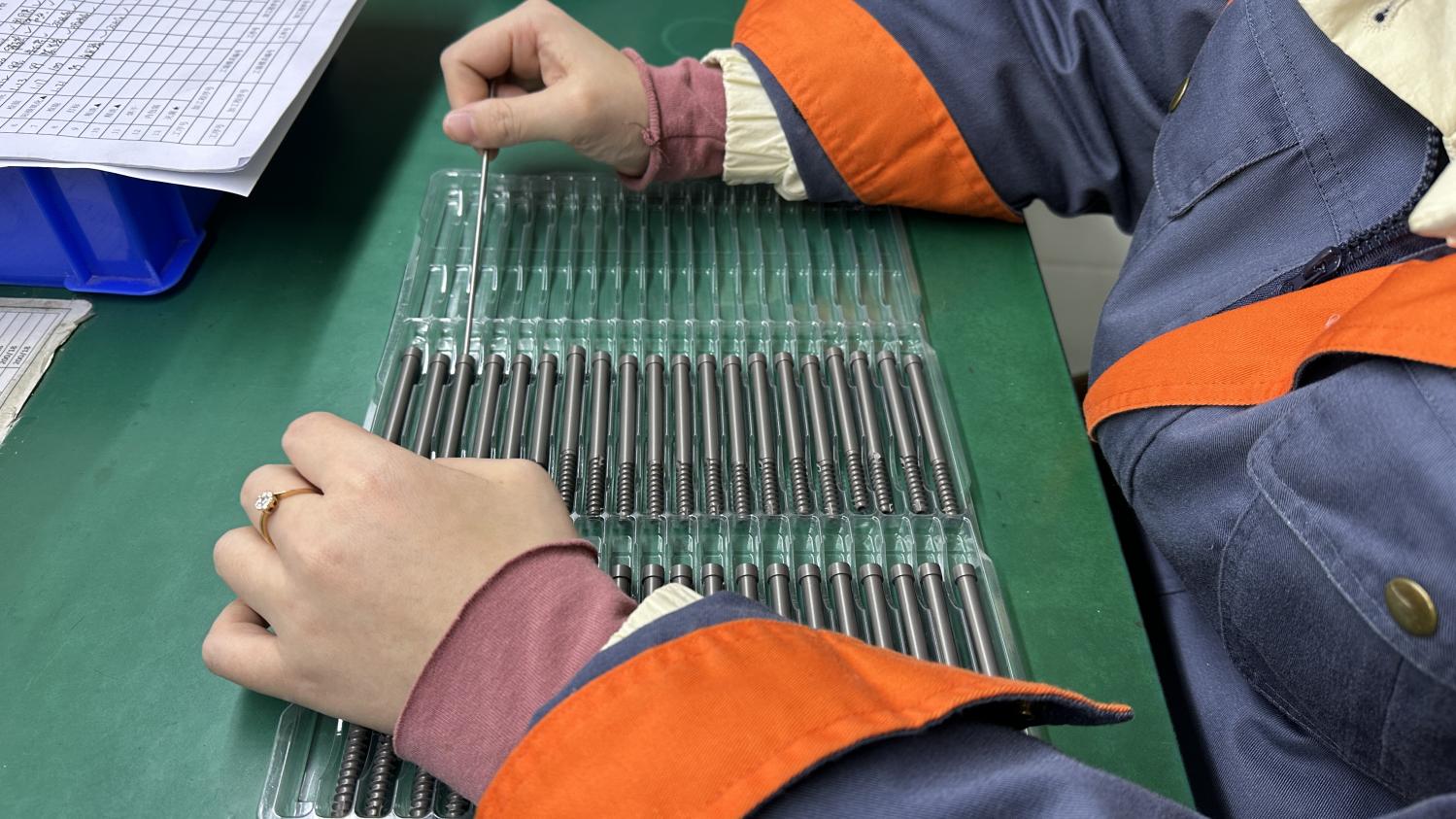
From medical-grade raw titanium and PEEK bar stock to precision micro-milling, laser marking, and sterile packaging: explore our standardized ISO-compliant workshop.
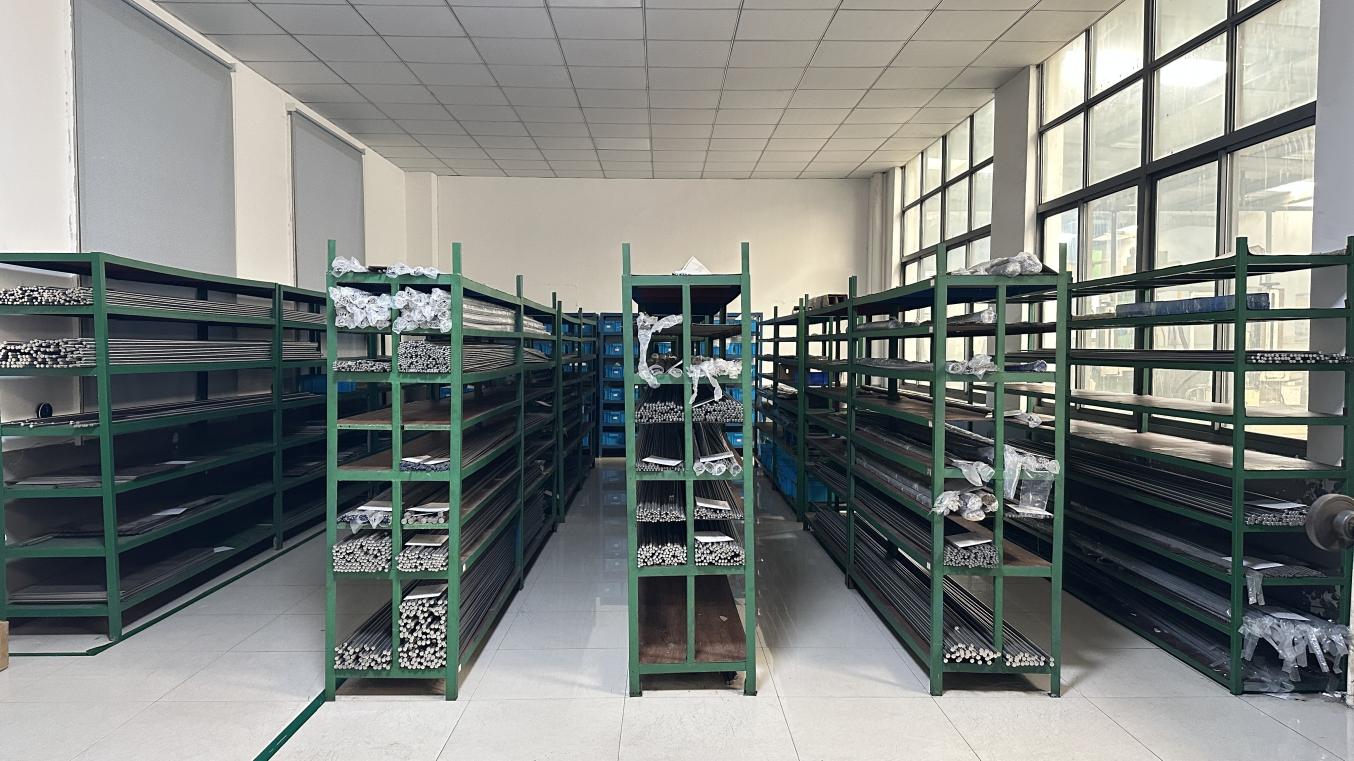
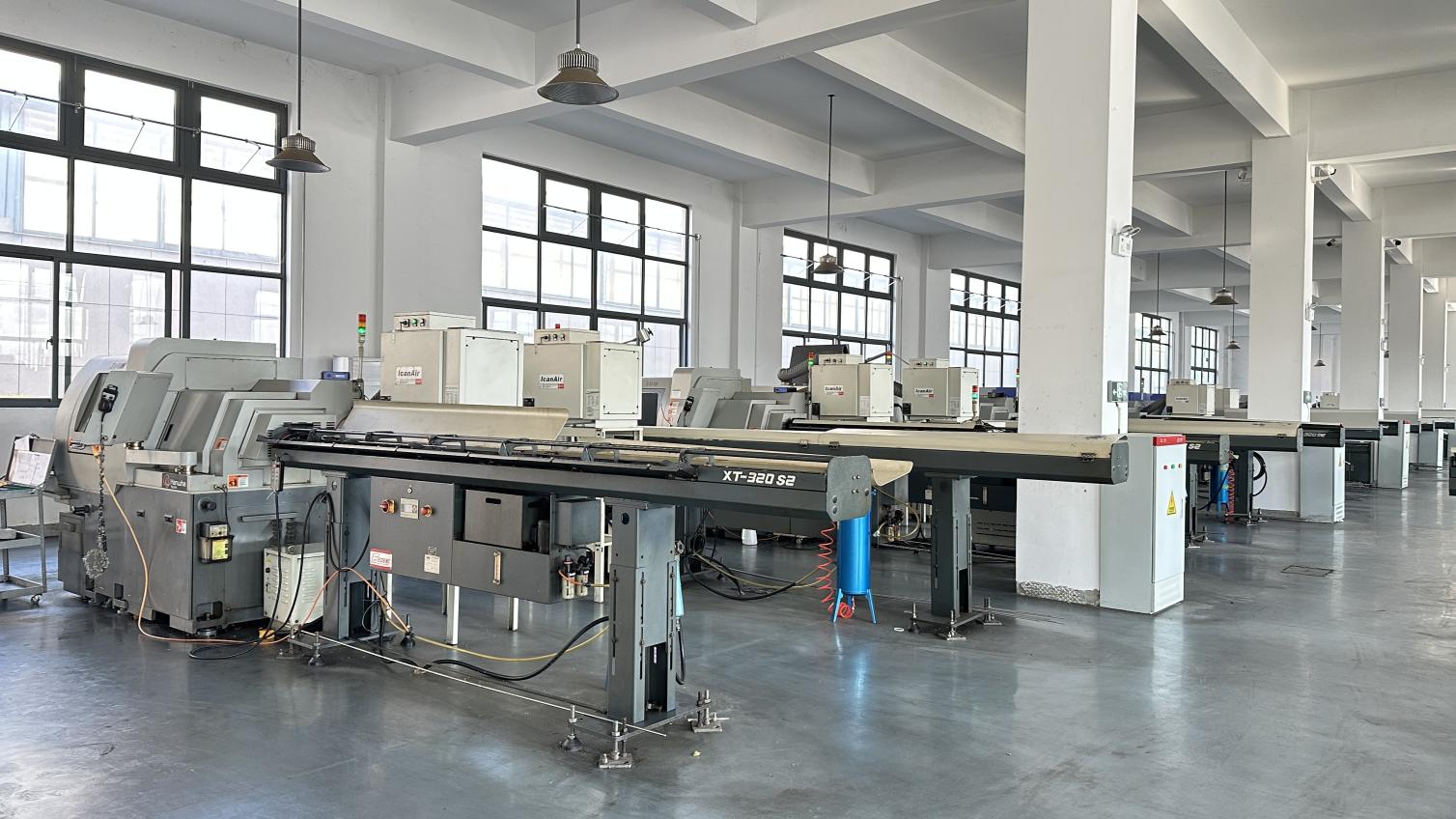
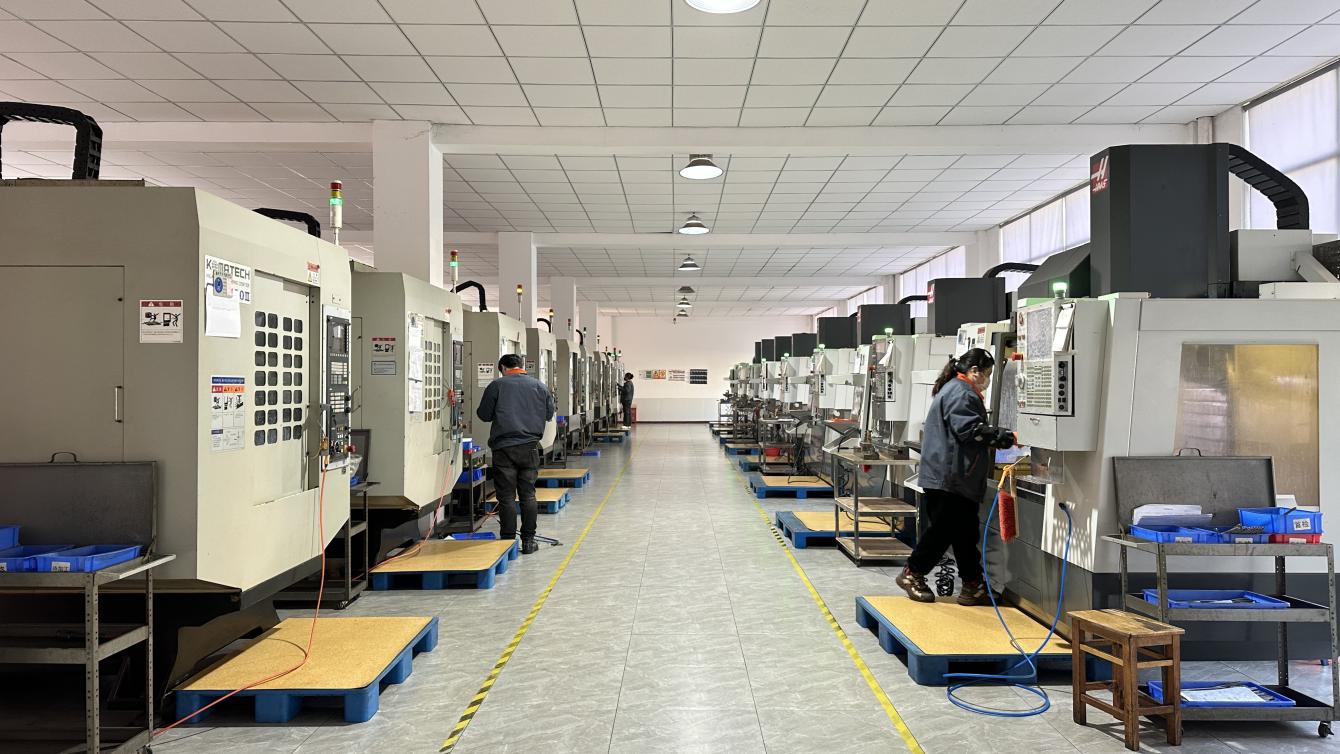
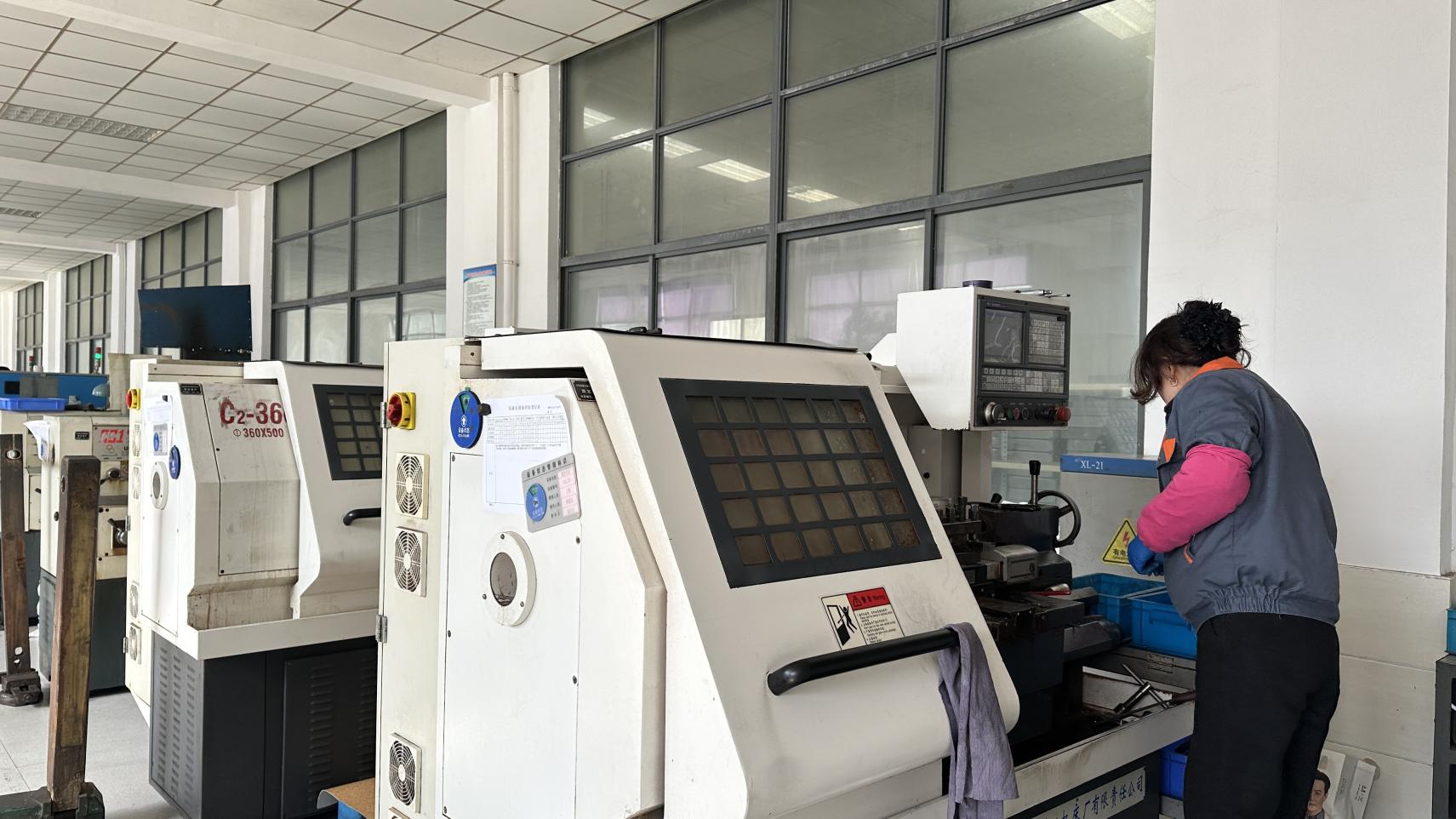
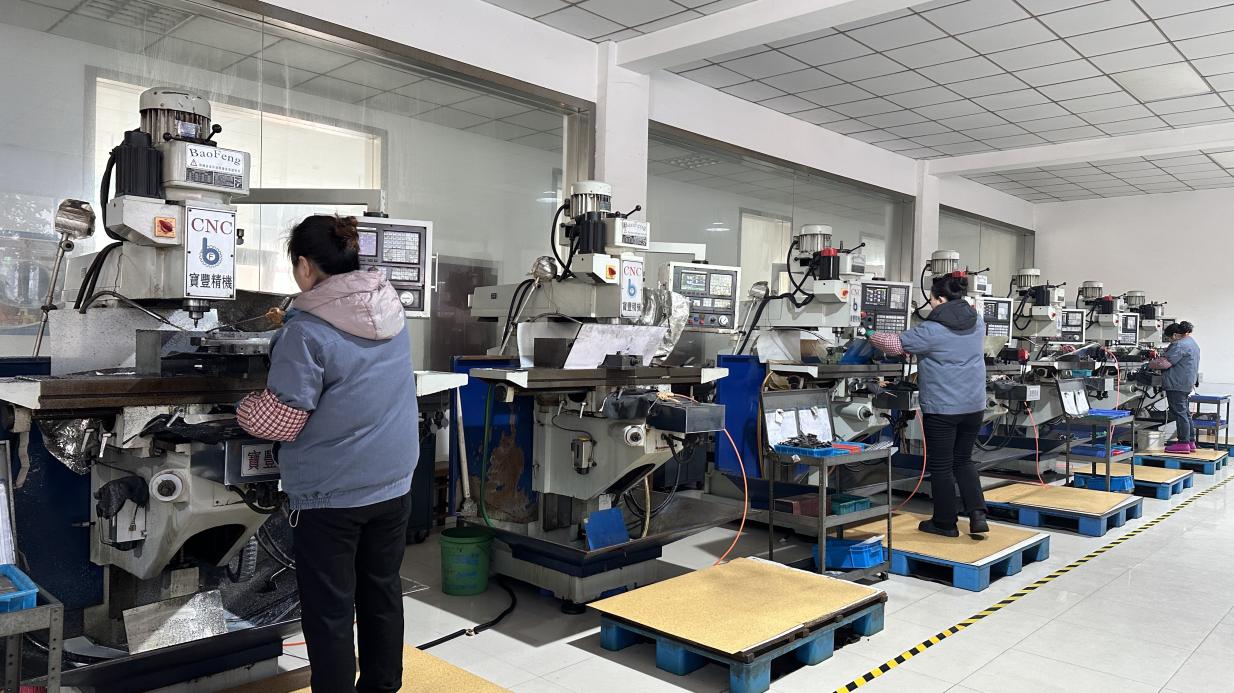
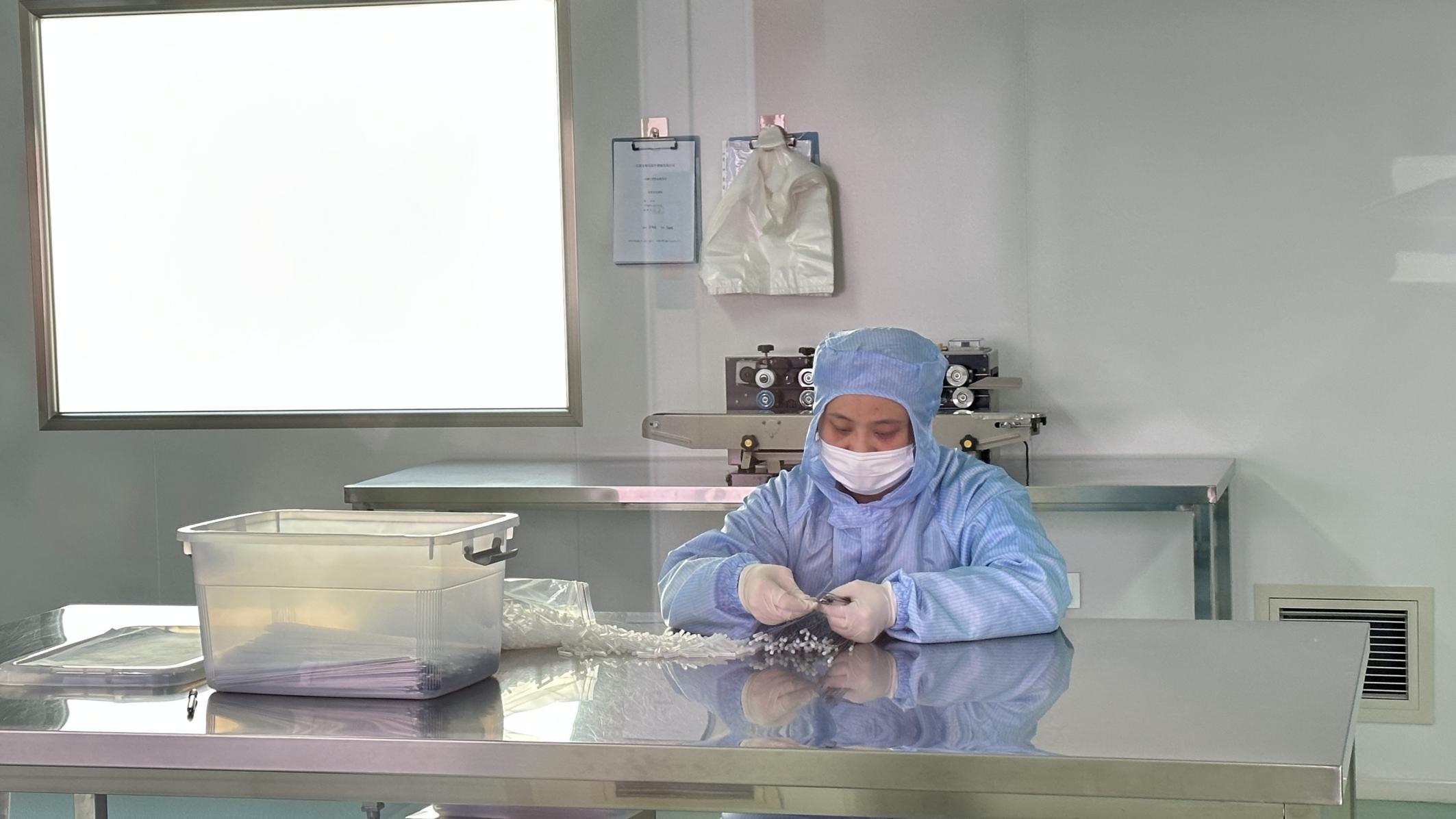
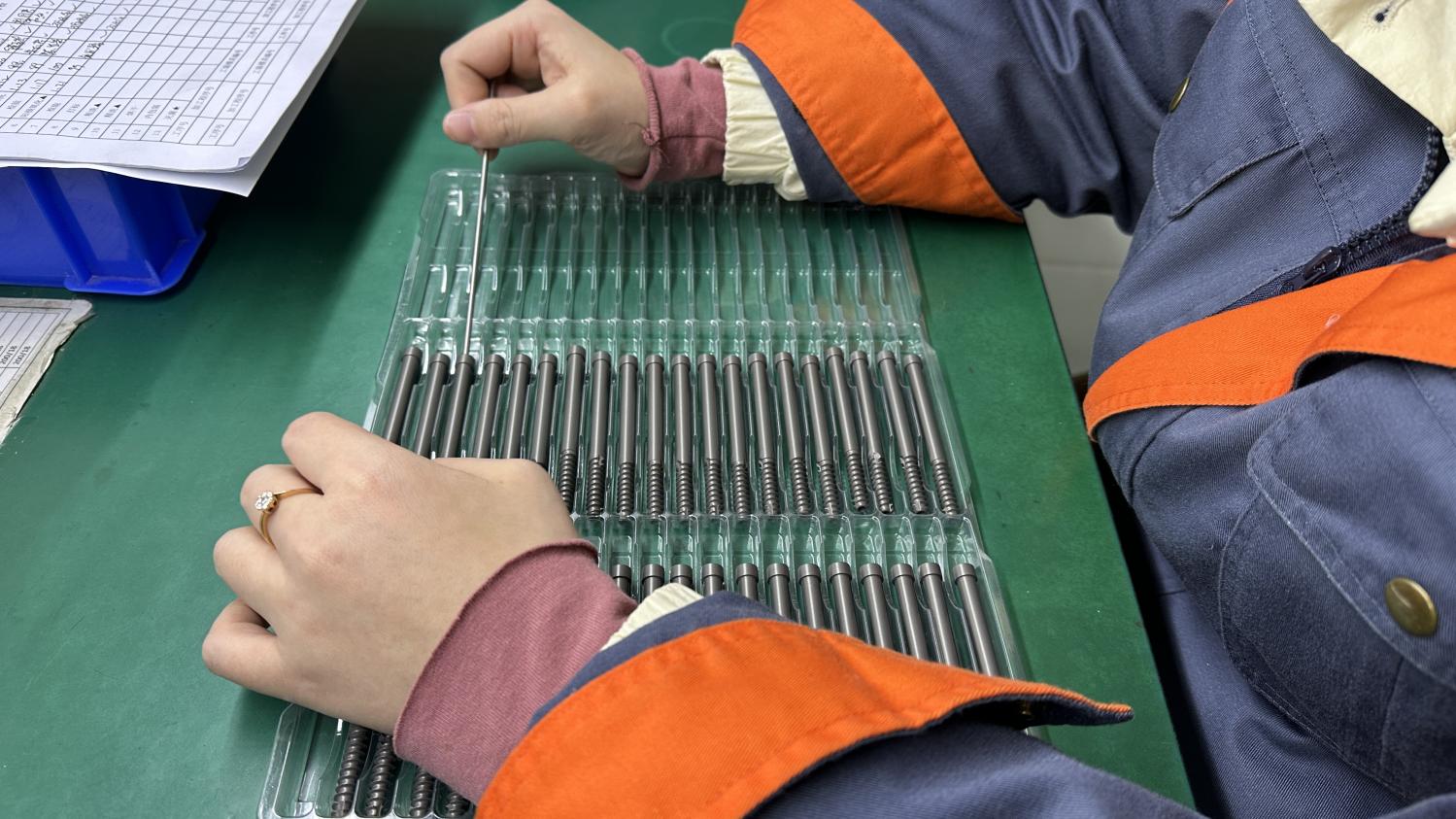
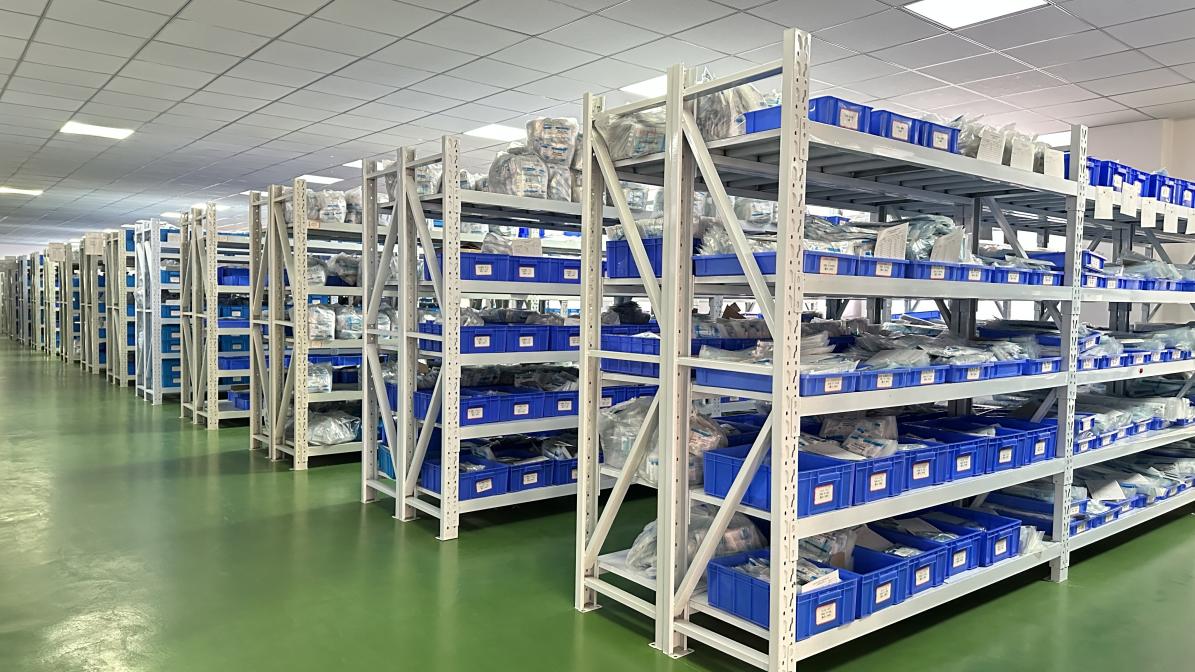
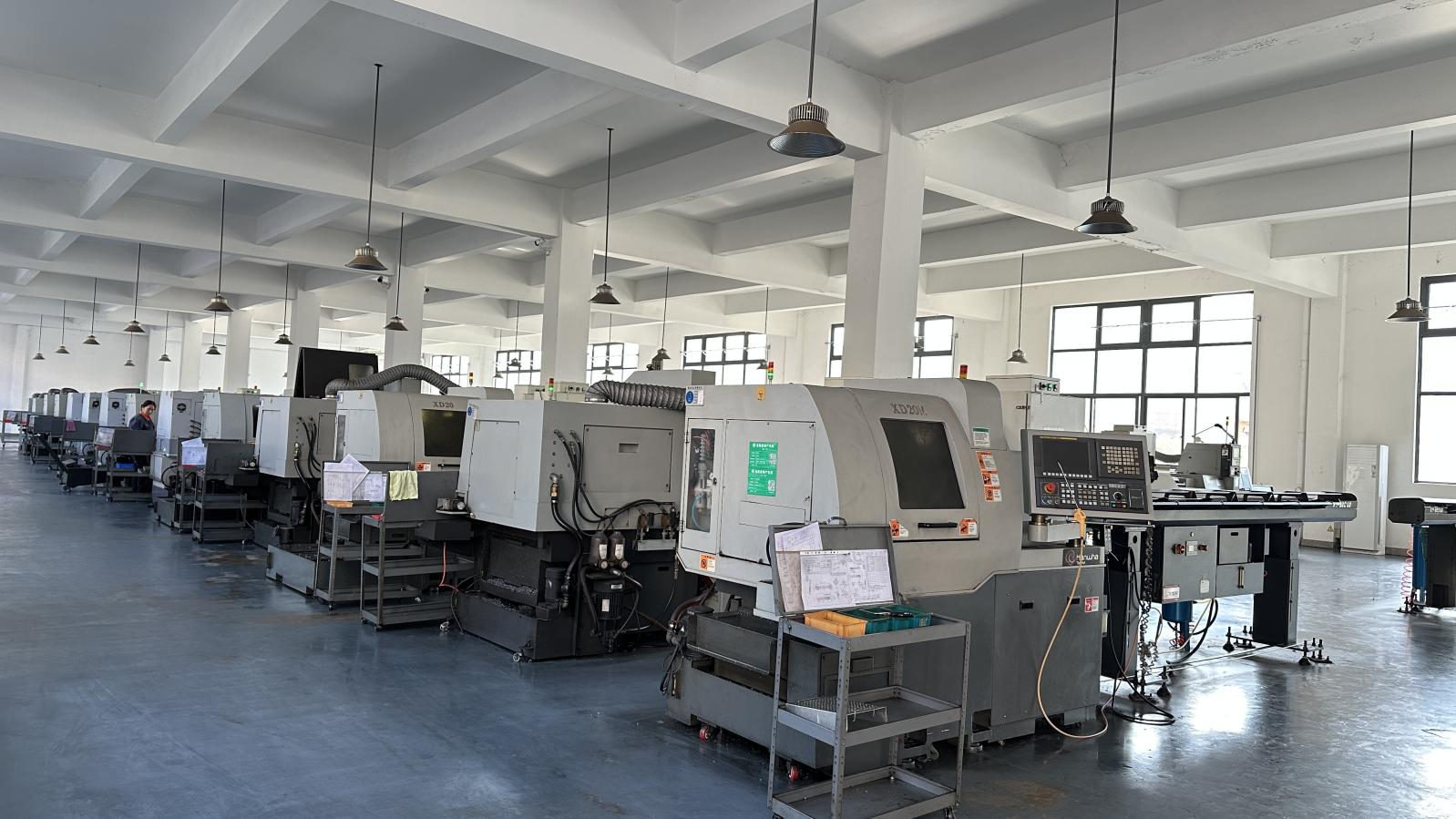
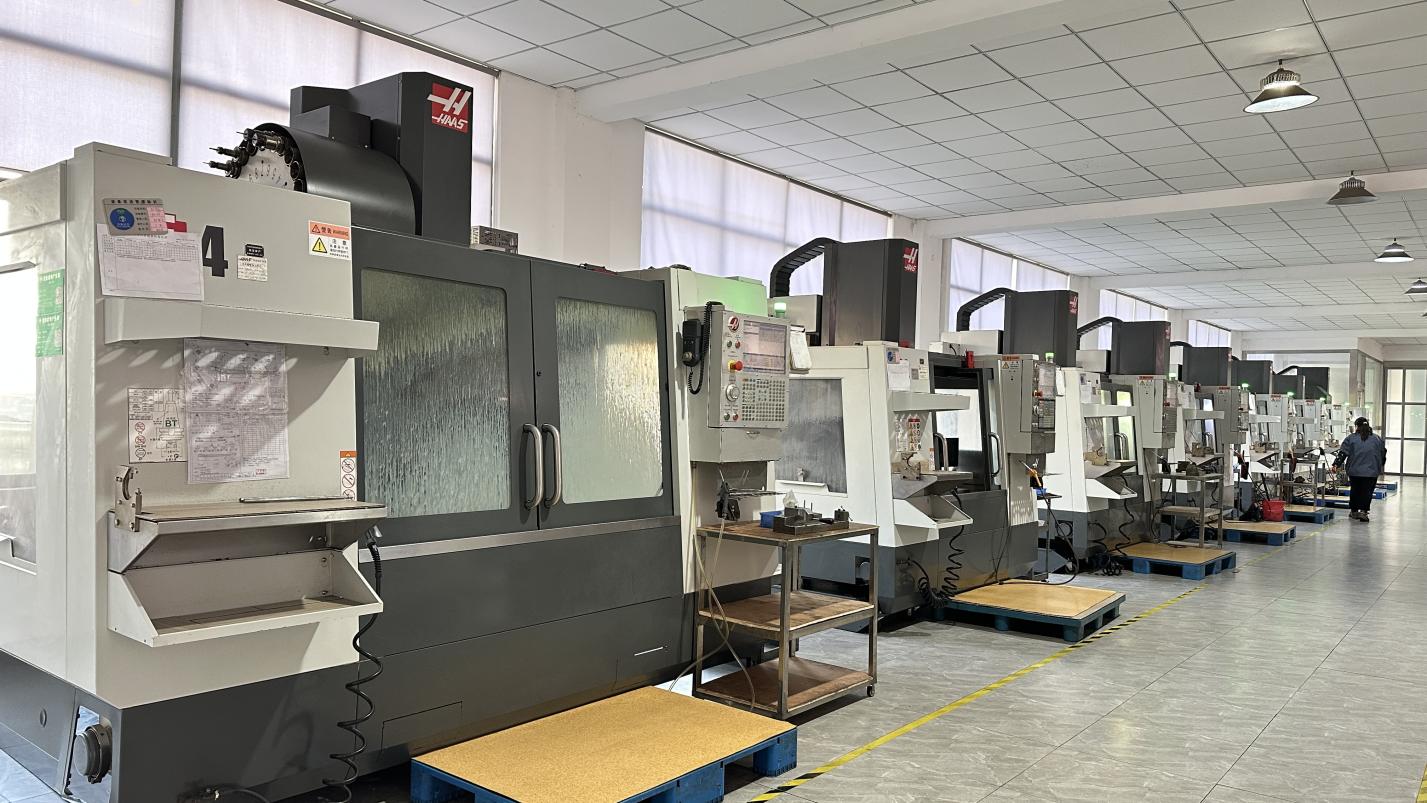
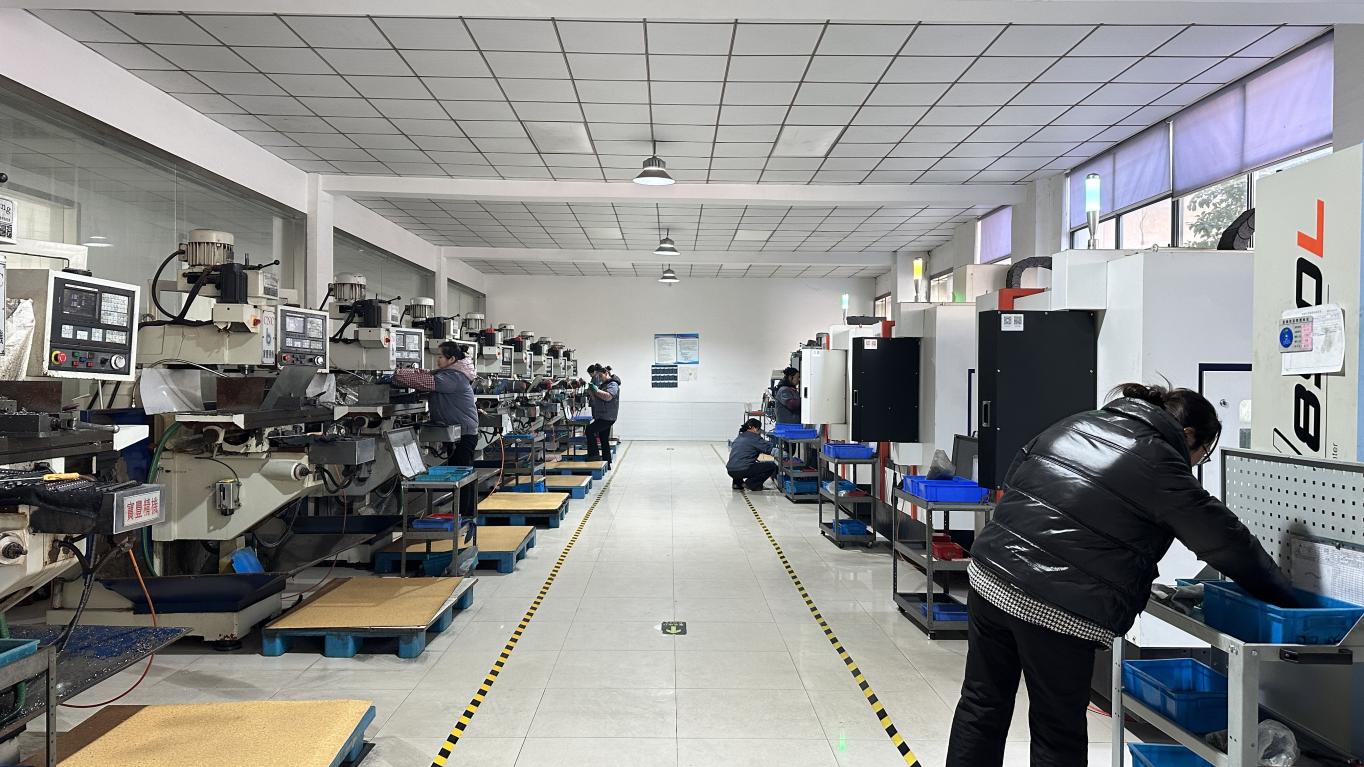
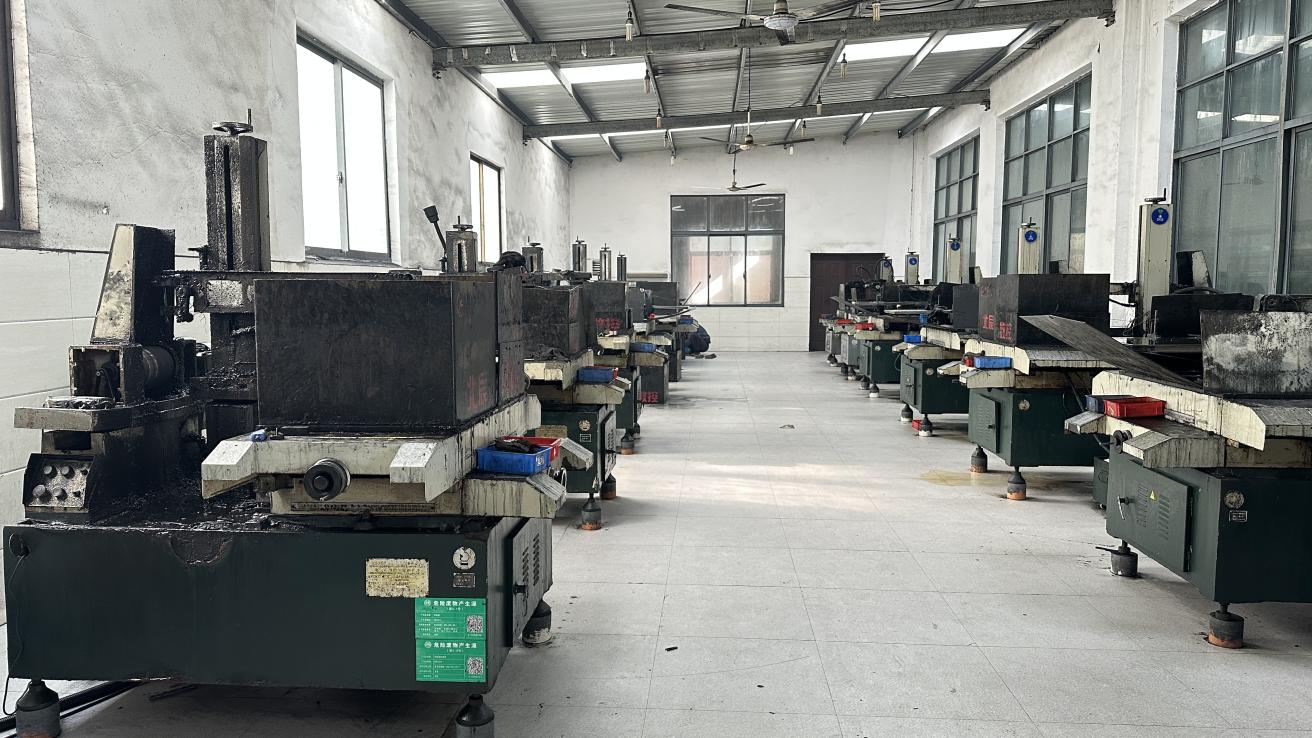
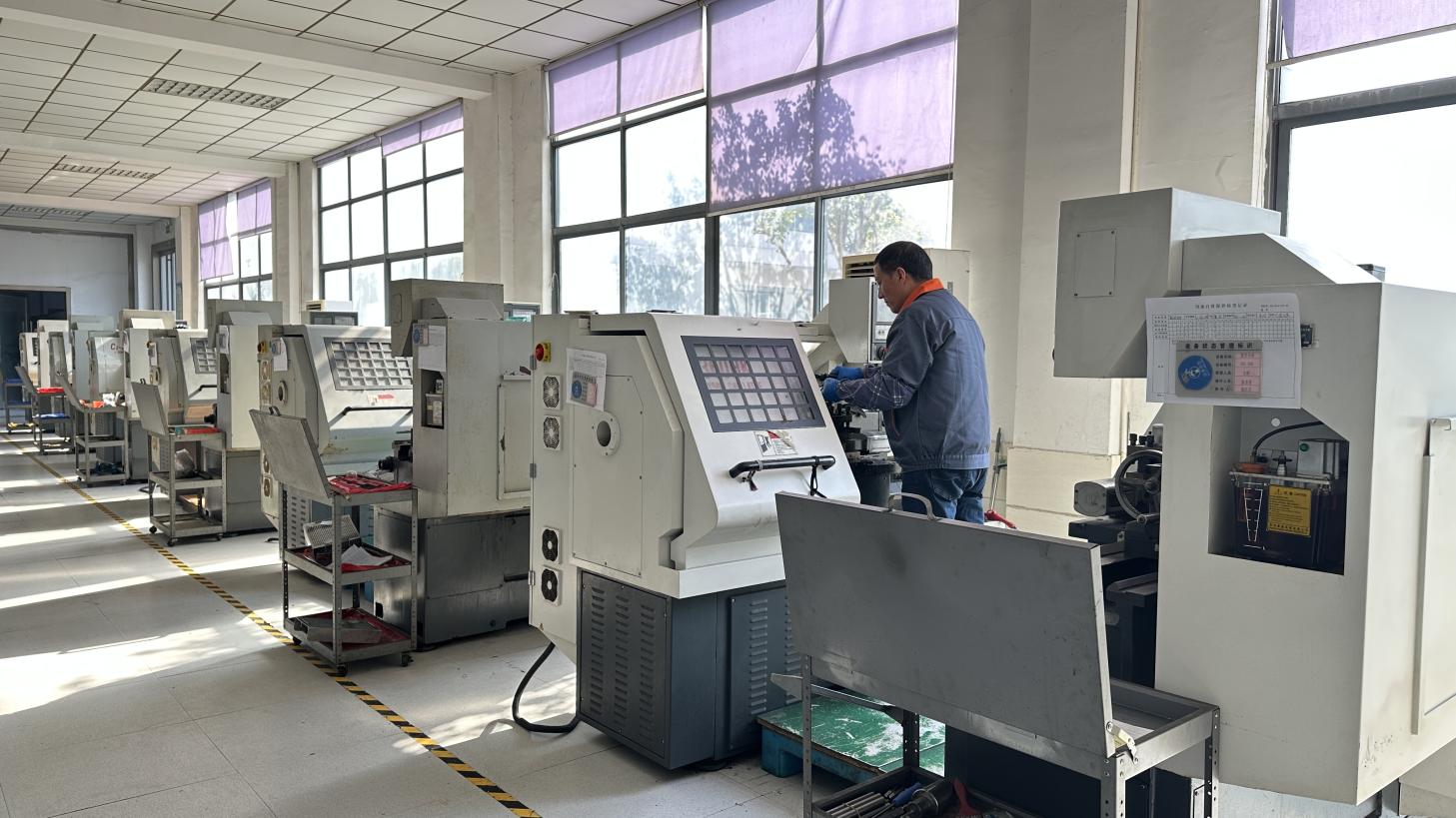
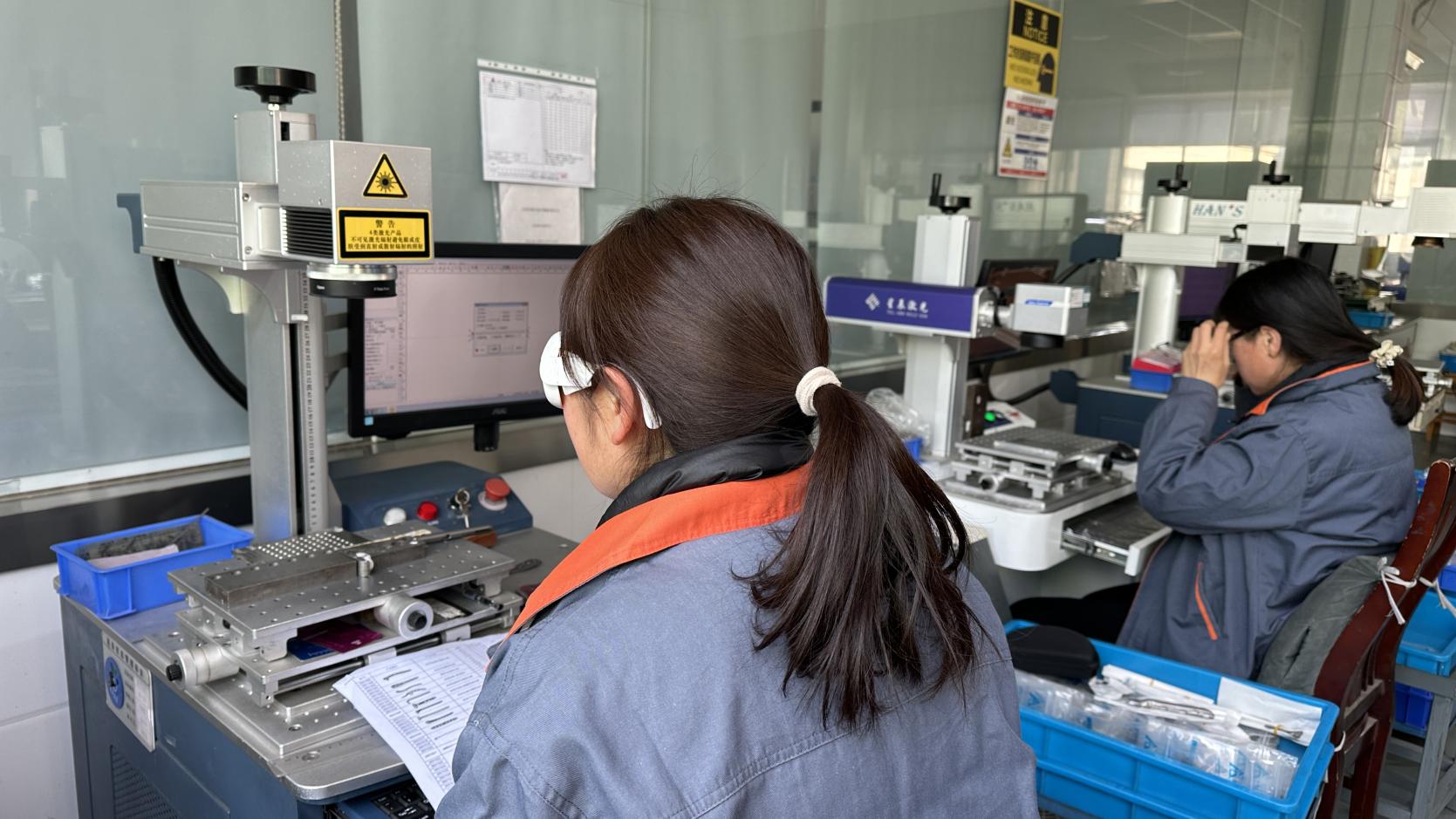
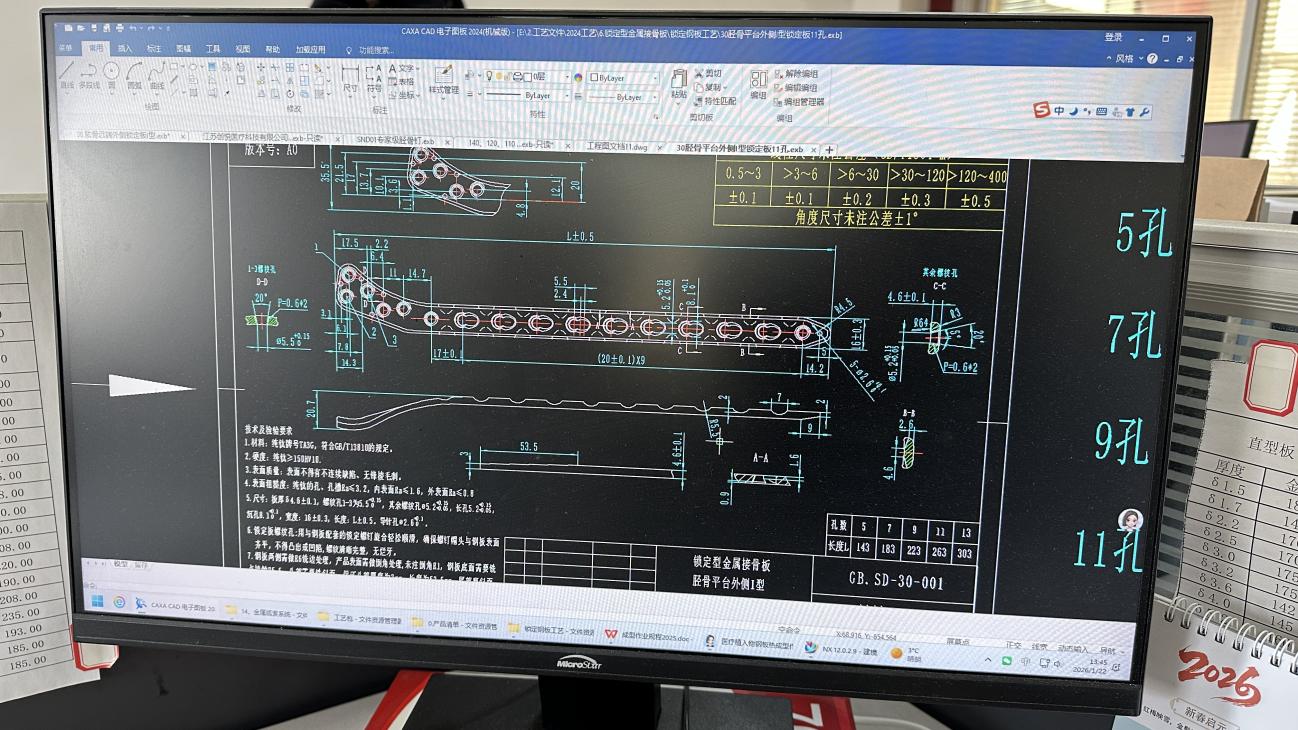

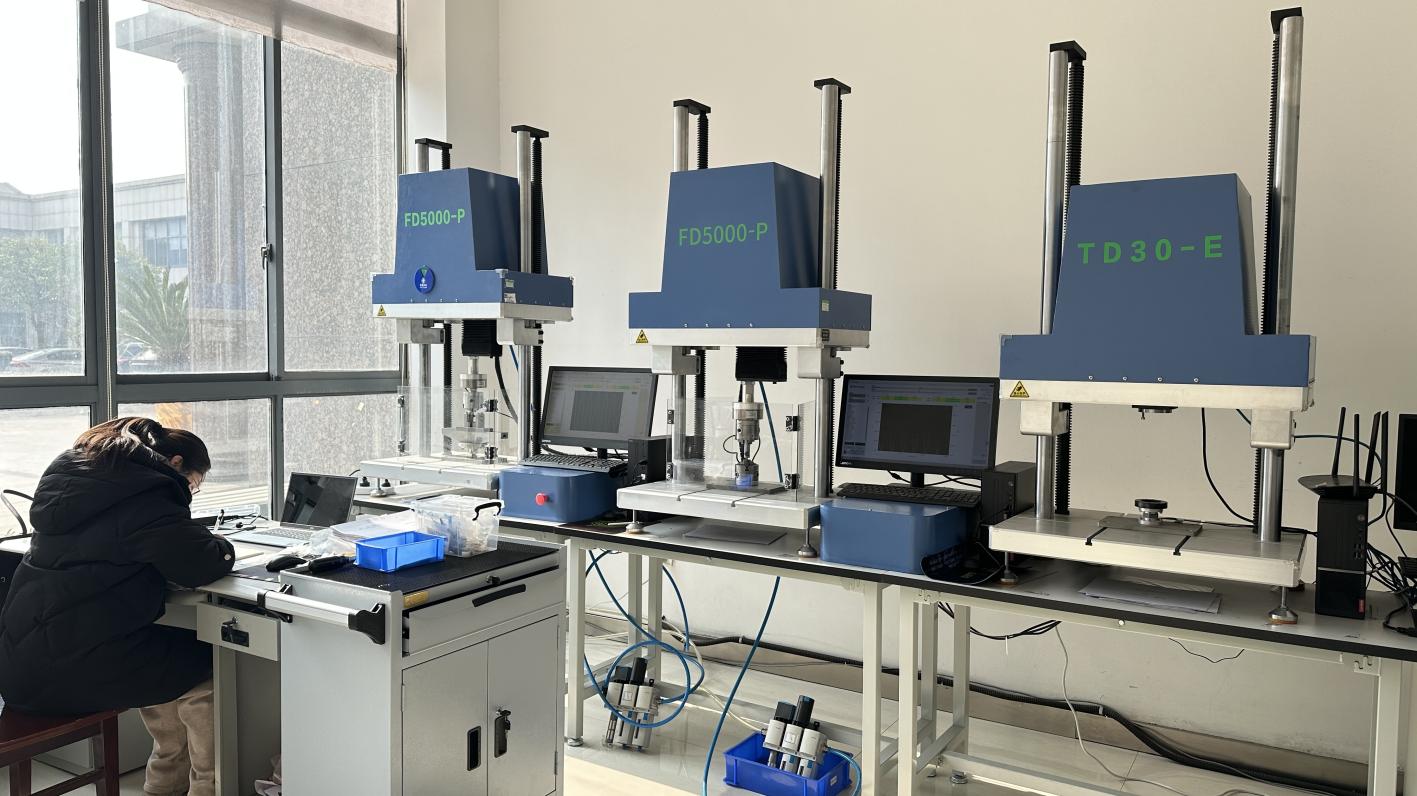
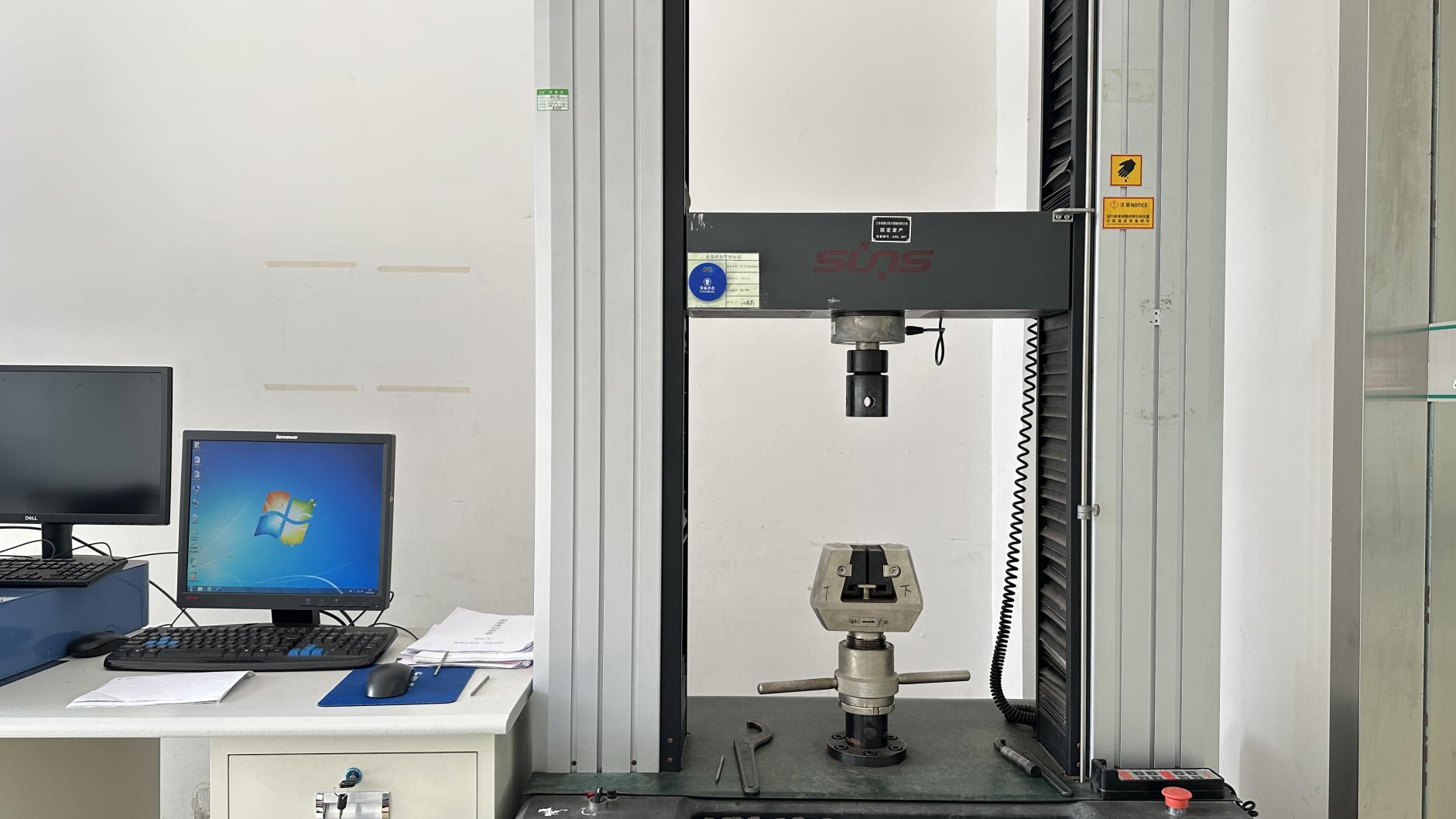
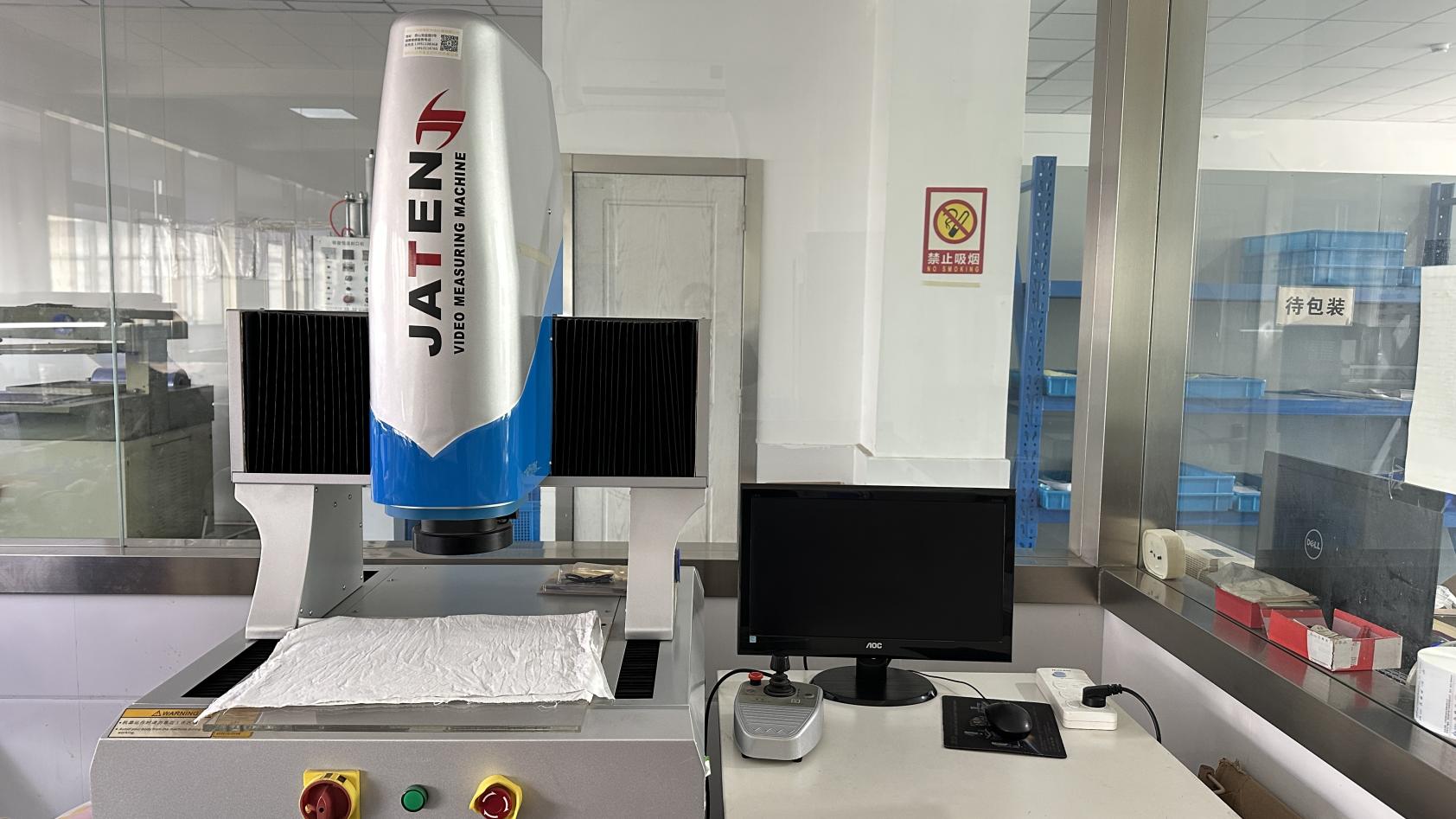
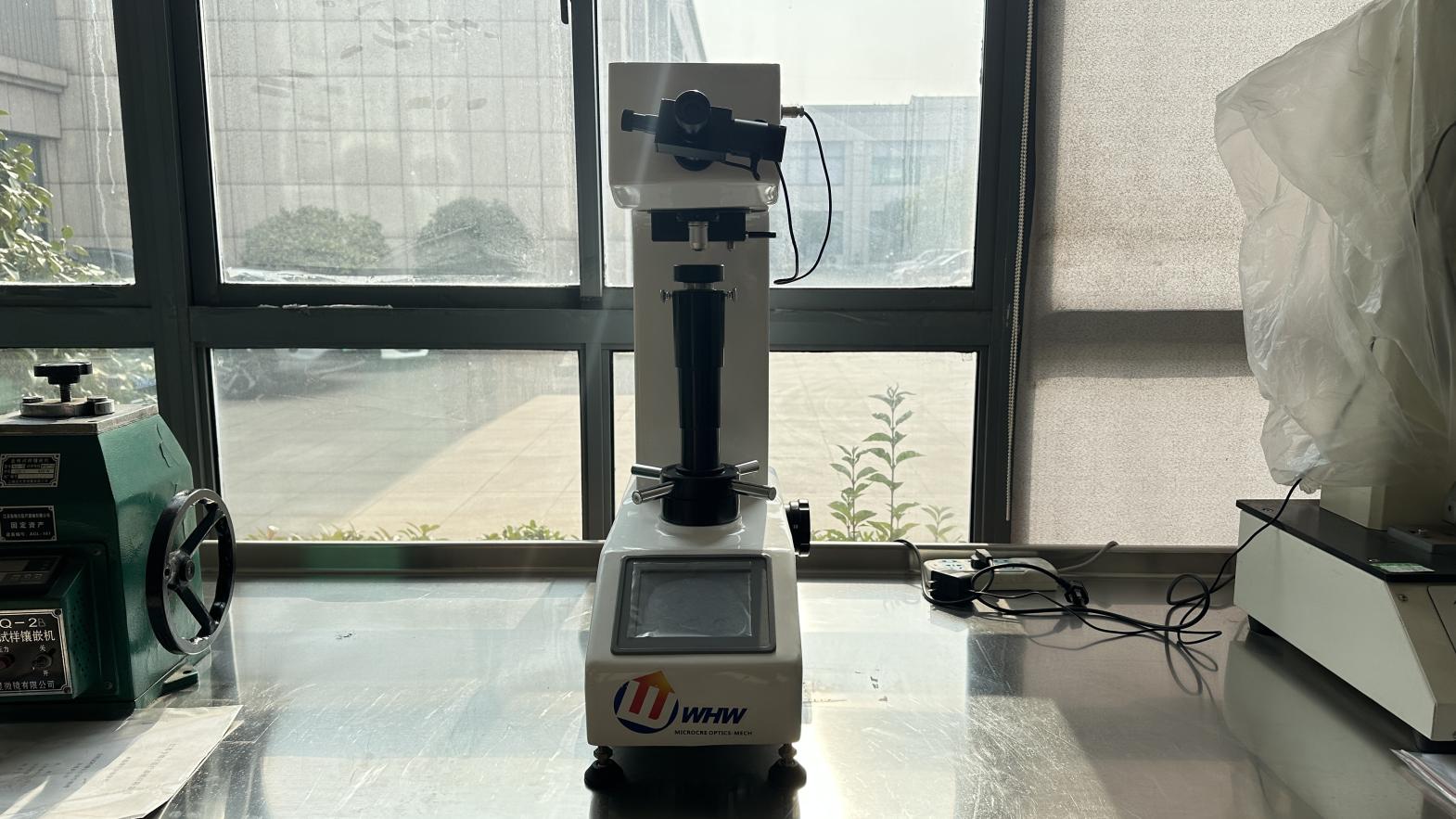
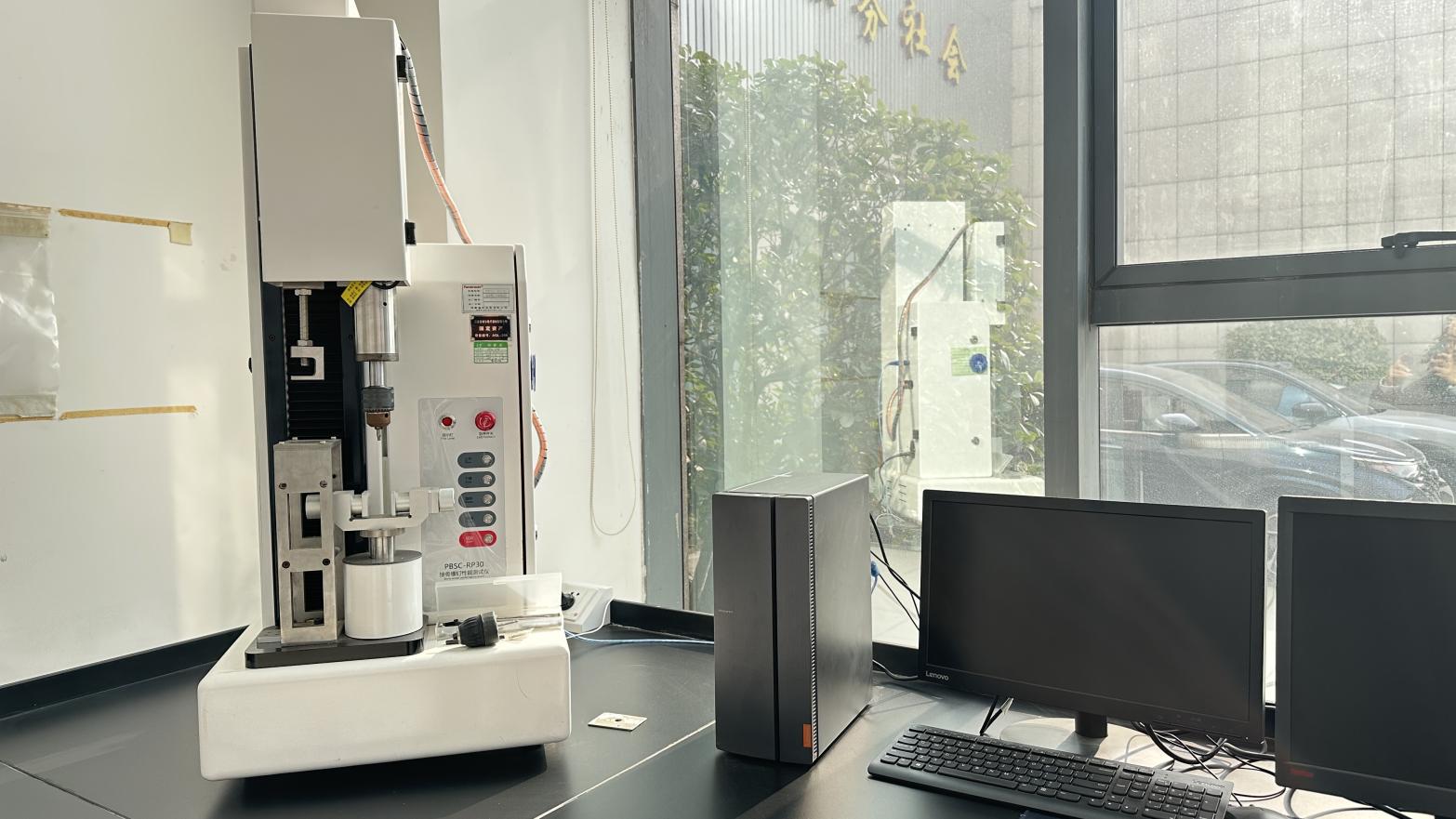
A zero-tolerance approach to quality. Our in-house QC laboratory utilizes advanced mechanics testing and CMM instrumentation to execute structural verification under ASTM and ISO standards.
Every cervical interbody cage batch must sustain static and dynamic axial compression, shear, and torsion testing under simulated biological loads. This verifies fatigue limits to prevent premature cage collapse or stress crack propagation post-operation. Our testing capabilities meet ISO 13485, utilizing coordinate measuring machines (CMM) for sub-micron geometry auditing.
Furthermore, our 65-strong quality control team continuously monitors manufacturing tolerances, ensuring compatibility between the implants and the quick-connect driver mechanisms in standard orthopedic trays.
Predicting the shift in clinical orthopedics to supply next-generation spine fusion systems.
Application of nano-crystalline hydroxyapatite (HA) onto carbon-PEEK structural frameworks. This technique encourages accelerated osteoblast proliferation, securing early stabilization within the first 6 weeks post-surgery.
Leveraging pre-operative CT imaging to reconstruct patient-specific spinal curves. Our rapid prototyping division will print optimized titanium cages matching the individual's unique endplate contours, eliminating graft subsidence risks.
Conducting active research on bio-resorbable polymer matrices designed to degrade slowly as real bone bridges across the cervical column, eventually leaving only natural bone behind.
Essential answers to critical questions commonly raised by spinal orthopedic surgeons, product managers, and B2B hospital procurement officers.
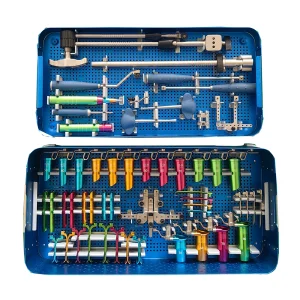
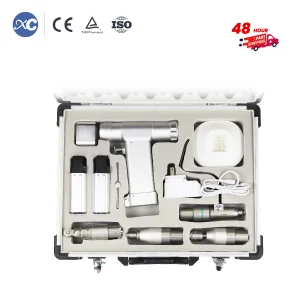
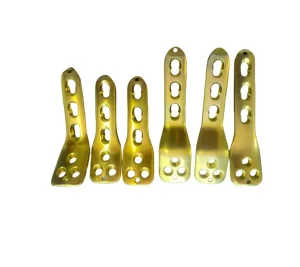
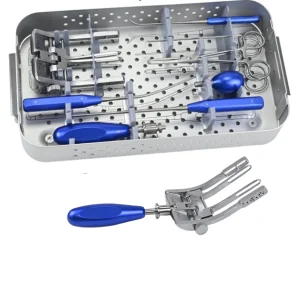
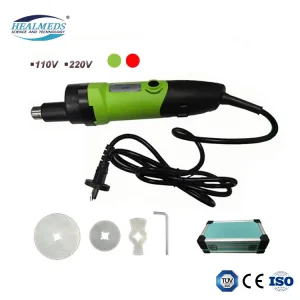
High-precision trauma plates, suture anchors, power tools, and specialized retractors constructed to optimize operating room efficiency and patient outcomes.
 Virelox