GLOBAL ORTHOPEDIC MANUFACTURING SOLUTIONS

OEM/ODM Orthopedic Surgery Instruments Factories & Suppliers

Virelox Medical Profile & Industrial Footprint

2016
Established Year
12,000 m²
Building Area
$8,500,000
Annual Export Revenue
10 Years
Industry Experience
120
R&D Engineers

High-Performance Orthopedic Implant Solutions

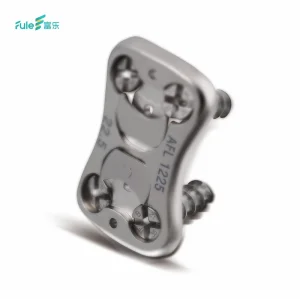
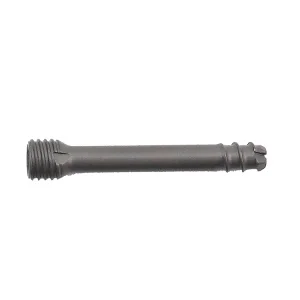
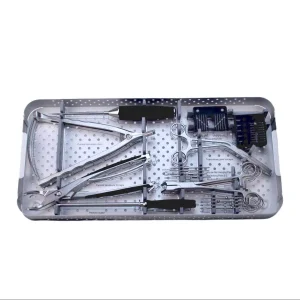
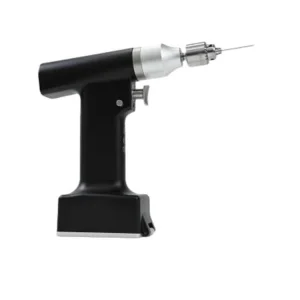
Virelox Medical Devices Co., Ltd. is a leading professional orthopedic medical device manufacturer specializing in cutting-edge joint replacement systems and implantable surgical solutions. Operating under the globally recognized brand "Virelox", we dedicate our manufacturing intelligence and clinical engineering resources to delivering ultra-high performance orthopedic systems. Our product architecture addresses complex human trauma fixations, spinal reconstruction systems, joint revision interventions, and specialized veterinary surgical kits.

By coordinating a network of 850 certified upstream raw material and component partners, Virelox guarantees structural integrity and uninterrupted supplies. We serve medical device distributors, hospitals, trauma centers, and international healthcare procurement agencies across Europe, Southeast Asia, the Middle East, and South America.

Rigorous Biological & Physical Verification

Our ISO 13485-compliant quality control system leaves no margin for error. We deploy 65 specialized QA/QC professionals who manage a robust triple-verification framework (IQC, IPQC, FQC) utilizing state-of-the-art diagnostic platforms:

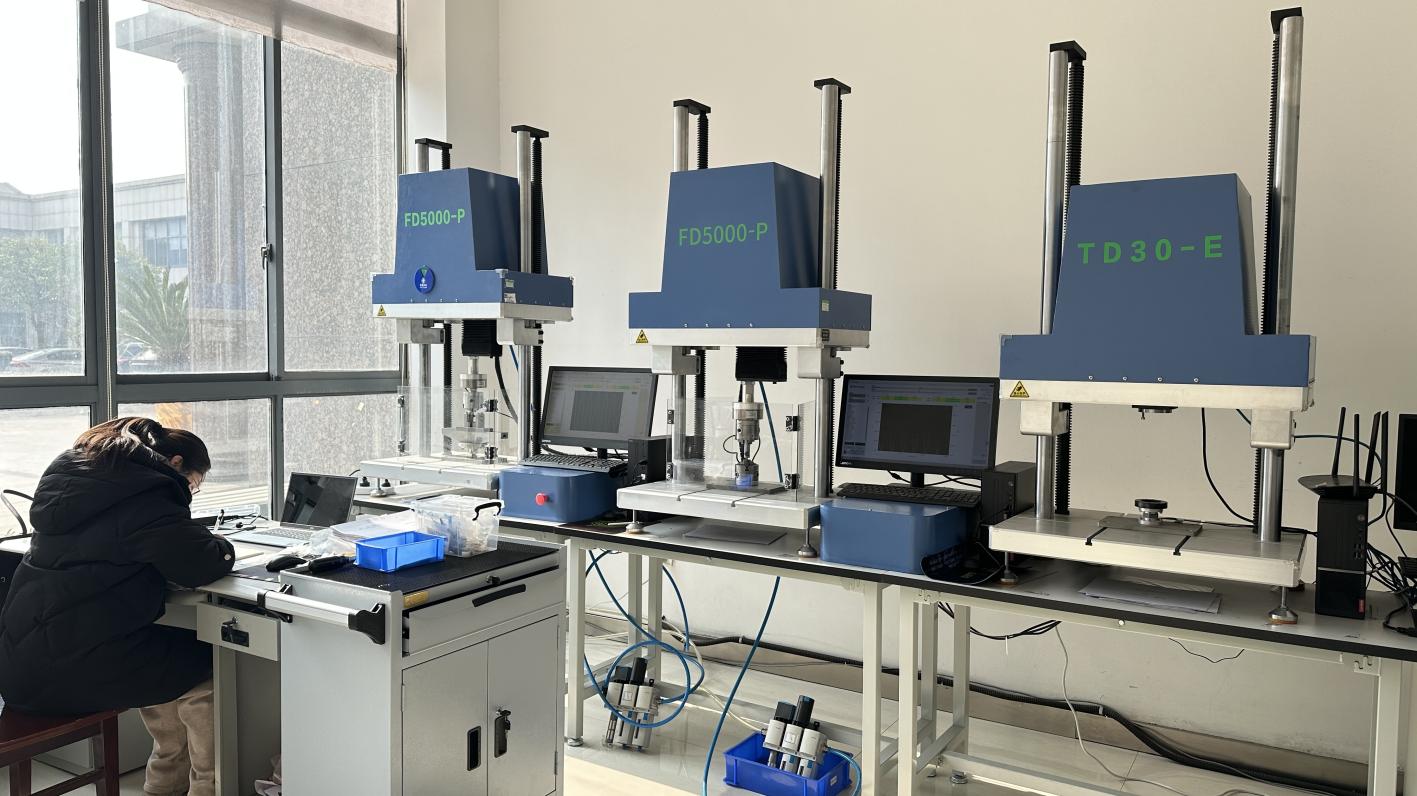
  • Fatigue Testing: Simulation of millions of flexural cycles under load.
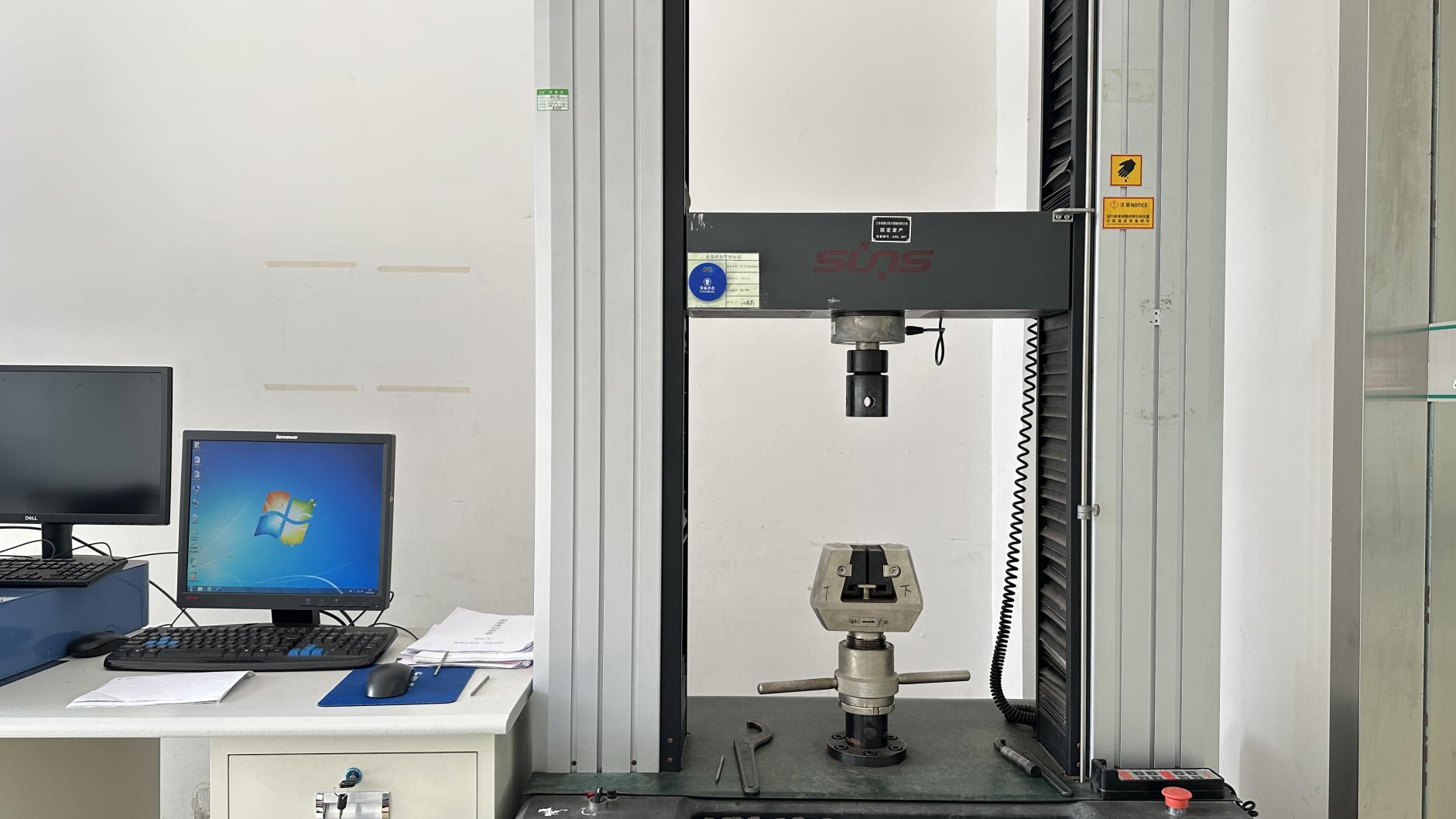
  • Tensile Strength Analysis: Destructive tests verifying material grain limits.
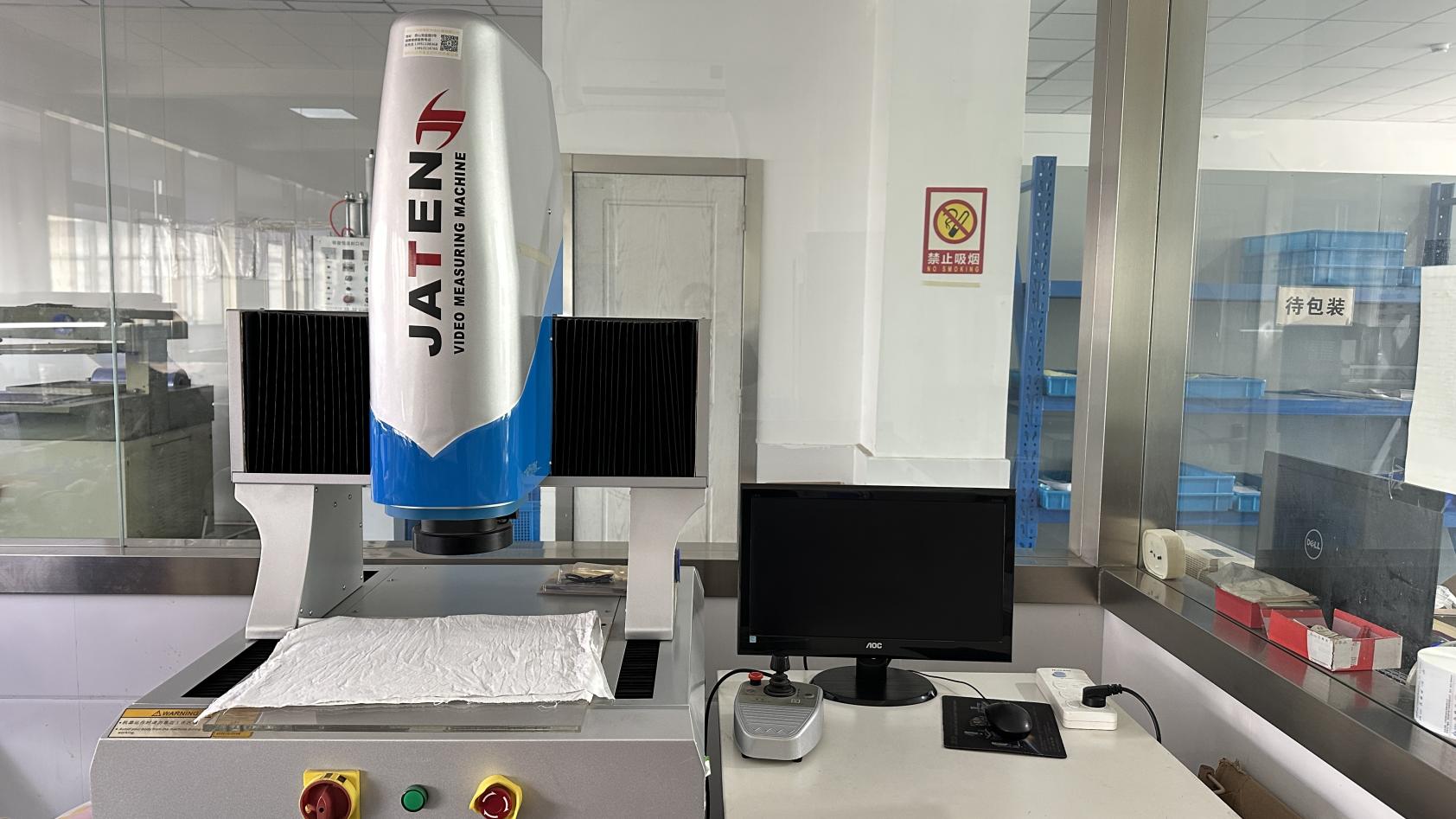
  • Dimensional CMM Measurement: Micrometer-precise coordinates validation.
  • Digital X-ray Inspection: Advanced structural homogeneity analysis.

Global Commercial Outlook & Industry Challenges

The global orthopedic surgery instruments and implants market is undergoing a structural transition. Driving forces include an aging worldwide demographic, a rising incidence of sports-related trauma injuries, and an increasing clinical preference for Minimally Invasive Spine Surgery (MISS). Hospitals and surgical centers require implants that offer faster osteointegration, lower infection risks, and longer structural lifespans. As a result, the demand for custom-fabricated, patient-specific orthopedic instrumentation has surged.

However, clinical procurement agents face distinct challenges: balancing cost restrictions against regulatory requirements (such as the transition from MDD to EU MDR 2017/745), ensuring biological and chemical cleanliness of titanium plates, and avoiding supply line disruptions. In this volatile market, sourcing medical devices from certified OEM/ODM factories is essential. These facilities must offer both cost efficiencies and clinical safety, backed by robust verification pathways.

Step-by-Step Advanced Manufacturing & Quality Validation

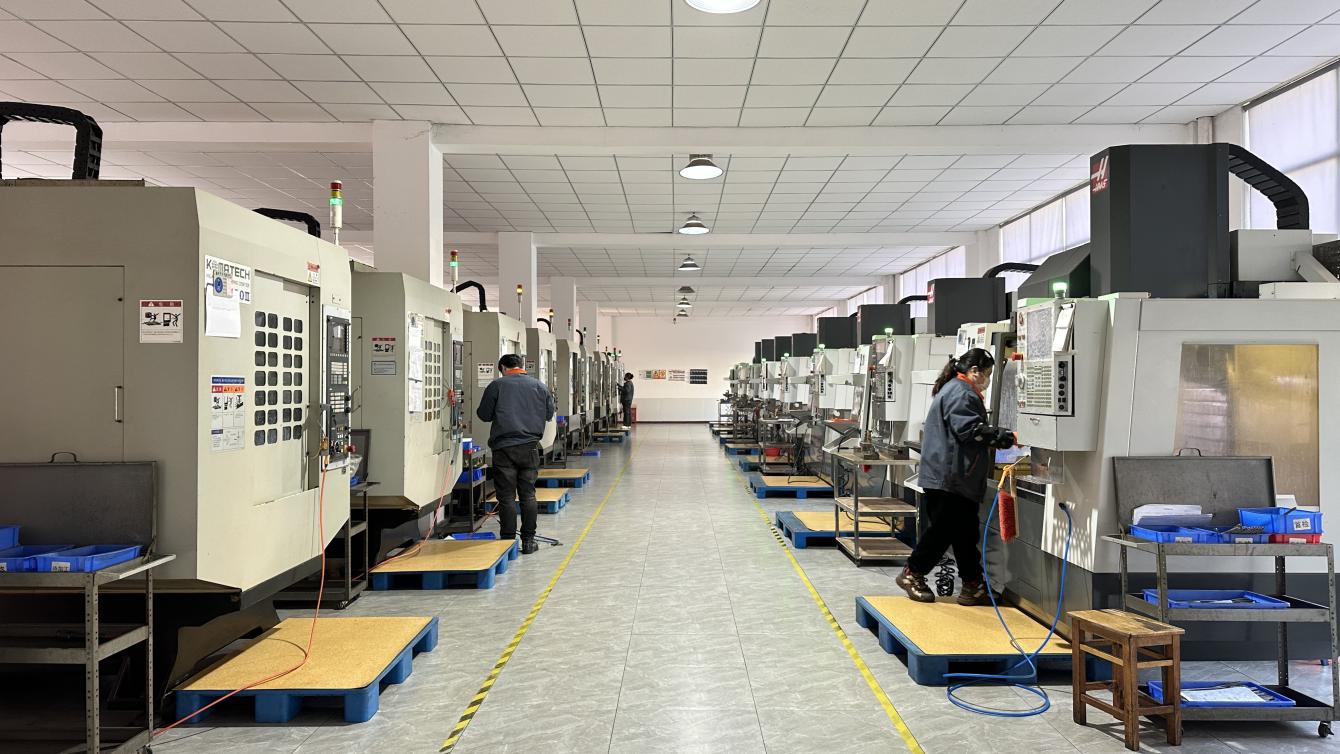
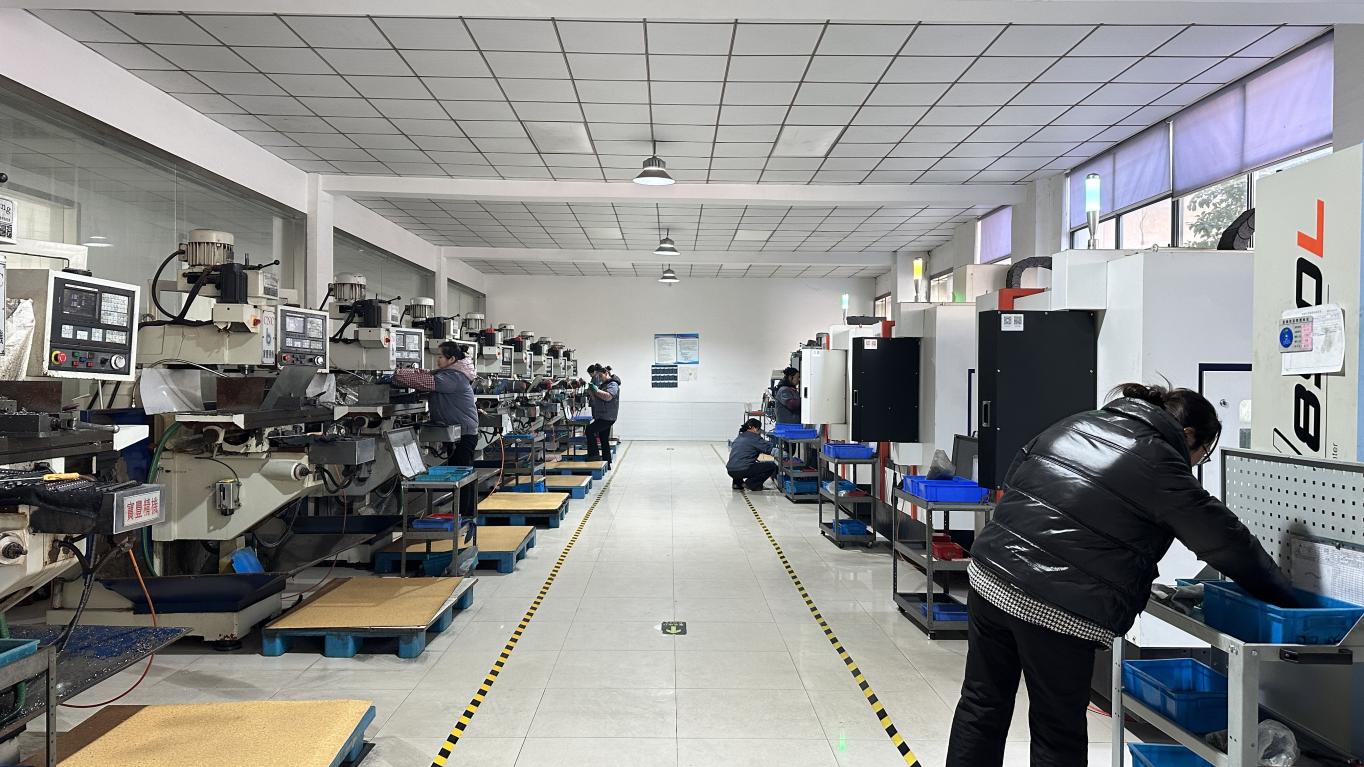
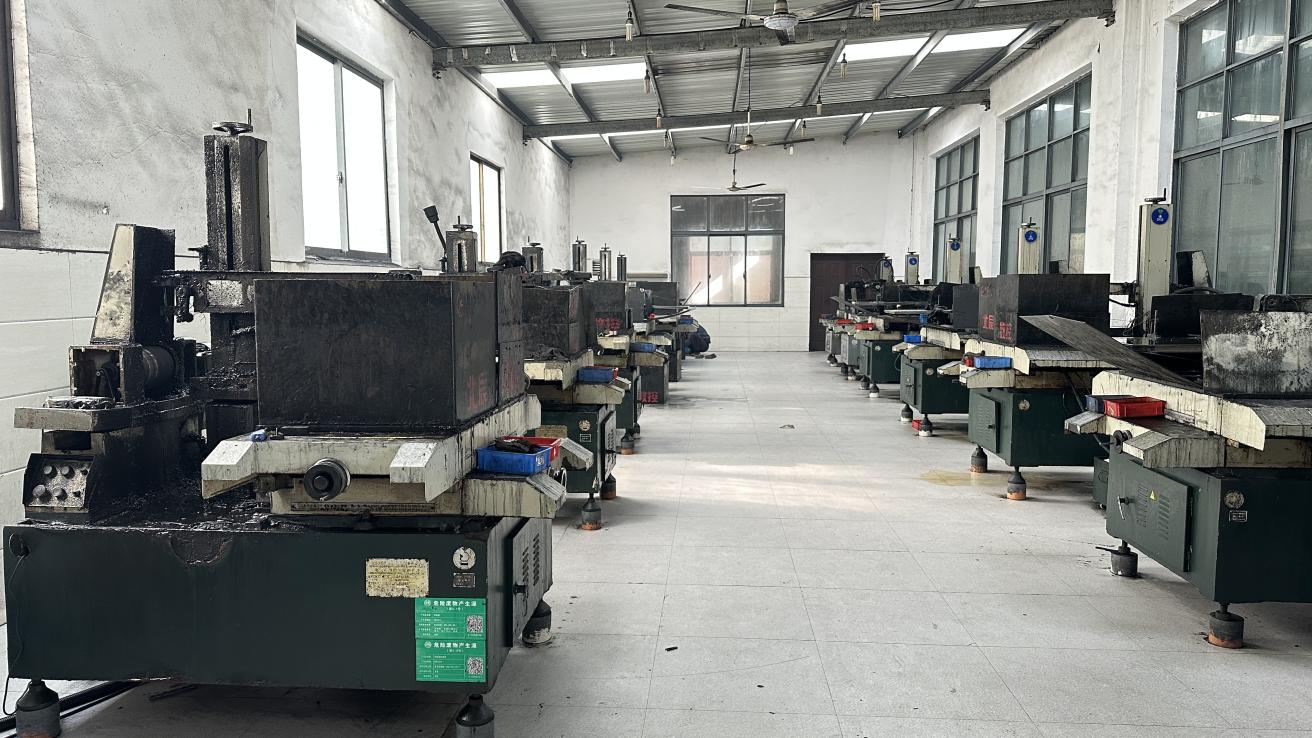
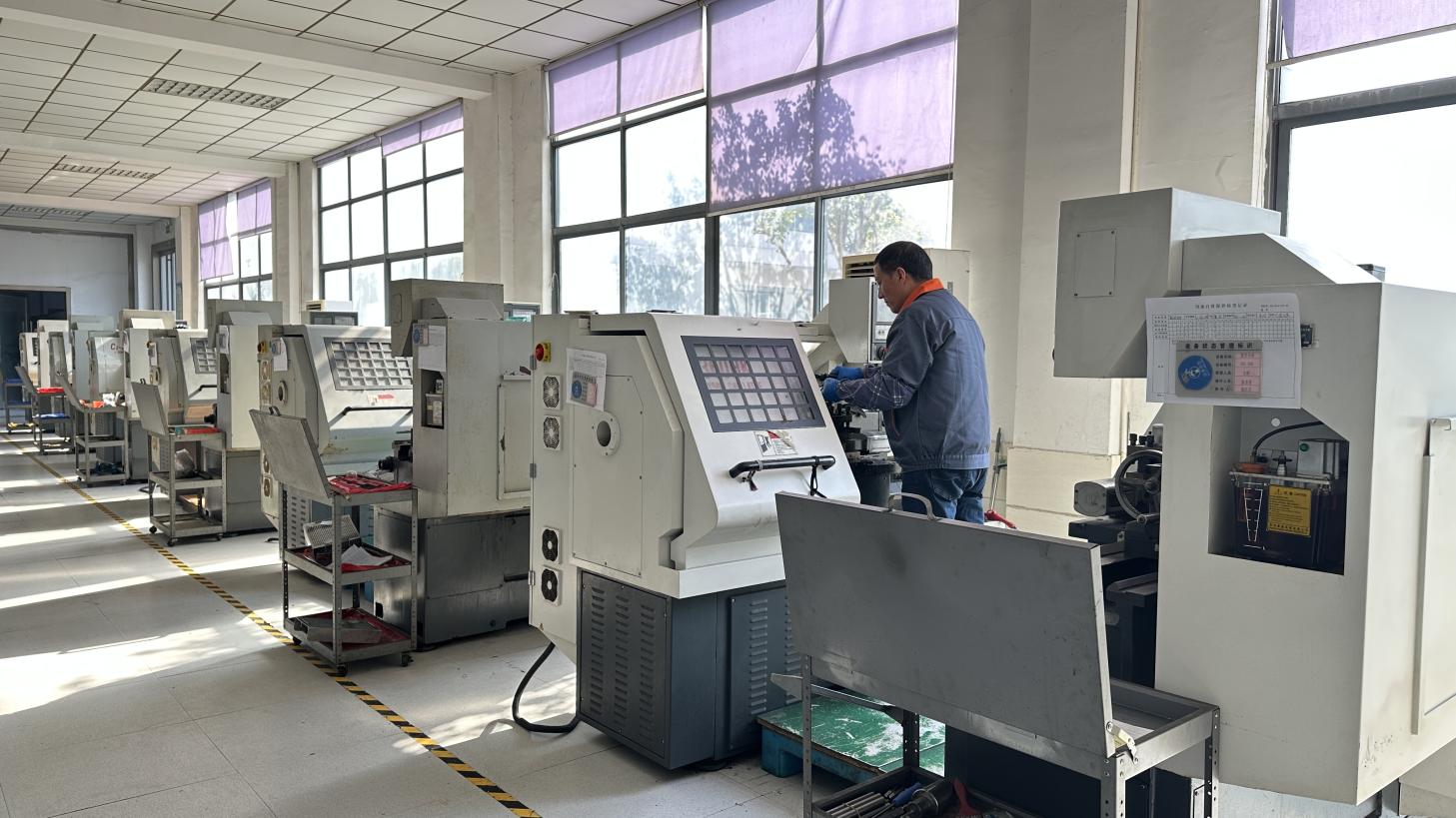
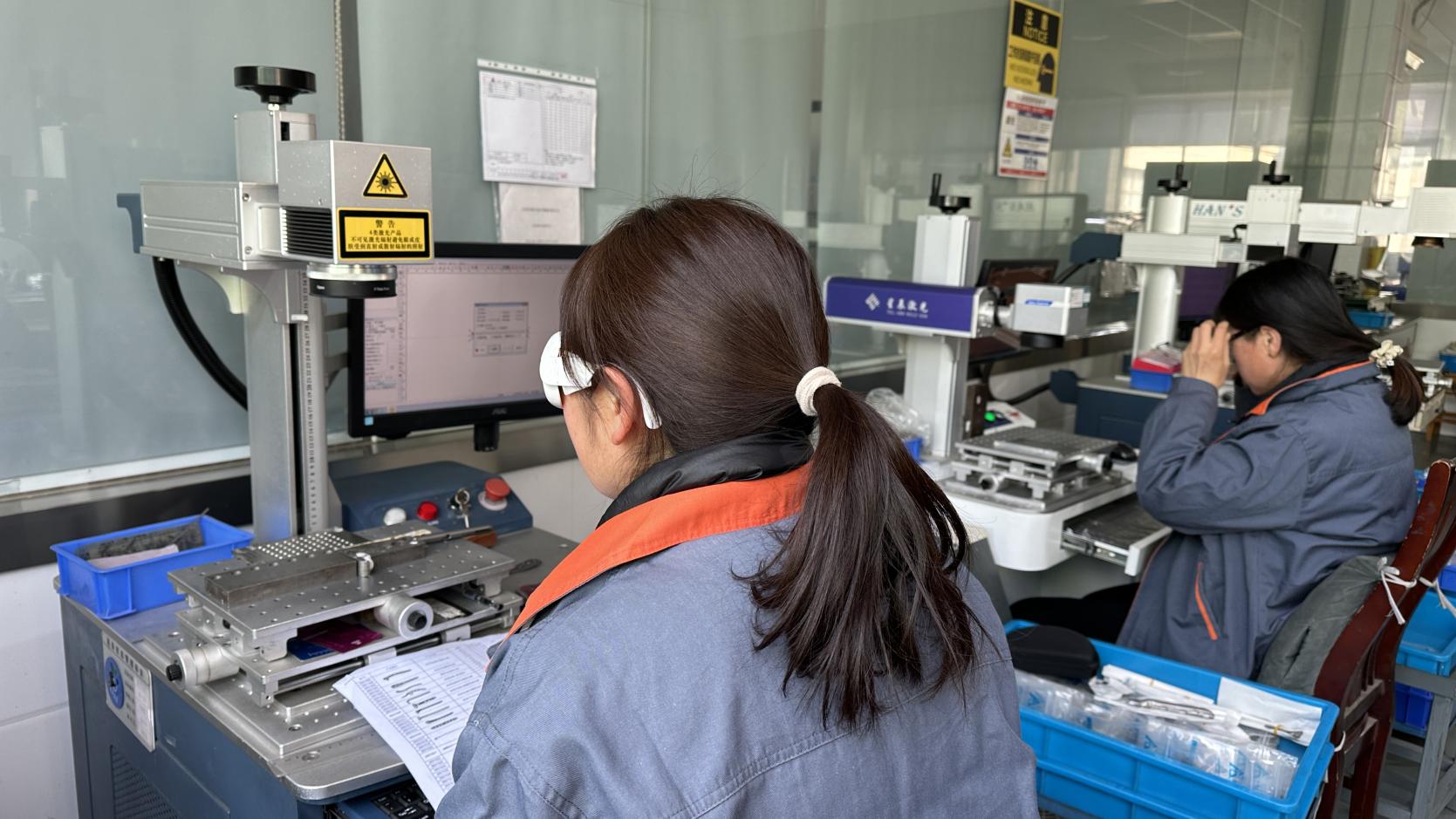
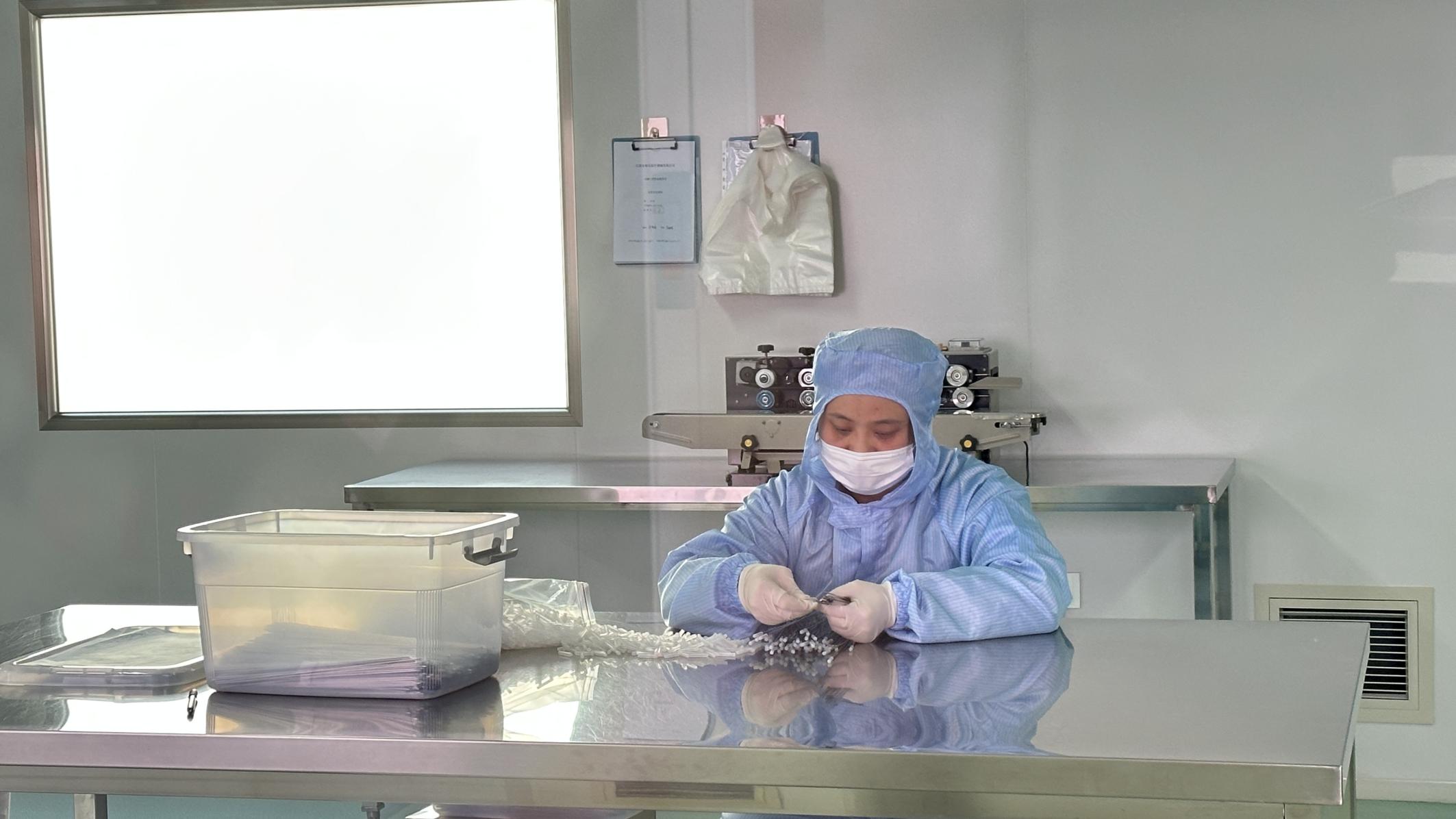
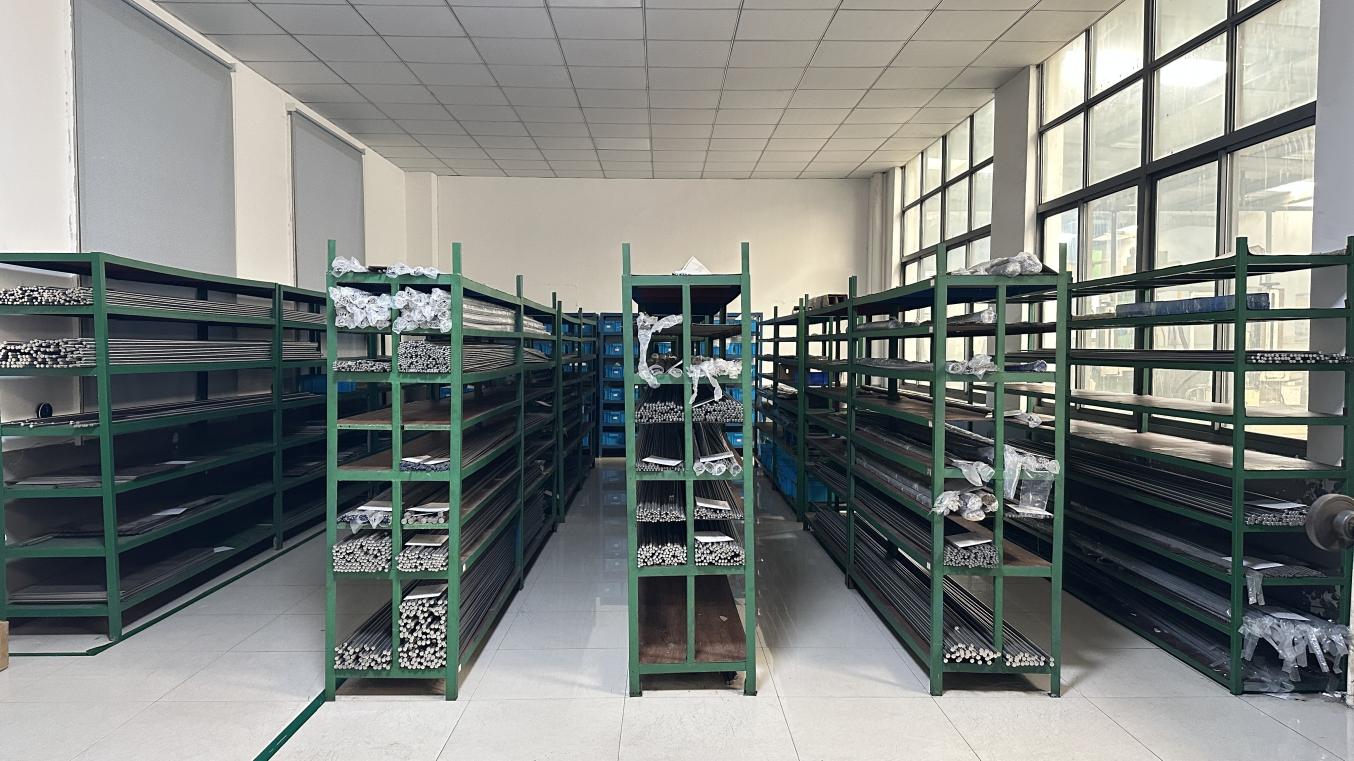
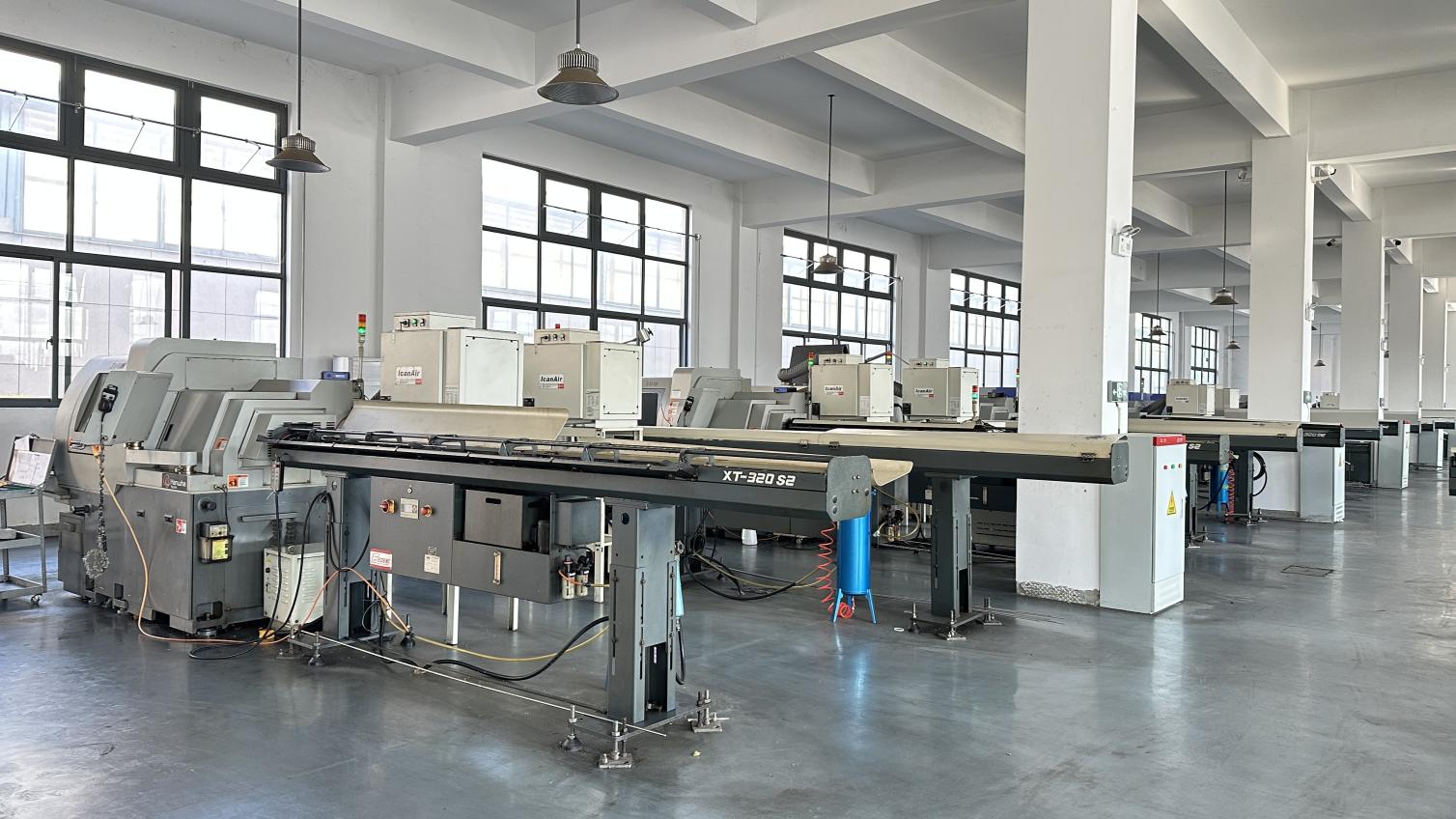
An inside look at our 12,000 m² clean workshop facility, showcasing precision manufacturing from raw titanium blocks to certified sterile packaging.
Manufacturing Process Workflow

Raw Materials
Raw Materials
Slitting
Slitting
CNC Machining
CNC Machining
Machining
Machining
Milling
Milling
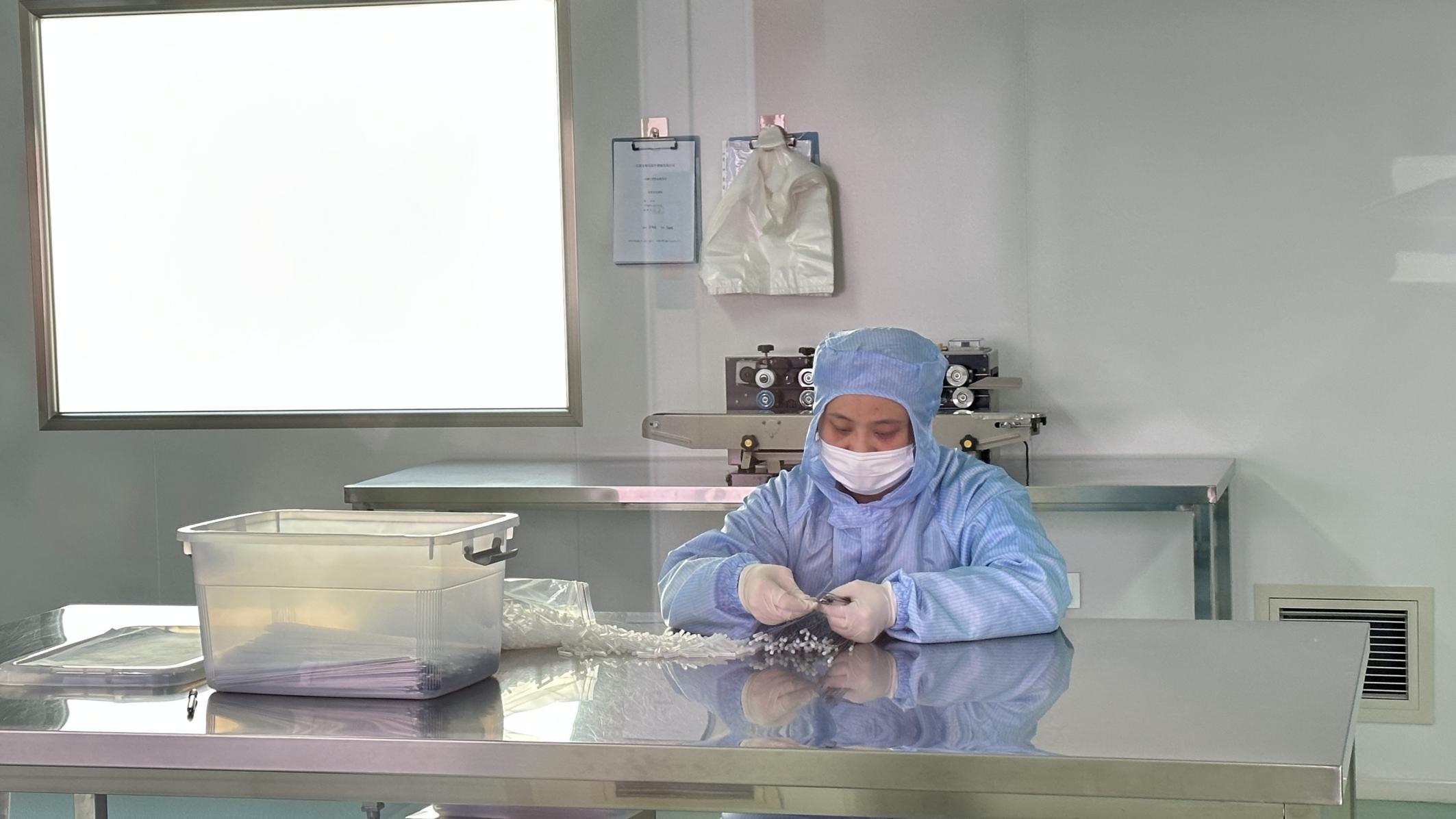
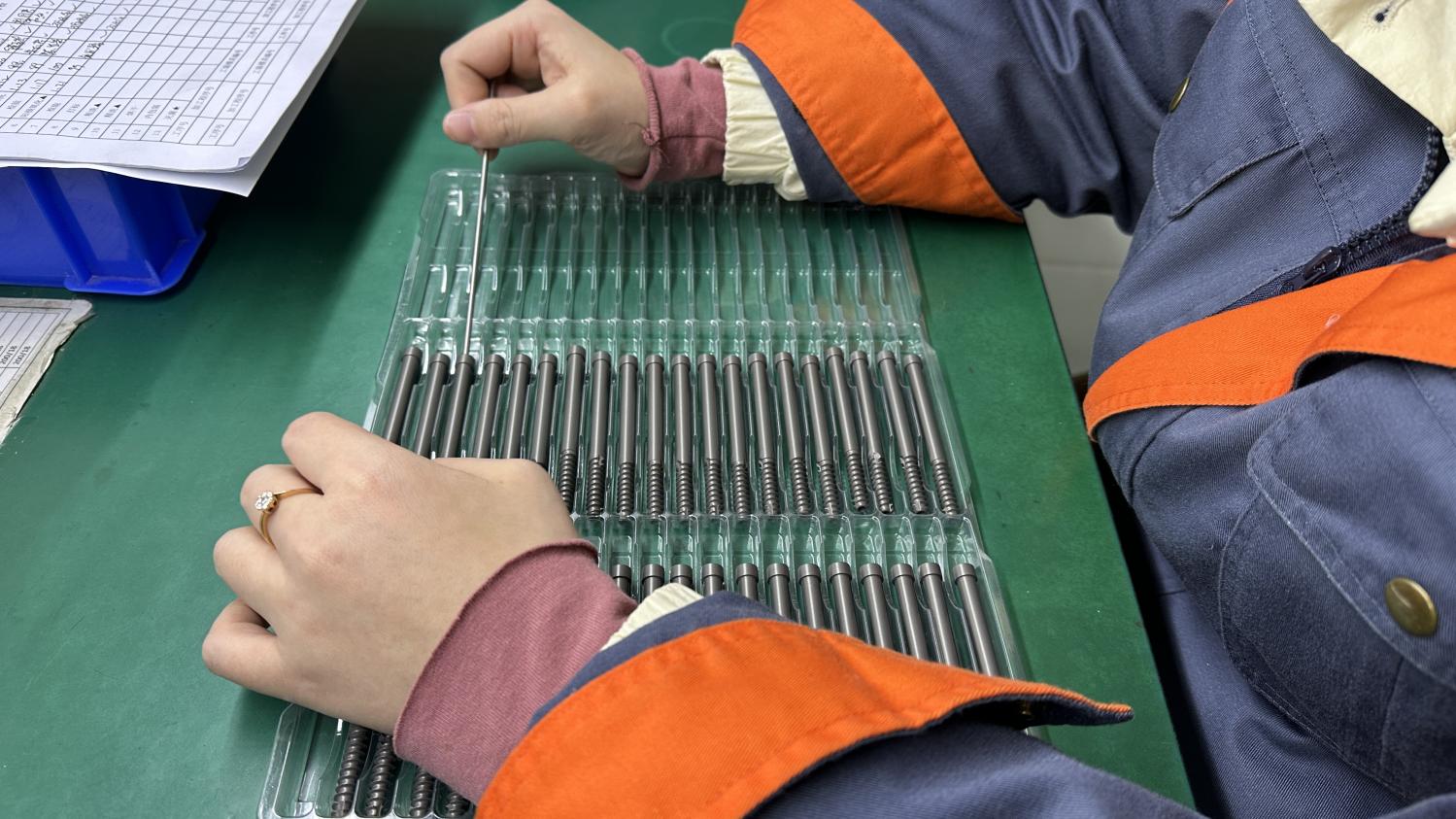
Inspection and Packing 1
Inspection & Packing
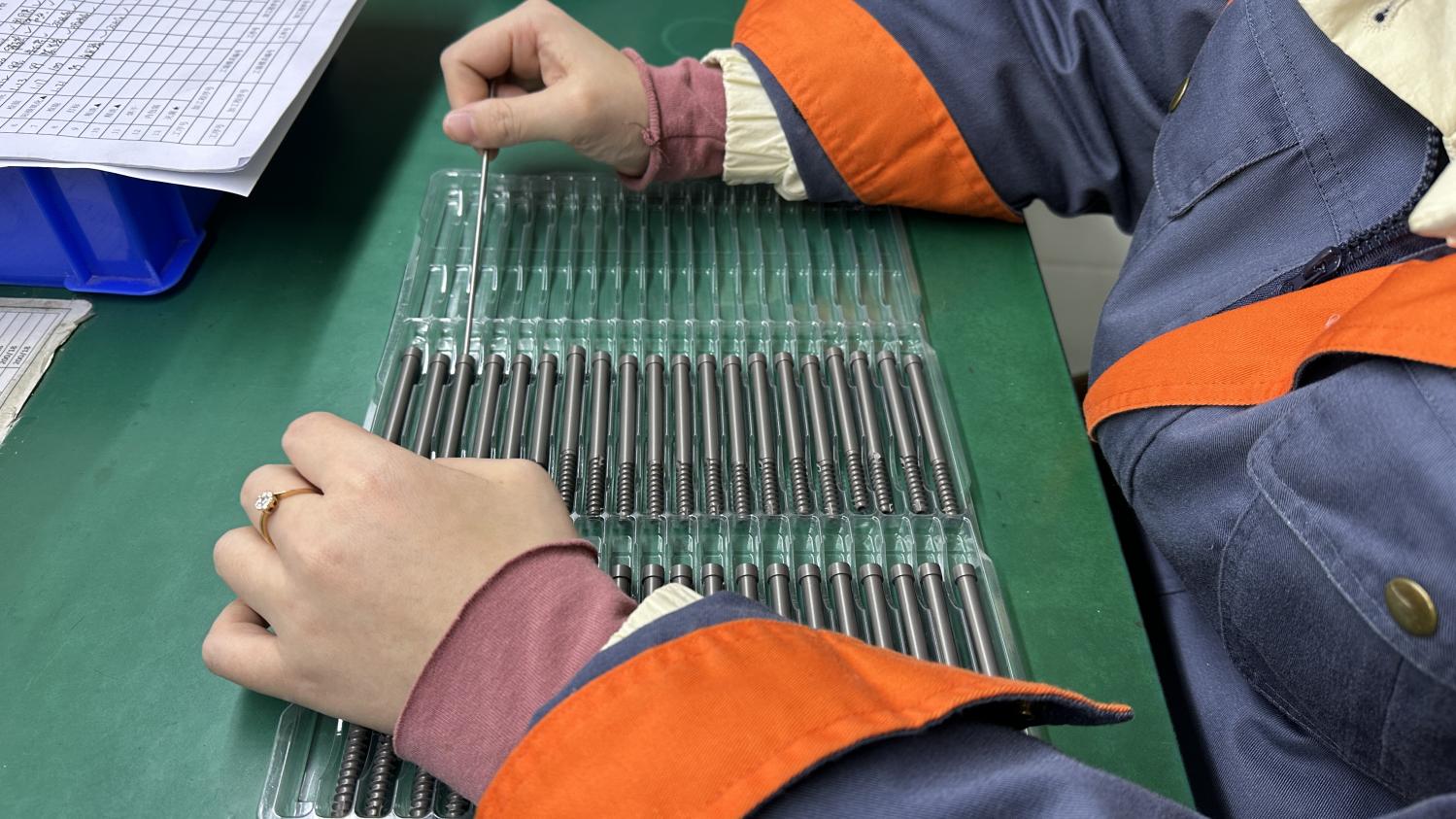
Inspection and Packing 2
Final Quality Control
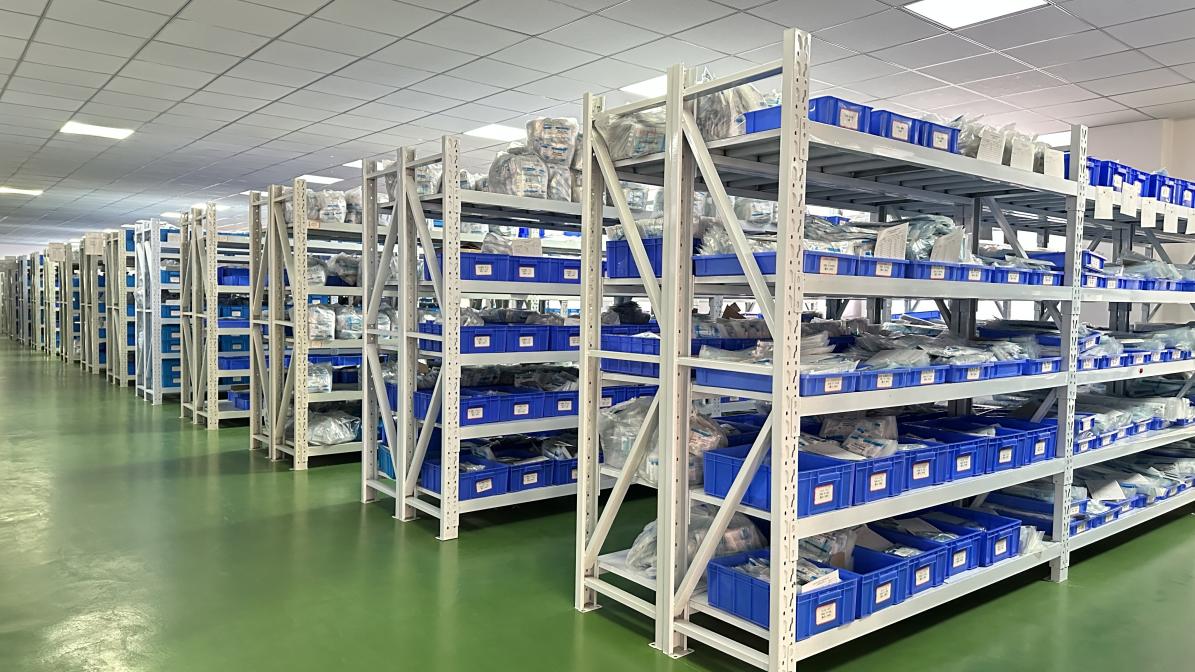
Warehouse
Sterile Warehouse

Advanced Shopfloor Machinery

Slitting Machine
Slitting Machine
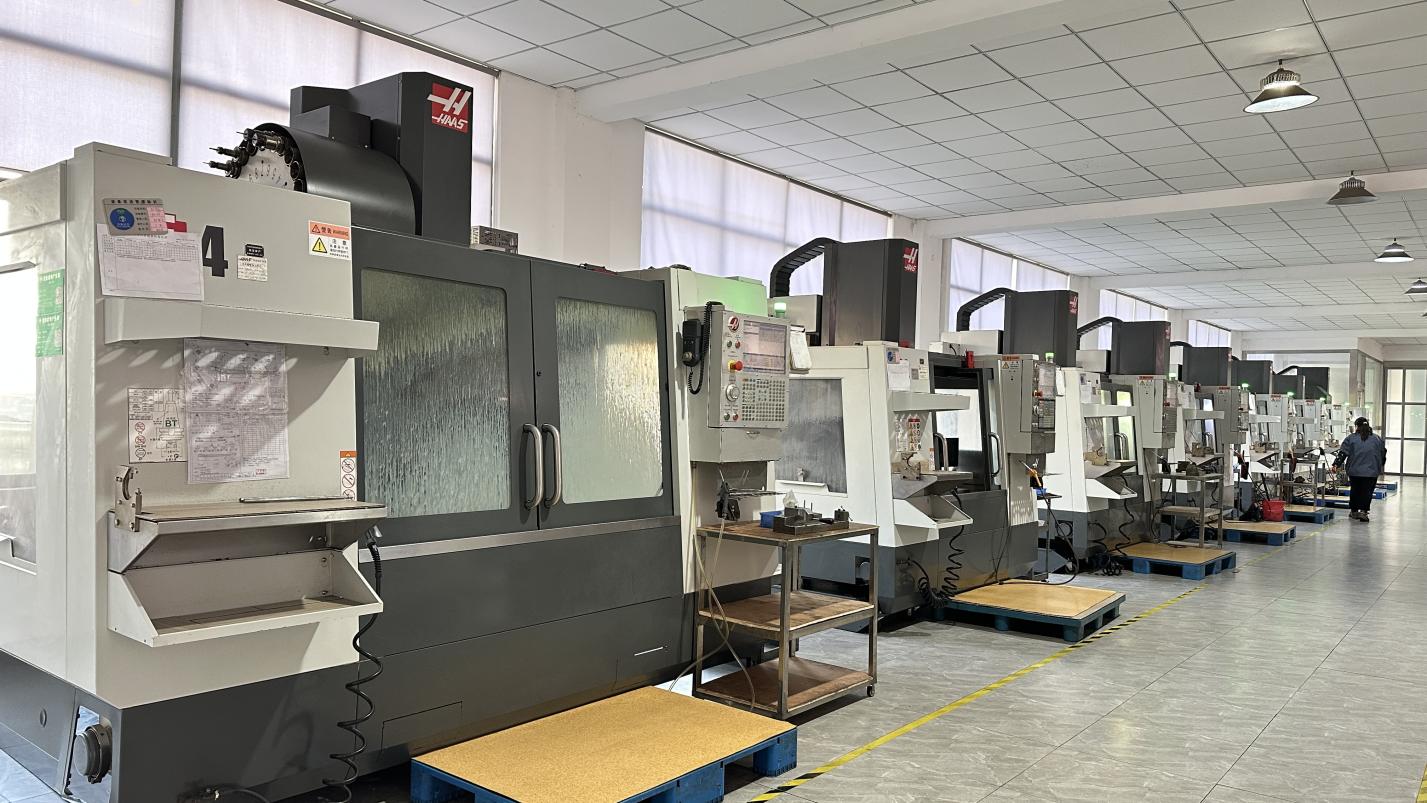
CNC Machining Center
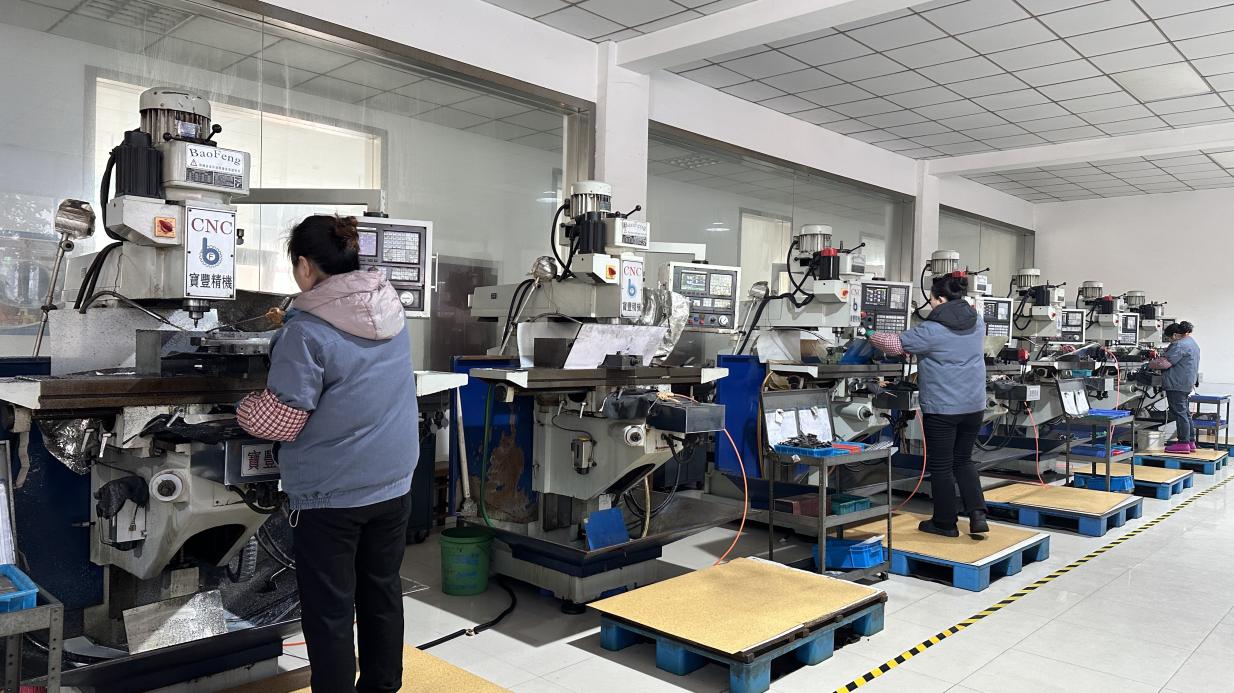
CNC Milling Machine
CNC Milling Machine
Wire Cutting Machine
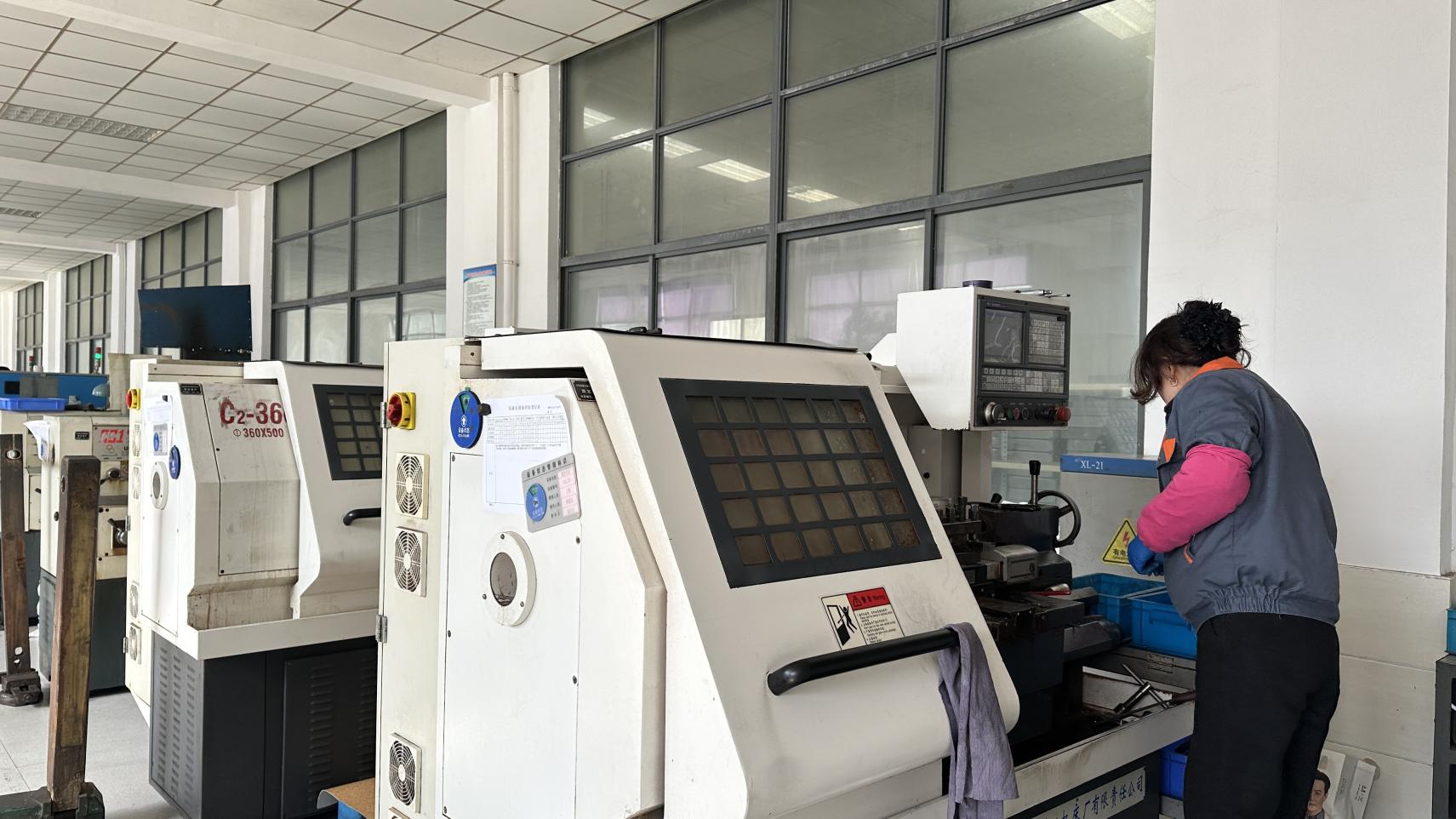
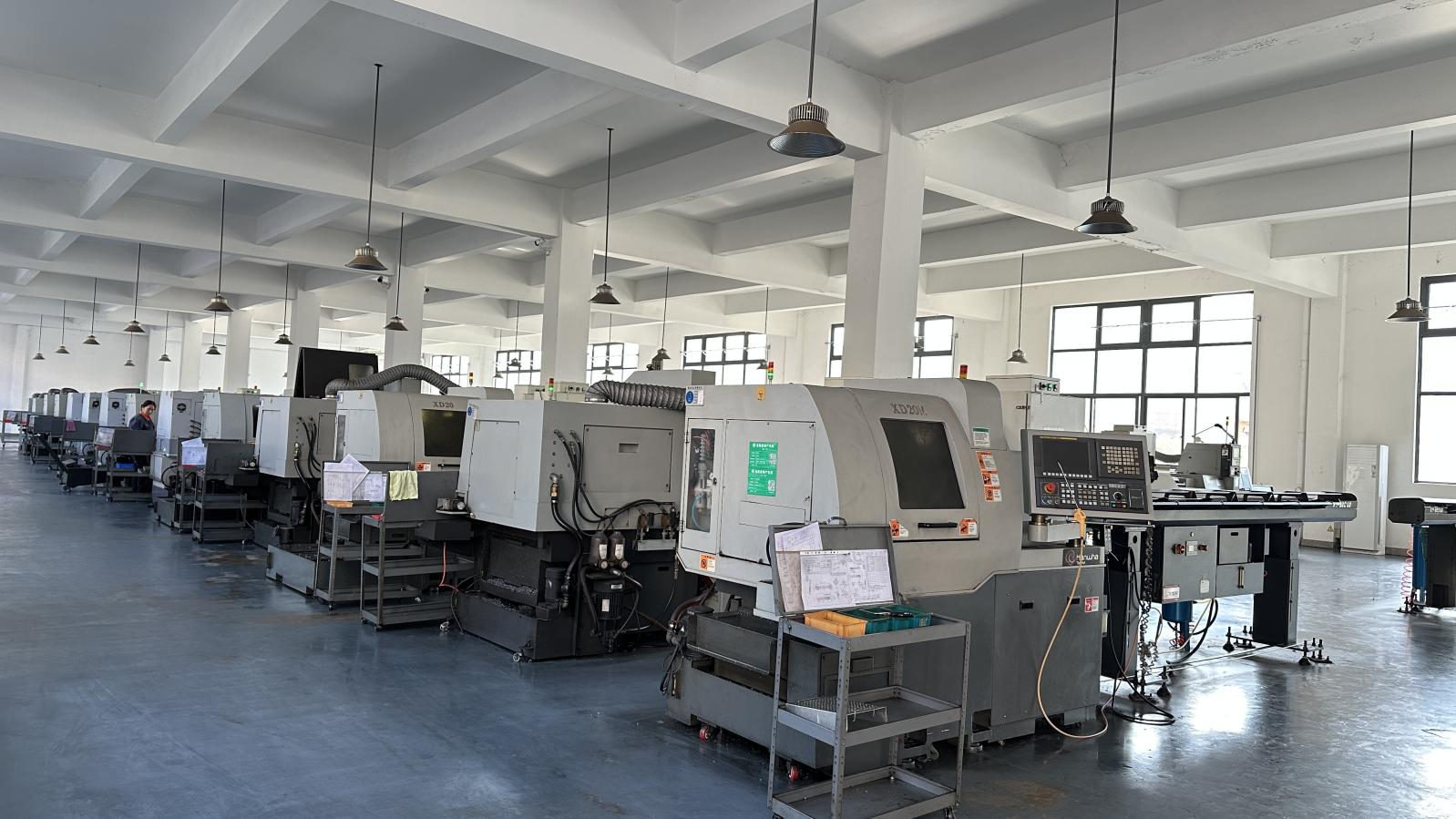
CNC Lathe
CNC Lathe
Laser Marking Machine

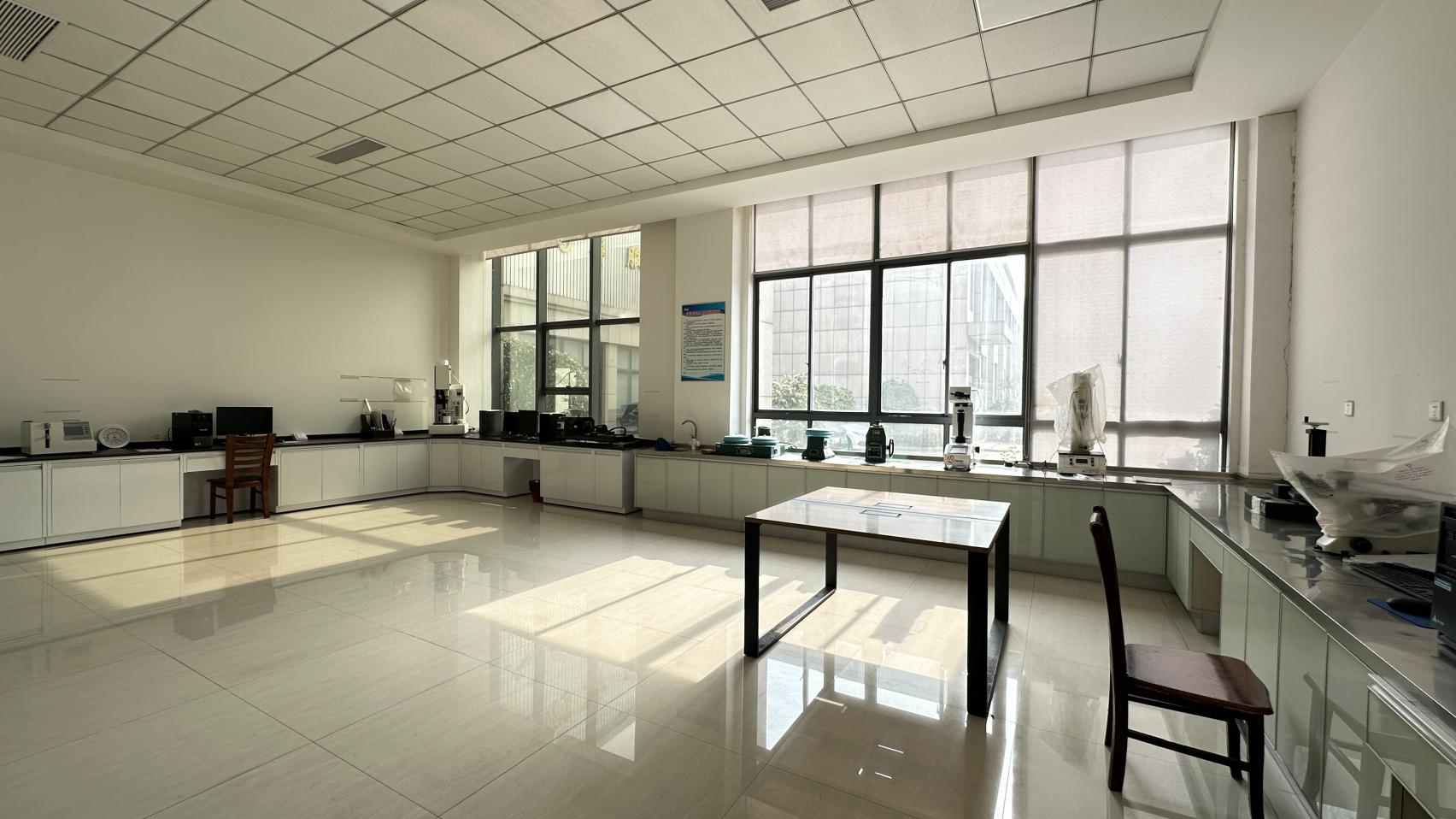
Biomechanical Testing Laboratory & Engineering Center

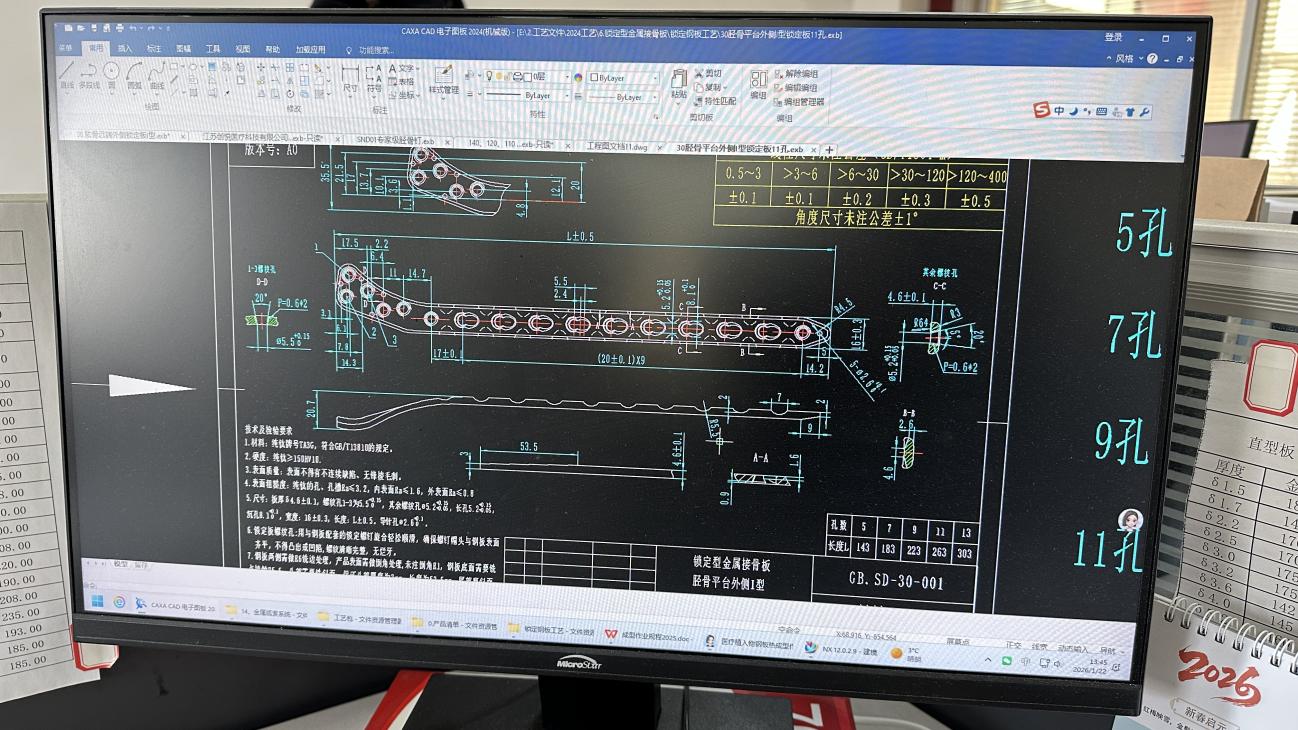
Design Center
CAD/FEA Engineering & Design
Scientific Lab
Analytical Testing Lab
Optical Quality Check
Optical Quality Inspection
Microscopic Inspection
Microscopic Metallographic Check
Fatigue Tester
Biomechanical Fatigue Tester
Tensile Tester
Tensile Strength Tester
Two Dimensional Measuring Instrument
2D Dimensional Vision Measurer
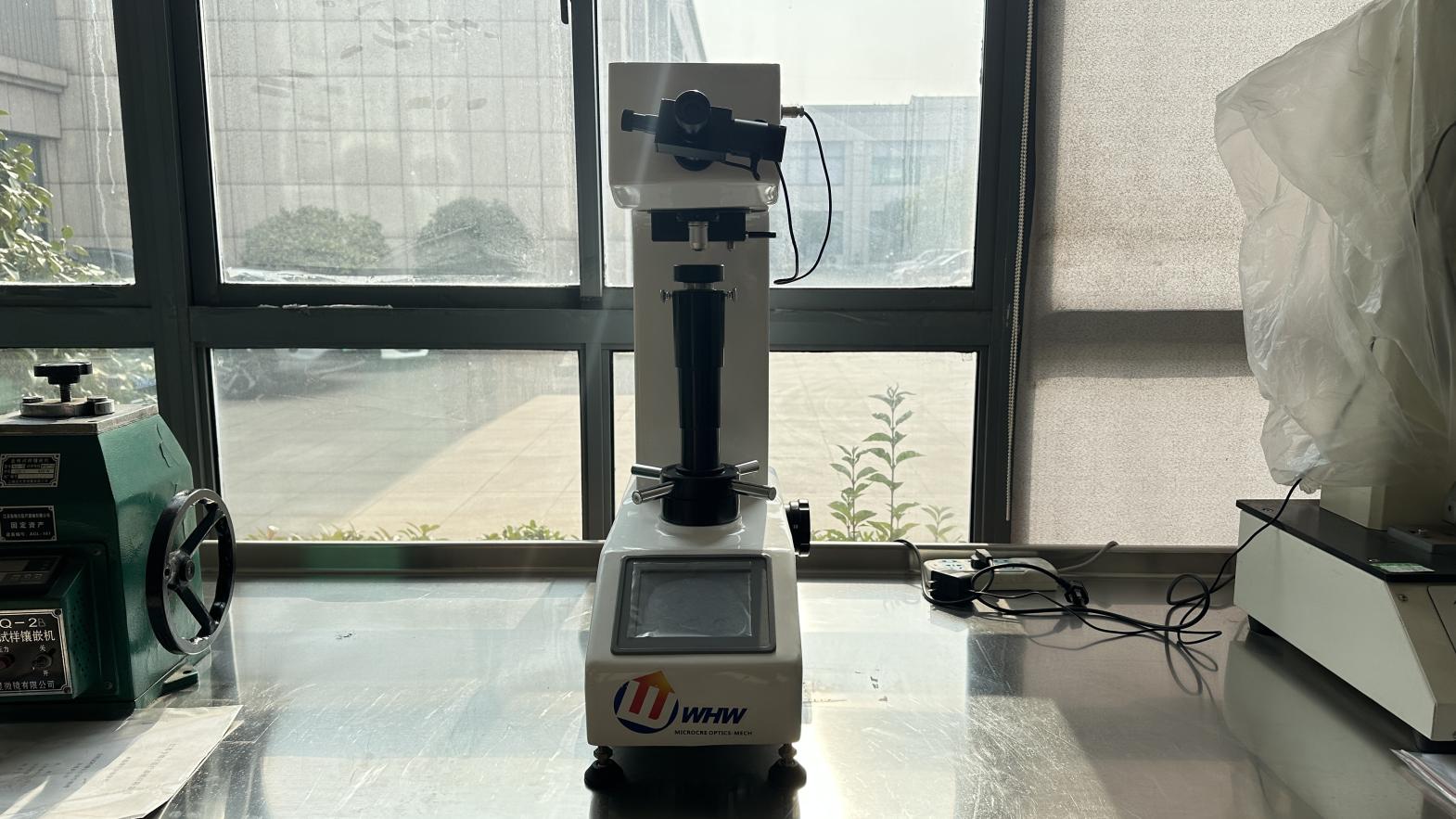
Hardness Tester
Rockwell/Vickers Hardness Tester
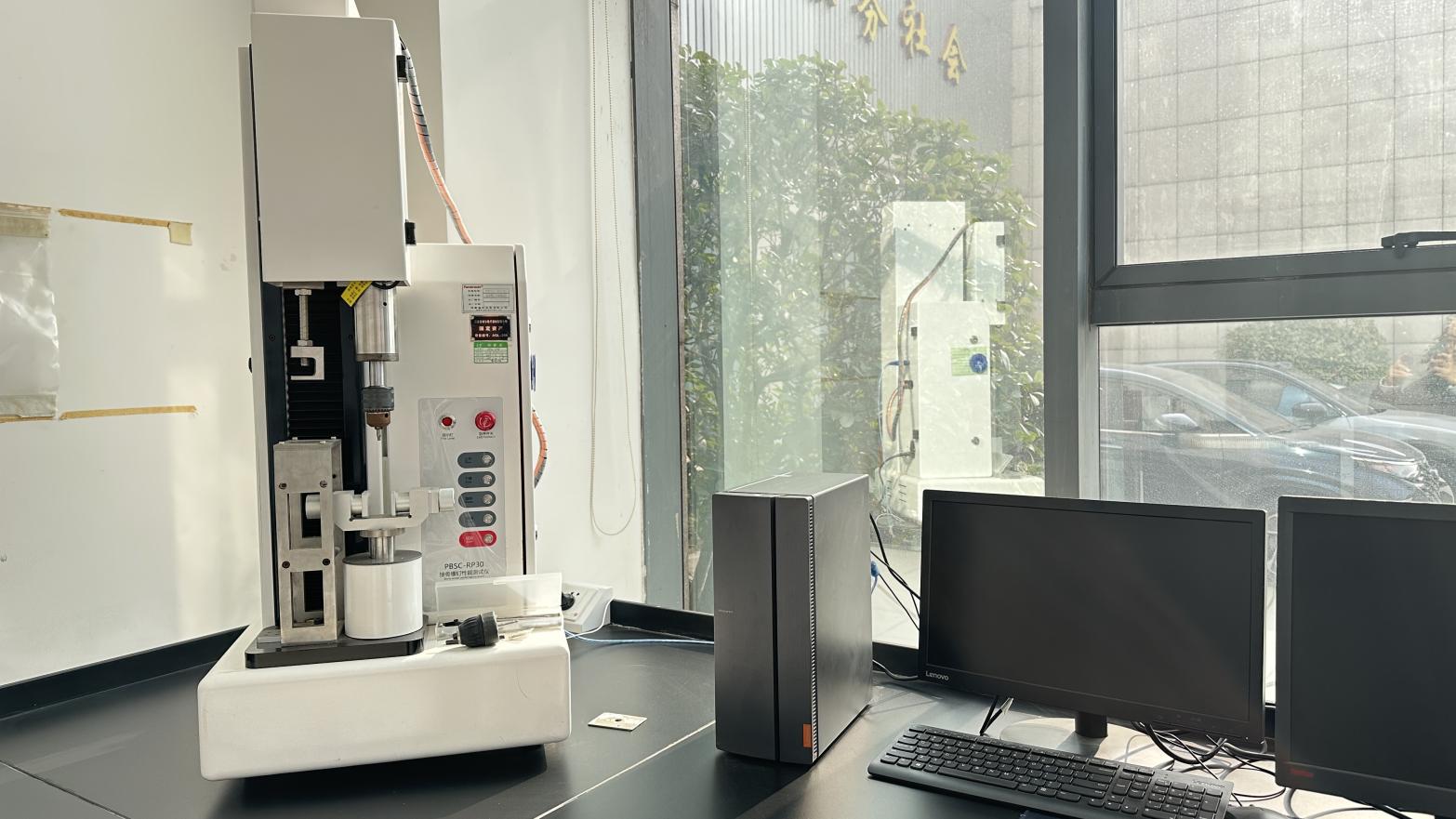
Bone Screw Performance Tester
Torsional Bone Screw Performance Evaluation Center

Technology Roadmap & Clinical Application Scenarios

Clinical Application Scenarios

Our portfolio of orthopedic implants and surgical instruments supports critical surgical procedures worldwide:

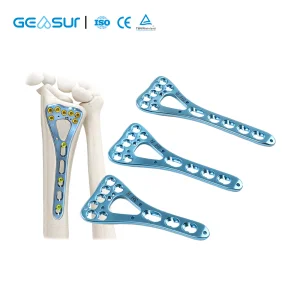
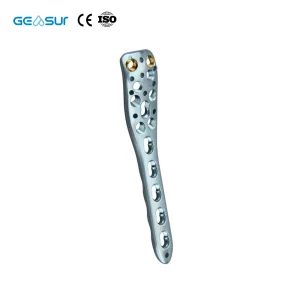
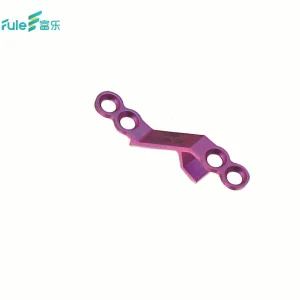
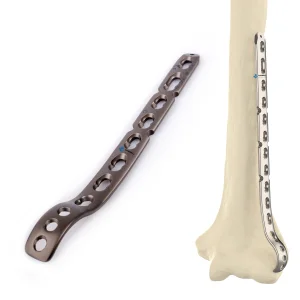
  • Osteosynthesis for Trauma Fractures: Locking compression plates and intramedullary nails stabilize diaphyseal and articular fractures in distal radius, proximal tibia, and femoral fractures.
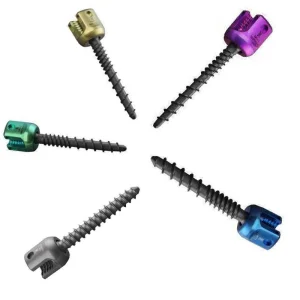
  • Degenerative Spine Treatment: Minimally invasive stabilization, anterior cervical fusion, and posterior thoracolumbar pedicle fixation manage instability and disk herniation.
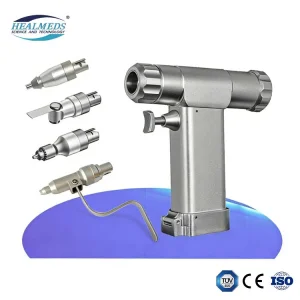
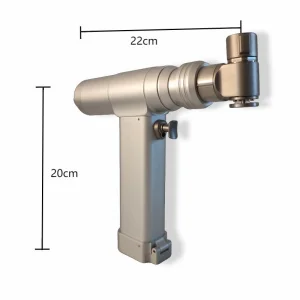
  • Veterinary Reconstructive Surgery: Robust plates and external fixators support micro-drilling, bone-lengthening, and ligament repairs in companion and working animals.

Biomechanical Technology Roadmap

Virelox's engineering initiatives focus on several key areas:

  • Optimized Anatomic Geometry: Plates with pre-contoured profiles reduce the need for intraoperative bending, lowering stress concentrations.
  • Advanced Surface Engineering: Type II anodization and acid-etched micro-topographies speed up bone-to-implant contact and osteointegration.
  • Next-Generation Materials: Developing implants from carbon fiber-reinforced PEEK to match the elasticity of human bone, reducing stress shielding.

China's Supply Chain Resilience & Cost-Efficiency Advantages

Manufacturing implants in China, particularly through Virelox, offers major supply chain and engineering advantages:

850+
Supplier Partners
45 Days
Average Lead Time
120
New Products Annually
100%
Traceability Guarantee

Our advanced manufacturing ecosystem features complete vertical integration. By handling raw material sourcing, precision multi-axis CNC machining, ultrasonic cleaning, and cleanroom sterile packaging in-house, we prevent outsourcing delays and ensure strict quality control. Working with medical-grade titanium and cobalt-chromium suppliers allows us to source raw materials efficiently. This vertical integration makes Virelox a reliable partner for global medical device distributors, keeping lead times steady and pricing competitive without compromising quality.

Global Regulatory Alignment & Localized Support

Registering medical devices in different countries requires deep technical knowledge and thorough documentation. Virelox provides specialized regulatory support to help clients navigate compliance requirements in various markets:

  • Full CE certification compliance under EU MDD/MDR standards.
  • Production documentation aligned with FDA 21 CFR Part 820 requirements.
  • ISO 13485:2016-certified quality management system.
  • Complete material traceability reports, including raw melt certificates and biocompatibility test records (ISO 10993).

Traceable Quality Management System

Every batch of raw titanium (ASTM F136 / ISO 5832-3) undergoes strict chemical composition analysis. We assign a unique laser-etched laser code to every plate, screw, and tool we produce. This code links to our complete quality assurance history—from raw material logs to chemical cleaning and final sterilization—ensuring full traceability and accountability.

Answers to Key Technical and Commercial Questions

1. What materials are used in Virelox implants, and do they meet ASTM standards?
Yes, all implantable components are fabricated from certified materials, including Ti-6Al-4V ELI titanium alloy (ASTM F136 / ISO 5832-3), medical-grade stainless steel (ASTM F138 / ISO 5832-1), and implant-grade PEEK. We supply material mill sheets and chemical analysis reports with every shipment to verify compliance.
2. How does Virelox manage OEM/ODM custom prototype development?
Our R&D team uses advanced CAD modeling and Finite Element Analysis (FEA) to design and simulate custom implants. Once the design is finalized, our dedicated CNC machining centers produce high-fidelity prototypes for mechanical verification and review by orthopedic surgeons.
3. What quality management system does Virelox use to prevent clinical product failures?
We operate under an ISO 13485-certified quality management system. Implants undergo non-destructive digital X-ray inspection to detect internal voids, dimensional coordinate checks, surface roughness measurements, and mechanical fatigue testing under simulated physiological loads to ensure clinical safety.
4. What is the typical lead time for bulk OEM manufacturing?
Lead times vary depending on the product complexity and order volume. Standard catalog products typically ship within 30 to 45 days. For custom OEM/ODM production runs, lead times generally range from 60 to 75 days, which includes design verification, pilot run manufacturing, and sterile packaging validation.
5. Does Virelox support regulatory registration processes in international markets?
Yes. We provide complete technical files, validation reports (including sterilization, cleanroom environmental monitoring, and packaging shelf-life tests), material biocompatibility studies, and factory declaration files to assist our clients with local regulatory approvals.