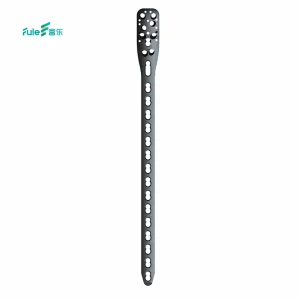
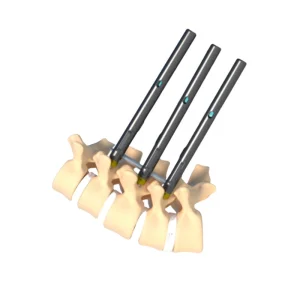
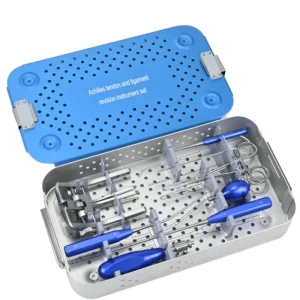
OEM/ODM Maxillofacial Plating Systems Manufacturers & Supplier

Engineered Biomechanics & Precision Osteosynthesis Systems for Global Cranio-Maxillofacial (CMF) Reconstruction and Trauma Care Solutions

Global Strategic Manufacturing Partner: Virelox

Virelox Medical Devices Co., Ltd. is a professional orthopedic medical device manufacturer specializing in high-end joint replacement and surgical implant solutions. Operating under the renowned "Virelox" brand, we deliver high-performance orthopedic systems configured for complex anatomical architectures to global healthcare providers.

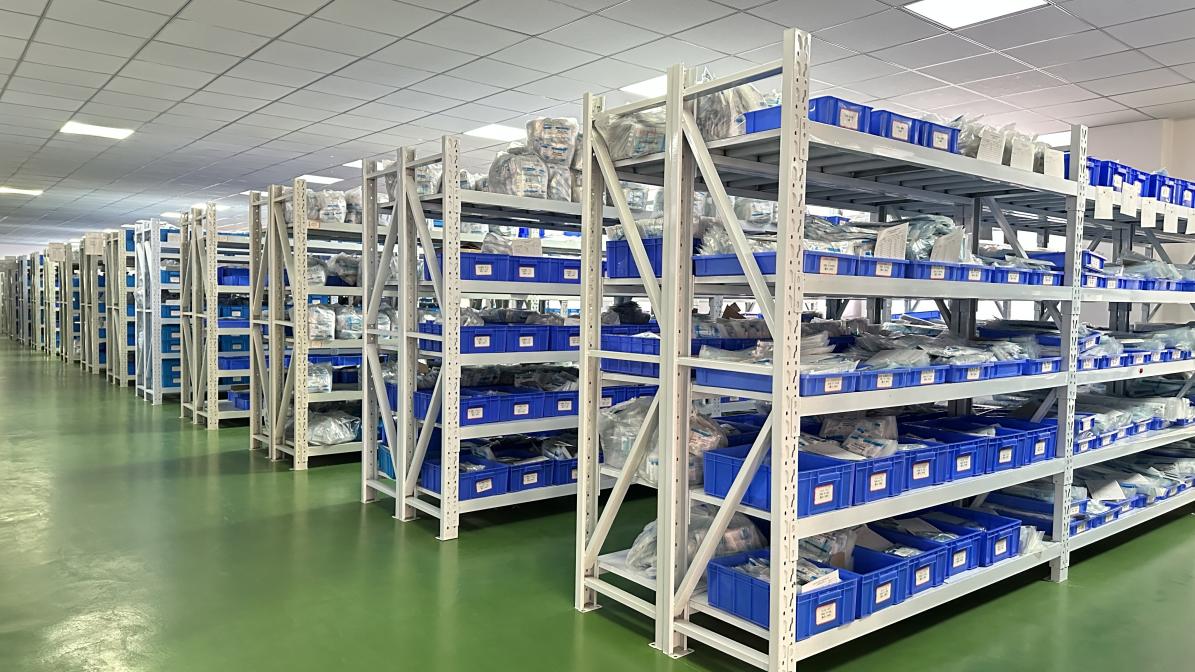
Established in 2016, our modern 12,000 m² state-of-the-art facility integrates advanced biomechanical engineering with ISO 13485 compliant workflow protocols. Backed by 10 years of intensive industrial experience and an elite team of 120 R&D engineers, we have engineered over 120 new products in the last fiscal year alone. Our capability to serve as a reliable OEM/ODM contract manufacturer ensures that hospitals, distributors, and global trauma clinics receive implants optimized for tensile strength, biocompatibility, and anatomic precision.

10+
Years Industry Exp
Orthopedic R&D & Manufacturing
USD 8.5M
Annual Export
Global distribution network
120
R&D Engineers
Focusing on Biomechanical Sim.
850
Supply Partners
Certified raw materials & components

The Global Landscape of Cranio-Maxillofacial (CMF) Osteosynthesis

Analyzing key industrial indicators, manufacturing parameters, and clinical challenges in modern maxillofacial reconstruction.

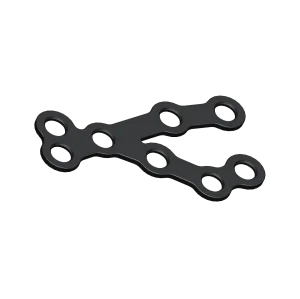
Maxillofacial plating systems represent a highly specialized sub-segment of the global orthopedic implant sector. Unlike appendicular skeletal fixations, craniomaxillofacial (CMF) reconstructions require implants that handle multi-directional biomechanical forces, conform to highly intricate facial contours, and minimize soft-tissue irritation. Consequently, the commercial demands on Maxillofacial Plating Systems Manufacturers emphasize structural versatility and precision engineering above all else.

Industrial Sourcing and OEM/ODM Integration

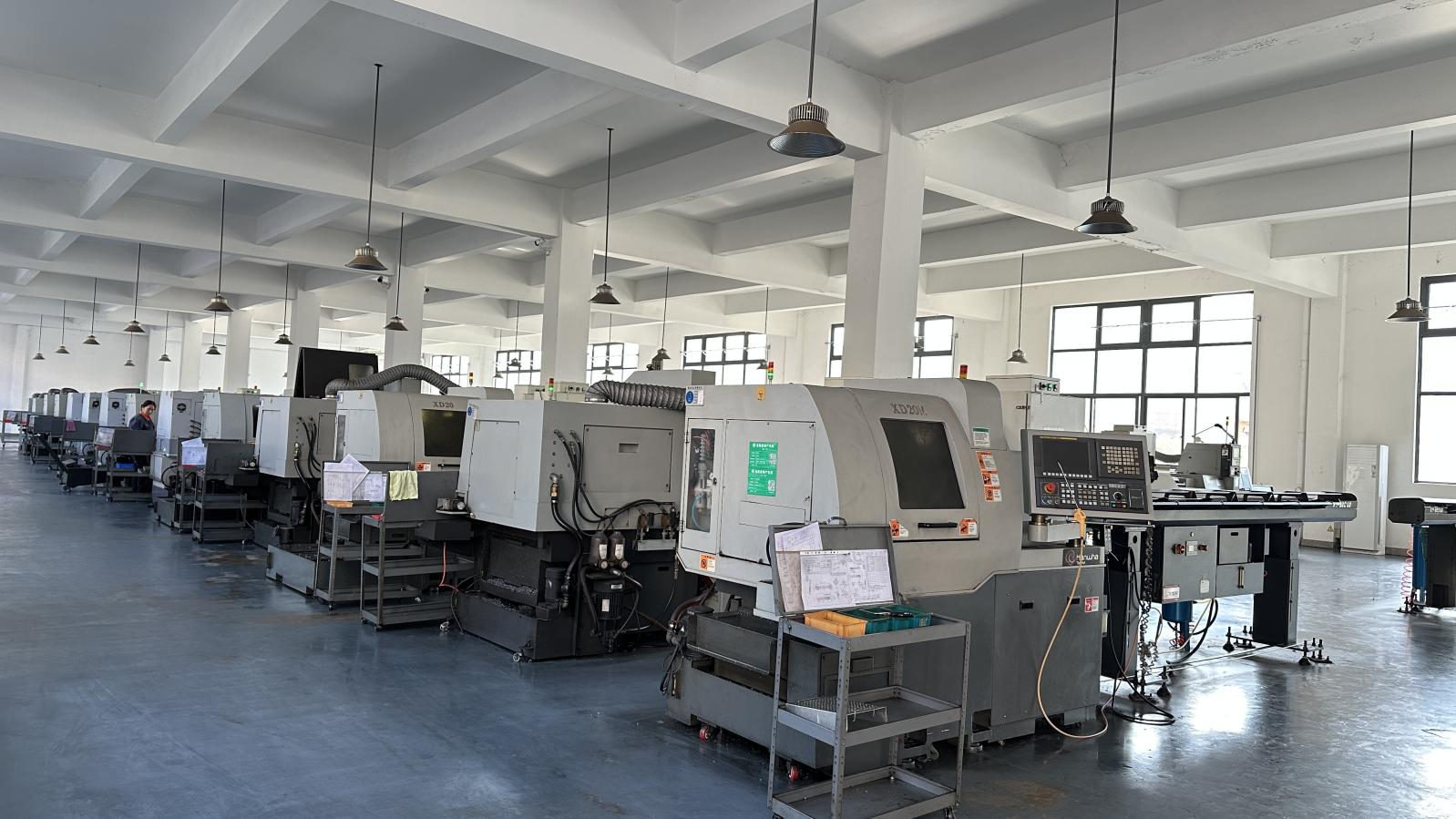
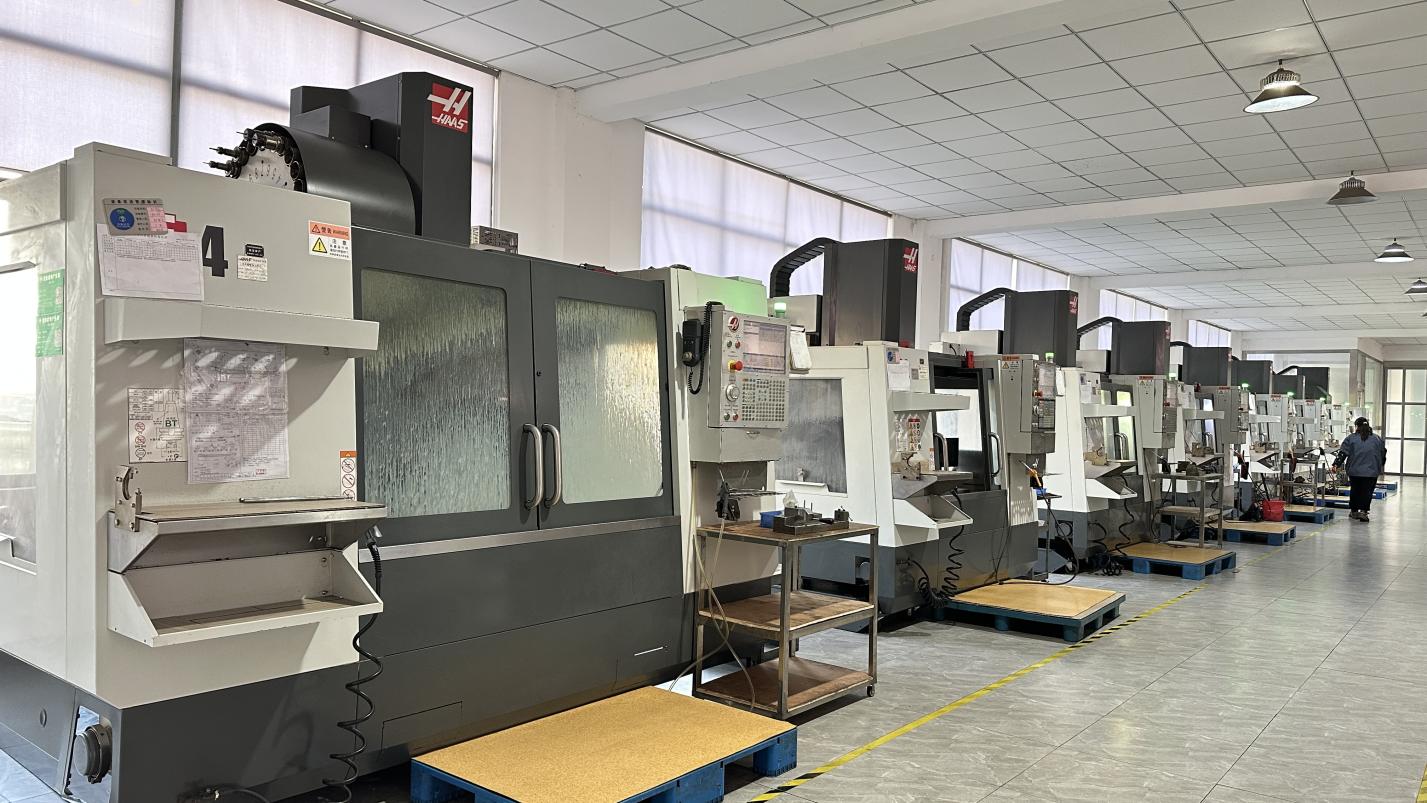
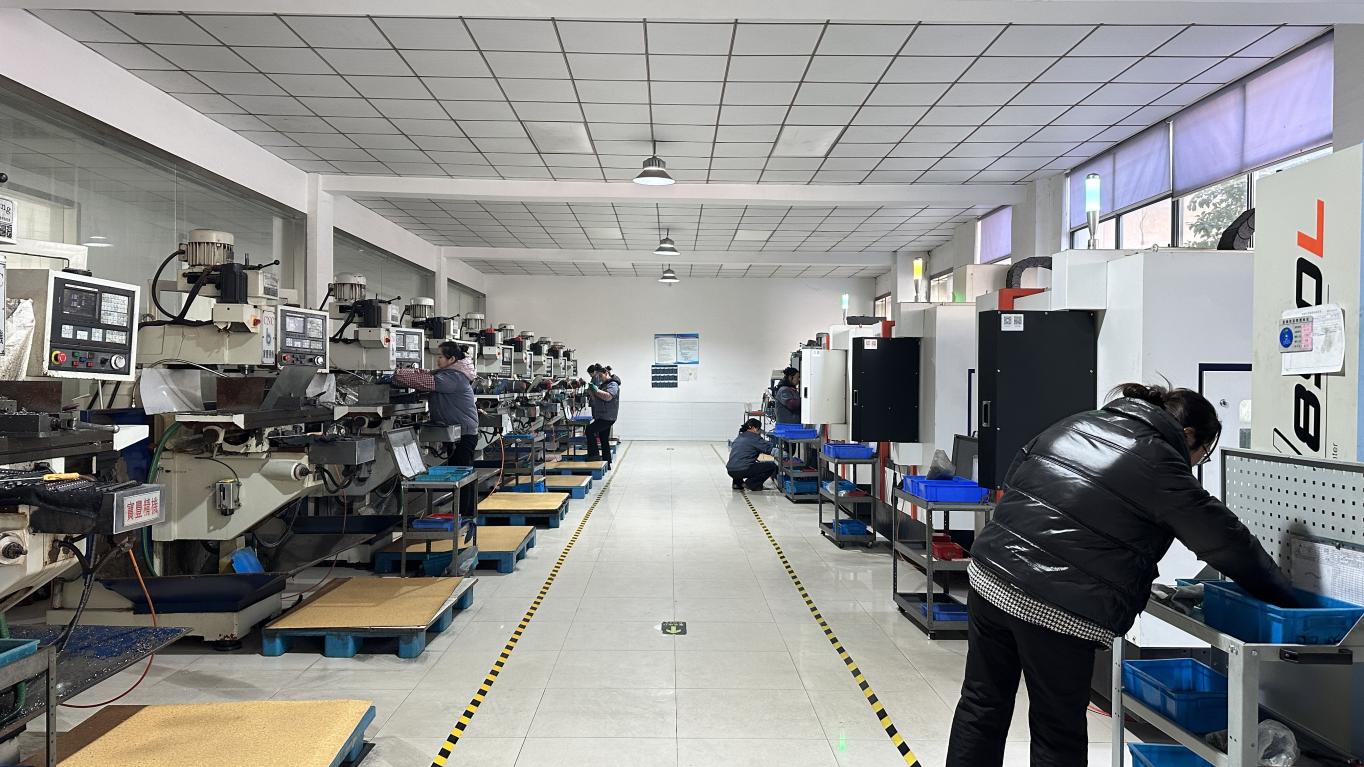
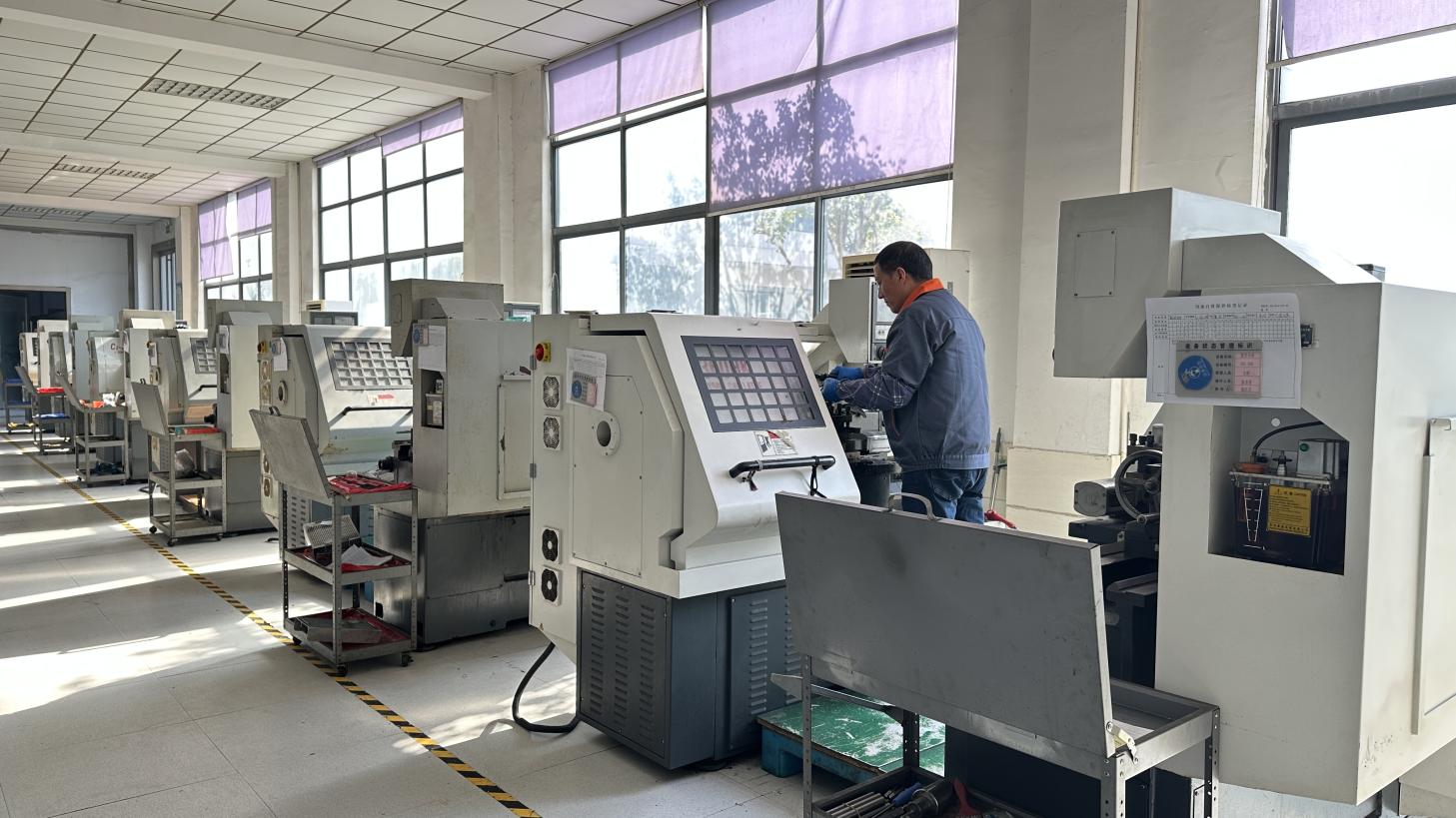
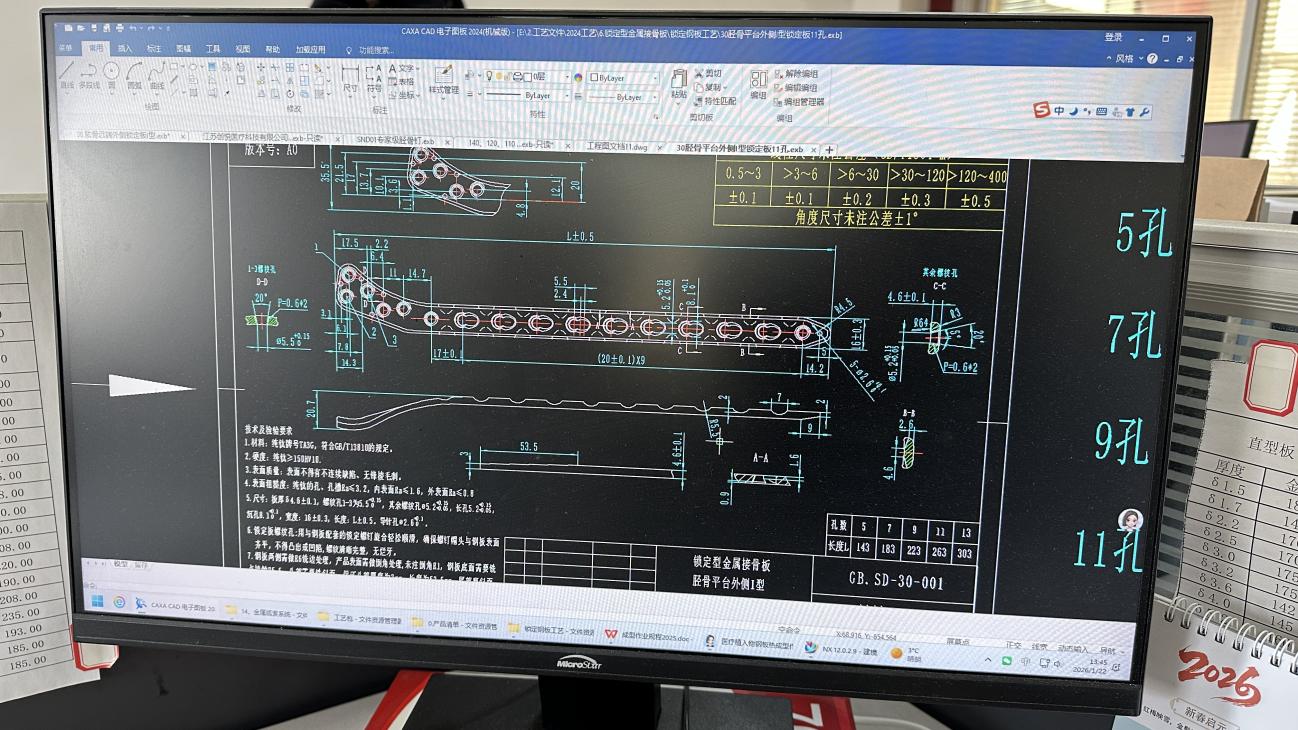
The global craniomaxillofacial market is increasingly turning to outsourced manufacturing models (OEM/ODM). Developing in-house production lines for specialized micro-plates (often ranging from 1.0mm to 2.4mm profiles) demands capital-intensive technologies like precision CNC milling, wire cutting, and advanced anodization systems. By partnering with dedicated manufacturers like Virelox, global medical device companies can scale their portfolios rapidly while leveraging certified supply networks consisting of raw medical titanium suppliers (Grade 2, Grade 5 Ti-6Al-4V ELI) and advanced packaging labs.

Material Integrity

Implements constructed with medical-grade titanium alloys and PEEK (Polyether ether ketone) guarantee bio-inertness, excellent tissue integration, and optimum modulus of elasticity resembling cortical bone structures.

Dimensional Rigor

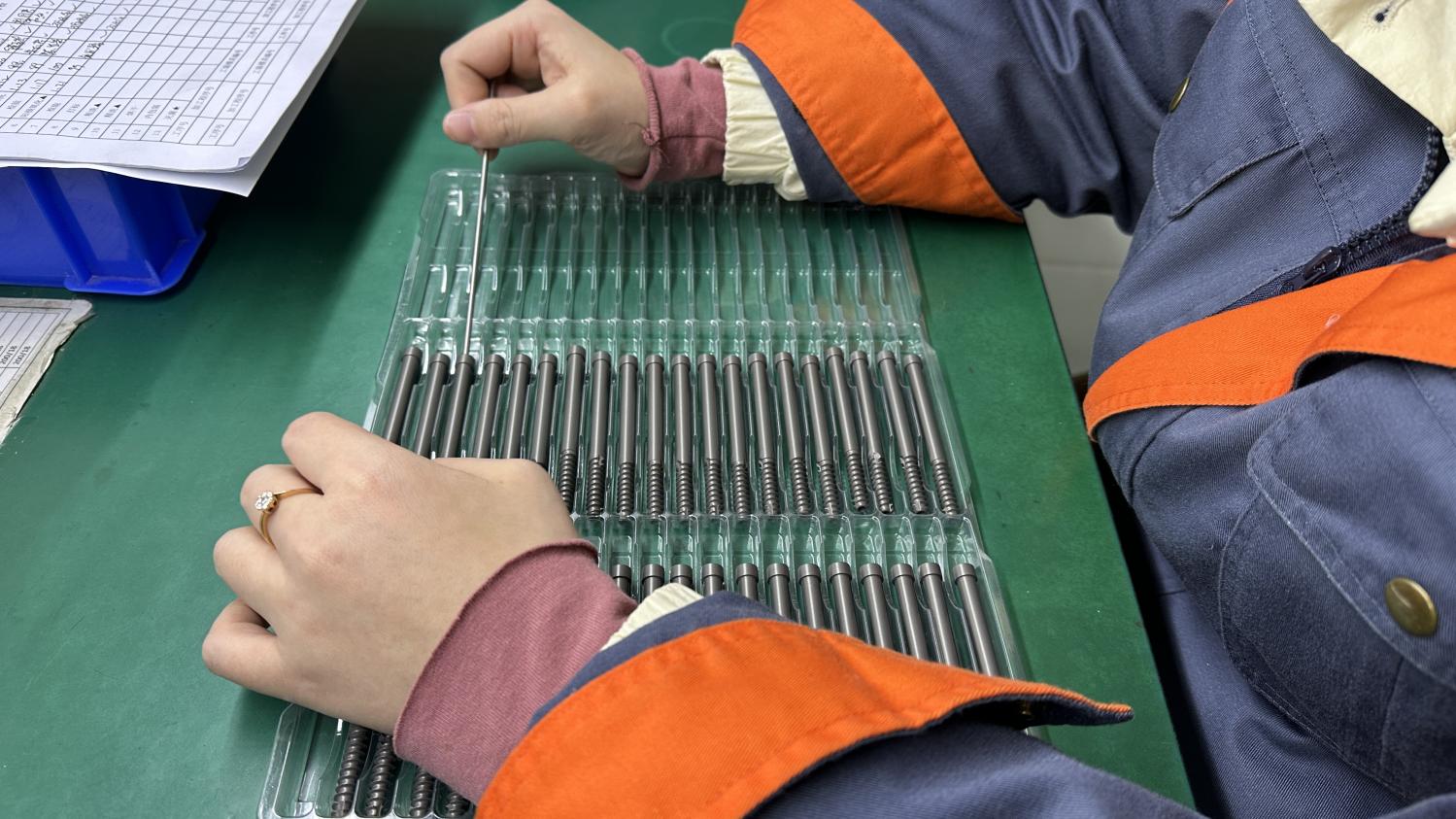
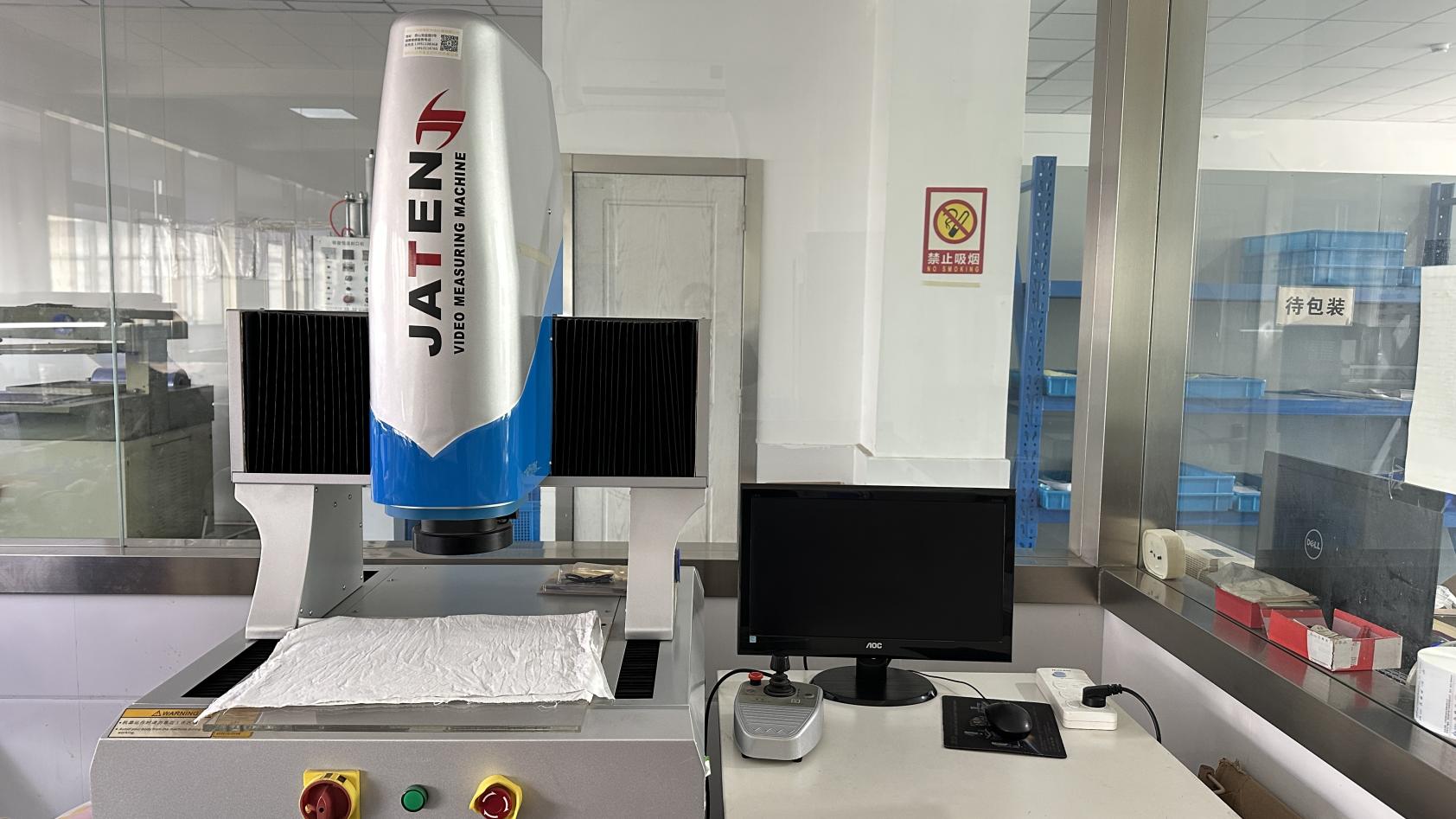
Craniofacial micro-plates require tight manufacturing tolerances (< 5 microns). High-end CNC centers and optical Coordinate Measuring Machines (CMM) ensure complete physical reliability.

Biomechanical Fatigue

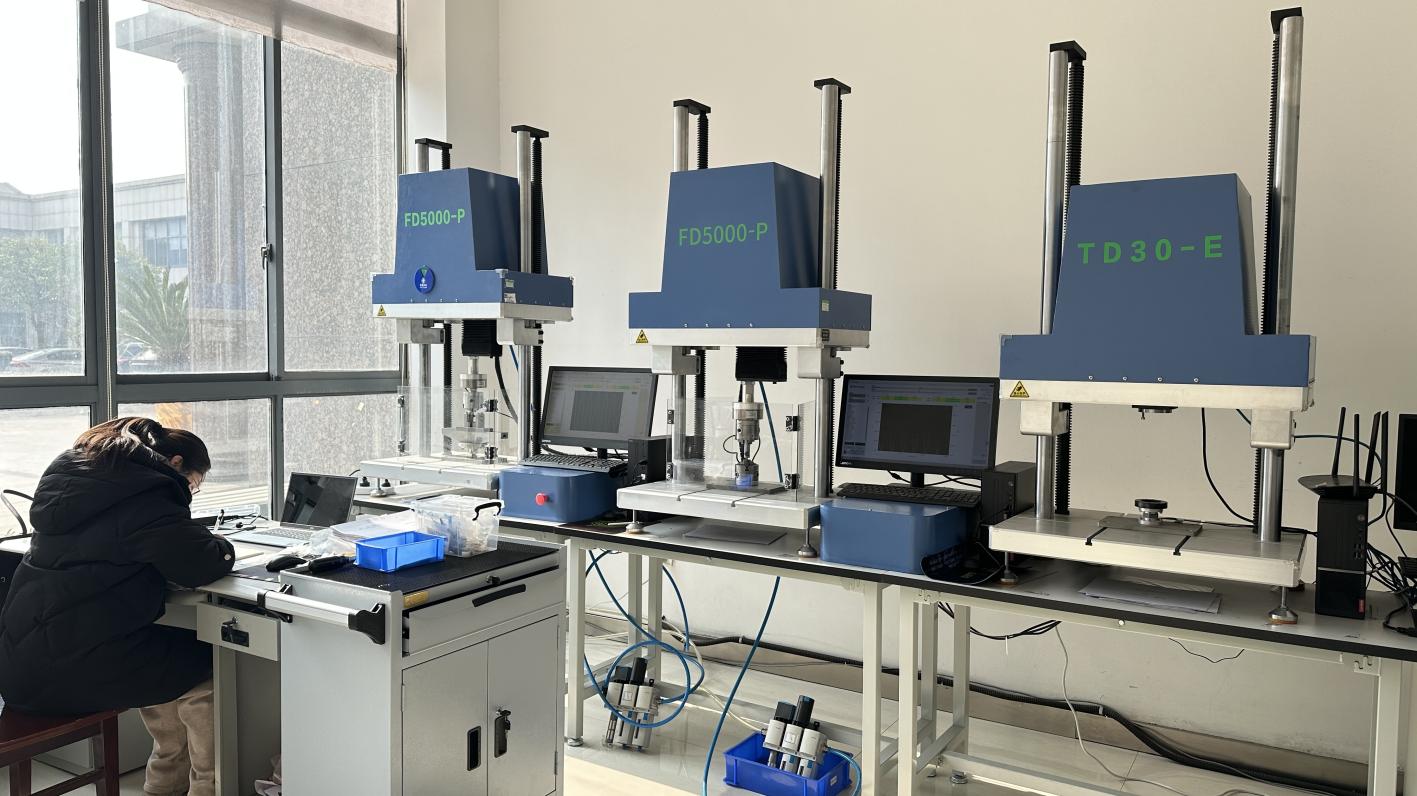
With cyclical chewing and facial muscle contractions, maxillofacial plates must possess high fatigue resistance. Severe fatigue testing protocols simulate millions of physical cycles.

Trends Reshaping the Industry

Four primary dynamics are reshaping the development of craniomaxillofacial implants:

  • Patient-Specific Implants (PSIs): Using 3D CT scan reconstruction to create tailor-fit custom titanium plates, eliminating the intraoperative bending of standard profiles.
  • Ultra-Low Profile Systems: Thin profiles (< 0.6mm) designed to prevent plate visibility or palpability under thin facial skin tissues.
  • Bio-absorbable Polymers: Resorbable plates (PLGA/PLLA blends) for pediatric craniomaxillofacial surgeries to eliminate second-stage removal operations.
  • Surface Functionalization: Active anodization techniques to facilitate faster osteointegration and provide antimicrobial properties.

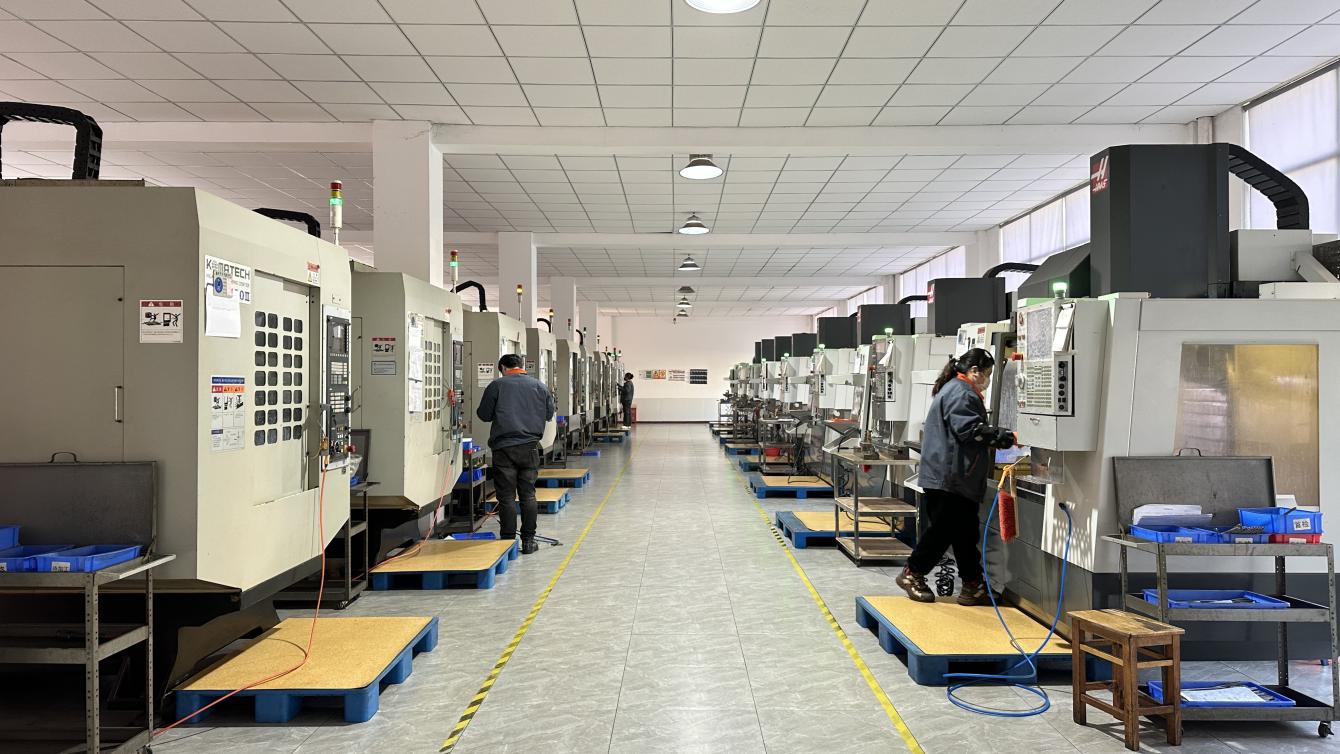
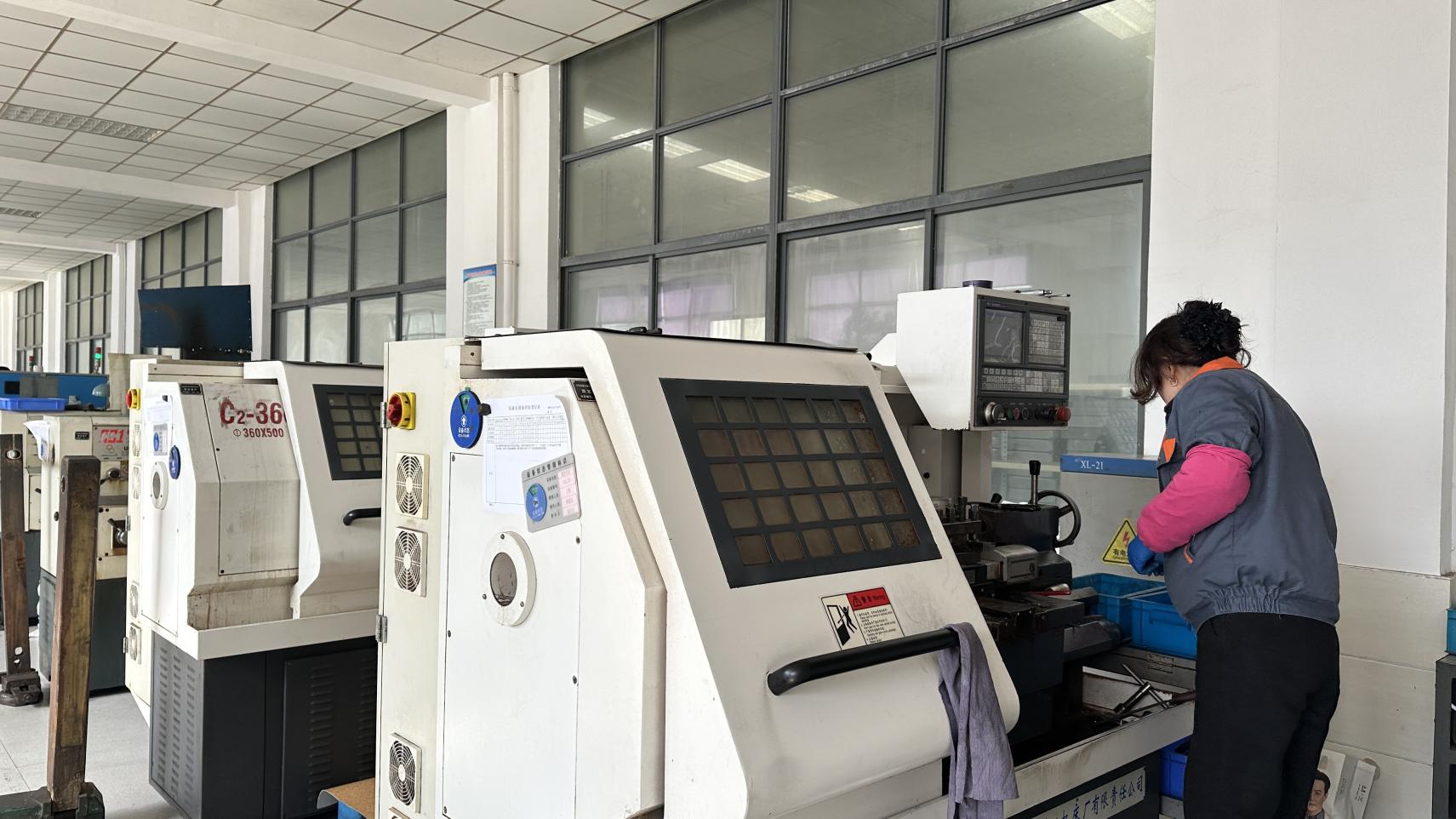
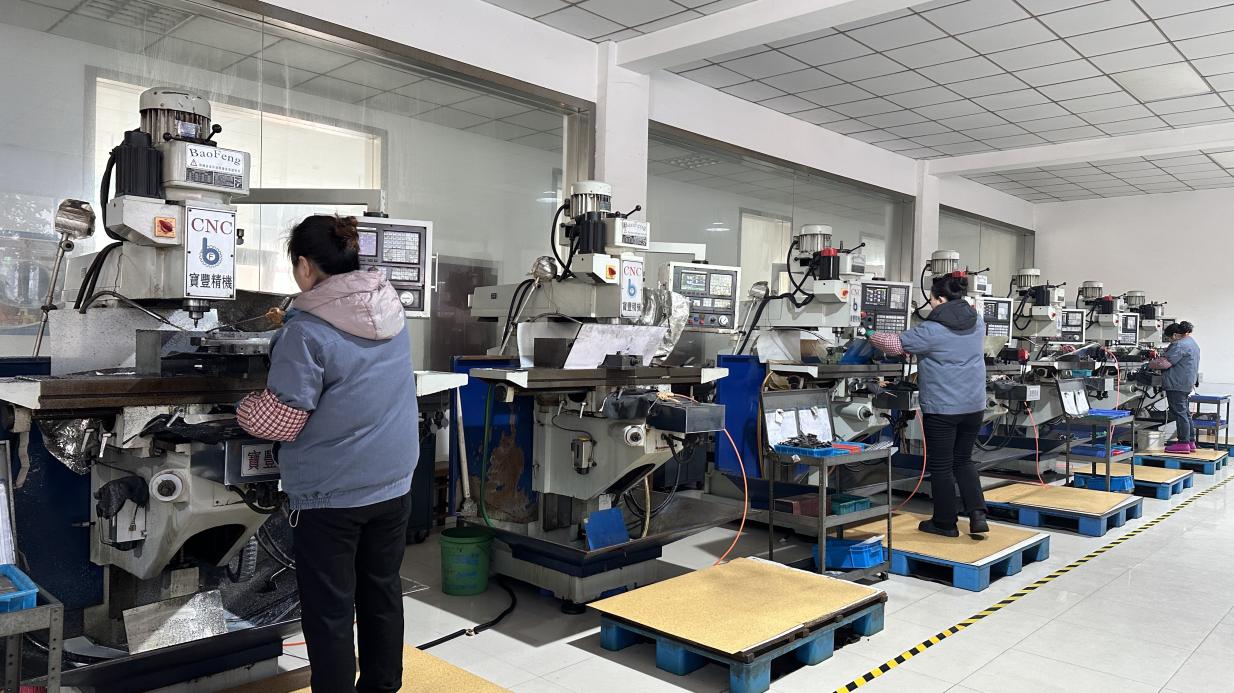
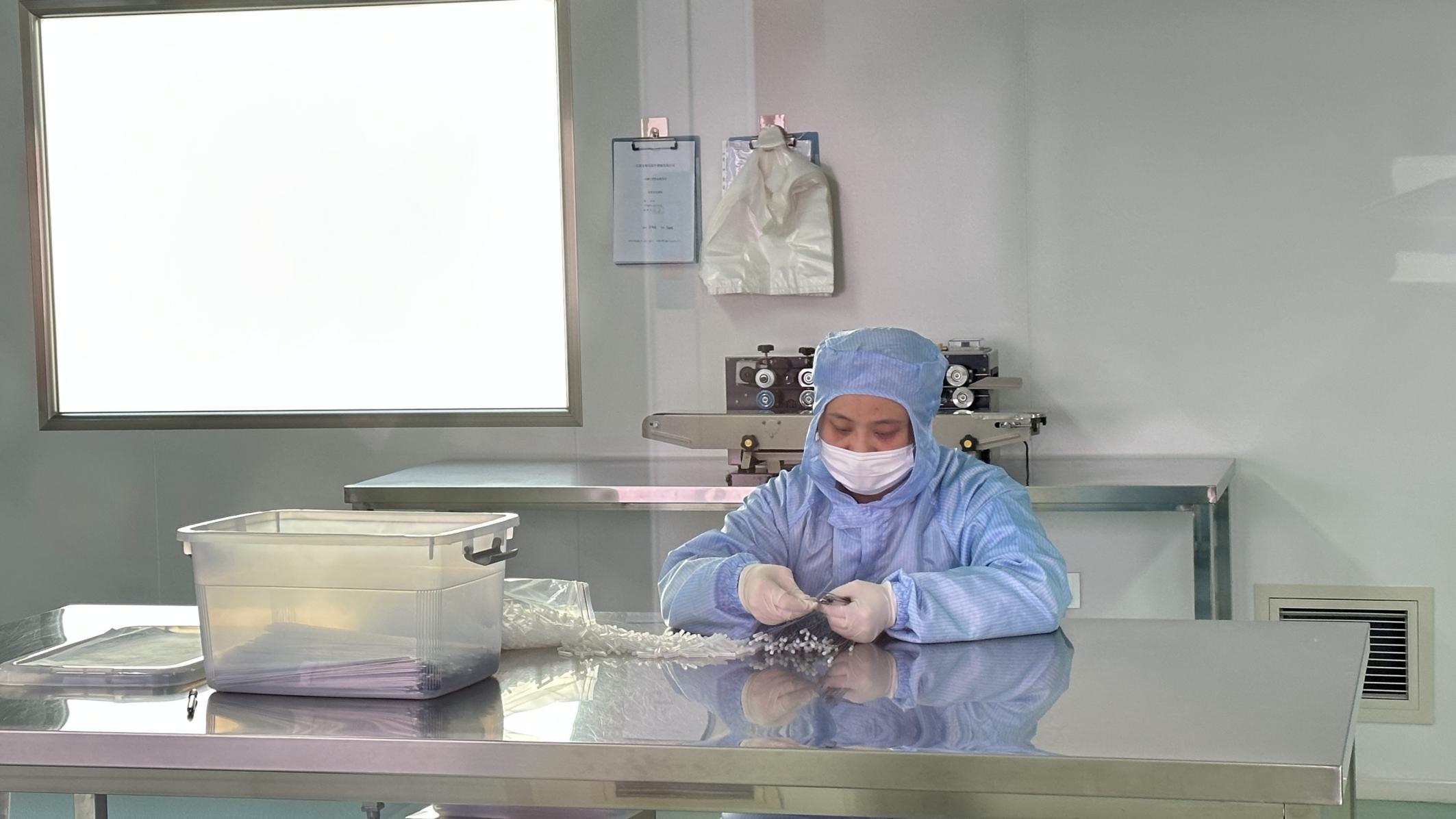
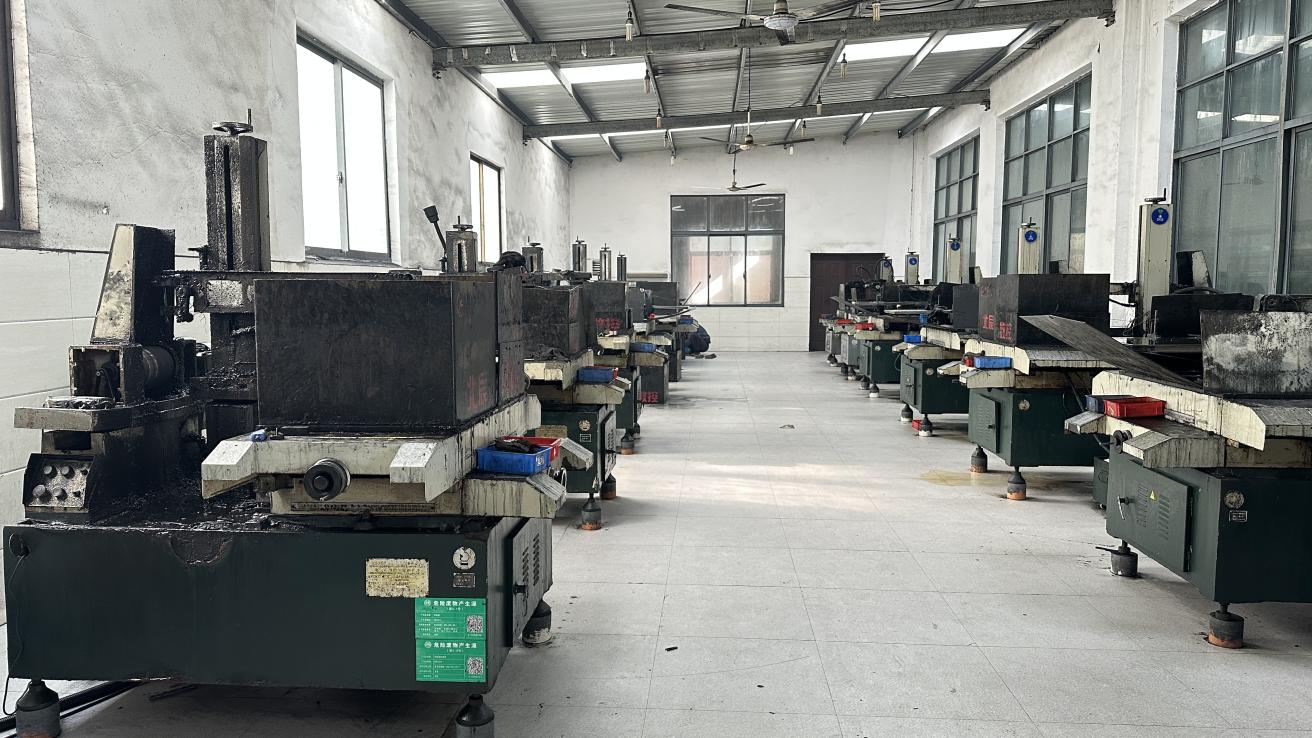
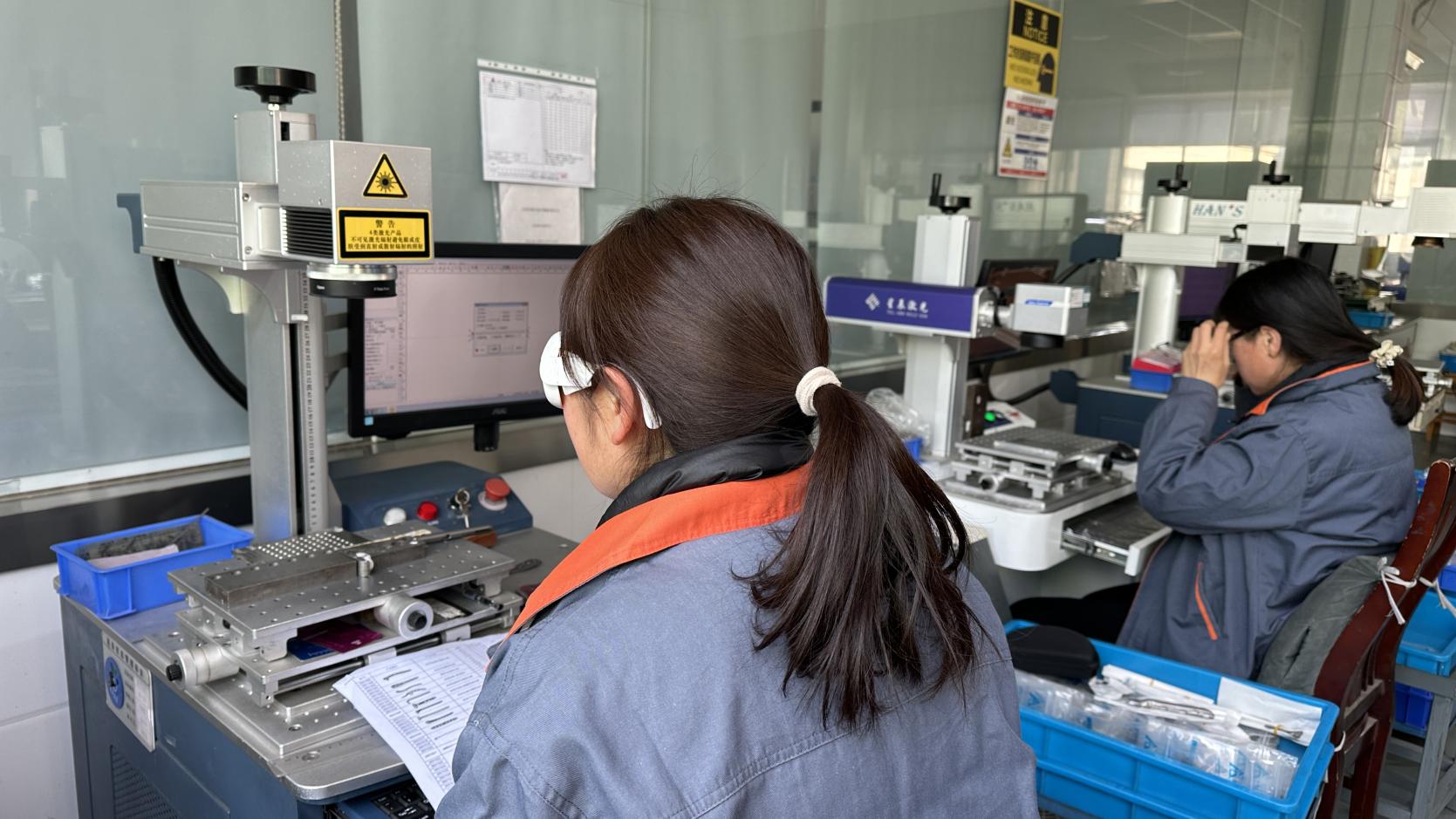
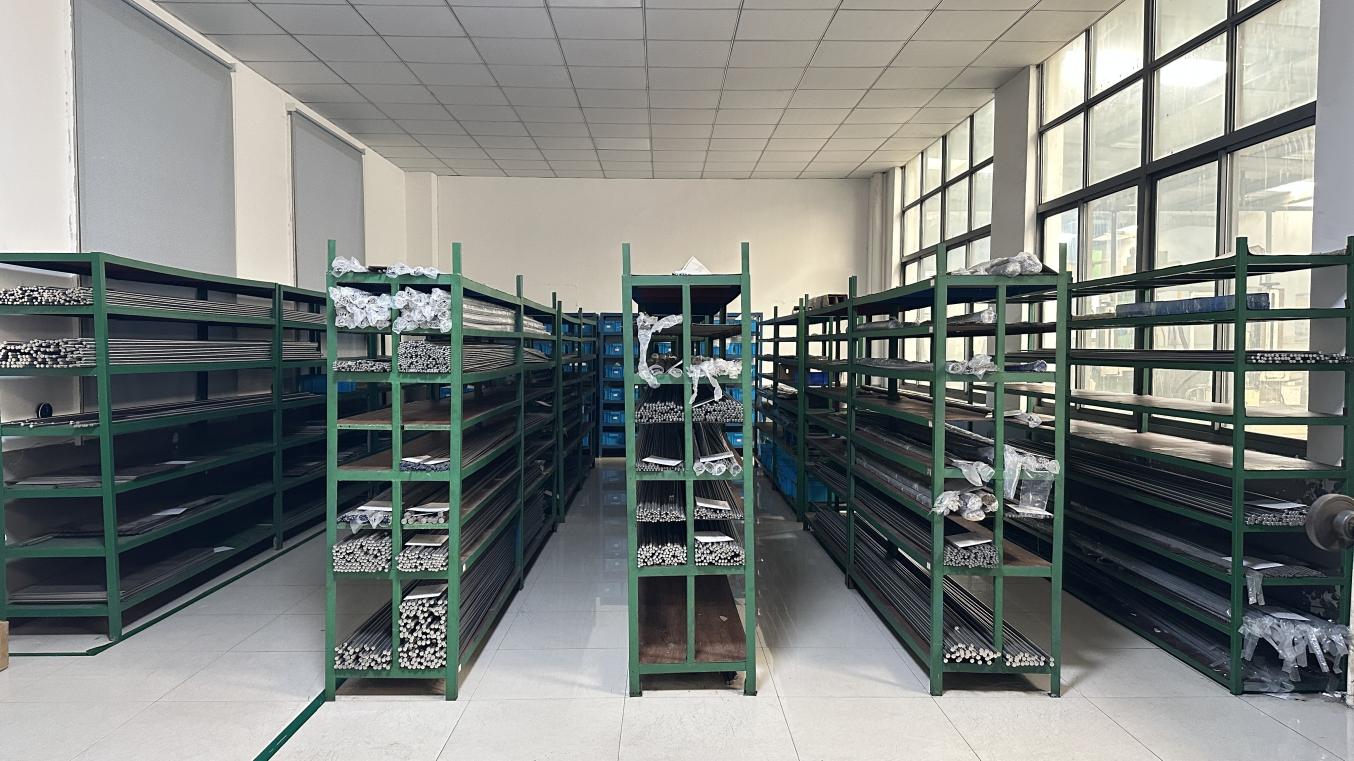
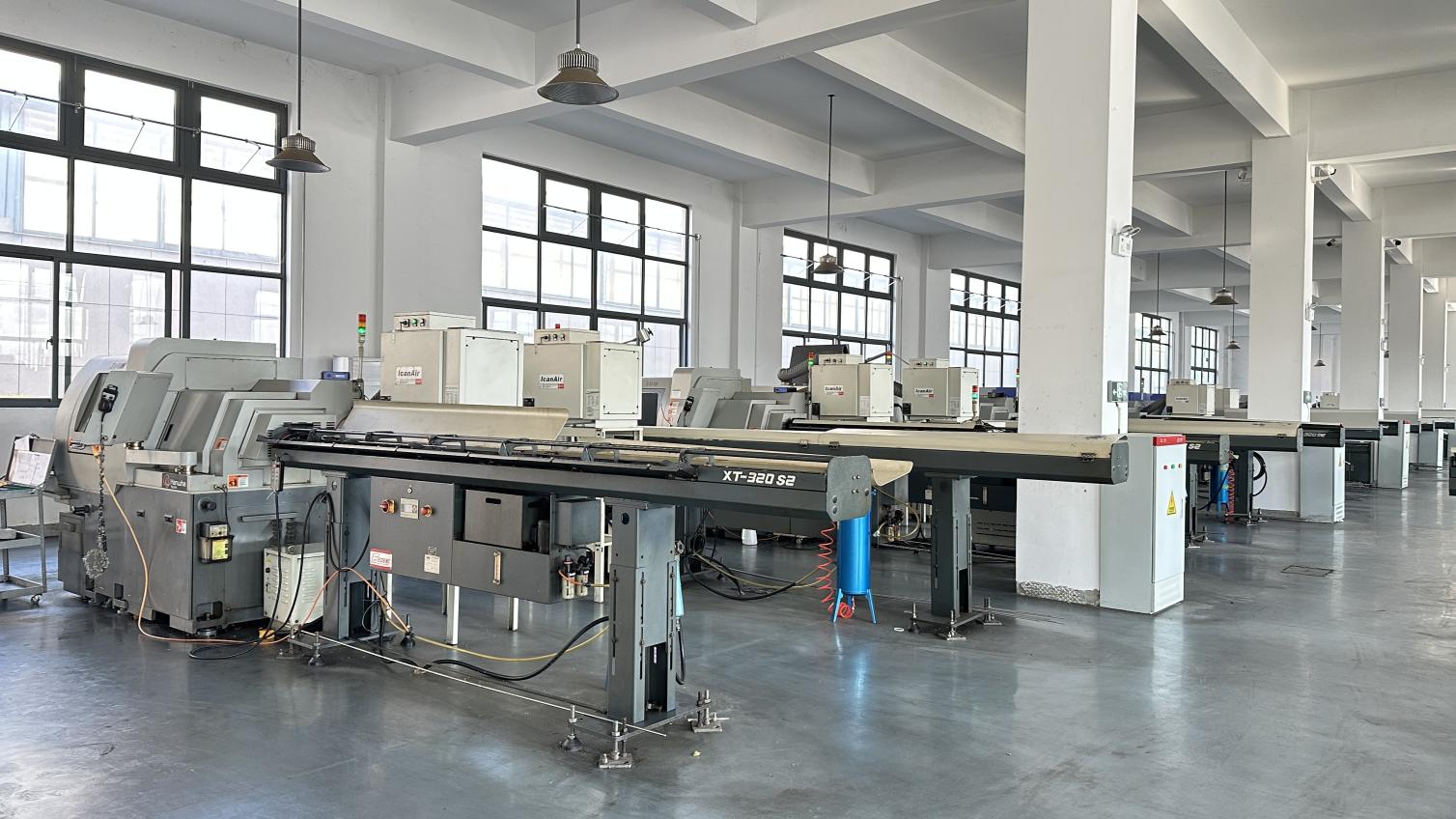
Advanced Industrial Machining & Quality Control Facilities

A comprehensive walkthrough of our manufacturing workflow, precision tooling machinery, and verification test laboratories.
Technical Quality Assurance & OEM Development Roadmap

Establishing full-process monitoring to guarantee the physical limits and biological tolerability of orthopedic devices.

I. Comprehensive Quality Inspection Framework

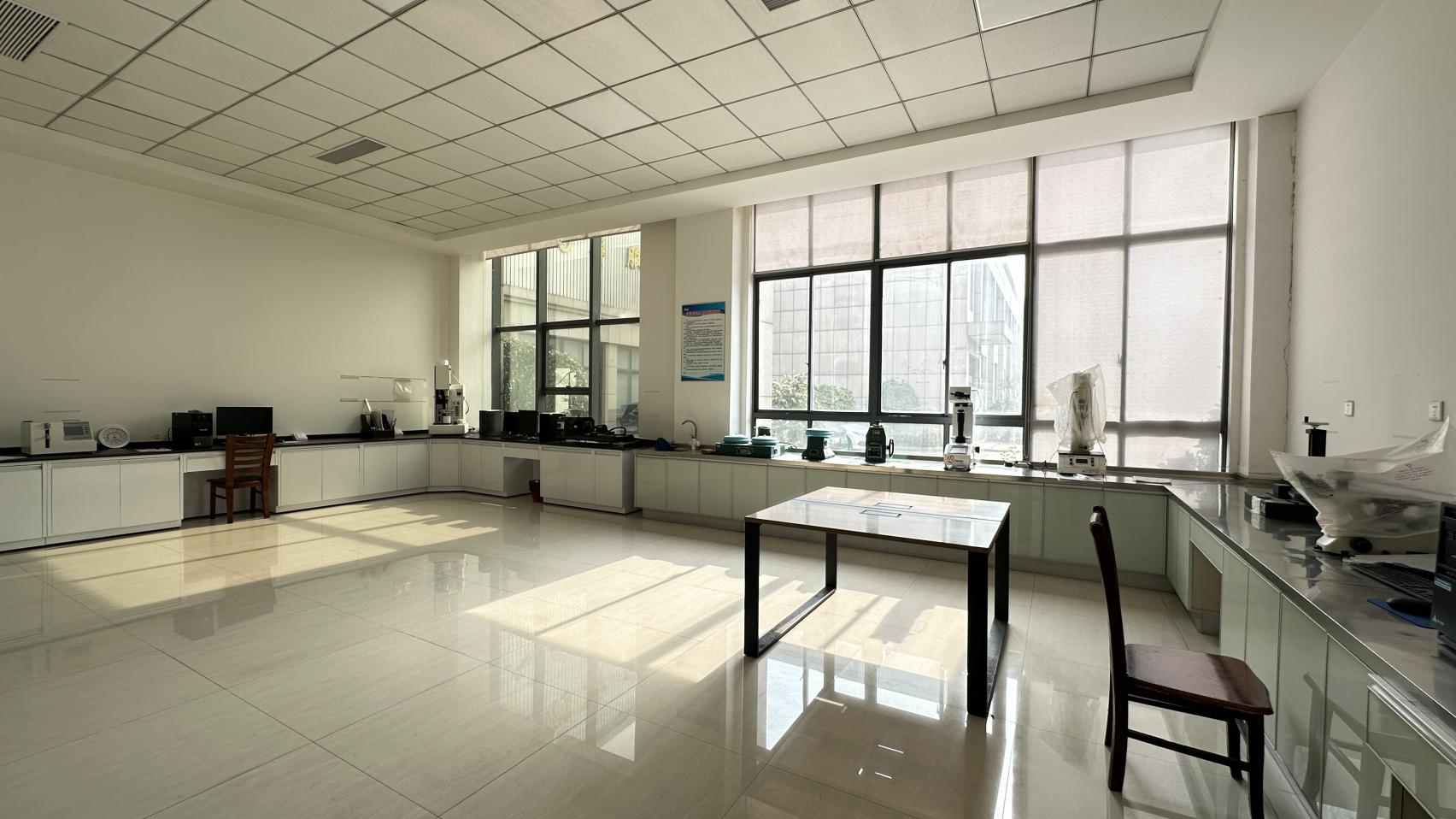
At Virelox, quality control is not an isolated inspection gate; it is integrated across our entire workflow. With 65 QC specialists and a system operating strictly under ISO 13485, we run multi-step testing regimes on both raw stocks and finished configurations.

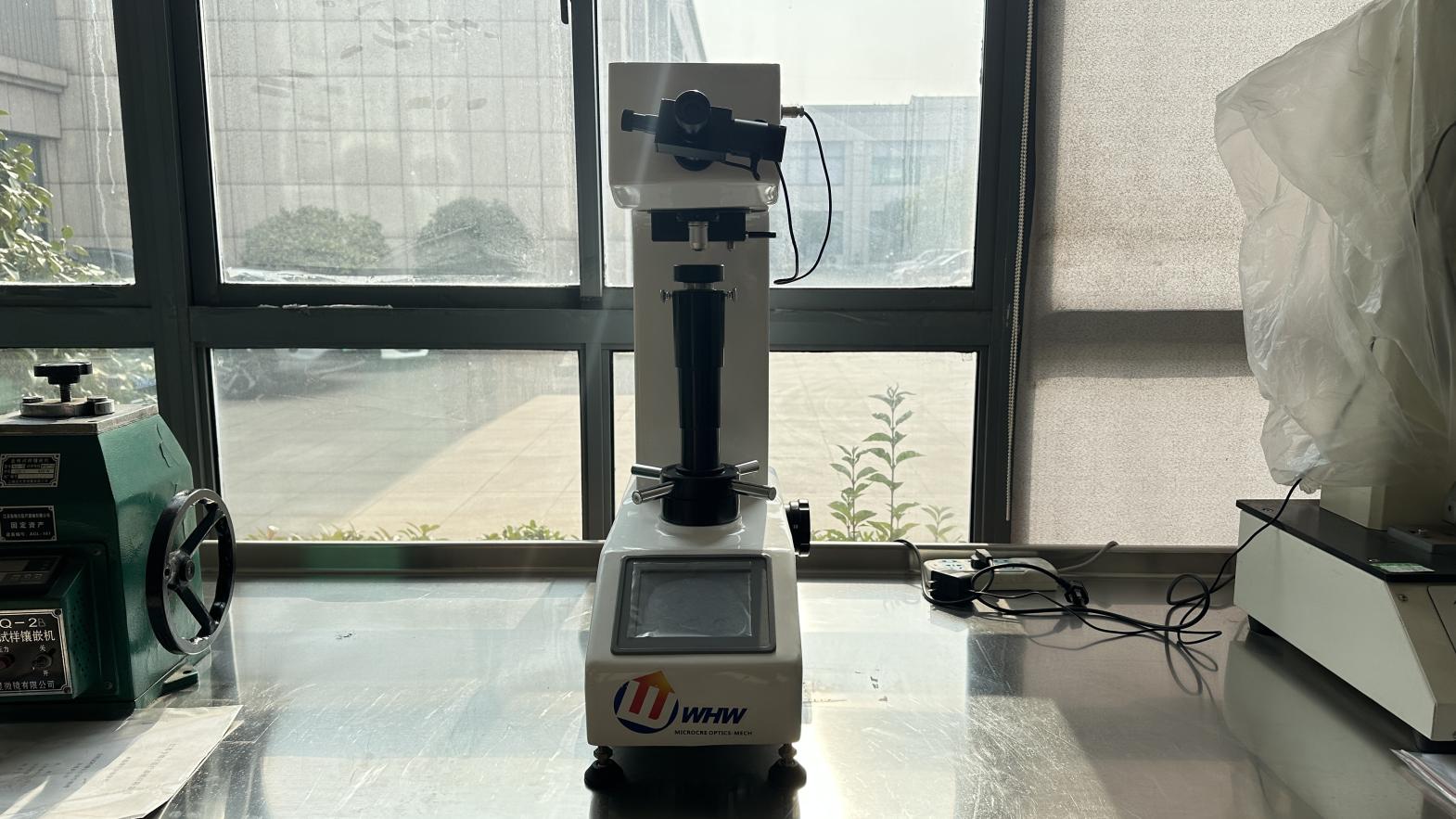
  • Raw Material Assessment: Spectral analysis verifying pure Titanium (Grade 2) and Titanium Alloy (Ti-6Al-4V ELI) parameters before machining.
  • In-Process Dimensional Measurement: Micron-level checks using coordinate measuring machines (CMM) and optical profile measurement tools.
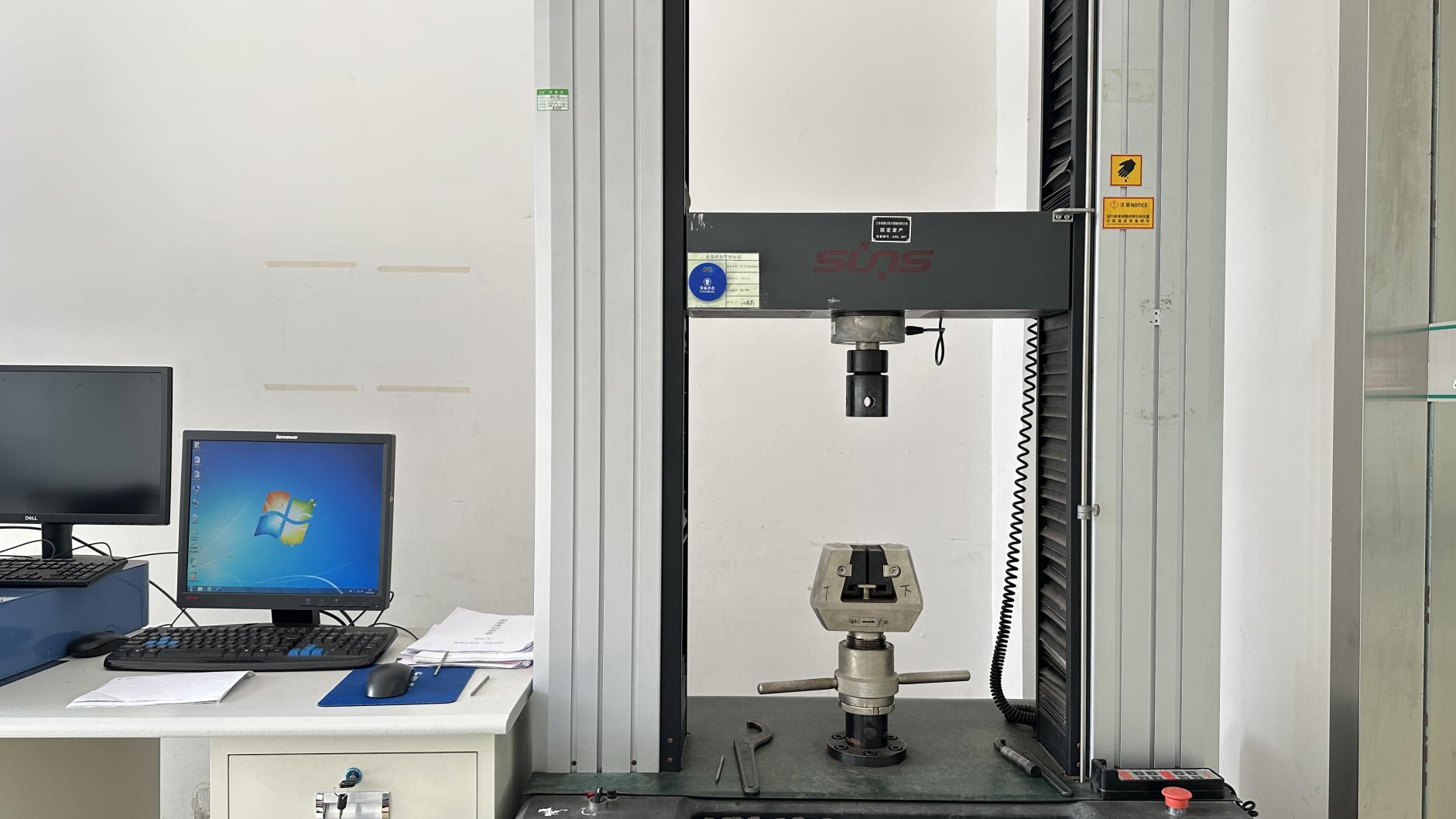
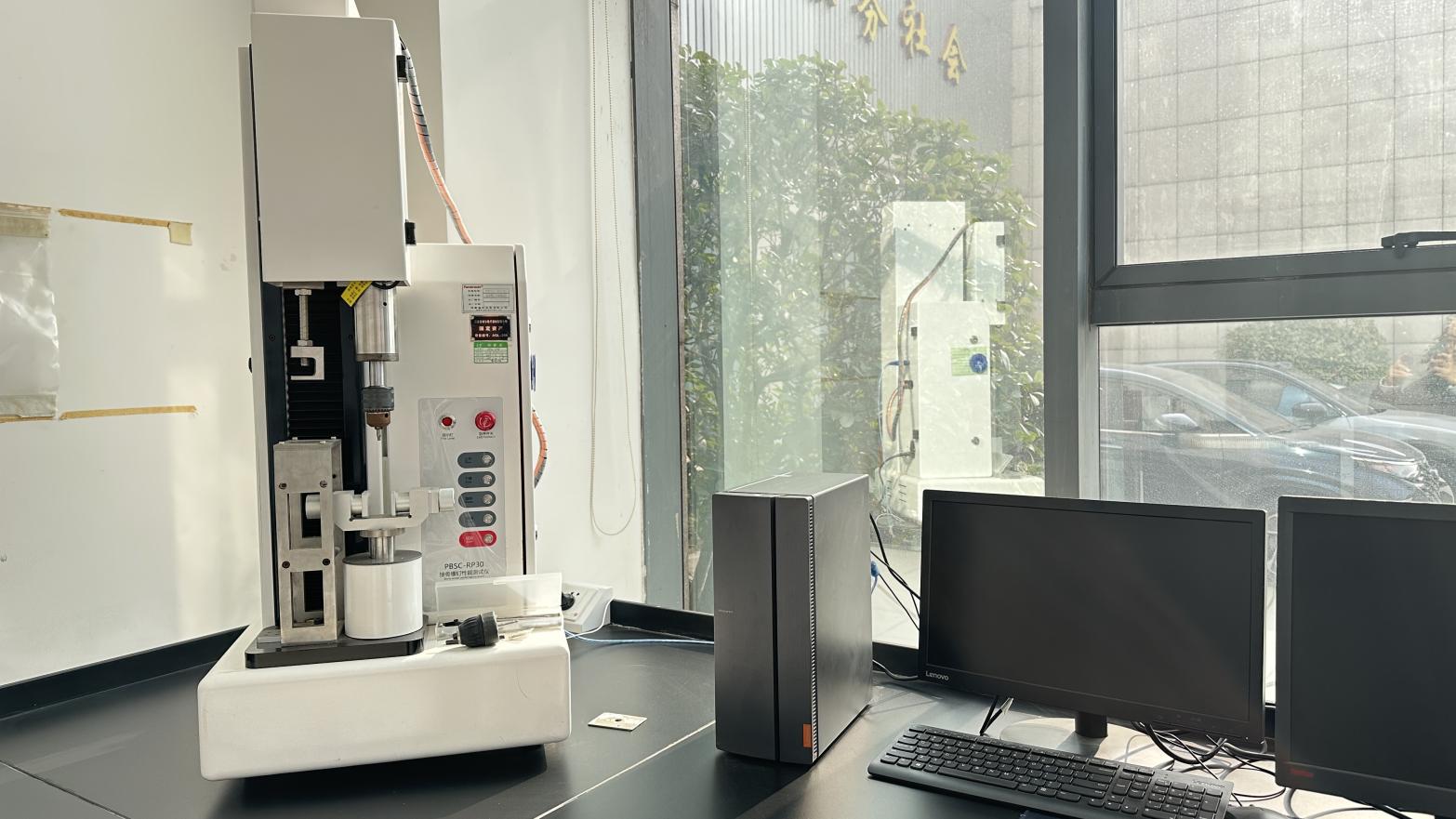
  • Biomechanical Validation: Static and dynamic fatigue testers verify the structural thresholds of maxillofacial plating geometries under cyclic loading.
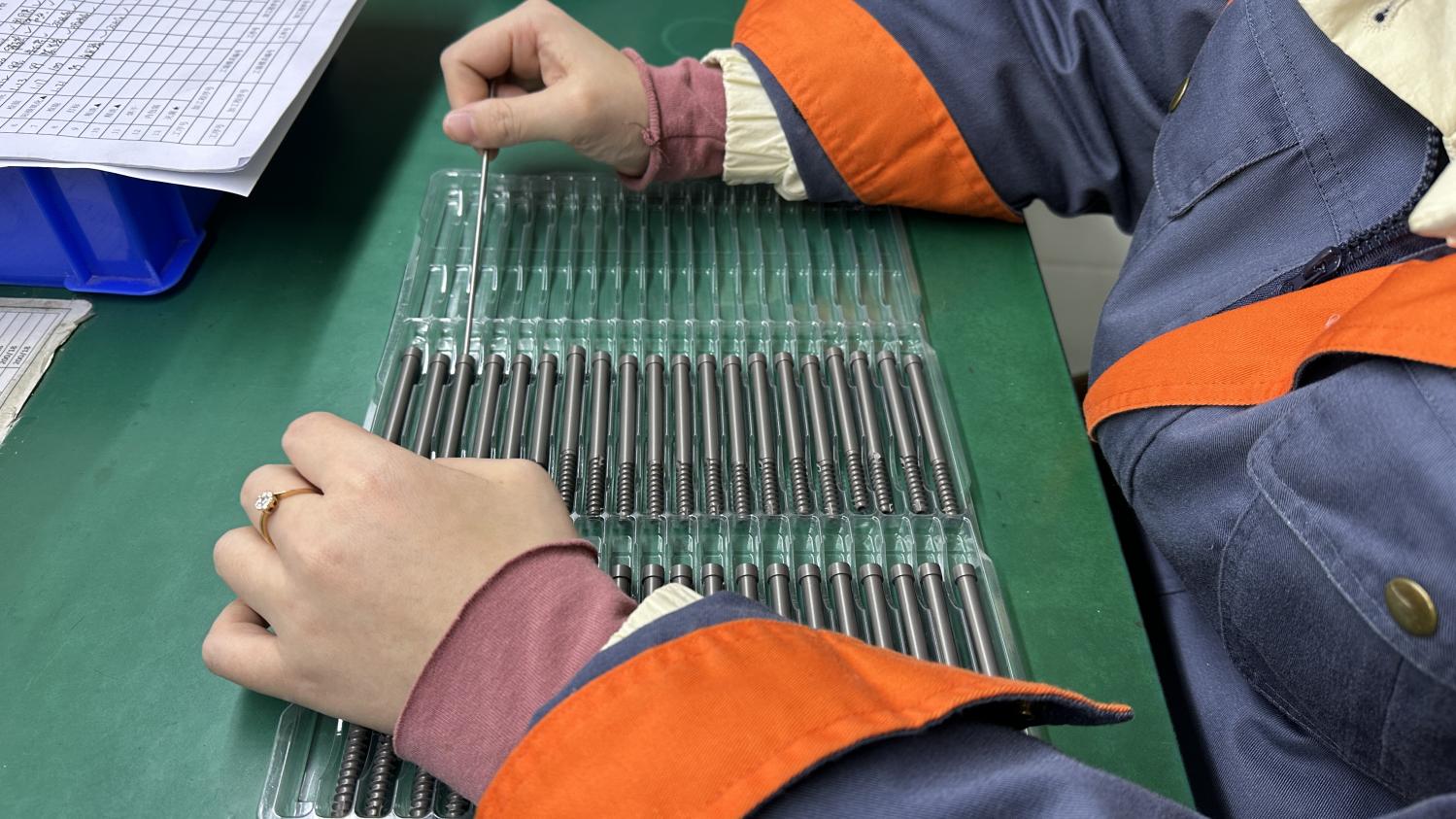
  • Screw Performance Testing: Assessing torsional strength, insertion torque, and pull-out resistance to guarantee maximum fixation stability during surgical application.

II. The Customized OEM/ODM Workflow

Working as a contract manufacturer for medical suppliers globally, Virelox implements structured milestones to transform concept models into sterilized finished products.

  1. Anatomy & Biomechanical Assessment: Our team of 120 engineers utilizes CAD/FEA simulation software to model localized stress distributions.
  2. Prototype Creation: Utilizing high-end wire cutting, CNC milling, and rapid prototyping systems to construct physically testable units.
  3. Dynamic Testing & Verification: Simulating in-vivo stress environments to identify deformation points.
  4. Regulatory Package Prep: Providing technical dossiers, material certificates, and biocompatibility evaluations to facilitate CE, FDA, and domestic medical registries.

Cranio-Maxillofacial Clinical Solutions

Engineered hardware systems custom-tailored for target osteosynthesis applications and orthopedic therapies.

Midface Trauma and Orbital Fracture Fixation

Fractures of the zygomaticomaxillary complex (ZMC) and orbit require highly profile-controlled, flexible plating solutions. Standard linear plates can result in palpable edges under thin facial tissues.

  • Ultra-low profile plates (0.6mm - 1.0mm thickness)
  • Anatomically contoured orbital plates minimizing intraoperative shape adjustments
  • 1.5mm & 2.0mm micro-screw interfaces for secure, localized anchorage
  • Smooth, rounded edges to reduce soft tissue friction

Mandible Fracture Reconstruction Systems

The mandible is subject to dynamic, multi-directional biomechanical stress from chewing. Demanding load-bearing capabilities necessitate heavier plate configurations (2.0mm - 2.4mm profiles).

  • High-tensile Grade 5 Titanium locking systems
  • Multi-hole reconstruction plates for bridging segmental bone loss
  • Locking screw mechanics to prevent plate compression against the periosteum
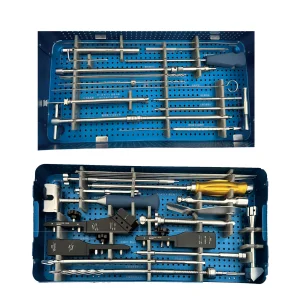
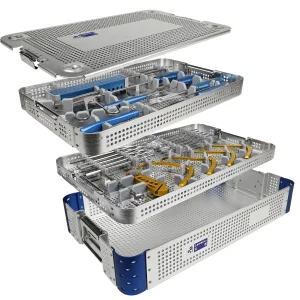
  • Universal modular toolsets facilitating fast intraoperative fixation

Technical & Procurement FAQ: Maxillofacial Plating

Critical answers for sourcing managers, orthopedic distributors, and clinical regulatory professionals.

Q1: What grades of titanium do you utilize for Maxillofacial Plating Systems?
We strictly utilize medical-grade pure Titanium (Grade 2/Grade 4) for micro-plates that require high malleability and easy adaptation. For reconstructive structural plates, locking plates, and cortical bone screws, we utilize Grade 5 Titanium Alloy (Ti-6Al-4V ELI) to guarantee superior tensile strength and fatigue limit properties.
Q2: Does Virelox manufacture and assemble under ISO 13485 regulatory standards?
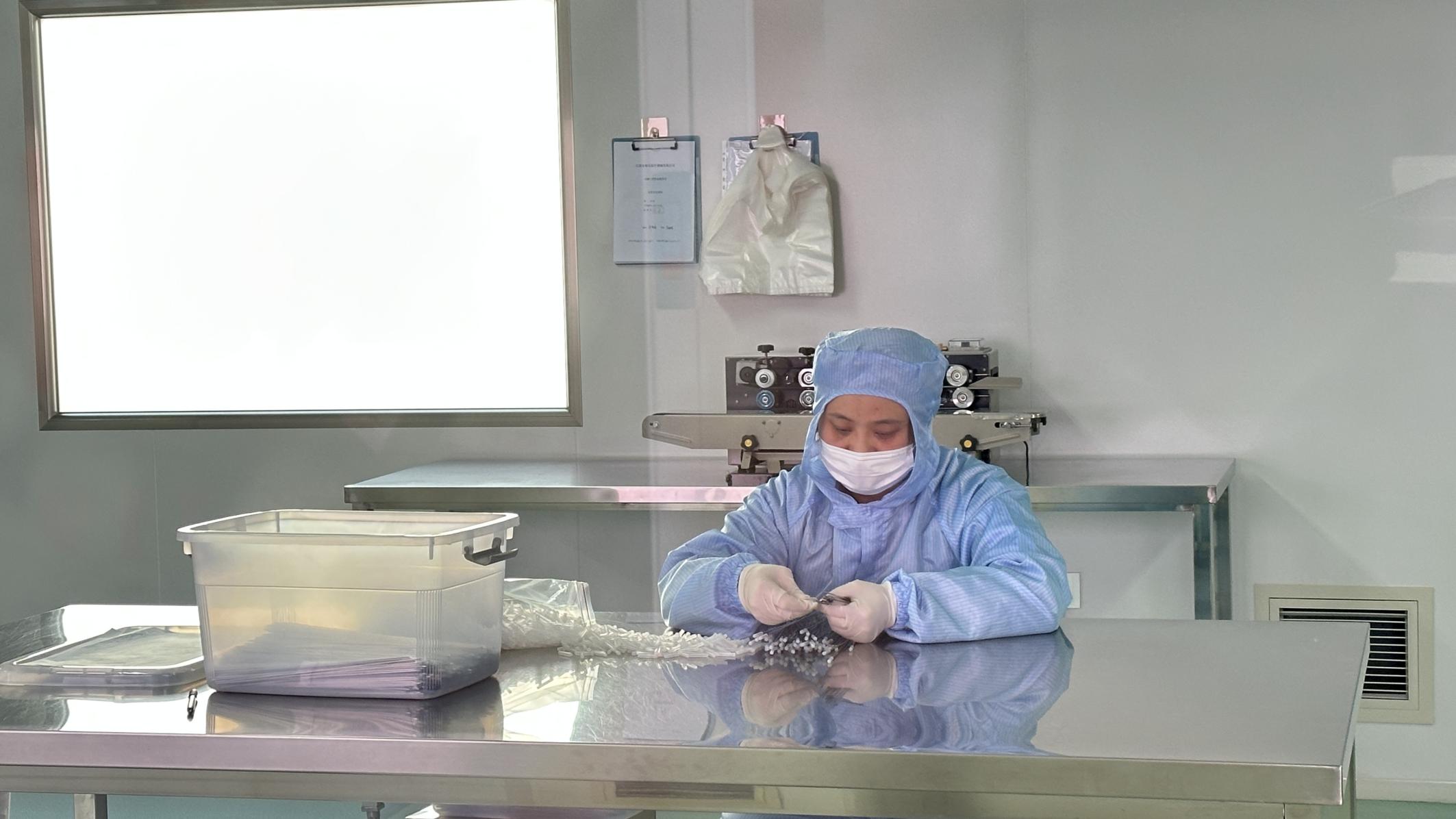
Yes, our entire manufacturing loop conforms strictly to ISO 13485 quality systems. We maintain cleanroom packaging divisions, full batch traceability records, and material heat number registries. We provide complete technical document packages to support CE certifications and FDA submissions for global partners.
Q3: Can you explain the typical lead times and MOQ for custom OEM/ODM projects?
For OEM custom modifications of standard plates, our typical production cycle ranges between 30 to 45 days. For completely new ODM projects involving custom biomechanical design, tooling development, and stress testing, the roadmap takes 60 to 90 days. MOQs depend on design complexity and size constraints.
Q4: How does Virelox perform fatigue testing on its bone plating products?
We operate dedicated dynamic fatigue testing equipment in our in-house lab. Craniofacial plates are mounted in physiologic saline simulation chambers and subjected to cyclic loads (up to 5 million cycles) to ensure they can withstand typical muscular force parameters without experiencing mechanical fatigue failure.