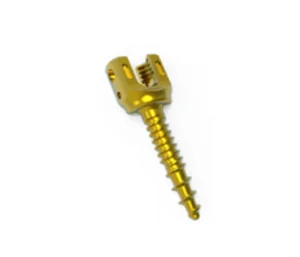
OEM/ODM Large Fragment Locking Plates Manufacturer & Factories

High-performance osteosynthesis implants and instruments manufactured under strict ISO 13485 compliance for global orthopedic clinics, trauma centers, and medical device distributors.

Our Featured Implants & Surgical Instruments

Explore our high-precision medical devices engineered to meet rigorous biomechanical performance standards and surgical requirements.
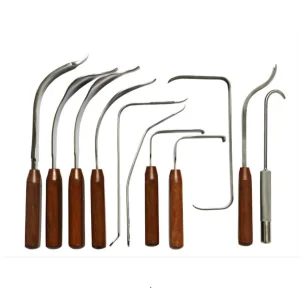
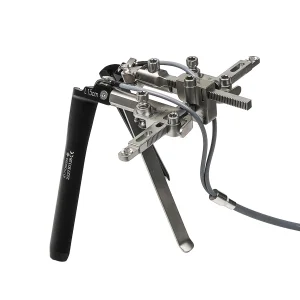
THA Minimally Invasive Retractors

Hot Sale THA Minimally Invasive Retractors Orthopedic Surgical Instruments Stainless Steel Retractors

View Product Details
CANWELL Tlif Retractor Spine

CANWELL Tlif Retractor Spine Retractor Tubular Minimal Invasive Spine Tubular Retractor MIS OLIF Surgery Instrument Set

View Product Details
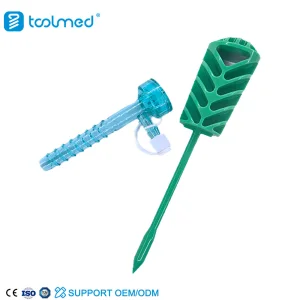
Arthroscopy Meniscus Cannula

Hot New Products Arthroscopy Meniscus Cannula Disposable Trocar Arthroscopic Cannula Cannula De hilo Artroscopica

View Product Details
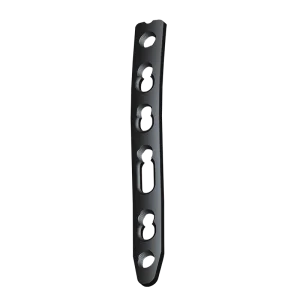
Fule Trauma Locking Plates

Fule Trauma Locking Plates Distal Volar Radius Class III Implantable Artificial Organs Large Polyaxial 2.4/2.7mm CE Certified

View Product Details
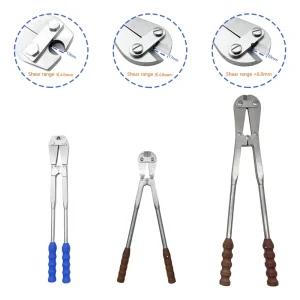
Wire Cutting Plier

Stainless Steel Large Wire Cutting Plier Kirschner Pin Cutter Wooden Handle Orthopedic Surgery Instrument

View Product Details
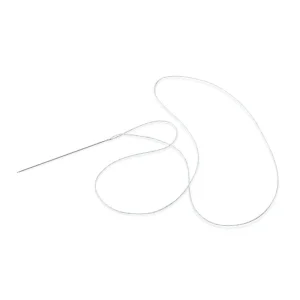
Disposable Surgical Sutures

Medical Disposable Nonabsorbable Surgical Sutures with Needles CE Certified General Surgery Use 30-100mm

View Product Details
Spinal Screw Rod System

Occipitocervical Thoracic Spinal Screw-Rod System Posterior Interventional Titanium Implants & Materials

View Product Details
Posterior Cervical Fixation System

CANWELL Posterior Cervical Fixation System - Titanium Spine Instrument Set for ACDF Surgery

View Product Details
2016
Established Since
12,000㎡
Production Area
120
R&D Engineers
65
QC Specialists
$8.5M
Annual Export
850+
Supply Chain Partners

1. Executive Summary & Clinical Architecture of Large Fragment Locking Plates

In contemporary orthopedic trauma surgery, Large Fragment Locking Plates represent the cornerstone of internal osteosynthesis for high-load skeletal structures. These devices, primarily designed for fractures of the femur, tibia, and humerus, combine the mechanical principles of dynamic compression plates (DCP) with the biological advantages of biological internal fixation (minimizing periosteal stripping). By utilizing locking screws, the construct acts as a fixed-angle device, which is biomechanically superior in osteopenic bone or multi-fragmentary fractures where traditional screws might fail.

As a premier OEM/ODM manufacturer of large fragment locking plates, Virelox Medical Devices Co., Ltd. is positioned at the intersection of medical engineering and precision manufacturing. Founded in 2016 and operating across a specialized 12,000 m² facility, we address the critical global demand for high-integrity implants that restore patient mobility and minimize clinical complications.

2. Technological Evolution: Variable Angle & Polyaxial Locking Mechanisms

The orthopedic implant landscape has undergone a major paradigm shift from simple monaxial locking plates to advanced Variable-Angle (VA) locking systems. Standard locking systems limit screw insertion to a single trajectory, which can complicate fixation when dealing with complex intra-articular fractures. Modern variable-angle technology allows surgeons to angulate screws within a designated cone (typically 15° to 20°), tailoring the construct to the specific patient anatomy without sacrificing construct stiffness.

Furthermore, raw material engineering has shifted from standard titanium to biocompatible alloys such as Ti-6Al-4V ELI (Extra Low Interstitial) and Stainless Steel 316L. These materials are chosen for their excellent fatigue limits, low modulus of elasticity (closer to human cortical bone), and superb osseointegration properties. Anodization surface treatments are implemented to reduce cold welding between titanium screws and plates, ensuring safe implant removal in revision surgeries.

3. Global Procurement Trends: Regulatory Rigor & Sourcing Demands

B2B buyers, including medical device distributors, public hospital procurement committees, and international group purchasing organizations (GPOs), face an increasingly stringent regulatory landscape. With the transition from MDD to MDR in Europe and evolving FDA 510(k) standards, traceability and mechanical validation of trauma implants are non-negotiable. Sourcing departments prioritize manufacturers that offer comprehensive design history files (DHF), full chemical analysis certificates for raw materials, and ISO 13485 certification.

Cost pressure is another vital parameter. Purchasing teams must balance the cost per unit against clinical efficacy and revision rates. By working with a direct manufacturer in China that integrates R&D, CNC machining, and mechanical testing in-house, global brands can achieve a 30-40% reduction in procurement costs while matching or exceeding the performance profiles of Tier-1 multinational brands.

Feature Parameter Titanium Alloy (Ti-6Al-4V ELI) Implants Stainless Steel (316L) Implants Biomechanical Performance Impact
Elastic Modulus ~110 GPa (closer to cortical bone) ~200 GPa Titanium reduces stress-shielding risk.
Biocompatibility Excellent (forms stable oxide layer) Good (potential nickel sensitivity) Titanium is optimal for long-term implantation.
Fatigue Strength High fatigue limit (resists cyclic loading) Moderate to high Ensures stability during early weight-bearing.
Imaging Compatibility Low MRI/CT artifacting Moderate scattering and artifacts Titanium allows clearer postoperative imaging.

4. China Factory 4.0: Supply Chain Resilience and Manufacturing Innovation

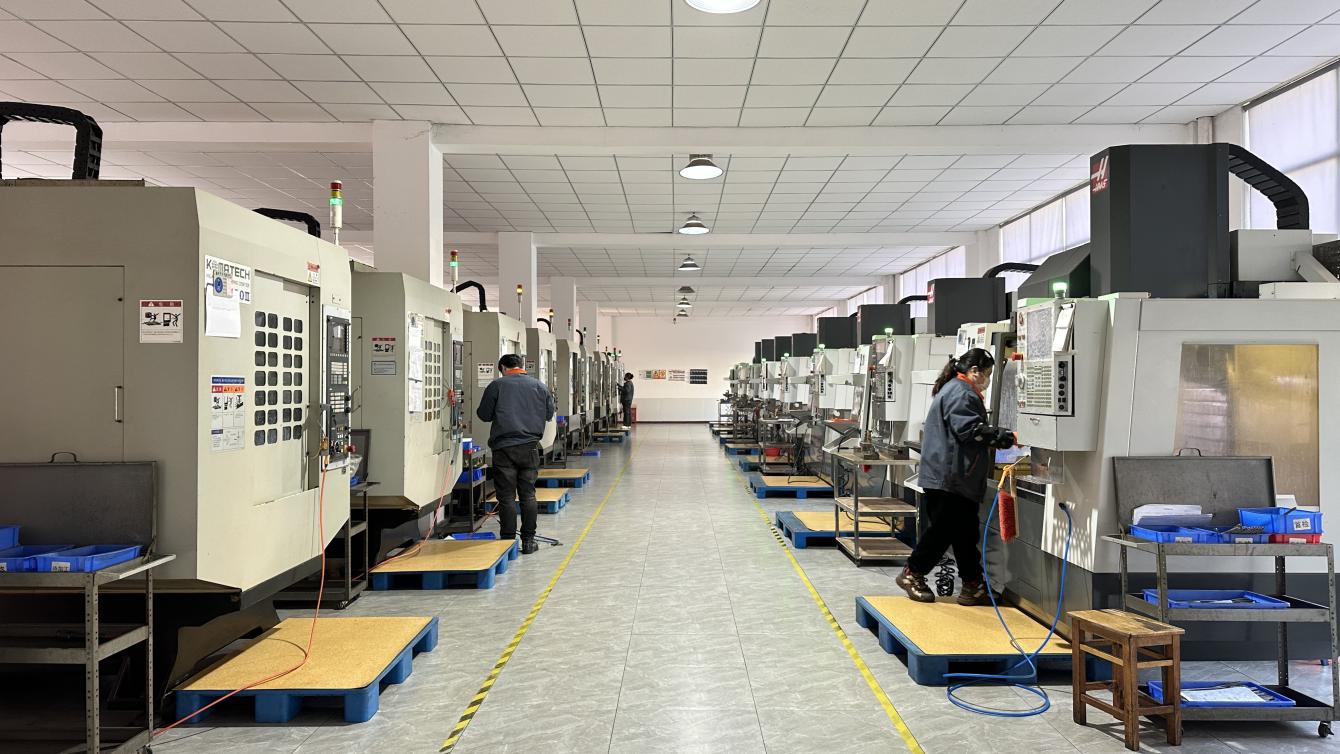
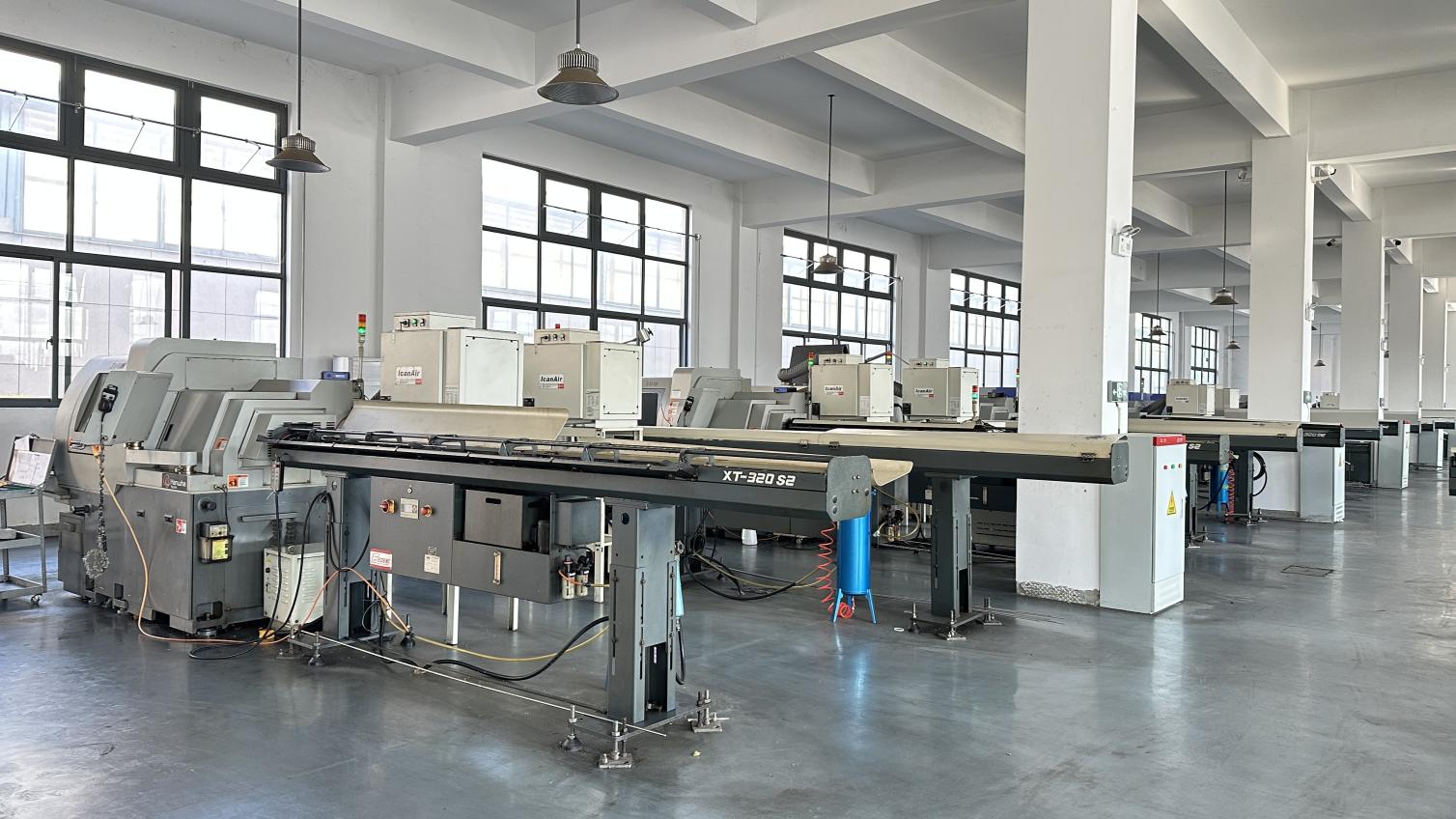
The modern landscape of orthopedic manufacturing requires high flexibility and rapid scale-up capability. Virelox has embraced Factory 4.0 principles by implementing advanced automation in our machining centers and integrating 850 certified upstream and downstream partners. This deep integration guarantees immediate access to medical-grade bars and blanks, chemical processing, and cleanroom packaging services.

Our R&D division, featuring 120 dedicated engineers in biomechanics, materials science, and medical device design, works collaboratively with surgeons and research clinics. Last year alone, Virelox successfully introduced 120 new orthopedic and spinal implants to the market. By executing structural optimization through finite element analysis (FEA) prior to physical prototyping, we accelerate the timeline from concept to sterile product shelf, providing our partners with a substantial competitive edge.

Our Advanced Manufacturing & Testing Facilities

Every stage of production—from medical-grade raw materials to rigorous biomechanical testing—is executed under strict quality assurance systems.
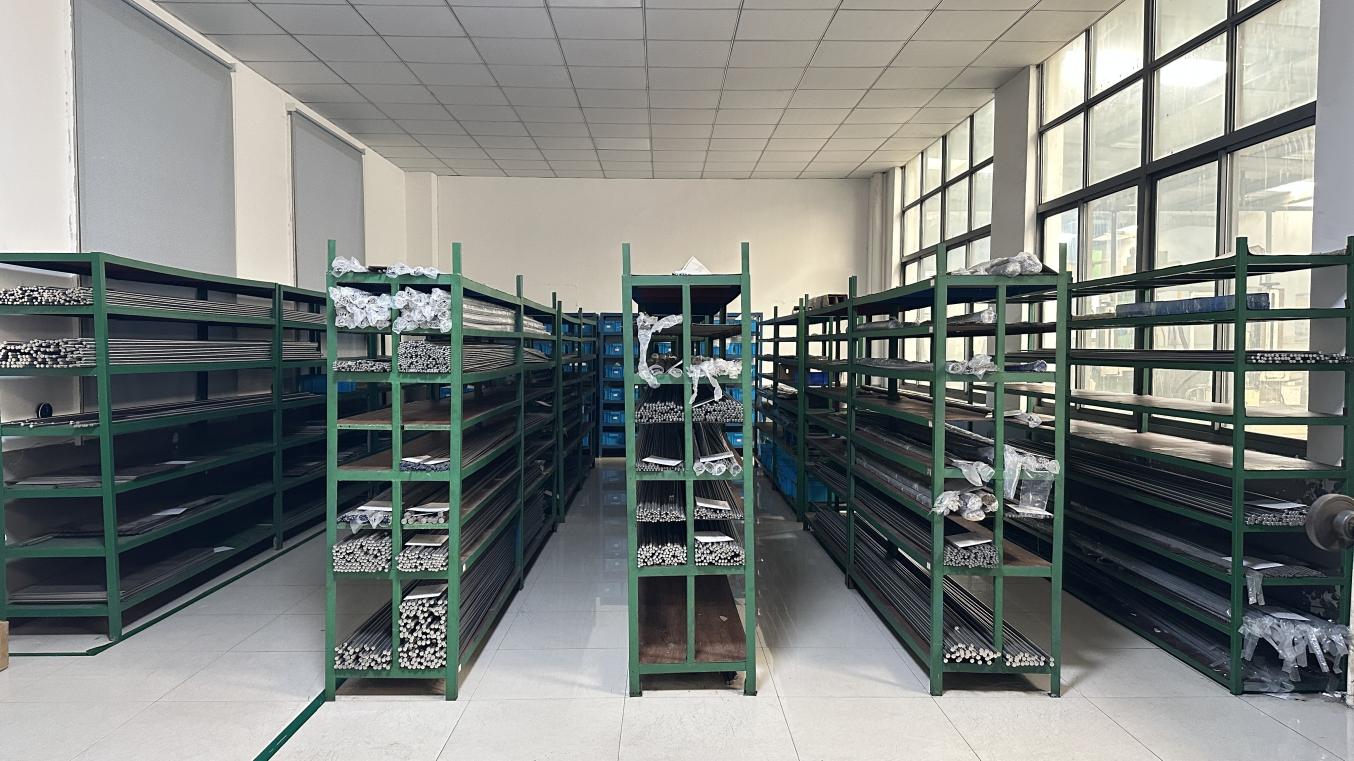
Raw Materials
Raw Materials Inspection
Slitting
Slitting & Preparation
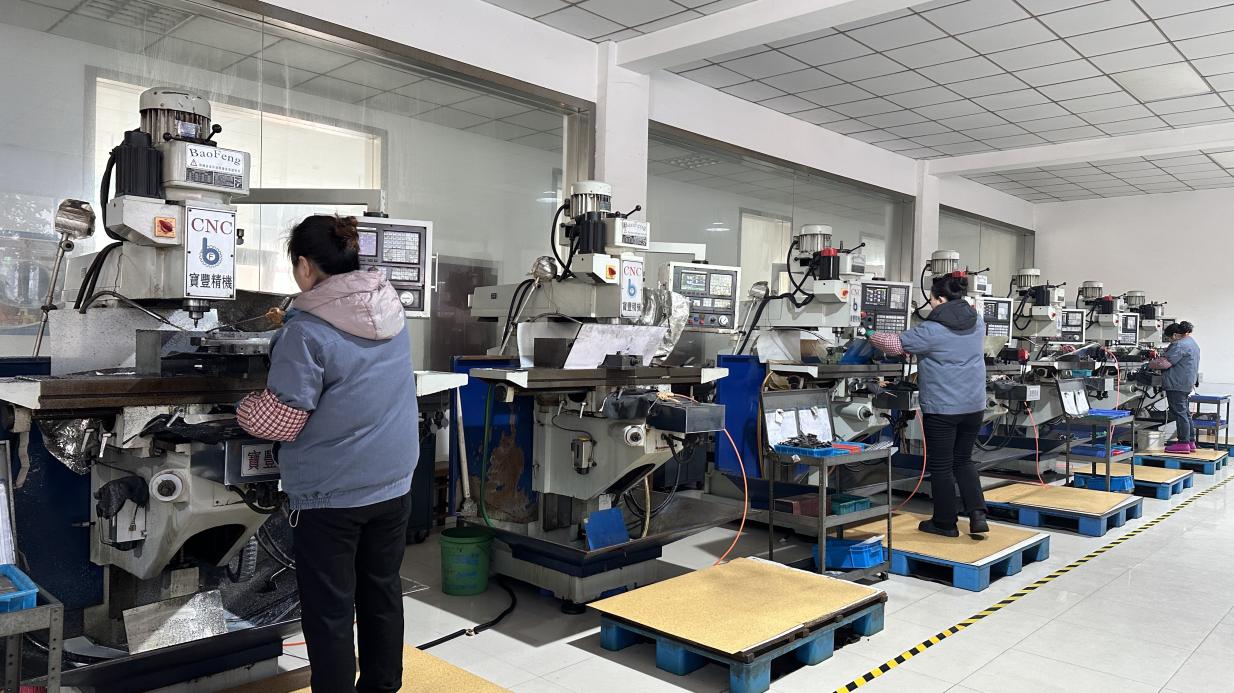
CNC Machining
CNC Machining
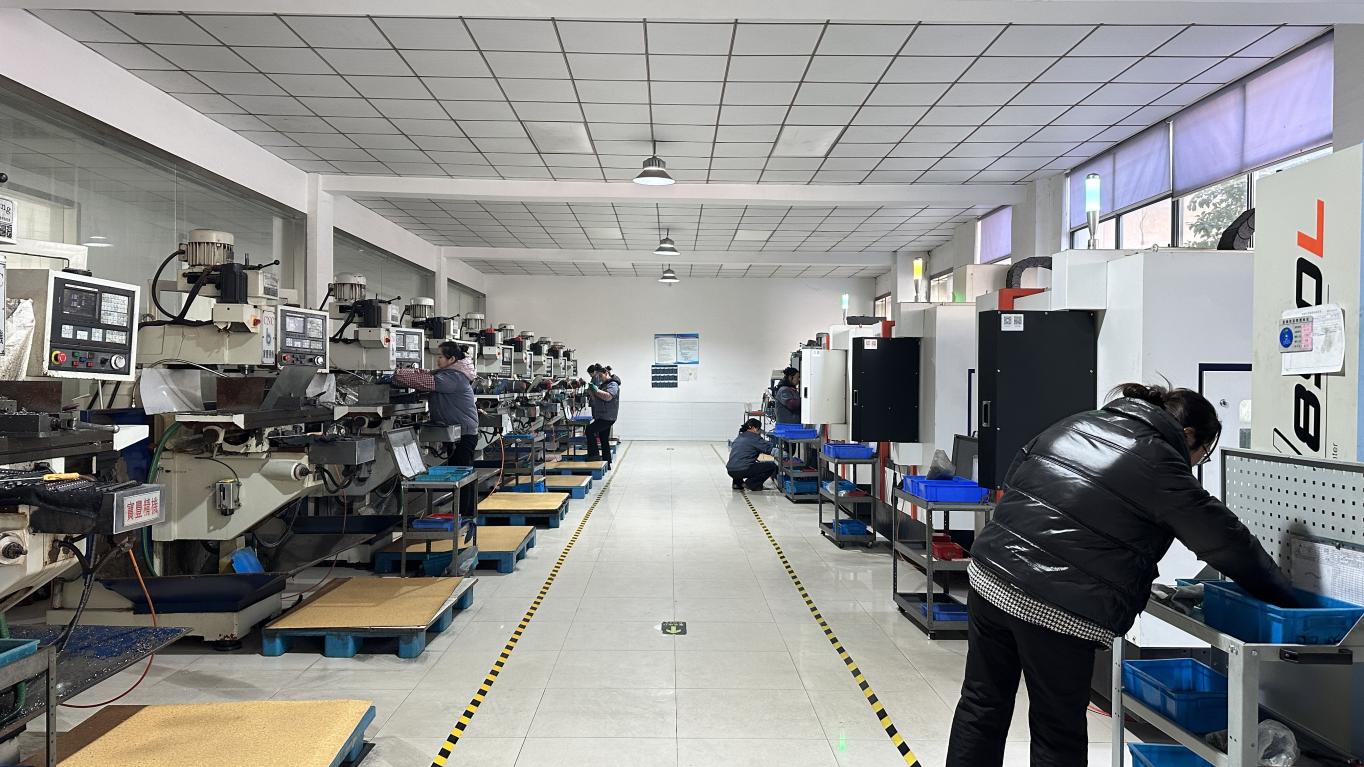
Machining
Precision Machining
Milling
Milling & Profiling
Slitting Machine
Heavy Slitting Machinery
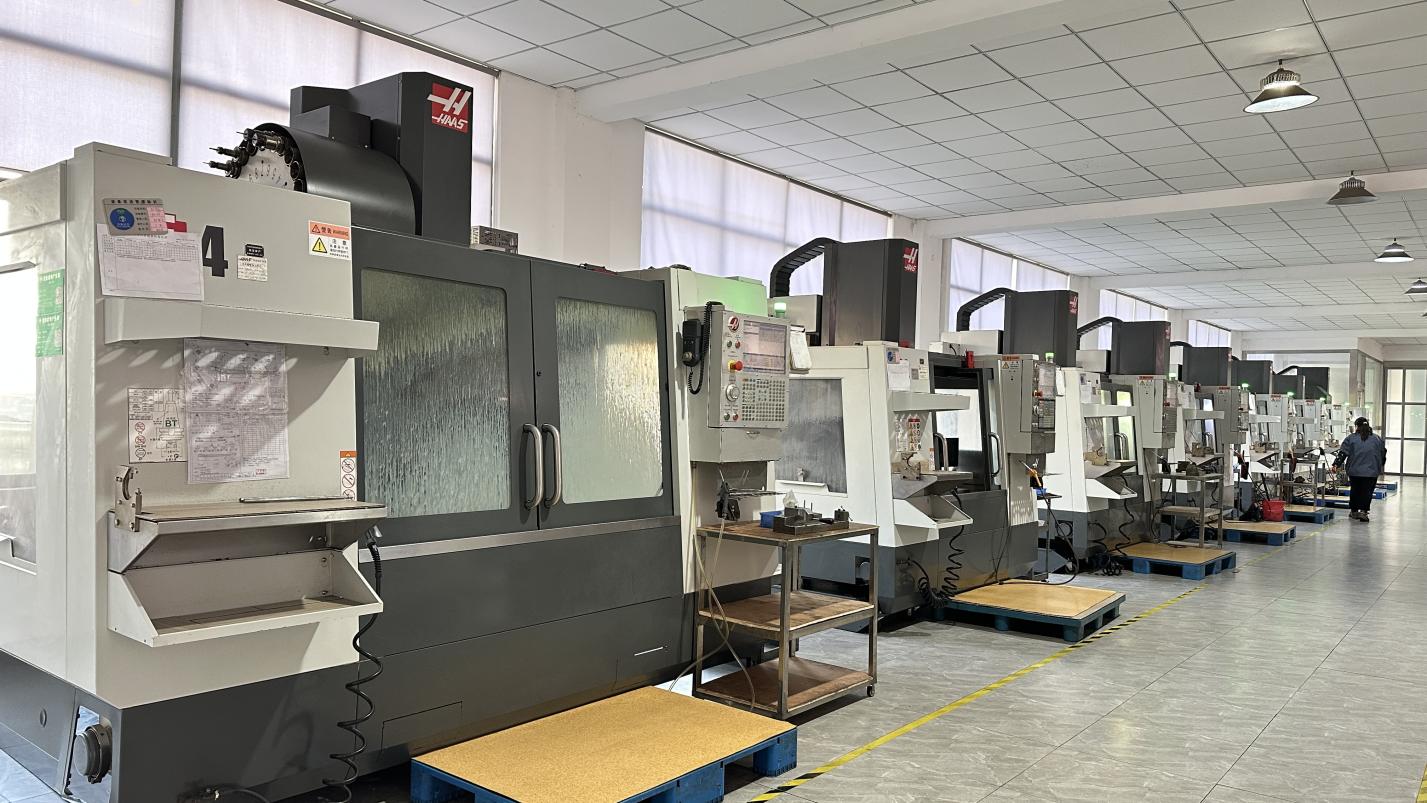
CNC Machining Center
Multi-Axis CNC Center
CNC Milling Machine
High-Speed CNC Milling
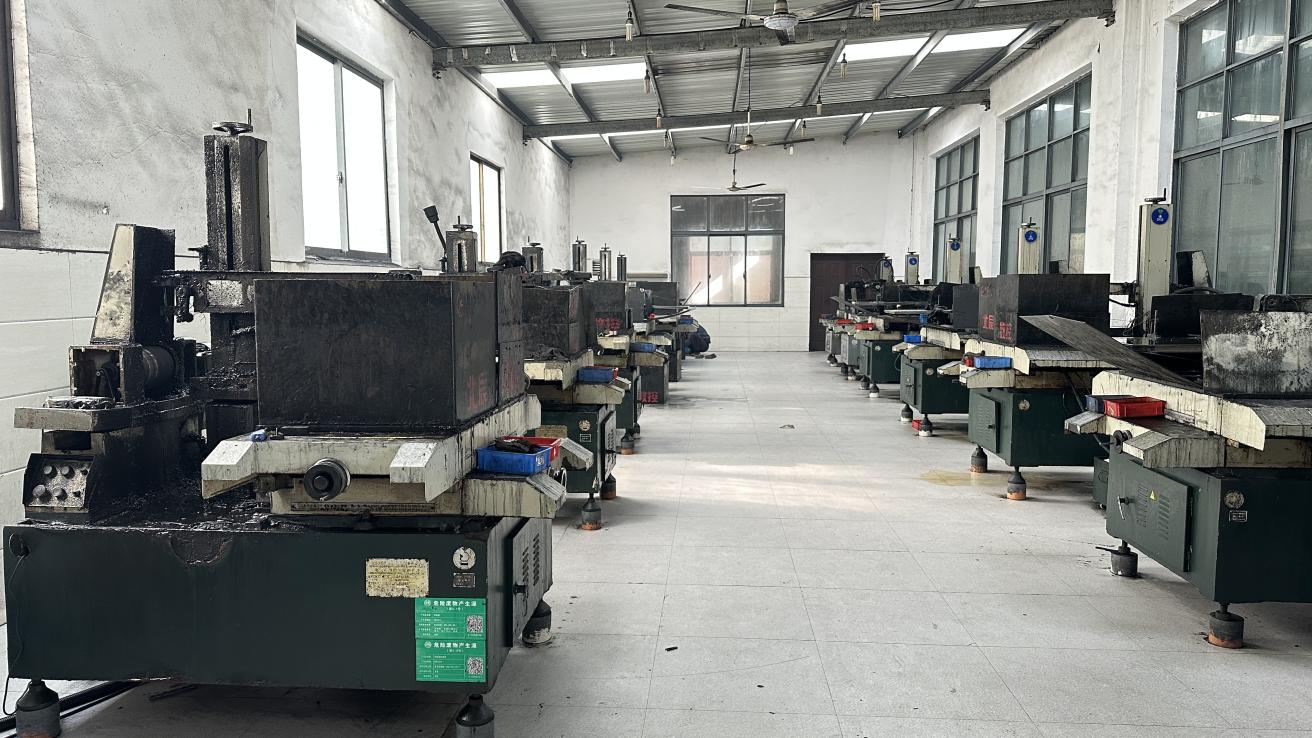
Wire Cutting Machine
Precision Wire Cutting (EDM)
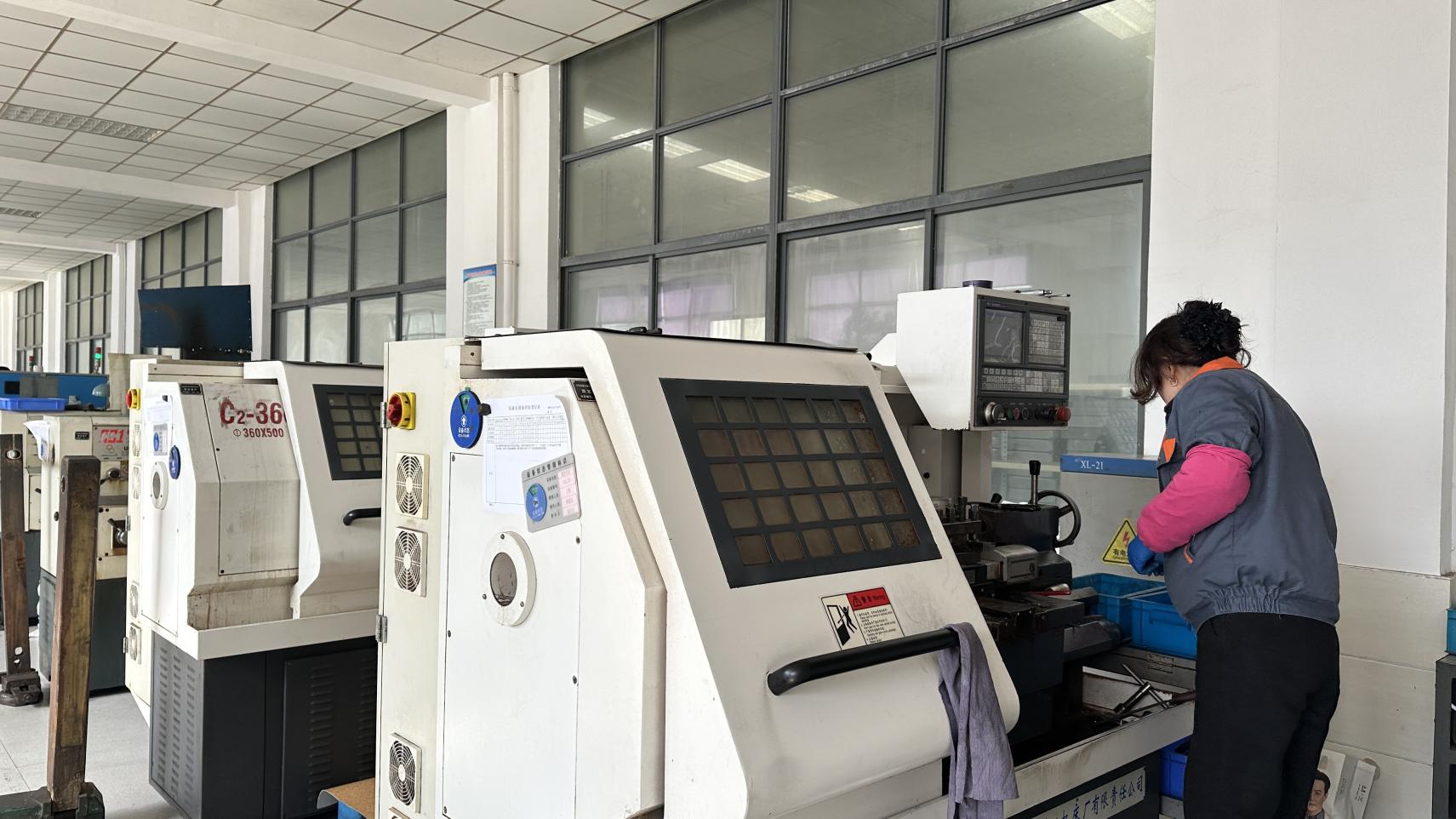
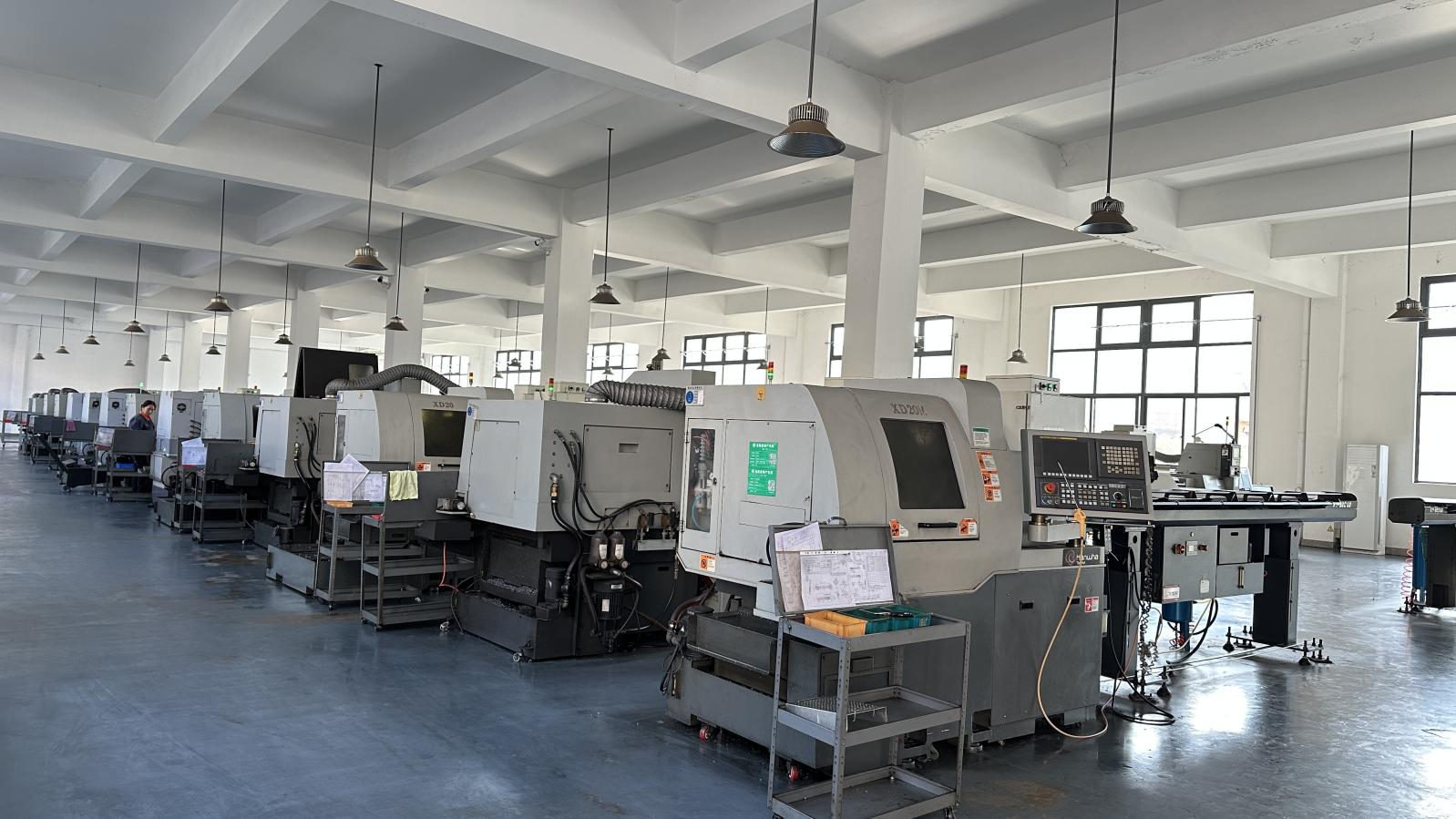
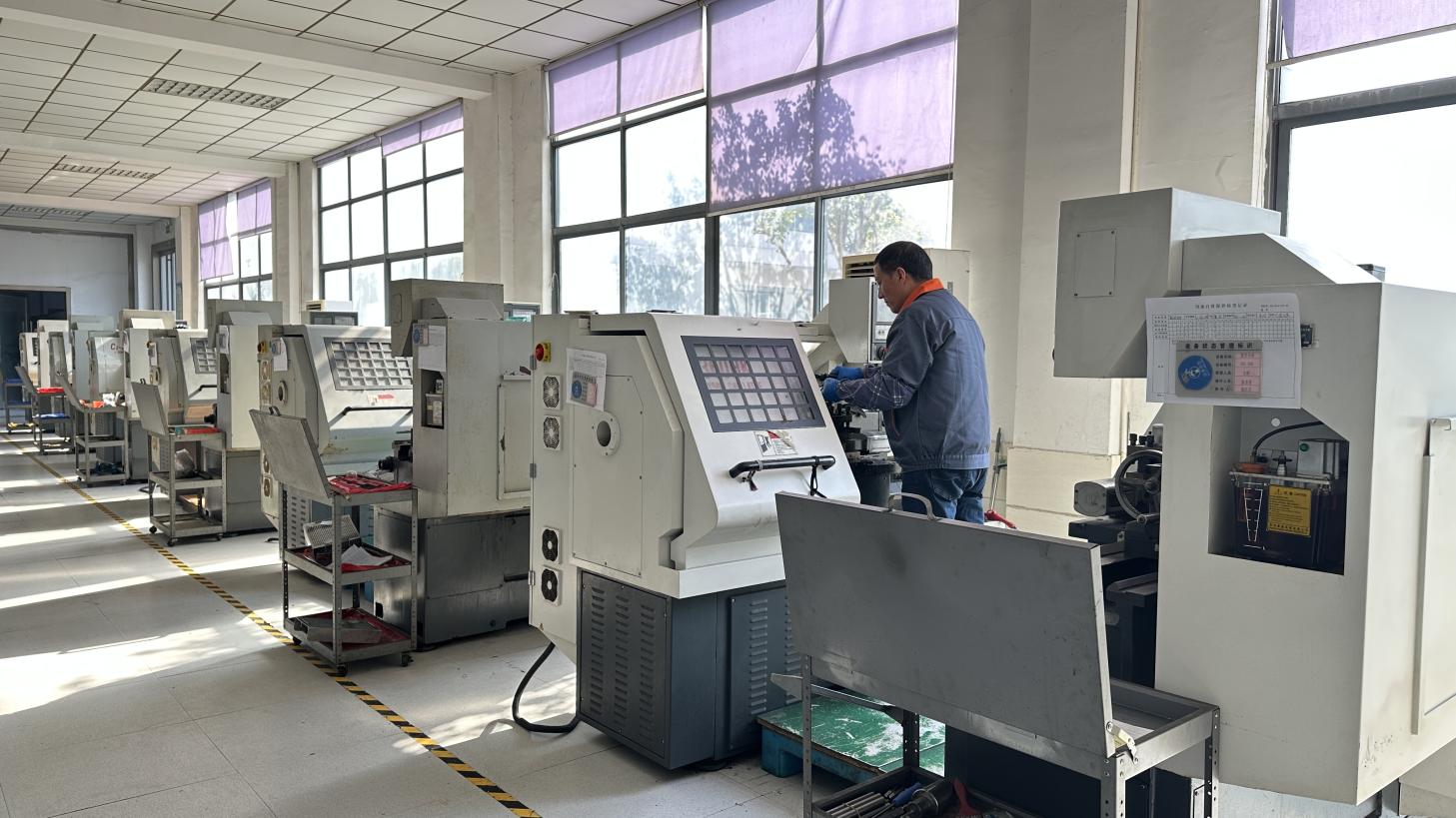
CNC Lathe
CNC Turning & Lathe Work
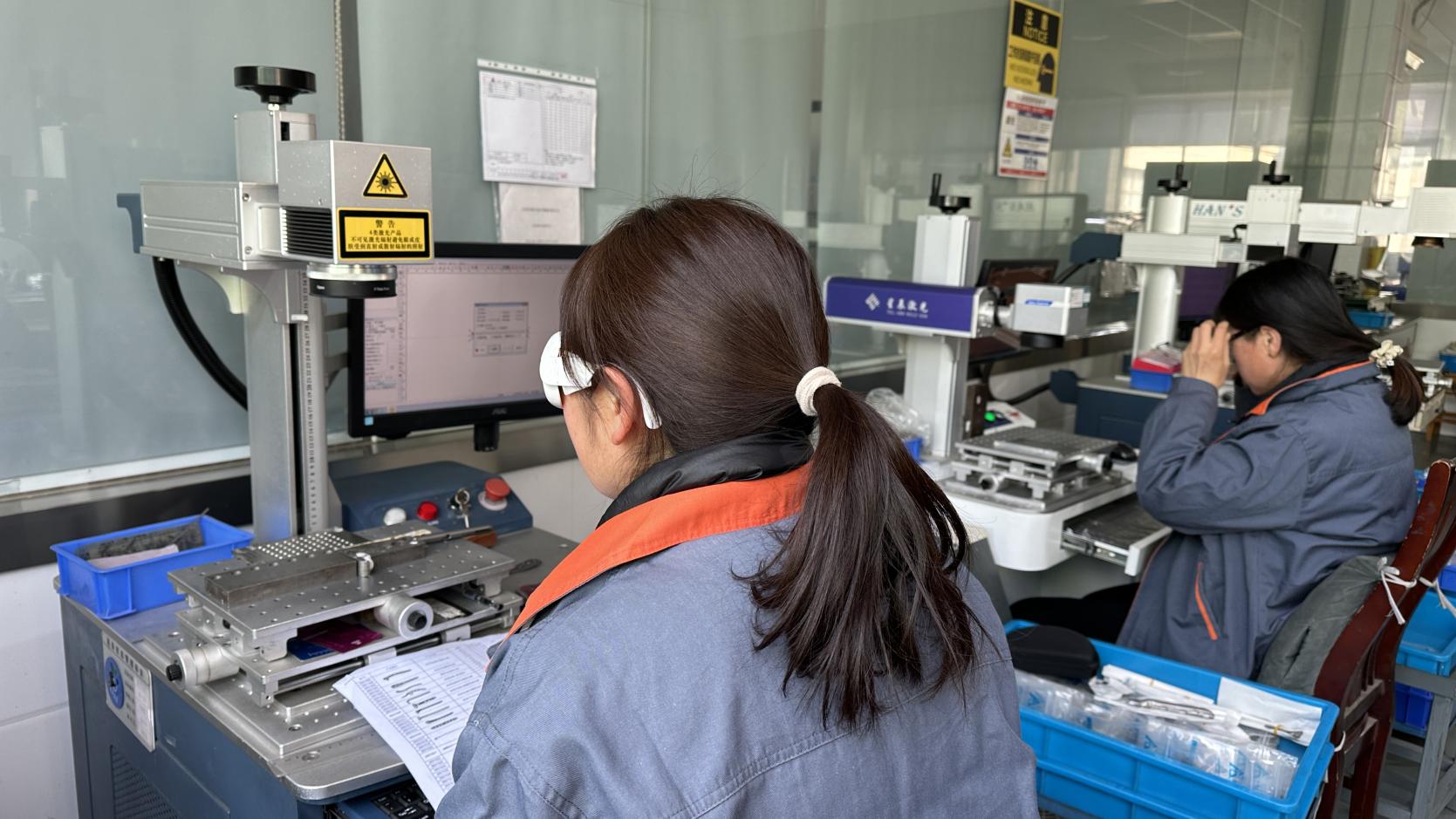
Laser Marking Machine
Laser Marking & Traceability UDI
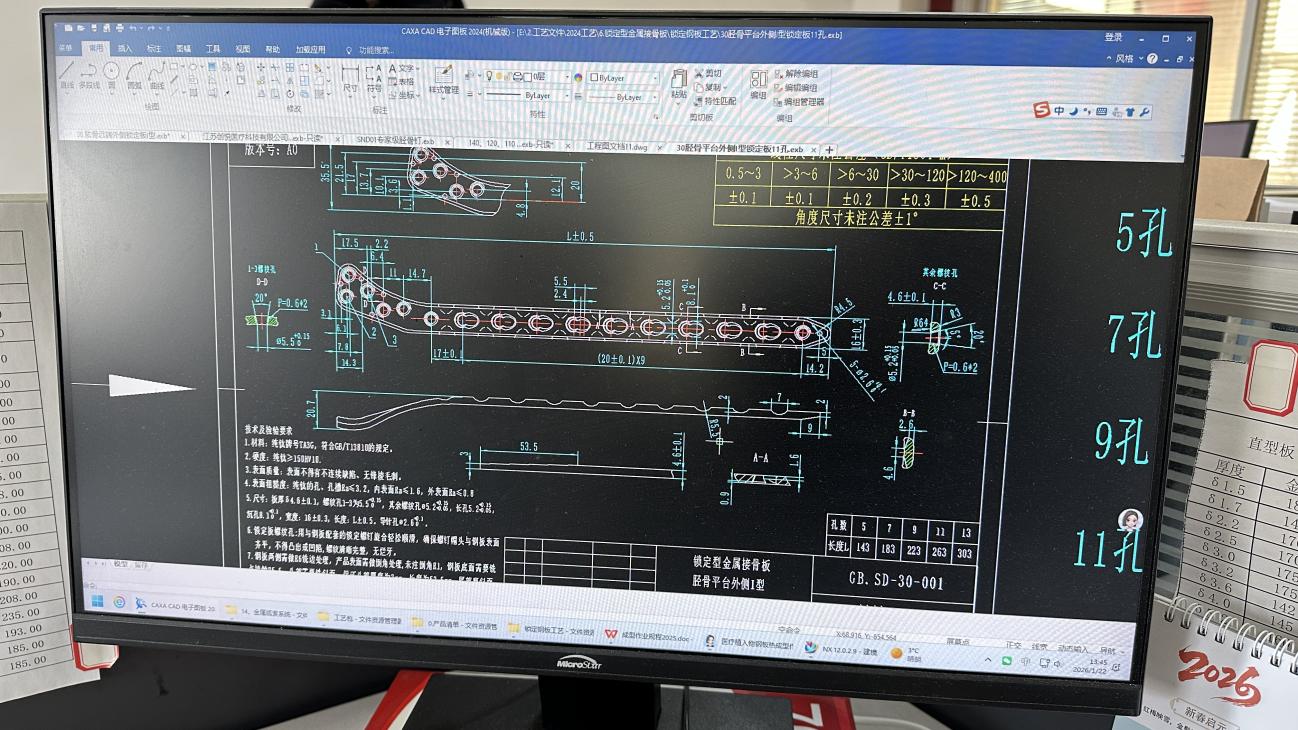
Design
Biomechanical R&D & Design
Lab
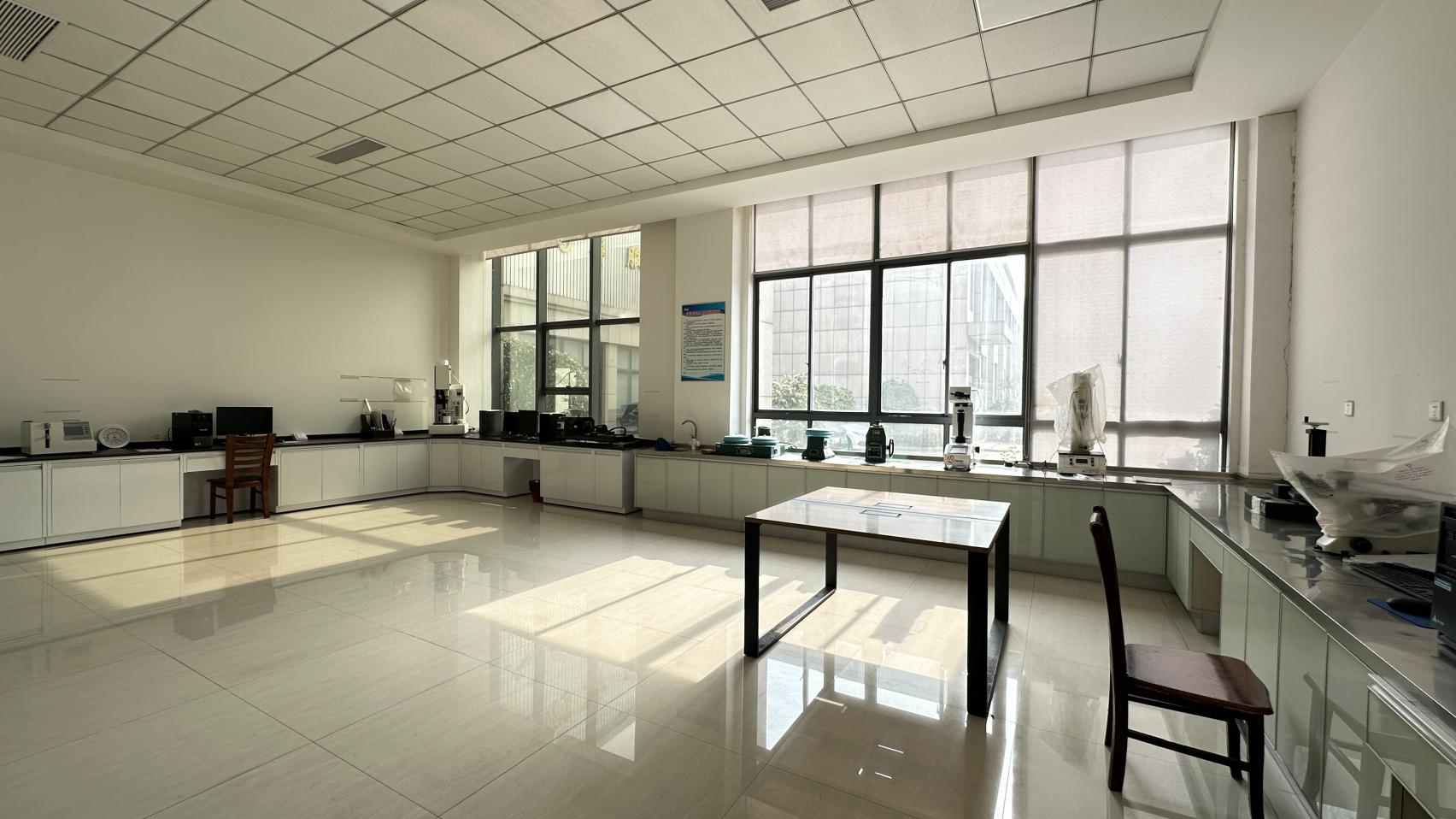
In-house Testing Lab
Inspection
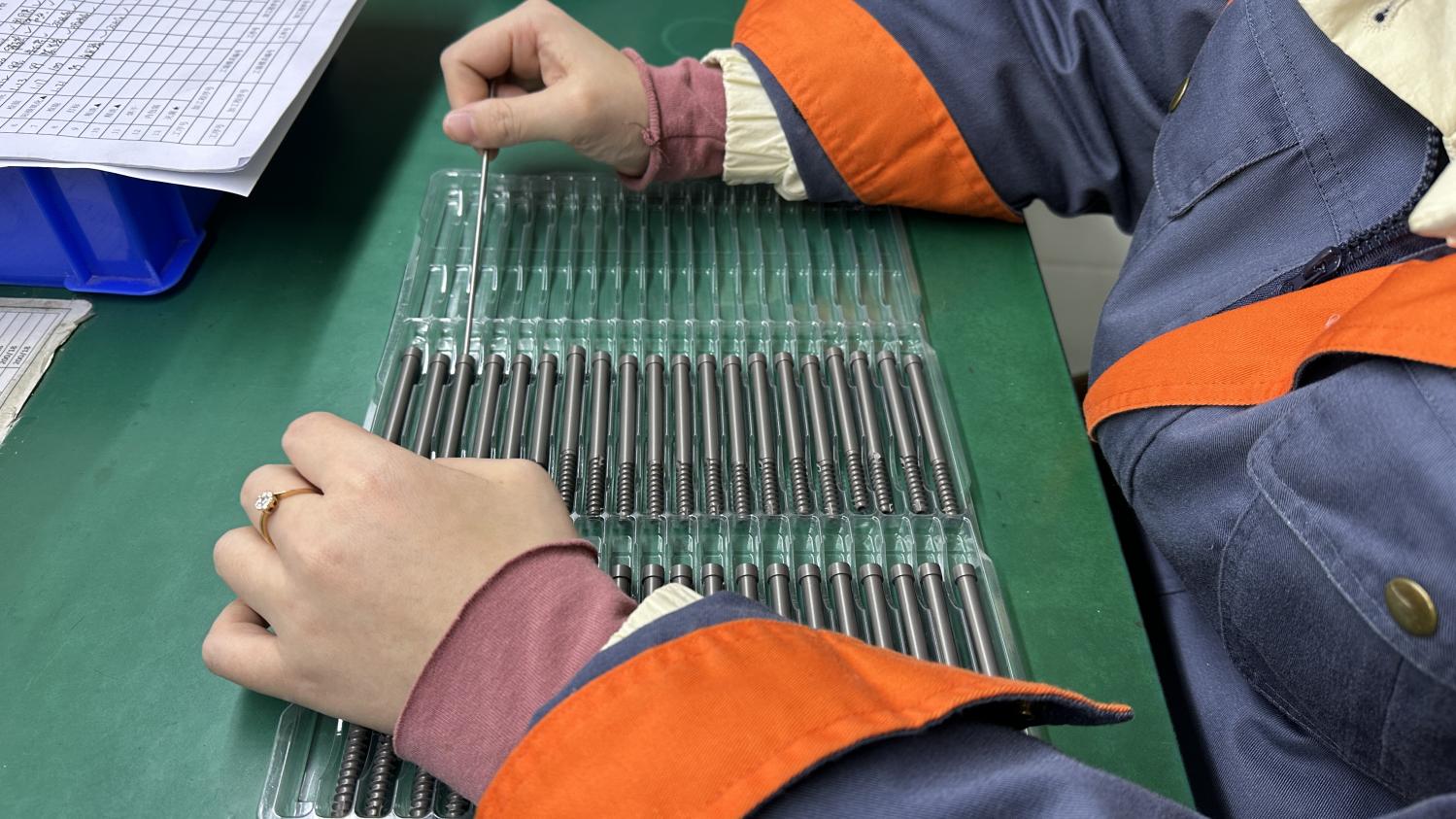
Optical Inspection
Inspection
Dimensional Tolerancing
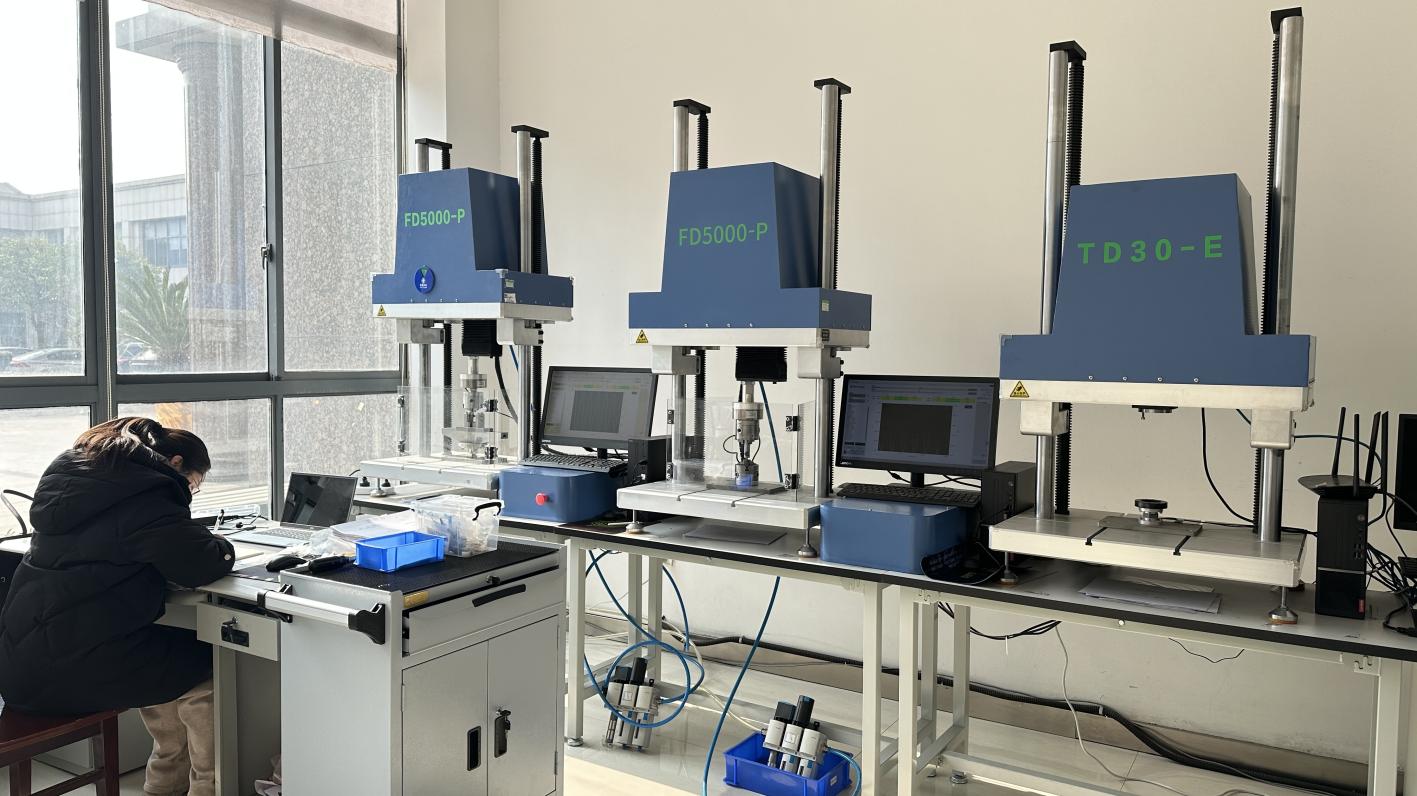
Fatigue Tester
Biomechanical Fatigue Testing
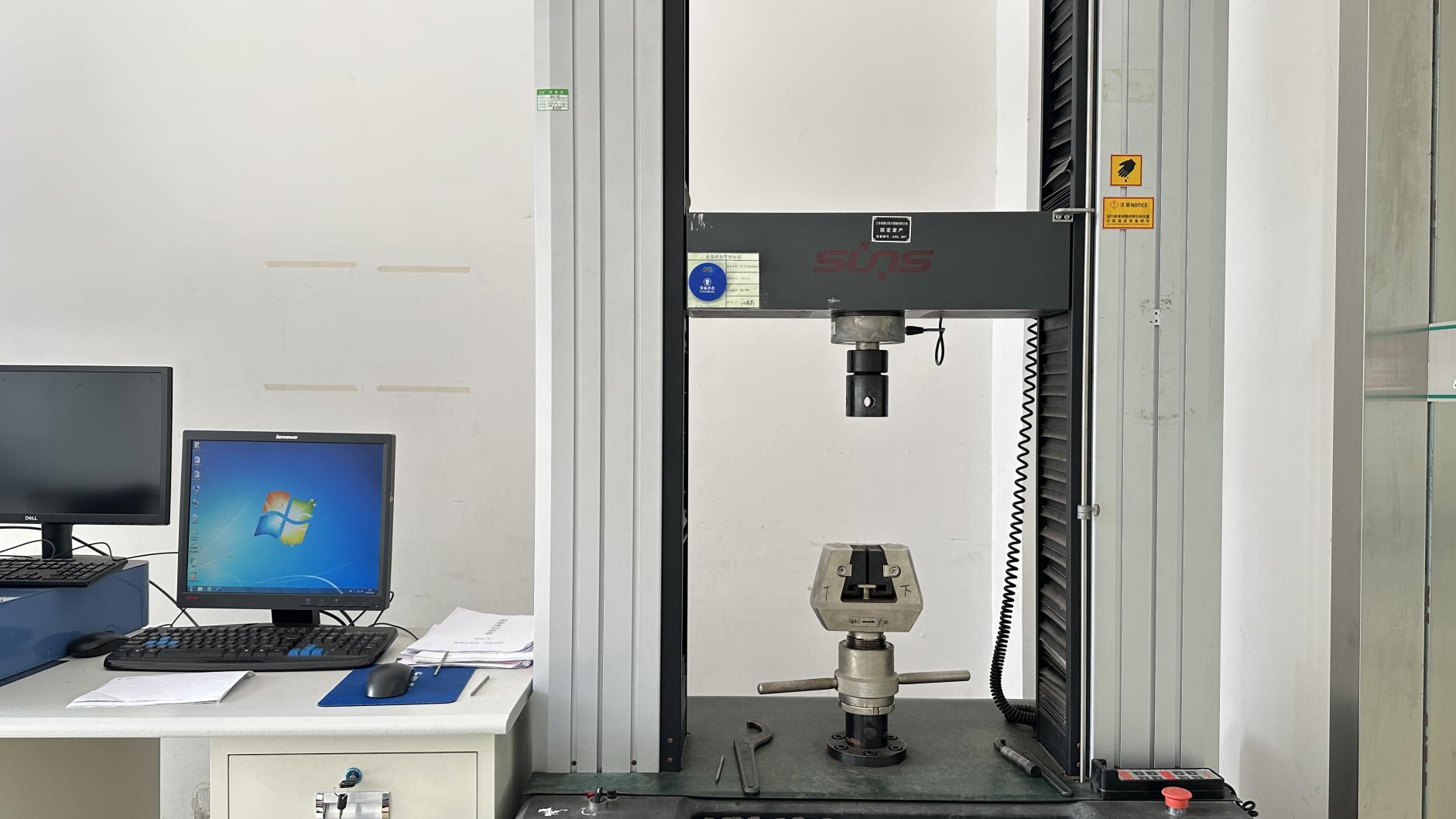
Tensile Tester
Tensile & Yield Testing
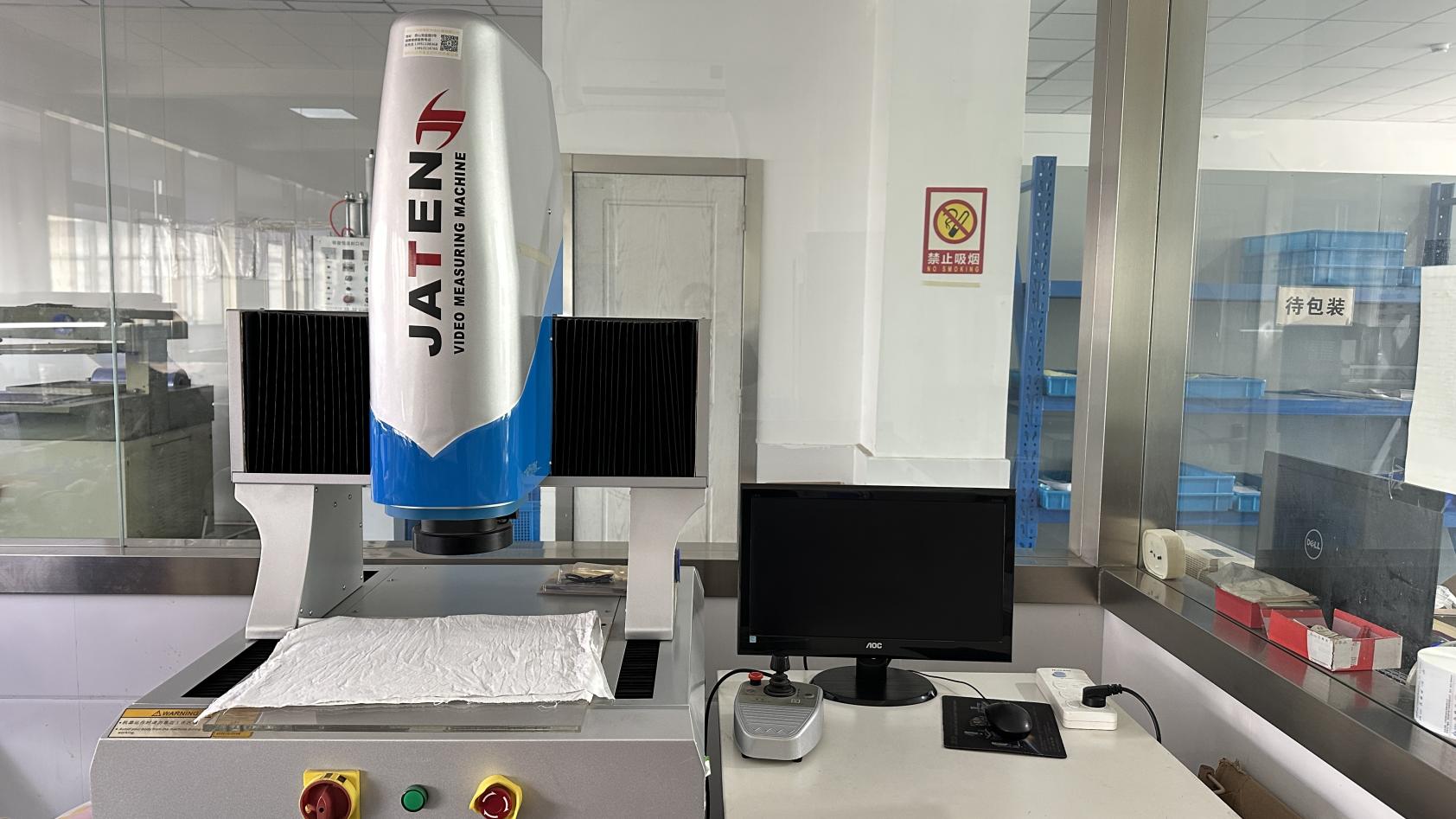
Two Dimensional Measuring Instrument
2D Optical Measurement
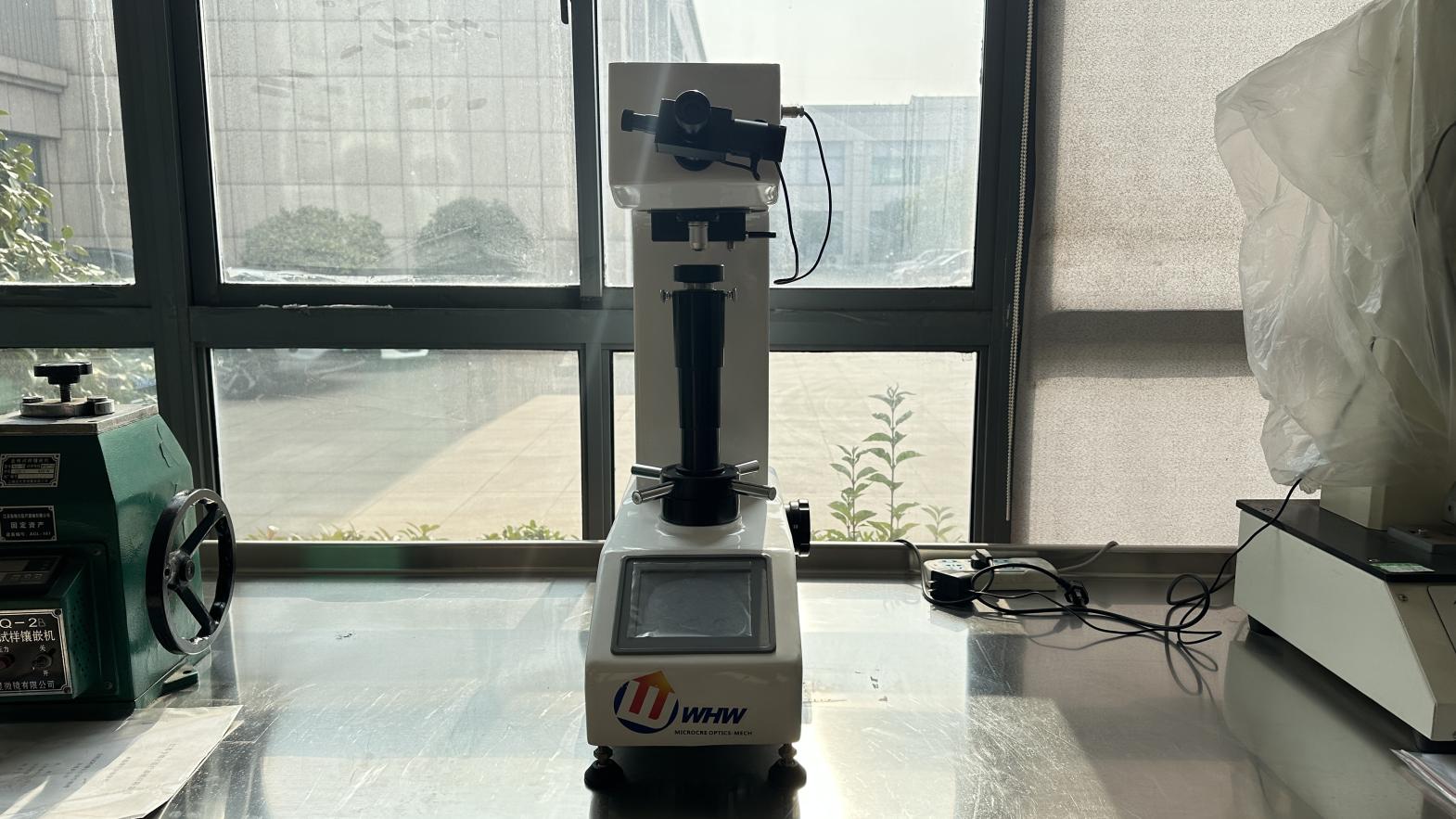
Hardness Tester
Rockwell/Vickers Hardness Testing
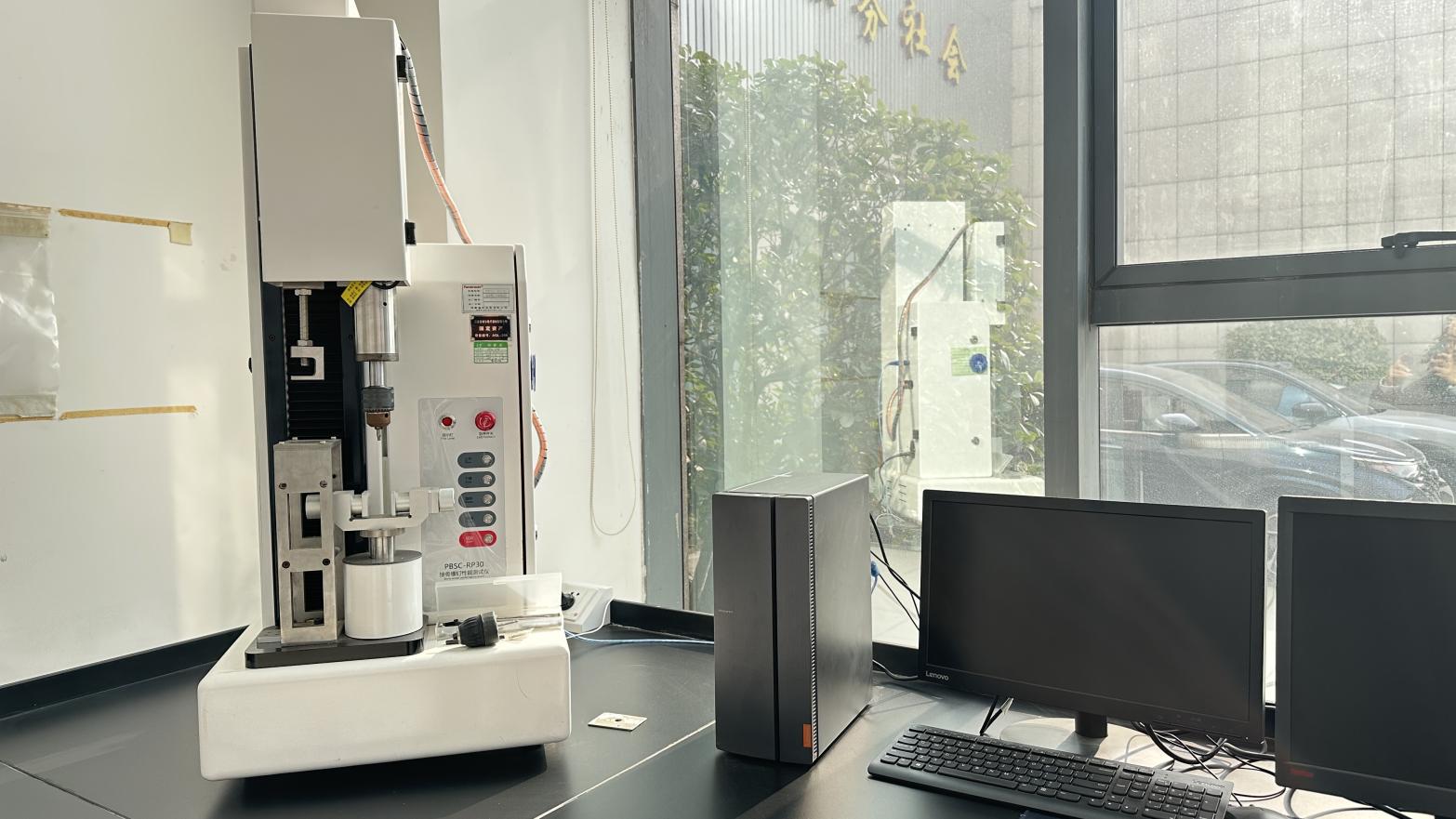
Bone Screw Performance Tester
Torsional & Insertion Performance
Inspection and Packing
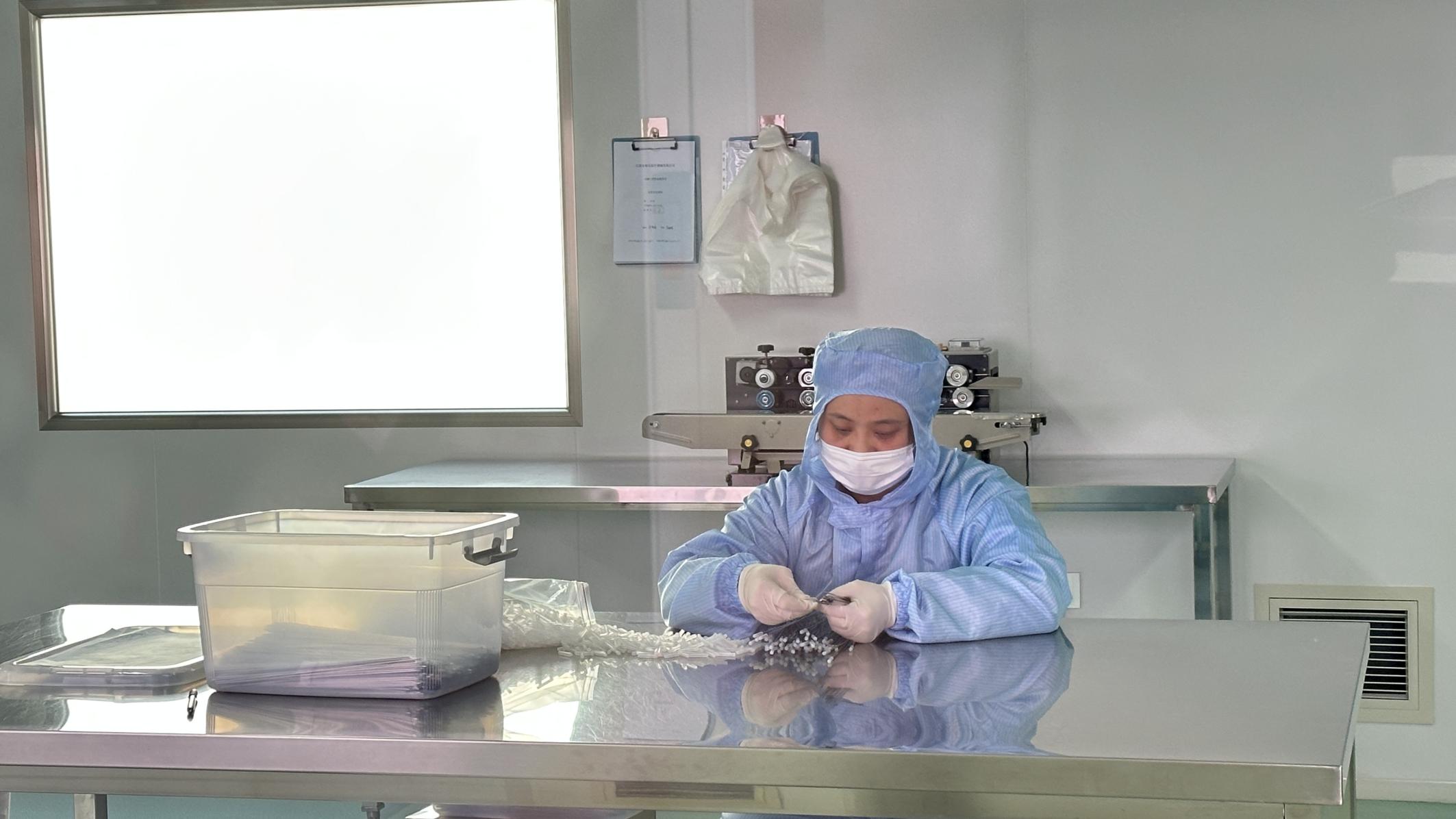
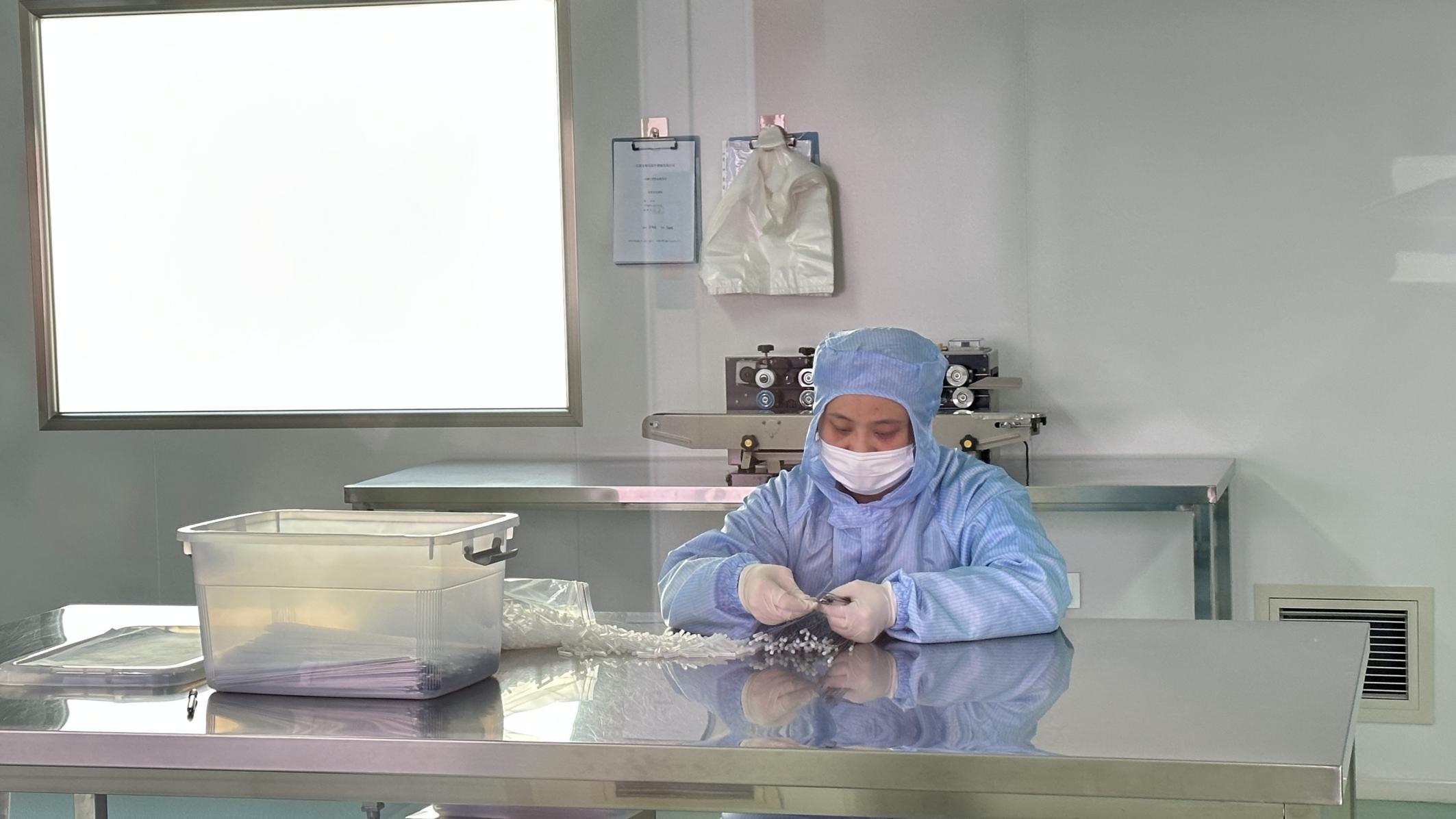
Cleanroom Clean & Pack
Inspection and Packing
Sterilization Validation
Warehouse
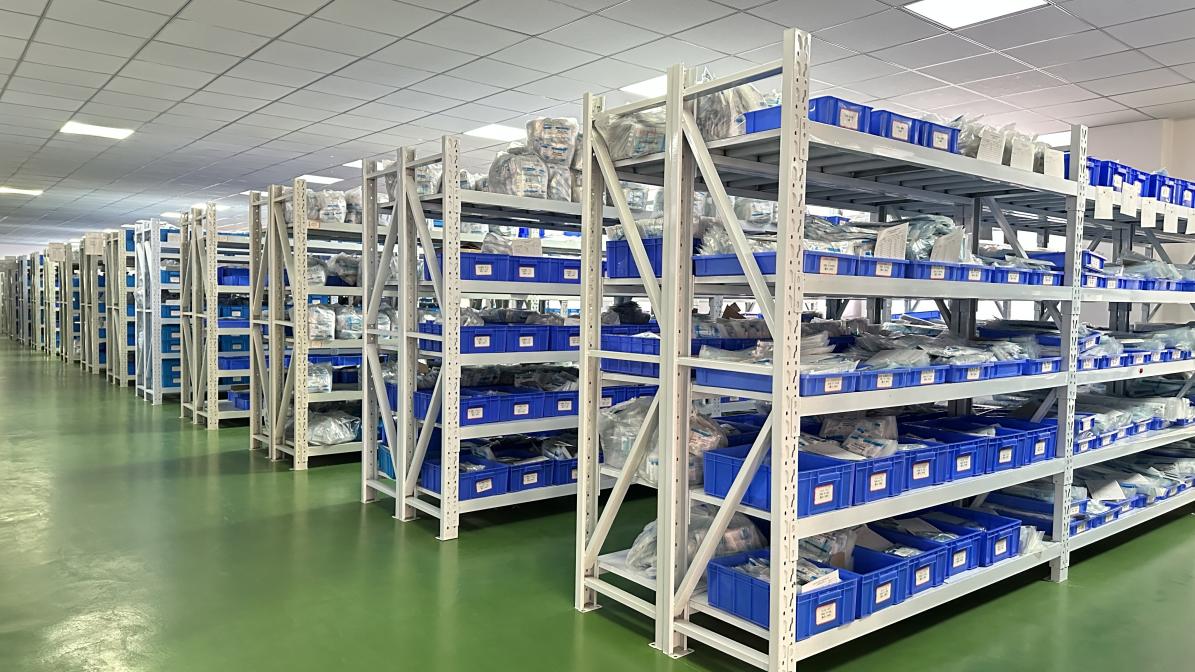
Controlled Storage & Logistics

5. Quality Inspection System & Biomechanical Validation

At Virelox, the pursuit of "zero defects" in bone plate manufacturing is driven by a comprehensive, ISO 13485-compliant quality management system. The critical nature of skeletal reconstruction dictates that each large fragment locking plate must withstand high dynamic loading conditions without mechanical failure or yielding.

Our quality assurance system relies on three layers of rigorous controls:

  • Incoming Material Inspection: Microstructural analysis, chemical composition evaluation via optical emission spectroscopy (OES), and grain-size confirmation to ensure raw materials adhere to ASTM F136 or ASTM F138 specifications.
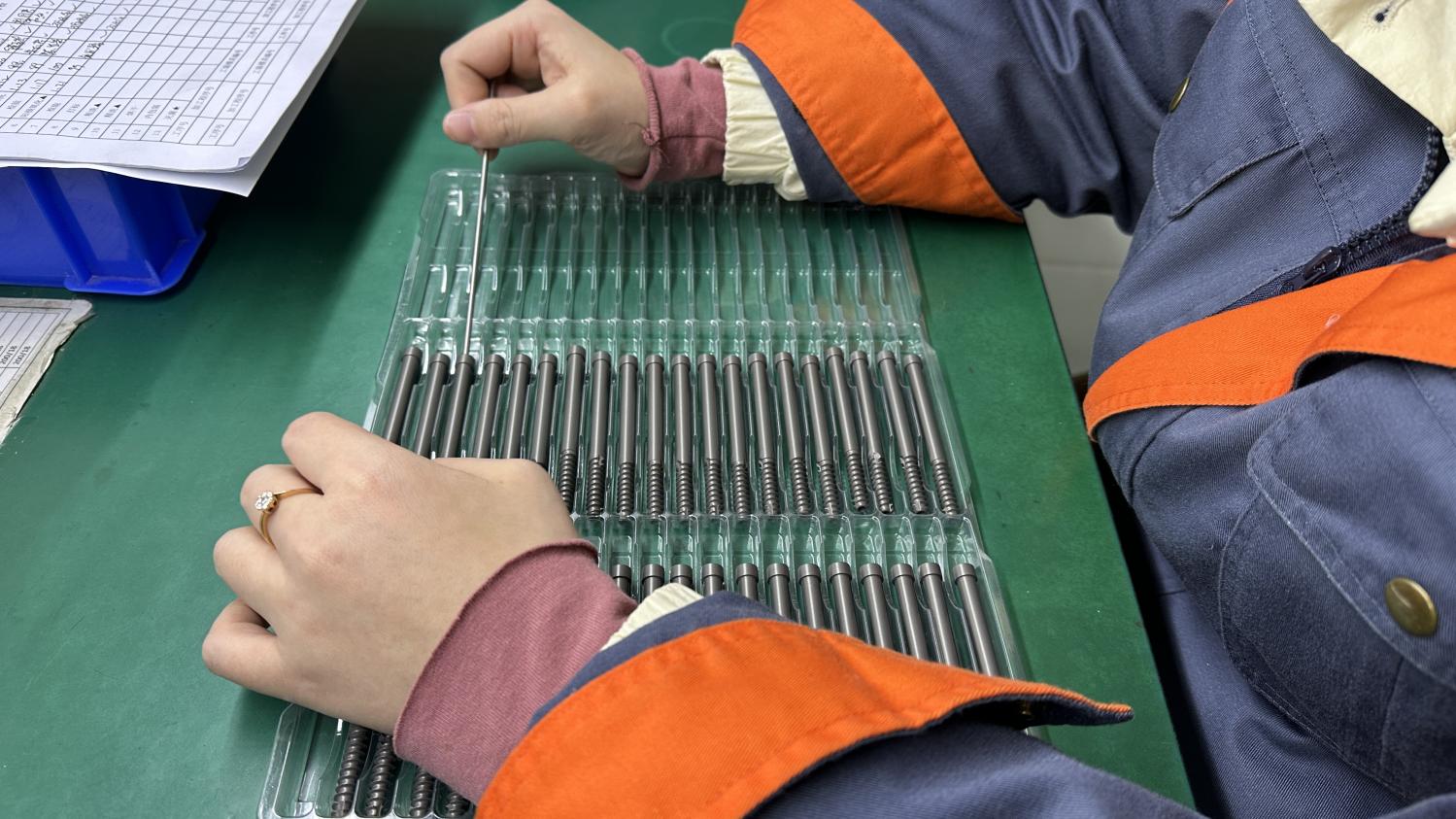
  • In-Process Control (IPQC): Utilizing automated Coordinate Measuring Machines (CMM) and digital profile projectors to verify precision screw thread pitch, lock taper geometries, and spatial contour profiles during CNC milling cycles.
  • Final Quality Inspection (FQC): 100% cosmetic inspect under high-magnification microscopy, ultrasonic clean validation, laser marking integrity verification, and dynamic testing protocols.

Additionally, our biomechanical laboratory conducts regular testing using advanced apparatus, including Fatigue Testers for simulated walking cycles, Tensile Testers for assessing ultimate yield point, and specialized Bone Screw Performance Testers to measure torque capacity and strip-out resistance.

6. Regional Application Scenarios: Meeting Global Market Variations

Different global medical jurisdictions present unique clinical situations and product preferences:

European & North American Markets: The push toward outpatient orthopedic centers and Ambulatory Surgical Centers (ASCs) has surged the demand for single-use, sterile-packed plate kits. These pre-packaged solutions minimize hospital sterile processing workloads and guarantee sterile delivery. Low-profile designs with highly anatomic contours are crucial to avoid soft-tissue irritation, particularly in distal femur and proximal tibia locations.

Southeast Asian & South American Markets: High incidence rates of high-energy motor accidents result in a higher frequency of multi-fragmentary trauma cases. Hospitals in these developing healthcare systems prioritize durable, versatile plating solutions. Double-locking dynamic compression shapes and plates with extensive lengths are sought after to resolve segmental bone losses and comminuted diaphysis fractures.

Veterinary Applications: The demand for small and large fragment locking systems in veterinary orthopedics has expanded rapidly. Veterinary surgical hospitals require robust plating structures to handle early weight-bearing behaviors in canine and equine patients.

Frequently Asked Technical Questions (FAQ)

Clear answers to crucial engineering, regulatory, and production queries for global B2B procurement managers.

What materials are used in Virelox Large Fragment Locking Plates?
We use medical-grade Titanium Alloy (Ti-6Al-4V ELI conforming to ASTM F136) and high-grade Stainless Steel (316L conforming to ASTM F138). Titanium is preferred for its lower weight, lower modulus of elasticity, and reduced MRI interference, while stainless steel provides higher stiffness for specific load-bearing scenarios.
How does your OEM/ODM customization process work?
Our OEM/ODM services are fully integrated. Clients submit their design concept or CAD files. Our engineering team carries out FEA simulation and optimization, develops custom tooling, produces physical prototypes for mechanical verification (fatigue/tensile tests), and initiates bulk multi-axis CNC production.
Are your manufacturing processes compliant with CE and ISO standards?
Yes. Virelox operates under an ISO 13485-based quality management system. Our trauma systems, including plates and screws, hold CE certification and undergo rigorous quality audits. We provide full material traceability and performance test records with every production batch.
What is the advantage of using Variable Angle (VA) locking screws?
Variable Angle locking screws allow the surgeon to angulate the screw up to 15 degrees from the central axis of the plate hole. This facilitates direct targeting of specific bone fragments, avoids existing implants or joint spaces, and increases the stability of the construct in complex intra-articular fractures.
What is your typical production lead time for bulk OEM orders?
Depending on complexity and order volume, standard OEM production takes 45 to 60 days. This timeline includes raw material verification, CNC machining, surface finishing (anodization or passivation), cleaning in our ISO Class 7 cleanrooms, final inspection, packaging, and shipping.
How do you prevent cold welding in titanium implant assemblies?
We apply specialized Type II anodic oxidation (color anodization) to the surface of titanium plates and screws. This surface treatment hardens the titanium oxide layer, decreases friction coefficients, and substantially minimizes the risk of galling and cold-welding during implant insertion or removal.

Precision Instruments & Advanced Implant Systems

Select from our extensive catalog of spinal rods, bone drill assemblies, extraction instrumentation, and specialized plates.
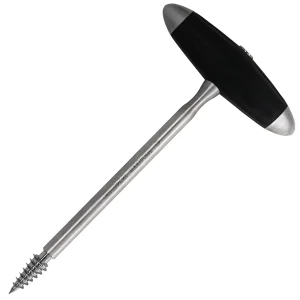
Manual Hip Extractor

CANWELL Manual Orthopedic Hip Extractor T-Handle Acetabulum Instrument Set Hip Revision Instrument Set Hemi Arthroplasty Bipolar

View Product Details
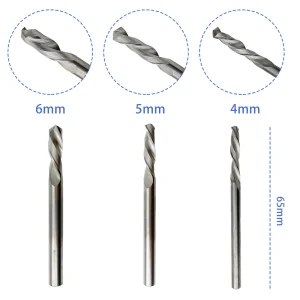
Tungsten Steel Drill Bit

Medical Tungsten Steel Drill Bit Hole Drilling Tool Diameter 4mm-6mm for Pet Surgical Instruments

View Product Details
Orthopedic Bone Cutting Machine

Medical Supplies China Orthopedic Bone Cutting Machine Small Oscillating Saw System110v 220v

View Product Details
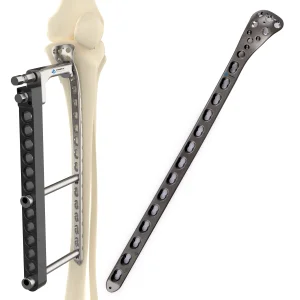
Variable Angle Proximal Tibia Plate

CANWELL Variable Angle Proximal Tibia Plate 3.5 mm Orthopedic Trauma Implant Bone Plate Titanium CE ISO

View Product Details
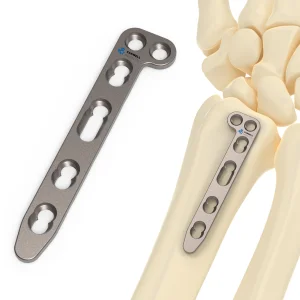
Titanium Distal Radius Locking Plate

CANWELL Titanium Distal Radius Dorsal Locking L PlateVolar Wrist Orthopedic Implant Head 2 Fixation Bone Fracture CE ISO

View Product Details
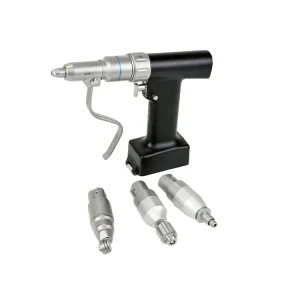
Veterinary Surgical Bone Drill

Taladro Ortopedica Para Veterinaria Hospital Veterinary Surgical Bone Drill

View Product Details
Cervical Cage Set

Orthopedic Spine Surgery Cervical Cage Spinal Cervical Peek Cage Instrument Set

View Product Details
Spine Rod Polyaxial Screws

CE Posterior Orthopedic Usmart 5.5 mm Spine-rod Cortical Polyaxial Screws From Beijing Fule

View Product Details