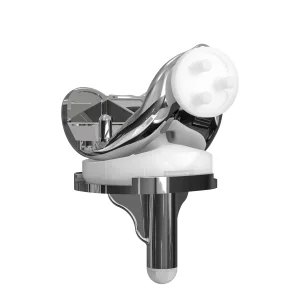
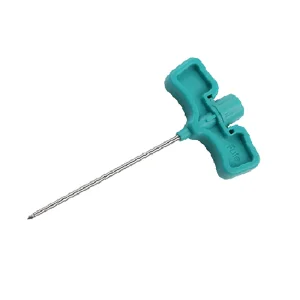
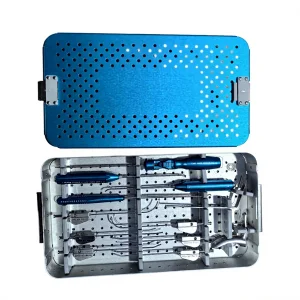
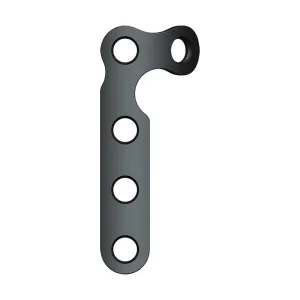
Highly engineered systems for orthopedic, joint, spine, and veterinary trauma surgery.
Industrial scale coupled with absolute scientific precision to fuel global healthcare supply chains.
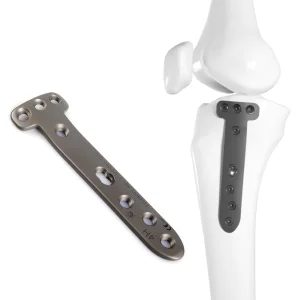
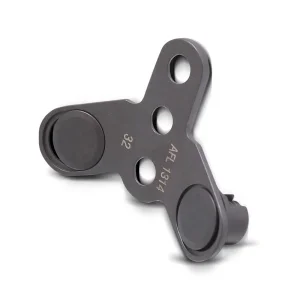
Virelox Medical Devices Co., Ltd. represents the cutting edge of manufacturing for internal fixation systems. As a professional orthopedic medical device manufacturer specializing in joint replacement and surgical implant solutions, our mission is to redefine the clinical performance of titanium locking plates. By combining locking compression plate (LCP) dynamics with custom OEM/ODM geometric configurations, we address the critical challenges of modern osteosynthesis.
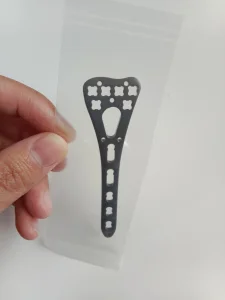
Clinical Focus: Traditional plates rely heavily on plate-to-bone friction, which often threatens periosteal perfusion. Virelox's locking plate systems function as external-internal fixators, preserving vascular supply and encouraging micro-motion parameters that expedite secondary bone healing.
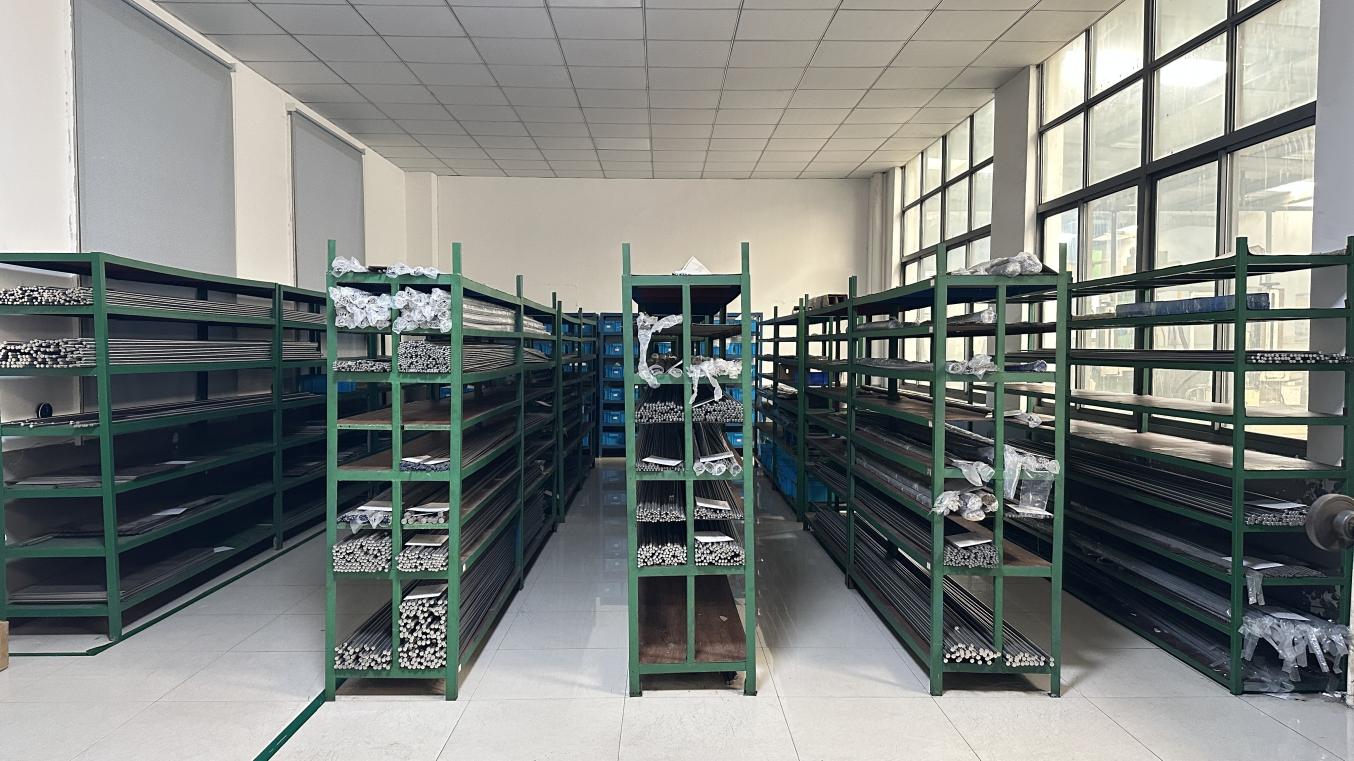
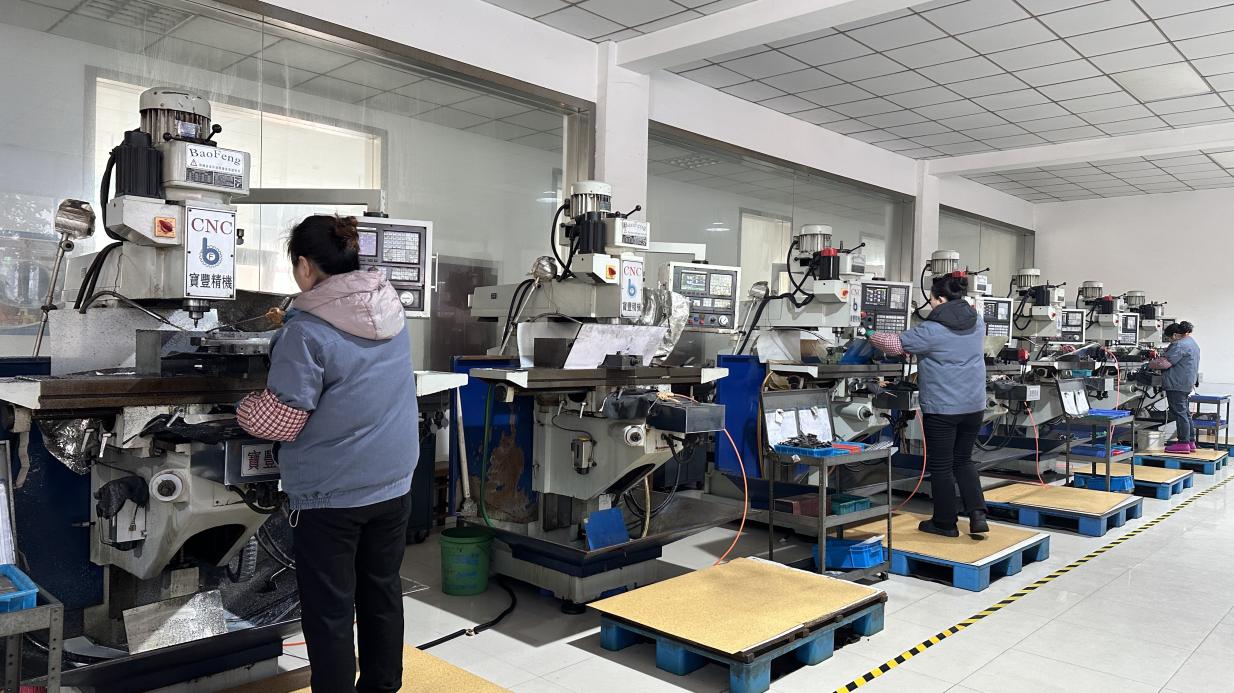
Established in 2016, Virelox operates a massive 12,000 m² production base. With 10 years of intensive industry experience and 8 years of specialized export history, our team has integrated biomechanical simulation, advanced alloy metallurgy, and cleanroom logistics under one roof. We cater directly to medical device distributors, orthopedic clinics, and international procurement agencies looking for reliable class-III implants that exceed ASTM and ISO specifications.
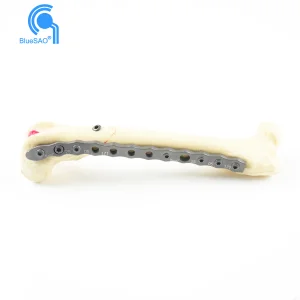
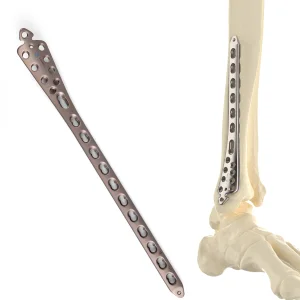
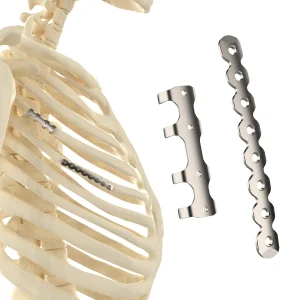
The global orthopedic community is shifting rapidly toward customized internal fixation. Standard "one-size-fits-all" trauma plates require intraoperative contouring, which introduces stress concentrations, micro-cracks, and extends operating times. Virelox resolves this challenge through advanced anatomical pre-contouring, driven by extensive virtual bone databases and biomechanical analysis.
From a structural engineering standpoint, our dynamic compression unit (DCU) combi-holes allow surgeons to choose between standard dynamic compression, angular stability locking, or a hybrid configuration. This flexibility is vital when treating complex non-unions, periarticular fractures, and high-energy traumas.
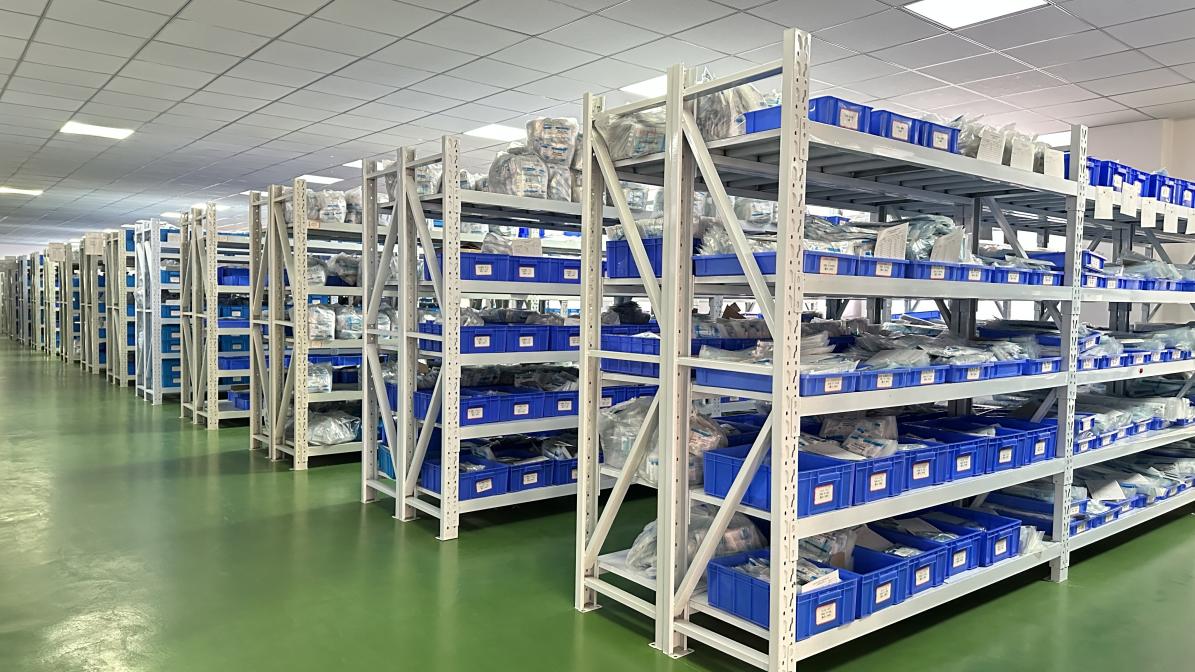
Furthermore, our OEM and ODM capabilities are fueled by an agile supply chain partnership system containing over 850 certified upstream and downstream partners. We guarantee absolute stability in titanium grade supply, precision toolings, and surface finishing technologies (such as Type II anodization to reduce cold welding risk).
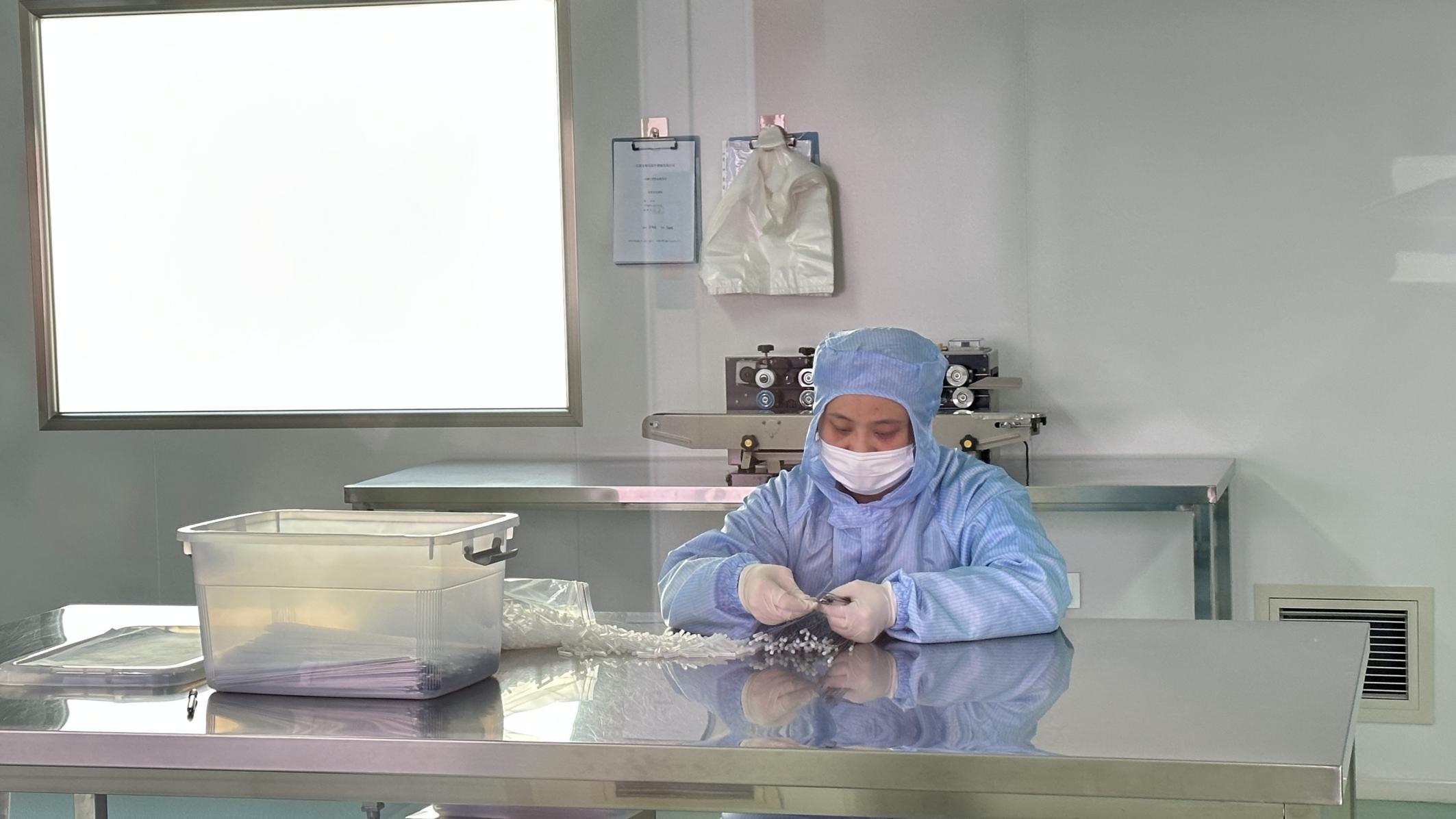
Each phase of fabrication—from raw titanium ingots to finished, sterilized blister packs—is documented under strict ISO 13485 parameters.
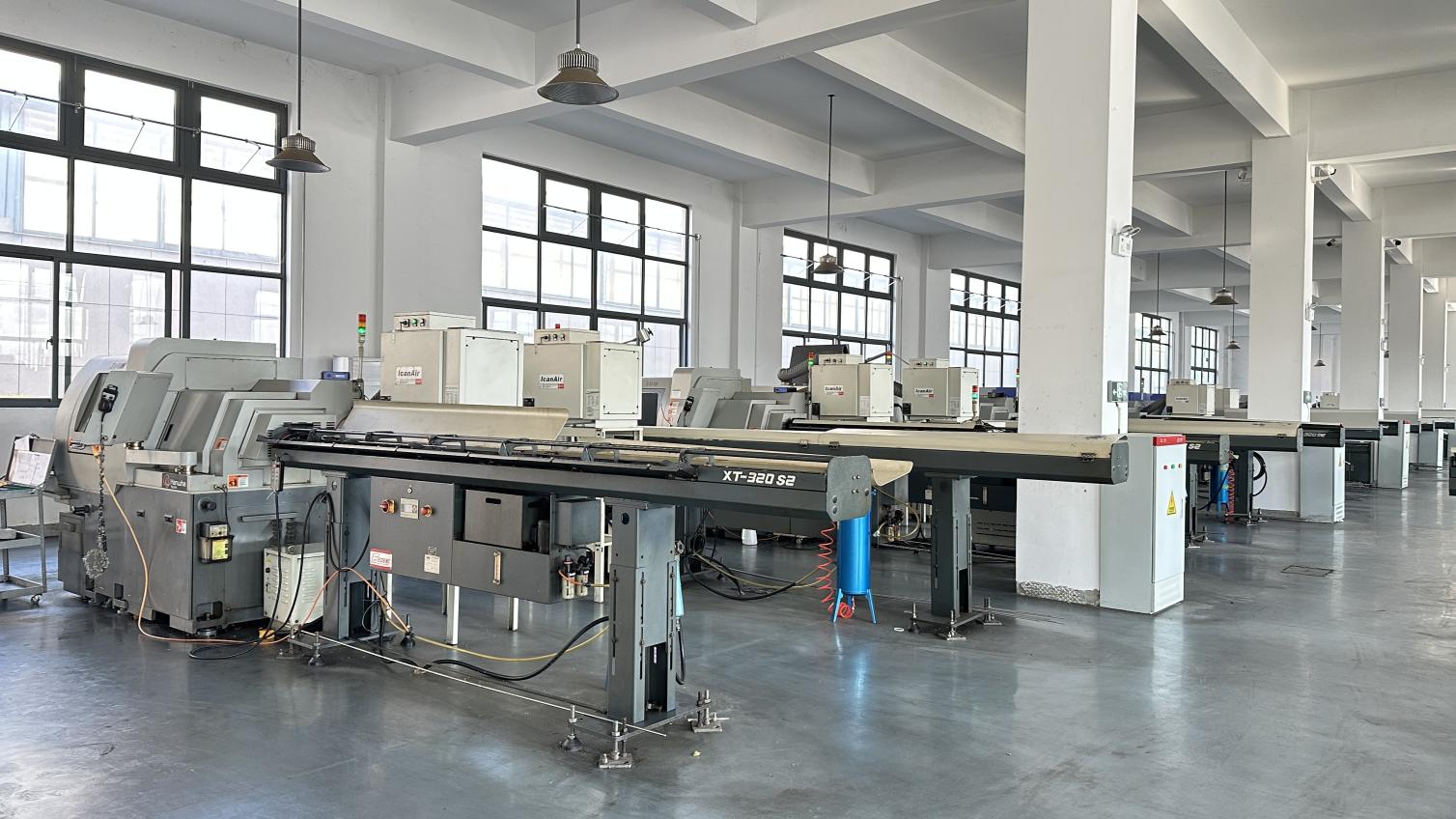
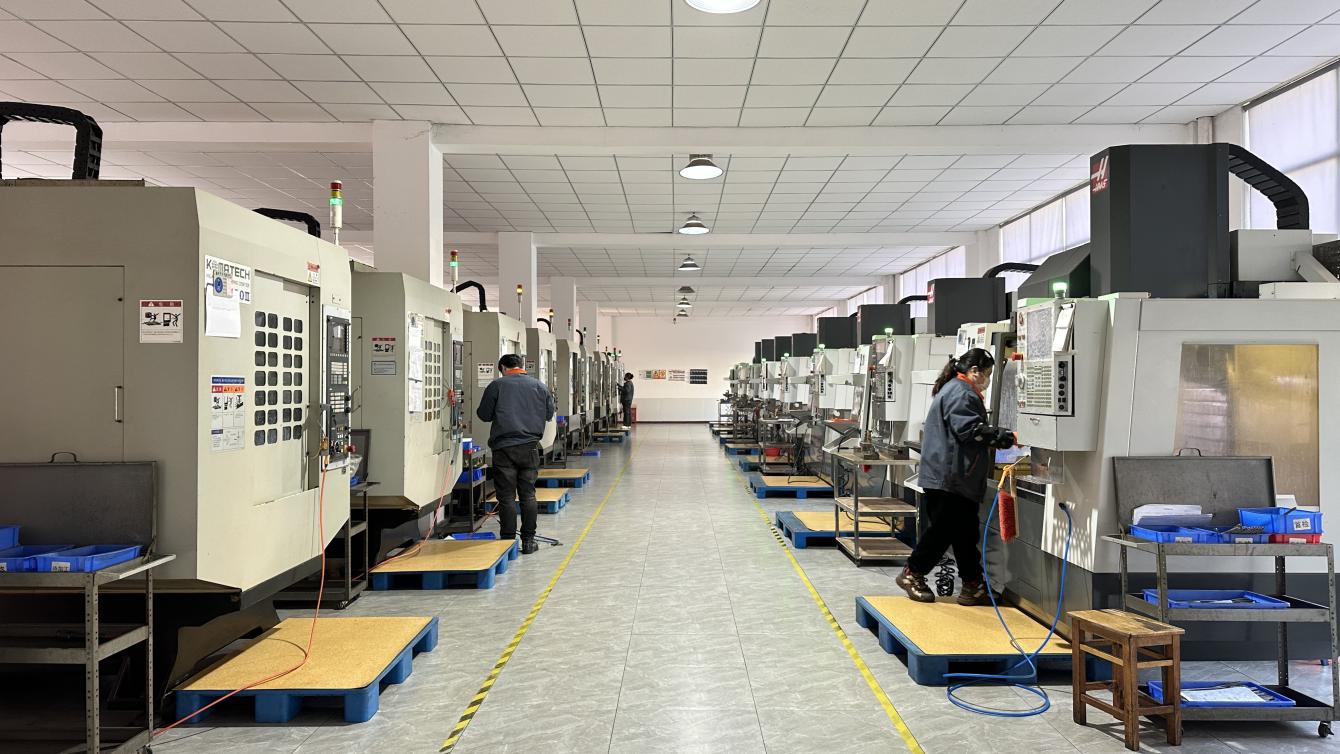
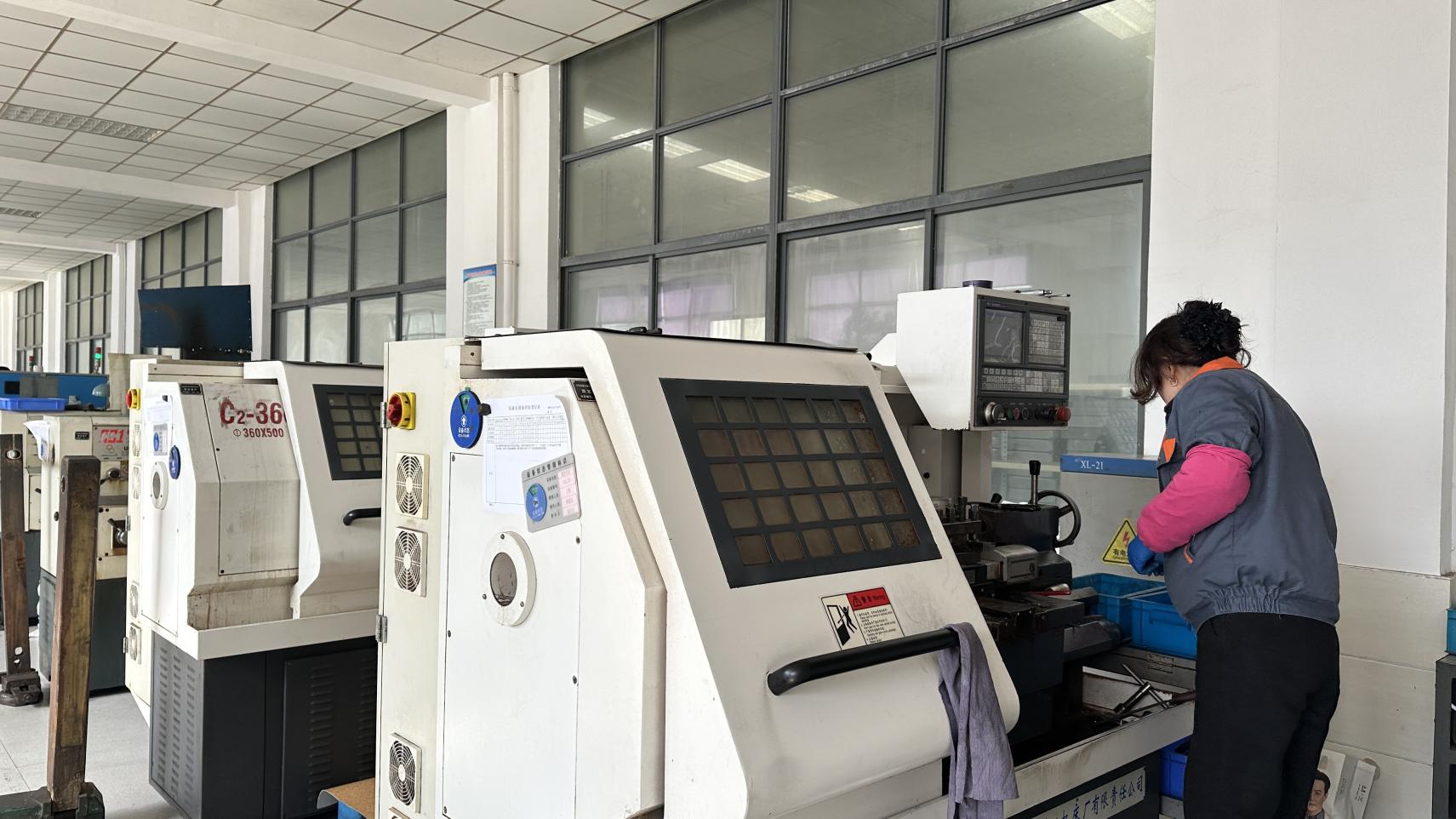
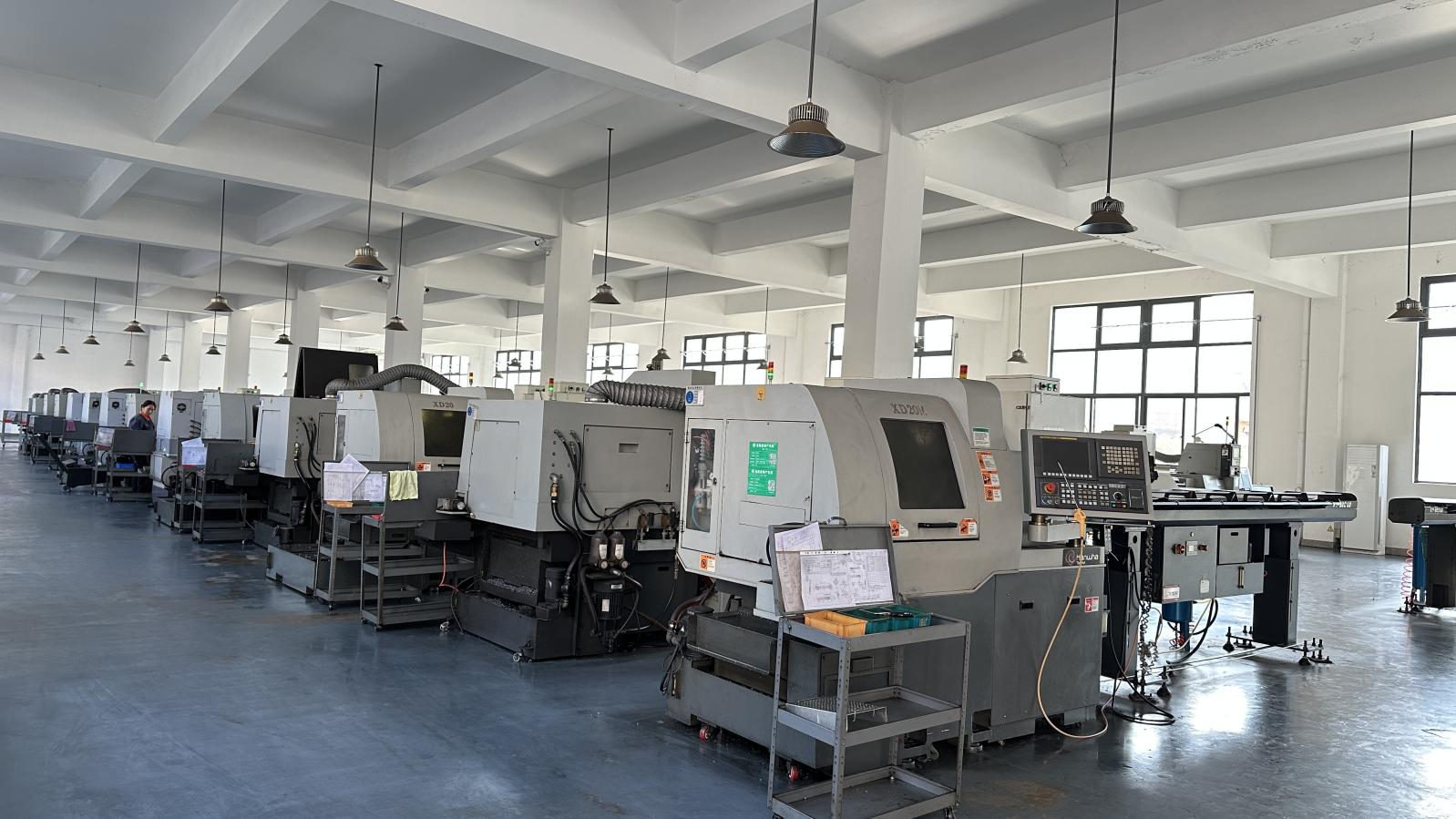
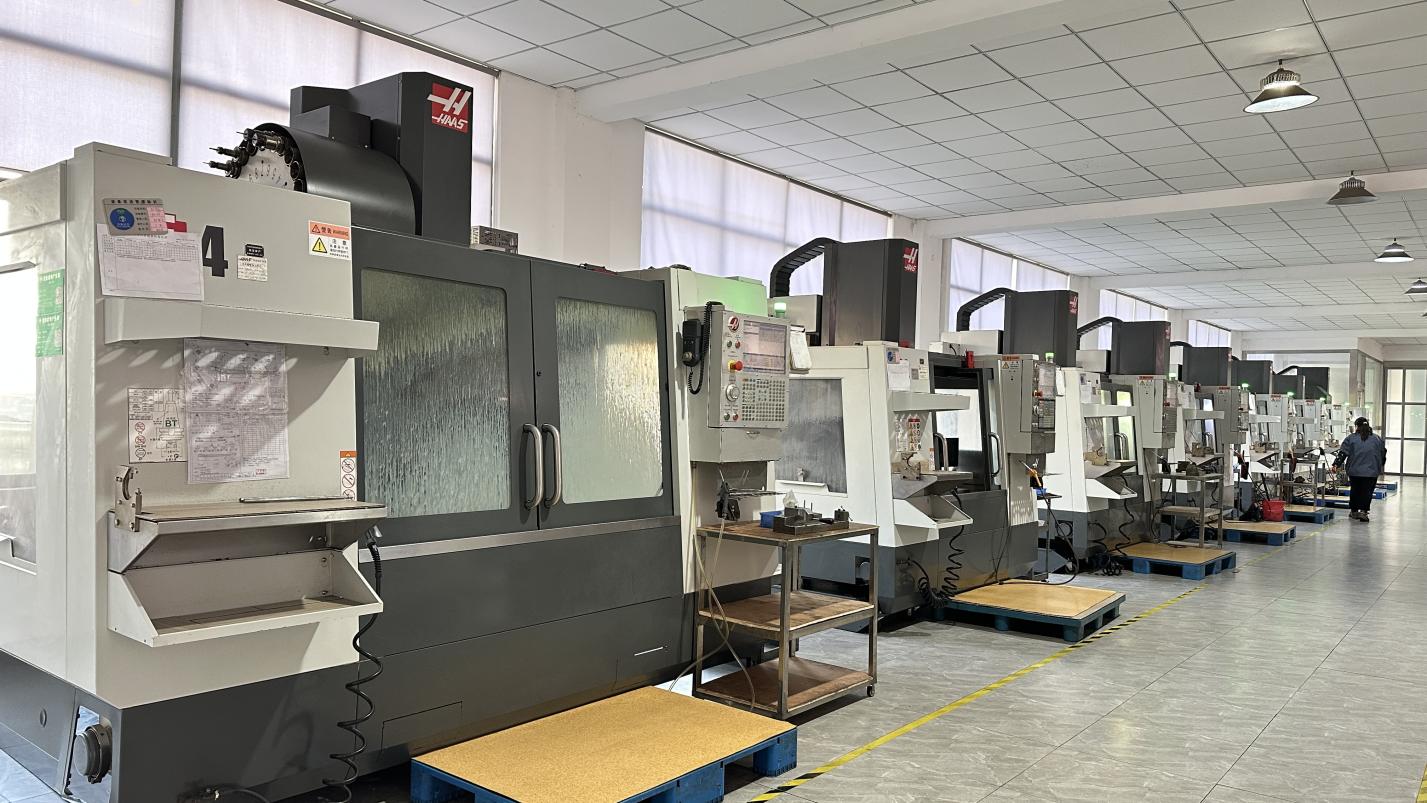
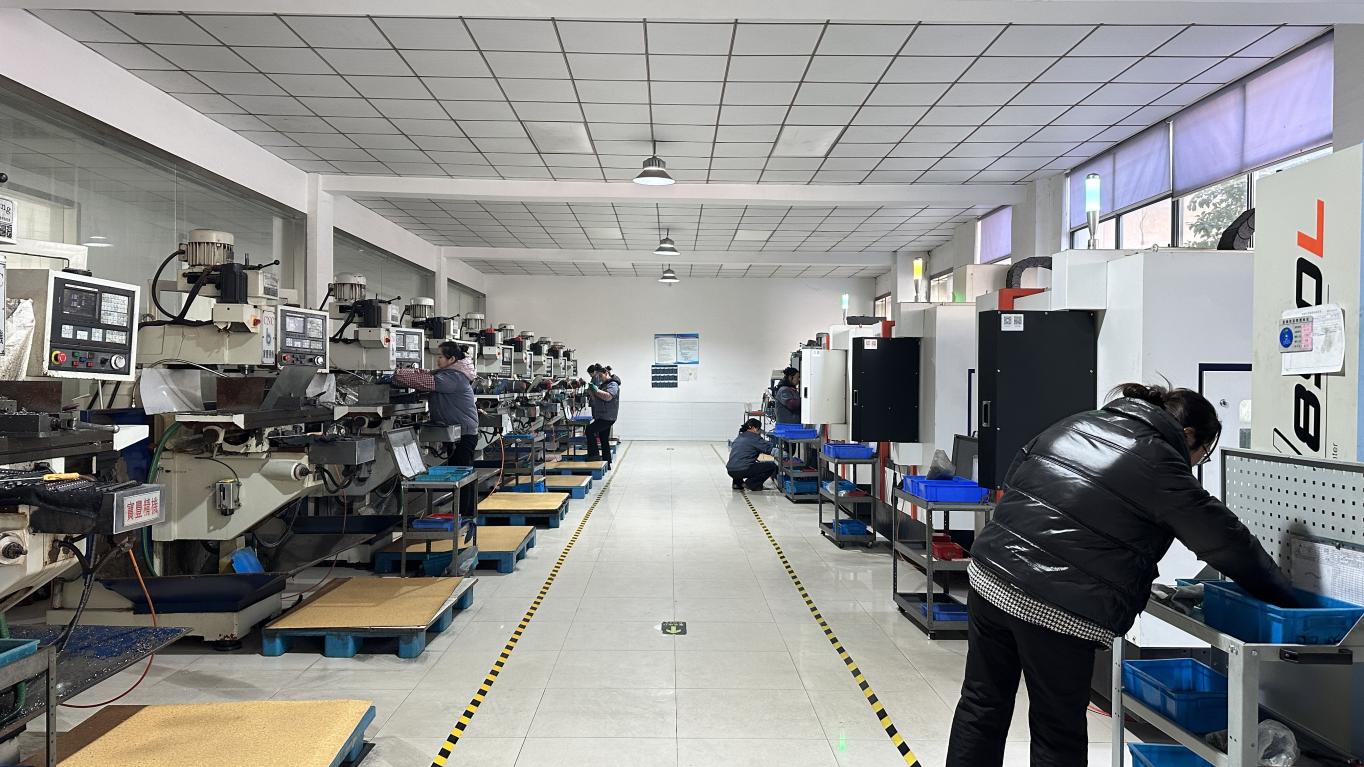
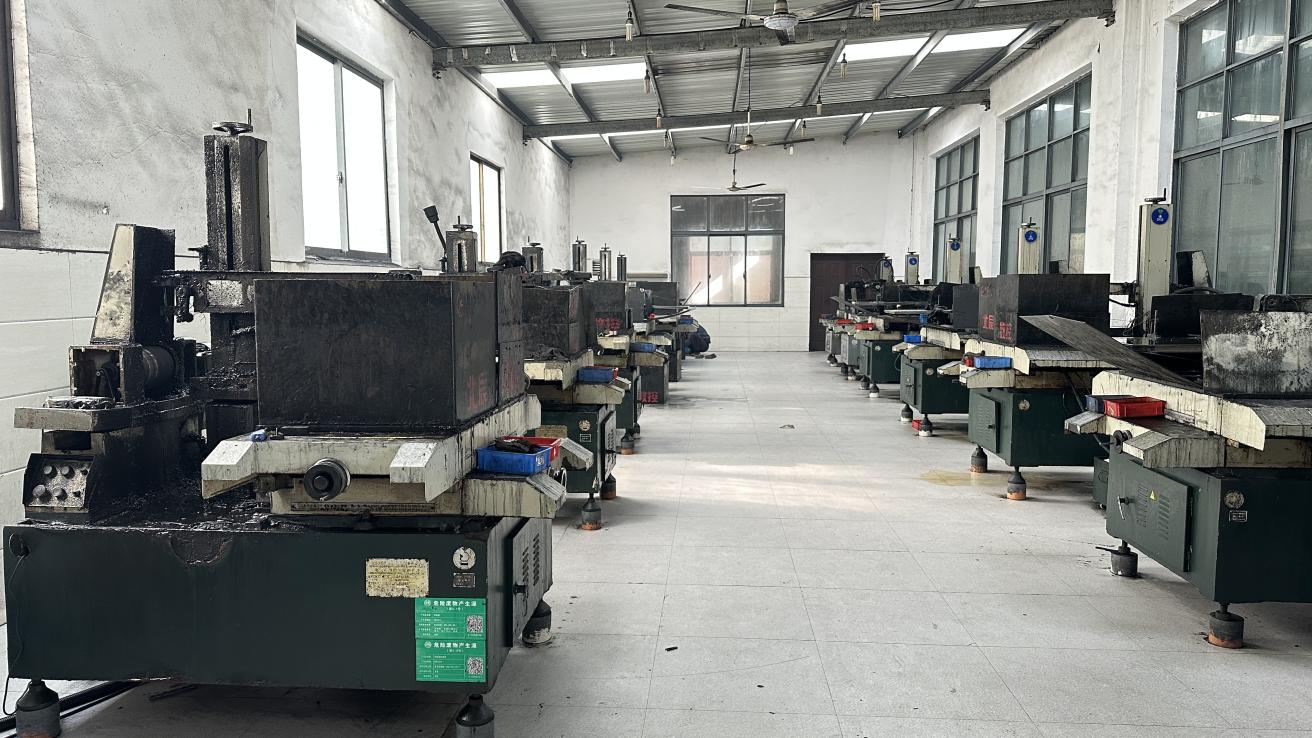
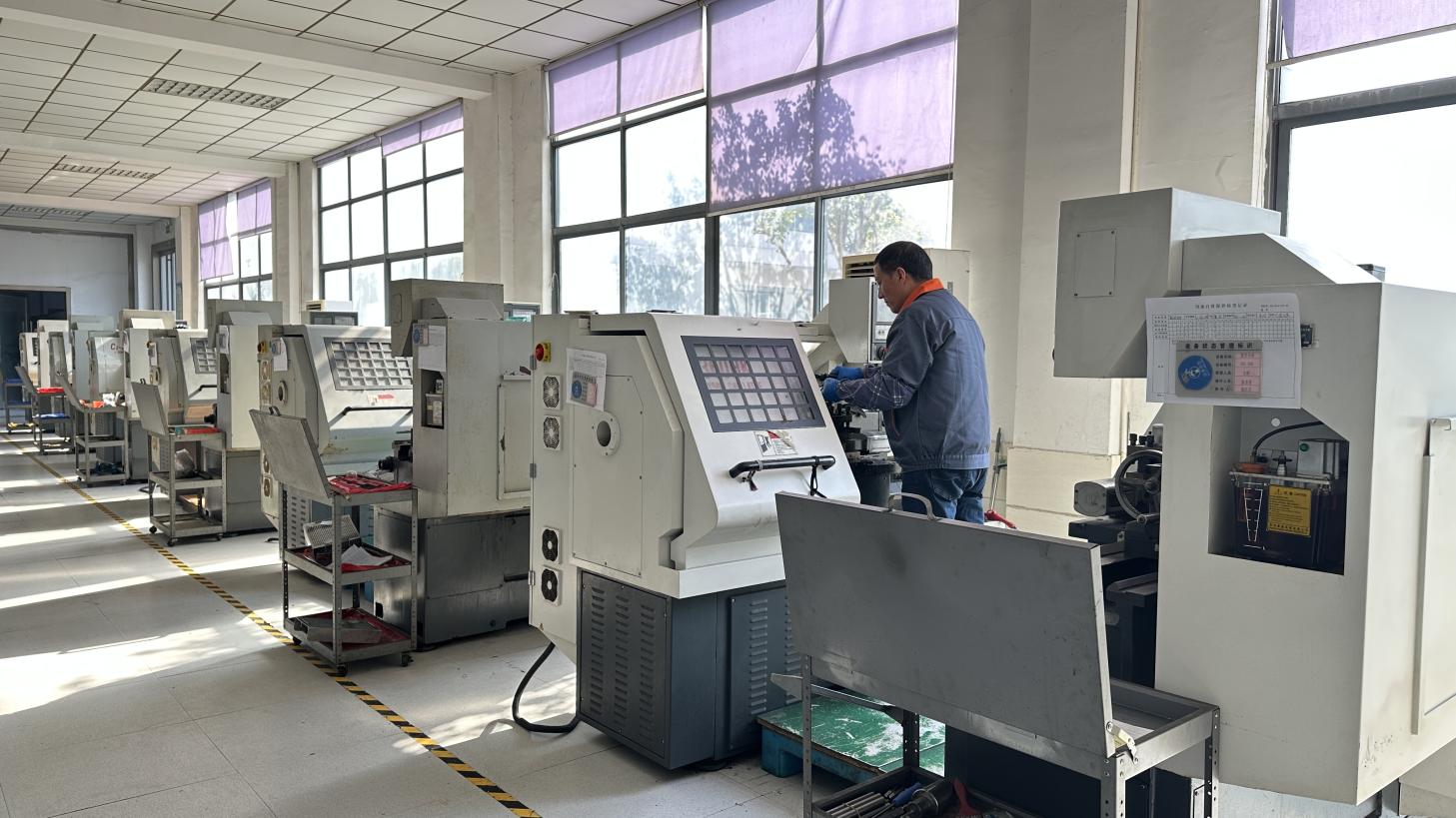
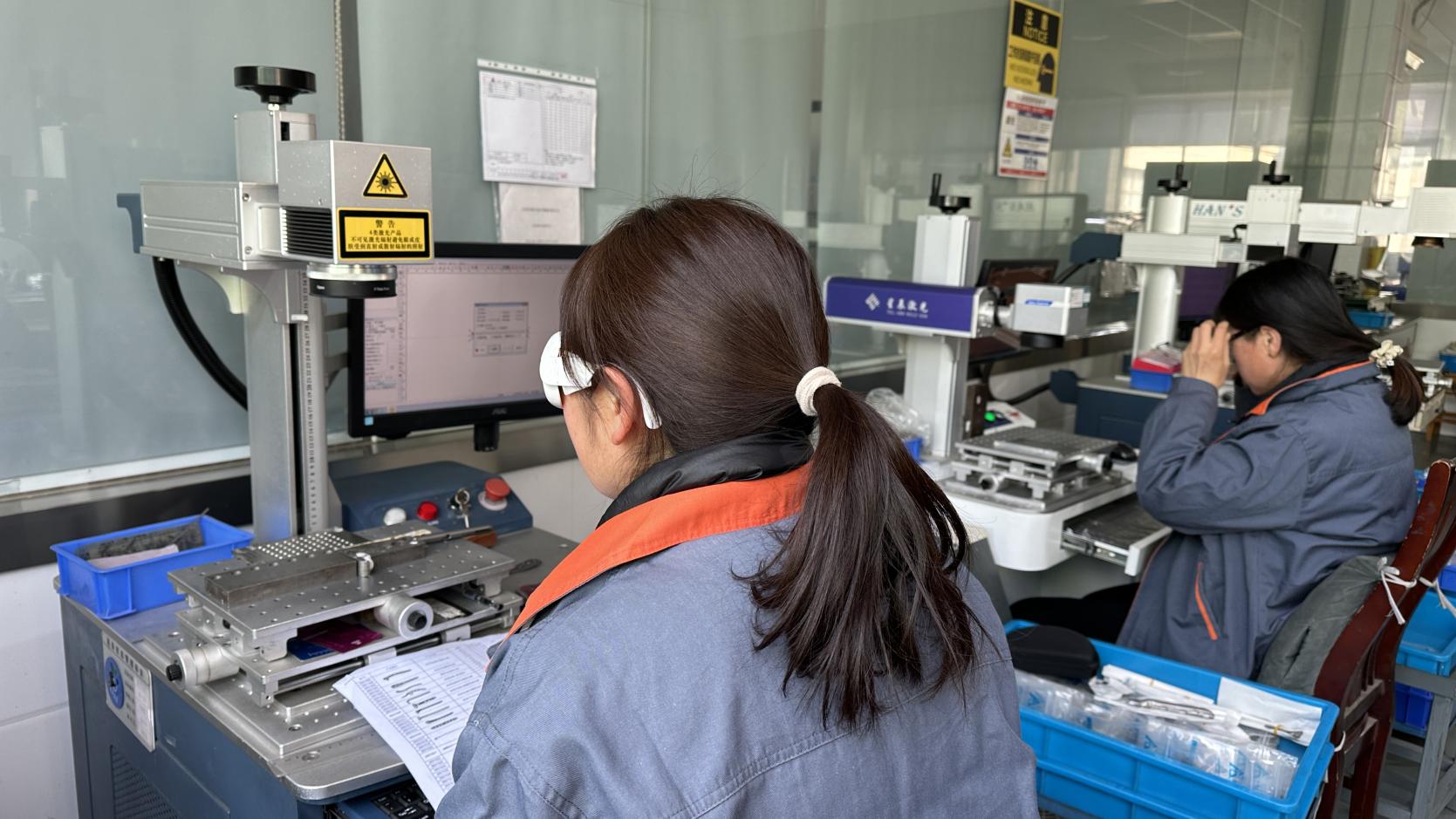
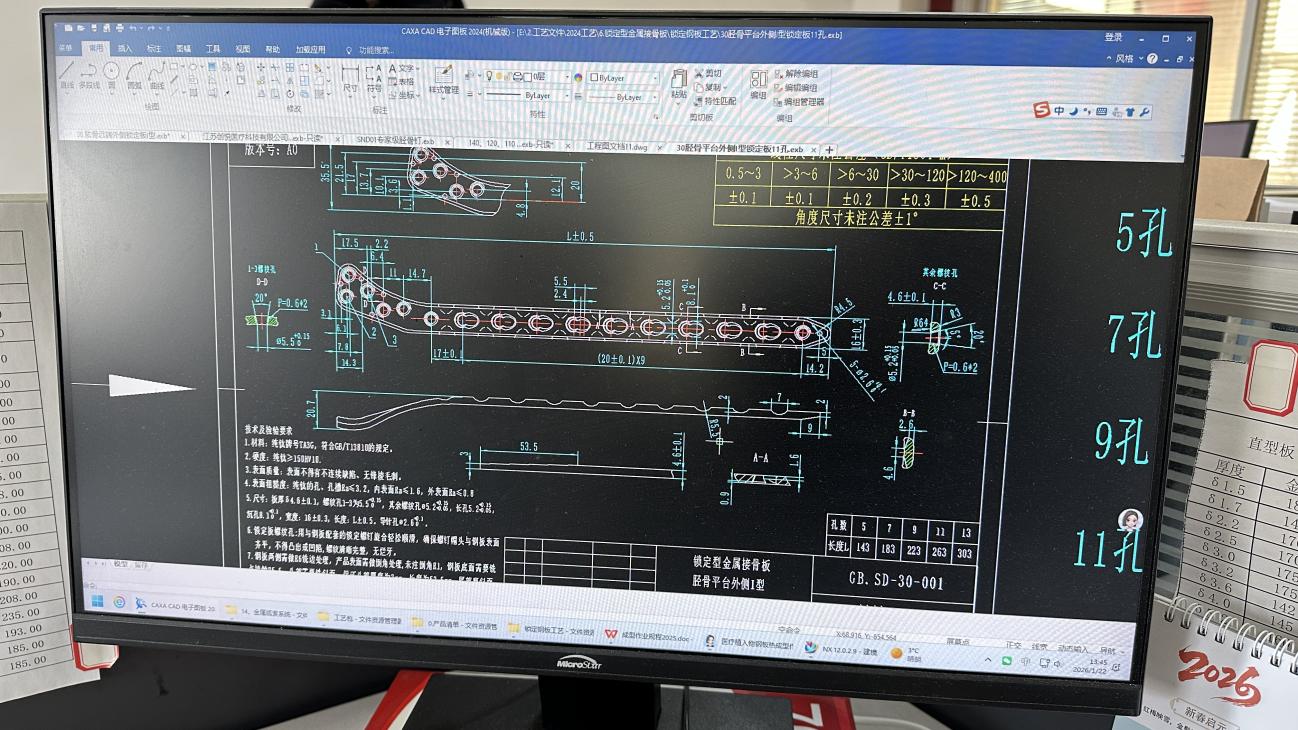
At Virelox, quality is not a retrofitted metric; it is an intrinsic part of the design process. Our proprietary R&D center incorporates biomechanical simulations, Finite Element Analysis (FEA), and rapid prototyping systems. Last year alone, we successfully launched 120 new orthopedic and spinal implants, demonstrating our drive to stay at the absolute forefront of trauma fixation science.
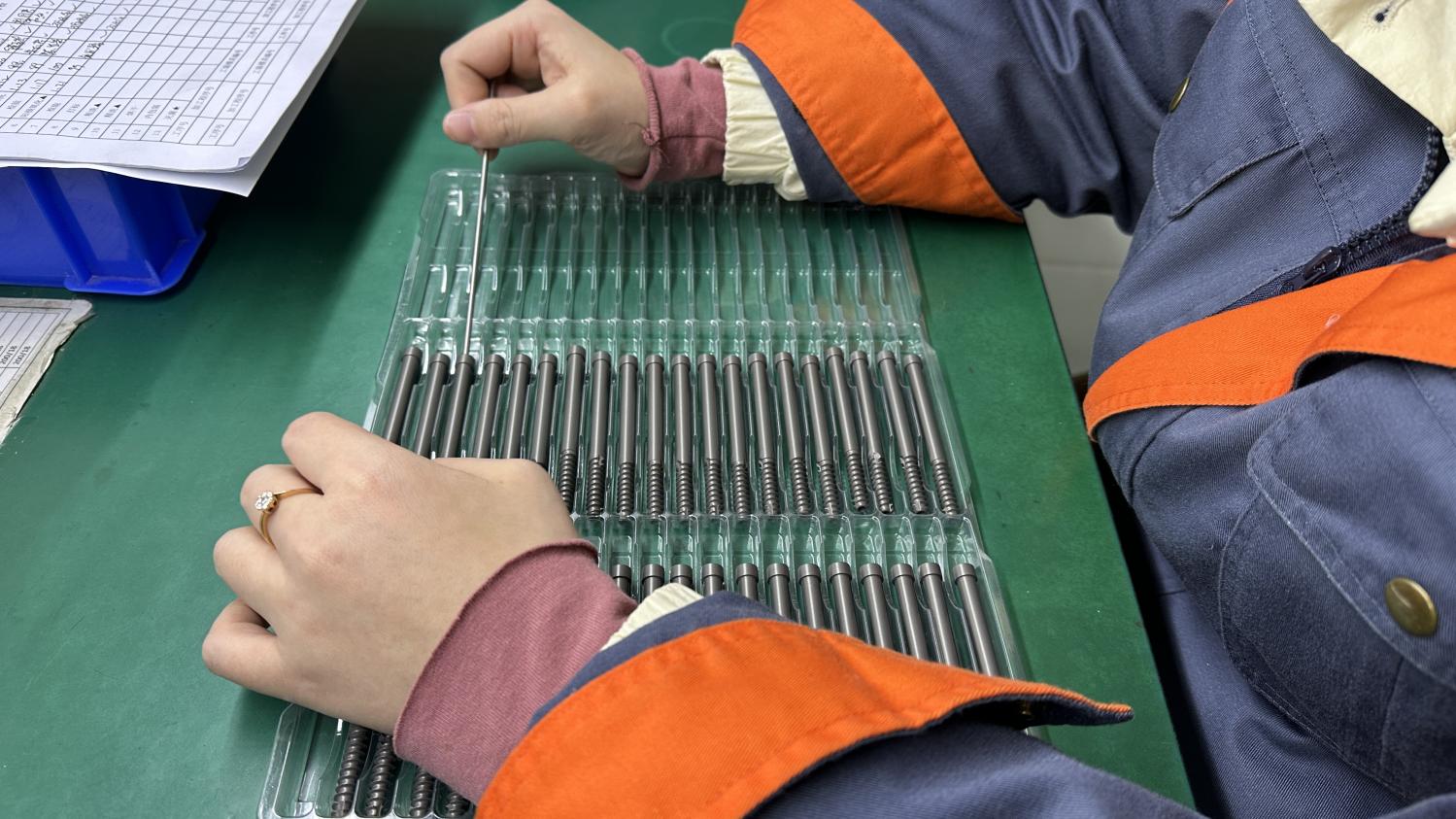
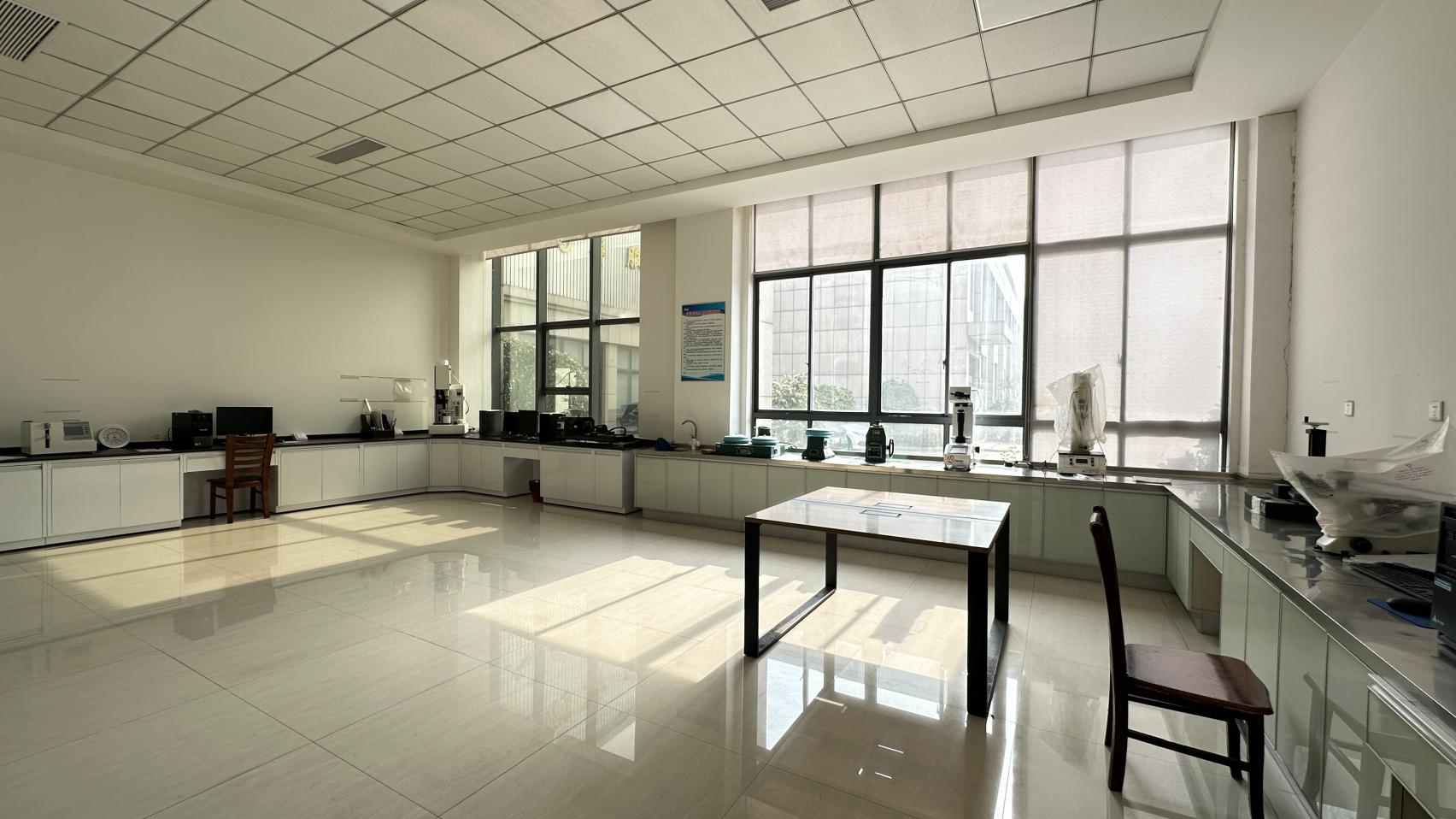
Under the leadership of our 120 specialized R&D engineers, we execute strenuous validation methods on every production lot. We verify yield strength, ultimate tensile strength, and cyclic fatigue resilience using cutting-edge in-house lab machinery:
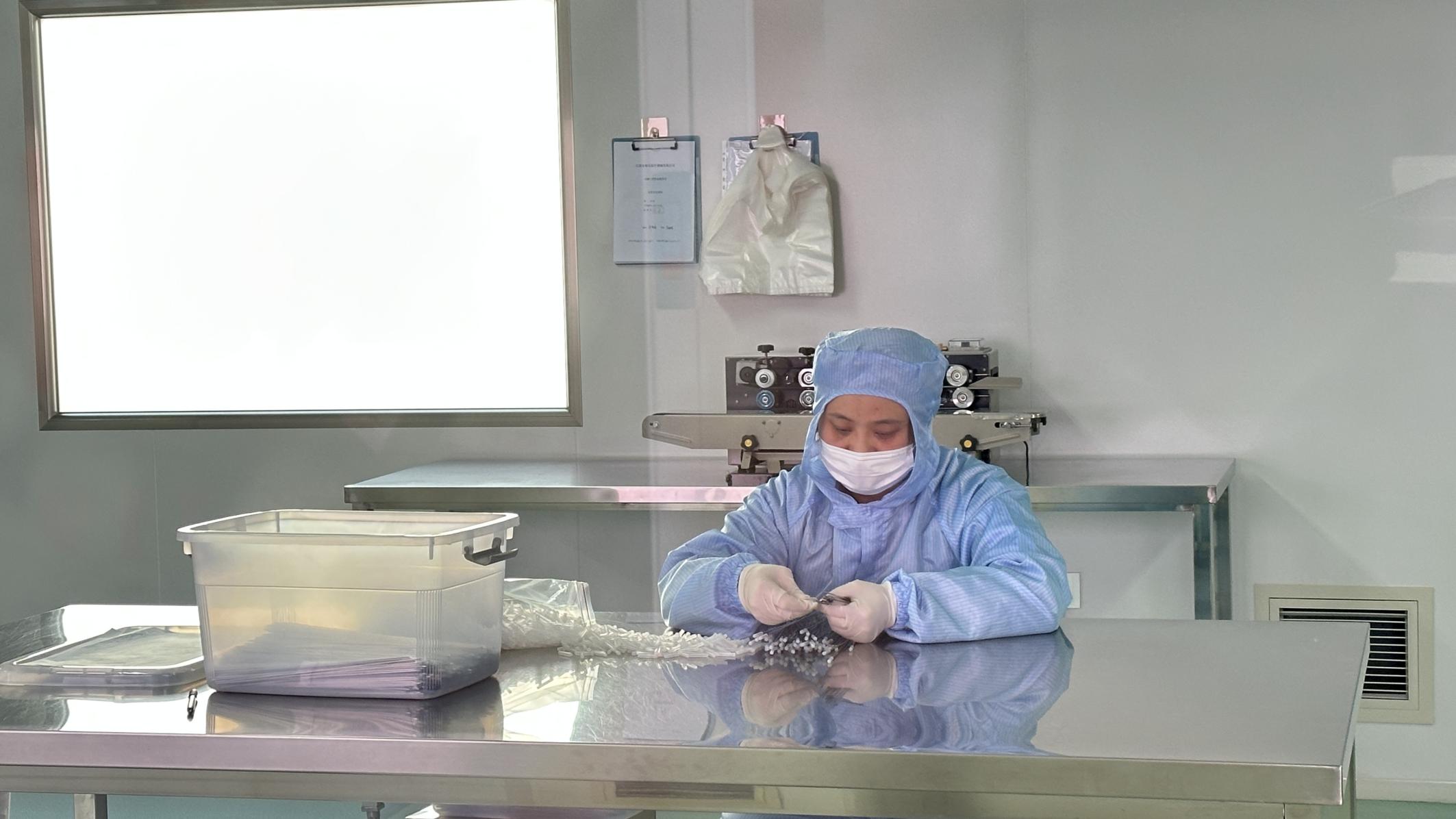
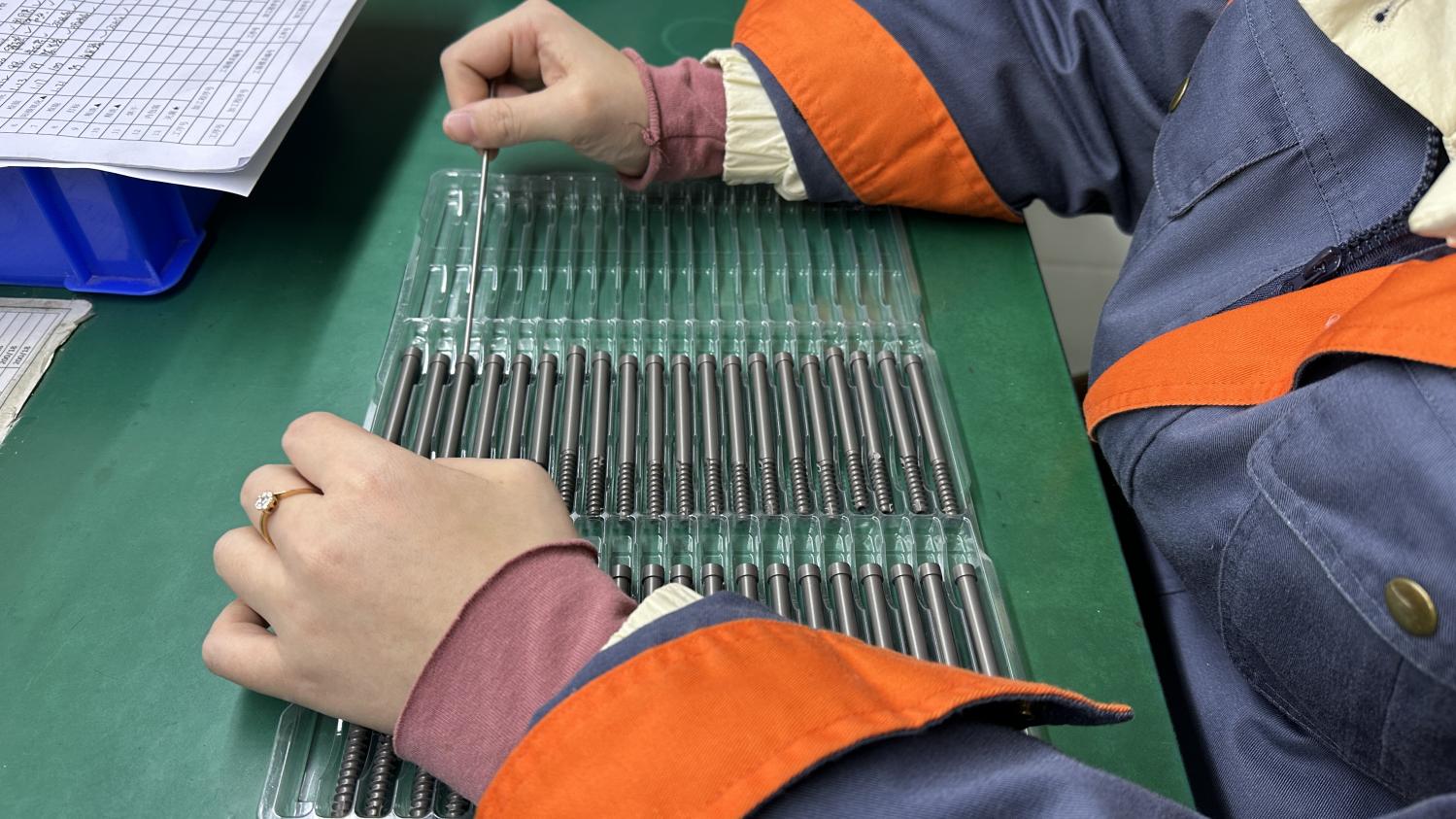
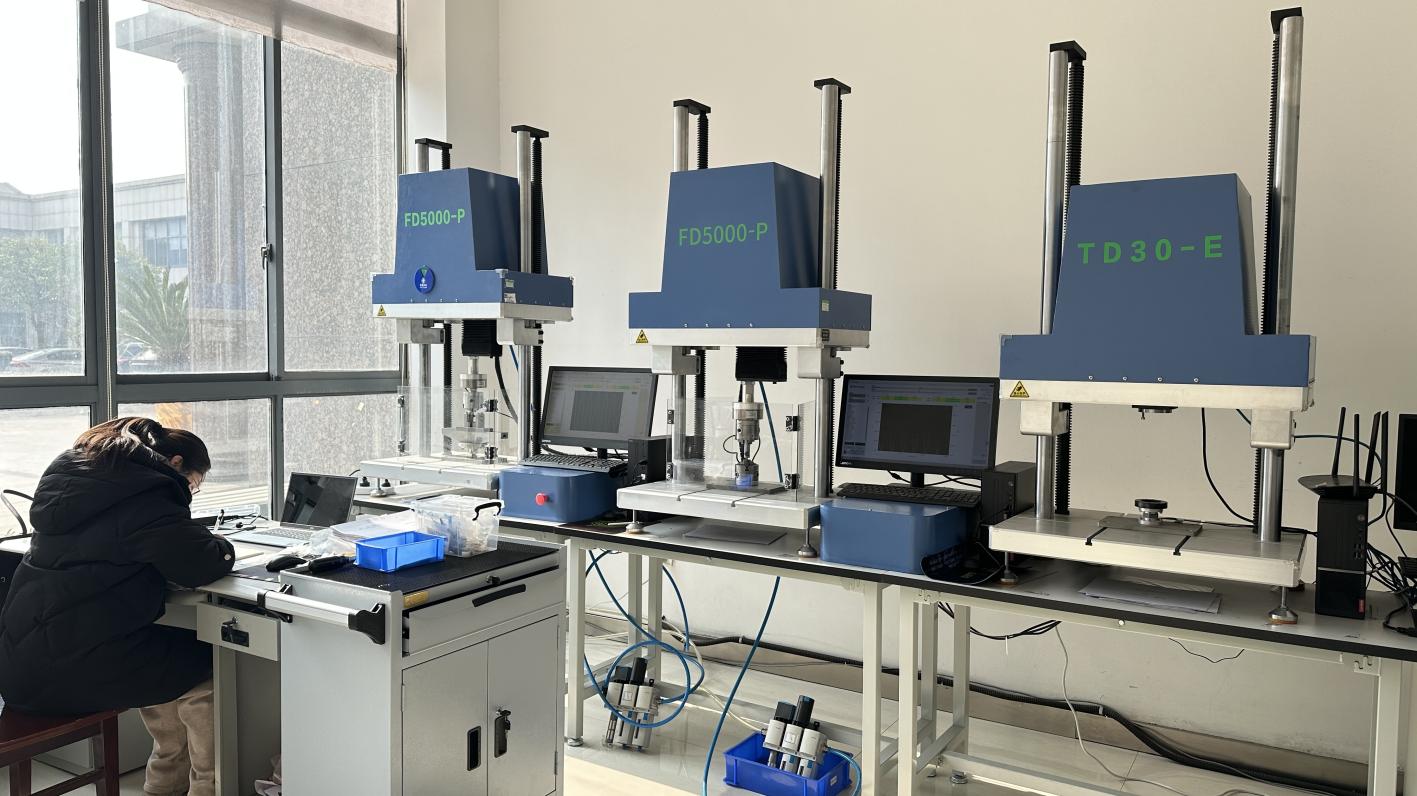
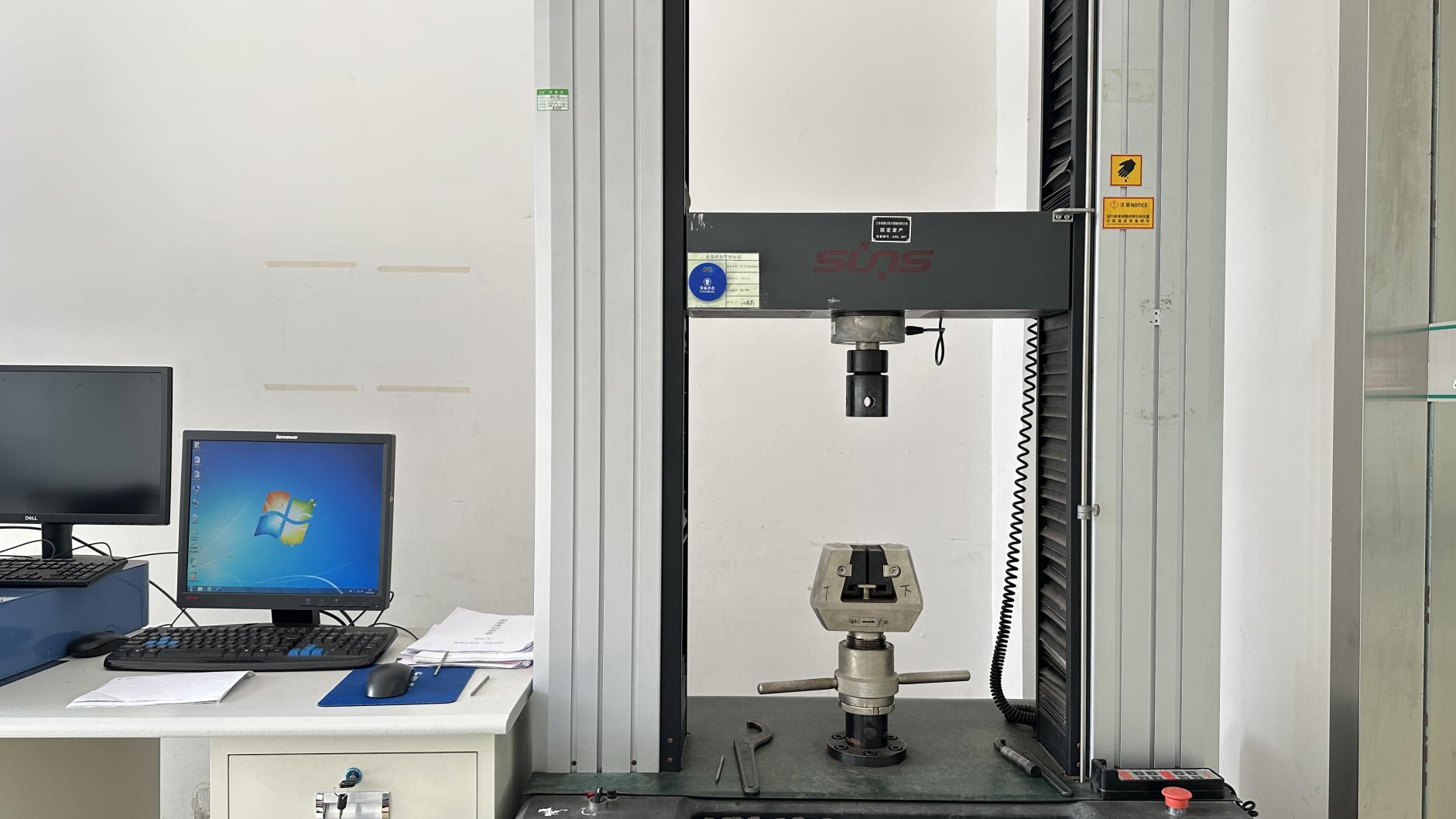
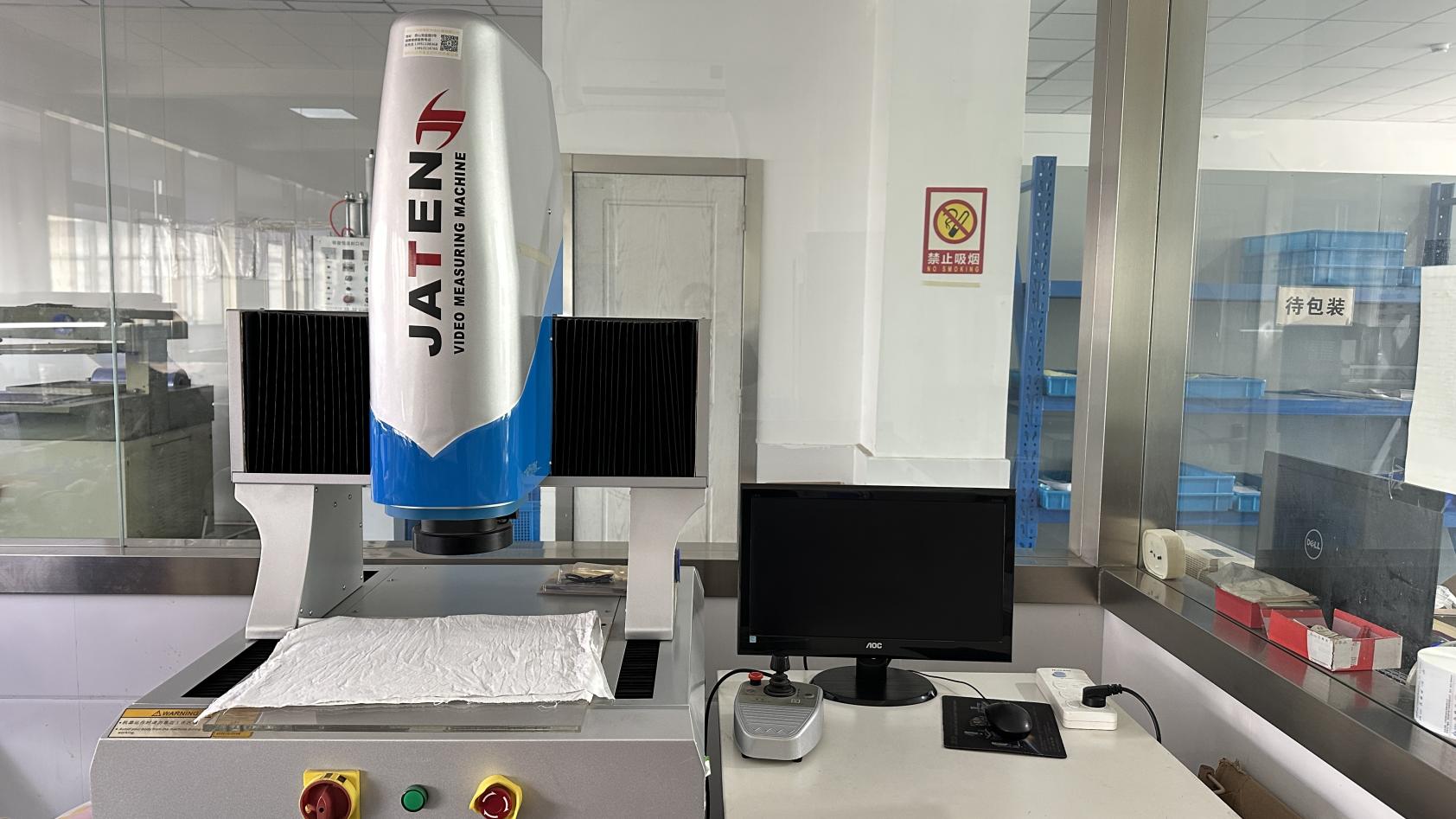
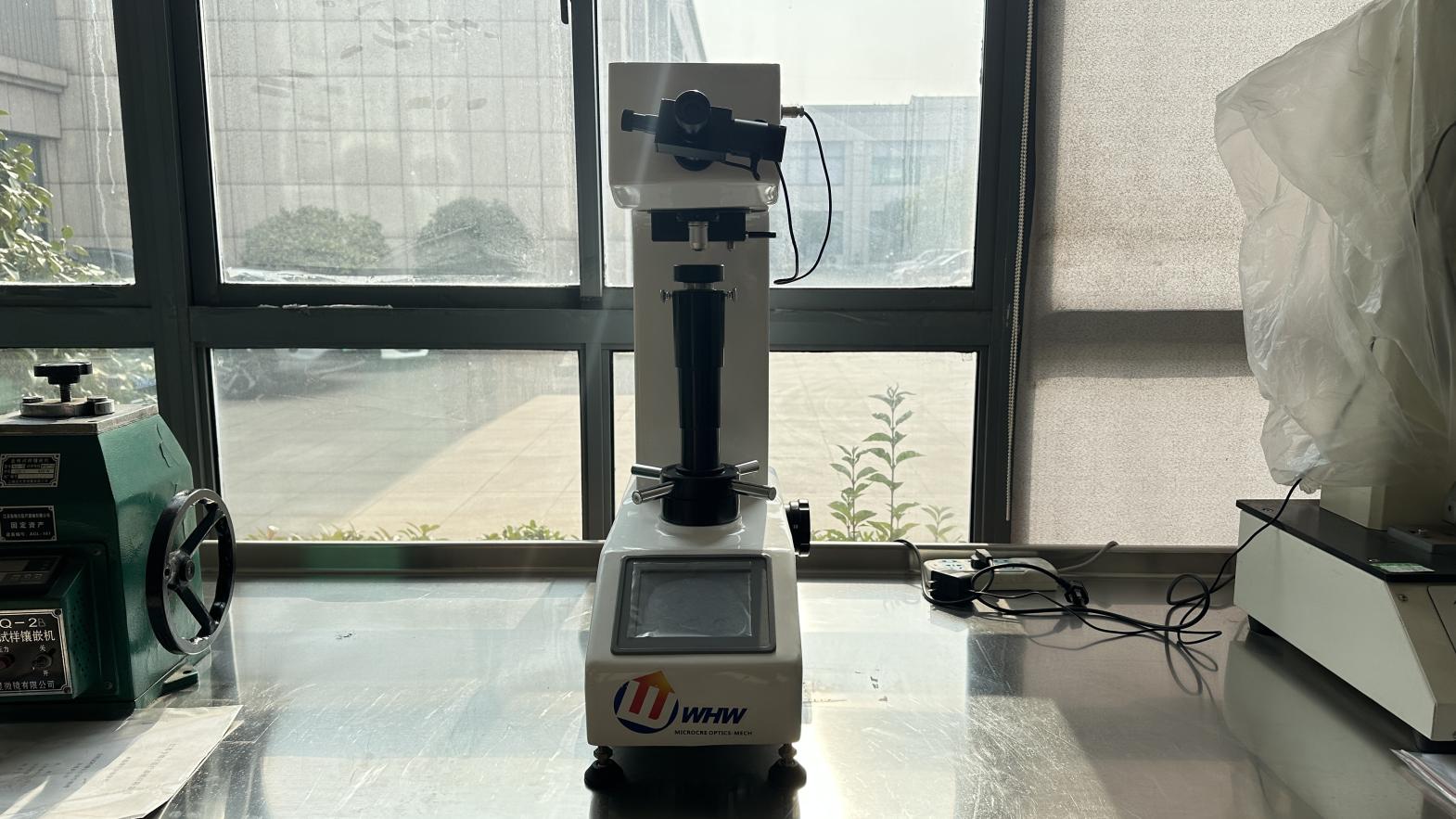
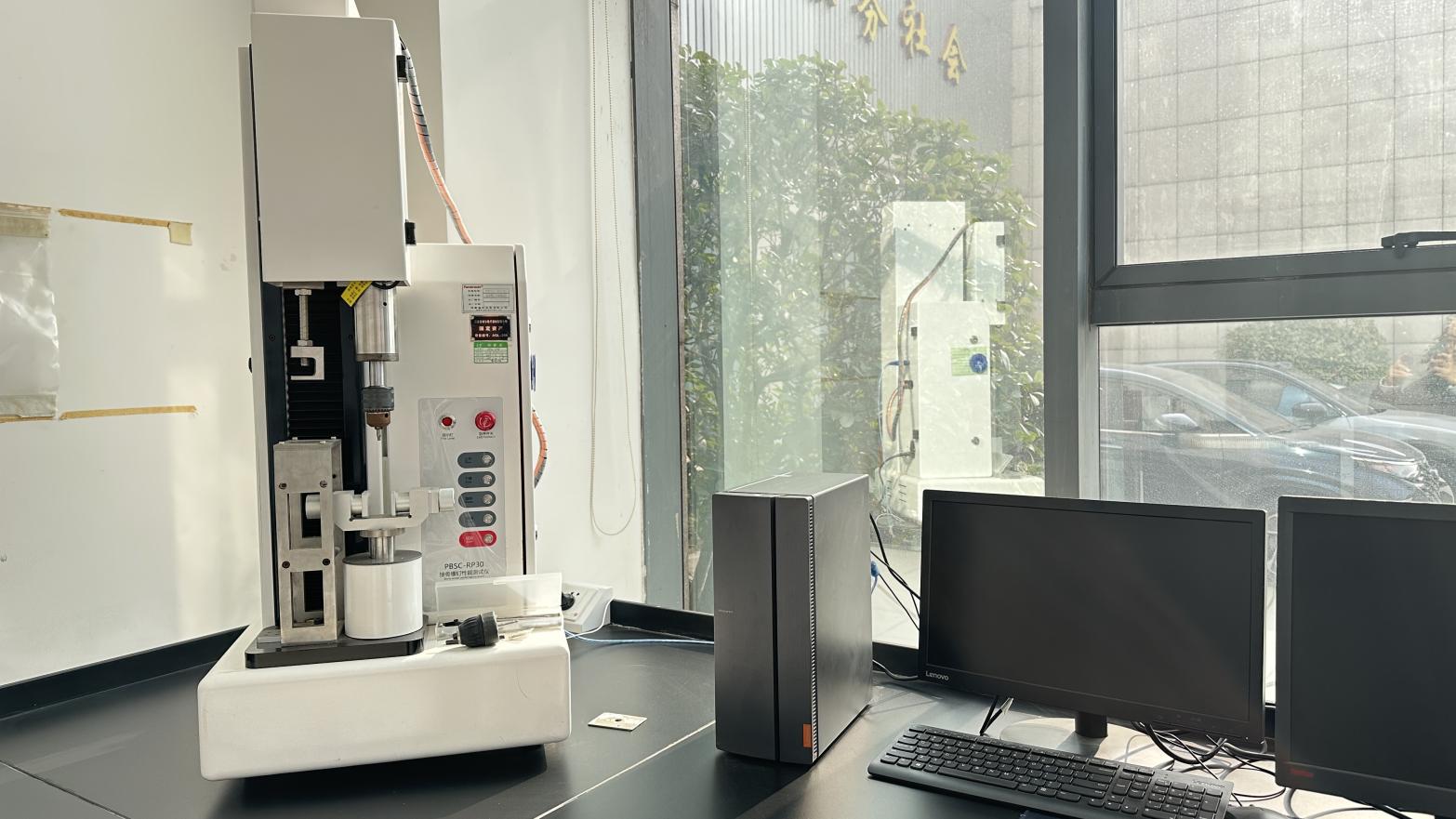
All raw materials undergo rigorous chemical analysis to verify biocompatibility, followed by structural evaluations including high-resolution X-ray detection, three-dimensional Coordinate Measuring Machine (CMM) testing, and automated optical inspections. This ensures our components match the micro-tolerance constraints required for medical applications.
Operating across Europe, Southeast Asia, the Middle East, and South America requires strict adherence to international laws. We fully comply with ISO 13485 regulations, certifying that our quality controls are active at every stage of development.
Furthermore, Virelox provides exhaustive regulatory dossiers and technical files to support local registrations. From FDA 510(k) applications to EU CE-mark certifications, we furnish the required chemical testing, cytocompatibility evaluations, and mechanical testing certificates. Our localized support guarantees medical device distributors face zero import or regulatory friction at target ports.
UDI and Traceability: All Virelox locking plate systems feature clear laser marking. Utilizing international barcode networks, each implant is traceable back to its specific production lot, anodization run, and raw material batch.
As orthopedic trauma strategies lean closer toward biological, minimally invasive stabilization, the design of locking plates must adapt. Our engineering department is actively testing surface modification protocols, such as bioactive calcium phosphate coatings and plasma electrolytic oxidation. These methods are designed to accelerate osseointegration and reduce bacterial colonization risks.
Additionally, our future product pipeline includes additive manufacturing technologies. By utilizing selective laser melting (SLM) metal 3D printing systems, we will soon offer customized titanium implants with trabecular lattice layers that mimic biological trabecular structures, maximizing long-term bone anchorage.
Answering critical questions on titanium locking systems, regulatory compliance, and OEM collaborations.
Engineered to deliver mechanical reliability, biological safety, and optimal anatomical alignment.
 Virelox