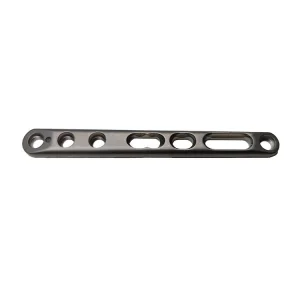
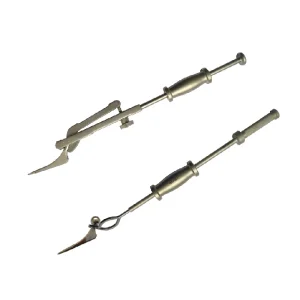
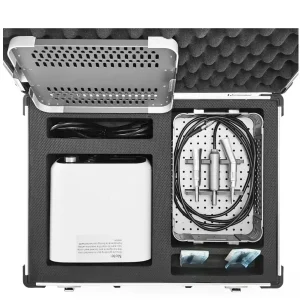
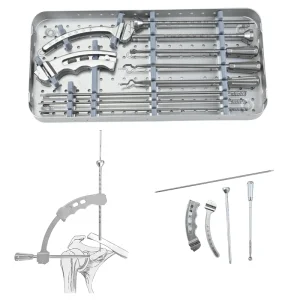
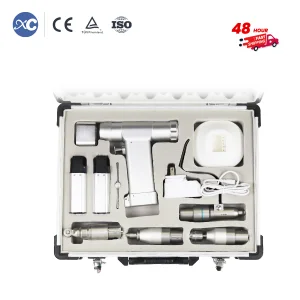
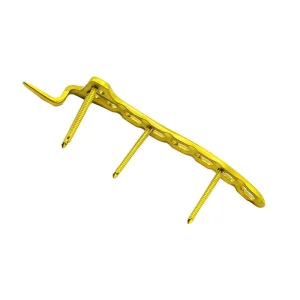
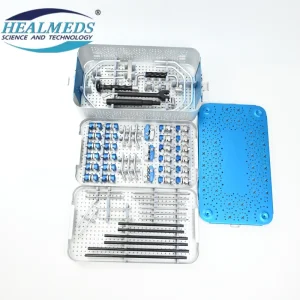
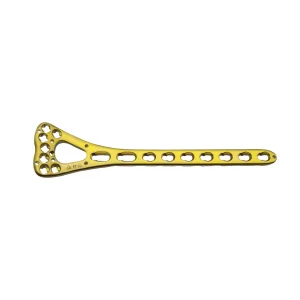
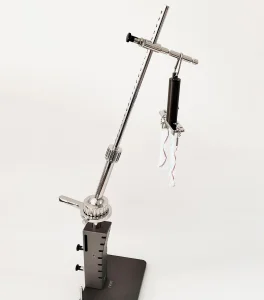
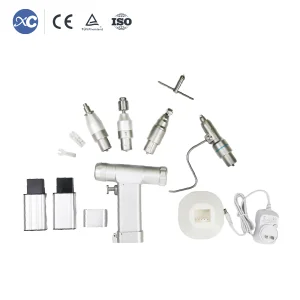
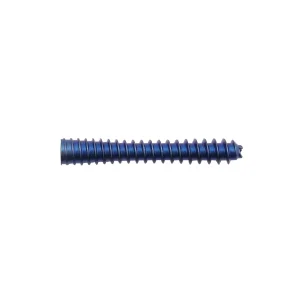
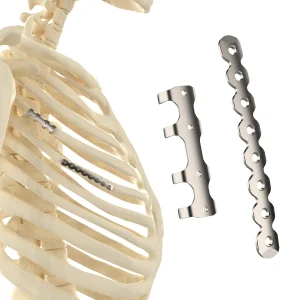
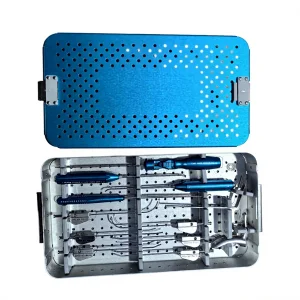
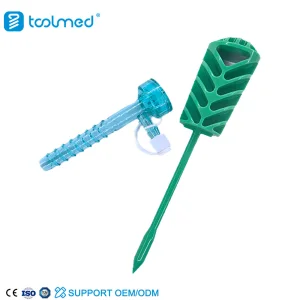
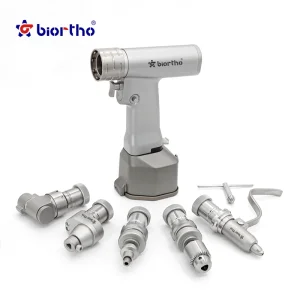
Explore our premium clinical products, including active anatomical compression plates, joint arthroscopy instruments, and veterinary surgical tools.
Pioneering the next generation of orthopedic hardware and trauma fixations through strict scientific validation and smart manufacturing configurations.
Virelox Medical Devices Co., Ltd. is a globally distinguished, professional orthopedic medical device manufacturer specializing in joint replacement, spinal fixtures, and surgical implant solutions. Operating under our hallmark brand “Virelox”, we are deeply committed to delivering high-performance, clinical-grade orthopedic systems for global healthcare providers, surgical units, and medical distributors.
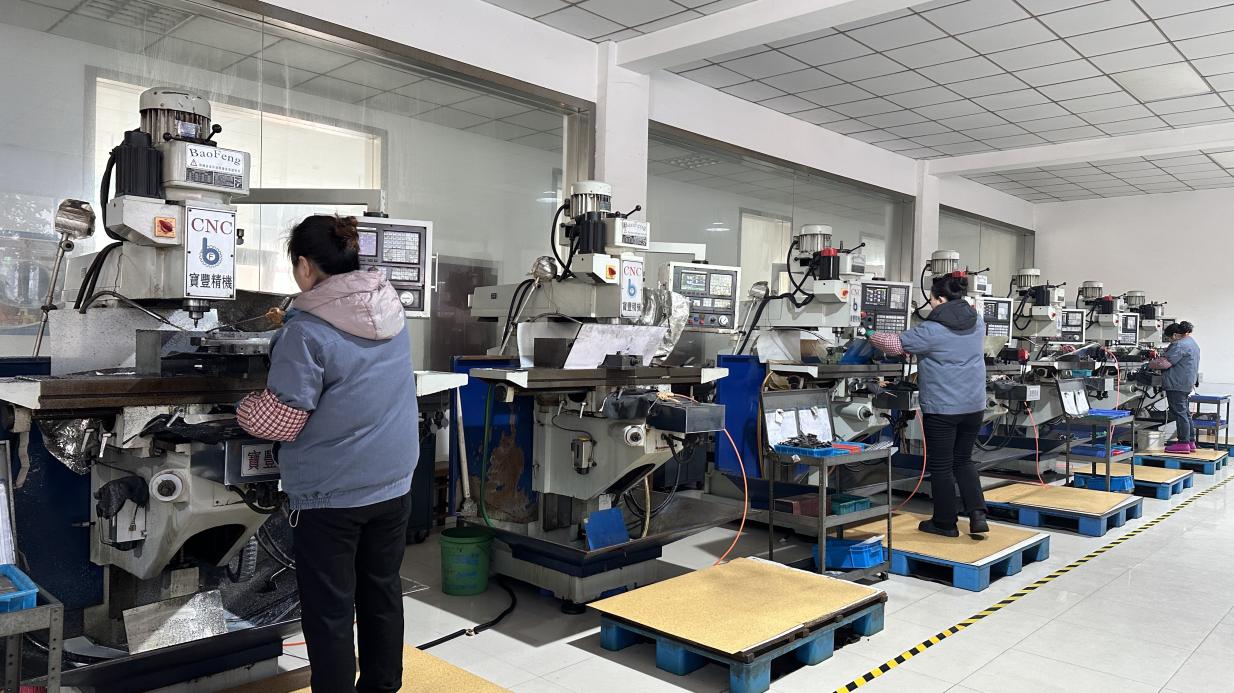
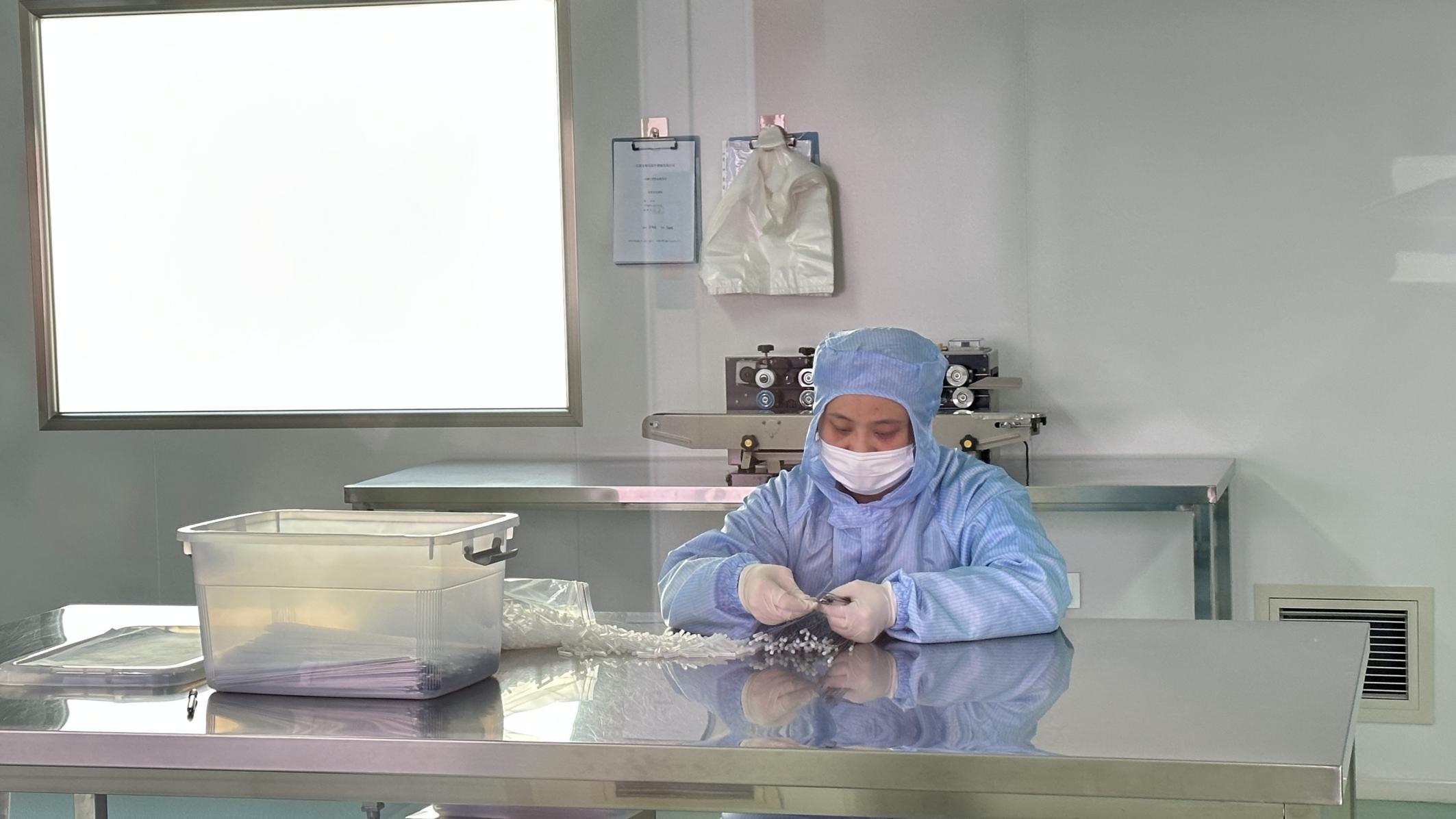
Equipped with a modern 12,000 m² cleanroom and manufacturing facility, Virelox bridges the gap between sophisticated biomechanical design and large-scale manufacturing efficiency. By matching state-of-the-art multi-axis CNC milling centers with strict regulatory compliance, we supply highly predictable surgical implants that enable rapid patient rehabilitation and excellent clinical outcomes.
An in-depth whitepaper analysis on materials science, tissue integration, and structural developments shaping global orthopedics.
For decades, orthopedic fixation relied heavily on basic stainless steel alloys. Today, the global surgical implant sector is defined by the absolute dominance of Ti-6Al-4V ELI (Grade 5 Titanium), cobalt-chromium-molybdenum (CoCrMo), and Polyetheretherketone (PEEK). Advanced metallurgical processes ensure these materials exhibit a modulus of elasticity much closer to cortical bone, significantly minimizing "stress shielding" effects and preventing bone resorption around the implant site.
Current developments are heavily focused on bio-active surface modifications. Techniques such as plasma-sprayed Hydroxyapatite (HA) coatings, acid-etching, and anodic oxidation are utilized to create a sub-micron rough surface texture. This topology accelerates early-stage osteoblast adhesion, promoting faster osseointegration and securing the long-term stability of the implant within the skeletal system.
The convergence of Internet of Things (IoT) technologies and clinical medicine has ushered in the concept of "smart implants." Embedded with microscopic sensor arrays, these systems can monitor localized load distributions, joint kinematics, and early markers of infection in real-time. This diagnostic feedback loop allows orthopedic specialists to track patient recovery dynamics dynamically and adjust therapeutic plans before visible clinical symptoms occur.
Structured micro-topographies and bio-active HA coatings trigger immediate bone-to-implant bonding, slashing patient recovery times and lowering revision rates.
Advanced biomechanical simulations and cyclic testing protocols guarantee that load-bearing joints withstand millions of movement cycles.
Full conformance to ISO 13485, CE MDR, and FDA registration guidelines ensures friction-free distribution and deployment across international hospitals.
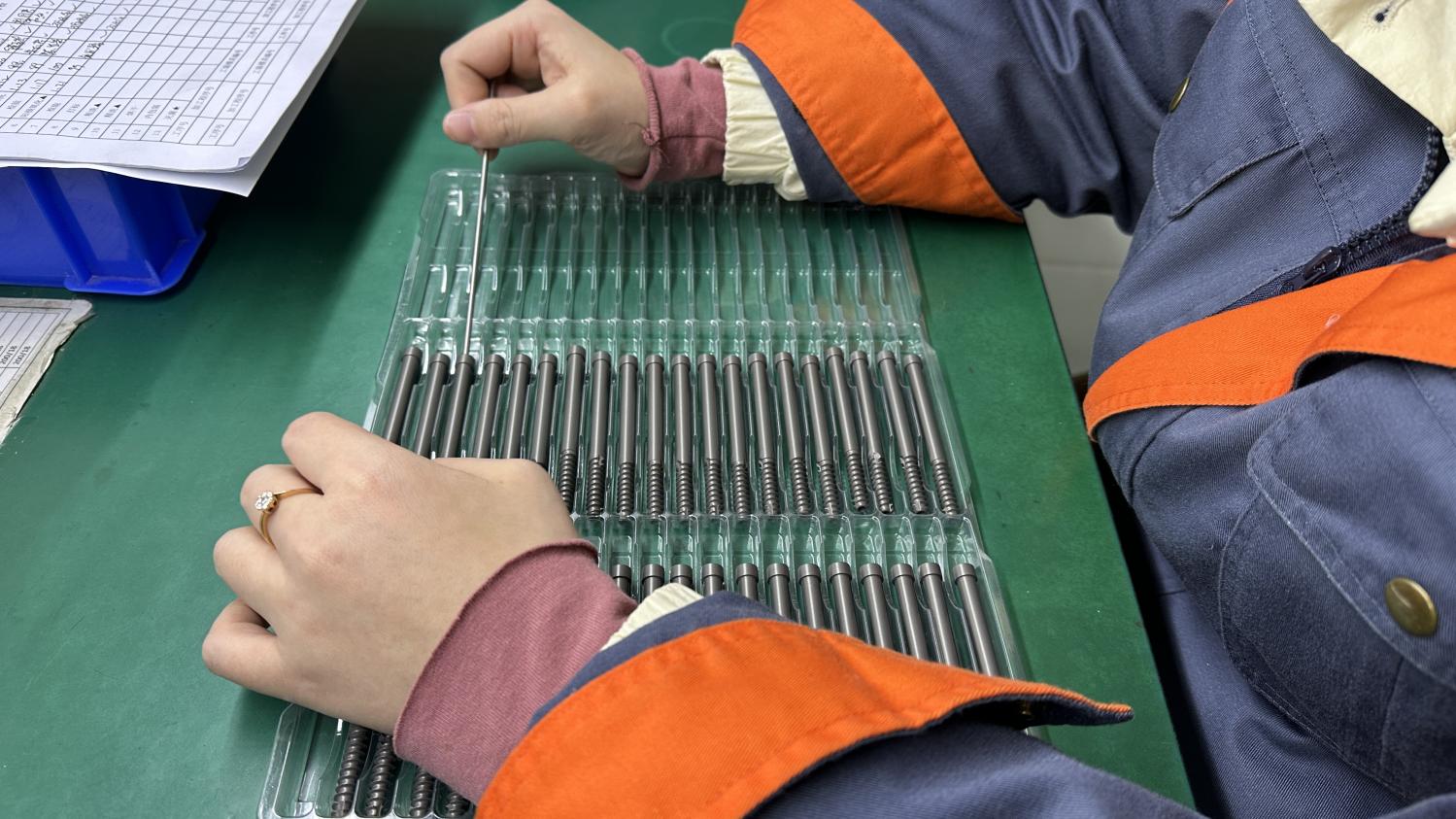
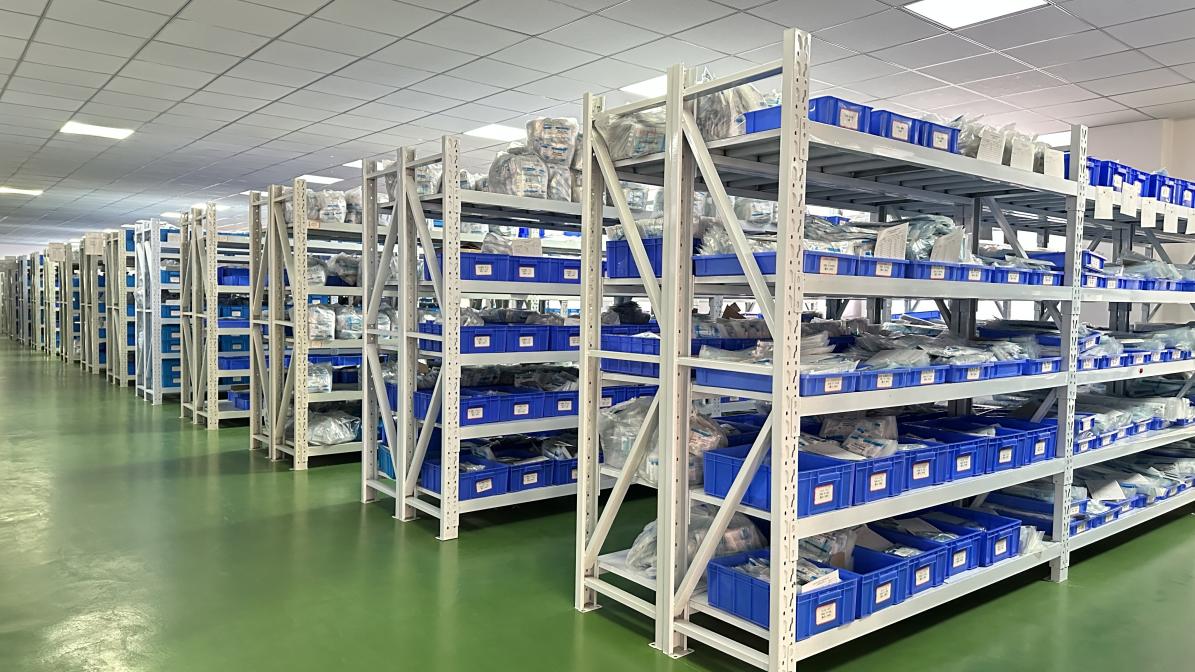
From premium biocompatible raw materials to class-10,000 cleanroom packaging, see how we execute every critical step.
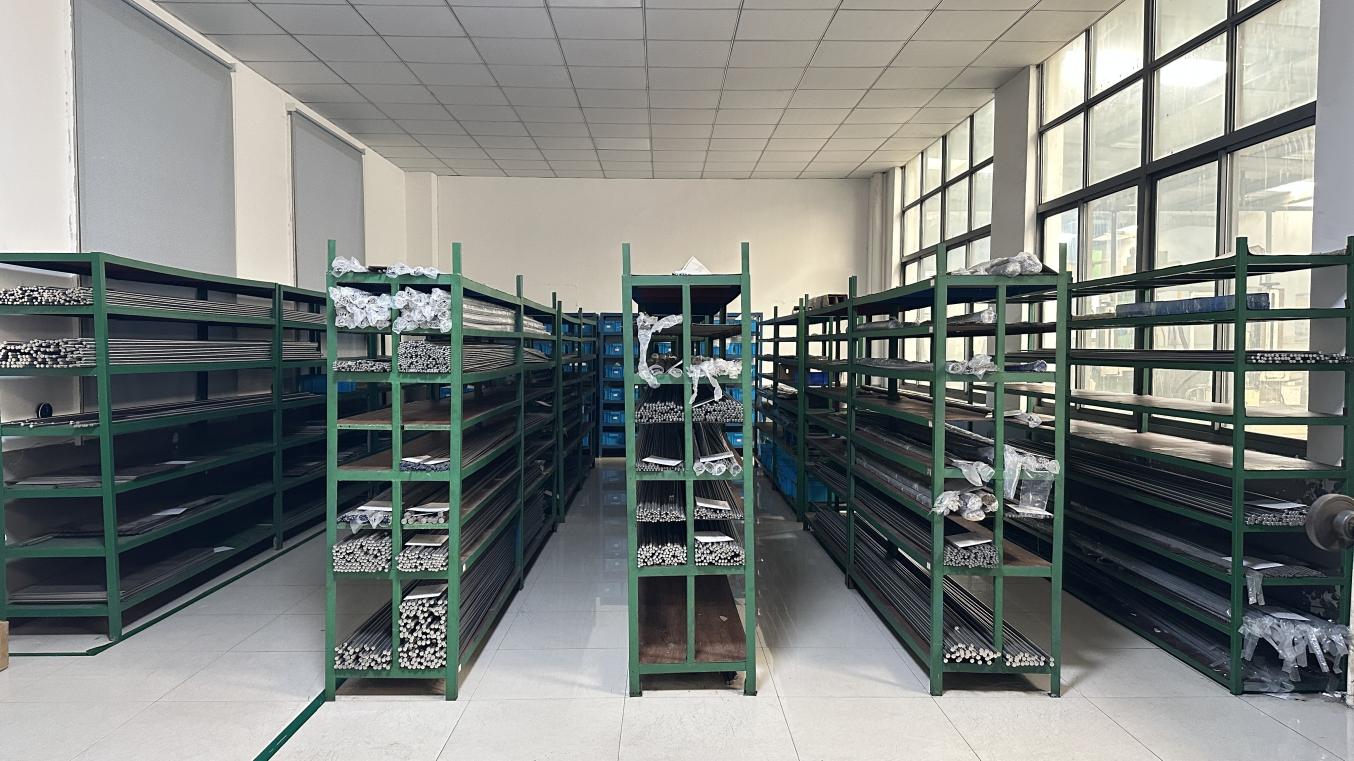
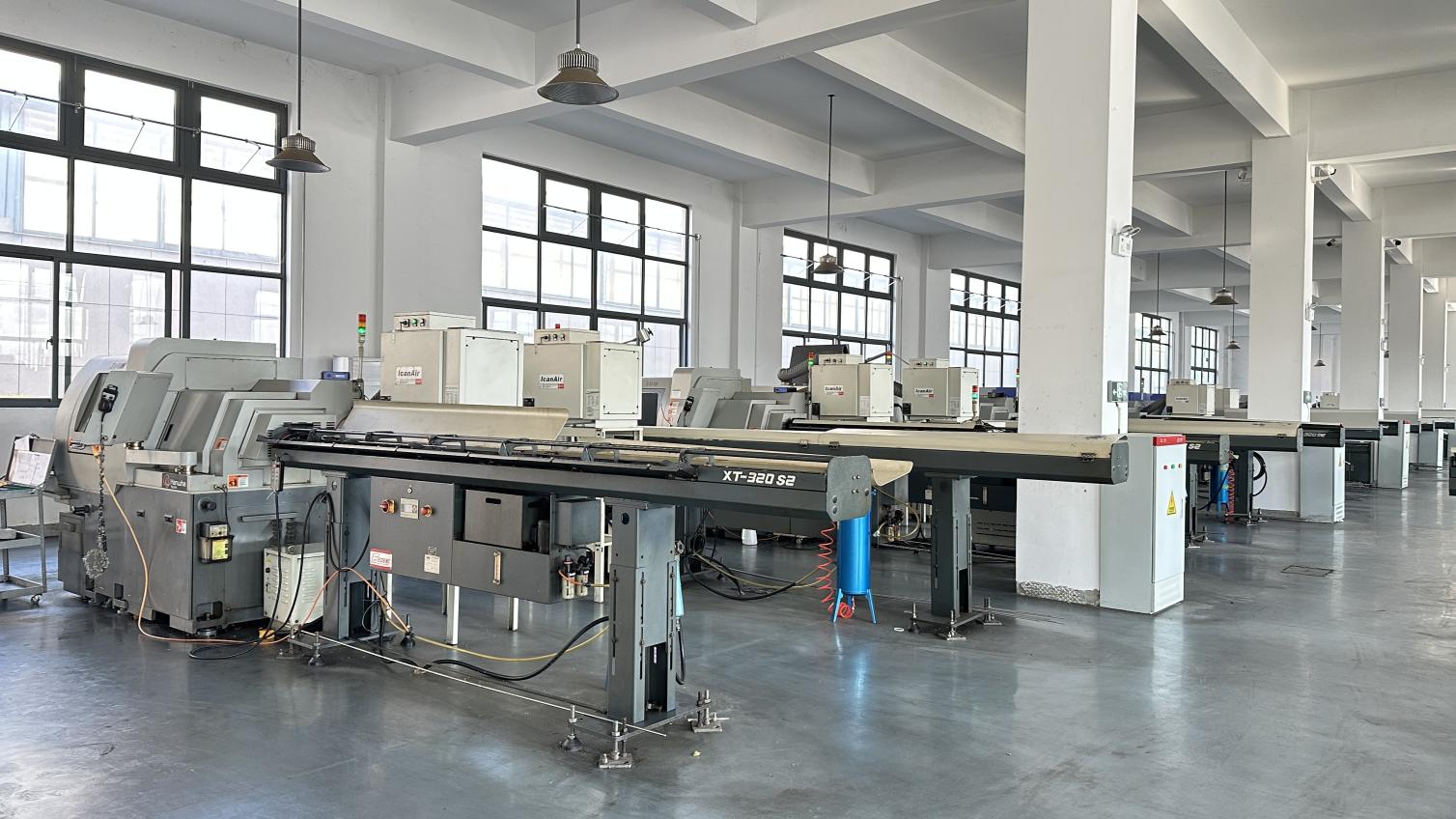
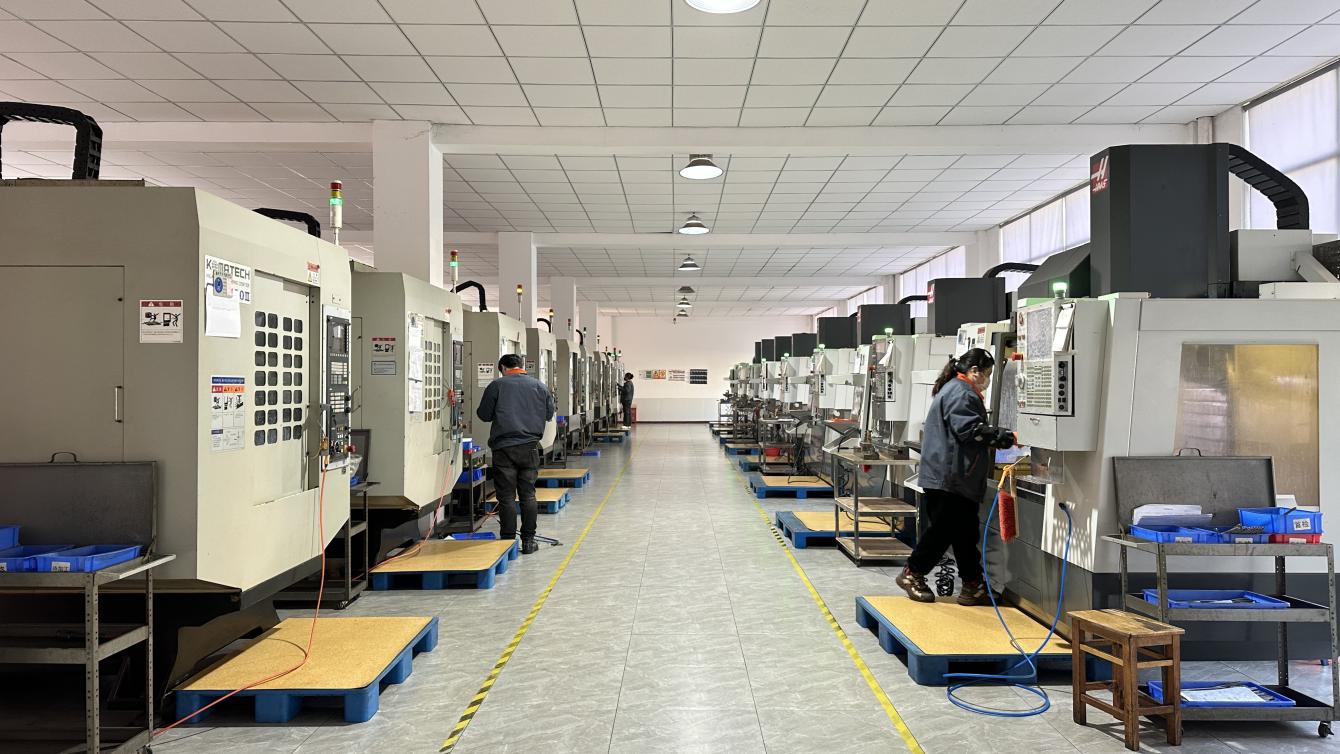
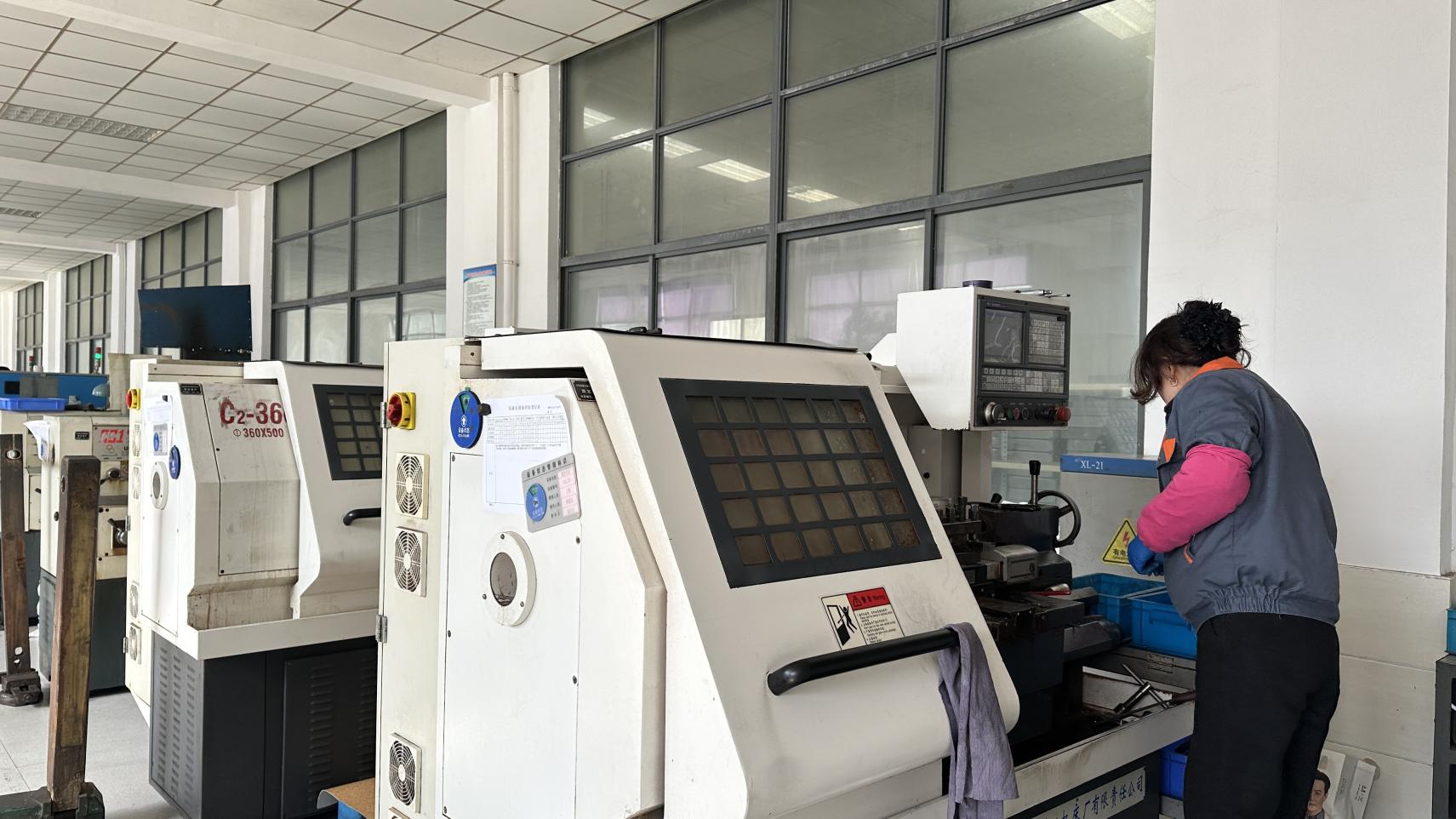
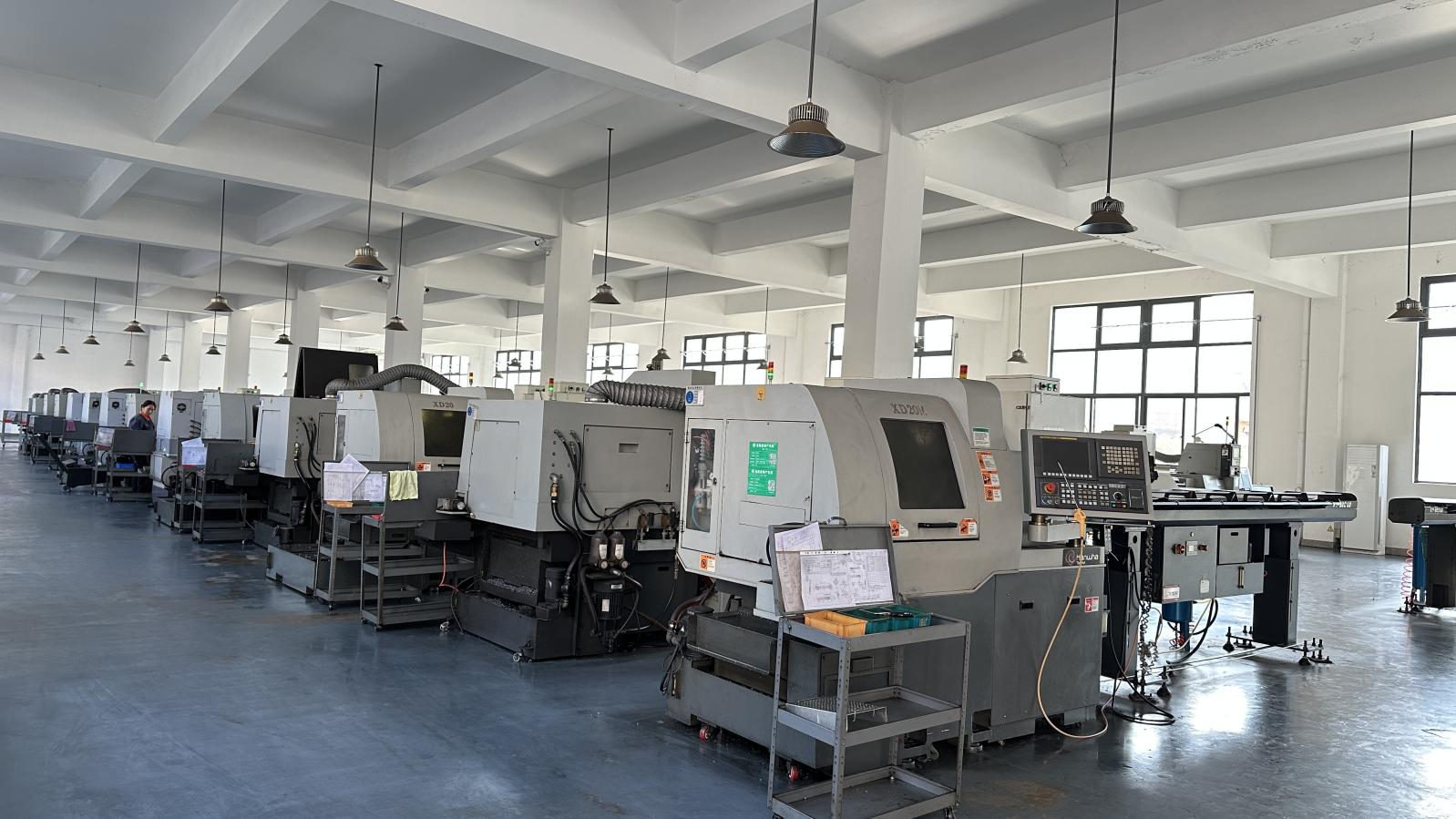
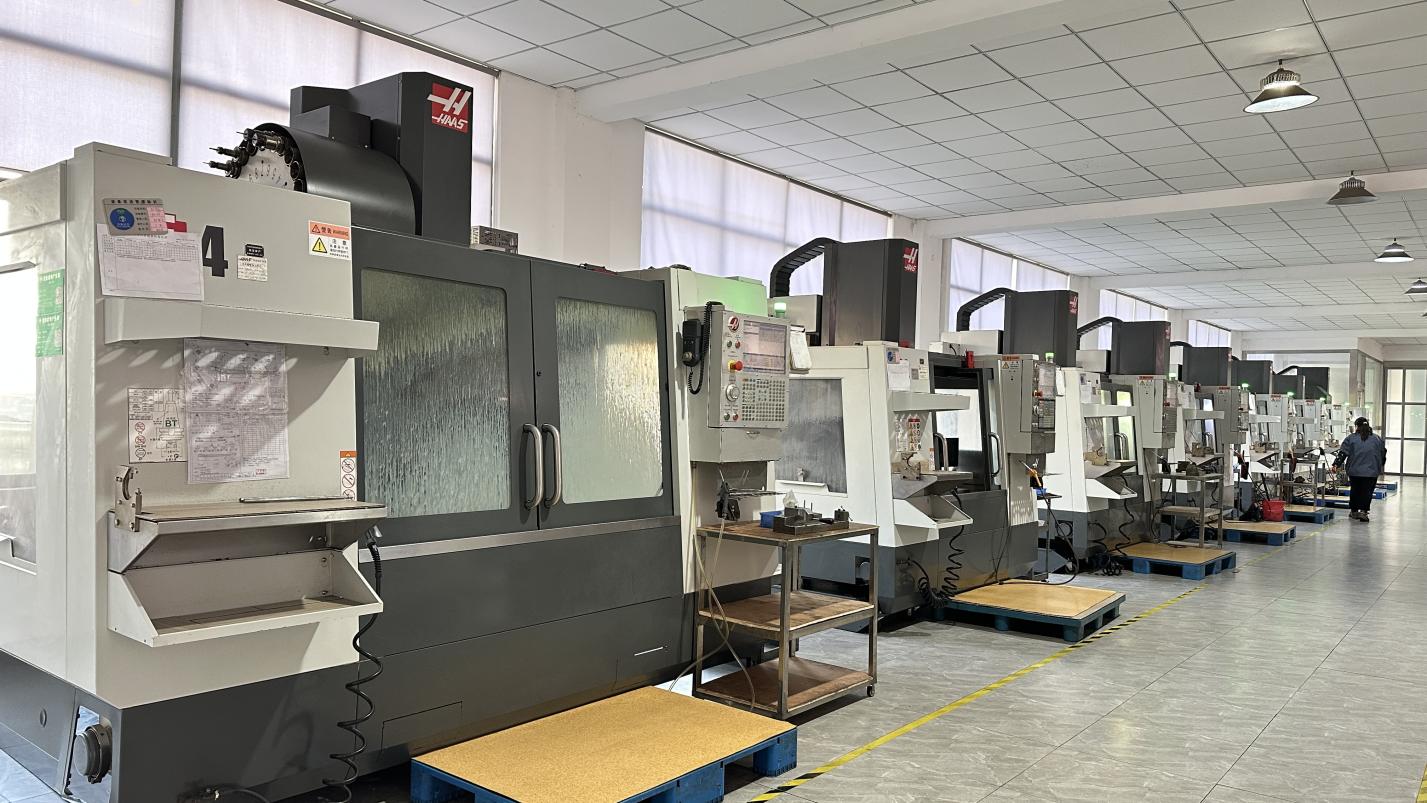
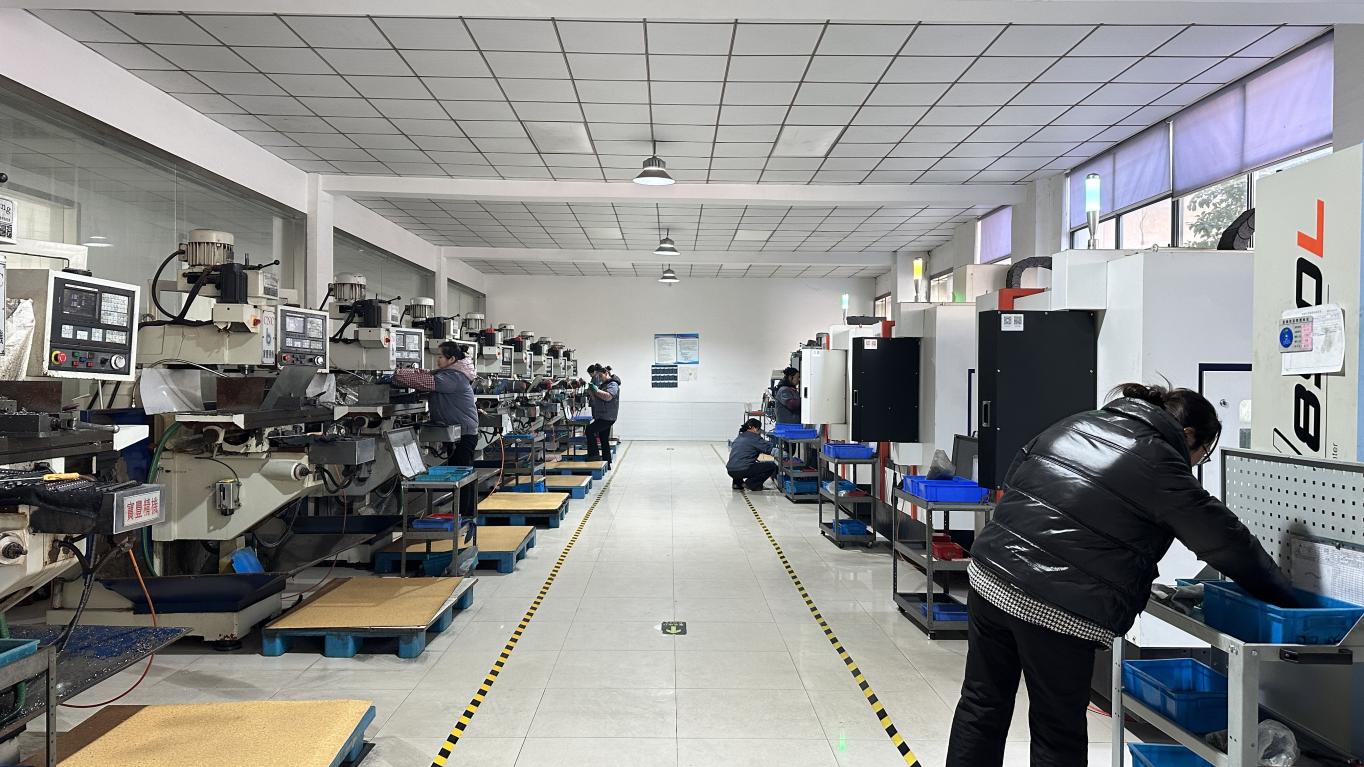
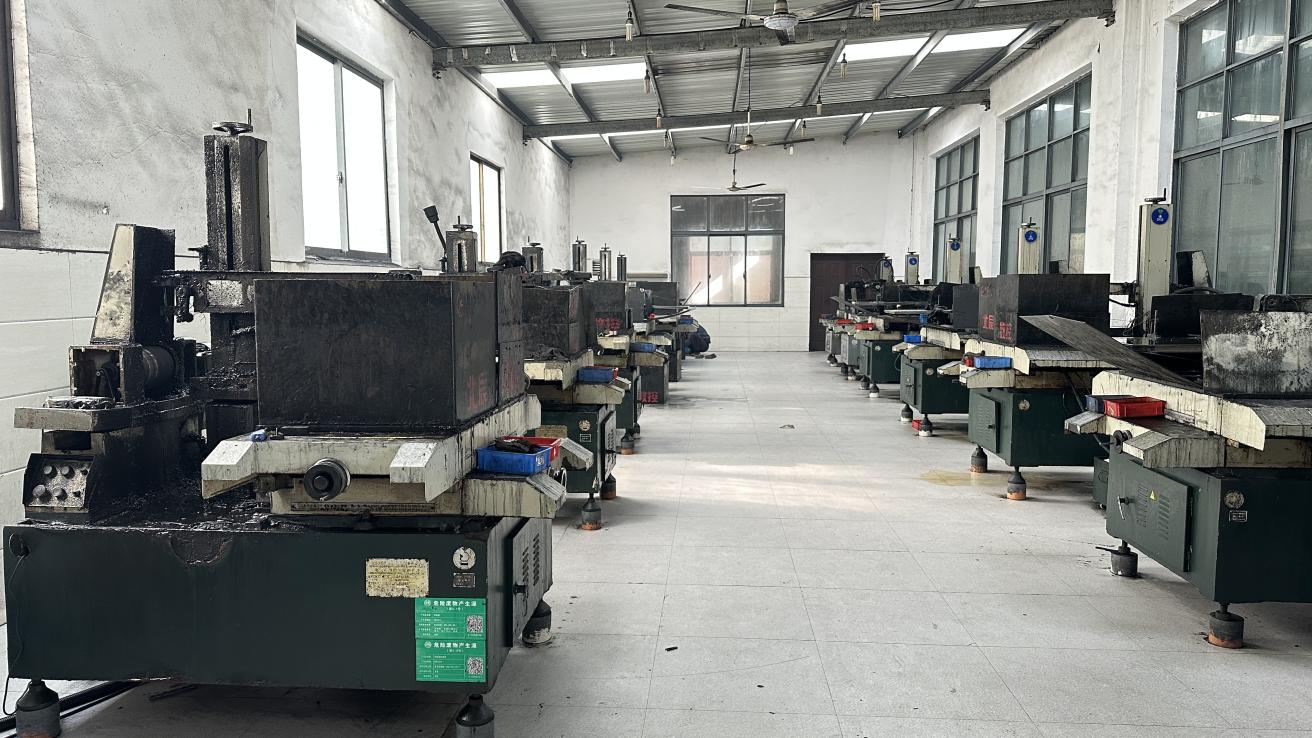
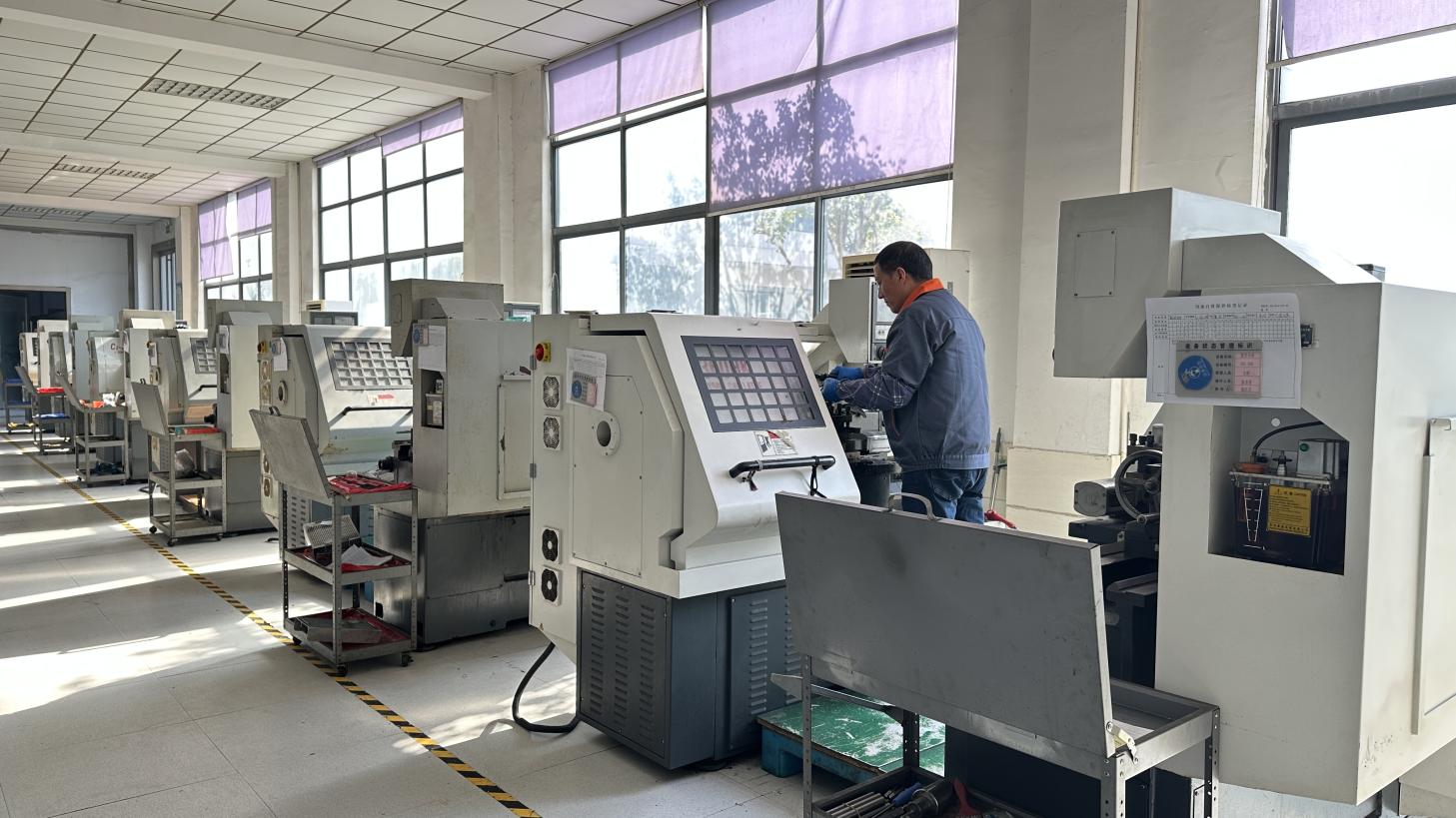
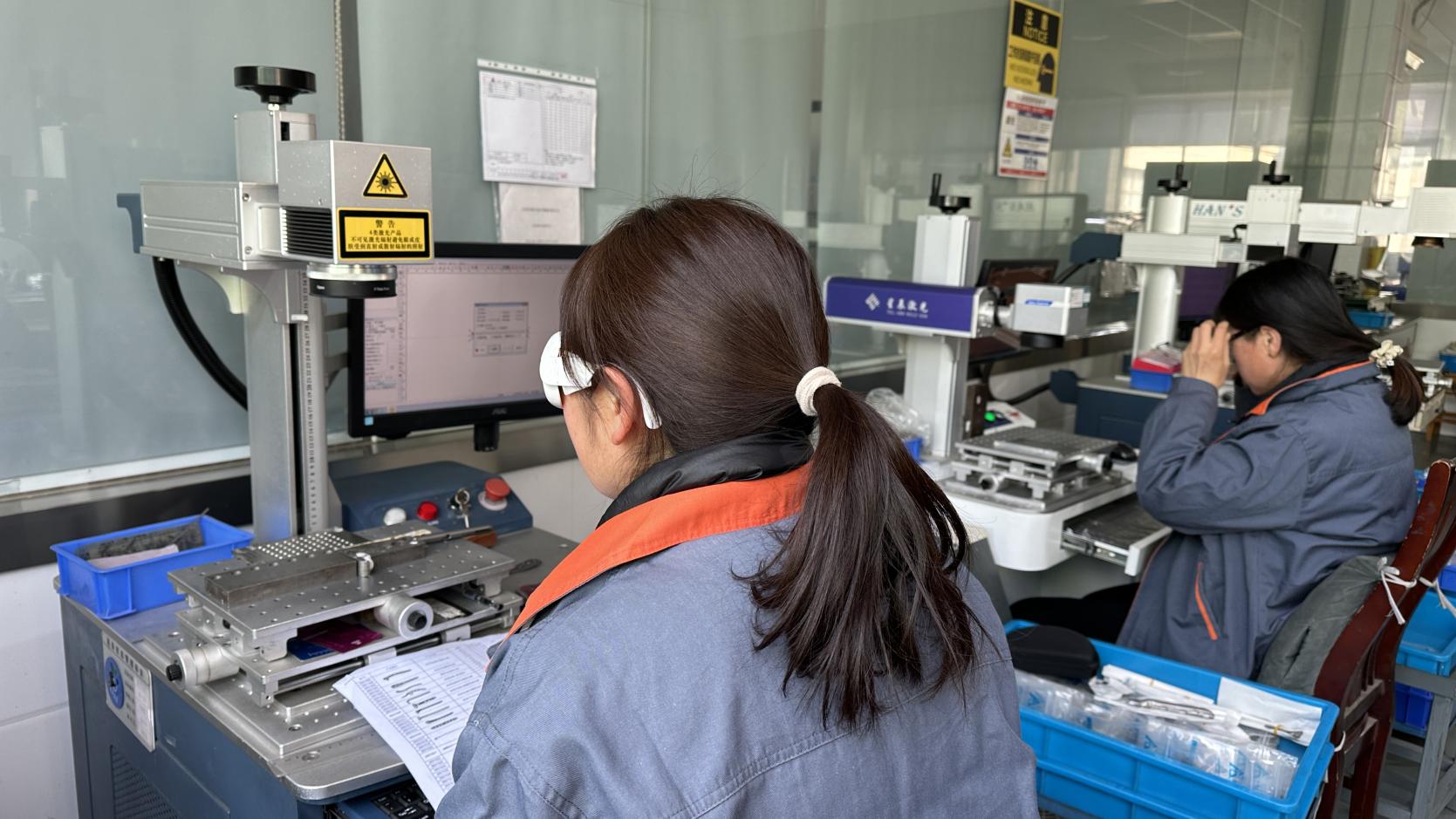
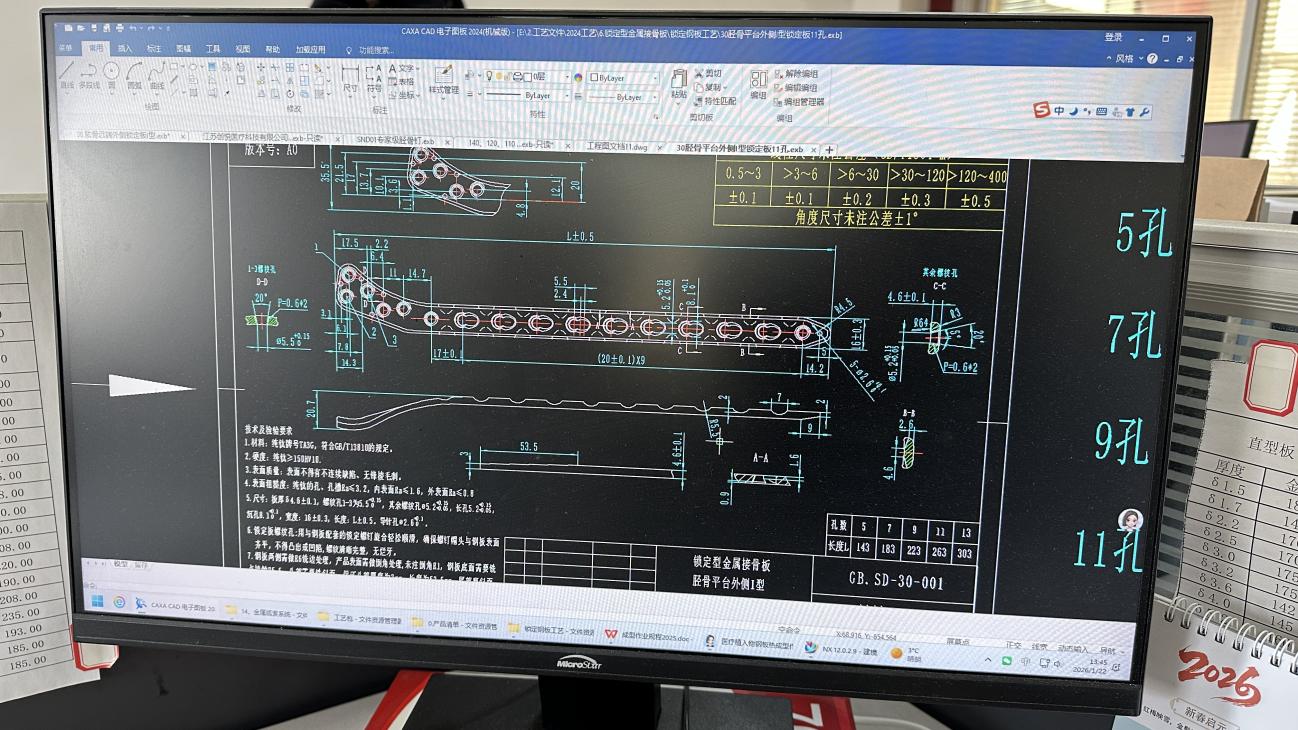
How we help medical device distributors and hospital chains mitigate risk, reduce overhead, and protect supply chains.
Healthcare procurement networks face mounting pressure to balance strict clinical outcomes with cost-containment measures. When sourcing orthopedic implants, buyers must manage complex regulatory compliance, supply delays, and erratic product quality. Virelox meets these needs by integrating a vertical manufacturing model that handles design, machining, surface treating, and compliance verification in-house.
No implant leaves our facility without undergoing rigorous mechanical, dimensional, and metallurgical analysis inside our ISO 13485 laboratory.
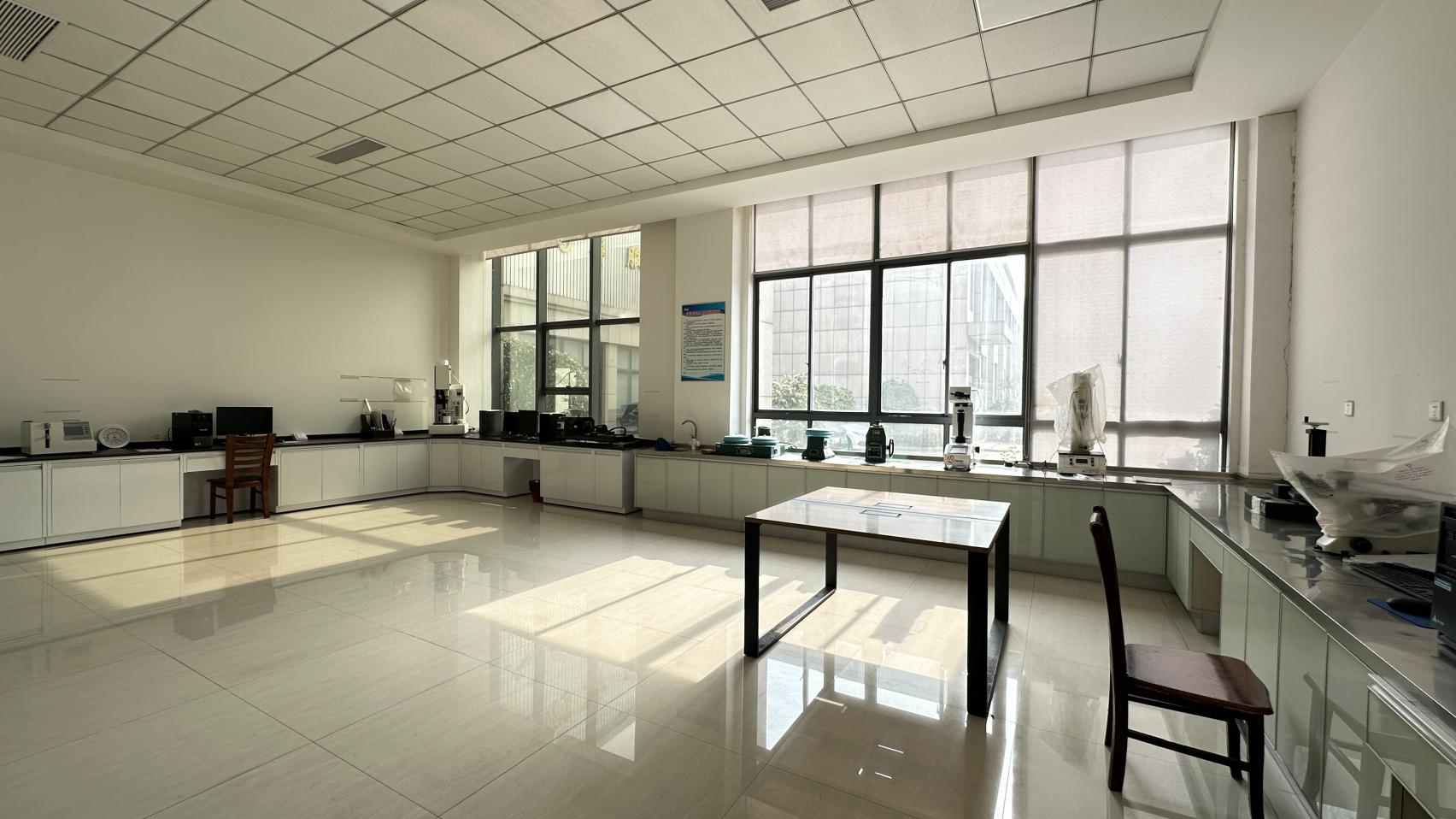
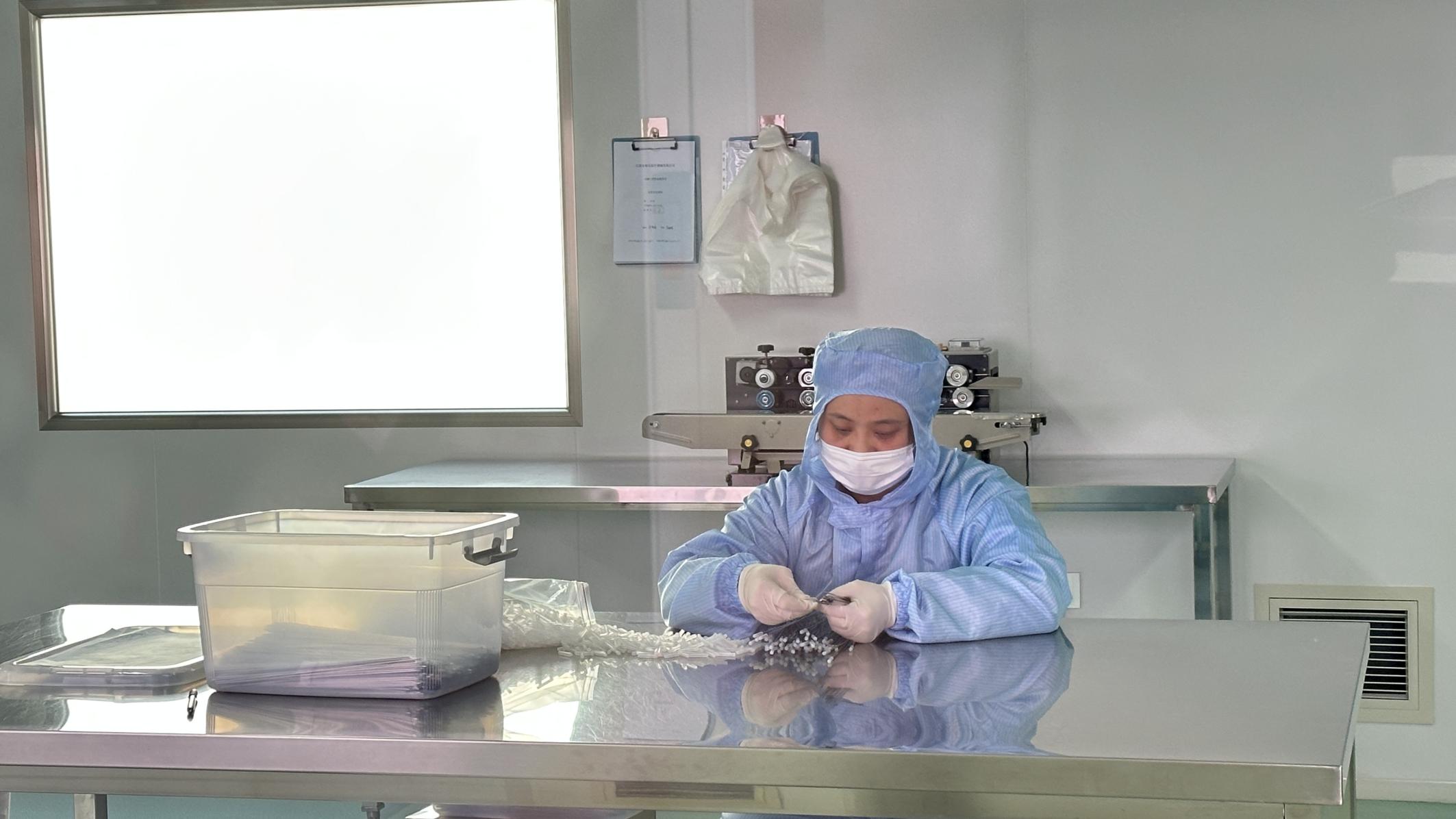
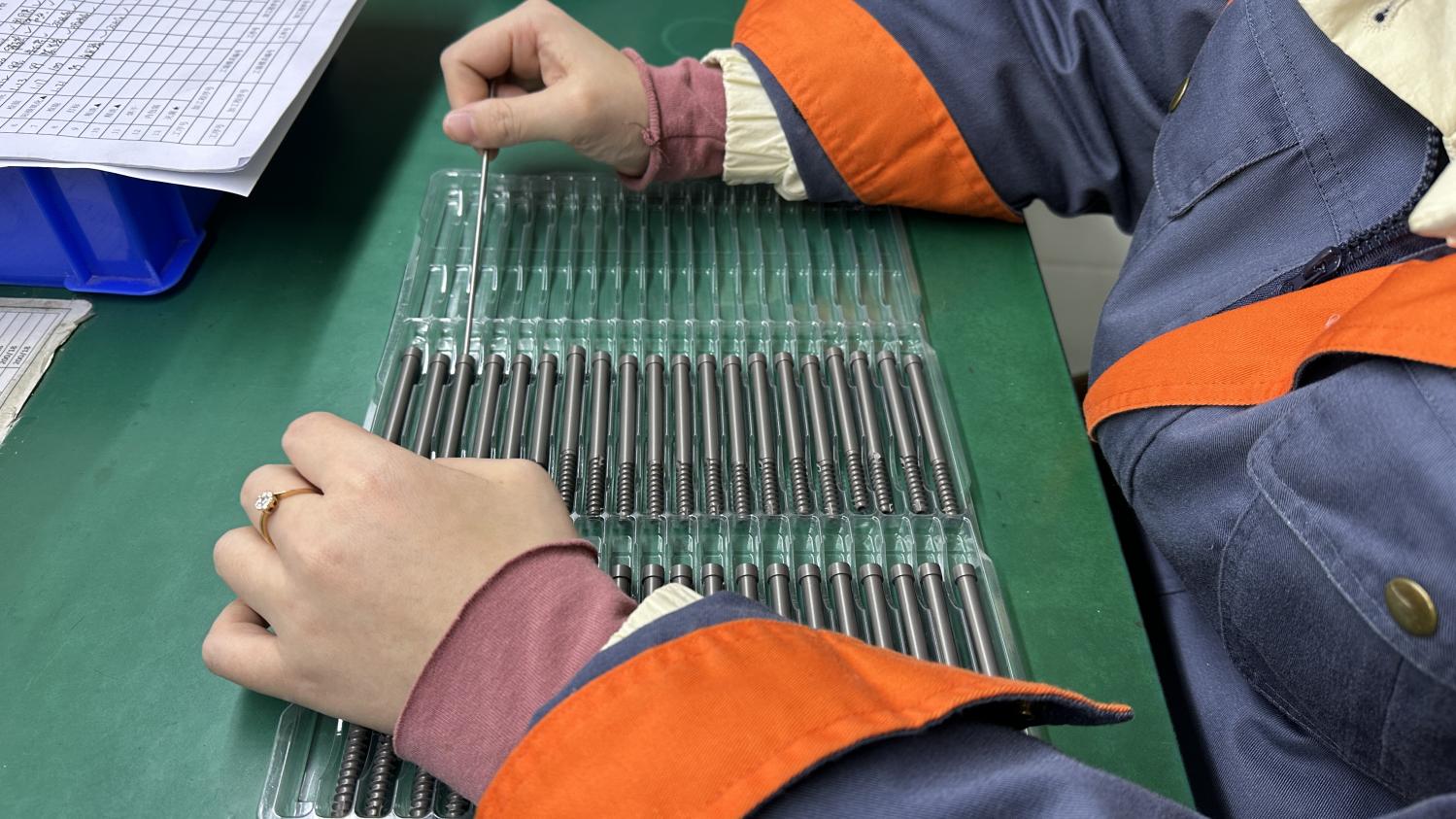
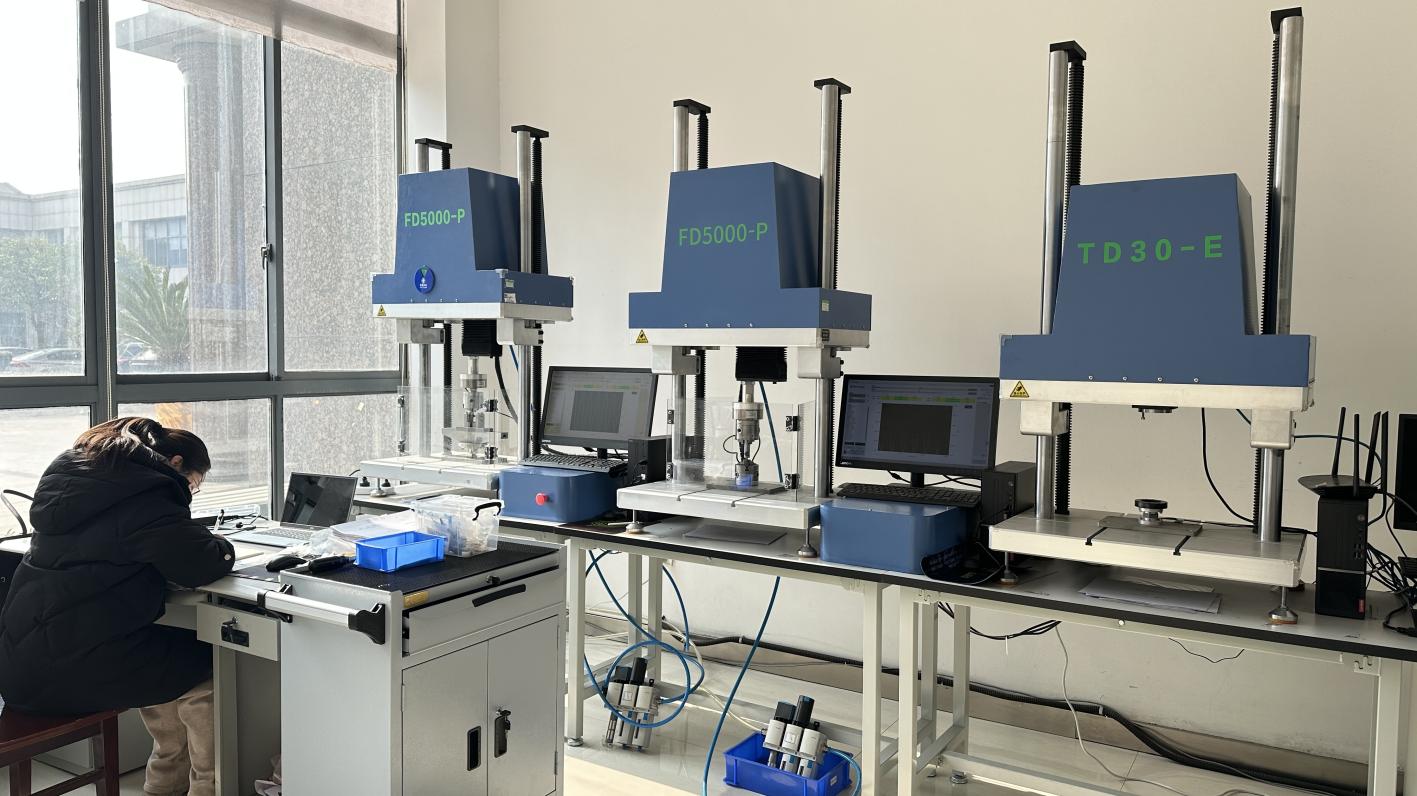
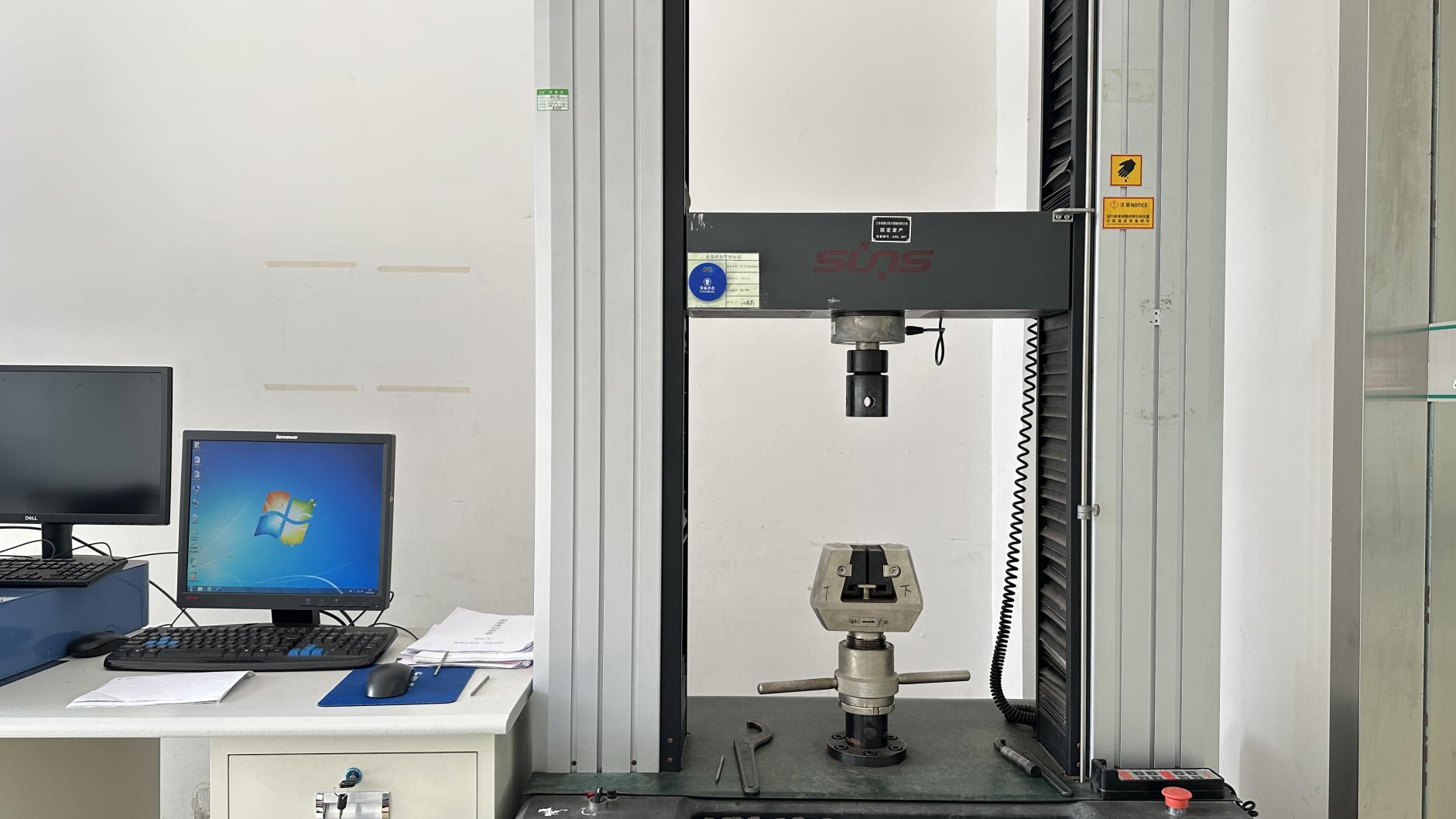
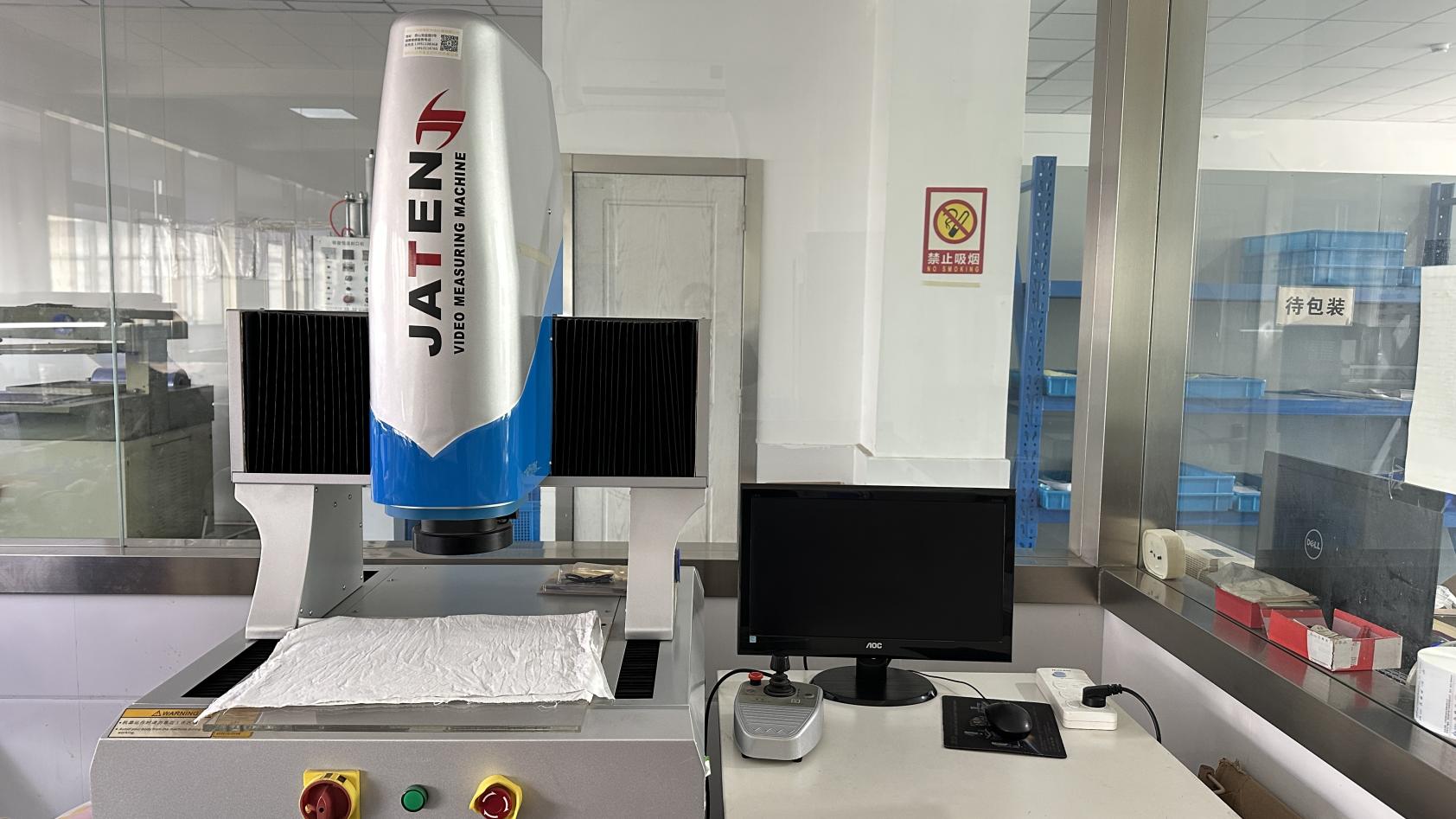
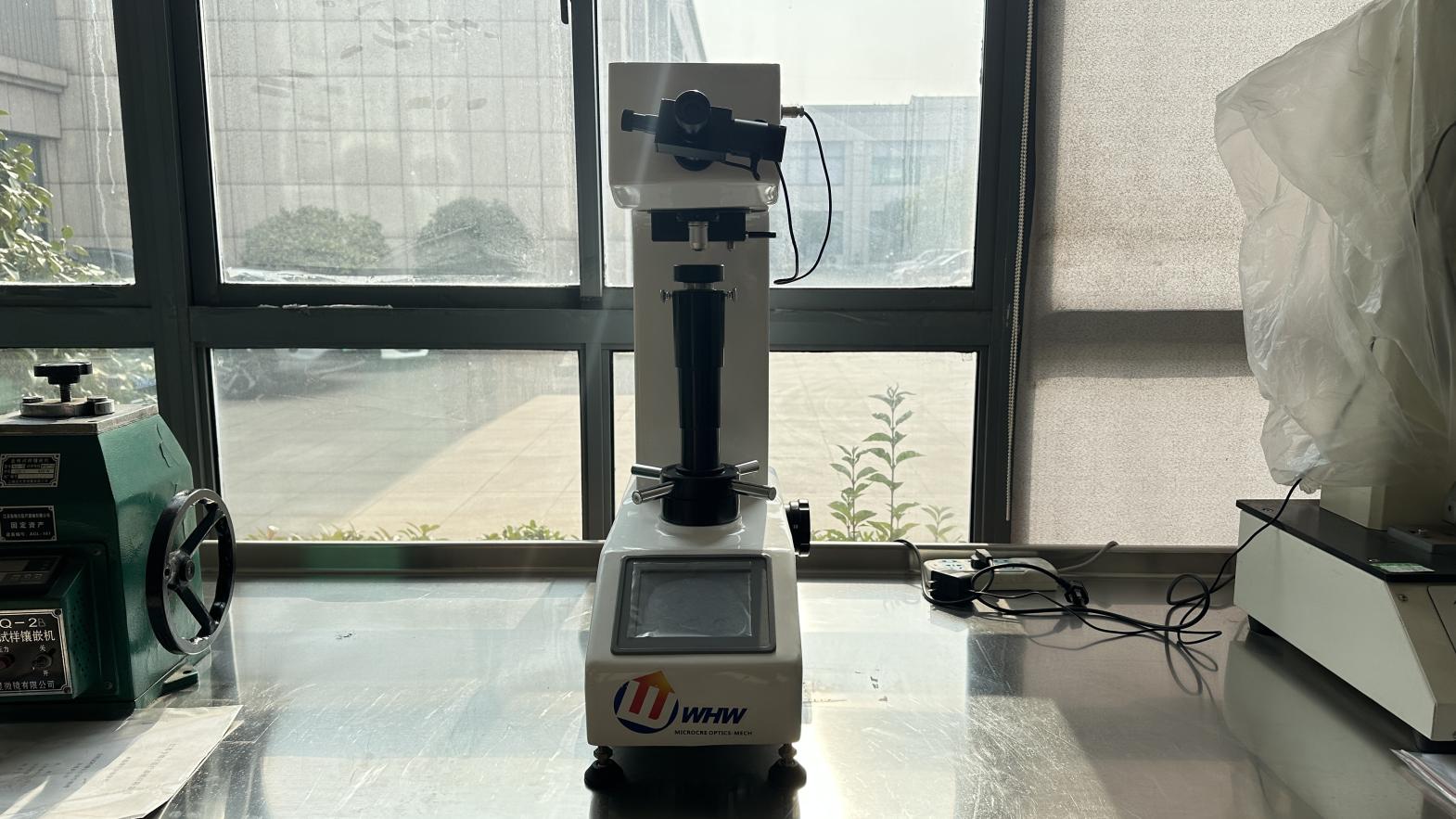
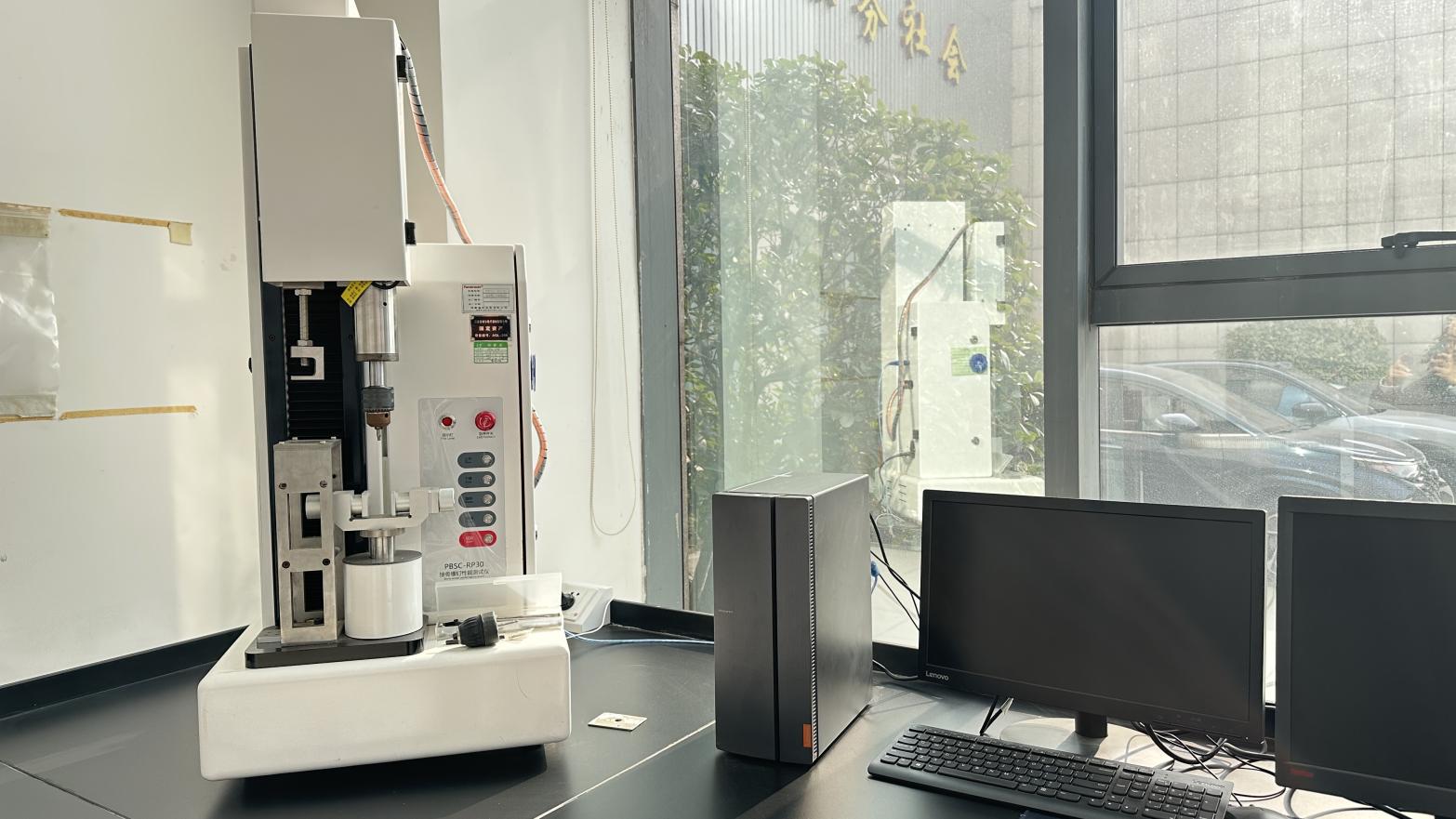
Our dedicated quality assurance department includes 65 specialized inspectors, mechanical engineers, and materials scientists. By utilizing advanced coordinate measuring machines (CMM), multi-directional tensile testers, and cyclic fatigue testing machines, we ensure that every batch of trauma plates, orthopedic screws, and joint prostheses meets or exceeds the physiological loading limits required for safe long-term implantation.
Navigating the complex pathways of regional medical device approvals with transparency and comprehensive documentation.
To market and distribute orthopedic implants globally, manufacturers must meet varying international compliance standards. Virelox simplifies this process by maintaining a fully transparent quality management system based on the ISO 13485 framework. This structure streamlines approvals and provides the solid regulatory foundation needed for registration in diverse international markets.
Our regulatory team supports importers by compiling comprehensive technical files. We assist in preparing dossiers for CE MDR (European Union), and support registrations with local ministries of health in Southeast Asia, the Middle East, and South America. By providing detailed raw material certificates, biocompatibility test results, and validated sterilization parameters, we help our partners secure product registrations quickly and minimize time-to-market.
Our vision for the next decade of orthopedic implants: smarter materials, customized engineering, and greener production.
Virelox's R&D efforts center on several key technological areas:
Essential information regarding manufacturing practices, materials, minimum order quantities (MOQ), and shipping policies.
We manufacture our implants using only medical-grade, certified materials. These include Ti-6Al-4V ELI (Grade 5 Titanium) conforming to ASTM F136, Cobalt-Chromium-Molybdenum alloys (ASTM F1537), and ultra-high-molecular-weight polyethylene (UHMWPE) for joint articulation. We verify every batch using third-party metallurgical testing and supply trace certificates with each shipment.
Our facility runs under an ISO 13485-certified quality management system. Quality control is managed by a team of 65 QC professionals who oversee three key phases: Incoming Quality Control (IQC) for raw metals, In-Process Quality Control (IPQC) on CNC platforms, and Final Quality Control (FQC), which includes 100% optical and dimensional verification using coordinate measuring machines (CMM).
Yes, we offer comprehensive OEM and ODM support. Working from 2D/3D CAD models, anatomical scans, or custom design specifications, our R&D engineers can adjust plate thicknesses, screw geometries, and surface treatments. We also provide customized laser marking, private labeling, and custom sterile packaging solutions.
Standard bulk orders for catalog implants ship within 30 to 45 days. For custom OEM designs requiring tooling modifications or dedicated production runs, lead times typically range from 60 to 90 days. Timeline estimations depend on the design's complexity and current registration needs.
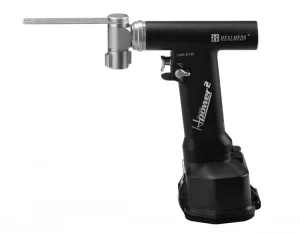
Complete your medical setups with our high-speed neurosurgery drills, orthopedic saws, and advanced arthroscopic instruments.
 Virelox