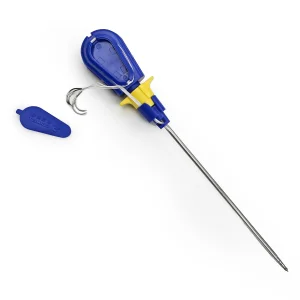
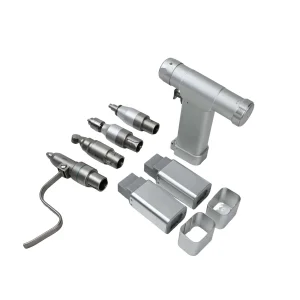
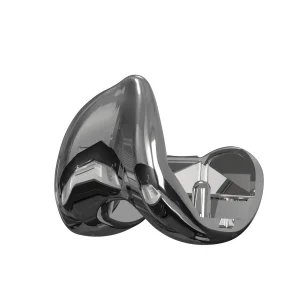
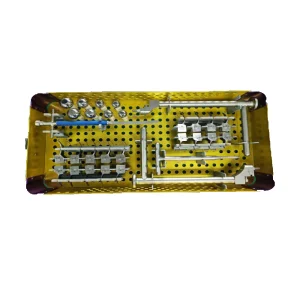
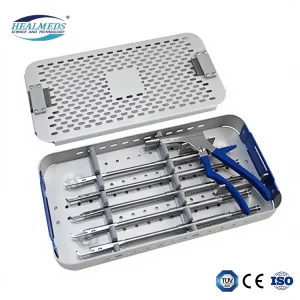
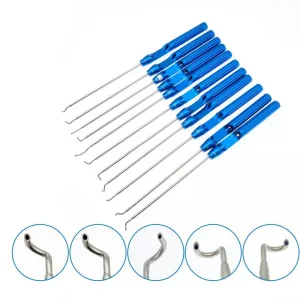
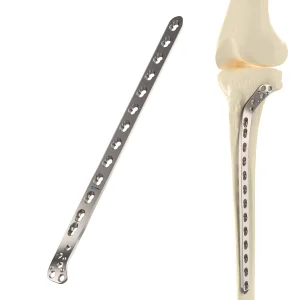
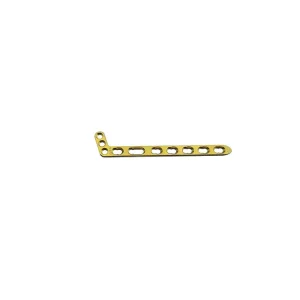
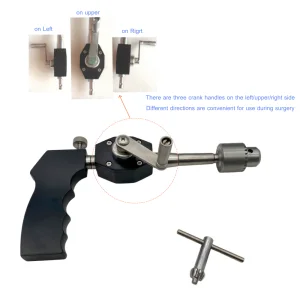
China Wholesale Meniscal Repair Devices Factory & Supplier

Precision-Engineered Joint Preservation Implants, Orthopedic Power Tools, and Smart Supply Chain Solutions for Global Clinical Excellence

Whitepaper Insight

Evaluating the Meniscal Repair Paradigm: Mechanical Reliability, Sourcing Efficiencies, and Clinical Success

1. Current Global Commercial & Industrial Status

The worldwide sports medicine sector is undergoing a profound clinical pivot from meniscectomy (tissue resection) towards structural preservation. Extensive long-term clinical data indicates that removing the meniscus accelerates the onset of secondary osteoarthritis. As a result, the market demand for meniscal repair devices—especially all-inside suture systems, suture anchors, and meniscal root repair kits—is experiencing double-digit annual growth.

Commercially, this shift has intensified the pressure on global supply chains. Large medical technology companies, regional hospital networks, and distributors require premium implants that match top-tier global specifications. To remain competitive, sourcing partners must supply products made with advanced materials like PEEK (polyetheretherketone), bioabsorbable polymers (PLLA/PLDLA), and ultra-high-molecular-weight polyethylene (UHMWPE) sutures. These implants must possess superior pull-out strength, minimize tissue irritation, and consistently deliver predictable deployment characteristics during arthroscopic knee procedures.

2. Global Enterprise Procurement Trends & Pain Points

Procurement officers and healthcare business executives face several structural challenges when sourcing class III medical implants globally:

  • Rigid Regulatory Hurdles: Navigating varying regulatory compliance standards, such as the transition from MDD to MDR in Europe and complex FDA 510(k) clearances. Sourcing partners require manufacturers with certified ISO 13485 environments and complete technical documentation.
  • Batch-to-Batch Mechanical Consistency: Minimizing deployment failures and suture breakage. Implants must perform reliably under dynamic joint loads. Sourcing organizations require verification through certified tensile and fatigue testing.
  • Supply Chain Lead Times and Resilience: Geopolitical risks and component shortages disrupt inventory. Distributors seek agile OEM/ODM partners with vertical integration—from raw material sourcing to cleanroom packaging.

"By integrating computational biomechanics with automated CNC machining, Virelox addresses critical failure points in arthroscopic repair. This approach ensures consistent tensioning and higher pull-out resistance under dynamic knee joint loading profiles."

3. China's Intelligent Manufacturing (Factory 4.0): Supply Chain Resilience & Cost Efficiencies

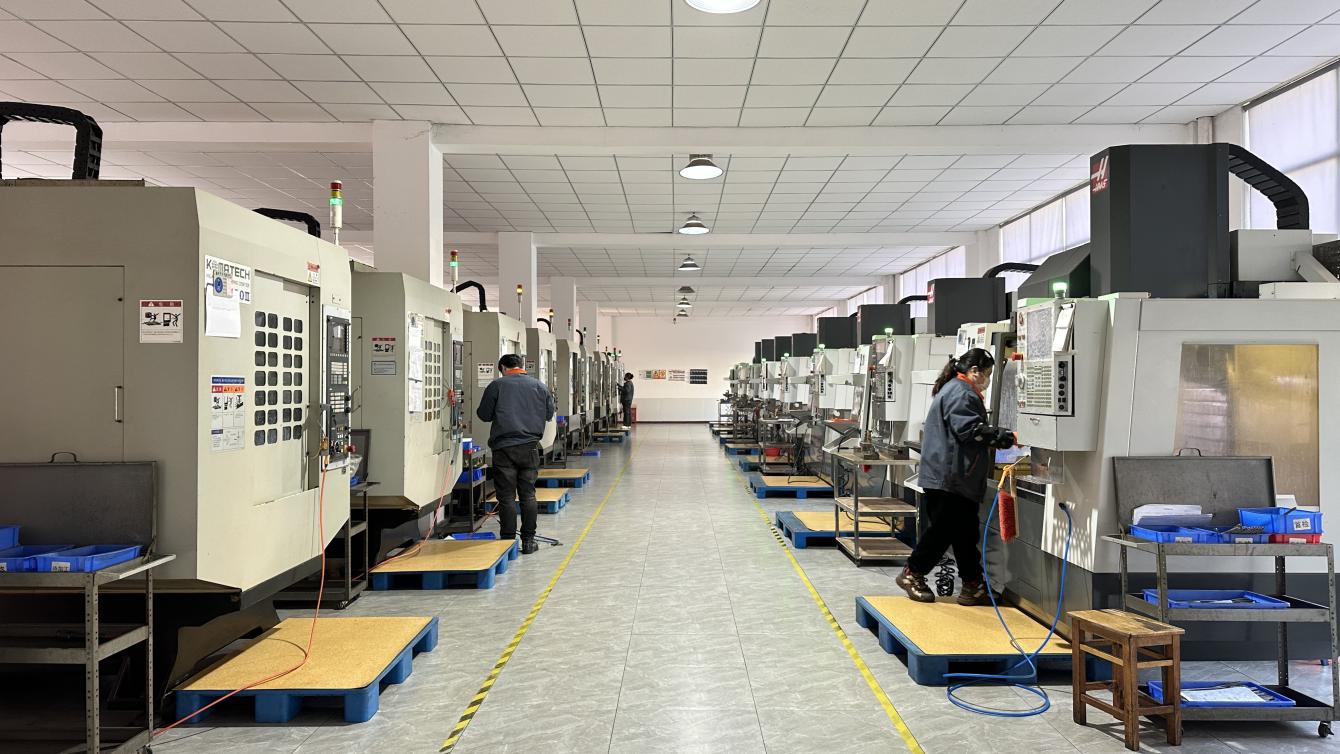
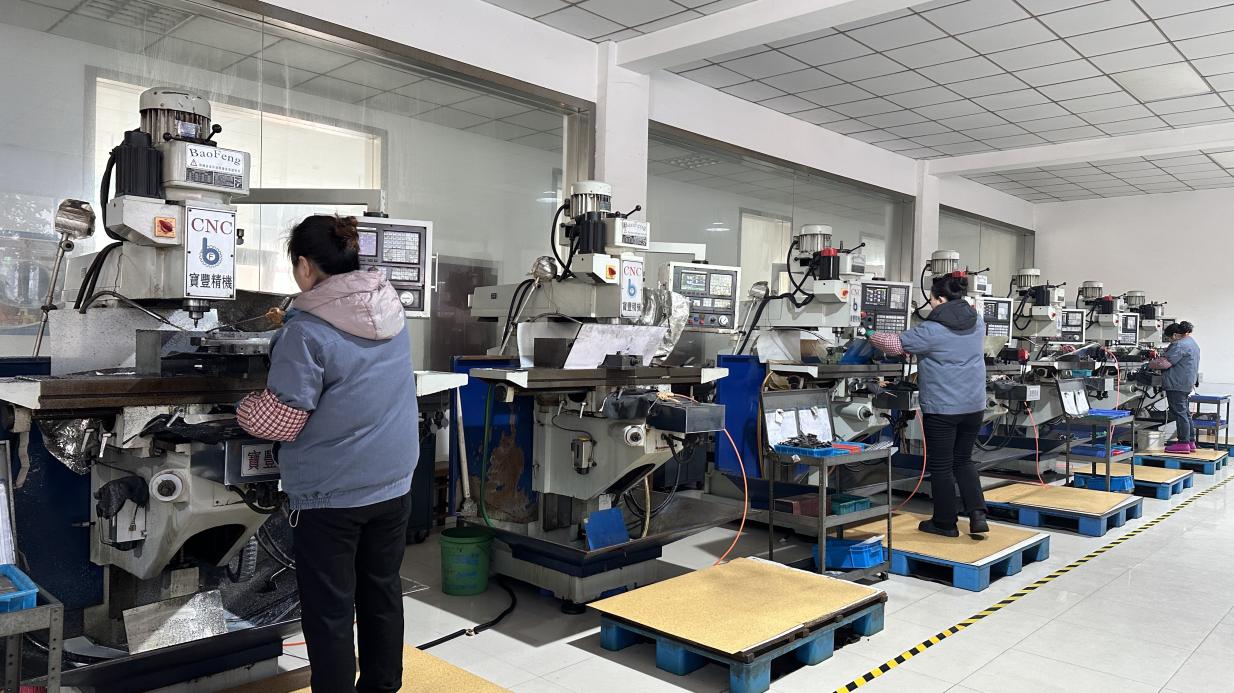
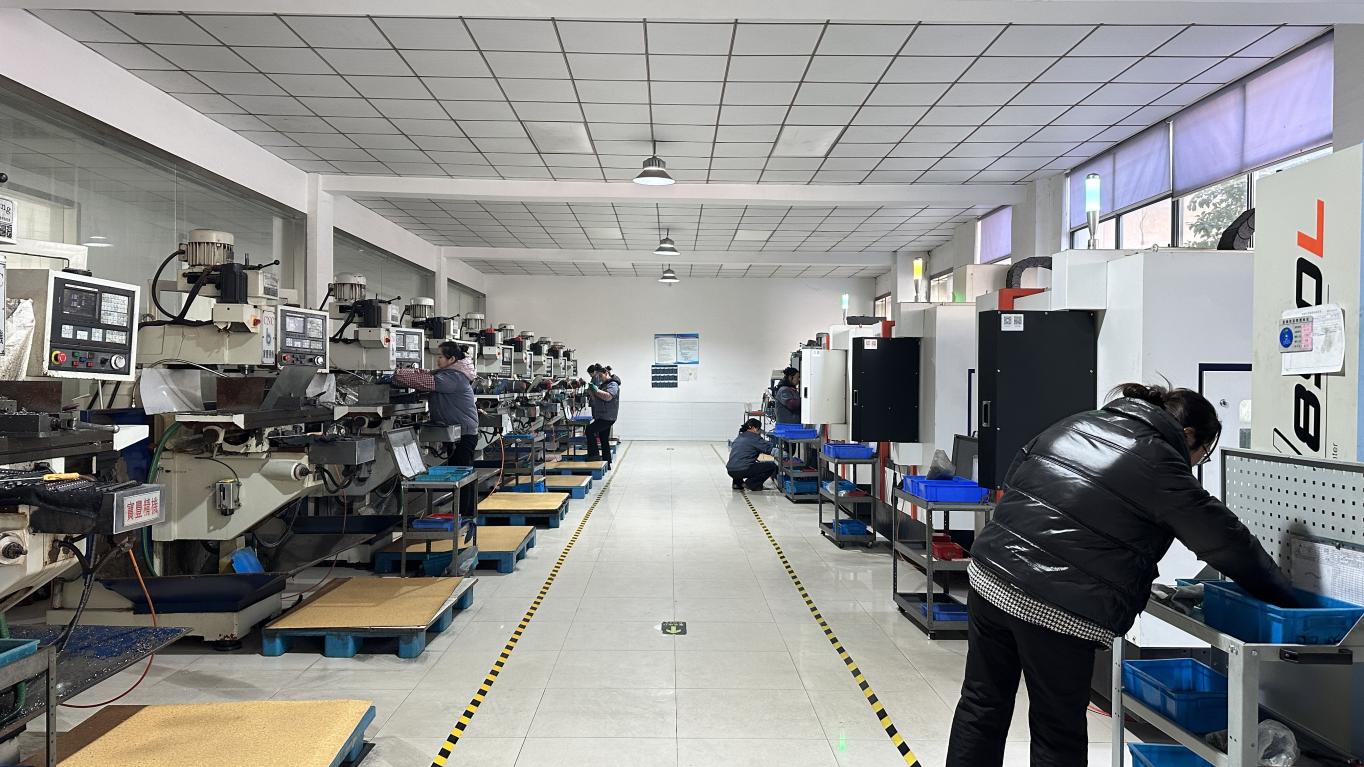
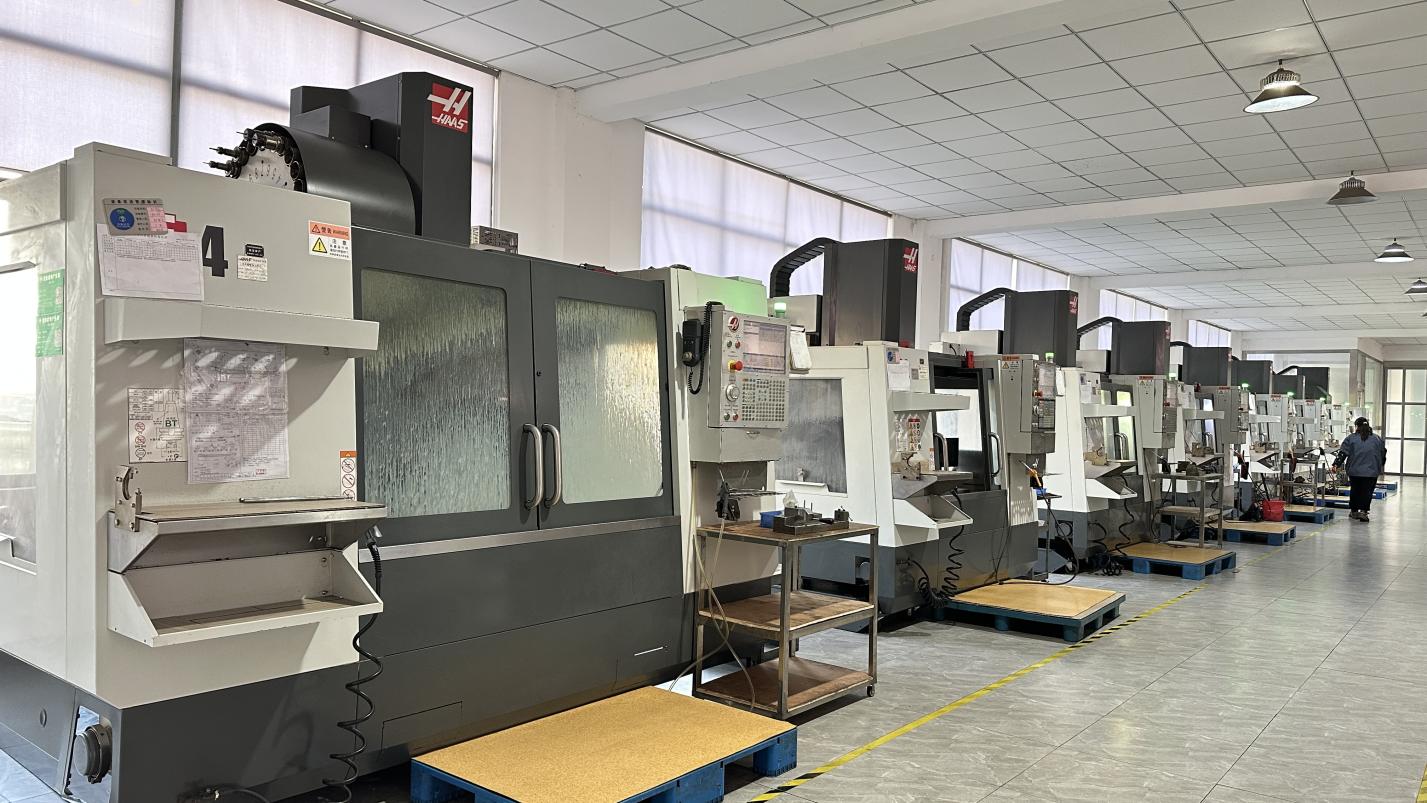
China's medical manufacturing sector has transitioned from manual production to a modern, digitally integrated model. At Virelox, our facility blends automated CNC machining centers with continuous, digital production tracking systems. By executing processes like micro-machining, laser welding, and automated surface treatment under one roof, we eliminate intermediate shipping and minimize variations across production lots.

This high level of integration leverages a robust local ecosystem of raw material providers and component suppliers. This network allows us to secure certified medical-grade titanium and high-purity polymers even during broader global market fluctuations. Consequently, global buyers benefit from shortened development timelines, lower per-unit costs, and consistent compliance with international quality standards.

Company Vital Stats

ESTABLISHED
2016 (8 Years Export Exp.)
MANUFACTURING SPACE
12,000 m² Facility
ANNUAL EXPORT REVENUE
USD 8,500,000
R&D FORCE
120 Specialized Engineers
QUALITY CONTROL
65 Dedicated QC Inspectors
SUPPLY CHAIN PARTNERS
850 Certified Partners
Shopfloor Verification

Step-by-Step Precision Production & Manufacturing Infrastructure

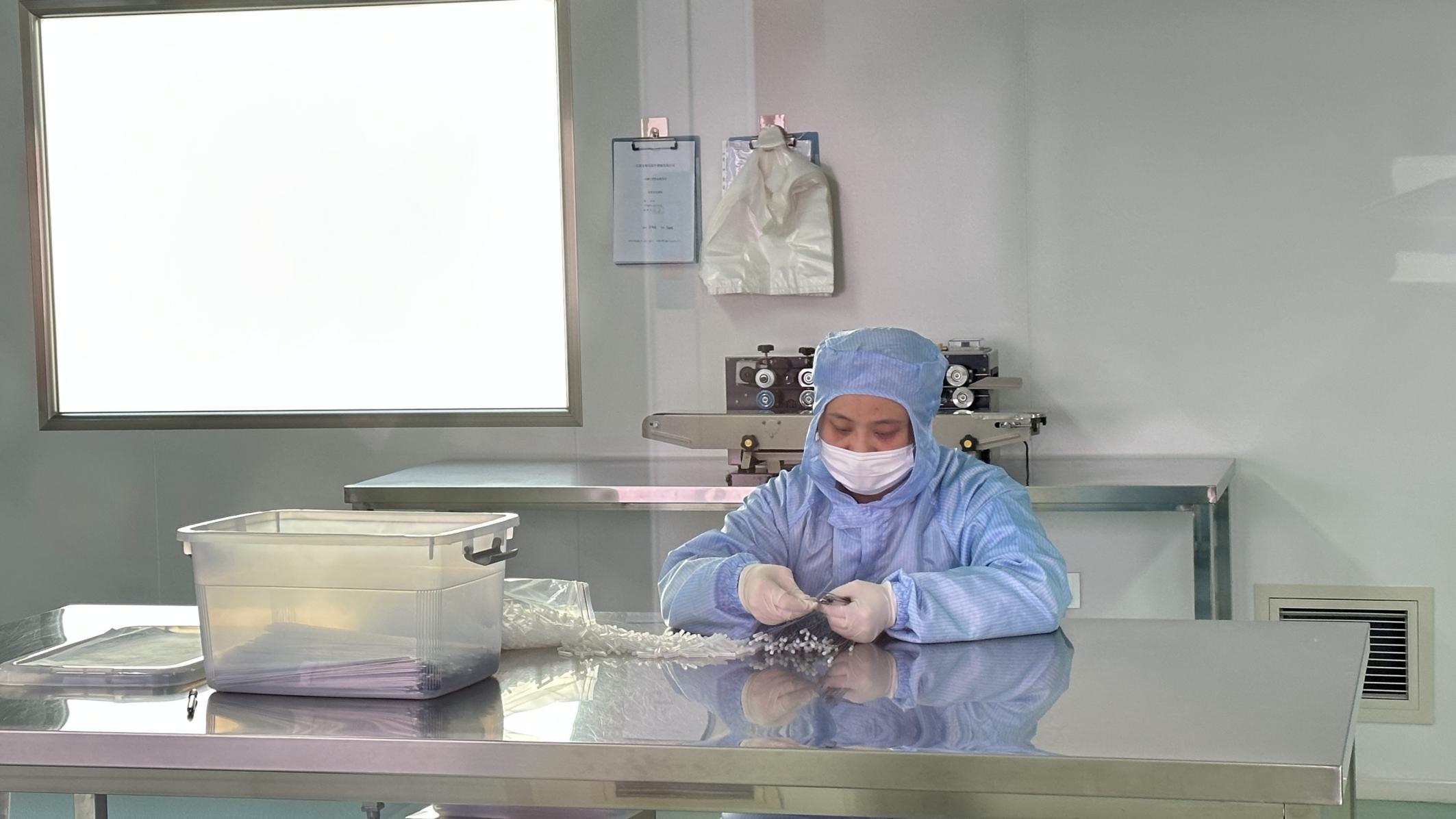
Virelox operates a vertically integrated medical manufacturing facility. Below is the technical flow of raw materials, CNC machining, milling, and packing systems.
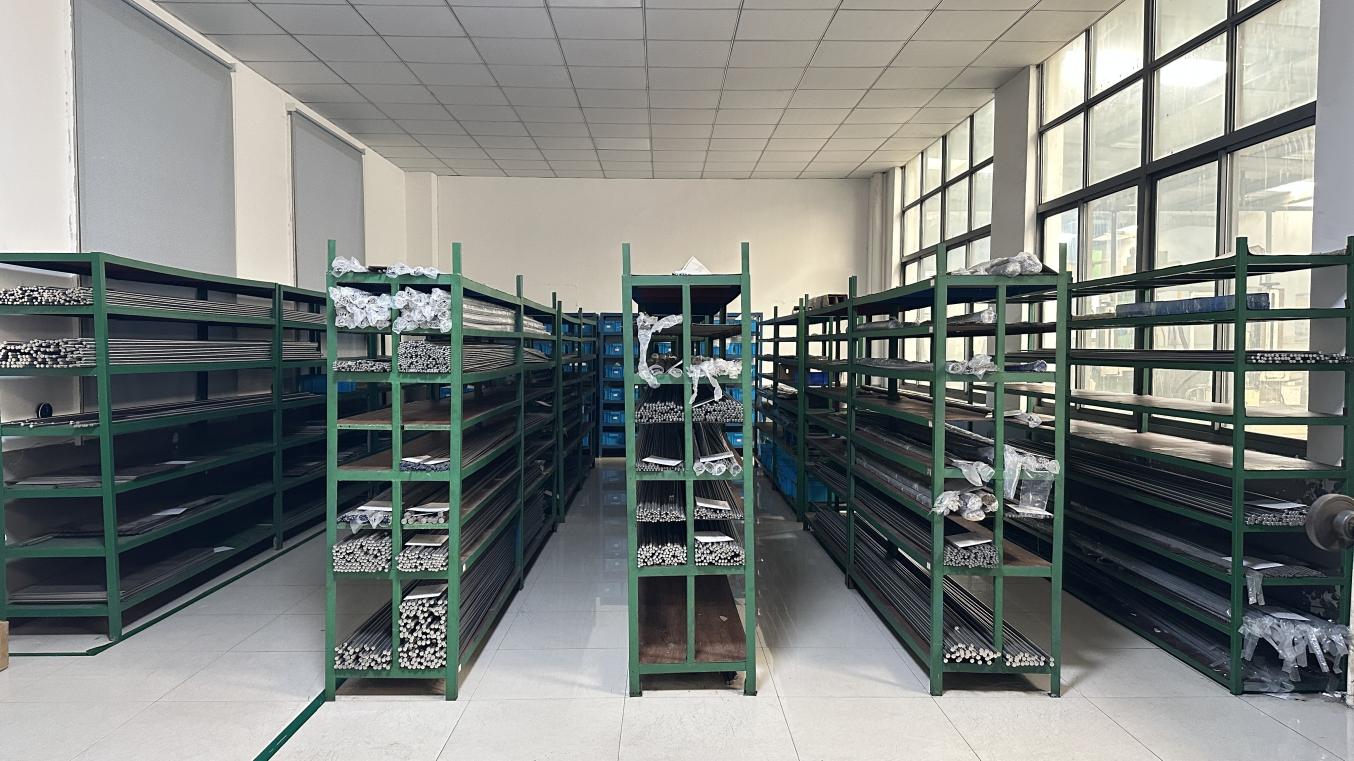
Raw Materials
Raw Materials
ASTM GradePEEK/Titanium
Slitting
Slitting
Bar ProcessingHigh Precision
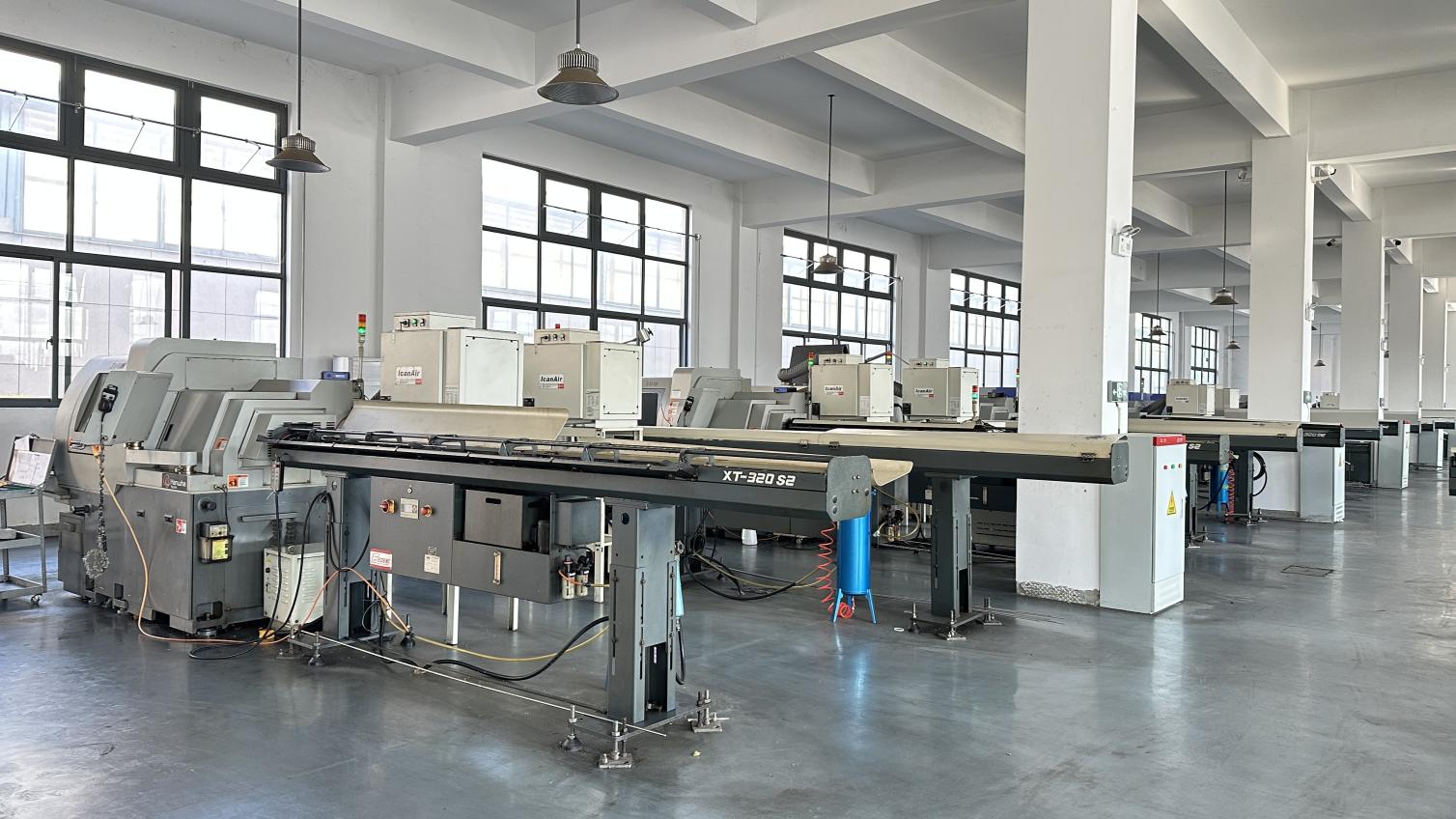
CNC Machining
CNC Machining
5-Axis CNCMicron Tolerances
Machining
Machining
FinishingDefect-Free
Milling
Milling
Component GeometryCNC Milling
Inspection and Packing
Inspection & Packing
Class 10k CleanroomDouble Barrier
Inspection and Packing
Final Packaging
Sterilization ReadyISO 11607
Warehouse
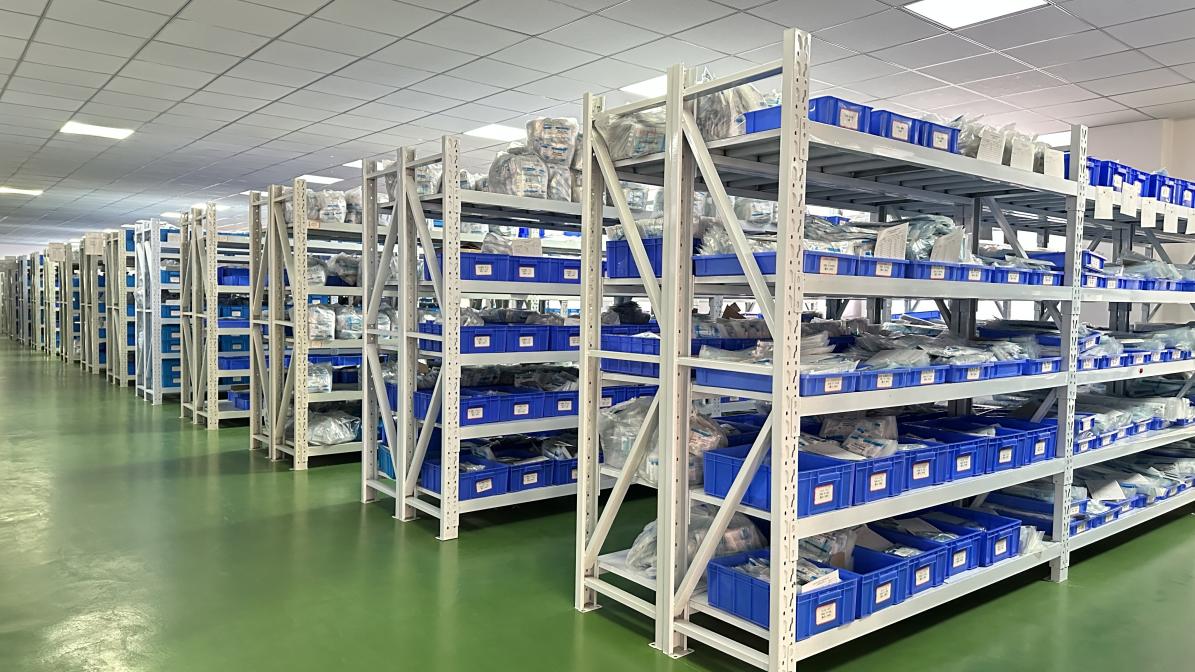
Warehouse
FIFO SystemGlobal Freight Ready

Specialized Medical Machining & Industrial Equipment

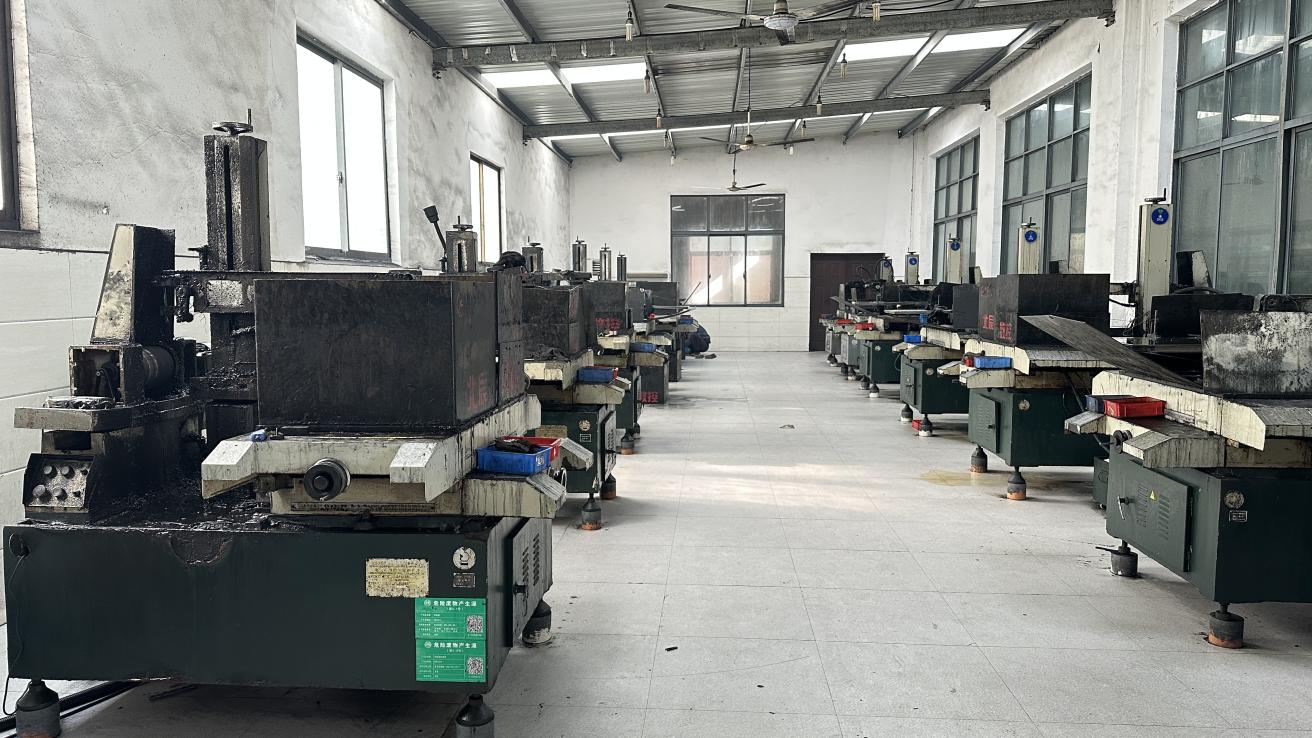
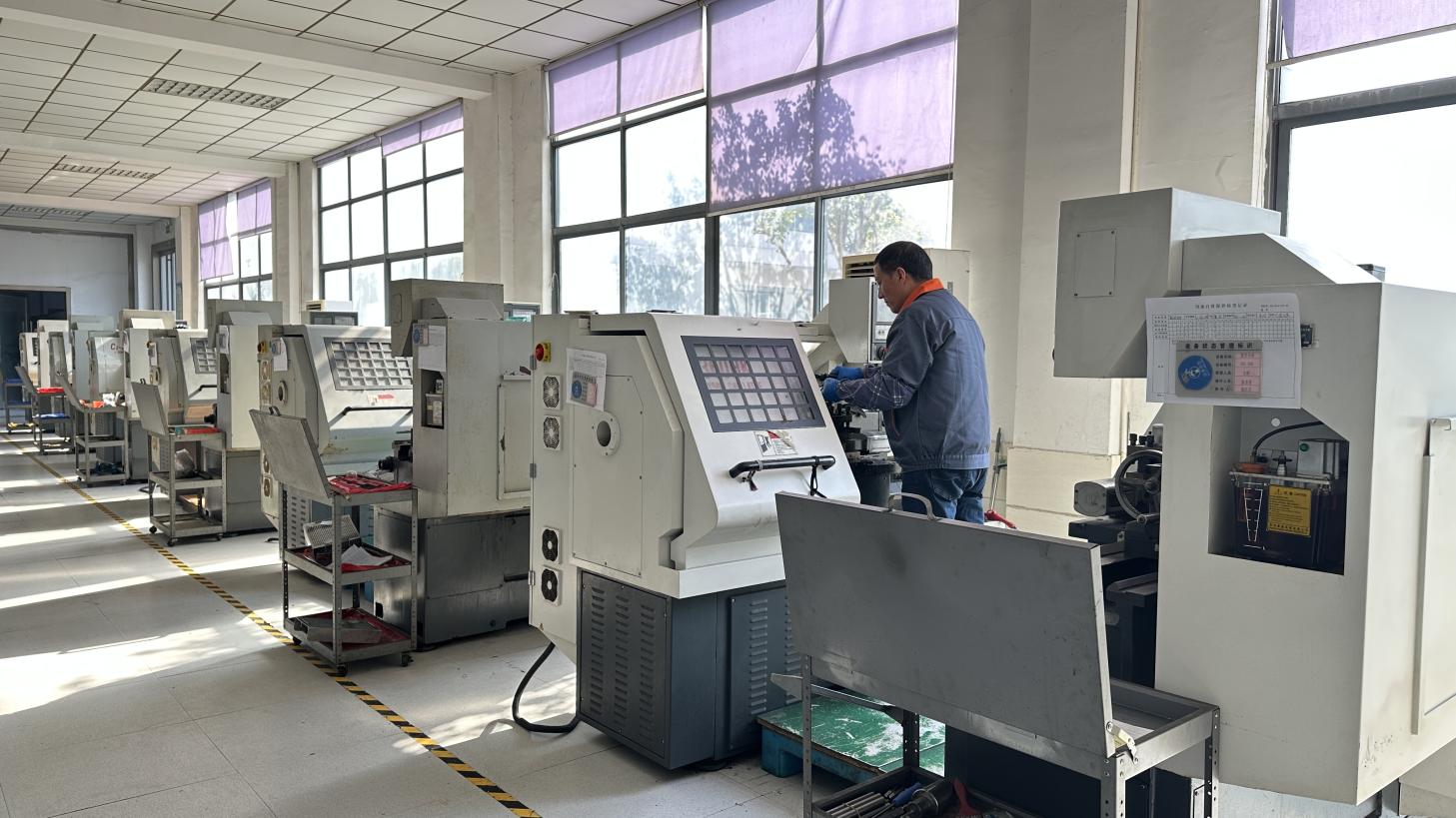
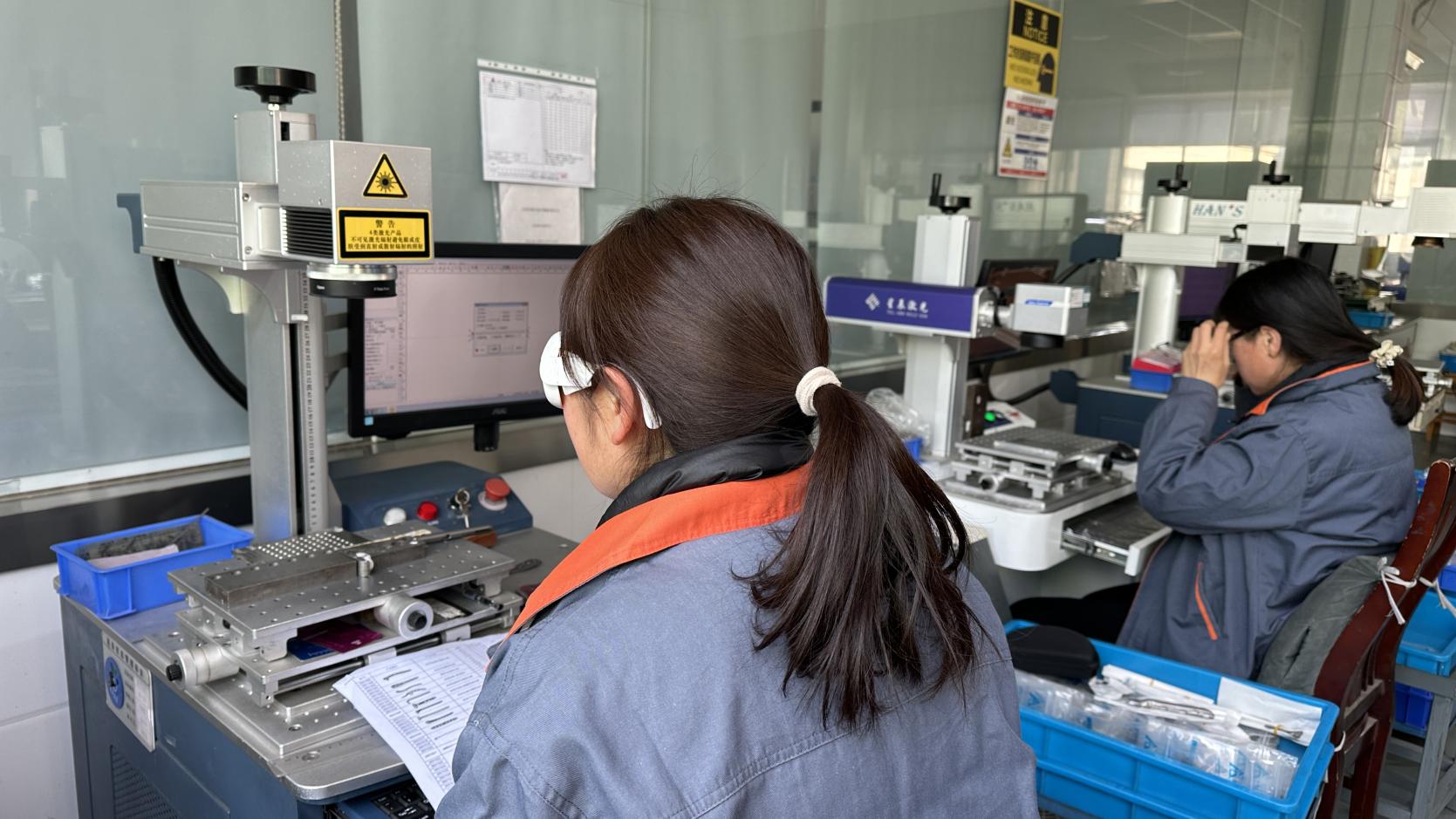
To guarantee consistent execution on micro-machined parts, we deploy advanced processing platforms on our production floor:
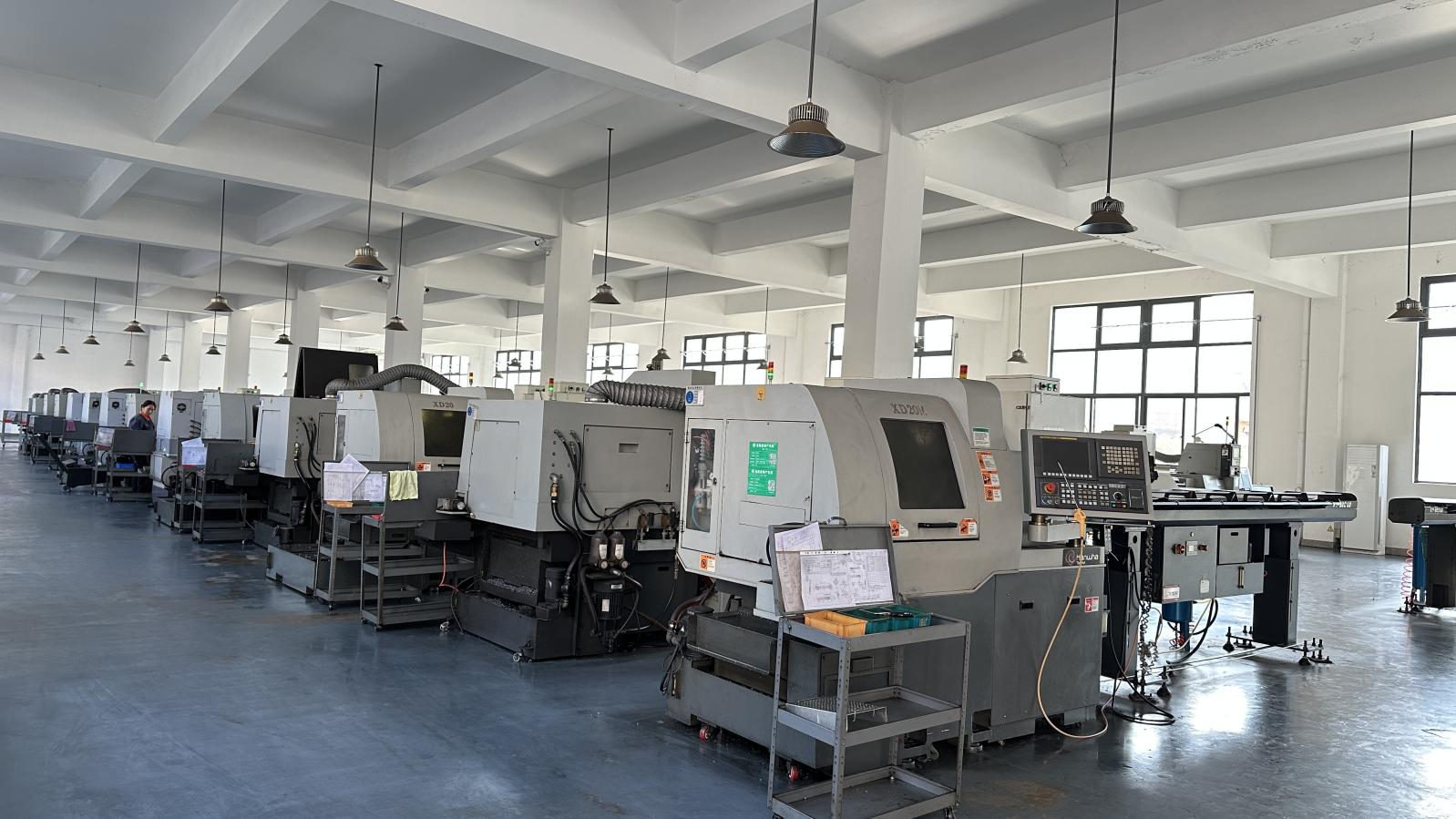
Slitting Machine
Slitting Machine
CNC Machining Center
CNC Milling Machine
CNC Milling Machine
Wire Cutting Machine
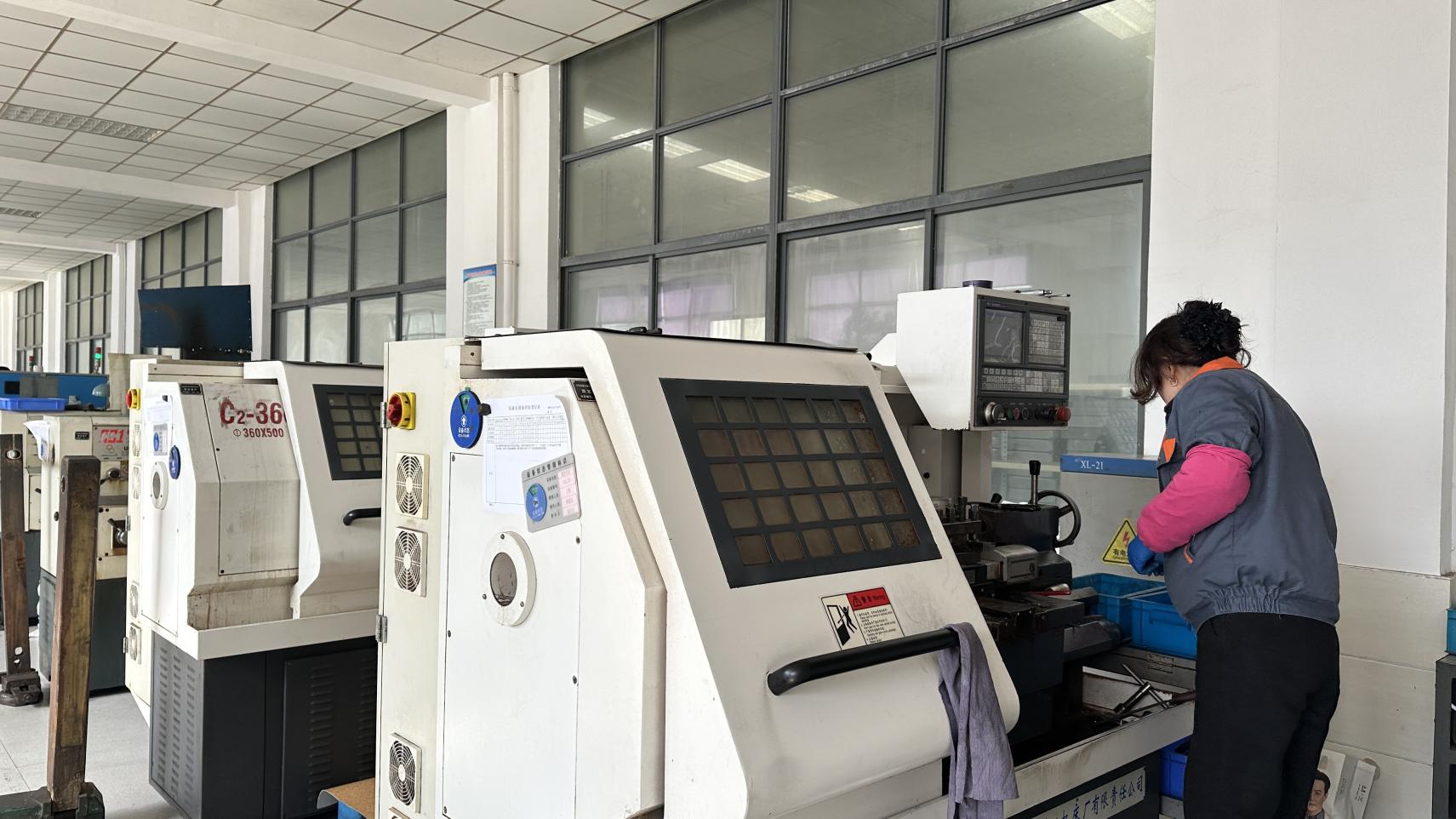
CNC Lathe
CNC Lathe
Laser Marking Machine
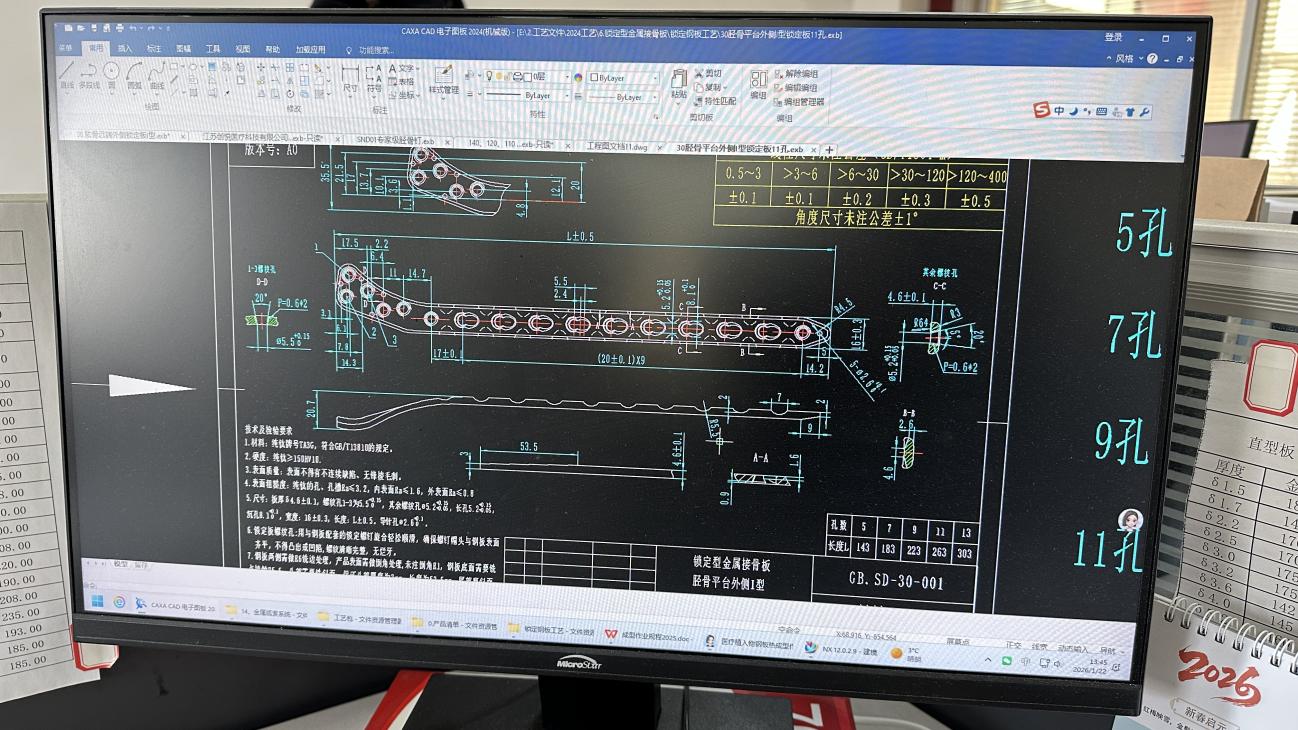
Design Lab
Biomechanics Design Lab & CAD Center
Metrology & Testing Center

State-of-the-Art Quality Testing Laboratory

Implant failure is not an option. Our QA workflow features a dedicated, ISO-compliant testing center equipped to evaluate mechanical shear properties, dimensional tolerances, and material fatigue life.

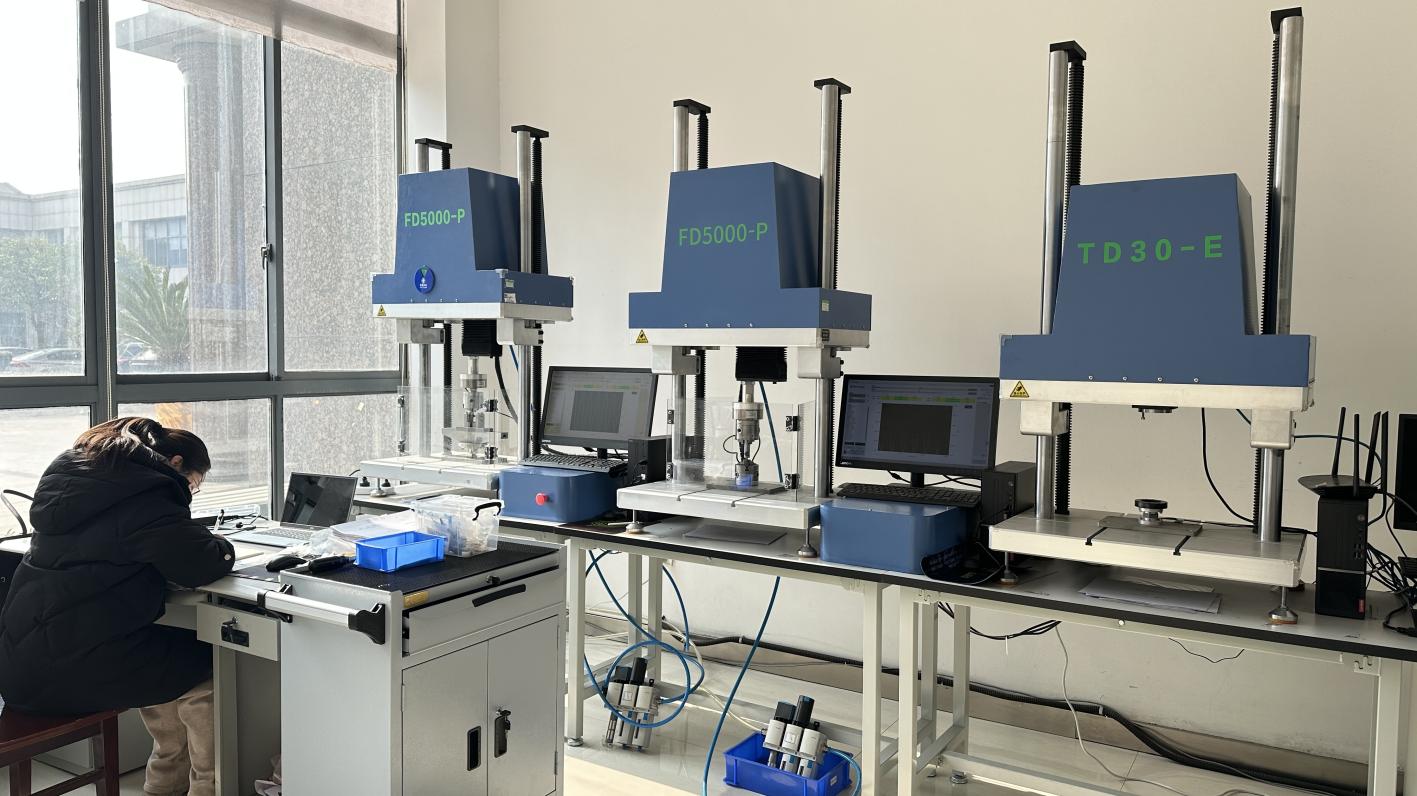
Testing Lab
Integrated Lab Environment

Houses all dynamic testing operations.
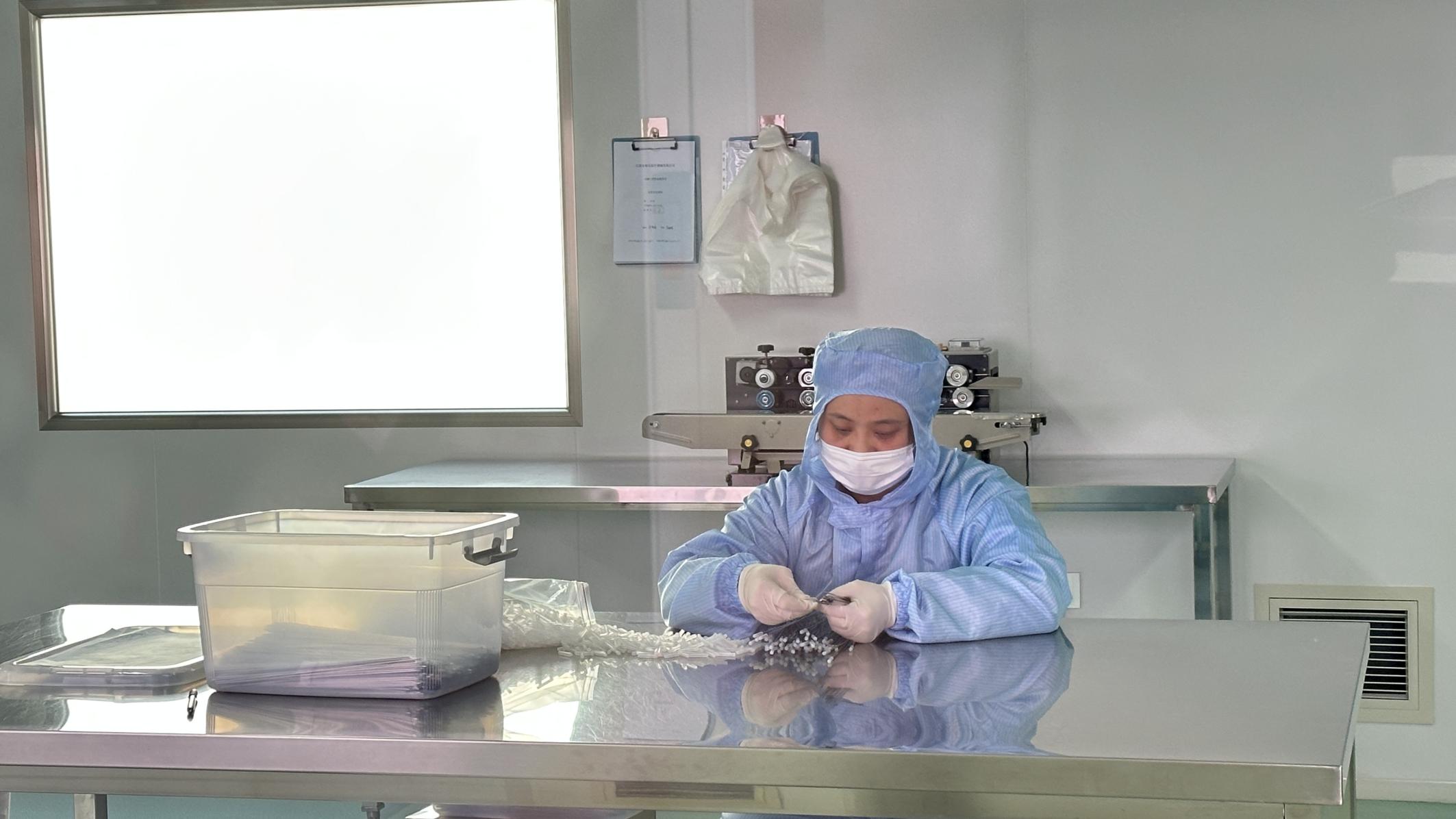
Inspection
Quality Control Inspection

Optical measurement systems.

Inspection
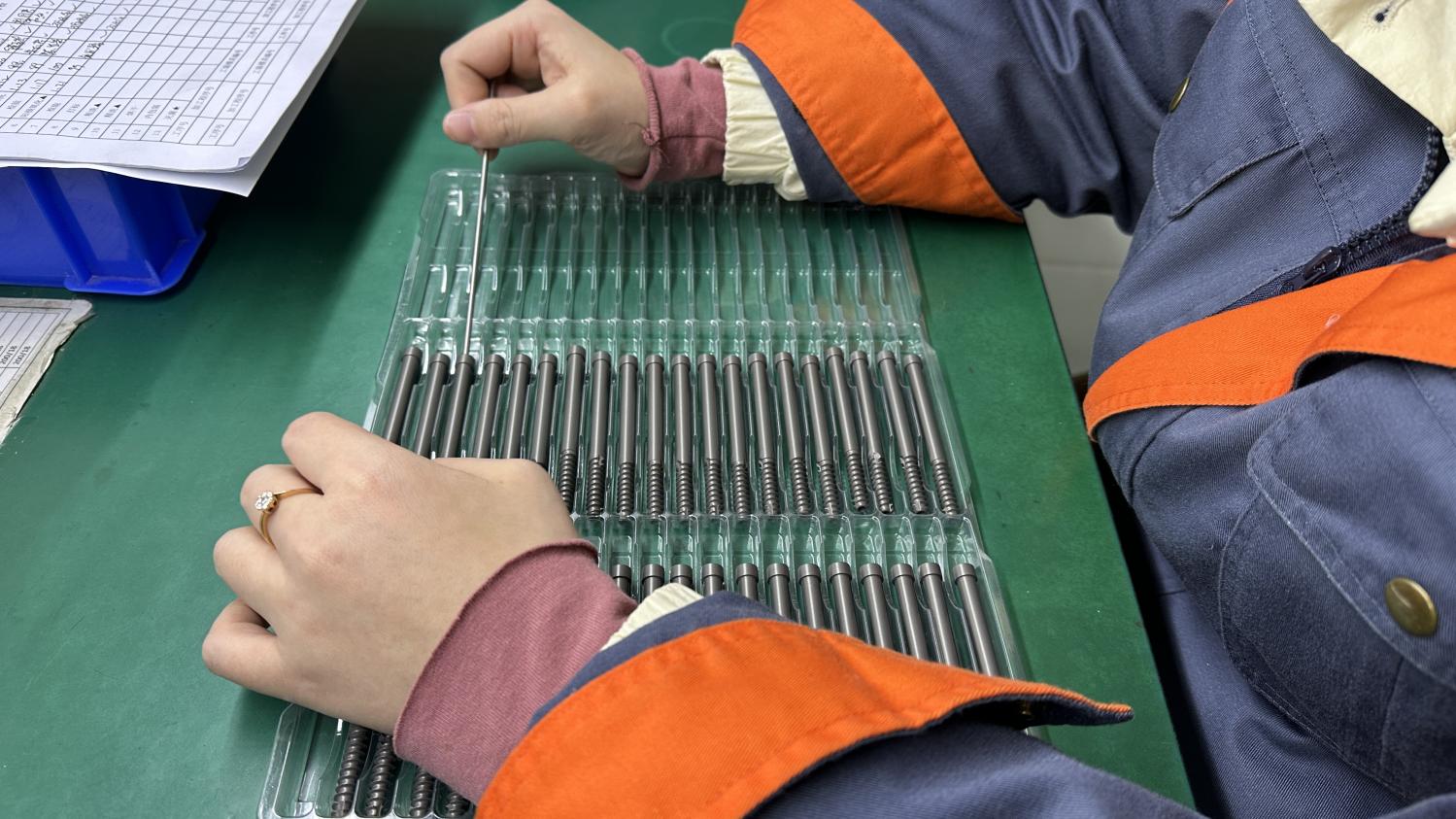
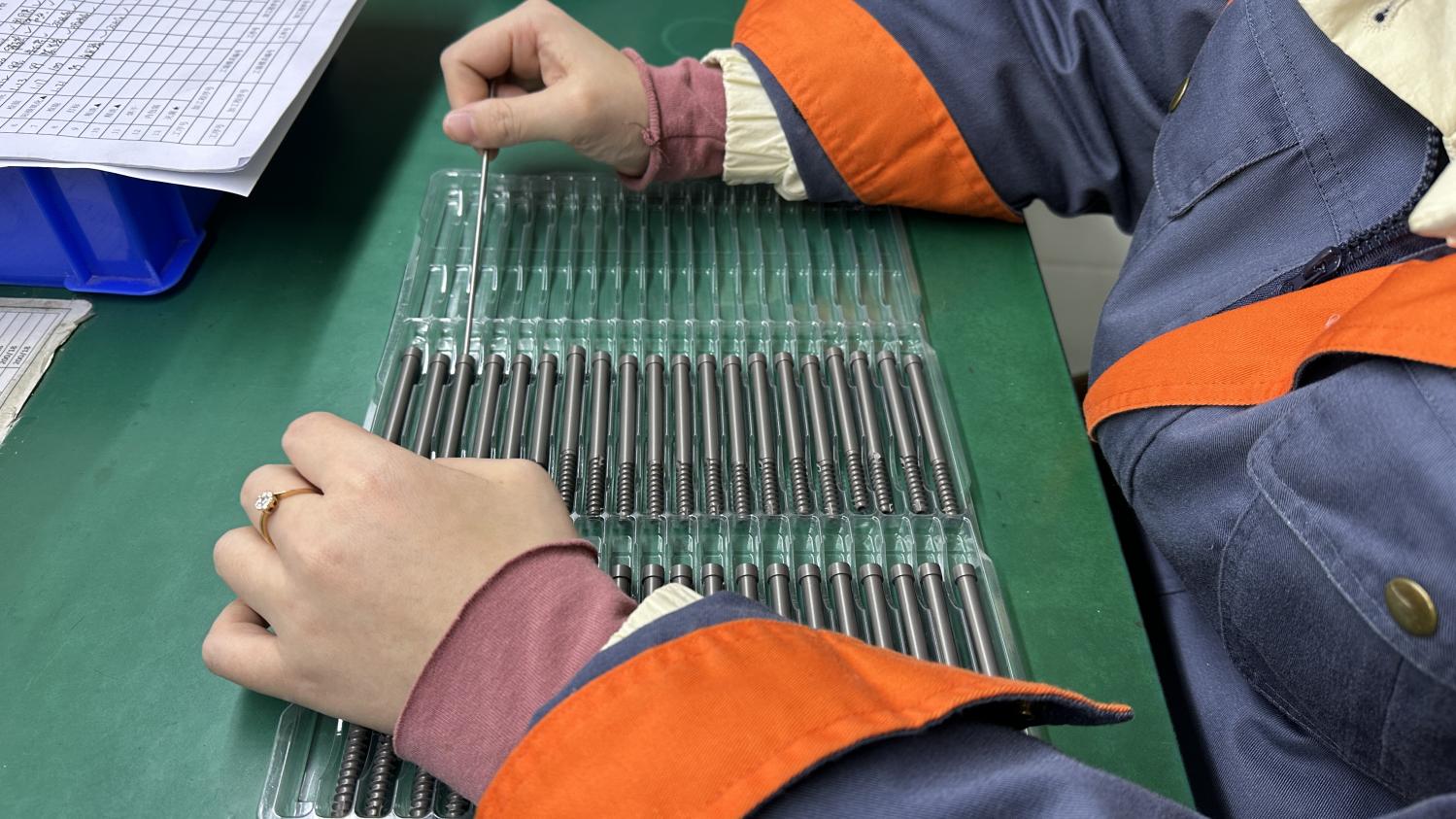
Precision Micro-Inspection

Thread profile analysis.

Fatigue Tester
Fatigue Tester

Evaluates load limits up to 10M cycles.
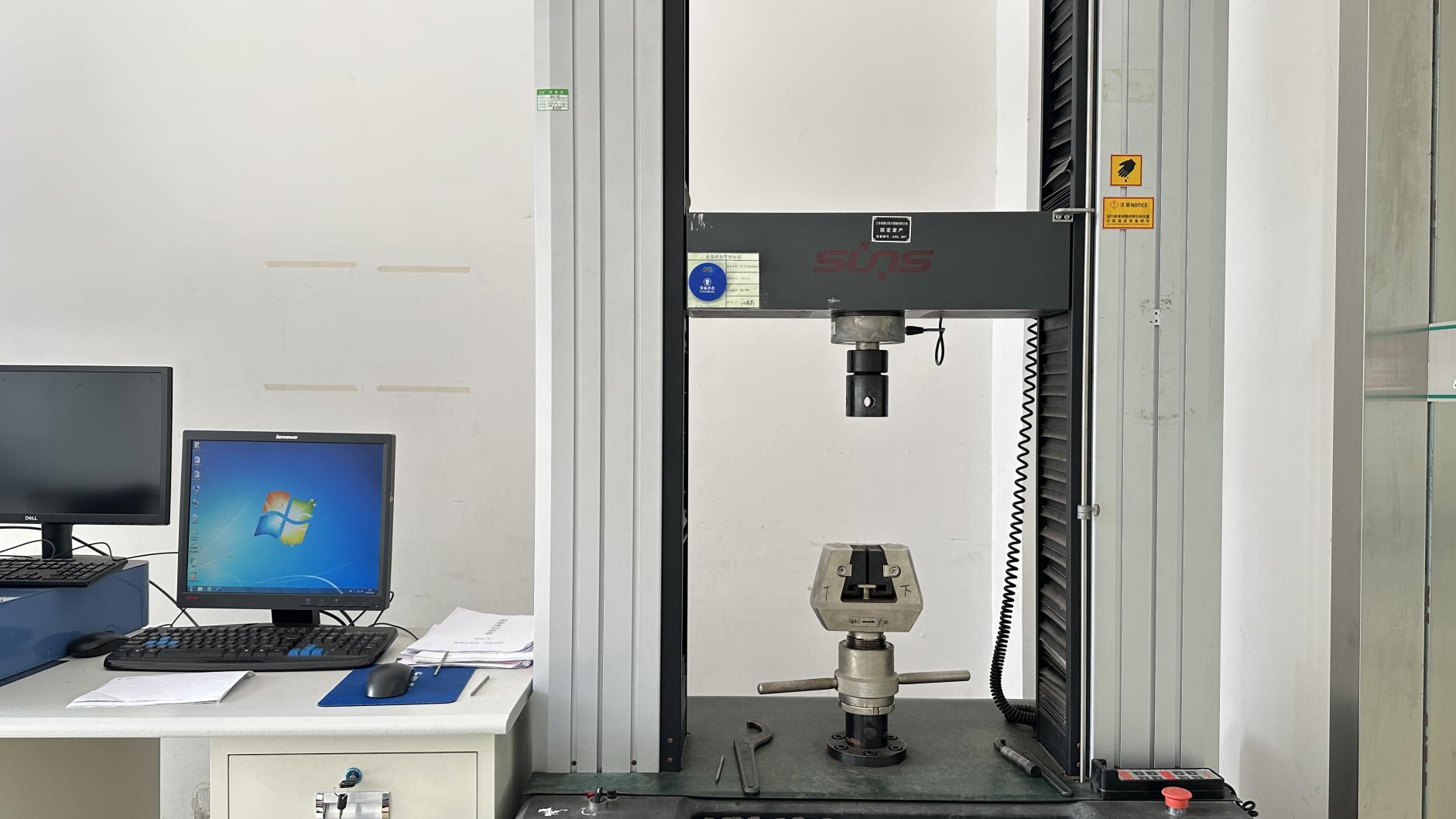
Tensile Tester
Tensile Tester

Measures ultimate suture pull-out strength.
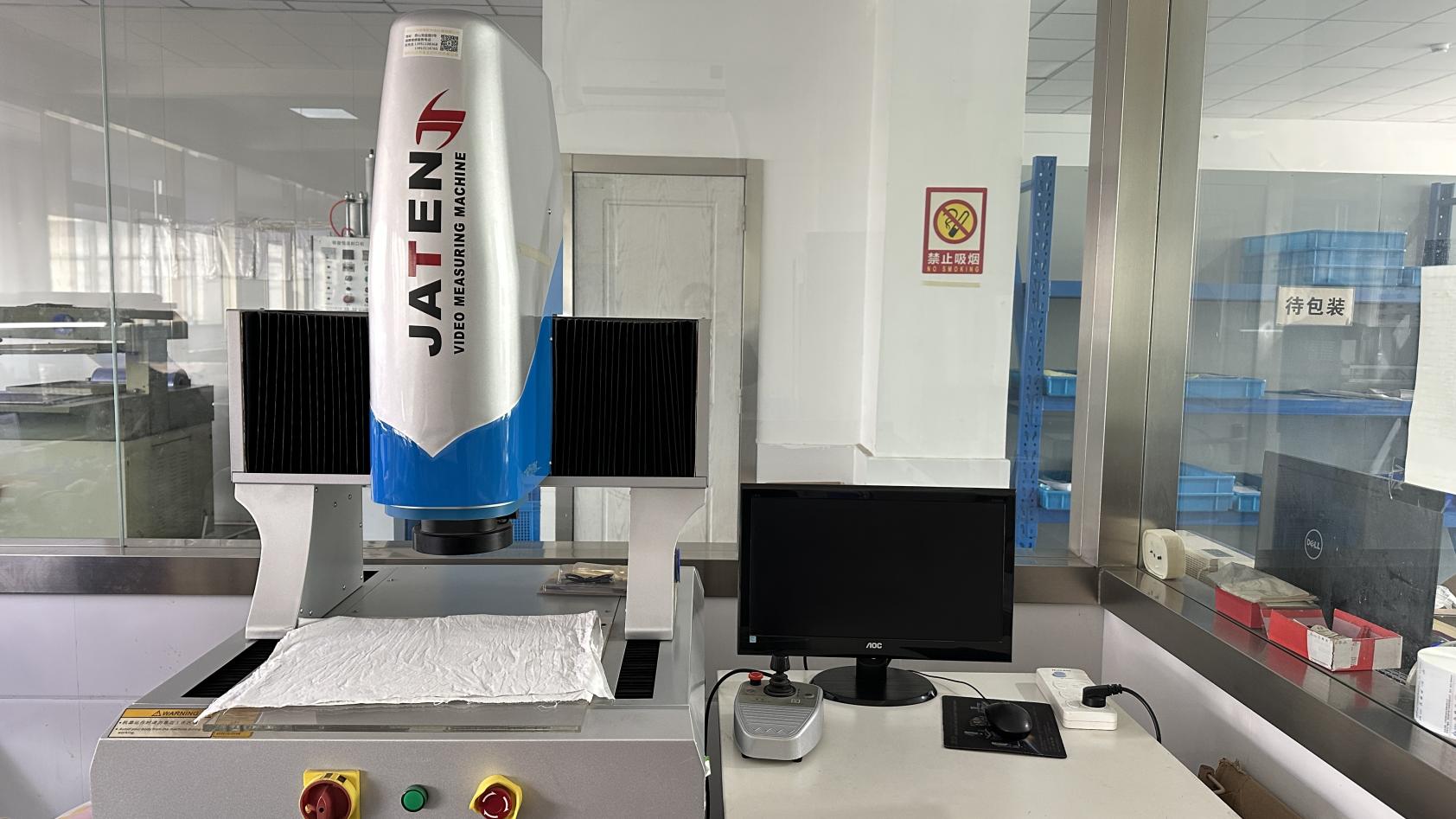
Two Dimensional Measuring Instrument
2D Optical CMM

Ensures component dimensions are exact.
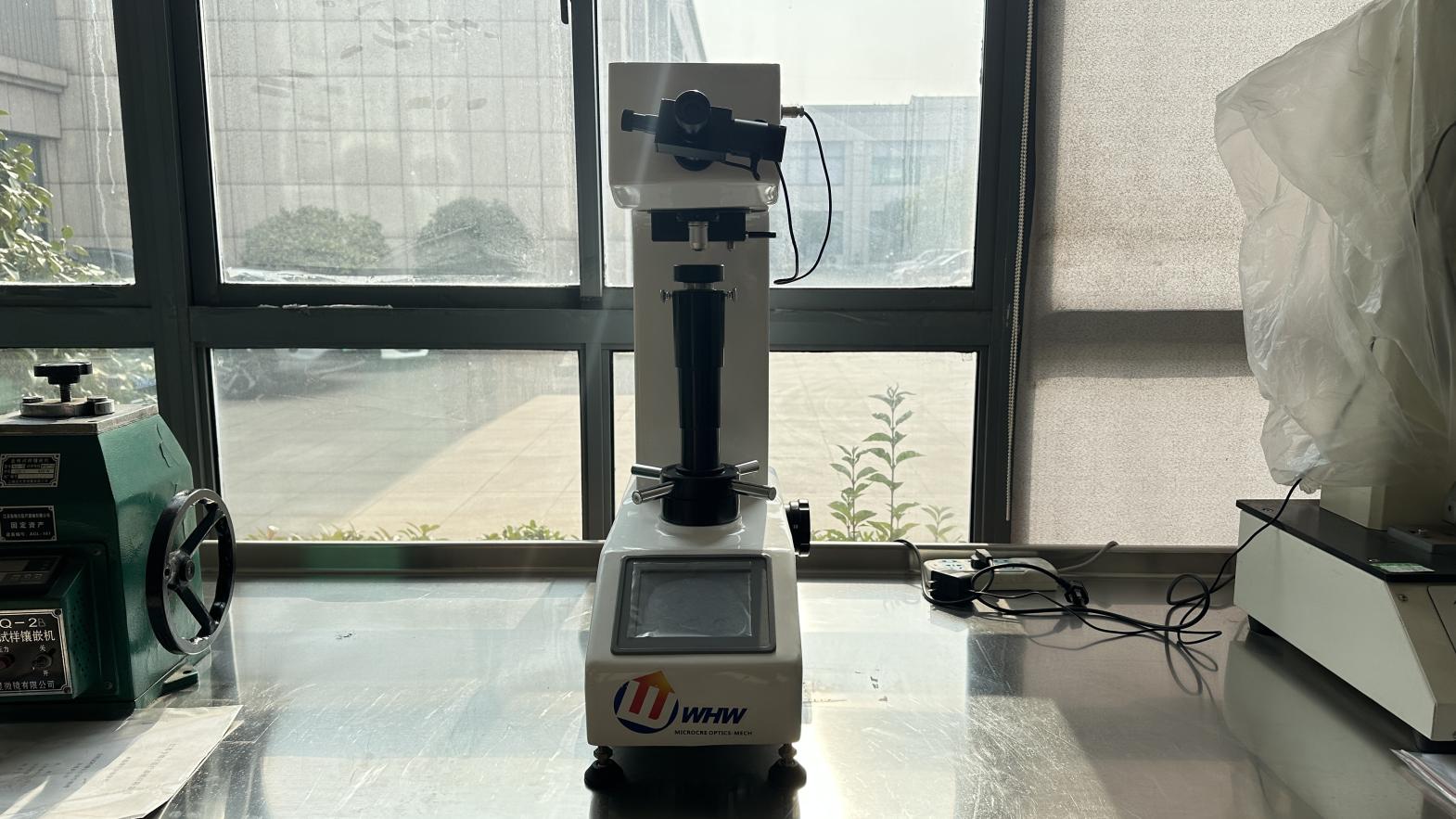
Hardness Tester
Hardness Tester

Verifies core material density and hardness.
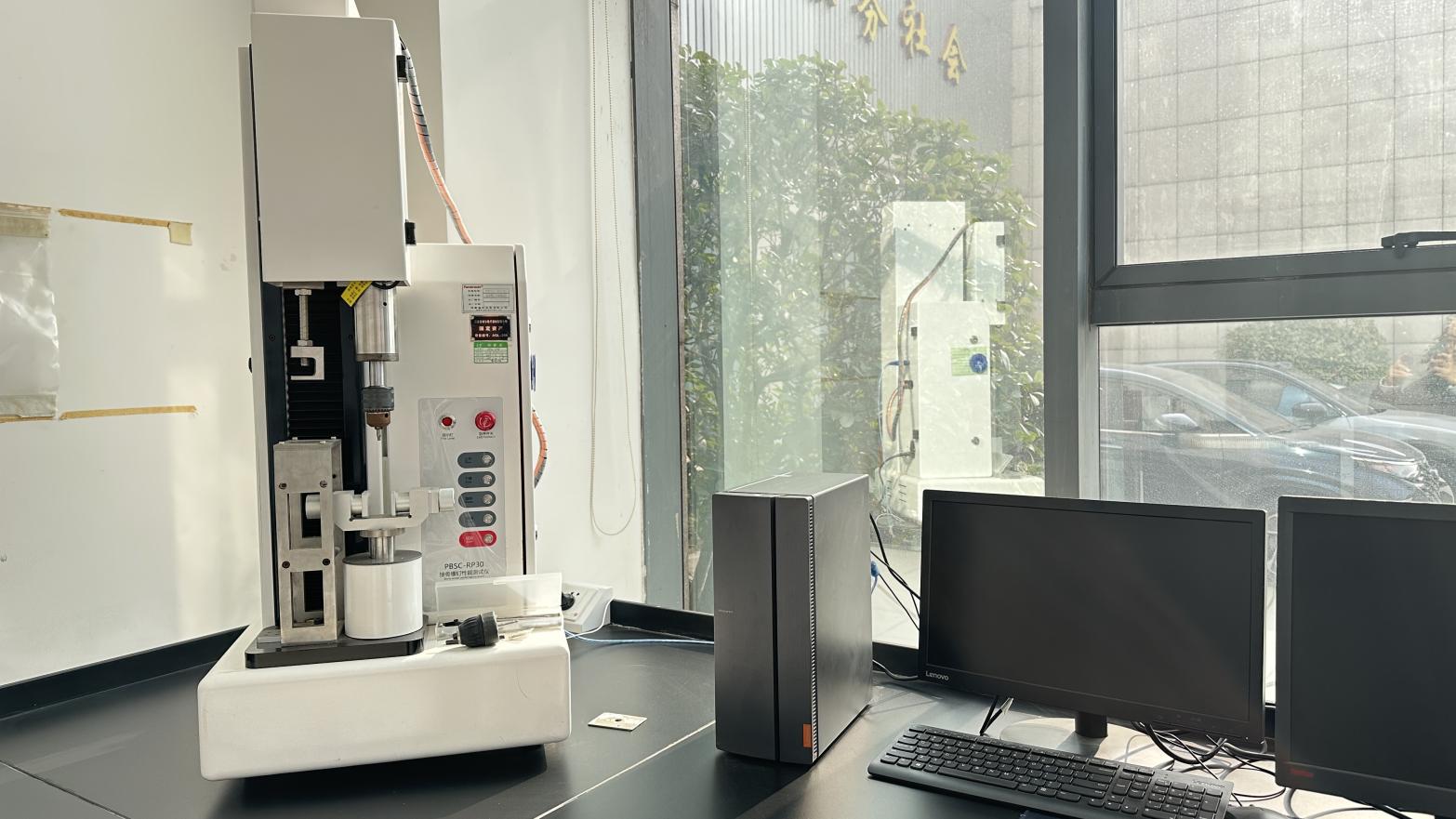
Bone Screw Performance Tester

Measures installation torque and axial pullout.

Clinical Environments

Targeted Applications & Healthcare Settings

Virelox devices and implants are optimized for diverse medical and surgical setups, bridging the gap between human orthopedic care and advanced veterinary surgery.

Human Arthroscopic & Sports Medicine

Highly sterile, low-profile suture anchors and meniscal deployment devices designed for minimally invasive outpatient joint repair, preserving native knee tissue and reducing recovery times.

Trauma & Reconstructive Surgery

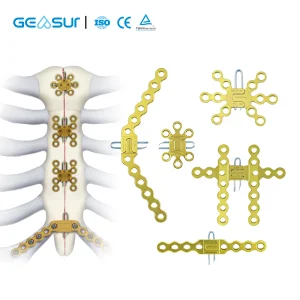
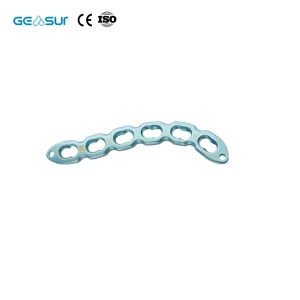
Titanium reconstruction plates, sternal locking designs, and distal radius systems engineered to withstand continuous load bearing, enabling robust bone stabilization in complex trauma wards.

Veterinary Orthopedic Centers

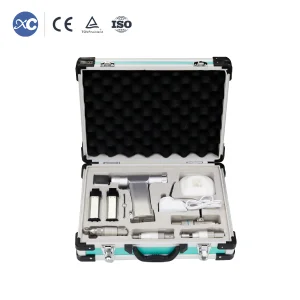
Specialized mini-oscillating saws, AO drills, and power tools optimized for canine ligament reconstruction and feline osteotomy, delivering precise control in animal health institutions.

Information Gain & Support

Technical & Procurement FAQ

Addressing critical sourcing considerations for orthopedic distributors and procurement managers.

Q1: Which material alloys are used in Virelox suture anchors?
Our anchors are manufactured from medical-grade Titanium Alloy (Ti-6Al-4V ELI) complying with ASTM F136 standards, and high-crystallinity Polyetheretherketone (PEEK) for non-metallic radiolucent applications. These materials offer high biocompatibility, structural stability, and reliable strength under dynamic load cycles.
Q2: How does Virelox verify the mechanical reliability of all-inside repair devices?
Every production batch undergoes structural verification. This includes tensile load testing to confirm pull-out force thresholds, simulated wear testing to monitor joint dynamics, and dimensional analysis using our 2D coordinate measuring machines. These steps prevent suture slippage and deployment failures during procedures.
Q3: Do you offer OEM/ODM services for custom implant shapes?
Yes. Our R&D division, featuring 120 biomechanical and materials science engineers, offers comprehensive design services. We fabricate custom implant shapes, specialized surgical instruments, and private-label products based on specific customer inputs.
Q4: What certifications does Virelox hold for international imports?
Our manufacturing processes conform to an ISO 13485-compliant quality management system. Sourcing partners receive complete technical documentation, including material test reports, sterilization verification data, and cleanroom records, to facilitate local registration and imports.
Q5: How does your supply chain protect against material delays?
We partner with 850 certified upstream and downstream component suppliers. This integrated supply chain allows us to maintain a consistent inventory of raw materials and precision components, insulating our lead times from external market disruptions.
Q6: What is the lead time for standard wholesale production runs?
Standard OEM production runs typically ship within 30 to 45 days, depending on order size and custom packaging requirements. For stock items, shipping can be arranged within 7 business days via global logistics partners.