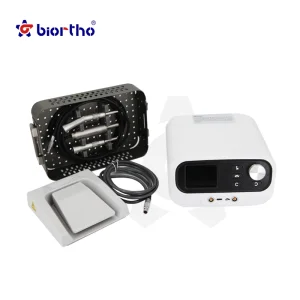
Explore our premium surgical implants, biocompatible fixation sets, and precision surgical instruments engineered to global medical standard specifications.
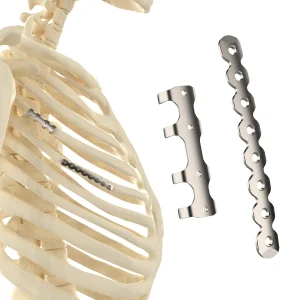
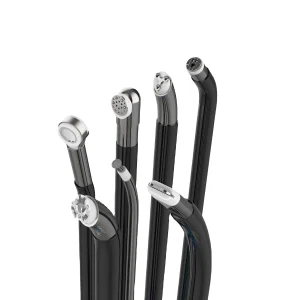
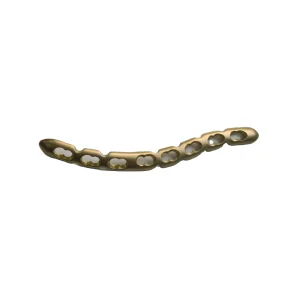
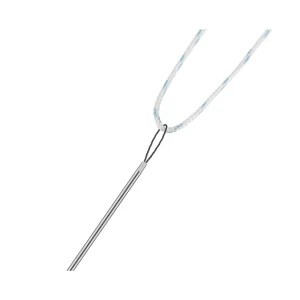
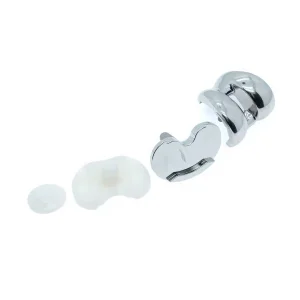
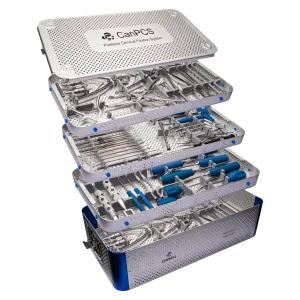
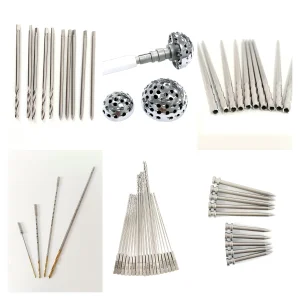
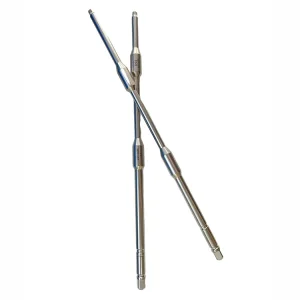
Established in 2016, Virelox Medical Devices Co., Ltd. stands at the forefront of high-precision joint replacement engineering and trauma-focused surgical implant systems. Operating under the trademarked brand “Virelox”, our corporate mission focuses on developing, verifying, and distributing state-of-the-art biological interfaces to optimize patient outcomes worldwide.
With an expansive manufacturing layout of 12,000 m², Virelox has integrated advanced material science and automated robotics. We leverage 10 years of orthopedic industry experience and 8 years of international export capability, maintaining a robust supply pipeline to Europe, Southeast Asia, the Middle East, and South America. Our export division achieves USD 8,500,000 in annual revenue, proving our reliability as an international supplier.
Our integrated ecosystem utilizes 850 certified upstream and downstream partners. This ensures our raw material feeds—such as ISO 5832-3 medical titanium alloys, CoCrMo forging rods, and high-crystallinity HA powder—meet strict medical purity guidelines before entering our production floor.
Full-process quality management controls incoming raw stock, in-process milling pathways, and sterile packaging barriers.
Comprehensive engineering services modify taper variables, proximal geometries, and micro-texture finishes to match clinical requests.
Understanding the balance between cementless osseointegration and cemented fixation dynamics within modern orthopedics.
Modern cementless stems rely on active biological fixation. These implants are manufactured from high-tensile titanium alloys (Ti-6Al-4V ELI) and treated with plasma-sprayed Hydroxyapatite (HA) or highly porous titanium sintered coatings. The structural porosity mimics cancellous bone, facilitating natural osteoblast migration to secure the implant long-term.
For patients with compromised bone quality (such as Osteoporosis or Dorr Type C classifications), cemented femoral stems are essential. Typically constructed from forged Cobalt-Chromium-Molybdenum (CoCrMo) alloys, these stems feature a highly polished surface. This design optimizes stress distribution through the PMMA bone cement interface, preventing localized osteolysis.
China's advanced manufacturing infrastructure leverages automated multi-axis milling, precise laser chemical marking, and state-of-the-art testing. Combined with our certified supplier base, we deliver cost-efficient, high-quality, and regulatory-compliant joint components to international buyers.
| Stem Classification | Primary Material Standard | Surface Treatment Profile | Primary Patient Indications | Fixation Interface Chemistry |
|---|---|---|---|---|
| Cementless Tapered Stem | ASTM F136 / ISO 5832-3 Ti-6Al-4V | Plasma-sprayed rough porous titanium + HA | Younger active patients, Dorr Type A & B bone | Osseointegrated bone-to-implant contact |
| Cemented Polished Stem | ISO 5832-4 / ASTM F75 CoCrMo | Mirror polished high gloss surface (Ra < 0.05 μm) | Geriatric populations, Dorr Type C bone structure | Mechanical interlock via PMMA bone cement |
| Anatomical Stem Option | ISO 5832-3 Ti-6Al-4V ELI | Grit-blasted micro-roughness surface treatment | Anatomical variations, revision arthroplasty | Proximal metaphyseal fill optimization |
Step-by-step visual workflow of our production line, demonstrating the quality control steps required for critical medical implants.
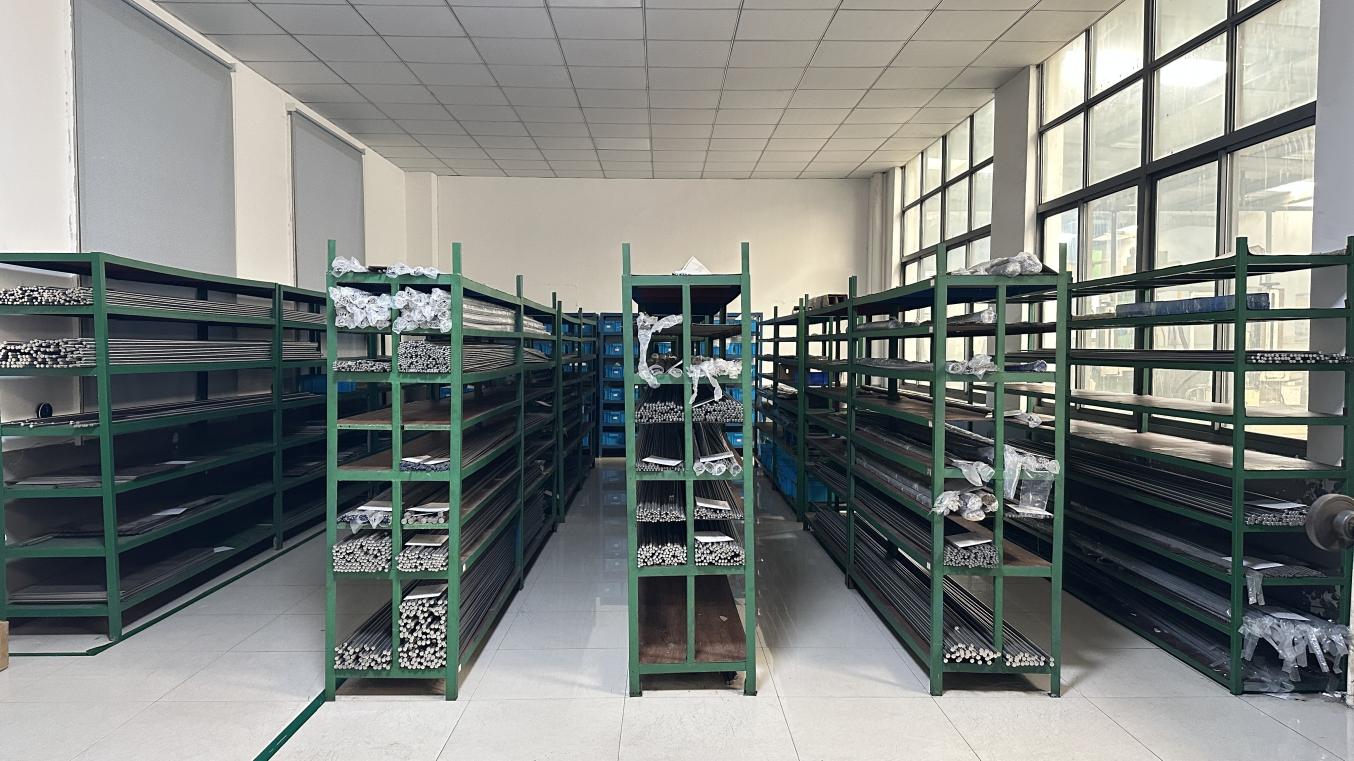
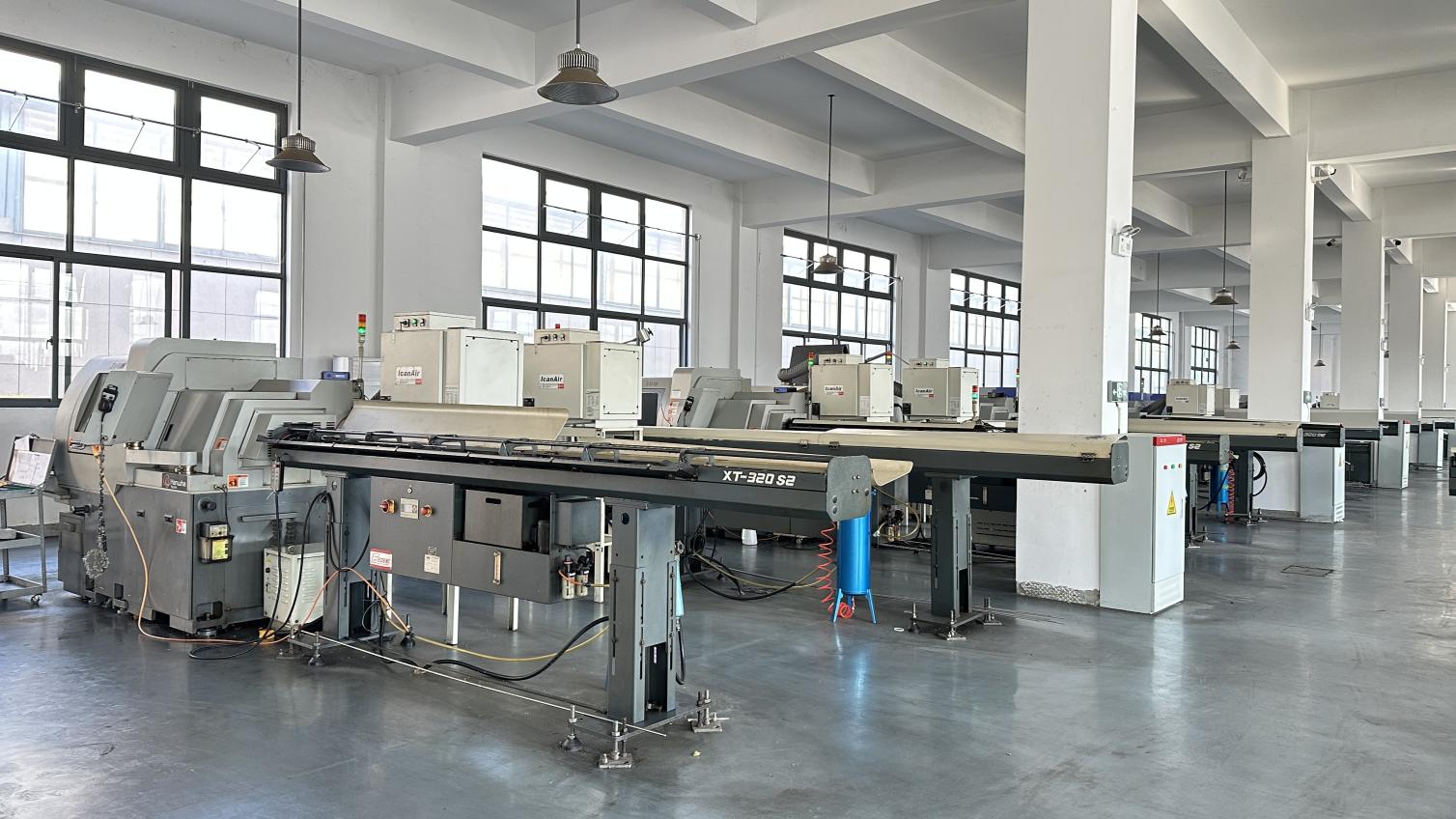
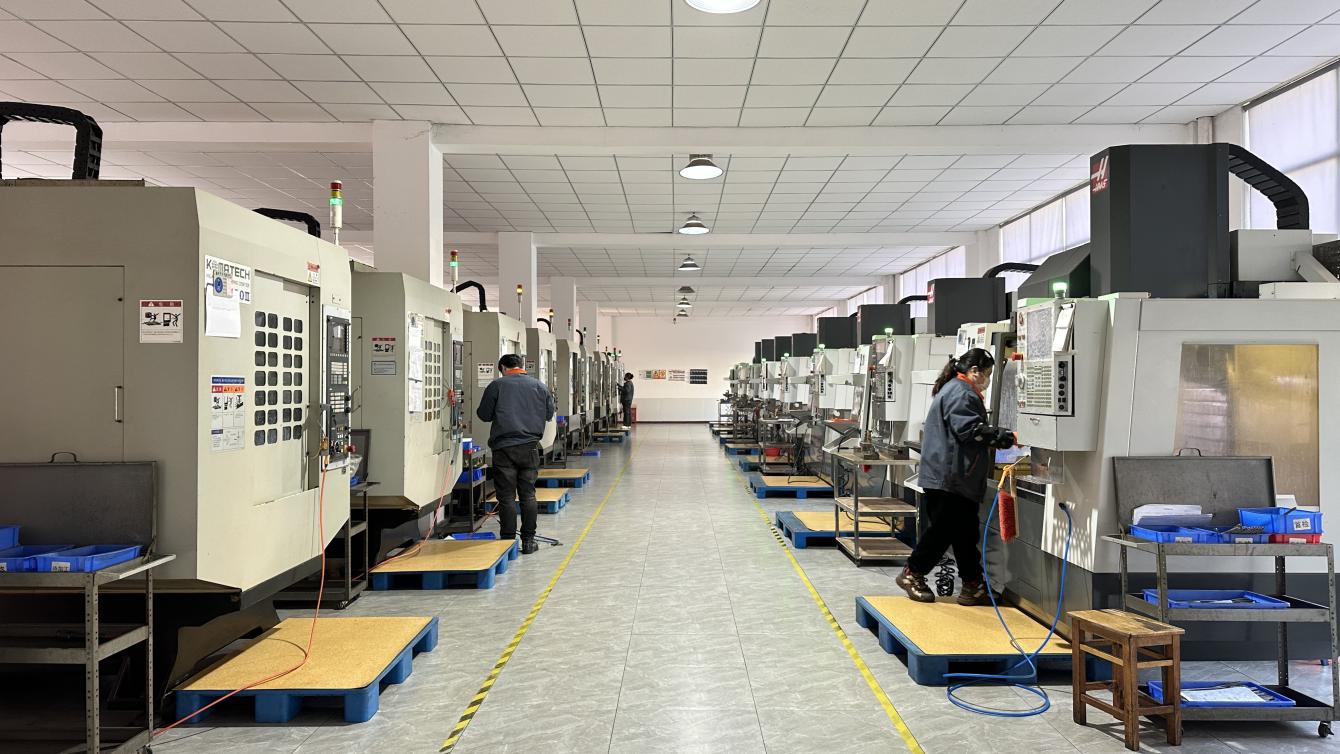
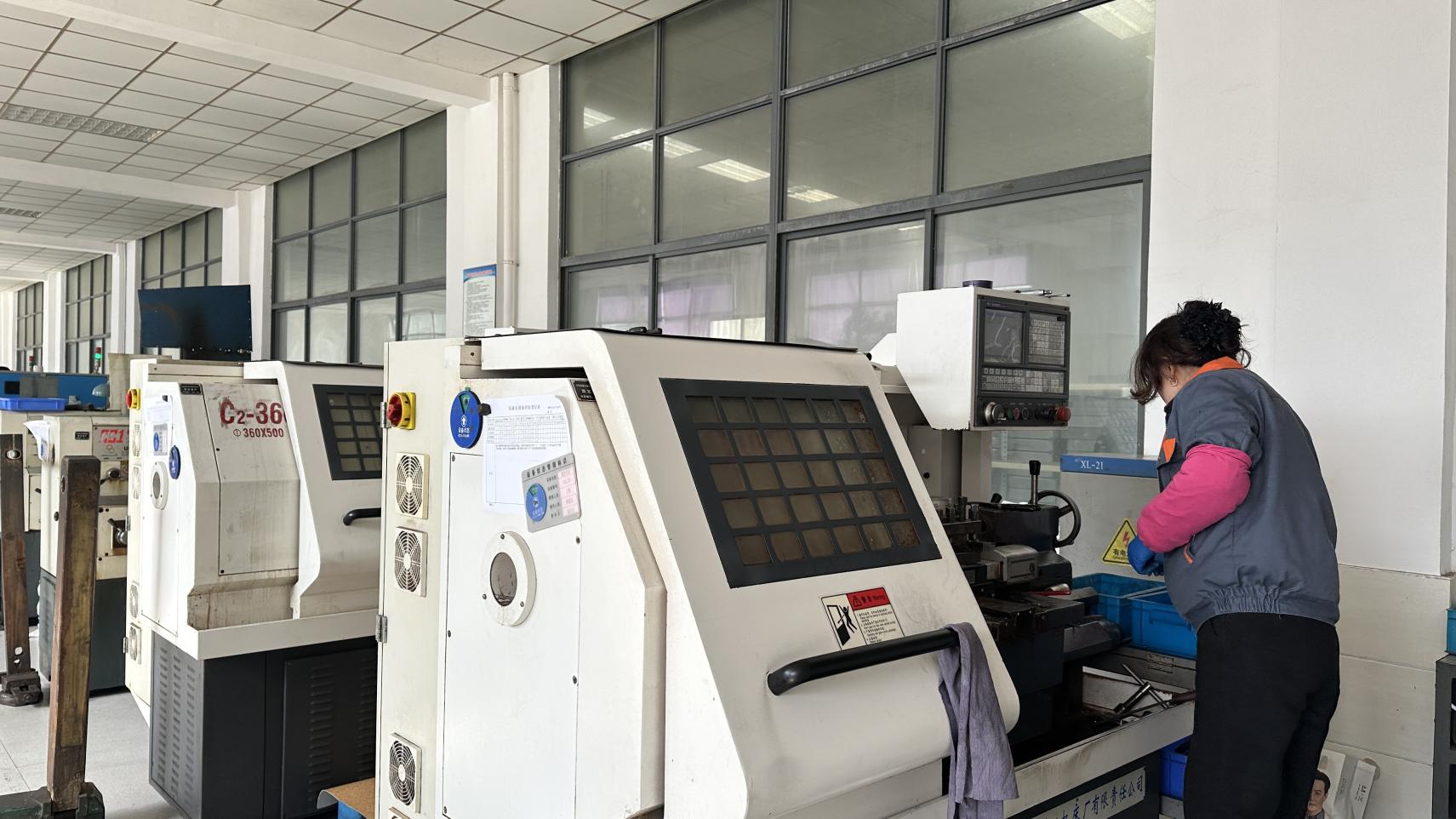
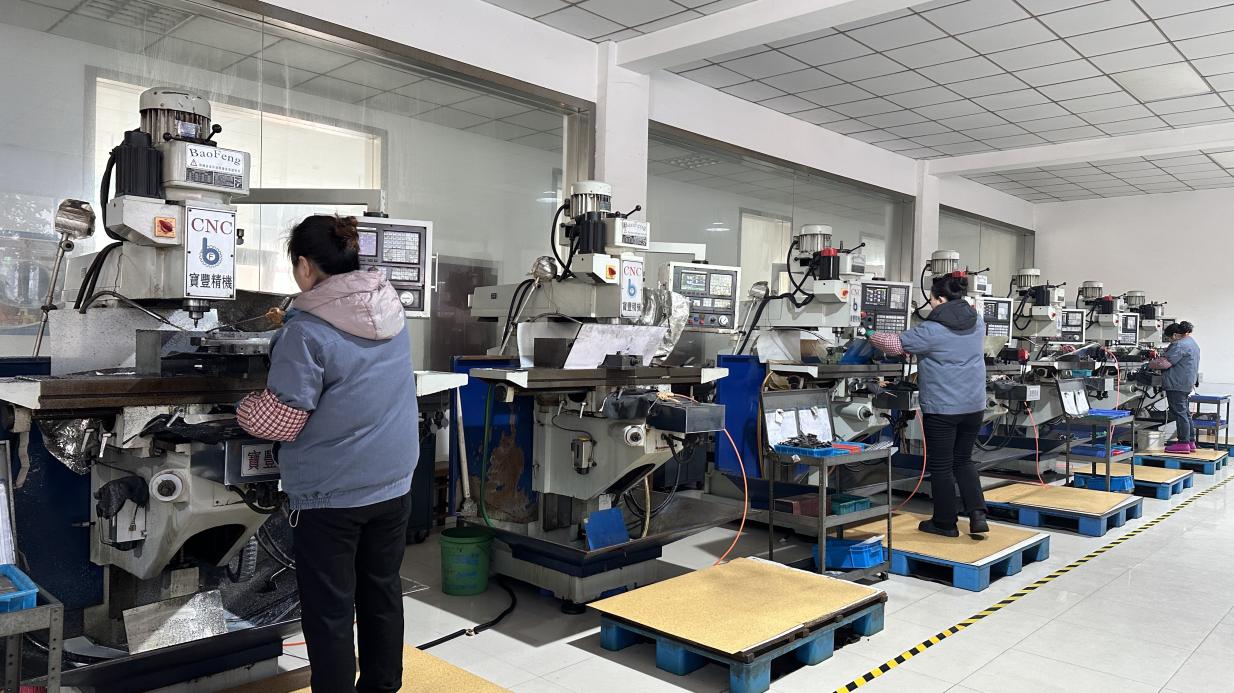
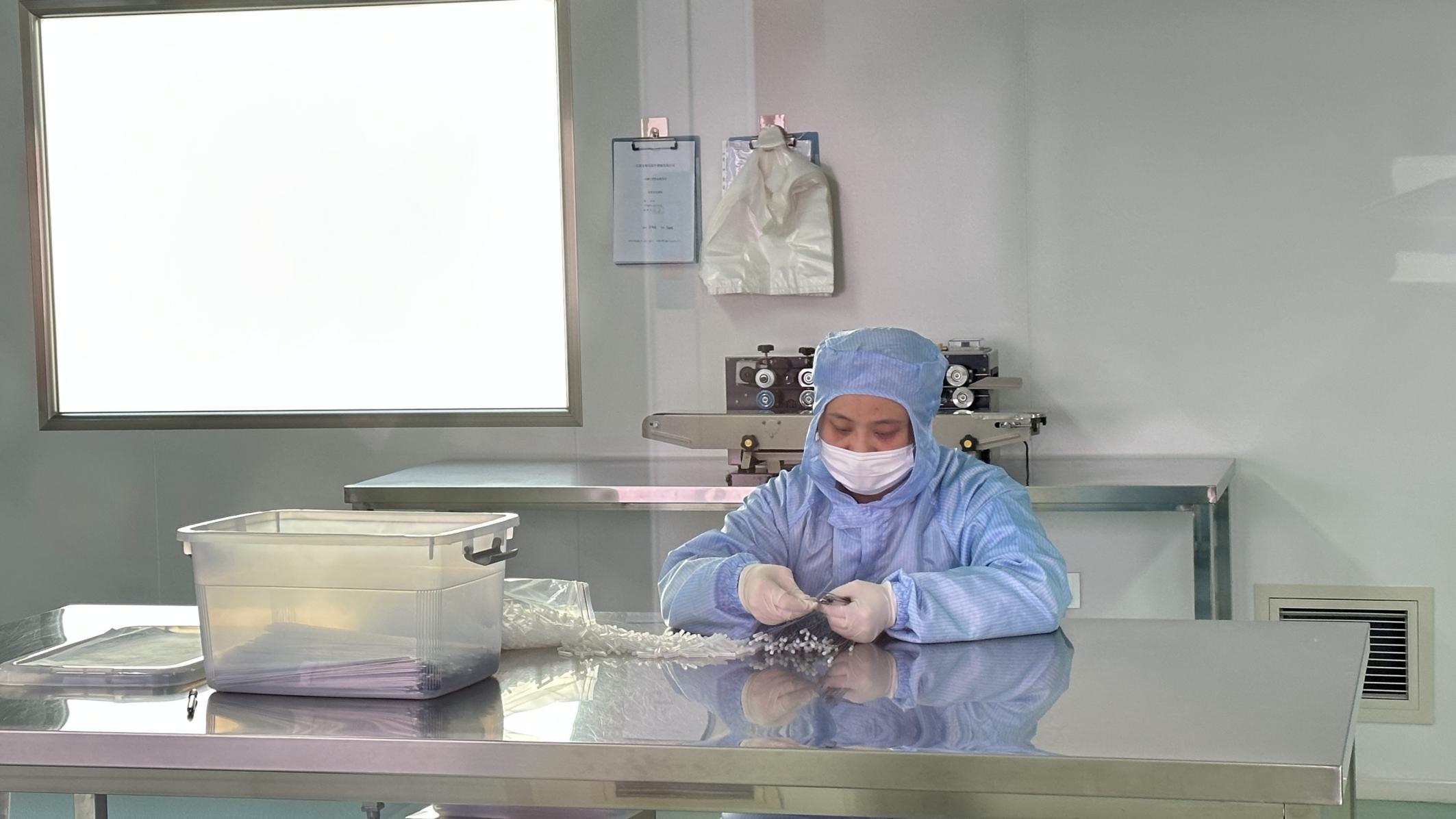
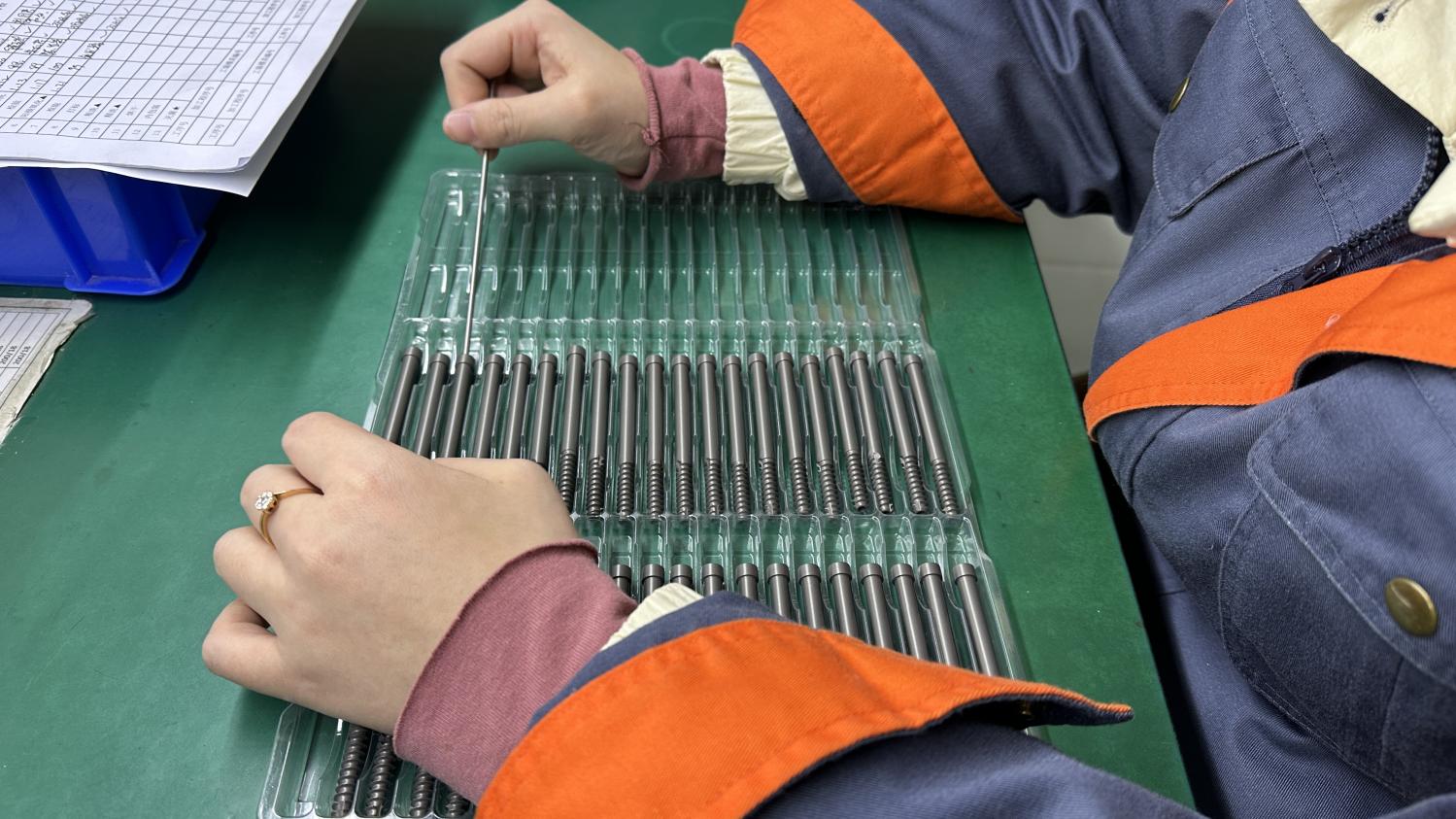
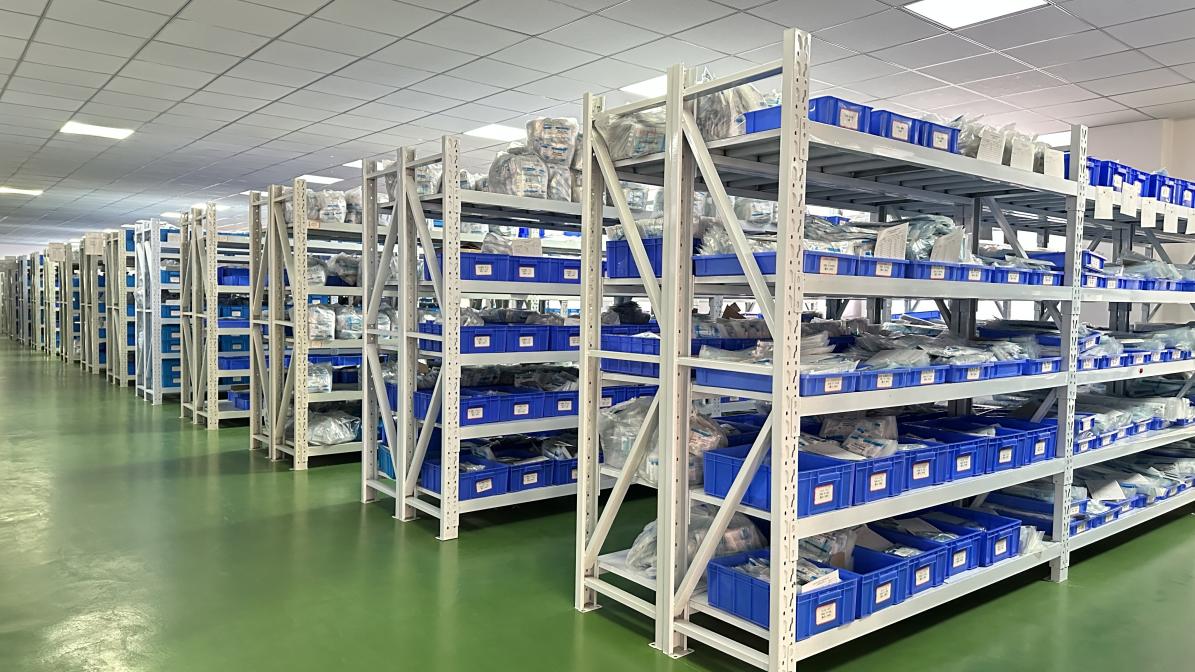
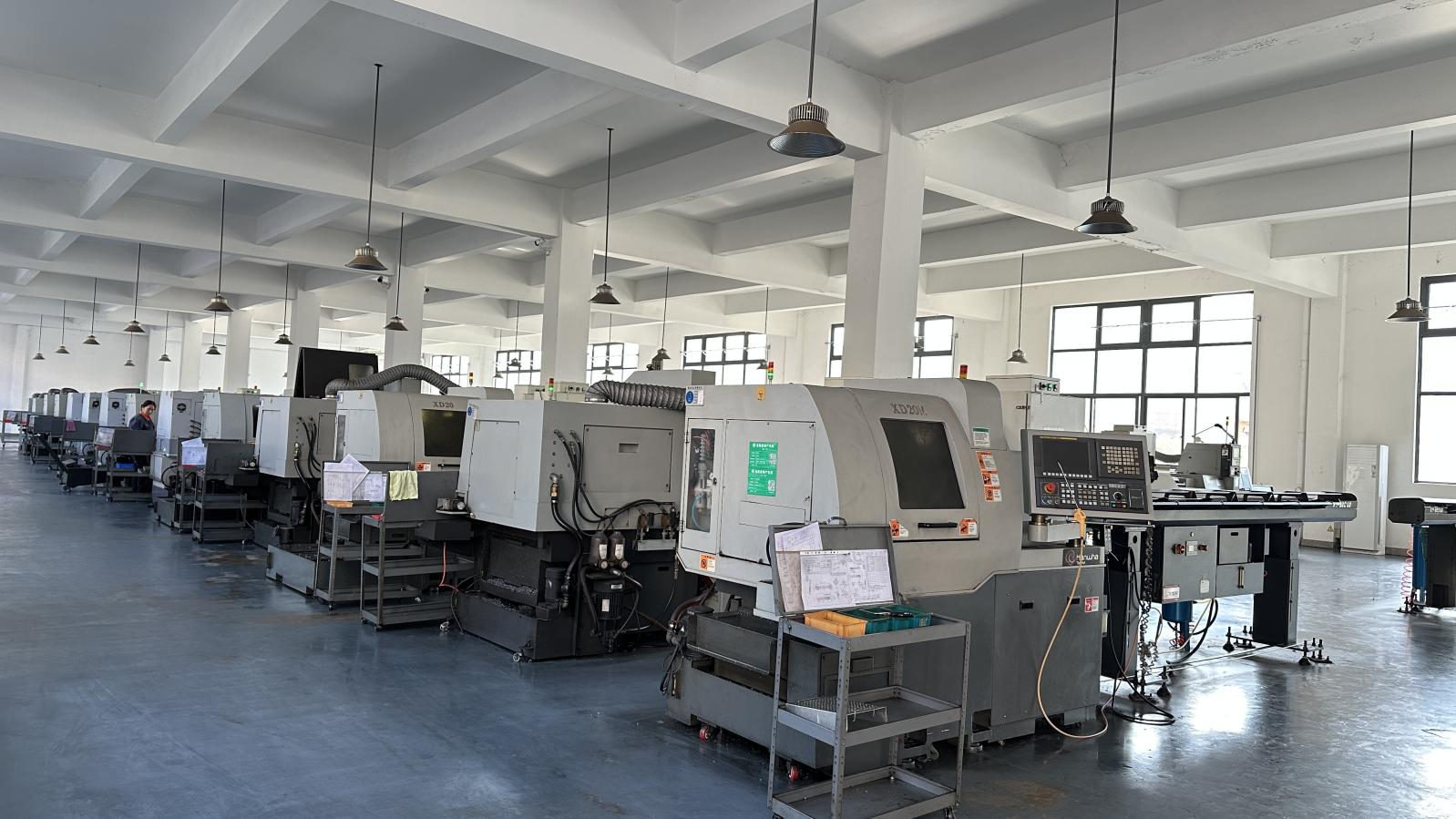
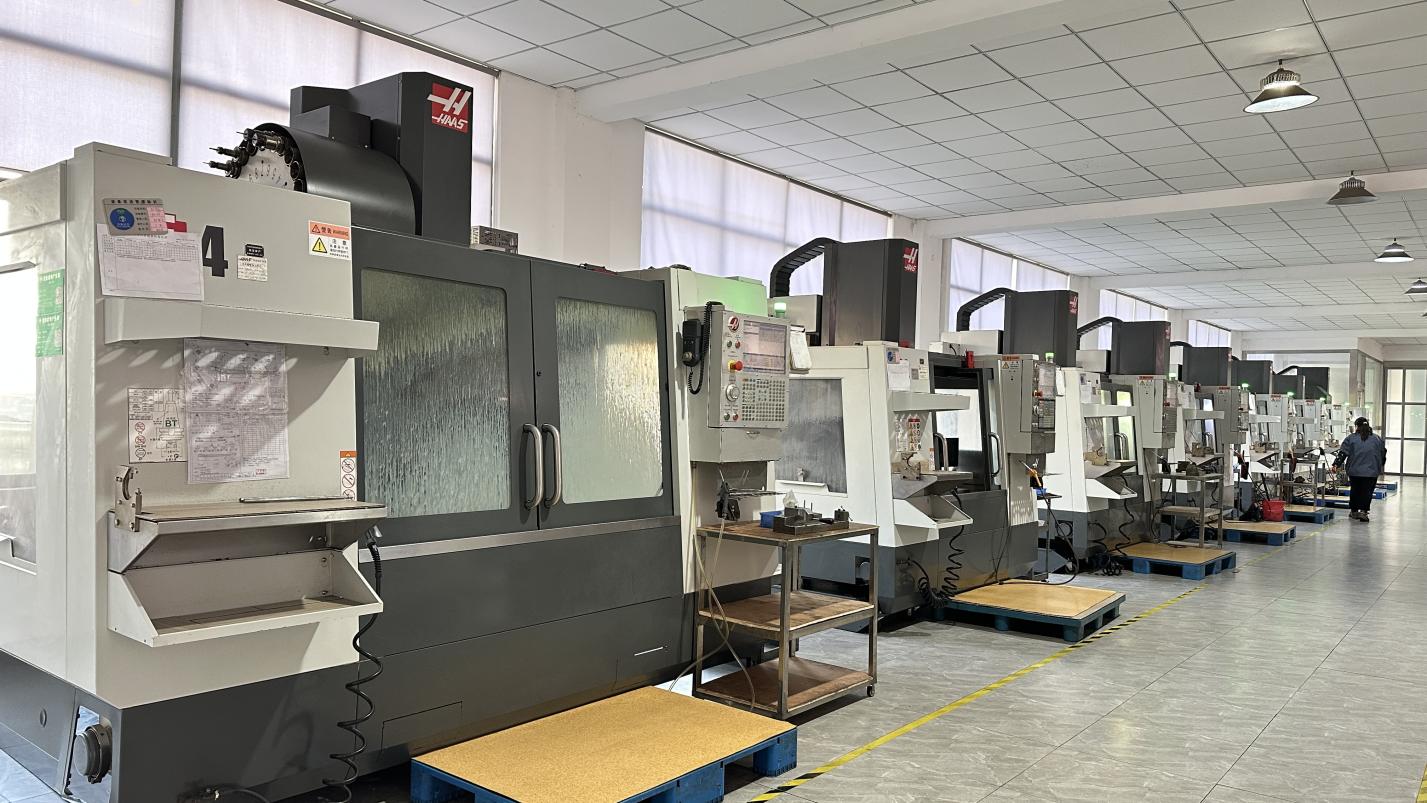
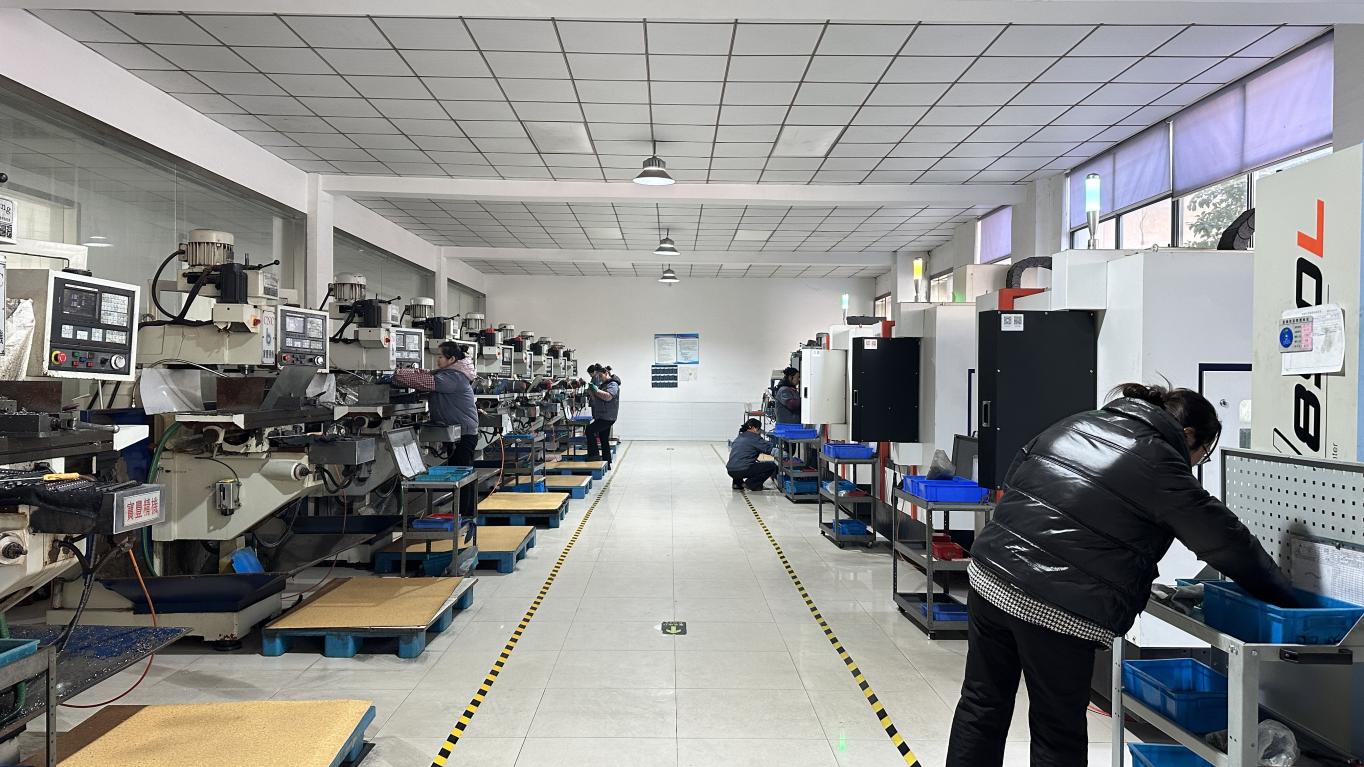
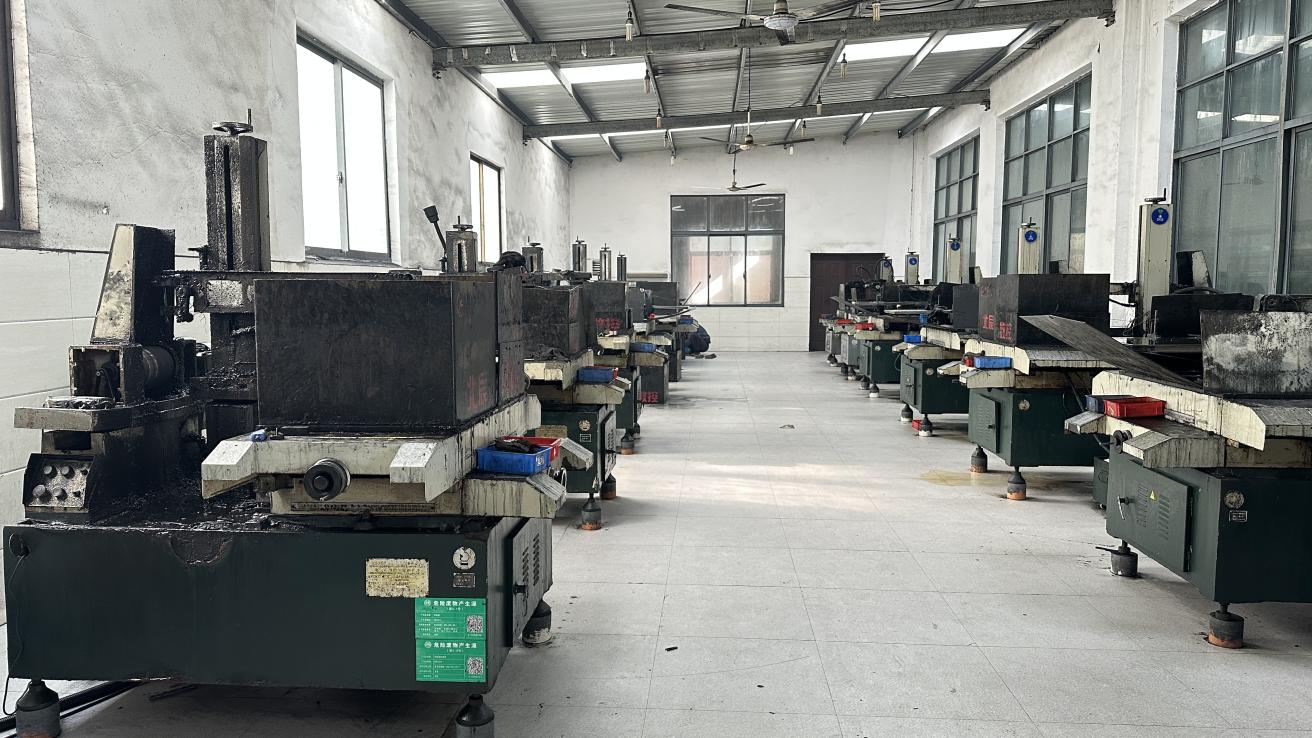
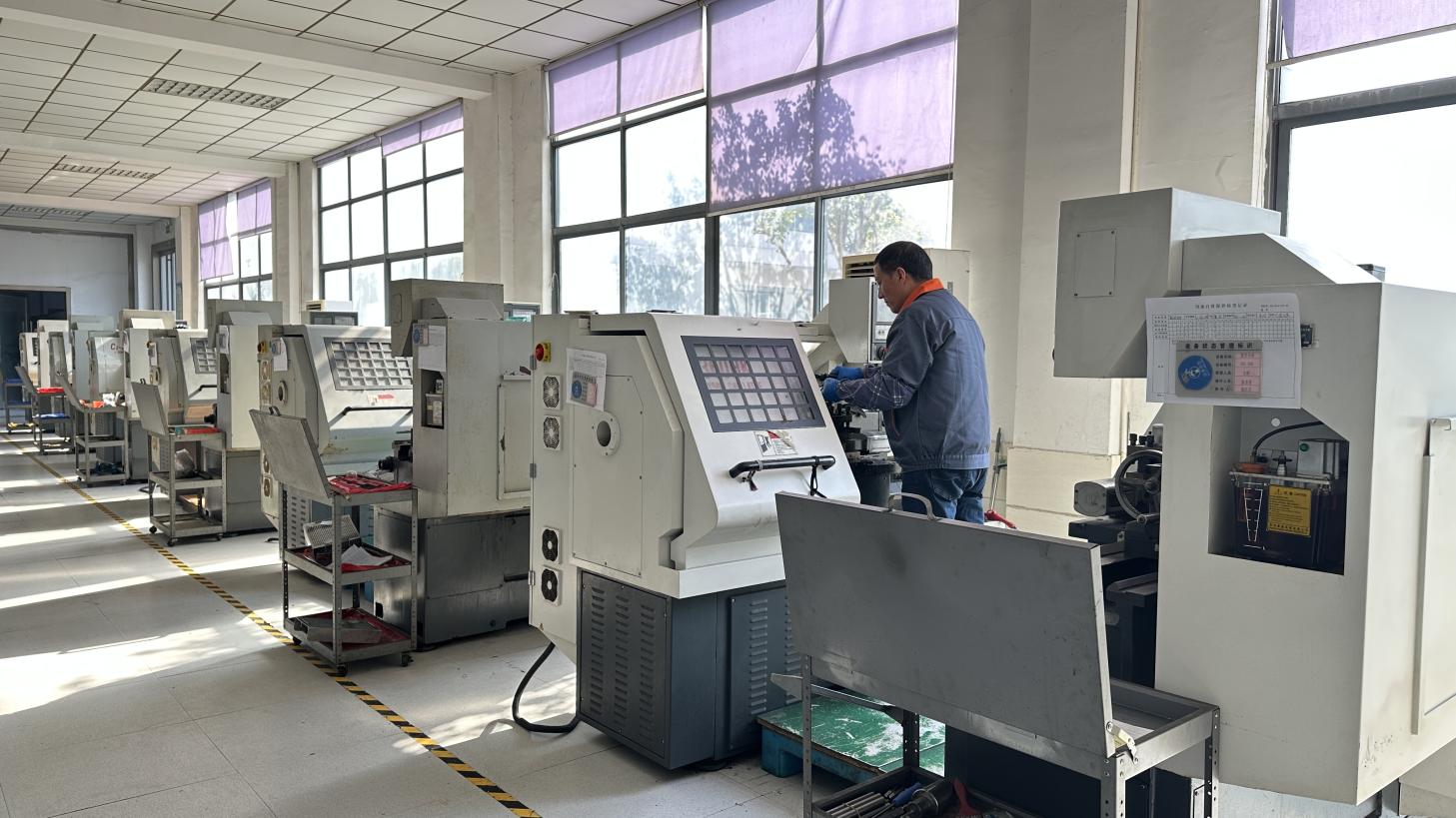
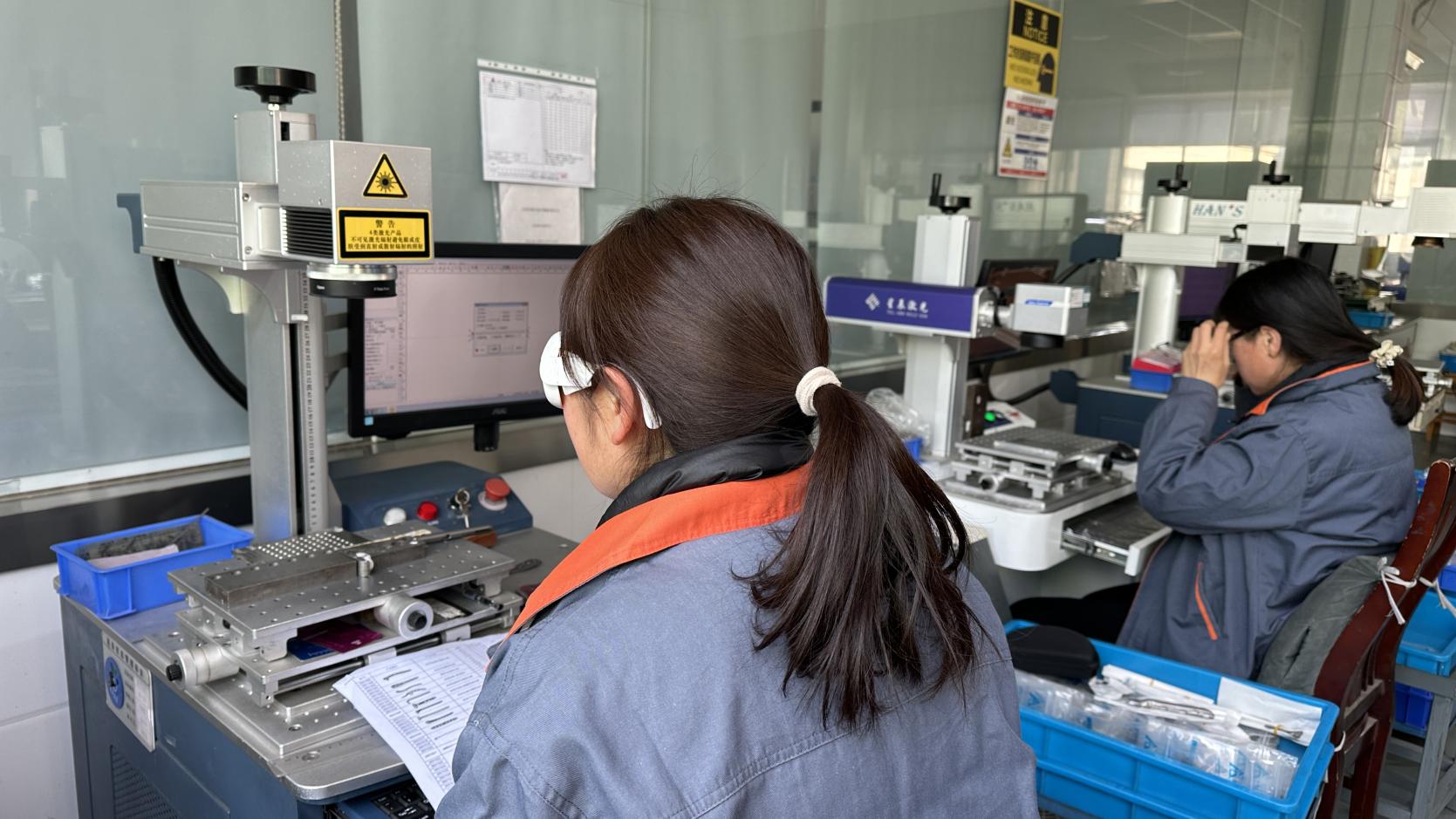
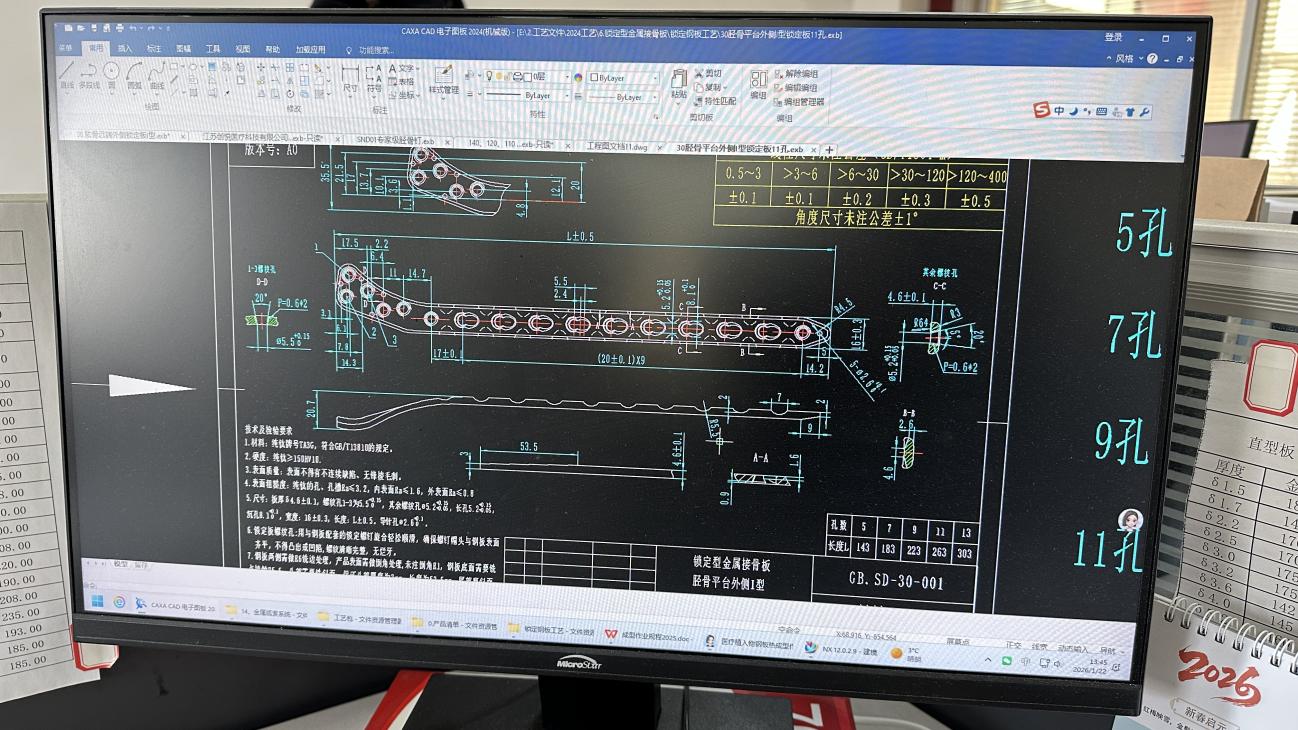
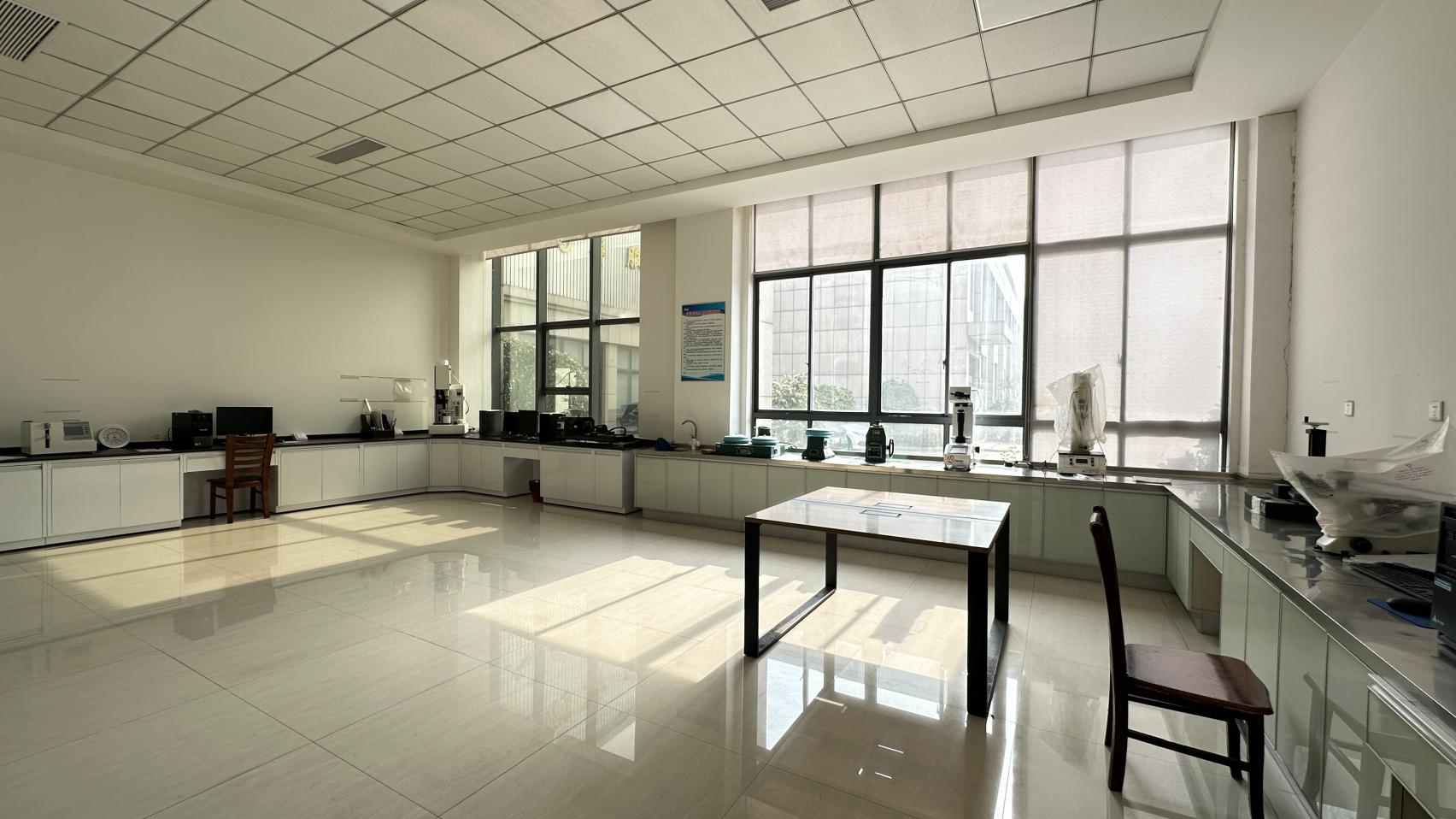
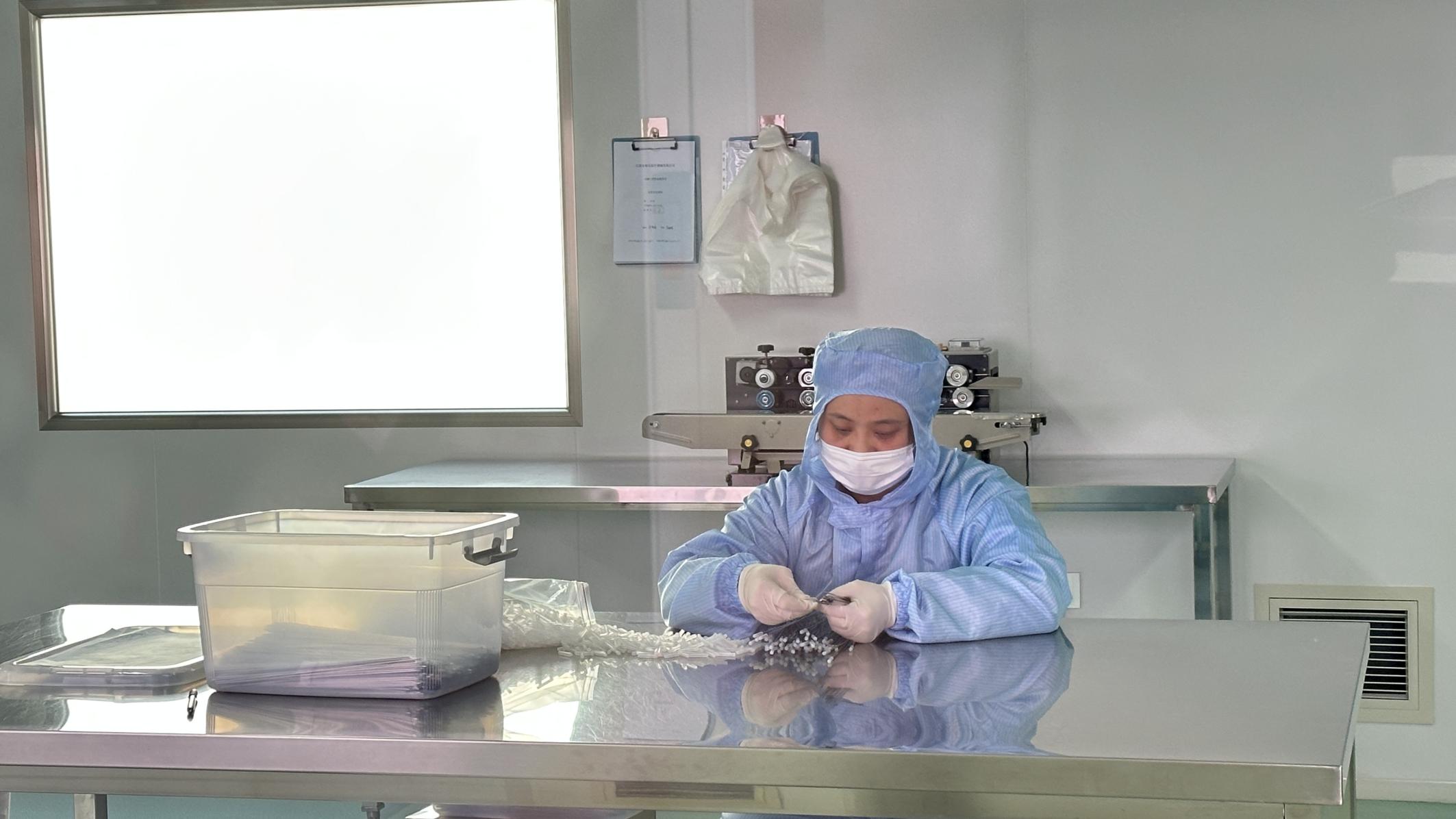
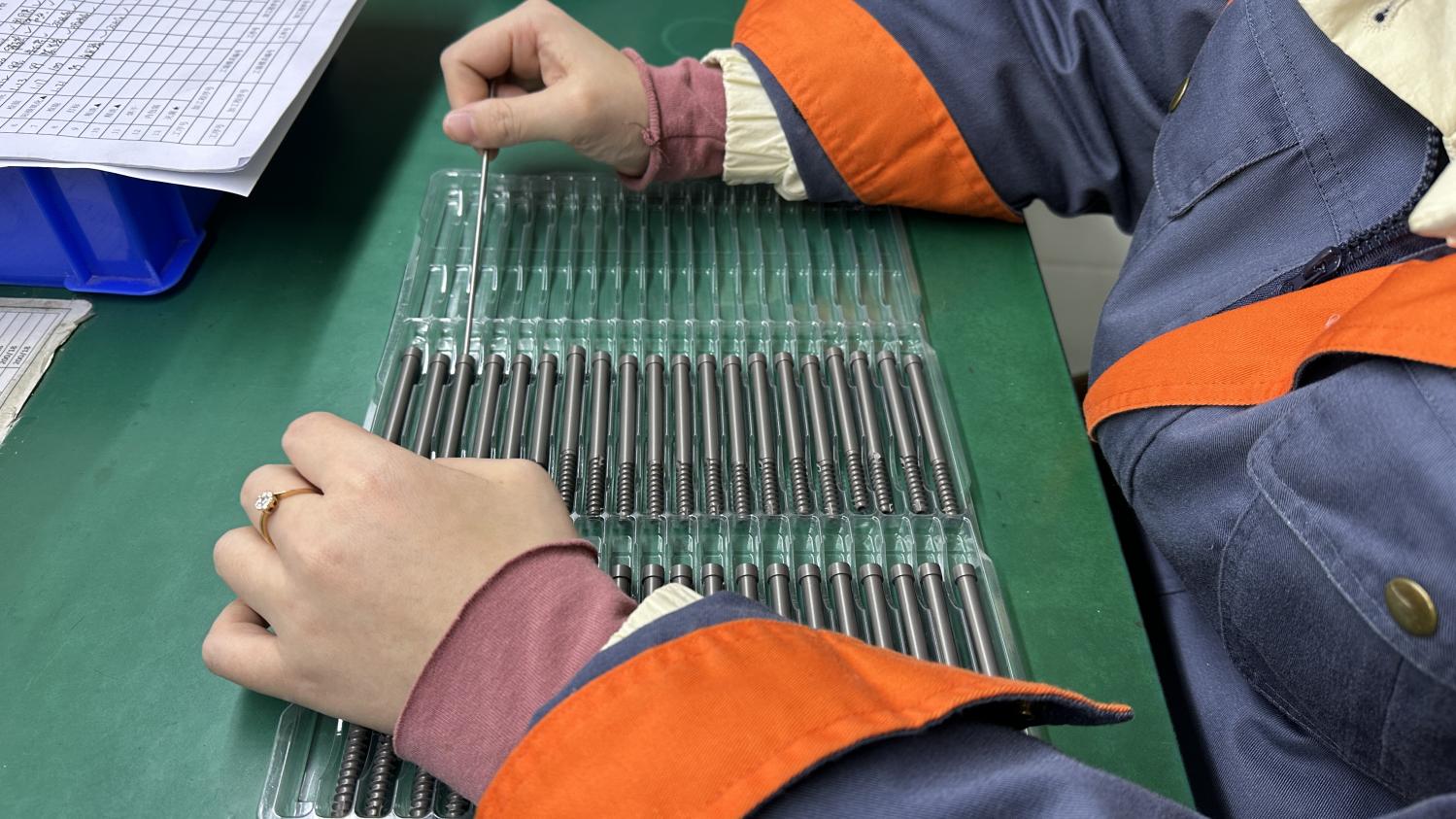
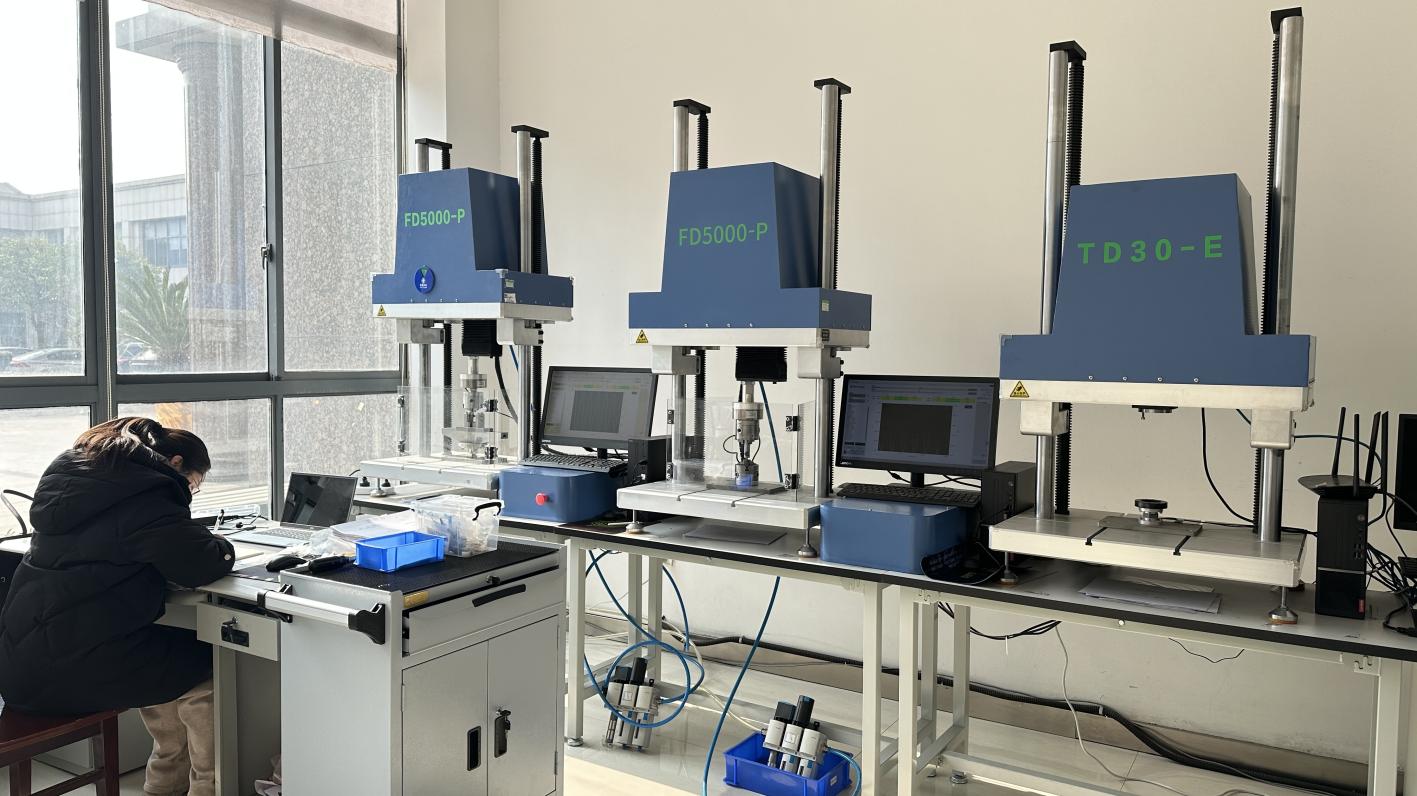
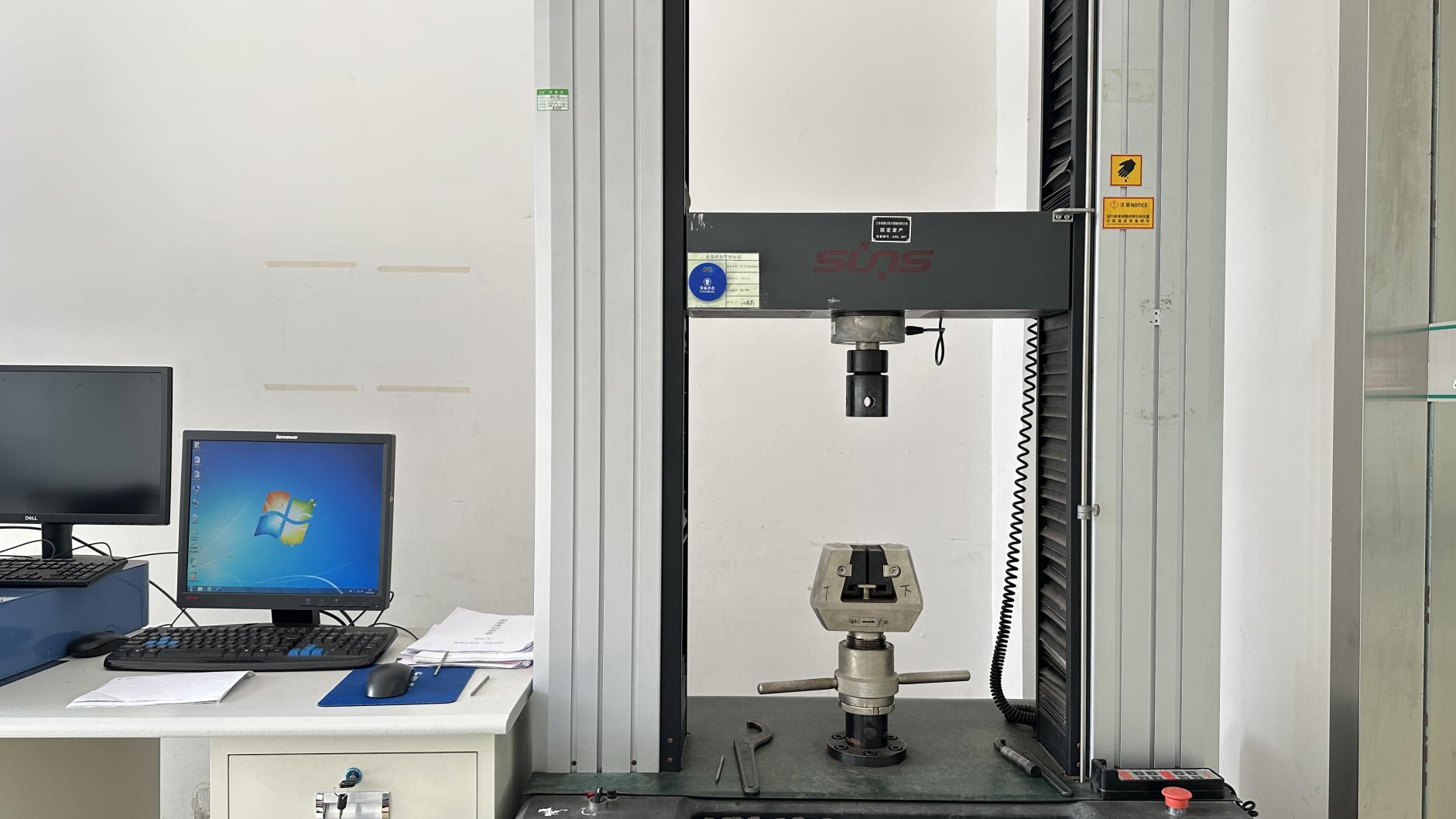
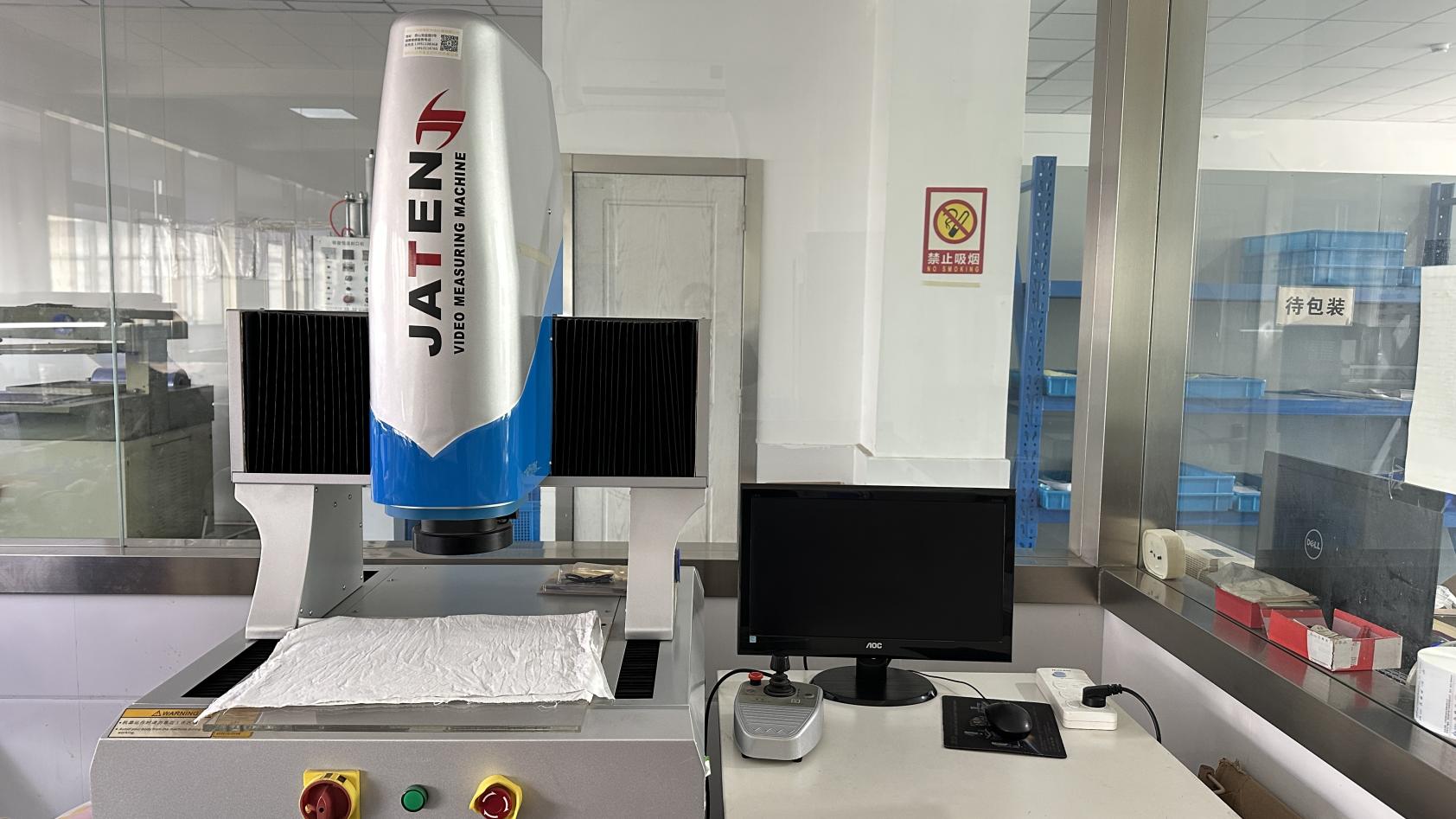
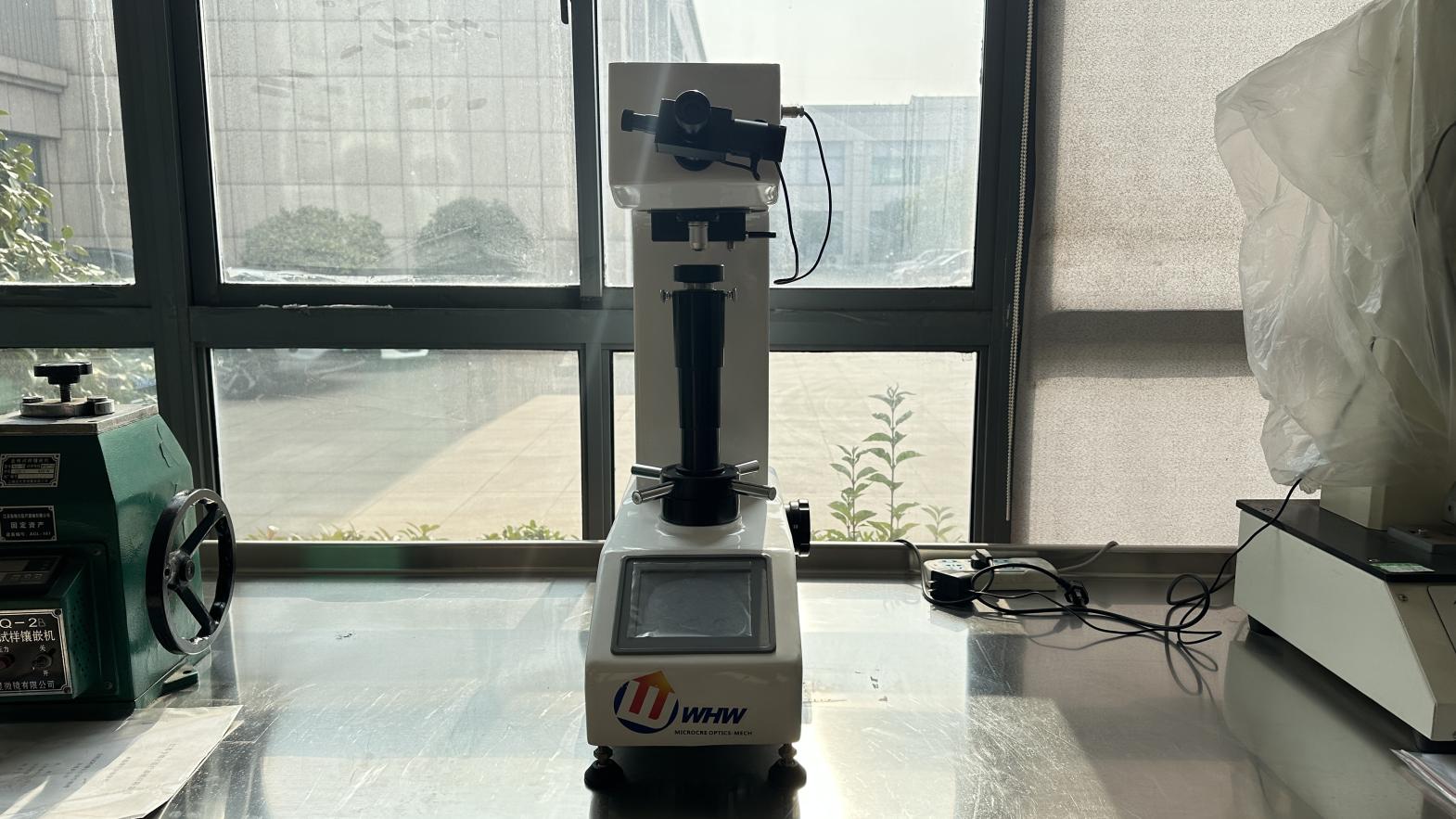
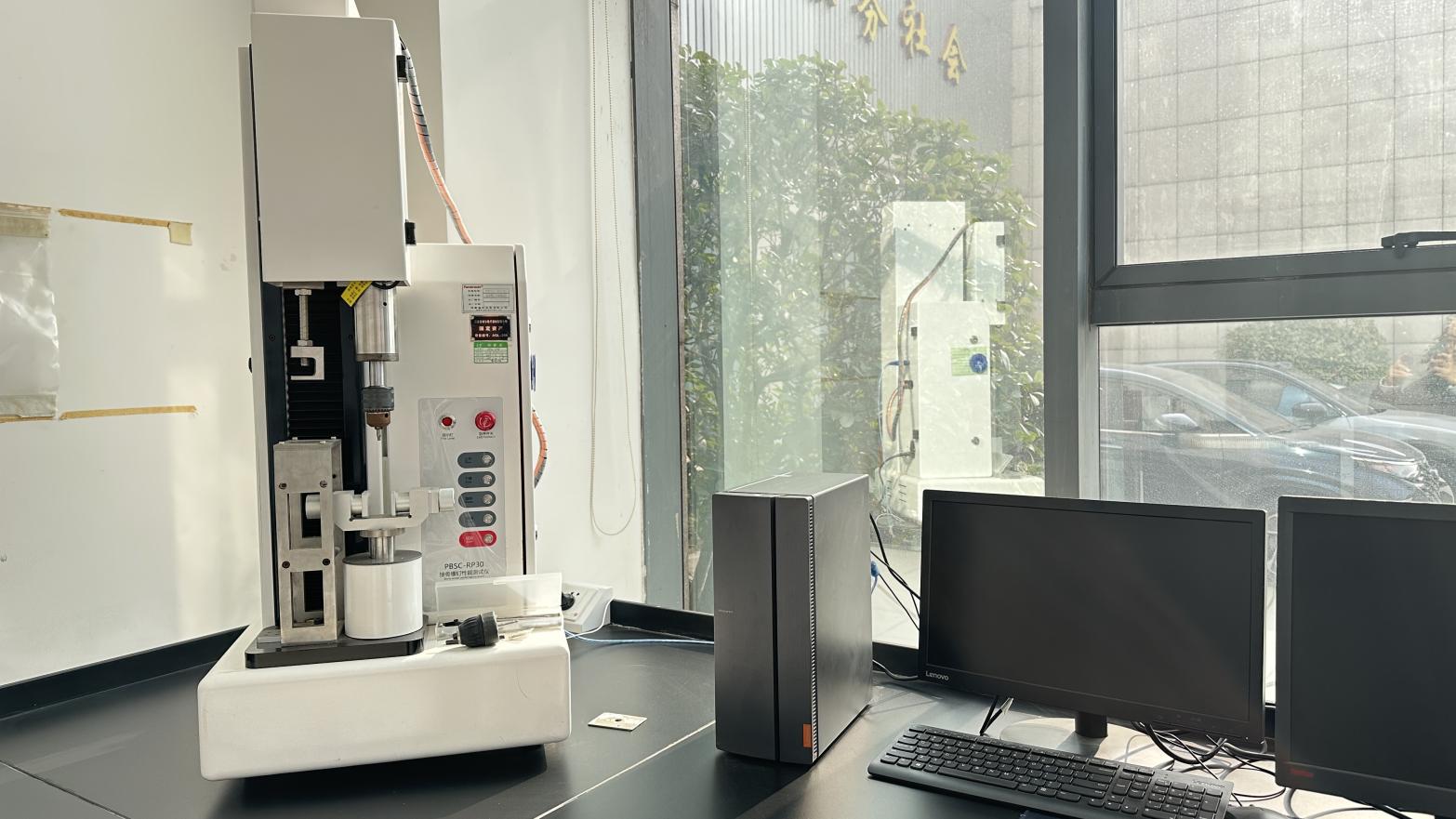
Before leaving our ISO 13485 cleanroom, every production batch undergoes critical mechanical testing. Our verification workflow includes fatigue testing (under simulated physiological loads up to 5,000,000 cycles to evaluate long-term mechanical limits), tensile strength testing, and dimensional CMM measurement. This ensures taper tolerances are maintained within single-digit micrometer specifications.
Femoral stems must adapt to varying patient lifestyles and diverse bone quality scenarios. Virelox designs custom-engineered orthopedic solutions that address these structural challenges:
Designed for Type A (thick cortical walls, narrow canals), Type B (gradual cortical thinning), and Type C (thin cortical walls, wide osteoporotic canals) femoral configurations.
Stems feature proximal-to-distal tapers to distribute stress evenly, reducing proximal stress shielding and preventing postoperative thigh discomfort.
Standard 12/14 taper geometry supports various cobalt-chrome, ceramic composite, and polymer modular heads, giving surgeons flexibility during reconstruction.
Exporting implants requires strict compliance with international medical regulations. Virelox supports global distributors and import agents with comprehensive documentation:
Developing next-generation joint systems to improve long-term implant survival and streamline surgical workflows.
Transitioning from traditional milling to electron beam melting (EBM) and selective laser melting (SLM). This technology produces porous, trabecular titanium surfaces that closely match the modulus of natural bone.
Integrating strontium, silicon, and magnesium ions into the outer hydroxyapatite (HA) layer. This formulation stimulates osteoblast activity, speeding up postoperative recovery and enhancing early stability.
Using patient CT scan data, our team generates customized femoral stem models. This custom-fit geometry provides optimal canal fill for complex skeletal deformities and revision surgeries.
Essential information for purchasing agents, orthopedic distributors, and medical regulatory managers.
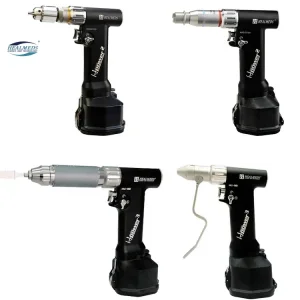
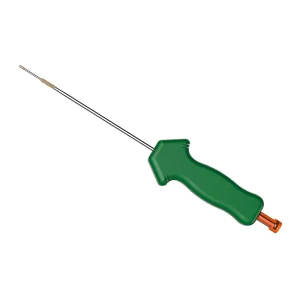
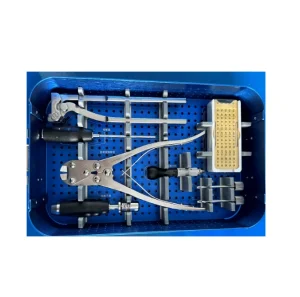
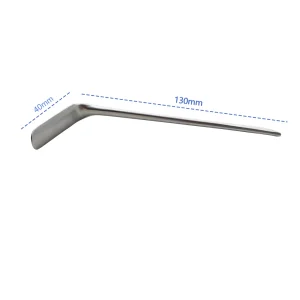
Explore our selection of specialized clinical equipment, high-durability power systems, and precision instruments designed for complex orthopedic procedures.
 Virelox