Explore our premium clinical hardware, manufactured to rigorous international standards for modern trauma surgeries.
Navigating Tile Classification Fractures and Biomechanical Stabilization Protocols
Pelvic ring disruptions, primarily resulting from high-energy traumas like motor vehicle accidents or industrial falls, represent some of the most challenging conditions in orthopedic traumatology. Classifications of these injuries—specifically Tile Classifications Type B and Type C or the Young-Burgess Anterior-Posterior Compression (APC II/III) and Lateral Compression (LC II/III) systems—regularly involve profound hemodynamic instability. This instability is driven by pelvic retroperitoneal hemorrhage resulting from the increased volume of the disrupted pelvic basin.
The utilization of a pelvic external fixator (PEF) acts as a direct, life-saving intervention. By providing immediate compression and structural reduction of the pelvic ring, it effectively decreases the internal volume of the pelvis, fostering a tamponade effect on venous bleeding, and minimizing movement at the fracture site to prevent clot disruption.
Consequently, procurement agencies, regional trauma centers, and medical device distributors must source pelvic external fixation components with an uncompromising focus on structural integrity, biocompatibility, and operational simplicity. China's leading medical manufacturers, through advanced metallurgy and strict compliance with the ISO 13485 framework, have established an elite supply paradigm to satisfy these critical clinical parameters worldwide.
Analyzing advancements in materials science, radiolucency, and rapid frame adjustments.
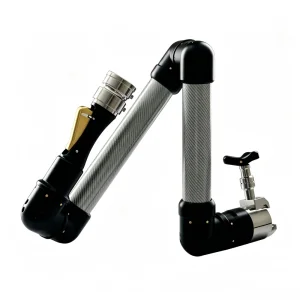
Modern surgical protocols mandate intraoperative fluoroscopic checks using C-arms. Traditional steel rods cause extreme scattering artifacts under imaging. The global clinical shift towards carbon fiber reinforced polymer (CFRP) rods ensures complete radiolucency, allowing surgeons to verify structural reduction of the posterior pelvic ring without interference.
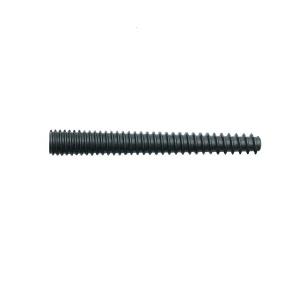
While iliac crest pin placement has been the historical standard, the supra-acetabular trajectory (inserted into the Anterior Inferior Iliac Spine - AIIS towards the posterior ilium) provides vastly superior mechanical stability. This technique demands specialized half-pins with thread geometry designed to engage the high-density cortical bone corridors near the hip capsule.
Seconds matter in resuscitation bays. Modular snap-on multi-pin clamps allow clinicians to secure the half-pins first and subsequently click the connectivity rods into place dynamically. This eliminates the tedious process of threading rods through closed-hole couplers, saving precious operative time during emergency stabilizing operations.
Virelox Medical Devices Co., Ltd. — Pioneering Joint Replacements & Orthopedic Implants
Virelox Medical Devices Co., Ltd. is a professional orthopedic medical device manufacturer specializing in joint replacement and surgical implant solutions. The company operates under the brand “Virelox” and is committed to delivering high-performance orthopedic systems for global healthcare providers.
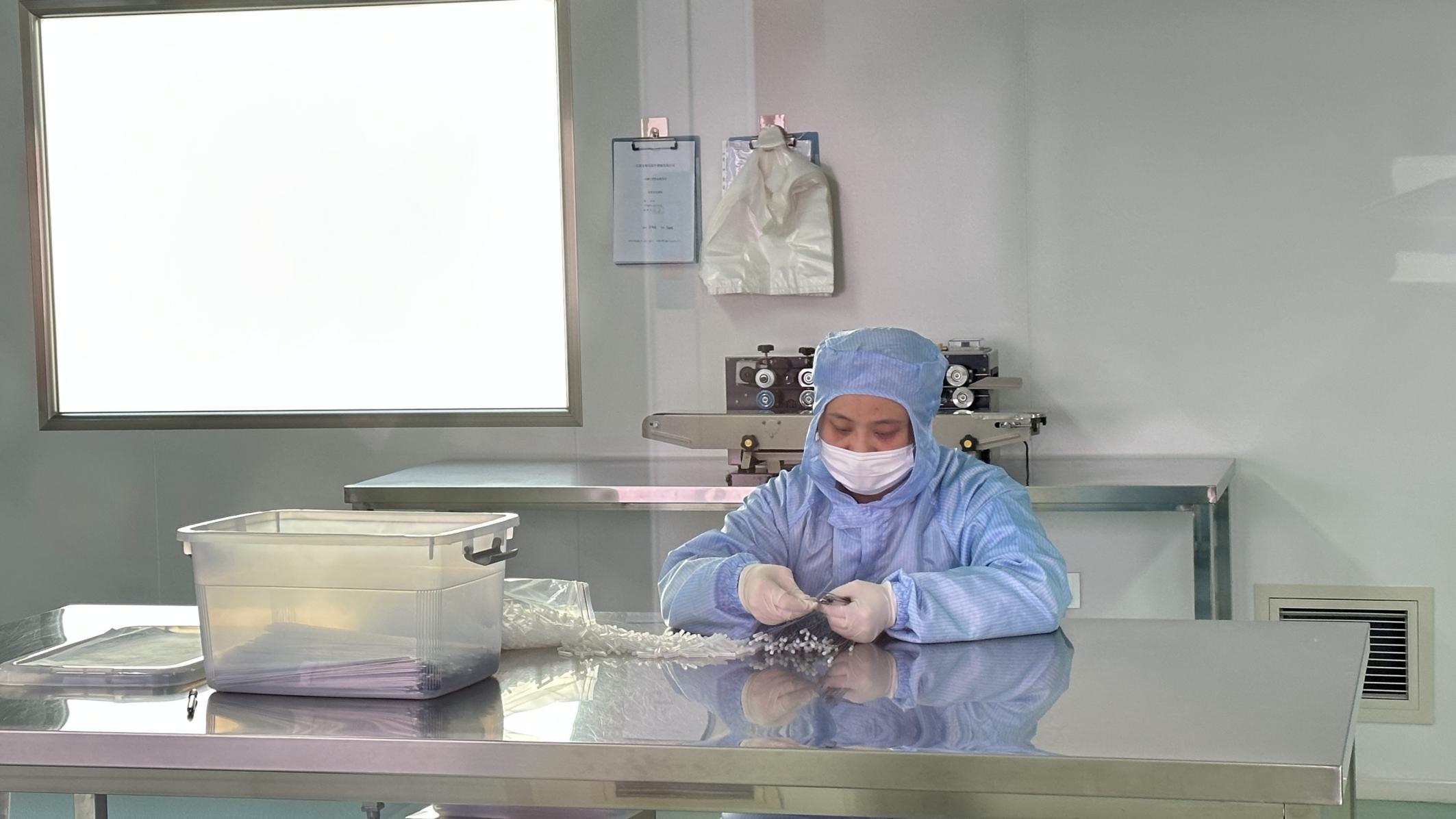
ISO 13485-based full-process quality management system with strict incoming, in-process, and final inspection standards. Backed by 65 dedicated quality control professionals to ensure zero clinical defects.
Equipped with biocompatible medical-grade Titanium and Stainless Steel alloys. Our in-house R&D center, loaded with advanced biomechanical simulation and rapid prototyping units, designed and launched 120 new products last year alone.
With 8 years of export history, we service medical device distributors, hospitals, orthopedic clinics, and international healthcare procurement companies across Europe, Southeast Asia, Middle East, and South America.
How automation and advanced logistics empower global B2B medical sourcing
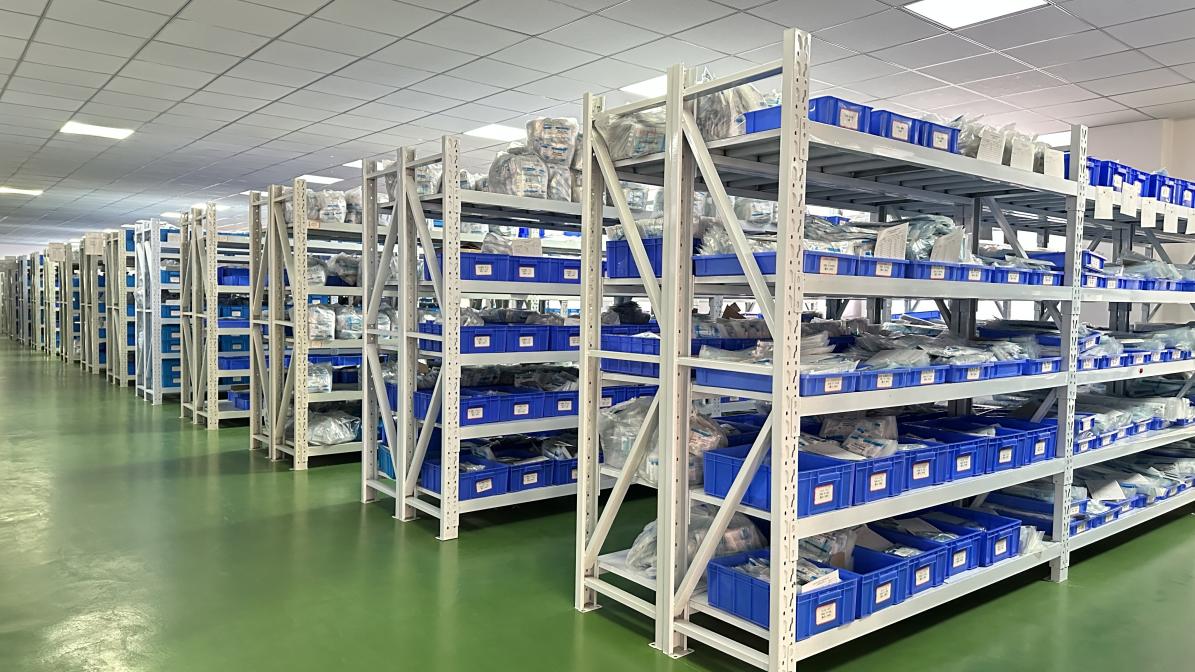
Our robust integration with over 850 certified upstream and downstream partners supports a highly stable raw material and precision component supply. Even during global supply shocks, our vertical supply integration keeps lead times shorter than traditional Western OEM lines.
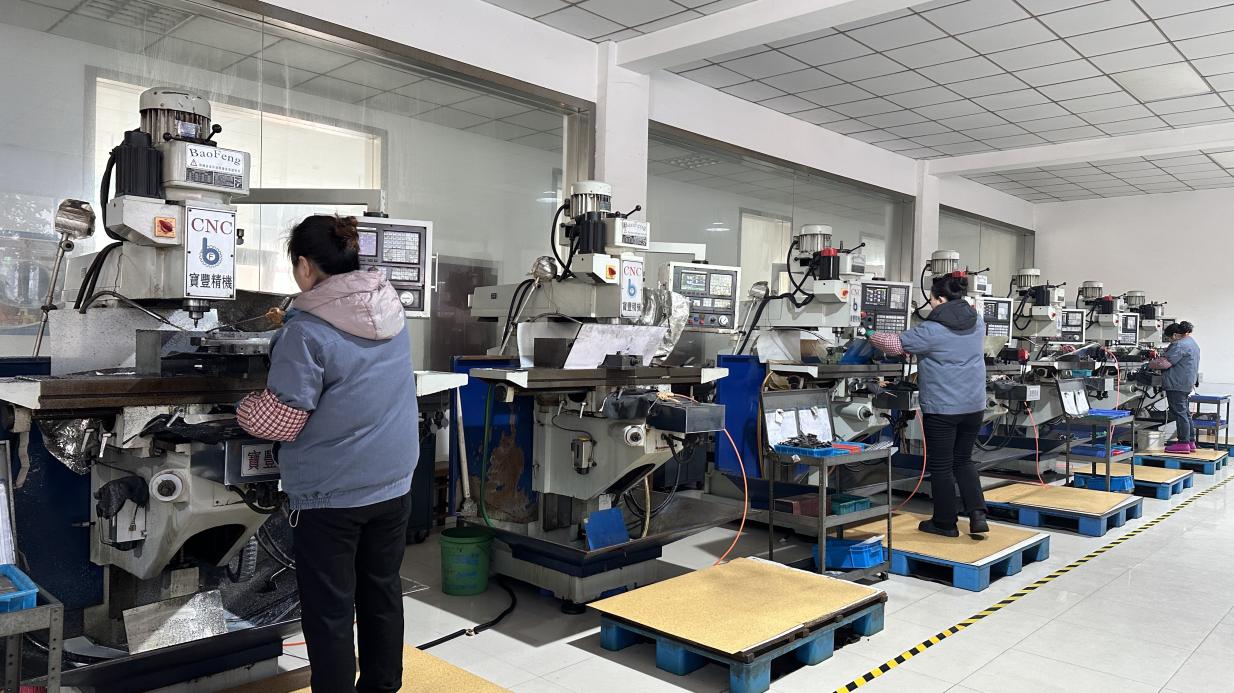
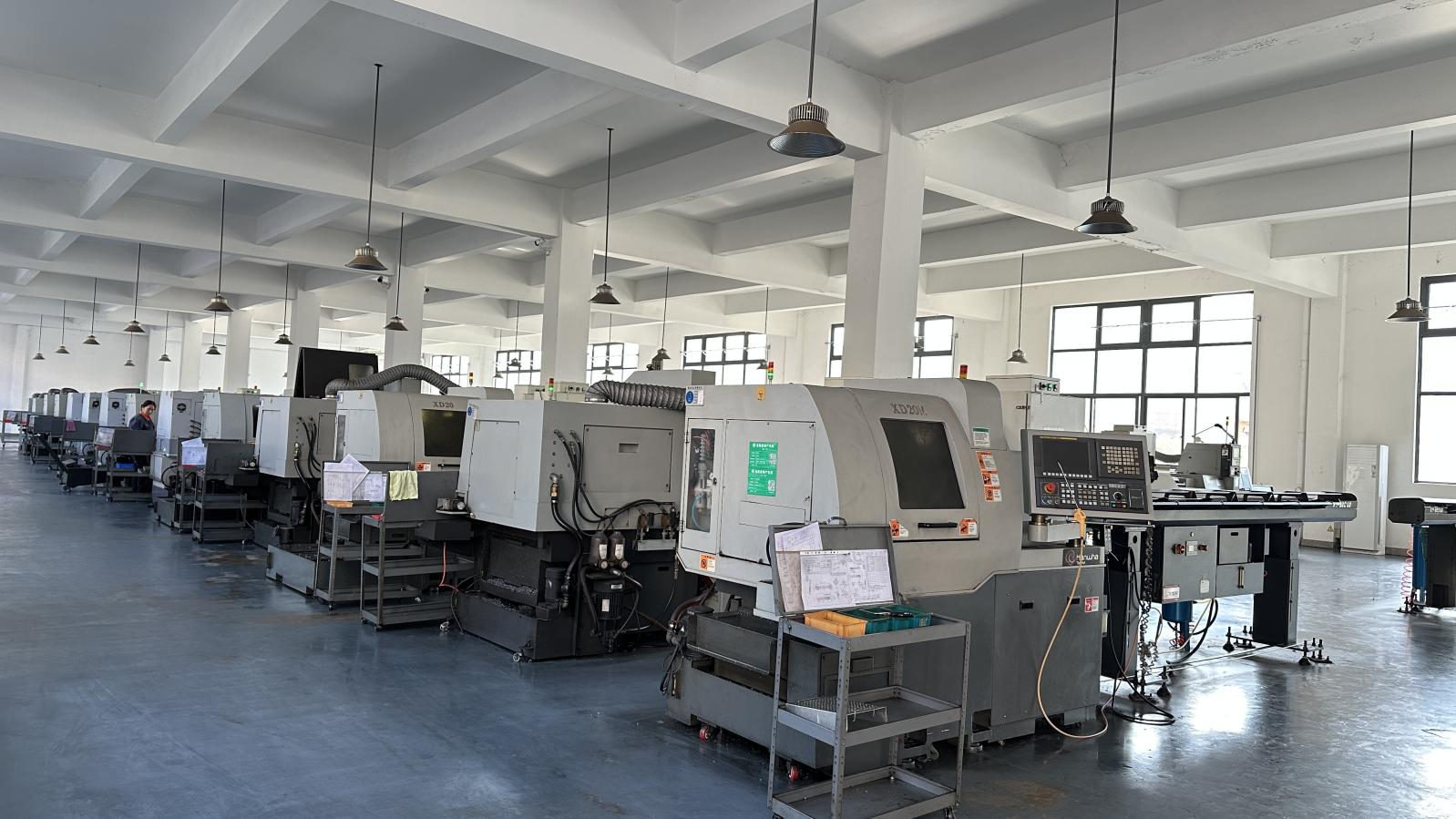
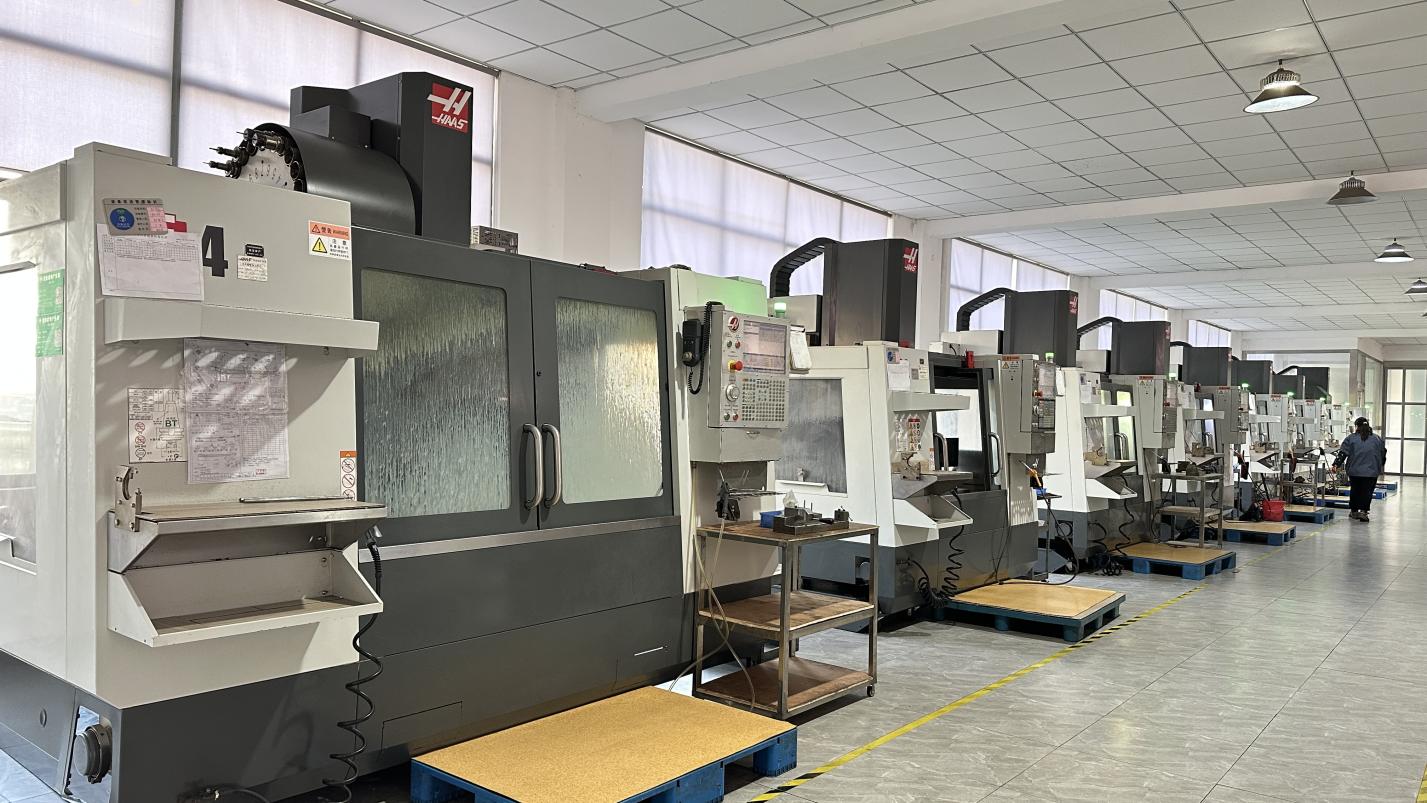
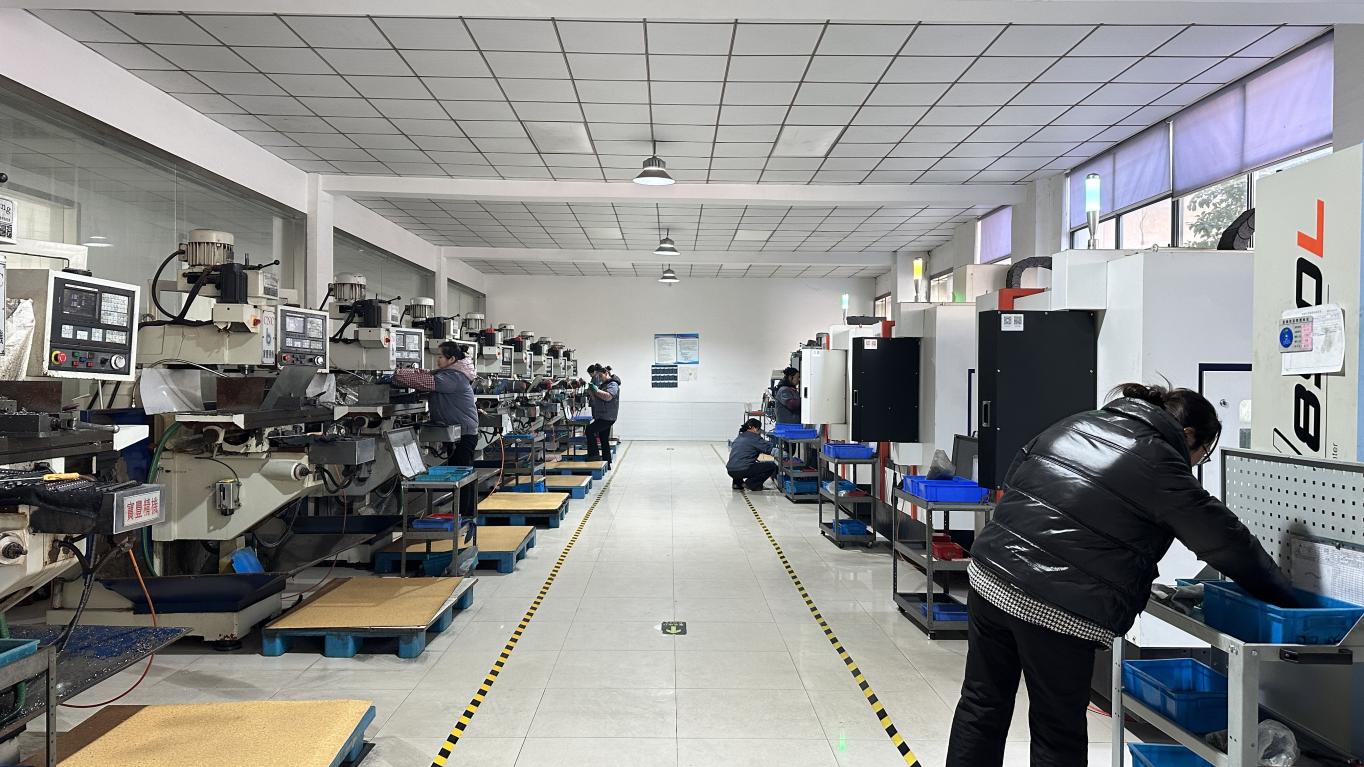
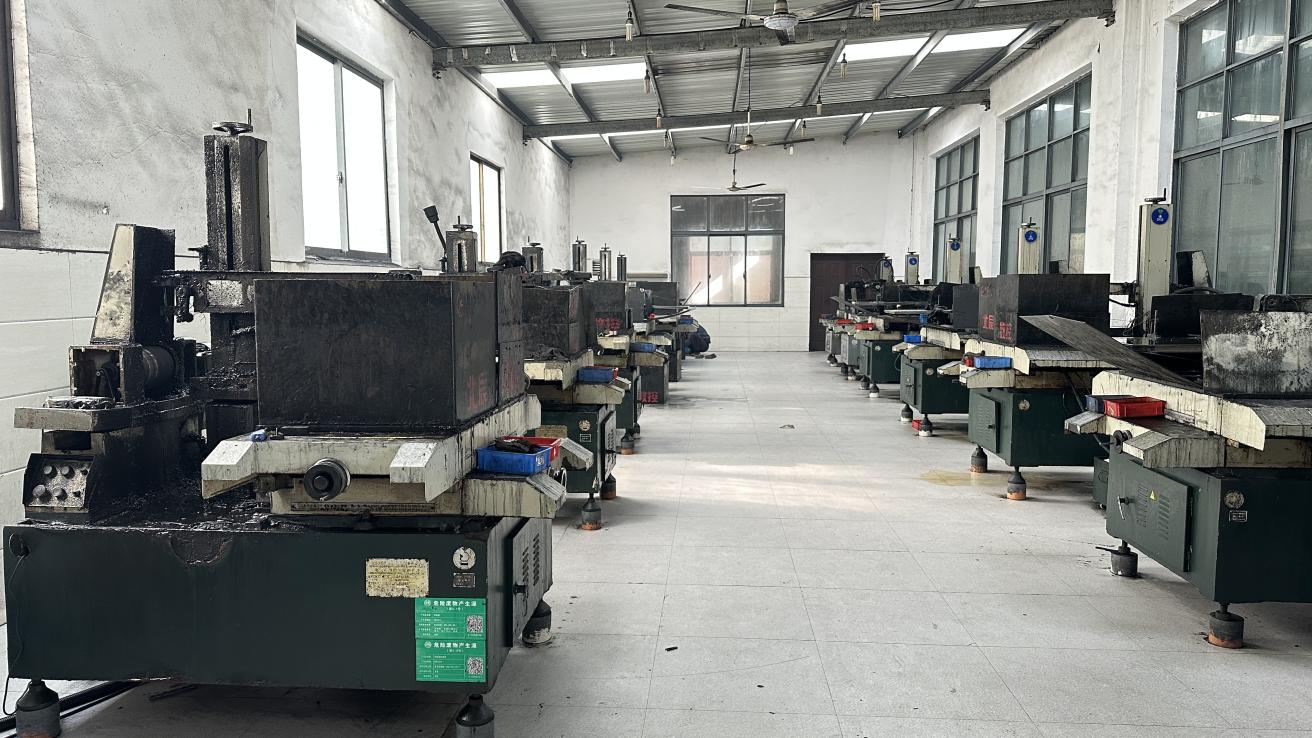
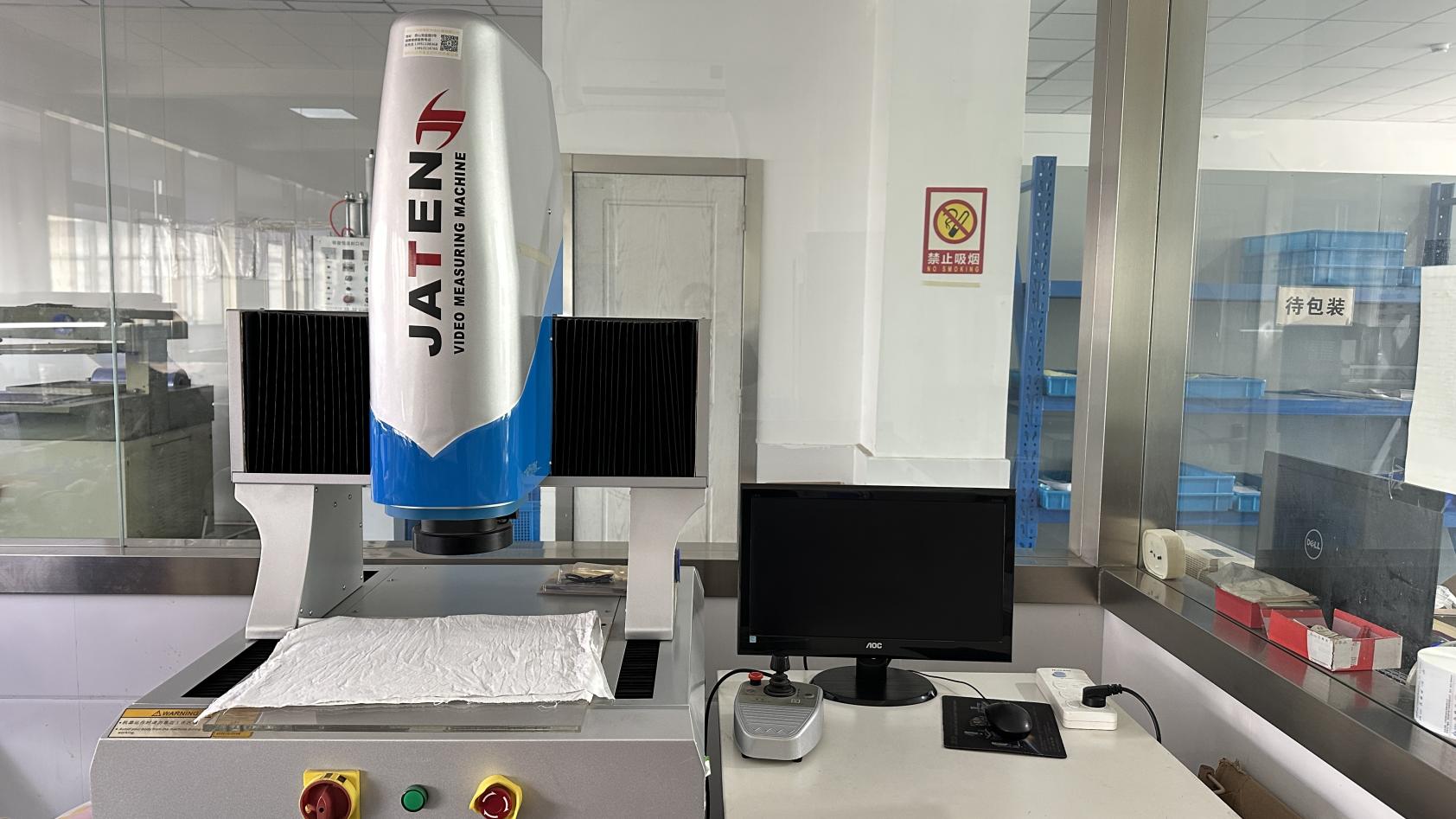
Deploying advanced multi-axis CNC lathes and wire-cutting machinery, we achieve sub-micron dimensional tolerances. These tolerances are critically monitored using high-grade coordinates measuring machines (CMM) and two-dimensional optical measuring tools.
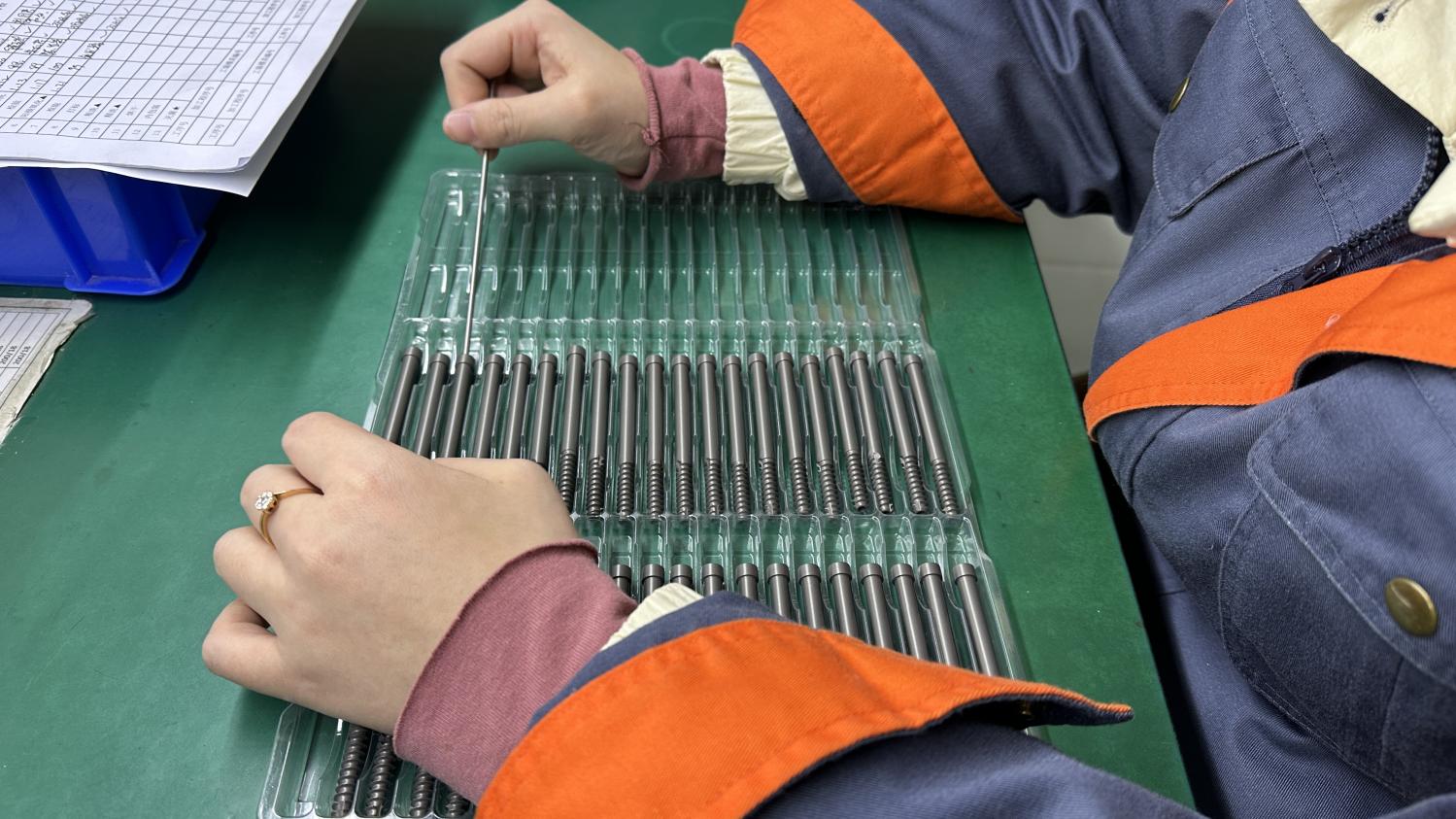
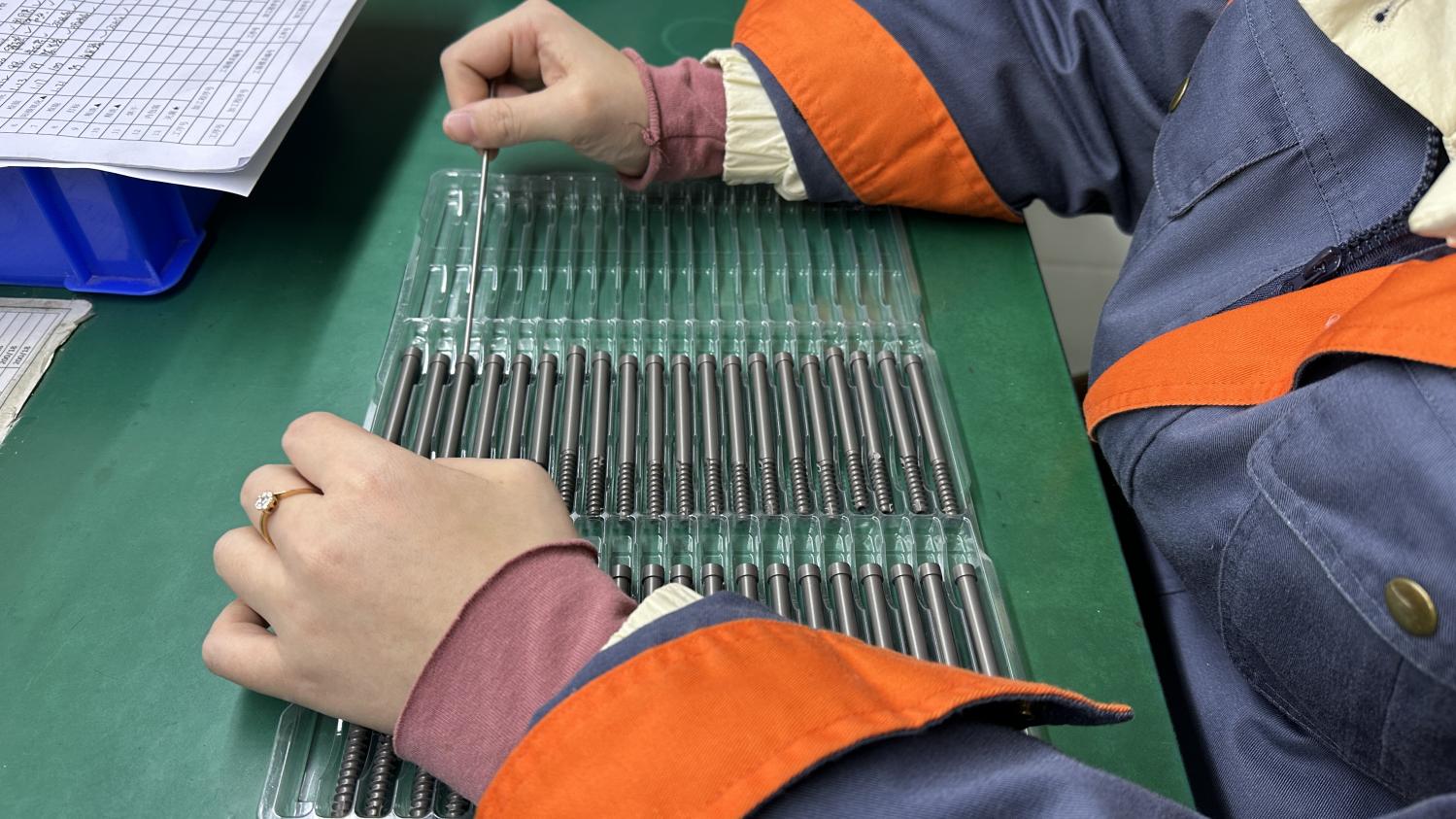
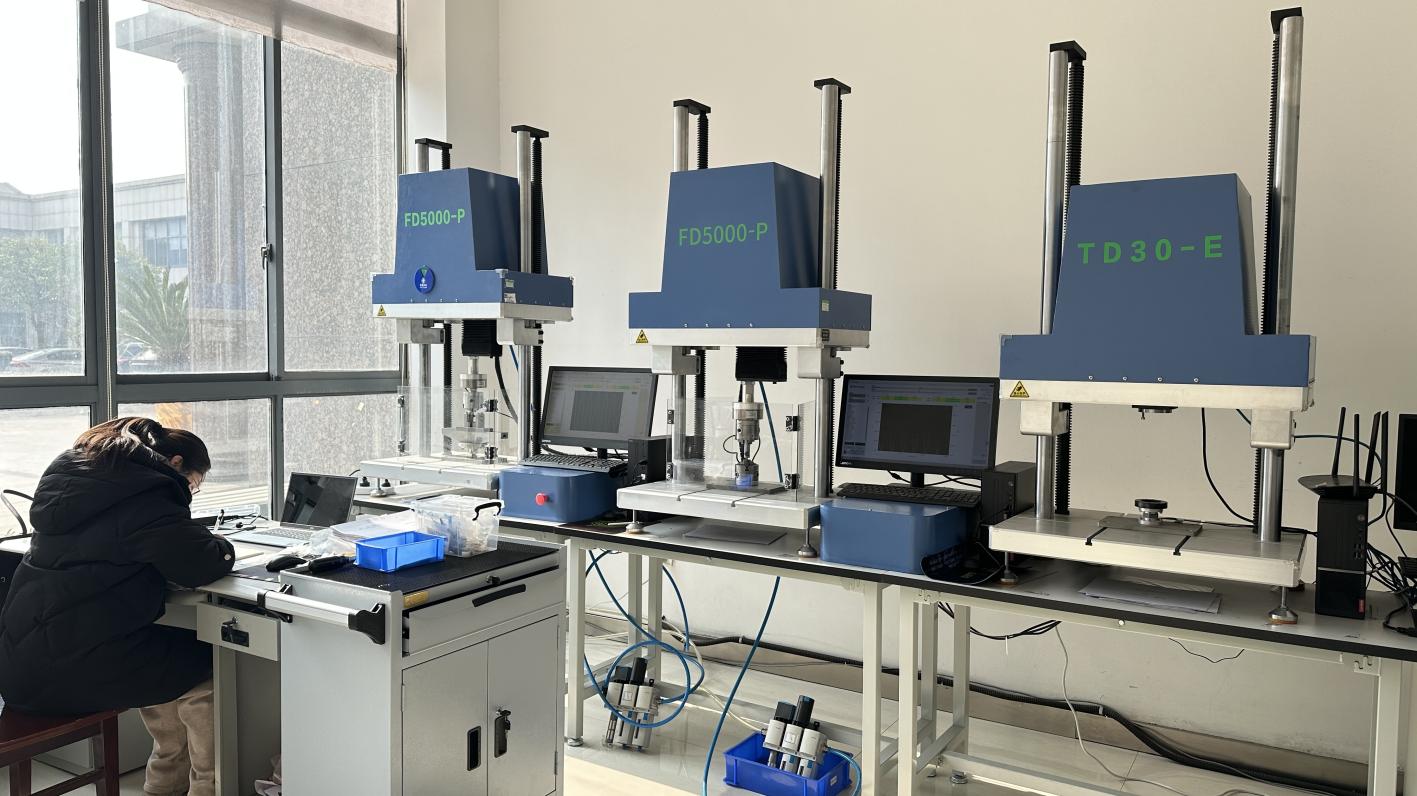
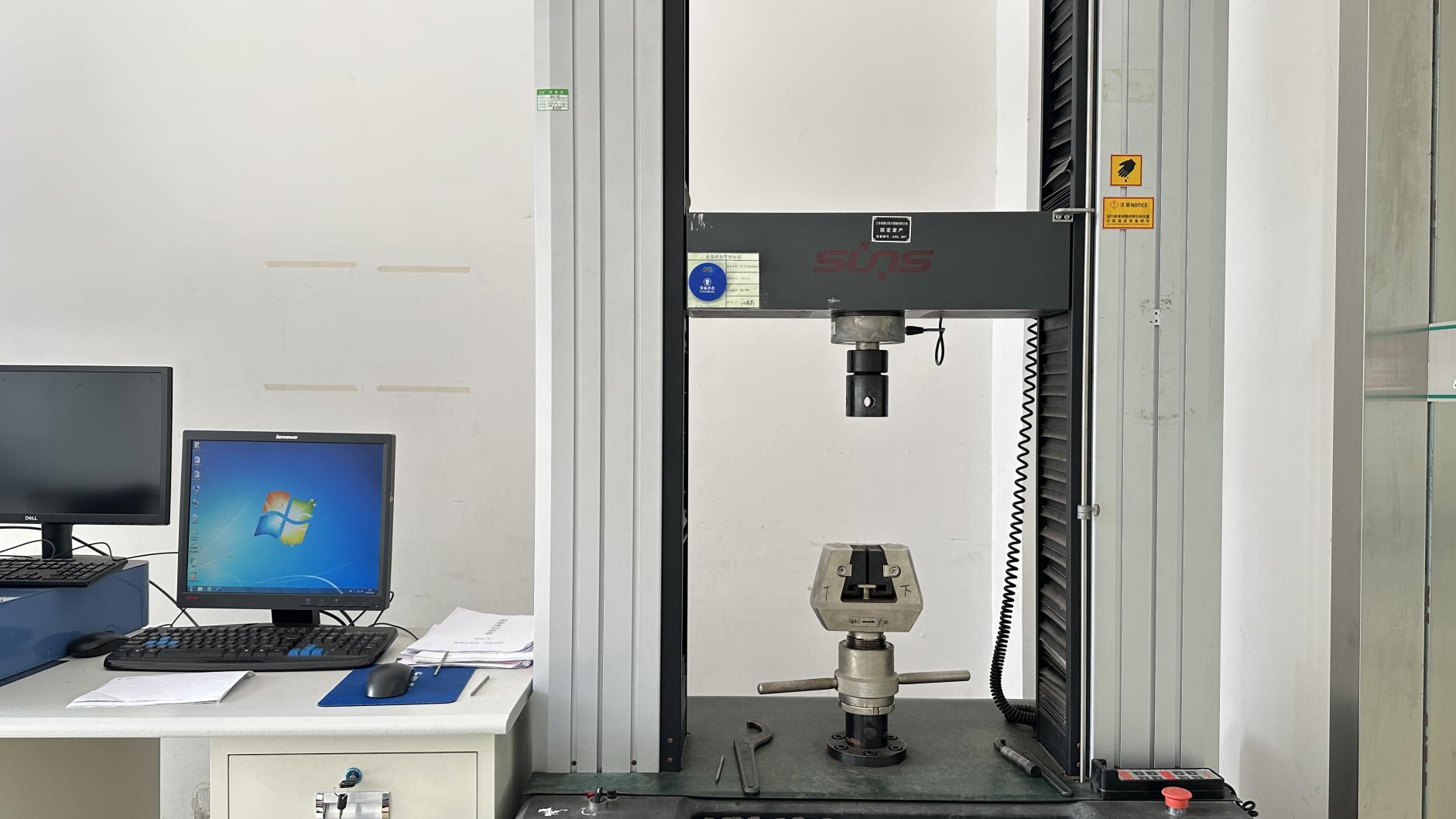
Every product line undergoes extreme structural tests. From axial fatigue tests matching high-strain clinical weights to tensile strength tests and pull-out resistance tests on our high-precision bone screw testing beds, ensuring compliance with global trauma directives.
Comprehensive photo inventory showing raw materials, automated processing, quality checking, and diagnostic labs.
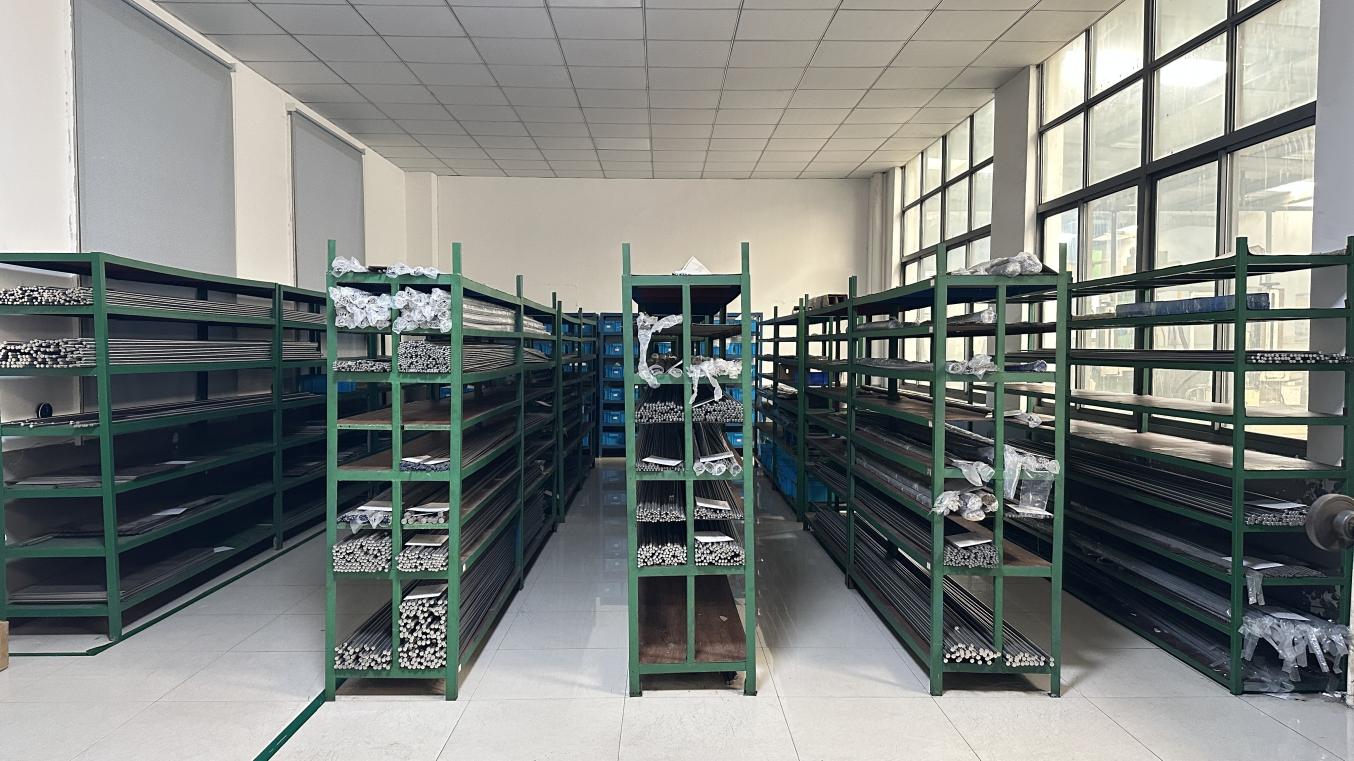
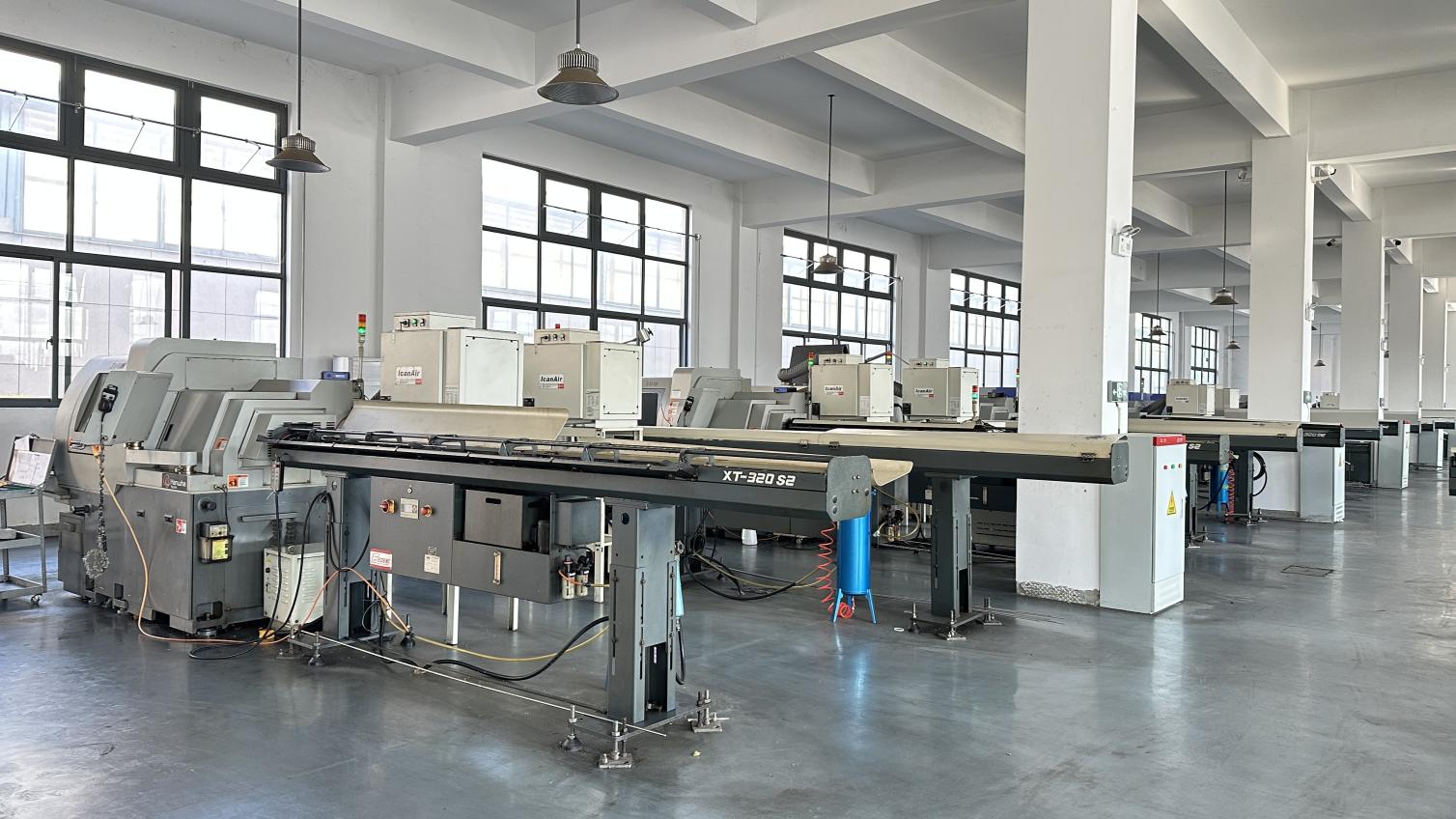
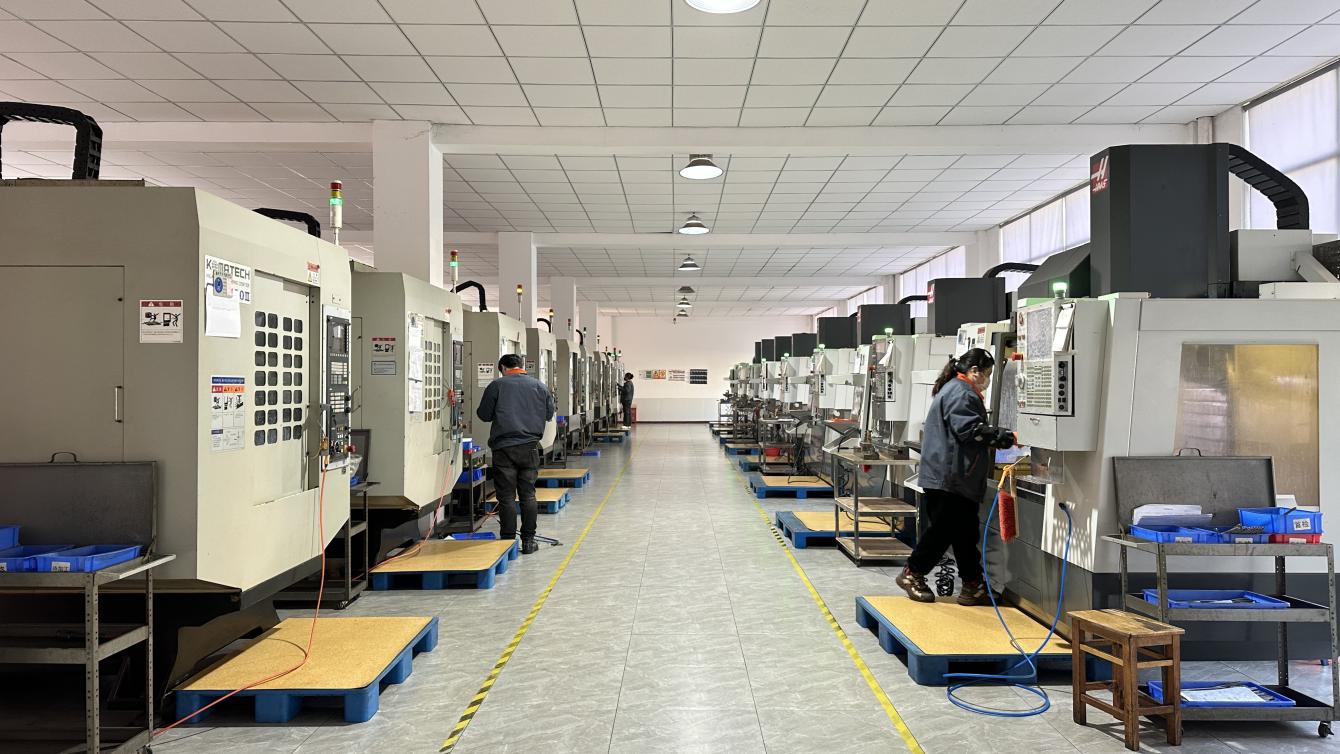
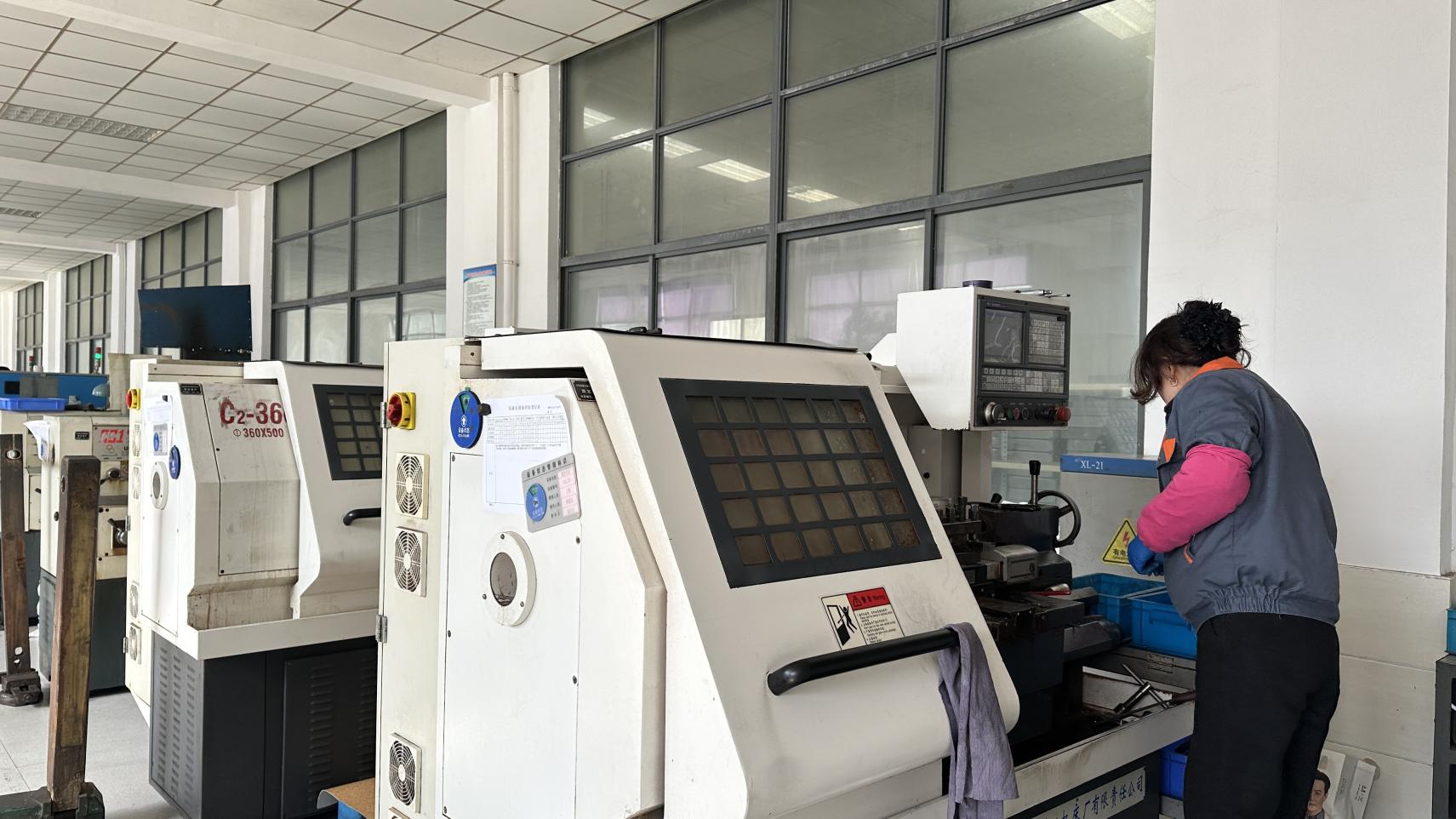
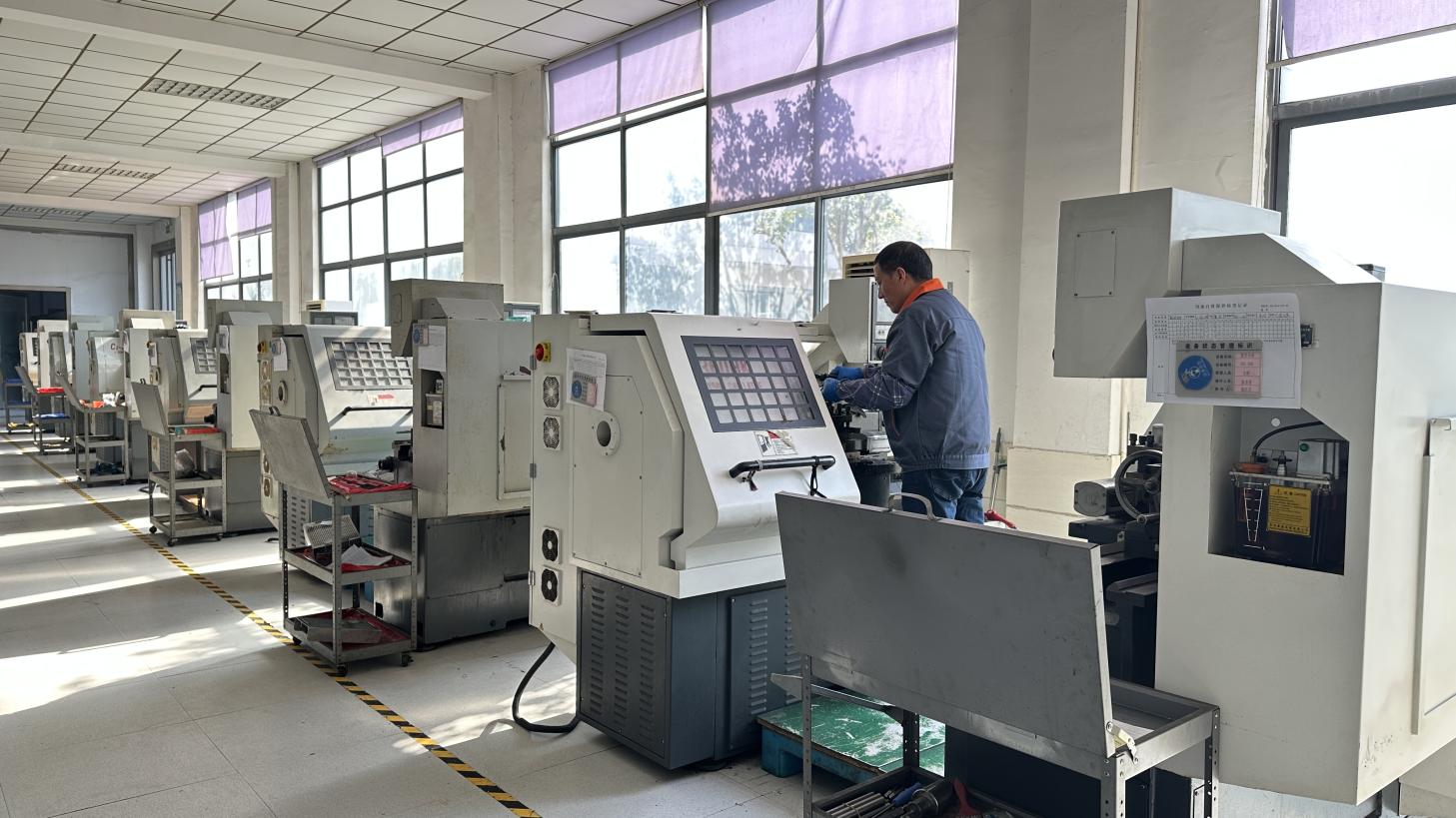
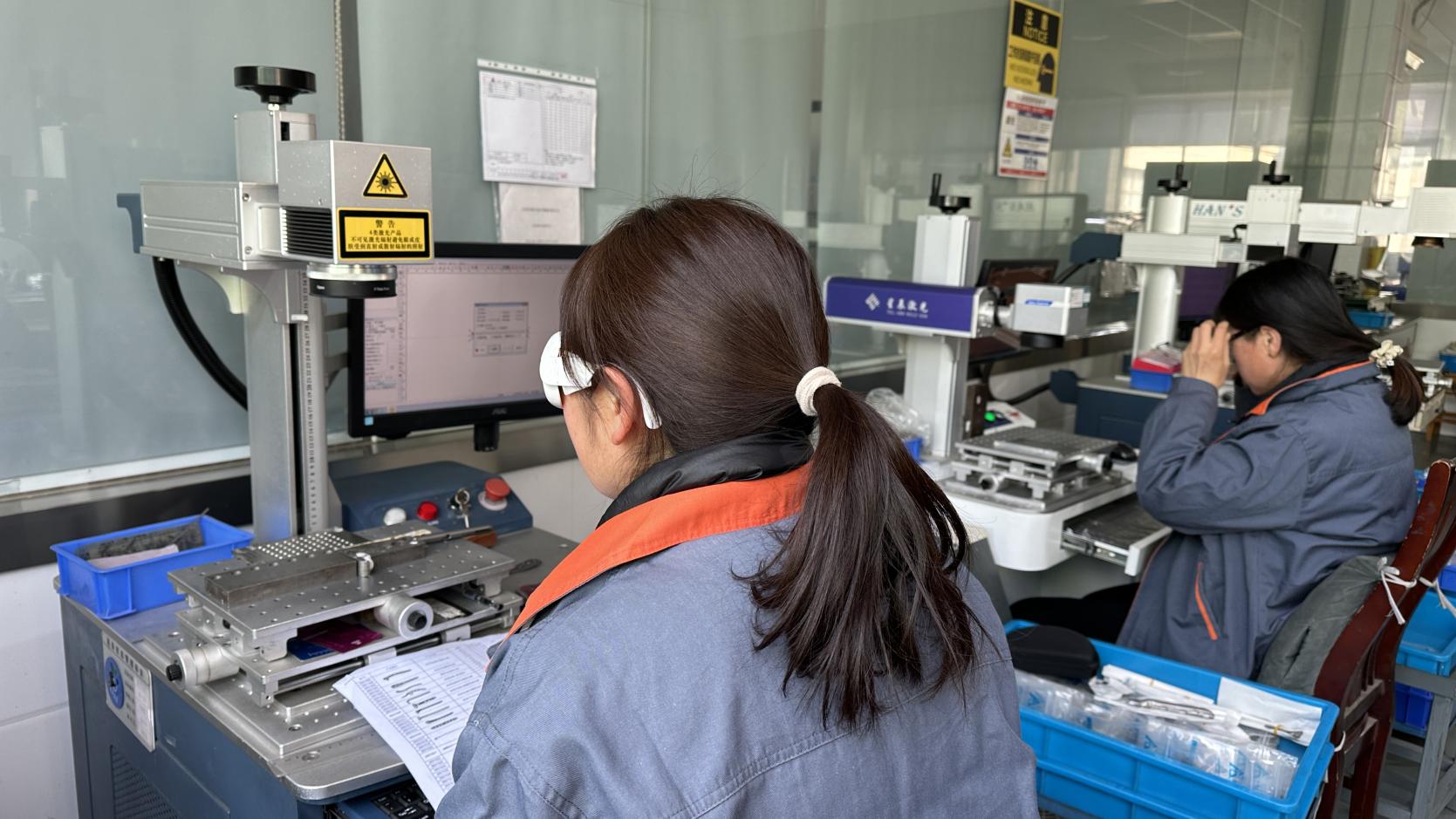
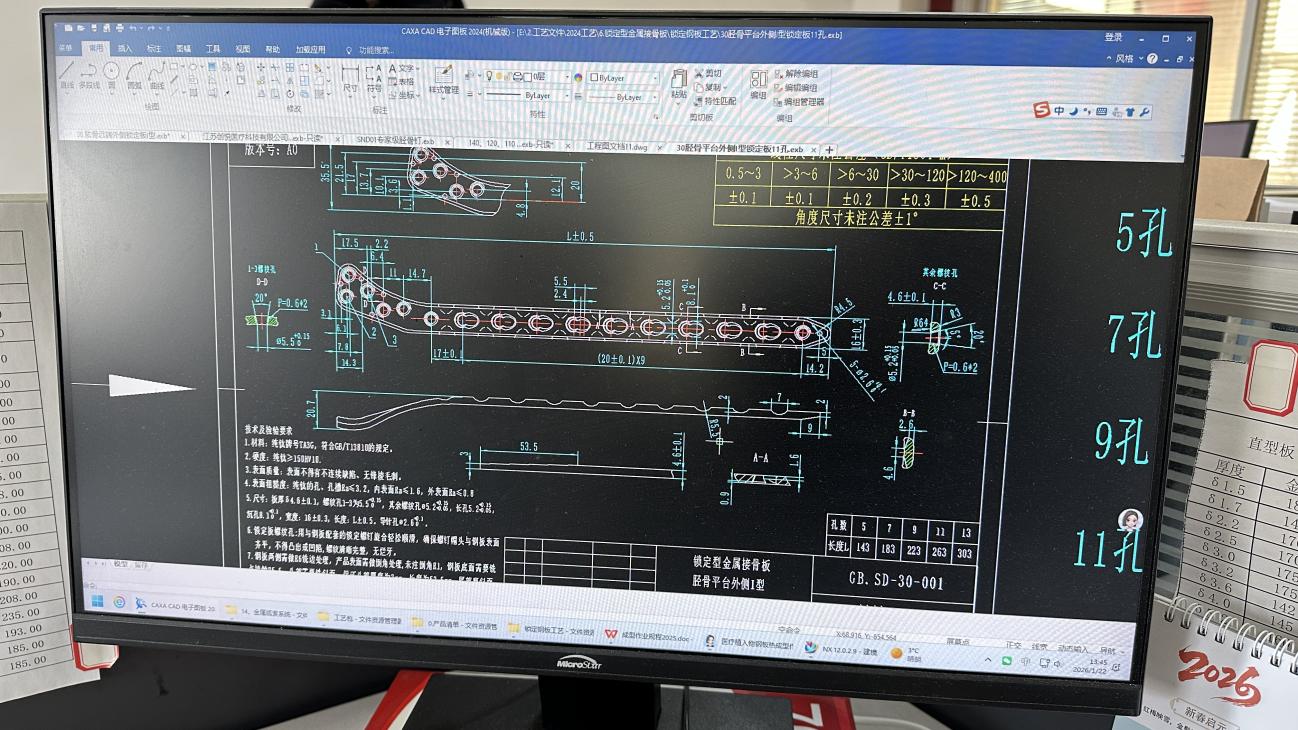

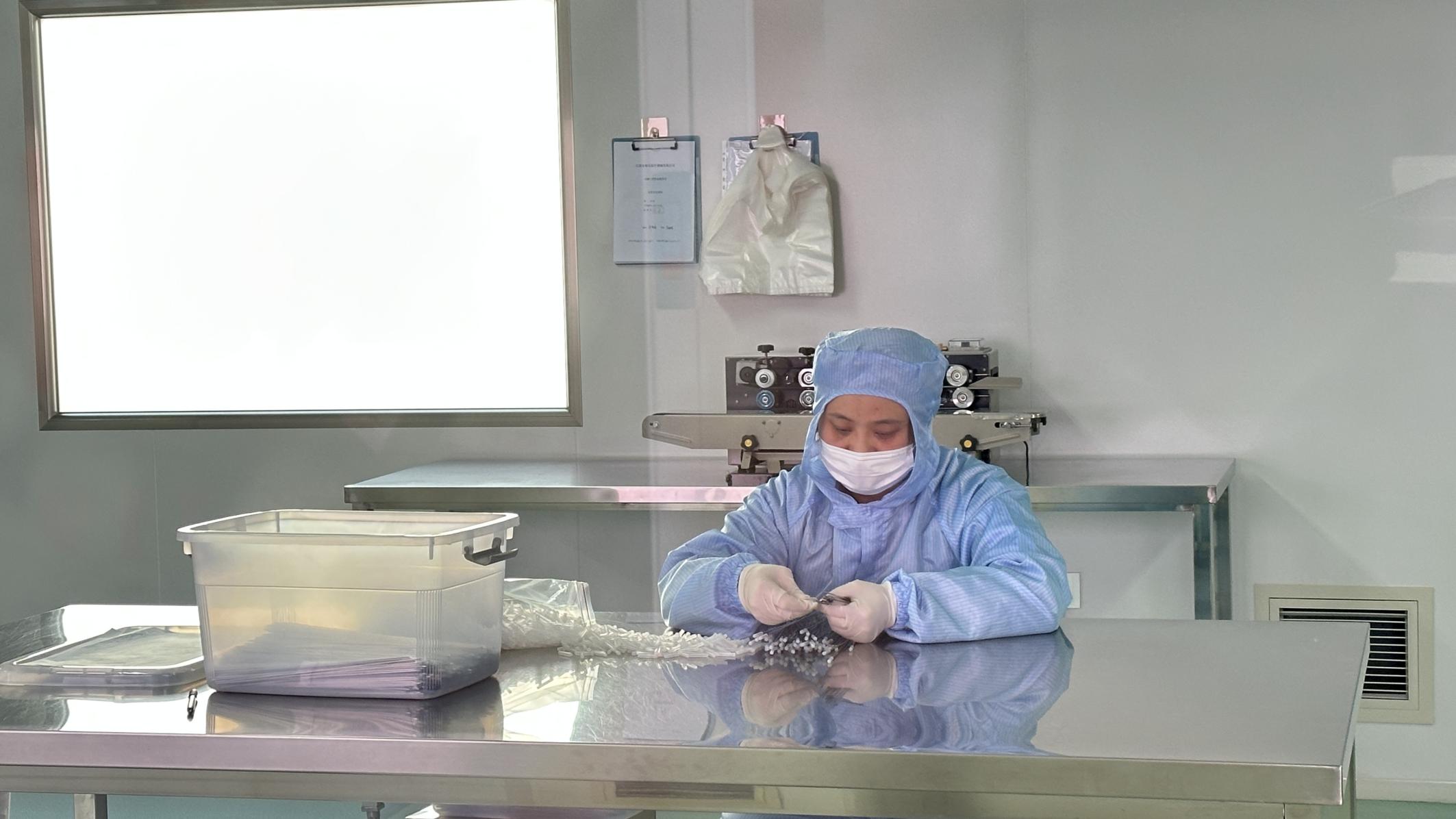
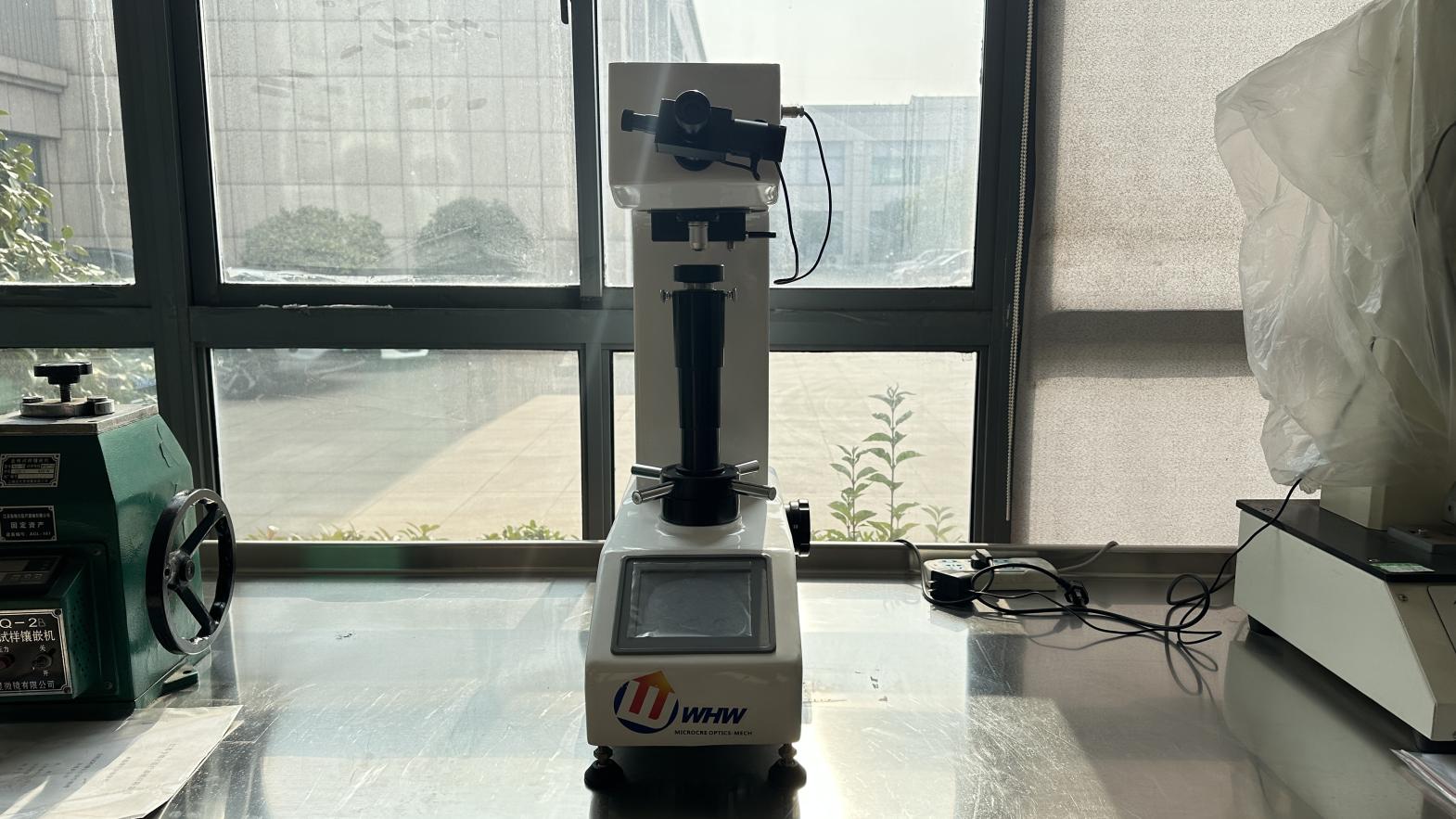
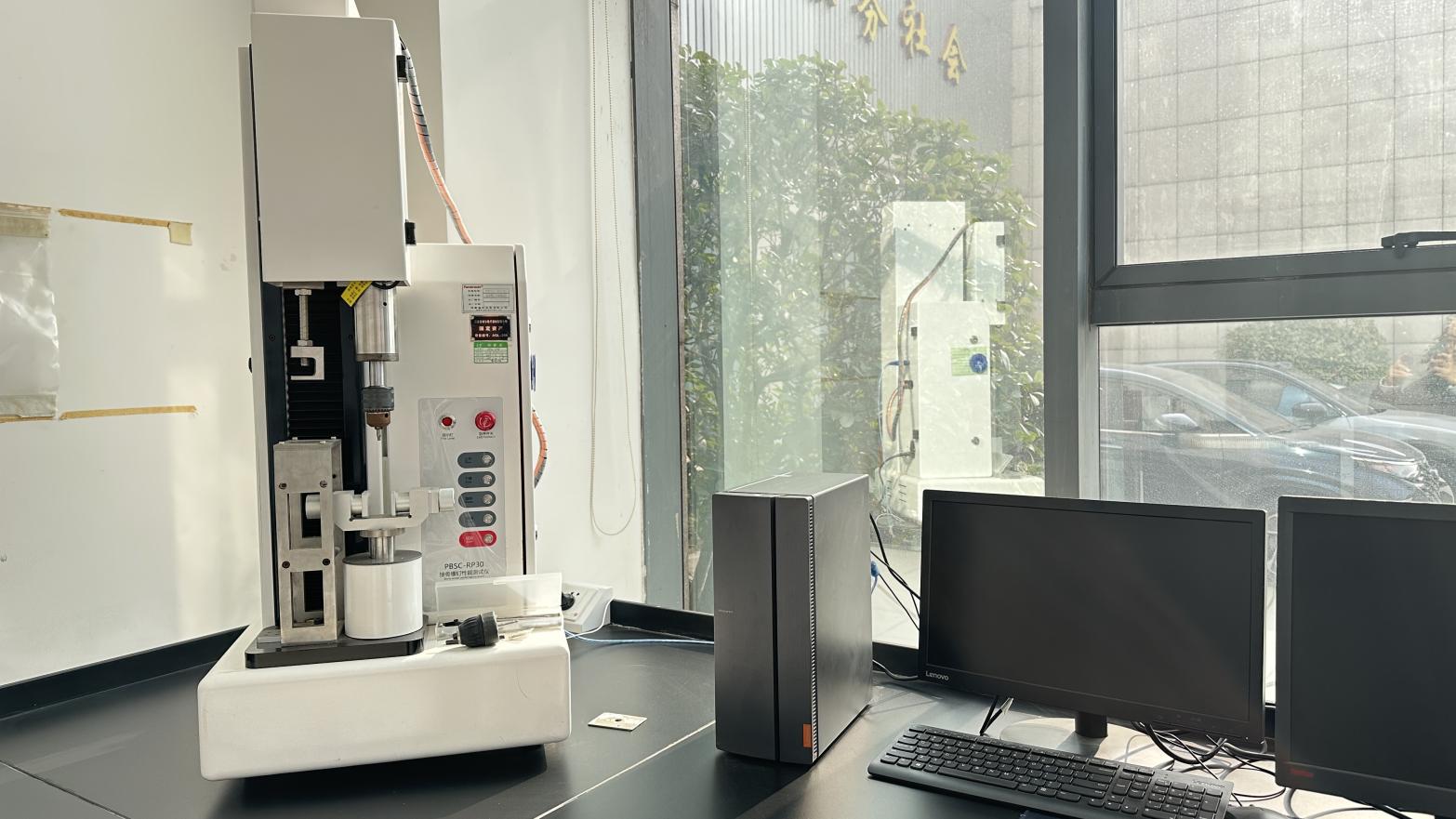
How external fixation systems adapt to diverse medical infrastructure globally.
In high-tier Level 1 trauma centers, pelvic external fixators are routinely deployed in the resuscitation bay within minutes of patient arrival. The device provides immediate, temporary stability to control hemorrhagic shock, permitting other emergency surgical teams (such as general surgeons performing laparotomy) to operate concurrently without risking displacement of the pelvic fracture.
In regions facing active natural disasters, conflicts, or limited tertiary facilities, open pelvic reconstruction plate operations might not be immediate options. Under these conditions, a robust, easy-to-sterilize external fixator acts as the definitive treatment for stabilizing pelvic ring integrity during transit to a higher-care surgical hospital.
Modern traumatology regularly interfaces external frames with posterior percutaneous sacroiliac (SI) screw fixation. The external frame maintains anterior stability, while minimally invasive screws fix the SI joint posteriorly. The radiolucent features of our carbon fiber rods allow real-time fluoroscopic guidewire insertion under C-arm guidance without interference.
Direct answers for biomedical engineers, regulatory affairs leads, and healthcare buyers.
Explore our selection of specialized instrument sets, locking plates, and joint reconstruction kits.
 Virelox