Premium ISO 13485 & CE-certified systems engineered for optimal clinical outcomes and patient recovery.
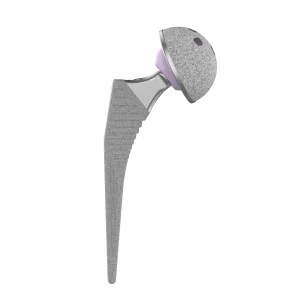
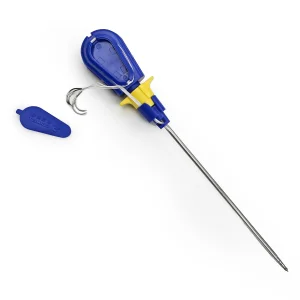
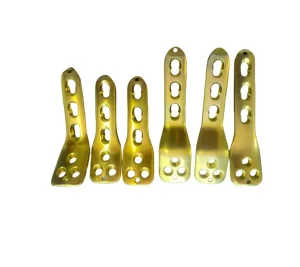
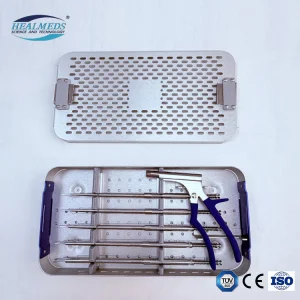
A trusted global leader in high-performance joint replacement and orthobiology manufacturing.
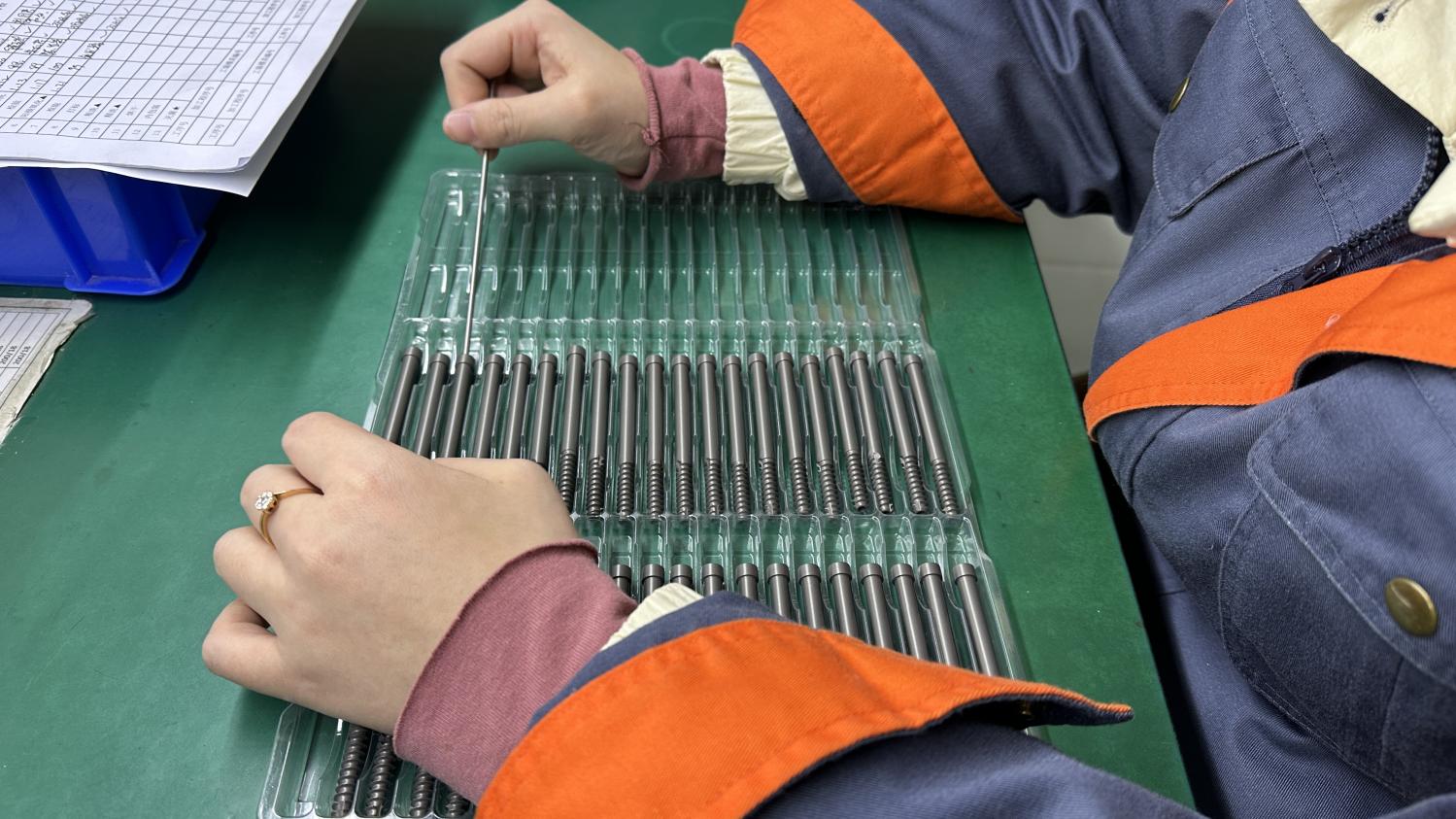
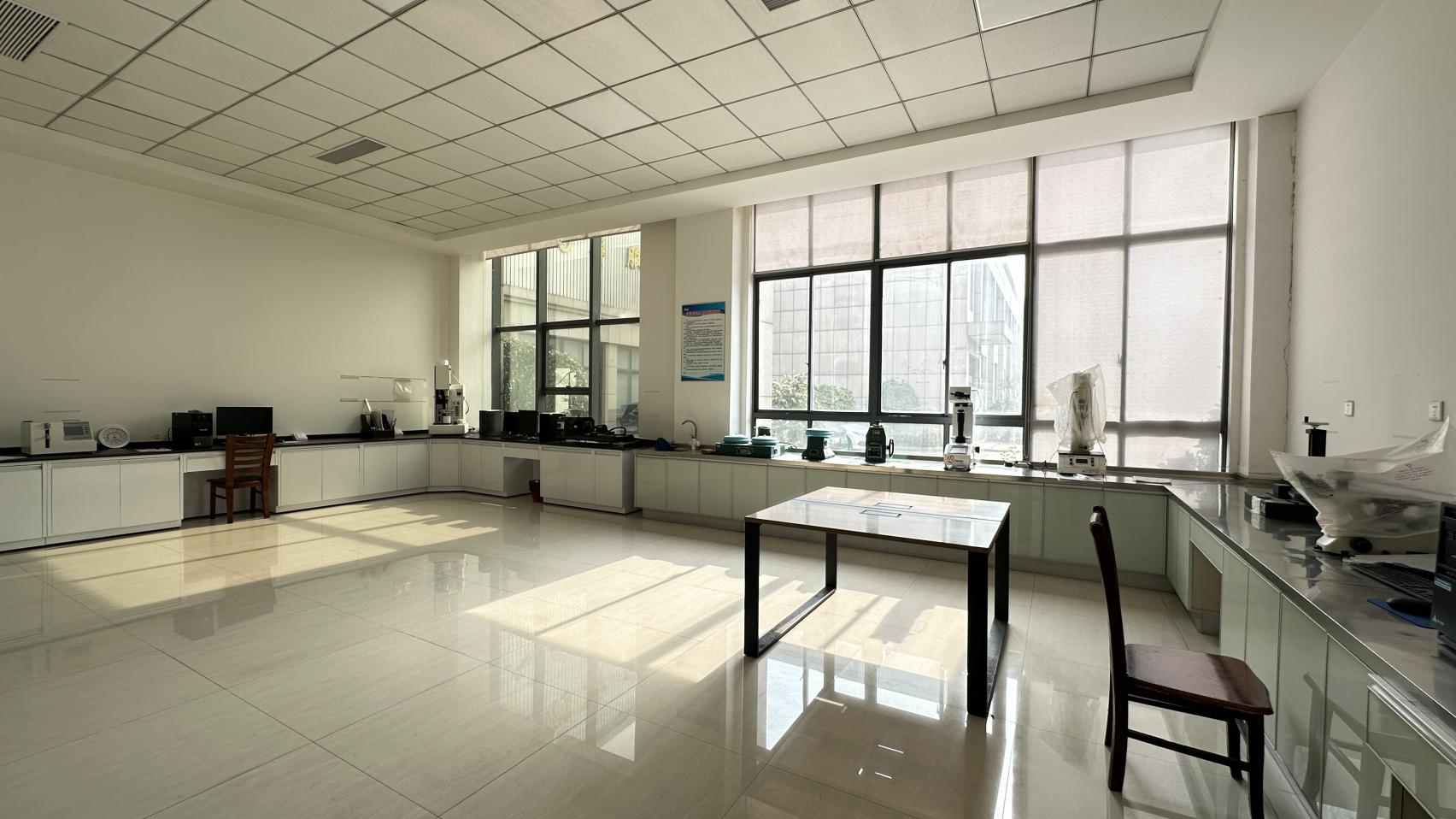
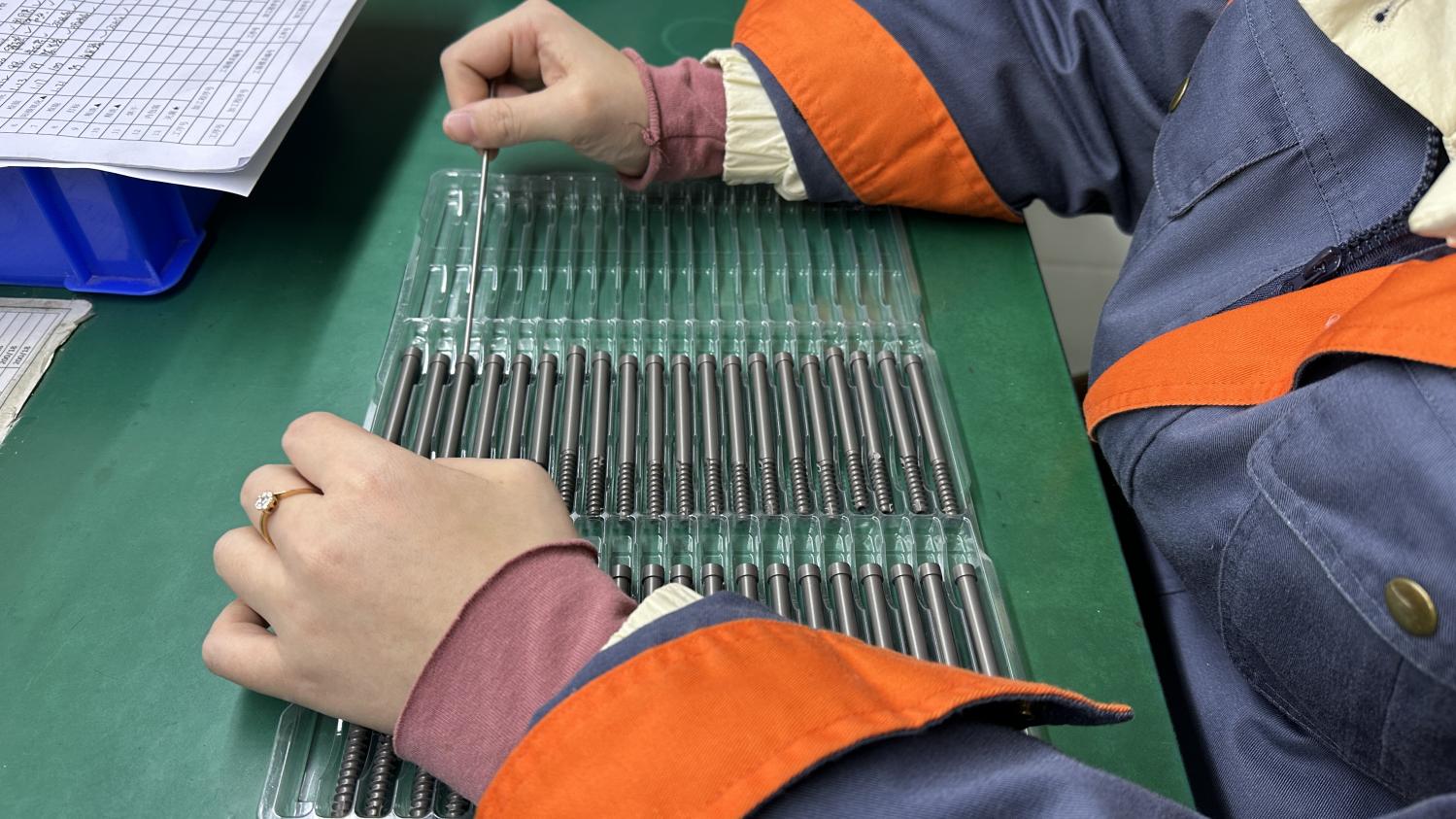
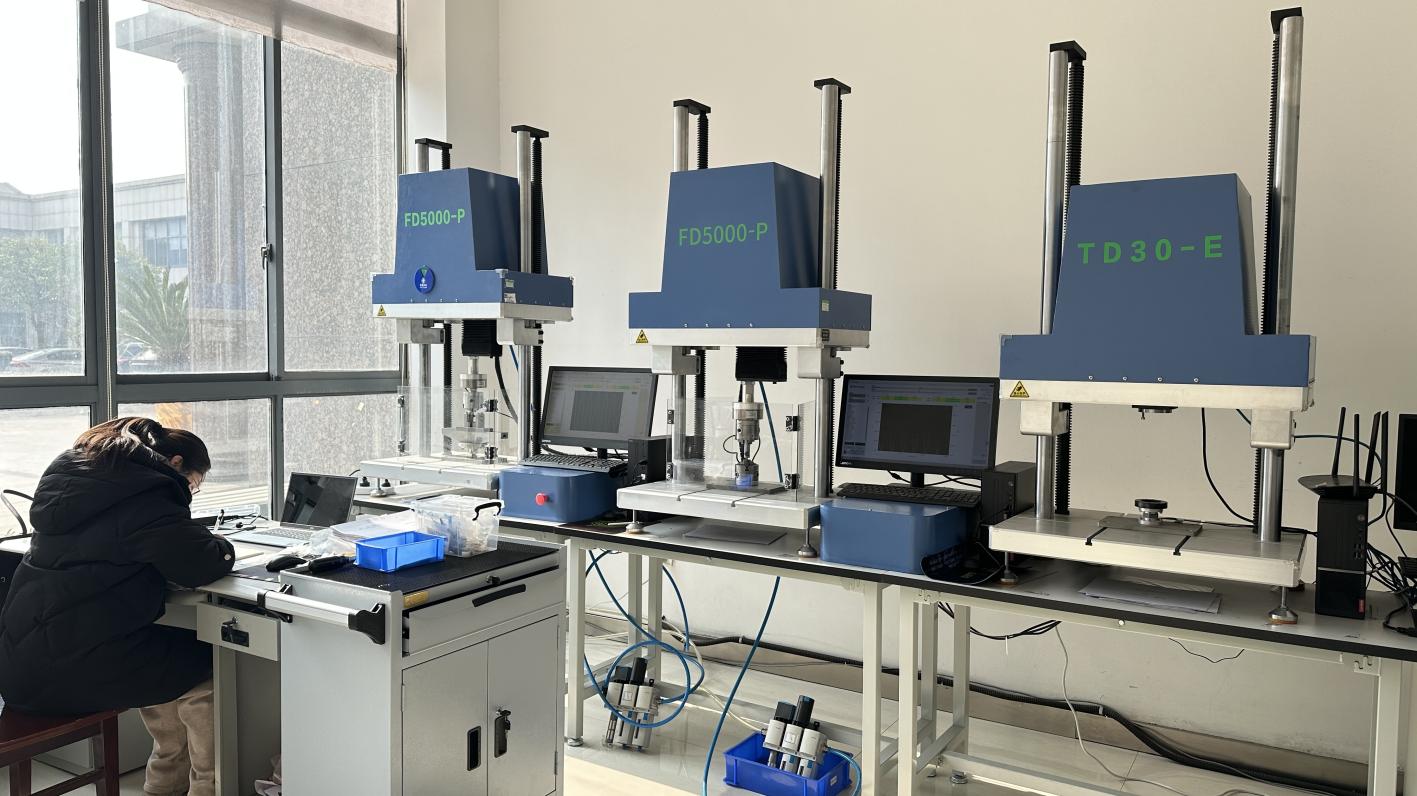
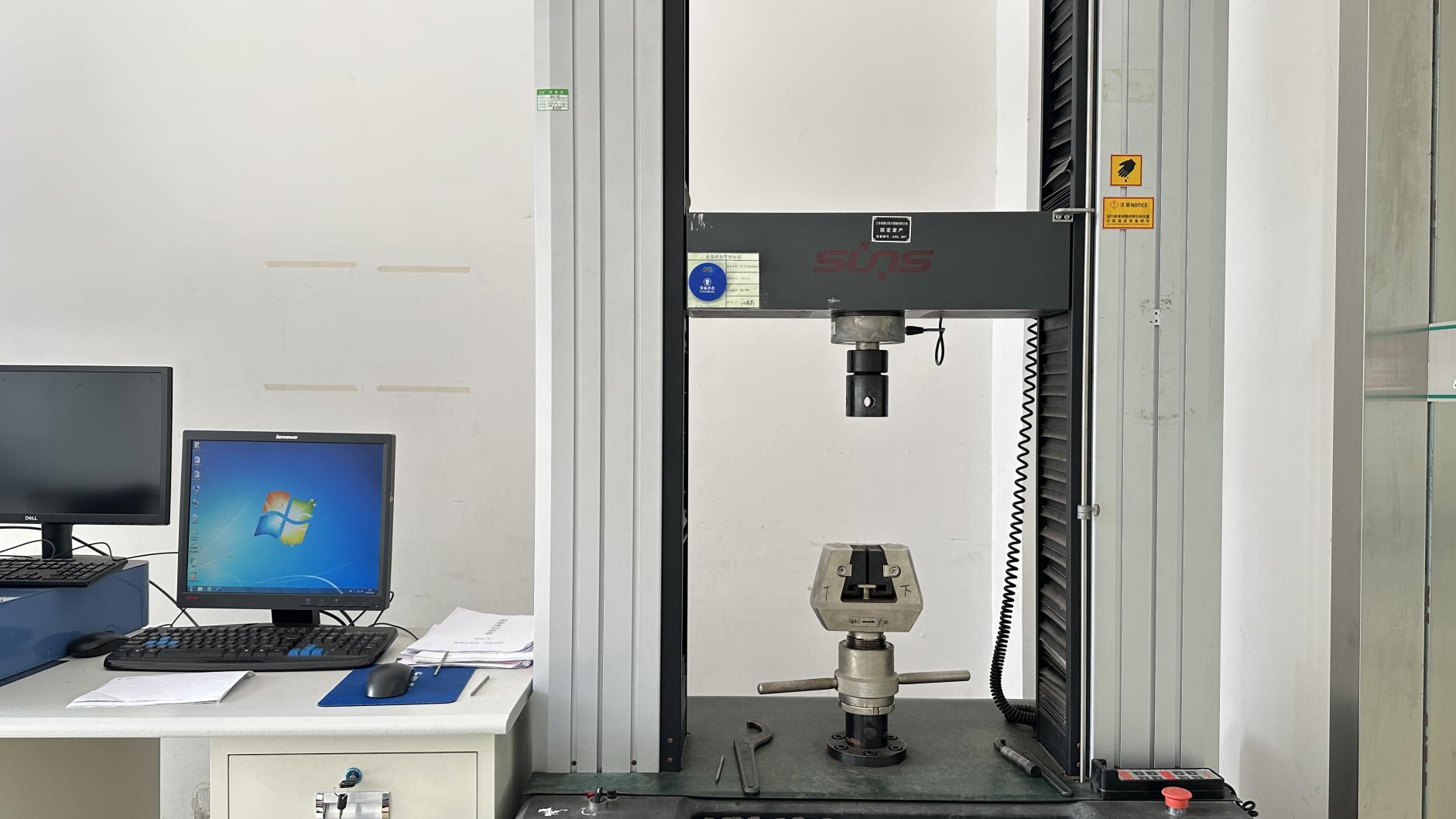
We implement a strict ISO 13485-compliant lifecycle system. From incoming raw materials verification to post-machining validation, our team of 65 dedicated QC professionals utilizes advanced CMM dimension analysis, X-ray scanning, fatigue load testing, and tensile strength validation to guarantee extreme performance bounds.
We provide full-spectrum private label manufacturing, OEM design customization, and custom implant geometry matching based on precise surgeon feedback and patient scans. Backed by 850 certified upstream/downstream material and processing partners, we assure speed, regulatory safety, and structural integrity.
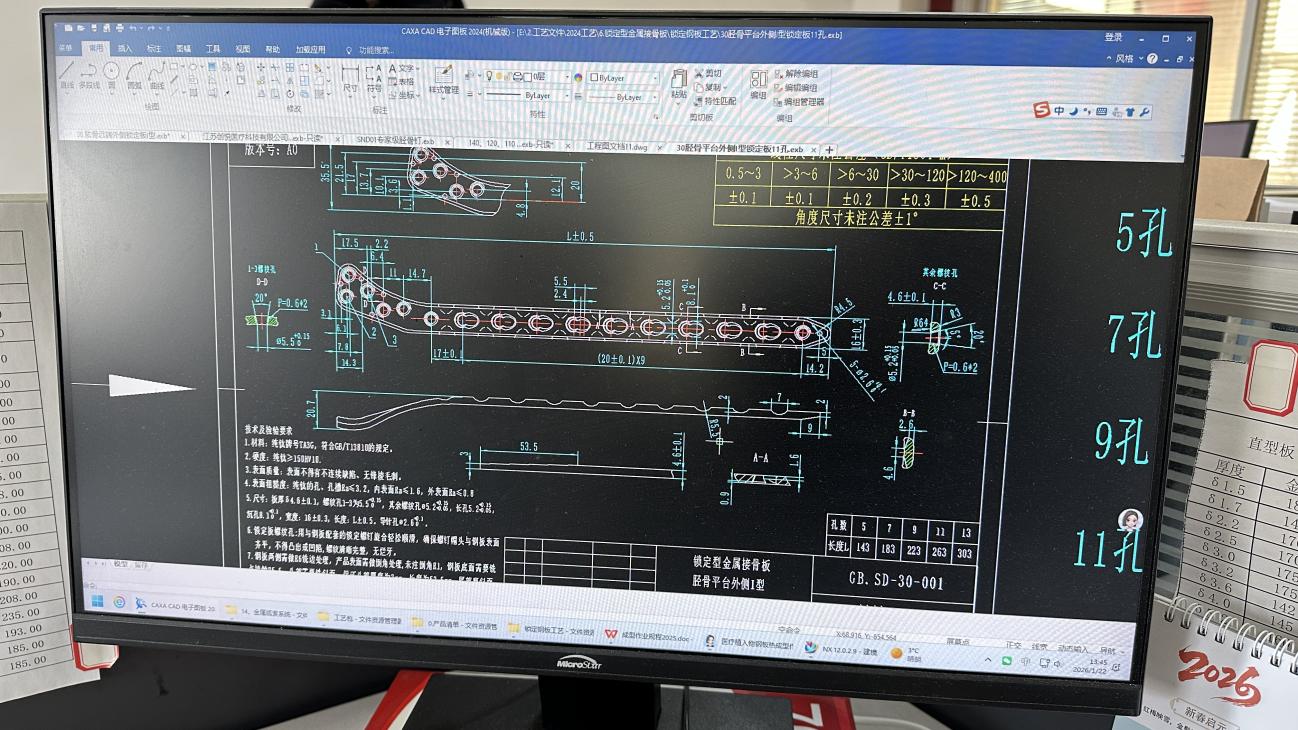
Our research facility excels at complex FEA (Finite Element Analysis) structural simulation, rapid cleanroom prototyping, and in vitro evaluation of polymer degradation behavior. In the last calendar year alone, our specialized engineering squad introduced 120 new osteosynthesis and spinal implant solutions to the world market.
Historically, metal alloys (such as titanium, cobalt-chromium, and stainless steel) have served as the benchmark for internal fixation. However, the inherent rigidity of metals can introduce long-term clinical issues, including stress shielding (where bone resorption occurs due to the reduction of physiological load sharing) and the necessity for secondary extraction surgeries.
Modern bioresorbable orthopedic implants are synthesized from advanced thermoplastic polyesters. The most clinically studied and applied compounds include:
During the breakdown phase, these polymers undergo ester linkage hydrolysis, yielding non-toxic, natural metabolizable monomers (lactic acid and glycolic acid) which are subsequently processed by the body's Krebs cycle and excreted as carbon dioxide and water.
The deployment of bioabsorbable devices differs depending on anatomical structures, physiological loads, and patient demographics:
Analyzing key shifts in orthopedic materials, regulatory pathways, and technological progressions.
Globally, healthcare payers and hospitals are focusing on value-based care pathways. Eliminating the "second surgery" to remove hardware reduces hospital readmission rates, infection opportunities, and patient out-of-pocket costs, creating a massive push for bioresorbable devices in key markets across Europe, APAC, and South America.
The next frontier involves combining bioresorbable polymers with bioactive ceramics, such as Hydroxyapatite (HA) or Beta-Tricalcium Phosphate (β-TCP). These composite materials not only degrade, but actively release calcium and phosphate ions to stimulate osteoconductive bone regeneration in the implant site.
Future development roadmaps at Virelox target 3D-printed patient-specific scaffolds featuring customized internal pore architectures. These implants can be pre-loaded with osteoinductive proteins or local antimicrobials that release in a controlled sequence as the polymer structure biodegrades.
How Virelox pairs massive scale with strict global medical standards for seamless international supply.
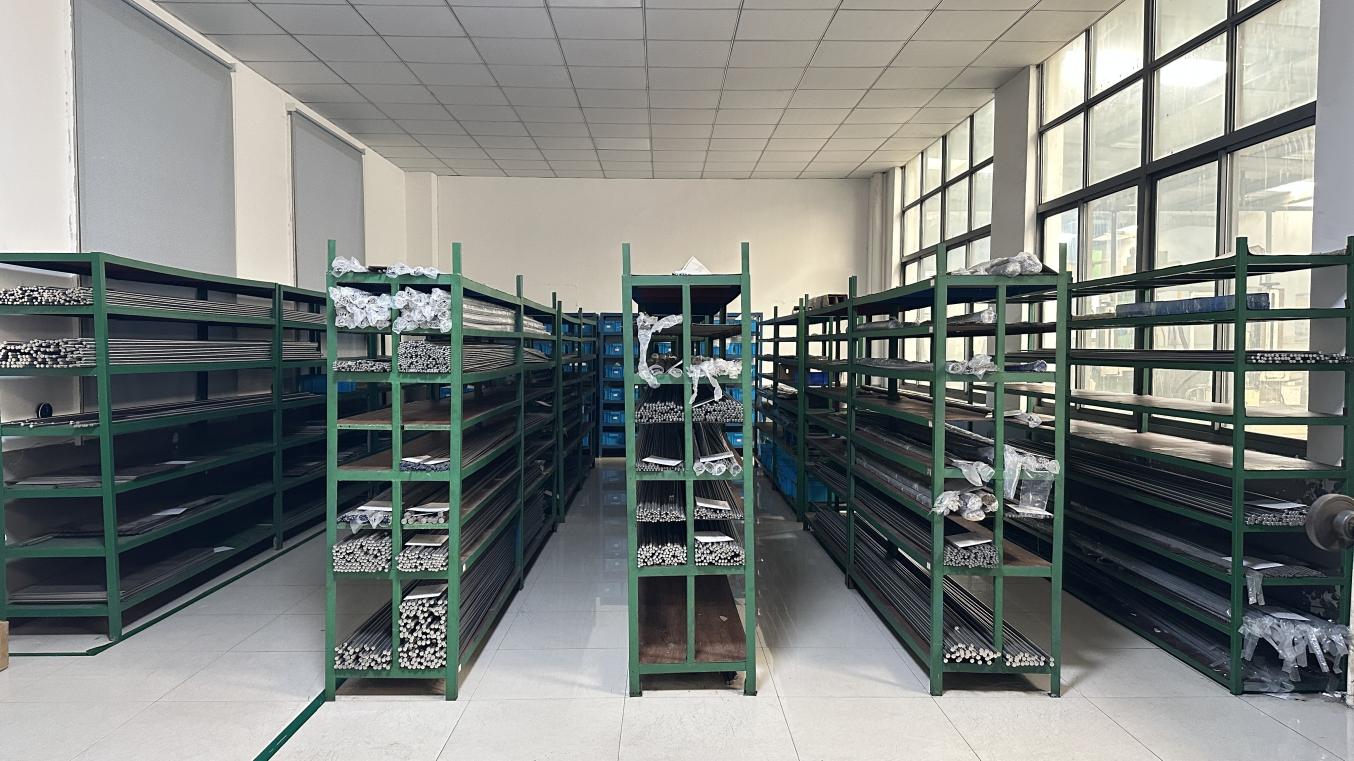
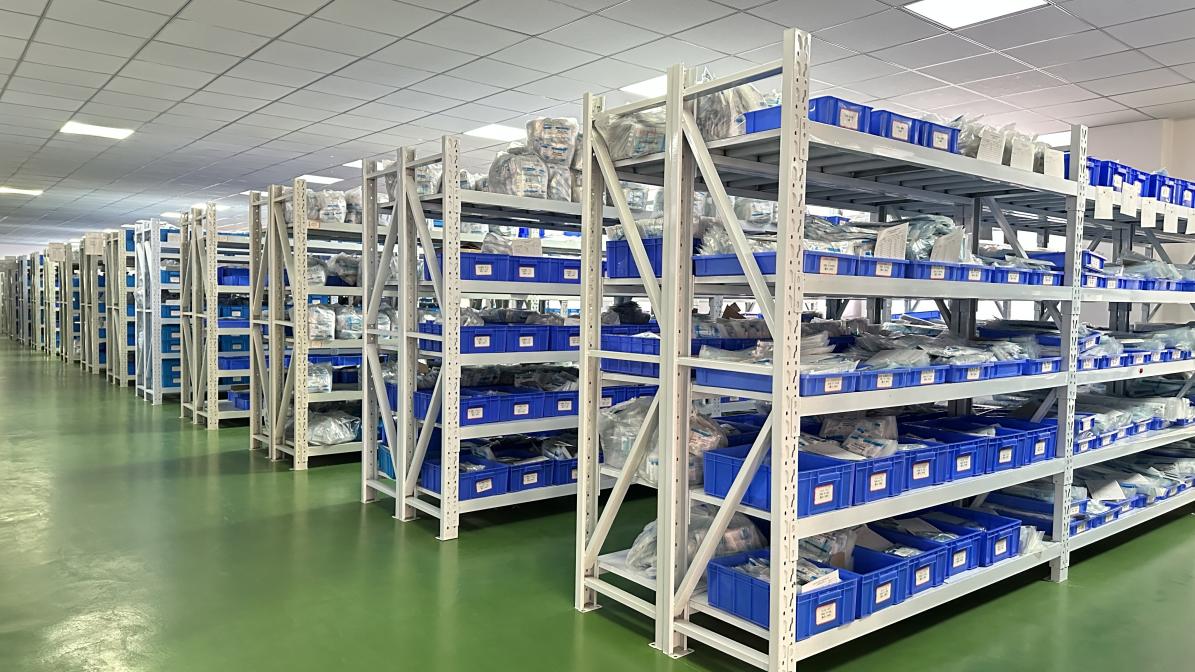
By building deep, multi-tier alliances with 850 verified local chemical suppliers and precision processing component groups, Virelox bypasses global logistics bottlenecks. Our raw material streams—ranging from medical-grade titanium bars to ultra-pure polymer granules—are pre-inspected and stockpiled to maintain production continuity even during global shipping disruptions.
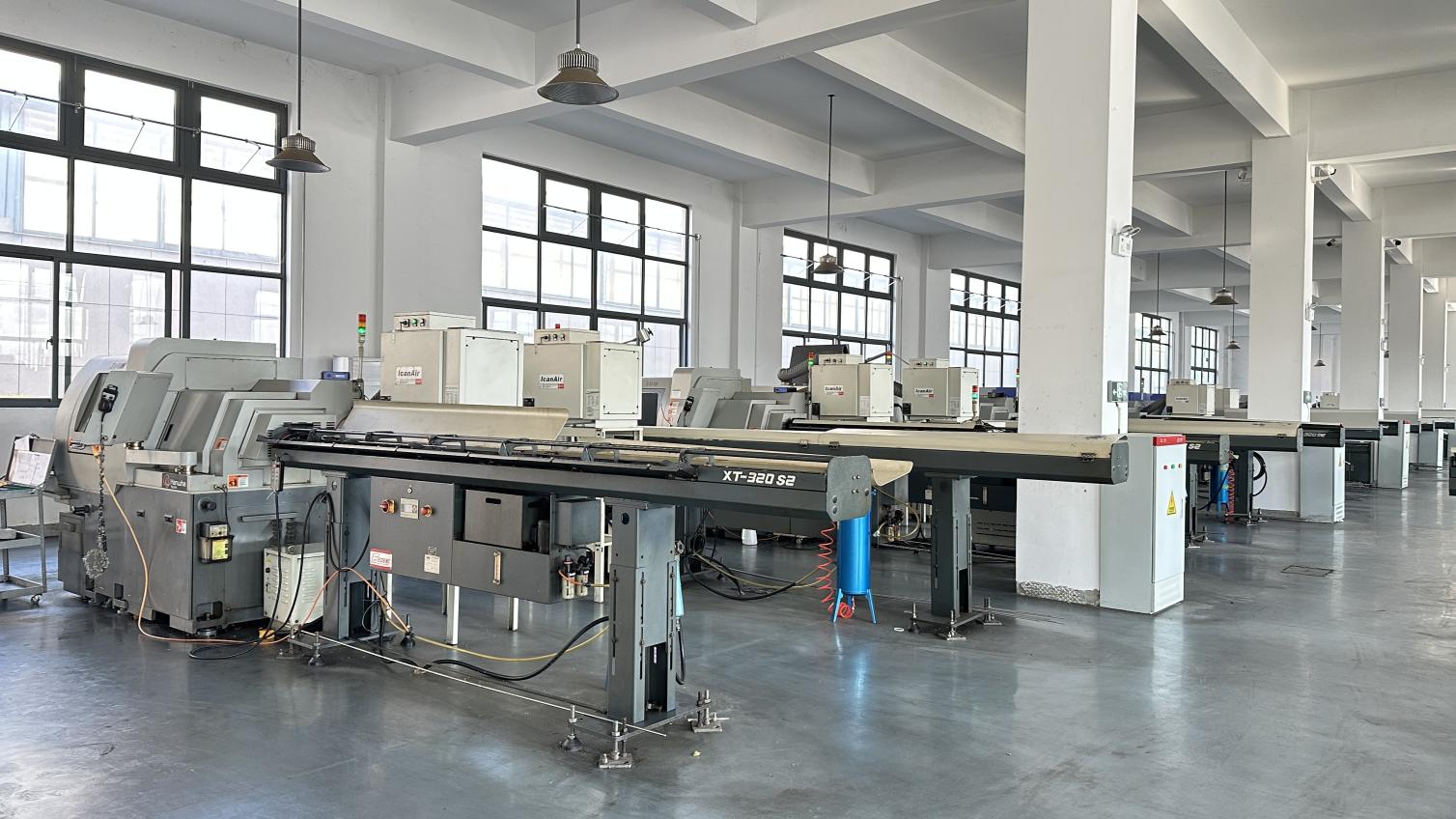
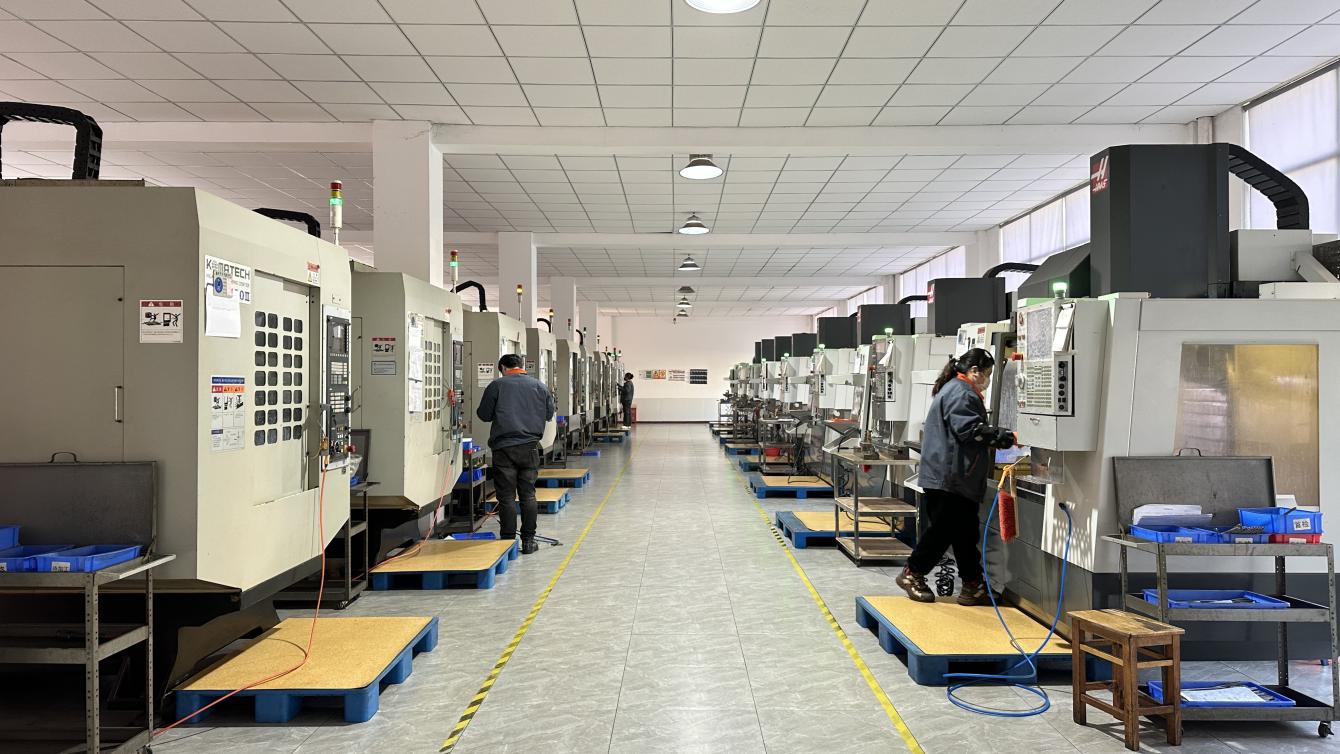
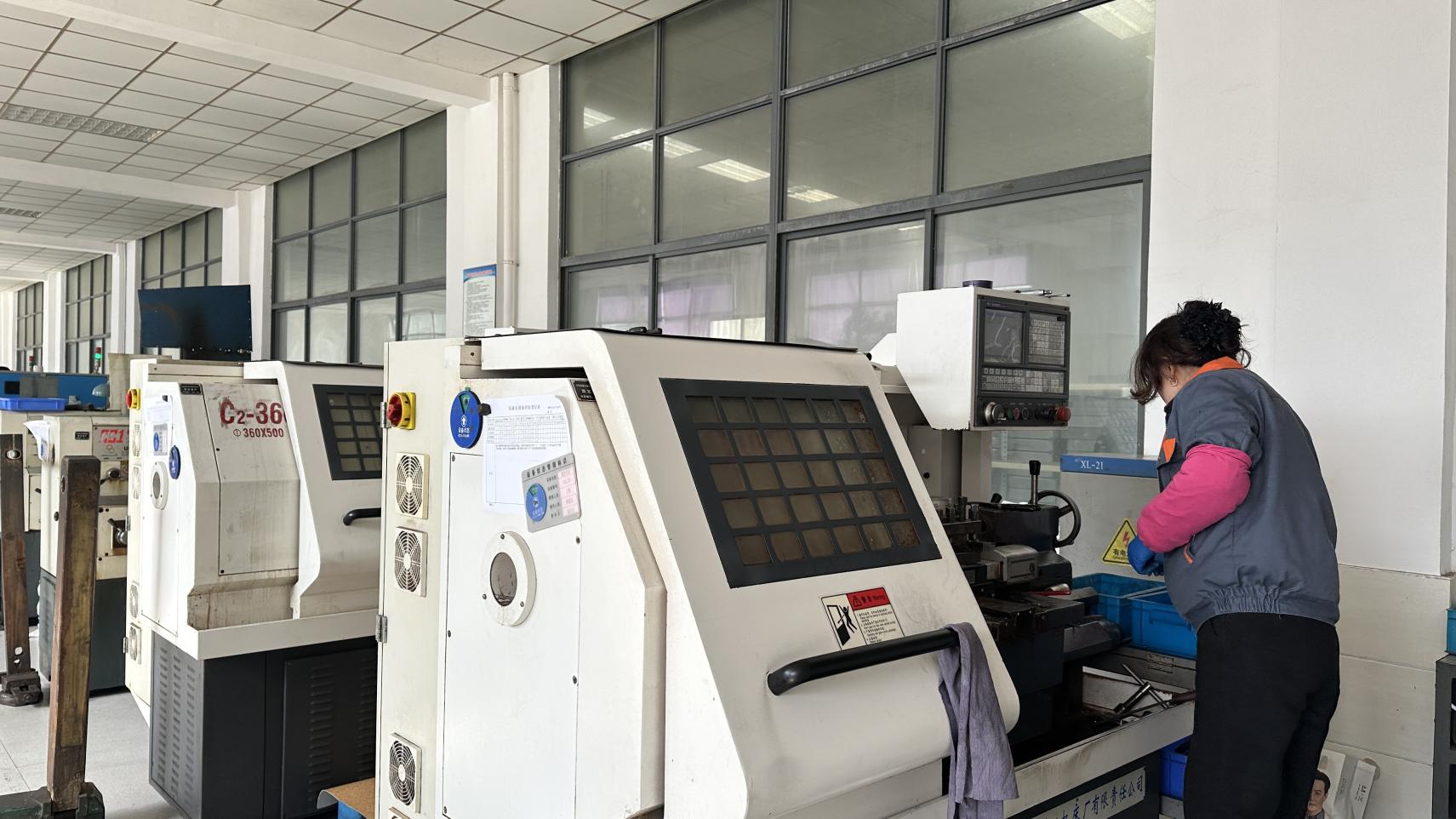
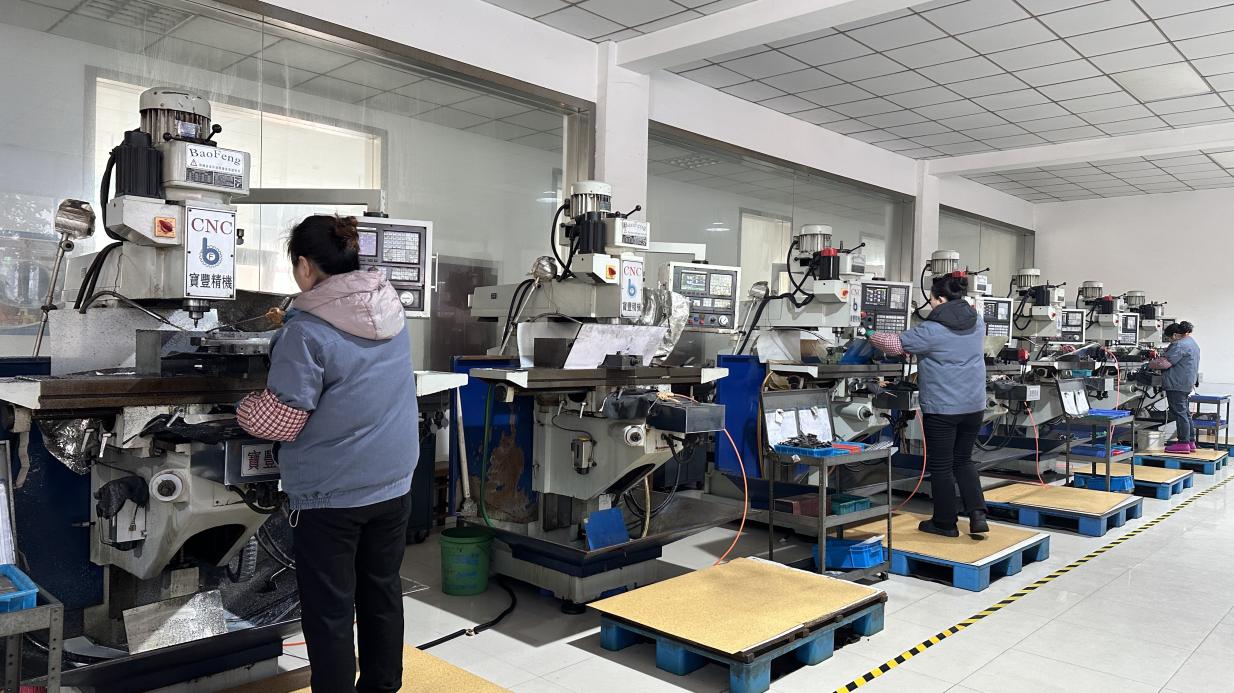
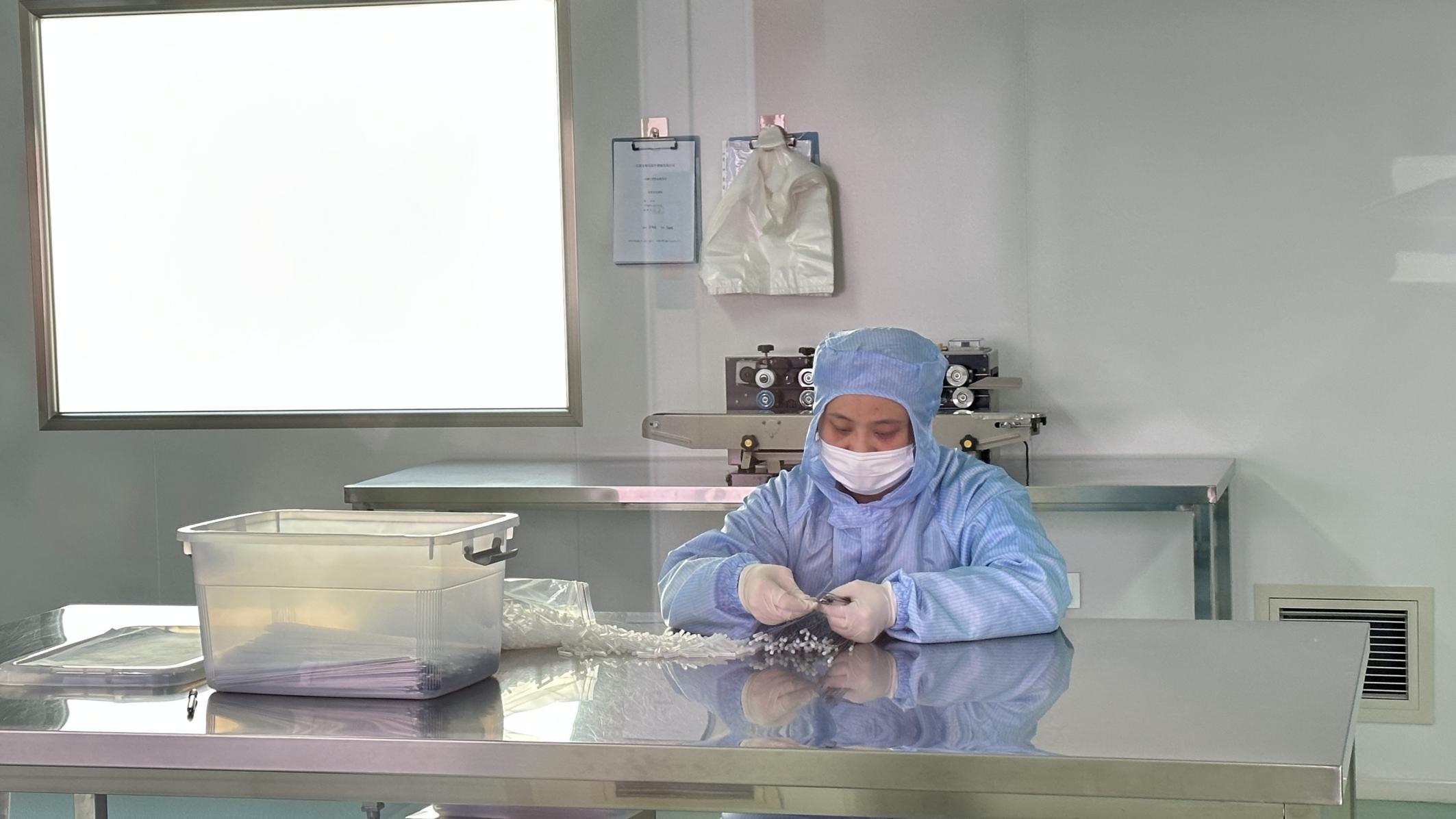
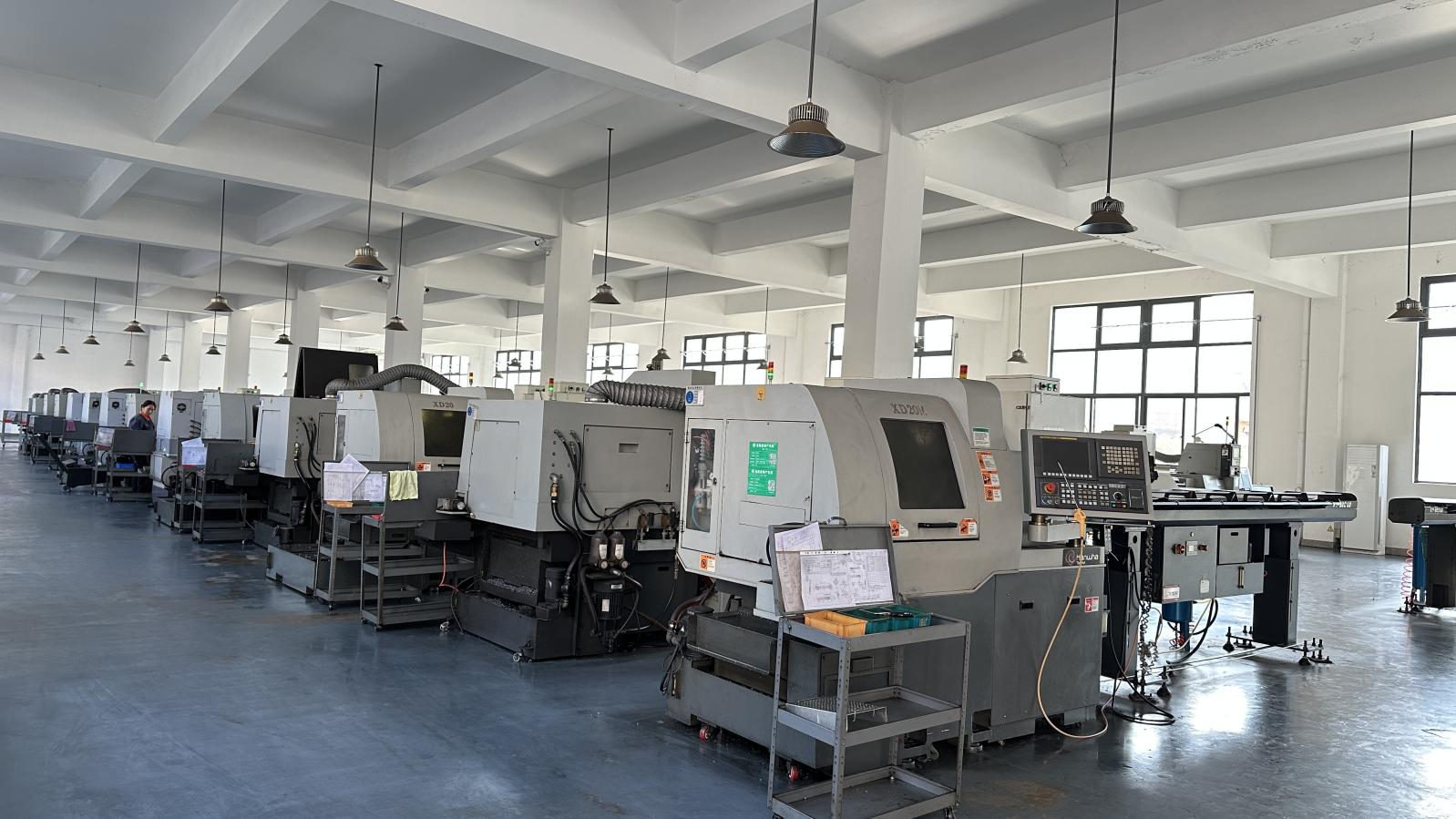
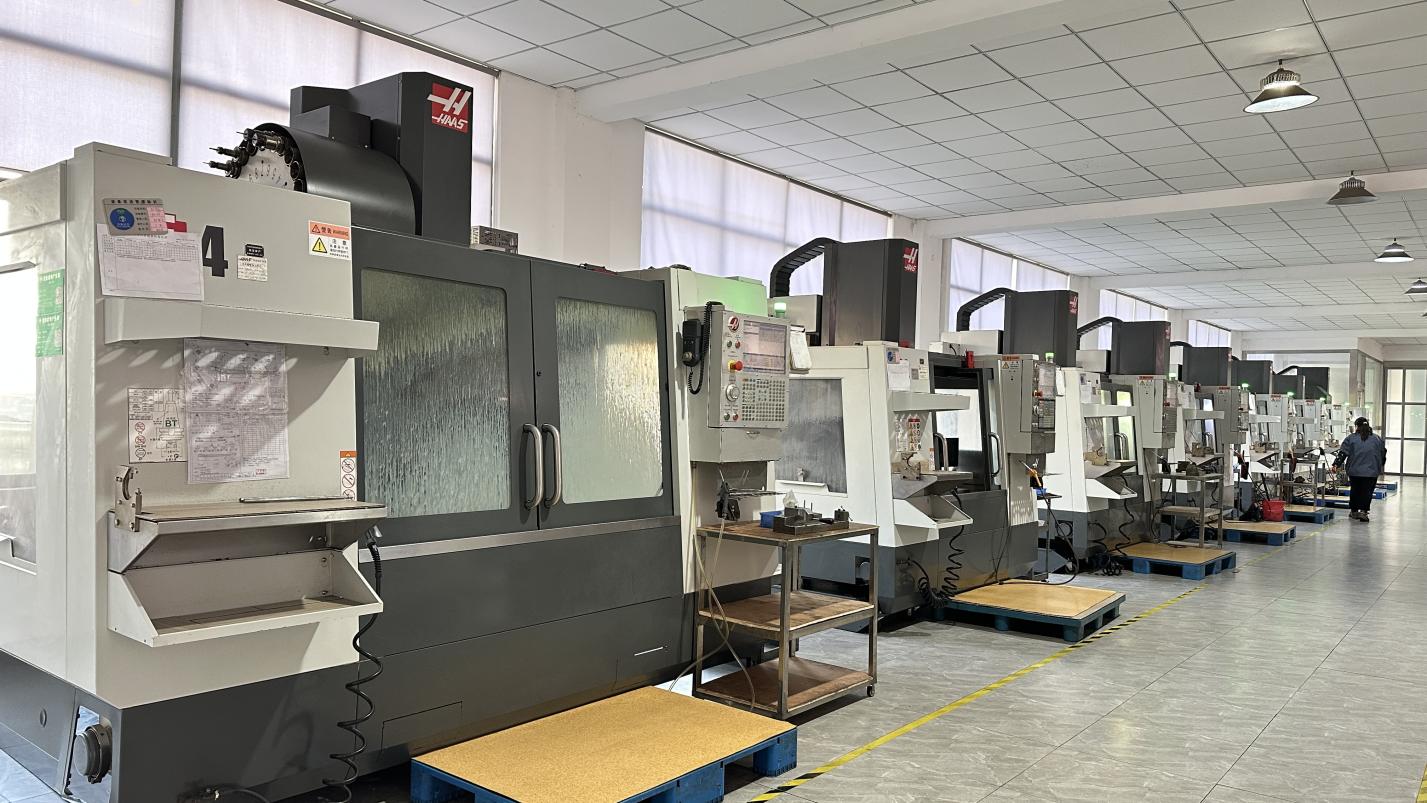
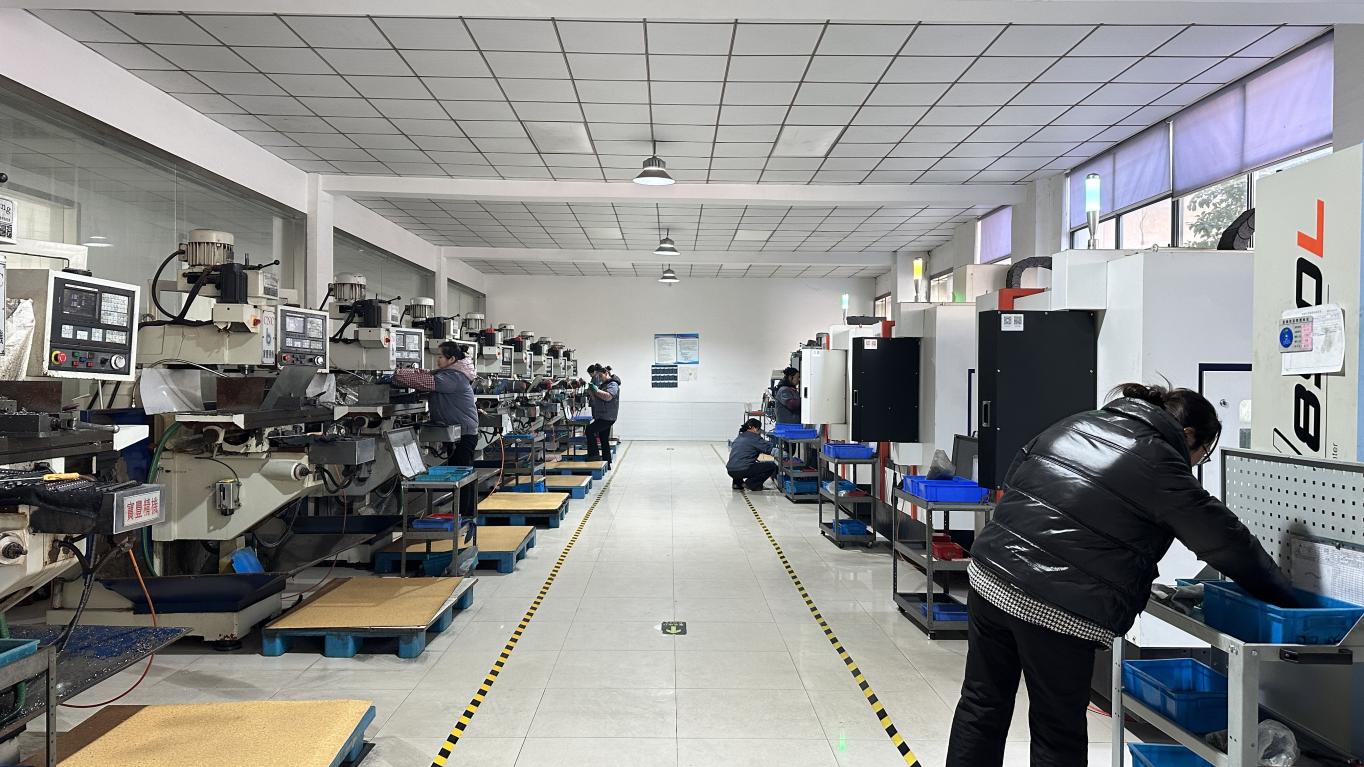
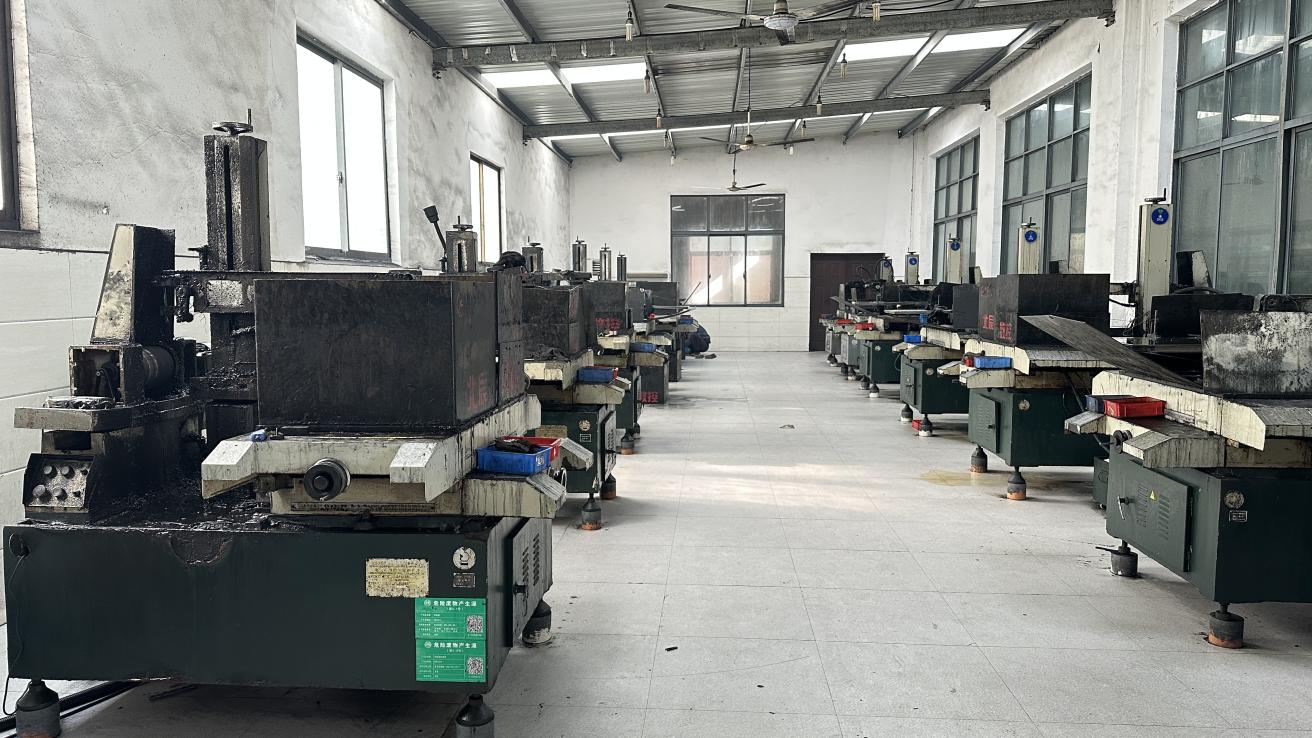
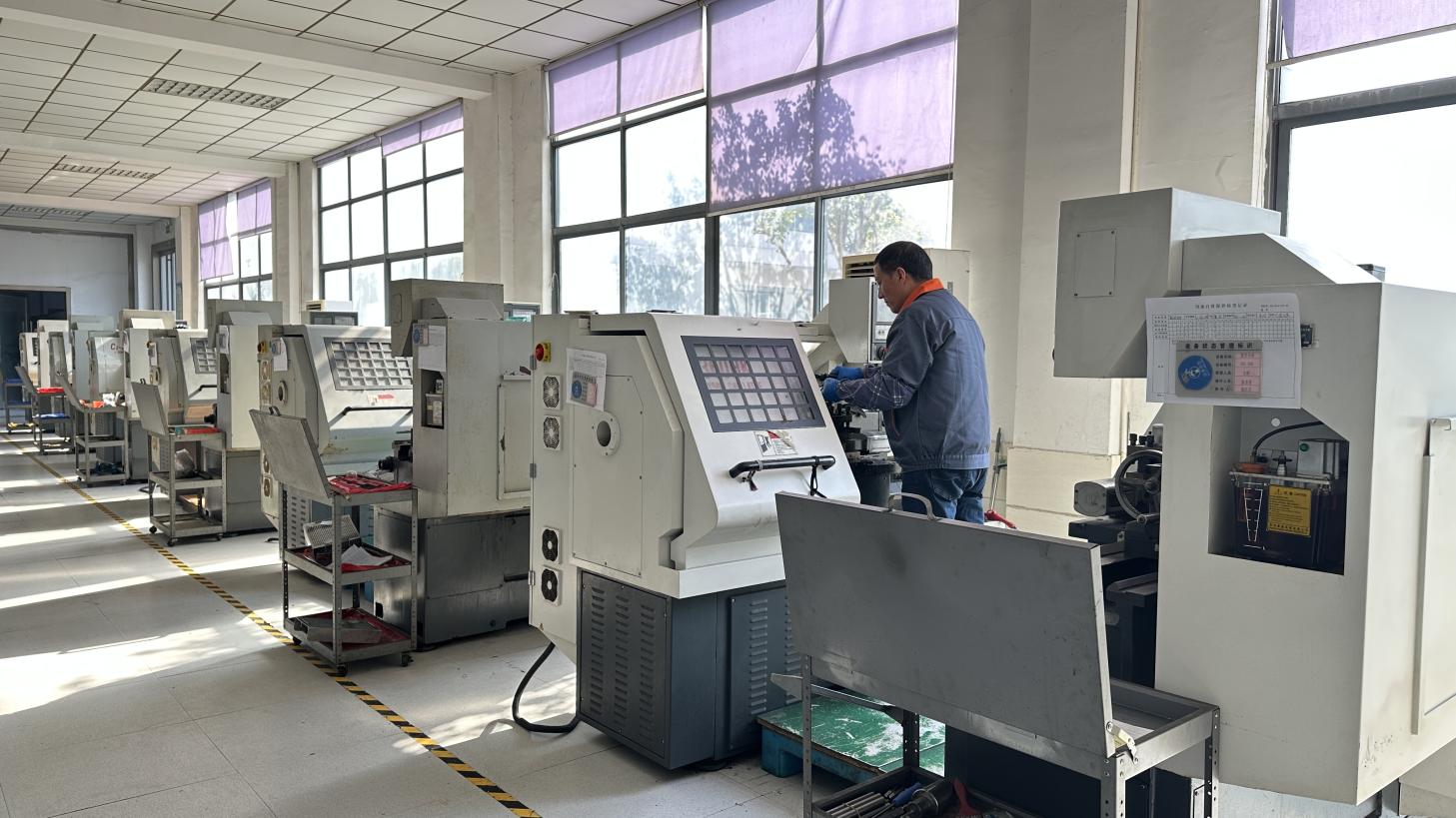
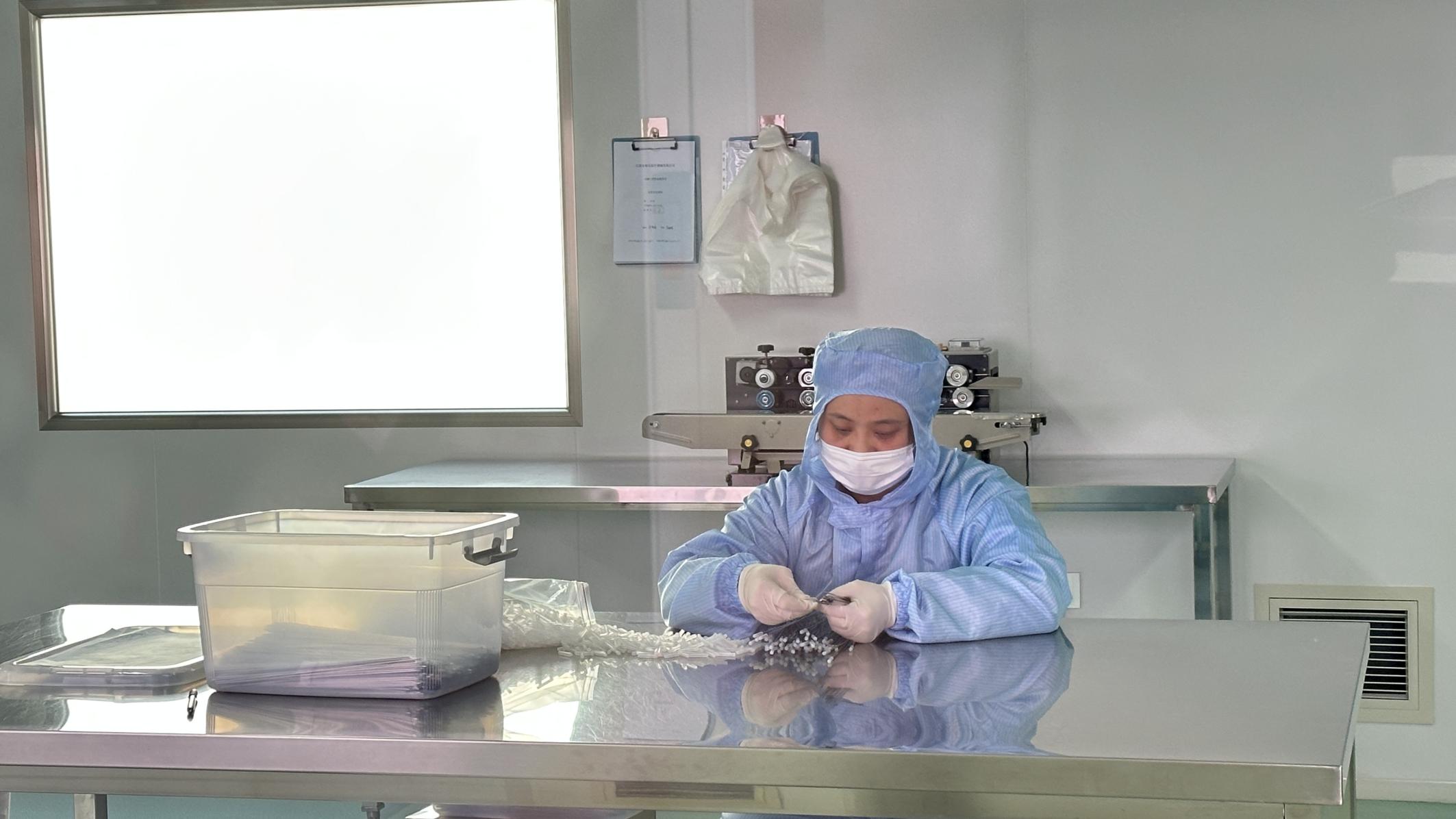
Our 12,000 square meter ISO Class 7 cleanrooms feature advanced wire-cutting, high-accuracy CNC milling centers, and micro-precision lathes. By utilizing digital twin simulation modeling for toolpath routing, we maintain dimensional tolerances within microns, preventing material shearing and ensuring structural uniformity.
Virelox operations comply strictly with CE and ISO 13485 regulatory standards. Exporting to Europe, Southeast Asia, South America, and the Middle East requires localized dossier support. Our in-house regulatory affairs team works closely with regional distributors to facilitate smooth customs approvals and clinical registration.
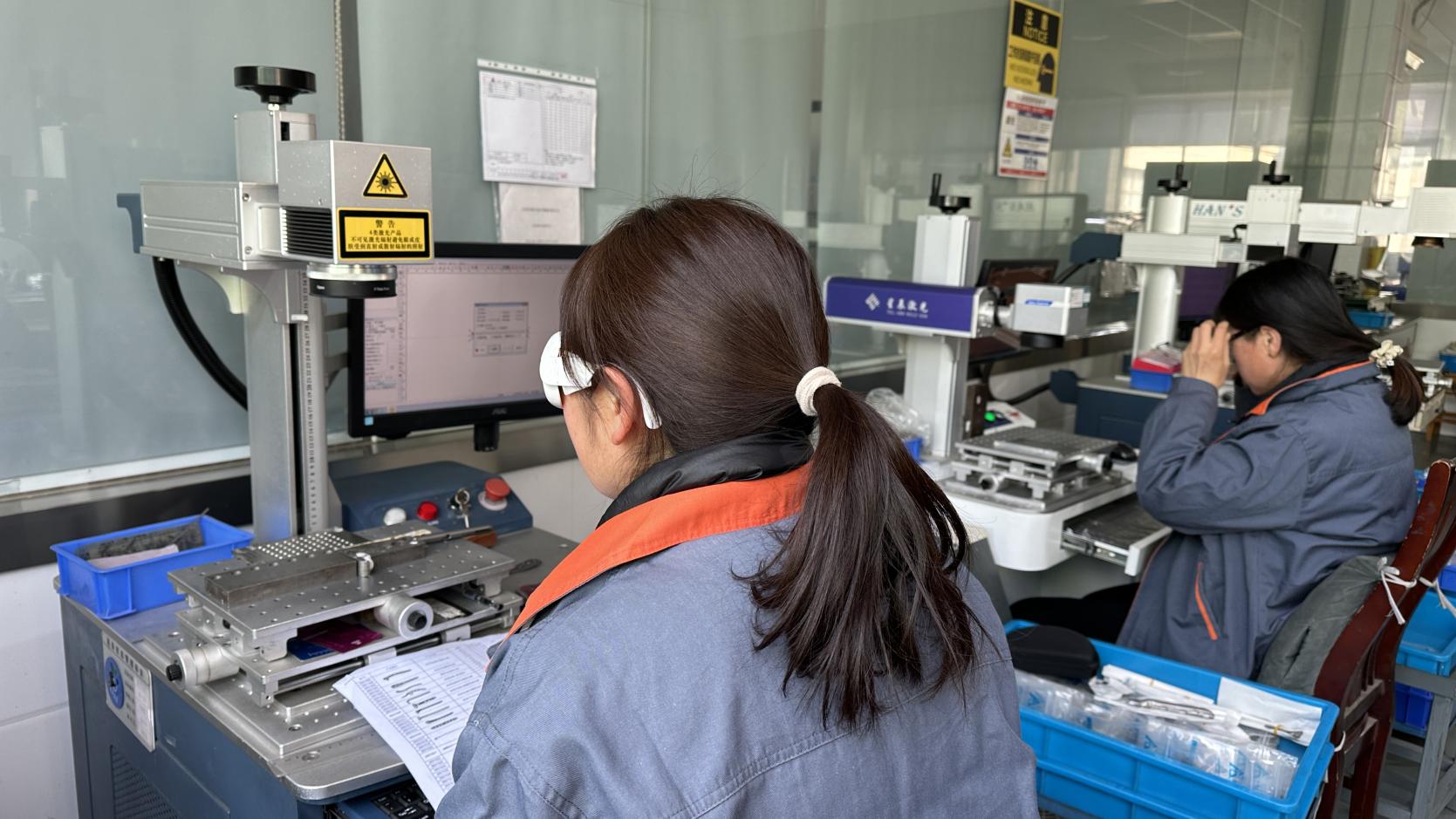
A transparent look inside our production floor, cleanrooms, and quality control laboratories.


Technical and regulatory queries answered by our leading orthobiologist design team.
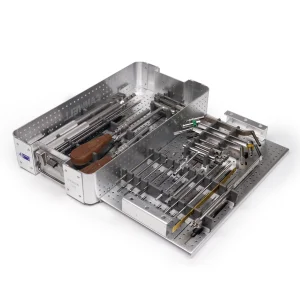
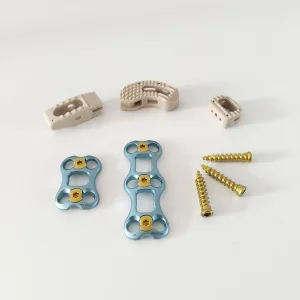
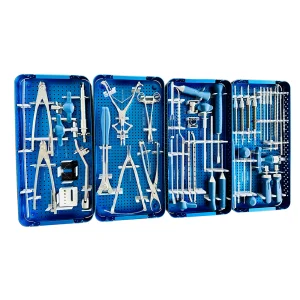
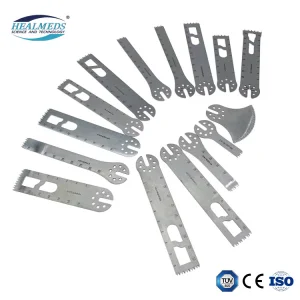
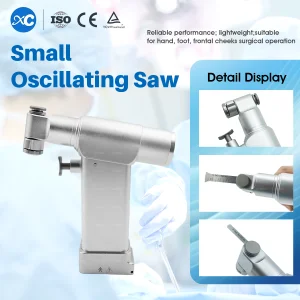
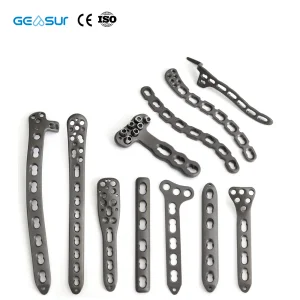
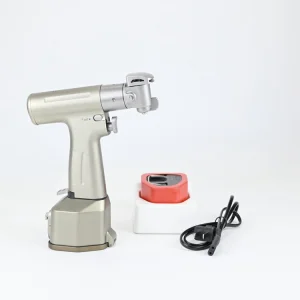
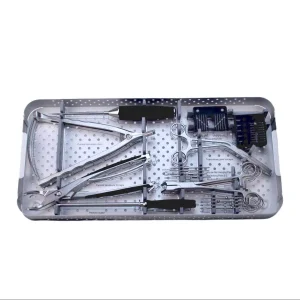
Complete surgical lines, power tools, and spinal fixation systems engineered for high clinical reliability.
 Virelox