Advanced orthopedics and neurosurgical instrumentation manufactured under strict Class III medical standards.
An in-depth analysis of clinical requirements, material science, and global procurement paradigms.
Cranial reconstruction, or cranioplasty, is one of the oldest recorded neurosurgical procedures. In the modern medical landscape, repairing skull defects resulting from decompressive craniotomies, trauma, tumor resections, or congenital anomalies demands materials that provide not only structural integrity but also high biocompatibility. Titanium mesh has established itself as the global gold standard for these applications due to its exceptional properties: high strength-to-weight ratio, biological inertia, resistance to corrosion, and relative compatibility with postoperative imaging modalities like CT and MRI.
Globally, the market for craniomaxillofacial (CMF) implants is witnessing rapid expansion. Driven by an aging population, rising numbers of traumatic brain injuries (TBI) from road traffic accidents, and advances in neurosurgical interventions, hospitals and distributors require reliable supplies of cranial implants. The transition from autologous bone grafts—which are prone to resorption and necessitate secondary surgical harvest sites—to synthetic options has placed titanium at the forefront of surgical choices. While Polyetheretherketone (PEEK) represents a viable polymer alternative, titanium mesh remains the preferred choice across many healthcare systems globally due to its affordability, ease of intraoperative shaping, and long-term track record of structural stability.
The superior integration of titanium implants relies on a natural passivation layer of titanium dioxide (TiO₂) that forms instantly upon exposure to oxygen. This nano-scale oxide layer prevents chemical degradation in physiological environments, mitigates foreign-body inflammatory responses, and supports a direct structural interface with the surrounding osseous tissue.
From an industrial perspective, raw material sourcing is highly regulated. Sourcing from certified Grade 2 (unalloyed commercially pure) or Grade 5 (Ti-6Al-4V) titanium is crucial to satisfy the mechanical and biological demands of ISO 5832-3 and ASTM F136 specifications. For international medical distributors, evaluating manufacturers on material certification, cleanroom assembly practices, and tracing manufacturing batches is a critical step in the risk mitigation process during regulatory clearance.
Virelox Medical Devices: Leading the supply of orthopedic and neurosurgical implants worldwide.
Virelox Medical Devices Co., Ltd. is a professional orthopedic medical device manufacturer specializing in joint replacement and surgical implant solutions. Operating under the brand "Virelox," we are committed to delivering high-performance orthopedic systems for global healthcare providers.
ISO 13485-based full-process quality management system with strict incoming, in-process, and final inspection standards across all production lines.
Utilizing X-ray inspection, fatigue testing, tensile strength testing, and dimensional coordinate measuring machine (CMM) measurement for guaranteed safety.
Equipped with biomechanical simulation, rapid prototyping, and specialized implant design. Providing robust OEM/ODM and private label services.
Ensuring traceability and structural accuracy at every stage of fabrication.
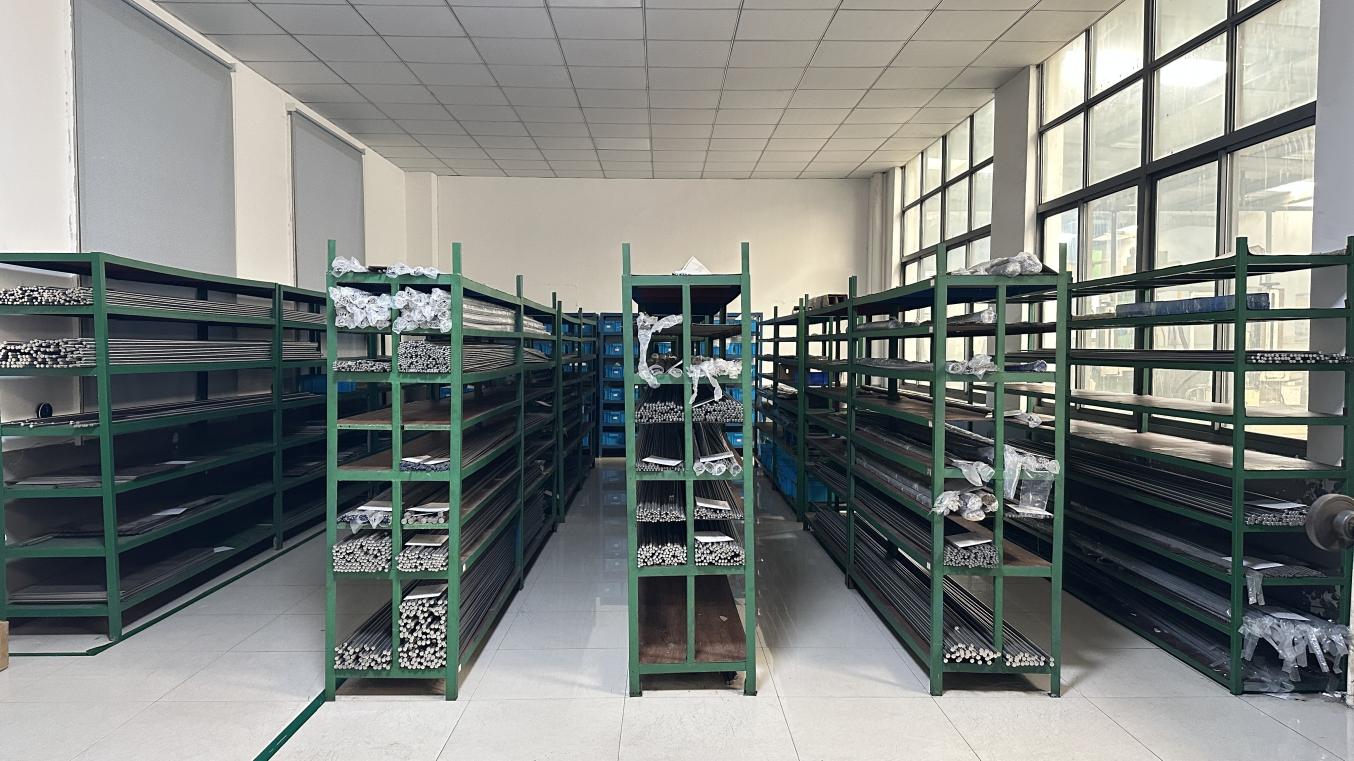
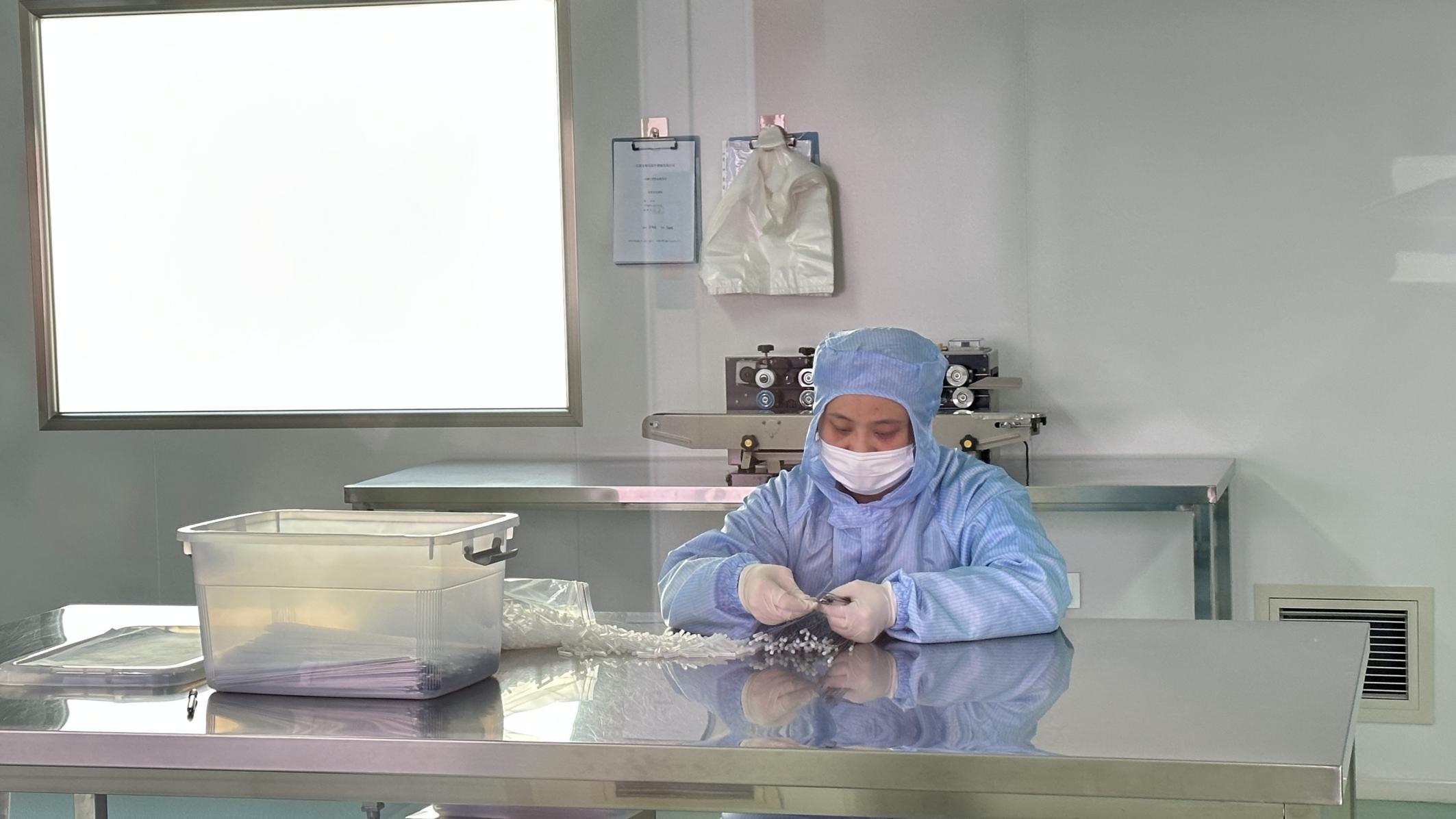
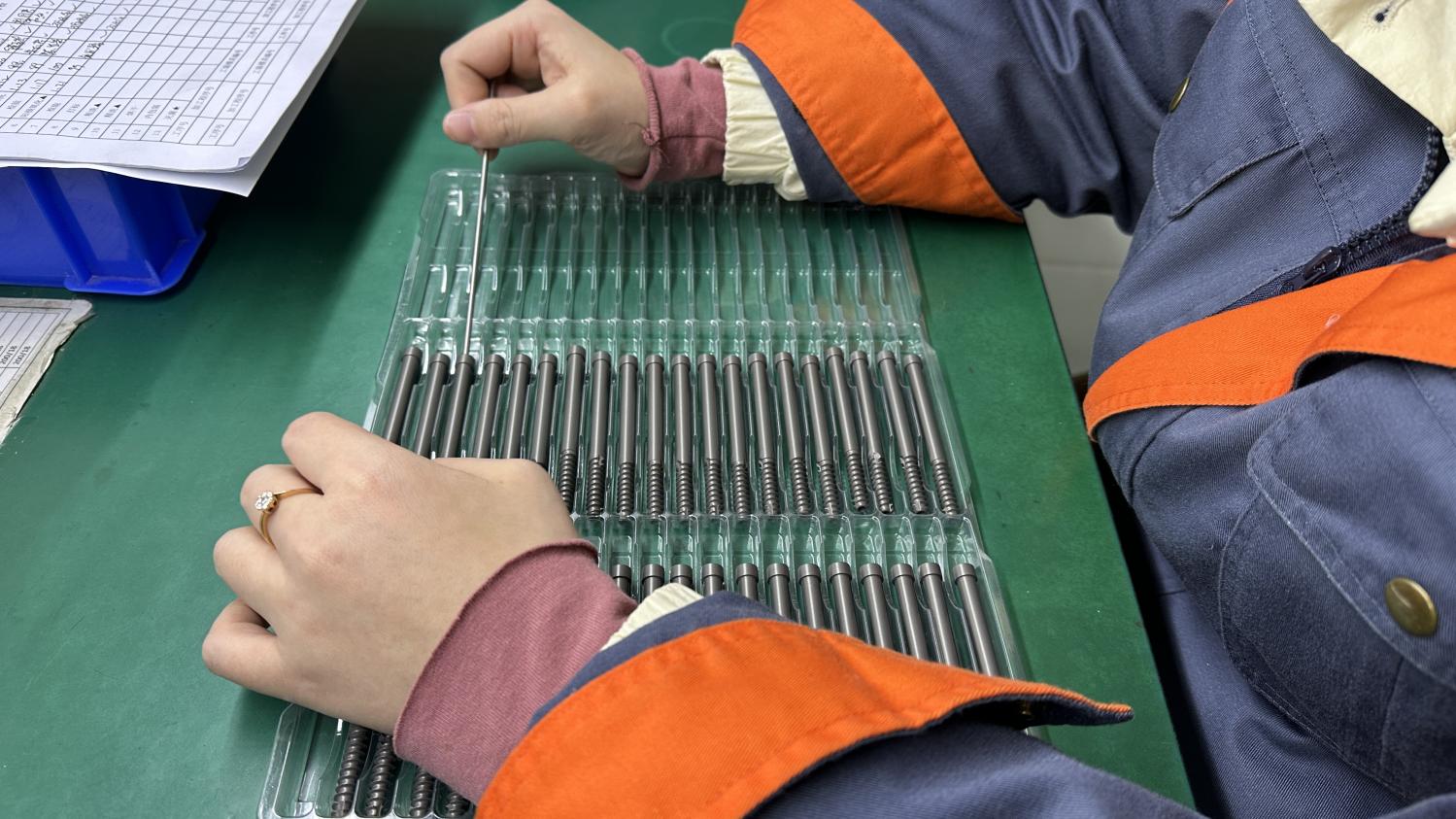
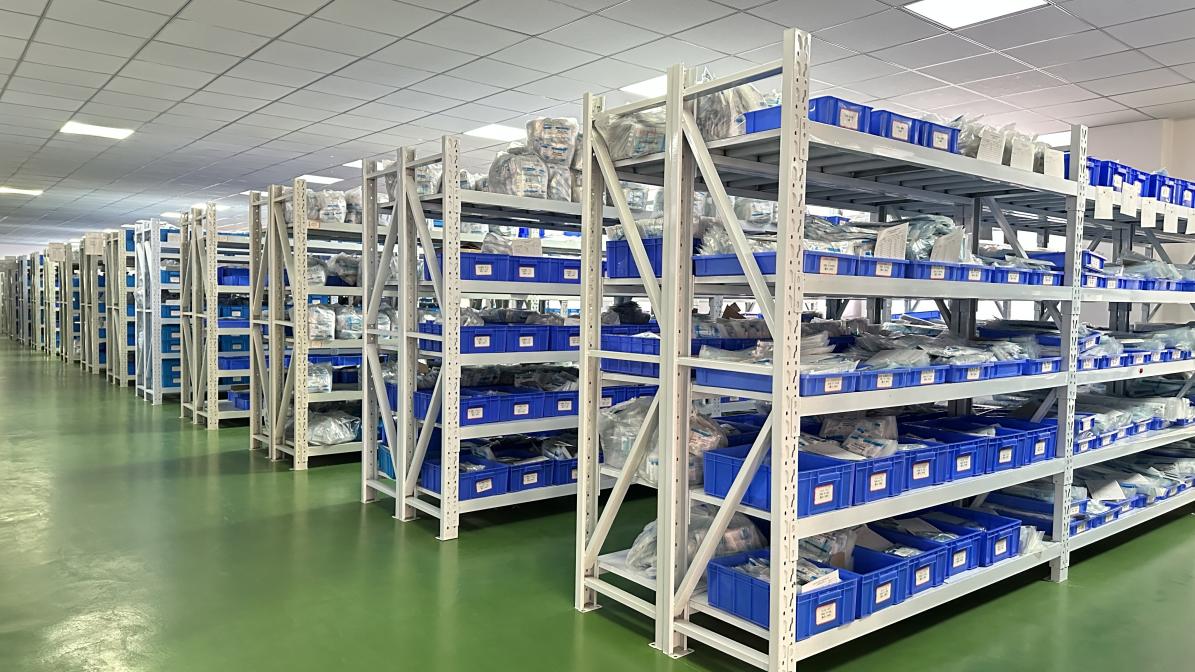
Analyzing cost-efficiency, rapid iteration cycles, and integrated industrial clusters.
The manufacturing of high-grade neurosurgical implants like titanium cranial mesh requires complex machinery, specialized materials, and highly skilled engineering. China has developed a highly integrated ecosystem for medical device production. This network features centralized supply chain structures, strict quality management, and efficient output capacities that match those of western manufacturers while offering cost structures that enable commercial viability for global distributors.
Integrated Raw Material Sourcing: Chinese medical device clusters operate with support from over 850 certified upstream partners. This system ensures consistent access to premium grade biocompatible titanium, eliminating shipping delays for raw metals and stabilizing material costs even during periods of global economic fluctuation.
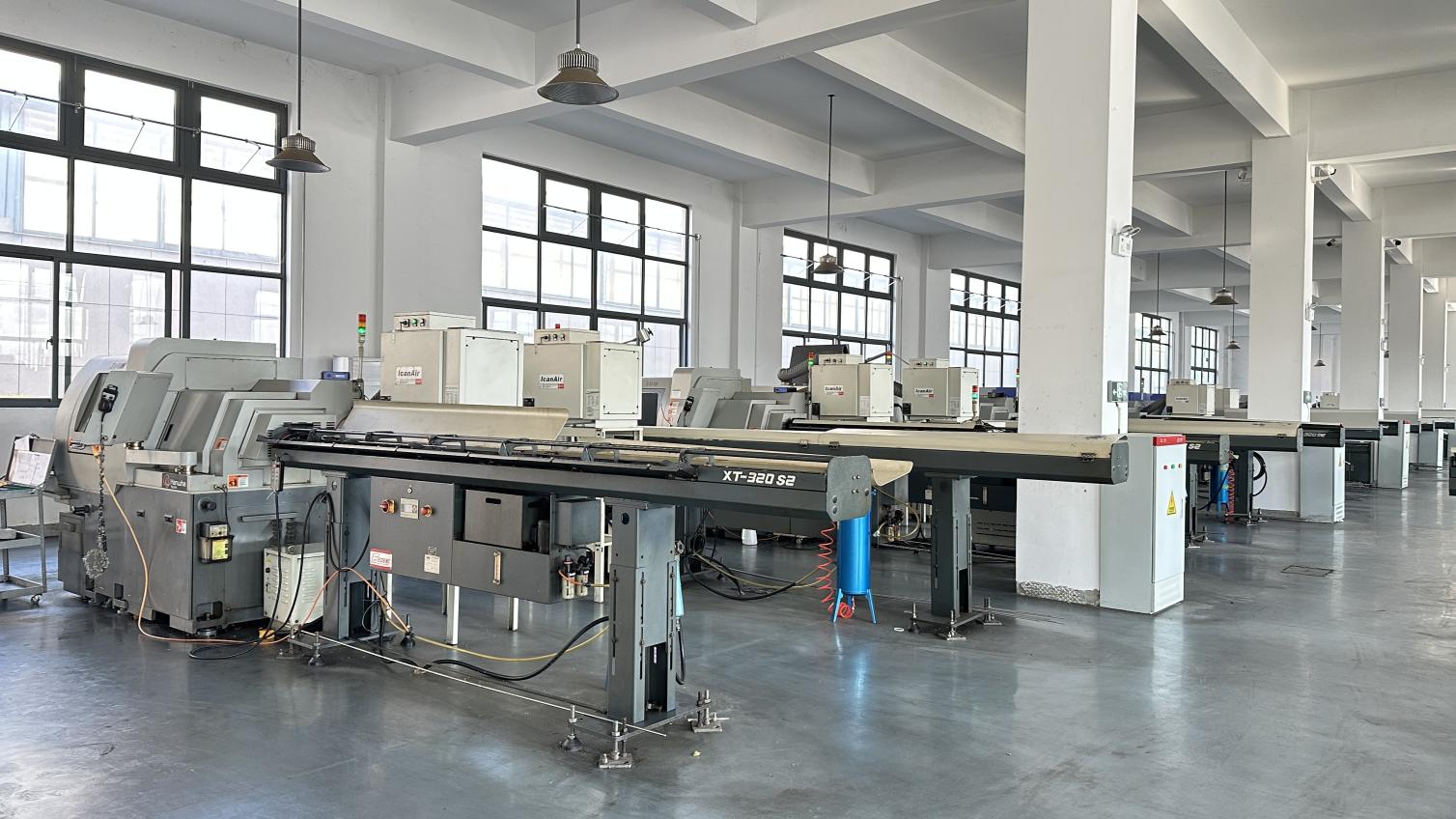
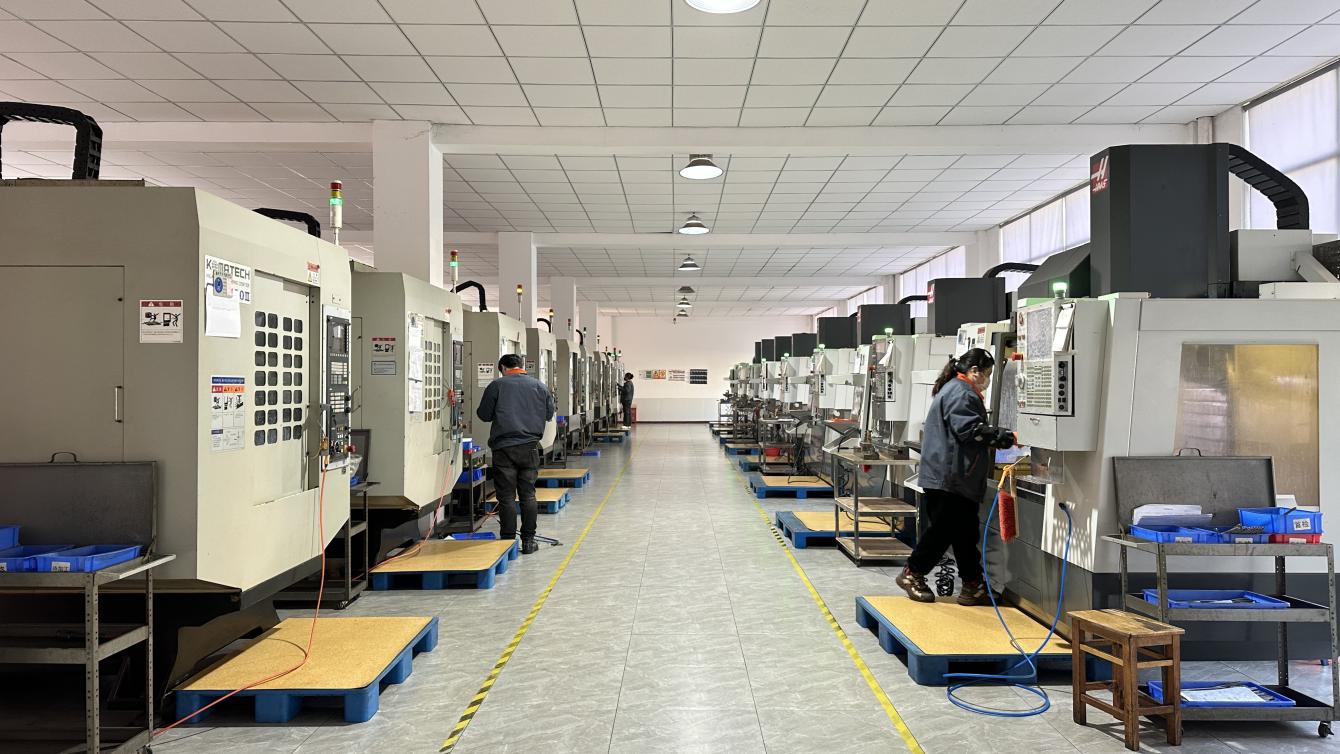
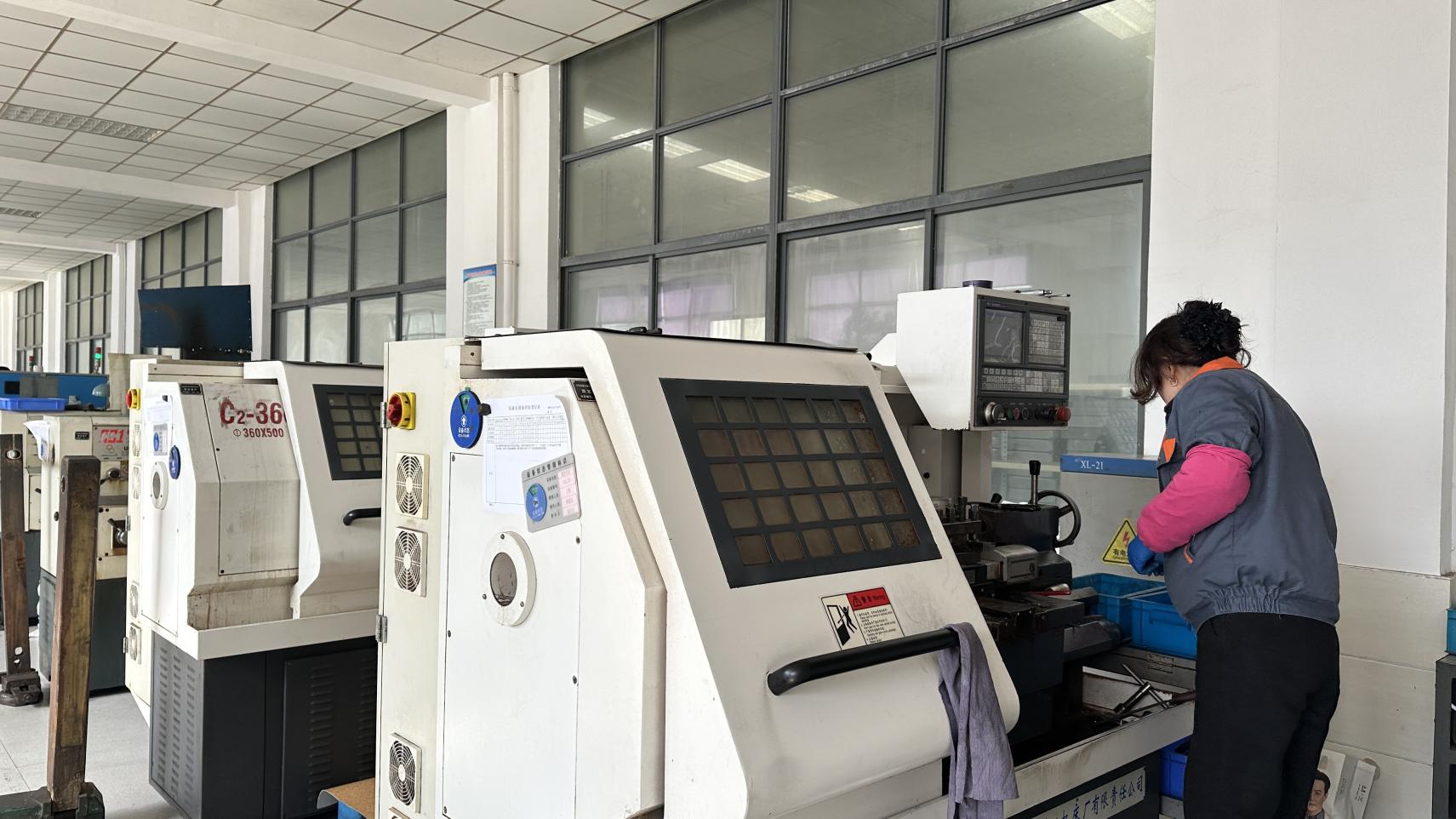
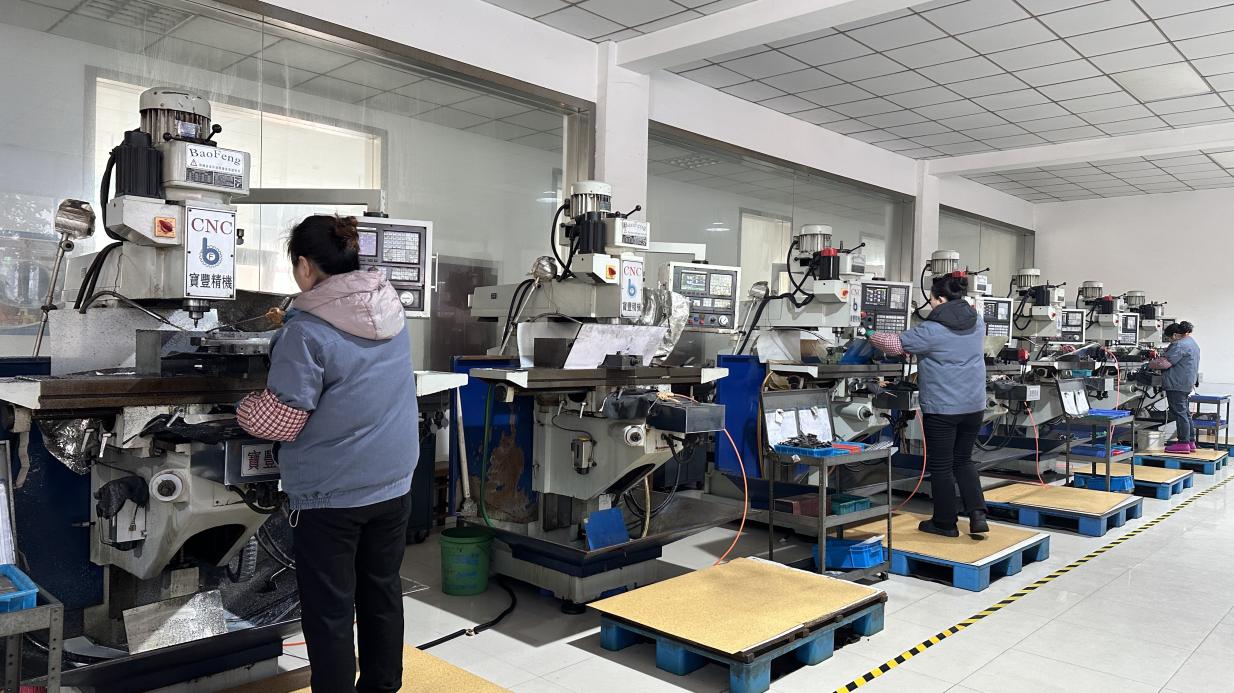
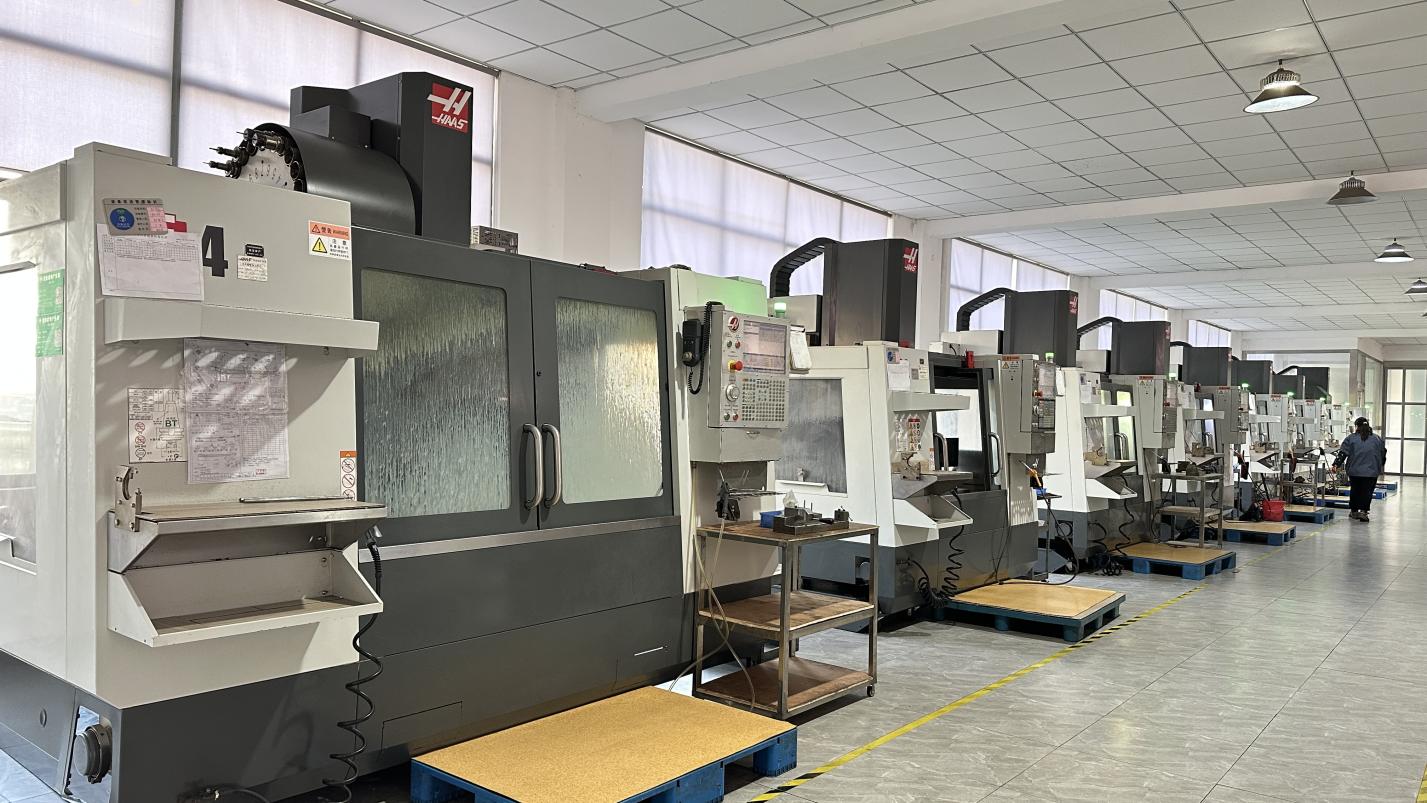
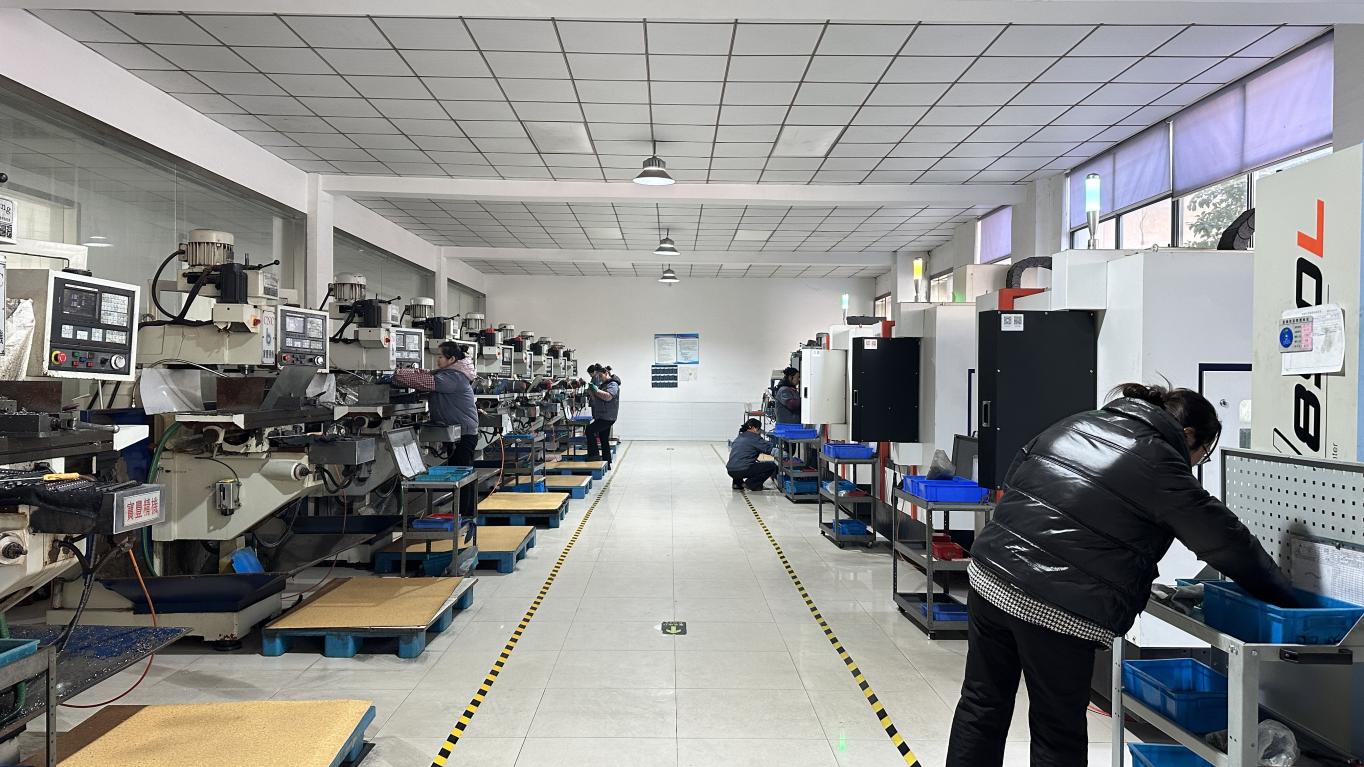
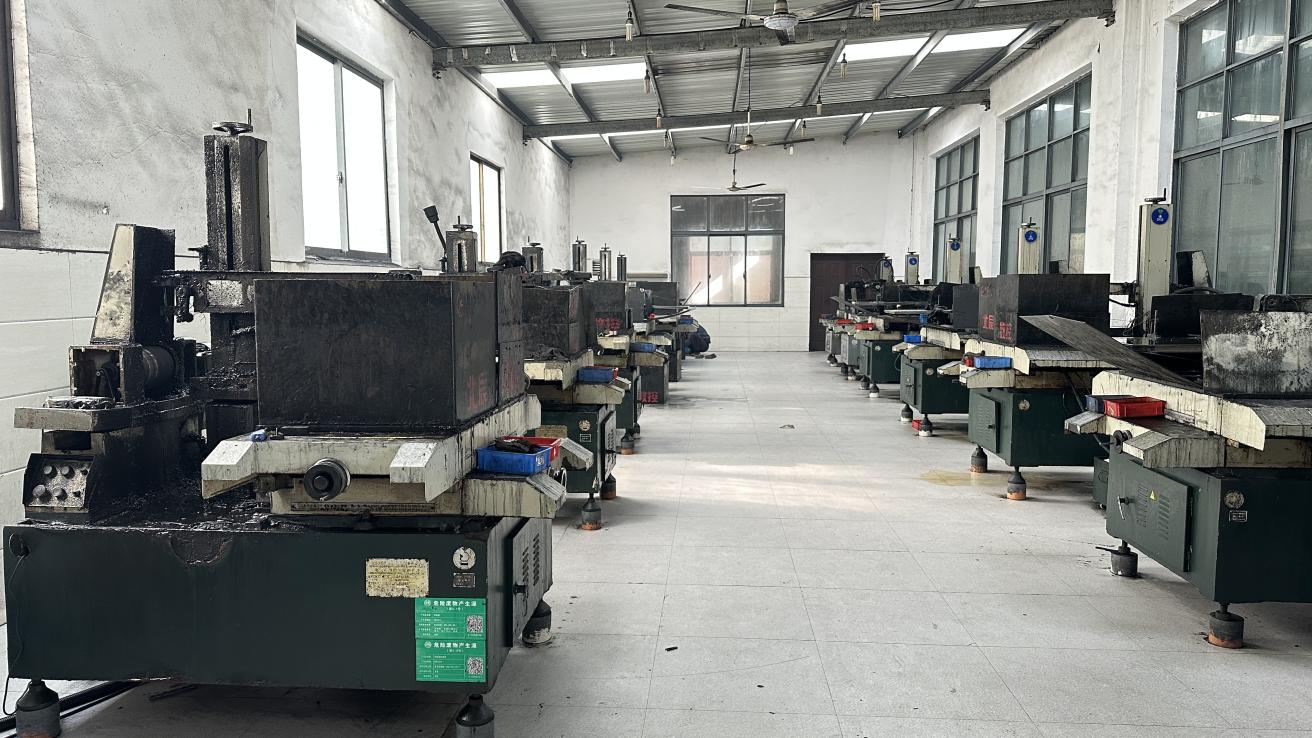
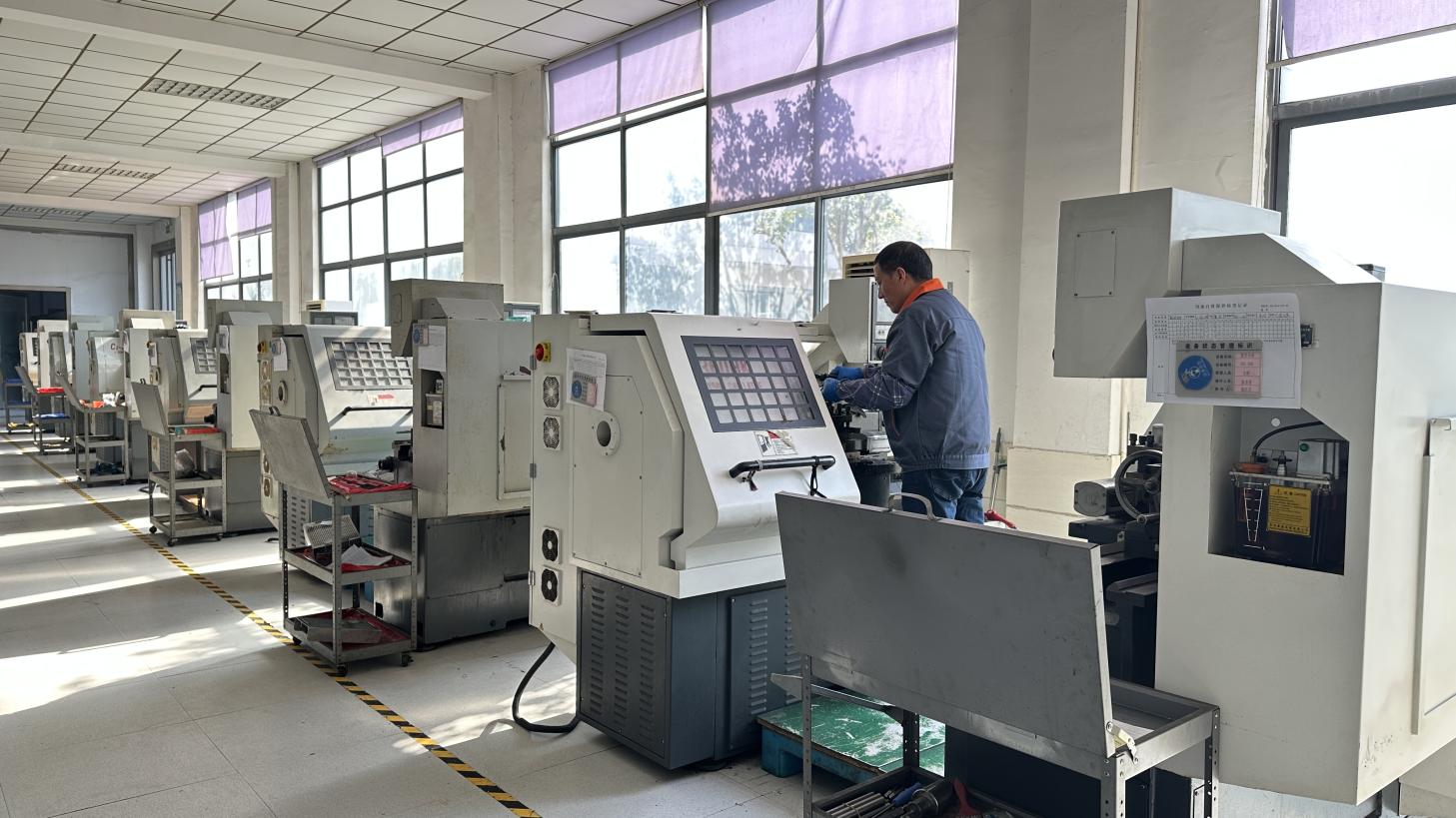
Technological Evolution: Rather than relying solely on manual processing, factories like Virelox leverage automated CNC machining centers, high-capacity wire cutting systems, and advanced laser marking machinery. These technologies minimize dimensional variances across manufacturing batches. By utilizing modern engineering tools, we can swiftly refine and custom-tailor geometries for implants, allowing hospital partners to acquire custom-fit cranial plates on tight timelines.
With an annual export revenue of USD 8,500,000 and 8 years of dedicated export experience, Virelox is equipped to handle complex international customs procedures, shipping regulations, and localized registration requirements in Europe, Southeast Asia, the Middle East, and South America.
Our workshop is outfitted with modern, high-precision machining technologies to achieve demanding tolerances.
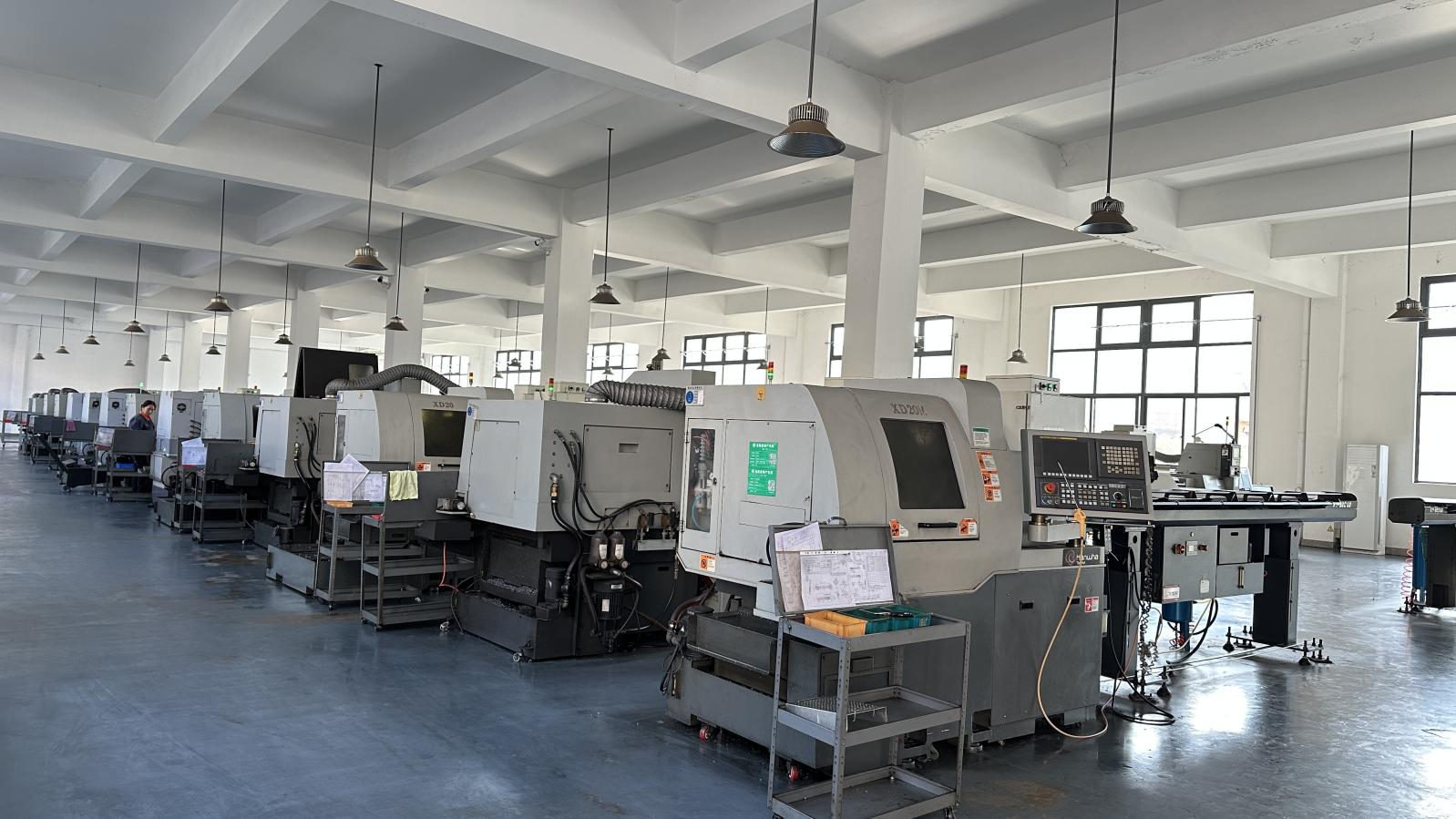
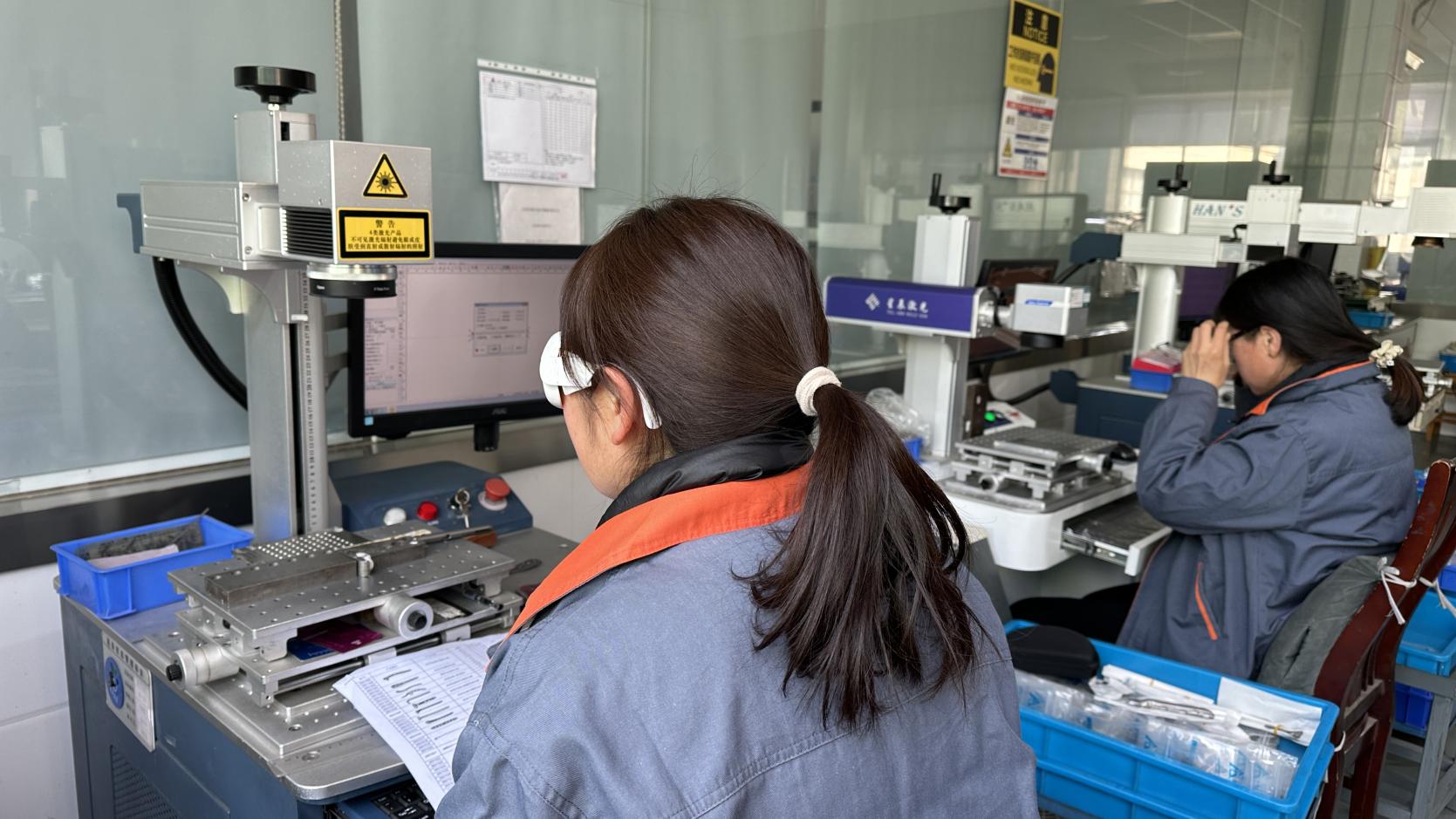
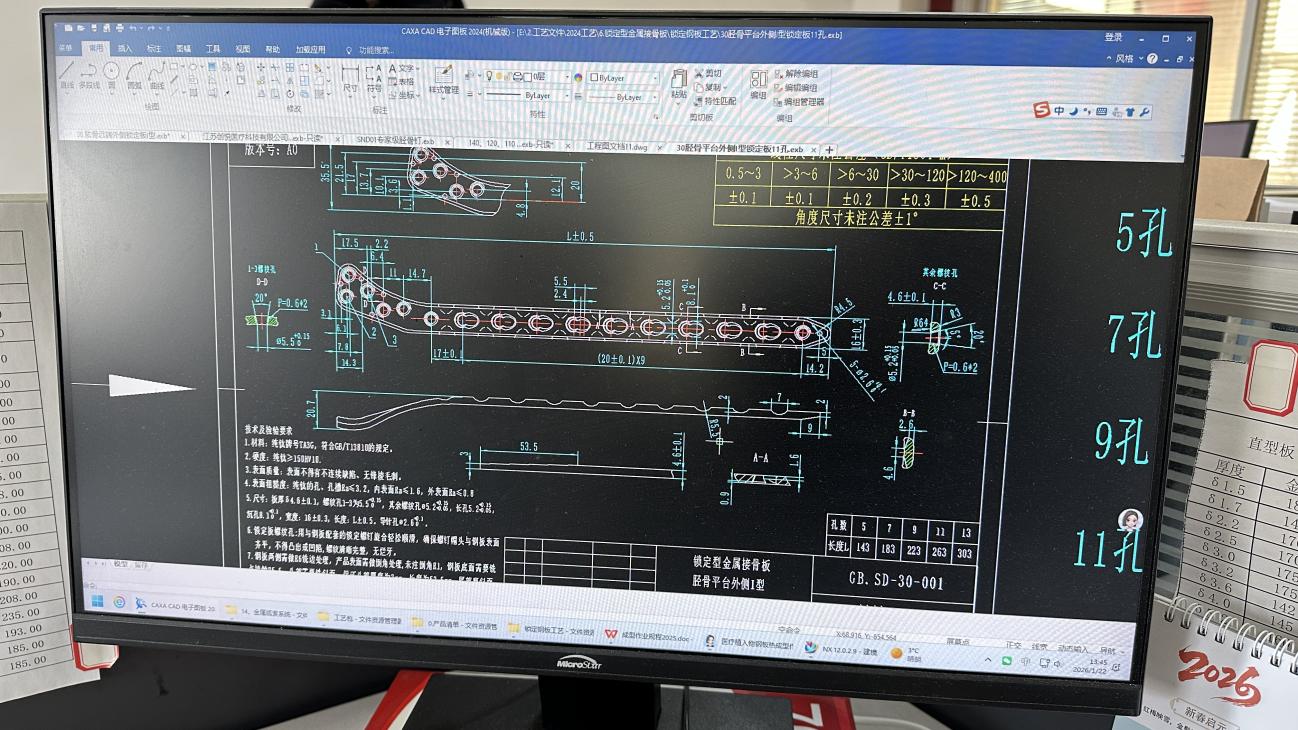

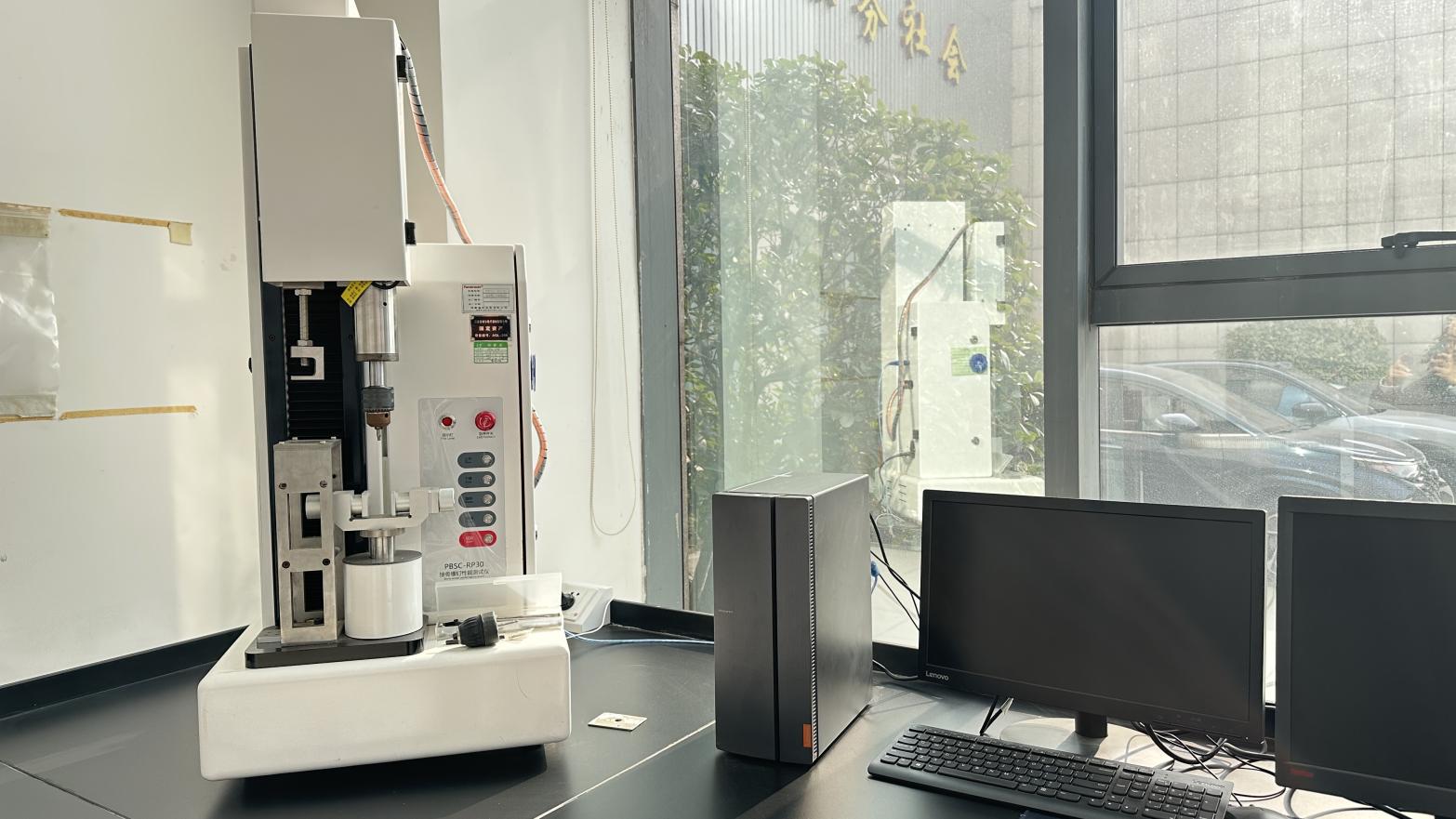
Mechanical safety validation is critical. We test every production run to ensure compliance with surgical requirements.
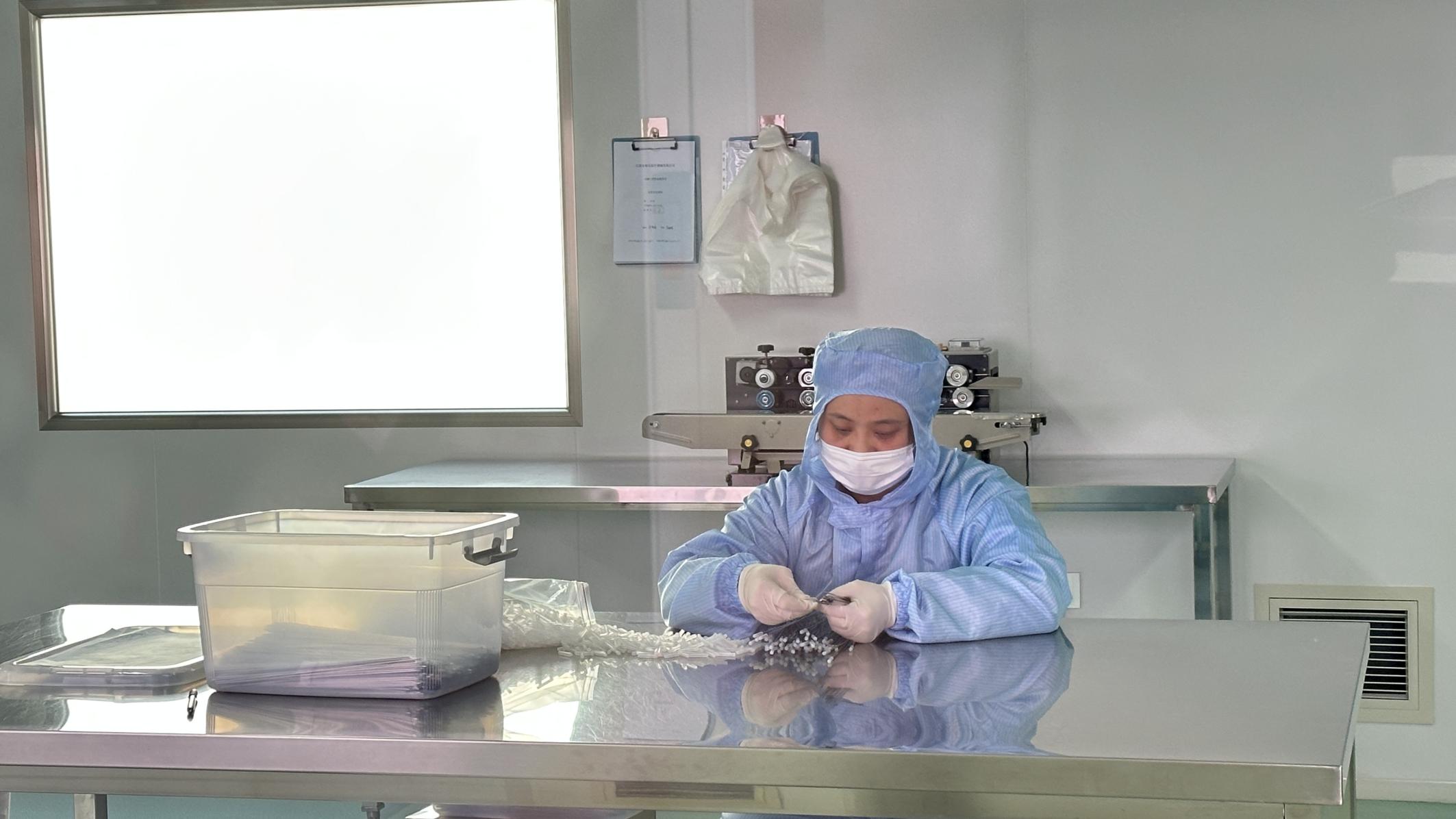
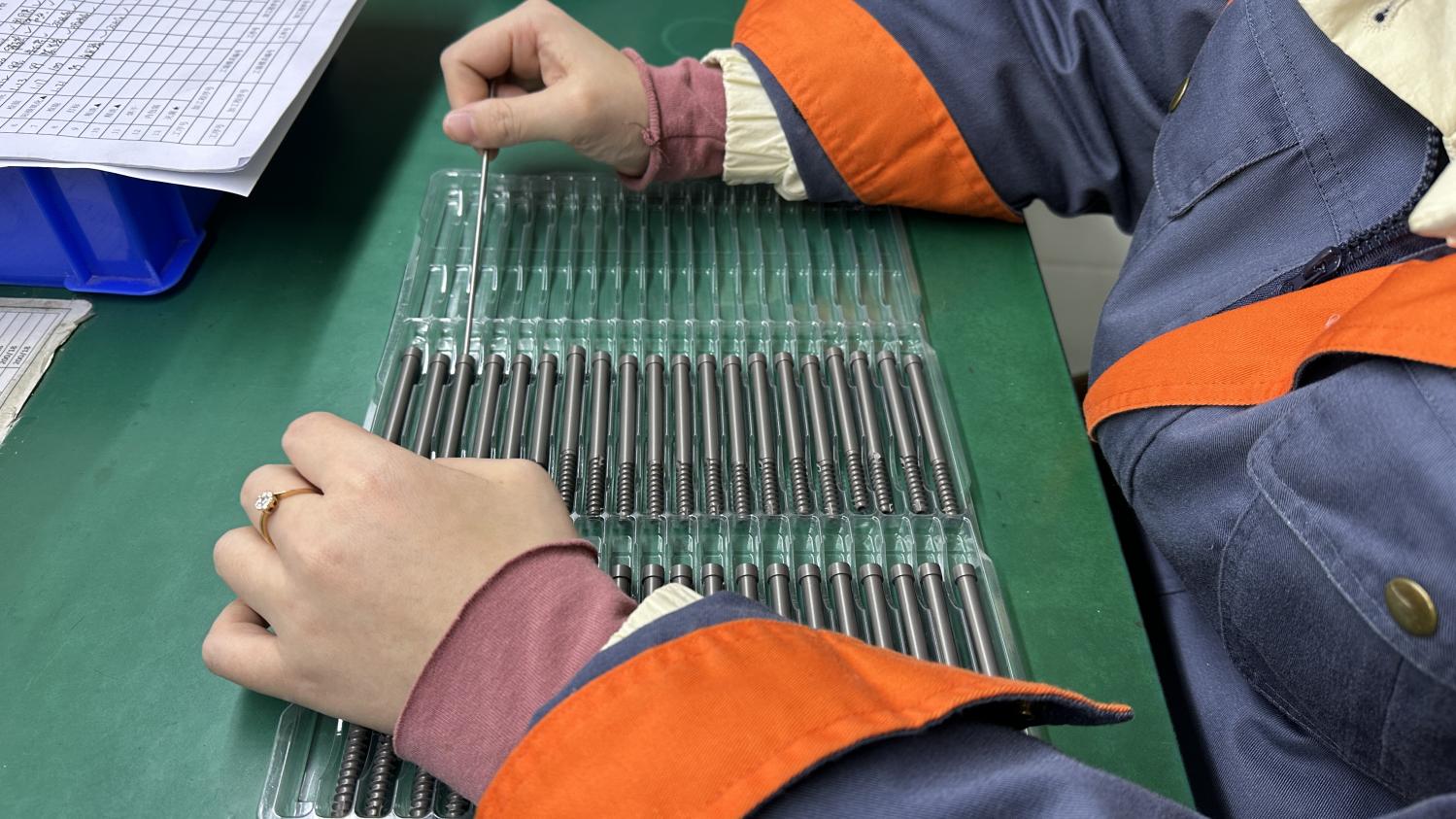
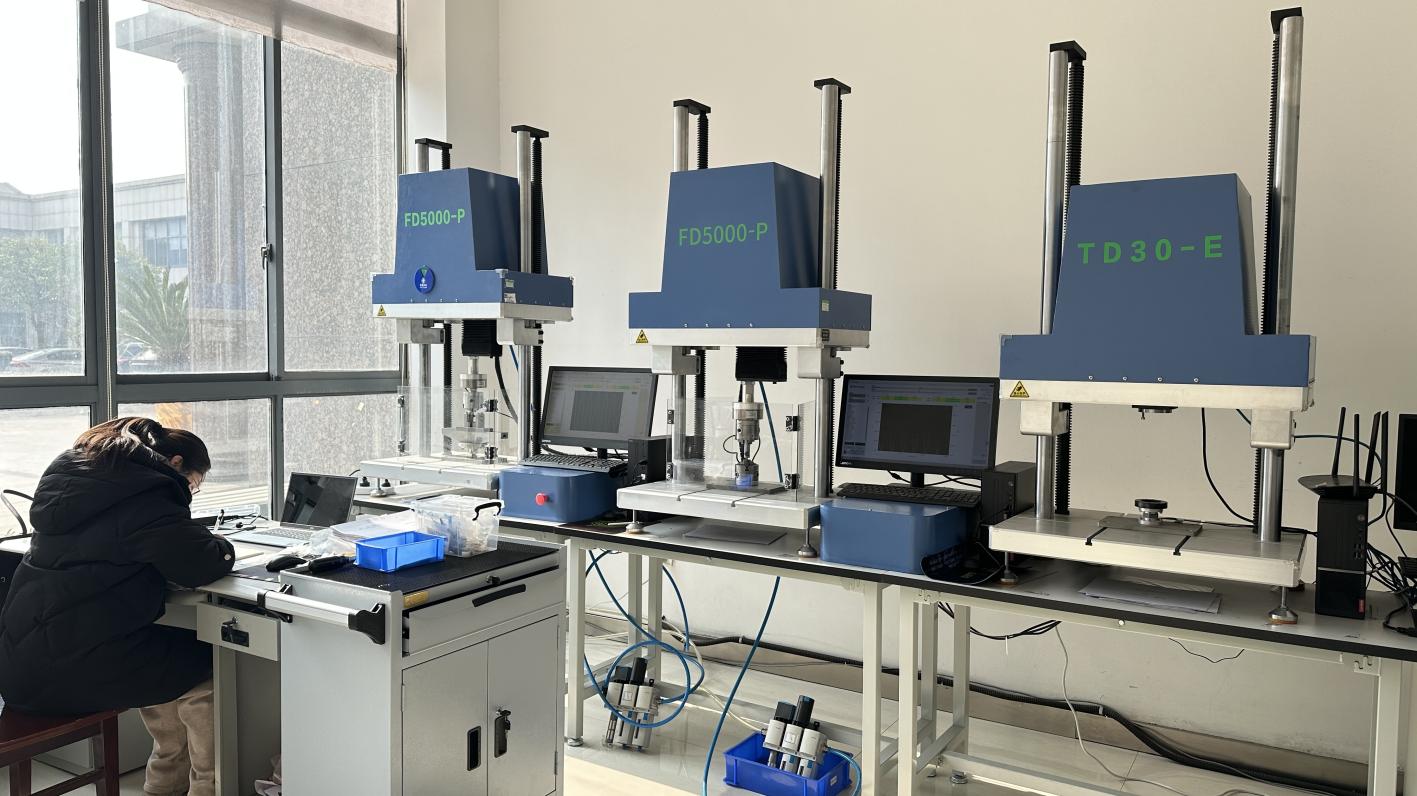
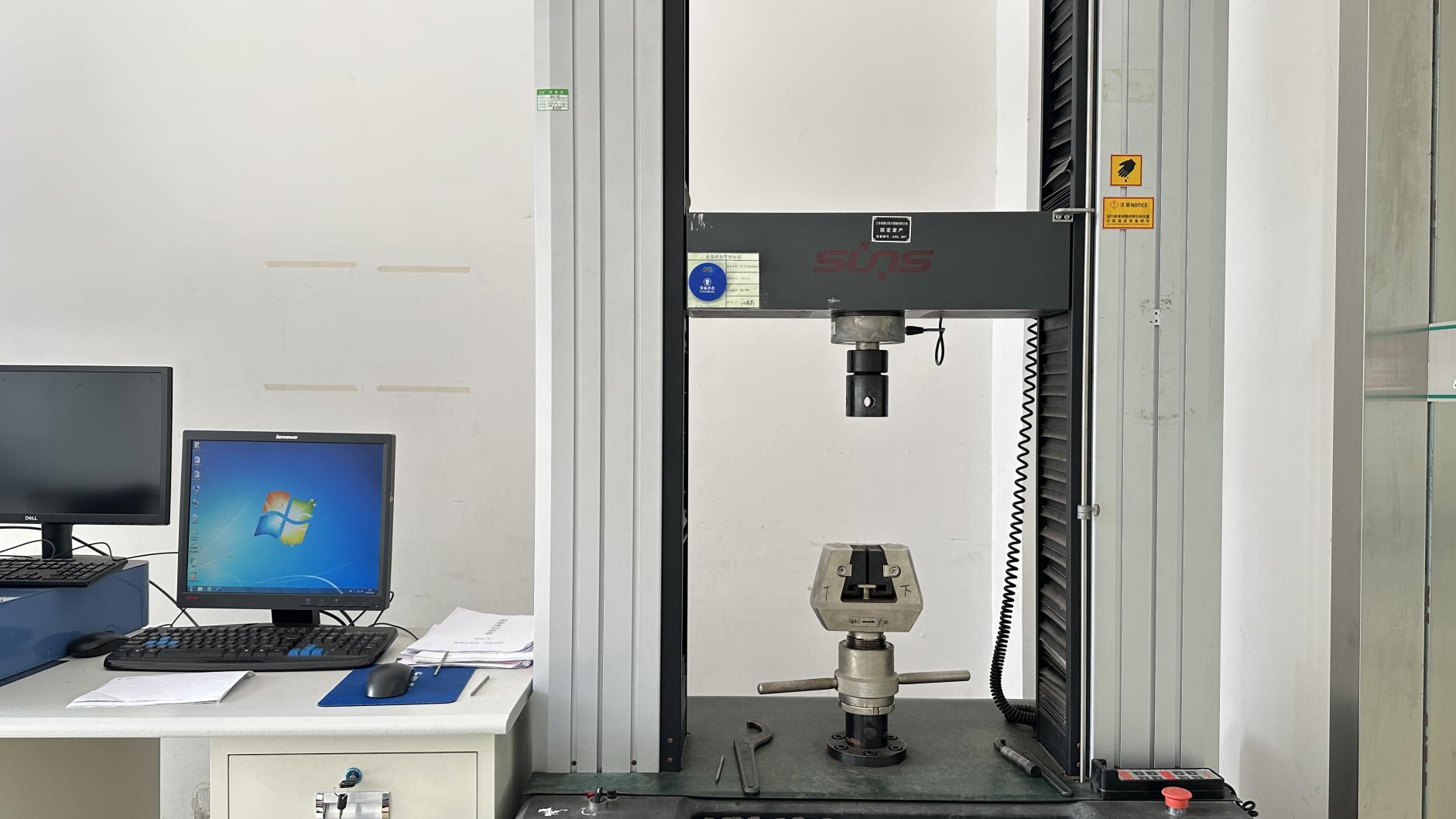
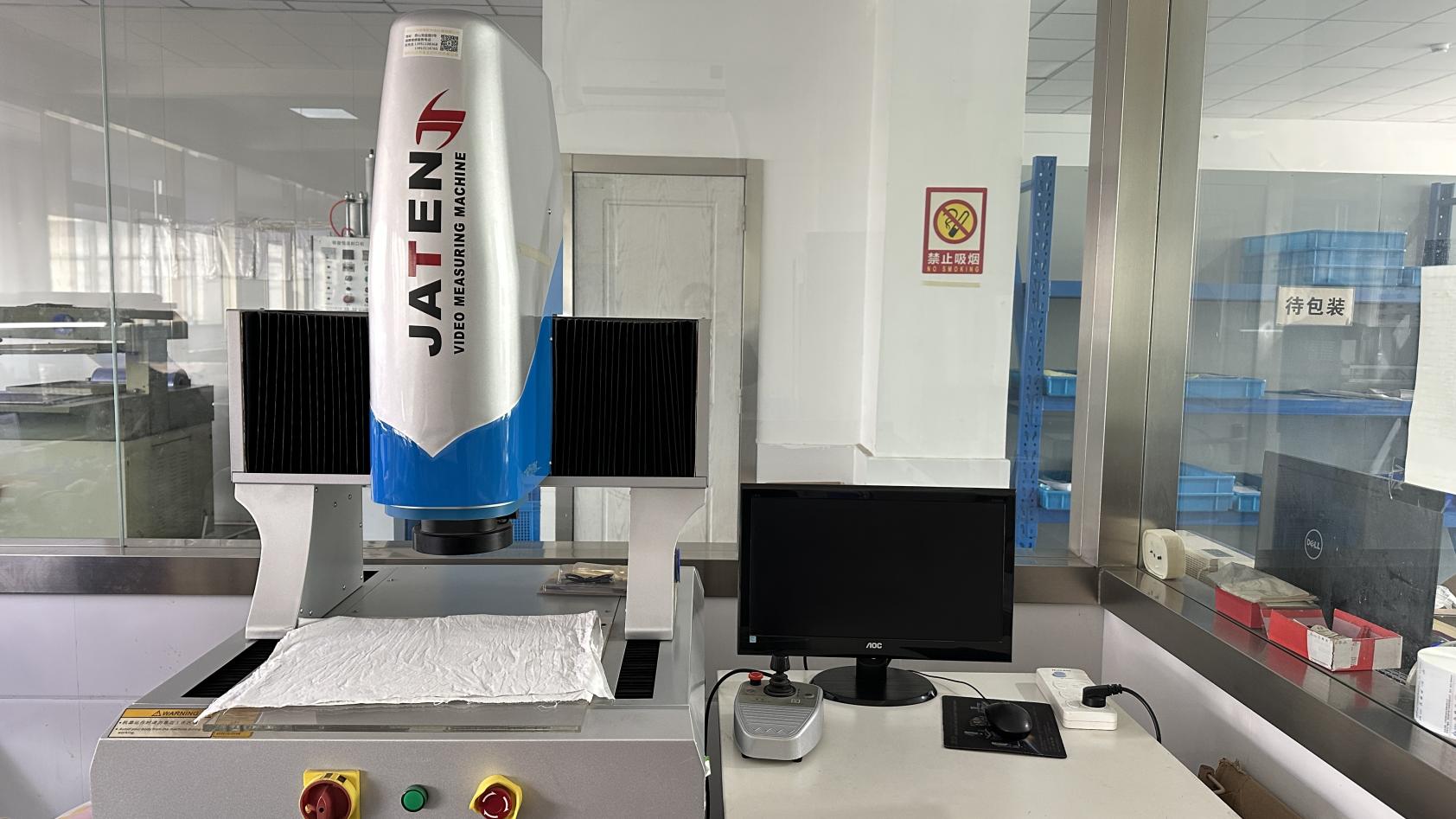
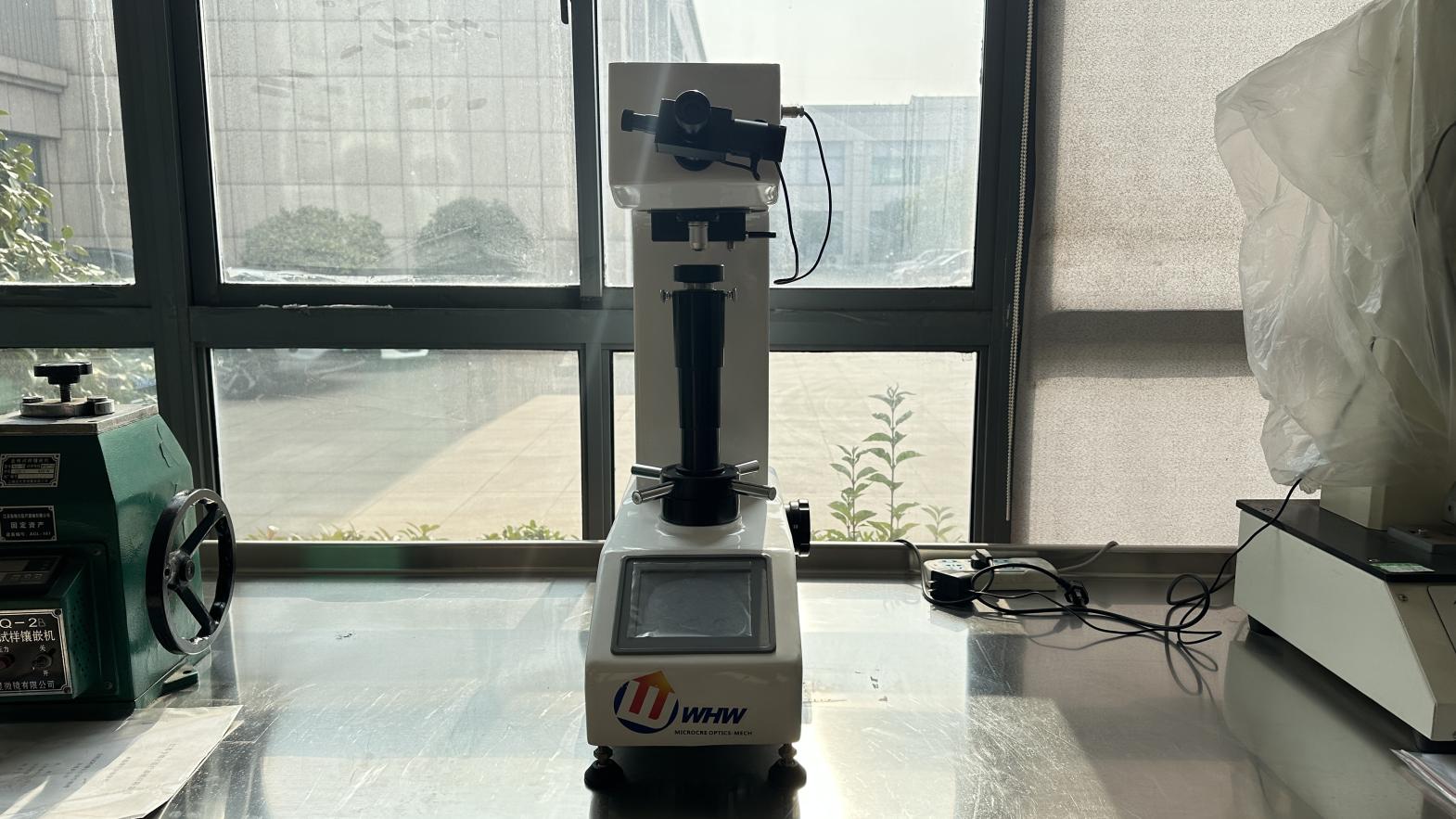
Adapting titanium mesh geometry to target specific pathological and anatomical needs.
1. Post-Traumatic Decompressions: Massive cranial trauma often requires emergency craniectomies to relieve intracranial pressure. Following stabilization, titanium mesh provides the necessary mechanical protection for the brain parenchyma, preventing damage from minor external impacts while maintaining the natural contours of the skull.
2. Oncological Resections: When tumors involve the cranium or nearby tissues, wide surgical resection of the affected bone is necessary. Standardized titanium meshes allow surgeons to construct complex 3D profiles in the operating room. For larger defects, pre-shaped, patient-specific implants (PSIs) designed using patient CT scans are utilized to restore structural symmetry.
3. Pediatric Craniofacial Reconstruction: Pediatric cranioplasties present unique challenges due to ongoing skull development. Manufacturers design thin, flexible titanium meshes that can be fixed with smaller micro-screws, minimizing interference with cranial bone growth and reducing the likelihood of subsequent implant migration.
The convergence of additive manufacturing, patient-specific designs, and bioactive coatings.
The cranial implant sector is shifting from standard mass-produced geometries toward fully custom clinical solutions. As surgical planning software integrates with 3D printers, Patient-Specific Implants (PSIs) are becoming a core standard in complex cases. Using preoperative CT data, engineers reconstruct the patient's anatomy in virtual space and print titanium implants that fit the margins of the defect with high precision.
Furthermore, research into surface modifications is paving the way for next-generation titanium implants. While titanium is highly biocompatible, it is bio-inert. Applying thin coatings of hydroxyapatite or other bioactive substances to the mesh surface helps stimulate bone growth and osseointegration along the implant's margins, improving long-term stability and reducing postoperative infection risks.
Key technical, regulatory, and commercial answers for medical procurement managers.
High-precision trauma, spinal, and joint repair systems engineered for long-term clinical safety.
 Virelox