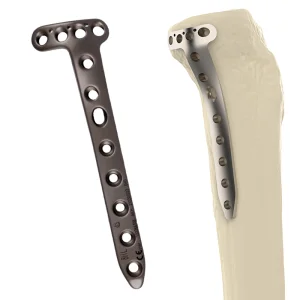
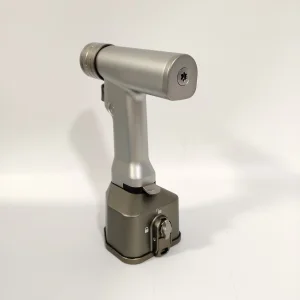
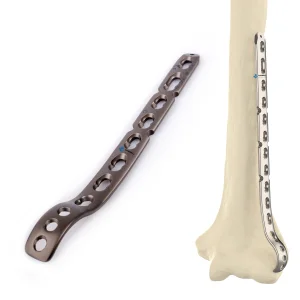
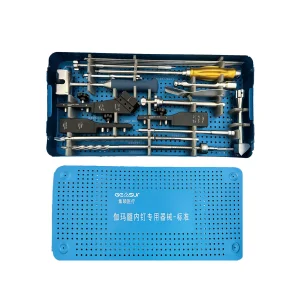
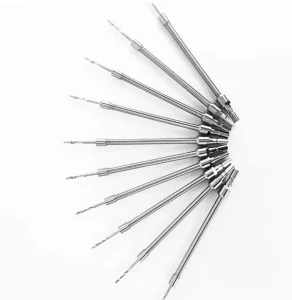
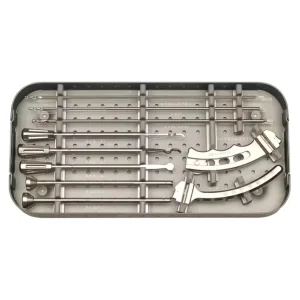
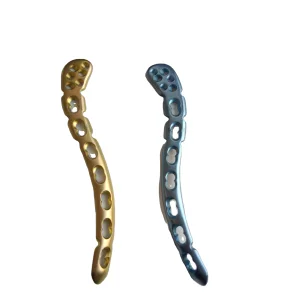
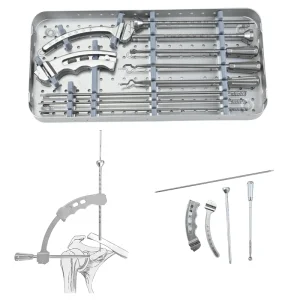
China Best Spinal Hooks Manufacturers & Exporter

Premium Orthopedic Implants, ISO 13485 Standards & Biomechanical Excellence for Global Healthcare Systems

Virelox Medical Devices Co., Ltd.

Industrial scale, verified engineering data, and global standards compliance.

2016
Established
12,000 m²
Building Area
$8.5M
Annual Exports
8+ Years
Export Experience
10+ Years
Industry Tenure

Virelox Medical Devices Co., Ltd. is a professional orthopedic medical device manufacturer specializing in joint replacement and surgical implant solutions. Operating under the brand "Virelox," we are committed to delivering high-performance orthopedic systems for global healthcare providers, orthopedic clinics, and medical distributors. With a deep foundation in biomechanics and medical metallurgy, we stand as one of China's primary sources of class III implantable devices, including specialized spinal hooks, pedicle screws, and complex skeletal fixation systems.

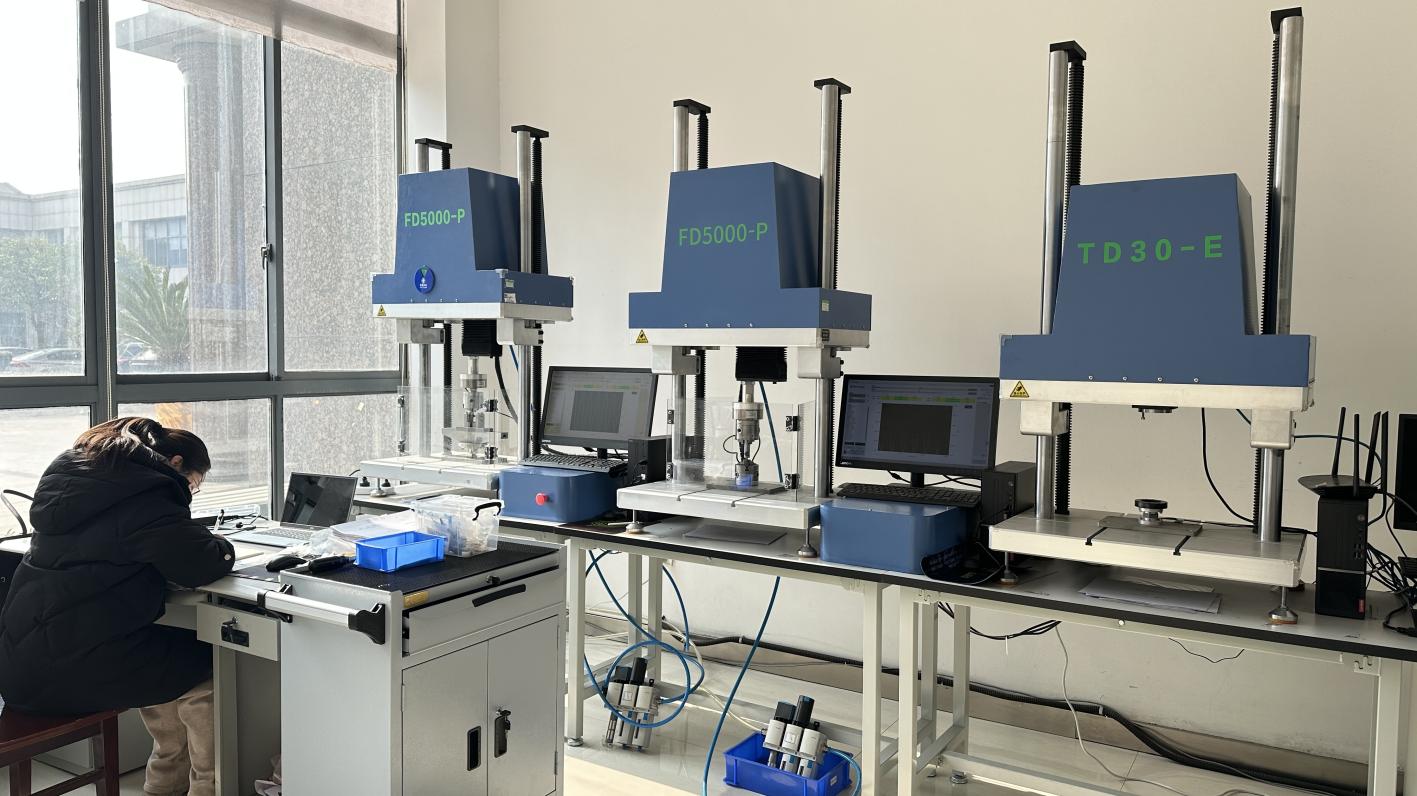
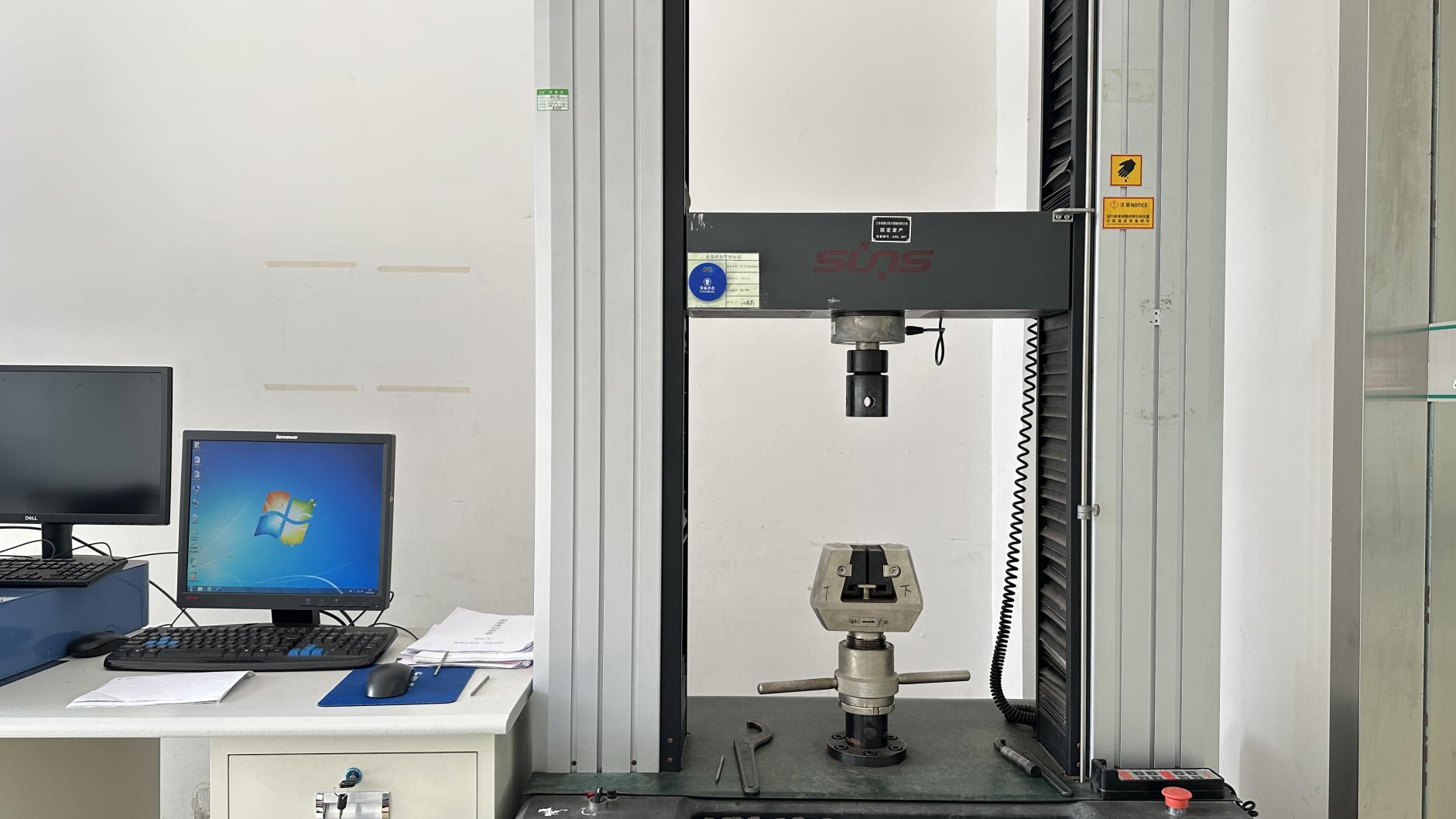
Our quality management infrastructure relies on an ISO 13485-based full-process quality management system with strict incoming, in-process, and final inspection standards. We verify our implants utilizing advanced testing protocols, including X-ray inspection, fatigue testing, tensile strength testing, and precise dimensional CMM (Coordinate Measuring Machine) validation, ensuring zero defect tolerances before shipping.

R&D Architecture

120 specialized R&D engineers in biomechanics, materials science, and medical device design. 120 new products launched last year alone.

Supply Capability

Backed by 850 certified upstream and downstream supply chain partners supporting stable raw material and precision component supply.

Quality Assurance

65 dedicated quality control professionals executing multi-axial fatigue testing, hardness inspection, and raw material chemical characterization.

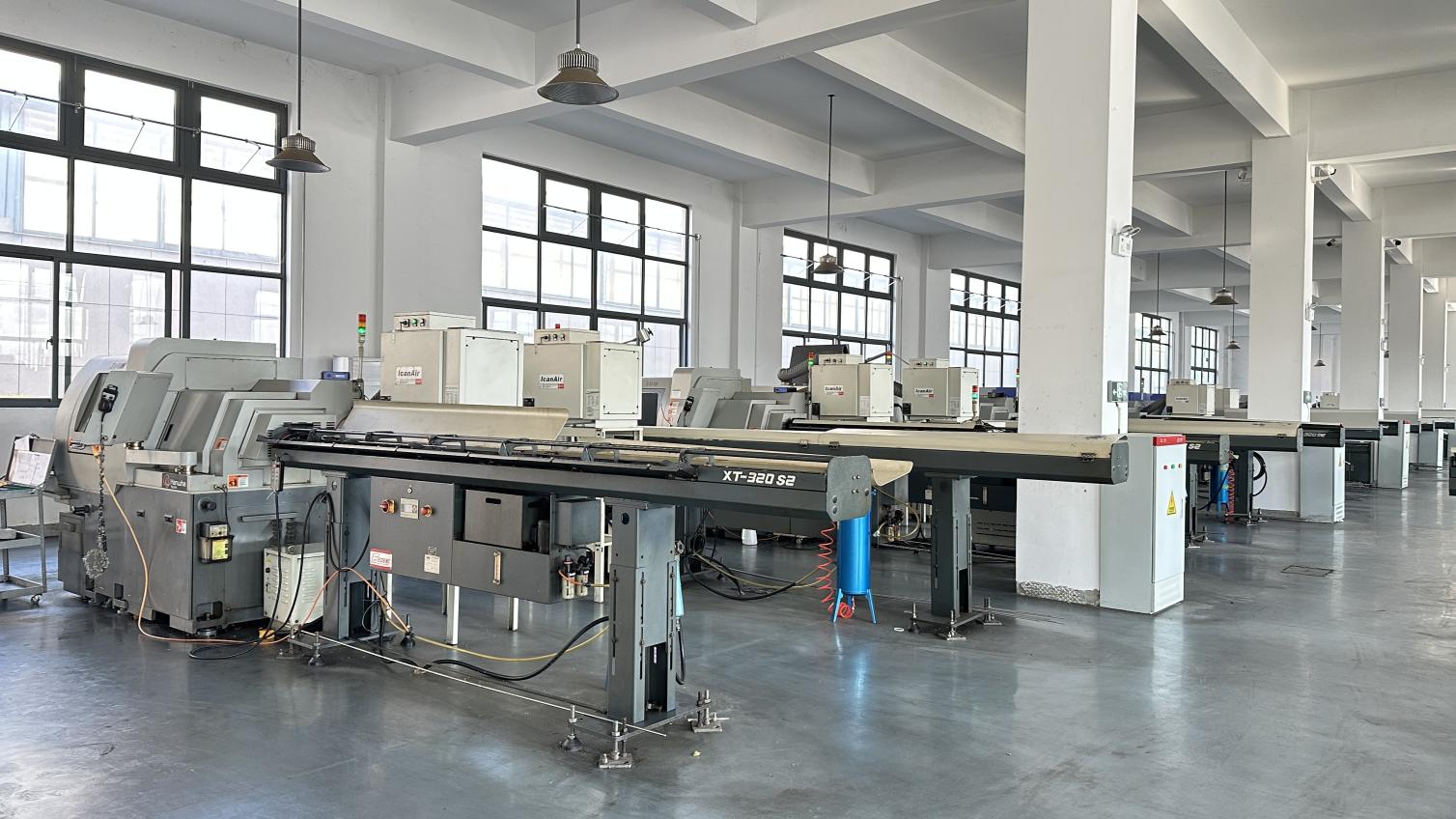
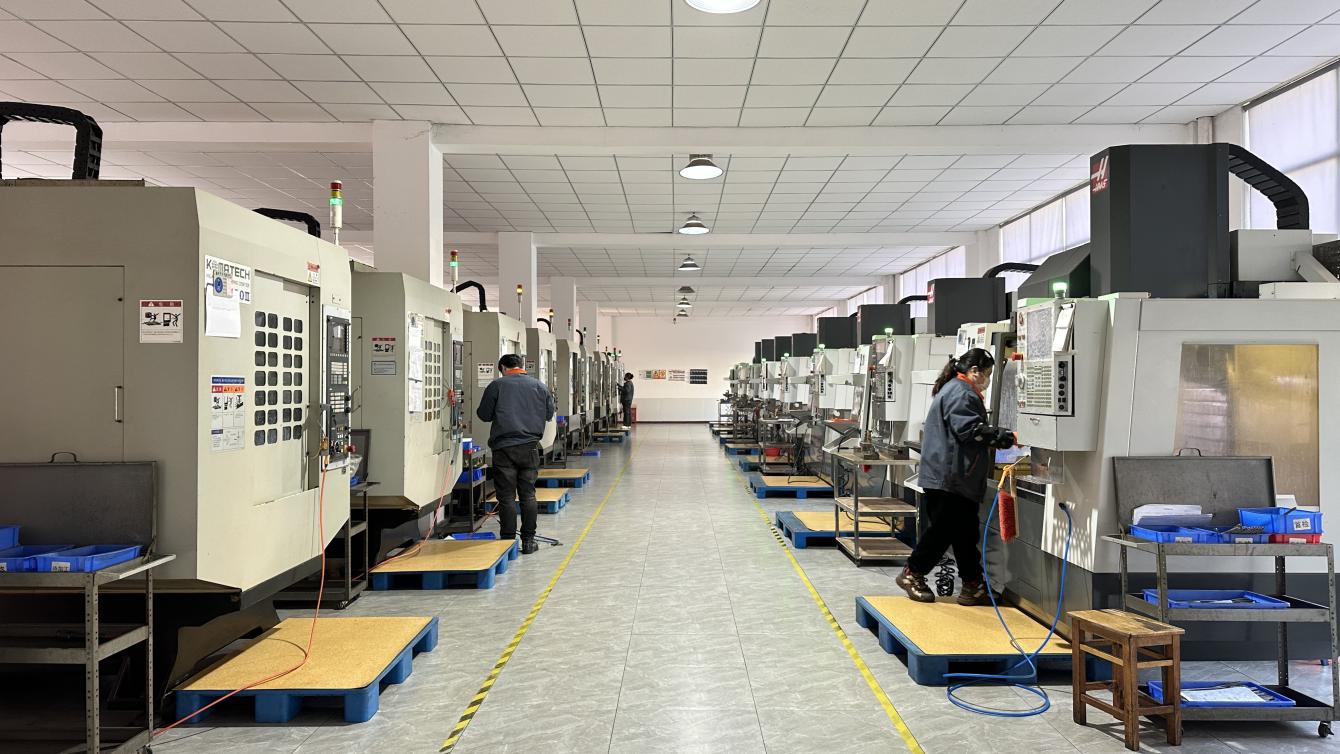
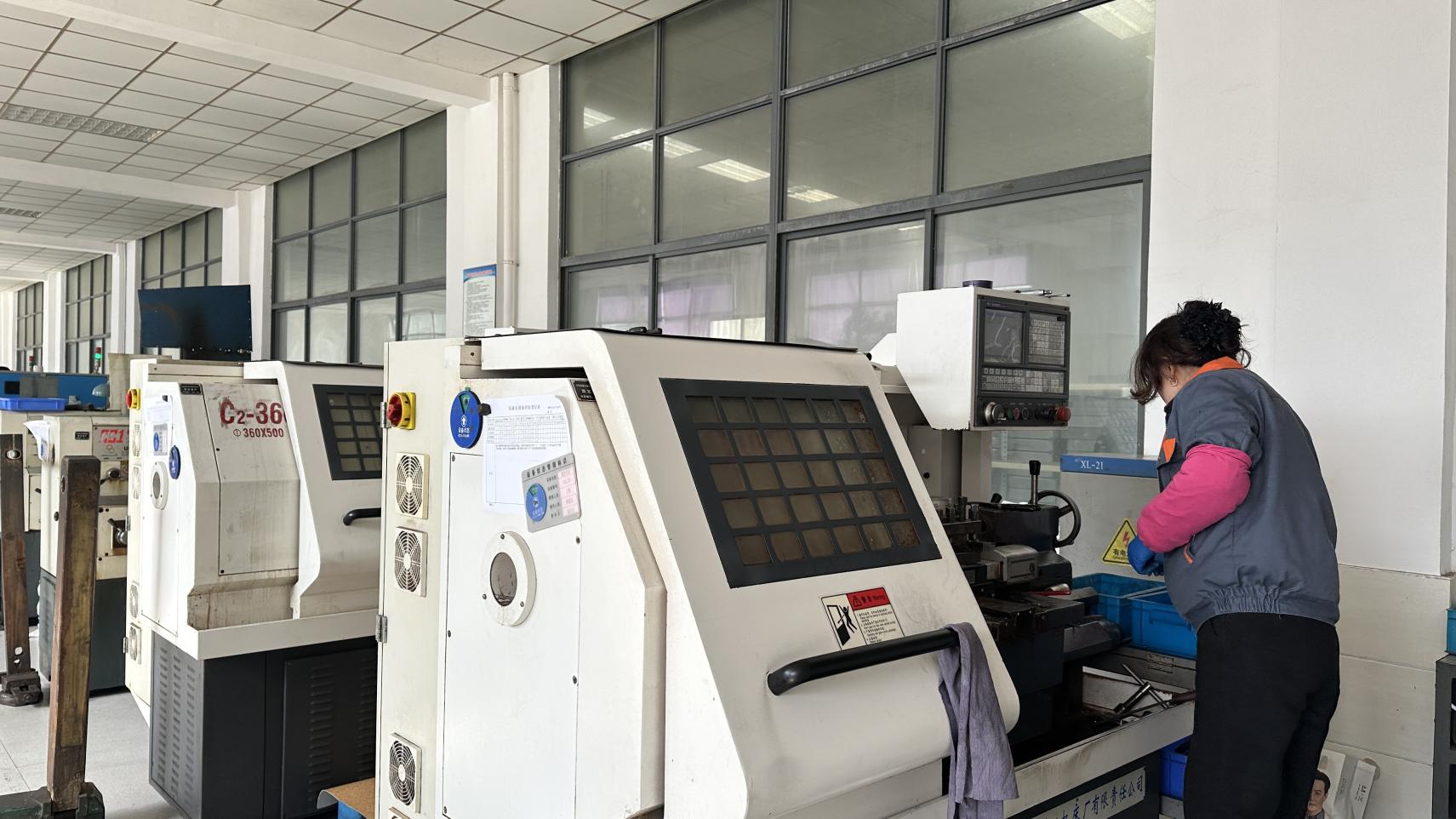
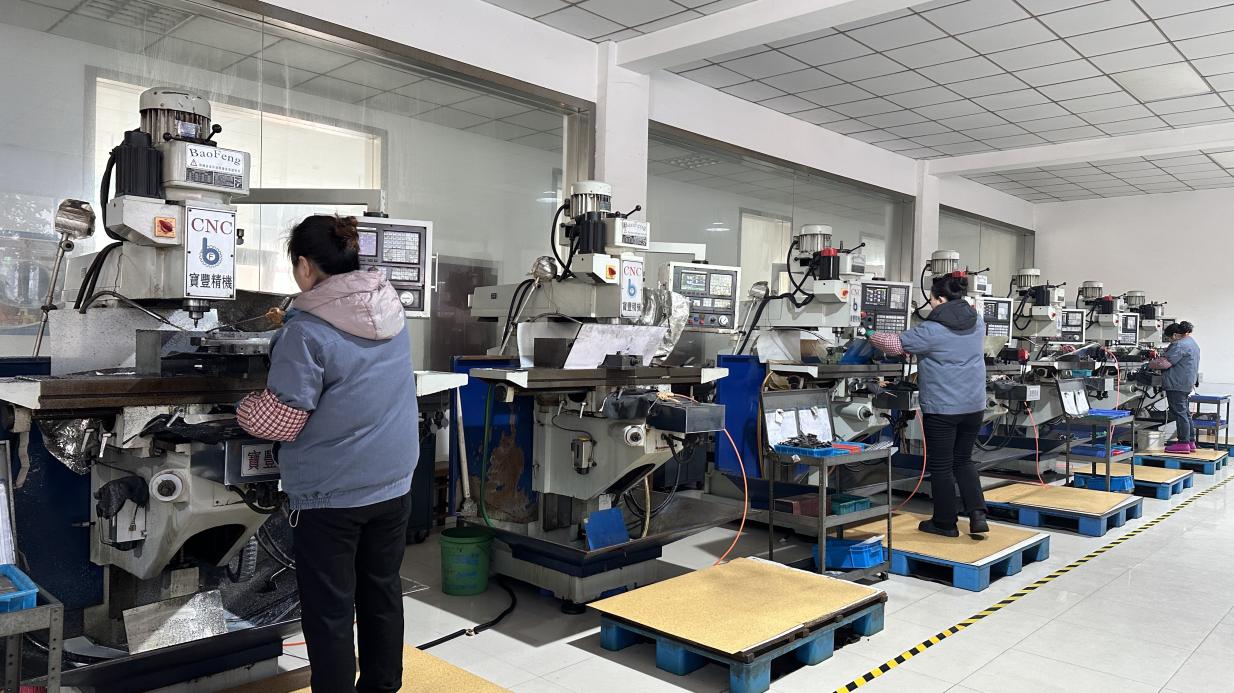
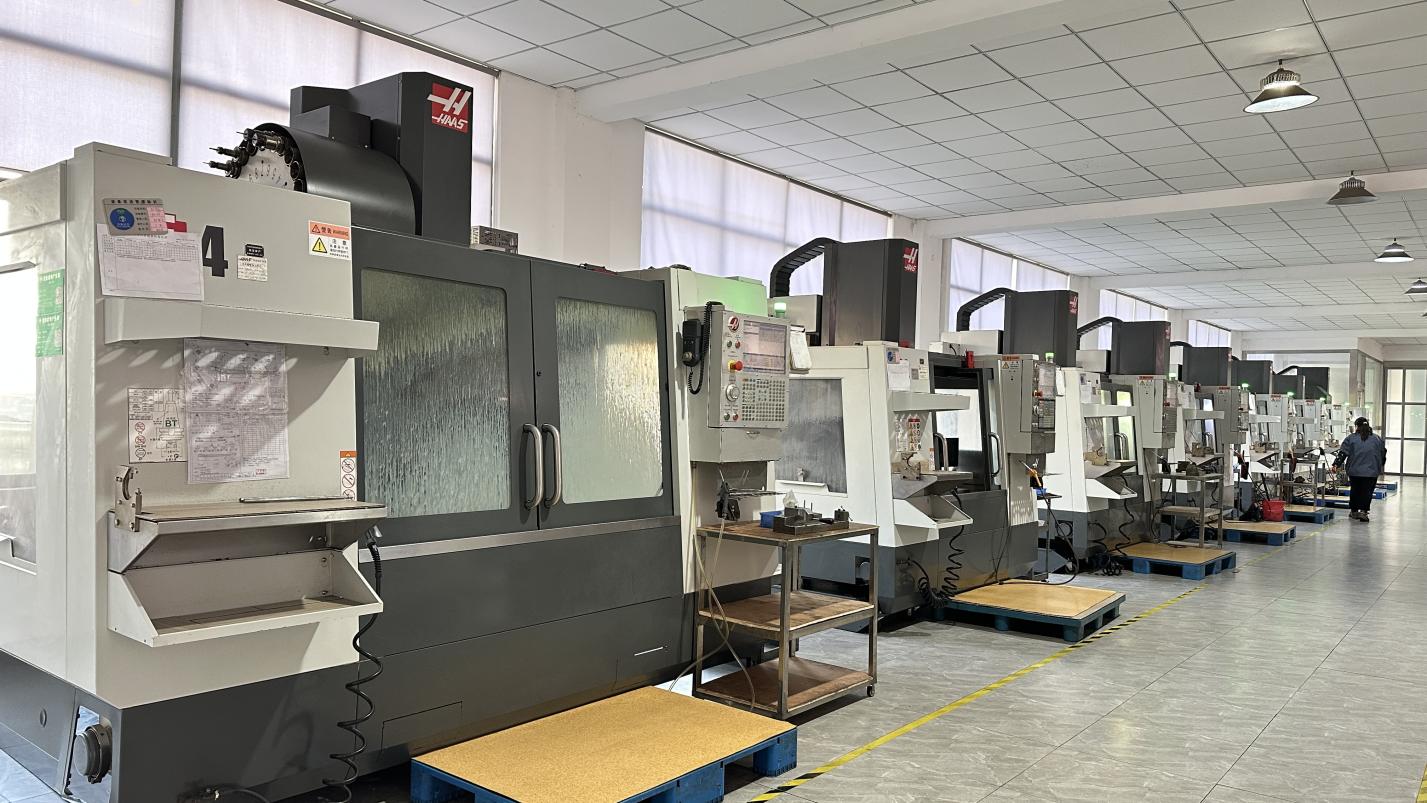
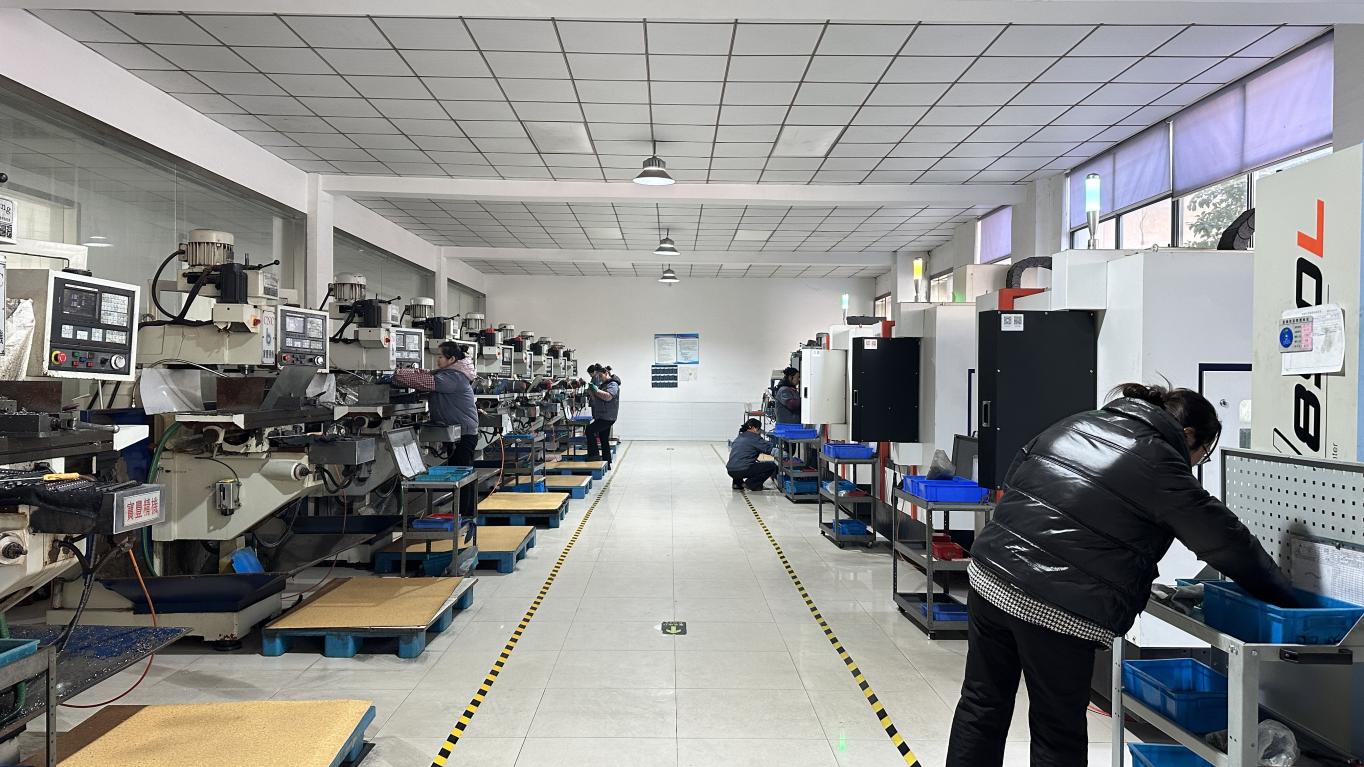
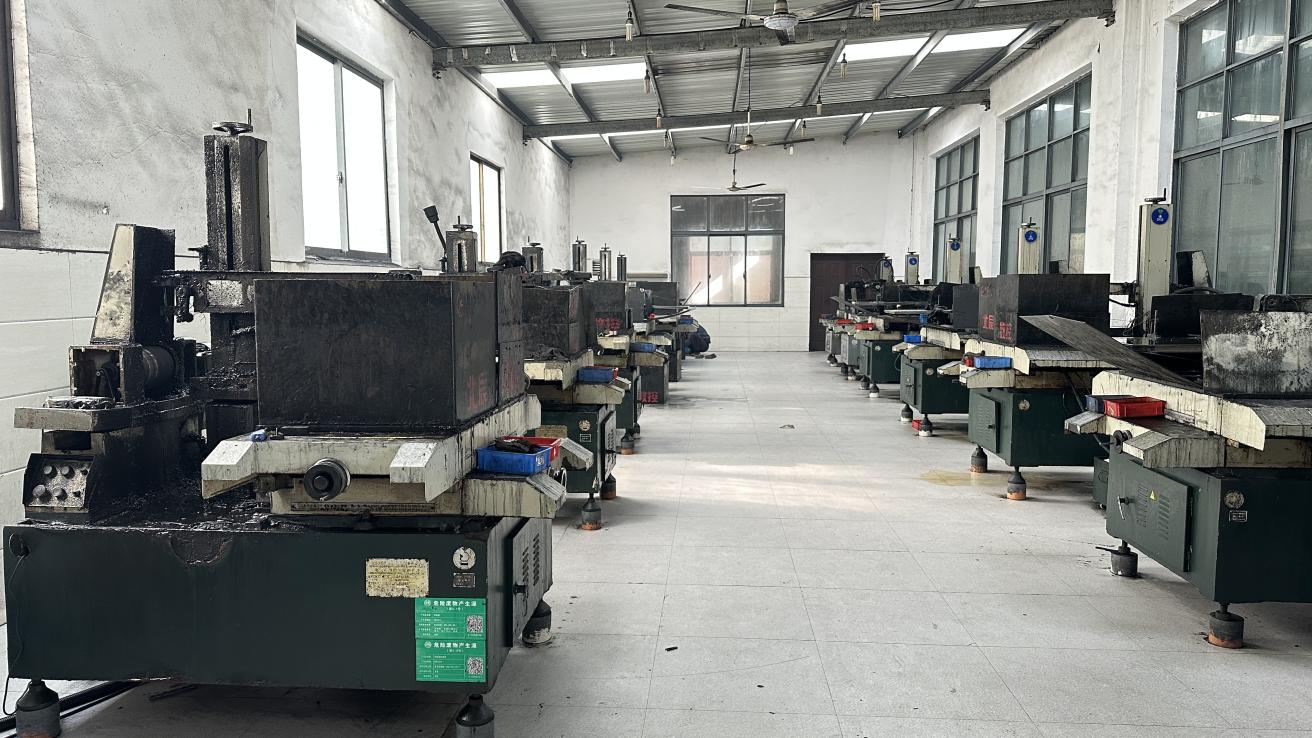
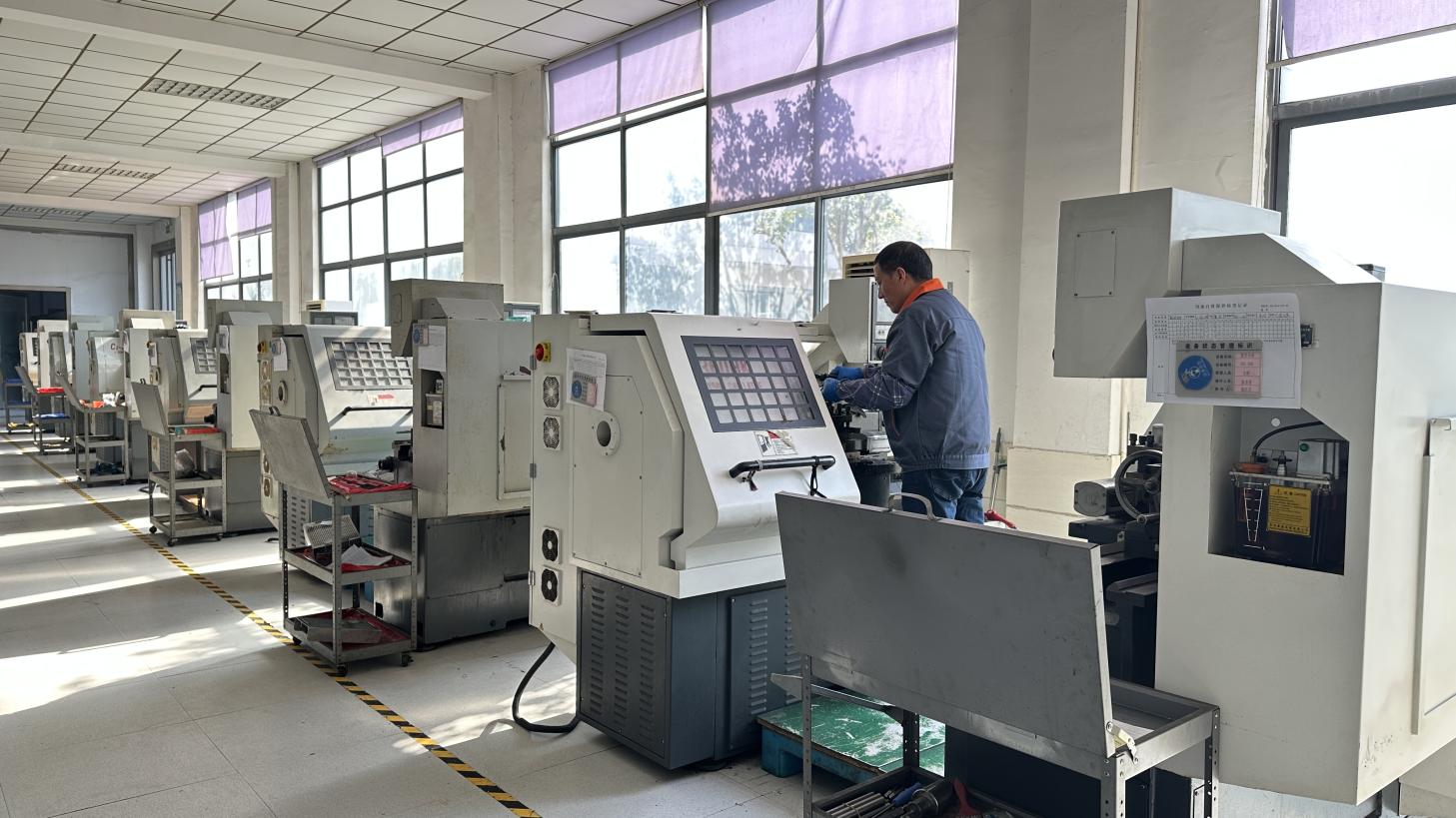
End-to-End Precision Manufacturing Facility

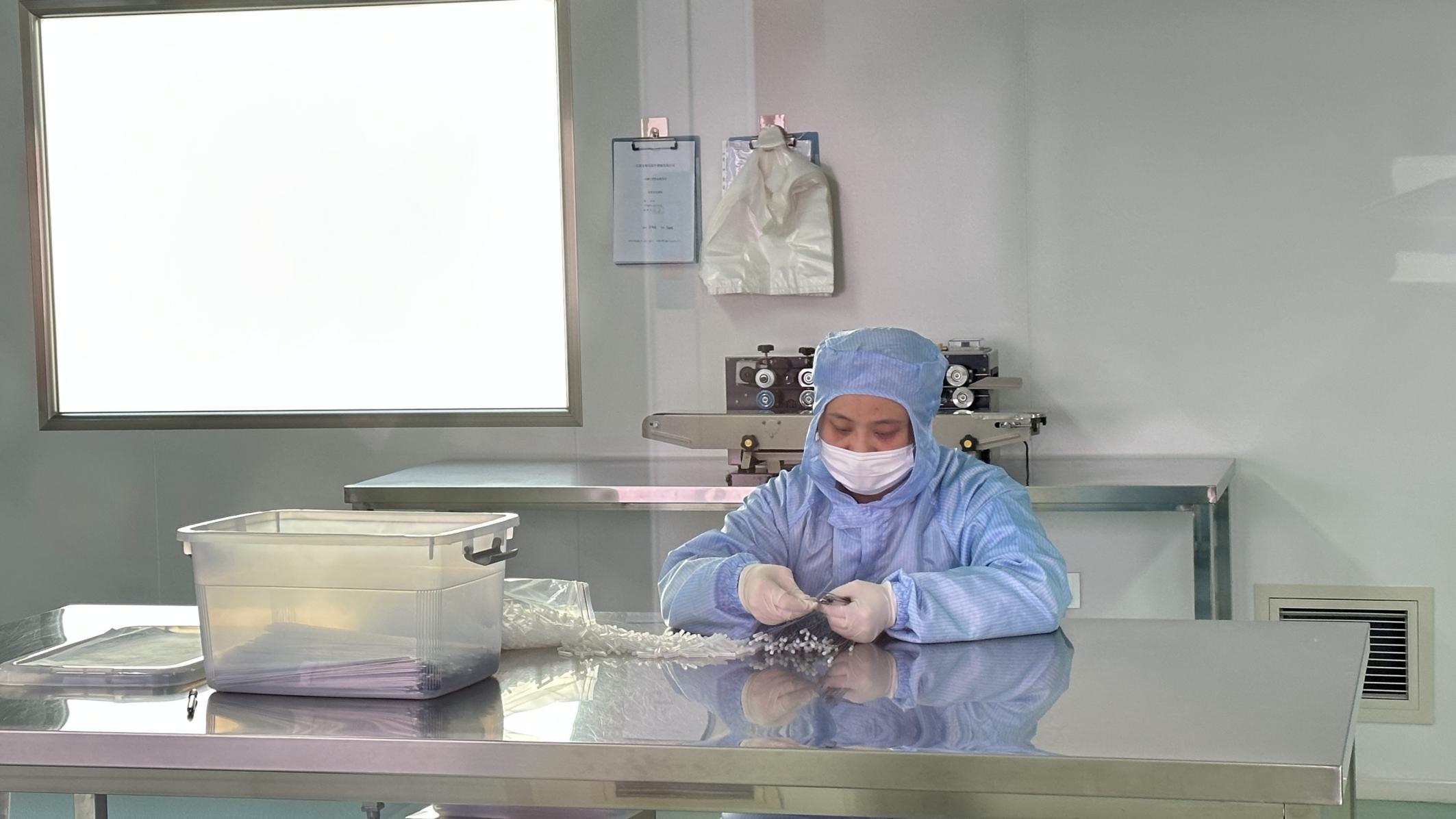
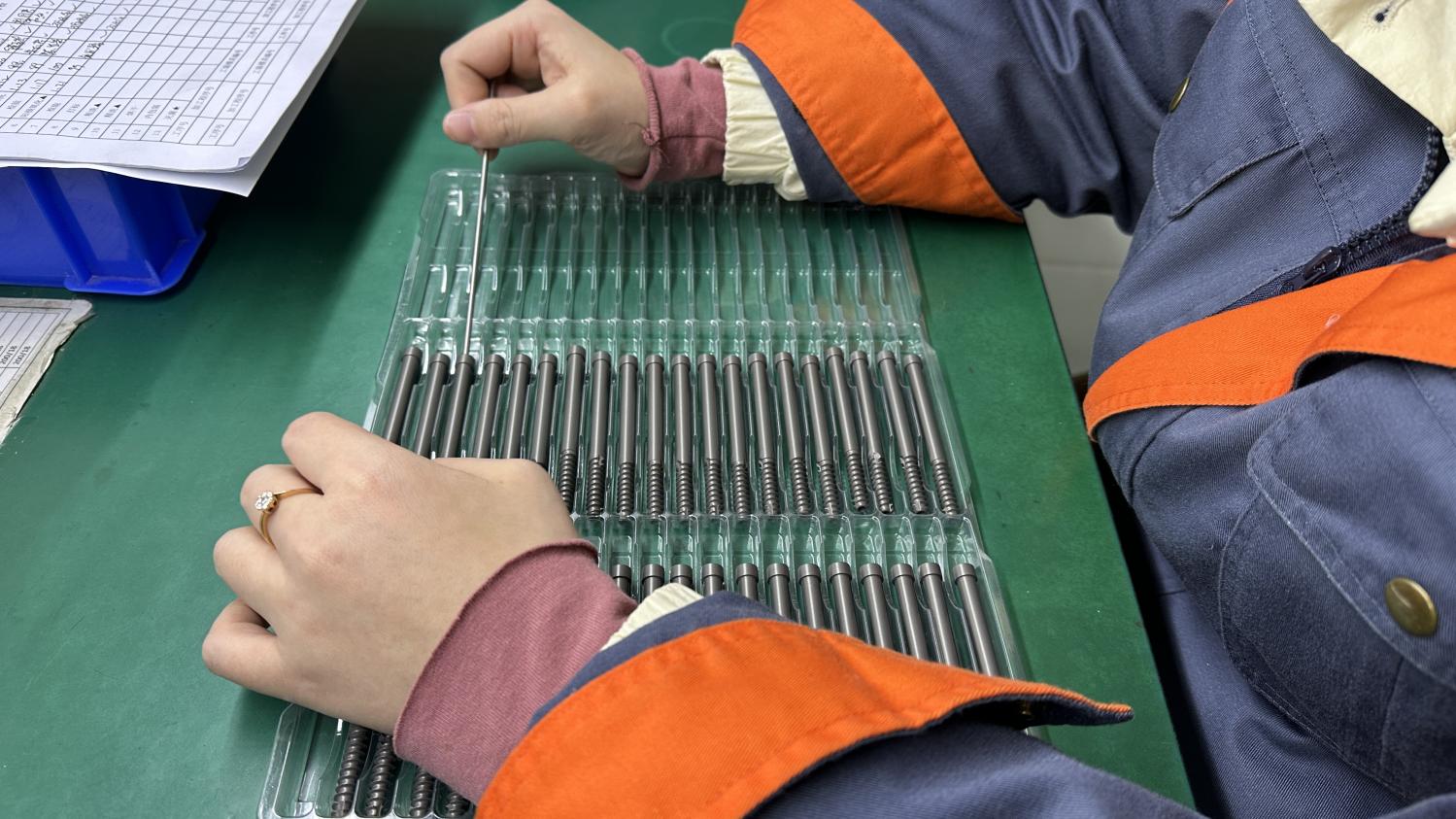
Discover our cleanroom processes, state-of-the-art machinery, and meticulous production stages.
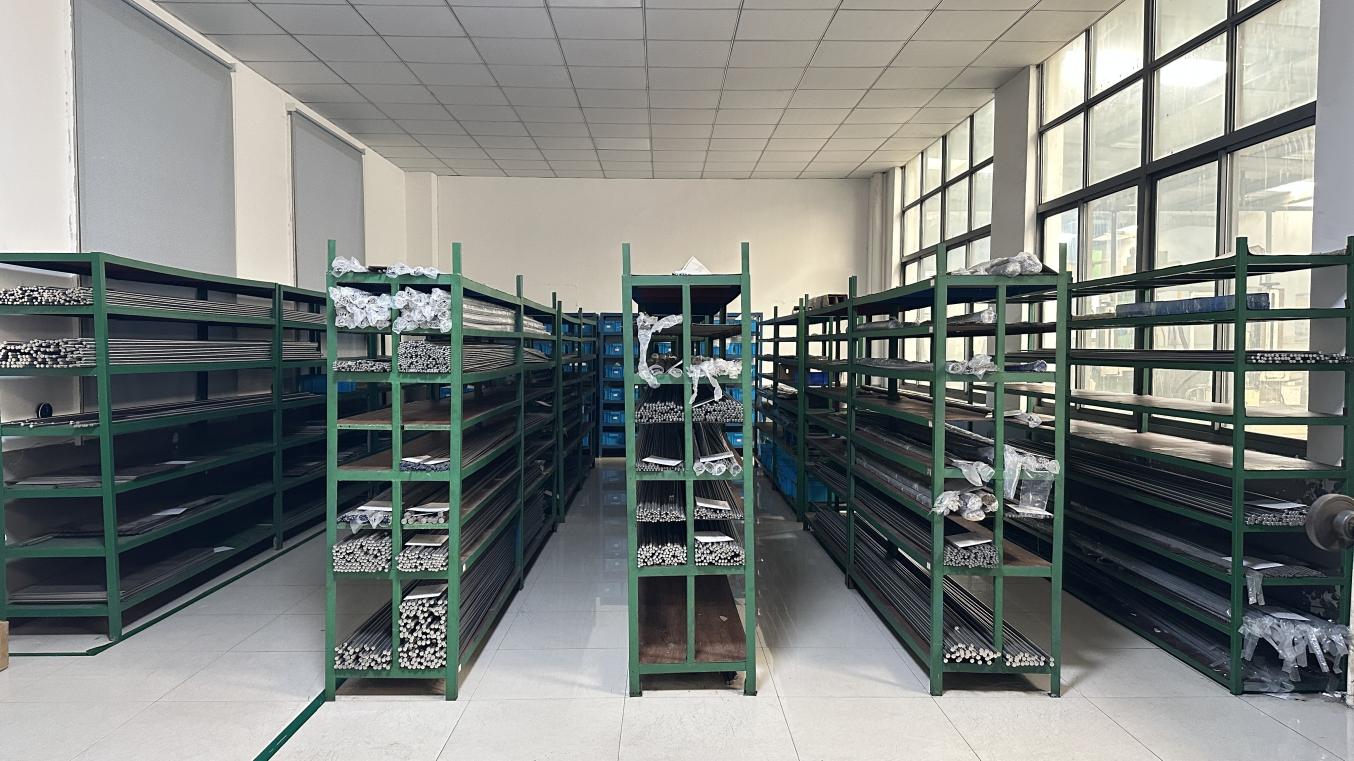
Raw Materials
Raw Materials
Slitting
Slitting
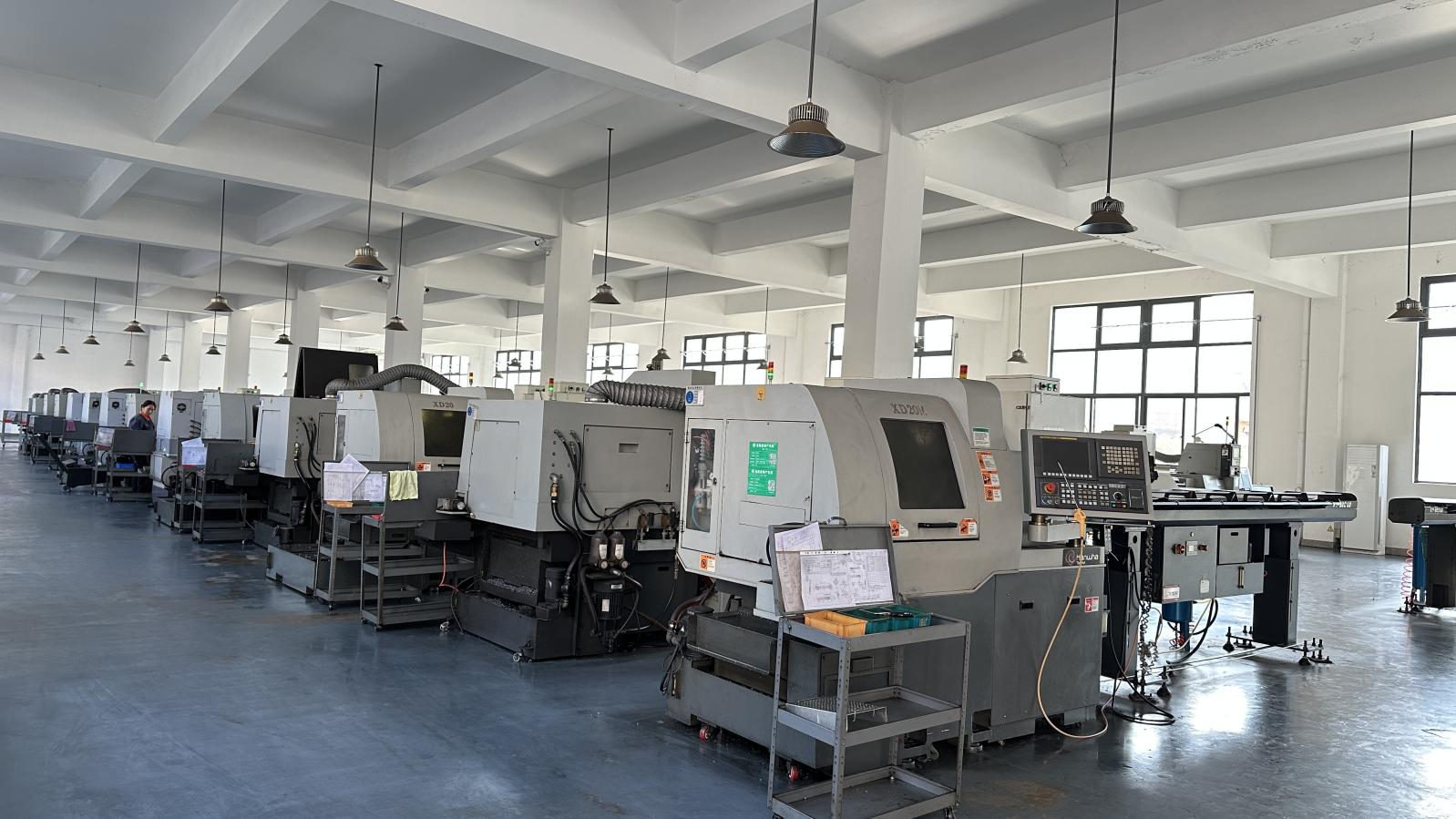
CNC Machining
CNC Machining
Machining
Machining
Milling
Milling
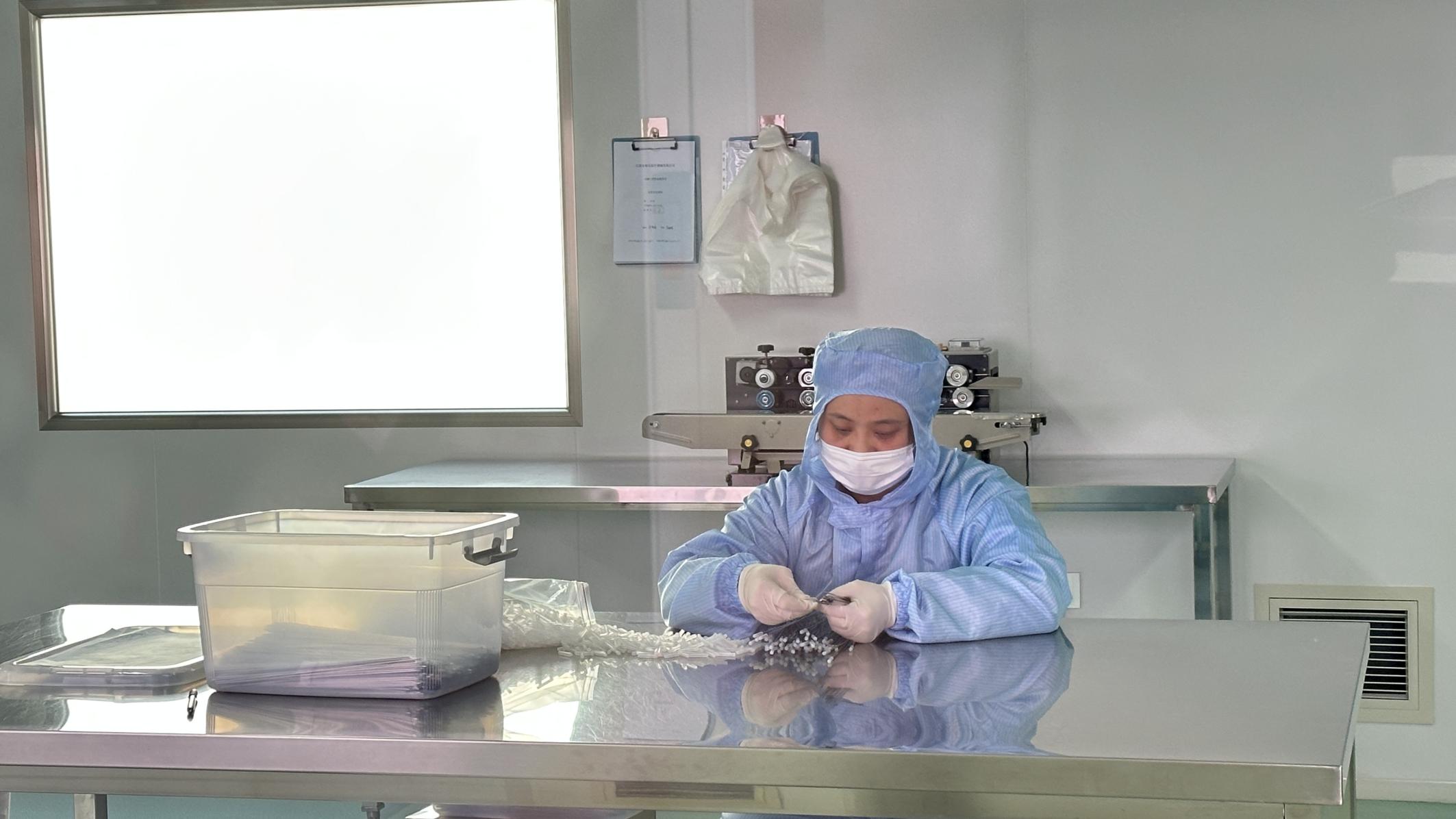
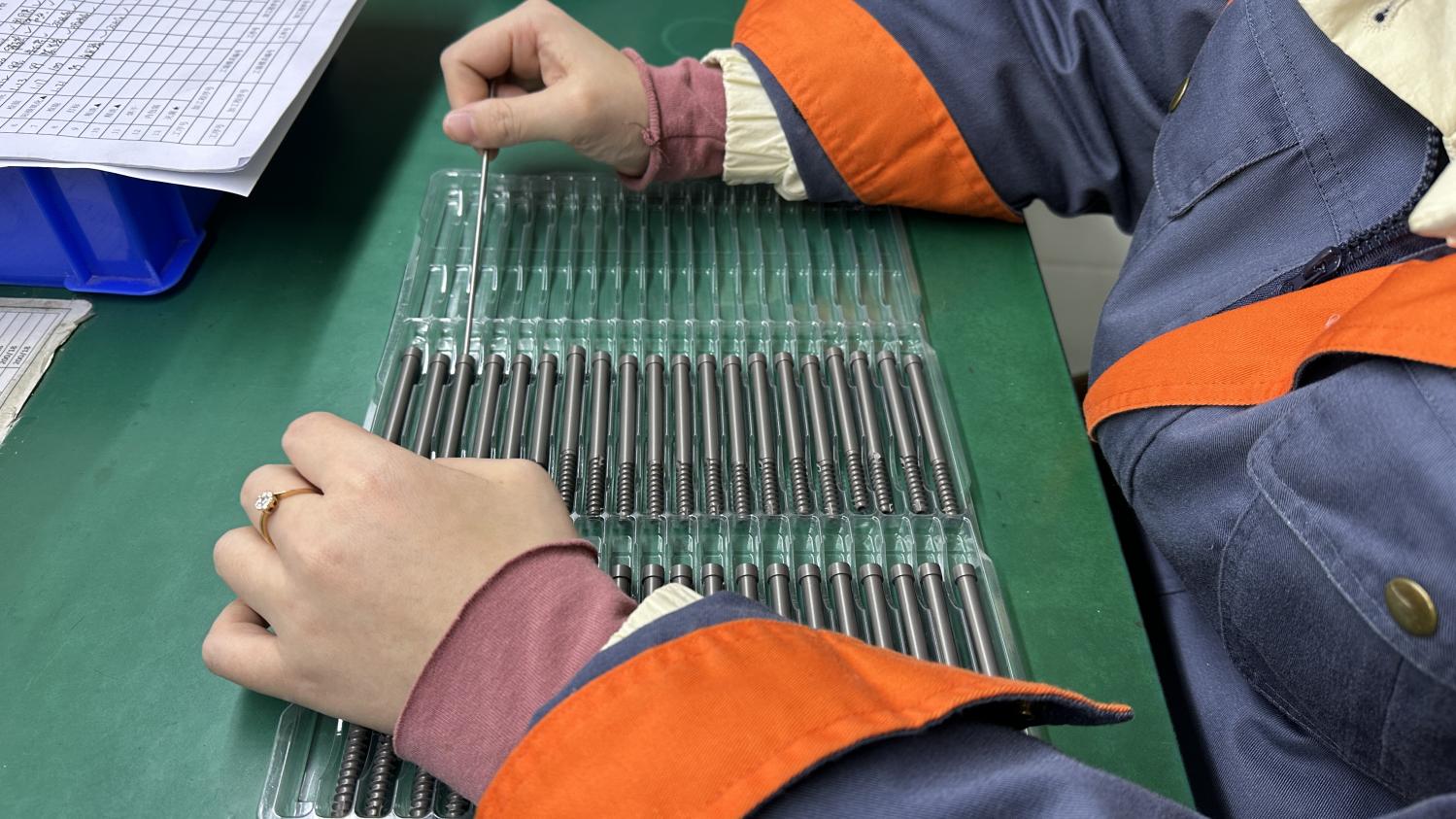
Inspection and Packing
Inspection and Packing 2
Inspection and Packing
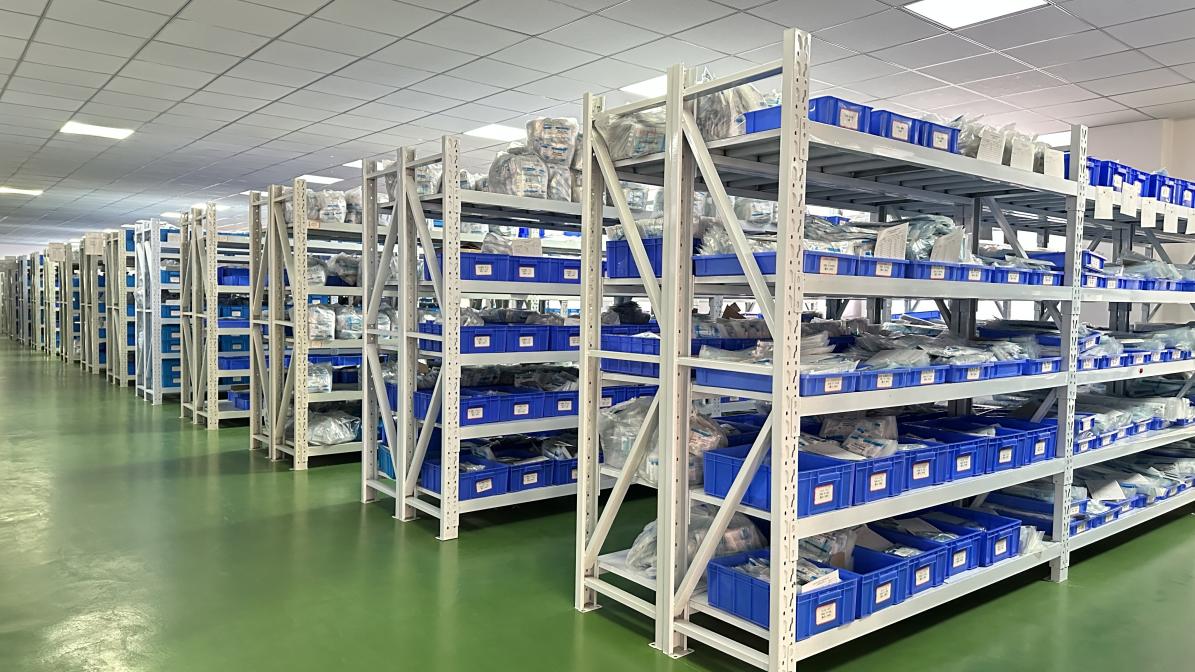
Warehouse
Warehouse
Slitting Machine
Slitting Machine
CNC Machining Center
CNC Milling Machine
CNC Milling Machine
Wire Cutting Machine
CNC Lathe
CNC Lathe
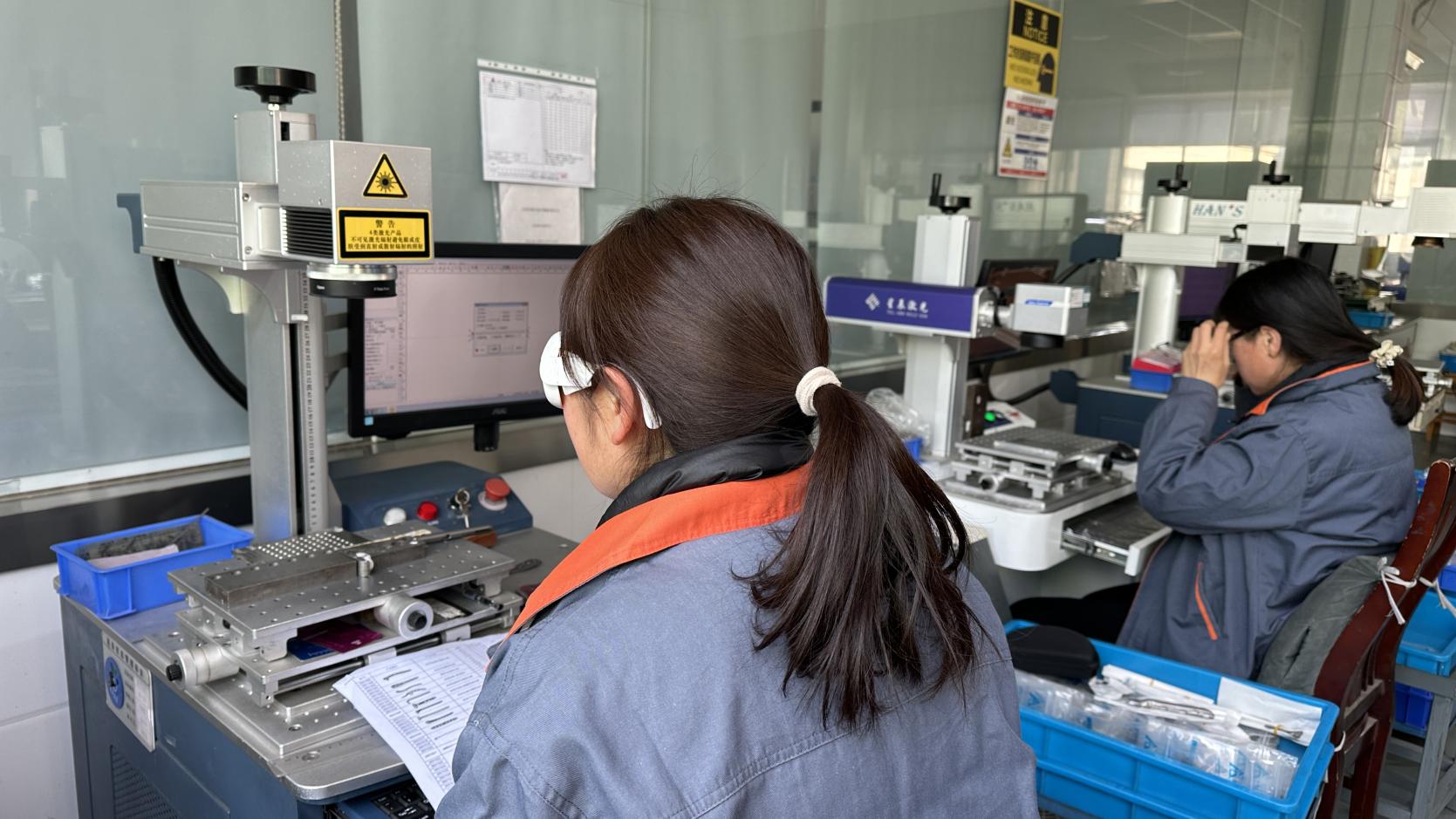
Laser Marking Machine

Strategic Advantages of Chinese Manufacturers in the Spinal Hooks Industry

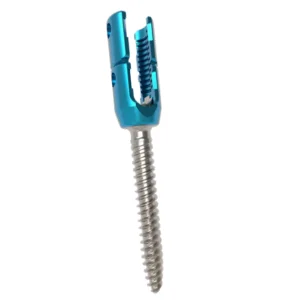
Spinal hooks are critical components in posterior spinal fixation systems, providing stable attachment points to the thoracic and lumbar vertebrae. Unlike pedicle screws, which require intra-pedicular placement, spinal hooks utilize the natural anatomical anchors of the spine, such as the lamina, transverse processes, and pedicles. When sourcing from premium Chinese factories, international buyers leverage specific industrial clusters that optimize production cost, metal purity, and manufacturing precision.

1. Precision Medical-Grade Metallurgy

China's advanced metallurgy sector produces surgical-grade Titanium Alloys (specifically Ti-6Al-4V ELI conforming to ASTM F136 and ISO 5832-3 standards) and high-strength Cobalt-Chromium-Molybdenum alloys. Chinese manufacturers utilize strict electro-slag remelting (ESR) technologies to eliminate microscopic impurities, producing materials with high fatigue limits, excellent biocompatibility, and optimal modulus of elasticity to prevent stress shielding. This level of purity ensures the spinal hooks resist deformation under persistent cyclical physiological loads.

2. Advanced CNC Swiss-Type Machining & Surface Treatment

Spinal hooks feature intricate geometric designs, including smooth hook lips to prevent laminar bone erosion and precise locking mechanisms to clamp onto rods securely. Utilizing multi-axis CNC Swiss-type lathes enables sub-micron machining tolerances. Chinese factories incorporate advanced surface treatment lines that execute Type II anodizing, bead blasting, and electropolishing. These processes increase wear resistance, lower friction coefficients, and create a bioactive oxide layer that promotes stable osteointegration.

"The integration of multi-axis CNC machining centers and advanced surface treatments allows Virelox to manufacture custom hook profiles with tolerances as tight as ±0.005mm, ensuring perfect intraoperative compatibility with existing rod-screw constructs."

3. Scale and Cost Efficiencies via Integrated Supply Chains

The concentration of raw material refineries, tool designers, heat treatment facilities, and sterilization houses within medical manufacturing corridors in China drastically reduces lead times. By partnering with 850 certified upstream and downstream partners, Virelox provides competitive unit prices without compromising ISO class cleanroom standards. This integration allows for rapid scale-ups, transforming complex customized designs into sterilizable clinical products within tight delivery schedules.

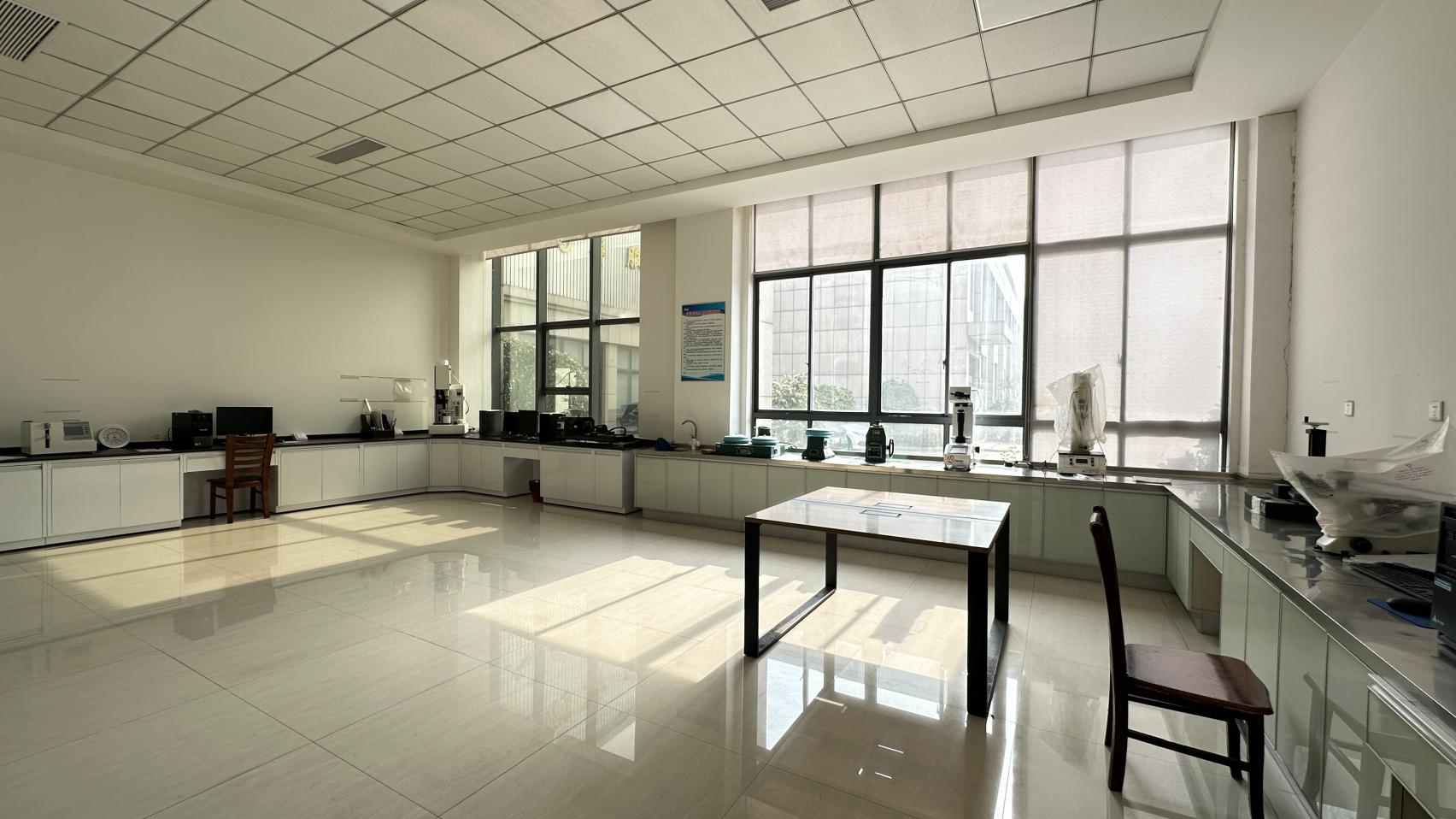
R&D and Biomechanical Verification Center

How Virelox guarantees structural integrity through strict inspection protocols and equipment.
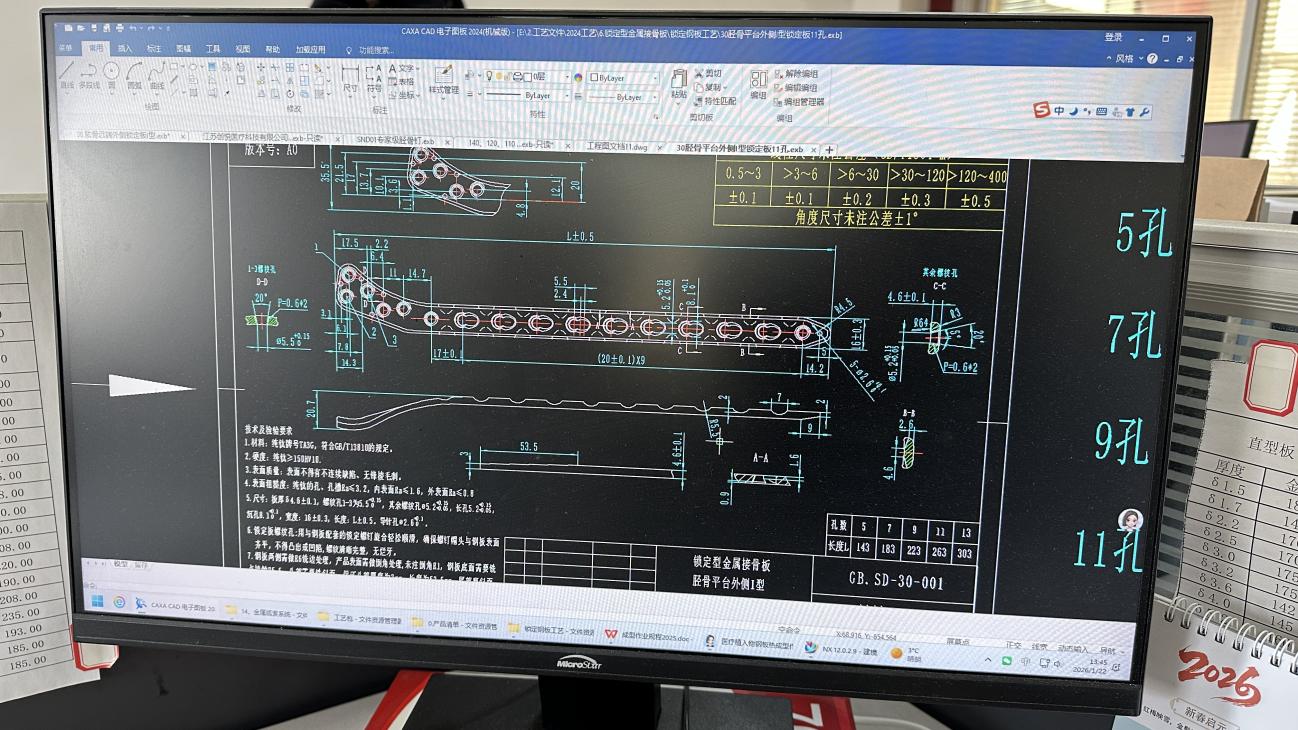
Implant Design
Computer-Aided Design (CAD)
Biomechanical Lab
Biomechanical Research Lab
Surgical Instrument Inspection
Microscopic Inspection
Coordinate Measurement
CMM Dimension Verification
Fatigue Tester
Fatigue Testing System (ASTM F1717)
Tensile Tester
Universal Tensile Tester
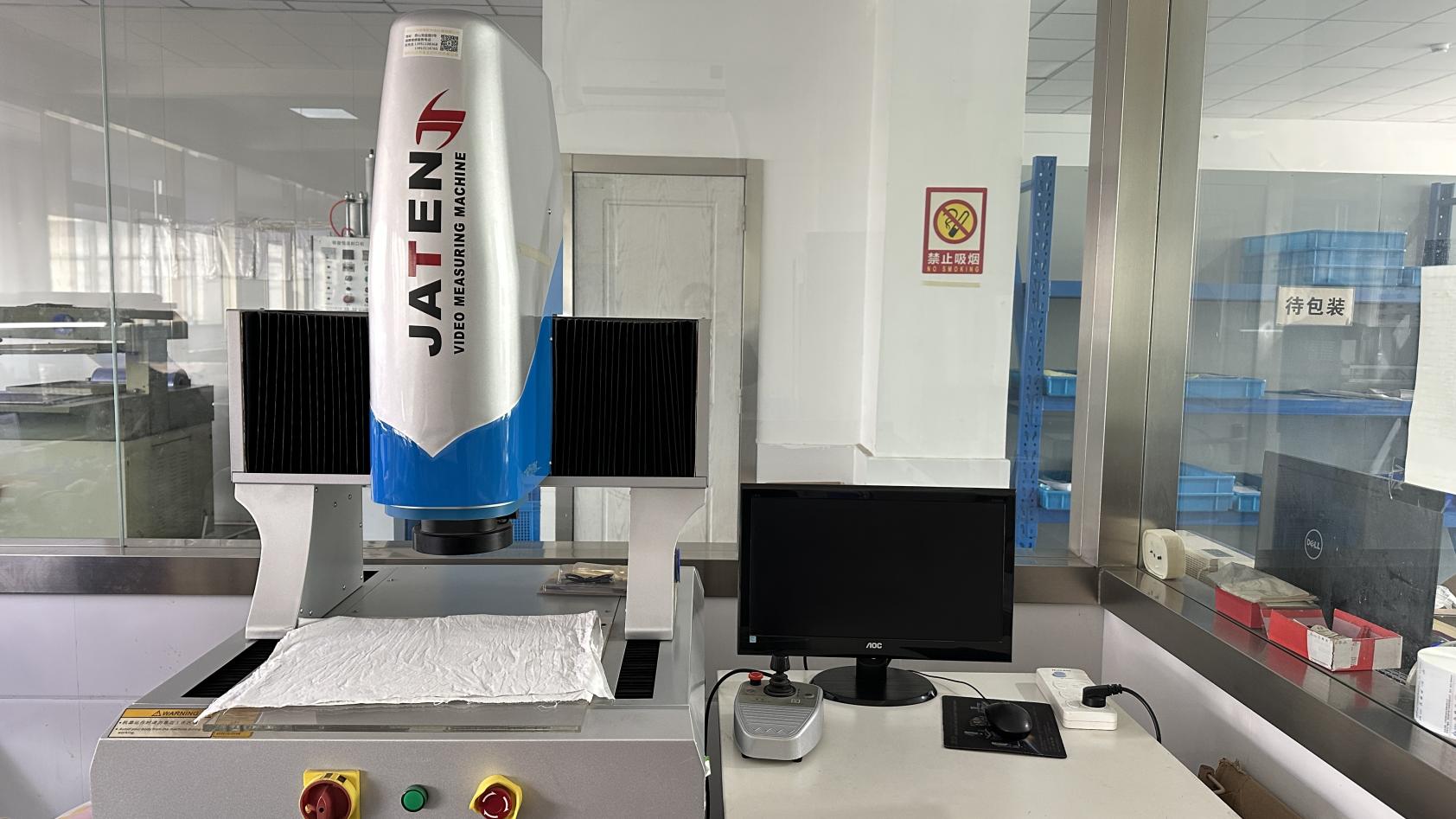
Two Dimensional Measuring Instrument
2D Vision Inspection
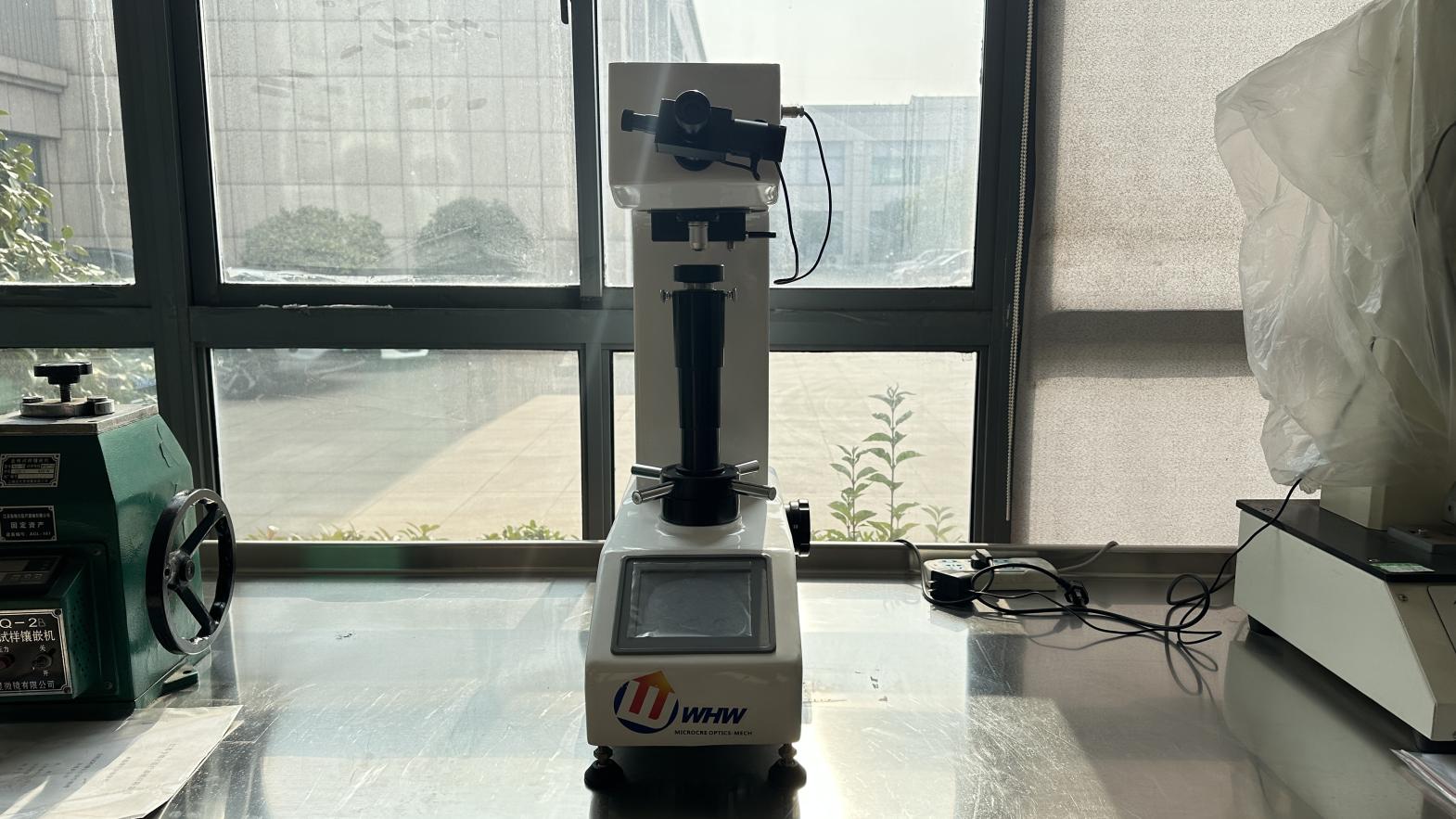
Hardness Tester
Vickers Hardness Tester
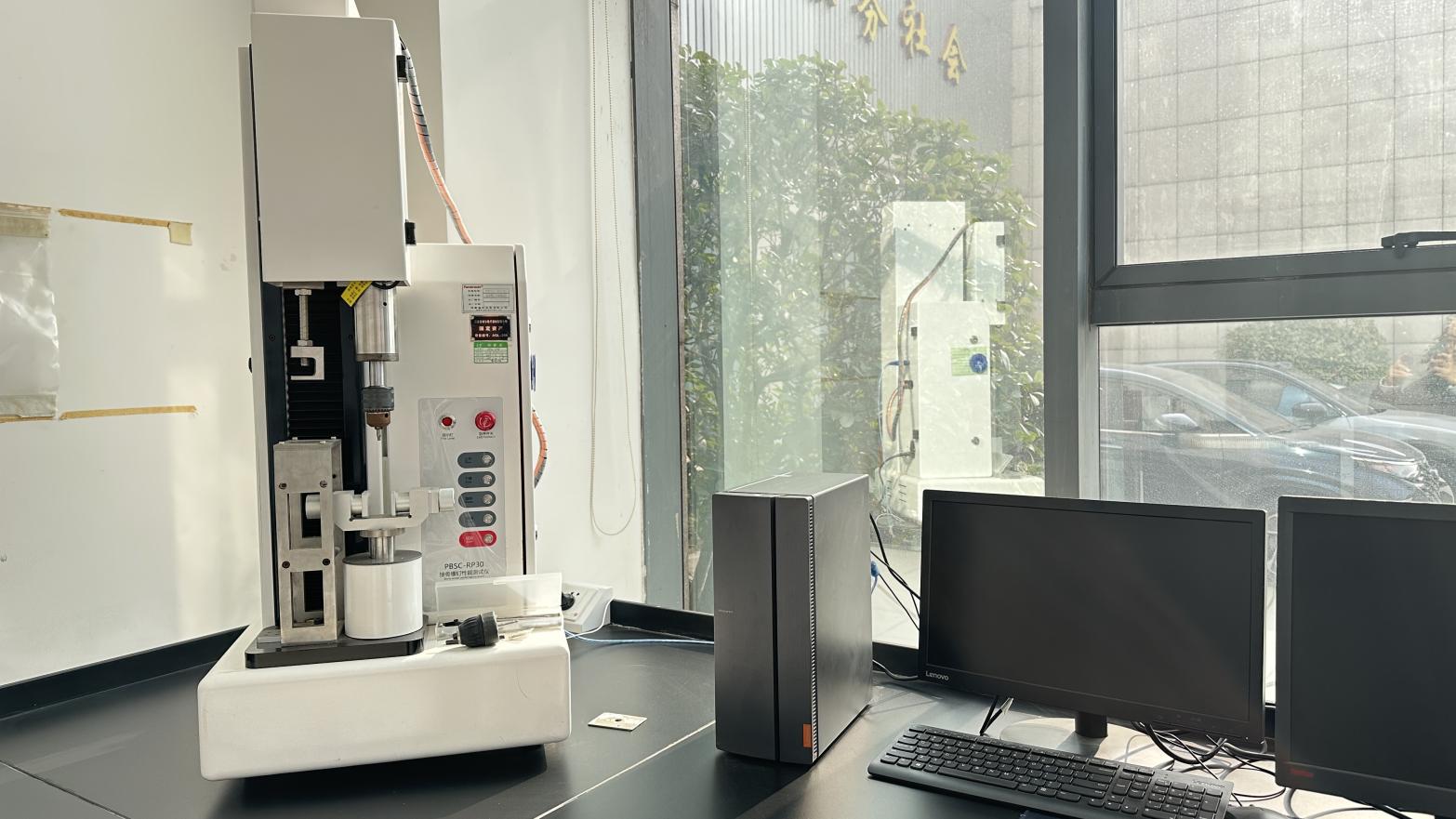
Bone Screw Performance Tester
Bone Screw & Hook Biomechanical Torque Tester

Key Industry Development Trends in Spine Stabilization

The global spinal implant industry is shifting from rigid, static stabilization to dynamic, hybrid, and patient-specific stabilization solutions. Key regulatory and product design trends include:

  • Miniaturization and Profile Reduction: Modern spinal hooks are designed with ultra-low profiles to minimize paraspinal muscle irritation and patient discomfort, which is particularly beneficial in pediatric deformity correction.
  • Dynamic Fixation Configurations: Integrating spinal hooks with semi-rigid rods (such as PEEK or nitinol) to allow controlled physiological motion, lowering the incidence of adjacent segment degeneration (ASD).
  • Additive Manufacturing Interactivity: Utilizing selective laser melting (SLM) to create micro-porous bone-contacting surfaces directly on hook attachments, enhancing mechanical lock and osseous integration.
  • Rigorous Clinical Documentation: In accordance with strict guidelines, global buyers demand complete traceability from raw ingot chemistry validation down to final radiation sterilization validation (using Gamma or E-beam technology).

Localized Clinical Application Scenarios

Spinal hooks are versatile and excel in specific anatomical situations where pedicle screw placement is risky or impossible:

1. Thoracic Deformity Correction (Scoliosis Surgery)

In the upper thoracic spine, pedicles are often narrow or dysplastic, posing high risks of spinal cord injury during screw insertion. Transverse process and laminar hooks provide a reliable alternative, distributing corrective forces over several segments without violating the spinal canal.

2. Pediatric Spinal Stabilization

For pediatric patients with immature skeletal growth, traditional pedicle screws can interfere with vertebral development. Sublaminar and pedicle hooks, used in tandem with growing rod constructs, allow scoliosis correction while accommodating skeletal growth.

3. Salvage Procedures and Revision Surgeries

If a pedicle wall fractures during revision surgery, or if severe osteoporosis leads to screw pull-out, spinal hooks serve as salvage anchors. Lamina hooks can bridge the compromised vertebrae, securing the construct to stable cortical structures.

Macro Industry Solutions & Global Enterprise Procurement

Virelox coordinates with international medical supply chains to deliver reliable turnkey services. From custom private labeling to hospital tender compliance, our platform supports high-volume B2B needs:

1. Custom OEM/ODM Design

We adapt implant geometries, angles, and surface topographies based on clinician requirements, backed by rapid biomechanical prototyping.

2. Global Logistics & Packing

Implants are packaged in medical-grade Tyvek pouches in ISO Class 7 cleanrooms, ensuring sterility validation for direct hospital delivery.

3. Tender Compliance

Providing complete documentation portfolios, including ISO 13485 certificates, material mill sheets, and fatigue test reports to support local registrations.

Frequently Asked Questions (FAQ)

Technical and commercial answers for orthopedic distributors, purchasing managers, and clinical evaluators.

What raw materials are utilized in Virelox Spinal Hooks?
We manufacture our spinal hooks primarily from medical-grade Titanium Alloy (Ti-6Al-4V ELI) conforming to ASTM F136 and ISO 5832-3 standards. For specific requirements, we can also supply implants in Cobalt-Chromium-Molybdenum (Co-Cr-Mo) alloys. All incoming raw materials undergo strict chemical spectrographic analysis and tensile strength tests prior to machining.
How does Virelox comply with international medical device certifications?
Virelox operates a quality management system certified under ISO 13485 standards. Our orthopedic implants are manufactured in strict compliance with international benchmarks, supporting product registration with medical regulatory authorities in Europe, South America, and Southeast Asia. We supply comprehensive technical documentation with each batch.
What fatigue testing standard is used for your spinal implants?
Our spinal fixation assemblies undergo dynamic fatigue testing according to the ASTM F1717 standard. This protocol evaluates the construct under worst-case loading scenarios (corpectomy model) to determine its endurance limit over 5 million cycles, ensuring long-term mechanical safety inside the human body.
Can you accommodate custom shapes and dimensions (OEM/ODM)?
Yes. Our in-house R&D center features rapid CAD design, biomechanical simulation, and pilot manufacturing units. We collaborate with international surgeons and distributors to design customized hook geometries, low-profile designs, and specific angular offsets to match diverse anatomical needs.
What is your typical production lead time for large bulk orders?
For standard catalog designs, our production lead time ranges from 30 to 45 days, depending on order size. For custom OEM designs requiring validation, lead times are typically 60 to 90 days. We leverage our network of 850 supply chain partners to optimize lead times and scale capacity when needed.
How do you ensure the dimensional accuracy of complex spinal hooks?
We inspect critical dimensions using 3D Coordinate Measuring Machines (CMM), 2D optical measuring projectors, and custom thread-go/no-go gauges. Each batch is subject to a strict AQL (Acceptable Quality Limit) sampling plan executed by our team of 65 QC inspectors.
Are the implants shipped sterile or non-sterile?
We can supply implants in both sterile and non-sterile configurations. Sterile implants are packaged in cleanroom pouches (Tyvek-to-film) and processed via validated gamma irradiation. Non-sterile implants are cleaned using ultrasonic cleaning systems and securely packed in protective boxes, ready for hospital autoclaving.
Which clinical scenarios favor spinal hooks over pedicle screws?
Spinal hooks are preferred in pediatric deformity correction to minimize the risk of canal violation, in the upper thoracic spine where pedicles are extremely narrow, and as salvage anchors in revision surgeries where previous screw tracks have failed or bone density is severely compromised.