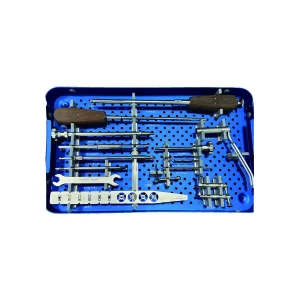
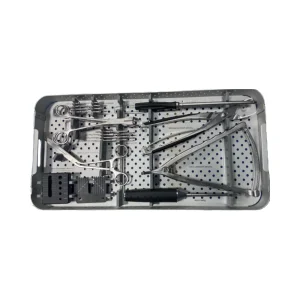
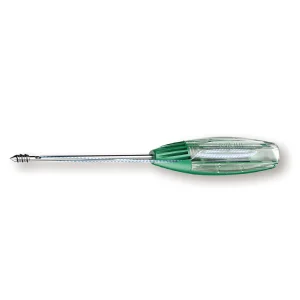
Virelox Medical Devices Co., Ltd. integrates state-of-the-art biomechanics and high-grade biocompatible materials to manufacture next-generation orthopedic implants.
Founded in 2016, Virelox Medical Devices Co., Ltd. (operating under the global brand “Virelox”) has established itself as an elite, export-oriented manufacturer specializing in joint replacement systems, spinal fixation complexes, and custom-designed surgical implants. With over a decade of deep industrial expertise and eight years of global trade footprint, we have successfully partnered with major medical device distributors, public hospital purchasing divisions, and elite orthopedic surgical centers across Europe, Southeast Asia, South America, and the Middle East.
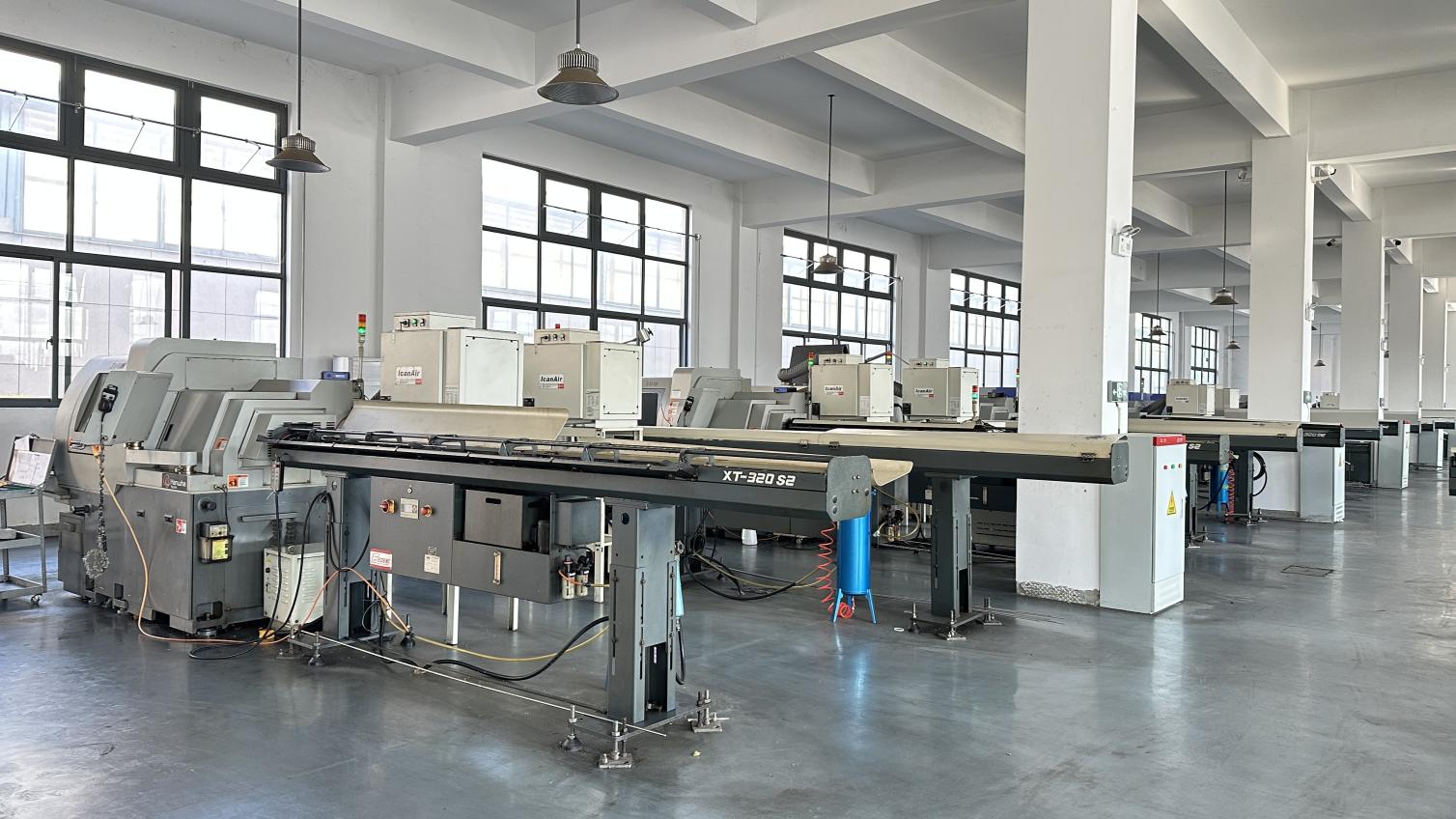
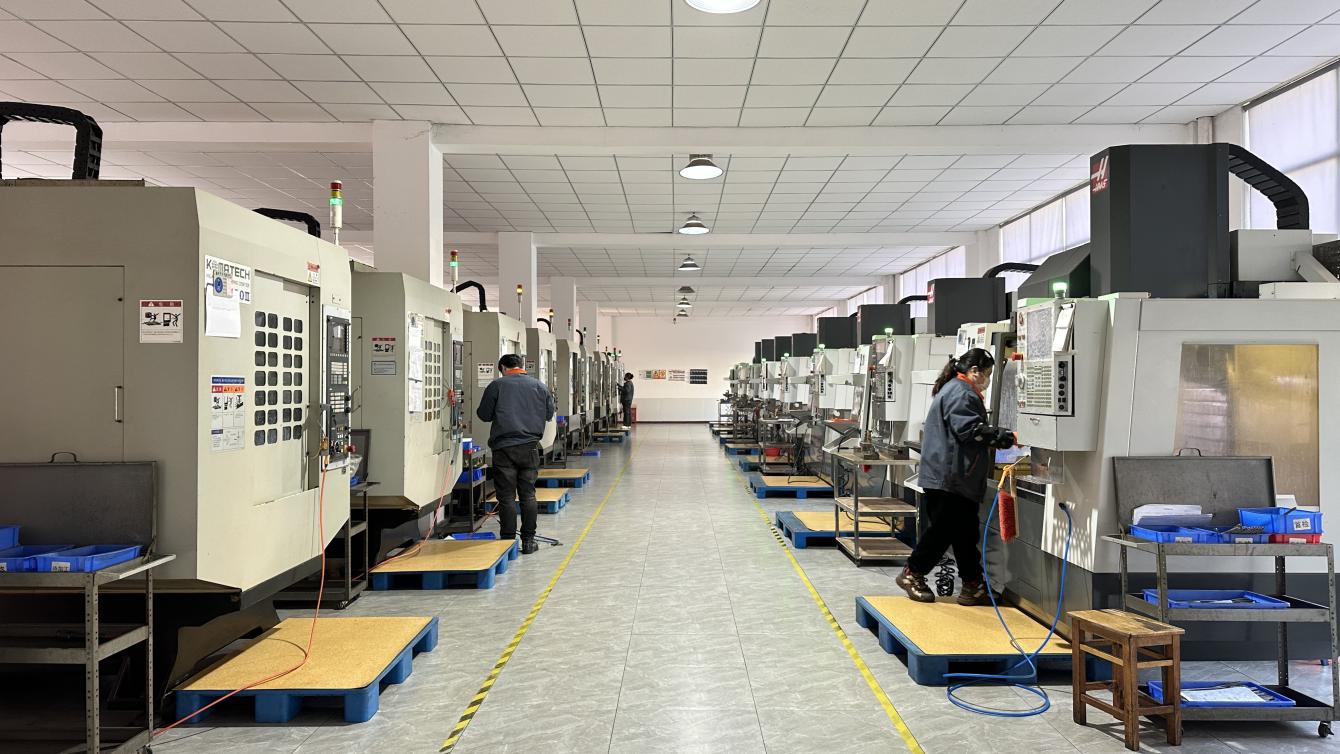
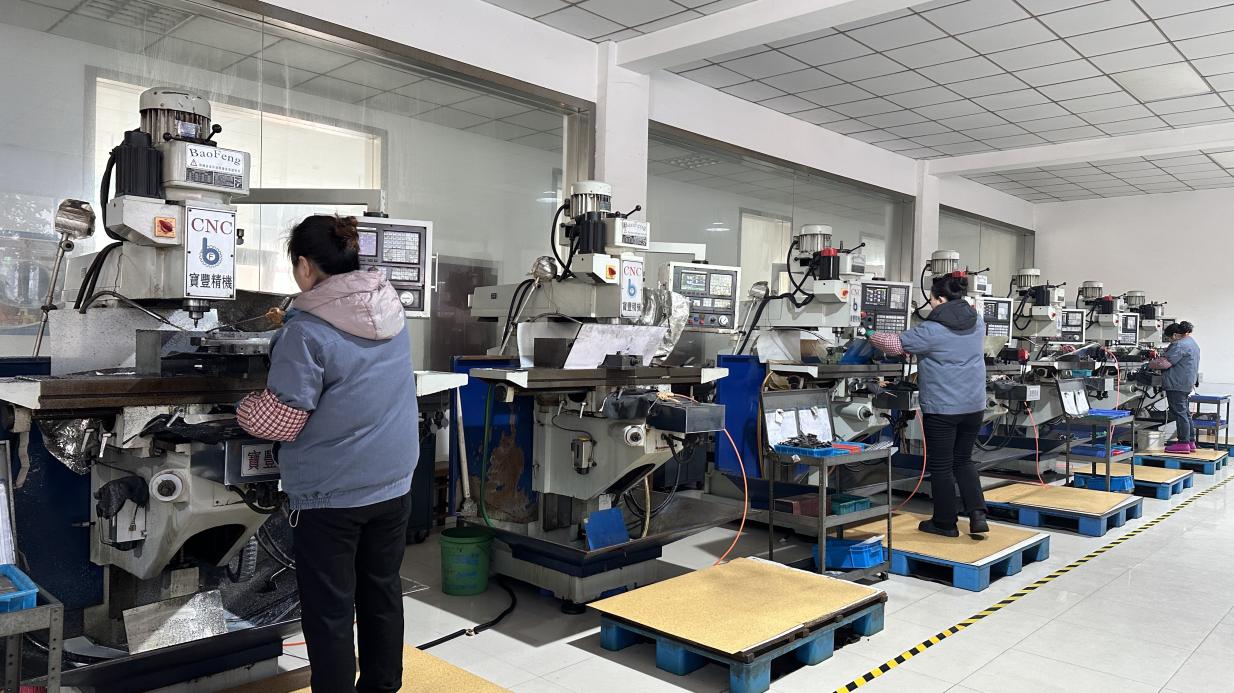
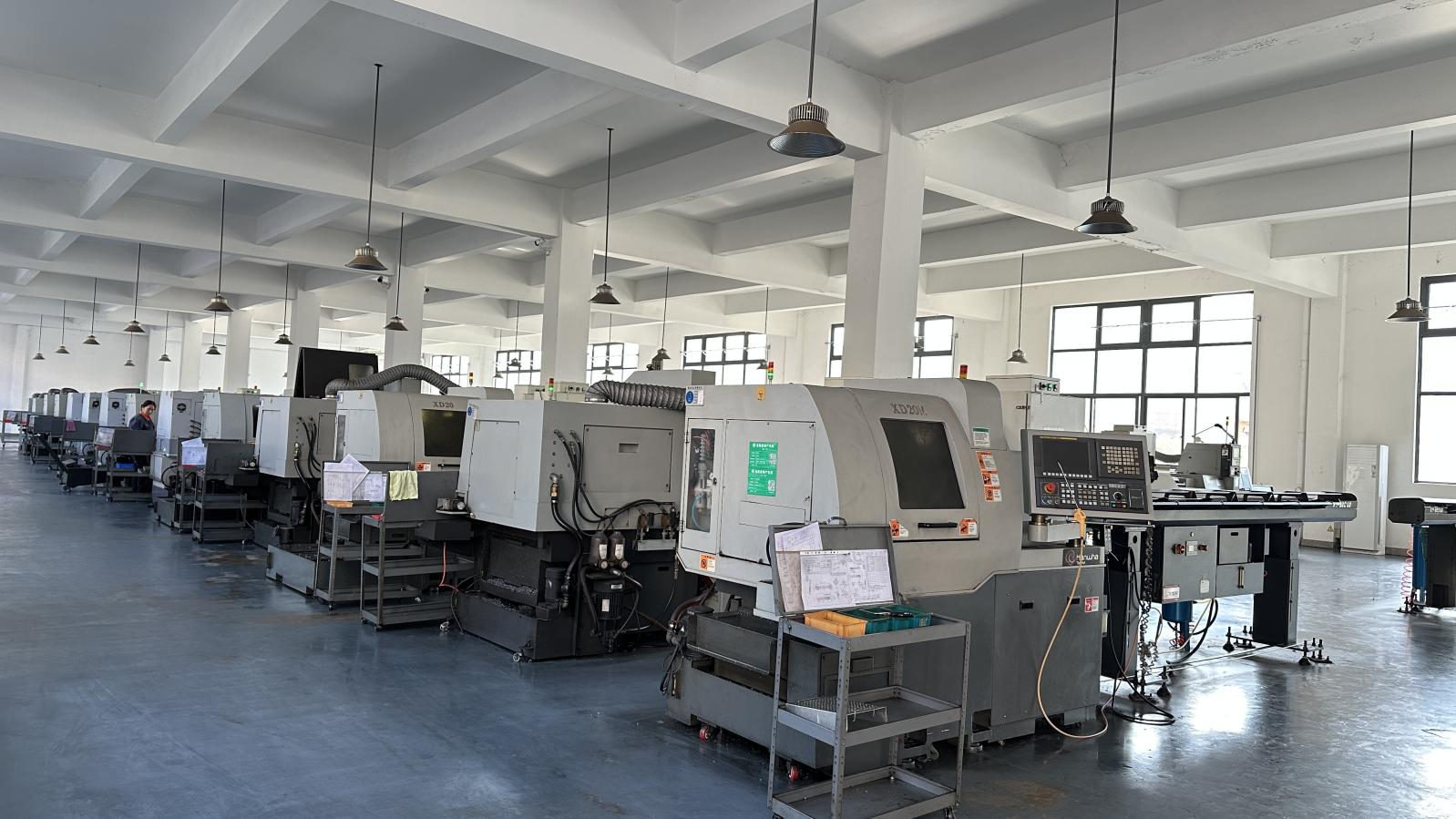
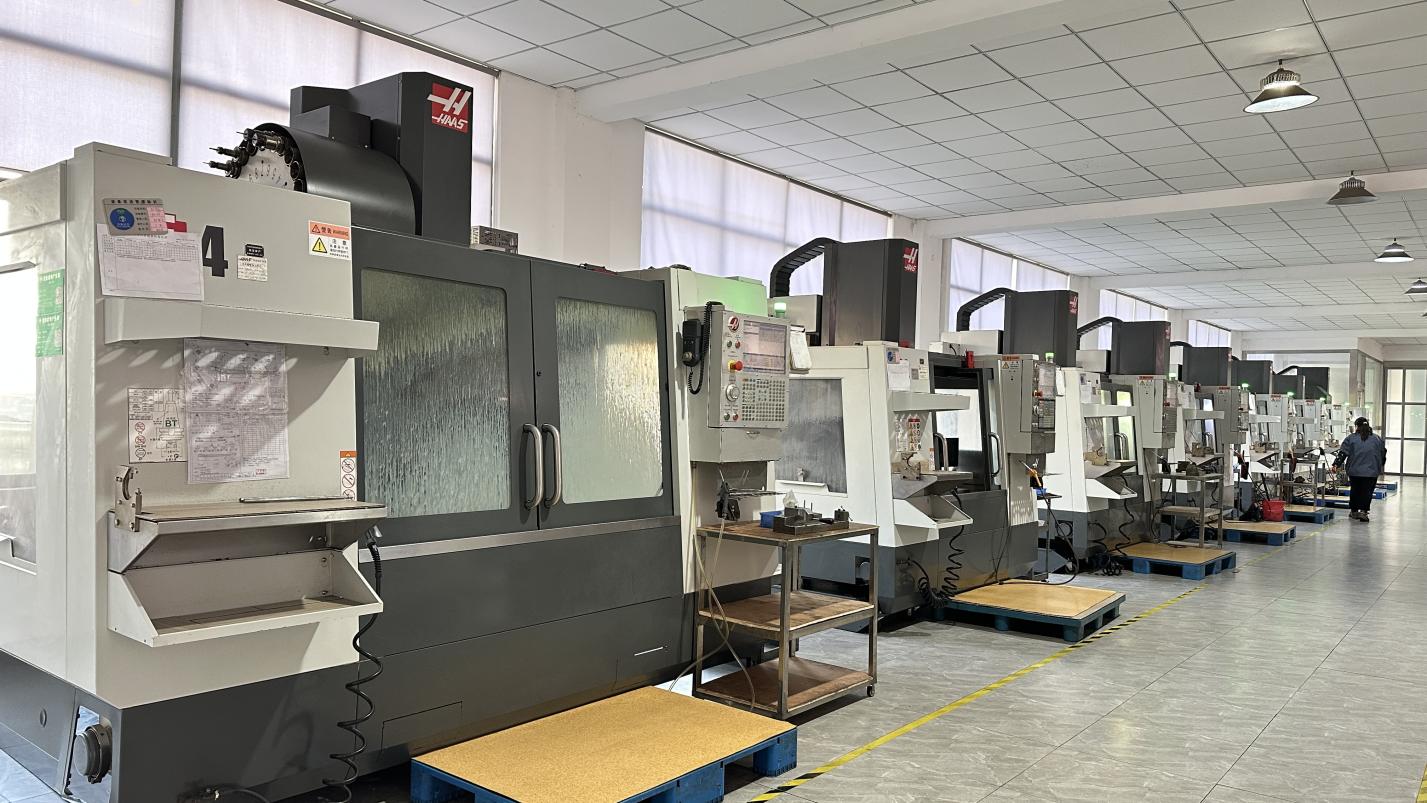
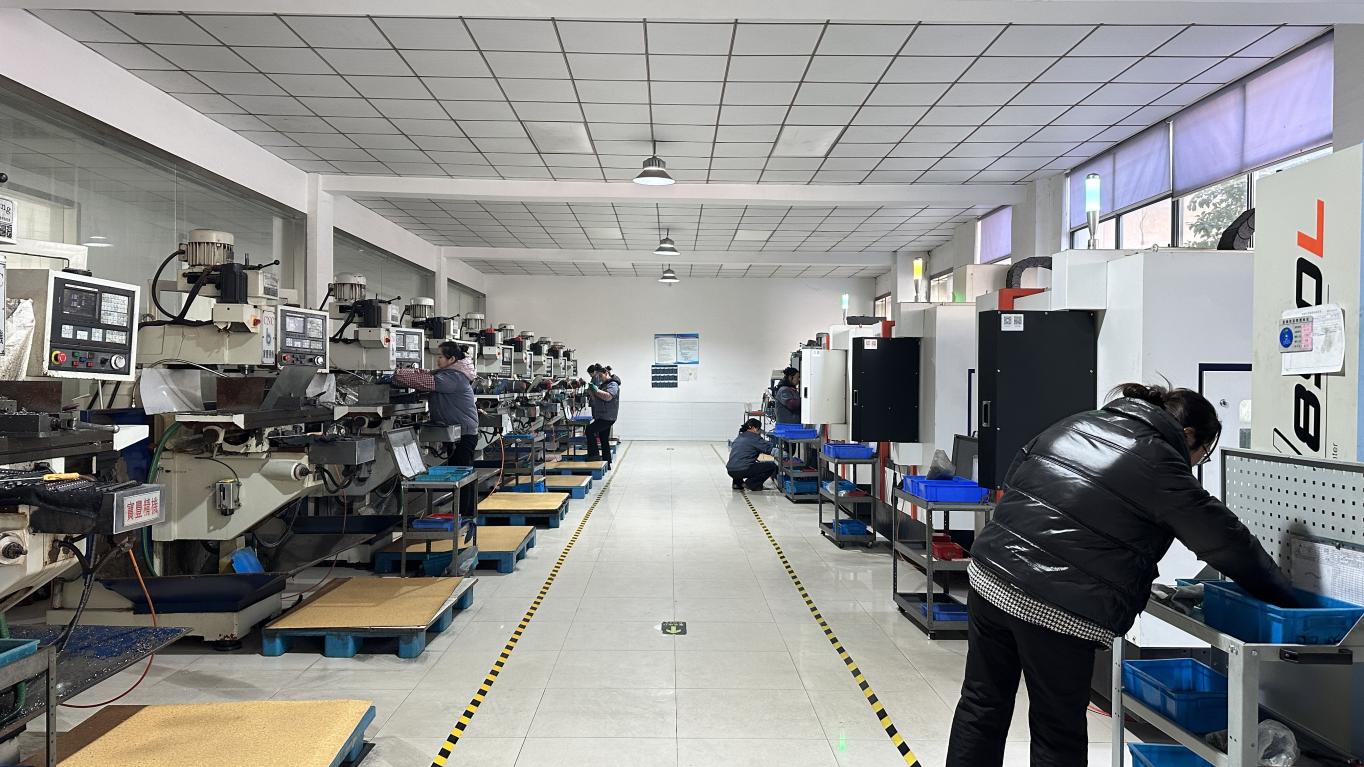
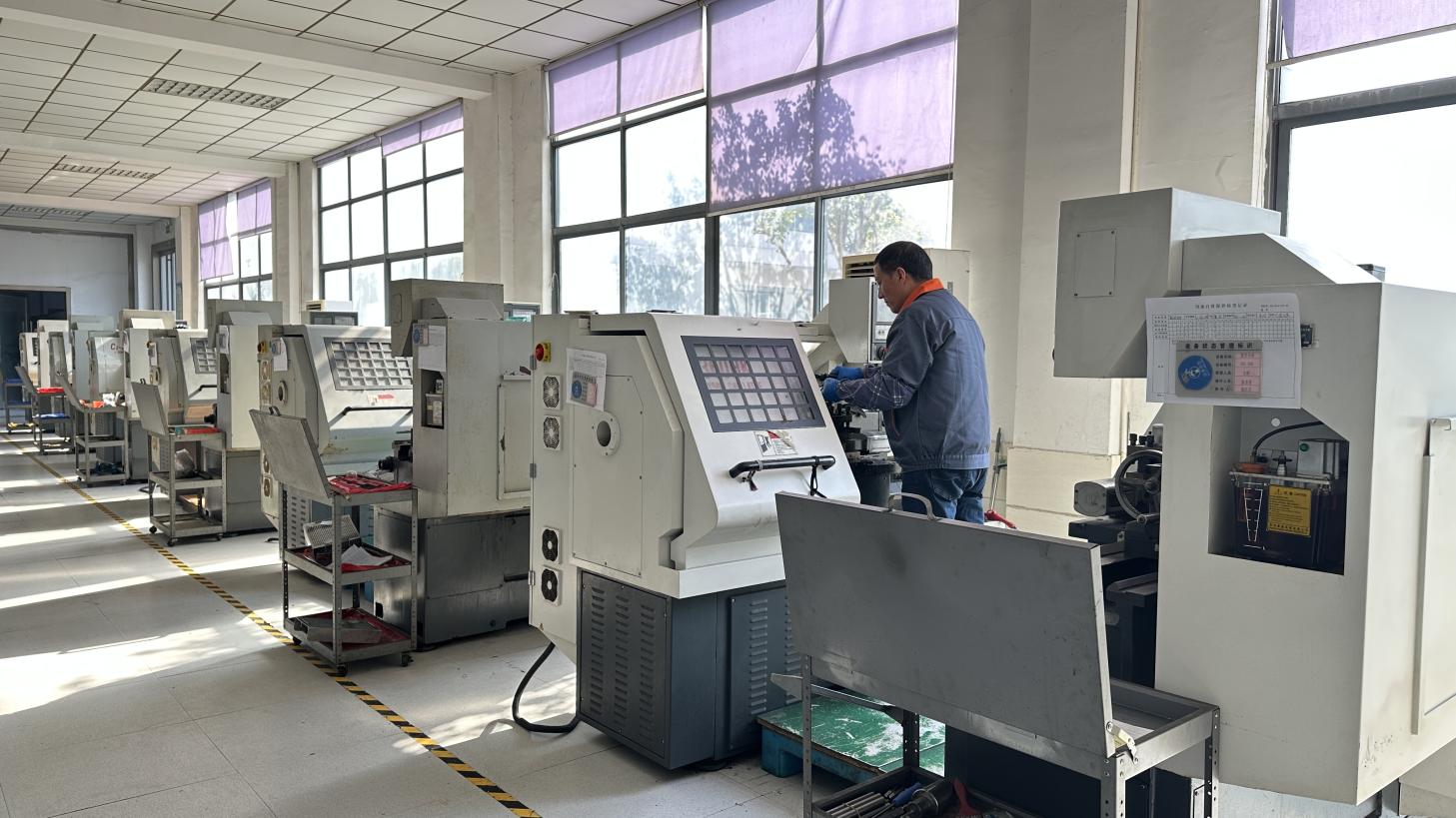
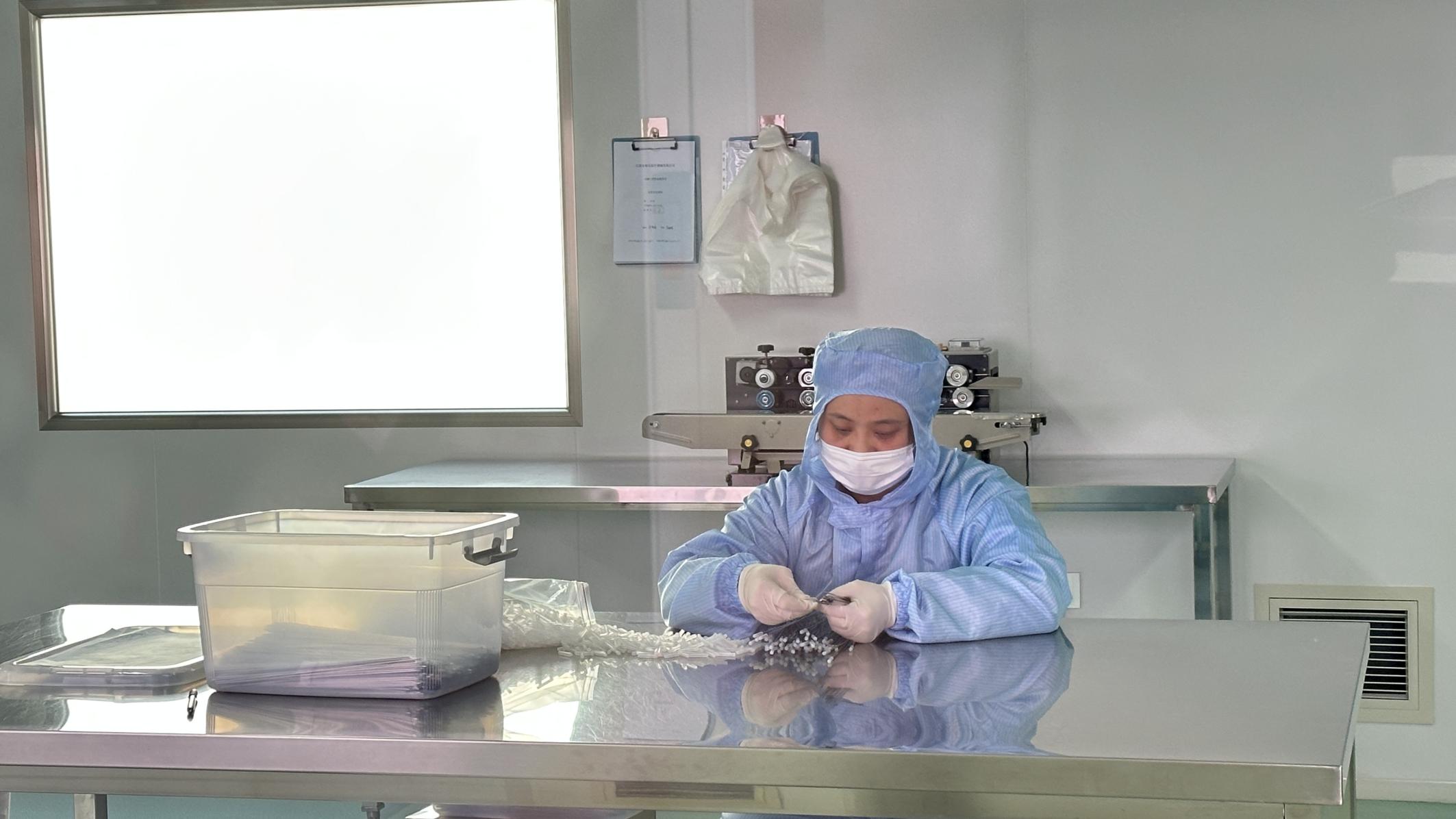
Our operation spans a massive, state-of-the-art 12,000 m² manufacturing facility utilizing advanced production lines and cleanrooms. We run a robust B2B operation generating an annual export revenue exceeding USD 8,500,000, demonstrating our capability to handle massive logistical orders and custom OEM/ODM production configurations without compromising on material purity or structural tolerances.
Exploring how RSA design innovations have revolutionized the treatment of complex rotator cuff arthropathies and proximal humeral fractures.
The biomechanical paradigm of Reverse Shoulder Arthroplasty (RSA) relies on reversing the normal ball-and-socket anatomy: the glenoid cavity is replaced with a hemispherical prosthetic ball (glenosphere), while the humeral head is replaced with a socket. This shifts the shoulder joint’s center of rotation medially and distally, which increases the deltoid lever arm. By tensioning the deltoid muscle, the joint achieves stability and mobility even in the complete absence of a functional rotator cuff.
Originally designed to treat Rotator Cuff Tear Arthropathy (CTA), the clinical indications for RSA have significantly expanded to include massive irremediable rotator cuff tears without arthritis, complex acute 3-part and 4-part proximal humeral fractures, severe glenohumeral bone defects, and revisions of failed primary shoulder reconstructions. Research shows that modern global orthopedic procurement demands highly adaptable systems capable of accommodating diverse patient anatomy through modular components, variable lateralization offsets, and cementless screw configurations.
Modern RSA configurations demand choice between 135° and 155° neck-shaft angles. Lower inclination angles reduce inferior scapular notching, a common postoperative complication, while preserving exceptional lateralization to improve deltoid tensioning and shoulder contour cosmetics.
Our glenosphere and humeral components integrate 3D titanium plasma spray coatings to optimize biological osseointegration. Micro-porous structured interfaces facilitate direct bone-to-implant mechanical locking, reducing the rate of long-term aseptic loosening.
Humeral cup liners are fabricated from highly cross-linked polyethylene, vitamin-E infused to minimize free-radical oxidation. This design radically decreases wear debris generation, preserving the structural integrity of the joint for younger, more active patients.
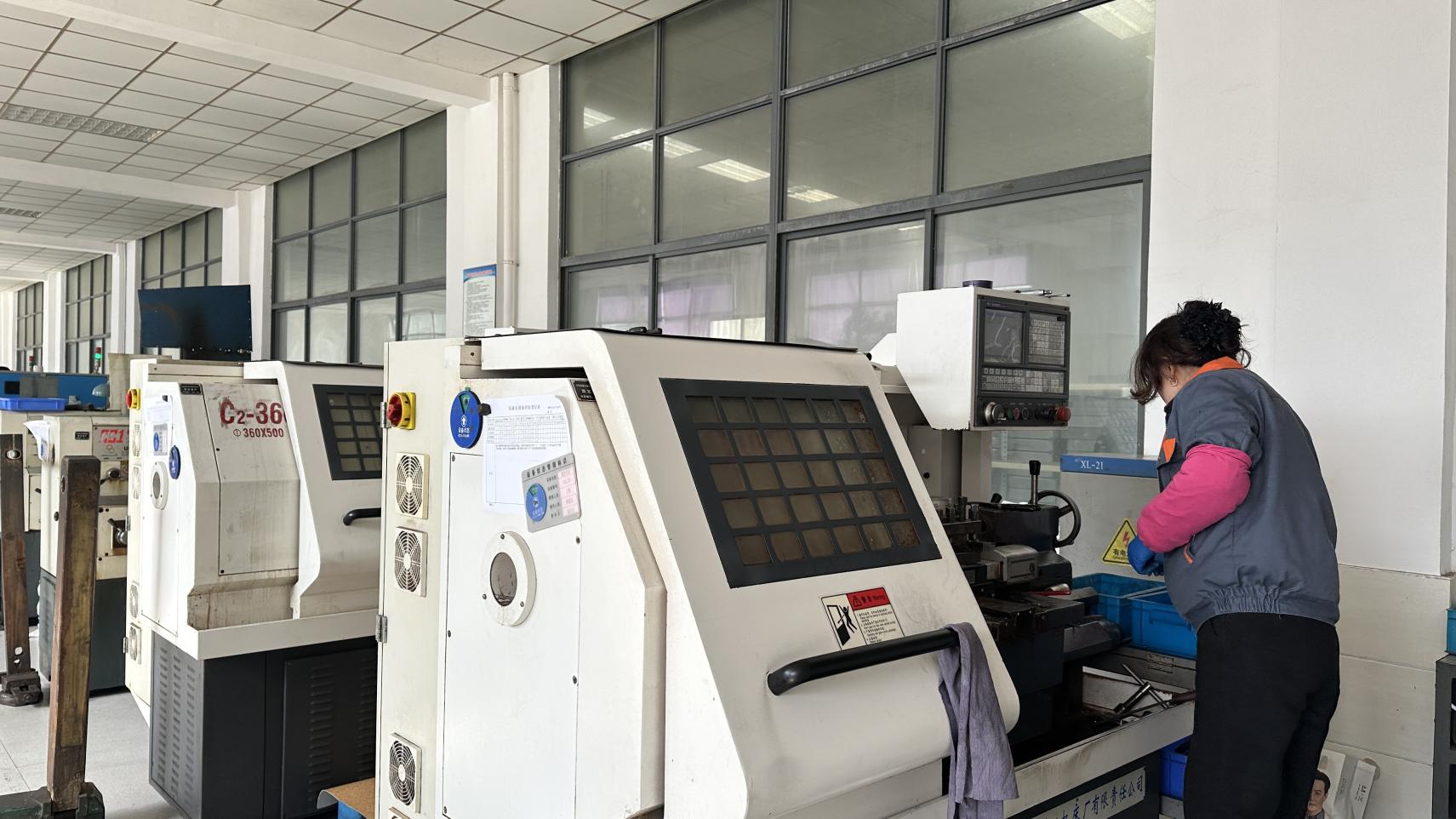
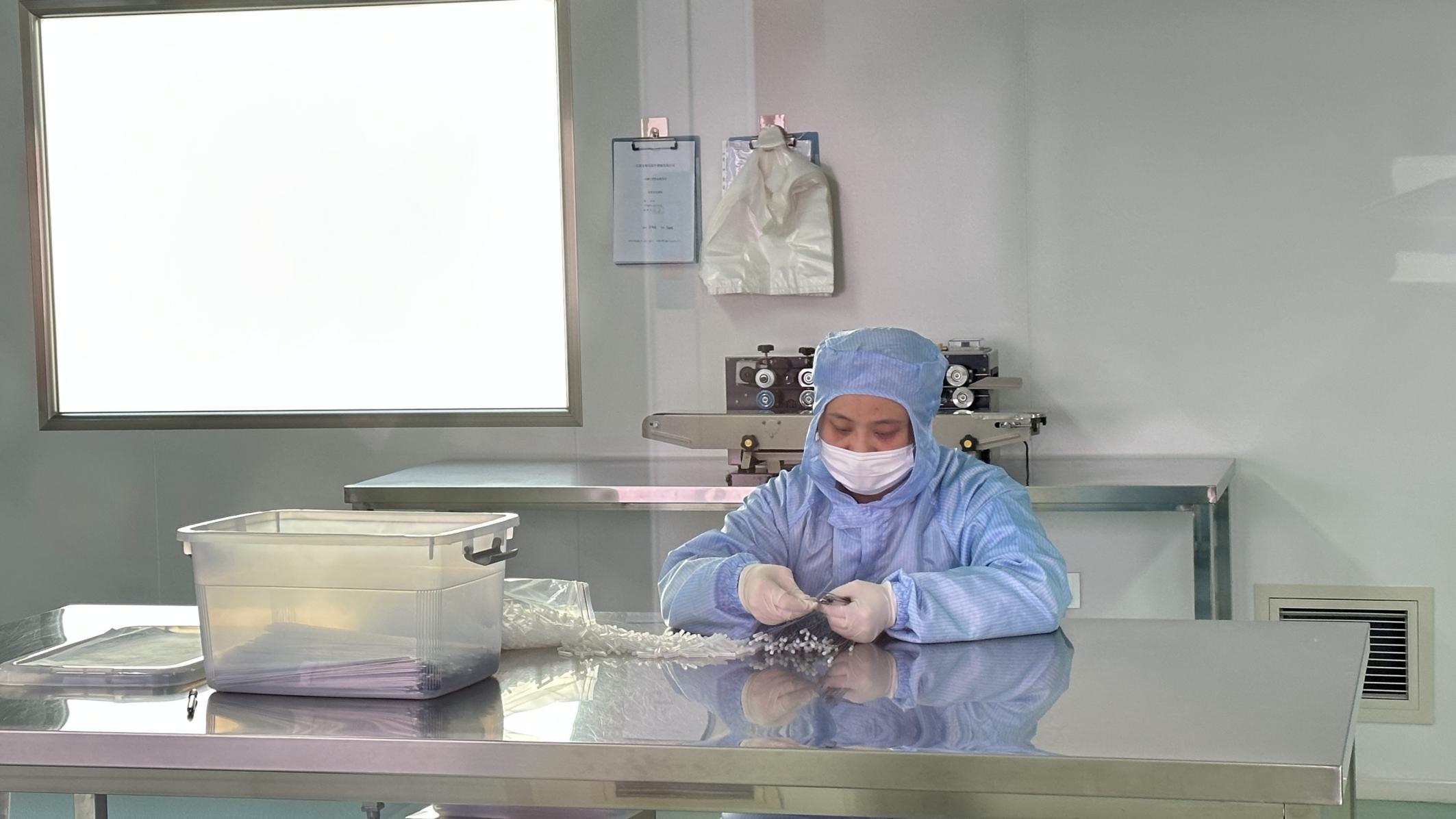
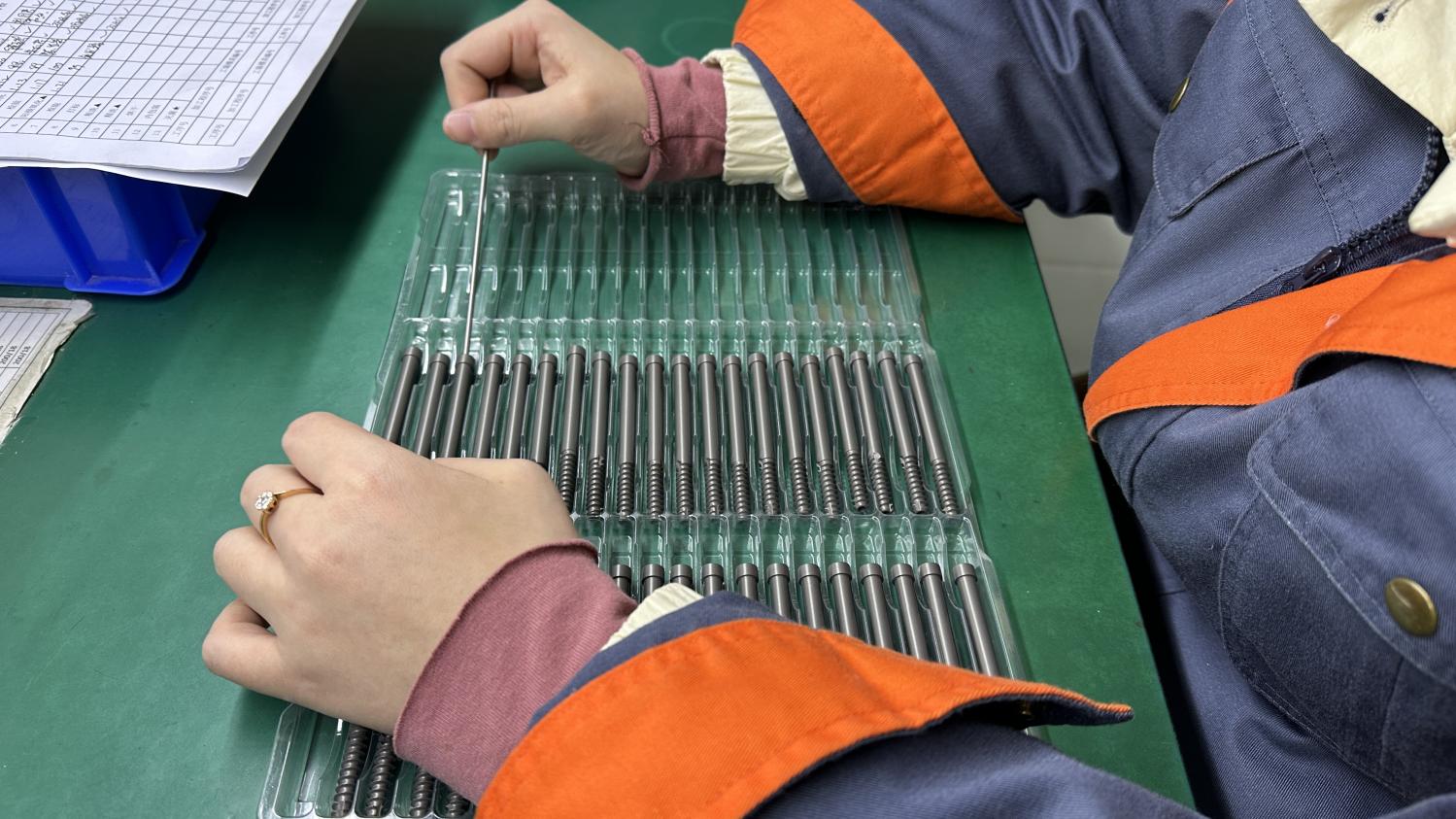
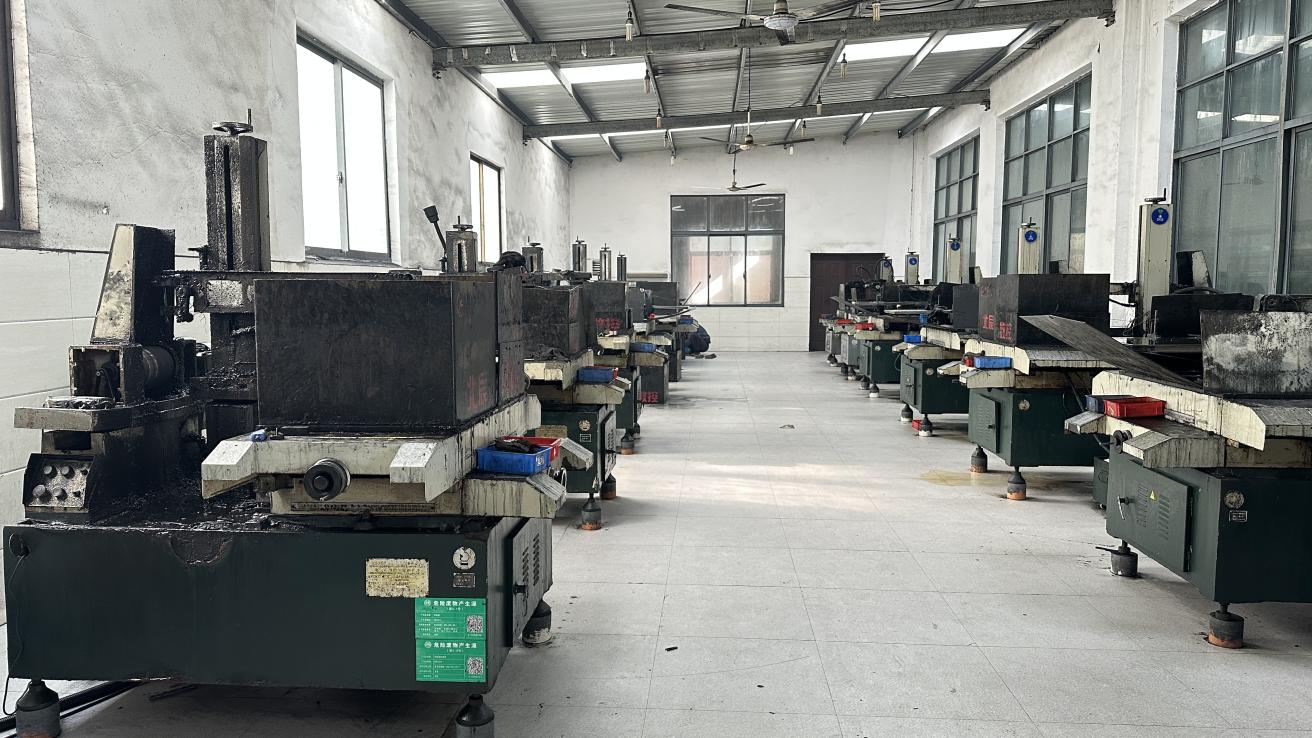
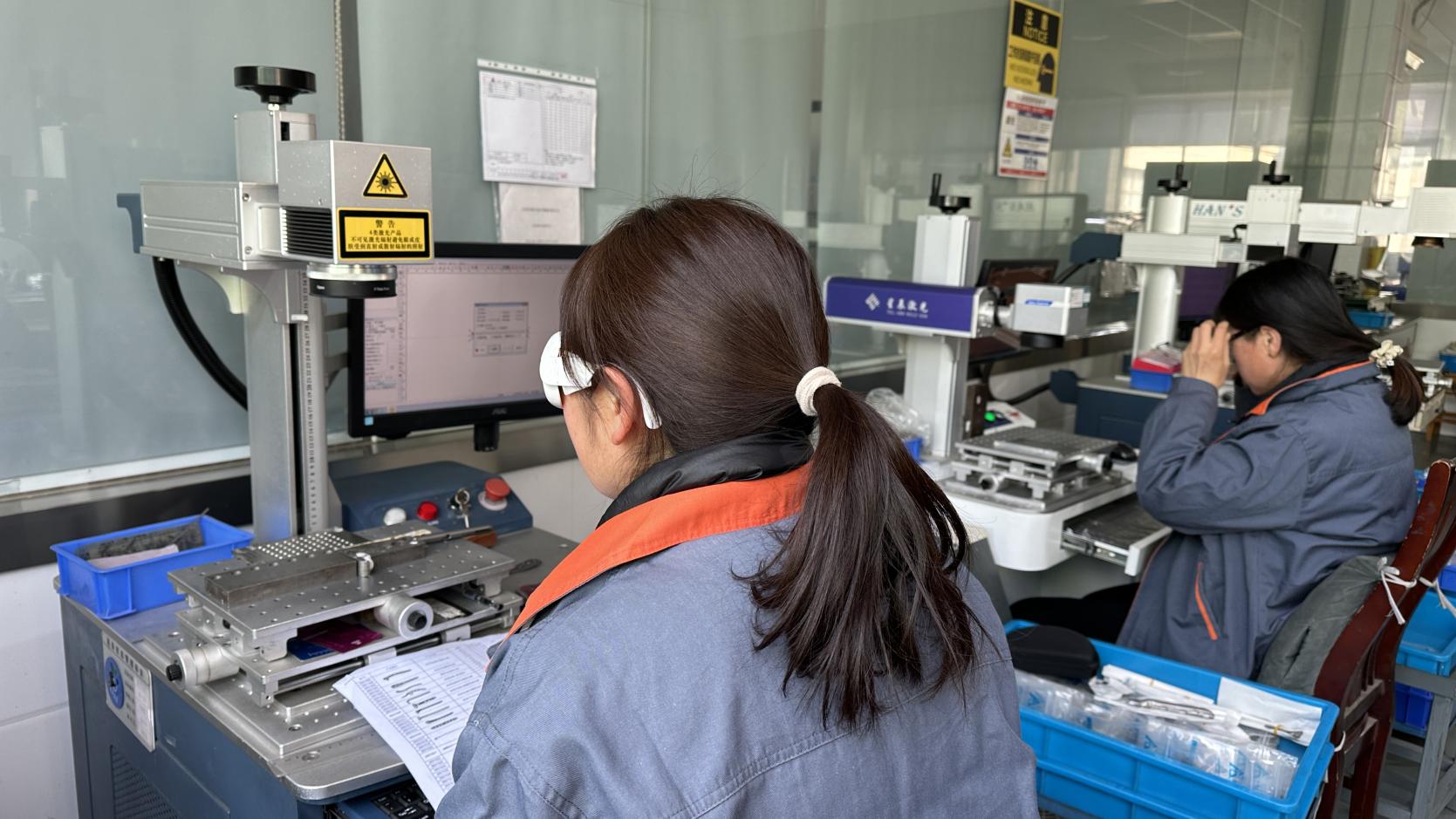
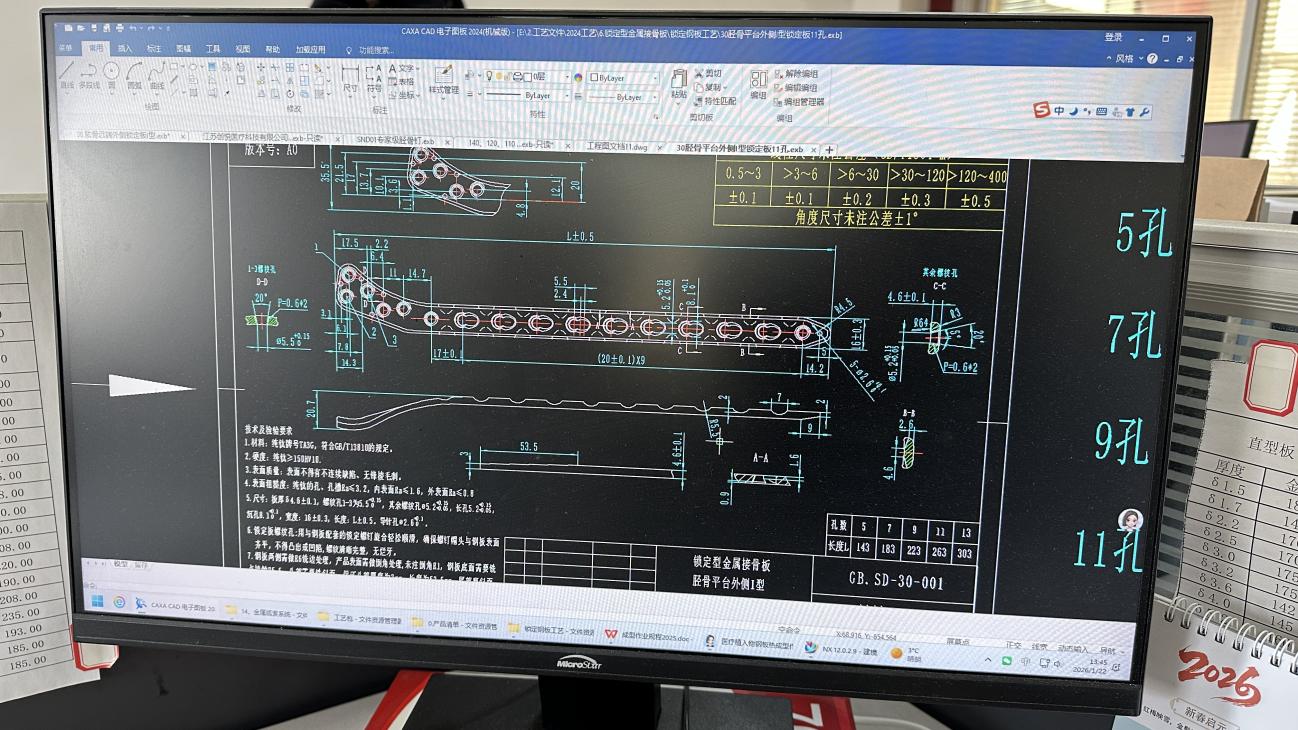
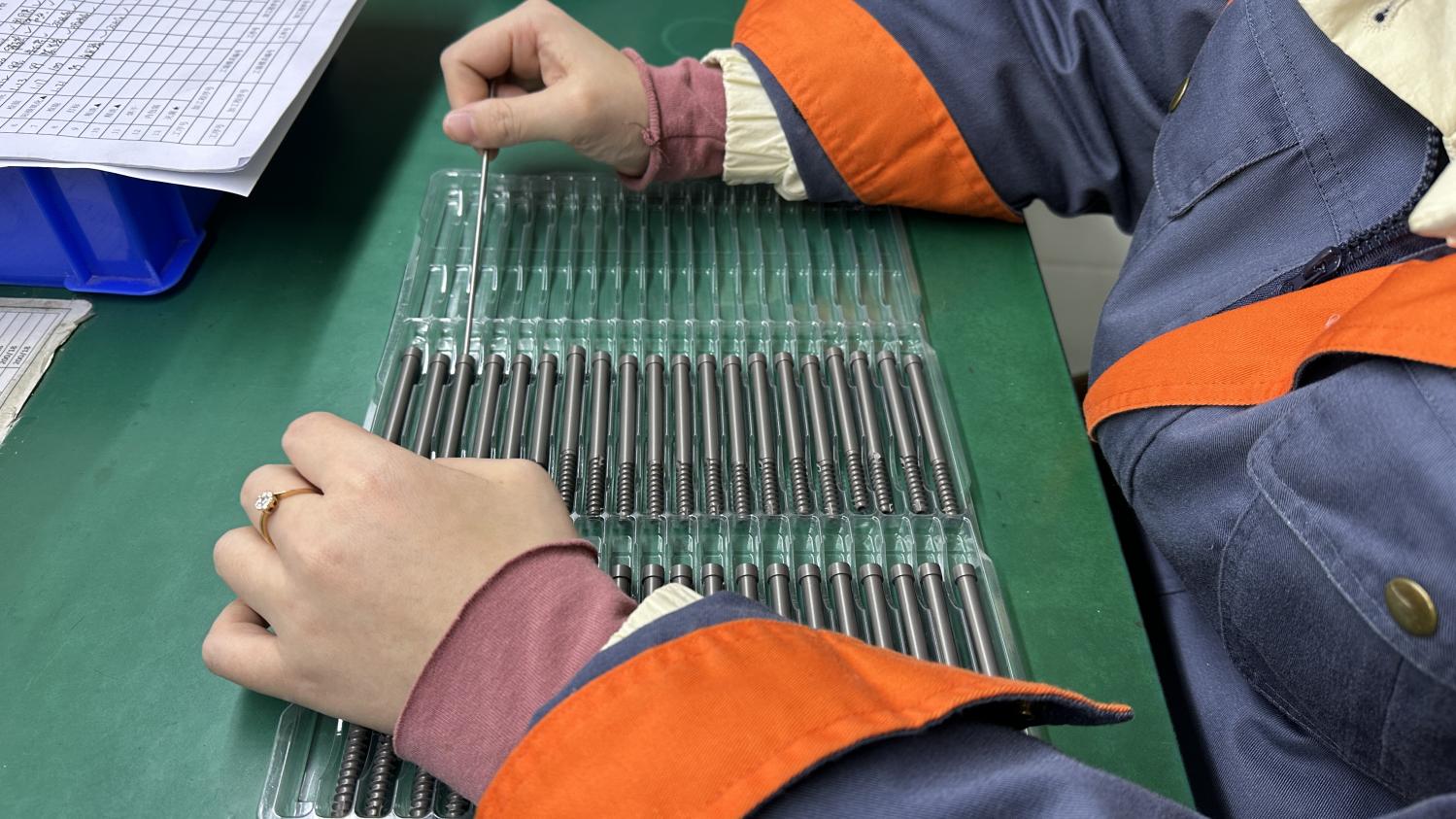
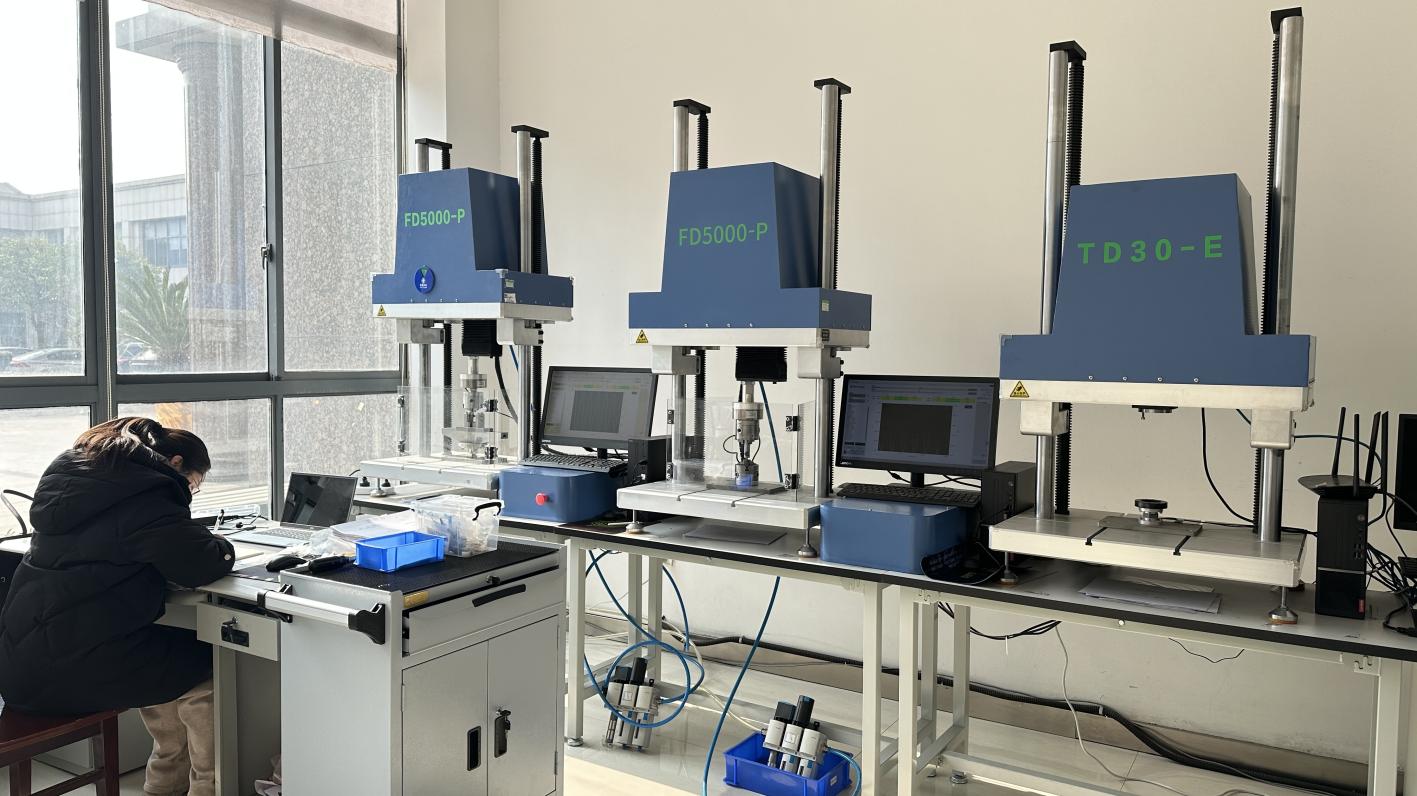
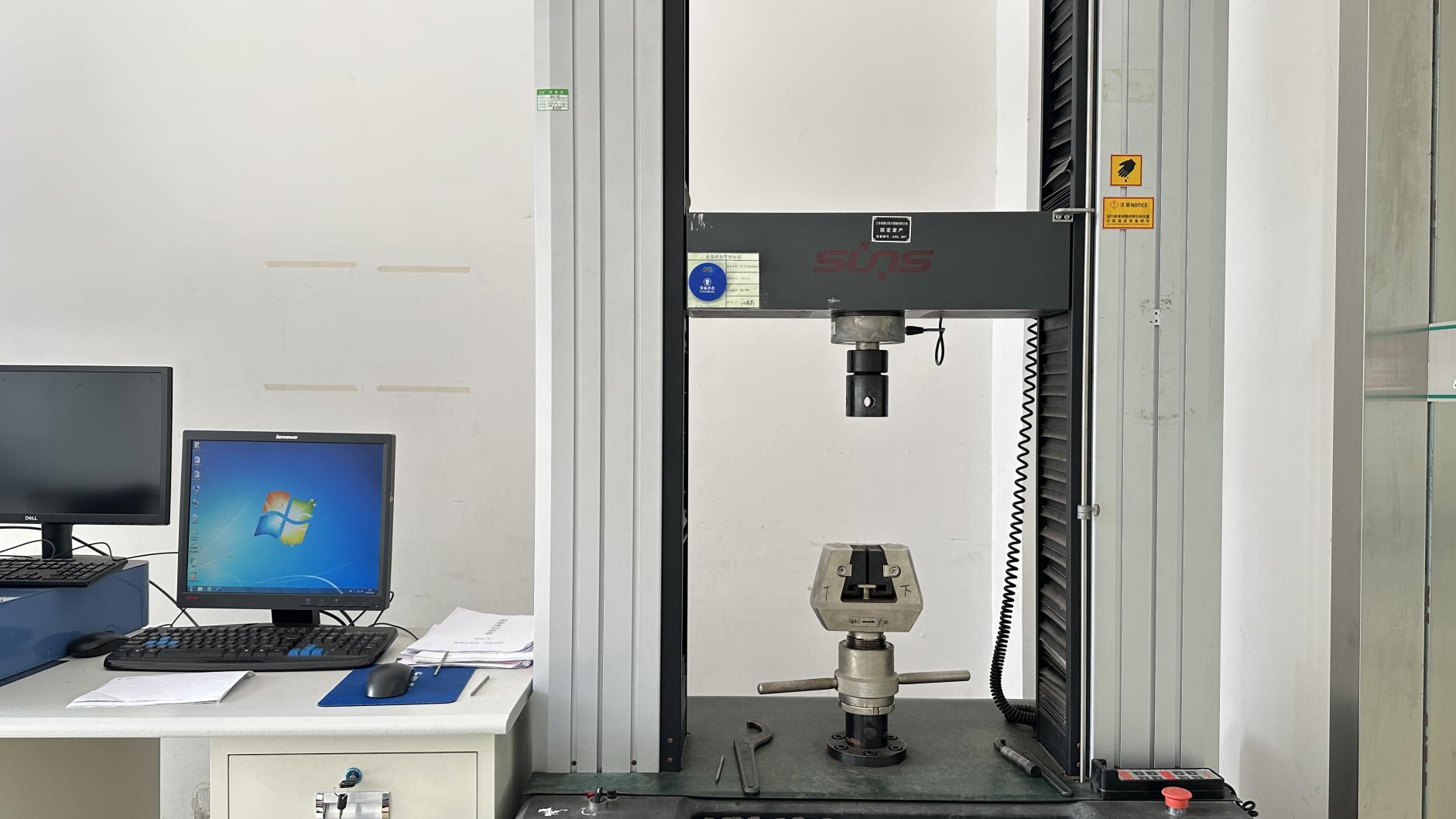
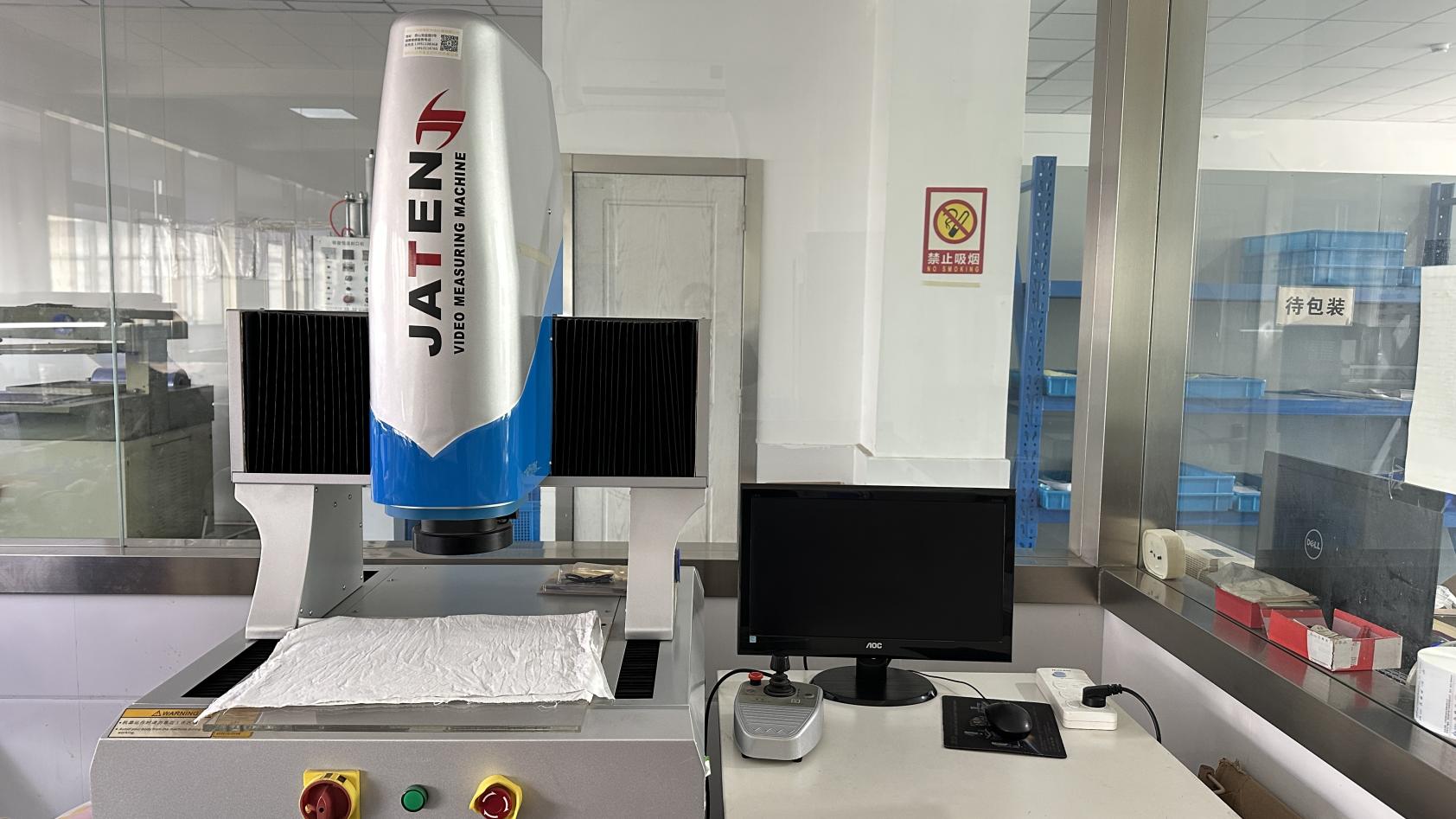
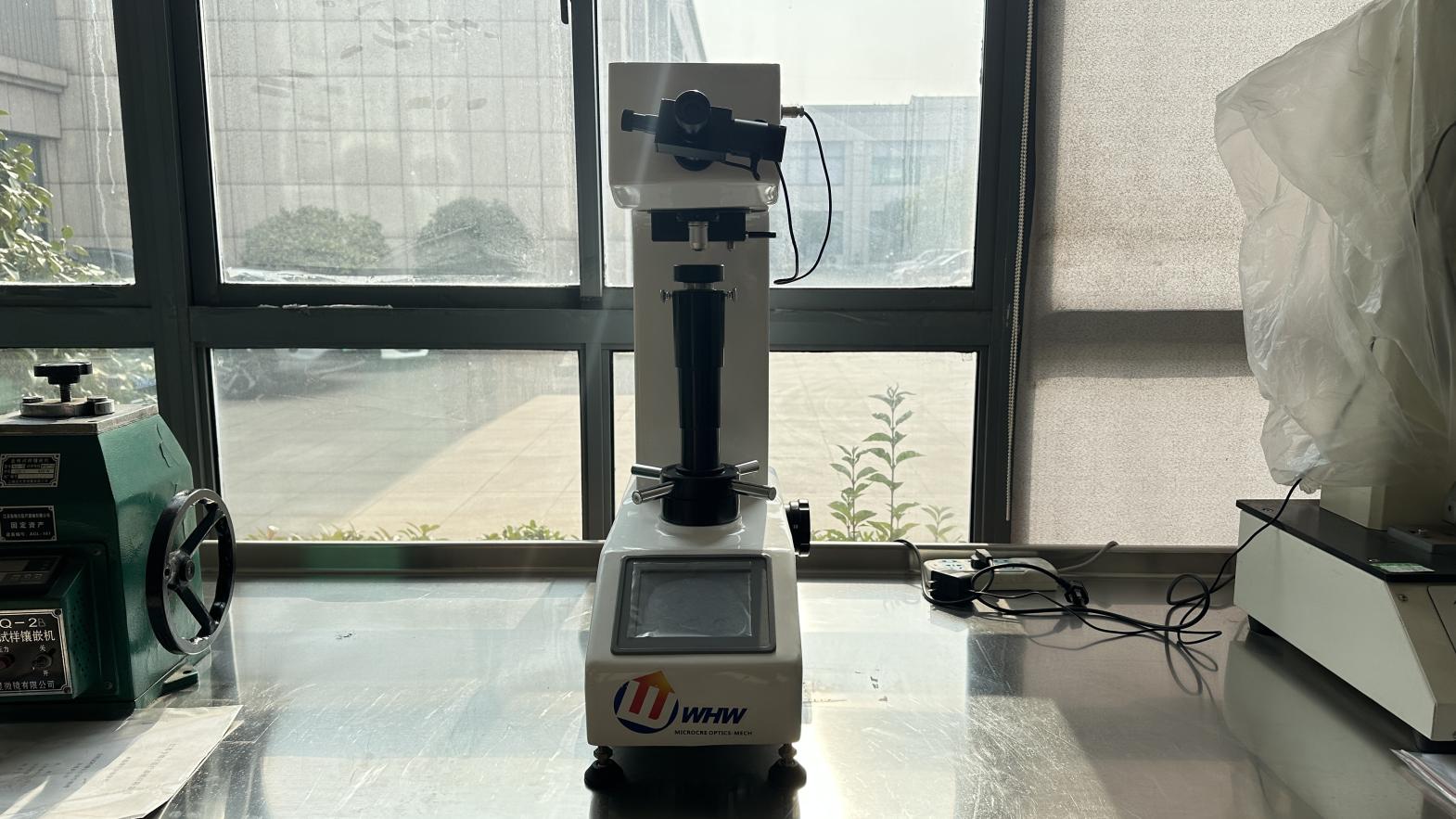
Tracing our components from raw medical-grade alloys through precision CNC fabrication to our exhaustive biomechanical validation laboratory.
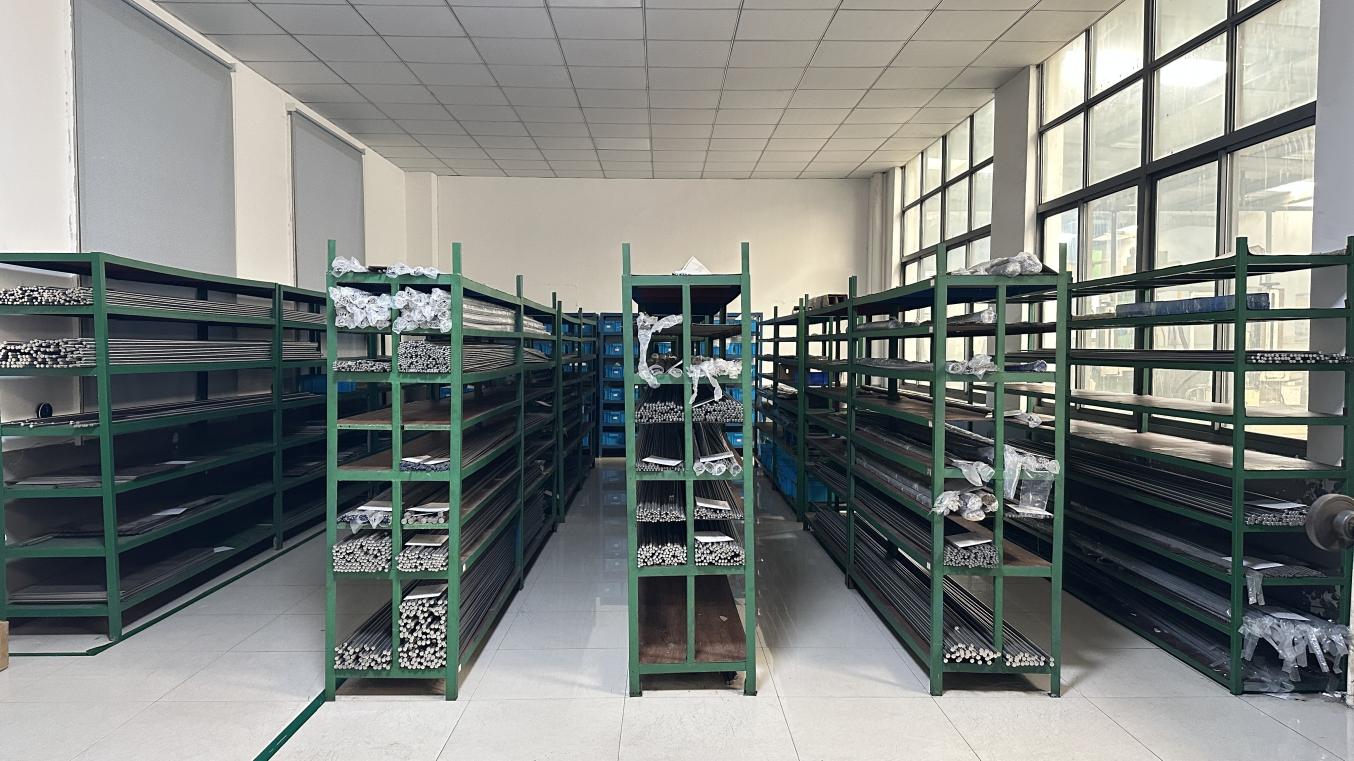

Supporting healthcare networks, B2B medical distributors, and tender purchasers with scalable solutions.
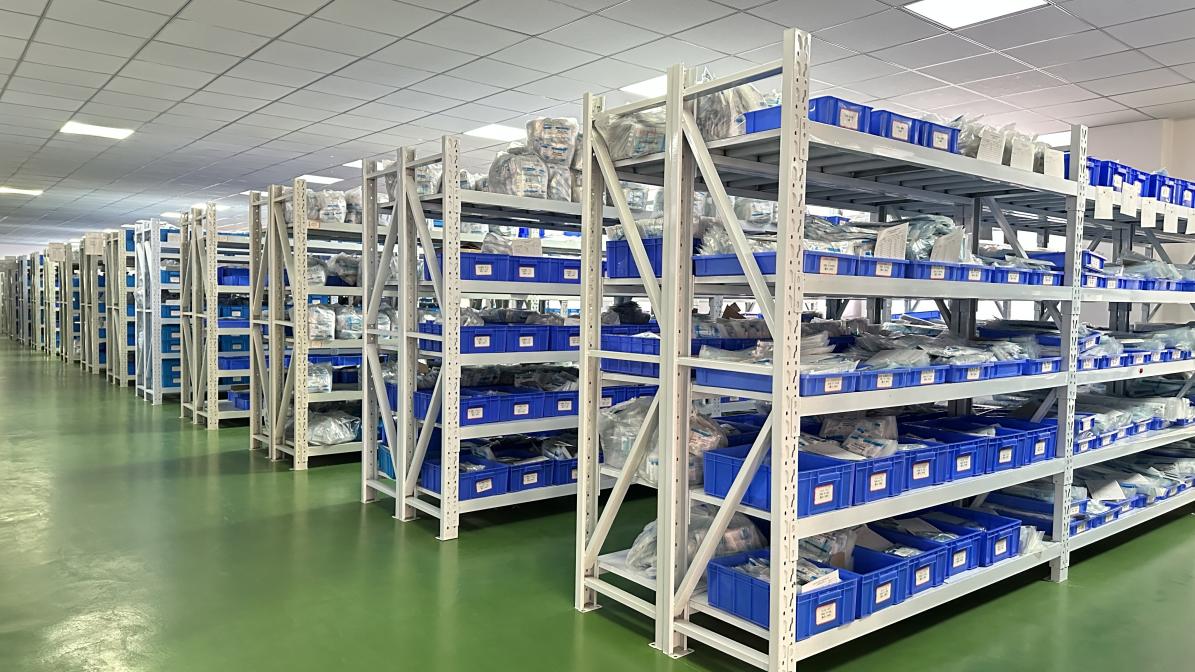
Securing high-quality orthopedic implants requires consistent, high-purity medical raw materials and predictable delivery schedules. At Virelox, we manage an integrated network of 850 certified upstream and downstream supply chain partners. This network guarantees access to raw titanium alloys (Ti6Al4V ELI conforming to ASTM F136) and high-density medical grade polyethylenes (UHMWPE) from top global suppliers.
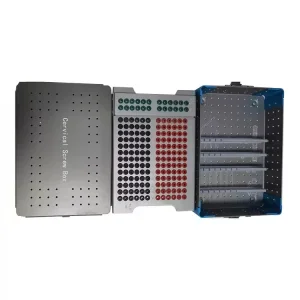
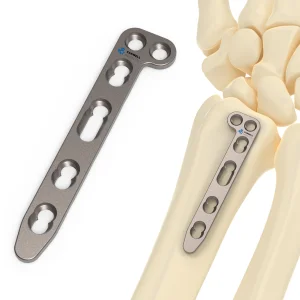
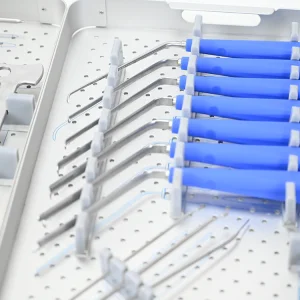
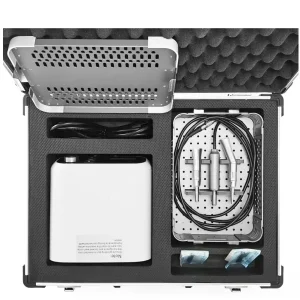
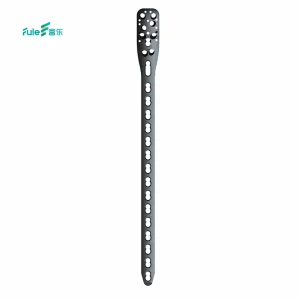
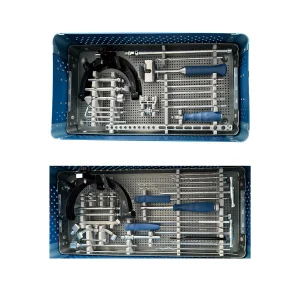
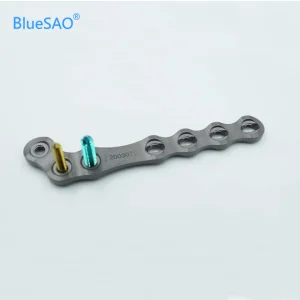
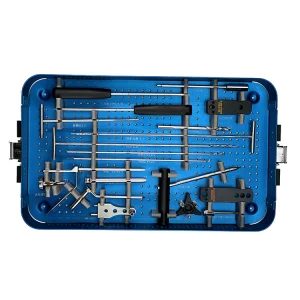
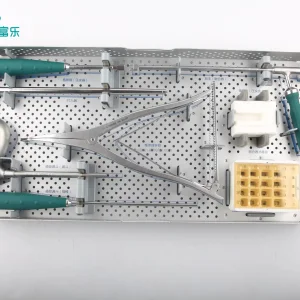
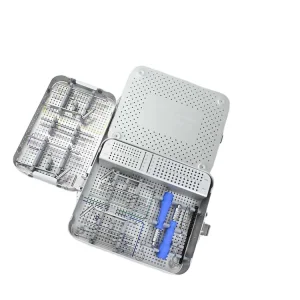
Our systems facilitate high-efficiency OEM/ODM contract manufacturing, custom labeling, and tailored instrumentation design. By offering customizable plate and implant geometric configurations, we support clinical institutions in optimizing implant performance for native patient populations, mitigating issues of anatomical size mismatch commonly seen in non-standardized implants.
We provide comprehensive project execution for international tender bids, public healthcare sector acquisitions, and private distribution brands, including:
Virelox guarantees absolute reliability through standardized certification and localized regulatory compliance support.
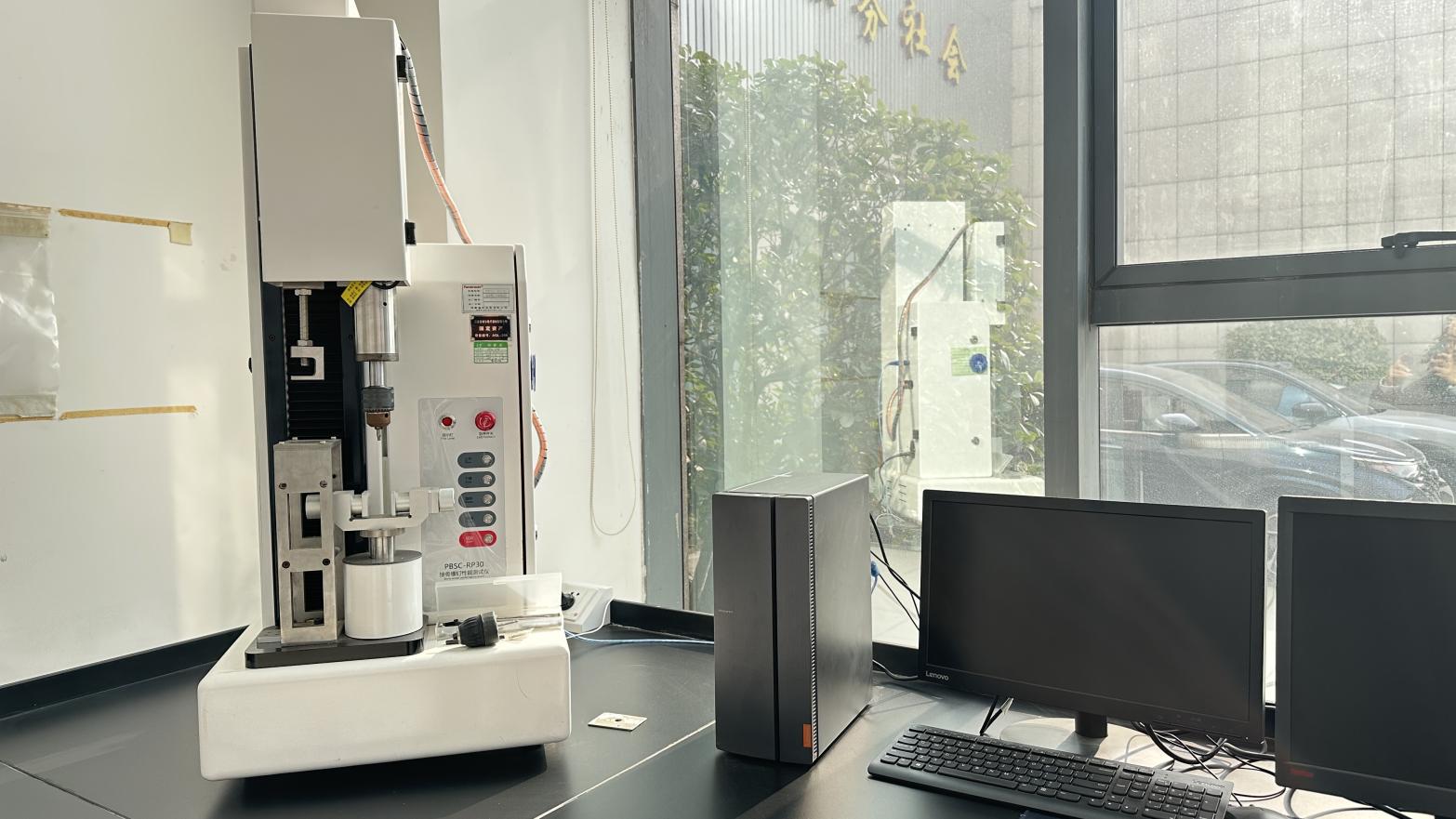
Our quality verification processes are managed by 65 dedicated QC professionals. The framework covers all stages of production, implementing strict material testing protocols including X-ray defect inspection, fatigue testing, tensile strength testing, and dimensional coordinate-measuring machine (CMM) measurement. Each implant production batch maintains complete tractability, linkable to the original melt lot numbers of raw materials.
To support our global distribution partners, Virelox provides full assistance with localized registration pathways. Whether filing for regional MDR clearances in Europe, local health ministry approvals in Southeast Asia, or ANVISA registration in South America, our regulatory affairs team delivers the necessary technical documentation—including biomechanical safety data, clinical evaluation portfolios, and cleanroom validation records.
Bridging current orthopedic practices with future innovations, focusing on digital integration, smart implants, and additive design.
We are advancing our electron-beam melting (EBM) 3D-printing technologies. By printing highly porous titanium structures that mimic human cancellous bone, we aim to accelerate bone ingrowth and improve initial stabilization for patients with poor bone stock.
Using preoperative CT imaging scans and virtual planning software, we are designing customizable patient-specific cutting blocks. This technology helps surgeons accurately align glenoid components and place screws according to the patient's individual anatomy.
Our long-term R&D focuses on incorporating passive RFID and micro-sensor packages within humeral implants. These sensors are intended to monitor postoperative strain and load distribution, helping clinical teams detect aseptic loosening before it shows on radiographs.
Get authoritative answers on materials, regulatory support, OEM customization, and sourcing processes.
 Virelox