Modern spinal reconstruction surgeries demand biomechanical solutions that adapt to patient anatomy rather than forcing the anatomy to adapt to rigid implants. As a leading CE certified expandable spine cages manufacturer and factory, Virelox Medical Devices Co., Ltd. is at the forefront of this technological shift. Expandable interbody fusion cages represent a significant leap over legacy static implants. Traditional PEEK or static titanium cages require aggressive retraction, present a higher risk of nerve injury during insertion, and limit the surgeon’s ability to restore optimal lumbar lordosis.
In contrast, expandable spine cages are designed to be inserted at a minimized profile, protecting neural structures. Once safely positioned within the disc space, they are expanded vertically or lordotically using specialized instrumentation. This post-insertion expansion optimizes the restoration of sagittal alignment, provides personalized endplate-to-endplate fit, and dynamically restores anterior column height. This comprehensive guide outlines our technical roadmaps, manufacturing parameters, global compliance structures, and the rigorous engineering protocols that define Virelox's manufacturing operations.
Virelox Medical Devices Co., Ltd. is a professional orthopedic medical device manufacturer specializing in joint replacement and surgical implant solutions. Operating under the trusted "Virelox" brand, we deliver high-performance orthopedic systems globally.
In the orthopedic implant industry, distributors, hospitals, and group purchasing organizations (GPOs) search for manufacturers that balance clinical outcomes with supply security. Key procurement priorities include:
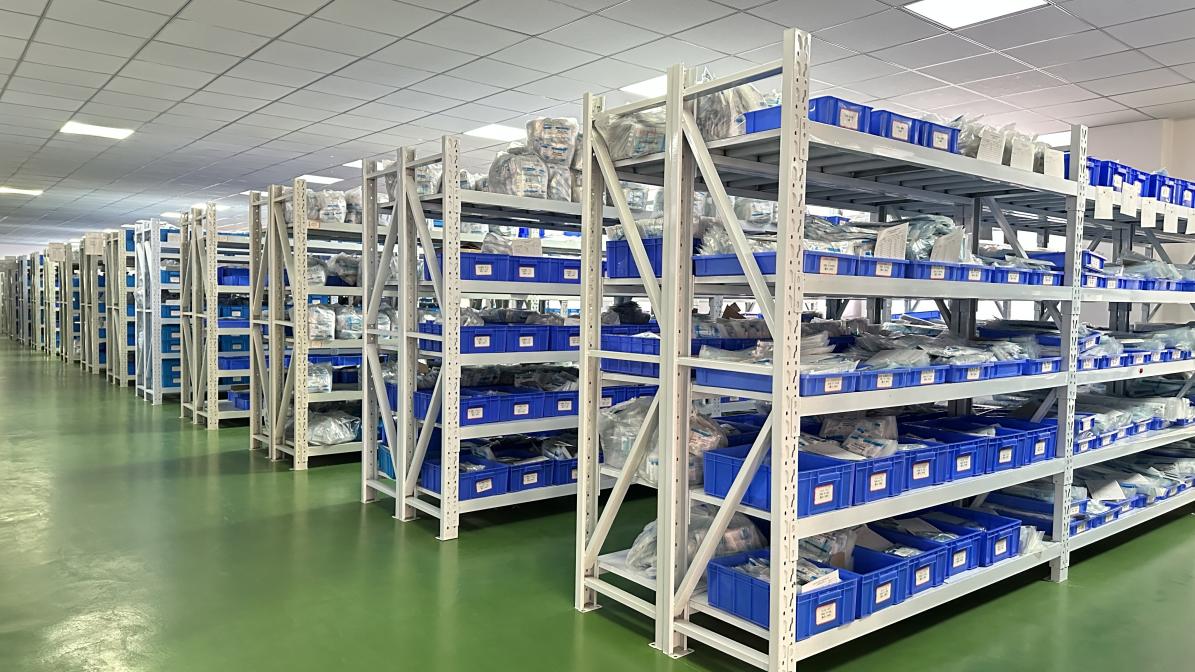
Virelox meets these market conditions with a highly structured commercial network. We have established relationships with 850 certified upstream and downstream supply partners, ensuring we maintain raw material integrity and component supply stability even during periods of global supply chain volatility.
Whether handling large-scale GPO procurement tenders, private label ODM contracts, or local distributor shipments, our production and logistics divisions are built to deliver medical-grade devices safely and consistently.
Our engineering team utilizes medical-grade Titanium Alloy (Ti-6Al-4V ELI) conforming to ASTM F136 and high-performance polyetheretherketone (PEEK). Ti-6Al-4V ELI is selected for its biocompatibility, mechanical strength, and corrosion resistance. Its fatigue characteristics make it suitable for the moving gears and expansion tracks of expandable spine cages.
For procedures requiring radiological evaluation, PEEK components provide radiolucency. This allows surgeons to assess bone fusion progress without titanium-induced imaging artifacts on X-rays or CT scans.
To encourage early osseointegration, our implants utilize advanced surface modification technologies:
We manufacture expansion mechanisms that range from continuous, screw-driven adjustments (providing infinite heights within a set range) to incremental, step-lock designs that give distinct tactile feedback during deployment.
Our cages are available with lordotic angles ranging from 0° to 15°. This allows surgeons to customize the interbody profile for specific surgical approaches (TLIF, PLIF, LLIF) and restore individual sagittal alignment.
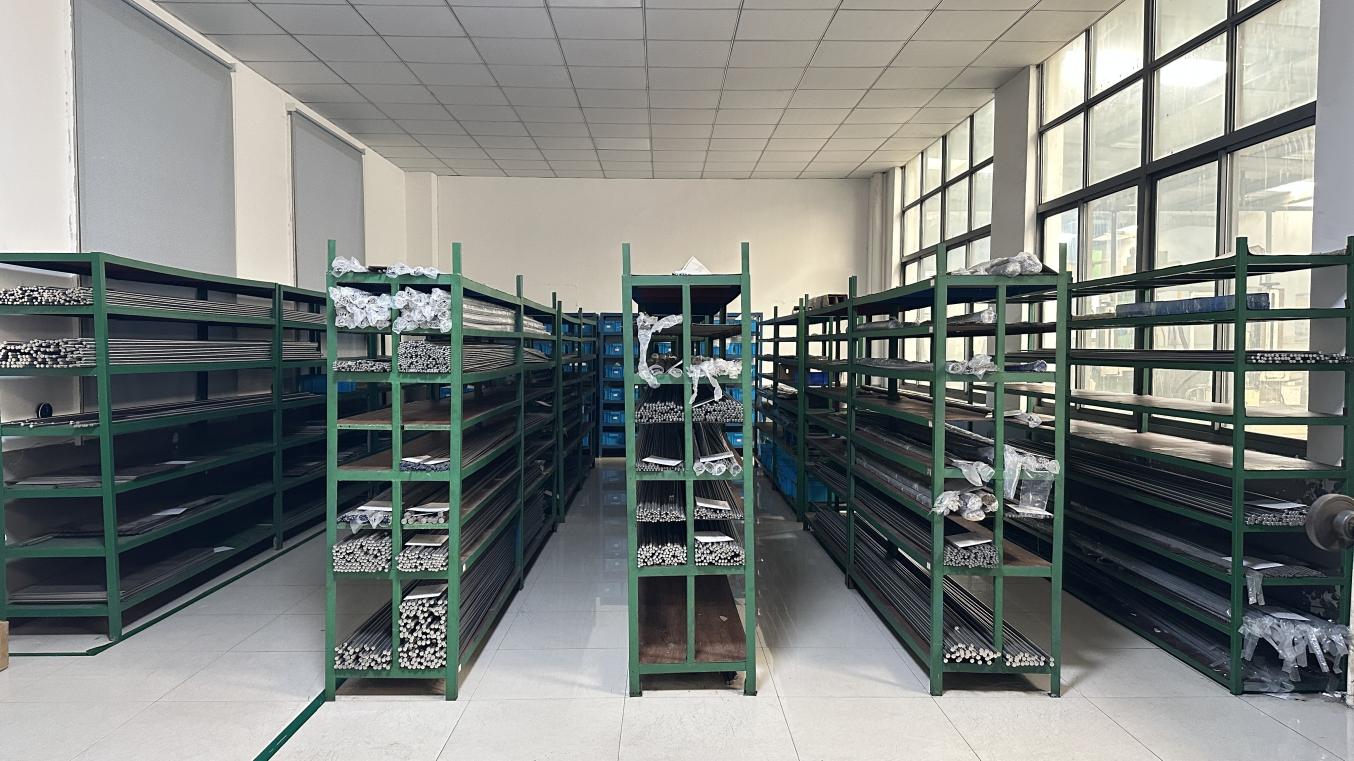
Our manufacturing operations rely on advanced precision equipment. The production environment is maintained under an ISO 13485-compliant quality management system, supported by 65 quality control professionals.
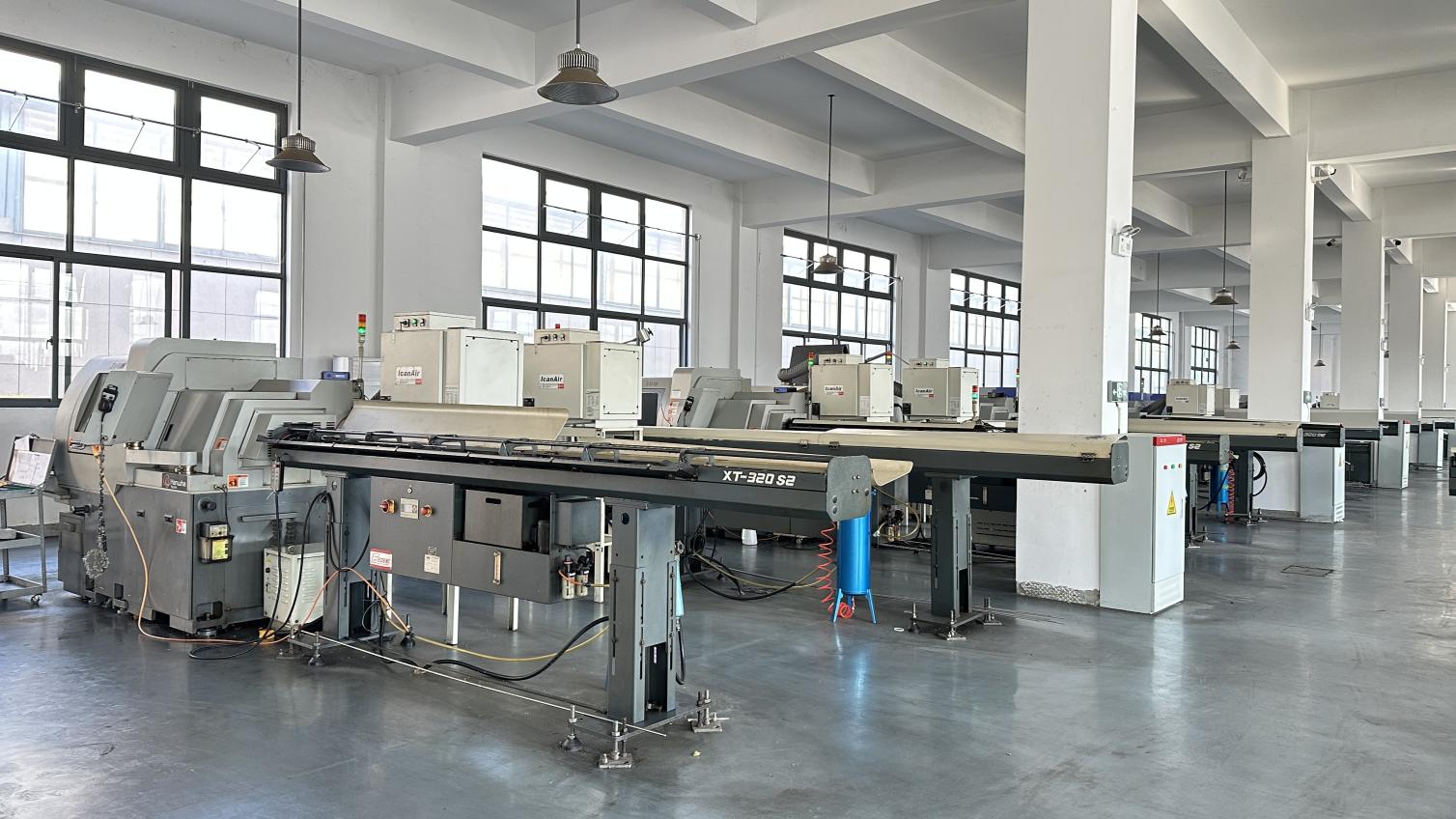
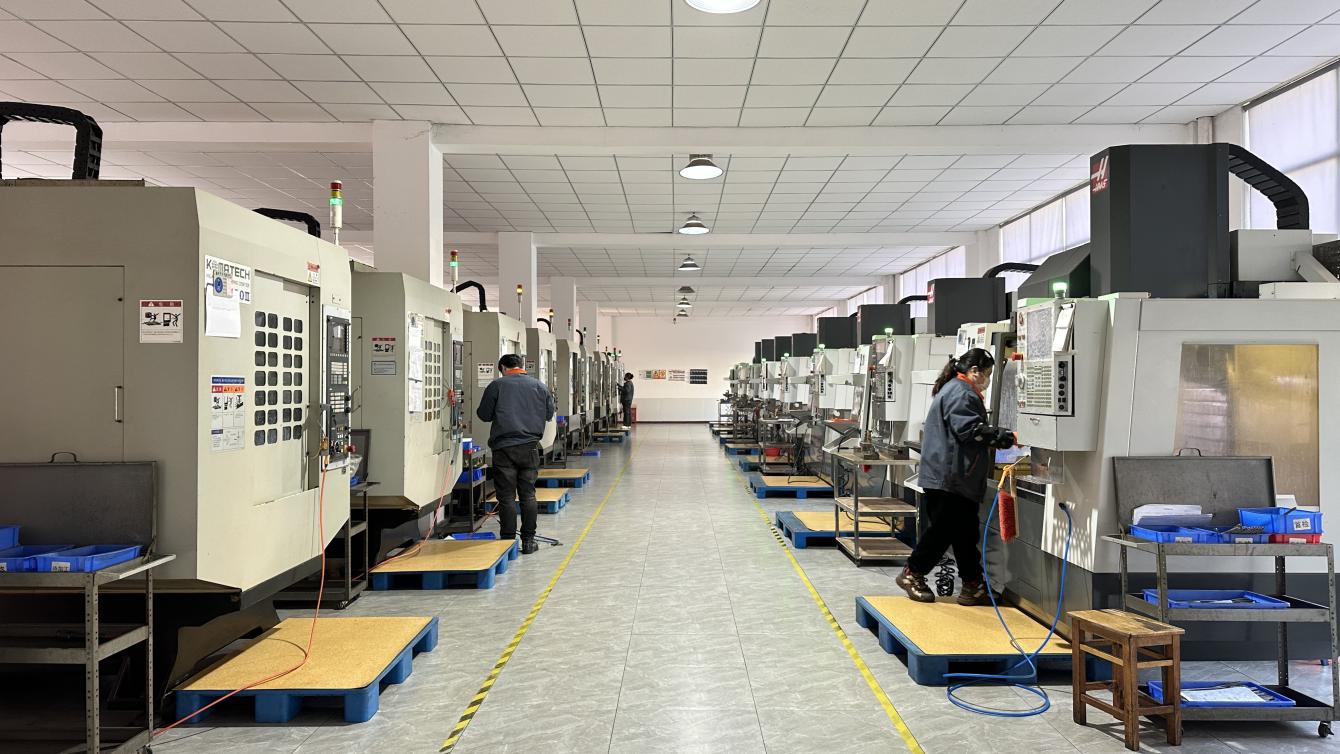
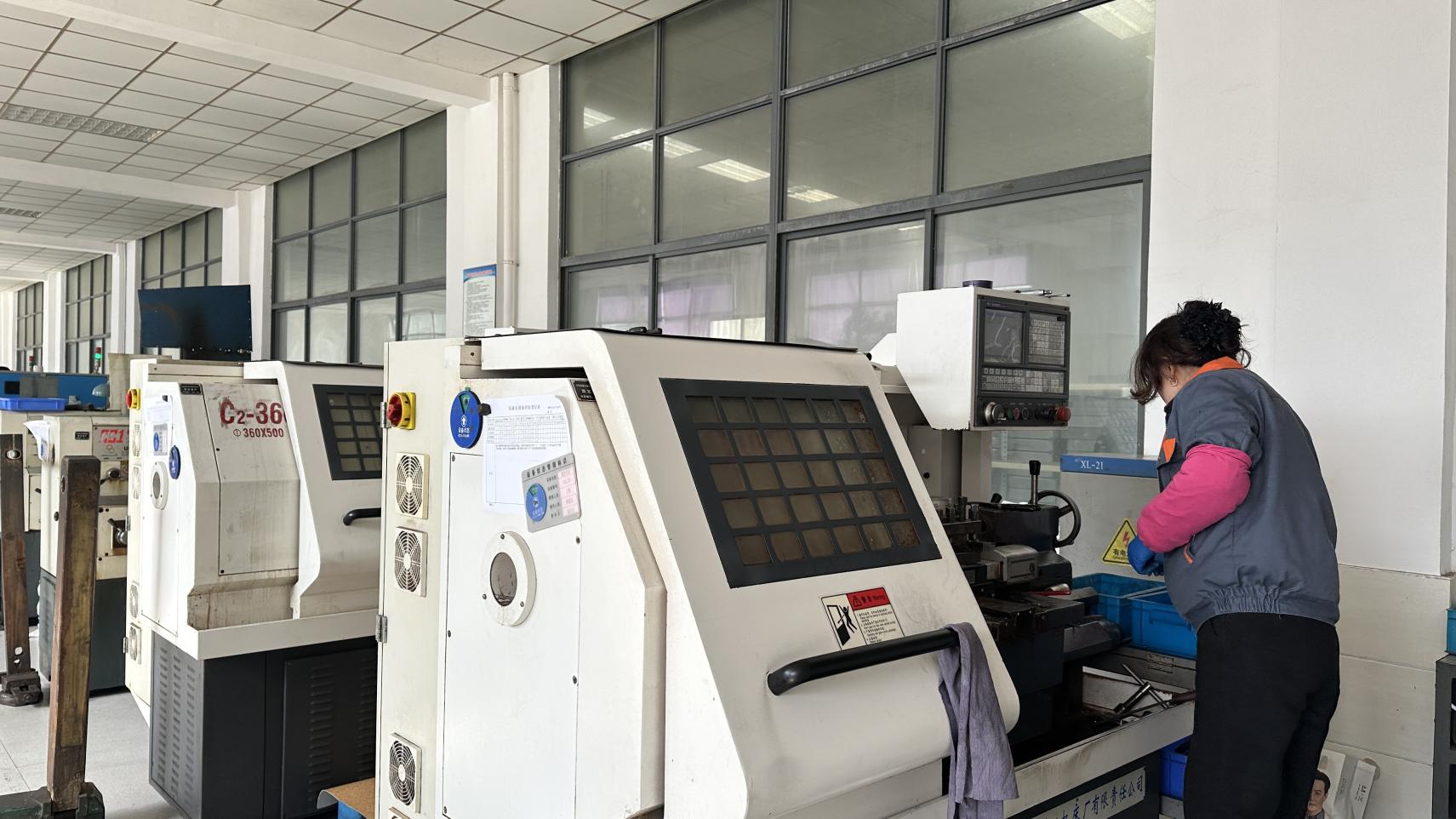
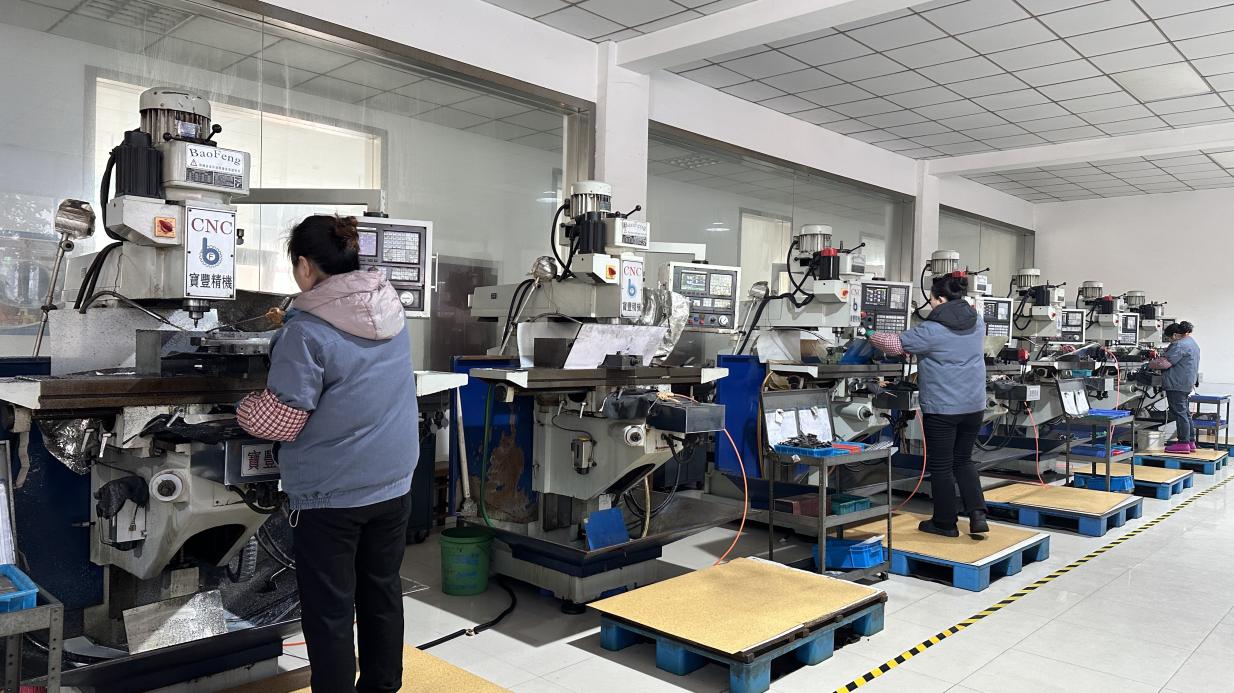
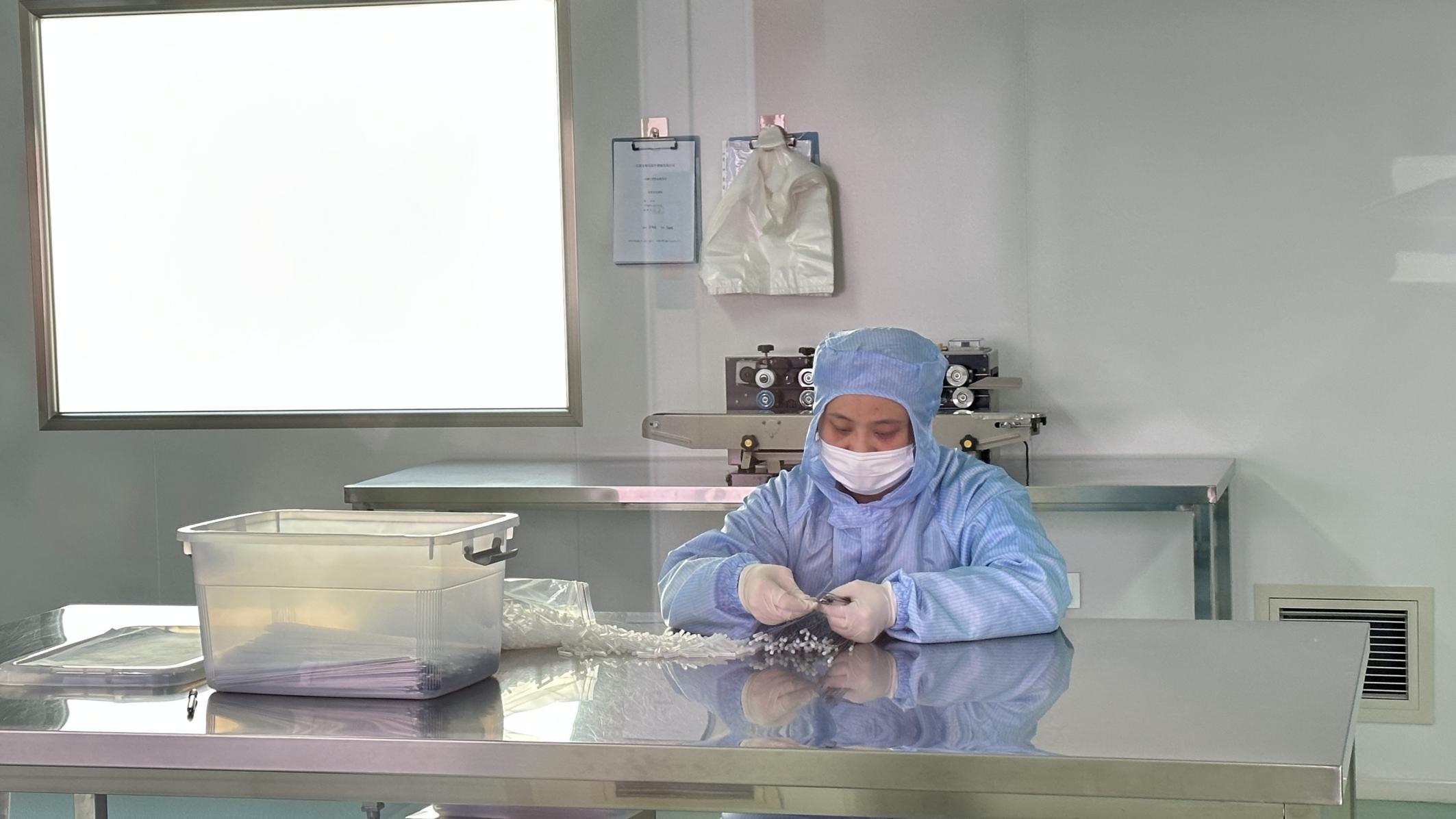
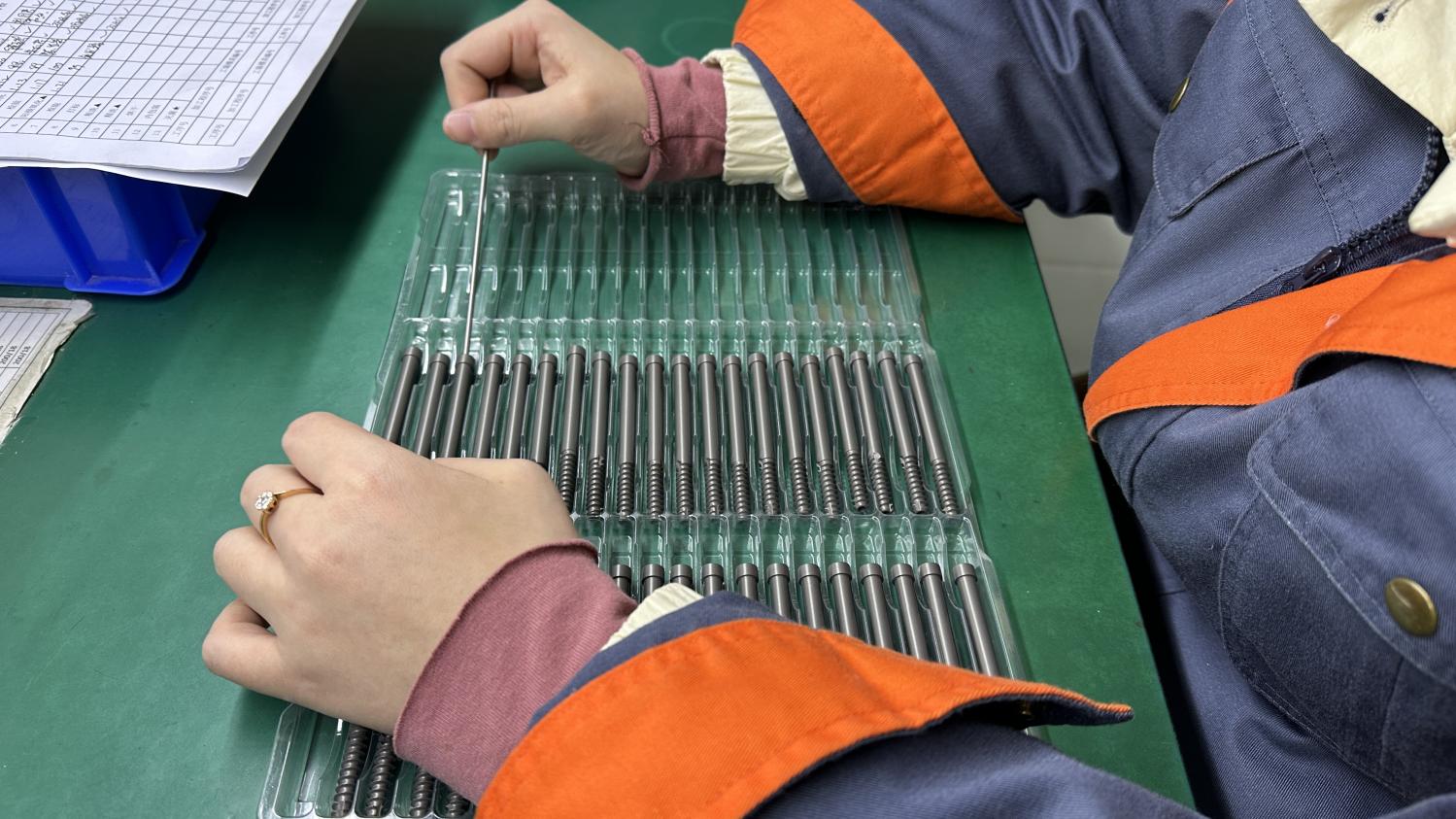
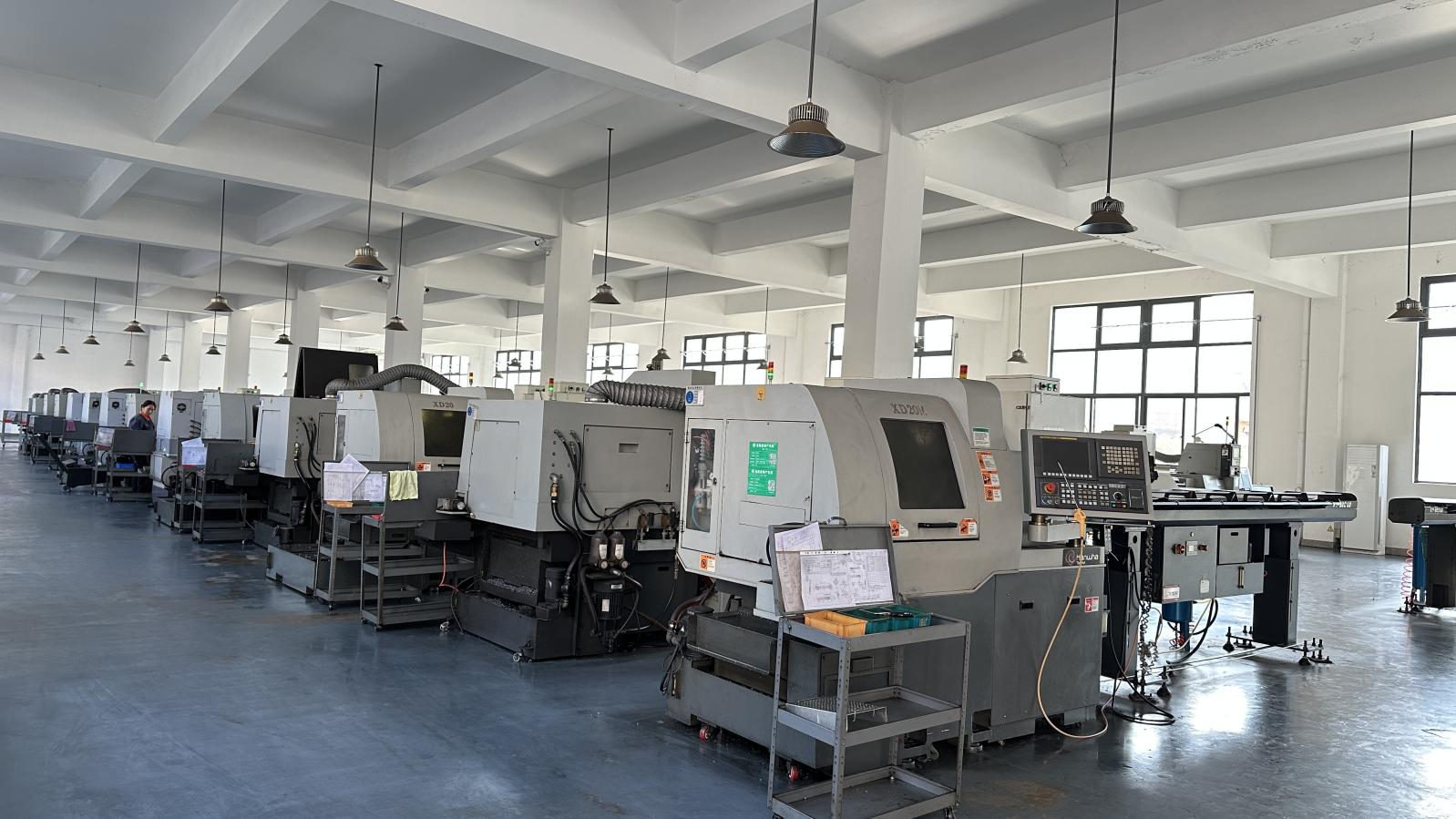
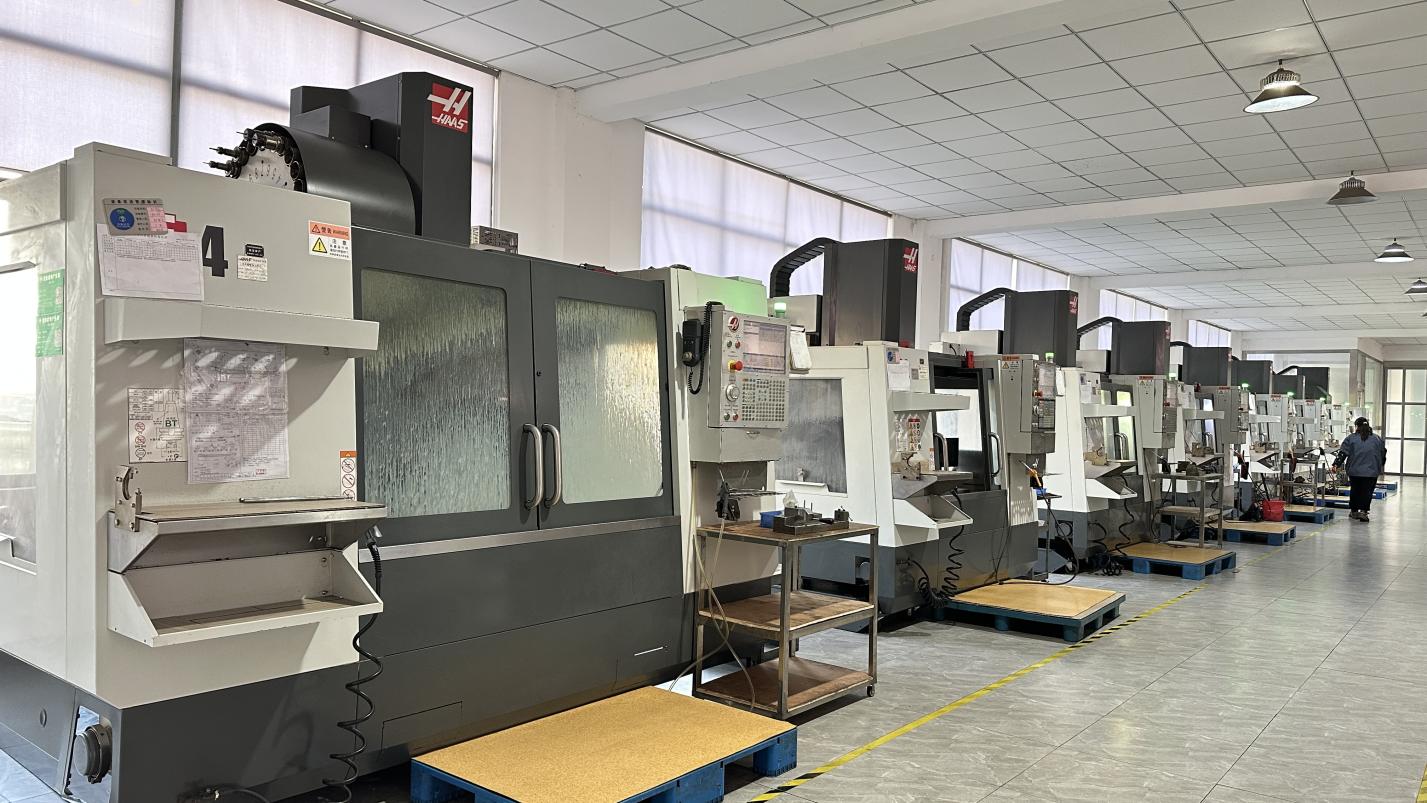
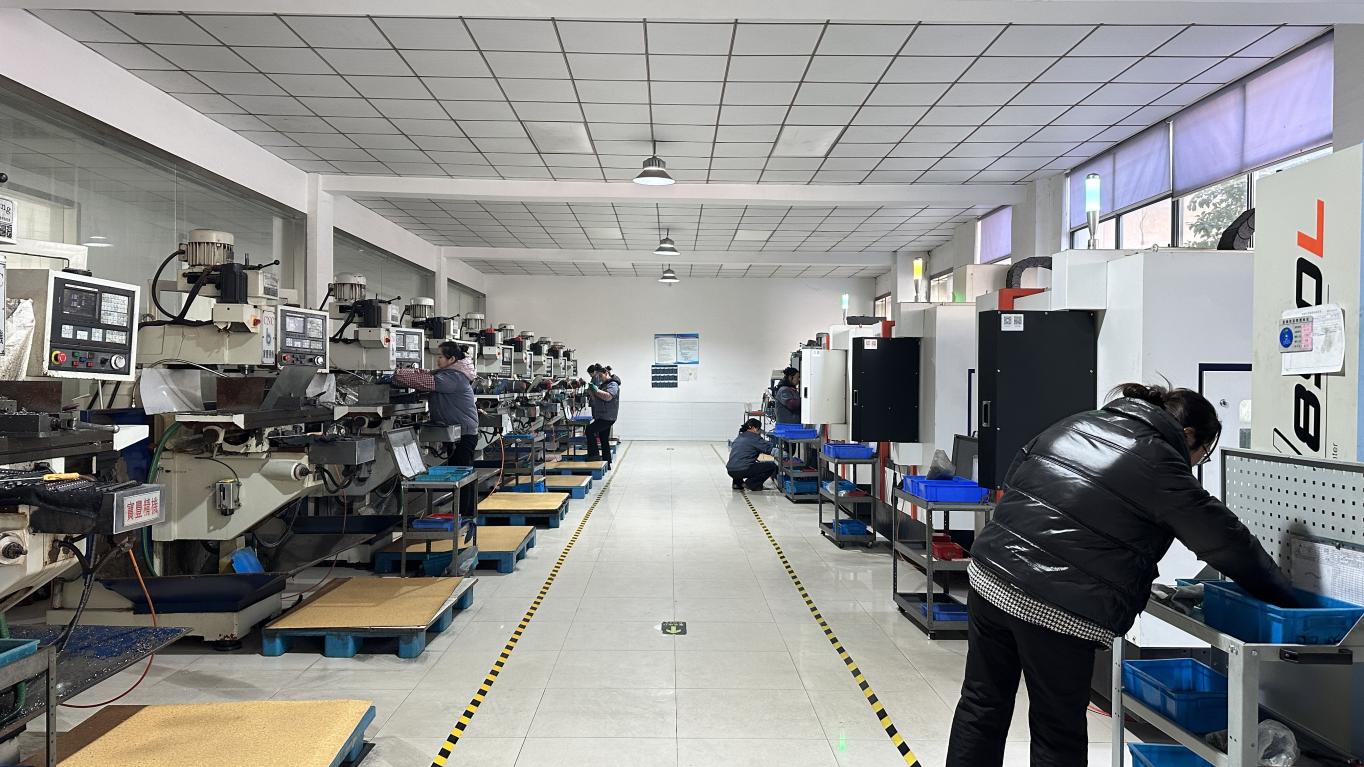
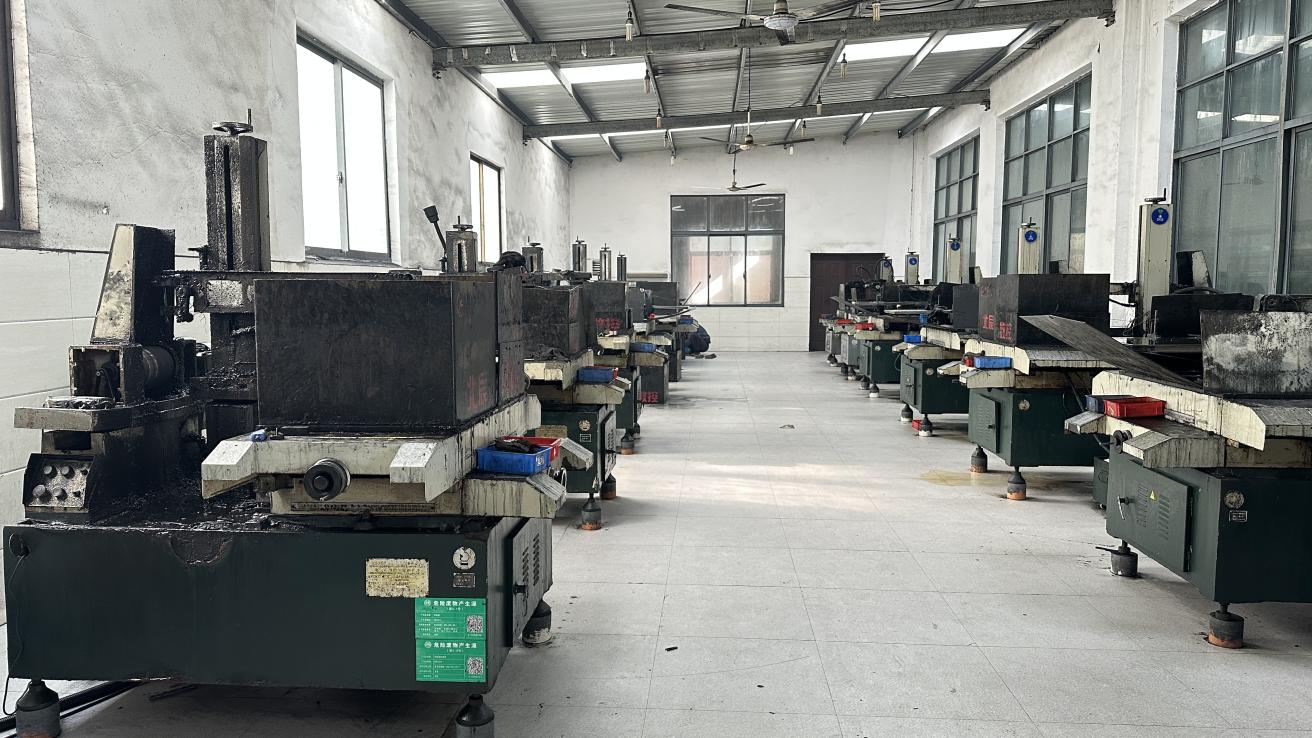
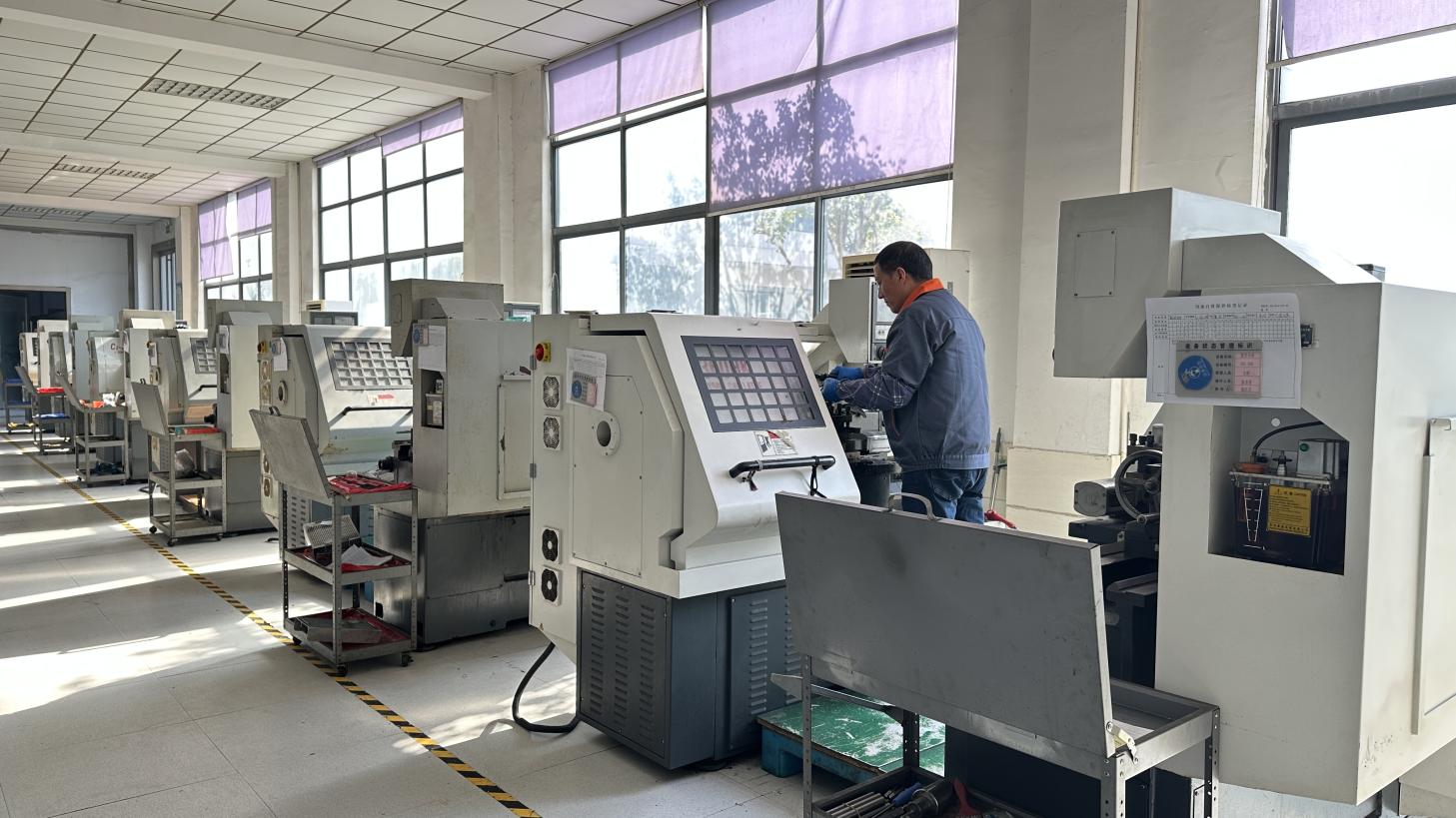
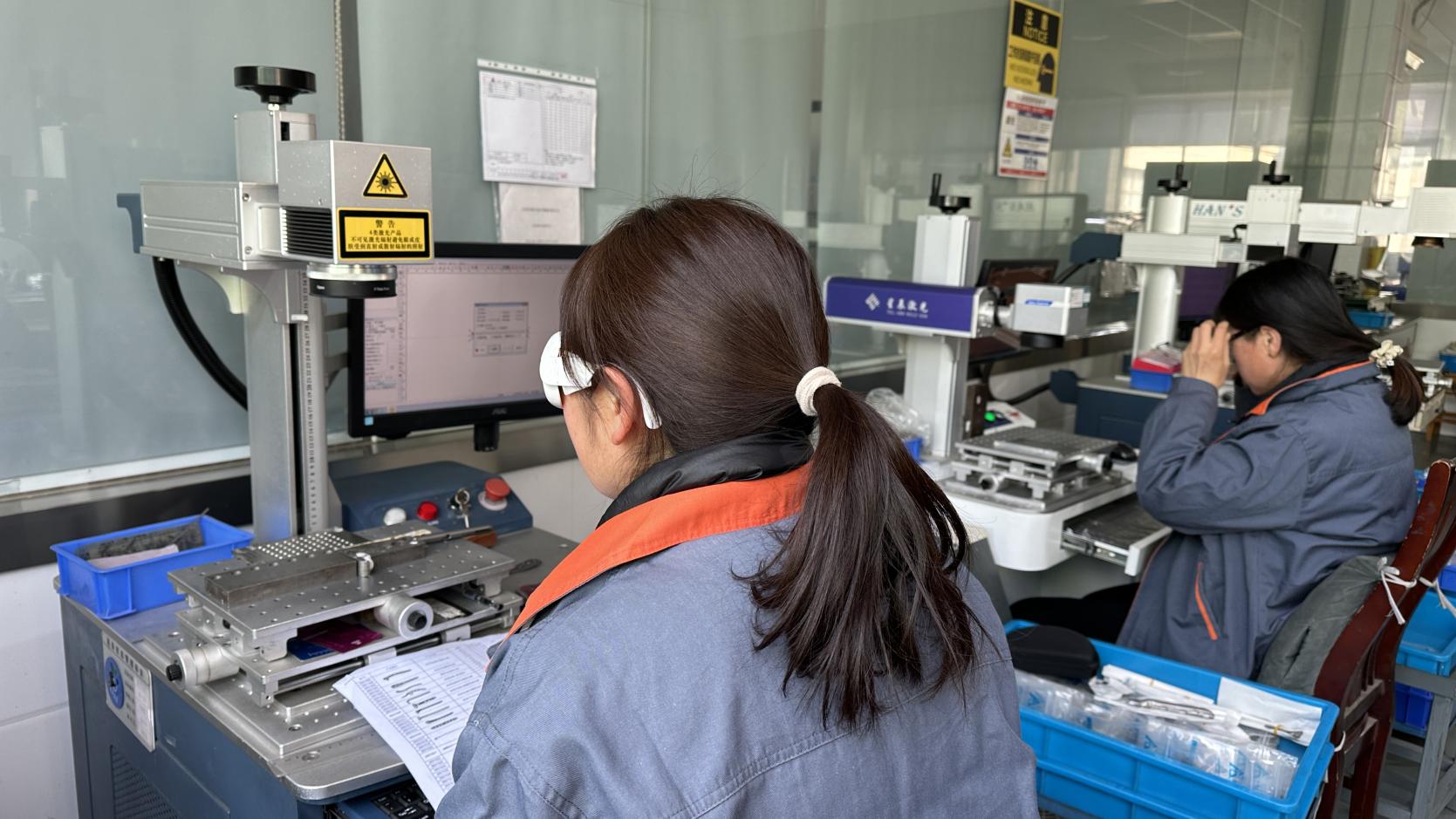
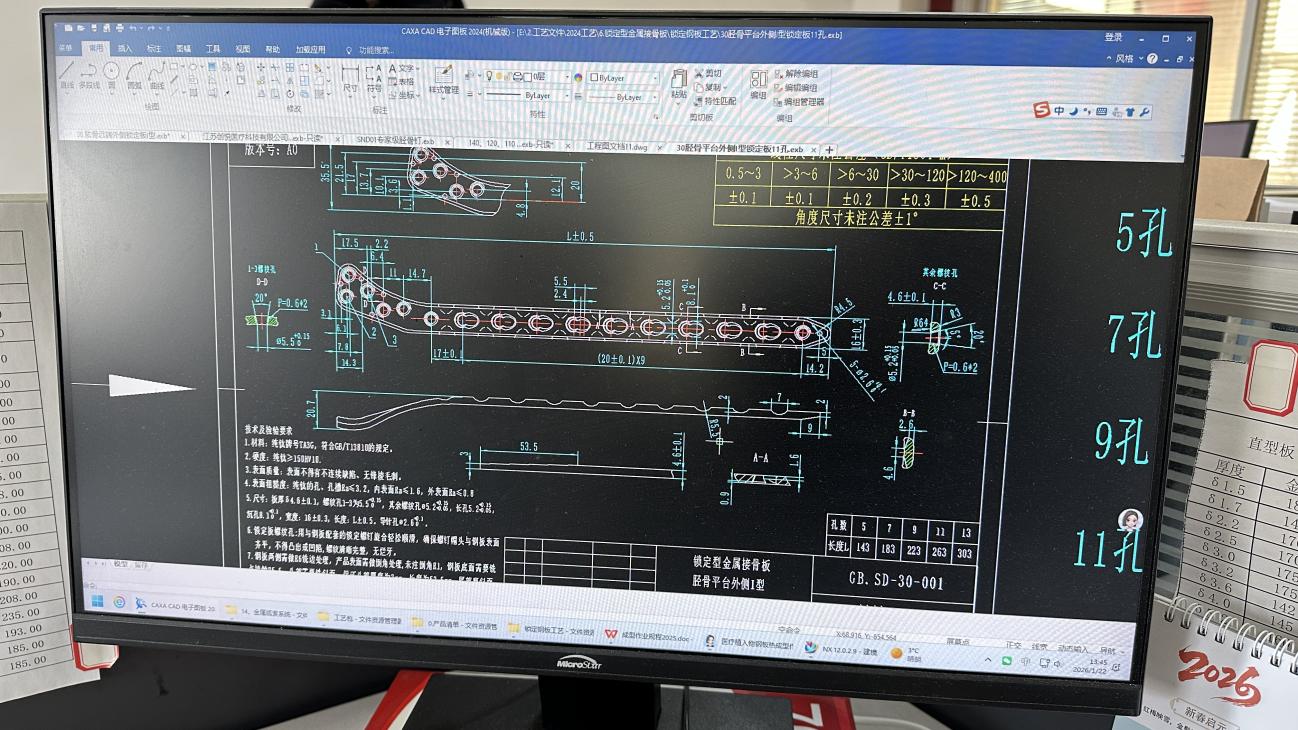
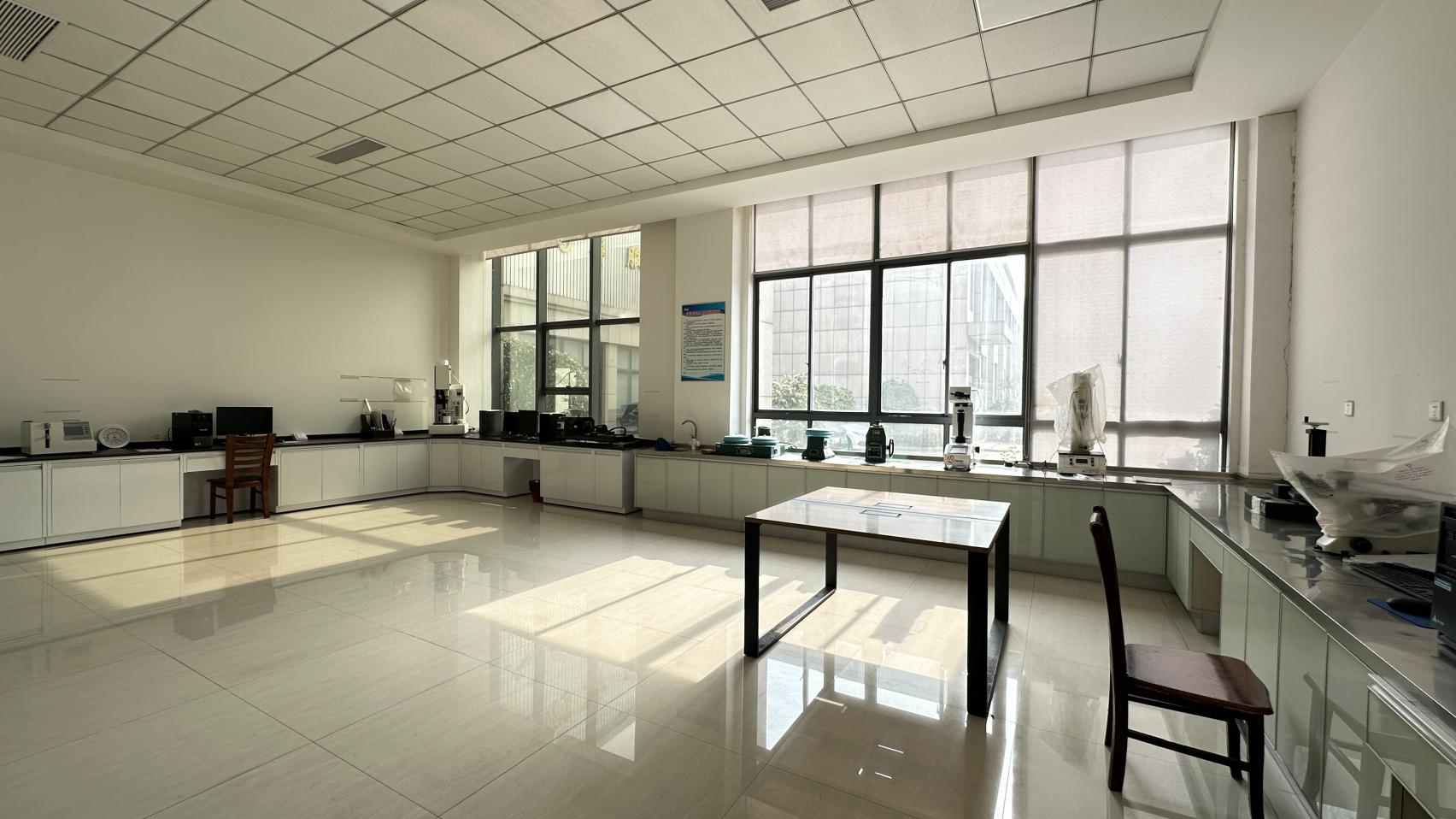
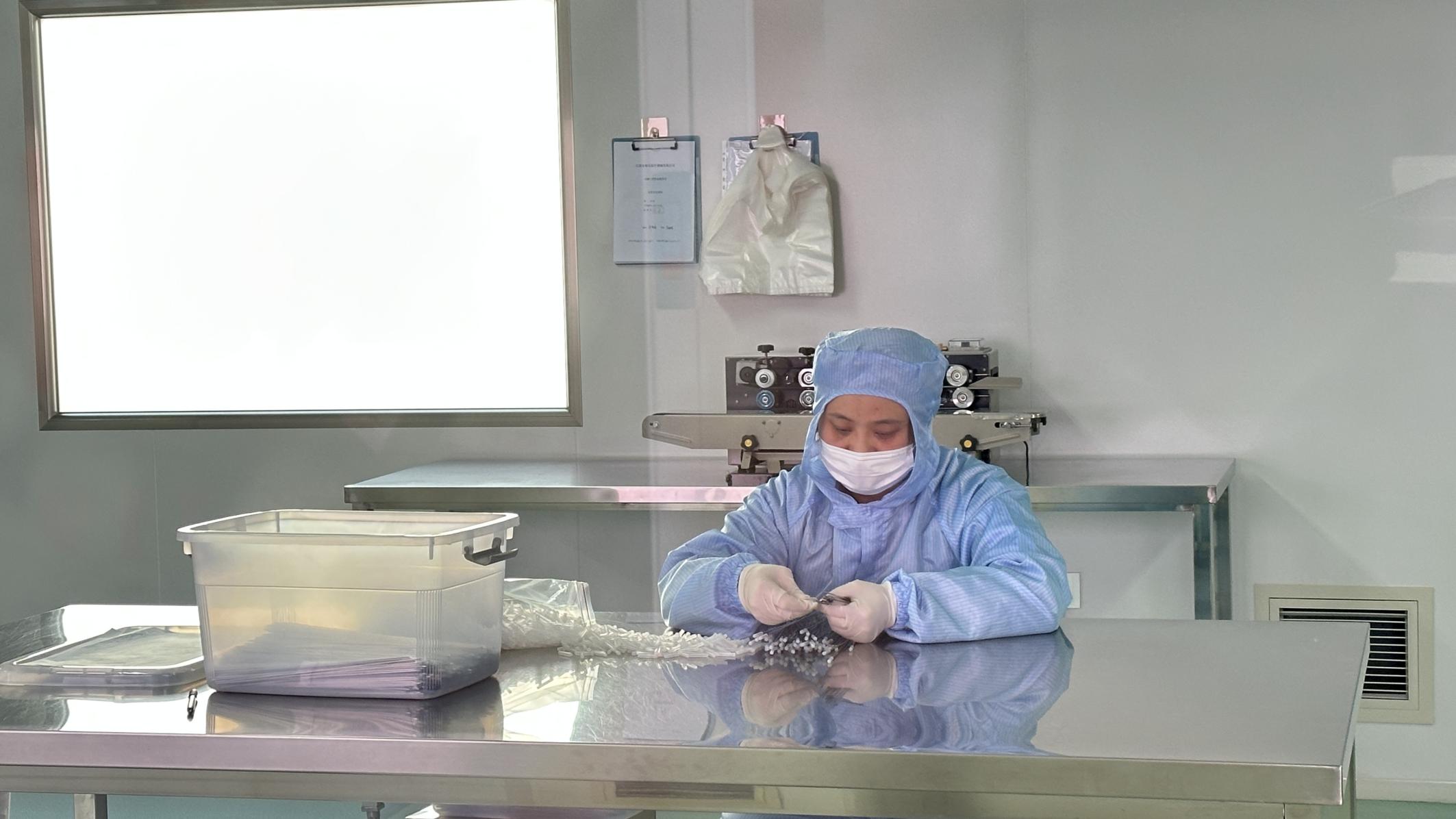
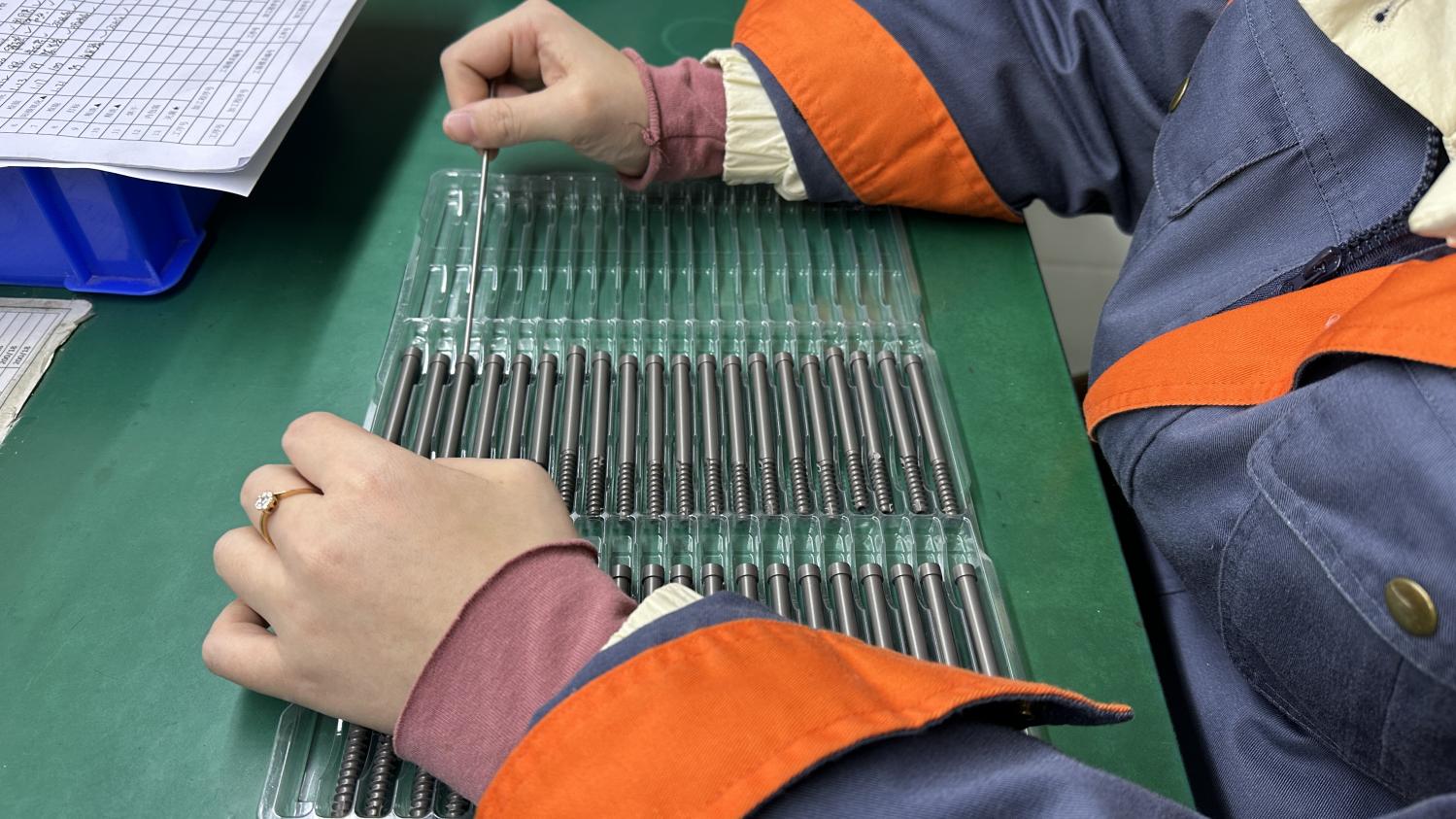
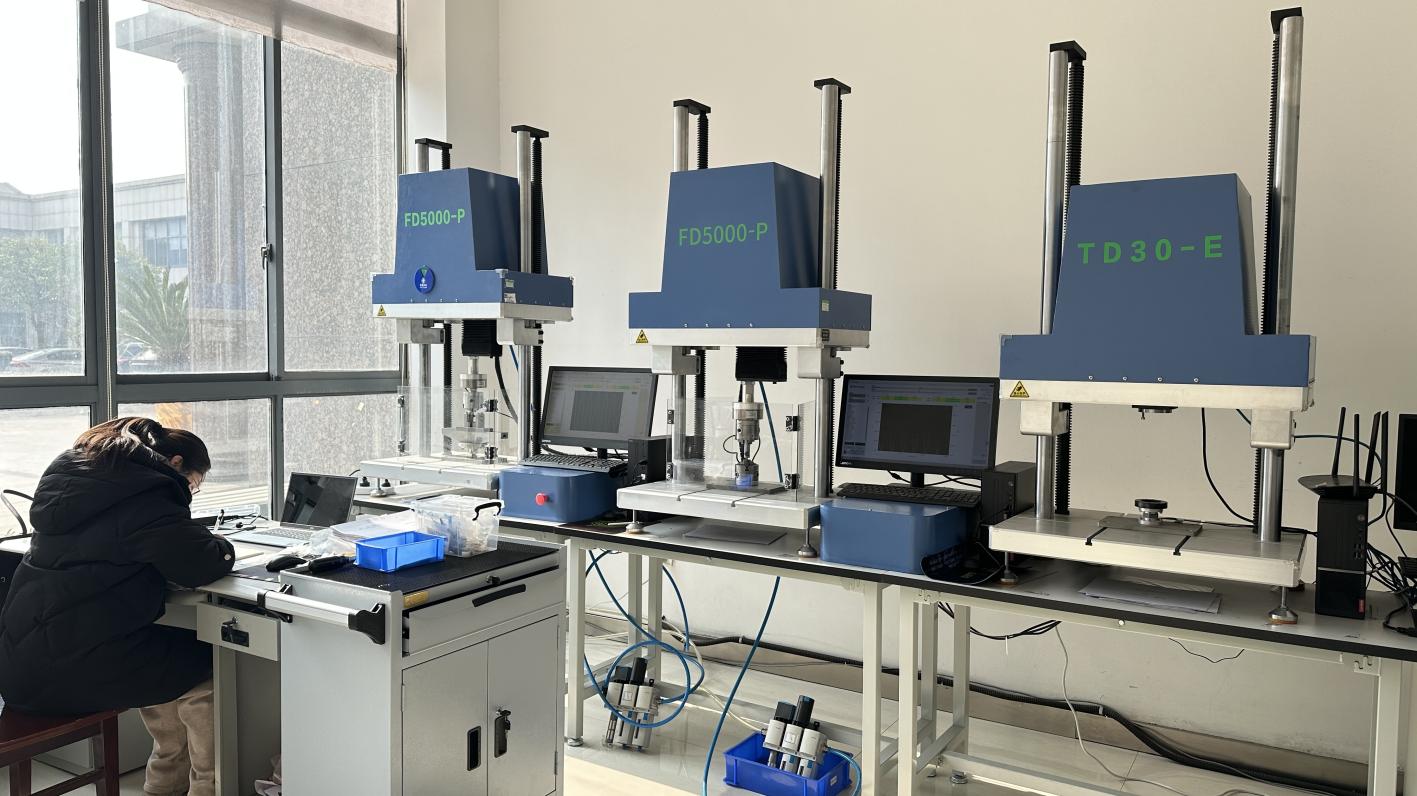
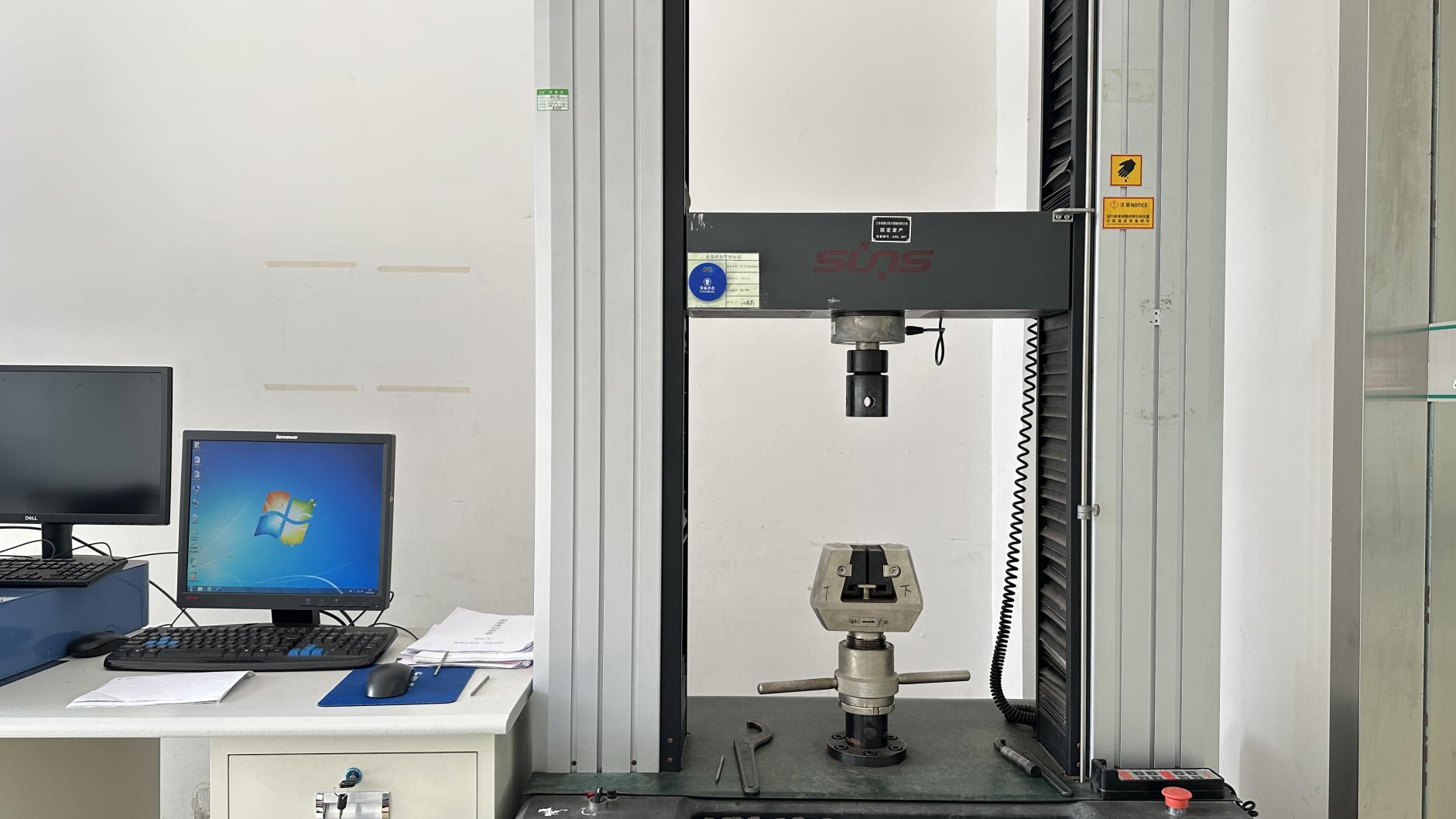
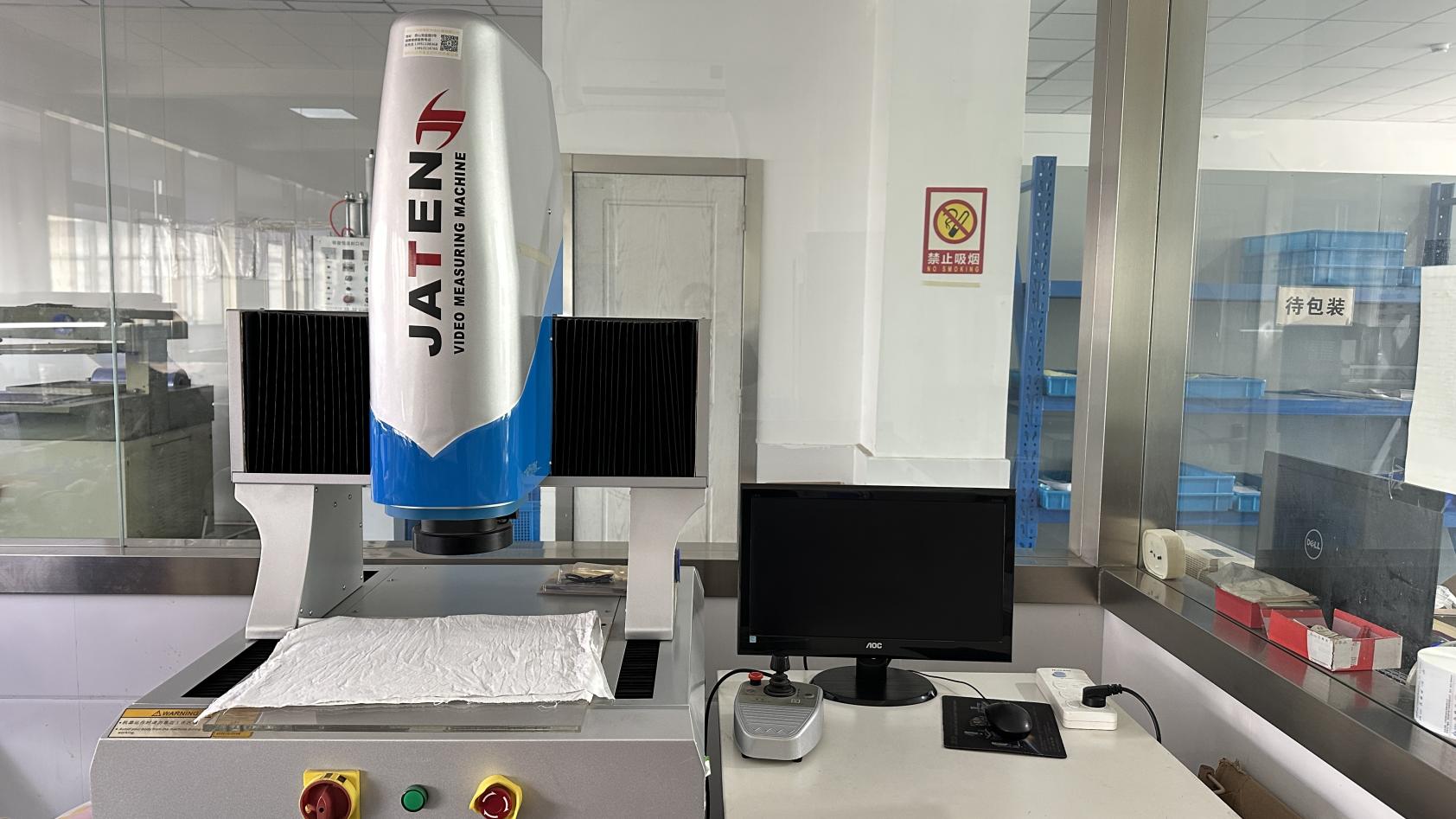
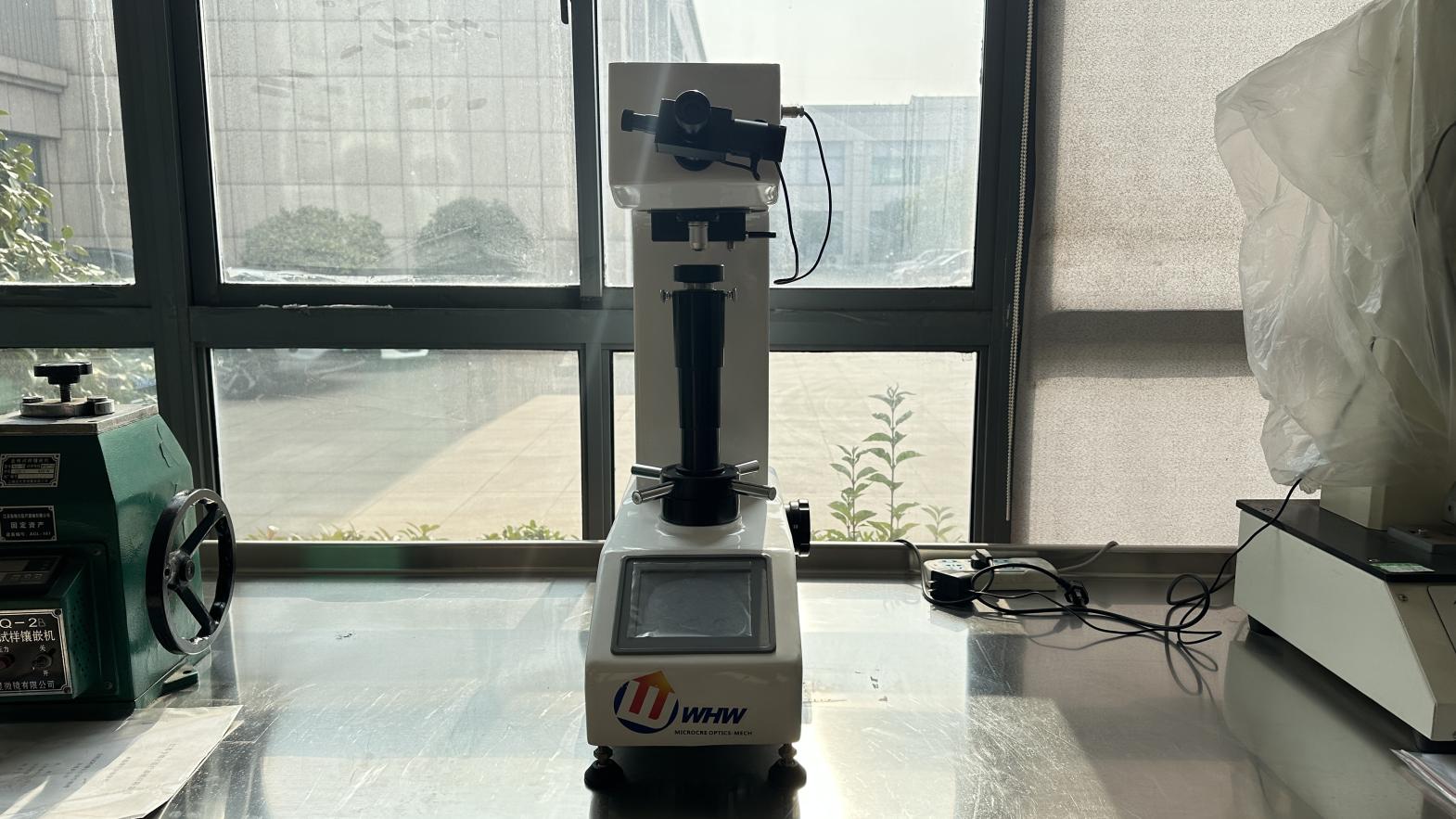
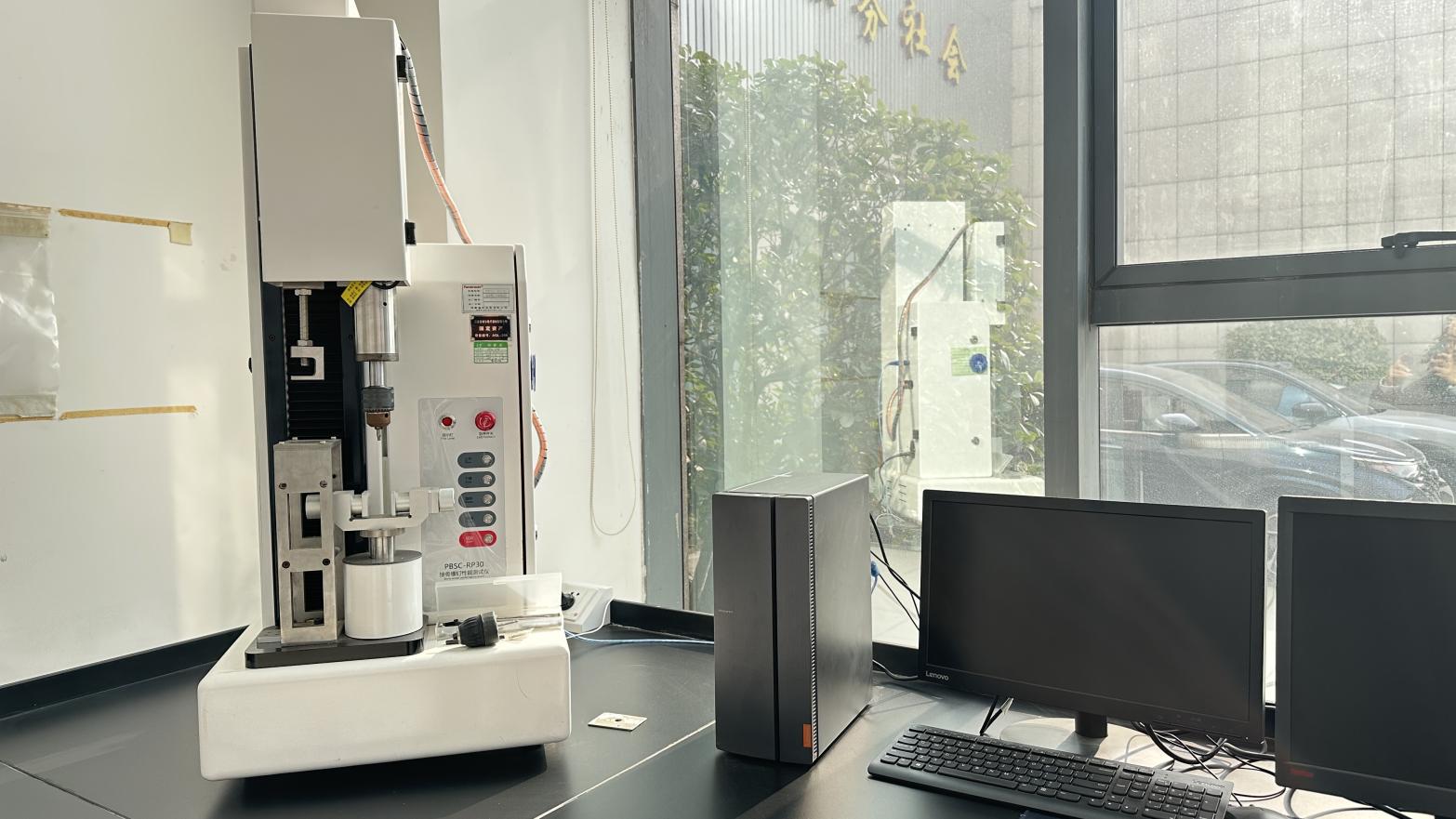
Every design iteration at Virelox undergoes biomechanical validation before clinical trial stages. The testing environment features simulation systems to evaluate product lifespans and safety profiles under physiological loads.
Following ASTM F2077, our cages are tested for axial compression, compression-shear, and torsion. Implants must withstand a minimum of 5,000,000 load cycles at physiological frequencies without structural failure or permanent deformation.
According to ASTM F2267, we test subsidence profiles in polyurethane foam blocks designed to mimic the structural density of human vertebral endplates. This helps minimize the risk of post-implantation subsidence in clinical applications.
Entering regional markets requires localized technical and regulatory support. Virelox operates as a global supplier with tailored logistics to ease customs clearance and product onboarding:
We provide complete documentation packages including Certificates of Origin, free-sales certificates, raw material trace reports, and sterilizability validation documentation. These packages are designed to support regulatory submissions for ministries of health in Europe, Southeast Asia, South America, and the Middle East.
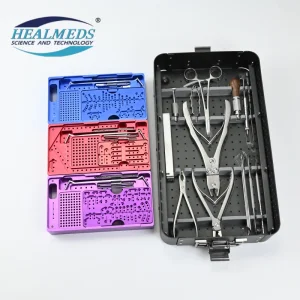
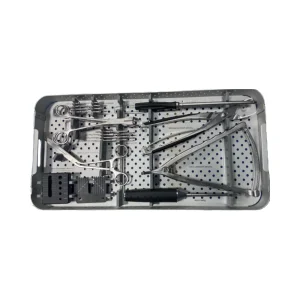
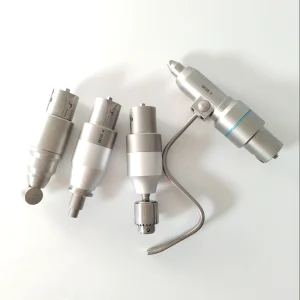
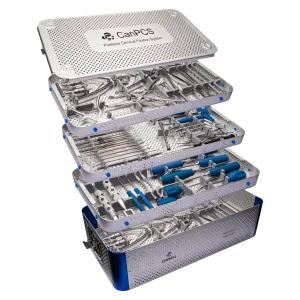
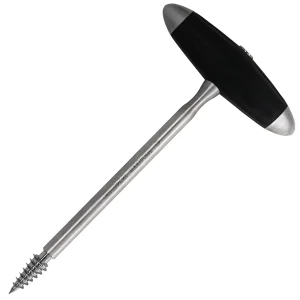
We manufacture customized instrument kits along with our implants. These include trial sizers, trial inserters, rotation actuators, and extraction tools. We also provide dummy implants for simulation training in clinical learning centers.
 Virelox