Advanced rigid fixation instruments certified for immediate surgical applications across clinics in Astana and Almaty.
Over the last decade, Kazakhstan's healthcare system has undergone a profound modernization drive under state-funded programs like the "Densaulyk" national healthcare initiative. Medical facilities in metropolitan hubs such as Astana, Almaty, and Shymkent have expanded their cardiosurgery capacities to meet the growing clinical needs of the population. As a consequence, complex thoracic interventions, including coronary artery bypass grafting (CABG), aortic valve replacements, and complex sternal reconstructions, have escalated significantly. This clinical shift has created an immediate demand for advanced sternal closure systems that surpass traditional steel wire cerclage methods in mechanical stability and infection prevention.
In winter climates, such as those in Central and Northern Kazakhstan, respiratory complications and associated chronic coughing can exert extreme physical strain on post-sternotomy patients. High-tension biological load demands advanced osteosynthesis solutions. The implementation of rigid Titanium Sternal Fixation Systems has emerged as the global best practice to mitigate risks of sternal dehiscence, deep wound infections, and post-operative chest wall instability. Virelox Medical Devices Co., Ltd. serves this critical market demand by delivering medical-grade titanium locking plates and custom rigid closure systems designed to tolerate high shear stresses while maintaining biocompatibility.
Historically, the default standard for sternotomy closure in Central Asia has been steel wire cerclage due to low direct acquisition costs. However, modern clinical outcome audits demonstrate that rigid plate fixation offers substantial advantages in high-risk patient cohorts—specifically those presenting with diabetes mellitus, chronic obstructive pulmonary disease (COPD), advanced age, obesity, or poor bone density. Sternal plating stabilizes the sternum in three dimensions, restricting micro-motion and facilitating faster primary osseous union. For purchasing managers and clinical directors operating under the Single Distributor framework (SK-Pharmacy) of Kazakhstan, transitioning to rigid titanium plates decreases total ICU stay durations and reduces re-operation rates caused by hardware failure.
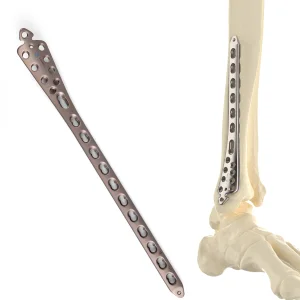
Fabricated from Grade 5 ELI Titanium (Ti-6Al-4V ELI) conforming to ASTM F136 specifications, providing high tensile strength and high fatigue life under continuous respiratory cycles.
Engineered with a low-profile plate geometry to reduce soft tissue irritation and prevent bacterial colonization, significantly decreasing the incidence of mediastinitis.
Self-drilling, locking screws prevent hardware backout and ensure reliable screw-to-plate integration, sustaining uniform pressure distribution across the osteotomy line.
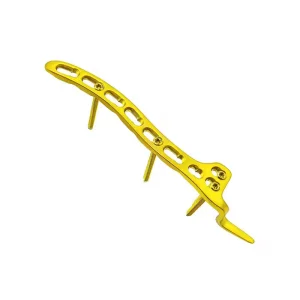
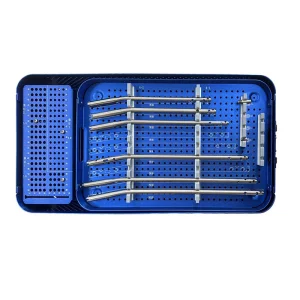
Our Sternal Fixation Systems include a diverse portfolio of straight plates, ladder plates, star plates, and X-shaped geometries to accommodate anatomical variations in patient sternums. Each implant is designed to be low-profile (typically 1.5mm to 2.0mm thickness) to ensure minimal post-operative palpability under the skin. Furthermore, our dedicated instrument sets feature rapid release cutting mechanisms, allowing surgeons to access the mediastinum within seconds in the event of an emergency cardiac re-exploration.
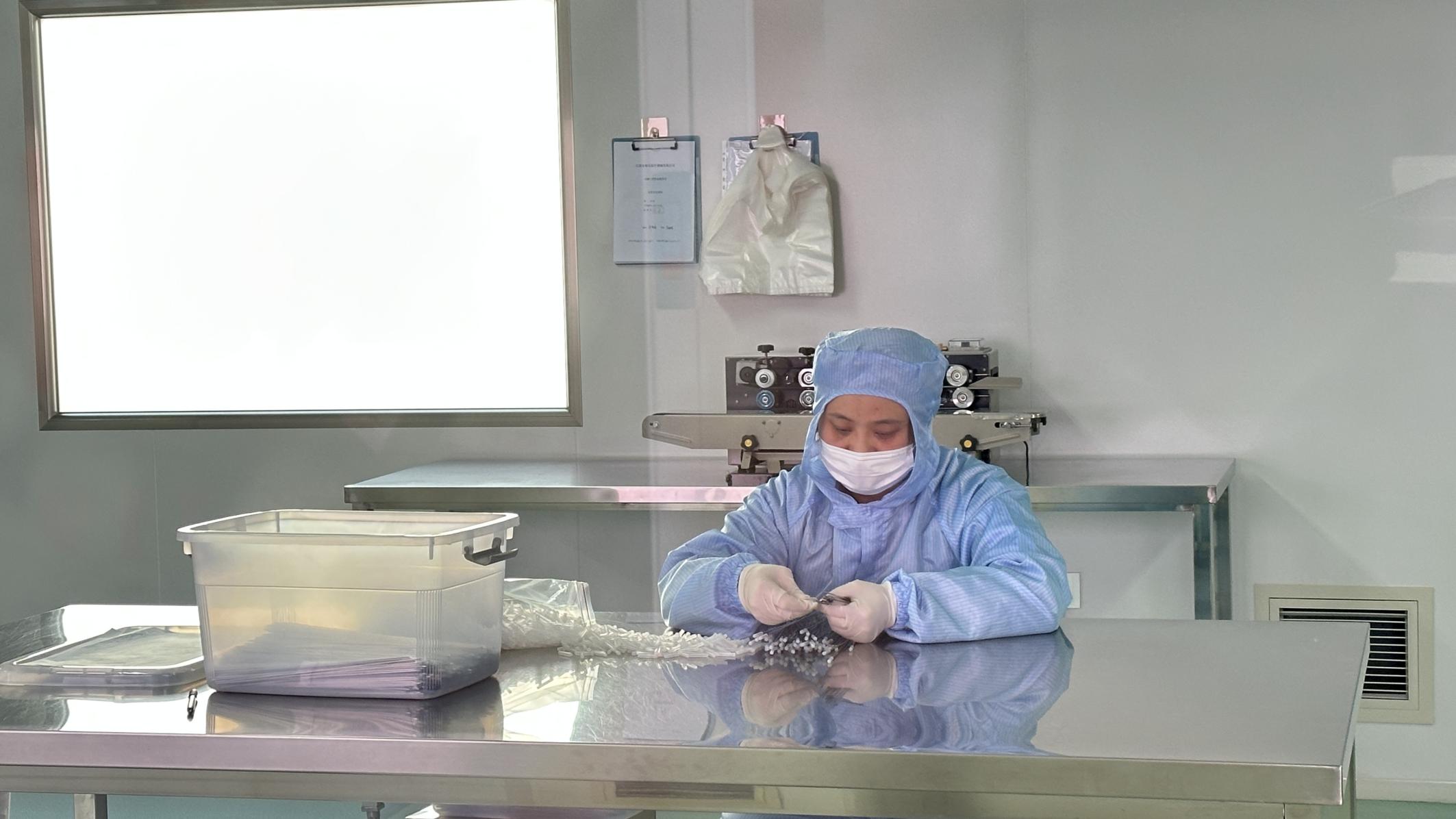
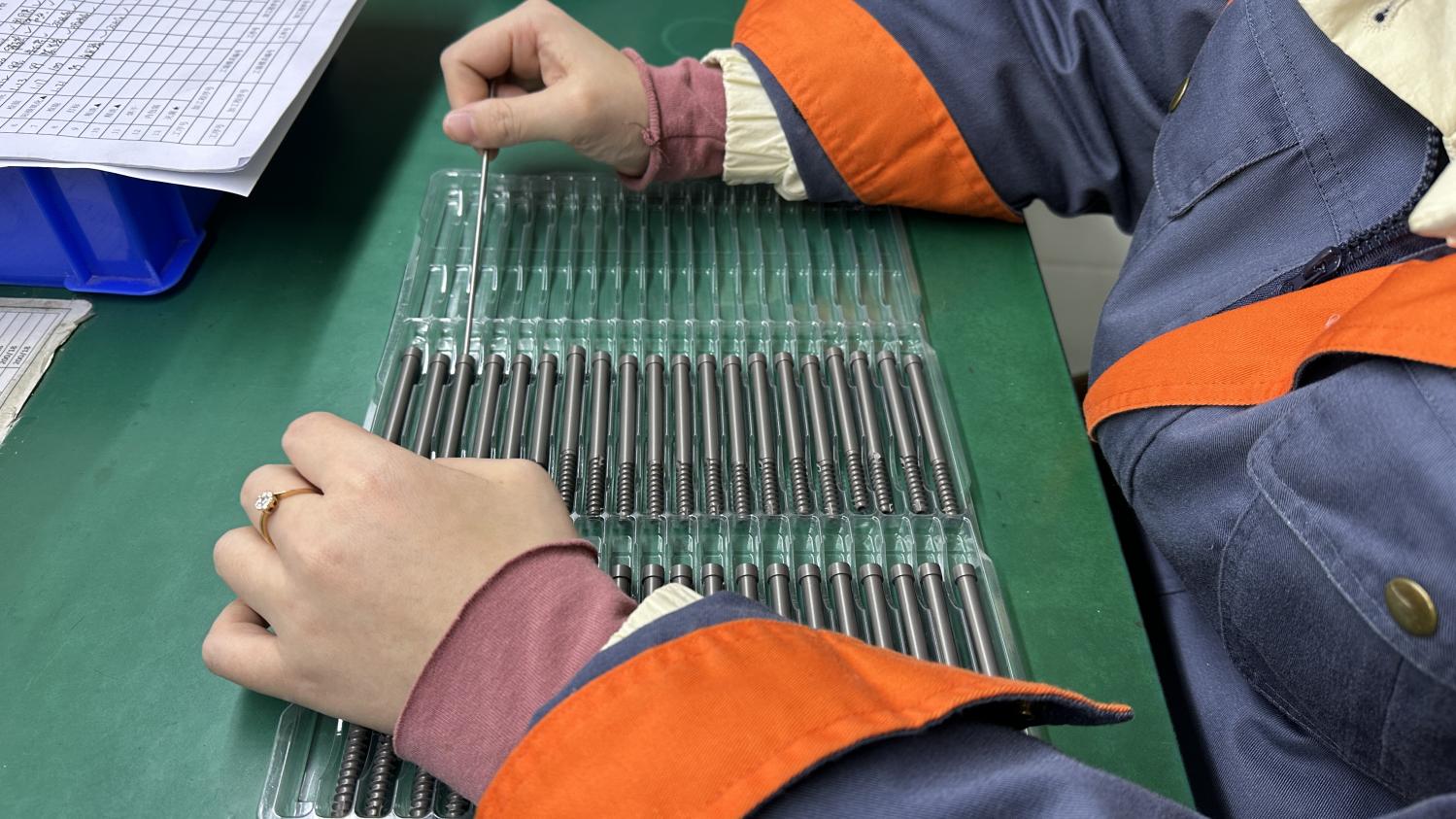
Take an inside look at Virelox’s 12,000 m² state-of-the-art facility, executing ISO 13485-compliant manufacturing protocols for global hospital supply chains.
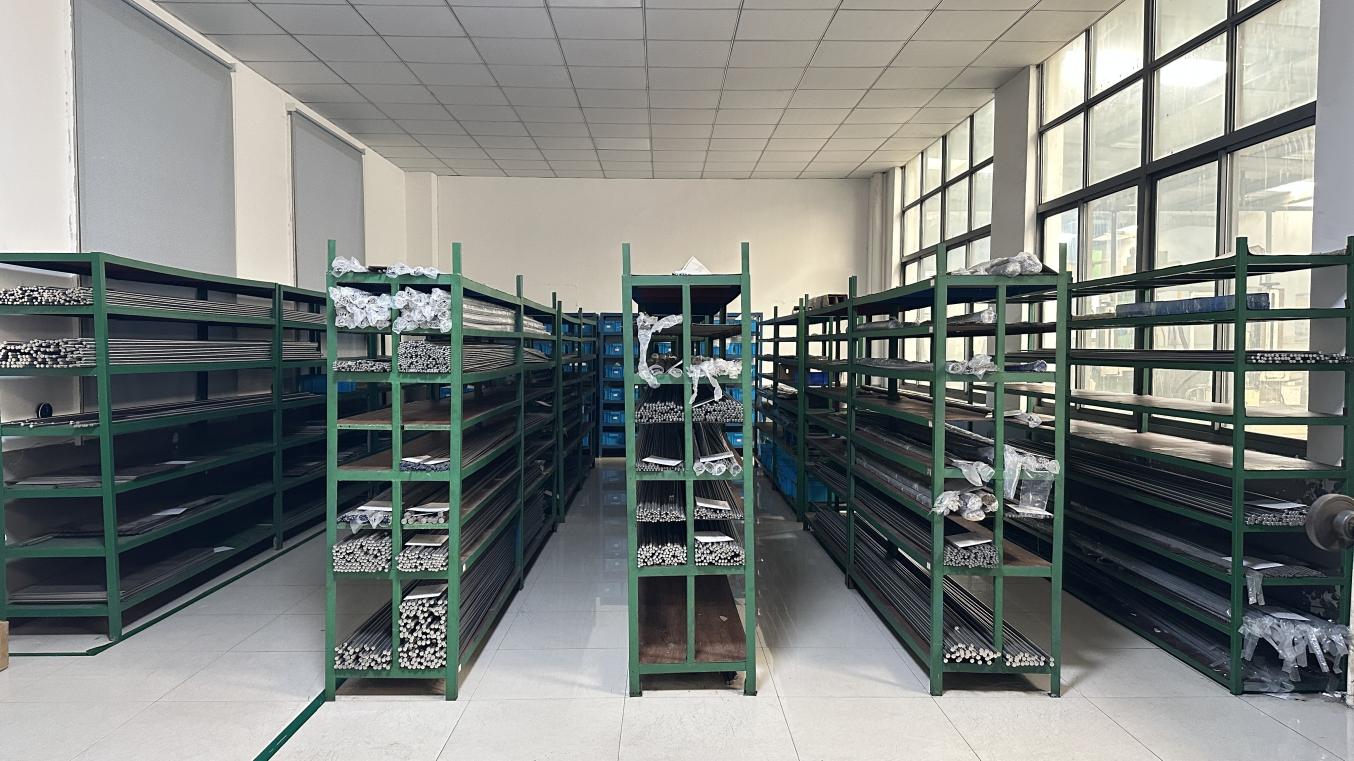
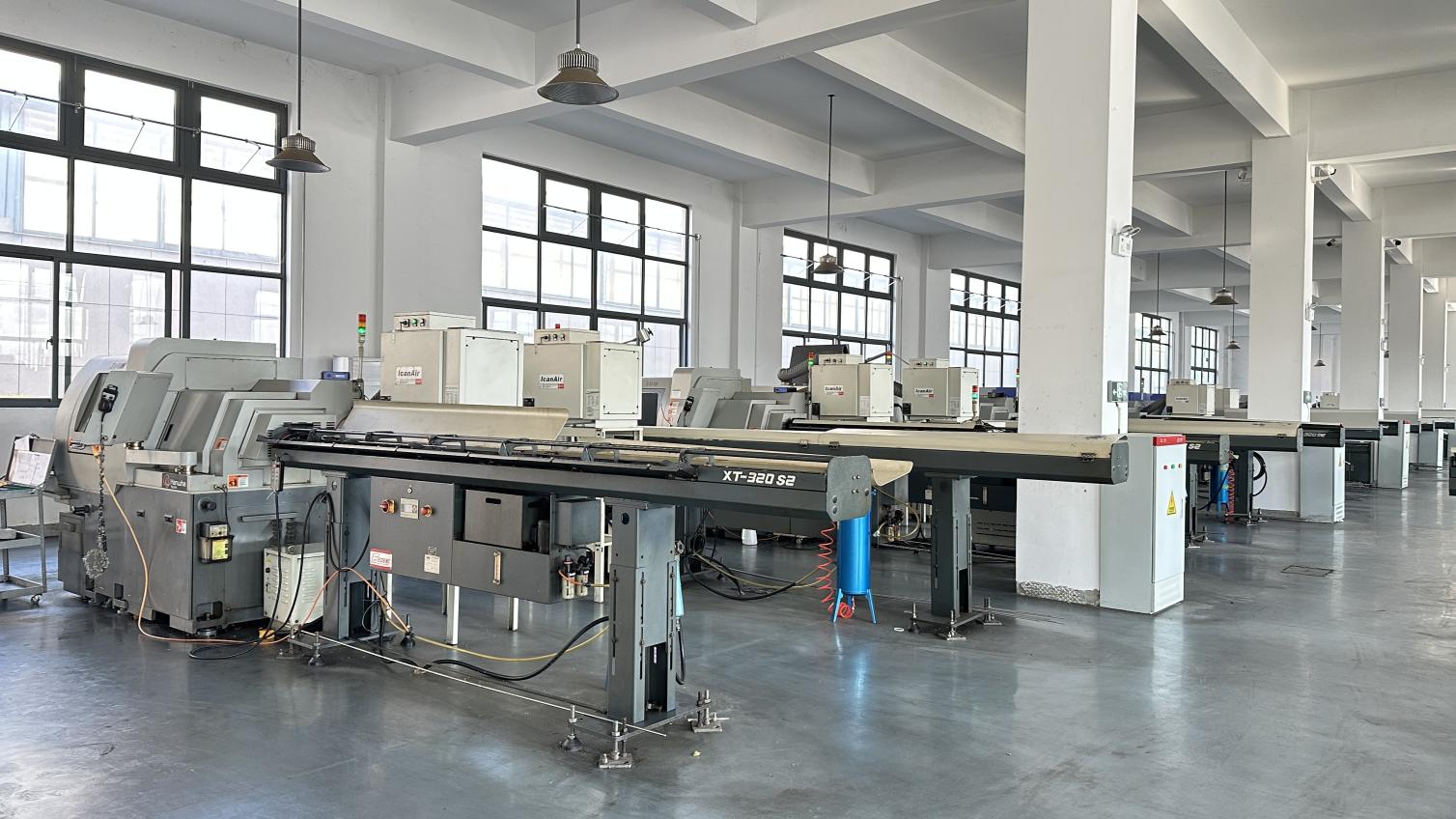
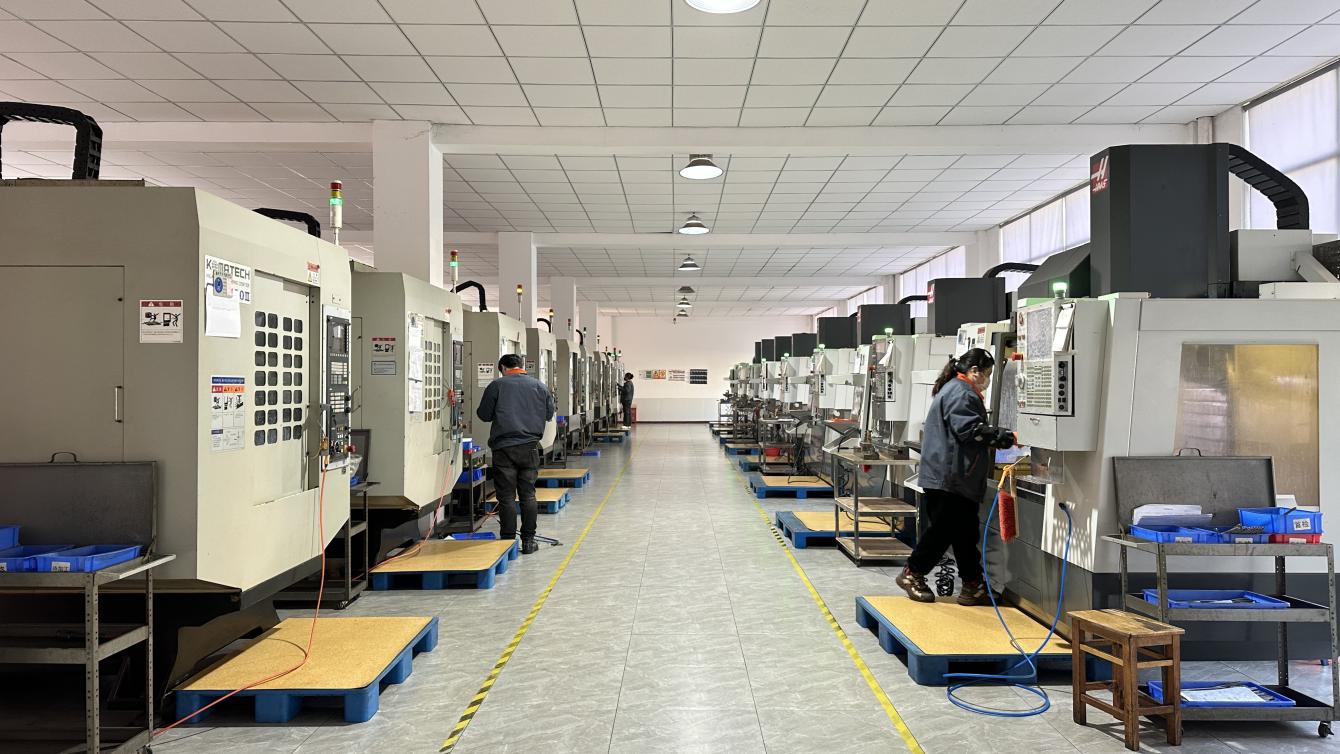
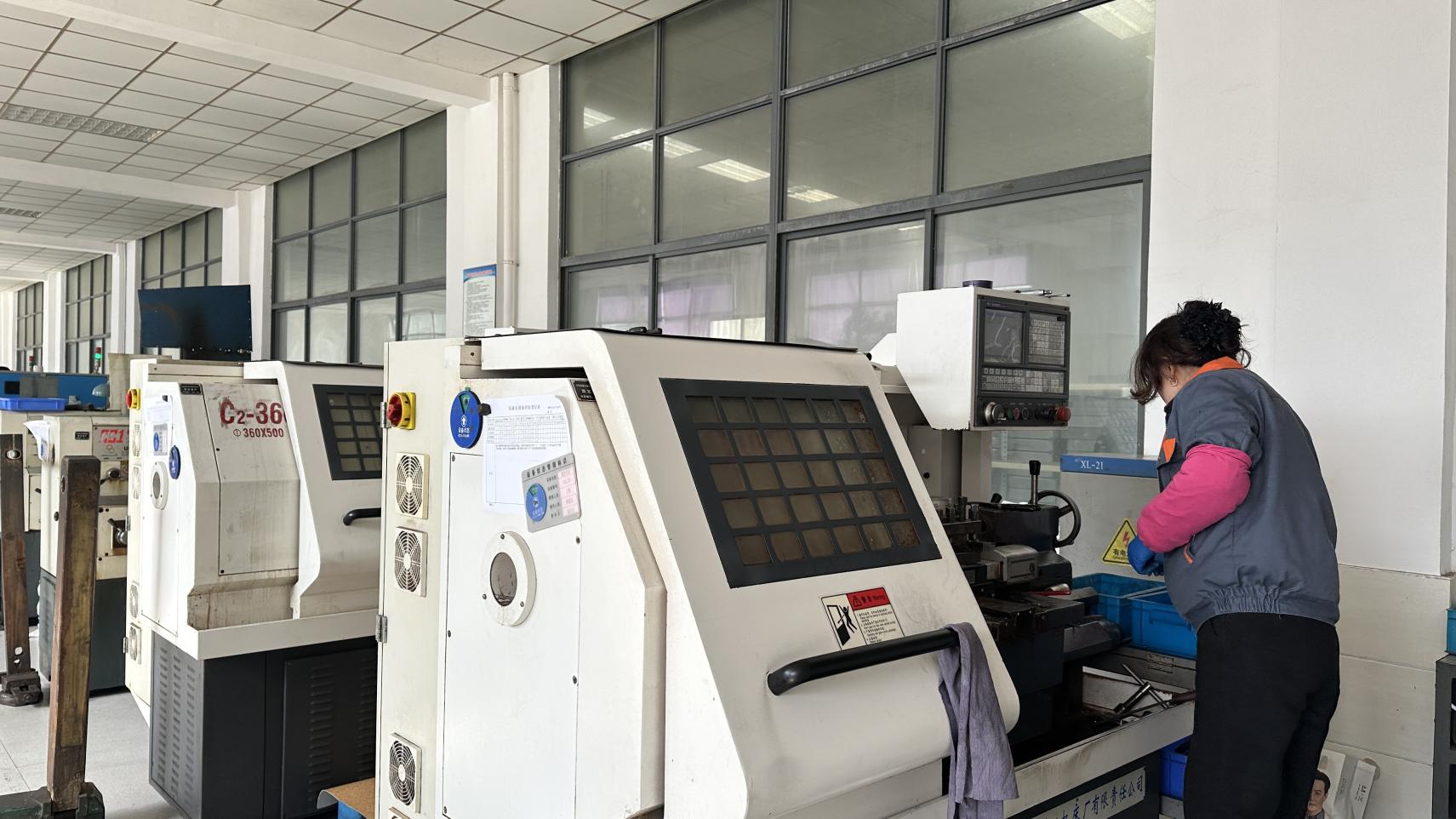
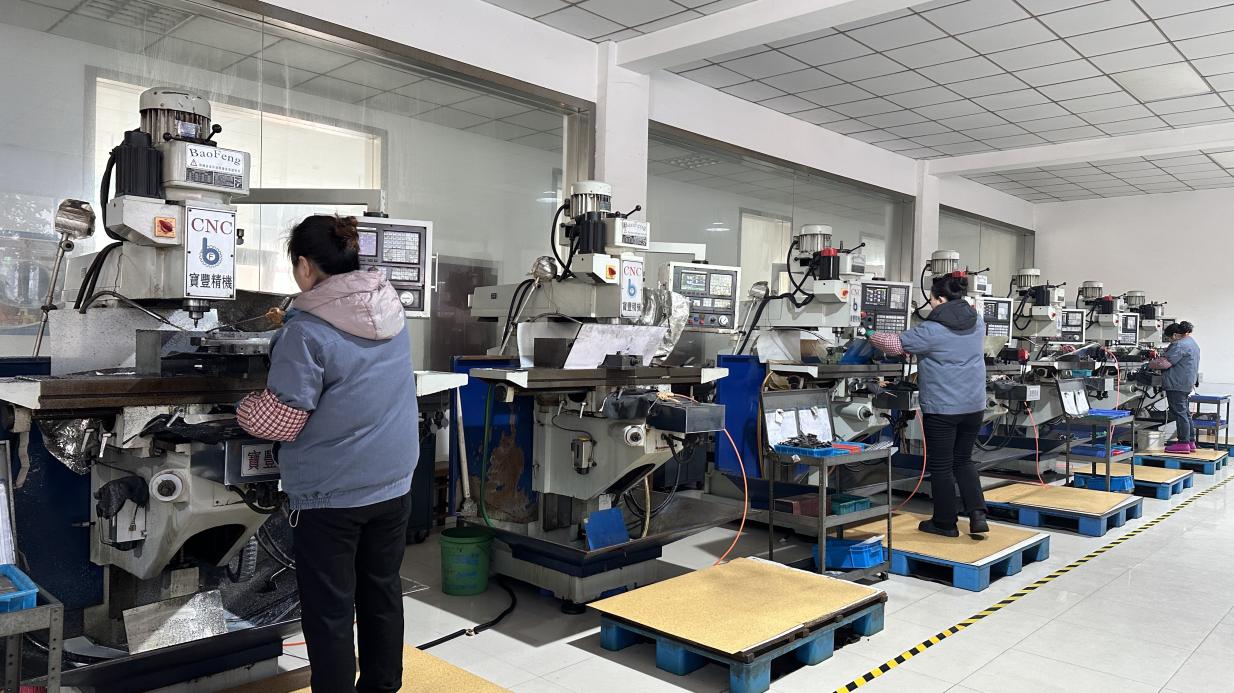
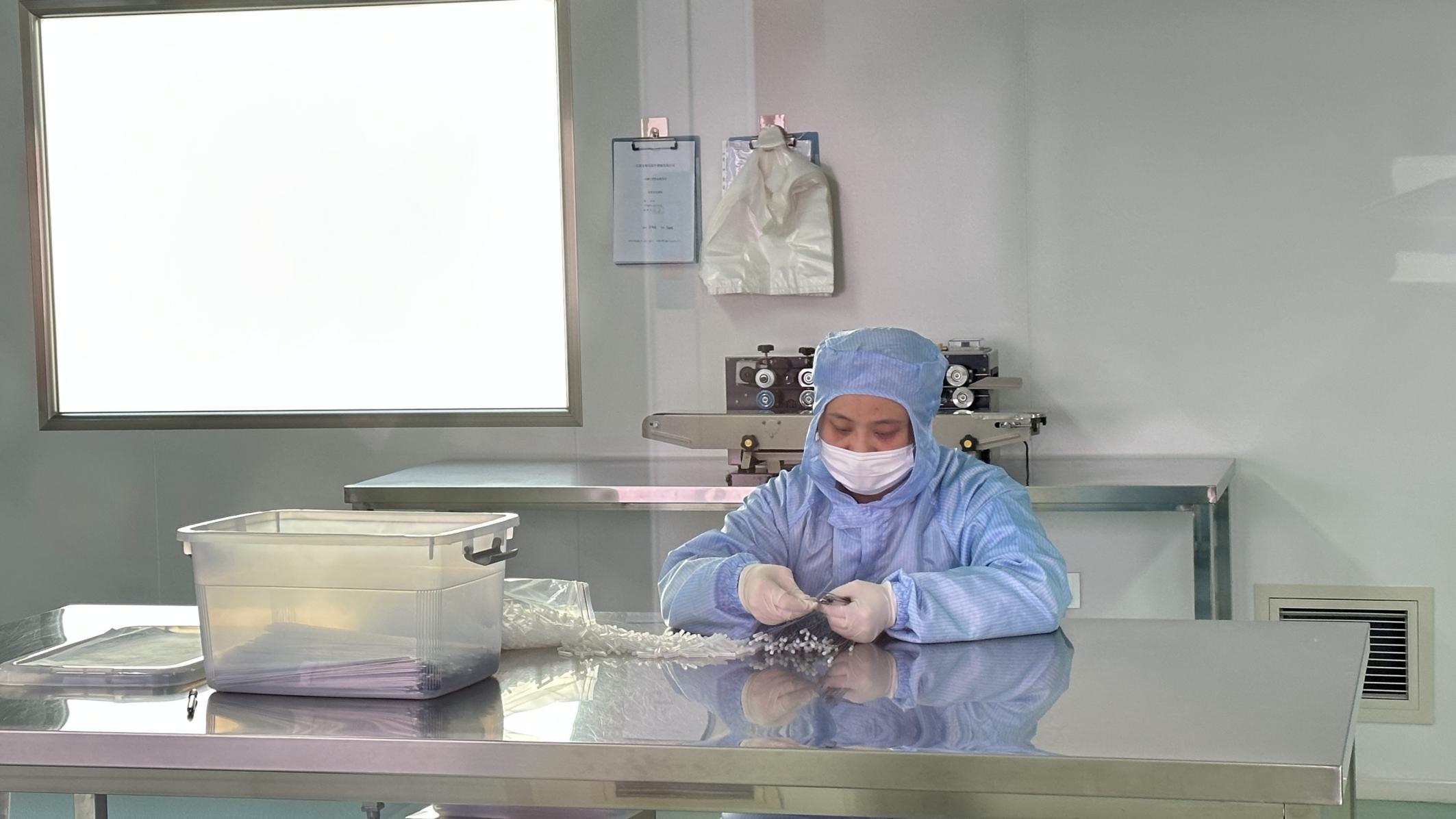
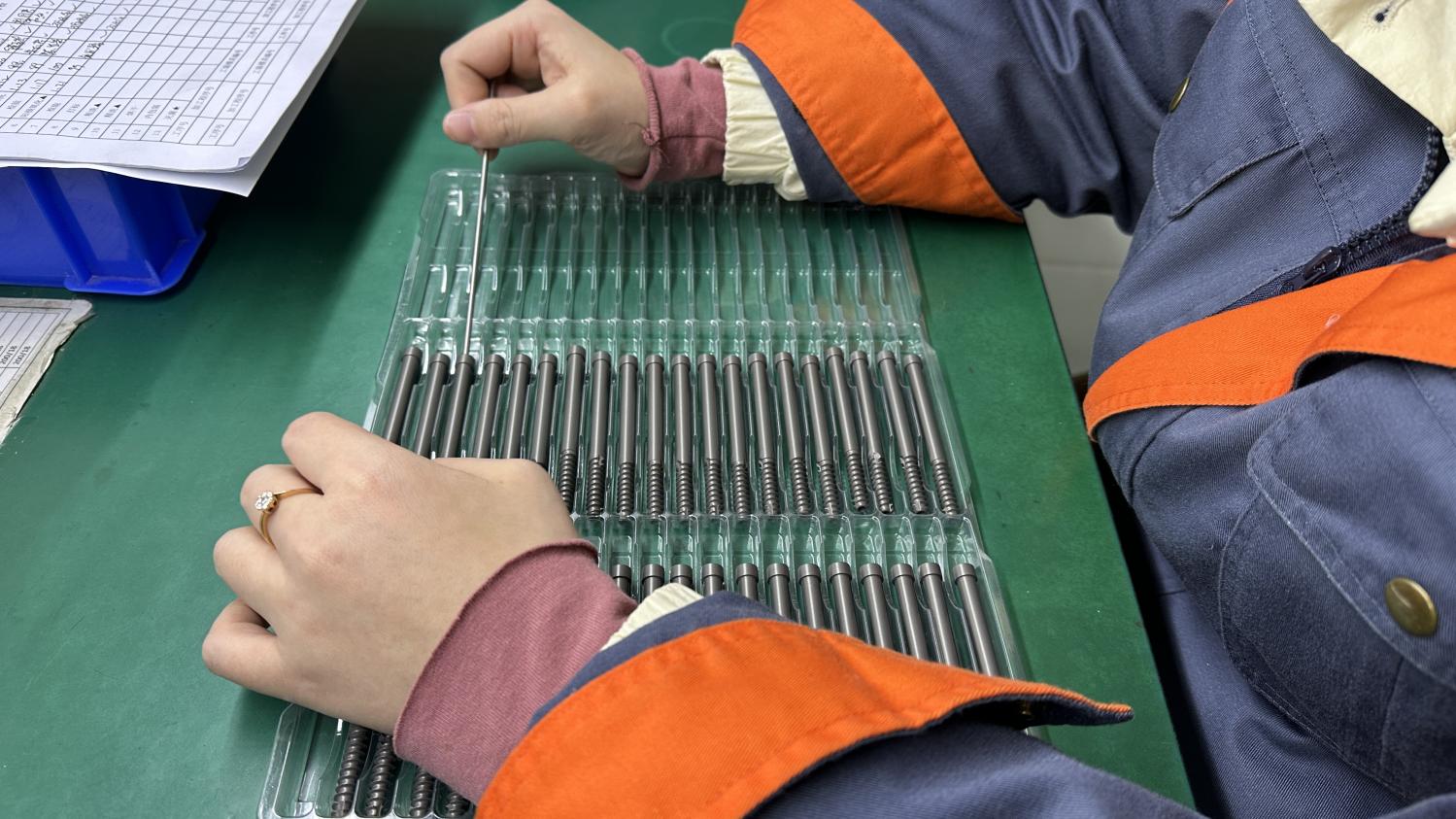
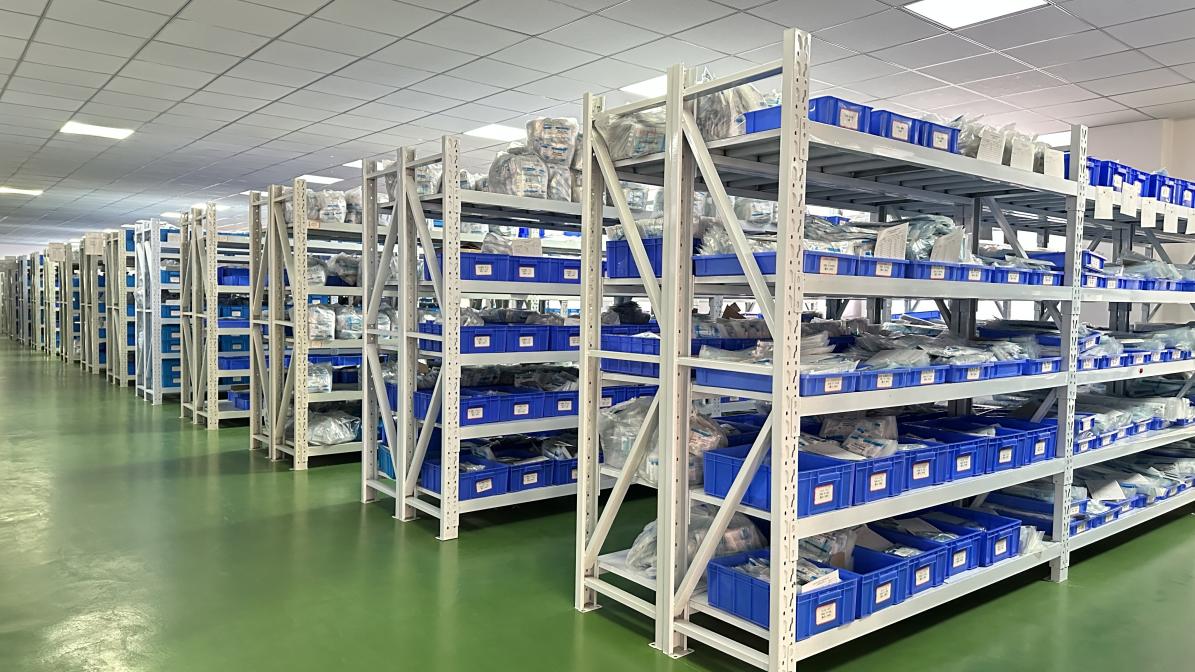
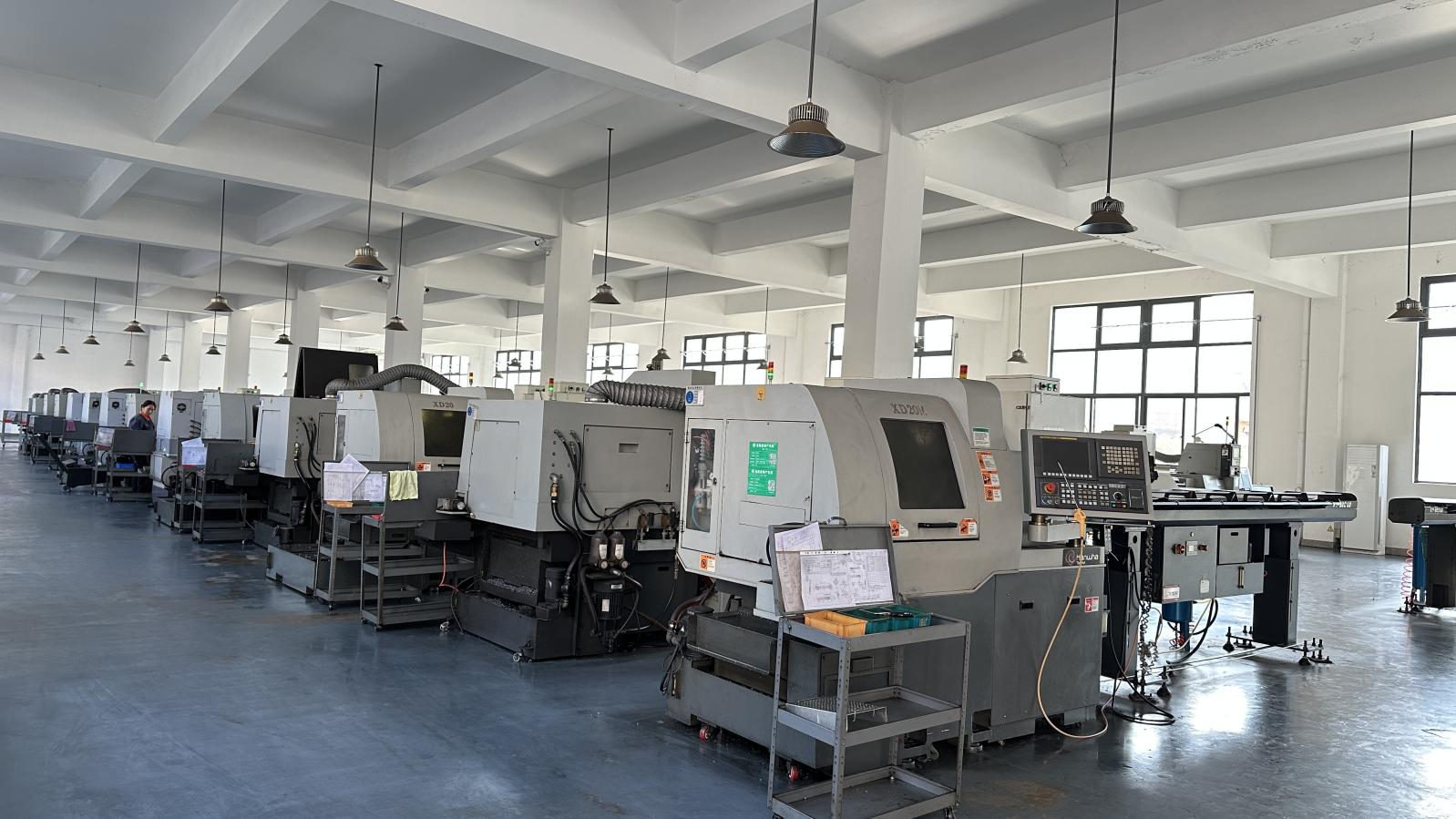
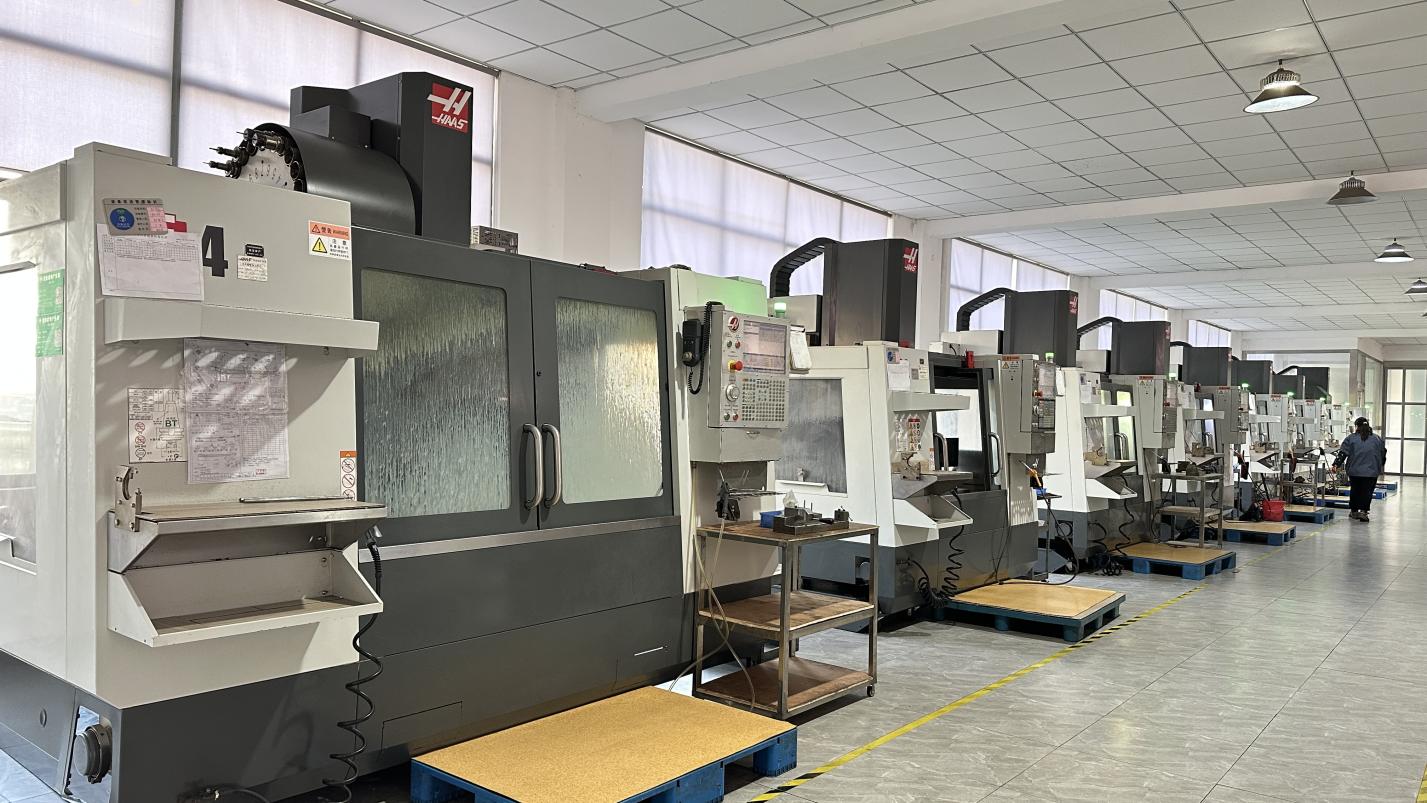
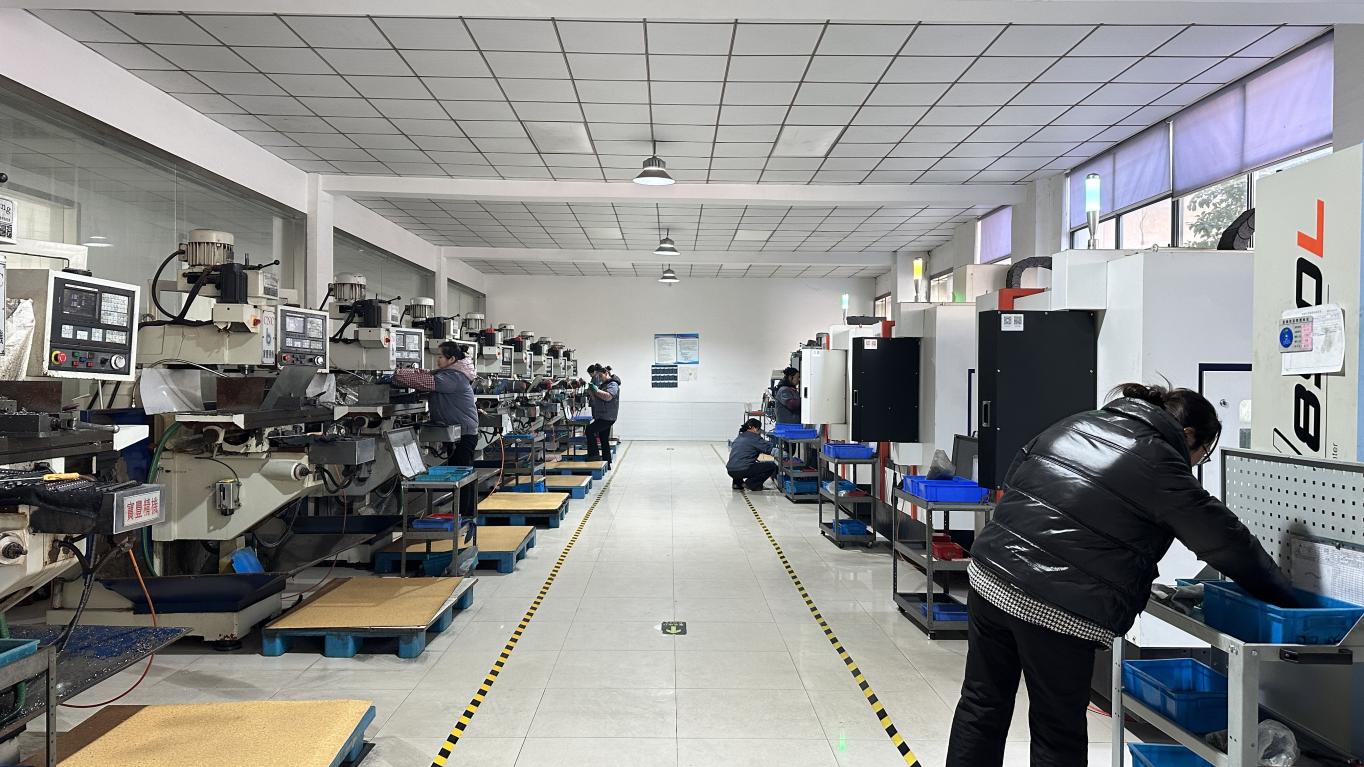
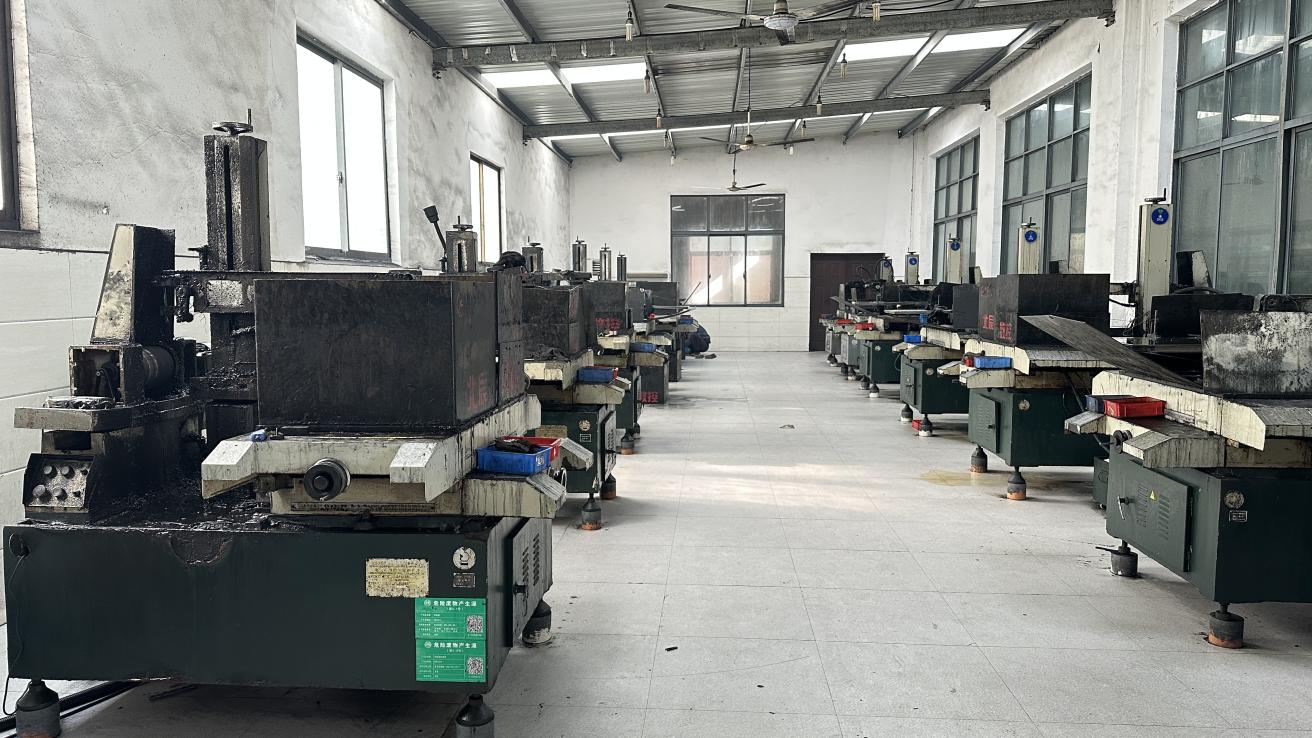
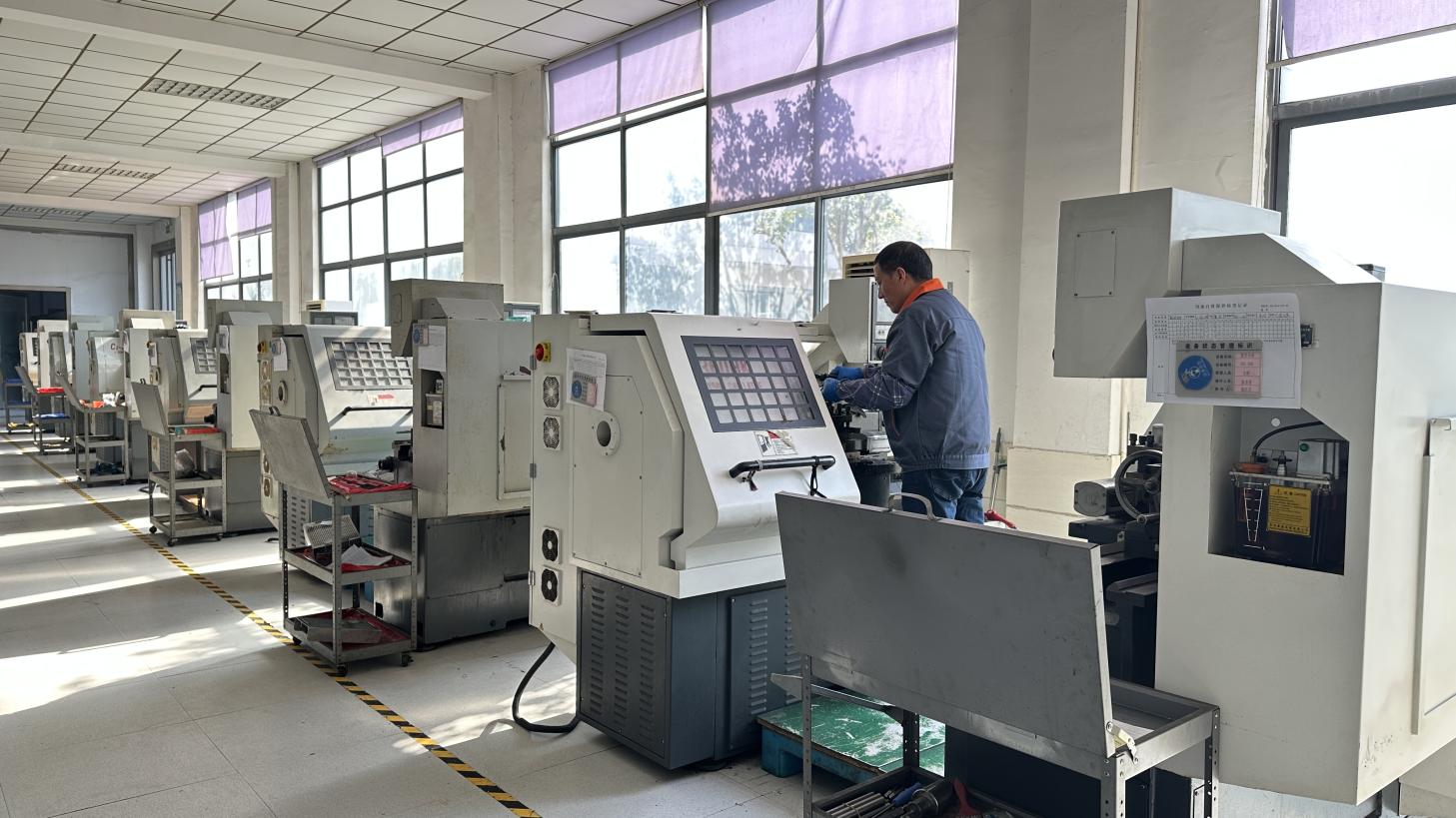
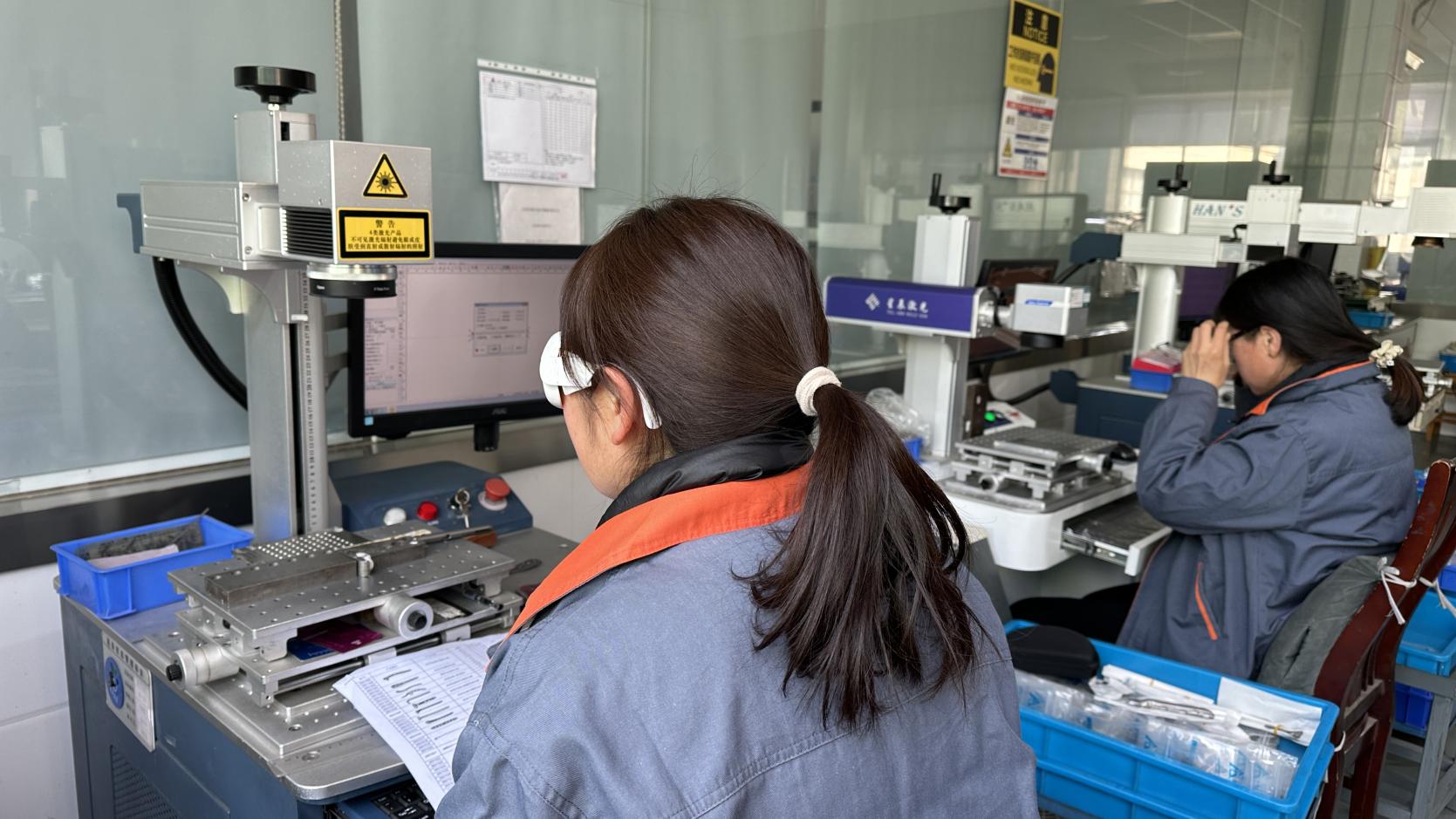
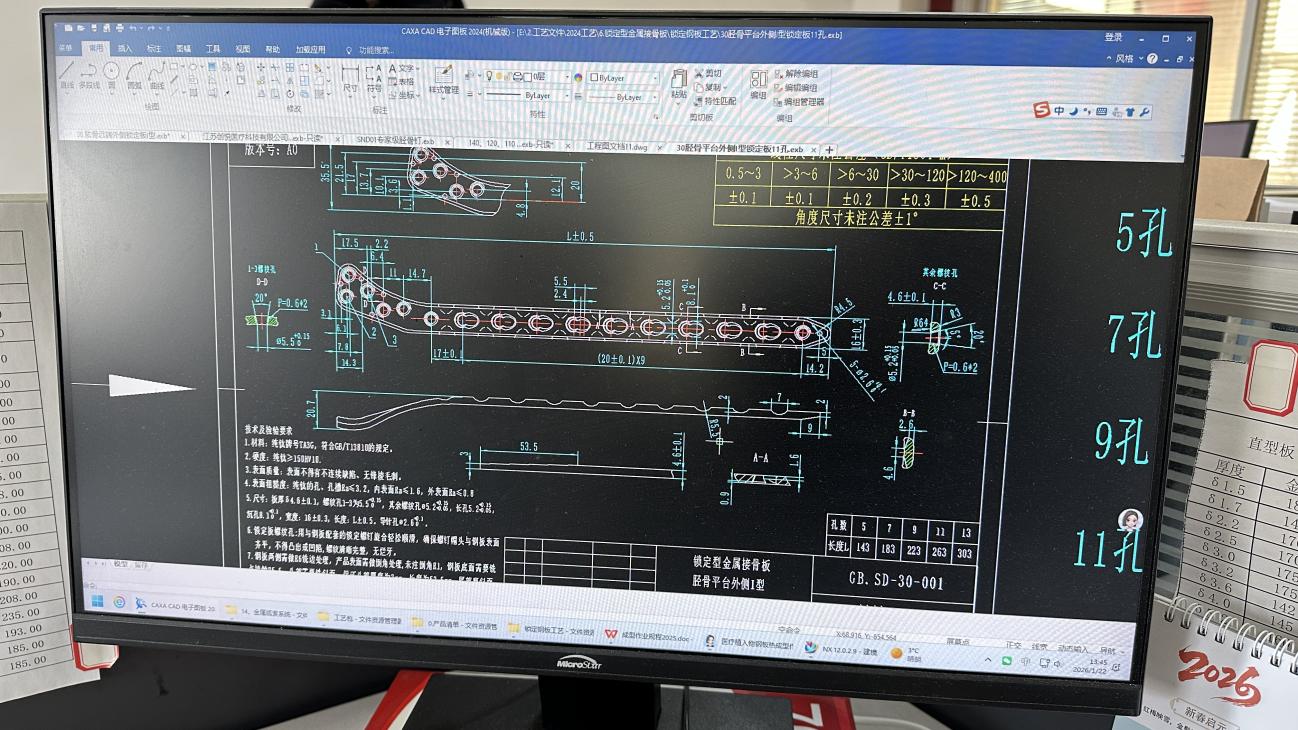
Virelox Medical Devices Co., Ltd. operates a high-capacity production system supported by over 850 certified upstream raw material suppliers and logistics partners. By controlling everything from the primary slitting of biocompatible metals to multi-axis CNC milling, laser marking, and cleanroom sterilizing, we ensure each batch conforms to strict international standards. In 2023 alone, we introduced 120 new products to market, demonstrating our engineering capacity to quickly scale customized OEM/ODM orthopedic devices based on clinical demands.
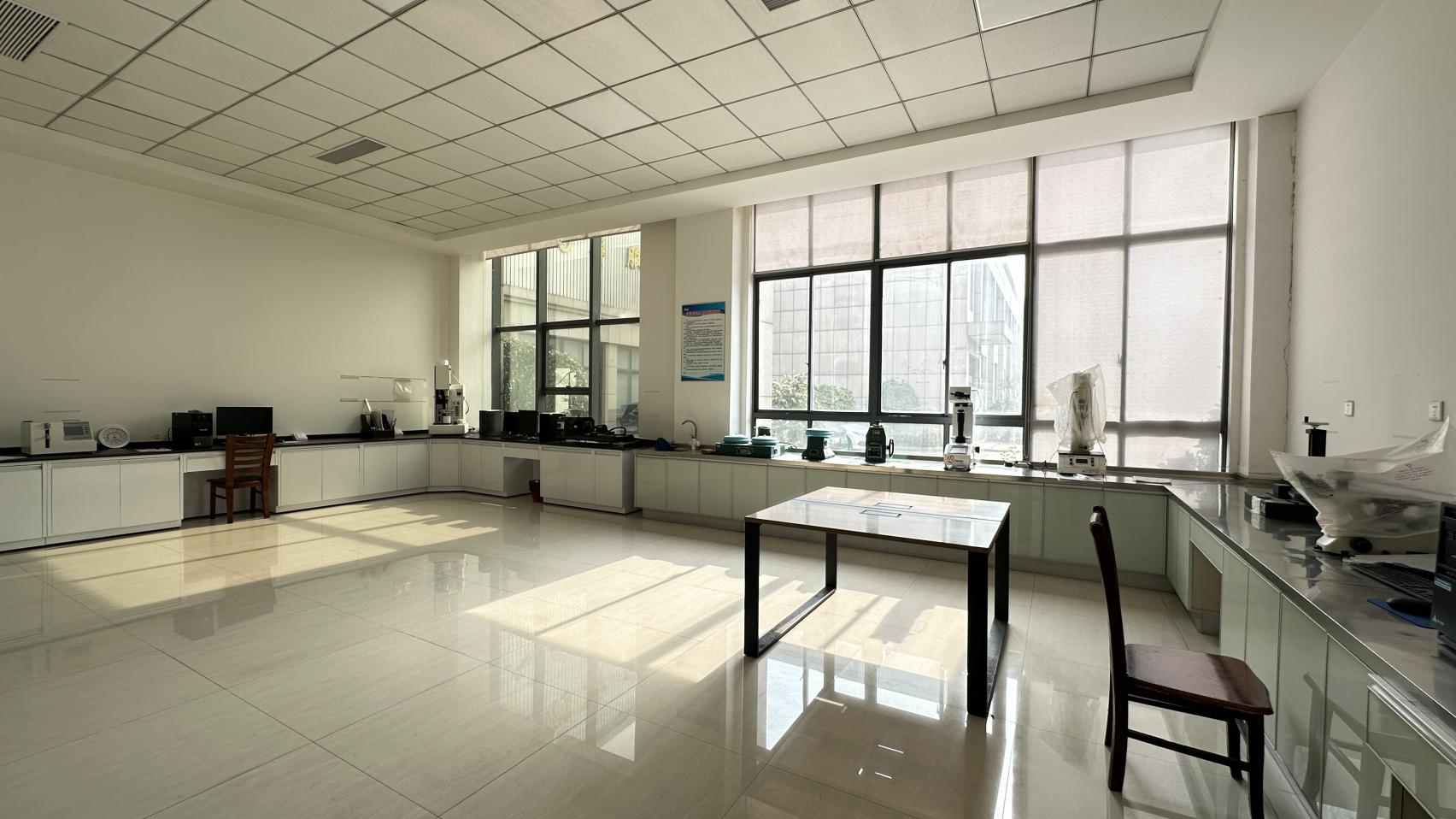
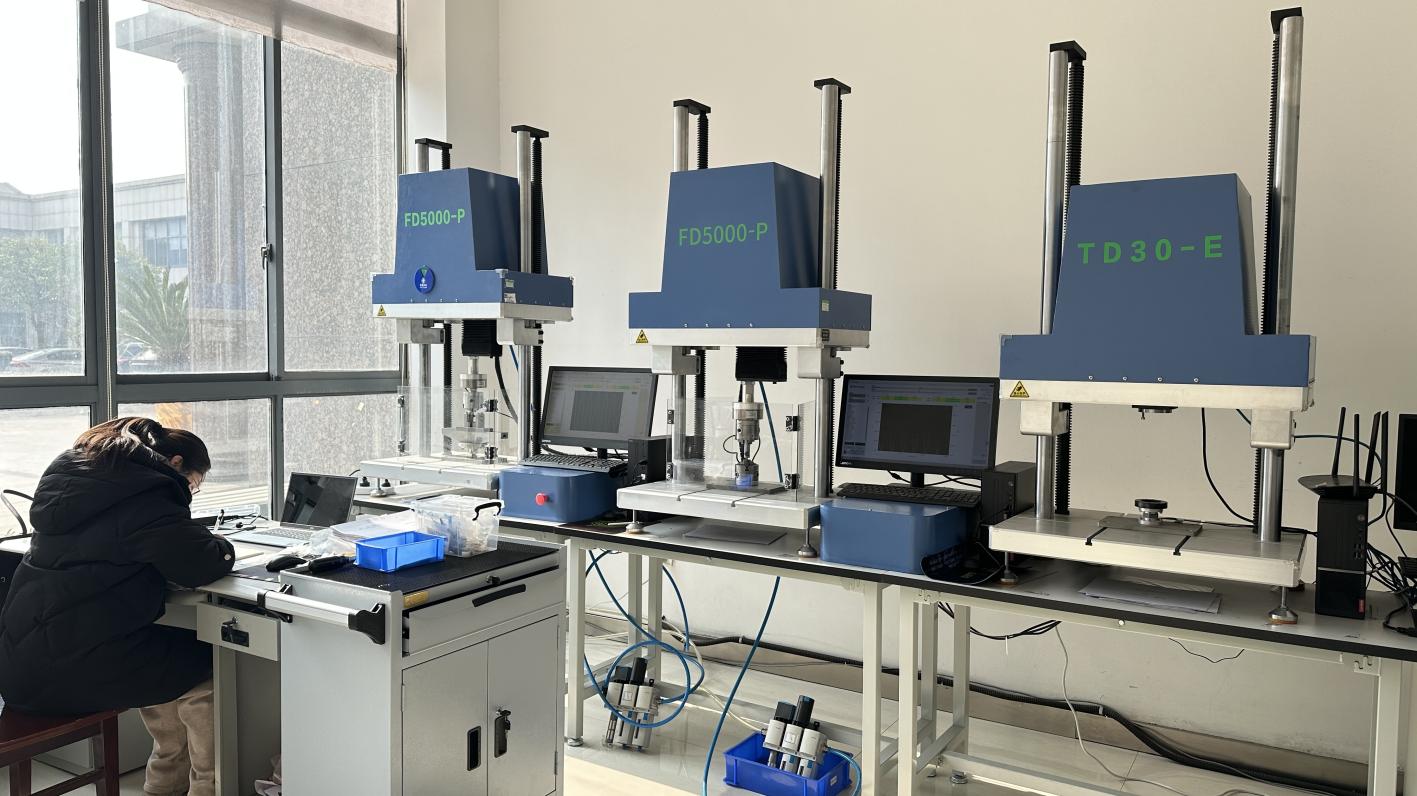
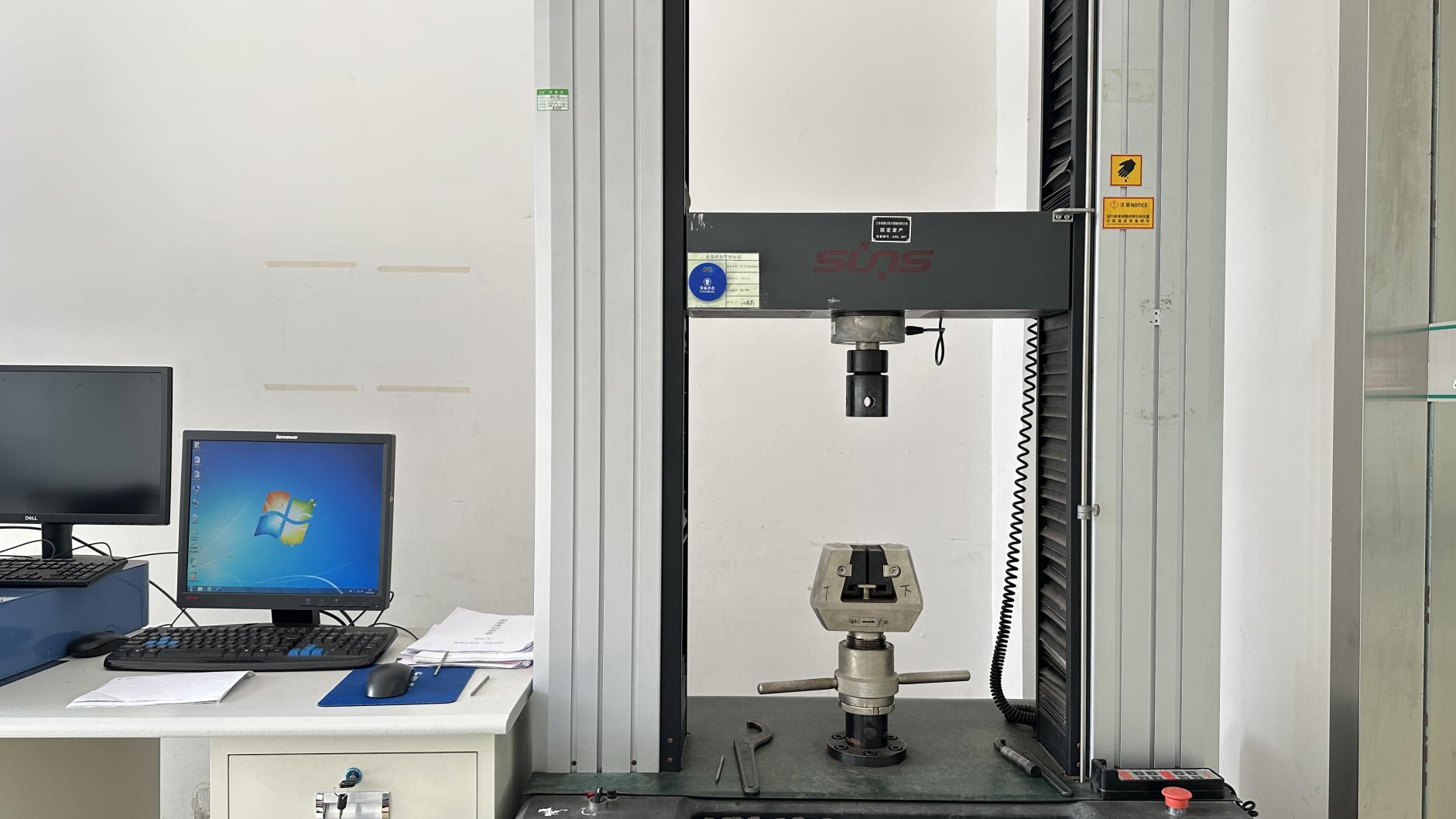
65 dedicated QC professionals monitoring mechanical failure thresholds, fatigue lifecycle curves, and dimensions using CMM measurement.
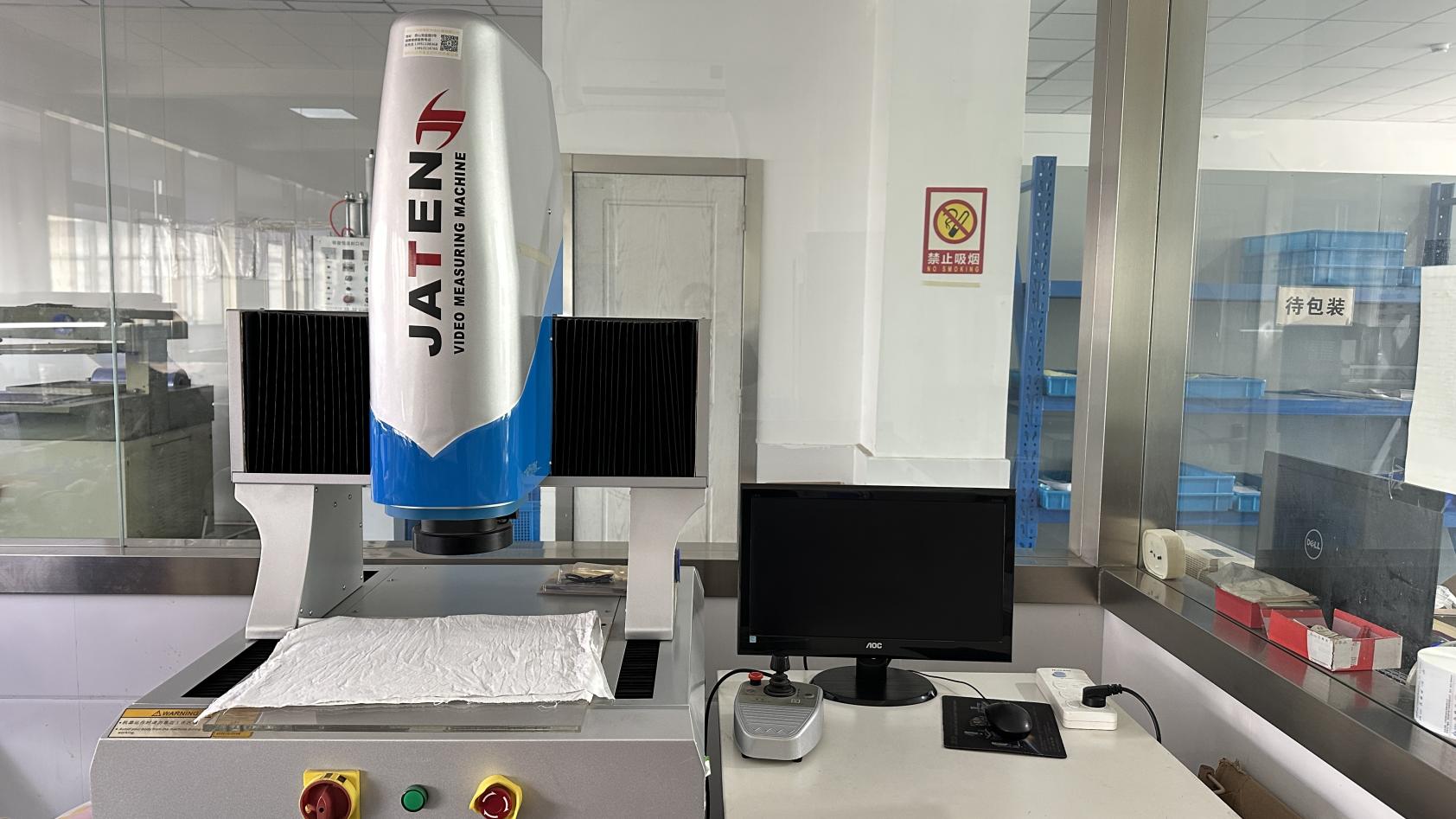
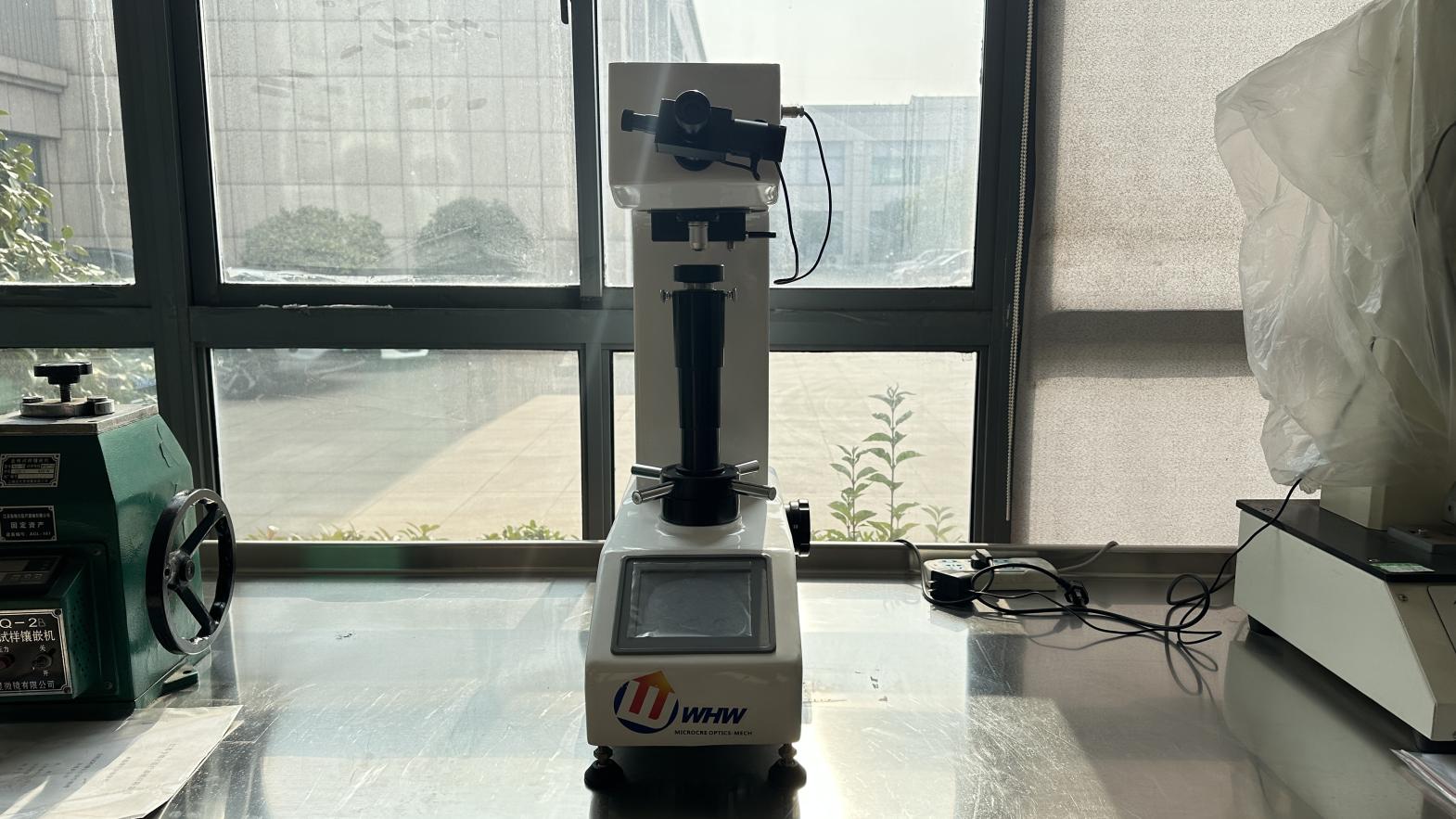
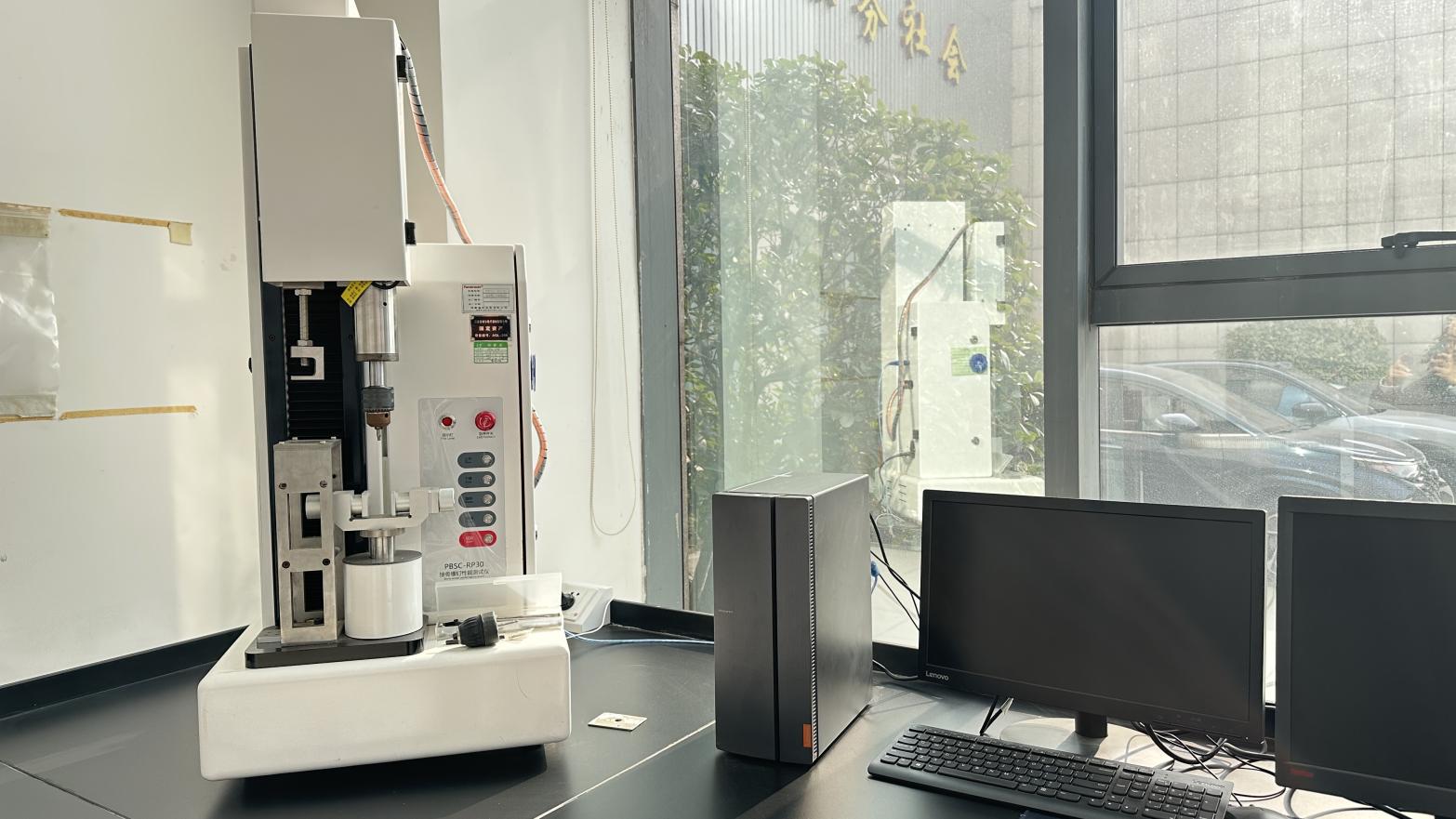
Virelox coordinates closely with central distributors and ministries of health to streamline orthopedic device procurement. We understand that medical supply pipelines in Central Asia require strict documentation, including Certificate of Analysis (CoA), factory inspection reports, CE certification, and translation of technical manuals into Russian and Kazakh. Our export department provides complete logistical support for customs clearance at the Altynkol and Dostyk dry ports, ensuring safe border crossing and distribution across Kazakhstan.
To support registration processes with the National Center for Expertise of Medicines and Medical Devices of the Ministry of Health of the Republic of Kazakhstan, Virelox offers comprehensive technical dossiers. Our documentation includes raw material traceability certificates, biological safety test reports (ISO 10993), sterilization validation documentation (gamma irradiation or EO sterilization), and mechanical fatigue profiles. This structured approach helps distributors register systems efficiently, speeding up supply pipelines for tenders and hospital procurement groups.
Engineered for high-stress anatomical fixations. Retaining original product URLs for verification and clinical referencing.
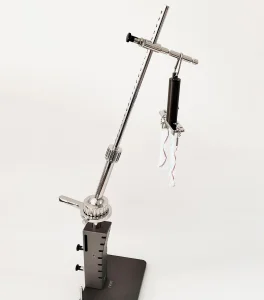
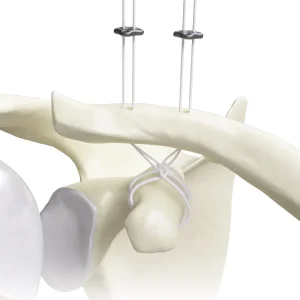
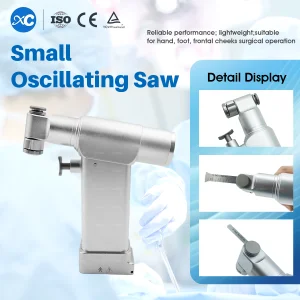
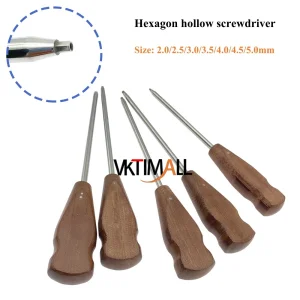
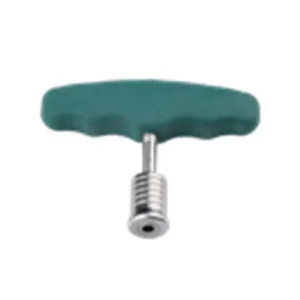
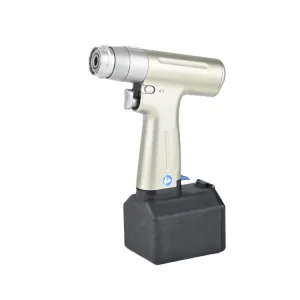
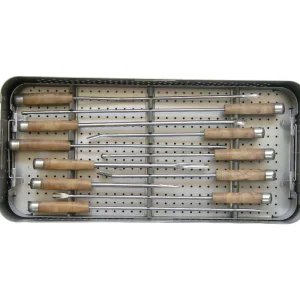
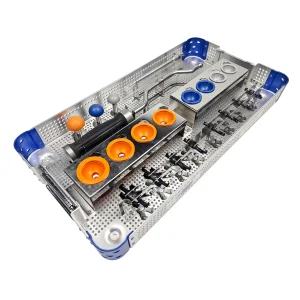
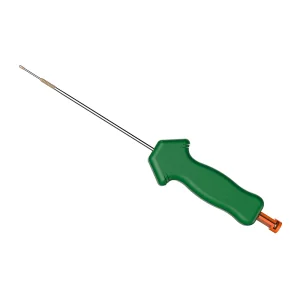
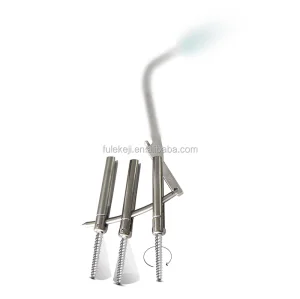
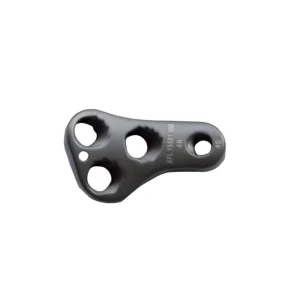
Our research and development program focuses on three main initiatives designed to improve thoracic patient recovery profiles:
By investing in these advanced engineering technologies, Virelox ensures that surgical teams in Central Asia have access to modern biomechanical solutions that meet evolving clinical standards.
Get answers to common technical, regulatory, and supply chain questions from hospital procurement specialists and surgeons in Kazakhstan.
Our sternal locking plates and screws are manufactured using Ti-6Al-4V ELI (Extra Low Interstitial) Titanium Alloy (conforming to ASTM F136). This material is selected for its high strength-to-weight ratio, excellent fatigue resistance under continuous breathing cycles, and high biocompatibility, reducing the risk of immune reactions.
Traditional wire cerclage can cut into bone tissue under mechanical strain, leading to micro-motion, delayed healing, or sternal dehiscence. Rigid plate fixation distributes forces across a wider area and prevents micro-motion, supporting stable bone healing and reducing postoperative pain and infection rates, especially in high-risk patient cohorts.
Our sternal plates are engineered with a central cutting zone or quick-release mechanisms. Using our specialized instrument set, a surgeon can cut the locking plates along the osteotomy line and gain access to the mediastinum in less than 90 seconds, matching the emergency access speed of traditional wire cerclage.
Yes, all implantable titanium systems manufactured by Virelox are MRI conditional. Patients receiving our titanium plates can safely undergo magnetic resonance imaging scans up to 3.0 Tesla, following standard clinical safety protocols.
We provide a full technical dossier for regulatory submissions to the National Center for Expertise of Medicines of Kazakhstan. This includes ISO 13485 certifications, CE marking compliance documents, raw material test certificates (CoA), sterilization validation reports, and Russian/Kazakh translation templates for technical instructions.
Standard OEM/ODM orders require 30 to 45 days for manufacturing, quality testing, and packaging, depending on the complexity and design changes requested. Standard catalog configurations can ship faster via air freight routes to Almaty or Astana International Airports.
 Virelox