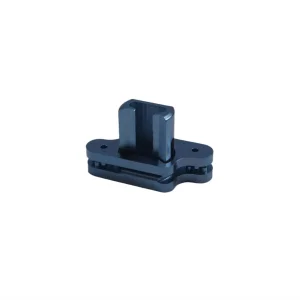
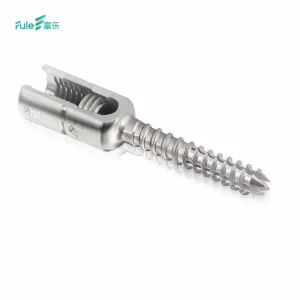
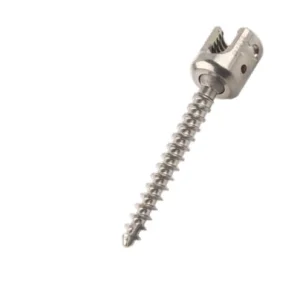
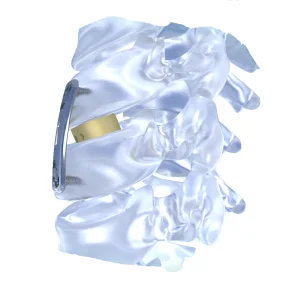
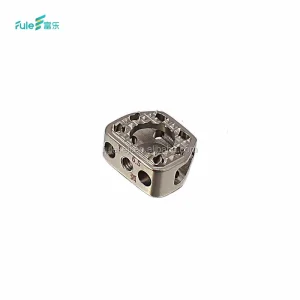
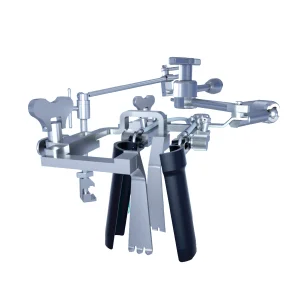
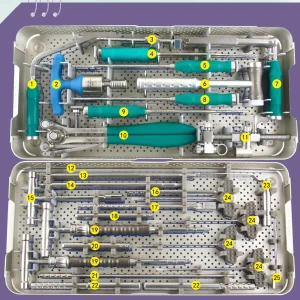
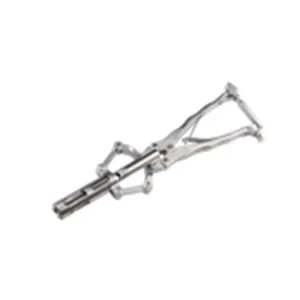
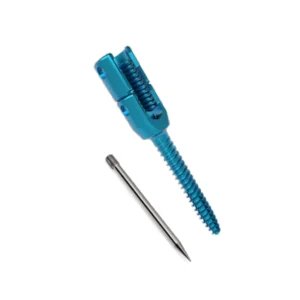
Engineered to strict European standards, our prime systems are optimized for modern lumbar and cervical reconstructive surgeries in Dublin, Galway, and Cork clinical centers.
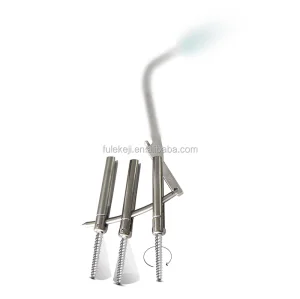
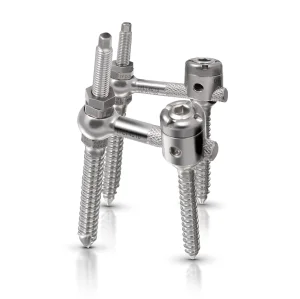
Ireland’s orthopedic healthcare ecosystem is governed by dual forces: the public framework directed by the Health Service Executive (HSE), and a robust, rapidly growing private hospital network (including the Beacon Hospital, Blackrock Clinic, and Hermitage Medical Clinic). As the Irish demographic shifts toward a higher median age, clinical challenges such as degenerative disc disease (DDD), spinal stenosis, and osteoporotic vertebral fractures have expanded. This creates a critical, ongoing requirement for highly reliable, long-life spinal implants and minimally invasive surgical (MIS) instruments.
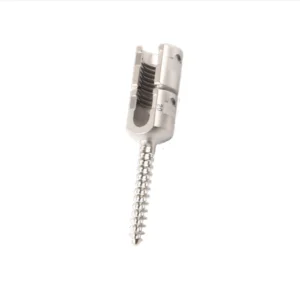
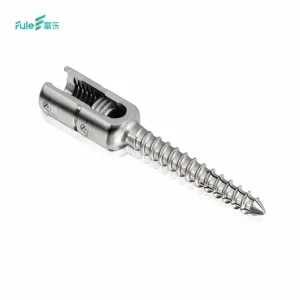
For spine surgery centers in Dublin, Cork, and Galway, procurement departments are seeking supply chain diversification to mitigate the vulnerabilities highlighted by recent global logistical shocks. Our CE-marked systems, such as the VSS I Titanium Spinal MIS Implantation System, align with local clinical preferences for low-profile implants that preserve maximum patient soft tissue and optimize operating theater throughput. Furthermore, the stringent quality parameters enforced by HPRA (Health Products Regulatory Authority) mean that orthopedic suppliers must demonstrate unwavering biological and mechanical performance.
Ireland is widely recognized as one of the world's leading medical technology clusters, employing over 40,000 medtech professionals locally. Operating within this sophisticated environment requires global manufacturers to deliver equivalent or superior design configurations. As a leading manufacturer of spinal implants, Virelox Medical Devices Co., Ltd. coordinates dynamic global supply chains, partnering with over 850 certified upstream raw material and component suppliers. This solid network guarantees that our Ti-6Al-4V ELI (Grade 23) Titanium alloy and PEEK-Optima polymers remain highly stable, bypassing global supply bottlenecks.
Since the transition from the Medical Device Directive (MDD) to the EU Medical Device Regulation (MDR 2017/745), the technical barriers for entering the European market have intensified. Manufacturers must provide rigorous, reproducible clinical data and absolute traceability. By optimizing our in-process quality assurance structures, we support global distributors and Irish hospital groups in acquiring cost-competitive alternatives that fulfill MDR validation protocols without sacrificing engineering precision.
Implant configurations tested according to ASTM F1717 and ASTM F1798 standards for static and dynamic fatigue limits up to 5,000,000 cycles.
Low-profile design to alleviate adjacent segment pathology (ASD) and maintain physiologic range of motion where applicable.
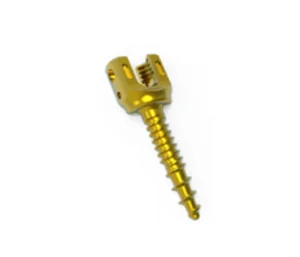
Incorporation of micro-rough sandblasting and anodic oxidation options to enhance osseointegration at the bone-implant interface.
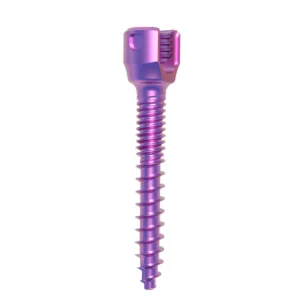
The global spine surgery sector is characterized by two distinct movements: Minimally Invasive Surgery (MIS) and the utilization of hybrid composite materials. Traditional open-spine surgeries are being replaced by percutaneous approaches, which reduce postoperative pain, lower infection risk, and decrease recovery times. Consequently, pedicle screw designs must incorporate specialized cannulated features and self-tapping threads to support guide-wire placement.
Simultaneously, biomaterial science has evolved beyond simple structural support. While titanium alloys provide exceptional mechanical stability, PEEK (Polyetheretherketone) is highly favored for interbody fusion devices (cages) due to its radiolucent nature and modulus of elasticity matching human cortical bone. The newest generation of cages combines the structural elasticity of PEEK with a thin, porous titanium coating to promote active osseointegration. This ensures clear postoperative radiographic monitoring while accelerating fusion.
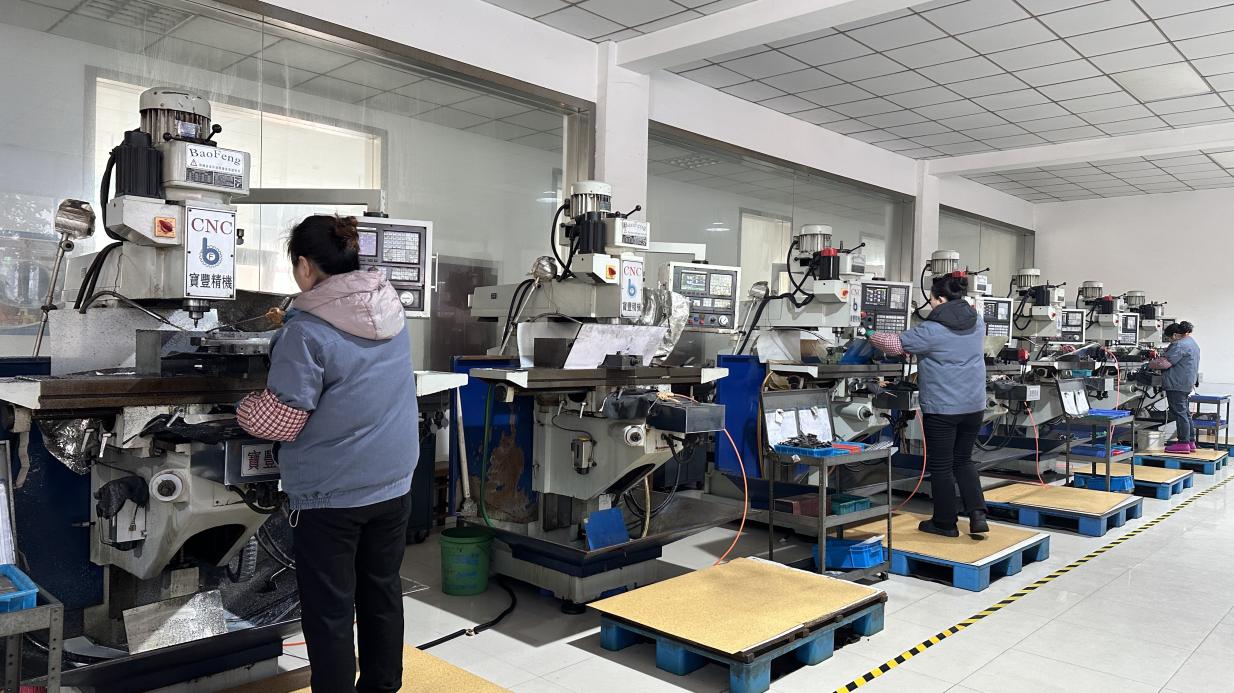
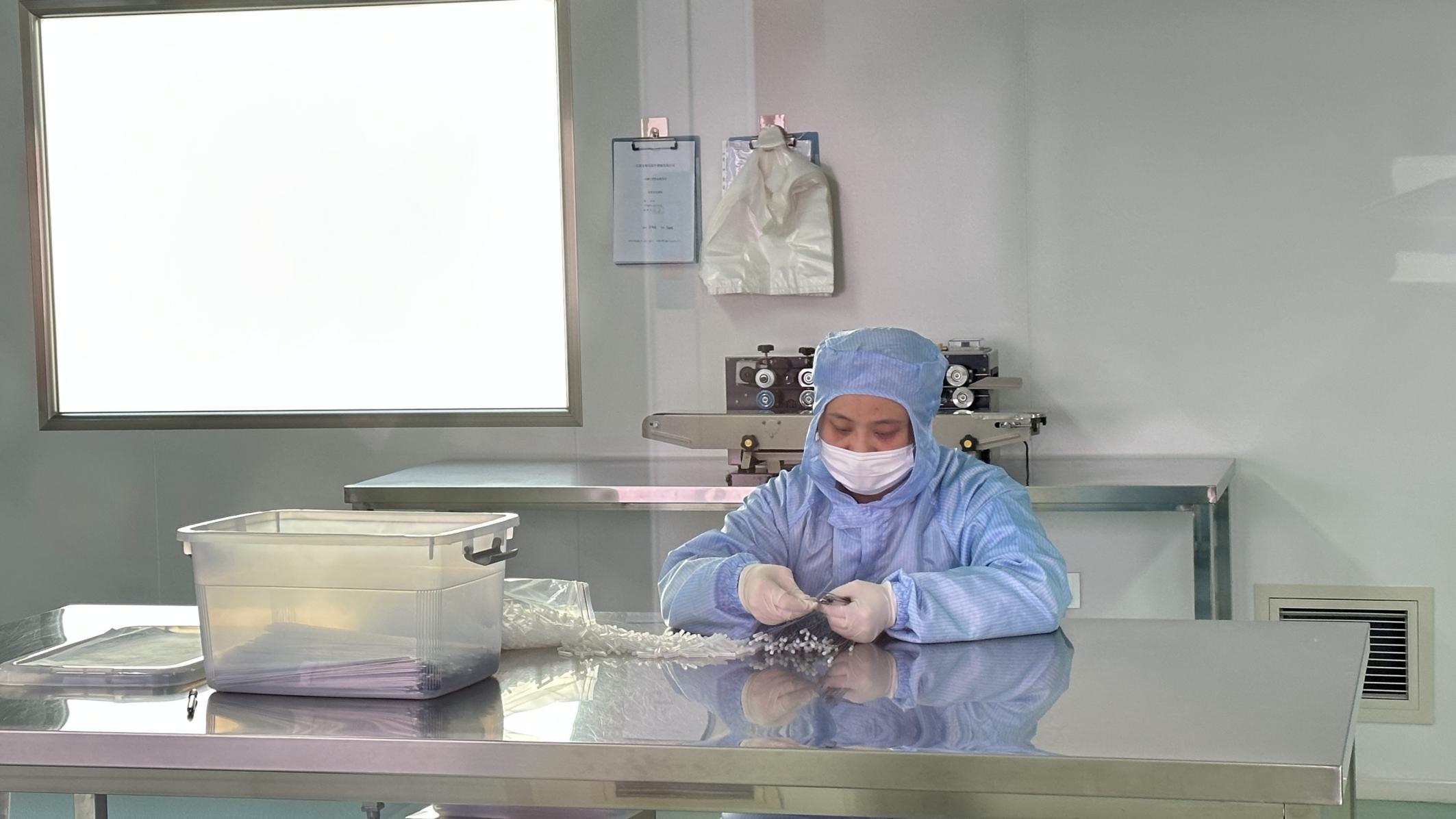
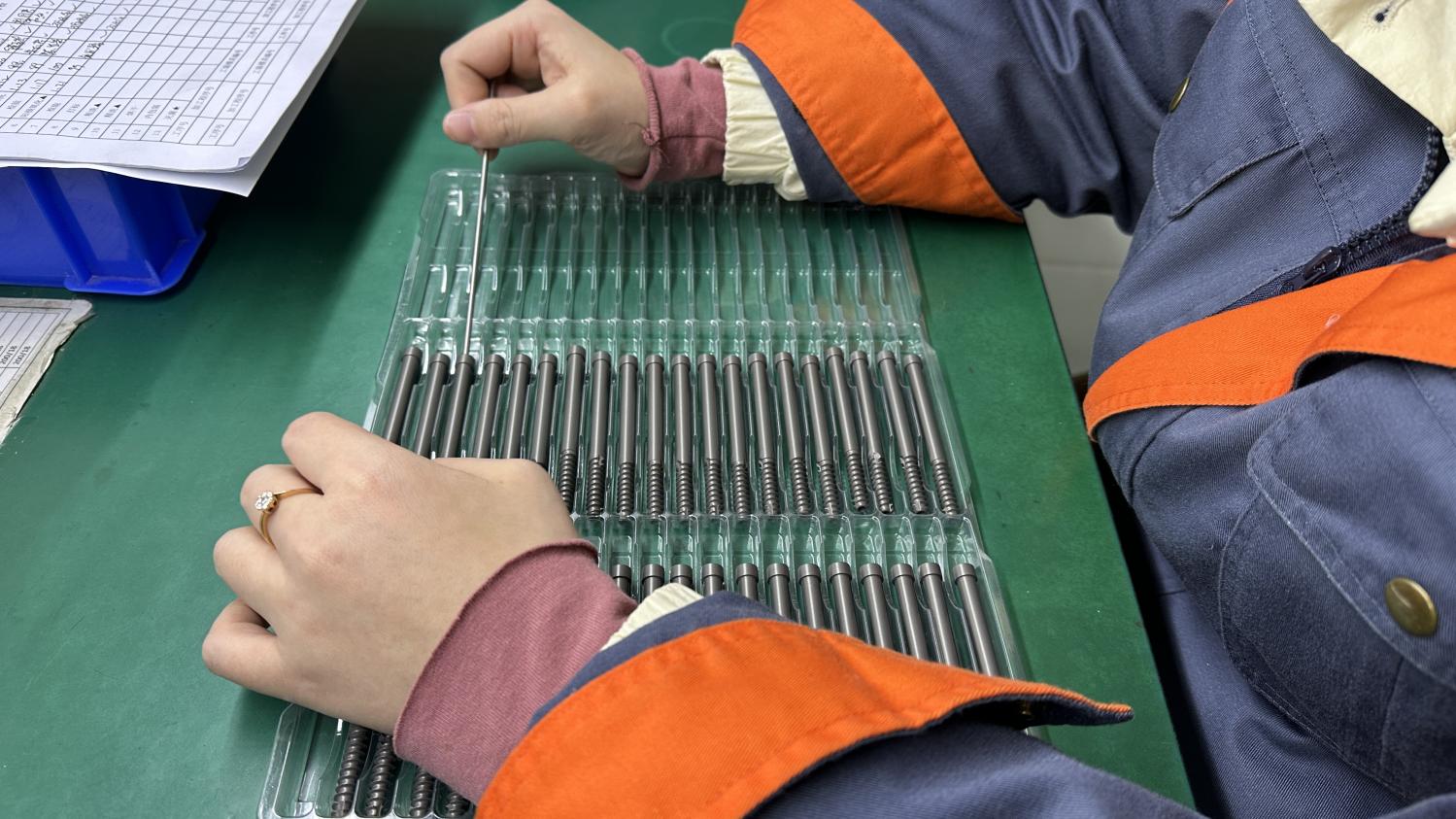
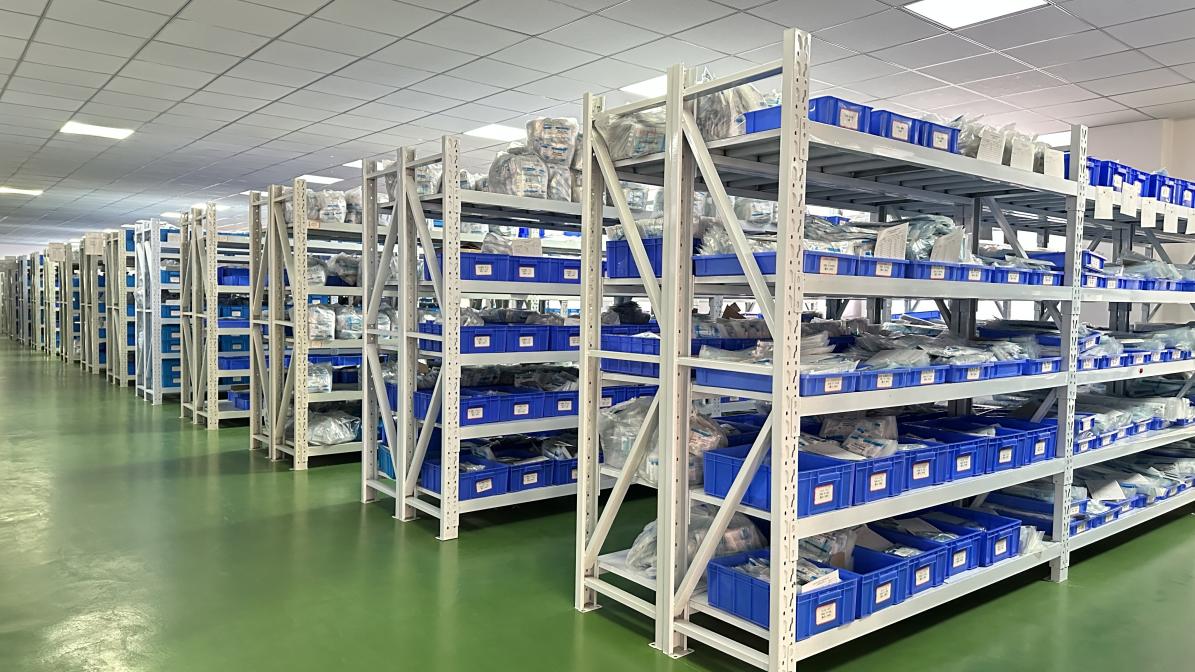
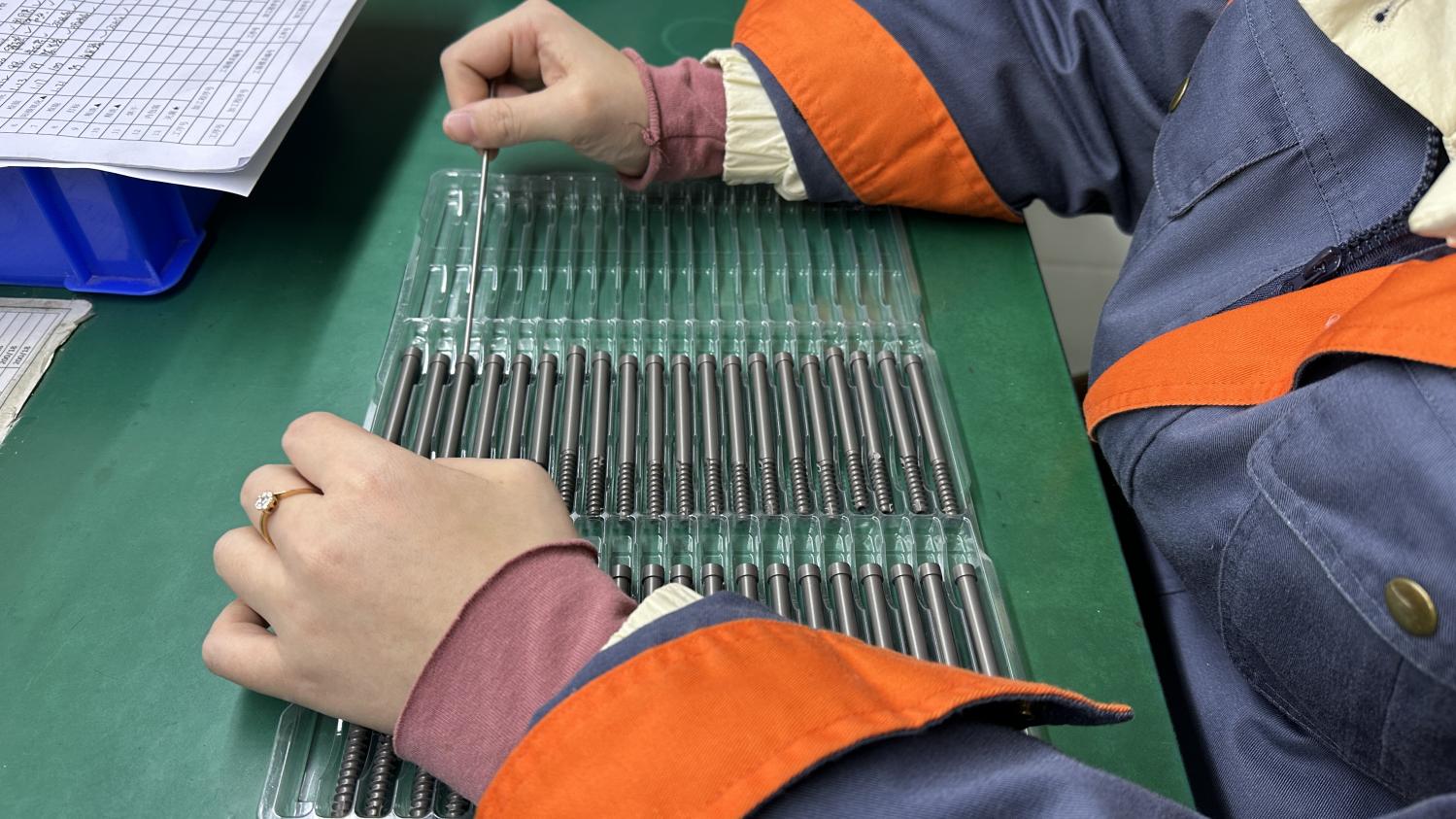
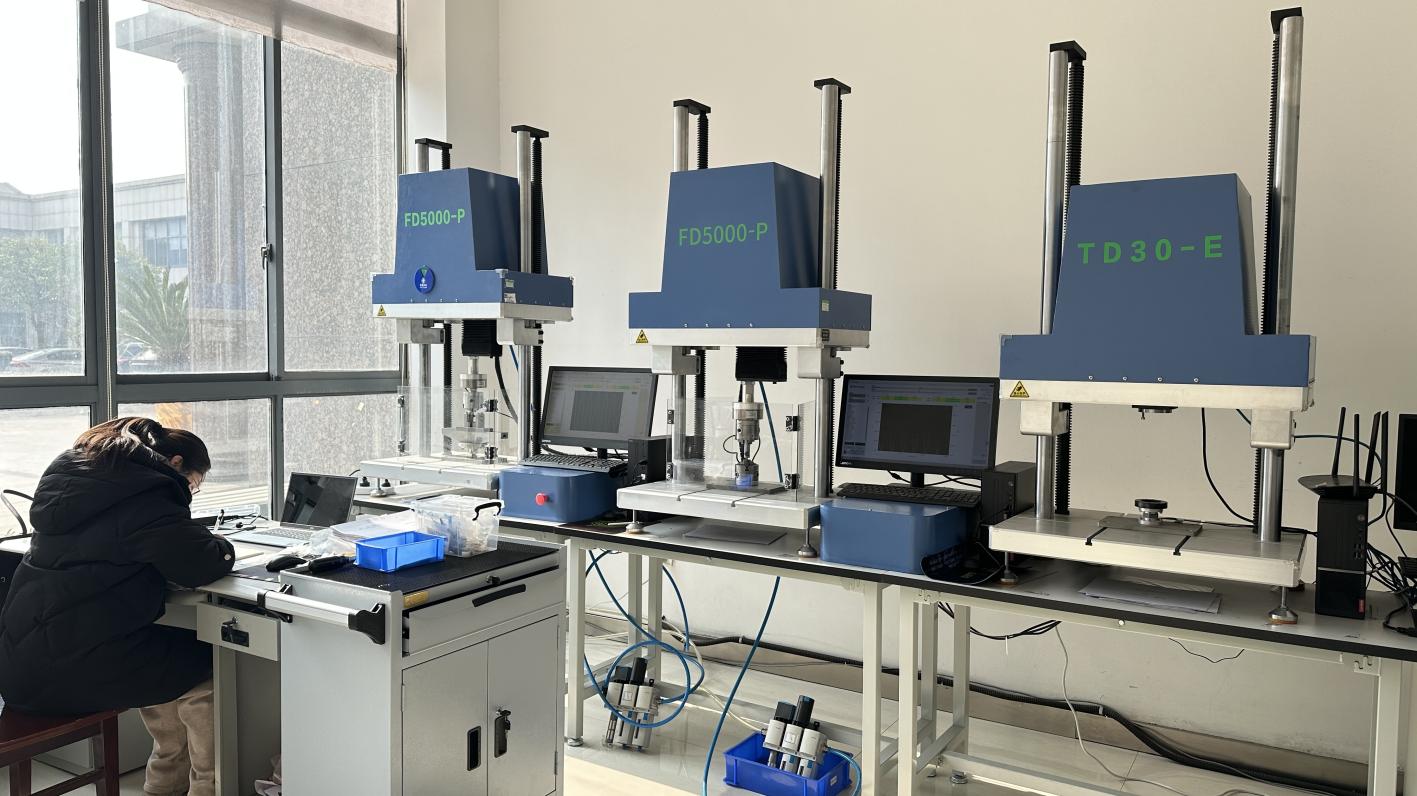
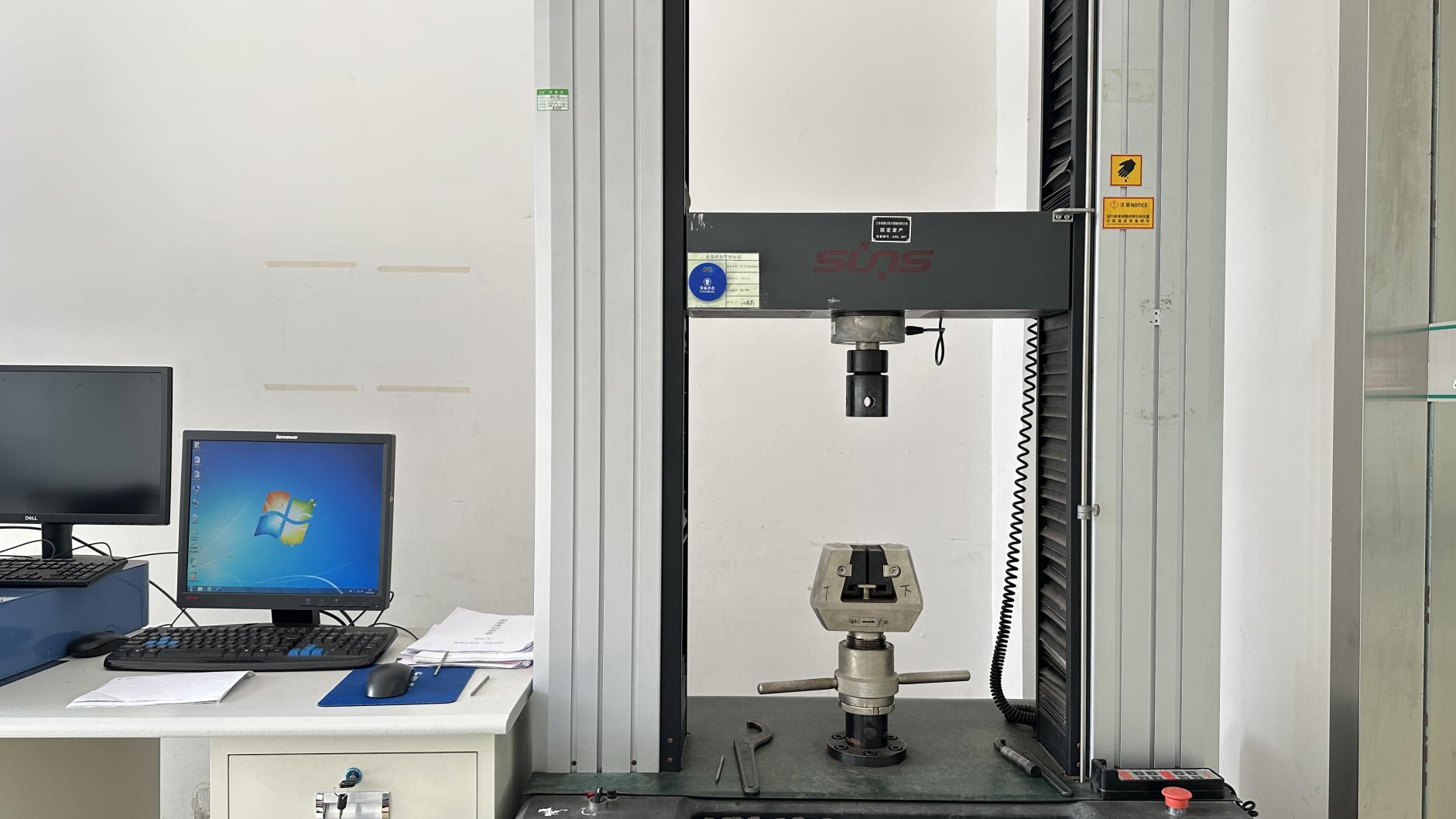
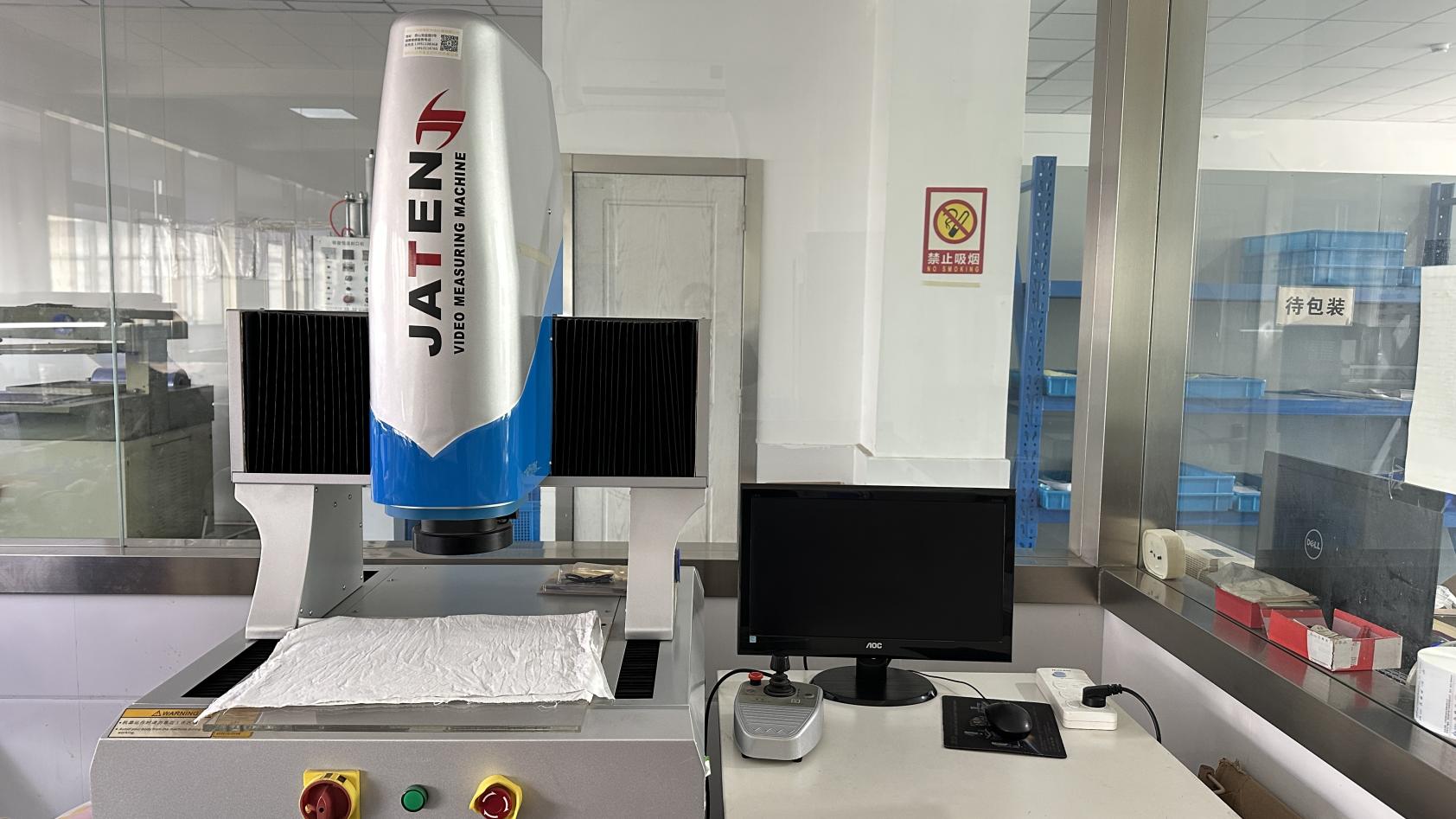
Every step of our manufacturing workflow—from raw material inspection to automated CNC machining and mechanical testing—is tracked in real time to guarantee clinical safety and reliability.
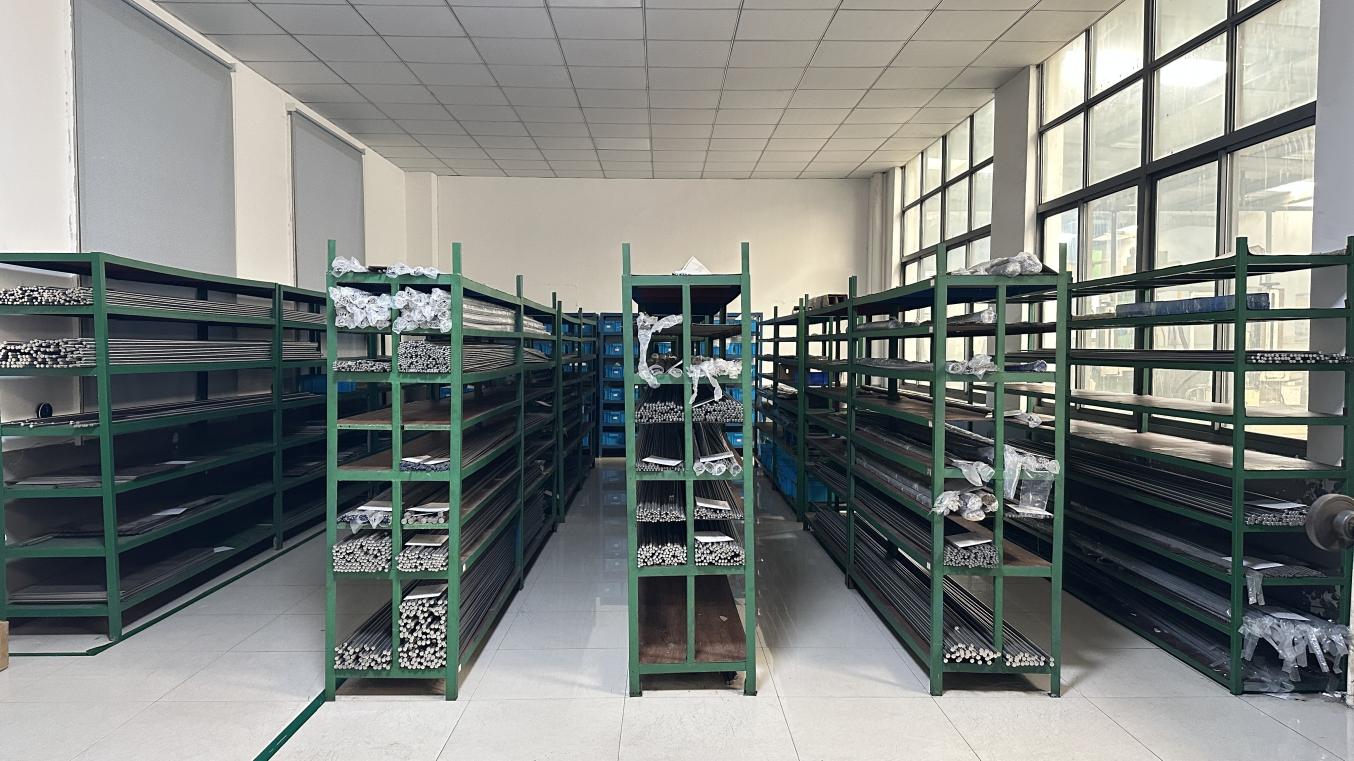
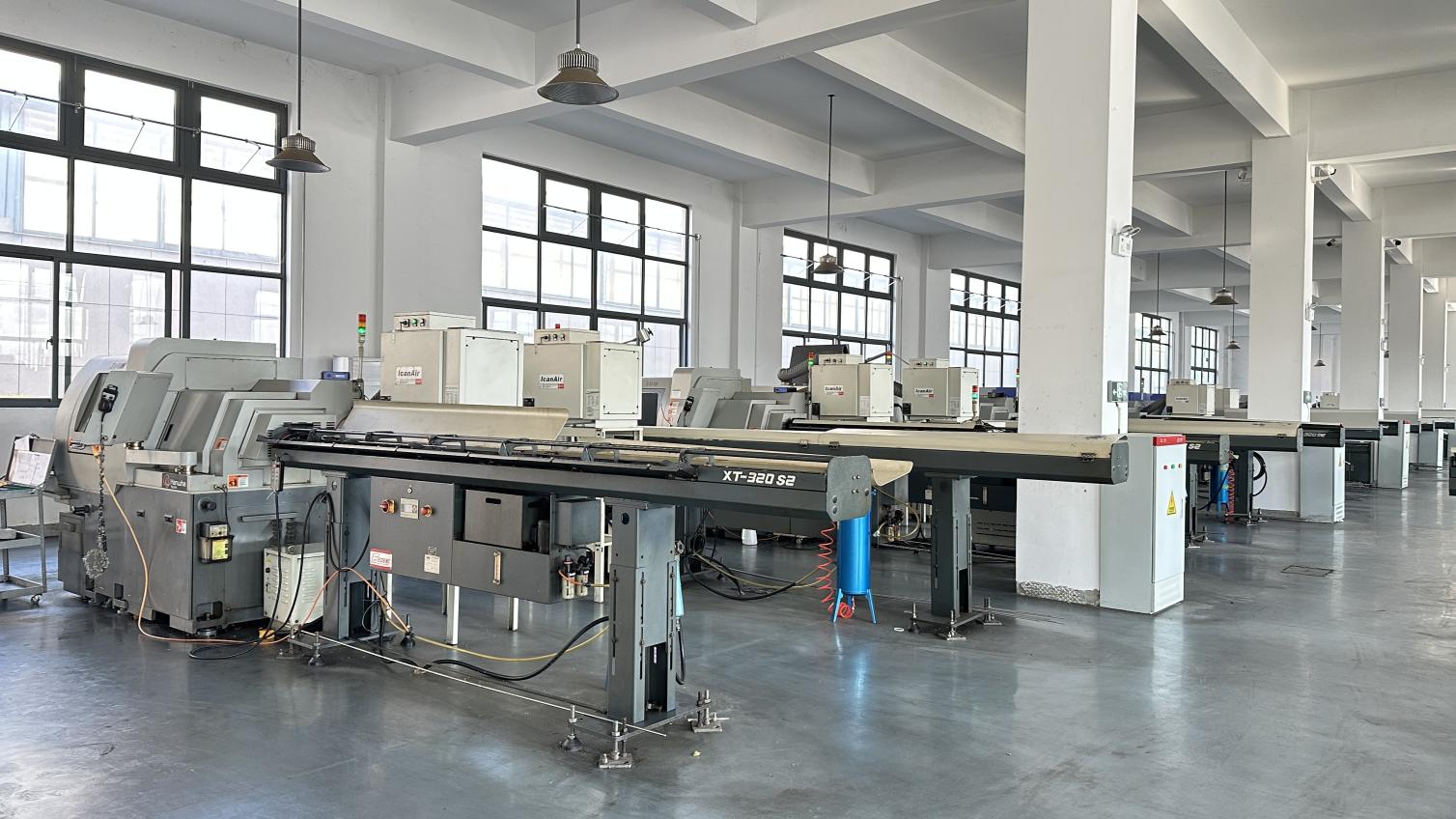
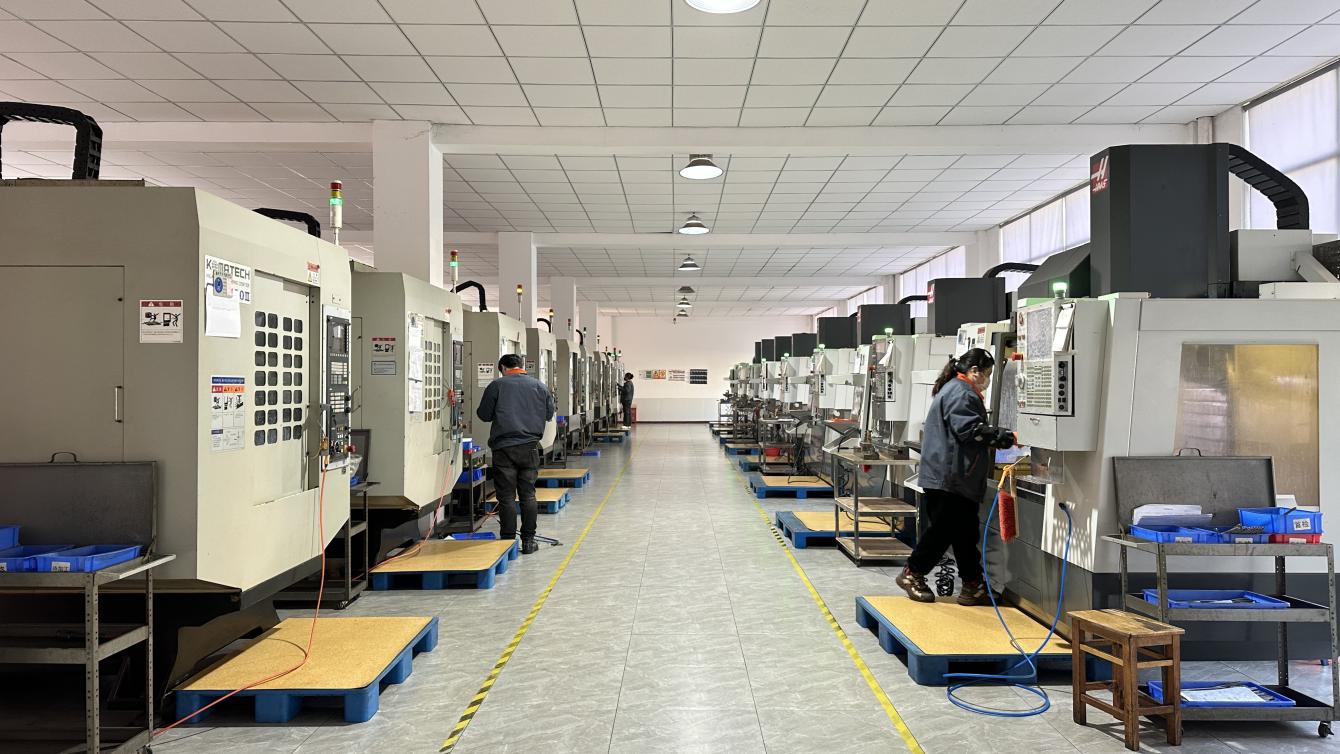
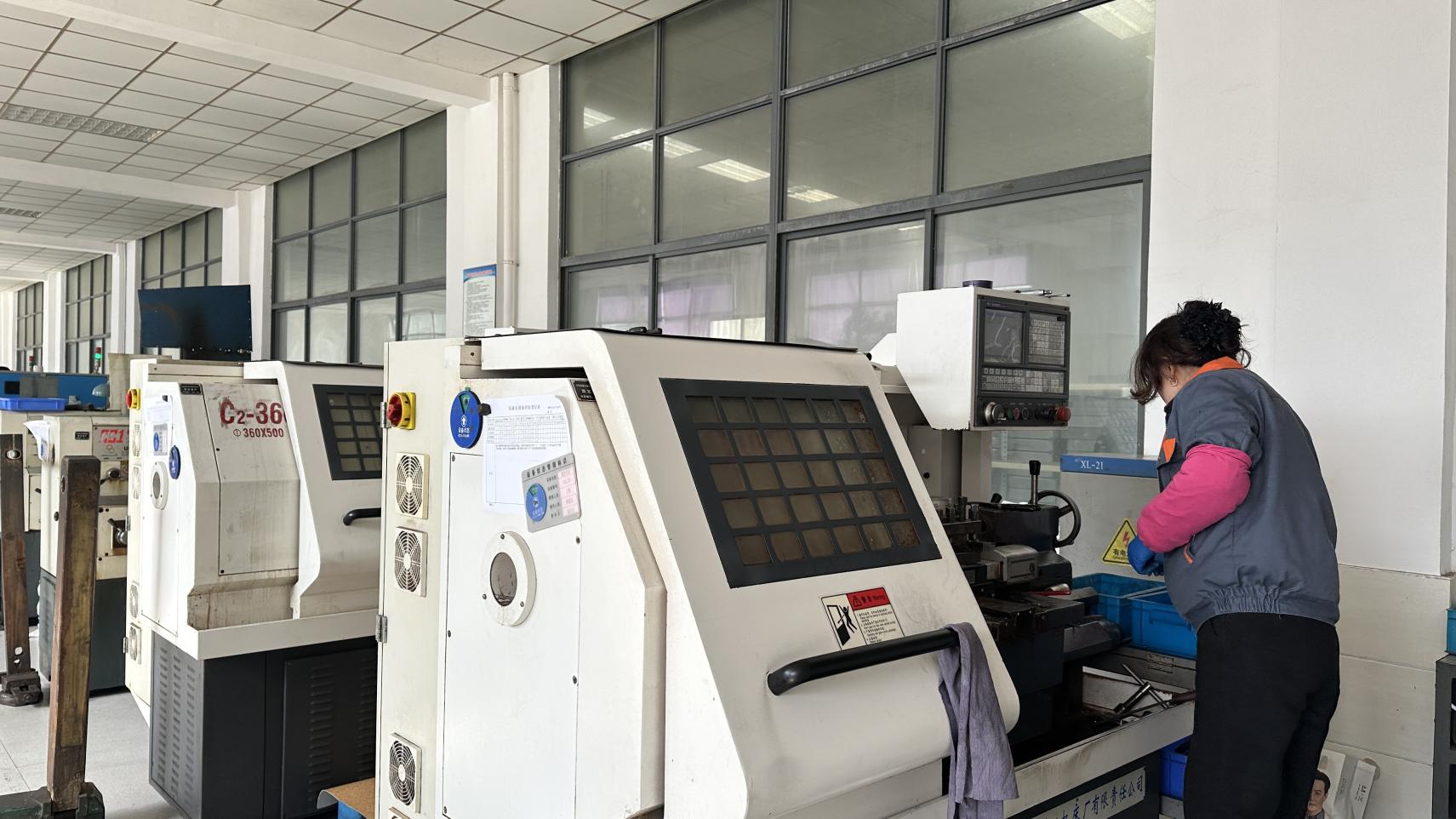
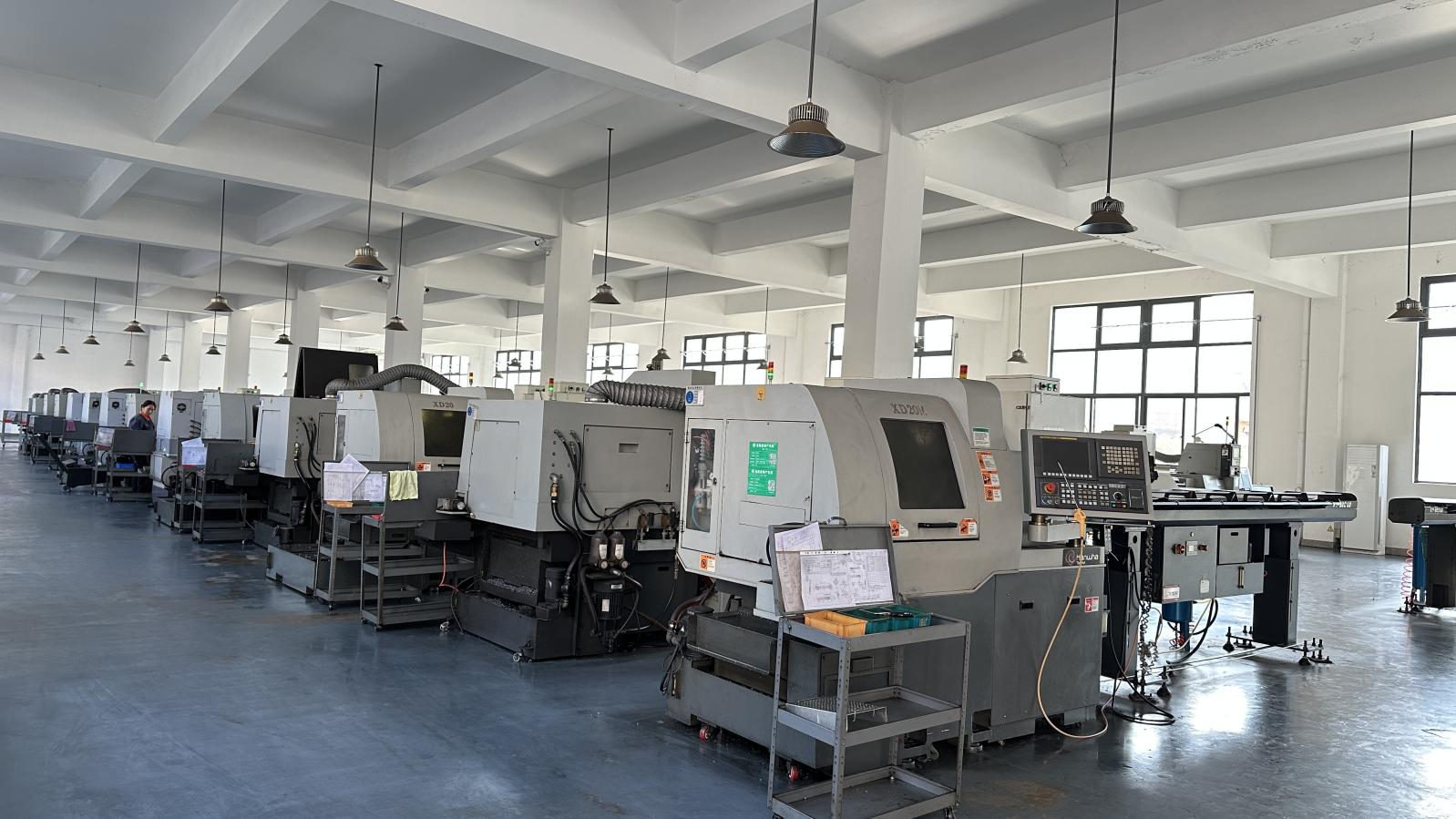
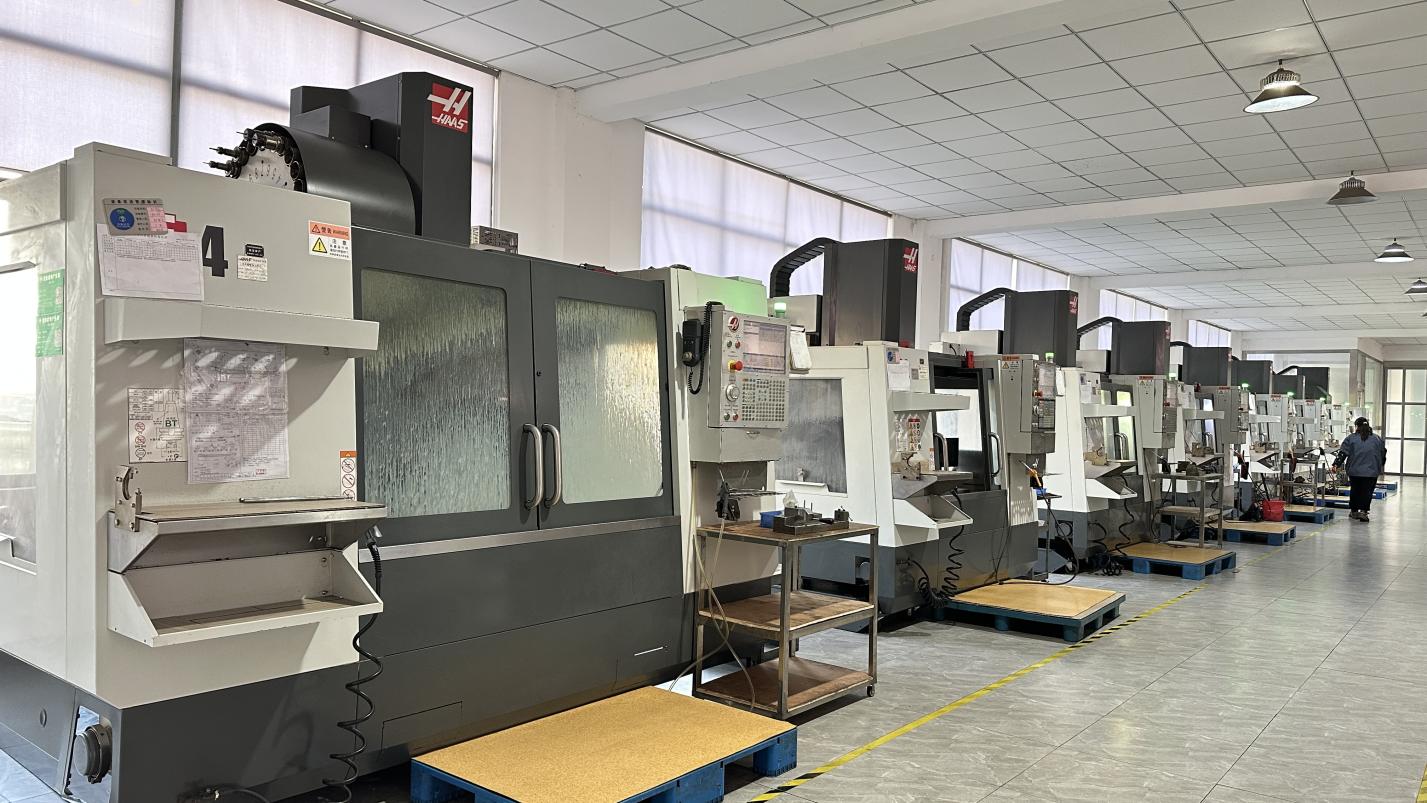
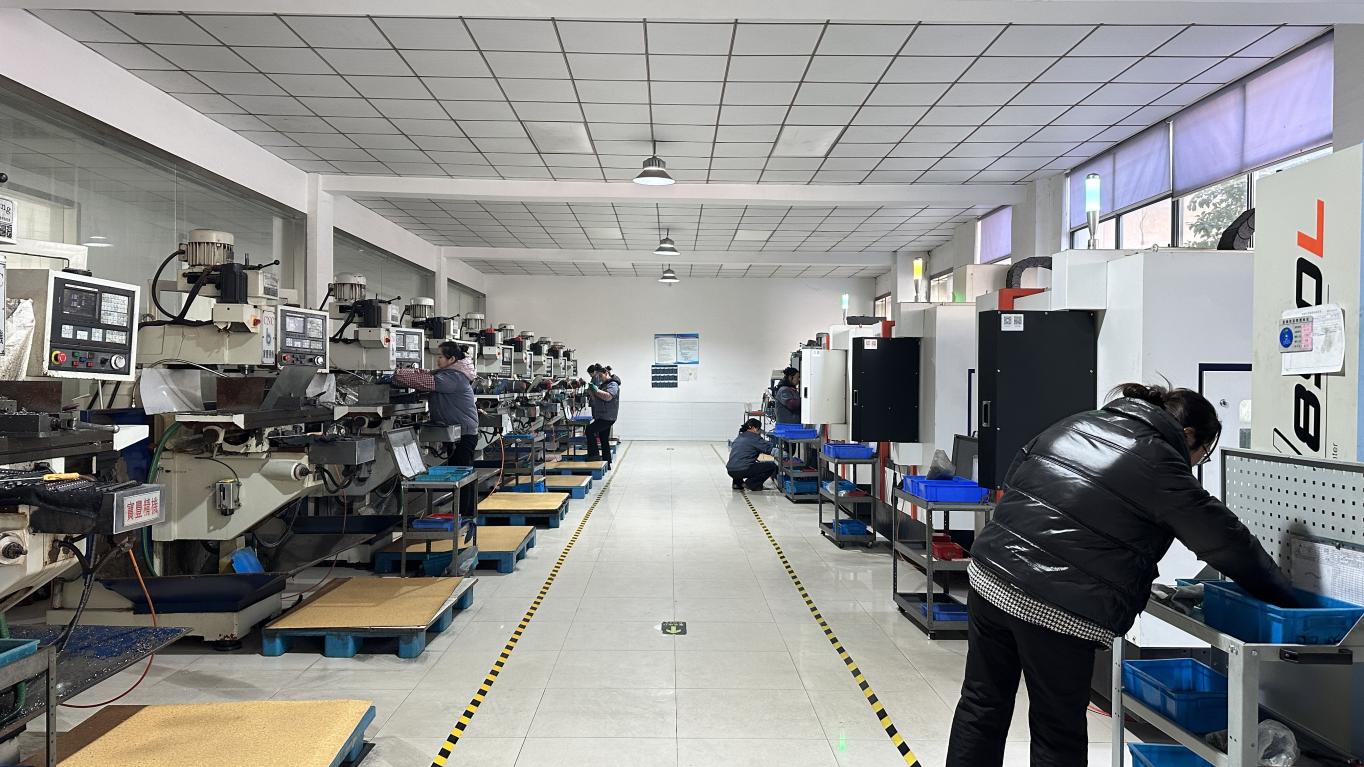
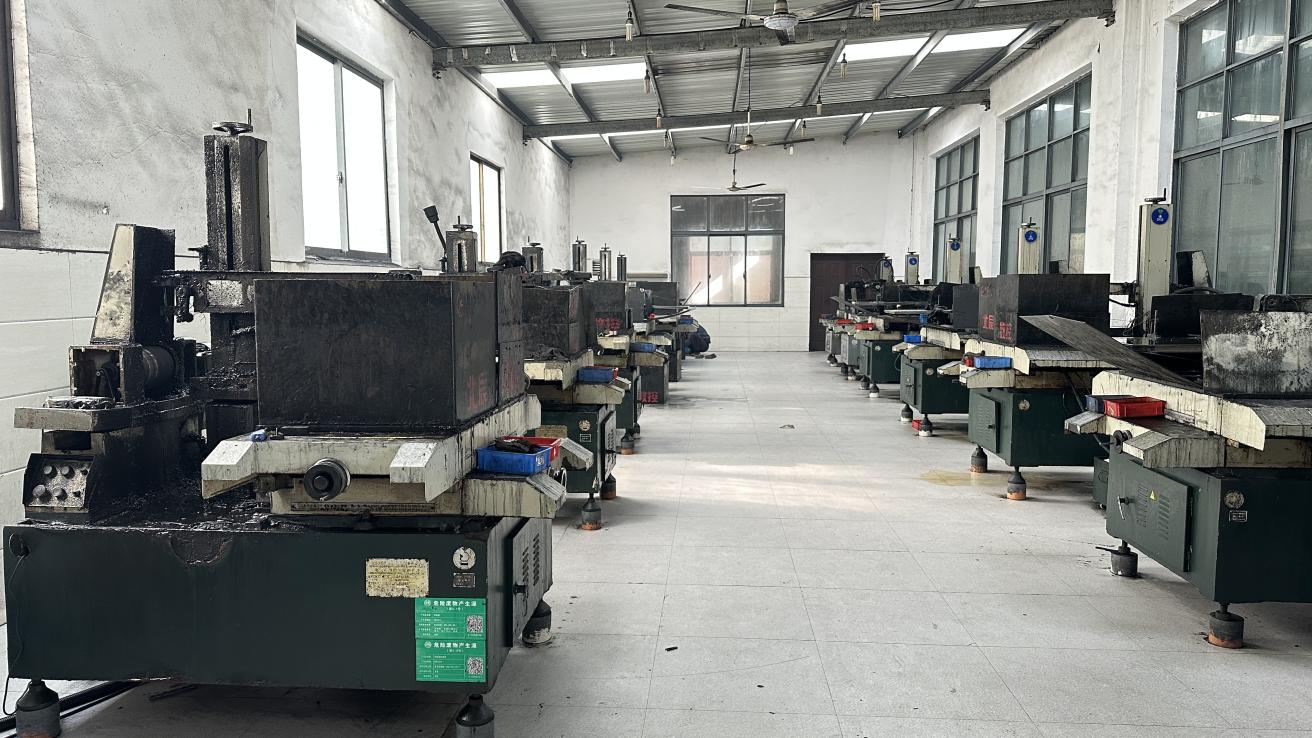
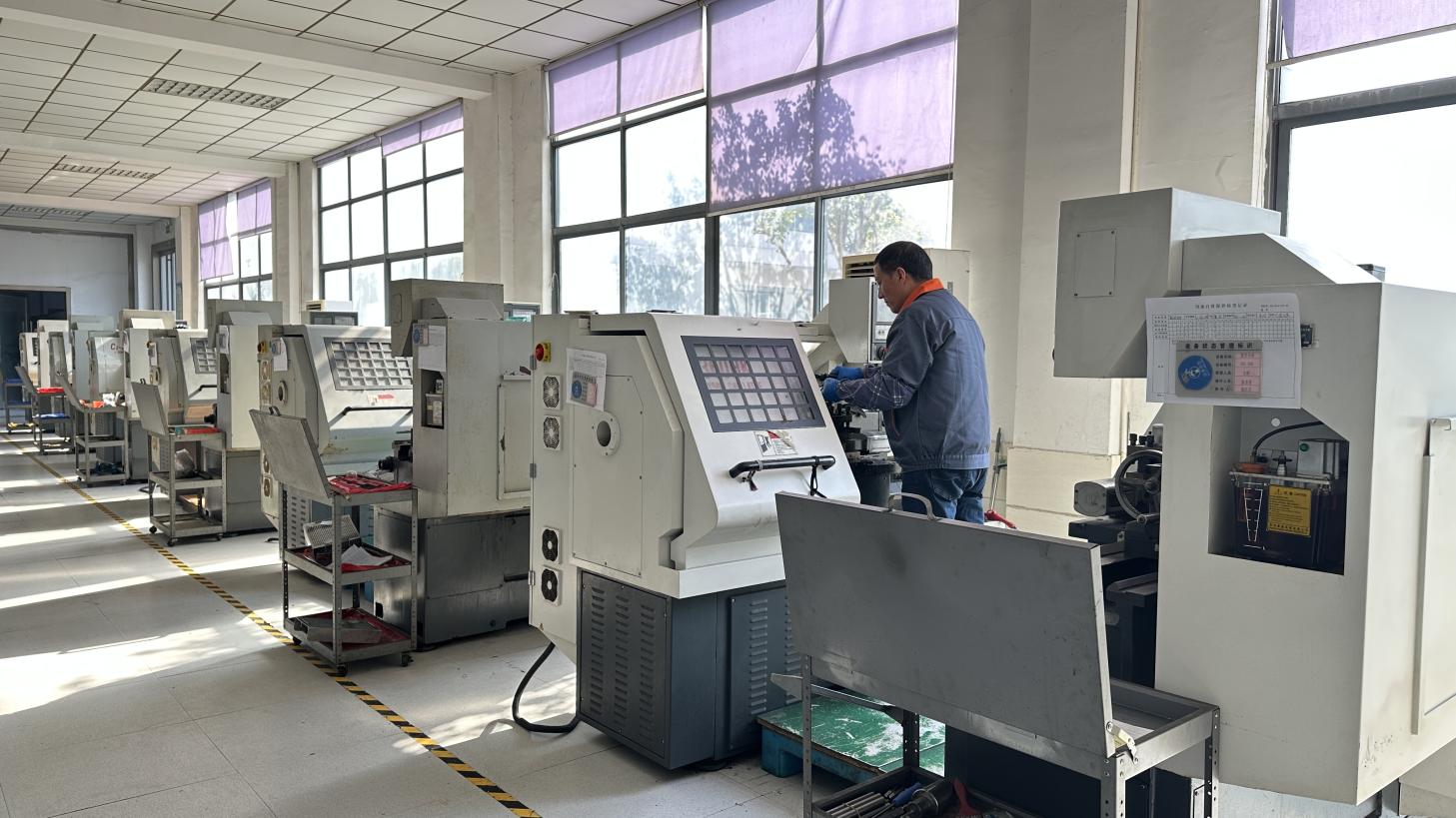
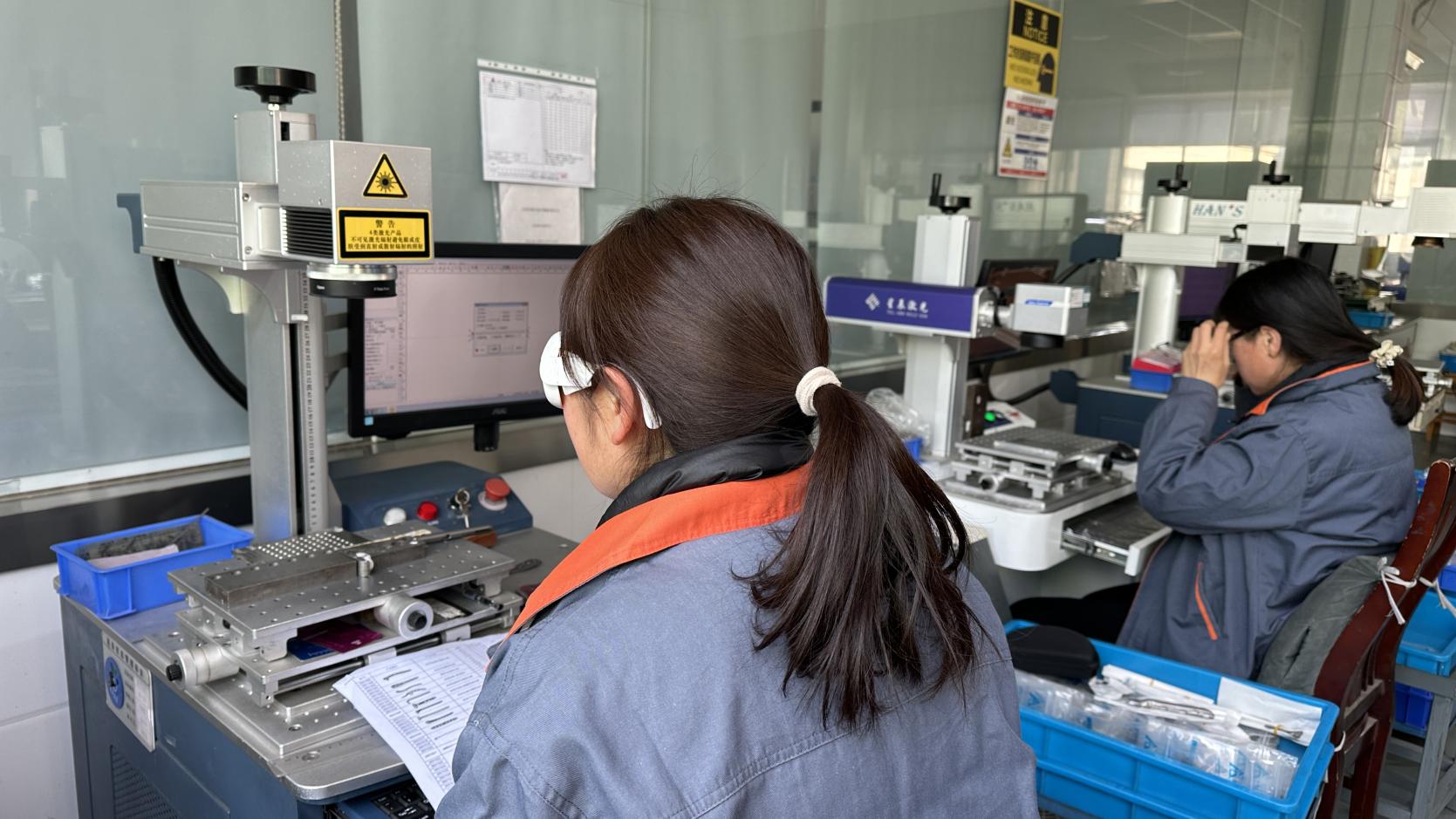
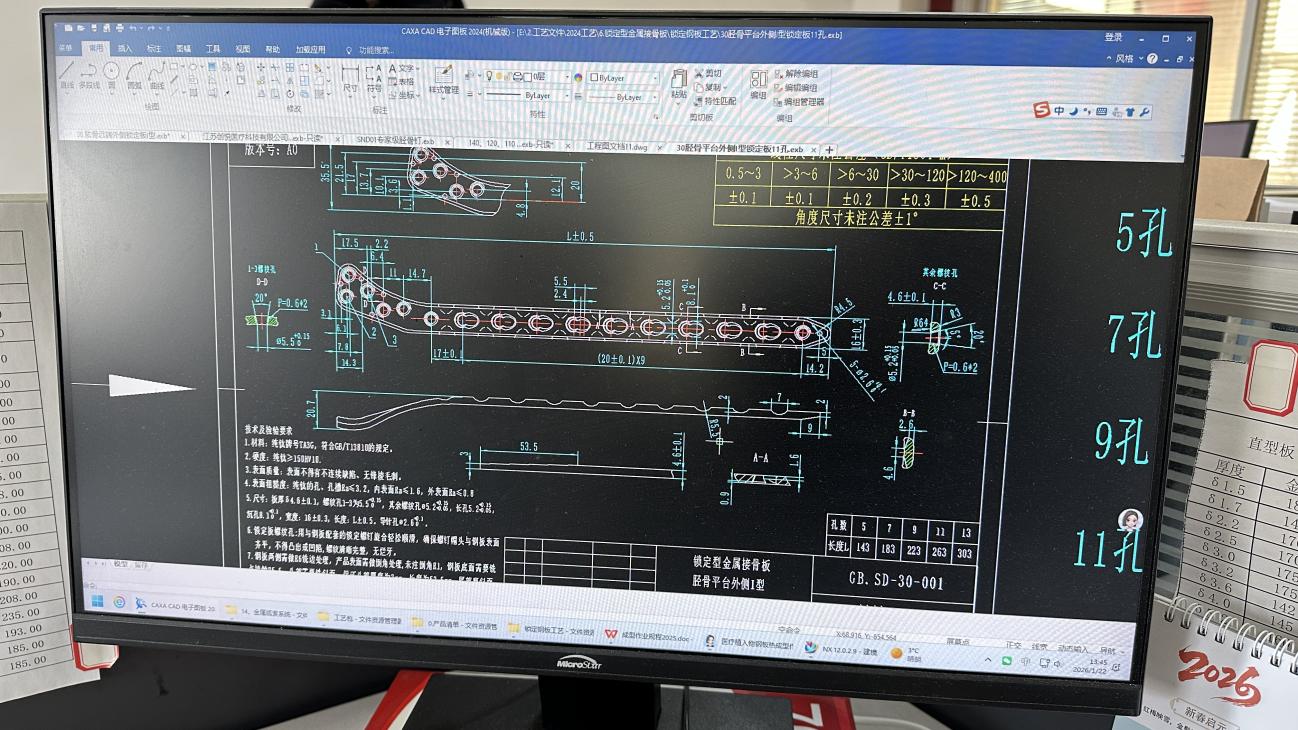

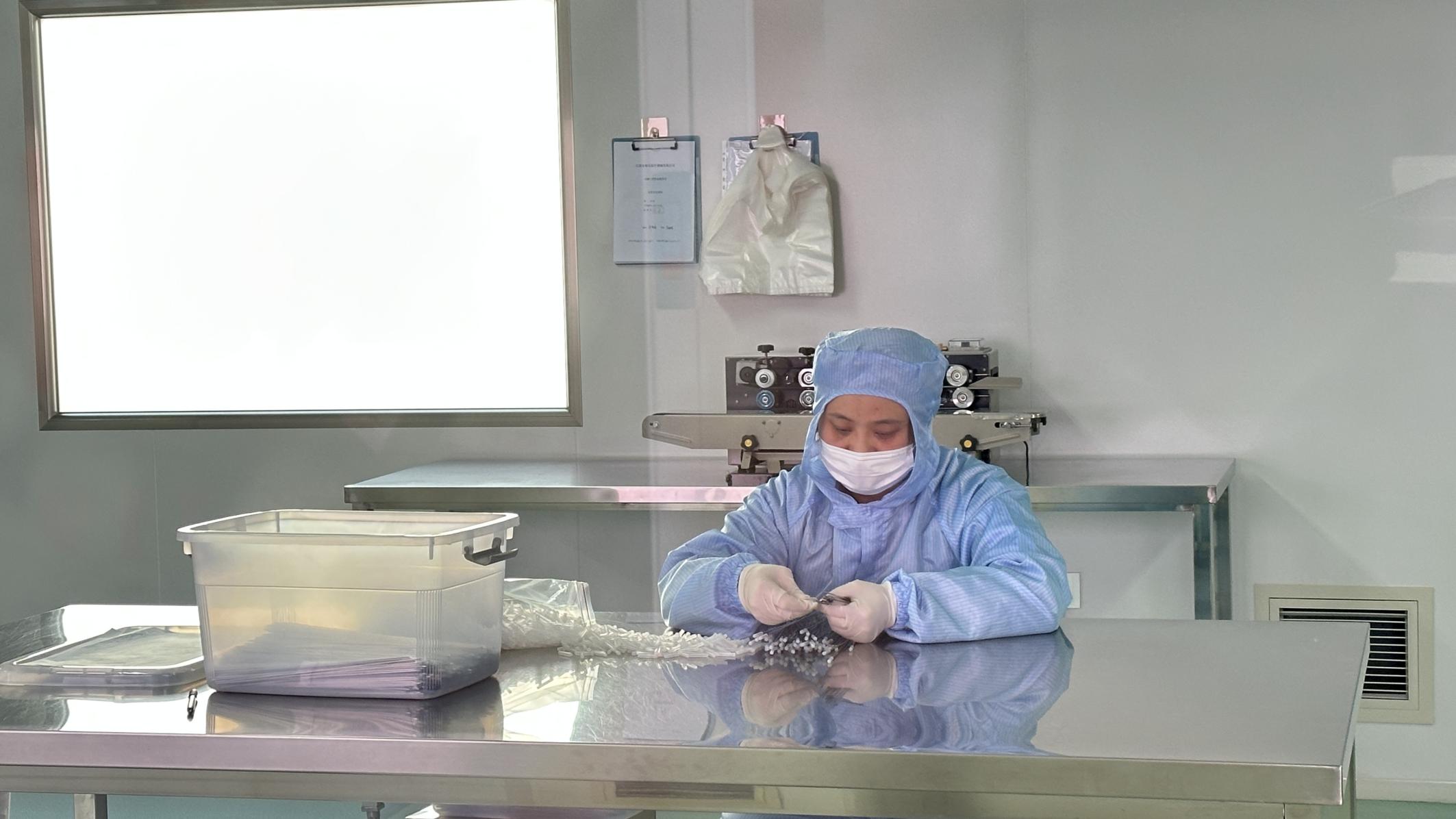
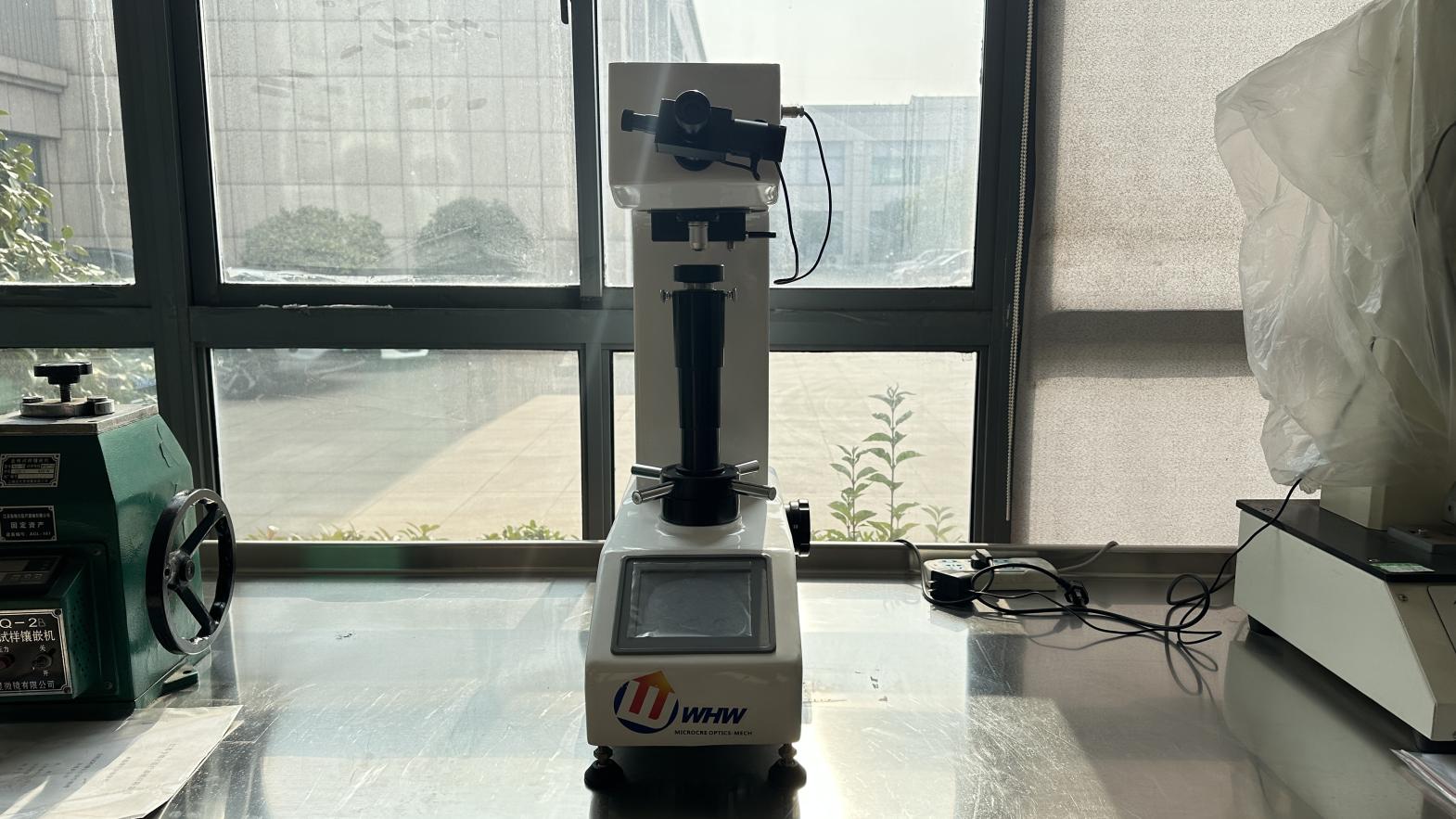
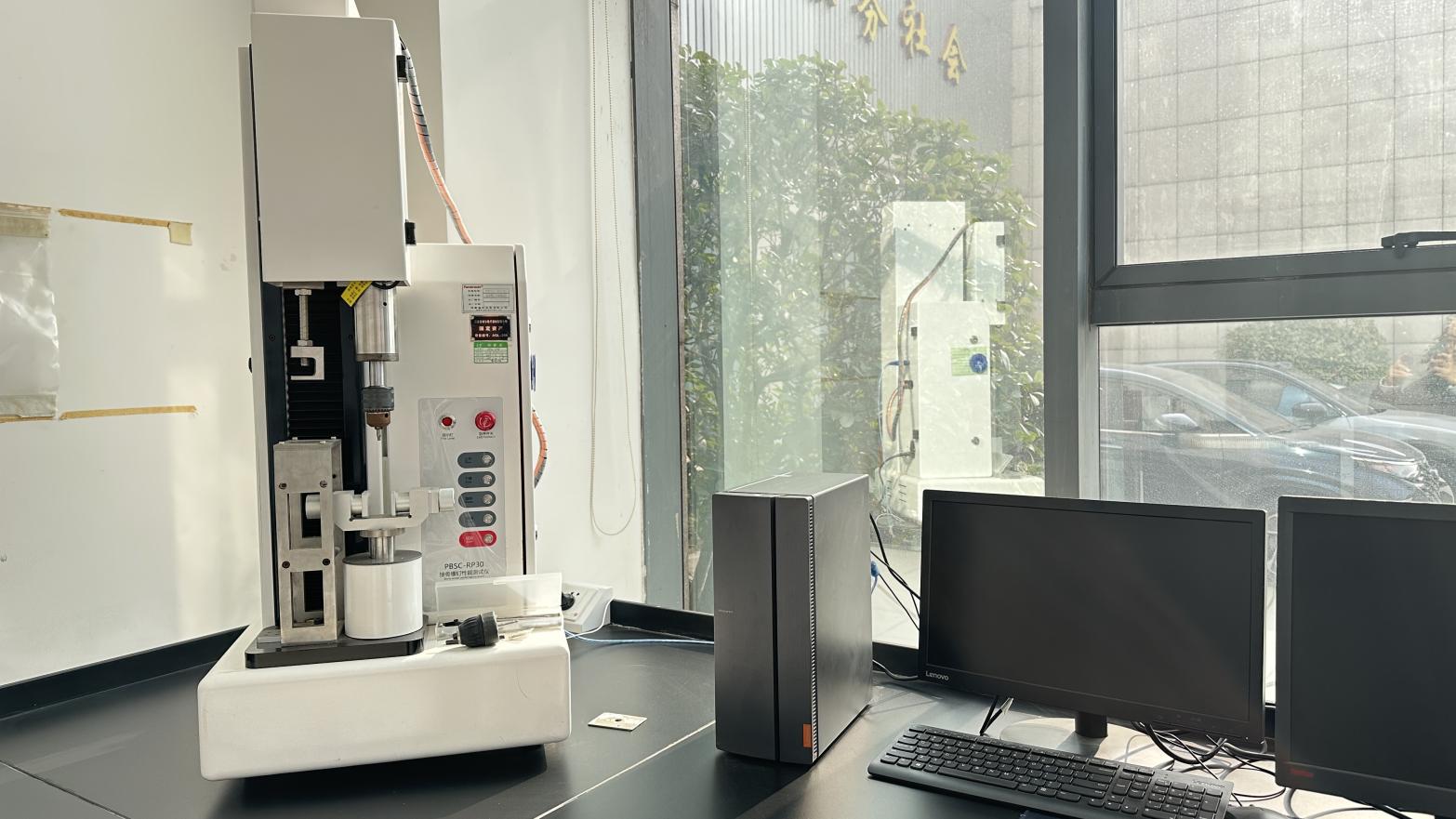
Explore our expanded catalog of pediatric screw systems, anterior lumbar cages, and posterior instrumentation engineered for long-term patient stability.
 Virelox